
Last updated on July 2, 2026

Guild Feud | Illustration by Karl Kopinski
Looking for a quick way to play MTG that’s not very expensive, and that you can set up in a pinch, with no deck building involved? Or something you can play between FNM rounds?
Well, the format you’re looking for already exists, and it’s called Battle Box. It fits Limited and Constructed enthusiasts, from all levels, and if you’ve never heard of the format, I’m here to tell you all about it. Let’s dive in!
What Is a Battle Box?

Titanic Brawl | Illustration by Svetlin Velinov
Battle Box is a casual format that’s more akin to a Limited experience than a Constructed one, in the sense that you’re not playing your own deck. But it also distances itself from pure Limited because you’re not building your deck from scratch. To play it, you need a common library that’s typically called a “Battle Box.” So, we can say that a Battle Box is a pile of singleton cards designed so that people can have a quick 1v1 match, but in an engaging way. It promotes tight gameplay, focusing on combat and the best use of your resources. You’re guaranteed a land drop every turn, so you’re not having problems with mana (similar to how Hearthstone’s system works).
Who Is Battle Box For?
Battle Box can be a good experience for all kinds of MTG players, but like Cube, veteran players tend to love it most. It’s combat math and playing to the board at its finest.
Battle Box can also help MTG players start playing the game without needing to learn how to deckbuild. But if you’re a beginner and you’re facing a veteran in Battle Box, you’re gonna have a hard time, because it’s a skill-intensive format.
Battle Box Rules

Allure of the Unknown | Illustration by Seb McKinnon
Battle Box is a pile of cards, usually between 100-200 cards, carefully selected to build a balanced environment, much like Cube. It’s mostly a singleton format, so you won’t see repeat cards. These cards make a common library from which both players draw. Besides that, each player starts with 10 lands outside the game in a special zone, and on each turn, you can play a land from there. You can’t draw land from the Battle Box. These 10 lands are usually five basic lands and five tapped dual lands, and it’s up to you how to sequence your lands based on what you draw.
You begin the game with four cards in hand and 20 life—of course, these parameters may vary. You can make your own Battle Box rules regarding card size, initial hand size, or life total. Depending on what game play your Box provides, you might want to lower or raise the life total for faster or slower games.
The idea here is to ensure you don’t get mana flooded or mana screwed. Besides, you need to plan ahead with your lands to make sure you have a functional curve with your spells.
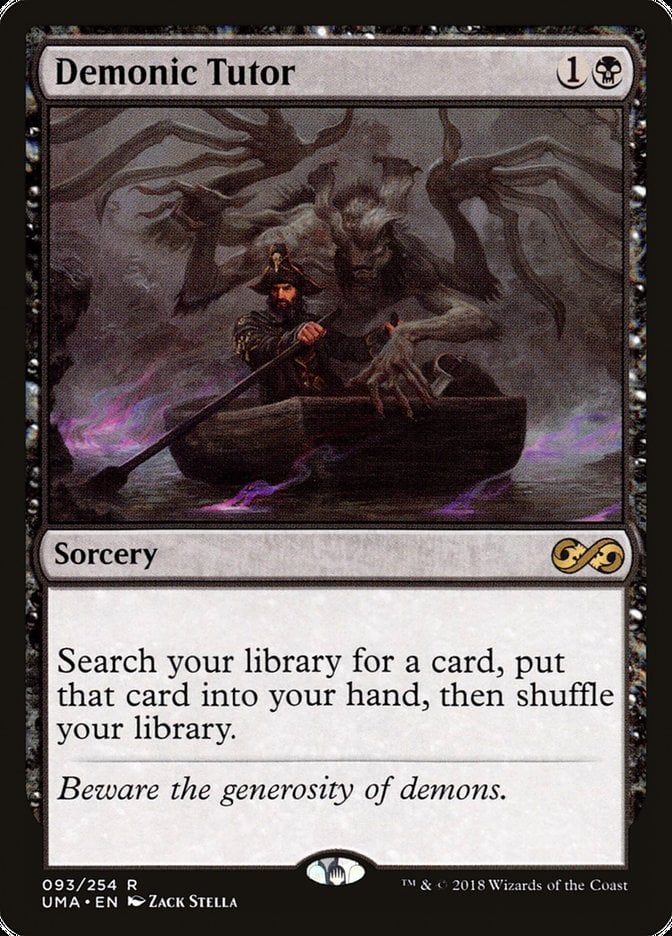
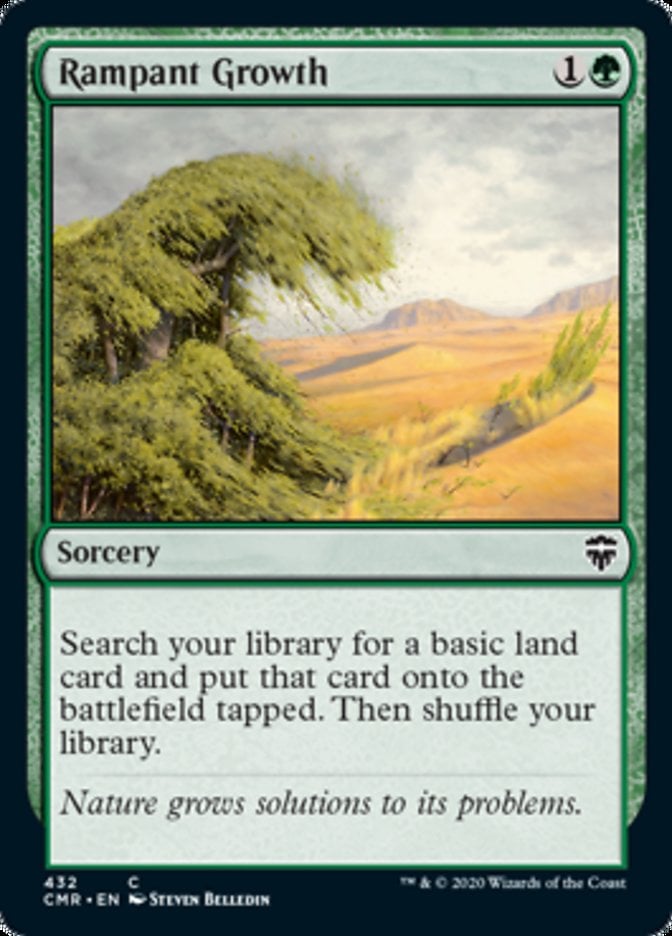
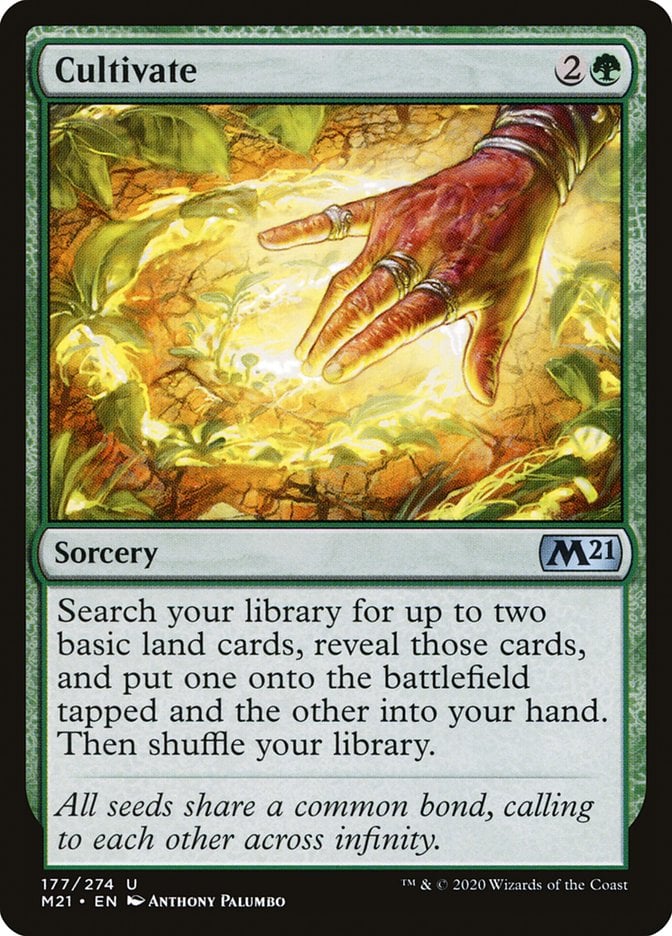
It’s not a rule set in stone, but many players agree that tutors and cards that let you scry or stack the top of the library work against the idea of the format. You share a common library after all, and if you look at all the cards for a specific answer, you take away some of the surprise, the need to pull out a specific top deck that will save you. Similarly, it doesn’t make sense to play land tutors like Rampant Growth or Cultivate since there are no lands in the deck.
Another particular rule is that you own any spell or card you play, for the purposes of cards like Unsummon, for example. Cards that let you cast cards from other players’ libraries work here, but ideally, you won’t play them because you’re not stealing cards from your opponents.
How to Make a Battle Box

Clay-Fired Bricks | Illustration by Steve Ellis
As with Cube, there’s no set-in-stone number of cards a Battle Box should have. Unlike Cube, you’re not incentivized to run a set of strictly balanced cards by color, but most Battle Boxes tend to follow an even—or close to even—distribution of cards by color. Also, in Cube, you rarely have incentives to run cards that are three or more colors, as these usually won’t be drafted highly. That’s not the case in Battle Box, where gold cards create swingy moments and ask you to sequence your lands in a different way. Drawing a card is very different than having that card in your opening hand. Some designers like to put these in, just to create tension moments.
Combat math are king in Battle Box, so you can play with rarities and add more Draft commons and uncommons, or combat tricks, instead of filling your box with expensive bombs, removal, and sweepers. This ensures that your games are swingy and have meaningful decisions. According to Brian DeMars: “The general criteria that I use when building my Danger Room is that I want the vast majority of my cards to be at, or around, the power level of an Uncommon that I would be very happy to first pick in a booster draft”. So we can see what power level he’s aiming for with his own Battle Box.
You can build your own Battle Box based on the cards you already have and experiment with them, or try to build a tried and true one, and see what ticks and what doesn’t.
Effects to Avoid
Here’s a list of effects that aren’t particularly interesting for the format due to its specific characteristics.
Library Manipulation
First, using a common library has some interesting implications—for example, scrying and surveilling. When you’re asked to scry 2 and draw a card, you can leave a “bad card” for your opponent to draw on the next turn. If they have any way to mill, they might be interested in milling that card you’ve just left on top. If you scry cards to the bottom, there’s no telling what they’ll draw next turn. As such, players tend to avoid these library manipulation effects.
- Mill
- Scry
- Surveil
Tokens
Players usually stay light on cards that make a lot of tokens, or cards that make different tokens. The occasional 2/2 zombie or 1/1 soldier is fine.
Board Wipes and Bombs
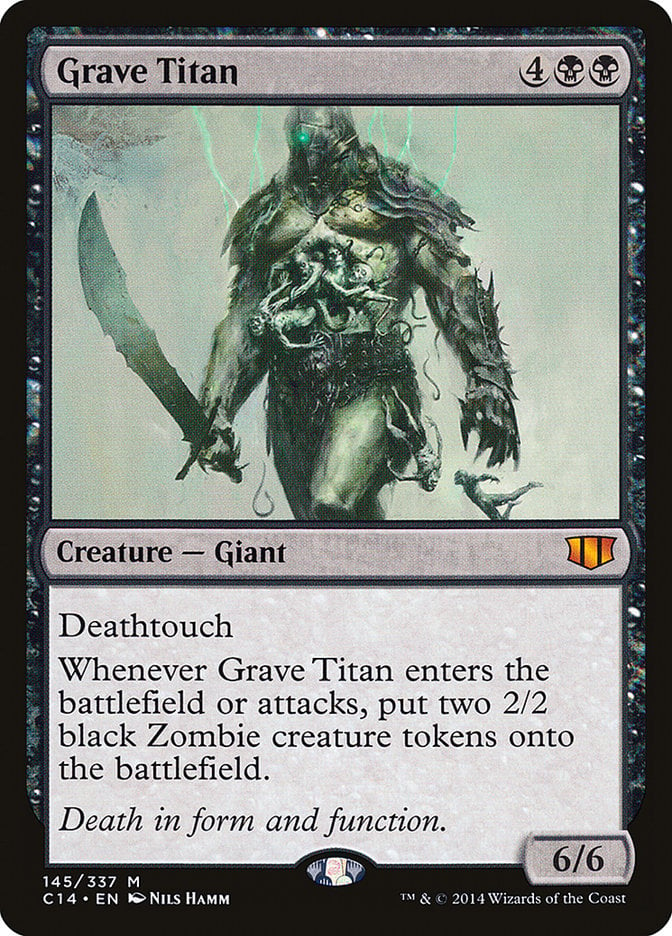
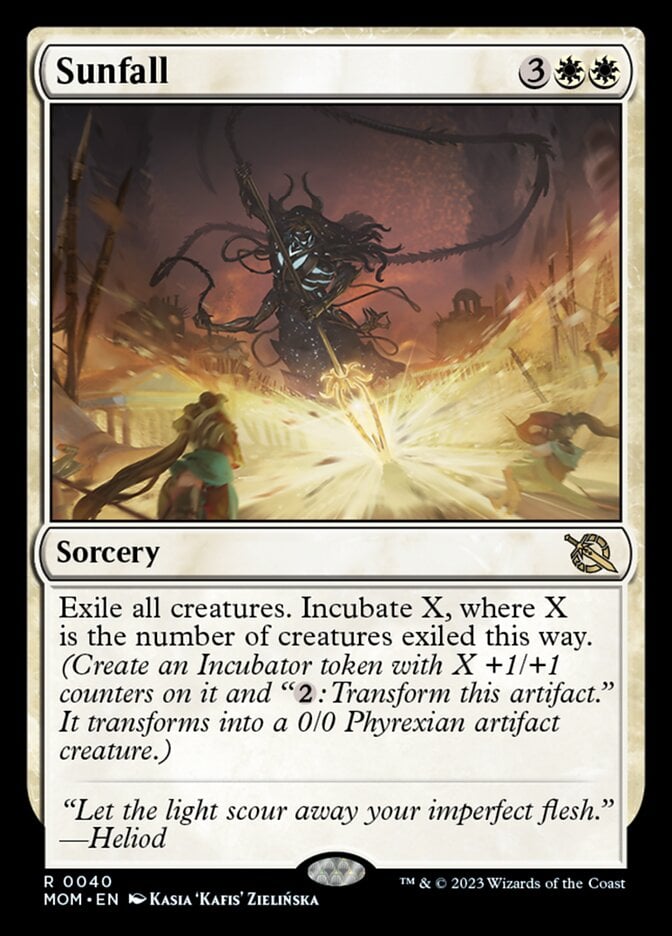
Avoid cards that reset the board or give players too much of an advantage. If you play a game that focuses heavily on combat tricks and getting temporary advantages, a sweeper or a “big Limited Bomb” is frustrating to play against. You should have some of these, but at a low density. Cards that snowball quickly also aren’t fun to play against, nor is heavy card draw. Adding a powerful 6-drop like Grave Titan means that whoever draws that card will be able to play it on curve and make a lot of Zombies.
Ramp, Unconditional Removal and Land Destruction
Give a nod to conditional removal, too. Having many cheap, unconditional removal spells can invalidate much of the big cards you’re playing. And finally, respect the mana system. Land destruction or too many mana accelerants go against the spirit of the format.
Cards You Should Favor
Modal Cards
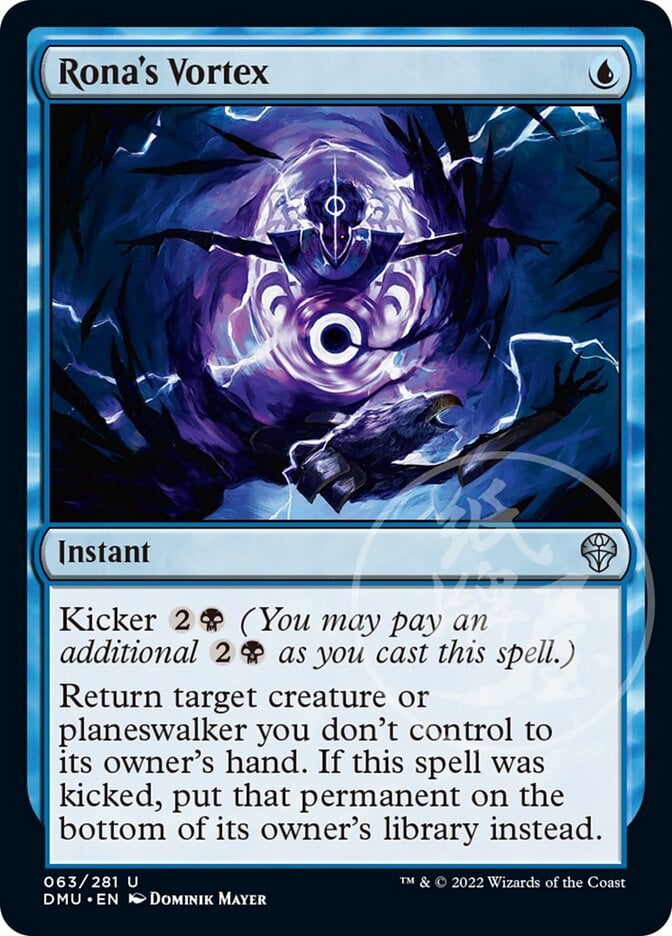
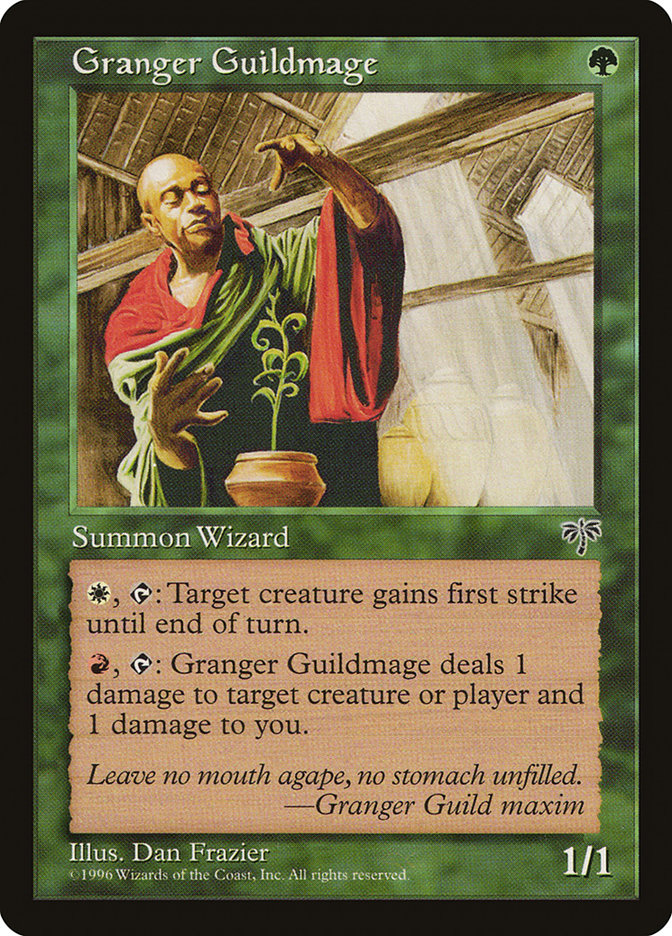
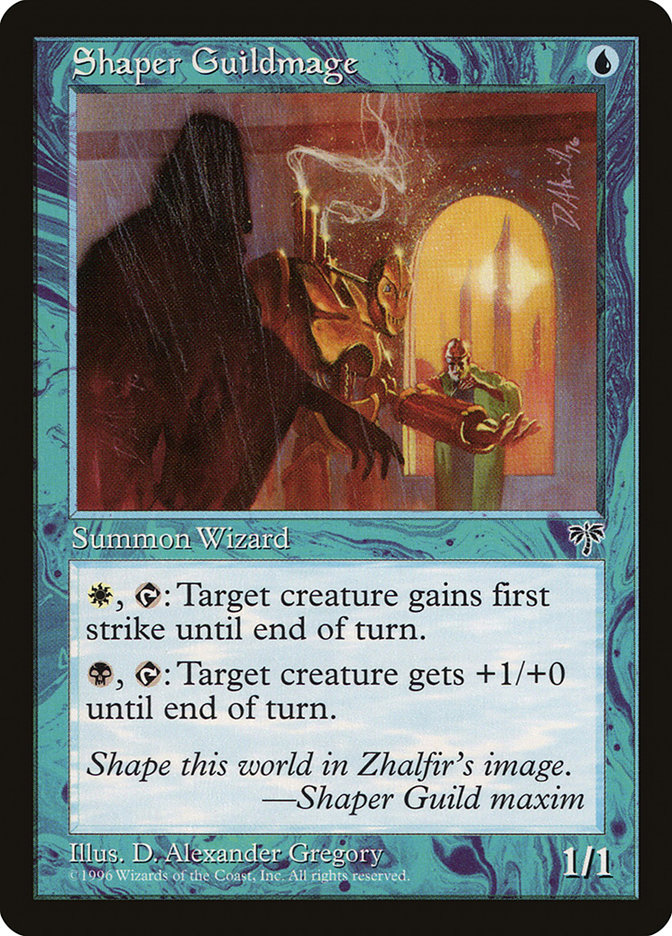
On the other hand, Battle Box is an excellent format for modal cards, or cards that have off-color costs. Cards from Dominaria United with off-color kicker costs, or quirky Mirage cards like Granger Guildmage or Shaper Guildmage are engaging as they strain your mana and lead to interesting decisions.
Cascade or Discover
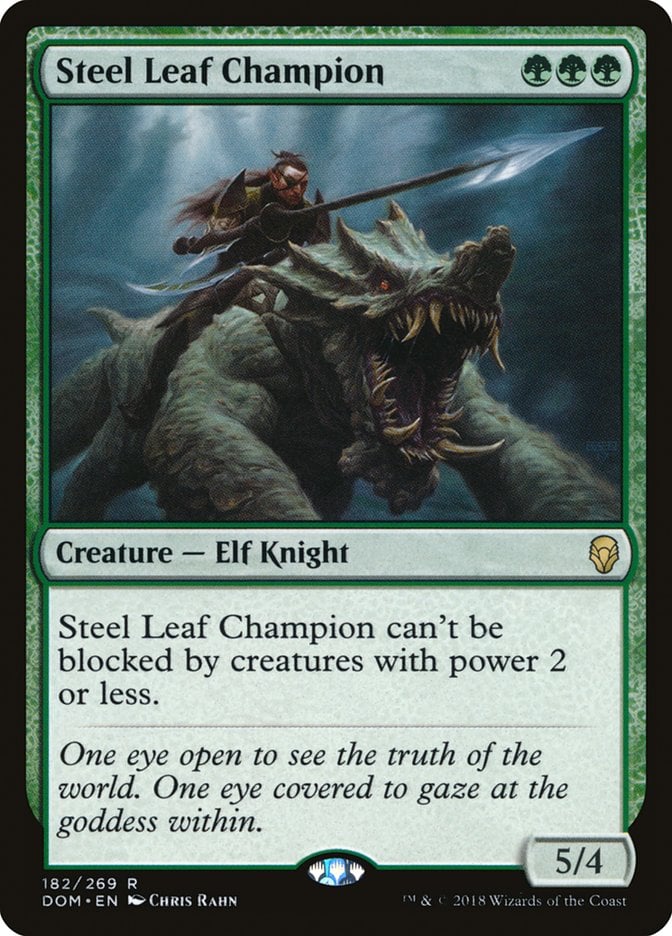
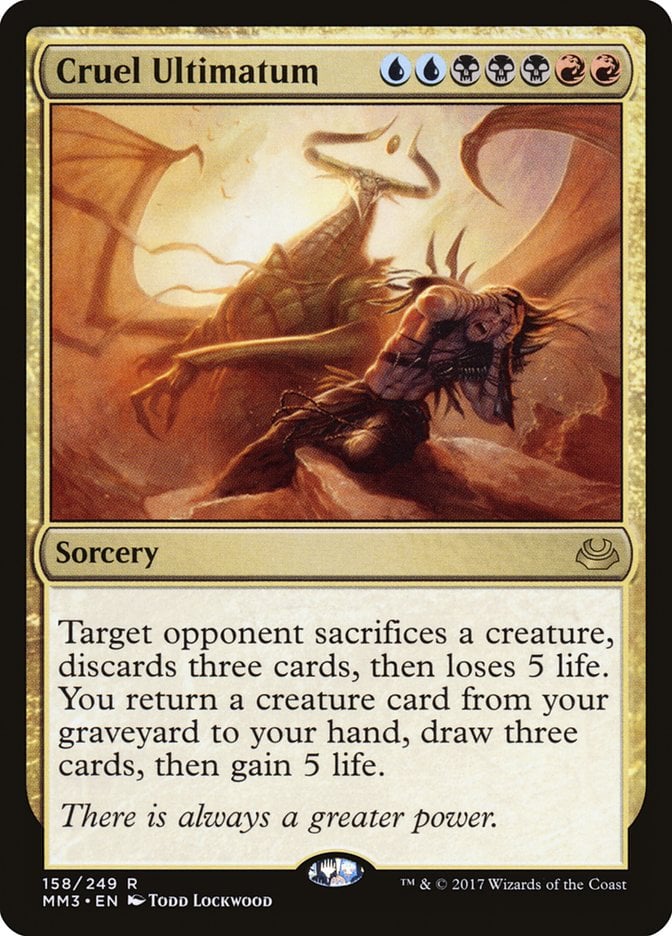
Mechanics like cascade and discover can be interesting in smaller numbers, since you don’t know exactly what’s coming. It’s also interesting to think about the implications of a card like, say, Steel Leaf Champion. It’s strong, but to cast it, you need to play Selesnya Guildgate, then Gruul Guildgate, then Forest. What about if you draw it when you have just a Forest in play, and you actually need to wait for three turns to be able to cast it? Similarly, a card like Cruel Ultimatum is a real pain on “land logistics.”
What Is the Danger Room?
Danger Room was the name Brian DeMars gave to his own Battle Box, a term originally popularized by Ben Stark. Brian’s Danger Room is considered the “starting point” for battle boxes ever since he wrote about it for Star City Games in 2014.
Examples of Battle Boxes
Let’s take a look at some Battle Boxes:
- Brian DeMars is a primary reference in the matter, so here’s his actual Battle Box (from 2022). It’s a 659-card one.
- Anthony Mattox from Lucky Paper Radio maintains a much smaller Battle Box, at 146 cards.
Battle boxes can be played as a multiplayer format, so you can have free-for-all or Two-Headed Giant matches. Just be sure that the card selection fits these formats well. Cards from Commander sets excel in multiplayer free-for-all all, while the Battlebond set has a few interesting cards for Two-Headed Giant play.
You can check our Managing Editor JankDiverTim’s multiplayer Battle Boxes:
- Multiplayer Battle Box (200 cards)
- Two-Headed Giant Battle Box (196 cards)
In fact, CubeCobra has a bunch of Battle Boxes to check out. You can also have a Set battle box, aiming to discover typical play patterns and synergies. In fact, it’s easy to build one, you just pile the contents of some boosters together. Other players even make something like a Dimir control box, or a Boros aggro box.
Battle Box vs. Cube
Cube is designed to be a balanced, replayable Limited environment, typically to play Draft or Sealed. As such, colors are usually balanced power level-wise, you can have 1-color or 2-color archetype designs, and cards don’t have a big power level difference between each other. It’s also a format that encourages cards you can build around to add replayability and challenge.
Battle Box is nothing like that. It’s easier to set up, it plays perfectly fine with two people, and players don’t need to know how to draft or deckbuild. In fact, it’s much quicker to set up and play. The rules regarding Battle Box are not strict, so you can play with a shared library of 100 cards, 200 cards, or what have you. Games are also much more grindier as you don’t play a synergistic deck, combo deck, or archetype.
Wrap Up
The Moment | Illustration by Patrik Hell
Casual formats in MTG, like Commander and Cube, are some of the most interesting ways to enjoy MTG, and there’s also Battle Box, with a whole different approach. You can build one yourself with whatever rules you set, or help friends playtest their own. Either way, you’re up for a good time. And be sure to check out the ones I’ve shared because you might get good inspiration from them.
Where have you pulled out your Battle Box? What were some of the highlights? Let me know in the comments section, or leave us something at Twitter/X. Thank you for reading and keep battling!
Follow Draftsim for awesome articles and set updates:










Add Comment