
Last updated on January 23, 2026
Isshin, Two Heavens as One | Illustration by Ryan Pancoast
Isshin, Two Heavens as One takes normal combat and turns it into a serious threat by doubling attack triggers and rewarding constant pressure. This deck is built to flood the board, stack damage quickly, and punish opponents every time you turn creatures sideways, whether through tokens, drain effects, or extra combat steps, and that’s not even talking about the powerful synergies it has.
Intrigued by what this deck can do? Let’s dive in.
The Deck
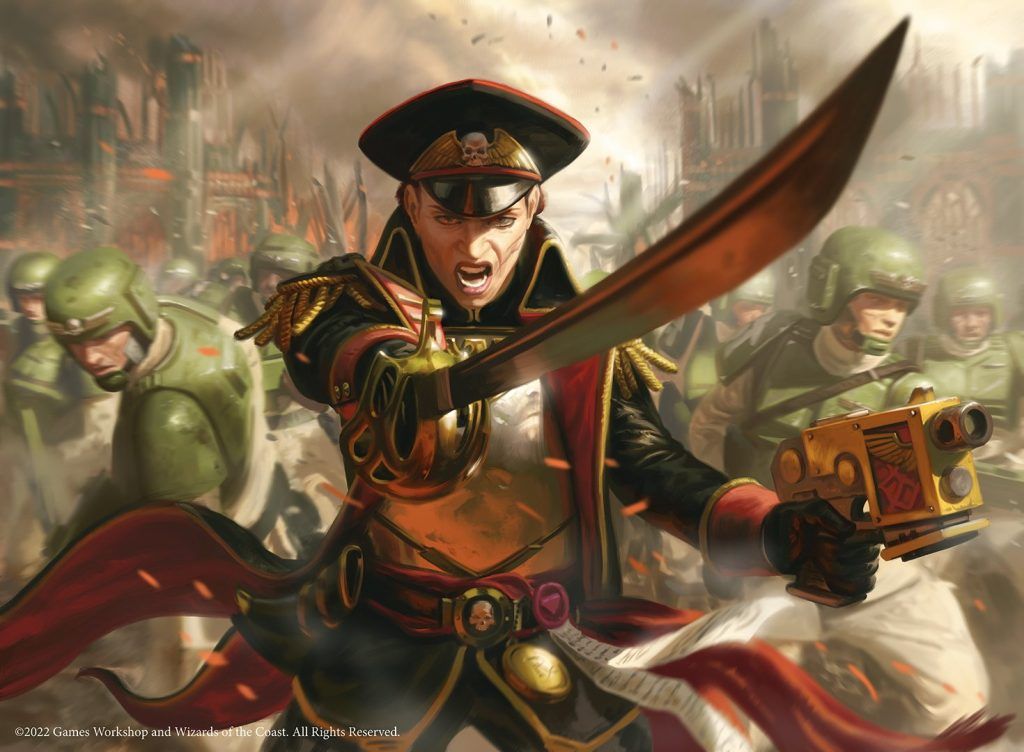
Commissar Severina Raine | Illustration by Jake Murray
Commander (1)
Creature (32)
Ainok Strike Leader
Voice of Victory
Skyknight Vanguard
Adeline, Resplendent Cathar
Breena, the Demagogue
Commissar Severina Raine
Audacious Thief
Alesha, Who Laughs at Fate
Kellogg, Dangerous Mind
Captain Lannery Storm
Hanweir Garrison
Krenko, Tin Street Kingpin
Anim Pakal, Thousandth Moon
Zurgo Stormrender
Myrel, Shield of Argive
Hero of Bladehold
Brutal Hordechief
Mishra, Claimed by Gix
Delina, Wild Mage
Iroas, God of Victory
Caesar, Legion's Emperor
Mardu Siegebreaker
Hellrider
Tectonic Giant
Karlach, Fury of Avernus
Adriana, Captain of the Guard
Aurelia, the Law Above
Otharri, Suns' Glory
Goldspan Dragon
Sun Titan
Etali, Primal Storm
Aurelia, the Warleader
Sorcery (3)
Damn
Ruinous Ultimatum
Blasphemous Act
Instant (8)
Path to Exile
Swords to Plowshares
Despark
Boros Charm
Flawless Maneuver
Generous Gift
Anguished Unmaking
Akroma's Will
Enchantment (5)
Rising of the Day
Warleader's Call
Windcrag Siege
Mardu Ascendancy
Fervent Charge
Artifact (13)
Sol Ring
Diamond Pick-Axe
Arcane Signet
Boros Signet
Dolmen Gate
Lightning Greaves
Orzhov Signet
Rakdos Signet
Swiftfoot Boots
Sword of the Animist
Talisman of Conviction
Talisman of Hierarchy
Talisman of Indulgence
Land (38)
Arena of Glory
Arid Mesa
Battlefield Forge
Blazemire Verge
Blightstep Pathway
Blood Crypt
Bloodstained Mire
Brightclimb Pathway
Caves of Koilos
Clifftop Retreat
Command Tower
Dragonskull Summit
Eiganjo, Seat of the Empire
Evolving Wilds
Exotic Orchard
Godless Shrine
Isolated Chapel
Luxury Suite
Marsh Flats
Mountain
Needleverge Pathway
Nomad Outpost
Path of Ancestry
Plains
Reflecting Pool
Rogue's Passage
Rugged Prairie
Sacred Foundry
Savai Triome
Shattered Sanctum
Smoldering Marsh
Sokenzan, Crucible of Defiance
Spectator Seating
Sulfurous Springs
Sunbillow Verge
Sundown Pass
Swamp
Vault of Champions
At its core, this is an aggressive Mardu () attack-trigger deck built to overwhelm the table through combat. Instead of relying on one huge creature, the deck floods the battlefield with attackers and stacks multiple triggers every combat. Cards like Adeline, Resplendent Cathar, Hero of Bladehold, and Hanweir Garrison ensure that you always attack with a growing army, while your commander doubles the payoff. The deck rewards you for turning creatures sideways early and often.
While this deck has very good cards, it doesn’t really run true infinite combos or have Game Changers in it. While you can technically call it a Bracket 2 deck, it’s efficient enough that it should be able to hold its own among Bracket 4 decks.
The Commander: Isshin, Two Heavens as One
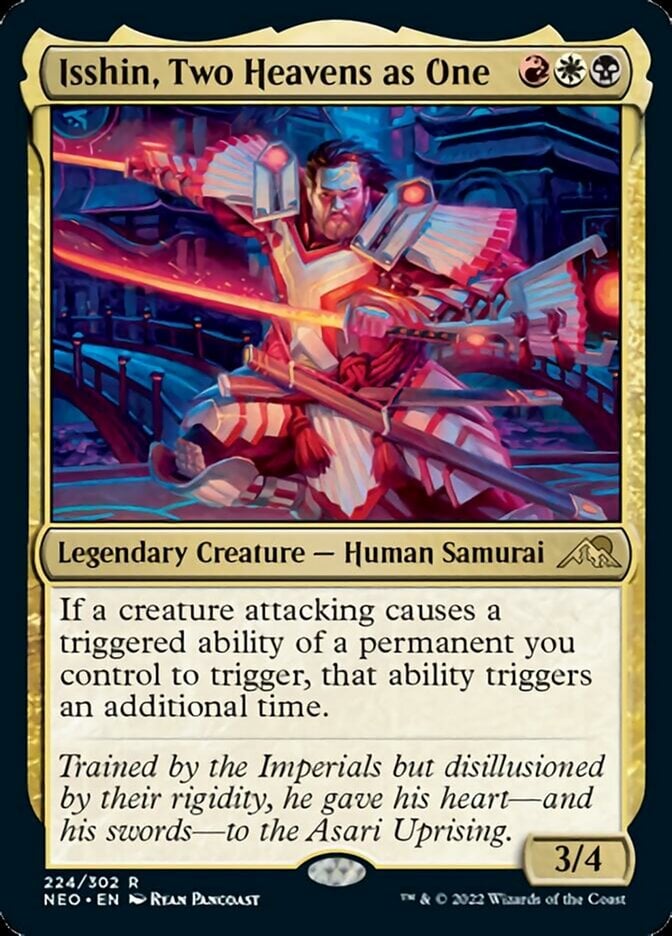
Isshin, Two Heavens as One is the engine that makes everything unfair. Isshin doesn’t care what the trigger does, only that it happens when creatures attack. Token creation, damage triggers, draw effects, and life drain all happen twice. Every combat step becomes explosive, and you can turn average attackers into game-ending threats without the need for infinite combos.
Key Creatures
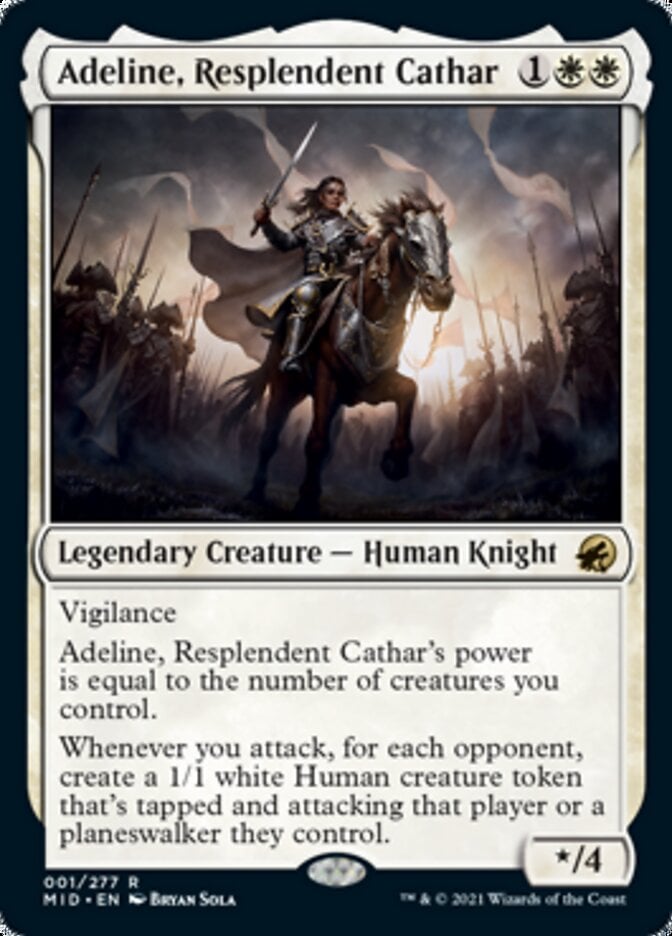
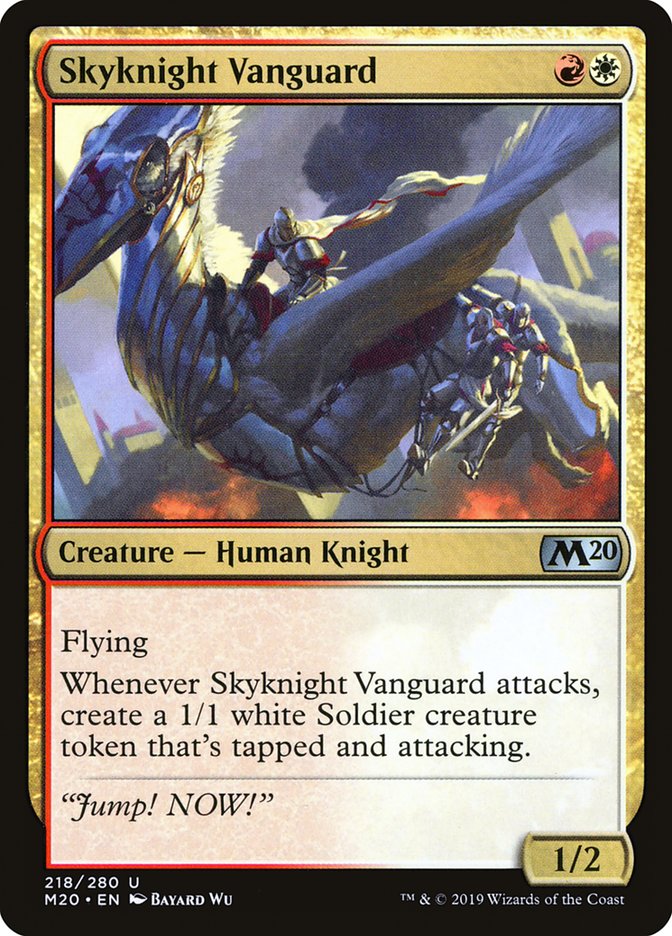
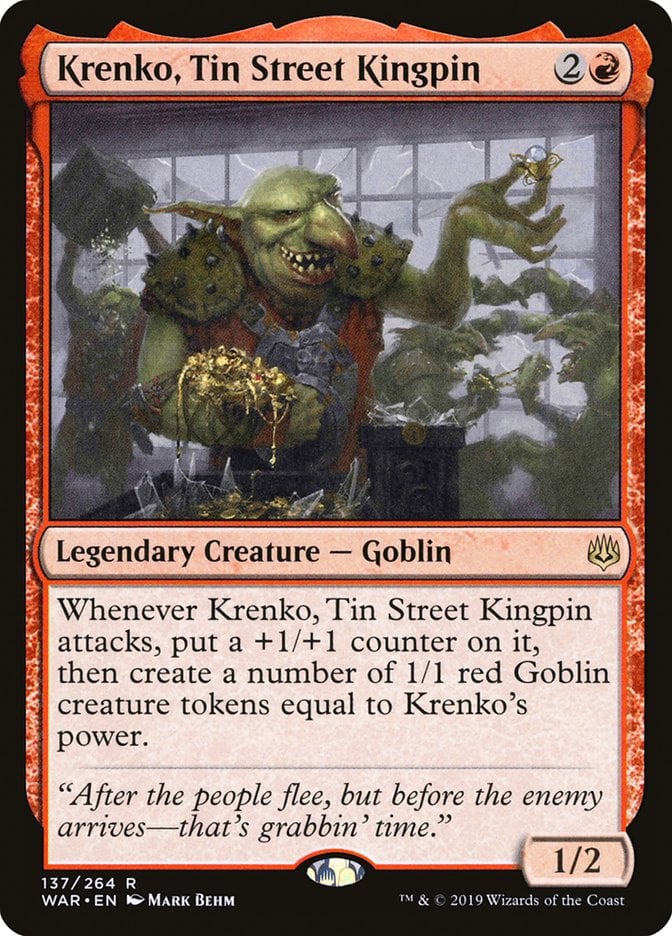
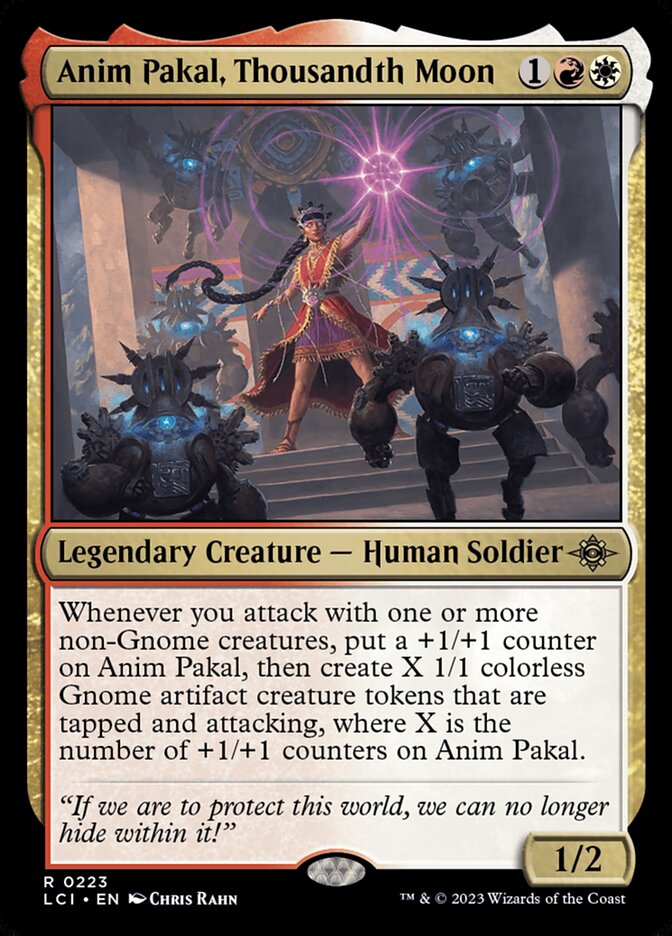
These creatures are your front line. Adeline, Resplendent Cathar, Skyknight Vanguard, Krenko, Tin Street Kingpin, and Anim Pakal, Thousandth Moon all make tokens when they attack, and those tokens build your board fast, especially in multiplayer games. The more creatures you control, the harder you hit every turn.
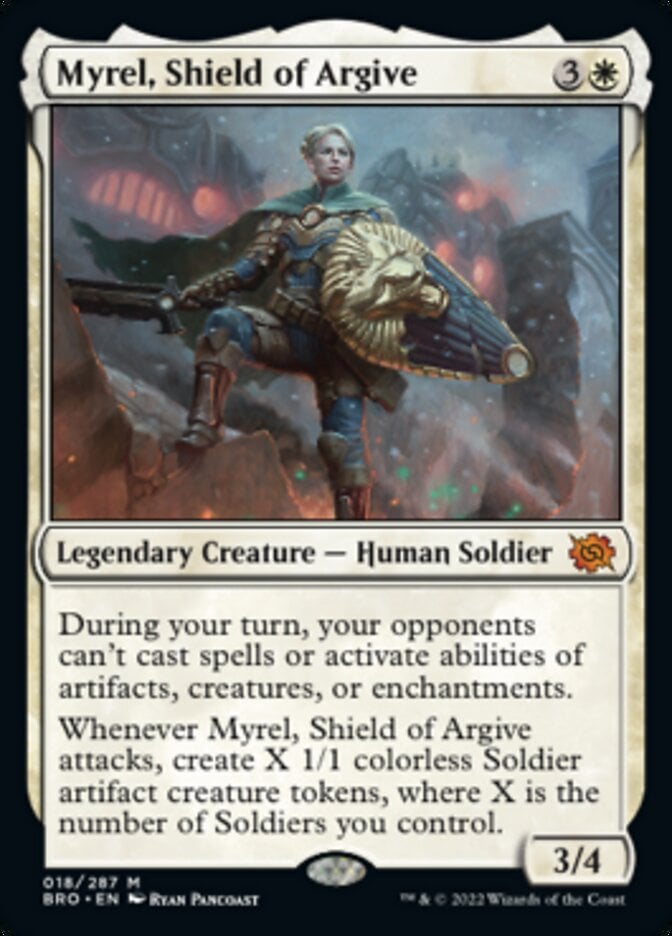
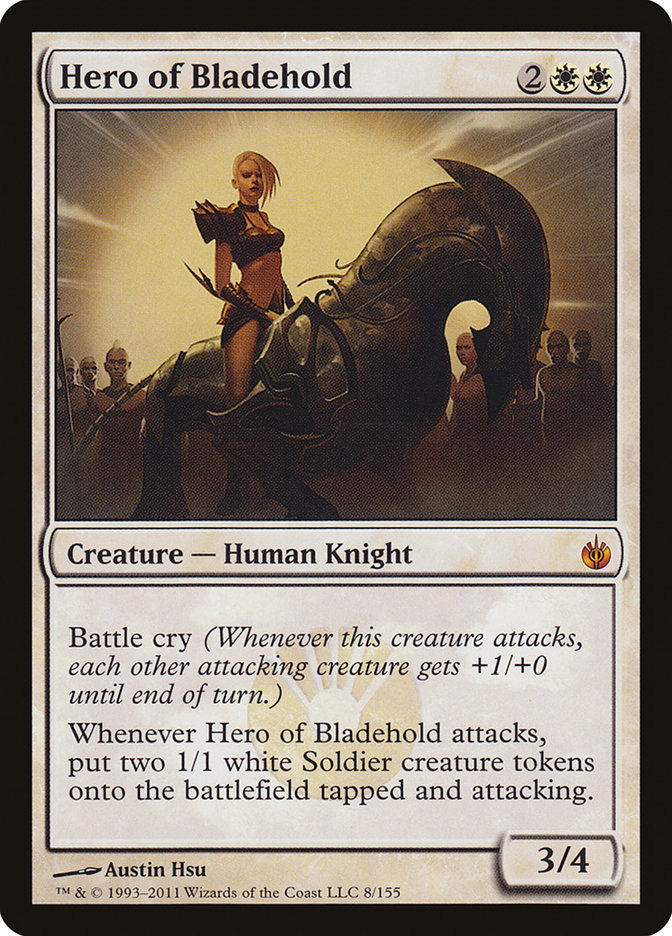
Myrel, Shield of Argive protects your turn by shutting down opponents’ spells and makes even more soldier tokens when it swings. Hero of Bladehold also does double duty because it boosts your attackers with battle cry and creates two soldiers tapped and attacking. Together, these cards quickly turn small attacks into overwhelming armies.
The Payoffs
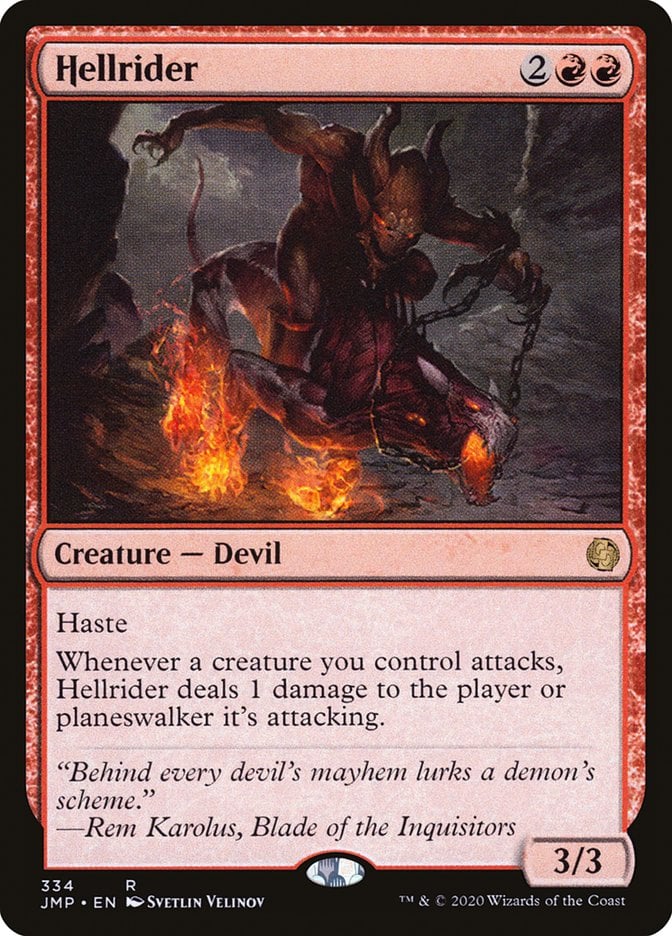
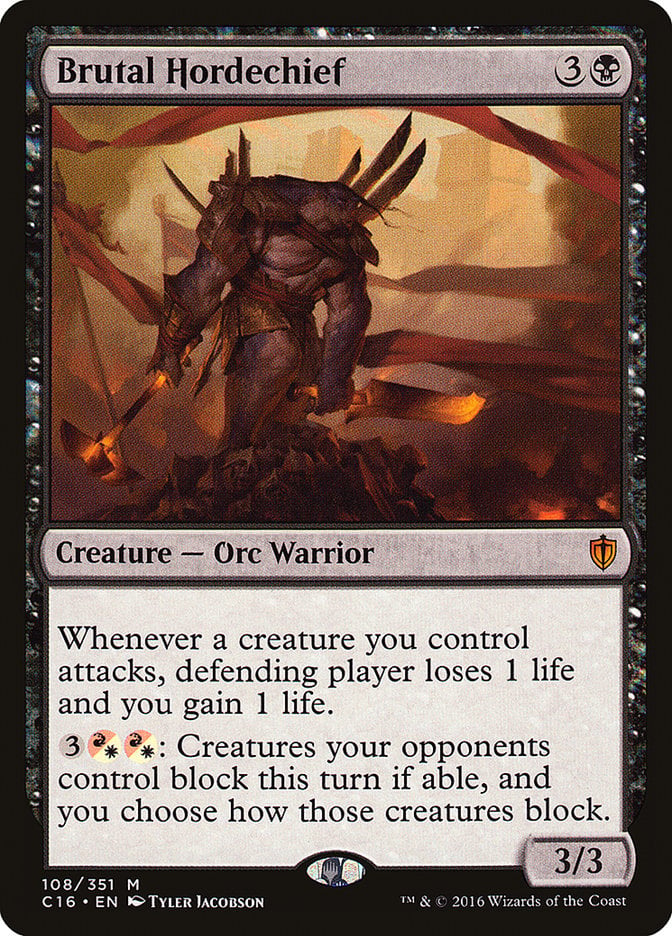
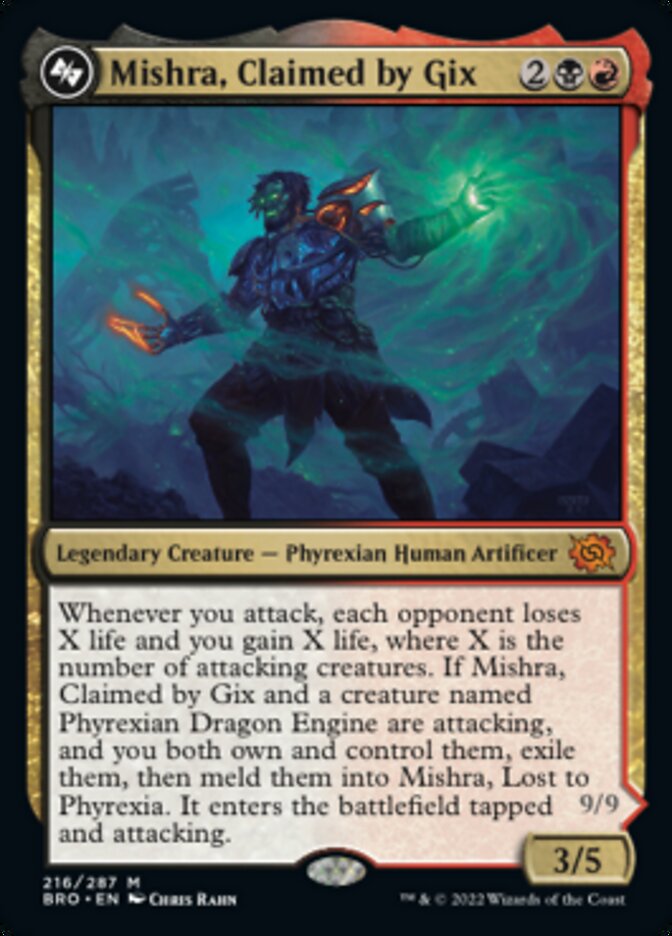
These cards punish your opponents for letting you attack. Hellrider, Brutal Hordechief, and Mishra, Claimed by Gix all deal damage or drain life just for declaring attackers. You don’t even need to connect; just swinging chips away at life totals and builds your lead.
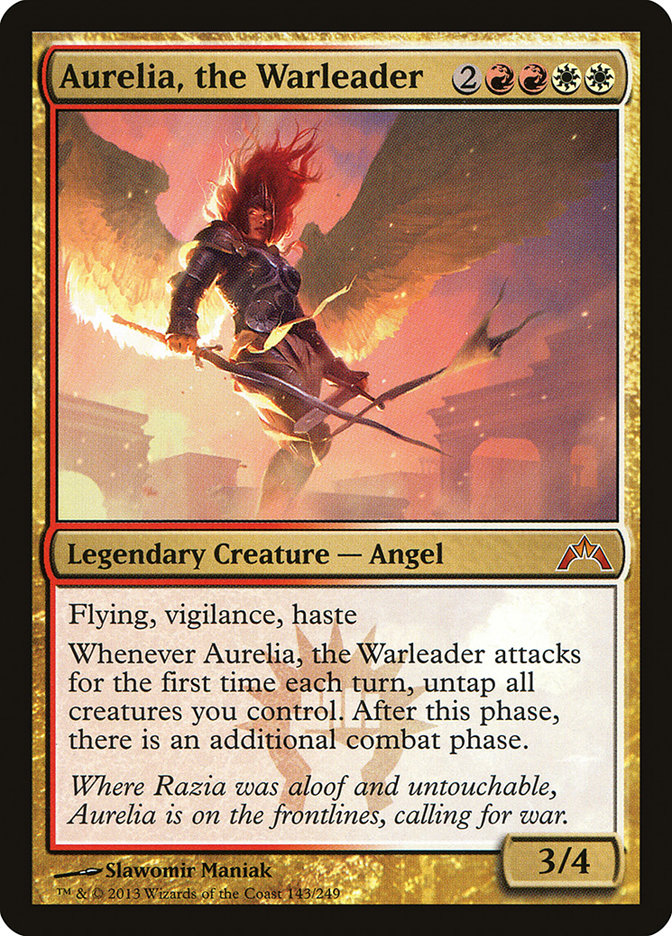
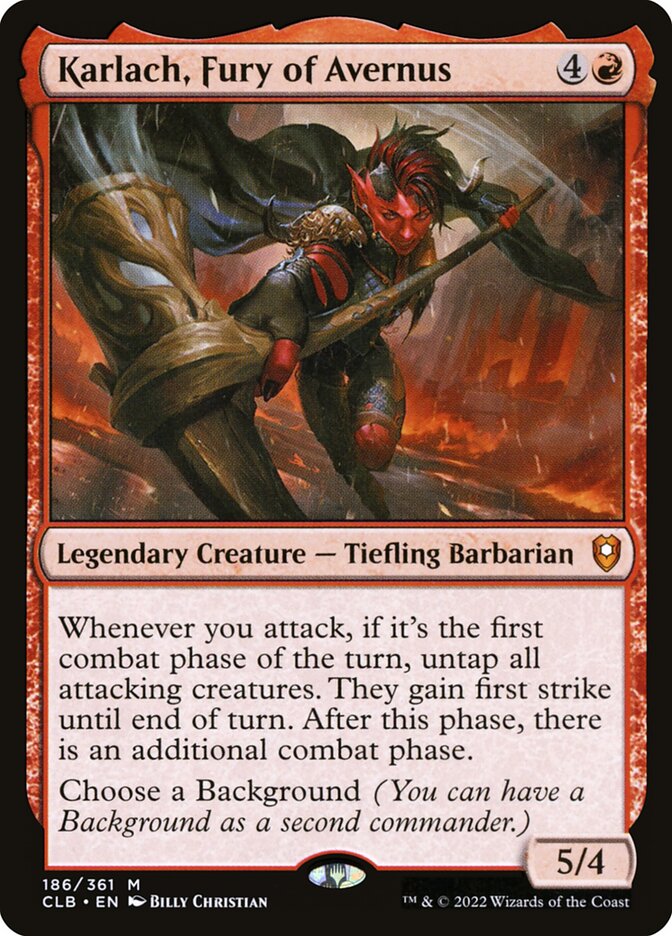
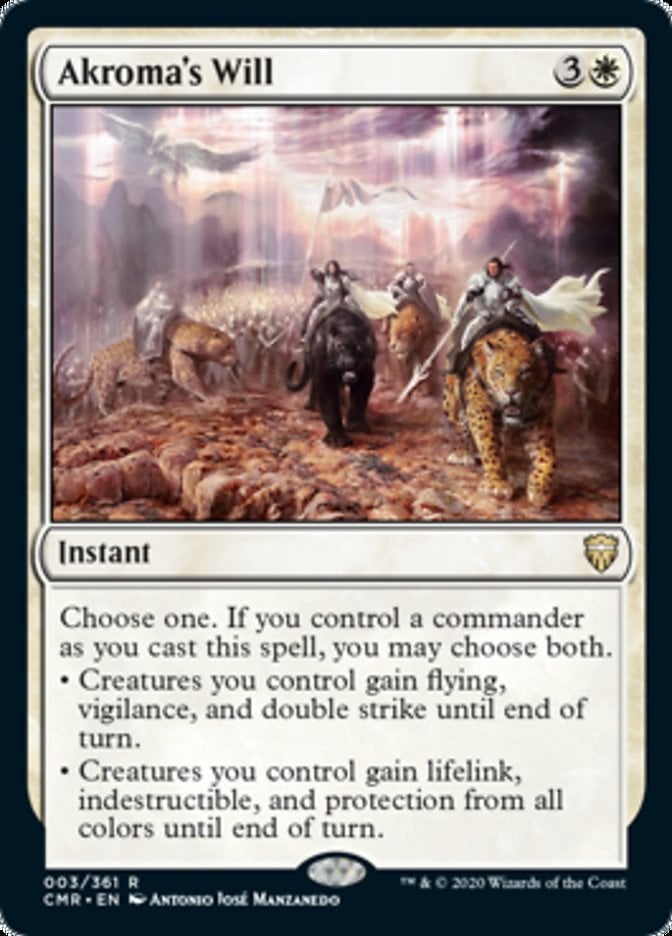
When it’s time to finish the game, Aurelia, the Warleader and Karlach, Fury of Avernus give you extra combat steps to double all those effects. Akroma's Will is your one-shot finisher: It gives your whole team double strike, lifelink, and protection. Swing once and you’ll likely end it.
The Enablers
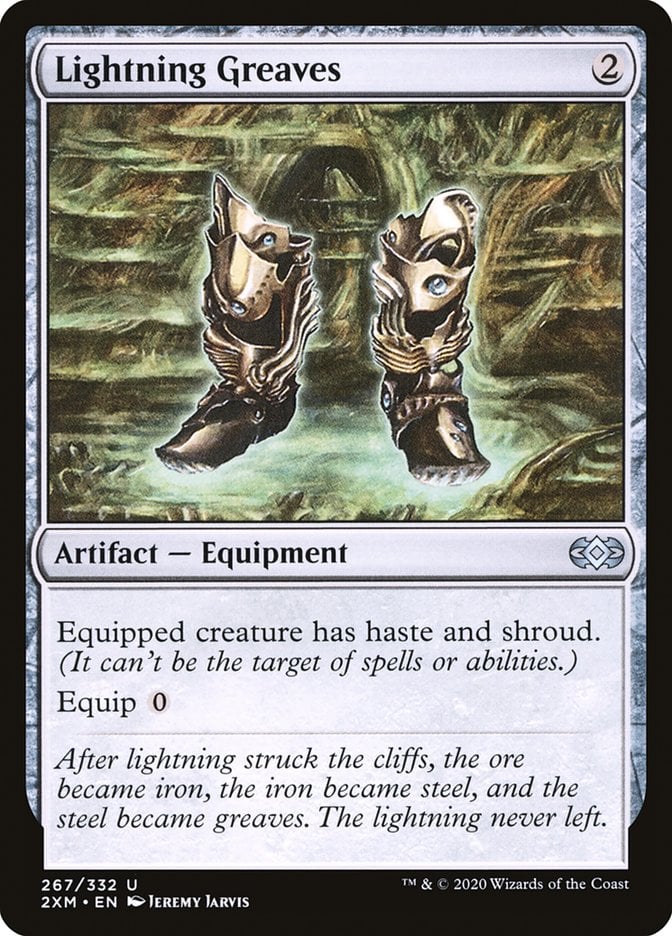
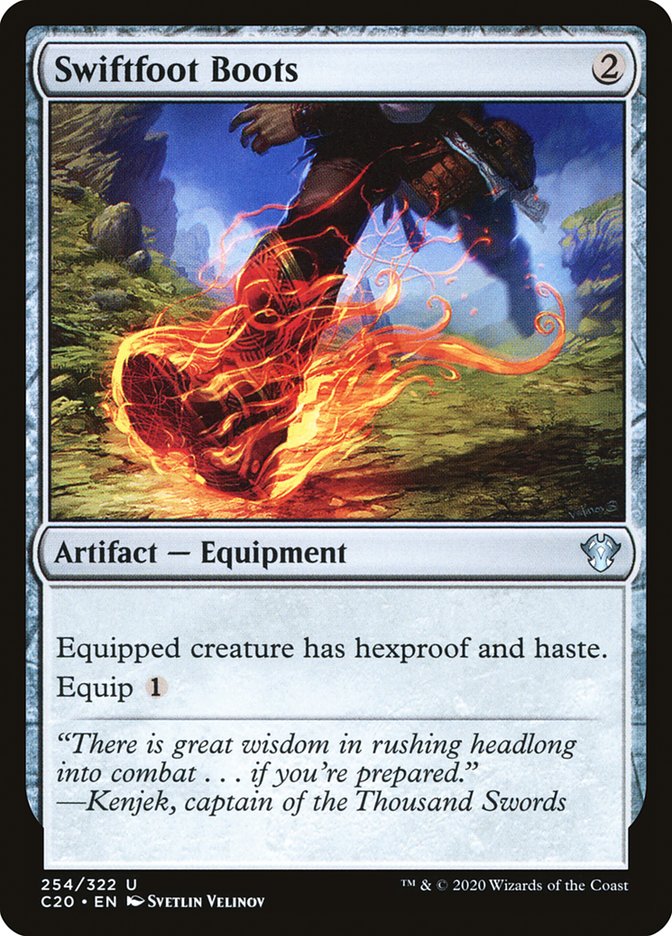
These cards keep your plan safe and running. Lightning Greaves and Swiftfoot Boots protect your key creatures like Isshin while giving them haste so that you don’t lose momentum.
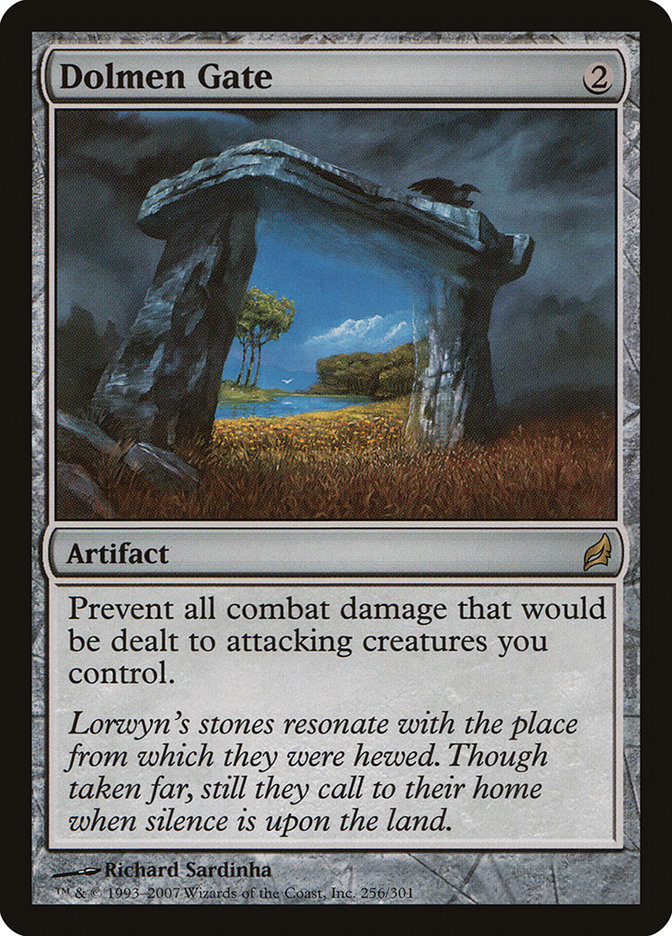
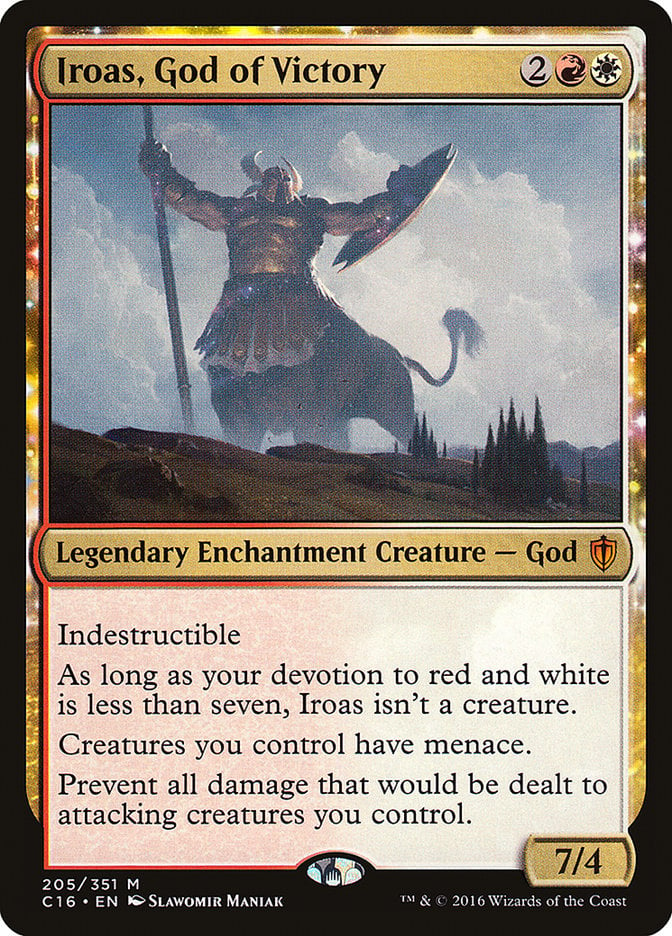

Dolmen Gate and Iroas, God of Victory make attacking safe and ensure that your creatures won’t die in combat. Ramp like Sol Ring, Arcane Signet, Boros Signet, and the Mardu Talismans make sure you always have the mana to drop threats fast and recover after board wipes.
Interaction
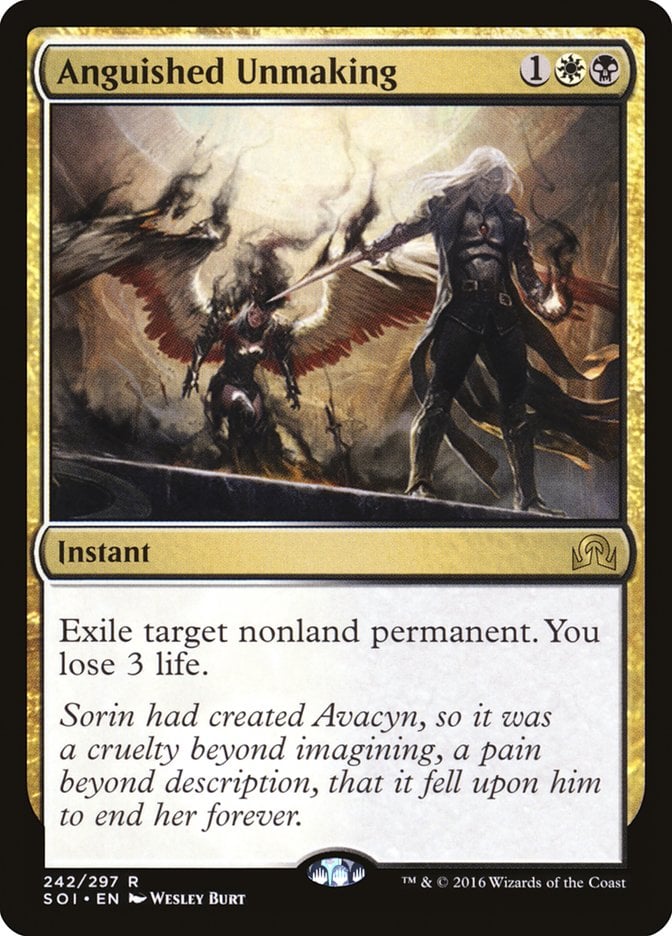
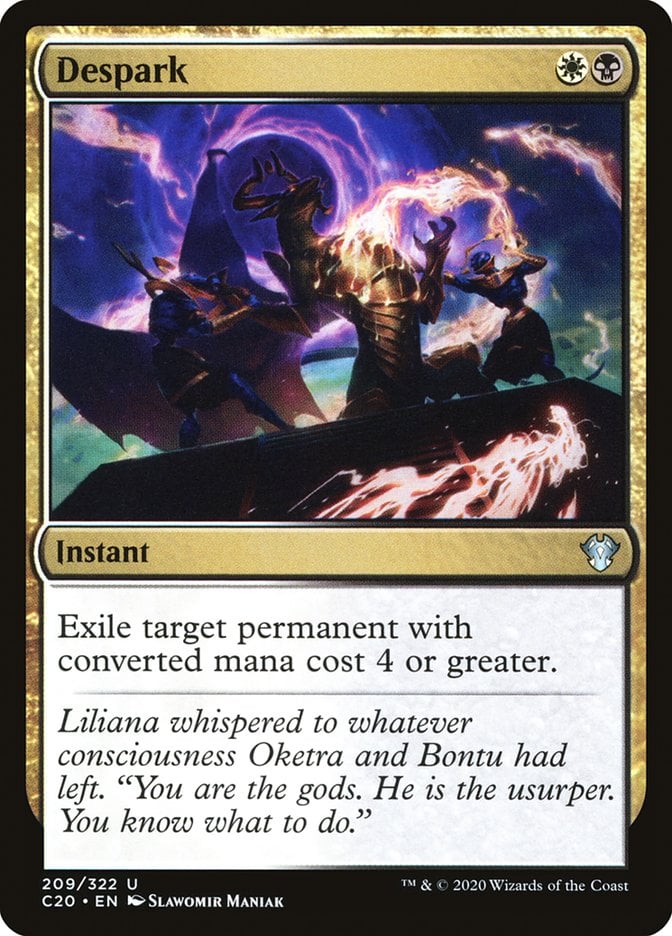
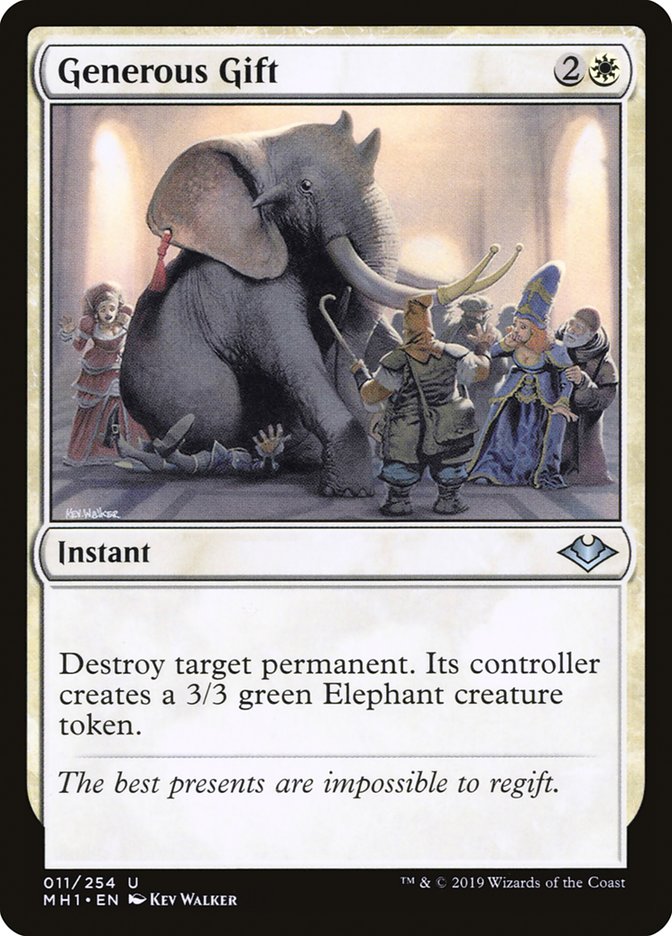
Just because this deck loves to attack doesn’t mean it ignores what your opponents are doing. You’ve got several tools to deal with threats before they ruin your gameplan. Anguished Unmaking, Despark, and Generous Gift are your all-purpose answers. They hit anything from creatures and enchantments to planeswalkers or combo pieces, and they do it at instant speed. These spells are especially useful when someone plays something that could block your board or stop your combat step, like a Ghostly Prison or a lifegain engine.
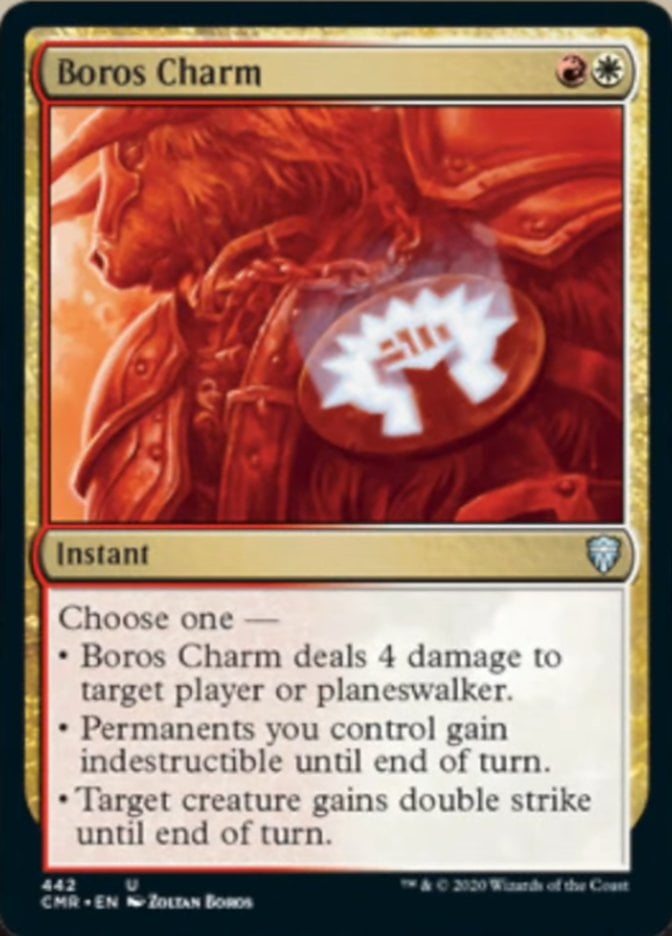
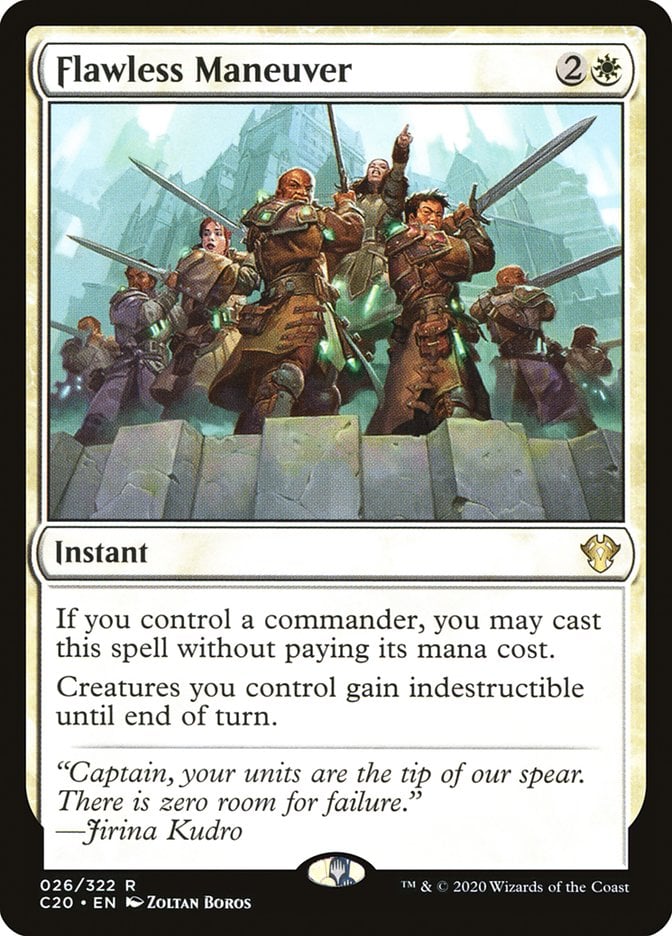
You’ve also got Boros Charm and Flawless Maneuver, which double as protection. If someone tries to board wipe or remove your key creature, these cards can make your entire team indestructible. Akroma's Will offers flexibility; it can protect your board, pump it up for a lethal swing, or both. These interactions aren’t just defensive, they’re part of your offense, too. You clear the way or keep your army safe so that each combat hits harder.
Removal
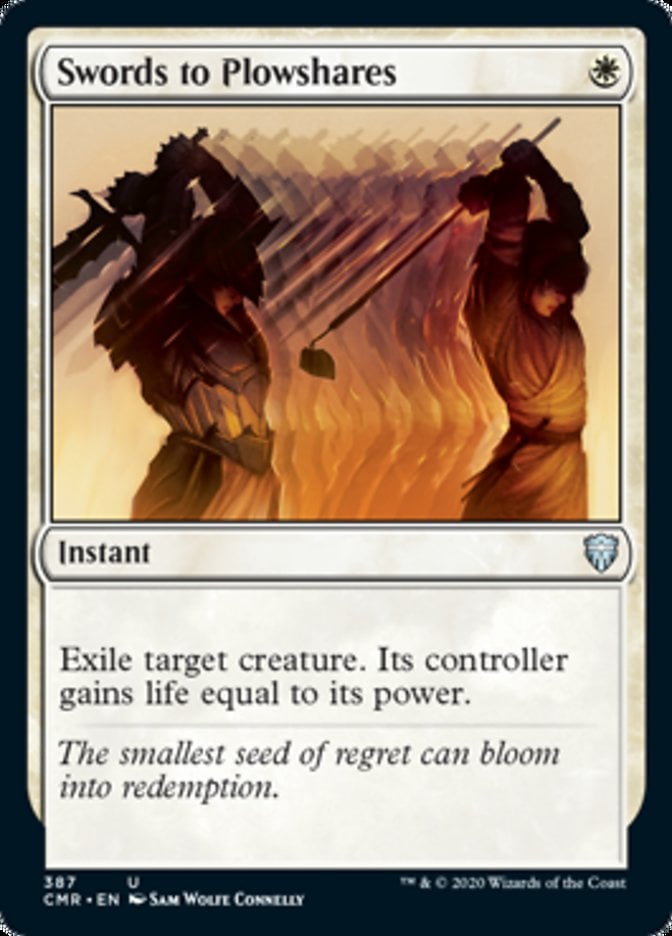
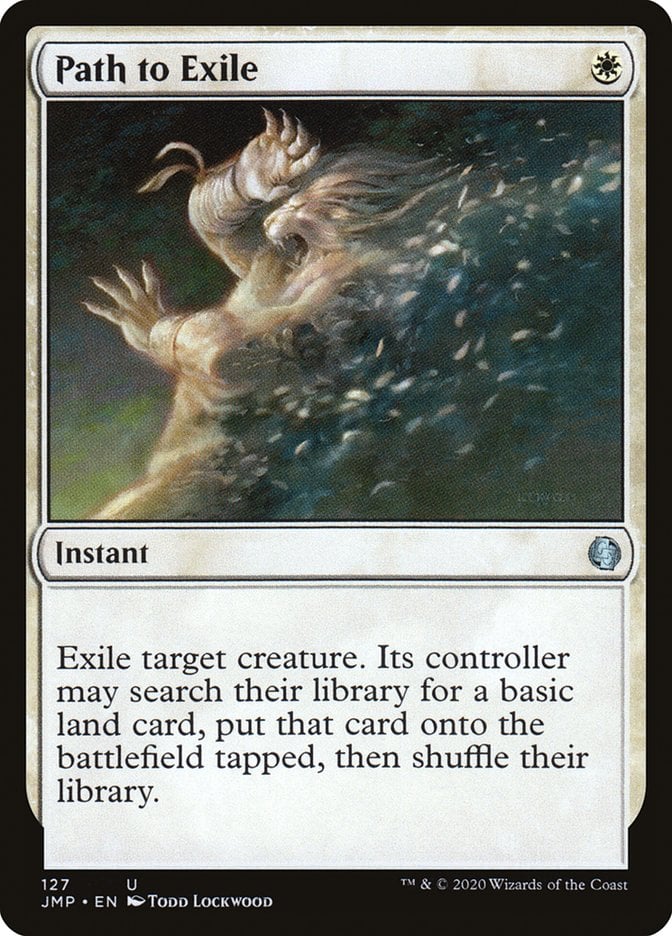
Sometimes things get out of control, and you need to reset the board. That’s where your removal suite comes in. Swords to Plowshares and Path to Exile are your go-to creature removal options: They’re cheap, efficient, and exile-based, which is huge in a format full of graveyard recursion. They help to remove key blockers or scary combo creatures before they cause trouble.
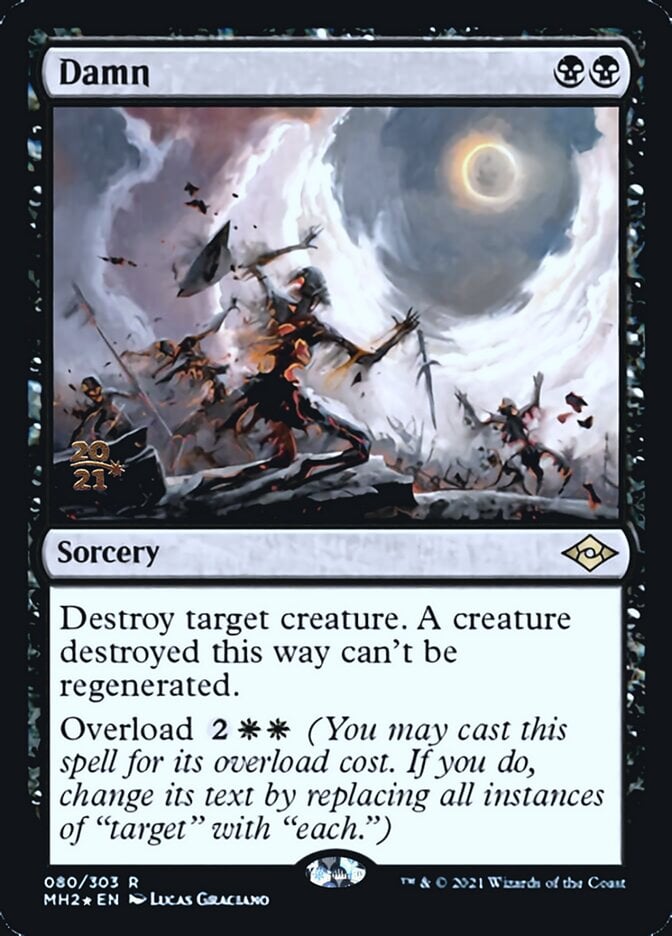
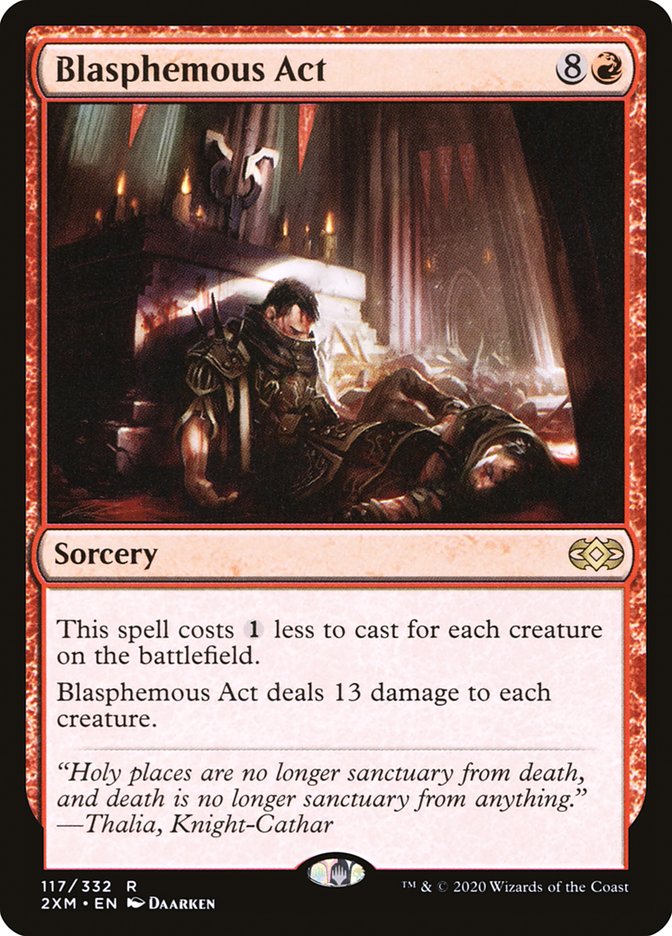
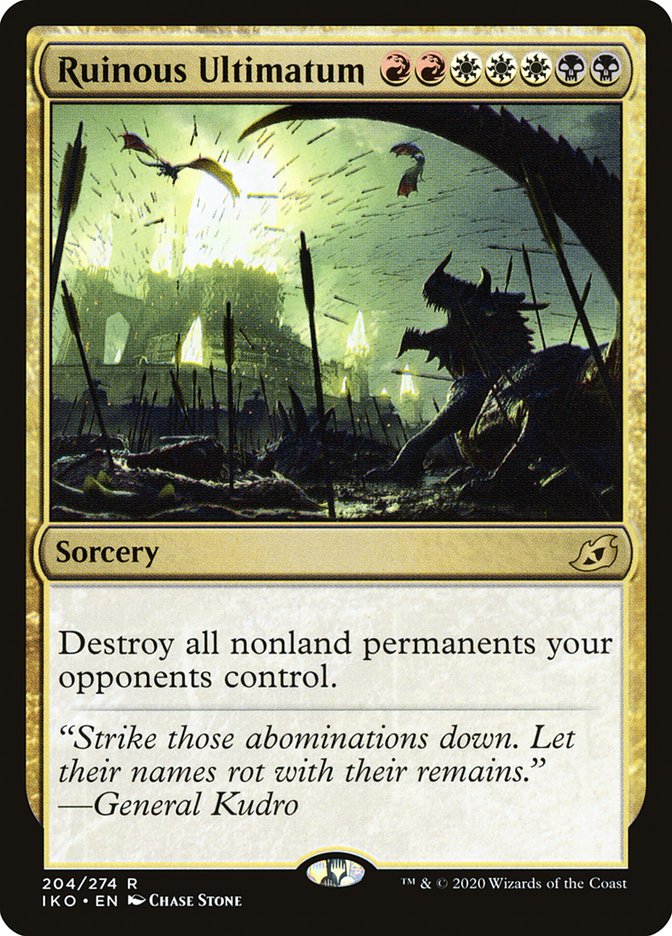
If the battlefield gets too crowded, you’ve got serious sweepers. Damn gives you flexibility that’s a single target removal spell early on or a full board wipe if you overload it. Blasphemous Act scales perfectly with big boards, and it often costs just 1 red mana to deal 13 damage to all creatures. But the nuclear option is Ruinous Ultimatum, which destroys all nonland permanents your opponents control while it leaves your stuff untouched. It’s a brutal spell that can swing the game back in your favor or close it out altogether if you time it right.
The Mana Base
This deck runs a strong, color-consistent mana base to support its Mardu strategy. There are plenty of fetches, duals, and shocks to fix your colors, but what really gives you an edge are the utility lands.

Arena of Glory taps for red like normal, but you can also exert it to add 2 red mana, and if you spend that on a creature spell, that creature gets haste until the end of the turn. Creatures like Isshin, Two Heavens as One, Krenko, Tin Street Kingpin, or Karlach, Fury of Avernus can enter the battlefield and attack right away. Giving key threats haste makes your deck faster and harder to predict. It lets you swing in and trigger effects immediately, sometimes turning the tide in one turn.

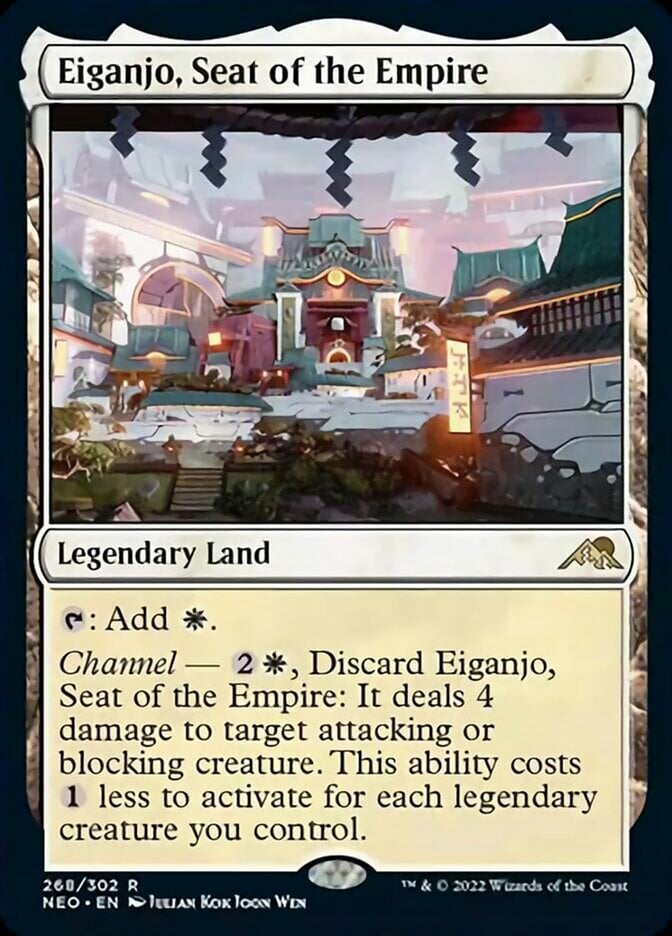
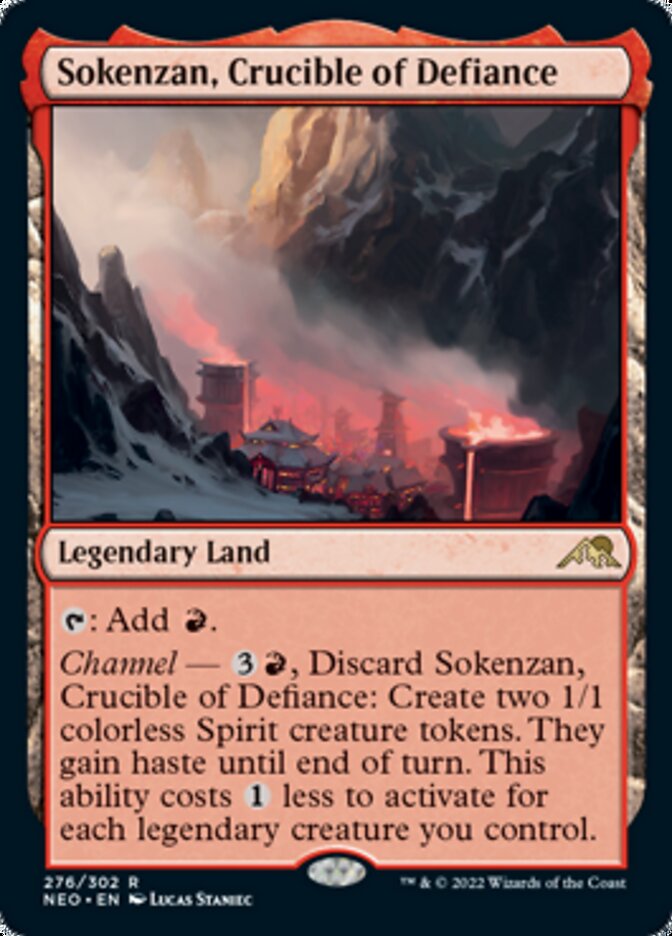
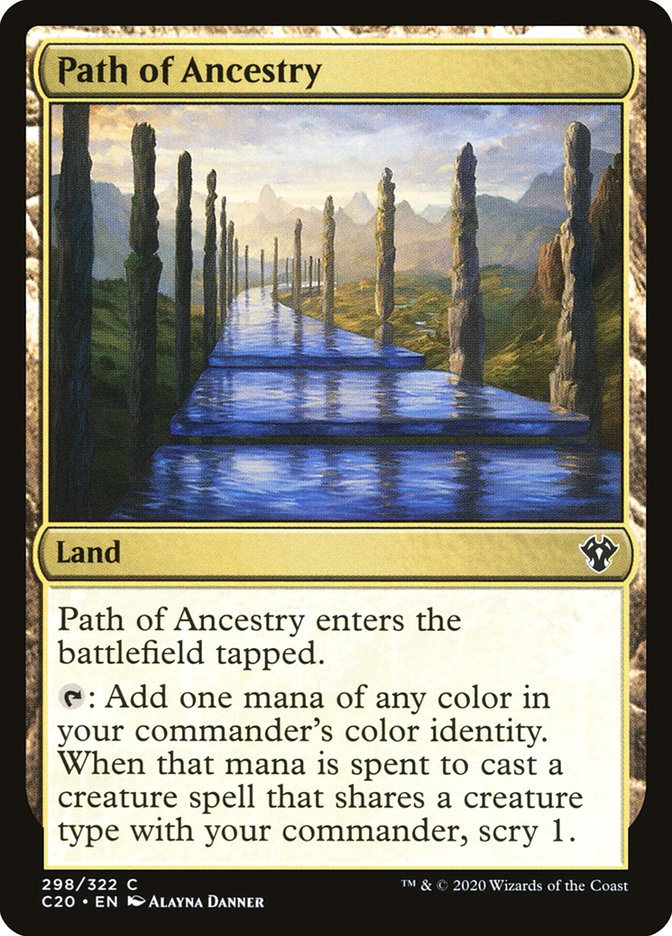

You’ve also got Rogue's Passage, which lets you sneak an attacker through by making it unblockable, a great way to push damage or guarantee a combat trigger. You can also use Eiganjo, Seat of the Empire as removal in a pinch, and Sokenzan, Crucible of Defiance can generate two surprise 1/1 spirit tokens with haste to help you rebuild or pressure after a wipe. Path of Ancestry and Command Tower give perfect color fixing, and Path even lets you scry when you cast humans.
The Strategy
At the beginning of the game, your main goal is to build your mana and set up your board. You want to play cards like Sol Ring, Arcane Signet, or any of the Mardu Talismans early. These help you to cast your bigger creatures or your commander a turn or two sooner. If you draw Lightning Greaves or Swiftfoot Boots, play them early, too. They can help to protect Isshin, Two Heavens as One as soon as it enters the battlefield. You also want to start attacking with creatures like Skyknight Vanguard or Anim Pakal, Thousandth Moon, since they start to give you tokens right away and help to build pressure.
In the middle of the game, things really start to heat up. Once Isshin is in play, every creature with an attack trigger becomes way more powerful. Cards like Krenko, Tin Street Kingpin, Adeline, Resplendent Cathar, and Hero of Bladehold will create tons of creatures each time they swing. You’ll start to build a wide board quickly. Use removal like Anguished Unmaking or Despark to take out blockers or scary combo pieces. You can also protect your board with cards like Flawless Maneuver or Boros Charm. At this point, plan to grow your army and make your board so big that your opponents can’t catch up.
In the late game, your job is to finish strong. Cards like Hellrider, Brutal Hordechief, and Mishra, Claimed by Gix let you deal damage or drain life just by attacking. Even if your creatures are blocked, you’re still doing damage. Cards like Aurelia, the Warleader and Karlach, Fury of Avernus give you extra combat steps, which means double the triggers and double the pressure. If you draw Akroma's Will, you can make your whole team stronger, harder to block, and almost impossible to remove. And if the board gets too crazy, Ruinous Ultimatum clears everything your opponents control and leaves your board untouched to set you up for the win.
Combos and Interactions
This deck doesn’t contain true infinite combos. Nothing here loops forever without help from outside cards or very specific board states. Instead, the deck is built around interactions that are finite but explosive, so they often generate so much value in a single turn that the game effectively ends, even though the effects technically stop.
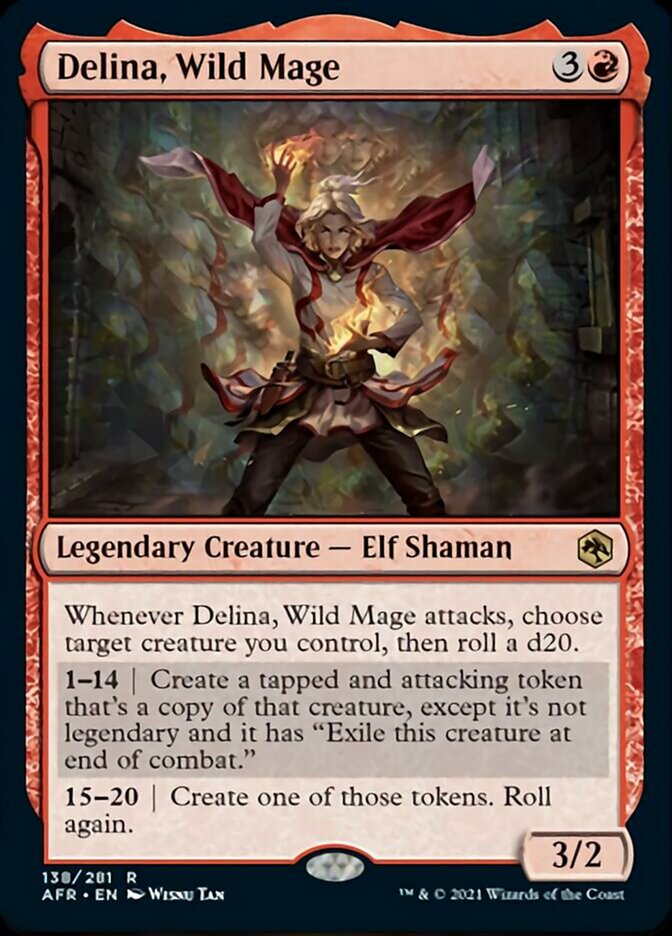
The biggest examples are the extra combat interactions. Pair Aurelia, the Warleader with Karlach, Fury of Avernus to get three combat steps in one turn, though not infinite combats. That’s usually more than enough to overwhelm the table, especially when every attack trigger and token maker fires off multiple times. The same idea applies to Delina, Wild Mage copying Aurelia, the Warleader. When it works, you get multiple combat steps and a massive burst of damage, but it still has a clear limit and relies on a die roll.
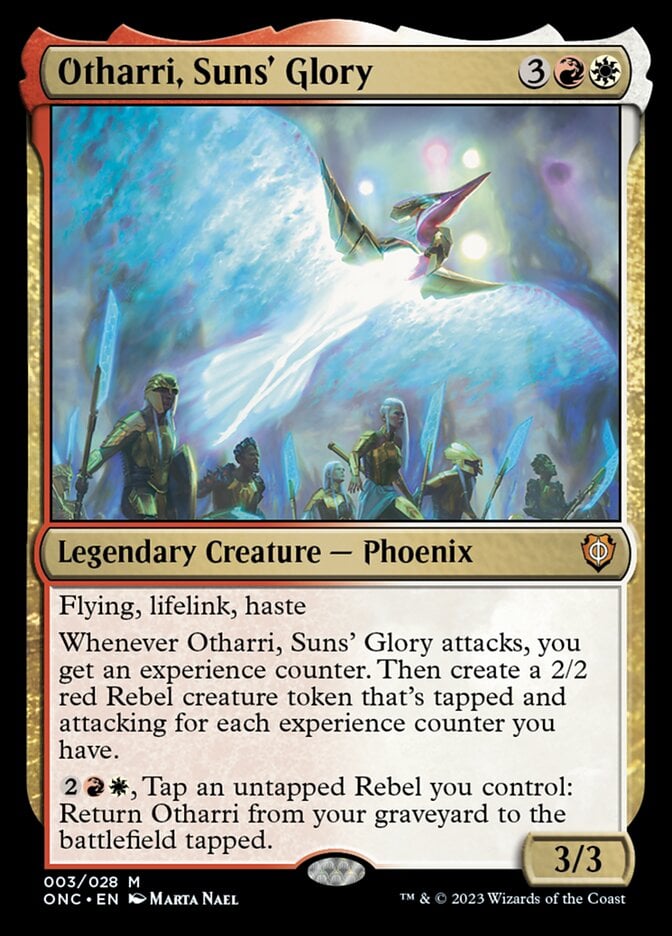
A lot of the deck’s power comes from scaling creatures rather than loops. Cards like Myrel, Shield of Argive, Otharri, Suns' Glory, Anim Pakal, Thousandth Moon, and Krenko, Tin Street Kingpin grow every time they attack. Extra combat steps make them explode in the same turn, but once combat ends, the chain is over. The same goes for attack-based token-makers like Adeline, Resplendent Cathar, Hero of Bladehold, and Skyknight Vanguard. They snowball quickly, but they still rely on you declaring attacks.
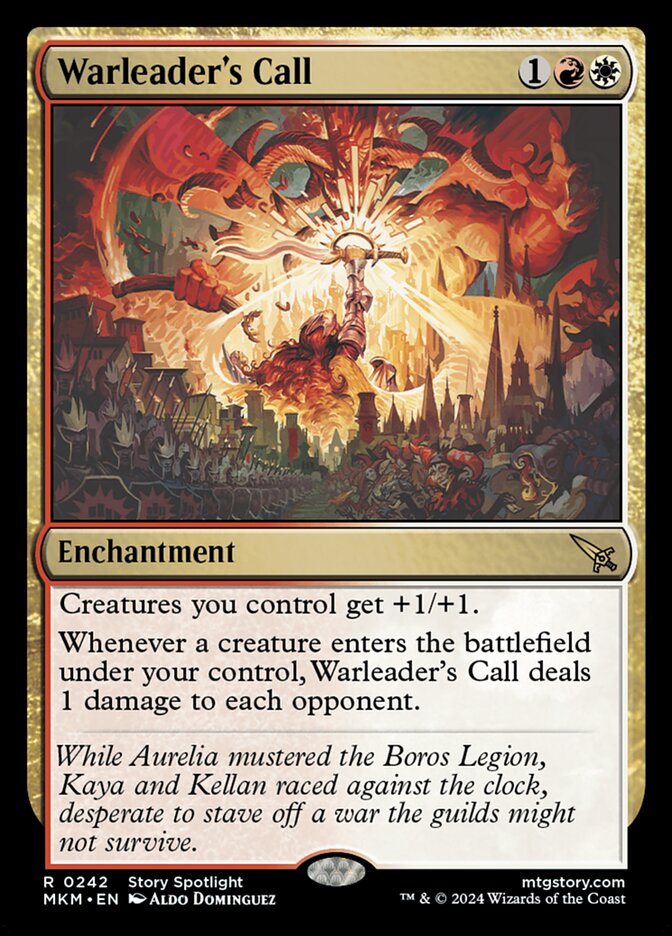

The deck also has strong value engines outside of pure combat. Warleader's Call turns every token you make into direct damage to all opponents, which adds up very fast in a token-heavy deck. Zurgo Stormrender turns temporary tokens into card draw or life drain, so even creatures that die at the end step still give you value.
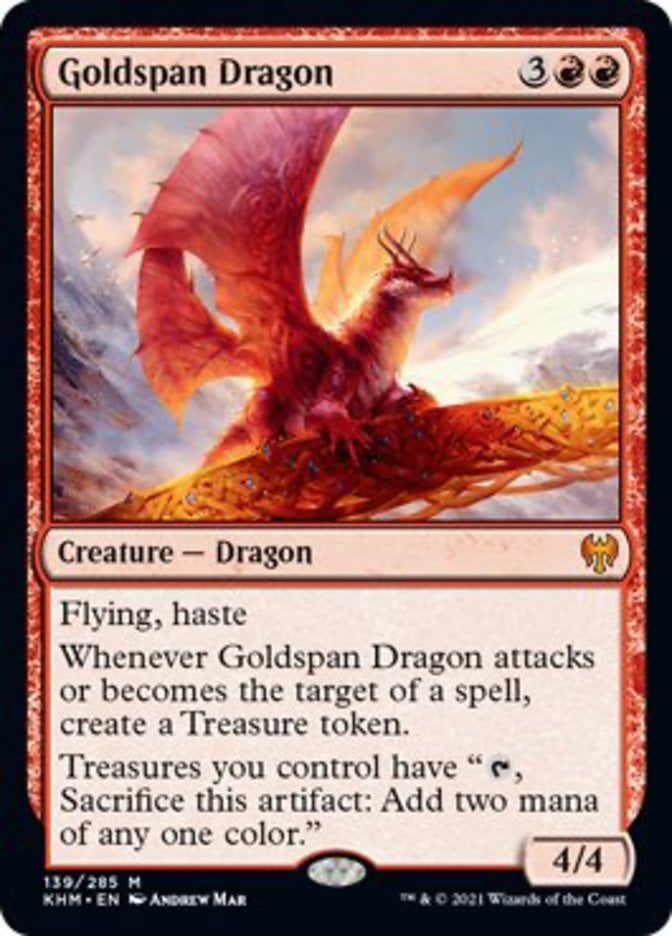
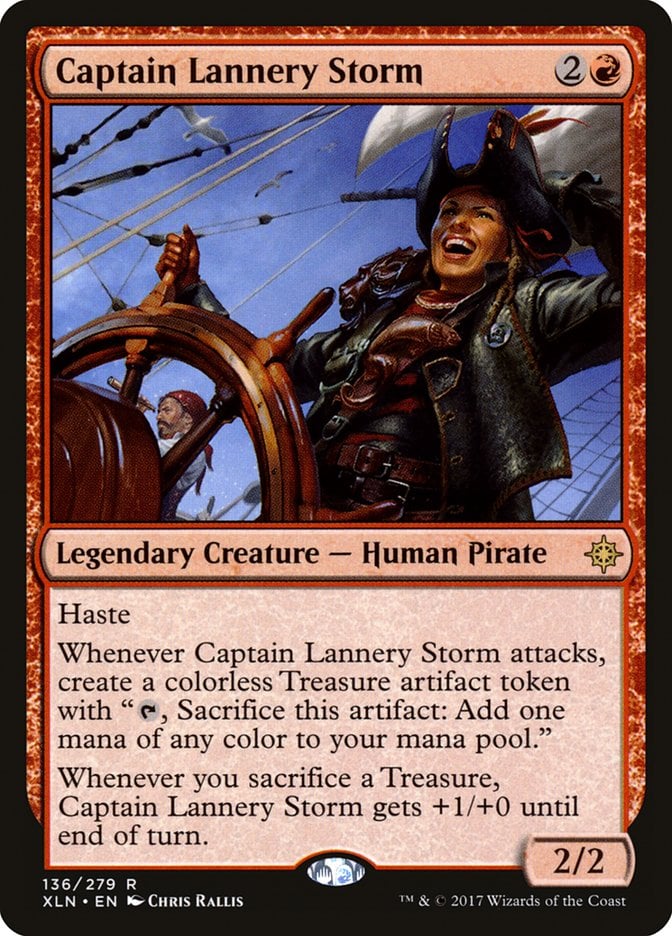
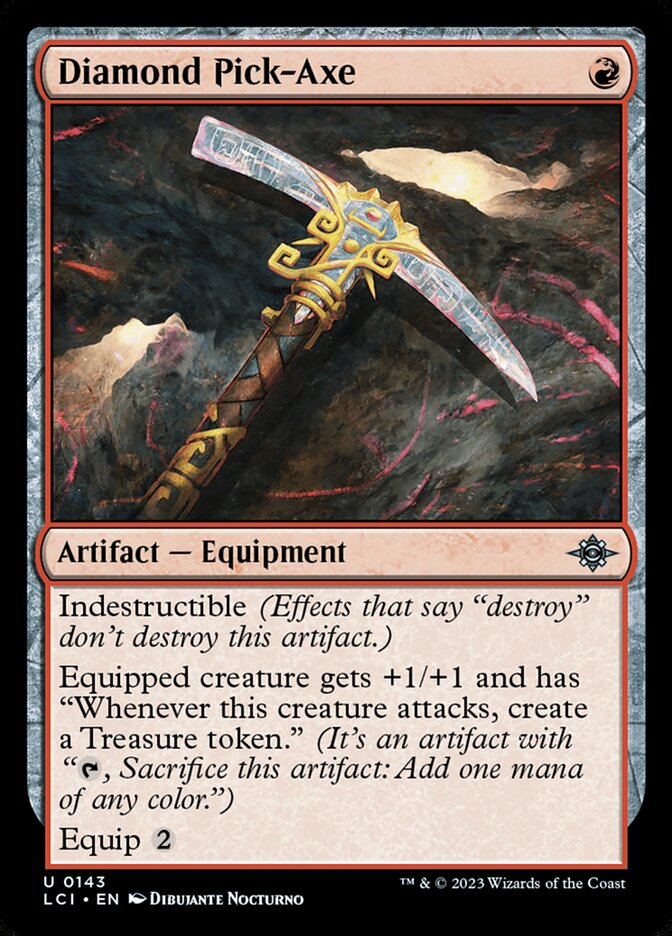
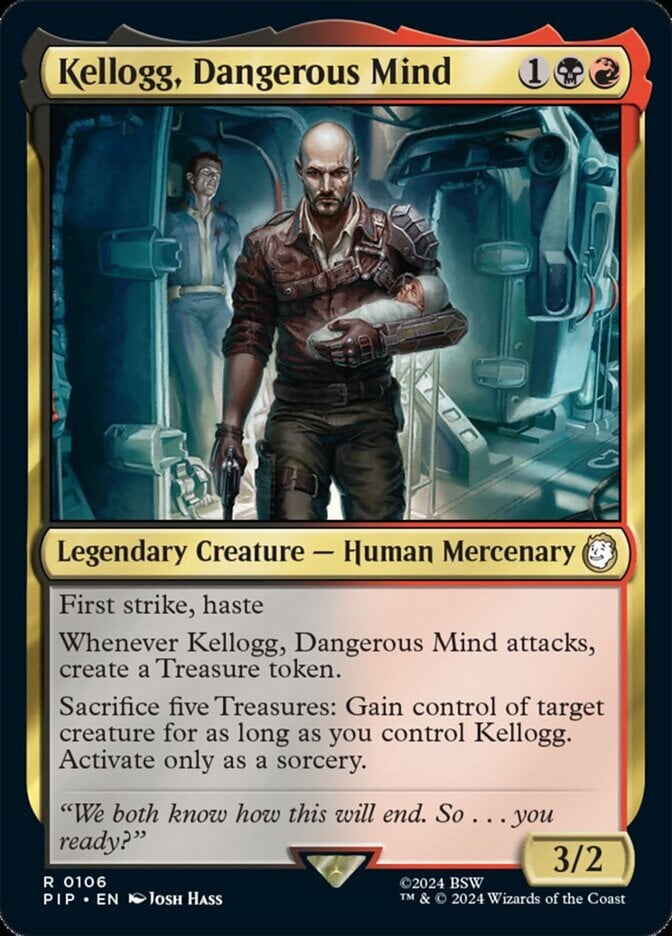
Treasures are another important angle. Goldspan Dragon alongside Captain Lannery Storm or Diamond Pick-Axe gives you huge bursts of mana during combat. That mana lets you cast more threats, activate abilities, or close the game in the same turn. Kellogg, Dangerous Mind takes this a step further by turning extra Treasures into stolen creatures, which can completely swing a game.
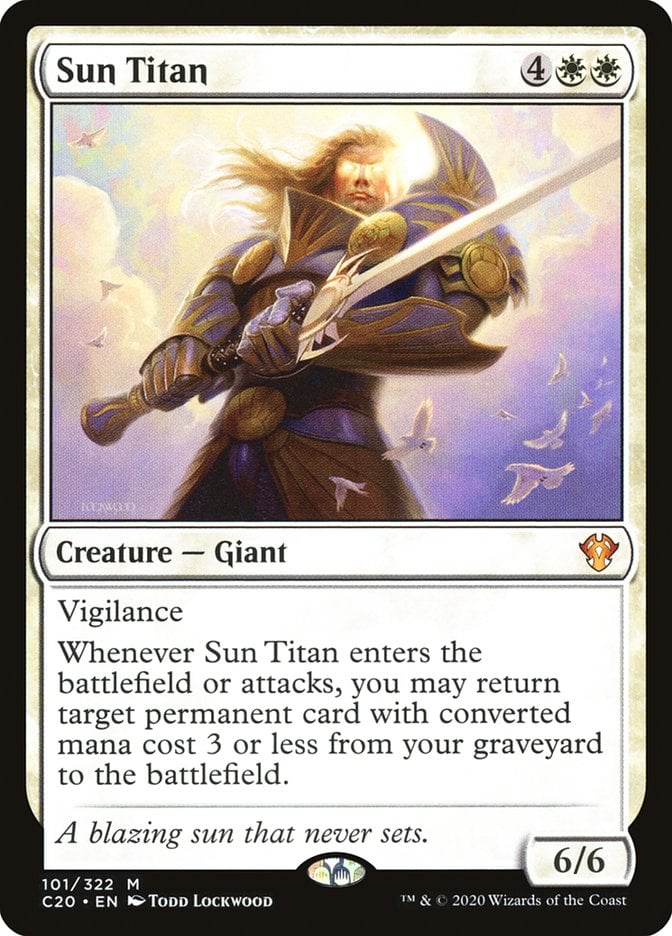

This deck is very good at rebuilding. Sun Titan keeps bringing back key low-cost permanents and lands, while Alesha, Who Laughs at Fate rewards you for staying aggressive by reanimating smaller creatures over and over. Even after removal, these cards help you to keep pressure on the table.
Budget Options
Some of the strongest cards in the deck also tend to be the most expensive, but the good news is that many of them have solid budget-friendly replacements that still keep the deck aggressive and functional.
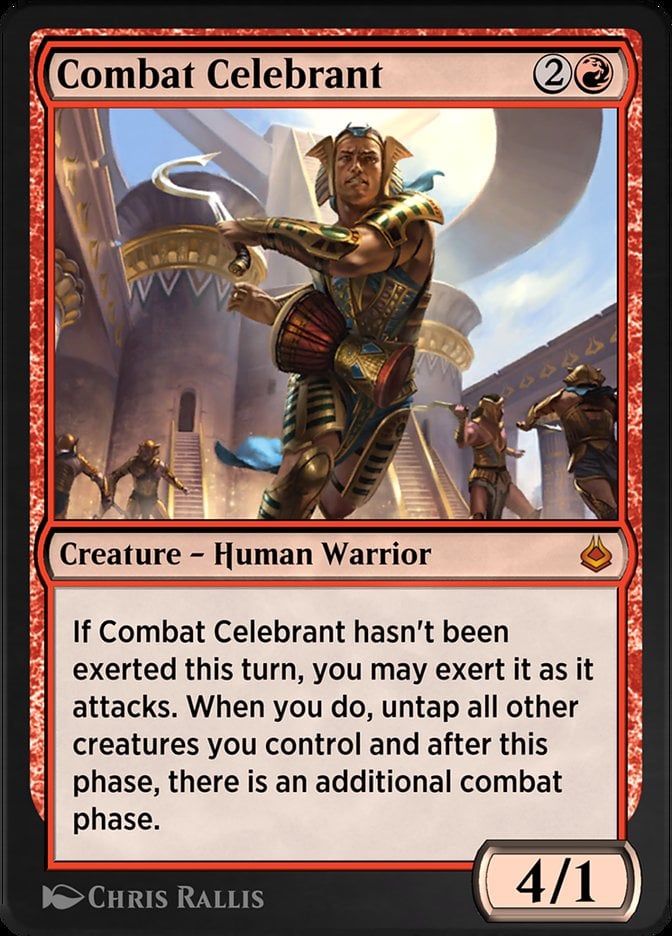
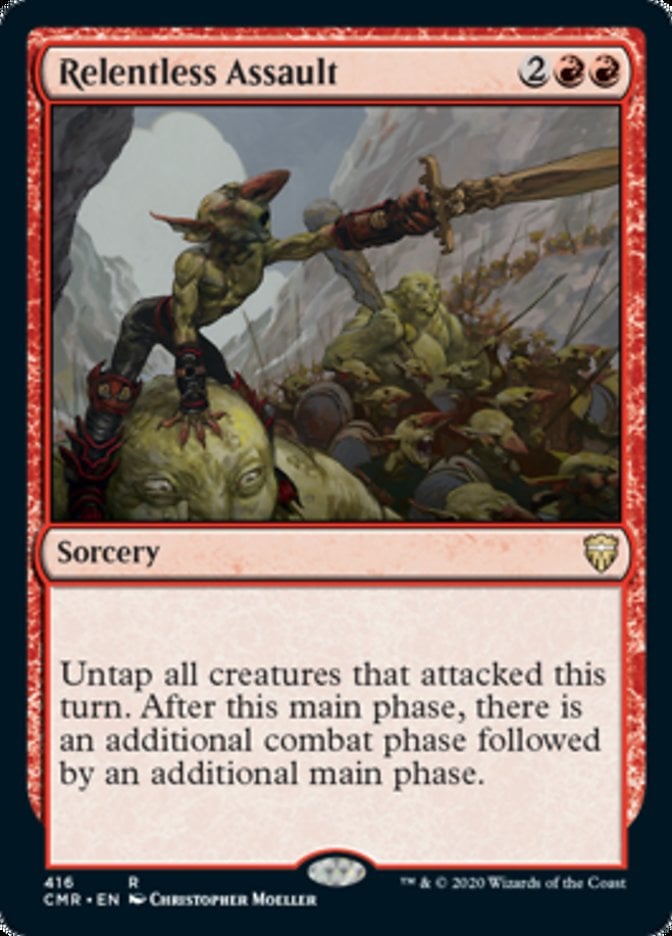
If Aurelia, the Warleader or Karlach, Fury of Avernus are out of reach, you can lean on cards like Combat Celebrant or Relentless Assault. These still give you access to extra combat steps, even if they’re a bit more conditional. You lose some consistency, but the payoff is still very real when your board is wide.
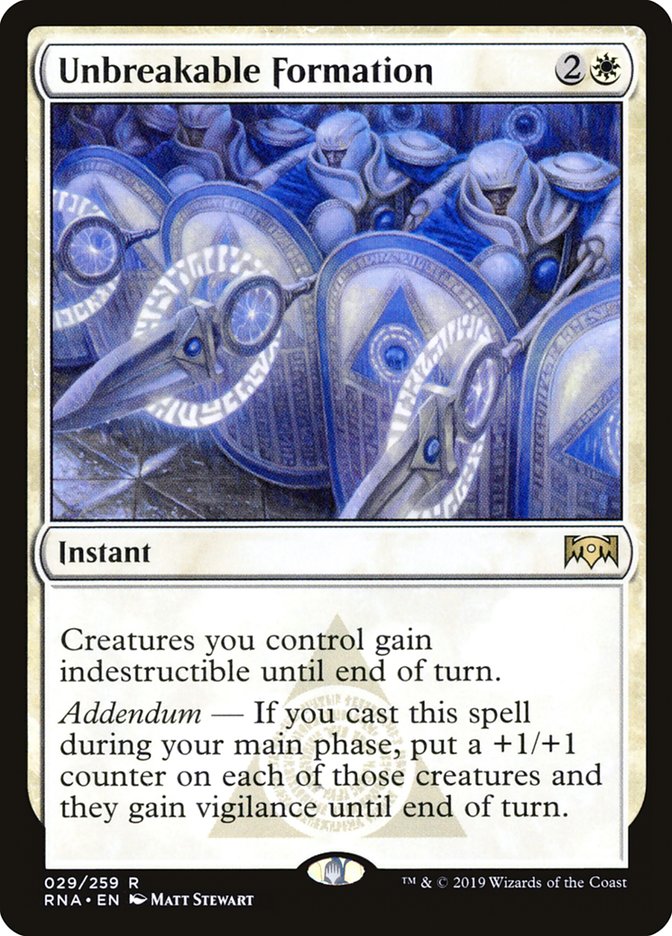
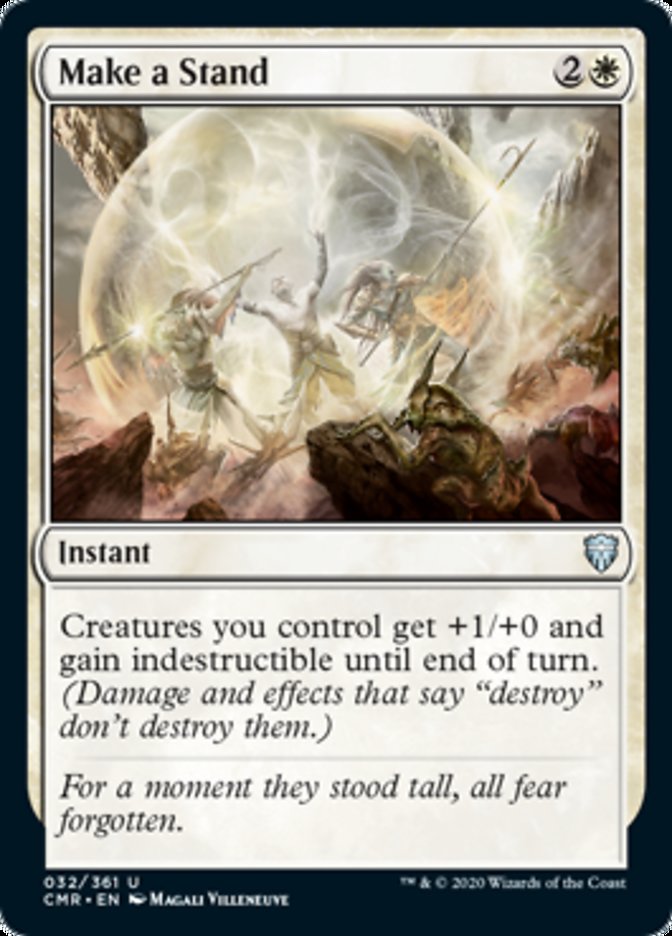
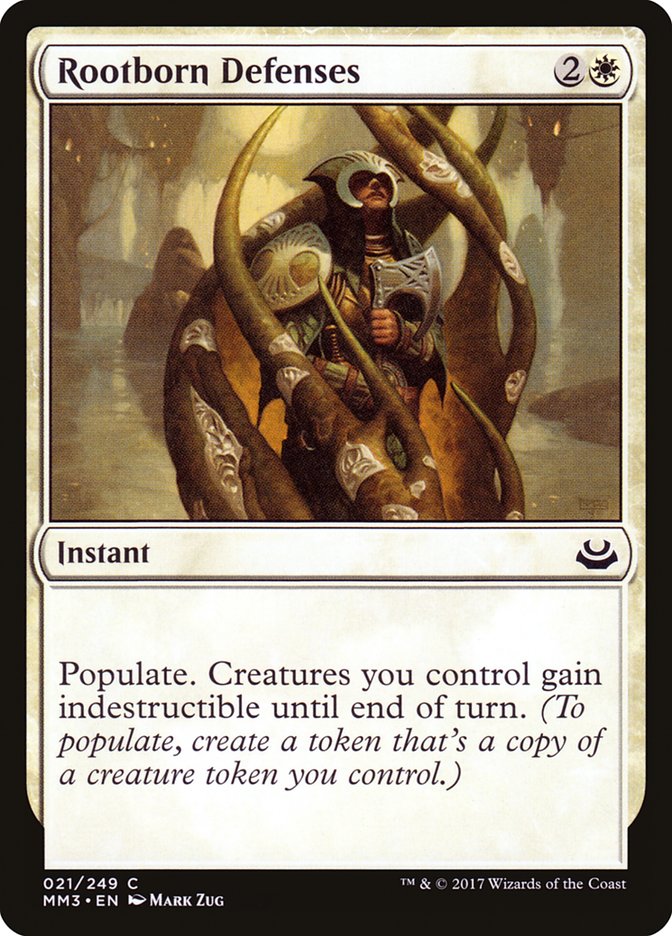
Akroma's Will is one of the biggest finishers in the deck, but it’s also one of the pricier spells. Budget-friendly alternatives include Unbreakable Formation and Make a Stand. They don’t give you evasion or double strike, but being indestructible at the right moment still wins games. You can even swap out protection pieces like Flawless Maneuver for Rootborn Defenses, which still protects your board.
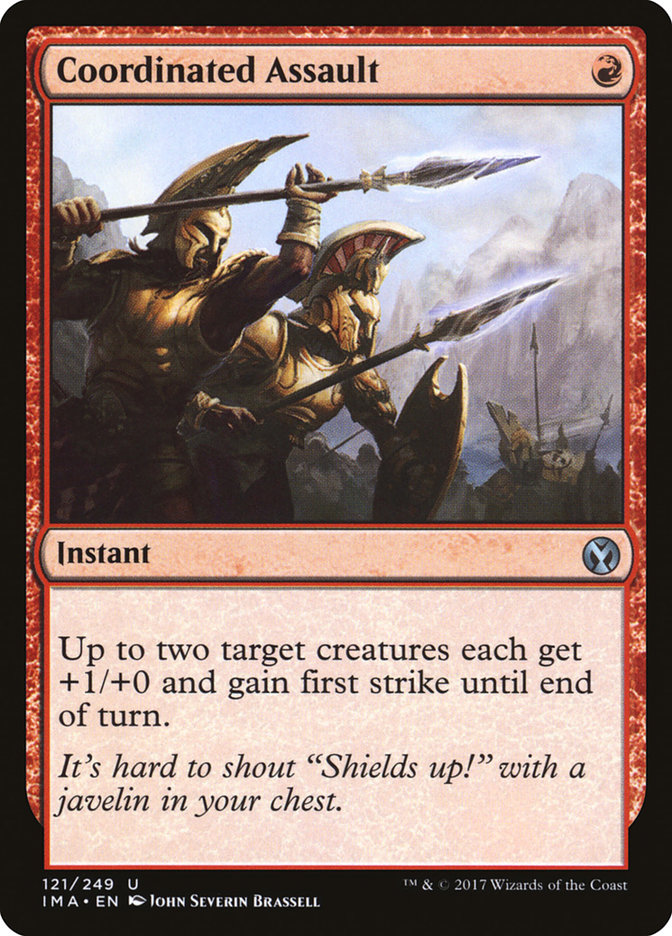
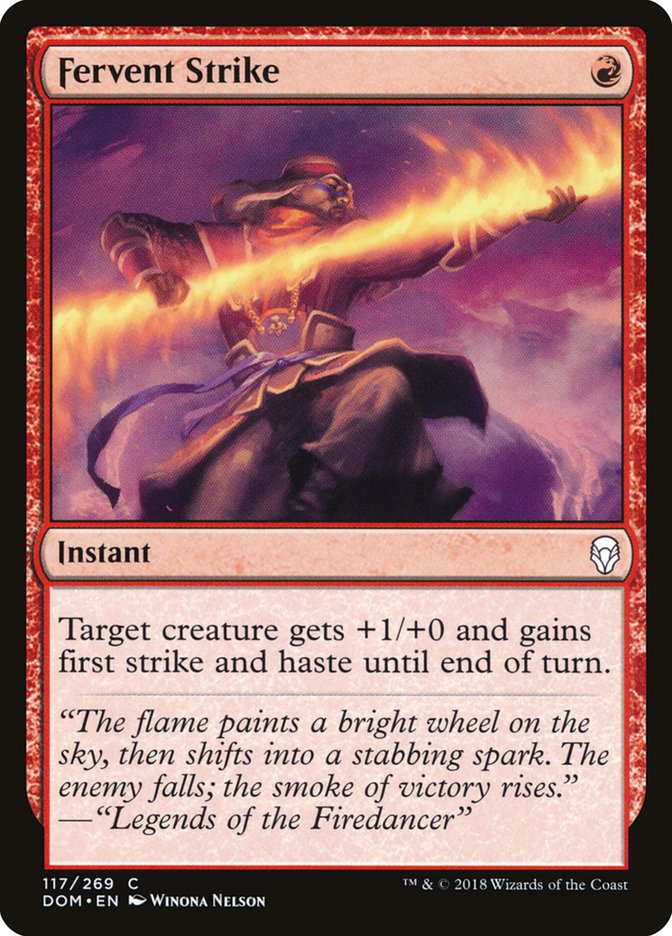
For offense-focused turns, Coordinated Assault or Fervent Strike-style pump effects can help to close games without breaking the bank.
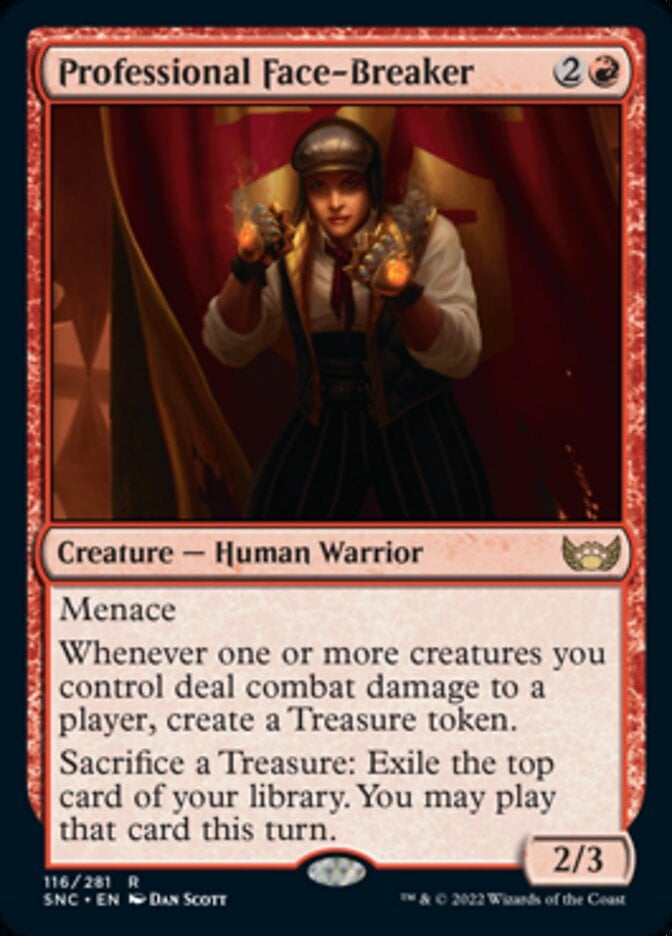
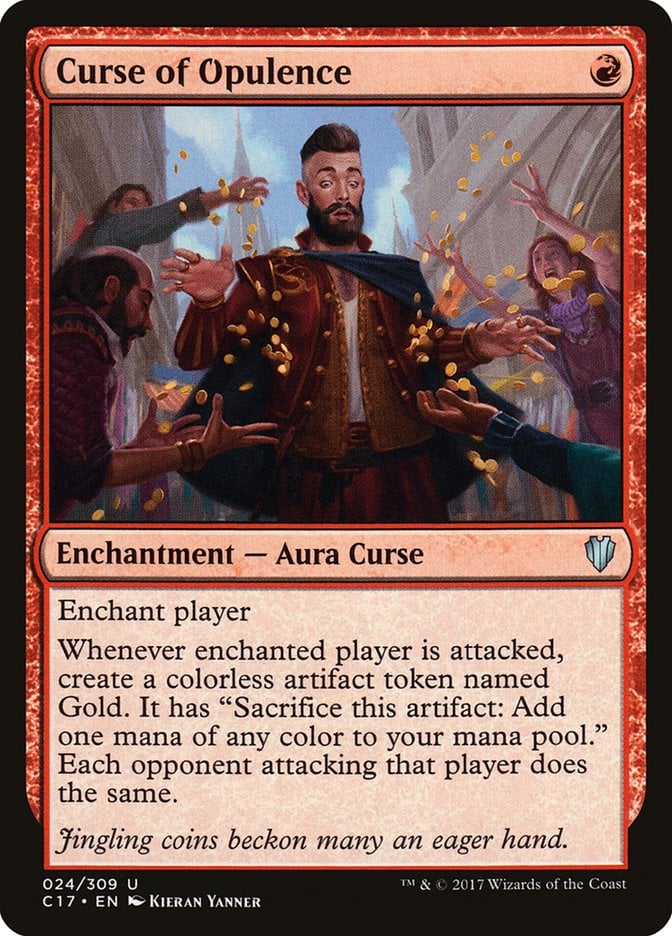
If Goldspan Dragon is too expensive, you can still support a Treasure-focused plan with Professional Face-Breaker or Curse of Opulence. These cards generate steady value through combat and fit naturally into Isshin’s game plan without requiring a big investment.
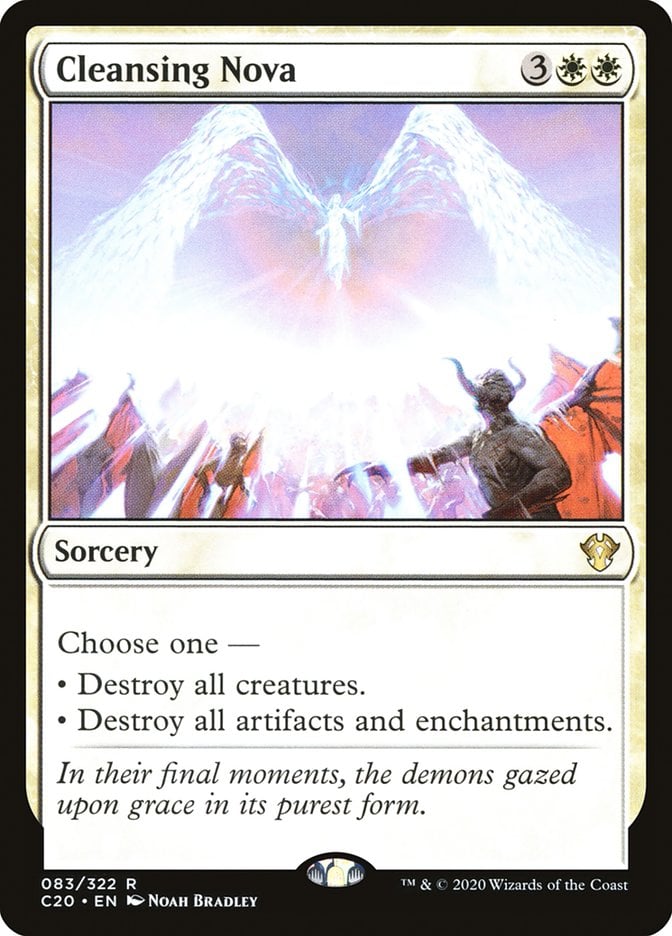
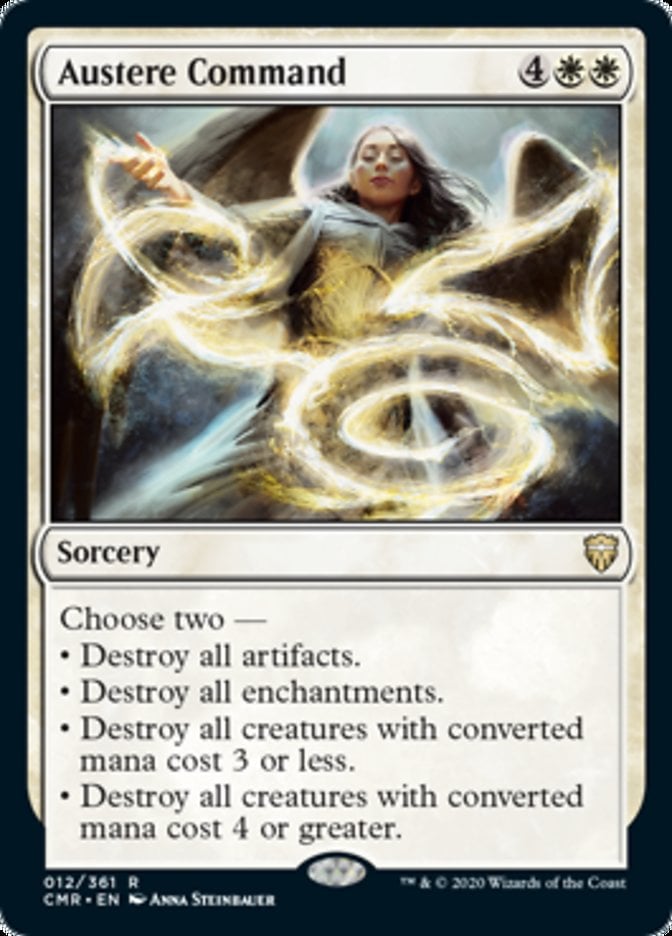
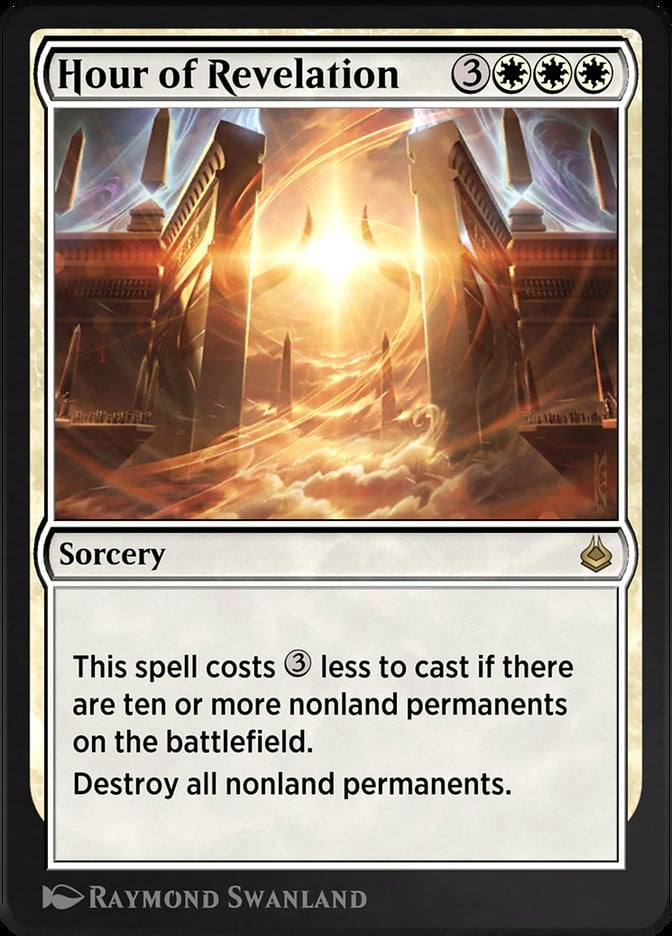
For top-end removal, you can replace Ruinous Ultimatum with sweepers like Cleansing Nova, Austere Command, or even Hour of Revelation. They’re less one-sided, but they still reset the board and let you rebuild quickly thanks to your token engines.
Other Builds
Isshin is very flexible, which makes it easy to branch into different builds without losing the deck’s core identity. One popular direction is a pure go-wide tokens build that focuses less on extra combats and more on flooding the board. Cards like Hero of Precinct One, Monastery Mentor, and Legion Warboss constantly add bodies just for playing the game or attacking.
Another strong angle is a combat control style build that dominates the red zone. Cards like Kardur, Doomscourge, goad effects, and Master Warcraft let you dictate how combat happens across the table. Paired with protection pieces like Reconnaissance or Clever Concealment, this version feels more grindy and political. You force opponents to make bad attacks, trade creatures poorly, and slowly lose control of the board while your own army stays intact.
The firebending mechanic from Avatar: The Last Airbender opens up a very clean alternative build that still fits Isshin perfectly. Firebending rewards you for attacking by generating red mana during combat, which means cards like Firebending Student, Fire Nation Cadets, and Boiling Rock Rioter turn every swing into extra fuel for tricks, removal, or activations. With cards like Sozin's Comet, even a modest board can generate a surprising amount of mana just by attacking. The big upside is that this mana can very easily turn into infinite combat loops when you pair it with effects like Aggravated Assault, which makes firebending a natural bridge into infinite combat combos if you want to raise the deck’s ceiling. At the same time, many firebending cards are budget-friendly, so this approach lets you scale from fair pressure to combo finishes without completely changing the deck’s core plan.
Commanding Conclusion
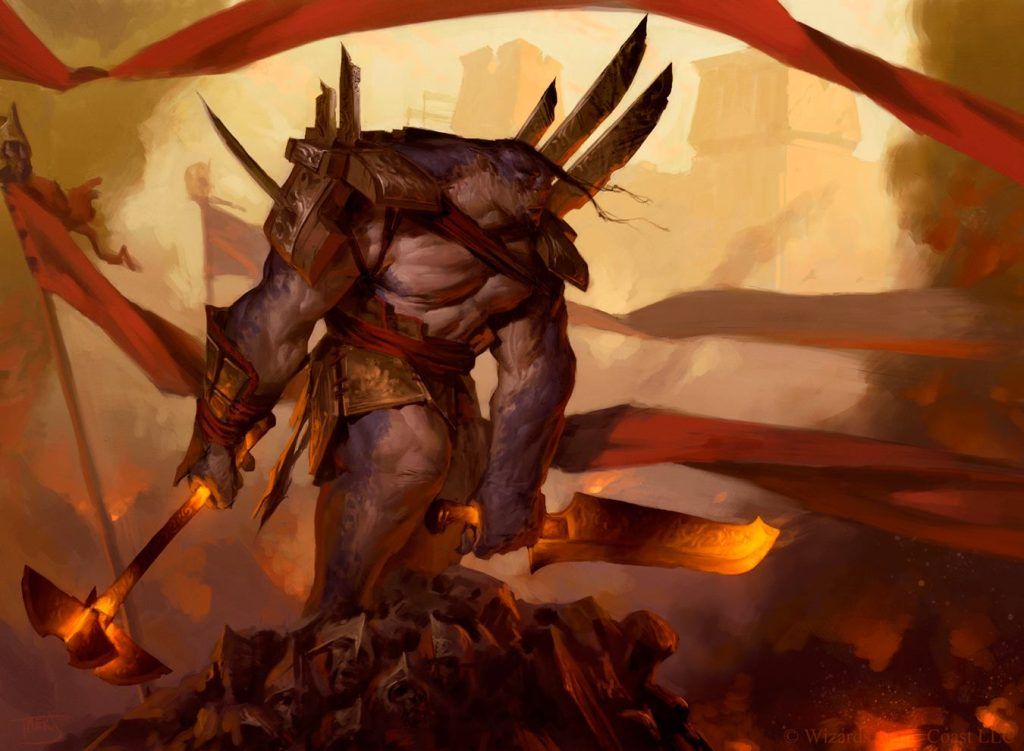
Brutal Hordechief | Illustration by Tyler Jacobson
Isshin has an incredibly powerful ability that lets attack triggers double up on value and quickly spiral out of control.
What do you think about this commander? Did you enjoy the overall build, and what changes would you make to fit your playstyle? Let us know in the comments or on the Draftsim Discord! Thanks for reading, and if you enjoyed the content, remember to follow us on social media so you never miss a thing.
Take care, and see you next time.
Follow Draftsim for awesome articles and set updates:










Add Comment