
Last updated on March 15, 2026

Power Conduit | Illustration by Todd Lockwood
Oh no, change is coming! Clutch your pearls and run for the hills Magic players!
The Commander format takes its first steps after having shifted from the loving embrace of the Commander Rules Committee to the cold corporate clutches of Wizards of the Coast. Okay, look, that’s a bit of an exaggeration. The employees at Wizards care about their game, and I have full faith they’ll cultivate Commander in a healthy, diligent, and ultimately profitable way. But the concerns are valid.
With this change came the announcement of a “bracket system” that is used to guide the play level at Commander tables. This system is still being tweaked behind the curtains, but there’s now a more concrete idea of how this will work, courtesy of Magic designer Gavin Verhey.
What is the bracket system and what is its purpose? Let’s see if I can answer that for you.
What Is the Commander Bracket?

Thassa's Oracle | Illustration by Jesper Ejsing
The Commander Bracket is a system designed by Wizards of the Coast to guide the way players engage with the power level of their Commander decks. “Guide” is the operative word here. The bracketing system gives players expectations around the game, deck contents, types of win conditions, and gameplay. The guide gives players an easier way to talk about how fast and strong their decks are and play against people with similar interests and gameplay goals.
One piece to this puzzle is to determine how long you expect the game to go, so the number of turns before your deck “goes off” helps determine which bracket it lands in.
Why Did WotC Create the Brackets?
The short answer is that Wizard of the Coast’s full acquisition of Commander means they want to put systems in place that make the format more accessible and accommodating to Magic players. Commander has never really had everything nailed down, instead falling back on player sentiment and Rule 0 to oversee how players interact with one another. WotC aims to nail down some of the more fluid parts of EDH, and give a more consistent baseline.
There’s a much longer answer here that involves the events leading up to WotC’s full control of the format. In September 2024, the former Rules Committee that made a lot of the decision points for the format released an extremely controversial ban list announcement. Of the four cards banned, Jeweled Lotus and Mana Crypt caused a bit of an outrage among the player base, mostly due to the high price of those cards. This outrage sparked some distasteful reaction from the community, resulting in threats towards the members of the Rules Committee, which in turn prompted them to hand over their involvement in the format to WotC, a corporation that could take the brunt of backlash like this without its members being in any discernible danger.
With WotC now responsible for the format, the question became: How will they do anything different than what was already being done by the Rules Committee? That answer comes in the form of the Bracket system, which is WotC’s attempt to hammer out some of the wishy-washiness of Commander and lay down guidelines for players to abide by.
What Are Game Changers?
Creatures (10)
Braids, Cabal Minion
Consecrated Sphinx
Drannith Magistrate
Grand Arbiter Augustin IV
Notion Thief
Opposition Agent
Orcish Bowmasters
Seedborn Muse
Tergrid, God of Fright / Tergrid's Lantern
Thassa's Oracle
Planeswalker (1)
Instants (12)
Ad Nauseam
Crop Rotation
Cyclonic Rift
Enlightened Tutor
Fierce Guardianship
Force of Will
Gifts Ungiven
Intuition
Mystical Tutor
Teferi's Protection
Vampiric Tutor
Worldly Tutor
Sorceries (8)
Biorhythm
Coalition Victory
Demonic Tutor
Farewell
Gamble
Imperial Seal
Jeska's Will
Natural Order
Enchantments (7)
Aura Shards
Humility
Necropotence
Rhystic Study
Smothering Tithe
Survival of the Fittest
Underworld Breach
Artifacts (8)
Bolas's Citadel
Chrome Mox
Grim Monolith
Lion's Eye Diamond
Mana Vault
Mox Diamond
Panoptic Mirror
The One Ring
Lands (7)
Ancient Tomb
Field of the Dead
Gaea's Cradle
Glacial Chasm
Mishra's Workshop
Serra's Sanctum
The Tabernacle at Pendrell Vale
Before discussing brackets, players need to know about the Game Changers. The Game Changer list consists dozens of cards, including a few commanders, that are generally associated with problematic or high-power play and they are not banned. Cards like Thassa's Oracle and Drannith Magistrate tend to cause issues for many players, and power alone is generally not a reason cards are added to the list.
Notably, the Game Changer list serves as a middle ground between cards that are banned and cards that aren’t. If a card were to be unbanned, it would be moved to the Game Changer list first, and if it proved unproblematic over time, it would be moved to universal legality. Similarly, if a card became problematic over time, it could be moved to the Game Changer list, then re-evaluated for banning from there.
What Are the Tiers in the Commander Brackets?
| Commander Brackets - Beta | 1 | 2 | 3 | 4 | 5 |
|---|---|---|---|---|---|
| Bracket Name | Exhibition | Core | Upgraded | Optimized | Competitive (cEDH) |
| Bracket Description | Ultra-casual | Average, Mechanically Focused | Above Average | Strong, No Tourney in Mind | Beat the Meta. No Style Points, Just Win Baby |
| What Players Expect | Thematic, Substandard Win Conditions | Each Deck Can Showcase its Plan | Carefully Curated Cards, and Faster than a Precon | Efficient and explosive | Highly advanced and meta-focused aim on victory |
| Expected Duration | At least 9 turns | At least 8 turns | At least 6 turns | At least 4 turns | Games could end on any turn. |
| Restricted | No Mass Land Denial, No Extra Turns. No 2-Card Infinite Combos. No Game Changers. | No Mass Land Denial, No Chaining Extra Turns. No 2-Card Infinite Combos. No Game Changers. | No 2-Card Combos before turn 6 and up to 3 Game Changers. No Mass Land Denial, No Chaining Extra Turns. | No restrictions other than the banned list. | No restrictions other than the banned list. |
| Examples | Errant, Street Artist, Horobi, Death’s Wail, Gor Muldrak, Amphinologist | Ms. Bumbleflower, Stella Lee, Wild Card, Shirei, Shizo’s Caretaker | The Locust God, Zada, Hedron Grinder, The Necrobloom | Ghave, Guru of Spores, Lavinia, Azorius Renegade, Muldrotha, the Gravetide | Tymna the Weaver + Thrasios, Triton Hero / Kraum, Ludevic's Opus, Kess, Dissident Mage |
| Read More | Jank Commanders | Commander Precons | Budget Commander Decks with Room to Upgrade | Best Commander Decks | cEDH Viable and Stronger Tier List |
The tiers in the Commander Brackets are more about types of cards and effects than individual cards. Before going over individual brackets, one thing to note is that Wizards does not classify individual cards in separate brackets. Wizards takes into account player sentiment and gameplay experiences when they determine how to develop the brackets.
The tiers have titles to make it easier to talk about with other players (ex: “This is a tier-2 Core deck”). Bracket 4 and above have no restrictions.
Bracket 1 — Exhibition Tier
This tier is described as “your ultra-casual Commander deck.” Consider this the “bread-and-butter” tier. Bracket 1 consists of cards that are fine at any power level and shouldn’t spark controversy between players. The main element of an Exhibition deck is that you’re not playing any Game Changers, combos, mass land destruction, or extra turn spells. This is what we’d describe as “highly casual,” with a power level that’s generally weaker than the average precon.
Bracket 2 — Core Tier
Tier 2, or the “Core” Tier, is in line with average Commander decks with a clear win condition that players have a chance to interact with. It has all the same stipulations as Tier one, with the exception being that extra turn spells are fine in small doses.
Many Commander precons could be classified as a 2 but there is a wide range as they include audiences of both beginners and deeply enfranchised players. Bracket 2 games rarely end out of nowhere and you are likely to see a handful of cards that show up primarily for flavor
Bracket 3 — Upgraded Tier
Bracket 3 is the “Upgraded” Tier, and the first tier in which you should expect to see Game Changers. If your deck has even one Game Changer in it, it’s classified as a Tier 3 deck at a minimum, though you can always engage in Rule 0 conversations if you feel like your deck operates in a lower bracket.
Tier 3 is also the first tier where infinite combos are accepted, though with the stipulation that these should be “late game” combos. The idea is that a Tier-3 deck shouldn’t be able to combo off in the first six turns of a game consistently. Essentially, this tier is above the power level of the average Commander precon, and still has restrictions.
Bracket 4 — Optimized Tier
Tier 4 is where decks without restrictions find their bracket. If your deck is full of Game Changers, or features mass land destruction/excessive extra turns, chances are you run an “Optimized” deck (not always the most accurate name). Here is where decks can win fast, and only need a couple of cards.
The only restriction in Tier 4 is the Commander ban list. If you have more than three Game Changers in your deck, it qualifies for the Optimized tier.
Bracket 5 — cEDH Tier
Similar to Tier 4, the cEDH tier has no restrictions aside from the ban list. Basically anything goes here, and the expectation is for extremely tuned, high-power gameplay. A fully competitive mindset and tableside behavior that is bent on winning is the norm here.
How Do I Know Which Bracket My Deck Is In?

The Commander Format Panel shared this tool to help players determine the bracket for their EDH decks. (Source)
Your deck’s bracket is classified based on the lowest bracket that it meets the criteria for. Basically, you can use the criteria in the brackets above as a checklist to see what kinds of cards and effects you’re running, and see which bracket your deck falls into. Once you include a Game Changer you’re looking at the Upgraded bracket 3 and above.
Let’s go back to that “guide” term, the entire bracket system is meant to be a suggestive guideline, not an inflexible rules system. WotC still wants to encourage pre-game discussion and experimentation. That means a completely janky deck with a single Game Changer can still mingle with other bracket 1 and 2 decks if everyone’s alright with it. It’s a discussion you want to have prior to starting the game.
What Bracket Is Sol Ring In?
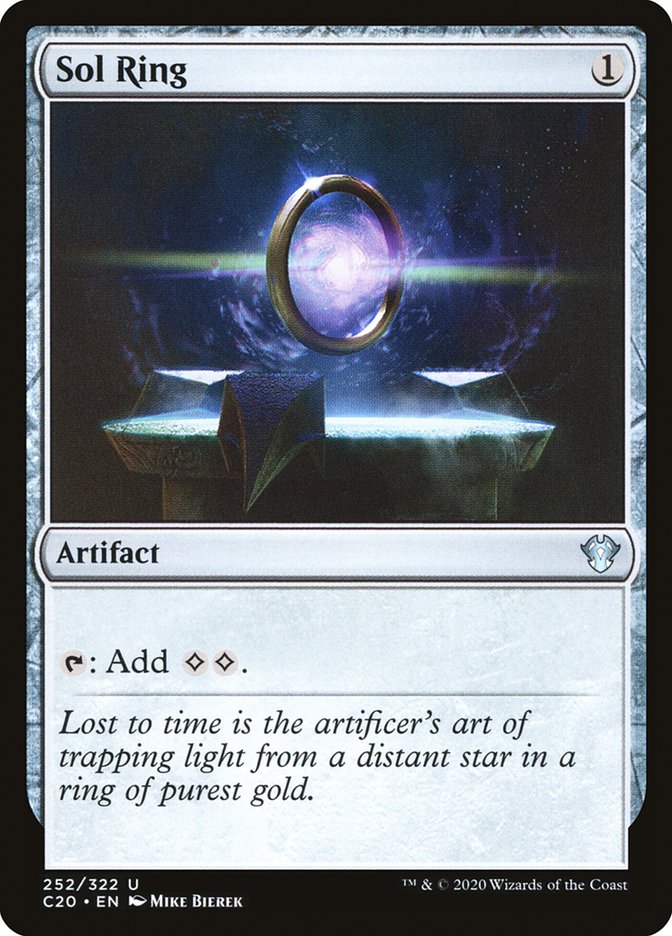
Sol Ring is not tied to a bracket. Sol Ring is expected to show up in 99% of Commander decks, and while it technically violates some of the issues brought up with other fast mana sources like Mana Crypt, it gets a pass because of its iconic status and pedigree in the format. It’s a defining part of Commander, the same way Power 9 cards like Black Lotus are defining features of Vintage Cube, so it gets special treatment and isn’t held to the same standard as similar cards.
Why Isn’t Sol Ring Banned?
“Sol Ring is the iconic card of the format, and it’s sufficiently tied to the identity of the format that it defies the laws of physics in a way that no other card does. Banning Sol Ring would be fundamentally changing the identity of the format.” – Commander Rules Committee
Sol Ring’s status in Commander essentially makes it immune to banning. It’s what I call the “original sin” of Commander. Cards like Sol Ring and Mana Crypt probably shouldn’t have ever been allowed in the format, but they’re so ingrained in the game now that it’s hard to do anything about it.
Mana Crypt did in fact get the axe, but Sol Ring’s in a different position. It comes in virtually every single Commander precon, and it’s a poster child of the format. So think of Sol Ring as the snobby spoiled rich kid who gets away with everything and has total immunity because of its status. Should it be banned? Yes. Will it be banned? Definitively, no.
Will Rule 0 Still Exist?
Rule 0 isn’t going anywhere! Remember, the bracket system is meant to be a guideline, not a hard and fast set of rules. Players are still encouraged to have conversations about their decks, and nothing about these brackets stops your playgroup from cultivating the gameplay experience that you want. In fact, if you play with friends who are all comfortable with each other as Magic players, you could ignore the whole bracket system altogether.
Do the Brackets Mean They’ll Unban Cards?
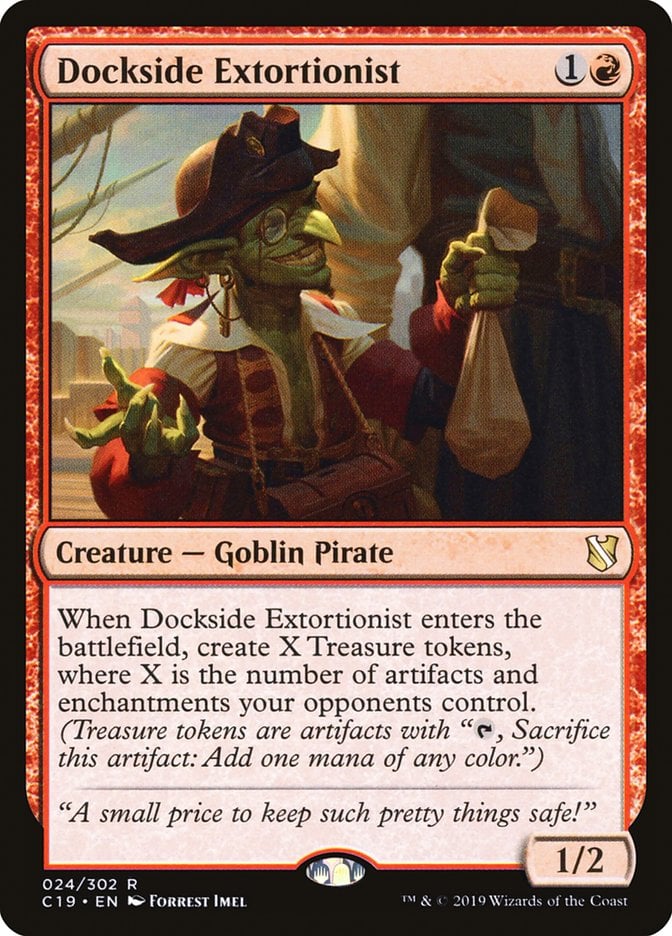
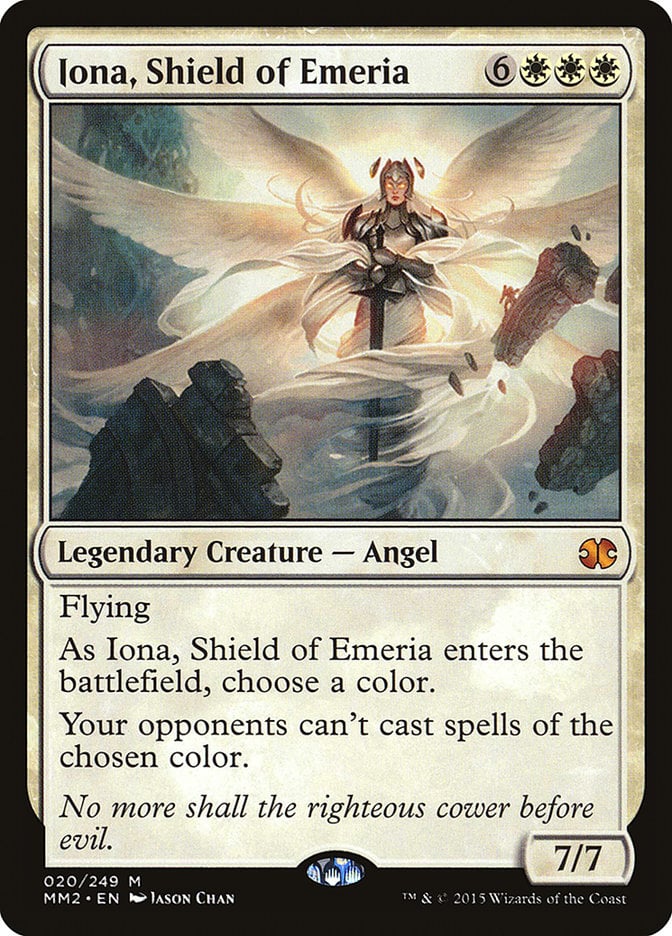
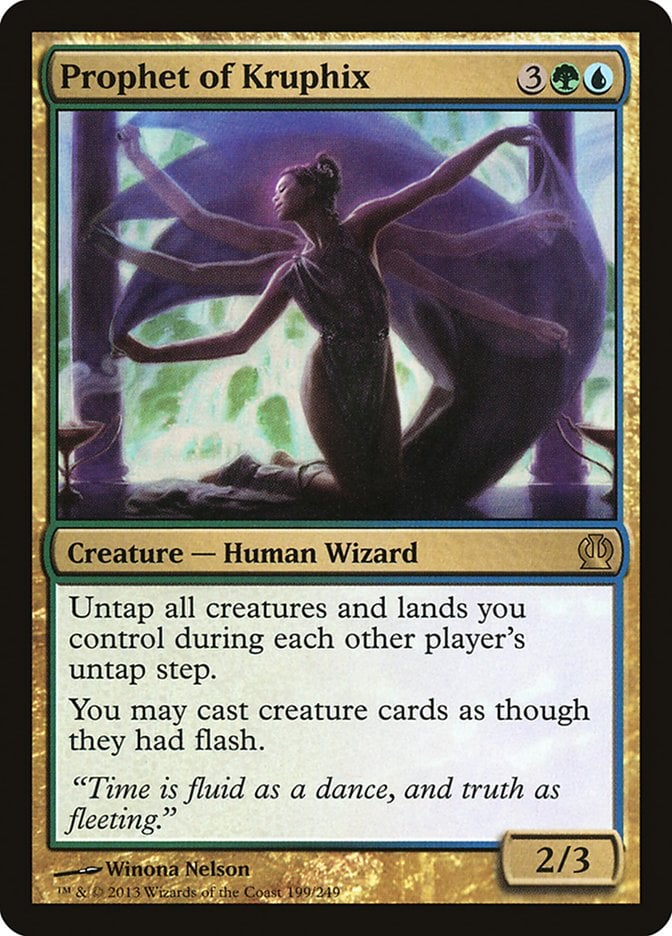
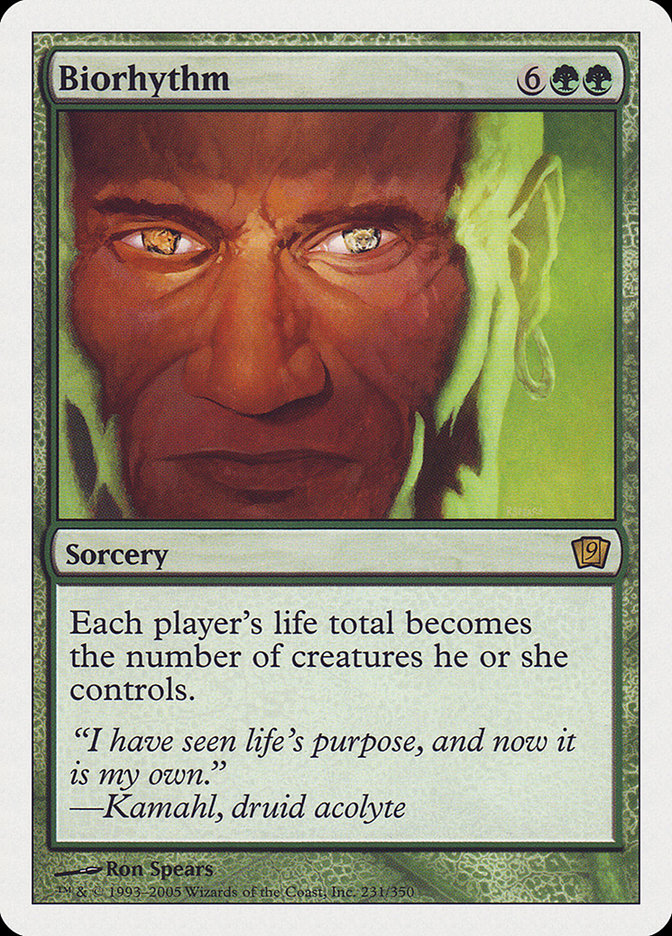
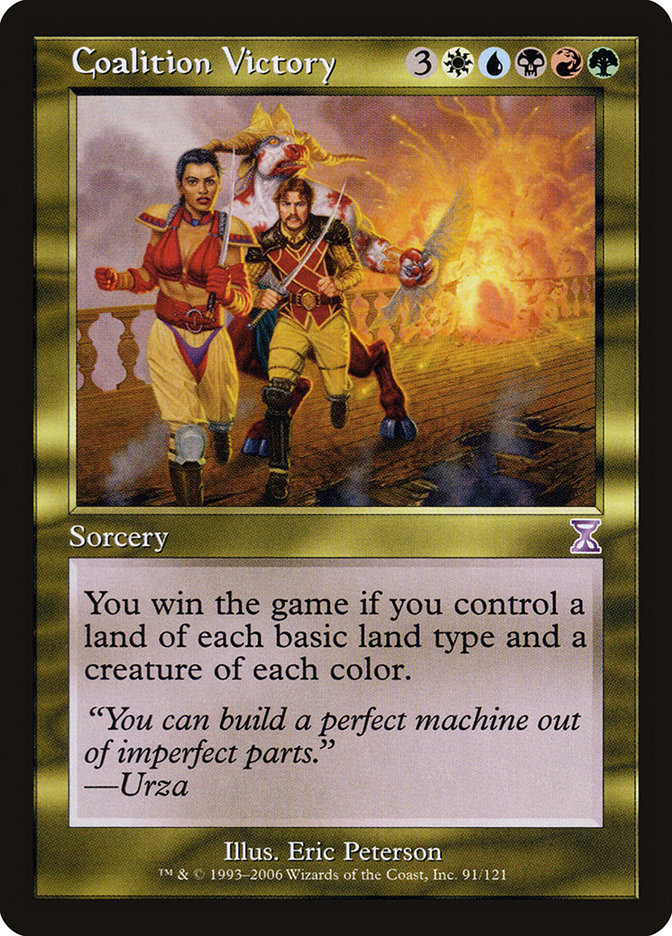
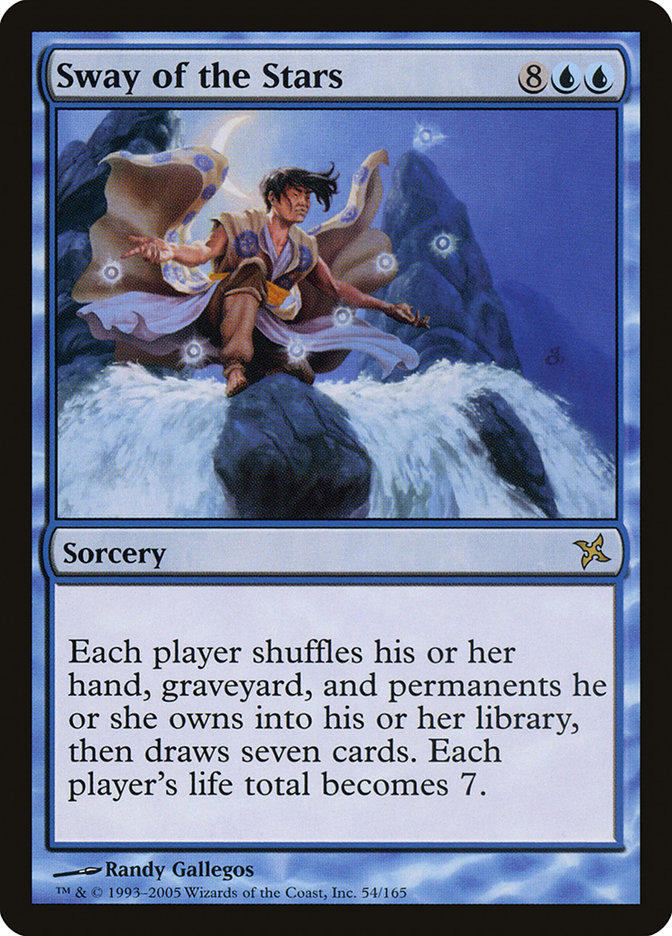
There’s a very strong chance we’ll see a few cards come off the Commander ban list. Things like the Power 9 and the dexterity cards will remain banned. Powerful, “problematic” cards like Dockside Extortionist, Iona, Shield of Emeria, and Prophet of Kruphix could be moved to Game Changer status under this new system, which would allow them to be played in brackets 3-5. Clunky, expensive cards like Biorhythm, Coalition Victory, and Sway of the Stars are great examples. Rhythm and Coalition are on watch after they were moved from the ban list to the Game Changer list, and Sway got removed from the list because of it’s high cost.
Since the goal of the bracket system is to give players an opportunity to “opt into” and “opt out” of high-power games, Bracket 3 and above can be used as a tool to monitor extremely powerful cards rather than banning them altogether.
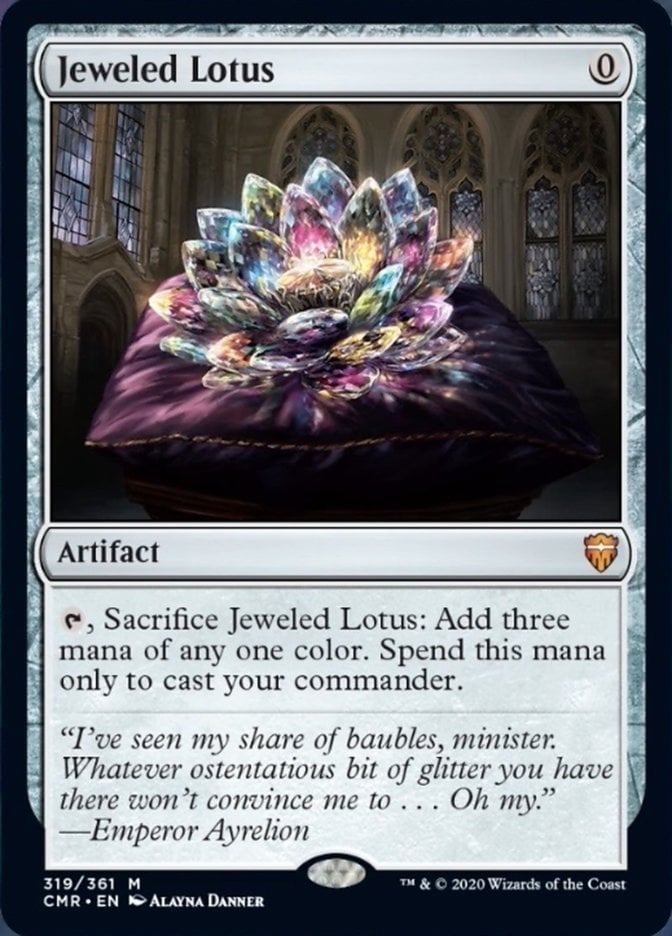
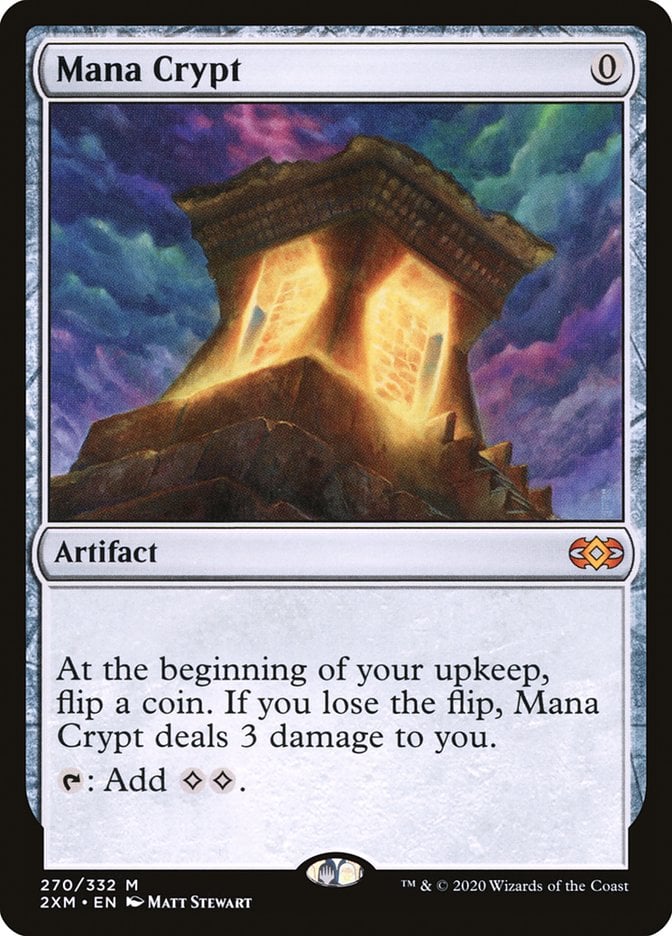
Where this gets really muddy is with Jeweled Lotus and Mana Crypt specifically. There was already heavy backlash over those cards, and the prices have fluctuated wildly since the bans. But what happens if they’re subsequently unbanned and relegated to Game Changer status? Surely that’s just opening the door to even more backlash, right? Not sure I want to be there when or if that happens.
Are the Brackets Good or Bad?
The Commander brackets are generally good and helpful to players. There are some negatives to the bracketing system, but the overall result has been a net positive. They are a much more realistic way of measuring a deck’s relative power level than the 1-10 system that was used for years. Having defined parameters that tell players where their decks lie is a much more consistent system.
I think about this like weight classes in boxing. I’m no expert on the subject, but my understanding is that boxers are paired up against each other based on weight class. You don’t want a heavyweight boxer in the ring with a lightweight, and there are established weights for each class to make sure that doesn’t happen. Similarly, the bracket system makes it less likely that your lightweight EDH deck gets unknowingly placed in a pod full of super heavyweight decks.
There’s always exceptions though, right? Sure. For one, your entire deck can be classified by the presence of a single card. You could play a 5-color Polymorph deck that wants to turn badger creatures into crabs, but put a single Vampiric Tutor in and that deck automatically goes into bracket 3 because it has a Game Changer. That seems wrong for obvious reasons, though that’s where Rule 0 conversations come in handy.
There’s also the new-player hurdle of knowing about brackets and Game Changers in the first place. There are plenty of casual players who aren’t constantly plugged into online Magic discourse who won’t know anything about the bracket system. They’ll show up to casual FNM and end up being completely blindsided about the way their decks are classified. It’s not enough to just know what’s banned, build a deck, and play; you also need to know how the most powerful cards in your deck are classified. Even enfranchised players have to keep up with which cards are on the Game Changer list, especially as cards are adjusted and shifted around over time.
I’m usually in the camp that extra mental upkeep is worth it if it improves the play experience. One way I gauge if the bracket system is successful and an improvement to the format is: if I experience players paired up against players that seek the same gameplay experience. No more “my deck is a 7” nonsense. It was always a 9, Todd.
Wrap Up

Coalition Victory | Illustration by Eric Peterson
With a lot of the fine details about the bracket system out in the open, it’s a great time to start offering feedback on the matter, and the Commander Format Panel actively asks for it.
I want to reiterate that I think this system is a net positive and positions Commander well in the long run. It’ll take adjustment and a small amount of mental overhead, especially for new players, but it gives players an easier way to identify the matches they want to play, and gives them better tools to assess their own decks. I love you Magic players, but we’re all pretty bad at doing that.
Do you have any insight or concerns on this topic? Do you foresee a ban list overhaul, or any other positives that might come out of the bracket system? Let me know in the comments or over in the Draftsim Discord.
Thank you for making Draftsim your #1 stop for all things Magic!
Follow Draftsim for awesome articles and set updates:










10 Comments
Wizards should have no say in how decks are power ranked. Someone could develop an AI program (minimizing any potential conflict of interest concerns) to power rank user submitted decks and certify the power ranking. Until that happens it seems that players are more than capable in determining who they want to play against and who to exclude because their decks are too difficult, boring or slow.
Fine points Rod, though I do think this helps with determining whether deck philosophies line up pre-game rather than having to actually play a game, see that there’s a power level disparity, and then choosing to not play those decks together again after having a miserable experience. Feels like we could cut out the “trial run” part of matchmaking.
I can only imagine the reaction from people if they go on to unban Mana Crypt and Lotus– I’m almost tempted to take the gamble on buying some while they are cheap to profit off of if/when they get unbanned, although it would definitely make me feel icky.
As for the brackets themselves, I think unless they officially recognize cEDH as a separate format it’s all going to fall back on Rule 0, anyways. You’ll just have people at your lgs playing a “tier 2” deck and then say “Oh, I forgot about that one tier 4 card”.
Yeah, retroactively unbanning Lotus/Crypt could get messy.
Agree this probably all comes back to Rule 0 at the end of the day, but I have my suspicions this will make some positive change.
Feel like this bracket system is complete crap. According to this, of you have worst precon ever and you put one Cultivate in it, it automaticly makes it tier 1 which technicly should be able to hang with CEDH decks
Just to clarify, Tier 1 is the lowest tier (this is Wizards’ statement, not my own), and Tier 4 is the highest, so Cultivate is effectively fair game anywhere without issue.
Though what you’re saying is true of actual tier-4 cards. If I put an Ancient Tomb in a precon it’s automatically a Tier-4 deck even if the rest is unchanged, which seems wrong. But again, that’s a conversation point for casual groups more than it is a hard and fast rule.
I believe there’s too much complexity and too many factors that influence whether a deck really “goes off.” I also believe that four tiers is inadequate if you really want to compare deck power levels. My wife and I both have decks that have multiple “tier 4” cards, but there’s no way I’d classify those decks as being tier 4.
Much of it also comes down to play style and player skill. You can put someone behind the wheel of a race car, but they can still lose a race to someone in a Prius if the Prius driver has more skill and can corner better.
The only type of metric I believe would support a successful tiering system would be the type of metrics WOTC could collect with Commander fully supported in an online system like Arena. That would allow them to calculate win percentages and inclusion rates for every card included in a commander deck, based on what would become a huge data pool.
In casual settings, perhaps each player tracking their own deck’s performance could address power levels in an easier to understand way. When in a typical pod, how often does your deck come out on top? How often in second place? Think of the way sports teams are ranked based on their win-loss record. If the deck is untested, then, perhaps, fall back on a generic tier system to assess how it might play against other decks at the table.
So, imagine you’ve been playing with your group a while, and you have a deck that has two wins out of 20 games. Most people would agree that such a deck is not a good match for someone whose deck wins 15 out of 20 games. If you make a change to a deck with a specific record, you can inform the table that your two-win deck has received some new cards to try to improve your record. NFL teams often make roster adjustments mid-season to address perceived weaknesses in their lineup. Trying a brand new deck? Assume it is mid-tier until the first game is played.
I think a lot of what you say is absolutely true, and I agree whole-heartedly that some sort of data system could greatly improve what this bracket system is trying to be.
That said, win% can’t be the only determining factor, because it doesn’t account for player skill in any way. Plenty of veteran players can navigate a precon to a win against new players piloting cEDH decks, which pure data on wins and losses won’t account for. Maybe that’s a small enough outlier to ignore if you’re collecting tons of data, but an automated system for Commander on Arena could certainly go a long way towards evening out play experience.
Rule Zero is an appendix. An ineffective vestigial organ left over from the dark ages of poor management by an introvert trying to be the dictator of a social format.
Here is a simple question: are there Rule Zero conversations on games with prize support?
No?
Then power brackets and rule zero are only for friend groups who dont need WotC or CRC input.
If there is prize support AND brackets/Rule Zero then games will never launch at most LGS or pick up community events. You would need a massive tournament to attract enough players to get pods for every bracket.
This is a fools errand. Like herding cats. They couldnt effectively weigh card power for matchmaking on arena. What in the 7 hells of Universes Beyond makes any of you think they can do it with the entire card pool of MtG if they cant do it with the last few years of standard releases?
Why dont any if you WotC shills see this?
You could probably get a meaningful, insightful conversation going without the insults (though yeah, 100% shill here, will sell out in a heartbeat).
Still, while your points are valid, this whole take misses the point that the bracket is simply a guideline for casual players. You’re free to not abide by it if you wish, and it’s not meant to be the be-all end-all of deckbuilding. You’re right that Rule 0 is ineffective at the tournament level, but it’s never been intended for that anyway. This bracket system is for people attending a casual FNM Commander night with their shiny new deck, and a bracketing system can help kickstart a conversation much more effectively than generally guessing power levels. Also herding cats isn’t very hard.
Add Comment