
Last updated on March 2, 2026

Shivan Dragon | Illustration by Melissa A. Benson
There’s a sort of “Mount Rushmore” trend in Magic that pops up from time to time, where different players pick out what they consider to be the most iconic cards in Magic: The Gathering (AKA, the four cards you’d put on an MTG Mount Rushmore). Iconic obviously means different things to different people. For some people, it’s synonymous with “old” or “vintage”, and goes back to the earliest parts of the game. For others, it’s more about impact, and newer cards earn their iconic status by standing out from everything surrounding them.
And a card can be iconic for good, bad, or neutral reasons. It can have iconic art, or a notable tournament finish, or dominate a format. So your list will likely vary from ours, and we’re interested to hear what you’d consider the most iconic cards in MTG. Who ends up on your Magic Mount Rushmore? Here’s our picks.
What Are Iconic Cards in MTG?
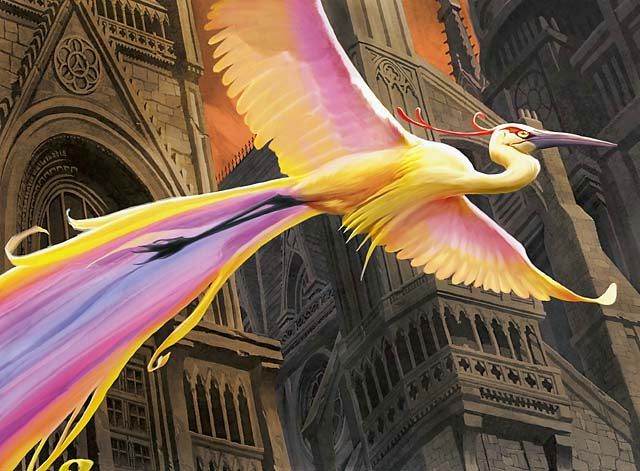
Birds of Paradise | Illustration by Marcelo Vignali
Iconic MTG cards are instantly recognizable to most players because they shaped how the game is played, defined an era or format, or became part of Magic culture. A card usually earns that status by being a power benchmark, the first clear example of an effect, a tournament-defining staple, or a card everyone references in conversation.
Basically, if a card has a nickname, a meme, or a whole style of deck named after it, you’re probably looking at an iconic card.
#33. Shivan Dragon
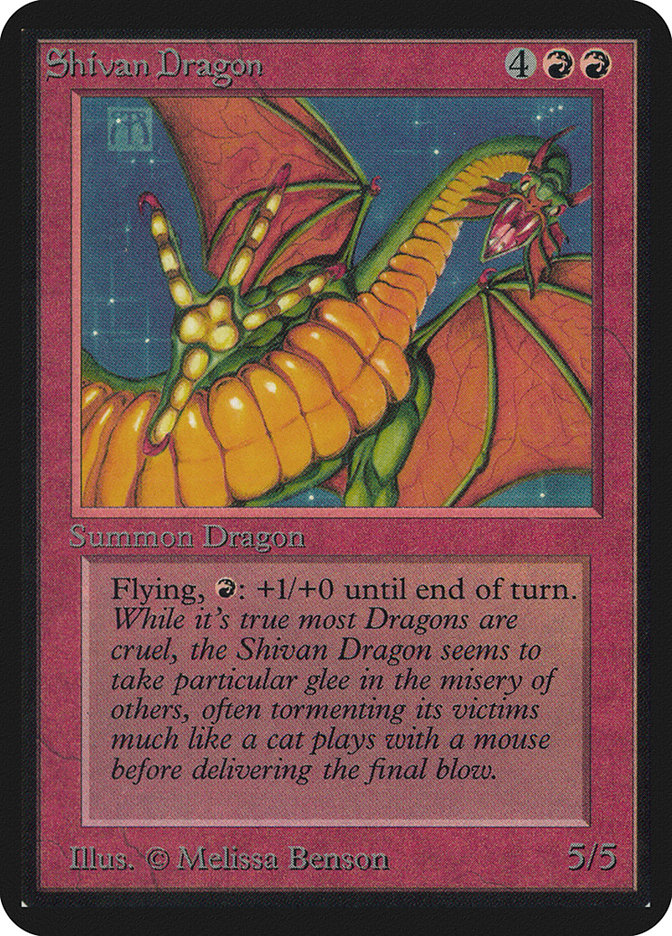
Back in the early days, a big flying dragon felt like the ultimate flex, and Shivan Dragon was the one everyone wanted. It’s a 5/5 flier with firebreathing, so it hits hard and can pump itself to end games fast. Shivan Dragon showed up on early product art and basically became the face of dragons in Magic during the 1990s, a symbol of raw power that players feared and chased. It’s been reprinted a ton of times, which is a big reason it’s still instantly recognizable today.
#32. Doom Blade
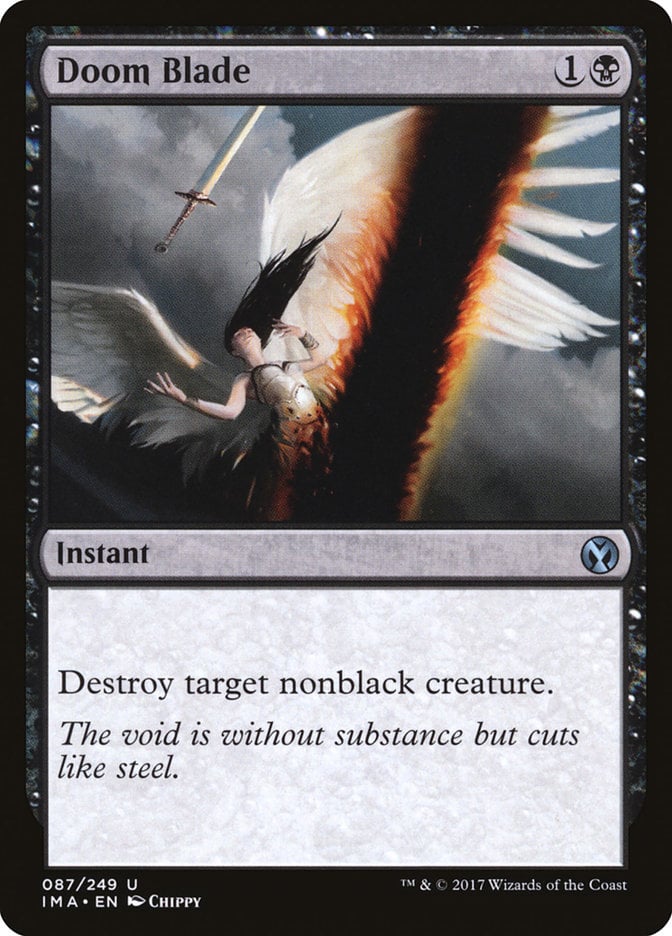
For 2 mana, Doom Blade just deletes a nonblack creature at instant speed, which is already solid and clean removal. But the real reason everyone remembers it is the phrase: “Dies to Doom Blade”, which became a meme way bigger than the card itself. It’s basically the Magic community’s quick way of saying no matter how scary a creature looks, you can still take it out with cheap removal, if it doesn’t offer any value right away.
#31. Serra Angel
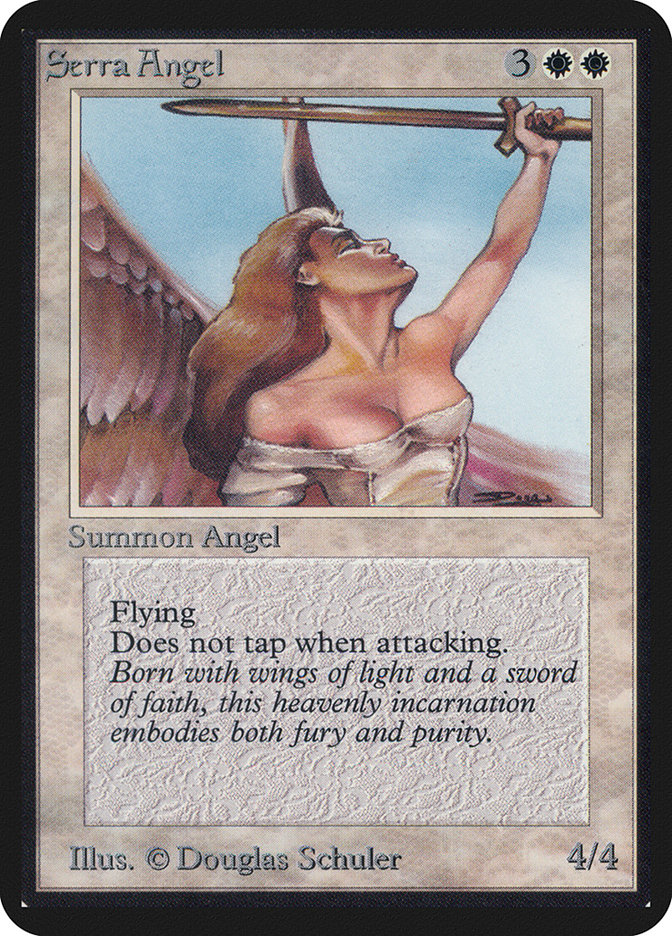
In the early days of Magic, a clean, powerful creature with no downside was a big deal, and Serra Angel was exactly that: a 4/4 flier for 5 mana that also has vigilance, meaning it can attack and still stay back on defense. If Shivan Dragon is the face of dragons in Magic, Serra Angel is the face of angels, since it showed up all over early Magic art and helped to cement angels as white’s signature creature type. That said, it dies to Doom Blade.
#30. Siege Rhino
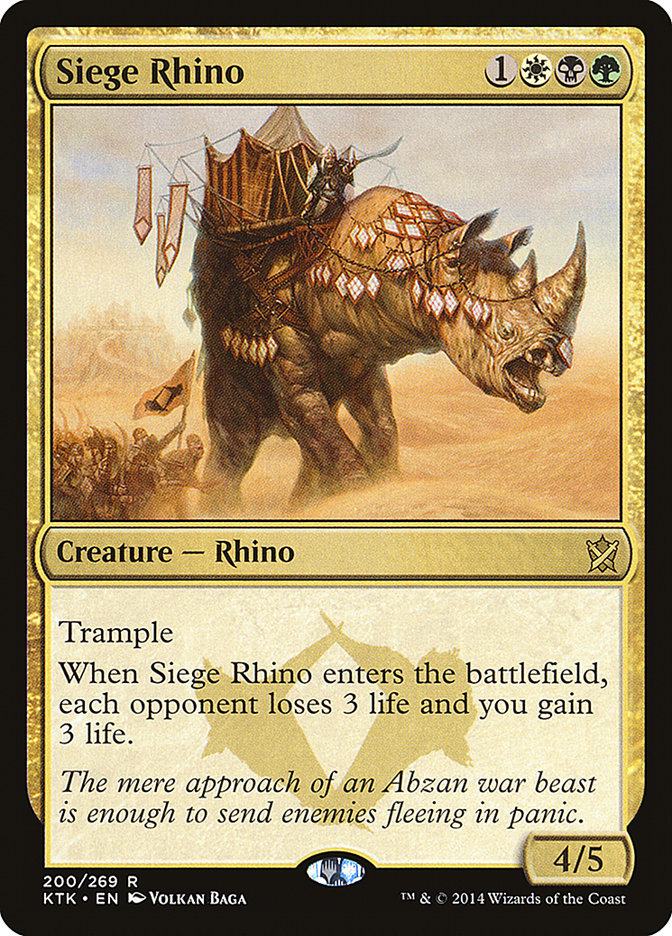
You will probably remember Standard around 2014 to 2015 by getting drained out by the same 4-mana creature over and over. Siege Rhino is a 4/5 with trample that hits the board, swings life totals immediately, and then keeps brawling in combat like it owns the place. It was the signature threat of that whole Abzan () era, to the point where it felt like everyone was either casting Siege Rhinos or spending their whole game trying to stop them before the next one showed up.
#29. Channel + Fireball
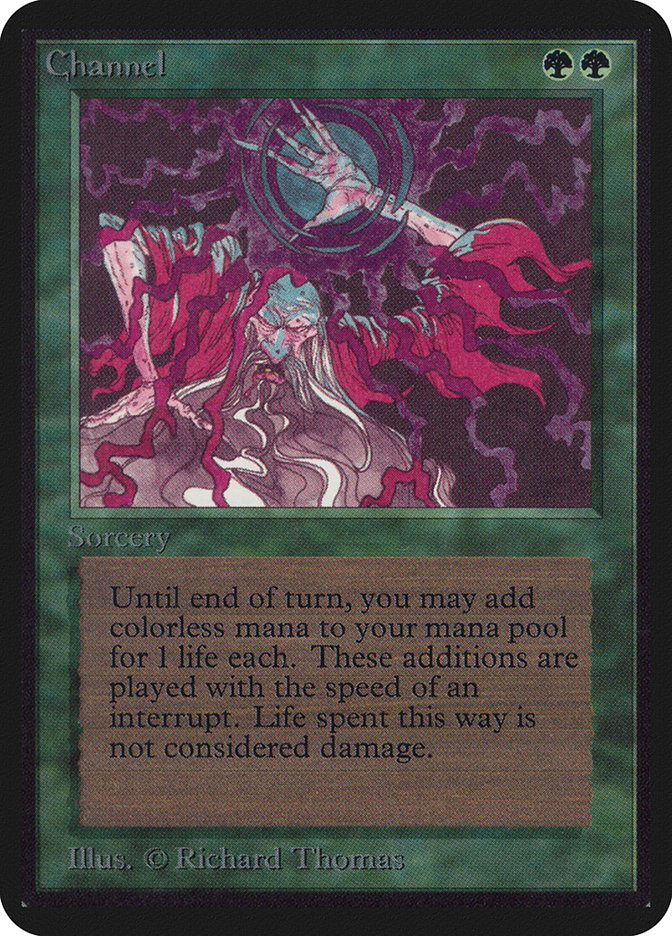
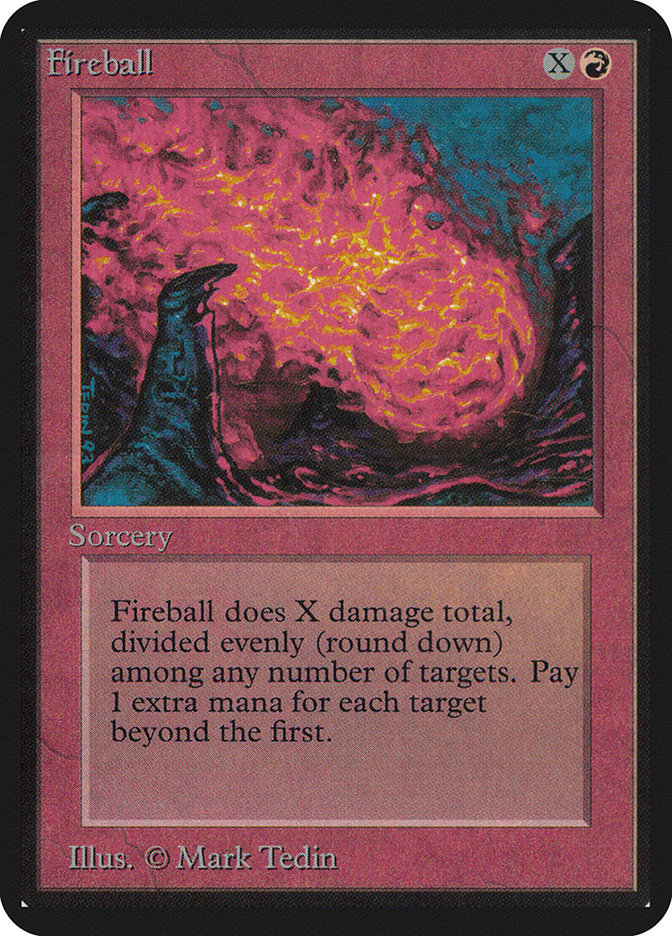
This is one of the earliest infamous combos in Magic history. Channel lets you pay life to generate a huge burst of mana, and then Fireball turns that mana into lethal damage in one shot. Back in the day, it showed everyone how quickly two cards could end a game if you weren’t ready, especially with fast mana involved. It’s so well known that ChannelFireball, the website and team name, came straight from this combo.
#28. Wrath of God
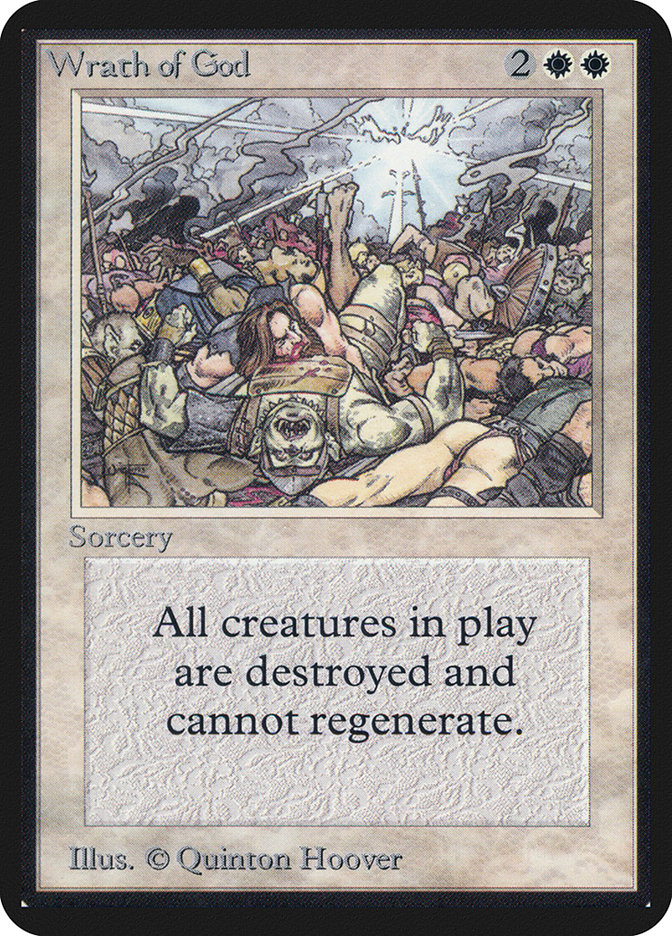
Sometimes you just need a hard reset, and that’s exactly what Wrath of God does. For 4 mana, it wipes every creature off the battlefield and even stops regeneration, which made it the clean benchmark for sweepers for a long time. It’s also the reason people call these board wipes “wraths” in the first place.
#27. Necropotence

Trading life for cards sounds dangerous, but Necropotence made it look completely broken. This Ice Age enchantment dominated competitive play in the mid ‘90s, since it turned your life total into a nonstop card advantage engine. Once it hit the board, it could bury opponents under sheer volume of resources.
#26. Dark Ritual
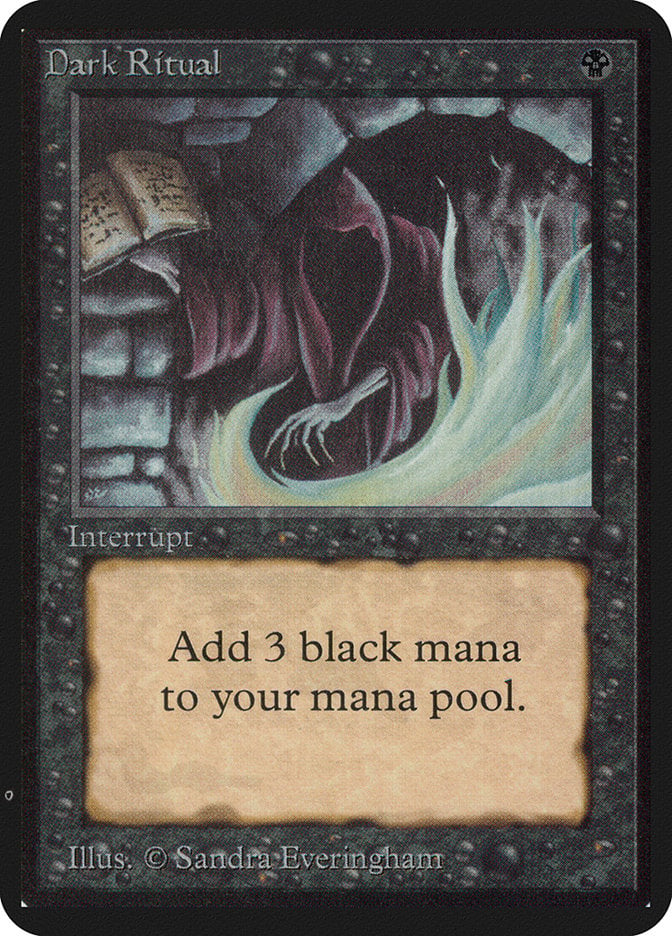
Black has always had a reputation for doing unfair things early, and Dark Ritual is a huge reason why. At just 1 mana, it gives you , which can jump you into plays that normally shouldn’t happen that soon. It’s one of the famous Alpha boons, and it helped to define the idea of fast mana in black decks. This card can start the game with a threat way ahead of schedule, or it can signal that a huge combo turn is about to unfold.
#25. Emrakul, the Aeons Torn

There are big creatures, and then there’s Emrakul, the Aeons Torn. This 15-mana, 15/15 creature from Rise of the Eldrazi shows up with a pile of ridiculous abilities, like protection from colored spells, an extra turn when you cast it, flying, and annihilator 6. It doesn’t just win; it wipes the board on the way out. A lot of decks didn’t even try to cast it fairly, instead cheating it in with cards like Show and Tell or Through the Breach and ending the game in basically one attack. Between the cosmic-horror vibe and the fact it was banned in Commander for being too miserable to play against, Emrakul became the go-to name people drop when they mean the ultimate final boss of Magic.
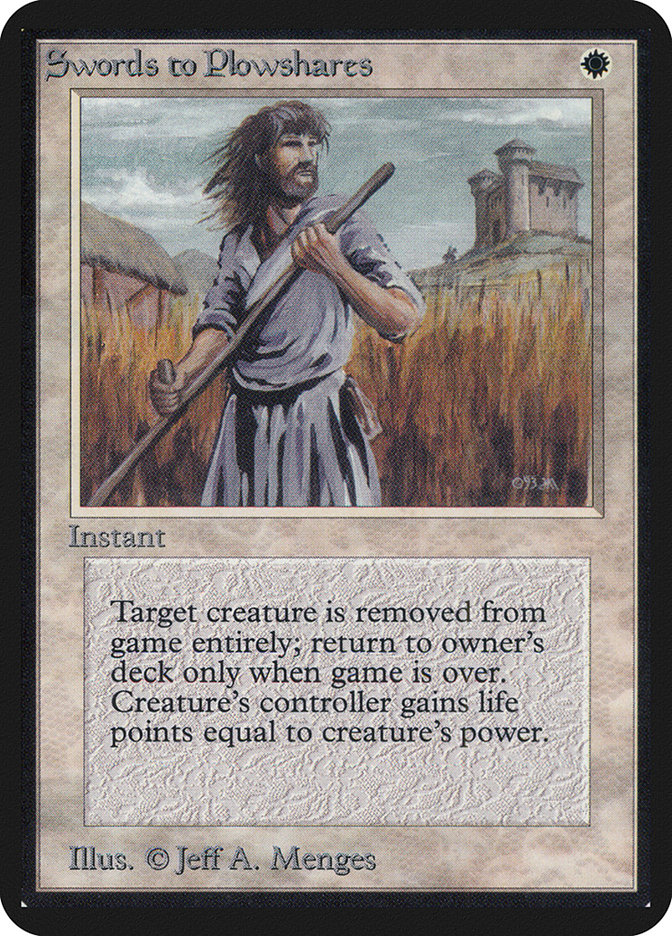
Swords to Plowshares exiles any creature at instant speed, and the tradeoff is simply giving the opponent life equal to that creature’s power. Most of the time, that lifegain is totally worth it if you’re removing the biggest threat on the table. And it says a lot about how strong this is that over the years, a bunch of cards have tried to mimic a fraction of its power, like Condemn or Path to Exile. The original still sets the bar.
#23. Skullclamp
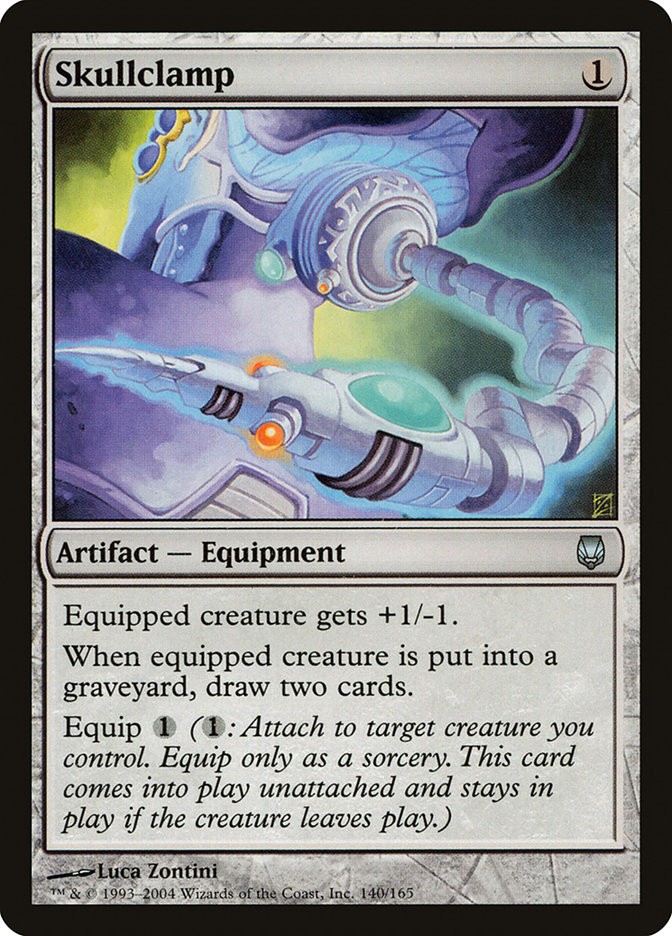
The story goes that Skullclamp originally gave +1/+1, but was “tuned down” to +1/-1 to make it more fair right before print. Oops. This turned every little 1/1 into a card-drawing machine, so any deck that makes tokens or plays small creatures could suddenly refill its hand nonstop. It was so far over the line that it got emergency-banned in Standard and is banned in a bunch of formats because it basically warps games around itself. Even today, the idea of Skullclamp just screams card advantage, and it still shows up a lot in Commander where it’s allowed.
#22. Dark Confidant

In a lot of circles, Dark Confidant is just called Bob, named after pro player Bob Maher. This is one of Magic’s famous Invitational cards, and it even features Maher’s likeness. For 2 mana, you get a 2/1 that flips the top card of your library every upkeep, adds it to your hand, and makes you lose life equal to its mana value. It’s basically a creature version of Phyrexian Arena, and it became a huge deal in grindy Legacy and Modern midrange decks like Jund, where trading life for extra cards is totally worth it. Of course, it can bite you too, because sometimes Bob flips something expensive and suddenly you’re the one taking the big hit.
#21. Jace, the Mind Sculptor
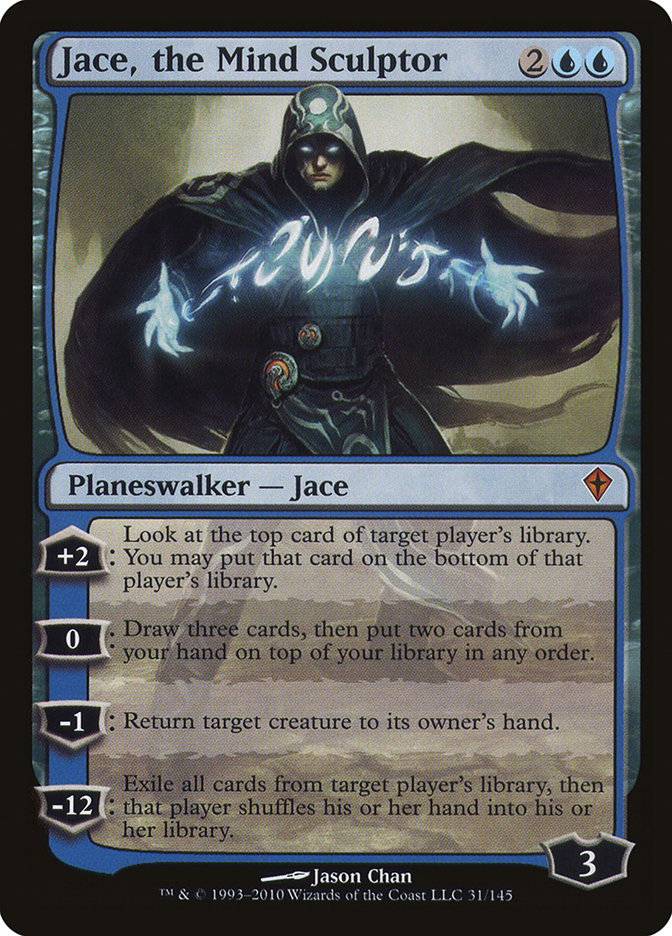
In 2010, Wizards printed a planeswalker that basically showed everyone how out of hand this card type could get. It didn’t take long for Jace, the Mind Sculptor to take over Standard, and it was eventually banned there. Between the +2 fateseal that messes with your opponent’s topdeck and the 0 Brainstorm that keeps your hand perfect, it could lock games up while also digging for answers until it was time to fire its game ending ultimate. It was so dominant that people even played Jace Beleren, the cheaper 3-mana Jace, partly as a weird answer to it, because the planeswalker legend rule at the time let you drop your own Jace and immediately get rid of your opponent’s. This Jace isn’t even close to top-tier anymore, but it’s still talked about as though it’s an unbeatable planeswalker.
#20. Blood Moon
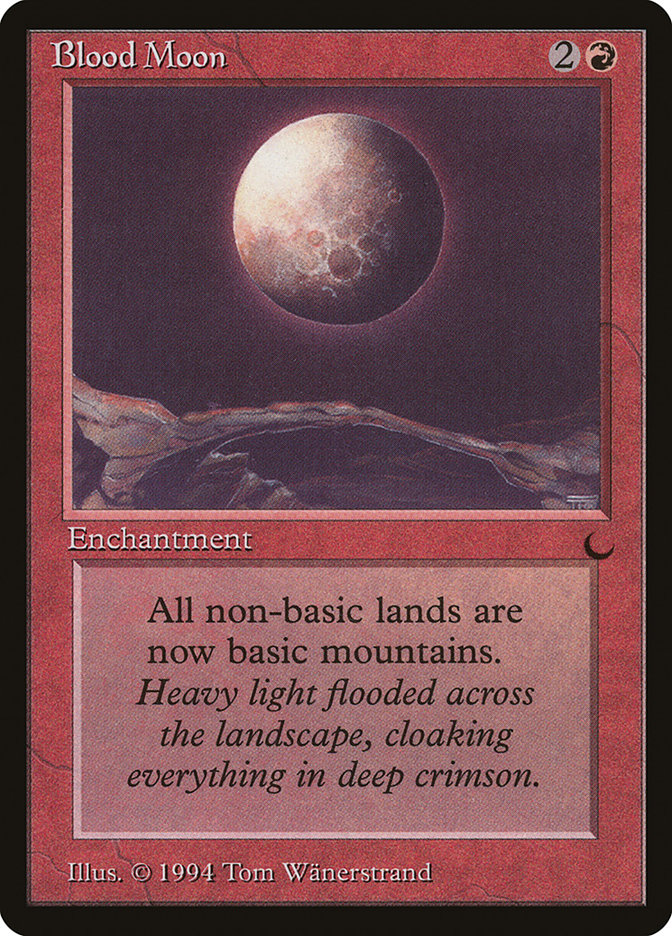
Few cards punish greedy mana bases as brutally as this one. Blood Moon turns all nonbasic lands into basic mountains, so decks that lean on fetches, duals, shocks, and fancy utility lands can suddenly be stuck doing nothing. That’s why it’s been a classic sideboard threat in formats like Modern and Legacy for years, and it’s why getting Blood Mooned is basically shorthand for being locked out of casting your spells. Over time, Magic has made newer takes one it, like Magus of the Moon, which puts the effect on a creature, or Zhao, the Moon Slayer, which forces nonbasics to enter tapped and can later fully turn them into mountains once it’s powered up.
#19. Armageddon
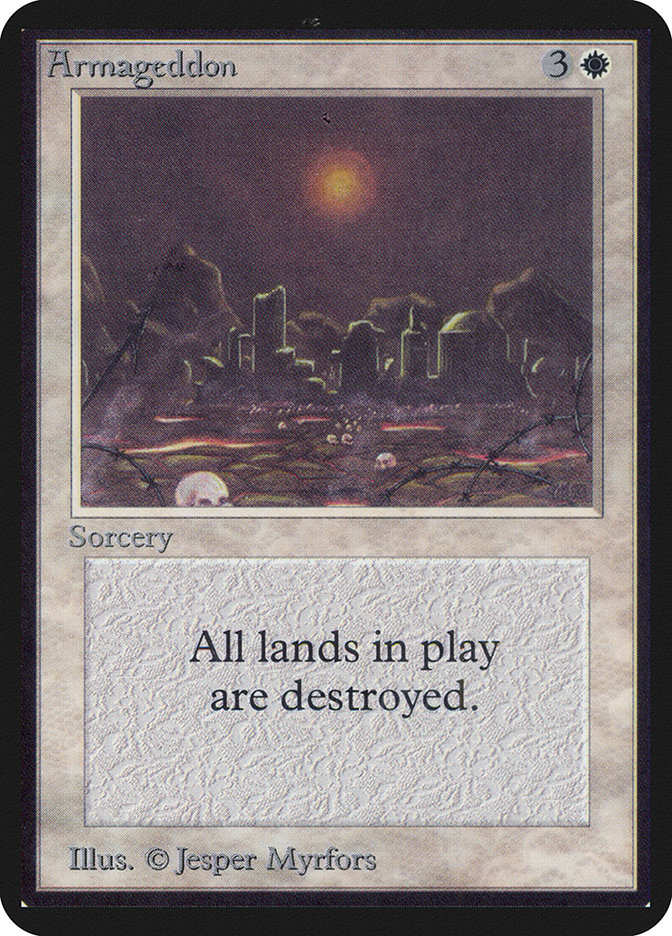
Destroying all lands sounds extreme now, but Armageddon was often used as a finisher, not just a prank. The idea is simple: Get ahead on the board, then wipe everyone’s mana so the opponent can’t catch up. If you cast it while you’re already winning, it can lock the game up because your opponent is stuck topdecking with no resources. It also helped define the idea of an Armageddon effect as shorthand for any big, sweeping land destruction play.
#18. Balance
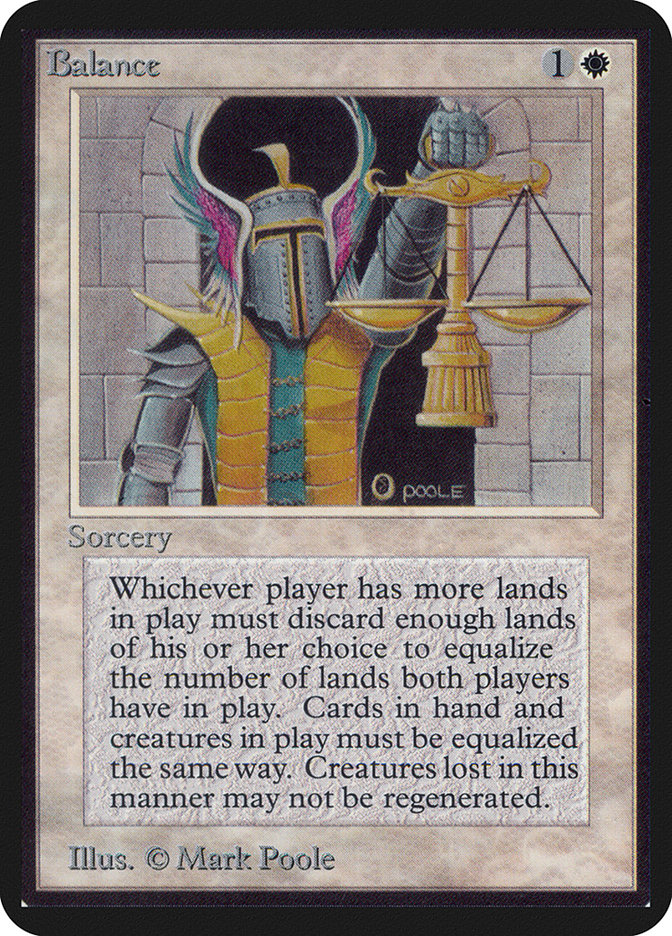
The name Balance sounds fair, but the card absolutely isn’t. It forces both players to equalize lands, creatures, and cards in hand, and if you build around it or time it right, it can feel completely one-sided. You can empty your hand, keep a small board, then cast it and watch the opponent lose a pile of resources all at once. It earned its reputation early because it can act like a board wipe plus a hand attack, all in one spell.
#17. Counterspell
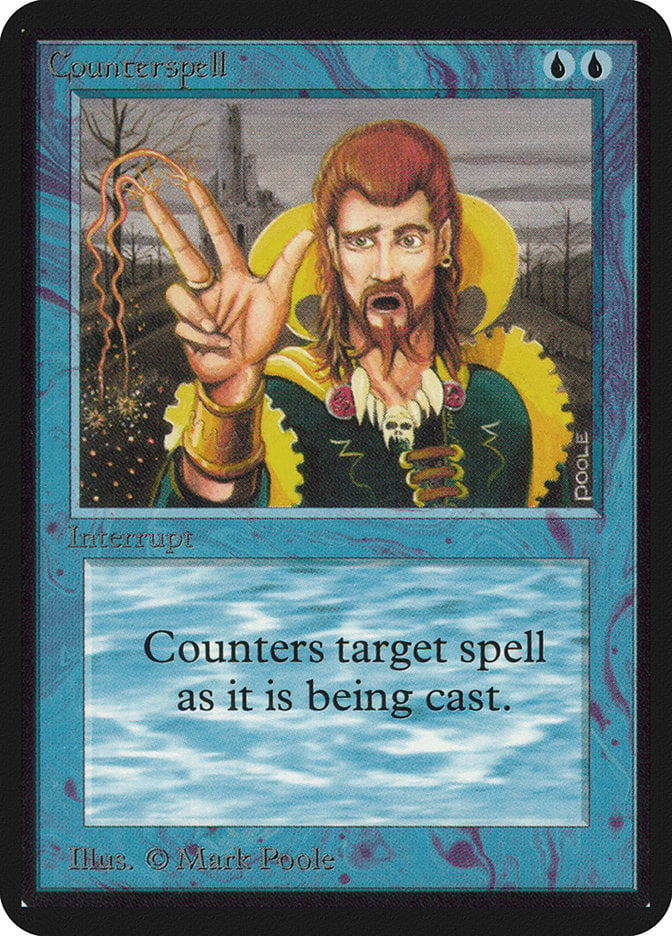
If you’ve ever heard someone call a card “The Original Blue ‘No’”, this is what they mean. For just , Counterspell shuts down any spell, no questions asked, and that simple efficiency is why it became the benchmark for control decks. Even today, a lot of new counterspells are basically judged by one question: Is it anywhere close to Counterspell, or are you paying extra for a drawback?
#16. Mana Drain

Mana Drain takes the idea of Counterspell and turns it up to an absurd level: You counter your opponent’s spell, then you get a burst of mana on your next main phase equal to the mana value of what you stopped. That swing can feel brutal because you don’t just protect yourself, you’re also rewarded for it by jumping ahead on mana and slamming something huge way earlier than normal. For a long time, it was a legendary Vintage control card, and the mix of power plus scarcity is a big reason it built such a scary reputation, even if it ran up against mana burn when it was printed.
#15. Wheel of Fortune
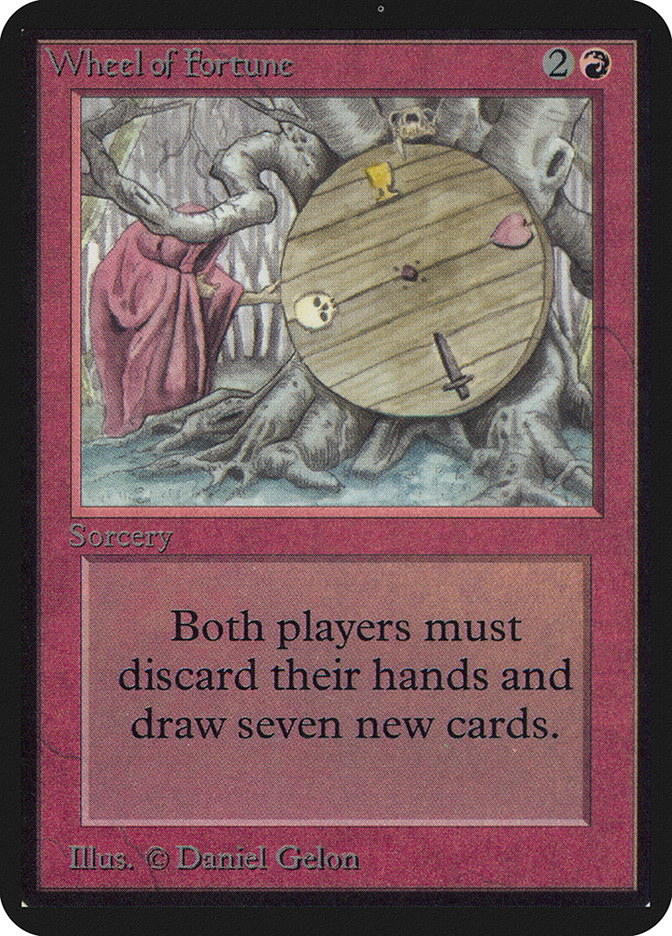
Red card draw has always been more like hitting the reset button, and Wheel of Fortune is the original example. For , everyone dumps their hand and draws seven fresh cards, which can flip a game instantly. Because of that, people call similar effects “wheels“, because this is the one that set the pattern. It refuels you, it messes with opponents who were carefully holding answers, and it can even power up graveyard or combo strategies.
#14. Yawgmoth’s Will
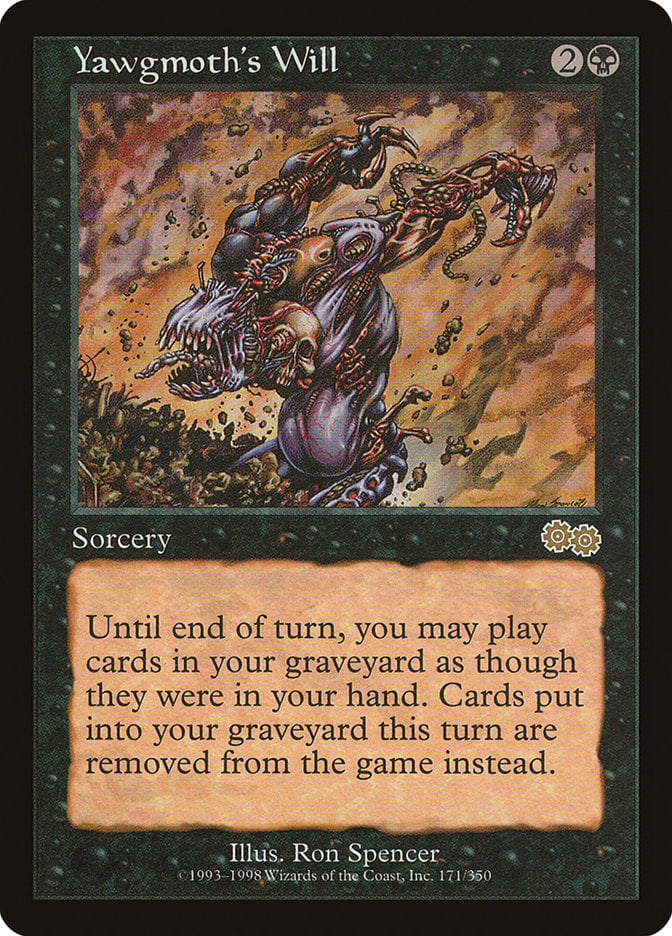
For one turn, you basically get to replay your graveyard like it’s a second hand, and that’s exactly as unfair as it sounds. Yawgmoth's Will lets you cast cards from your graveyard that turn, with the catch that anything heading back to the graveyard is exiled instead, but in fast formats that downside barely matters. In Vintage it often functions like a one-card engine that reuses busted mana and spells and then ends the game, which is why it earned the nickname Yawgmoth’s Win.
It’s been mostly usurped by Underworld Breach, but it’s hard to call the card from 2020 more “iconic”.
#13. Force of Will
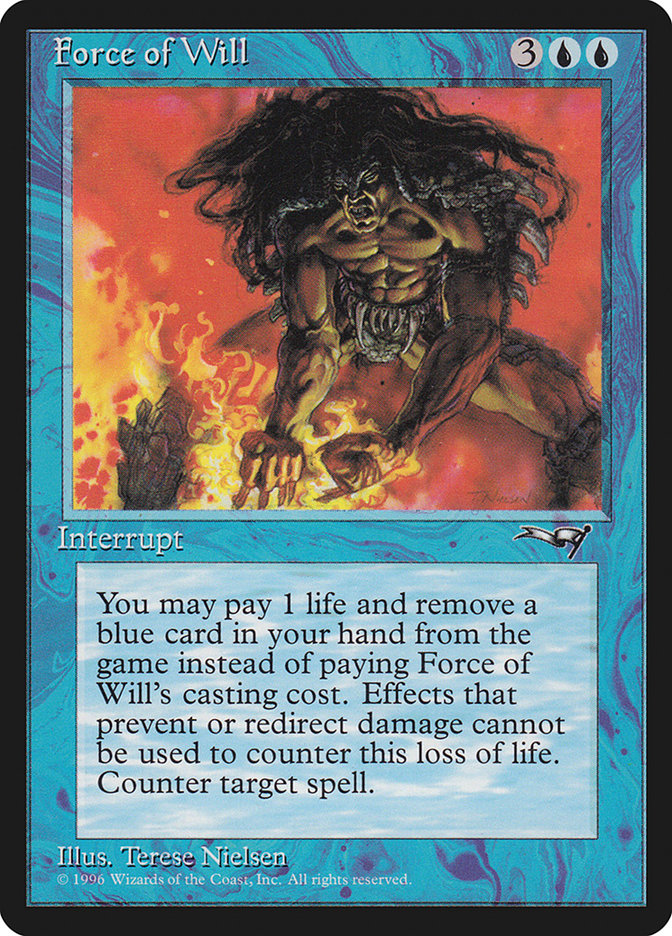
In older formats, it’s tough to feel safe if you can’t interact while tapped out, and Force of Will is the main reason blue decks can. Even though it technically costs 5 mana, you can pay 1 life and exile a blue card from your hand instead to counter a spell on the spot. That’s huge because it lets you stop fast combo decks before they run away with the game, even when you have 0 mana open. Force of Will is what people who don’t play Eternal formats talk about when thinking about those formats, and the people who do play are always thinking about Force, too.
#12. Thoughtseize
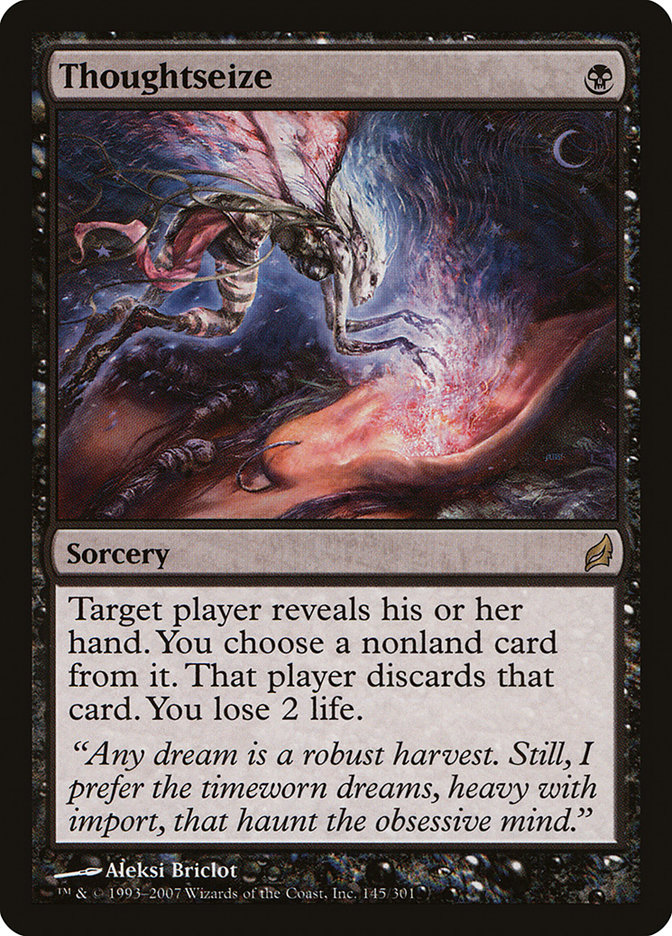
For 1 black mana, you get to look at your opponent’s hand and take their best nonland card, and the only downside is paying 2 life. Thoughtseize came out in Lorwyn and quickly became the gold standard for targeted discard, often feeling like a straight upgrade over older options like Duress. It shows up everywhere black decks are allowed because it’s efficient and flexible, and it hits almost anything that matters before your opponent can even cast it. Turn-1 Thoughsieze has made black decks viable in formats where black wouldn’t be a contender otherwise.
#11. Umezawa’s Jitte
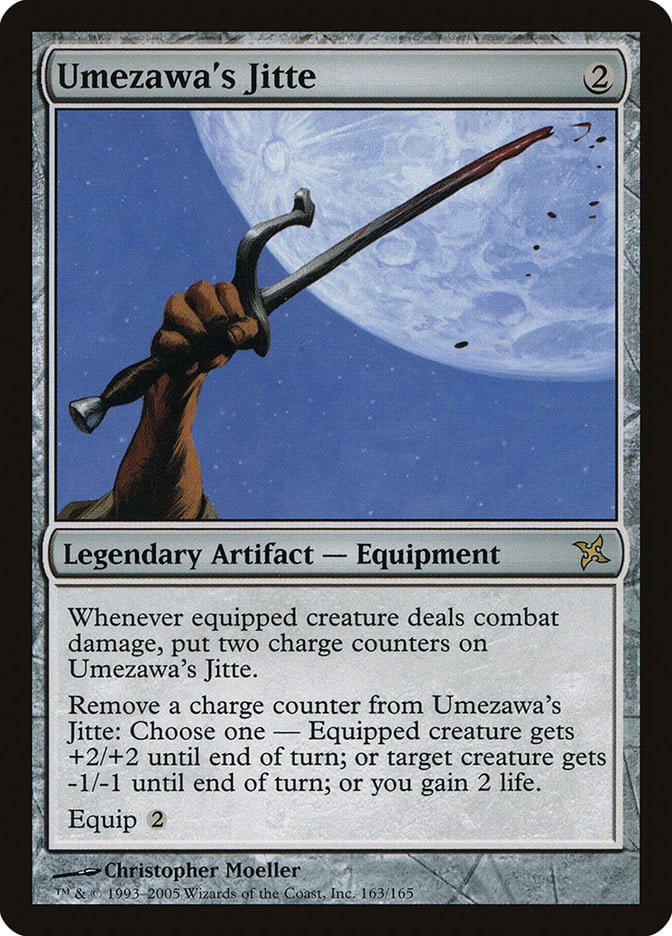
Back in Betrayers of Kamigawa, they printed a piece of equipment that basically did everything you could want in combat, and then some. Umezawa's Jitte costs 2 mana to cast and 2 to equip, and it piles up charge counters whenever the equipped creature hits anything. Those counters turn into a little toolbox: You can pump your creature, shrink or pick off other creatures, or gain life, all on demand. In Kamigawa–Ravnica Standard, it completely took over games, and it got so oppressive in Block Constructed that it was banned there.
#10. Gaea’s Cradle
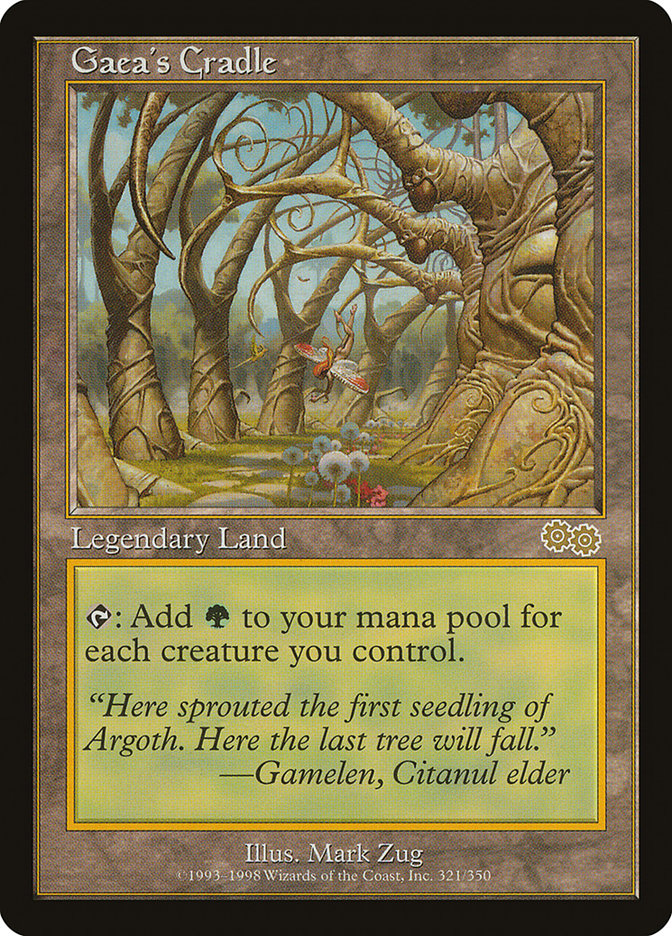
If your deck is the kind that puts a bunch of creatures on the board, this land can turn that into a ridiculous amount of mana fast. Gaea's Cradle taps for 1 green mana for each creature you control, which is why it shows up in Commander creature piles and Legacy Elves-style decks that flood the board. Between how explosive it is and the fact it’s on the Reserved List, it’s also become a seriously valuable card, and seeing it hit the table usually means someone is about to start to do big things.
There’s an argument that an increased modern interest in Cube has made Tolarian Academy the more iconic card over time, despite that one being banned in Commander
#9. Splinter Twin

Two-card combos don’t get much more famous than this one. Splinter Twin pairs with creatures like Deceiver Exarch to make an endless stream of hasty tokens, and for years that combo control shell was one of the main pillars of Modern. Calling something a “Splinter Twin situation” has basically become shorthand for a simple 2-card combo that’s starting to take over a format. It was banned in Modern in January 2016, stayed banned for way too long, then was unbanned on December 16, 2024, and sees almost no play anymore.
#8. Craterhoof Behemoth
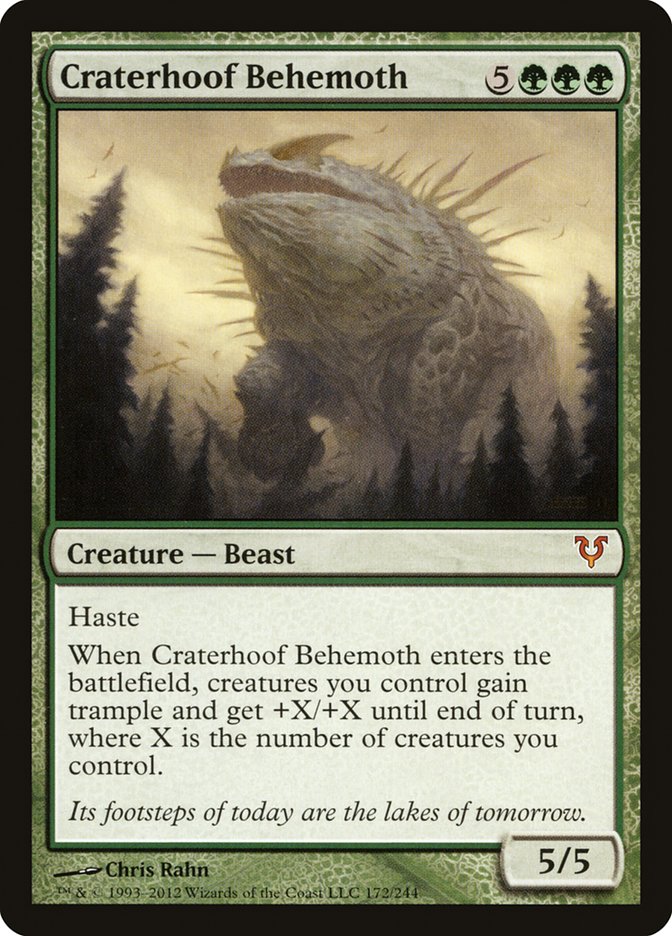
When you’re playing green and you want a clean way to end the game, this is one of the first cards people think of. Craterhoof Behemoth hits the battlefield, pumps your whole team based on how many creatures you already have, and gives everything trample so blockers don’t really save anyone. In token decks or any go-wide strategy, it turns a normal board into a sudden stampede that can wipe out the table. The whole, “Hoof! (There It Is)” line was popularized by Brad Nelson as a riff on Tag Team’s “Whoomp! (There It Is)”, and in Magic terms it basically means someone just cast a Craterhoof, and you’re about to do the lethal math.
#7. Demonic Tutor
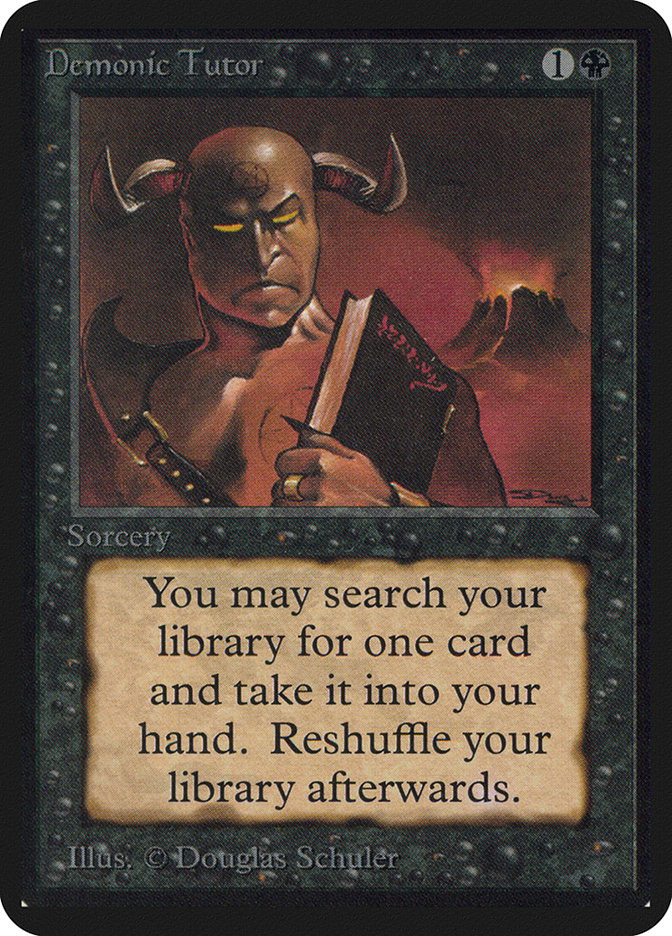
Need the exact card to win, answer something, or start a combo? Demonic Tutor is the classic solution: Pay , search your library for any card, and put it in your hand. This card is so influential that the word “tutor” became the everyday term for any effect that lets you search for a card. Tons of weaker versions exist now, but this one is still the gold standard because it’s cheap and simple, and it finds literally anything.
#6. Fetch Lands
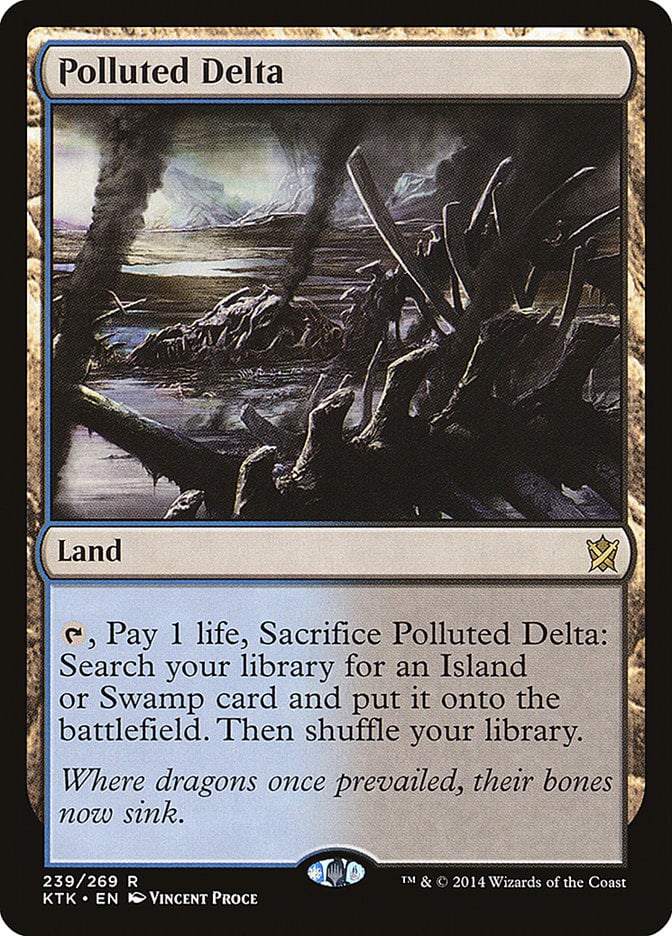
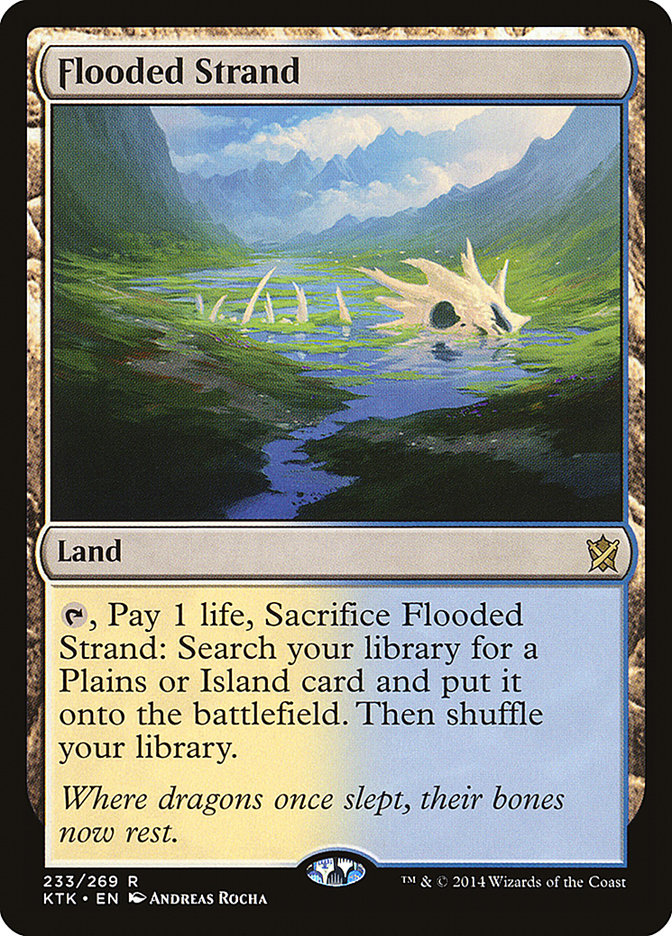
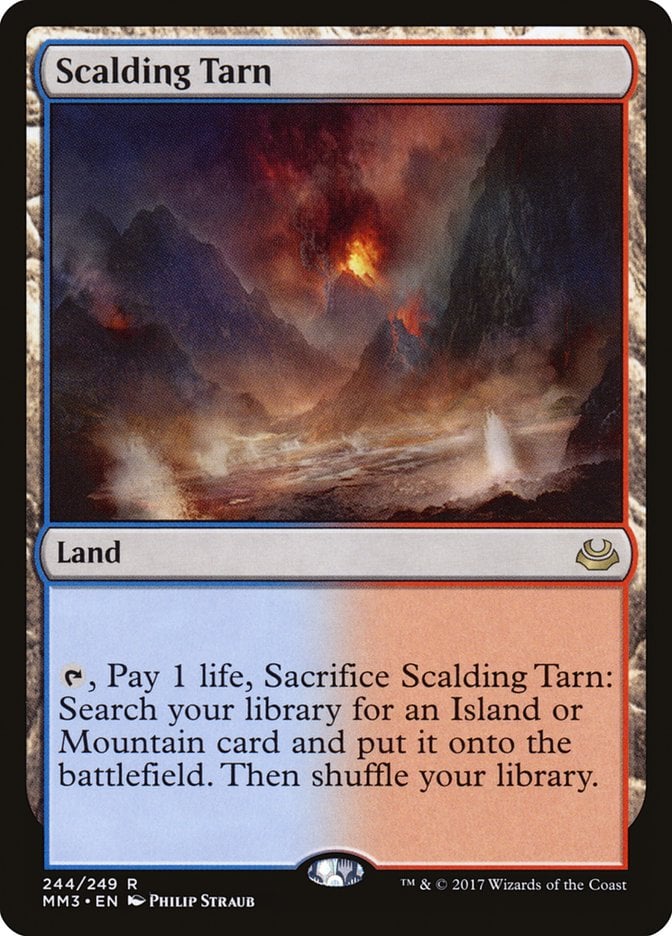
Pay 1 life, sacrifice the land, and go grab the exact land type you need. That simple little sequence is why fetch lands changed Magic forever. Cards like Polluted Delta, Flooded Strand, and Scalding Tarn made mana fixing way smoother and let 3- to 5-color decks run like they’re on rails by finding lands with the right basic types, including your best dual and shock options.
#5. Brainstorm

One mana, draw three cards, then put two back on top sounds simple, but Brainstorm gets ridiculous once you pair it with shuffle effects. That’s why it’s so often paired with fetch lands, since cracking a fetch lets you shuffle away the two cards you didn’t want. In practice, it turns into a tool for fixing clunky hands, digging for answers, and setting up your next turns with way more control than a 1-mana spell should probably allow.
There’s definitely a debate about which art is more iconic: the original from Ice Age, the Mercadian Masques version, or the version that first appeared in the Duel Decks.
#4. The Original Dual Lands
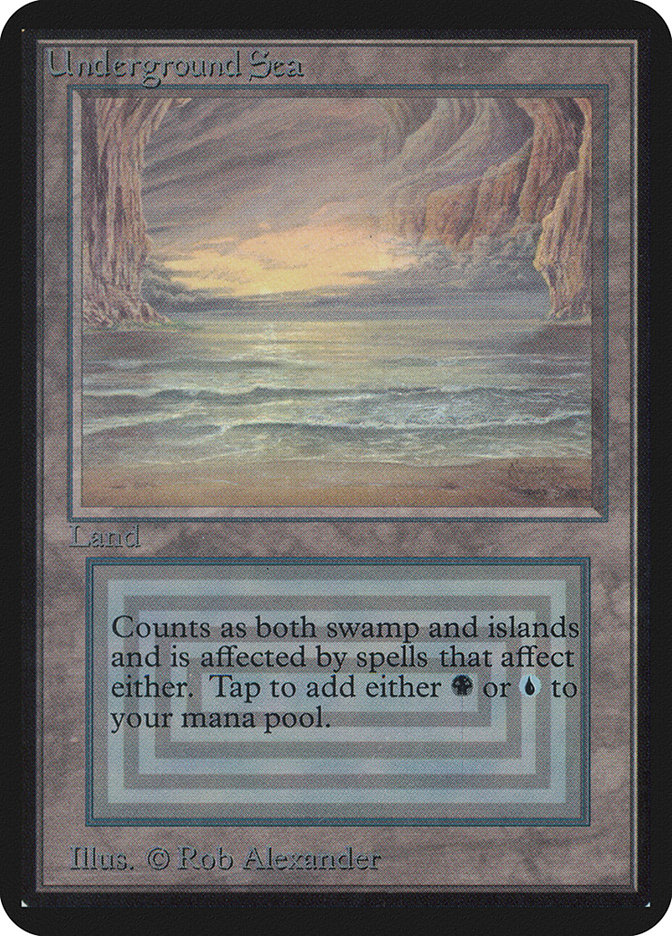
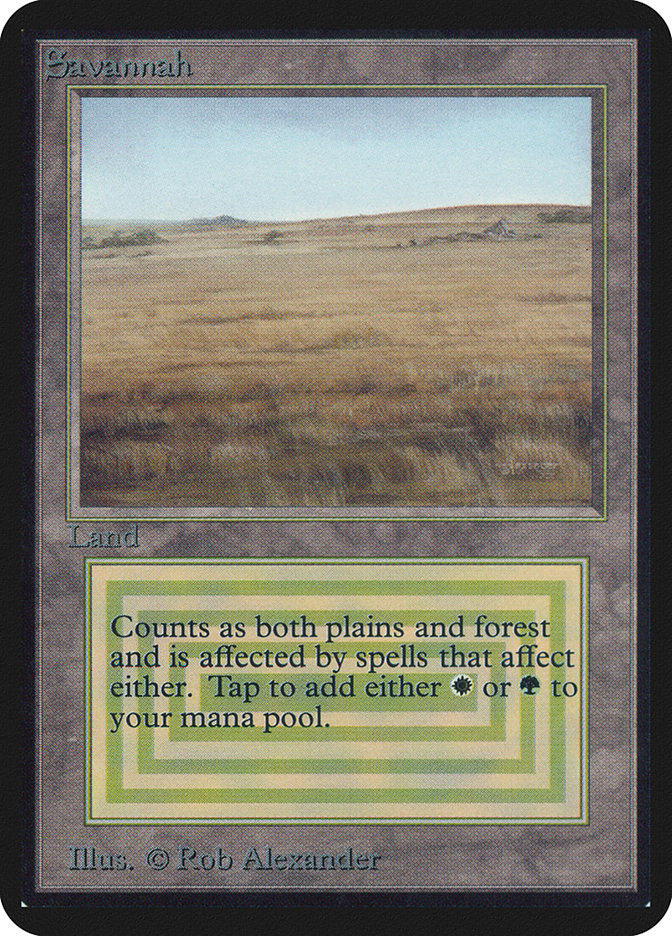
The original dual lands are the 10 Alpha-era lands like Underground Sea and Savannah that tap for two colors, count as both basic land types, and come with basically zero downside. That combo is what makes them so absurdly good: Underground Sea, for example, is both an island and a swamp, so it works perfectly with fetch lands and fixes your mana super smoothly. Later, shock lands showed up as the closest mainstream replacement, basically the same idea but with a real cost, since you pay 2 life if you want them untapped. Even with that drawback, the whole reason shock lands are so popular is because they’re trying to imitate what the original duals do for free.
#3. Llanowar Elves + Birds of Paradise
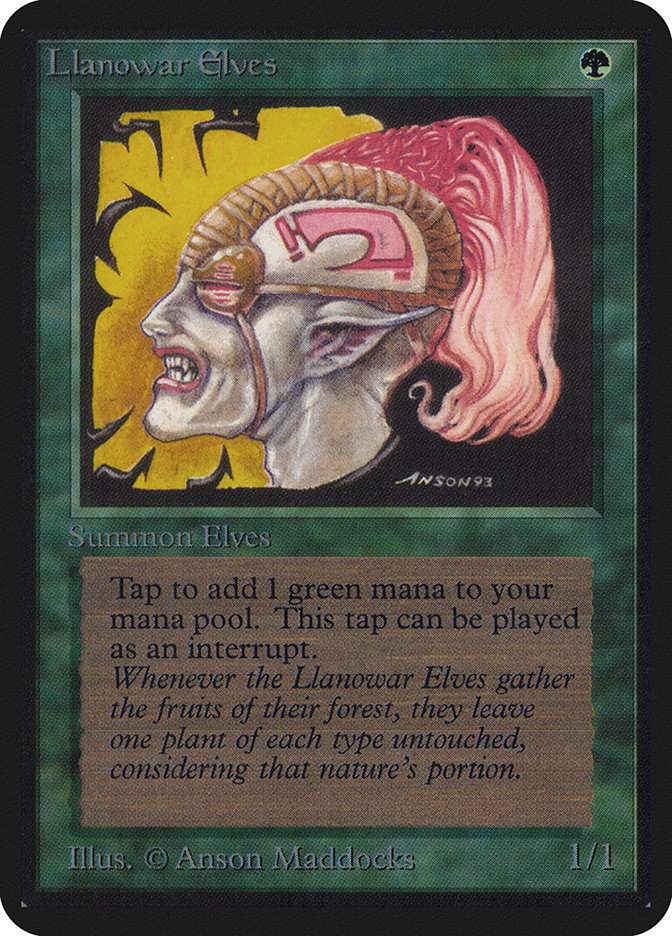
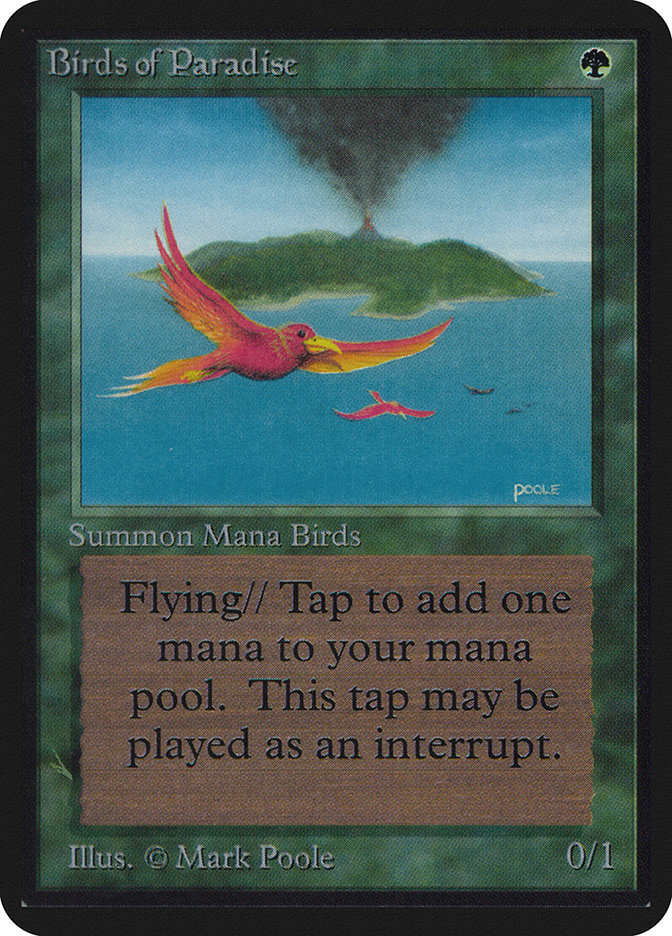
Llanowar Elves and Birds of Paradise are basically the face of turn-1 ramp: They’re cheap little creatures that tap for mana and let you play ahead of schedule. The elf is the original mana dork that set the template for green acceleration, while the bird adds a big bonus by fixing any color and even has flying, which makes it a staple in all kinds of multicolor decks. And if you’ve ever heard the saying “Bolt the bird”, this is the bird people mean: It’s a reminder to remove that early mana creature quickly because the opponent can snowball way quicker than you want if it survives.
#2. Sol Ring
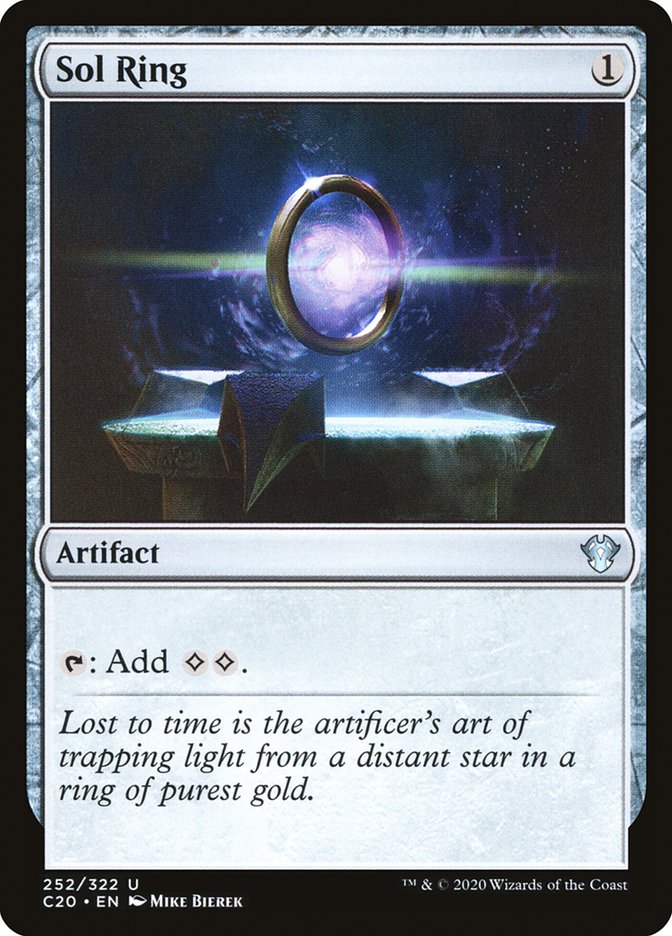
For just 1 mana, you get an artifact that taps for 2 colorless, which is an absurd jump in speed for something so cheap. Sol Ring is the poster child for fast mana in Commander, and a lot of players would call it the most iconic card in the entire format. It slides into almost any deck, turns slow openings into explosive starts, and is so strong that outside of EDH it’s often restricted or straight-up banned.
It’s probably one of the few Alpha cards where the modernized art is more iconic than the original, given the sheer number of times it’s shown up in Commander precons.
#1. The Power Nine
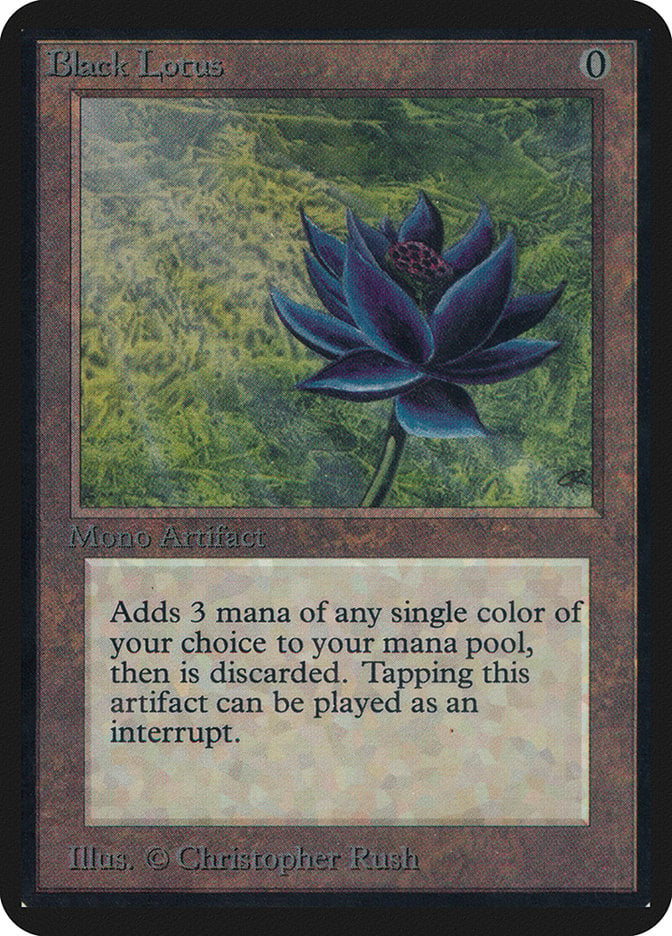
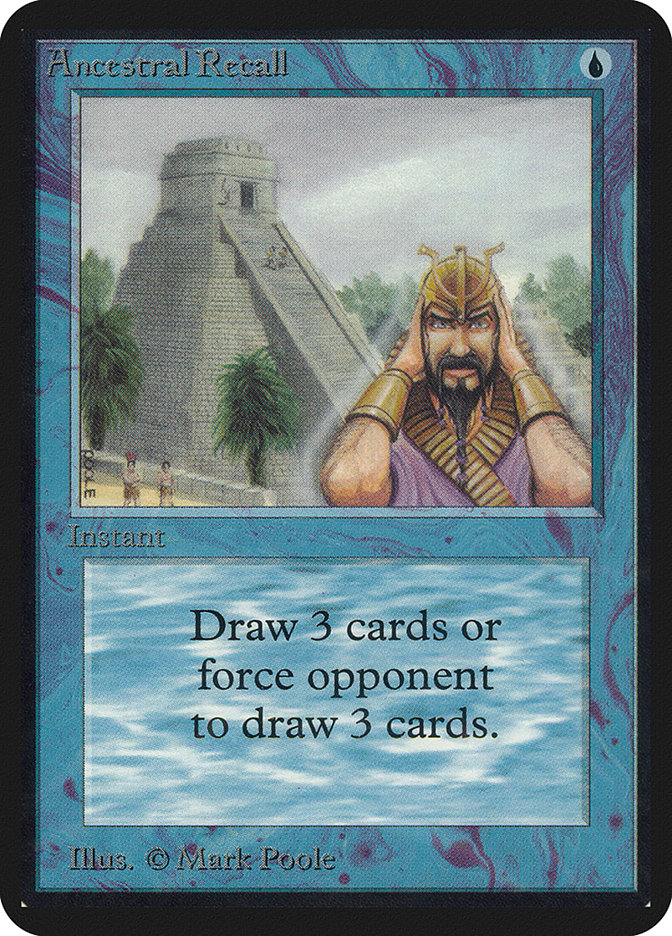
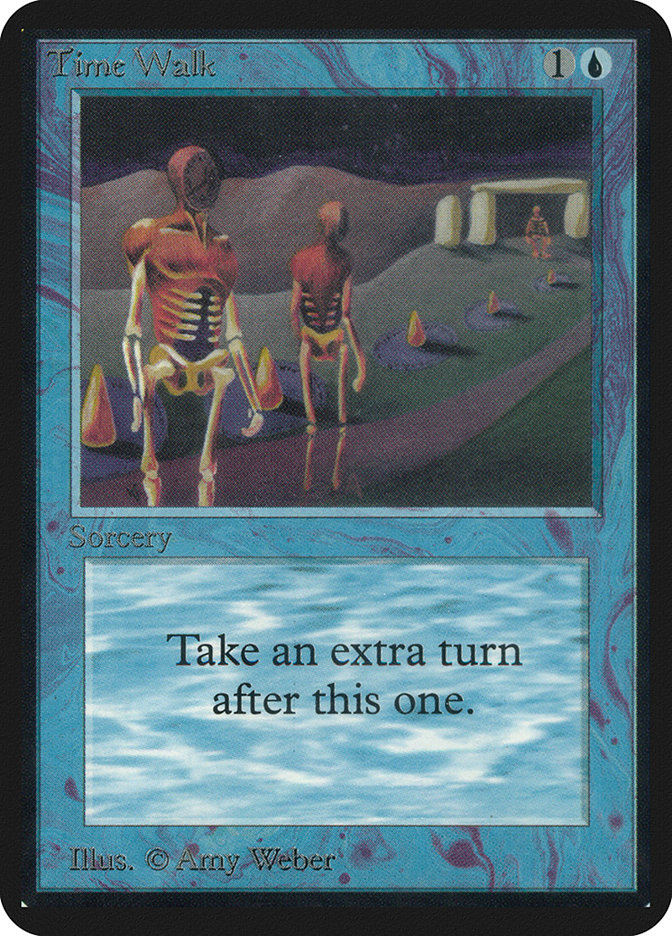
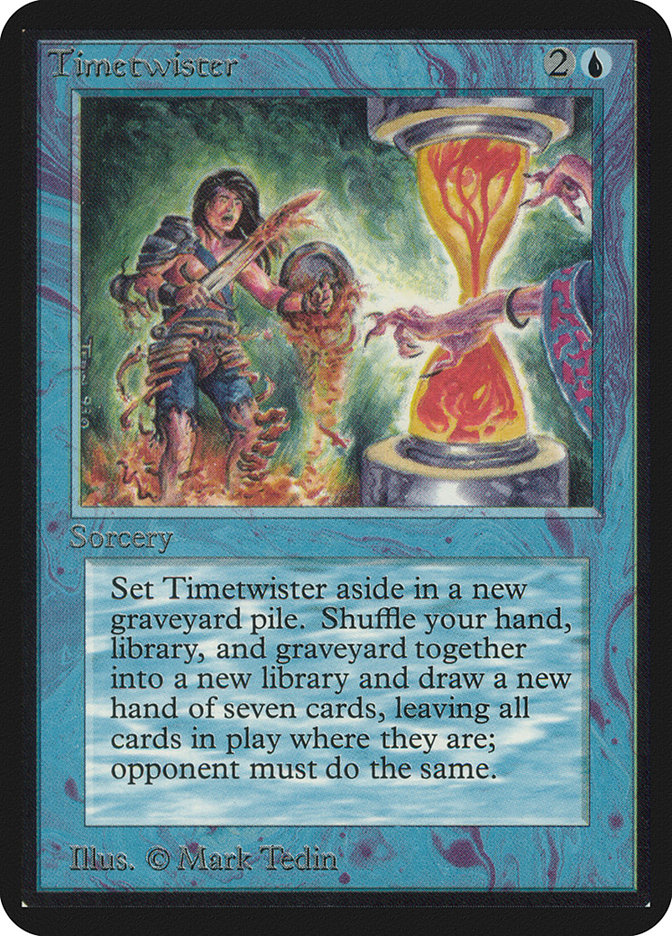
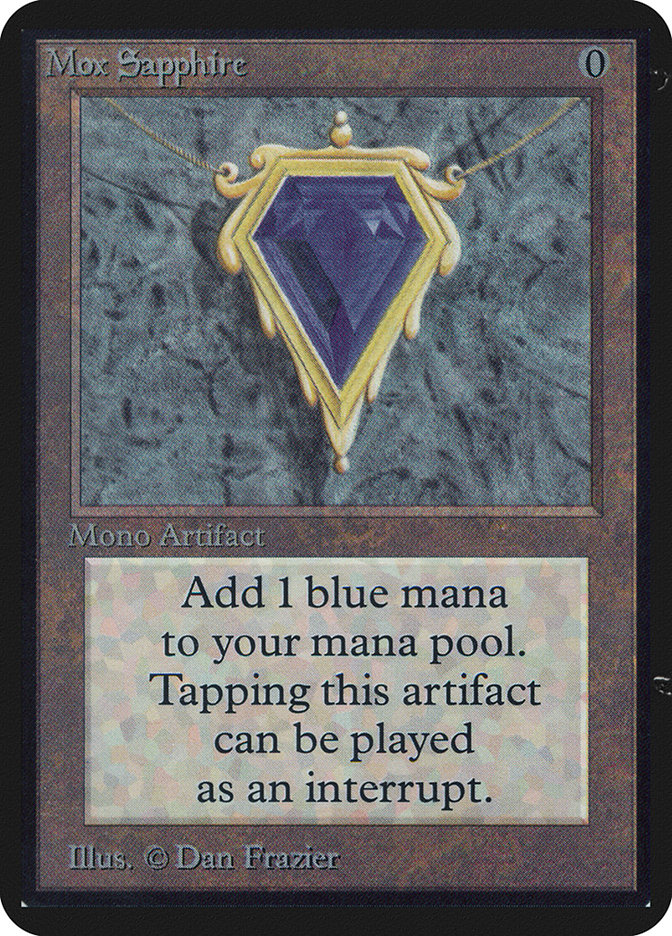
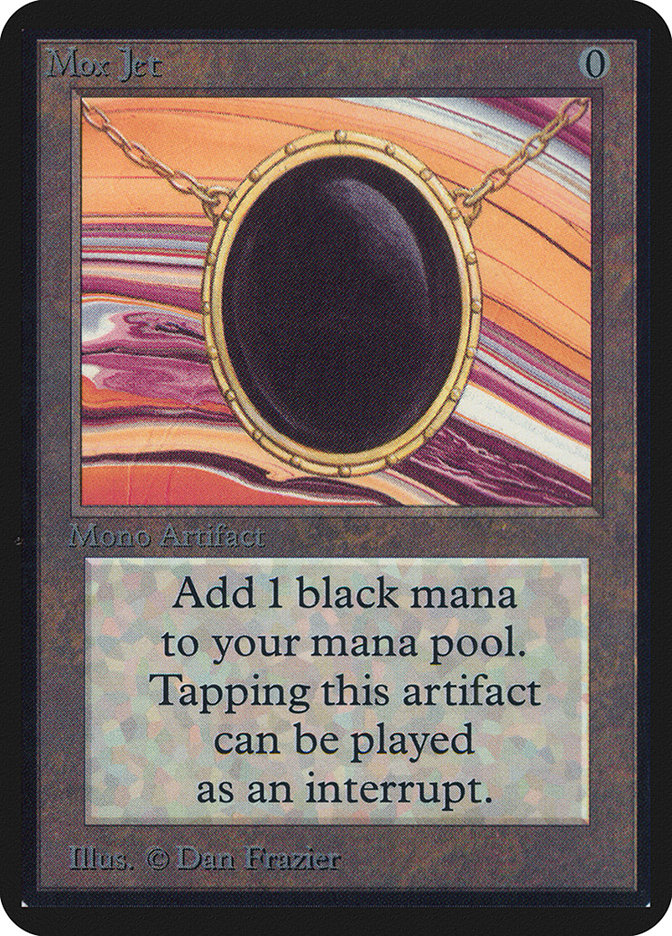
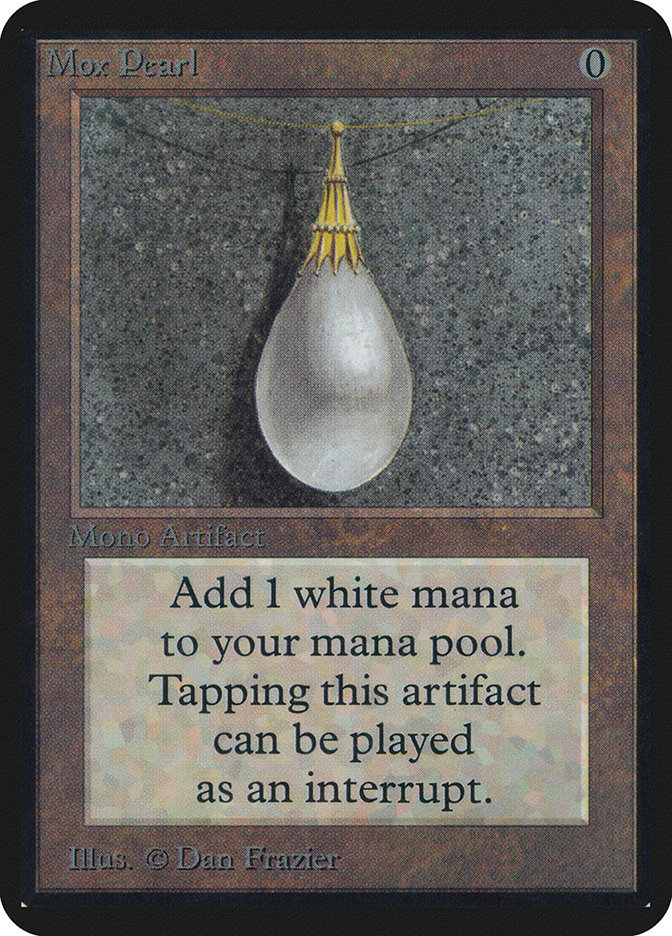
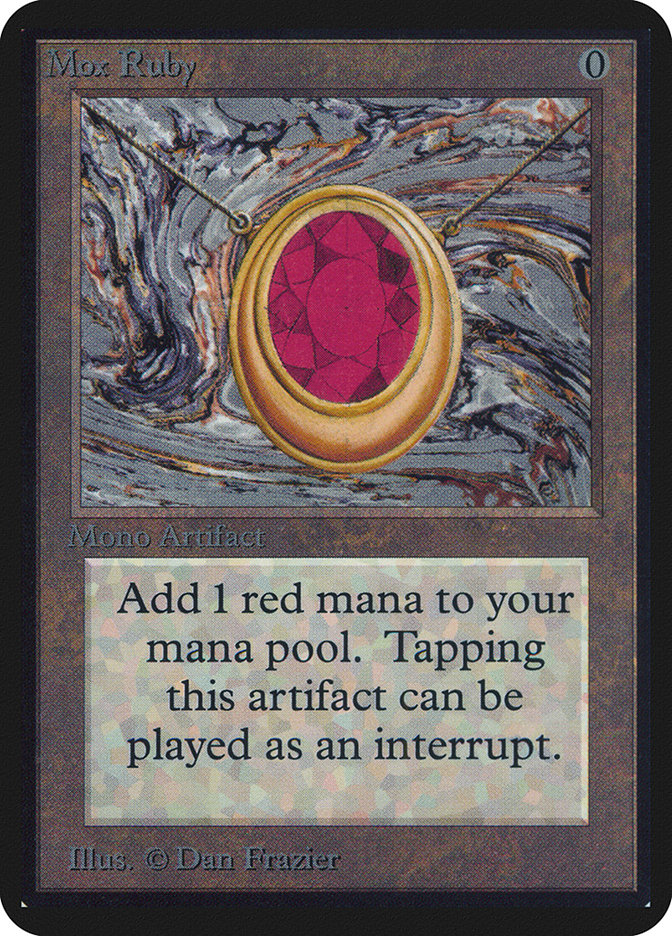
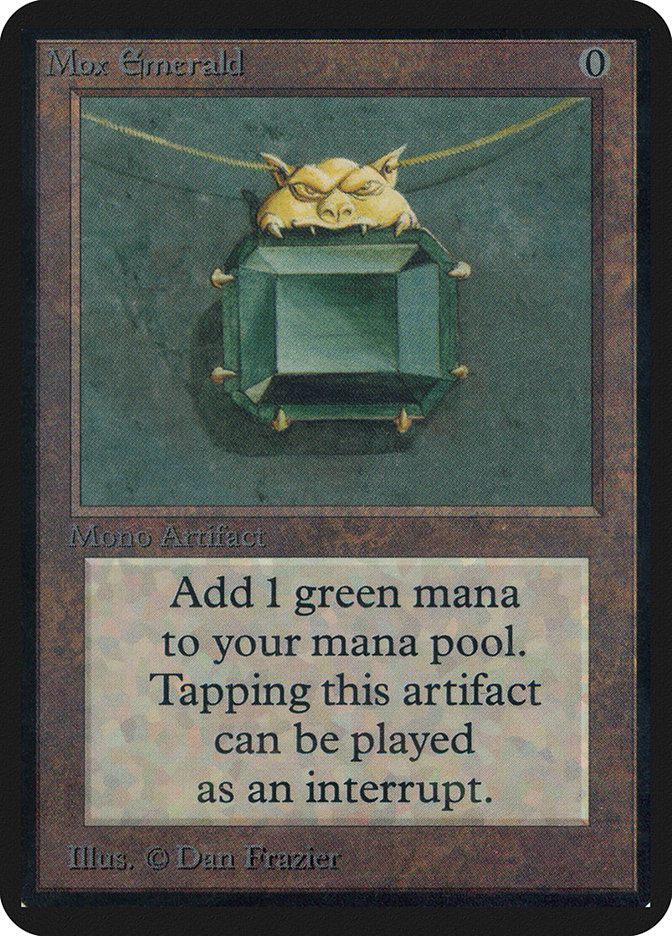
When people talk about the most legendary cards in Magic, they usually mean the Power Nine, a famous group of nine cards from the very early days (Alpha and Beta). It includes Black Lotus, the five moxen (like Mox Sapphire), Ancestral Recall, Time Walk, and Timetwister. These cards are iconic because they do totally unfair things like giving you a huge burst of mana or massive card advantage way faster than anything else. As a result, they’re hunted by collectors, and they’re still talked about like the Holy Grail of Magic.
What Does Iconic Mean in MTG Terms?

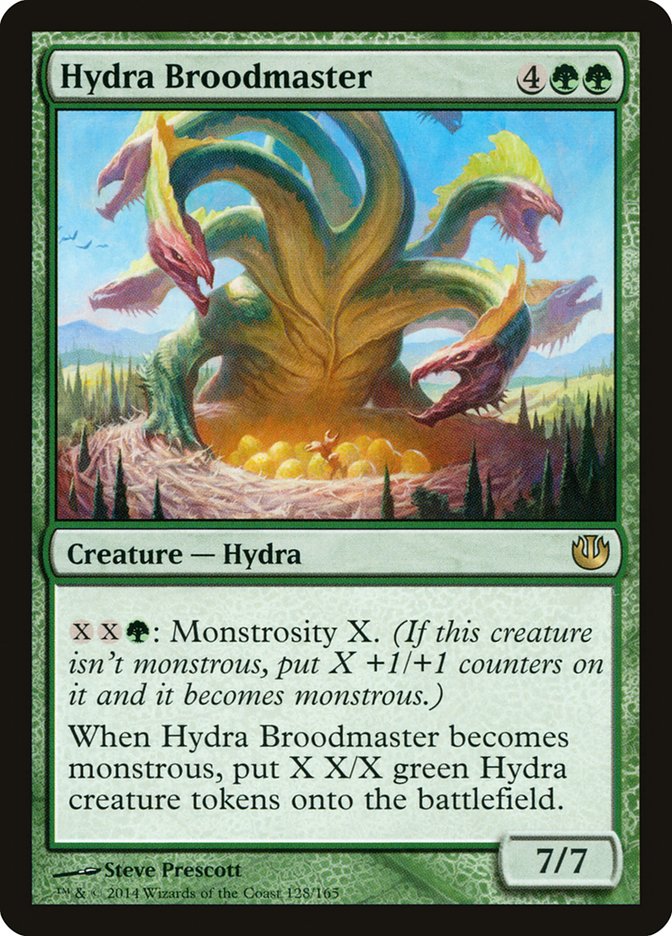
In Magic, iconic can mean more than just a famous card. R&D also uses “iconic” as a design term for the big, splashy creature type that represents each color, the kind that usually shows up at rare or mythic and feels like a headline threat. The smaller, more common creature types that a color leans on are called “characteristic”, while the large finishers are “iconic”.
Generally speaking, the iconic creature types in MTG are:
That split is also why Iconic Masters confused a lot of people: The set name sounded like it would be all about the most historically famous cards, but the theme was largely about those iconic creature types.
Wrap Up
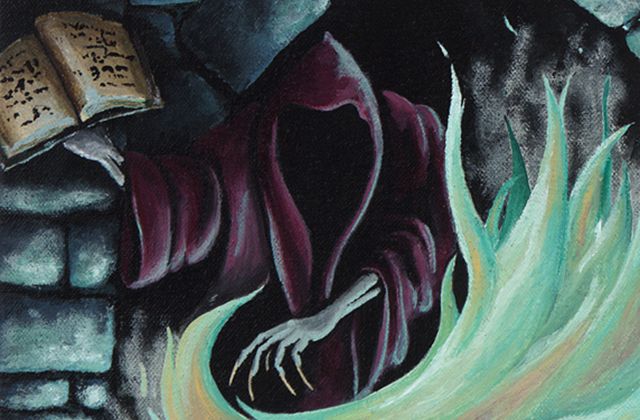
Dark Ritual | Illustration by Sandra Everingham
Of course, there are tons of other cards I could’ve included, like fairly recent ones like The One Ring or Ragavan, Nimble Pilferer along with my all-time favorites, like Goblin Guide; it feels like every new 1-mana red rare with haste is compared to it. But that’s the fun part about lists like this, there’s always more!
What do you think? Which cards did I miss that you love playing? Let us know in the comments or on the Draftsim Discord. Thanks for reading, and if you enjoyed the content, remember to follow us on social media so you never miss a thing.
Take care, and see you next time.
Follow Draftsim for awesome articles and set updates:










Add Comment