

Zinnia, Valley's Voice | Illustration by Aldo Domínguez
If you’ve ever wanted to flood the board with tokens and turn the smallest creatures into real threats, Zinnia, Valley's Voice is the commander to make it happen. Jeskai () colors give it the perfect mix of tools—white and red for tokens and damage payoffs, plus blue for card draw and protection.
What starts as a board of harmless 1/1s quickly grows into an overwhelming army that snowballs out of control, and today, we look at the main game plan, the creatures that fuel it, and even a few alternative builds you can try.
Let’s dive into it!
The Deck

Nesting Dovehawk | Illustration by Alessandra Pisano
Commander (1)
Planeswalker (1)
Creature (30)
Esper Sentinel
Jacked Rabbit
Loyal Warhound
Selfless Spirit
Spirited Companion
Pollywog Prodigy
Tetsuko Umezawa, Fugitive
Agate Instigator
Delney, Streetwise Lookout
Hanged Executioner
Inspiring Overseer
Oltec Matterweaver
Welcoming Vampire
Skyclave Apparition
Aether Channeler
Rapid Augmenter
Combat Celebrant
Devilish Valet
Molten Gatekeeper
Witty Roastmaster
Nesting Dovehawk
Luminous Broodmoth
Mondrak, Glory Dominus
Curiosity Crafter
Cayth, Famed Mechanist
Rose Room Treasurer
Boss's Chauffeur
Mulldrifter
Siege-Gang Commander
Sun Titan
Sorcery (3)
Martial Coup
Storm of Souls
Dusk / Dawn
Instant (6)
Path to Exile
Swords to Plowshares
Rapid Hybridization
Counterspell
Rootborn Defenses
Aetherize
Enchantment (8)
Urza's Saga
Goblin Bombardment
Impact Tremors
Caretaker's Talent
Warleader's Call
Anointed Procession
Murmuration
Echoing Assault
Artifact (12)
Skullclamp
Sol Ring
Arcane Signet
Azorius Signet
Boros Signet
Izzet Signet
Mind Stone
Talisman of Conviction
Talisman of Creativity
Talisman of Progress
Panharmonicon
Bident of Thassa
Land (39)
Adarkar Wastes
Ancient Tomb
Arid Mesa
Battlefield Forge
Cascade Bluffs
Castle Ardenvale
Clifftop Retreat
Command Tower
Deserted Beach
Eiganjo, Seat of the Empire
Elegant Parlor
Flooded Strand
Floodfarm Verge
Fountainport
Glacial Fortress
Hallowed Fountain
Island
Marsh Flats
Meticulous Archive
Minas Tirith
Mountain
Mystic Monastery
Otawara, Soaring City
Plains
Plateau
Polluted Delta
Raugrin Triome
Sacred Foundry
Scalding Tarn
Sea of Clouds
Seachrome Coast
Shivan Reef
Spectator Seating
Steam Vents
Stormcarved Coast
Sulfur Falls
Sundown Pass
Training Center
Tundra
This build takes full advantage of Zinnia’s ability to turn small creatures into armies. By loading up on token makers, 1/1 creatures, and enablers that multiply those numbers, the deck aims to overwhelm opponents through sheer board presence.
Instead of focusing on a single line to victory, it spreads wide, and it piles up incremental damage and value until your payoffs take over and close out the game. With only one tutor and a Game Changer in the form of Urza's Saga and Ancient Tomb, respectively, this deck falls squarely into Bracket 3 territory.
The Commander: Zinnia, Valley’s Voice

What makes Zinnia, Valley's Voice stand out is how it transforms tiny creatures into a real game plan. It not only grows stronger based on how many 1/1s you control, but Zinnia also lets every creature in your deck multiply itself with the offspring mechanic. That turns your smallest bodies into legitimate threats and makes every play on curve feel like it pushes your board further ahead.
It’s important to clear up a common misunderstanding, though—Zinnia doesn’t have a cast trigger. Instead, it adds an optional offspring cost when you cast a creature, and if you pay that, the token-creating ability triggers when it enters the battlefield, making it work with ETB multipliers like Panharmonicon. There’s no “offspring trigger” that happens on the cast itself, just a bonus creation when the creature arrives.
That said, between fueling token synergies and scaling its own power with your 1/1s, Zinnia sets the tone for the entire deck.
The Creatures
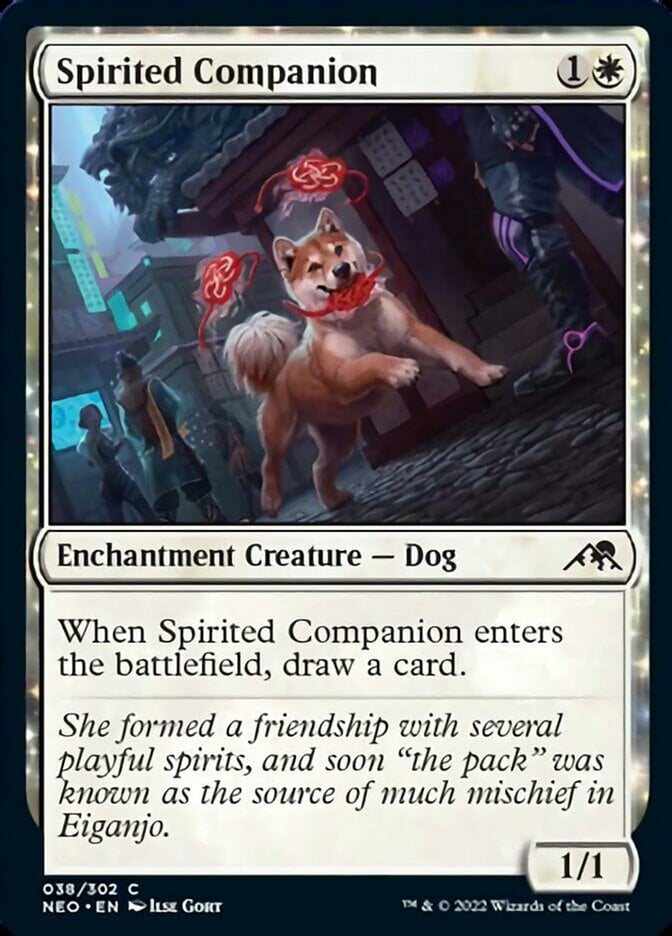
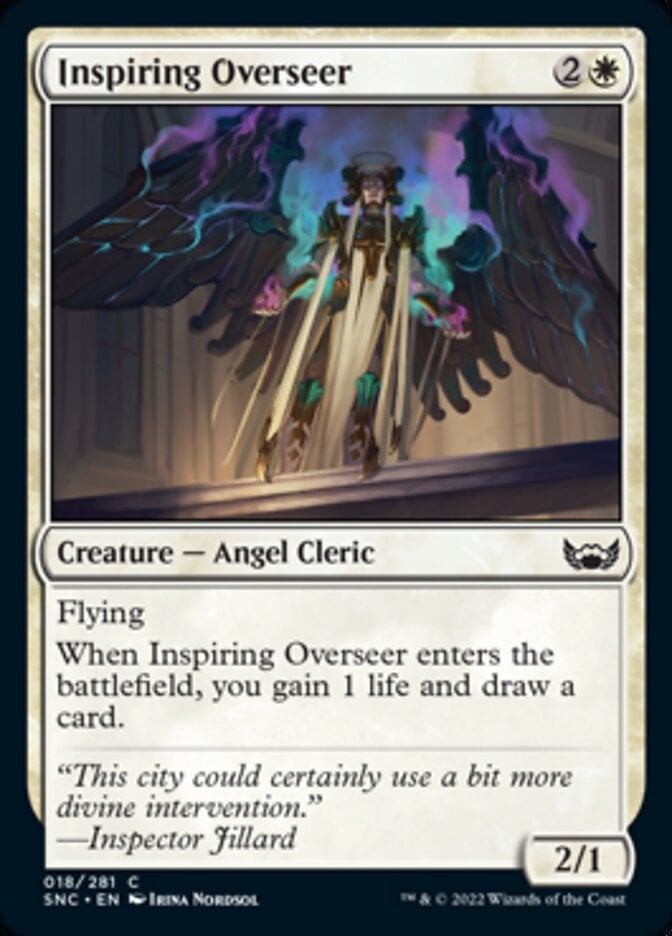
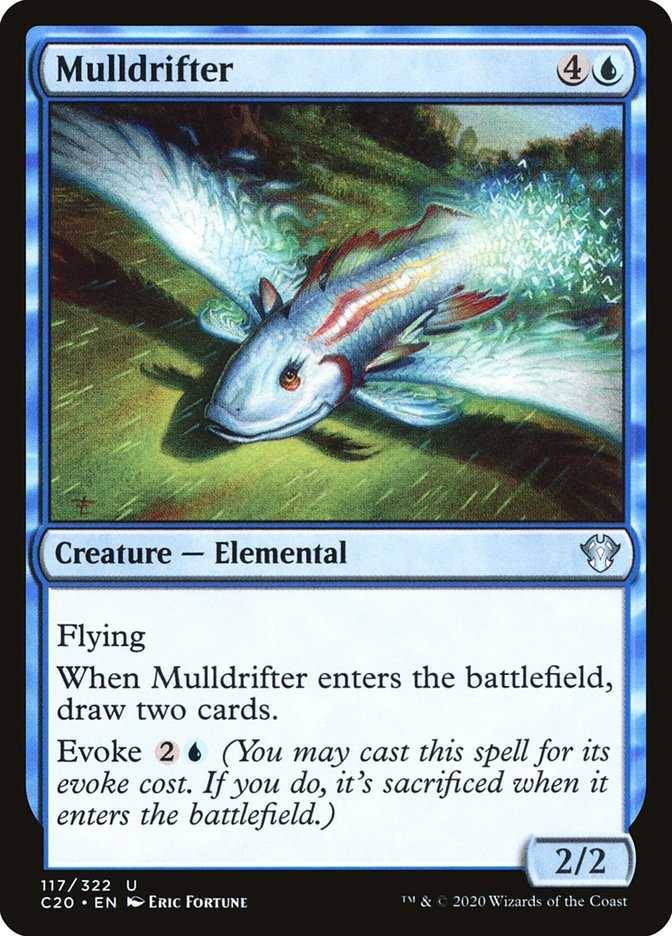
Your creature base is the engine that keeps Zinnia, Valley's Voice running. Many of them are cheap bodies that either replace themselves, create tokens, or scale up with the army you’re building. Cards like Spirited Companion, Inspiring Overseer, and Mulldrifter keep cards flowing while putting creatures on the board. They may look small, but each one adds to Zinnia’s power and works with your major payoffs.
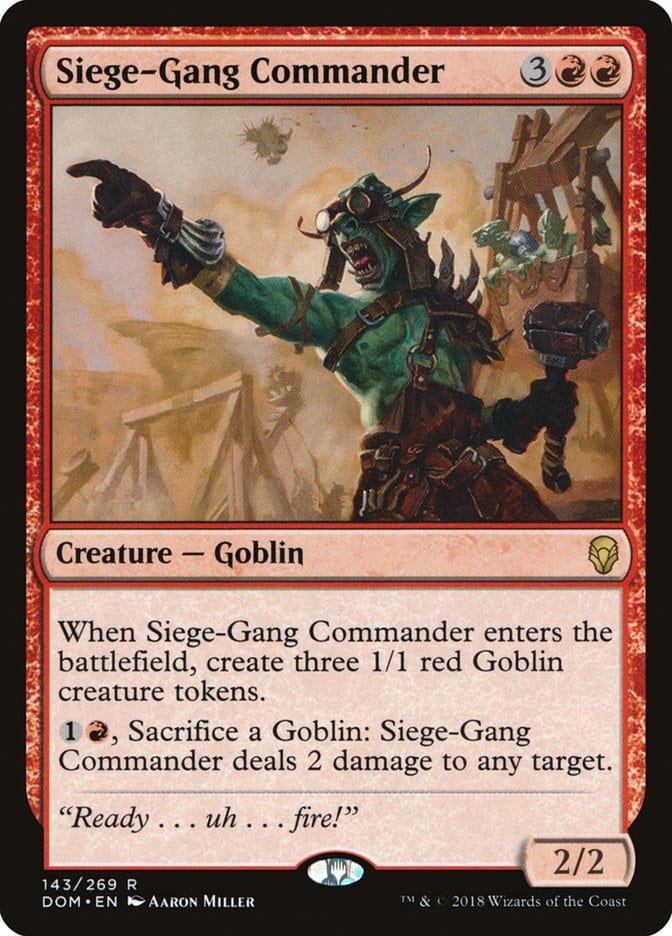
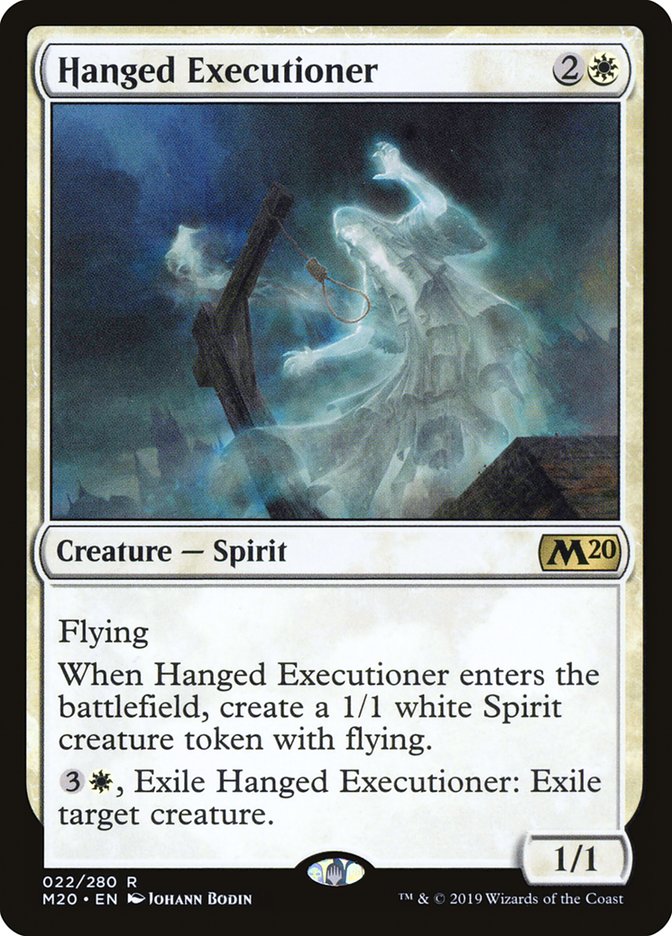

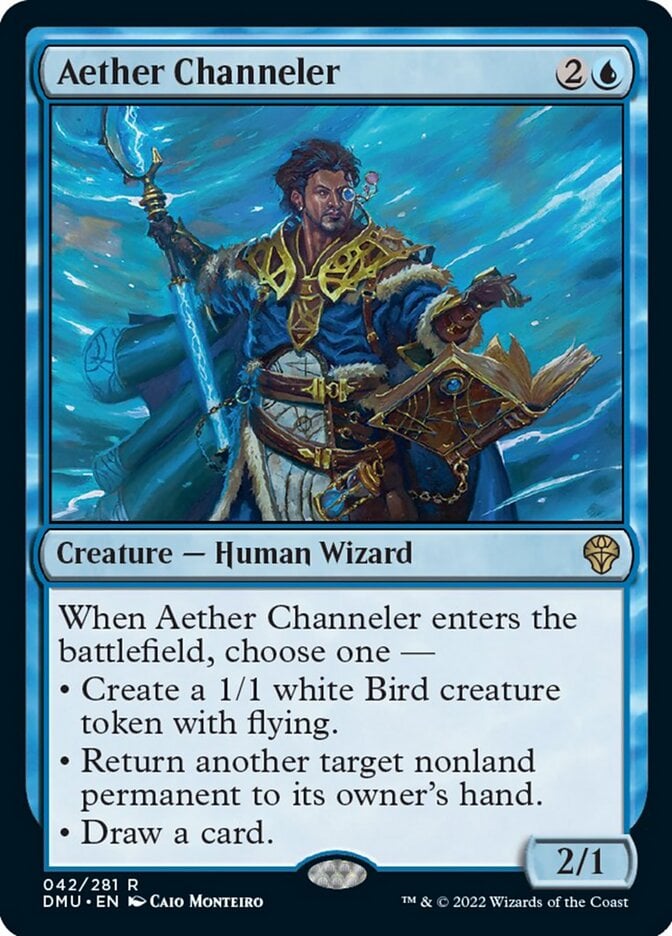
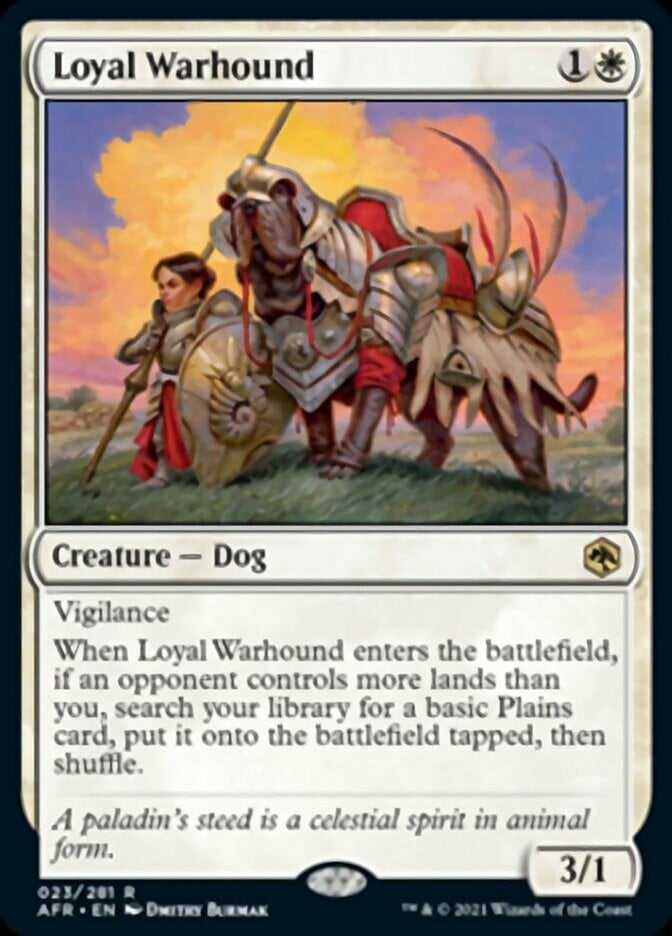
Then you have token-focused creatures like Siege-Gang Commander, Hanged Executioner, and Jacked Rabbit, which bring multiple bodies in a single card. These are huge momentum swings when you combine them with offspring or doubling effects, since every additional body counts twice. Even utility creatures like Aether Channeler or Loyal Warhound give you tokens or ramp alongside their main effect, which is exactly what you want in a go-wide deck.

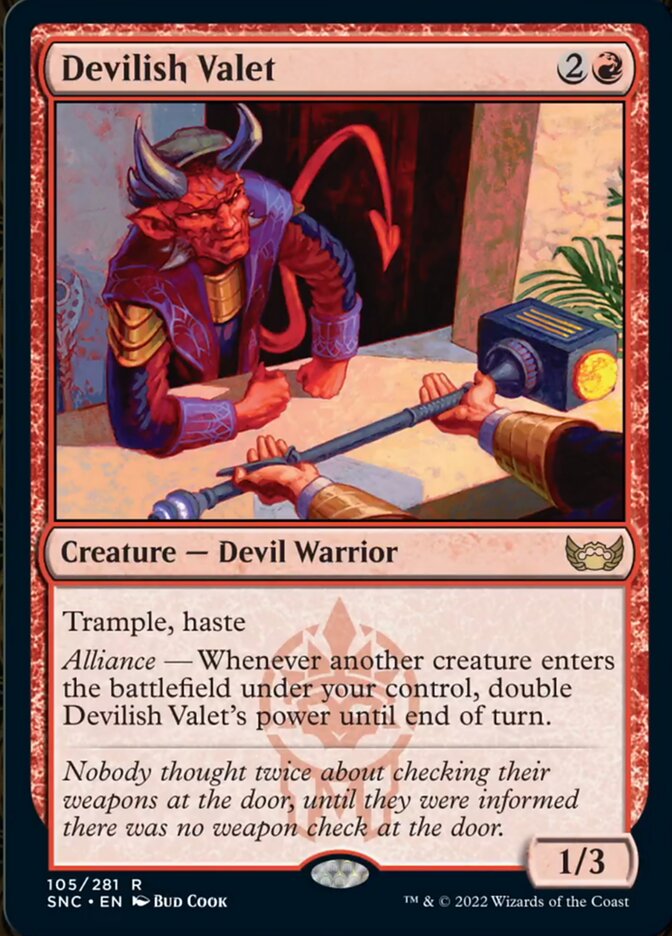
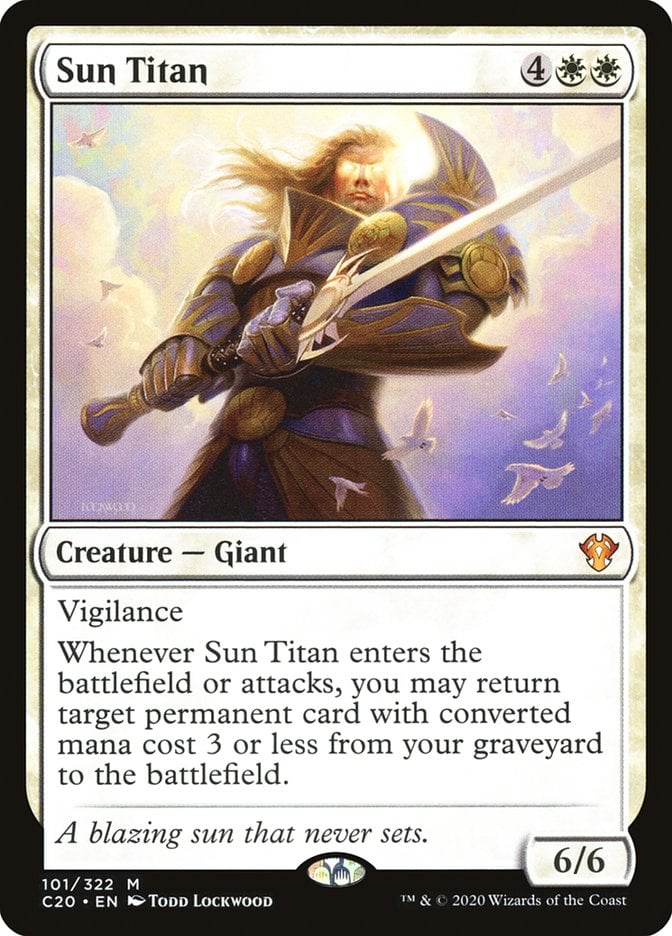
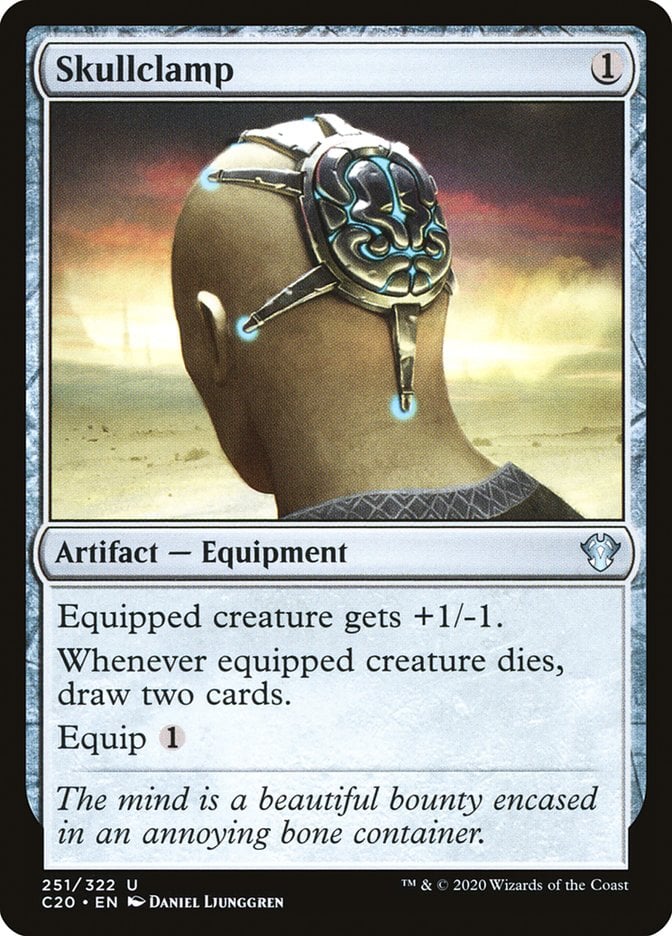
Other creatures serve as finishers or snowball threats on their own. Boss's Chauffeur can come in enormous once you already have a board and leaves behind an army when it dies. Devilish Valet doubles its power again and again with each creature that enters, so it can one-shot opponents. Sun Titan brings back key support pieces like Skullclamp or smaller creatures, which makes your board even harder to keep down.
The Enablers
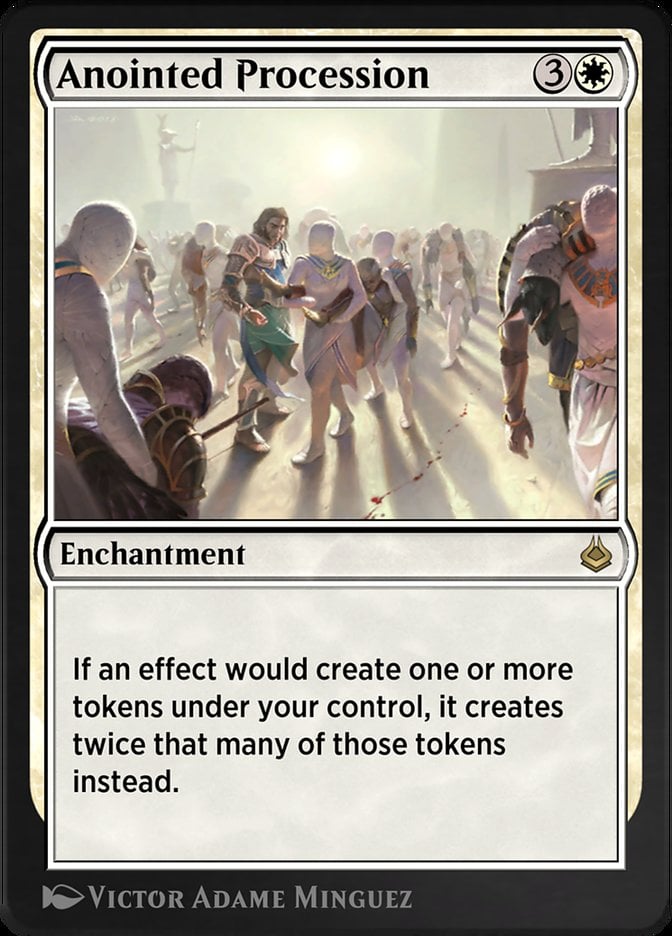
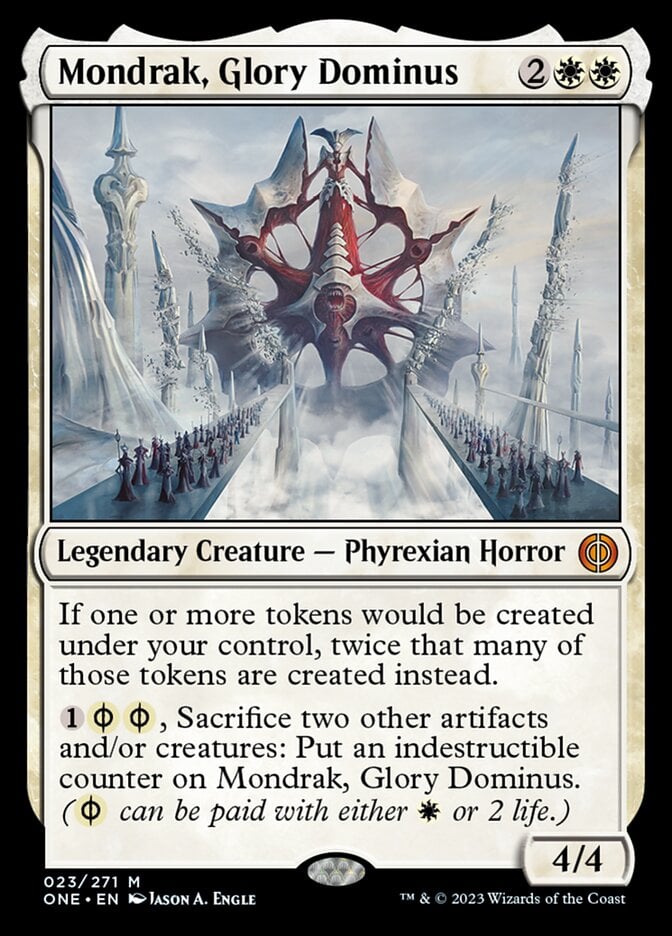
Enablers are the backbone of this deck and make sure that the token engine runs smoothly. Anointed Procession is a classic that doubles the number of tokens you make for explosive growth. Mondrak, Glory Dominus does the same thing with the added benefit that it can give itself indestructible, which makes it tough to deal with. Together, they ensure every single token-maker becomes twice as threatening.

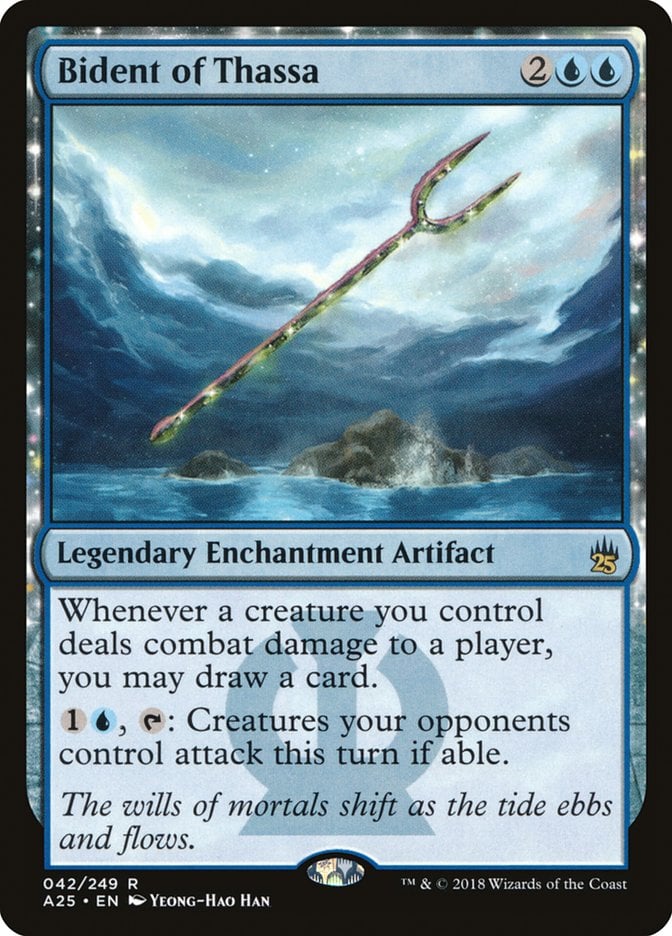
Caretaker's Talent adds multiple layers of support. At its base level, it draws you cards when tokens enter, but as the class levels up, it can clone tokens and eventually pump all of them. That’s a lot of value baked into one card. Bident of Thassa is another way to turn combat damage into card draw, plus it can force opponents to attack and mess up their boards.
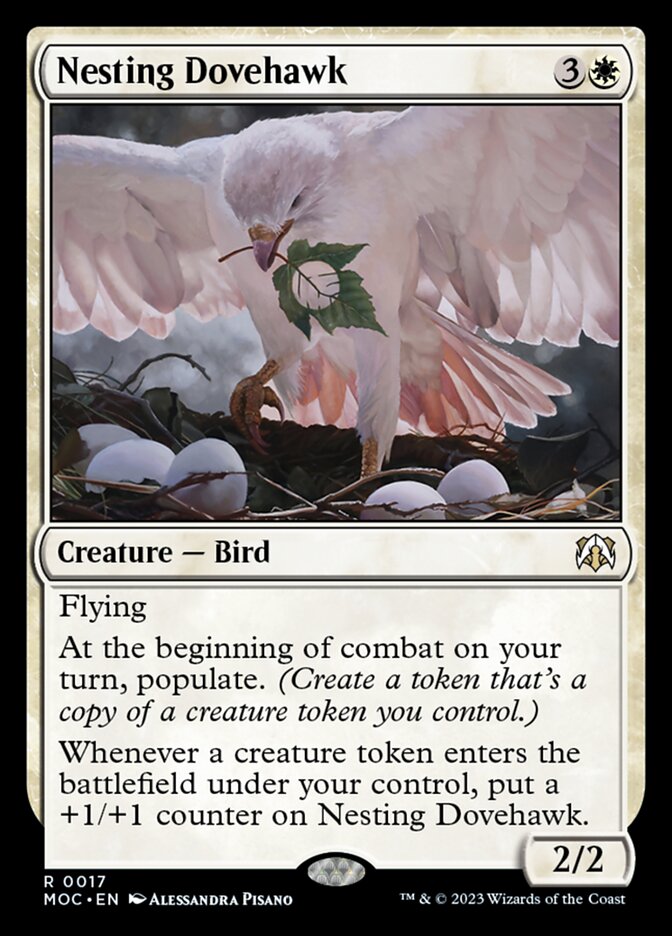
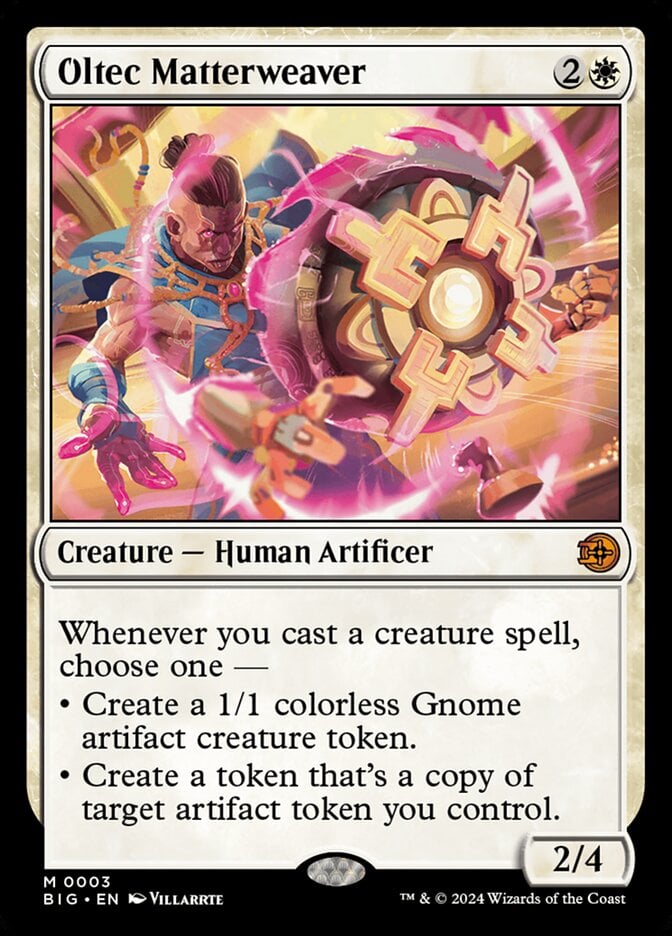

Some enablers focus on sheer volume. Nesting Dovehawk populates every combat and grows stronger from tokens, while Oltec Matterweaver spits out Gnomes or copies your artifact tokens for more synergy. Rapid Augmenter grants your 1/1s haste, which can surprise opponents who weren’t expecting immediate pressure. Finally, Skullclamp takes advantage of your expendable tokens and turns each sacrifice into two new cards to keep the engine going.
The Payoffs
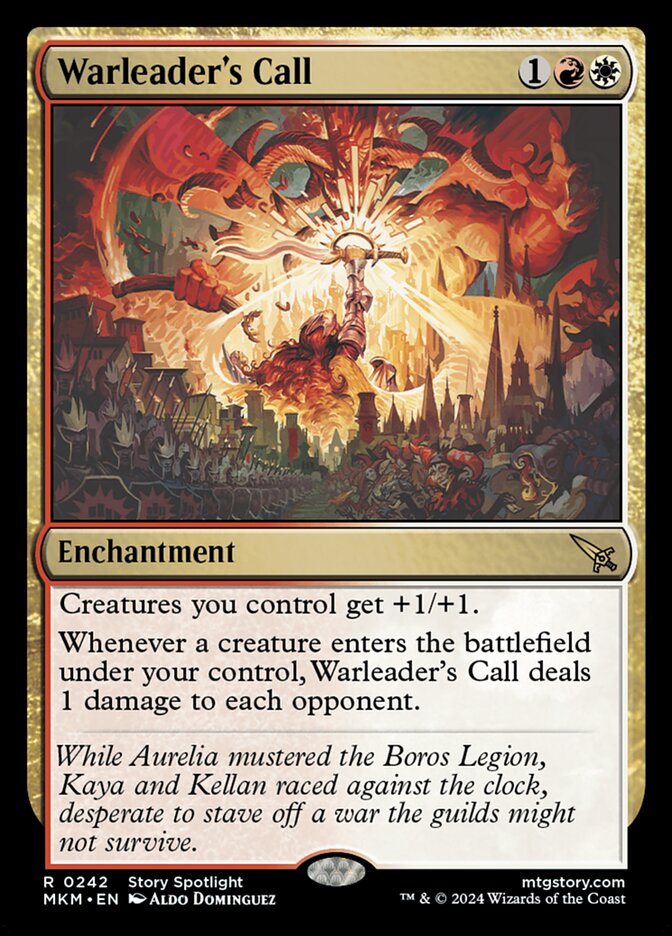
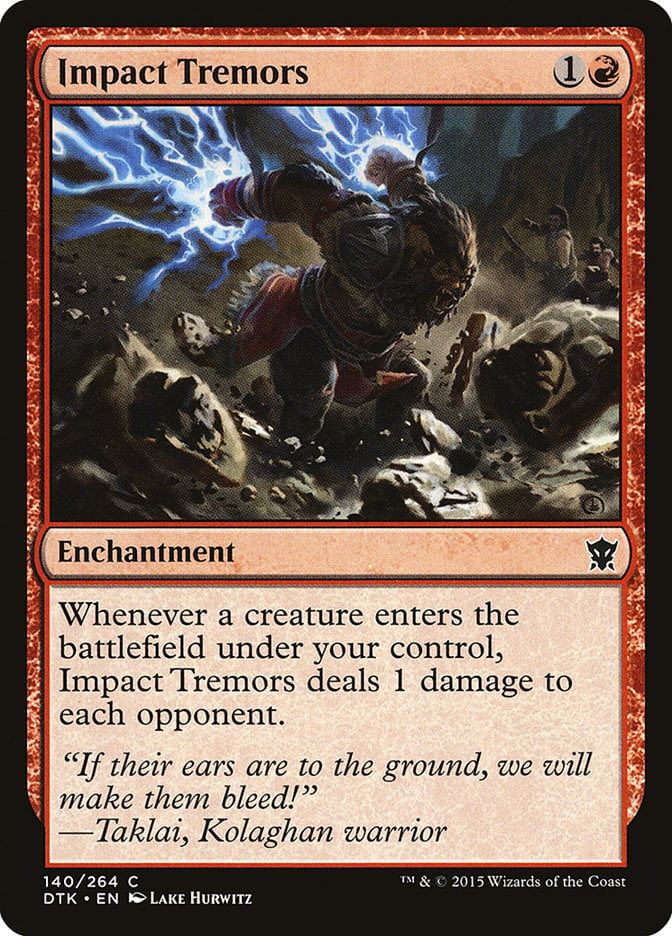
Payoffs are what turn a bunch of harmless-looking tokens into game-winning forces. Warleader's Call is an anthem effect that not only makes your creatures bigger but also pings each opponent when a creature enters. That dual threat of wider boards and constant damage adds up fast. Impact Tremors works similarly and provides a steady stream of direct damage that ignores blockers entirely.
You also have creatures like Devilish Valet, which doubles its power with each alliance trigger. In a deck that can churn out tokens by the handful, it’s not unusual to suddenly swing with a 32-power trampler out of nowhere. Boss's Chauffeur is another scary scaling threat that enters huge in the mid-to-late game and leaves behind an army of tokens when it dies.
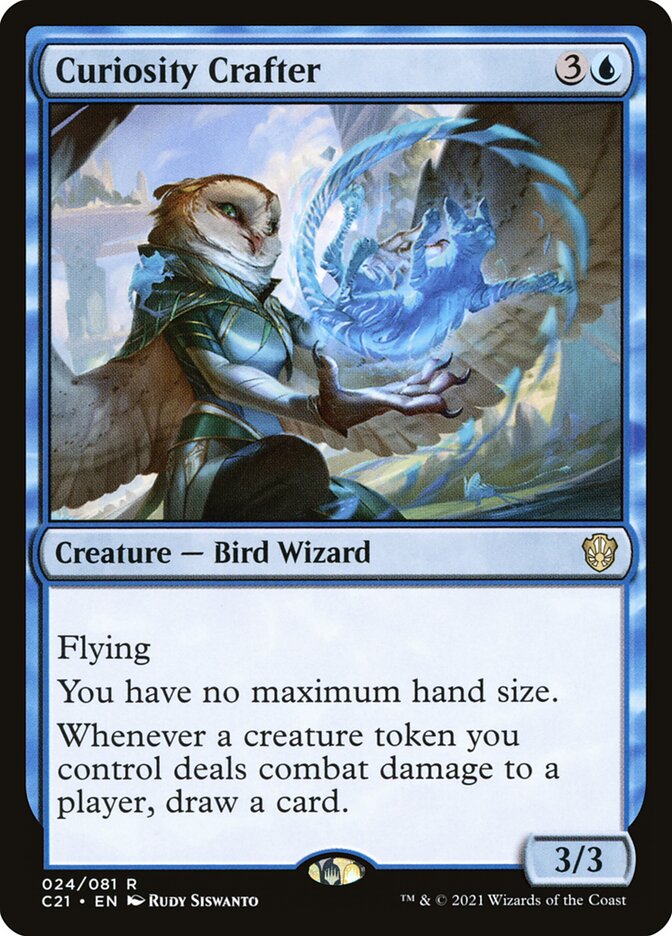
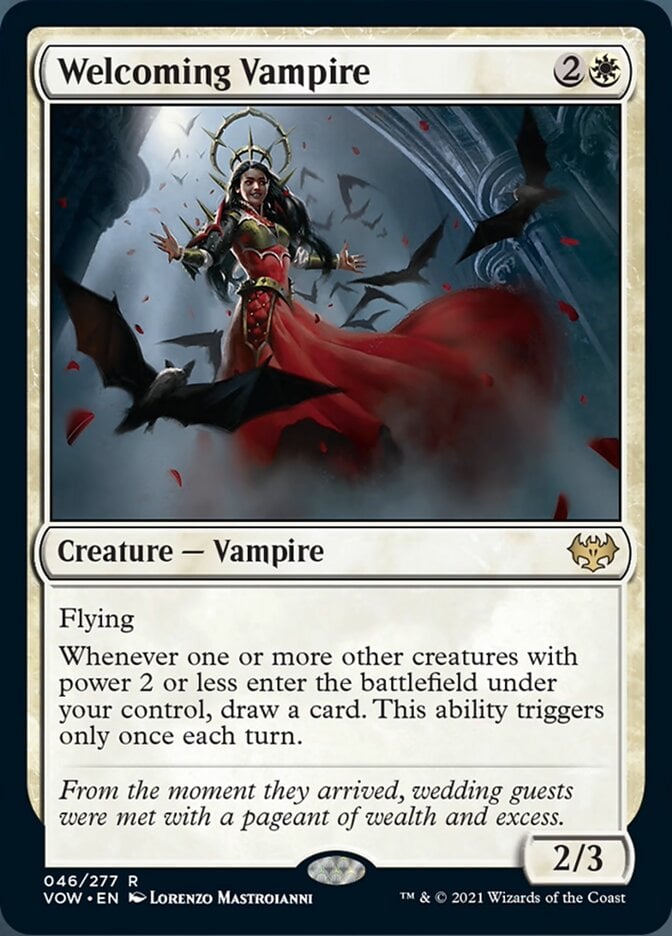
Card advantage payoffs matter too. Curiosity Crafter lets you draw whenever your tokens connect, while Welcoming Vampire keeps cards flowing just for playing creatures with power 2 or less. These not only keep you from running out of gas but make sure your payoffs keep coming. The longer these stick on the battlefield, the more value you squeeze out of every creature.
Interaction
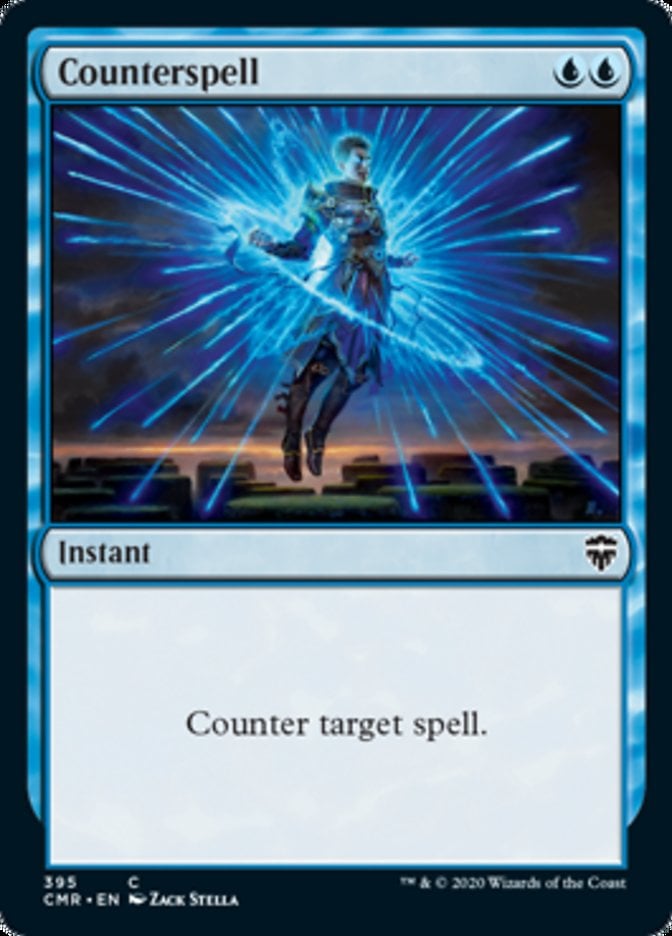
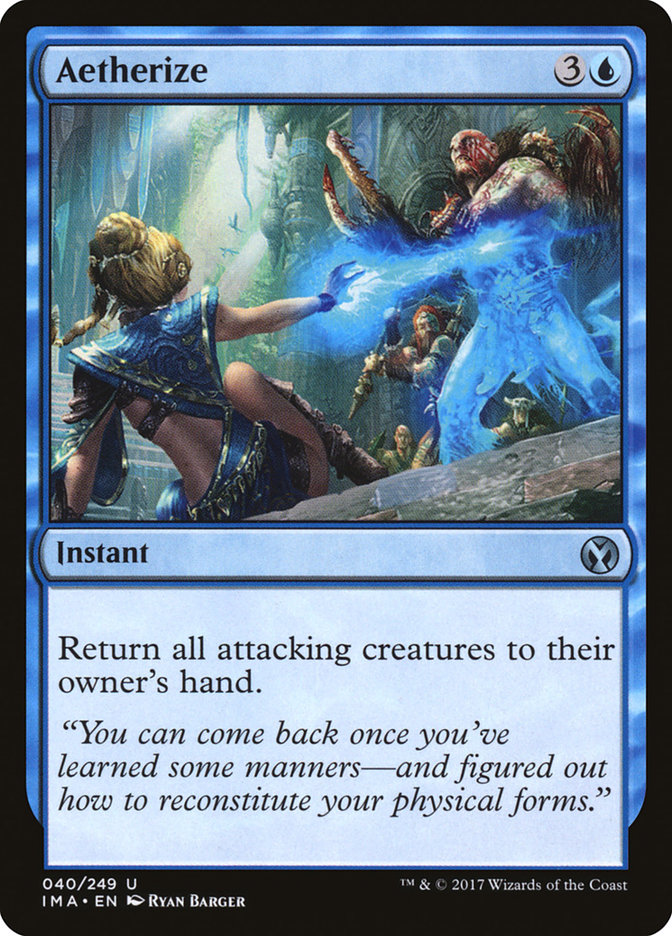
Because Commander is multiplayer, interaction is a must. Counterspell is a straightforward way to shut down big threats before they even hit the table. Aetherize can completely swing a game: It bounces every attacking creature back to its owner’s hand and gives you a chance to punish them on the crack back.
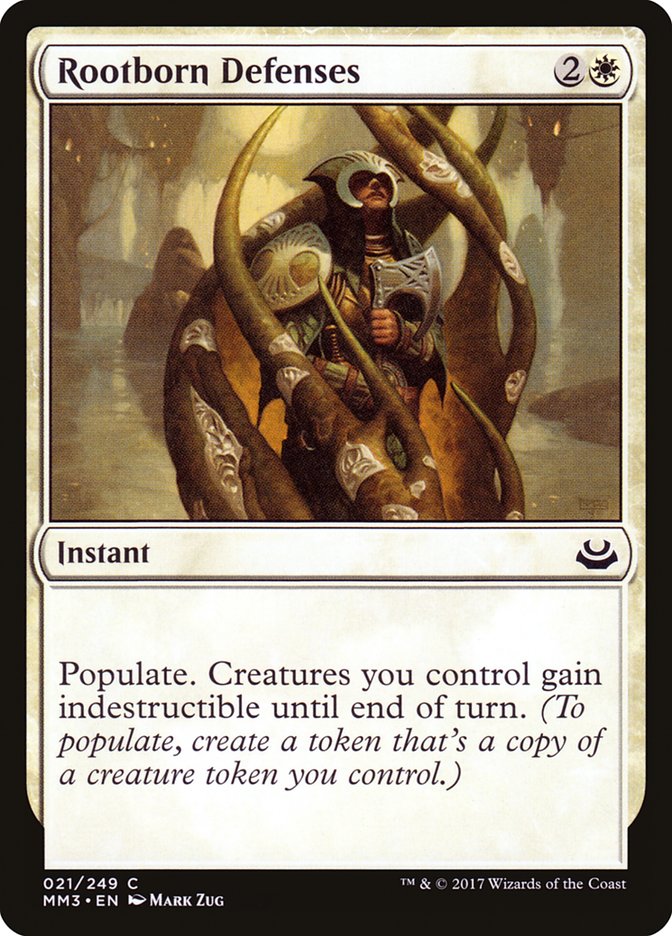
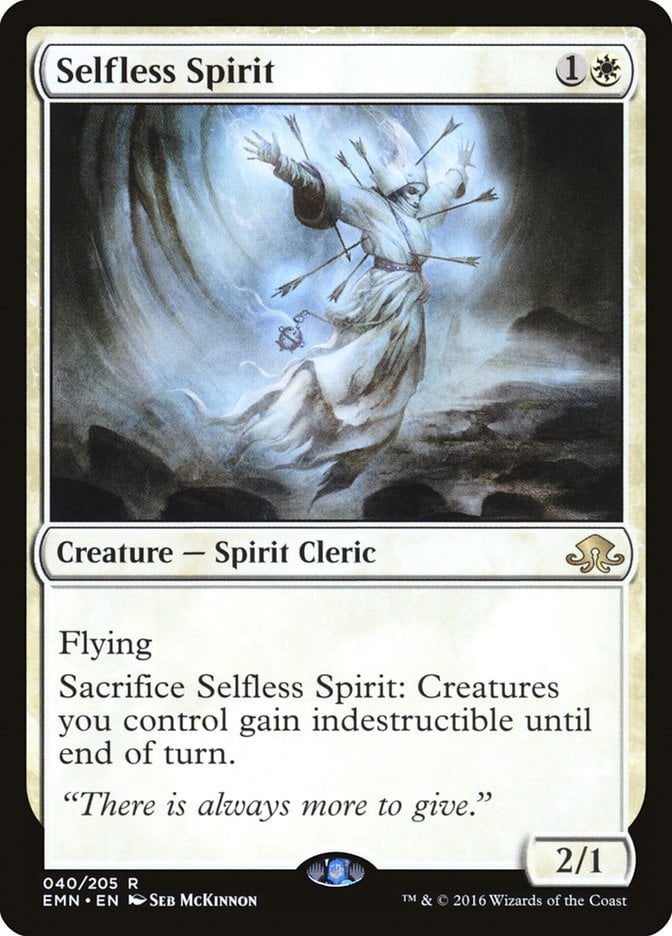
You’ve also got some more proactive defenses. Rootborn Defenses makes your creatures indestructible and even gives you a bonus populate, which is perfect to protect your board from wipes. Selfless Spirit does the same thing but as a creature, ready to sacrifice itself when danger shows up.
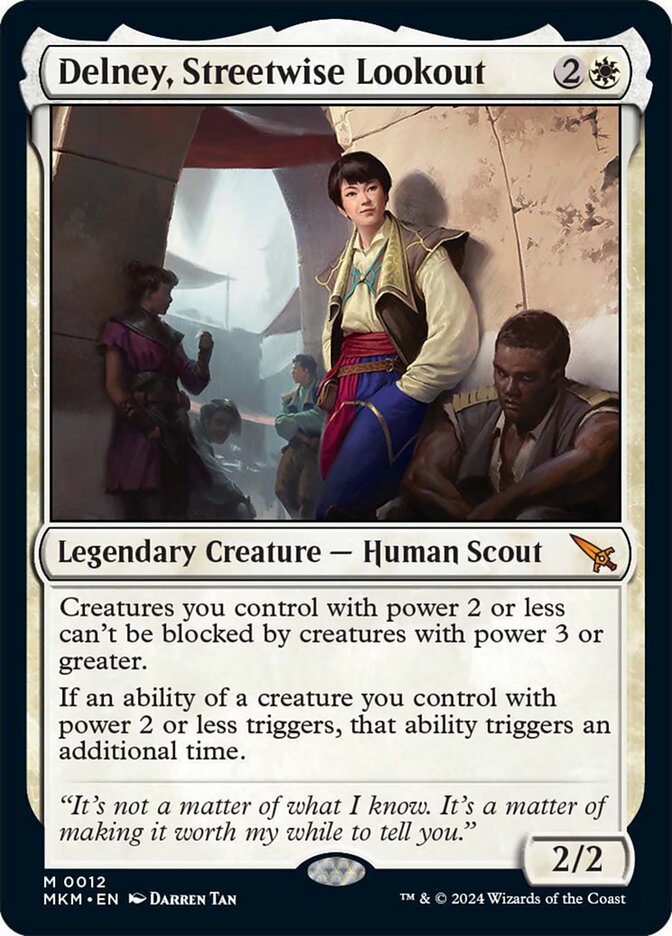
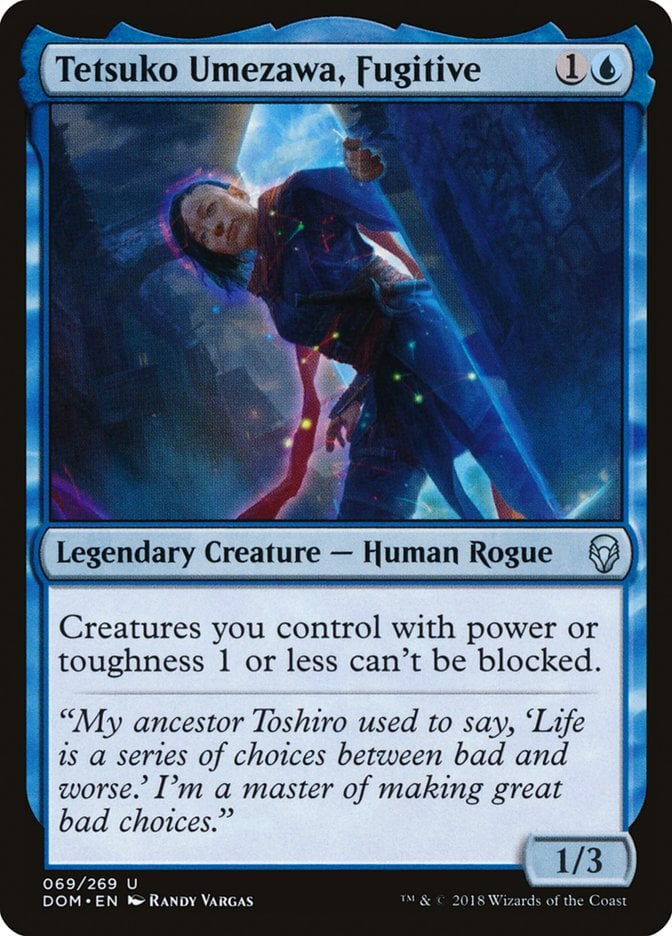
On the offensive side, Delney, Streetwise Lookout and Tetsuko Umezawa, Fugitive make your tokens harder to block. Delney doubles their triggers, while Tetsuko makes creatures with power or toughness 1 unblockable. Together, they let you push through damage even against big blockers.
Removal
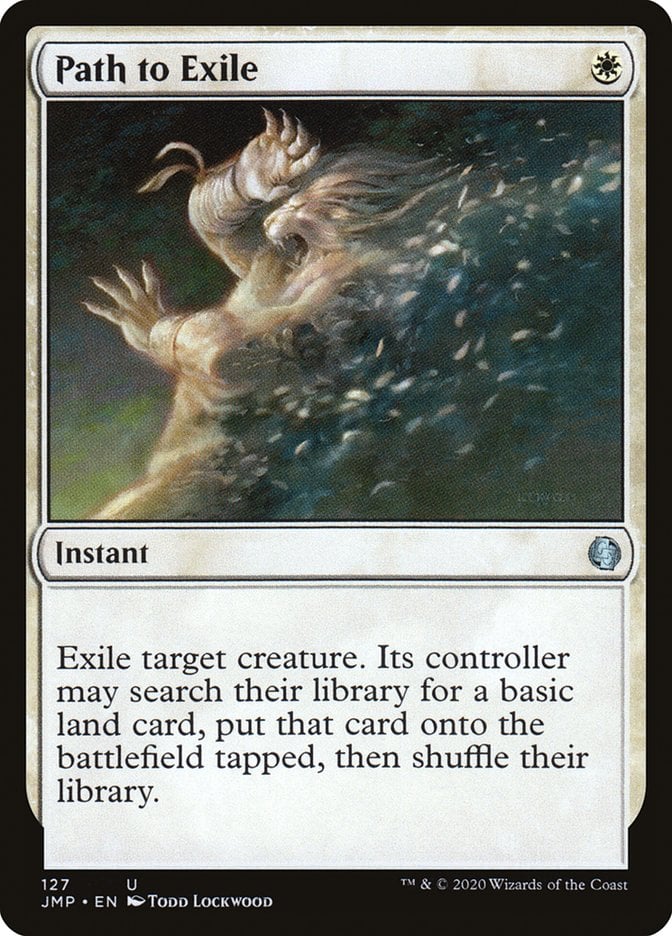
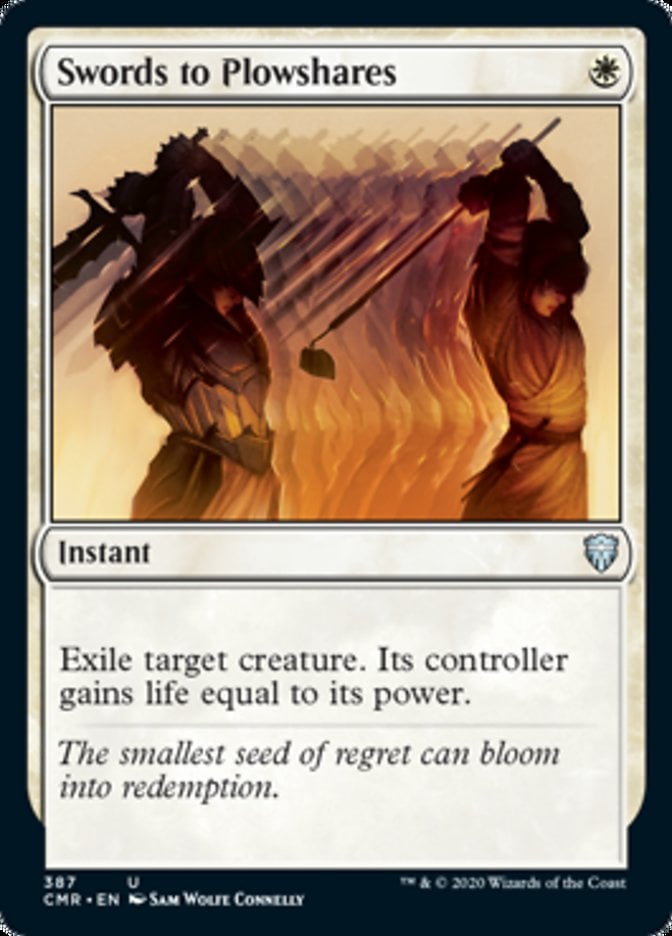
Spot removal is essential when an opponent drops a problem you can’t ignore. Path to Exile and Swords to Plowshares are staples that exile creatures efficiently, and while they give opponents a small benefit, it’s worth it to clear away a massive threat.
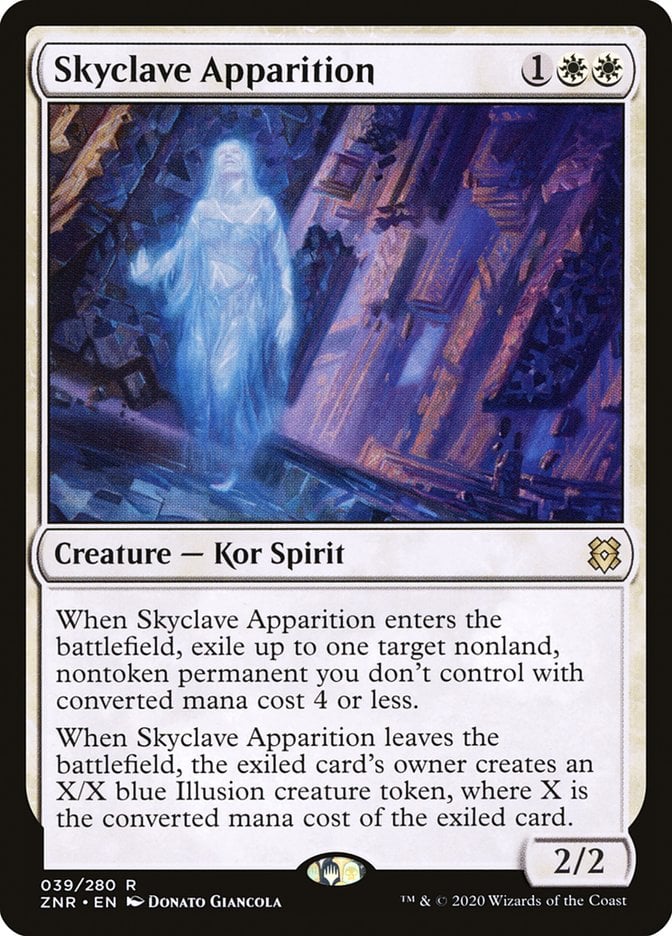
Skyclave Apparition offers exile-based removal that works on non-creature permanents with mana value 4 or less, which is a huge range in Commander. Hanged Executioner provides a token when it enters and later exiles a creature if needed. Aether Channeler adds flexibility and lets you bounce a problematic permanent instead of destroying it outright.
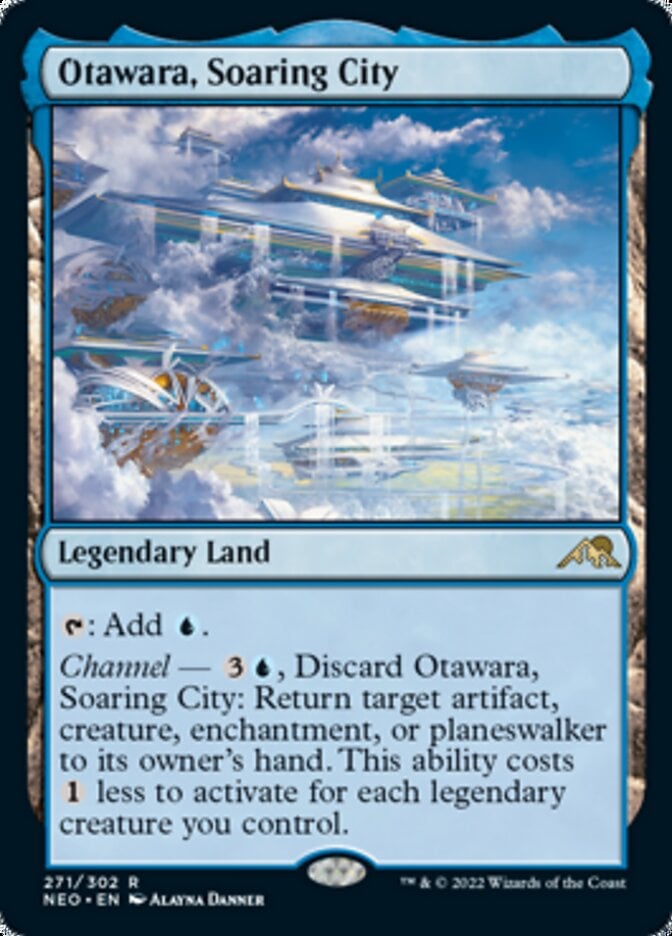
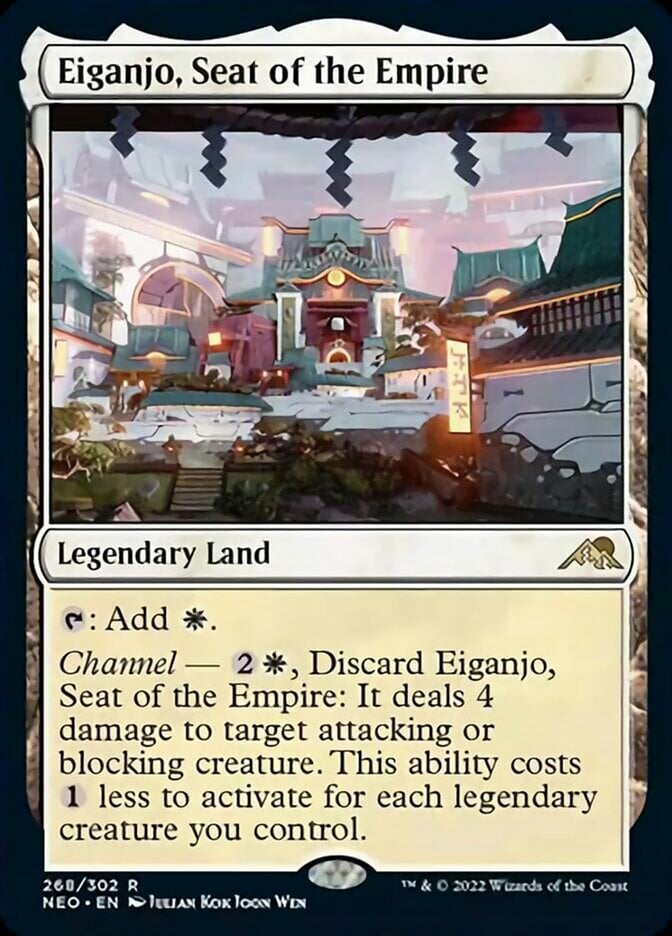
Even your lands contribute here. Otawara, Soaring City can bounce if necessary, and Eiganjo, Seat of the Empire can deal with an attacker or blocker while counting toward your mana base. Removal stapled onto lands makes the deck more consistent since they don’t take up spell slots.
Win Conditions
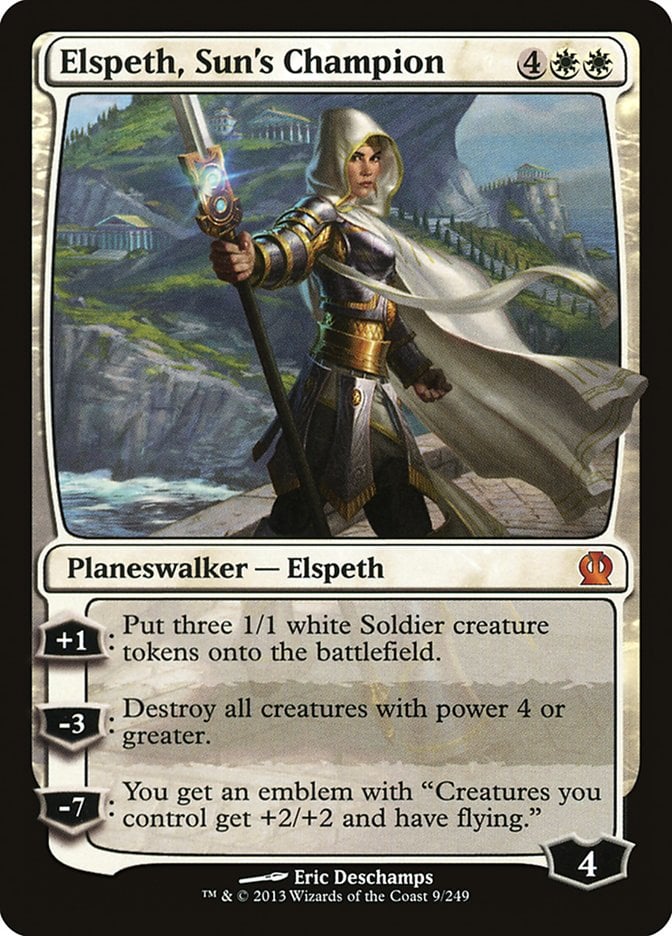
The primary win condition is to overwhelm the table with sheer numbers. All those 1/1 tokens add up, especially when supported by anthem effects like Warleader's Call and emblems from Elspeth, Sun's Champion. Opponents can only handle so many waves before they’re buried under the pressure.
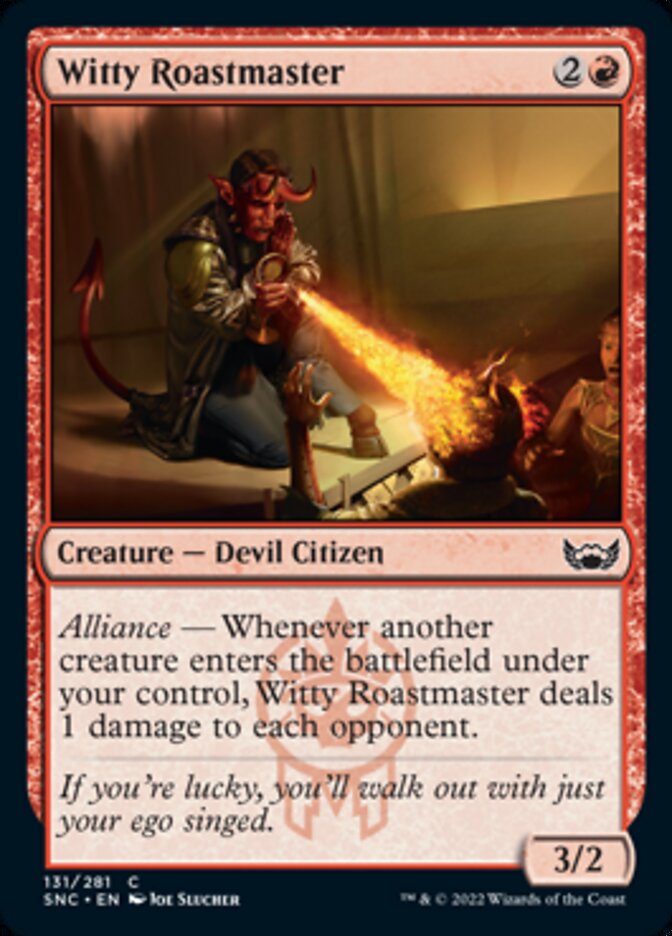
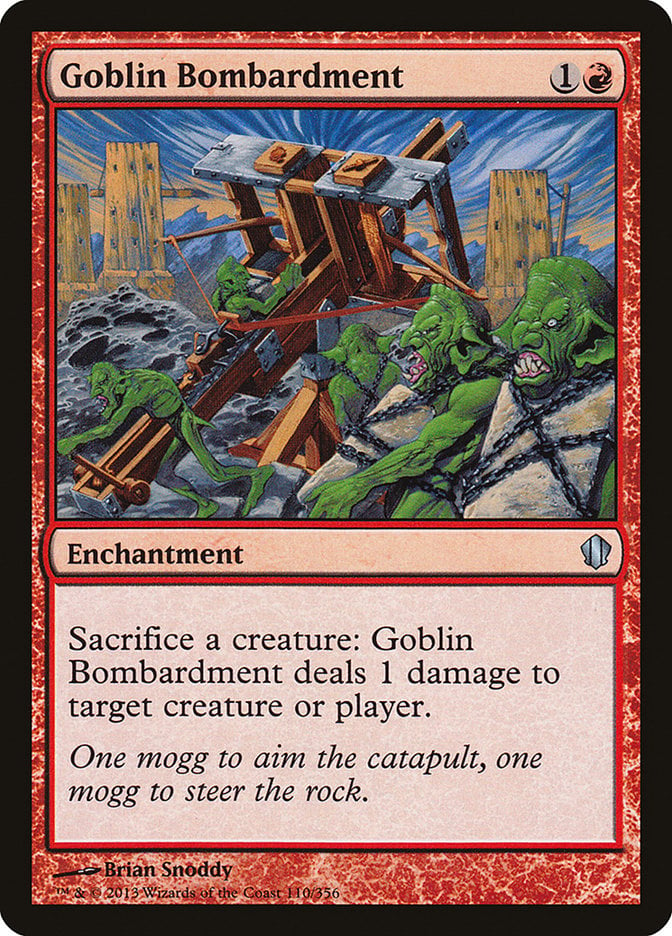
Direct damage engines push the clock even faster. Impact Tremors, Witty Roastmaster, and Goblin Bombardment let you drain life without ever needing to attack. This is crucial to close games against players that hide behind big blockers.
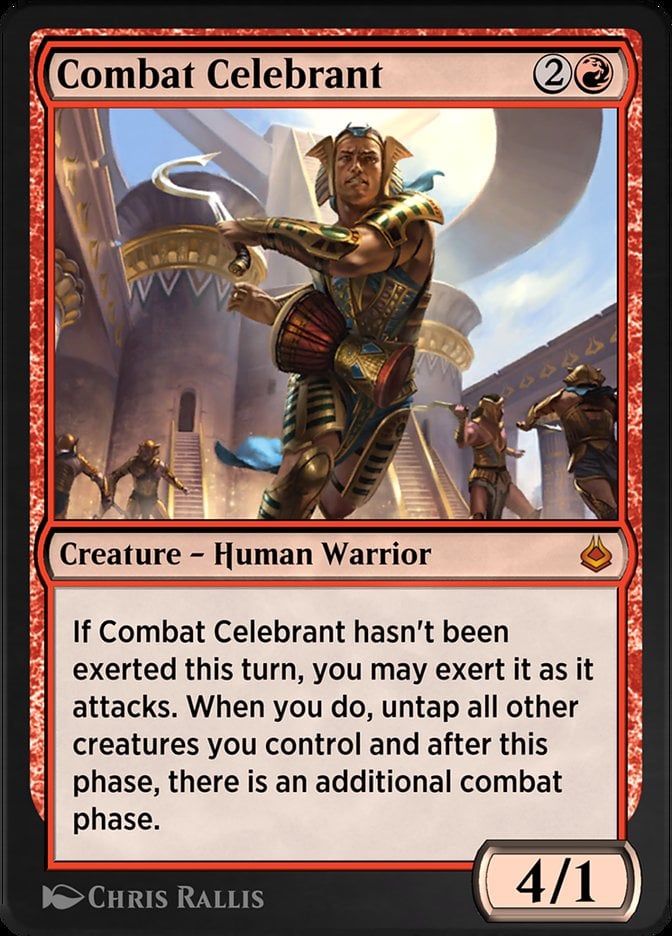
Finally, you have big finishers. Devilish Valet is the most explosive because it can swing for lethal out of nowhere with a little help from token makers. Combat Celebrant gives you extra combat steps, which is often all you need when you’ve already got a wide board. Together, these cards ensure you can pivot from building a board to winning in one or two turns.
The Mana Base
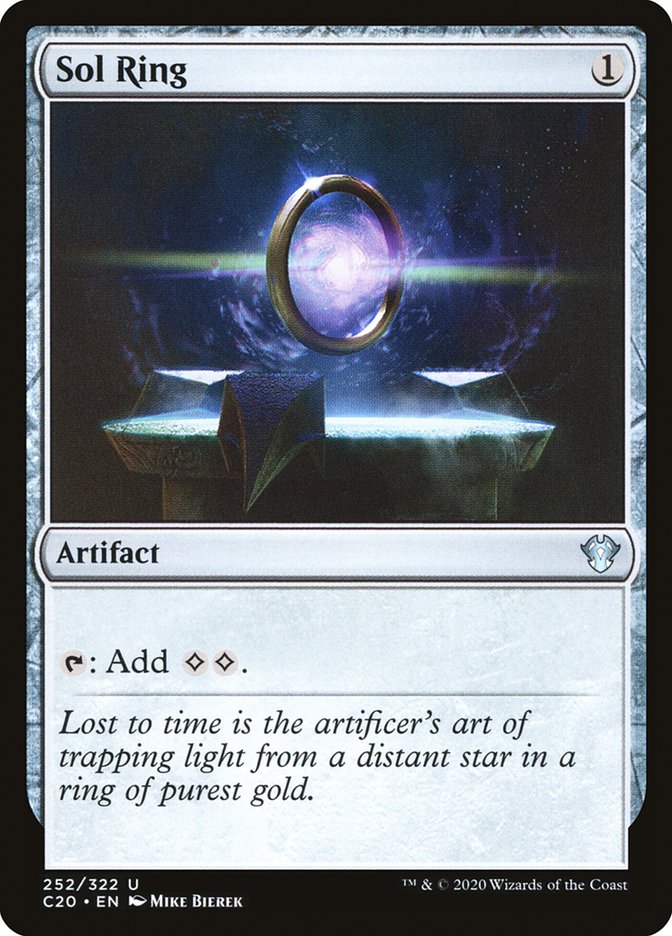

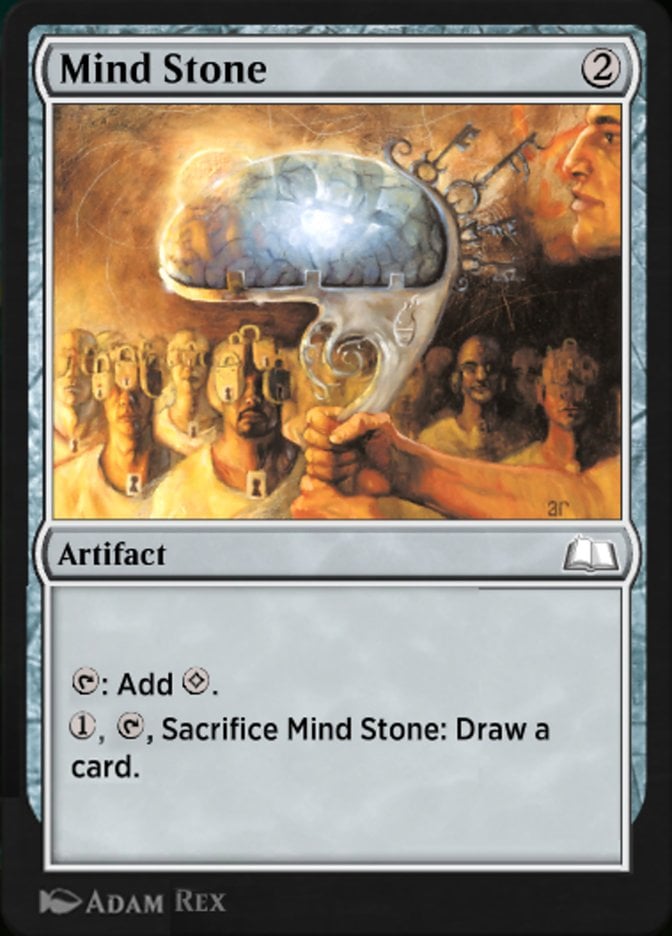
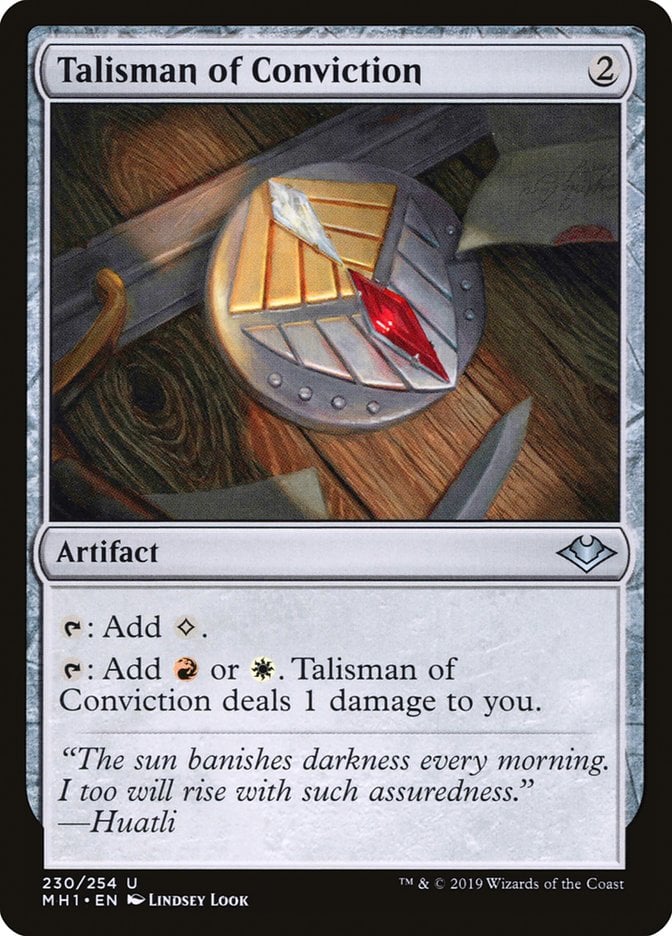

A strong mana base keeps everything else running. You’ve got the classic mana rocks like Sol Ring, Arcane Signet, and Mind Stone for fast ramp. The talismans—Talisman of Conviction, Talisman of Creativity, and Talisman of Progress—smooth your colors at the cost of small amounts of life. Signets like Azorius Signet, Boros Signet, and Izzet Signet add even more consistency to help cast your 3-color commander.
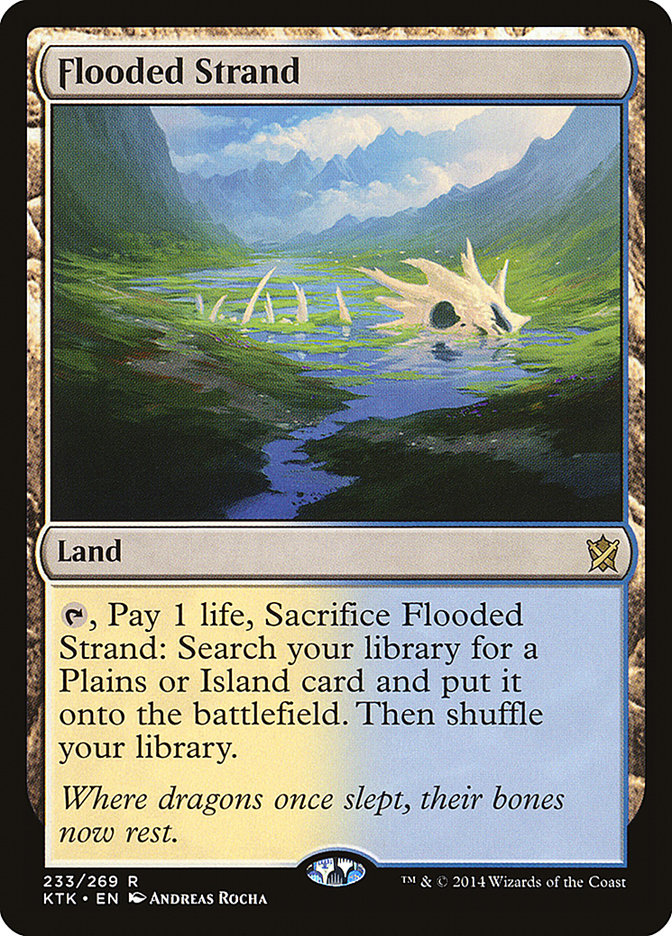
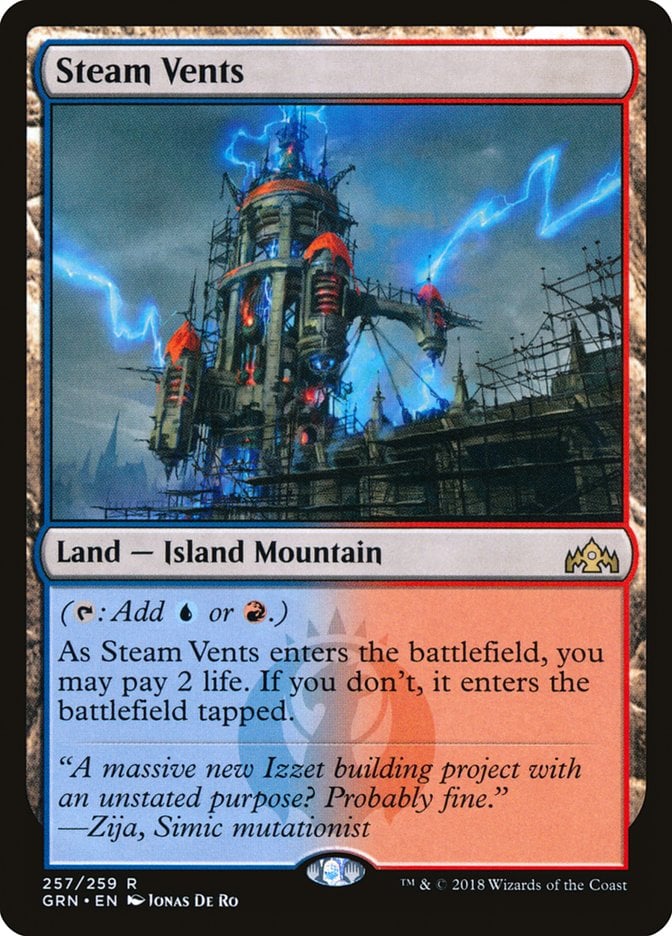
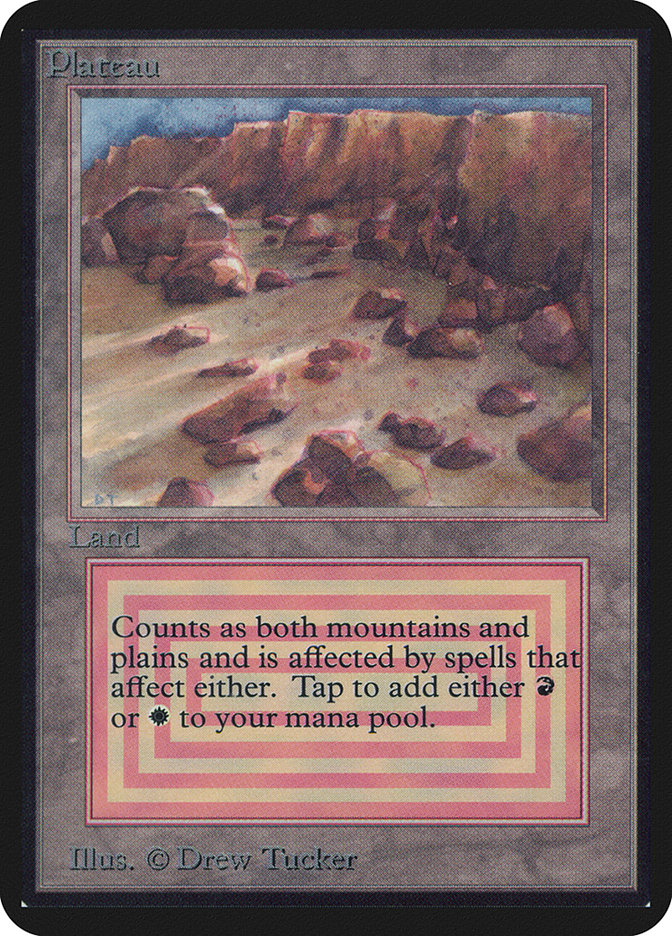
Your lands cover everything from fetches to shocks to utility pieces. Fetches like Flooded Strand, Scalding Tarn, and Marsh Flats ensure you always find the colors you need. Shocks like Hallowed Fountain, Steam Vents, and Sacred Foundry give you flexibility at the cost of a little life. You even have classics like Tundra and Plateau for premium fixing (though they aren’t a must if you’re running on a budget).


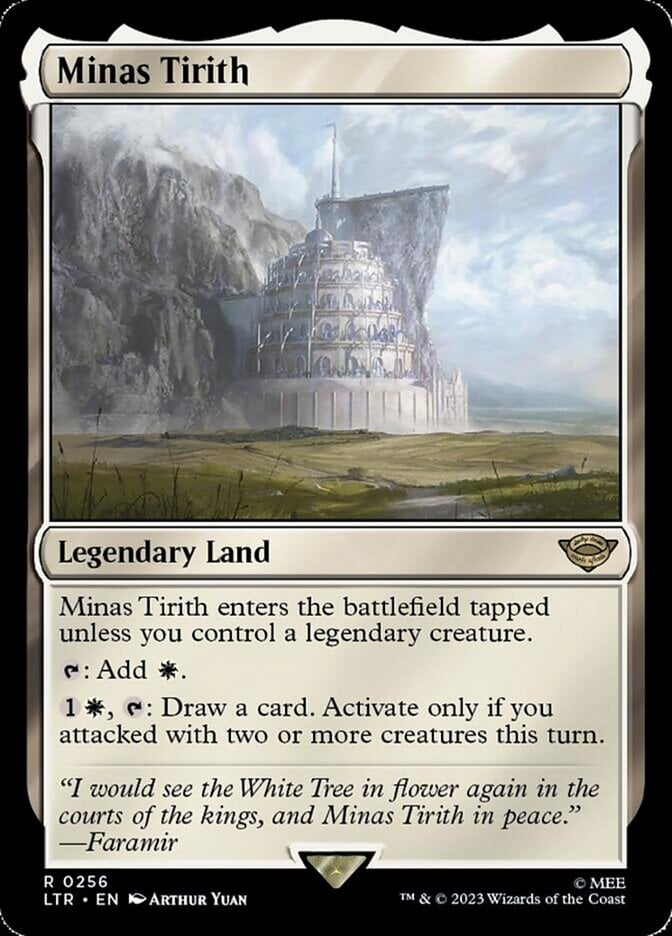
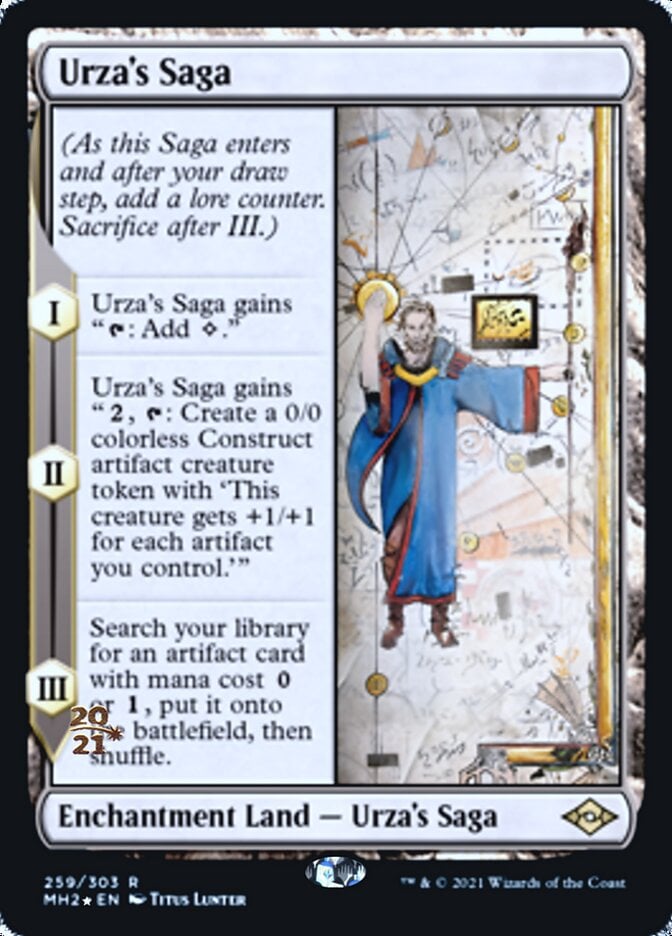
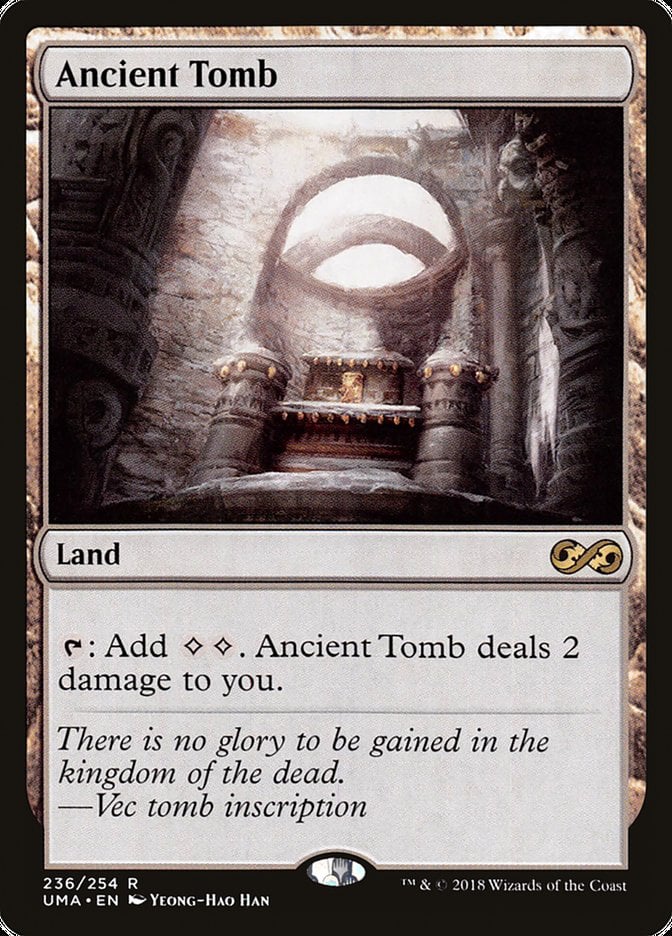
Utility lands add extra power. Castle Ardenvale and Fountainport create tokens in the late game. Minas Tirith draws cards after attacking, while Urza's Saga churns out Construct tokens and finds key artifacts like Sol Ring or Skullclamp. Even Ancient Tomb gives you a burst of acceleration when you need it most. Together, the mana base is as much a weapon as it is a support system.
The Strategy
The overall strategy is straightforward but layered. You want to start by playing cheap creatures and token-makers to build up your board while you slip in value engines like Welcoming Vampire or Spirited Companion. The midgame is when you explode, doubling tokens with Anointed Procession or Mondrak, Glory Dominus and landing payoffs like Warleader's Call.
Once you’ve got a wide board, your focus shifts to protecting it. Rootborn Defenses, Selfless Spirit, and your counterspells stop wipes or removal that could reset your momentum. From there, you decide whether to swing in for damage, chip away with pingers, or set up a combo finish.
This deck doesn’t win with subtlety—it wins by overwhelming the table with too many threats at once. Every turn the board grows scarier, and unless opponents can answer you multiple times in a row, you eventually steamroll them.
Combos and Interactions
This deck isn’t trying to go infinite or lock people out of the game, but it does have some interactions that can get very powerful. One of the biggest is to stack token doublers like Anointed Procession or Mondrak, Glory Dominus with pingers like Impact Tremors, Witty Roastmaster, or Warleader's Call. Every new creature suddenly hits all your opponents at once, and when those tokens are doubled, the damage adds up in a hurry. It’s not infinite, but it can end games out of nowhere.
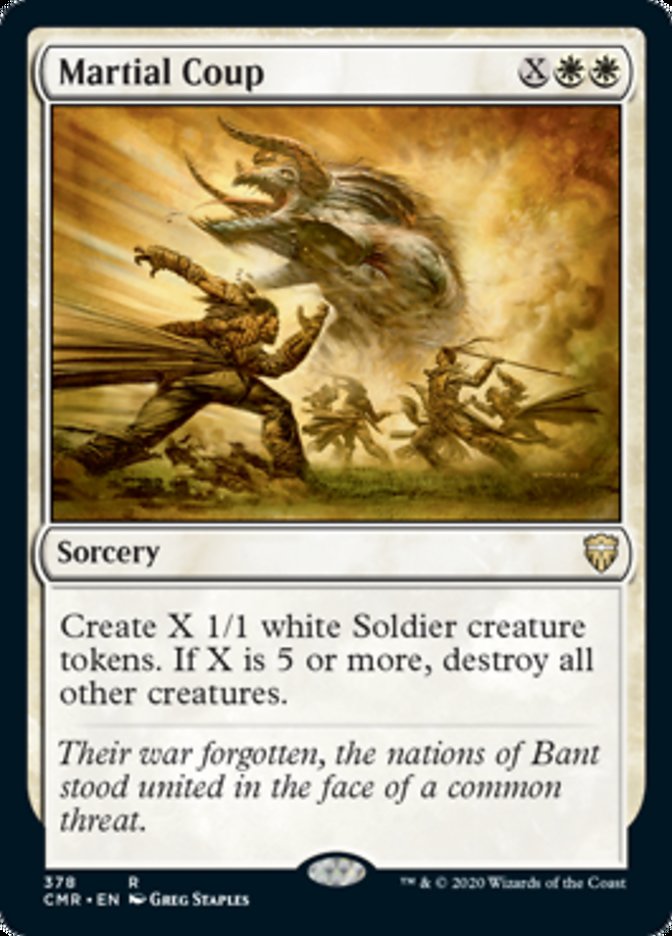
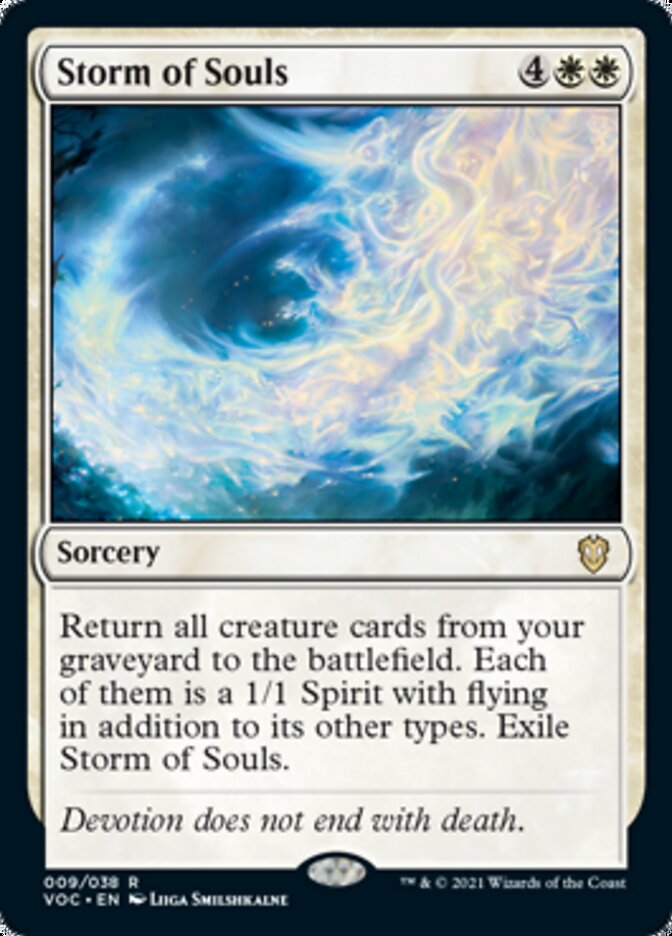
Another synergy that stands out is Goblin Bombardment with mass token makers like Martial Coup or Siege-Gang Commander. The ability to turn a pile of creatures into direct damage at will gives you reach that most opponents won’t see coming. Pair that with recursion like Storm of Souls and you can rebuild after a wipe and immediately swing the game back in your favor.
You’ve also got clever ways to push damage through. Delney, Streetwise Lookout doubles the abilities of your small creatures, while Tetsuko Umezawa, Fugitive makes many of them unblockable. Together, they let your tiny army hit harder than anyone expects, especially when triggers like Curiosity Crafter or Welcoming Vampire start to fire off.
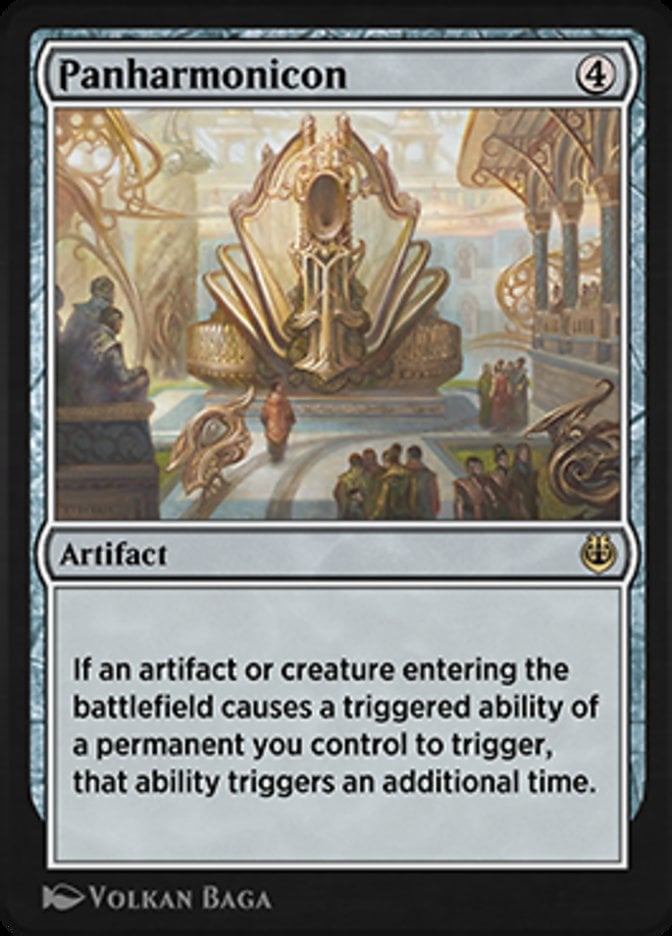
Don’t forget about interactions with ETB effects. Panharmonicon is a huge piece here that lets you double the enters-the-battlefield triggers from creatures like Aether Channeler or Mulldrifter. And because offspring tokens are created on ETB, not on cast, those copies also benefit from Panharmonicon. These kinds of synergies make the deck feel explosive without relying on hard Jeskai combos, which gives you plenty of fun lines to explore in every game.
Budget Options


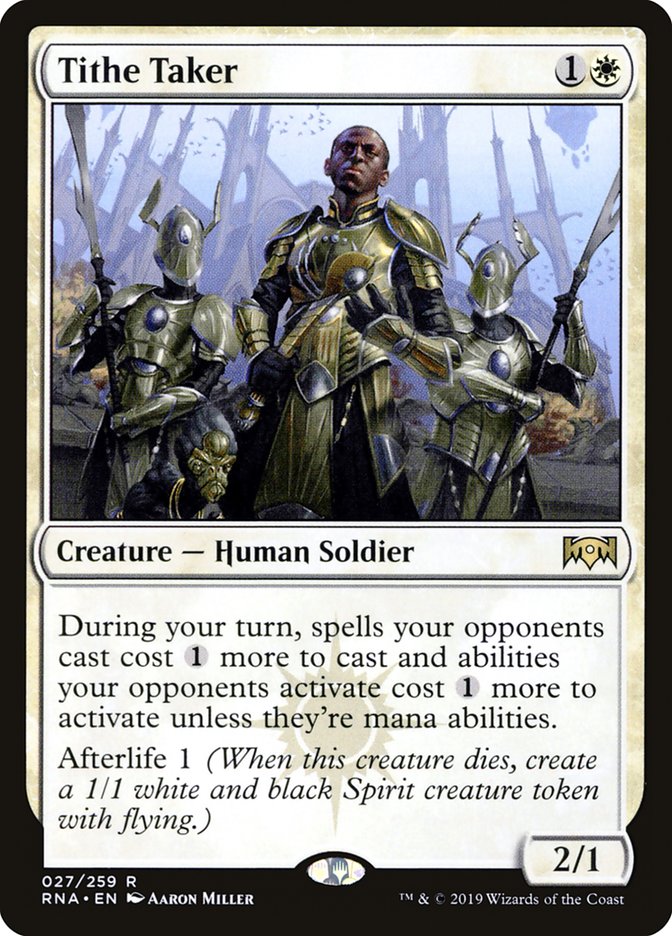
Some of the flashier cards in this list can get expensive, but you don’t need them to keep the deck running smoothly. Pollywog Prodigy and Esper Sentinel are great for drawing cards, but they can be rough on the budget. A cheaper route is to run Frostcliff Siege or Enduring Curiosity, which lets you draw cards whenever your evasive creatures sneak in for damage. If you’d rather slow down your opponents instead of drawing extra cards, Tithe Taker is a solid pick. It doesn’t refill your hand, but it taxes your opponents during your turn, which keeps your game plan safer while you build up your board.
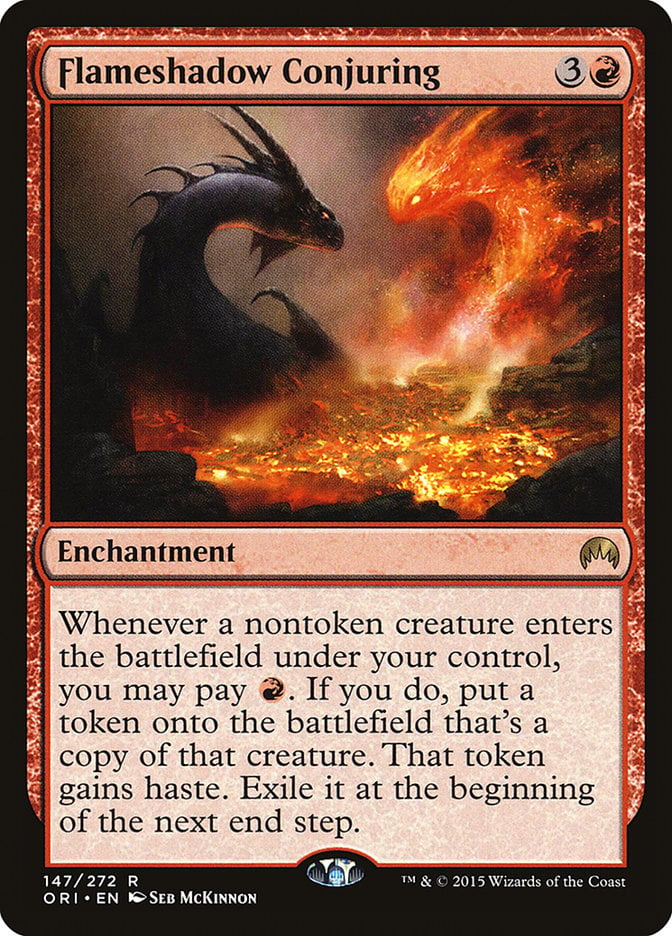
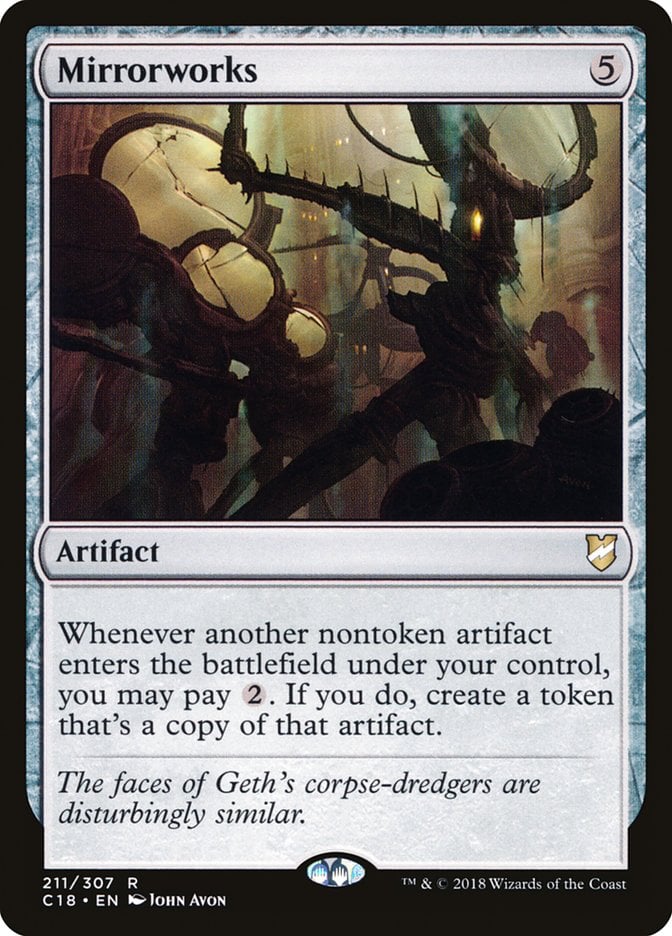
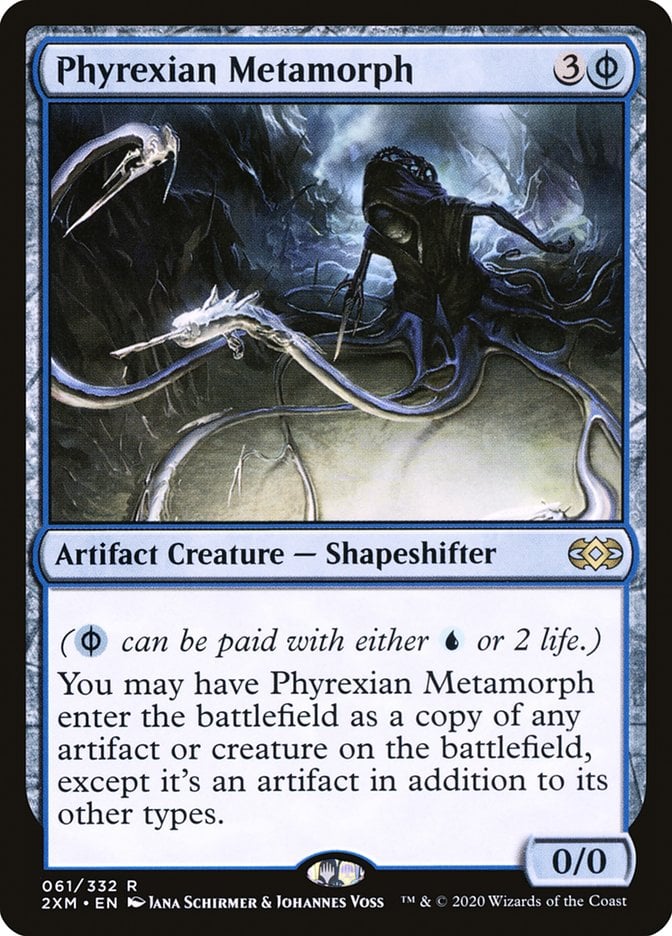
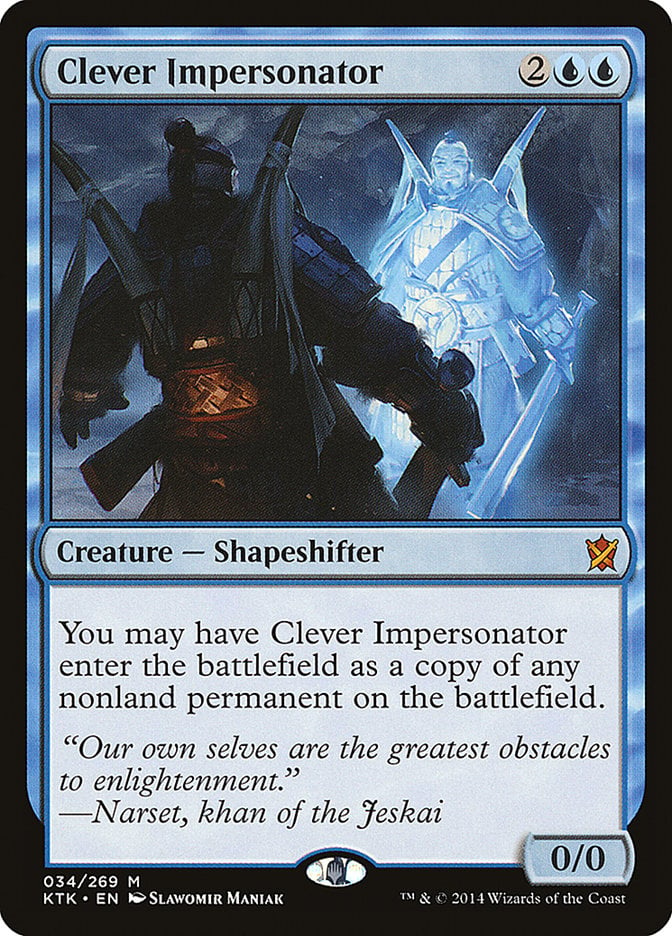
Panharmonicon is another card that can be pricey, but you don’t have to lose out on ETB value if you swap it. Flameshadow Conjuring is a fun alternative that creates temporary copies of your ETB creatures, which lets you double up on token-makers or draw engines for just 1 red mana. Mirrorworks also gives you copies of your artifacts, while Phyrexian Metamorph or Clever Impersonator can stand in by cloning your best ETB or artifact payoff. They may not double everything the way Panharmonicon does, but they keep the theme of multiplying value alive.
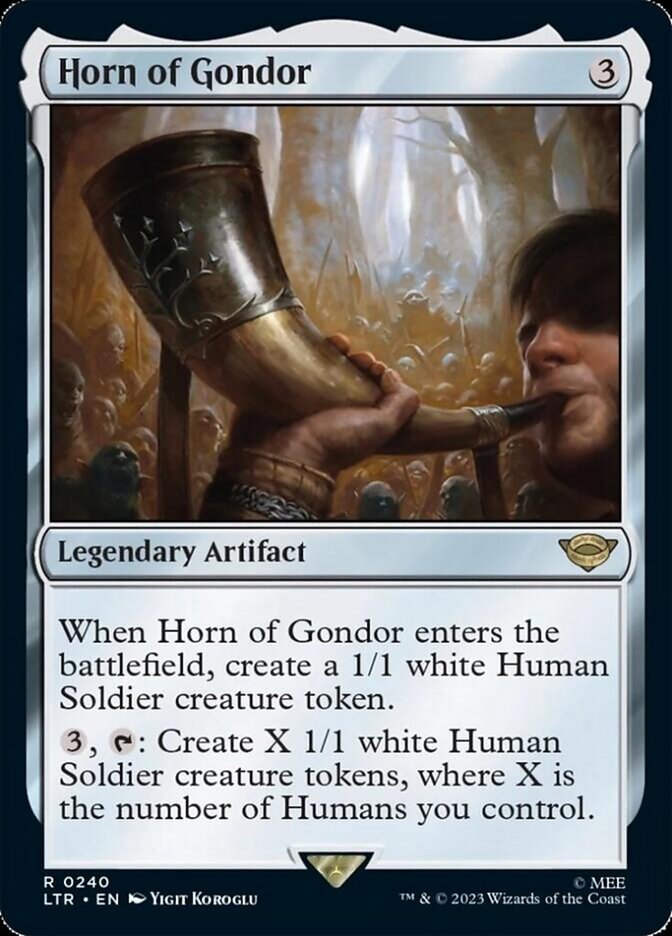
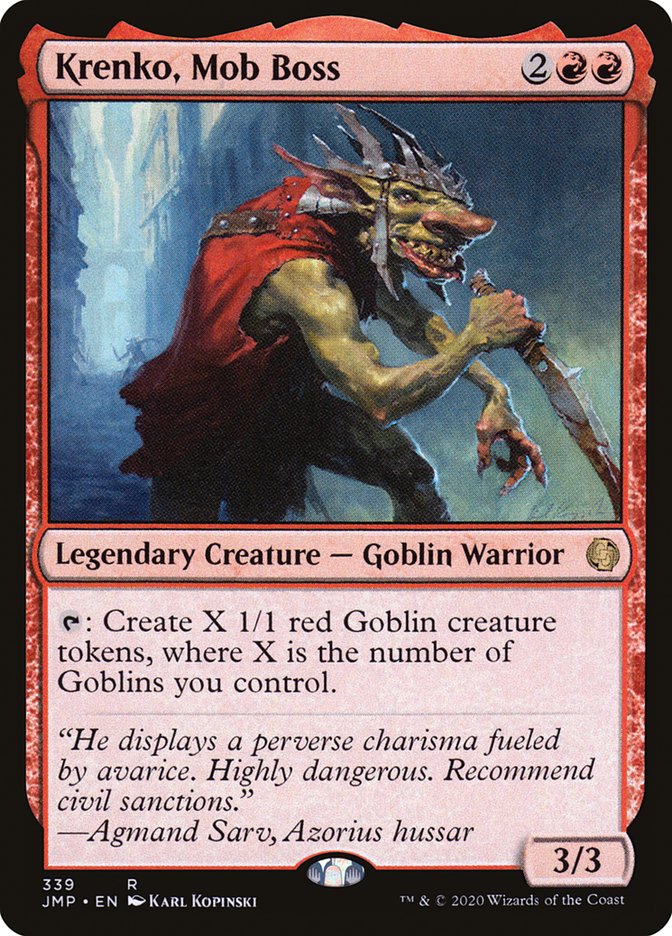
Nesting Dovehawk is a powerful token engine, but it can be tough on the wallet. If you’re looking for a cheaper swap, cards like Horn of Gondor or Krenko, Mob Boss fill a similar role by generating more and more bodies as the game goes on. They don’t populate like Dovehawk does, but they give you repeatable token production, which fuels all your payoffs just the same.
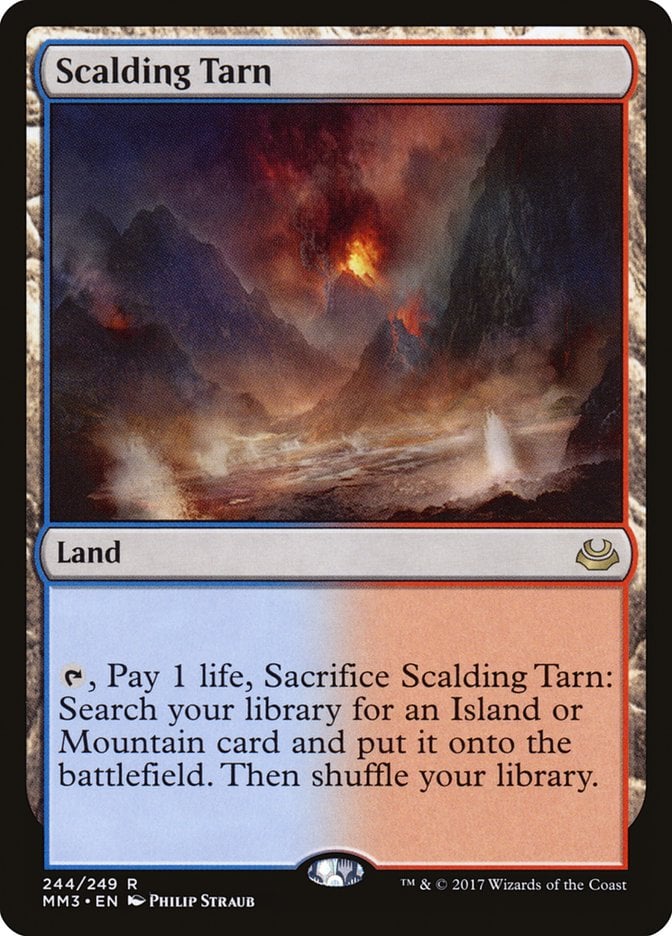
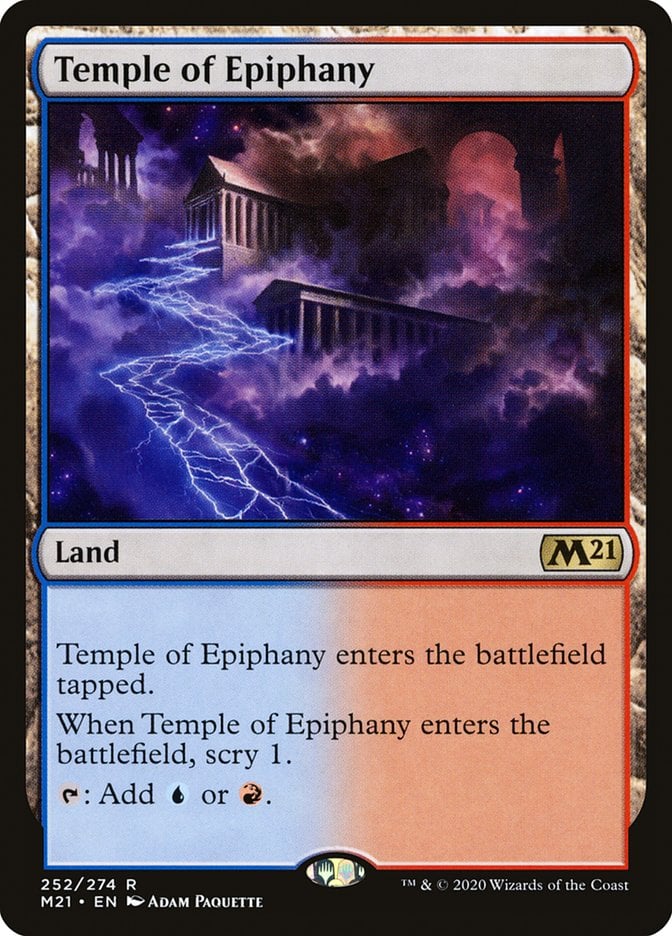
The mana base is another easy place to trim costs. If fetch lands like Scalding Tarn or Flooded Strand are too expensive, the temples from Theros are a solid replacement. Temple of Epiphany, Temple of Triumph, and Temple of Enlightenment all come in tapped, but they let you scry when they enter to smooth your draws and keep you consistent. You lose a bit of power compared to fetches and shocks, but the temples are inexpensive and still let the deck run smoothly.
Other Builds
Being in Jeskai colors means you aren’t locked into just tokens and 1/1 synergies—there’s room to branch out in a bunch of directions. You can lean harder into combat with Helm of the Host paired with Combat Celebrant, which sets up an infinite chain of combat steps. If your playgroup is cool with combos, that’s a reliable way to end a game on the spot.
You can also explore value-driven infinite loops. For example, Faerie Mastermind alongside Smothering Tithe and Mondrak, Glory Dominus can generate absurd amounts of card draw and Treasure tokens. From there, it’s easy to snowball into a win, especially if you’ve already got plenty of token payoffs on the board.
For players who enjoy control-style builds, Jeskai gives you the tools to lock down games, too. Adding cards like Hullbreaker Horror with Sol Ring and plenty of cheap spells lets you bounce or shut down almost anything opponents try to resolve. It’s a completely different flavor of deck, but it still sits comfortably within Zinnia’s colors.
And honestly, that’s just scratching the surface.
There’s also room for a blink build. Jeskai has great support to flicker creatures with cards like Ephemerate, Restoration Angel, and Teleportation Circle. Pair those with ETB all-stars like Mulldrifter, Aether Channeler, or Siege-Gang Commander, and you’ll grind out tons of value turn after turn. Zinnia’s offspring ability only makes these flicker targets even better, since you’ll always have more bodies to blink.
You could even experiment with an artifact-focused build. Jeskai is full of artifact synergy, and the fact that Zinnia gives offspring to artifact creatures makes cards like Myr Battlesphere, Sai, Master Thopterist, or Efficient Construction shine. Combine that with support like Sharding Sphinx and Mechanized Production, and suddenly you’ve got an entirely different type of go-wide strategy.
All in all, Zinnia’s colors give you incredible flexibility.
Commanding Conclusion

Devilish Valet | Illustration by Bud Cook
At the end of the day, Zinnia, Valley's Voice puts a fresh twist on the classic go-wide game plan. It turns every little creature into something that matters, which rewards you with tokens and synergies, and it scales threats that pile up fast.
Thanks for sticking around, and if you enjoyed this breakdown, make sure to follow us on social media so you don’t miss future content. We’d also love to hear your take—what changes would you make to this deck? Share your thoughts in the comments below or over on the Draftsim Discord.
Until next time, take care.
Follow Draftsim for awesome articles and set updates:










2 Comments
We rebuilt zinnia into a hare apparent deck. Still use all the token multipliers and it can get out of hand quickly.
Love that, so many rabbits!
Add Comment