
Last updated on January 4, 2026

Grand Arbiter Augustin IV | Illustration by Zoltan Boros & Gabor Szikszai
Stax decks are powerful, disruptive decks that seek to impede your opponents’ game plans by throwing up lots of roadblocks. Some cards limit the number of spells your opponents can cast each turn, while others make all their spells cost a little more. Individual stax pieces rarely win you the game, they just make it harder for your opponents to do so.
With a concept that more or less annoys your opponent to death, it’s easy to see why stax decks have a bad rap. But I think they’re pretty cool. It can be an interesting challenge to navigate winning through various pieces meant to slow you down, and it’s a good litmus test to see if your deck has enough interactive elements.
So if you want to build a stax deck and make your next Commander game night into a puzzle room of torment, who’s the best commander for the job?
What Are Stax Commanders in Magic?

Kambal, Consul of Allocation | Illustration by Vincent Proce
The term “stax” has its origins in a competitive deck from Magic’s past, but most players associate it with decks utilizing Smokestack to eat away their opponents’ resources. These days, the term has grown to encompass all kinds of disruptive decks whose primary goals are to make life difficult for your opponents and to slow the game until the stax player can comfortably win. Stax decks often include white and green.
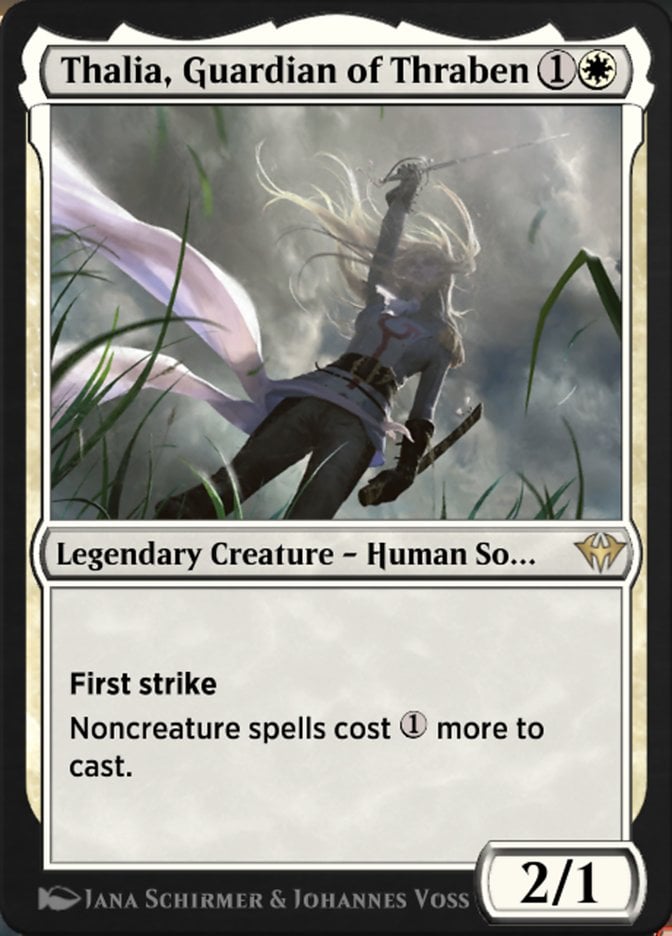
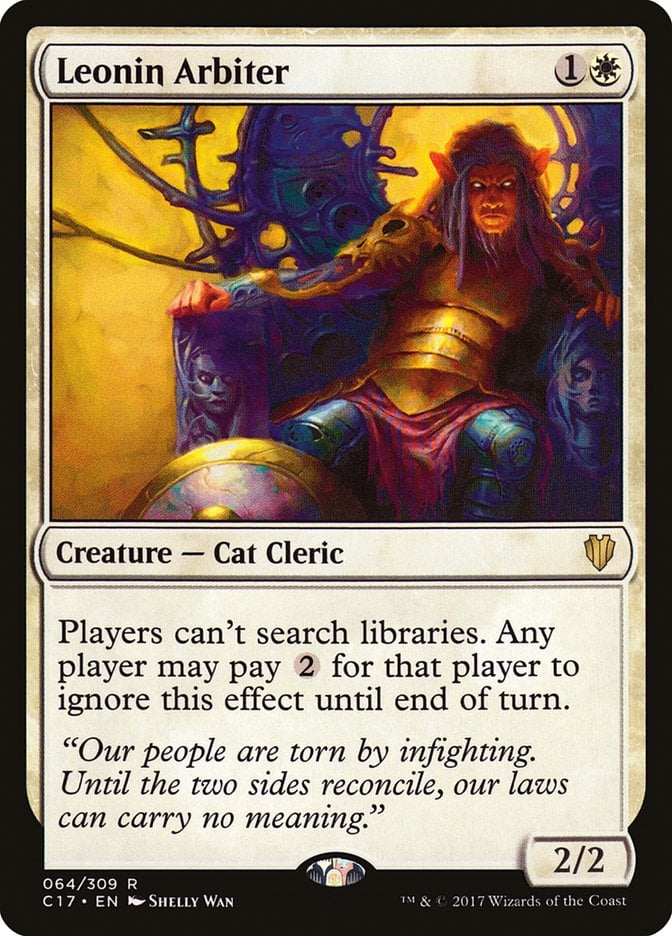
Hatebear-style stax is one of the most common builds, which you often see in Legacy Death & Taxes decks. These decks leverage small creatures with disruptive abilities like Thalia, Guardian of Thraben and Leonin Arbiter to impede your opponents and prevent them from playing optimally. Many hatebears are symmetrical, so the stax player has to be careful about building their decks to minimize the impact of these symmetrical pieces; you don’t put Thalia in your storm deck.

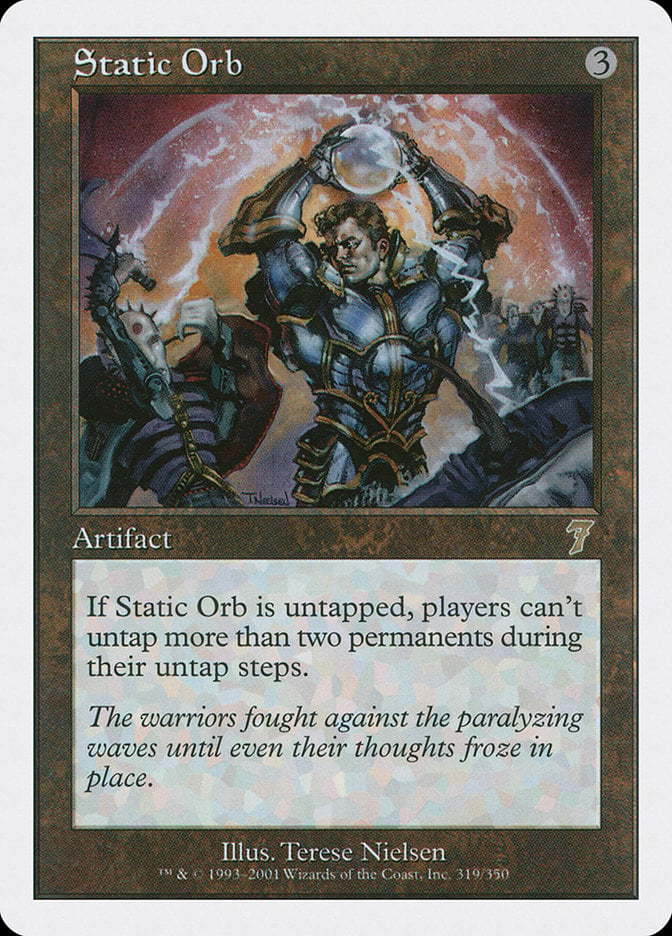
Artifact– and enchantment-based stax decks tend to disrupt the opponent with static effects. These can feel a lot like the classic Smokestack decks, especially once you get cards like Winter Orb and Static Orb in the mix.
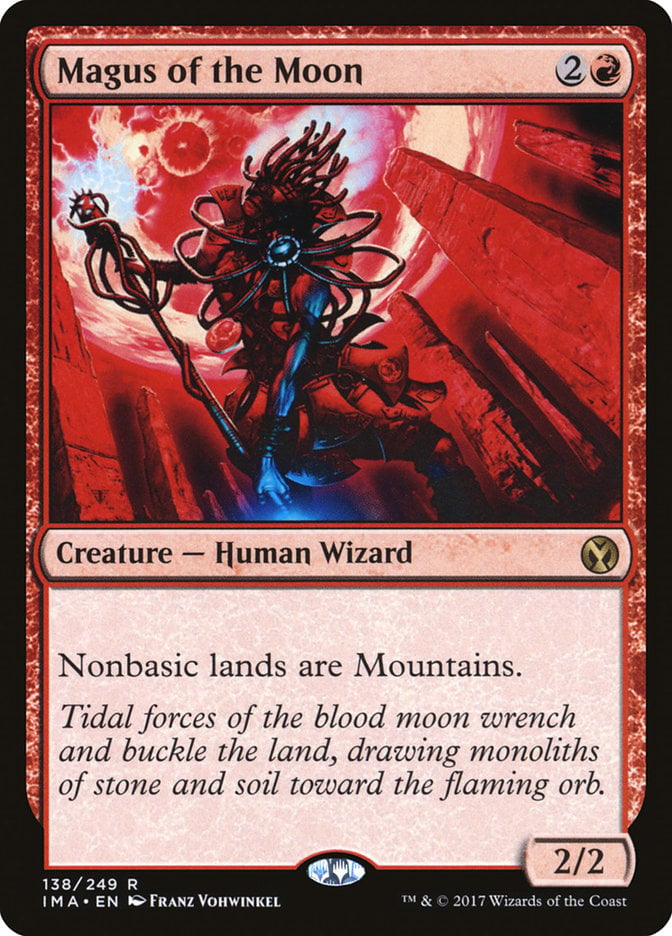
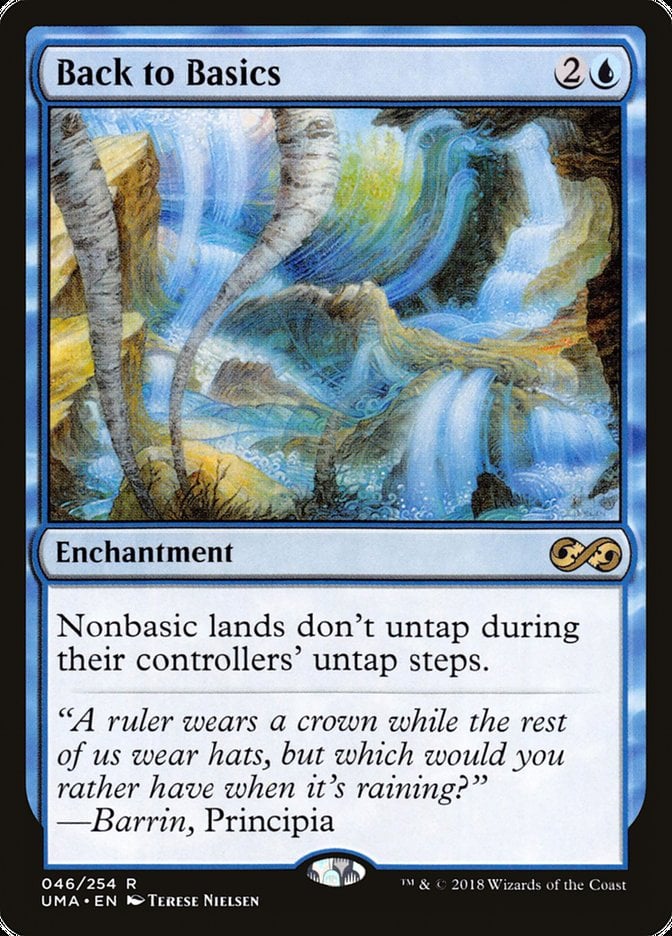
Often, stax decks play a mixture of hatebears, enchantments, and artifacts. The exact ratios depend heavily on your commander and playgroup. Stax decks can be highly customizable to disrupt your opponents; for example, if you know your entire pod plays mono-colored decks, Magus of the Moon and Back to Basics become far less appealing stax pieces.

Something to think about when selecting your stax commander is what kind of stax you want to play. How do you intend to disrupt the opponent? Do you want to play a ton of artifacts or flood the board with creatures? Not every stax commander is a stax piece itself, but some support a particular stax theme, like Urza, Lord High Artificer.
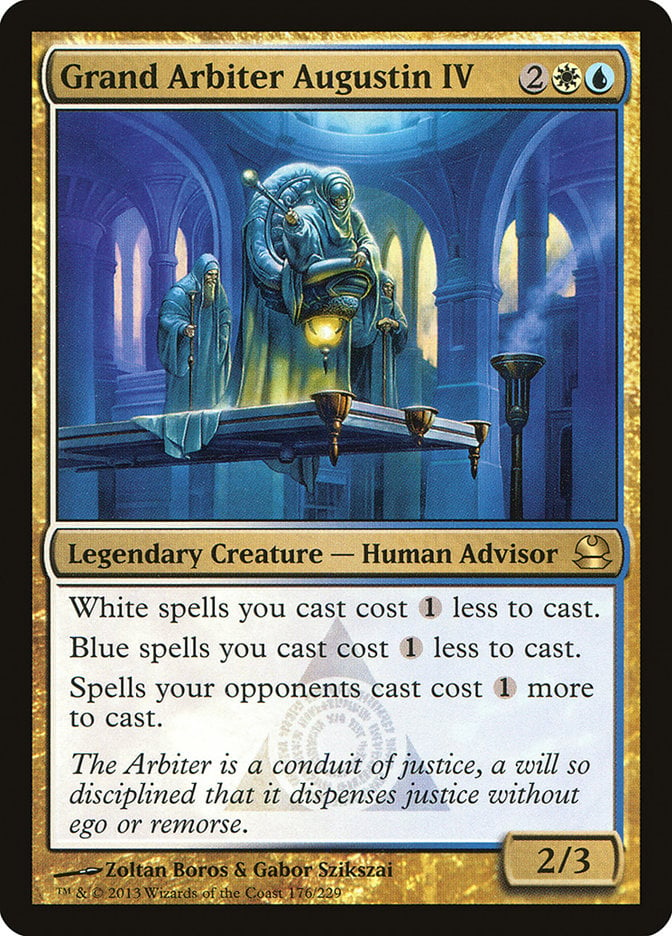
Lastly, it is worth noting that one of the commanders here, Grand Arbiter Augustin IV, is a Game Changer under Commander Bracket rules. Be sure to keep that in mind when building around them or including them as a key piece in your deck.
#44. Tataru Taru

At first glance, Tataru Taru appears friendly by allowing you to draw a card alongside an opponent. However, it’s actually hiding a powerful ability. Whenever an opponent draws a card during another player’s turn, you create a tapped Treasure token, once per turn. This accumulate quickly in decks that utilize group draw effects, such as Howling Mine or Temple Bell. It fits seamlessly into group hug strategies that quietly aim to outvalue the table.
#43. Monk Gyatso

Monk Gyatso offers a unique protection effect through airbend, exiling a targeted creature and letting you cast it again later at a lower cost. In a stax shell, this lets you dodge removal, shut down problematic auras, and reuse strong enter the battlefield abilities. It works especially well with blink effects or creatures like Skyclave Apparition, giving you repeatable value while making it harder for opponents to keep up.
#42. Kaervek the Merciless
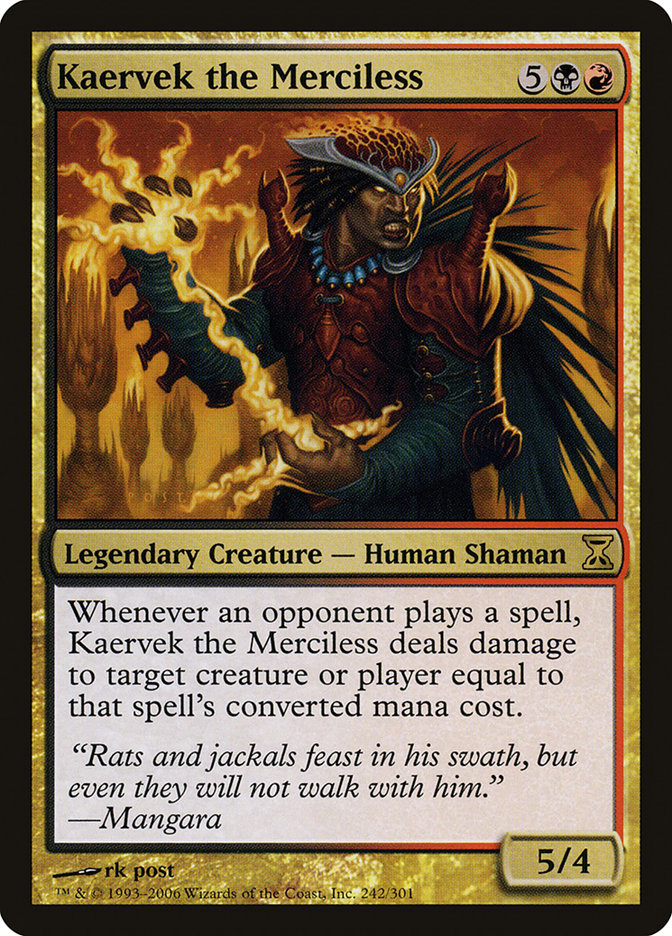
Stax decks are all about punishing or preventing your opponents for playing the game, with Kaervek the Merciless serving as a marquee example of the punishment angle. Any spell your opponents cast could kill one of their creatures or themselves if you deploy damage doublers like Solphim, Mayhem Dominus. You should pair this Rakdos commander with group slug cards like Manabarbs and Oppression.
#41. Thalia, Guardian of Thraben
One of the classic hatebears, always having Thalia, Guardian of Thraben in your opening hand is a great boon for many decks. It’s incredible against spell-based decks but might fall flat if your opponents focus on creature beats. Making Thalia the commander for your mono-white stax deck is a meta call that can pay dividends.
#40. Myrel, Shield of Argive
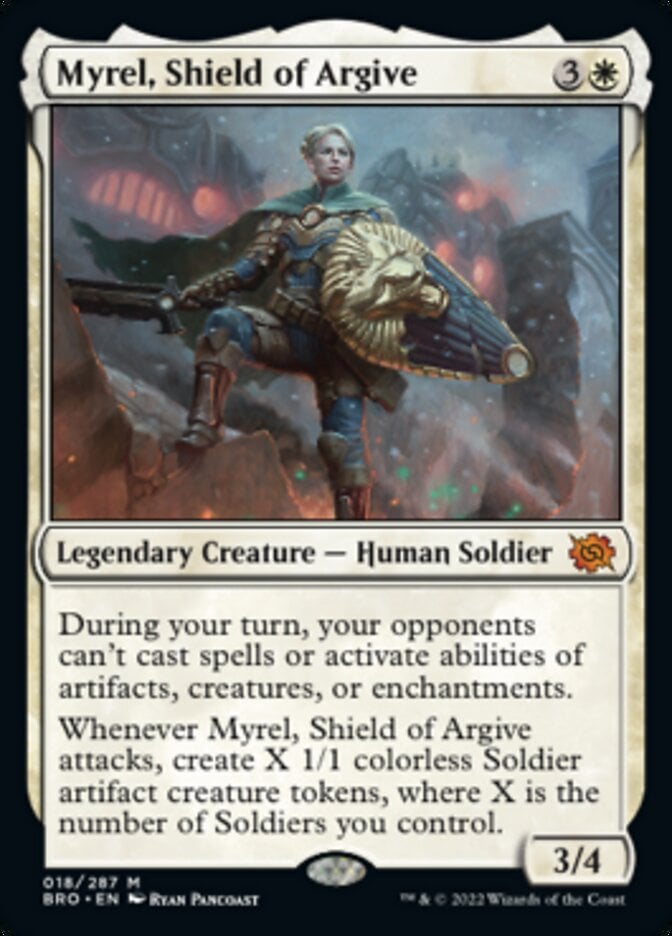
Keeping your turn safe from interference is what this legendary soldier does best, stopping opponents from casting spells or activating abilities while you take action. That silence makes it easy to attack with confidence. When that happens, Myrel, Shield of Argive rewards you with a growing army of 1/1 soldier artifact tokens. Four mana seems steep, but the added protection is well worth it when you’re gearing up to close out the game.
#39. Sigarda, Font of Blessings
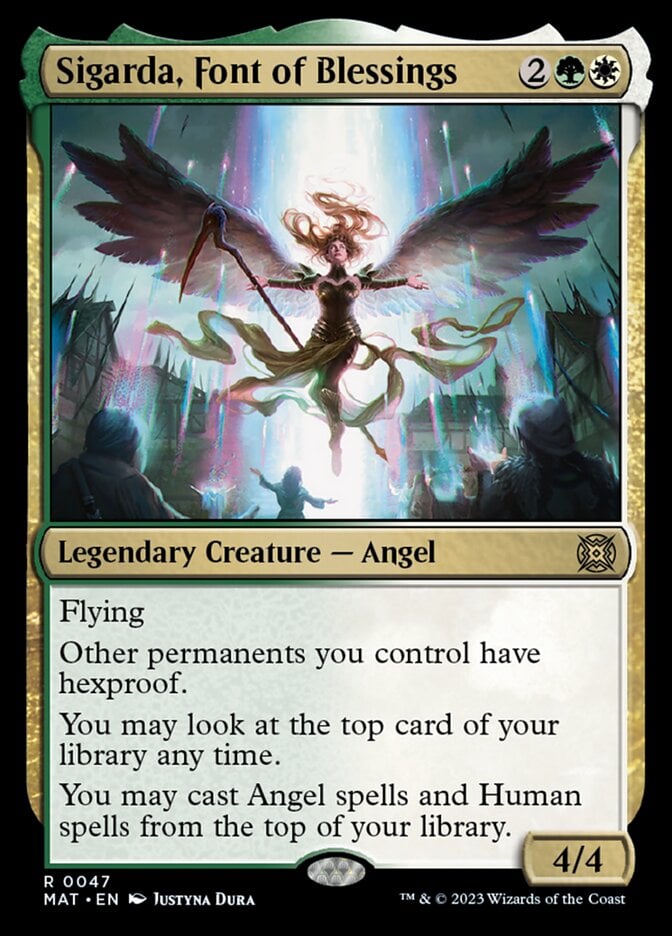
Humans and angels often boast powerful stax effects, like Thalia, Linvala, Keeper of Silence, and Esper Sentinel. If you build around these two creature types, Sigarda, Font of Blessings offers a powerful Future Sight commander with hexproof for your other creatures. You can still run cards like Collector Ouphe or Spirit of the Labyrinth, though you’ll need to keep non-human or angel creatures to a minimum.
#38. Abdel Adrian, Gorion’s Ward + Agent of the Iron Throne
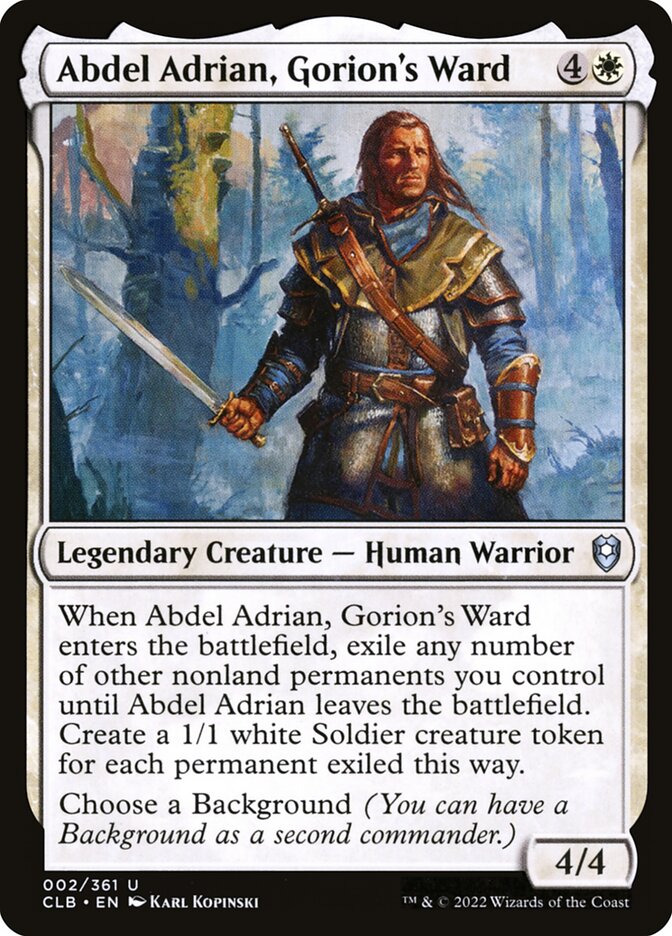
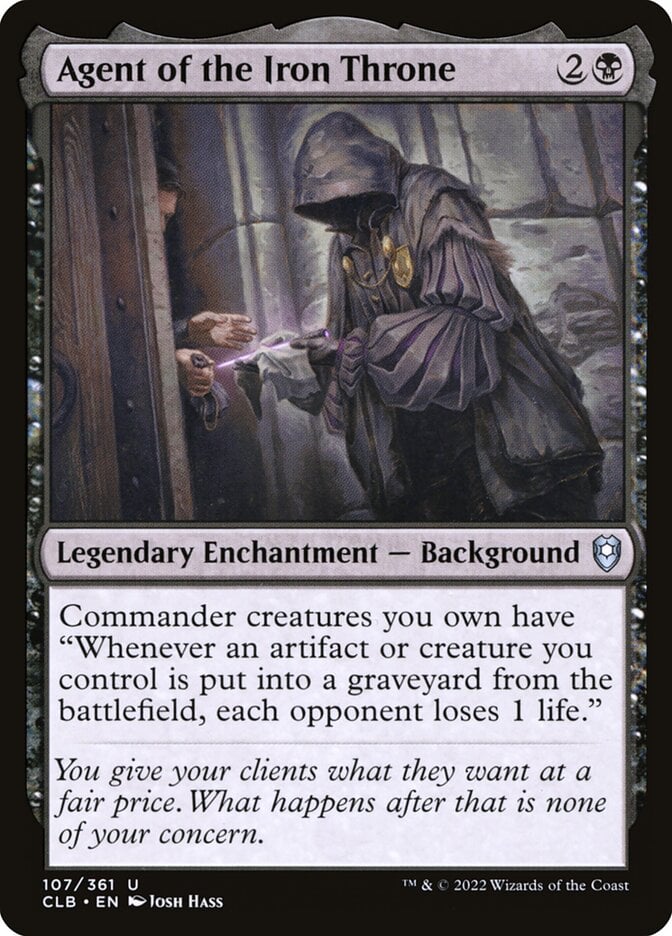
Something stax decks can struggle with is closing the game out after slowing everybody down. Forty life is a lot to attack through with your 2/1s and 3/2s. Pairing Abdel Adrian, Gorion's Ward with Agent of the Iron Throne helps assemble a winning combo. Abdel goes infinite with Animate Dead or Necromancy to create infinite 1/1s and infinite death triggers to go with this background. Having two parts of a 3-part combo in the commander zone offers a stax deck great lethality.
#37. Drana and Linvala
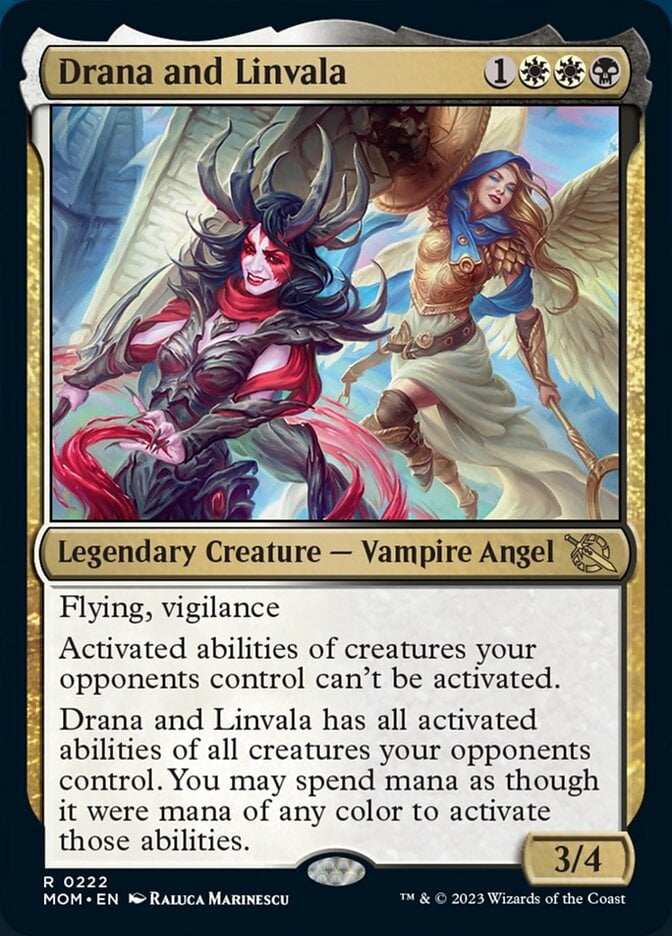
Drana and Linvala offers a powerful hatebear piece right in the command zone. This can be especially devastating against green decks that rely on mana dorks like Birds of Paradise and Bloom Tender for acceleration. A Cursed Totem on your commander is plenty intriguing before adding the fact that you get to steal your opponents’ abilities, making this an incredibly versatile and dangerous threat.
#36. Ruric Thar, the Unbowed
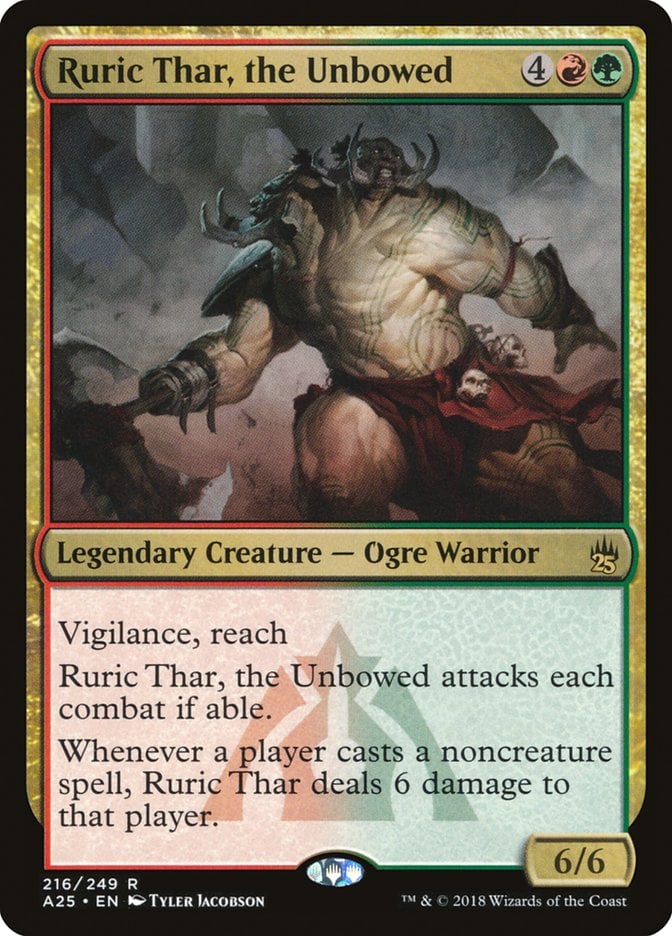
Ruric Thar, the Unbowed punishes pretty much anything blue. If your pod loves storming off with Niv-Mizzet, Parun, Emry, Lurker of the Loch, or anything similar, this Gruul ogre warrior forces them to deal with your commander first. Cards like Magebane Lizard and Cindervines double down on the noncreature punishment your Gruul commander encourages.
#35. The Unagi of Kyoshi Island
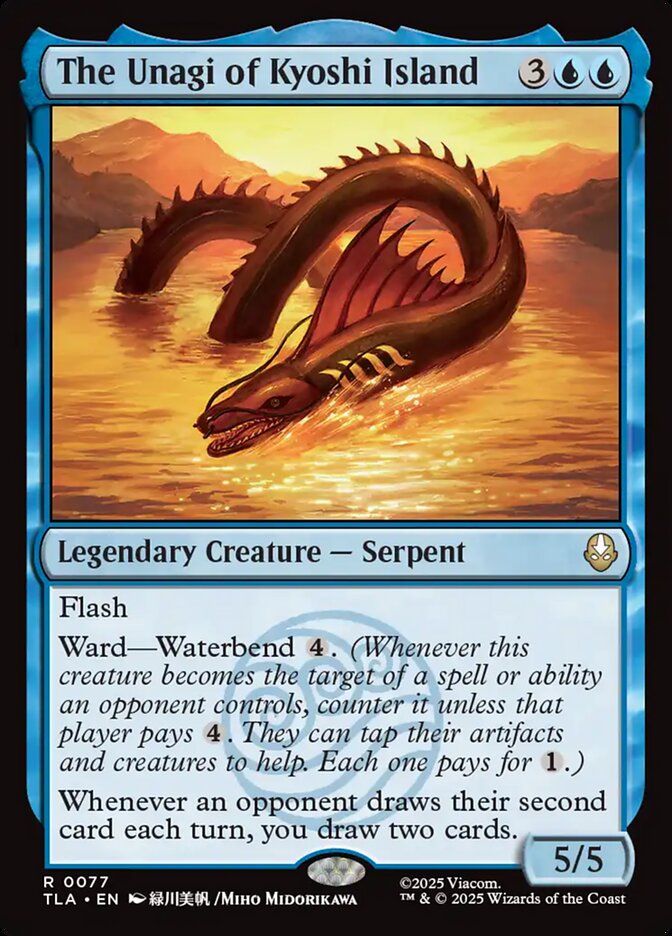
While it may not hold the same power as Consecrated Sphinx, The Unagi of Kyoshi Island still offers significant advantages. With flash and waterbend ward, it provides solid defense while rewarding you with two cards each time an opponent draws their second card during their turn. This benefit can escalate quickly in games featuring wheels, Rhystic Study, or group draw effects.
#34. Queen Kayla bin-Kroog
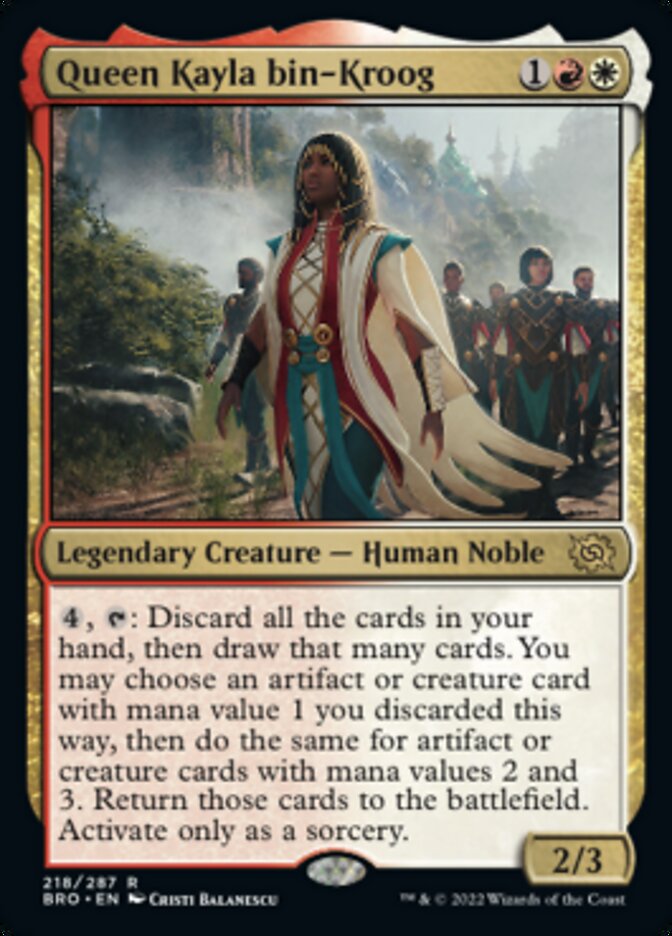
Many stax cards are cheap by necessity, so Queen Kayla bin-Kroog has no shortage of disruptive pieces to get back with its activated ability. Four mana is a lot, but you get to see a ton of fresh cards while putting up to 6 mana worth of permanents into play. Since you’re not casting the spells, this circumvents Rule of Law effects, letting you load your deck up with as many variants of that stax piece as you can.
#33. Shorikai, Genesis Engine

Shorikai, Genesis Engine is a powerful combo engine in the command zone, letting you draw your deck and win with Thassa's Oracle pretty easily once you generate infinite mana. It requires careful deckbuilding; you can’t disrupt artifacts too badly without shutting off your commander. Certain infinite mana combos, like Isochron Scepter plus Dramatic Reversal, require casting spells over and over, so Rule of Law effects are also off the table.
#32. Thalia and The Gitrog Monster
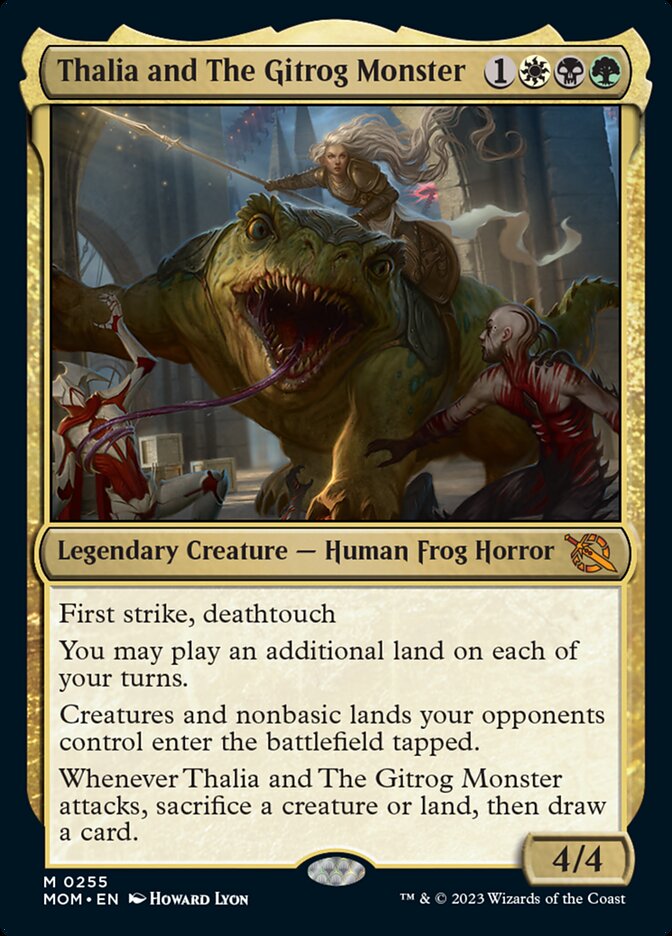
Abzan () is an excellent color combination to access most of the best stax pieces in the game. Thalia and The Gitrog Monster offers a ton of disruptive value, plus card draw and a human horror frog commander that basically can’t be interacted with in combat thanks to deathtouch and first strike. This lands commander pairs well with stax decks that want to leverage taboo cards like Armageddon alongside Crucible of Worlds since the extra land drops let you rebuild faster than your opponents.
#31. Tomik, Wielder of Law
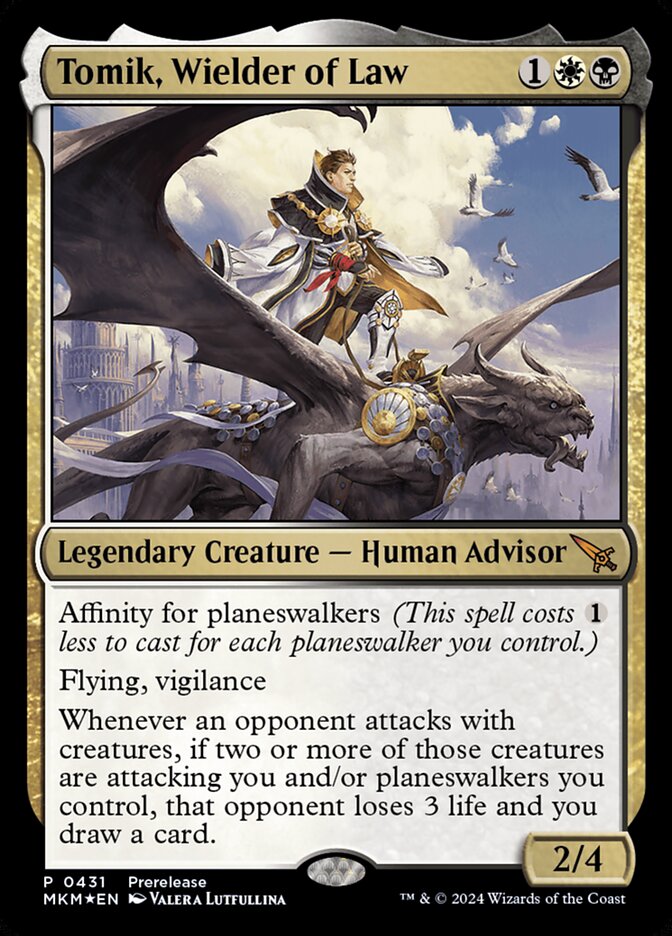
Tomik, Wielder of Law demands to be a planeswalker commander, which actually works pretty well in stax. Planeswalkers interact favorably with stax cards like Sphere of Safety that impede your opponents’ attackers. They also push you towards casting one big spell a turn, be it board wipes like Farewell and Sunfall or top-end planeswalkers such as Elspeth, Sun's Champion and Ugin, the Spirit Dragon, which lets you play around Eidolon of Rhetoric and friends quite well.
Planeswalkers are also excellent value engines for the long, grindy games stax pieces tend to encourage. Cards like Sorin the Mirthless and Vraska, Betrayal's Sting keep cards flowing through the mid-game while game-enders like Liliana, Dreadhorde General and Elspeth, Sun's Champion give you the inevitability necessary to win these drawn-out matches.
#30. Gaddock Tegg
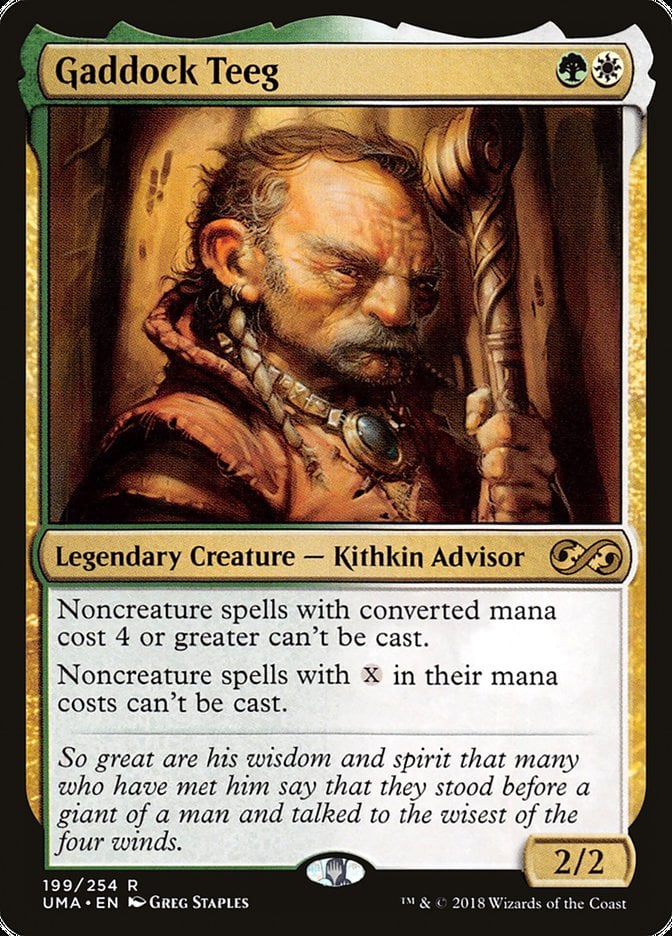
Gaddock Teeg is a classic hatebear. It shuts down spellslinger strategies harder, as they often want to leverage at least a few expensive spells. Some decks can’t function with this guy around. It’s weaker against creature-heavy decks, but even the greenest of decks plays spells like Skyshroud Claim or Turntimber Symbiosis that Teeg shuts down.
#29. Anafenza, the Foremost
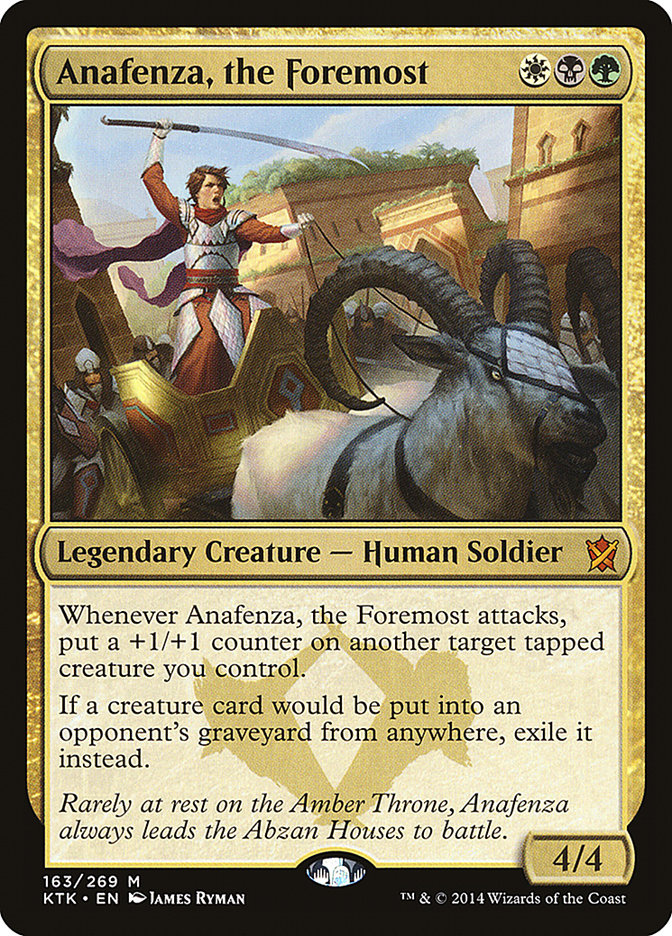
Anafenza, the Foremost is an over-statted commander that disrupts lots of strategies. Exiling the graveyard is one of the easiest ways to shut some decks out of the game, and it’s easy to play Anafenza on turn 2 with mana dorks. It works incredibly well with +1/+1 counter synergies, alongside cards like Kami of Whispered Hopes and Vorinclex, Monstrous Raider to put a serious clock on your opponents as they struggle to function beneath your stax pieces.
#28. Hinata, Dawn-Crowned
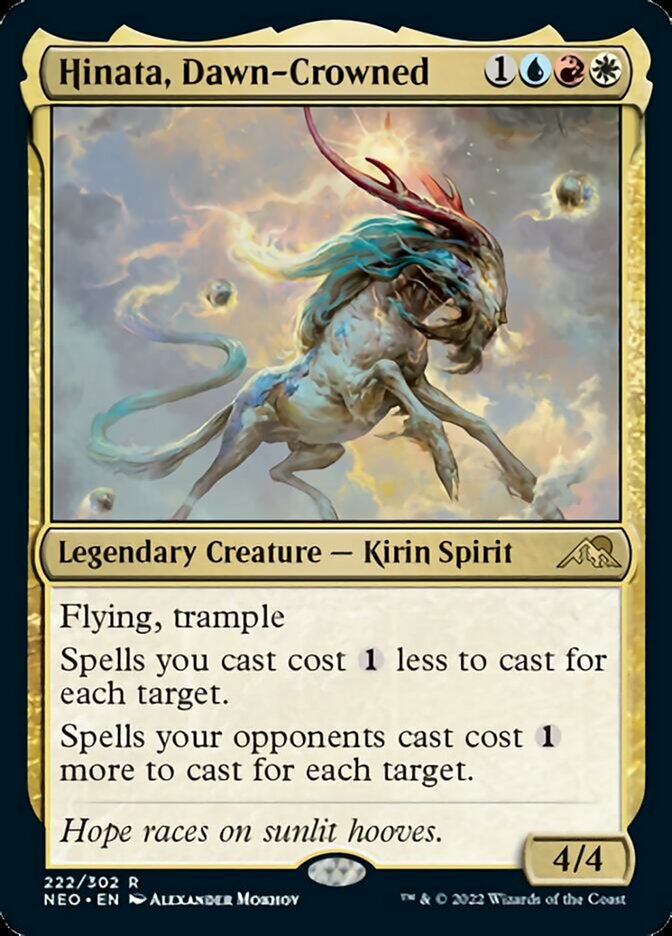
Hinata, Dawn-Crowned plays best as a control commander that reduces the costs of spells like By Force and Distorting Wake to prevent your opponents from participating in the game. Stax decks are a subsection of control, so Hinata easily picks up stax cards like High Noon and Spelltithe Enforcer to make your opponents even saltier.
Tax effects like the Enforcer and Grand Arbiter Augustin IV are notably powerful with cards like Red Sun's Twilight and By Force that obliterate your opponents’ mana sources.
#27. Zhao, the Moon Slayer
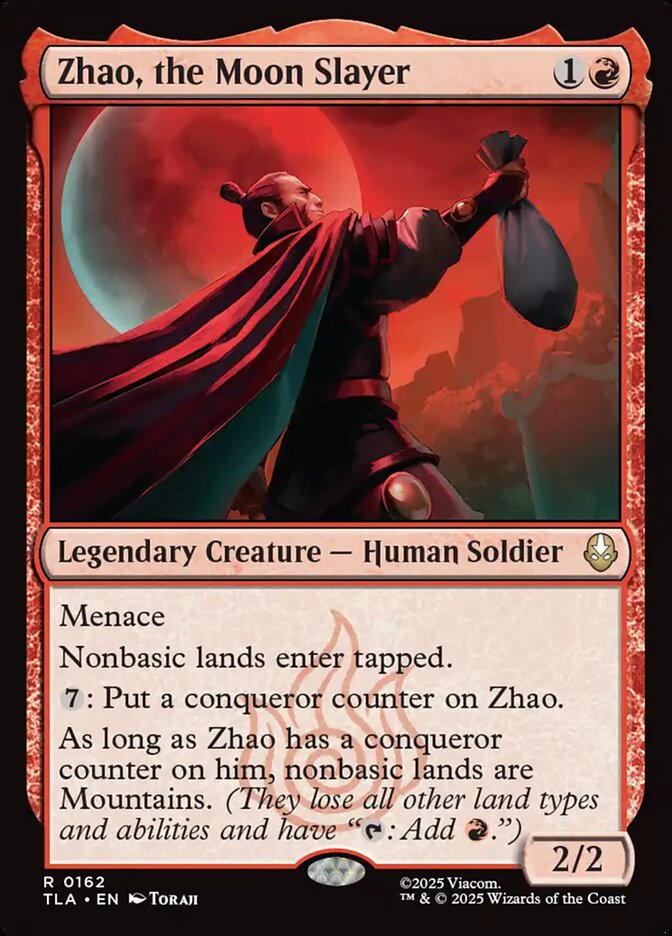
Zhao, the Moon Slayer focuses on shutting down mana bases, especially in decks that rely heavily on nonbasic lands. Right away, it creates friction by making all nonbasics enter the battlefield tapped, slowing down opponents who stretch their colors. Once you reach 7 mana, Zhao takes it further by turning every nonbasic into a mountain, completely wrecking mana fixing. Paired with Blood Moon, Price of Progress, and Magus of the Moon, this strategy dismantles multicolor decks, and the fact that it can show up as early as turn 2 makes it even more dangerous.
#26. Hokori, Dust Drinker
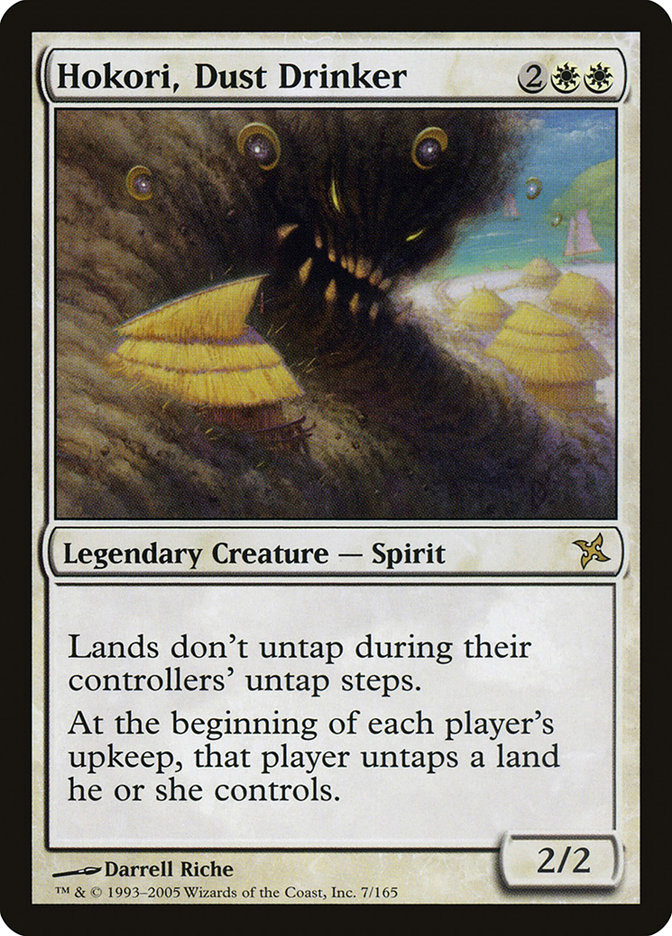
Winter Orb in the command zone is a strong start to a stax deck. To play Hokori, Dust Drinker, you need a plan to break the symmetry of the card so you’re playing a deck and not just being obnoxious. This typically means stuffing your deck with tons of mana rocks so you’re not dependent on lands, then using cards like Karn, the Great Creator to stop your opponents from relying on their artifact mana.
#25. Go-Shintai of Life’s Origin
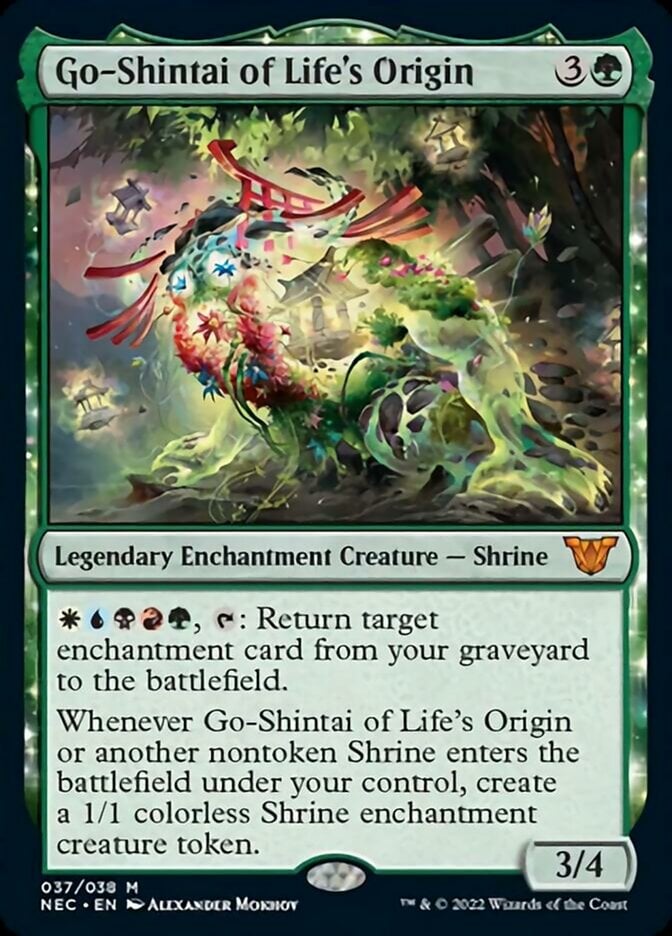
Go-Shintai of Life's Origin is a great commander for players looking to build their first stax deck, as the list begins with all the other shrines in Magic. From there, you’ll surround them with a bunch of powerful enchantments that shut other players down, like Stony Silence, Rhystic Study, and Deafening Silence.
#24. Liesa, Shroud of Dusk
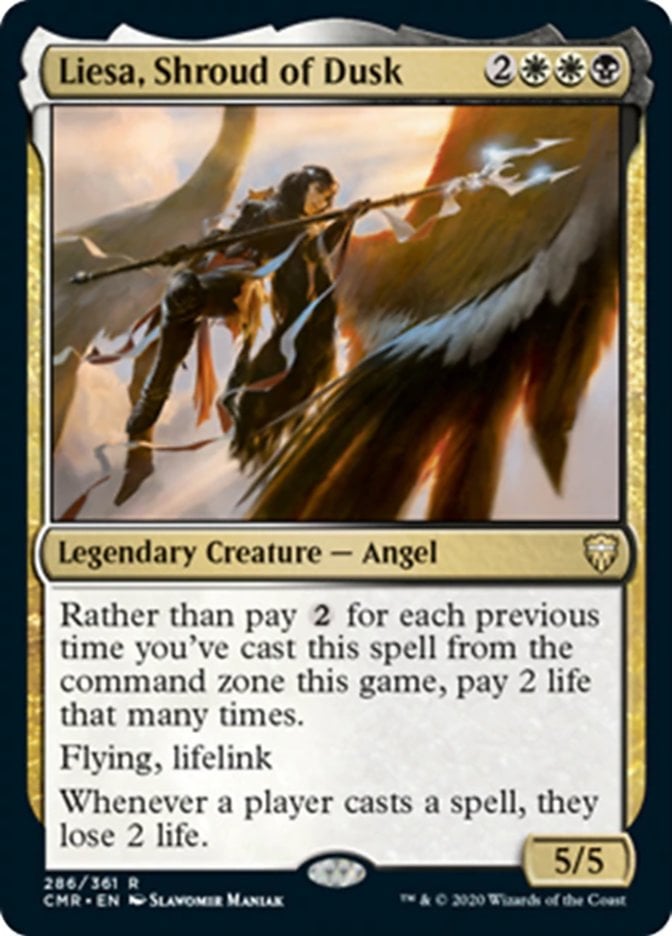
Liesa, Shroud of Dusk is excellent design. This is a great way to circumvent commander tax without being blatantly unfair, like commander ninjutsu. It’s also a great way to tax your opponents. You can pair it with spells like Rug of Smothering to damage your opponents even more.
#23. Urza, Chief Artificer
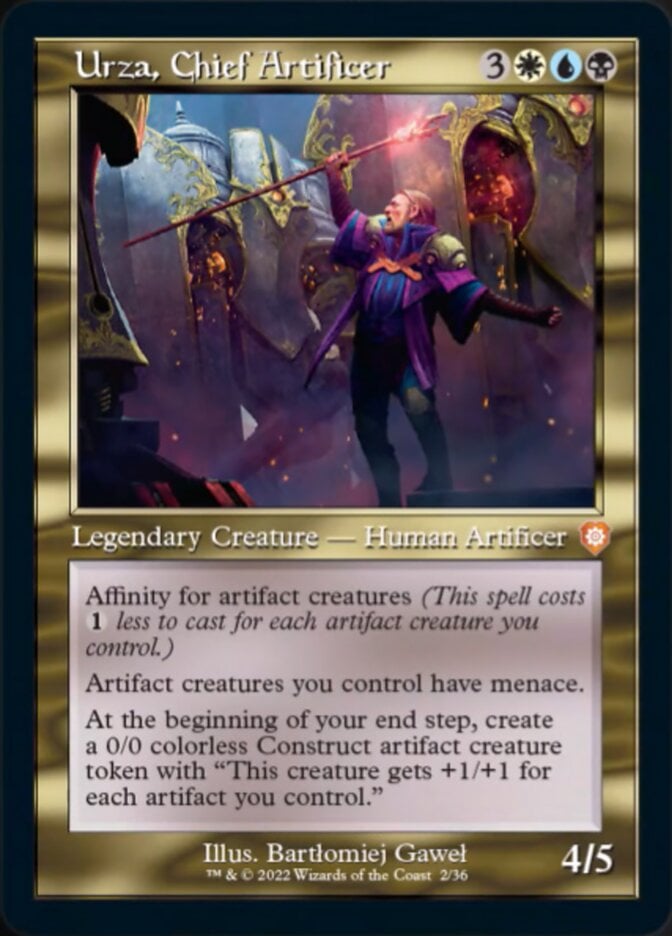
One of Magic’s best affinity commanders, Urza, Chief Artificer supports artifact stax not as a stax element, but as a clock. Once you litter the board with cards like Cursed Totem, Grafdigger's Cage, and Esper Sentinel, you can close the game out with massive Construct tokens. Throw in a few pieces like Losheel, Clockwork Scholar and Archangel of Tithes to make blocking even harder, and you’ll win in no time.
#22. Kudo, King Among Bears

One weakness of stax decks, especially the hatebears variety, is how outclassed their small creatures are in a format focused on ramp and flashy plays. Kudo, King Among Bears evens the playing field—though you can break the symmetry by loading your deck with anthems like Flowering of the White Tree and Maja, Bretagard Protector that ensure you have the biggest creatures.
Kudo, King Among Bears also invites some deck-specific synergies. Reverence removes your opponents’ ability to attack you while Champion of Lambholt makes it easier for you to swing. Elesh Norn, Grand Cenobite and Ayula, Queen Among Bears mean your opponents won’t keep a single creature around.
#21. Shalai and Hallar
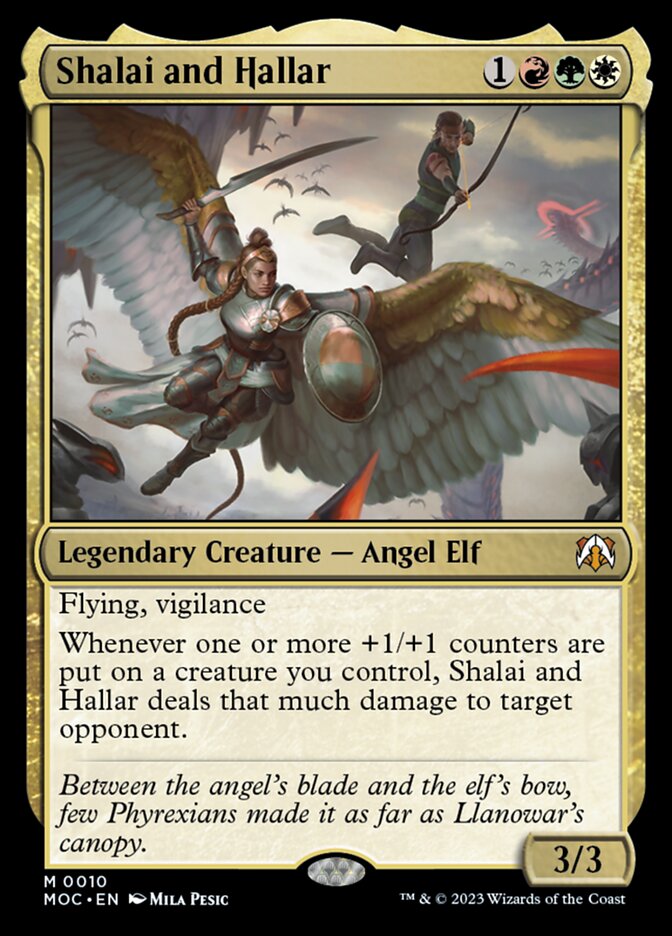
Naya () is a fine color combination for stax. Red doesn’t have a ton of stax pieces outside of cards like Blood Moon to punish greedy mana bases or Harsh Mentor style effects to tax activated abilities, but it offers some power and utility at ending the game. Shalai and Hallar benefits from infinite wins with The Red Terror or All Will Be One, providing you with a commander that ends the game quickly with abilities that are rarely taxed by your stax effects.
#20. Arachne, Psionic Weaver

Arachne, Psionic Weaver makes controlling the tempo of a game effortless. Thanks to its unique casting cost, you can trade a tapped creature for an early drop. Upon entering the battlefield, you not only get a peek at your opponent’s hand but also make their non-creature spells more expensive. This classic white tax tactic pairs beautifully with cards like Thalia, Guardian of Thraben or Glowrider, allowing you to slow down both combo and control decks while you consistently swing with a solid 3/3 body.
#19. Meria, Scholar of Antiquity
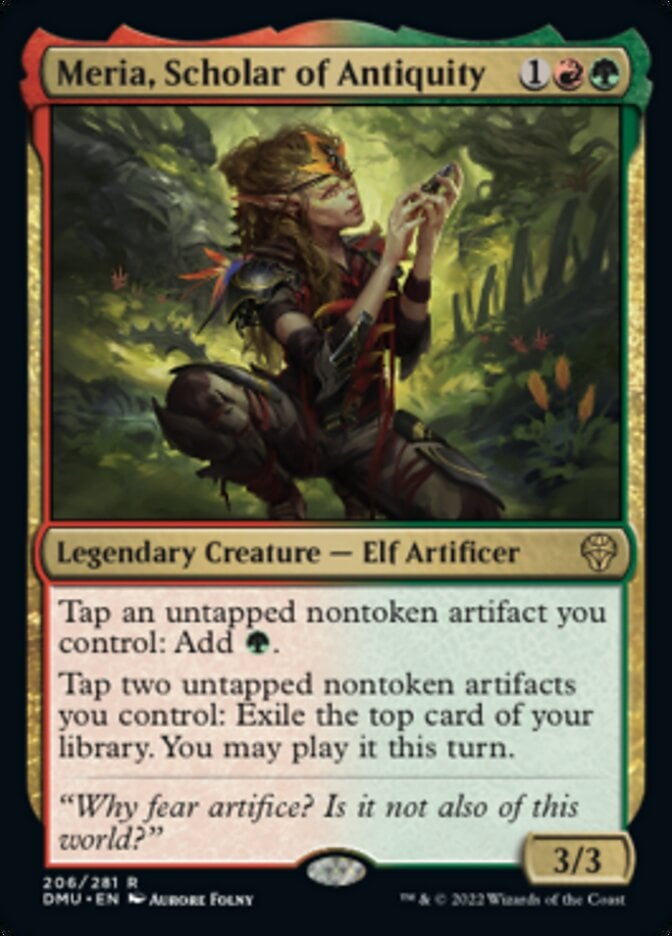
Some may say Meria, Scholar of Antiquity is just Wish Urza, Lord High Artificer, but this commander can do some powerful stuff. Getting to tap your artifacts naturally leads you to Winter Orb and Static Orb. Red enhances this well with Blood Moon and Ruination alongside Collector Ouphe to go directly after your opponent’s mana while your commander ramps you into massive plays and draws you cards.
#18. Mai, Scornful Striker

Mai, Scornful Striker excels at punishing opponents. This lethal 2-drop drains 2 life from anyone casting a noncreature spell, which adds up fast in a typical Commander game. It integrates well into black-based aggro decks or midrange ones that focus on hand disruption or mass discard to keep players low on creatures. Partner this card with Oppression, Underworld Dreams, or Chains of Mephistopheles to create a slow, draining lock that discourages any interaction.
#17. Teferi, Mage of Zhalfir
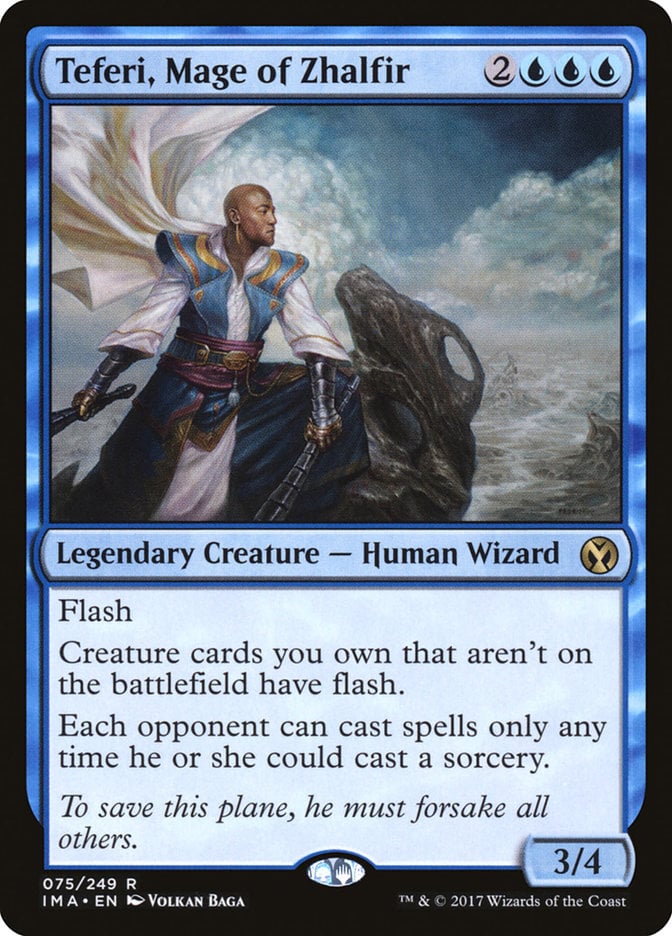
One sub-archetype of stax is prison decks that seek to establish a lock that stops your opponents from playing the game. Teferi, Mage of Zhalfir has great prison potential. If it’s in play with Knowledge Pool or Omen Machine, your opponents simply can’t play spells. Blue is also great at accelerating into colorless spells so you can include other locks like the classic Karn, the Great Creator and Mycosynth Lattice.
#16. Kambal, Consul of Allocation
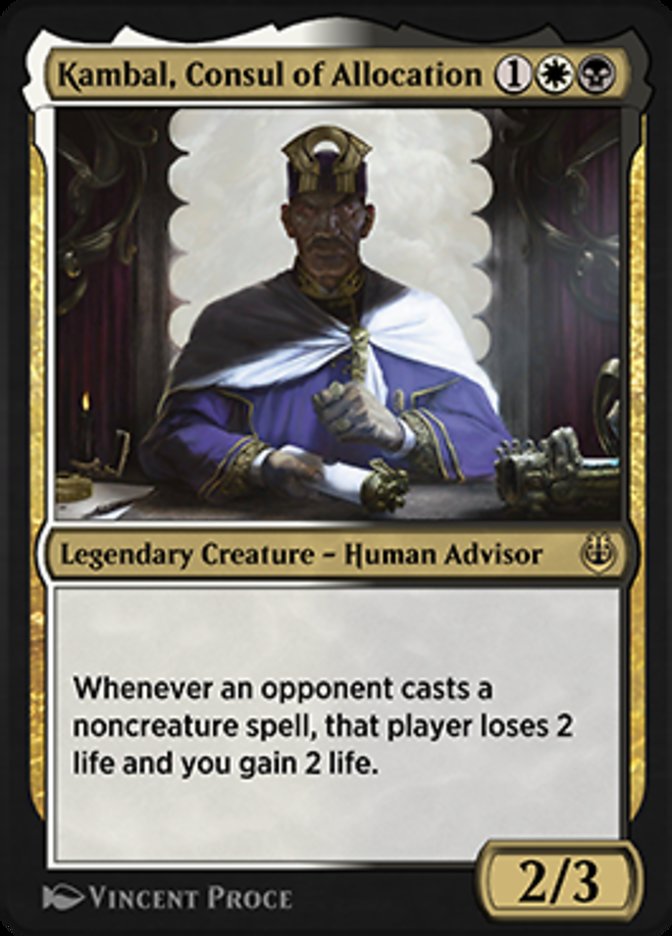
Kambal, Consul of Allocation comes down early and does a surprising amount of work. It doesn’t look like much, but this commander can easily deal 20 damage in a game if left unchecked. It’s not as good against creature decks, but you can also make use of powerful lifegain synergies like Vito, Thorn of the Dusk Rose and Sanguine Bond to make up for this.
#15. Kutzil, Malamet Exemplar
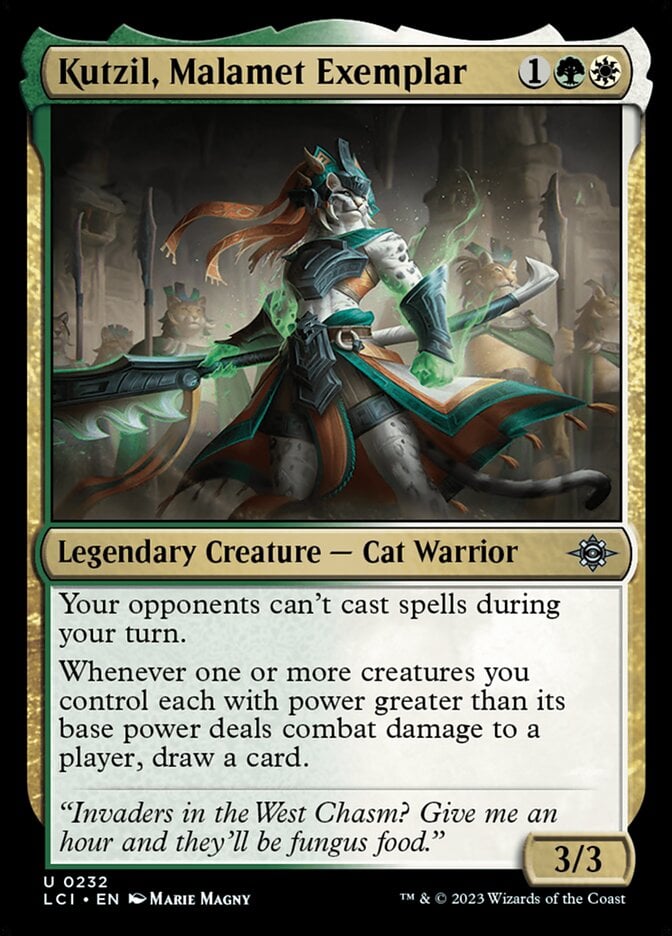
Legends that tell your opponents that they can’t do something have legs as a stax commander. Kutzil, Malamet Exemplar plops stax all-star Grand Abolisher in the command zone.
Additionally, the second ability keeps the gas flowing. Selesnya stax decks focus on small creatures like Thalia, Guardian of Thraben and Esper Sentinel along with ways to buff them to win the game, so you’ll have no trouble triggering that ability.
#14. Heliod, Sun-Crowned

Heliod, Sun-Crowned is a fantastic mono-white stax commander because of the a + b combo of this card plus Walking Ballista to win the game on the spot (the combo also works with Triskelion). You can utilize some lifegain synergies that other mono-white commanders don’t care about for additional flexibility and staying power against other creature-based decks. It’s strong enough to even work as a budget cEDH option.
#13. Belbe, Corrupted Observer

You can do a lot with Belbe, Corrupted Observer, but playing it with stax pieces is my favorite. You need to land something like Mardu Shadowspear or Pulse Tracker early to maximize its ability, but you can have access to 6 colorless mana as soon as turn 2. You can use this to deploy stax pieces like God-Pharaoh's Statue, Ward of Bones, and Trinisphere well before your opponents can hope to deal with them. Once you get these down, closing the game is as simple as ramping into Eldrazi.
#12. Spider-Woman, Stunning Savior

Slamming the brakes on the battlefield, Spider-Woman, Stunning Savior locks down your opponents’ tempo by making all their artifacts and creatures enter tapped. That’s a nightmare for aggro and blink decks, especially when you add Blind Obedience or Frozen Aether for redundancy. On top of that, its built-in evasion let’s it slide between other creatures to pressure life totals.
#11. Maha, Its Feathers Night

Bloomburrow‘s Maha, Its Feathers Night shuts down creature decks so hard that the green players in your pod will convert to mono-blue nonsense to avoid this deck. You want to combine Maha (perhaps my favorite card from 2024!) with cards like Night of Souls' Betrayal and Pestilence. This turns Draft chaff wraths like Suffocating Fumes and Cower in Fear into Plague Wind. It takes very little work for this black commander to read “Your opponents can’t maintain a board state.”
#10. Spider-Punk

Spider-Punk brings the noise with riot, giving you the option of a +1/+1 counter or haste. But that’s not all—this card extends riot to all your spiders! It effectively counters control decks by making spells and abilities uncounterable, plus it stops any damage from being prevented. This makes it an excellent choice for red stax decks that aim to apply pressure while slowing down the competition.
#9. Zur the Enchanter

One of the best Esper commanders, Zur the Enchanter is a classic enchantment-focused stax commander. Its peak may have passed, but this is still plenty powerful. Loads of good stax enchantments cost 3 or less. Among them, there’s Stony Silence, Rest in Peace, Deafening Silence, Rhystic Study, and Overburden, as well as basically every Oblivion Ring variant ever printed for easy access to removal. Zur is a kill-on-sight commander, for good reason.
#8. Sen Triplets
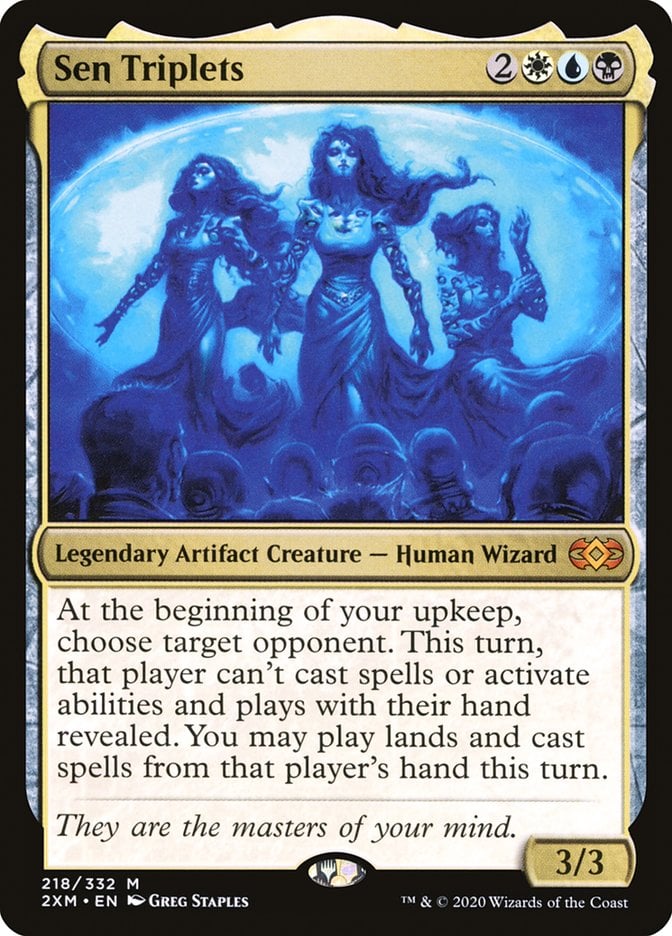
What better way to disrupt your opponent’s game plan than by casting all their removal on their own cards? As one of the best theft commanders, Sen Triplets was a boogieman of the format for a while. This functions more as top-end for an artifact stax deck than a stax piece itself, but it can lock down an opponent you’re worried will disrupt you and “draw” a bunch of cards.
#7. Yasharn, Implacable Earth
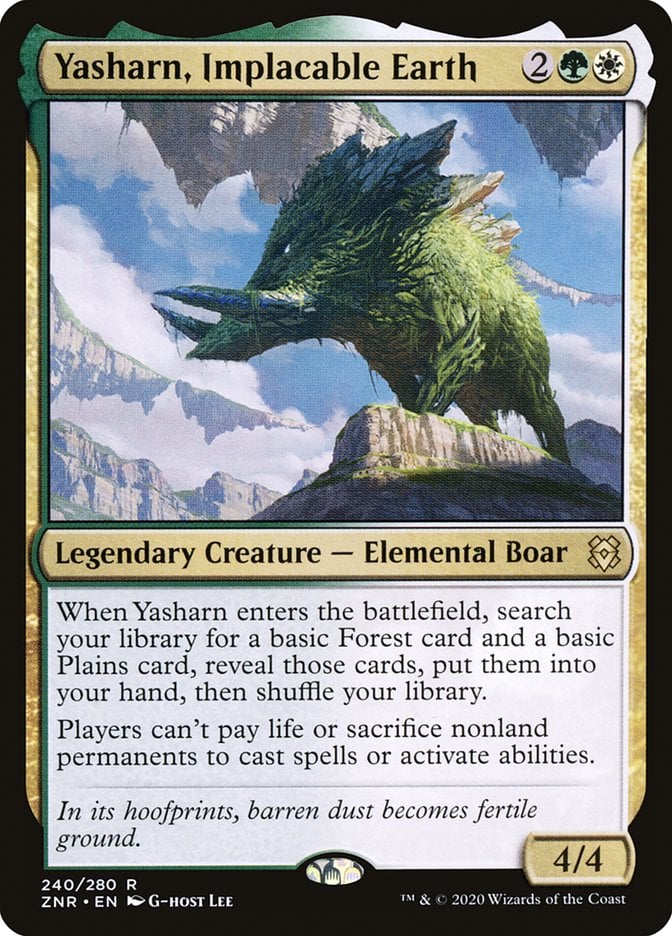
Preventing your opponents from sacrificing permanents to pay costs doesn’t seem like it’s too disruptive against non-Rakdos decks, but this just so happens to kill Treasure decks and stop fetch lands. It’s incredibly disruptive while being fairly-statted and draws two cards on ETB. Dropping a sizeable creature that some decks need to remove while ensuring you make land drops is all you could want from a Selesnya stax commander.
#6. Wan Shi Tong, Librarian

Wan Shi Tong, Librarian might look like an ordinary bird, but it serves as a robust card draw engine. With flash, flying, and vigilance, it becomes a solid ambusher. The real kicker? It scales with how much mana you invest into X. Each time an opponent searches their deck, it grows stronger and nets you a card. In stax decks, this card is a strong blue alternative to others like Opposition Agent, punishing tutors and fetch lands while keeping your hand full. It’s undoubtedly a compelling option against any high-level deck, not just in control-heavy metas, and has risen in popularity in Duel Commander as a support piece for decks like Spider-Man 2099.
#5. Urza, Lord High Artificer
Urza, Lord High Artificer is the commander to pair with Winter Orb shenanigans, but as one of the best artifact commanders in the game, it can do a lot more. I’m partial to playing it alongside Polymorph with Tidespout Tyrant as the only other creature, letting you leverage effects like Overburden while its mana production abilities minimize the impact of Mana Vortex on your mana base.
#4. Lavinia, Azorius Renegade
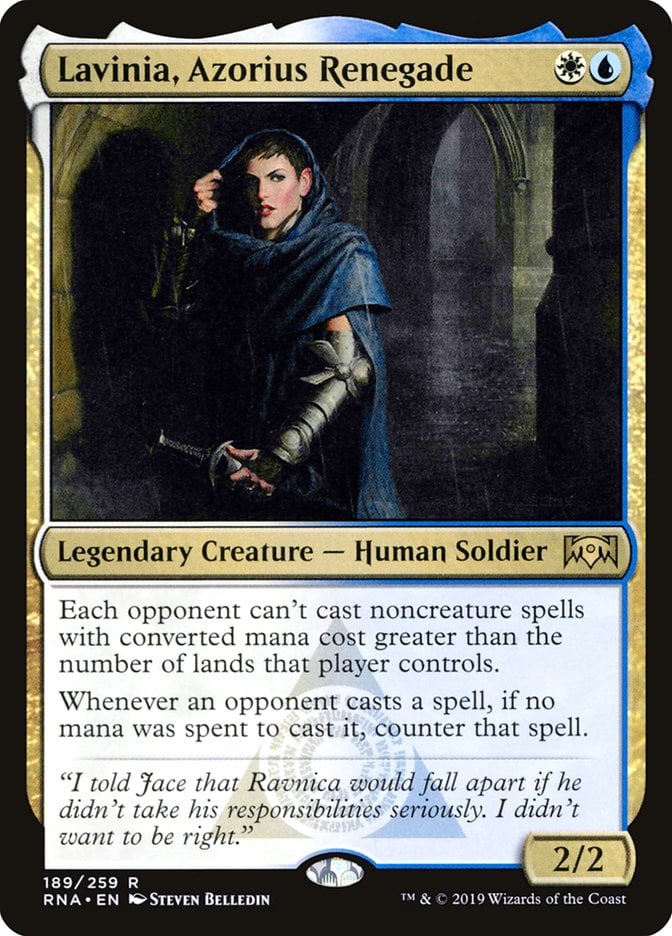
Lavinia, Azorius Renegade does a ton of work at some tables while feeling nonexistent at others. It’s great against players doing unfair things with infinite mana and X-spells, forcing them to play at a fairer rate. It punishes players relying on interaction like Force of Will and Deflecting Swat since they need to pay mana. Lavinia’s not as powerful at lower-powered tables where you won’t encounter these strategies.
#3. Grand Arbiter Augustin IV
Sphere of Resistance in the command zone would be plenty for a stax commander, but Grand Arbiter Augustin IV is also your on-color medallions. This commander messes up a lot of game plans, especially since you can comfortably play Sphere of Resistance and Thorn of Amethyst without as much negative impact since your cards are already cheaper. Despite being in a non-ramp color pair, this is a powerful ramping Azorius commander that produces tons of mana.
#2. Derevi, Empyreal Tactician

Derevi, Empyrial Tactician works with Winter Orb, has a great color combination, and cheats the commander tax. These traits make it a powerful commander before you factor in the ramp potential of tapping and untapping cards like Bloom Tender. This isn’t a super specific stax commander, just an incredible Bant card with excellent colors and synergies with stax pieces.
#1. Winota, Joiner of Forces
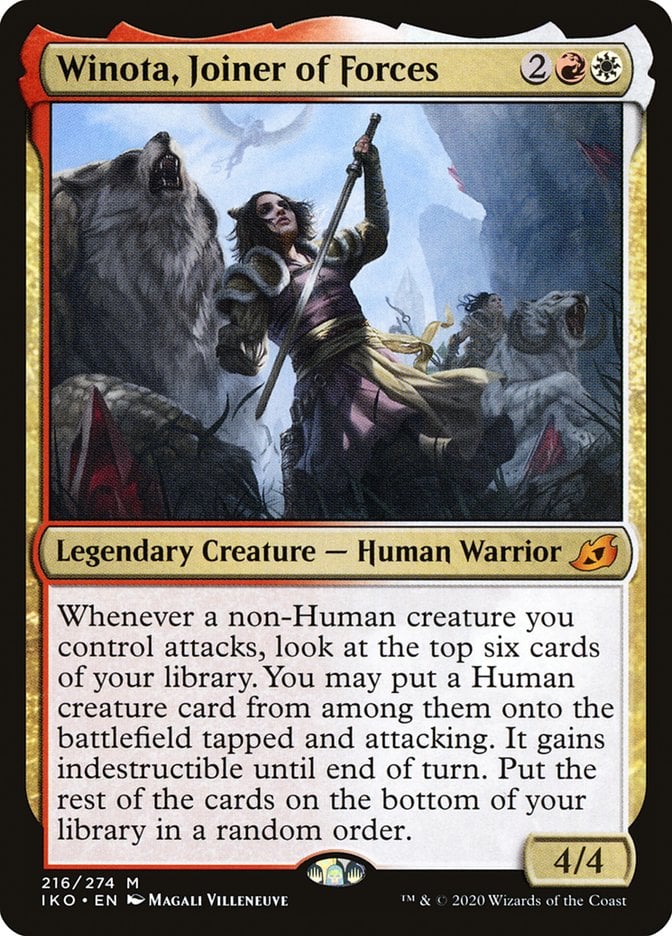
Winota, Joiner of Forces is one of the few commanders that’s just too powerful to build casually. This commander offers insane mana advantages with all the free creatures you get. It’s easy to build this as a stax commander with cards like Drannith Magistrate, all the Thalias, and Magus of the Moon that come into play for free. There are plenty of non-human stax cards to trigger Winota, including Soulless Jailer, Spirit of the Labyrinth, and Hushbringer.
Best Stax Commander Payoffs
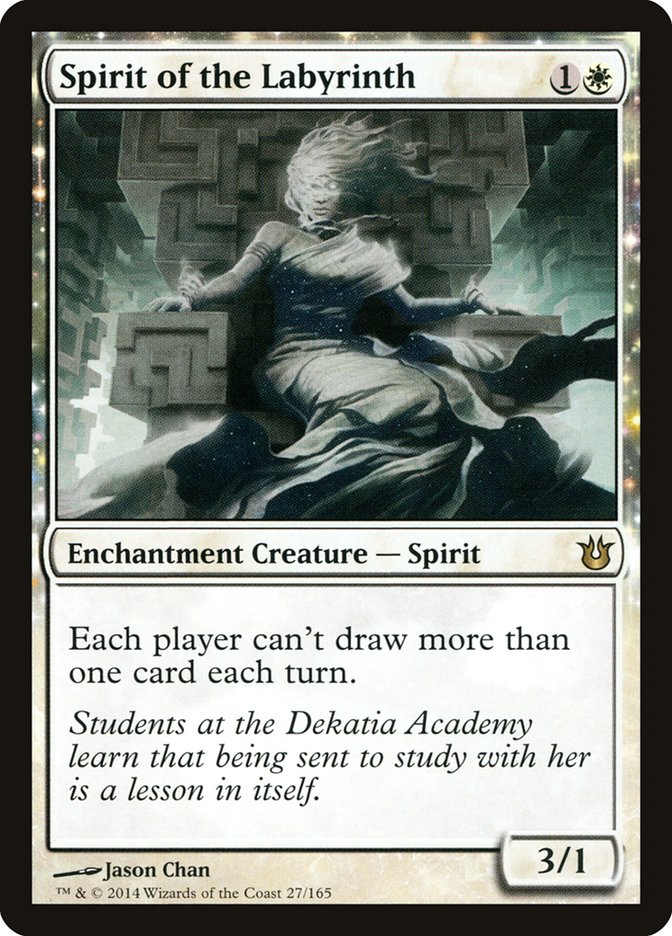
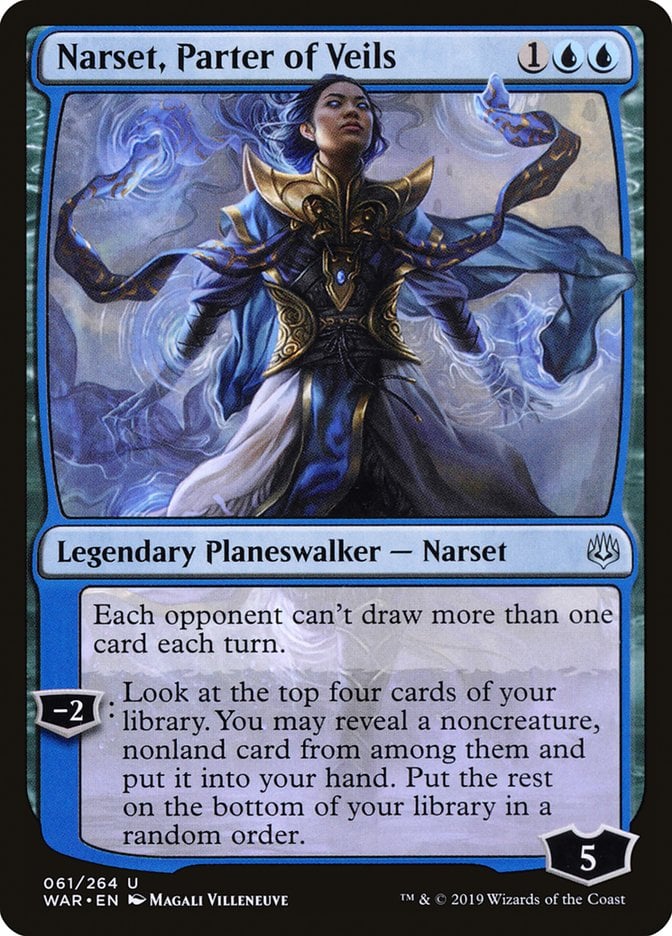
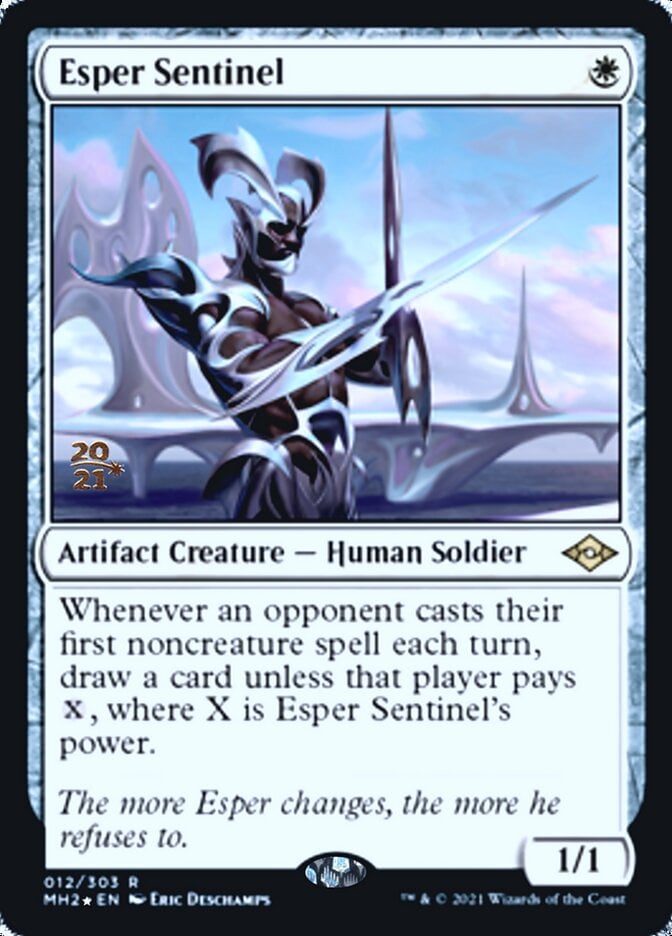
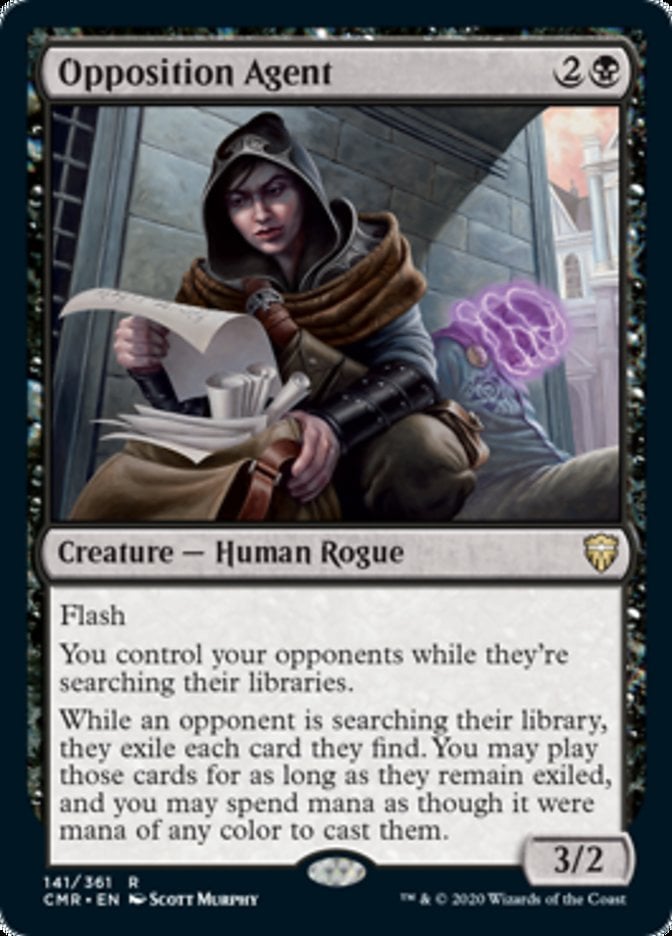
Stax pieces fall under two broad umbrellas: symmetrical and asymmetrical stax pieces. The best example of these two classifications is Spirit of the Labyrinth versus Narset, Parter of Veils. Any of these commanders are happy to load up on asymmetrical stax pieces, like Esper Sentinel and Opposition Agent, but the challenge (and fun) of building a stax deck comes from choosing which symmetrical stax pieces you want to play.
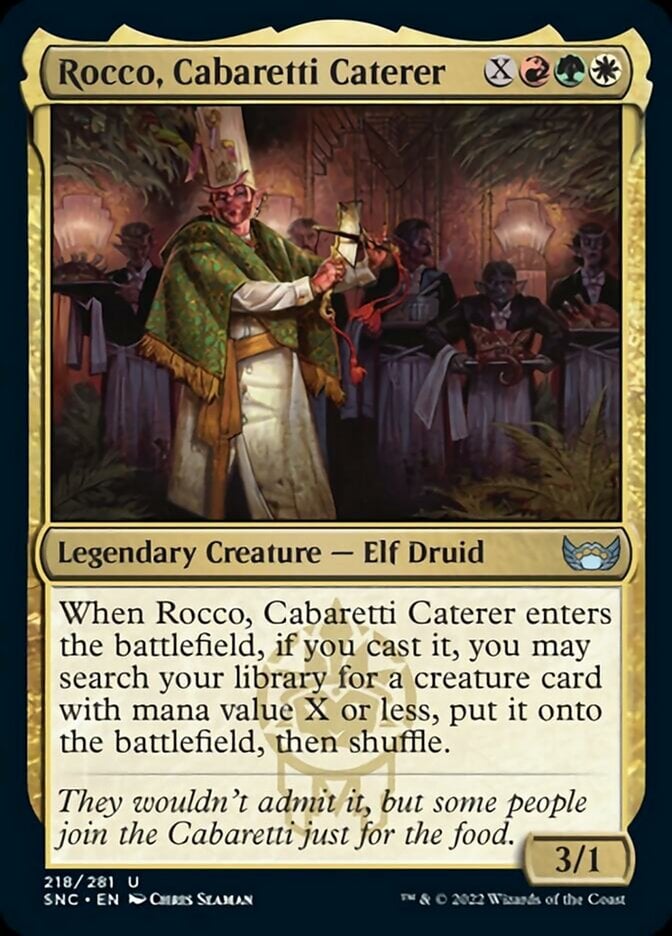
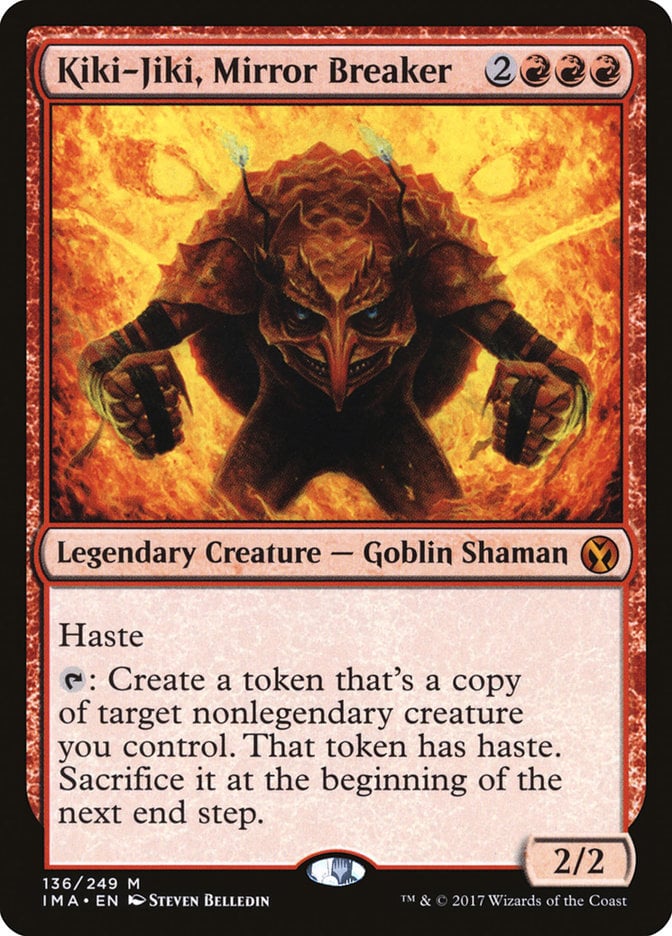
The easiest way to do this is to start with your win condition and work backwards. Let’s say you’re building Rocco, Cabaretti Caterer and your primary win condition is to assemble variations of Kiki Combo. This requires the use of artifacts and ETB triggers.
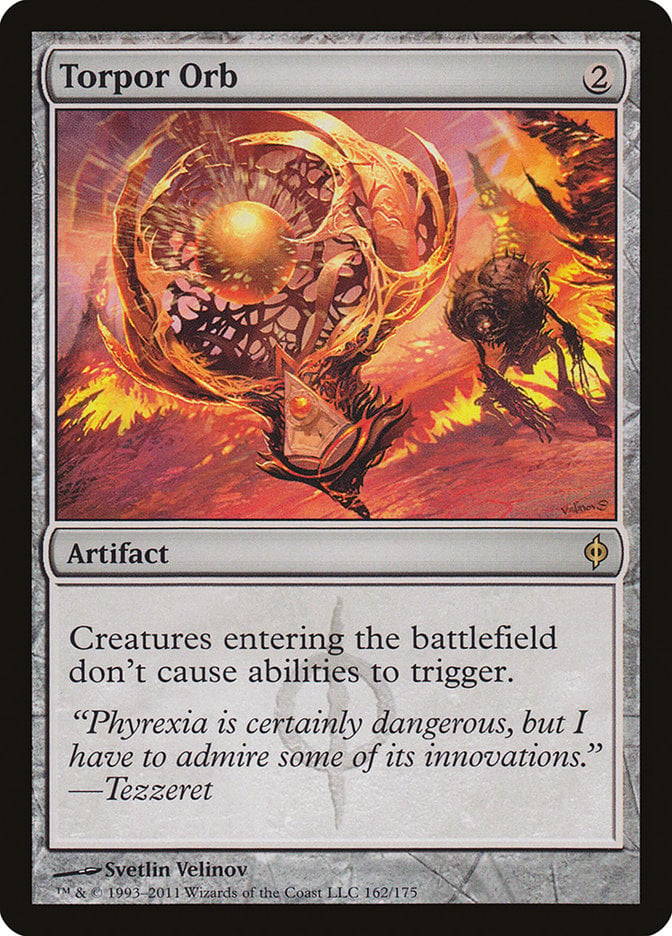
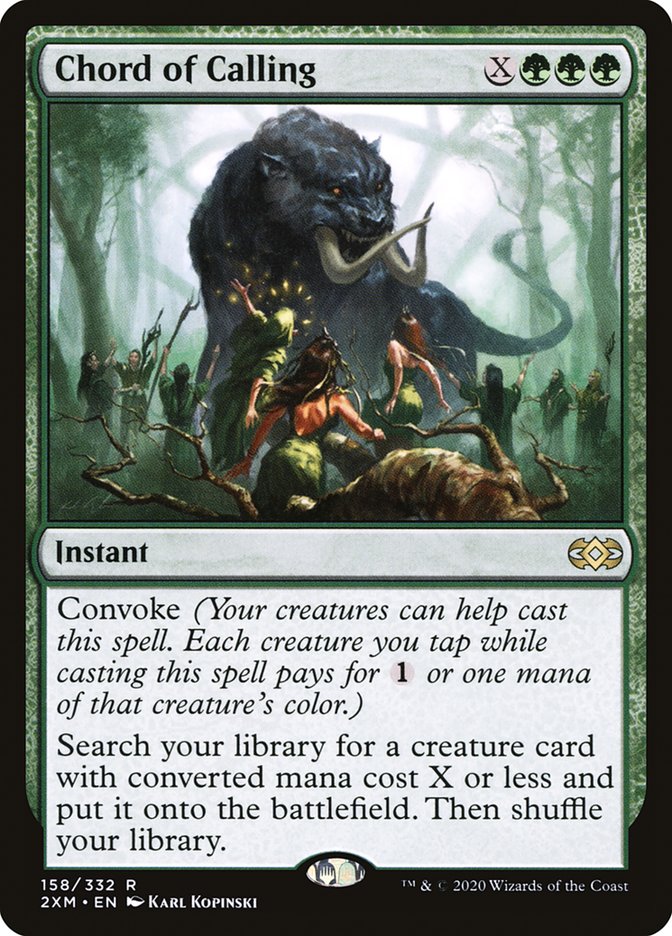
With this in mind, you’ll skip out on any Torpor Orb effects so you never find yourself in a situation where you’re ready to win but locked out by your pieces. Since your commander is Chord of Calling in the command zone, Leonin Arbiter is another no-go.
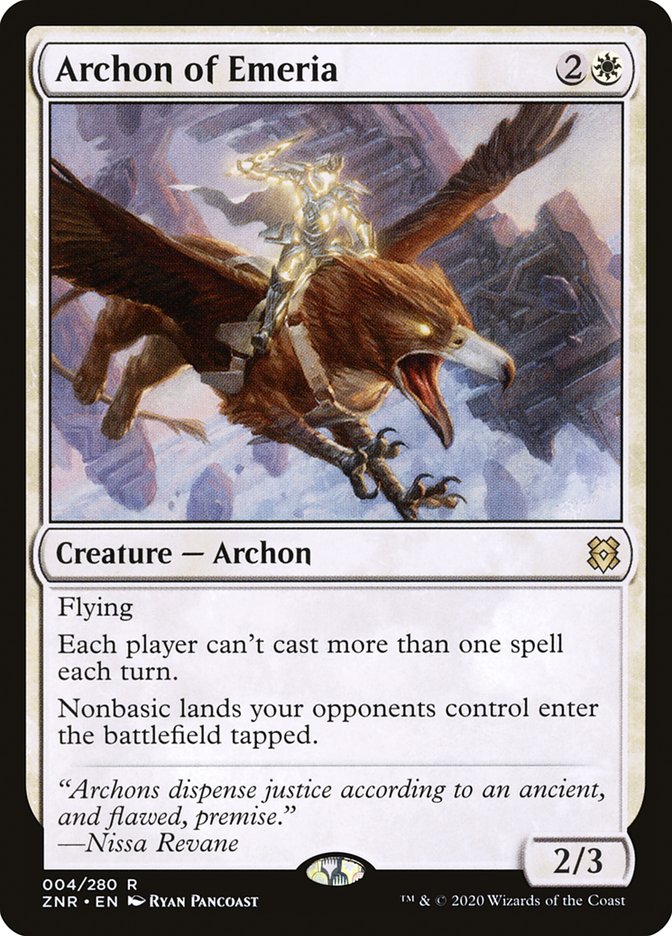
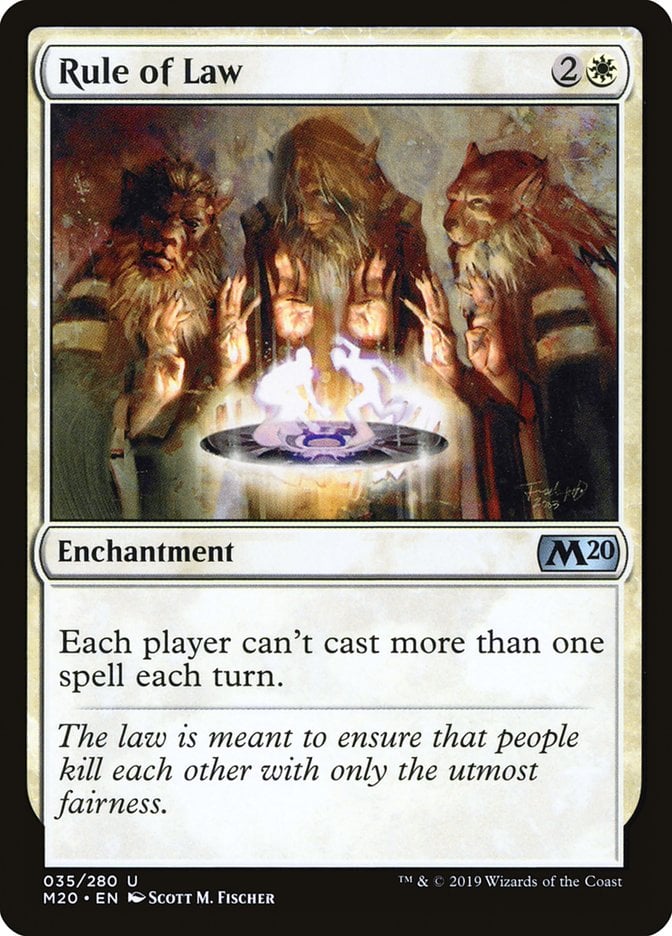
But, since you’ll be doing so much tutoring, you can rely on tutors instead of raw card draw, giving you the opportunity to run Spirit of the Labyrinth effects. You probably won’t need to cast multiple spells in a turn, so Archon of Emeria and other Rule of Law effects can come in.
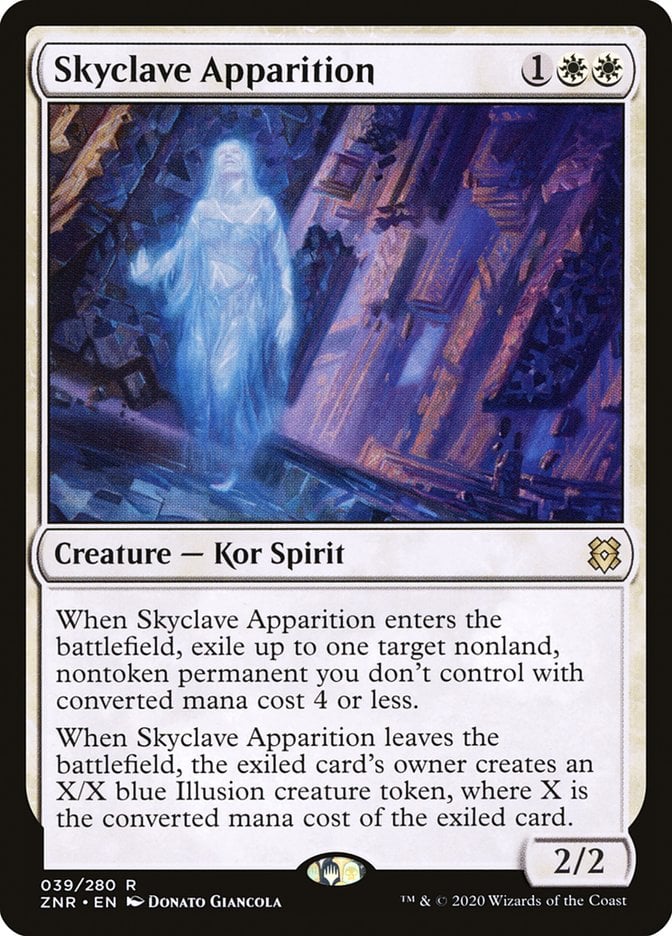
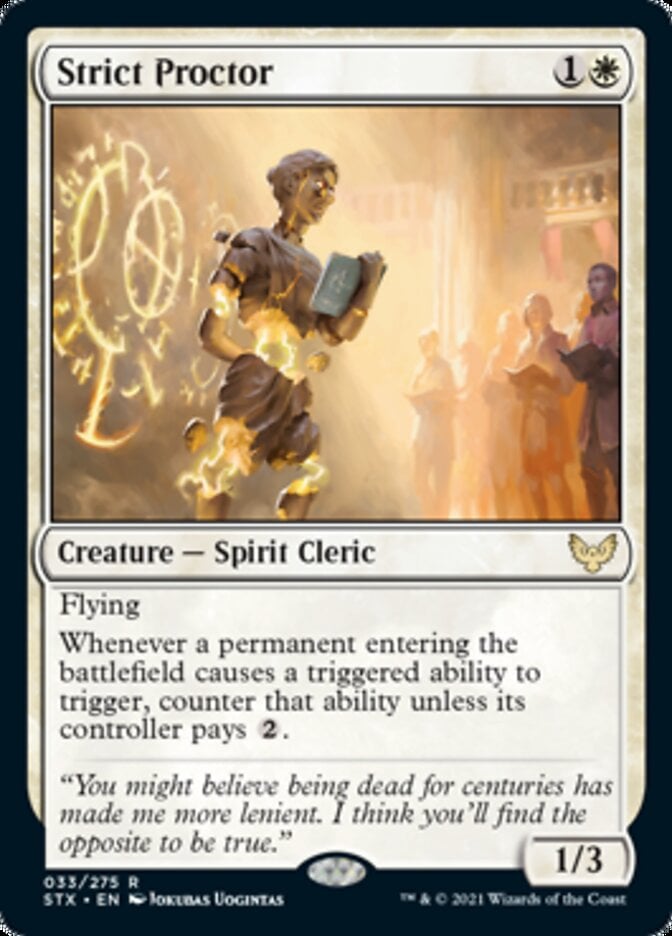
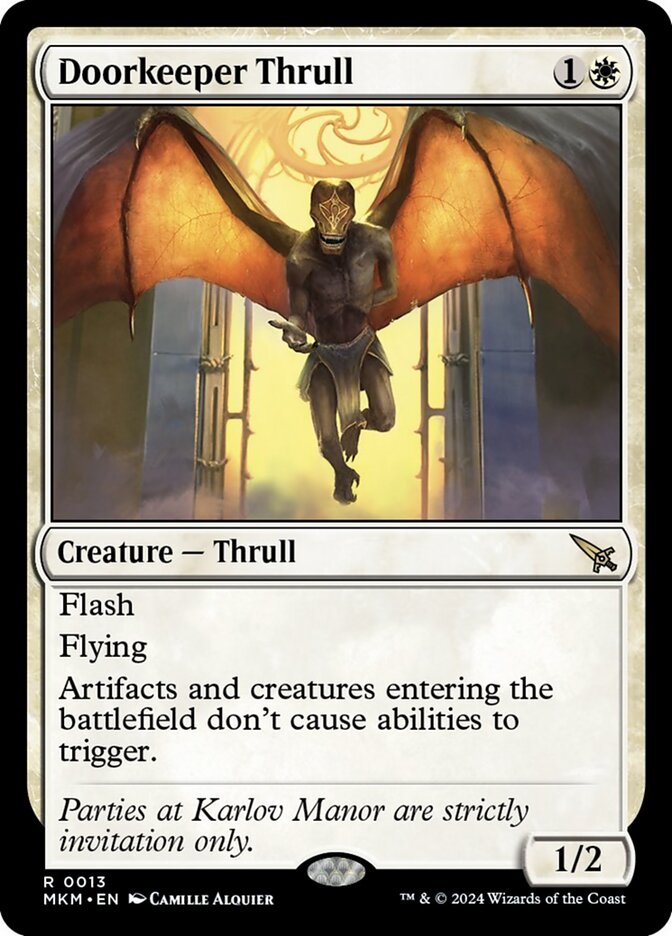
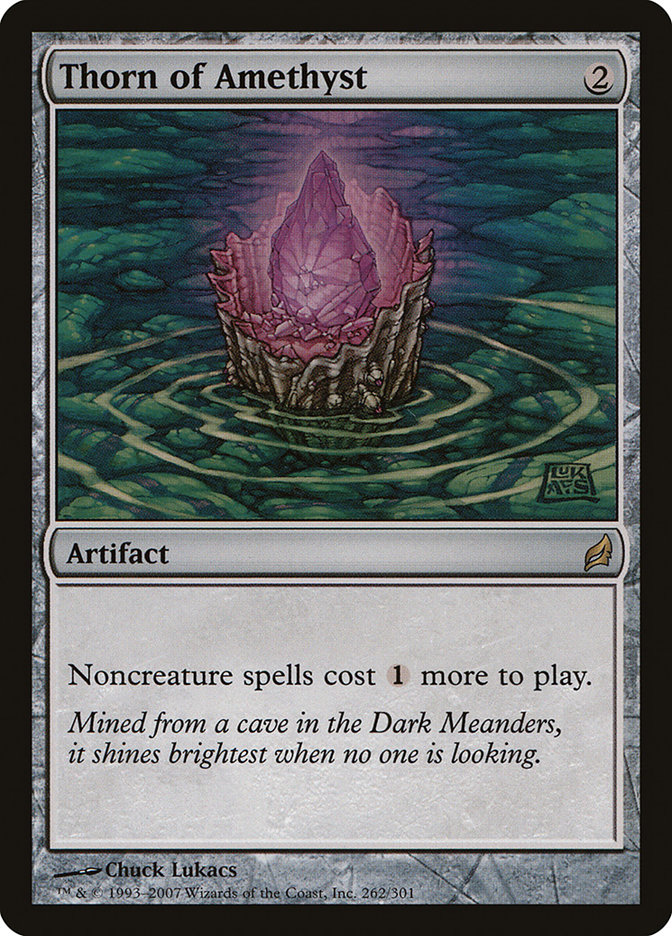
It’s easy to toss a bunch of stax pieces into a deck and discover a ton of anti-synergies, like trying to use Skyclave Apparition‘s excellent white ETB effect for removal in a deck with Torpor Orb, Strict Proctor, and Doorkeeper Thrull. You should consider what you’re interested in playing as a win condition and decide what you’re willing to forgo. You have to make deckbuilding concessions to yourself as a stax player, but your advantage comes from planning to play around effects like Thorn of Amethyst while your opponents get caught off guard.
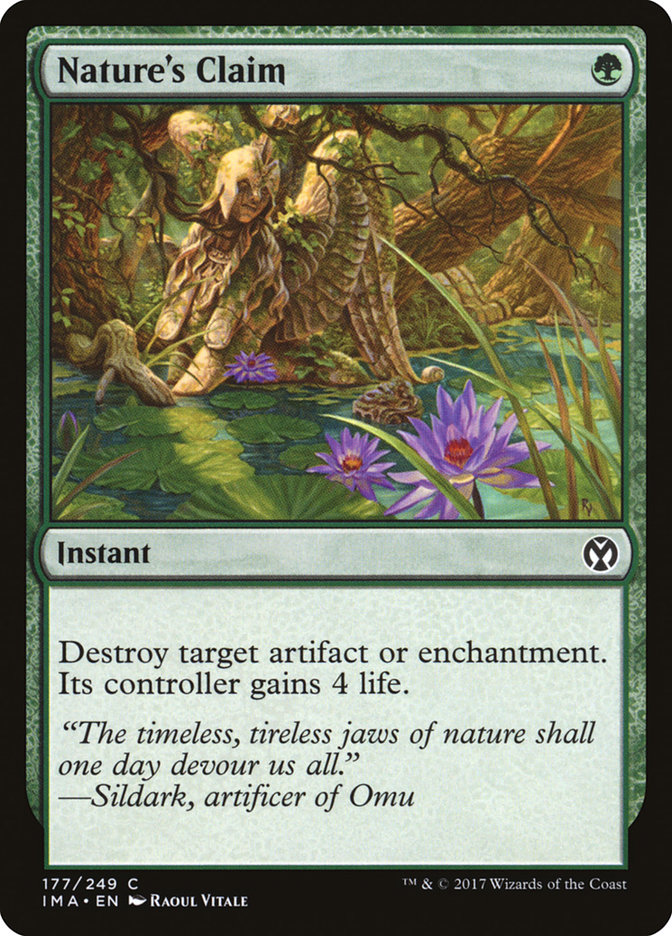
Another important part of playing stax is doing so in a fun, responsible manner. This means having a game plan for your stax pieces so your deck is challenging and fun and not the horrid play experience many players make stax out to be. For example, Winter Orb in your Urza, Lord High Artificer deck is a game plan. The synergy there is obvious: You have access to all your mana while your opponents don’t. Chucking the Orb into a Rocco deck without any way to break the symmetry or any other support slows the game to an unbearable pace until somebody finds their Nature's Claim. It’s not fun, and you’re not likely to win those kinds of games yourself.
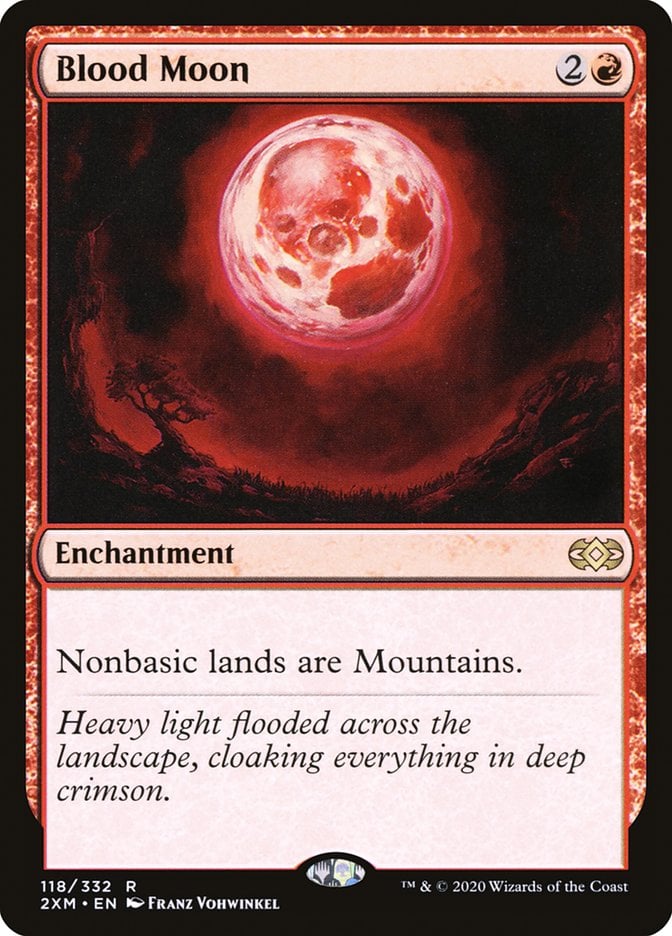

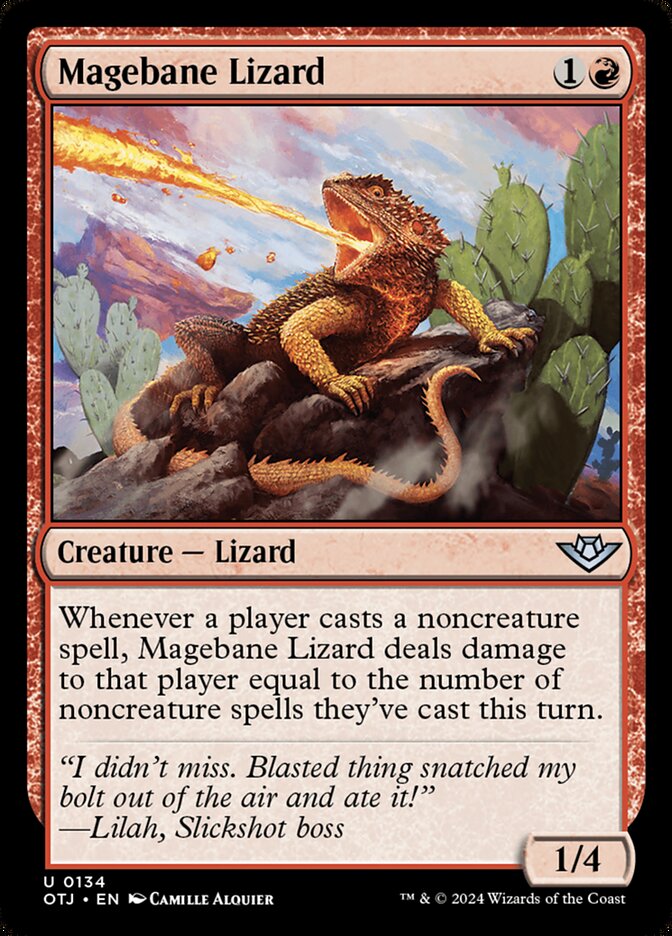
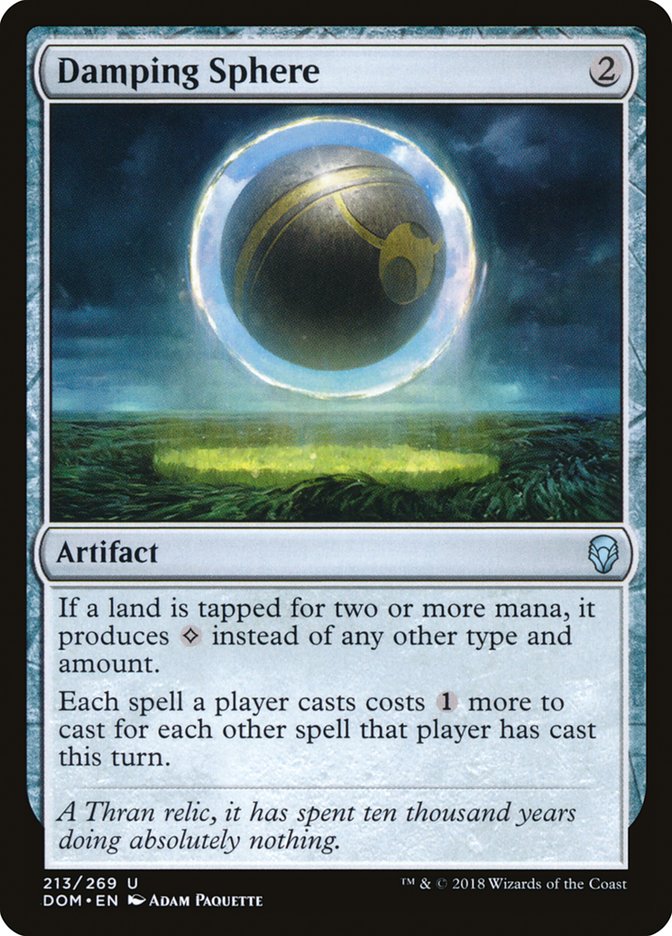
Considering what stax pieces work in your meta is another great way to use them effectively. This works best when you regularly play in a small pod. For example, is everybody on greedy 5-color commanders? Maybe look to slip Blood Moon and Harbinger of the Seas into your deck to punish all those nonbasic lands. Should you always find yourself paired against combo decks that loop spells over and over, look to cards like Magebane Lizard and Damping Sphere to stop them, or at least provide a meaningful road block.

It’s essential to build in redundancy, especially in Commander where you only get one copy of each card. That is why running the full package of Magus of the Moon, Blood Moon, and Zhao, the Moon Slayer is highly recommended for consistency. The same principle applies to cards like Spider-Woman, Stunning Savior and Loxodon Gatekeeper—while they serve a similar purpose, one comes down earlier and the other adds an extra layer of stax. When drawn and sequenced well, they can lock down the board surprisingly fast.
Commanding Conclusion

Yasharn, Implacable Earth | Illustration by G-host Lee
Stax decks have a poor reputation, but I think they’re over-hated. Stax decks often lead to incredibly interactive games of Magic. After all, most stax pieces are interactive; they just interact on a different axis than spot removal or countermagic.
There’s also a ton of variety in the stax decks you can play. They can focus on creatures, enchantments, artifacts, or some combination thereof. Some commanders lend themselves to hyper-specific stax shells, while others extract value from a long game.
Do you like playing stax in Commander? Which of these commanders would you build? Let me know in the comments or on the Draftsim Discord!
Stay safe, and keep locking your opponents down!
Follow Draftsim for awesome articles and set updates:










Add Comment