
Last updated on September 21, 2026

Painful Quandary | Illustration by David Palumbo
Punisher cards present your opponent with a hard decision. But sometimes, the decisions are made easier thanks to the board state, the deck they’re playing, or other factors.
But Commander games are rife with political aspects and decisions, so these cards can have a whole different impact in that format. In today’s MTG where 4-player games are even more popular than 1v1 matches, some punisher cards deserve a second look, as the decisions your opponents make matter a lot.
Today we take a look at the best punisher cards MTG has ever made and consider their impact in different formats. Who knows? Maybe you’ll find a hidden gem to bring more excitement to an otherwise stale game.
What Are Punisher Cards in MTG?

Sin Prodder | Illustration by Jack Wang
Punisher cards offer your opponent a few bad choices, or a choice between something bad for them and something good for you. It’s the philosophy of the lesser of two evils, or pick your poison, if you like. The classic example is Browbeat, a card that forces your opponent to choose between whether they take 5 damage or you draw three cards.
Many mechanics in MTG, like tribute or villainous choice, explore this punisher aspect, and here I’ve chosen the best ones. A small but noteworthy difference is that punisher cards force your opponents to make choices, while in group slug decks, all players suffer without input. I’m considering that key difference between a punisher card (Painful Quandary) and a group slug card (Sulfuric Vortex). Finally, I won’t consider Mercadian Masques-like cards that allow players to pay mana to avoid certain effects or to activate certain abilities. Cards like Rhystic Study or Smothering Tithe aren’t considered punisher cards, more like stax pieces or tax effects.
#32. Acererak the Archlich
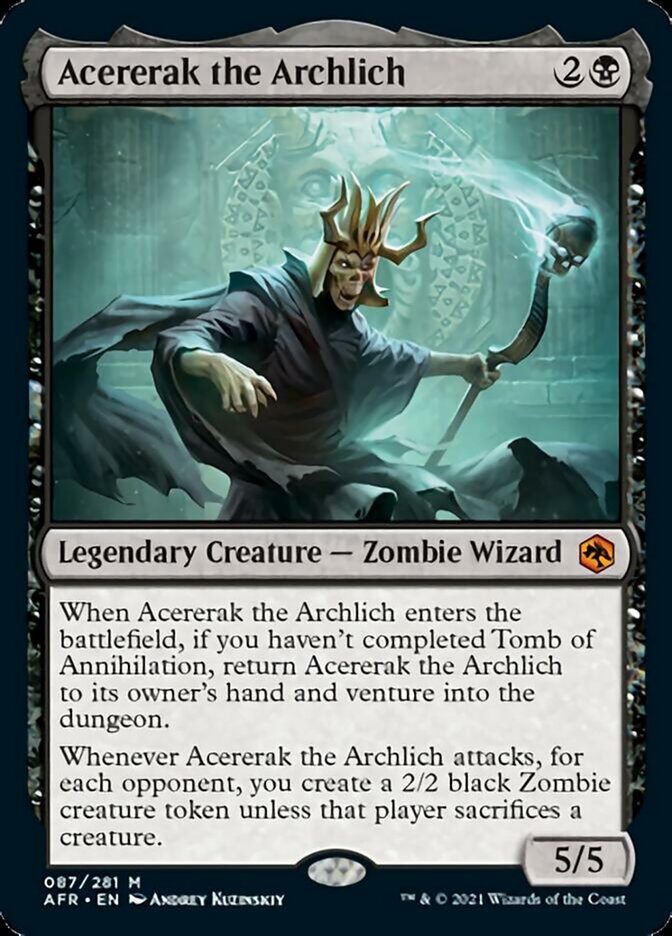
Acererak the Archlich is a very strong 5/5 for 3 mana with an even stronger attack trigger. The thing is, to attack with it, you need to complete a whole dungeon first, and you’ll probably only play this card in dungeon-dedicated decks like Sefris of the Hidden Ways.
#31. Ensnared by the Mara
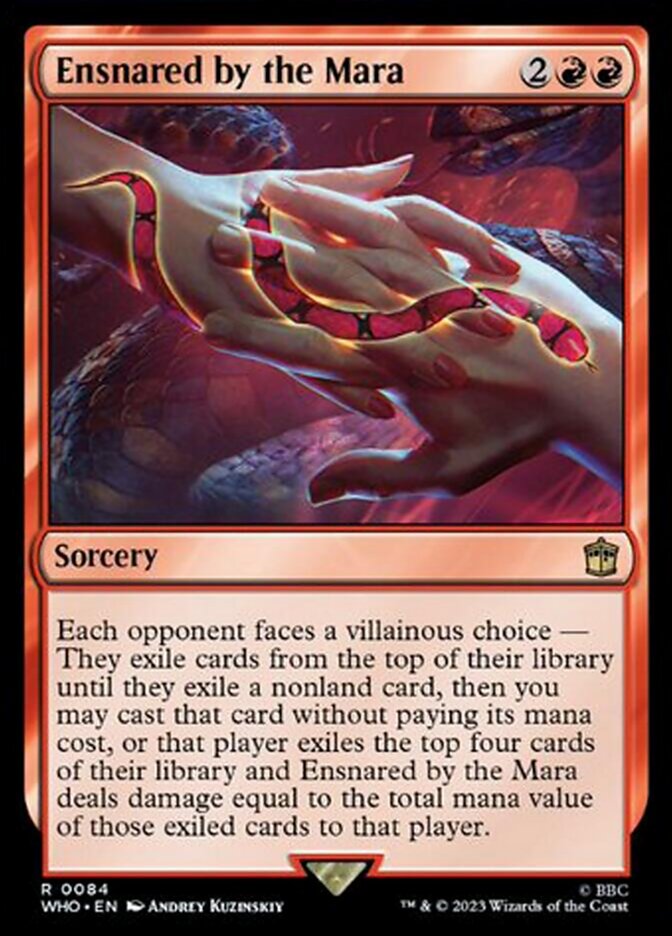
Ensnared by the Mara is very interesting. You’ll either get free spells to cast from the top of your opponents’ libraries or else they take some damage. It’s guaranteed chaos, and you get some value either way. The best aspect of this sorcery is the “push your luck” aspect that all players have to face. Yuriko, the Tiger's Shadow players may have a difficult decision.
#30. Genesis of the Daleks
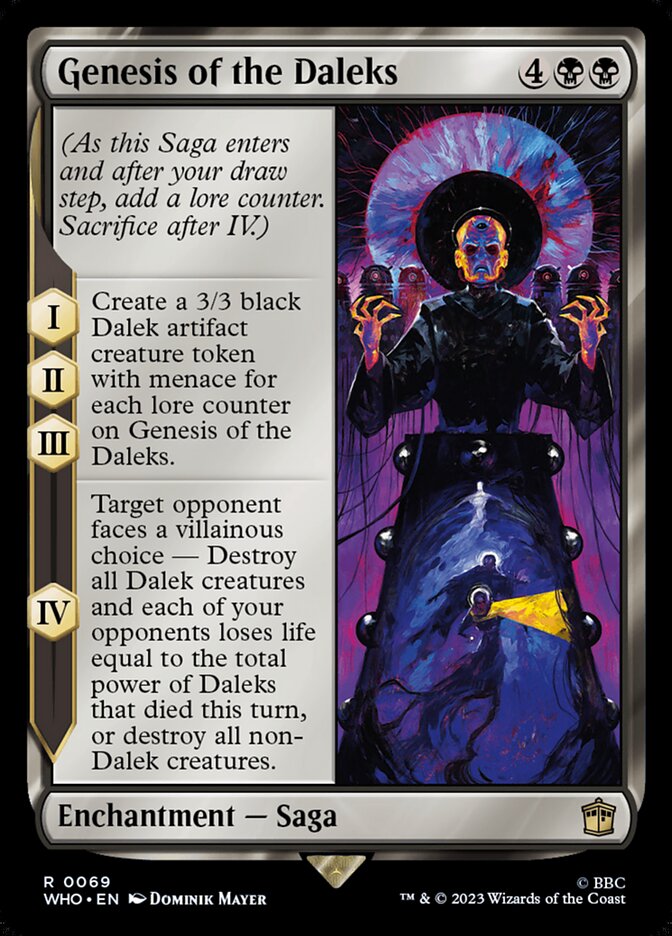
Genesis of the Daleks is a powerful saga; it can be very slow, but you’ll get your fair share of 3/3 tokens. That said, the punisher choice can be cruel if you’re facing six Dalek tokens. You can wipe them, but everybody takes 18 damage. Or sometimes it’ll be easy because someone dealt with the Daleks already. Still, I’d play this card in decks that care about the number of 3/3 artifact creatures being generated.
#29. Hunted by The Family
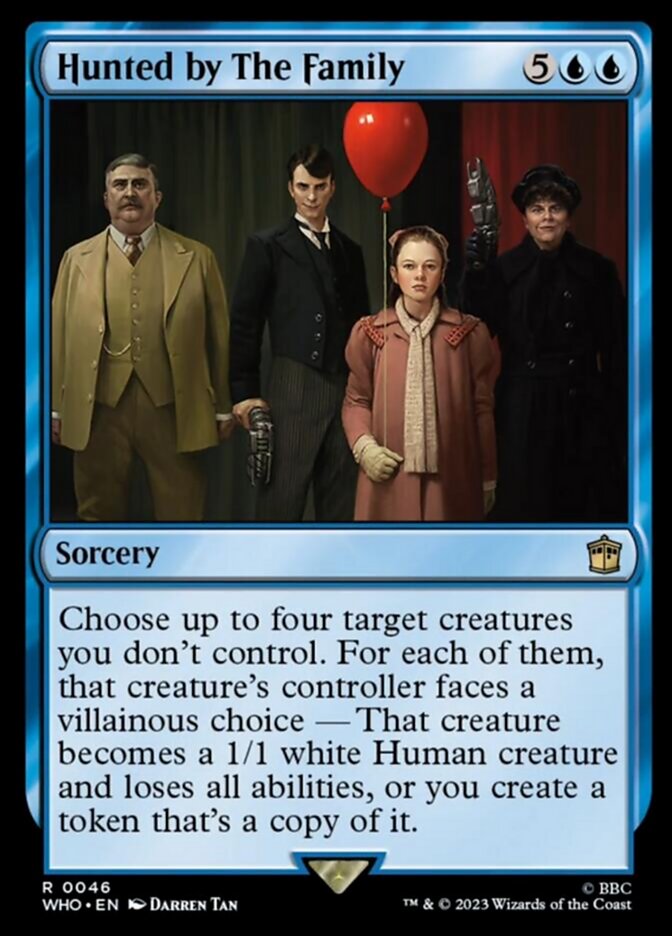
Hunted by The Family is a very tricky way for blue to deal with many creatures. Either you clone all of your opponents’ best stuff, or they’re left with a mere 1/1. It won’t work very well on good ETB creatures, because your opponents will probably choose the 1/1 effect. Or maybe you have some friends at the table that are willing to share their best threats, who knows?
#28. Nessian Wilds Ravager

The only tribute card to make this punisher card list is Nessian Wilds Ravager. This design is very simple, as your opponent chooses to give you a 12/12 or a 6/6 that fights, so they’ll presumably lose a mid-sized creature. This card is played in hydra EDH decks, as there’s good support for the creature type, or in green decks that care about big creatures that enter play and stomp. And if you have a commander who cares about power, your opponents will be much less inclined to pay the tribute.
#27. Browbeat

Browbeat can be a nice draw engine in red decks that allow you to double the amount of damage dealt to a player or increase it in some way. The thing is, in a 1v1 game, it’s easier to pay 5 life, and the drawback of dealing with three more cards is real, especially considering that burn decks deal more than 5 damage with three cards, on average.
#26. Risk Factor
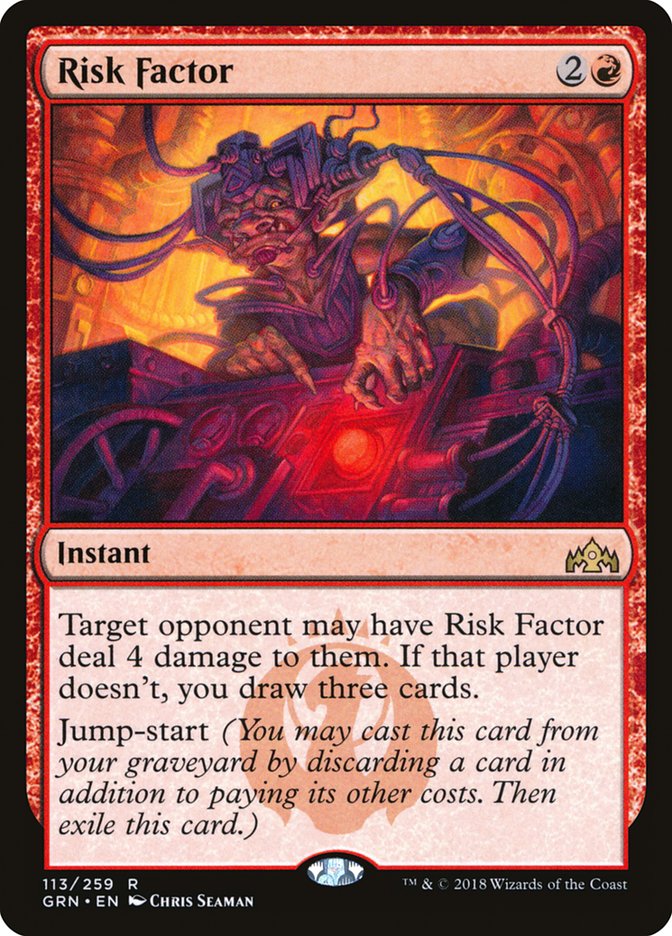
Unlike Browbeat, Risk Factor ended up seeing some real play in formats like Standard and Pioneer. The combination of instant speed, and more importantly, jump-start, allows this card to be a much more effective punisher. Taking 4 damage once is a thing, but twice is much harder.
#25. Dash Hopes
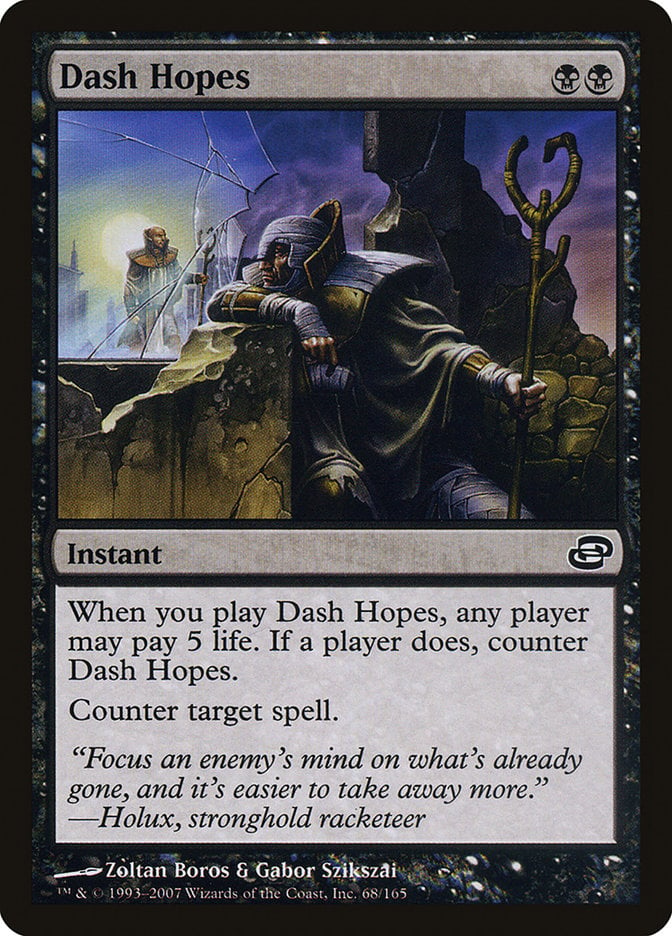
As one of black’s few and true counterspells, Dash Hopes is interesting. But many players would pay the 5 life in a pinch just to see their spell resolve. This card could be playable if there were a black tempo deck that uses it to stay ahead, considering that opponents would be in danger if paying that much life. In EDH it’s even easier to pay the 5.
#24. Temporal Extortion
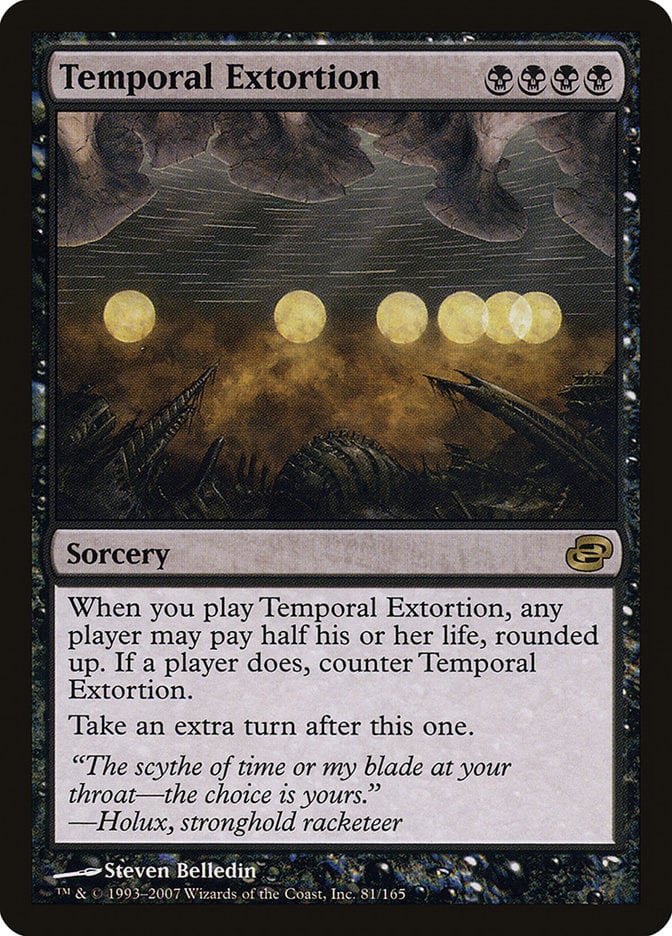
Speaking of blue effects that aren’t really available to black mages, Temporal Extortion lets you Time Warp unless a player loses half their life. It’s a very effective spell on turns 4-5 when players are loaded with life. I’d add this card if I’m building towards combos that rely on Bloodletter of Aclazotz, Astarion, the Decadent, or Alpharael, Stonechosen.
#23. Ob Nixilis, the Adversary
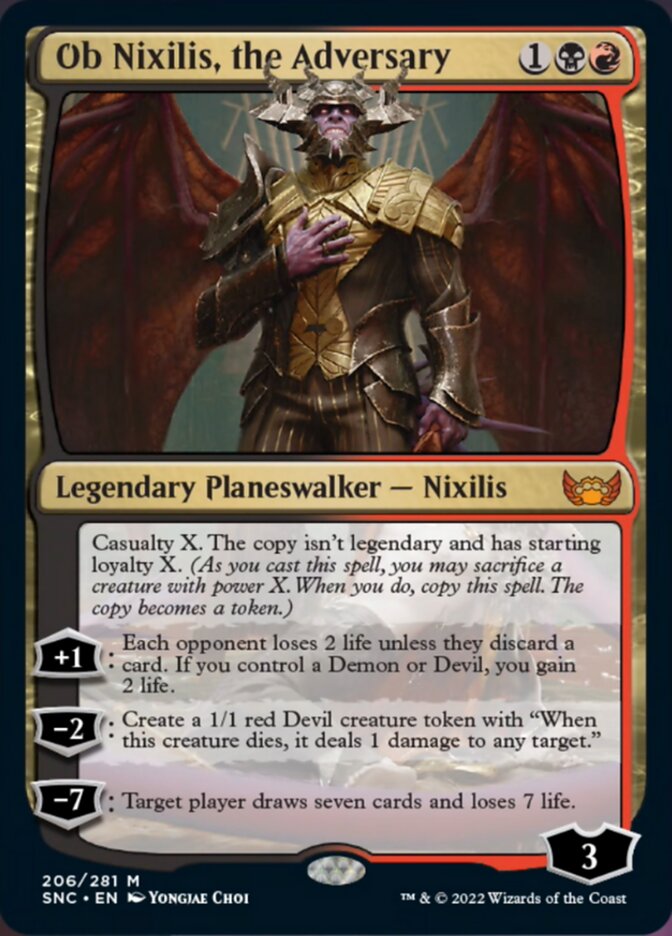
A punisher planeswalker, if you will, Ob Nixilis, the Adversary ranges from useless to broken very quickly in different scenarios. Its casualty effect is very effective, because they can take 2 damage every turn, but 4 is another matter. Or you can make a 1/1 with a copy and make your opponents discard/drain with the other one. As with many punisher effects, the more you subject your opponents to it, the fewer options they really have.
#22. Painful Quandary
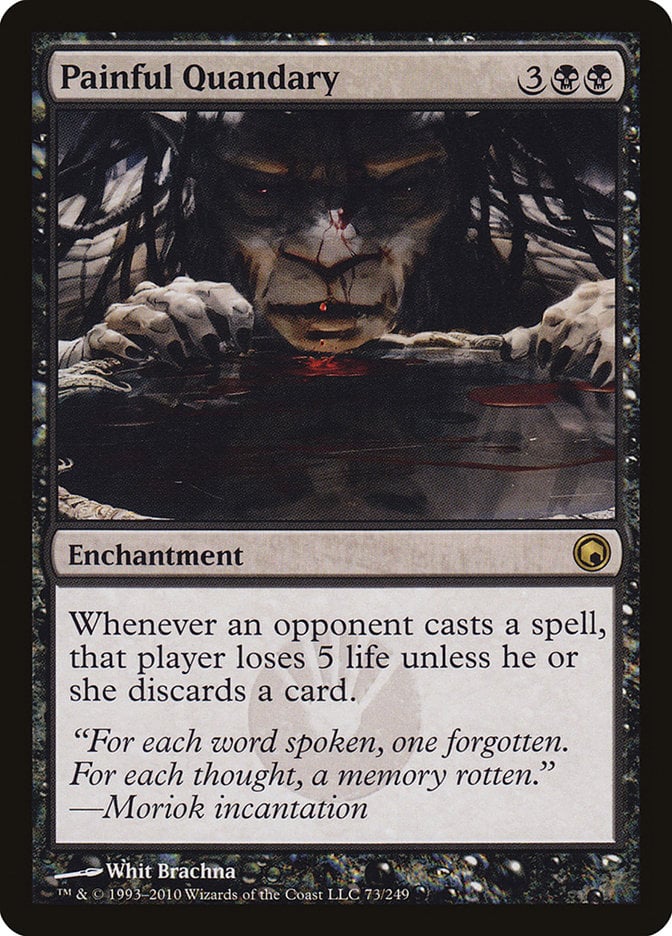
Painful Quandary is very painful indeed, as the choice between whether you lose 5 life and discard an extra card each time you cast a spell feels miserable. This is an enchantment that begs for removal, especially if you’re into spellslinging. Unlike other similar punisher cards, you can’t choose to discard if you’re empty-handed.
#21. Breaking Point

One of the few true wrath effects available to red mages, Breaking Point can destroy all creatures in play. That is, unless a player pays 6 life. I’ve seen this card in some decklists that play indestructible red commanders or commanders that can double (or triple) the amount of damage dealt. It often isn’t recommended to pay 12 or 18 damage to counter a wrath spell.
#20. Indulgent Tormentor
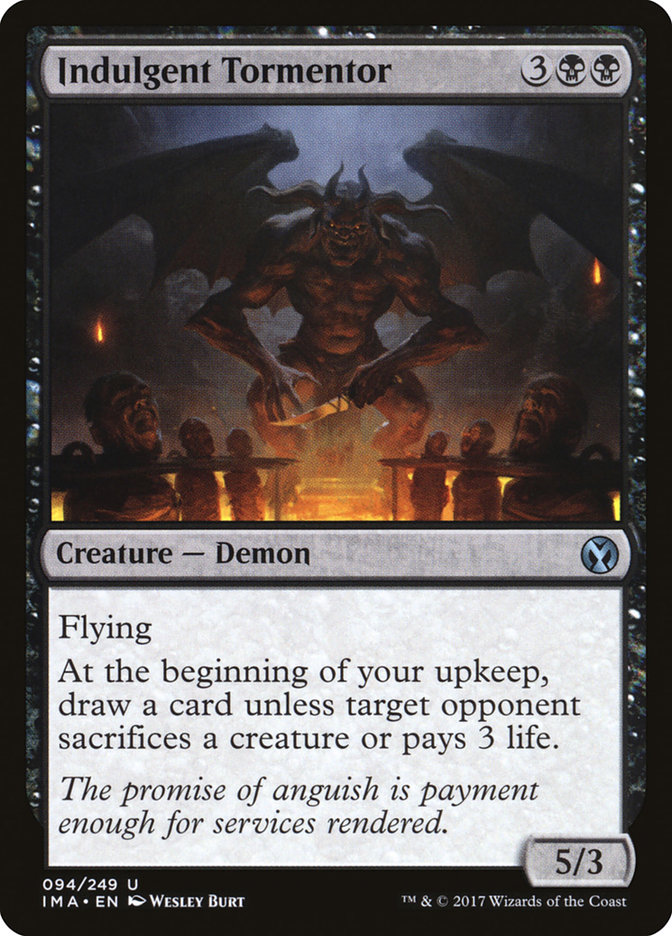
What I like most about this card is that, aside from its low toughness, Indulgent Tormentor is all upside, so this demon punishes your opponents heavily. You’re guaranteed to draw a card on your upkeep unless they lose something. Sometimes demon decks need to spread their threats along the curve, so this card is a good filler at mana value 5.
#19. Dr. Eggman

Dr. Eggman is a large flier that always draws a card at your end step. If that wasn’t enough, you force your opponents to either discard, or else you cheat a card onto the battlefield. Even if you’re empty-handed, the card you drew might very well be a cheatable artifact. The sweet spot for this punisher mechanic is when you have a few cards in hand and your opponents have one or two very good ones. The main problem with Sonic’s nemesis is when neither you nor your opponents have cards in hand; you can’t cheat anything in empty-handed, and your opponents should always choose to discard to make Eggman’s ability less impactful.
#18. Combustible Gearhulk
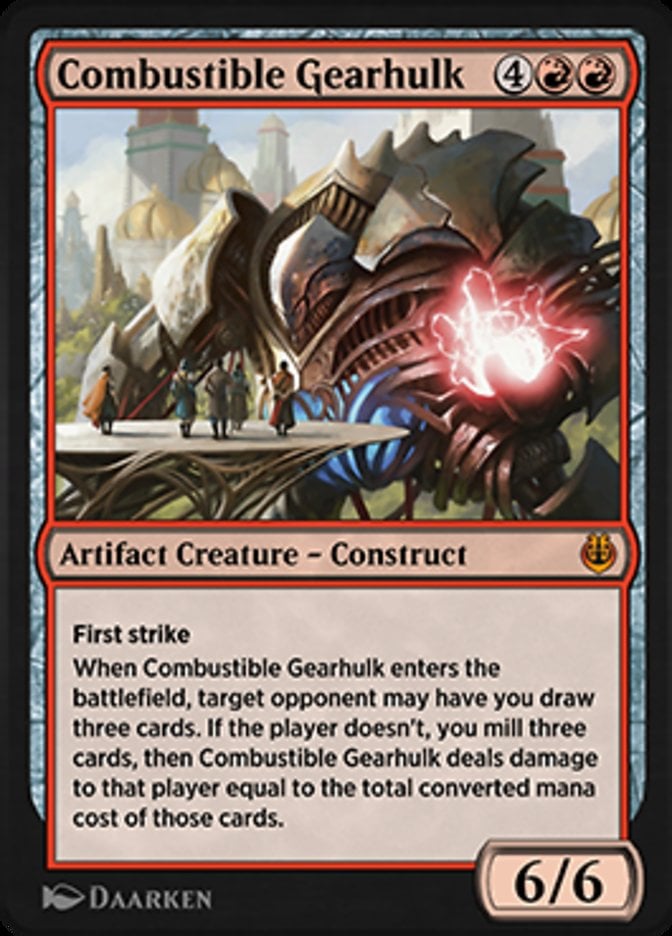
In the case of Combustible Gearhulk, the punisher mechanic is attached to an already solid 6/6 first striker, and you can draw extra cards or deal extra damage to an opponent. Sometimes it can whiff and you end up milling some lands or 1-mana spells, but will your opponent really risk it if they’re at 10 life or less?
#17. Sycorax Commander

Sycorax Commander is already a fine playable as a 4/2 haste and first strike creature for 4 mana. When it enters, each opponent has to either discard their hand and draw that many minus one or take a huge hit. It’s damage or discard, so this card often sees play alongside wheel commanders or “discard-matters” commanders.
#16. Clackbridge Troll
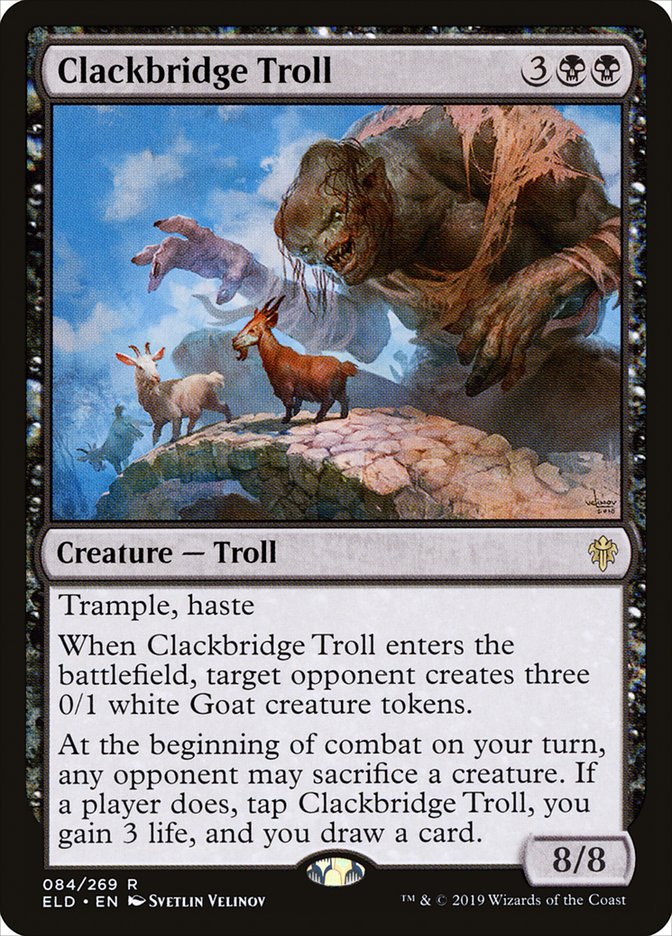
Clackbridge Troll pushes the boundaries as an 8/8 creature with trample and haste, but the punisher aspect allows your opponents to sacrifice a creature to tap the troll and give you 3 life and a card. It saw some play in Standard against decks with few creatures, but it’s got a few interesting applications in EDH where you can give the tokens to one player and attack another. You can also play this card in decks where you can profit from the creatures that are sacrificed with cards like Mayhem Devil and Blood Artist.
#15. Sin Prodder
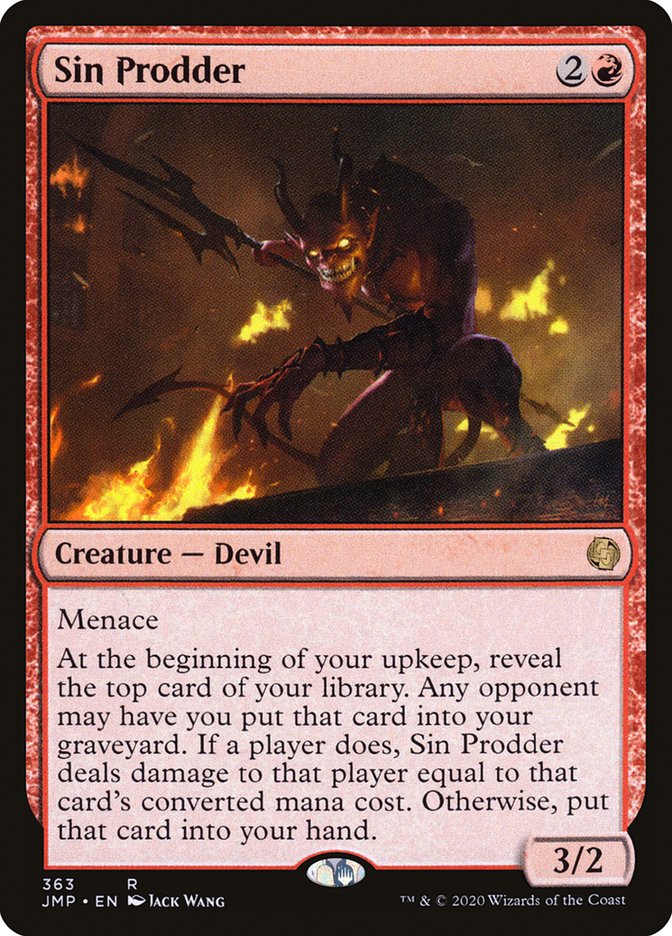
Sin Prodder is an interesting little devil with menace that lets you reveal the top card of your library each turn. Your opponents then have to choose between whether to take damage to make you put it into your graveyard or put the card into your hand. It has a few problems in 1v1 play, namely that it dies to removal and that it’s really easy to manipulate the punisher mechanic. It’s a different beast in EDH, however, as players won’t be so keen to take one for the team, and mana values in the format are generally higher. It’s easier to draw that 7-mana demon than to have a player take 7 damage and prevent you from drawing it.
#14. Indoraptor, the Perfect Hybrid
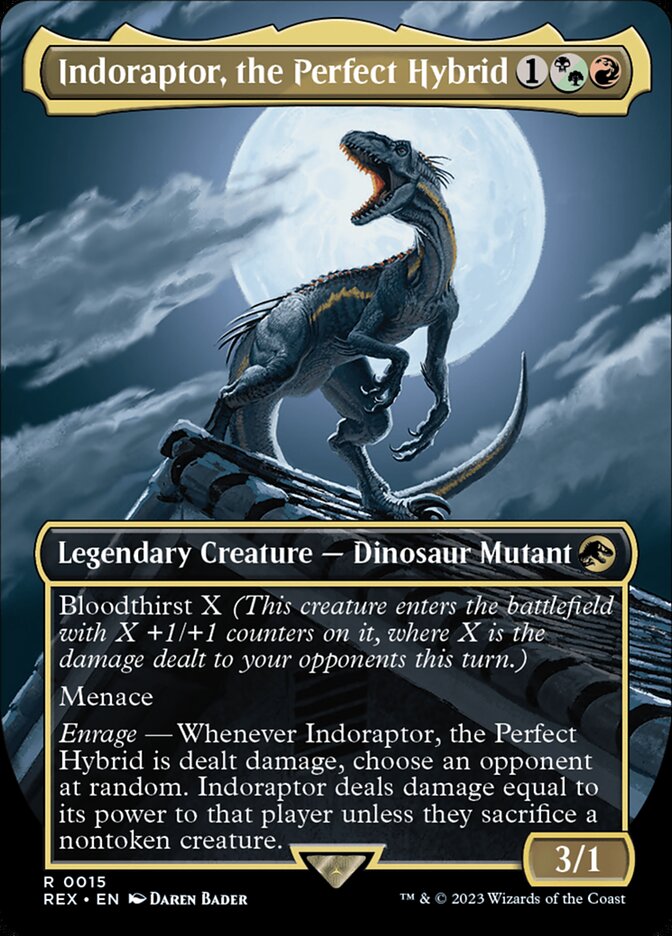
Indoraptor, the Perfect Hybrid has a slightly improved punisher aspect that forces your opponent to sacrifice nontoken creatures, so at least you get a real card from this exchange. Indoraptor can be a very big creature for its mana cost, so you’ll usually threaten to deal 5+ damage if they don’t sac a creature.
#13. Meathook Massacre II

In true sequel fashion, Meathook Massacre II isn’t on pair with the original but it still holds some horror. Potentially stealing opposing creatures, even temporarily, gives you a serious edge. Your opponents will almost always be better suited paying life. Attaching a mass edict to the card that punishes your opponents for creatures dying makes this card impactful the moment it enters.
#12. Shakedown Heavy
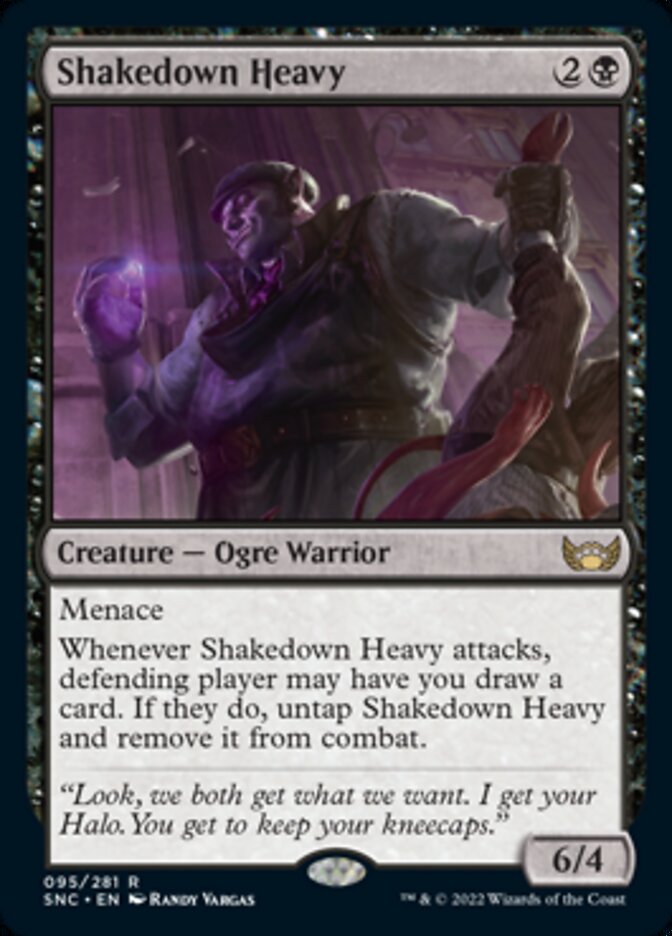
Shakedown Heavy saw some Standard play because it’s an effective beater and has synergies with Fight Rigging. That said, we’re looking at a 6/4 menace creature for 3 mana that sometimes gets in and sometimes draws you cards. Some black and green EDH cards care about having high power on the battlefield, and this card is a huge bump to that, too.
#11. Vexing Devil
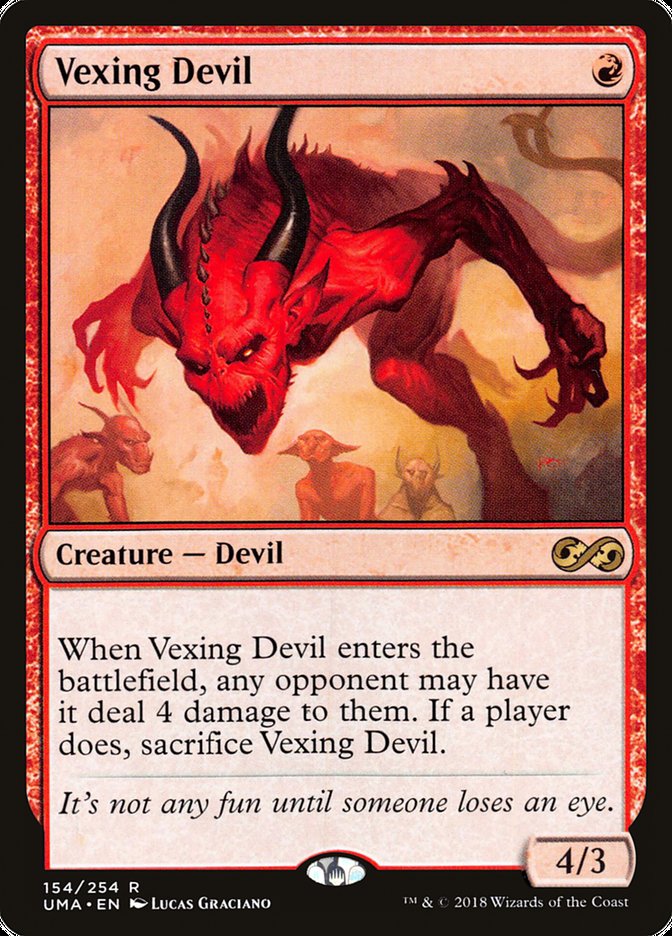
Vexing Devil was heavily played in 60-card formats as a cross between a 4-damage burn spell and a 4/3 for just 1 mana. It’s bad when your opponent has a 1-mana removal spell to answer it, like Lightning Bolt or Fatal Push. Other than that, they’re taking at least 4 damage, which fits red burn decks well.
#10. Desecration Demon
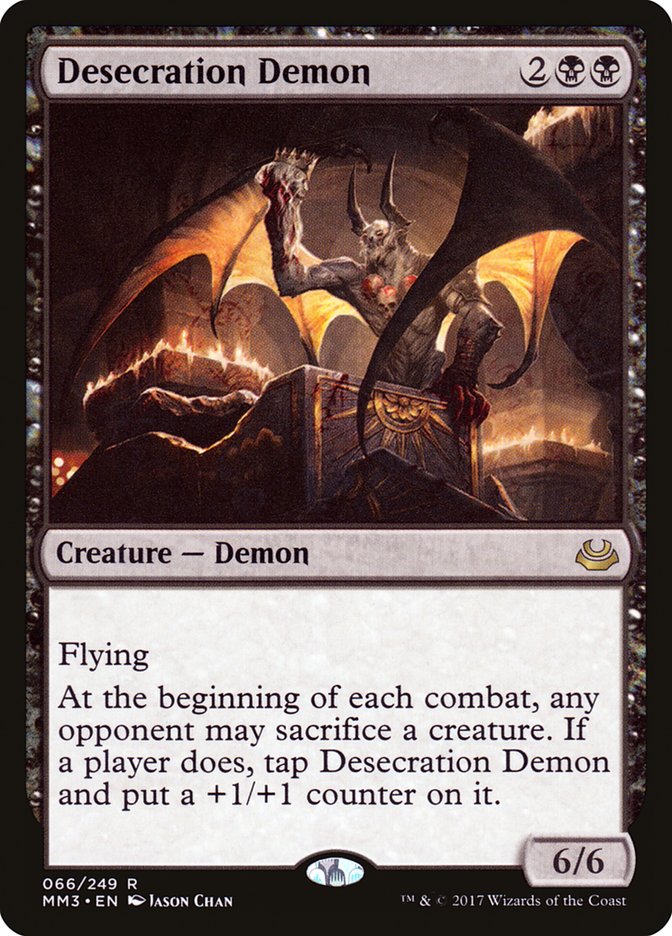
A Standard competitive menace 10+ years ago, Desecration Demon is a large 6/6 flier for just 4 mana, but with a caveat. Your opponent chooses whether they take a hit from the demon, or sacrifice a creature and avoid damage. It’s a big flier that you can’t use freely to attack, and your opponent can chump block or stall until they have removal. But sometimes just having the demon in play is a strong resource advantage engine, and it gets better in multiples.
#9. Rottenmouth Viper

Rottenmouth Viper is both a sacrifice enabler and a payoff, as having a 6/6 early in the game pays off. What’s more, if you keep attacking and piling blight counters onto it, your opponents will make tougher choices each turn. It’s a kind of Torment of Hailfire on legs, and it brings the pain the more it stays in play.
#8. Court of Ambition
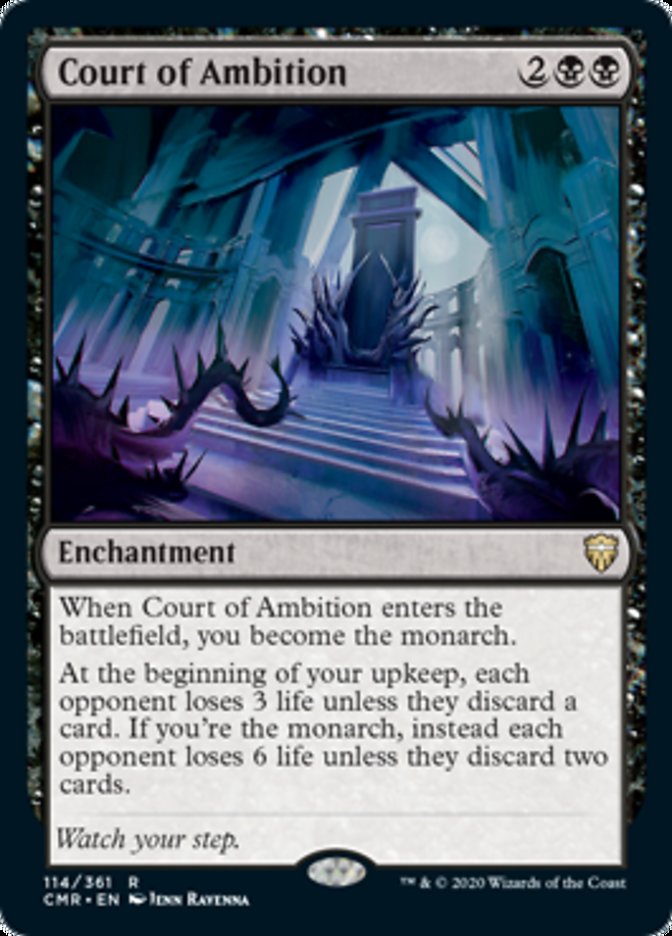
Court of Ambition is arguably the best court card in MTG, and one of the best monarch cards. It’s heavily played in EDH decks that can mess with the upkeep phase, and that ability to make everybody choose between 3 life and a card or 6 life and two cards is a heavy punishment. This card goes really well with commanders that capitalize on life loss or discard triggers.
#7. Davros, Dalek Creator
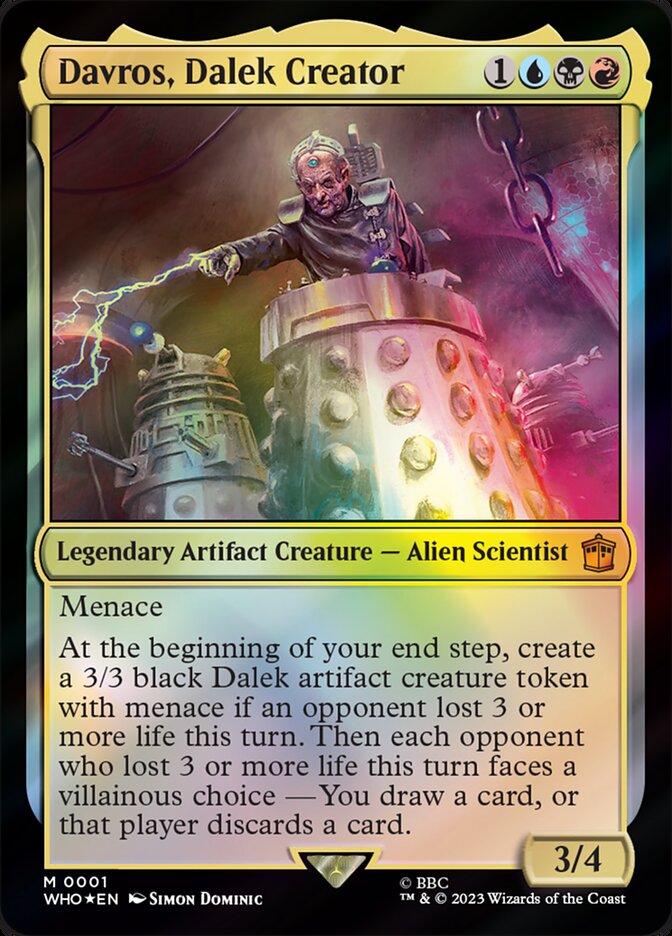
Davros, Dalek Creator makes each player that took 3 or more damage on your turn face a villainous choice: Either you draw, or they discard. As always, it’s up to your opponents, but the prospect of drawing three cards a turn isn’t bad, nor is drawing one while two of your opponents discard one. You just need to set up some engines that cause your opponents to lose life, either with burn effects or attacks with your 3/3 menacing Daleks.
#6. Disorienting Choice

You might have missed Disorienting Choice in Duskmourn as it was tucked in the precons. It’s an oddity that basically lets your opponents choose between exiling an artifact or enchantment of your choice or putting lands into play. This isn’t restricted to basic lands, so it can tutor value lands like Dark Depths and Glacial Chasm straight into play.
#5. Tergrid, God of Fright / Tergrid’s Lantern
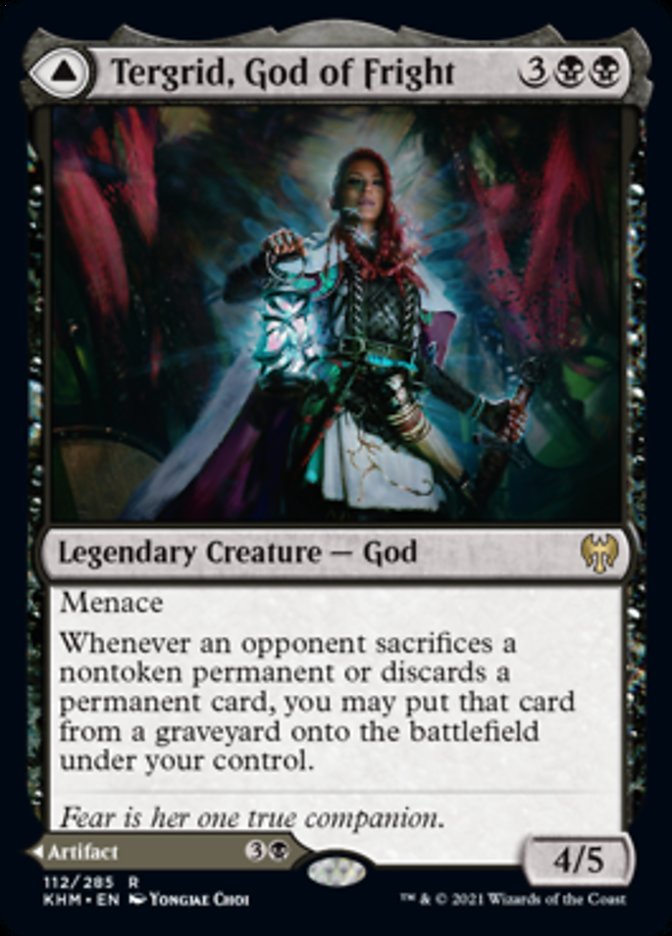
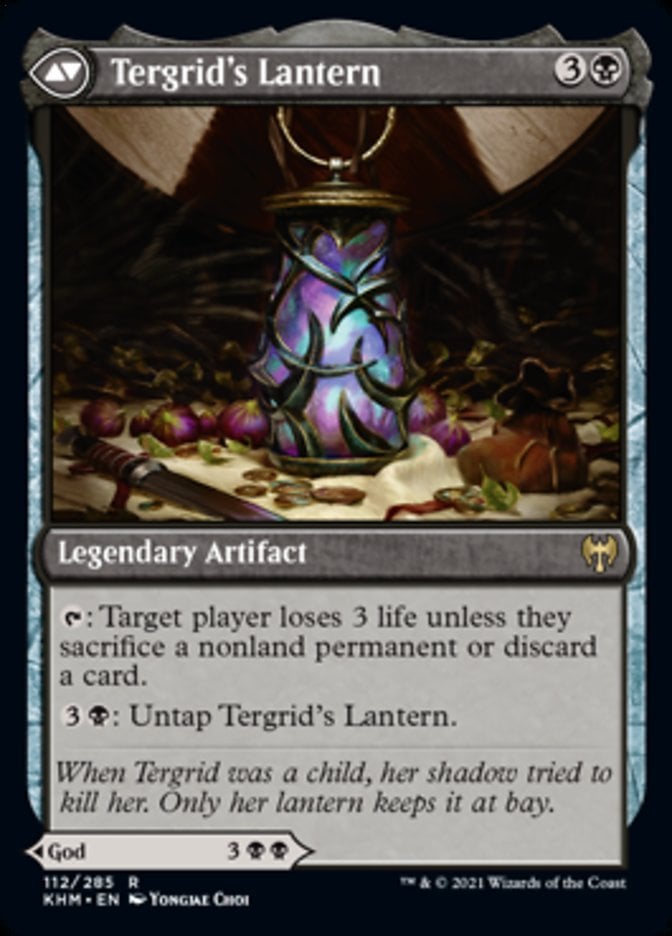
Tergrid's Lantern, the less played version of this card, is a real punisher card that offers your opponent a repeatable bad choice. And you can keep doing it by paying 4 mana! These black punisher decisions are very strong when used repeatedly, and suddenly everyone’s out of sacrifice fodder, cards, and life.
#4. Charismatic Conqueror
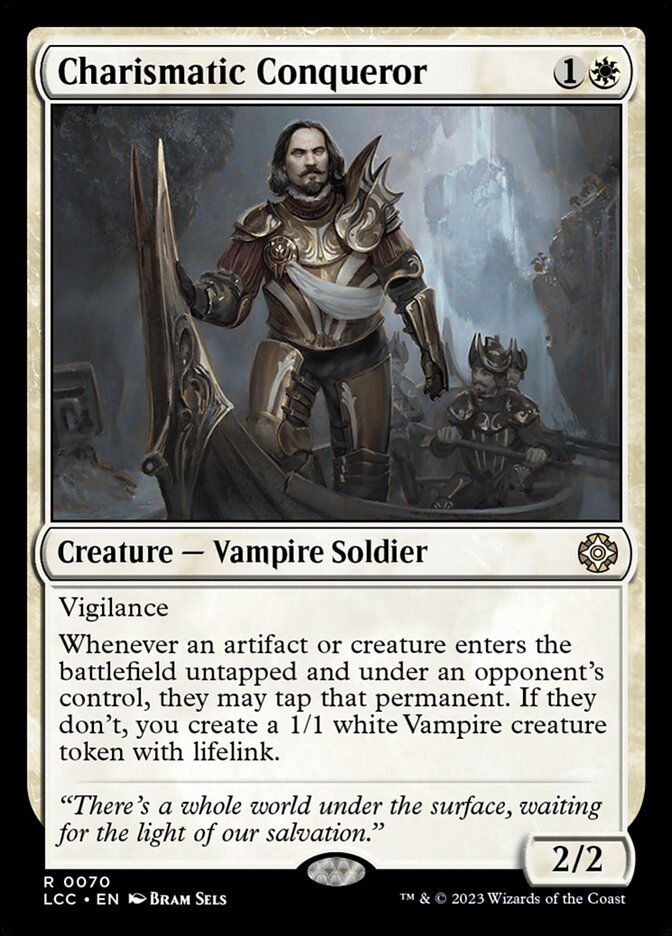
While Charismatic Conqueror looks less threatening than other cards on the list, that’s an illusion. Letting creatures and artifacts enter tapped is a serious tempo loss that adds up over several turns, but that doesn’t mean you can just give the token player bodies to enable cards like Caretaker's Talent and Skullclamp. This card’s low cost makes it particularly threatening because it comes down when everybody’s trying to play their Talismans in Commander.
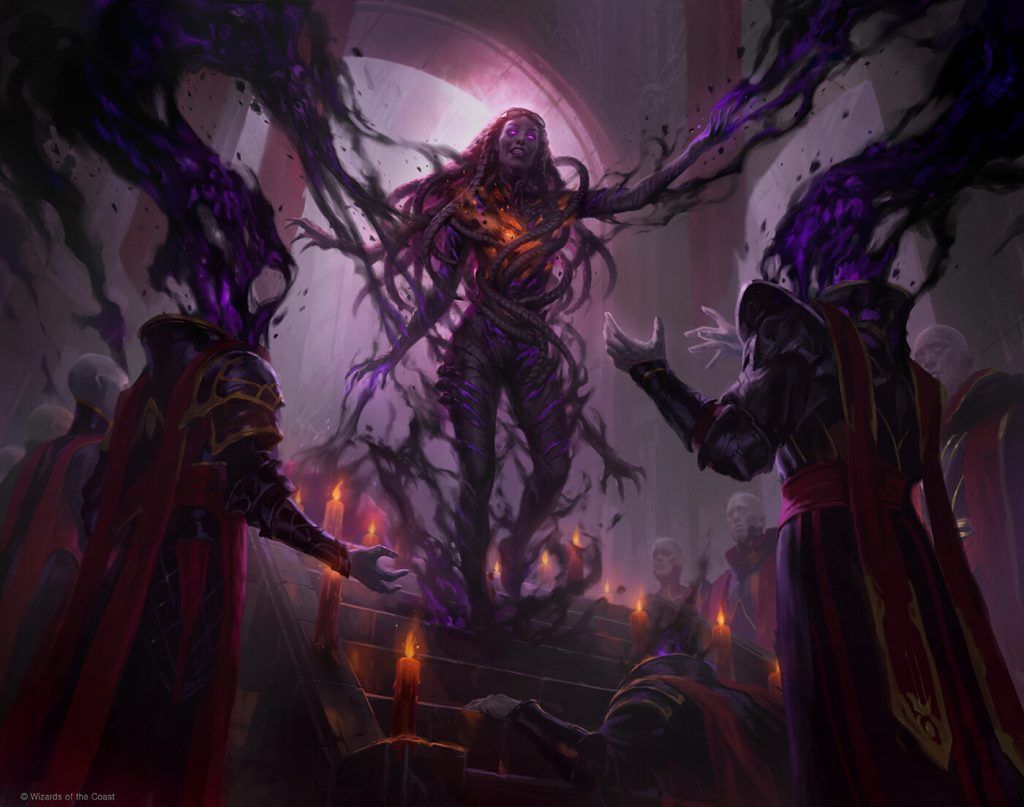
#3. Braids, Arisen Nightmare
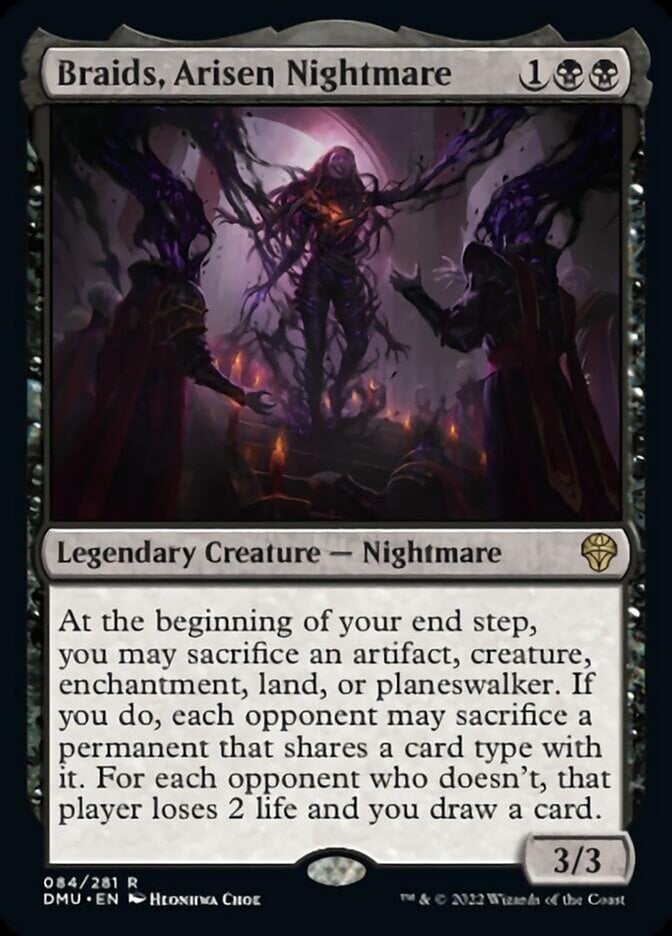
Braids, Arisen Nightmare needs more input than other punisher cards, but since when has black viewed a sacrifice outlet negatively? This oozes value as you either eat away at opposing boards or draw cards. It works particularly well when you have reason to sacrifice lands because your opponents are unlikely to do that early.
#2. Palantír of Orthanc
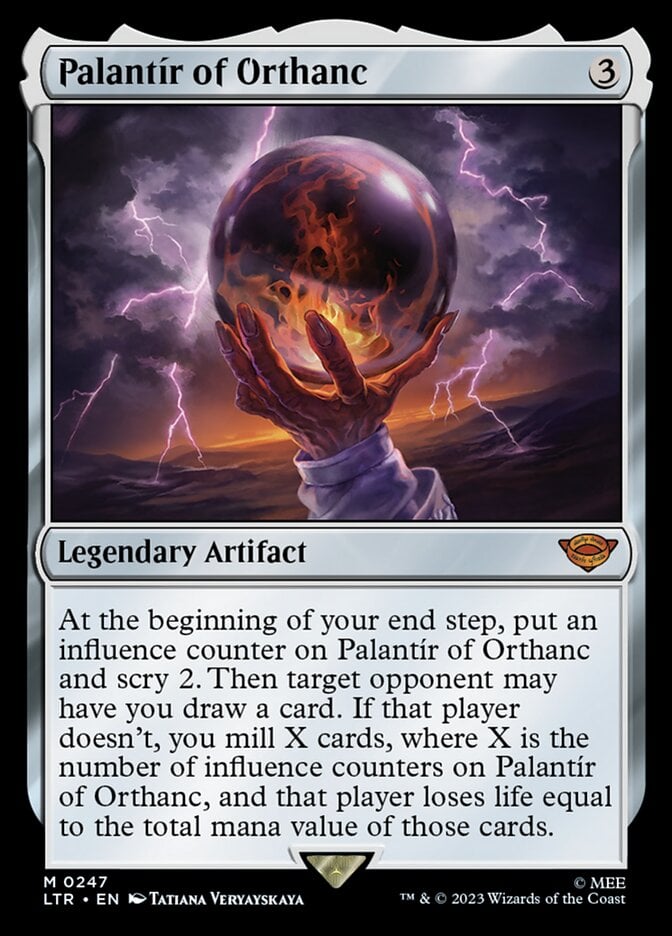
I like that this card can penalize you if your opponents repeatedly choose to have you mill cards, but in EDH you’re probably not dying from this effect. Palantír of Orthanc either gives you a card, or you mill some cards and someone takes damage equal to the total mana value of the cards milled this way. And you’re scrying 2 every turn, so there’s a nice minigame: “Hey, I’ve stacked my deck, and I really want this card. Better give it to me or else you’re taking a lot of damage.” In a deck that’s interested in milling and filling your graveyard, there’s little downside to playing this card.
#1. Torment of Hailfire
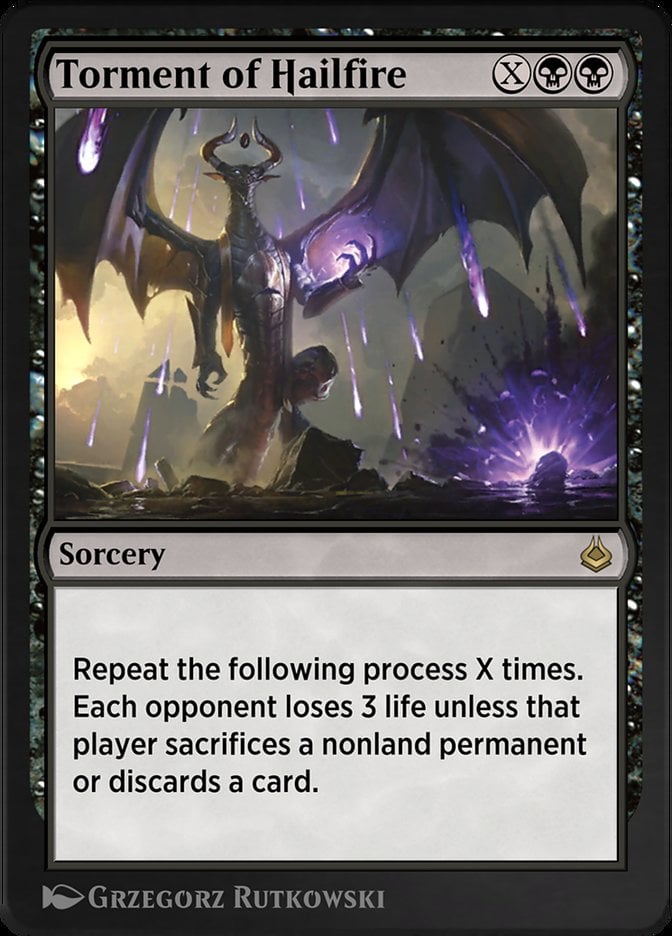
Torment of Hailfire is a heck of a black win condition in EDH, to the point where it’s not even a punisher card anymore. It gets everyone, and if X is greater than 6-7, your opponents won’t have many decisions to make. Yes, sometimes one of your opponents has some tokens or a lot of cards, but you choose X when you cast this card, so you have good control over their decisions.
Are Punisher Cards Good?
It depends mostly on the context, the board state, and the format you play. The biggest problem with punisher mechanics is that your opponent always chooses what’s better for them, short or long-term, and you don’t know what they have in hand or what they could draw.
It’s Browbeat’s dilemma: If you want your opponent to take damage, they might give you cards, and vice versa. If they make you draw cards, they might have a way to capitalize on that, or if they choose to take more damage, they probably aren’t at risk of dying or they’re aiming to gain life.
What you can do to avoid that is to hold your own information and target the right “ally” at a Commander table. By doing that, small minigames are created over your opponent’s potential choices. Or stick to punisher cards that leave your opponents no good decisions. It’s hard to go wrong with any of the decisions made for Davros, Dalek Creator, for example.
Wrap Up
Braids, Arisen Nightmare | Illustration by Heonhwa Choe
And that’s about it for punisher cards, folks. It’s hard to compile a list like this because there’s too much subjectivity, and plenty of punisher-style cards were printed in MTG’s early days that are currently too bad to see play.
And of course, I probably didn’t consider many of the cards that you consider punisher cards, so if there’s something that slipped through the cracks, just let me know! Also, if any of you have ever built a Commander deck around punisher cards, please share your experiences down in the comments section or in the Draftsim Discord server.
Thanks for reading, and may you always present tough choices for your opponents.
Follow Draftsim for awesome articles and set updates:










Add Comment