
Last updated on June 13, 2026

The Valeyard | Illustration by Tyukina Tatiana
Alright, folks… let’s take a break from being a bunch of goody two-shoes. I mean, nothing wrong with it! But it’s time for a change of pace: Instead of being the heroes sweeping in to save the day, today we’re joining Magic’s dark side.
We’ll play as the antagonists, the nemesis, the baddies… the villains!
After all, where would the good guys be without us and our villainous plots? They’d be a bunch of normal folks doing boring, normal stuff, right?
Let’s help spice up our Magic games by taking the other role and honing the most important ability of every self-respecting, moustache-twirling malefactor: setting up villainous choices to make the good guys sweat!
How Does Villainous Choice Work?

Davros, Dalek Creator | Illustration by Simon Dominic
Face a villainous choice is a keyword action that forces one, some, or all of your opponents to pick between two bad options. You’re the villain here, putting your enemies between a rock and a hard place!
While some steps may be a bit more complex, especially when they involve multiple players (more about that in a bit), the overall concept is pretty simple: When faced with a villainous choice, a player must choose one of the two options, and then the effects of that option happen. Simple as that.
Take Great Intelligence's Plan, for example:

You target an opponent, then they have to decide between discarding three cards, or letting you cast a spell from your hand without paying its mana cost. Nothing more to it.
The History of Villainous Choice in MTG

Face a villainous choice was introduced in the Masters of Evil Commander Precon from the Doctor Who Universes Beyond crossover.
“The origin of this one is kind of interesting,” says WotC’s Gavin Verhey in the official Designing Doctor Who article. “Somewhat early in design, someone submitted a punisher card, ‘punisher’ being slang for cards that forced your opponent into a choice between two bad things.”
This was a great flavor for villains, who love nothing more than forcing heroes into ugly choices. During playtesting, it became clear that people greatly enjoyed roleplaying the bad guys.
“And that’s where villainous choice came from,” Gavin says. “The mechanic tested great, and when we ran some focus groups, it actually ranked as one of our highest rated mechanics ever!”
Magic’s Head Designer Mark Rosewater considers villainous choice a 6 on the Storm Scale (which is an informal scale used to communicate to players how likely a mechanic is to return; 1 is “extremely likely” and 10 is “probably never”).
Is a Villainous Choice a Modal Spell?
Nope, villainous choice cards aren’t modal spells!
According to Magic’s Comprehensive Rules, “A spell or ability is modal if it has two or more options in a bulleted list preceded by instructions for a player to choose a number of those options.”
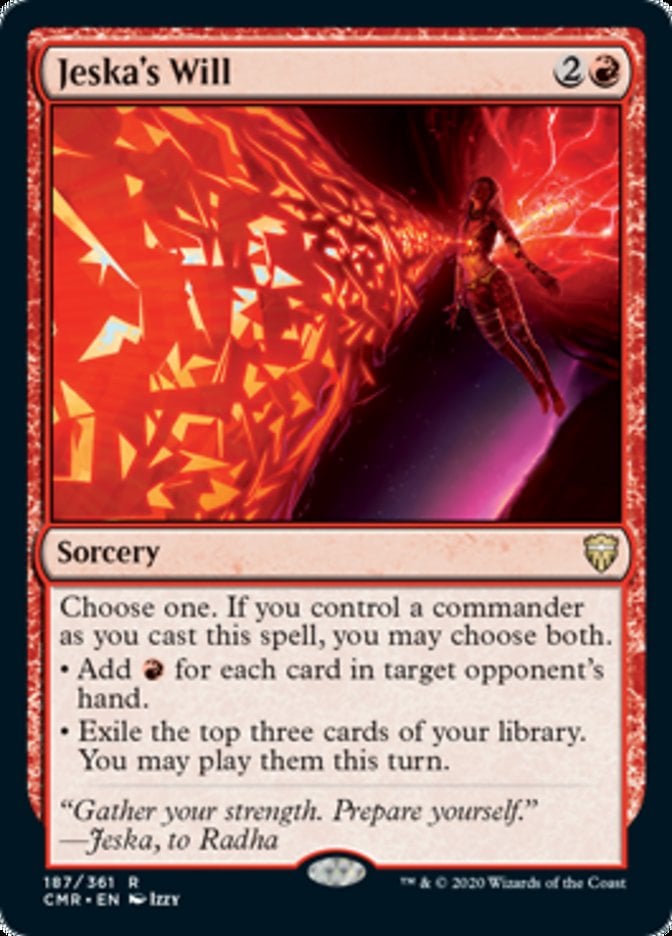
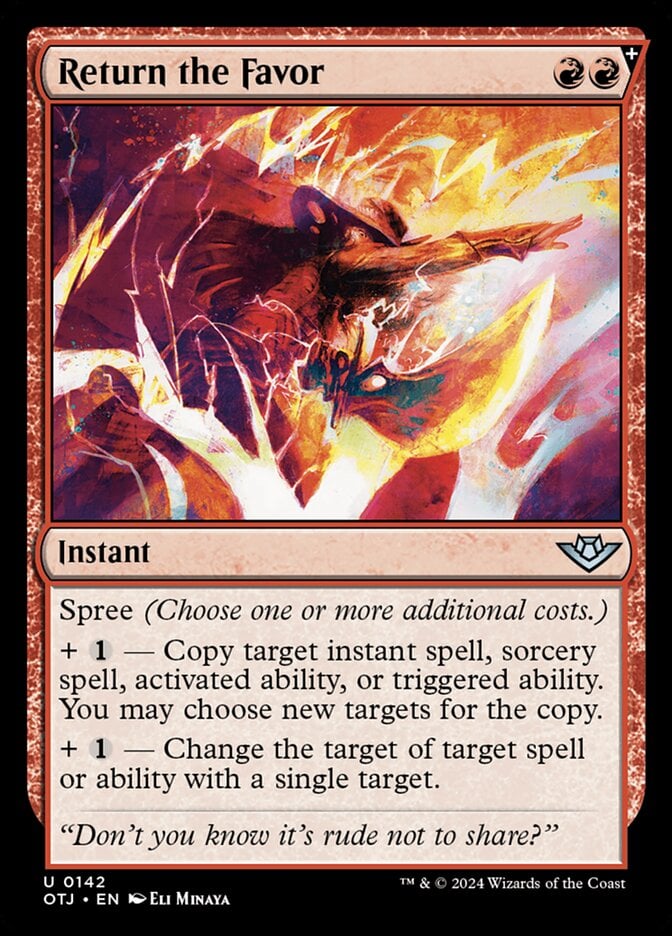

Classic bulleted-list staples like Jeska's Will and Austere Command, or more modern versions like spree (ex: OTJ‘s Return the Favor) or pawprints (Bloomburrow‘s Season of Gathering) all fulfill the “in a bulleted list” requirement, so they’re modal spells.
Villainous choices do not, and therefore they aren’t modal spells. Sorry, Riku of Many Paths; you’re not part of the Villain’s Club!
Does Villainous Choice Target?
It depends. The process of selecting who you’ll offer the villainous choice to can include targeting if it states “target player/opponent faces a villainous choice”; but the choices themselves don’t target.
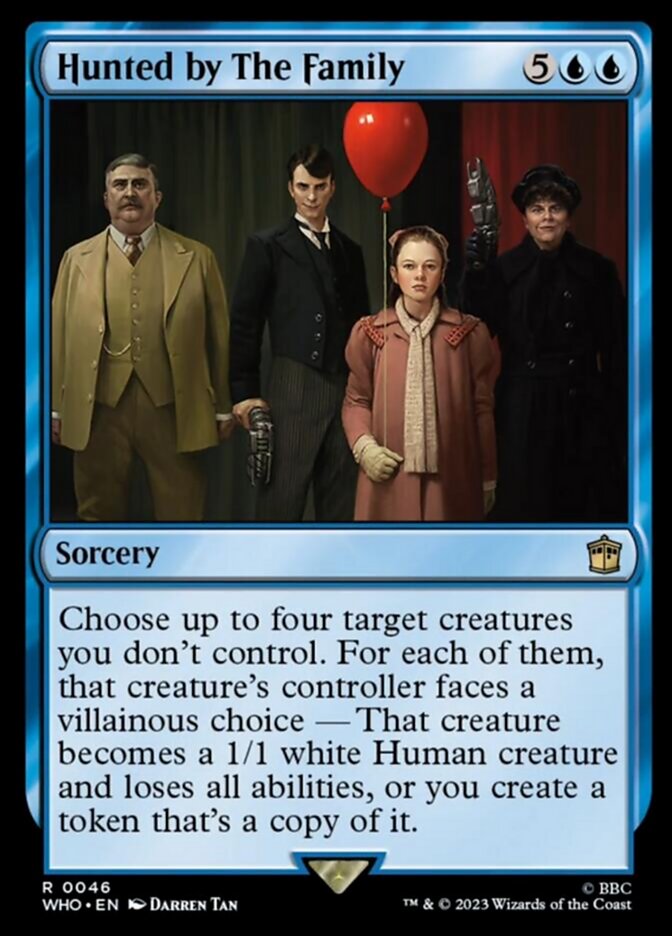
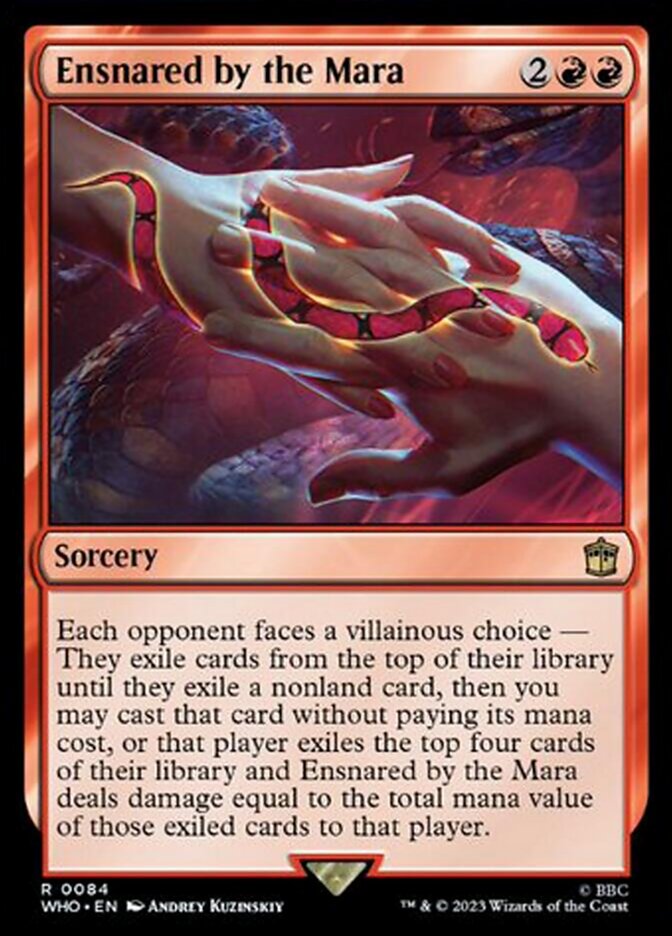
Let’s compare Great Intelligence's Plan, Hunted by The Family, and Ensnared by the Mara. Great Intelligence’s Plan’s ability targets an opponent (“target opponent faces a villainous choice”), but none of its other text targets. Hunted by The Family targets up to four creatures, but its ability doesn’t target their controllers, and the choices themselves don’t target either. Ensnared by the Mara, however, states “each opponent faces a villainous choice.” This red sorcery doesn’t target at all, which means it could affect a player who has hexproof.
Can I Redirect a Villainous Choice?
Yes, you can, but only if it has a target.
Let’s take Deflecting Swat, for example:
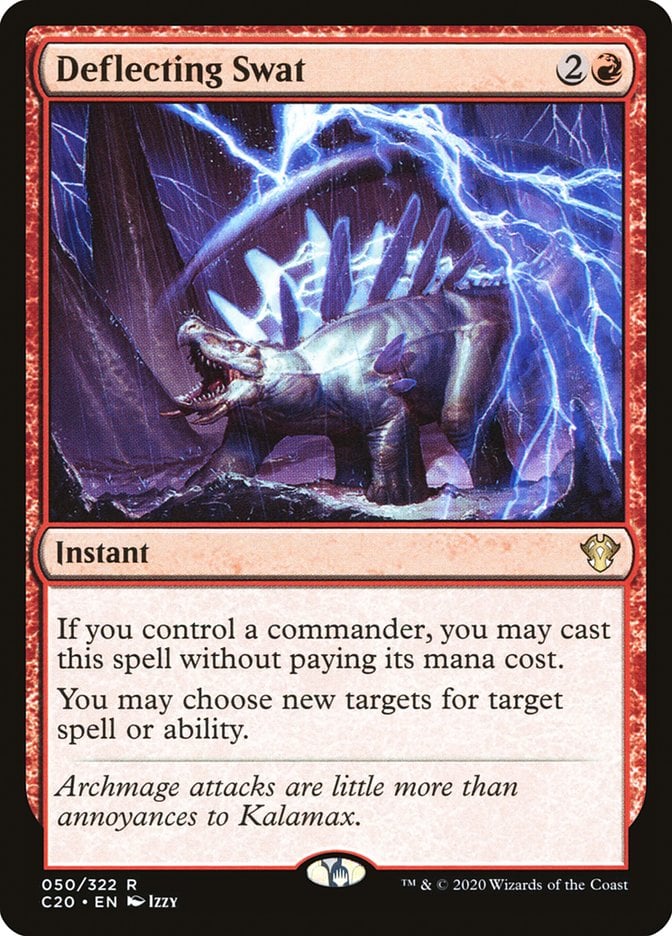
Since Deflecting Swat says “You may choose new targets for target spell or ability,” it won’t work for non-targeted effects.
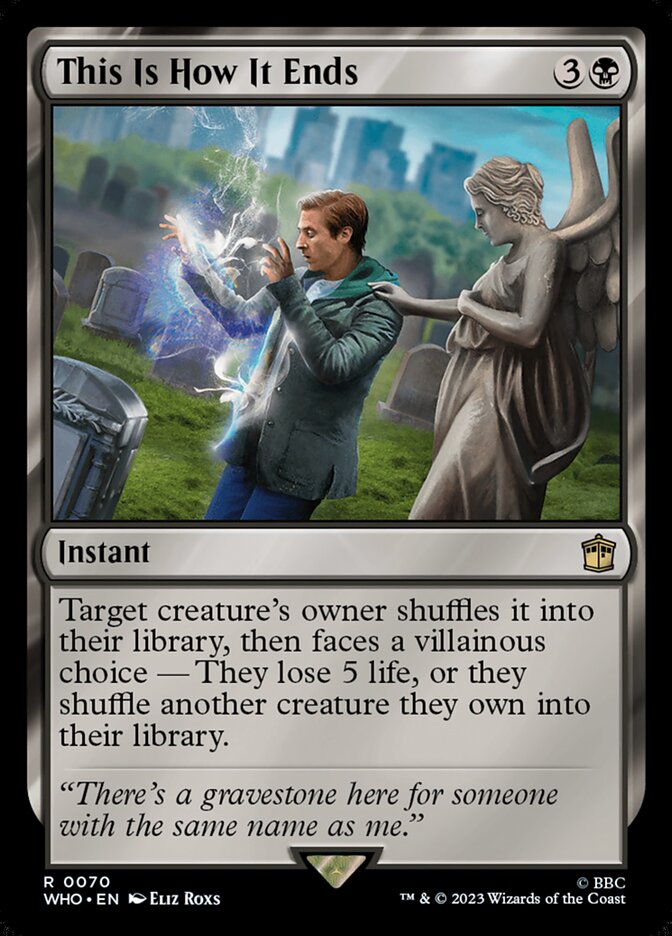
You can swat Great Intelligence's Plan (and choose another target opponent), and you can Swat This Is How It Ends (and target another creature). But retargeting effects won’t work against Ensnared by the Mara or The Master, Gallifrey's End since there are no targets to redirect.
Who Makes Their Villainous Choice First?
WotC’s Matt Tabak explains in his Doctor Who Mechanics article: “If multiple players are offered a villainous choice, the first opponent in turn order makes their choice, then that effect happens. Then, the next player makes their choice, that effect happens, and so on for each player faced with a villainous choice.”
You may be thinking: “Wait, that’s not how it works! All affected players should first make the choices, and only then the effects happen – all choices first, then all effects simultaneously.”
And you wouldn’t be too wrong for thinking that! That’s how these spells work in general. First, all players make their choices, following turn order. Then the actions happen simultaneously.
But villains don’t play by the rules! Specifically, villainous choices are an exception to these rules, and they work how Matt describes it. Taking Ensnared by the Mara as an example, which affects all your opponents:
- The player after you in the turn order choose one of the villainous choices,
- The chosen effect takes place (this is where villainous choice is an exception to the general rule; normally the effects happen after all the choices are made),
- The next player in the turn order makes the choice, the chosen effect takes place, then it’s the next player’s turn to choose, etc.
Can I Choose a Mode That Doesn’t Do Anything?
Yes, you can! This is another exception to the general rules, but in this case it works in your opponent’s favor.
In general, you can’t make an illegal or impossible choice. But for villainous choices, you can – these are an exception to the general rule: “While facing a villainous choice, a player may choose an option that is illegal or impossible. In that case, they perform as much of the action as is possible.”
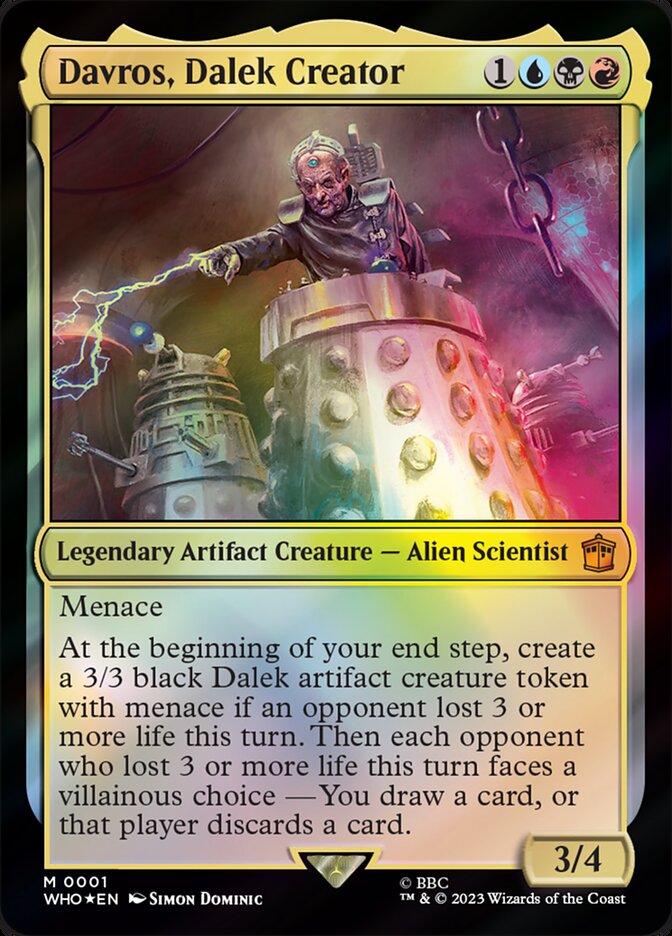
If you point a Lightning Bolt at your opponent, and you have Davros, Dalek Creator in play by your end step, your burned foe will have to face Davros’ villainous choice. But if your foe happens to have an empty hand, they can choose to discard a card (even if they can’t actually perform the action) and nullify the downside.
Is a Villainous Choice a Vote in MTG?
Nope, not at all: Facing a villainous choice has nothing to do with voting.
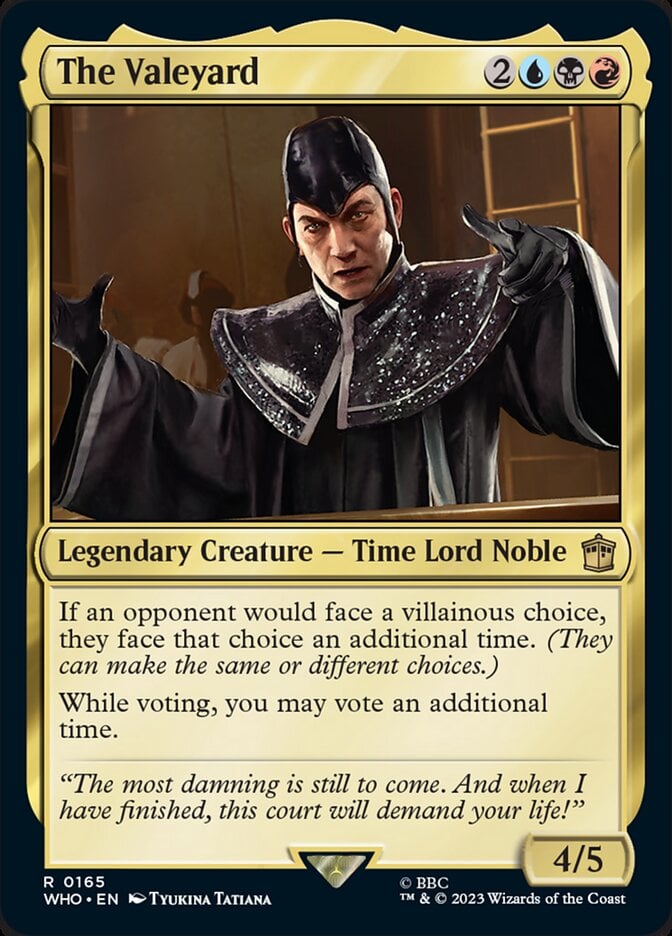
There’s one card, The Valeyard, that mentions both mechanics, but they’re disconnected from each other.
What’s the Difference Between Villainous Choice and Punisher Cards?
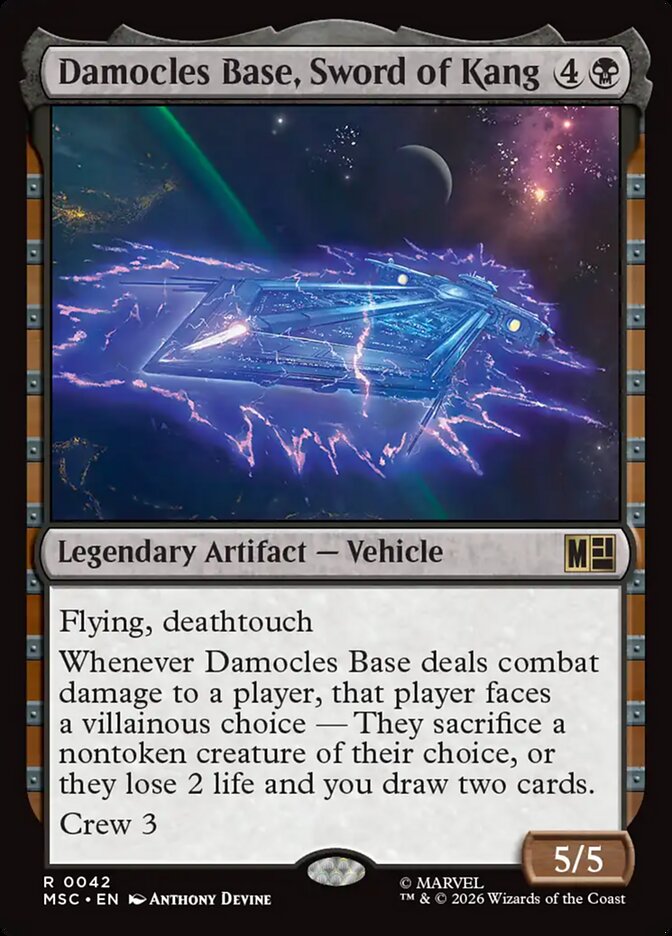
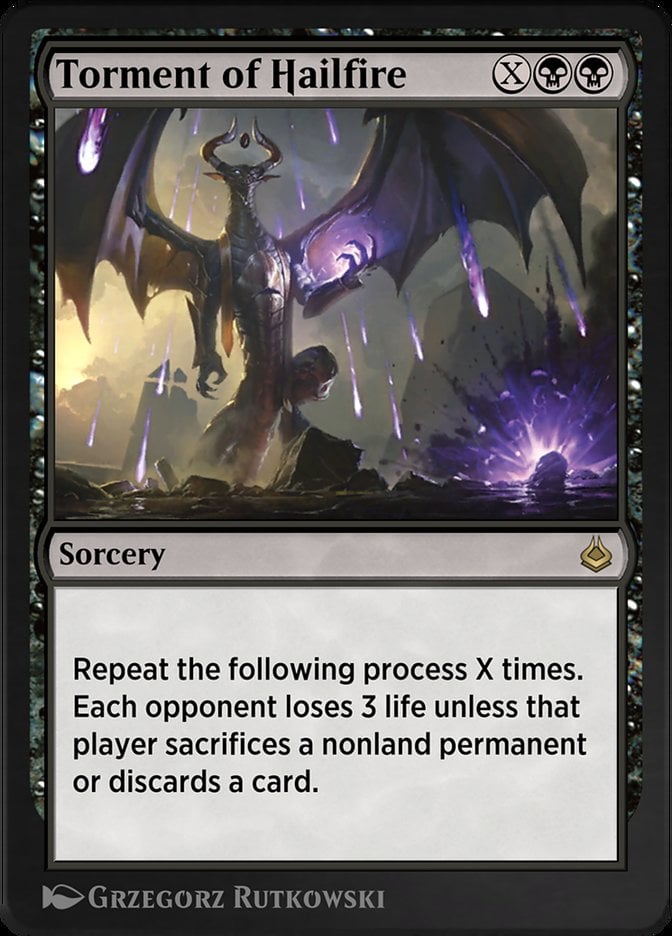
A punisher card has a broader definition that includes villainous choice cards, and more beyond them. Several cards refer specifically to villainous choices, so the keyword action is designed with intention as opposed to a non-keyworded effect like on Torment of Hailfire.
Do All Villains Deserve Villainous Choice?
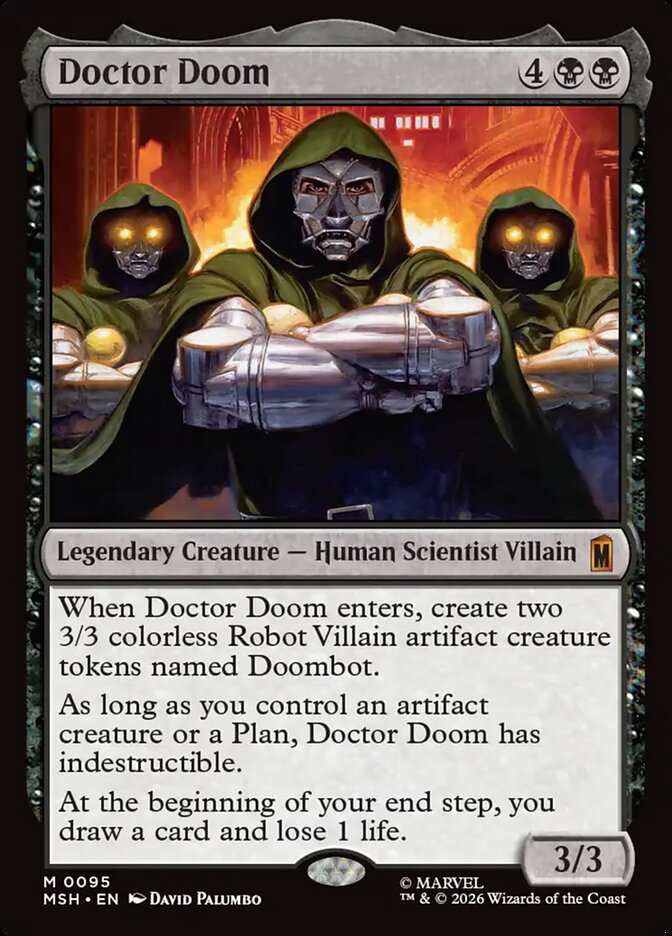
No, not all villains need a villainous choice. If the mechanic were given to lots of villains, we would have space for antagonists like Doctor Doom, their plans or other mechanics. Don’t get me wrong, of all the villains coming to Magic, I think we can handle more with villainous choice, but the two don’t need to be inherently tied together.
Gallery and List of Villainous Choice Cards
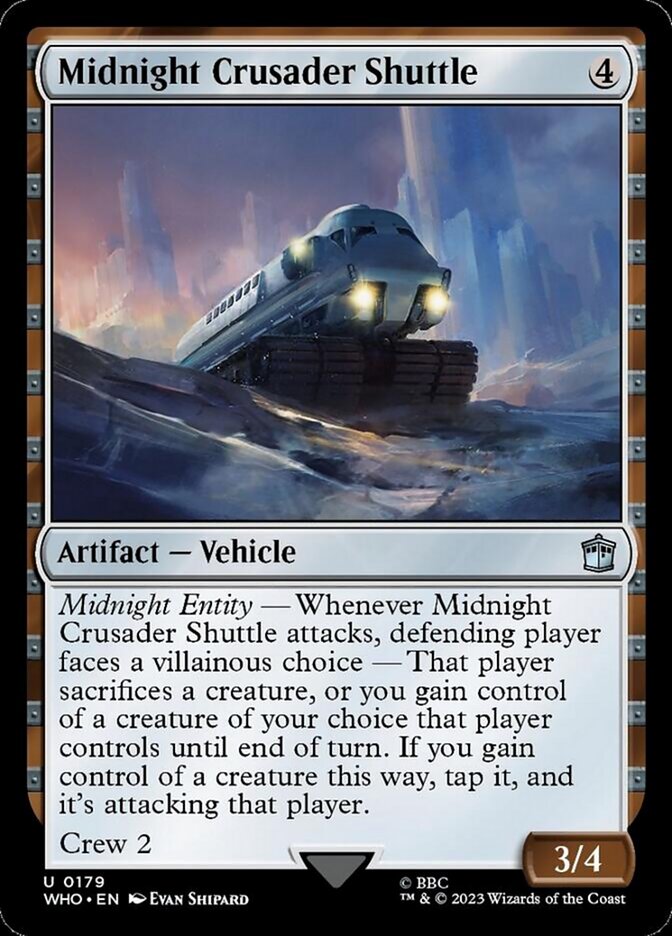
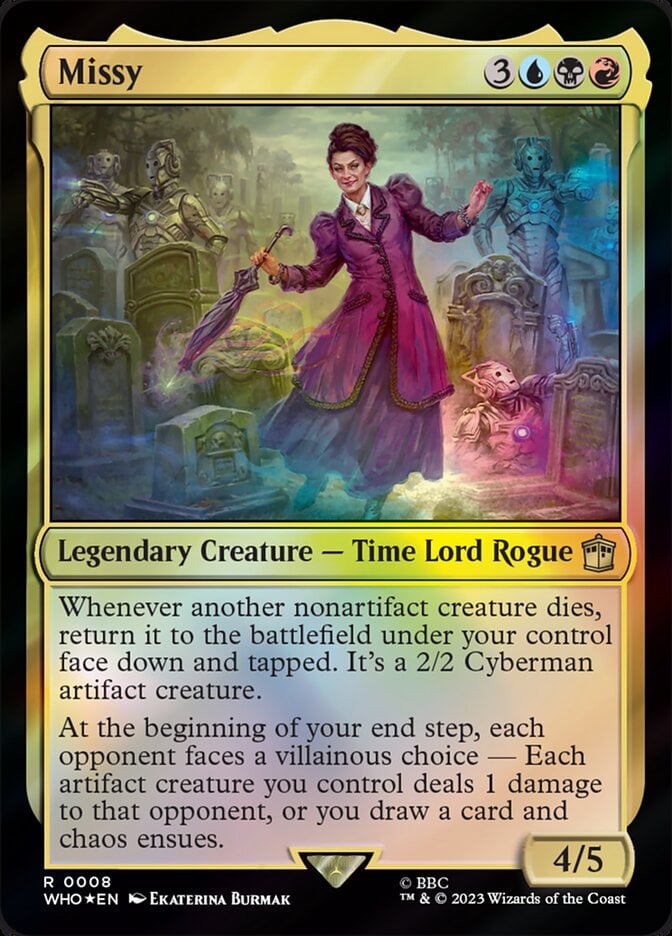
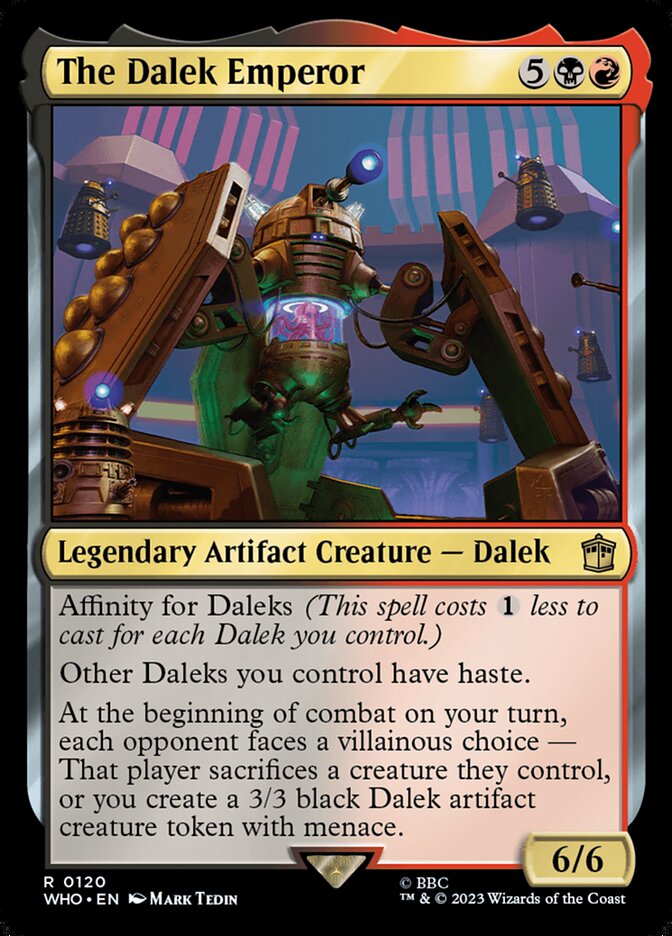
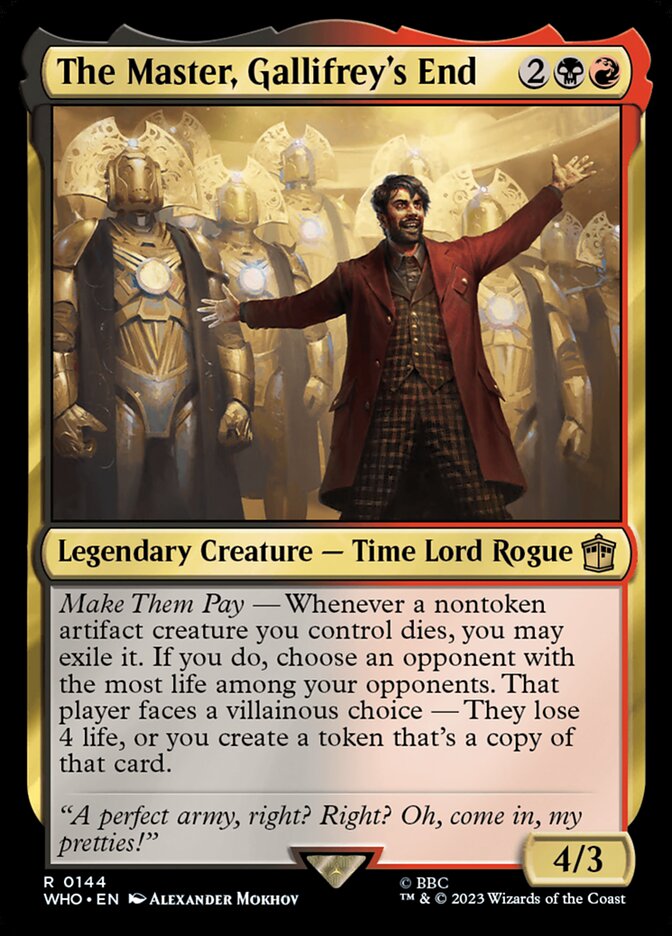
There are 14 villainous choice cards, 12 of them from the Masters of Evil Commander Precon. They all fall inside the Grixis () color identity.

- Damocles Base, Sword of Kang
- Davros, Dalek Creator
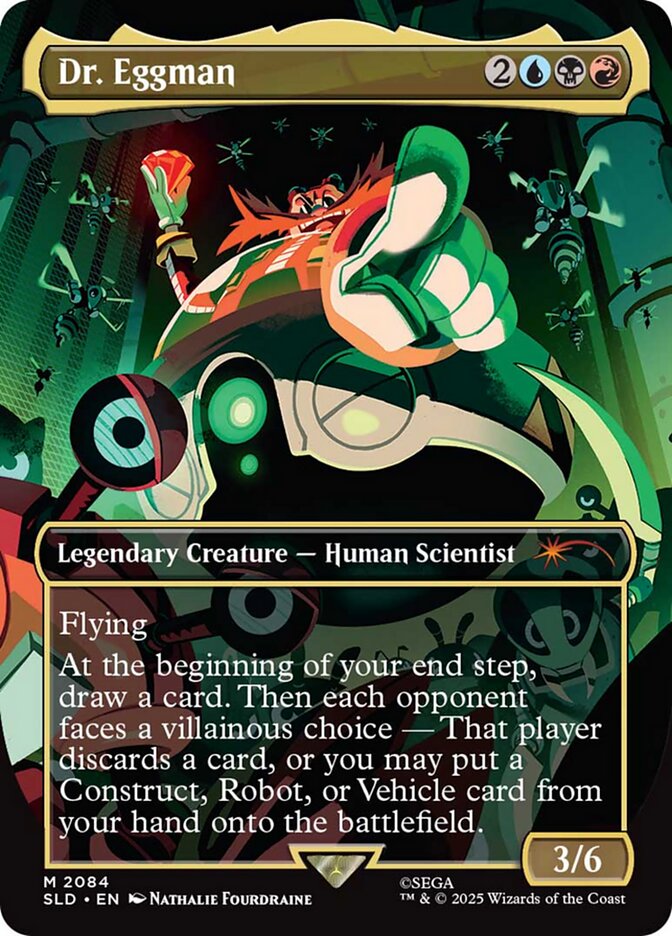
- Dr. Eggman
- Ensnared by the Mara
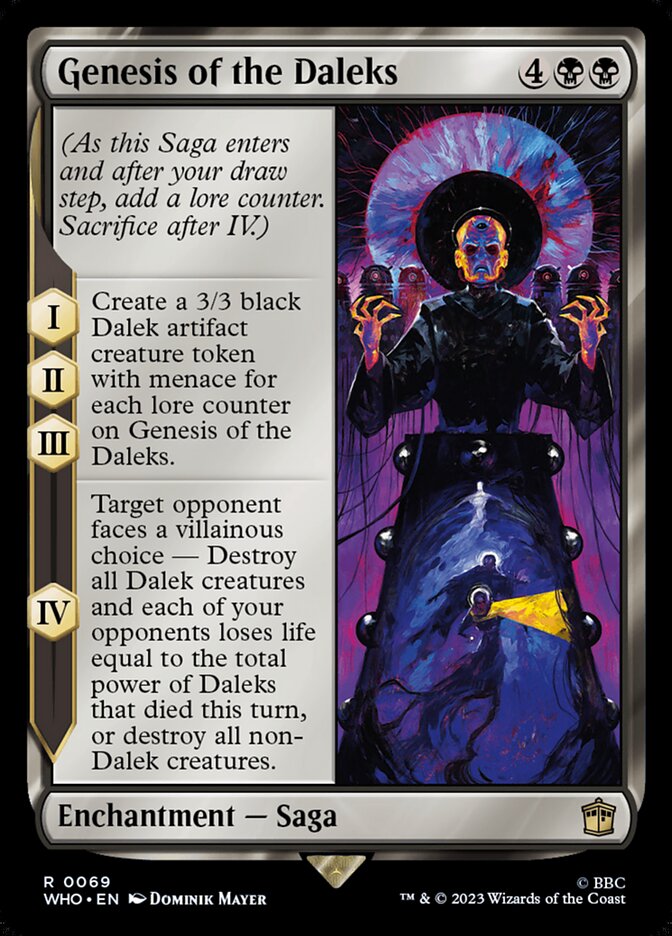
- Genesis of the Daleks
- Great Intelligence's Plan
- Hunted by The Family
- Midnight Crusader Shuttle
- Missy
- Sycorax Commander
- The Dalek Emperor
- The Master, Gallifrey's End
- The Valeyard
- This Is How It Ends
Best Villainous Choice Cards
None of the villainous choice cards have broken any MTG format, and most remain inexpensive, but that doesn’t make them ineffective.
Playing the villain isn’t just about winning… it’s about sending a message, so here are a couple of the most popular villainous choosers.
#5. Dr. Eggman
I can speak for all Magic fans that drawing an extra card each turn is great. Sure Dr. Eggman might do negligible damage to player’s hands, but as long as you threaten powerful cards to drop from your hand, they quickly lose the ability to respond to any of the actions you take. Surround this mad scientist with discard payoffs and have fun!
#4. Genesis of the Daleks
The Genesis of the Daleks is a powerful artifact token generator, and assuming you keep each Dalek created by this saga, the final chapter offers life loss of 18 or a one-sided board wipe. Both are plenty good for you given the cost, and there’s a real feeling of inevitability when you set this in motion.
#3. The Valeyard
If you really want to build around villainous choices, The Valeyard is the card to look at. Double the choices, double the fun!
You also get to cast your vote twice if you want to, should any voting arise.
#2. Davros, Dalek Creator
Alien scientist Davros, Dalek Creator, the face commander from the Masters of Evil Commander Precon, is an okay Grixis commander and a fairly popular commander as per EDHREC. It mixes token creation with villainous choices as long as you can keep damaging opponents.
Even though it leads the villainous choice precon, Davros is more of a group slug commander according to Gavin Verhey. “Villainous choice isn’t really a thematic [mechanic] to build around,” Gavin writes, “they’re just individual cards you put into decks.”
What Davros really wants you to do is to hurt everybody during your turn – villainous choices are just cherries on top. Notice that the damage can come from any source (even from a source you don’t control), rather than from Davros.
#1. Ensnared by the Mara
This red sorcery seems the most popular villainous choice card in the 99 of a Commander deck. Like Davros, Ensnared by the Mara leans on the “Let’s hurt everybody!” theme, since “mill and take damage” is the option your victims are most likely to take.
Wrap Up

Hunted by The Family | Illustration by Darren Tan
None of the villainous choice cards make too many waves in any Magic format, and I think it’s a fine mechanic that seems easy to adapt to future MTG sets. After all, villains’ fondness for these evil choices is universal, and every story needs villains, so I wouldn’t be surprised to see this keyword action return in the future.
I hope you’ve enjoyed this mechanical deep dive, and if you have questions or concerns, please drop a comment or stop by the Draftsim Discord for a chat.
Go on and make good choices!
Note: this post contains affiliate links. If you use these links to make a purchase, you’ll help Draftsim continue to provide awesome free articles and apps.
Follow Draftsim for awesome articles and set updates:









Add Comment