
Last updated on April 10, 2026

Bonfire of the Damned | Illustration by James Paick
In Magic: The Gathering, there’s a wide variety of spells that are designed to win games when combined with others. Take Thassa's Oracle as an example, whose niche is to mill yourself to win the game, or a Felidar Sovereign that encourages you to gain life. But what if you want to keep things fair and just have access to a spell that doesn’t require other cards to win the game, but rather, you just need the right amount of mana to spend on it?
Luckily, I have the answer: fireballs. Intrigued by what these cards are? Let’s dive into them!
What Are Fireballs in MTG?
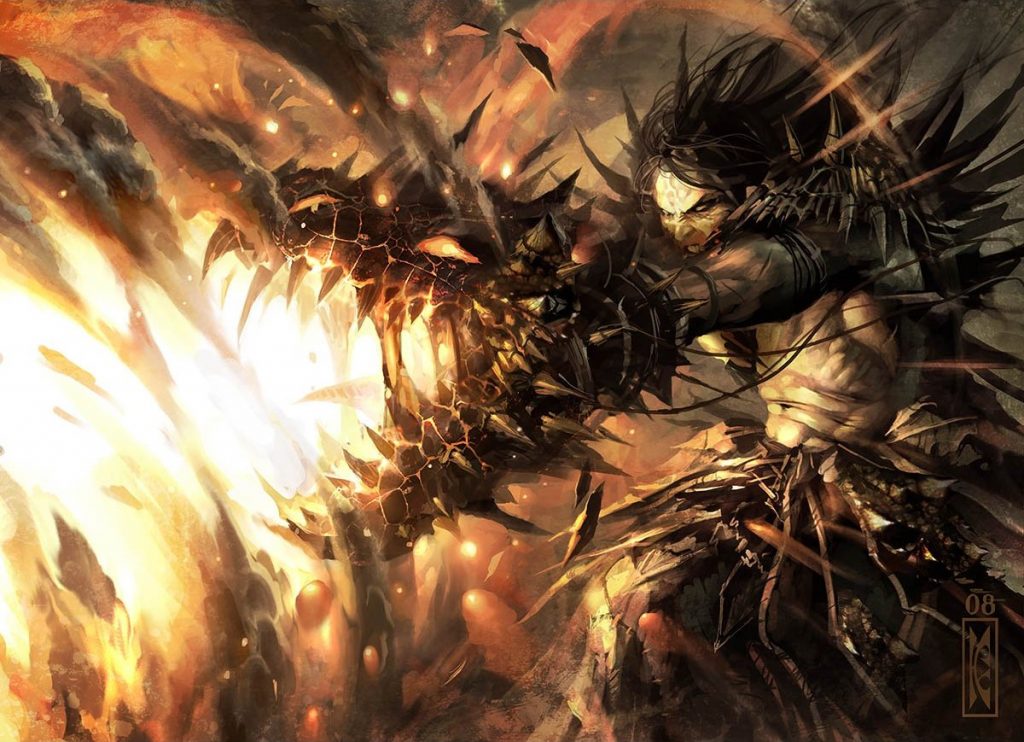
Banefire | Illustration by Raymond Swanland
In Magic slang, fireballs are instant or sorcery spells that deal damage to various targets based on the amount of mana you spent on them, as represented by X.
While the original Fireball has more wording on it that makes it more complex to cast the more targets you choose, the effect itself is mainly related to cards that deal X damage to any target.
Honorable Mentions
While these cards could fit into the category of fireballs, I ultimately decided to exclude them.
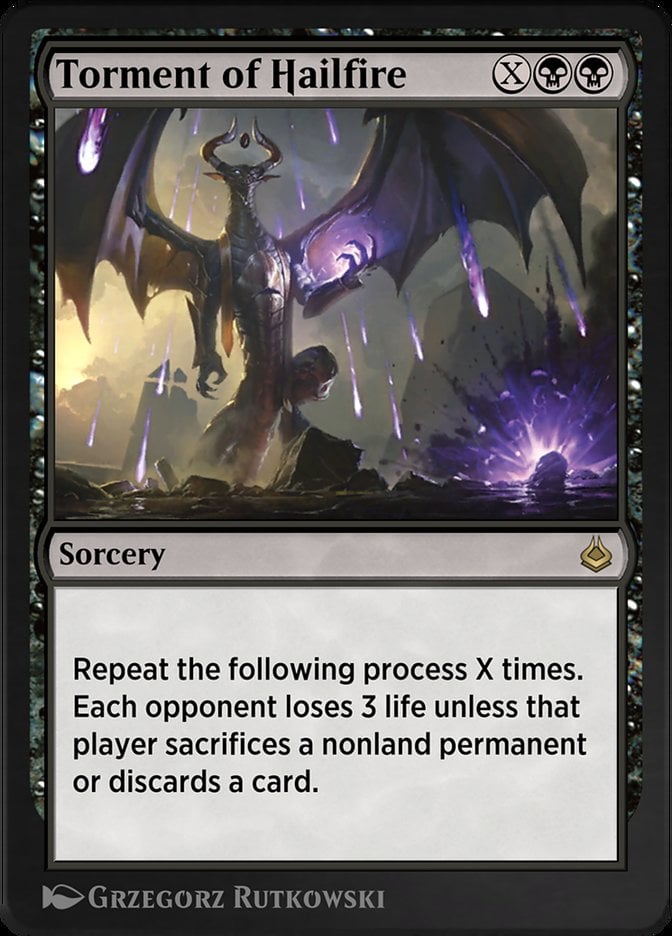
Torment of Hailfire is a card with X in its mana value that forces your opponents to sacrifice permanents or discard cards in exchange for not losing chunks of 3 life. While this is a powerful effect on its own, you won’t be able to successfully use it against a token themed deck.
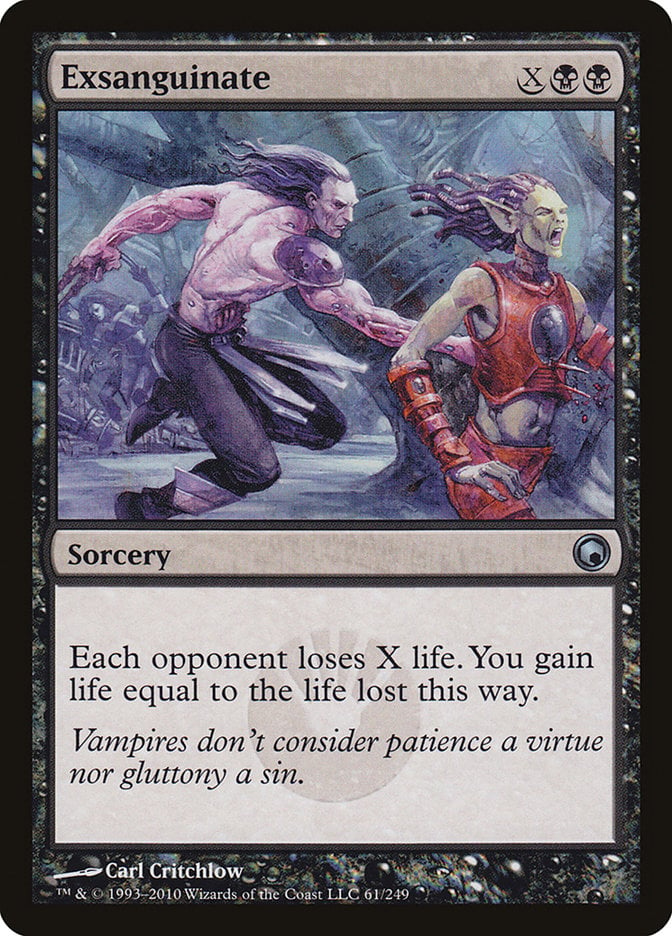
Exsanguinate is a close example of a card that barely misses this list, as it drains life rather than dealing damage. Of course, that’s better positioned against cards that prevent damage from colored sources, like Prismatic Strands.
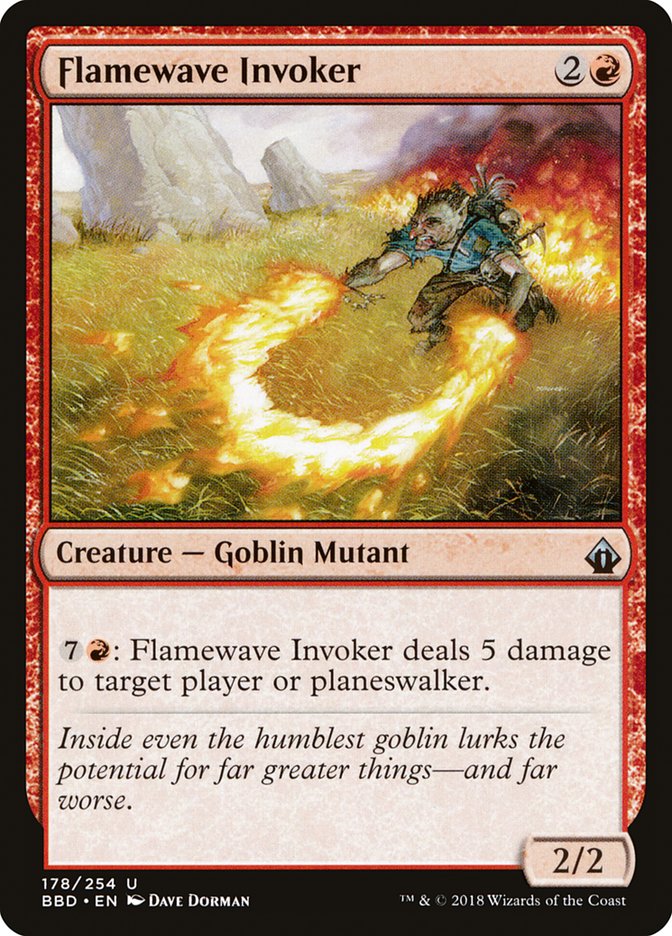
Lastly, many permanents like Flamewave Invoker can be used to emulate a Fireball effect, but they ultimately don’t have an X in their casting cost. Furthermore, their activated ability is often repeatable, meaning they fit in another sub-category known as mana sinks.
#35. Choco-Comet

Choco-Comet is a pretty solid base case of what a fireball is in MTG: You sink as much mana as you can into it, you deal X to any one target that can be damaged (players, creatures, planeswalkers, or battles). Simple and direct.
The other effect is tiny (just a 2/2 token) and that’s why Choco-Comet is at the bottom of our ranking.
#34. Avacyn’s Judgment

Technically, Avacyn's Judgment shouldn’t count as a Fireball effect, but since its madness cost acts as precisely that, it’s just enough for this red sorcery to fit into this list and in madness decks.
#33. Fall of the Titans

While Fall of the Titans is a card built for Two-Headed Giant games, that’s not a very popular format nowadays, so this red instant becomes one of the worst fireball effects that’s been printed.
#32. Kaervek’s Torch
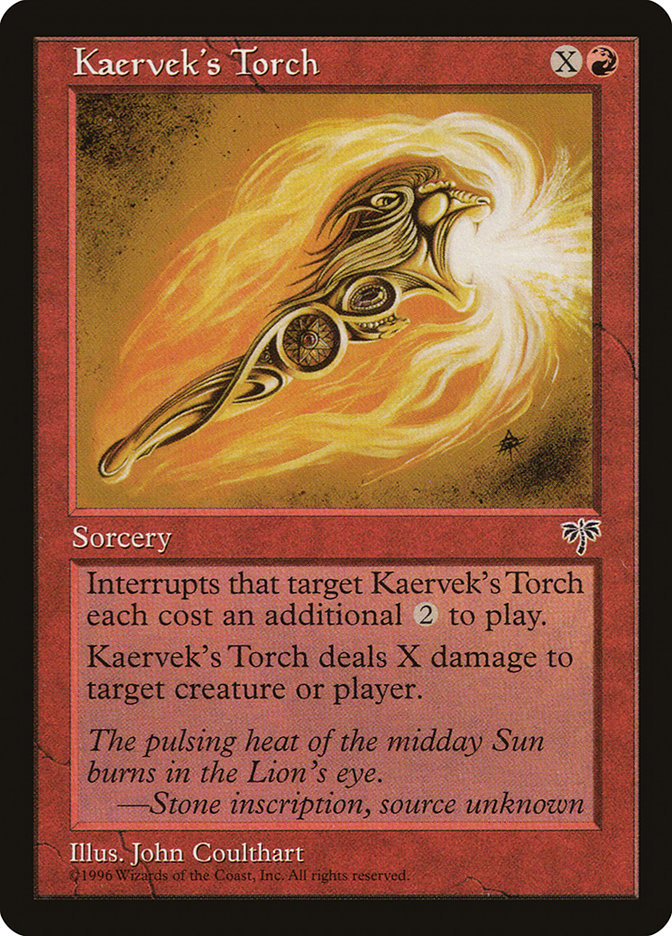
Kaervek's Torch is pretty cool for a couple of reasons. First, it has built-in pseudo-ward 2 for each spell that targets it, namely counterspells, making it hard to interact with while on the stack.
What’s more important is that it’s one of the only Fireball effects that’s Pauper legal. Maybe I’m overhyping this statement, but there are many decks that are usually good at adding infinite mana, or at least large amounts of it, like Jeskai () Tron, but otherwise lack a way to close the game if it weren’t for Kaervek's Torch. Rolling Thunder is a close second, but requiring a second red source may be slightly restricting.
Lava Burst is another similar card, as you can hit any target with it, with the slight upside that it can kill creatures by passing protection spells like Prismatic Strands. Note that this won’t work when targeting a player.
#31. Meteor Shower

Similar to Kaervek's Torch, Meteor Shower is a Fireball available in Pauper that allows you to spend to deal 1 damage to a creature, or spend more to hit multiple targets. The problem is that its double X casting cost makes it harder to deal direct damage on larger scales.
#30. Clan Defiance
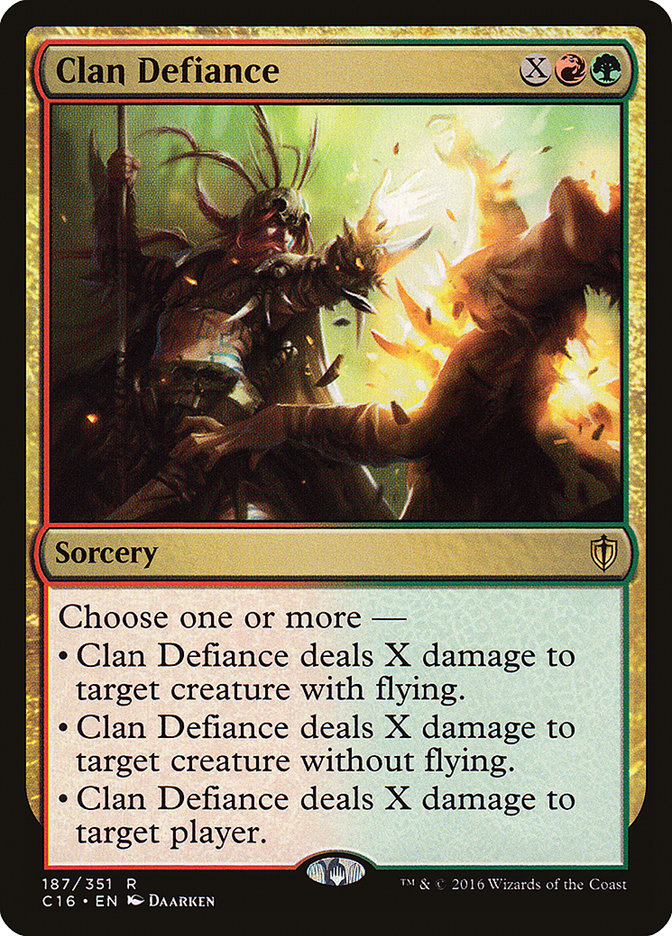
I find it funny that Clan Defiance can be rephrased in a way to consume less text on the card. However, being written as a modal spell does make it a great addition to Riku of Many Paths. For what it matters, this Gruul card () deals damage to players similar to what other fireballs do.
#29. Worldsoul’s Rage
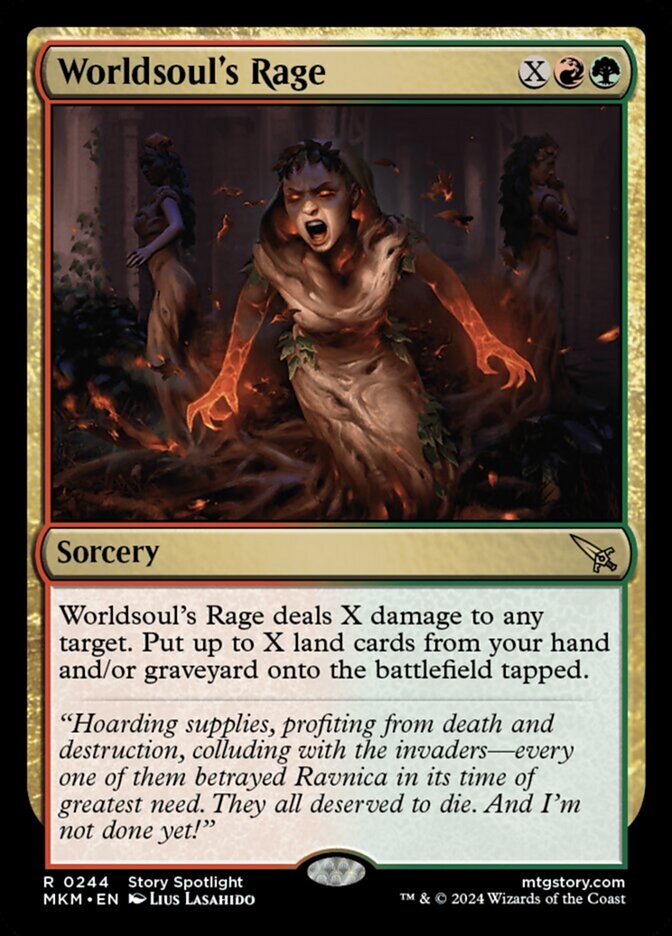
Worldsoul's Rage is very interesting in deckbuilding, as you can use it along with commanders like Soul of Windgrace that benefit from sending lands to the graveyard to bring them back to the field when this spell resolves.
#28. Jaya’s Immolating Inferno
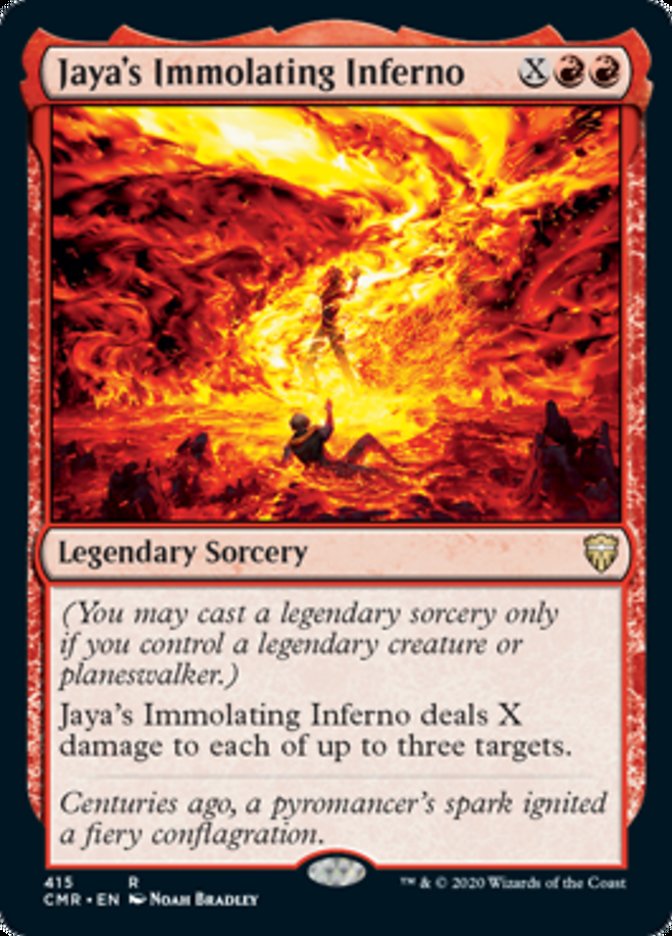
As you may have realized, dealing damage to multiple targets can be difficult as you need to pay a lot of mana for it. Jaya's Immolating Inferno somewhat bypasses that, as you’re only required to pay X mana and to damage up to three targets. The catch is that you need to control a legendary creature or planeswalker to cast this card.
#27. Demonfire
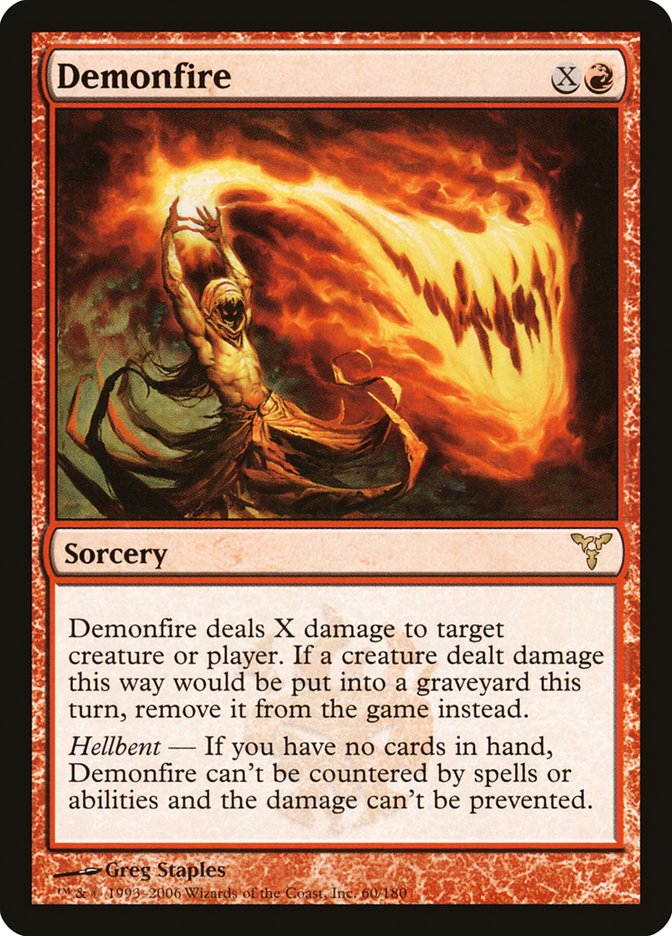
If you’re planning to get the most out of Demonfire, make sure it’s the last card you have in your hand before casting it. That way, damage can’t get prevented and this spell is uncounterable. I find it funny that cards like Temple Bell can foil this plan.
#26. Ravaging Blaze
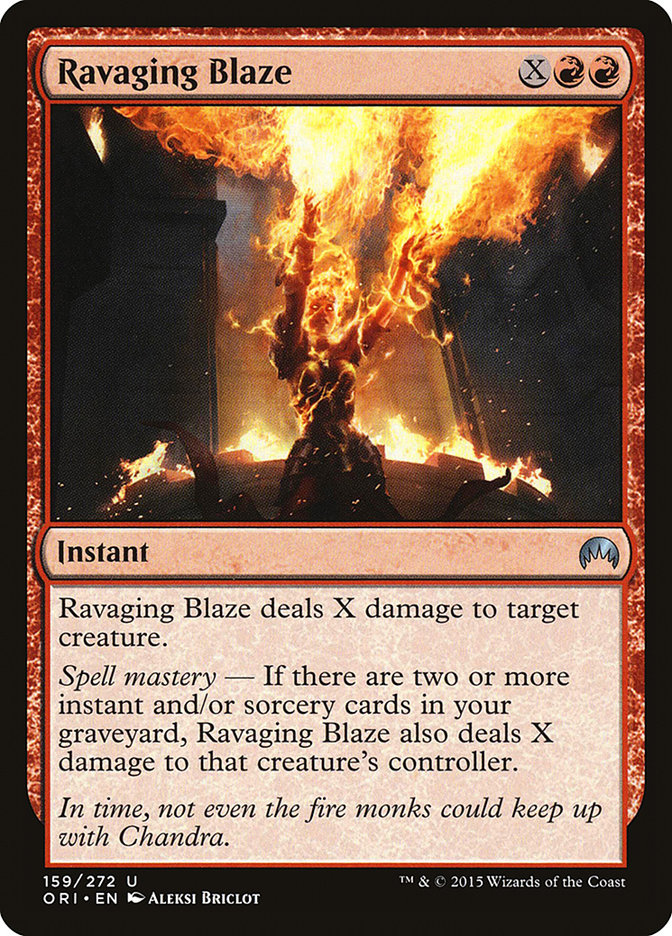
Initially, Ravaging Blaze can just be used to deal damage to creatures, but with spell mastery, you get to also deal damage to that creature’s controller.
#25. Disintegrate
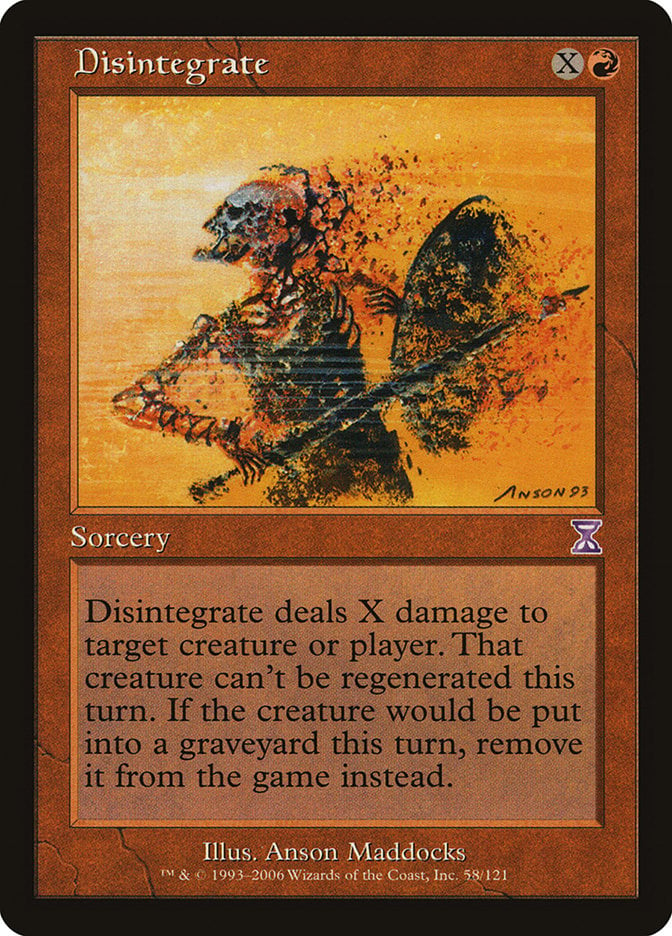
Being true to its name, Disintegrate can kill creatures and exile them in the process. Burn from Within is a very similar card, except this one makes a creature lose indestructible. If you were looking for something to spend your mana on that kills a Blightsteel Colossus, this is your card.
#24. Fireball
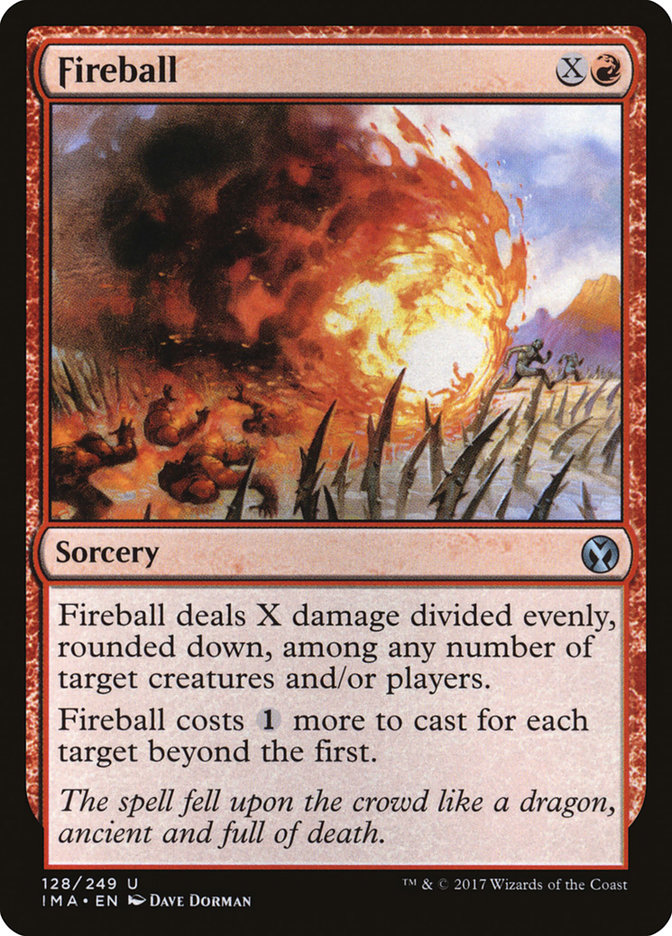
Since I usually just use the name Fireball to refer to cards that deal “X” damage to any target, I completely forgot that it has another ability that lets you pay 1 more mana to add an additional target. Usually this wouldn’t be a big deal, but it is for me! Others cards like Blaze, for example, are strictly worse as they don’t offer the versatility Fireball gives.
#23. Conflagrate

Conflagrate is a card I like because it can be used to deal with multiple targets at a time when needed. It has a flashback cost, but this one requires you to discard cards from your hand instead of paying the X mana. While this may sound awful in principle, it can be paired with decks that benefit from doing so, like madness or other cards with flashback. It’s also a very efficient way to get hellbent.
Rolling Thunder is a close copy of Conflagrate if you’re looking for this niche effect, but the former doesn’t have flashback.
#22. Aurelia’s Fury
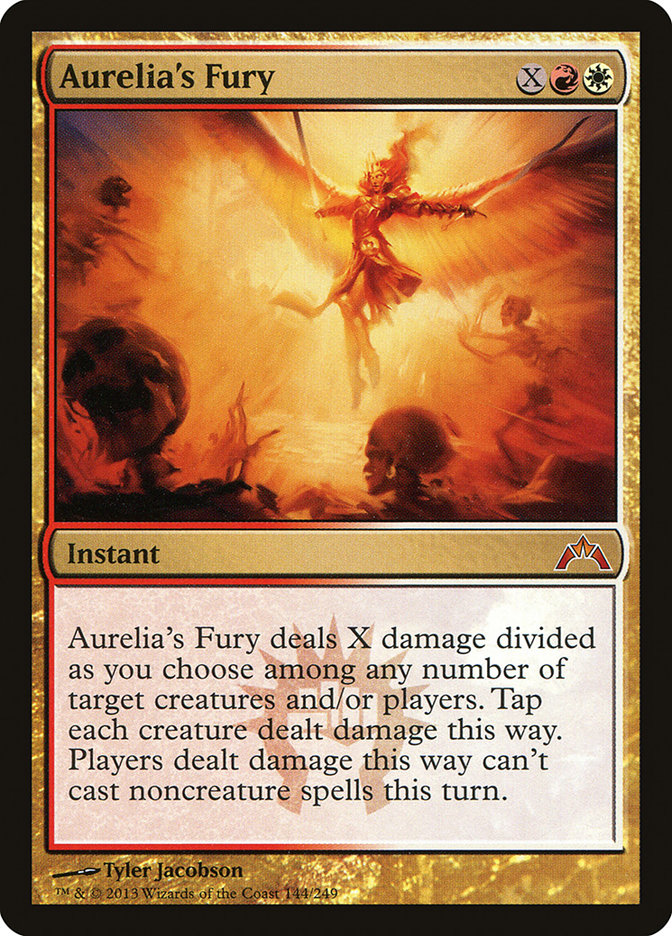
Aurelia's Fury is a fun and versatile Boros card. You can cast it on your opponent’s turn to deal damage to them and tap their creatures by assigning at least 1 damage to each. In aggressive decks, it’s particularly useful before combat to shut down your opponents’ potential tricks—or just finish them off outright if you have enough mana.
#21. Mindswipe
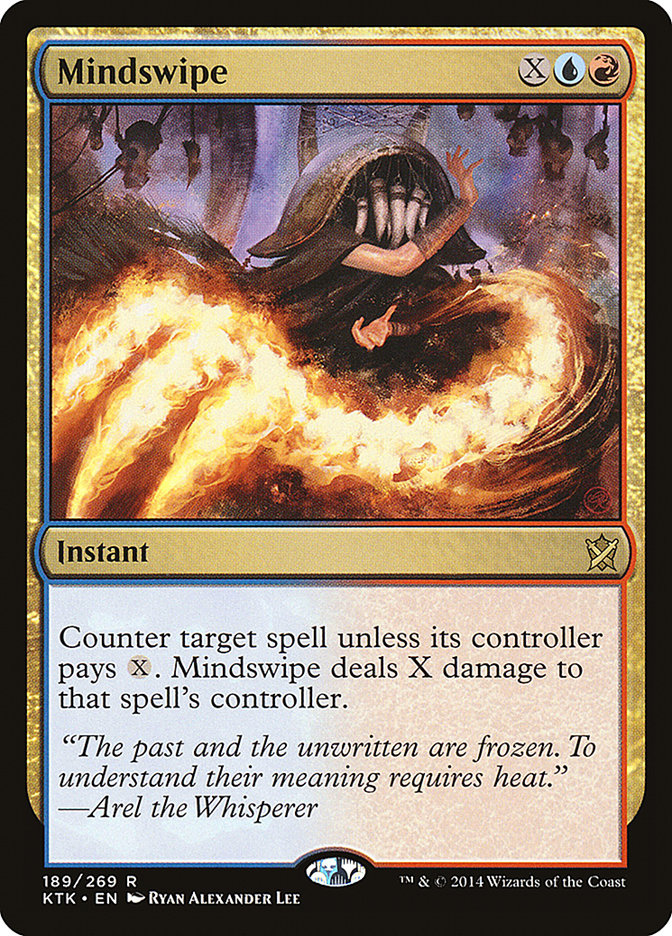
If there were ever a card that says “Got you!” it has to be Mindswipe. Not only do you get to counter your opponent’s threat, but you also deal damage to their face. Still, this Izzet card () limits you to waiting until they play a card so you can use your win condition, which may not be ideal against other blue based decks.
#20. Invoke the Firemind
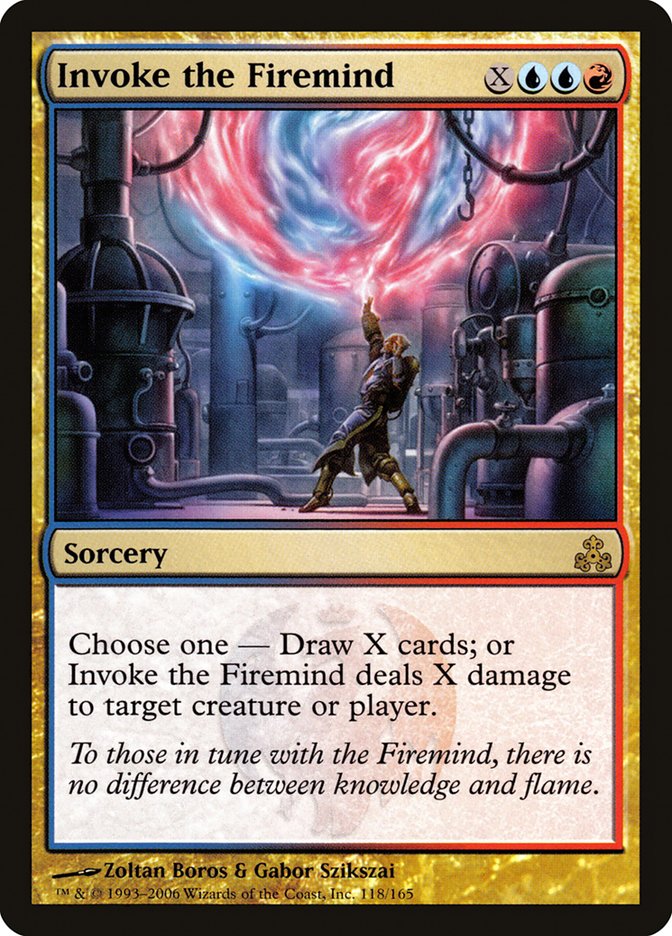
Invoke the Firemind is a bit more expensive than your regular Fireball, but it compensates by giving you the ability to choose to either deal damage or just draw cards. That may be just what you need in a topdecking situation when you can’t kill your opponent right away.
#19. Lavalanche
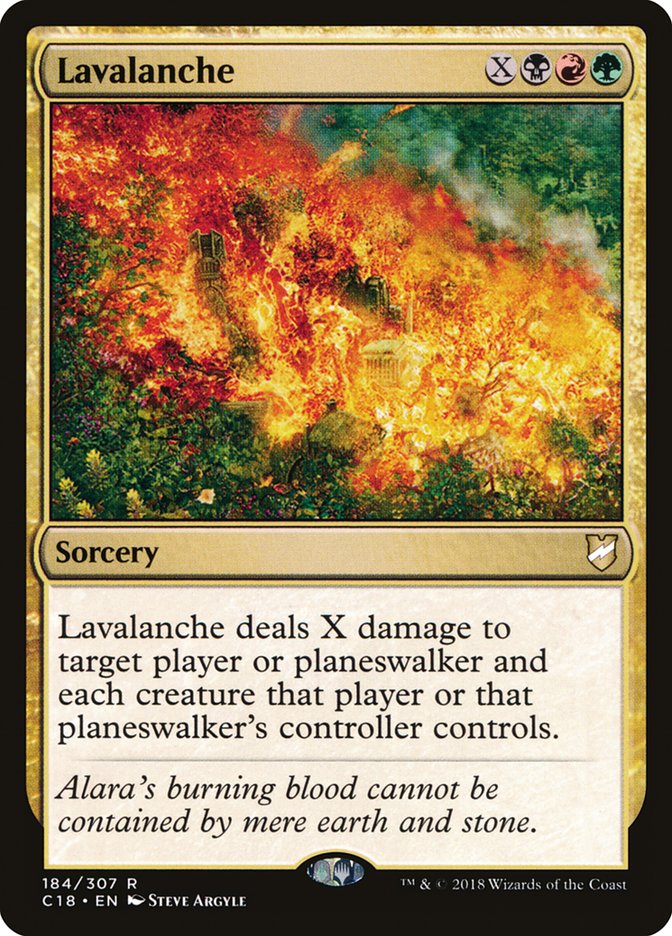
As it happens, Jund cards () have their own Fireball in the form of Lavalanche, dealing massive damage to the target player and each creature and planeswalker they control.
#18. Fanning the Flames
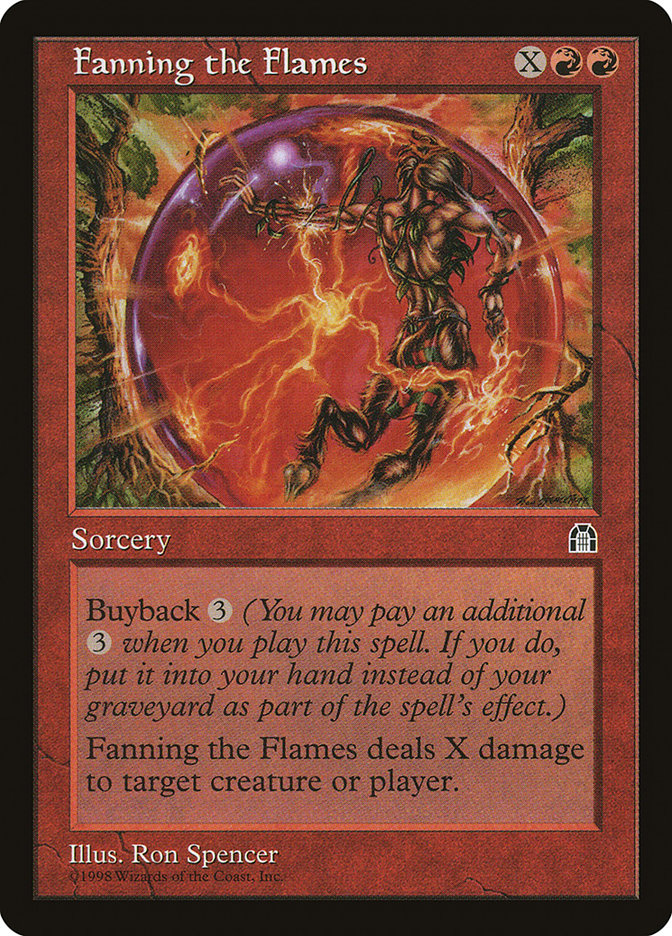
Fanning the Flames is special because it’s a Fireball card that can be used multiple times through the same game by paying its buyback cost. This is huge as 60-card decks like having the extra slots for adding other cards, and you’ll just need one Fanning the Flames anyway.
#17. Ghitu Fire
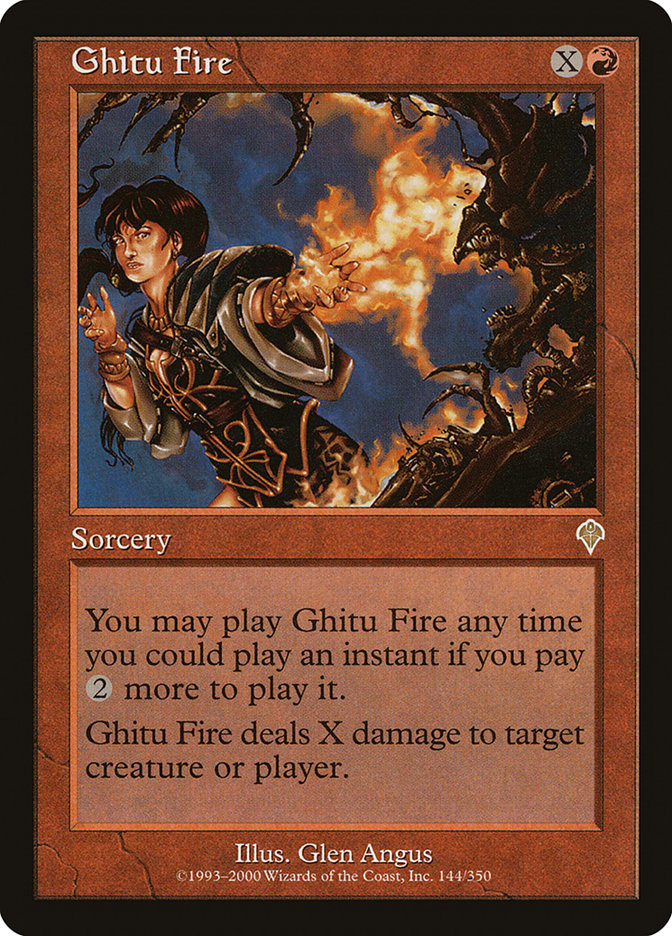
At sorcery speed, Ghitu Fire deals X damage to any target, pretty much like your average Fireball card. But by spending 2 extra mana, you can cast it as though it had flash, which is weird for non-permanent cards.
#16. Molten Disaster
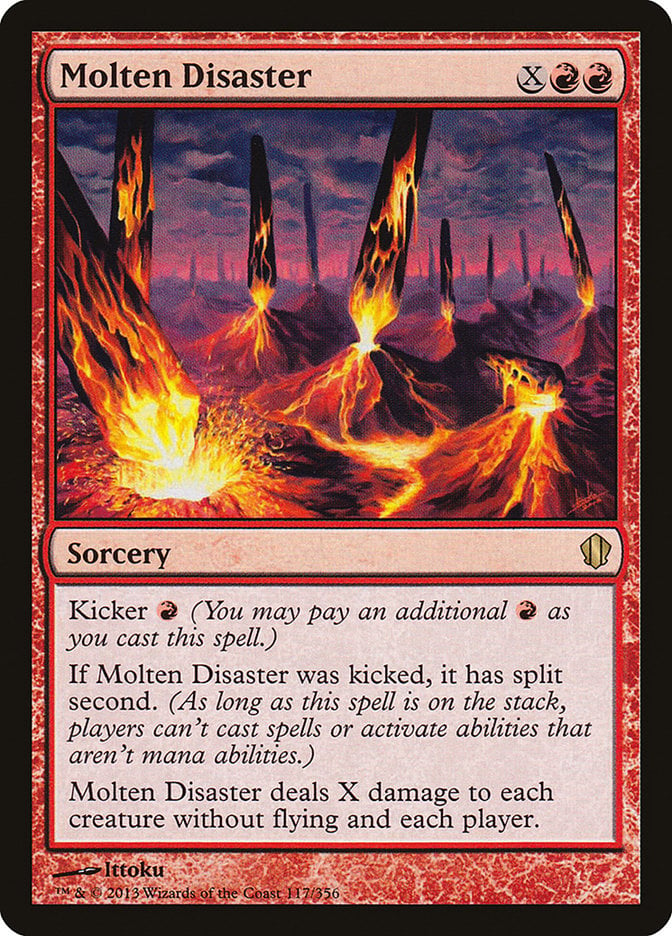
Molten Disaster is pretty cool. It can end games on its own without letting your opponents react to it if its kicker cost was paid. Paying the kicker gives it split second, an ability that won’t let players cast spells or activate non-mana abilities for as long as Molten Disaster is on the stack.
#15. Rolling Earthquake
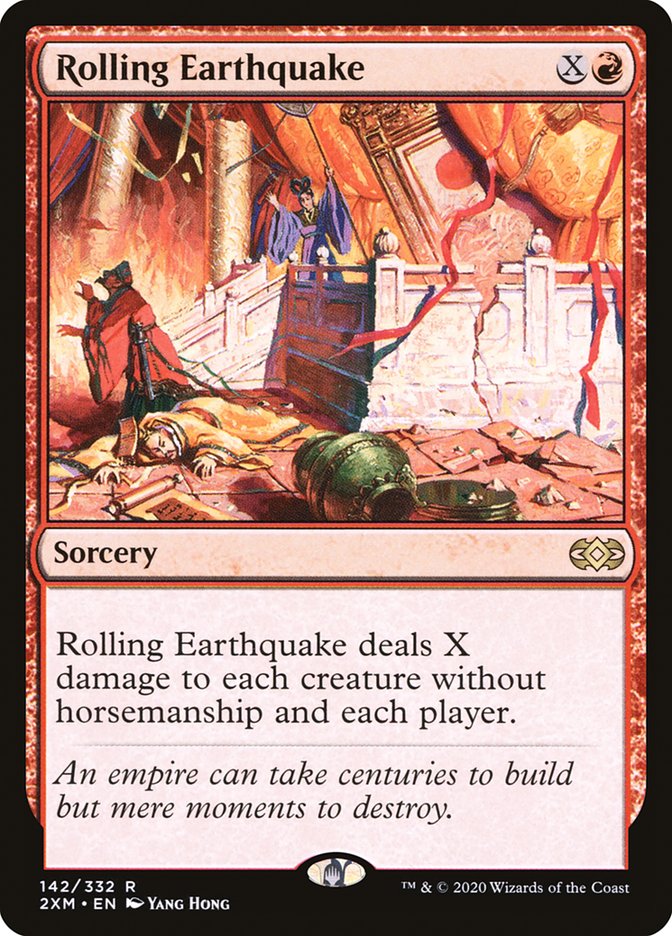
Unlike other Fireball effects, Rolling Earthquake doesn’t target players or creatures. Still, it deals massive damage to each player and creature without horsemanship (basically all creatures).
#14. Earthquake
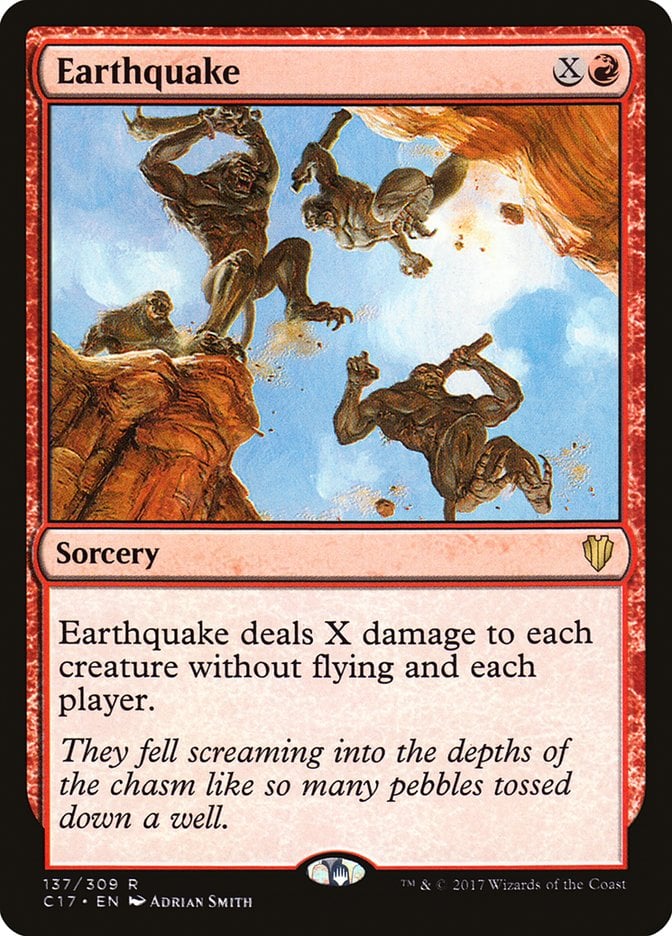
Earthquake has seen more than its fair share of reprints, over 20 at this point. In the right deck, it can act as a one-sided board wipe if you fill yours with fliers.
#13. Death Grasp
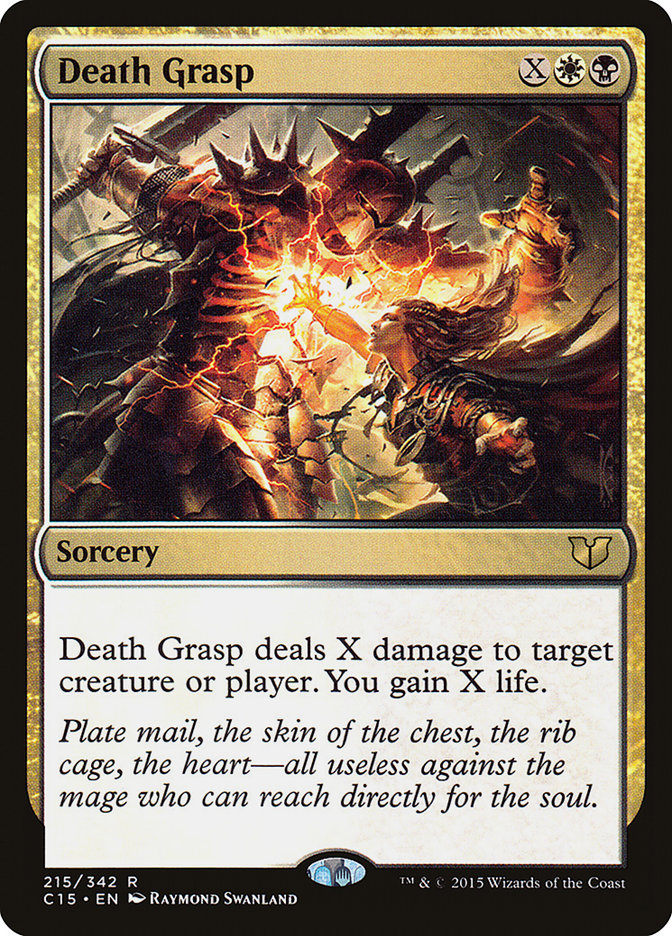
It’s weird to see a Fireball that doesn’t have red in its mana cost, but Death Grasp acts as your Consume Spirit without limiting you to using only black mana on it.
The latter is specifically designed for mono-black decks, or those with access to Urborg, Tomb of Yawgmoth.
#12. Red Sun’s Zenith
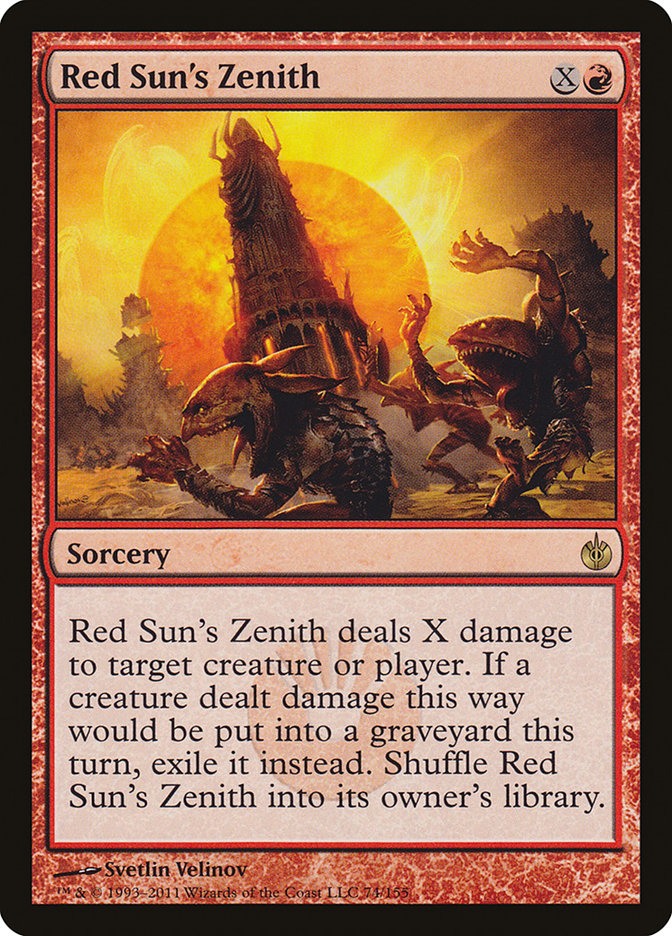
Red Sun's Zenith is one of the best Fireball cards thanks to its ability to shuffle itself in your library once it’s used. This is nice as on the first turns, you can spend it to kill a small or annoying threat and later topdeck it to win the game.
#11. Crater’s Claws
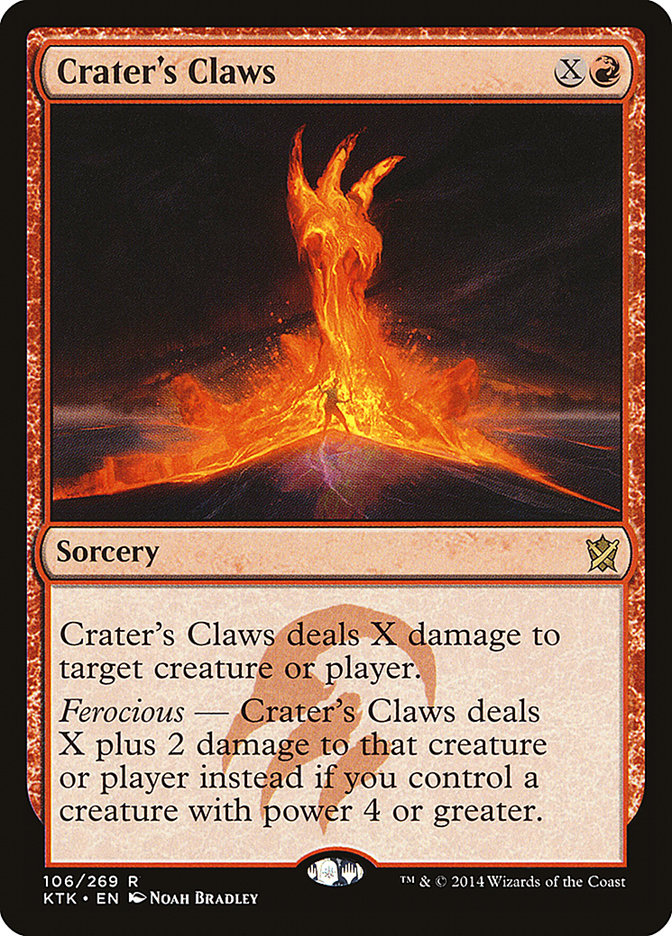
Crater's Claws just has the upside to deal 2 more damage if you control a creature with power 4 or greater. Ferocious, indeed.
#10. Light Up the Night
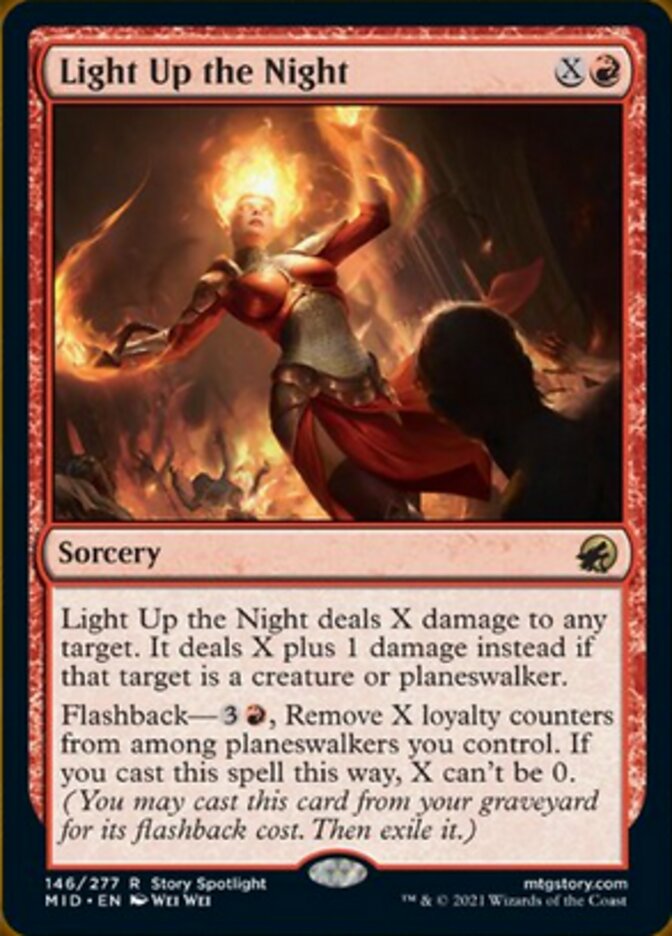
Light Up the Night is essentially a fireball that deals more damage to creatures or planeswalkers, and it shines in planeswalker-themed decks. You can cast it for just 4 mana and deal tons of damage with its flashback cost.
#9. Devil’s Play
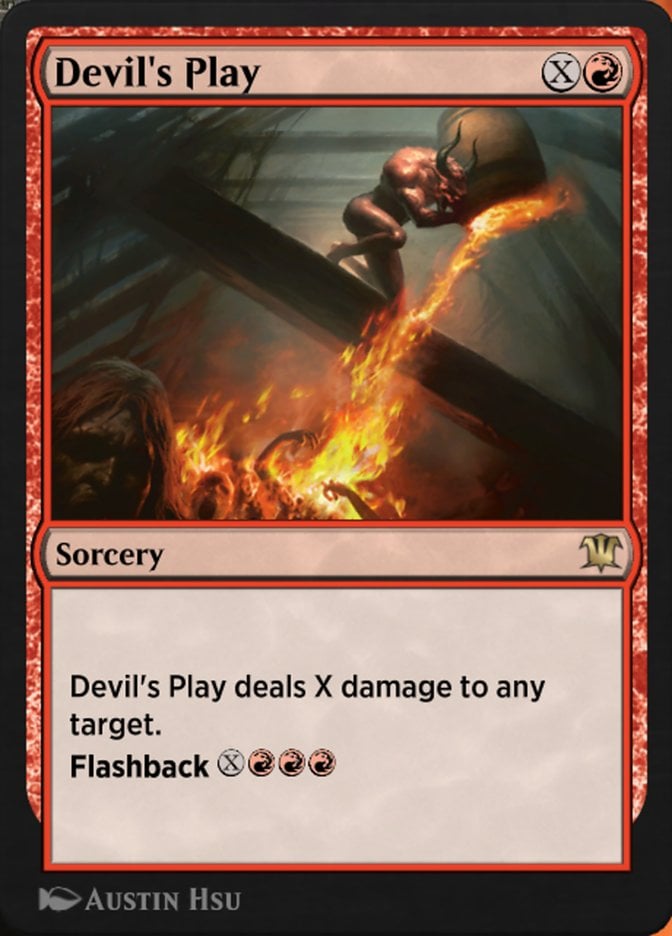
Devil's Play is one of my favorite Fireball effects, as it was legal during one of the last Standard seasons when I played tabletop with Kessig Wolf Run decks. Aside from that, it has an expensive flashback ability, though that’s just a bonus on top of the already reasonably-costed spell.
#8. Crackle with Power
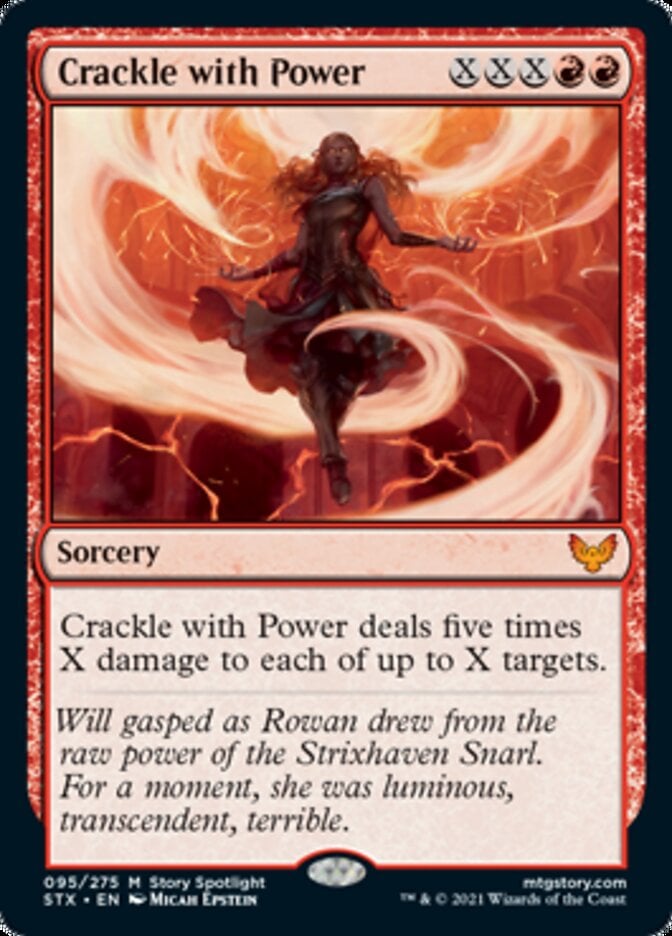
While expensive to cast, Crackle with Power is a card that escalates depending on how much mana you’re able to spend on it. For 5, you get to deal 5 damage to any target, and for 8, you get to deal 10 to two targets, and so on as you scale up on mana.
#7. Comet Storm
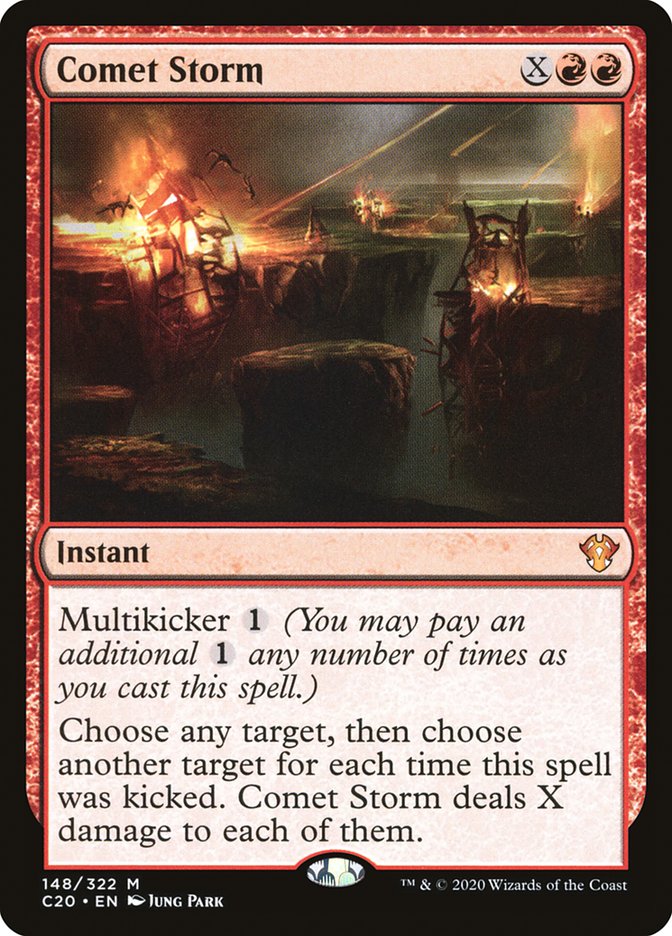
Comet Storm is probably your best call when looking for instant speed Fireball effects that have a very close, but better, effect compared to what actual Fireball does for just 1 more red mana.
#6. Delete
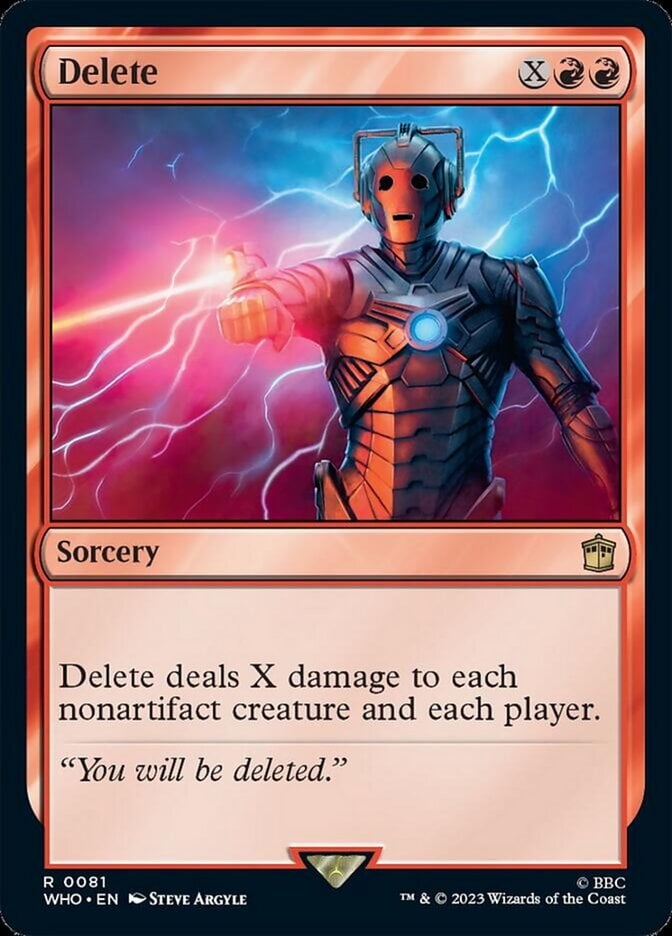
Delete is very likely to act as a pseudo Bonfire of the Damned in decks that run a great amount of artifact creatures in them.
#5. Zoanthrope
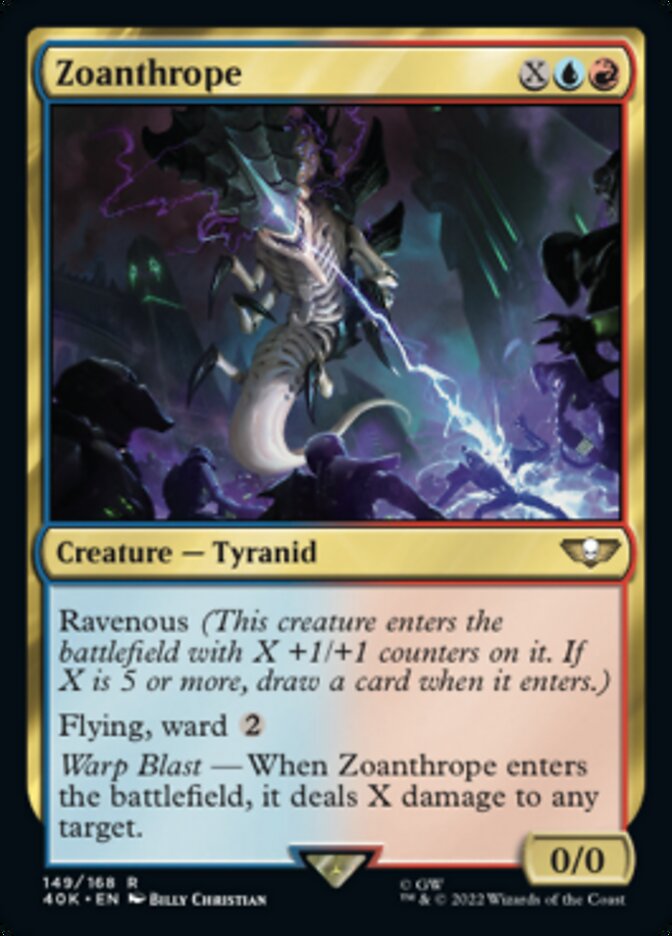
Zoanthrope was printed in Warhammer 40K, and it deals X damage to any target when it enters the battlefield, making it a strong card that leaves a big body behind. You even get a straight-up 3-for-1 if you dump enough mana to make it ravenous.
#4. Exocrine
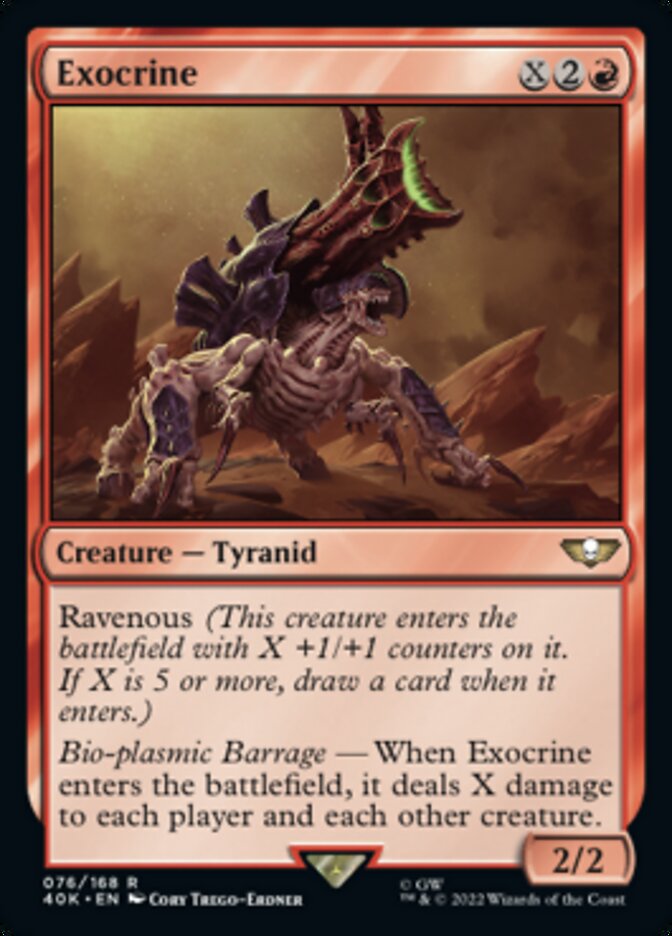
Being very similar to Zoanthrope, Exocrine is a mono-red creature that deals damage to each player and each other creature on the board based on the amount of mana you spend on it, acting as a red board wipe that leaves a big body to kill the opponents that aren’t dead already.
#3. Rakdos’s Return
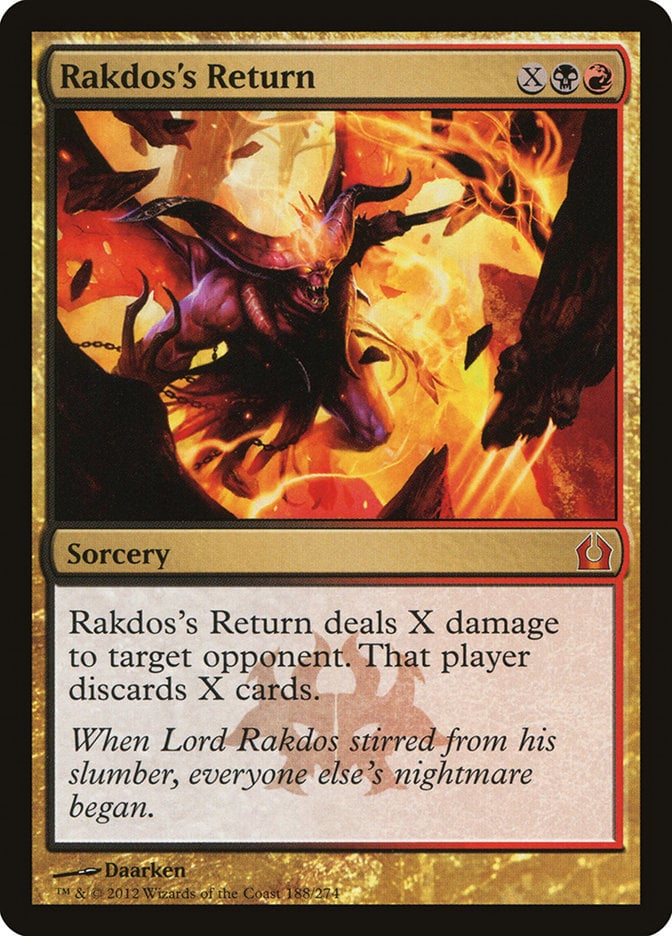
Unlike other Fireball cards that encourage you to cast them later in the game, Rakdos's Return is often used to leave your opponents with no answers while dealing massive amounts of damage to them. This paradigm change is key as it’s likely you’ll put them in a top-decking situation where all they’ll have access to is luck.
#2. Banefire
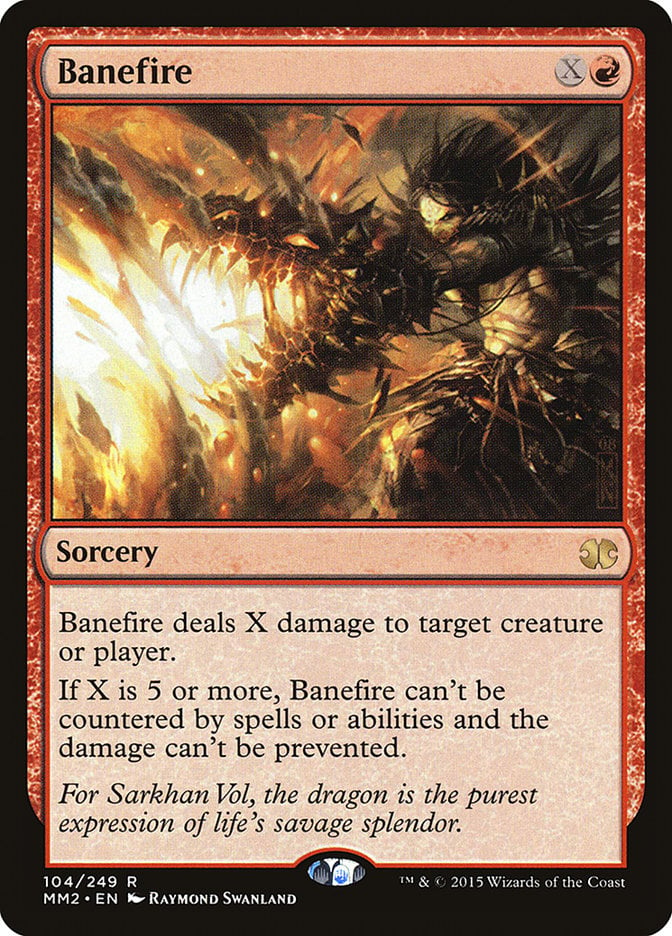
I like that Banefire can’t be countered if you spend more than 5 mana on it. It feels awful to spend your entire turn casting a card only for it to be countered and then lose on your opponent’s next turn.
#1. Bonfire of the Damned
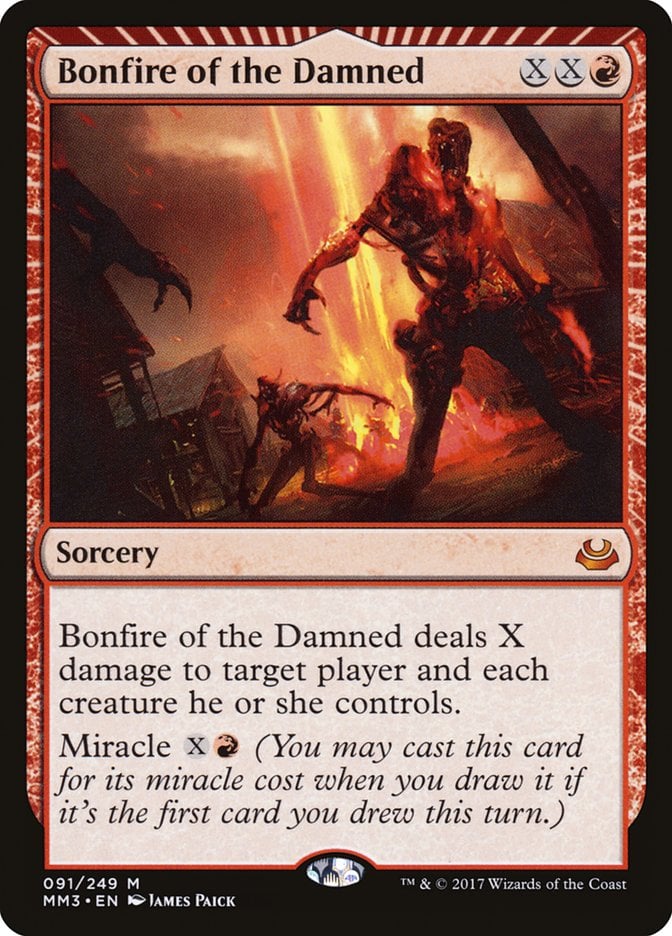
Being Brian Kibler and LSV’s most hated card for a reason, Bonfire of the Damned is a fantastic card with the potential to clear entire boards, especially when topdecked on your turn. Its miracle cost is one of the few ways you can steal games—and crush dreams—against opponents counting on advancing in high-stakes tournaments like the World Magic Cup. It’s just poetic that a Fireball effect backfired against team ChannelFireball members.
How Does Fireball Work in MTG?
I know Fireball may be wordy at first, but it’s actually fairly easy to play once you know how it works.
You decide how much mana to spend, which determines how strong the Fireball is. The amount of damage it deals is X, so if you put 5 mana into X, Fireball deals 5 damage total. You can aim it all at one target, or you can spread the damage across multiple ones.
When you split the damage, it has to be divided as evenly as possible among the targets. For example, if your Fireball deals 7 damage and you target three creatures, each one takes 2 damage (because 7 is divided by 3, then rounded down, which equals 2), and the extra 1 damage is lost. Also, it costs an extra mana for every target after the first.
In total, you’ll only need 9 mana: 1 red mana, 2 extra for the extra targets, and 6 for the damage. It’s a little tricky, but Fireball can hit a lot of things at once if you have the mana!
Wrap Up
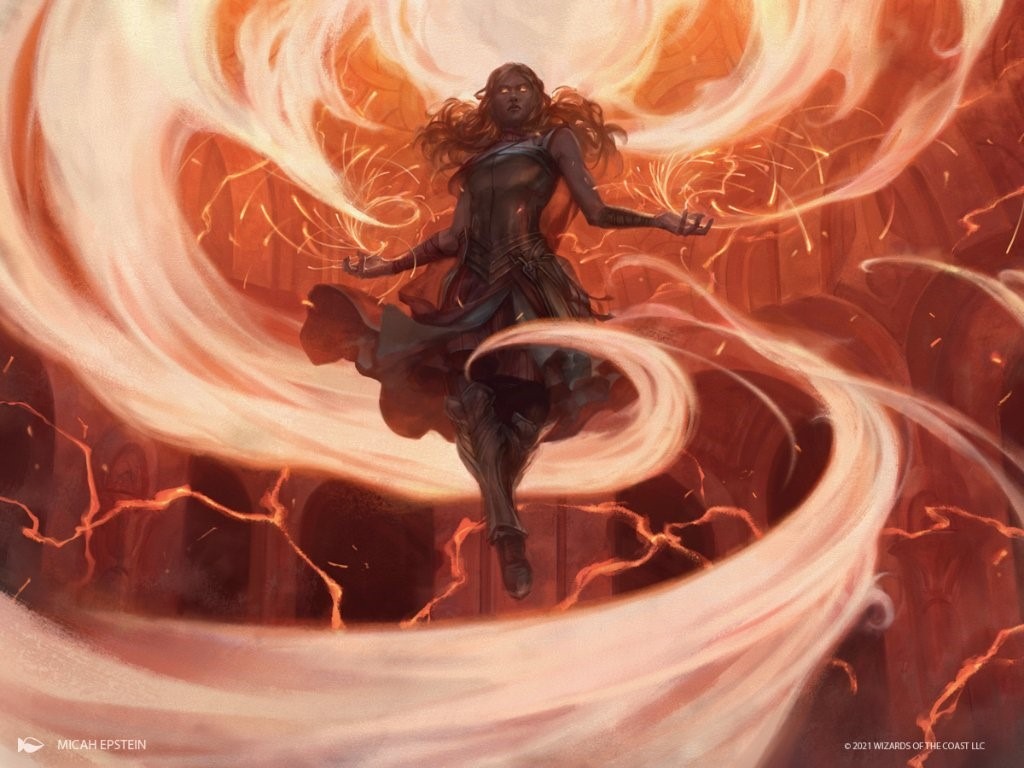
Crackle with Power | Illustration by Micah Epstein
I know that Fireball can be a pain to do math with, and I’m very happy that there are better cards you can use to accomplish the same goal.
What do you think? Did you like the cards on this list, or would you prefer some others I may have missed? Let us know in the comments!
Thank you so much for reading up until now. If you want to stay ahead of the curve and keep up with the latest MTG trends, be sure to follow us on X, and join our Discord community—you’ll never miss a thing!
As always, take care, and I’ll see you next time.
Follow Draftsim for awesome articles and set updates:










Add Comment