
Last updated on February 3, 2026

Ruric Thar, the Unbowed | Illustration by Tyler Jacobson
I’m a Commander lover to the bone, and I adore Limited Magic even more. But rarely have I ever had a gameplay experience in Magic as fun as playing Two-Headed Giant with (and against) my friends. You know when you’re in a pod with your buddy, and it feels like collusion to team up with them or betrayal to attack them? Well, Two-Headed Giant solves that by putting you both in the driver’s seat together, ready to take down other teams in the format of your choice.
Two-Headed Giant is almost exclusively played as a Limited variant, but much like Archenemy or Planechase, it’s an “add-on” that can be tied to any MTG format you like, Commander included. We’ll be exploring Sealed Two-Headed Giant for the most part, but we’ll also take a peek at how this variation of Magic works with other formats, too.
Everyone got their Magic buddy by their side? Good, let’s get to it!
What Is Two-Headed Giant?

Sandwurm Convergence | Illustration by Slawomir Maniak
Two-Headed Giant (2HG) is a team vs team variant of any other Magic format, usually associated with Sealed. In 2HG, you and a partner sit side-by-side with your own decks and play through the phases of the turn as a team. It’s a collaborative effort to take down the opposing team and requires careful deck construction and planning.
The 2HG variant can be applied to just about any format. You’ll mostly see it during new set pre-releases, where local game stores will carve out a time slot for a 2HG event, but you could also play Commander 2HG, Standard 2HG, and so on. So long as you’ve got four players that all have decks for the same format, you can put together a 2HG game.
Who Is Two-Headed Giant For?
Two-Headed Giant is the perfect format for people looking to play in a team setting with another person, whether that’s a best friend, a significant other, or even a new face at your LGS. If you already have a baseline understanding of Magic, 2HG isn’t much more complicated, so it can be fun for beginner players too.
Since 2HG can be added onto just about any format out there, it’s also a cool option for playgroups looking to shake up their normal Commander routine, or rogue deckbuilders interested in a unique deckbuilding challenge. Basically, if you like the idea of playing alongside a friend, or you have fond memories of couch co-op video games, 2HG will have some appeal for you.
Format-Legal Sets
Two-Headed giant follows the MTG set legality of whatever format you’re adding it onto. This won’t matter for Limited, but if you’re playing Standard 2HG, you’ll have to restrict your deck to the current Standard-legal sets.
Notably, there have been a few sets that were designed with 2HG in mind, particularly for Limited. Oath of the Gatewatch had a small team component with mechanics like surge and support, though this was a minor element of the set.
Battlebond was expressly designed to be a “Two-Headed Giant Limited Set,” meaning the whole point of the release was to play 2HG Draft (or Sealed). It introduced the “partner with” mechanic and a bunch of team-based abilities, like assist and the friend/foe spells.
Format Rules
In Two-Headed Giant, you and a partner sit side-by-side with separate decks and play through the phases of the turn as a team. You conduct your draw phases together, declare attacks at the same time, block together, and end the turn together. It’s basically two decks playing a synchronized turn together.
Each team shares a 30-point life total, and any damage dealt to one player is reduced from the team’s life total. A team loses if their life total reaches 0, or if one player would lose through other means (mill, alternate lose-cons, etc.). In other words, you win as a team and lose as a team.
Notably, you do not share your resources with your partner. They can’t tap your lands for mana, cast spells from your hand, sacrifice your creatures, etc. You can look at each other’s hands and collaborate, but your cards are still your cards.
Even though it’s a team vs team environment, there are still four individual players involved in the game, which means you have to pay special attention to the language used on card effects. Anything that refers to “you” the player means literally just you. Overrun will only affect your creatures, not your partner’s.
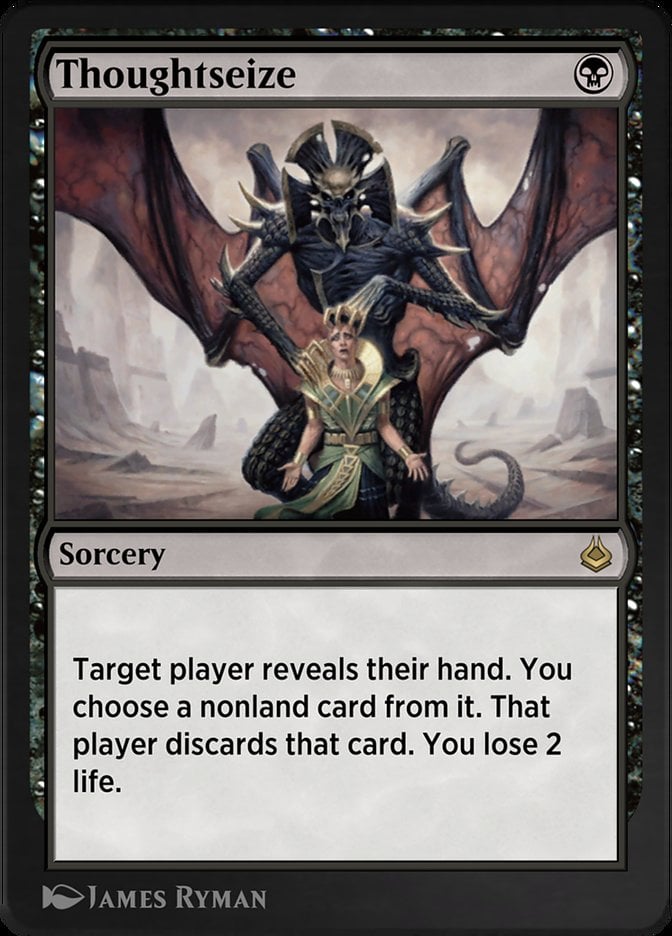
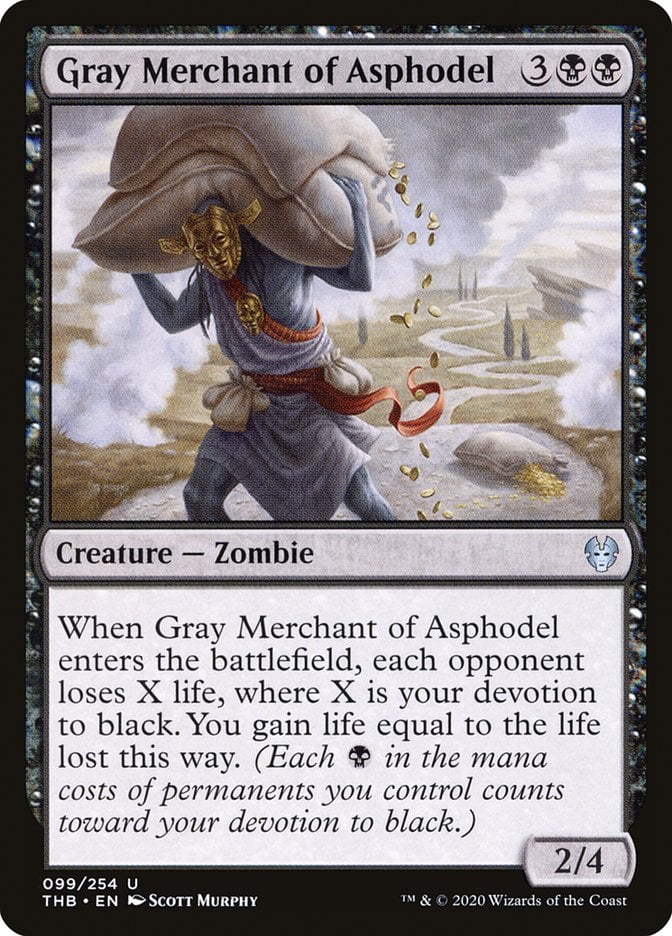
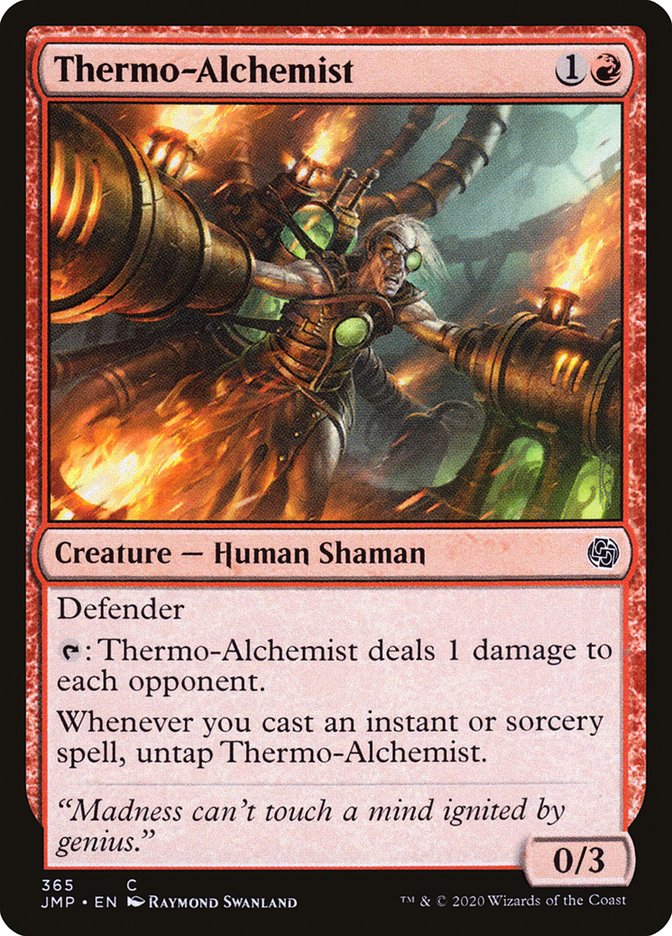
Likewise, each opponent is a separate player. If you’re required to target a single opponent, you choose one. For example, Thoughtseize will only let you look at one opponent’s hand. However, the word “each” becomes a huge deal here. If you deal an amount of damage to “each” opponent, it’ll apply to both opponents separately. This makes cards like Gray Merchant of Asphodel and Thermo-Alchemist especially deadly in 2HG, since their damage output is twice as strong as it would be in a 1v1 match.
Combat’s pretty intuitive in 2HG. You attack as a team, and teammates can block as a team. You can block creatures attacking you or your partner, and they can also block for you. Technically, when it comes time to declare attackers, you choose which opponent each creature is attacking. In practice, you’ll skip the player assignment part and just declare attacks against the other team in general, but this does matter sometimes.
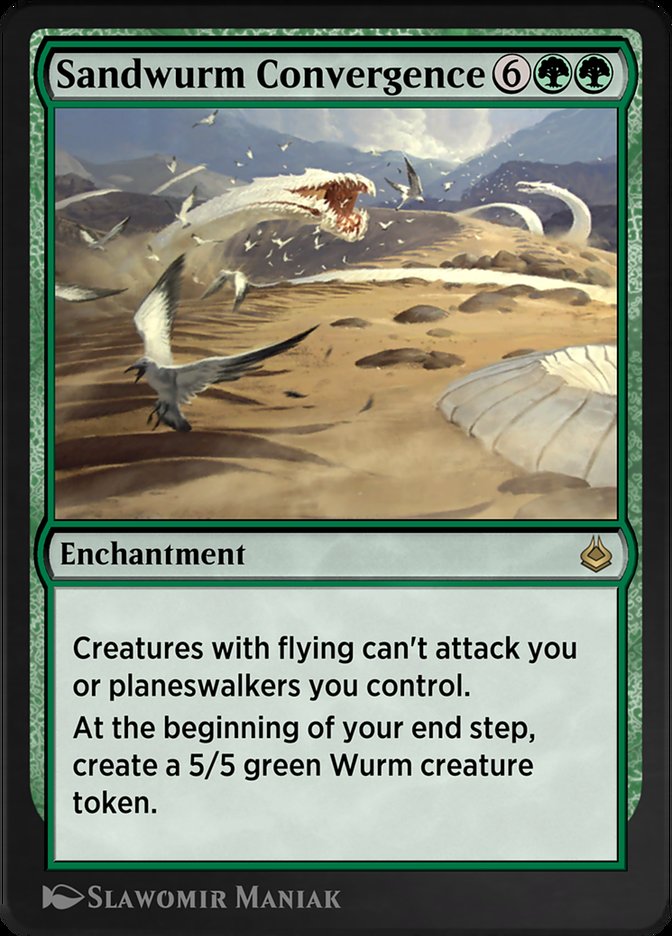
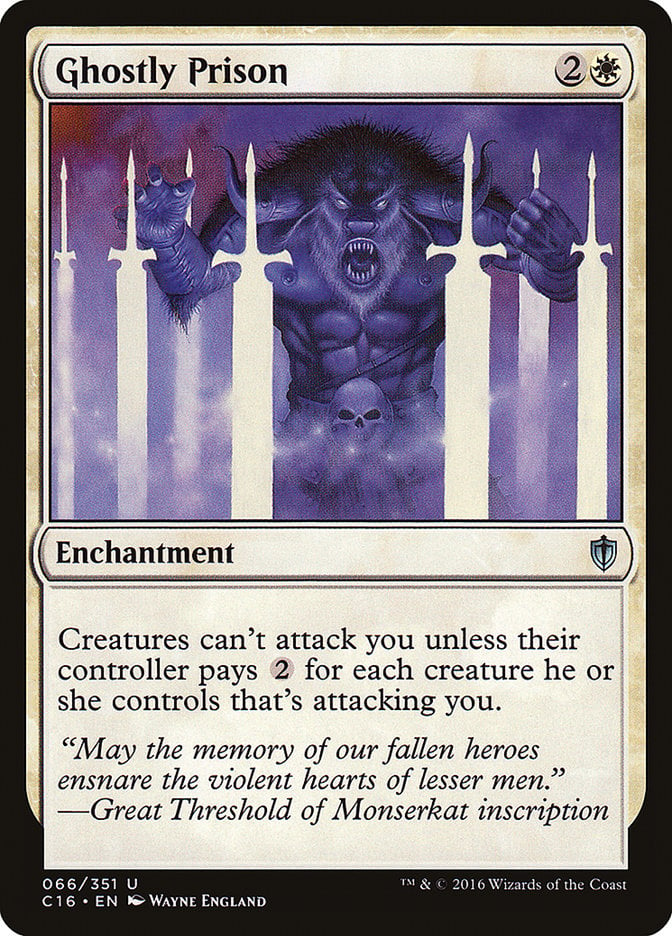
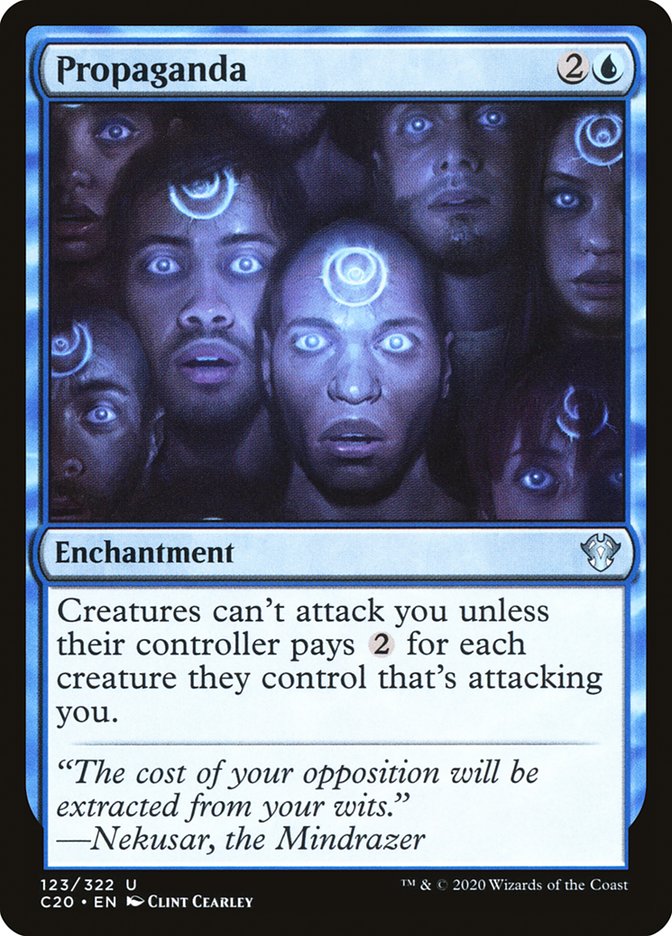
For example, a card like Sandwurm Convergence says you can’t be attacked by fliers, but that protection doesn’t extend to your partner, so your opponents can just send all their flying attackers at your partner for the same effect. This makes cards like Ghostly Prison and Propaganda particularly weak in 2HG.
A couple other quick notes that won’t always matter:
- Poison counters are accumulated by a team, not individual players, and the threshold is 15 poison counters to lose the game in 2HG.
- The player seated on the right is technically the lead “head,” and has the final say if there’s a disagreement about a game decision for their team.
- If you play a sanctioned event with a timer, and the match is still going when the timer runs out, teams will proceed for three additional turns (as opposed to the usual five in 1v1 matches). If there’s no winner at the end of the third turn, the match is considered a draw.
Format Banlist
Two-Headed Giant follows the banlists of each individual format. For example, if you’re playing Standard 2HG, you’d abide by the current Standard banlist. Same goes for Commander, so no Mana Crypts or Dockside Extortionists in this version.
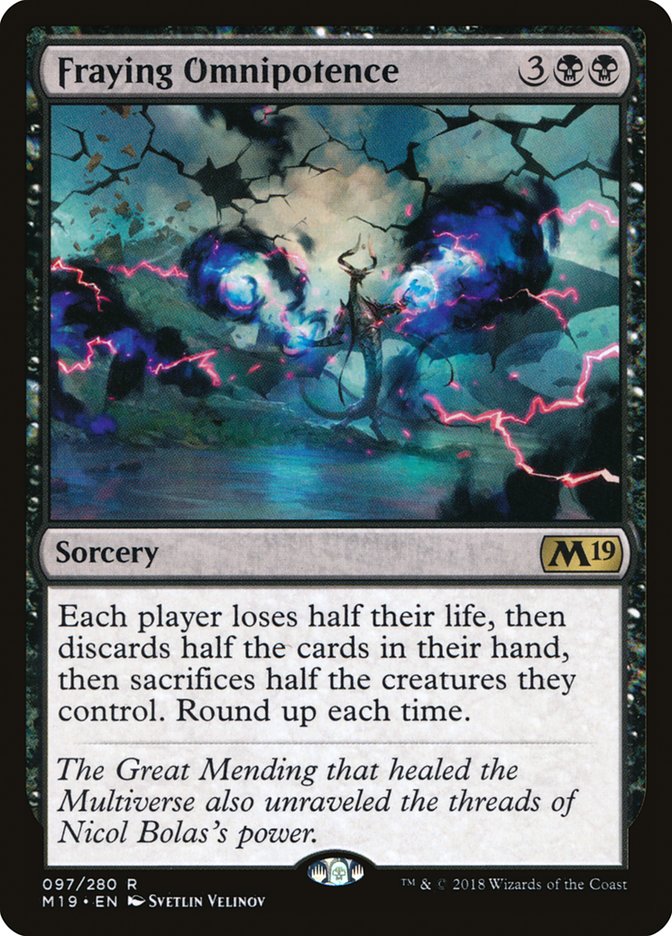
Since 2HG is most often played as a Limited variant, a banlist normally won’t apply. However, in some very niche scenarios, your group or an event organizer might ask you to avoid certain types of cards in 2HG. A clear example of this was Fraying Omnipotence from Core Set 2019. In 2HG, this card immediately ends the game in a draw, which could be problematic in a timed Sealed event, since a draw means the game just restarts from scratch.
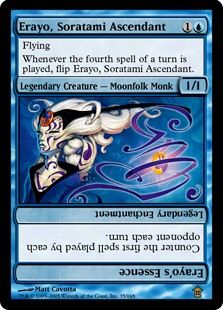
You basically never see Constructed 2HG tournaments, but Erayo, Soratami Ascendant is banned in any such tournament.
Where to Play Two-Headed Giant
Though it’s infrequent, the best place to check for 2HG events is your local game store during pre-release weekends. Almost every store I’ve regularly played at uses one of their pre-release slots for a 2HG Sealed event. This can be especially fun if you’re trying to learn a new Magic set with your teammate of choice.
Some stores offer scheduled Two-Headed Giant Draft events on their calendar. This is more of an oddity than a regular thing at LGSs, but it’s something to ask about if the format appeals to you.
You can also recommend the 2HG variant at your Commander nights, especially if you have a playgroup with any sort of internal rivalries. Just like Archenemy or Planechase, 2HG can be an interesting way to shake up a stale Commander meta, or even encourage new creative deckbuilding.
Some of the old Magic video games like Duels of the Planeswalkers had a 2HG game mode that paired you with a random partner online. However, I doubt these games still have functional online servers or any sort of regular player base, and I’m not entirely sure you can even buy or download the games anymore.
Getting Started with Two-Headed Giant
You don’t have to do very much to enjoy 2HG; depending on the format, you might not have any work to do at all! Assuming you’re playing a Sealed 2HG pre-release event, all you have to do is register with your LGS and show up with your teammate to play.
In Sealed events, you and your teammate share Sealed pools and make two minimum 40-card decks from among the entire pool. There’s no relevant sideboarding in 2HG, so play as many of your best cards as you can!
I’m also going to give you a huge piece of advice, coming from someone who has logged and played over 100 Sealed 2HG tournaments. One common approach is to build two decks that complement each other with different strategies. For example, one player has a deck full of creatures and pump spells, and the other plays a bunch of removal and countermagic. Do not do this! Both decks should be well-rounded, with access to card draw, removal, threats, and so on. If you do the strategic split approach and one deck fumbles at all, you’ll almost surely lose because the remaining partner’s deck is only half a strategy. Well-rounded decks for both players are ideal.
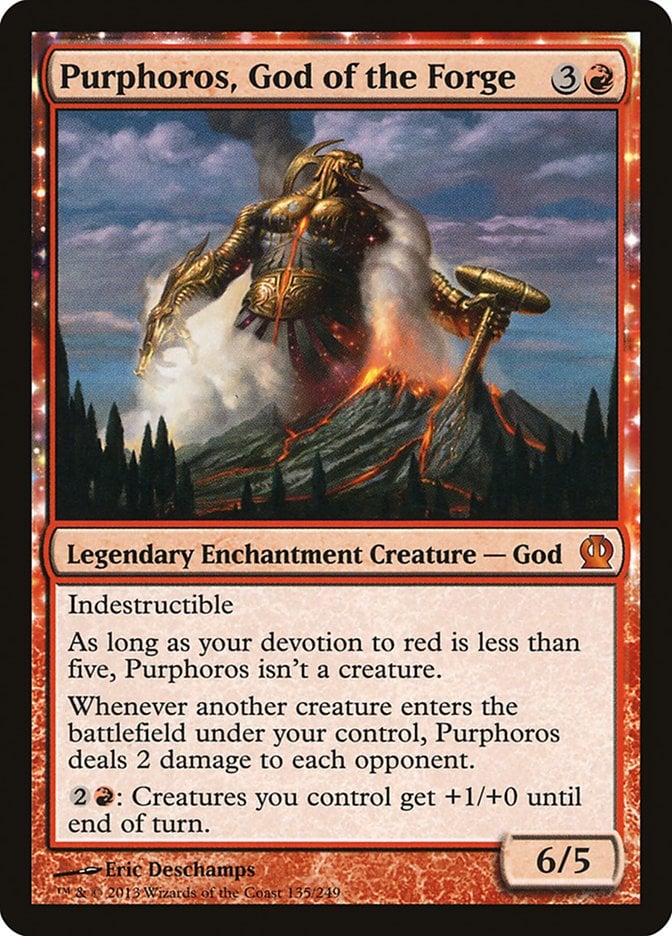
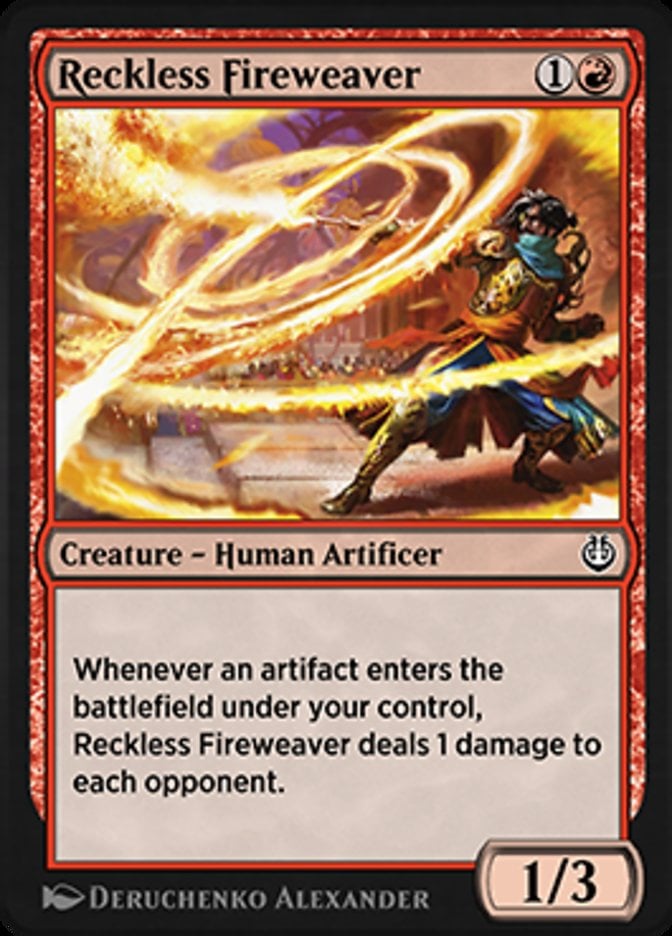
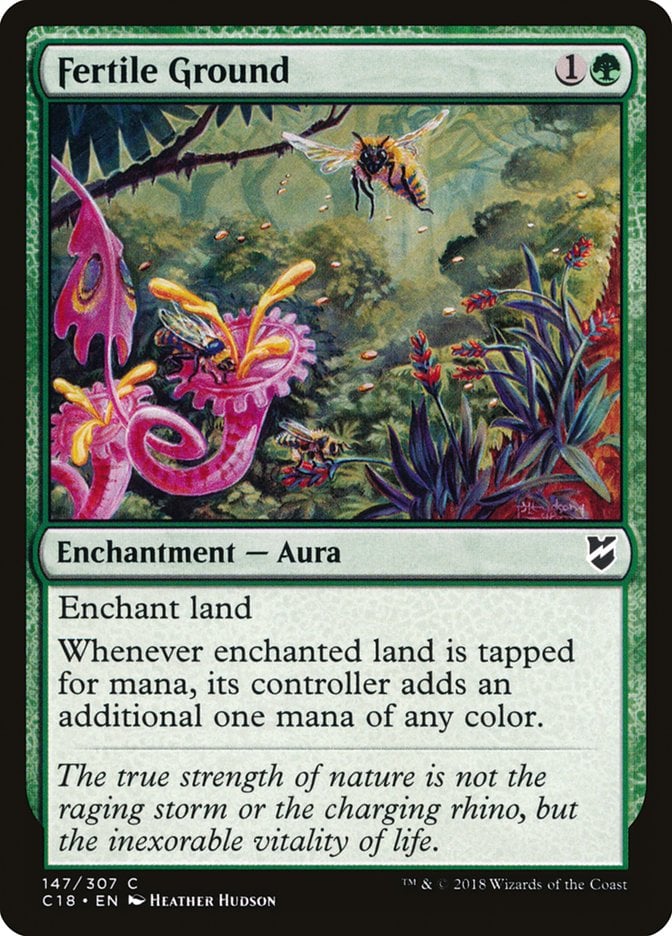
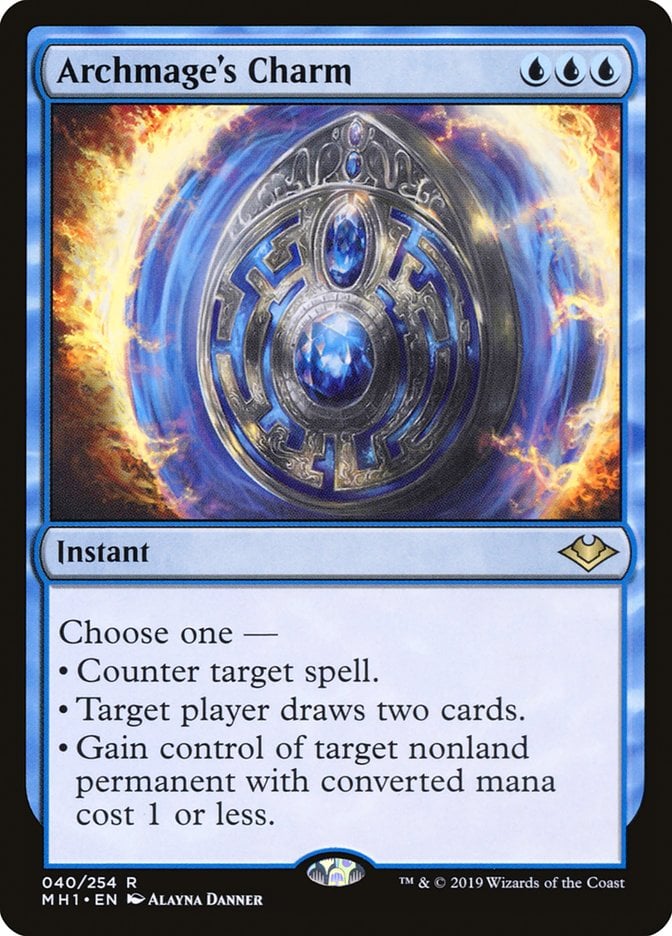
If you’re building a 2HG deck for Constructed or Commander, things get a little more interesting. Here, you ideally want to play more cards that directly interact with your teammate or interact with both opponents at once. Cards like Purphoros, God of the Forge and Reckless Fireweaver are every bit as good in 2HG as they are in normal Commander. Ways to benefit your partner, like a Fertile Ground to enchant their land or an Archmage's Charm to give them some card draw can go a long way.
Two-Headed Giant Products

Battlebond is the only set that has been exclusively designed for 2HG. It’s a fun time with friends, and there are actually quite a few Constructed and Commander staples scattered throughout the set.

Oath of the Gatewatch also has a small Two-Headed Giant component, though it’s a tiny part of the set, and not enough to go out of your way for unless you just like the set.
- Featuring a brand new promo subset called "Expeditions" where you can get a special premium full art land from Magic's history!
How Does Two-Headed Giant Draft Work?
Two-Headed Giant Draft involves sitting next to your partner and simultaneously drafting two decks. A 2HG Draft pod usually consists of three or four teams (six to eight players total), and each team receives six booster packs.
Each team opens one booster pack at a time, selects two cards, and passes the remaining cards to their left. The pass rotation changes with each new pack, so pack two will go to the right, pack three to the left, etc. Players will take double-picks throughout the entirety of the draft, creating a shared pool that will then be divided into two decks during deck construction.
In Two-Headed Giant, your team has two separate decks and they are not shared. Thus, there are four total decks in the game, and any play from the top of your library cards only affect your library.
How Do Sideboards Work in Two-Headed Giant?
Players share a sideboard in Sealed, though sideboarding rarely matters in 2HG, since the format is played as a best-of-one match. However, players do have a sideboard for the purposes of wish cards, or anything that references your sideboard. If you cast Glittering Wish in a 2HG game, you can pull in any multicolored card from your combined Sealed pool that’s not in your or your teammate’s maindeck.
Is Two-Headed Giant Best-of-One?
Yes, 2HG is played as a single best-of-one match. That means sideboarding is largely irrelevant. This also means if a draw occurs, the players restart the game and start a new one.
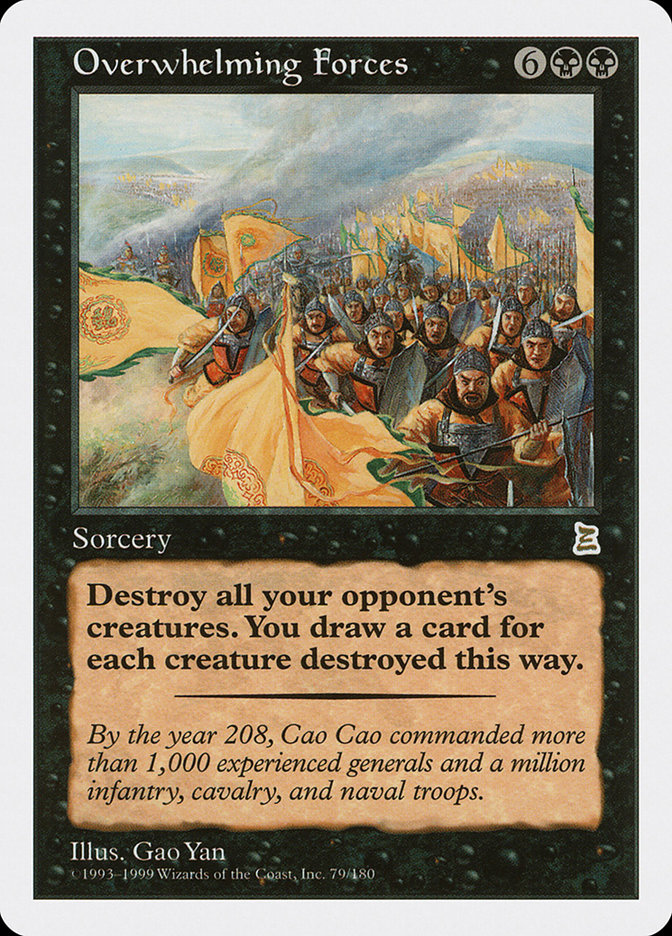
No, your creatures are yours alone. You can block creatures attacking your teammate, but those blockers are still your creatures. If an opponent targets your teammate with Overwhelming Forces, first off good luck, second off your creatures will remain intact.
No, your and your partner’s mana pools are separate in 2HG. You cannot tap your partner’s lands for mana or offer them any mana for their spells (outside of something like the assist mechanic).
I’ve heard rumors of a “Two-Headed Dragon” variant where teammates do share mana, but I’ve never played it myself, nor have I ever seen anyone play it.
Do You Draw If You Go First in Two-Headed Giant?
This is a common misconception, but no, you do not draw if you go first in Two-Headed Giant. That would be a massive advantage to the first-turn team. Most multiplayer formats allow all players to draw on turn 1, but 2HG isn’t technically multiplayer, it’s billed as 1v1 (one team vs. one team), and so there’s no draw for the starting team. The team playing second will draw on their first turn.
Want a tip that’s worked out for me very well in the past? If you win the die roll, let the other team play first. The extra cards you get from being on the draw go a long way in 2HG matches, which can lead to board stalls and cluttered matches often. Of course, if you and your teammate constructed hyper-aggressive decks, you’ll want to be on the play, but otherwise I’ve found it very effective to play second.
Do You Get a Free Mulligan in Two-Headed Giant?
Each individual player gets one “free mulligan,” meaning they can shuffle their starting hand back into the library and draw a new hand of seven cards without penalty. After that, each additional mulligan will require you to put a card from the hand you keep on the bottom of your library.
You and your partner can look at each other’s hands and make mulligan decisions together. I recommend taking aggressive mulligans in this format. By that, I mean mulligan any hands that are sketchy and have a chance of not working out. If either head’s deck flounders or can’t play its cards in the match, that team is very likely to lose, so both heads need functional opening hands.
What Happens if My Card Says “Target Opponent” in Two-Headed Giant?
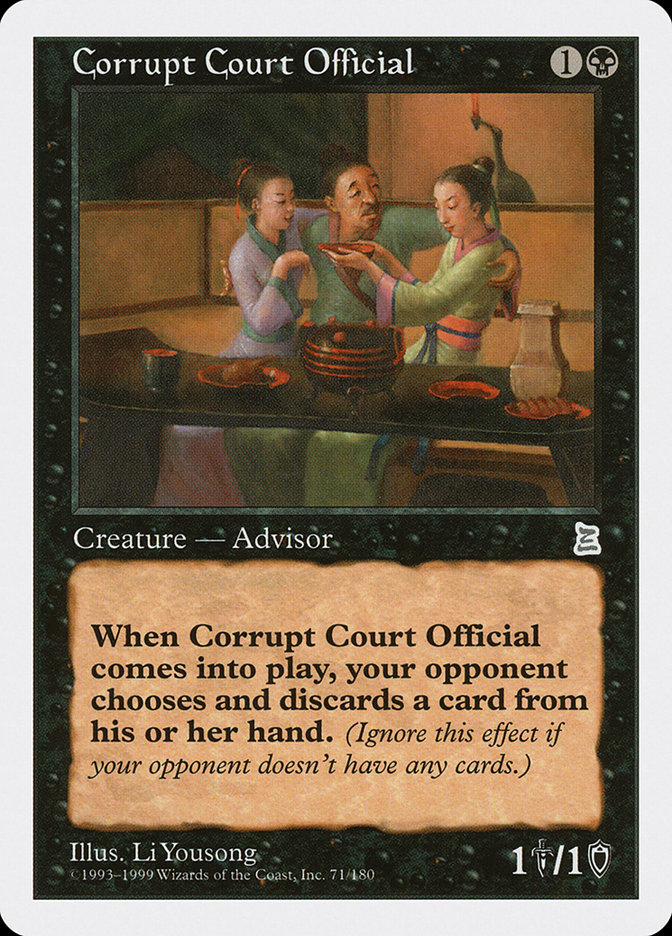
If my card says “target opponent,” I have two possible opponents to choose from and I get to target one of them. So I play Corrupt Court Official and target the one opponent with a card in hand, not the one that has an empty, hellbent hand.
How Does Monarch Work in Two-Headed Giant?

The monarch is a designation that only affects one player at a time, so if you’re the monarch, you’re the only one who draws a card during your end step.
This is where assigning attackers to an opponent is important. To take the monarch from an opponent, you need to deal combat damage to them, not their teammate, which means your creatures need to be assigned in that direction.
But what happens if both opponents deal combat damage to you at the same time while you’re the monarch? Well, being dealt damage while you’re the monarch puts a trigger on the stack, which will happen once per opponent that hit you. The current monarch controls those triggers and stacks them how they please, so essentially, you get to choose which opponent becomes the monarch. If only one opponent hit you, they become the monarch by default.
How Much Life Do You Start With in Two-Headed Giant Commander?
The starting life total for 2HG Commander is 60 per team.
How Much Commander Damage is Lethal in Two-Headed Giant Commander?
Commander damage is unchanged in Two-Headed Giant games, so 21 damage from an individual commander is considered lethal. Note that that 21 damage is cumulative across both partners. If a commander hits me for 10 damage, then hits my partner for 11, we lose the game.
Wrap Up

Two-Headed Giant | Illustration by Simon Dominic
I can’t really do this format justice just by telling you how the rules work, but I encourage you to try it out sometime, especially when it comes to Sealed pre-release events. It’s some of the most fun I’ve ever had playing Magic, because instead of bringing a friend and splintering off into your own matches, you get to play together!
Two-Headed Giant Drafts can be a lot of fun too, and I thoroughly enjoyed Battlebond when it came out. I’m not as hot on 2HG as a variant for Constructed formats, but some people really enjoy the implications for Commander.
I’d love to hear about your experiences with the format. Who did you bring to play with you, and what format were you playing? Let me know in the comments below or over in the Draftsim Discord.
Thanks for making Draftsim your #1 stop for all things Magic!
Note: this post contains affiliate links. If you use these links to make a purchase, you’ll help Draftsim continue to provide awesome free articles and apps.
Follow Draftsim for awesome articles and set updates:










Add Comment