
Last updated on May 19, 2026

Mind's Desire | Illustration by Adam Paquette
Magic is often best played fairly, when everybody gets to do a few exciting things with some back and forth before everything comes to a tidy conclusion. Balancing cards and mechanics so that they’re strong enough to be exciting without breaking the game is a tricky task, but Wizards generally handles it.
Every now and then, something illicit slips past R&D and curdles formats, warping them around its existence. These broken mechanics are infamous, often whispered of in the corners of the LGS lest you summon them back to print. But why are they so busted?
What Are Broken Mechanics in MTG?
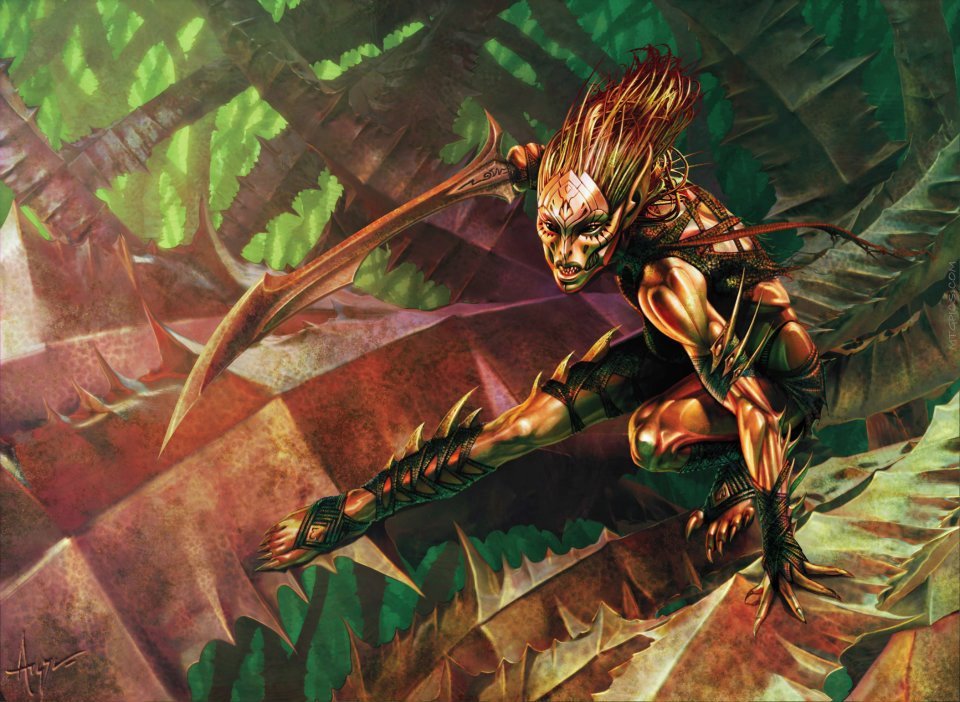
Glistener Elf | Illustration by Steve Argyle
Broken mechanics in Magic have an outsized effect on the game. When present in a format, maximizing your ability to use them often ends up being the best thing you can do. Like many broken things in Magic, these mechanics frequently cheat on mana costs in some way or provide resources at such a rate that the only way to overcome the resource accumulation is to deploy them yourself. I’ve also been generous with my definition of a mechanic, including some unnamed groupings of cards that are nonetheless extremely powerful.
#13. Energy


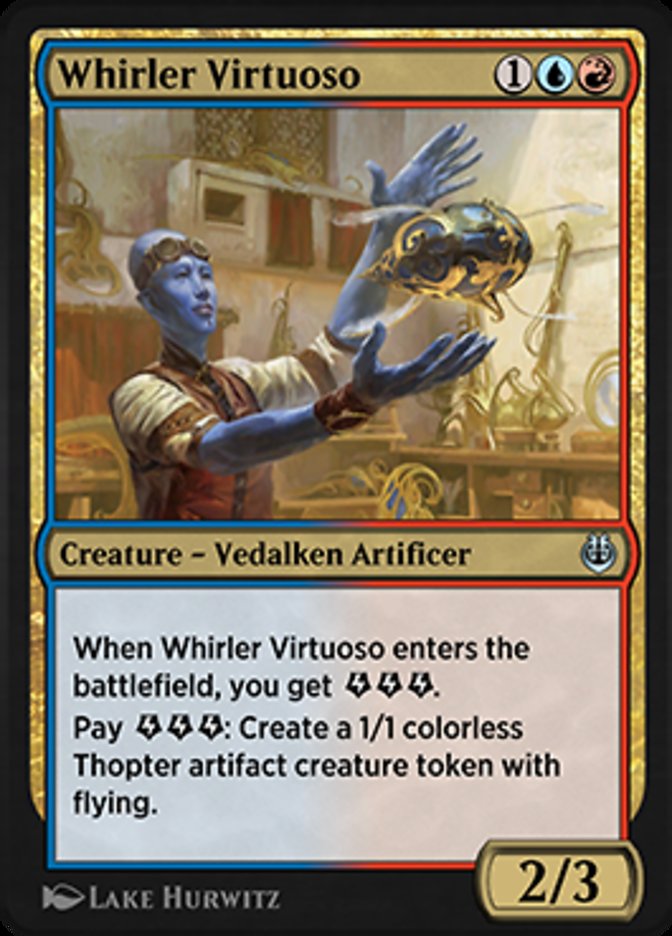
Though no individual energy card reads as horrendous, the parasitic mechanic often ends up looking broken because the power is cumulative. Let’s take Galvanic Discharge, for example. At face value, it deals 3 damage for 1 mana—a perfectly fair, if strong rate. There’s nothing wrong with that card.

But that assumes you use all 3 energy. Say you need to kill Ragavan, Nimble Pilferer; then you retain 2 energy. The next Galvanic Discharge deals 5 damage for 1 mana—a much less fair rate. Or that 2 energy lets you to activate Guide of Souls much sooner, or allows Amped Raptor to cast The One Ring on turn 2. Energy is a powerful resource that accumulates at an incredible rate, and it results in decks that make surprisingly powerful plays with very little mana.
#12. Eminence
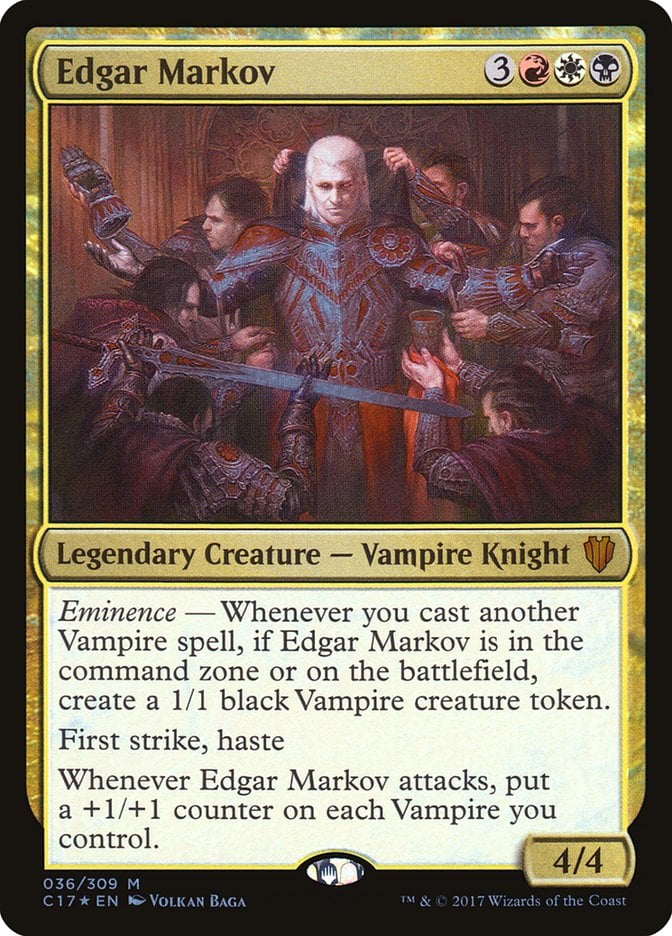
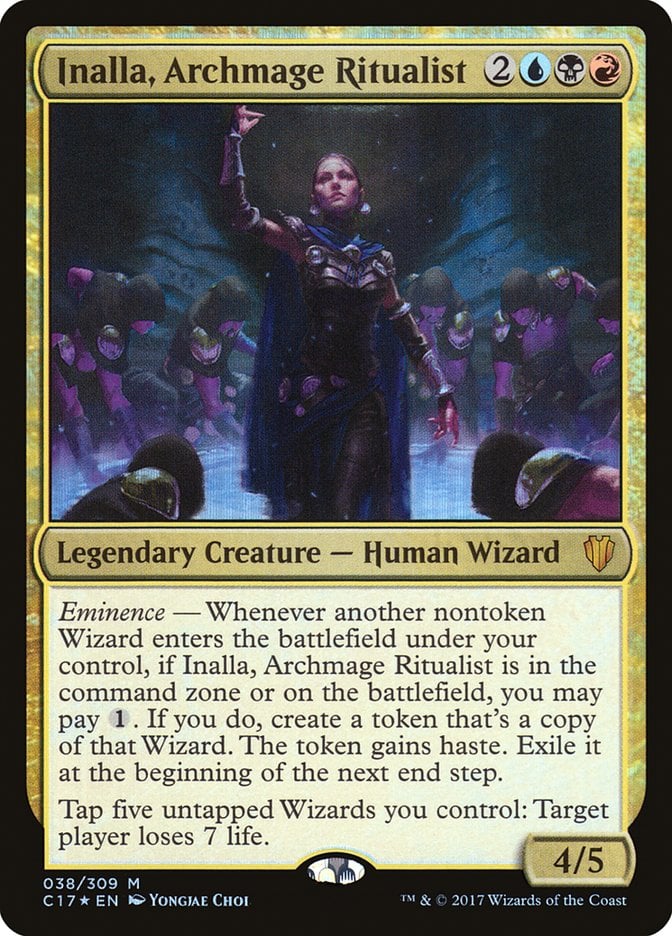
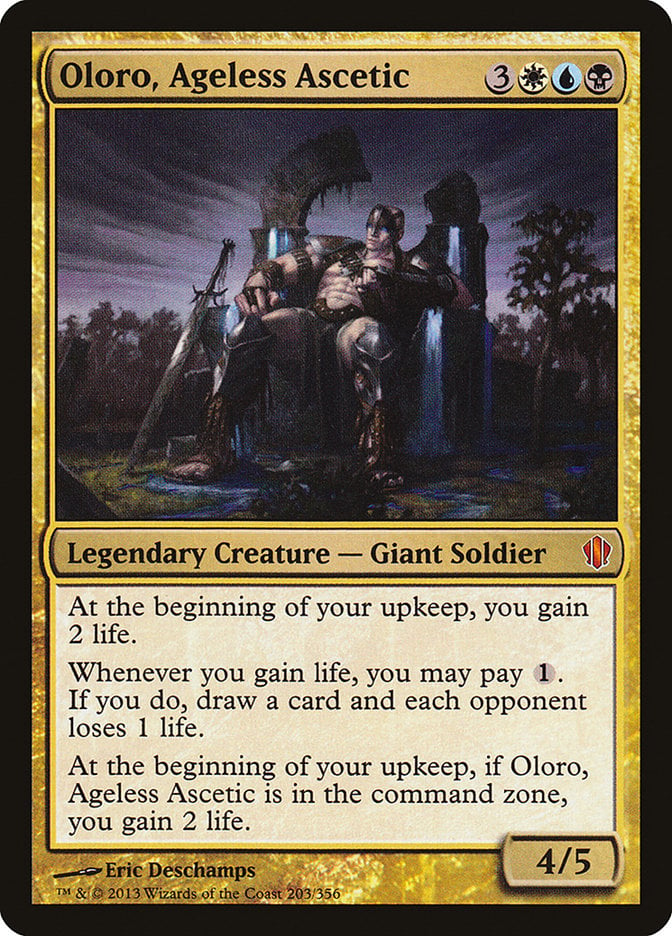
Eminence commits two sins against fair Magic: It ignores the fundamental law that effects cost mana, and it removes any chance of interaction. It doesn’t rank higher only because most eminence commanders aren’t horribly broken—Edgar Markov and Inalla, Archmage Ritualist are frustrating examples—and the mechanic is narrow in scope and use case.
All eminence commanders do something from the command zone, often at least once a turn—though you can trigger some of them more often. Since they act from the command zone, the player rarely invests additional mana or other resources into triggering them. Sure, you need to cast a vampire for Edgar Markov—but that vampire deck would cast Bloodtithe Harvester anyway. It’s just a free token. And since these effects happen with the commander in the command zone, a zone that can’t be targeted or interacted with through any means that currently exist in Magic (except Tevesh Szat, Doom of Fools’s ultimate ability), you can’t do anything about it. Edgar will make vampire tokens for the rest of the game.
#11. Infect
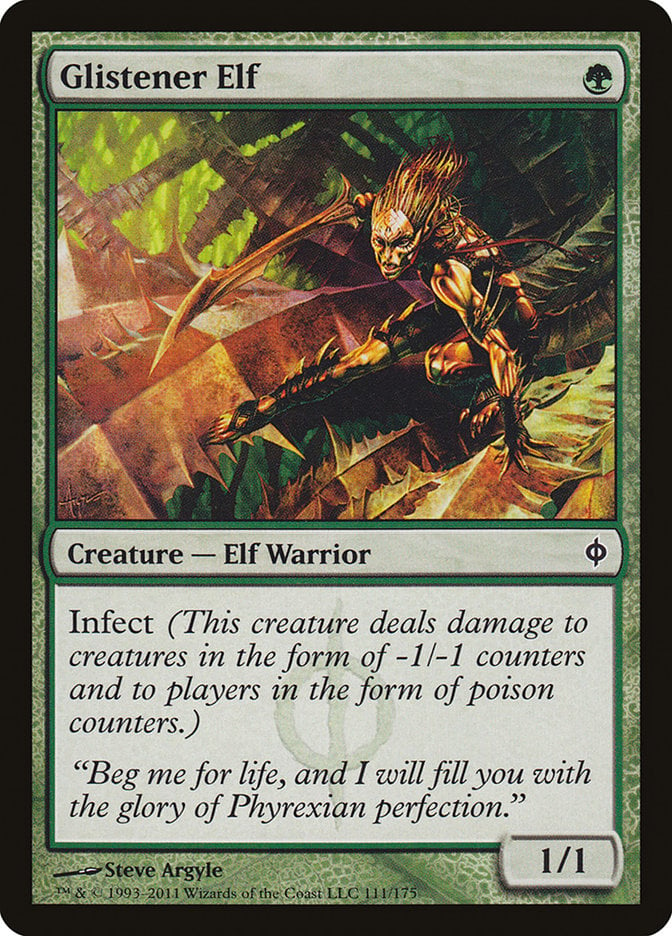
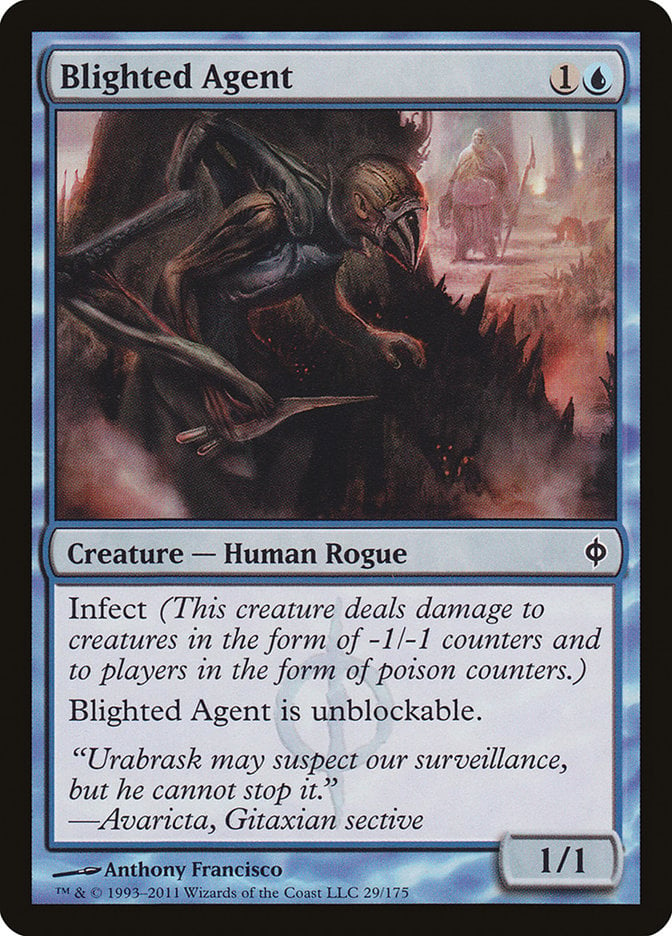
Infect is relatively simple compared to other busted mechanics: It sets opposing life totals to a hard 10, regardless of starting life in the format. Other mechanics give opponents poison counters, like Prologue to Phyresis or toxic creatures like Bilious Skulldweller, but infect is king because the number of poison counters granted scales with a creature’s power, which is so easy to boost with tricks like Vines of Vastwood, Mutagenic Growth, and Might of Old Krosa.
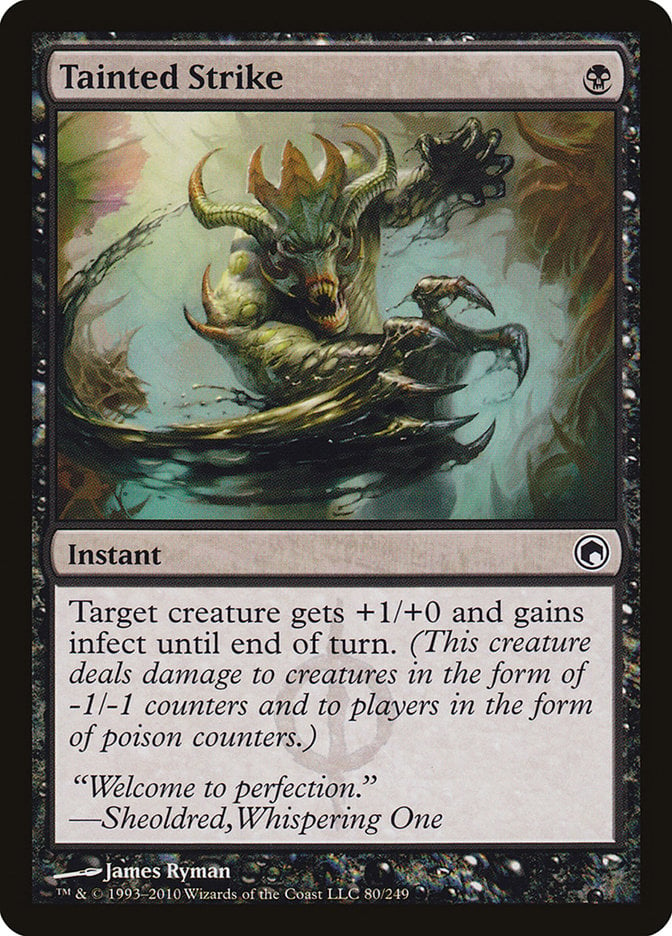
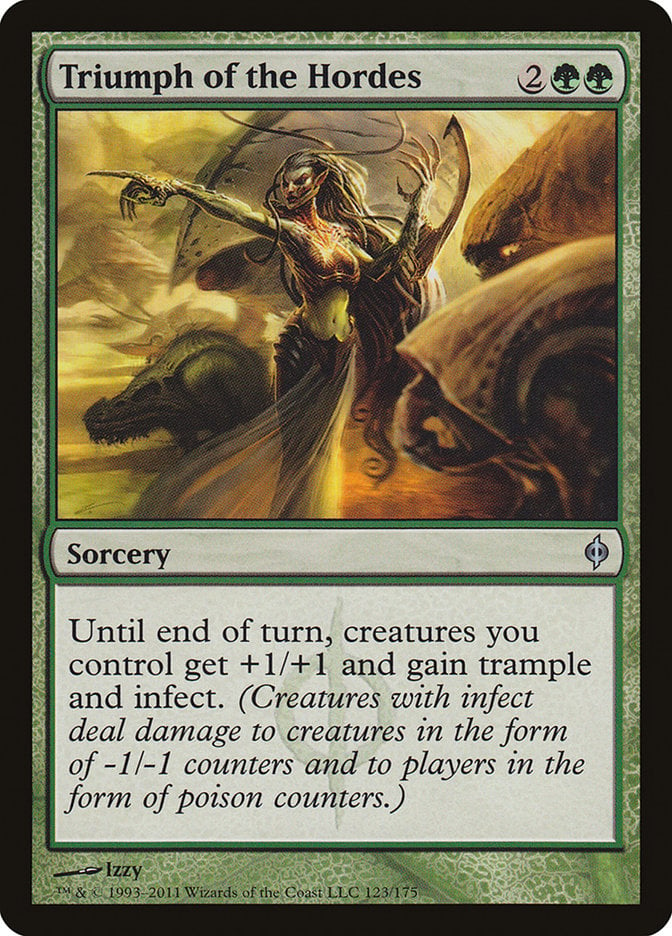
Infect decks were hyper-aggressive, relying on combat tricks alongside cheap creatures like Glistener Elf to close out the game. Commander players often use infect in a different fashion: They either go for a cheesy finish that puts Tainted Strike on a big creature or pumps their team with Triumph of the Hordes, or they play a more deliberate, midrange strategy that gets a few counters on their opponents then proliferates aggressively.
Notably, infect has seen a sharp decline in play over the years, as interaction gets better and power creep means infect isn’t the fearsome threat it once was. Still, this is a hallmark broken mechanic that fundamentally makes the infect player use a different ruleset than everyone else.
#10. Cascade
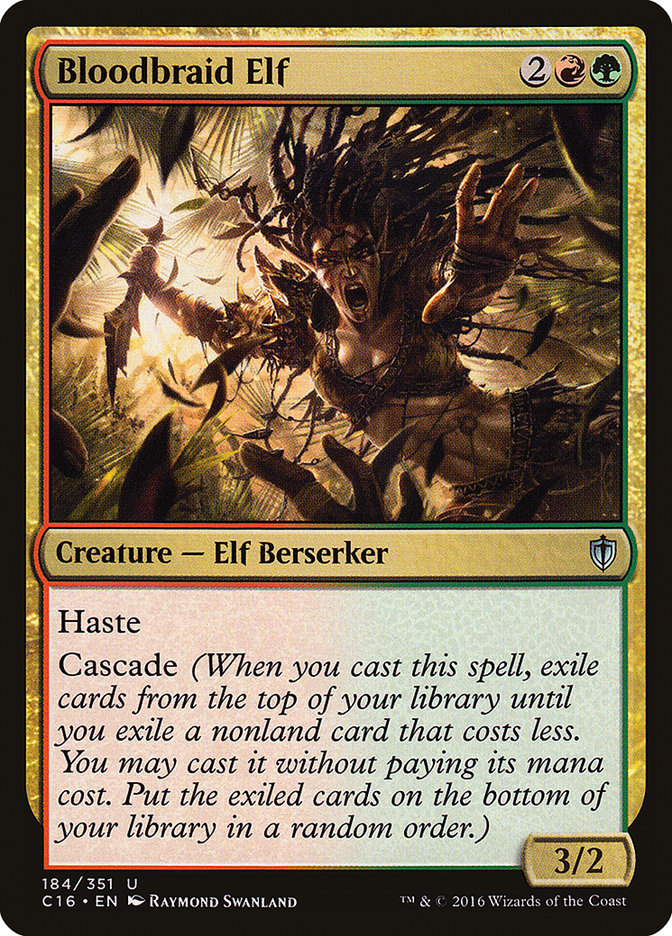
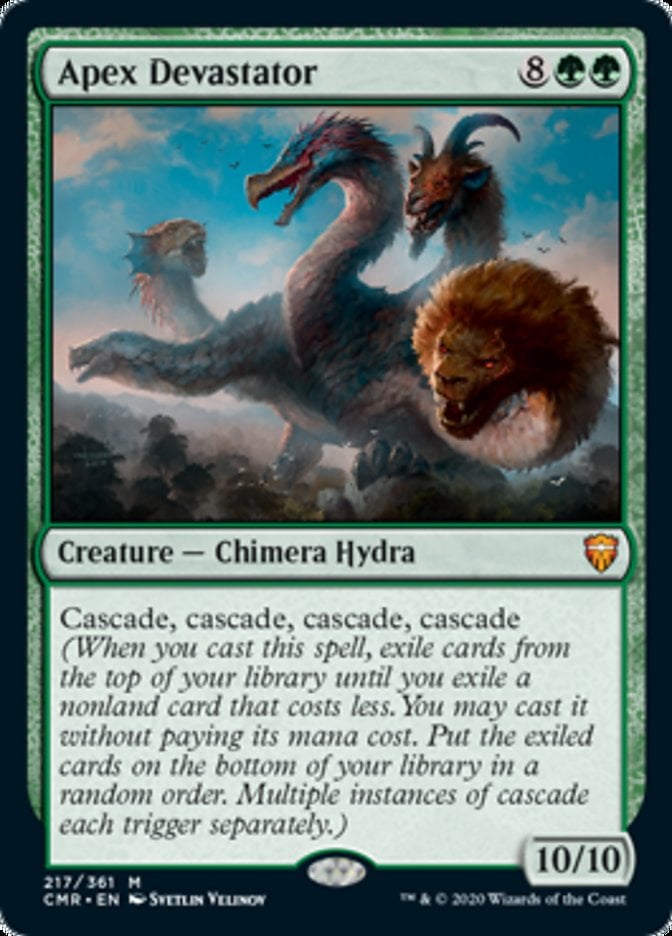
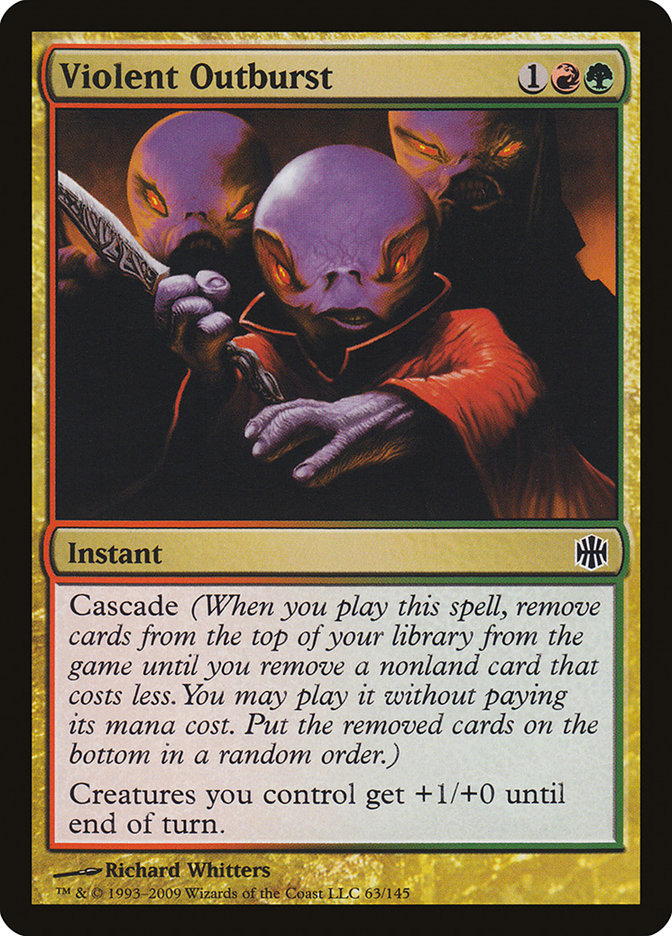
Cascade has deckbuilding restrictions, which keeps its power in check to a degree. The thing is, even when played fairly, it’s busted: Just a good, solid two-for-one discount on spells.
Once you start to build around the mechanic, nasty strategies emerge. A common one in Modern was Footfalls, which played Violent Outburst and Shardless Agent in a deck with four Crashing Footfalls—the only spell cheap enough for them to cascade into. Before that, a similar strategy played every big creature with a cheap cycling cost before cascading into Living End.
Even when you play “fair” cascade cards like Bloodbraid Elf and Apex Devastator that don’t combo, the mechanic runs into problems. You get at least two spells for one card in your hand, and since it’s a cast trigger, the opponent can’t really interact outside of niche cards like Teferi, Time Raveler. Because it offers so much for so little, and has incredible combo potential, cascade is quite broken, even if you can’t play counterspells in your cascade deck.
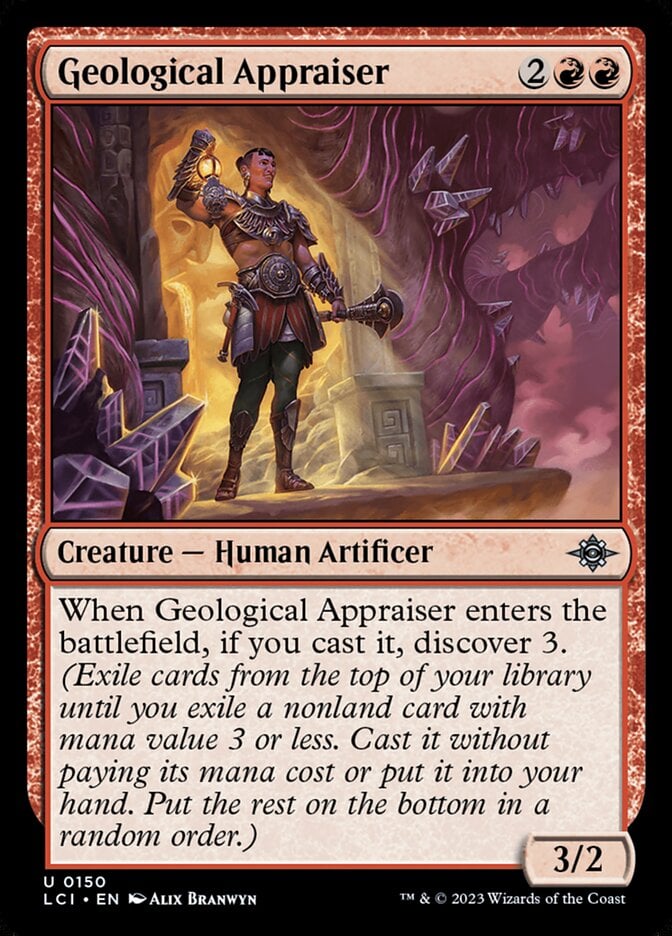
Discover also deserves a nod here as an extremely similar, though less oppressive mechanic. Spells that cast spells for free can’t be fair, but discover doesn’t trigger on cast, which leaves a much greater window in which you can interact with discover spells.
#9. The Monarch/The Initiative
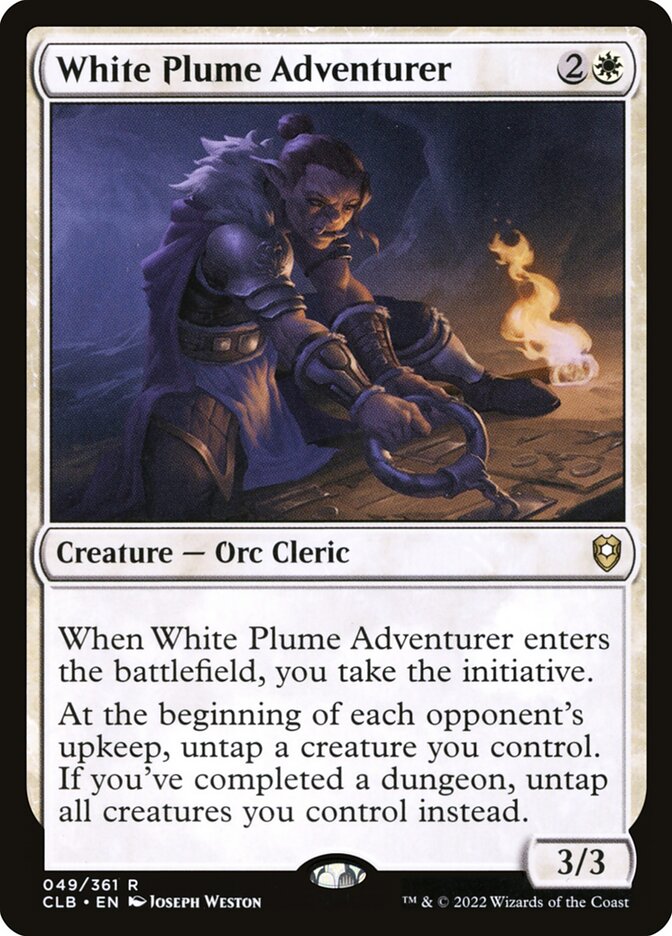
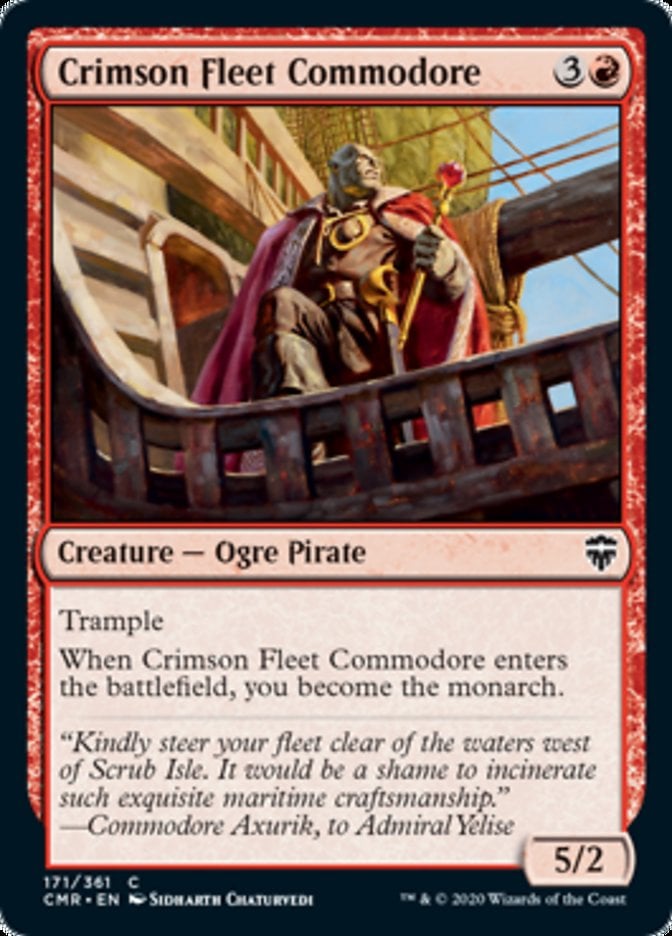
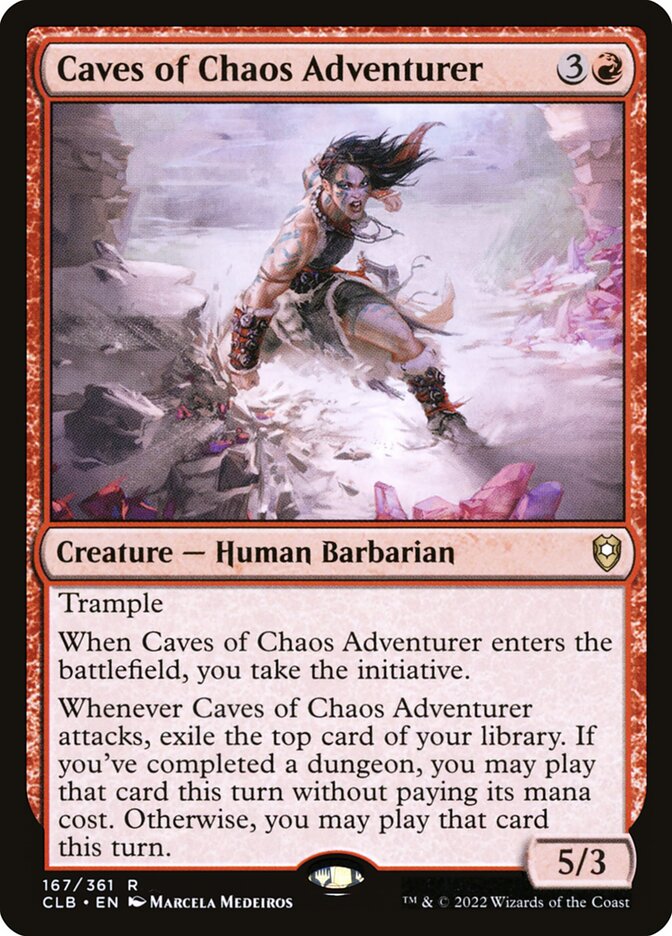
Much like cascade, there’s a caveat to the monarch and the initiative being broken: They’re broken in 1v1 formats like Cube, Legacy, and Pauper. The mechanics were originally designed for Commander, where the multiplayer aspect makes maintaining the status challenging since you need to defend against 2-3 players. In those formats, it’s a novel, engaging mechanic that offers card advantage and encourages interaction and aggression to seize the benefits for yourself—easily two of the best multiplayer mechanics Wizards has designed.
But 1v1 formats are a different story. It becomes super simple to keep or steal back the monarch or initiative, and the card advantage they provide—meant to be impactful in a situation when you must overwhelm three separate opponents—takes over in an instant. The player with monarch/initiative cards also has a huge advantage over the player without: Playing a second White Plume Adventurer or Crimson Fleet Commodore gives you the status back, without the need to get into combat. Since these effects are generally tied to creatures, you have a body to protect or challenge the crown, as appropriate. These mechanics are surprisingly similar to Nadu, Winged Wisdom: Something designed to make an impact in Commander that had an outsized effect on competitive, 1v1 formats.
It should be said, though, that these mechanics are still fun and challenging; a number of monarch/initiative cards are still legal in formats like Pauper and Legacy, though the cheapest versions of the effect have caught various bans.
#8. Reanimate
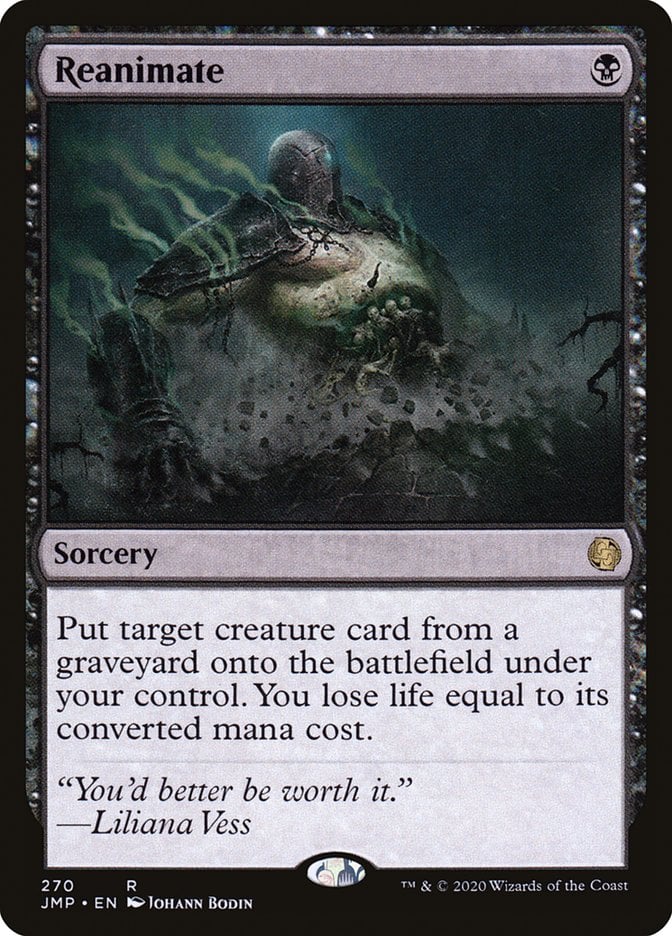
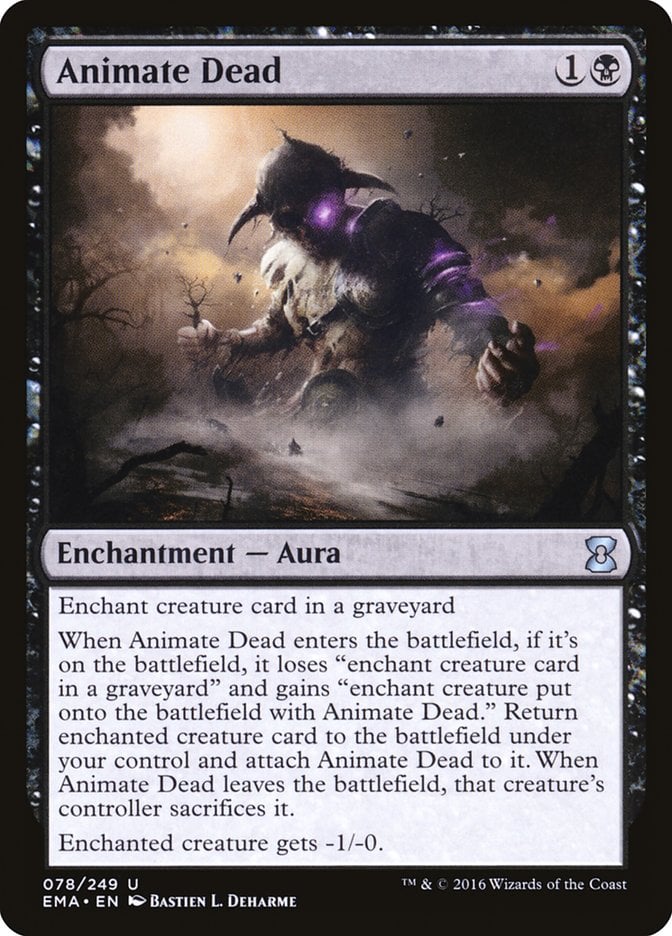
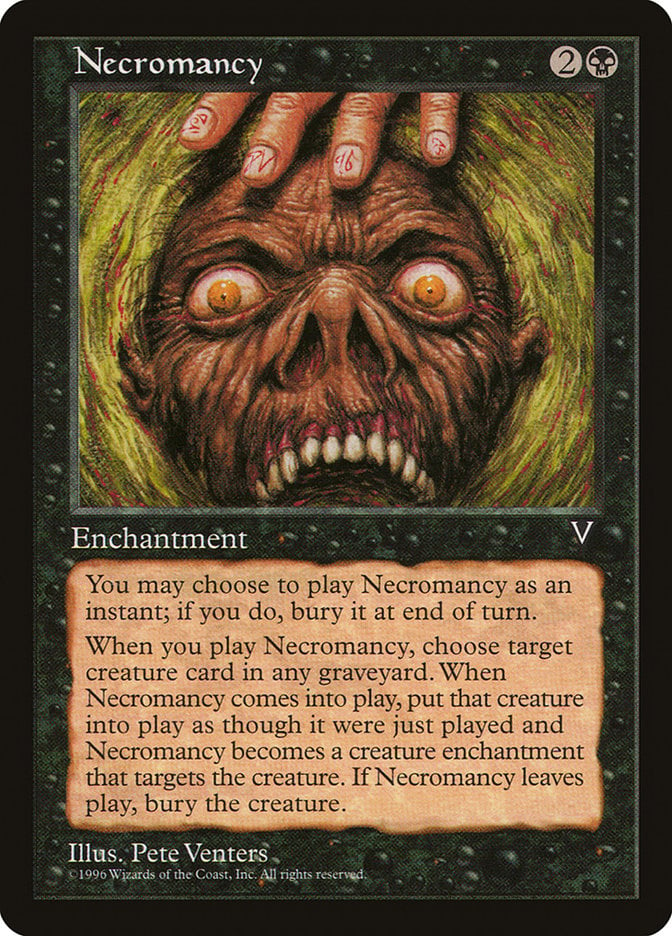
A big difference between reanimation effects—those that return a creature from your graveyard to the battlefield—and other broken mechanics is their frequent appearance. In fact, most Limited sets have a reanimation spell, typically a mono-black 5-ish mana uncommon. At that rate, it’s reasonably fair: Your opponent has plenty of time to find an answer or even win, and it’s not like Valgavoth, Terror Eater on turn 5 is all that different from turn 9.
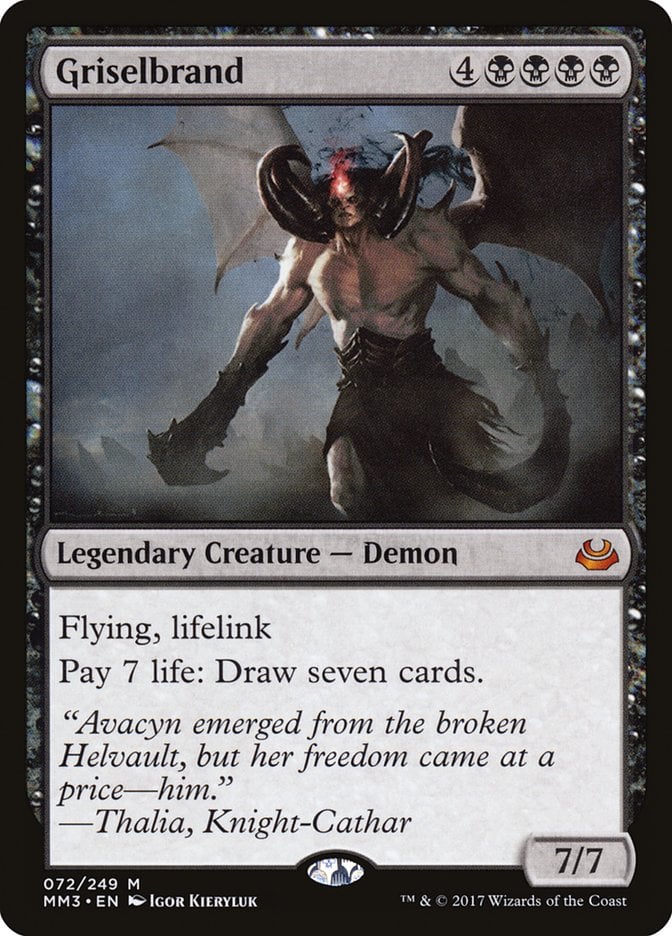
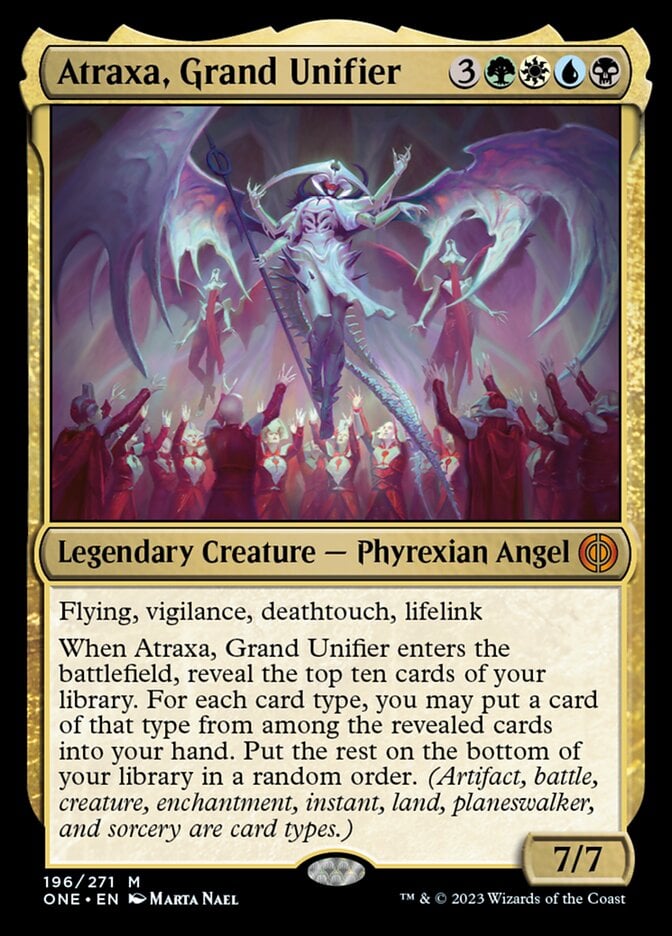
The mechanic is less defensible when we consider the older effects, however. Reanimate, Animate Dead, and so on are criminally under-costed. These are basically sideways ramp spells that give you Griselbrand or Atraxa, Grand Unifier for 1 mana or 2. The combo is rather card-intensive, since you need the reanimation spell, a reanimation target, and a way to get said target in the graveyard, but it’s worth it to jump through any number of hoops for such cheap threats.
#7. Affinity
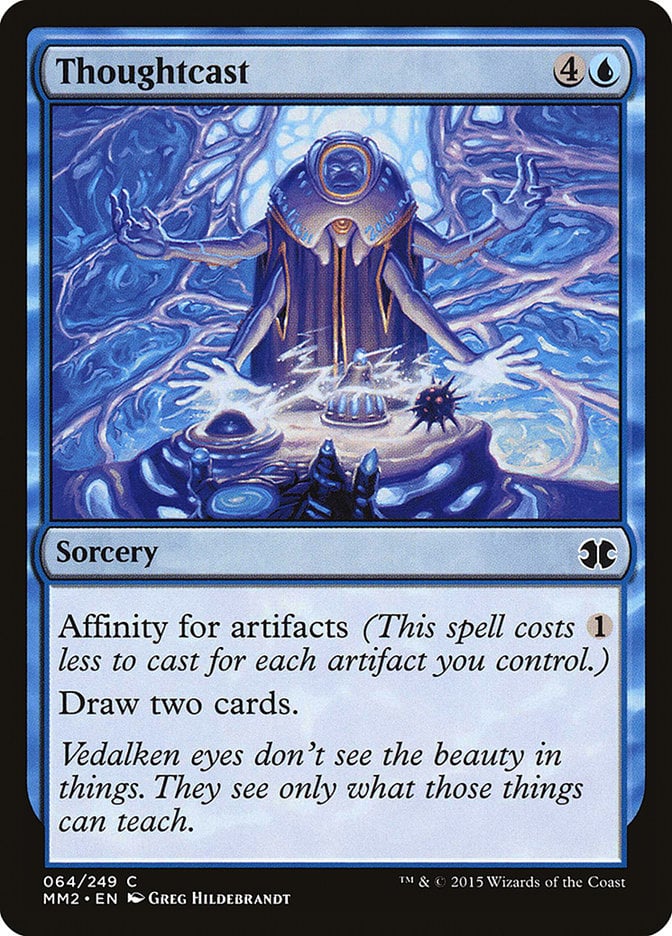
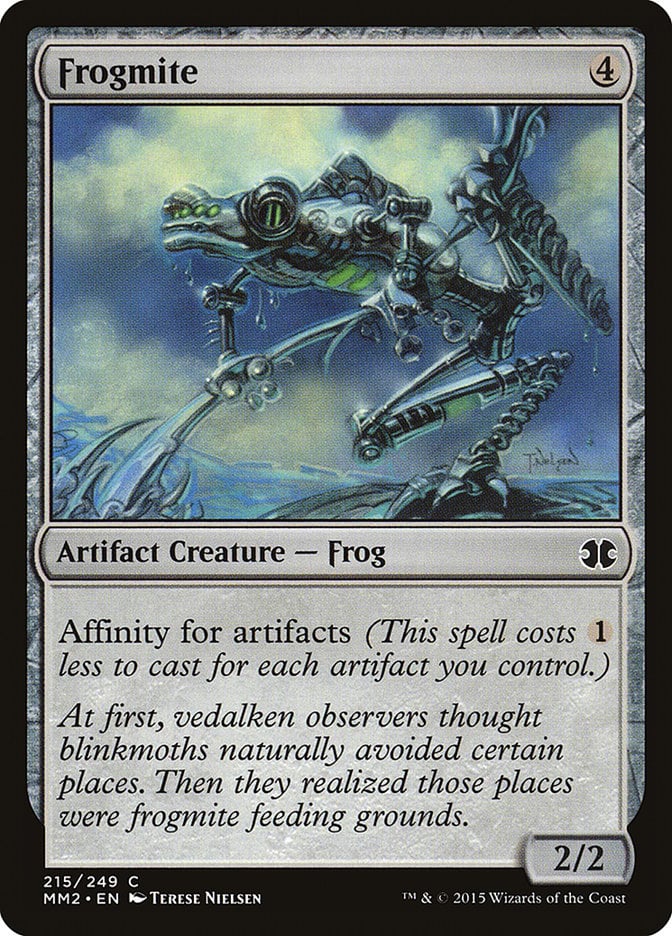
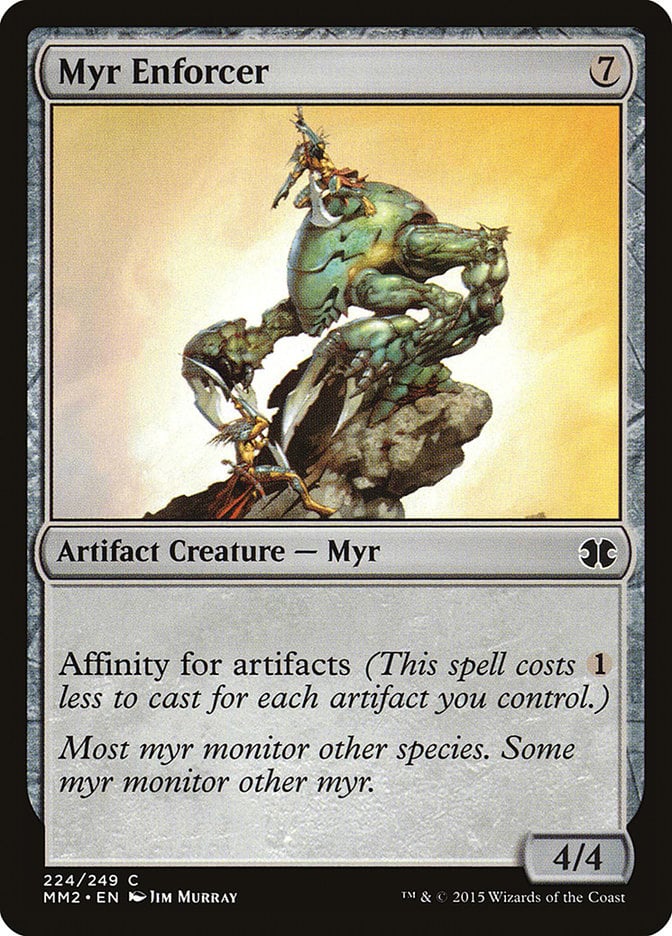
When people talk about affinity being busted, they’re typically reflecting on cards with affinity for artifacts. Part of this is due to the artifact lands from Mirrodin: They’re simply Ancient Tomb for spells like Frogmite. But even without those, reducing the cost of cards until they cost an unfairly low amount for adding permanents to the board is just silly. Even something casual like Junk Winder becomes a problem when it only costs 2 mana; it’s easy to cast it and hold up countermagic to protect it.
#6. Companion
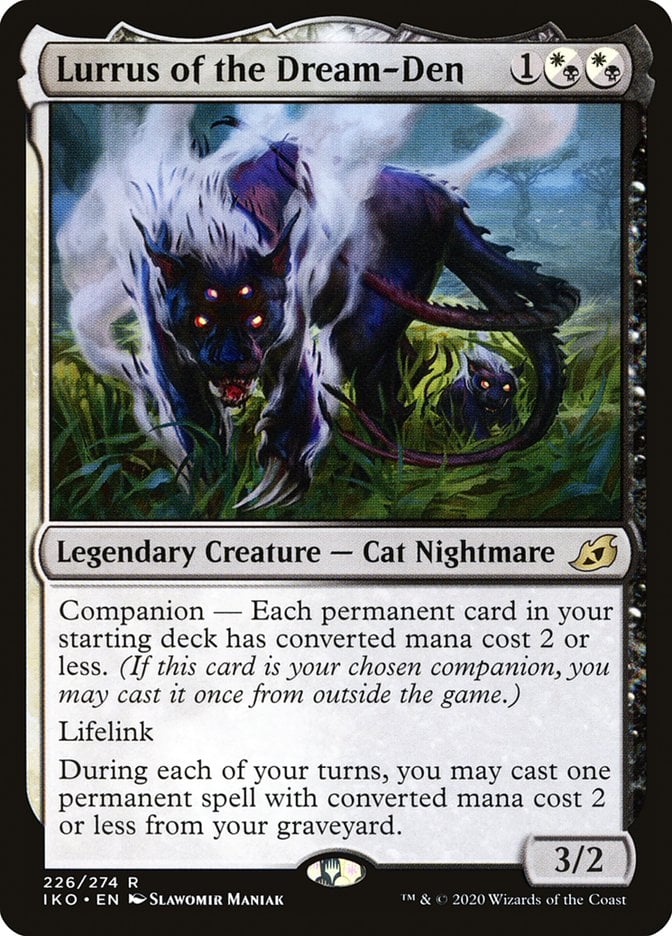
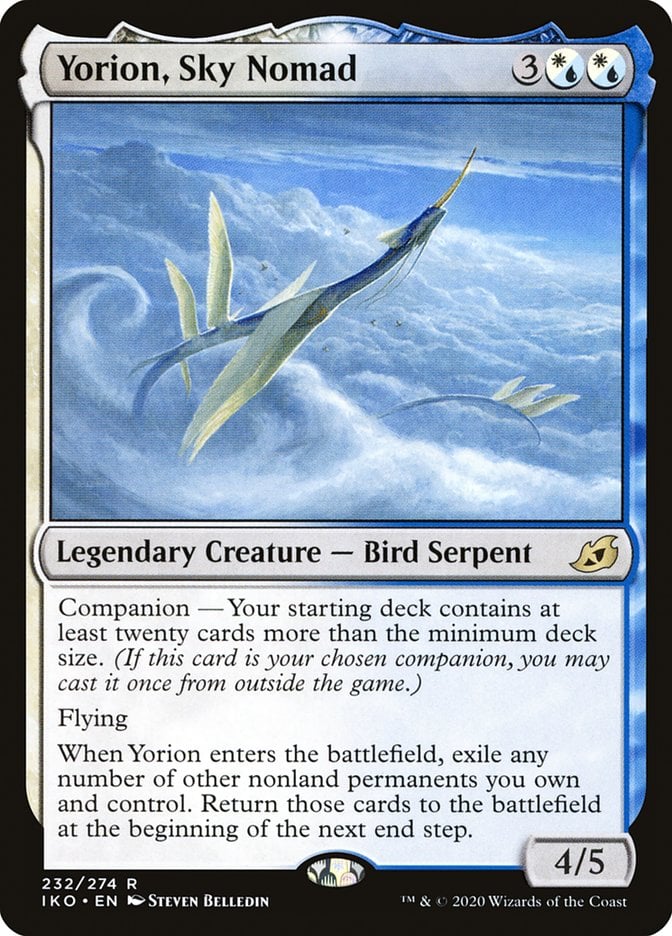
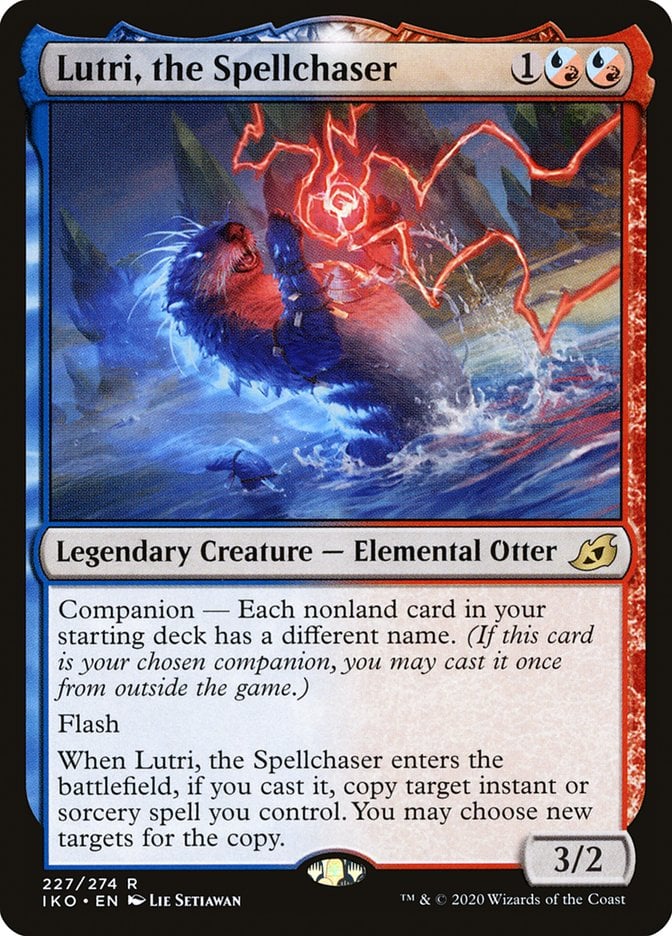
Companion has some unique features, including an errata: When the mechanic first released, you could just… cast the companion from your sideboard. But that was so wildly broken that Wizards changed it so you have to pay 3 mana, at sorcery speed, to put your companion into your hand, after which you could cast it as normal. Despite this, multiple companions have been banned in multiple formats—Lutri, the Spellchaser caught a pre-release ban in EDH.
This mechanic wasn’t broken because of mana, but card advantage. Mana and cards are the most valuable resources in Magic; in general, the player who spends the most mana and draws the most cards takes the game. That makes starting the game with an extra card in your hand extremely powerful! And that’s all companions are: an eighth card you have access to, one that’s even safe from Thoughtseize effects.
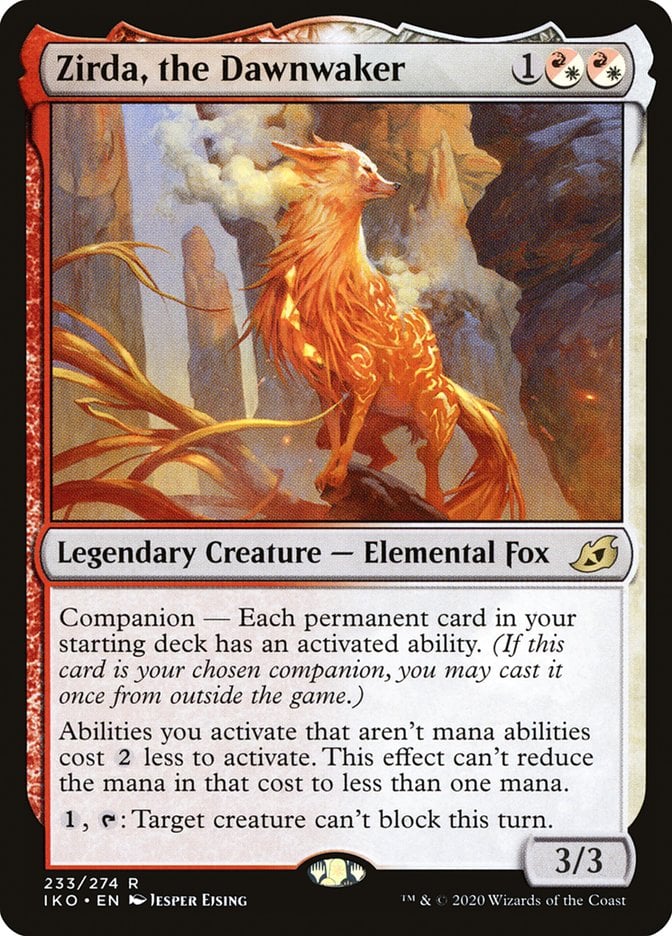
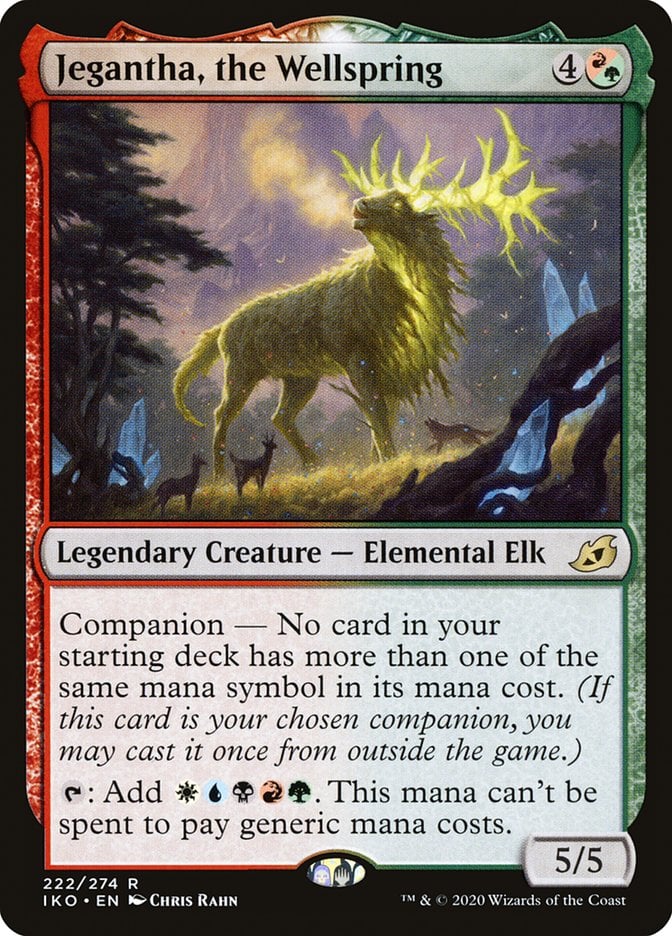
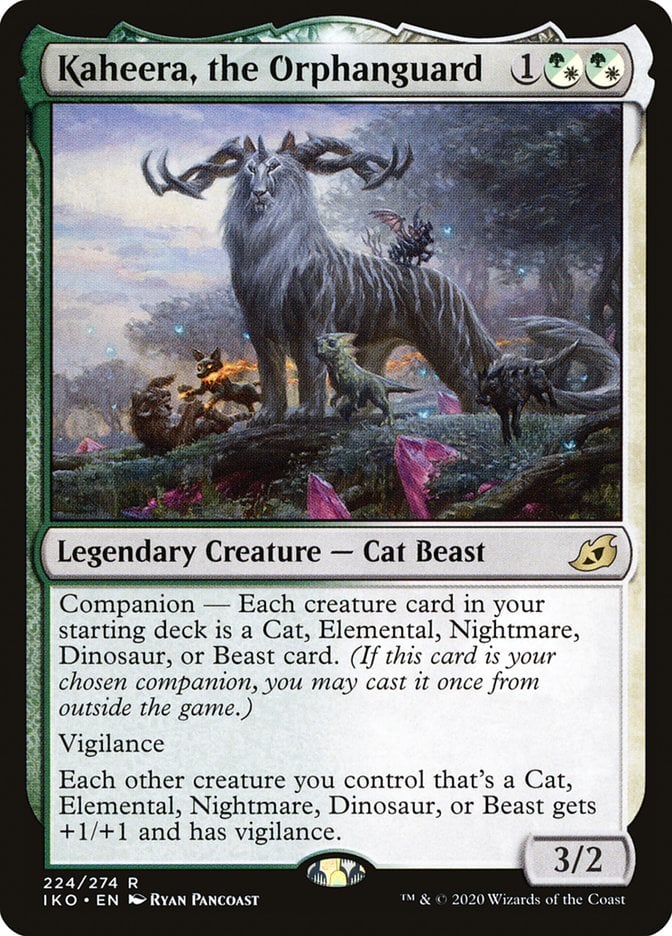
Another issue came from companion restrictions being extremely tame. Lurrus of the Dream-Den dominated in formats like Legacy and Vintage, which are so high-powerful that players are incentivized to play hyper-efficient spells anyway. Zirda, the Dawnwaker slipped into combo decks that used it alongside Grim Monolith, comfortable in the knowledge they always had half the combo. Having access to that extra card and sculpting your deck around it proved exceptional in many formats. Companions like Jegantha, the Wellspring and Kaheera, the Orphanguard see play to this day!
With all that in mind, companion is my favorite of these mechanics. It’s hideously broken, but it’s also novel and exciting. Wizards really took a swing to introduce a new mechanic that pushed the boundaries of what cards do and how we play Magic. It’s a shame they couldn’t keep hold of the bat and shattered your windshield, though.
#5. Free Spells
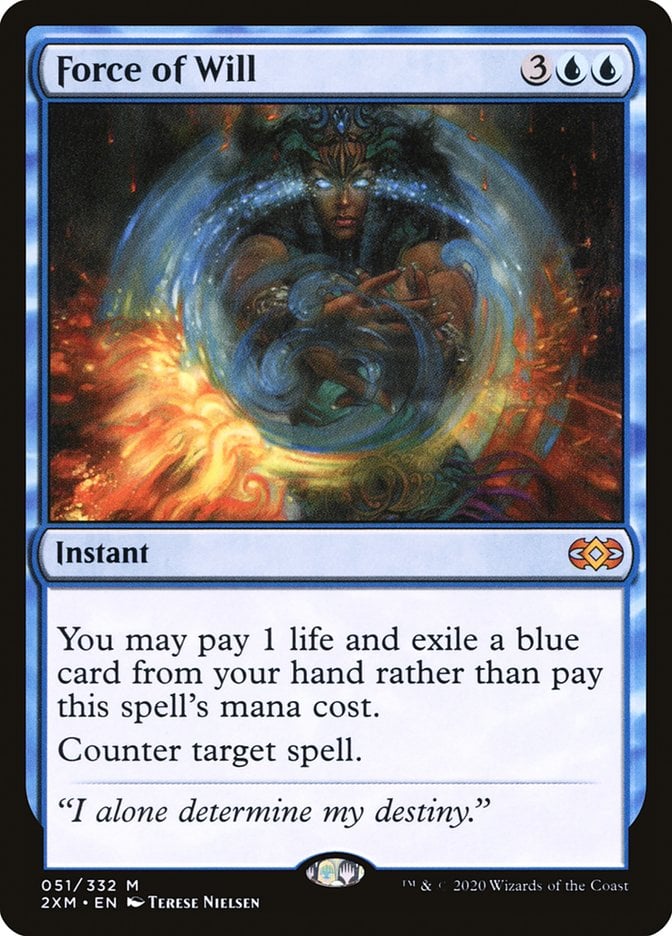
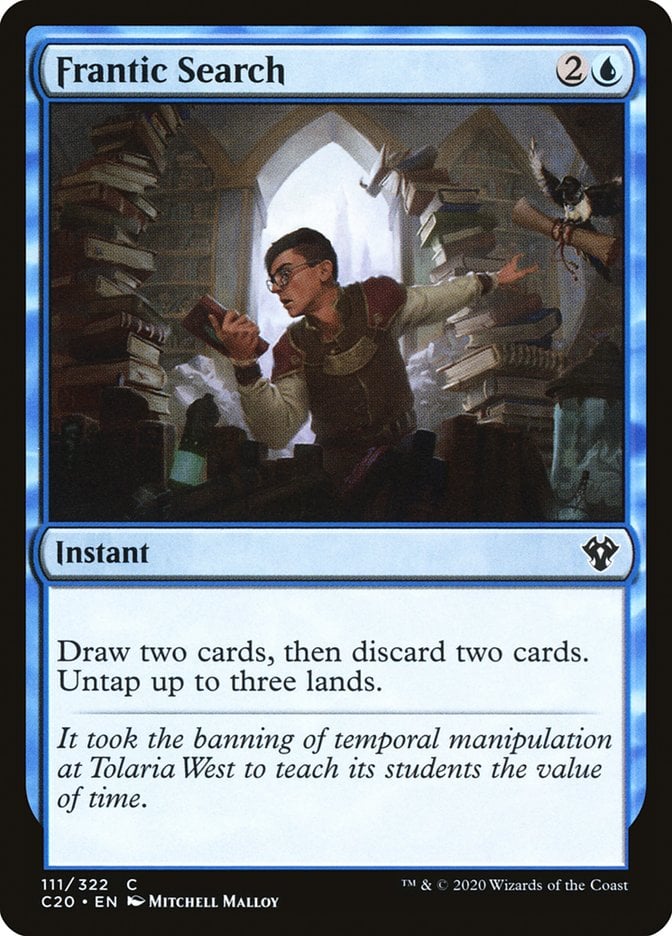
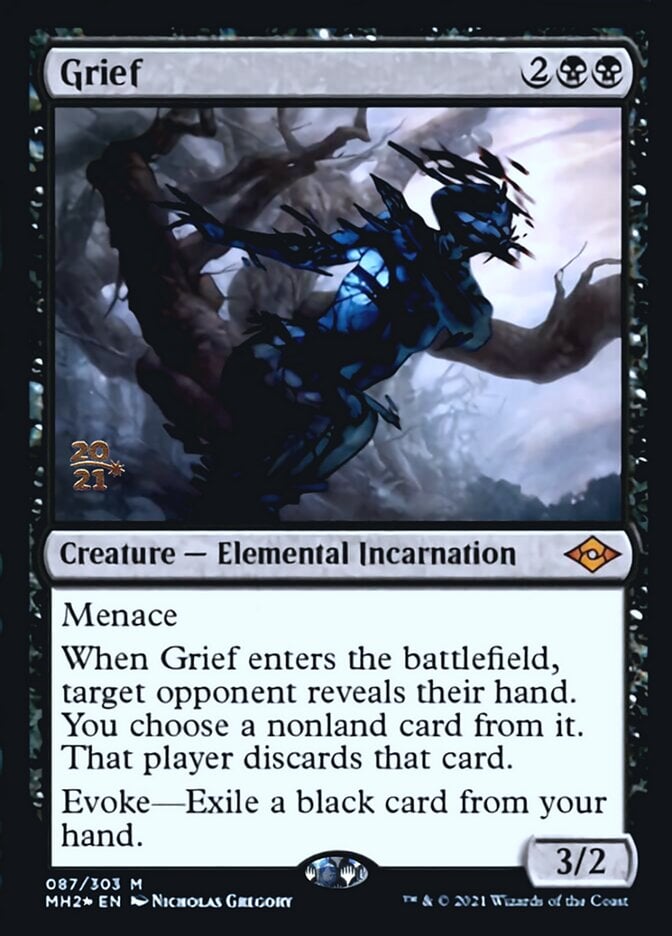
I’m casting a very wide net over free spells: Those that let you pay alternative costs by pitching cards, those that require you to control your commander, even those that are “free” because they untap the lands used to cast them. Heck, you could convince me that spells with a literal mana cost of 0 like Mishra's Bauble and Mox Opal belong here!
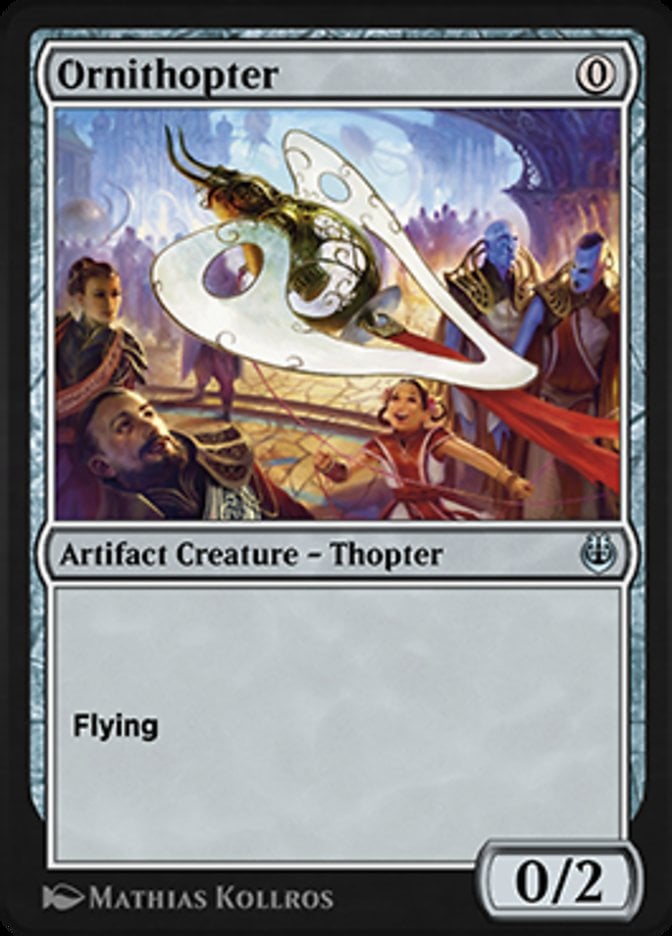
Spells in Magic should cost mana. The game is balanced around this most fundamental rule, and free spells go against it. Even something so simple as Ornithopter can be massive for having no cost. Most of the mechanics I chose were because they cheat on mana cost in one way or another, often by reducing it or giving it an alternative. These spells just cut out the middle part.
#4. Delve
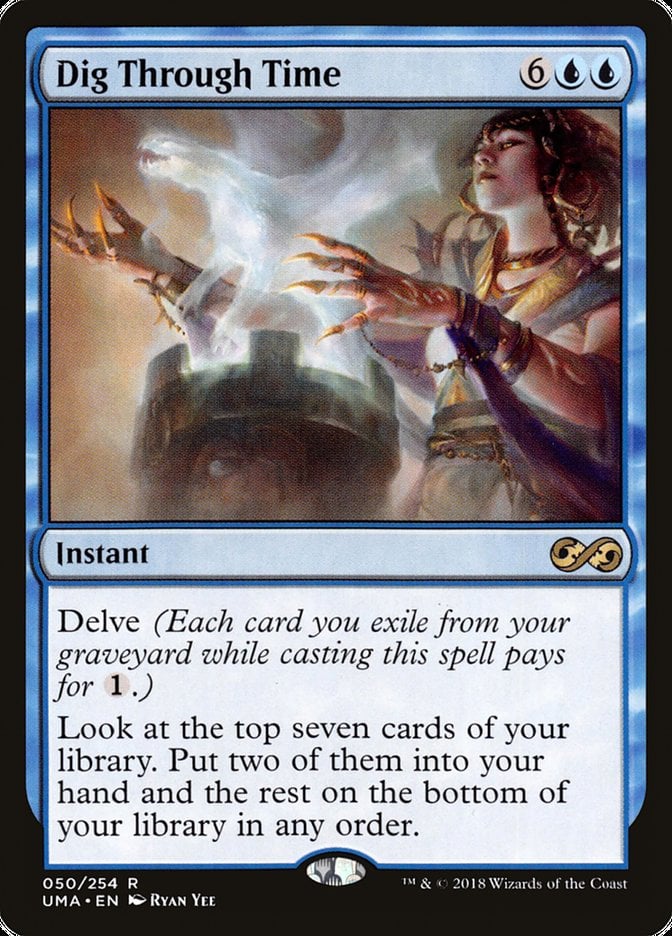
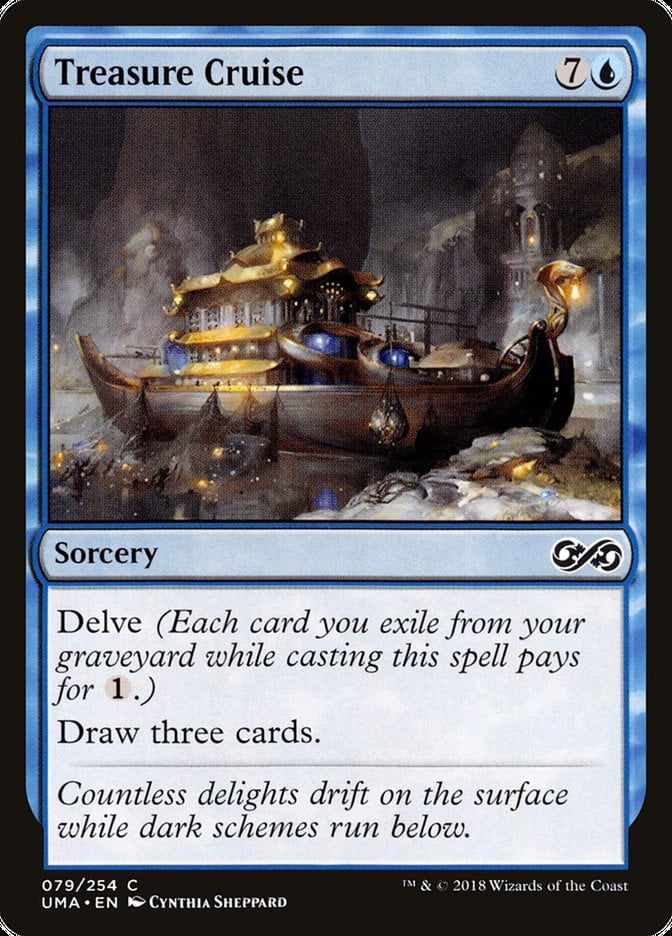
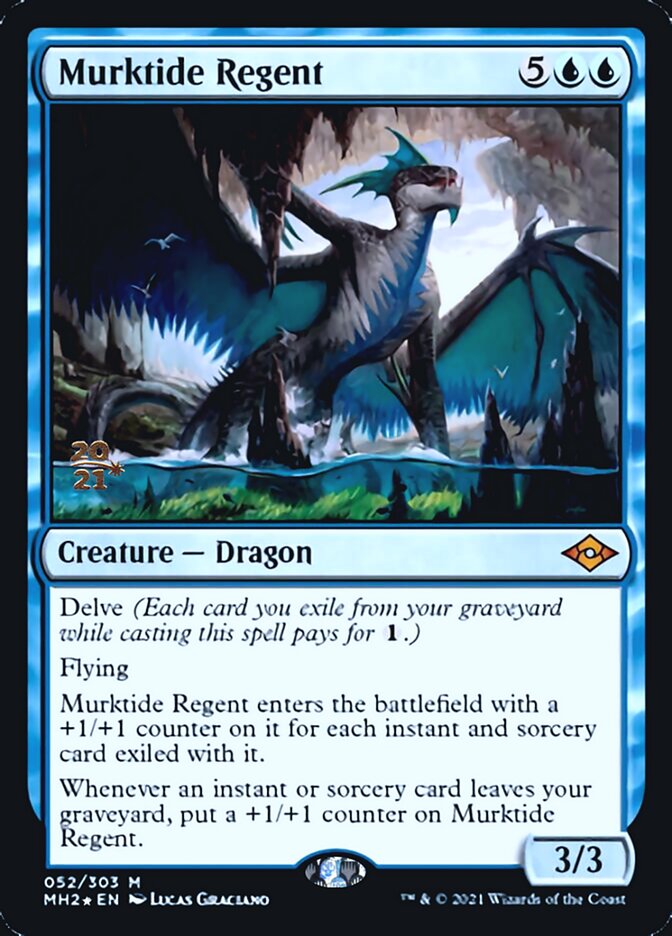
Who said you had to pay full price for your spells, again?
Delve is an interesting one, because delve spells exist across a wide spectrum. Some of them, mostly the cards without card draw, are reasonable: Gurmag Angler sees play in Pauper, Soulflayer is a cool build-around, and there are lots of Draft-chaff level cards like Sultai Scavenger.
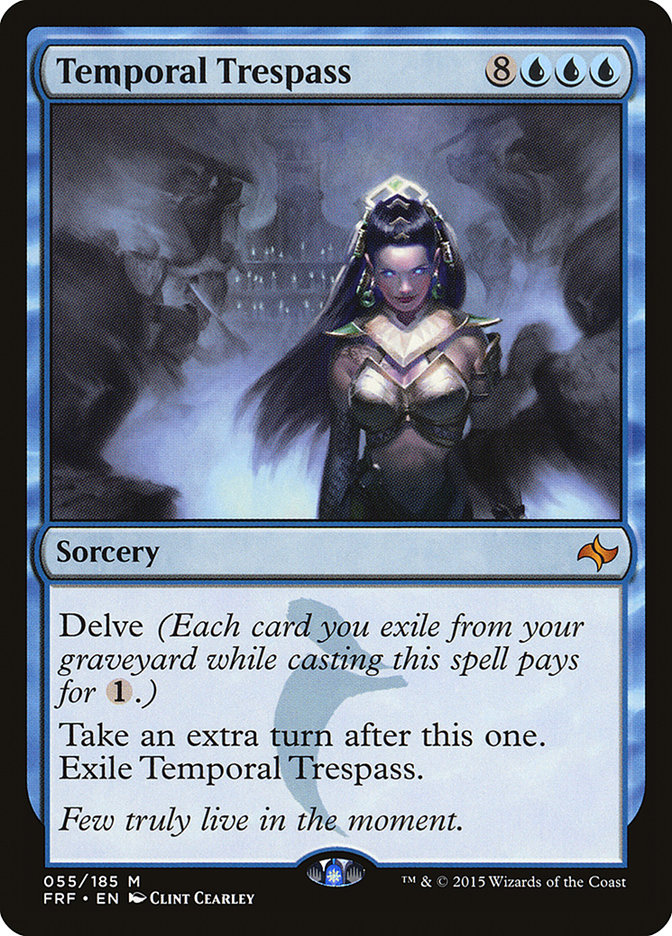
But the good delve cards—the blue ones, generally—are format-warping. Dig Through Time is the big one, though Treasure Cruise isn’t far behind, and I’m sure an EDH player or two has lost to a Temporal Trespass that was cast for then copied.
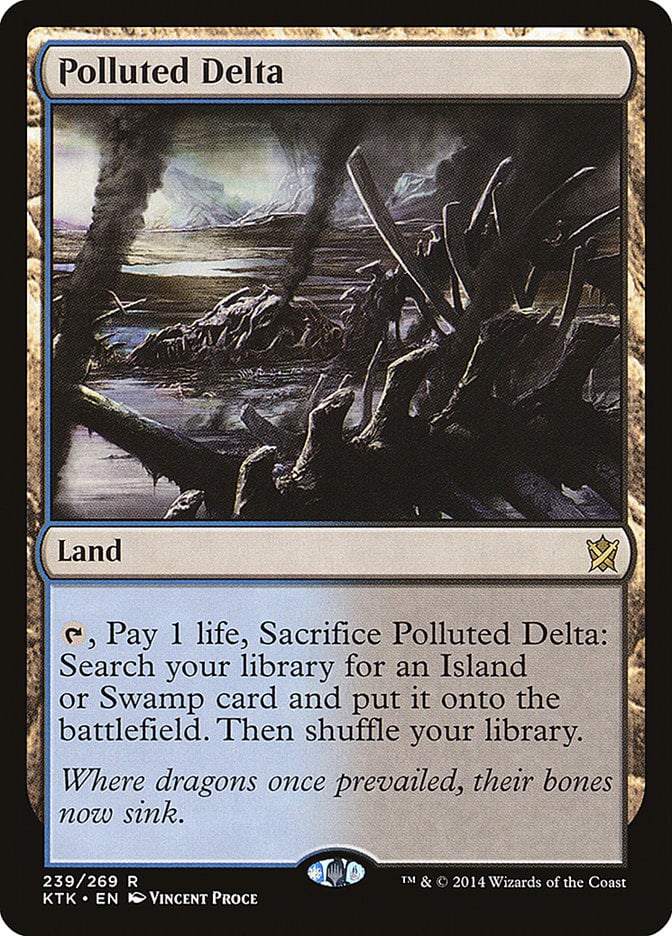
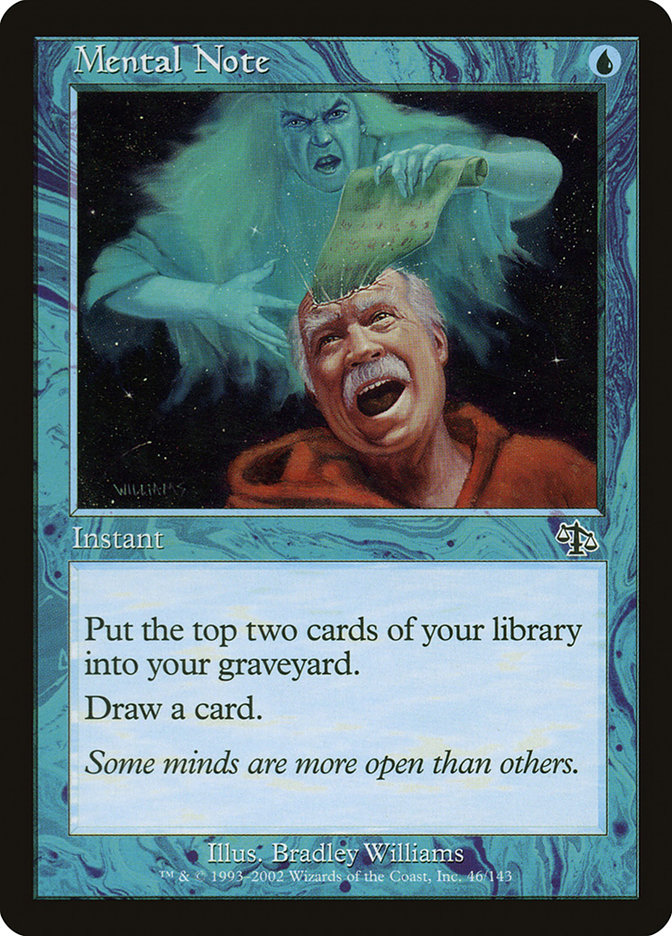
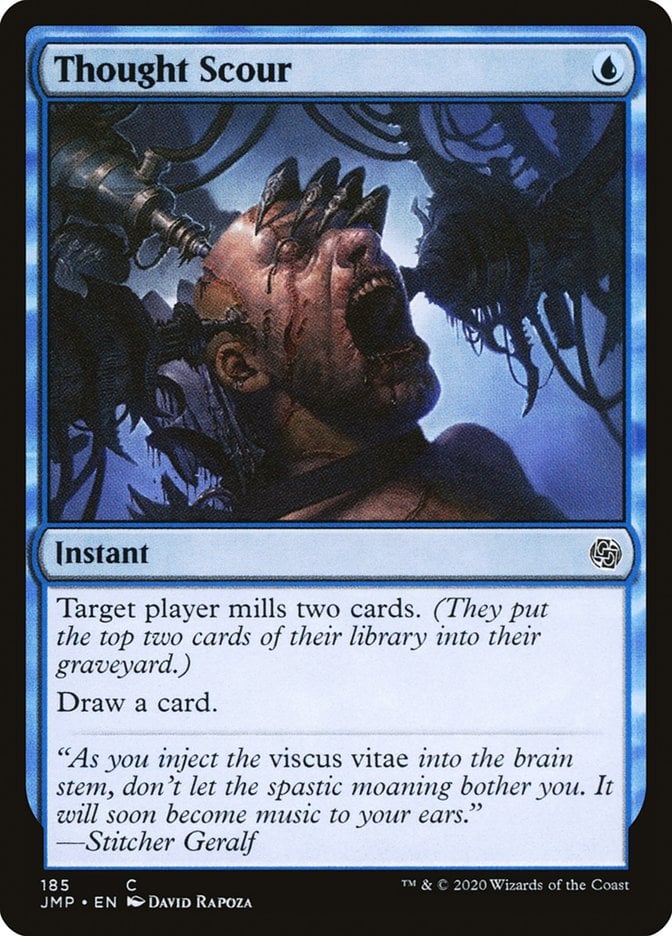
It’s the affinity issue all over, except it’s much easier to get cards in the graveyard than to make them stick around in play. These are especially broken in formats with fetch lands since you fill the graveyard just by making your land drop. You can also go for a turbo-delve strategy with cards like Mental Note and Thought Scour to mill you. Filling the graveyard is just so incredibly easy considering how many spells end up there just by playing the game that it’s no wonder how this mechanic became so dominant.
#3. Phyrexian Mana
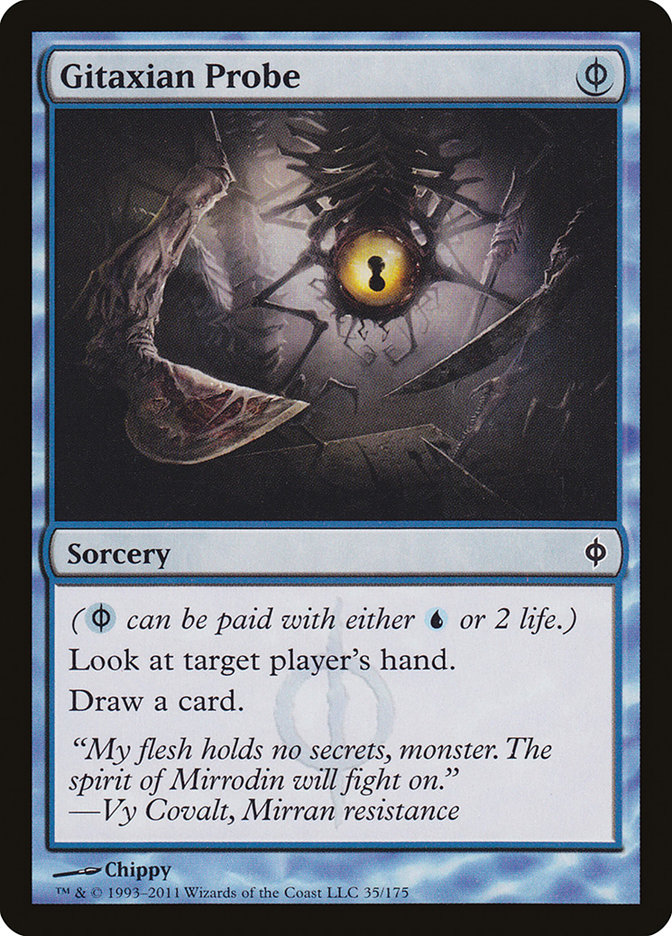
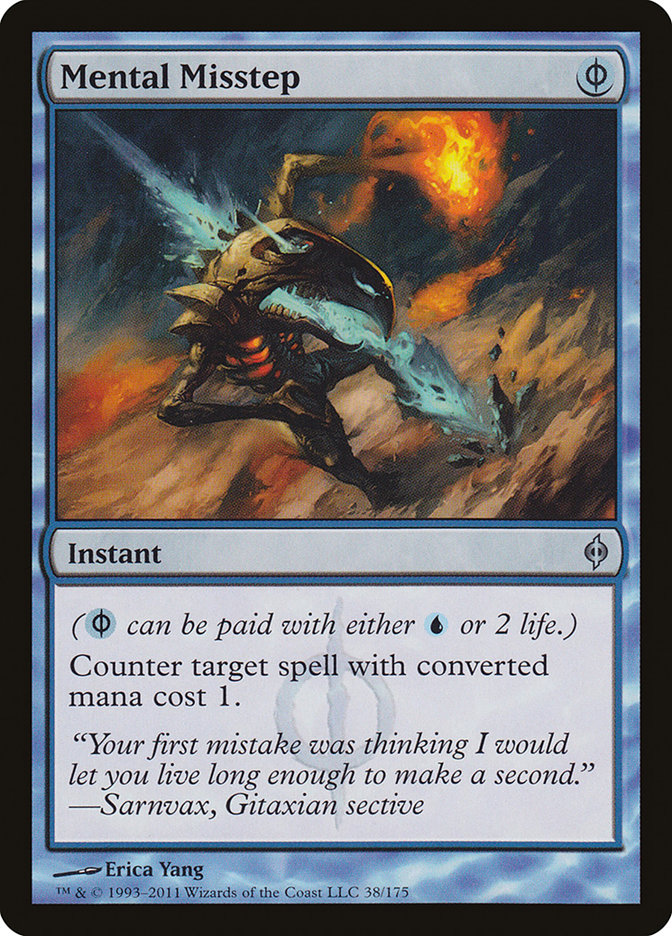
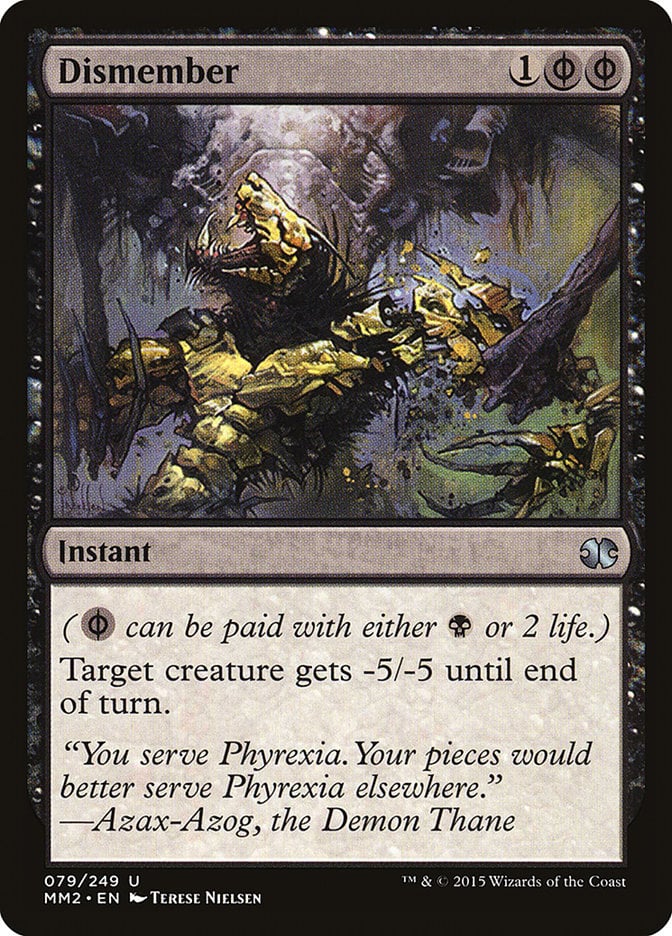
Oh look, back to paying something other than mana for a spell’s mana cost! Phyrexian mana is a slightly different beast, however, because it doesn’t just ignore the idea of spells costing mana—it also ignores the color pie.
The color pie is arguably the greatest invention of Richard Garfield and one of the key facets of Magic that have kept it alive for so long. The idea is that each color has a specific set of things it can do (though these elements can shift over time). To use removal as an example:
- Black gets “destroy target creature” removal, but can’t affect artifacts or, historically, enchantments—though the latter has shifted with cards like Feed the Swarm.
- White can remove anything, but often with conditions or reparations.
- Red gets damage-based removal and can destroy artifacts or lands, but it can’t interact with enchantments.
- Blue lacks hard, permanent-based removal, but it can interact on the stack via countermagic or temporarily bounce permanents.
- Green destroys artifacts and enchantments, and it uses fight spells to kill creatures.
You can find exceptions to these throughout Magic’s history, but those are the rules of thumb. No one color does everything, and if you try to play all five colors in one deck, you’ll run into severe consistency issues. That’s more or less why most competitive decks stick to one, two, or three colors.
Phyrexian mana throws that out the window, flattening the complex and clever design of the color pie into a simple question: Do you have 2 life? If so, your blue Delver deck can run Mutagenic Growth, your green elf deck can Dismember threats without concern, and red decks can Mental Misstep an opposing Lightning Bolt.
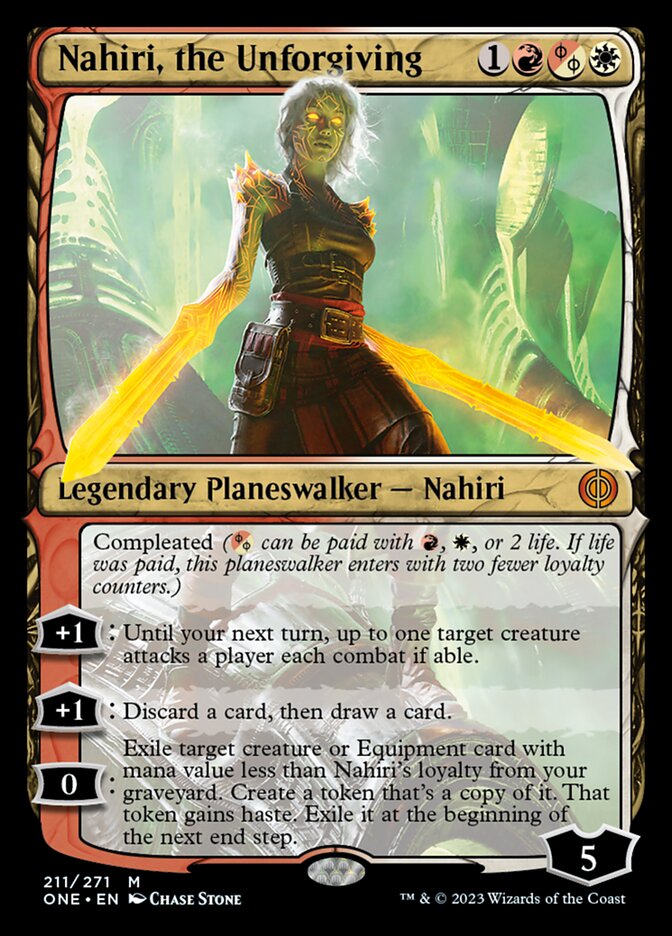
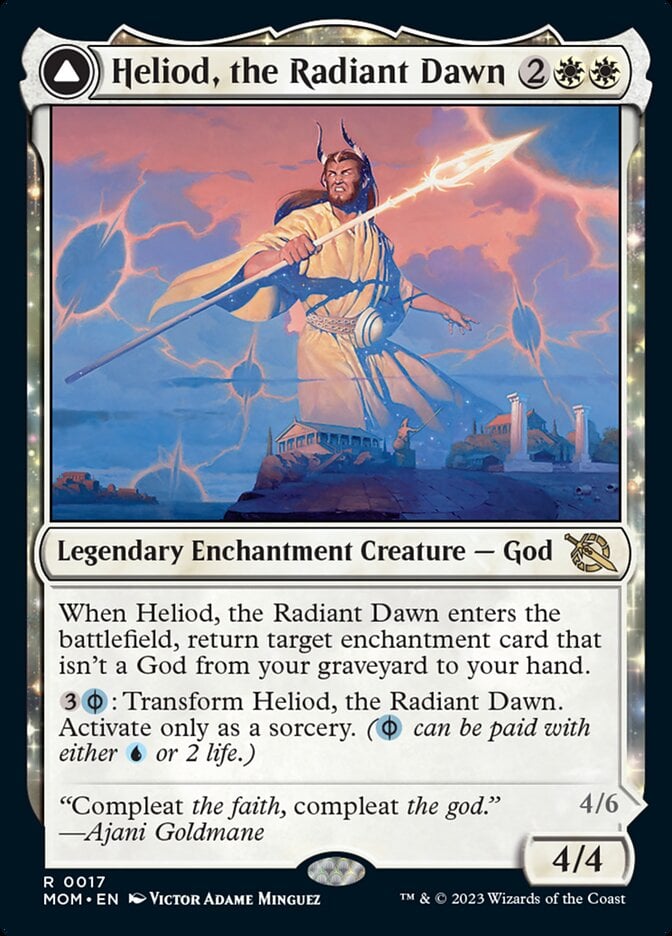
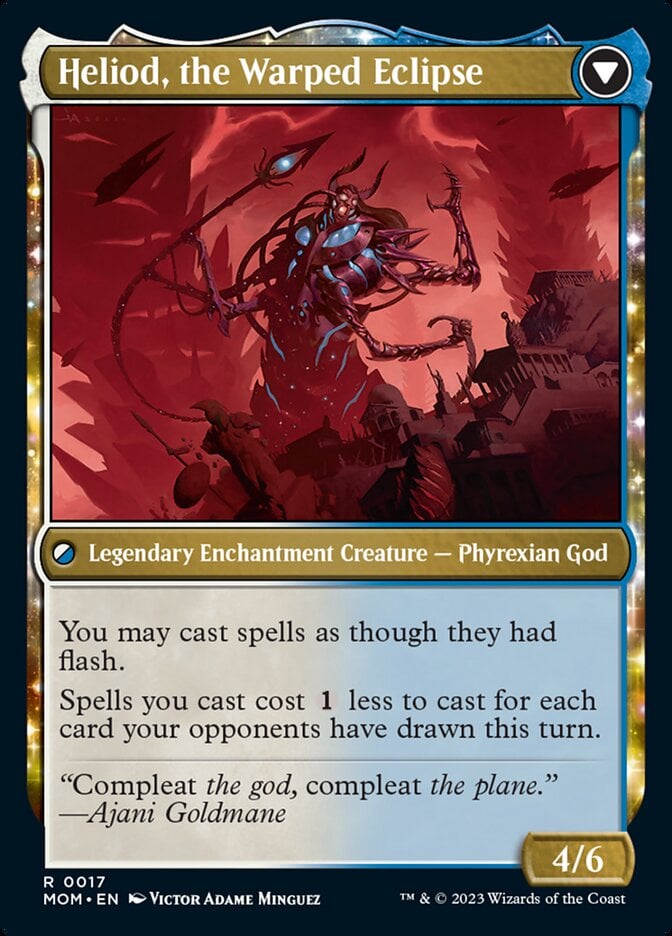
That said, it seems like it isn’t impossible for Phyrexian mana to be used in a manner both fair and interesting. The compleated planeswalkers from Phyrexia: All Will Be One and the flip cards from March of the Machine are cool, fair applications of Phyrexian mana—the trick is to make them something other than the entire colored cost of a card.
#2. Storm
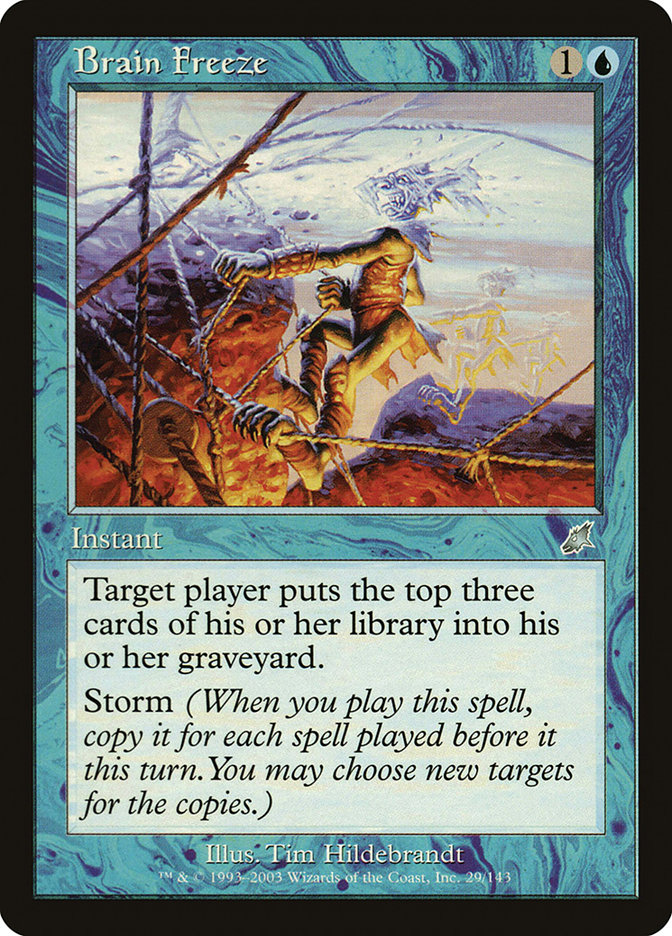
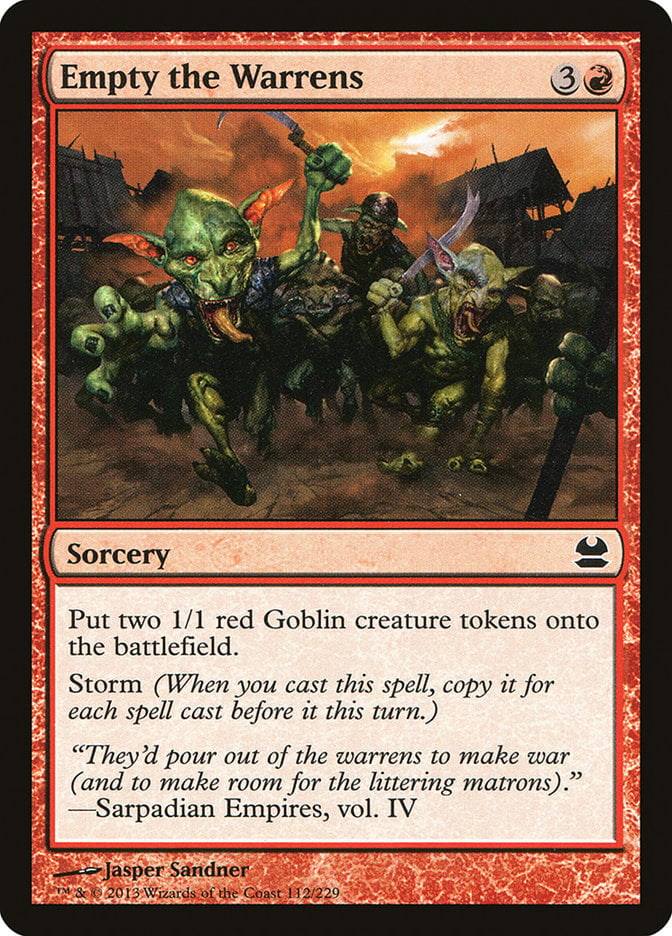
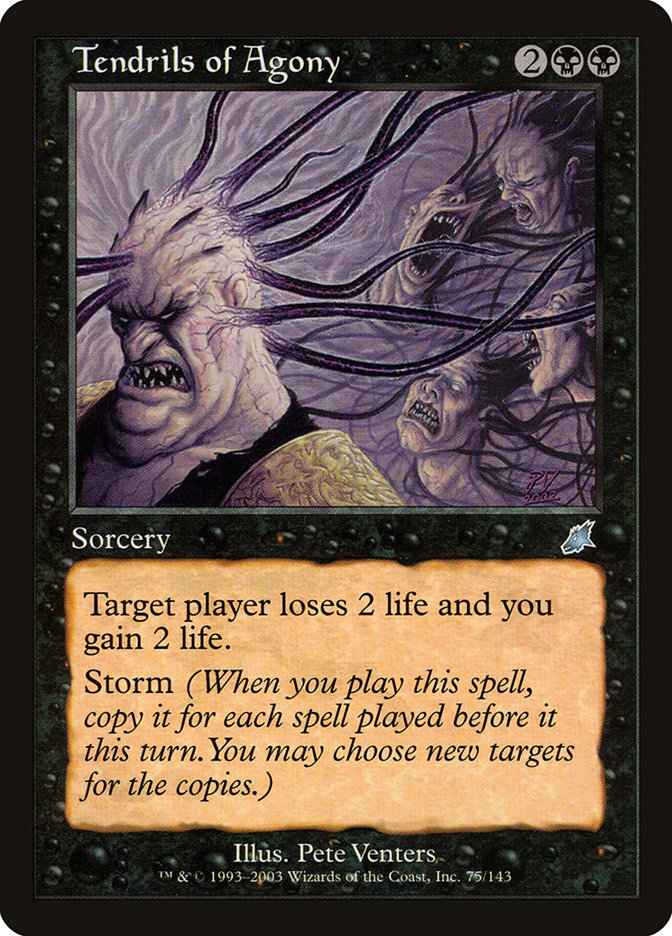
Mark Rosewater, head designer for Wizards of the Coast, calls the metric he uses to rank mechanics and their likelihood to return to Standard the “Storm Scale”. It’s not strictly about power, but there’s a strong correlation with it, and we can see that in the name itself: The Storm Scale was named for storm.
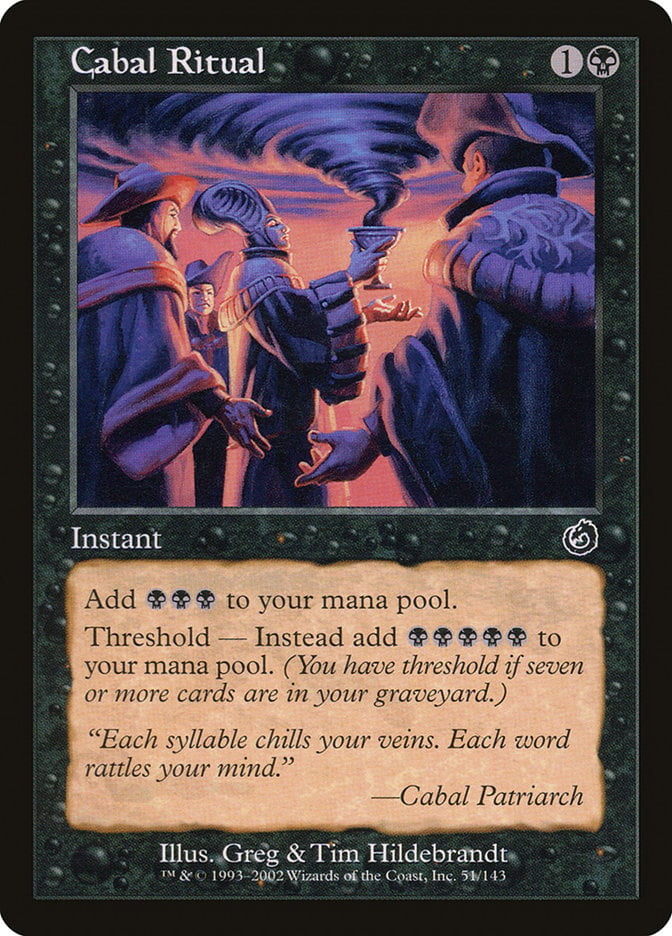
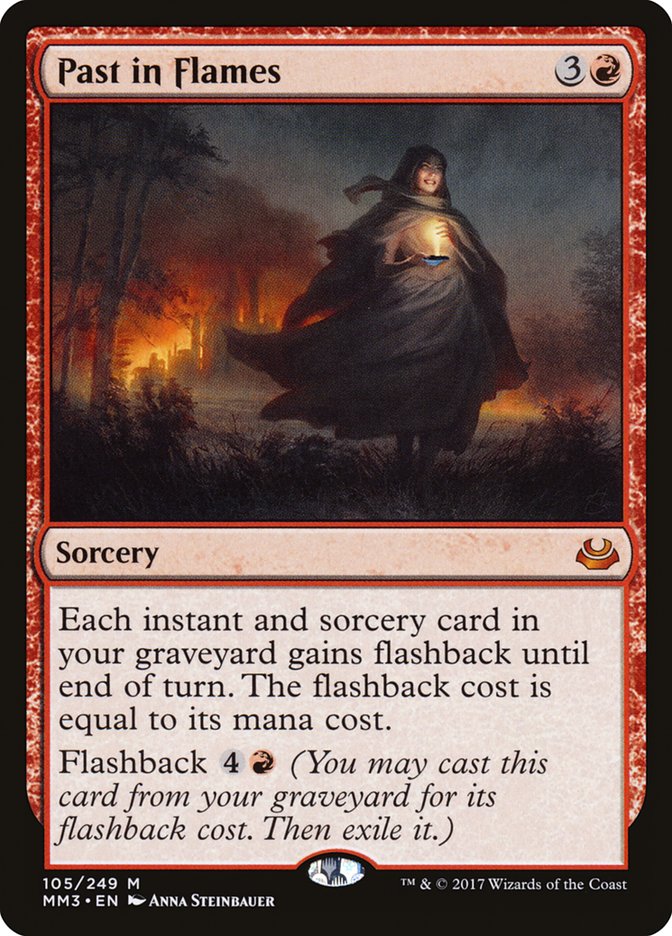
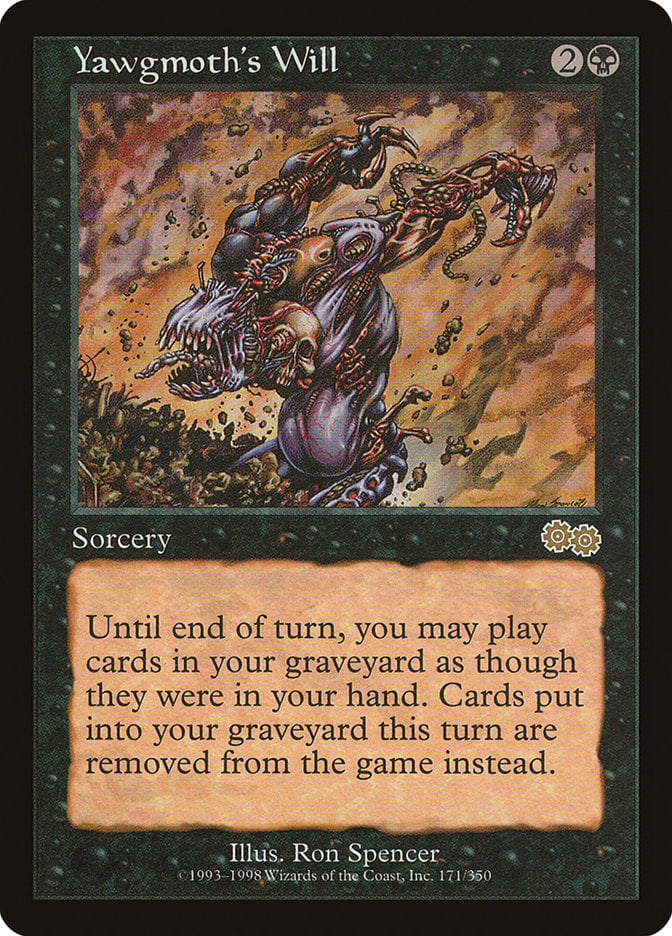
Though storm decks come in many flavors with many win conditions, they’re invariably combo decks that cast a bunch of spells, then use a storm card to finish the game. These build entire engines out of their decks, combining rituals like Cabal Ritual and Desperate Ritual with card advantage, tutors, and ways to cast them all over again like Yawgmoth's Will and Past in Flames. The archetype is so pervasive that its play patterns can be seen in decks without literal storm cards: That Vivi Ornitier EDH deck that wins by dealing 30 damage to the pod in a single turn is a storm deck in spirit, if not name or technicality.
Part of the power comes from interactibility, because these decks are hard to pick apart. Like cascade, storm is a cast trigger, so the original copy doesn’t need to resolve for the deck to win. Since you copy the spell N times, one counterspell will never be enough. And you can forget about permanent-based interaction since these decks run few to no creatures. They’re also super resilient. If they use PoF or Yawg-Will, you can use graveyard hate to stop those from working, but the flashback spells aren’t necessary. They just make the win easier.
There’s also so much variety in what a storm player needs to win. On paper, they need to, say, cast nine spells and Tendrils of Agony to win. In practice, that might not hold up. If they have multiple copies of the card, they need far less; every time you fetch or shock, the storm player’s spell count decreases. If they use Brain Freeze or another instant, they might even piggyback off your turn to increase the storm count!
#1. Dredge
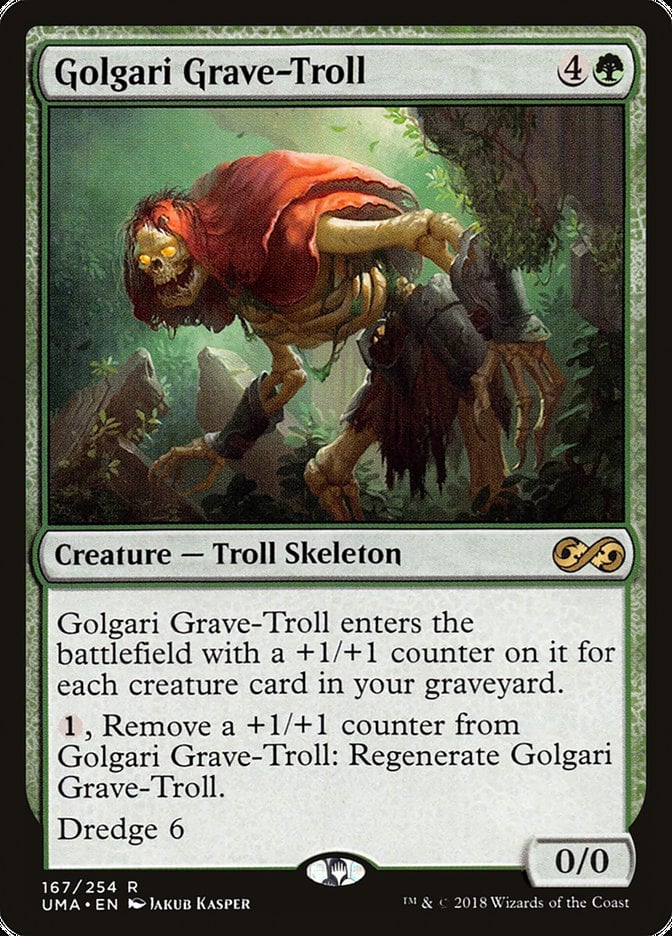
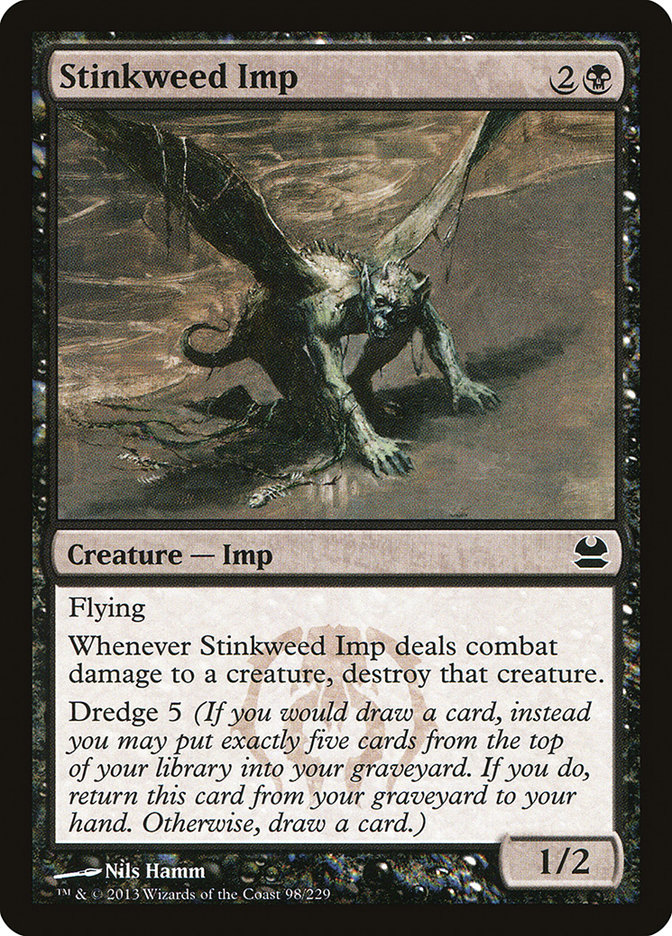
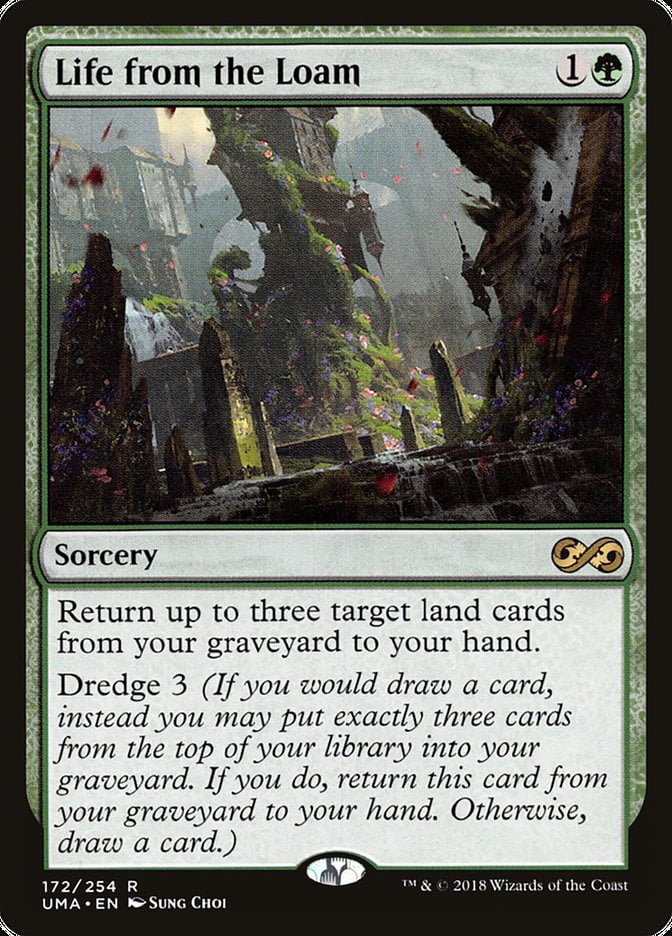
The graveyard is a resource. You could argue it’s one of the most potent in Magic considering how many broken strategies and cards make use of it, and dredge tops all of those. The problem with dredge cards is that they don’t function like Magic cards. In Magic, you (ideally) pay mana to cast spells that impact the game. Even free spells like Force of Will and Solitude are cast. But dredge cards ideally aren’t cast. They’re milled by other dredge cards or discarded to Faithless Looting or Bazaar of Baghdad.
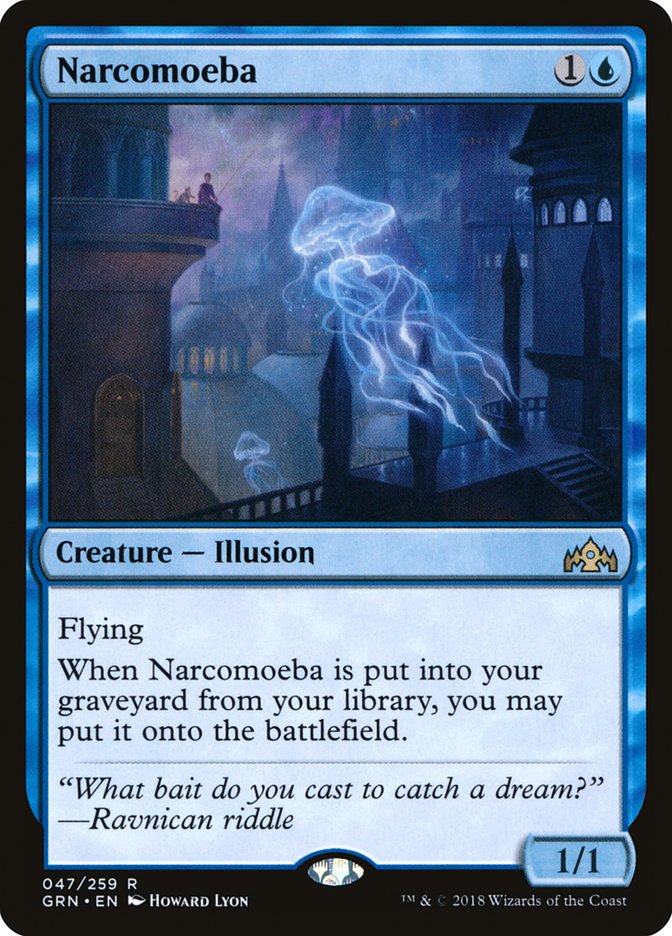
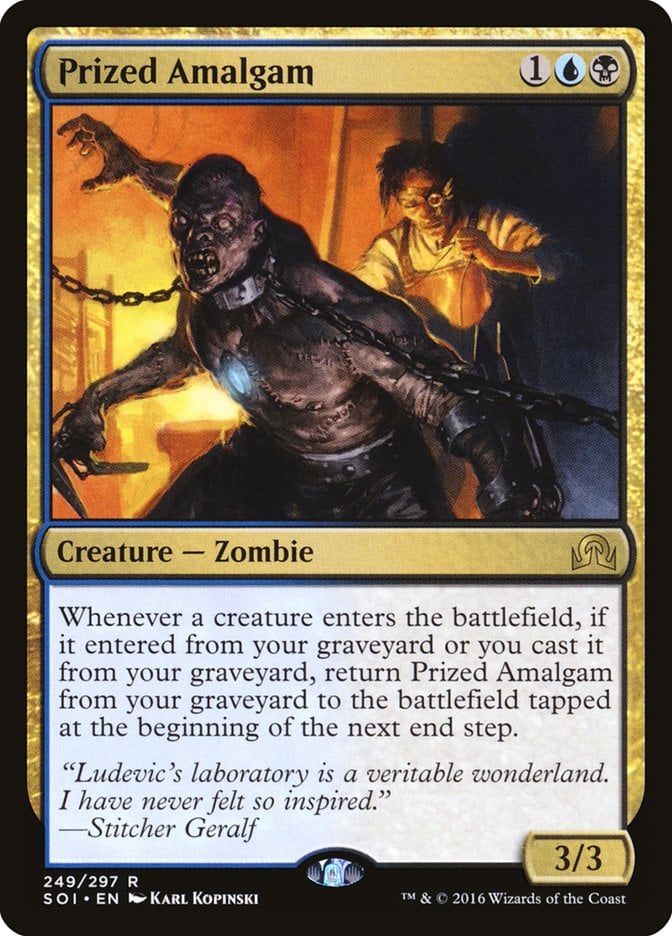
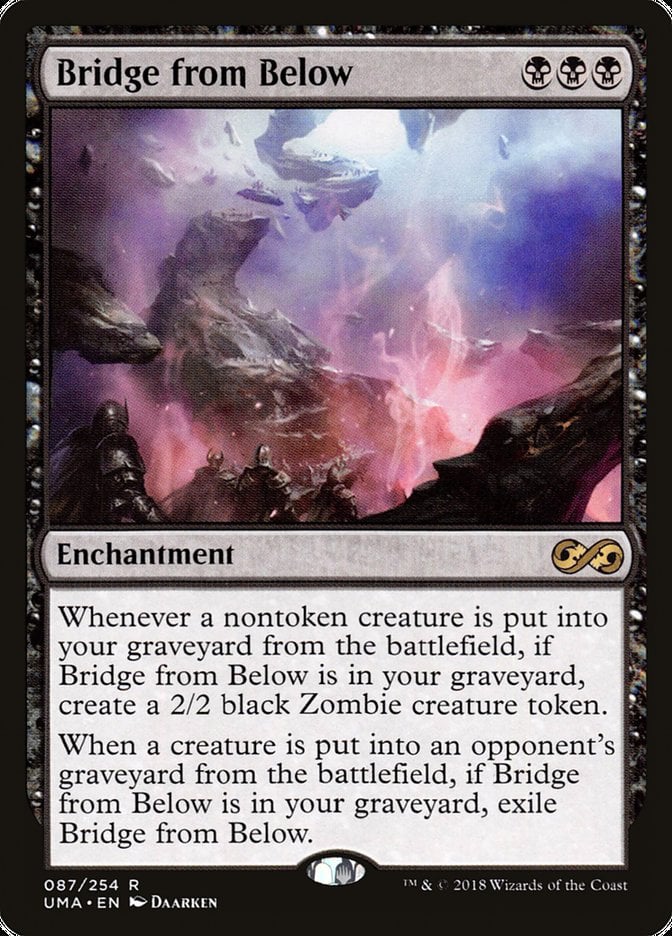
Once in the graveyard, they mill your deck. Put Golgari Grave-Troll into your hand, mill six cards. Oh, one of them is Narcomoeba! That comes into play. Oh, and since it came into play, Prized Amalgam is coming with it. Depending on your build, those creatures might come with a token from Bridge from Below or become fodder for Dread Return to reanimate Thassa's Oracle for a combo finish.
Dredge manages to cause problems of both mana—it costs nothing to dredge, and it rarely casts anything—and card advantage, because you “see” five or six cards for every one you should draw. Dredge decks can be explosive, fast, and extremely hard to interact with—sure, you can bring your Rest in Peace, but the dredge player can just destroy it. It’s not likely they were using their mana to advance their game plan.
This is easily the least redeemable mechanic Wizards have ever printed, and I can’t imagine the design of a fair dredge card, because such a thing doesn’t exist.
Wrap Up
Gitaxian Probe | Illustration by Chippy
Magic’s history is littered with broken cards and broken mechanics. It can’t all be roses and sunshine, I suppose; every now and then, something slips through the cracks and shatters competitive formats for months to come.
Which of these mechanics is your favorite? Have you played around any of these? Let me know in the comments below or on the Draftsim Discord!
Stay safe, and thanks for reading!
Follow Draftsim for awesome articles and set updates:










Add Comment