
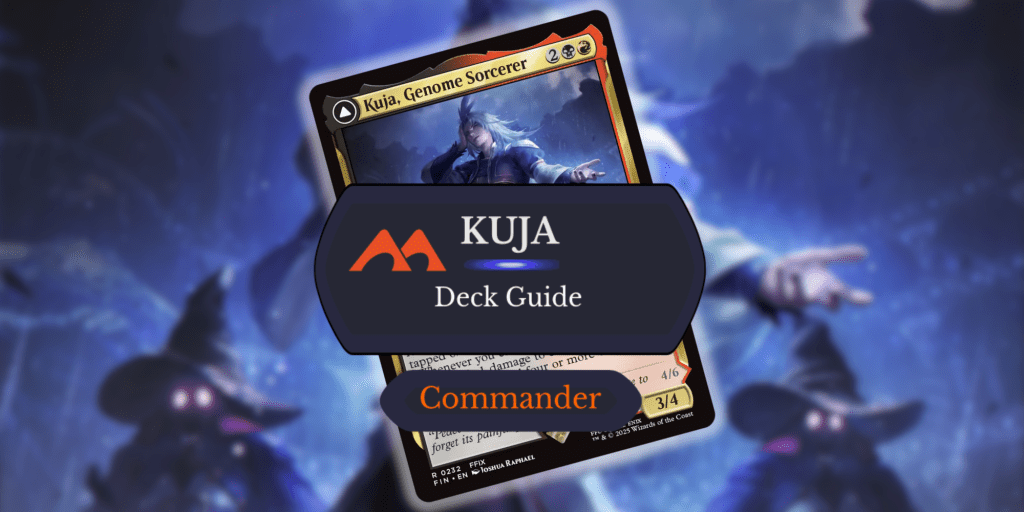
Kuja, Genome Sorcerer | Illustration by Joshua Raphael
Kuja, Genome Sorcerer / Trance Kuja, Fate Defied is one of FFIX’s main villains and final bosses. In MTG’s Final Fantasy, the card has a pretty straight-forward design: Play noncreature spells and deal damage to everyone.
Kuja is an assassin without any real feelings for anyone and a character that only wants to see the world burn. That’s as Rakdos () as it gets, right? And with over 15,000 decklists on EDHREC, Kuja, Genome Sorcerer is the second most popular Rakdos commander out there.
It’s interesting that we can build a Kuja deck with many commons and uncommons, so it can be a cheap Bracket 2-3 (or greater) deck. Today, we take a look at a pretty budget Kuja Bracket 3 EDH list that can take your opponents by surprise. It’ll be easy to play sometimes, but the deck’s got some tricks, too.
The Deck

Trance Kuja, Fate Defied | Illustration by Joshua Raphael
Commander (1)
Planeswalker (1)
Creature (15)
Anathemancer
Black Waltz No. 3
Coruscation Mage
Electrostatic Field
Electrostatic Infantry
Firebrand Archer
Guttersnipe
Harmonic Prodigy
Mysidian Elder
Neheb, the Eternal
Party Thrasher
Pinnacle Monk
Queen Brahne
Storm-Kiln Artist
Taurean Mauler
Enchantment (5)
Artist's Talent
Black Market Connections
Collective Inferno
Fiery Inscription
The Rollercrusher Ride
Artifact (9)
Arcane Signet
Black Mage's Rod
Lightning Greaves
Mind Stone
Rakdos Signet
Red Mage's Rapier
Sol Ring
Swiftfoot Boots
Talisman of Indulgence
Instant (16)
Bedevil
Big Score
Chaos Warp
Dark Ritual
Deadly Dispute
Expedite
Lightning Bolt
Malakir Rebirth
Rakdos Charm
Seething Song
Supernatural Stamina
Terminate
Transpose
Undying Evil
Unexpected Windfall
Village Rites
Sorcery (17)
Blasphemous Act
Bloodsoaked Insight
Boltwave
Circle of Power
Cornered by Black Mages
Crash Through
Crippling Fear
Cut // Ribbons
Grab the Prize
Light Up the Stage
Jeska's Will
Mana Geyser
Night's Whisper
Past in Flames
Risky Shortcut
Unearth
Vandalblast
Land (36)
Barren Moor
Blightstep Pathway
Blood Crypt
Bloodfell Caves
Canyon Slough
Command Tower
Evolving Wilds
Forgotten Cave
Jagged Barrens
Lindblum, Industrial Regency
Midgar, City of Mako
Mountain x10
Rakdos Carnarium
Secret Tunnel
Sulfurous Springs
Swamp x10
Tainted Peak
Terramorphic Expanse
This list plays just one Game Changer, Jeska's Will. It’s not fundamental to the deck’s objectives by any means; it’s just a really powerful card in these kinds of red spellslinger lists. The deck isn’t that optimized and it doesn’t win quickly, but it can hold its own. There aren’t any infinite combos or tutors, either.
The Commander: Kuja, Genome Sorcerer / Trance Kuja, Fate Defied


Kuja, Genome Sorcerer / Trance Kuja, Fate Defied is our red and black commander today, but let’s start with a little bit of FFIX lore. One of the game’s themes is mass cloning, including the many black mages. Kuja, Genome Sorcerer and MTG’s infamous format-ruiner Vivi Ornitier are the results of said experiments. Black Mages in FF usually deal damage in the form of spells (fire, ice, thunder), and in MTG they translate to dealing damage after you cast a noncreature spell.
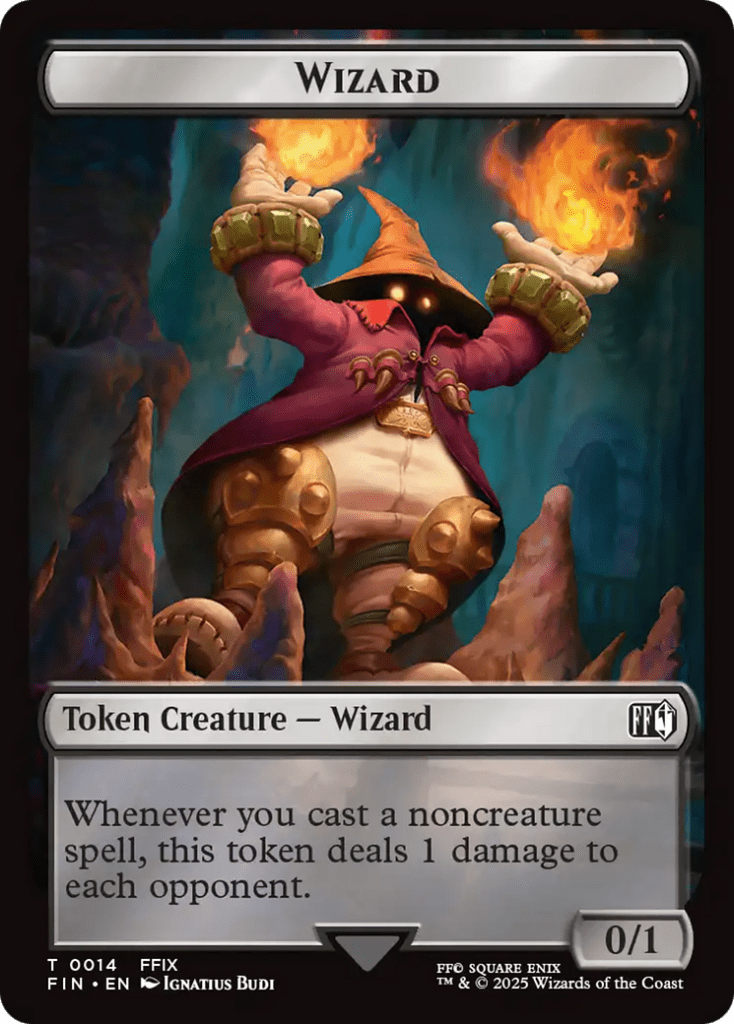
Kuja, Genome Sorcerer is that kind of Commander deck that builds itself. If you look at all the BR Final Fantasy cards that produce 0/1 black Wizard tokens and mash them up with some noncreature spells, you get a nice start for a deck. The idea here is that Kuja automatically makes a wizard every end step, and once you control four wizards (including your commander), Kuja transforms into Trance Kuja, Fate Defied. Trance Kuja makes all wizards double their damage output, so your tokens all ping for 2 damage instead of 1. The damage goes to every player, so it’s a nice win condition. Trance Kuja is also a 4/6 that deals 8 damage when it connects, but it doesn’t have evasion. If you want, you can give it first strike and trample to get in more frequently, but this build doesn’t follow that route.
What do you need for a successful spellslinger deck? Preferably a lot of cheap spells and cantrips, and a payoff for firing said spells. Kuja, Genome Sorcerer provides the enablers, so you need more redundancy in the payoffs, wizards, and noncreature spells, and lots of them. Artifacts help you a lot, especially equipment with job select and equipment that protects Kuja from certain doom. You need your commander alive.
Creatures
Most of this deck’s creatures are wizards because Kuja, Genome Sorcerer is kind of a wizard typal commander. Besides, wizards usually interact favorably with noncreature spells.
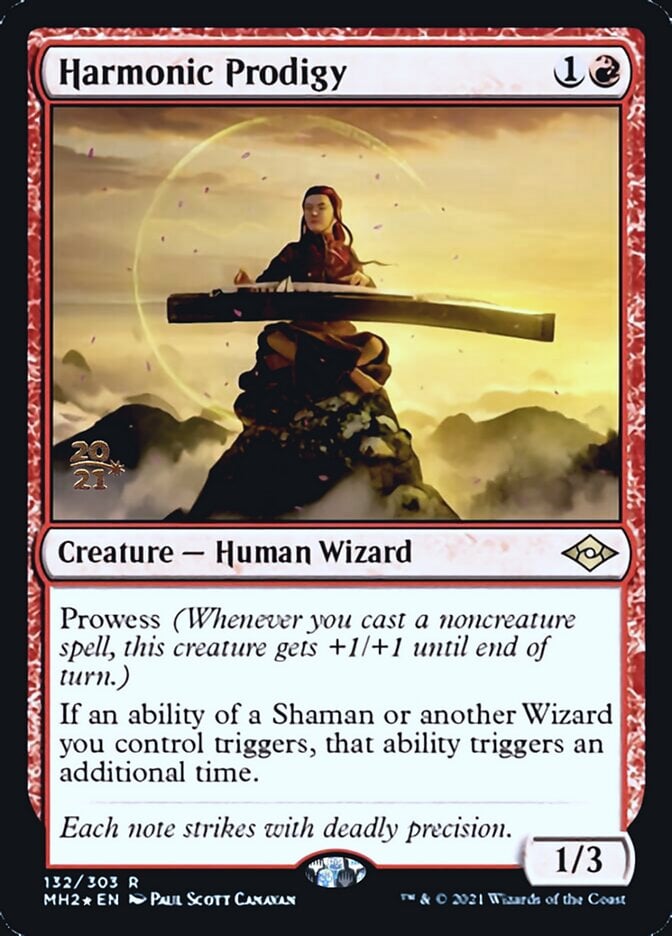
Take a look at this guy: Harmonic Prodigy is the soul of the deck, doubling wizards and shamans’ triggers (mostly wizards in this decks, aside from the occasional Guttersnipe). When each 0/1 black mage token pings everyone for 2 twice thanks to this card and your commander, you’ll finish a game very quickly.
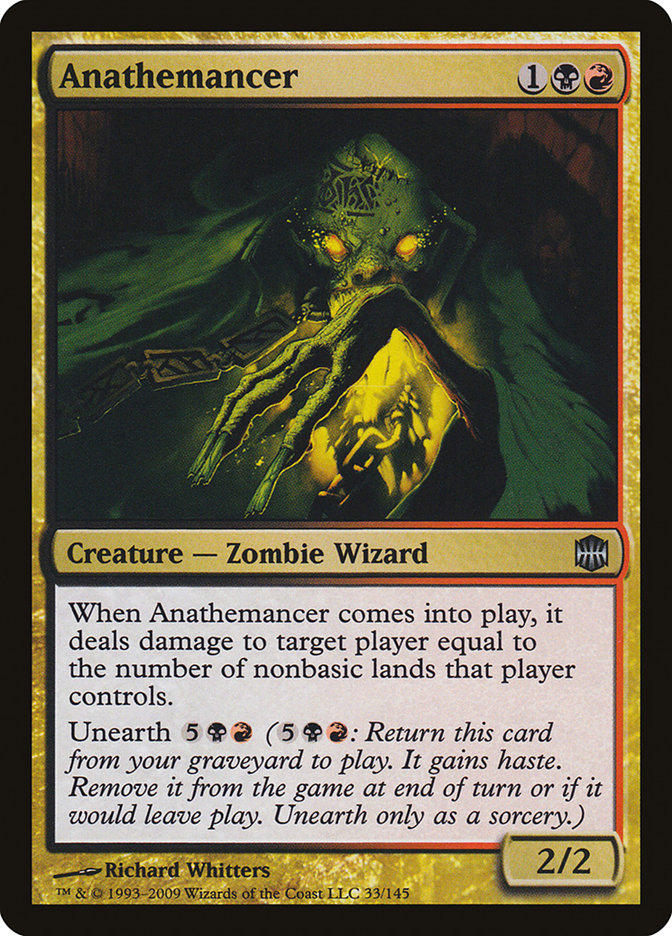
Another find for this deck is Anathemancer, and I confess I’d never thought about it myself. But it’s a wizard that deals a lot of damage when it enters, and when you double that with your commander, it can be a strong surprise wincon.

Black Waltz No. 3 is excellent. It has flying and deathtouch, so it can block and trade, but it alone deals 2 damage with each noncreature spell.

The regular version of Coruscation Mage is fine, and it offers you two wizards and two ping effects if you pay the offspring cost. A good 2-drop and 4-drop.
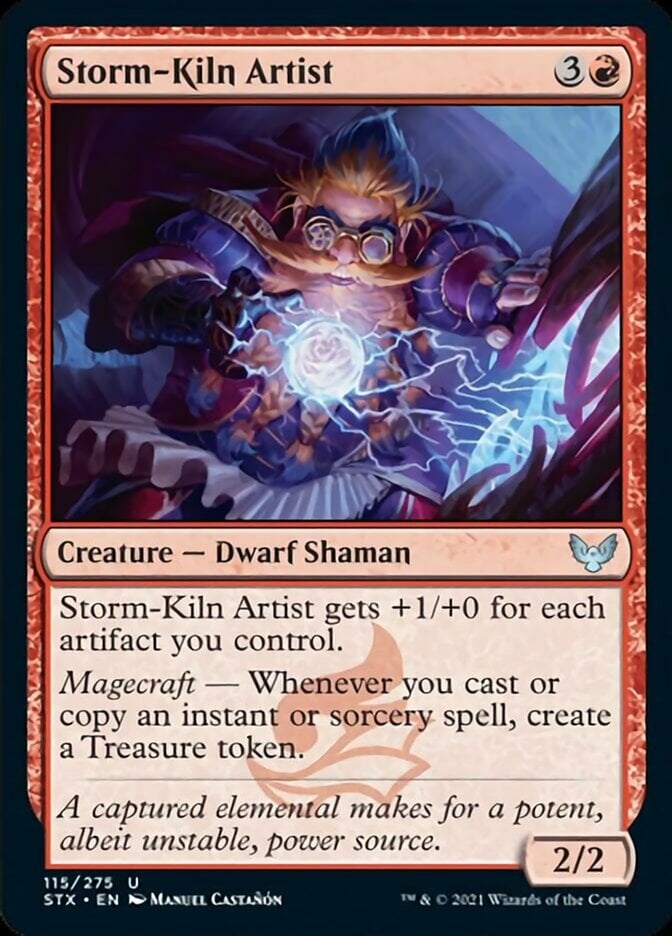
Storm-Kiln Artist is a spellslinging staple that gives you Treasure, which represents more mana for a stronger future turn.
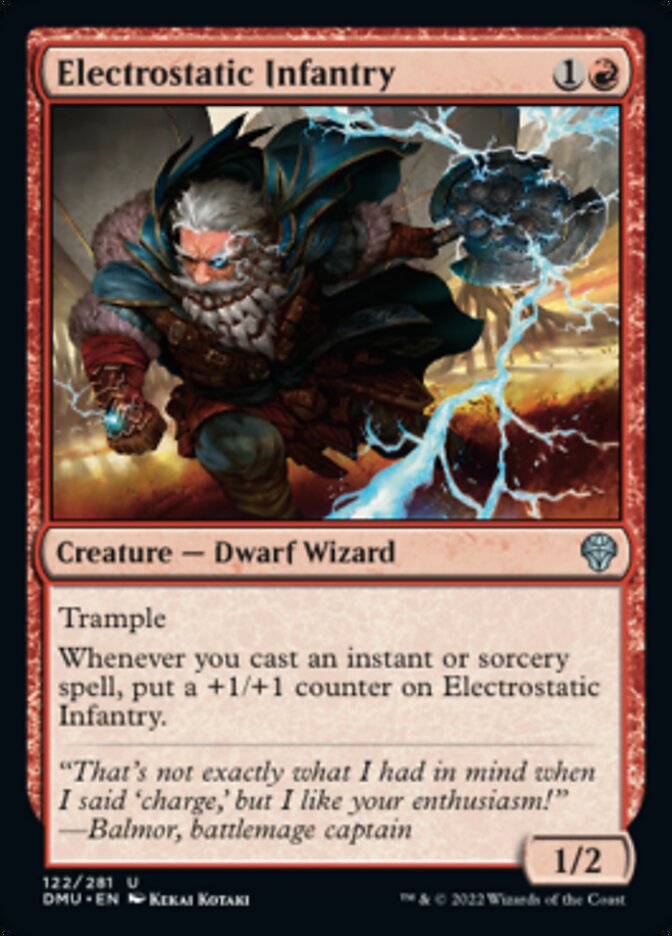
Electrostatic Infantry is a wizard that gets stronger when you cast your instants and sorceries.
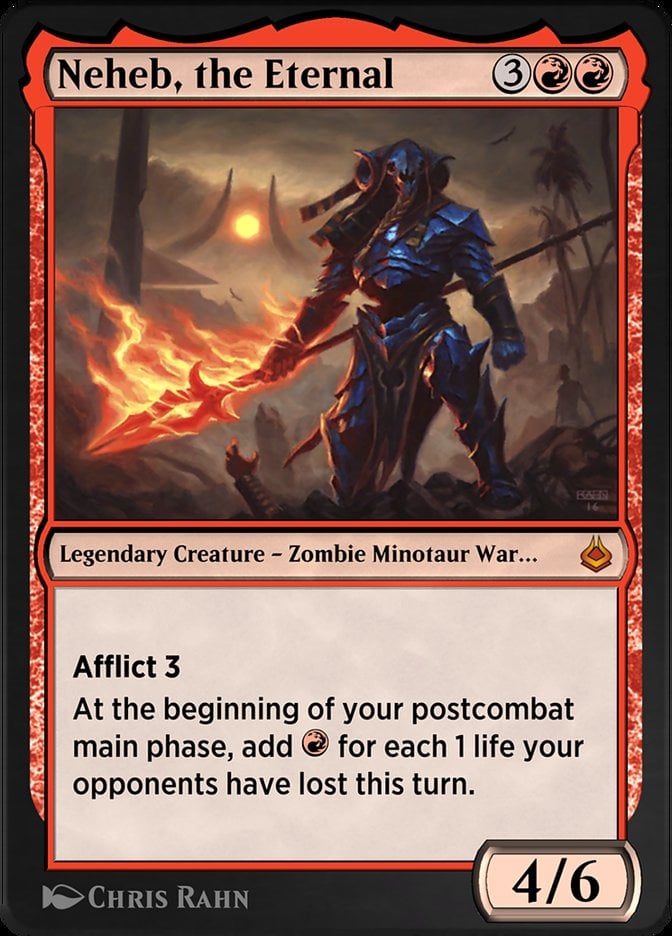
Neheb, the Eternal isn’t a wizard, but it can generate a lot of mana for you to keep casting spells, depending on the amount of damage you’ve inflicted on your opponents.
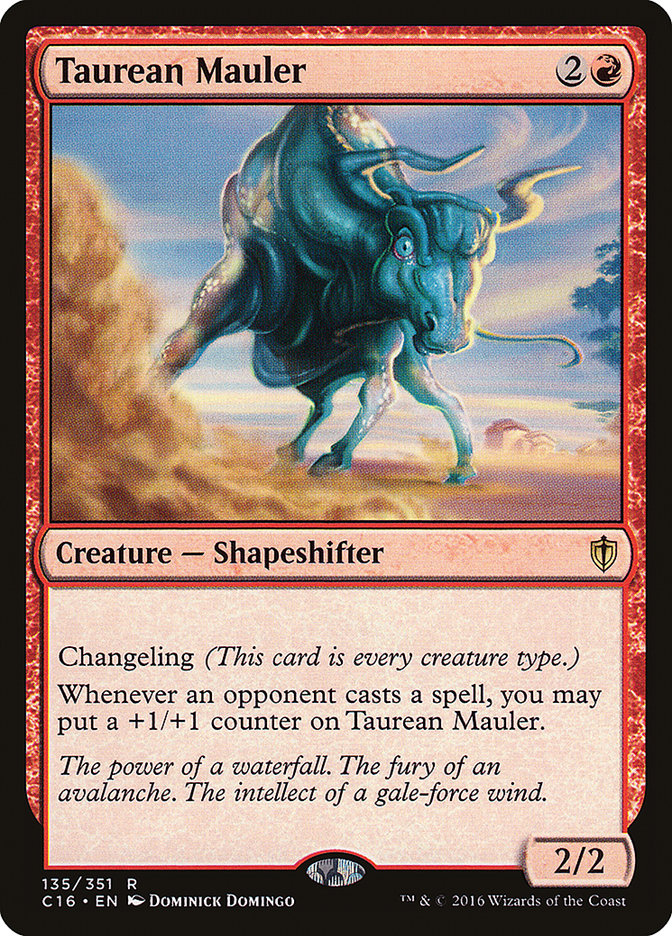
Taurean Mauler is a changeling (wizard) that’s bound to grow over the course of a Commander game, and it becomes a powerful beatstick whose wizard damage you can amplify with your commander.
Interaction
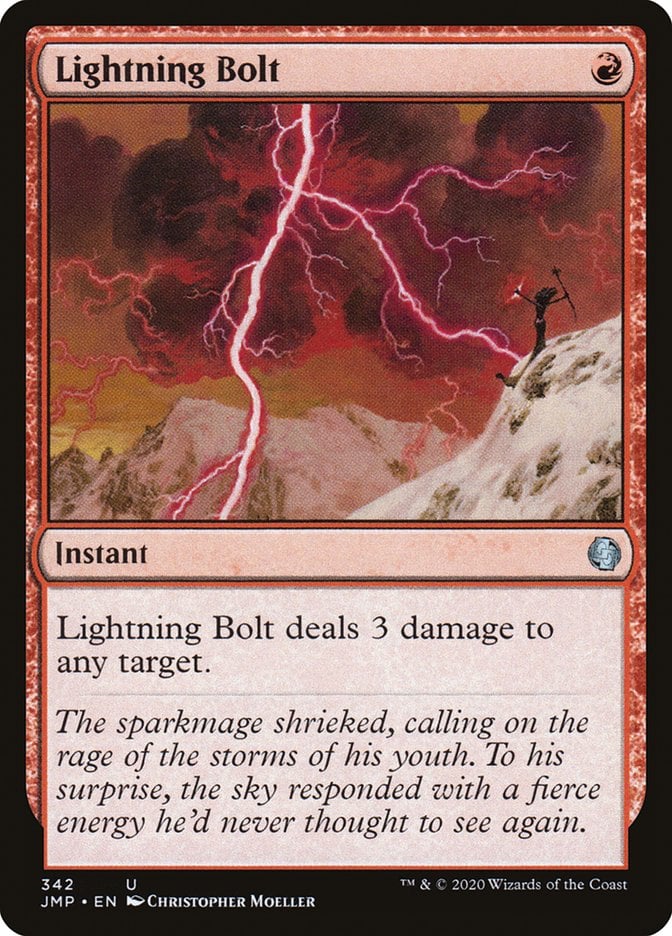

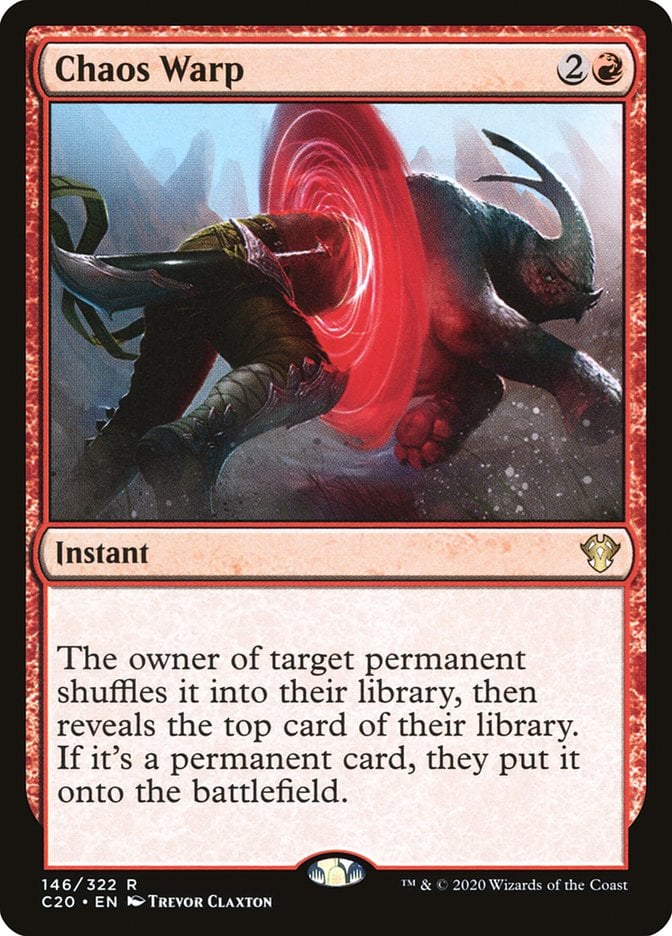
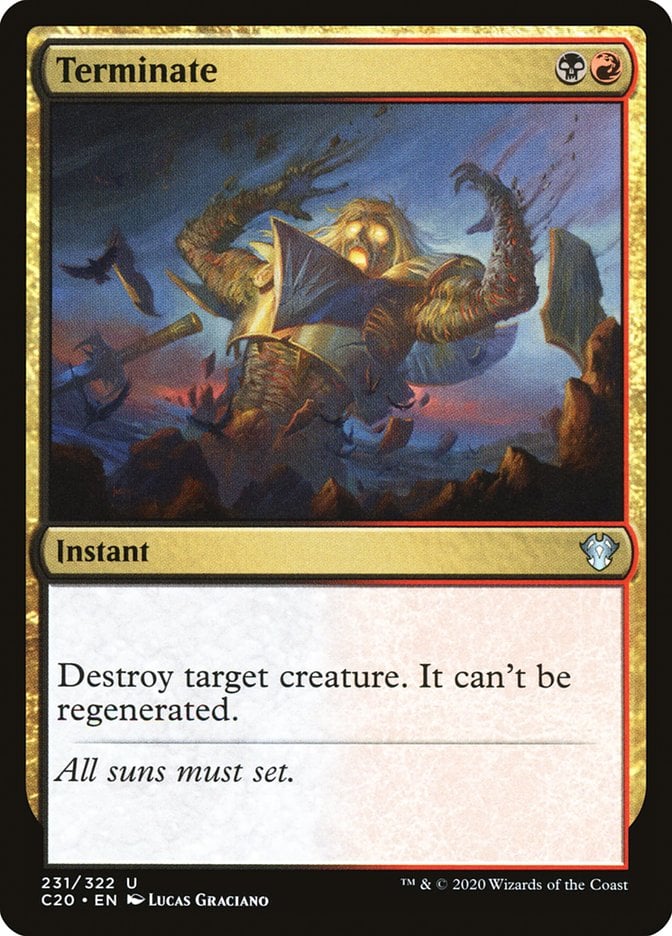
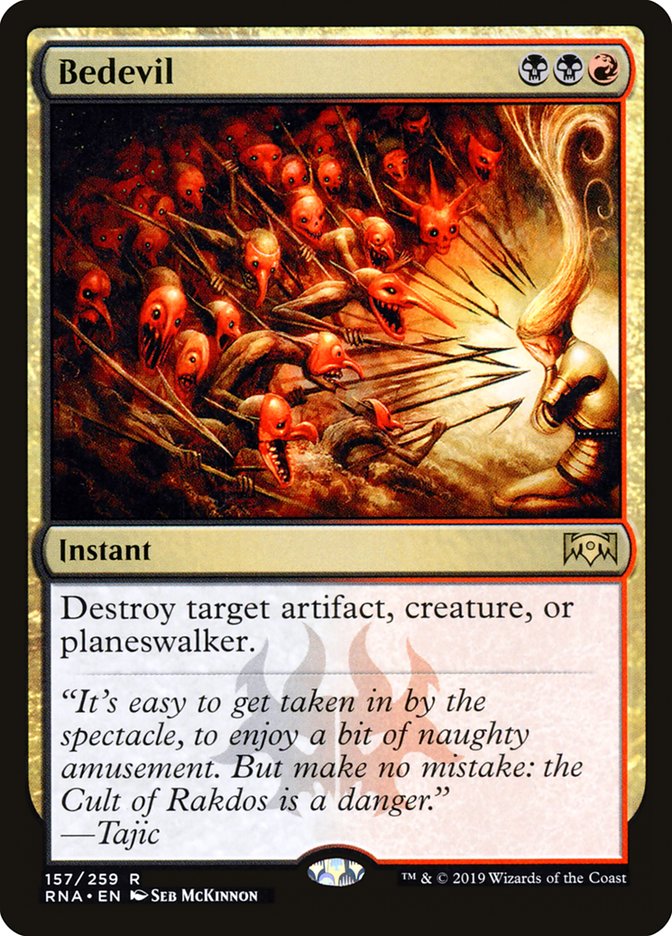
Black and red are very good with interaction spells, especially against enemy creatures and planeswalkers.
- Lightning Bolt, the premier removal/burn spell, is never dead in this deck, you can use it to finish off players or medium-sized creatures.
- Cornered by Black Mages is a bad edict effect, but the fact that you always get a 0/1 mage makes up for it, and sometimes you’ll make your opponents sacrifice something good.
- It’s not a red EDH deck if you don’t play Chaos Warp, one of the better catch-all red spells. Rakdos colors also offer Terminate and Bedevil as good spot removal.
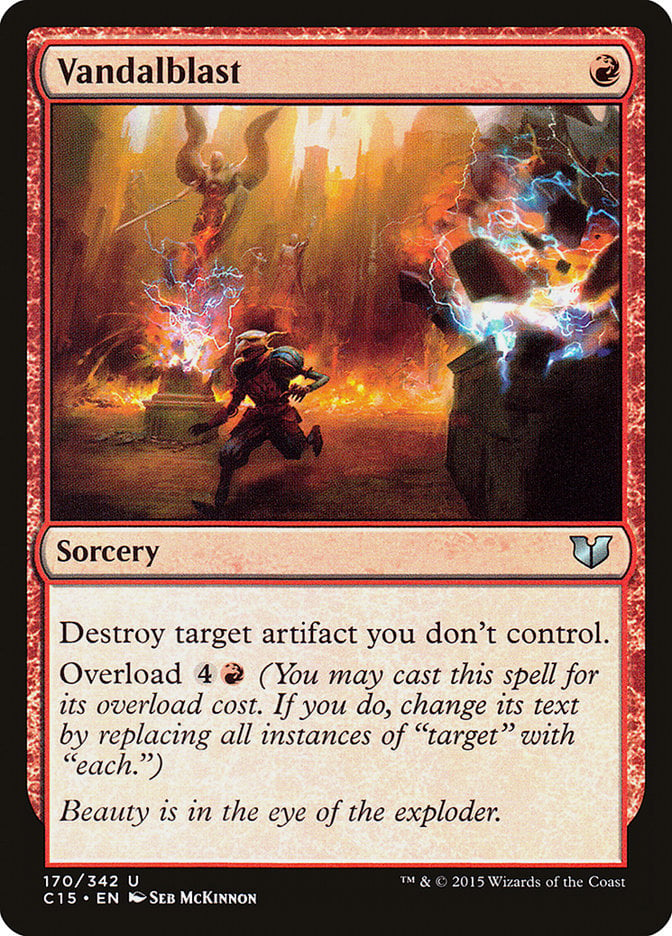
- Vandalblast is interesting as cheap interaction or an expensive artifact sweeper.
Sweepers

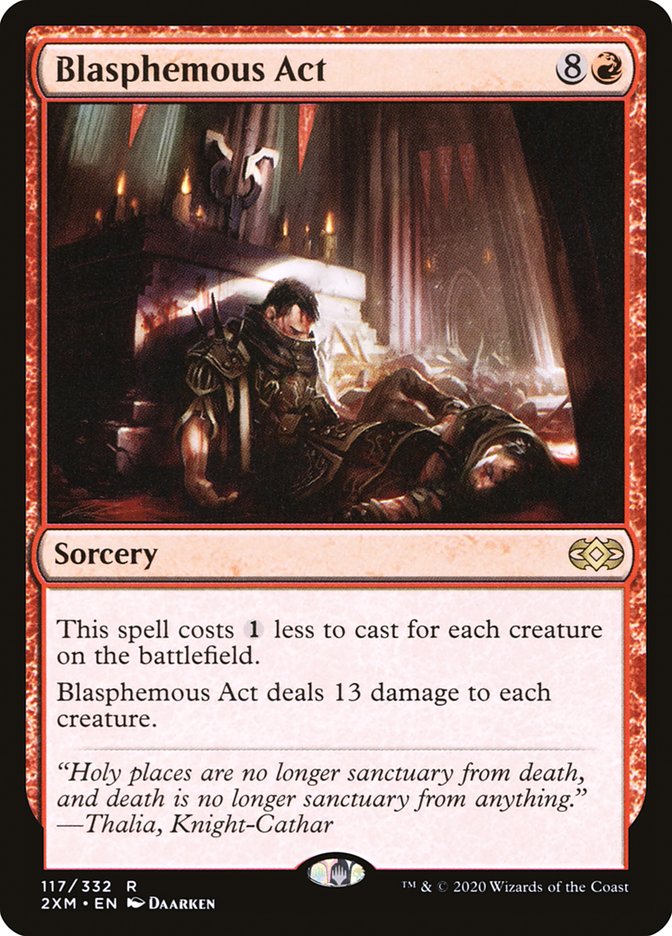
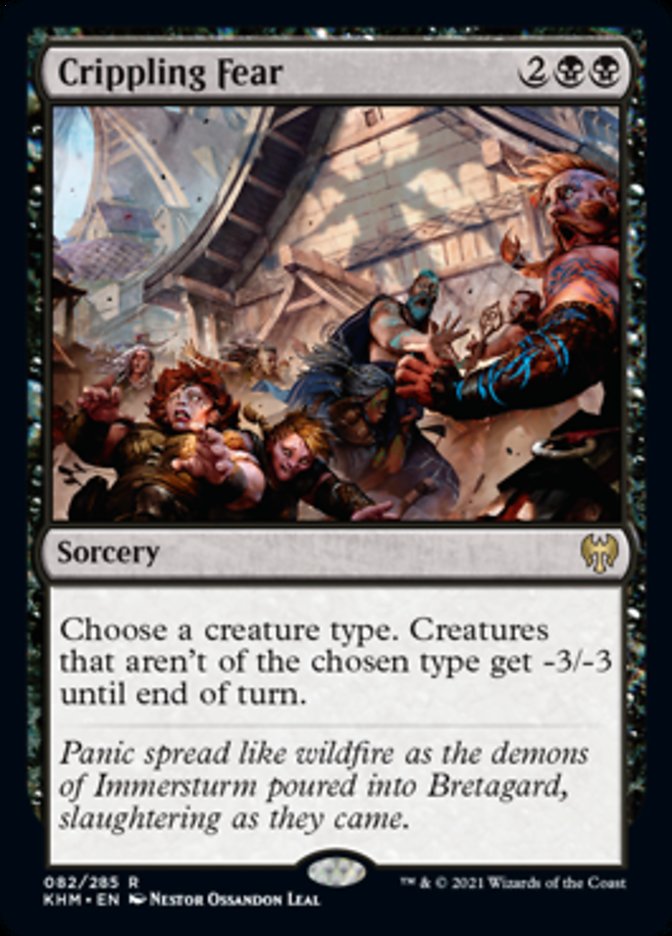
This list doesn’t have that many sweepers because you’re the one trying to stick creatures to the board, but there are some interesting options.
- The Rollercrusher Ride is a way to turn excess mana into damage, and it sticks to the board enhancing your noncreature damage. It’s not that trivial to reach delirium in this deck, but you have ways to cast instants, sorceries, and discard/draw to fill in the gaps.
- Blasphemous Act is a red EDH staple, and you’ll usually fire it off if things aren’t going your way.
- Crippling Fear can get rid of non-wizards for as a one-sided wrath, or clear the way for an attack.
Protection
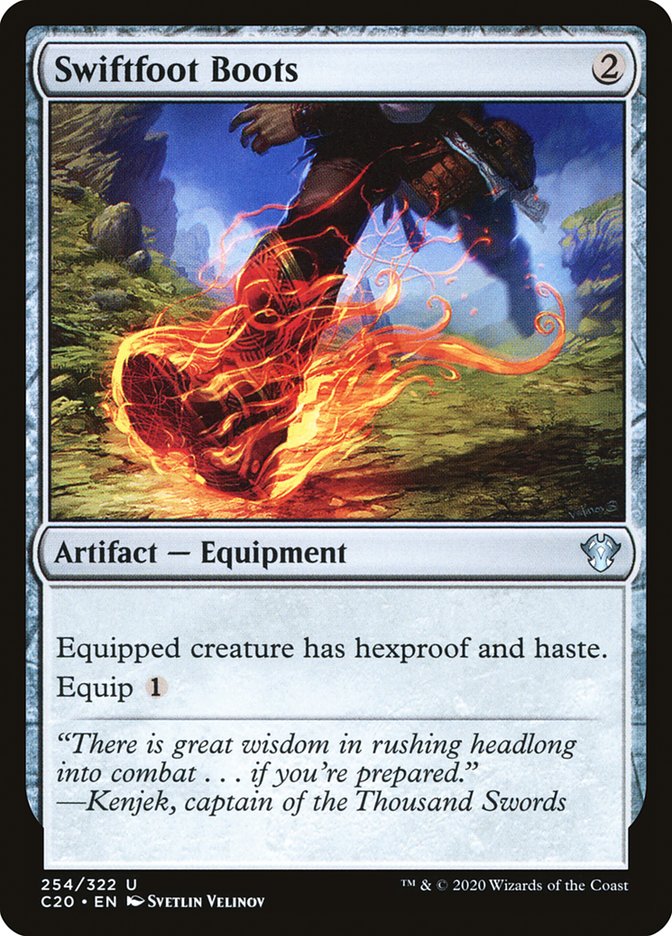
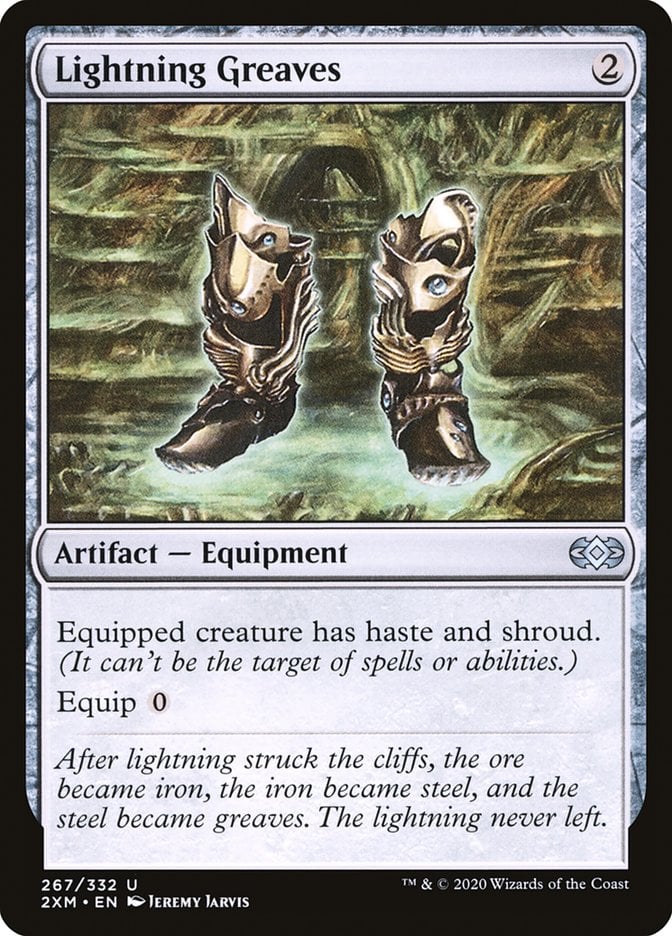
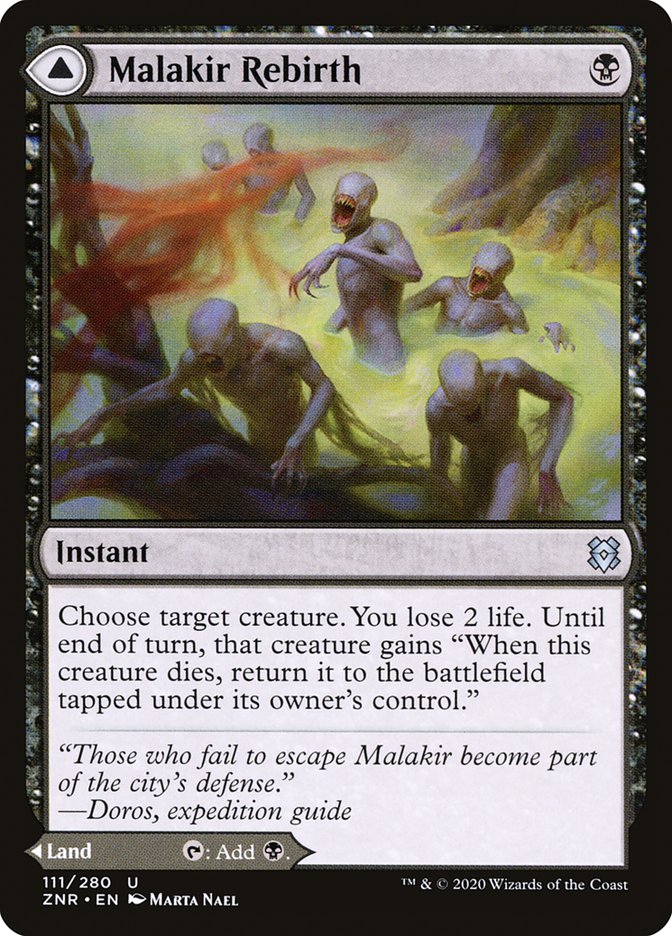
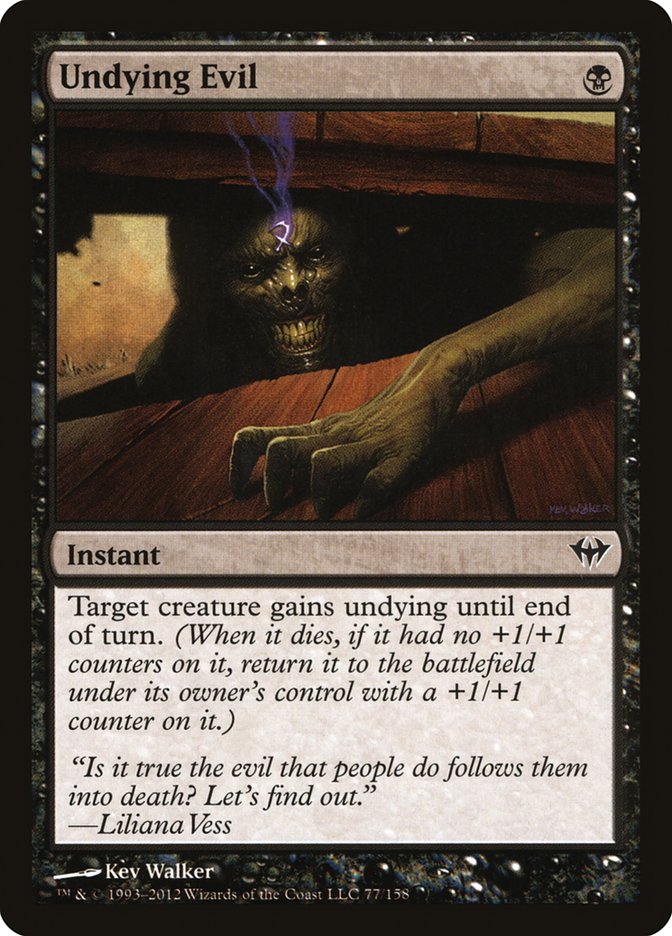
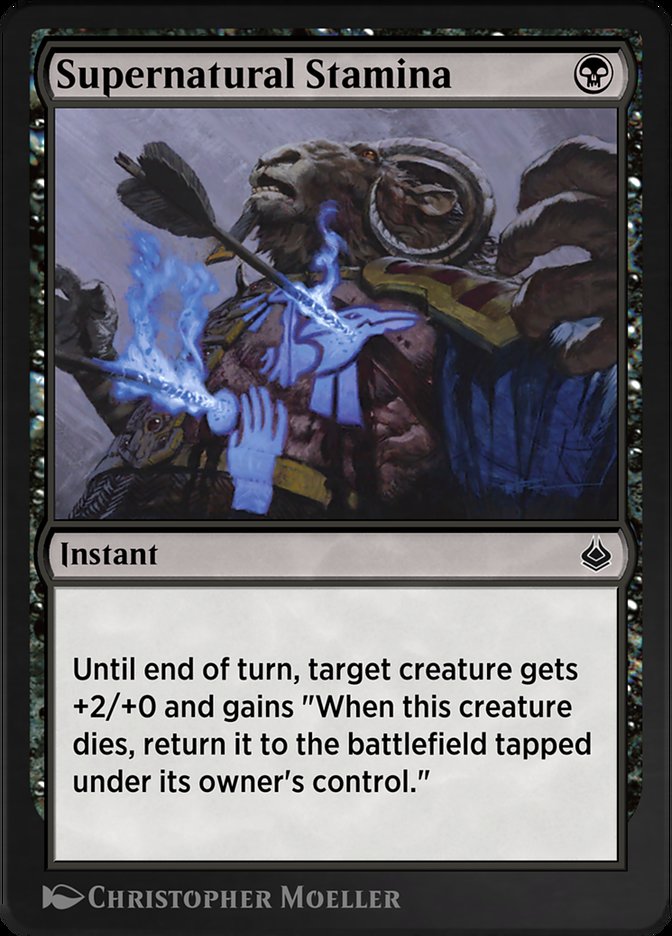
It’s important that you keep your commander alive, and there are some ways to do that. The classic Swiftfoot Boots and Lightning Greaves do a great job. You also have Malakir Rebirth, Undying Evil, and Supernatural Stamina to keep certain pieces alive and well. And of course, all of these are cheap noncreature spells that work very well with the deck’s game plan.
Burn
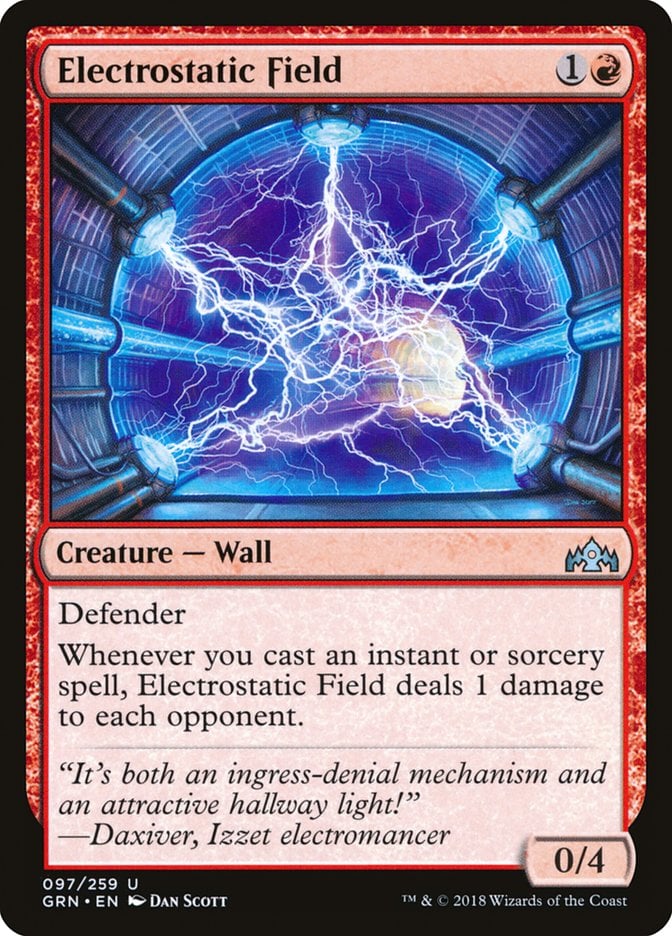
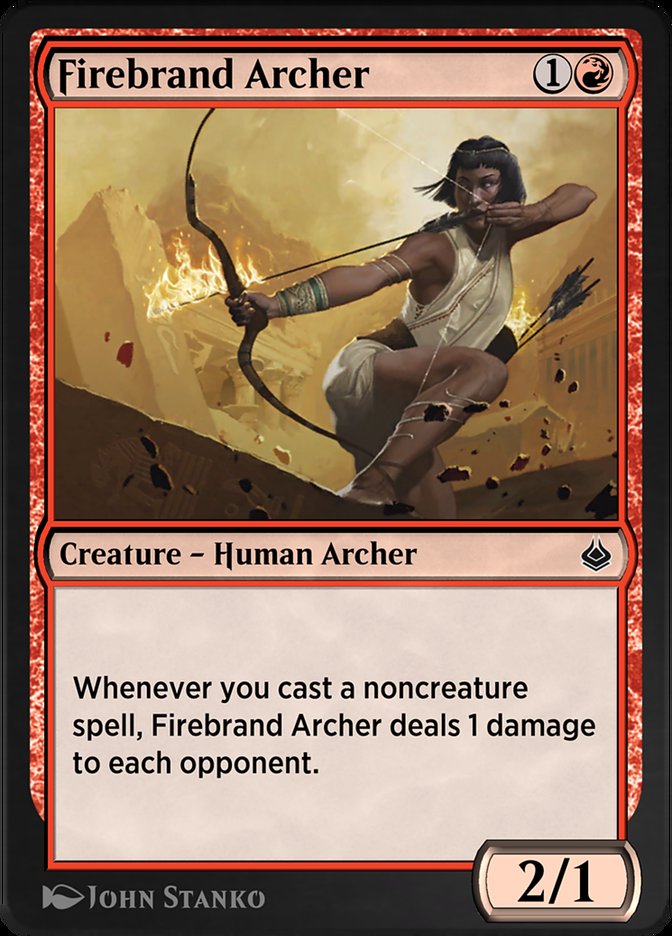
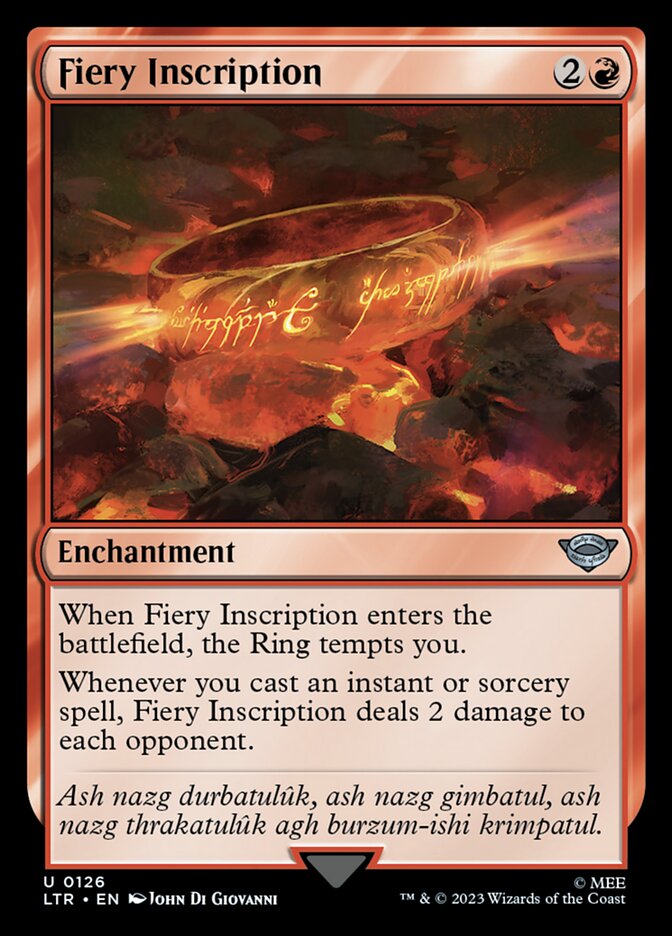
The main plan for this deck is to keep dealing constant damage to all opponents. The main sustained damage comes from cards like Electrostatic Field, Firebrand Archer, Fiery Inscription, and your trusty 0/1 black wizard tokens.


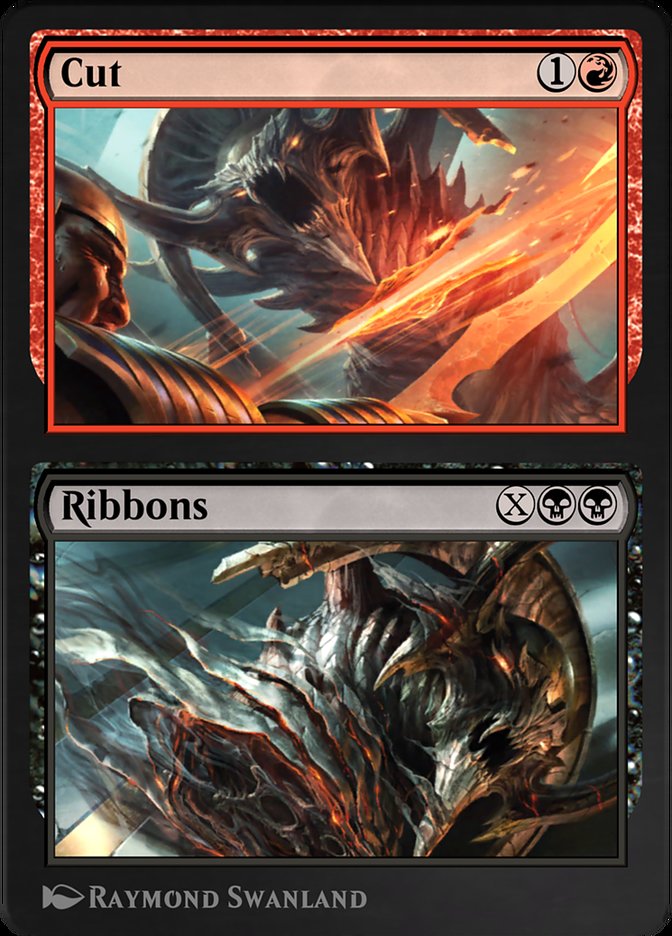
These are complemented by your burn spells. For example, Boltwave alone deals 3 damage to every player, and sometimes it triggers your creatures, dealing at least twice that. Risky Shortcut is a mix of a card draw and a burn spell, while Cut // Ribbons is half removal, half X-burn spell.
Card Draw
As a good spellslinging deck that lacks blue, you’ll rely on red’s ways to draw cards and filter through your deck. Black helps with that, of course.
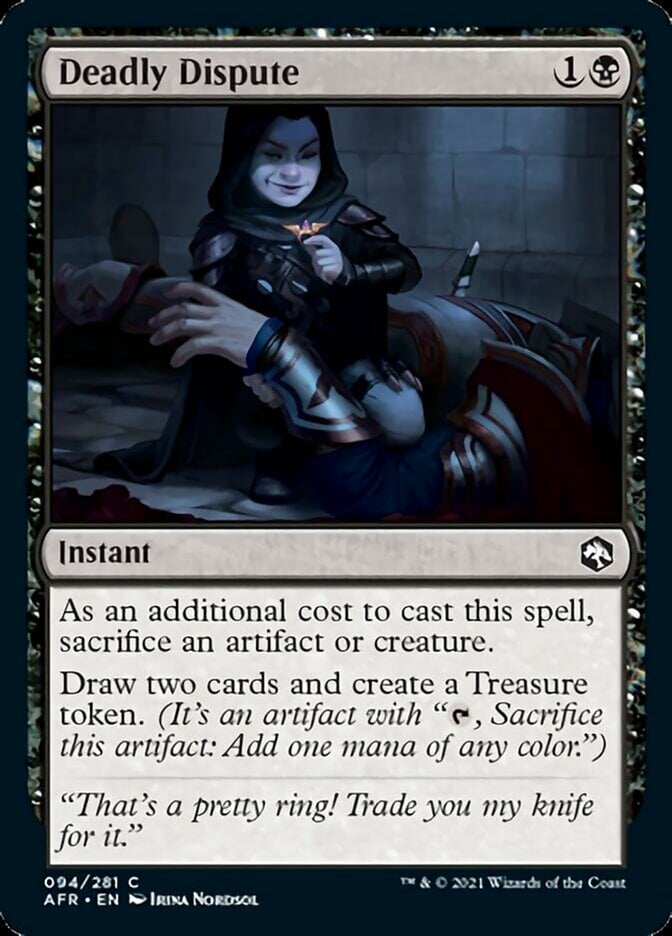
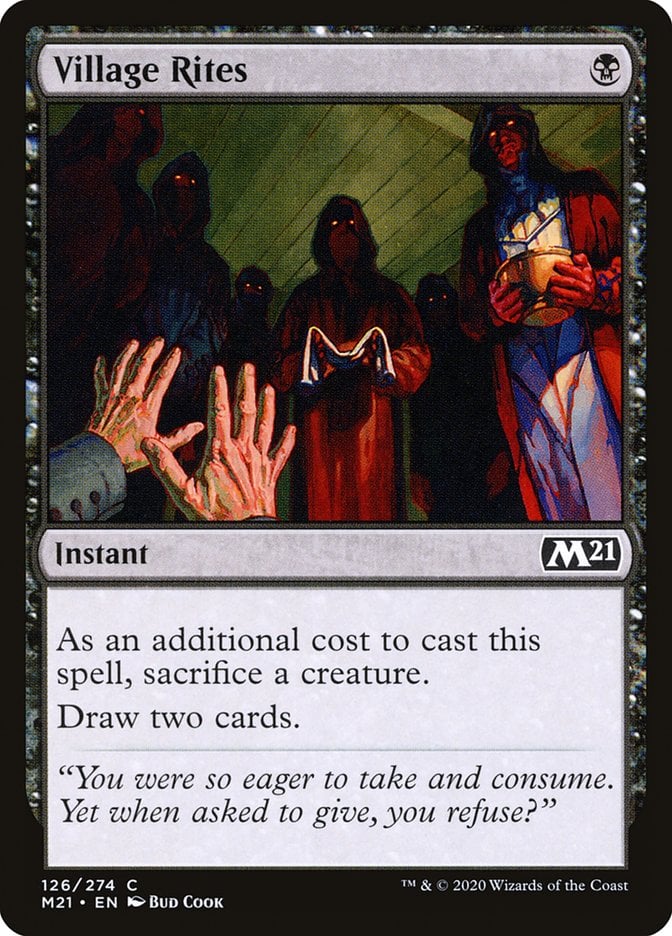
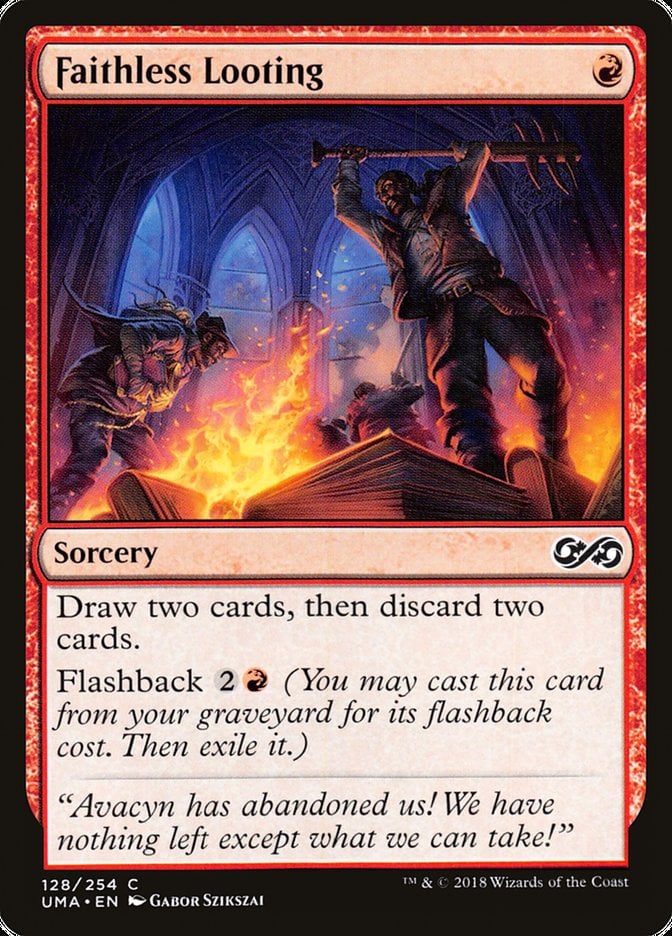
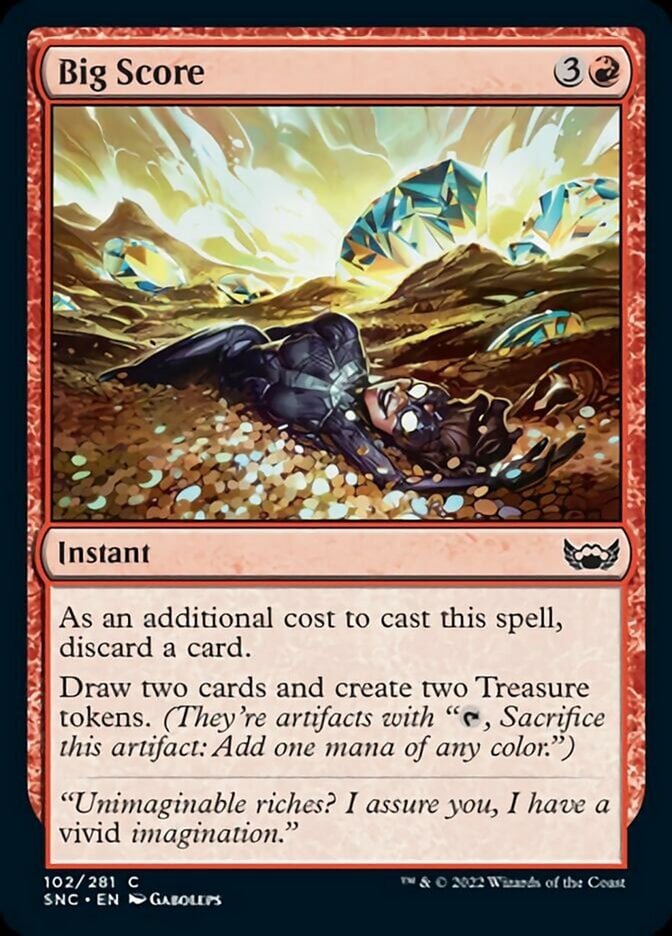
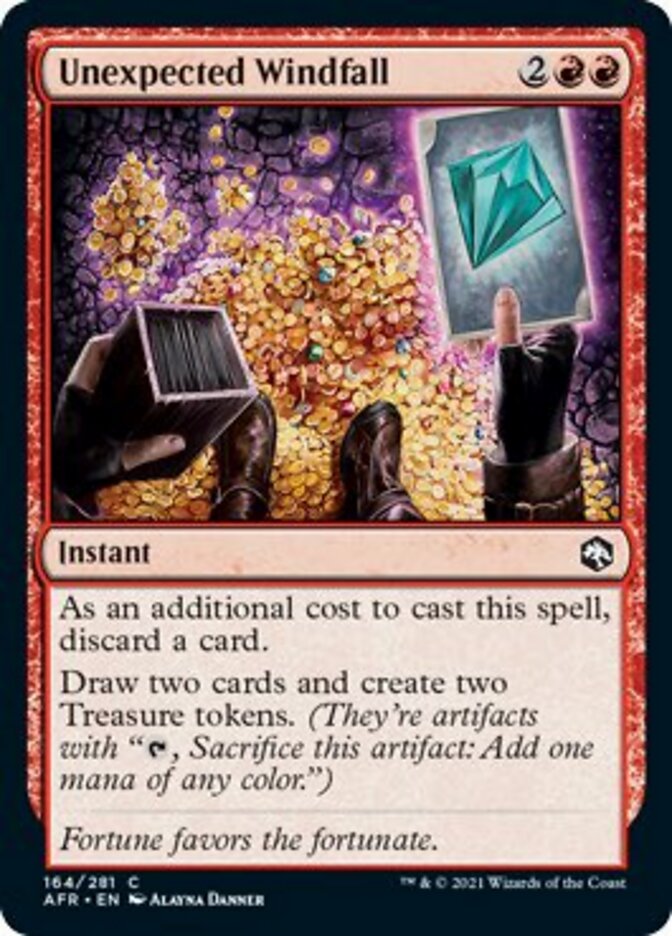

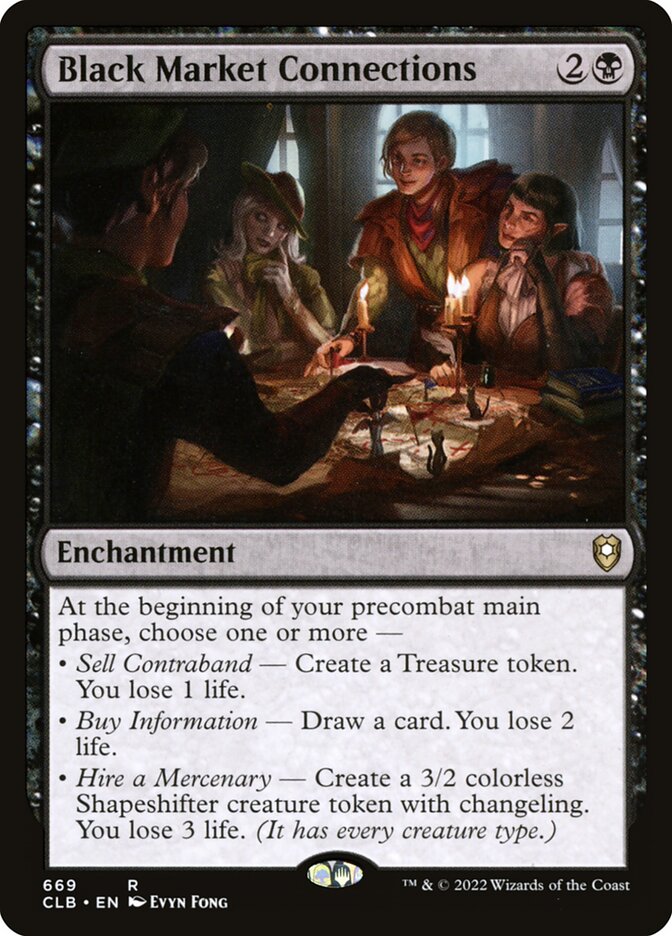
Deadly Dispute and Village Rites allow you to sacrifice something to draw more cards. Faithless Looting, Big Score, and Unexpected Windfall are staples in red spellslinging decks, and there’ll be some discarding and drawing. Party Thrasher is impulse draw on a stick, provided you discard some cards. Black Market Connections does everything you want in a generic typal deck, advancing your resources as well.
The Mana Base
I made a quick black and red mana base on a budget, so I’m playing some BR duals and a lot of basic Mountains and Swamps. You can add whichever red and black duals you desire.
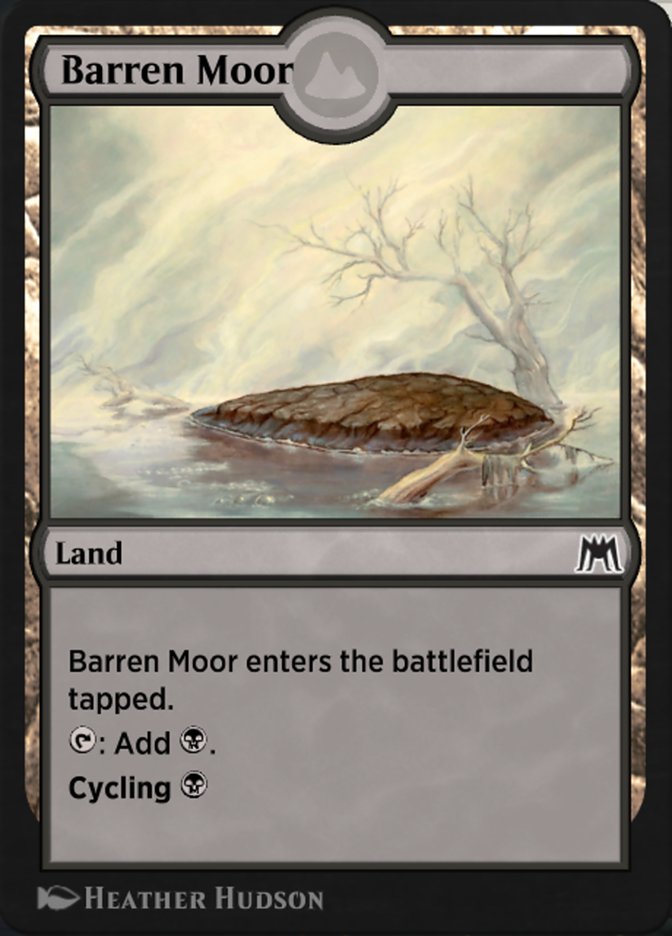
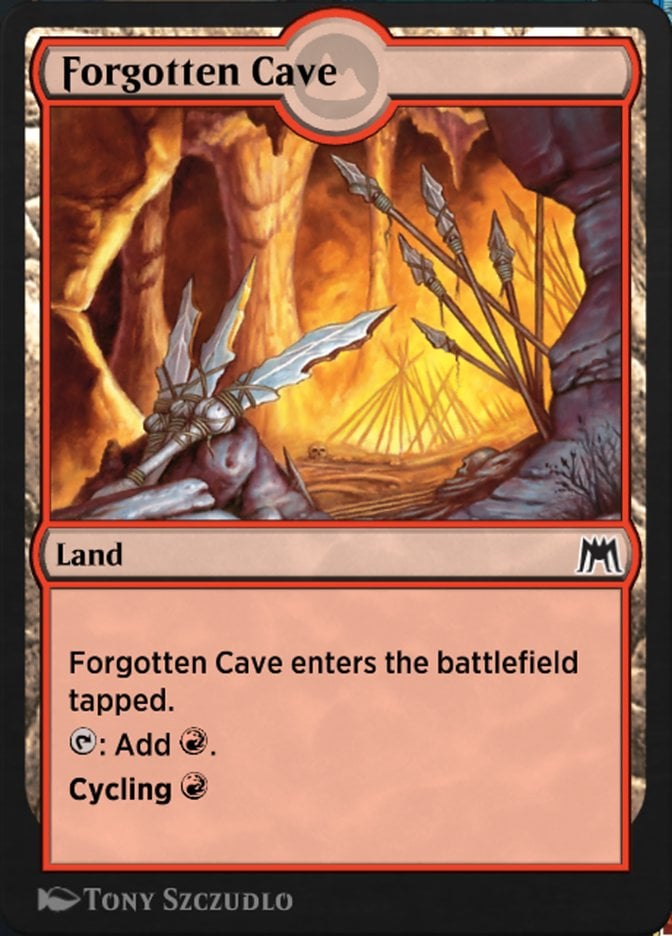
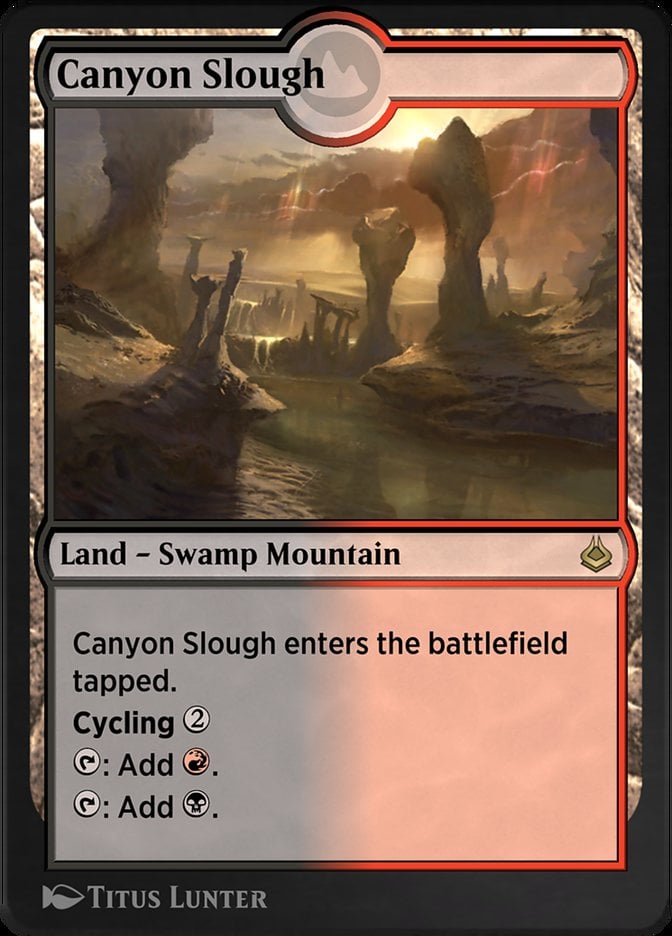
Good, inexpensive lands to include are the cycling lands, like Barren Moor and Forgotten Cave. Canyon Slough is another interesting option.
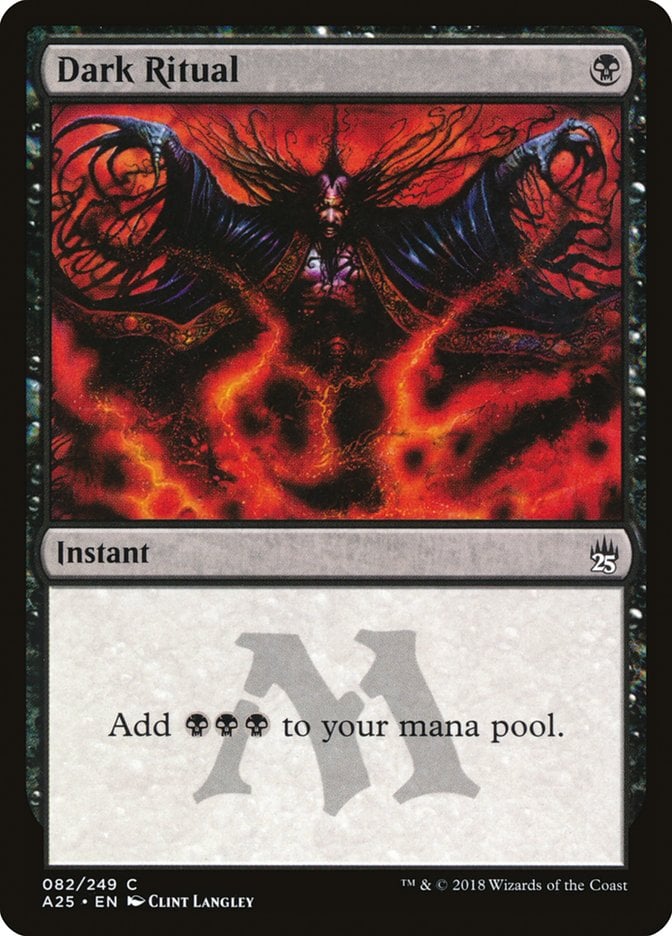

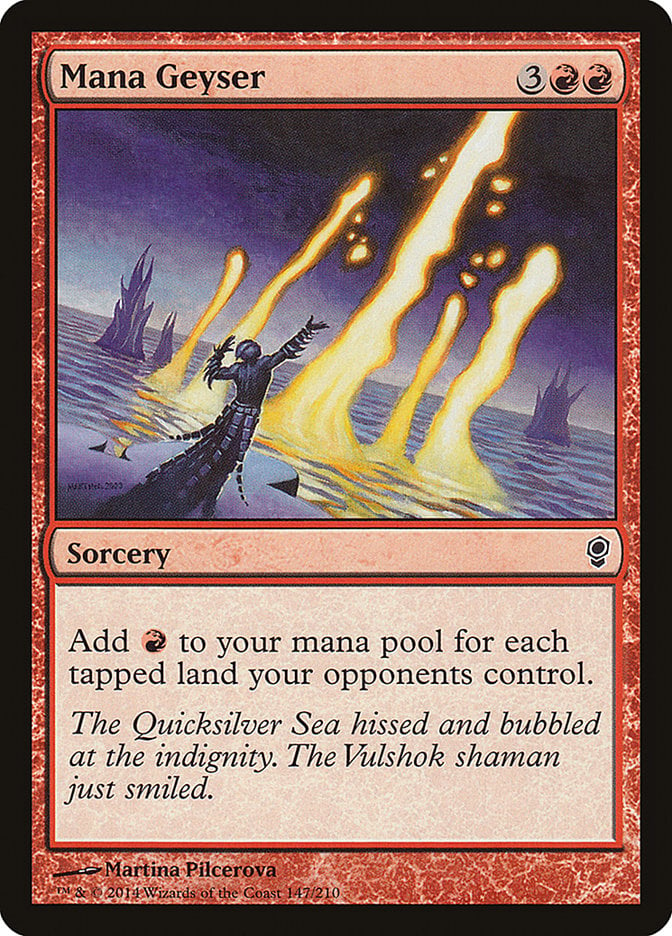
Rituals are a part of this deck’s strategy and ramp plan, as are all the cards that create Treasure tokens. Dark Ritual and Seething Song can be great in this deck, as can Mana Geyser.
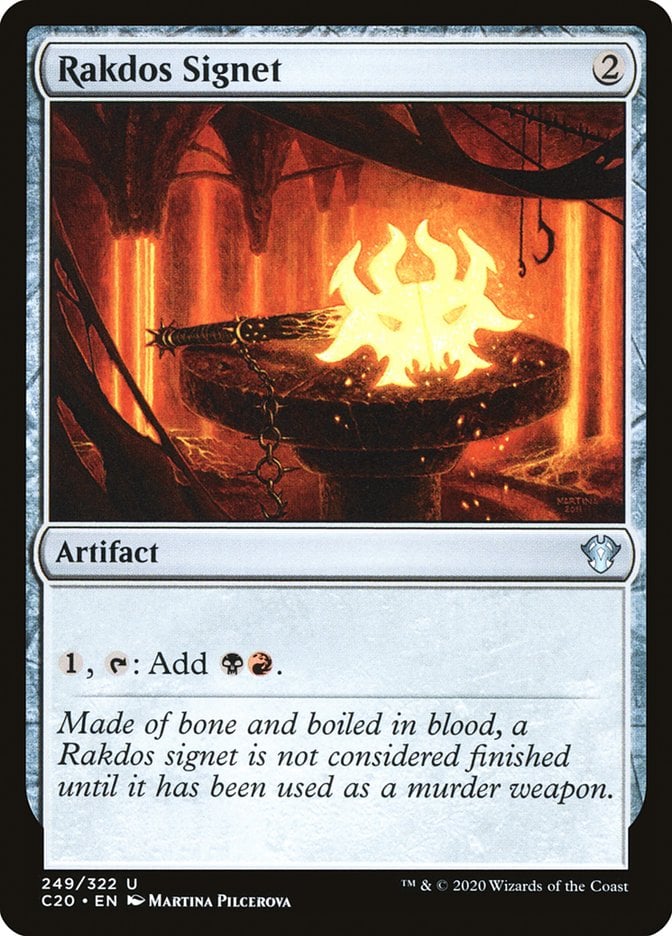
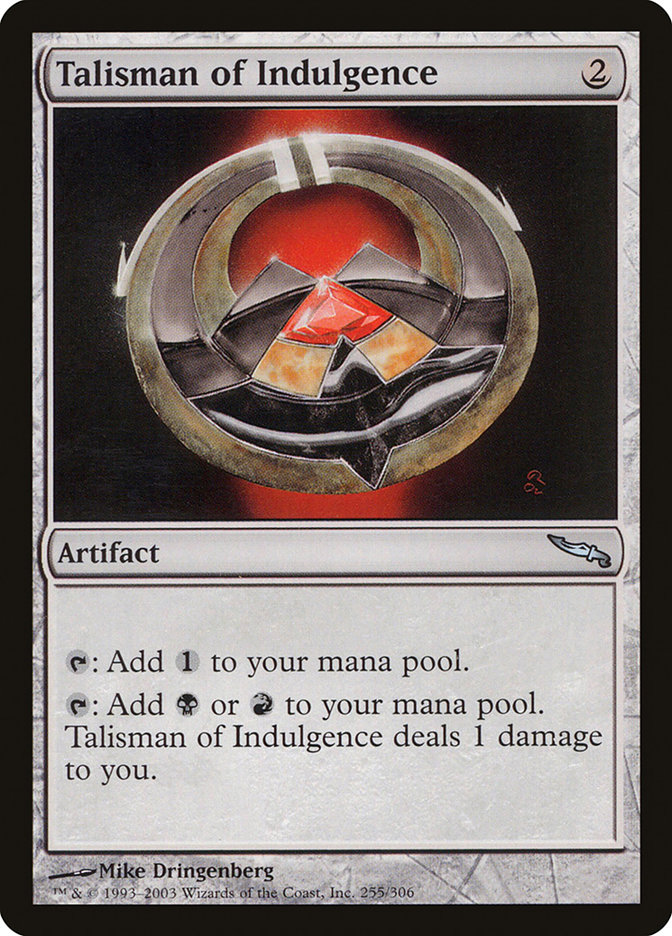

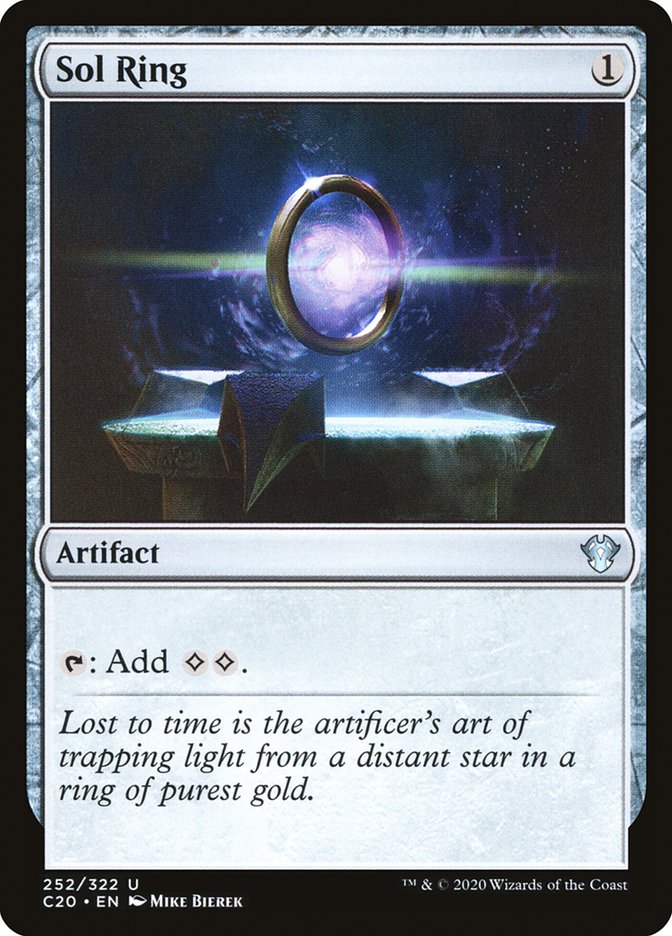
You have some mana rocks, like Rakdos Signet, Talisman of Indulgence, and the classic Arcane Signet and Sol Ring.


We have the adventure lands from FF, Midgar, City of Mako and Lindblum, Industrial Regency, and they get bonus points for fitting both the FFIX lore and the deck’s gameplan.
The Strategy
Spellslinging decks usually work like this: You establish a board that can provide a minimum defense while piling up on the “cast noncreature spells” payoffs. In this deck, your payoffs mainly deal damage to everybody. Once you have enough damage dealers, you can go off, preferably when you have your commander transformed into Trance Kuja, Fate Defied in play.
Let’s say I have three 0/1 black mage tokens in play and I cast three instants. This alone deals 6 damage to every other player. If I have any other way to double damage or triggers, that’s actually 12 damage. Cards like Guttersnipe or Professor Onyx deal 2 damage to each player whenever you cast an instant or sorcery, so these are very good to have around. The main problem with this deck comes when your opponents trample you to the ground or snipe your key damage dealers.
Combos and Interactions
The interactions between this deck’s cards aren’t hard. You just need to know your spellcasting potential. Sometimes you have a good hand that can realistically cast 5-6 noncreature spells a turn, you just need the payoffs in play to capitalize on that.
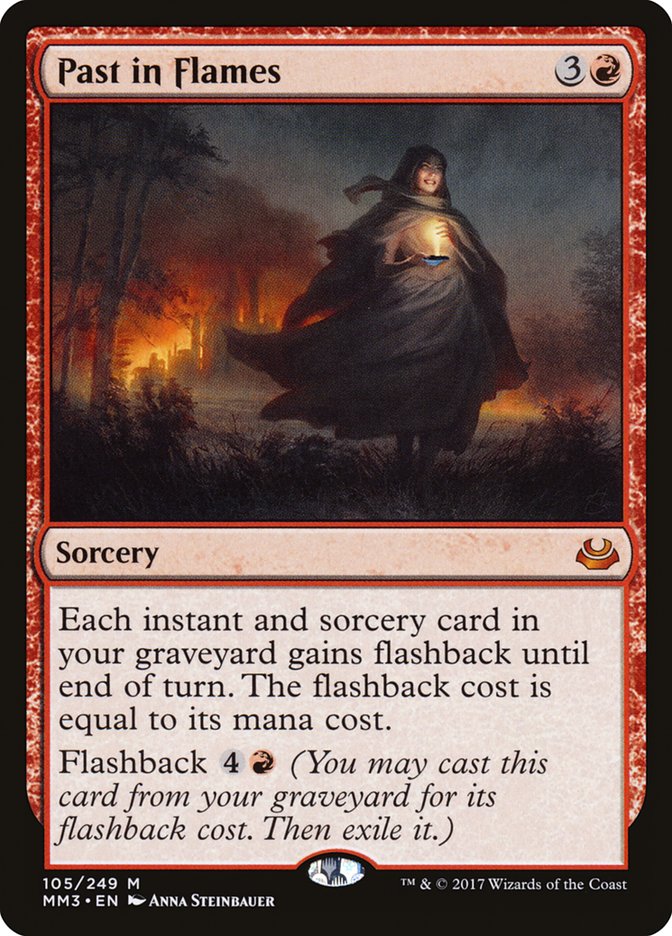
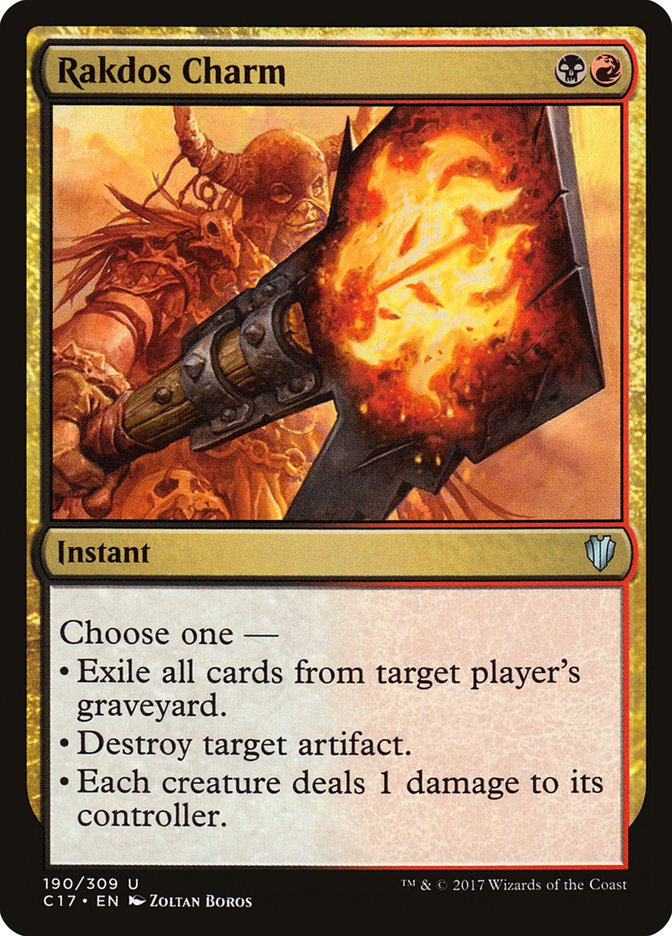
A card like Past in Flames makes all the difference, allowing you to recast your rituals and your card draw spells. Rakdos Charm and Anathemancer are strong damage sources out of nowhere, especially when your opponents have a strong board and think they’re safe, or when they’re doubling their tokens like crazy.
Rule 0 Violations Check
This isn’t combo deck per se, but it can have some explosive “I win” turns, though your opponents can see them coming. If you have your commander out, some damage sources, some Treasures, and 4-5 cards, you can sometimes put together a surprise win, but you’re not tutoring or forming 2-card combos for the win.
Budget Options
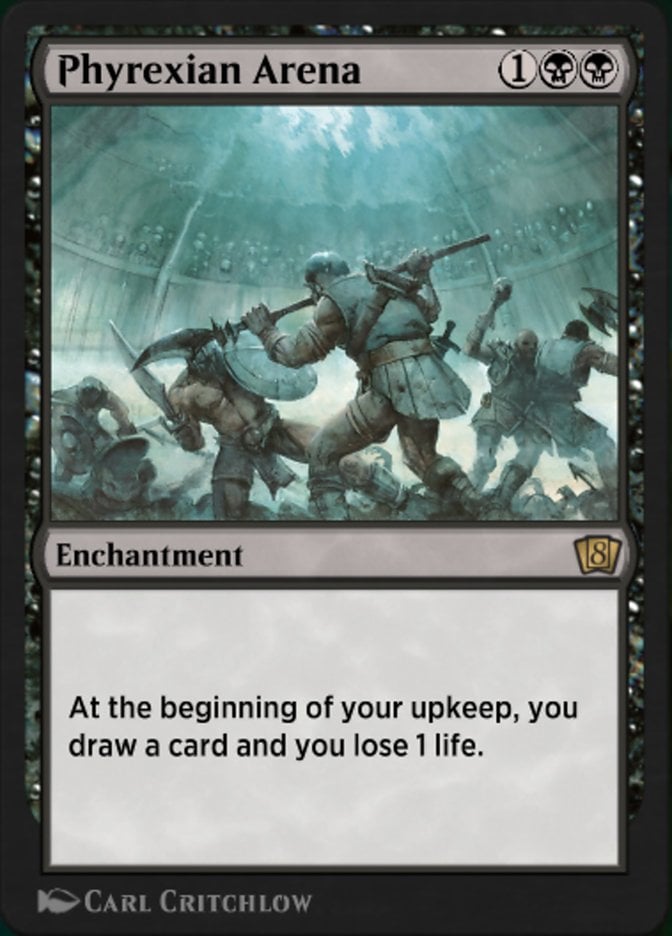
Besides some dual lands, the most egregious nonbudget card in this deck is Jeska's Will, followed by Black Market Connections and Harmonic Prodigy. Phyrexian Arena can be a good substitute for the Market. As for the other cards, they’re pretty unique but you can downgrade Jeska's Will into another impulsive draw card.
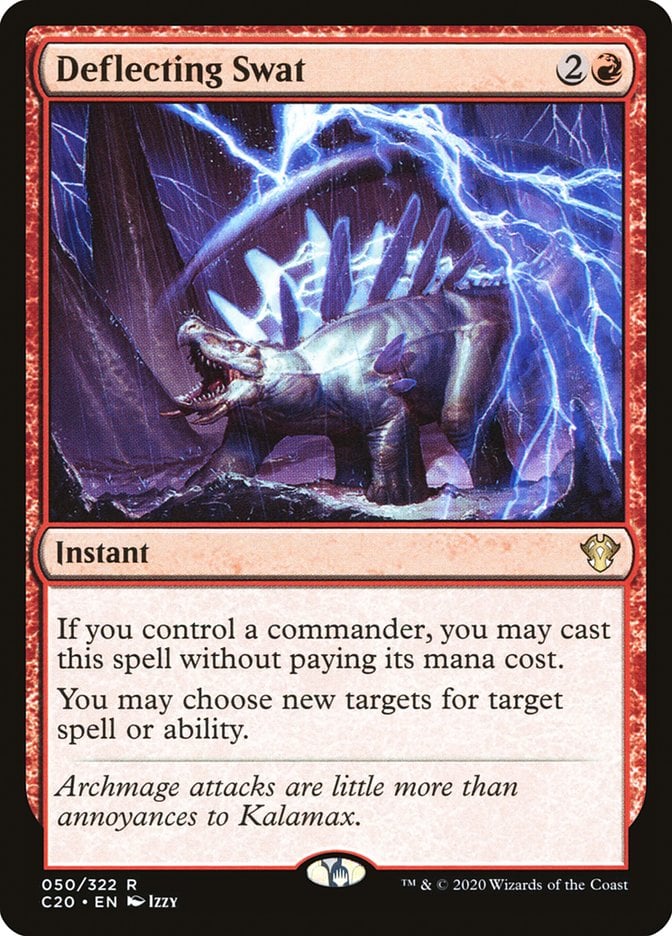
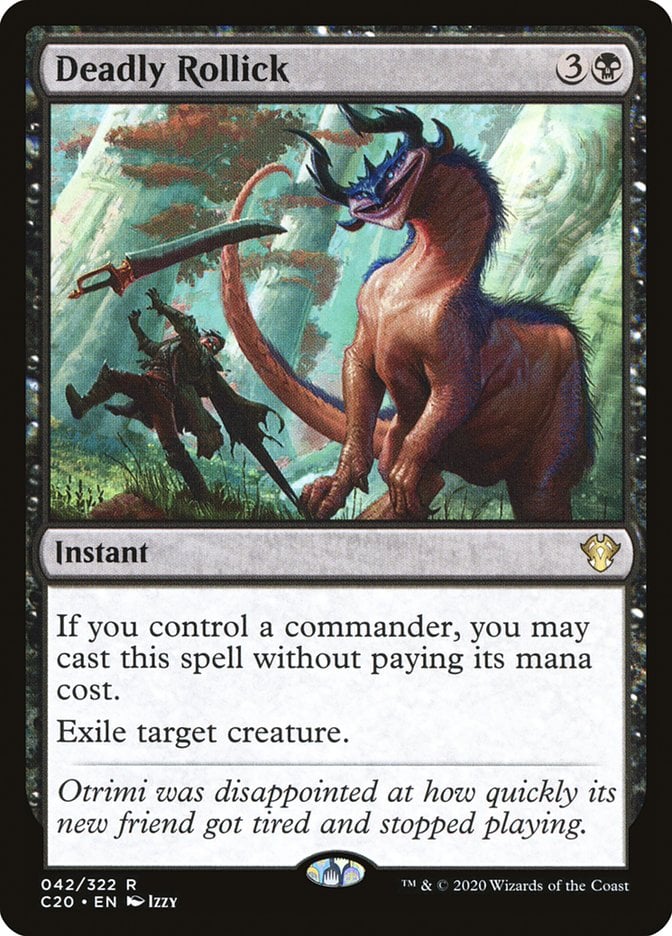
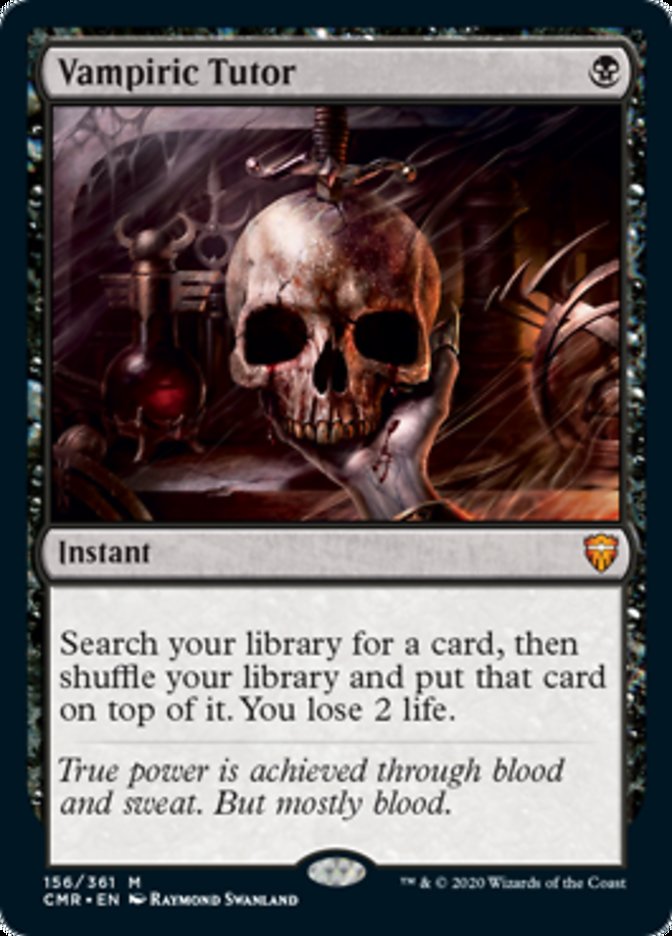
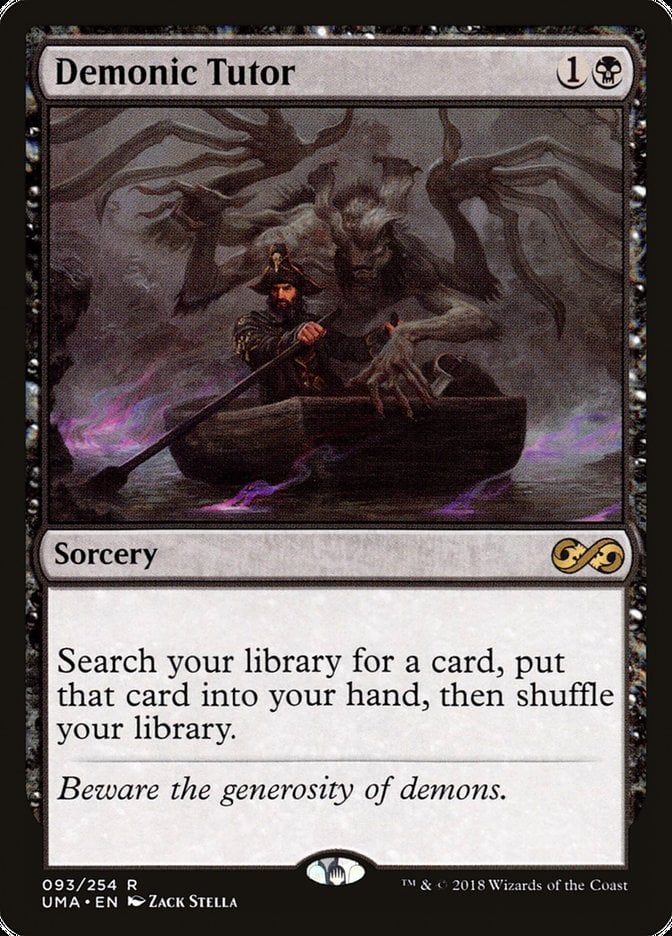
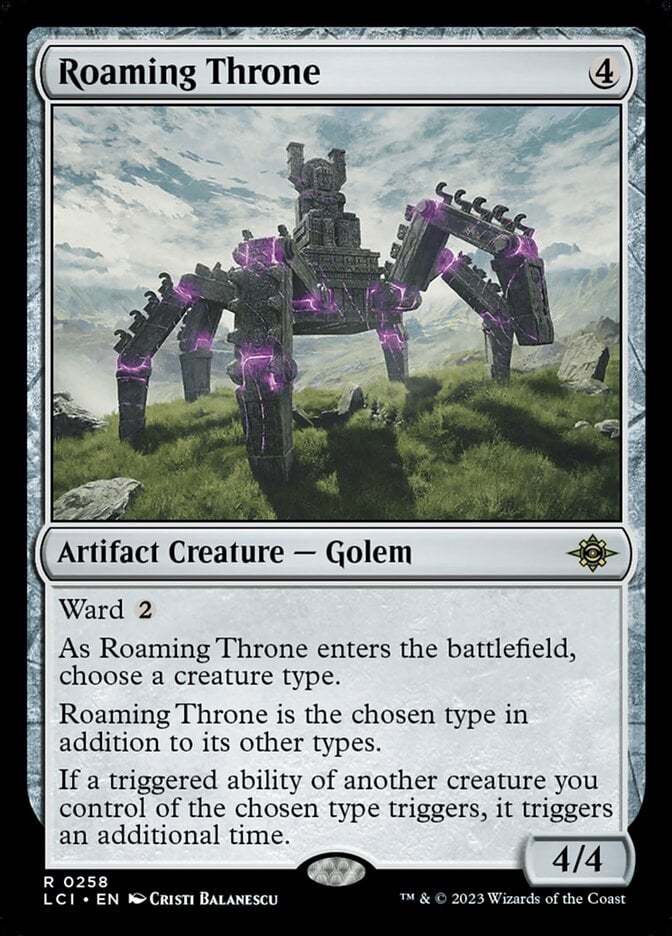
Alternatively, if you want to go up and don’t have a budget restriction or you already have these cards, consider running free spells like Deflecting Swat and Deadly Rollick. Tutors like Vampiric Tutor or Demonic Tutor help a lot when you’re sequencing a combo of specific spells. Roaming Throne is also great to double all those wizard triggers. Good dual lands and fetch lands can help you out, too.
Other Builds
Kuja, Genome Sorcerer is a very straight-forward commander. The best builds will usually oscillate between spellslinging and burn. Group slug builds are definitely possible with this card as a commander. There’s also a potential pinging-matters build with cards like Ob Nixilis, Captive Kingpin and Urabrask / The Great Work. You can also try a more focused storm deck with powerful loops that revolve around Underworld Breach and Lion's Eye Diamond.
Commanding Conclusion

Harmonic Prodigy | Illustration by Paul Scott Canavan
Kuja, Genome Sorcerer is a fun commander that’s easy to build with your everyday commons and uncommons. This decklist doesn’t cost a lot, and there are ways to reduce that even further. The card itself is a nice move from WotC in an attempt to bleed spellslinging into red and black, and just creating wizard tokens that ping everyone feels great. Unless players decide to take you out first, that is.
If red and black keep getting more “wizards-matter cards”, I know what deck I’ll be putting them in. What do you think of Kuja, Genome Sorcerer and this specific build? It is too budget-friendly? Have you ever wanted to build this Commander deck? Let me know in the comments below, or let’s discuss it over in the Draftsim Discord.
Until next time, stay safe!
Follow Draftsim for awesome articles and set updates:










Add Comment