

Kefka, Court Mage | Illustration by Xui Ton
cEDH is all about squeezing out value while keeping your opponents locked down. And nothing screams both power and oppression quite like Kefka, Court Mage—one of the most infamous villains from the Final Fantasy franchise, now reimagined as a devastating commander.
This deck showcases just how insane Kefka’s abilities can be when you build it for high-powered play.
Intrigued? Let’s dive right in.
The Deck

Kefka, Ruler of Ruin | Illustration by Yoshitaka Amano
Commander (1)
Creature (15)
Ragavan, Nimble Pilferer
Thassa's Oracle
Orcish Bowmasters
Tinybones, Bauble Burglar
Dauthi Voidwalker
Generator Servant
Harmonic Prodigy
Valley Floodcaller
Birgi, God of Storytelling
Simian Spirit Guide
Dualcaster Mage
Roaming Throne
Worldgorger Dragon
Hoarding Broodlord
Displacer Kitten
Sorcery (11)
Imperial Seal
Gamble
Rite of Flame
Demonic Tutor
Diabolic Intent
Molten Duplication
Mnemonic Betrayal
Jeska's Will
Wheel of Fortune
Beseech the Mirror
Peer into the Abyss
Instant (27)
Pact of Negation
Mental Misstep
An Offer You Can't Refuse
Flusterstorm
Mystical Tutor
Swan Song
Chain of Vapor
Culling the Weak
Dark Ritual
Demonic Consultation
Into the Flood Maw
Entomb
Rain of Filth
Vampiric Tutor
Red Elemental Blast
Borne Upon a Wind
Brain Freeze
Cabal Ritual
Tainted Pact
Desperate Ritual
Pyretic Ritual
Final Fortune
Fierce Guardianship
Force of Negation
Saw in Half
Mindbreak Trap
Force of Will
Enchantment (6)
Mystic Remora
Animate Dead
Waste Not
Underworld Breach
Rhystic Study
Necropotence
Artifact (13)
Chrome Mox
Lion's Eye Diamond
Lotus Petal
Mox Diamond
Mox Opal
Mana Vault
Sol Ring
Arcane Signet
Fellwar Stone
Grim Monolith
Grinding Station
Wishclaw Talisman
The One Ring
Land (27)
Ancient Tomb
Arena of Glory
Arid Mesa
Badlands
Blood Crypt
Bloodstained Mire
City of Brass
City of Traitors
Command Tower
Exotic Orchard
Gemstone Caverns
Luxury Suite
Mana Confluence
Marsh Flats
Mistrise Village
Misty Rainforest
Morphic Pool
Otawara, Soaring City
Polluted Delta
Scalding Tarn
Starting Town
Steam Vents
Sunscorched Desert
Training Center
Underground Sea
Volcanic Island
Watery Grave
At its core, this is a fast and explosive deck that leans on Kefka, Court Mage to generate steady card advantage while driving a discard-focused theme. The plan is to use rituals, mana rocks, and tutors to power out key payoffs quickly or to assemble one of the deck’s streamlined combos.
Every single card has a role to play, whether it accelerates your game plan, enables synergies, disrupts opponents, or delivers the finishing blow.
The Commander: Kefka, Court Mage / Kefka, Ruler of Ruin


Kefka, Court Mage stands out as one of the most powerful Grixis commanders () you can build around in cEDH, thanks to its mix of card advantage and disruption. When Kefka enters the battlefield or swings in, every opponent discards a card, and you draw based on the variety of types discarded. In a multiplayer game, that often means you draw three or four cards while you strip resources from your opponents. Dual-type cards—like artifact lands or enchantment creatures—make this ability even stronger, which gives you the chance to draw even more cards in one go.
As a discard commander, Kefka shines by turning opponents’ losses into your gains. The 5-mana price tag might look steep, but with cEDH’s rituals, mana rocks, and other fast acceleration, it isn’t a problem to get Kefka onto the field. Once it resolves, it more than pays for itself by immediately refilling your hand. Kefka’s mana value and stats also keep it safe from cheap removal like Fatal Push or Lightning Bolt, and the black in its mana cost means that it dodges cards like Snuff Out as well.
What makes Kefka truly unique is that it’s a double-sided commander. Later in the game, you can transform it into Kefka, Ruler of Ruin to gain a flier and a devastating card draw engine tied to every point of damage you deal. This combination of front-side disruption and back-side inevitability makes Kefka one of the most straightforward but devastating Grixis options in multiplayer, and a perfect fit for Bracket 5 cEDH.
Key Creatures
The creature suite in this deck is carefully chosen. Each creature plays an important role in pushing the strategy forward.
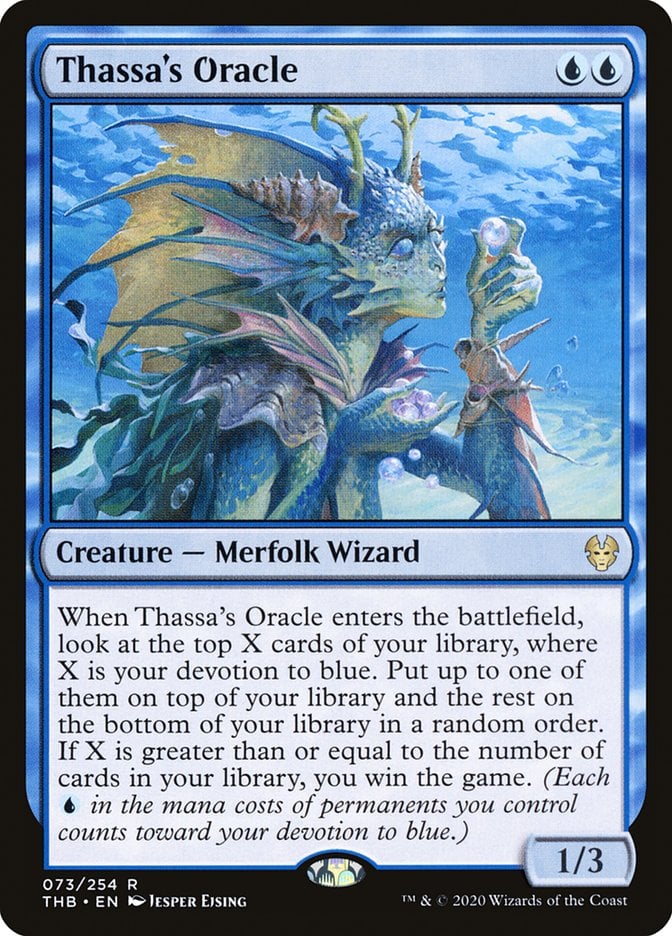
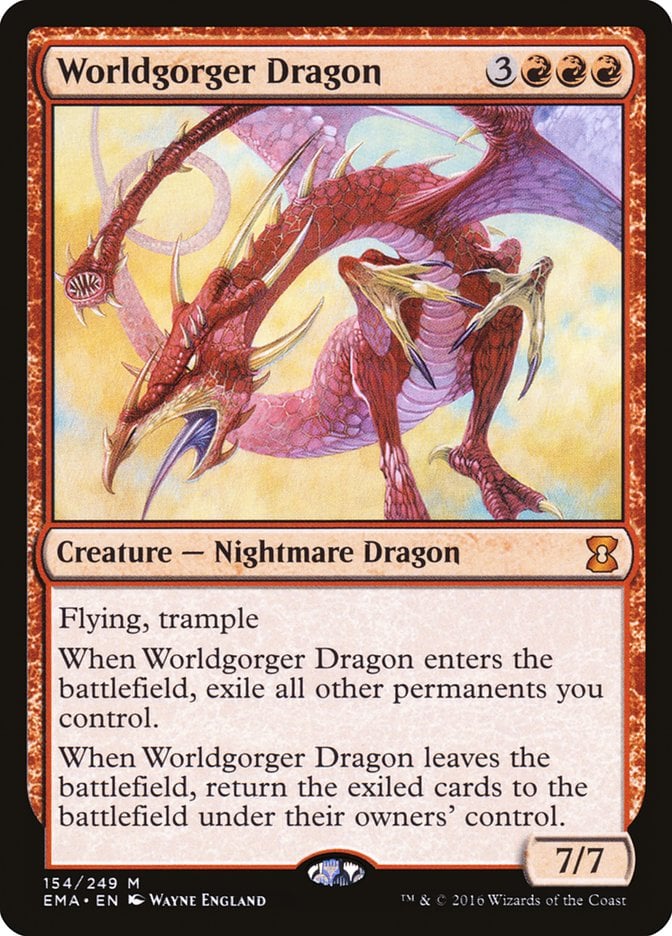
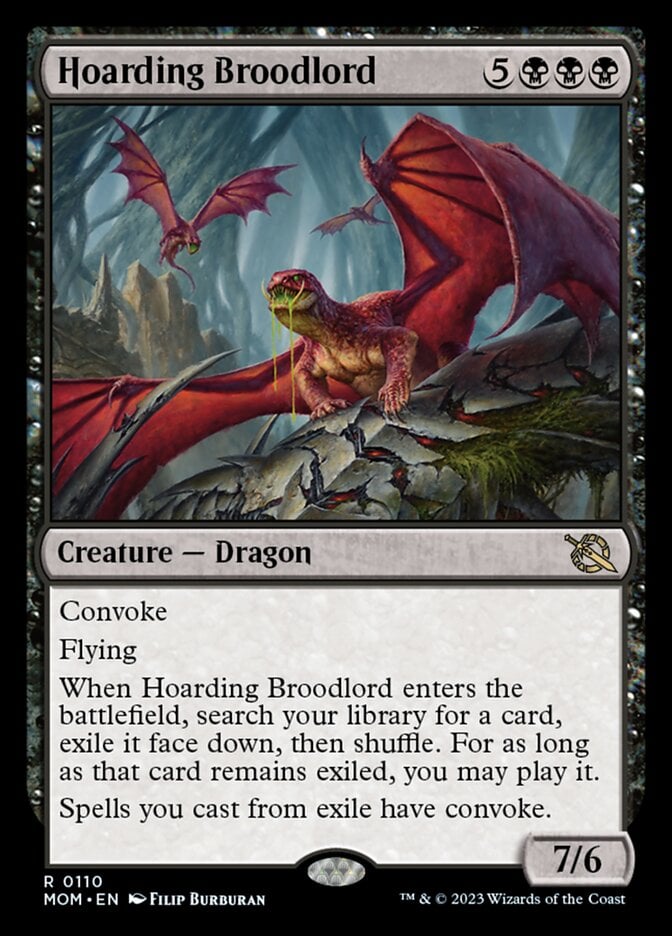
Thassa's Oracle is the clear finisher, a card that instantly ends the game when you pair it with the right tutor. Worldgorger Dragon brings another angle that enables infinite mana loops that can overwhelm the table once assembled. Hoarding Broodlord doubles as a massive flying body and a tutor that can fetch critical combo pieces, so it’s both a threat and a setup piece.
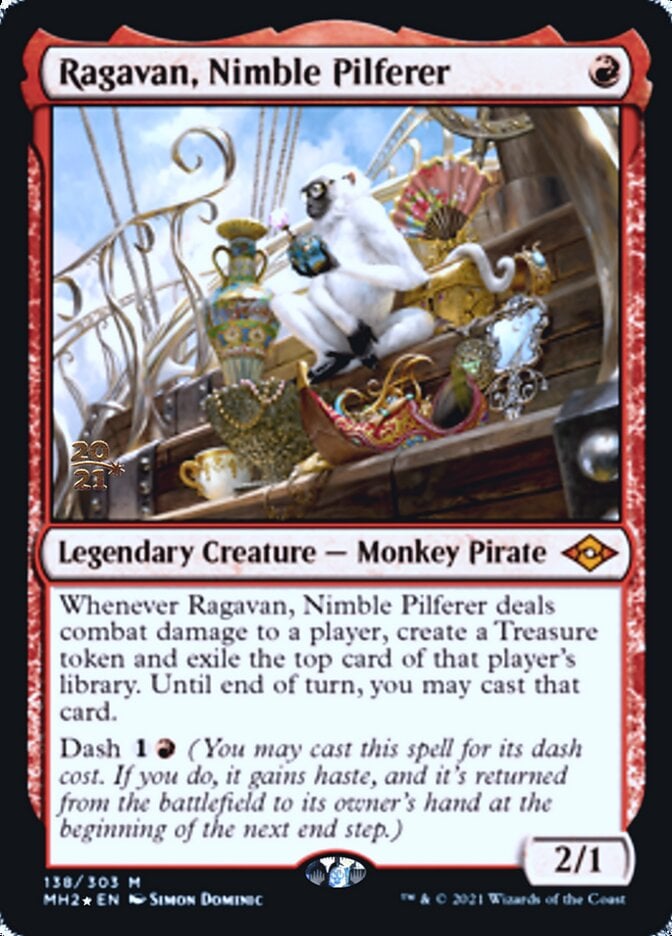
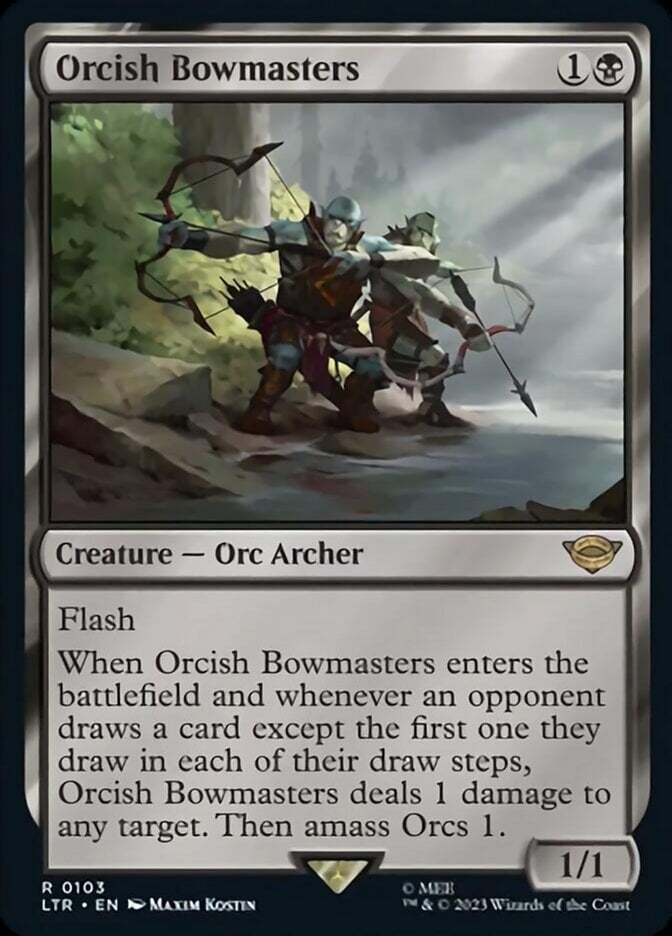
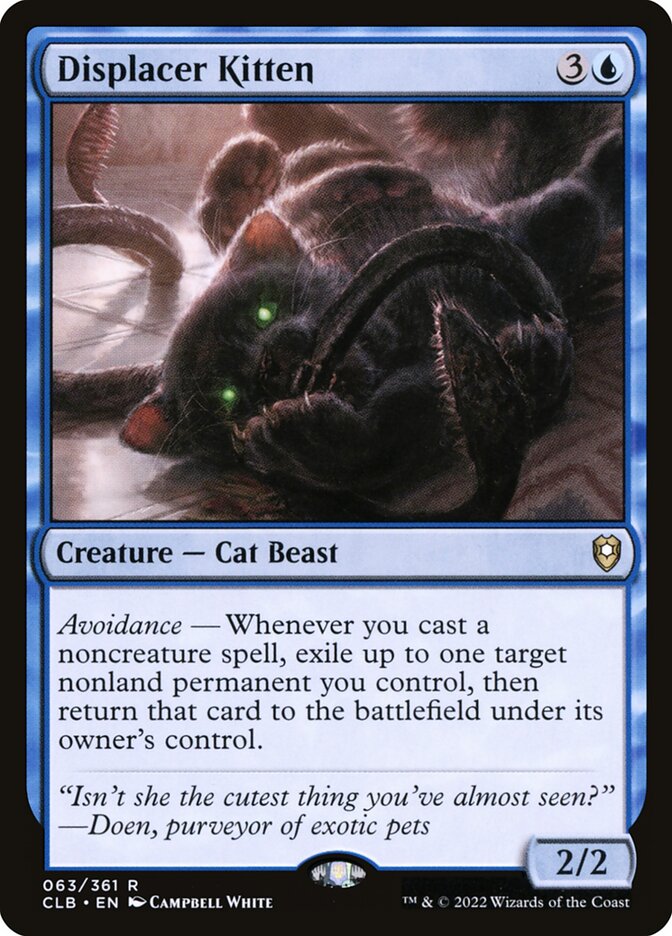
Some creatures are less flashy but just as vital. Ragavan, Nimble Pilferer creates Treasures while it steals cards from opponents, which gives you steady resources and tempo in the early game. Orcish Bowmasters punishes anyone that draws extra cards, pinging down creatures while it builds up a threat as you amass an Orc Army token. Displacer Kitten adds another layer of synergy that lets you blink Kefka or other permanents whenever you cast noncreature spells. You get more discard-draw triggers or even reset key artifacts and enchantments to squeeze out maximum value.
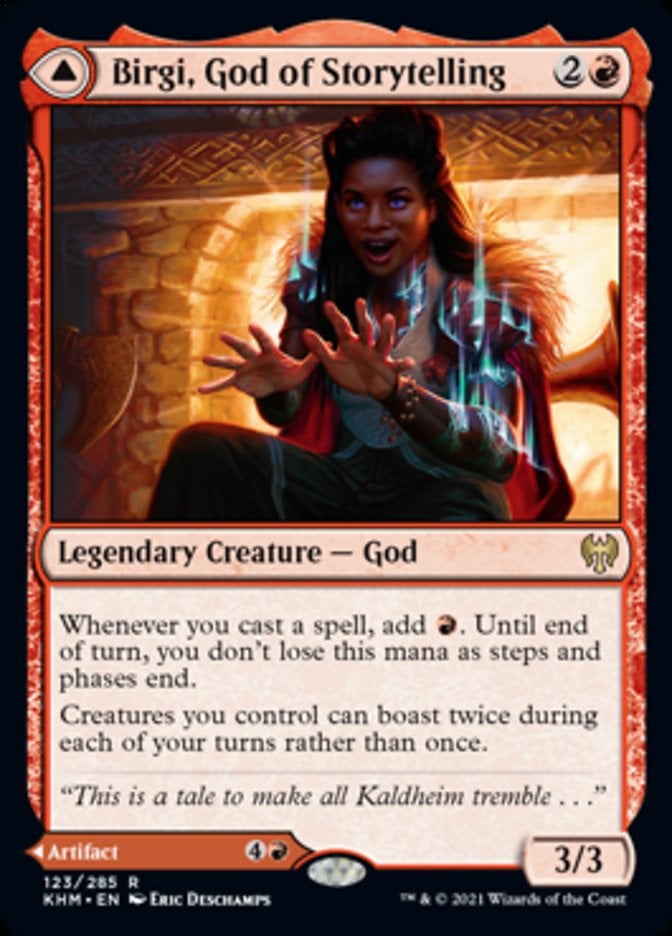
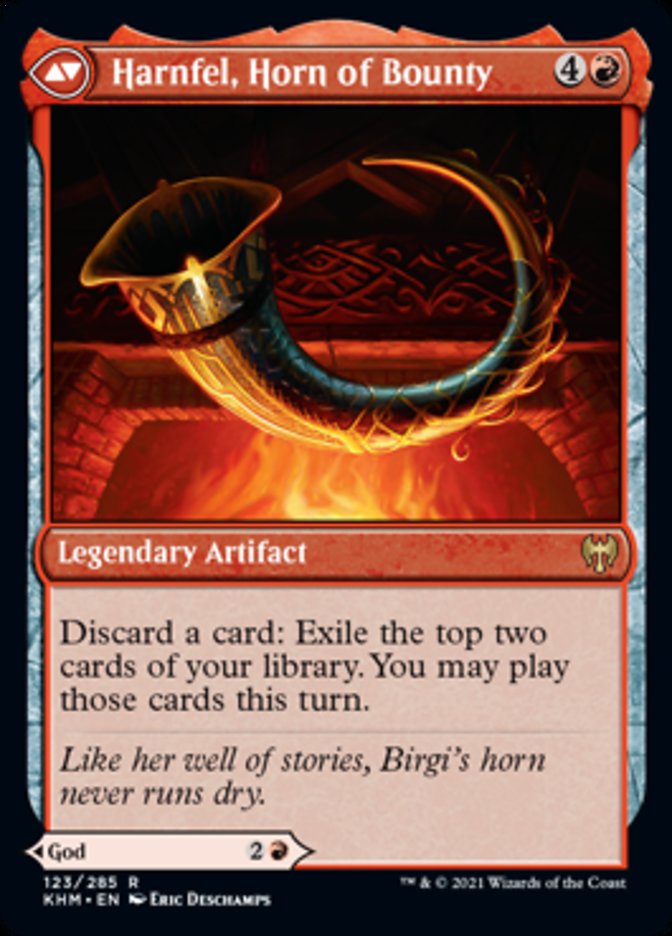
On top of that, Birgi, God of Storytelling offers incredible combo potential. On its front side, it refunds red mana every time you cast a spell, which makes storming off much easier. Its backside, Harnfel, Horn of Bounty, gives you a steady engine for turning dead cards in hand into fresh resources, perfectly fueling combo turns. Together with Kefka’s constant card advantage, this card makes it almost impossible to run out of gas mid-combo.
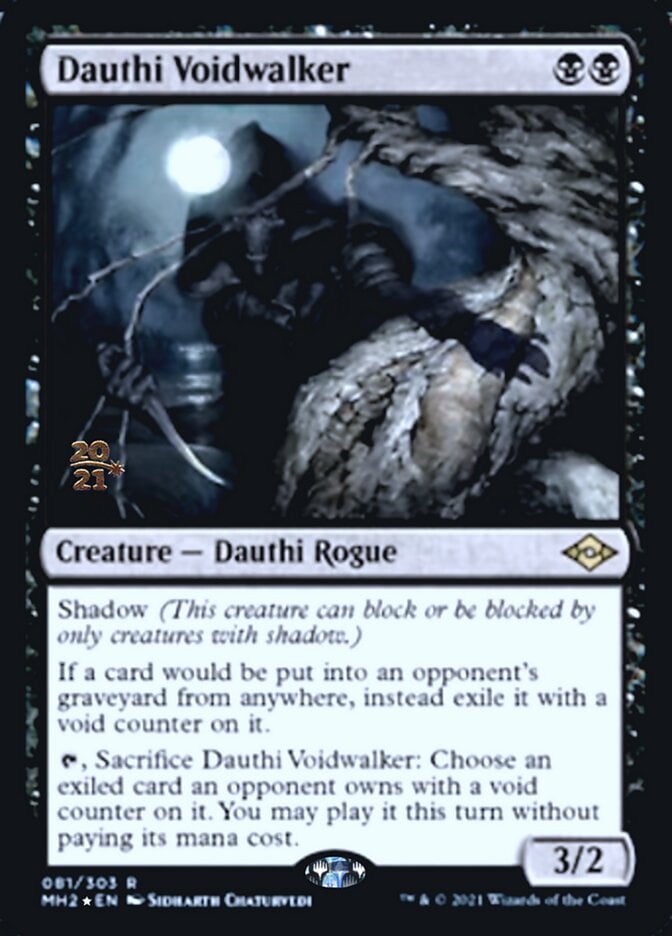

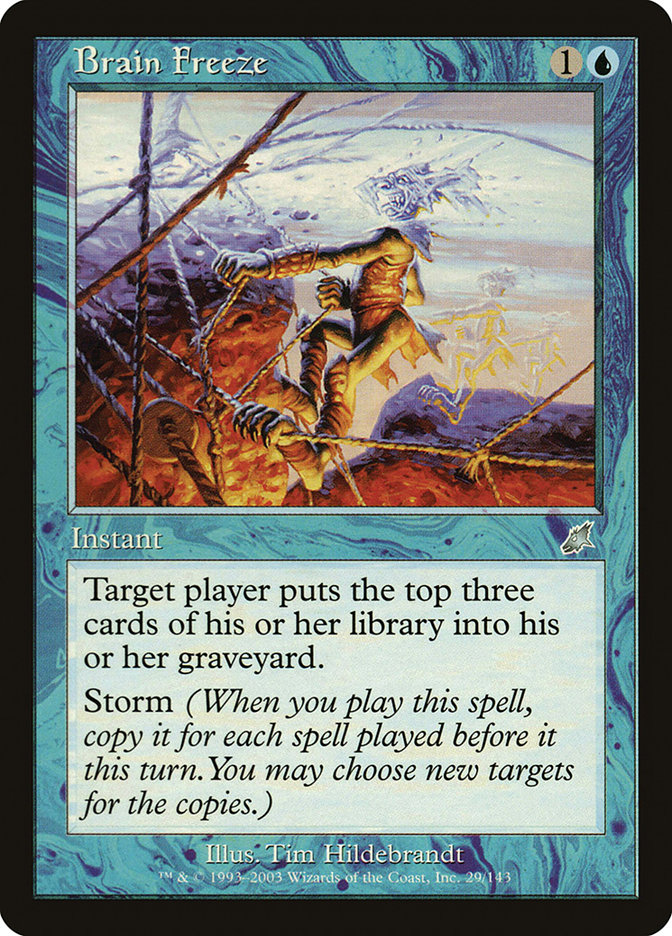
There are also clever utility creatures that give you an edge in certain matchups. Dauthi Voidwalker is excellent at shutting down graveyard-based combos, and when you pair it with Kefka’s discard triggers, it gets even nastier—you can exile their discarded combo pieces and play them yourself. Valley Floodcaller is another sneaky piece that lets you cast noncreature spells at instant speed. You can line up a Brain Freeze or a Breach loop at the end of an opponent’s turn, or fire it off in response when they least expect it.
Together, these creatures aren’t just threats—they’re engines, tutors, and disruptors that make the deck both resilient and explosive.
The Enablers
Enablers keep the engine running. These cards don’t win on their own, but they make sure your payoffs hit the table quickly and consistently.
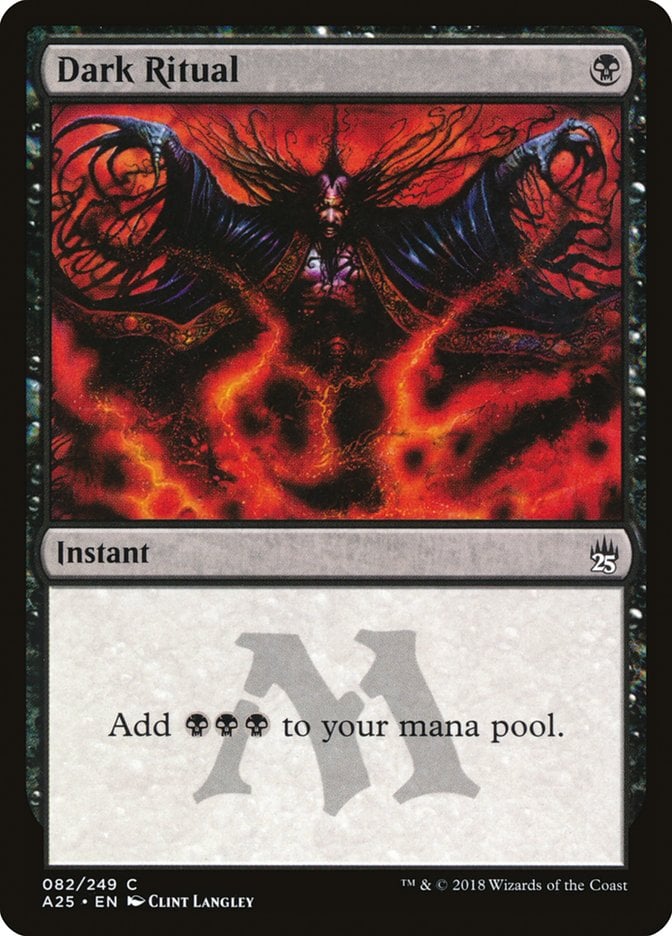
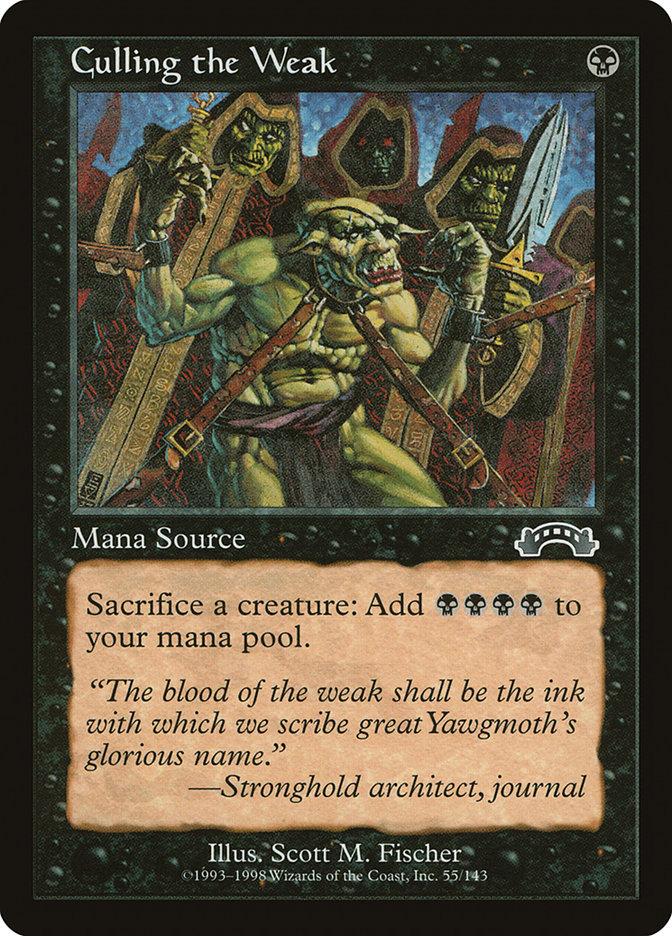
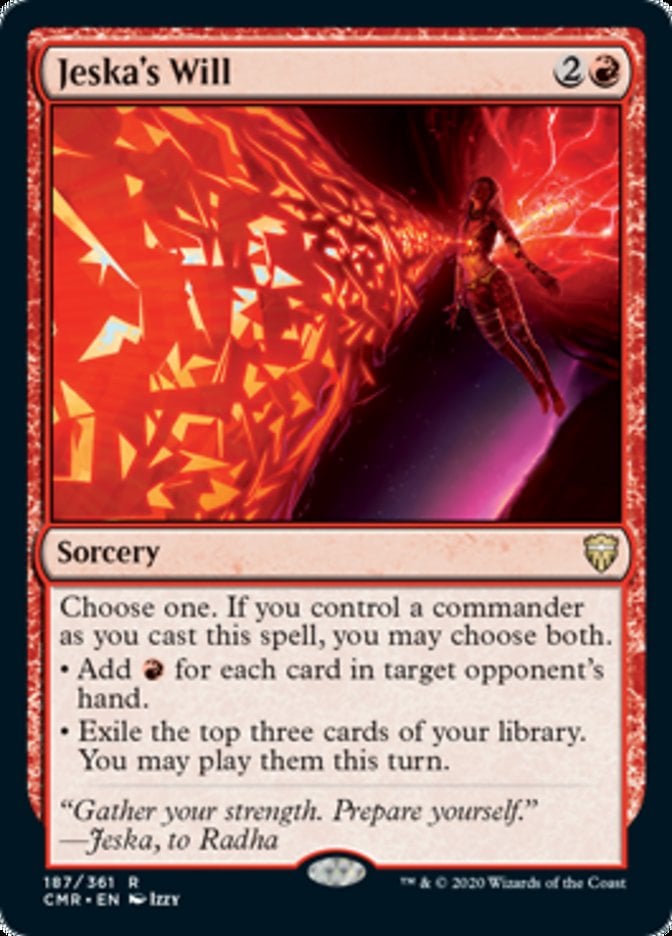
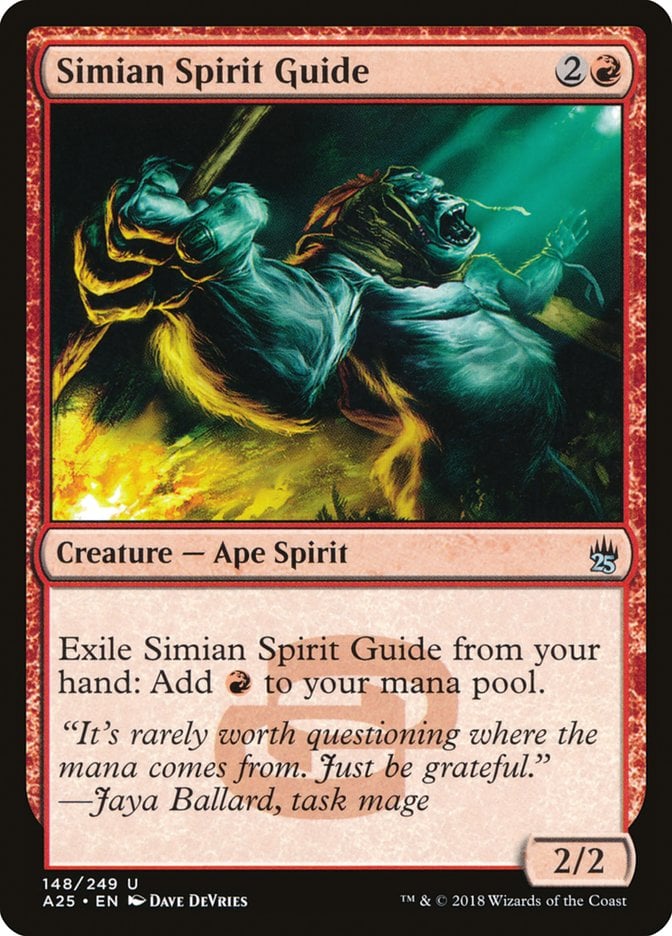
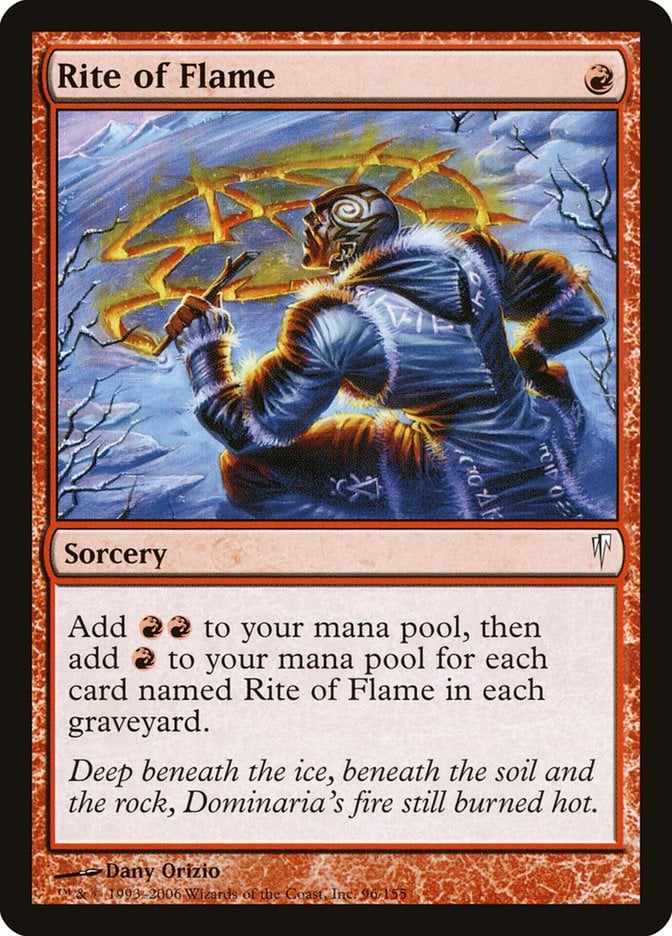
Fast mana is the backbone: Dark Ritual, Culling the Weak, and Jeska's Will give you explosive bursts, while Simian Spirit Guide and Rite of Flame keep you playing at lightning speed.
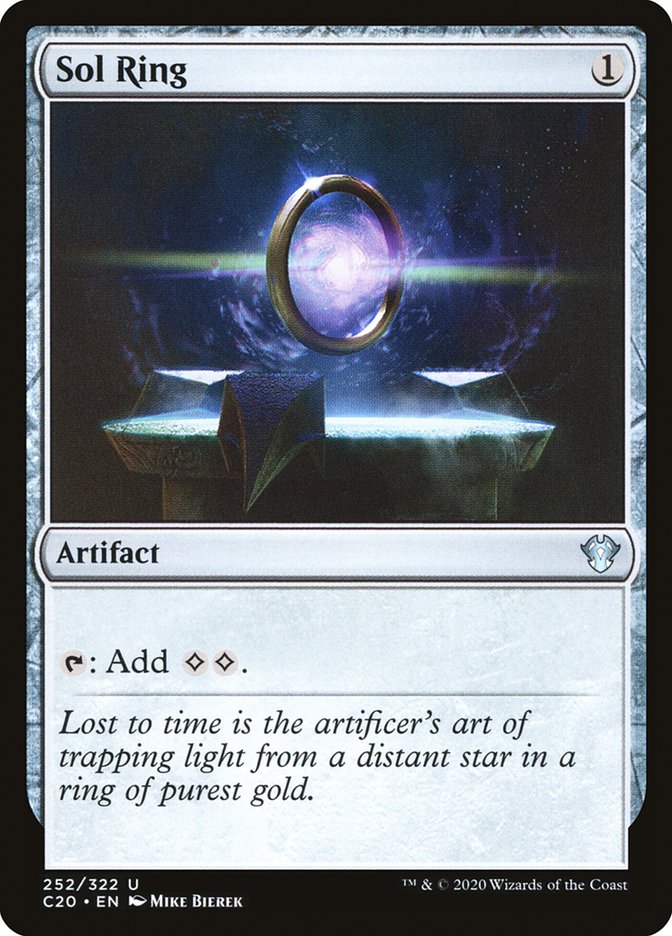
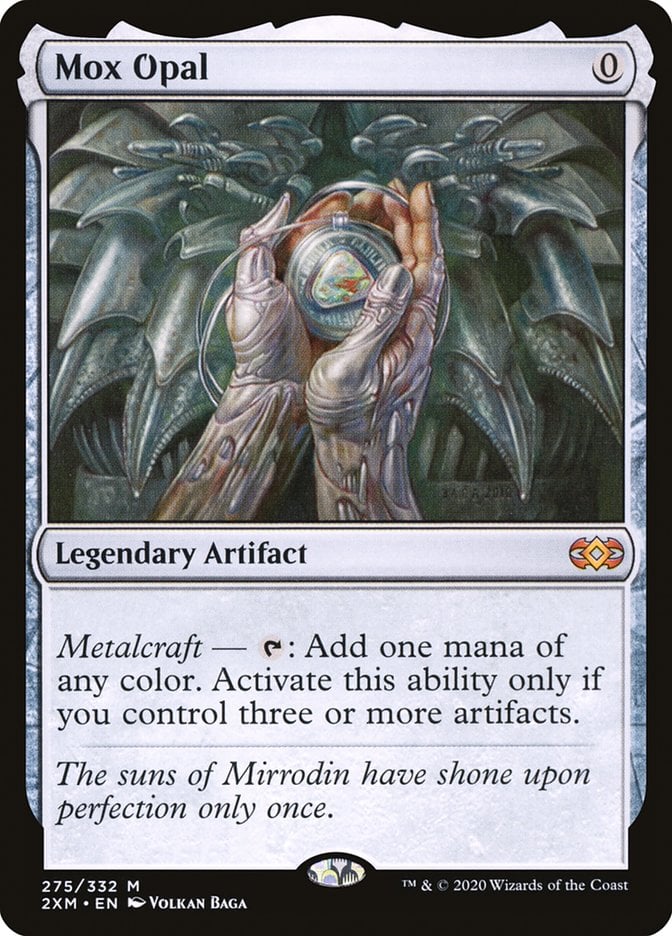
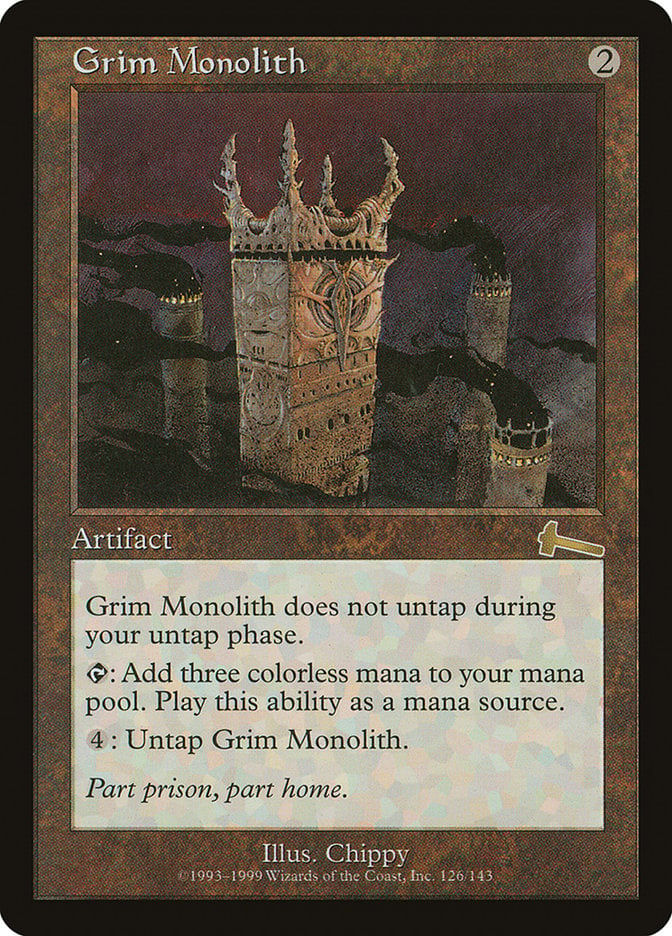
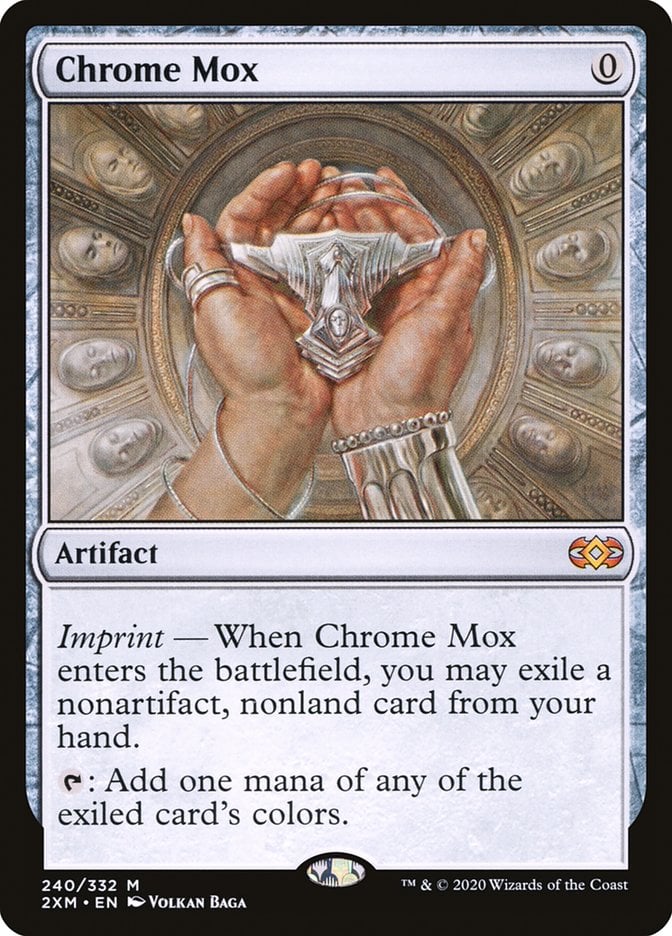
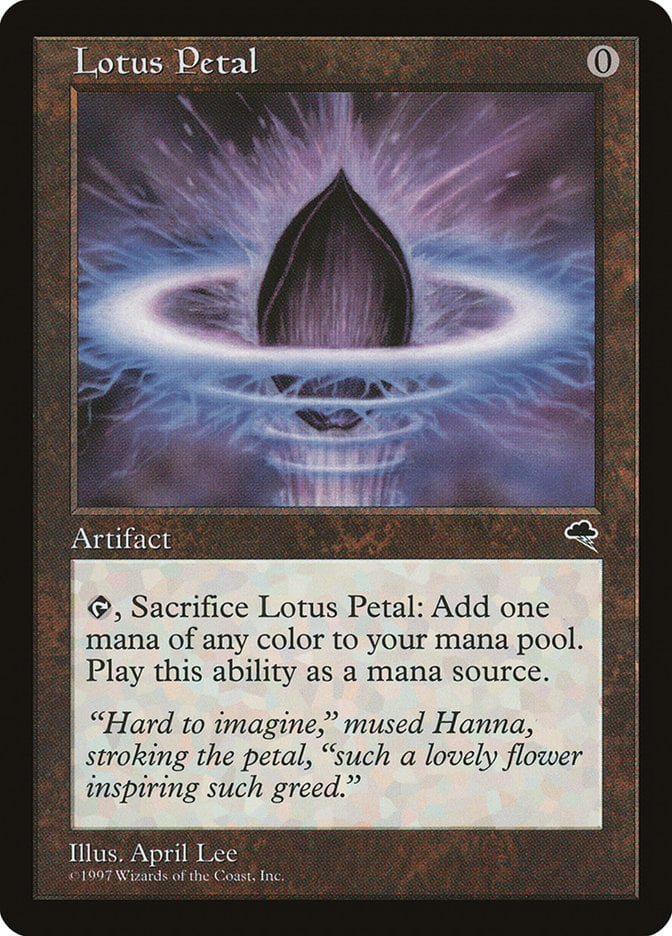
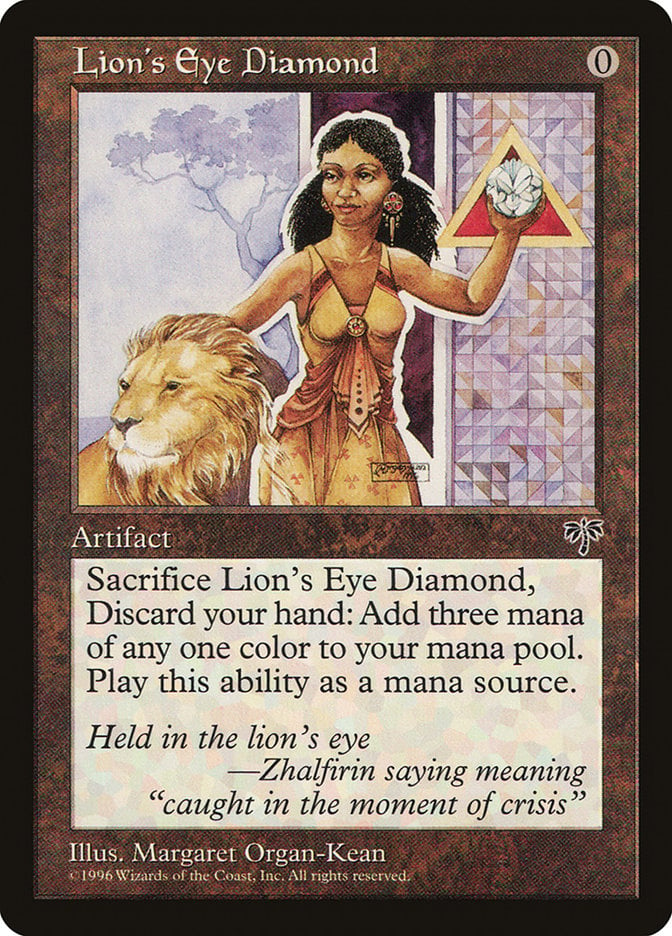
Your artifact package—Sol Ring, Mox Opal, Grim Monolith, Chrome Mox, Lotus Petal, and Lion's Eye Diamond—ensures you rarely stumble on mana.
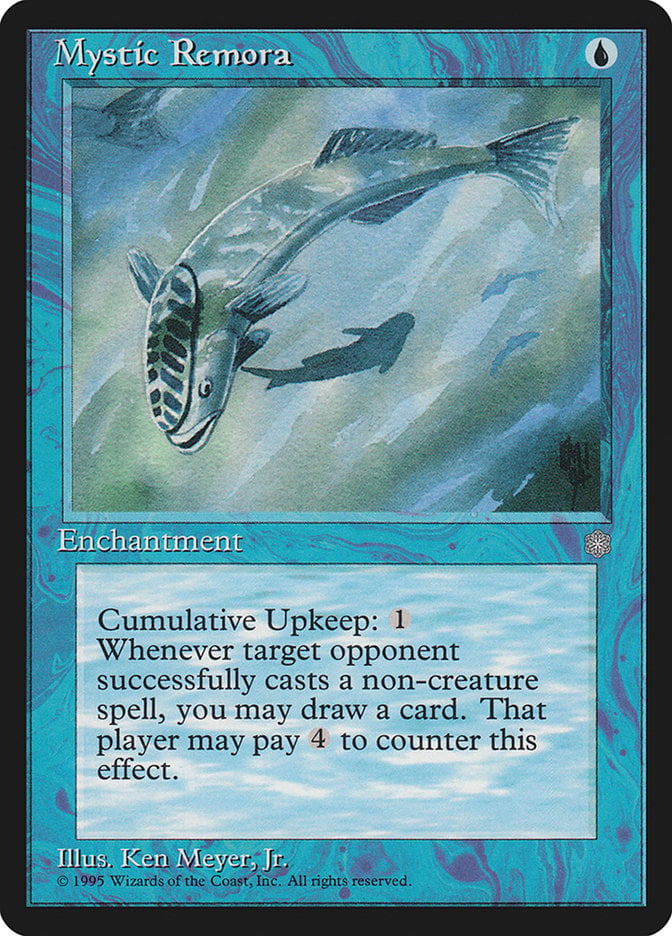
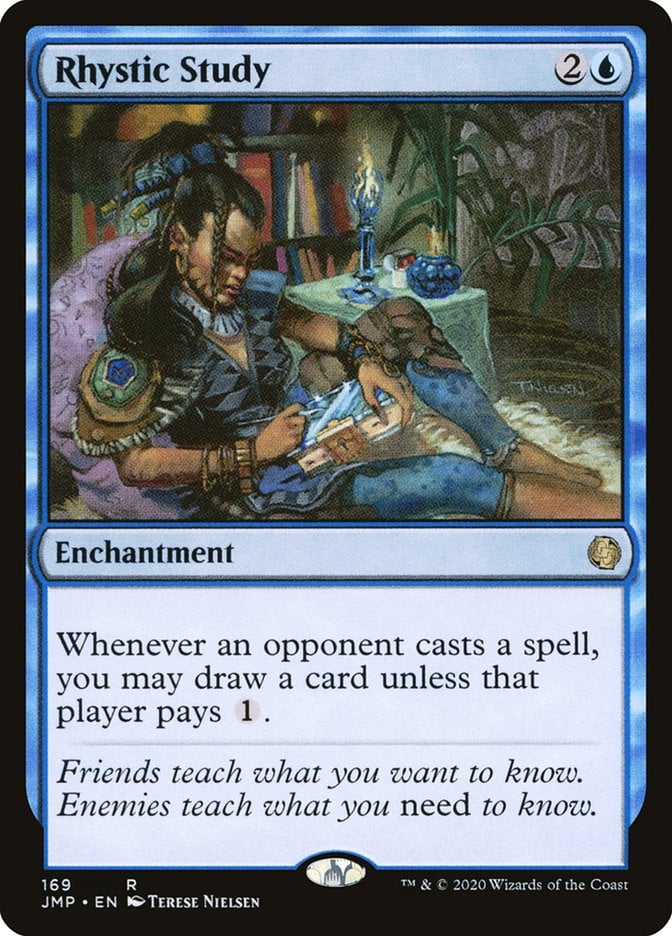
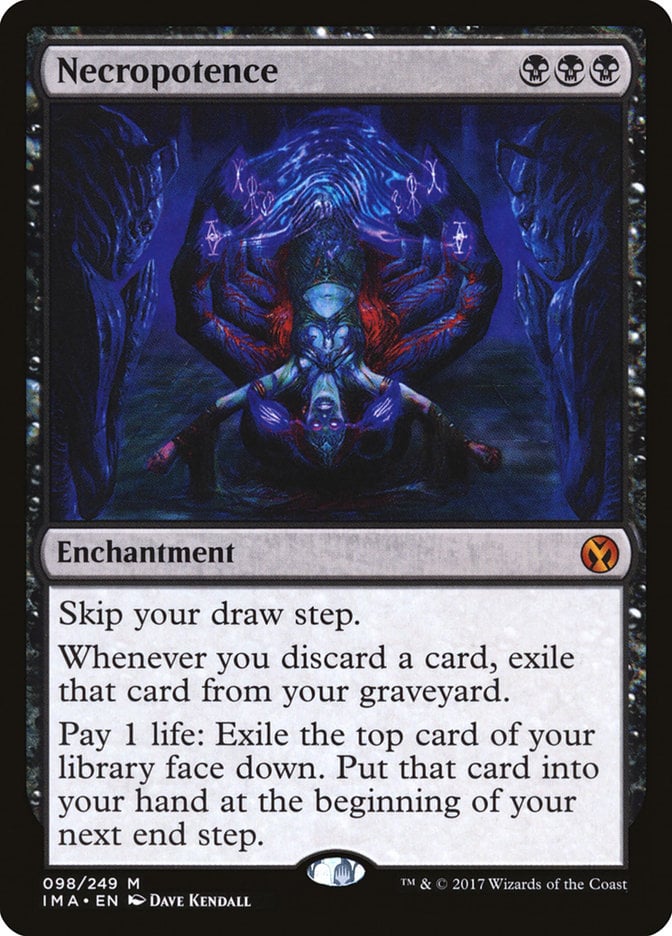
But it’s not just about the ramp. Draw engines like Mystic Remora and Rhystic Study keep your hand full, while Necropotence digs deeper than almost anything else in the format.
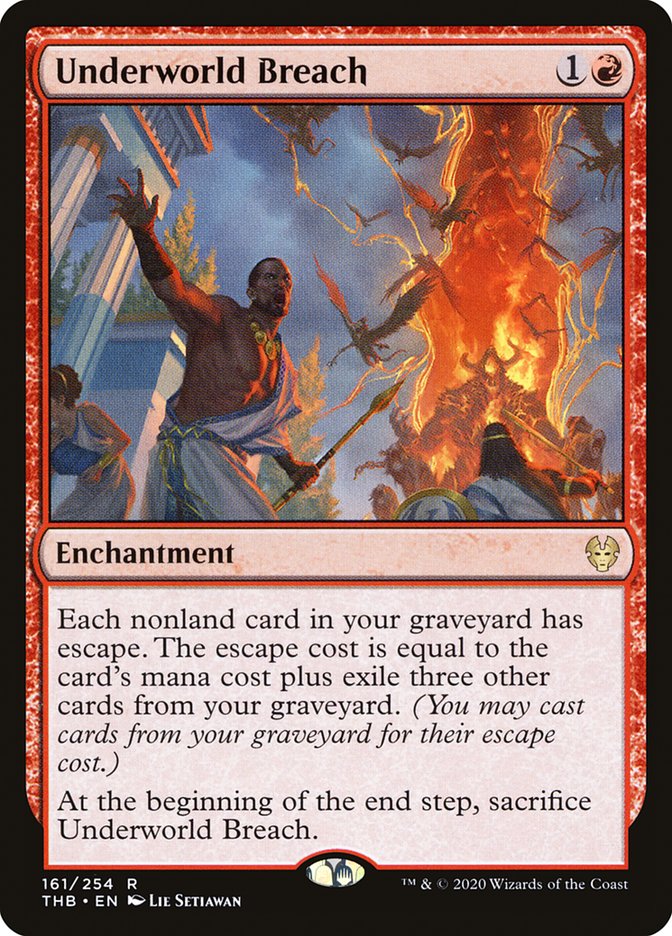
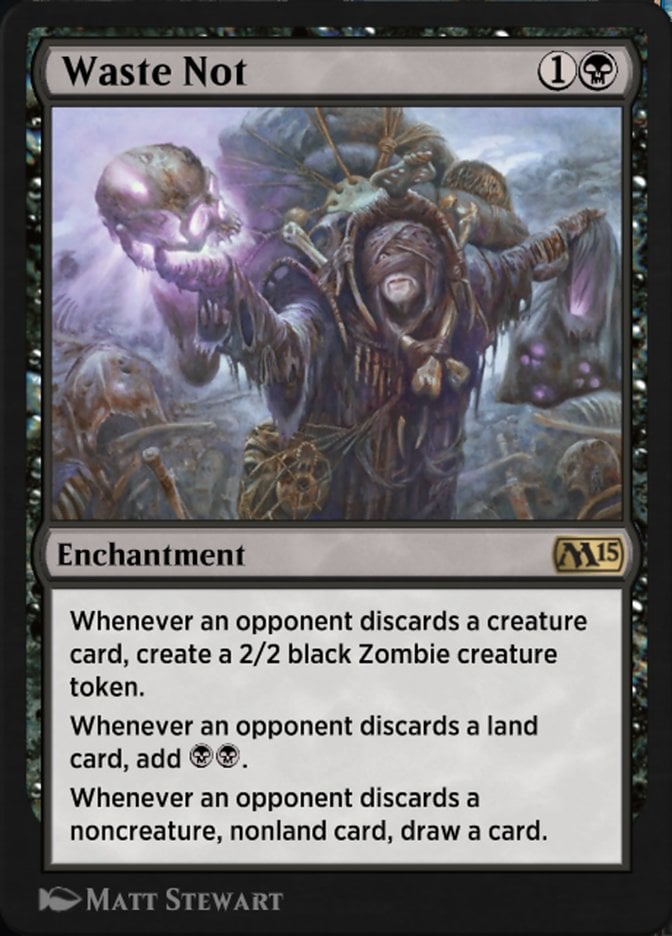
And with Underworld Breach and Waste Not, you’re turning graveyards and discard into extra cards, mana, or creatures—which feeds directly into Kefka’s gameplan.
Interaction
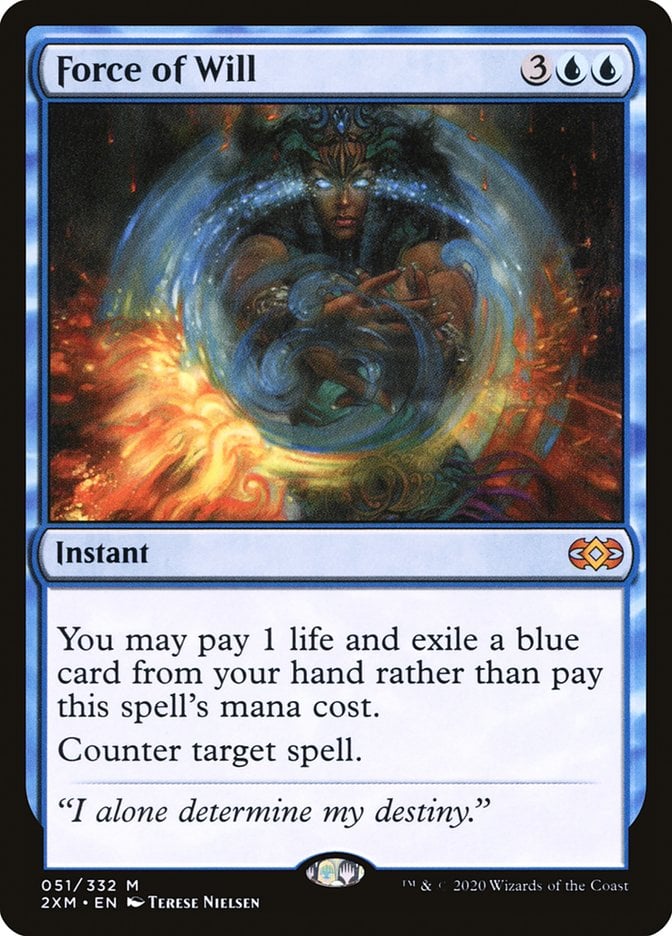
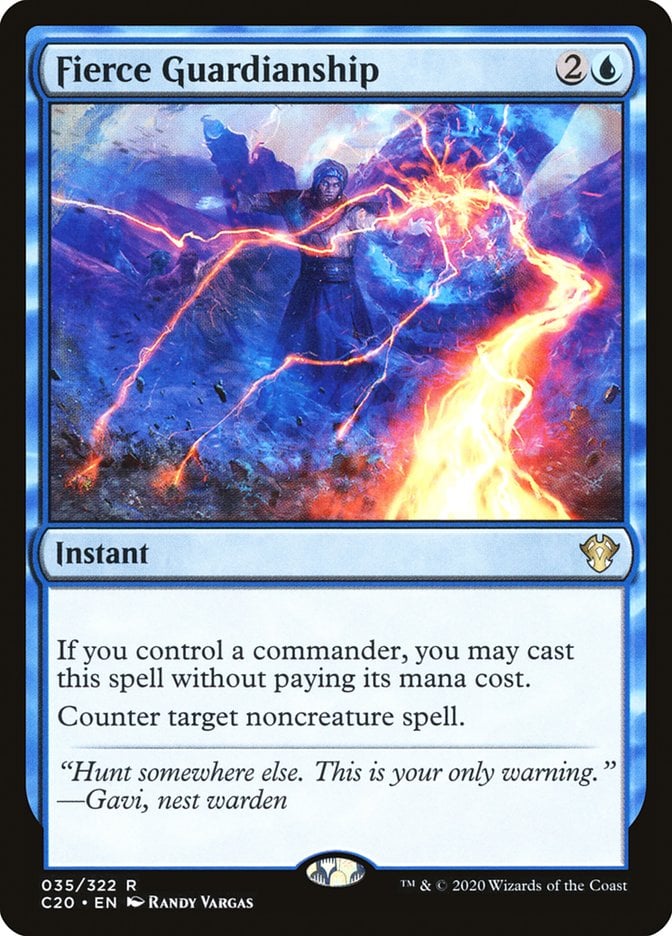
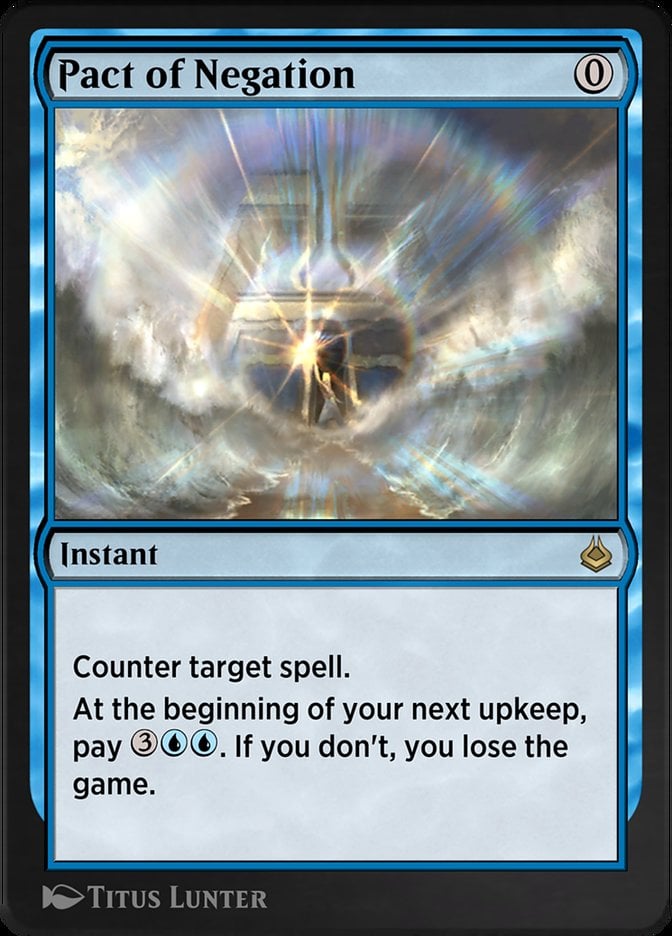
In cEDH, protecting your win condition is as important as finding it. That’s where interaction comes in. Free counters like Force of Will, Fierce Guardianship, and Pact of Negation let you push through a combo turn even when shields are down.
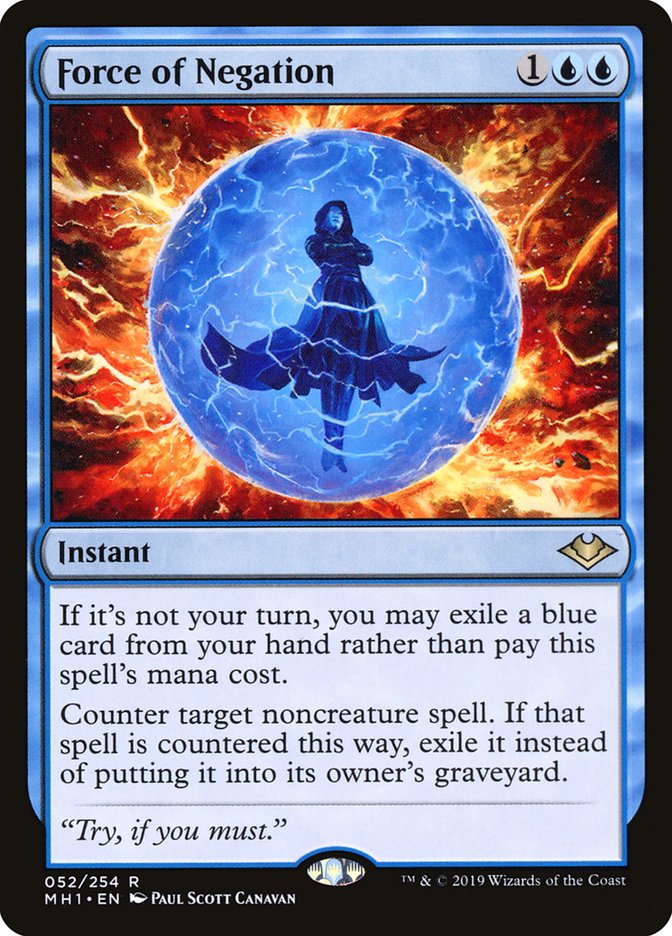
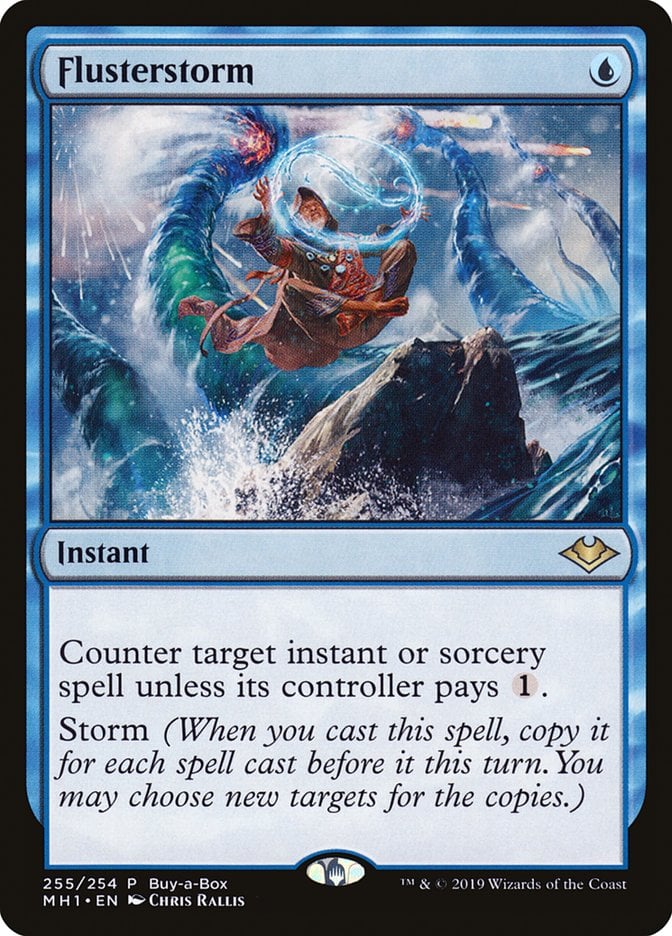
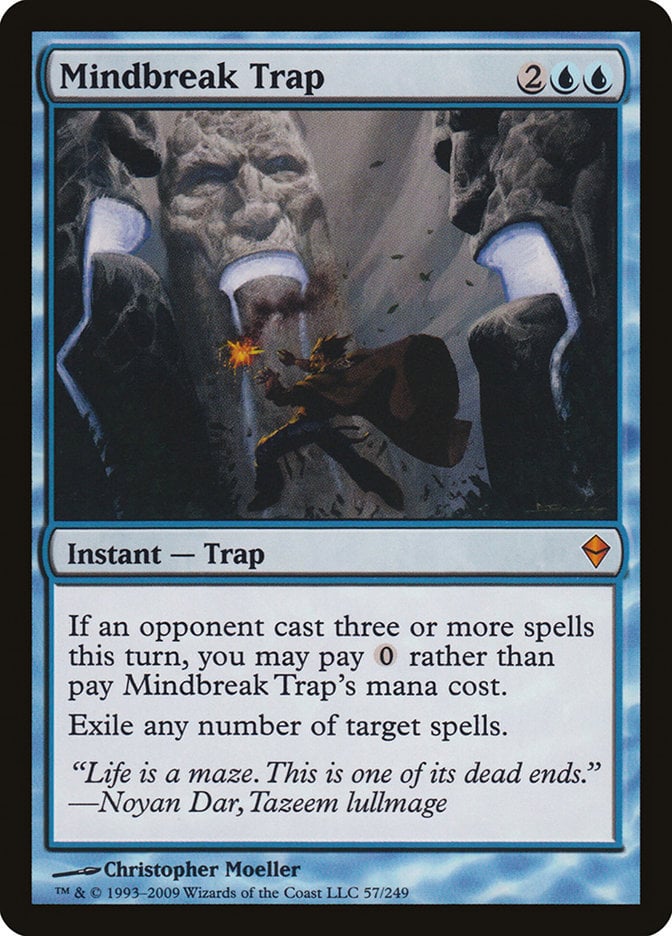
Force of Negation and Flusterstorm give redundancy against spell-based interaction, while Mindbreak Trap can shut down a storm player or an overloaded stack.
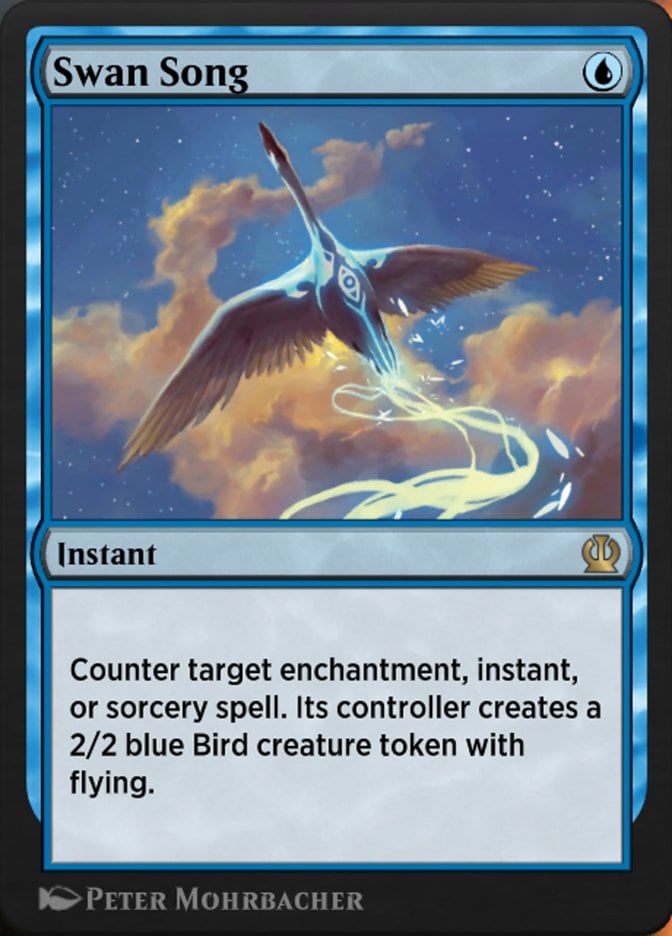
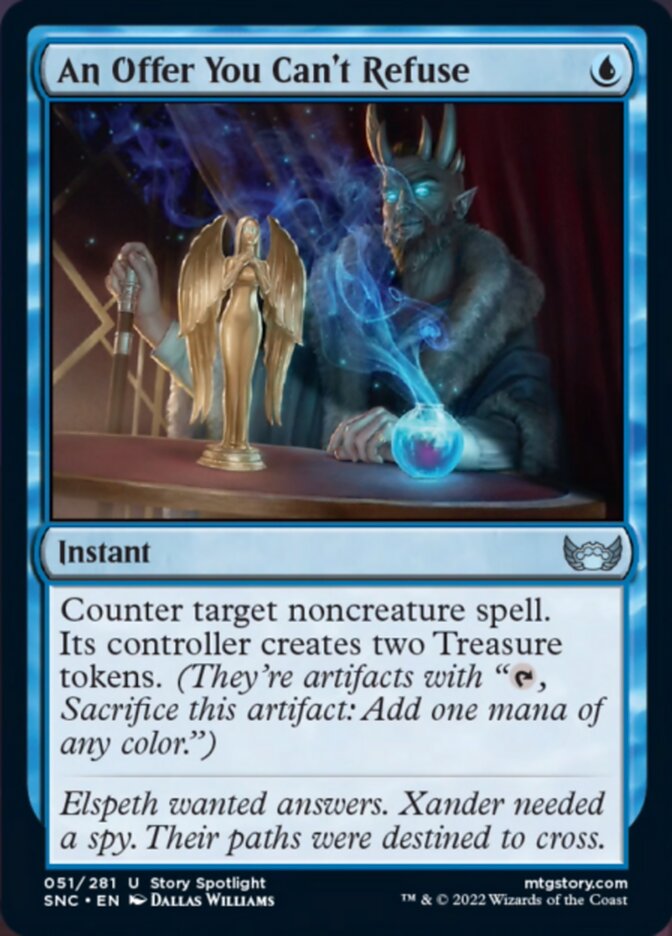
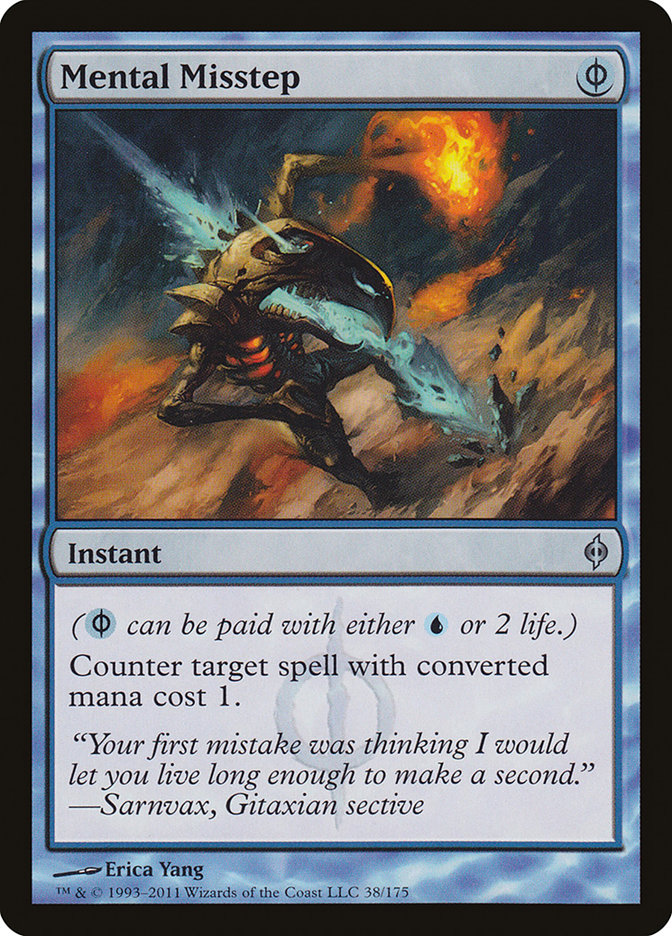
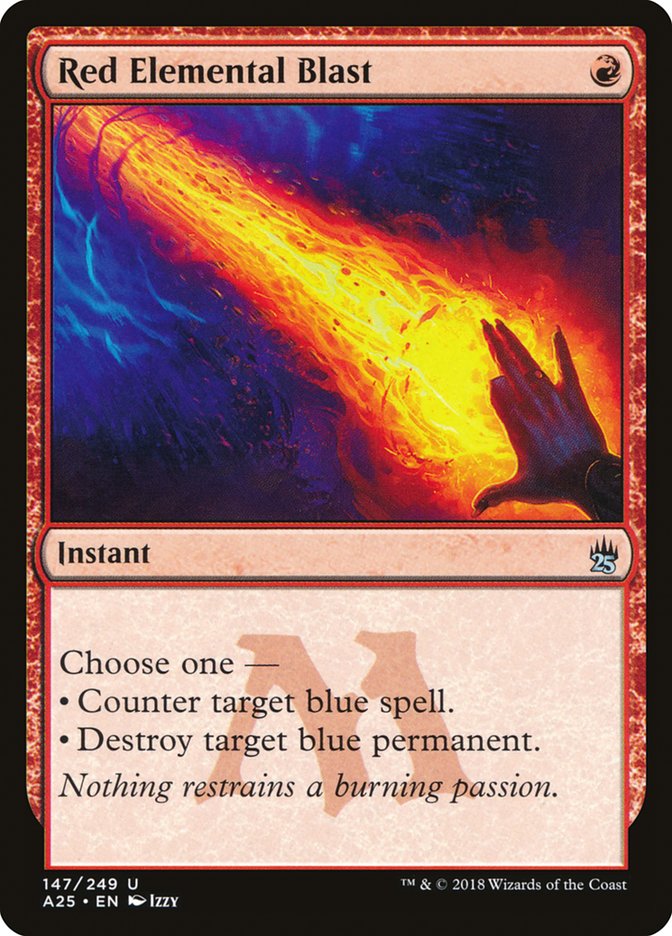
On the cheaper end, Swan Song and An Offer You Can't Refuse keep opponents guessing while they cost you almost nothing. Mental Misstep hits Sol Ring, Swords to Plowshares, or other critical 1-drops, and Red Elemental Blast is your insurance against the blue decks that dominate cEDH tables. Having such a dense counter suite means you can defend your win and stop opponents from running away with theirs.
Removal
This deck doesn’t waste too many slots on removal, but the tools you do have are flexible.
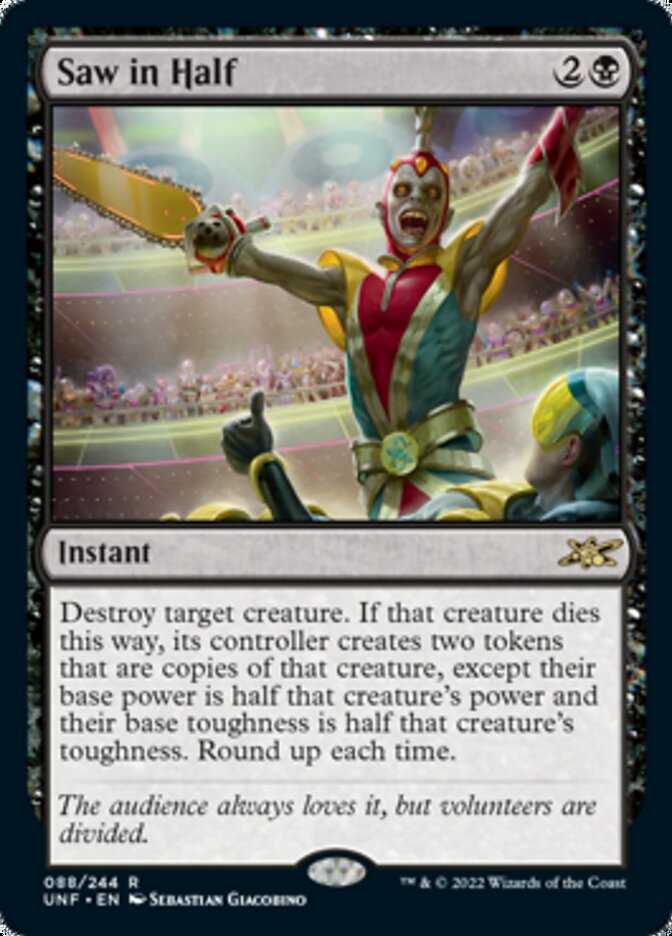
Saw in Half is the star here—sure, it destroys a creature, but with the right target, it also acts as a combo enabler by doubling up enters abilities. Red Elemental Blast may look narrow, but in a format where blue dominates, it’s one of the best situational answers you can pack, one that cleanly removes threats or wins counter wars.
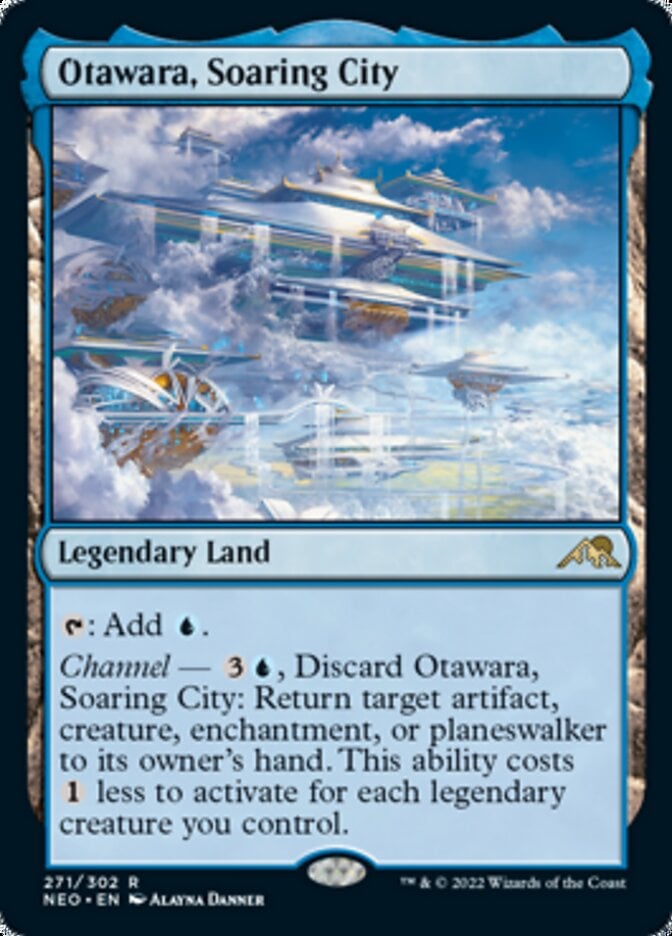
Otawara, Soaring City is another versatile piece: It’s a land most of the time, but when you need it, it bounces a pesky stax piece or problematic creature out of the way. Even Orcish Bowmasters, while mainly a payoff, pulls double duty by clearing off small utility creatures.
The point is, you don’t need a ton of removal—you just need the right piece at the right time.
Win Conditions
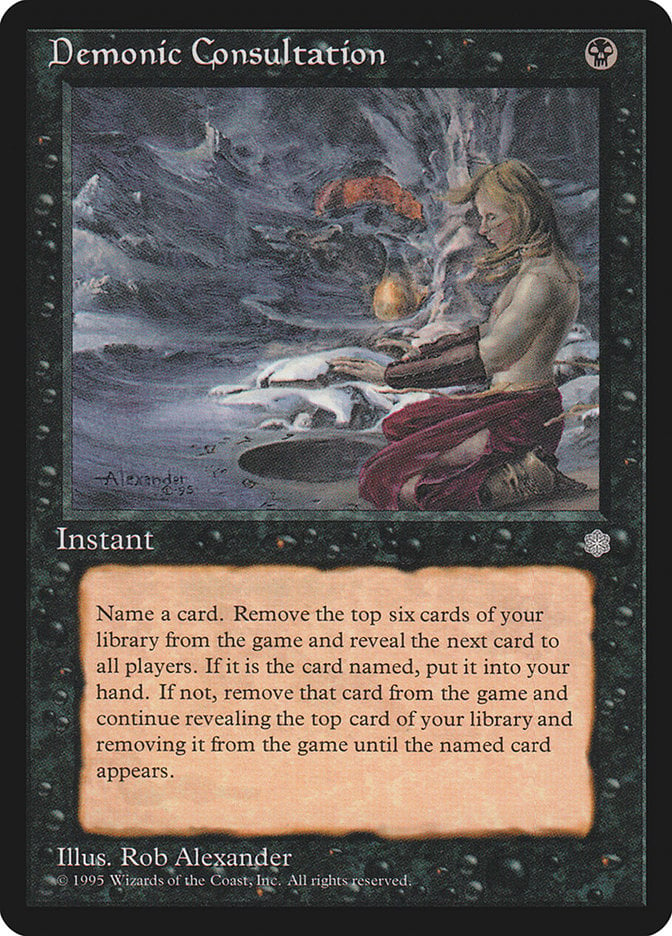
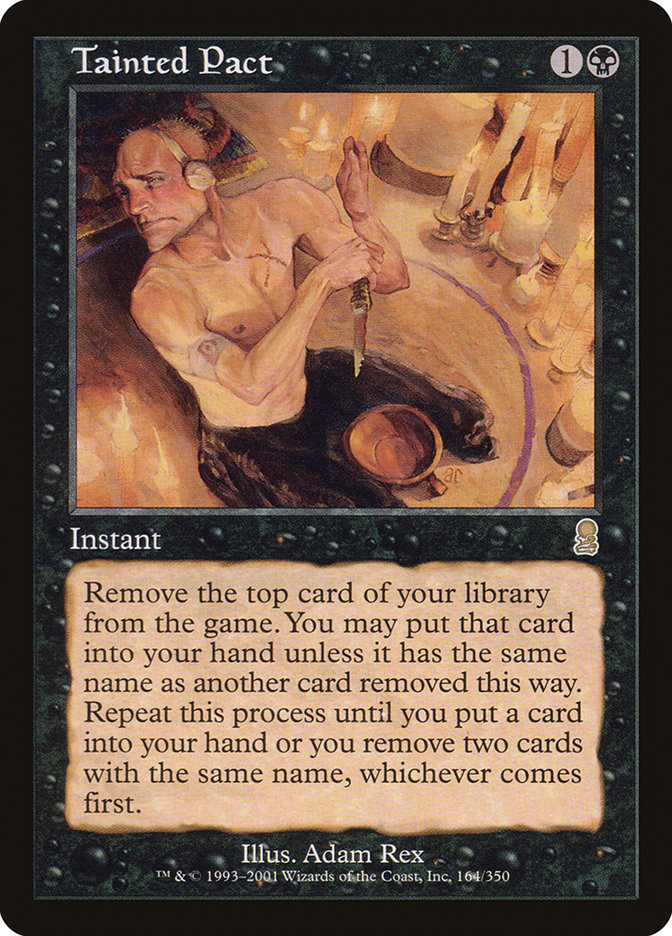
At the end of the day, this deck is built to end games decisively. The main line is Thassa's Oracle plus either Demonic Consultation or Tainted Pact, which instantly checks whether you’ve won once the Oracle enters.
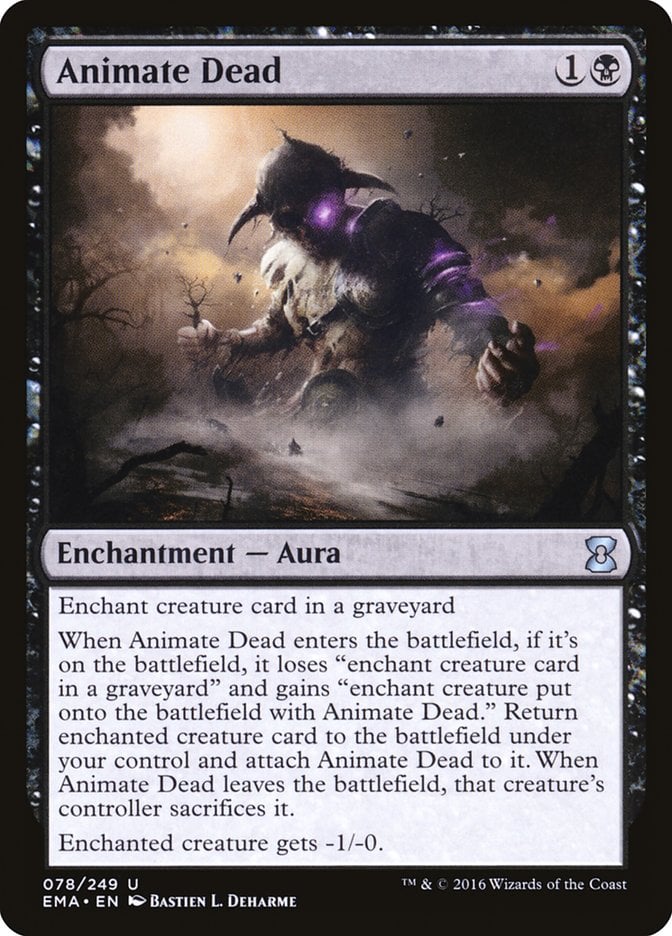
If that fails or isn’t available, Worldgorger Dragon and Animate Dead create an infinite mana engine that lets you draw your deck and pivot into Oracle or another finisher. Underworld Breach combos with Brain Freeze to mill your entire library, replay cards infinitely, and finish with Oracle again.
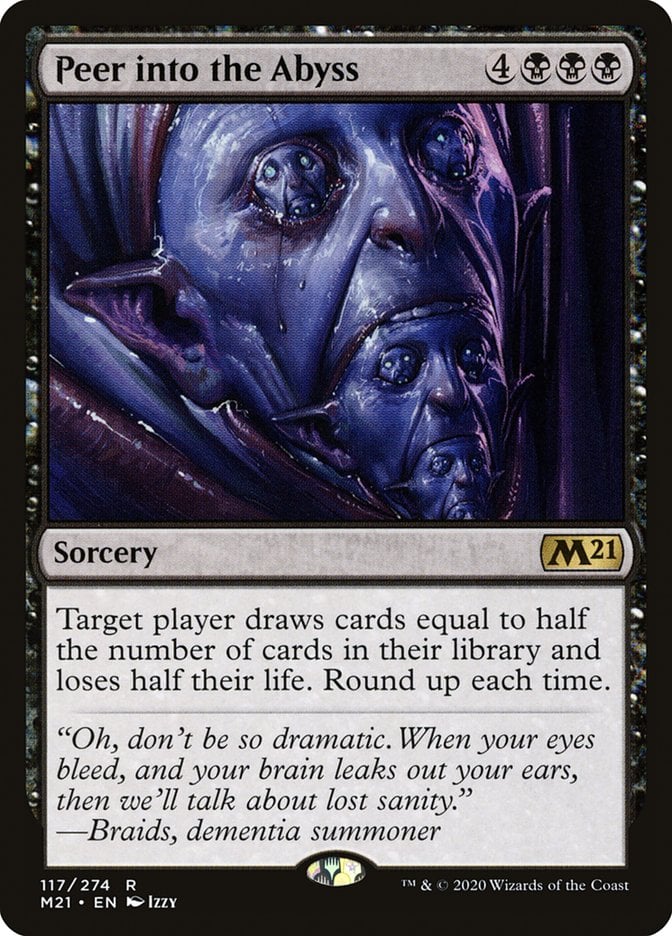
Even Peer into the Abyss can serve as a win setup that draws half your deck and finds whatever combo you need to close. This redundancy is what makes the deck scary—opponents can answer one win line, but you’ve always got another waiting.
The Mana Base
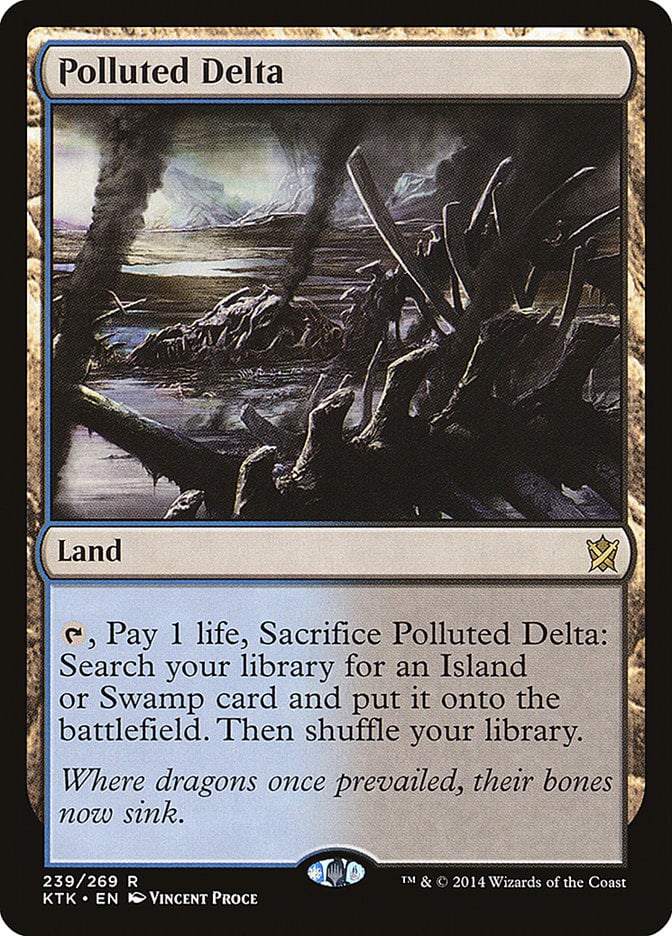
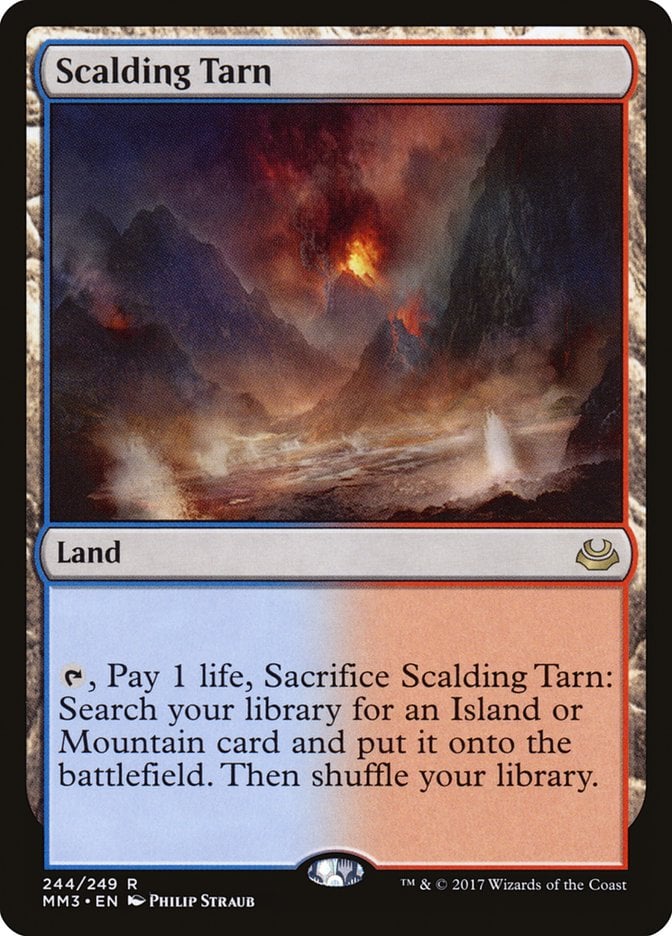
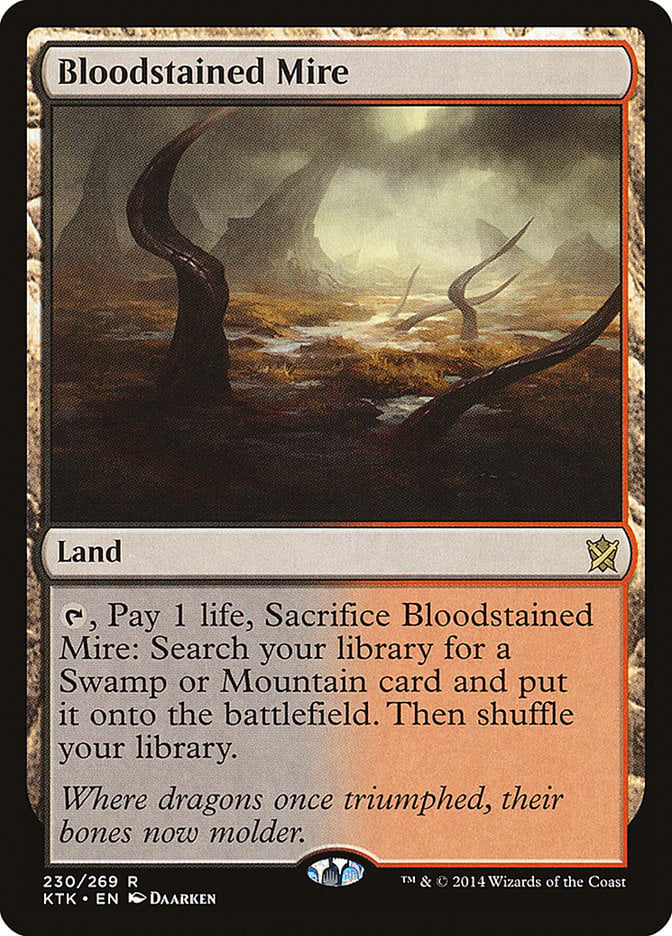
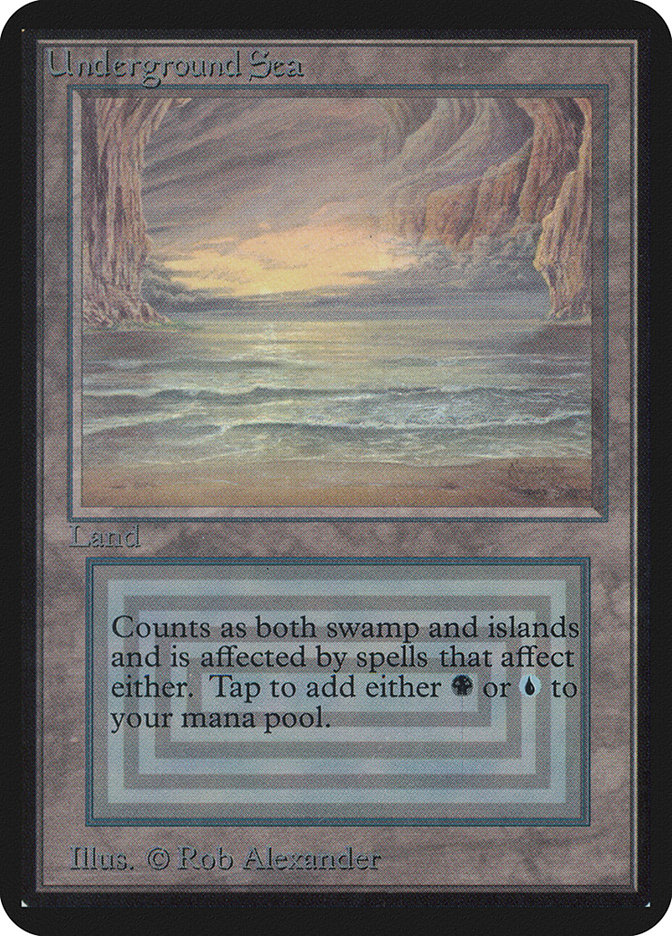
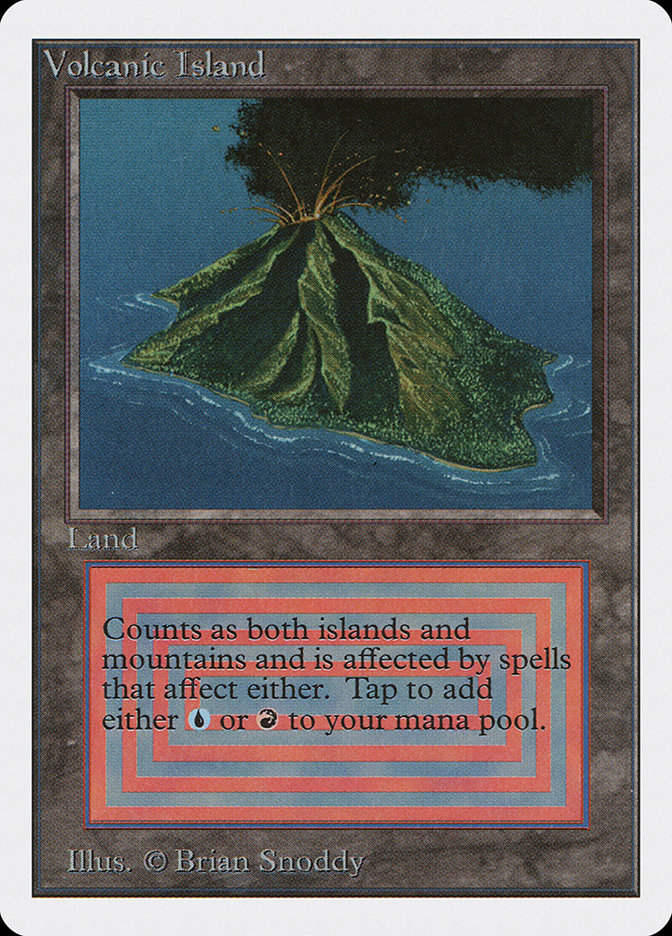
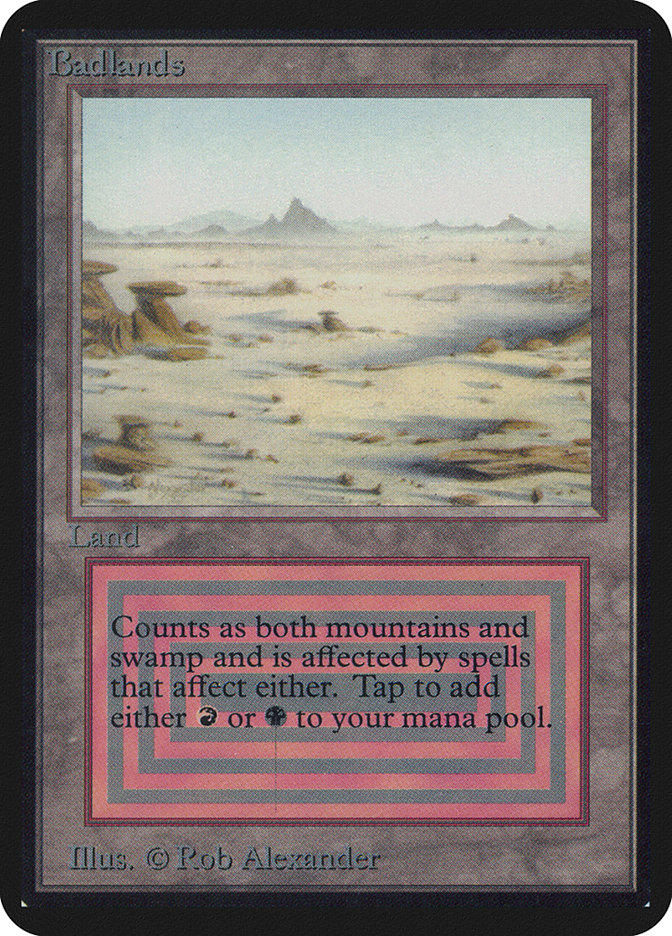
A cEDH deck like this demands a mana base that’s both consistent and fast, and every land has a clear job. Fetch lands like Polluted Delta, Scalding Tarn, and Bloodstained Mire thin the deck and grab premium duals like Underground Sea, Volcanic Island, and Badlands.
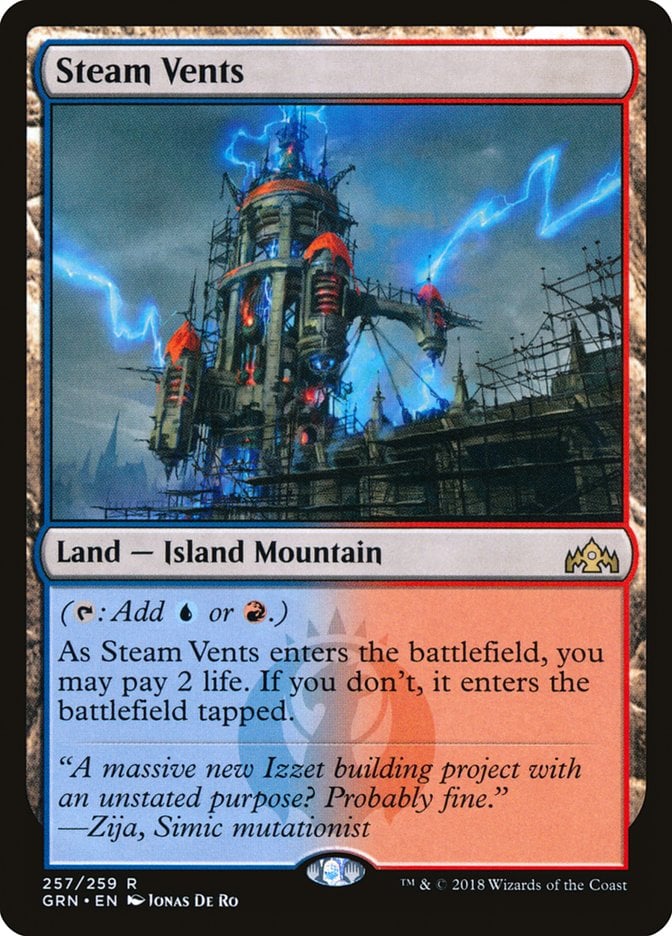
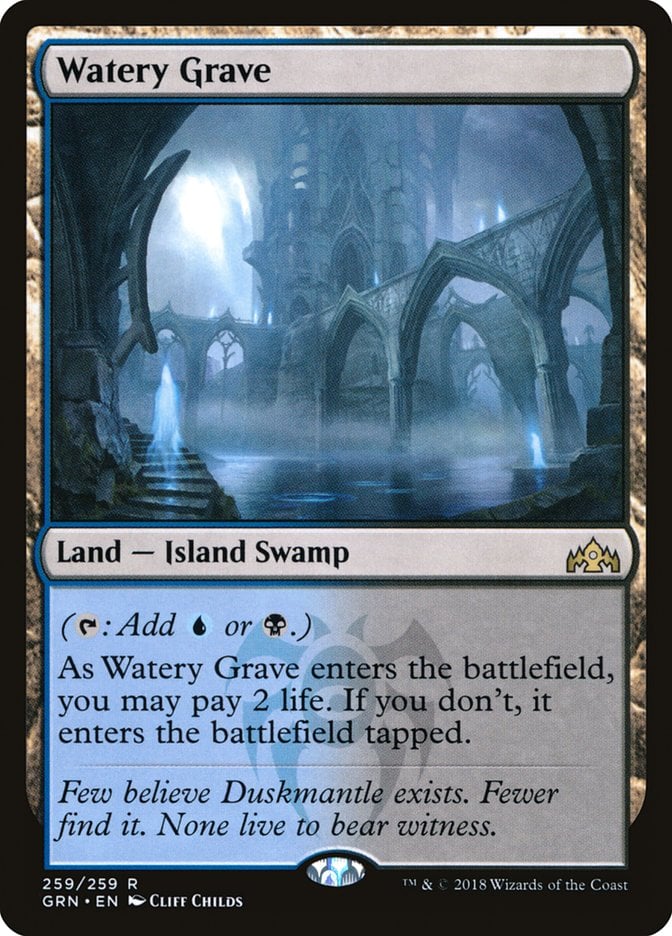
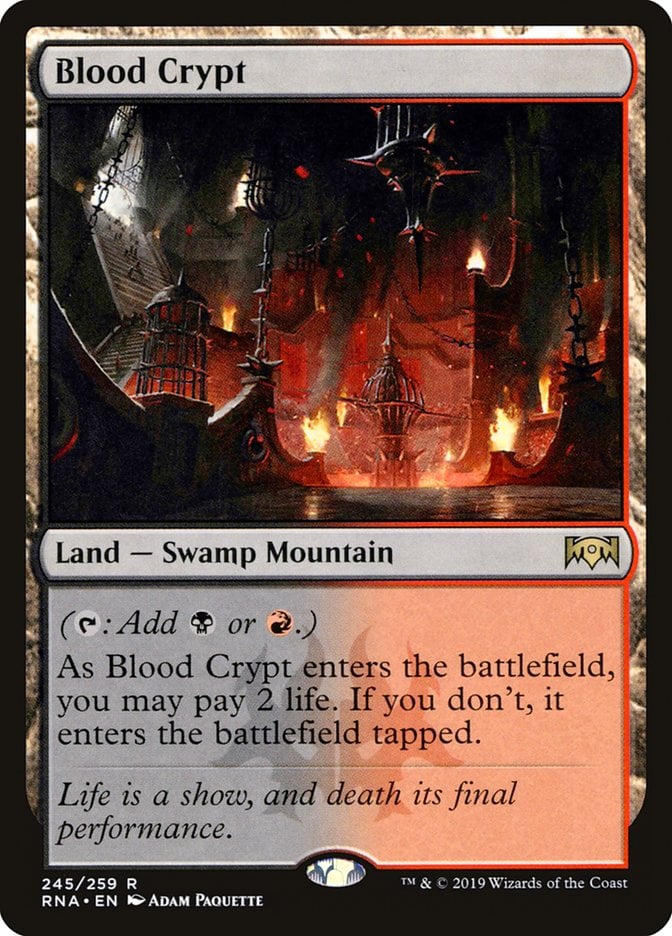
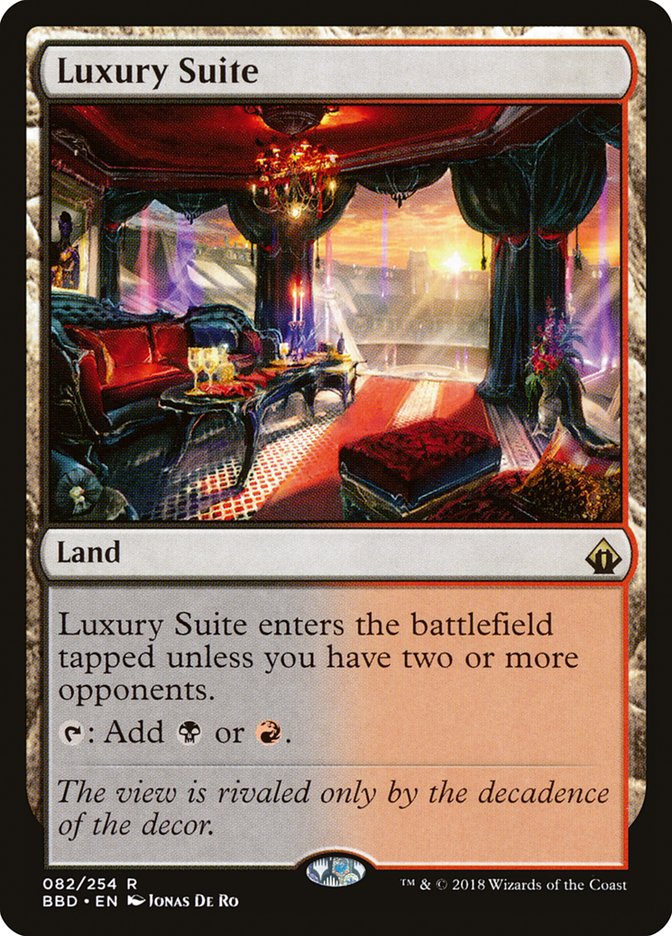
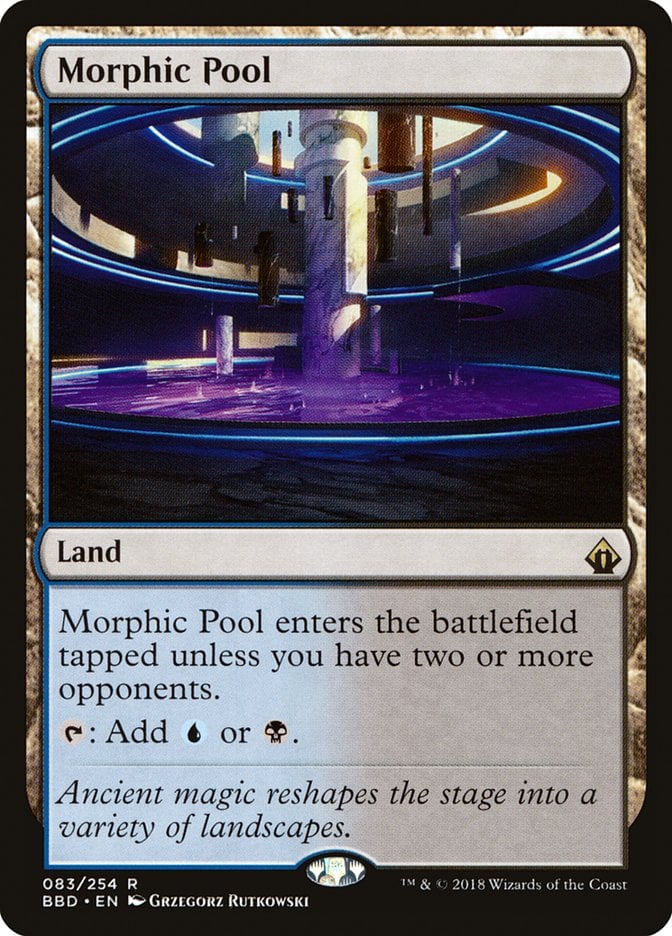
Shock lands like Steam Vents, Watery Grave, and Blood Crypt back them up, while check lands like Luxury Suite and Morphic Pool add efficiency without slowing you down.
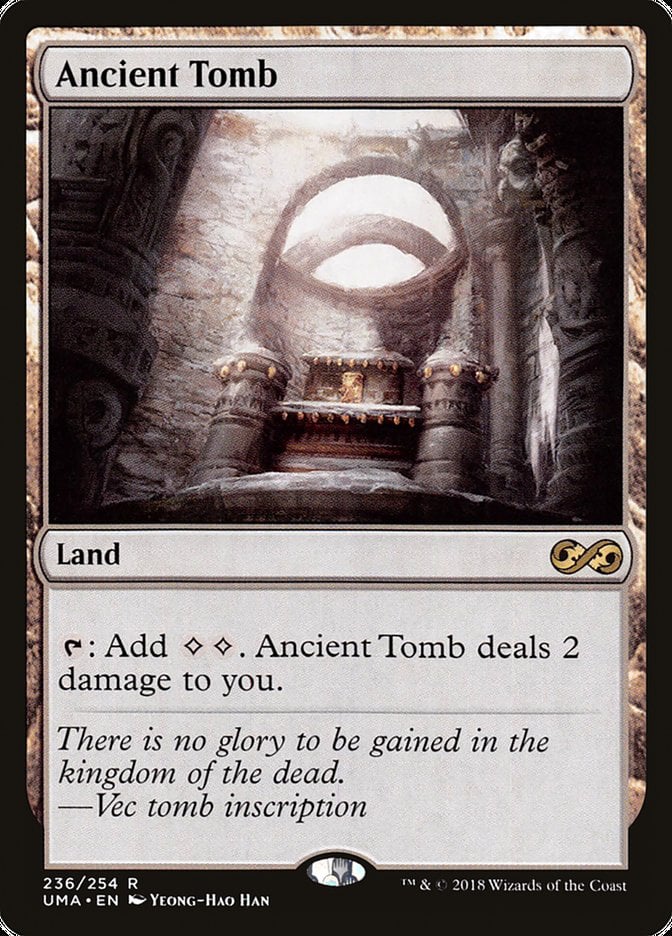
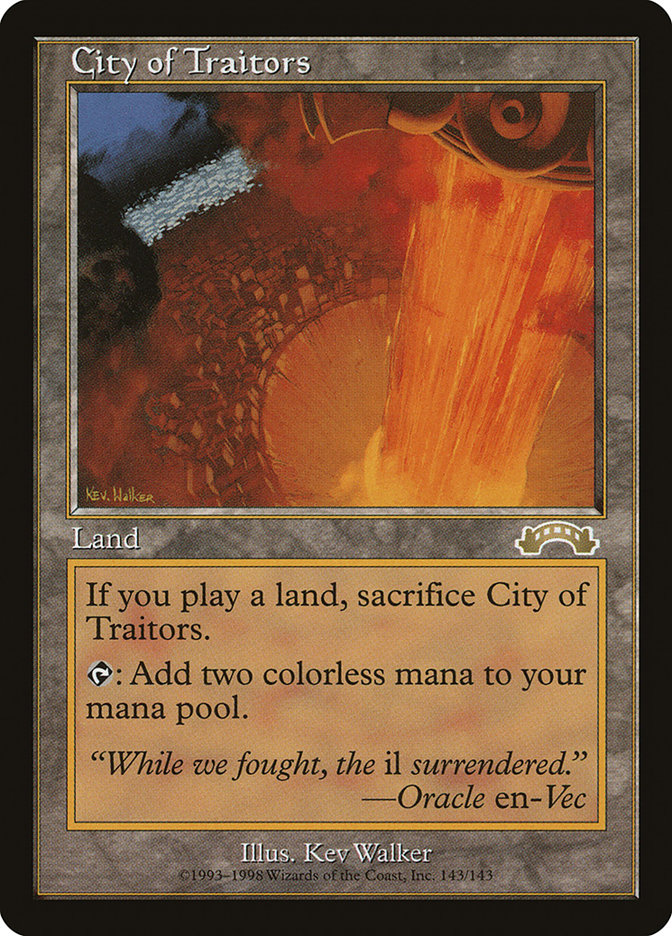
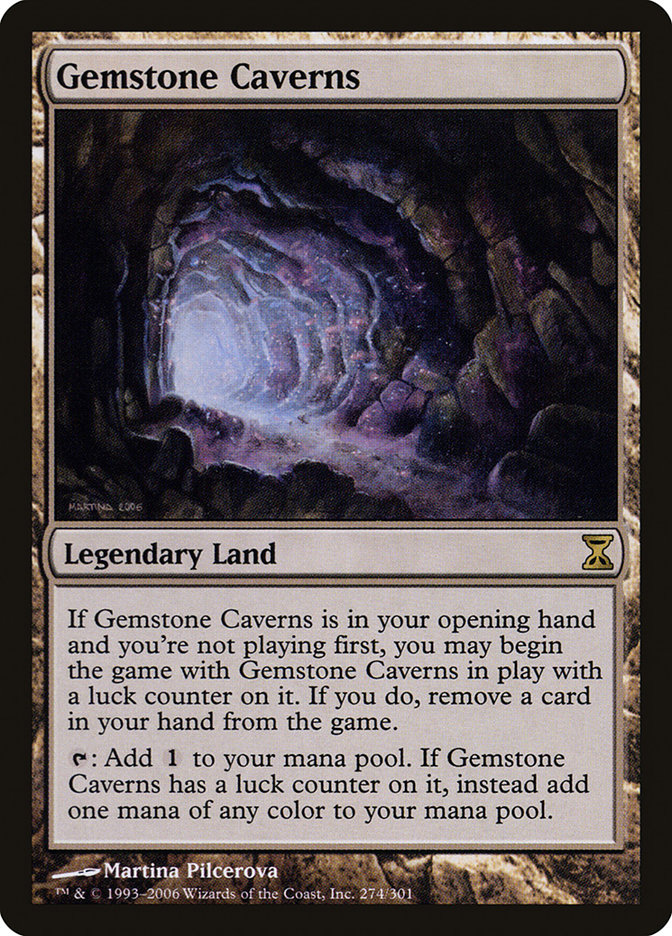
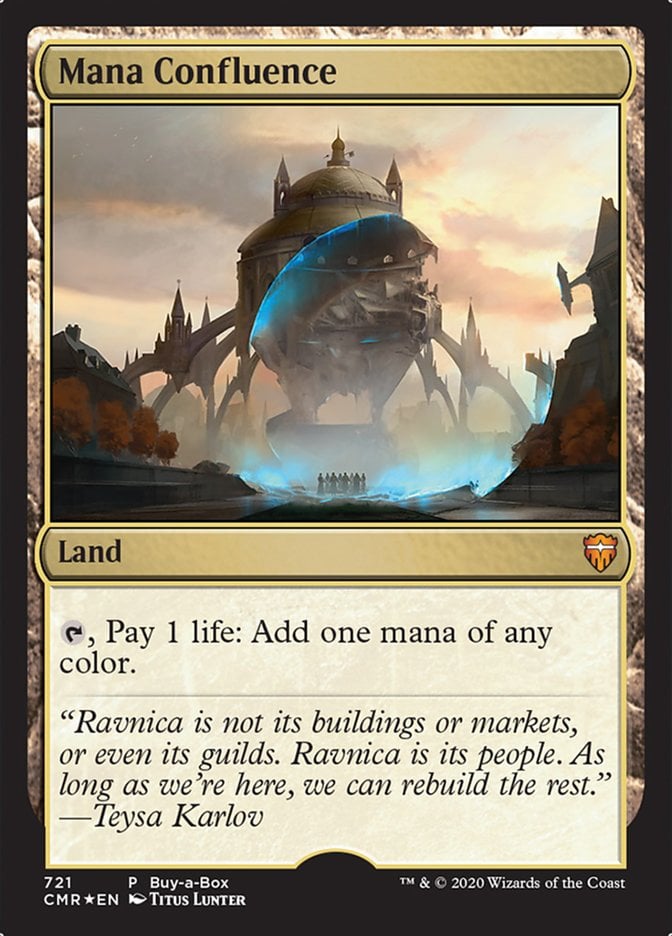
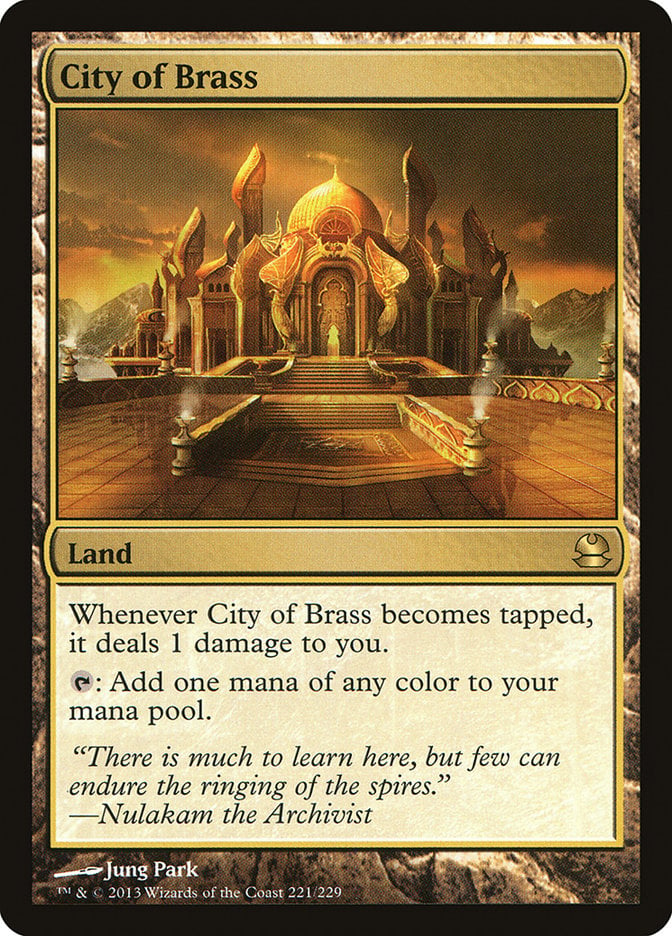

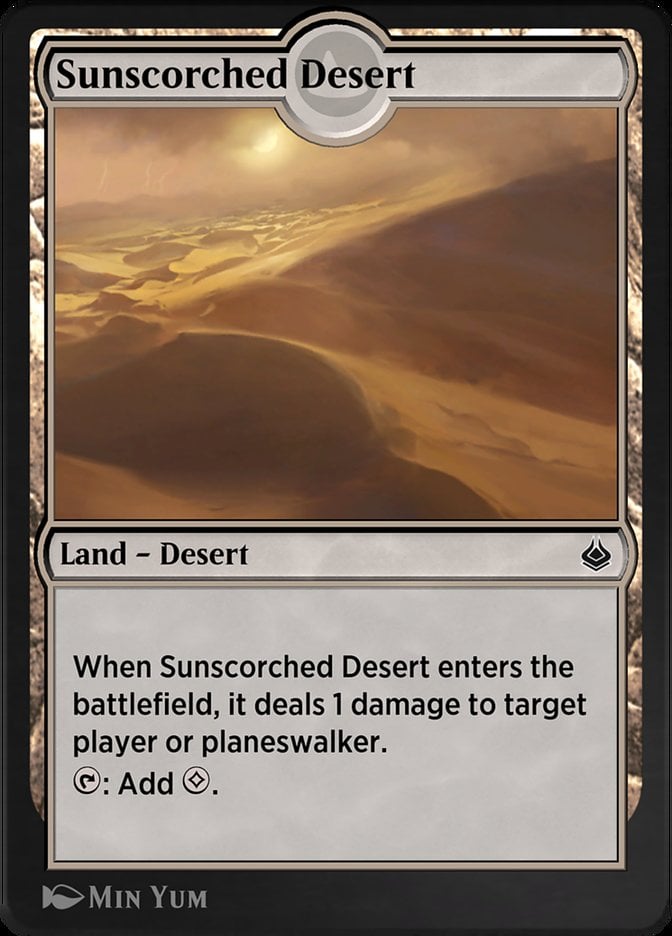
Then there are the speedy lands—Ancient Tomb, City of Traitors, and Gemstone Caverns—which push you into an early Kefka or combo piece. Flexible fixing comes from Mana Confluence, City of Brass, and Command Tower, while Sunscorched Desert offers a cheeky ping that Kefka can turn into extra draws once it flips.


What really stands out are the utility lands. Arena of Glory can grant haste to let you attack with Kefka the same turn it enters and potentially trigger its discard-draw ability twice in a single round. Meanwhile, Mistrise Village helps force your key plays through countermagic by making your next spell uncounterable—a huge safety net in a format where stack wars decide games.
Altogether, this mana base is designed not just for speed and consistency, but also to give you subtle ways to press your advantage when the moment is right.
The Strategy
This deck’s plan is to blend speed with inevitability. In the early game, you’re looking to power out fast mana through rituals and rocks, and sometimes you’ll even sneak in an early Kefka, Court Mage. Dropping Kefka early can be huge—everyone discards while you refill your hand, often drawing three or four new cards just for showing up. That kind of swing gives you both resources and tempo, and it puts pressure on the table right away.
Once you’ve established your footing, the midgame is all about balance. You’ll lean on card advantage engines like Rhystic Study, Mystic Remora, or Necropotence to stay ahead while you hold up interaction to stop opponents from winning first. Kefka keeps your hand full by punishing opponents every time you attack, and utility lands like Arena of Glory can even let you double up on triggers. This stage is where you decide whether to play defensively or start to set up your combo lines.
When the table is vulnerable, pivot into the win. Whether you combine Thassa's Oracle with Demonic Consultation, loop Underworld Breach with Brain Freeze, or go infinite with Worldgorger Dragon, the goal is to explode in one decisive turn. Even if you don’t win right away, the deck has enough resilience and card draw to grind until the perfect opportunity comes up. That’s what makes it so scary—Kefka doesn’t need to race every game, but when the moment is right, it always has a way to close things out.
Combos and Interactions
This list is packed with compact, reliable combos. The cleanest win is Thassa's Oracle plus either Demonic Consultation or Tainted Pact, where you exile your library and immediately win the game.
Another powerful line is Underworld Breach with Brain Freeze to mill yourself over and over while you replay spells until you can easily drop Oracle to seal the deal.
Worldgorger Dragon with Animate Dead gives you infinite mana, which you can pour into card draw or casting every spell you’ve got.
Hoarding Broodlord adds another layer of consistency by tutoring straight out of your library. A particularly strong play is to fetch Saw in Half then target Broodlord itself. The token copies let you chain multiple tutors in one turn, so you can often grab the entire Thassa's Oracle combo to win right there and then.
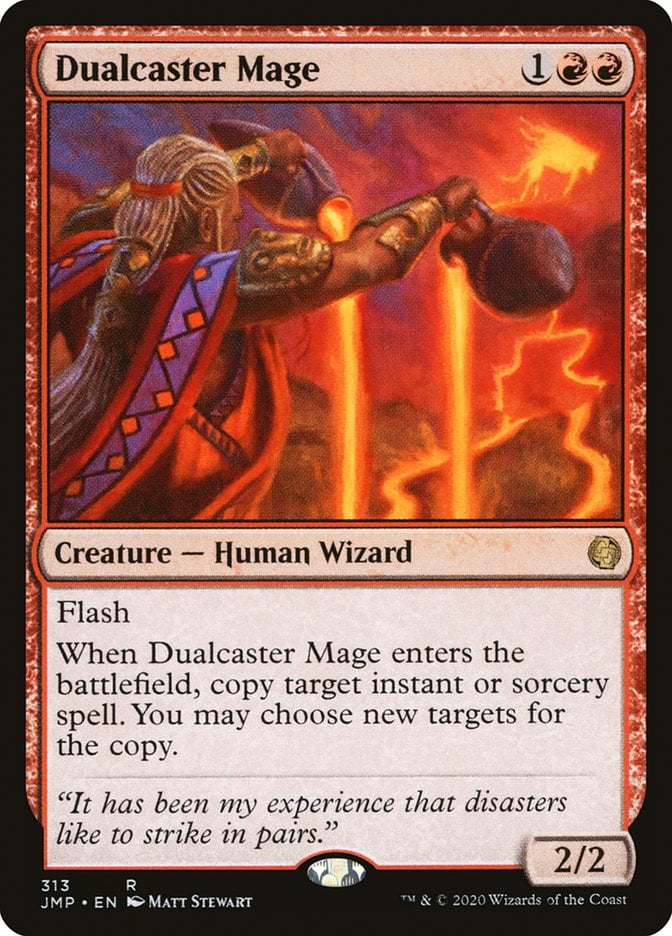
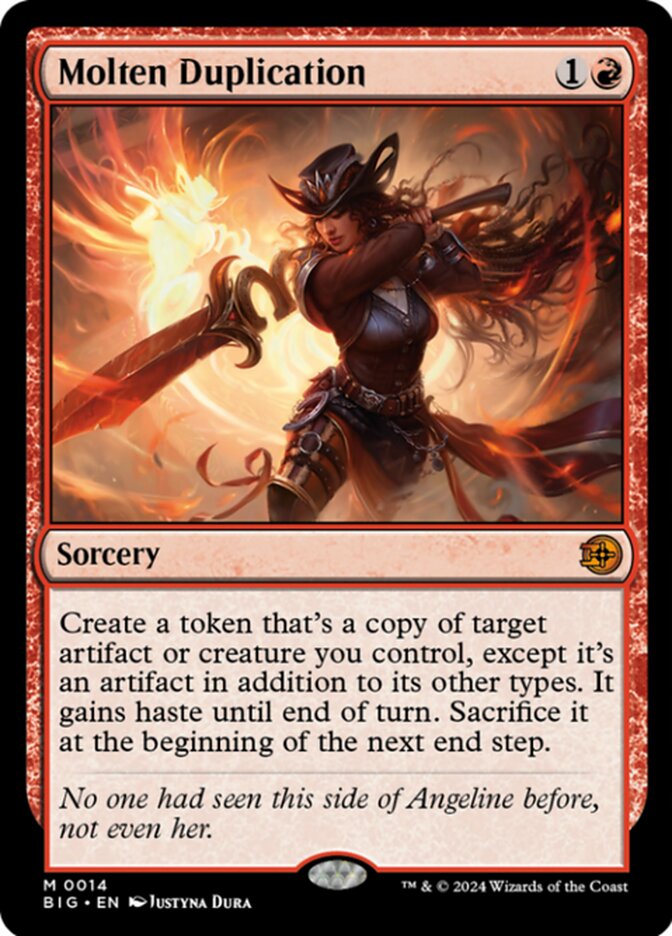
On the creature side, Dualcaster Mage pairs with Molten Duplication or Saw in Half to generate infinite tokens and create a lethal army out of nowhere.
Another sneaky kill comes when you combine Orcish Bowmasters with Peer into the Abyss—you target an opponent with Peer, and as they draw half their deck, Bowmasters pings them for each draw, which often outright kills them on the spot.
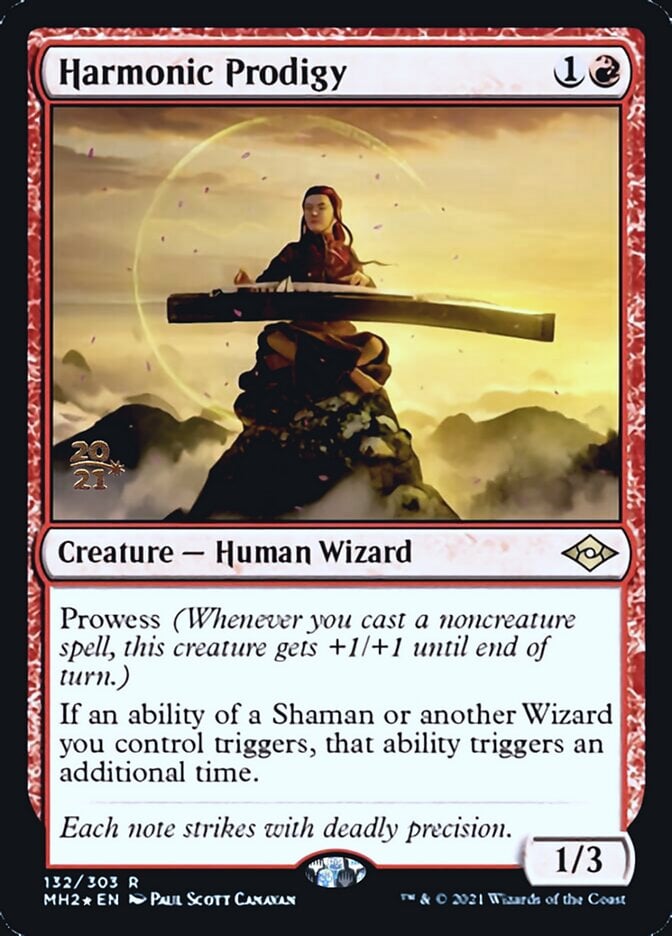
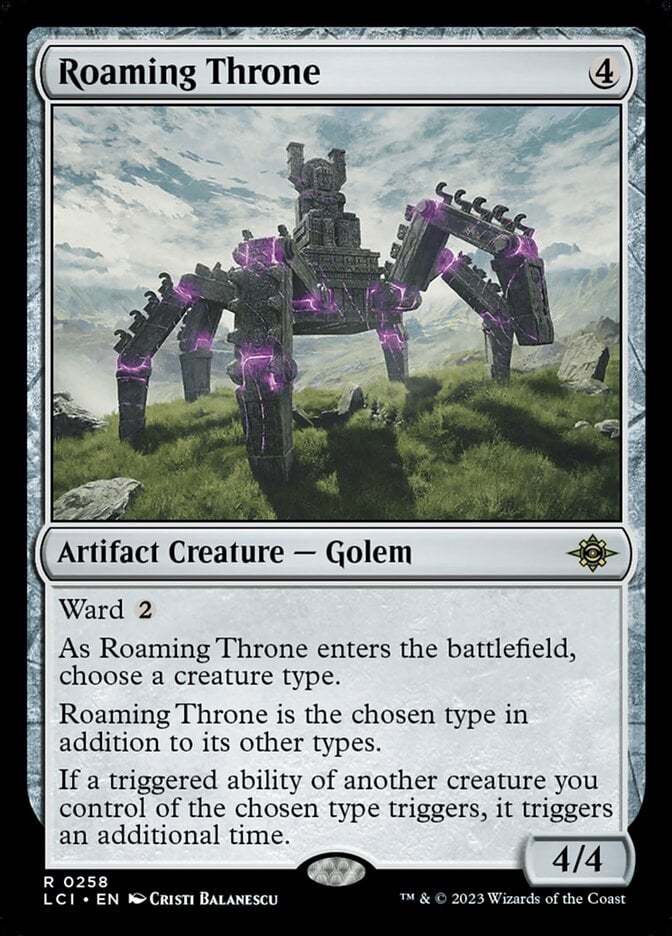
Beyond the dedicated combos, there are plenty of synergistic engines. Harmonic Prodigy and Roaming Throne double Kefka’s discard-draw triggers, which lets you bury opponents under card advantage.
And Saw in Half has a nasty fallback use: Point it at Kefka, Court Mage to shred everyone’s hand twice over while you refill yours to the max, which leaves the table in shambles.
Budget Options
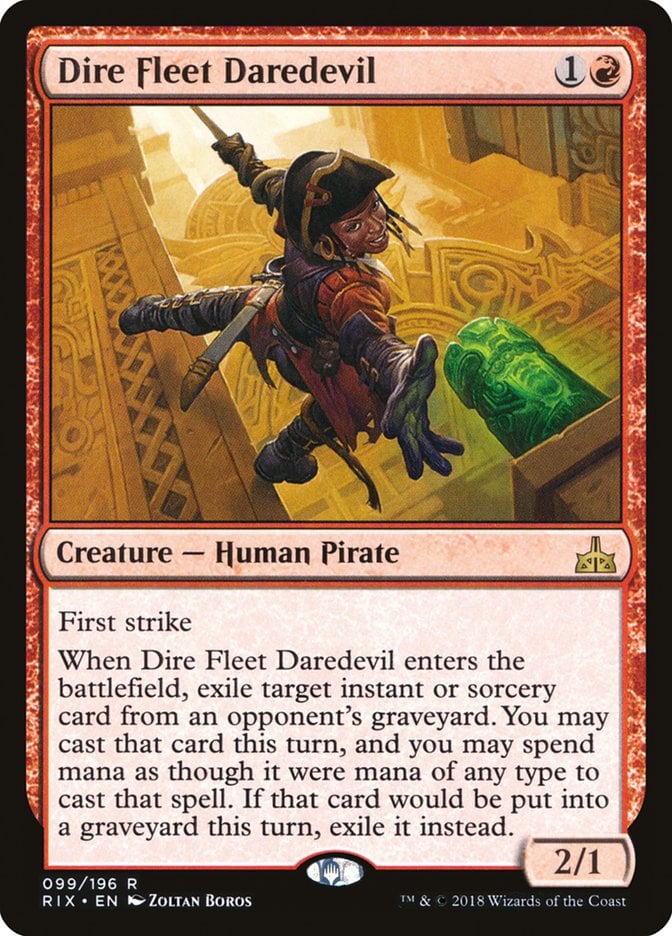
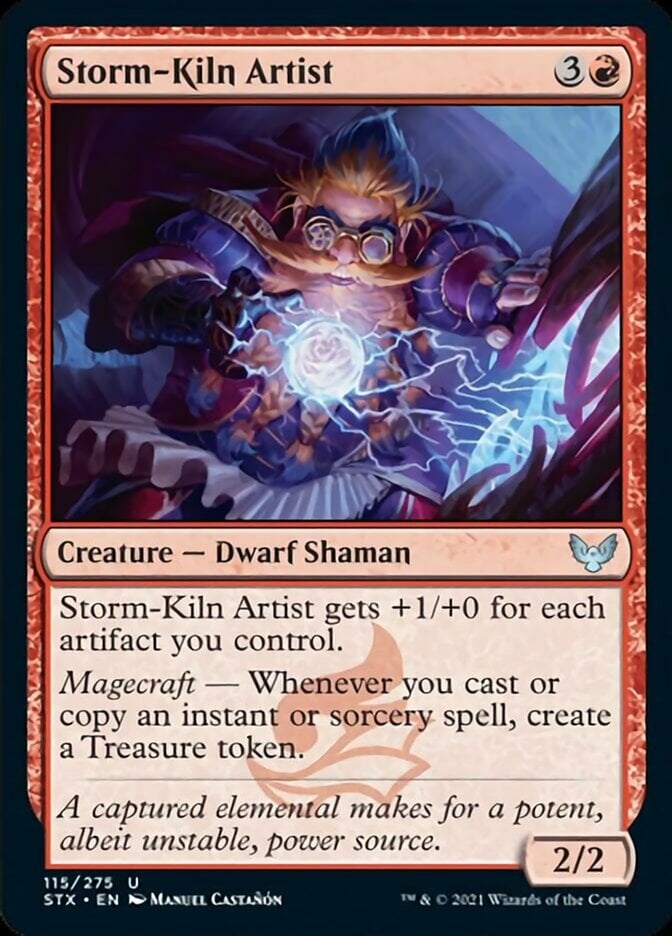
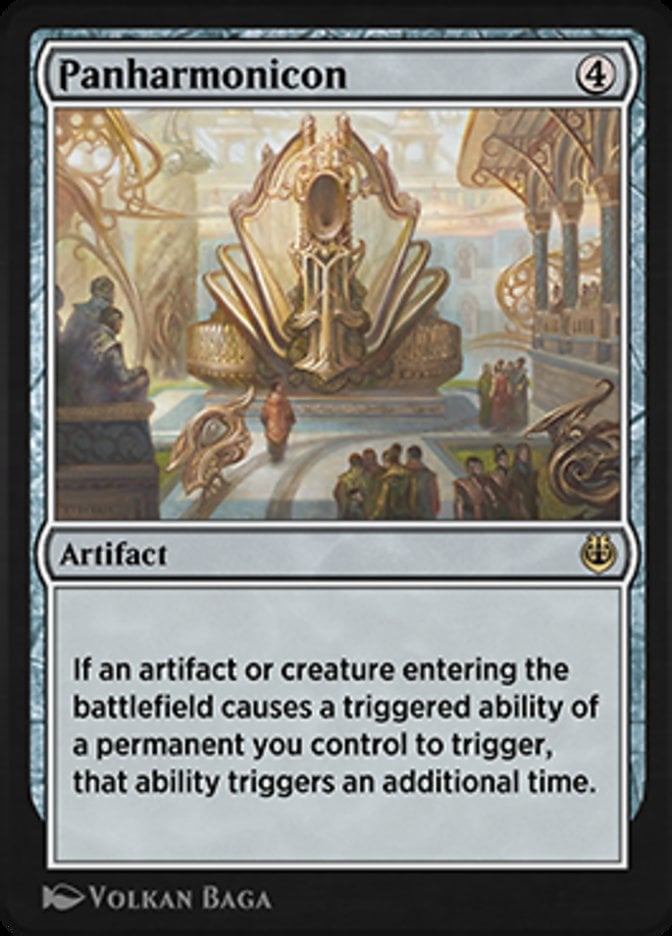
When it comes to creatures, you can swap some of the flashier names for cheaper but still solid alternatives. Ragavan, Nimble Pilferer is one of the most expensive red creatures in Commander, but you don’t need it to keep the deck running smoothly. Something like Dire Fleet Daredevil gives you the same “steal value” feel, while Storm-Kiln Artist makes Treasures off your spells and helps you keep mana flowing. For Roaming Throne, which has climbed in price, you can reach for Panharmonicon instead—it won’t buff Kefka directly, but it still doubles up your enters effects at a fraction of the cost.
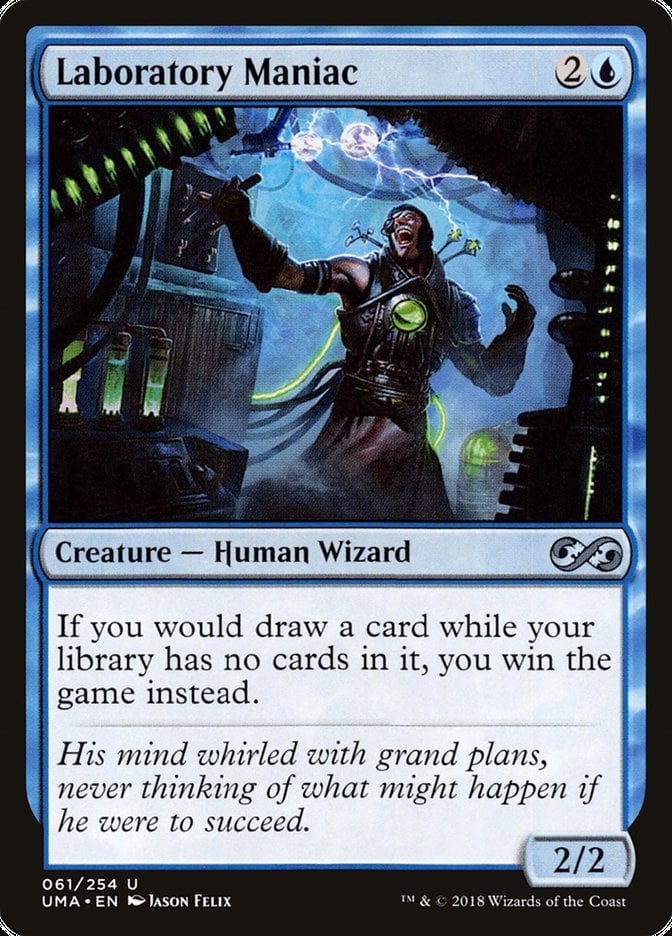
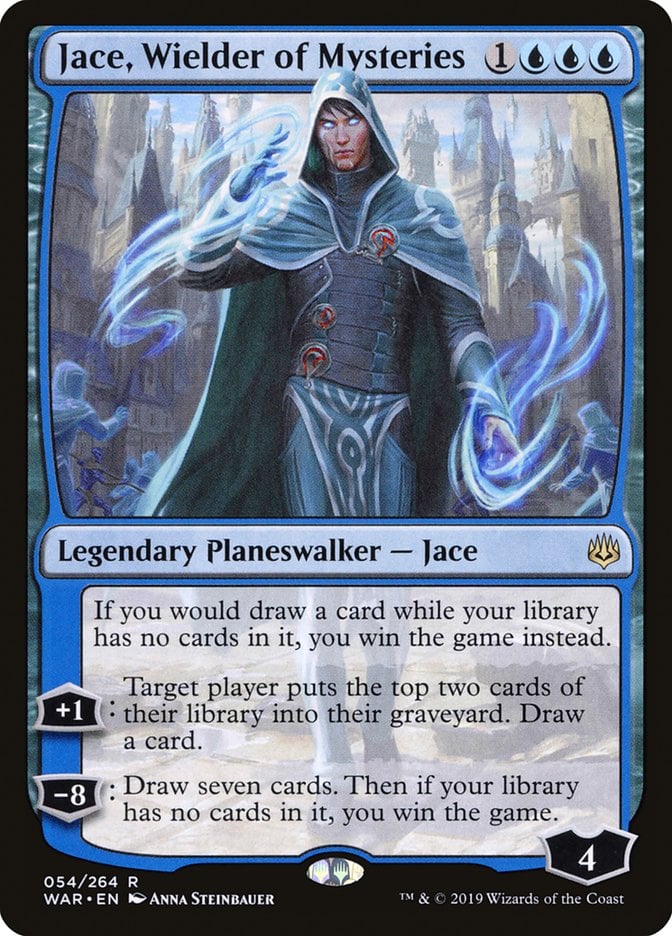
On the combo side, Thassa's Oracle is the cleanest win condition but also not the cheapest. If you’re playing more casually or just want to save some money, Laboratory Maniac or Jace, Wielder of Mysteries do the same job. They’re slower and a little clunkier, but they’ll still let you turn an empty library into a game win.
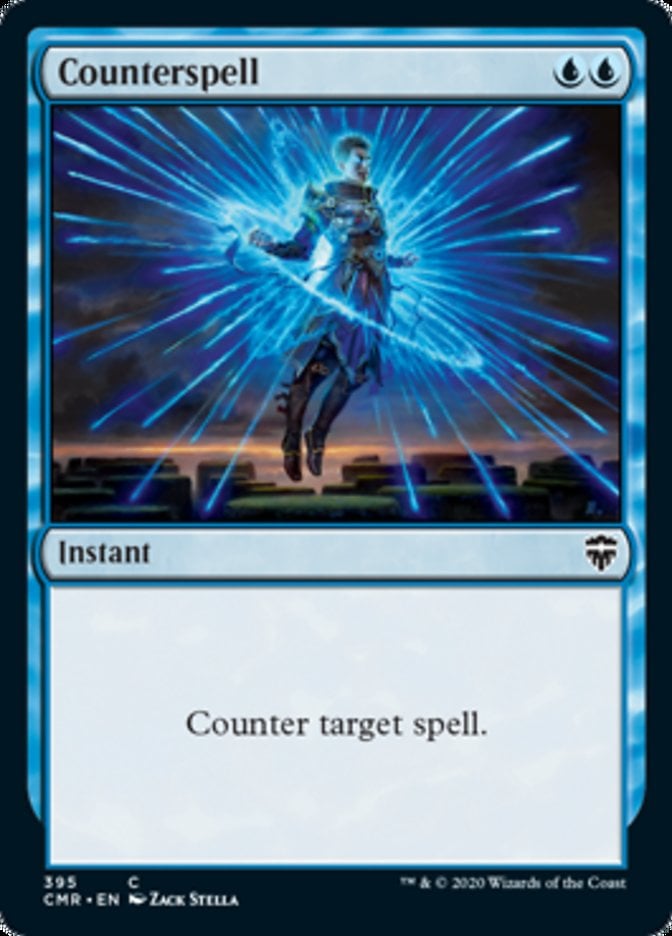
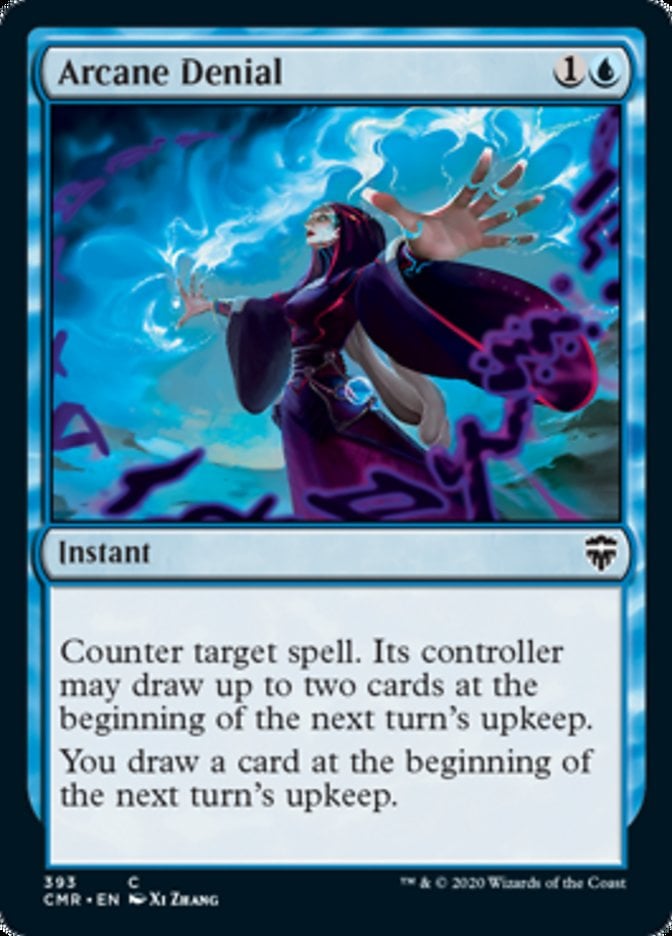
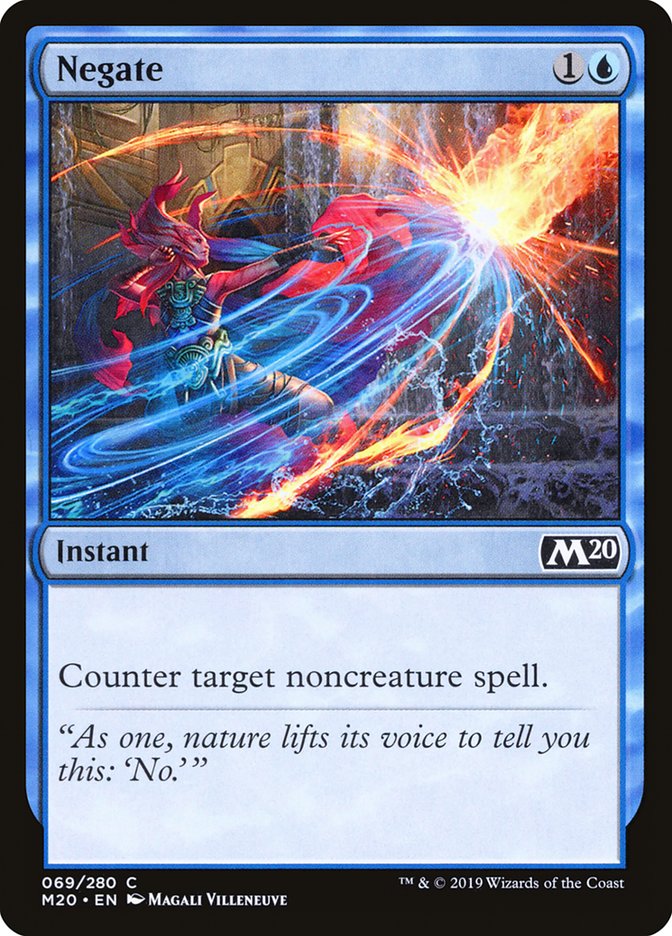
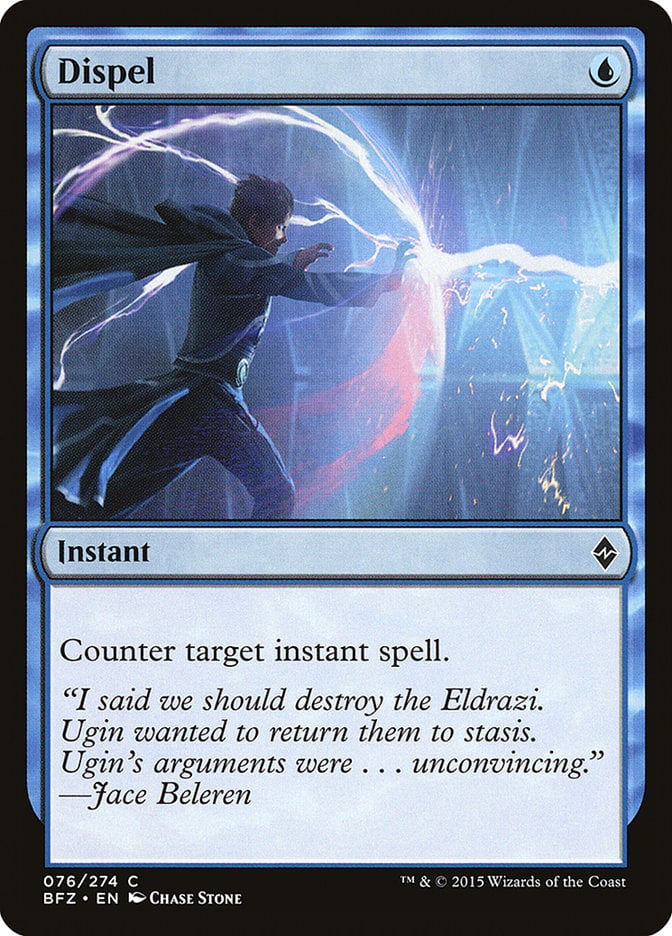
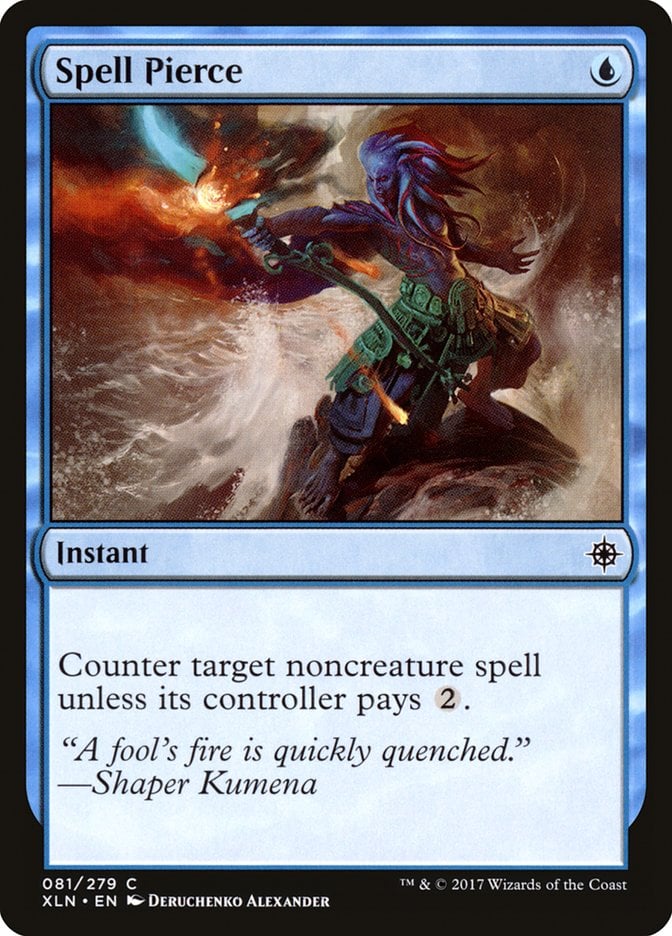
Interaction is another pricey category, with free counters like Force of Will, Fierce Guardianship, and Force of Negation that eat up a big chunk of the deck’s cost. The simple fix is to run classics like Counterspell, Arcane Denial, or Negate. They might not be free, but they still cover your most important lines. Even cards like Dispel or Spell Pierce can handle stack wars at a fraction of the price. If Flusterstorm is too much, those 1-mana spells are great backups.
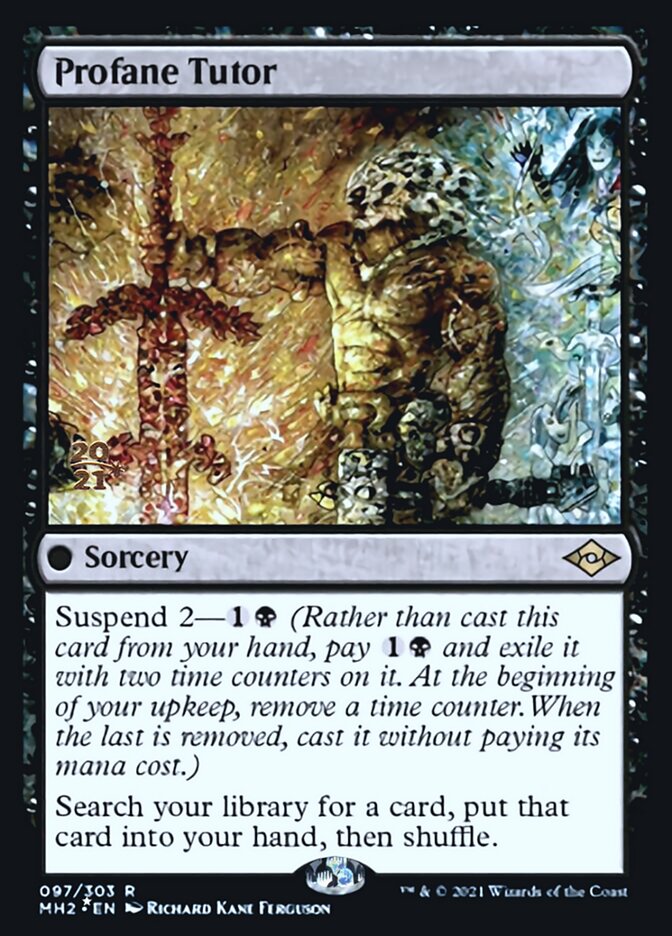
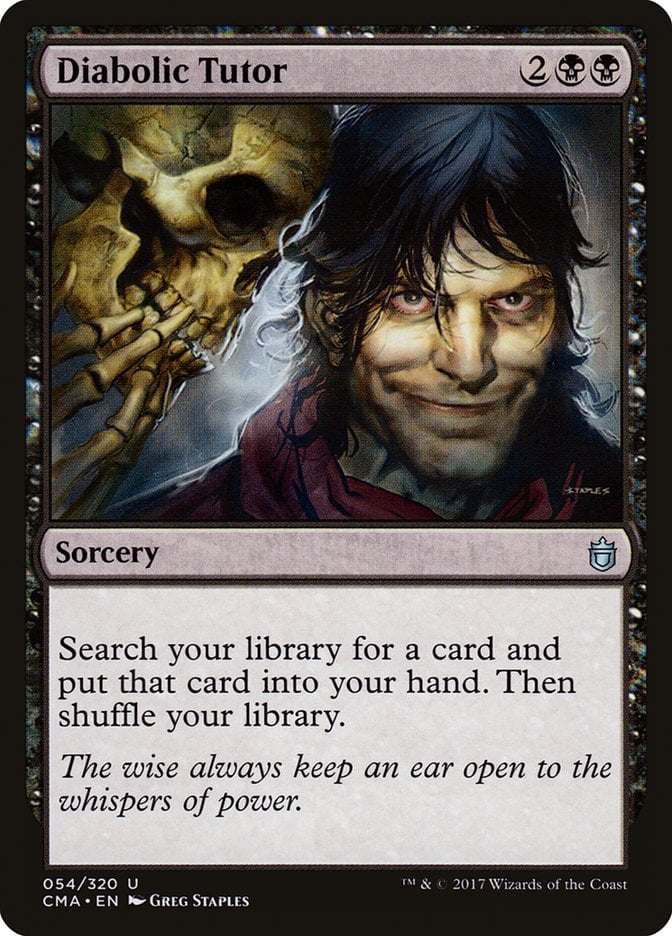
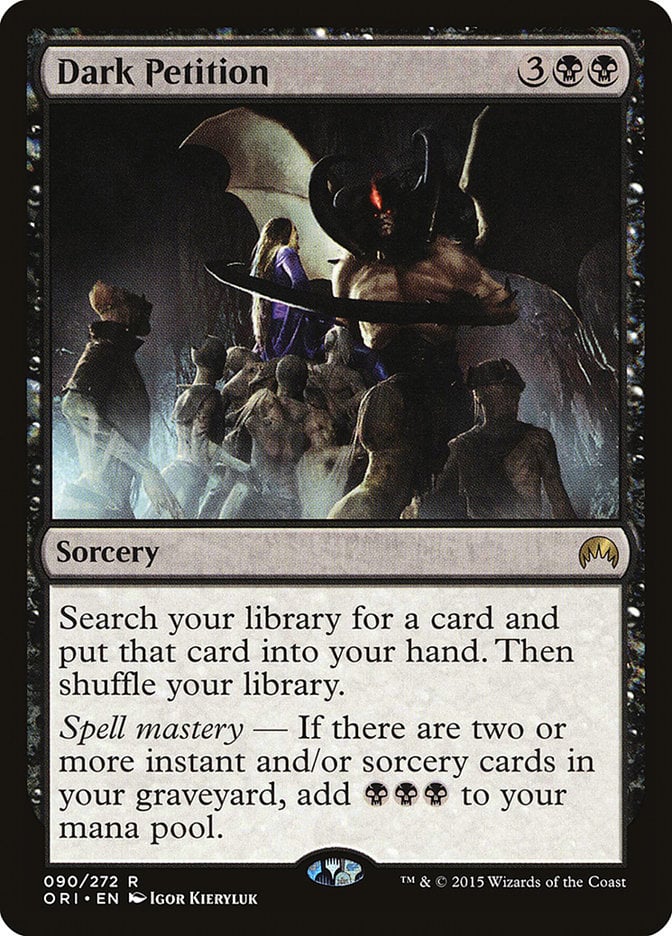
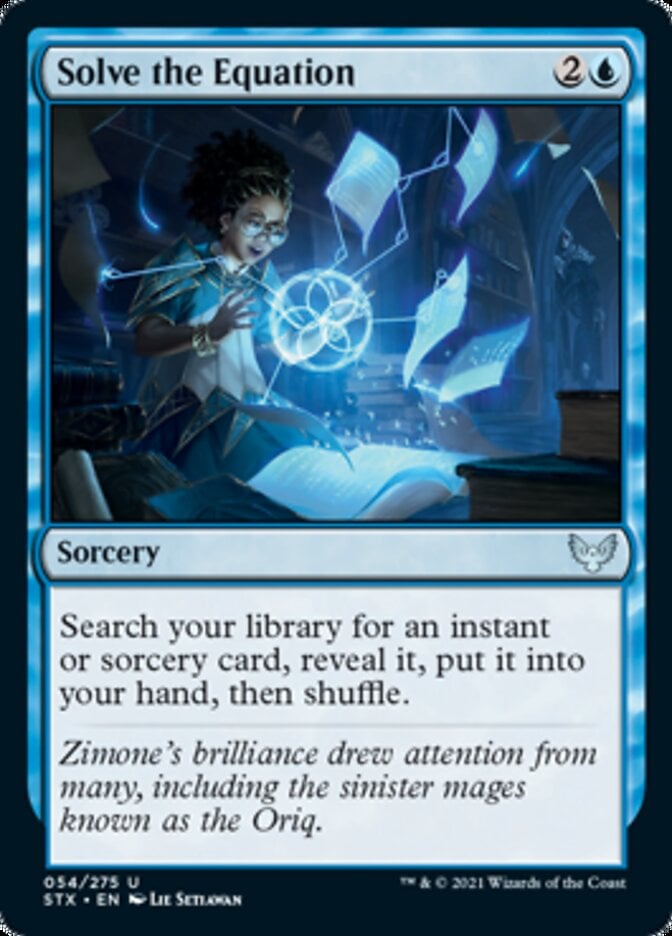
Tutors are another category where the price really spikes. Demonic Tutor, Vampiric Tutor, and especially Imperial Seal get expensive fast. A budget-minded build can rely on Profane Tutor, Diabolic Tutor, or Dark Petition instead. Even Solve the Equation gives you a way to search up a key instant or sorcery like Demonic Consultation. They might not be as efficient, but they keep your deck consistent without draining your wallet.
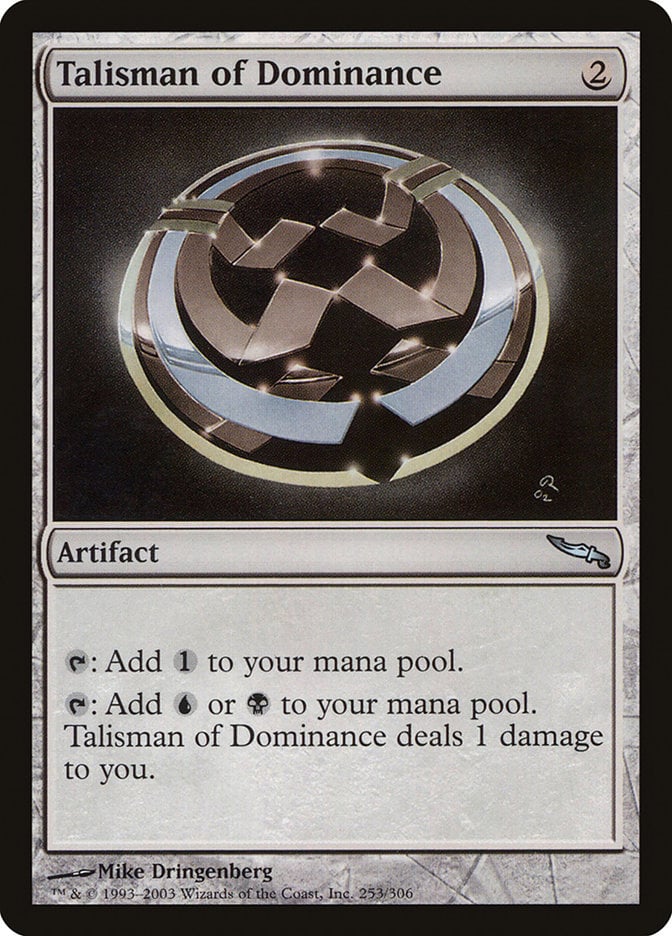
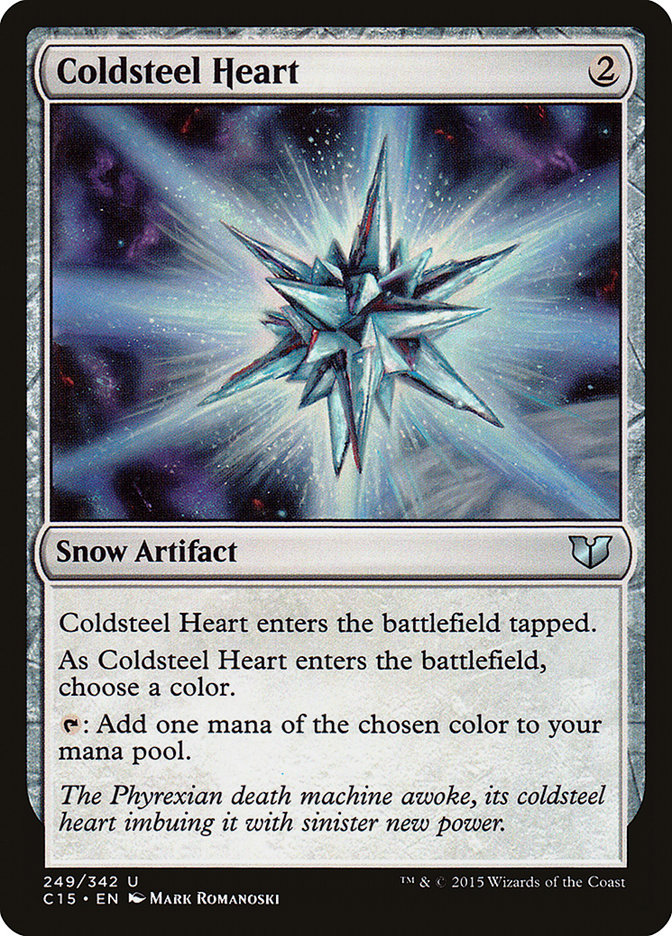
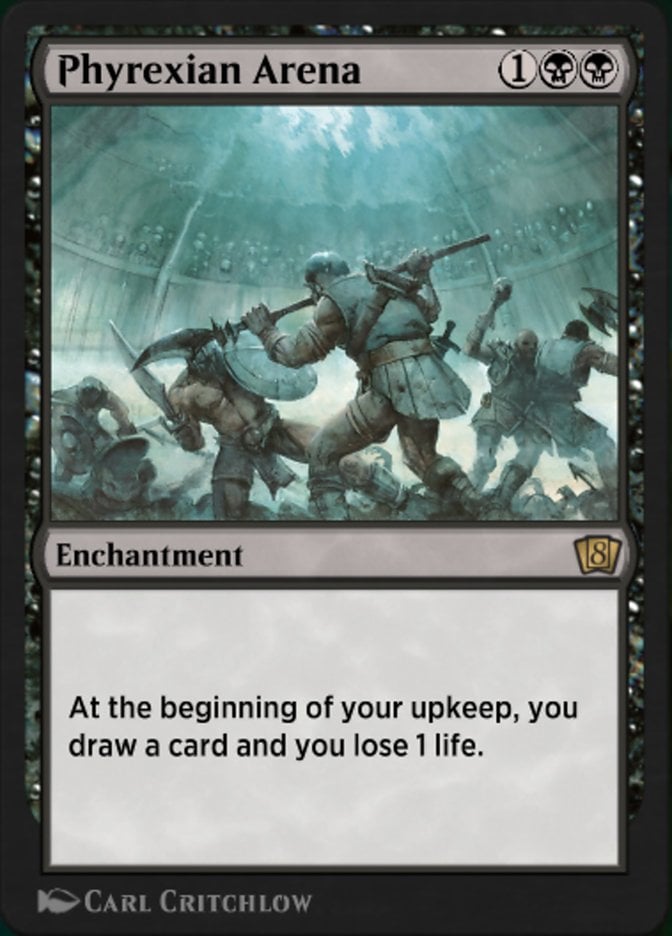
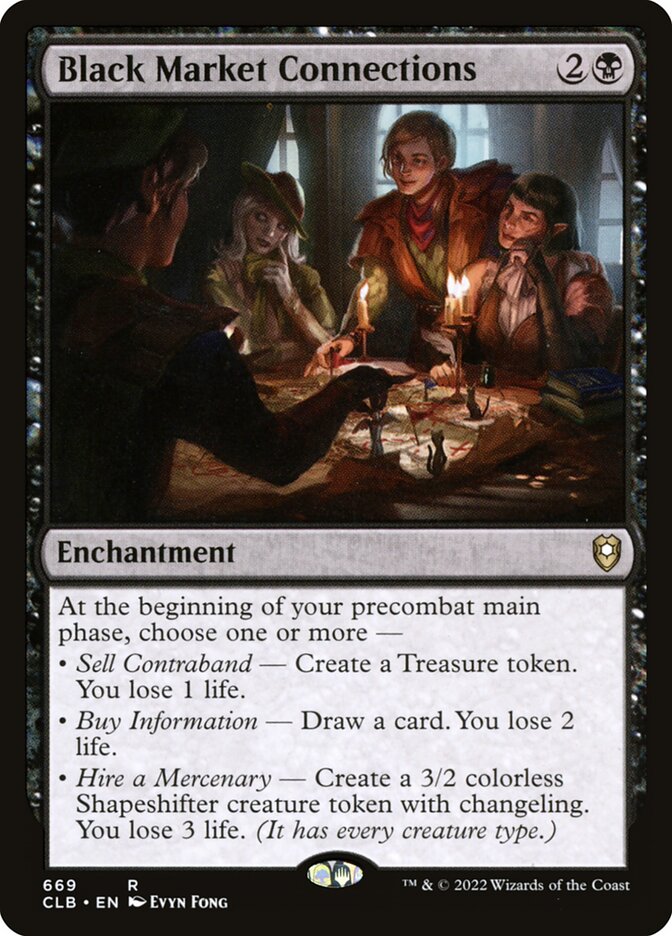
Mana rocks are where cEDH decks usually burn the most money, and this list is no different with Chrome Mox, Mox Diamond, and Mana Vault. If those aren’t in the budget, you can lean on the talismans—Talisman of Dominance, Talisman of Indulgence, and Talisman of Creativity—or classics like Coldsteel Heart. If you need a card draw effect to replace The One Ring, something like Phyrexian Arena or Black Market Connections can carry you in longer games without the premium price tag.
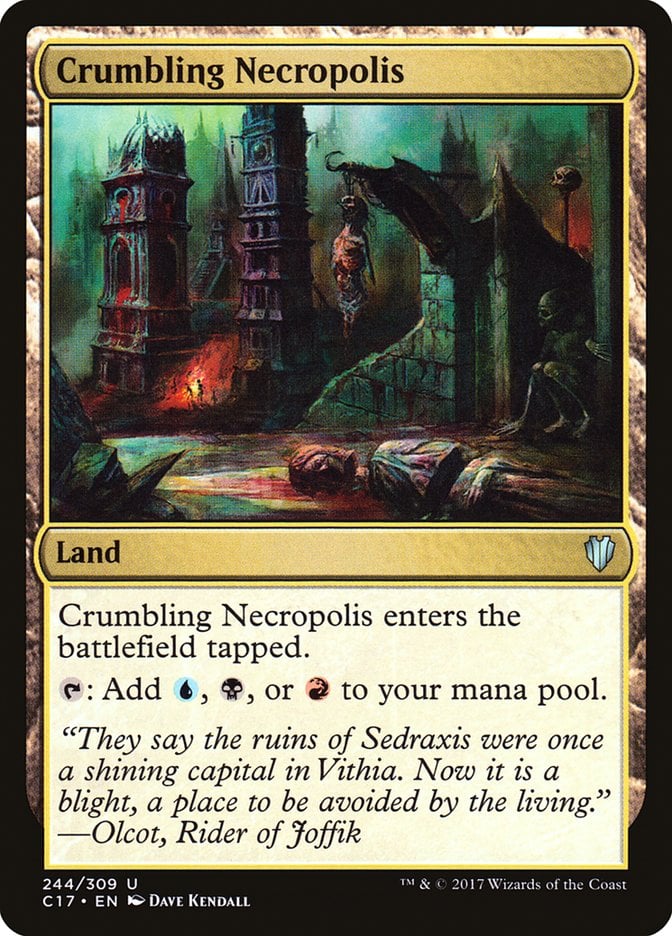
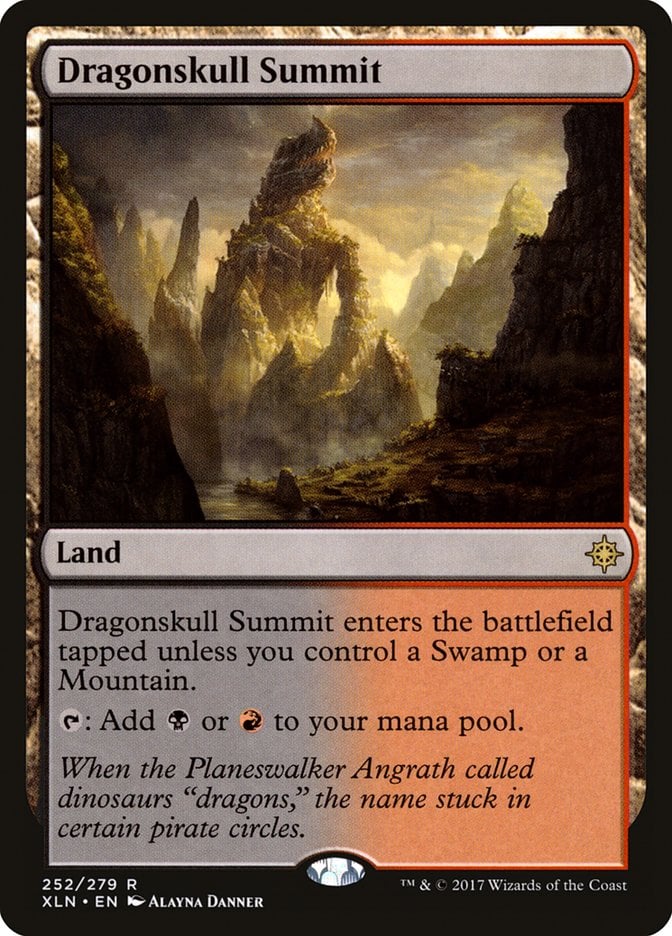
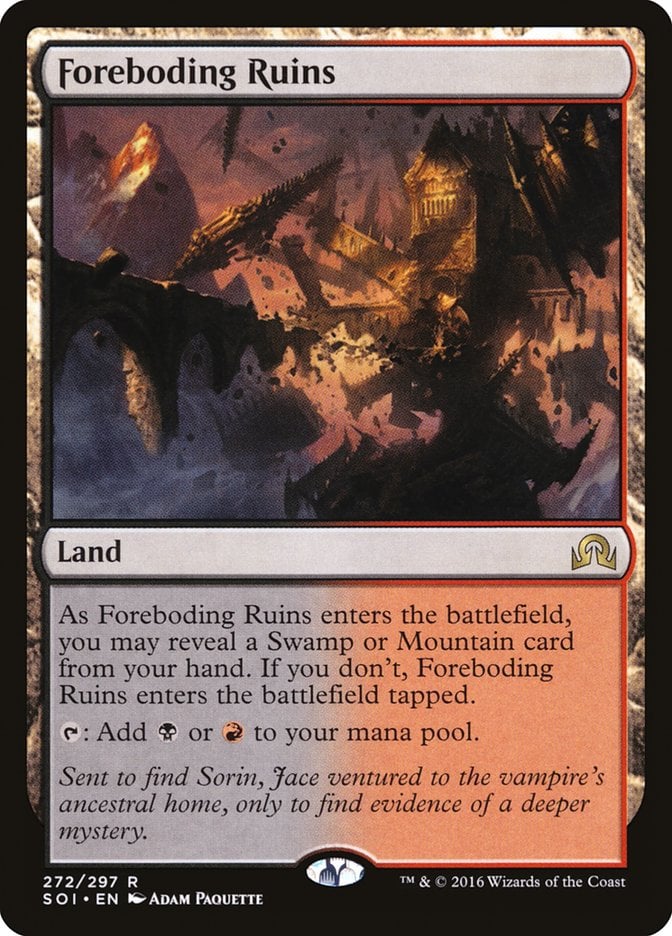
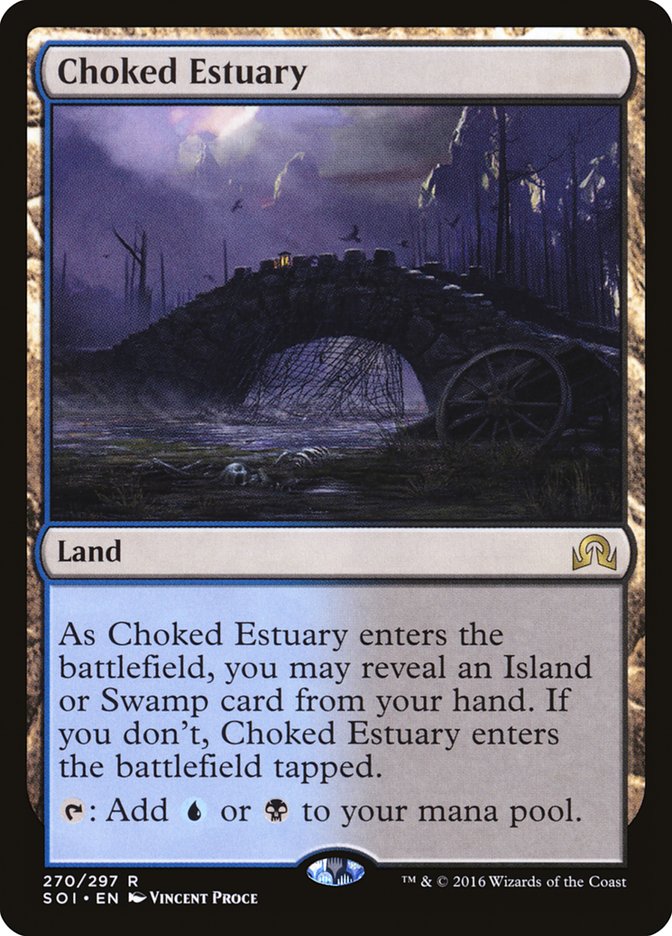
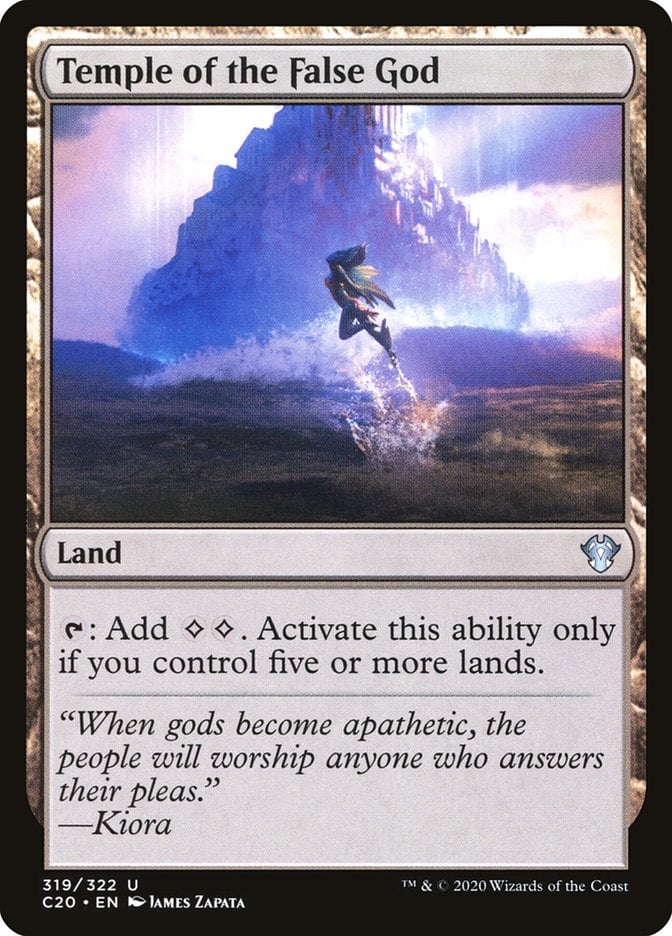
And of course, the land base is one of the biggest expenses in any high-powered deck. Original duals and fetch lands make things smoother, but you can easily get by with budget options. Lands like Crumbling Necropolis, Dragonskull Summit, Foreboding Ruins, and Choked Estuary cover your colors while keeping costs down. Even if they come in tapped once in a while, you’ll still get reliable fixing. For acceleration in place of Ancient Tomb or City of Traitors, you can always slot in Temple of the False God for a serviceable late-game equivalent.
Other Builds
When people build around Kefka, Court Mage, they usually go in a few different directions, each with its own flavor.
One popular route leans into discard value. Since Kefka makes everyone pitch cards, decks load up on engines like Waste Not to turn those discards into mana, zombies, or extra cards. Orcish Bowmasters adds more punishment when opponents try to refill their hands, and Tinybones, Bauble Burglar lets you play with the cards your opponents tossed away. This style is all about grinding value while you drain the table’s resources.
Another build focuses on blink and flicker. Because Kefka’s ability triggers when it enters the battlefield, cards like Ghostly Flicker or Deadeye Navigator can retrigger it to force more discards and draw you tons of cards. Add Harmonic Prodigy or Roaming Throne, and those triggers stack up fast. This direction turns Kefka into a repeatable hammer of card advantage.
You’ll also see lists that lean on reanimator and combo shells, but it’s not just about going infinite. Discarding isn’t only for your opponents—sometimes you want to pitch your own heavy hitters into the graveyard and bring them back with Animate Dead or Necromancy. A great example is Sire of Insanity. Once reanimated, it forces every player to discard their hand at the end of each turn, which effectively locks down the table while Kefka keeps drawing you into gas. That kind of play completely flips the game in your favor.
Some builds push Kefka into a more aggro-tempo Grixis direction. Instead of going all-in on combos, these decks lean on efficient creatures and disruptive threats to keep opponents off balance while you chip away at their life totals. Ragavan, Nimble Pilferer is still a star here, generating Treasures and stealing cards for tempo advantage, but it’s backed up by versatile threats like Brazen Borrower, which can bounce away key permanents before it turns into an evasive clock, and Bonecrusher Giant, which doubles as both removal and pressure.
No matter which version you look at, Kefka always plays the same role: It strips away cards while it keeps your hand full, and then it turns that advantage into a clean win with combos or pressure.
Commanding Conclusion

Poison the Waters | Illustration by Arif Wijaya
Kefka is, without a doubt, one of the most oppressive Grixis cEDH commanders ever printed. It’s no wonder it’s already become the second most popular option in the color combination, sitting just behind partner pairs. The mix of discard, value, and compact win lines makes Kefka a nightmare to play against and a thrill to pilot.
What do you think? Which changes would you make to sharpen the list and push it even further? Let me know in the comments or on the Draftsim Discord! Thanks for reading, and if you enjoyed this breakdown, remember to follow us on social media so you never miss a thing.
Take care, and see you next time.
Follow Draftsim for awesome articles and set updates:










Add Comment