
Last updated on November 1, 2025

Call for Unity | Illustration by John Severin Brassel
Greetings, planeswalkers! Coming straight from a problematic MTG era of broken cards, energy counters, Eldrazi, Siege Rhinos, and whatnot, a little mechanic called revolt almost slipped past the radar. Revolt is a very simple mechanic from Aether Revolt that would probably be forgotten by now, if not for a famous removal spell.
Today, we’re taking a look at revolt, its rules, and the best cards printed. We’ll also discuss the probabilities of revolt making it into future MTG sets (spoilers: we got a pretty close substitute). Let’s dive in!
How Does Revolt Work?

Hidden Stockpile | Illustration by Darek Zabrocki
Revolt is a mechanic that cares if a permanent you control left the battlefield on that turn. It works similarly to the morbid mechanic in this regard, except that morbid only cares if a creature died. Revolt is more flexible, but it only tracks permanents you control, not just any permanent.
To enable revolt, you can blink a permanent with cards like Ephemerate, or your creature can die in combat, be sacrificed, or be exiled. A common play pattern would be: I attack with my creature, you block, they both trade, and I follow it up with a revolt spell. Revolt appears mainly on permanents, but revolt also works on instants (Fatal Push being the most famous), and some cards like Hidden Stockpile trigger every turn.
The History of Revolt in MTG
Revolt was designed for 2017’s Aether Revolt, the follow-up set to Kaladesh. Fifteen cards were designed with this mechanic, mainly in Abzan colors (). GW had a few good Constructed and Limited decks with the mechanic, and the theme was also supported in WB as well. Subsequent sets like Commander Legends: Battle for Baldur’s Gate (CLB), March of the Machine Commander, and Modern Horizons 3 had one revolt design each, totaling 18 revolt cards. An honorable mention is Minthara, Merciless Soul, a commander from CLB that essentially has revolt, just not keyworded.
How Can You Enable Revolt?
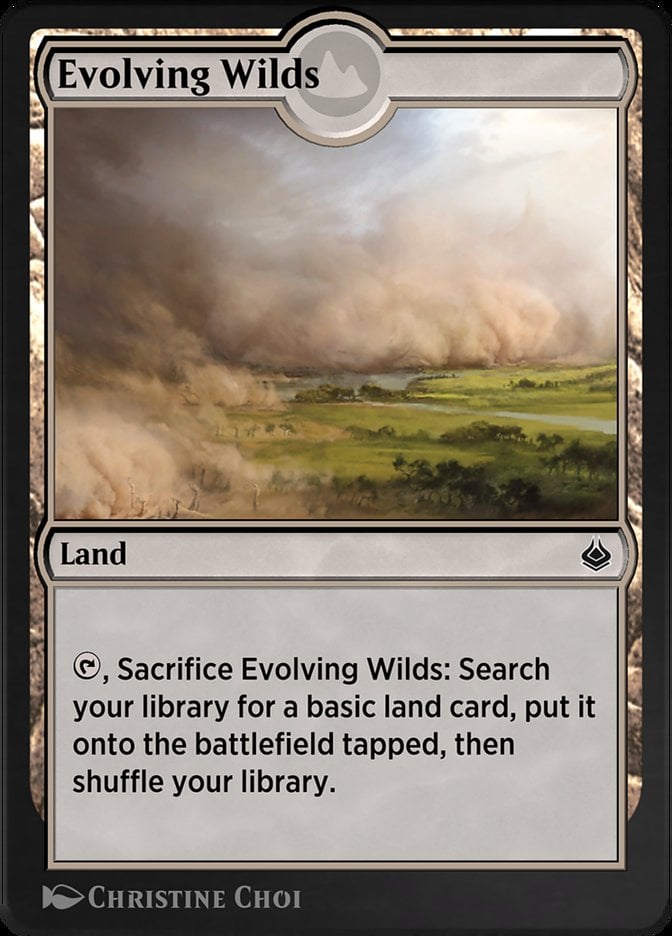
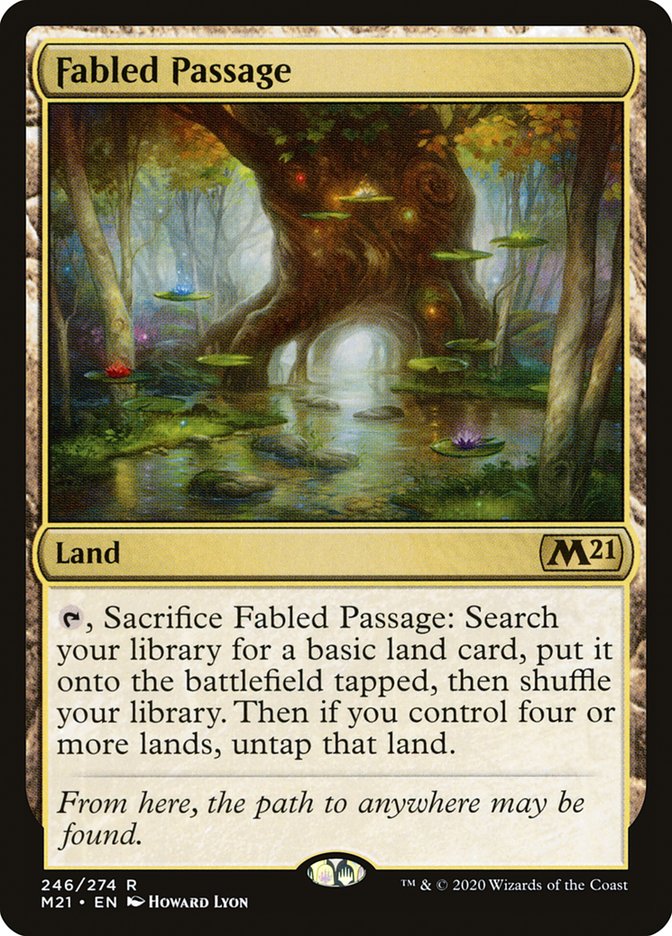
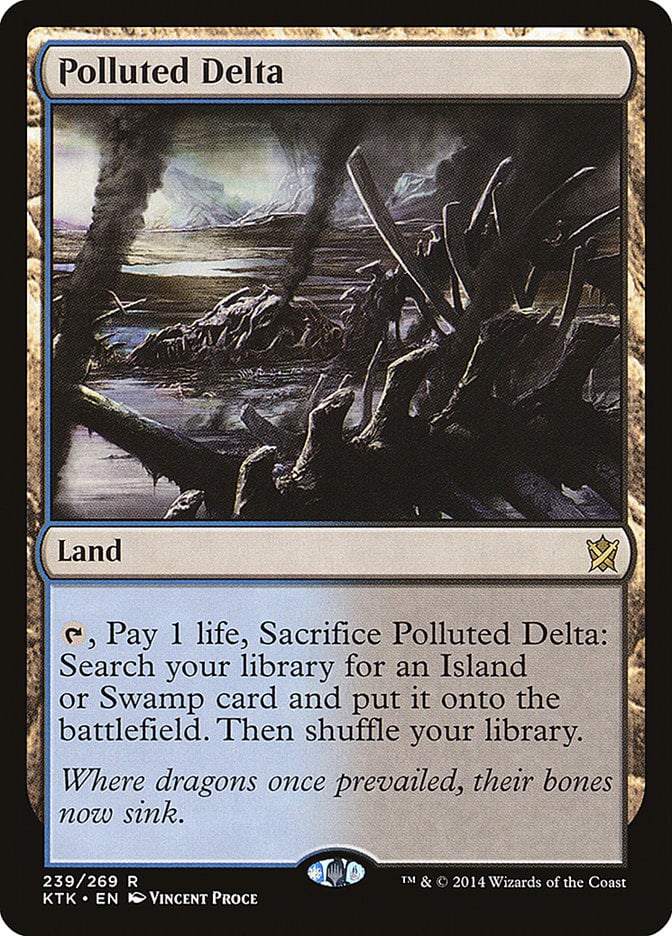
First, there’s fetch lands, so between Evolving Wilds, Fabled Passage, or your traditional fetchs (Polluted Delta, Misty Rainforest), you can easily enable revolt. Another common way of doing that is by having tokens you can sacrifice at will (Treasure, Blood, Food) or sacrifice outlets.
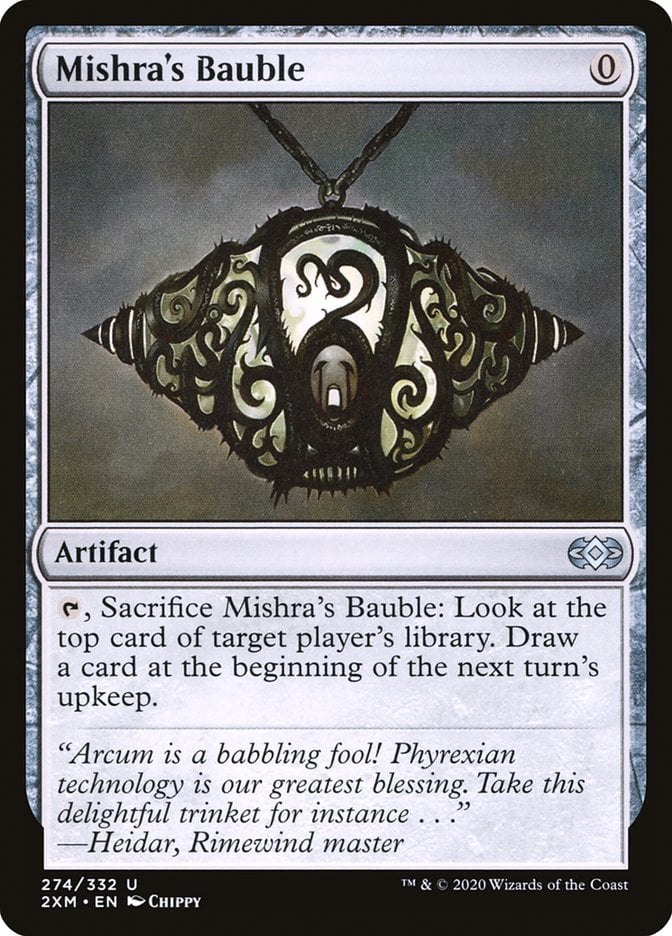
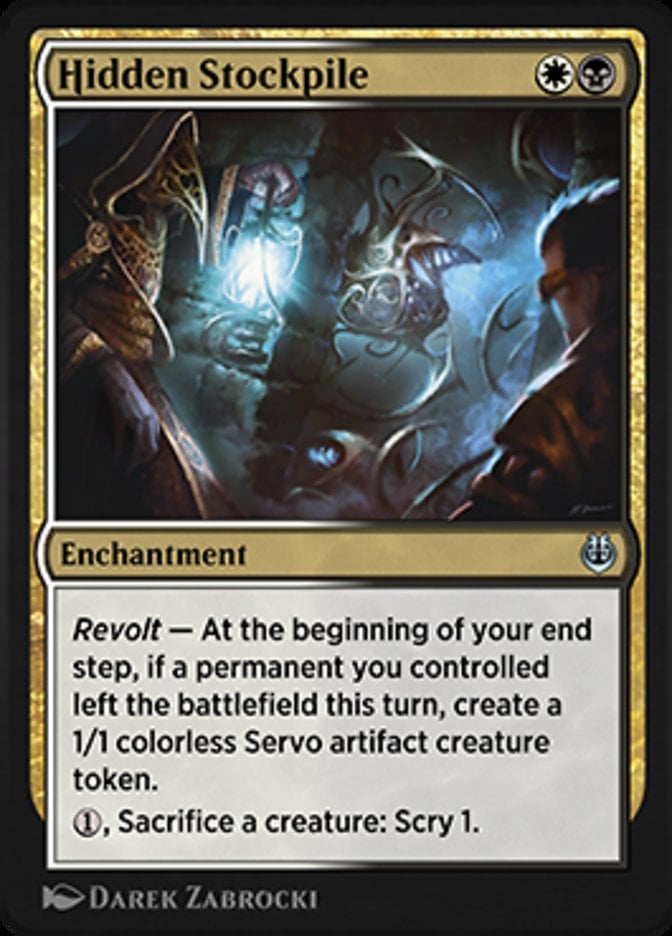
Cards that sacrifice themselves like Mishra's Bauble are fair game too. Hidden Stockpile shines because as both an enabler and a payoff.
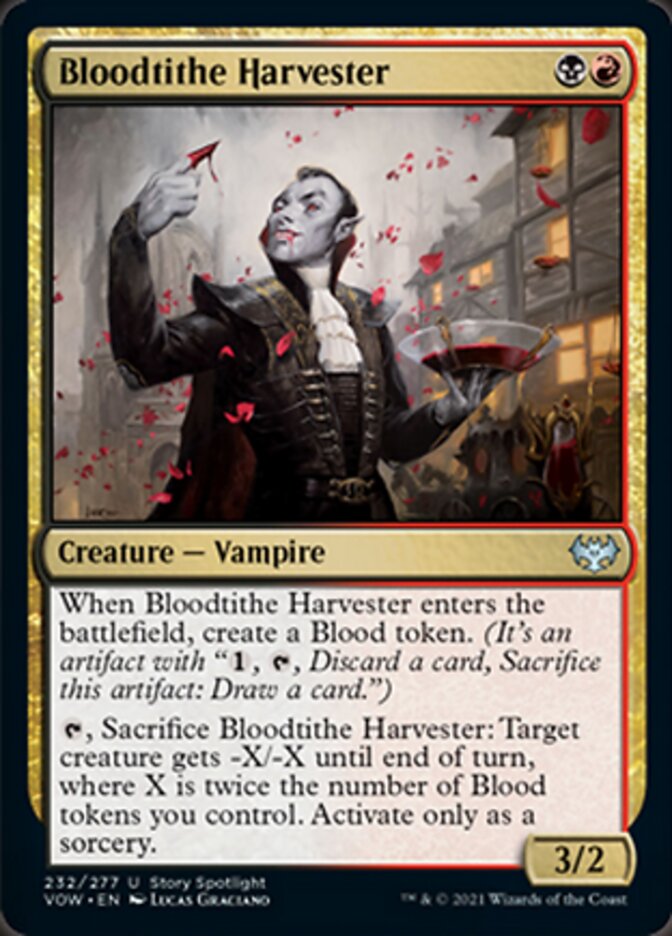
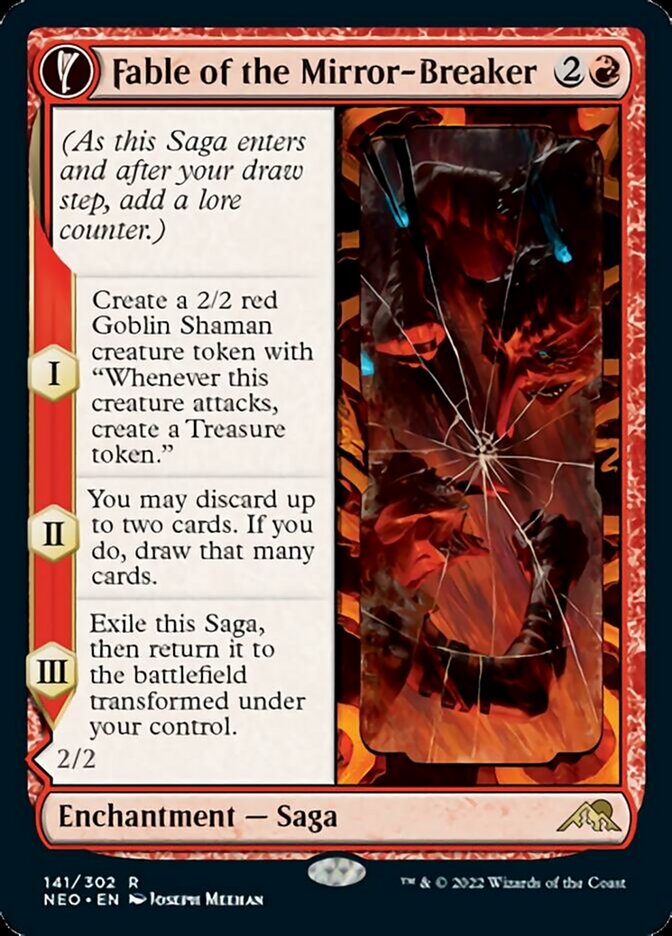
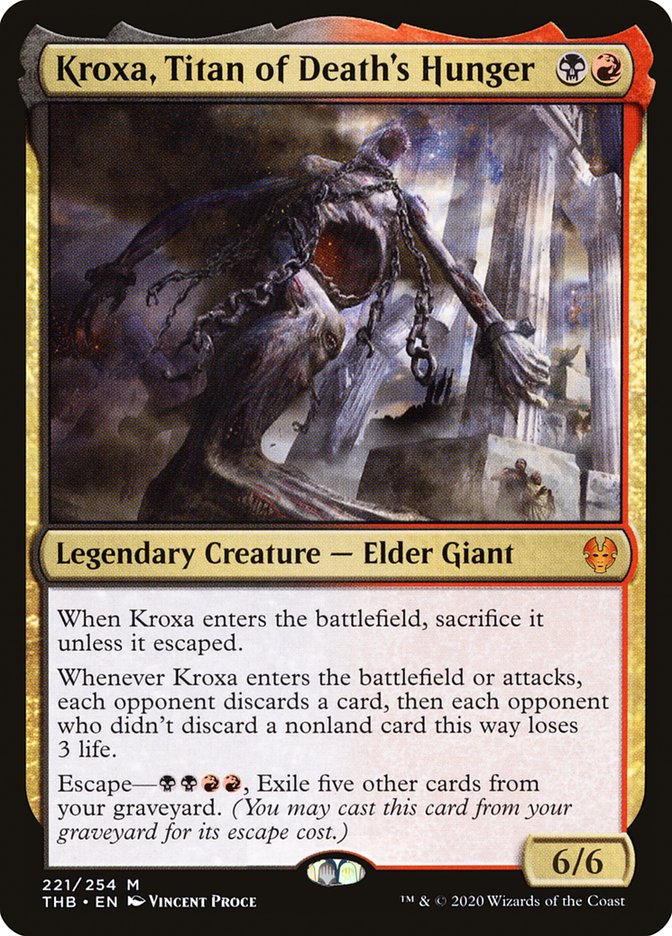
Competitive decks that rely on revolting Fatal Push can also play cards like Bloodtithe Harvester or Fable of the Mirror-Breaker, because not only are they very good cards, but they also provide ways to enable revolt. Sacrificing a saga on its final chapter also enables revolt. Kroxa, Titan of Death's Hunger sacrifices itself when entering, and so will evoke creatures, so these interactions are also relevant for revolt.
Do Artifact Tokens Count for Revolt?
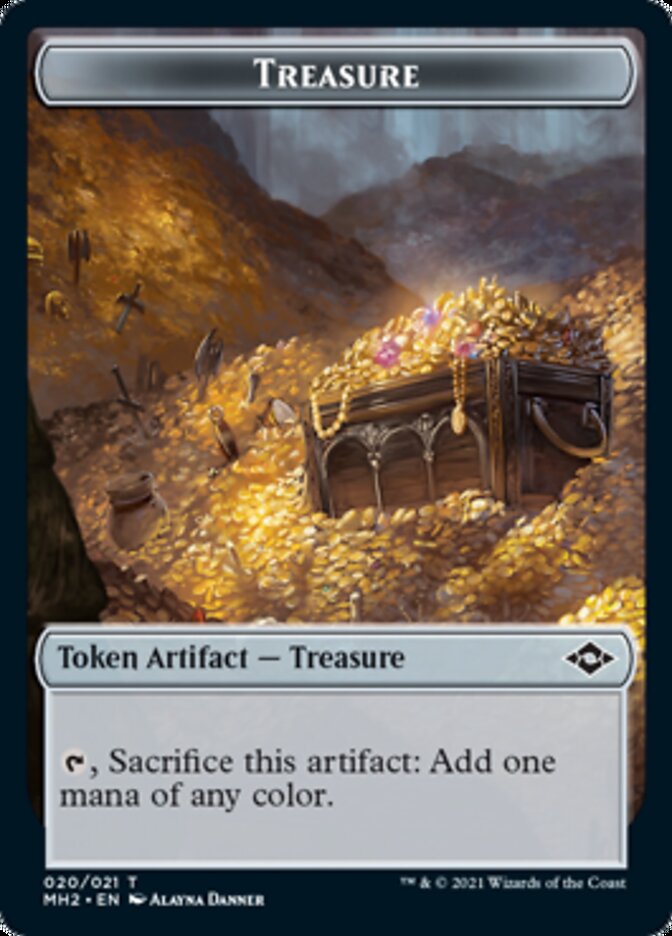
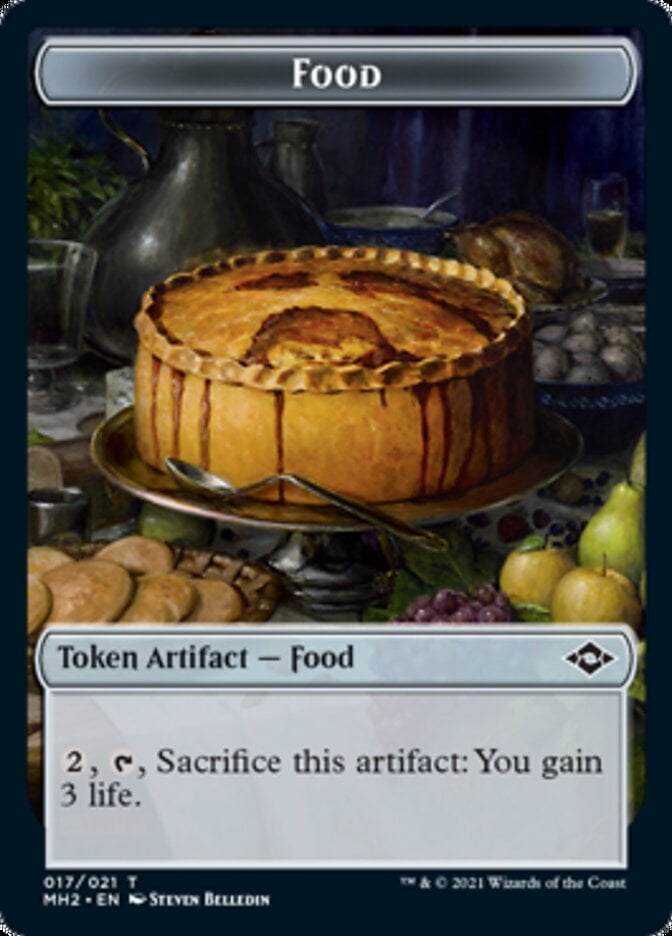
Artifact tokens count for revolt when they’re sacrificed, considering that they are permanents that left the battlefield. In fact, if you play revolt cards, you want a few Treasure or Food tokens around. Treasure tokens are almost perfect because they can be sacrificed for free, and they generate the mana you need to cast the revolt spell.
Does Revolt Work with Blink/Flicker Effects?
It does. If you blink a creature, you had a permanent leave the battlefield, and thus the revolt is on.
Does Blinking a Permanent with Revolt Cause It to Trigger?

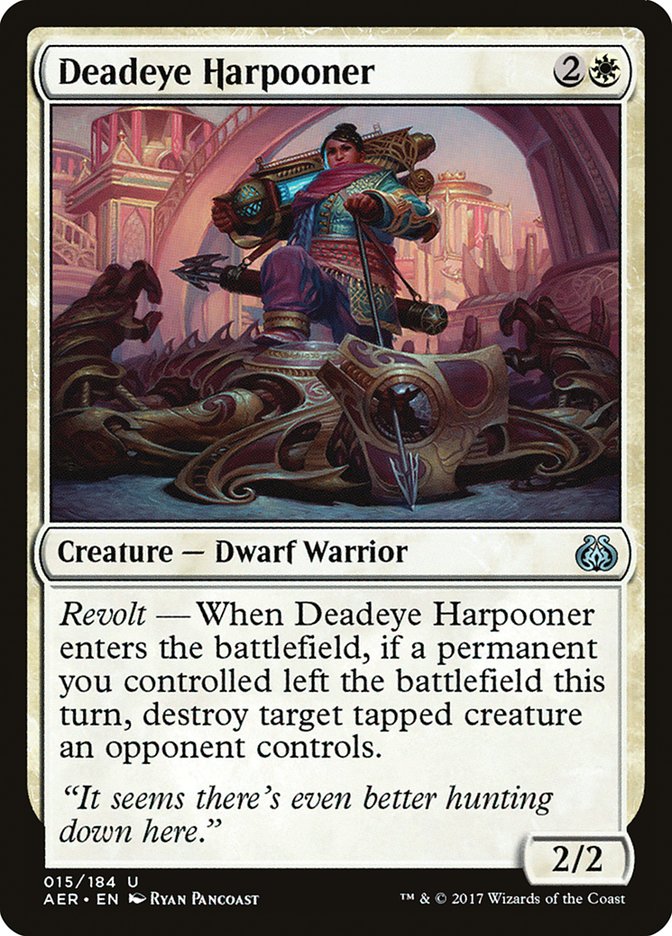
It will. Blinking any permanent with revolt is extremely synergistic because the revolt creature will enter and trigger the revolt ability. So, Countless Gears Renegade makes a 1/1 token, while Deadeye Harpooner kills a tapped or attacking creature.
Does Revolt Work with Phasing?
It doesn’t. When a permanent phases out and in, it never left the battlefield in the first place. It’s like they “are on the battlefield, but don’t exist during this period” while phased out. So, revolt won’t trigger in this case.
Revolt vs. Void


Void is the newer of these two mechanics, released in Edge of Eternities, and it’s very similar to revolt. Void cares about whether a nonland permanent – as opposed to any permanent – “left the battlefield this turn or a spell was warped this turn”. The first key difference is that revolt can be triggered by lands, like sacrificing a fetch land, but void can’t. Second, void cares about a spell being warped, for example if I cast Starbreach Whale for its warp cost, and that won’t trigger revolt in most cases.
Can Fatal Push Target Anything?
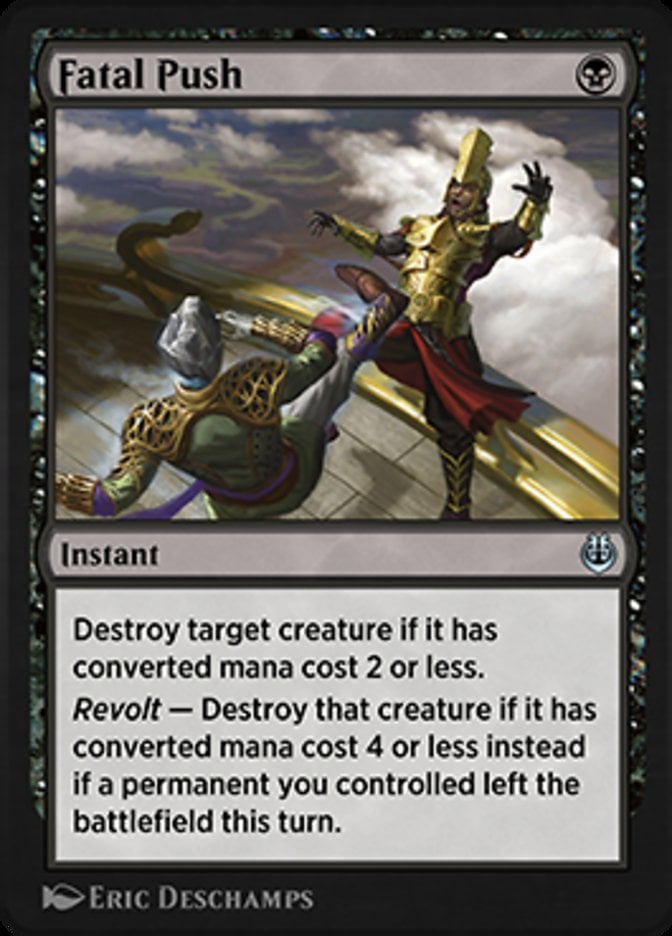
Fatal Push can target anything, even a 5 or 6 mana value creature. The thing is, it’s only going to destroy the creature when the conditions are satisfied, that is, a MV 2 or less creature without revolt, or a MV 4 or less creature with revolt. I’ve messed up a few Fatal Pushes on MTG Arena while trying to destroy a 3 MV creature when revolt wasn’t on (tip: Arena won’t ask you if you’re sure you want to do that, like it would when you target a ward creature).
Gallery and List of Revolt Cards

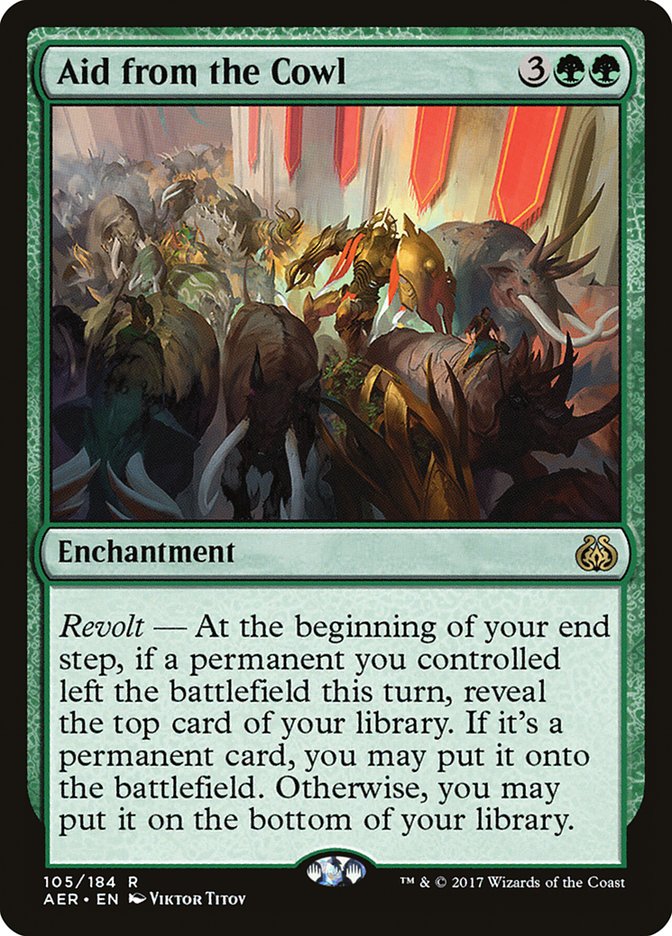
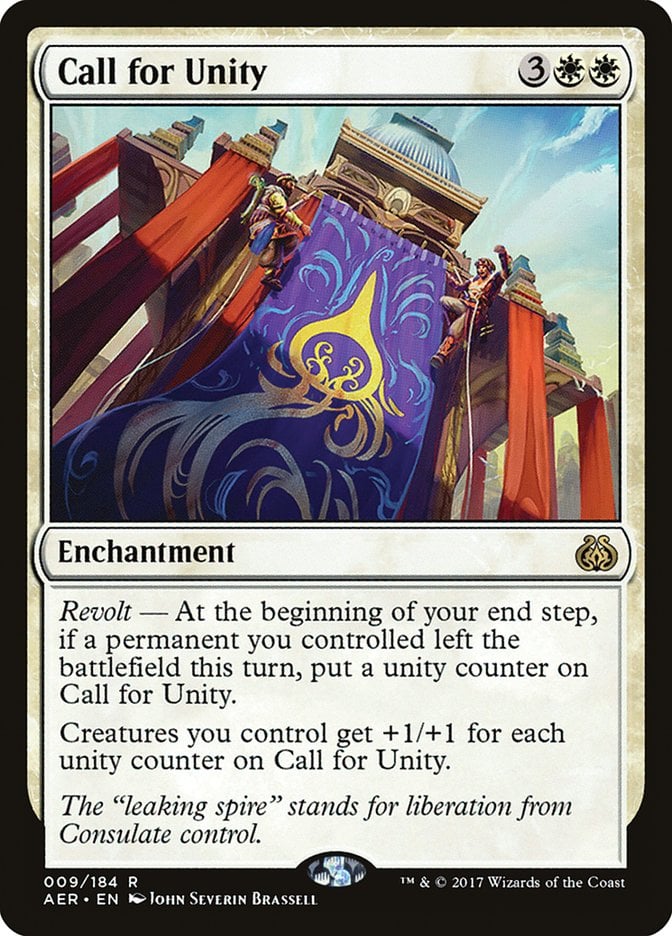
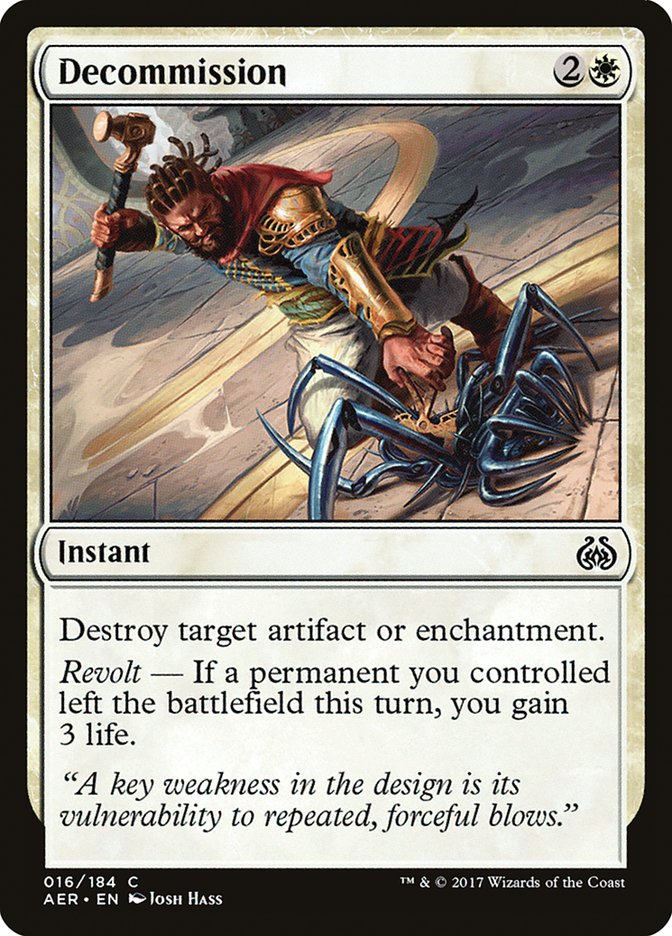
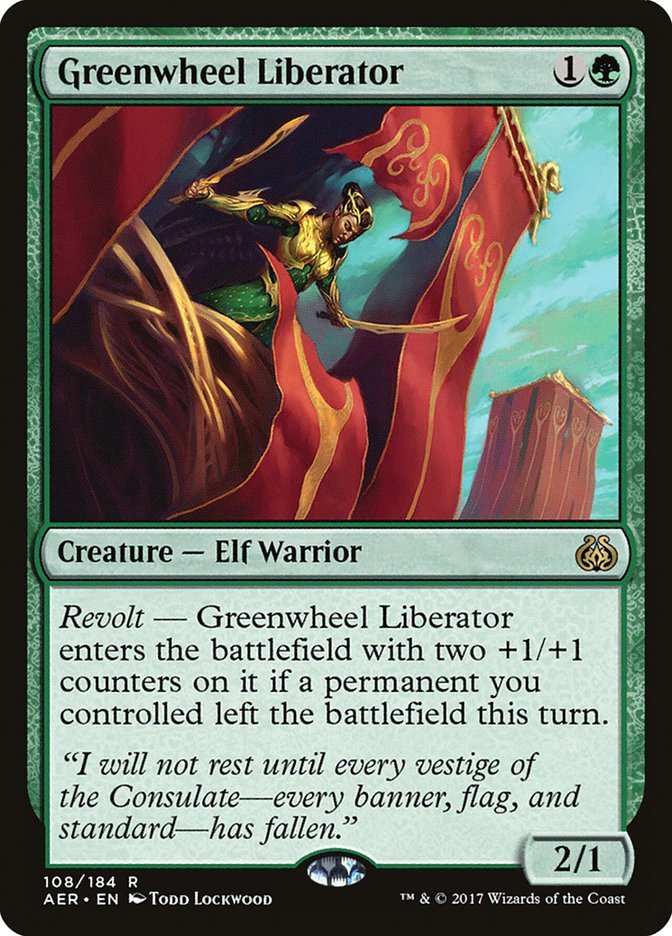
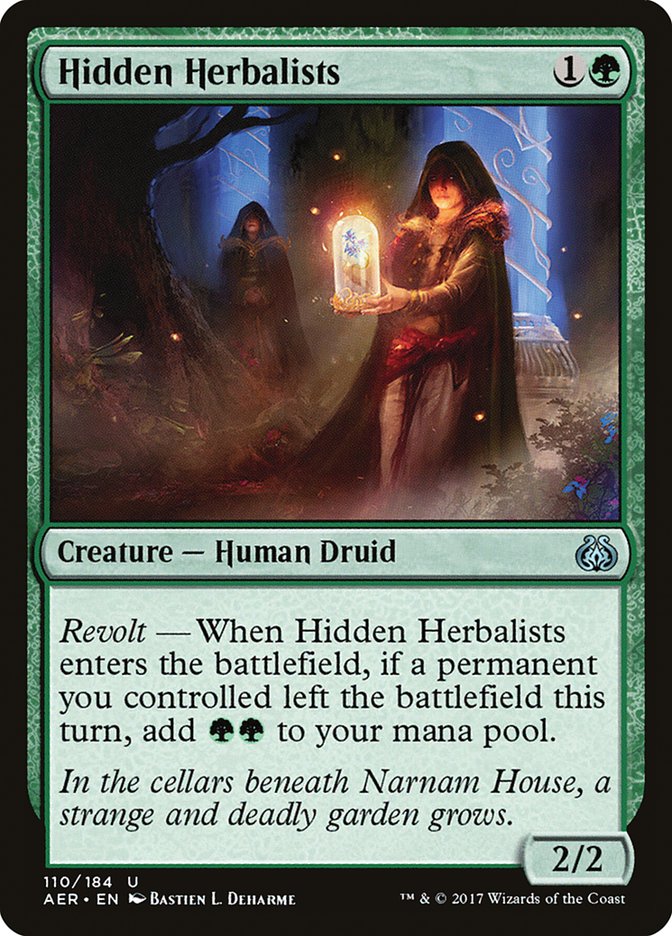


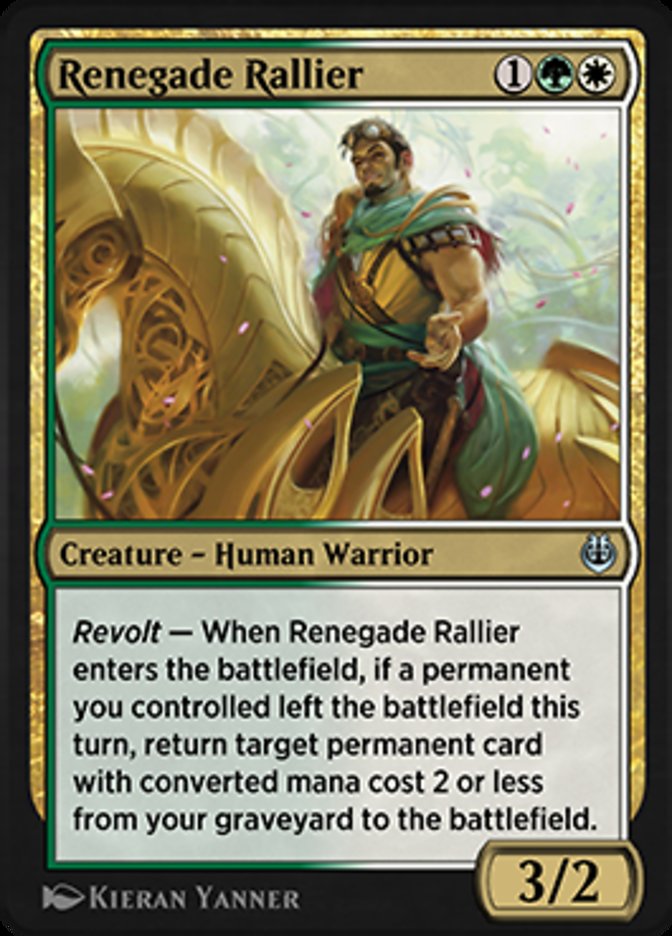
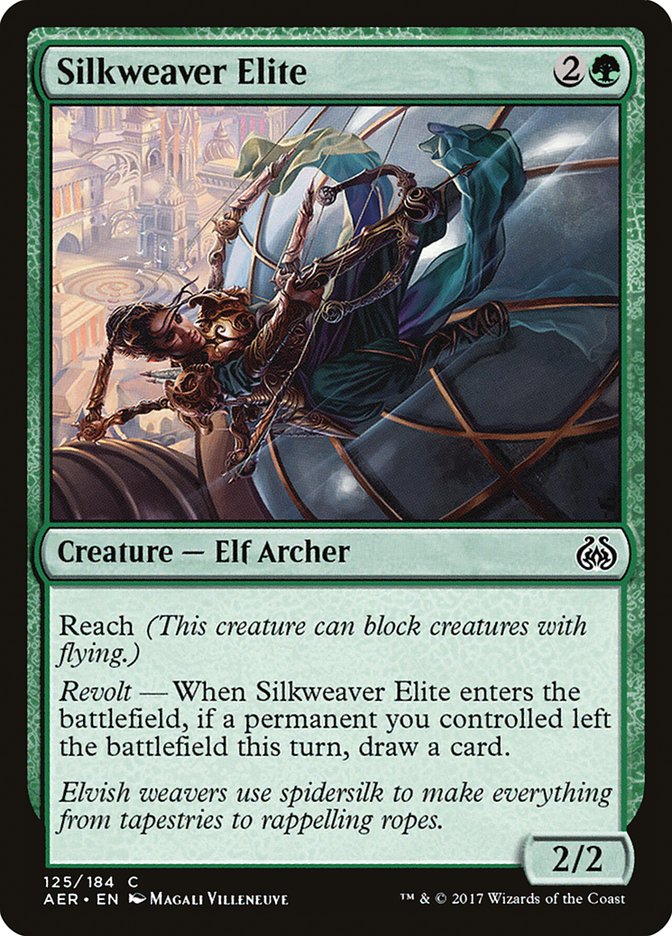
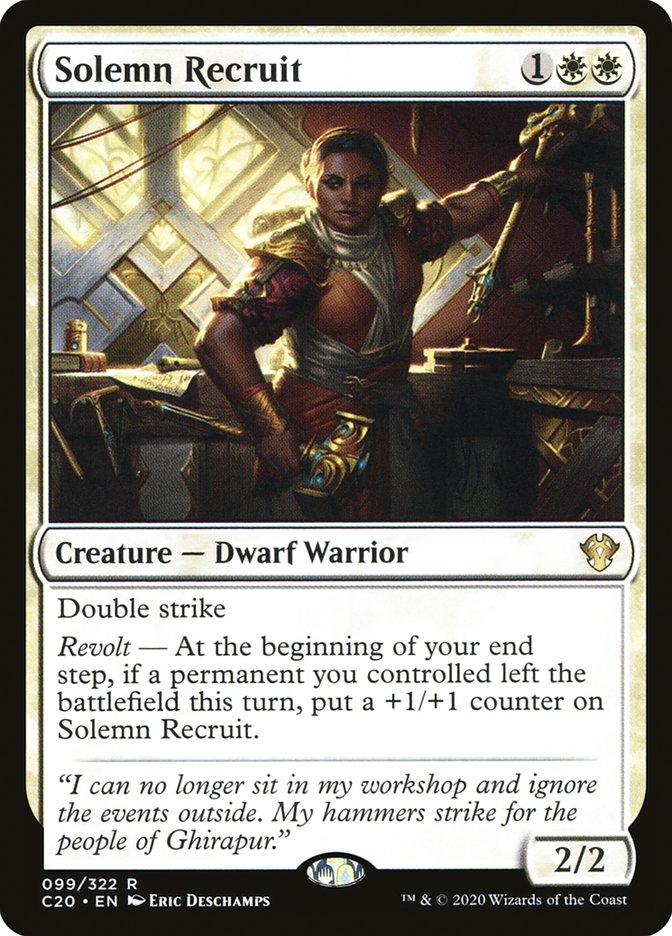

- Aether Revolt
- Aid from the Cowl
- Airdrop Aeronauts
- Call for Unity
- Countless Gears Renegade
- Deadeye Harpooner
- Decommission
- Fatal Push
- Greenwheel Liberator
- Hidden Herbalists
- Hidden Stockpile
- Lifecraft Cavalry
- Narnam Renegade
- Night Market Aeronaut
- Renegade Rallier
- Silkweaver Elite
- Solemn Recruit
- Vengeful Rebel
Best Revolt Cards
#6. Solemn Recruit
Solemn Recruit is a double strike creature that grows tall, although at a slow rate. Dwarves usually have synergies with Treasure, so sacrificing a Treasure and attacking with a 3/3 double strike is good enough, and it gets better when typal synergies or equipment are added into the mix.
#5. Aid from the Cowl
It’s a little bit random, but the turns you get something useful with Aid from the Cowl are very good. This enchantment improves with cards that let you see or manipulate the top of your library, like Sensei's Divining Top, and you can even activate the Top, triggering revolt and placing a permanent on top of your library.
#4. Renegade Rallier
Recursion is king in Selesnya () or Abzan decks, and Renegade Rallier provides that. It’s really bad if you can’t trigger revolt, so make sure you can. Look for good 1 or 2 MV creatures that enter or die and do something useful, like Elvish Visionary or Sakura-Tribe Elder, so you can chain these together.
#3. Aether Revolt
Aether Revolt is an excellent payoff for generating energy, as you get more resources and deal extra damage. Enabling revolt on this card is just nasty, making every energy counter you get into a Lightning Bolt.
#2. Hidden Stockpile
Hidden Stockpile sees the most play as a sacrifice outlet that also generates artifact tokens. This card has revolt and enables it as well. Orzhov commanders () like Teysa Karlov usually require sacrifice outlets, and there are plenty of good BW cards with solid death triggers. This card also generates sacrifice fodder for itself or other sac outlets.
#1. Fatal Push
Fatal Push is one of the reasons players know the revolt mechanic, considering that it’s one of the most played black cards in competitive formats. It’s the black Lightning Bolt or Swords to Plowshares. The presence of Fatal Push makes cards like Tarmogoyf bad, and playing a 3-4 mana value creature that just dies to Fatal Push is also bad. In fact, creatures with the delve mechanic like Gurmag Angler or Tasigur, the Golden Fang were often played in Constructed formats because their higher mana values dodge Fatal Push.
Wrap Up
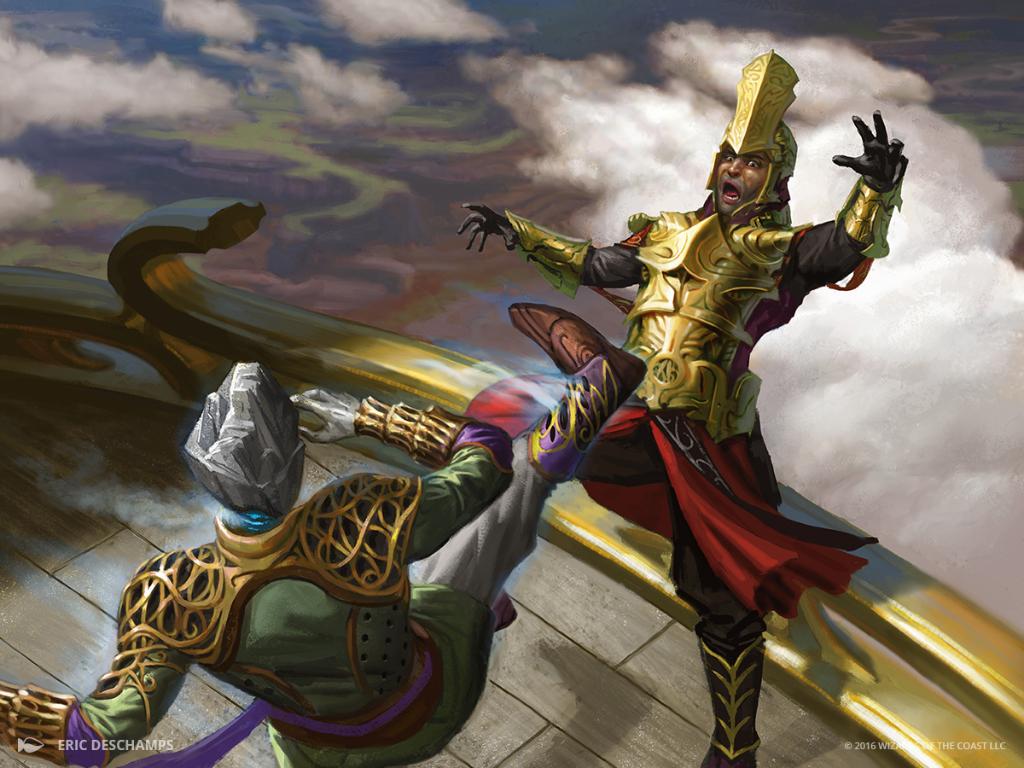
Fatal Push | Illustration by Eric Deschamps
And that’s about it for revolt, folks. As a small set mechanic, revolt only has a few cards, but it’s simple enough that you can integrate it into other sets, or make some design variants in Commander decks. We also got void in Edge of Eternities almost a decade later, which is quite similar and provides more of the same gameplay.
Which revolt cards are your favorite? Do you play any deck built around triggering revolt? Let me know in the comments section below, or leave us a message at Draftsim’s X/Twitter.
Thanks for reading guys, and see you next time!
Follow Draftsim for awesome articles and set updates:










Add Comment