

I Am Duskmourn | Illustration by Liiga Smilshkalne
With more than 11,000 EDH decklists posted on EDHREC, Valgavoth, Harrower of Souls is one of the most popular commanders out there, which is surprising given that it’s a new commander, just trailing behind Prosper, Tome-Bound in the Rakdos category ().
Although this commander can be built in various ways, it’s very common to build it as a “consistent damage-dealing machine” so that you draw many cards and have a giant demon to battle with. Today I’m taking you through this Valgavoth, Harrower of Souls decklist, showing you the cards, the interaction, and everything else that makes it tick.
Let’s go!
The Deck

Valgavoth, Harrower of Souls | Illustration by Chris Cold
Commander (1)
Planeswalker (1)
Creature (27)
Agitator Ant
Blood Artist
Blood Seeker
Brash Taunter
Cemetery Gatekeeper
Chaos Defiler
Fate Unraveler
Gleeful Arsonist
Gray Merchant of Asphodel
Hearthborn Battler
Karazikar, the Eye Tyrant
Kardur, Doomscourge
Kederekt Parasite
Massacre Wurm
Mayhem Devil
Mogis, God of Slaughter
Nightshade Harvester
Ob Nixilis, Captive Kingpin
Persistent Constrictor
Psychosis Crawler
Rampaging Ferocidon
Razorkin Needlehead
Rug of Smothering
Scrawling Crawler
Syr Konrad, the Grim
The Lord of Pain
Vein Ripper
Enchantment (10)
Acquired Mutation
Bloodchief Ascension
Painful Quandary
Polluted Bonds
Revenge of Ravens
Roiling Vortex
Spiked Corridor / Torture Pit
Spiteful Visions
Sulfuric Vortex
Underworld Dreams
Artifact (9)
Arcane Signet
Fellwar Stone
Lightning Greaves
Mind Stone
Rakdos Signet
Sol Ring
Swiftfoot Boots
Talisman of Indulgence
Thought Vessel
Instant (10)
Armor of Shadows
Blood Pact
Bolt Bend
Chaos Warp
Infernal Grasp
Lightning Bolt
Malakir Rebirth
Rakdos Charm
Terminate
Withering Torment
Sorcery (7)
Blasphemous Act
Bloodsoaked Insight
Chandra's Ignition
Feed the Swarm
Insatiable Avarice
Nuclear Fallout
Sign in Blood
Land (35)
Blackcleave Cliffs
Bloodfell Caves
Canyon Slough
Command Tower
Dragonskull Summit
Evolving Wilds
Exotic Orchard
Foreboding Ruins
Geothermal Bog
Graven Cairns
Leechridden Swamp
Mountain x7
Shadowblood Ridge
Shivan Gorge
Smoldering Marsh
Spinerock Knoll
Sulfurous Springs
Swamp x8
Tainted Peak
Temple of Malice
Terramorphic Expanse
Witch's Clinic
I’m aiming at something between Brackets 2-3 with only one Commander Game Changer. That’s Jeska's Will, a very powerful card that gives you a huge mana and card advantage. Borrowing WotC’s description: “A majority of decks will exist in this space between Bracket 2 and Bracket 3. Infinite combos and instant win conditions will start to show up here, along with more tutors and extra turn spells, but not both simultaneously.” To me, this Valgavoth, Harrower of Souls is more of a Bracket 2 deck than a 3.
The Commander: Valgavoth, Harrower of Souls

Valgavoth, Harrower of Souls is a very powerful commander from the Endless Punishment Duskmourn: House of Horror Commander precon deck . It’s a 4/4 flying demon for 4 mana with no downside. Whenever an opponent loses life on their turn (or is dealt damage), you get to draw a card and put a +1/+1 counter on Valgavoth. A simple “each player loses 1 life on their upkeep” alone turns your commander into a mighty 7/7 and draws you three cards per turn cycle.
Another interesting aspect of Valgavoth, Harrower of Souls is that it’s tricky to target it with removal because of its “Ward – Pay 2 life” ability. Players aren’t too keen on paying 2 life and spending a card to take out a threat. Should they do it on their turn, you’ll at least draw a card. Considering that it’s very easy to deal damage to your opponents consistently, this is a very flexible commander to build around. I’m taking a group slug approach here, aiming to dish out tons of damage via the supporting cast and finish the game with huge hits from Valgavoth.
Creatures
Valgavoth, Harrower of Souls is your main threat, so most of this deck’s creatures are interested in dealing damage to your opponents on their turns via their active and passive abilities.

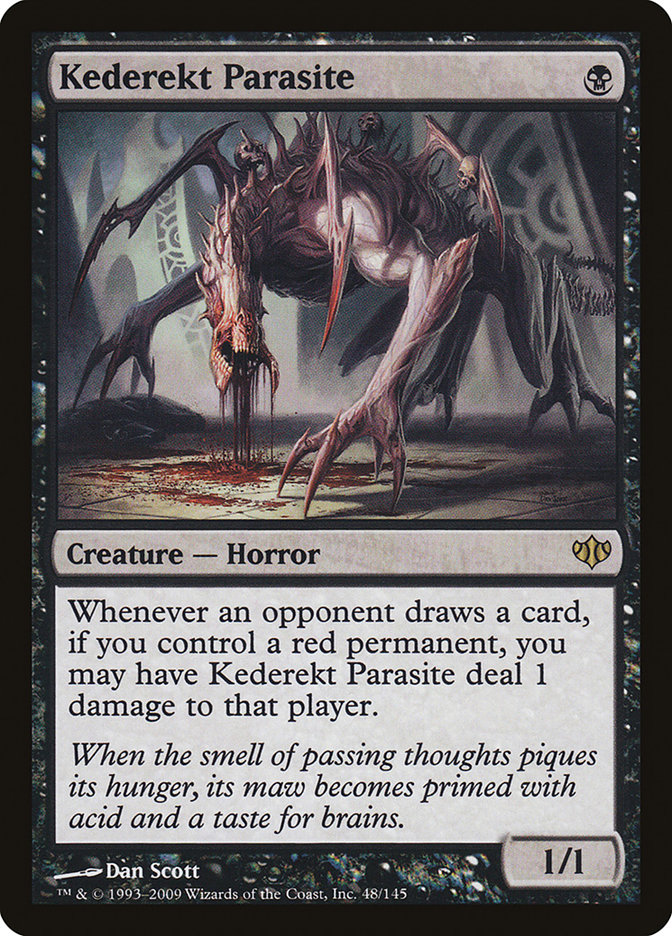
Gleeful Arsonist is a creature from the precon that does exactly what you want. Your opponents will take damage when casting noncreature spells, and it even comes back with undying. Kederekt Parasite fills a similar role.
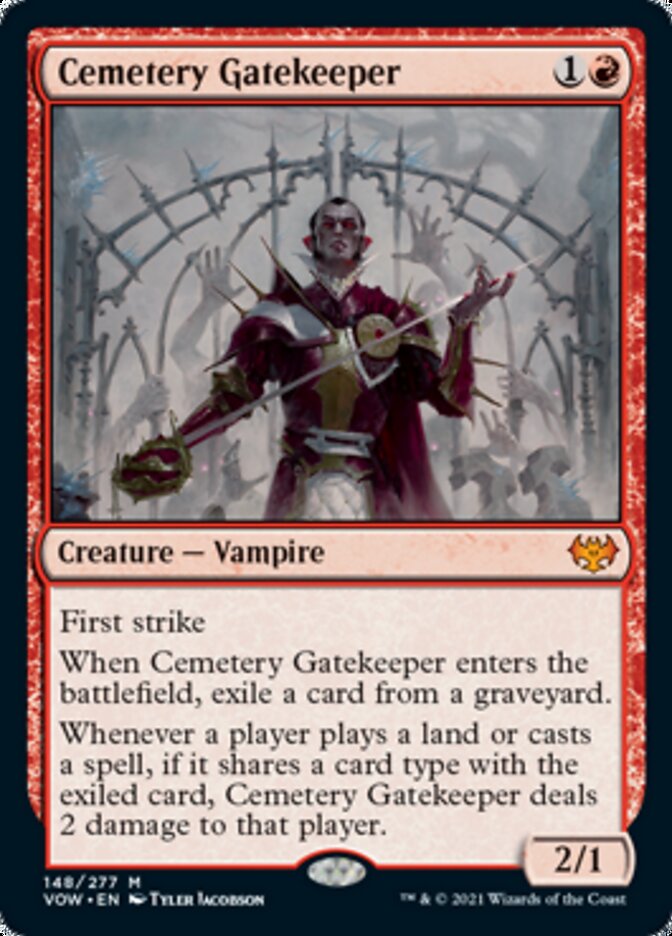

Cemetery Gatekeeper has okay stats as a 2-drop, but having it deal 2 damage to opponents each time they play a land is a pain to deal with, especially for green players. Meanwhile, Blood Seeker punishes them for creatures they cast.
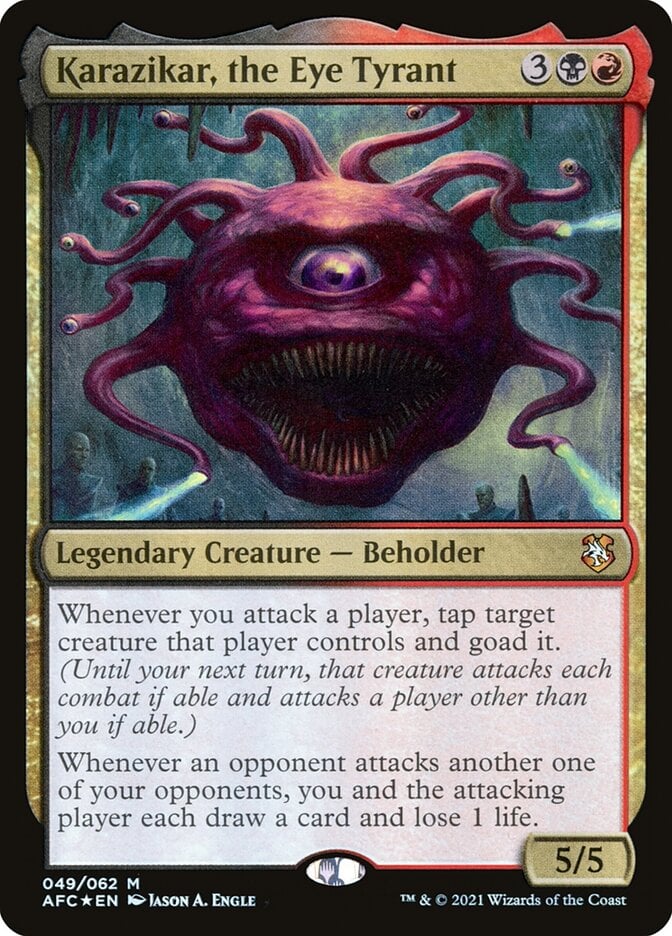
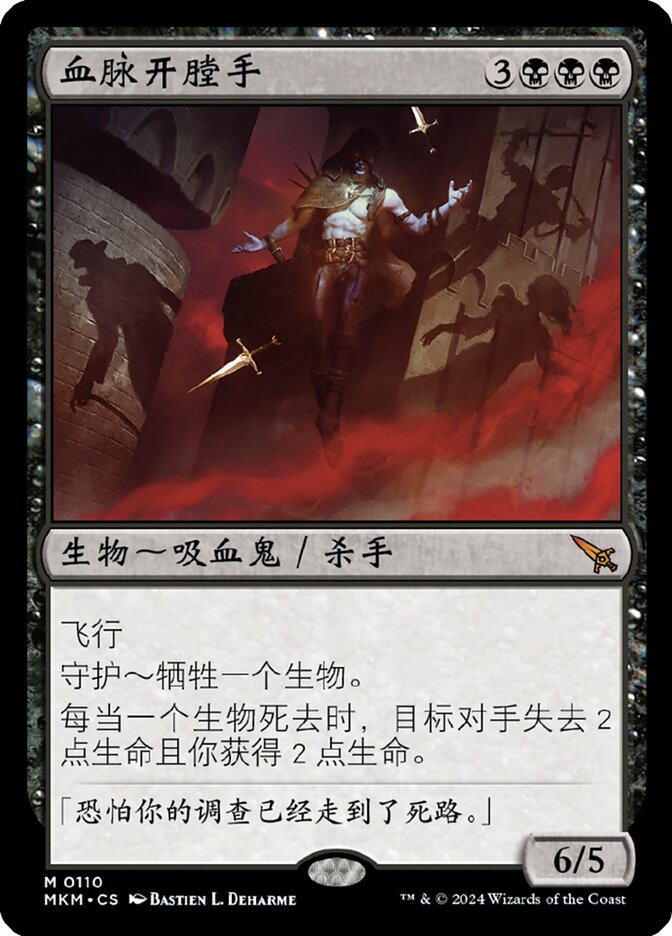
With your big creatures, you want to either deal damage consistently or help your game plan. Karazikar, the Eye Tyrant goads creatures, ensuring that you take less damage and that your opponents fight amongst themselves. Vein Ripper is a finisher, and if creatures die, they’ll take a lot of damage while you gain life.
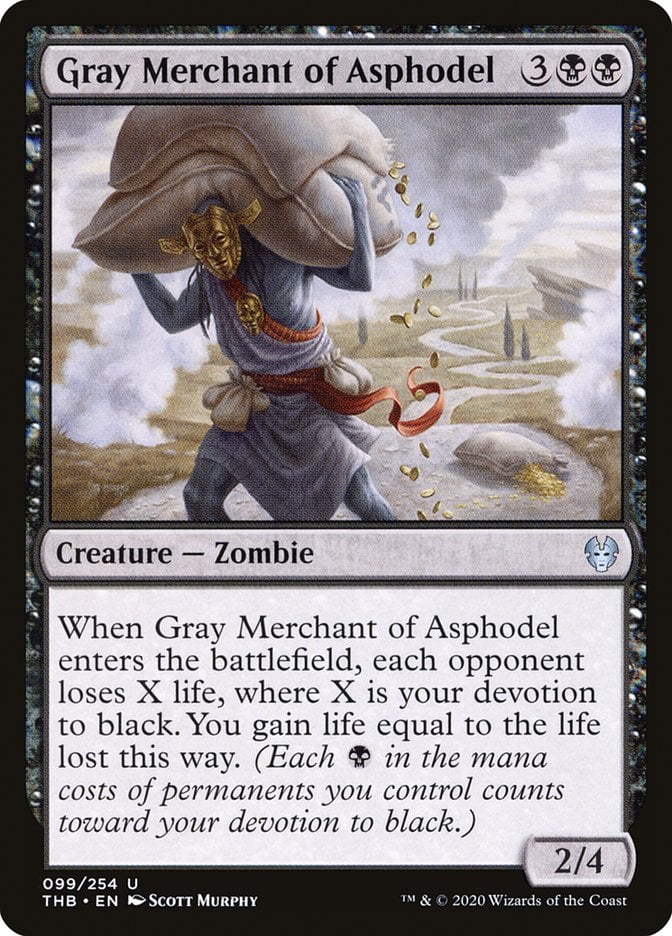
Gray Merchant of Asphodel can help you to stay alive while making them lose life. A perfect fit for most black Commander decks.
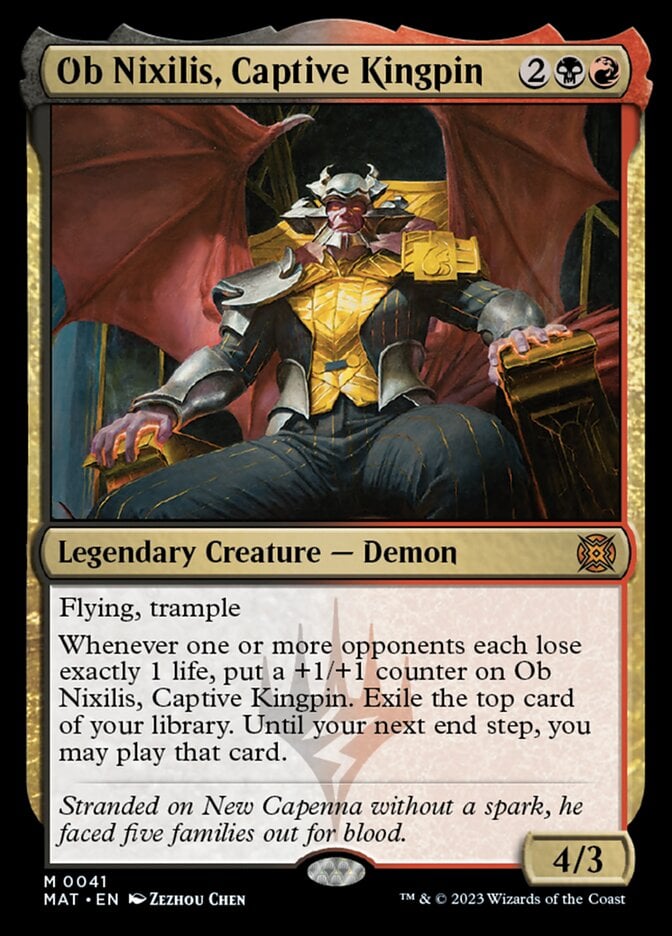
Ob Nixilis, Captive Kingpin also benefits from all the pinging that’s going on. This card can be an important source of card advantage and a nice finisher as well.

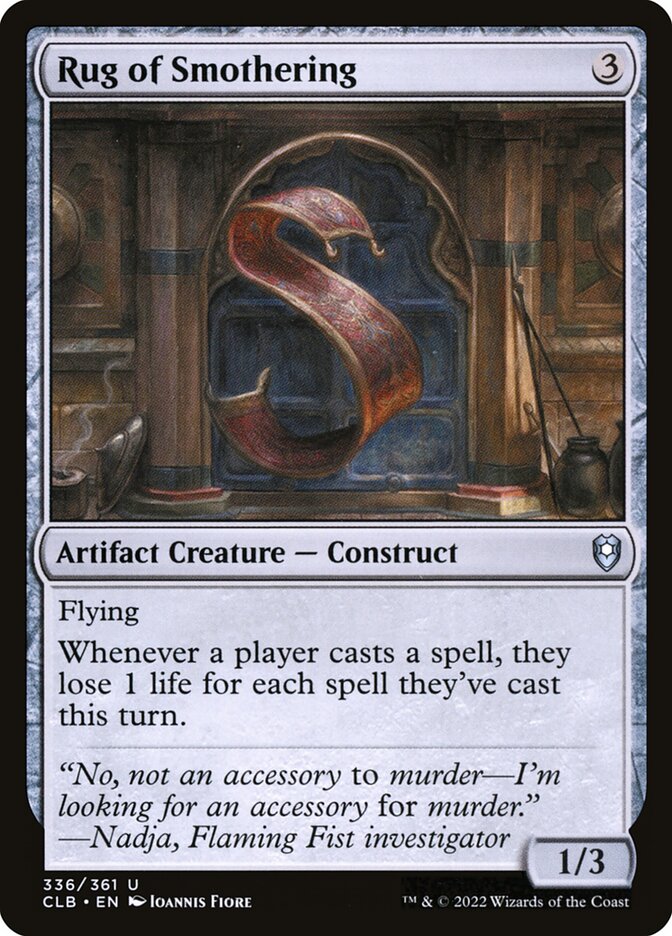
Cards like The Lord of Pain and Rug of Smothering are excellent at dealing damage to your opponents based on the spells they cast. What are they going to do, not cast anything?
Interaction and Sweepers
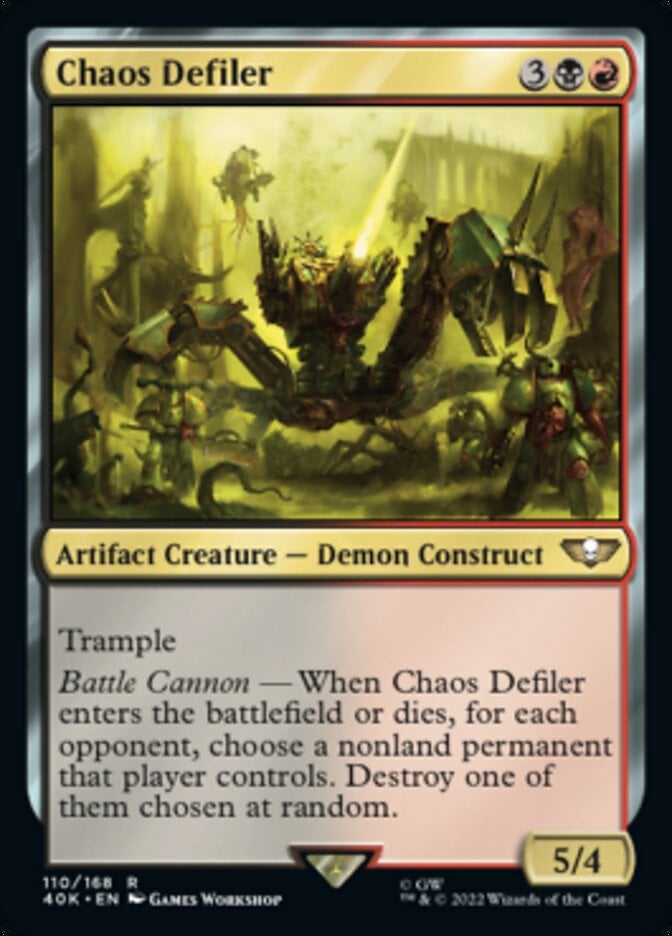
Most of your interaction is what Rakdos does best: killing creatures. Chaos Defiler is just good midrange value. You’re mostly afraid of dying due to your opponents’ attacks, so cheap spot removal is a very important part of this deck.
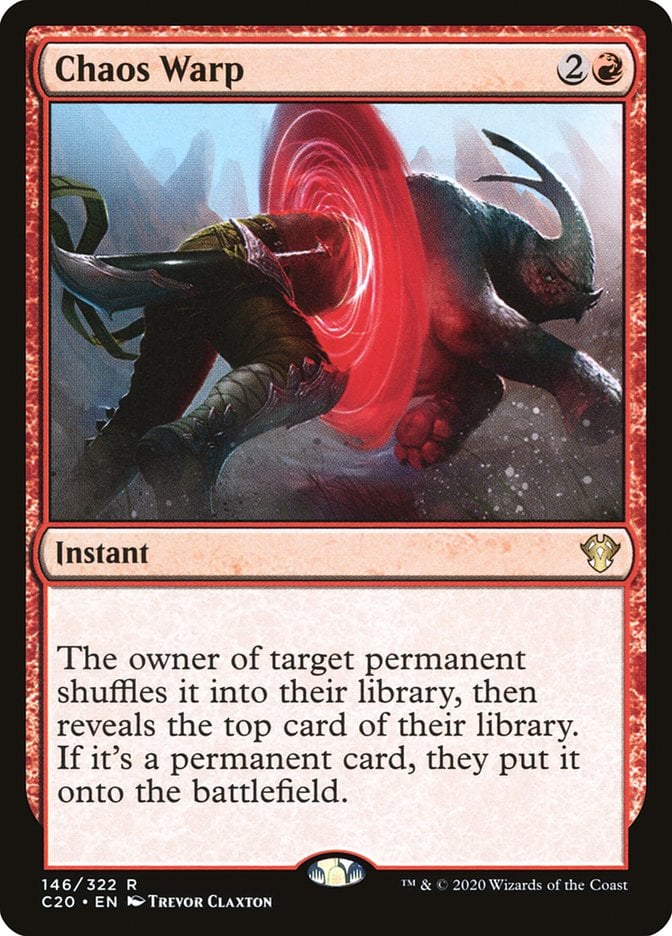
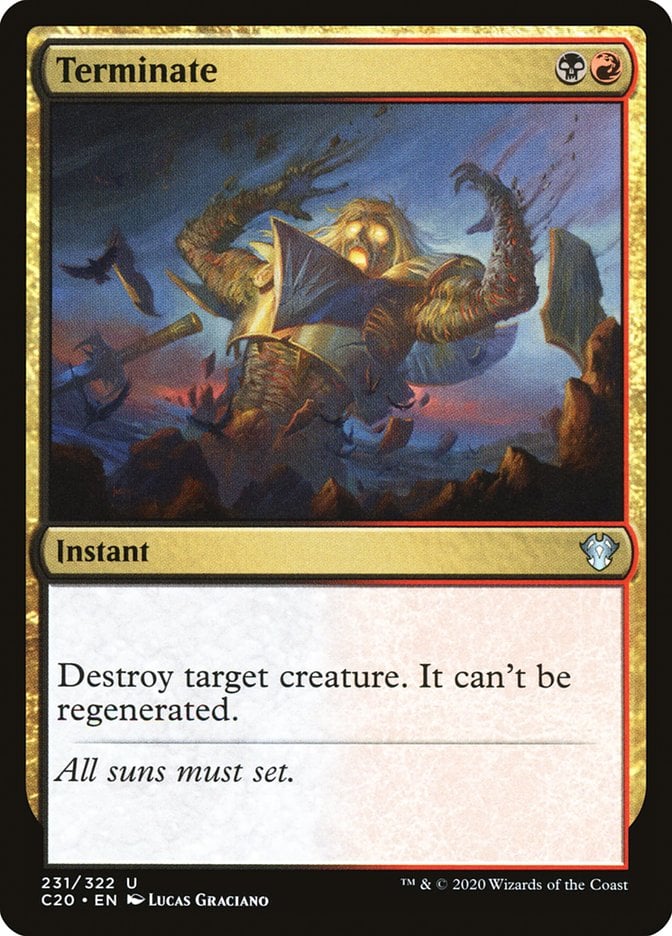
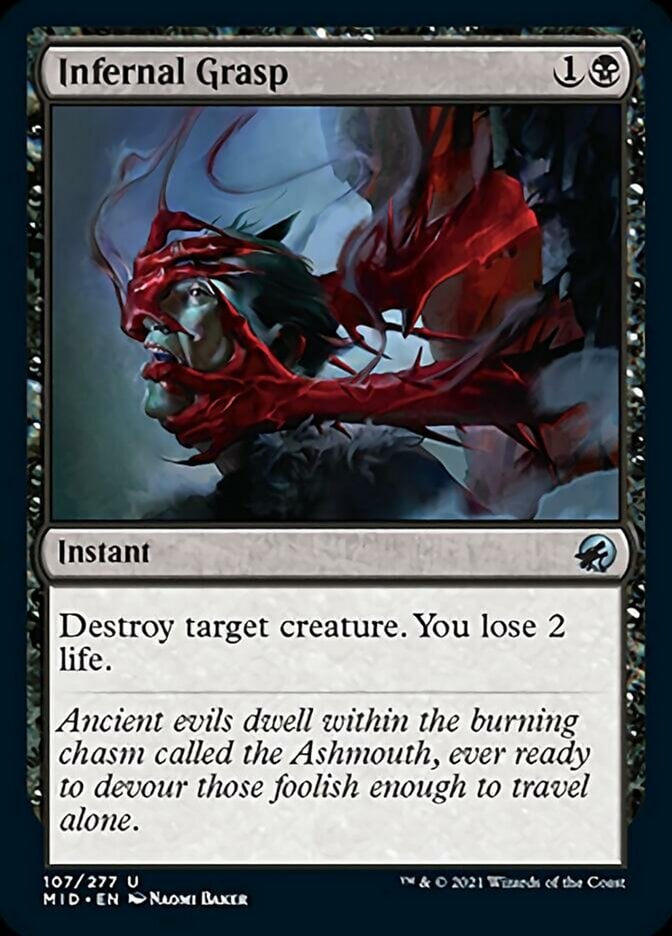
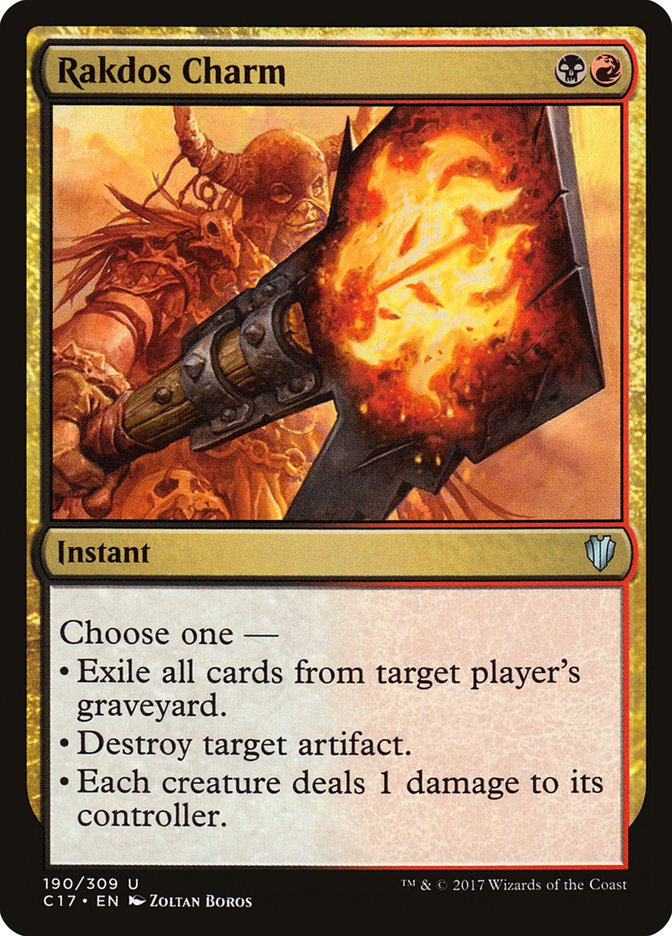
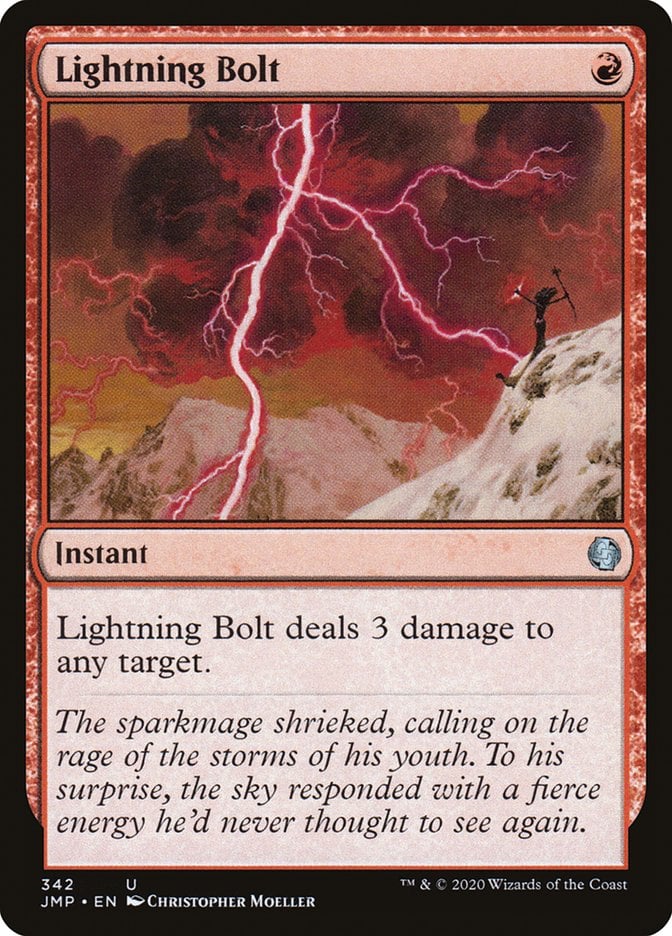
Almost all Rakdos decks want cards like Chaos Warp, Terminate, and Infernal Grasp. Rakdos Charm is interesting, as you can use it to deal damage to your opponents on their turns, as a finisher should they go overboard with creatures, or as extra utility. You can even fire a staple like Lightning Bolt at someone’s face, and you’ll draw a card that way.
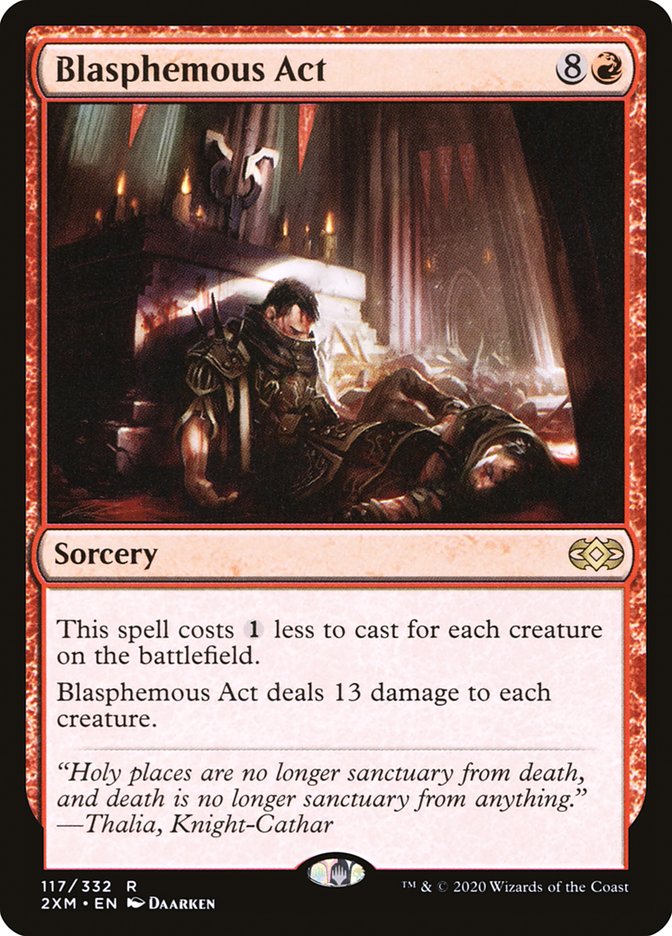
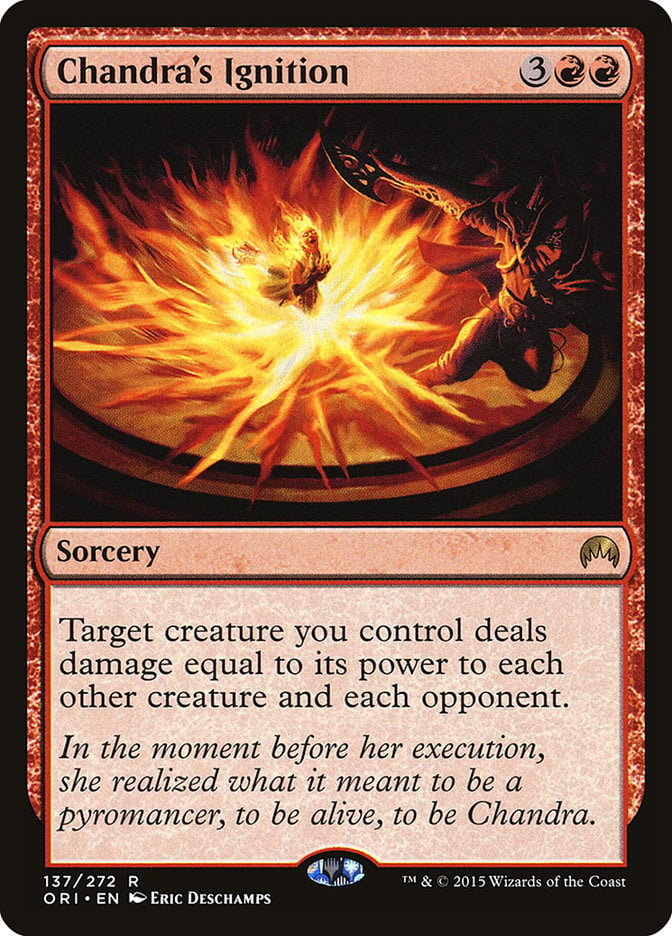
This deck also has the occasional sweepers to keep the board balanced, especially if you lose your commander. Red damage-based sweepers are excellent for keeping your commander alive and dealing with large numbers of small creatures. Blasphemous Act and Chandra's Ignition help you stay alive. Sometimes, Valgavoth can even survive Blasphemous Act, and it’ll be the more common target for Chandra's Ignition due to its huge power.
Keep Valgavoth Alive
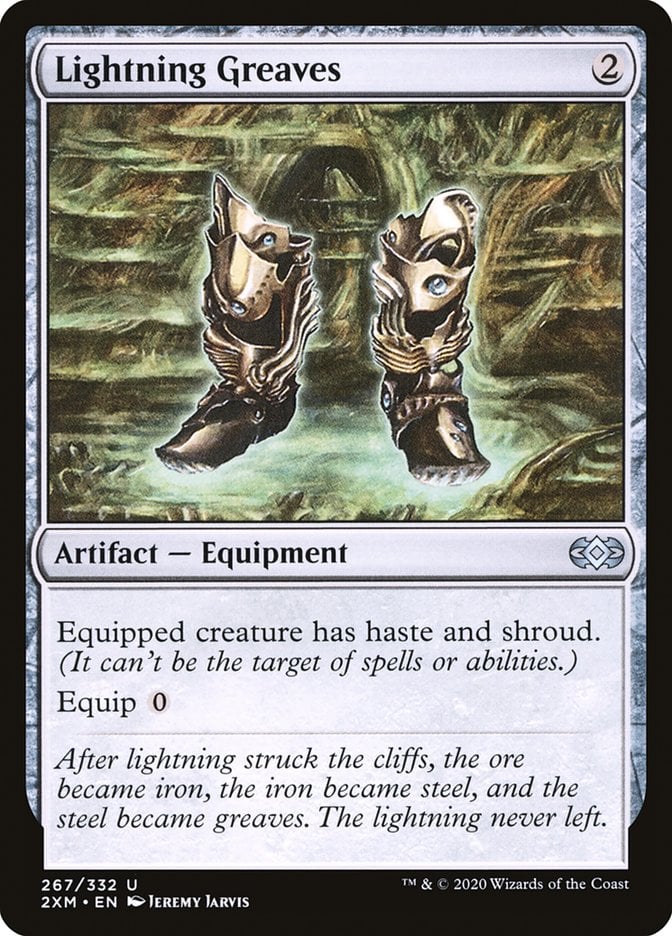
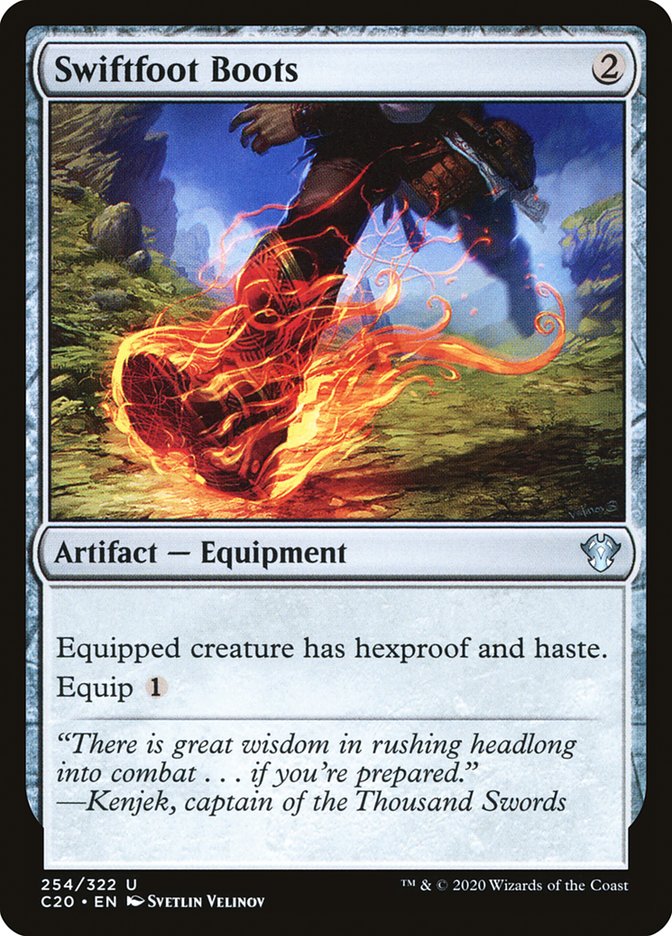
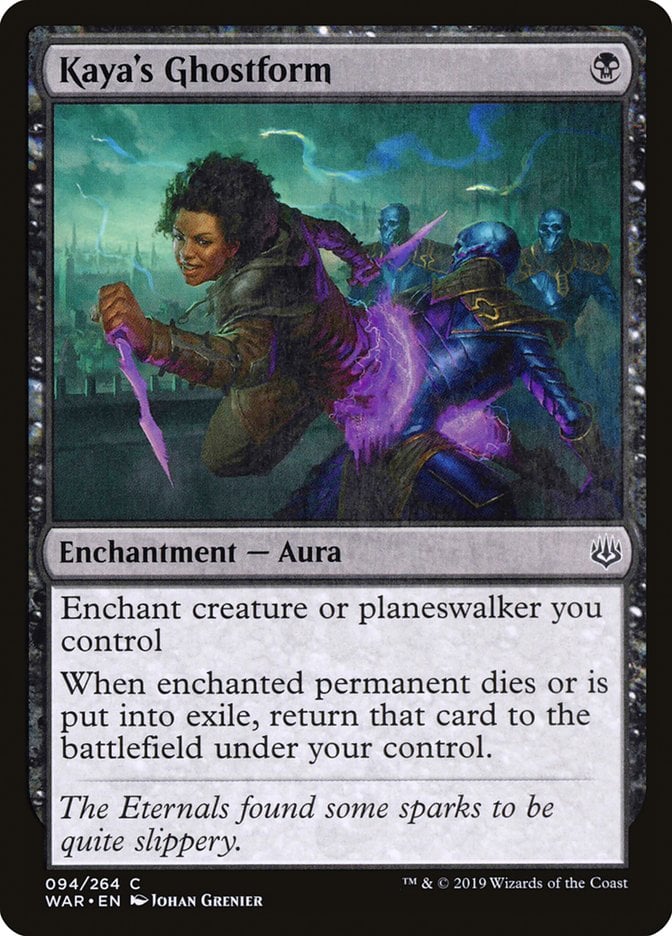
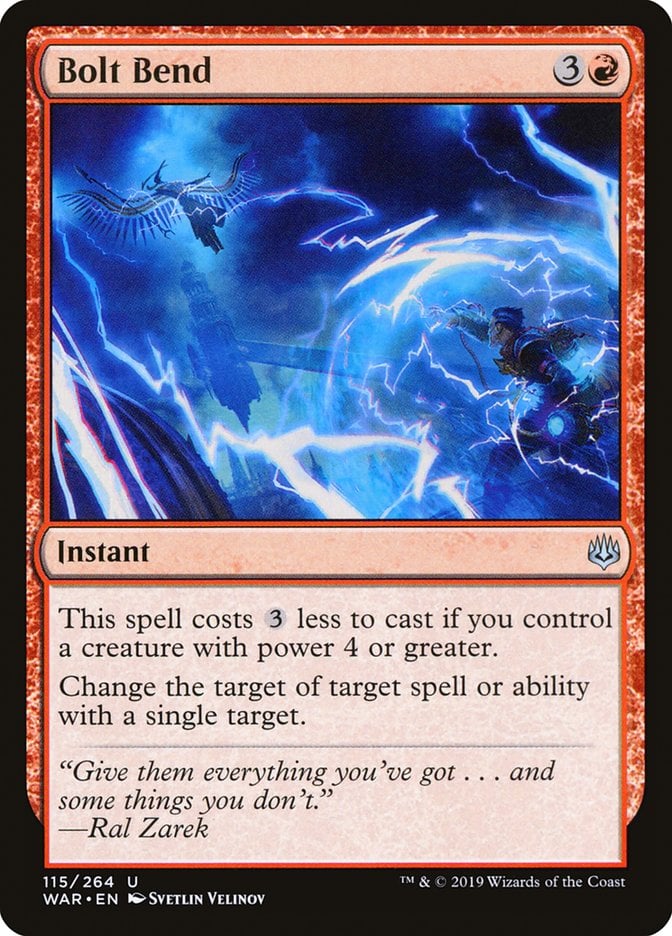
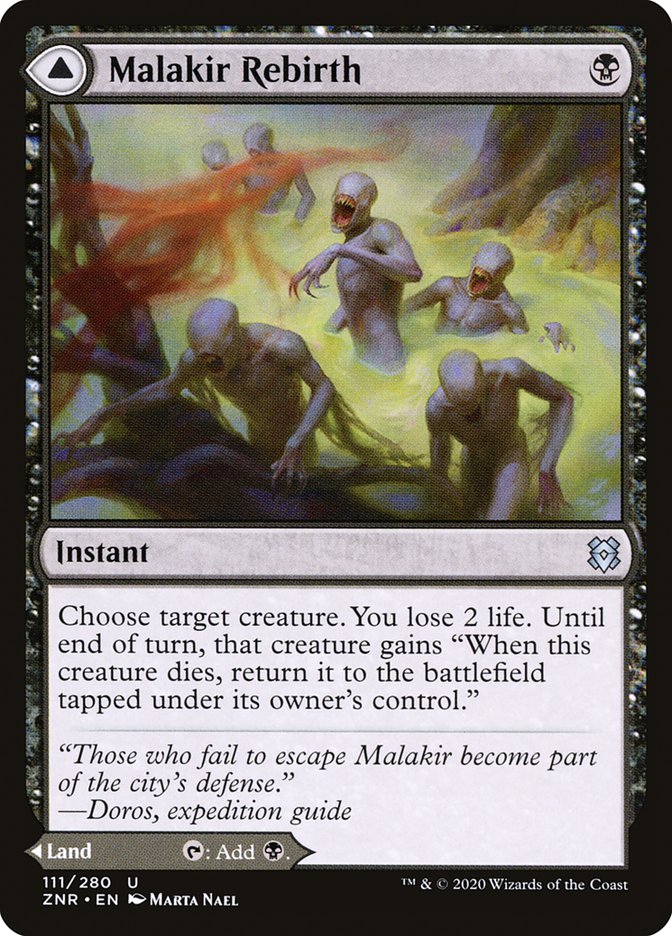
If you have your engines in place and your commander lives, you’re drawing some cards while having a big threat in play. This means keeping Valgavoth alive is of the utmost importance. Commander staples Lightning Greaves and Swiftfoot Boots make an appearance here, as do cards like Kaya's Ghostform. If you have your commander in play, Bolt Bend is almost free, and it’s an excellent way to protect it. Malakir Rebirth is a “free” way to include a protection spell in your 99.
The Punishing Crew
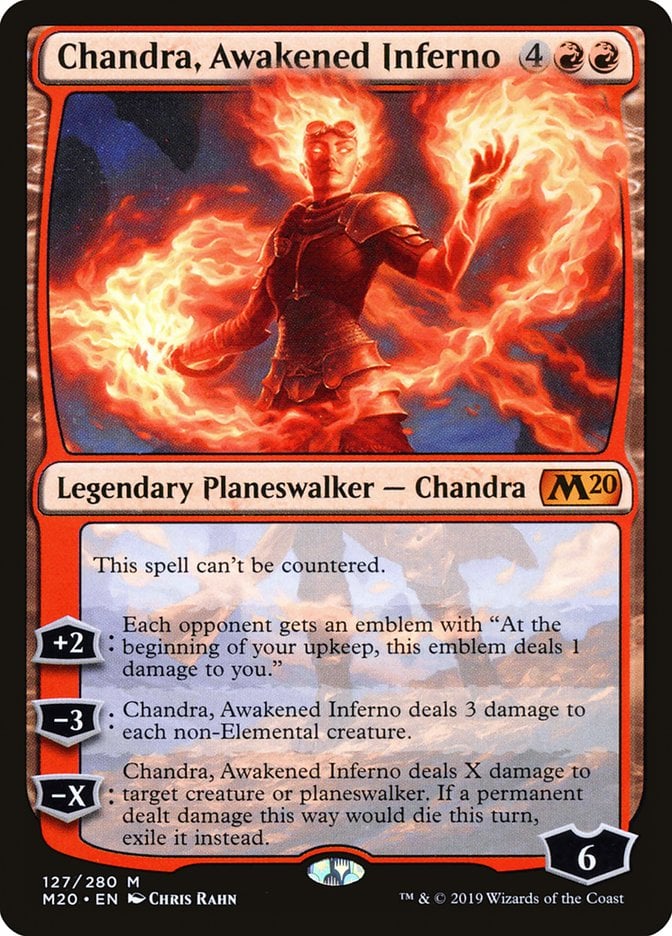
It’s vital to have ways to consistently damage your opponents on their turns so that you trigger and grow Valgavoth while drawing some cards. Chandra, Awakened Inferno is perfect in this deck, as its emblems are just what you want to be doing, and emblems are a win condition they can’t interact with.
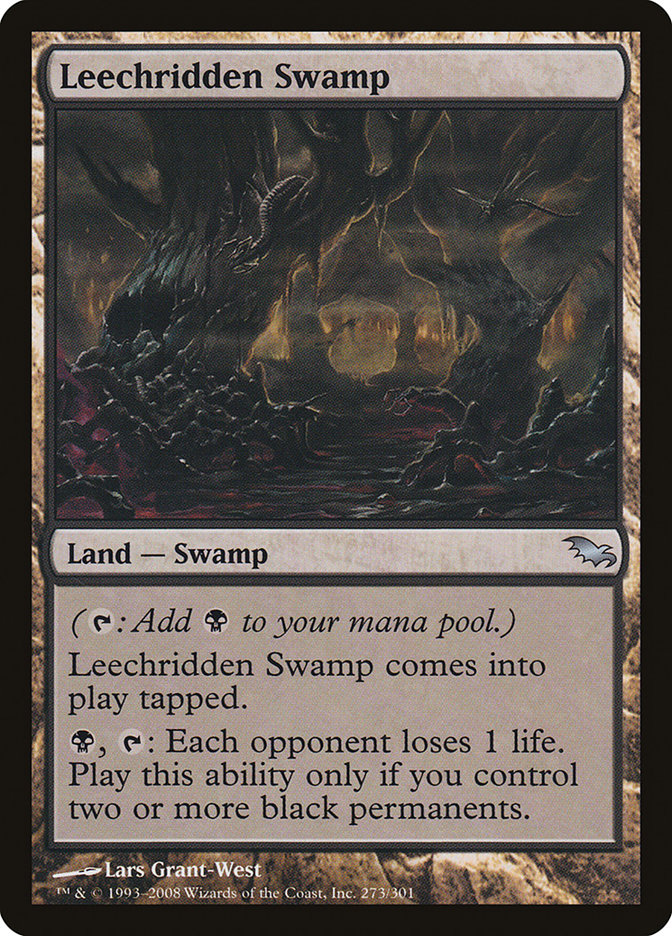
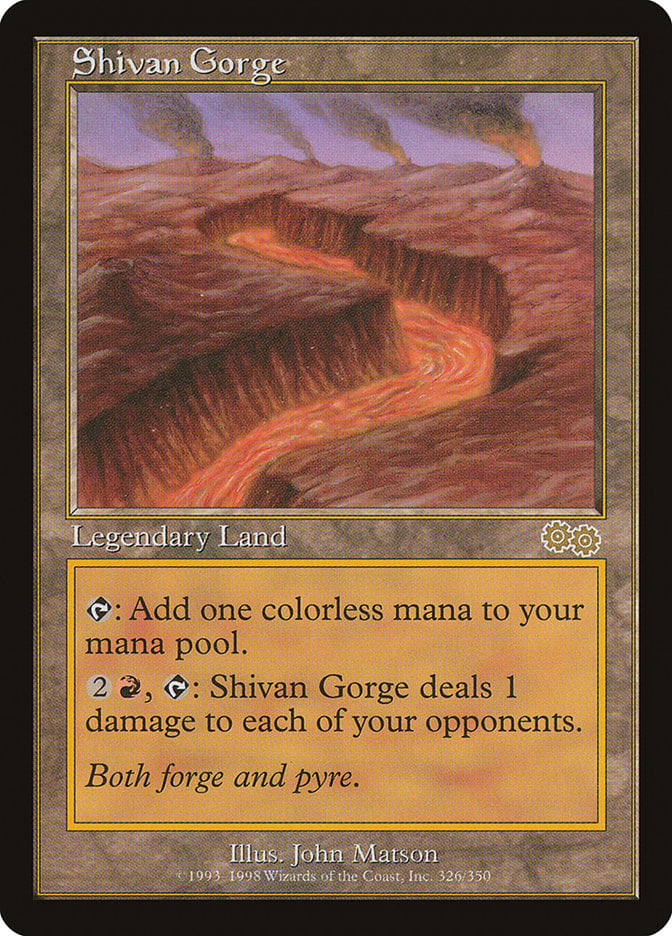
Leechridden Swamp and Shivan Gorge allow you to put lands to good use.

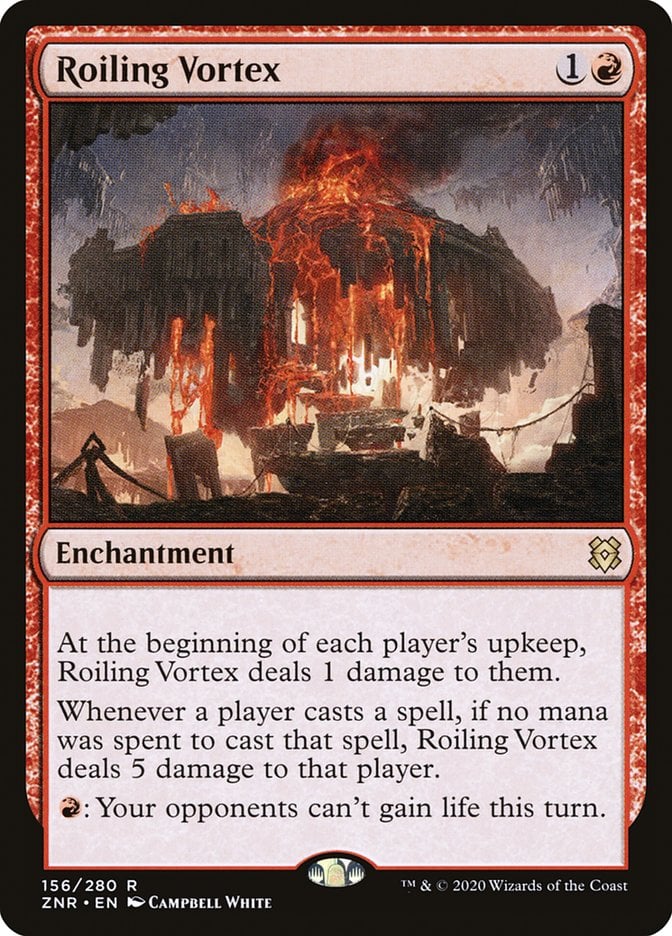
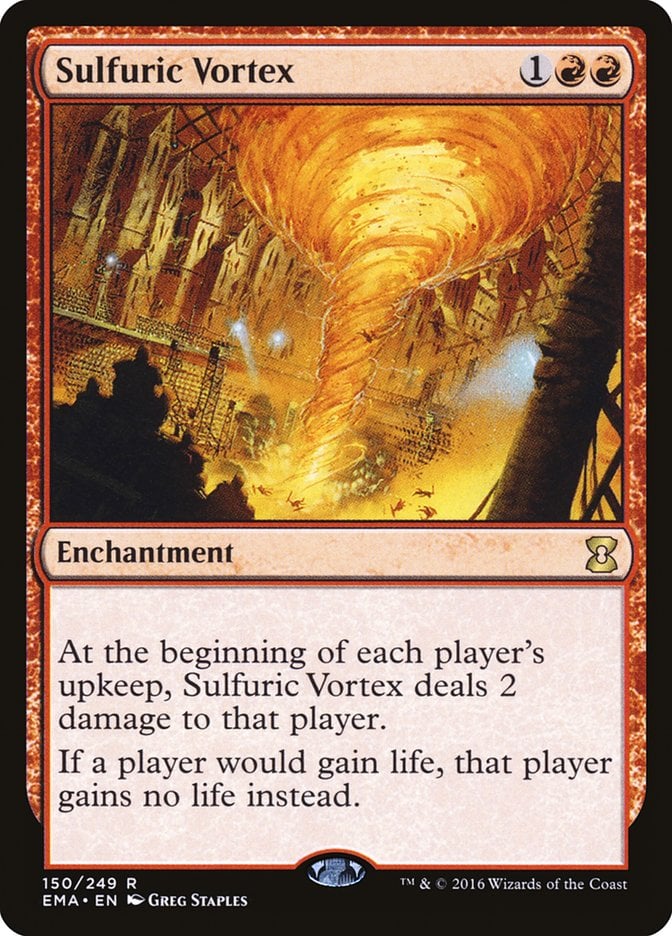
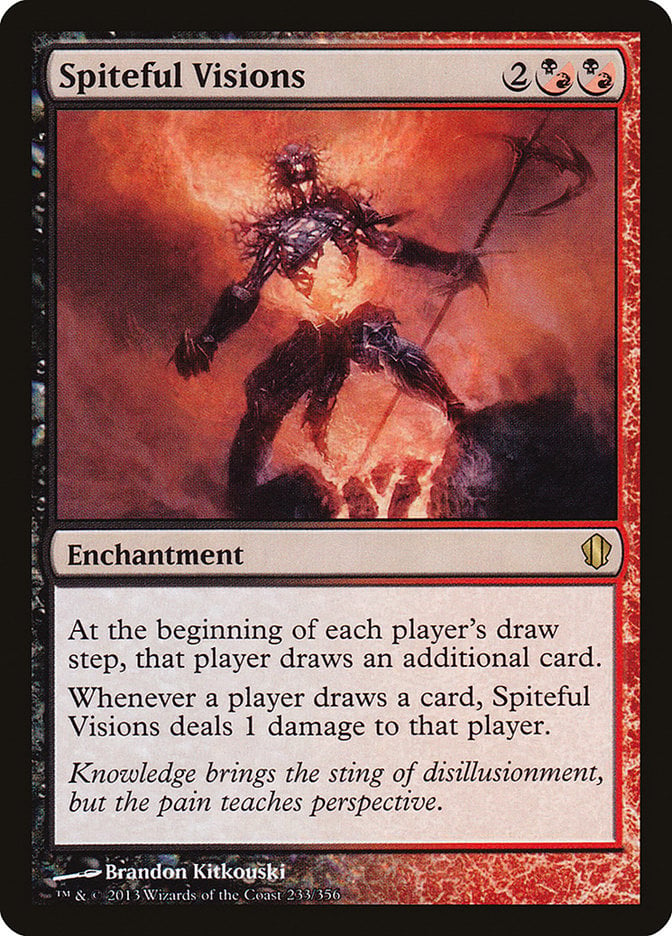
The main engines we can count on are cards like Razorkin Needlehead, Roiling Vortex, Sulfuric Vortex, Spiteful Visions, and the like. These cards drive the deck and are the main reason to play your commander.
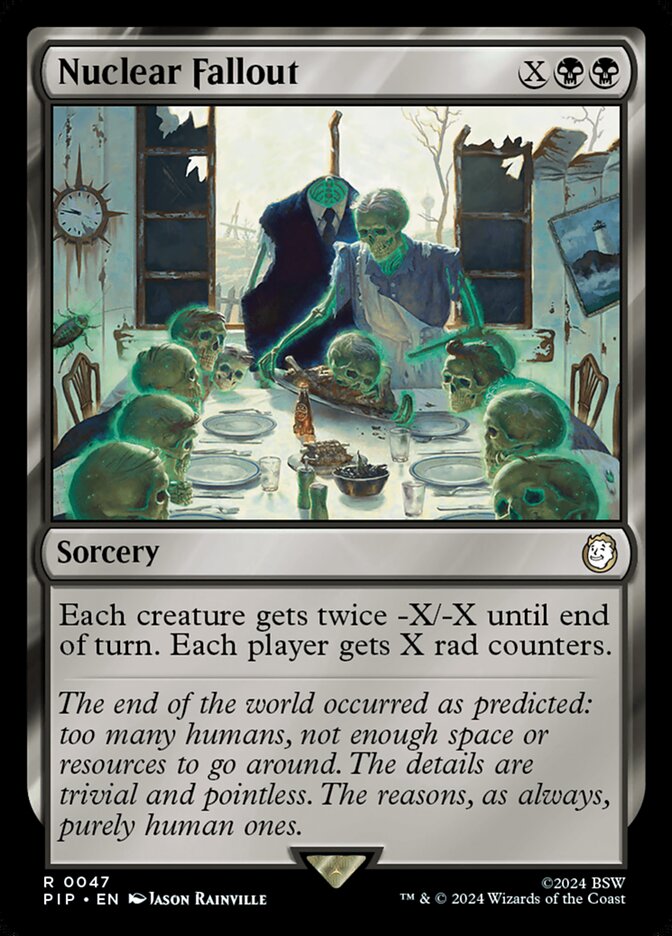
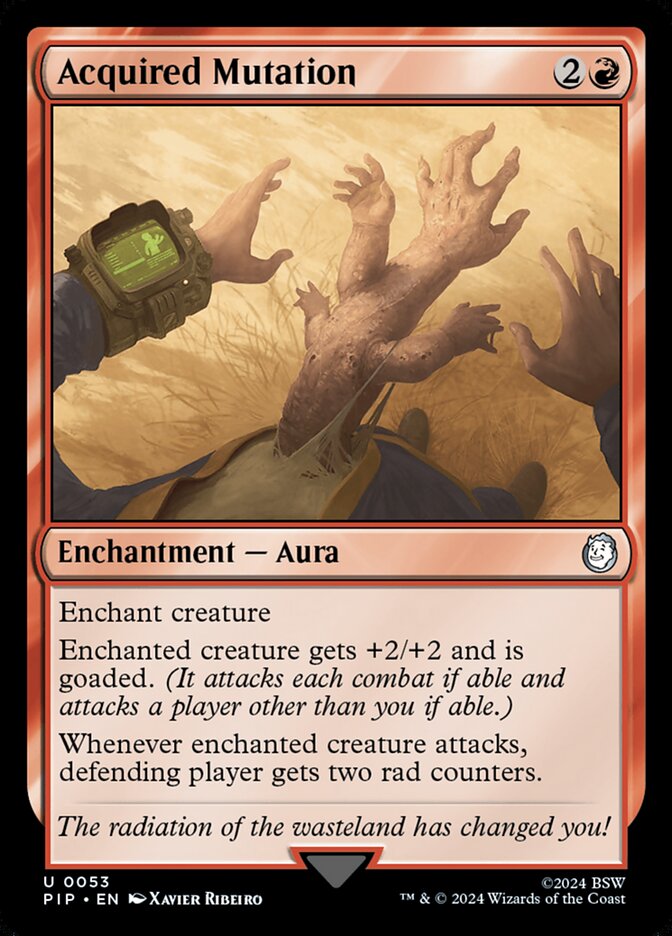
An interesting note is that cards that give rad counters to your opponents synergize well with your commander. When they have rad counters, each turn they will mill X cards and lose life equal to the nonland cards milled. This deck plays cards like Nuclear Fallout and Acquired Mutation also for that reason, while being good on their own.
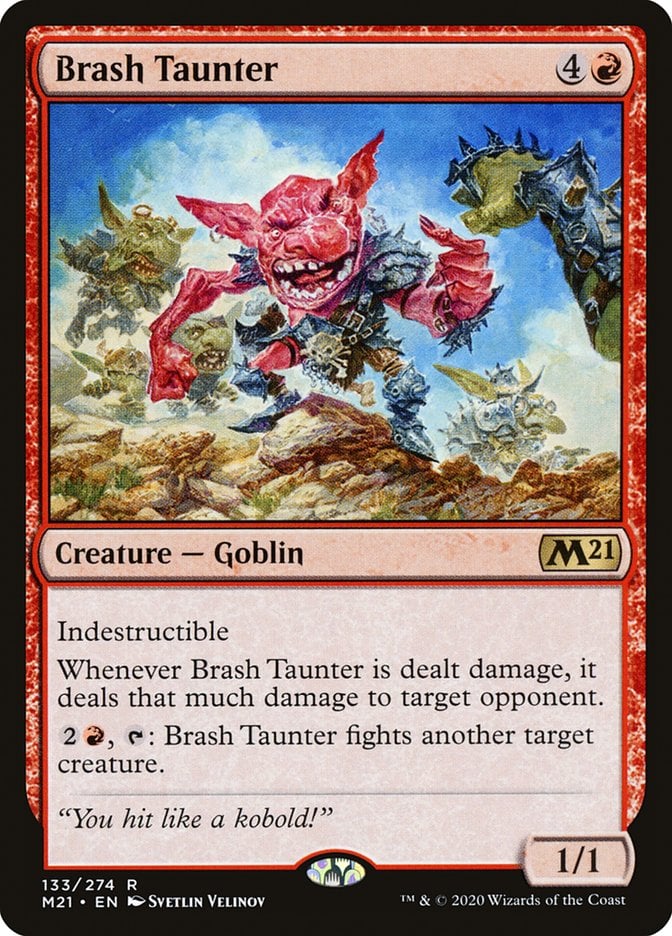
Brash Taunter is a nice fit for this deck since it can pick on big creatures your opponents have on their turns by fighting them and dealing direct damage.
Card Draw
The main source of card draw and card advantage in this deck is your commander. Red and black also offer you ways to draw cards, be it via impulsive draw or with black’s card draw spells that cost life to use.
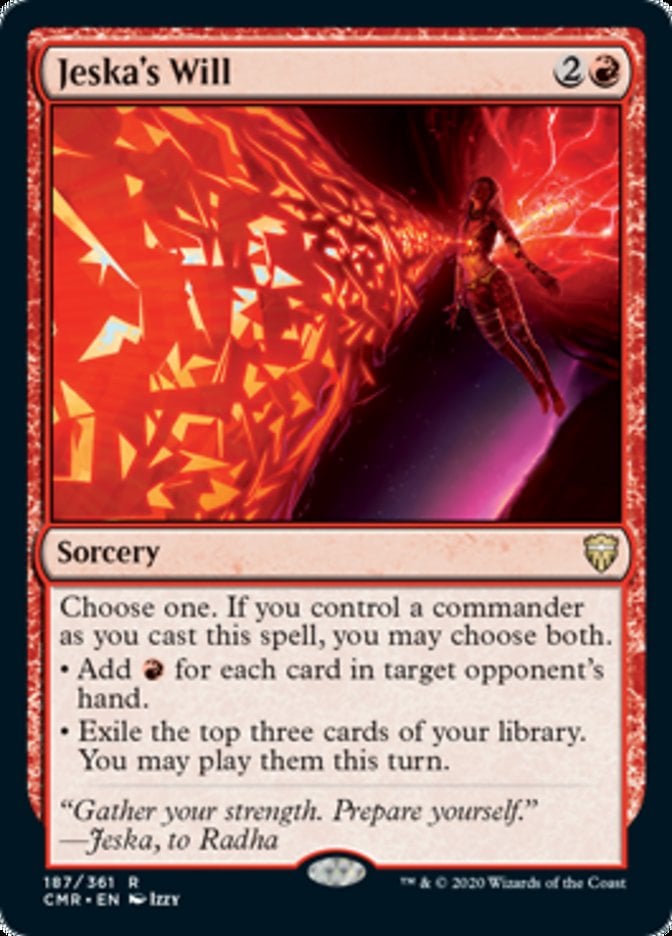
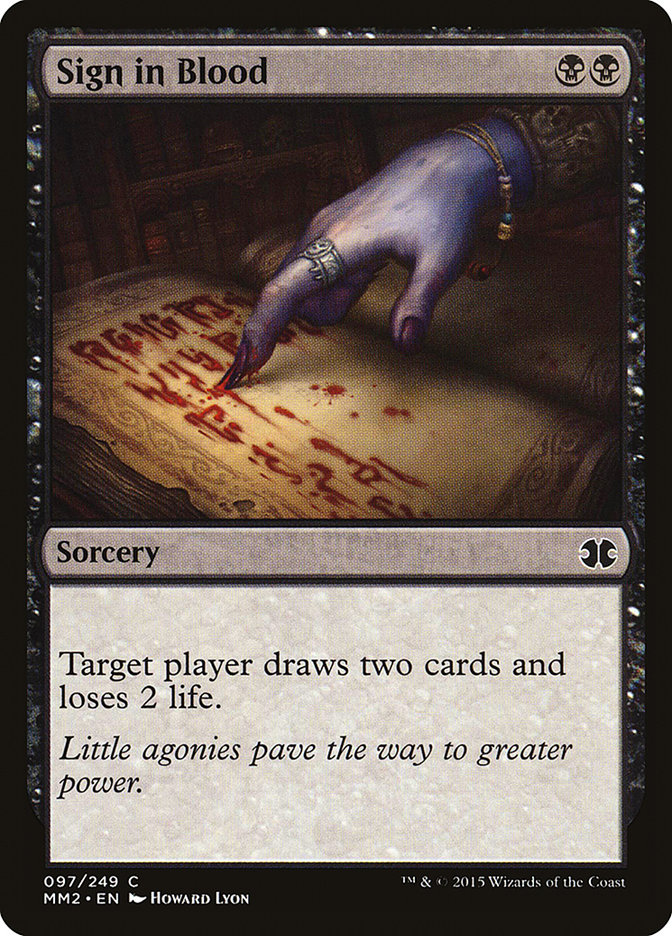

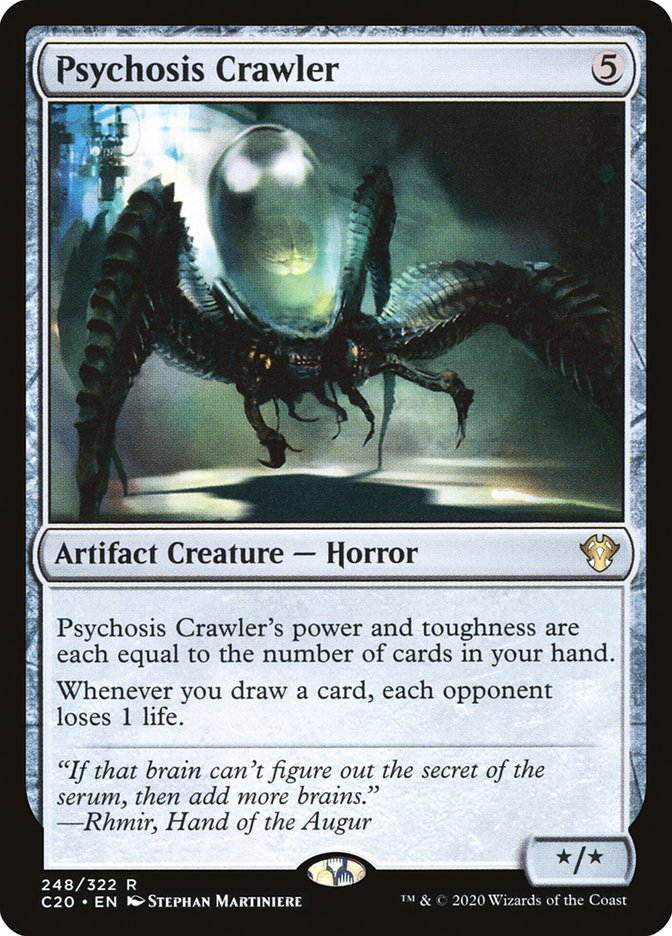
Jeska's Will is the only Game Changer, and you get cards, mana, or both. You have black’s staple card draw spells like Sign in Blood, and you can cast Bloodsoaked Insight for very little in this deck. If you’re drawing a bunch of cards consistently, Psychosis Crawler can hit hard and deal a bunch of passive damage.
Defenses

You have to be creative to avoid becoming the archenemy while lacking access to white’s prison effects. Cards like Revenge of Ravens are excellent in this regard. Your opponents will lose life on their turn to attack you, so you effectively blank 1/1’s attacking you while you draw cards.
Goad also shines in this context. You actively want your opponents to attack each other, not you. Acquired Mutation strengthens a big threat they have, forces them to fight among each other, and spreads rad counters around, which in turn deals damage and draws you cards.
The Mana Base
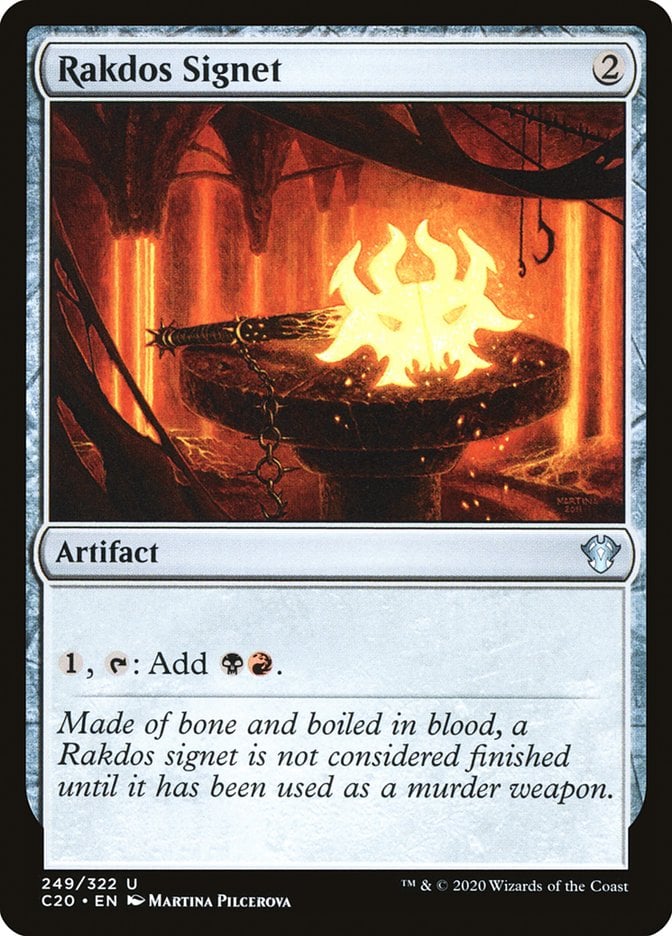
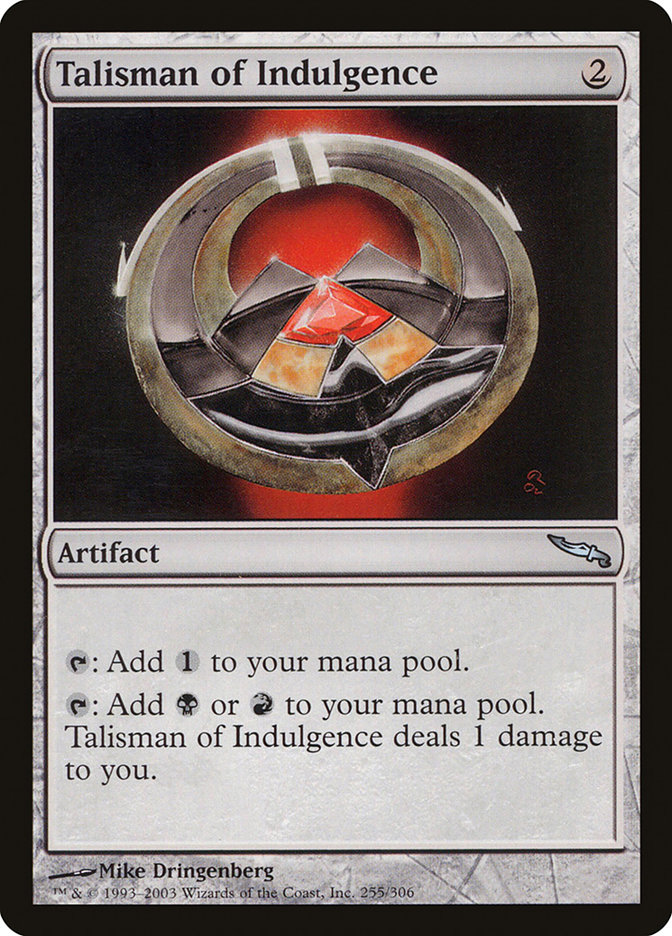
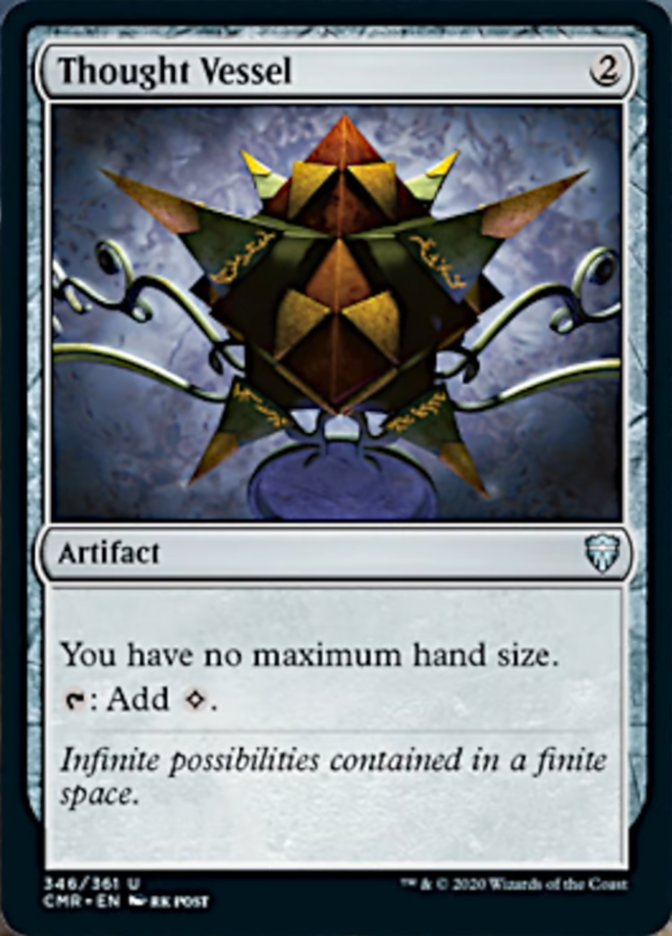
As with almost all 4-mana commanders, casting it on turn 3 via mana rocks is a must. You absolutely need your commander out and alive as soon as possible to start reaping the benefits. This is a 2-color deck, so you’re not suffering that much to fix your mana. By all means, use whatever Rakdos lands you have available; I’m suggesting many of the lands already available in the precon deck. Many 2-MV mana rocks are here, including Rakdos Signet, Talisman of Indulgence, Thought Vessel, and the like.
The Strategy
The main strategy is to keep the board clean while developing your commander’s power and drawing cards. You want to play your commander as soon as possible, regardless of having ways to protect it. You’ll care about that more when you’re paying a higher commander tax. Once you have the elder demon in play, it’s time to reap the rewards.
Use your spells to protect your commander, to take out your opponents’ biggest threats, and to make them lose life on their turns. A big flier that draws cards is bound to take over a game with a few attacks.
Later in the game, if you’re dealing damage consistently to everyone, it becomes harder to target your commander with spot removal since paying 2 life (or more) can be a real cost. Besides sweepers, the biggest problem you’ll have is effectively becoming an archenemy – the biggest threat. If you’re making everyone lose, say, 3 life or more via your damage engine, they might think that they need to deal with you first.
Combos and Interactions
The interactions in this deck are pretty straightforward. The main thing is that your commander triggers once per enemy’s turn if they’ve lost life, regardless of whether they’ve lost 1 or 5 life. You don’t get any benefit for stacking more than one “deal damage when they draw” effects for your commander, but of course, the more you have, the more life they’ll lose.
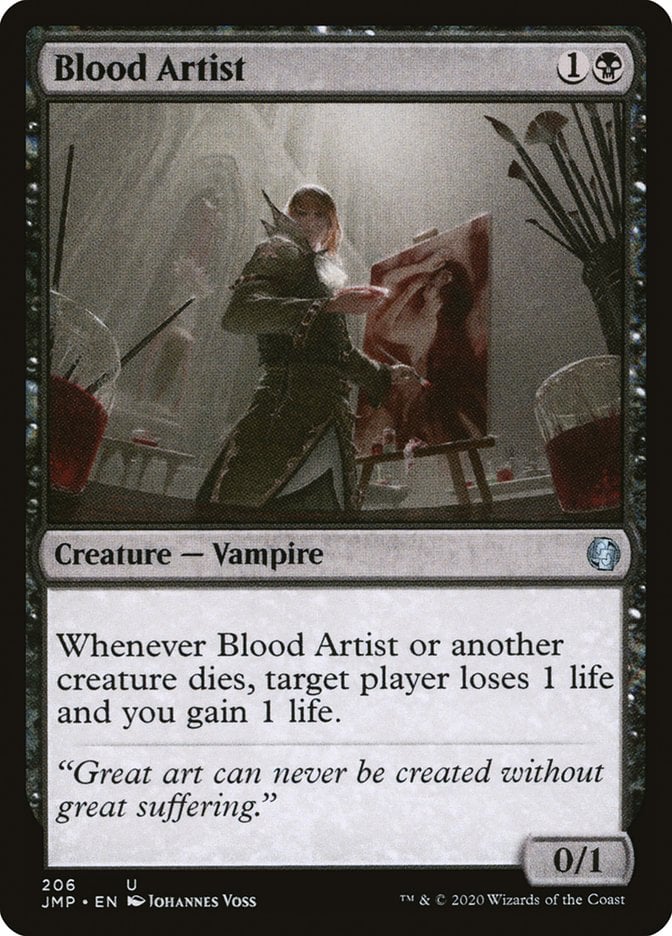
Your commander won’t trigger when opponents deal combat damage to one another. However, you can have ways to deal damage to them should one of their creatures die, via Blood Artist, for instance. So, the main reason you make them attack each other is to keep yourself alive.
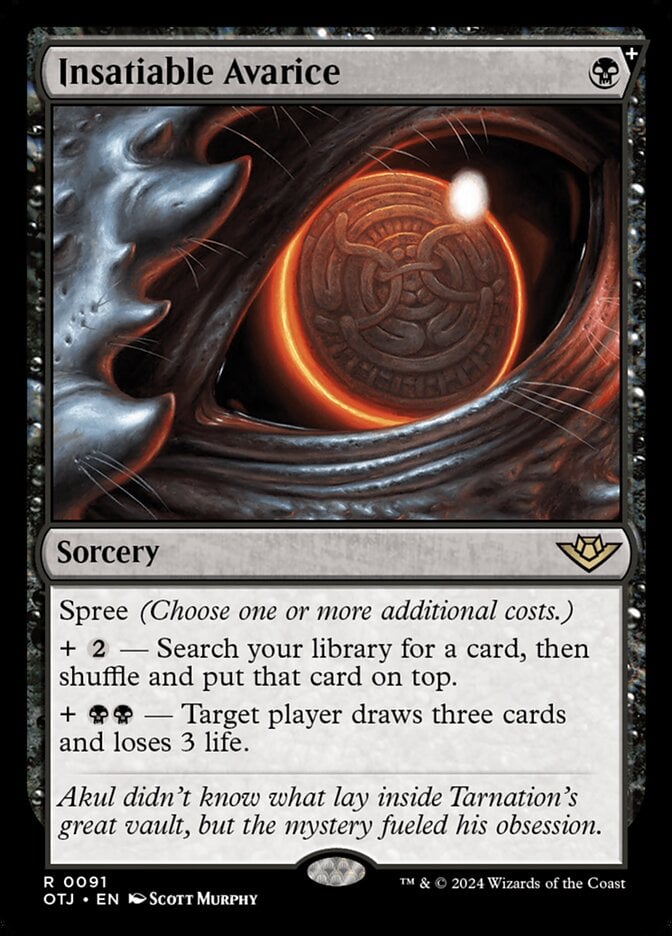
Brash Taunter is a little combo inside the deck, if you cast Blasphemous Act or Chandra's Ignition (usually targeting your commander). You can use Insatiable Avarice to tutor for one of the needed parts.
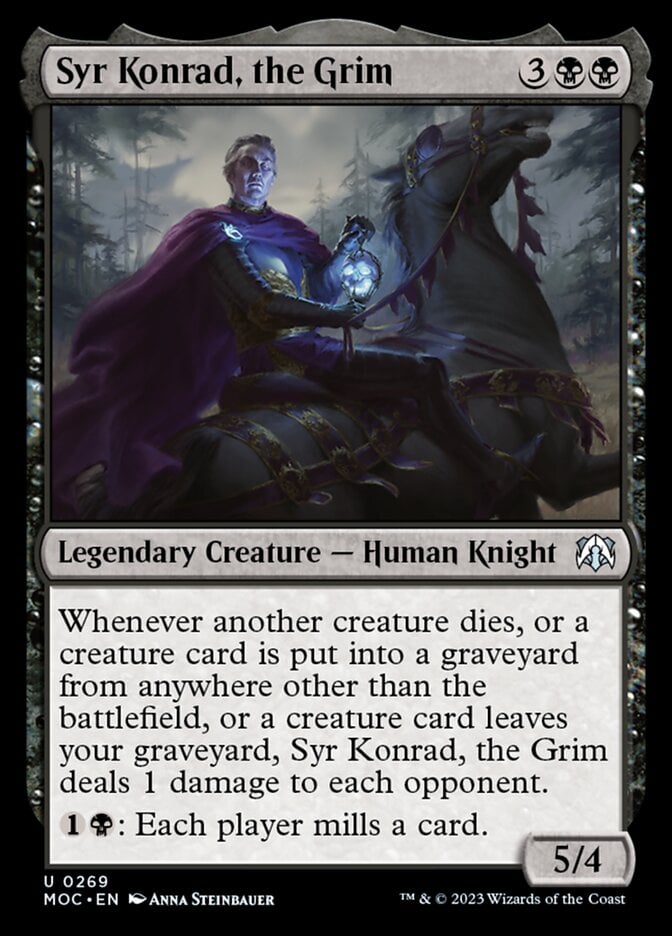
A card like Syr Konrad, the Grim deals plenty of damage passively to your opponents, but you can activate it sometimes just to try and trigger your commander, or use it as a mana sink with a lot of mana to spare. This card can win games on its own if left unchecked.
Rule 0 Violations Check
This deck isn’t running any combos or heavy tutoring. It relies a lot on the synergies between the commander and the cards, with a lot of redundancy. You usually won’t need a tutor to start the damage chain, with over 20+ cards with that function. There’s the Brash Taunter interaction, which can be a nice finisher in the late game with damage-based sweepers, but nothing that warrants a Rule 0 notice.
Budget Options
This deck is very, very budget-friendly, with almost no cards in the $10-15 range. Outside your commander, hardly any cards are worth replacing for the cost alone.
I’d take a look at Bloodchief Ascension, Ob Nixilis, Captive Kingpin, and Vein Ripper as possible cards to replace. Chandra, Awakened Inferno is in that same price range, but it’s almost irreplaceable in this deck.
Feel free to include cards like Blood Crypt, Badlands, or Luxury Suite if you have access to them.
Another card worth considering adding is Ankh of Mishra, which isn’t very expensive and dishes out a lot of damage to everyone, including yourself. That’s very punishing for fetch land players.
Other Builds
Red and black are the best colors to make a demon deck work. You can take advantage of that and include cards like Rakdos, Lord of Riots, Archfiend of Depravity, and Raphael, Fiendish Savior.
Aristocrats is a classic way to build Rakdos commanders, and this commander appreciates the sustainable damage aristocrats decks can deal. Cards like Blood Artist deal damage to everyone when you sac a creature, which of course you can do on your opponents’ turns.
Rad counters, mill, and reanimate are fine options for Valgavoth as well. Rad counters mean the “infected players” lose life each turn – which is precisely what you want. They’ll also mill, which fuels reanimator strategies well.
Finally, there are wheels strategies. You’re already profiting from dealing damage to your opponents when they draw, so make them draw seven cards at once.
Commanding Conclusion

The Lord of Pain | Illustration by Greg Staples
So here’s Valgavoth, Harrower of Souls for you guys. It’s a pretty powerful commander that can pull its own weight, and with just a little support, it can become a house. Plus you can build it in many ways, as long as enemies are losing life on their turns.
Have you tried out this commander or played against it yet? Let me know about your experiences in the comments section down below, or over in our Draftsim Discord.
Stay safe out there folks, and keep pinging your opponents for value.
Follow Draftsim for awesome articles and set updates:










Add Comment