

Norman Osborn + Green Goblin | Illustration by Scott M. Fischer
What if your commander could turn every discard into a resource, every flashback spell into a bargain, and your graveyard into a second hand? That’s exactly what Norman Osborn brings to the table, and today, we dive into this cEDH build that leans on wheels, Breach lines, and the classic Thassa's Oracle finish to stay fast and deadly.
Can Marvel’s most infamous villain really keep pace with the format’s best? Let’s take a closer look.
The Deck

Shadow of the Goblin | Illustration by Pavel Kolomeyets
Commander (1)
Creature (11)
Ragavan, Nimble Pilferer
Ghostly Pilferer
Ledger Shredder
Thassa's Oracle
Psychic Frog
Orcish Bowmasters
Inti, Seneschal of the Sun
Spider-Punk
Valley Floodcaller
Birgi, God of Storytelling
Simian Spirit Guide
Sorcery (15)
Gitaxian Probe
Imperial Seal
Reanimate
Faithless Looting
Gamble
Rite of Flame
Demonic Tutor
Unmarked Grave
Windfall
Toxic Deluge
Yawgmoth's Will
Grim Tutor
Praetor's Grasp
Wheel of Fortune
Beseech the Mirror
Instant (26)
Pact of Negation
Mental Misstep
An Offer You Can't Refuse
Chain of Vapor
Flusterstorm
Mystical Tutor
Swan Song
Dark Ritual
Demonic Consultation
Entomb
Vampiric Tutor
Pyroblast
Red Elemental Blast
Borne Upon a Wind
Brain Freeze
Cabal Ritual
Tainted Pact
Pyretic Ritual
Final Fortune
Fierce Guardianship
Frantic Search
Force of Negation
Mindbreak Trap
Deadly Rollick
Force of Will
Ad Nauseam
Enchantment (5)
Mystic Remora
Artist's Talent
Underworld Breach
Rhystic Study
Necropotence
Artifact (16)
Chrome Mox
Lion's Eye Diamond
Lotus Petal
Mox Diamond
Mox Opal
Mana Vault
Sol Ring
Arcane Signet
Fellwar Stone
Grim Monolith
Grinding Station
Talisman of Creativity
Talisman of Dominance
Talisman of Indulgence
Wishclaw Talisman
The One Ring
Land (26)
Ancient Tomb
Arid Mesa
Badlands
Blood Crypt
Bloodstained Mire
City of Brass
City of Traitors
Command Tower
Flooded Strand
Gemstone Caverns
Luxury Suite
Mana Confluence
Marsh Flats
Mistrise Village
Misty Rainforest
Morphic Pool
Otawara, Soaring City
Polluted Delta
Scalding Tarn
Steam Vents
Training Center
Underground Sea
Verdant Catacombs
Volcanic Island
Watery Grave
Wooded Foothills
This list is built to run lean and mean, packed with all the fast mana you’d want in a cEDH build. Cards like Sol Ring, Chrome Mox, Mox Diamond, Mana Vault, and Grim Monolith let you burst onto the battlefield before your opponents even settle in. Reliable rocks like Arcane Signet, Talisman of Creativity, Talisman of Dominance, and Talisman of Indulgence keep your colors smooth, while Lotus Petal and Lion's Eye Diamond give you the push to pull off explosive combo turns.
Card advantage engines like Mystic Remora and Rhystic Study make sure you never run out of steam and feed you the resources to keep pressing forward even when the table slows down. The end result is ruthless efficiency, the hallmark of a Grixis () cEDH deck that plans to finish the game with the classic Thassa's Oracle combo.
The Commander: Norman Osborn / Green Goblin


At the helm is Norman Osborn, a transforming commander that fits right into cEDH. You can cast either side from the command zone—Norman for 2 mana to start conniving, or the Green Goblin for 4 to jump straight into cost reduction and mayhem. The commander tax applies across both sides, so casting one or the other still adds each time, so it’s important to plan for the face you need.
Norman’s front side is an unblockable attacker that filters your hand and fills the graveyard, which gives you cheap value early. The Green Goblin, though, is where things explode: It discounts graveyard spells and turns discarded cards into live resources, which effectively makes your graveyard a second hand. Flavor-wise, it’s a perfect match—the calculating businessman on one side, and the chaotic goblin on the other—a duality that mirrors this deck’s balance of control and aggression.
This is firmly a Bracket 5 deck, no exceptions.
The Payoffs
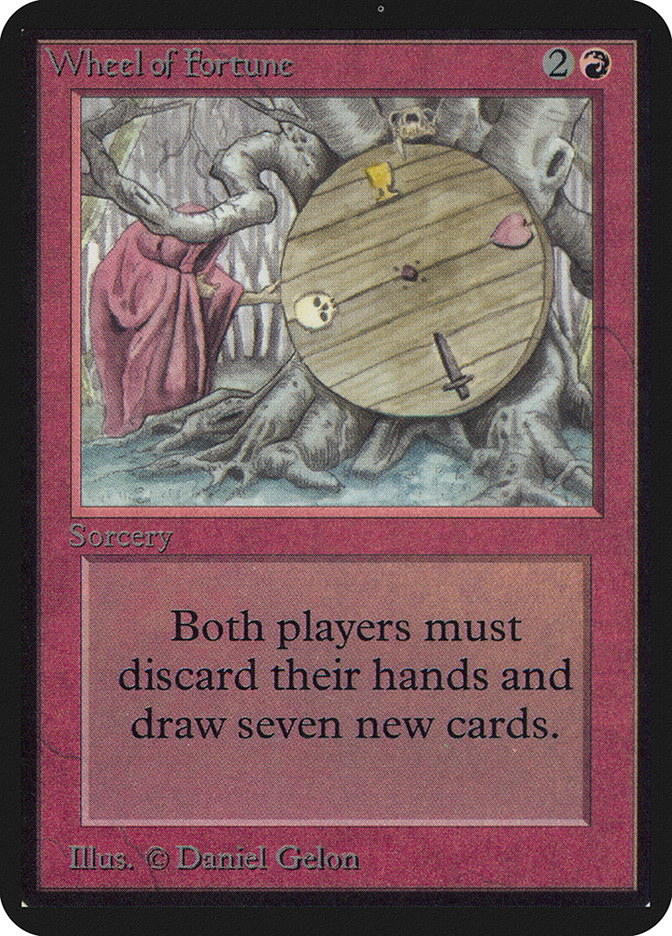
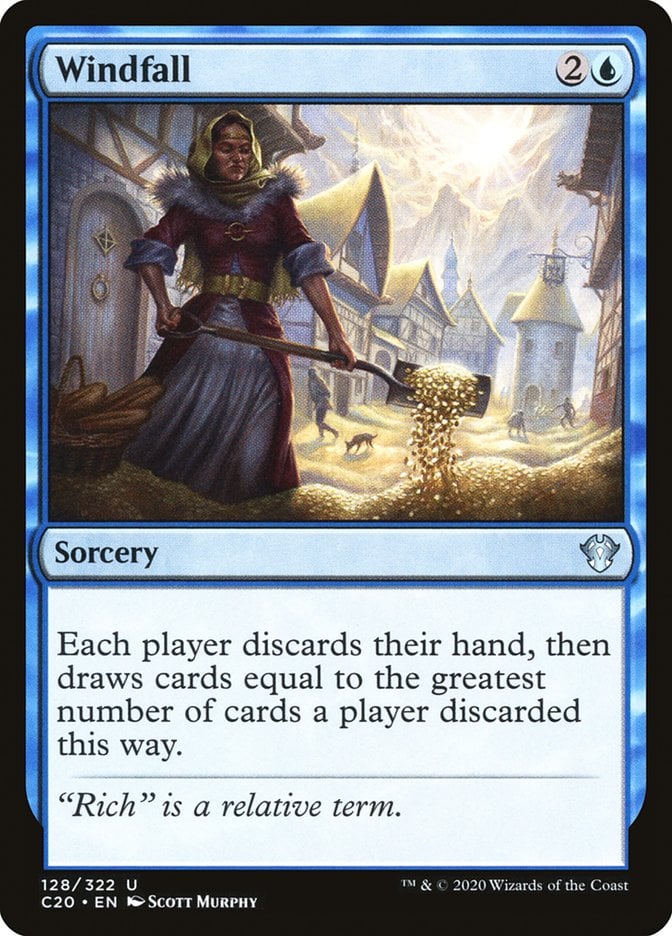
Payoff cards are what make Norman’s graveyard engine more than just value—they’re how you pull ahead and overwhelm the table. Wheel of Fortune and Windfall are brutal, not just because they refill your hand but because they also flood your graveyard with new spells to cast at a discount. Every wheel is essentially two cards in one: disruption for your opponents and fuel for your own win lines.
With Norman’s discount in play, casting a wheel from the graveyard for just a single colored mana is the kind of efficiency most cEDH decks can’t keep up with.
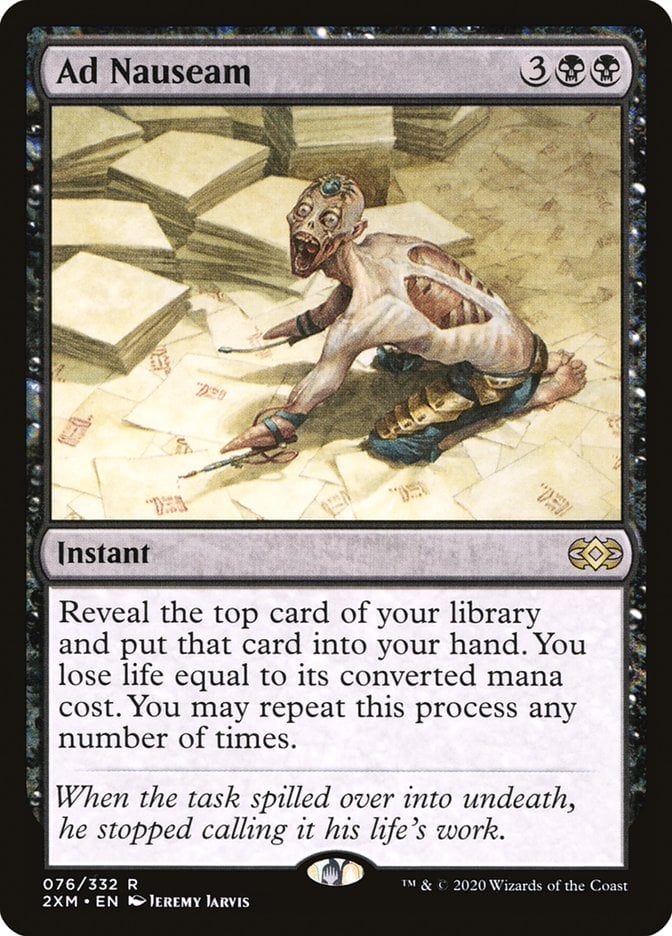
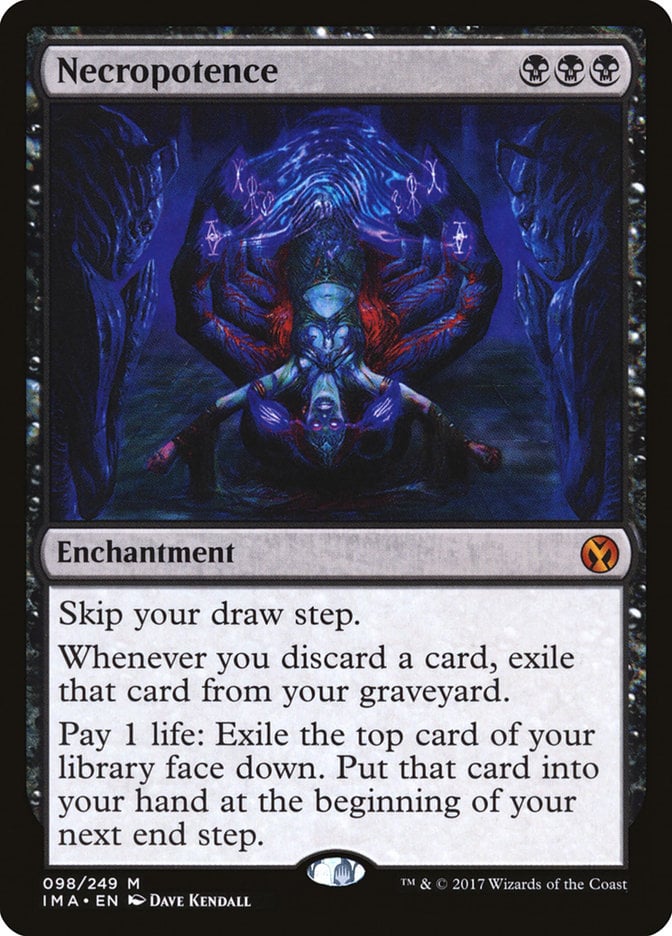
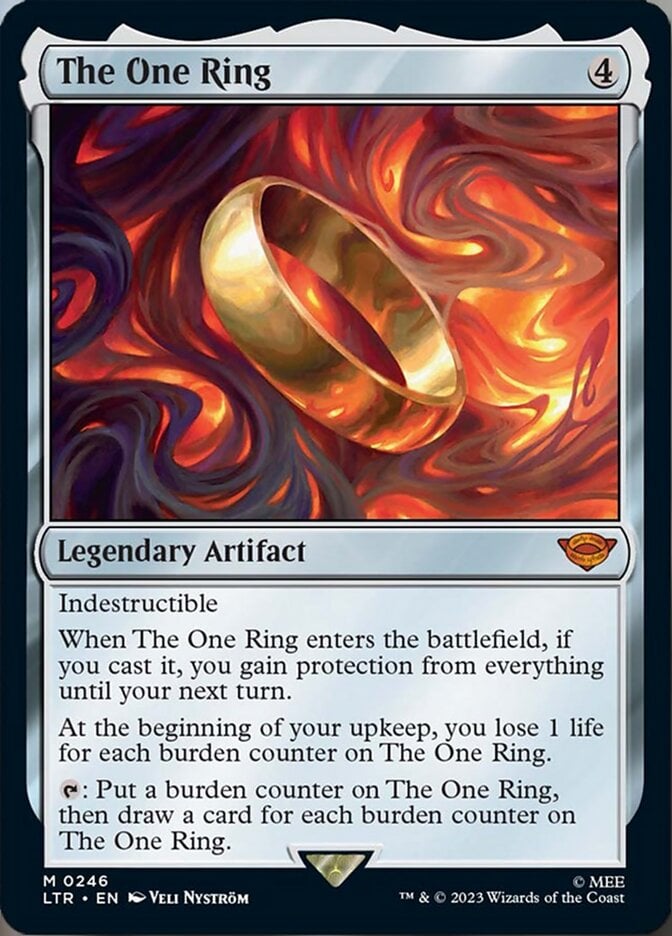
Beyond the wheels, you’ve got specialized draw engines that push you over the top. Ad Nauseam is one of the strongest spells in the format, turning your life total into raw cards. With so many 0- and 1-mana plays in the list, it digs incredibly deep and often finds enough to assemble a winning hand in one shot. Necropotence fills a similar role because it lets you sculpt a perfect grip over multiple turns, though it has the added benefit that it insulates you against wheels by letting you refill immediately. The One Ring offers a steady, incremental draw that pairs nicely with Norman’s game plan of stretching the match just long enough to find a clean combo.
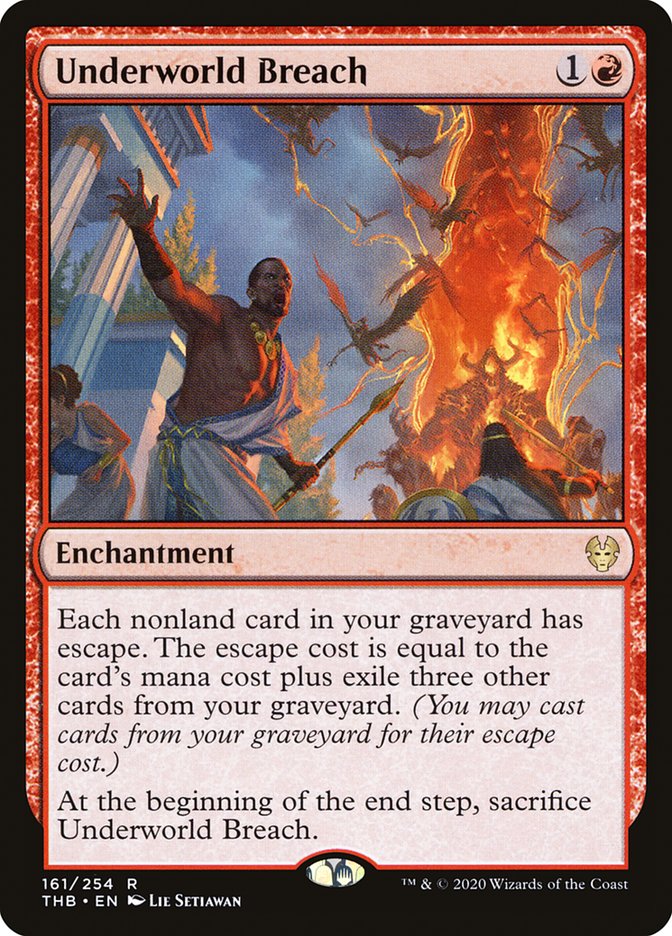
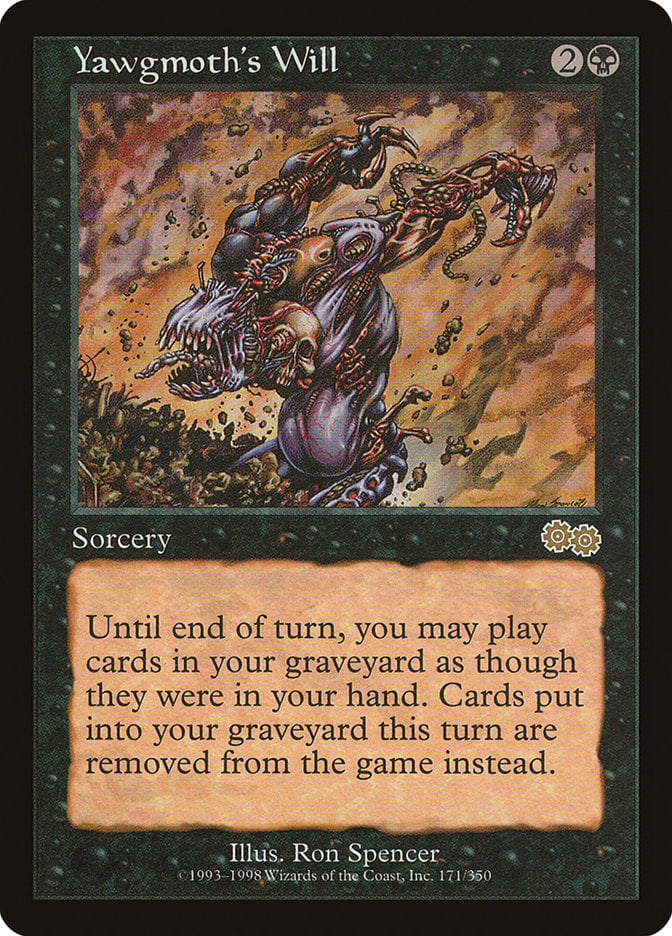
Finally, the graveyard recursion spells are payoffs in their own right. Underworld Breach and Yawgmoth's Will don’t just replay cards you’ve already spent—they enable storm-like turns where every ritual, every cantrip, and every wheel comes back to life. With Norman’s cost reduction applied, these effects become backbreaking and often turn a modest graveyard into the kind of resource that guarantees victory.
The Enablers
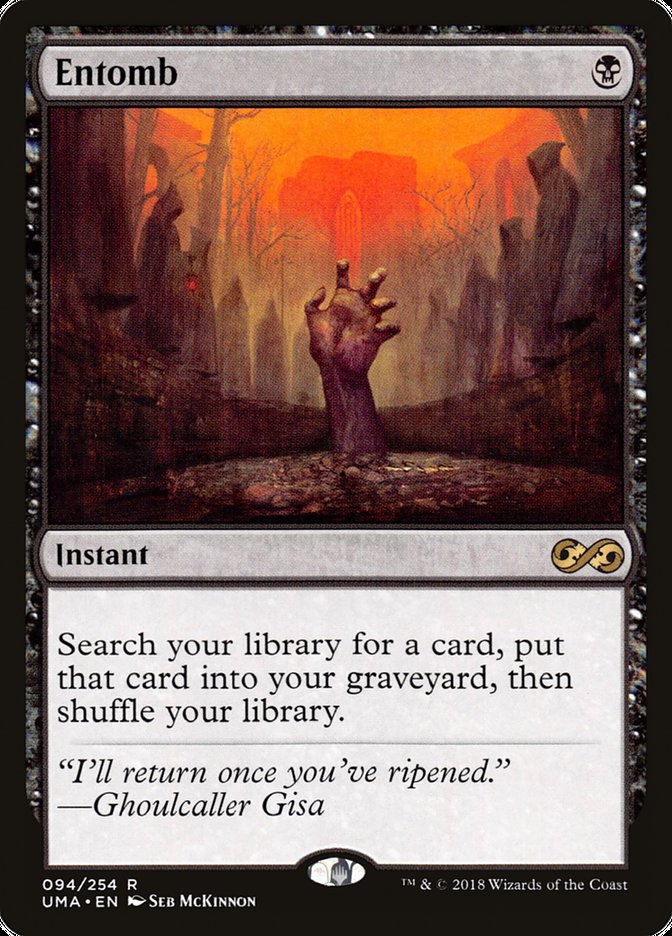
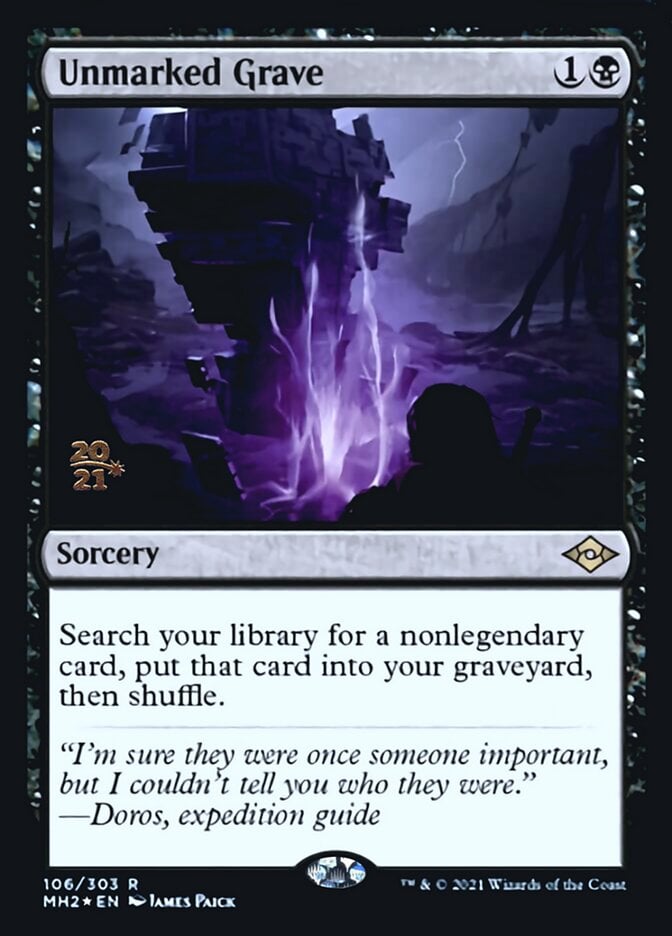
If payoffs are the fireworks, enablers are the matches you strike to light them. Cards like Entomb and Unmarked Grave let you tutor directly into the graveyard, which sets up engines like Underworld Breach or combo pieces you’re planning to reanimate later, though note you can’t mayhem these cards since they weren’t discarded. These kinds of cards make your deck feel like it’s playing with more copies of its most important pieces, which gives you consistency that rivals the best cEDH lists.
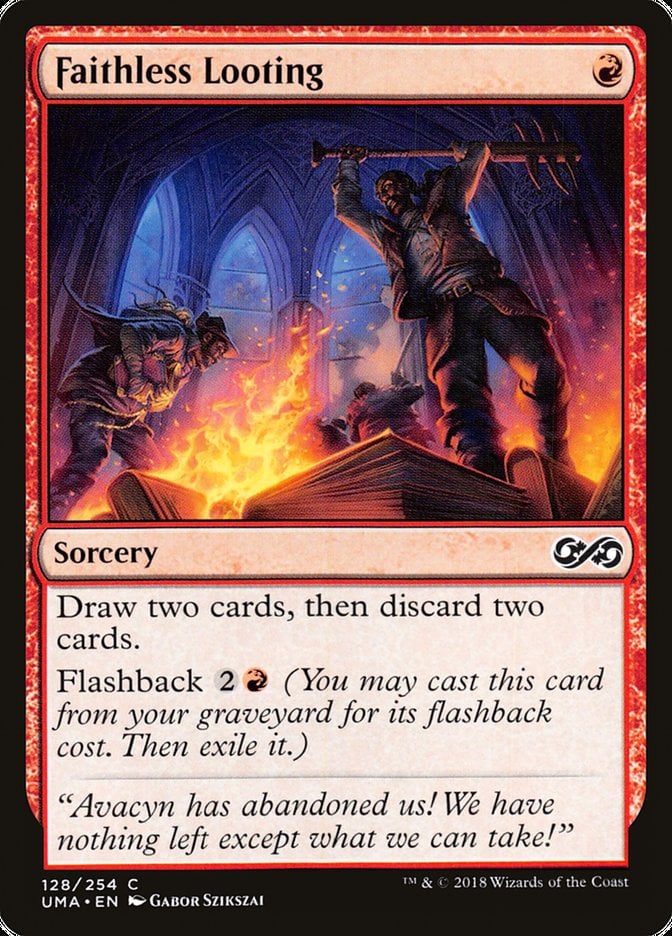
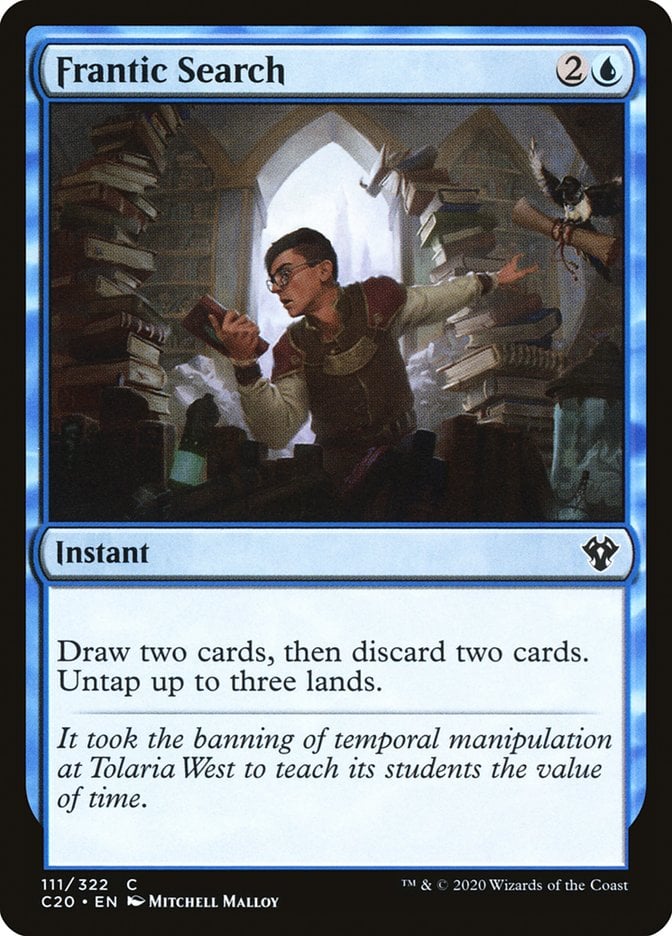
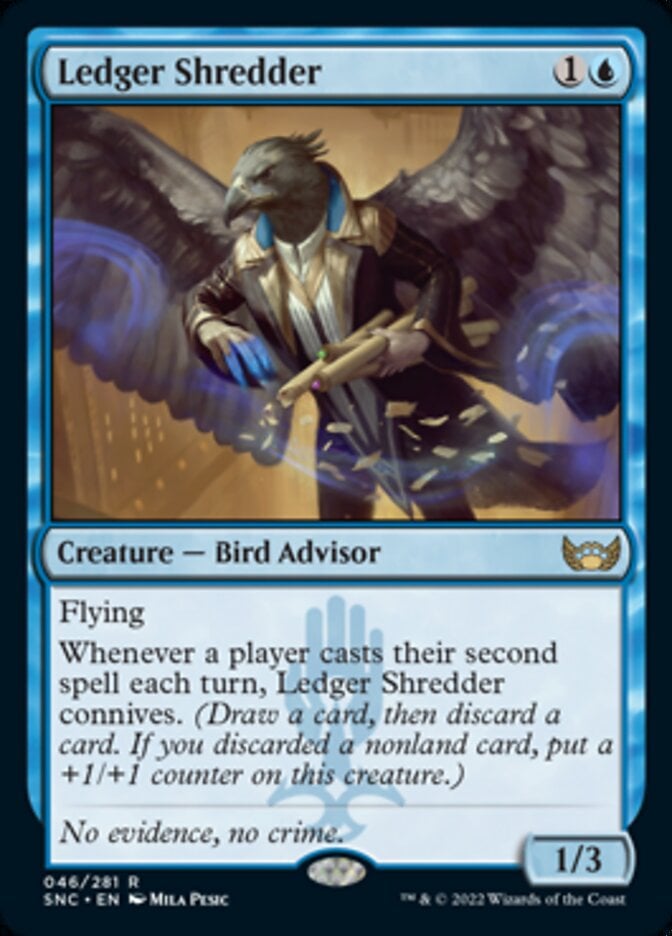
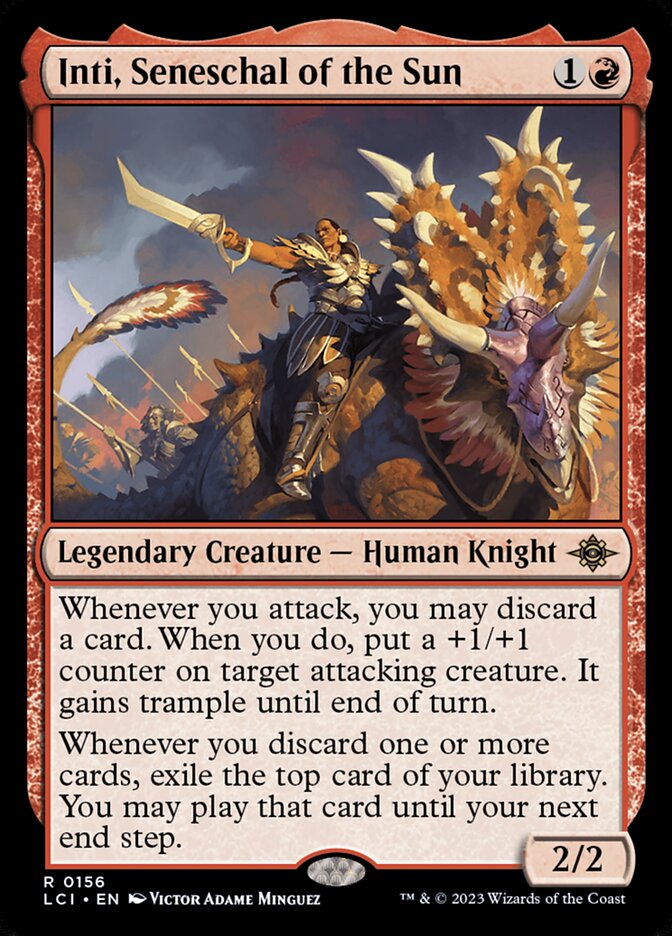
Draw-and-discard effects are another key class of enablers. Faithless Looting is a classic that offers two cards now and two more later at a discount thanks to flashback and Norman’s ability. Frantic Search plays even better because it essentially becomes free when you untap lands, all while it tosses combo pieces into the graveyard for later. Ledger Shredder takes advantage of multi-spell turns by conniving, while Inti, Seneschal of the Sun turns every discard into a fresh card off the top of your library. These effects smooth your draws and keep your graveyard stocked, which lets Green Goblin’s mayhem ability shine.
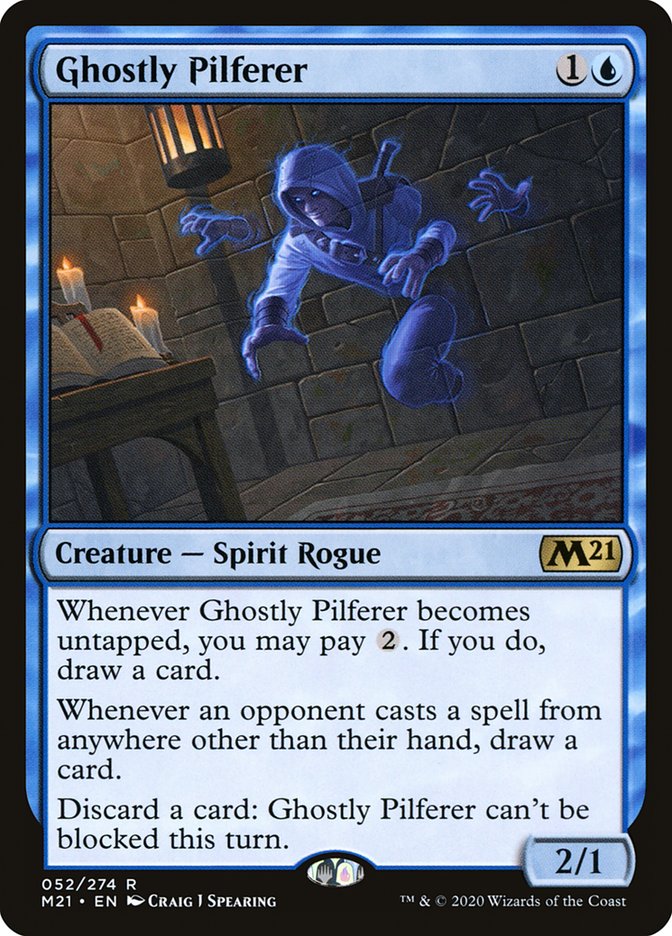

Creatures like Ghostly Pilferer and Psychic Frog are more than just role-players. They double as engines that trigger repeatedly throughout the game, whether by punishing opponents who cast from exile or giving you flexible discard outlets. These enablers on the board mean you’re never far away from converting discarded cards into value, and they make it much easier to pivot between control and combo play.
Interaction
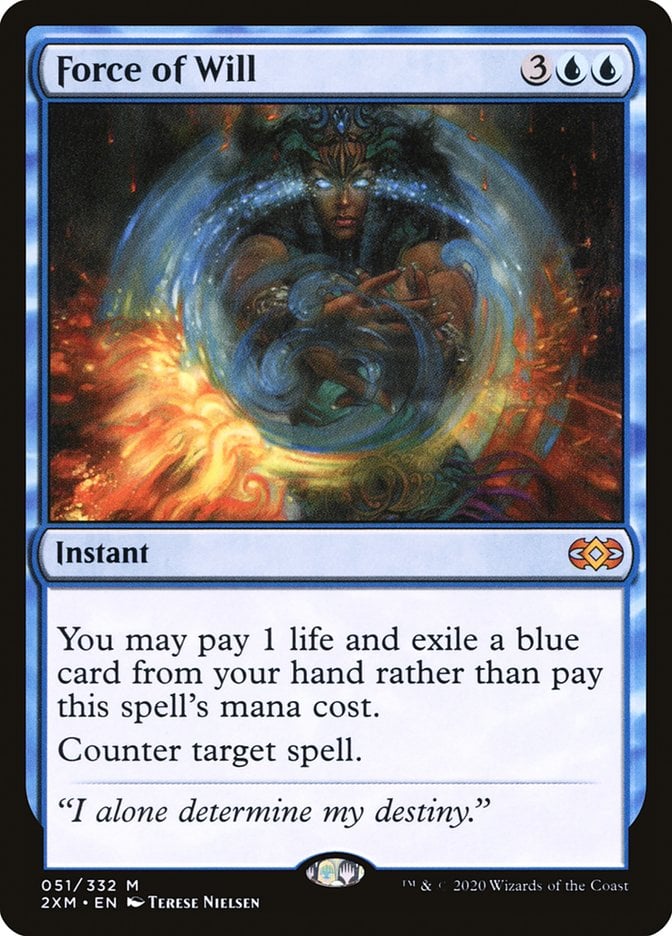
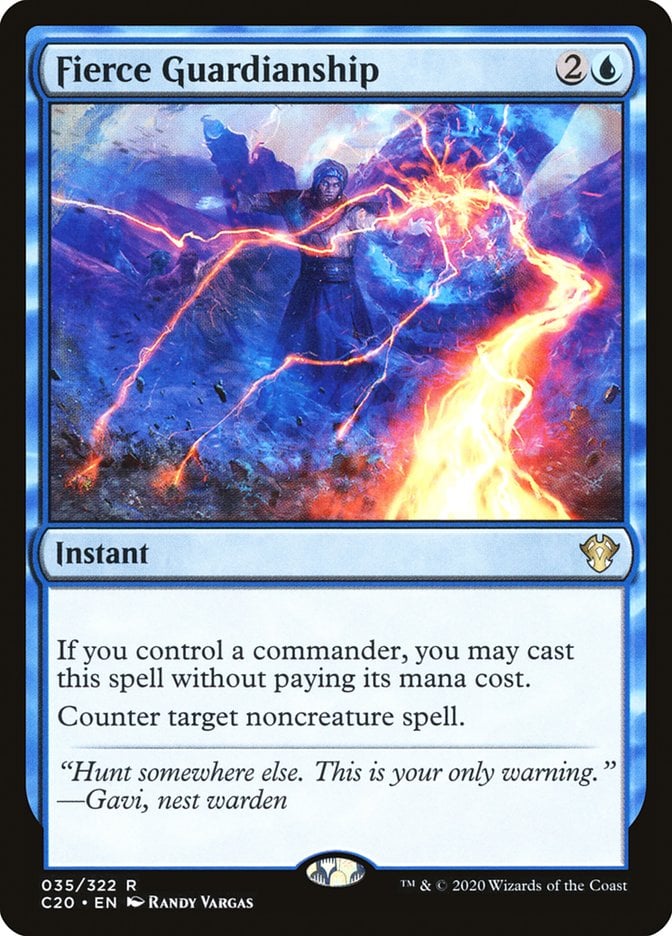
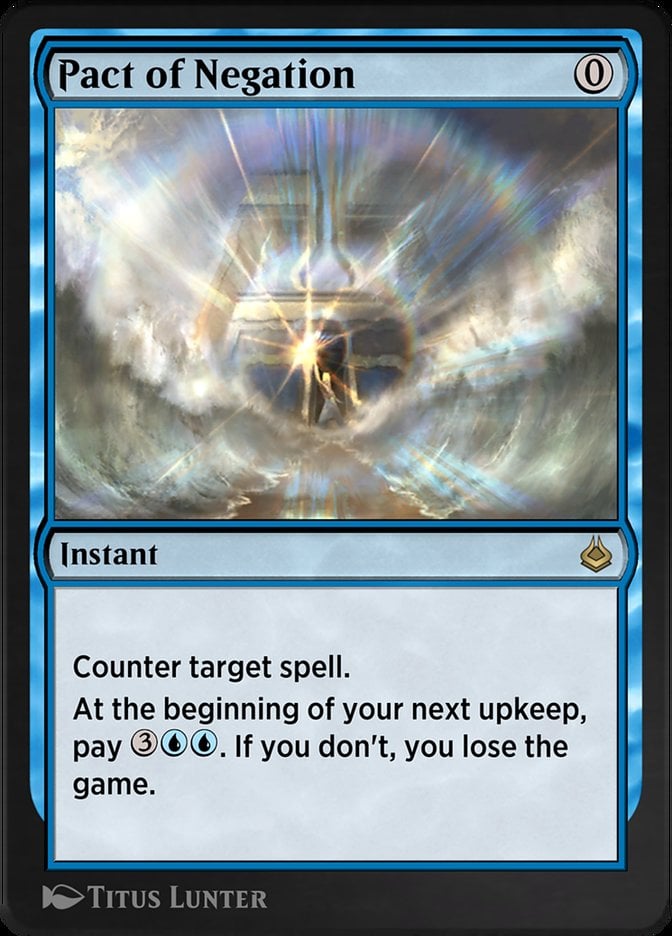
In cEDH, you can’t afford to just goldfish. Norman may be powerful, but without the right interaction, faster decks will steal games before you’re ready. That’s why you run a deep suite of stack control. Force of Will, Fierce Guardianship, and Pact of Negation are your all-stars that offer free protection in the turns that matter most. The ability to jam a combo and defend it with 0 mana is what makes these cards so critical in high-level pods.
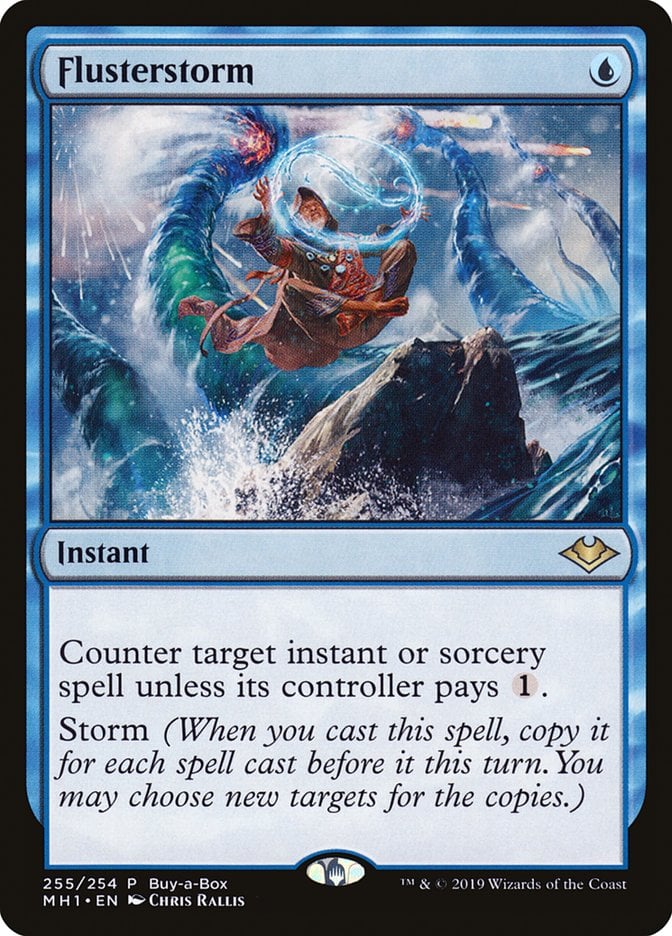
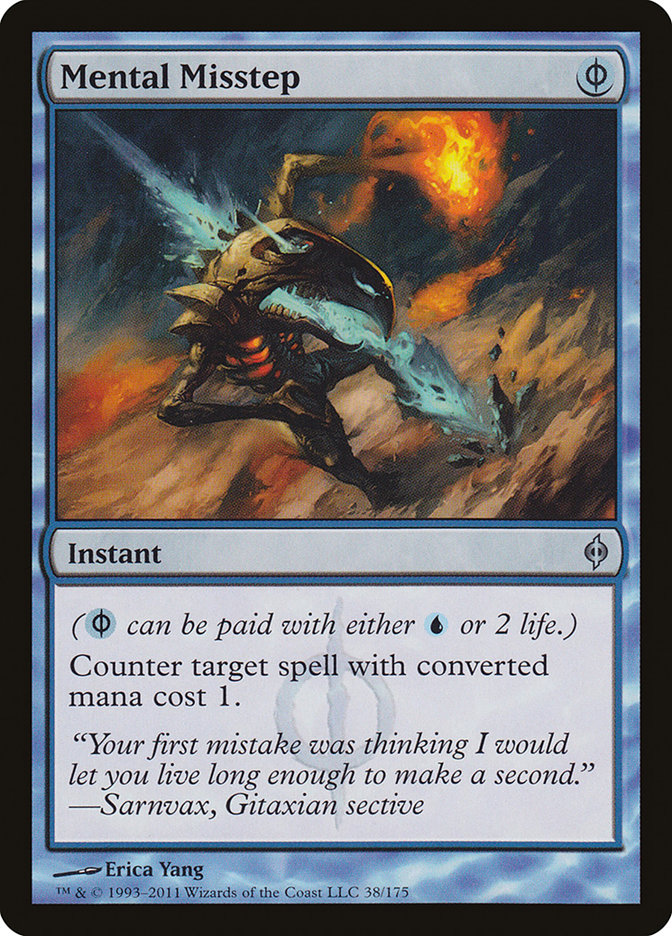
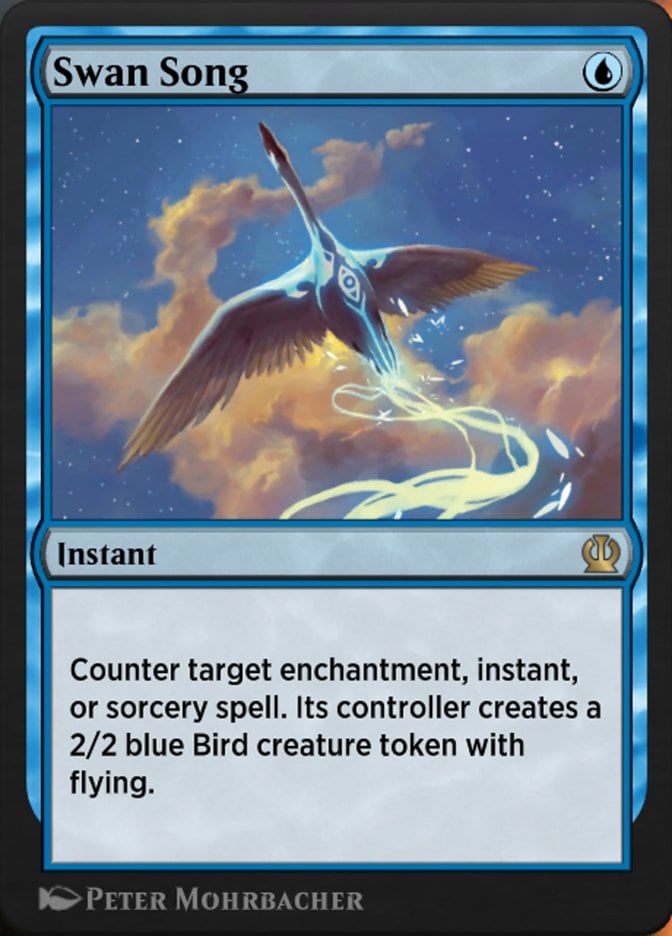
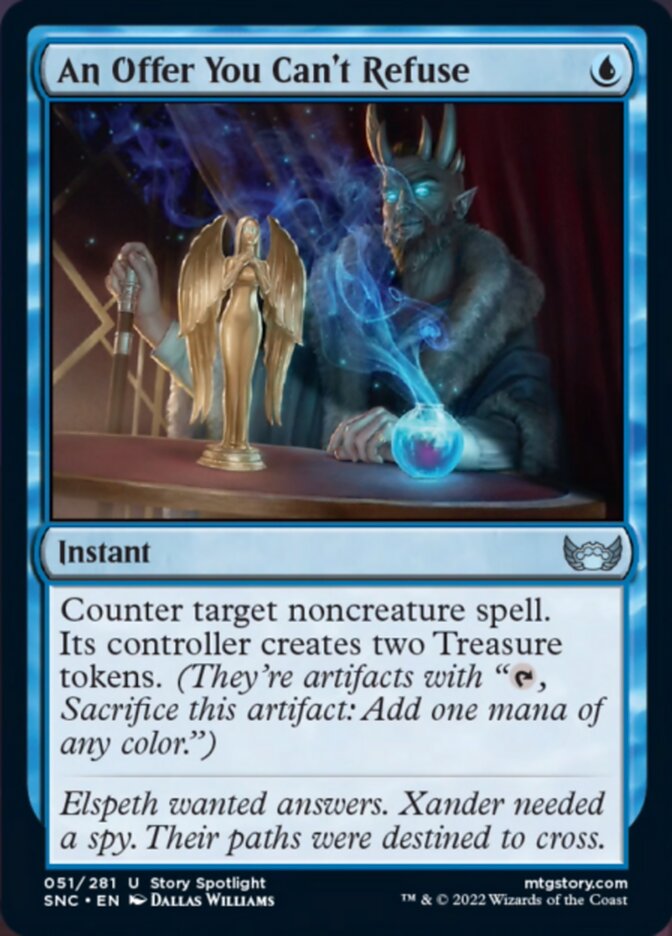
Your backup counters fill in the cracks. Flusterstorm is excellent in storm-heavy pods or when fighting through counter wars. Mental Misstep is a 1-mana counter that often feels like it’s worth 10, since it can shut down early tutors or mana dorks that would otherwise put opponents ahead. Swan Song and An Offer You Can't Refuse both give your opponents a little something in exchange for countering, but in practice, the efficiency is what matters. They let you punch above your weight in counter wars, and they make your win turns that much safer.
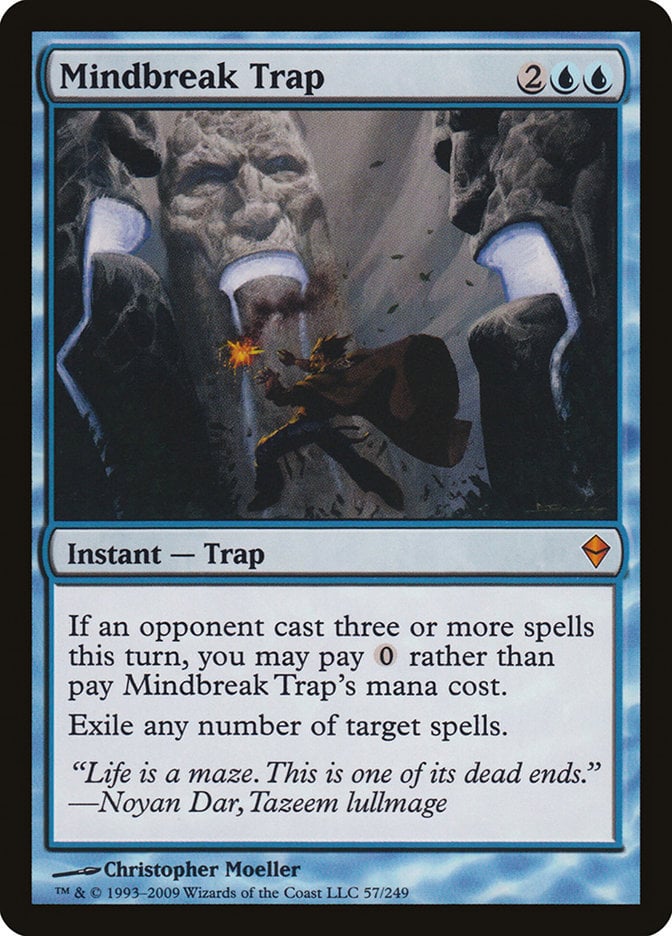
Then there are the niche options like Mindbreak Trap, which is a silver bullet against storm lines or free-cast turns from other combo decks. Access to a 0-mana exile effect gives you a defensive tool that doesn’t care about counters or uncounterable effects. This kind of depth is what makes Norman competitive: You’re never helpless, no matter what the table throws at you.
Removal
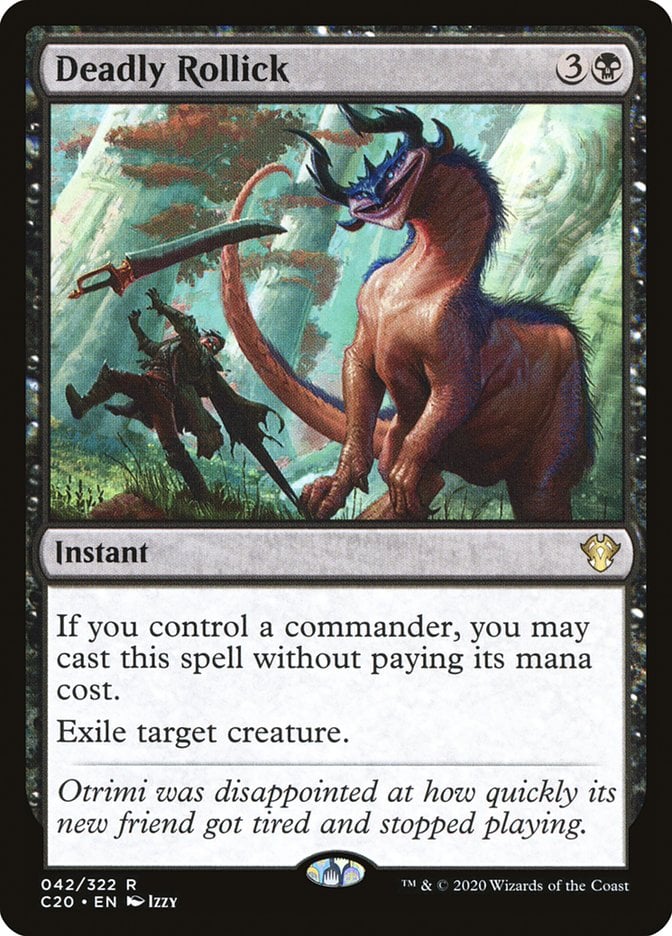
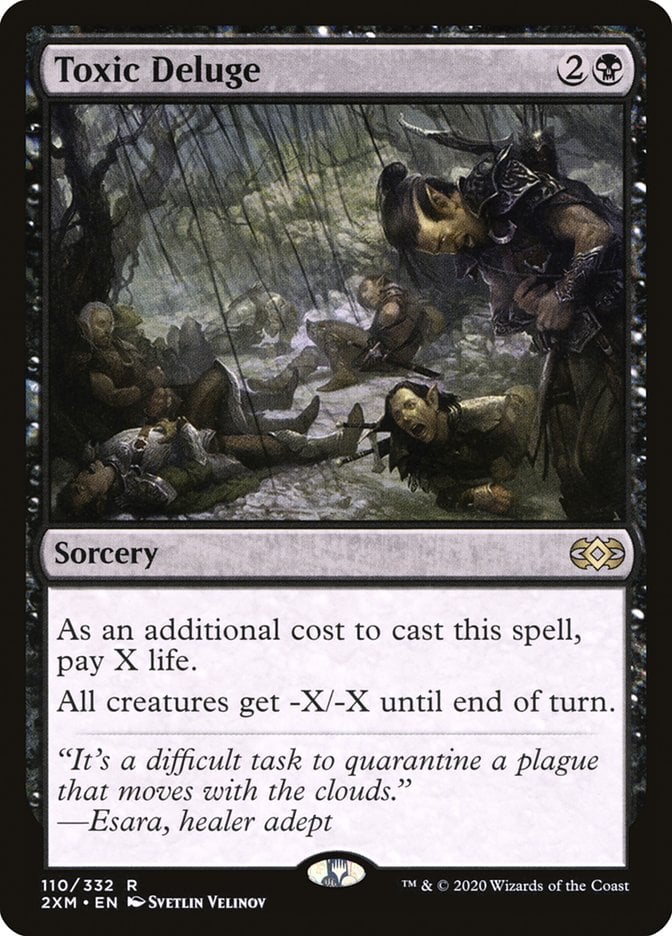
Board control in cEDH is less about wiping everything away and more about having the right answer at the right time. Deadly Rollick is a slam dunk here that lets you exile a creature for free as long as Norman is on the board. That’s the kind of tempo swing that keeps opponents’ win attempts in check without slowing you down. Toxic Deluge offers one of the most flexible sweepers in the format, and it scales with whatever threats are causing problems while it dodges indestructible.
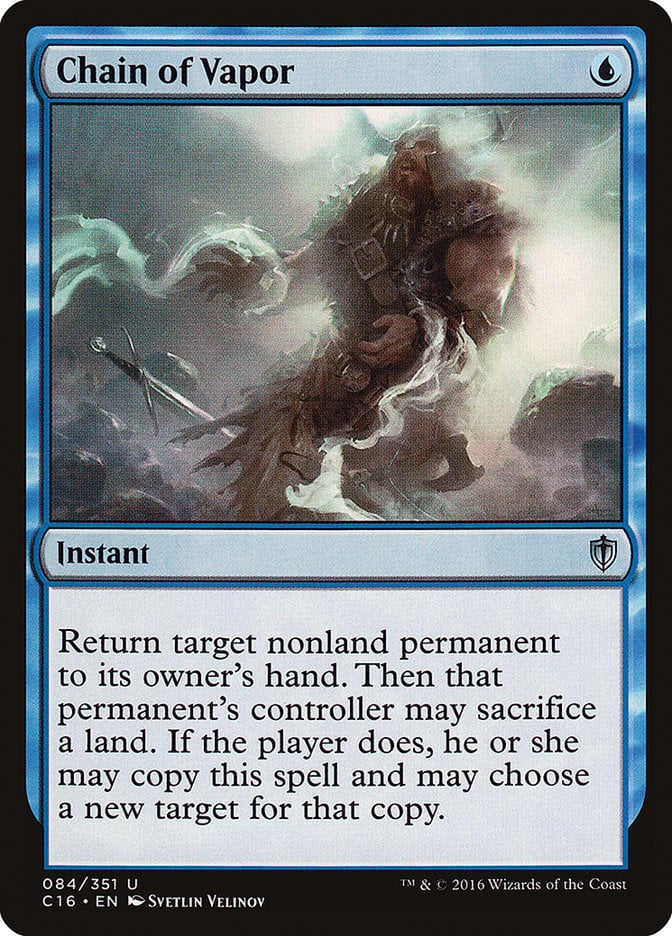
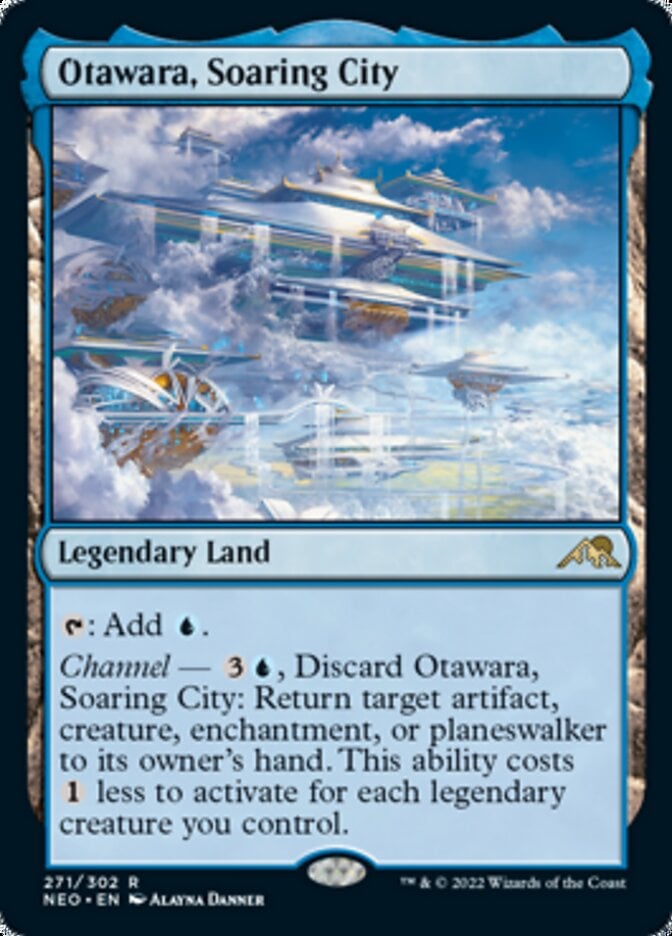
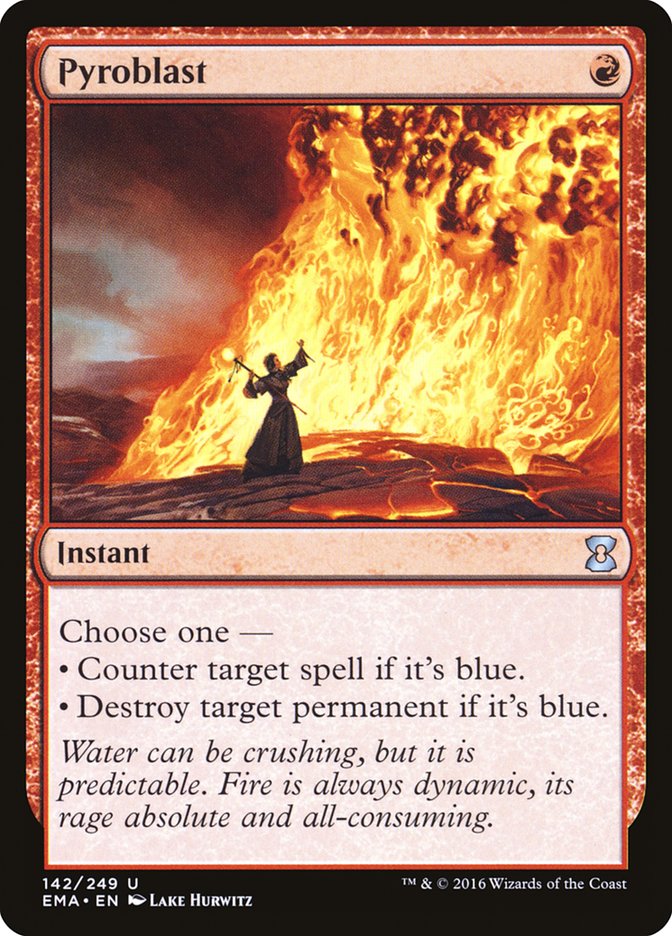
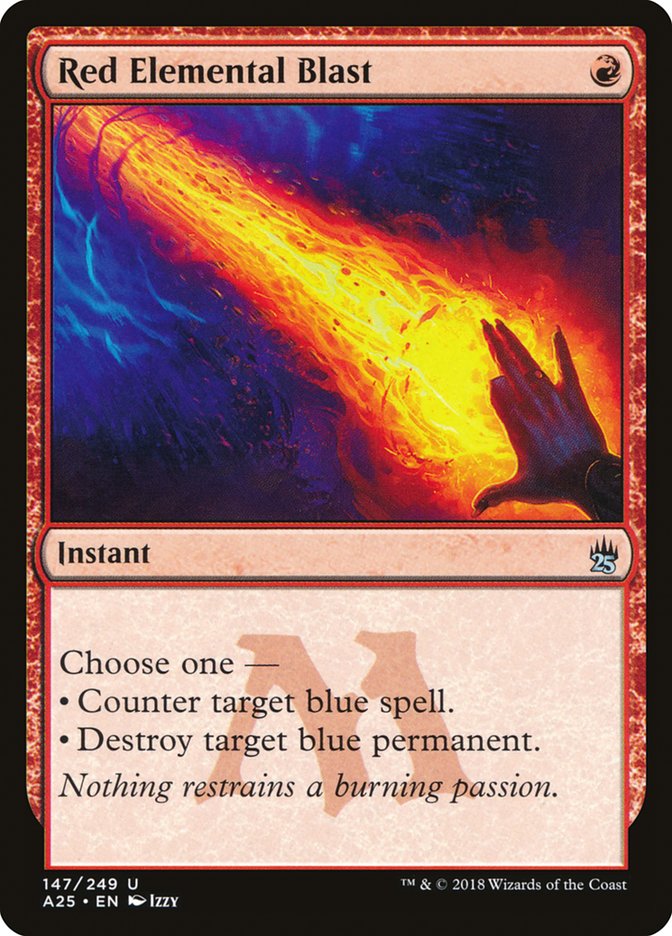
You’ve also got pinpoint removal and bounce options that double as tempo plays. Chain of Vapor is the poster child for this: It bounces a threat but also potentially resets your own mana rocks to generate more value. Otawara, Soaring City is another flexible bounce effect, and being a land means it doesn’t take up a spell slot. Pyroblast and Red Elemental Blast are more specialized, but in a meta where blue is the dominant color, they’re practically unconditional answers. This mix of free, flexible, and targeted removal ensures you’re never left without a way to keep the board under control.
The Utility Suite
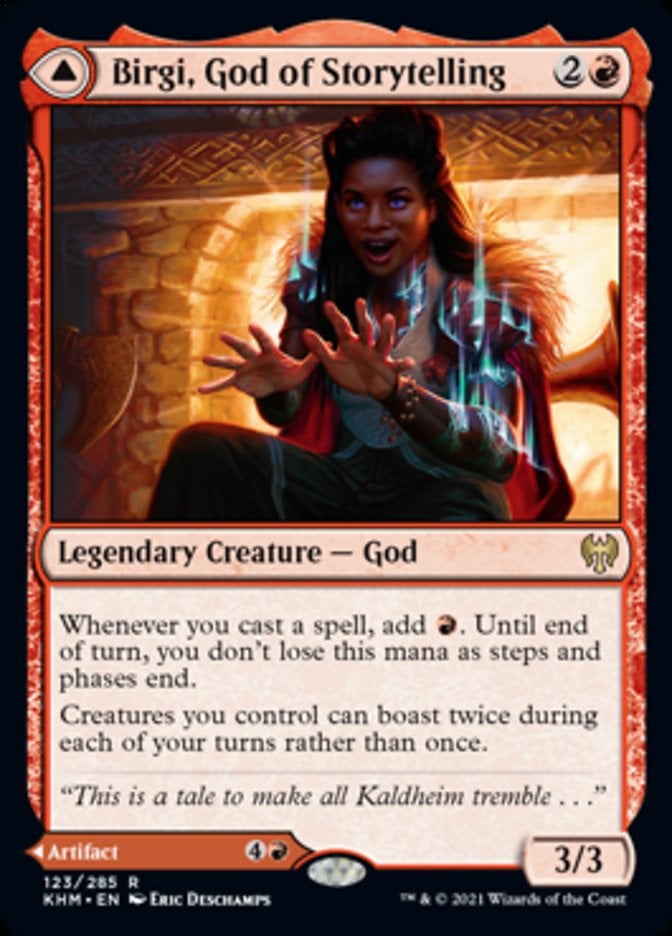
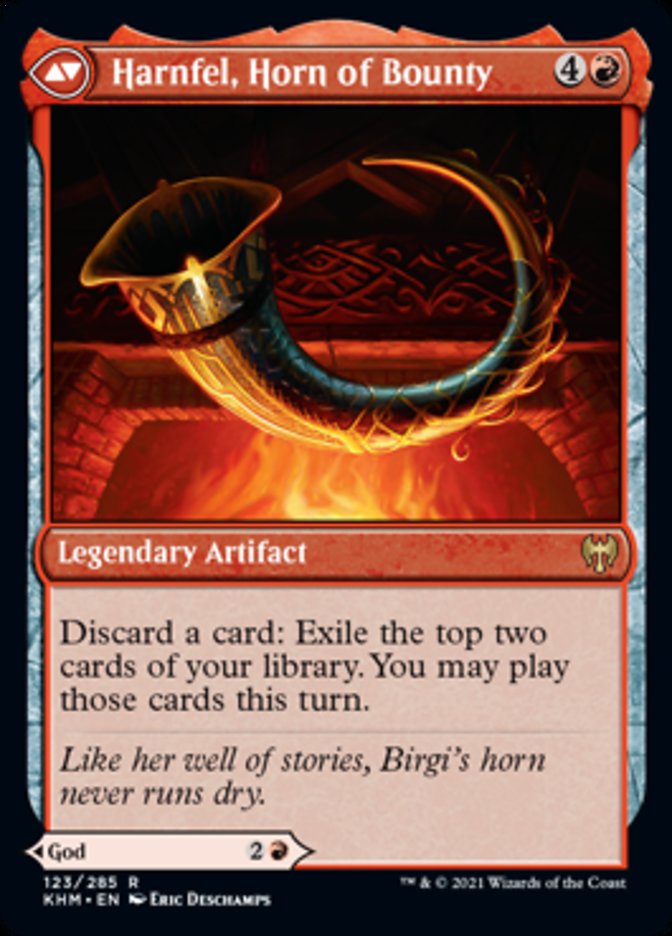

Not every card is about comboing off—some provide value or smooth draws, or apply pressure to keep opponents on edge. Birgi, God of Storytelling fuels storm turns because it refunds mana, or as Harnfel, Horn of Bounty, digs through your deck while it feeds the graveyard. You ignore Spider-Punk’s lord ability here, but it shuts down counterspells or damage prevention effects (including your own).

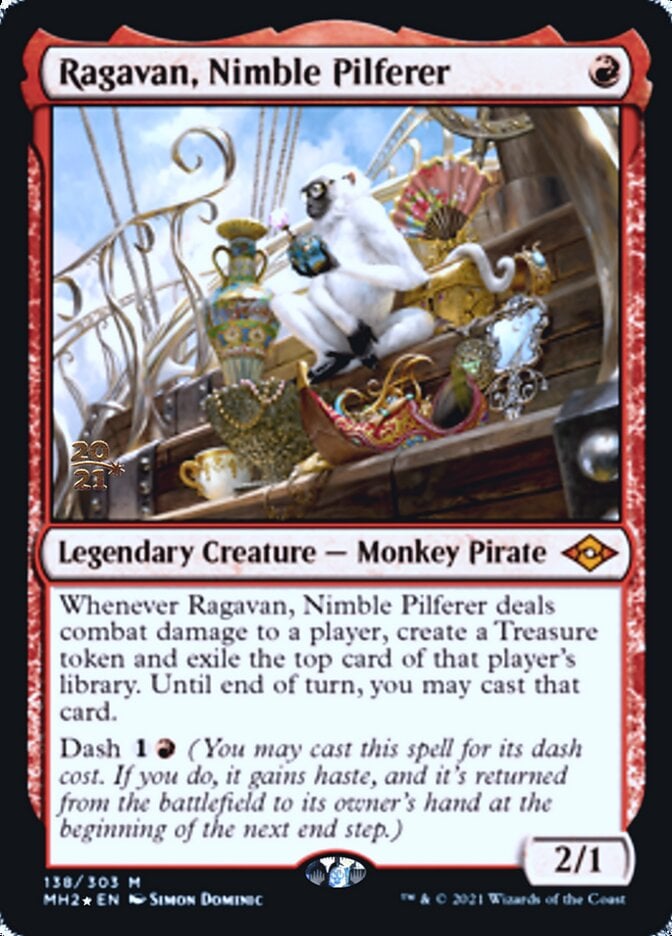
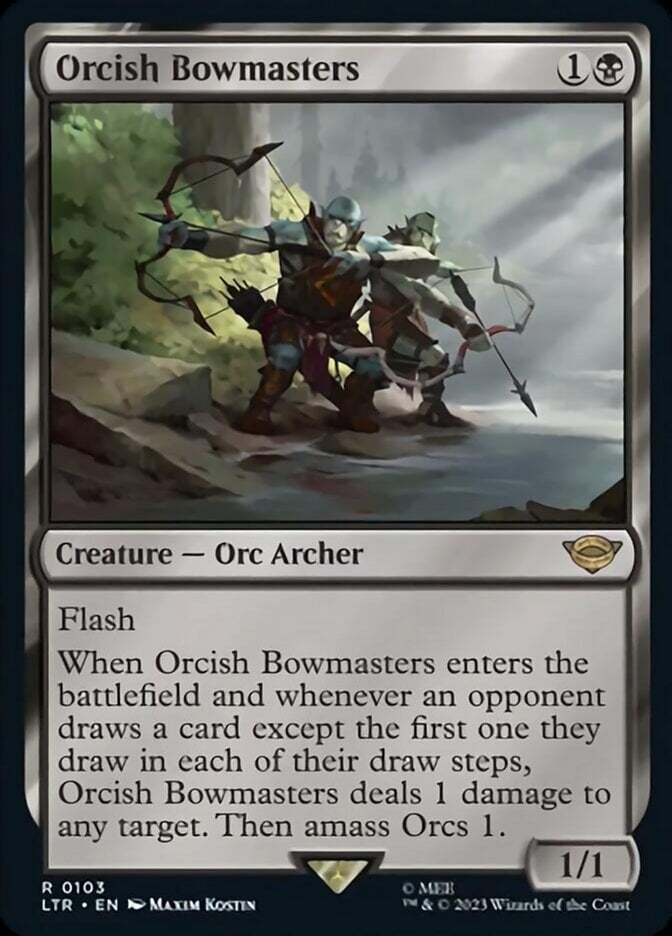
Valley Floodcaller is a quiet all-star that flashes in wheels or Breach lines at instant speed while it untaps your team for sneaky plays. Ragavan, Nimble Pilferer offers pure efficiency, generating Treasures and stealing cards from turn 1. And Orcish Bowmasters punishes extra draws, creating tokens and pressure that stack up quickly. These cards don’t win the game outright, but they add flexibility, pressure, and consistency that keep Norman’s plan running smoothly.
Win Condition
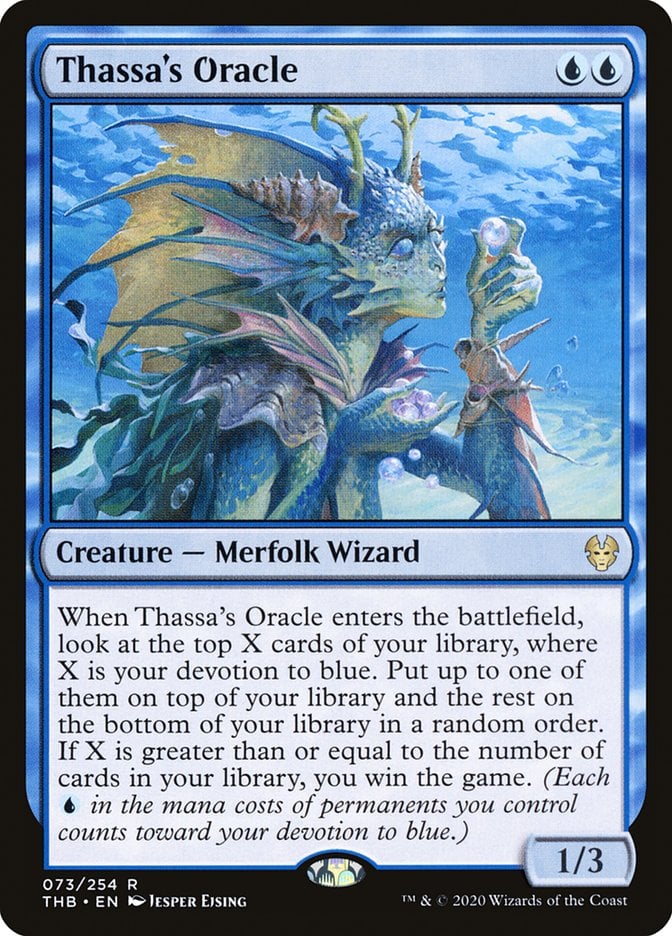
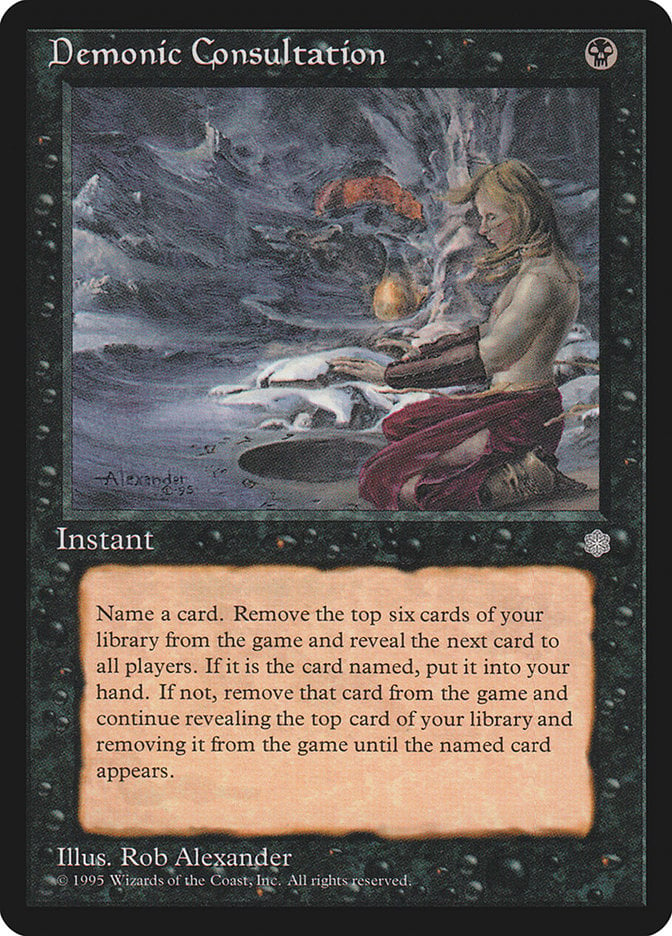
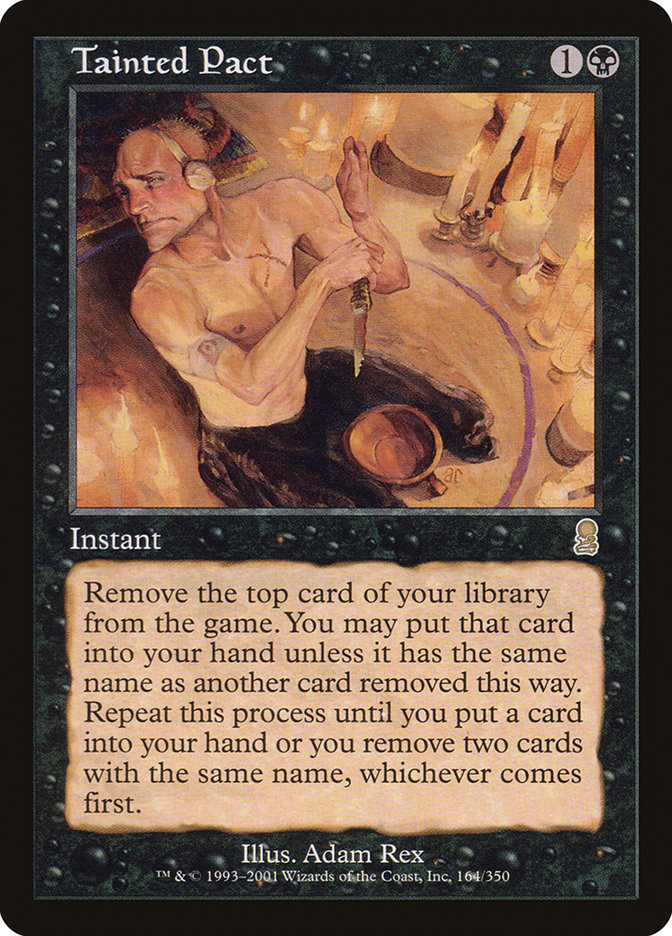
Your win conditions are lean and efficient, and they’re built to slot right into the cEDH landscape. The primary line is the Thassa's Oracle combo. Pair it with Demonic Consultation or Tainted Pact and you exile your library to win on the spot. This package is so compact and consistent that it’s become the gold standard across cEDH, and in a Norman Osborn deck it’s no different. The beauty here is that Norman’s card filtering and discard engine make it easy to set up the combo while you hold protection in hand.
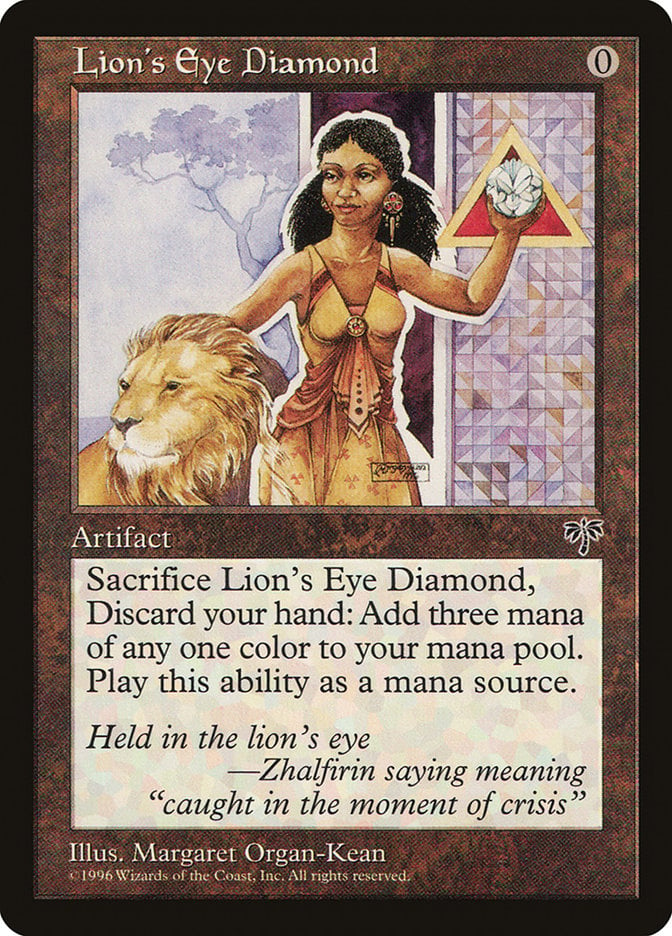
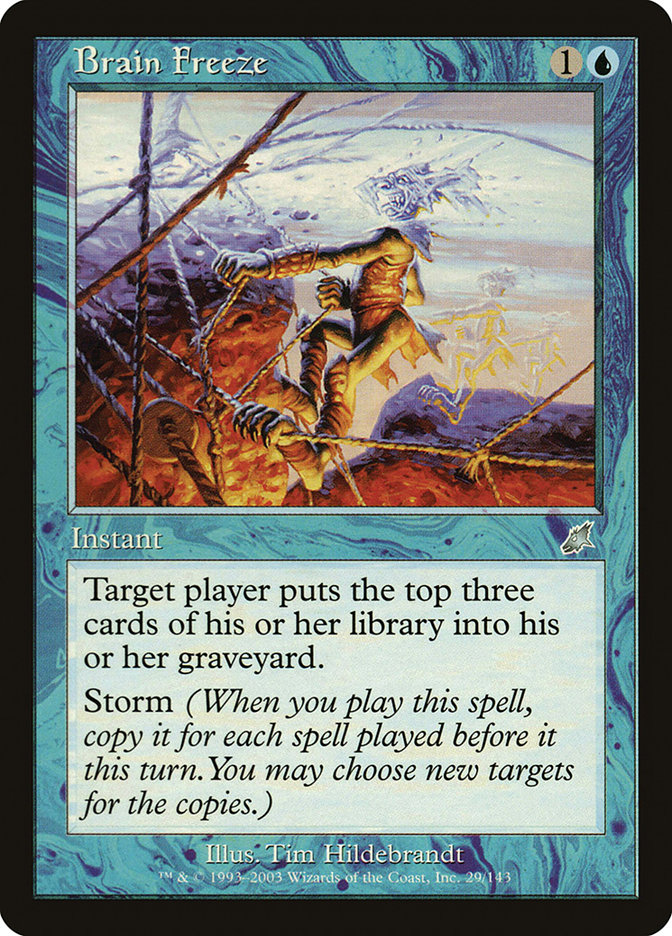
Your secondary win comes from storm loops. With Underworld Breach on the board, Lion's Eye Diamond and Brain Freeze create a self-feeding loop that mills your deck while generating mana, which eventually lets you recast everything until you hit Oracle. Even without the full loop, repeated wheels like Wheel of Fortune can devastate opponents when cast from the graveyard for 1 mana. These alternate routes mean you’re never locked into a single win line, which makes your deck resilient to hate.
The Mana Base
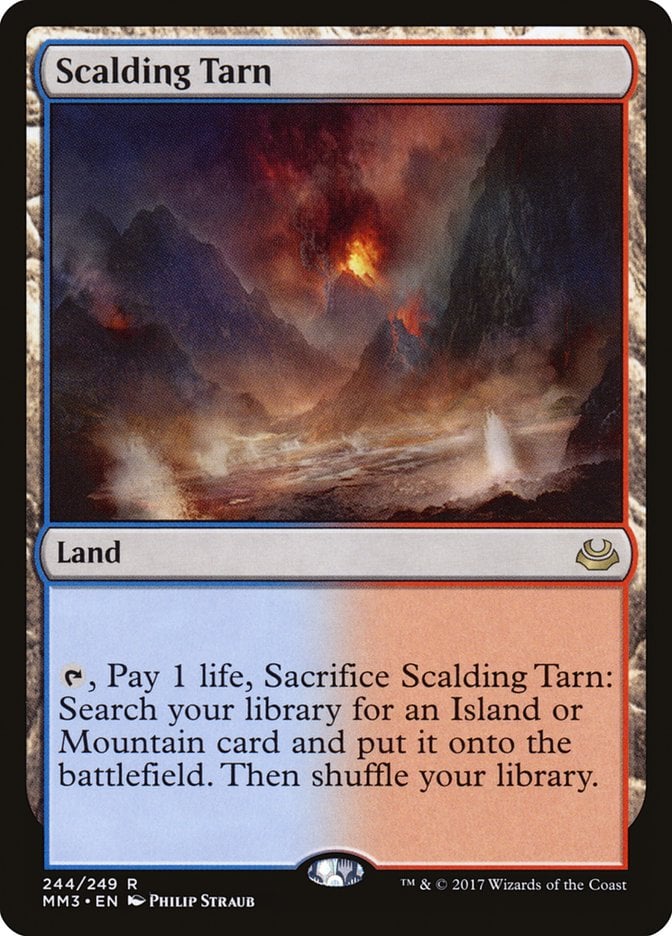
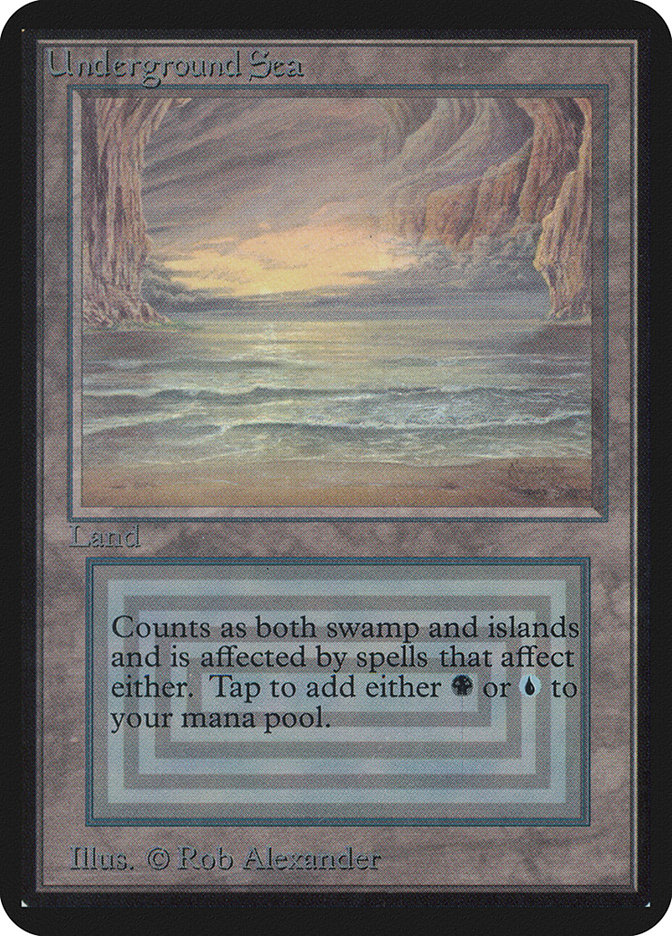
A good cEDH deck lives or dies by its mana, and Norman’s mana base is razor sharp. Fetch lands like Scalding Tarn, Polluted Delta, Misty Rainforest, and Wooded Foothills give you perfect access to your shocks and duals, and they ensure your colors are always online. Premium lands like Underground Sea, Volcanic Island, and Badlands mean you don’t even have to worry about tempo loss when fixing.
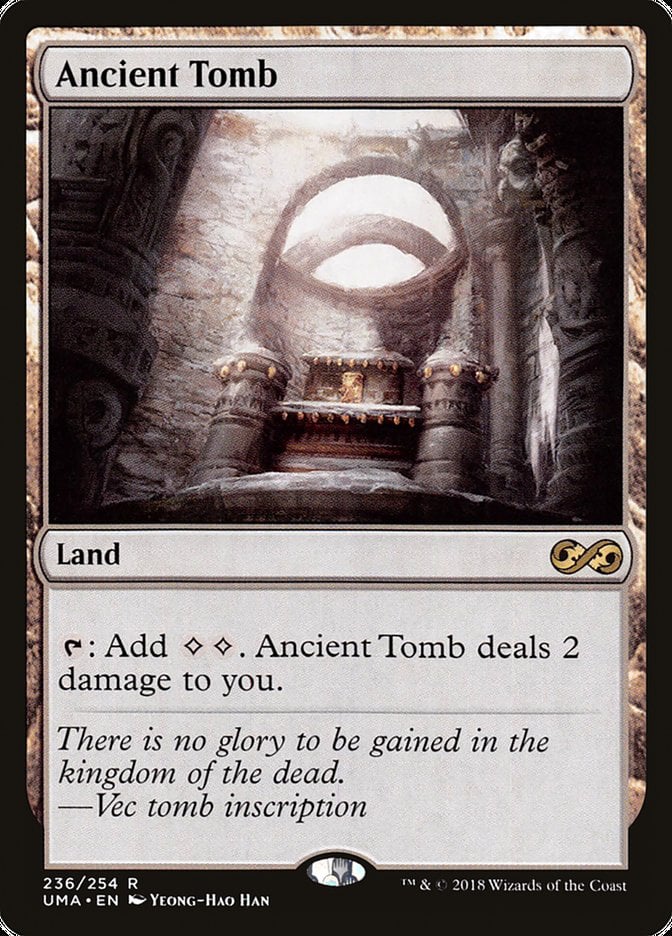
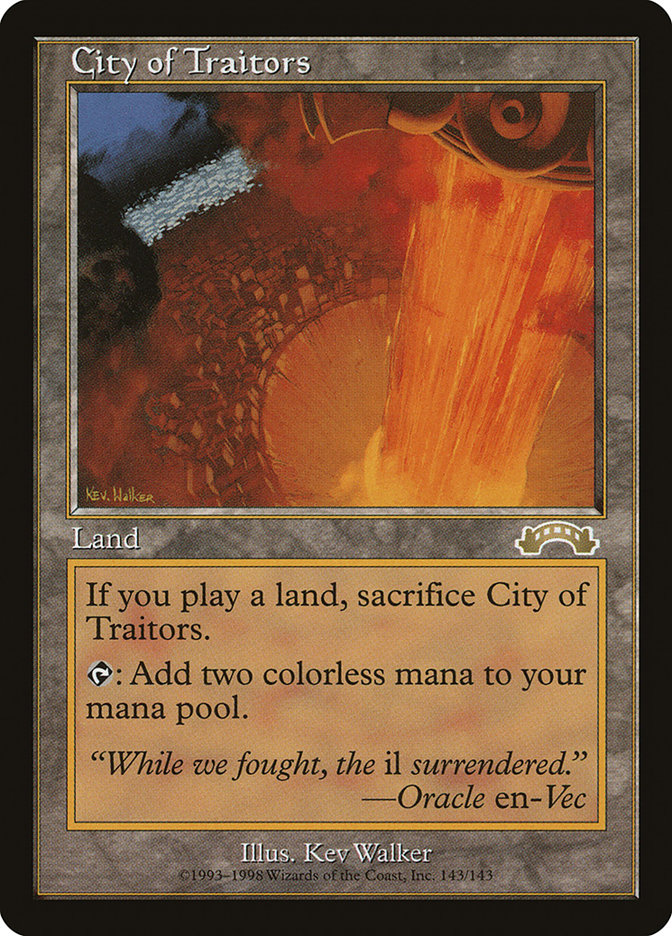
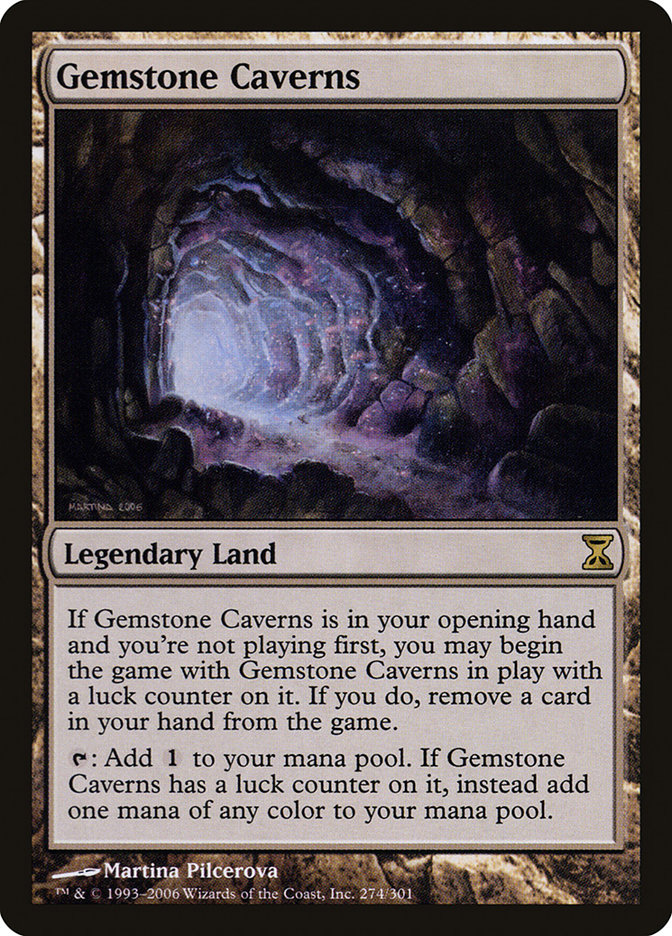
The utility lands are what make this base sing. Ancient Tomb and City of Traitors produce explosive starts that let you power out rocks or wheels a turn earlier. Gemstone Caverns is one of the strongest lands in cEDH, essentially giving you an extra land drop before the game starts.
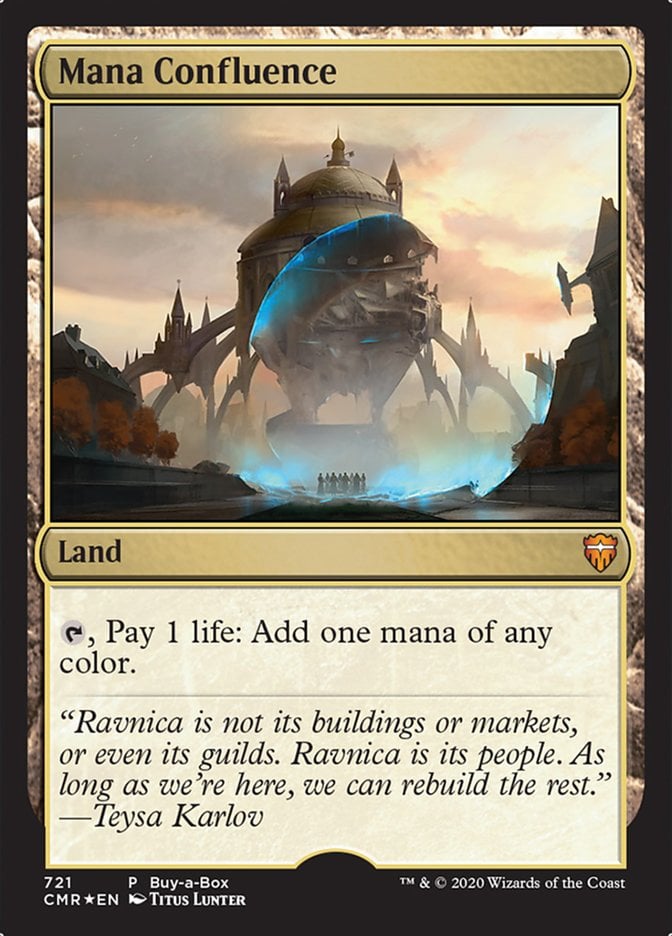
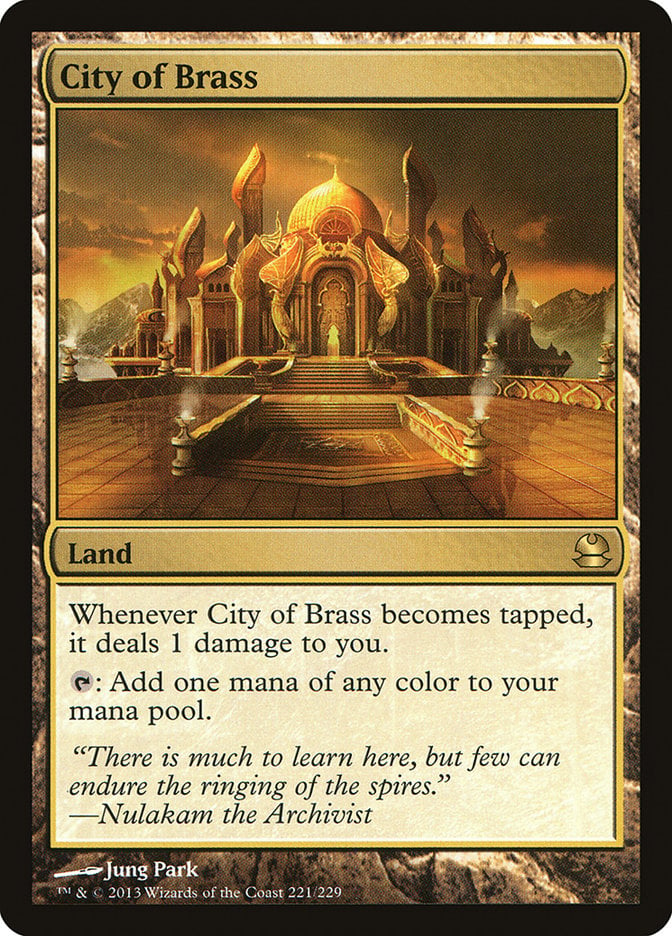

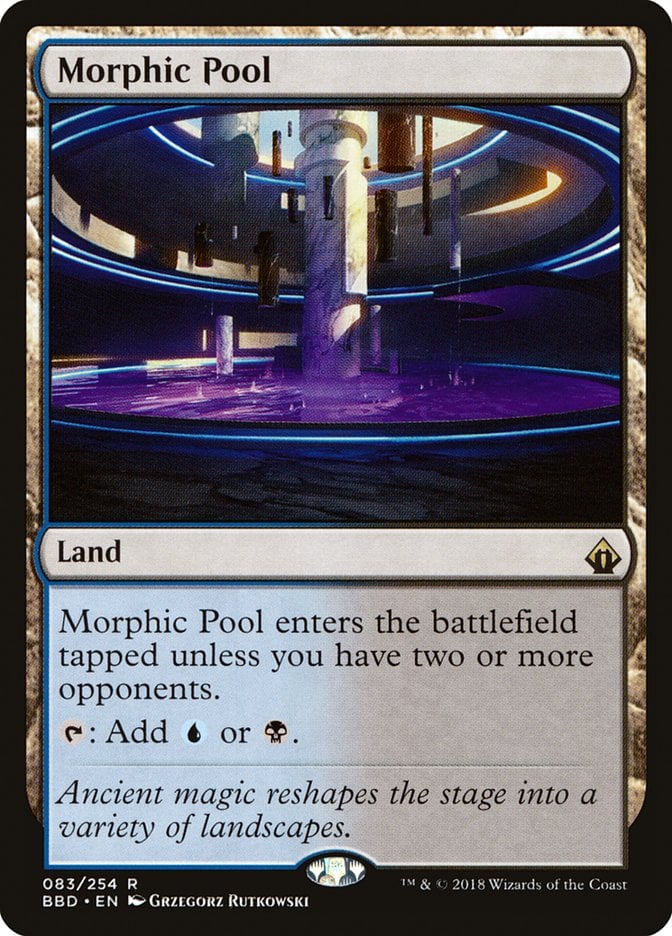
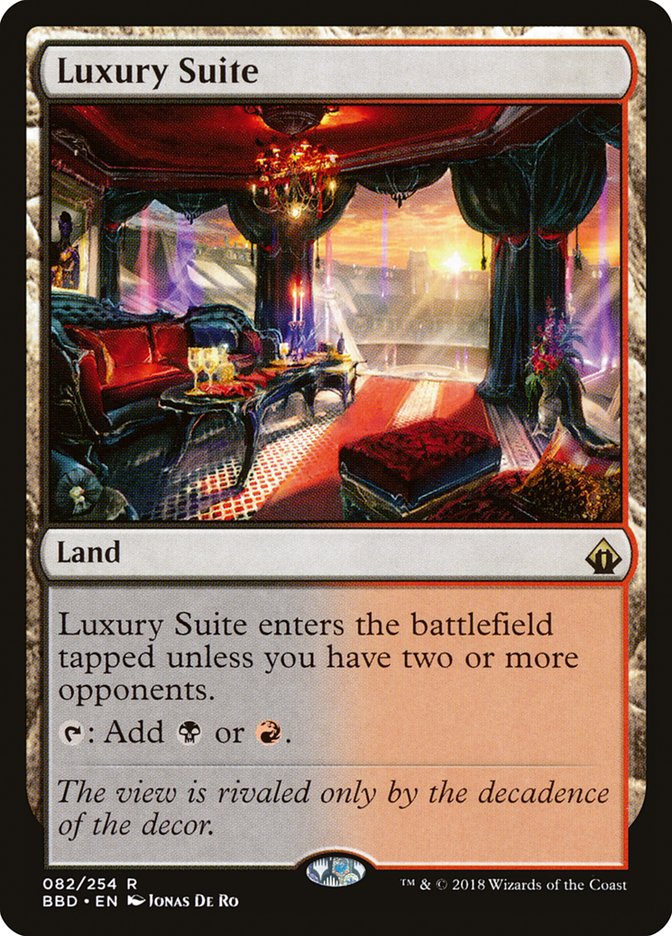
To round out the fixing, Mana Confluence, City of Brass, and Command Tower guarantee color access without hesitation. Multiplayer staples like Morphic Pool and Luxury Suite add redundancy while they keep the curve smooth.
The Strategy
At its core, this deck is all about tempo. You want to get Norman Osborn onto the field early, flip it into the Green Goblin when the timing is right, and then lean on your graveyard to overwhelm the table. Sometimes that means you run your commander out for 2 mana just to start conniving and filtering cards. Other times, it’s worth it to wait and pay 4 mana so you can bring it out transformed and skip straight to the discount and mayhem abilities. Balancing these two approaches is key—you want to be fast enough to threaten a win, but cautious enough to hold interaction so you don’t lose to someone else’s combo.
Tutor Lines
Knowing what to grab with your tutors is a huge part of mastering the deck. Entomb often sets up by dropping Underworld Breach or Yawgmoth's Will into the graveyard to line up a future combo turn. Demonic Tutor and Vampiric Tutor are usually pointed at Thassa's Oracle or the Demonic Consultation/Tainted Pact piece when you’re ready to close, but they’re just as good at finding Necropotence when you need raw card advantage. That flexibility makes your win turns remarkably consistent.
Pivoting Between Roles
Norman Osborn shines in cEDH because it can switch roles depending on the table. Sometimes you go on the offensive and use its unblockable swings to connive or draw extra cards with Psychic Frog, while Ghostly Pilferer adds value from your discard plays. Other times, you slow down and hold interaction like Force of Will or Fierce Guardianship and wait for the perfect opening. This flexibility lets you adapt to greedy combo decks by playing control or punish stumbles by applying pressure, which makes Norman far from one-dimensional.
Finding Windows
The hardest skill to learn is timing. The margins are razor thin in cEDH, and knowing when to pull the trigger is often the difference between winning and watching someone else combo off. The best play is usually to wait until opponents burn through their interaction in a fight, then step in with your own win attempt. Thanks to Norman’s mayhem ability and cost reduction, you’re better at reloading than most decks once the dust settles, which means patience is almost always rewarded.
Combos and Interactions
The combo package is the beating heart of this deck, and it’s what turns Norman Osborn into a true cEDH powerhouse.
The cleanest line is the classic Underworld Breach loop with Lion's Eye Diamond and Brain Freeze. This setup lets you exile and replay cards infinitely and mill yourself until you can either storm out the table with Brain Freeze itself or pivot into a Thassa's Oracle win.
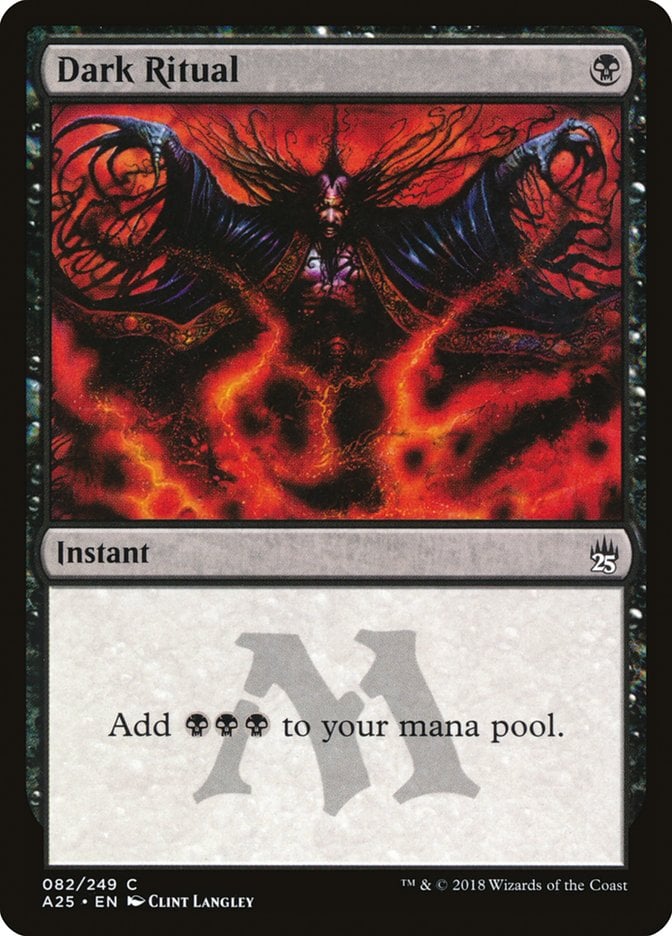
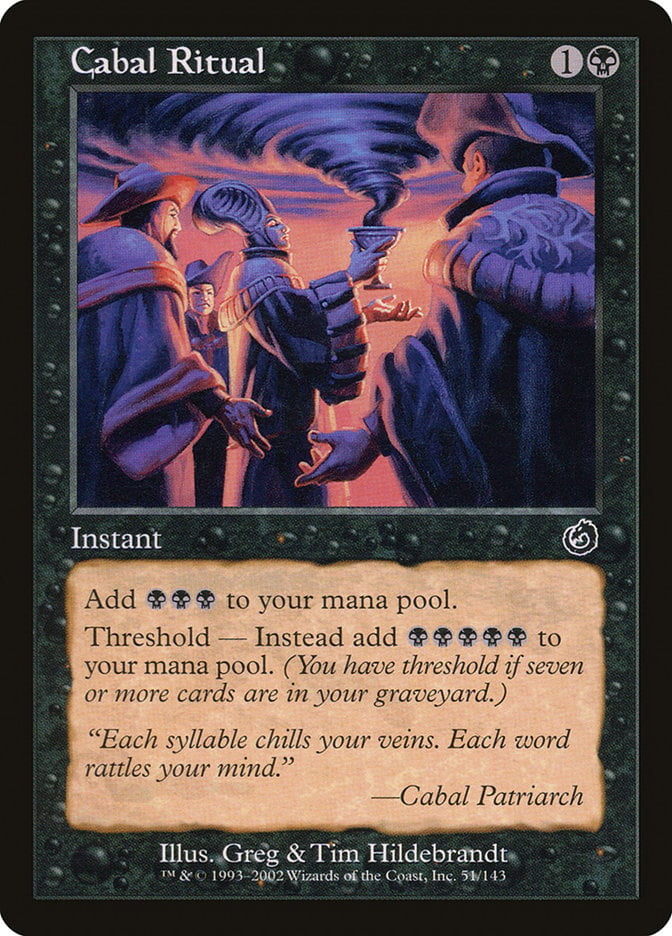
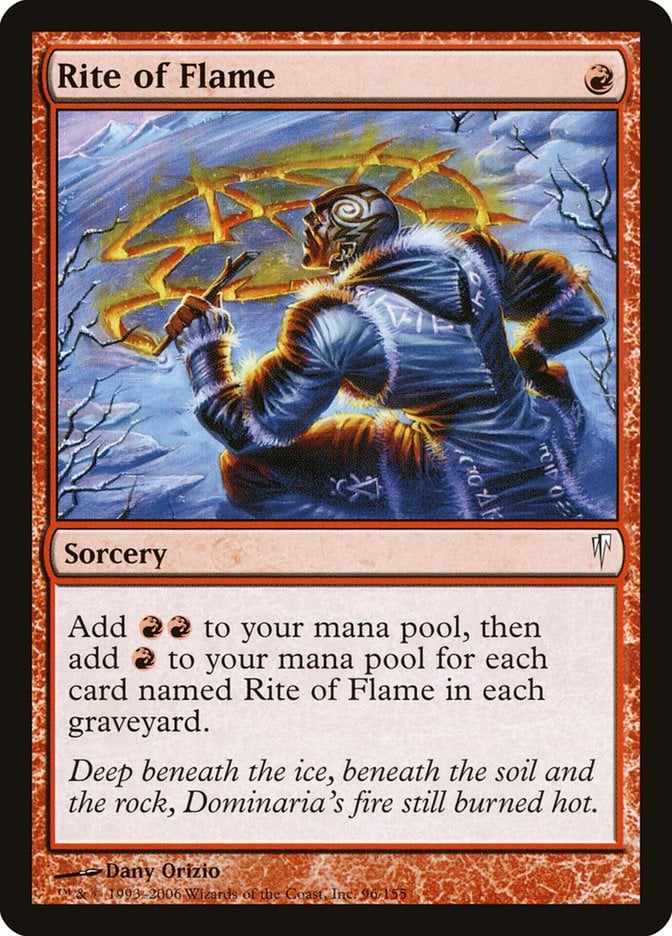
Yawgmoth's Will opens another path, even if it doesn’t go infinite on its own. With rituals like Dark Ritual, Cabal Ritual, and Rite of Flame, you generate absurd amounts of mana while replaying wheels and tutors from your graveyard. The real punch comes when you mix this with Norman’s discount—suddenly, Wheel of Fortune and Windfall are effectively 1-mana spells when you cast them from the graveyard, which lets you chain wheel after wheel into overwhelming advantage.
Then there’s the compact Thassa's Oracle package, backed by Demonic Consultation and Tainted Pact. This is your bread-and-butter cEDH closer: It’s efficient, it’s low to the ground, and it’s hard to disrupt when backed up by free counters. It requires minimal setup, which means you can jam it early if the table gives you an opening.
The deck also has some sneakier lines that only Norman can pull off. If you’ve got Green Goblin flipped and Necropotence on the field, you can pour enough life into Necro’s ability essentially to “draw” your entire deck. Because Necropotence’s delayed trigger puts the cards into your graveyard before it exiles them, they briefly touch the ‘yard and become playable under Norman’s mayhem ability. It’s a loophole that was later patched with Necrodominance, but here it turns into a way to dig into everything you need in a single turn.
Instant-speed enablers are key in this scenario. With Valley Floodcaller on the board, you can cast non-creature spells as though they had flash, which means you can pivot into a win line on an opponent’s end step after you fill your graveyard. Combined with Breach or Will, this gives you the flexibility to wait for the perfect opening then close the game before anyone has a chance to react.
Budget Options
This list is tuned for cEDH, so swapping out staples lowers the power level. Cards like Lion's Eye Diamond, Mox Diamond, and Grim Monolith are key to its speed, so it’s harder to keep up with the fastest decks if you cut them. Still, if you’re building on a budget or for high-power pods, there are some workable replacements.
Jeska's Will can fill in for Lion's Eye Diamond, while rituals like Seething Song or Pyretic Ritual help to make up lost ground. For wheels, Wheel of Misfortune, Reforge the Soul, or Whispering Madness are serviceable stand-ins.
On the mana base side, shocks like Steam Vents or Watery Grave work fine, but they’re slower and cost life compared to duals like Underground Sea.
Rounding things out with rocks like Fellwar Stone and Coldsteel Heart keeps your colors consistent. The deck won’t be a razor-sharp cEDH machine, but Norman’s strengths of recursion and cost reduction still shine in casual or high-power pods.
Other Builds
You can tune Norman Osborn in different directions beyond the streamlined cEDH list. One path leans harder into discard payoffs with cards like Waste Not, Liliana's Caress, and Megrim and turns every wheel into a way to drain the table while filling your graveyard. Wheels like Whispering Madness or Wheel of Misfortune shine here and let Norman weaponize its connive ability and mayhem mechanic in a grindy, punishing way.
Another option is to focus on recursion and value-heavy spells. With Norman’s discount, flashback and escape cards like Past in Flames, Echo of Eons, and From the Catacombs become powerful engines instead of just support pieces. This approach leans more into a “graveyard storm” feel, chaining cheap spells together until you bury your opponents in card advantage.
Commanding Conclusion

Rocket-Powered Goblin Glider | Illustration by Pavel Kolomeyets
At the end of the day, Norman Osborn is a commander that blends raw power with flexibility. It turns your graveyard into a second hand, turns wheels and discard effects into engines, and always keeps your opponents guessing which side you need.
Thanks for checking out this breakdown—if you enjoyed it, make sure to follow us on social media so you don’t miss the next brew. We’d also love to hear your thoughts: How would you build around Norman, and which lines do you think are the most dangerous? Share your take in the comments below or over on the Draftsim Discord.
Until next time, take care.
Follow Draftsim for awesome articles and set updates:










Add Comment