
Talent of the Telepath | Illustration by Peter Mohrbacher
If you have ever cast a card with spell mastery and thought, “Wait, why didn’t I get the bonus?” you aren’t alone. The mechanic rewards you for already having spells in your graveyard, but a few timing gotchas can make the upgrade disappear in real games. Today, we’ll cover why that happens, what spell mastery actually checks, and the major cards that use it. Intrigued? Let’s dive in.
How Does Spell Mastery Work?
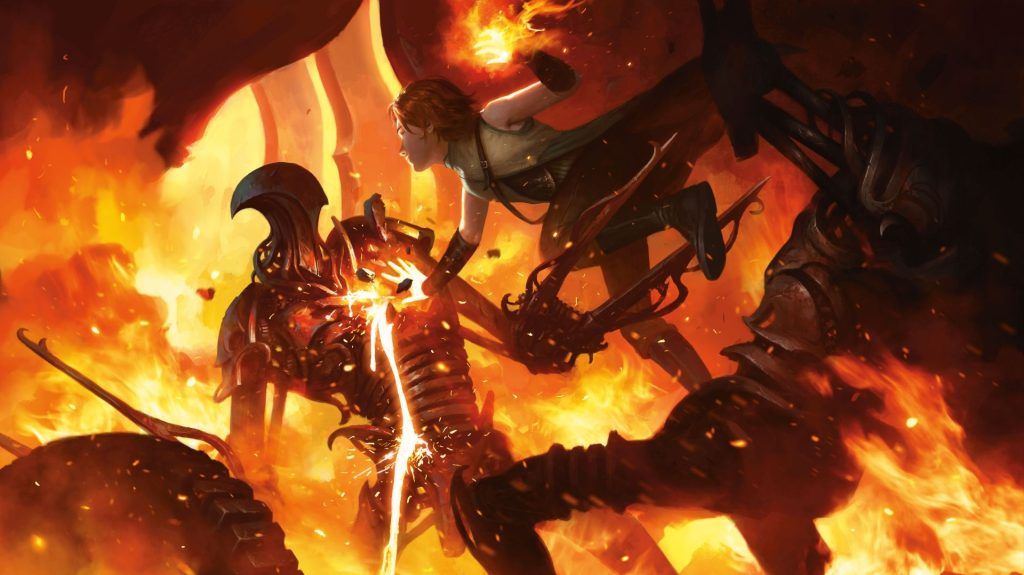
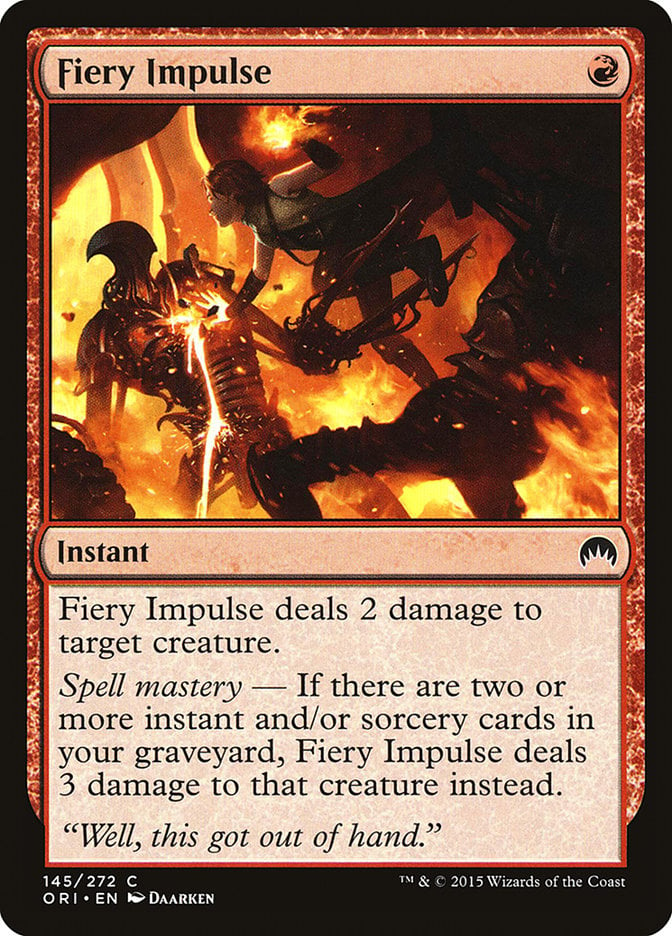
Fiery Impulse | Illustration by Daarken
Spell mastery isn’t its own special rule; it’s an ability word that points out a pattern. The card gets a bonus if you already have two instants or sorceries in your graveyard as the spell resolves. A burn spell with spell mastery might deal extra damage, or another spell might upgrade its effect if you’ve built up your graveyard a bit first.
The important detail is that spell mastery only cares about what’s already in your graveyard when it resolves. The spell you’re currently casting doesn’t count because it’s still on the stack while it’s resolving and only goes to the graveyard afterward. In other words, to get the bonus, you need two other instants or sorceries already sitting in your graveyard when the spell resolves; if you don’t, you just get the normal effect.
The History of Spell Mastery in MTG
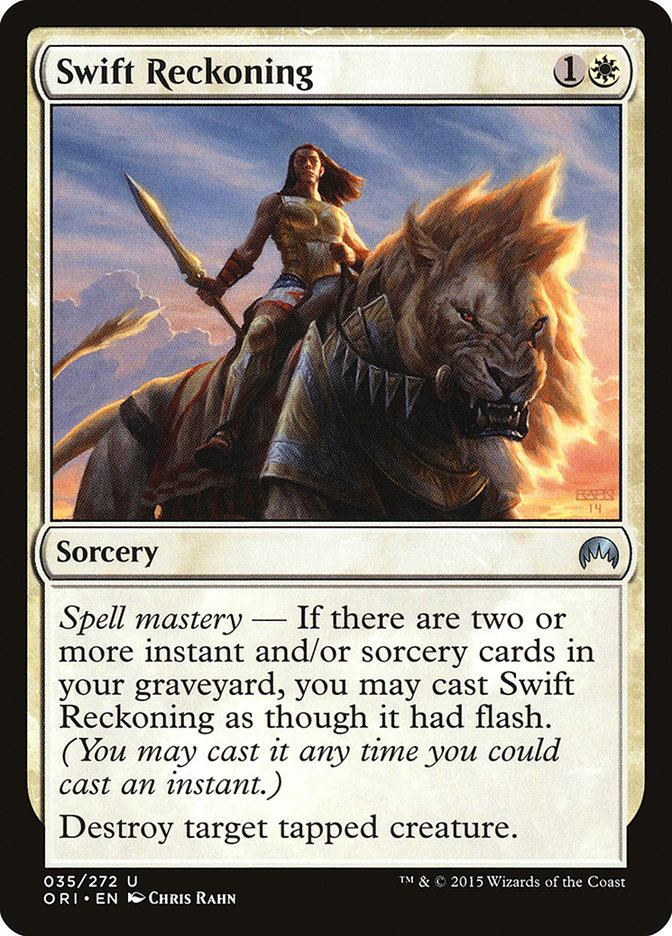
Spell mastery debuted in Magic Origins, which released on July 17, 2015.
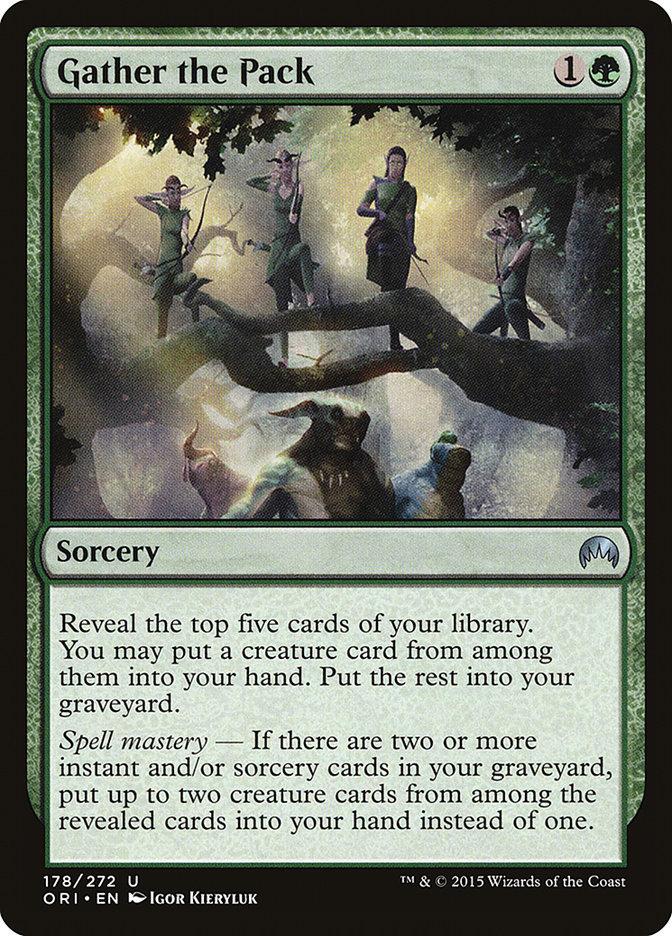
Wizards of the Coast used it as a spells matter theme across a small batch of instants and sorceries, with cards like Fiery Impulse, Dark Petition, Swift Reckoning, and Gather the Pack getting stronger once your graveyard already had a couple of spells in it.
After Origins, spell mastery didn’t became a mechanic that shows up consistently. It’s popped back up only once, specifically on Olórin's Searing Light in a Lord of the Rings Scene Box.
Overall, it’s a pretty small mechanic compared to evergreen stuff, since there are only 18 cards with spell mastery.
Can Spell Mastery be Countered?
You cannot counter spell mastery itself, because it isn’t a separate ability you can target. It’s just a condition that gets checked as the spell resolves, so there is no spell mastery ability sitting on the stack to counter.
That said, you can counter the spell like normal. And if you don’t counter it, you could shut off the bonus by attacking the graveyard in response, like exiling instants or sorceries, so the caster drops below two. When the spell resolves, spell mastery won’t apply.
Do Spell Mastery Cards Count Themselves?
Spell mastery does not count the spell you are casting. When you cast a spell mastery card, its effects happen before the card goes to the graveyard, so it isn’t in your graveyard yet. That means the game only looks at the instant and sorcery cards that were already in your graveyard before this spell finishes resolving.
The idea is simple: The spell checks the graveyard first, then it goes there afterward.
What If You Cast a Spell Mastery Card from the Graveyard?
Casting a spell mastery spell from your graveyard works the same way as casting it from your hand, but it can mess with your count. The moment you cast that card, it leaves the graveyard and goes onto the stack. So if you only had two instants or sorceries total, and one of them was the spell with spell mastery, you just removed one of the cards you needed.
Can an Opponent Exile Instants or Sorceries in Response?
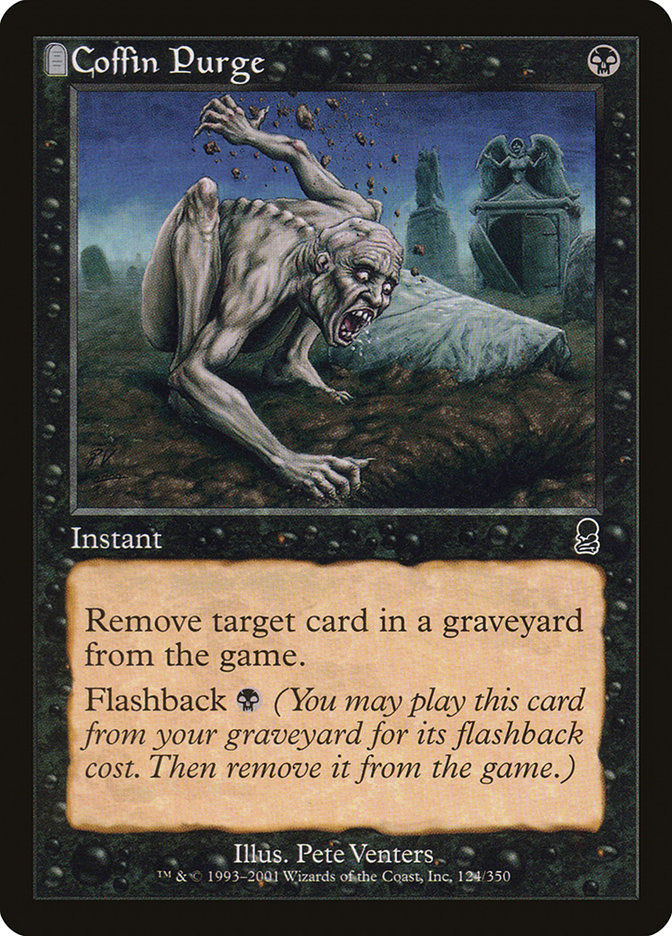
Yes. Since spell mastery gets checked as your spell resolves, your opponent can respond first and mess with your graveyard. If they exile or remove instants and sorceries so you drop below two, the bonus turns off and your spell resolves with only its normal effect.
A clean example is an instant speed graveyard hate card like Coffin Purge, which can exile a card from a graveyard. If you have exactly two qualifying cards and your opponent removes one of them before your spell resolves, spell mastery will fail.
Do Adventures Count for Spell Mastery?

No. An adventure card is only an instant or sorcery while you are casting the adventure part. In your graveyard, it is treated as its main face, which is usually a creature. So something like Giant Killer in the graveyard counts as a creature card only. Because spell mastery only counts instant and sorcery cards in the graveyard, adventures don’t help you reach the two-card requirement unless the main card is also an instant/sorcery (ex: Twice Upon a Time).
Do Double-Faced Cards Count for Spell Mastery?
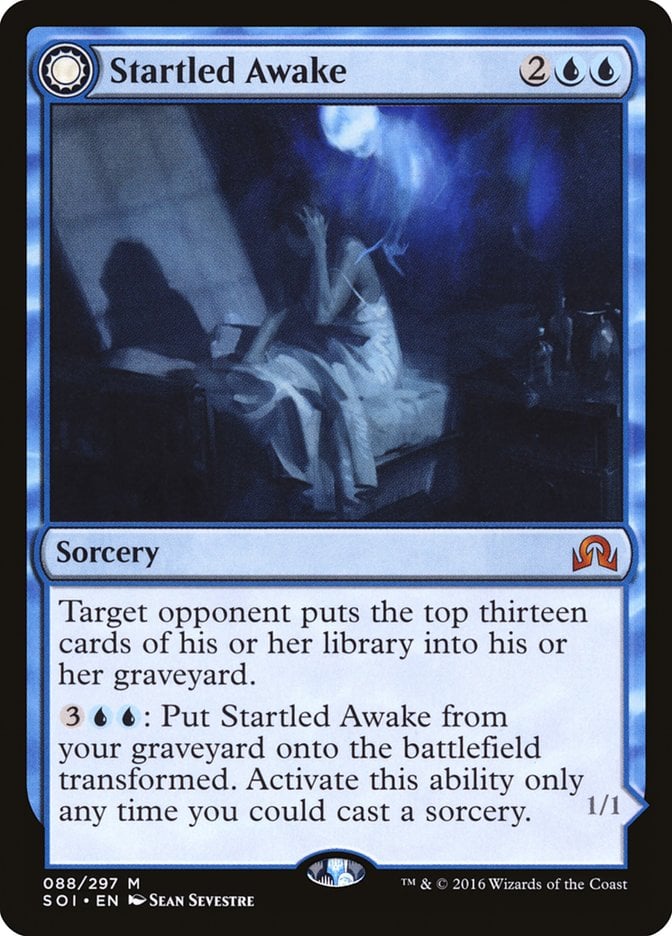
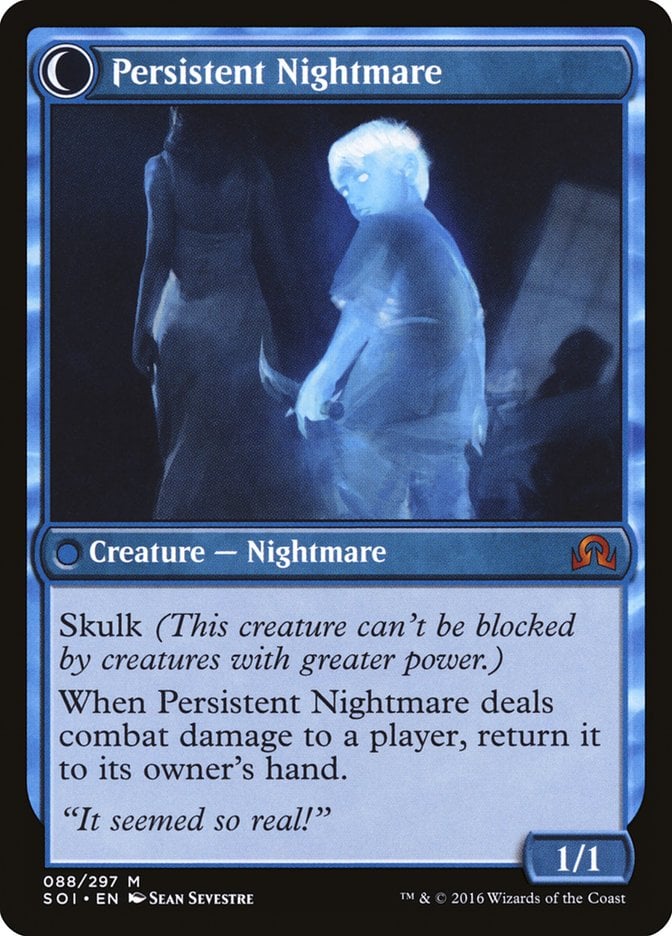
They only count if the front face is an instant or sorcery. In the graveyard, double-faced cards are treated as their front face, so that’s the only side that matters for spell mastery. For example, Startled Awake in the graveyard counts as a sorcery card, so it counts towards spell mastery. But a card like Blex, Vexing Pest with a sorcery on the back and a creature on the front doesn’t count while in the graveyard.
Gallery and List of Spell Mastery Cards
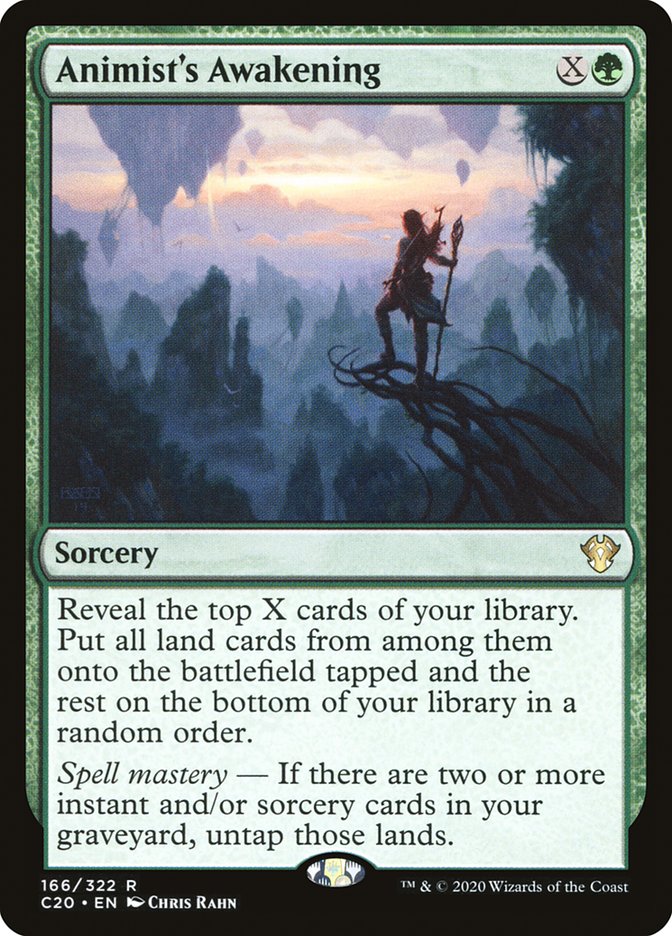
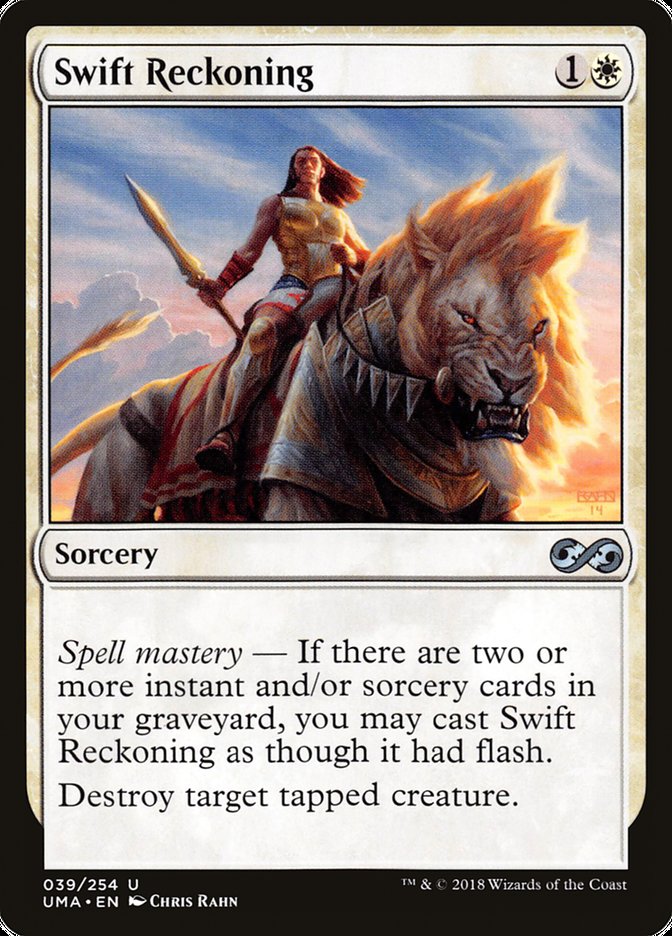
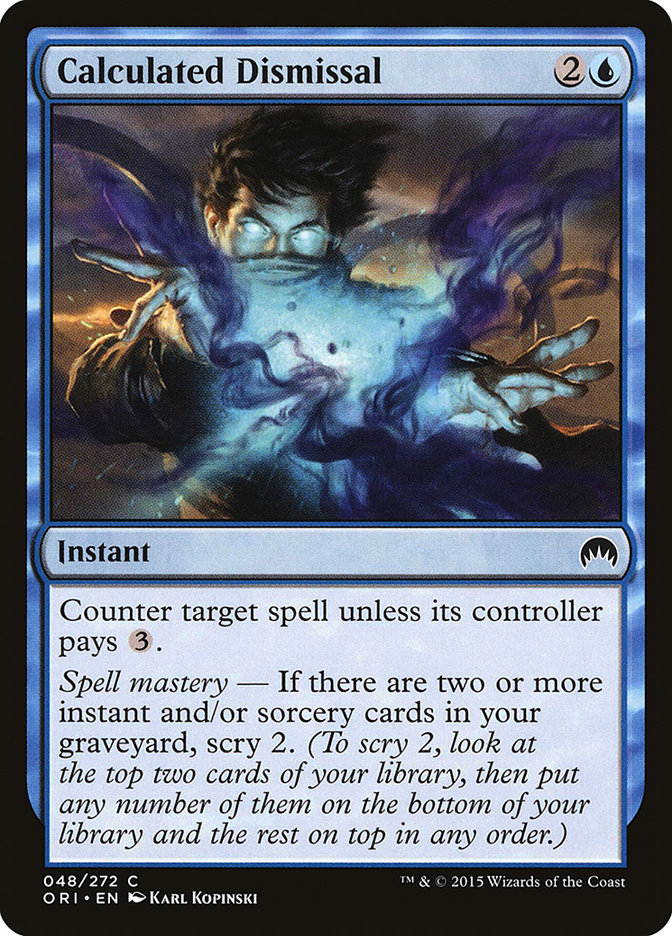

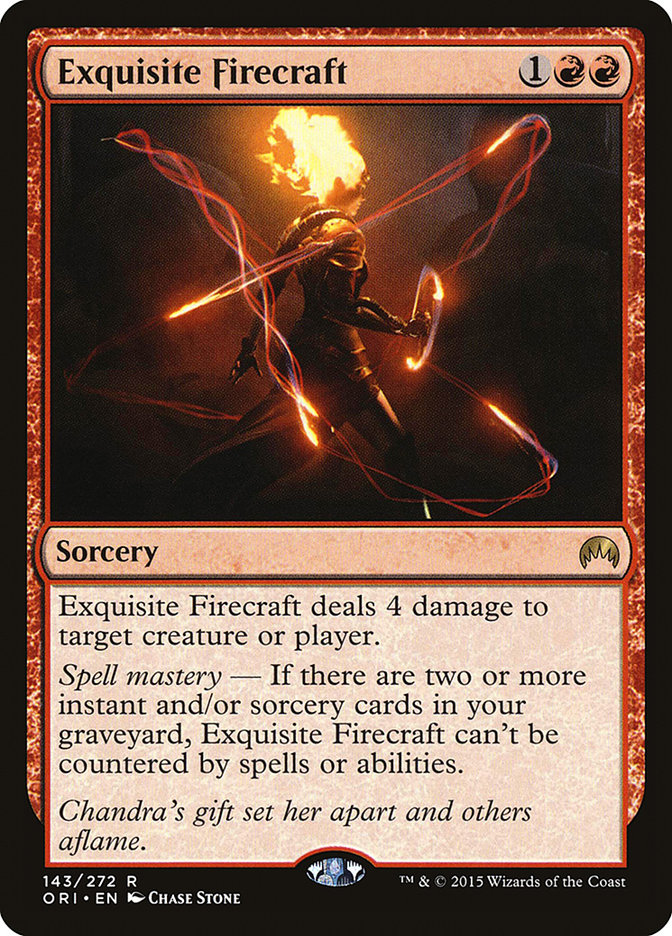
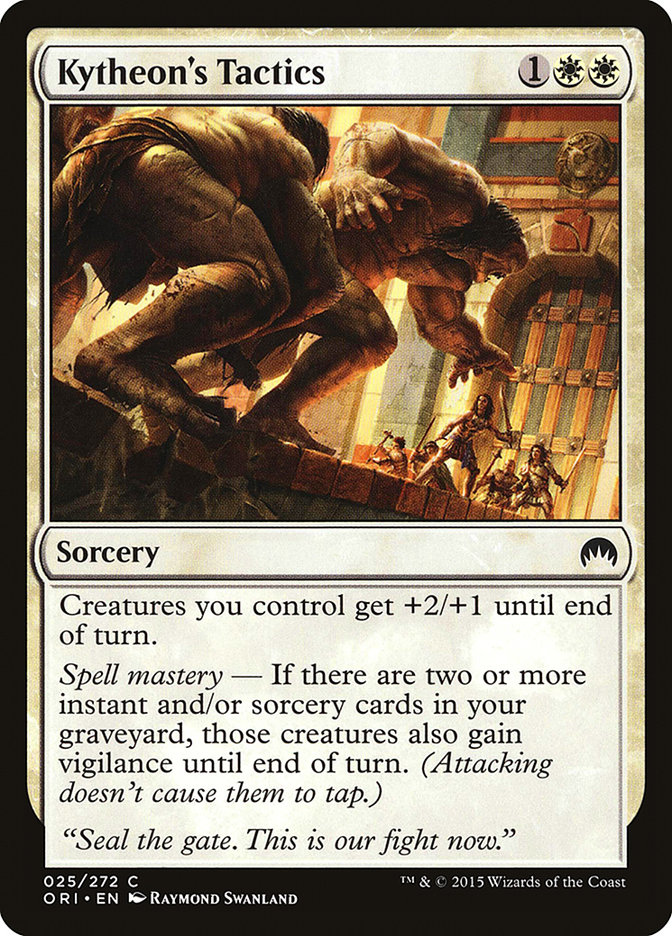
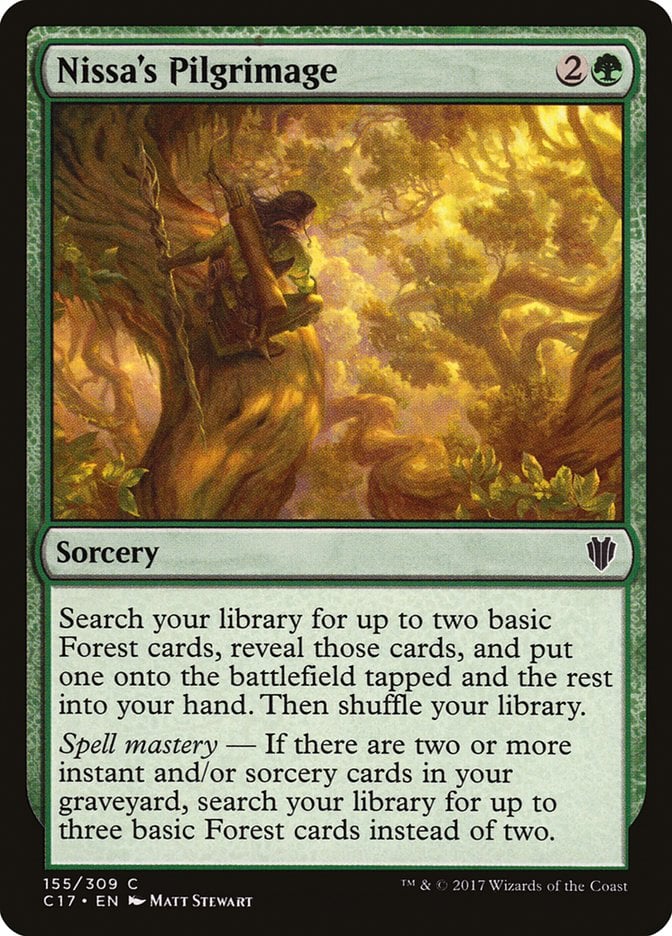

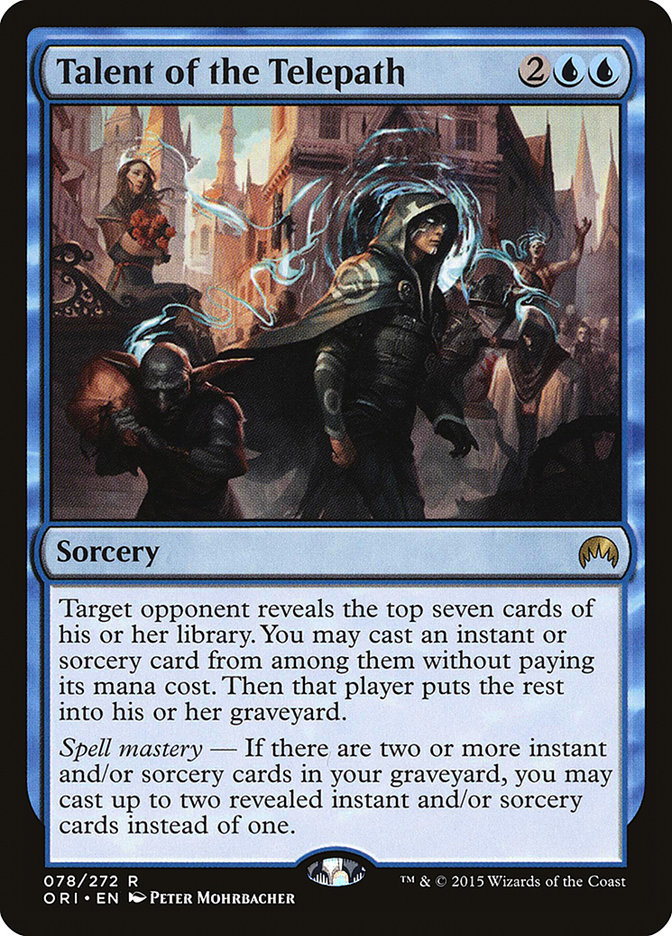
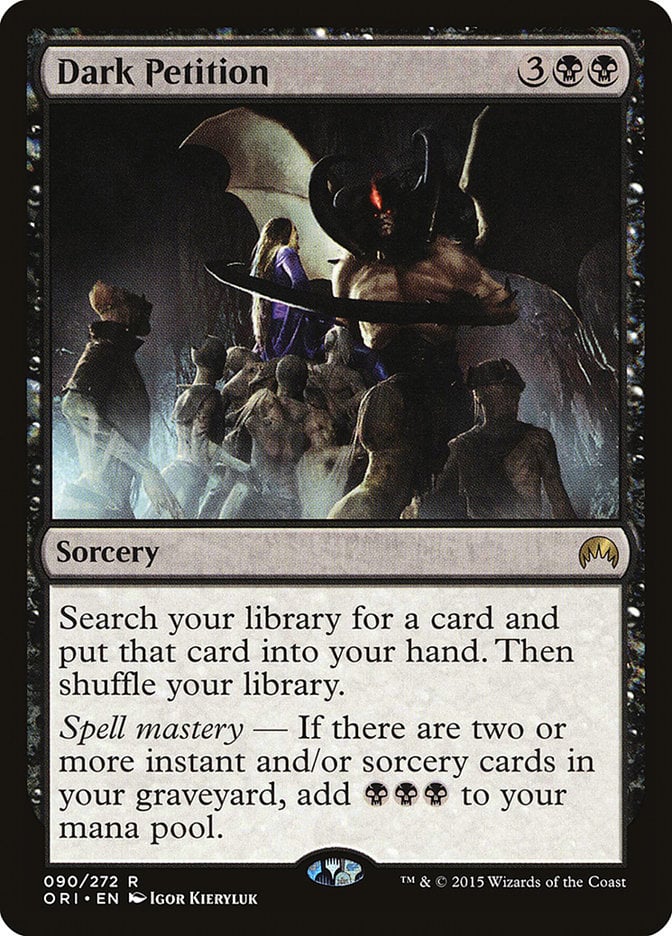
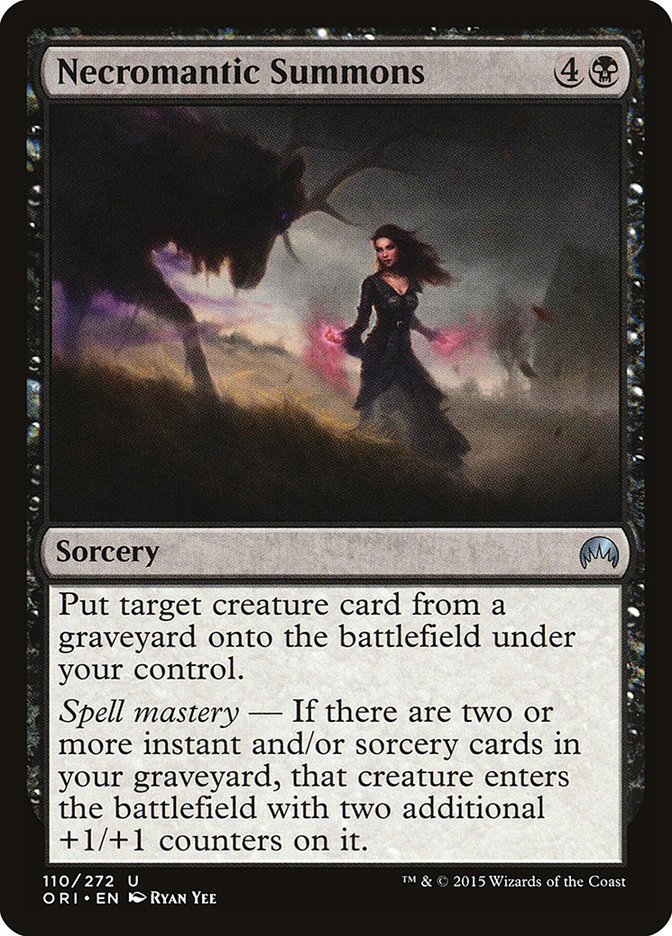
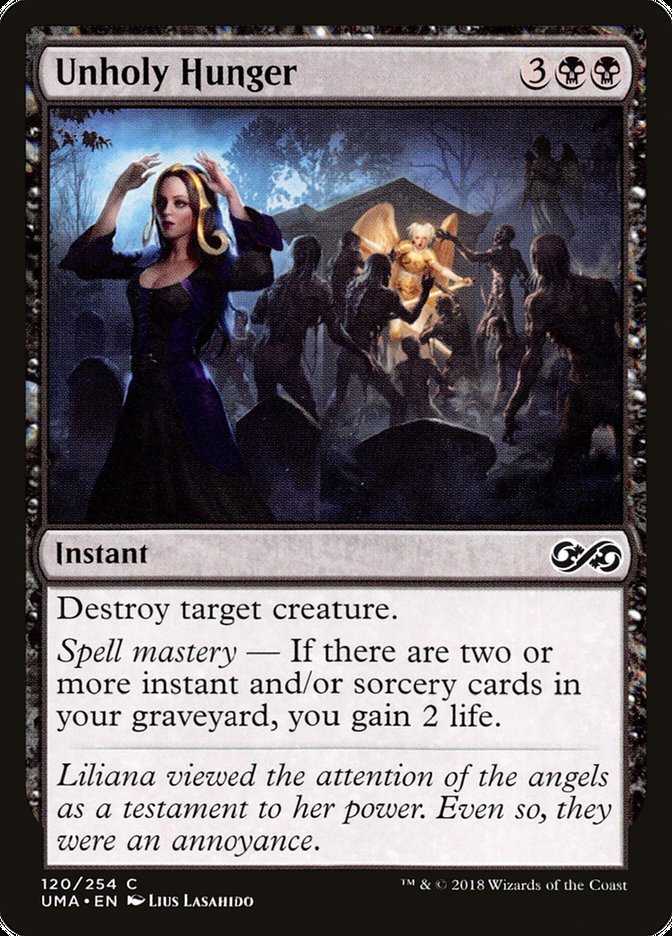
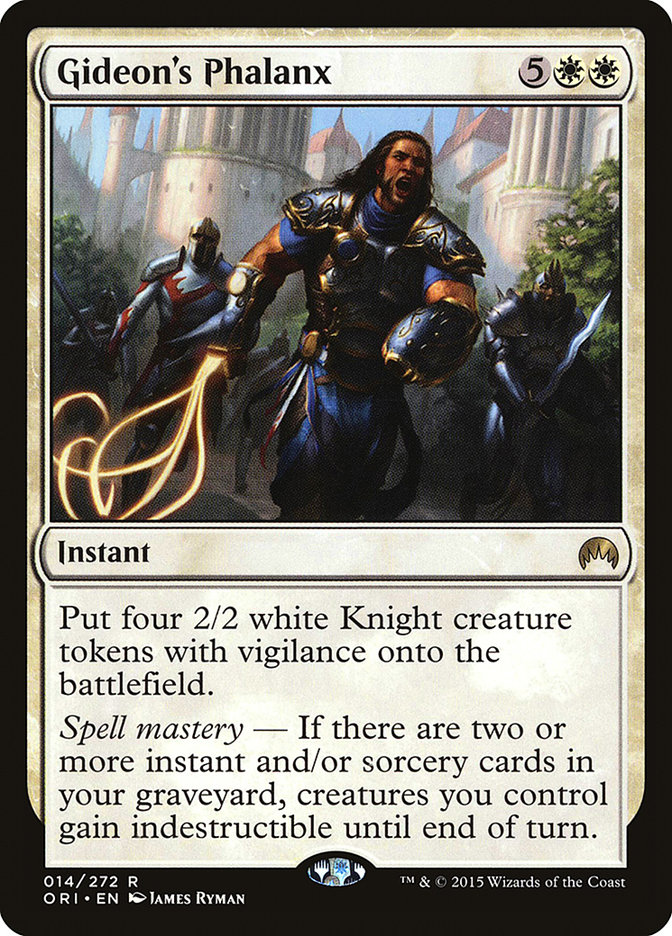
- Animist's Awakening
- Fiery Impulse
- Gather the Pack
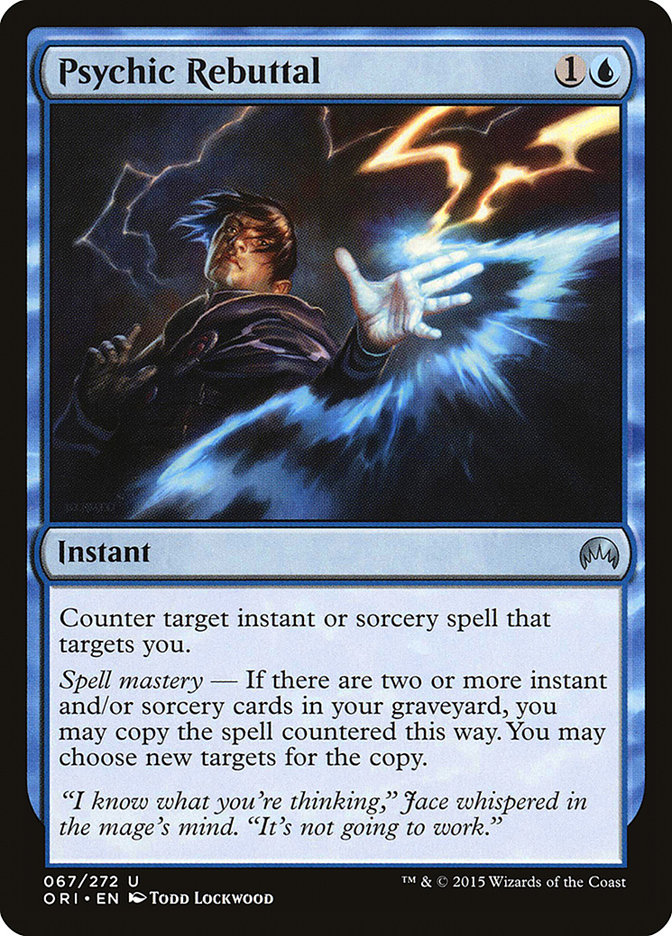
- Psychic Rebuttal
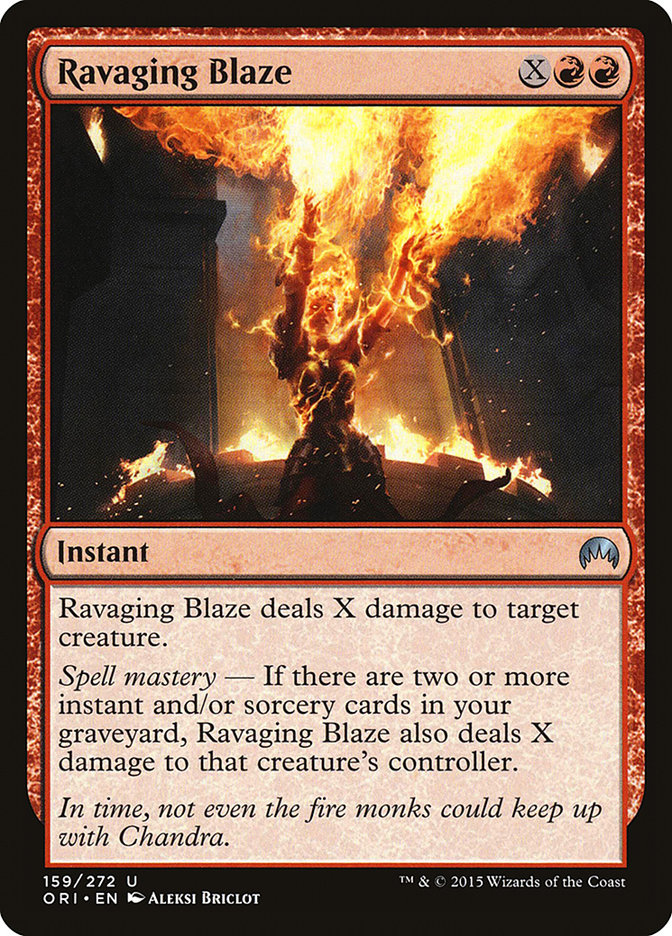
- Ravaging Blaze
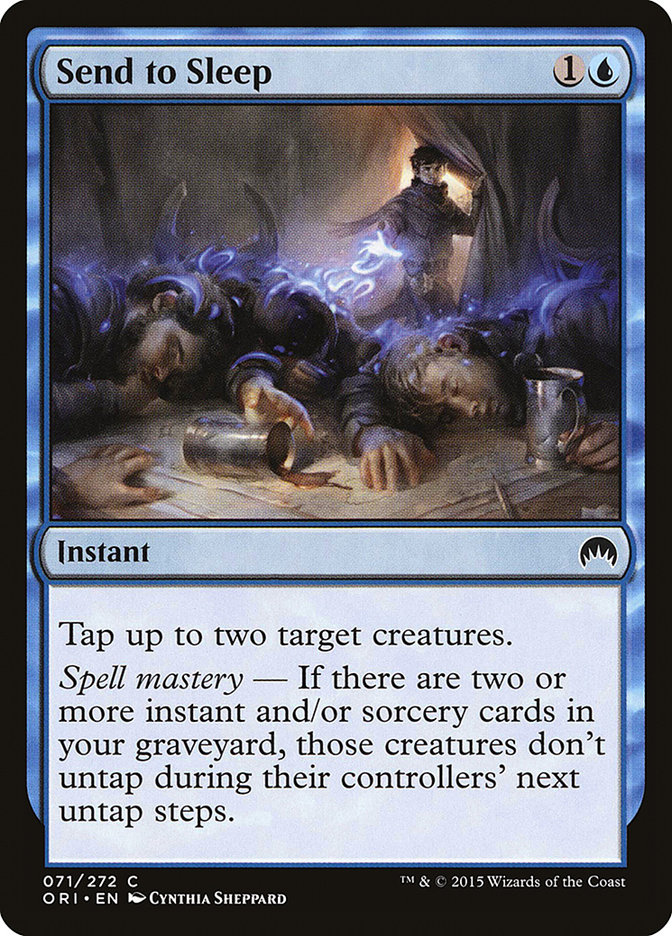
- Send to Sleep
- Swift Reckoning
- Calculated Dismissal
- Dark Dabbling
- Exquisite Firecraft
- Kytheon's Tactics
- Nissa's Pilgrimage
- Olórin's Searing Light
- Talent of the Telepath
- Dark Petition
- Necromantic Summons
- Unholy Hunger
- Gideon's Phalanx
Best Spell Mastery Cards
#7. Animist’s Awakening
When you need a ramp spell that turns into a full-on explosive turn, Animist's Awakening does the job. You flip cards, put lands in tapped, and spell mastery can untap them, so you immediately spend that mana. It’s incredibly exploitable with the likes of Zaxara, the Exemplary already on the field.
#6. Gideon’s Phalanx
If you want one card to both build a board and protect it, Gideon's Phalanx is that late-game blowout. Four vigilant knights is already a lot of bodies, and spell mastery making your whole team indestructible can completely flip a combat step, either on defense when you must block, or on offense to swing without fear. It gets even nastier when you pair it with something like Enduring Courage, to give those knights a power boost and haste.
#5. Olórin’s Searing Light
In multiplayer games, Olórin's Searing Light plays like an edict that hits everyone, and spell mastery turns it into removal plus life loss. This is extremely punishing for certain decks as Voltron strategies not only run few creatures, but more often than not, the one they care about protecting is also the biggest.
#4. Nissa’s Pilgrimage
This is one of the most honest green ramp spells around, and Nissa's Pilgrimage rewarding you with a third Forest once spell mastery is on is a big deal for budget ramp packages that run the likes of Abundant Harvest and Rampant Growth.
#3. Exquisite Firecraft
Three mana for 4 damage is already clean, and Exquisite Firecraft becomes a real headache for blue decks once spell mastery makes it uncounterable. That is why it still shows up in burn strategies, with Modern Burn and Legacy Burn being common homes.
#2. Dark Petition
Tutors are already powerful, and Dark Petition adding three black mana with spell mastery pushes it into real engine territory. It gets even better when you can shave off mana with cost reducers like Baral, Chief of Compliance, since paying 1 less to tutor and then getting BBB back makes the whole play feel like a mini ritual that also finds your best card. It sees a ton of Commander play, and it also shows up in competitive formats where the mana rebate matters, like Pioneer Lotus Field Combo and even Legacy Ad Nauseam Tendrils.
#1. Fiery Impulse
In Pioneer, Fiery Impulse is a clean way to trade up early, because it picks off most small creatures on curve, even without spell mastery. But decks like Izzet Phoenix enable spell mastery so easily that it often plays like a Lightning Bolt for creatures, letting you deal with 3-toughness threats for 1 mana while you keep your engine rolling. It also fits naturally next with cards like Arclight Phoenix, since you’re already firing off cantrips and cheap interaction to fill the graveyard.
Wrap Up
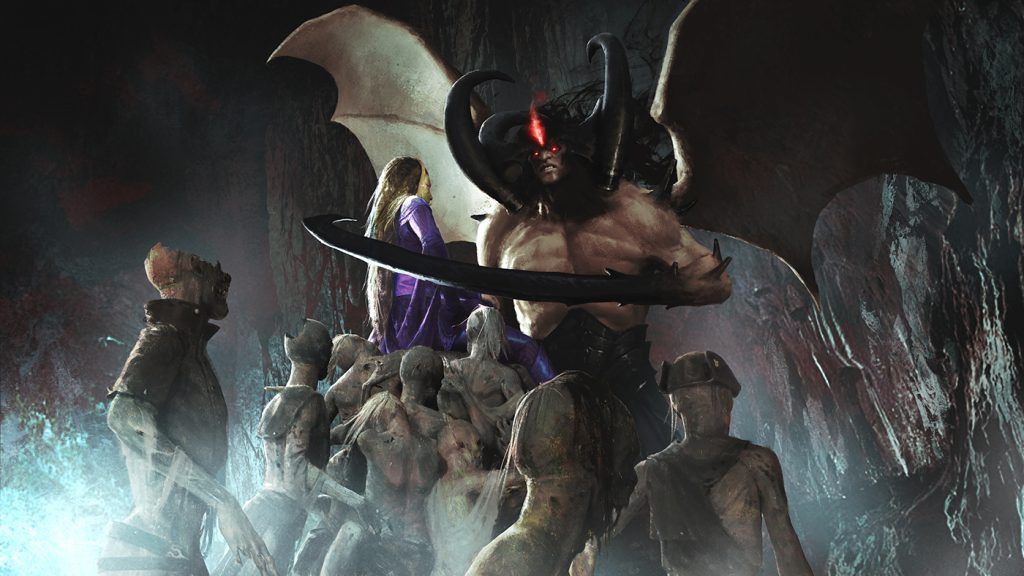
Dark Petition | Illustration by Igor Kieryluk
At the end of the day, spell mastery reminds me of older mechanics like threshold, and even newer designs that reward you for building around a specific game plan. Personally, I don’t mind it. Yes, it pushes you toward running a higher density of instants and sorceries, but that isn’t different from cards like Tolarian Terror that also care about your graveyard. And honestly, having a standardized keyword for a common pattern is usually a good thing.
The idea itself is not new, and Magic has reused this kind of graveyard check in a lot of different ways over the years. What do you think? Would you like to see more spell mastery style designs in future sets? Let us know in the comments.
Thanks for reading, and if you enjoyed the article, follow us on social media so you never miss a post.
Take care, and I will see you again in the next one.
Follow Draftsim for awesome articles and set updates:










Add Comment