
Last updated on April 28, 2026

Livio, Oathsworn Sentinel | Illustration by Kekai Kotaki
After existing as a fan-made format for over five years, Oathbreaker was finally been recognized as an official Magic format by Wizards of the Coast. Though the format has dropped off in popularity since its invention, now that Wizards have acknowledged it, players take notice once again and want to dive back in.
Oathbreaker is basically a variant of the Commander format, with the exception that players build their decks around a planeswalker instead of a legendary creature. Decks are also smaller, with only 60 cards including your oathbreaker and signature spell. Games of Oathbreaker are typically faster than those of Commander, and they offer players the chance to build around some of their favorite characters from Magic’s story who have only ever appeared on planeswalker cards. Smaller decks can also mean that Oathbreaker decks often end up being cheaper to build than Commander ones.
If you want to hop into the format but aren’t sure where to start, here are some of the best Oathbreaker planeswalker and signature spell combinations that you can build around!
What Are Oathbreaker Planeswalkers and Signature Spells In MTG and How Do They Work?
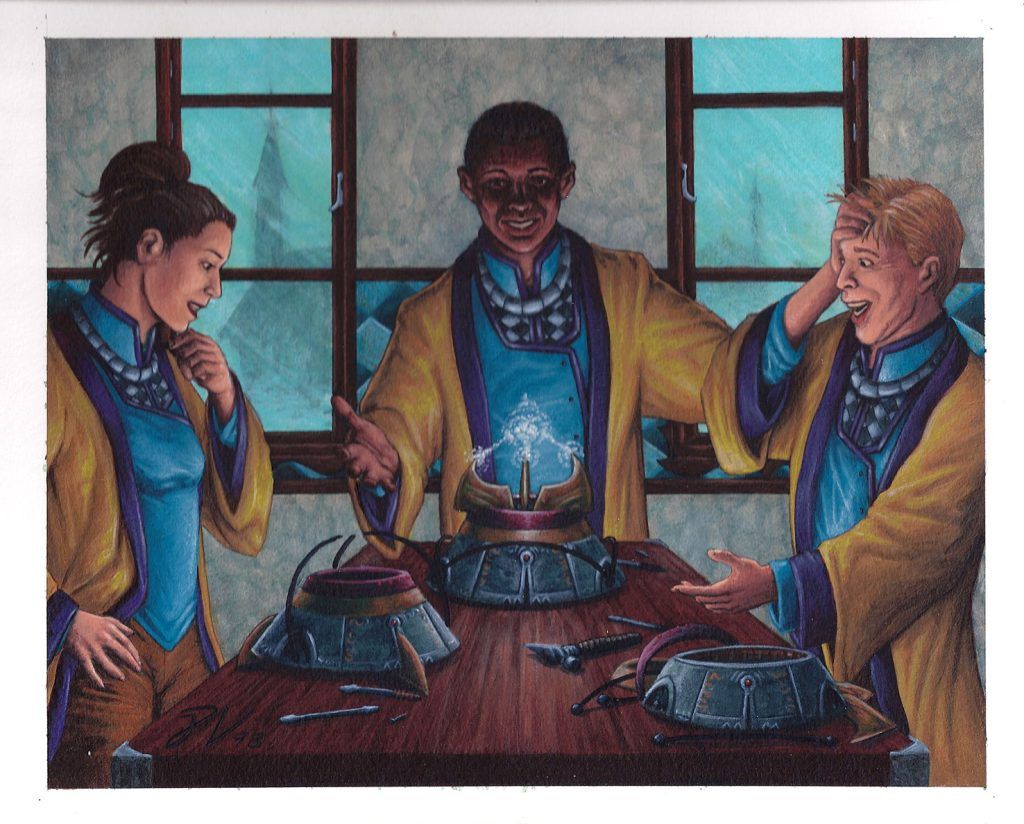
Windfall | Illustration by Pete Venters
Oathbreaker planeswalkers plus a signature spell are essentially your commander. They go into the command zone, and you can only include cards in your deck that match your planeswalker’s color identity. If your planeswalker is put back into the command zone after you cast it, you’ll need to pay tax to cast it again ( just like commander tax).
Where the format becomes a little more unique is with the signature spell. A signature spell is an instant or sorcery that also goes into your command zone. It must match the color identity of your oathbreaker, just like the rest of the cards in your deck. You can cast this spell from the command zone while your oathbreaker is on the field, then if it would go anywhere but the stack, it is instead returned to the command zone. You may cast your signature spell again by paying an additional two mana for each time you’ve cast during the game, and only if you control your oathbreaker.
As you may already suspect, having a planeswalker and instant or sorcery to play at will can lead to some pretty broken combinations, as Wizards doesn’t specifically balance either type of card with Oathbreaker in mind. There are some incredibly powerful pairings that can end the game quickly, so if you’re looking for ways to break the format, there are currently many options for you. Some of the best builds are included here, and some builds just make fun decks. While the appeal of the format for some may be quicker games, I do think Oathbreaker will have better legs as a format if it also embraces a more casual atmosphere that allows for janky fun builds as well as competitive ones.
#13. Quintorius, History Chaser + Triplicate Spirits
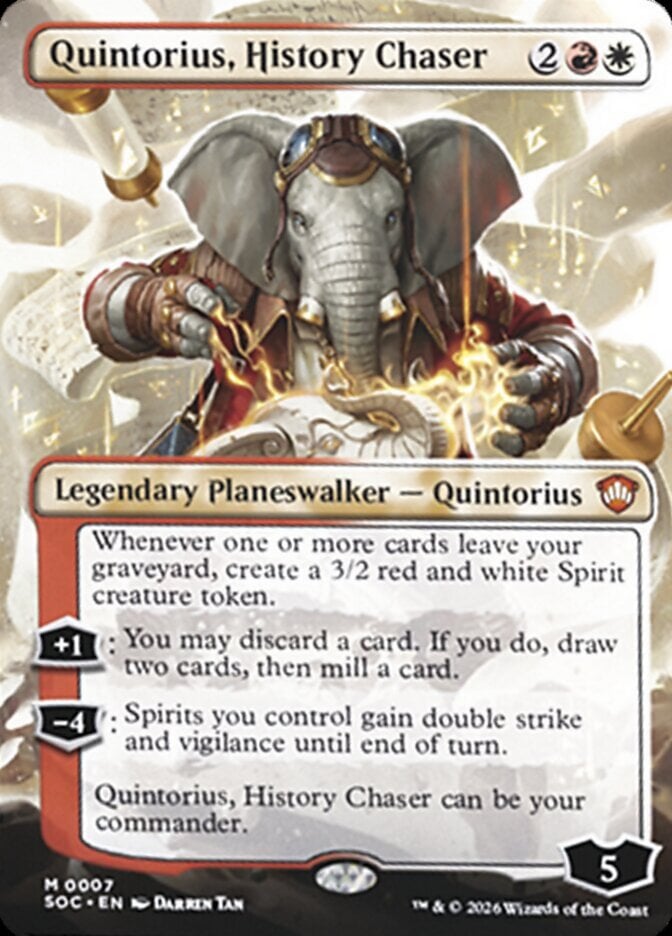
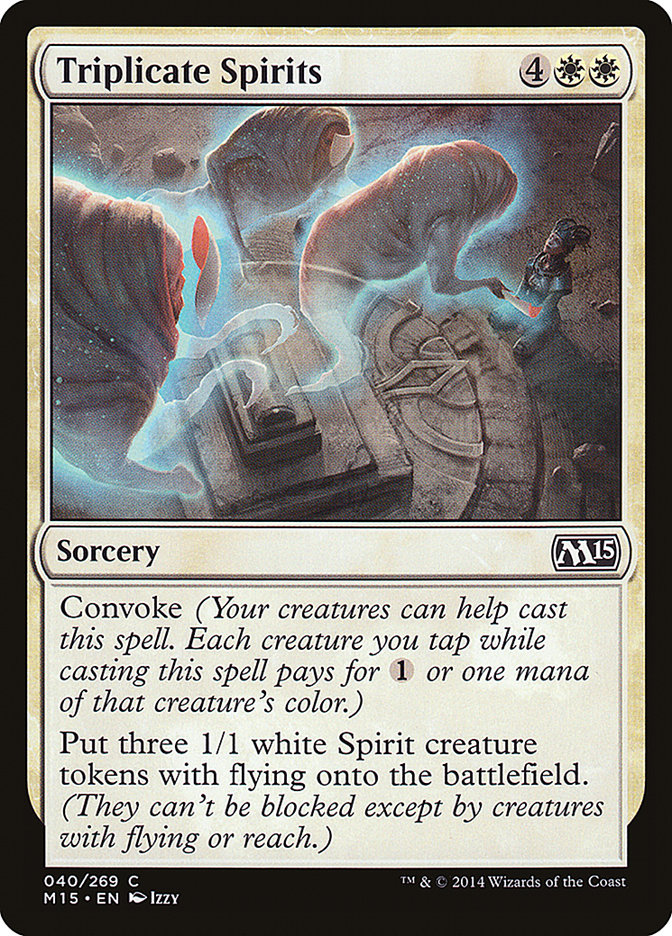
You want spirits? Quintorius, History Chaser goes after lots more than just spirits as one of the few Boros commanders that plays well with the graveyard. Triplicate Spirits is an nice compliment because though the signature spell gets commander taxes, convoke greatly reduces the impact and further encourages you to go wide with spirits. Which is also what this planeswalker commander wants, so you get your card advantage and typal support from Oathbreaker Quintorius and loads of creatures from the signature spell.
#12. Sorin, Vengeful Bloodlord + Lethal Scheme
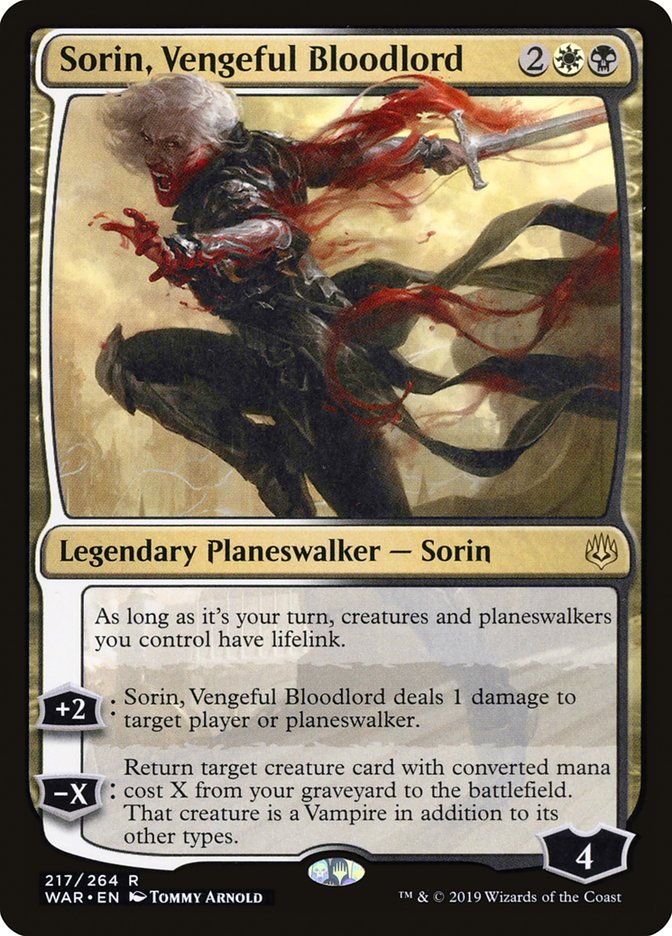
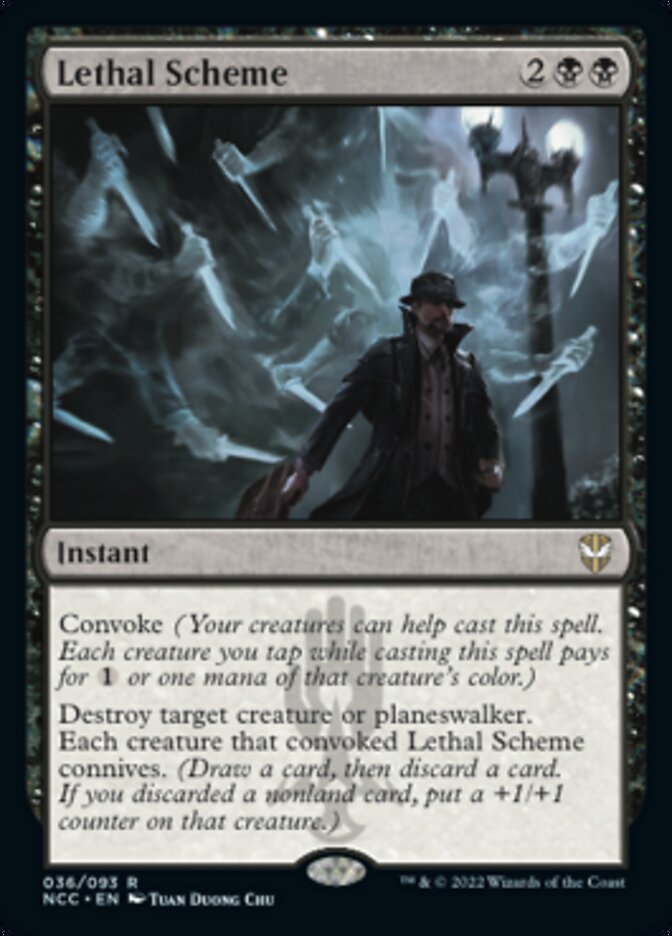
Sorin, Vengeful Bloodlord and Lethal Scheme work together on multiple levels, and both encourage you to build with cheap vampires.
You’ll virtually always have a good target for Lethal Scheme and multiple connives early on give you valuable card selection, pumps and graveyard filler. You control the board with strong creatures that you can reanimate, remove the biggest threats with Lethal Scheme and can always push that last bit of damage with Sorin, Vengeful Bloodlord. For aggro decks, good luck racing the lifelink on Sorin, and the likes of Nighthawk Scavenger, Vampire of the Dire Moon, and Markov Baron.
#11. Chandra, Torch of Defiance + Fiery Confluence
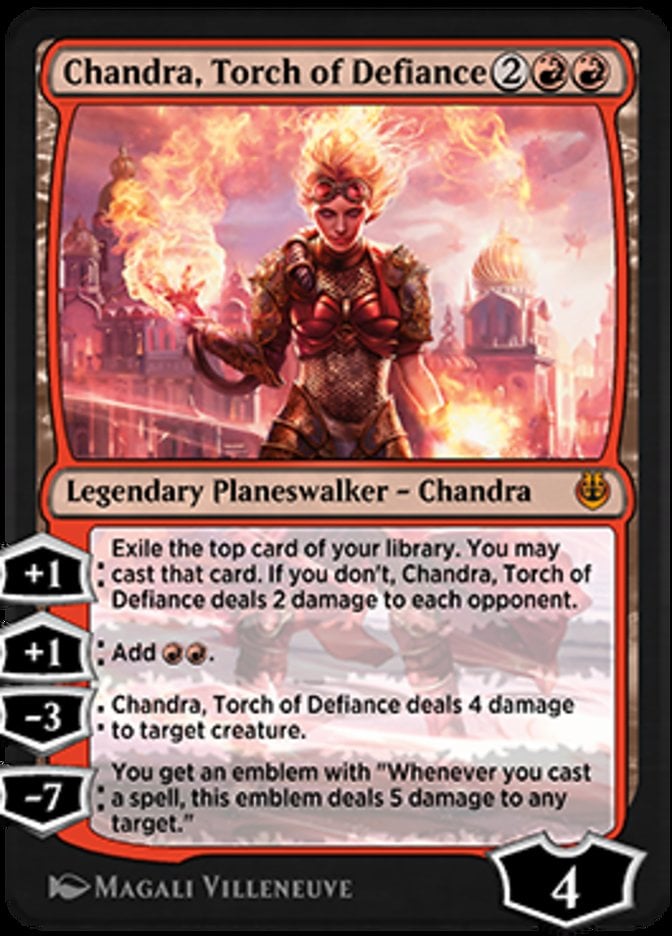
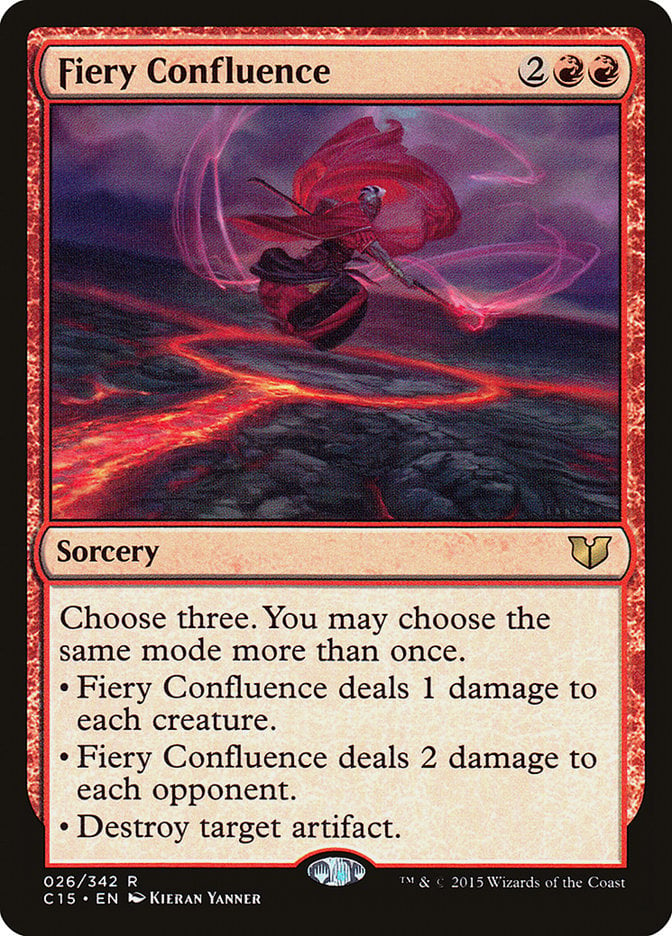
I love how aggressive Chandra, Torch of Defiance gets with either plus ability to give you back two mana or a card right away. Fiery Confluence is super flexible so you can always maximize your situation.
The cost for Fiery Confluence is easily cut in half thanks to Chandra. Thus, a three for one against Tezzeret decks and direct damage can beat some of the best combo decks before they go off.
#10. Jace, Wielder of Mysteries + Treasure Hunt
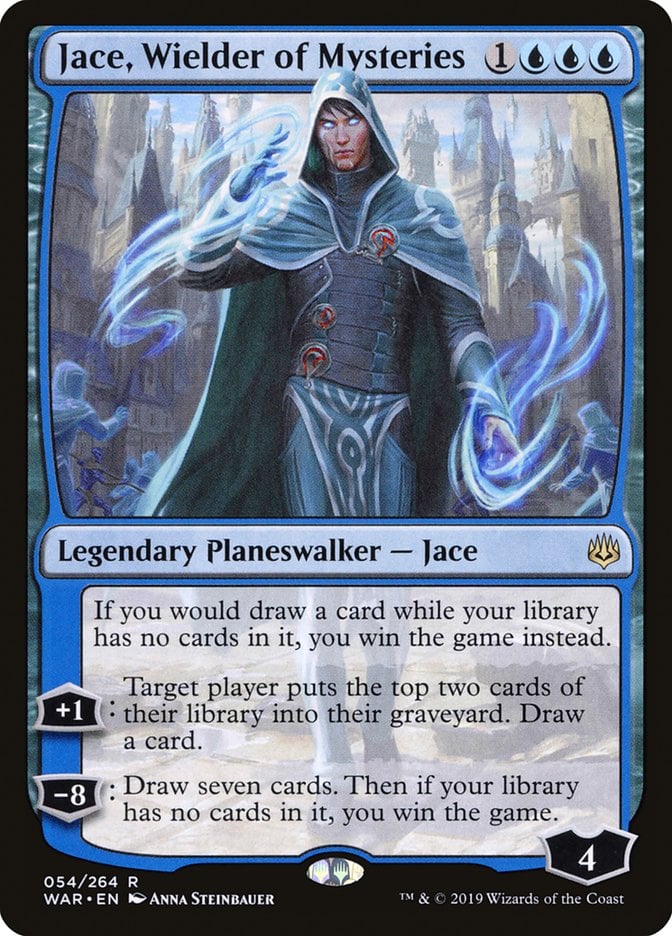
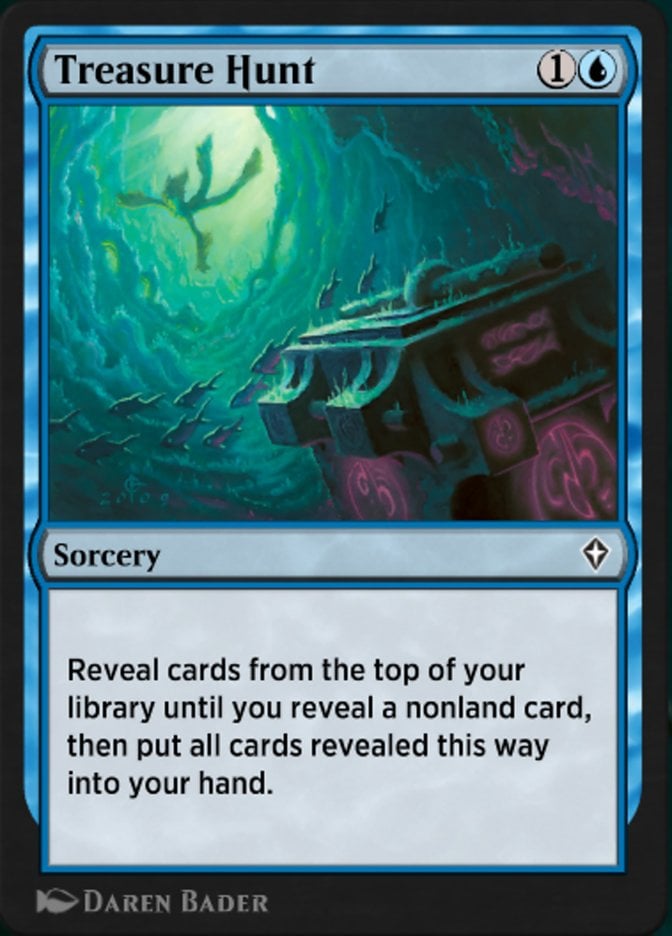
The combination of Jace, Wielder of Mysteries and Treasure Hunt is a notorious one in Oathbreaker. The way it works is you build an entire deck of lands or just grab 58 basic Islands and then wait until you can get Jace on the field. Once there, cast Treasure Hunt, which will put every card from your library into your hand. Following this, simply activate Jace, Wielder of Mysteries +1 ability and you’ll win the game. Of course, there are some downsides to this. You’re essentially a one-trick pony, and it’s a trick your opponents will see coming a mile away once they’re familiar with the format. Also, if Jace is removed at instant speed before you draw your last card, then you’ll lose the game instead of winning.
I’ve seen some players build this deck with Paradigm Shift instead of Treasure Hunt, but I personally don’t like this build. While they’re almost identical, Paradigm Shift won’t win you the game if one of your opponents is running land destruction. If you have cards in your graveyard when you cast it, then you won’t empty your library, making this a slightly less consistent way to win than Treasure Hunt. When you already need things to go perfectly for you in this deck, any extra bit of variance is a problem.
#9. Angrath, Flame Chained + Wheel of Misfortune
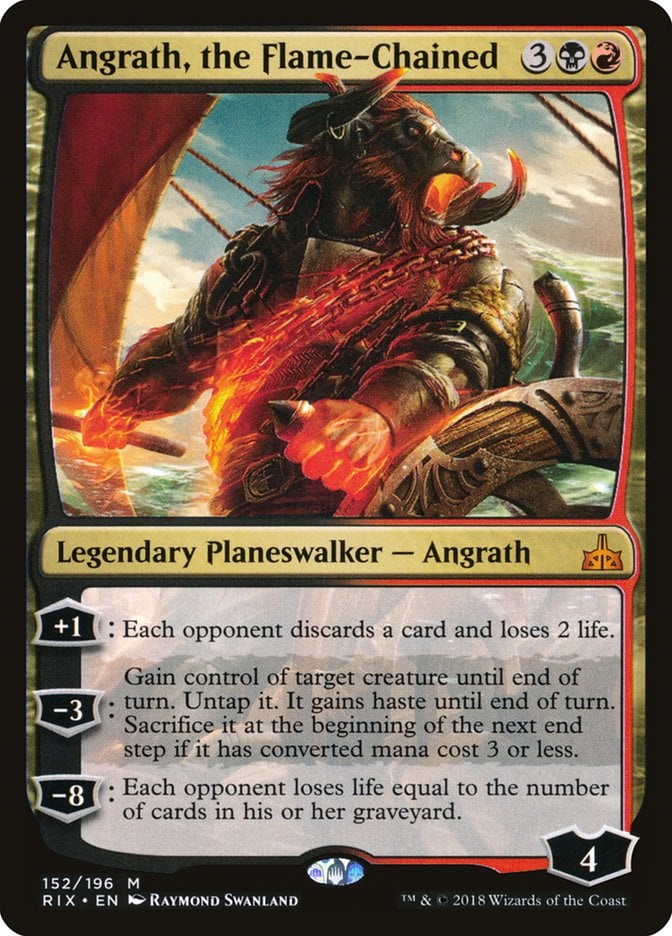
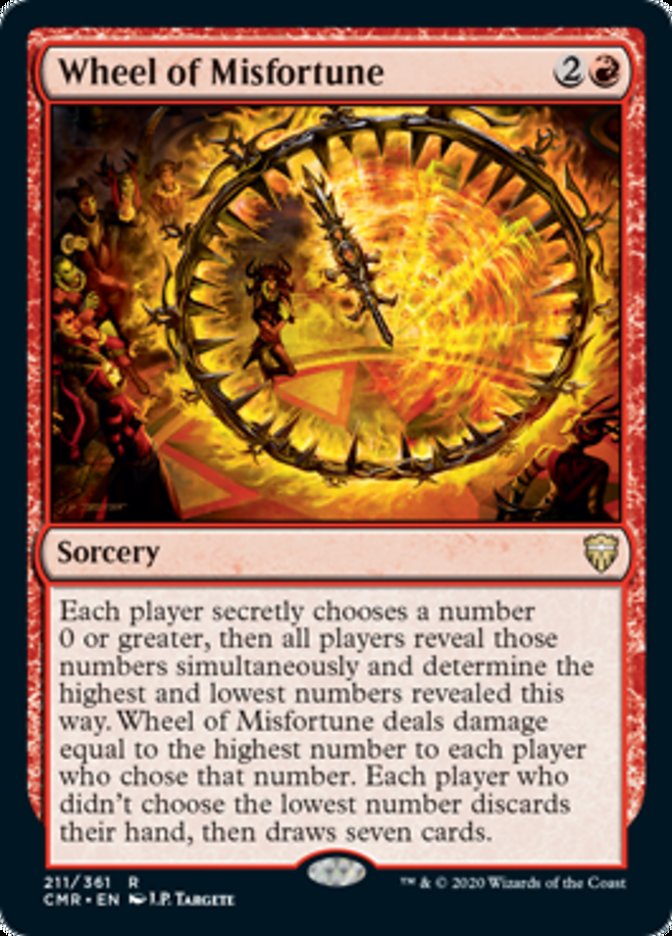
Angrath, Flame Chained is a pretty good Oathbreaker choice since it has good ways to protect itself. You can force opponents to ditch resources from their hands, and when a threatening creature comes out you can steal it and then sacrifice it. While the ultimate might not always be super impactful in a normal game, combine it with consistent wheels to make it much stronger.
I chose Wheel of Misfortune for two reasons. First, even the cheapest copies of Wheel of Fortune are over $150, so it’s just easier to get your hands on Misfortune instead. Second, since Wheel of Misfortune can also deal out damage, it pairs well with your strategy of activating Angrath’s ultimate to drain life.
When it comes to building the deck itself, I aim to include more wheel effects like Magus of the Wheel. I also build in ways to increase the loss of life players experience each turn so cards like Sheoldred, the Apocalypse and Ob Nixilis, the Hate-Twisted that pair well with your wheel effects and cards like Archfiend of Despair or Gray Merchant of Asphodel. Peer into the Abyss is an intriguing and a little risky option in a format where combos are pretty easy to pull off.
#8. Gideon Blackblade + Armageddon
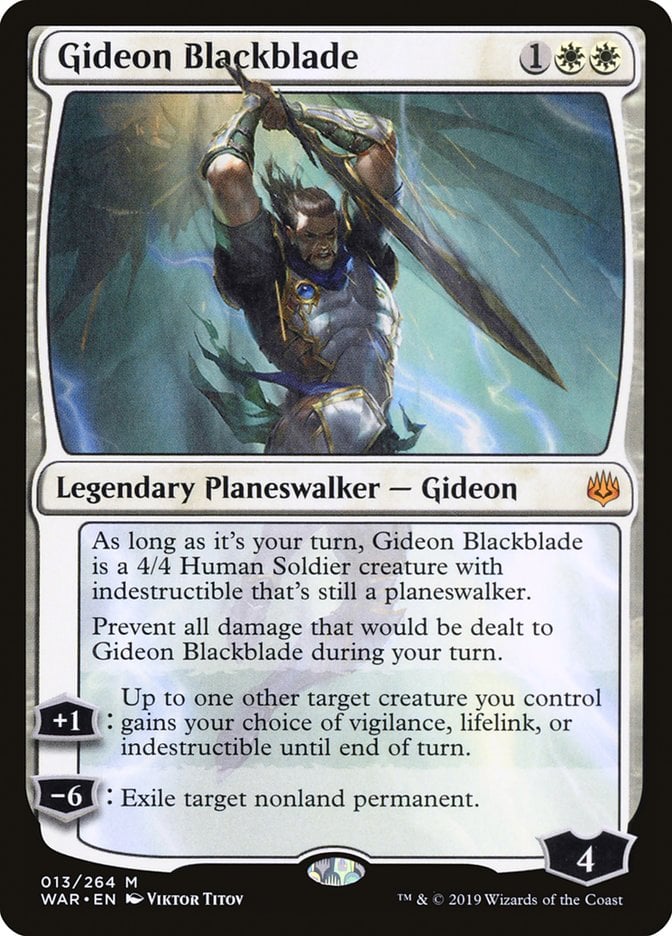
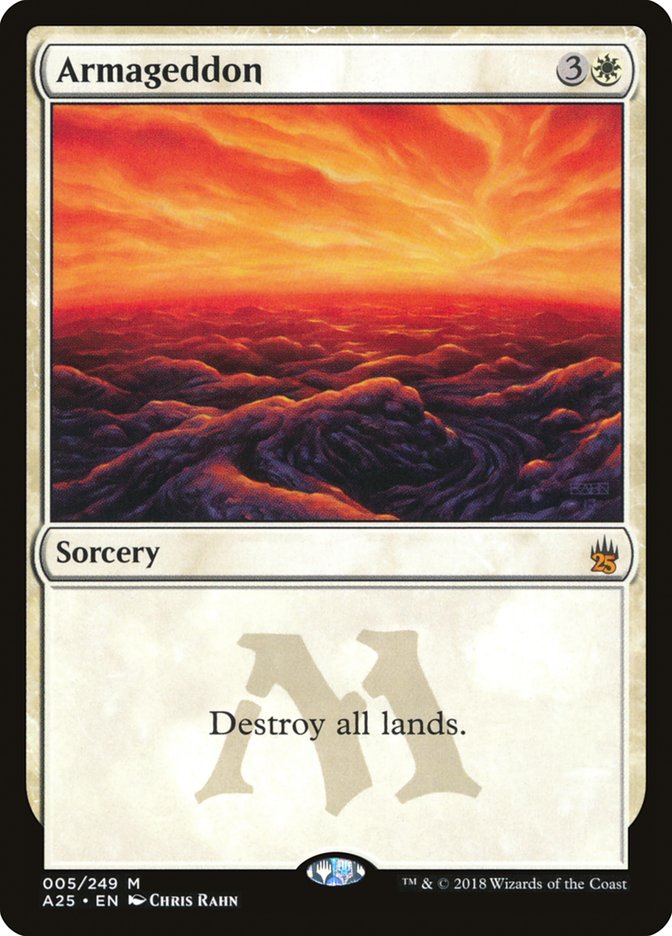
This Gideon Blackblade build is powerful, but it’s also a little mean. Because Gideon is indestructible, you can build in a lot of creature board wipes and ensure that you still have your oathbreaker to attack with. Armageddon will then be able to bring the game to a halt, leaving you with a 4/4 indestructible creature while everyone tries to rebuild their board.
To make this work, you’ll also want a good amount of mana rocks so you have a chance to cast Armageddon again even after you’ve destroyed all your lands. Tax and stax abilities can also be really impactful in this deck. By slowing down your opponents even more, you ensure that they can’t get a leg up on you. Cards like Land Tax are also very helpful since they allow you to ensure players don’t rebuild faster than you.
While this deck can be powerful, make sure you have a rule 0 conversation with your playgroup about it. It’s definitely the kind of deck that could be a little contentious and make the game less fun for some players.
#7. Tezzeret, the Seeker + Thoughtcast
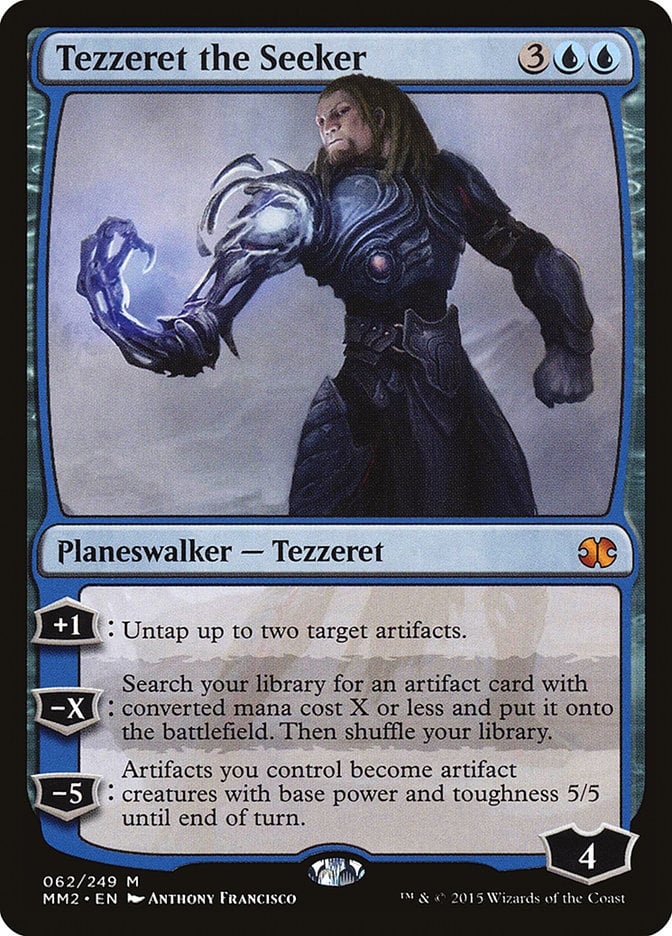
Tezzeret, the Seeker is a little more expensive than I’d usually prefer for an oathbreaker, but its abilities definitely make up for it. The +1 can help you generate a lot of mana if you build in enough mana rocks, and this can also help offset the cost a bit. Being able to fetch artifacts from your deck is also very powerful, especially when Tezzeret will just go back to the command zone when it’s destroyed, allowing you to be more liberal with your use of the -X ability. The ultimate ability can also help win you the game by creating a field full of 5/5s.
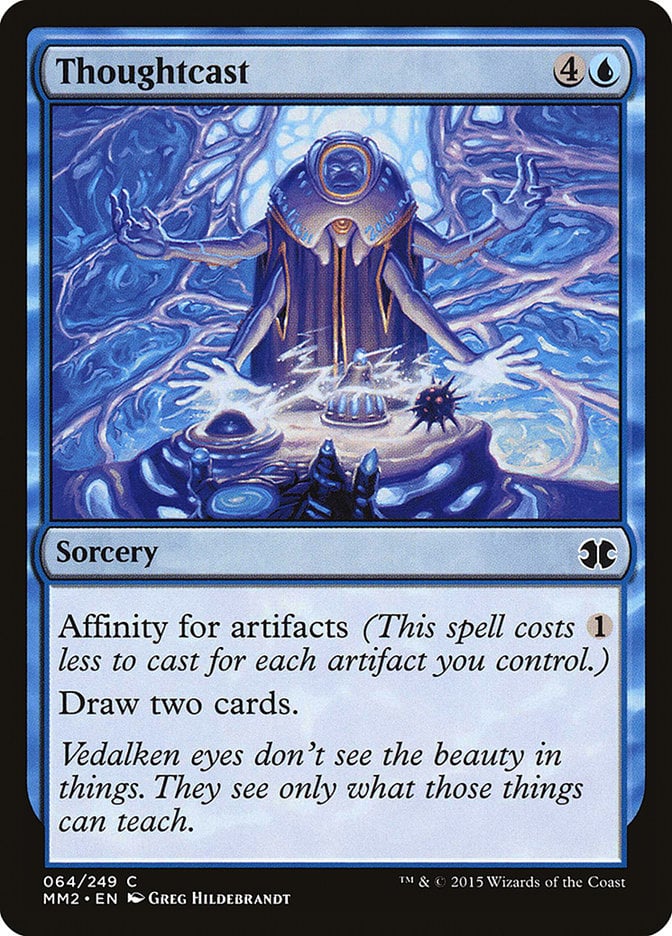
Since you naturally run a lot of artifacts in this deck, Thoughtcast is a great signature spell option. Thanks to its affinity ability, you offset the signature spell tax each time you cast another artifact. Drawing more cards is always good, and that compared with Tezzeret’s -X makes this deck very good at finding the right cards at the right time.
#6. Wrenn and Six + Crop Rotation
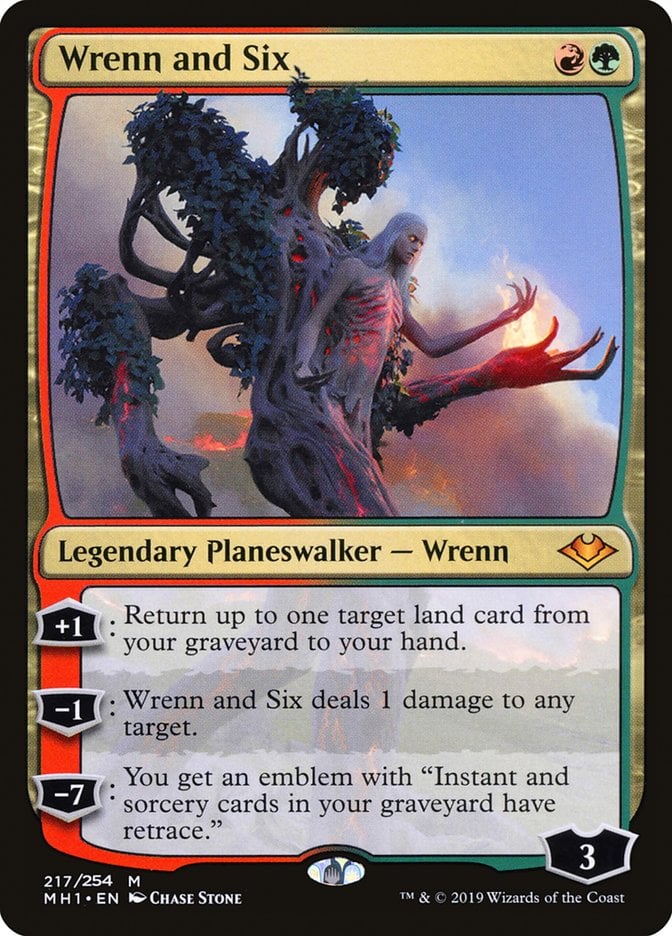
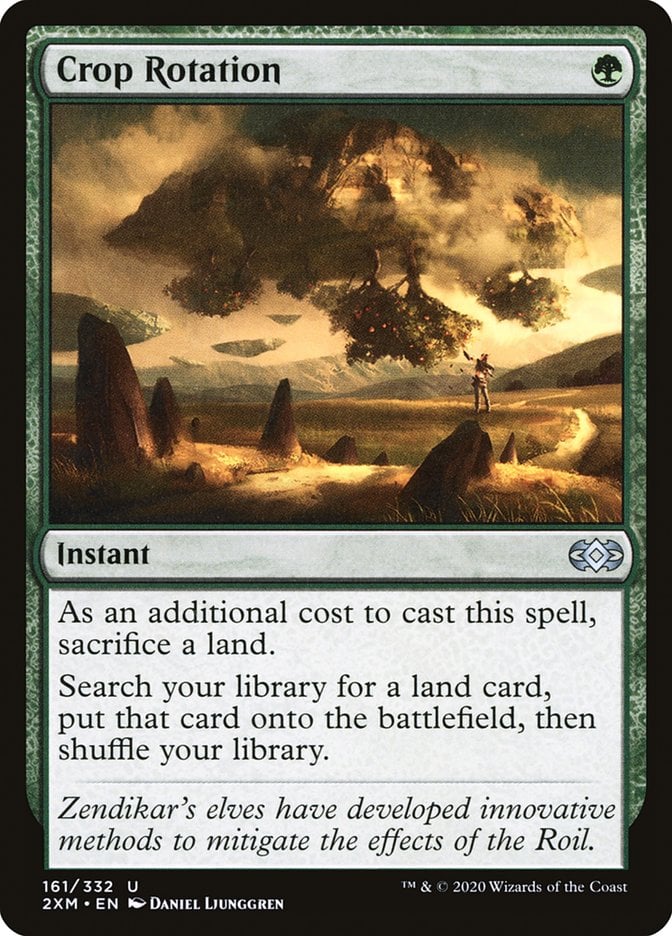
This deck isn’t as much about Wrenn and Six as it is about Crop Rotation. Thanks to your oathbreaker’s low mana cost, you can easily drop Wrenn and Six turn two. Then, on the following turn, you can cast Crop Rotation once to find Thespian's Stage. Even if you haven’t played a third land yet, Wrenn and Six can ensure you get back the one you sacrificed to play Crop Rotation, and then you can cast your signature spell again to find Dark Depths. This means that on turn 4, you’ll be able to get Marit Lage onto the field, which is easily a death sentence for at least one player.
There are a couple of big advantages to this deck. For one, there aren’t very many cards that exile lands, and you’ll probably have Marit Lage before your opponent can cast most of them. While land destruction exists, Wrenn and Six can easily retrieve both Thespian's Stage and Dark Depths from your graveyard as needed. That makes it very hard to shut down this deck’s strategy permanently.
When I built this deck back in 2019, I included a lot of haste enablers in the 58 to make it easier to swing out with Marit Lage right away. I also included a copy of Fling so I could potentially take out two players in a single turn. Your strategy will mainly revolve around getting Marit Lage out, so your deck can focus largely support that strategy. Ramp cards could also be helpful, as you may need to recast Wrenn and Six at some point to get your Dark Depths or Thespian's Stage back from the graveyard if Marit Lage gets bounced or exiled.
#5. Narset, Parter of Veils + Windfall
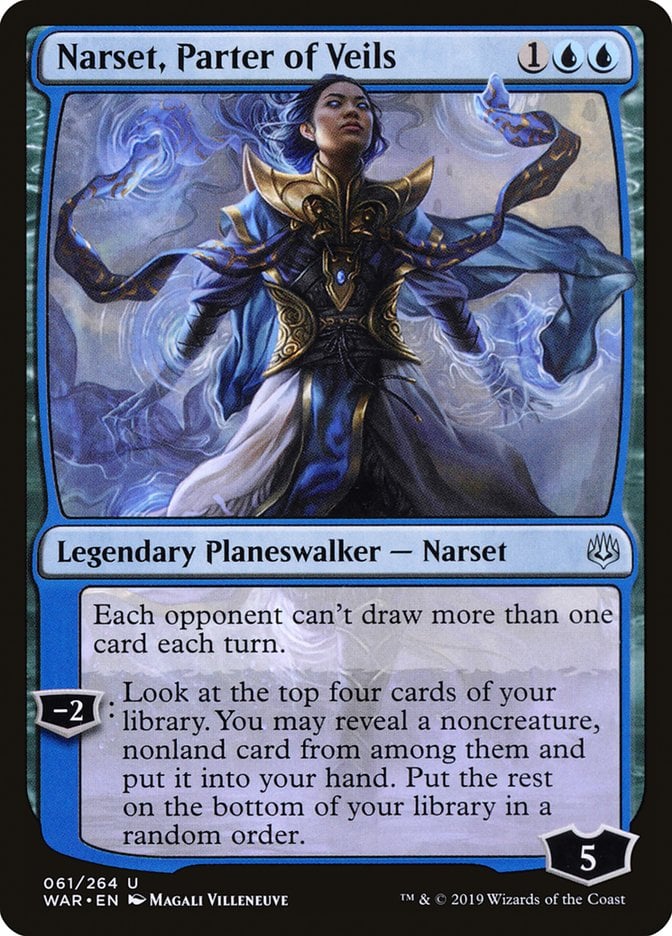
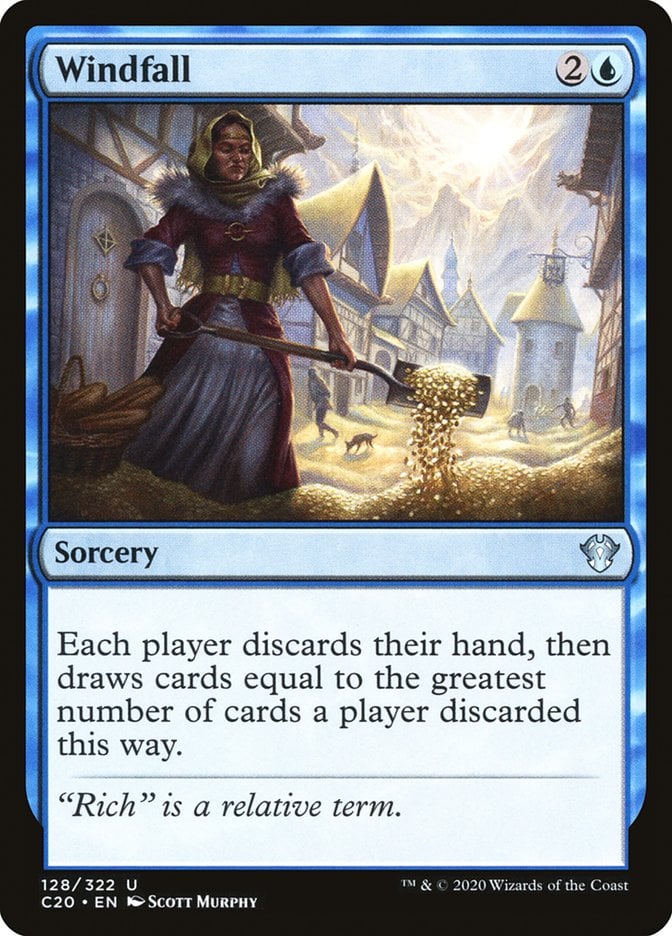
Narset, Parter of Veils on its own can already be a very oppressive card. Combine it with Windfall to create a situation that is very difficult for your opponents to get anything done. Each time you cast Windfall, not only will your opponents be forced to ditch whatever they have going in their hands, but they’ll only get a single card to replace it thanks to Narset’s static ability. Meanwhile, you draw as many cards as you have in your hand, and retain your card advantage ensuring that you always have more resources than your opponents.
When it comes to building a deck around this combination, there are a few strategies to go with. You can include a lot of bounce spells, allowing you to put big threats back into their owners’ hands before making those players discard those cards. You can add more wheel effects; I think Wheel and Deal is a great inclusion in the 58 of this deck. When it comes to winning, you can try to stall the game until you’re able to cast or cheat out a big creature like Blightsteel Colossus, or you can utilize your consistent wheeling to shoot for a Laboratory Maniac or Thassa's Oracle win.
#4. Ral, Storm Conduit + Jeska’s Will
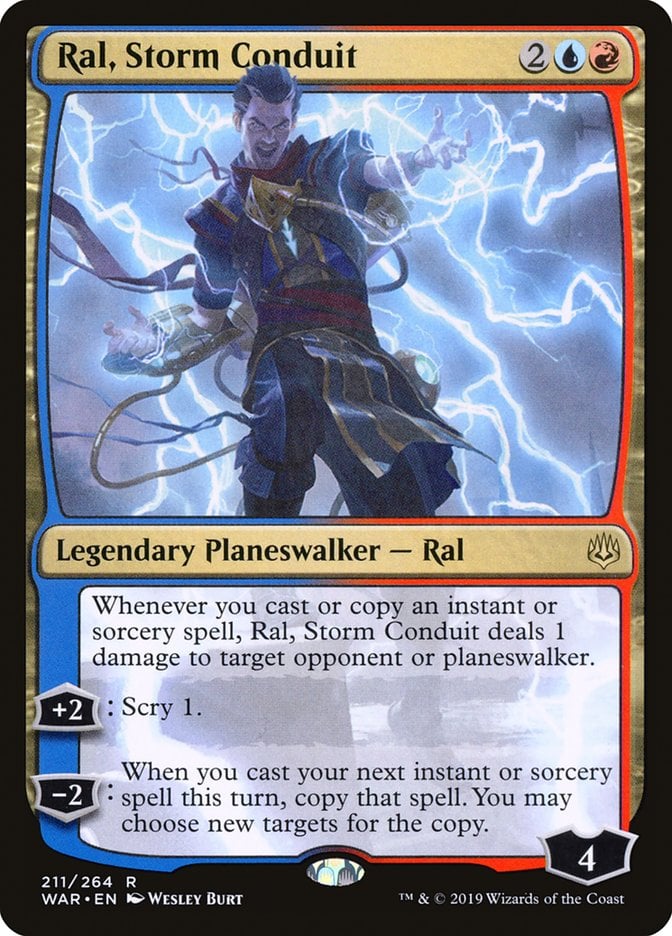
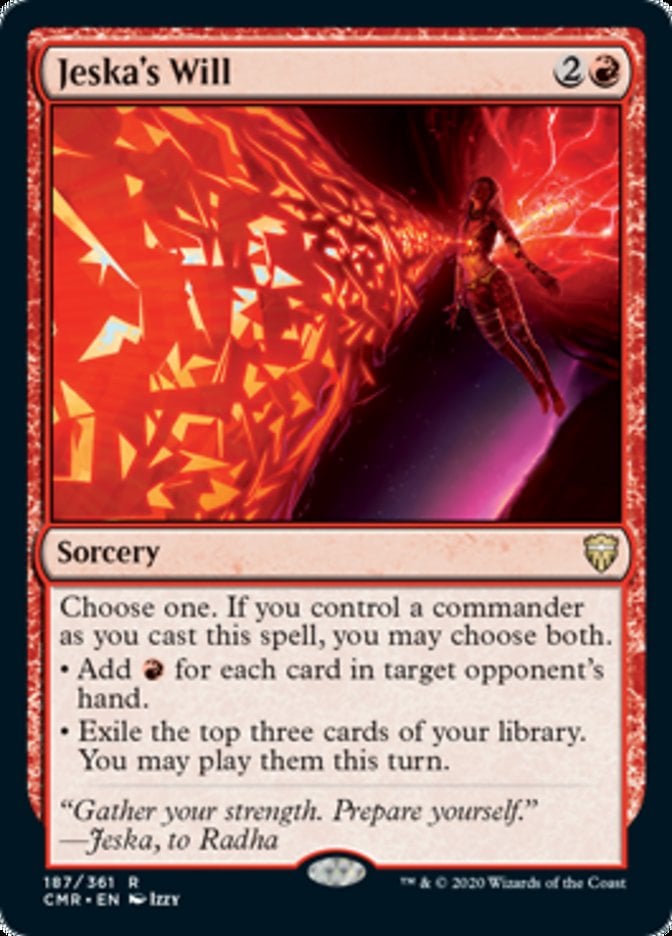
Ral, Storm Conduit’s ability to copy an instant or sorcery spell pairs very well with Jeska's Will, allowing for some explosive turns. By copying Jeska's Will, you get double the mana and double the cards that it initially generates for you. You’ll likely be able to cast it again on the same turn if you need to dig deeper in your library. More mana and more cards are two basic things you need to win a game of Magic, this combination can have quite the impact.
When you build a deck around this combination, focus on either storm or X spells. Jeska's Will has the potential to make a lot of mana when copied, which can be very dangerous when pumped into a spell like Crackle with Power. This extra mana could also allow you to cast a lot of spells and get your storm count pretty high.
#3. Nicol Bolas, Dragon God + The Elderspell
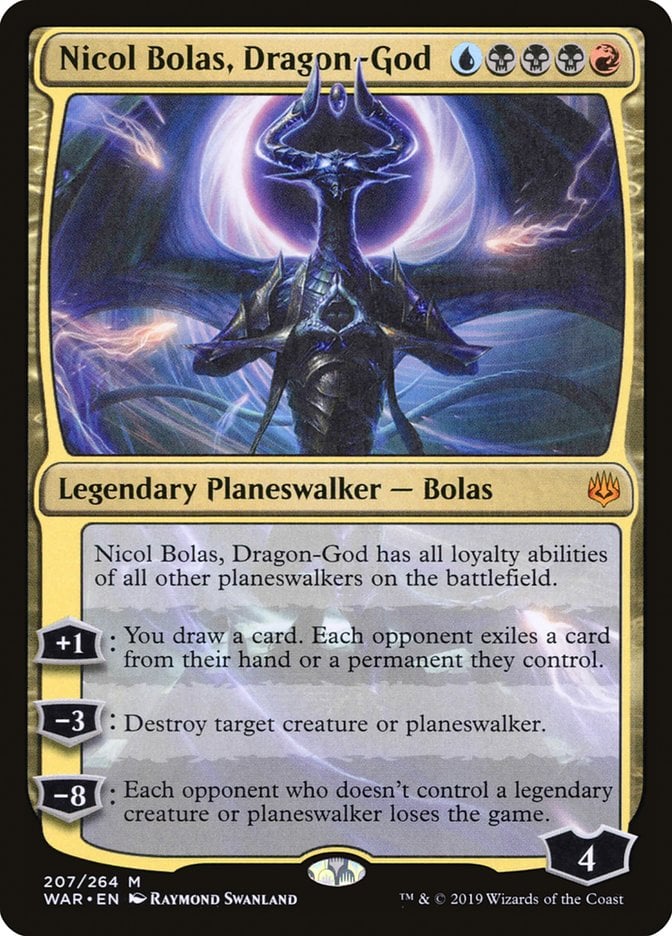
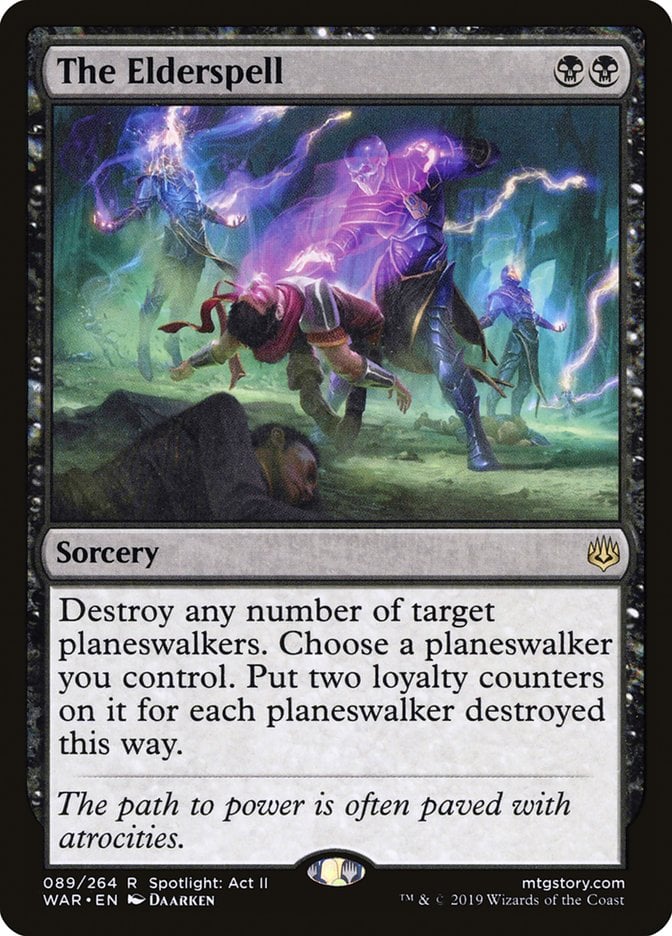
Even more so than Commander, Oathbreaker builds are very reliant on having their general on the field. This makes a card like Nicol Bolas, Dragon-God very difficult to deal with in the format. Not only can it just straight up remove another player’s oathbreaker, but it also copies the ability of everyone else’s best planeswalkers.
This version of Bolas only gets more dangerous with The Elderspell as its signature spell. If the whole table has their oathbreaker out, you can destroy them all and add six loyalty counters to Bolas, which very likely will allow you to activate his ultimate ability and possibly win the game. Even if you don’t, you’ll probably take out at least one other player with this move, which you can repeat as often as you can pay for signature spell tax.
#2. Nissa, Who Shakes the World + Finale of Devastation
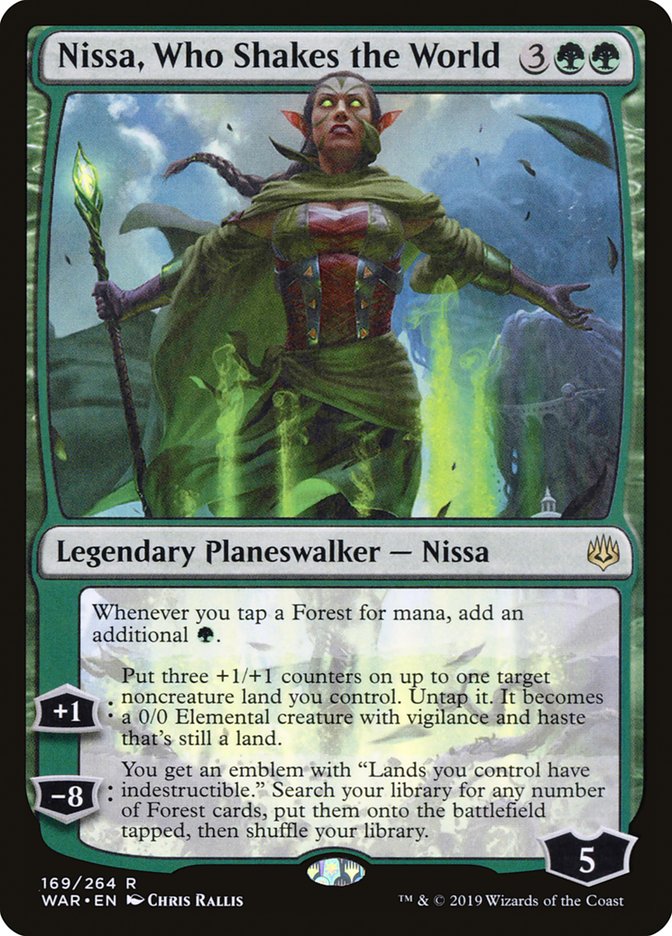
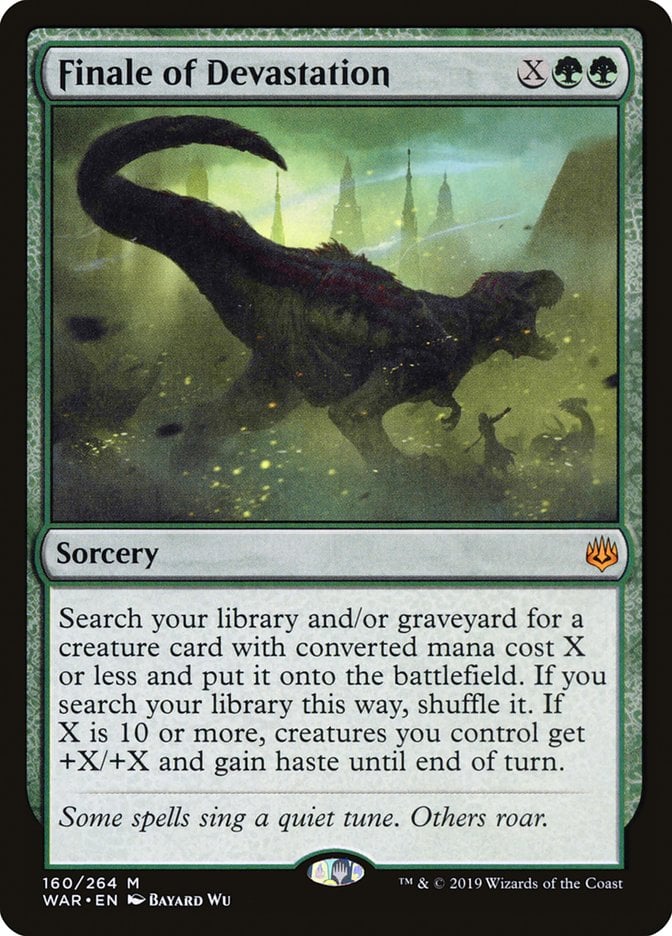
Nissa, Who Shakes the World can generate a lot of mana each turn. This green planeswalker makes your Forests tap for twice as much mana. Nissa can untap your land, essentially making it possible to get four mana out of a single land each turn. Not only will it help you cast big spells, but the +1 also creates blockers to defend the planeswalker by turning your lands into creatures.
Because of the extra mana you get from Nissa, Finale of Devastation pairs very well. You’ll be able to grab a big creature, and make X equal to 10 or more. This means you could grab something like a Craterhoof Behemoth and add a little extra mana to essentially double up its ability. You could also grab a Blightsteel Colossus or an Eldrazi Titan and give it haste.
#1. Professor Onyx + Chain of Smog
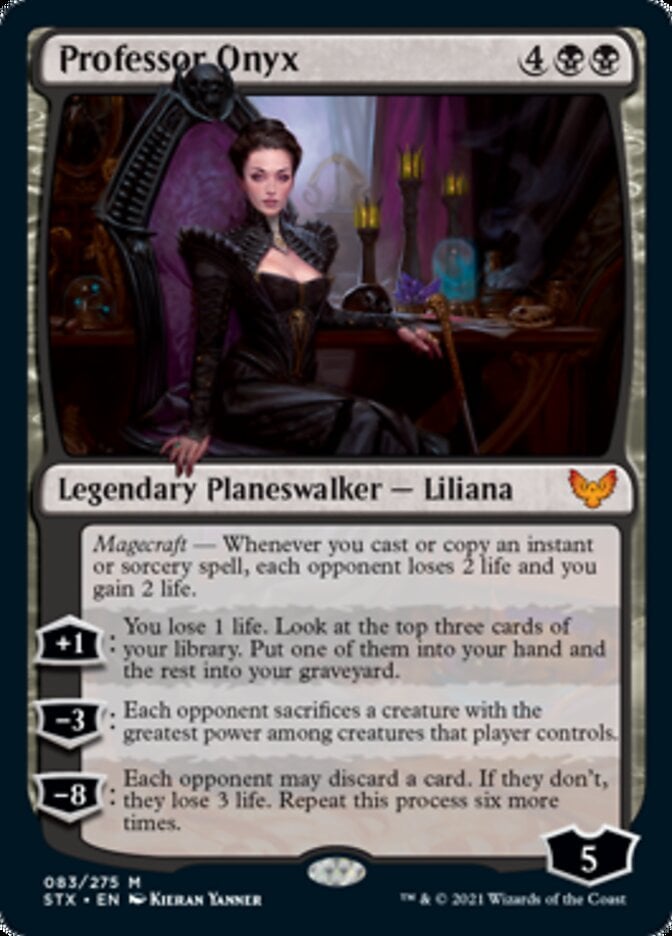
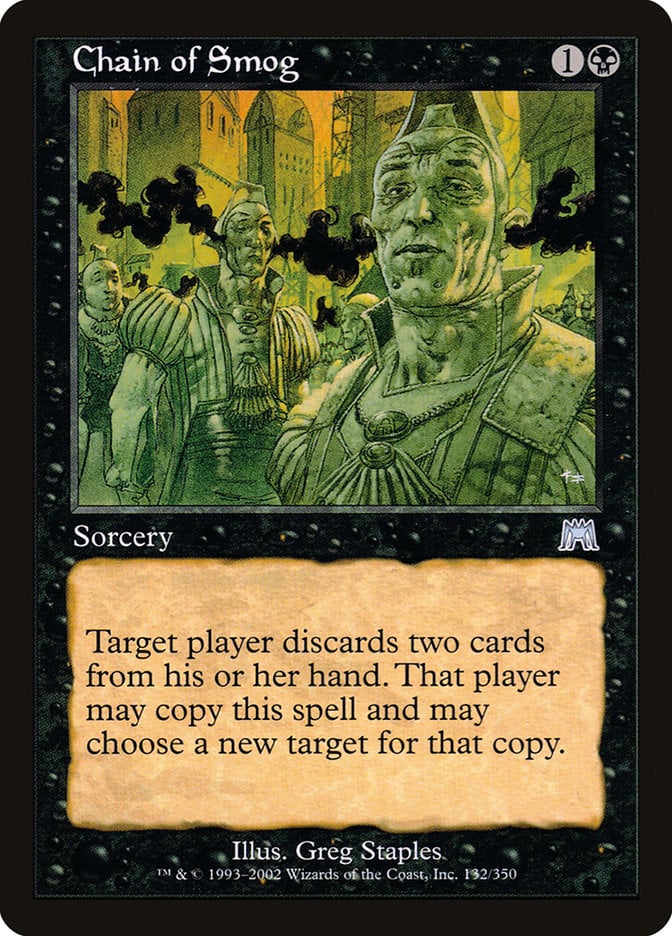
Professor Onyx is a very expensive oathbreaker, but combining it with Chain of Smog can create a game-winning combo. When you cast Chain of Smog, you just need to target yourself. You then have the opportunity to copy the card an infinite number of times, as actually having cards to discard doesn’t matter for its ability to copy itself. Each time you copy the spell, your opponents will lose two life from Professor Onyx’s static ability.
When it comes to building this deck, you want to add in mana rocks and other black ramp to accelerate your mana production. That way you can get your oathbreaker out before your opponents figure out how your combo works and take you out of the game because of it. Removal spells can keep you safe from creatures and planeswalkers while you wait to cast your game-winning spell. Similar to the Jace, Wielder of Mysteries build, it’s possible for your opponents to interrupt this combo. While it won’t be as devastating, it can still be a high-risk strategy. What makes this build much better is that you get an entire deck to build around it, meaning you don’t have to fully rely on this combo to win if you don’t want to.
Wrap Up
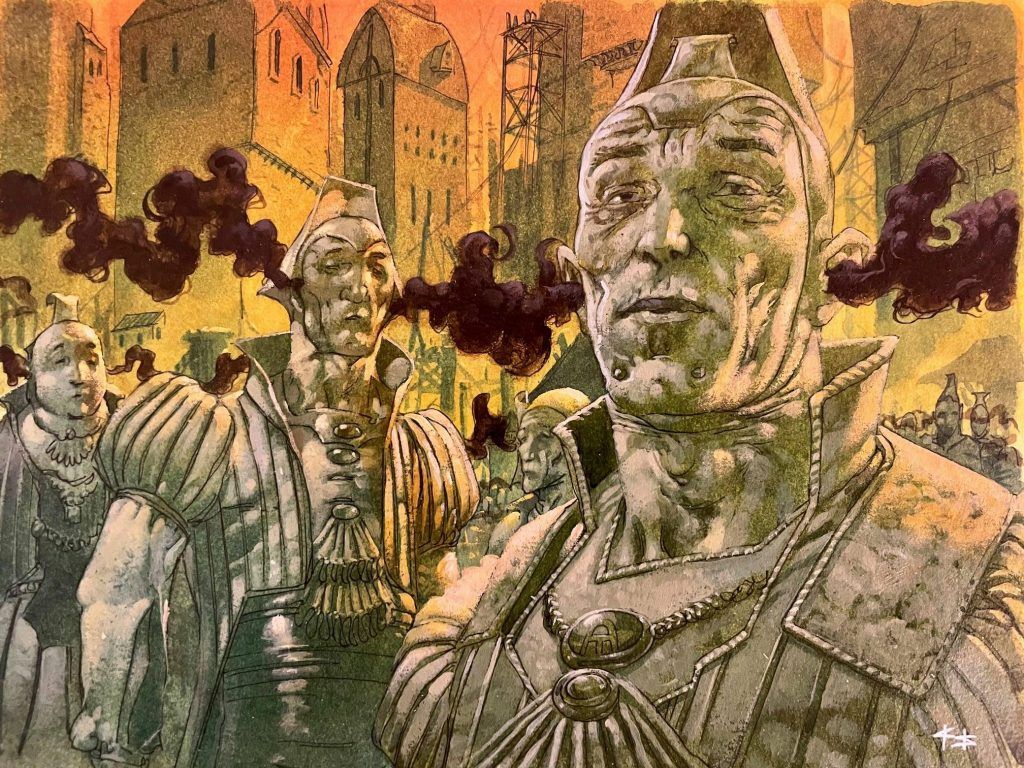
Chain of Smog | Illustration by Greg Staples
When Oathbreaker gets more attention and more planeswalkers and spells are printed all the time, expect more powerful combinations to continue to pop up. It’ll be interesting to see how players go about building decks and how the meta will shift to address these powerful oathbreakers. I look forward to more interesting builds as the format grows in popularity, and maybe even gets some official precons from Wizards.
Which oathbreaker would you like to build? Are there any powerful combinations you think deserved a spot on this list? Do you think the format will stick around or die off? Let me know in the comments or on Draftsim’s Twitter.
Thank you for reading, and keep that favorite spell by your side!
Follow Draftsim for awesome articles and set updates:











2 Comments
For Quintorius, the main set itself gives him a much more powerful signature spell in the form of Antiquities On The Loose. It is a 3 mana white spell that makes 2 2/2 red and white spirits with the downside of not having flying. The powerful part of this spell is that if you cast it from anywhere other than your hand, you can put a +1/+1 counter on all spirit creatures you currently control, so the floor for this card is 6 power in 2 bodies for 3 mana, but the ceiling is possibly being able to end games by buffing a massive board.
Does seem like a match made in Lorehold heaven if you ask me.
Add Comment