
Last updated on July 18, 2025

Magus of the Moon | Illustration by Milivoj Ceran
Hello planeswalkers! MTG often features interesting cycles that introduce some form of storytelling or game mechanics to the MTG universe. Within the many popular cycles lies a unique set of cards: the Magus cards, which have abilities that mimic famous or infamous MTG cards.
Magus cards have garnered a wide variety of opinions and some strong feelings. Fear not, though; if you’re unaware of these cards, I’m here to help.
Let’s get into the interesting world of the Magi and see how they compare to the cards they’re referencing!
What Are Magus Creatures?

Magus of the Will | Illustration by Vincent Proce
Magus creatures (or Magi) are human wizard creatures that reference other powerful non-creature cards from MTG’s history. Most of these creatures have activated abilities that represent the effects or abilities from other famous MTG cards. As an example, Magus of the Bazaar is a 0/1 blue human wizard with the same activated ability as Bazaar of Baghdad. A few cards like Magus of the Abyss have triggered abilities, and others still just have static abilities.
There are four cycles of five cards, each in a different one of the five colors. Each cycle refers to a different type of card. The four cycles so far are an artifact cycle, land cycle, enchantment cycle, and sorcery cycle. Most of these cycles debuted in the Time Spiral block, with a later mega-cycle released over a few Commander sets.
#21. Magus of the Bridge

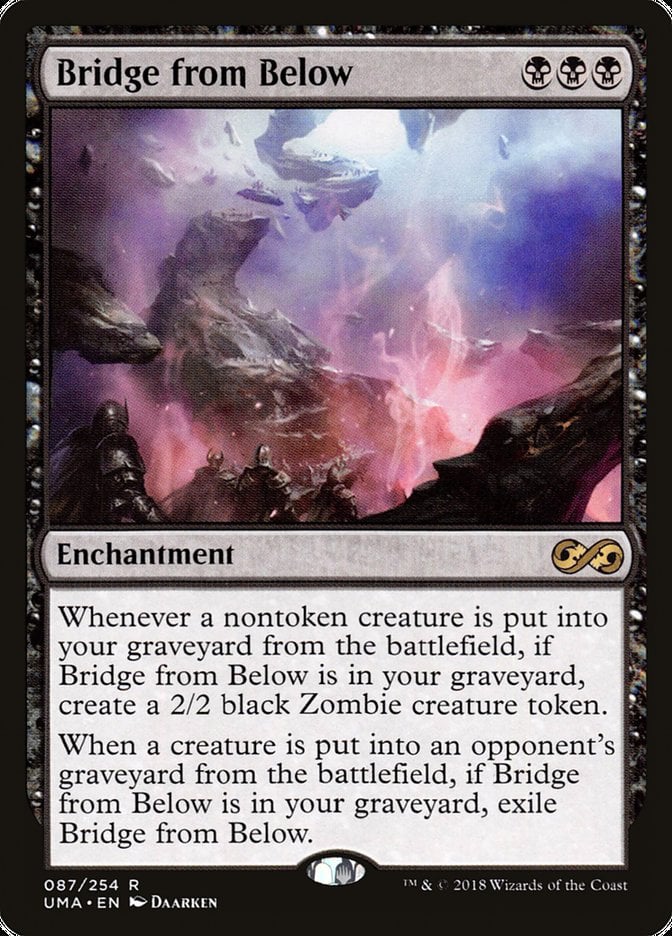
This is the only Magus that exists outside of a full cycle. Despite Bridge from Below being utterly busted, Magus of the Bridge is just not cutting it. The whole appeal of the enchantment was that it wasn’t an easily-killable creature, and functioned from the graveyard, but the Magus version dies to most commonly-played removal and maintains the restrictive casting cost of the original without any added perks.
#20. Magus of the Scroll
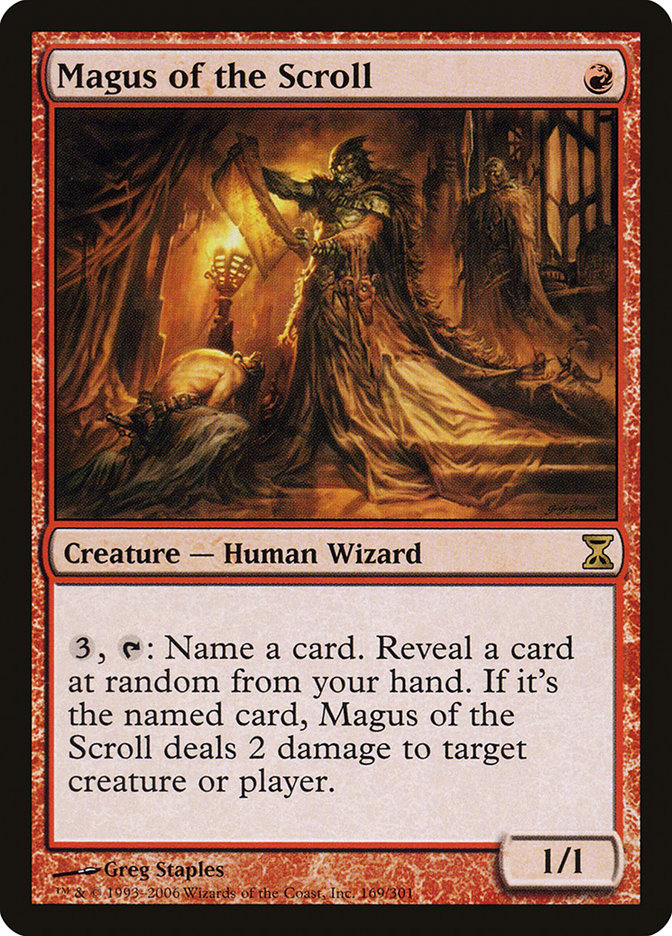

If you’re looking for a slightly expensive damage-dealer, Magus of the Scroll and Cursed Scroll are for you. You can tap these cards to name a card and gamble on whether you pick the right one. With a hand full of mountains or similar cards, this may be viable, but it seems like too big an investment to ever be worth it. Though not, Cursed Scroll used to be an absolute powerhouse.
#19. Magus of the Mind

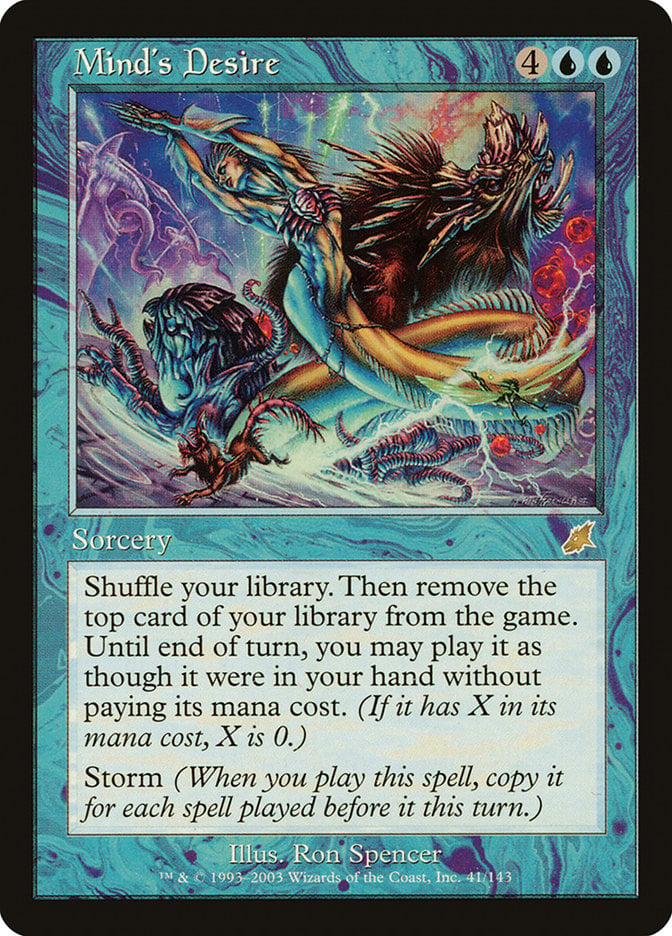
Activated abilities don’t work with the named storm mechanic, hence the drawn-out explanation on Magus of the Mind. These cards exile the top cards of your library based on how many cards you’ve cast this turn (storm), and they let you cast them for free. Of all the Magus cards, Magus of the Mind’s slower play due to summoning sickness may actually be a huge benefit. Using two turns and paying only one mana should allow you to build up the storm count much easier than a sorcery.
#18. Magus of the Library

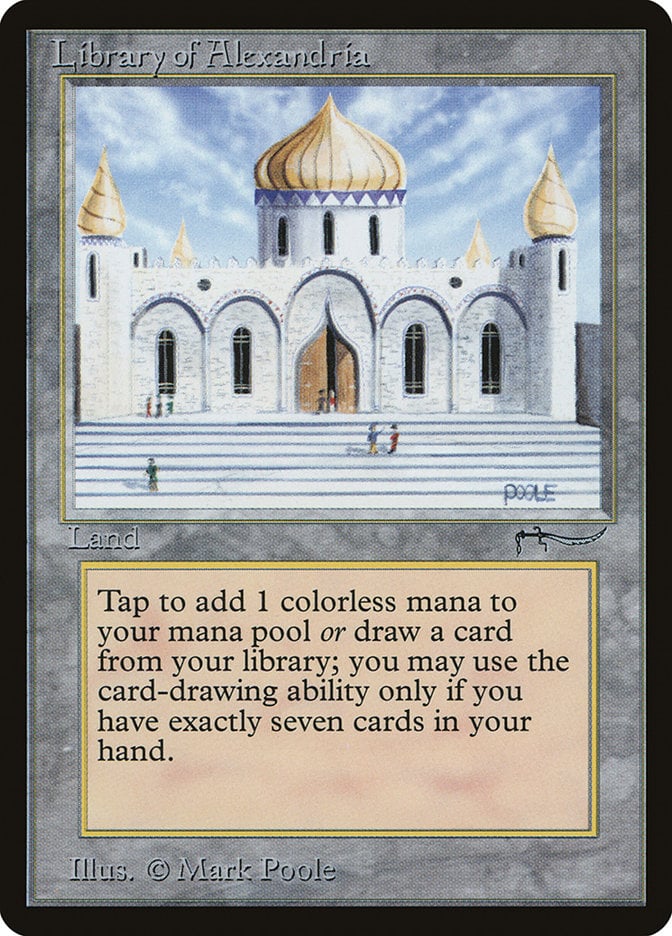
Do we have any Vintage players in the chat? If so, Library of Alexandria is a restricted land that can help you to grow an already heavy hand advantage. For everyone else, Magus of the Library gives us the same effect. This Magus is a cheap ramp card that can provide card draw if you have a full hand. Seeing as this isn’t the easiest task, this Magus is only for the most dedicated card draw builds.
#17. Magus of the Arena

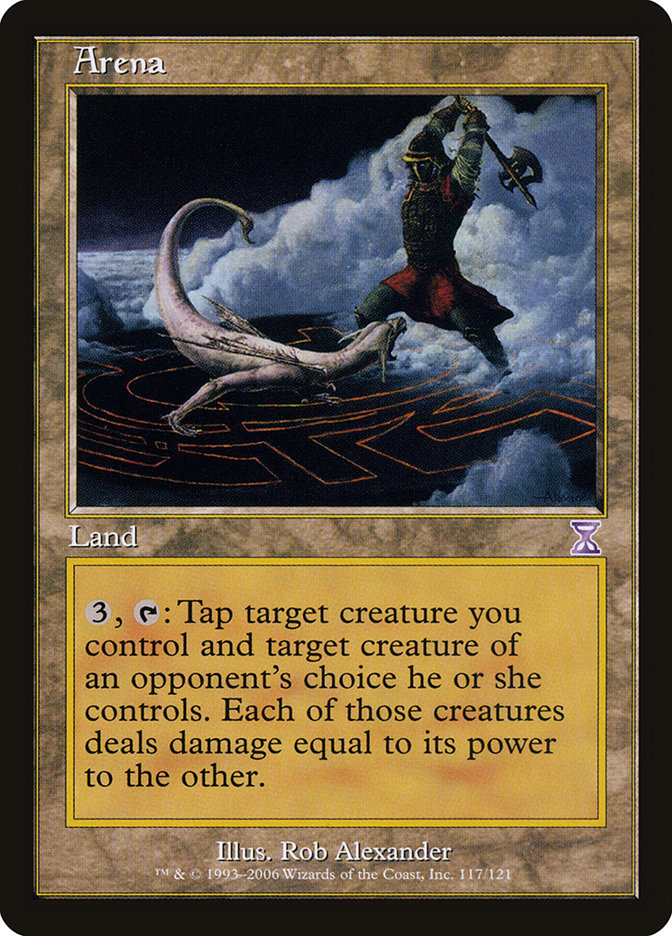
Tapping a land like Arena seems like a much better price-to-benefit ratio than a creature like Magus of the Arena. Taking a creature out of combat (unless you run a vigilance deck) to remove opponents’ key pieces is worth it. I’m just not a fan of tapping two creatures for this effect. If you do choose to go with the Magus, you at least get a big body.
#16. Magus of the Tabernacle

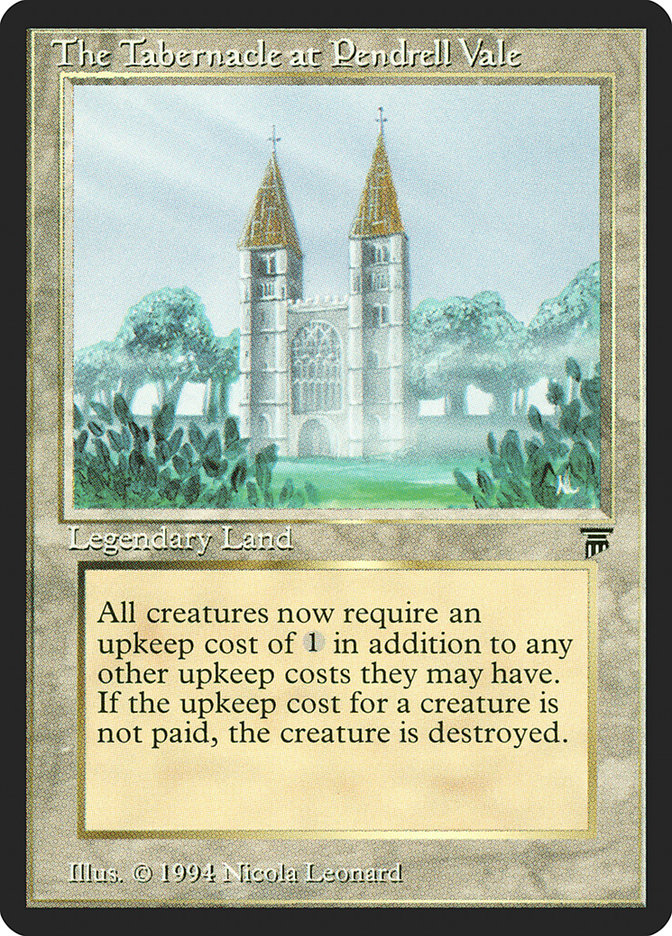
Magus of the Tabernacle is one of those white cards that just scream that you’re stalling this game out. Just like The Tabernacle at Pendrell Vale, this card is about putting a tax on all your opponents’ creatures. If you don’t have any creatures yourself, you can dodge the tax, though you’ll always need the to keep the Magus alive. You can tax your opponents more with a card like Grand Arbiter Augustin IV or focus on noncreature strategies with cards like Approach of the Second Sun.
#15. Magus of the Will
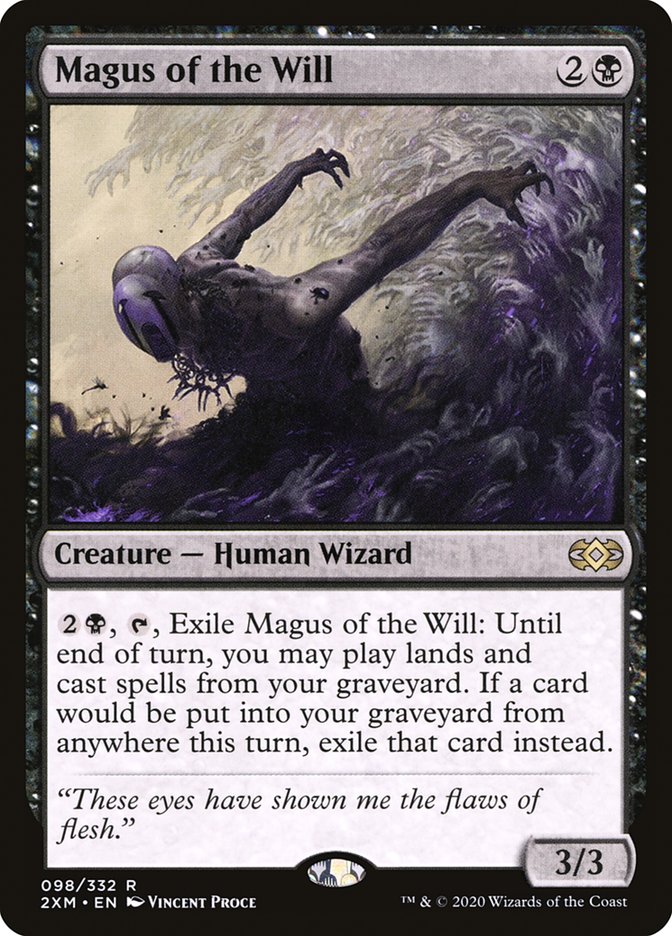
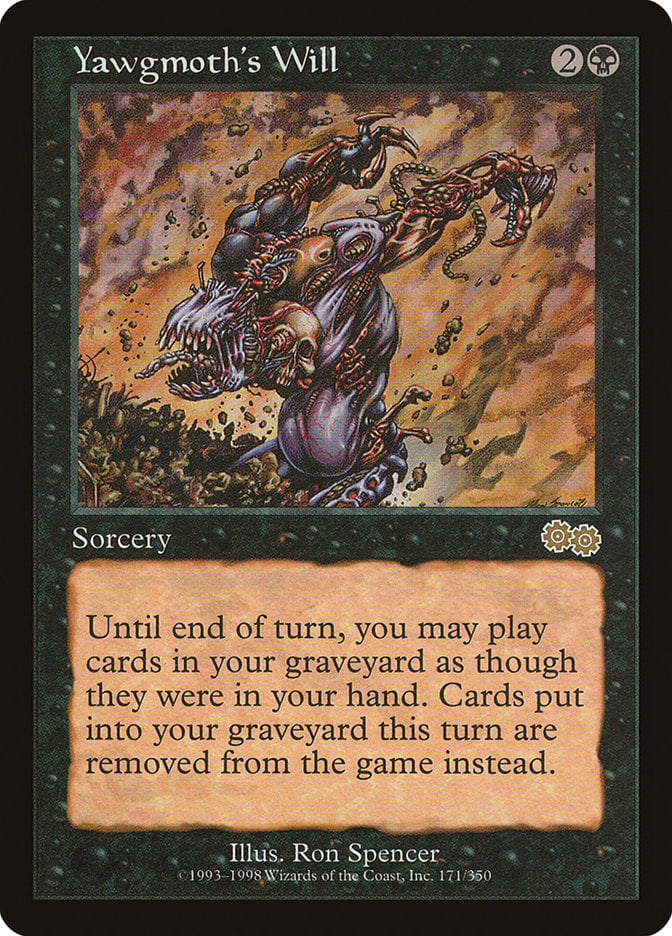
Magus of the Will takes a bit more mana commitment than the sorcery Yawgmoth's Will, but it can have similar value. You can invest 3 mana for the chance to play cards from your graveyard for a single turn. The initial 3 mana can dampen how much you can play, but if you can get a card like Gray Merchant of Asphodel back, it’s totally worth it. Include a Dark Ritual, and you should be fine!
#14. Magus of the Balance

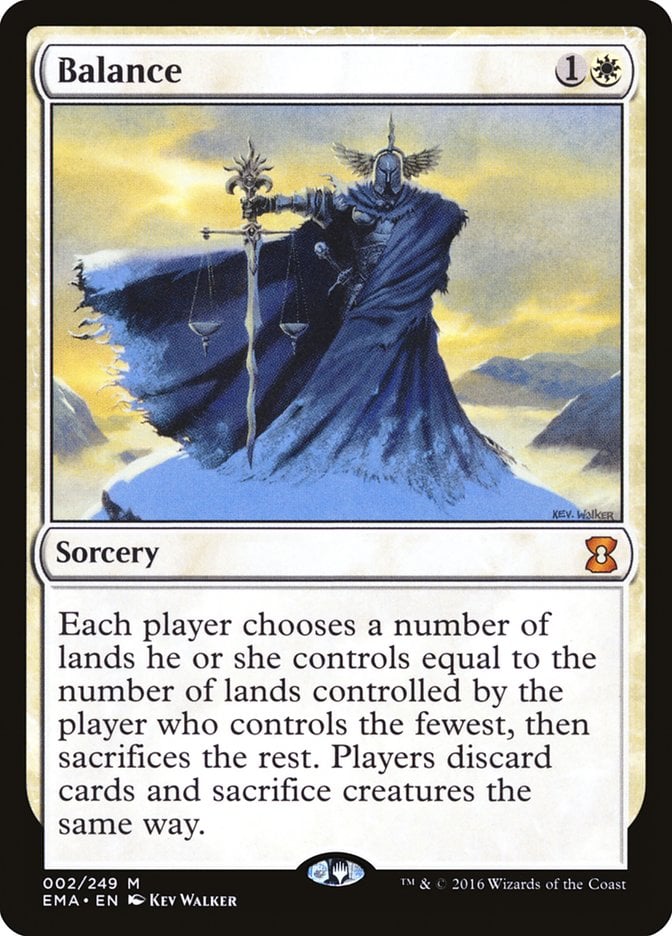
Magus of the Balance is a card to use when you’re able to circumvent the disadvantages. This Magus card brings Balance to all players by reducing everyone’s lands, hand, and battlefield down to the lowest number among all players. Reducing your opponents’ strategies and advantages while using enchantments like Felidar Retreat or planeswalkers like The Eternal Wanderer is a surefire way to dominate a game.
#13. Magus of the Jar
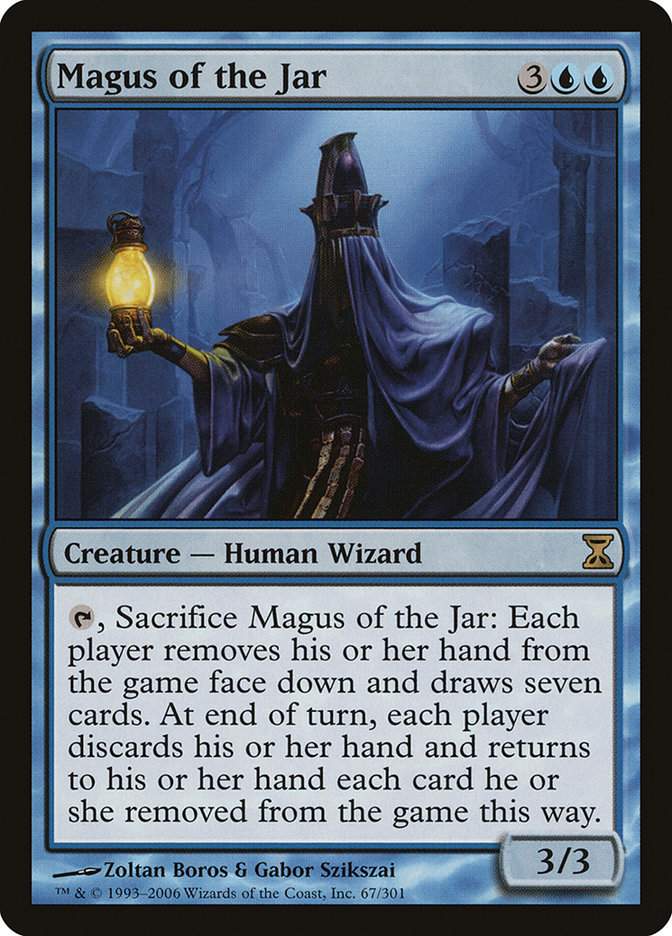
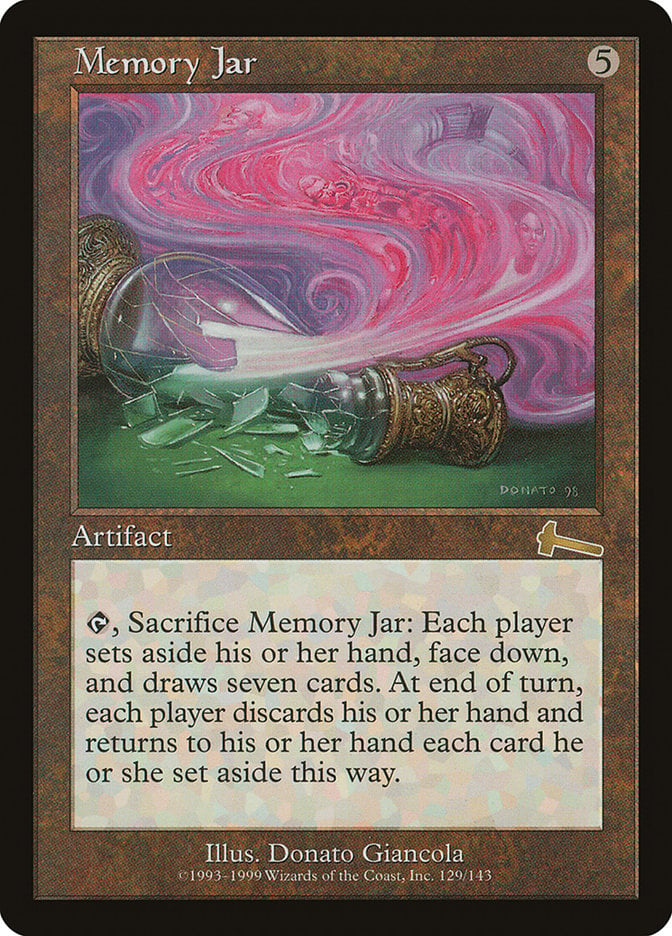
Magus of the Jar is a word-dense card that plays well in a few strategies. I see two solid strategies to use with this card: draw triggers or instant speed. These can put the squeeze on opponents with cards like Waste Not or Sheoldred, the Apocalypse. Instants of flash cards can also be solid if you can play cards and your opponents can’t once they’re tapped out. As with many Magi, this card plays slower than Memory Jar because of summoning sickness.
#12. Magus of the Bazaar

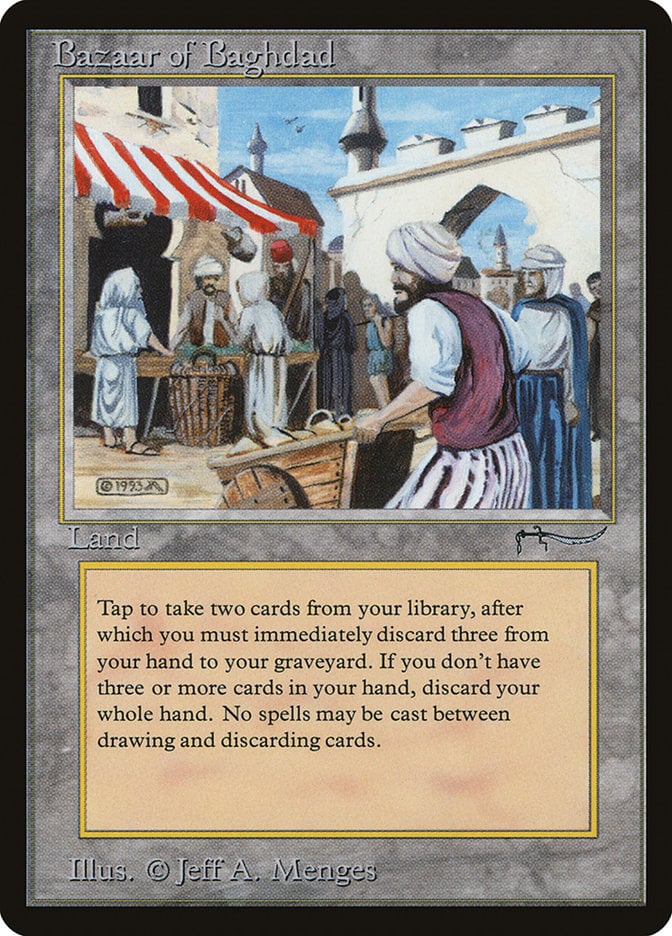
Magus of the Bazaar is a wonderful way to get the cards you need from the top of your deck and while filling your graveyard. This creature is a version of the land Bazaar of Baghdad, and they both can work quite well in blue decks. While you’re searching for the draw or counterspells you need, you can fill the graveyard for a card like Haughty Djinn.
#11. Magus of the Abyss
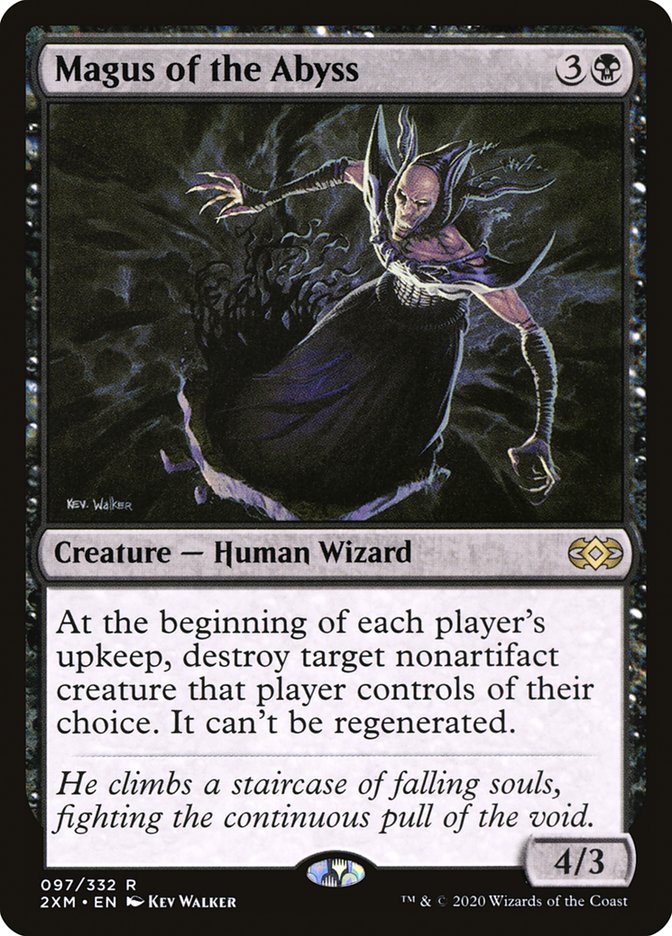
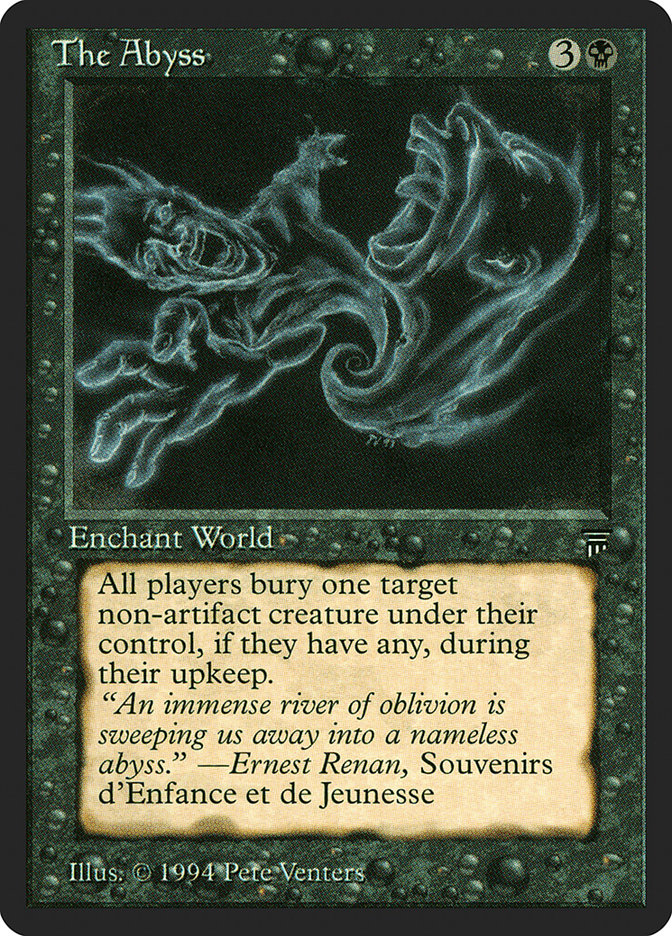
Outside of being easier to remove, I like having a creature with great effects over other permanents. For Magus of the Abyss, being a creature makes it much worse than the original, The Abyss. Both cards essentially force a player to sacrifice a creature each turn. The downside with the Magus is that you may have to sacrifice it at some point, taking away the effect you want for control. If you can stay ahead of opponents’ board presence with cards like Vren, the Relentless, both the Magus and the original Abyss can be stellar control cards.
#10. Magus of the Mirror

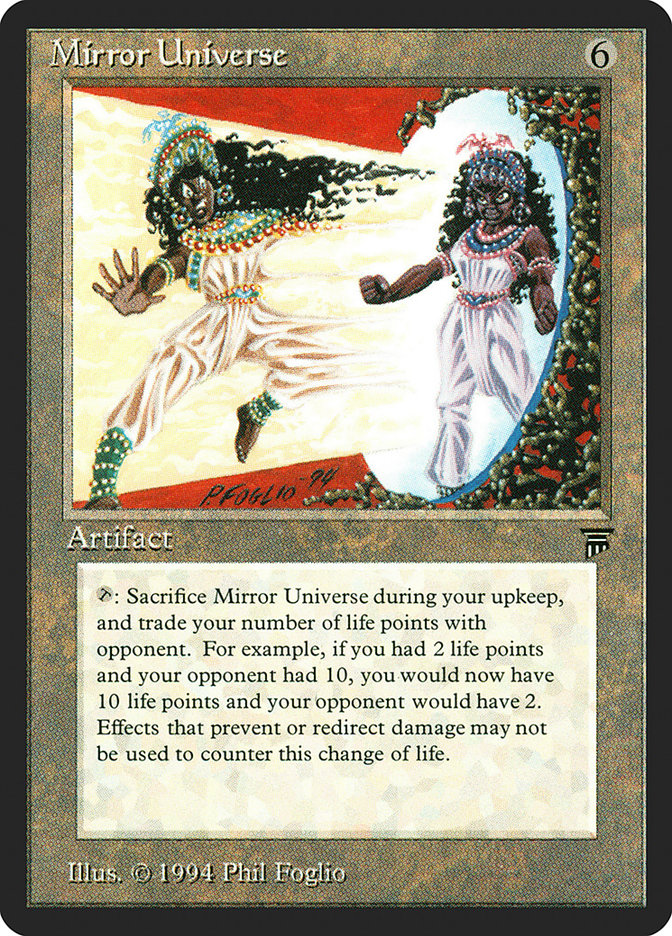
Magus of the Mirror is a late-game trick to switch life totals and put an opponent in a terrible position. The creature version of Mirror Universe, this Magus works with some self-dealing damage cards like K'rrik, Son of Yawgmoth quite well. You can use the apparent disadvantages to gain other advantages and switch your downside to an opponent. Just be careful not to take it too far, or to have backup plans like Vito, Thorn of the Dusk Rose.
#9. Magus of the Vineyard


I’m usually not the biggest fan of symmetrical beneficial cards, but green may be able to take the most advantage of a symmetrical mana effect. Magus of the Vineyard, previously Eladamri's Vineyard, provides 2 green mana to each player during their first main phase. This ramp can be huge for a green deck with cards like Lumra, Bellow of the Woods, or a commander like Yurlok of Scorch Thrash. Just hope you can use the mana better than your opponents.
#8. Magus of the Future
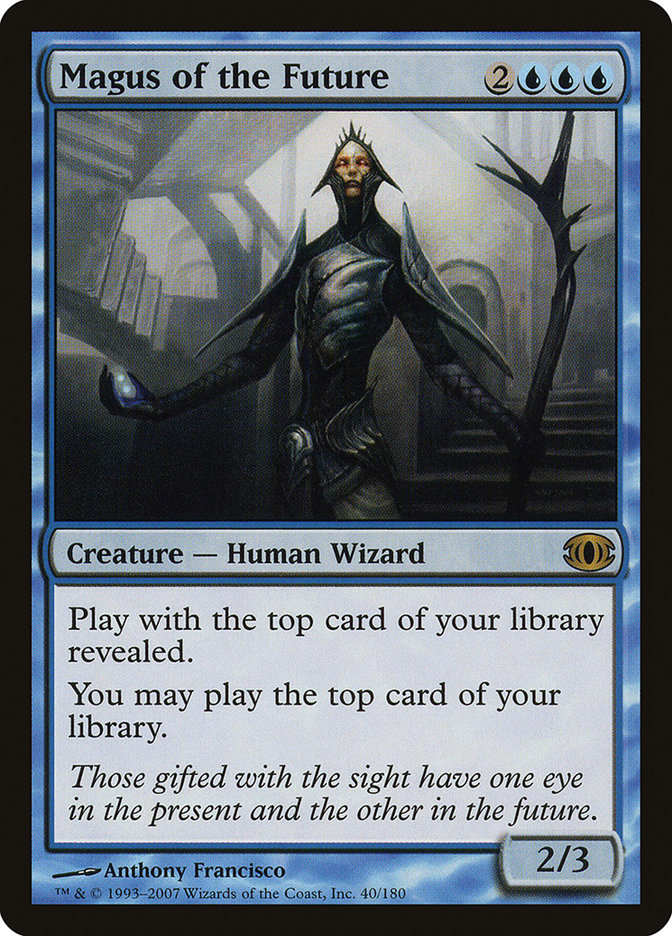
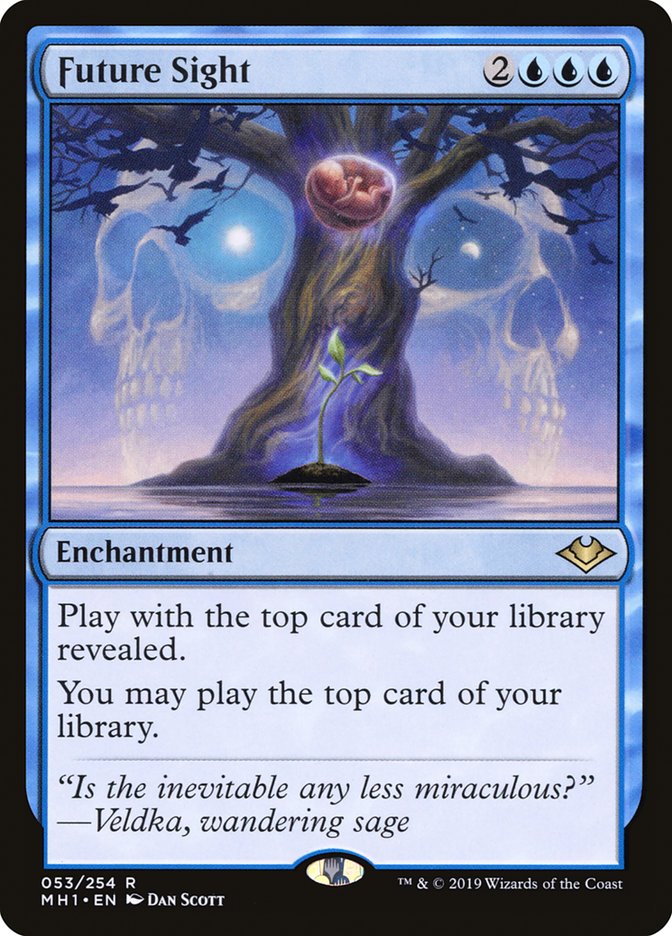
Magus of the Future doesn’t even come close to the artwork of Future Sight, but that’s for a different rant. This Magus provides some solid card advantage from the top of your deck for blue builds. Playing with your top card revealed isn’t such a detriment, and it can even be useful with a card like Yennett, Cryptic Sovereign. The upside of playing from the top of your deck is killer.
#7. Magus of the Disk

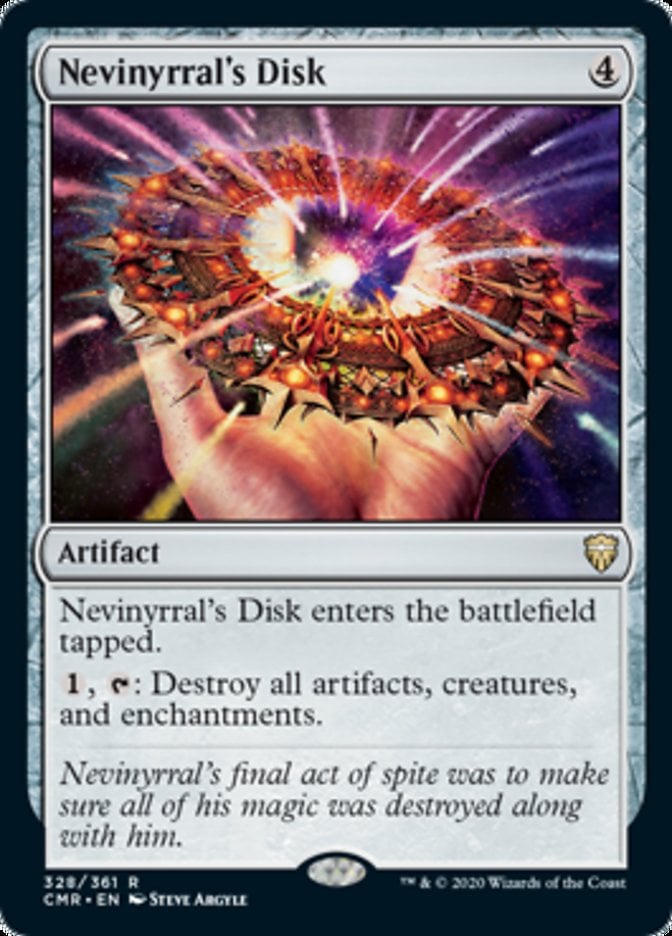
Magus of the Disk is the human wizard representation of the rattlesnake removal card, Nevinyrral's Disk. Just by having either of these cards on the battlefield, you’re daring opponents to play creatures, enchantments, or artifacts. These permanent hate cards provide great advantage in giving you time and/or mass removal, though Magus of the Disk comes with the downside of being easier to remove.
#6. Magus of the Order
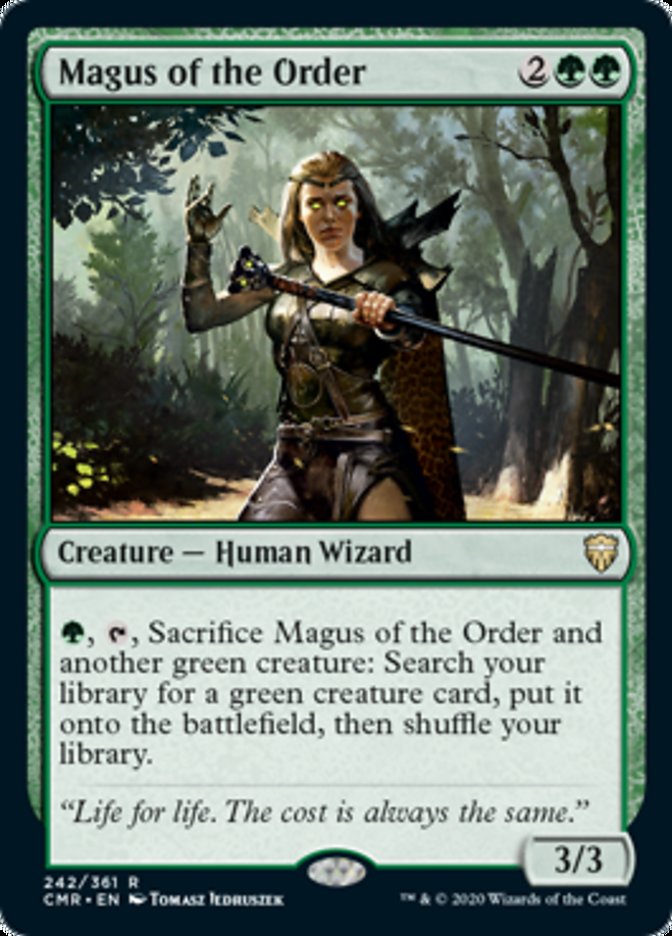
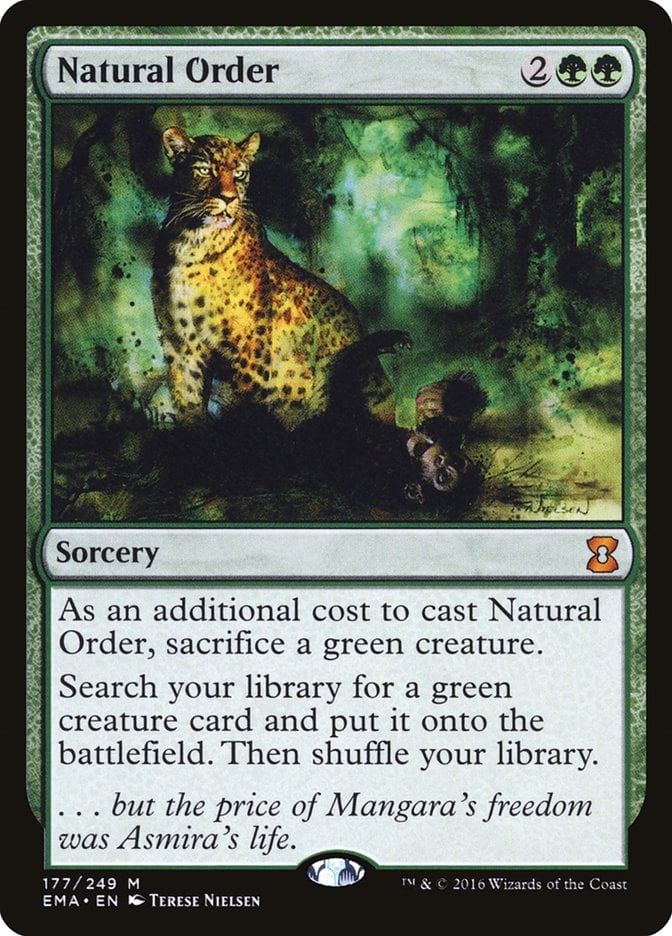
Natural Order is a stellar sorcery that’s banned in several formats. So, why not use Magus of the Order instead to achieve a similar effect? Both cards use themselves and a green creature to cheat another green creature from your deck onto the battlefield. This is a wild trade for a devastating creature like Craterhoof Behemoth. Unfortunately, the Magus card plays slower than the sorcery because of summoning sickness, and it’s more susceptible to removal.
#5. Magus of the Moat
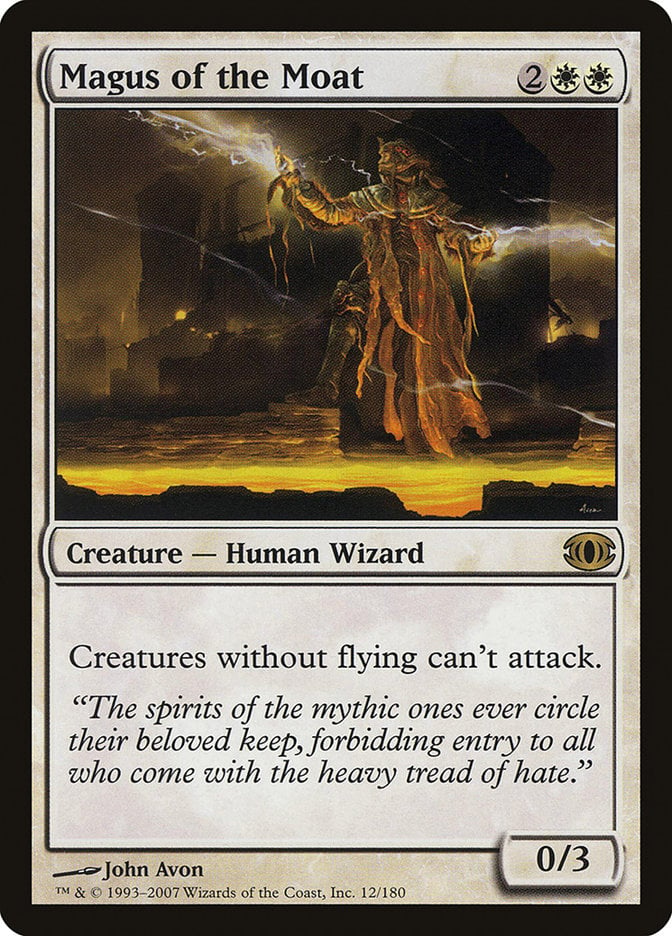
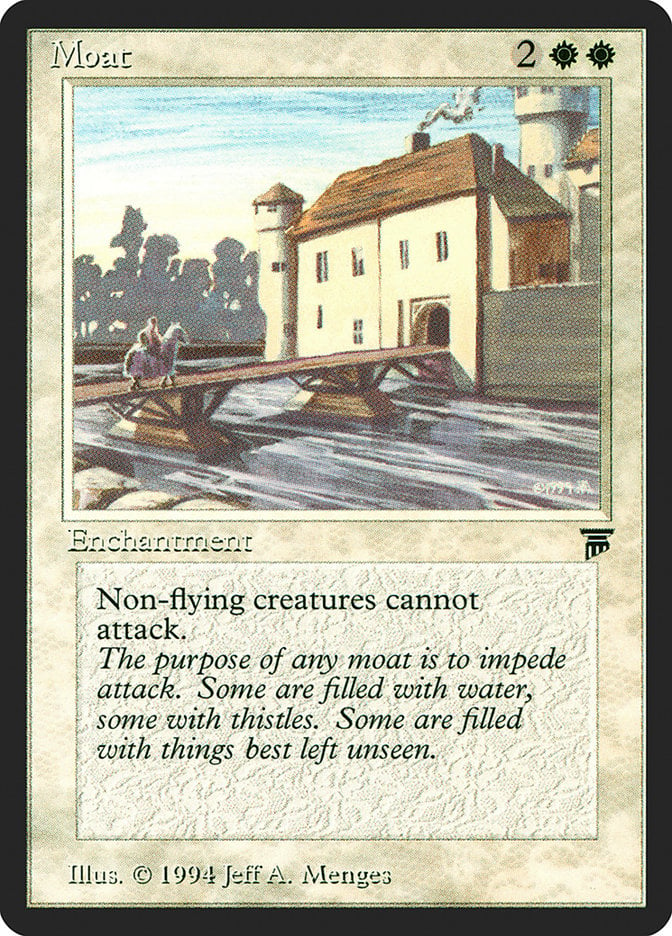
Magus of the Moat is a slightly easier version of Moat to remove. Both cards are solid plays in white decks that feature flying creatures. As the most common evasive keyword, your opponents may have some flying creatures, but this stax-like card has a chance to shut down some aggressive decks. In a deck full of angels or birds, Magus of the Moat allows you to attack without fear of much combat retribution.
#4. Magus of the Candelabra
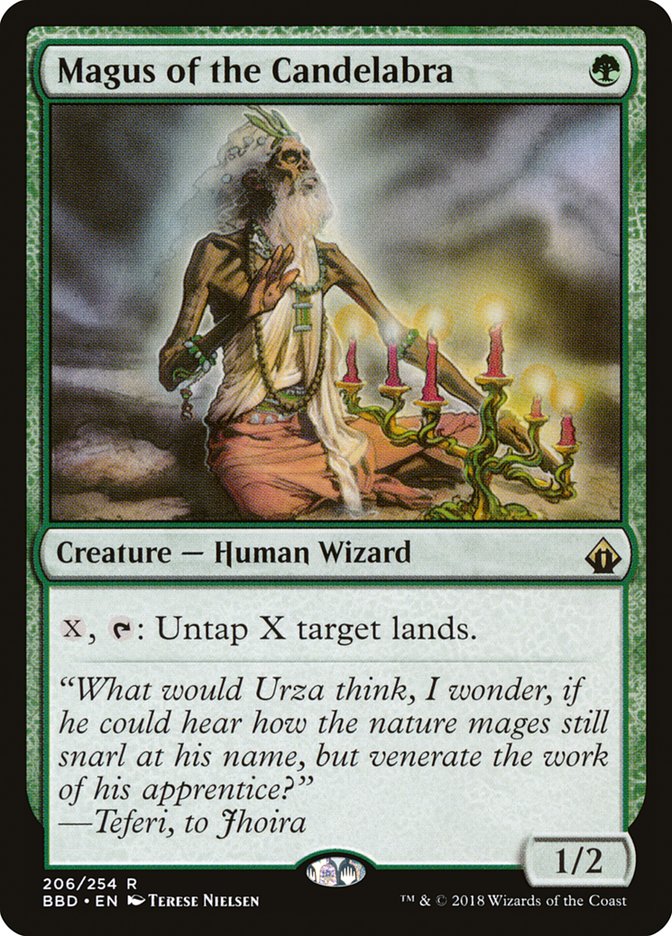
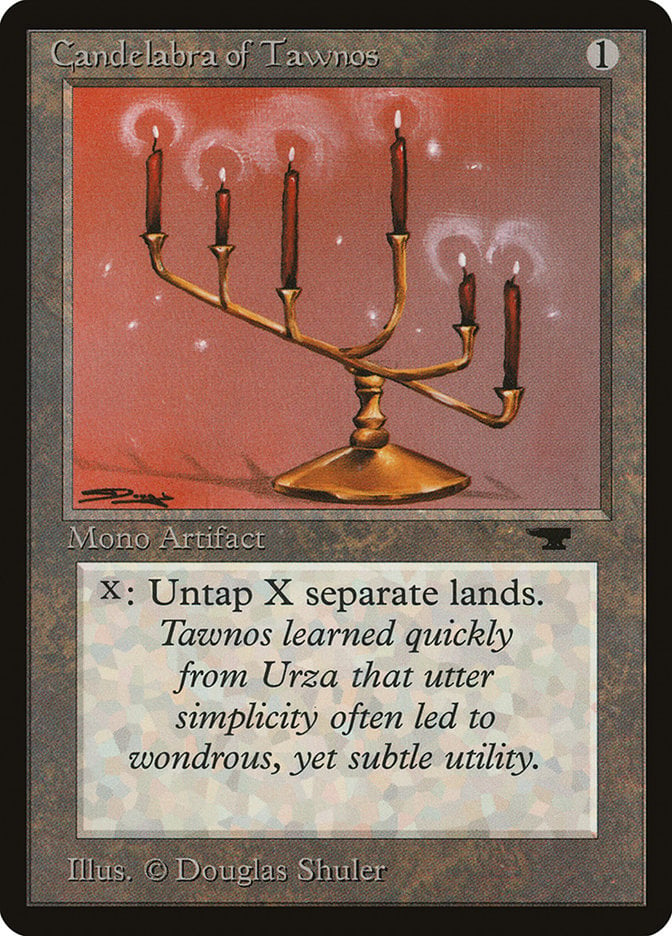
Magus of the Candelabra can work as a ramp cheat code with the right lands. The creature form of Candelabra of Tawnos, this card can work wonders with the Urza Tron lands, bounce lands, or a card like Mirari's Wake. Arbitraging mana is a wonderful strategy that you can absolutely break with a card like Staff of Domination and a mana doubler like Heartbeat of Spring.
#3. Magus of the Moon
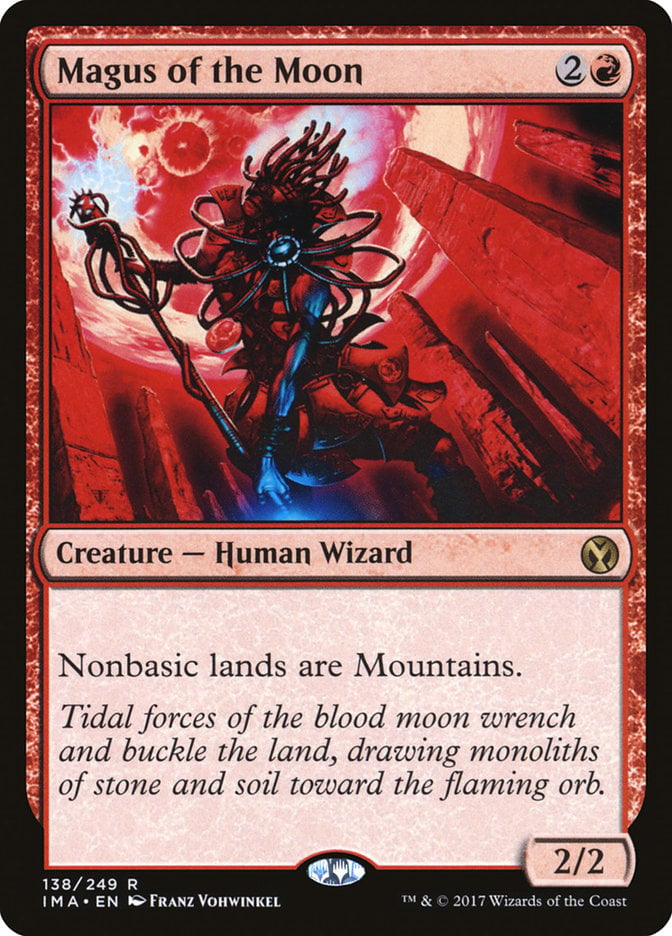
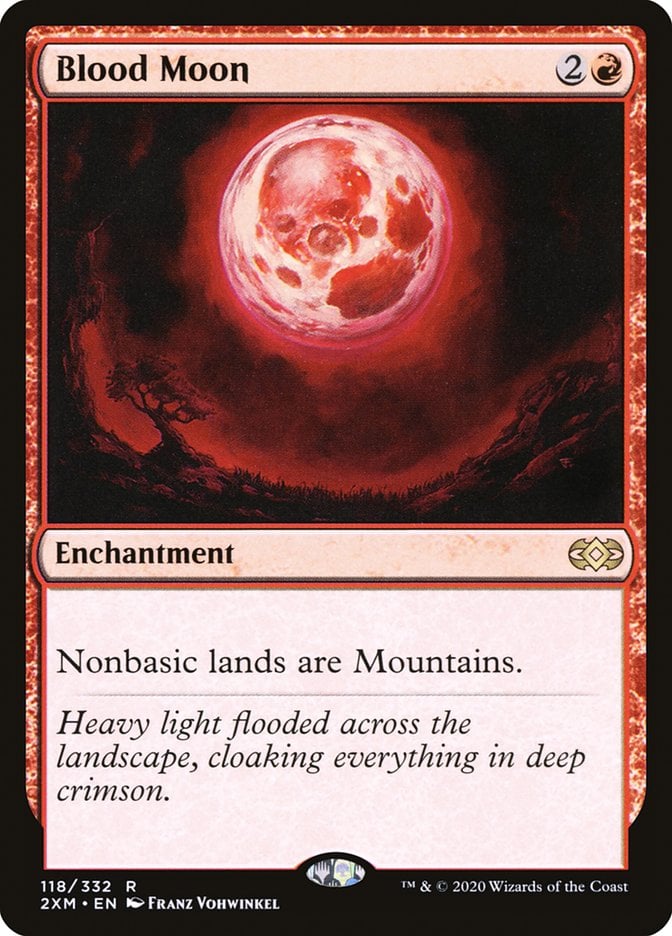
Magus of the Moon is a wonderful way to infuriate multicolored decks that aren’t running red. This rendition of Blood Moon negates all the effects of lands and turns them into mountains. This doesn’t change lands into basic lands, but they may only produce red mana. This ability can strangle an opponent’s curve to great effect, and it even got Blood Moon banned in Historic. But Magus of the Moon is legal everywhere (well, it’s not on Arena, but you get the point).
#2. Magus of the Coffers
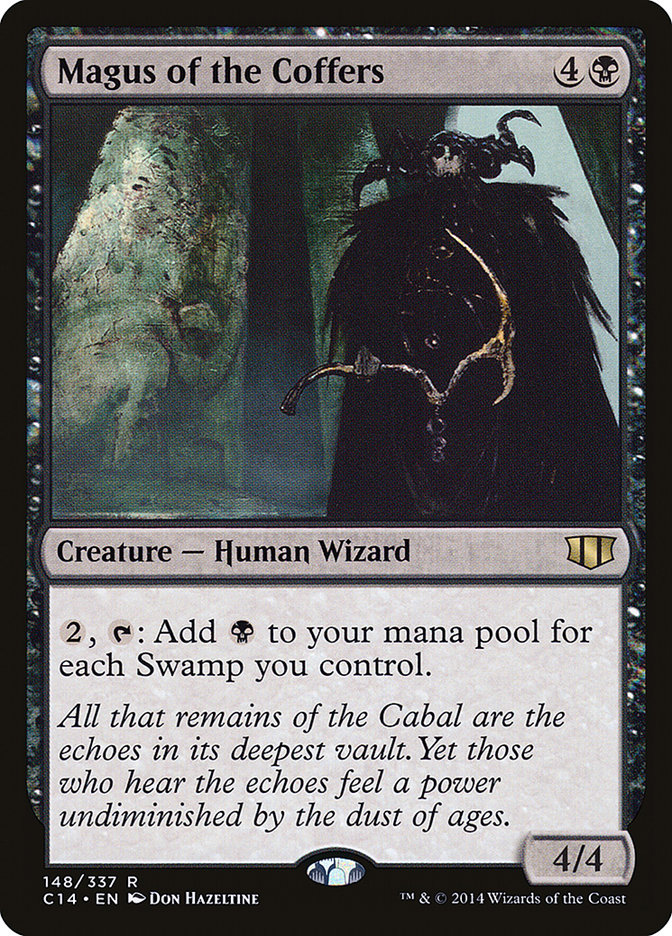
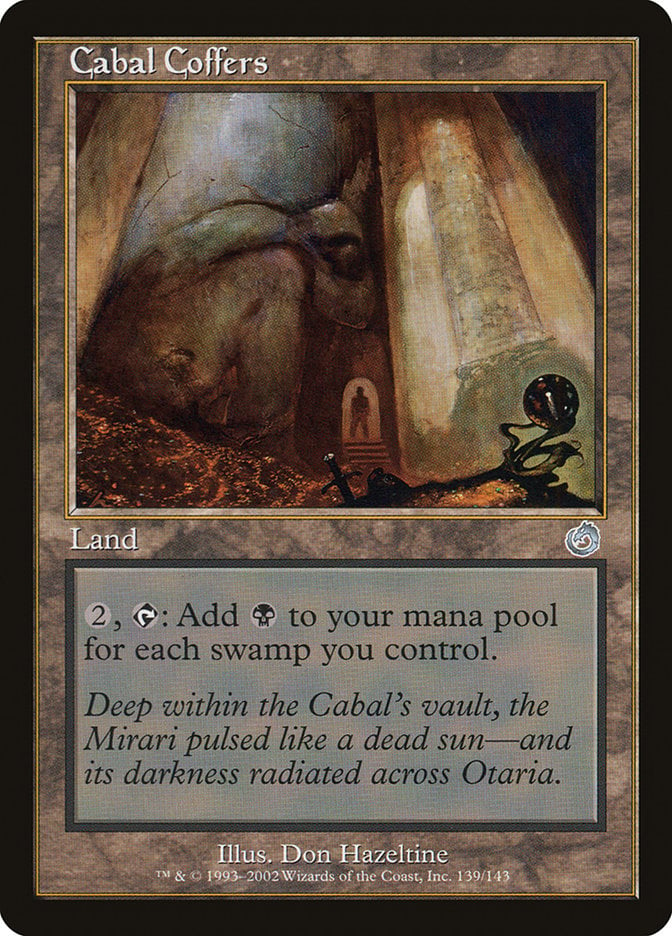
Magus of the Coffers is a midrange creature version of Cabal Coffers to greatly ramp up a black deck. The land version provides a better curve play, but the Magus provides a medium-sized body that can tap for loads of black mana at any time. With a combination of both cards, and even Urborg, Tomb of Yawgmoth, you should be able to dominate with a card like Exsanguinate no problem.
#1. Magus of the Wheel
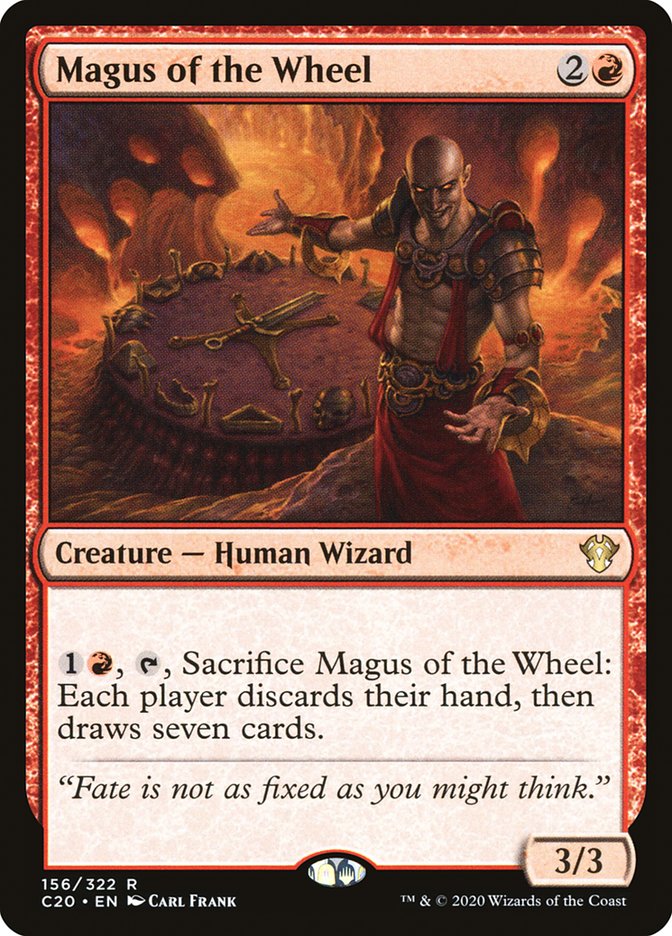
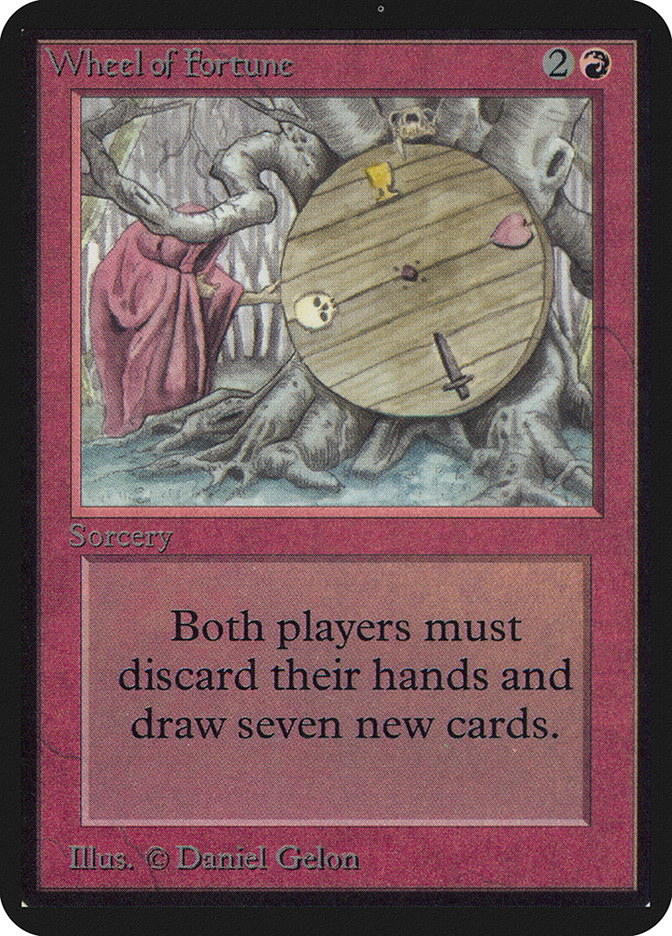
Magus of the Wheel adds even more value to the banned and restricted Wheel of Fortune. This Magus can turn a game on its head with all players discarding and drawing an entirely new hand. The fact that Magus of the Wheel can do this effect at instant speed is incredible and a real strategy driver! Use this wizard to disrupt opponents’ combos, or just to draw a new and better hand for yourself.
Best Magus Payoffs
With such a wide range of abilities in the four Magus cycles, there isn’t so much overlap to focus on specific payoffs for these cards. They can all fit into specific and different strategies. For now, let’s focus on the little they do share in common.
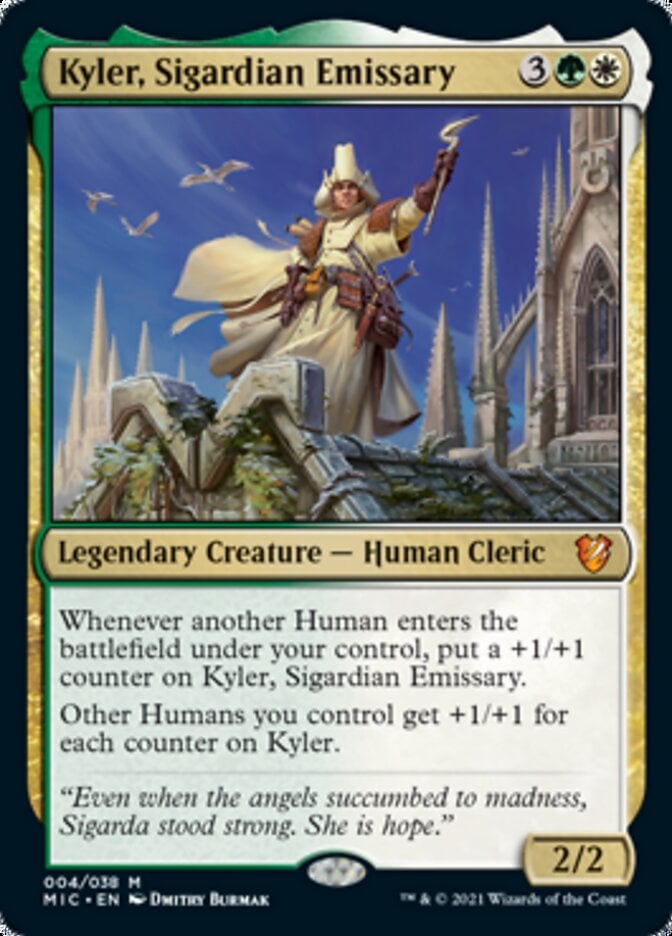
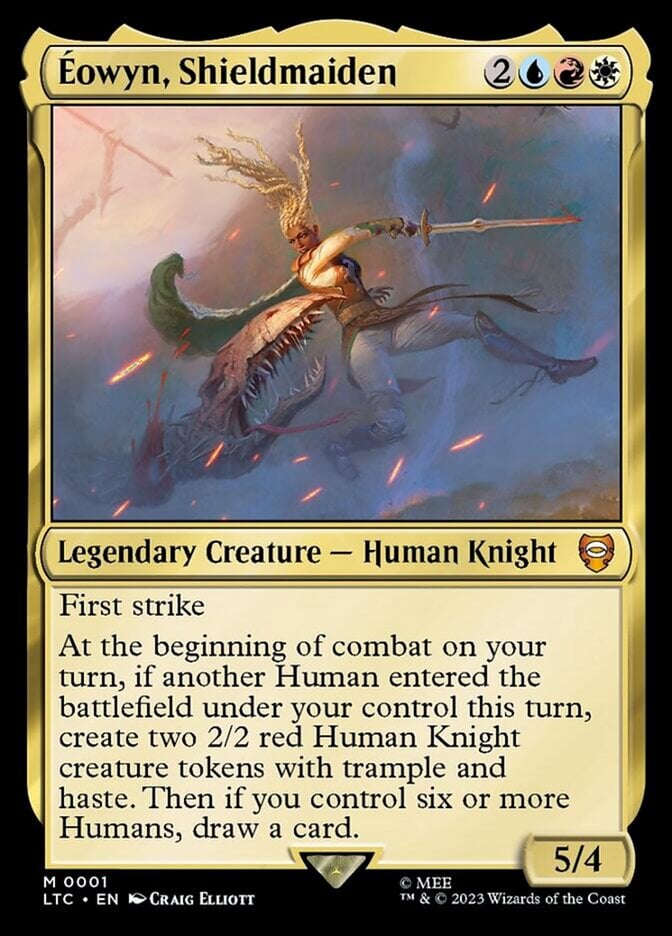
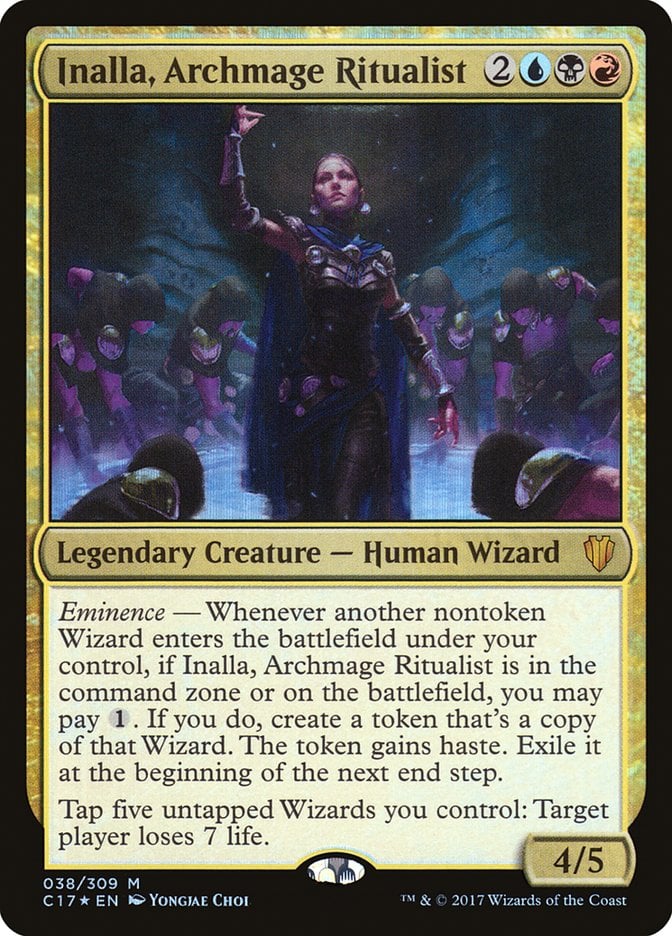
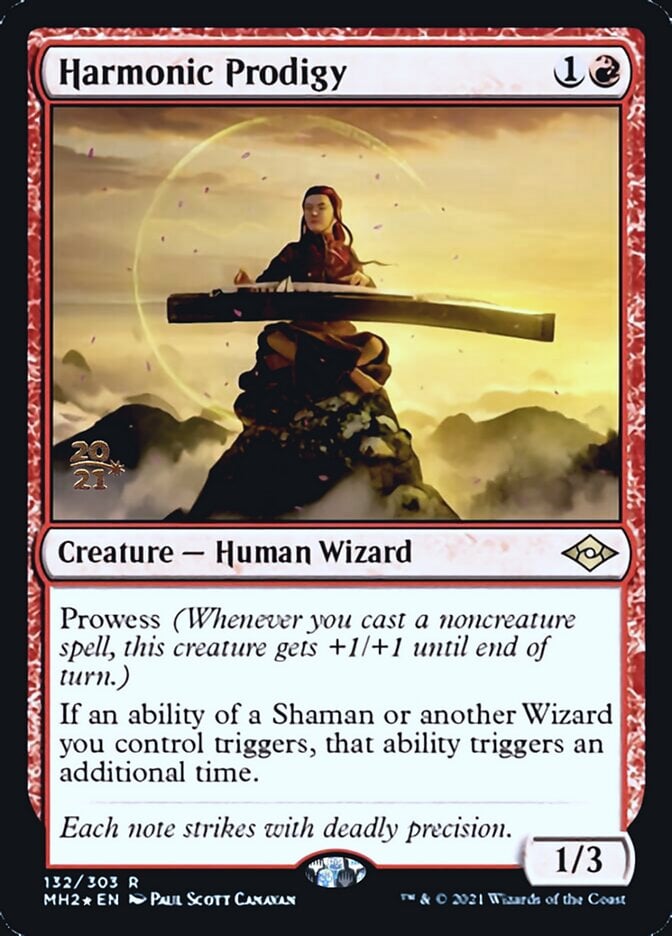
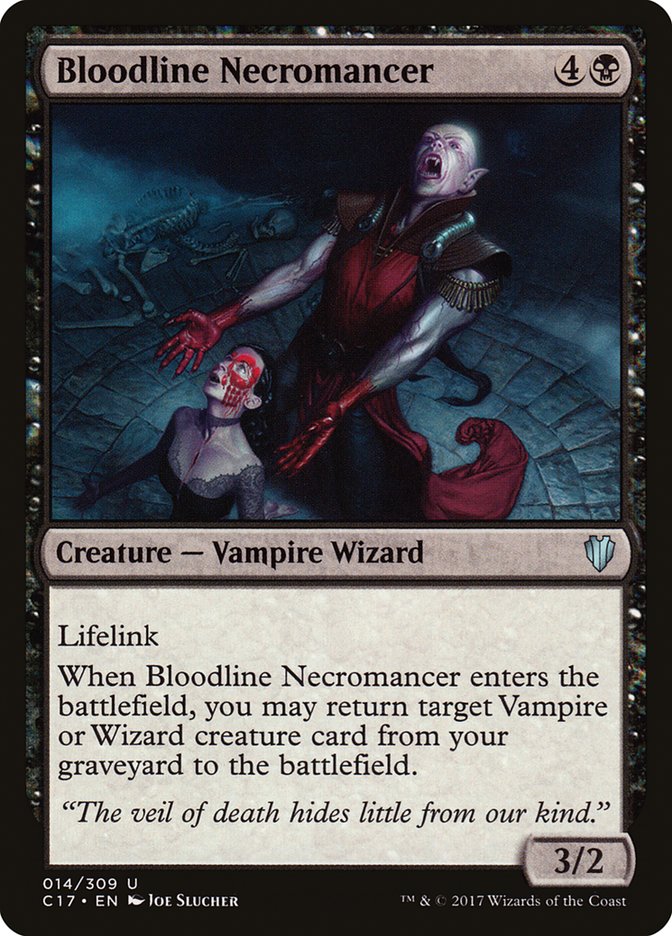
All the Magi are human wizard creatures, so you can slot them into any deck that benefits from these creature types. Human lords like Kyler, Sigardian Emissary can help the Magi turn into attacking creatures, while humans-matter commanders like Éowyn, Shieldmaiden can use them more generally. As far as wizard decks go, cards like Inalla, Archmage Ritualist, Harmonic Prodigy, and Bloodline Necromancer can all benefit from or enable the Magi.
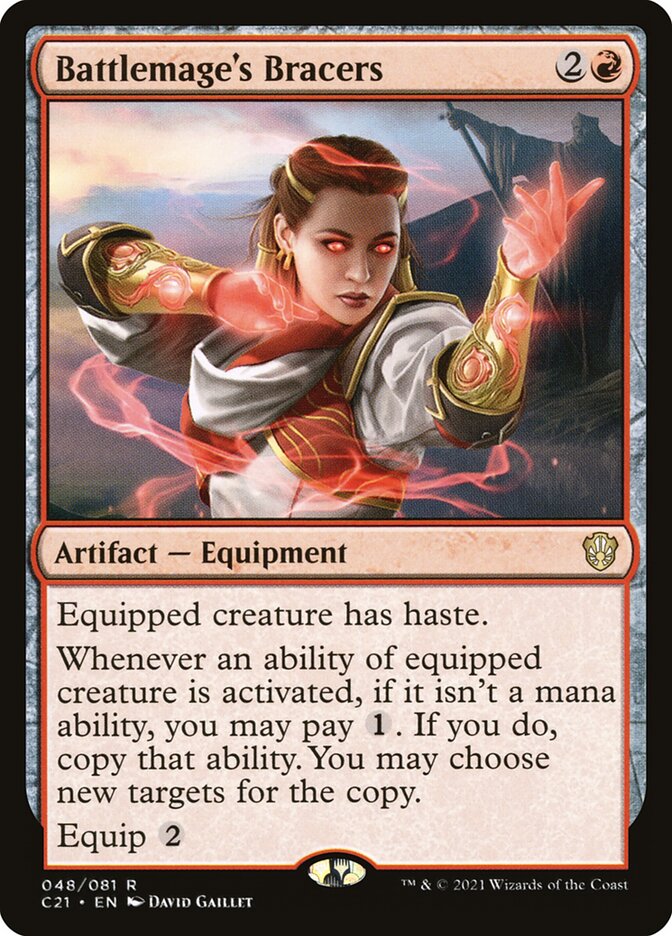
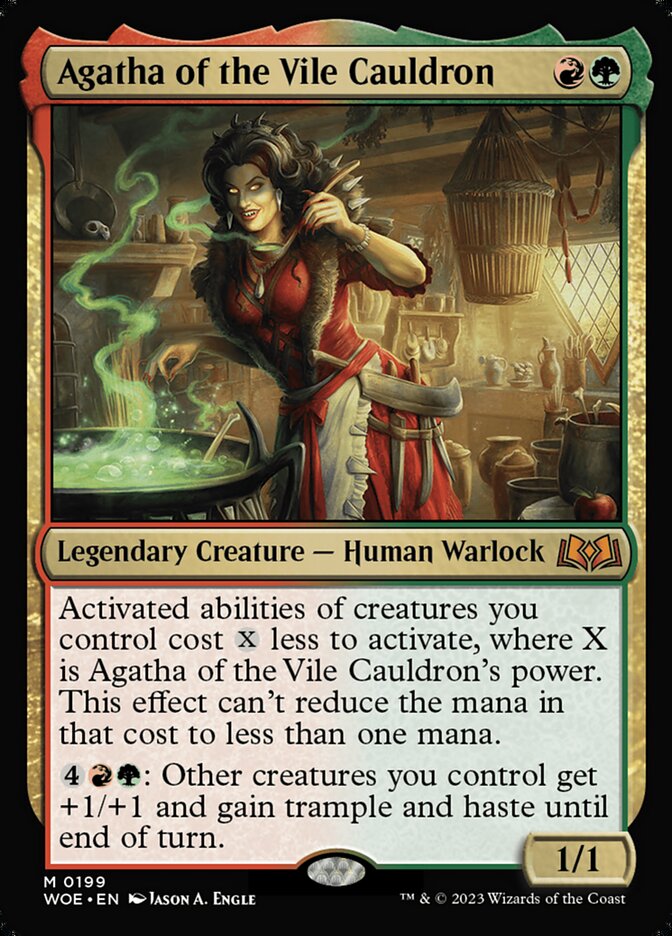

Many of the Magi have activated abilities, so they can trigger a card like Battlemage's Bracers. Activated ability enablers like Agatha of the Vile Cauldron can also greatly help your Magus creatures. Don’t forget Marvin, Murderous Mimic if you want even more fun.
Do Magus Creatures Get Around the Reserved List?
Yes, Magus cards can get around the Reserved List. Magus cards are designed with the abilities of older and powerful cards, and they allow players to access those effects without directly reprinting the original cards that are on the Reserved List.
While Magus cards offer similar effects, they’re often slightly weaker or have a different card type than the original card they emulate. The main difference is that Magi are creatures, which are much easier to remove. This difference allows for new interactions within the game, and therefore, many of the Magus cards aren’t banned or restricted, while their older counterparts are.
Wrap Up

Magus of the Wheel | Illustration by Carl Frank
What cool cards, right? I’m a fan of alternate art and representations of the wonderful cards of Magic. It can be a fun endeavor and feeling to see a new form of the same cards you love. I hope you feel the same way as I do, but if not, I hope you at least learned something new about these four cycles of Magus cards.
If these cards aren’t exactly what you are looking for, check out all the other wonderful articles on Draftsim.com. While you’re here, please leave a comment. If you want even more engagement, make sure to follow us on X and join the official Discord server.
Go slow and try to enjoy that magical feeling when playing MTG!
Follow Draftsim for awesome articles and set updates:










Add Comment