
Last updated on August 31, 2026

Begin the Invasion | Illustration by Campbell White
If there’s one thing that has kept Magic: The Gathering alive and thriving for over 30 years, it’s the incredible diversity of gameplay it offers. For each kind of player, there’s a format that they can relate to, but when it comes to ranking them, one can’t help but think: Which is the best?
In this list, I’ll rank the most popular ones in the game’s history. While I’m bias towards some, I’ll keep it professional and discuss what they bring to the table.
Let’s break them down!
What Are Formats in MTG?

Mana Confluence | Illustration by Richard Wright
In Magic: The Gathering, a format is basically the set of rules that determines which cards you can play and how you build your deck. Formats help keep games balanced and fun by grouping cards from specific sets or time periods together. Some formats are highly competitive, while others are more casual or creative.
There are two main types of formats: paper (played in-person) and digital-only. Popular paper-Magic formats include Standard, Modern, Pioneer, Legacy, and Commander. There are also Limited formats like Draft and Sealed, where you build your deck on the spot from random packs.
Digital formats, found on platforms like MTG Arena and Magic Online, include unique options like Alchemy, Historic, and Explorer on Arena and MTGO’s own version of Cube called Vintage Cube.
#14. Alchemy

Crucias, Titan of the Waves | Illustration by Filipe Pagliuso
Alchemy is a digital-only format exclusive to MTG Arena, introduced in December 2021. It builds upon the Standard format but incorporates features and mechanics that are unique to the client.
In Alchemy, cards can be rebalanced, buffed, or nerfed after their initial release. This dynamic adjustment helps to maintain a balanced and engaging metagame without resorting to traditional bans. Additionally, Alchemy introduces digital-only cards featuring mechanics that aren’t feasible in physical play like conjure, seek, and perpetual.
Alchemy is designed for players who enjoy a rapidly changing environment and are open to digital-exclusive content. However, some players prefer the stability and familiarity of traditional formats like Standard, which mirrors the physical card game more closely. In my opinion, Alchemy is a format I’d just dive into if I want to rank up quickly on the Arena Ladder, as the competition is extremely soft due to a low player base.
It’s worth noting that each “digital only” format on MTG Arena is based on a version of other formats already established in paper, but with new, broken cards.
#13. Historic
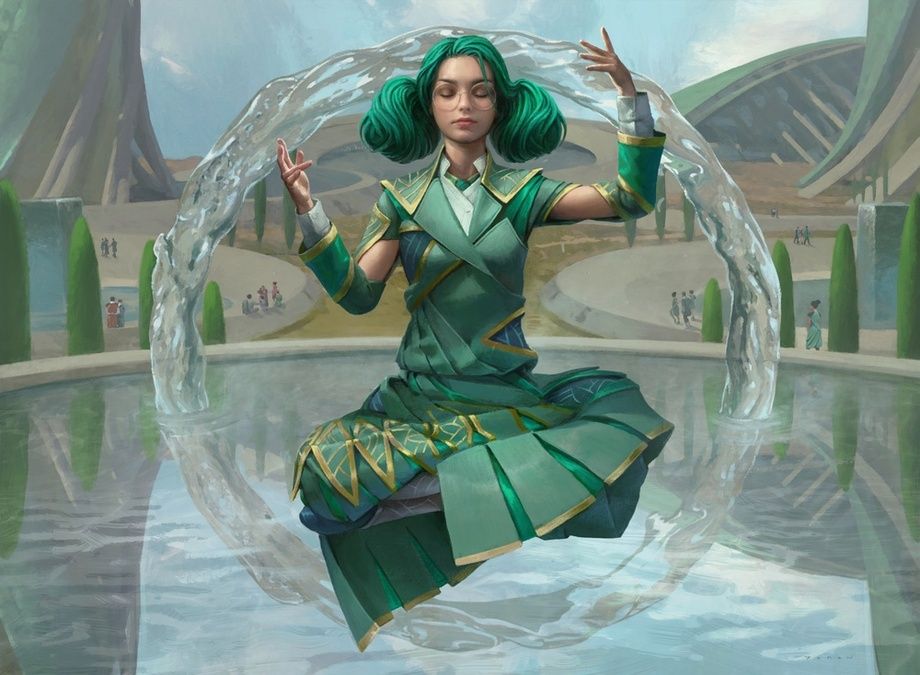
Symmetry Sage | Illustration by Jehan Choo
Historic is a non-rotating Constructed format exclusive to Arena. I like to think about this as the Modern counterpart for the digital-only scene. This format includes cards from Standard-legal sets, supplemental sets like Jumpstart and Amonkhet Remastered, and curated additions through Historic Anthologies.
I put it low on the ranking as there’s a very similar MTGA format that’s 100 times better than this because you aren’t limited to using “nerfed” cards, which is a big downside for players like me who enjoy using them at their full potential.
The tricky part with nerfing cards is that they’re made almost unplayable, so it’s even worse than just straight banning them to some extent.
#12. Pioneer
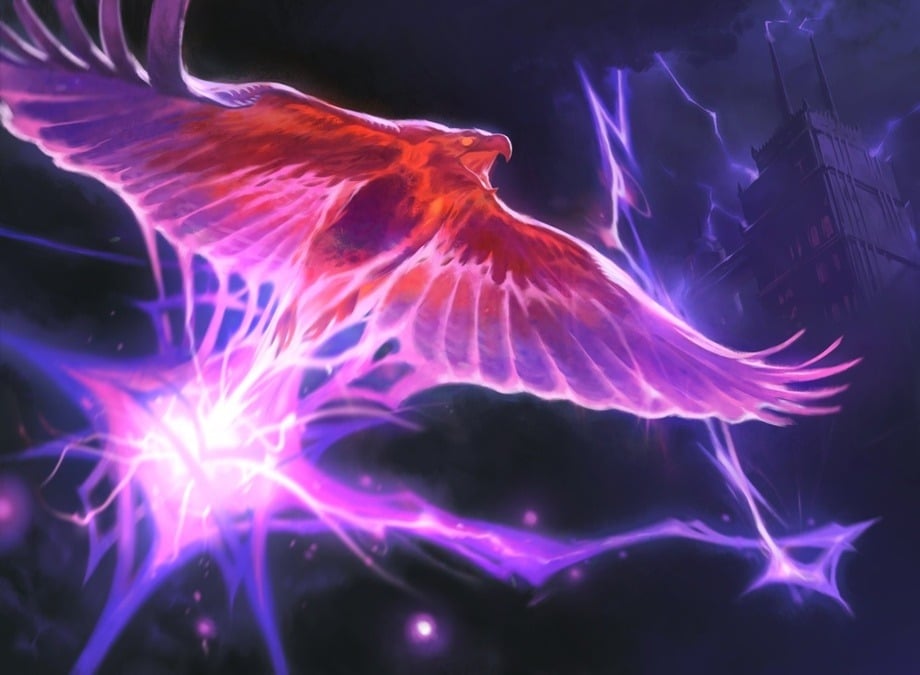
Arclight Phoenix | Illustration by Slawomir Maniak
If you’ve played Magic for a while, you’ve likely noticed the gap between Standard’s tight card pool and Modern’s sprawling one. Pioneer aims to land right in the middle. It includes cards from Return to Ravnica onward, giving players access to a solid range of strategies without dipping into the massive older card pool. Fetch lands are banned to keep things fair and encourage creativity, which helps prevent overly streamlined mana bases.
As of May 10, 2025, Pioneer is fully available on MTG Arena, bringing the digital experience more in line with tabletop.
But despite that, the format hasn’t really taken off on either MTGA or MTGO, where others like Pauper still attract a larger and more dedicated player base—likely because they’re cheaper and more diverse.
While Pioneer used to be front and center in Regional Championship Qualifiers (RCQs), that’s no longer the case. The format has slowly lost its spotlight in organized play, which makes it harder for players to stay motivated to engage with it in paper.
#11. Vintage

Black Lotus | Illustration by Christopher Rush
Vintage is where Magic goes full throttle. It’s the most powerful format out there, letting you play cards from almost every set in the game’s history. Instead of banning the really busted stuff like other formats do, Vintage usually just restricts them; you can still play cards like Black Lotus and the rest of the Power Nine, but only one copy of each.
Because a lot of these cards are insanely expensive, many Vintage events (especially unsanctioned ones) allow proxies—basically, placeholder cards so you don’t need to own or bring the originals. And if you’re into digital play, MTGO is the way to go. You can put together a deck that would cost you over $20,000 in paper for about $500 online, so it’s way more accessible for players who want to experience Vintage without the price tag.
#10. Sealed
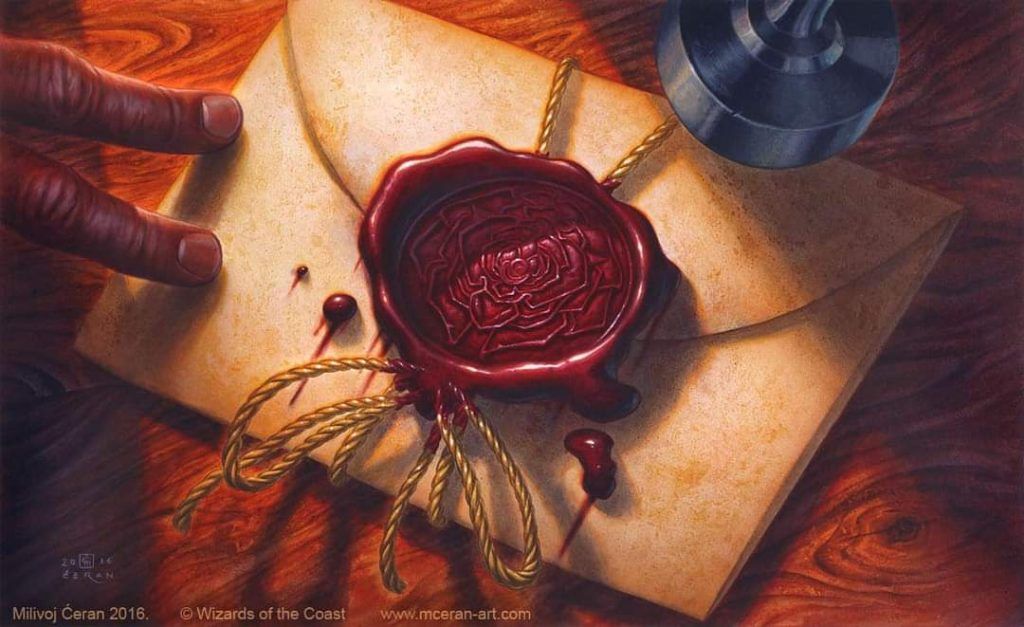
Imperial Seal | Illustration by Milivoj Ceran
Sealed is one of the easiest ways to jump into Magic if you’re new or just looking for a fresh, unpredictable challenge. It’s part of what’s called Limited play, where instead of bringing your own deck, you build one from six unopened booster packs right then and there. That surprise element makes every game feel unique, and it’s especially popular at prerelease events where everyone’s seeing the new set for the first time.
You can also play Sealed on MTG Arena, which is super convenient if you’d rather game from home. And if you’re looking to get better at building your deck or just want to sharpen your skills, Draftsim has you covered. We have great tools, practice simulators, and helpful guides to ensure you’re ready for your next Sealed event—whether it’s online or in person. Check out Arena Tutor to get an edge in your next MTGA event.
Jumpstart is a subset of Sealed that uses two Jumpstart boosters, 20-card booster packs that are designed for you to crack open, shuffle, and play immediately.
#9. Pauper
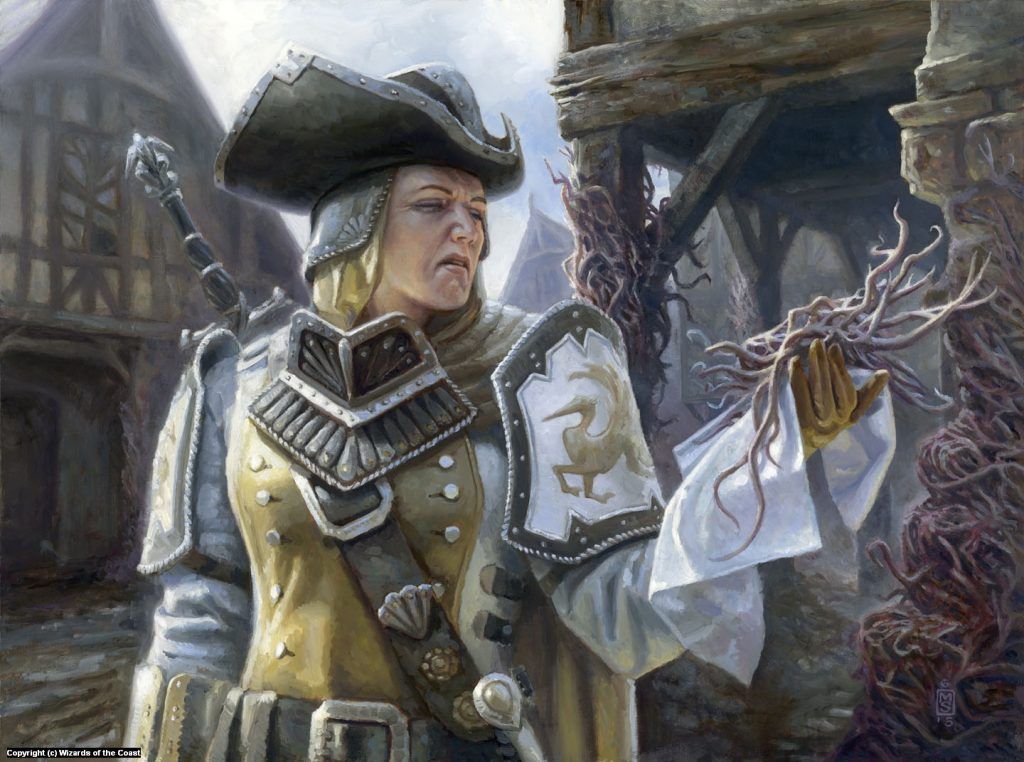
Thraben Inspector | Illustration by Matt Stewart
Pauper is Magic: The Gathering at its most affordable—and honestly, it’s one of Magic’s most fun formats. It only uses cards that have been printed at common rarity, but don’t let that fool you. Despite the low price tag, Pauper is packed with strategic depth and a surprisingly diverse metagame. You’ll find everything from fast aggro decks to grindy control and intricate combo builds, all within a format that welcomes creativity and smart brewing.
Pauper is perfect for competitive players who don’t want to break the bank. It also has a passionate global community, especially in places like Brazil and Italy, where regular events help shape the format’s ever-evolving meta.
#8. Brawl
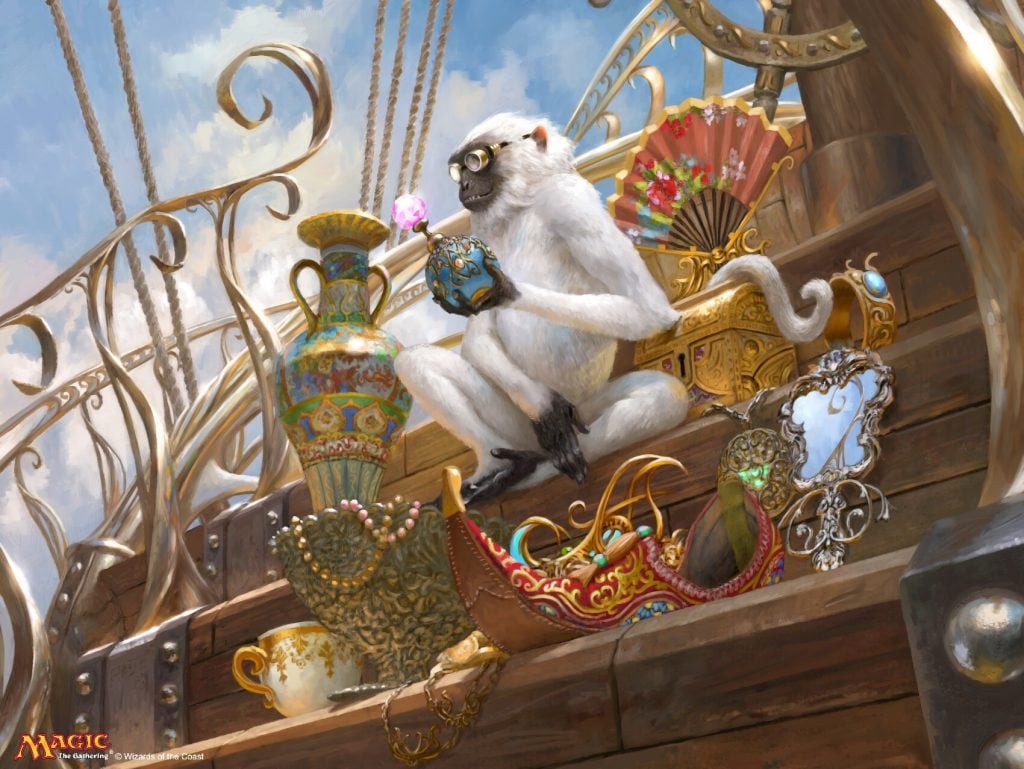
Ragavan, Nimble Pilferer | Illustration by Simon Dominic
Brawl is hands-down my favorite format on MTG Arena. It takes everything I love about Commander—the big plays, legendary commanders, and creative deckbuilding—and streamlines it into fast, one-on-one games. You build a 100-card singleton deck (only one of each card besides basic lands) around a legendary creature or planeswalker, and your deck has to stick to that commander’s color identity. You start at 25 life, and matches are all 1v1.
What makes it extra fun is that it uses the full Arena card pool, including digital-only cards from Alchemy sets. It’s super easy to hop in and play casually—no pressure, no high-stakes grind. Plus, if you’re a Limited player, it’s a great way to actually use the cards you just drafted!
The only downside is that you still have to adhere to nerfed cards, which is a bummer.
#7. Timeless

Show and Tell | Illustration by Donato Giancola
Timeless is easily my favorite ranked format on MTG Arena—and a big reason is that there are no nerfed cards. Unlike Historic, where digital-only cards often get rebalanced or toned down, Timeless lets you play with the original versions of all non-digital cards. That means if something was busted in paper, it’s still busted here—and I love that.
The format includes every card available on Arena, including Alchemy cards and Standard releases, so the power level is high and the combos can get pretty wild. You build a 60-card deck, you can bring a 15-card sideboard for best-of-three, and everything runs at full speed. If you enjoy fast, high-stakes games and love brewing with Arena’s deepest card pool, Timeless is an absolute blast.
#6. Legacy
Balustrade Spy | Illustration by Jaime Jones
Legacy is one of Magic’s most iconic Eternal formats, and it’s a favorite for a reason. You get to build 60-card decks using cards from pretty much every set ever printed—nothing rotates out, so once a card is legal (and not banned), it’s here to stay. There’s a Legacy banned list to keep things in check, since some older cards are just too powerful, but even with that, Legacy is packed with deep interactions and clever plays that reward skill and experience.
It’s especially popular on MTGO, where the digital card pool makes it way more accessible than trying to pick up paper dual lands. But even in paper, lots of Legacy communities are super friendly and happy to help new players get started with budget-friendly options. If you’re into high-level strategy and want to explore the full history of Magic through gameplay, Legacy is one of the most rewarding formats out there.
#5. Modern

Phlage, Titan of Fire's Fury | Illustration by Lucas Graciano
If you’re into competitive play with a ton of variety, it’s hard to beat what Modern offers. This format has been a staple since 2011 and pulls from a massive card pool that starts with Eighth Edition and Mirrodin, minus a few banned cards to keep things fair. One of the best things about Modern is how it balances stability with freshness. It doesn’t rotate, so you don’t have to worry about your deck becoming obsolete overnight, but new set releases and the occasional ban keep the meta alive and evolving.
#4. Vintage Cube

Mox Pearl | Illustration by Volkan Baga
There’s nothing quite like Vintage Cube if you’re looking for a wild, high-powered Magic experience—especially on MTGO, where it’s one of the most popular formats. Instead of building Constructed decks, you’re drafting from a carefully curated pool of about 540 of the most iconic cards in Magic’s history. We’re talking about the Power Nine, original dual lands, busted planeswalkers—you name it. Eight players draft and build 40-card decks, and the games are fast, swingy, and full of crazy plays.
One of the best parts about Vintage Cube is that it gives you access to cards you’d probably never play otherwise, especially since many of them are super rare or extremely expensive in paper. MTGO makes this format available during special events like the holidays or mid-year, but Daybreak Games has been making it pop up more often lately.
#3. Standard

Cori-Steel Cutter | Illustration by Xabi Gaztelua
If you’re into fresh strategies and playing with the latest cards, this is the format to watch. Standard focuses on recent set releases, and sets rotate out of Standard every September. Standard rotation has changed as Magic moved from 3-set blocks to standalone sets, and sets rotate out of Standard after three years since September 2023 to give decks time to shine.
In Standard, you build a 60-card deck from the latest legal sets, and the evolving metagame keeps things exciting without changing too fast. It’s a great entry point for new players, but this format also offers plenty of depth for veterans who enjoy staying on top of what’s new in Magic.
#2. Draft

Astrologian's Planisphere | Illustration by Josephine Chang
Draft is one of the most fun and skill-testing ways to play Magic. Instead of showing up with a pre-built deck, you build one on the fly by picking cards from booster packs. You and your “pod” open packs, pick one card at a time, then pass the rest to the next player—and you repeat until all the cards are drafted. From there, you build a 40-card deck with what you grabbed, which really puts your adaptability and decision-making to the test.
It’s a blast if you enjoy the thrill of crafting a deck from scratch, and it’s also a fantastic way to grow your collection. Drafting on MTGA is one of the best ways to earn cards while playing. And if you’re on MTGO, it gets even better—since you actually keep the cards, you can cash them out through vendors like Manatraders or my personal favorite, Cardhoarder.
#1. Commander

Akroma's Will | Illustration by Antonio José Manzanedo
Commander is by far the most popular way to play Magic—and it’s easy to see why. What started as a community-driven format has grown into the game’s biggest hit, with more players jumping into Commander than any other format. You build a 100-card singleton deck around a legendary creature—your commander—and your whole deck has to stick to that card’s color identity. Everyone starts at 40 life, and these multiplayer games tend to be longer, more interactive, and packed with big plays.
Because it’s so popular, Wizards of the Coast now puts a huge focus on Commander with every new set, designing specific cards, preconstructed decks, and products with the format in mind. Commander offers something for everyone—and with its community roots and casual vibe, it’s the heart of Magic for a lot of players. It even has sub formats like Duel Commander (similar to Brawl) as a 1v1 format, or cEDH, the highest competitive peak of Commander gameplay.
Which Format Should You Play?
There are tons of formats to try out, and the first question that may come to mind, especially if you’re a new player, is: “Which one should I play?”
If you’re the kind of player who likes to build their collection from scratch and likes to play and build different decks, either of the Limited formats is a good fit for you (Sealed is where new players feel most comfortable).
From there, Standard and Pioneer are natural follow-up formats, as you’ll slowly expand your card pool with each new set. On the other hand, if you’ve been playing for a while and have a decent-sized collection, one of the most popular Eternal formats like Modern or Legacy is better for you, as you already have a solid card pool to choose from.
As far as digital formats go, I’d just recommend Brawl and Timeless, as they’re the ones that feel closer to other paper formats that you can play on the phone anytime.
In contrast, if you spend most of your free time in front of your computer, MTGO is a better fit, as you can even cash out the cards and currency you earn by just playing the game.
In fact, you don’t even need to own a collection, as there are several rental services you can use to get your hands on cards for a fee. When it’s available, there’s no better experience than drafting insane decks in Vintage Cube.
Lastly, if all you care about is casual gameplay and hanging out with friends, Commander is your go-to.
What’s the Difference Between Constructed and Eternal?
While all Eternal formats are Constructed, not every Constructed format is Eternal. The difference really comes down to how long cards stay legal and how many sets you can draw from when building your deck.
Constructed formats like Standard, Pioneer, and Modern have rules about which sets are legal, and some of them rotate over time.
Eternal formats, on the other hand, don’t rotate. Once a card is legal, it stays that way unless it’s specifically banned. Formats like Legacy, Vintage, Pauper, and Commander fall under this category. They use cards from a much larger pool—pretty much anything with a regular Magic card back that isn’t silver-bordered or marked with an acorn.
How Often Does Magic Create New Formats?
Magic: The Gathering doesn’t have a set schedule for introducing new formats, but they tend to emerge every few years, often driven by player interest or the desire to explore fresh gameplay experiences. Some formats are officially introduced by Wizards of the Coast, while others originate from the community and gain popularity over time.
For example, the Oathbreaker format began as a fan-created variant of Commander and was officially recognized by Wizards in March 2023. This format features a 60-card deck built around a planeswalker as a commander and a signature spell.
On the digital side, MTG Arena has expanded its offerings over the years. Though it started with just Standard, the platform now supports multiple formats, including Historic, Alchemy, Brawl, and Timeless. And let’s not forget that Pauper started as an MTGO-only format as well.
What Is the Most-Played MTG Format?
Commander is by far the most-played Magic: The Gathering format. The social and creative vibe has helped it grow into Magic’s biggest community, and the introduction of loads of Secret Lair products and new legends has made it the golden goose for WotC as players love to play with their favorite characters from other IPs.
Modern is one of the top choices for competitive play. It features a large, non-rotating card pool from Eighth Edition onward, so it’s ideal for players who want long-term deck investment.
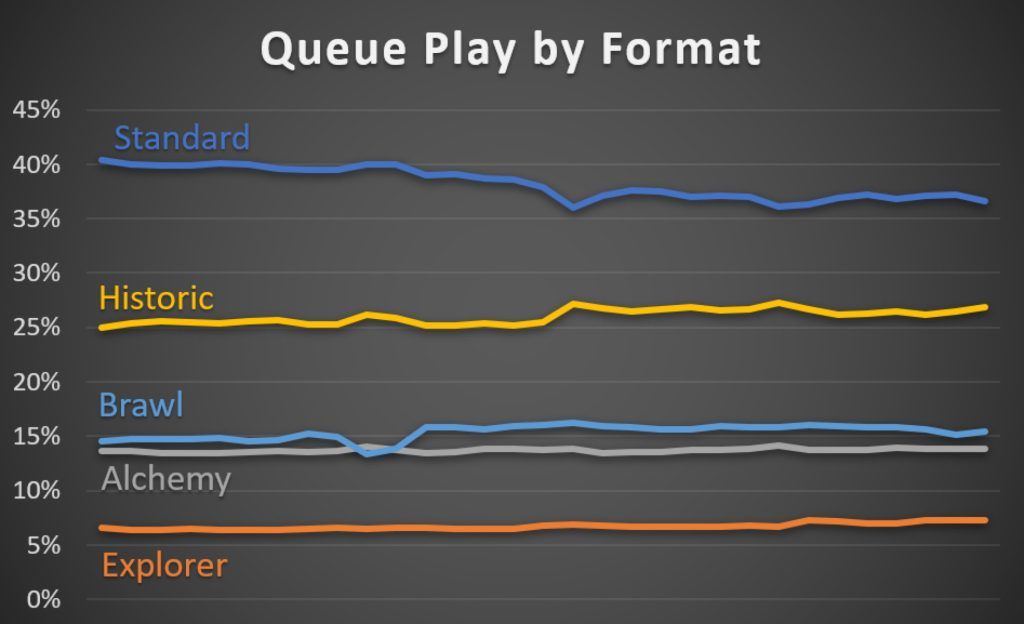
Meanwhile, on digital platforms like MTG Arena, Standard leads in popularity thanks to its focus on new sets and quick, accessible gameplay.
Wrap Up

Shard Convergence | Illustration by Vance Kovacs
Magic has plenty of formats that can fit into players’ schedules and interests. After all, not many players have the availability to travel long distances to play against others, but they may have time to spare while on their phone.
Which format suits you the most? Let me know in the comments or on the Draftsim Discord!
Thank you for reading up until now. If you liked the breakdown and would like to see similar articles, remember to follow us on social media to stay up-to-date with our latest content.
Take care, and see you next time!
Follow Draftsim for awesome articles and set updates:










Add Comment