
Last updated on August 27, 2026

Vial Smasher the Fierce | Illustration by Square Enix
In the Final Fantasy video games, players storm into boss fights with their powerful summons by their side. To bring this flavor into Magic, the Final Fantasy x MTG Universes Beyond crossover fused two permanent types into one, creating the Magic’s first‐ever enchantment saga creatures. That’s right: Bahamut, Ifrit, and Shiva are simultaneously creatures that can attack and block and sagas that gain lore counters, triggering chapters as they go.
That mash-up raises some rules questions. Are summons affected by summoning sickness? Can you proliferate them to death? What happens if you strip away a summon’s abilities—or all its lore counters?
Let’s check how the story goes with saga creatures, down to the last chapter!
How Do Summons Work?

Yuna, Hope of Spira | Illustration by NINNIN
Summons are saga creatures that count as enchantments and progress through chapters with lore counters. In the Final Fantasy video games, you can summon powerful monsters into battle to fight by your side. They have different recurring names in the English translations, including eidolons, espers, and eikons.
For the Final Fantasy x MTG crossover, those powerful monsters were adapted by combining creatures and sagas for the first time in Magic’s history. To keep the Final Fantasy flavor, most of them have “Summon” in the name, like Summon: Bahamut or Summon: Knights of Round.
It’s important to note that the “Summon” in the name is only for flavor. It has no rules meaning by itself, and some saga creatures don’t even have “Summon” in the name, such as Esper Terra. What matters about these summons is that they are saga creatures. And since all sagas are enchantments, they are actually enchantment creatures.
“Saga creatures follow all the same rules that other Sagas do”, writes WotC’s Matt Tabak in the official article about Final Fantasy x MTG mechanics, and “is also a creature and can do everything a creature can do.”
Simply put, summons are three types of cards (enchantment, creature, and saga) rolled into one. Anything a creature can do, saga creatures can do too. And everything that affects sagas or enchantments also affects Final Fantasy‘s summons.


To tell them apart from regular creatures or enchantments, saga creatures have a new card frame, and they have a box at the bottom with either flavor text (like Summon: Primal Odin) or extra abilities (such as flying for Summon: Bahamut).
Since they’re creatures, summons can attack, block, and suffer from summoning sickness. They can wield equipment; they can crew vehicles; and if they receive enough damage, they die like normal creatures do.
They also happen to be sagas, and work exactly like sagas do.
- Saga creatures enter the battlefield with a lore counter, and then they get a new lore counter before your first main phase; putting lore counters on a saga does not use the stack.
- Each chapter is a triggered ability; a chapter triggers whenever the number of lore counters are equal to, or surpass the chapter number.
- Since they are triggered abilities, chapter triggers do go onto the stack.
- Some effects can remove lore counters; if/when you place lore counters on the saga again, you re-trigger the relevant chapters.
- Once the last chapter’s triggers resolve, you have to sacrifice the saga; this sacrifice does not use the stack.
One thing to notice: “Saga” is not a creature type, but an enchantment subtype. So you can’t choose “saga” for cards that care about creature types, like Roaming Throne or Cavern of Souls.
The History of Summons in MTG

Saga creatures premiered in the Final Fantasy Universes Beyond set, in June 2025. Creatures have been around Magic since the very beginning, while saga is an enchantment subtype introduced in Dominaria. Final Fantasy was the first MTG set to combine both. According the Magic’s Head Designer Mark Rosewater, a saga creature is “the story of the summoning of the creature.”
From a mechanical point of view, the Final Fantasy set brought back a trick first employed in Kamigawa: Neon Dynasty and later refined in March of the Machine: transforming double-faced cards that are a saga on one side and a different permanent type on the other. NEO had the saga on front face; MOM used the saga on the back face; FIN’s twist is to make the saga into a saga creature.
Thus far saga creatures have only been used in Final Fantasy, but the mechanic seems flavorful enough to be used in future Magic sets.
What Card Type is a Summon?
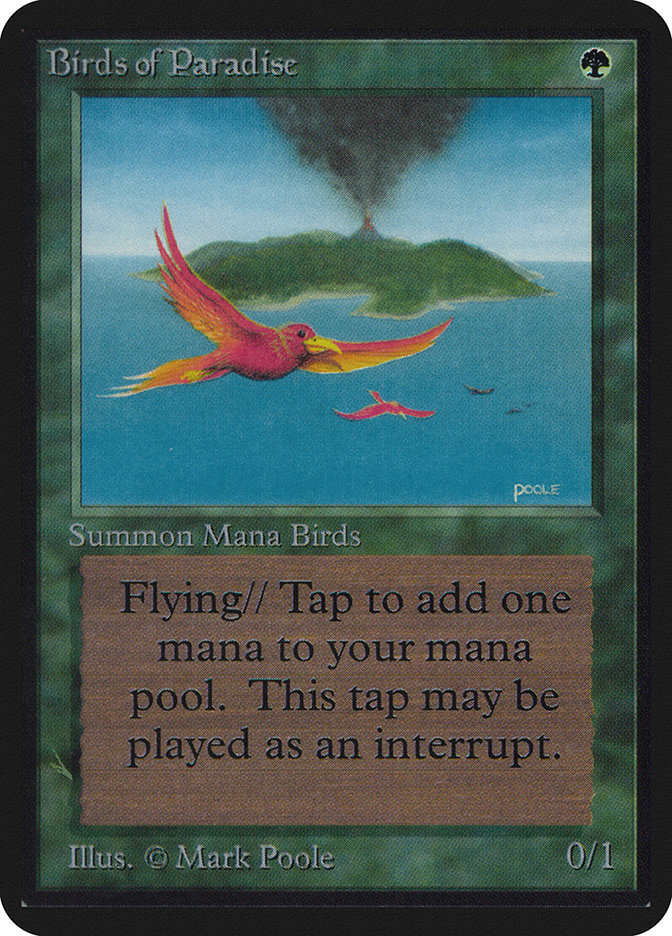

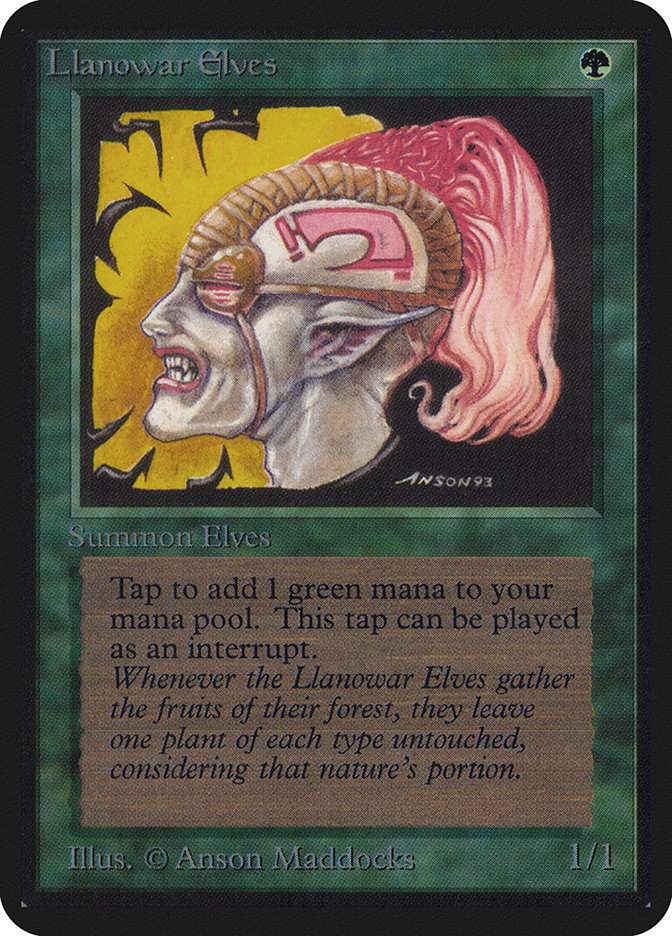
Summons have a card type of both enchantment and creature with an enchantment subtype of saga and a creature subtype as well.
In a way, Final Fantasy‘s summons make Magic go full circle: back in Alpha, spells that summon a creature literally said “Summon” in the type line. The original Birds of Paradise says “Summon Mana Birds,” and the original Llanowar Elves reads “Summon Elves.” That was because Magic’s creator Richard Garfield wanted players to feel like powerful mages summoning creatures to fight for them – not too far from what the the Final Fantasy video games do.
Can Summons Attack and Block?
Yes, summons can do everything a creature can do, like attacking or blocking.
Are Summons Affected by Summoning Sickness?
Summons are affected by summoning sickness. They suffer from any drawbacks that creatures have. You can’t attack with them the same turn you play them, unless they have haste.
What Happens After a Summon’s Final Chapter?
Once you reach the final chapter, the summon’s triggered ability resolves, you have to sacrifice the saga. A summon is a saga creature, so it works exactly like a saga in that way.
In other words, in these sagas everybody dies at the end! Unless it’s a transforming saga–see below.
How Do Transforming Summons Work?


A few of Final Fantasy‘s saga creatures are transforming double-faced cards with a creature on one side, and a creature saga on the other. This takes a page from Kamigawa: Neon Dynasty. For example, Clive, Ifrit's Dominant is a legendary creature on the front side, but transforms into Ifrit, Warden of Inferno on its back side.
For transforming summons, you always play the front face up (Clive, in this example). If you later activate Clive’s ability, you exile Clive and return it transformed into the saga creature.
The quirk here is that the back side can transform back. These saga creatures have a final ability that exiles them and returns to the battlefield, front face up, before the sacrifice would take place.
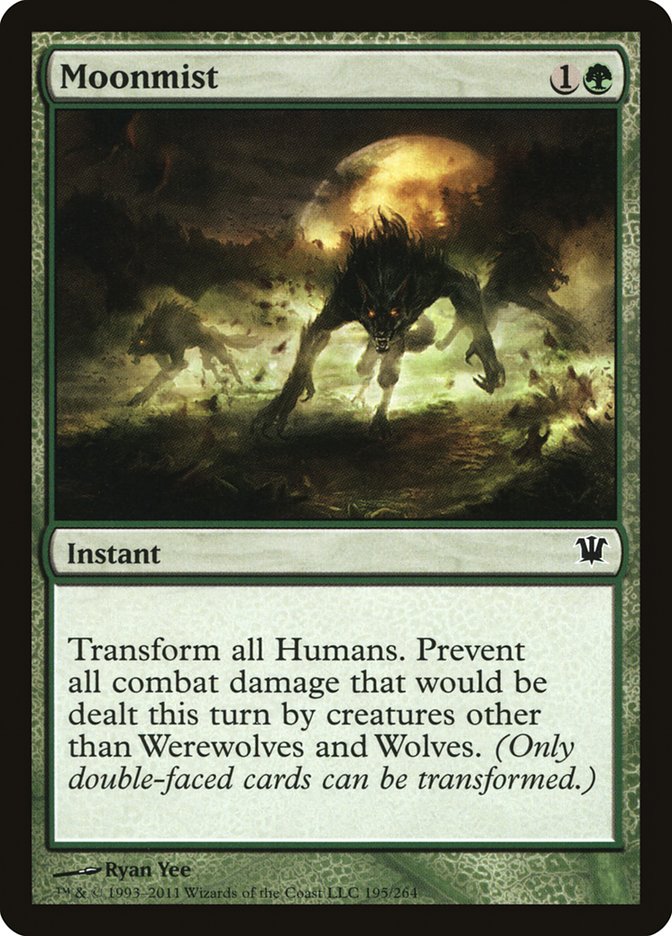
Note that there are effects that can transform certain double-faced cards, like for example Moonmist.
Moonmist will transform any double-faced human into whatever they are on the other side. The card was originally printed in a set infested with werewolves, but works with Clive, Ifrit's Dominant or any transforming summon. The caveat here is that, when they transform into a saga, they won’t get their first lore counter since they are not entering the field; you have to wait right until the start of your next main phase to trigger the first chapter.
Can Enchantment Removal Target a Summon?
Yes, enchantment remove can target summons. That’s the thing with multi-typed cards: Anything that affects any one of their types affects the whole card.
Whether that’s a plus or a drawback depends on the situation, though!
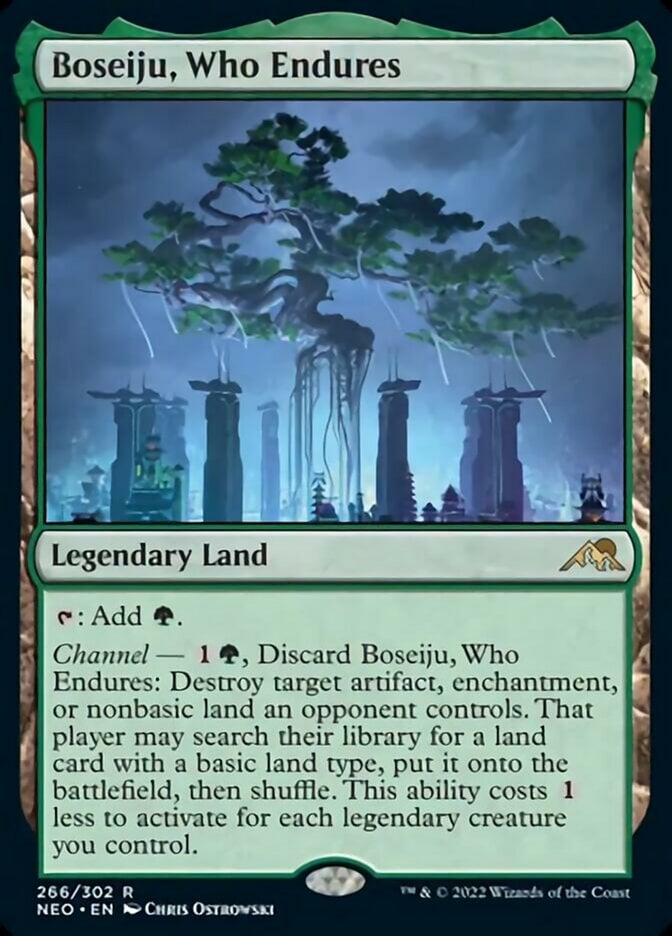
I can’t kill your regular creatures with my Boseiju, Who Endures because it only kills enchantments. But your Summon: Bahamut happens to be an enchantment creature, and dies to Boseiju.
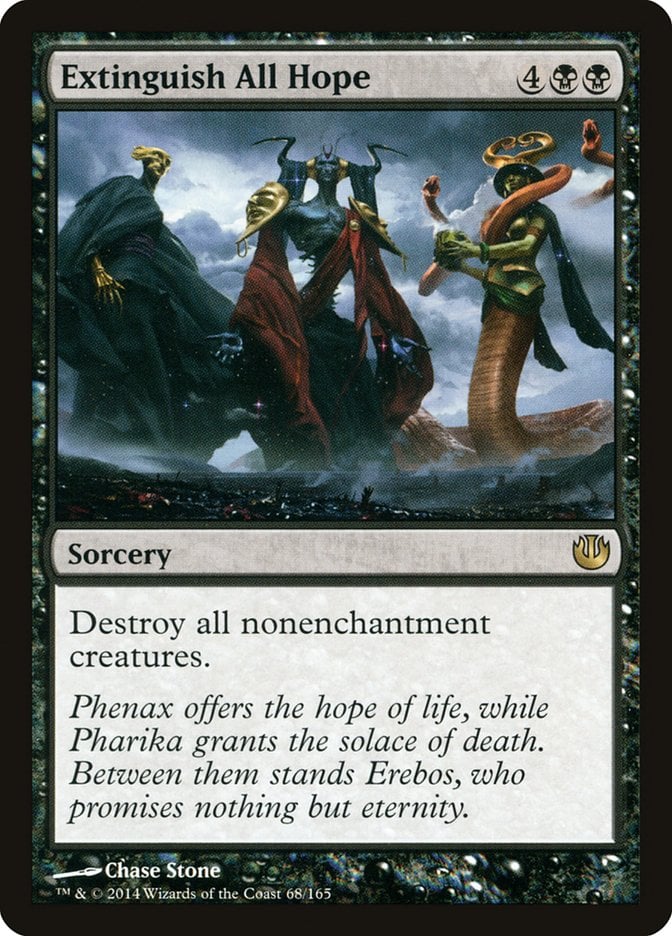
On the other hand, if I wanted to wipe your board with Extinguish All Hope, your Summon: Bahamut laughes in my face.

Likewise, Terra, Magical Adept won’t find you regular creatures, since it only cares about enchantments. But it works with cards that are saga creatures on their front side because they are enchantments!
What Card Types Do Summons Have in Other Zones?
If summons are single-faced cards, they have all the types in their type line, in all zones.
Our friend Summon: Bahamut is an enchantment, a creature, a saga, and a dragon wherever it may be. You can cheat it into play from your hand with Kaalia of the Vast because it’s a dragon; find it by milling your deck with Terra, Magical Adept, or Eivor, Wolf-Kissed since it’s a saga; and bring it back from your graveyard with Samwise Gamgee since sagas are historic permanents.
If they’re double-faced cards, the only types that counts are those on the front face. Clive, Ifrit's Dominant is a legendary human noble warrior creature in your hand, library, or graveyard, not a saga demon. You can’t cheat him into play from your hand with Kaalia, and you can’t find Clive in your deck with Terra: They care about enchantments, and Clive’s front face isn’t an enchantment.
Can I Proliferate Summons?
Yes, summons can be proliferated!
Lore counters are counters, so everything that affects counters in general also affects lore counters on sagas.
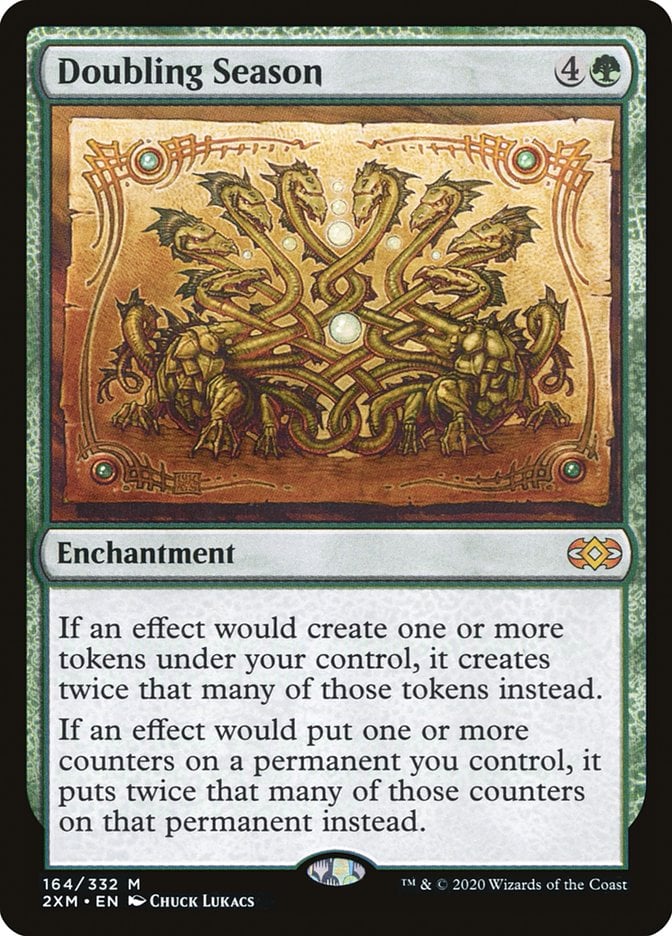
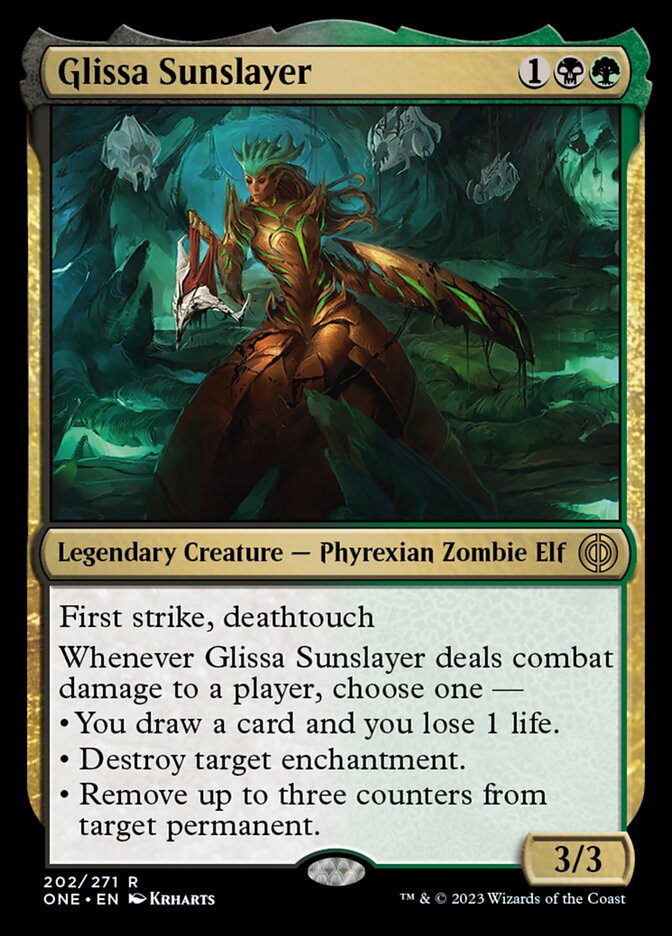
Doubling Season doubles the number of counters, so you’ll put two lore counters rather than one. Glissa Sunslayer can remove lore counters from any saga. And proliferate places an extra lore counter on any number of sagas of your choice.
When you proliferate a saga, the next chapter triggers as soon as you place the counter. And if it’s the last chapter, the controller has to sacrifice that saga, just as they normally would. So, yes, you can proliferate an enemy summon to death!
What Happens If I Remove a Counter from a Summon?

Nothing much happens the moment you remove a lore counter from a saga–chapters don’t trigger by removing a counter. If Summon: Fenrir has two lore counters and you remove one, you don’t retrigger Chapter I.
But you do get to trigger Chapter II again the next time you put a lore counter on Fenrir (usually on your next turn). And if you keep removing the lore counters you get to keep your saga creature around for blocking or attacking.
What Happens If a Summon Has Zero Lore Counters?
Literally nothing happens if a Summon has zero lore counters!
Unlike planeswalkers, who die when they have no counters, sagas and saga creatures stick around when they have zero counters on them.
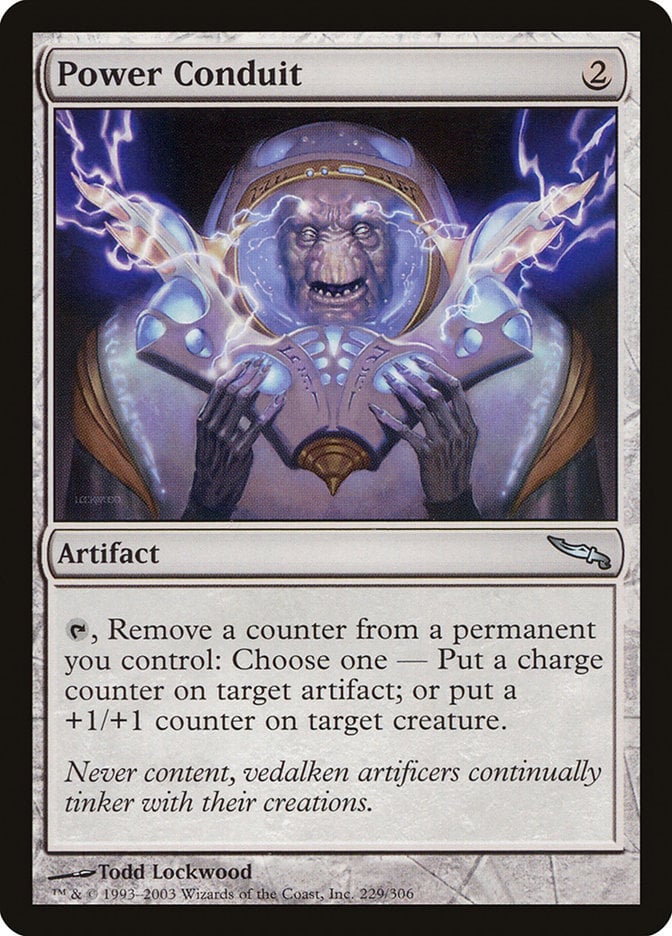
You may want to do that yourself: If you keep removing Summon: Fenrir‘s first lore counter with your Glissa Sunslayer or Power Conduit, Fenrir’s first chapter will keep triggering on your turn, and you’ll keep ramping up.
You can also get a 0-counters saga creature if you transform a double-faced human who’s a saga creature on the other side. Sagas get their first lore counter when entering; if you transform Terra, Magical Adept with an effect like Moonmist, you get Esper Terra with zero lore counters because it didn’t enter the battlefield; it was just flipped over. No big deal! It gets its first lore counter on your next turn, triggering Chapter I normally.
What Happens If a Summon Loses All Abilities?
If a summon loses all its abilities, nothing happens! (Other than, well, losing all abilities, of course.)
This is a rule change that happened as Final Fantasy was released. Before Final Fantasy, sagas that lost all their abilities had to be sacrificed on the spot. That was because you had to sacrifice a saga whenever the number of lore counters was greater than, or equal to its last chapter. If you controlled a saga with lore counters on it and no abilities, the old rules forced you to sacrifice the saga.
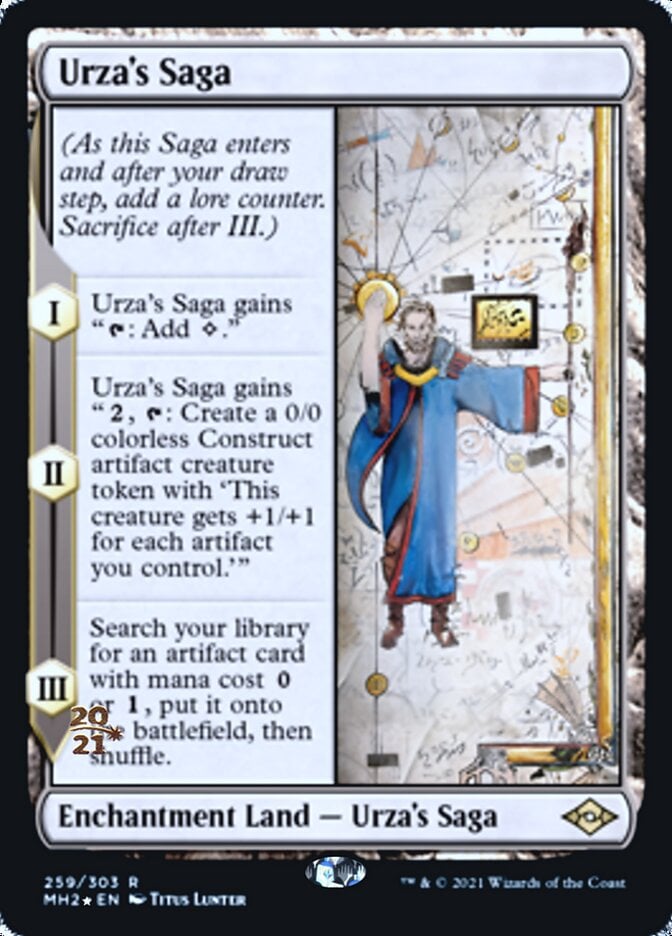
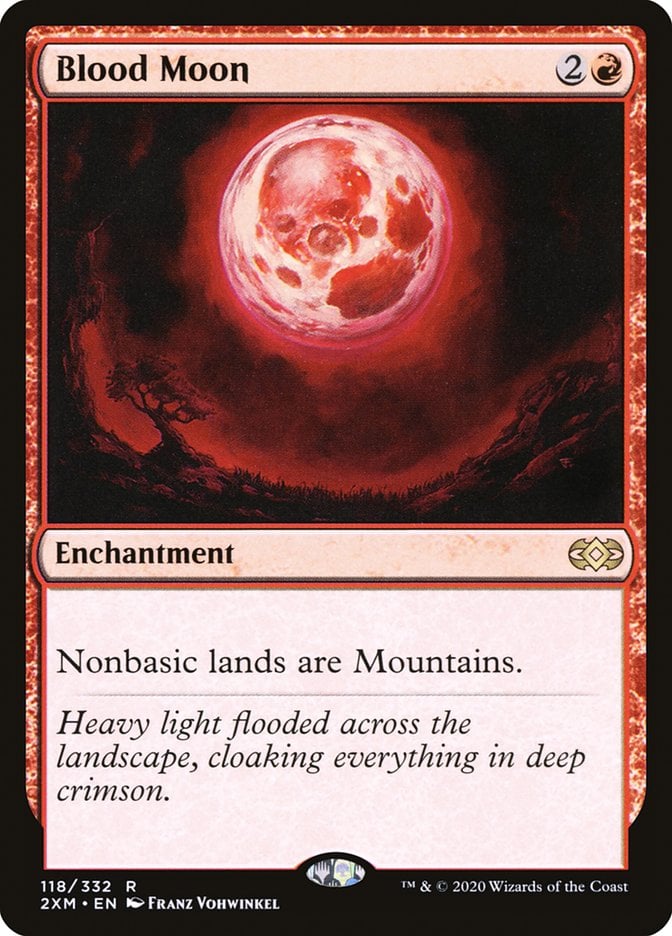
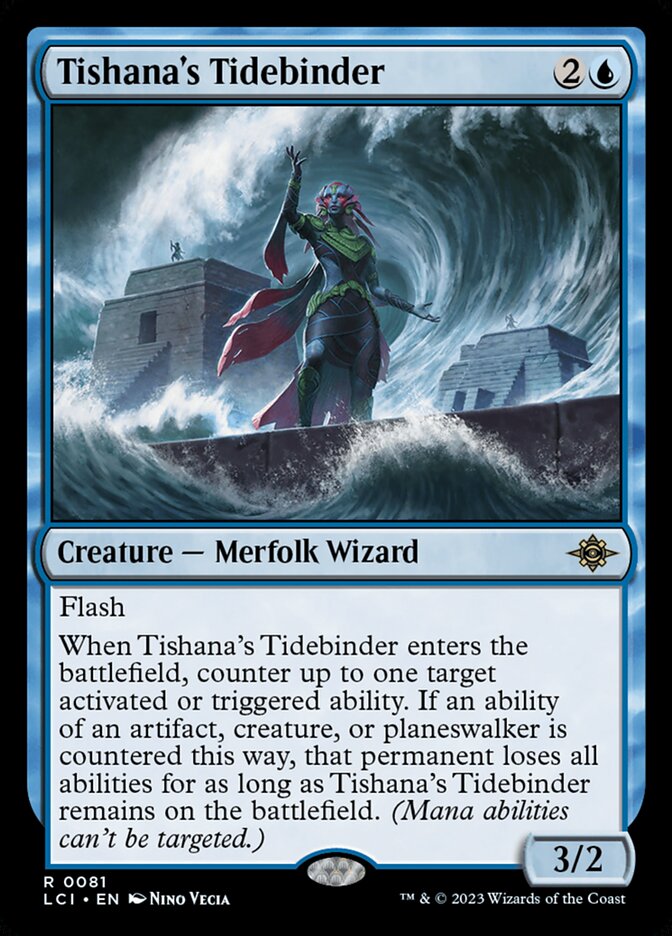
This didn’t come up often outside MTG formats that play Urza's Saga and Blood Moon. But Final Fantasy introduced sagas that are also creatures, which could be targeted with effects like Tishana's Tidebinder, Fresh Start, or Unable to Scream (since these all affect creatures).
Since this interaction could be unintuitive, the FINAL FANTASY™ Release Notes changed how sagas work. Starting with Final Fantasy, sagas do not need to be sacrificed if they lose all abilities.
“If a Saga has no chapter abilities,” the new rules say, “it won’t be subject to the state-based action that would cause it to be sacrificed due to how many lore counters it has. Similarly, it won’t be subject to the turn-based action that adds a lore counter to each Saga you control at the beginning of your first main phase each turn.”
Suppose I have Summon: Bahamut in play, and place a second lore counter on it. You play Tishana's Tidebinder in response. You not only Stifle the chapter II trigger, but also remove all abilities from Bahamut. Bahamut still keeps its two lore counter on it, but:
- Now it doesn’t gain any more lore counters at the start of my first main phase.
- And, perhaps more importantly, I don’t have to sacrifice it.
If I manage to kill your Tishana's Tidebinder, then my Summon: Bahamut resumes working as intended.
In other words: Chapter-less sagas no longer die. They simply pause the story until the reading resumes. They are still creatures! So I can still attack and block with Bahamut in the example above.
How Do Summons Work with Counter Doublers?
Counters doublers work exactly the same with lore counters and summons as with any other type of counter: You put twice as many as you’d have otherwise put.
Remember that putting more than one lore counter on a saga at once triggers all the corresponding chapters, not just the last.
If you play Summon: Fenrir with Doubling Season in play, you’ll place two counters on Fenrir as it enters, triggering chapters I and II at once.
Why Are There Multiple Summons with the Same Name?
Some Final Fantasy characters show up across multiple games along the video game franchise, and get represented with different summons in each case.


Summon: Shiva depicts a character from Final Fantasy X, while Shiva, Warden of Ice is from Final Fantasy XVI. Something similar happens with Summon: Bahamut and Bahamut, Warden of Light.
On the bottom left, all Final Fantasy cards say which video game they were inspired by.
Can a Summon Be My Commander?
None of the summons are available as EDH commanders because they are not legendary. The are ripe for copying though.
Gallery and List of Summon Cards


The seven summons from the Commander Precons (FIC) are:
- Summon: Good King Mog XII
- Summon: Ixion
- Summon: Yojimbo
- Summon: Valefor
- Summon: Esper Valigarmanda
- Summon: Kujata
- Summon: Magus Sisters


The 27 saga creatures from the main set (FIN) are:
- Summon: Bahamut
- Crystal Fragments // Summon: Alexander
- Dion, Bahamut's Dominant // Bahamut, Warden of Light
- Summon: Choco/Mog
- Summon: Knights of Round
- Summon: Primal Garuda
- Jill, Shiva's Dominant // Shiva, Warden of Ice
- Summon: Leviathan
- Summon: Shiva
- Jecht, Reluctant Guardian // Braska's Final Aeon
- Summon: Anima
- Summon: Primal Odin
- Clive, Ifrit's Dominant // Ifrit, Warden of Inferno
- Summon: Brynhildr
- Summon: Esper Ramuh
- Summon: G.F. Cerberus
- Summon: G.F. Ifrit
- Esper Origins // Summon: Esper Maduin
- Summon: Fat Chocobo
- Summon: Fenrir
- Summon: Titan
- Joshua, Phoenix's Dominant // Phoenix, Warden of Fire
- Terra, Magical Adept // Esper Terra
Best Summon Cards
#8. Summon: Magus Sisters
Sometimes it’s not about winning… it’s about driving your opponents crazy! Summon: Magus Sisters unleashes a bit of chaos to keep things fresh and interesting, while still having a strategy behind it. You’ll want a deck and a commander that can put counters to good use (luckily, Tidus, Yuna's Guardian brings a whole Commander precon with exactly that theme!), and a board ready to roll with the dice.
#7. Summon: Fenrir
Summon: Fenrir is great in any green-leaning deck that treats sagas as value engines, especially if you can remove counters to re-trigger the same chapter, like with Garnet, Princess of Alexandria. There may even be a Standard deck here with an early Sazh's Chocobo that Summon: Fenrir makes swole real soon.
#6. Summon: Leviathan
Summon: Leviathan does a massive bounce and draws you cards. This is every bit a leviathan that delivers for it’s cost.
#5. Summon: Knights of Round
Summon: Knights of Round pumps out knights at an alarming rate, and rarely do you need the Ultimate End to finish the game. It’s truly frustrating to deal with when you get to the indestructible keyword.
#4. Summon: Titan
Summon: Titan does powerful things in each chapter and has a great rate on stats. Usually two massive tramplers is enough to end games, and if that doesn’t work, your rampant mana should.
#3. Summon: Primal Odin
Summon: Primal Odin is here to fulfill your one-shot dreams… or even slaughter a whole Commander pod with one hit if you happen to also have a transformed Zenos yae Galvus on your field!
#2. Summon: Yojimbo
A 5/5 that removes a threat on ETB isn’t nothing, especially when that removal is exile-based: No pesky death triggers to worry about. And notice this isn’t an O-ring effect–the exiled permanent is exiled for good and won’t return if Yojimbo is removed.
And that’s just Chapter I! The next two chapters bring a nice pillow fort effect, taxing opponents that would attack you (while you can still attack freely!), and then Summon: Yojimbo ends with a blast of Treasures if your opponents control a fatty.
Summon: Yojimbo fits well with Tom Bombadil as a commander, buying Tom time to dig through its deck. And, from Final Fantasy, Terra, Magical Adept looks like a slam-dunk pairing.
Besides Commander, Summon: Yojimbo looks like a card that can make a splash in Standard by fulfilling a similar role as Beza, the Bounding Spring to fend off aggressive strategies.
#1. Summon: Bahamut
Summon: Bahamut is an expensive flying nuke: A 9-mana colorless saga dragon that blows up permanents twice, draws cards, then hits every foe with the total mana value of all other permanents you control.
Of course, it’s only expensive if you summon Bahamut fairly. Kaalia of the Vast can cheat it from your hand (since it’s a dragon), Yuna, Hope of Spira can bring it back from your graveyard (since it’s an enchantment), and Esper Terra can copy it and trigger most of Bahamut’s value by advancing three chapters: Summon: Bahamut isn’t legendary, so Esper Terra has no problem copying it.
Wrap Up

Clive, Ifrit's Dominant | Illustration by Nino Is
So we’ve reached the last chapter, folks!
The key takeaway here is: If an MTG card has several types, everything that affects one of its types affects the whole card. Saga creatures do everything a normal saga does, and are affected by everything that affects a normal saga (from counter doublers to proliferation); they also do everything that a creature can do, and are affected by anything that affects a creature (including Lightning Bolts and summoning sickness).
As sagas, they are short-lived. So make the best out of them before their story time is up!
I hope you’ve enjoyed this mechanical deep dive, and if you have comments or questions please drop a comment, or stop by the Draftsim Discord for a chat.
And good luck out there!
Follow Draftsim for awesome articles and set updates:









Add Comment