
Last updated on February 10, 2026

Graven Cairns | Illustration by Adam Paquette
Blah blah blah fetch lands, blah blah blah shock lands. We all know they’re great. Okay, but what about filter lands? Filter lands are honestly a little underrated. I mean, while these great lands might be less popular, they’re phenomenal the times when you can use them and really help a deck get off the ground or stay in the air.
Not following? That’s all right, today we’ve got nothing but time to talk about the glory of filter lands!
What are Filter Lands?
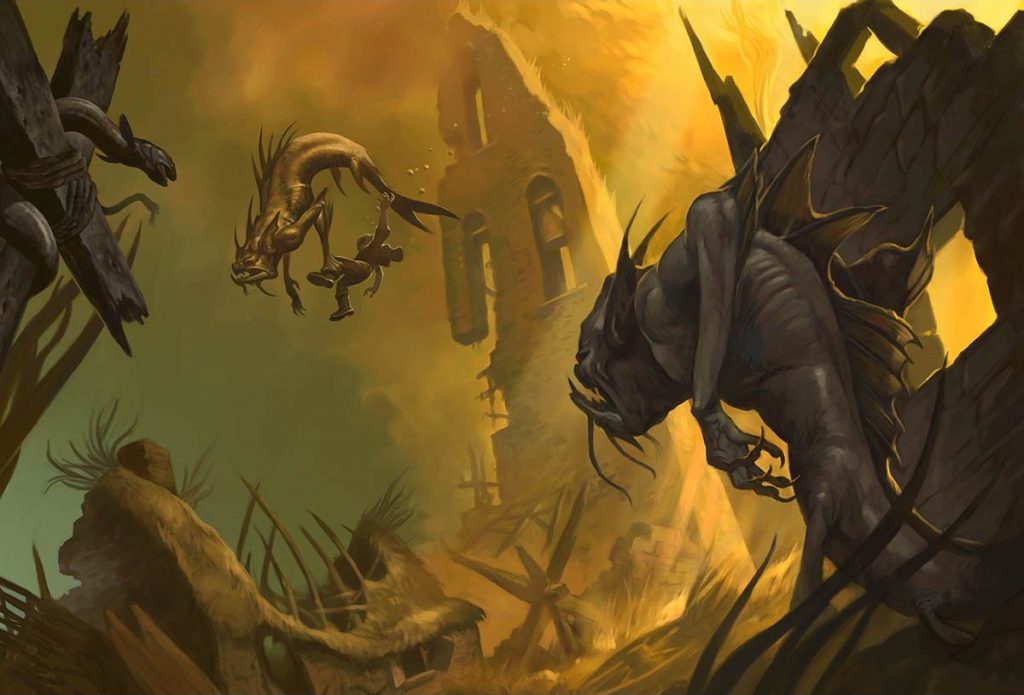
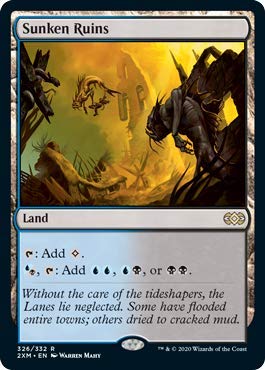
Sunken Ruins | Illustration by Warren Mahy
Filter lands are a unique type of land that turn one mana into a combination of two colored mana. For the most part, at least. A more general definition is that they turn a certain amount of mana (meaning not always just one) into more mana. Some of them only change the mana’s color.
All About MTG Filter Lands
Functionality is how they got their common name “filter lands,” since they take mana and filter it into a different color or combination of colors.
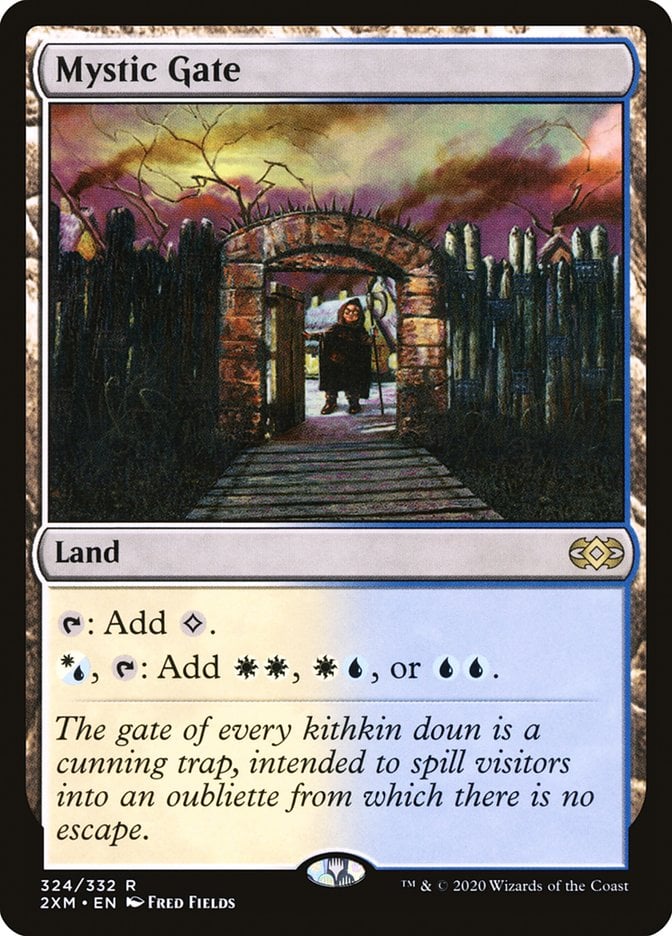
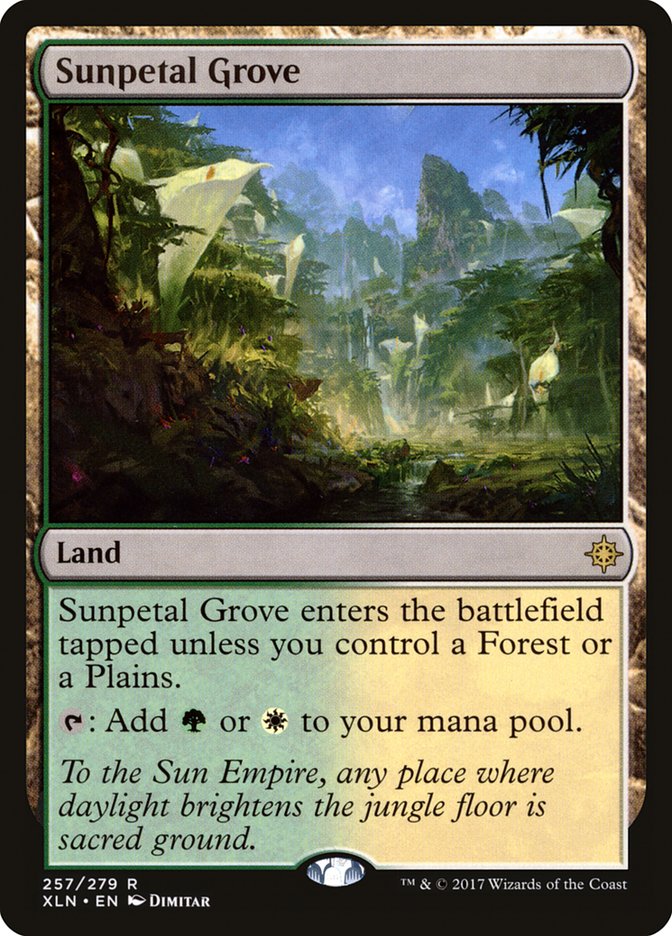
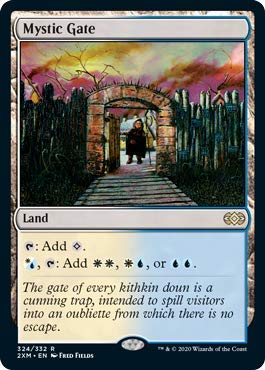
Let’s say you have a Mystic Gate and a Sunpetal Grove on the field. You tap the Grove for a white and then use the Gate’s ability to tap it and produce two colored mana in any combination of blue or white, meaning you could double up on one color or create one of each.
An important distinction for filter lands is that they are unable to produce colored mana on their own. Many players are happy to make that trade since filter lands come into play untapped.
The History of Filter Lands

Mystic Gate | Illustration by Adam Paquette
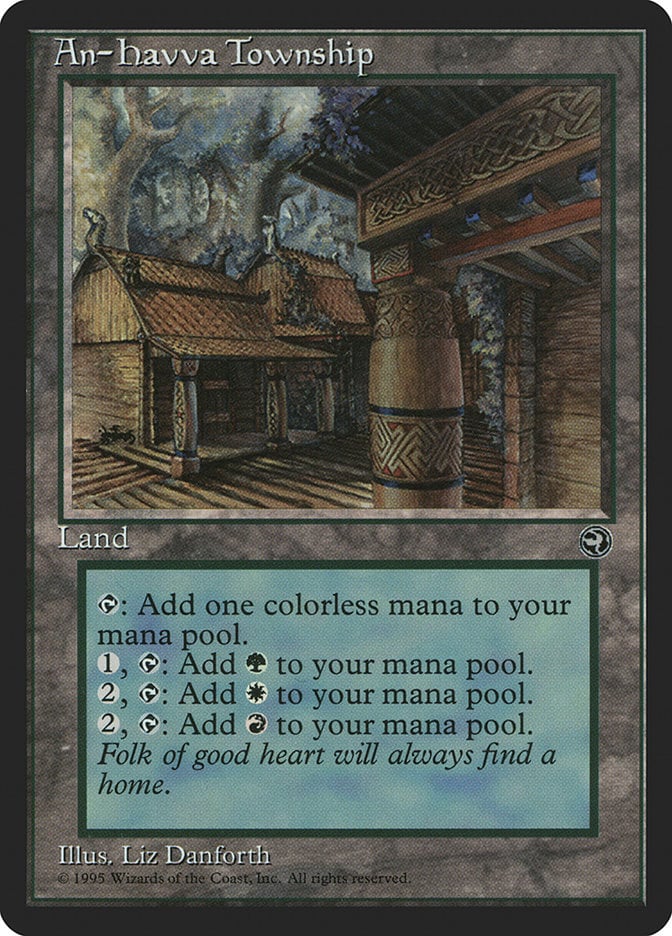
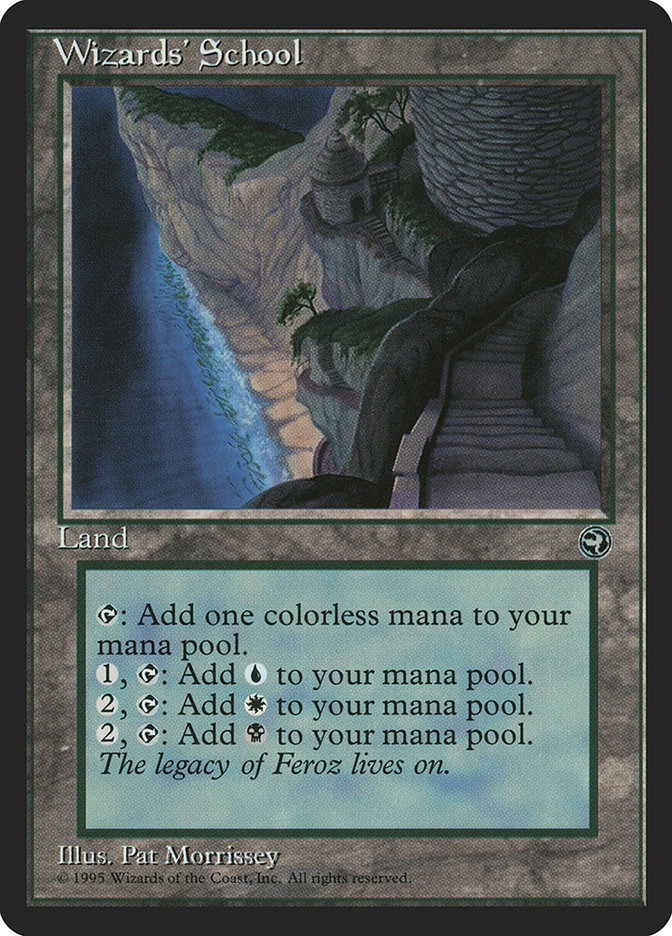
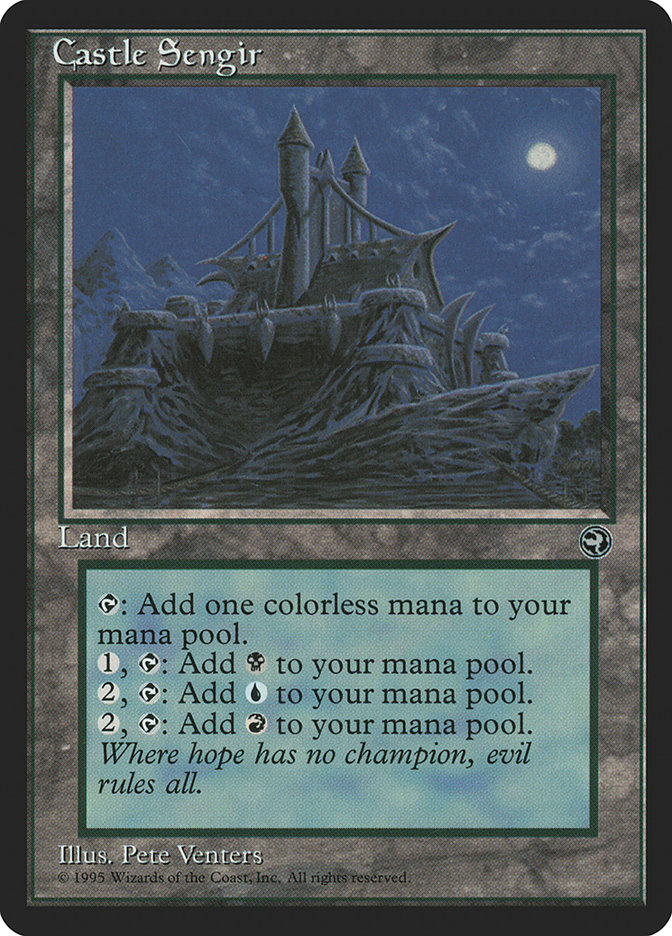
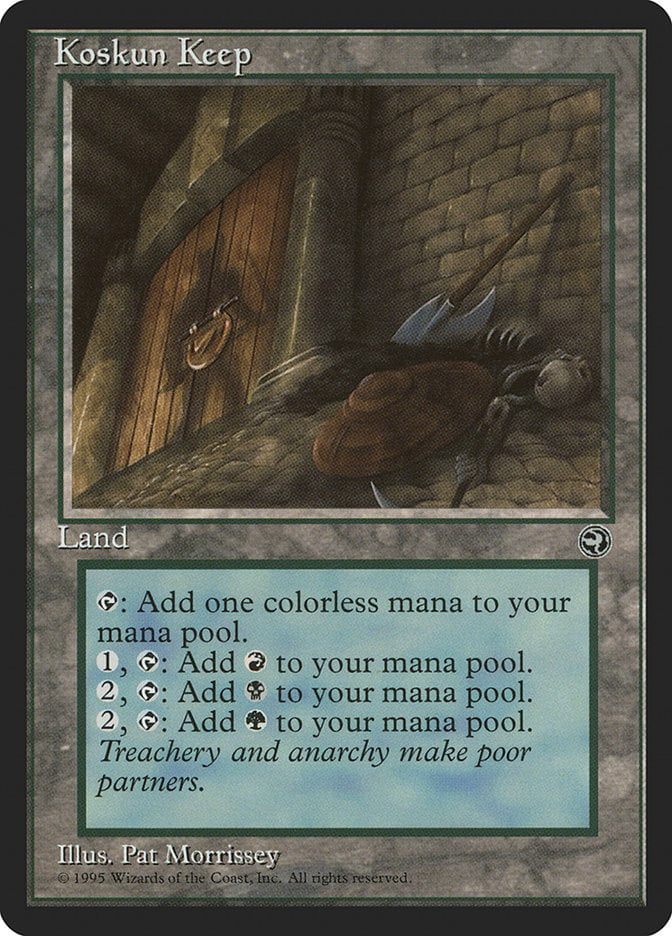
In 1995’s Homelands expansion, there’s a cycle of lands in which each land could produce three different colors of mana. They take one generic mana to produce one colored mana. Or they take two mana () to create one of two other colors. It is a hefty price, but it gave the filter land concept its origin.
The style of filter lands we would eventually get used to began in Odyssey with its cycle of lands that would take a single mana () and create a specific combination of two colored mana.
The next cycle of filter lands — and the most iconic — came from Eventide and Shadowmoor. These lands tap for unlike their Odyssey predecessors which were only used for filtering. They even came sporting a more flexible set of options for the output, allowing you to make two mana of either color or one of each.
Reprints
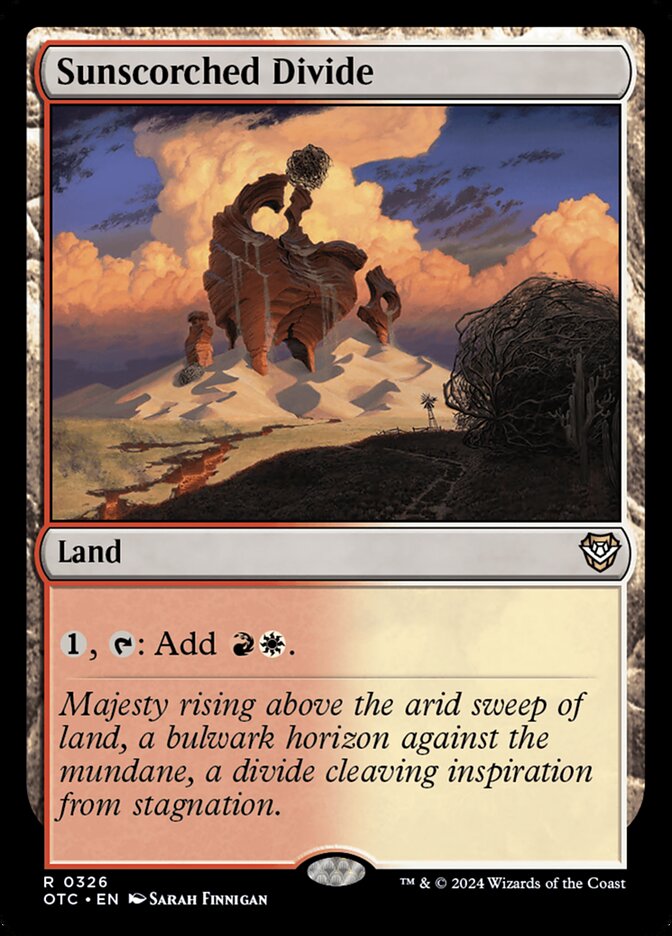
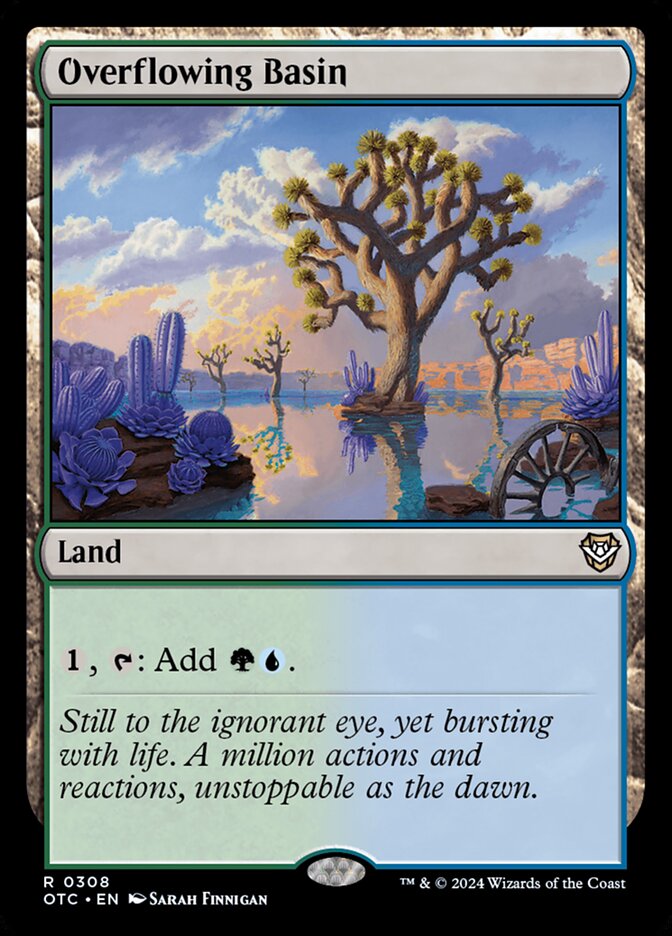
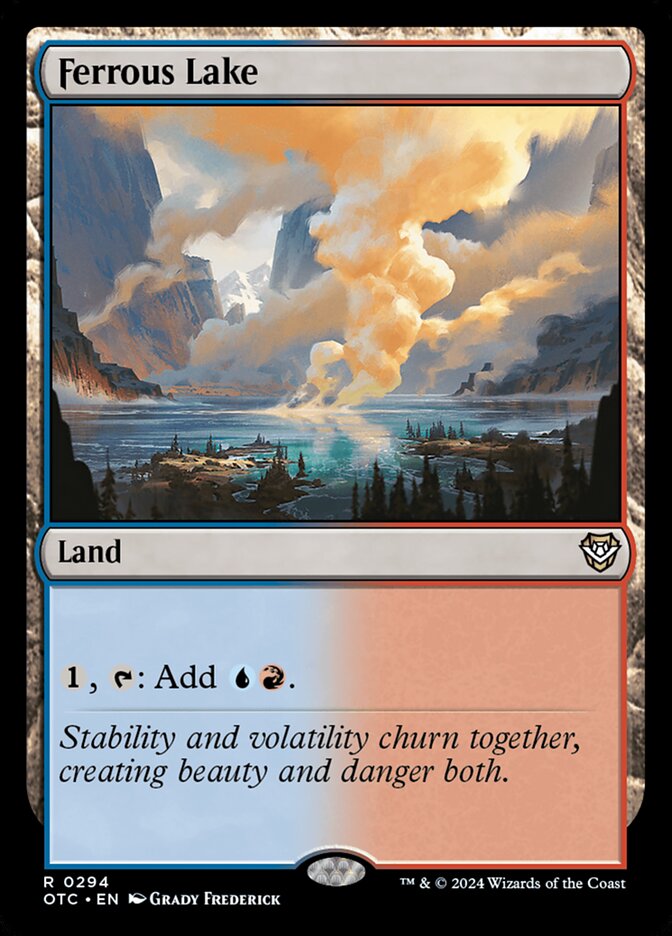
You can find most of the filter land reprints popping up in Commander products connected to Edge of Eternities, Tarkir: Dragonstorm, Duskmourn: House of Horror, Outlaws Thunder Junction, and Dominaria United. You won’t see reprints every time, but you can expect to see them every few years.
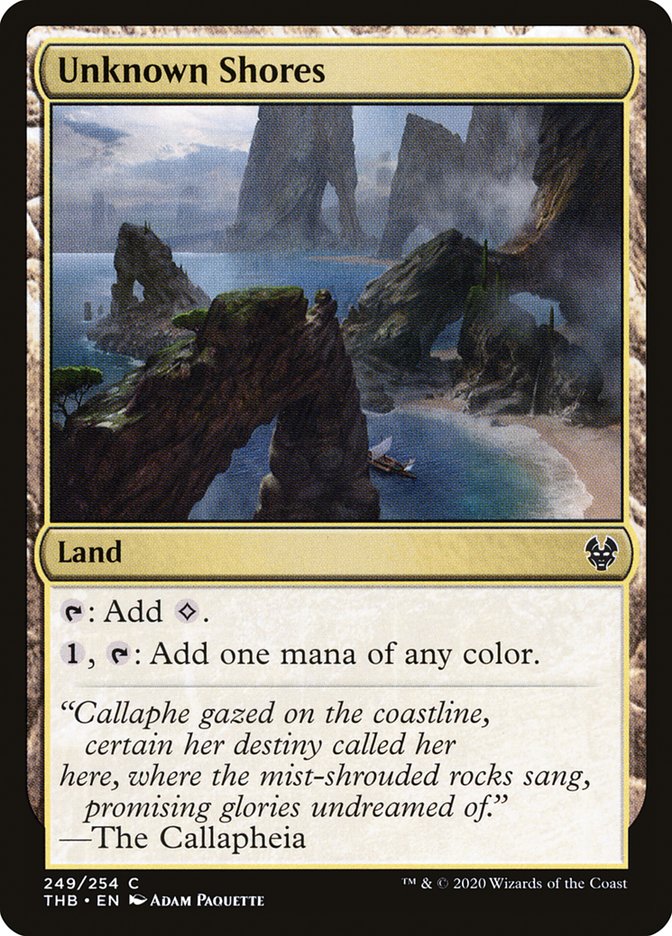
Masters sets such as Iconic Masters or Double Masters, and in special cases like Zendikar Expeditions. That doesn’t go for all of them, though, and miscellaneous common filter lands like Hidden Grotto in Bloomburrow, or Unknown Shores are printed into the Standard rotation during Ixalan and Theros: Beyond Death.
List of Filter Lands
Here are the filter lands from Fallout to Homelands.
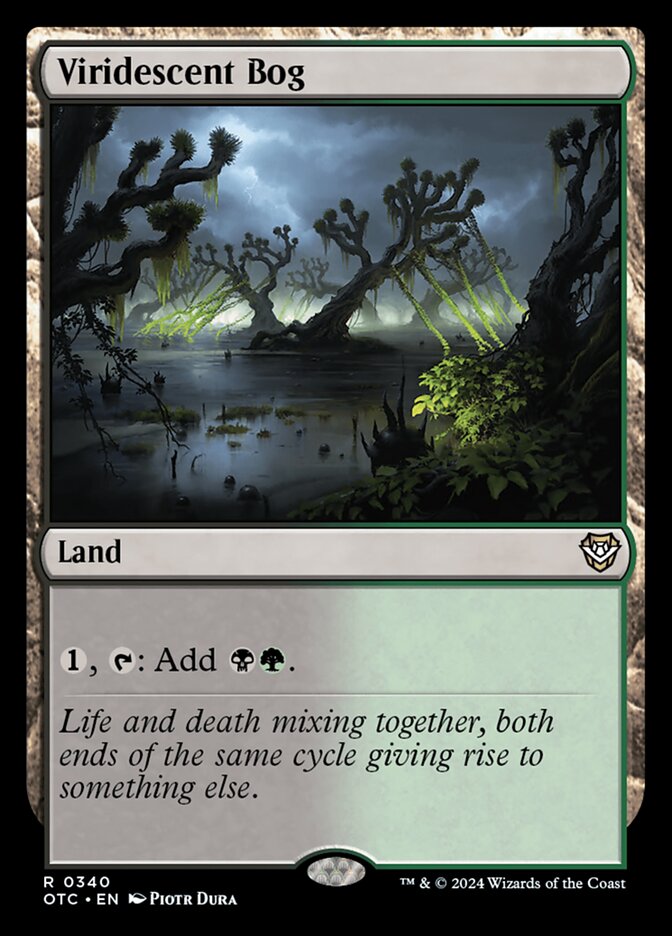
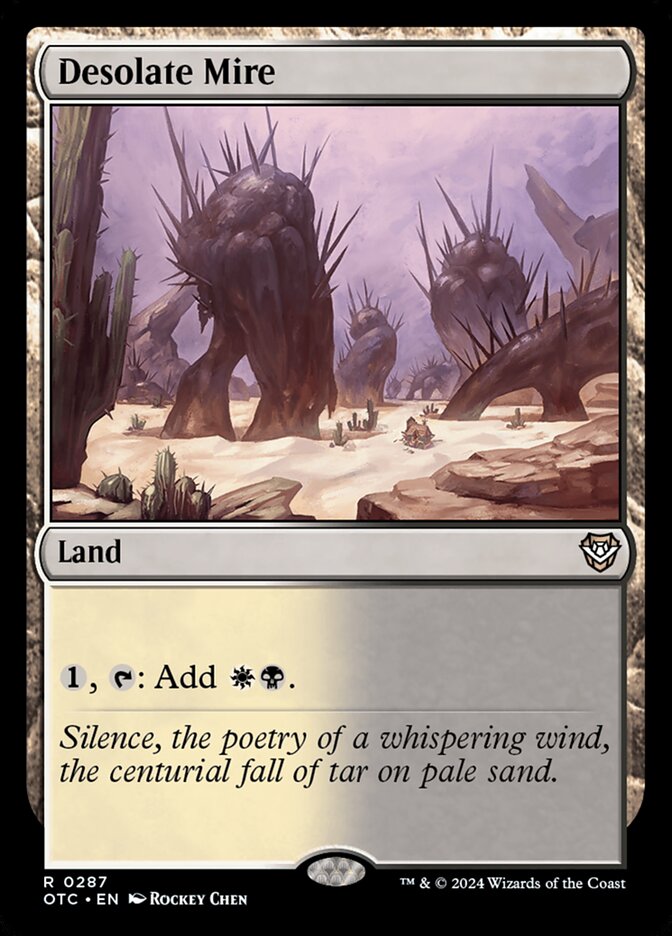
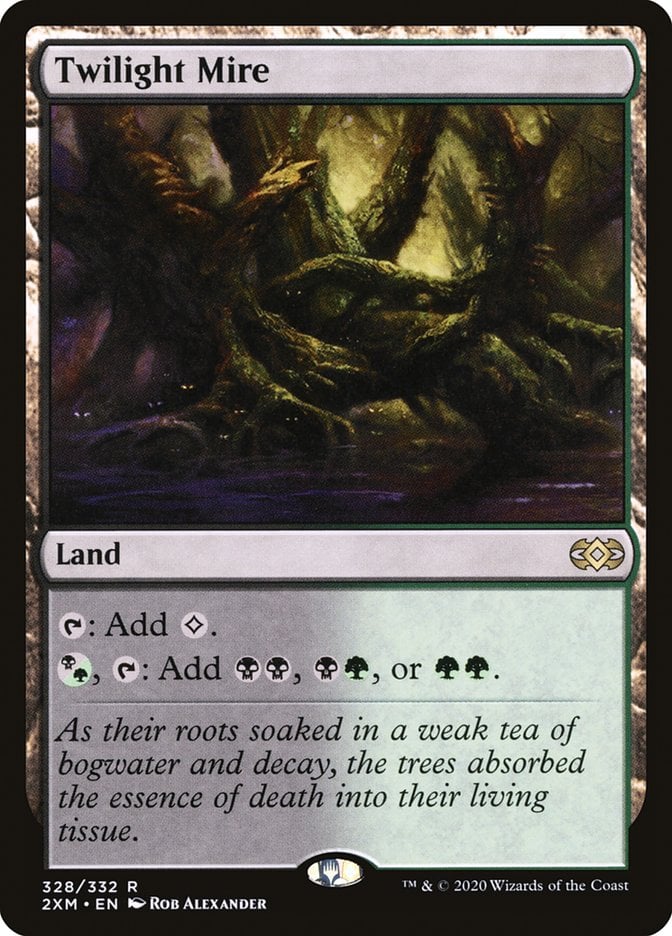
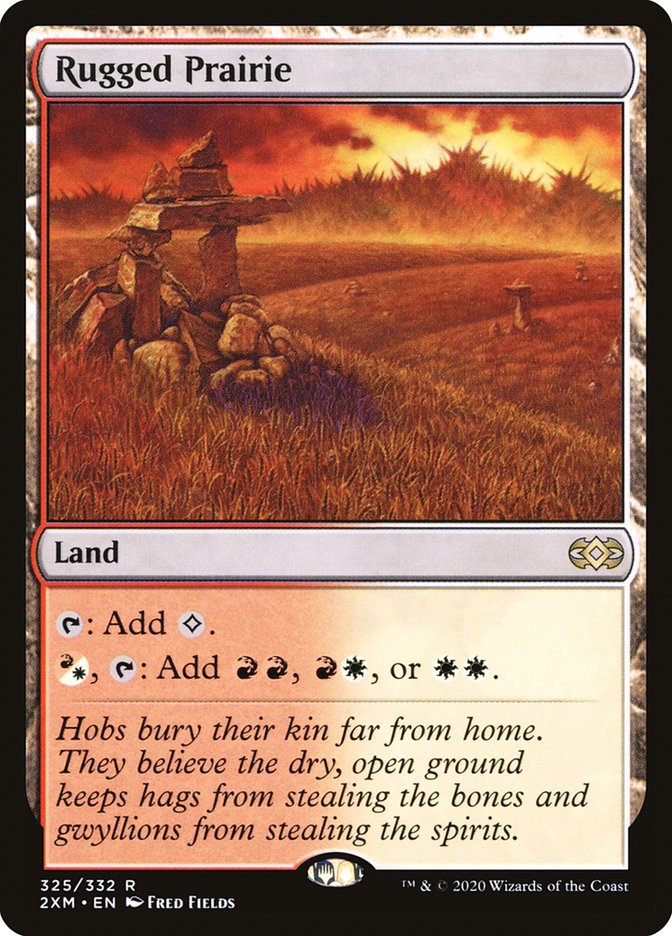
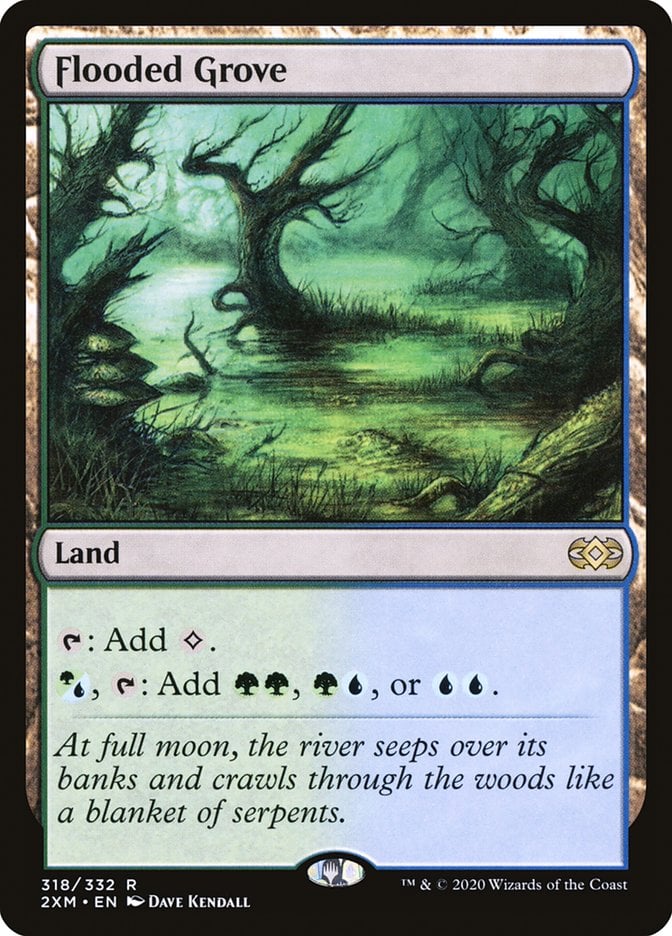
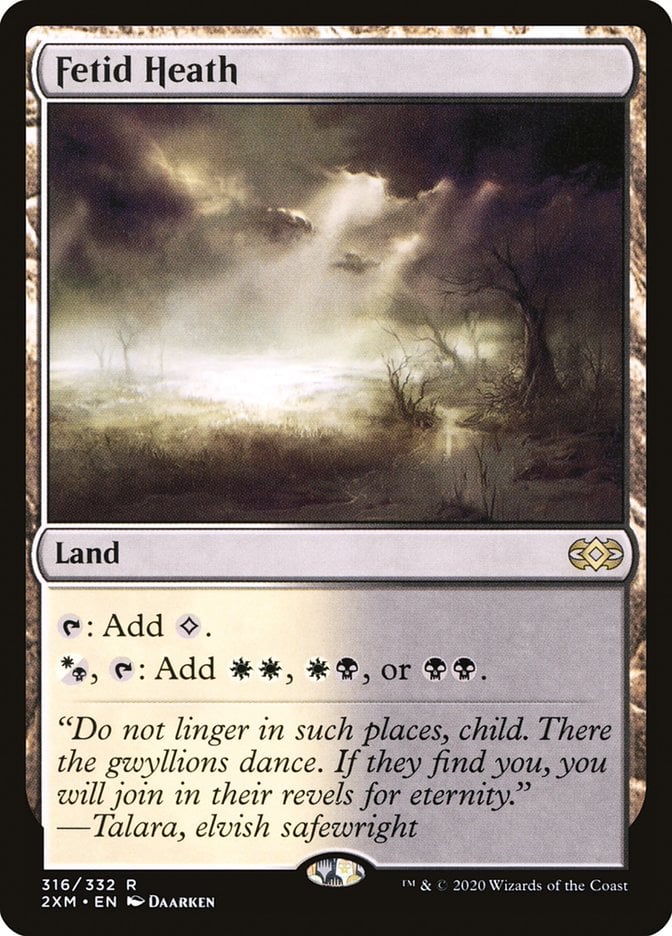
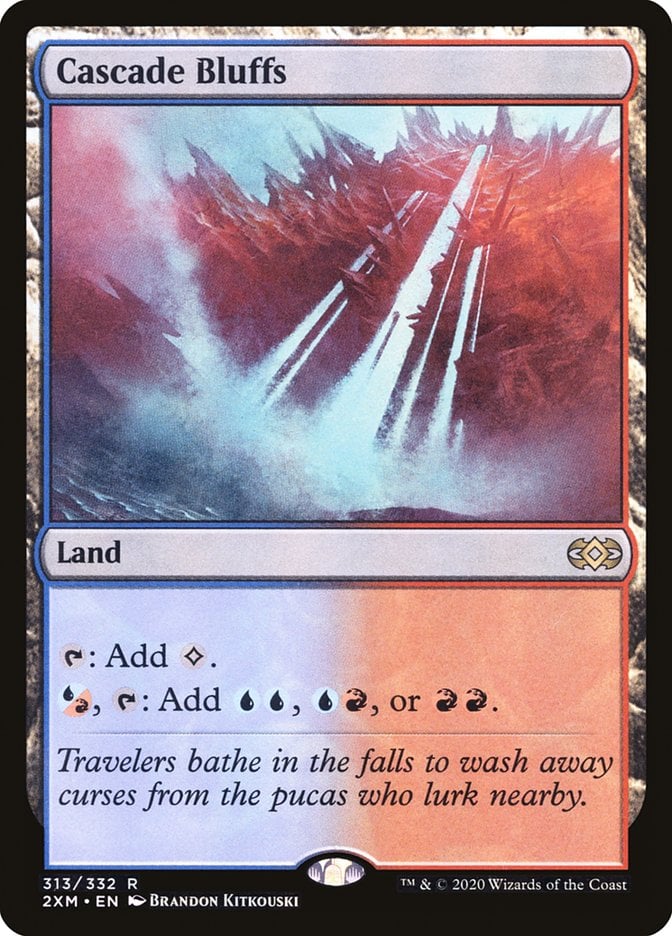
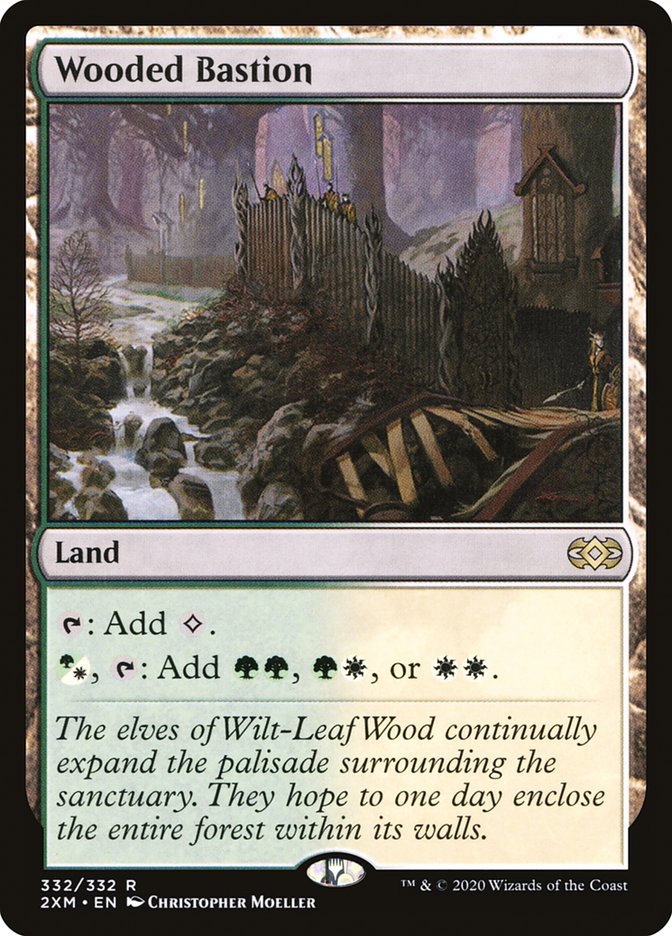
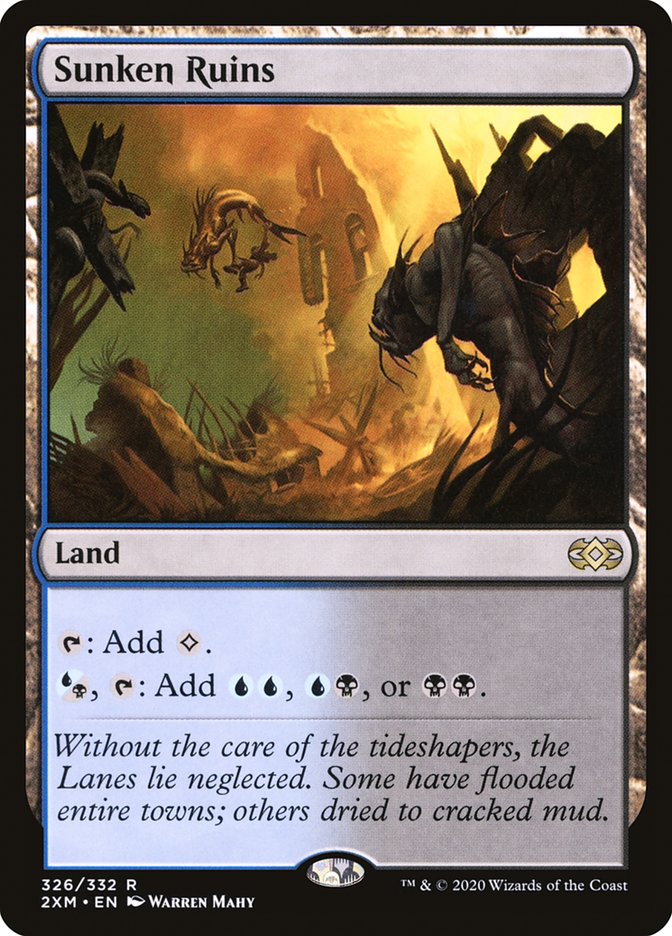
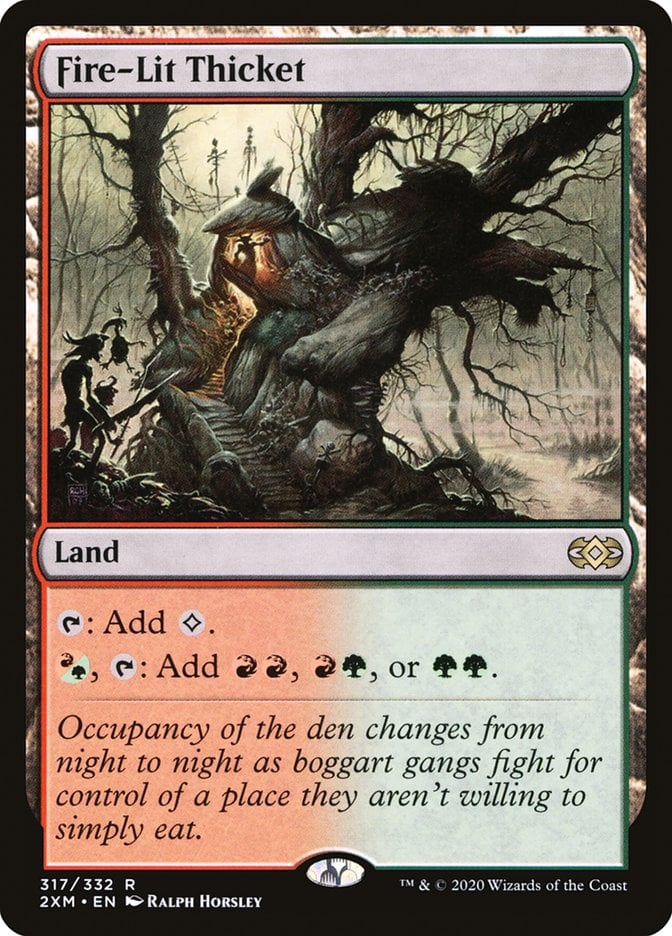
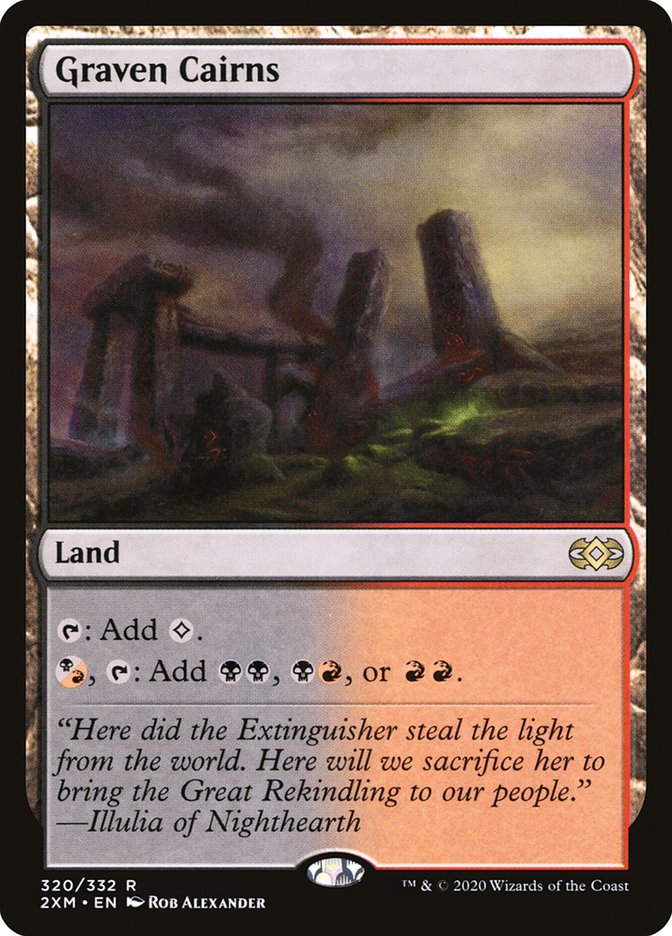
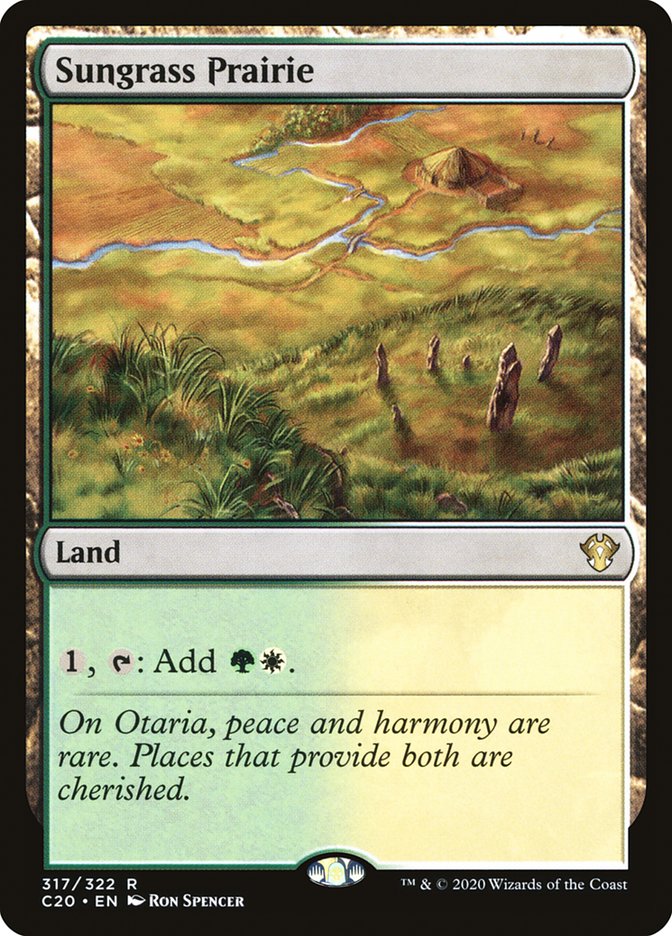
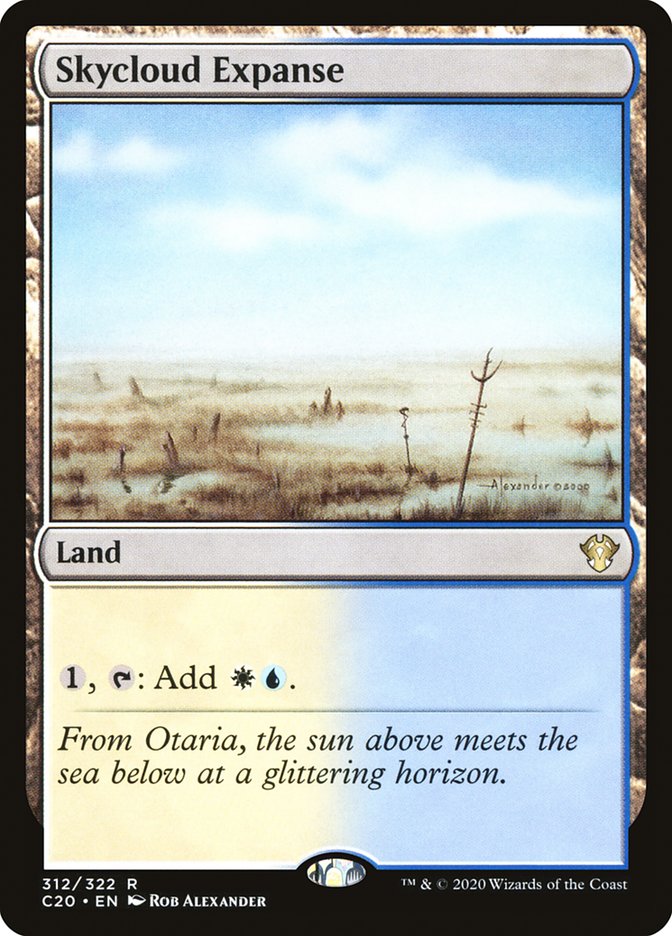
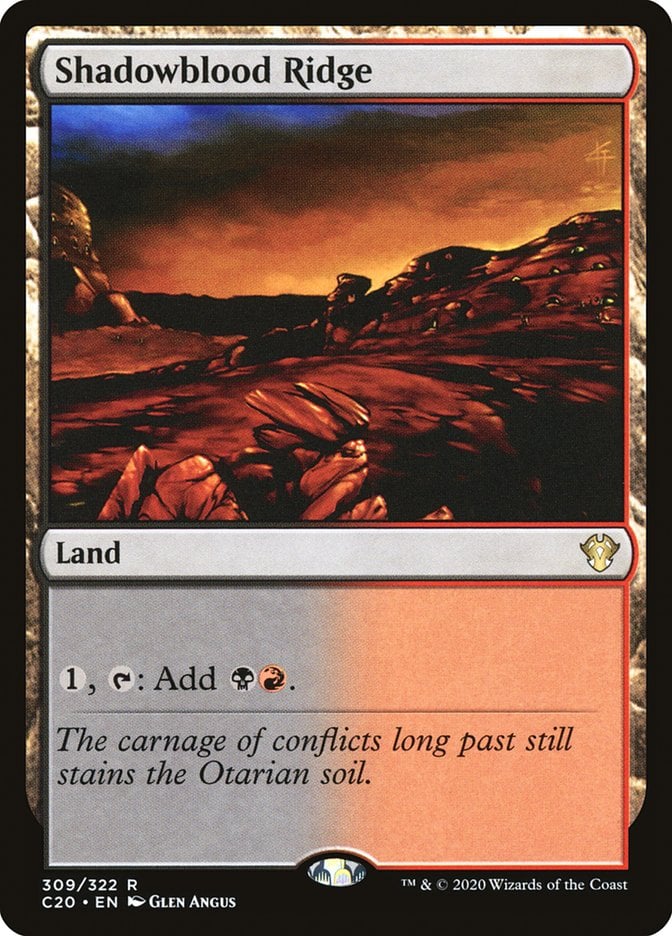
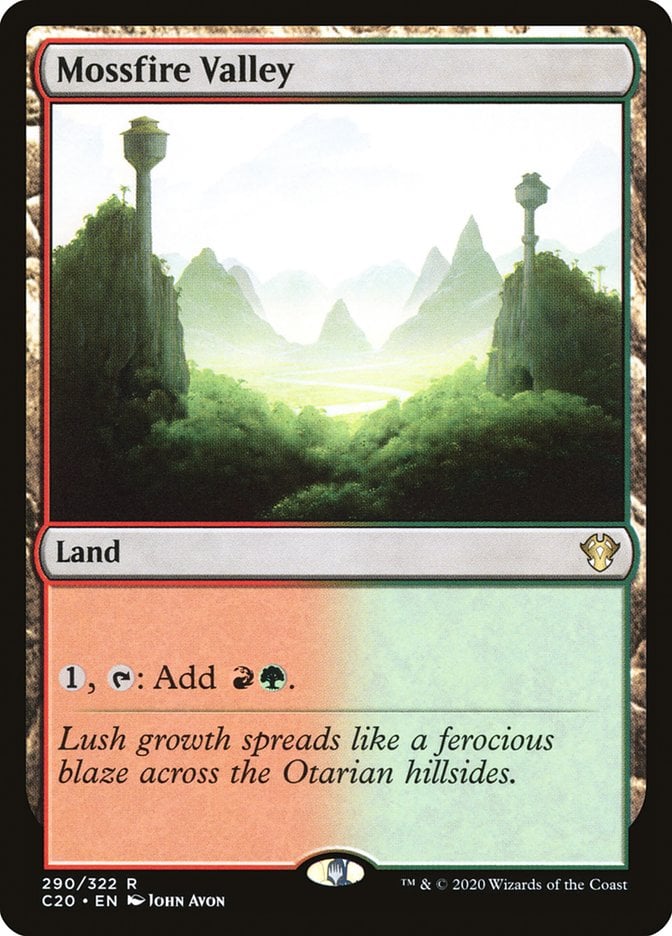
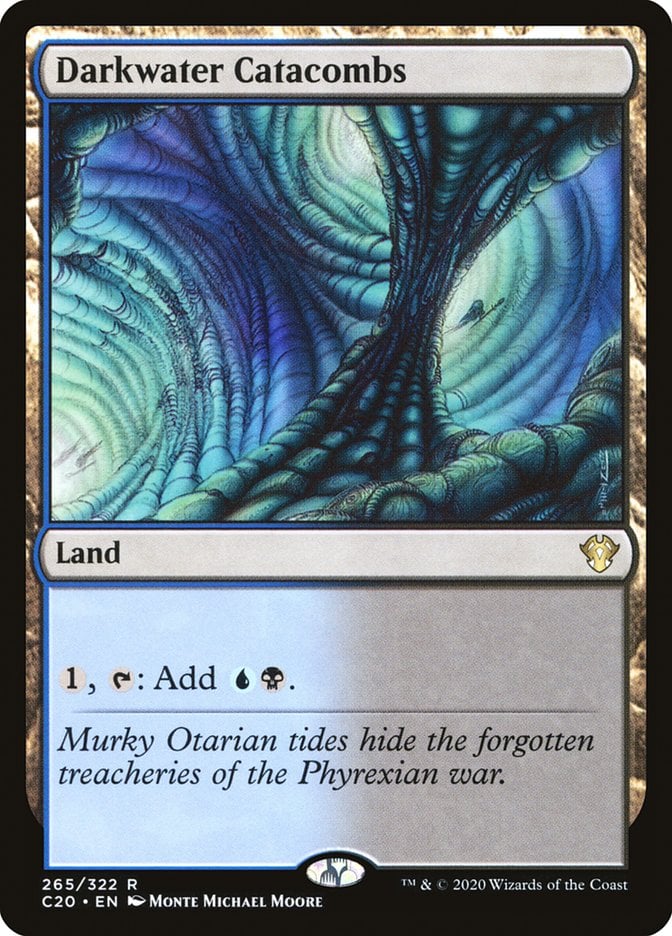
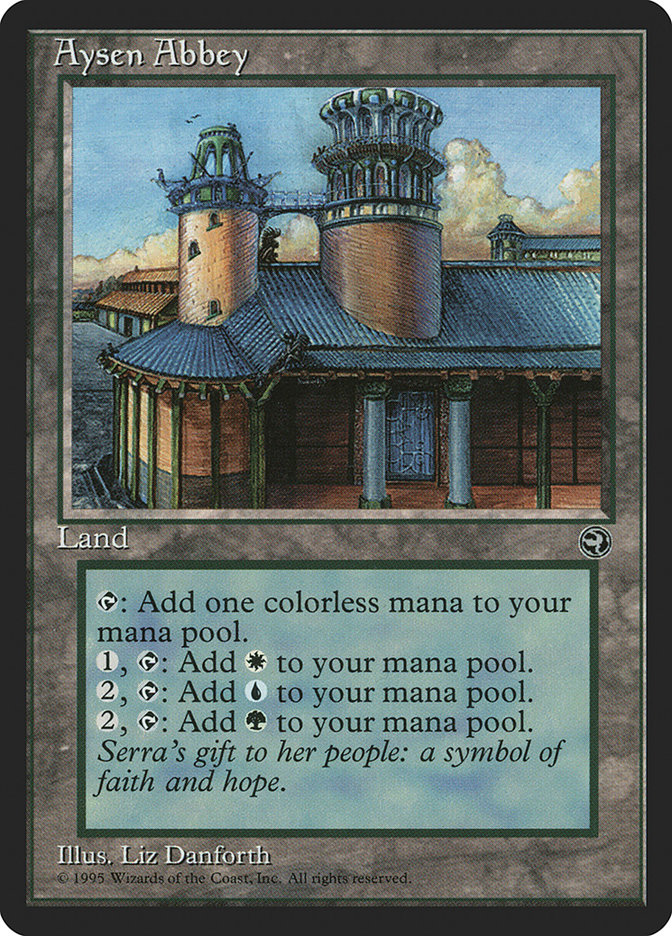
- Viridescent Bog
- Sunscorched Divide
- Overflowing Basin
- Ferrous Lake
- Desolate Mire
- Twilight Mire
- Rugged Prairie
- Flooded Grove
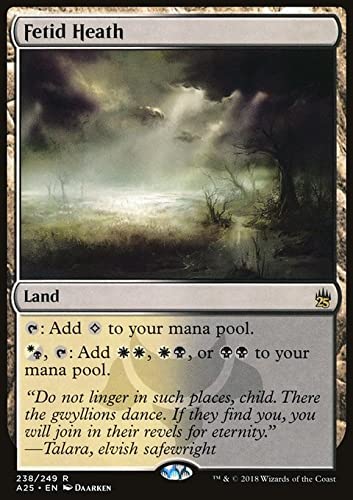
- Fetid Heath
- Cascade Bluffs
- Wooded Bastion
- Sunken Ruins
- Mystic Gate
- Fire-Lit Thicket
- Graven Cairns
- Sungrass Prairie
- Skycloud Expanse
- Shadowblood Ridge
- Mossfire Valley
- Darkwater Catacombs
- Aysen Abbey
- Wizards' School
- Castle Sengir
- Koskun Keep
- An-Havva Township
Miscellaneous Filter Lands
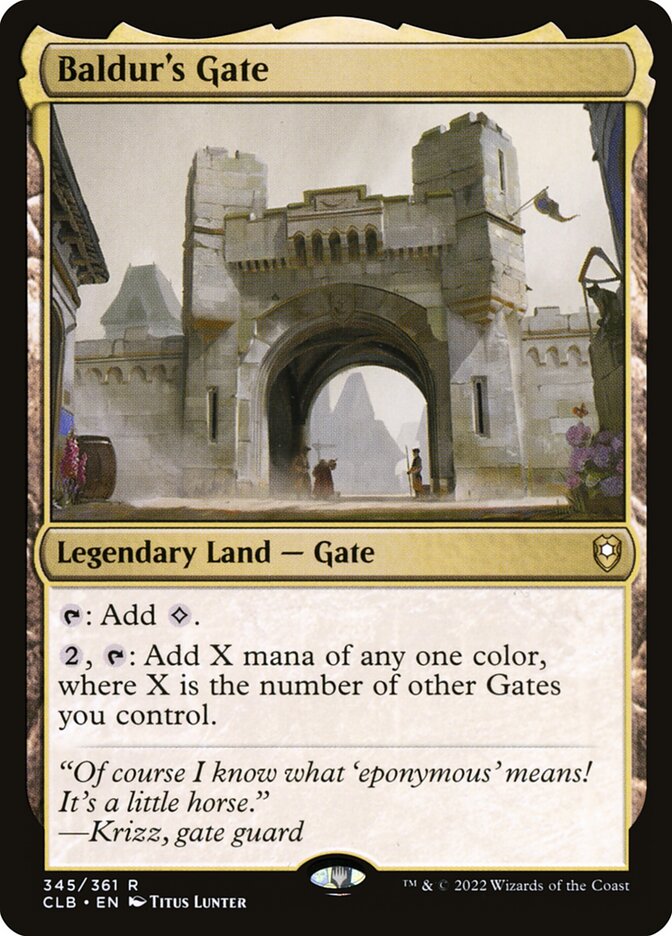
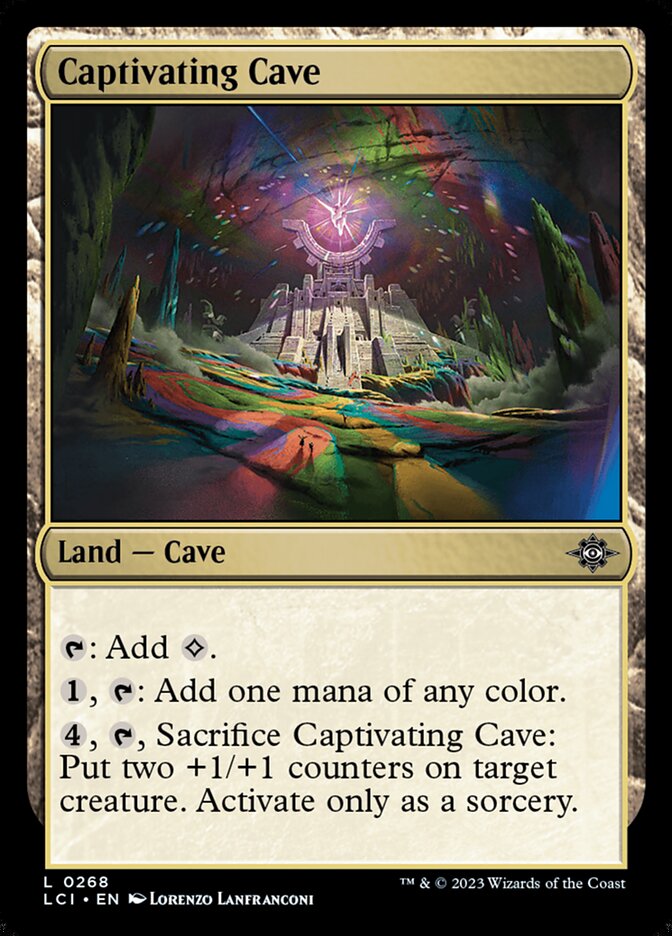
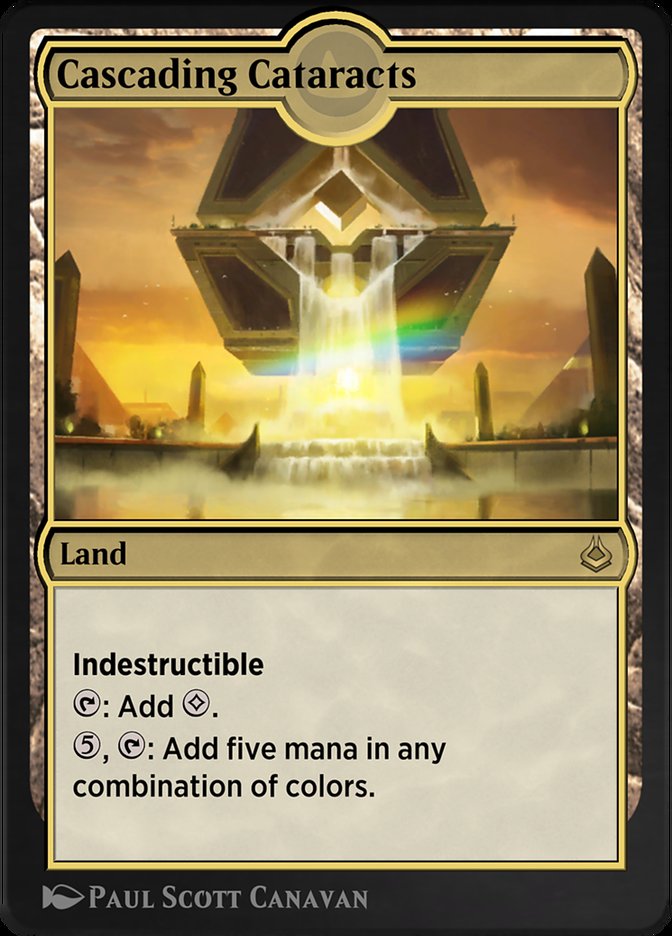
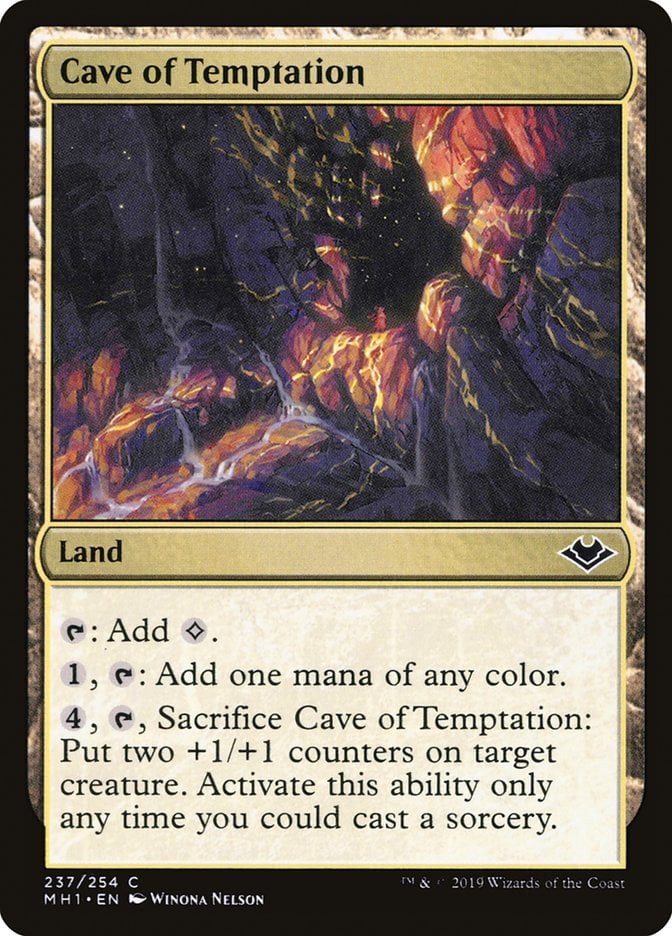
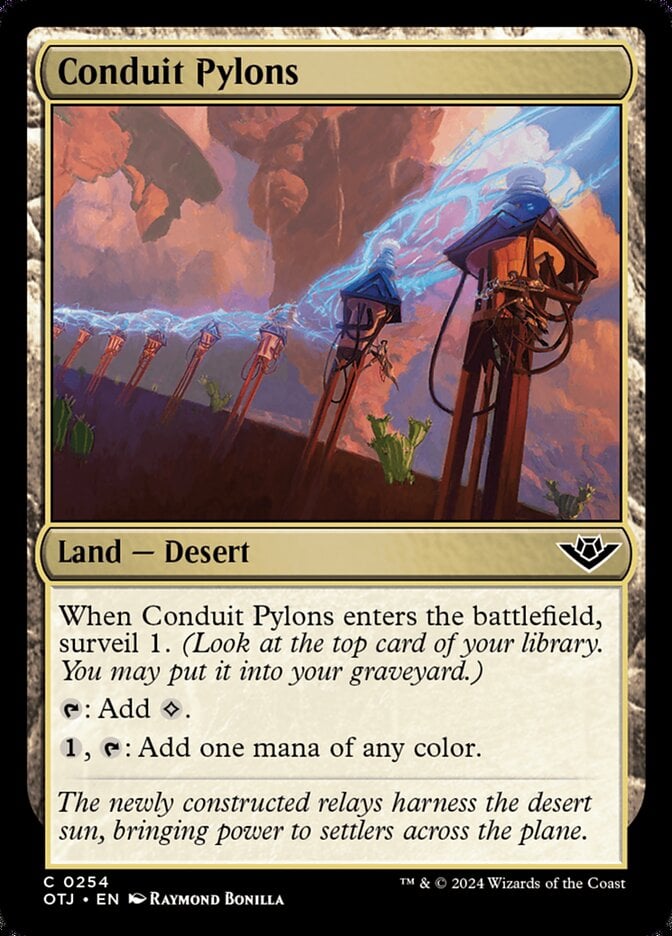
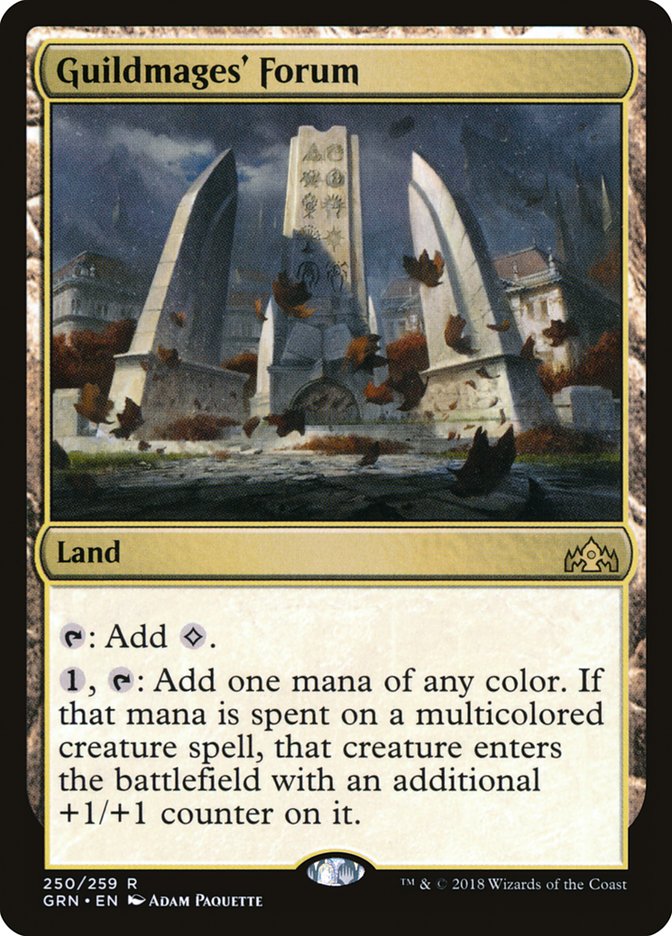
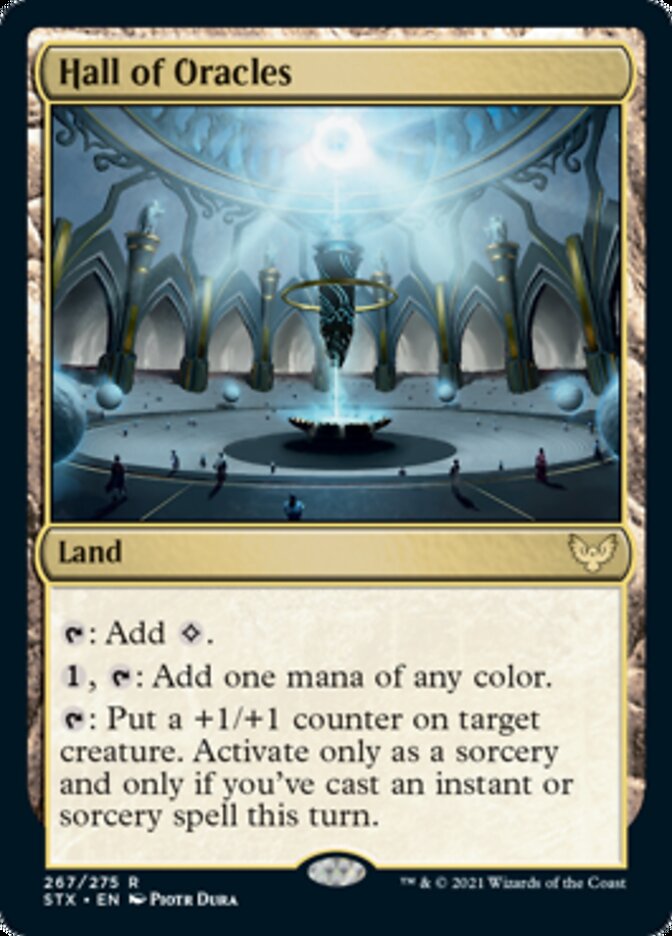
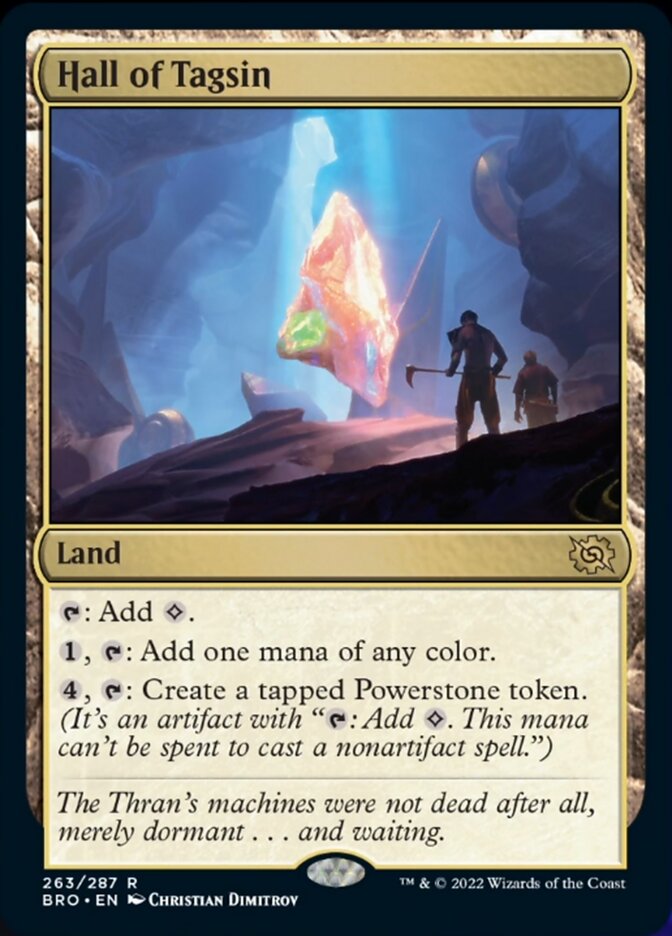
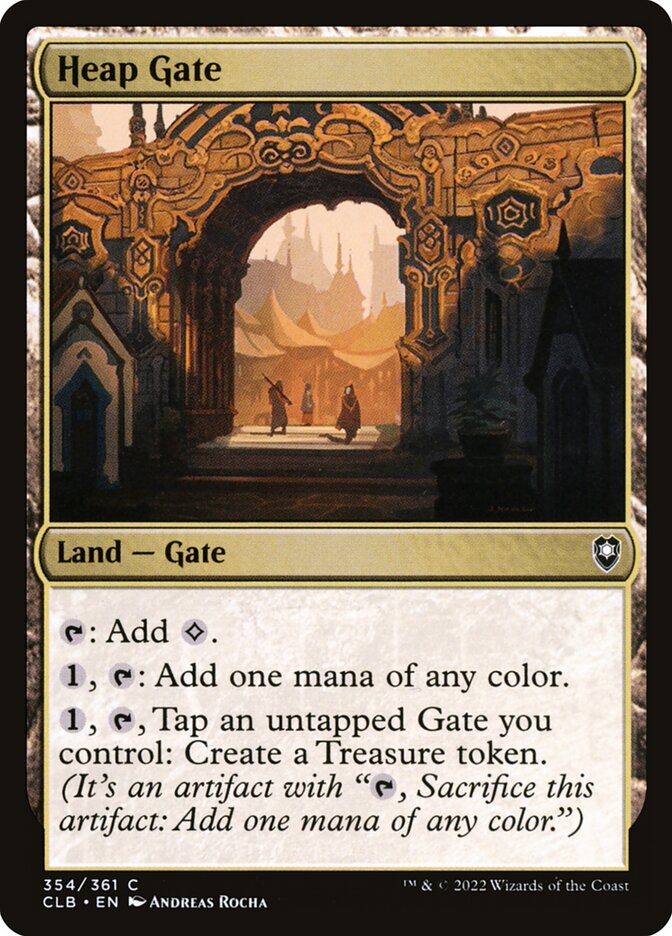
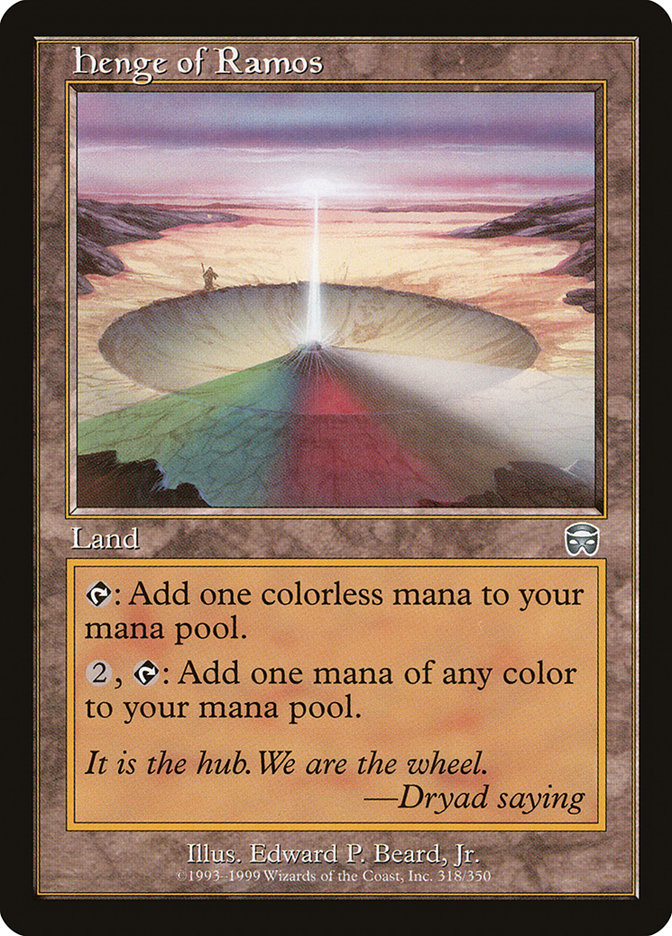
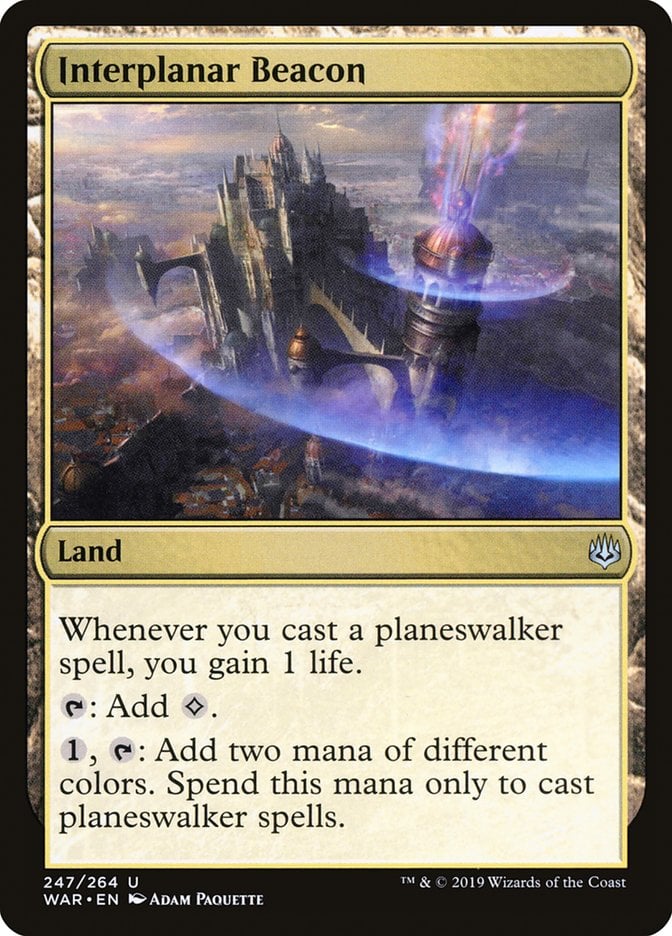
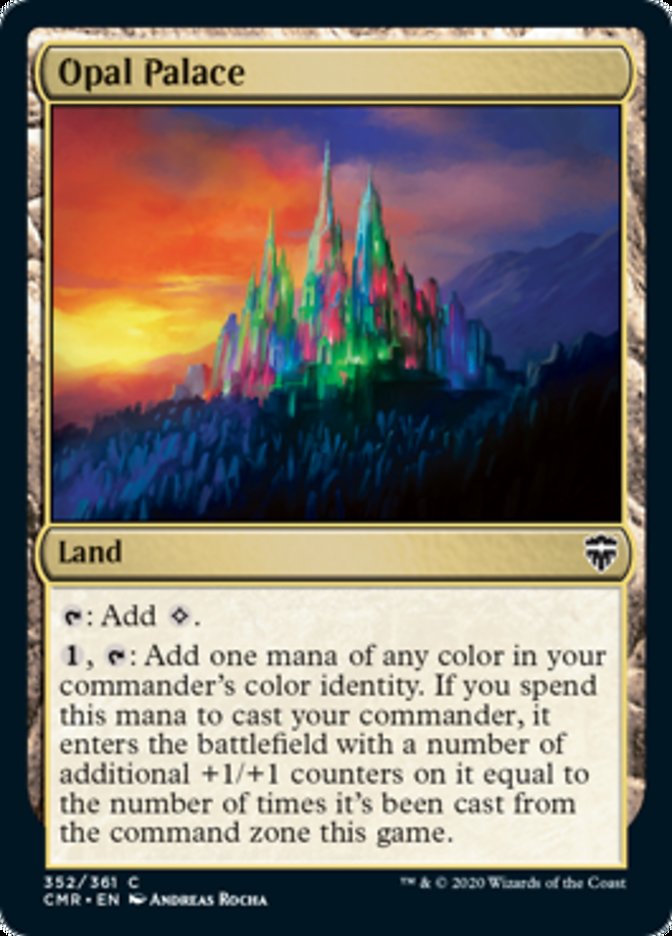
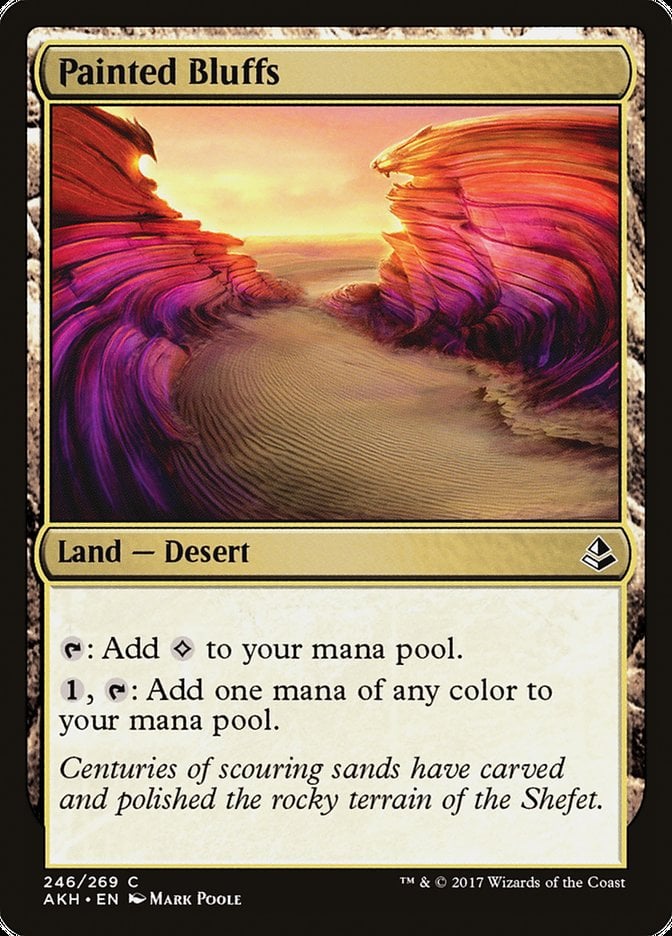
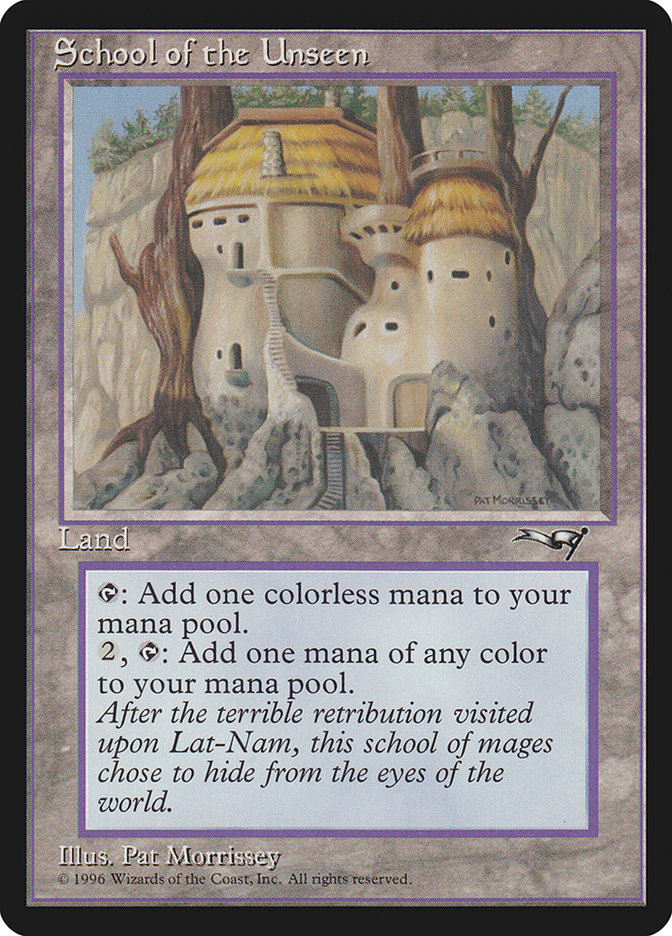
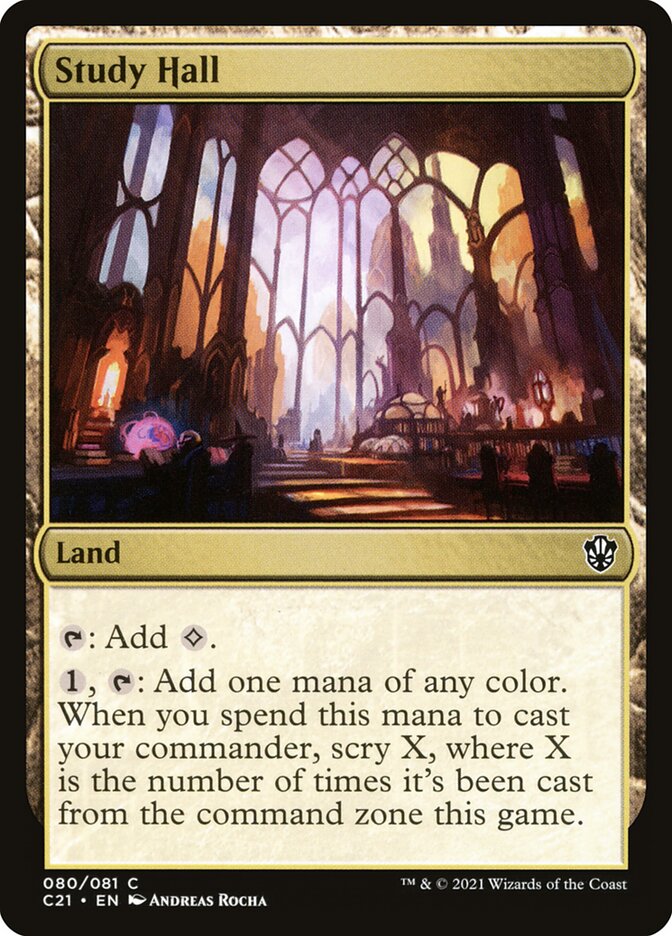
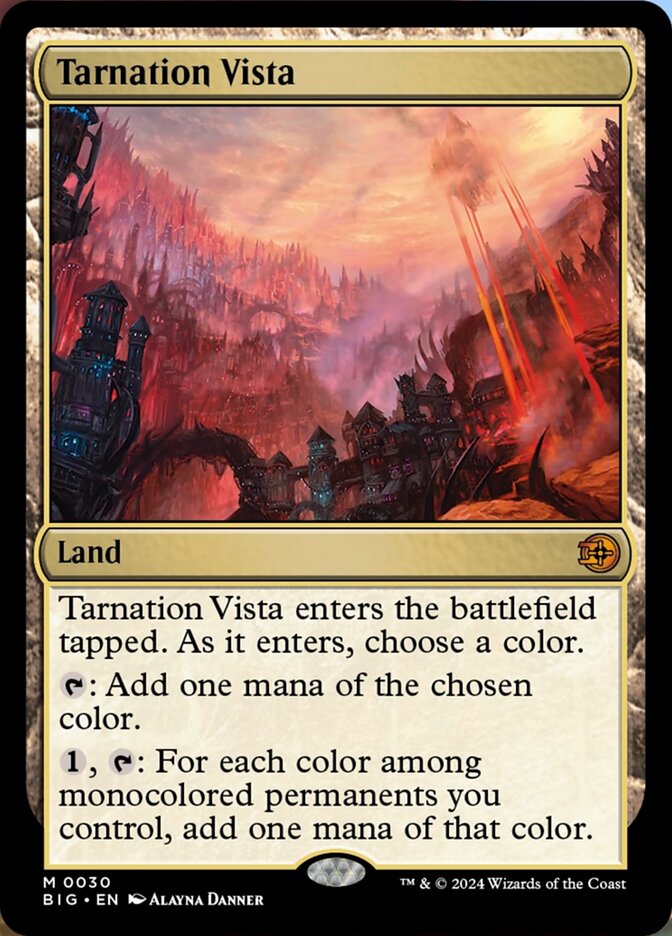
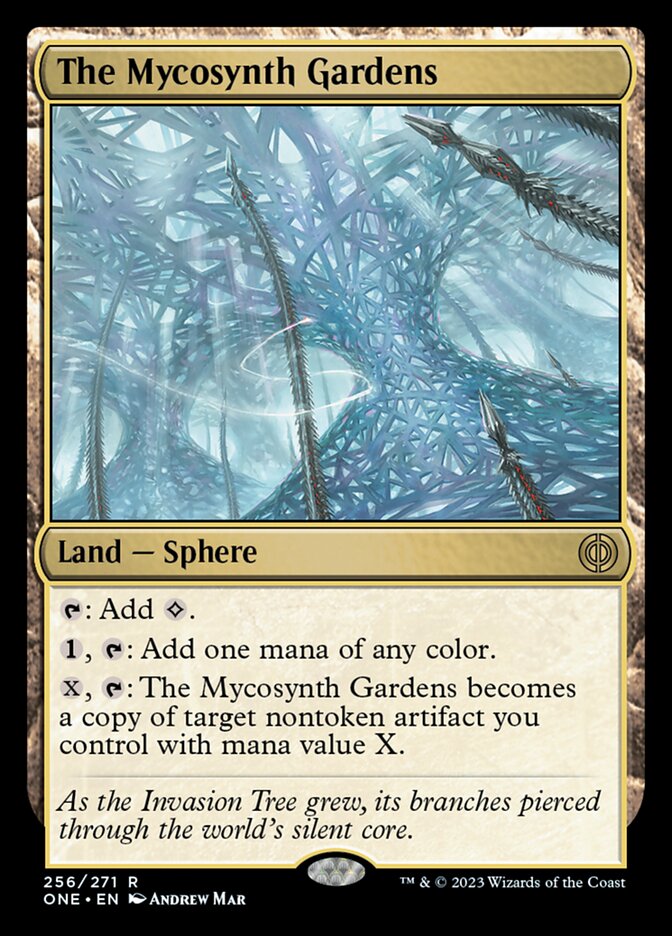
These lands don’t fall into any cycle. Some of them are also only technically filter lands with a more general definition like the Homelands cards mentioned above.


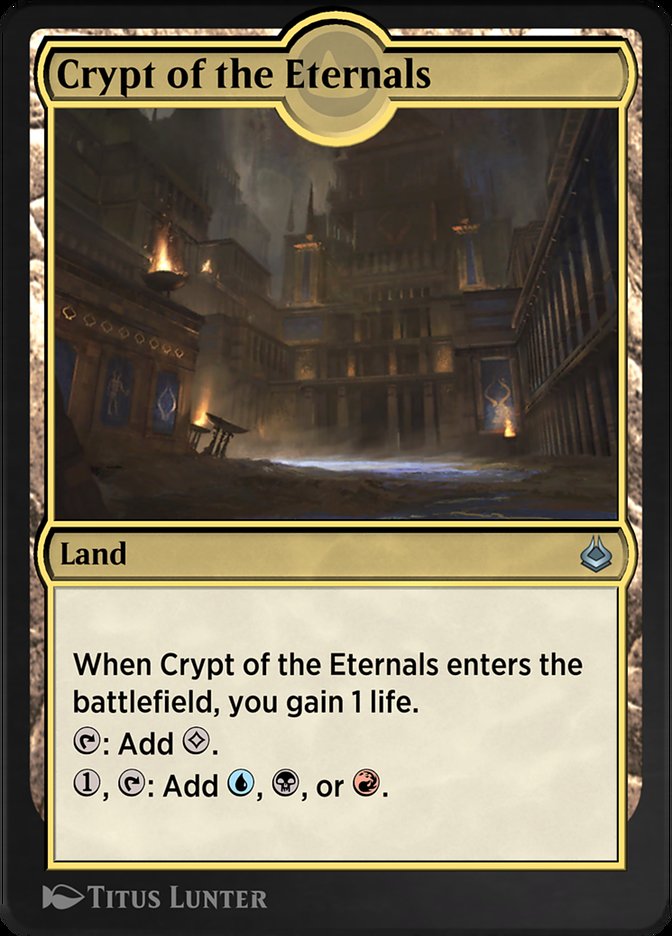
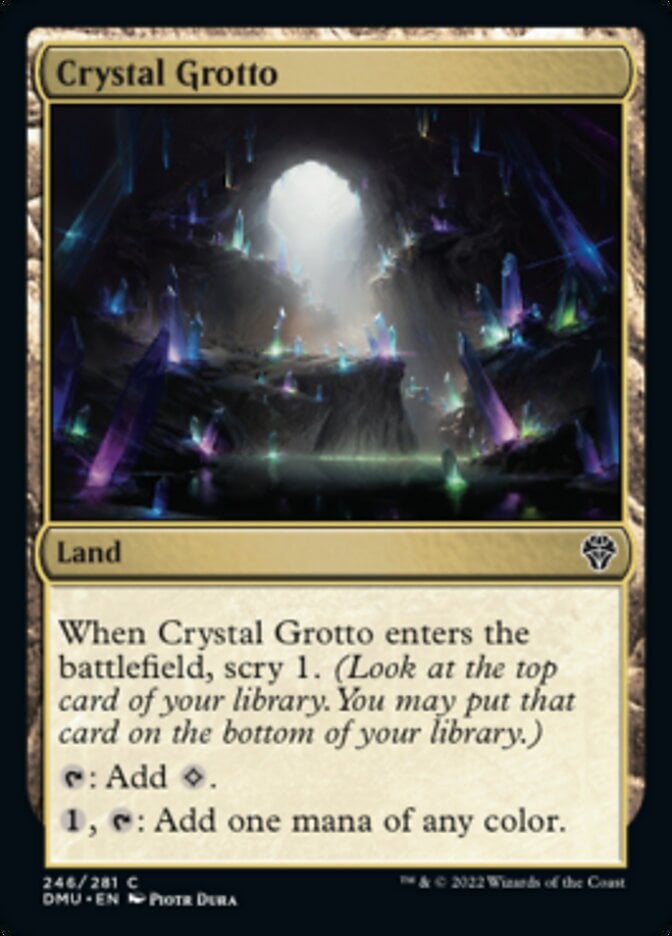
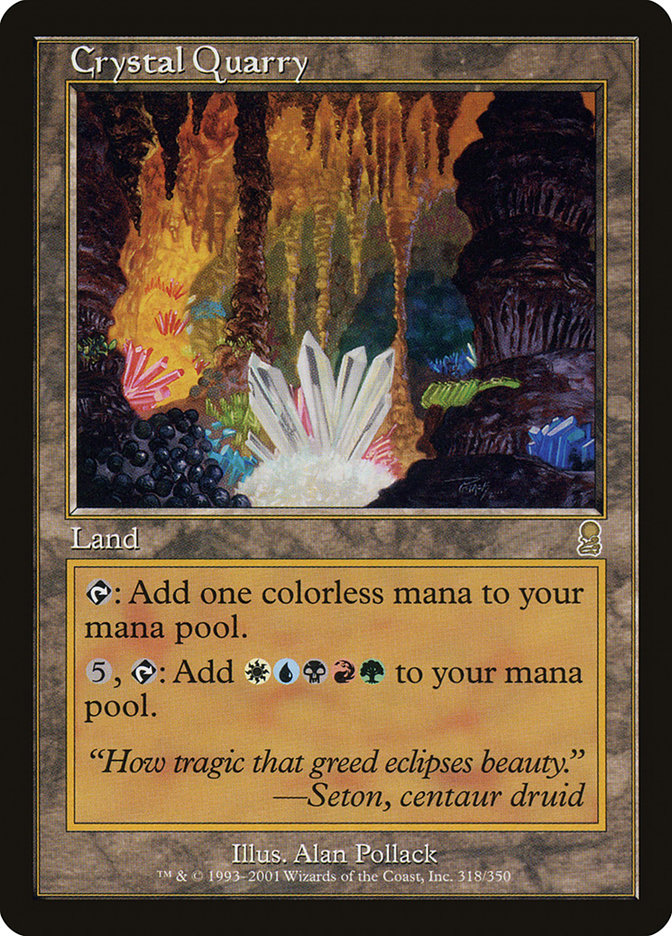

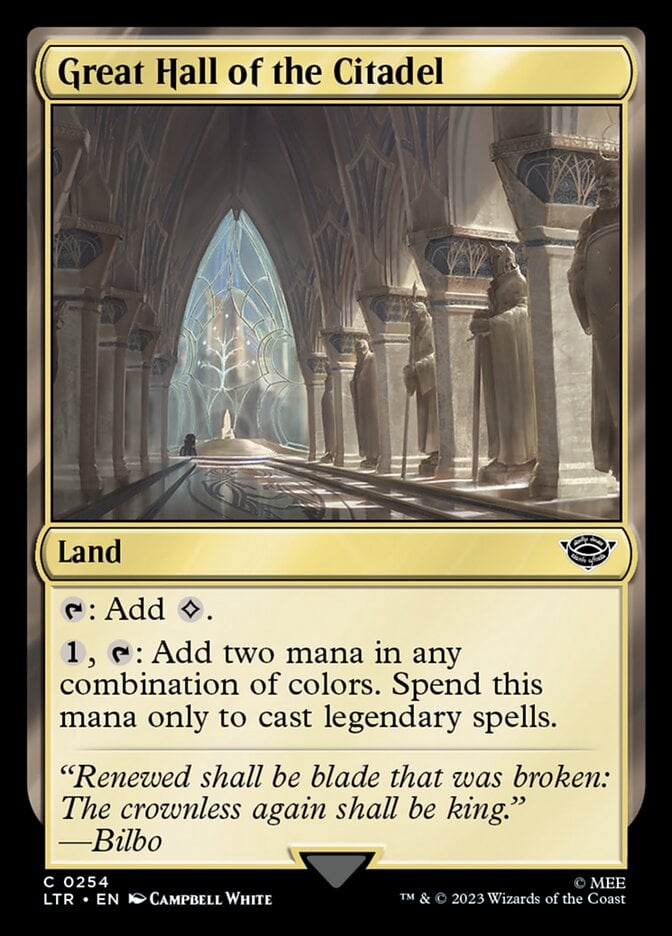





Why Are Filter Lands Good?
Filter lands are good because they help fix your colors and can tap the same turn you play them. Three-color decks love them for the flexibility to use one dominant color and easily get other colors as needed.
Avoid Too Many Colors

Unknown Shores | Illustration by Rob Alexander
As weird as it may sound, try to avoid filters in decks with tons of colors. They’re at home in decks that run two colors. They’re good as long as you have any land but another filter land on the field.
Go beyond three colors and I say you’re cruising for a bruising. You start to thin out what you can produce and increase what you need. Plus, run too many filter lands and you lead into disaster if you can’t power them.
You could argue that the Odyssey filters are better for 5-color decks, but they don’t even produce the colorless mana that the Shadowmoor and Eventide filters do, which is risky.
Demanding Mana (i.e., Control)
You want to slot filter lands into decks that run cards that demand colored pips in their mana costs. Think Cryptic Command that requires three blue . Sometimes that third blue mana can be hard to come across, and paying a white into your Mystic Gate or a black into Sunken Ruins to produce double blue can save your rear.
You run into these situations more in control decks than anywhere else, so keep an eye out for opportunities like this.
To be completely honest, you shouldn’t expect to see filter lands too often. Fetches and shocks are objectively better, and so are check and fast lands. These types of dual lands are faster at fixing mana pools because they don’t need anything else to do it.
Eternal Formats and Filters

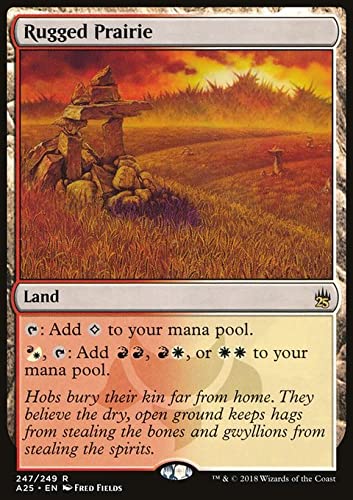
Rugged Praire | Illustration by Christine Choi
All of that said, the more formal filter lands I talk about are solid in eternal formats where they’re available as long as your deck can support them. Most competitive Constructed formats skip filter lands in favor of other dual lands and fixing. Now, as for the Limited environment, we like to see something a little different.
Limited
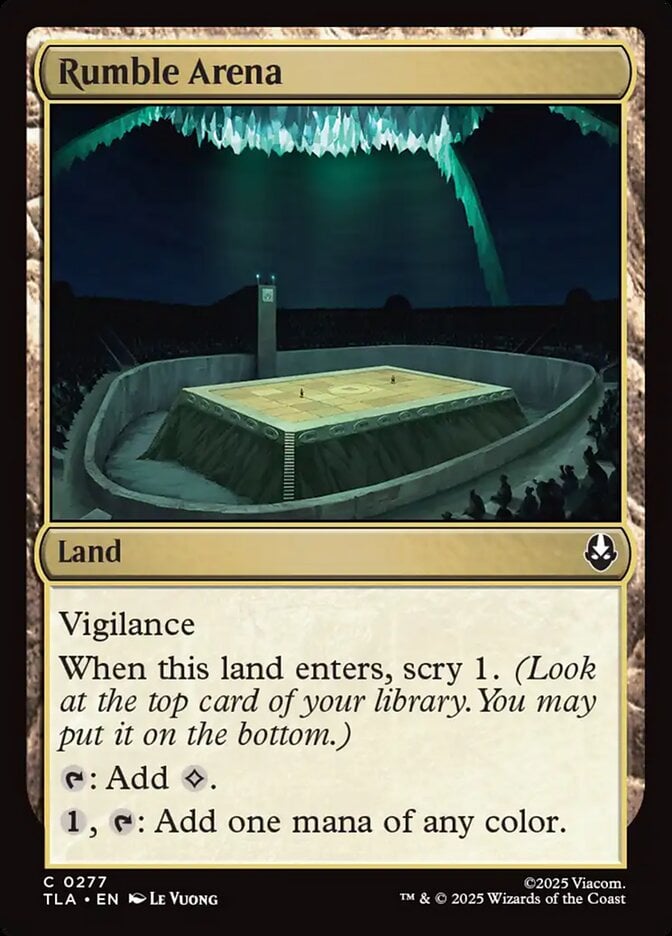
This is where you pick up cards like Rumble Arena; they’re nice to have in some situations. I wouldn’t recommend taking more than one or two as their method of filtering requires you to tap two lands for one mana, but it’s nice when you’re stuck for a particular source and really need it for a splash. They also produce a colorless mana on their own, meaning they still pull their weight.
Commander
Wizards wants your Commander deck to work, so to help you play your cards, filter lands do a great job. Many decks maintain an identity in a guild pair or trio of color combinations, solidifying filter lands as a one-of that fits in nicely.
Where to Get Filter Lands
If you want to get your hands on filter lands, get ready to search a bit. They are generally less pricey than fetches or dual lands. You can find many for anywhere from $2 to $12 if you find the least expensive printing. Good places to hunt for deals on filter lands, are online vendors like TCGplayer or Card Kingdom. You can filter by condition on either site and hunt down the price that works for you best.
Amazon, eBay, or a buy & sell group on the Facebook Marketplace might also carry the filter land you’ve been searching for.


The less notable filters that get printed every few sets like Daily Bugle Building, Hidden Grotto and Unknown Shores are usually only a few cents.
I also always recommend you see if your LGS has a copy of what you want in stock. It can be harder to find specific single copies of a card at physical locations, but your LGS has a much better chance to understand your request for “filter lands” and puts in the work to provide Magic products and events so you can enjoy the game and this is a way to support them.
Alternatives to Filter Lands
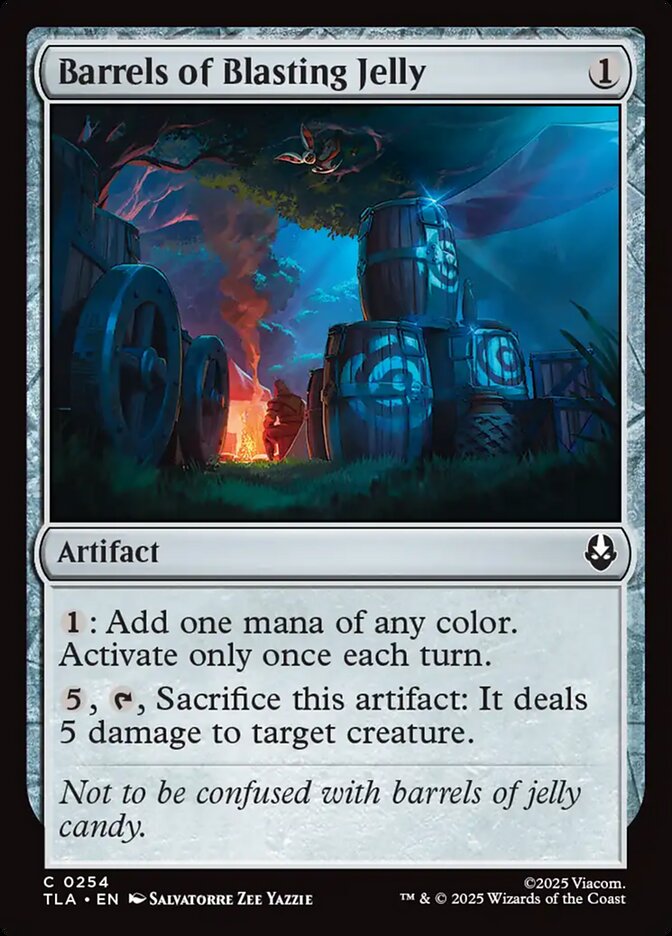

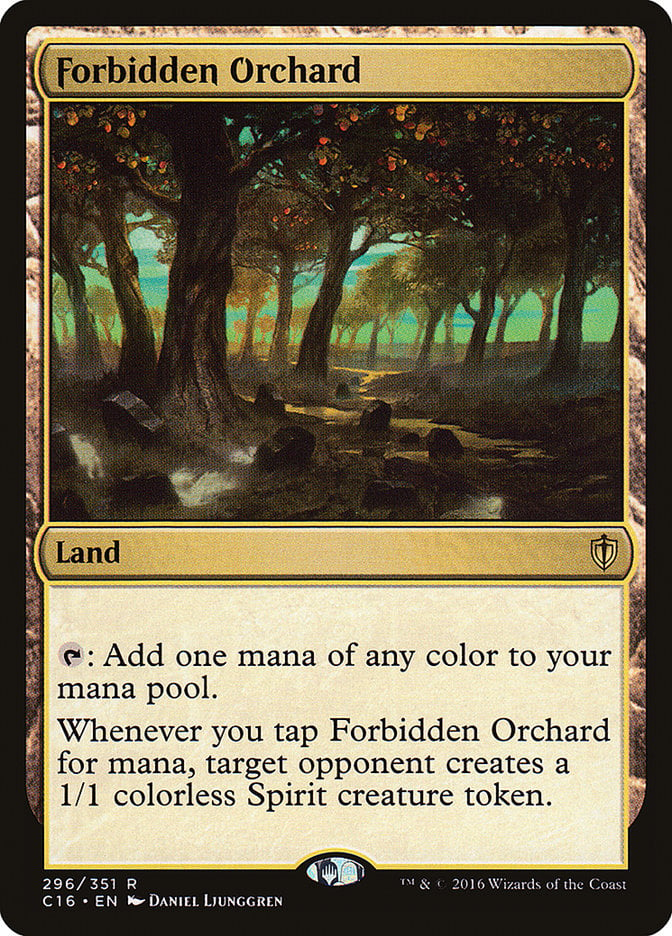
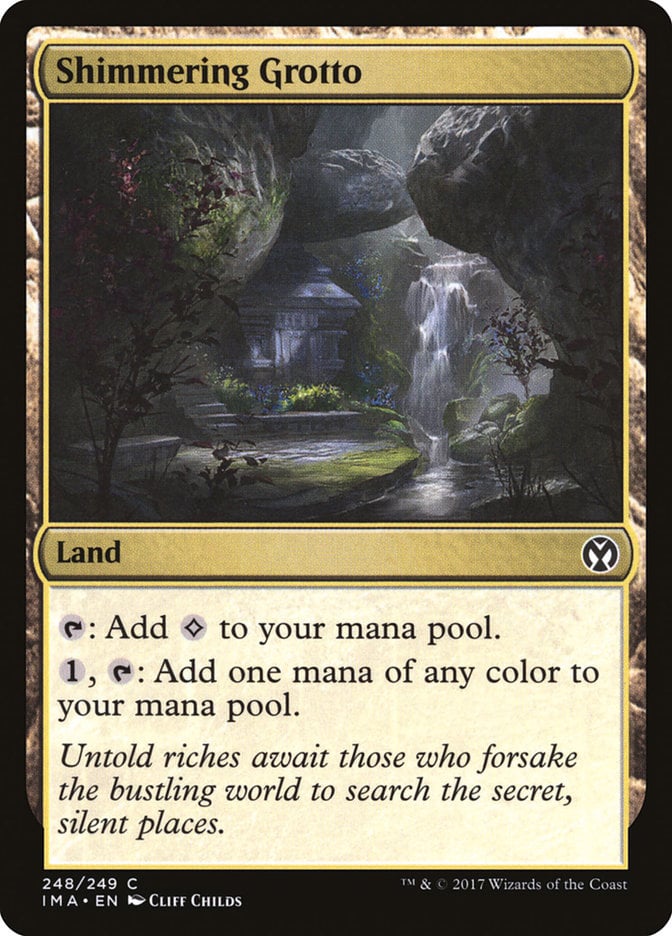
There are cheap filtering non lands like Barrels of Blasting Jelly or Three Tree Mascot, and 5-color lands like Forbidden Orchard, but I can’t really say that there are true alternatives to filter lands. They’re very unique in their design and application, and most of the time your alternatives are the types of filter lands that are more geared towards the Limited environment like Shimmering Grotto.
They can help convert your mana, but you’ll be at a net loss on the battlefield and that’s a little ugly. At that rate, the subpar filter land could have just been the basic land you needed or even another dual of some sort.
Do Filter Lands Have Basic Land Types?
No, filter lands do not have a land type that can be searched out. So they do not count towards cards like Starfield Shepherd, Swampbenders, or Farseek.
Are Signet Lands The Same As Filter Lands?
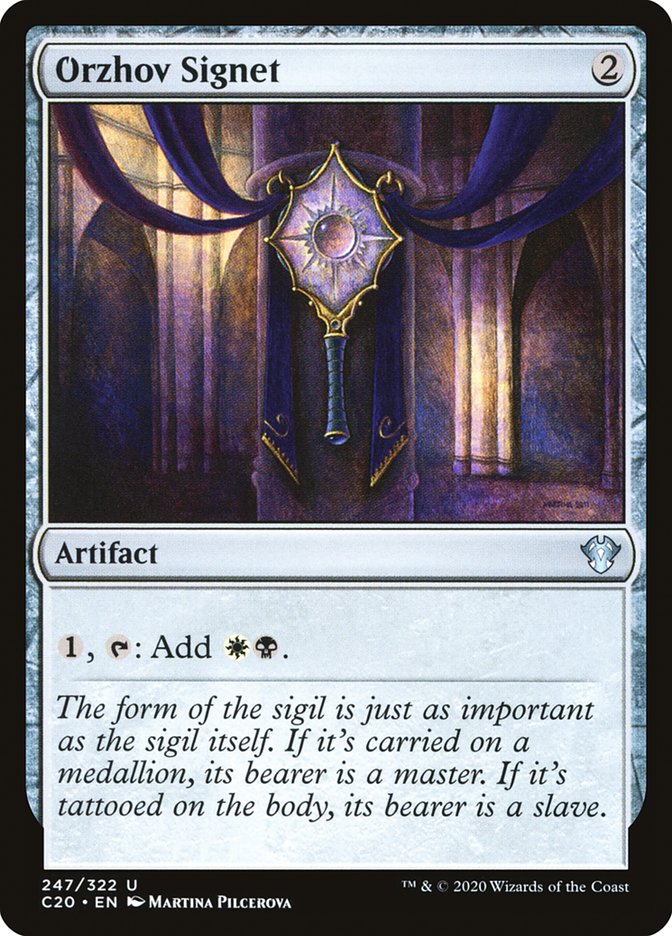
Not quite, you can call all signet lands filter lands, but not all filter lands are signet lands.
Desolate Mire is a Fallout card with black and white color identity, and the same text box as Orzhov Signet, except it’s a land.
What If I Use A Mana Doubler With Filter Lands?
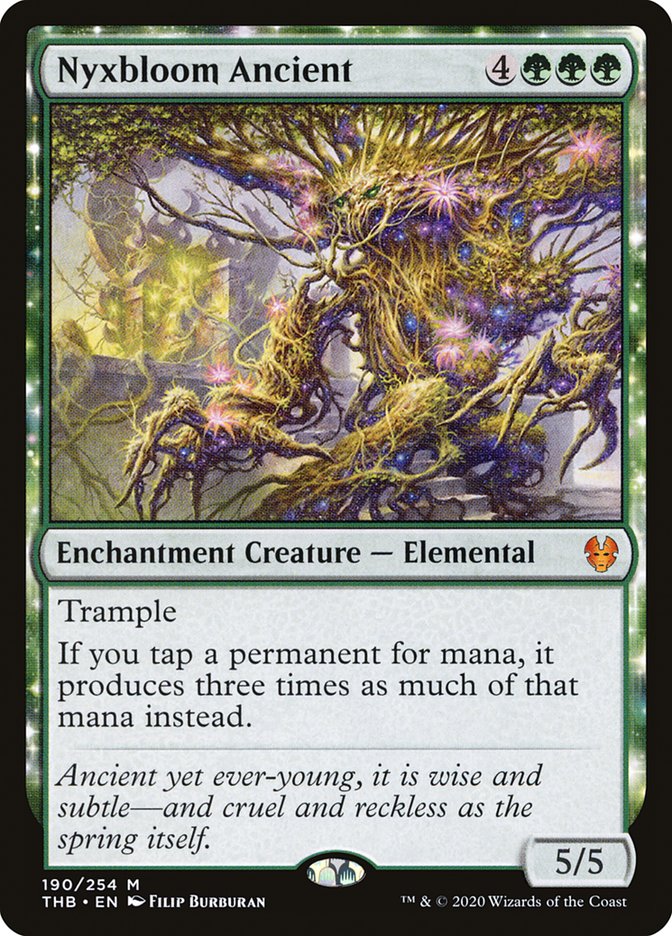
Filter lands pair beautifully with mana doublers. If you activate Flooded Grove while you control Nyxbloom Ancient you get six mana, if you had activated Crystal Quarry, your one land just produced 15 mana. It still works well with the true mana doubler in Mana Reflection, but not as explosively as with Mirari's Wake which causes additional mana.
Wrap Up

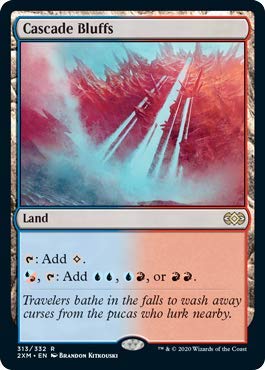
Cascade Bluffs | Illustration by Brandon Kitkouski
So, what do you think? Do you have a use for these lands that you’d like to share? Maybe you have questions about other situations that would call for them to be used. Whatever it may be, feel free to find Draftsim on Facebook, or drop it in the comments for some discussion!
If you’re not quite sold on our content is yet, or if you’re just hungry for more, check out our blog for more stuff about lands. Oh, and every other facet of Magic as well.
In the meantime, go drink a glass of clean water, and remember, filter out the bad stuff and keep the good!
Note: this post contains affiliate links. If you use these links to make a purchase, you’ll help Draftsim continue to provide awesome free articles and apps.
Follow Draftsim for awesome articles and set updates:










1 Comment
I like the Filter-Lands and i don’t understand why some of them get reprinted all the time and others aren’t reprinted at all. Even in commander decks where you could reprint several of these lands, often only the already cheap ones are reprinted and the more rare ones are left out, what makes no sense to me. I really hate it when cycles have such diffrent amounts of supply, and thus very difrent price tags on them.
Add Comment