
Last updated on December 27, 2024

Bloodthirsty Conqueror | Illustrated by Dmitry Burmak
Greetings planeswalkers! It’s time to get back to the basics with Foundations, Magic’s latest (and possibly greatest to draft) Core Set. Foundations is a very unique set for a couple of reasons:
- It isn’t just one set, but rather a sort of “three-for-one” deal that includes the draftable base set, a “Beginner’s Box” for first-timers, and a “Starter Collection” aimed at intermediates.
- Most of the cards in these MTG sets will be Standard legal for at least five years, meaning that Standard is almost getting two sets worth of cards! The only exceptions are three cards included in the Starter Collection (Sol Ring, Arcane Signet, and Command Tower, all aimed at Commander), and the Special Guests you can sometimes find in Play boosters and Collector boosters.
- Foundations is filled with powerful staples, including cards like Llanowar Elves, Burst Lightning, and Day of Judgment (which are all immediate upgrades to standard equivalents like No Witnesses, Shock, and Llanowar Loamspeaker).
For the purposes of this FDN Sealed guide, I’ll only be focusing on cards relevant to Limited for the set. That includes anything you can open in Play boosters of Foundations; discounting “Booster Fun” cards with alternate art and basic lands, this includes anything from collector #1-271, plus the 10 Special Guests that you’ll see on rare occasions.
And as you’ve probably come to expect, this is the second of three guides:
- We published the extensive Foundations Limited Set Review on Monday, rating every single card in the format.
- This guide focuses mostly on Sealed and “Day 0.”
- I’ll be back in three weeks with a follow-up guide about how to draft Foundations!
Introduction

Drakuseth, Maw of Flames | Illustration by Grzegorz Rutkowski
Foundations definitely looks less complex than Duskmourn or other previous Draft formats. There are no new mechanics in the set, and if you’ve played Magic for a while you shouldn’t find a single one of these archetypes surprising.

I don’t say any of this to tar Foundations; on the contrary, simple Magic is often the best Magic. The fundamentals of MTG are so good that they’ve lasted three decades, after all! With that in mind, the goal of this guide is simple: I want you to feel like you have the edge going into Foundations‘ Prerelease.
The Scope of This Guide
I’ve covered a fair bit about the format already in our exhaustive Foundations Limited Set Review and the Top Commons and Uncommons articles. This Sealed guide is mostly dedicated to covering everything else that you’d want to know for Day 0 of a set. In practice, that mostly means chunking the information from the set review to form a cohesive picture of how to actually play the set!
Mechanics Recap
There are no new mechanics in Foundations. Instead, we see several one-off mechanics, plus other consistent mechanics (some of which have an archetype centered around them).
Flashback


Spells with flashback can be replayed from your graveyard for their flashback cost, after which they’re exiled. It mostly appears on blue instants and blue sorceries, and it acts as a support mechanic for UR/UB which are focused on spells and the graveyard.
Threshold


If you have 7+ cards in your graveyard, you have threshold. It appears only in UB on creatures, and it’s that pair’s Draft archetype focus.
Prowess


Prowess creatures get +1/+1 whenever you cast a noncreature spell. Tempo-friendly mechanic that appears only in UR and helps center their Draft theme.
Raid


If you’ve attacked this turn, you have “raid” and can get a variety of “enters” or “beginning of your end step” bonuses from creatures in Foundations. It mostly appears on BR creatures (besides Skyship Buccaneer), and it’s also the official Draft theme of BR.
Morbid


If a creature died this turn, “morbid” is active and you’ll get enters/beginning of your end step bonuses, as with raid. This appears on some black creatures and green creatures and is the Draft archetype for BG in Foundations.
Landfall
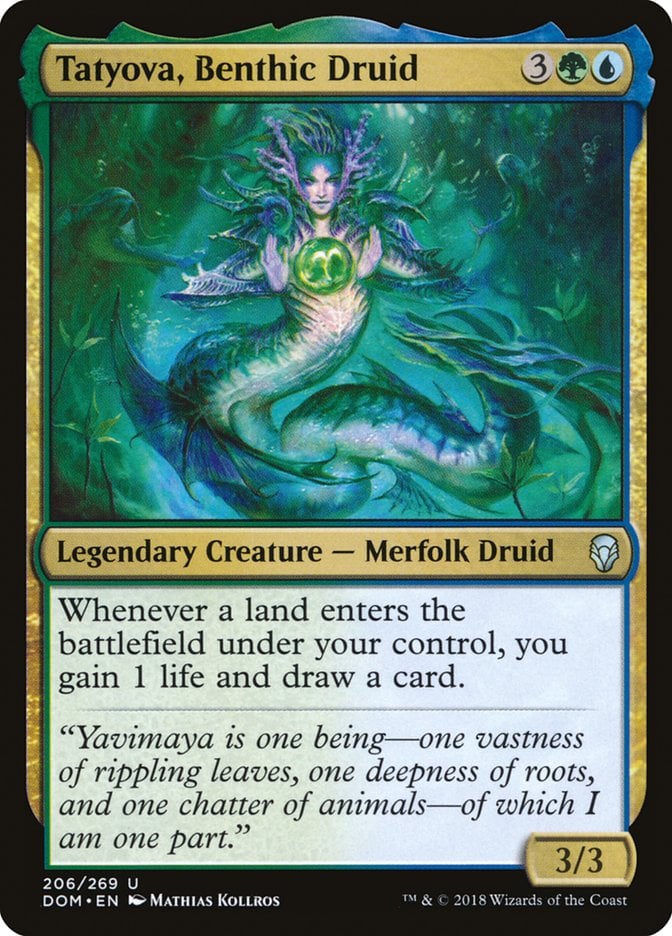

Landfall happens whenever a land enters under your control. It doesn’t appear on too many cards, but the most important creature that has it is probably Tatyova, Benthic Druid, one of the most popular commanders reprinted in Foundations. GU’s theme isn’t officially landfall, but Tatyova, Benthic Druid may as well be tailormade for it anyways.
Archetypes
I always reserve my deepest dives on these until after I’ve played the set, as there’s no real substitute for experience. Still, it may be helpful for me to cover each signpost and point out the commons/uncommons that work really well for each FDN Sealed deck. Think of this section as a healthy bit of speculation that should put you in the right direction!
WU Flying

Signpost: Empyrean Eagle
WU employs a classic fliers strategy in Foundations. Massing up on flying creatures can be its own reward in Limited, but Empyrean Eagle makes that prospect even more enticing.


One thing that helps WU is the sheer number of impressive fliers at common in Foundations: Healer's Hawk, Dazzling Angel, Vanguard Seraph, and Icewind Elemental are all pretty efficient! I’d focus mostly on those, plus ways to get past reach blockers like Treetop Snarespinner or Elfsworn Giant. Banishing Light and Uncharted Voyage are great cards to keep your opponent off balance.
UB Graveyard (Threshold)
Signpost: Dreadwing Scavenger


UB is a grindy color pair with an equally grindy archetype. Filling up your graveyard turns on cards like Dreadwing Scavenger, Crypt Feaster, and Billowing Shriekmass, while also potentially getting card advantage in other ways. This is a great archetype for Think Twice, Macabre Waltz, Inspiration from Beyond, Zombify, or really just about anything that says “graveyard.”
I’d recommend prioritizing a balance of removal spells, graveyard enablers, card advantage, and bombs if you can get them. Note that Dreadwing Scavenger does double duty as both enabler and a payoff here!
BR Raid

Signpost: Perforating Artist


BR is an aggressive color pair that tends to always have the best removal in any given set. I’d probably give that title to WB in Foundations, but I still think BR will be one of the better color pairs. Perforating Artist doesn’t brawl that well on its own, but this kind of ability can add up quickly if other creatures are attacking consistently. One classic interaction to look out for in this color pair is Involuntary Employment with sacrifice (Hungry Ghoul, Eaten Alive, etc.), which can give this archetype a sacrifice subtheme. Regardless of whether you’re doing Treason + Sac or not, focus on premium removal and a lean curve.
RG Stompy (4+ Power)

Signpost: Ruby, Daring Tracker


RG is another aggressive color pair, though it tends to go bigger than other red attacking decks. Ruby, Daring Tracker showcases this perfectly, as it’s both a beater and a way to ramp out large threats. Beyond staples like Burst Lightning or Llanowar Elves, some cards I recommend in this archetype are Sower of Chaos, Spitfire Lagac, and Beast-Kin Ranger. Basically, anything medium/large that punches hard is probably good here, as you’ll often be in a spot to cast them ahead of schedule!
GW Counters

Signpost: Good-Fortune Unicorn


GW aspires to a synergistic deck with rewards for stacking +1/+1 counters. In practice, there aren’t too many dedicated payoffs though. Inspiring Paladin is the only direct one at common, with Inspiring Call, Wildwood Scourge, and Mossborn Hydra as higher rarity options. Even if you won’t be doing anything fancy for most games, basic setups like Healer's Hawk plus Felidar Savior can still get the job done. It’s definitely easier to get counters than payoffs in GW, so prioritize the few ones you see!
WB Lifegain

Signpost: Fiendish Panda


WB treads familiar ground for the color pair by focusing on gaining life. The best enablers for this are Dazzling Angel and lifelink creatures like Healer's Hawk, Vampire Nighthawk, and Sun-Blessed Healer. Fiendish Panda, Ajani's Pridemate, and Exemplar of Light are the set’s primary payoffs for doing so. Given the lack of quantity in its payoffs, WB often finds itself employing a pretty typical “good stuff” midrange plan.
UR Spells

Signpost: Balmor, Battlemage Captain
UR’s archetype is either the set’s least surprising or second least surprising archetype, given that it and RW seem to have the same deck in many sets. UR spells itself is often known for having a bit of an Identity Crisis, as it often ends up in an awkward spot between aggro/control. It also requires a tight balance of creatures and spells that vary from deck to deck (and format to format).


The Foundations take on UR seems to be more on the aggressive side of the spectrum. Most of the set’s instant/sorcery payoffs are small creatures like Balmor, Battlemage Captain, Drake Hatcher, Elementalist Adept, and Heartfire Immolator. Burst Lightning is obviously the spell you’ll want, but it’s nice that most of the common instants and sorceries seem fine here. Fleeting Distraction, Think Twice, Uncharted Voyage, Sure Strike, and Thrill of Possibility all look like reasonable inclusions, so try to get a good mix of them plus prowess creatures.
BG Morbid

Signpost: Wardens of the Cycle
Making morbid work seems to be how you get BG to work. Given that all the morbid payoffs in Foundations are creatures, that also means getting morbid to work on your turn. There are a couple of ways to do this that make the most sense.
One way is to get your opponent to block. There’s no “must be blocked” in Foundations, but just attacking normally can do the trick.


Power-slanted creatures like Wary Thespian and Ambush Wolf tend to invite more blocks than normal. The opposite goes for Treetop Snarespinner, which will have you hearing “I’ll take 1” frequently.


Cheap removal already looks great in Foundations, but Stab, Bushwhack, and Bite Down could set up your Tragic Banshee later on.

Finally, you could also take a page out of BR’s book using cards like Hungry Ghoul and Burglar Rat for a self-contained morbid setup.
As with other mechanics, there aren’t too many morbid payoffs (mostly just three great uncommons). While the bulk of your deck will be normie removal and creatures, I thought it was good to establish how to actually go about setting up morbid!
RW Aggro

Signpost: Heroic Reinforcements


Good old RW is here to introduce newer players to the joys of turning creatures sideways. There’s not too much to say here; the best Boros cards () are cheap creatures that attack well, backed up by Burst Lightning, Banishing Light, and Sure Strike. Going wide works well with Heroic Reinforcements, Claws Out, Dauntless Veteran, Felidar Savior, and Goblin Surprise, so there’s a real diversity of payoffs in Foundations for doing so. While never my favorite archetype to play personally, I wouldn’t be surprised if RW is one of the better color pairs in the set.
GU Ramp

Signpost: Tatyova, Benthic Druid


The final archetype treads very familiar ground for GU. When compared to most sets, Foundations definitely seems above average in the ramp department (mostly thanks to Llanowar Elves). You also have Bushwhack and Grow from the Ashes at common for your Limited splashing needs. That means that GU is definitely the color pair for 3+ color decks in Foundations, or for greed piles in general. Good defensive fat is also important, so I’d recommend cards like Treetop Snarespinner, Apothecary Stomper, and Icewind Elemental for some quality blocking.
Set Overview
With the mechanics/archetypes covered, let’s talk about how Foundations fits together as a whole.
Minimal Archetype Overlap
Compared to other recent MTG sets, the overlap between archetypes in Foundations couldn’t be sparser. Each color pair has their own small “thing” with about 4-6 cards that directly pay you off for that thing. You won’t see the kind of cross pair synergy we had in Duskmourn, where BG/RG and WU/UB were variations on the same archetype.
The main overlap that exists is that certain cards can check boxes for multiple archetypes: Dazzling Angel for example is a good flier (for WU) and one of the best ways to gain life at common (for WB).
Felidar Savior is an even better example, as it’s conceivably great in all four white archetypes:
- In WU, you’ll have evasive creatures that get more benefit from being buffed than average.
- It has lifelink to trigger Ajani's Pridemate and Fiendish Panda for WB.
- RW is a go-wide aggro deck that is the most likely archetype to have two targets for this.
- GW directly plays off the +1/+1 counters this makes with its hydras and Inspiring Paladin.
As you’re building your decks/drafting, try to think through cards like this. This is especially important early on if you’re mostly one color, since the best cards at that point are often ones that fit in multiple decks.
Color Identities
One thing that became apparent to me as I was writing the Foundations Limited Set Review is how mono-colored this set feels. I expect to mostly build 2-color decks in both Sealed and Draft, but I came away with a distinct impression that each color in Foundations has a pretty strong internal identity. Many cards in these colors point to a larger, straightforward gameplan that an experienced player would expect from that color.
White has a substantial white weenie identity in Foundations. All four of its archetypes are some form of creature deck, and cards like Felidar Savior and many of the best white cards work perfectly in each.


Blue has a stronger instant speed element than in most sets, with cards like Refute, Brineborn Cutthroat, and Spectral Sailor suggesting a deck that doesn’t want to tap out when it doesn’t have to. Base blue control probably struggles against white/red aggro, while having obvious advantages against rampy green decks and controlling black ones.

Black’s best commons are all removal spells like Bake into a Pie and Stab, which clearly communicates to newer players what to expect from the best black cards! It also has generally below average creatures (another common black trope) and a bit of graveyard grindiness.

Foundations is a great introduction to red as the game’s most aggressive color. Just about every red common but Crackling Cyclops and Involuntary Employment is either a burn spell, a combat trick, or some kind of creature that wants to turn sideways.
Green hits a lot of familiar notes, being the only color that can ramp or fix its mana. It also has larger creatures than other colors, including the fattest common (Apothecary Stomper) in the set. Green’s traditional weakness at creature removal may be officially diminished for good, as Bushwhack and Bite Down are much better green removal than what we used to get (i.e.: Hunt the Weak).
While these gameplans are pretty straightforward/simple, they’re cohesive enough that I find most of my Draftsims and Sealed pools leaning towards one color when possible. This is especially true for base green decks, which have two great 1-drops (Llanowar Elves and Bushwhack). This increases pressure on green players to be truly base green (aka 9+ Forests), which will undoubtedly affect deck construction.
Micro-Synergies
One cool thing about Foundations is that the developers seem to have gone out of their way to sprinkle all sorts of little synergies in the set.
Each color has its own typal specialty, with at least one payoff for being in that type. You won’t usually have what you need for these, but it could come up if you open or draft well.

White has cats with Arahbo, the First Fang and several common cats.

Blue has Arcane Epiphany and some reasonable wizards to play with it.

Black has Zul Ashur, Lich Lord, though this is my least favorite creature type here given how mediocre most zombies in Foundations are.

Red has Krenko, Mob Boss and several cards that make goblins.


Green has the deepest theme in elves, with Elvish Archdruid, Dwynen's Elite, Dwynen, Gilt-Leaf Daen, and even Lathril, Blade of the Elves (at rare in BG).

Brineborn Cutthroat was mentioned for its strength in base blue decks, but it also gets use out of random flash creatures like Ambush Wolf and Cathar Commando.


There are some powerful (and cheesy) two-card combos in Foundations, like Quakestrider Ceratops plus Rogue's Passage.
I’ll revisit this section in more detail in the Draft guide, as I’m sure I’ll see more after playing the set!
Removal in Foundations
Removal in Foundations looks pretty good. I reviewed each in the Foundations Limited Set Review, but to recap our common options from best to worst, we have:
White


- Banishing Light: Exiles anything at sorcery speed; vulnerable to a couple of Disenchant effects.
- Luminous Rebuke: Destroys anything; needs a tapped target or it costs a lot of mana; better if you’re more controlling.
- Make Your Move: Kills big creatures/specific permanents; can’t hit most creatures.
Blue


- Witness Protection: Turns any creature into a 1/1 with no abilities; bad against +1/+1 counters; vulnerable to Disenchant effects.
- Uncharted Voyage: Temporarily solves a creature problem; best against larger expensive creatures, great with Refute for permanently answering things.
- Run Away Together: Just a bounce spell; also requires a lot of setup; don’t think this card will be good in most decks.
Black
- Bake into a Pie: Gets anything dead for a fair rate; Food token is useful for WB.
- Stab: Renamed Disfigure; only removal spell so far that efficiently kills Llanowar Elves.
- Eaten Alive: Really good against big creatures; either a black sorcery removal or very cheap with fodder.
Red


- Burst Lightning: Cecond card that kills Llanowar Elves at parity; kills most small things and some more expensive creatures or goes face.
- Incinerating Blast: No common survives this; it’s expensive and sorcery so you aren’t happily playing multiples.
- Fanatical Firebrand: This isn’t really removal; killing Llanowar Elves at parity is impressive when it comes up.
Green
- Bushwhack: Prey Upon is risky and requires a sizing advantage to not 2-for-1 yourself; this is basically a land/spell card anyways.
- Bite Down: Instant speed Rabid Bite is as good as green removal gets; you still have to be careful and have something worth using this on first.
The common theme with these commons is that most removal in Foundations does a much better job of killing large creatures.
Turn 1 Llanowar Elves goes uncontested in a fair number of games, as do Healer's Hawk and any other good 1-2 mana plays. Look for ways to take advantage of this asymmetry by playing whatever powerful cheap cards you open. This also makes Stab and Burst Lightning even better than they might seem on rate, due to a lack of strong competition.
Splashing/Mana Fixing
Splashing in Foundations is mostly going to happen for removal/bombs, as you won’t be splashing for thematic overlaps like you might have in Duskmourn.
Colorless Ramp


- Tranquil Cove: Cycle of 10 gain-1 dual lands; occasionally gets value with Ajani's Pridemate cards; generally the best fixing if you open them in the right colors.
- Evolving Wilds: Universal tap land that works well with landfall.
- Campus Guide: Filler that provides a 2-drop or fetches a land; remember this isn’t card advantage, just card selection.
- Goldvein Pick: Short Sword of sorts for aggro decks that ramps you on hit; one of the better ways to splash while still remaining proactive.
- Gleaming Barrier: Harder to rely on this Treasure maker since you’re only getting it when this dies; tends to go in the exact opposite kind of decks as Goldvein Pick; mostly for defensive filler.
Colored Ramp

- Fake Your Own Death: Combat trick that happens to make Treasure; if you need an extra colored source this is a neat way to get one outside of green.
- Involuntary Employment: Makes a Treasure but much harder to justify as a colored source; this is mostly a BR treason + sac card or a mise card for aggro decks.
- Bushwhack: Lay of the Land + Prey Upon split card, best regarded as a land/spell split card; the flexibility here is invaluable and makes being base green with splashes quite appealing.
- Grow from the Ashes: Dedicated ramp card for green decks that are committed to going big/playing multiple colors; if you lack appropriate high end, usually not worth it as it doesn’t affect the board at all; don’t forget the land(s) you get from this enter untapped!
Overall there’s a solid amount of fixing in Foundations. Most pools I open in our Sealed pool simulator seem to have at least some fixing. Mild splashes are a good idea if you have the right cards, but you’ll have to weigh this on a pool by pool basis. Three or more sources is a good rule for playing 1-2 cards off color.
Bomb Rare Checklist
The Foundations Limited Set Review touches on these in more detail than I will here, but I wanted to include a handy list to know if you’ve struck gold with your pool. Each of these sections is sorted according to the rating I gave them in the Limited Set Review.
10/10: Best of the Best!


- Bloodthirsty Conqueror, which may end up being one of the best Foundations cards across formats,
- Liliana, Dreadhorde General
- Embercleave
9/10: Bombier Bombs

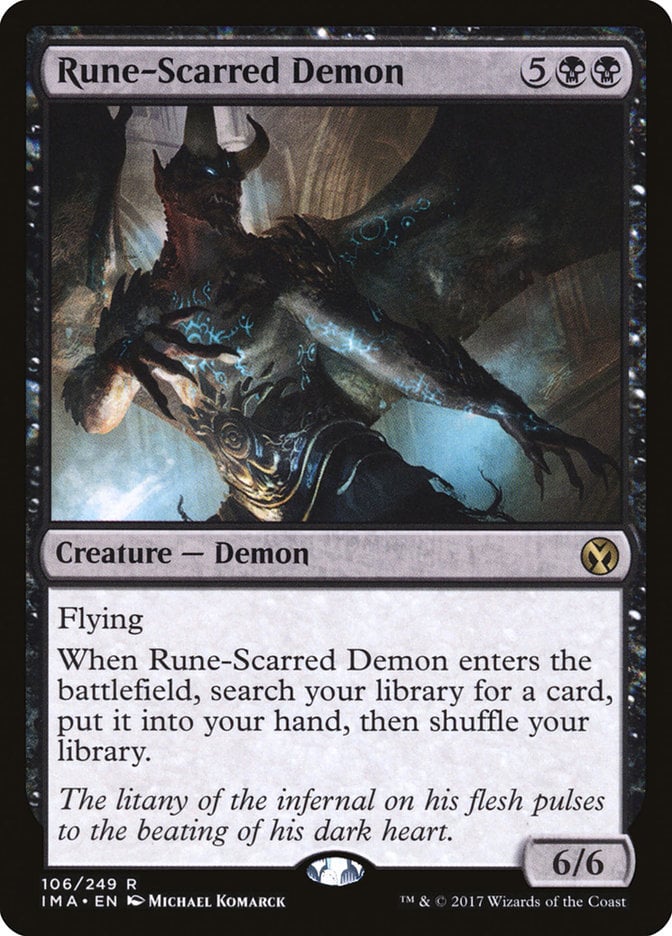


8/10: Bombs


- Ajani, Caller of the Pride
- Kiora, the Rising Tide (splashable)
- Sphinx of Forgotten Lore
- Abyssal Harvester
- Etali, Primal Storm
- Sylvan Scavenging
7/10: Semi-Bombs and Good Rares


- Celestial Armor (splashable)
- Exemplar of Light
- Skyknight Squire
- Archmage of Runes
- High Fae Trickster
- Blasphemous Edict
- High-Society Hunter
- Chandra, Flameshaper
- Kellan, Planar Trailblazer
- Krenko, Mob Boss
- Loot, Exuberant Explorer
- Mossborn Hydra
- Quilled Greatwurm
- Scavenging Ooze
- Spinner of Souls (splashable)
- Kykar, Zephyr Awakener (splashable)
- Alesha, Who Laughs at Fate
- Ashroot Animist (splashable)
- Sire of Seven Deaths
One takeaway from this list is that most of the rares in Foundations are not all that easy to splash! Almost all the best ones are double pipped or otherwise poor on the splash (i.e.: Kellan, Planar Trailblazer, Scavenging Ooze, etc.).
One way to get around this is just to be truly three colors; some of the fake pools I built had 9 Forests and an even mix of my other two colors, and I leaned on Bushwhack and Grow from the Ashes to set up double pips later on.
Bad Rares
This is mostly just for your convenience so you know what you’re hoping not to see this weekend:
- Rise of the Dark Realms
- Doubling Season (although your wallet won’t mind, since it’s one of the most expensive cards in Foundations!)
- Genesis Wave
- Thousand-Year Storm
- Raise the Past
- Progenitus
- Brass's Bounty
- Omniscience
- Painful Quandary
Foundations is a bit lower on trash rares than Duskmourn, which had a full cycle of Leylines, Dazzling Theatre // Prop Room, and a couple other stinkers for you to Manifest Dread upon opening.
Building Pools
One issue with Sealed is that it’s a notoriously difficult thing to plan for. Even if you’ve read this guide and poured over the set review, will that help you when you’re staring at rares in five different colors? Here are some tips to tie it altogether.
You can evaluate your colors on a bunch of different axes in this set, some of the most obvious being:
- Power (aka how many bombs/mythic uncommons/etc. the color has)
- Removal (how many kill spells it offers)
- Curve (which slots it can fill on your curve, with particular importance given to 2s/3s)
- Synergy (usually most relevant with gold signposts).

Choosing the right colors in Sealed is often about getting the best balance of these elements that you can. A novel gaming comparison to make here might be to use some kind of racing game (say, Mario Kart for example). Often when picking a cart/racer, you’ll have little graphs showing the strengths/weaknesses of each racer. The best characters for our purposes have the highest rating overall, which usually implies a variety of strengths.
Let’s say your white pool has 2-drops and Banishing Light but little else. You’d choose white and the “bars” for curve and removal would go up, but power would go down. If you were to pair your white pool with your black pool (which in this example has no removal, but many bombs), power would shoot up and the other bars would stay in a decent spot, since white already has that covered.
As you’re evaluating your colors, this is the kind of balancing act you should be doing (at least when it isn’t obvious which colors are best). I find that most pools usually have an obvious primary color (often based on bombs/removal), but then things tend to get more subjective. My favorite experience at prerelease is definitely when I’m handed a pool that someone said was “terrible,” only to help them build a completely different deck afterwards!
To continue this needless Mario Kart comparison, synergy means how well your cards work together. A very obvious (but good) synergy would be Dazzling Angel with Fiendish Panda, which is the kind of pairing that might put you into WB in the first place.
Seven Steps for Sealed Success!
- Open your Play boosters and sort your cards by rarity and color. Note any bombs or exceptional cards (and definitely brag to your friends if you pulled well enough).
- Set weak cards aside, then assess which of your colors are deepest. I’m mostly looking for the best commons/uncommons here, with particular importance given to efficient removal, Llanowar Elves, Helpful Hunter, or anything else that’s clearly above average.
- Start laying out builds and try to include your best cards. Your baseline should be two colors with at least seven sources for each primary color (more is better). If you’re base green with Bushwhack and Llanowar Elves, I like to have at least 8+ Forests (rather than 7+ like other colors).
- Consider colorless costs and whether splashing makes sense for your Limited pool. The best cards to splash are usually single-pipped bombs, removal spells, or sources of card advantage. Given what I said about double-pip rares, most splashes in Foundations are probably for Banishing Light, Burst Lightning, or certain uncommons like Tragic Banshee.
- Keep working on your deck, aiming for a good balance of bombs, removal, card advantage, and mana curve. If you’re worried about the clock, you can mitigate time anxieties by having a baseline done early (i.e. “I know I’m playing WB because I opened Liliana, Dreadhorde General, two Banishing Light, and two Fiendish Panda, but I have too many cards in front of me right now…).
- Settle on a final product, then battle it out. Feel free to change your deck between rounds to fix errors and/or try new things.
- Don’t forget that you can use Draftsim’s Sealed pool generator to practice the set before attending your prerelease!
Wrap Up

Celestial Armor | Illustration by Olena Richards
And with that, we’ve reached the end of this Foundations Sealed guide! I hope this helps you in your FDN Prerelease this weekend, and any future Limited play with Foundations. I’ll be back soon for a follow up guide once I’ve drafted the set.
Which archetypes are you looking forward to finding in your Sealed pool? Which ones do you hope to build, and which ones are you looking to avoid? Let me know in the comments below or over on the Draftsim Discord.
Thanks for reading, and until next time, may you always top deck whatever bomb you need to win that game!
Follow Draftsim for awesome articles and set updates:










Add Comment