

Betor, Kin to All | Illustration by Dan Mumford
I normally care little for lifegain commanders, but Betor, Ancestor's Voice piqued my interest, even as my attention wavered by the time I got to the life loss ability. The wall of text has general applications, which lets you play it however you like.
Betor just asks you to focus on creatures, with a few tools to gain and lose life. This deck fulfills those needs with an eye towards disruptive creatures and plenty of card advantage for a midrange shell that grinds your opponents to sand.
The Deck

Betor, Kin to All | Illustration by Alexander Ostrowski
Commander (1)
Creature (48)
Accursed Marauder
Archivist of Oghma
Archon of Emeria
Avacyn's Pilgrim
Aven Mindcensor
Birds of Paradise
Boggart Trawler
Boromir, Warden of the Tower
Bounty Agent
Cankerbloom
Charismatic Conqueror
Dark Confidant
Darkstar Augur
Dauthi Voidwalker
Delighted Halfling
Drannith Magistrate
Elesh Norn, Grand Cenobite
Elves of Deep Shadow
Elvish Mystic
Endurance
Esper Sentinel
Gaddock Teeg
Gix, Yawgmoth Praetor
Haywire Mite
Jacked Rabbit
Kambal, Consul of Allocation
Liesa, Forgotten Archangel
Loran of the Third Path
Lotho, Corrupt Shirriff
Lurrus of the Dream-Den
Meren of Clan Nel Toth
Mirri, Weatherlight Duelist
Ocelot Pride
Orcish Bowmasters
Plaguecrafter
Priest of Fell Rites
Recruiter of the Guard
Saffi Eriksdotter
Sakura-Tribe Elder
Selfless Savior
Selfless Spirit
Serra Ascendant
Solitude
Thalia and The Gitrog Monster
Thalia, Guardian of Thraben
Tymna the Weaver
Witch Enchanter
Zoraline, Cosmos Caller
Instant (8)
Bitter Triumph
Clever Concealment
Galadriel's Dismissal
Path to Exile
Razorgrass Ambush
Revitalizing Repast
Soul Shatter
Teferi's Protection
Sorcery (6)
Agadeem's Awakening
Bridgeworks Battle
Emeria's Call
Night's Whisper
Turntimber Symbiosis
Winds of Abandon
Enchantment (6)
Black Market Connections
Call of the Ring
Exploration
Phyrexian Reclamation
Ripples of Undeath
Sylvan Library
Land (31)
Boseiju, Who Endures
Bountiful Promenade
City of Brass
Command Tower
Eiganjo, Seat of the Empire
Field of the Dead
Flooded Strand
Forest
Godless Shrine
Horizon of Progress
Mana Confluence
Marsh Flats
Misty Rainforest
Nurturing Peatland
Overgrown Tomb
Plains x2
Polluted Delta
Prismatic Vista
Silent Clearing
Snow-Covered Plains
Snow-Covered Swamp
Swamp
Takenuma, Abandoned Mire
Temple Garden
The Black Gate
Undergrowth Stadium
Vault of Champions
Verdant Catacombs
Volrath's Stronghold
Windswept Heath
This is a hatebears deck that focuses on cheap, disruptive creatures to attack your opponents while impeding their game plan. I focus on creatures that sacrifice themselves for an effect, typically removal, so I can recur them over and over to keep blowing stuff up!
How is this deck losing life, you might ask? Through its lands! Most of these creatures cost less than 3 mana, and you can easily lose 3 life by cracking a fetch and shocking yourself or making the “bolt land” MDFCs come into play untapped! A few other life loss lands like Mana Confluence even allow you to reanimate creatures as an accessory to playing the game.
The Commander: Betor, Ancestor’s Voice

Betor, Ancestor's Voice influenced many of my card choices, including the disruptive creatures and the land base. But it serves additional roles in the deck.
It’s a critical source of damage in this small creature deck, both because it hits rather hard and because it makes smaller creatures like Ocelot Pride and Dauthi Voidwalker into substantial threats thanks to its counter distribution.
A source of recursion in the command zone helps the creature strategy since it gives you a recourse to handle board wipes beyond the protection spells in the deck, though it’s far from the only method of doing this to avoid over-reliance on the commander.
Sacrifice Creatures
These creatures sacrifice themselves for some effect or another, typically to kill a threat or protect one of your own.
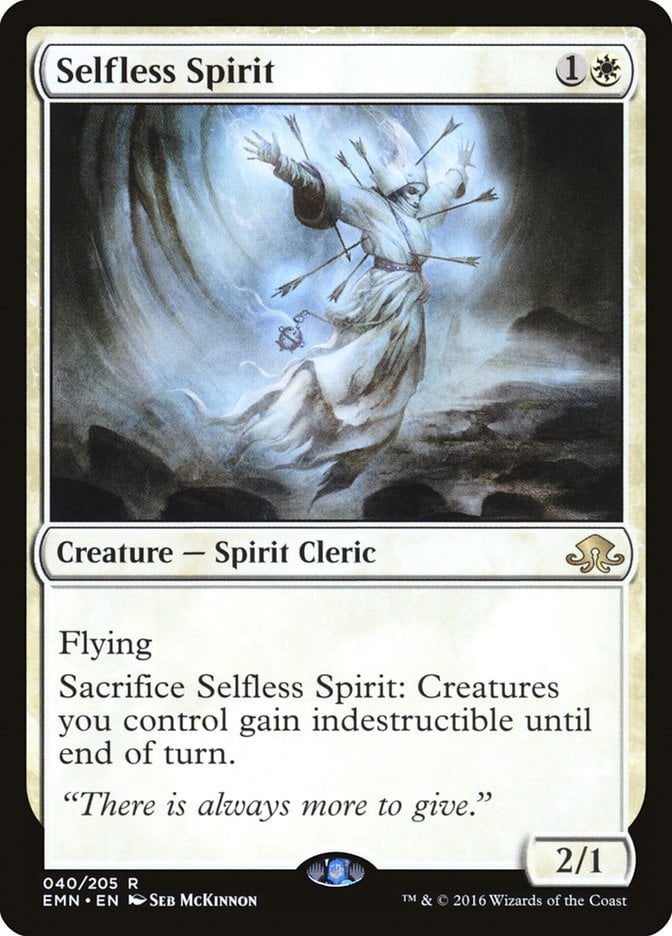
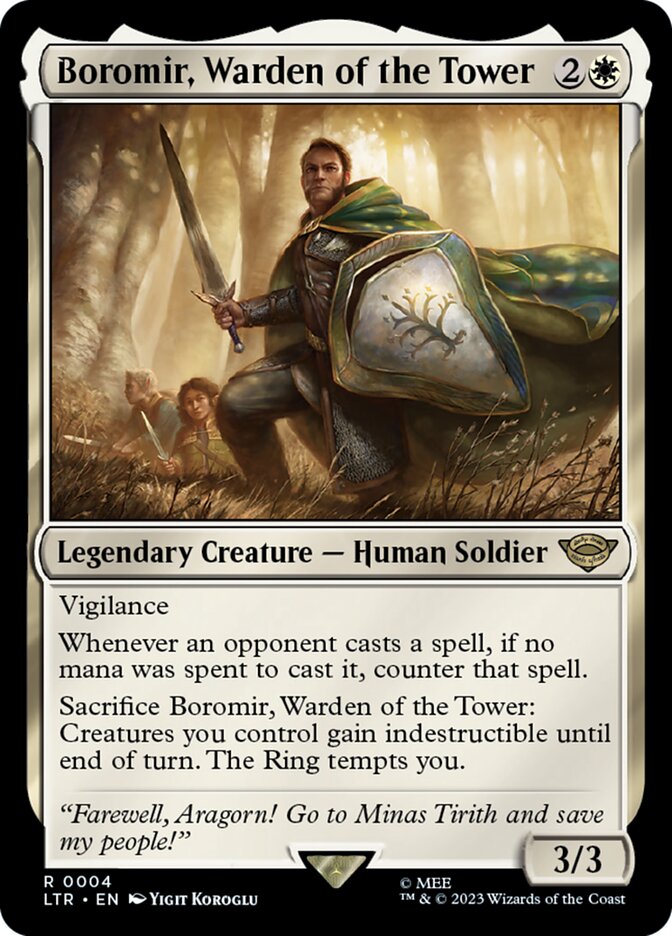
Selfless Spirit is always handy in creature-centric decks, but it does its best work in ones like this that recur them. Boromir, Warden of the Tower provides the same effect while it saves you from cards like Bolas's Citadel and Force of Will.
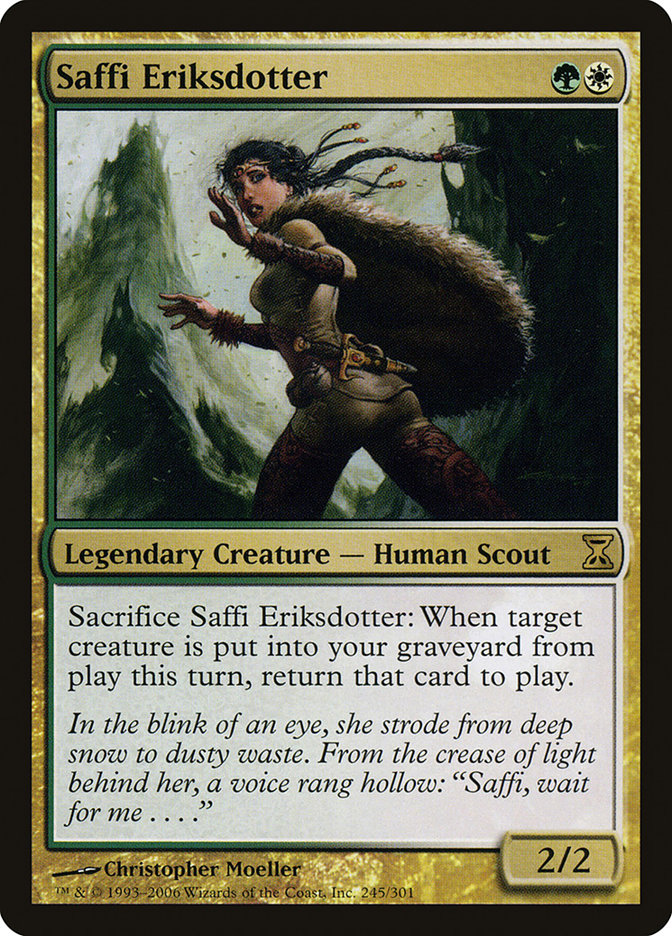
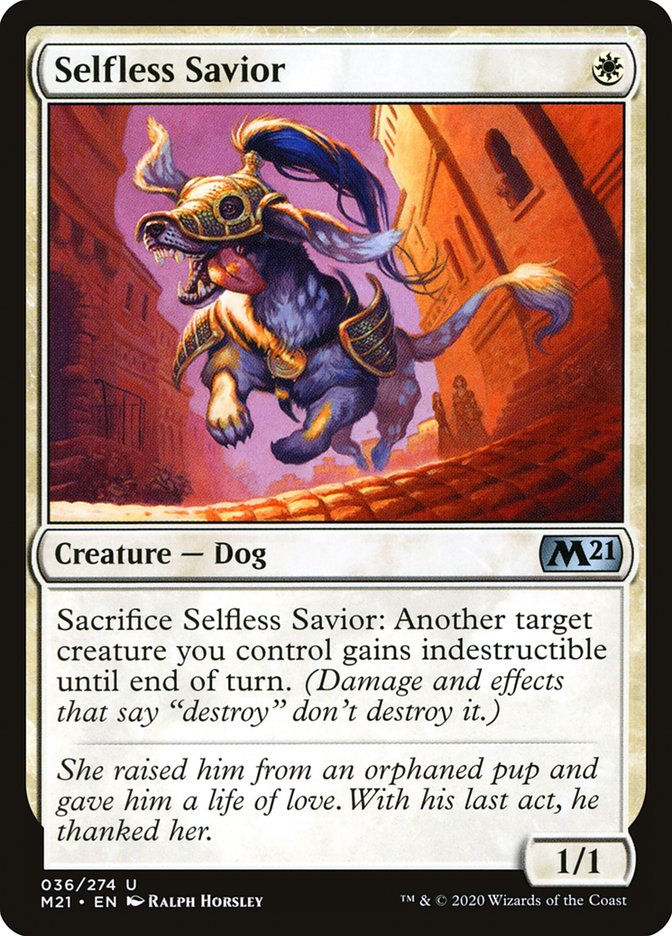
Saffi Eriksdotter and Selfless Savior provide more pin-point protection, keeping one creature safe. This is often Betor since it can reanimate the creature at the end of your turn to protect itself further.
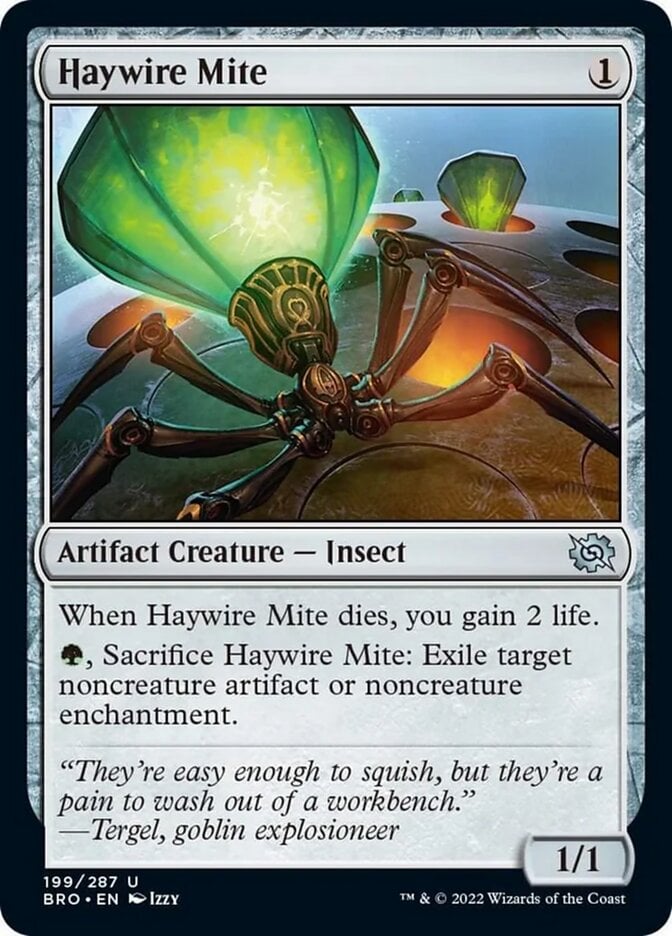
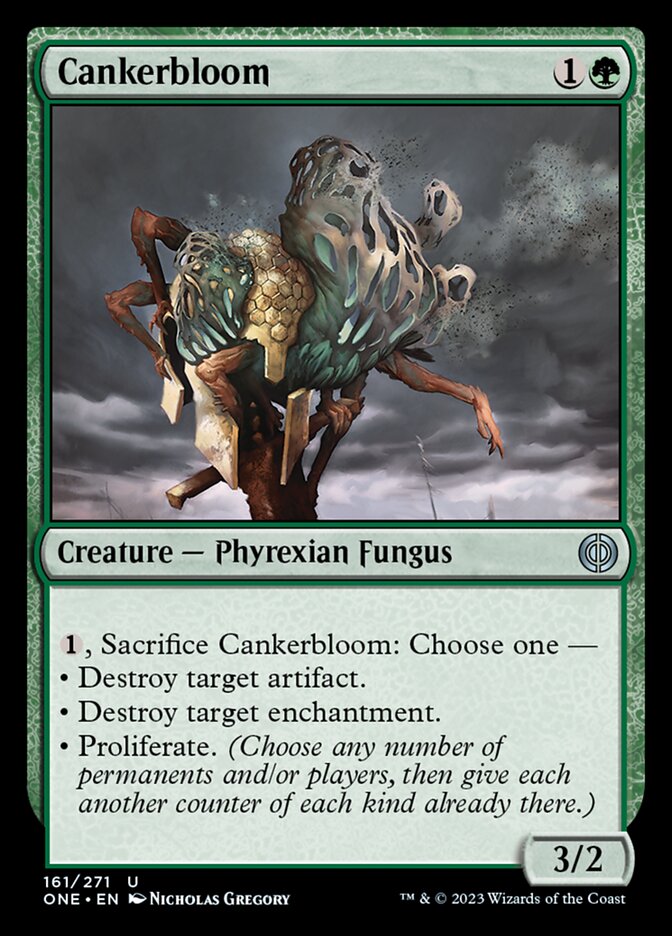
Haywire Mite and Cankerbloom handle artifacts and enchantments; the lifegain and proliferate incidentally work well with Betor’s counter ability.

Bounty Agent is a bit of a pet card. Any given game of Commander delivers three viable targets (though it doesn’t hit planeswalkers for some convoluted reason), but that number only grows as Wizards floods the format with utility legends.
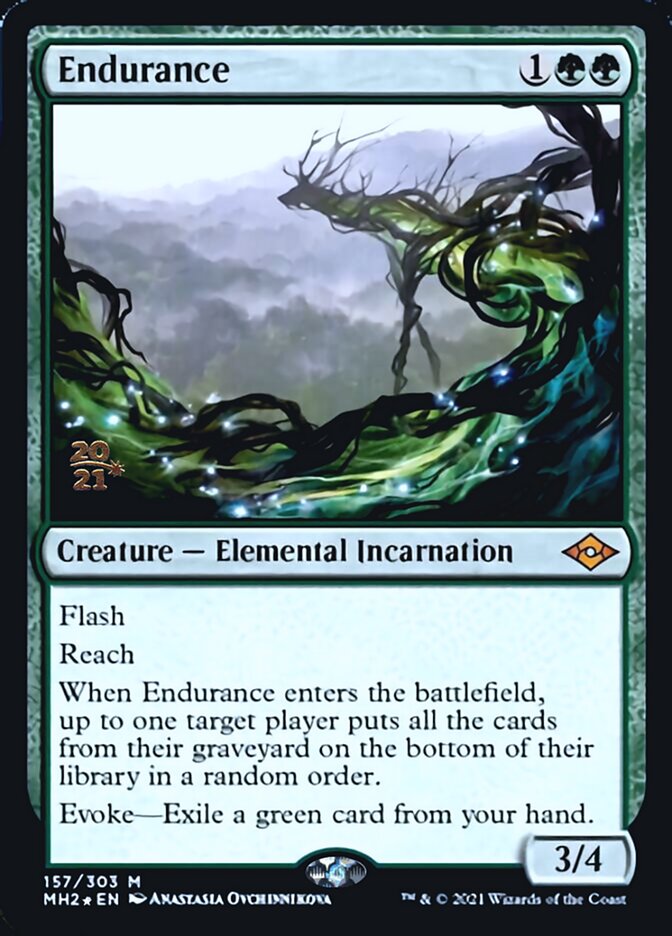
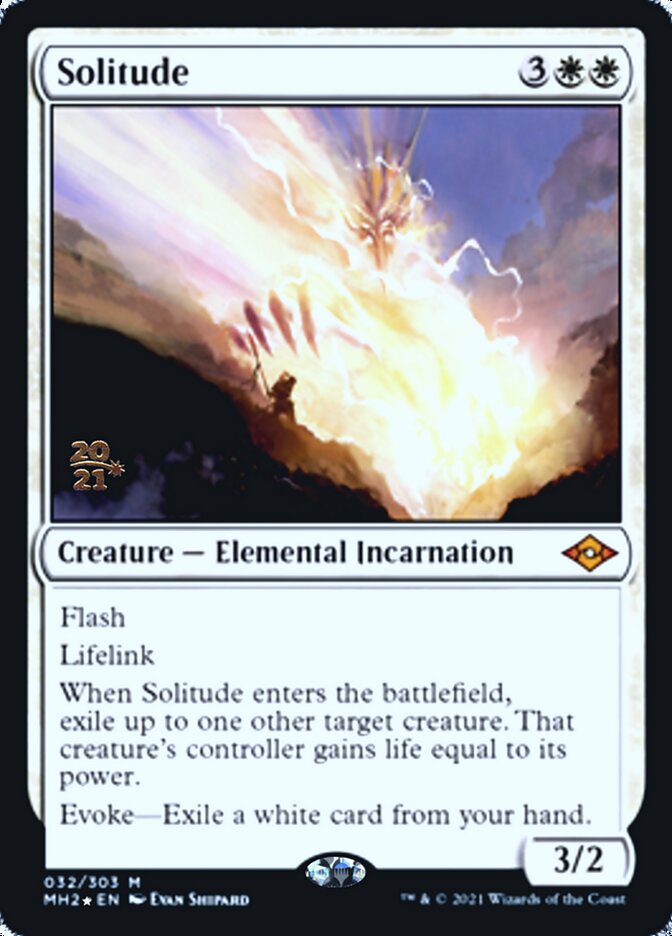
Endurance and Solitude require evoking to get themselves in the graveyard, but even without evoke they’re great two-for-ones that can trade off in combat to recur later.
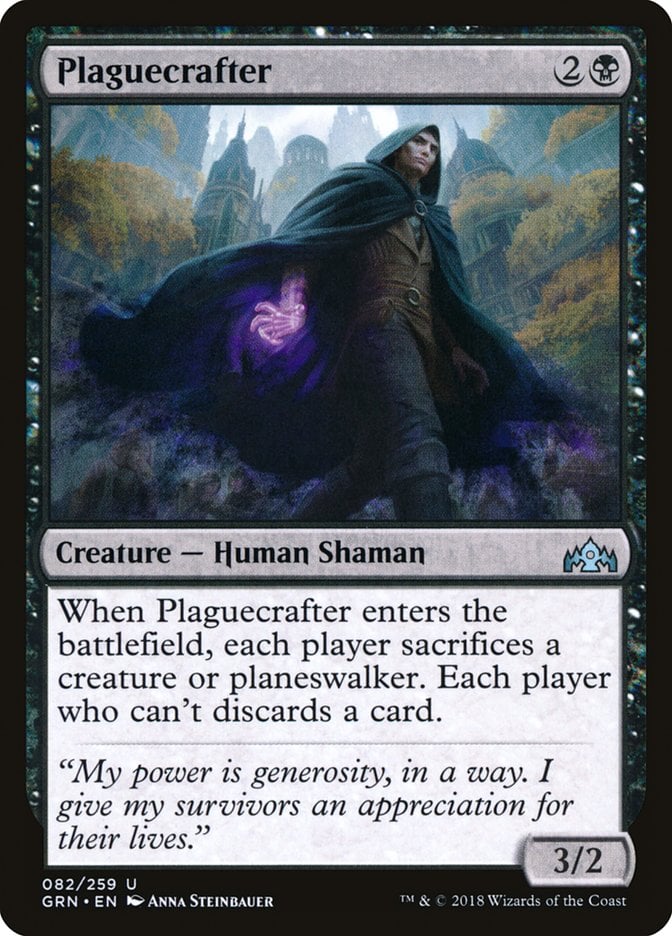

Plaguecrafter is one of the game’s best edict creatures since it hits planeswalkers and forces discard even if your opponents don’t have a creature to sacrifice. Accursed Marauder has less range, but the cheap mana cost and nontoken clause make it high-class in its own right. Recurring these gradually grinds your opponents out of resources.
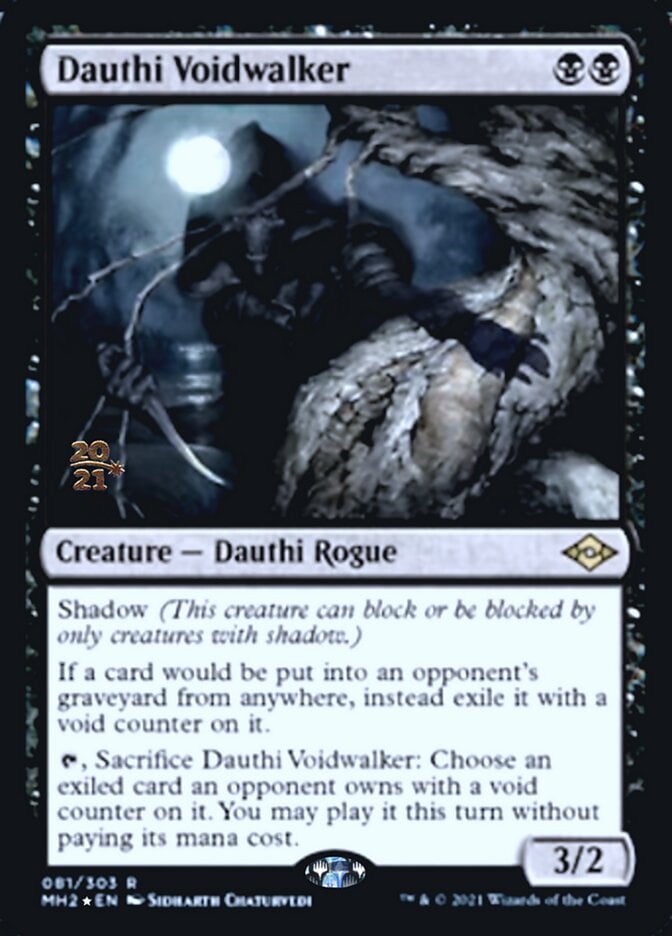
Dauthi Voidwalker is among the most messed up cards in the game, full stop. Cheap graveyard hate that eventually nets a free card would be powerful, even if this deck couldn’t do it over and over.
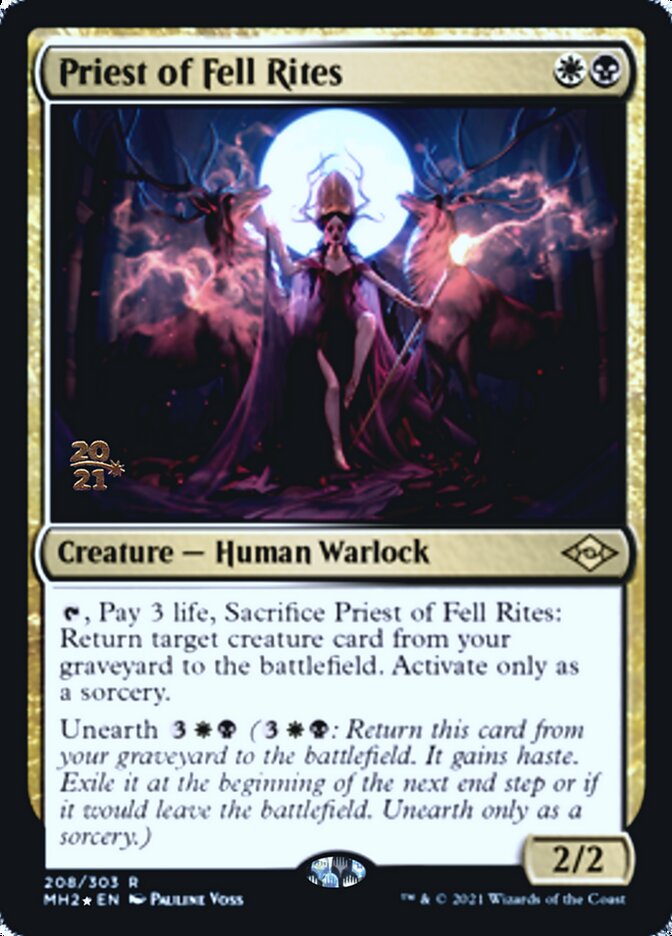
Priest of Fell Rites is an awesome card with this commander; you can crack the Priest to reanimate a creature, then reanimate the Priest or a second one with Betor’s trigger.
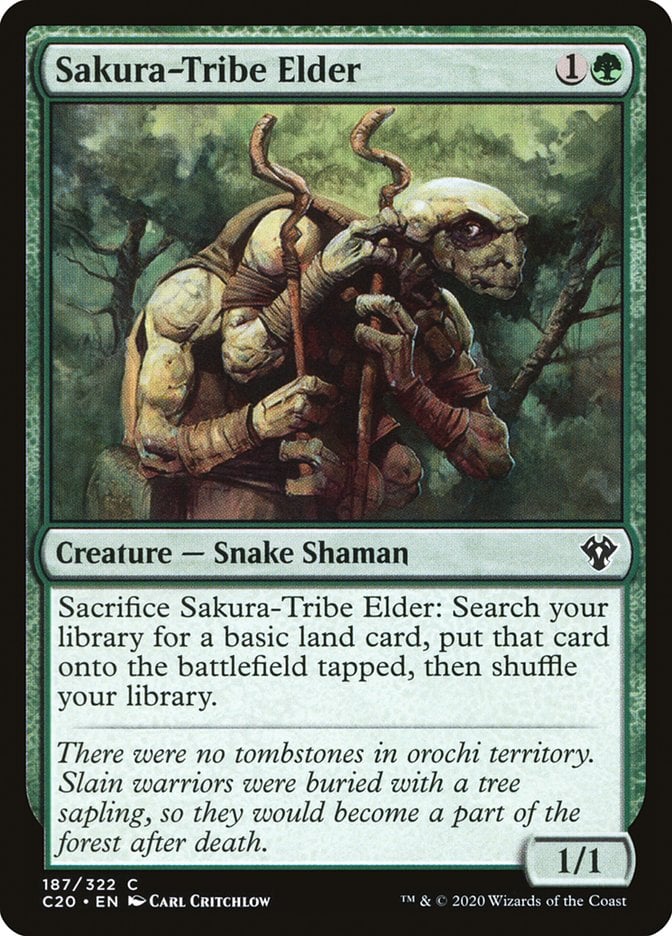
Sakura-Tribe Elder doesn’t disrupt your opponents, but it’s a source of ramp with the same upside as these cards.
Disruptive Creatures
These creatures don’t sacrifice themselves or anything, but they have a variety of powerful disruptive effects to impede your opponents while you peck away at their life totals.
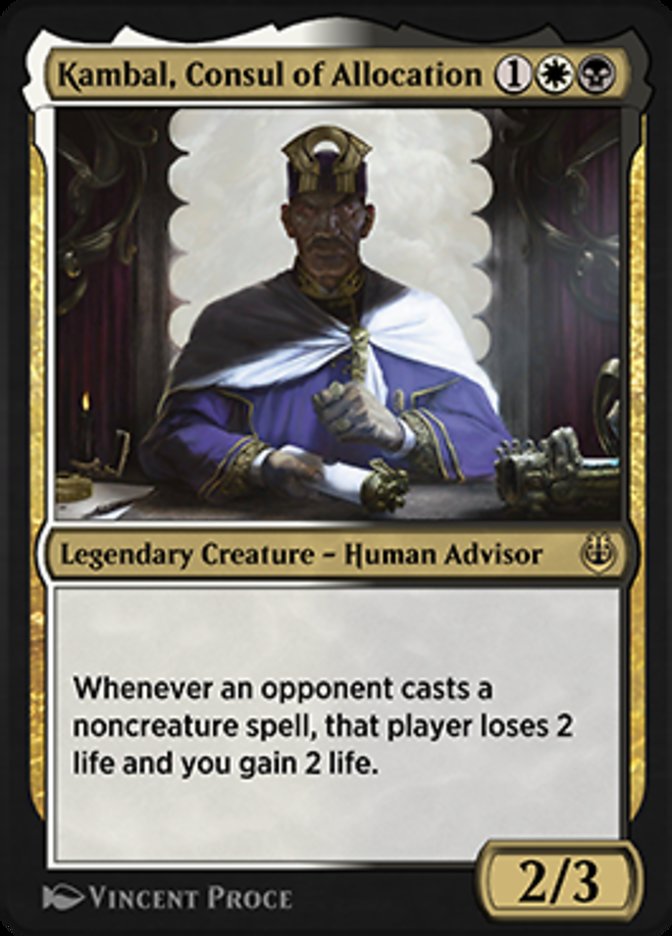
Kambal, Consul of Allocation would make the deck even if it didn’t interact with the commander. It’s a sneaky threat that nobody at the table takes seriously until it’s smacked them for 6 or more.
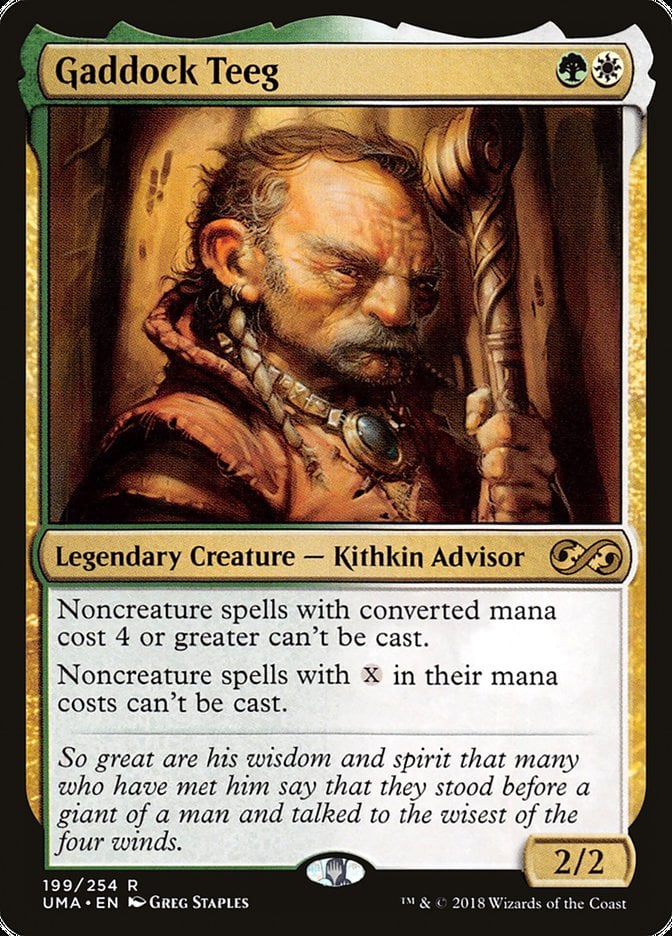
Gaddock Teeg shuts down anybody trying to throw around big noncreature spells. Some decks are ground to a halt by this, while you remain largely untouched.
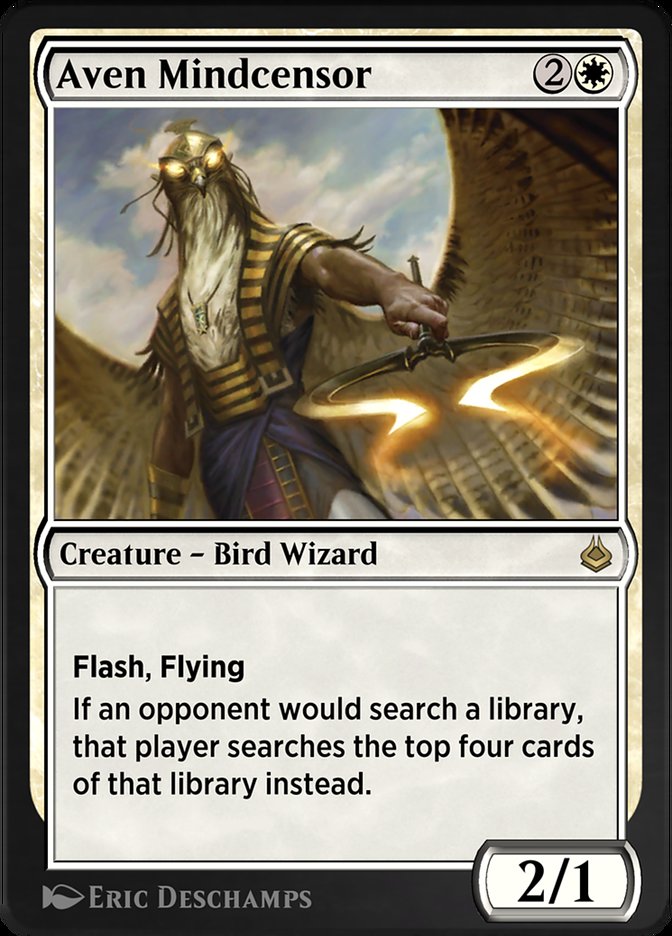
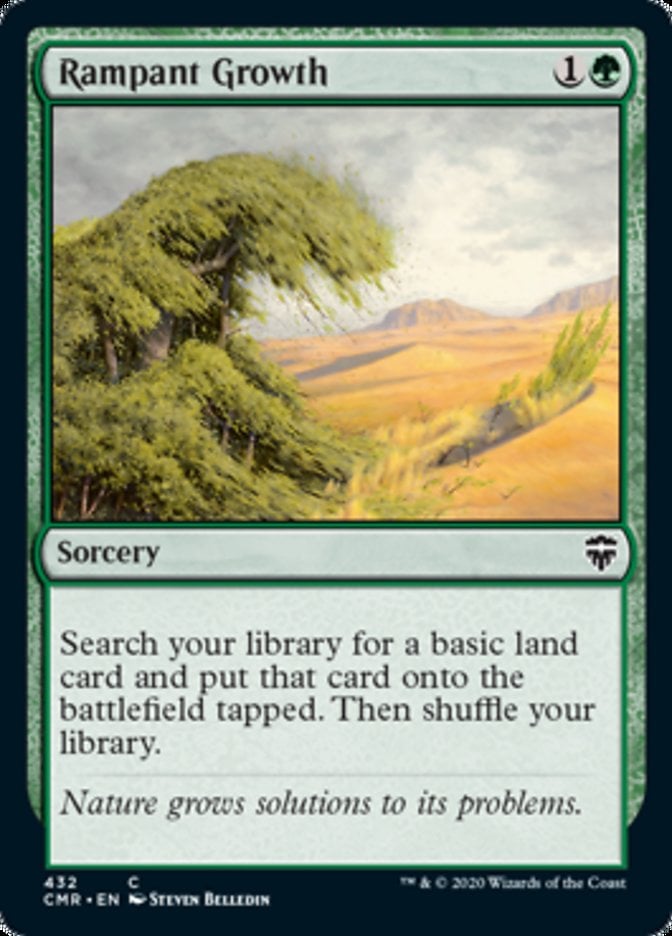
Aven Mindcensor stops those filthy tutor players! Tutoring’s actually pretty cool, but it’s good to have a response to it. This occasionally stops the green players in their tracks as they stare at a handful of Rampant Growths that do nothing.
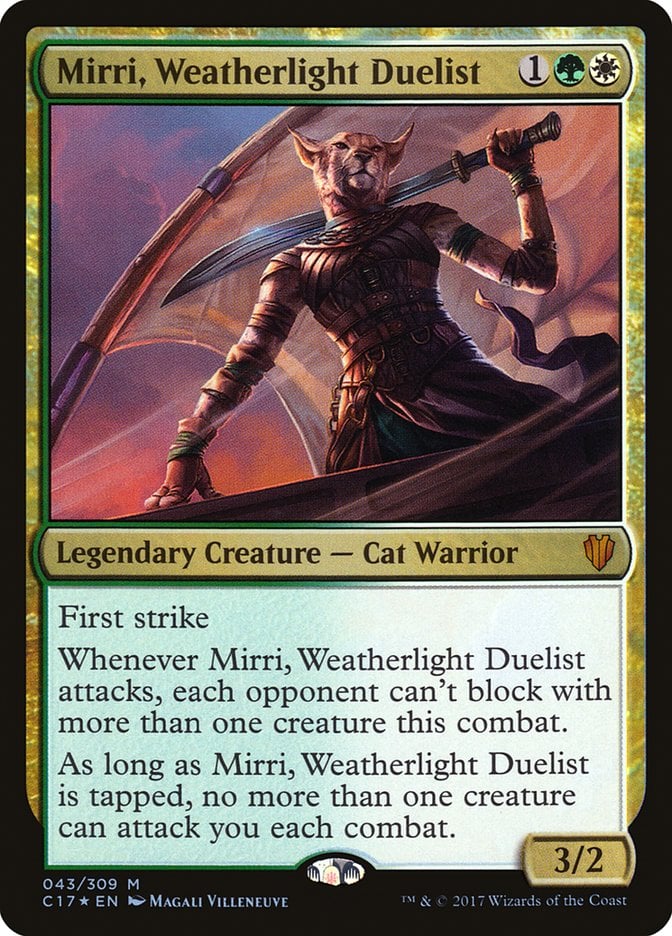
Mirri, Weatherlight Duelist is a powerful tool that aids you offensively and defensively. Reducing your opponents’ viable blockers to a single creature opens lots of attacks while a tapped Mirri stops you from taking too much damage in return.
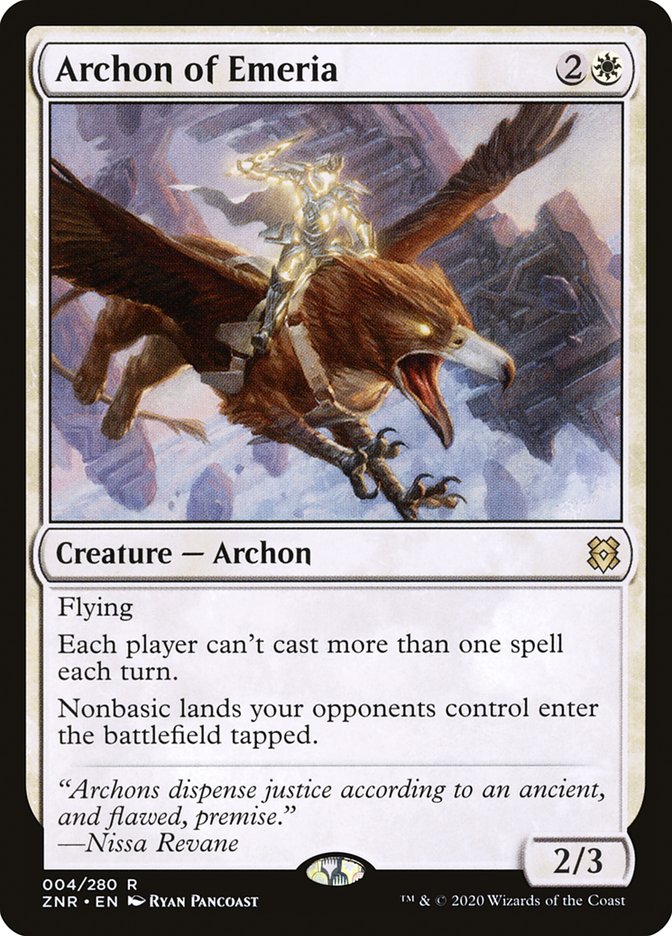
Archon of Emeria similarly messes with opposing blockers while slowing the game to a snail’s pace. That gives you plenty of time to chip away at opposing life totals.
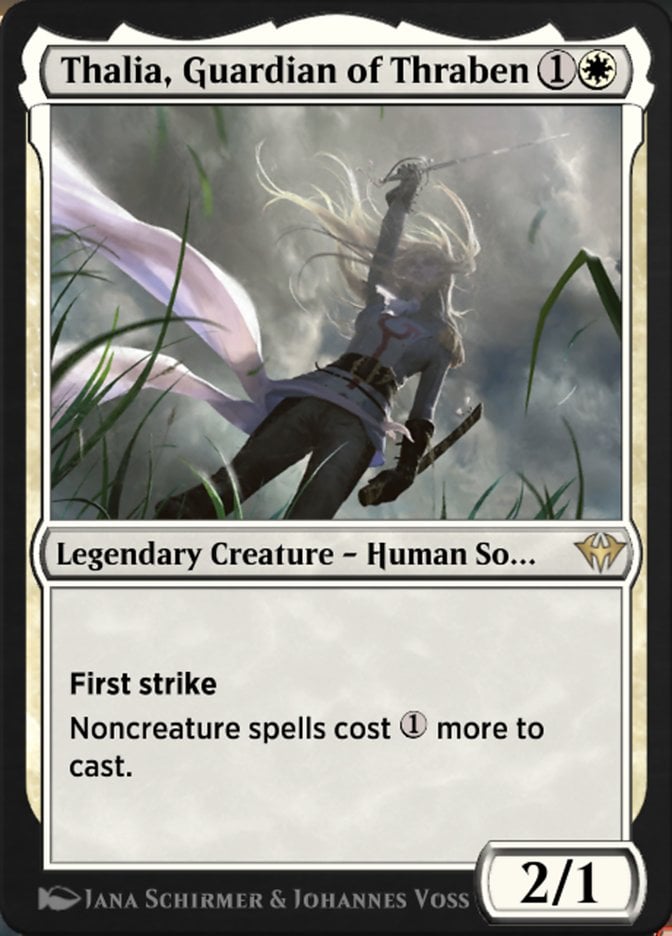
Thalia, Guardian of Thraben works best when it lands early. It’s amazing how much this tax messes up players who rely on 2- and 3-mana ramp spells to get off the ground.
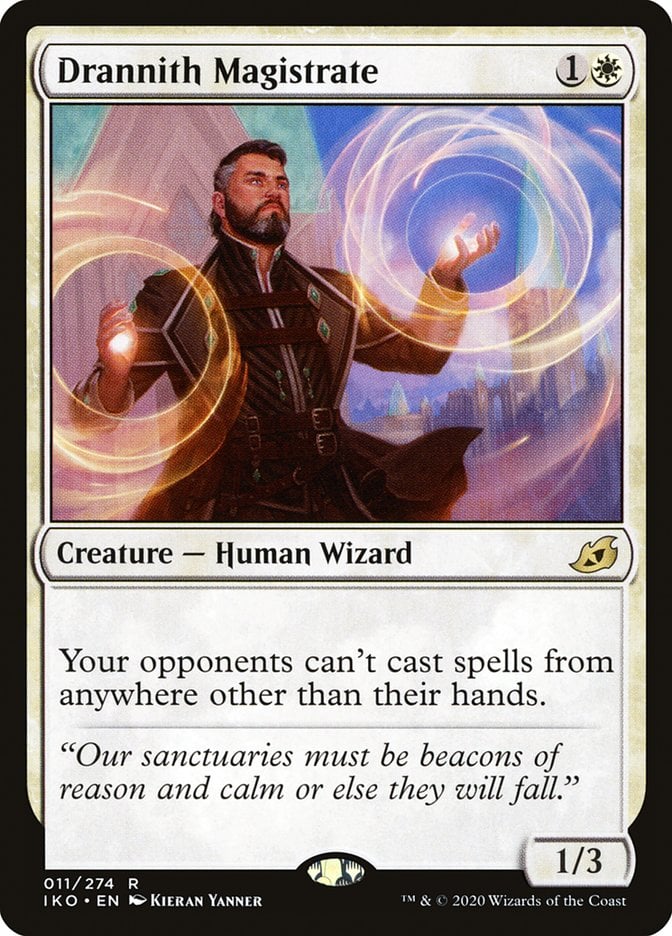
Drannith Magistrate impedes opposing commanders and has a magnificent impact on strategies relying on impulse draws and cascade. It slows down plenty of strategies as they scrabble around for a removal spell to handle it.
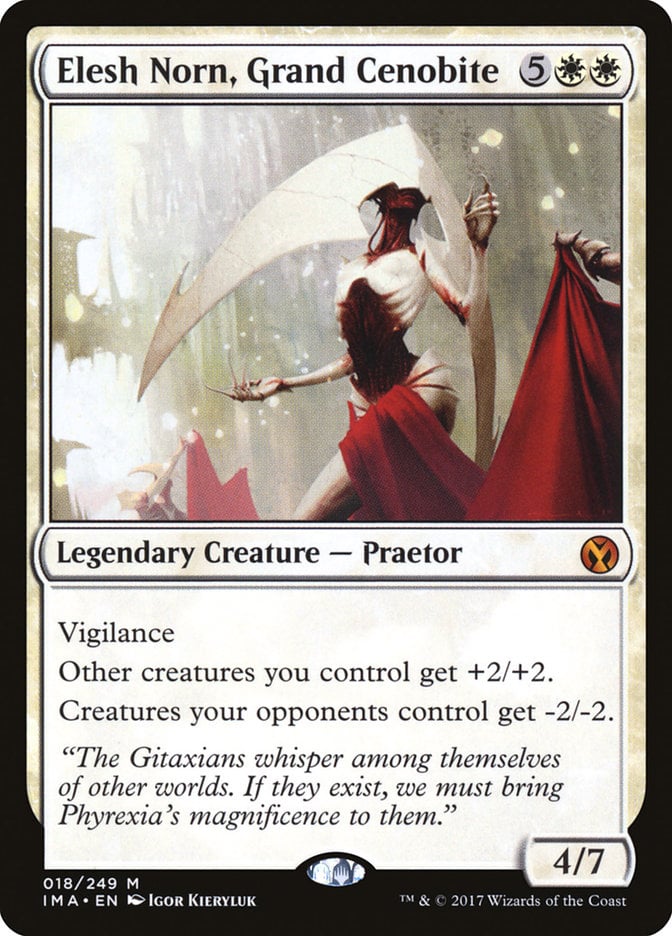
Elesh Norn, Grand Cenobite is arguably more of a finisher than a simple disruptive piece, but it punishes anybody who attempts to leverage small creatures while cleaning up the game within a couple of turns.
Card Draw
Card draw is critical to any Commander deck, especially those that want to heap pressure upon their opponents; having a good two or three turns then ripping some lands is always disappointing for the aggro deck.
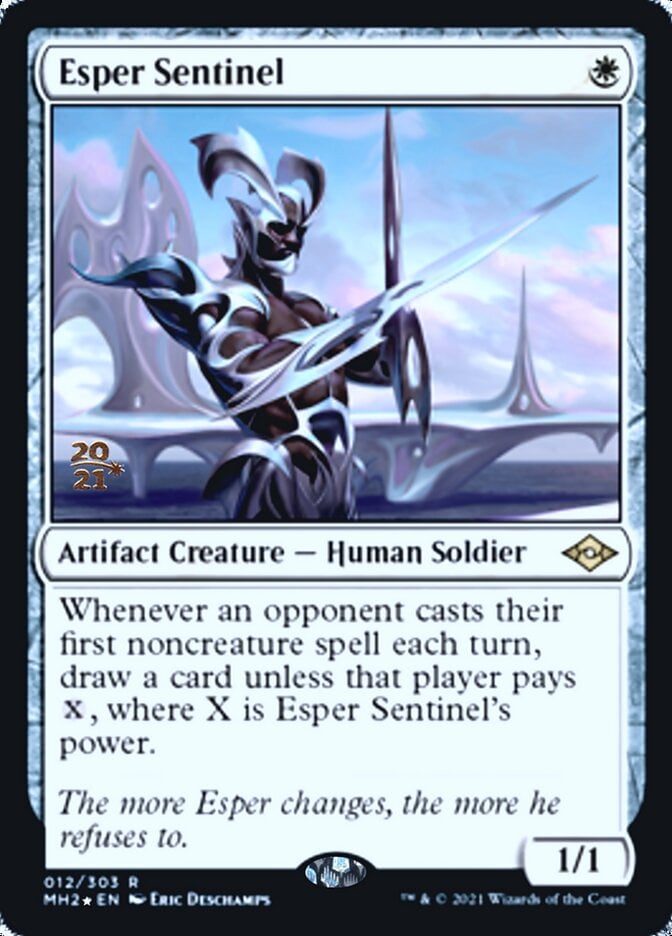
Esper Sentinel is among the best-in-class options for card draw in Commander, and it gets even better with a commander that boosts its power.
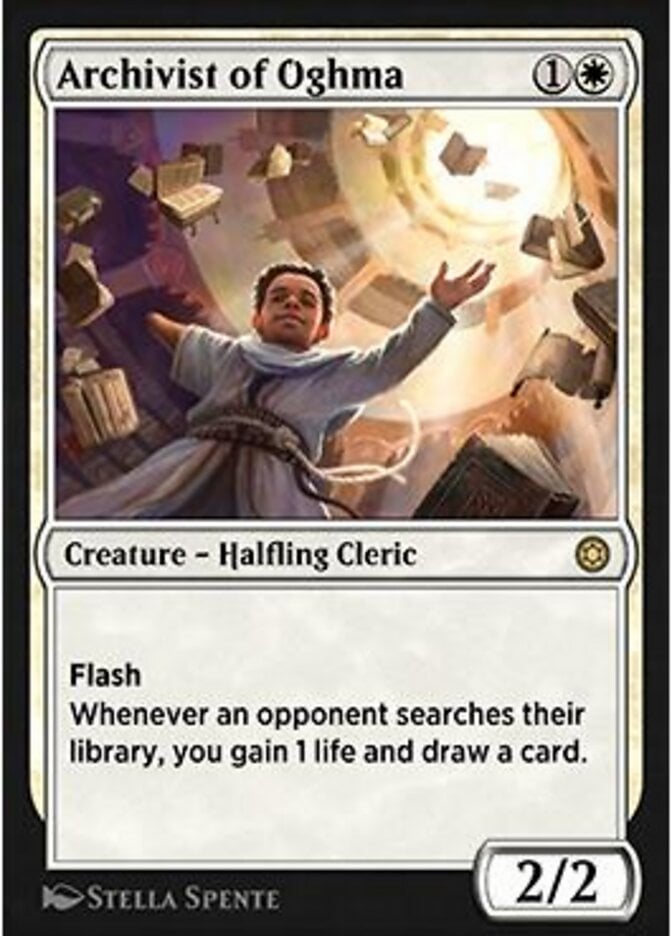
Archivist of Oghma lets you profit from your opponents playing the game. It triggers off tutors, fetch lands, Rampant Growths, and so many other effects! It’s passive card advantage at its finest.
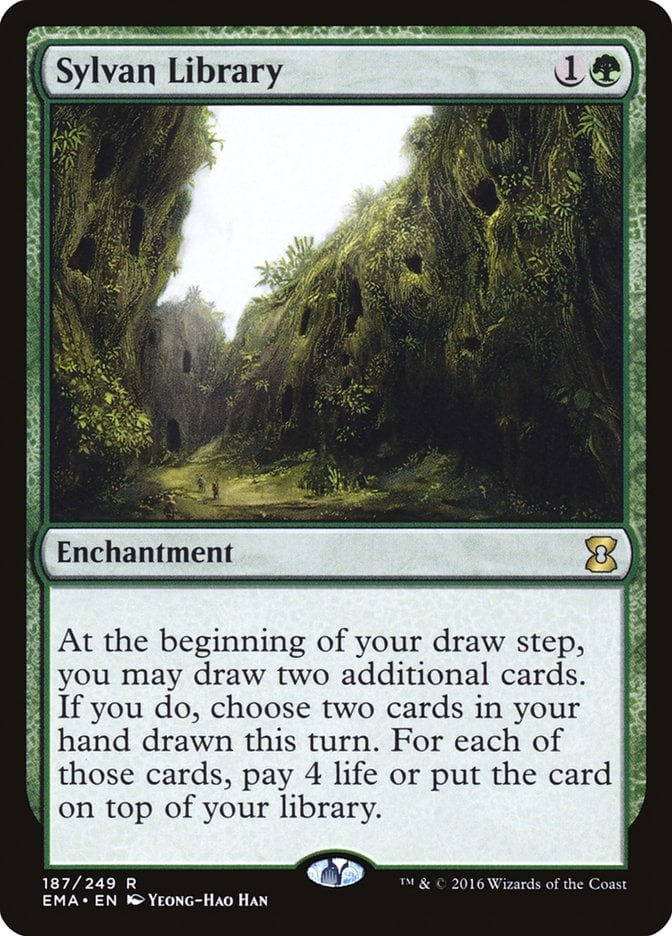
Sylvan Library can be rather slow, but it’s cheap, it gives you lots of control over the top of your deck, and it loses life for Betor.
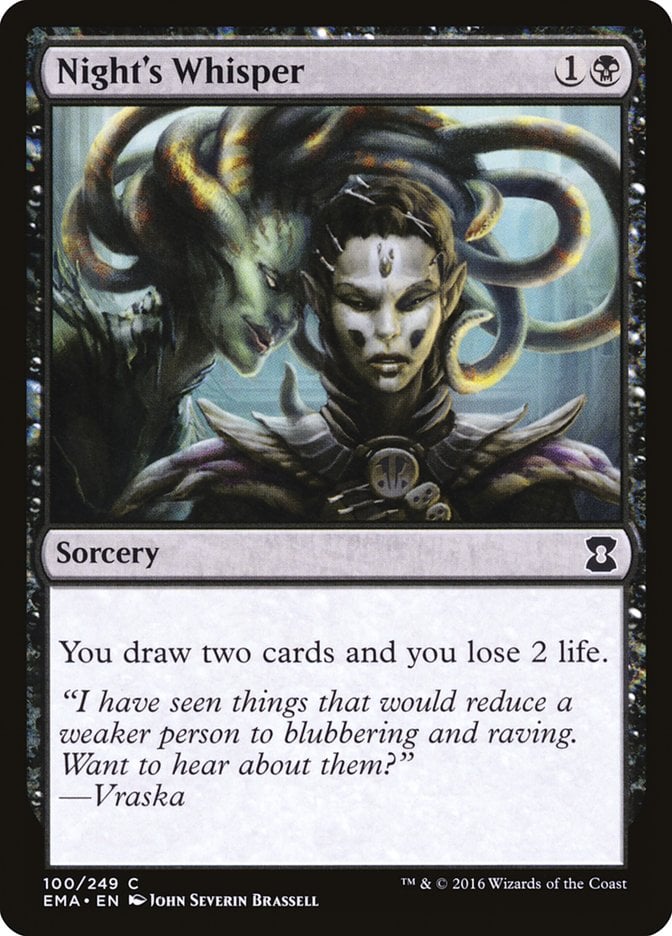
Black card draw and life loss go hand in hand, so that’s the source of much of your card advantage. You haven’t lived until you’ve cast Night's Whisper to put Dauthi Voidwalker back in play.

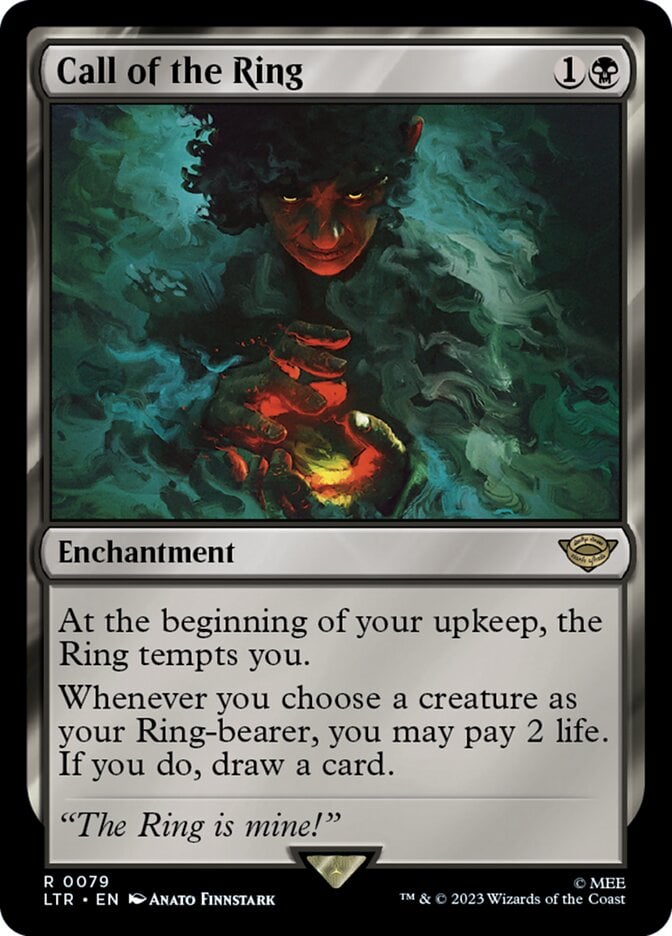
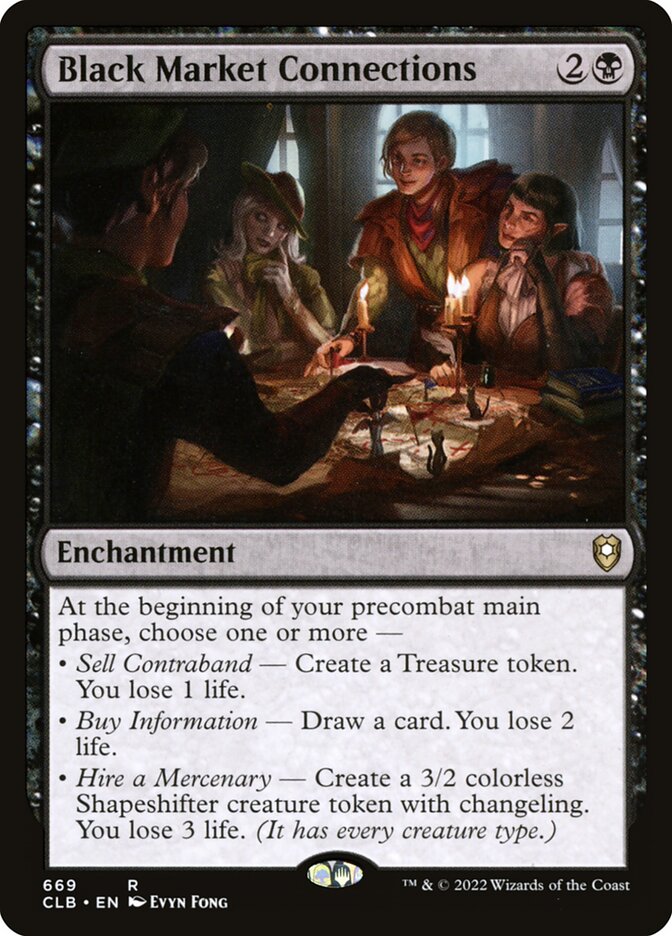
I didn’t add Phyrexian Arena because I think it’s been outclassed by a couple cards. In this deck, I have Ripples of Undeath, Call of the Ring, and Black Market Connections as alternative draw engines.
Ripples of Undeath costs enough life that you can reanimate basically anything, and it even puts creatures in the ‘yard for you.
Call of the Ring provides a touch of evasion and pressure to go with this deck’s small creatures, but the real value lies within the loot from The Ring that filters your hand and stocks the graveyard.
Black Market Connections is the best of these, in general and in this deck. Paying the full 6 life allows you to reanimate any creature in the deck but Elesh Norn. The combination of ramp and card advantage is alluring, and the occasional Shapeshifter token gives you a body. They’re particularly useful post-wrath since this often lives and helps you to rebuild.
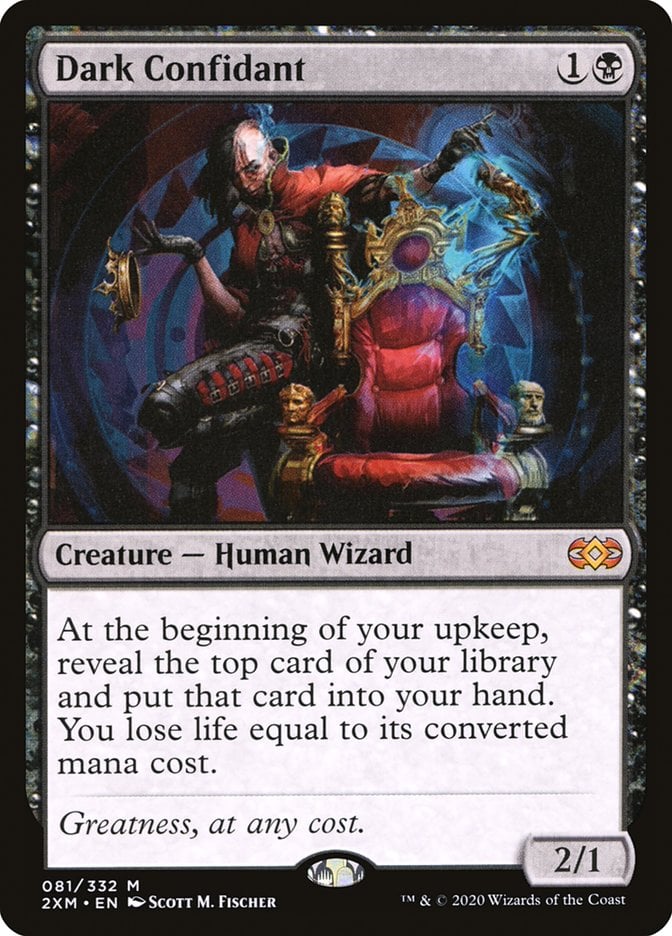

Dark Confidant and Darkstar Augur are admittedly risky with this deck’s more expensive MDFCs… but what’s life without a little risk? Smacking yourself for 7 or 8 often ends up as a funny story anyway, at least in Commander.
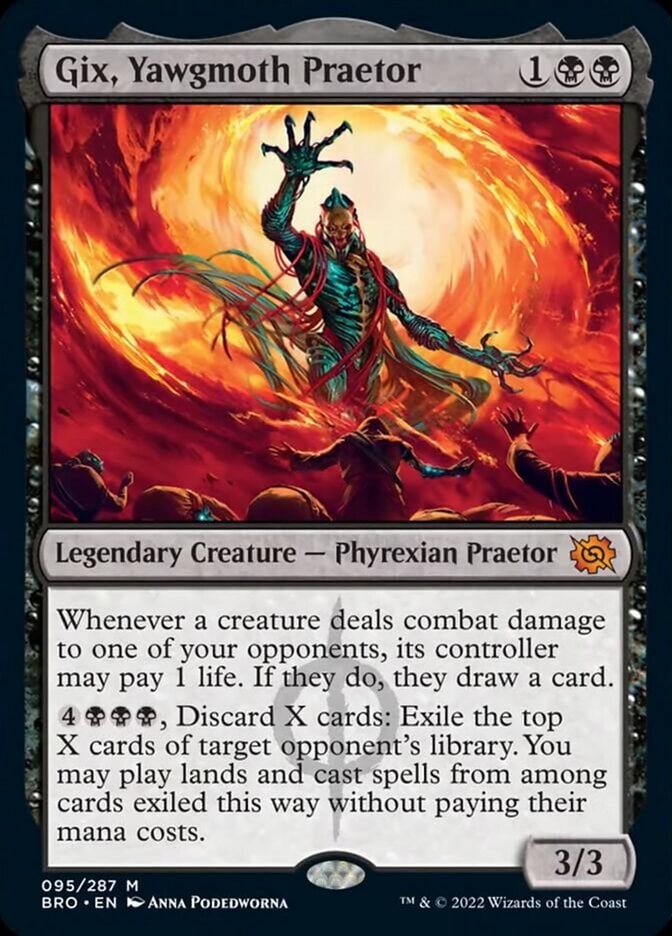
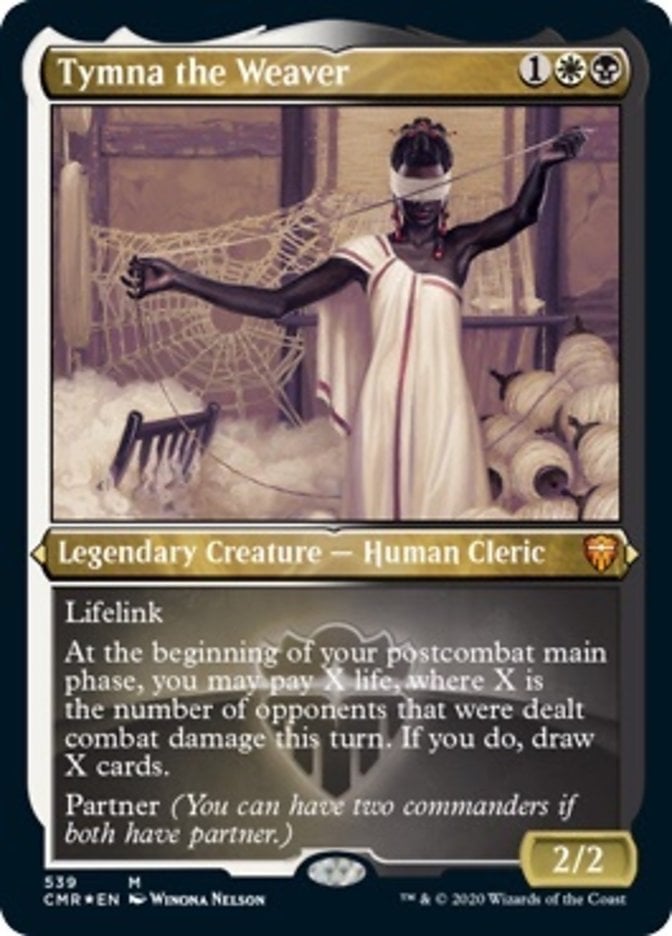
Gix, Yawgmoth Praetor lets your aggressive game plan draw some cards, with the added benefit that the prospect of additional cards redirects some amount of aggression away from yourself. Tymna the Weaver provides a similarly impactful card draw engine.
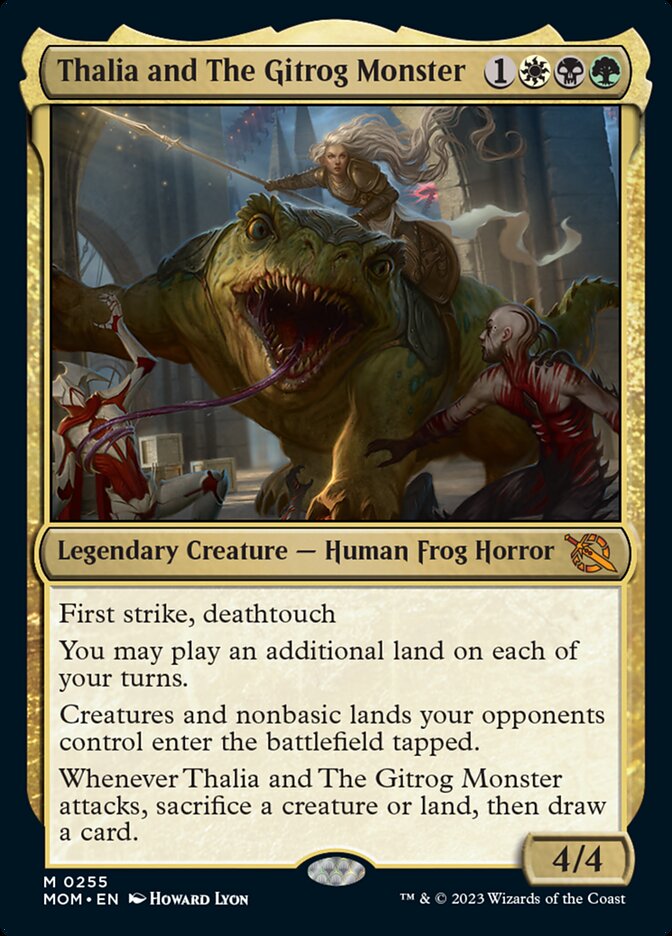
Thalia and The Gitrog Monster does many little things. It disrupts your opponents and draws some cards, with the sacrifice ability helping rebuy enters abilities; it also ramps you and hits pretty hard. Many small effects build into one formidable card.
Recursion
These cards are effectively backups of Betor that make use of all your sacrificial creatures out of the 99; these largely serve to prevent you from becoming overly reliant on your commander.
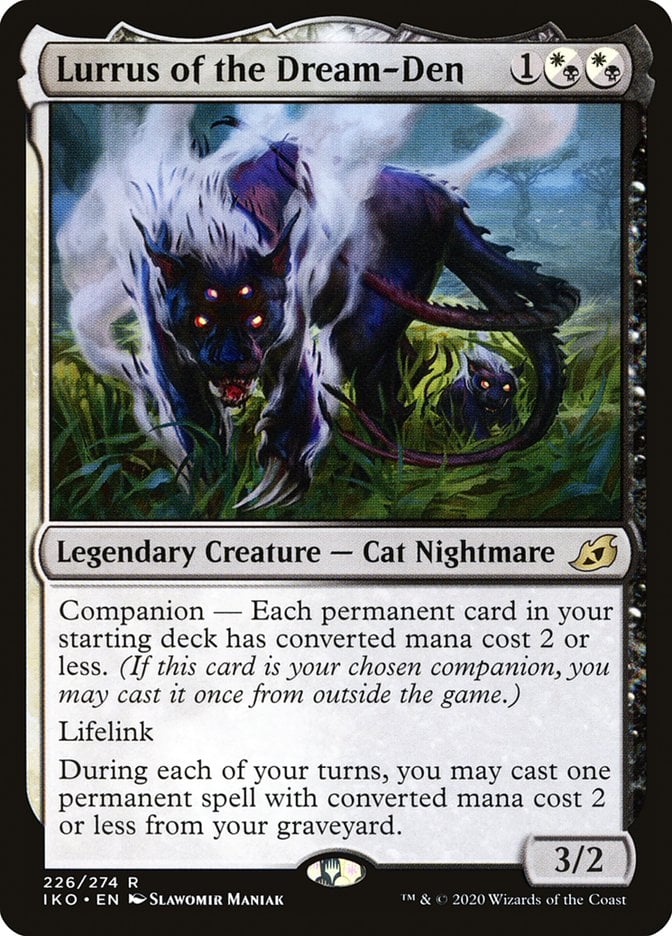
Lurrus of the Dream-Den has warped many formats around it. It’s not quite that meaningful here, but it gets most of your sacrificial creatures back and poses an annoying threat to your opponents.
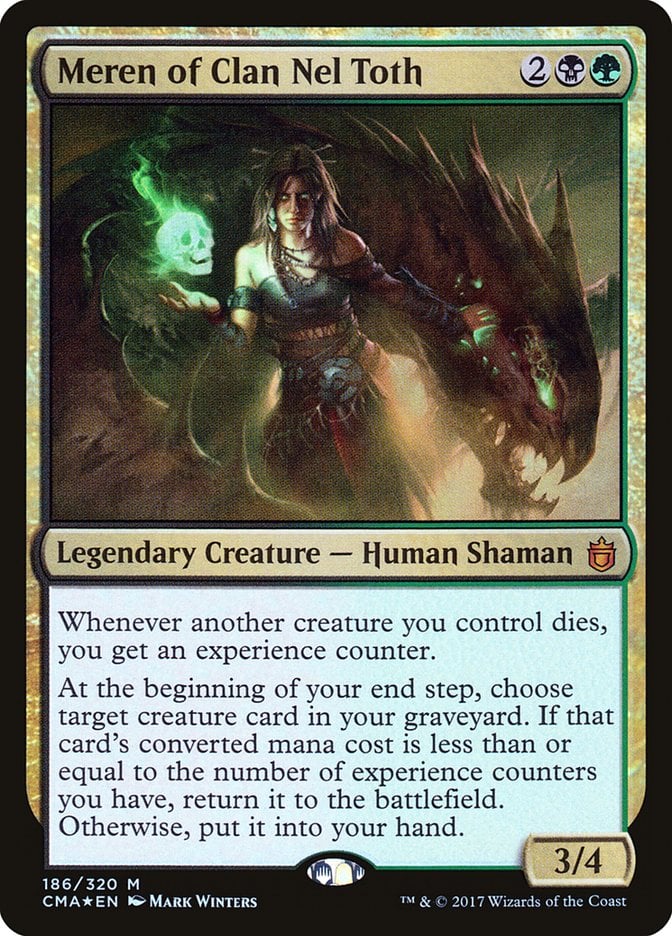
Meren of Clan Nel Toth thrives in a deck filled with creatures like Sakura-Tribe Elder and Accursed Marauder—you can think of it as a backup commander that pulls as much weight as Betor.
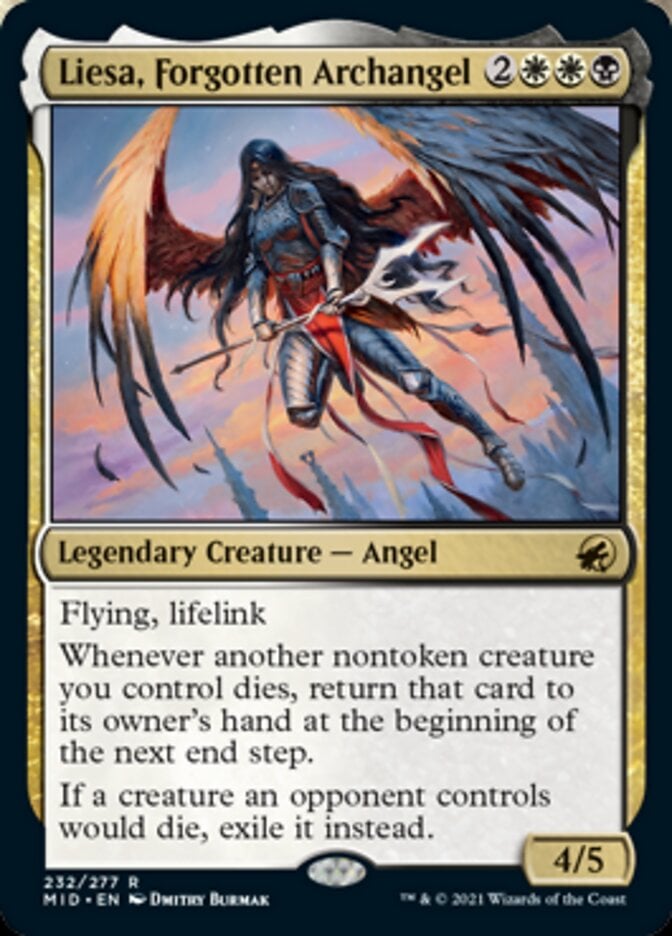
Another legend that does a fair Betor impression is Liesa, Forgotten Archangel; in addition to getting creatures back and hitting hard, it sneaks a little graveyard hate into the 99.

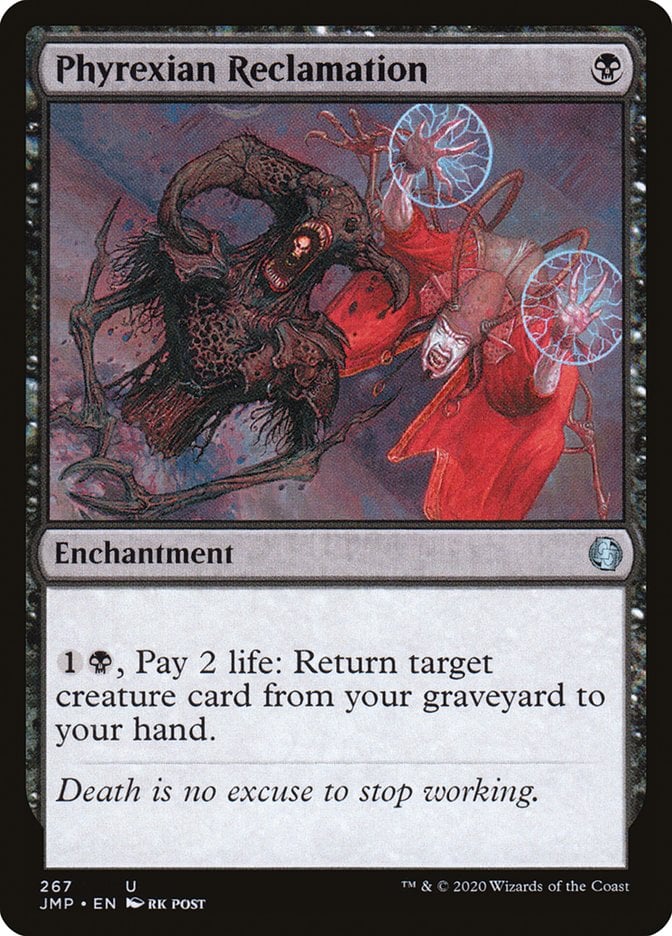
Zoraline, Cosmos Caller and Phyrexian Reclamation are potentially the best of these effects because they work with Betor in addition to replacing it; these recursive abilities cost life, so each use effectively gets two creatures.
Removal and Protection
While this deck plays plenty of creatures, you still have some noncreature spells because they’re simply incredibly strong. These are removal spells and protection pieces that are powerful enough for one reason or another to run instead of creatures.
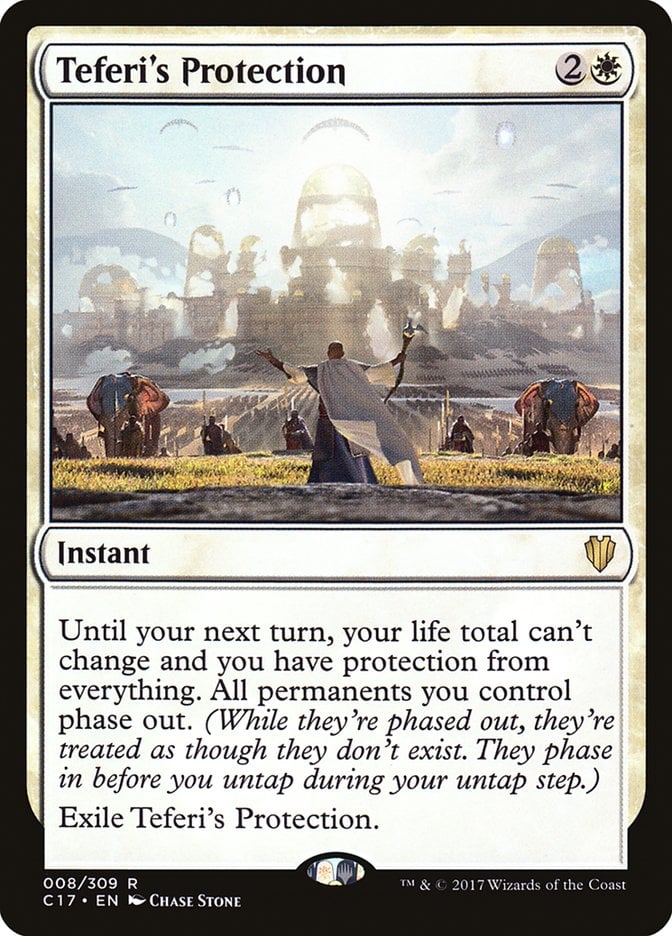
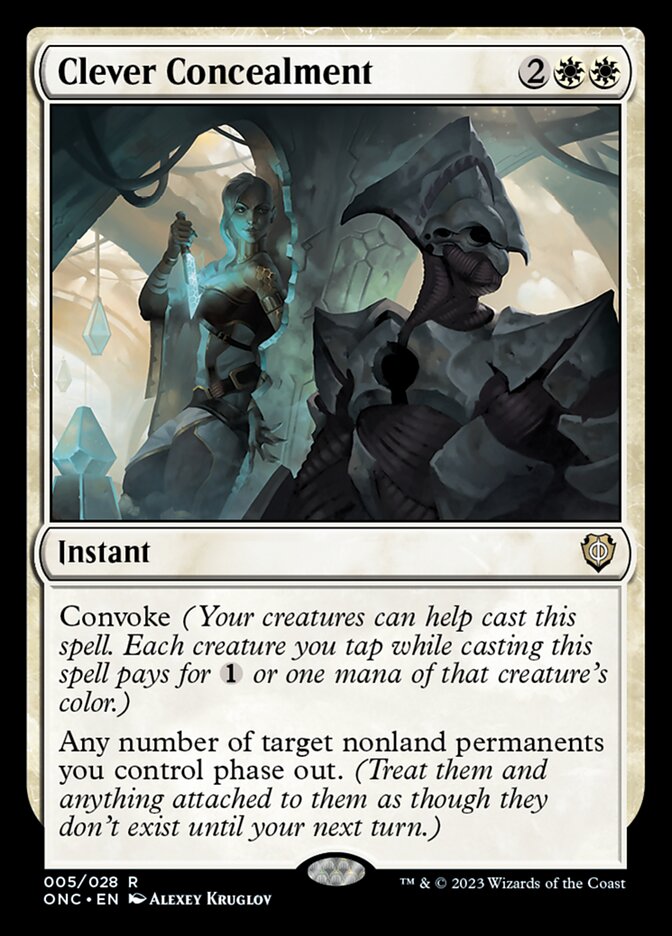

A creature-filled deck should fear the many, many board wipes that run around Commander, or at least respect them. To that end, Teferi's Protection, Clever Concealment, and Galadriel's Dismissal provide blanket protection from everything up to Farewell thanks to phasing.
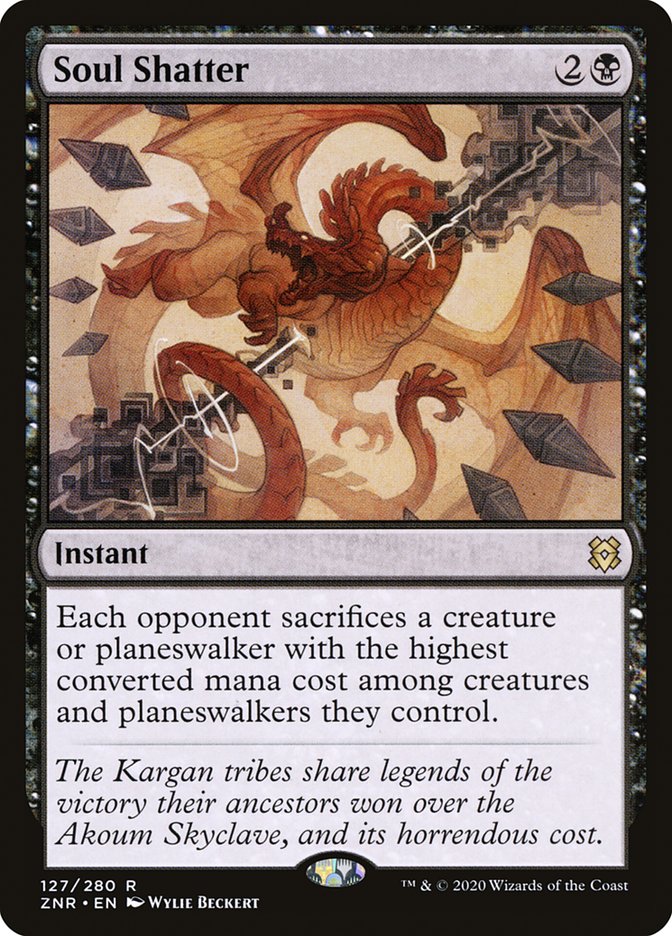
Soul Shatter has greatly risen in my estimation as a removal spell in EDH. It often kills the most pressing threat in play plus another two. And even when the most expensive creatures aren’t the exact threats you want to kill, they’re usually pressing enough to be worth killing.
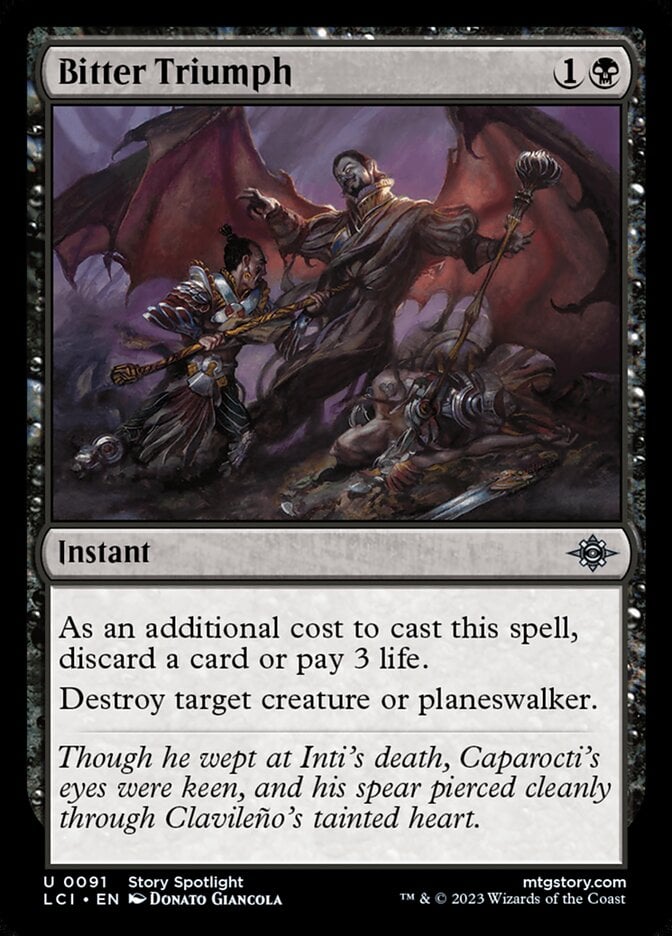
Bitter Triumph is a fine, versatile removal spell that puts something in the graveyard for Betor to reanimate.


Bridgeworks Battle, Razorgrass Ambush, and Witch Enchanter are all solid removal spells that become invaluable with the utility this deck squeezes from the lands.
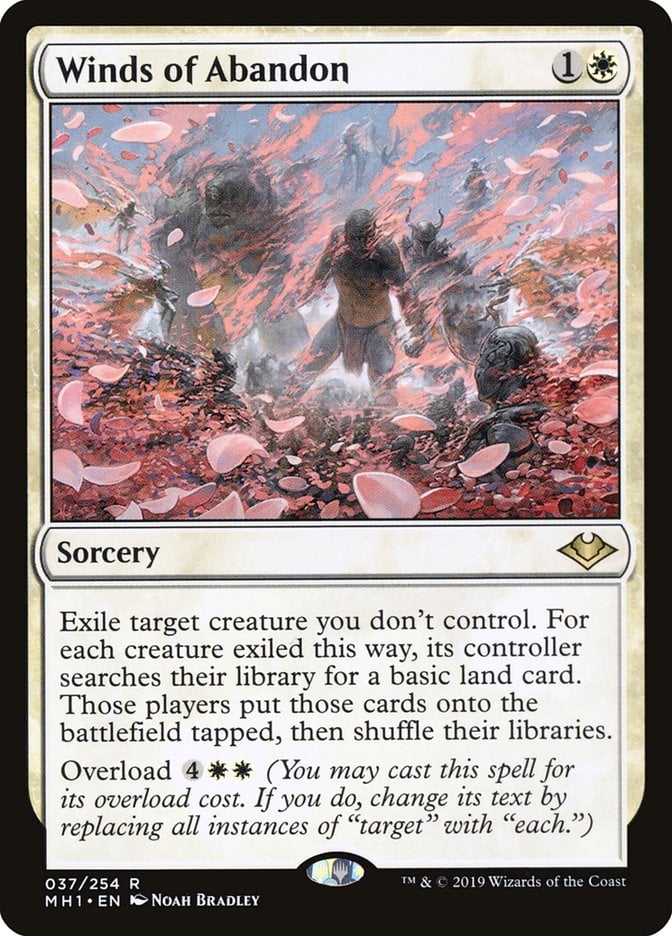
Winds of Abandon flexes between spot removal and a Plague Wind; while the burst of mana can be hard to deal with, the right timing kills your opponents before they use it.
The Mana Base
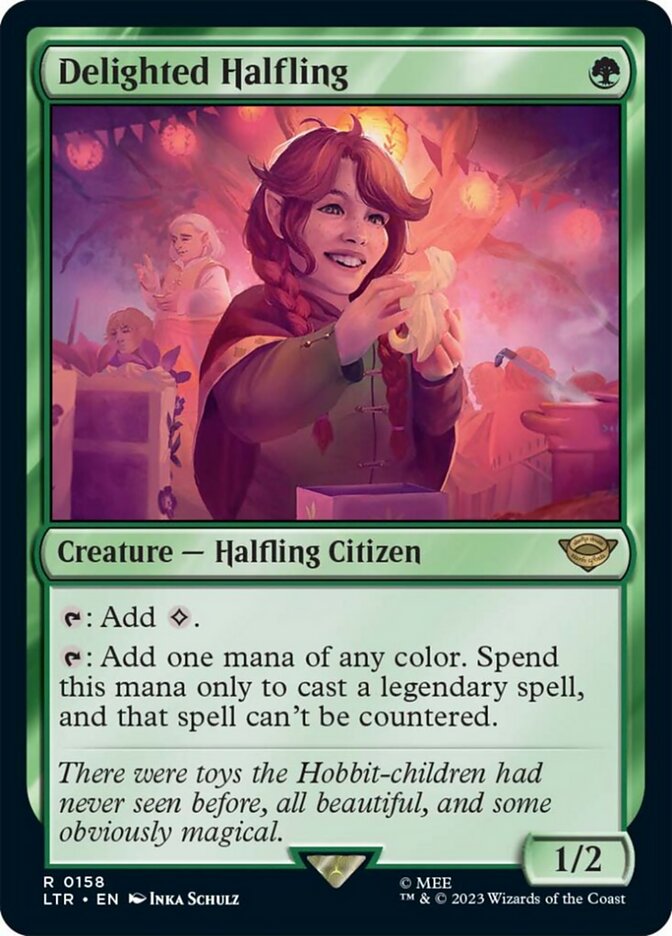
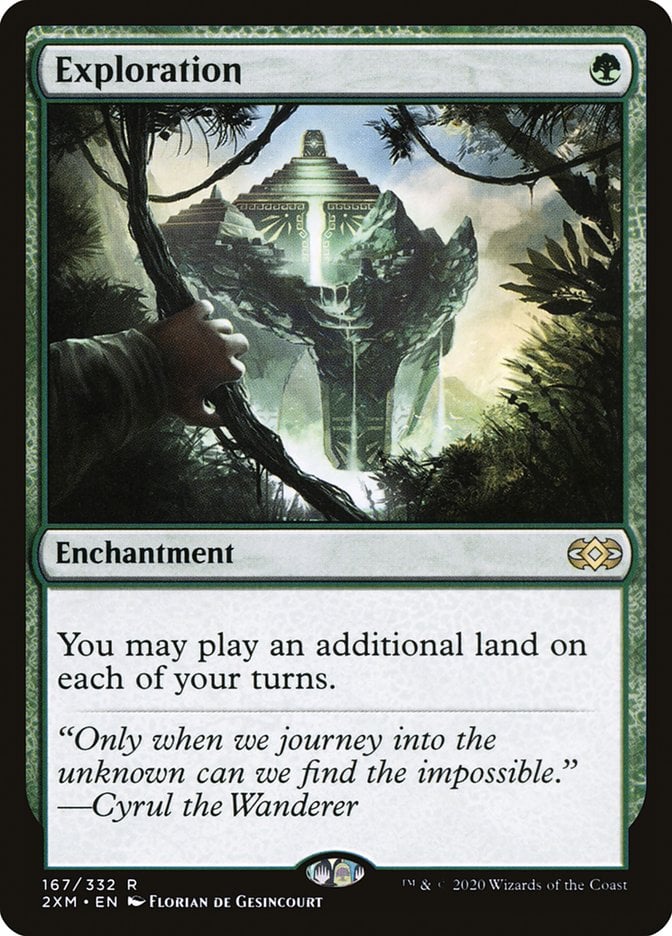
The first thing you might notice about the mana base is a relatively low amount of ramp. This deck doesn’t want to spend the early turns ramping; rather, it wishes to develop a few key threats. But acceleration’s still handy, so I’ve included a handful of good, 1-mana ramp spells like Delighted Halfling and Exploration. Getting Betor or something out a turn early still helps.
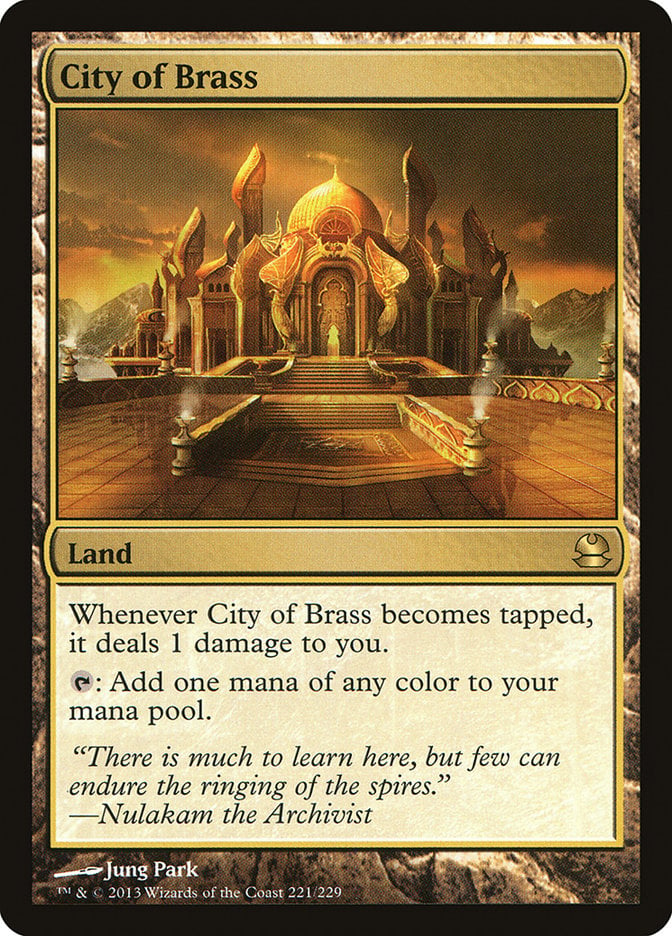
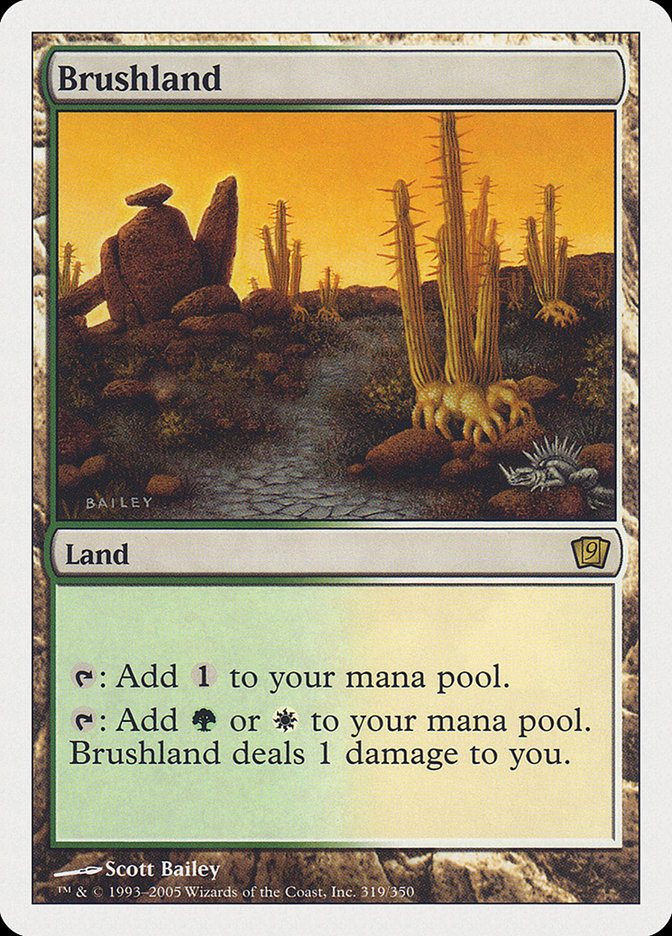
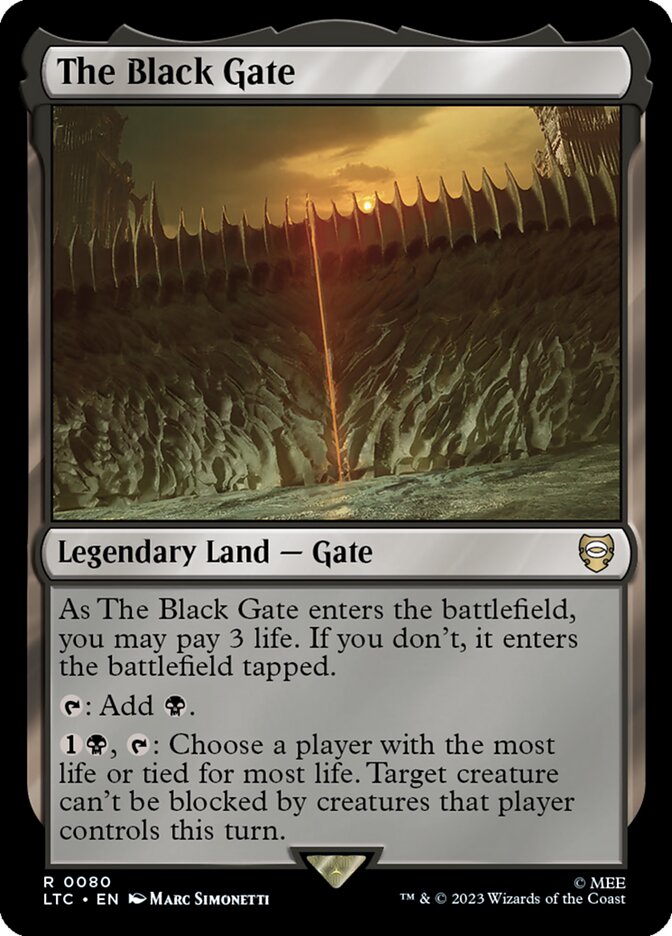
Beyond that, I’ve pretty much talked about the charms of the mana base in other sections: This deck has MDFC lands and pain lands like City of Brass and Brushland to lose life while taking basic game actions. The Black Gate particularly stands out, if only because I haven’t felt a strong reason to put it in any other deck.
The Strategy
This deck wants to curve out and hit hard. A good hand has card draw, a threat, and a bit of disruption—though it’s important to consider that many of these cards fills multiple roles at once; Thalia is a great disruptive threat, while Gix pressures your opponents and draws cards, and so on.
Take your opponents’ commanders into consideration as you decide what looks like a threat. If you’re facing off with three creature-based decks, you might want to throw back Kambal, Consul of Allocation; likewise, Mirri, Weatherlight Duelist looks far weaker against commanders that focus on noncreature game plans like enchantments and spellslinger decks.
Keep an eye on players with white and black in their decks; once they hit 4 or 5 mana, you need to be prepared for board wipes coming your way, especially if you’ve presented yourself as a threat. Don’t be afraid to sandbag a threat or two; holding back recursive creatures like Lurrus and Zoraline is best.
A great tip to leverage your disruptive pieces is to use them to make political deals. For example, if you control Orcish Bowmasters and one of your opponents has The One Ring, you can likely convince a third opponent to leave the Bowmasters alone or even protect it to help you to prevent the Ring player from going off. The same can be said for, say, Dauthi Voidwalker stopping somebody from doing nasty stuff with the graveyard, or Kambal, Consul of Allocation pissing off the spellslinger player.
Combos and Interactions
The deck lacks any meaningful combos, instead focusing on combat damage to take its opponents down. The most interesting interaction comes from the combination of Priest of Fell Rites and Lurrus of the Dream-Den, which allows you to reanimate any creature as many times as you like, including Betor, Ancestor's Voice.
Rule 0 Violations
While many Commander players dislike hatebears, there’s nothing unfair about this deck. Some players might not like cards like Drannith Magistrate and Archon of Emeria, though that’s very subjective depending on the temperament of your pod.
Budget Options
The first place to make budget cuts is the mana base. Cutting fetch lands and shocks hurts this deck more than average since it actually does something with the life loss, but you have other tools should you require gates and gain lands to make the deck work within your budget.
Tymna the Weaver is in desperate need of another reprint to make it a budget option. You can replace this and other expensive draw spells like Esper Sentinel, Sylvan Library, and Black Market Connections with a variety of one-off draw spells. Go for black ones like Sign in Blood and Read the Bones that cost life; those also add additional life loss to the deck if you cut the shocks and fetches.
Serra Ascendant is just the best aggressive 1-drop in Commander. It doesn’t have a one-for-one replacement, but a Soul Warden or something would keep the curve low and add power to the board, if only through Betor’s ability. The same could be said for Ocelot Pride.
Protective spells like Teferi's Protection and Clever Concealment cost a pretty penny since every deck could use them, but there are some more budget friendly options like Wrap in Vigor and Dawn's Truce.
Other Builds
An easy build path for Betor, Ancestor's Voice focuses much more on lifegain. You have incredible support in cards like Soul Warden and similar effects. That also lets you double down on Abzan’s many counter synergies, like Hagra Constrictor and Conclave Mentor.
I could also see a strategy that goes much, much deeper on the life loss ability. Cards like Wall of Blood, Blood Celebrant, and Plunge into Darkness allow you to reanimate monsters like Archon of Cruelty and Noxious Gearhulk—I’d trend towards creatures that gain some of that life back.
Commanding Conclusion

Betor, Kin to All | Illustration by Anna Podedworna
Betor, Ancestor's Voice has a lot of text that builds to a generic value engine. But generic doesn’t have to be bad, as it gives us plenty of flexibility in how we build it. While I went for aggressive hatebears, you could take it any number of ways.
How would you build Betor, Ancestor's Voice? Which hatebears would be useful in your local meta? Let me know in the comments below or on the Draftsim Discord!
Stay safe, and thanks for reading!
Follow Draftsim for awesome articles and set updates:










Add Comment