

Evolved Sleeper | Illustration by Jason A. Engle
In 2008’s Eventide, MTG got a very weird design in Figure of Destiny, a creature that starts small, but grows into a game-finishing threat by “leveling up”, while initially only costing 1 mana.
Almost 20 years later, we have a few pseudo-leveler cards, both in mono-color and using hybrid mana, and 2025’s Figure of Fable in Lorwyn Eclipsed revisited the theme. Let’s look at how they rank against one another, rulings, and more importantly, if we should care at all for these cards.
What Are Pseudo-Levelers in MTG?

Figure of Fable | Illustration by Omar Rayyan
Pseudo-levelers in MTG is a slang for a design that started with Figure of Destiny in Eventide. Pseudo-levelers get this name because they work very similar to the level up mechanic from Rise of the Eldrazi, a mechanic Figure of Destiny inspired. They all have activated abilities that need to be activated in a given sequence and turn them into progressively more powerful creatures.
Over the years we’ve picked up more of these designs, and we have a total of nine pseudo-levelers as of Lorwyn Eclipsed, across different color combinations.
#9. Tenth District Hero
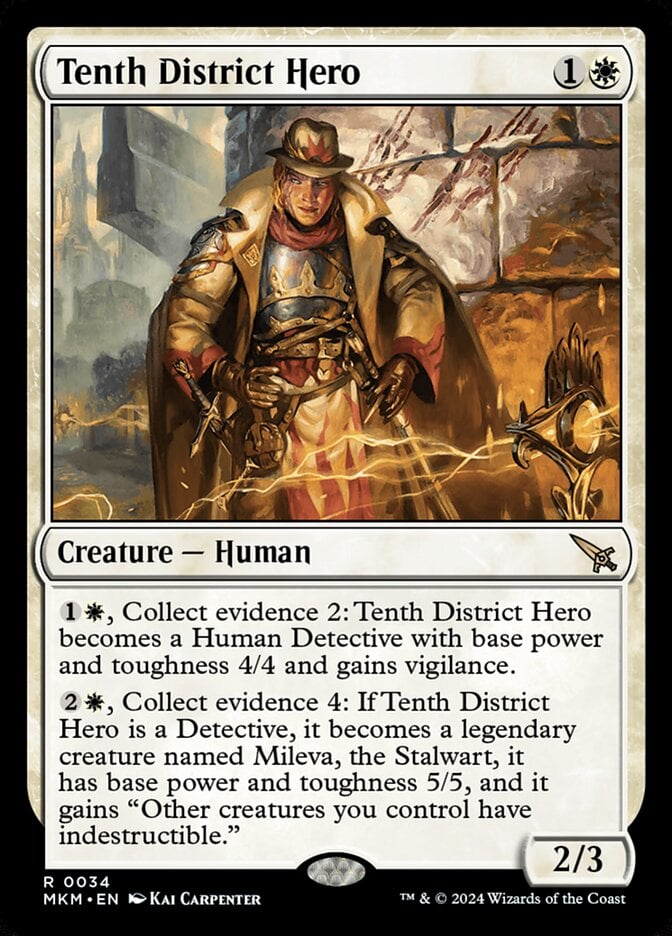
I’m not fan of restrictions when making ranked lists, so Tenth District Hero is easy to put on the lower tier. Having to collect evidence to evolve this card won’t necessary work even if you have the mana, so it’s more of a midrange threat in Limited than a good threat in Constructed formats. Still, sometimes you’ll make a 4/4 vigilance with little investment.
#8. Warden of the First Tree
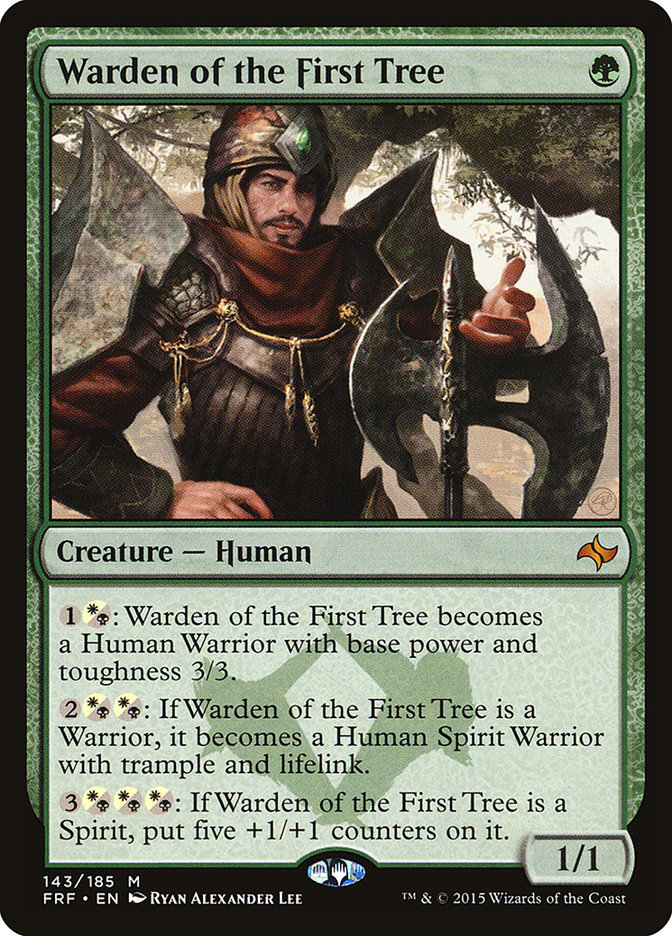
Although weak these days, Warden of the First Tree saw a lot of play in formats like Pioneer, Standard, and casual formats. It’s easy to turn this into a 3/3 and start attacking, as we would expect from GW and its Watchwolf variants. I don’t like that the middle part requires a big mana investment just to give a vanilla 3/3 trample and lifelink without upgrading its stats.
#7. Ascendant Spirit
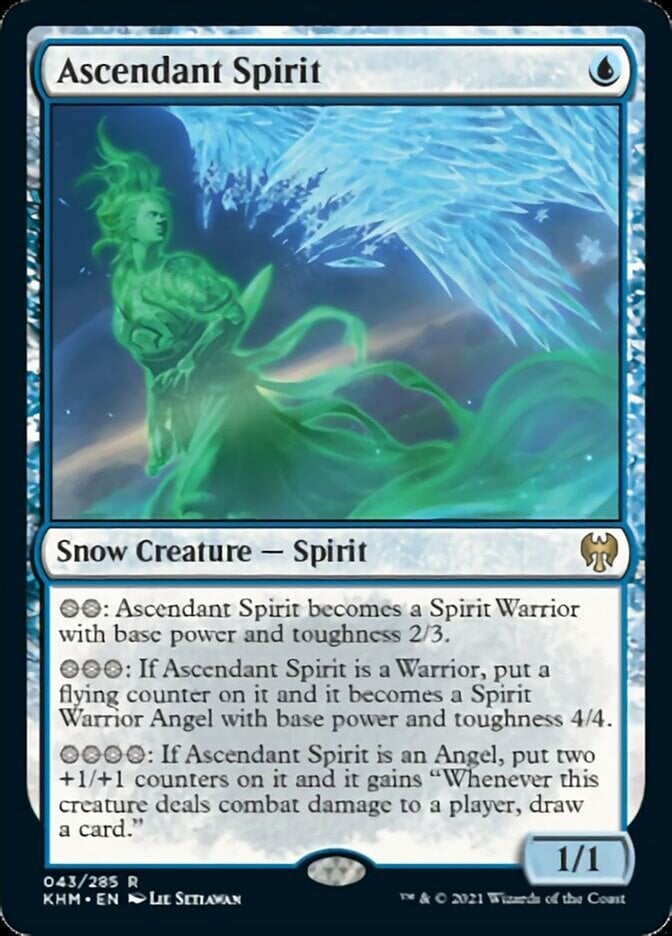
The biggest problem with Ascendant Spirit is that it needs snow mana. It was tricky to make work in Kaldheim Limited, and it requires that your deck has at least all snow basics, being more restricted to blue snow decks. The rate in which you invest mana is also not the greatest compared to the others. Despite these flaws, it saw play in blue tempo decks and even spirit decks in Standard/Pioneer, and it still sees play in snow decks.
#6. Figure of Destiny
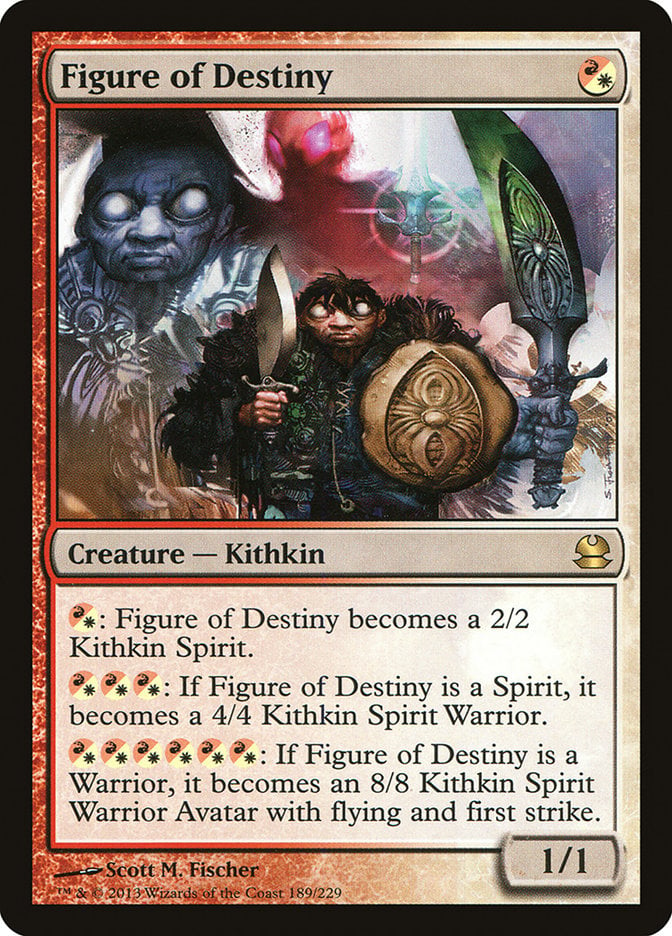
Figure of Destiny is still one of the first 1-drops that comes to mind when people think about red aggressive decks, especially in Cube, where you need a high density of 1-drops. It has an easy progression from a 1/1 to a 2/2, 4/4, and finally 8/8. It’s not spectacular, but it’s an interesting median baseline compared to the others. It sees play in decks that care about multicolor cards, like General Ferrous Rokiric.
#5. Kellan, Planar Trailblazer

I don’t think Kellan, Planar Trailblazer is nearly the most powerful, but it’s probably the cleanest design. It’s already a 2/1, and the idea is to attack on turn 2, then if they don’t block, activate the first ability and profit, Ragavan-style. The last ability is nice upside, as a 3/2 double strike can be a solid threat and triggers the impulse draw twice.
#4. Figure of Fable

Figure of Fable is little stronger than Figure of Destiny, probably because green cards tend to be bigger than red cards, and the classic is nearly 20 years old. It’s solid but not spectacular, like Kellan. The last ability gives protection from all players, so it’s a nod to Commander players that need a “stronger” True-Name Nemesis.
#3. Frodo, Sauron’s Bane
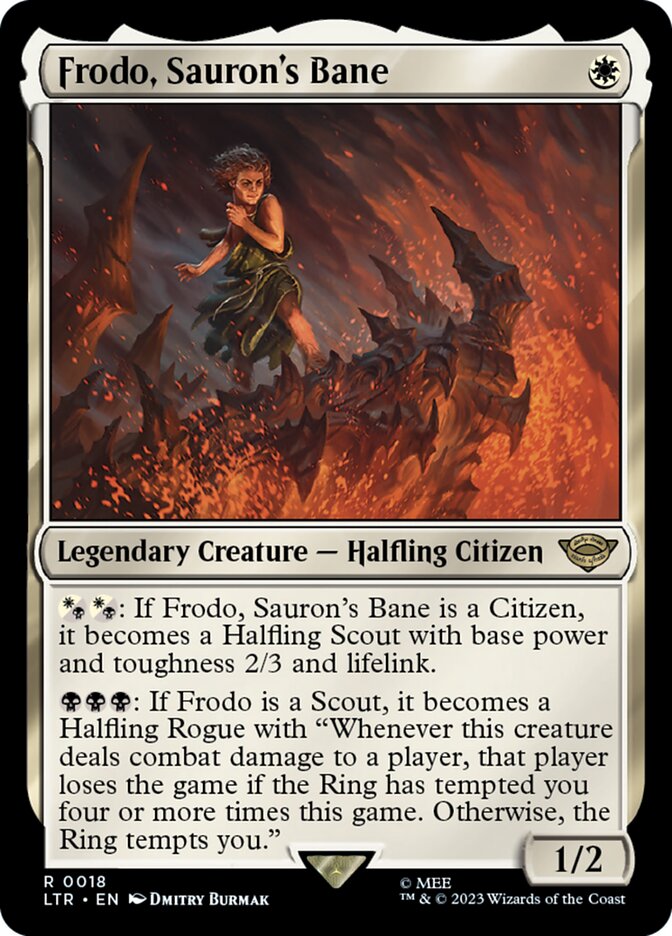
Frodo, Sauron's Bane deserves a nod because it says win the game in its text box. It doesn’t go into every deck, but it’s a reason to build around “The Ring tempts you” effects. It’s an interesting commander, cheap enough to be cast from the command zone multiple times. With some mana, you can equip it, give it haste, and win in a single hit.
#2. Evolved Sleeper
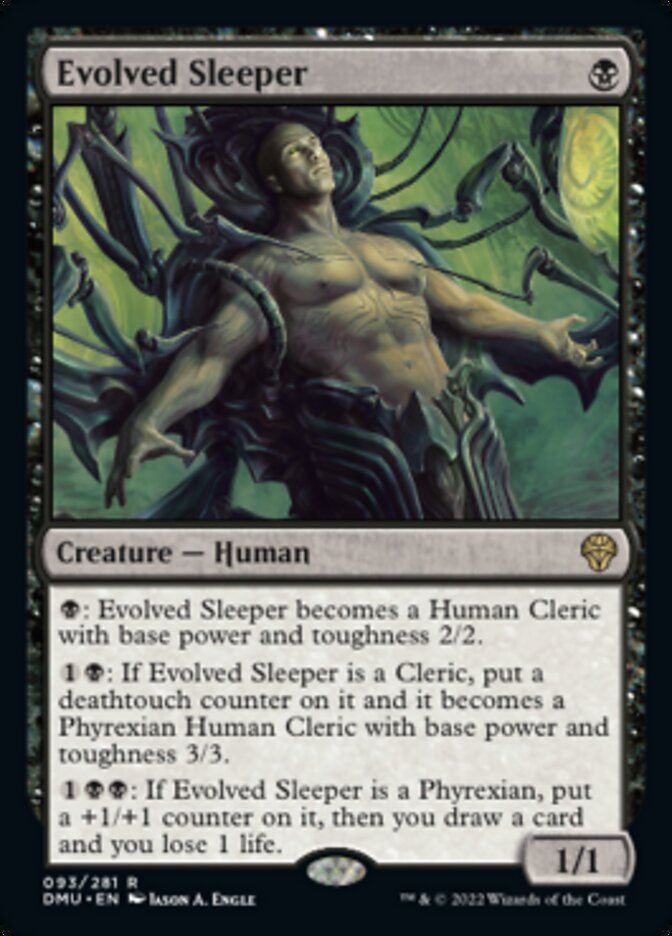
Evolved Sleeper was the backbone of Standard black aggressive decks. It’s very efficient as a 2/2 attacking on turn 2, and if they don’t have removal, you threaten to grow this card and start drawing. It’s also a Phyrexian for typal decks that need it.
#1. Surge Engine
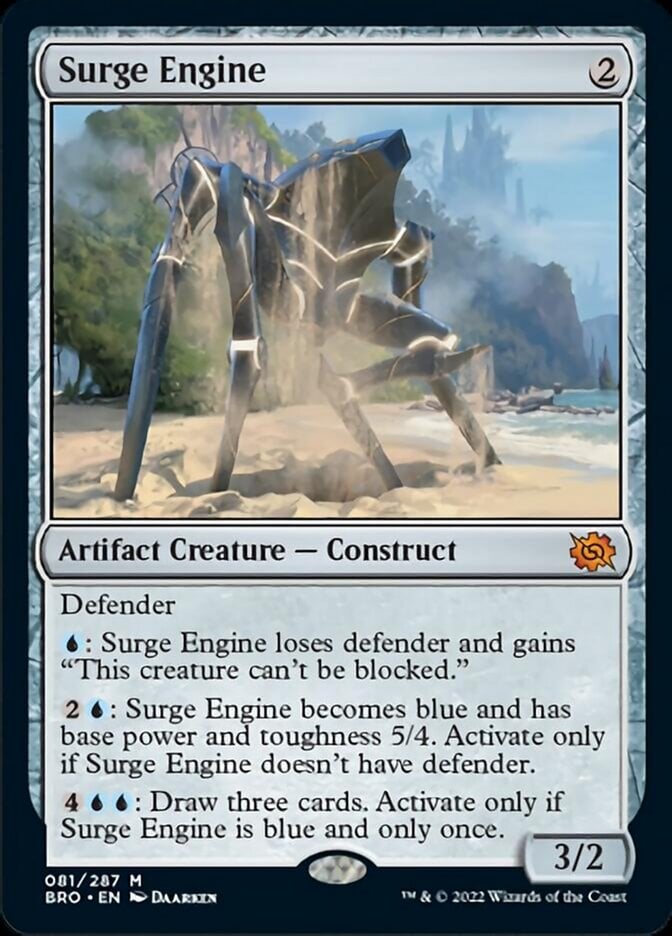
Surge Engine ends games as a 5/4 that can’t be blocked, and you can even draw more cards in response to a removal spell. Blue decks in EDH tend to run artifact synergies, and this is a strong and cheap artifact creature for Commander decks like Urza, Prince of Kroog, or Emry, Lurker of the Loch.
Best Pseudo-Leveler Payoffs and Synergies
There are no particular themes that tie these cards together except for activated abilities.
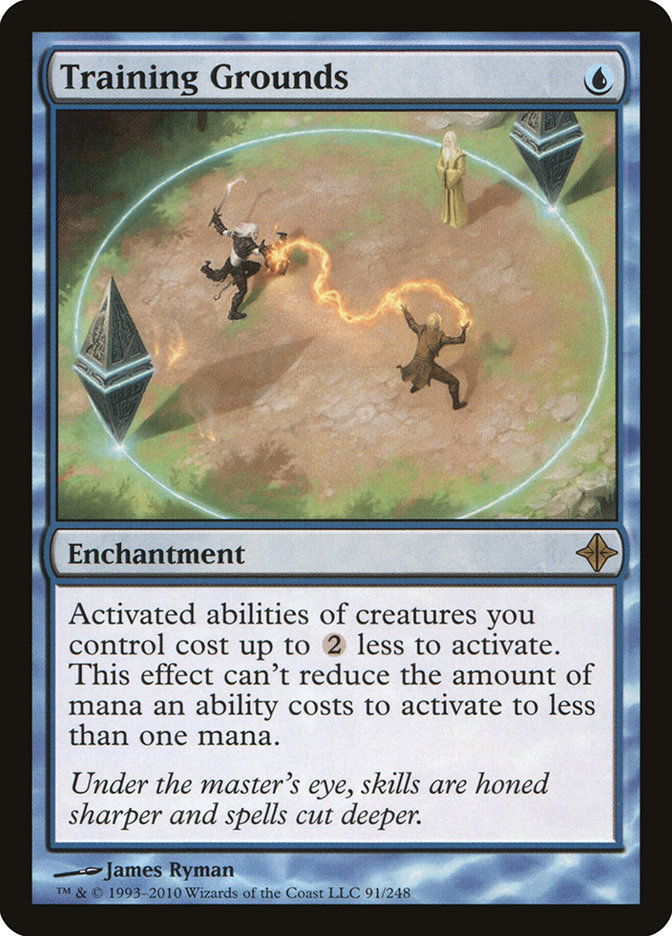
Training Grounds makes activated abilities cost less. It won’t work with every pseudo-leveler, but cards like Surge Engine and Warden of the First Tree will get nice discounts.
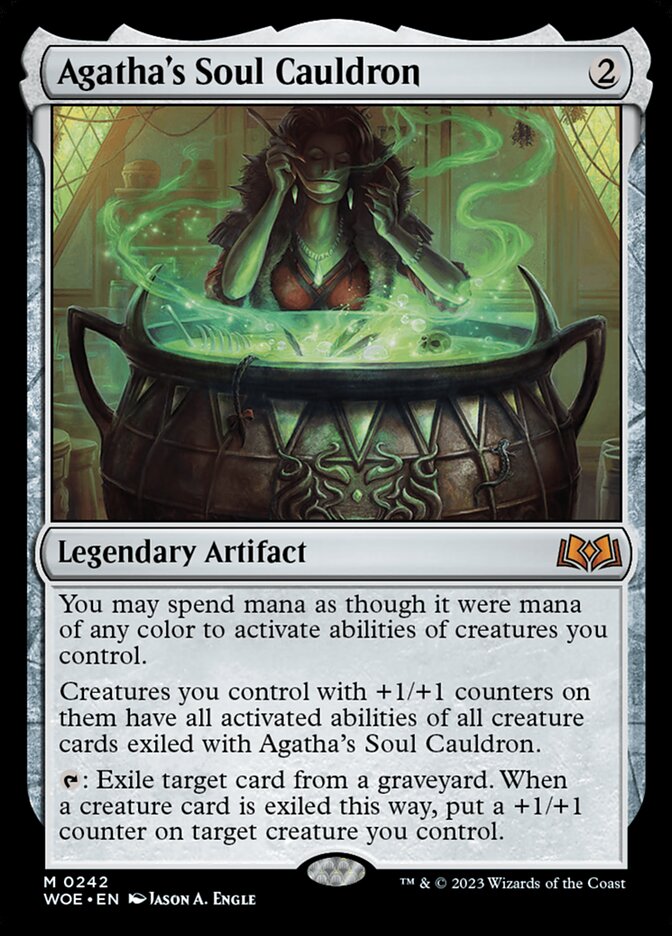
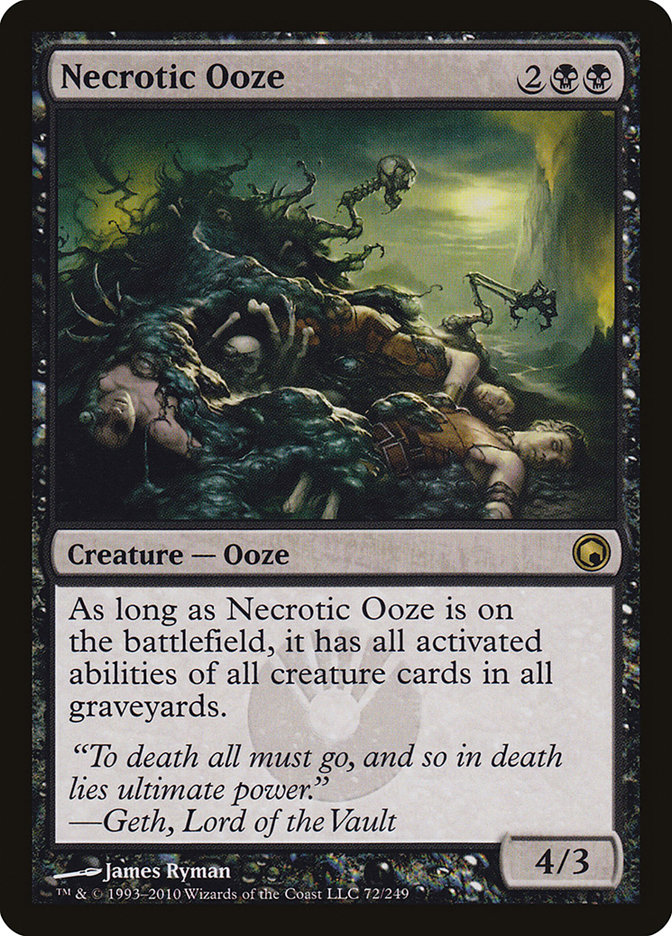
Agatha's Soul Cauldron also works, giving another creature the pseudo-leveler ability, or even combining different abilities between creatures. Necrotic Ooze can make use of these abilities as well.
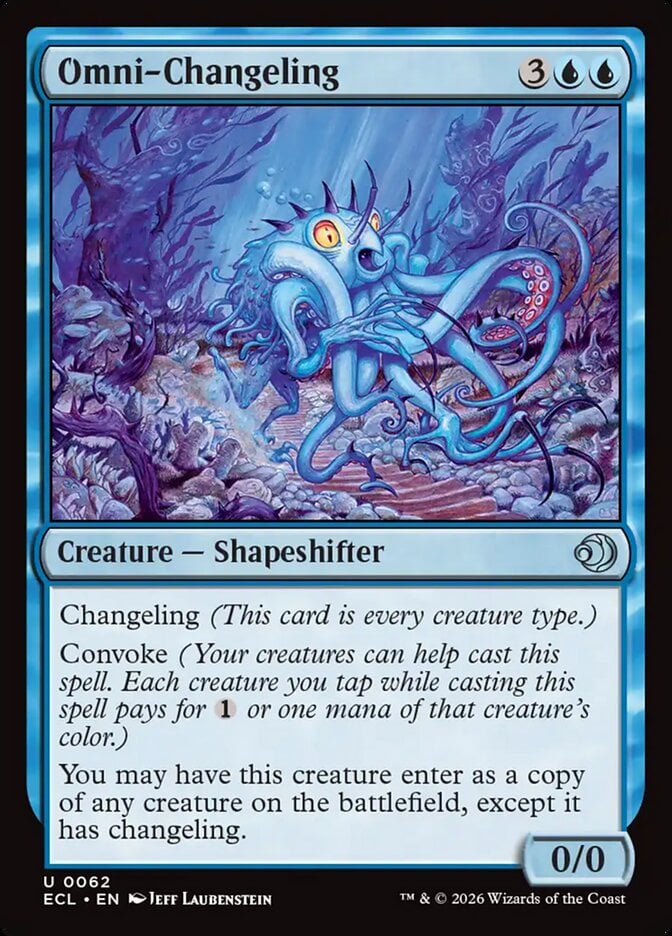
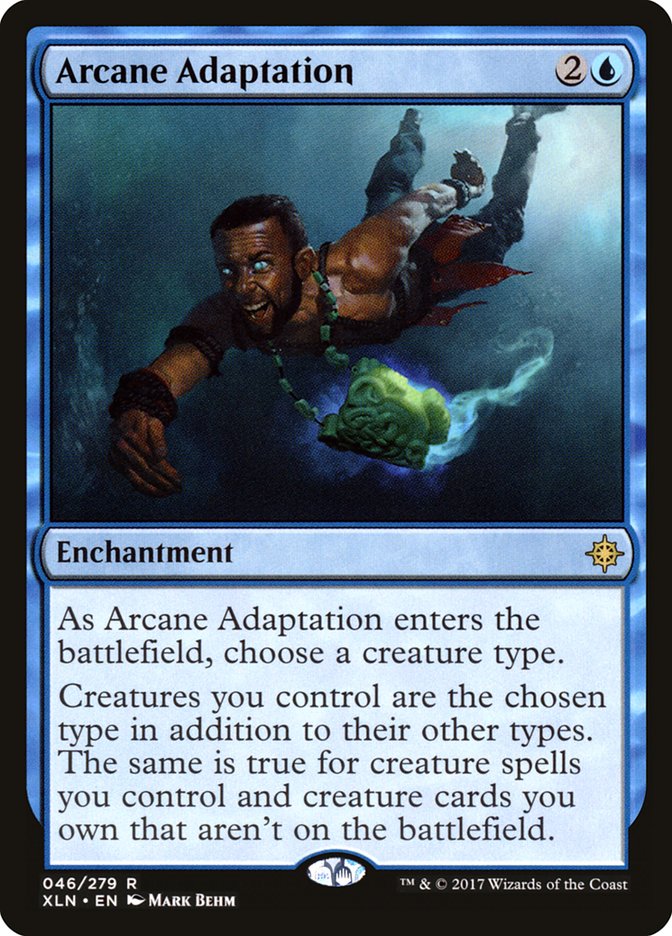
Changelings works with pseudo-levelers in fun ways. If you can make a copy of your leveler with all creature types, it can “skip” the earliest activations and go straight to the final effect.
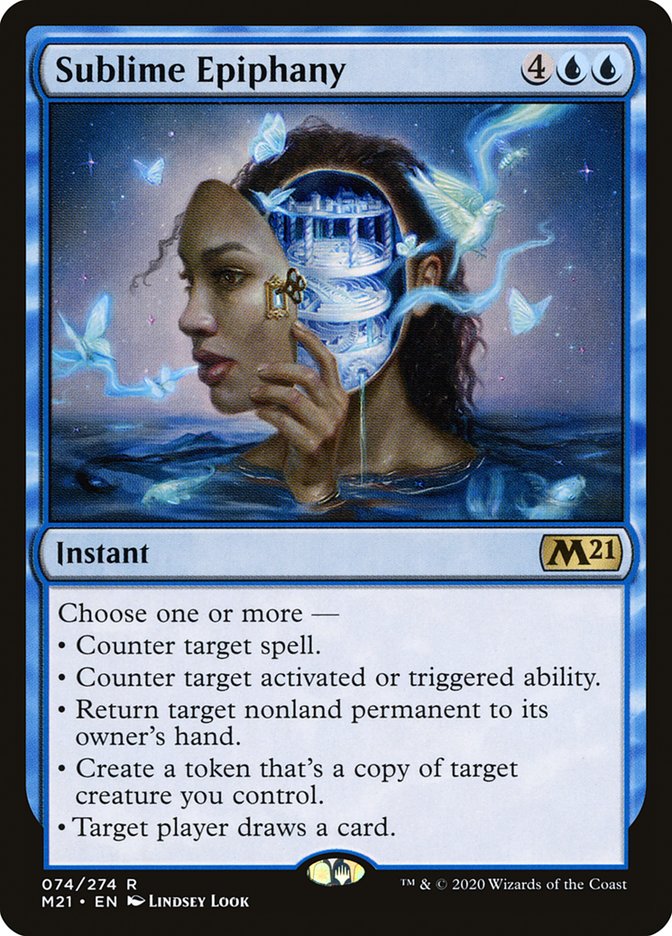
Blue pseudo-levelers can activate their evolutions at instant speed, which can match their deck’s draw-go intent. You could hold up the final activation on Surge Engine and a Sublime Epiphany at the same time, and if they don’t do anything relevant, just level up your threat and hit harder next turn.
Pseudo-Levelers vs. Level Up
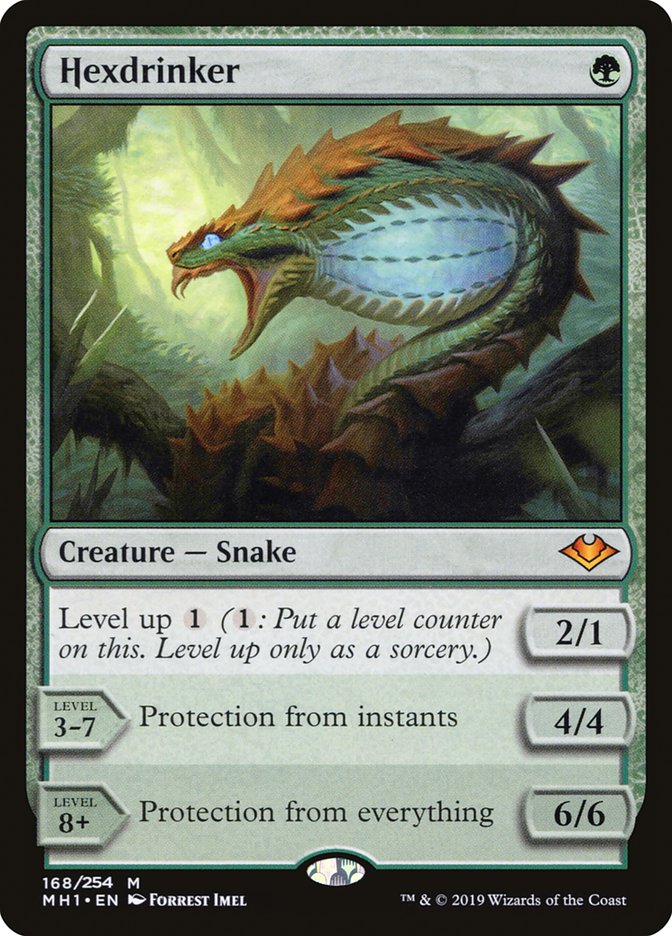
Level up is a mechanic from Rise of the Eldrazi where you can put level up counters on a creature by paying a specific amount of mana at sorcery speed, and the creature evolves to the next stage based on the amount of counters it currently has. For example, Hexdrinker levels up whenever you pay , and it has three tiers, based on the amount of counters it has.
Pseudo-levelers, on the other hand, change their own creature type when they change tiers, but there’s no counter needed to represent their “level”. For example, Figure of Destiny starts off as a 1/1 kithkin, and it changes into a 2/2 kithkin spirit, to a 4/4 kithkin spirit warrior after that, and finally to an 8/8 kithkin spirit warrior avatar. Another huge difference is that pseudo-levelers can be activated at instant speed.
What Happens If You Clone One of These Creatures?
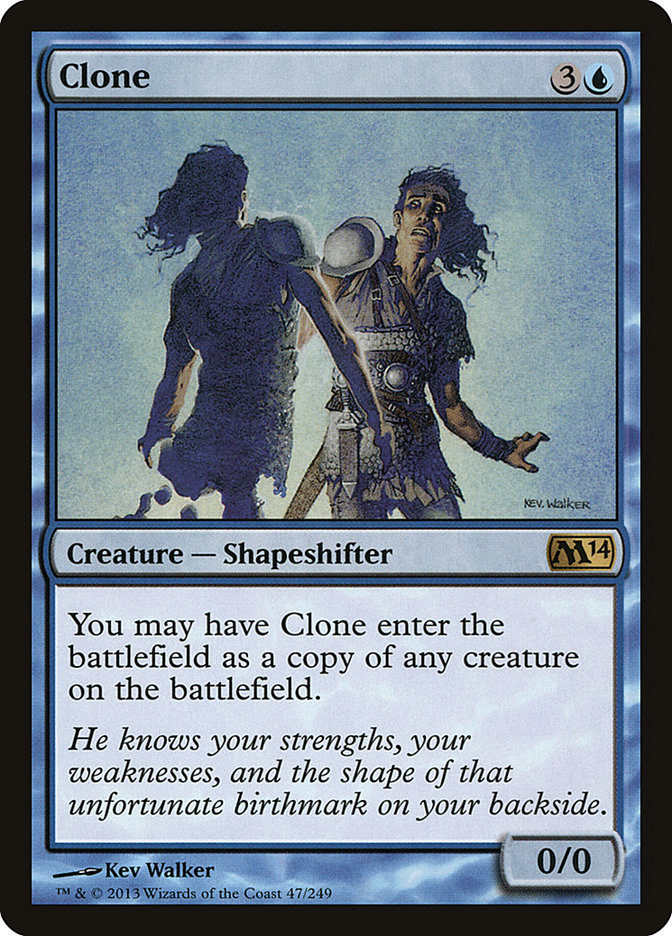
Whenever you Clone a pseudo-leveler, the clone will be the base version of the creature. So, if you clone an Evolved Sleeper when it’s a Phyrexian human cleric with base power and toughness 3/3, the copy will be a 1/1 human. It retains all its abilities, so it can still level up regardless.
A curious interaction happens when you can turn a changeling creature, which has all creature types, into a pseudo-leveler. In this case, you can activate the final ability right away. For example, the rules text on Figure of Destiny says: “If this creature is a warrior, it becomes….” The changeling copy is a warrior too, so you can pay the six hybrid mana right away and get an 8/8.
Wrap Up
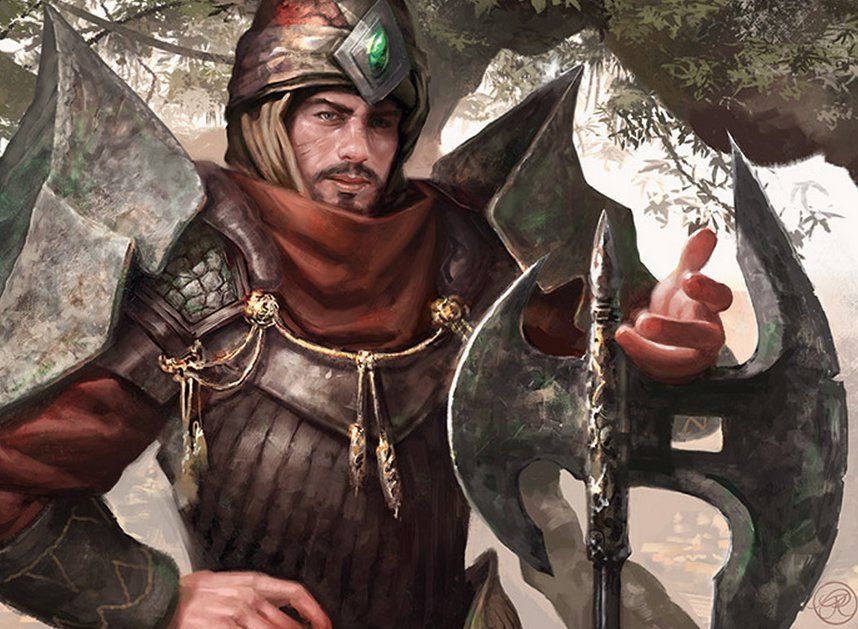
Warden of the First Tree | Illustration by Ryan Alexander Lee
It’s interesting that MTG’s become much more complex and creatures much more powerful, so mechanics like level up and the pseudo-levelers seem weak in comparison, as players don’t have that much time and mana to devote to a single threat. Many creatures in MTG already deliver enough on the front end. And mana sinks have become much better since 2008. That said, pseudo-levelers are still interesting creatures in casual formats like Cube or Commander.
What are your experiences with these cards, folks? Have you played any of these to great success? Let me know in the comments section below, or let’s discuss it over Draftsim Discord.
Thanks for reading, and I’ll see you guys around.
Follow Draftsim for awesome articles and set updates:










Add Comment