

Tymna the Weaver + Kraum, Ludevic's Opus | Illustrations by Winona Nelson (left) & Aaron Miller (right)
One of the most popular and beloved decks in cEDH has to be Blue Farm—a monster at competitive tables that’s known for its power, speed, and flexibility. If you’re new to the format or just a seasoned player looking to understand why this deck keeps showing up at top tables, you’re in the right place. Today, we’re going to break down all its secrets—from the commanders and creature choices to the combos and budget options. Intrigued? Let’s jump right in.
The Deck
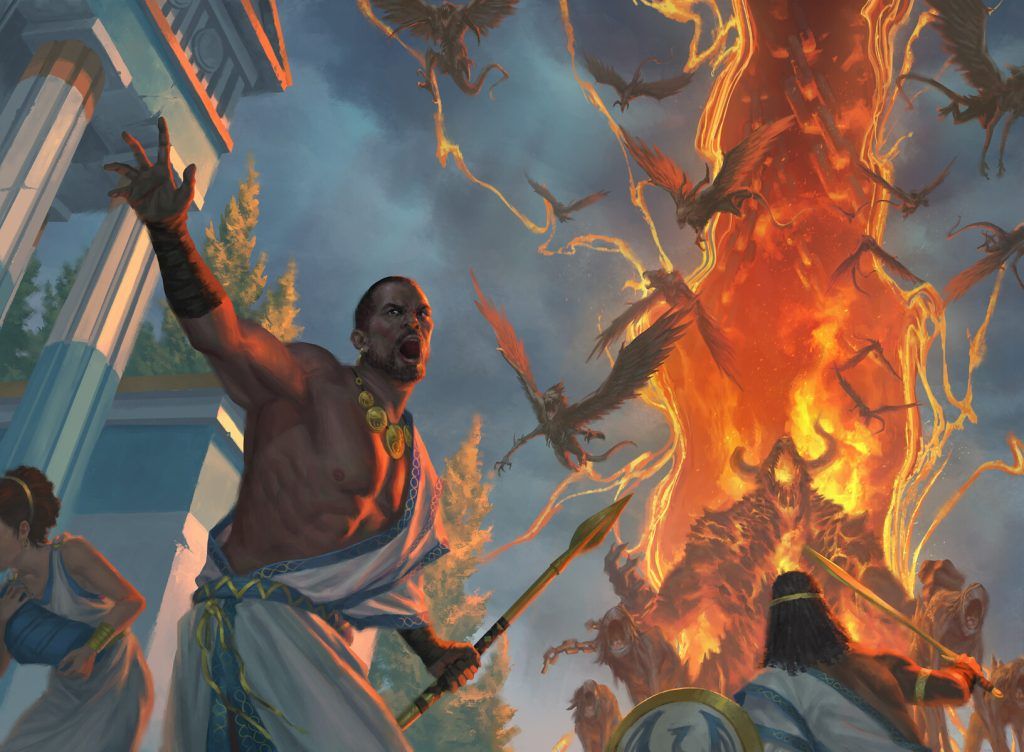
Underworld Breach | Illustration by Lie Setiawan
Commander (2)
Kraum, Ludevic's Opus
Tymna the Weaver
Creature (16)
Mockingbird
Esper Sentinel
Ragavan, Nimble Pilferer
Archivist of Oghma
Tataru Taru
Grand Abolisher
Lotho, Corrupt Shirriff
Faerie Mastermind
Thassa's Oracle
Orcish Bowmasters
Ranger-Captain of Eos
Valley Floodcaller
Mayhem Devil
Birgi, God of Storytelling
Simian Spirit Guide
Storm-Kiln Artist
Sorcery (9)
Imperial Seal
Gamble
Rite of Flame
Demonic Counsel
Demonic Tutor
Diabolic Intent
Sevinne's Reclamation
Mnemonic Betrayal
Beseech the Mirror
Instant (29)
Pact of Negation
Enlightened Tutor
Orim's Chant
Silence
Swords to Plowshares
Mental Misstep
An Offer You Can't Refuse
Chain of Vapor
Dispel
Flusterstorm
Mystical Tutor
Swan Song
Dark Ritual
Demonic Consultation
Vampiric Tutor
Pyroblast
Red Elemental Blast
Borne Upon a Wind
Brain Freeze
Cyclonic Rift
Tainted Pact
Fierce Guardianship
Force of Negation
Deflecting Swat
Flare of Duplication
Gifts Ungiven
Mindbreak Trap
Force of Will
Ad Nauseam
Enchantment (5)
Mystic Remora
Underworld Breach
Copy Enchantment
Rhystic Study
Smothering Tithe
Artifact (13)
Chrome Mox
Lion's Eye Diamond
Lotus Petal
Mox Amber
Mox Diamond
Mox Opal
Mana Vault
Sol Ring
Arcane Signet
Fellwar Stone
Grim Monolith
Talisman of Progress
Wishclaw Talisman
Land (26)
Ancient Tomb
Arid Mesa
Badlands
Bloodstained Mire
City of Brass
City of Traitors
Command Tower
Exotic Orchard
Flooded Strand
Gemstone Caverns
Hallowed Fountain
Mana Confluence
Marsh Flats
Misty Rainforest
Otawara, Soaring City
Plateau
Polluted Delta
Scalding Tarn
Scrubland
Starting Town
Tarnished Citadel
Tundra
Underground Sea
Verdant Catacombs
Volcanic Island
Windswept Heath
Blue Farm is super flexible—it can draw cards, play the long game, or just explode into a win out of nowhere. It really rewards smart decision-making and knowing when to go for it, so YES, it’s a turbo combo deck. This particular list came first on the Shine Bright Like a Lion’s Eye tournament in the hands of Jase Sanders (June 2025).
The History of Blue Farm in Commander

Blue Farm has its roots in an earlier deck that paired Tymna the Weaver with Bruse Tarl, Boorish Herder, a duo affectionately known in the cEDH community as “Mad Farm.” The “farm” part of the name came from Bruse’s flavor and artwork—he looks like a farmer, and the deck’s playstyle focused on farming value by drawing cards and building advantage through combat damage and efficient spells. It was one of the first cEDH builds to lean into the midrange grind, using Tymna’s card draw to out-resource opponents while Bruse provided burst damage and lifelink to help keep pace.
As the format evolved and the metagame sped up, players began swapping out Bruse for Kraum, Ludevic's Opus to gain access to blue. This opened the door to a deeper counterspell suite, better card selection, and powerful draw engines like Rhystic Study and Mystic Remora. The name “Blue Farm” naturally followed—“Blue” for the color added by Kraum, and “Farm” as a nod to the deck’s origins with Bruse Tarl and its value-focused gameplay. Despite Bruse being long gone, the name stuck, and today Blue Farm is one of the most iconic and competitive decks in the cEDH landscape.
The Commanders: Tymna the Weaver + Kraum, Ludevic’s Opus


This powerhouse partner pairing is what defines Blue Farm. Tymna the Weaver gives you consistent card draw just for doing what any good deck wants to do—dealing combat damage. They reward early aggression or cheap creatures, letting you refill your hand after explosive starts. Kraum, Ludevic's Opus, on the other hand, brings card advantage from the other side of the table. Its ability punishes opponents who double-spell, which is incredibly common in cEDH, making Kraum a steady source of extra cards.
Together, they push Blue Farm into a midrange-control role with explosive combo potential. Tymna encourages going wide just enough to get damage in, while Kraum gives you gas without needing to overcommit. Plus, the deck’s access to four colors means it can run the best tutors, fast mana, countermagic, and win conditions. These commanders make Blue Farm flexible, reactive, and able to pivot between grinding for value and going for the win, exactly the kind of dynamic play cEDH rewards.
The Creatures
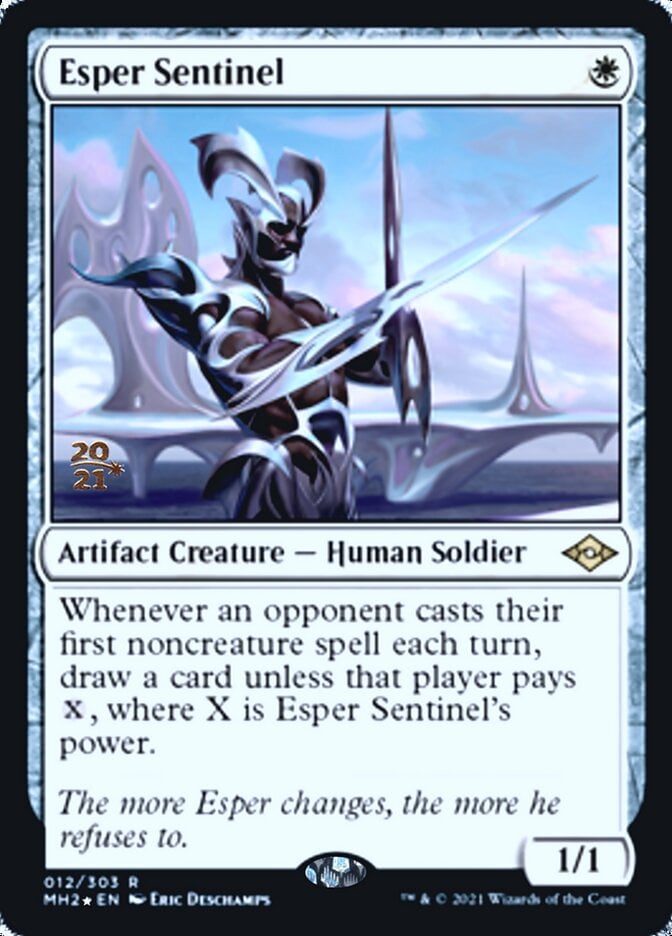
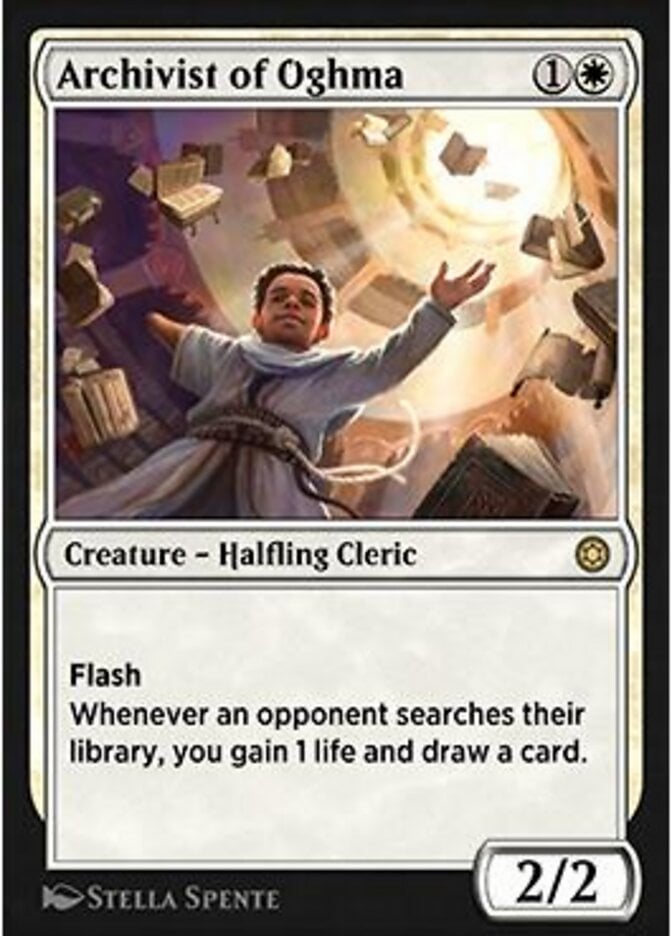
The creatures in Blue Farm aren’t just here to attack—they each do something useful that helps you win. Most of them are small, cheap, and packed with value. For example, Esper Sentinel and Archivist of Oghma are great early drops that draw you cards just for your opponents doing normal things, like casting spells or searching their decks. They keep your hand full without needing much effort.
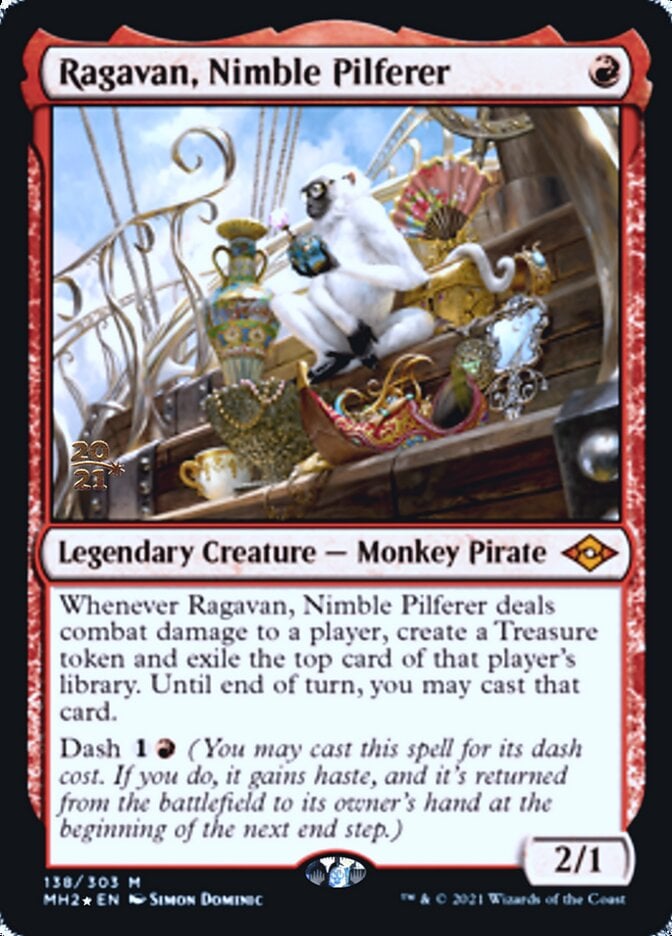
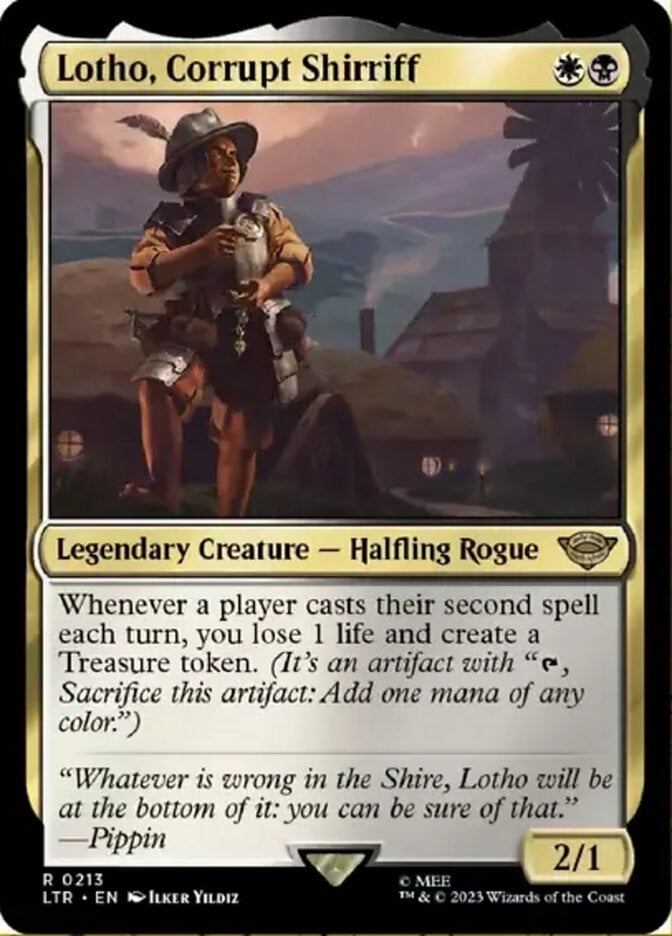
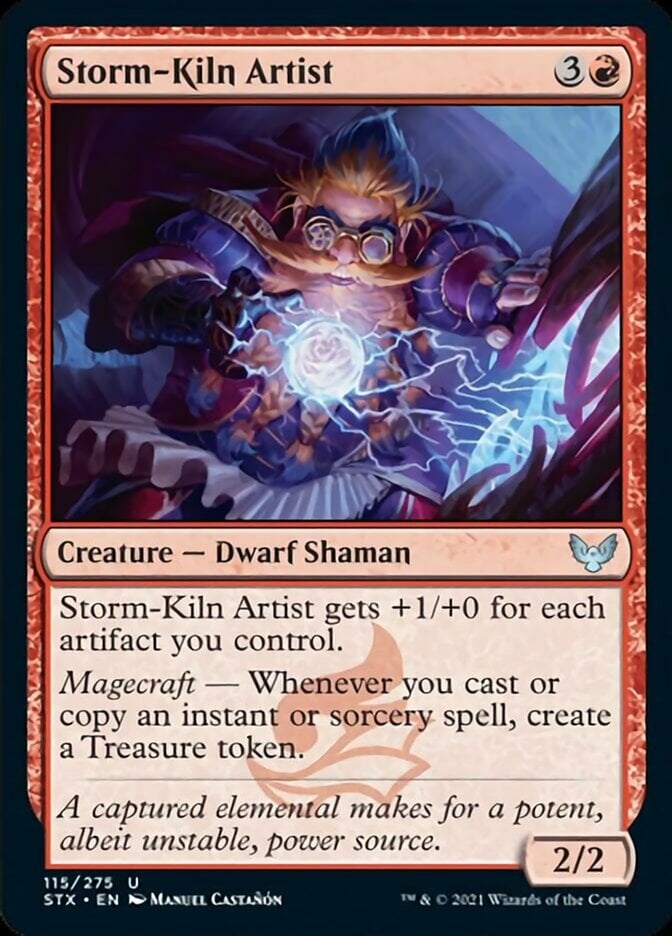
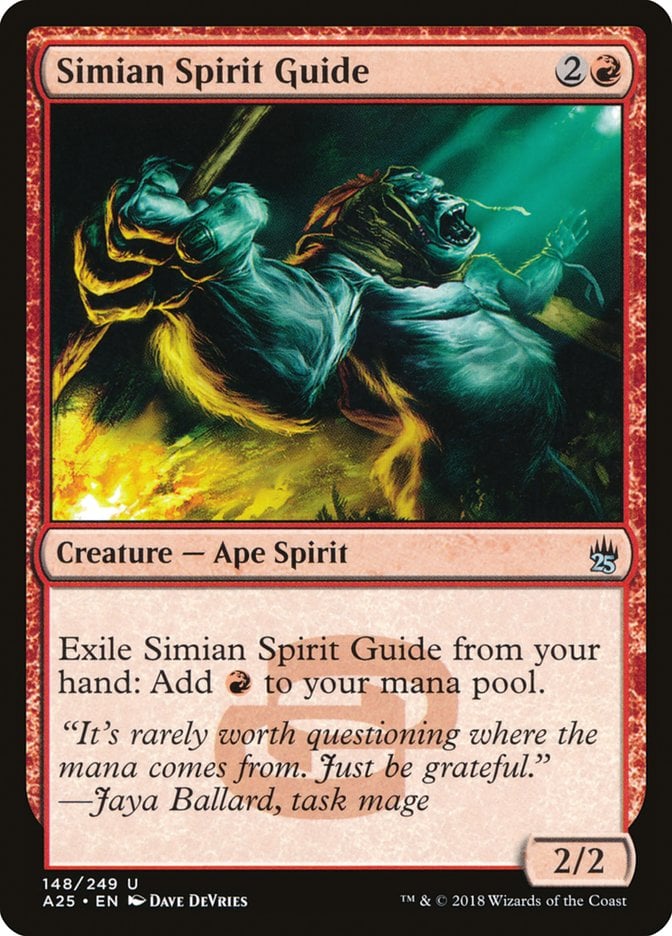
You’ve also got creatures that help you ramp by making treasures. Ragavan, Nimble Pilferer is great for getting ahead fast, and Lotho, Corrupt Shirriff creates Treasures when players cast multiple spells. Storm-Kiln Artist is a big deal for spell-heavy turns—it pumps out treasures every time you cast or copy a spell, which can lead to some huge combo turns. Even Simian Spirit Guide helps out by giving you a quick burst of mana when you need it.
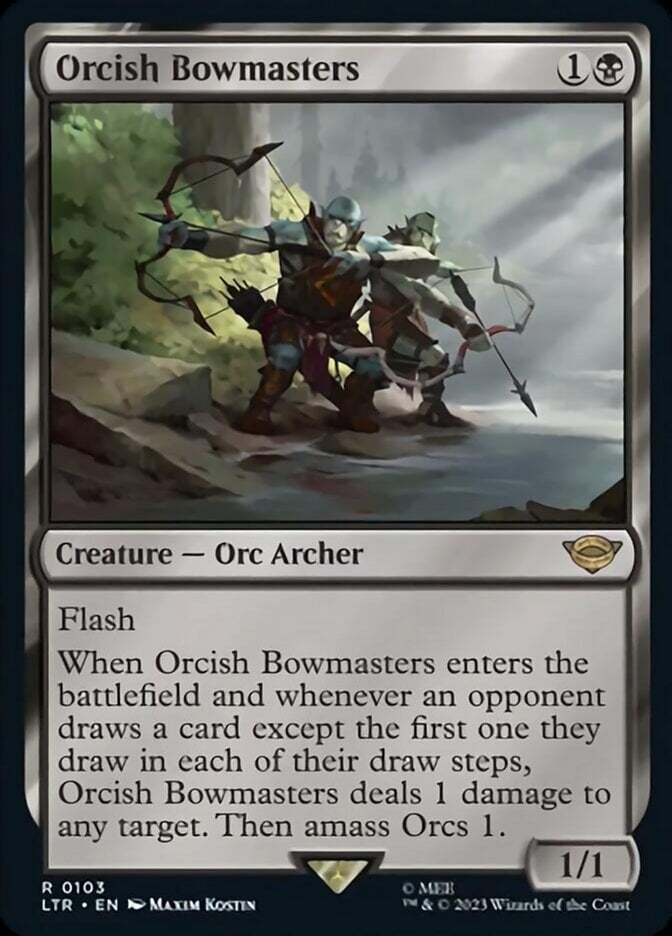
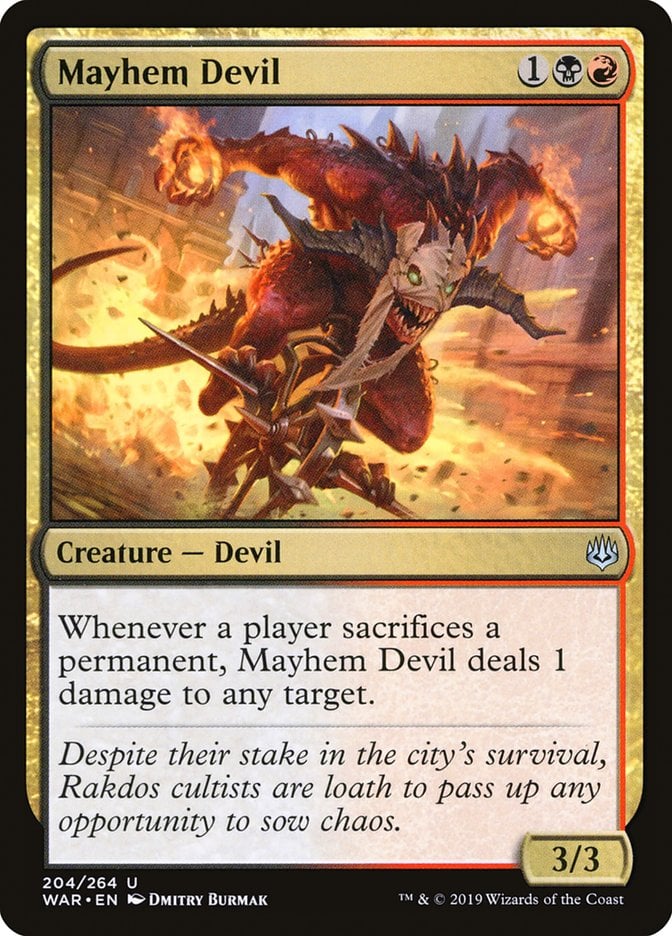
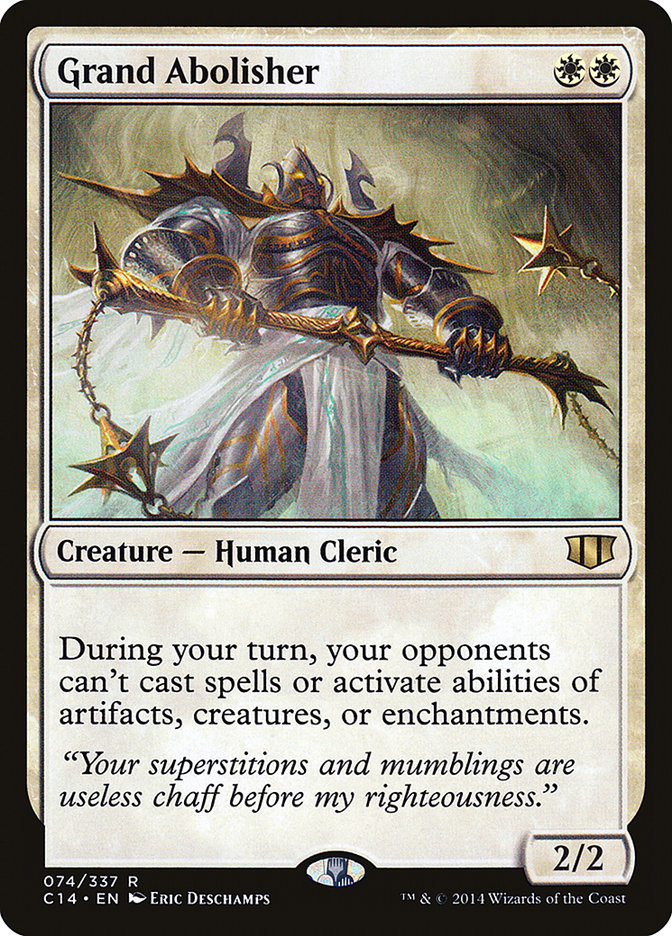
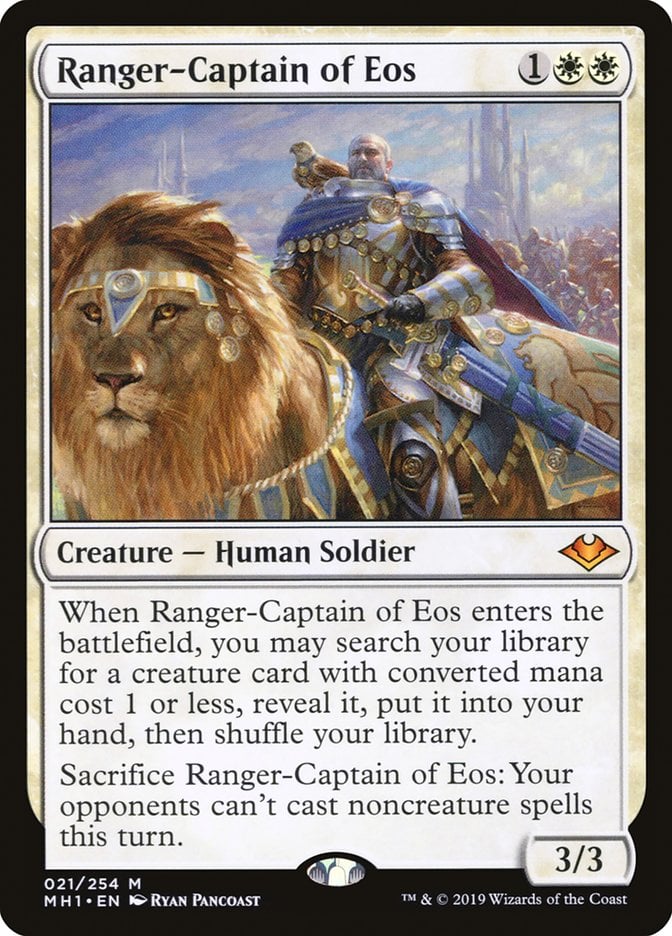
Some creatures help you mess with your opponents. Orcish Bowmasters and Mayhem Devil do small amounts of damage, but that can be enough to take out important creatures or punish your opponents for drawing cards or sacrificing things. Then you’ve got Grand Abolisher and Ranger-Captain of Eos, who make sure your opponents can’t stop you during your turn. They’re perfect for protecting your combo when you’re ready to go for it.
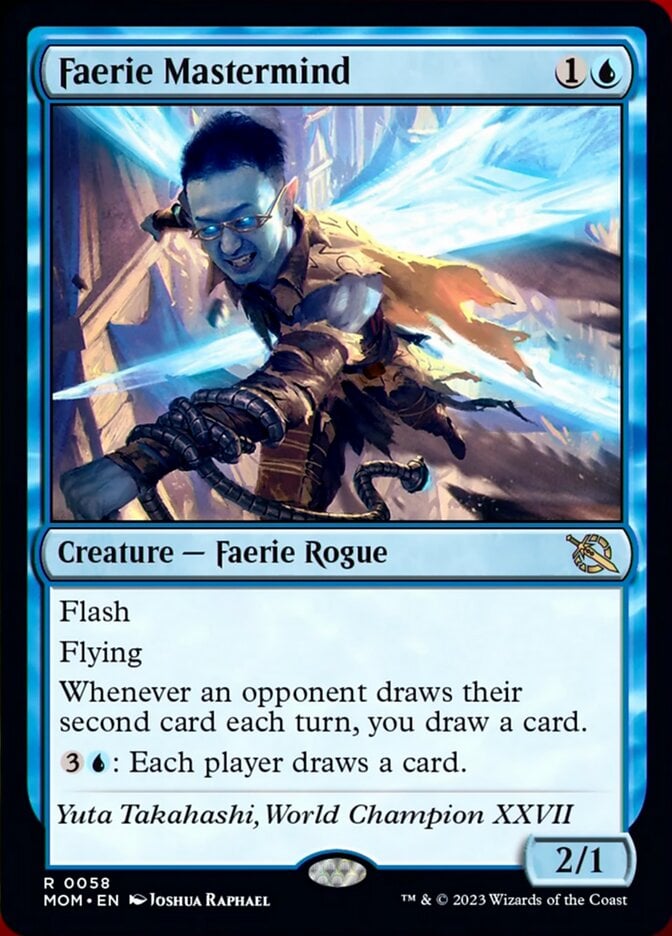


Others, like Faerie Mastermind, Tataru Taru, and Valley Floodcaller, give you extra cards or let you play key spells at instant speed. Valley Floodcaller in particular is a sneaky combo tool—it lets you cast non-creature spells like Underworld Breach or Brain Freeze at just the right moment, helping you dodge interaction or go off mid-stack. All of these creatures make sure you’re building value, staying safe, and getting closer to winning without having to overextend. That’s what makes Blue Farm’s creature suite so strong—it’s efficient, disruptive, and always working behind the scenes to give you an edge.
The Payoffs
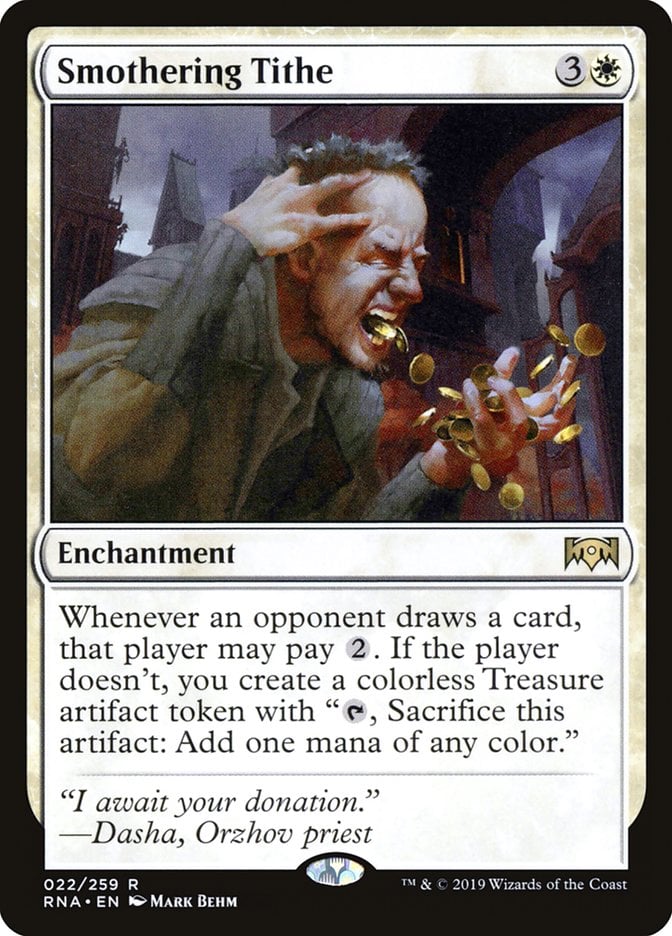
These are the cards that reward you for doing the thing—casting spells, drawing cards, or sacrificing permanents. Storm-Kiln Artist shines in spell-heavy turns by giving you a flood of Treasure. Lotho, Corrupt Shirriff and Smothering Tithe turn your opponents’ actions into mana.
Tymna the Weaver and Kraum, Ludevic's Opus are payoffs in themselves, fueling your hand with extra cards when you play to the board. These payoffs turn your “value” plan into an unstoppable snowball of resources.
The Enablers
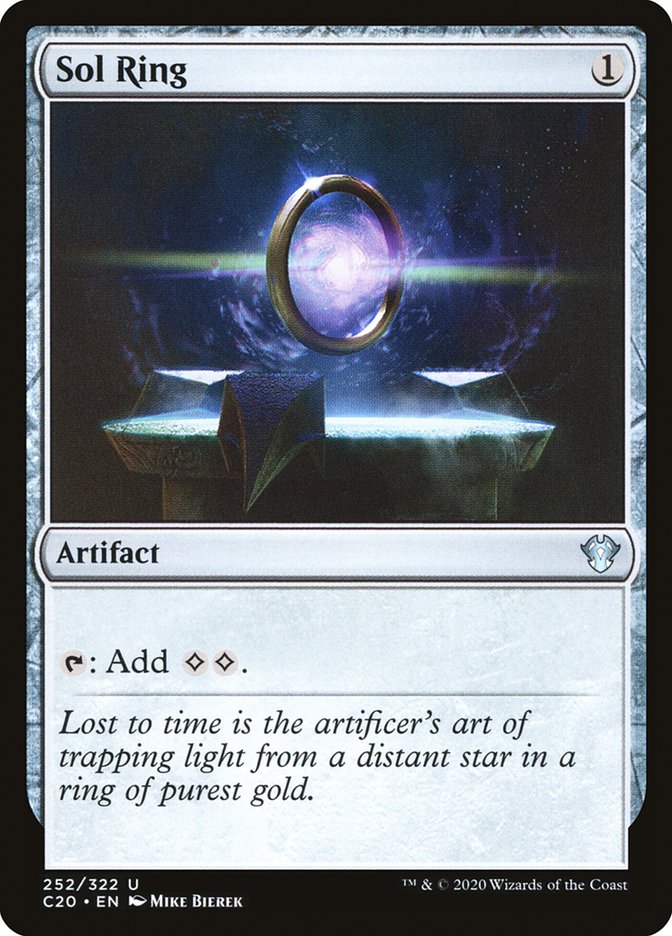
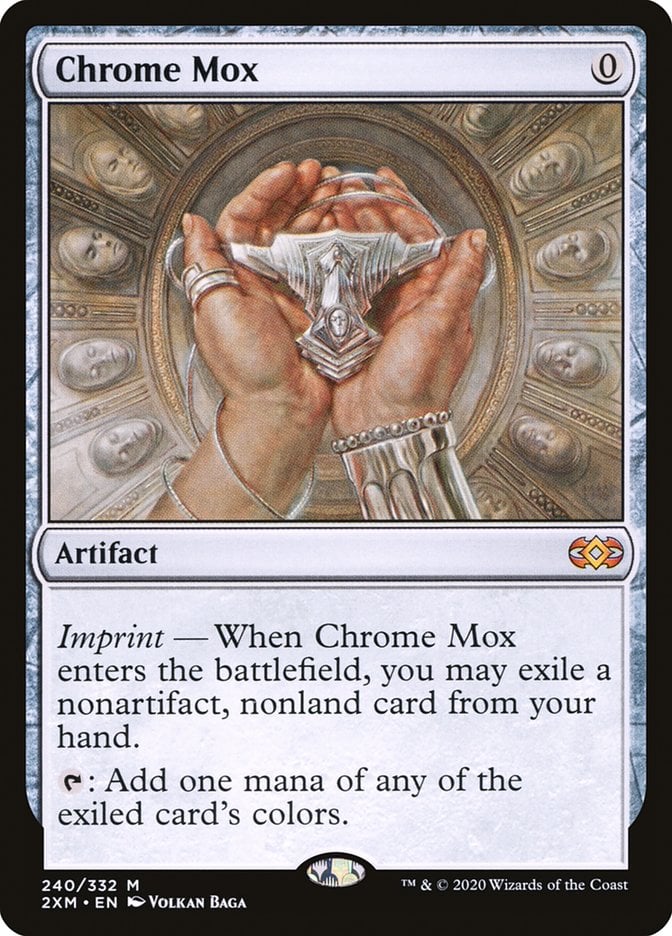
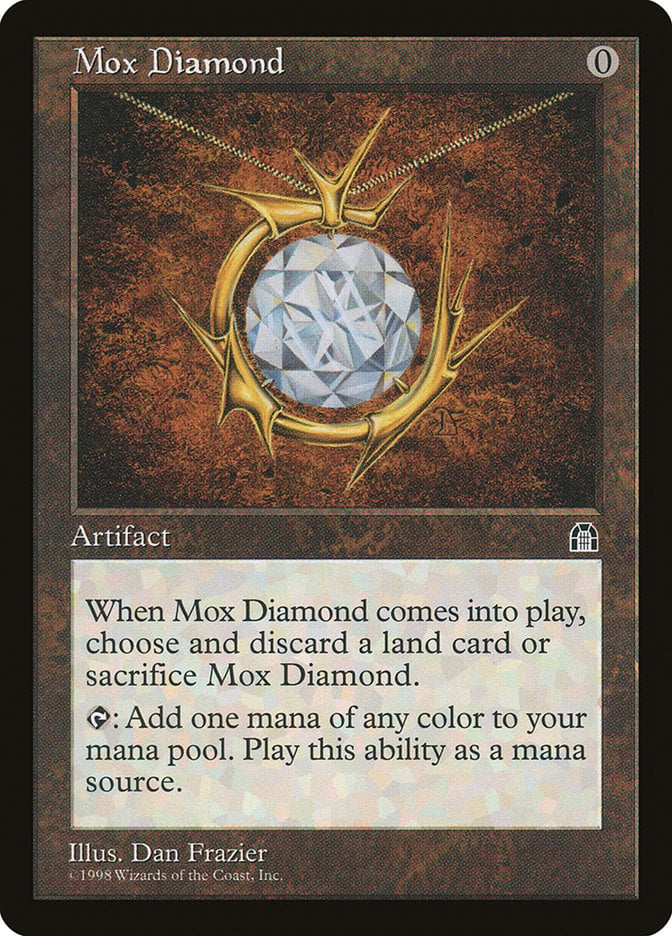
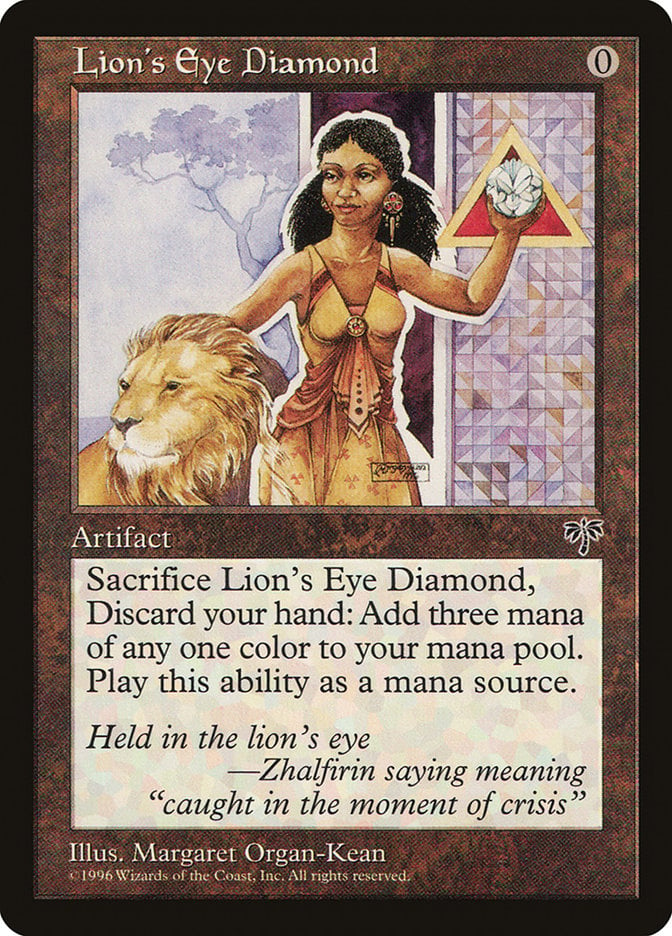
This is where Blue Farm gets its speed and consistency. You’ve got powerful mana rocks like Sol Ring, Chrome Mox, Mox Diamond, and Lion's Eye Diamond, letting you dump your hand early and explode into a fast start.
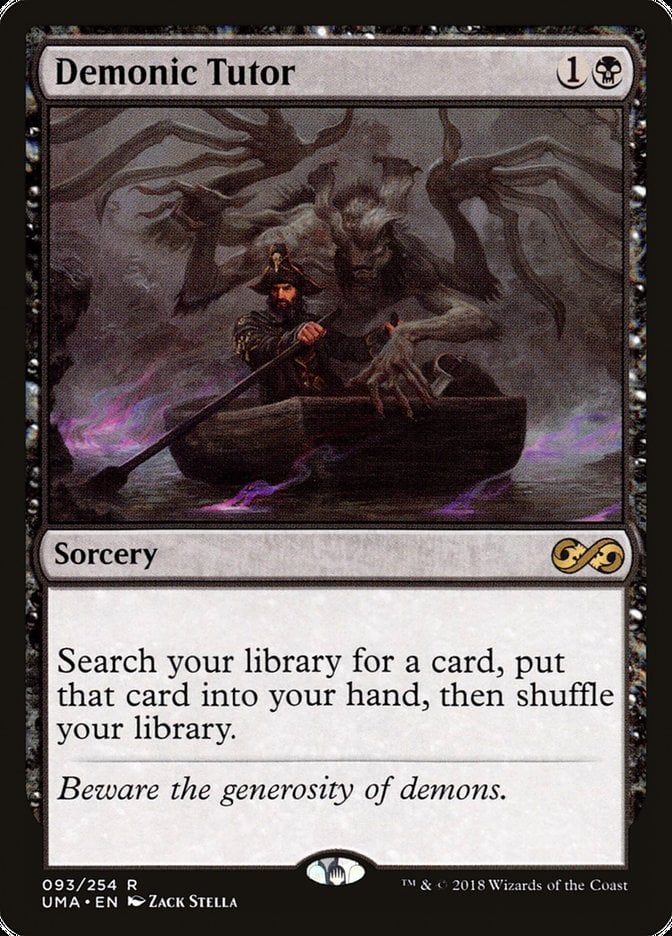
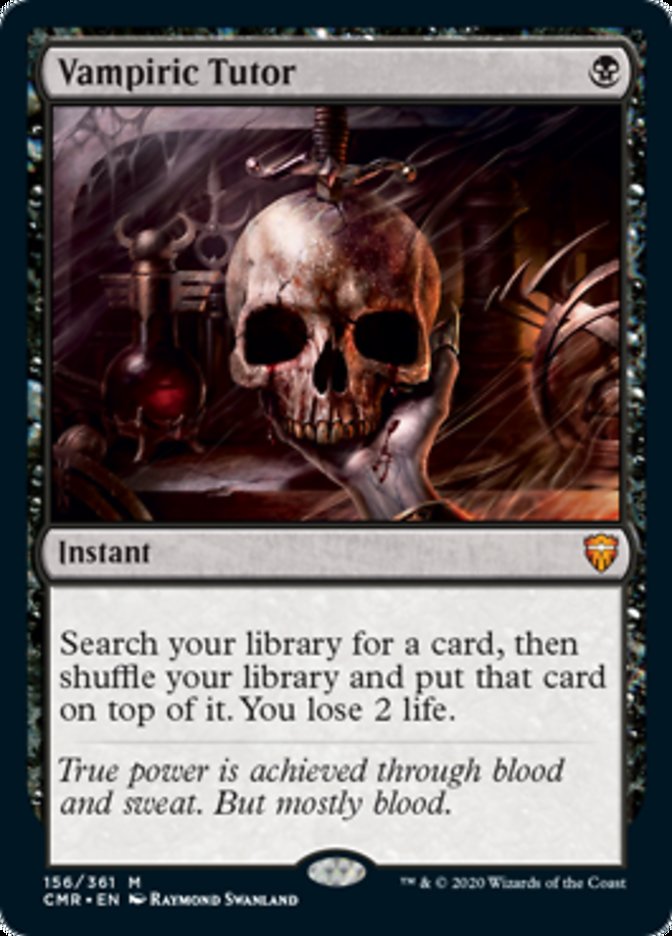
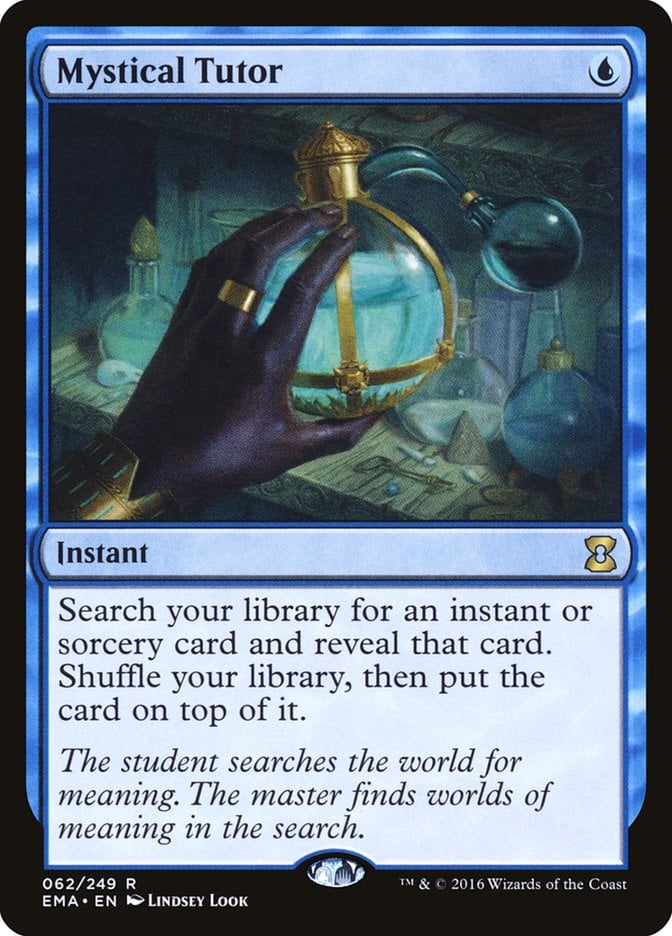
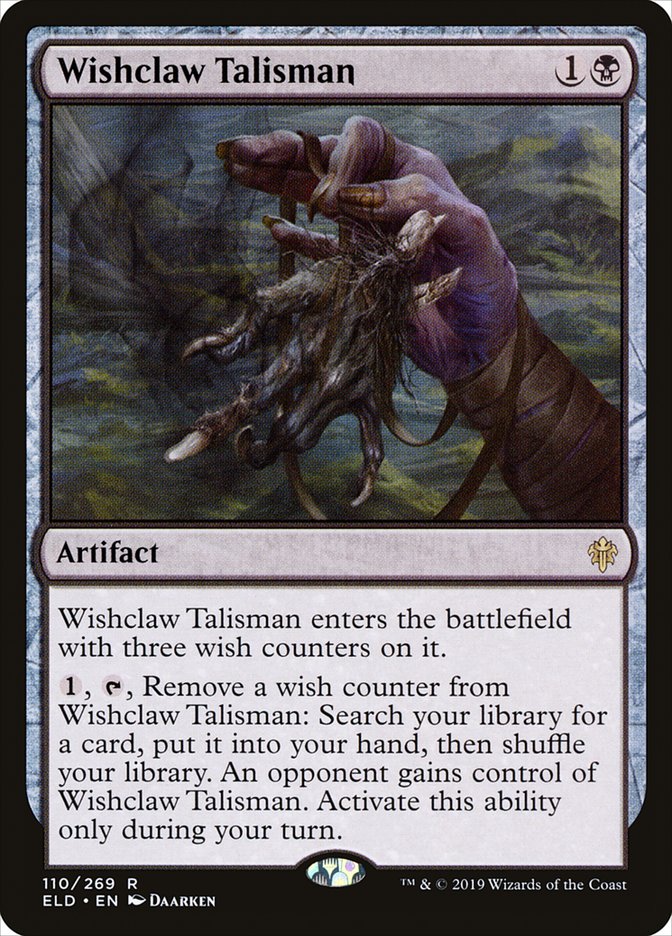
Tutors like Demonic Tutor, Vampiric Tutor, Mystical Tutor, and Wishclaw Talisman help you find exactly what you need—whether it’s a combo piece or interaction.
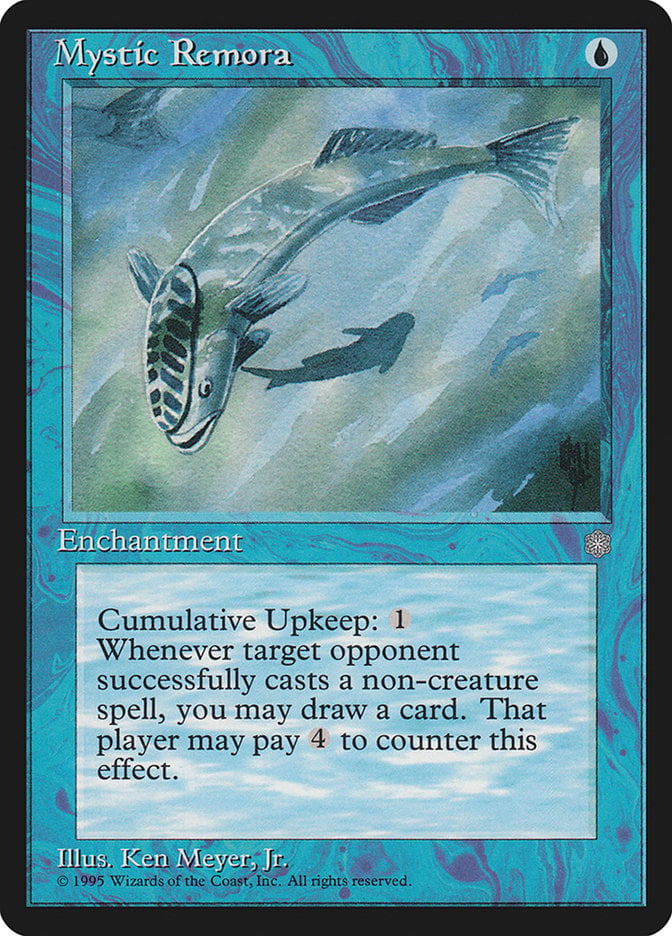
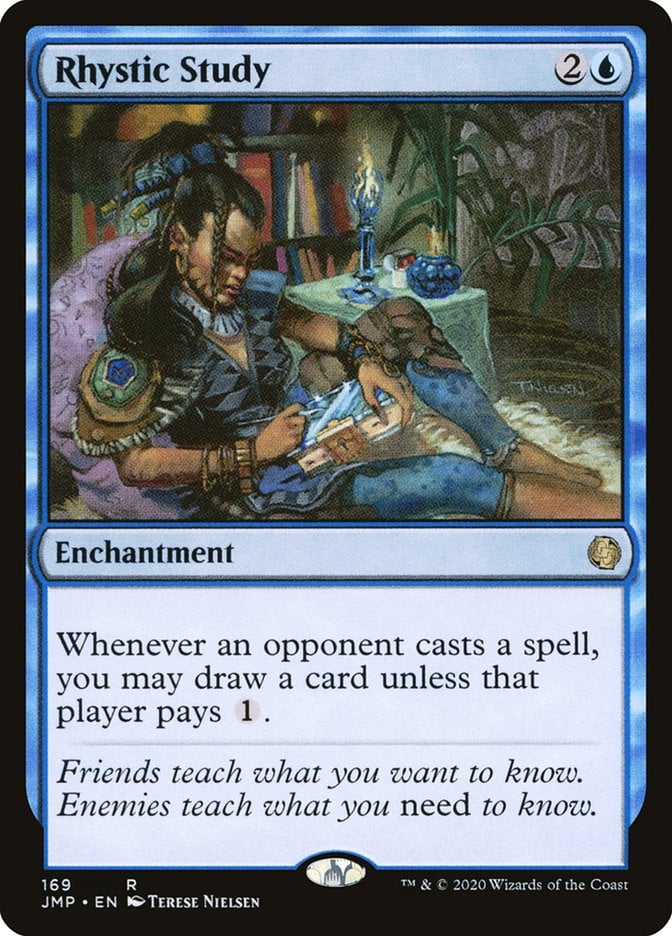
And don’t forget the card draw engines like Mystic Remora and Rhystic Study; they’re enablers too, keeping your hand full as your opponents naturally play the game.
Interaction
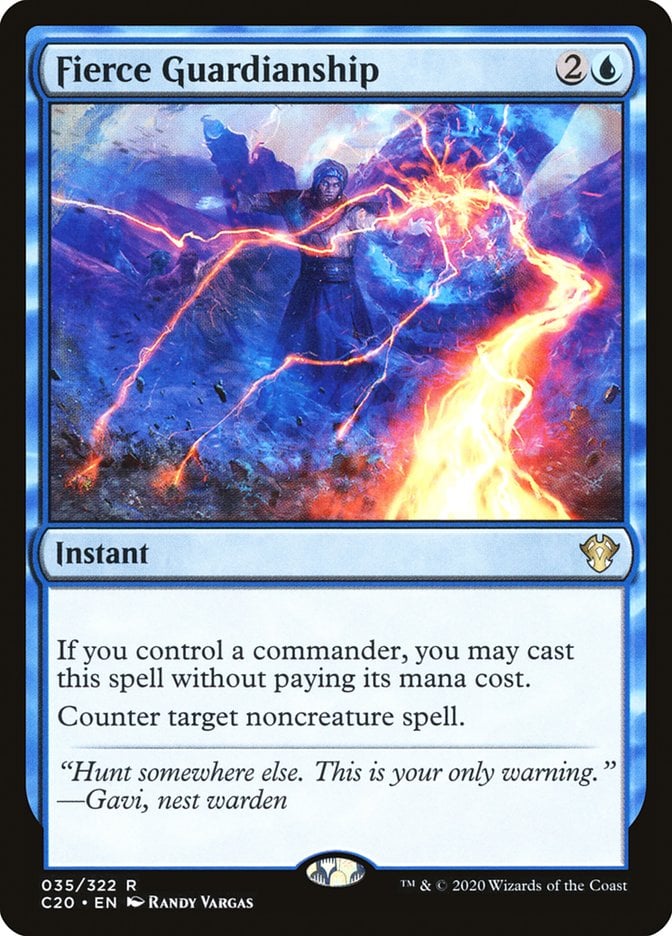
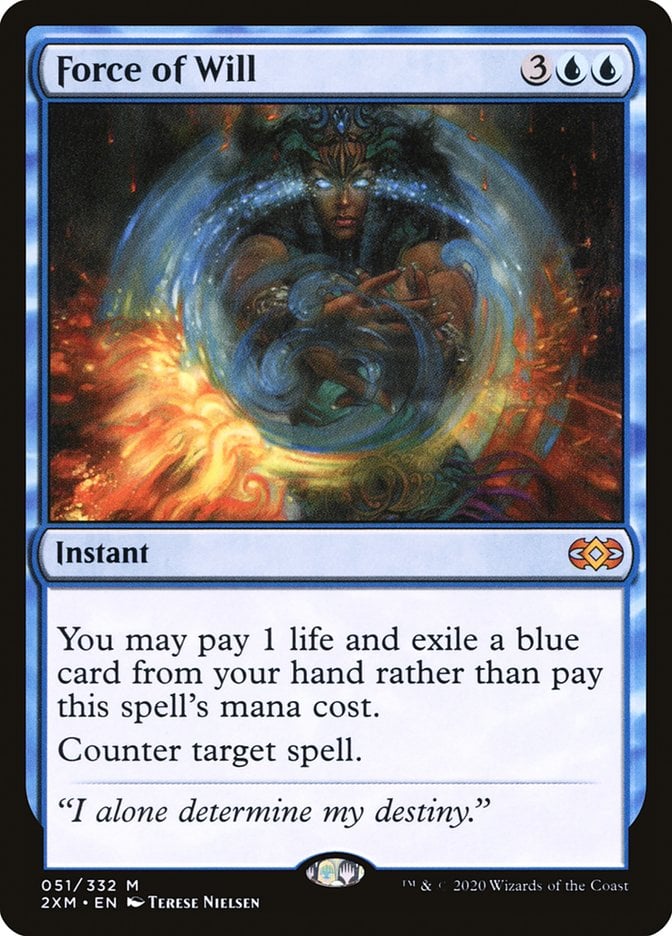
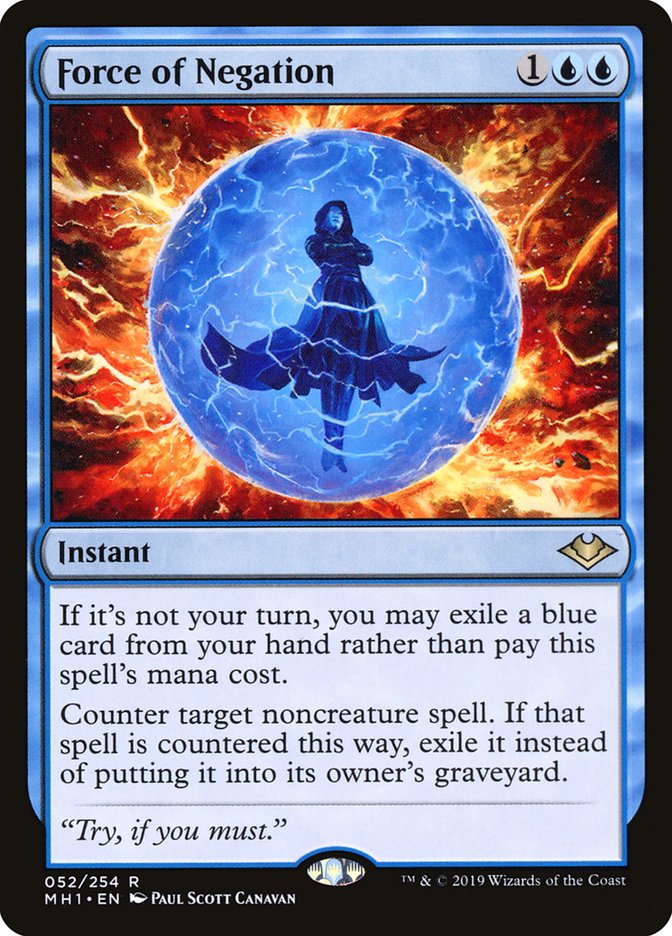
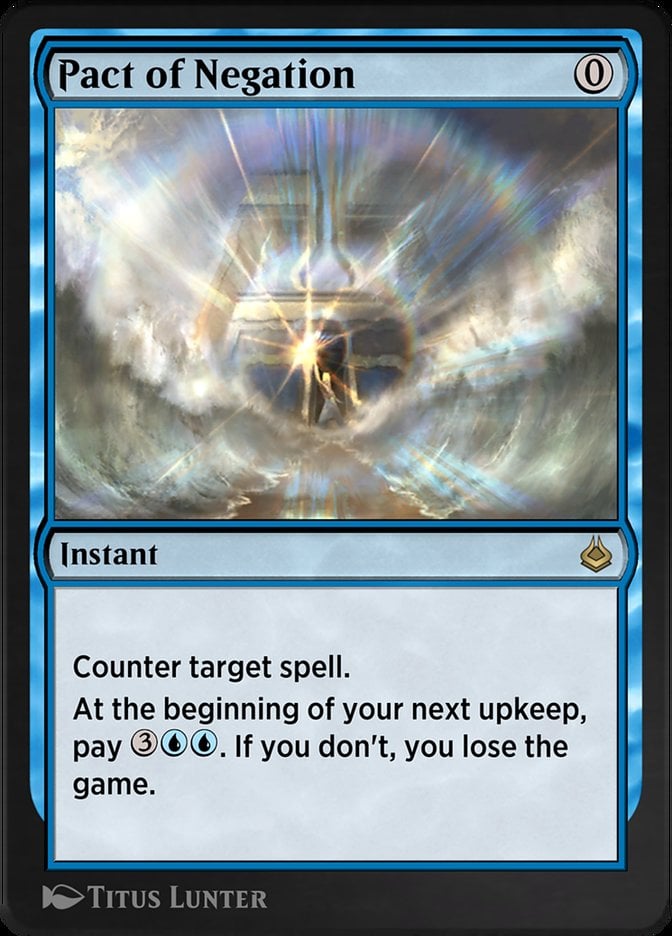
This deck plays a mountain of free and cheap counterspells to protect your combos and slow your opponents down. Fierce Guardianship, Force of Will, Force of Negation, and Pact of Negation are the backbone, keeping you safe without needing to leave mana open.
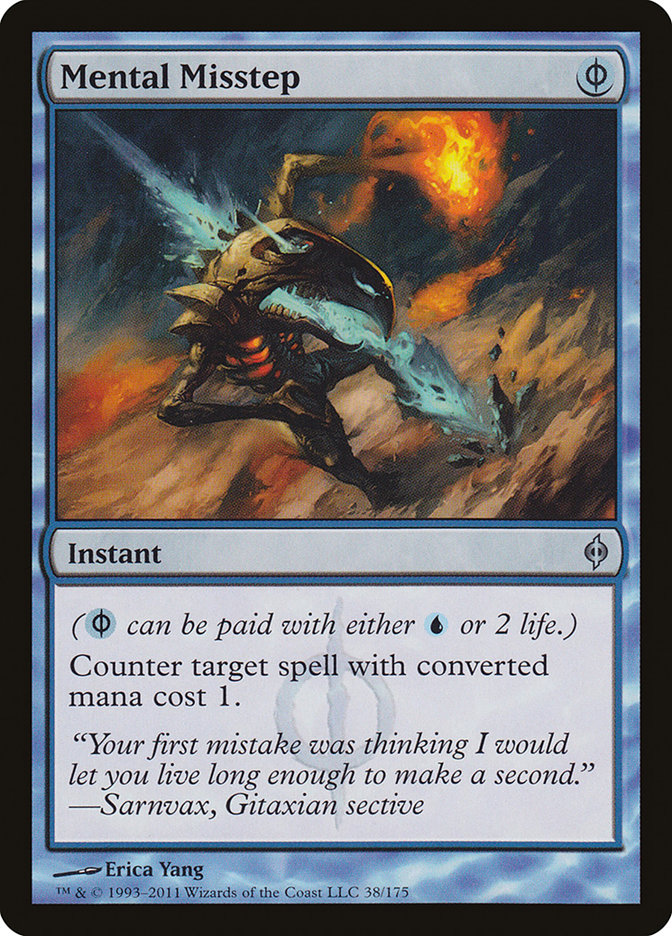
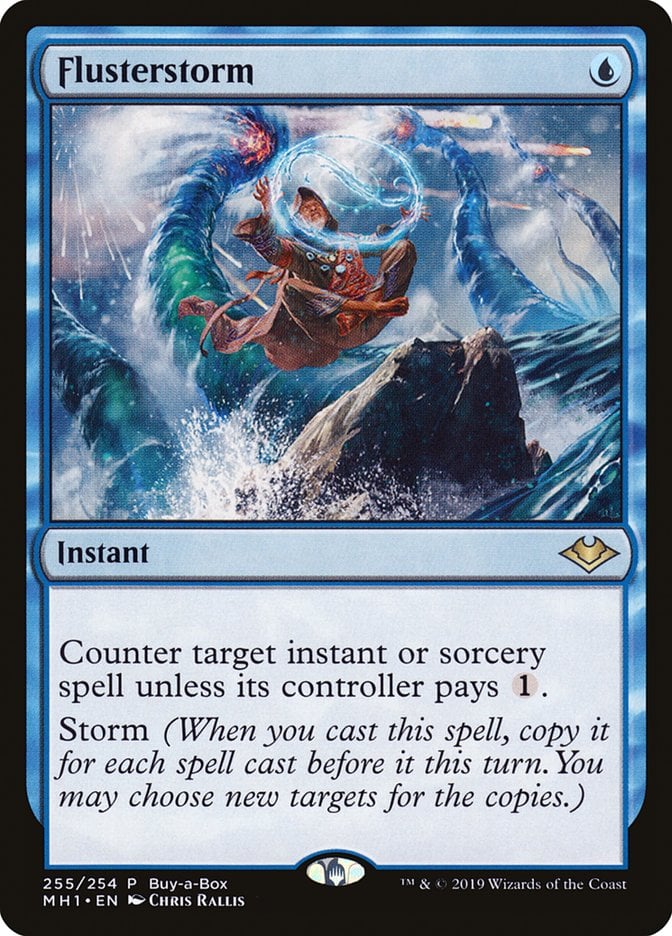
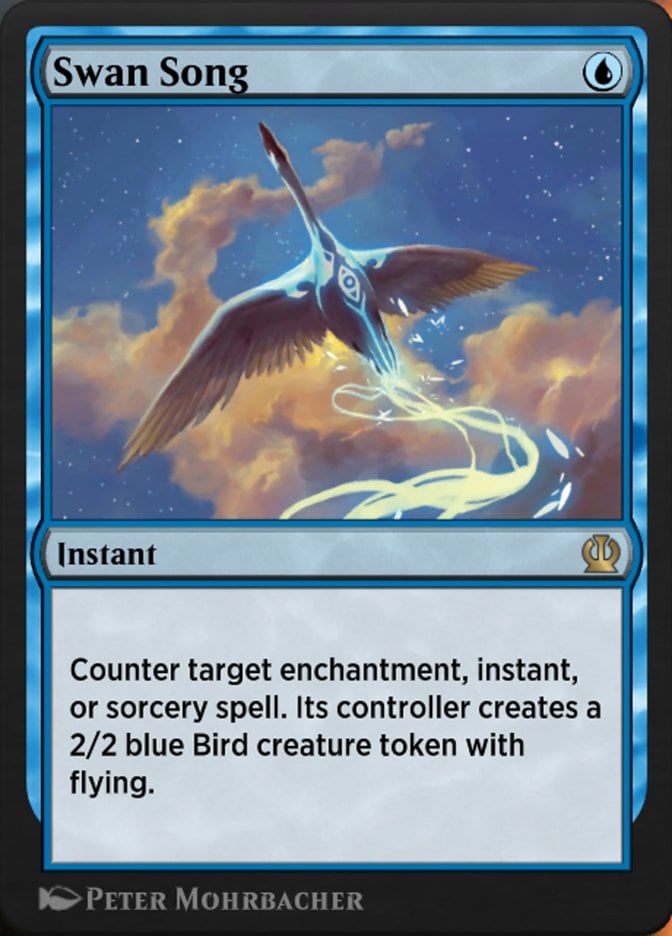
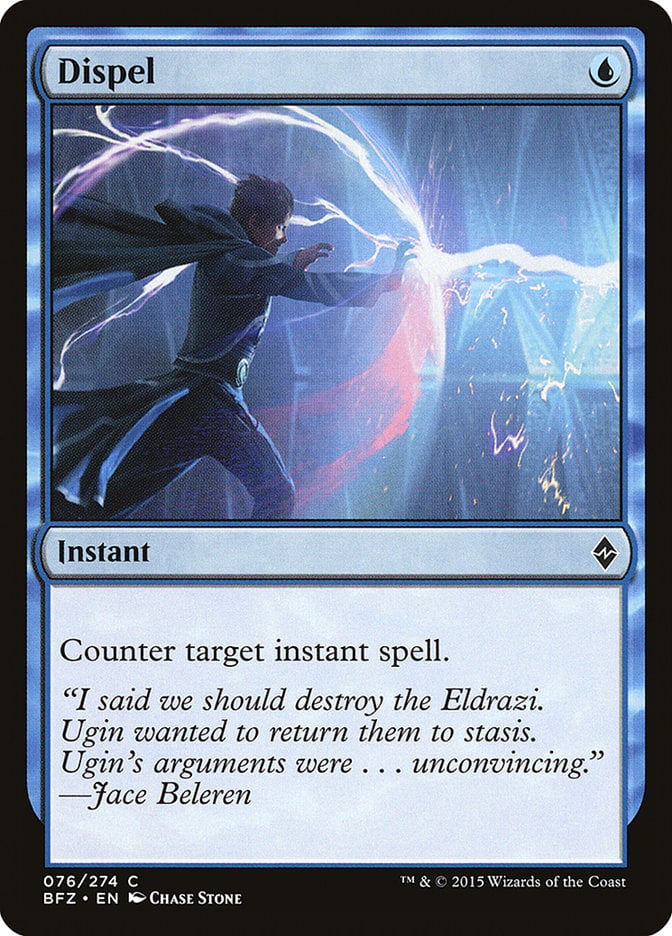
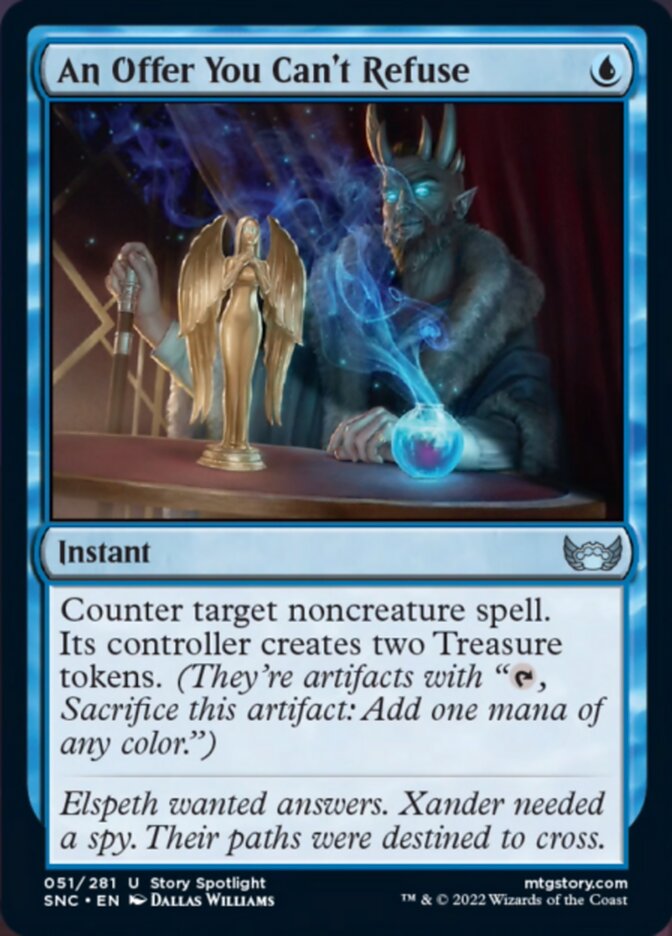
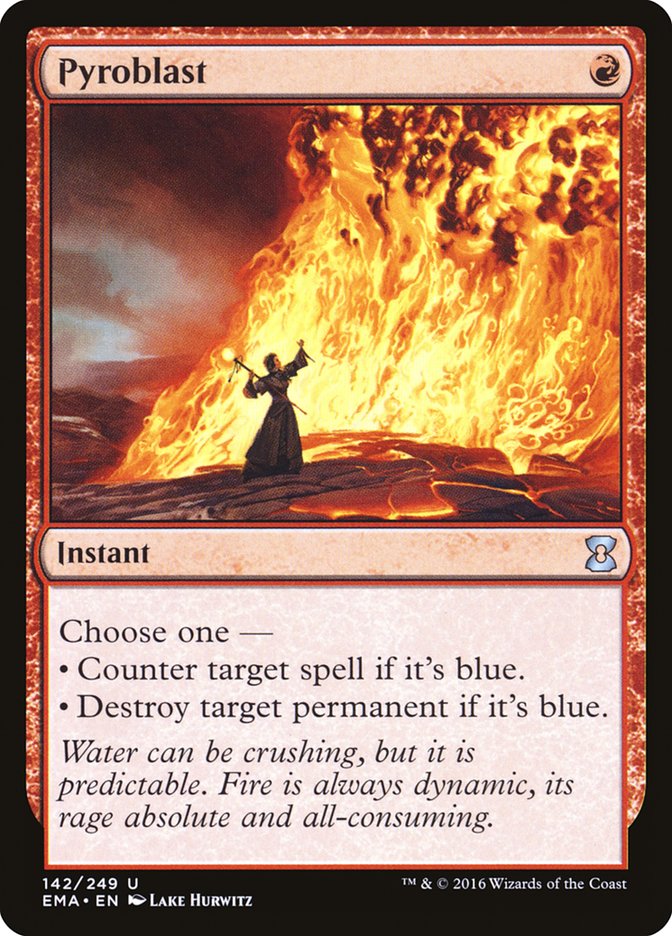
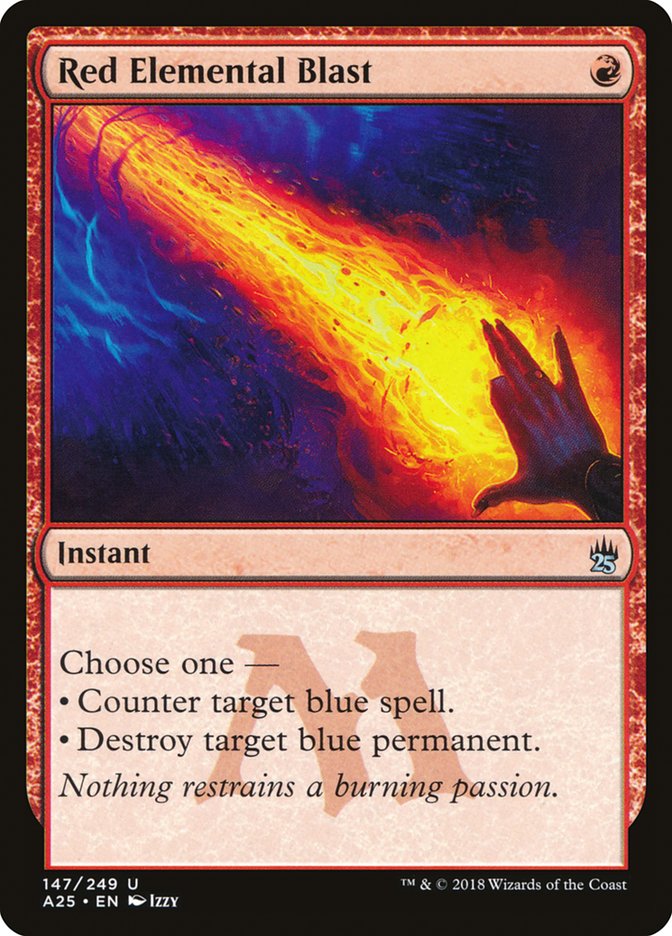
Mental Misstep, Flusterstorm, Swan Song, Dispel, and An Offer You Can't Refuse give you 1-mana ways to stop critical spells. Red countermagic like Pyroblast and Red Elemental Blast takes care of problematic blue spells.
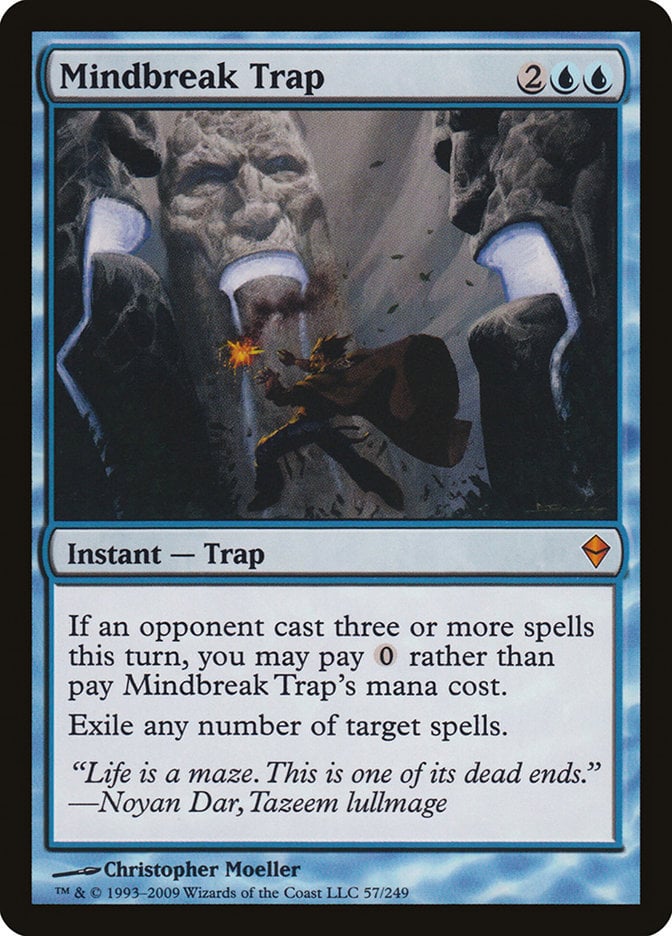
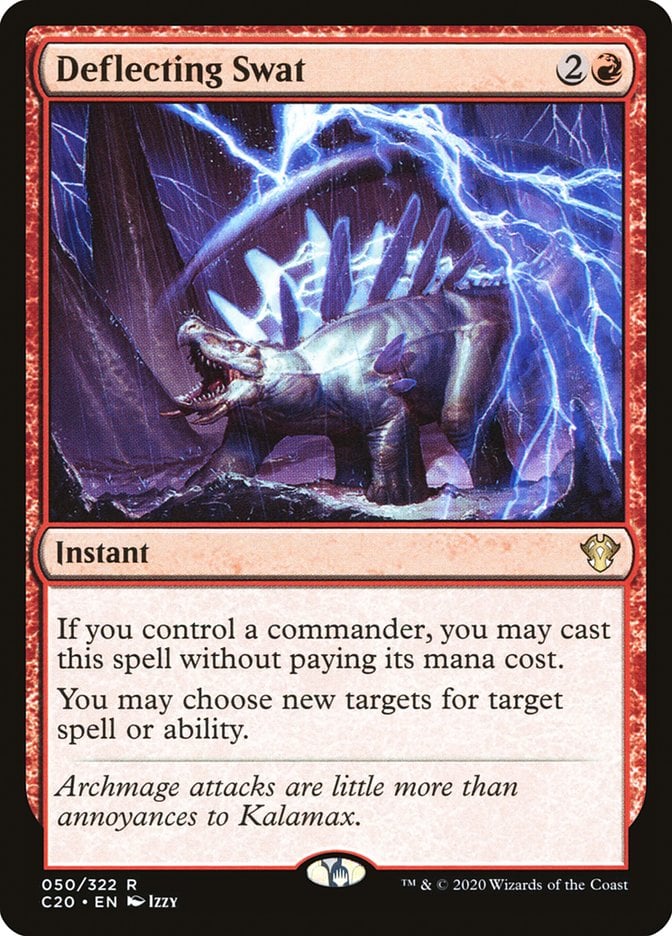
And if things are going south, Mindbreak Trap and Deflecting Swat give you more reactive options.
Removal
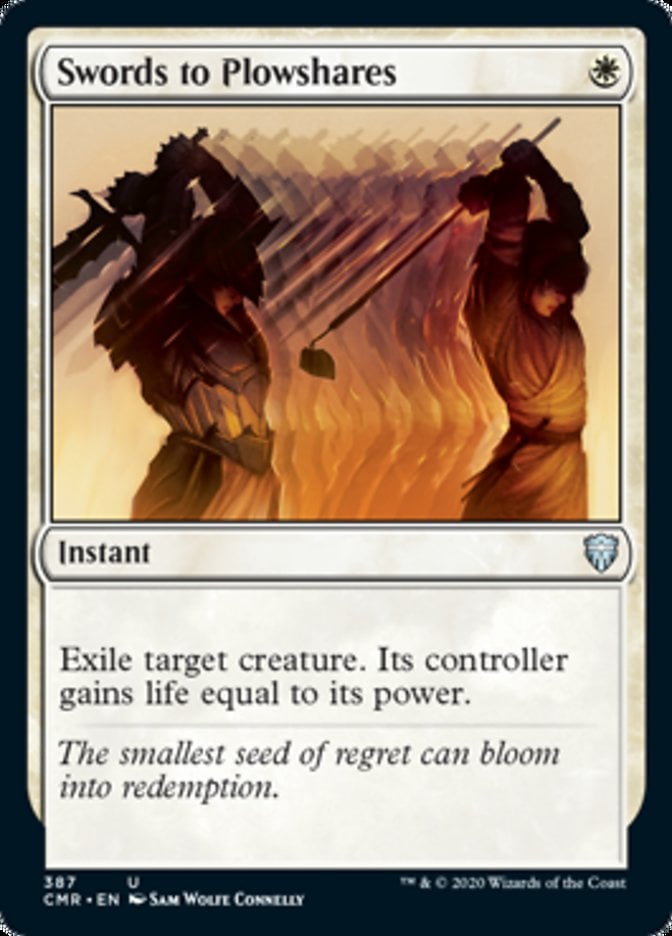
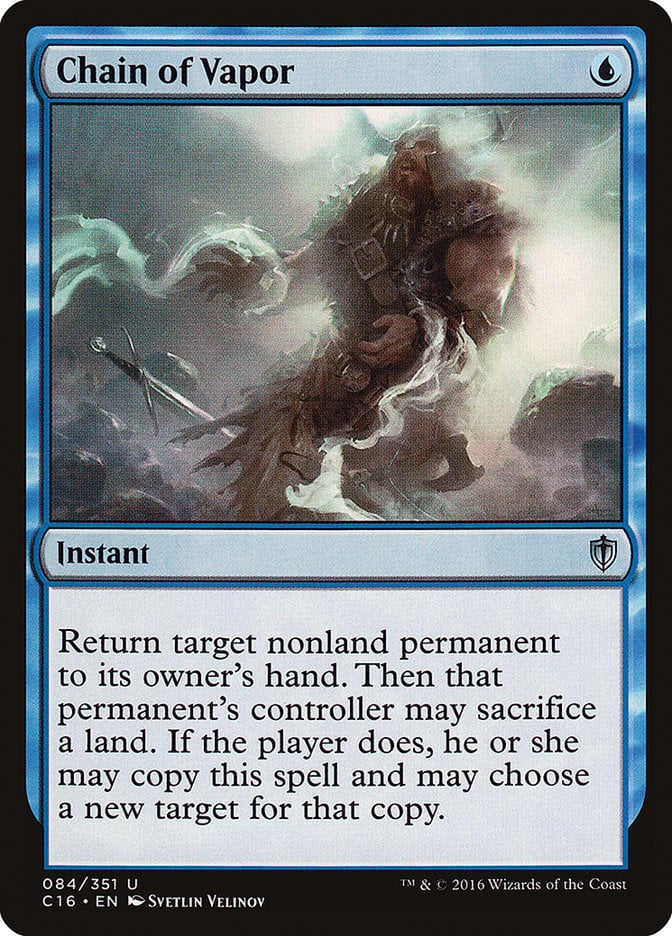
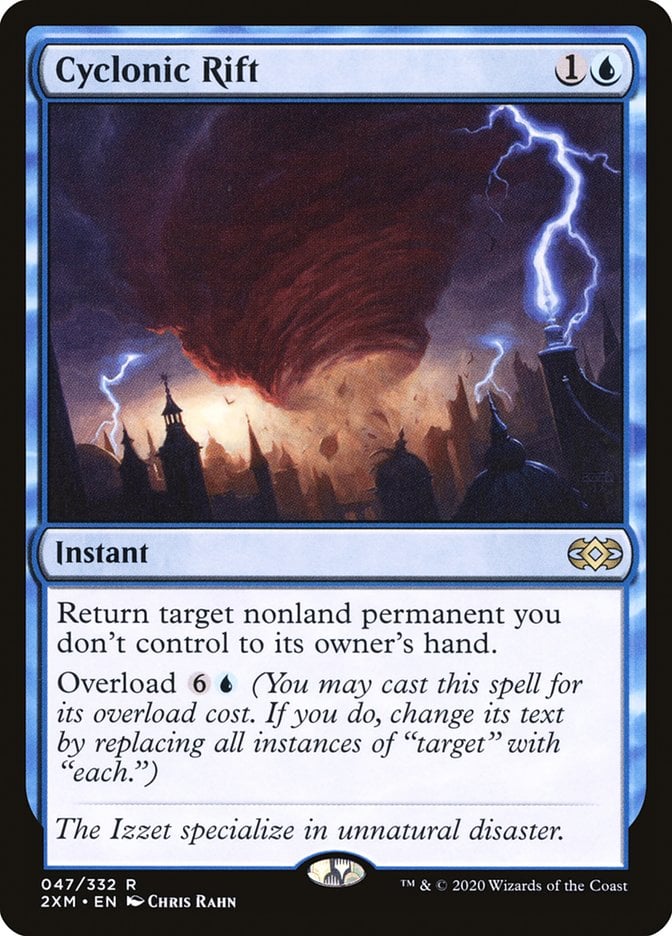
You’ve got efficient tools when it’s time to deal with threats. Swords to Plowshares is your go-to for problem creatures, while Chain of Vapor and Cyclonic Rift bounce away everything from pesky permanents to entire boards.
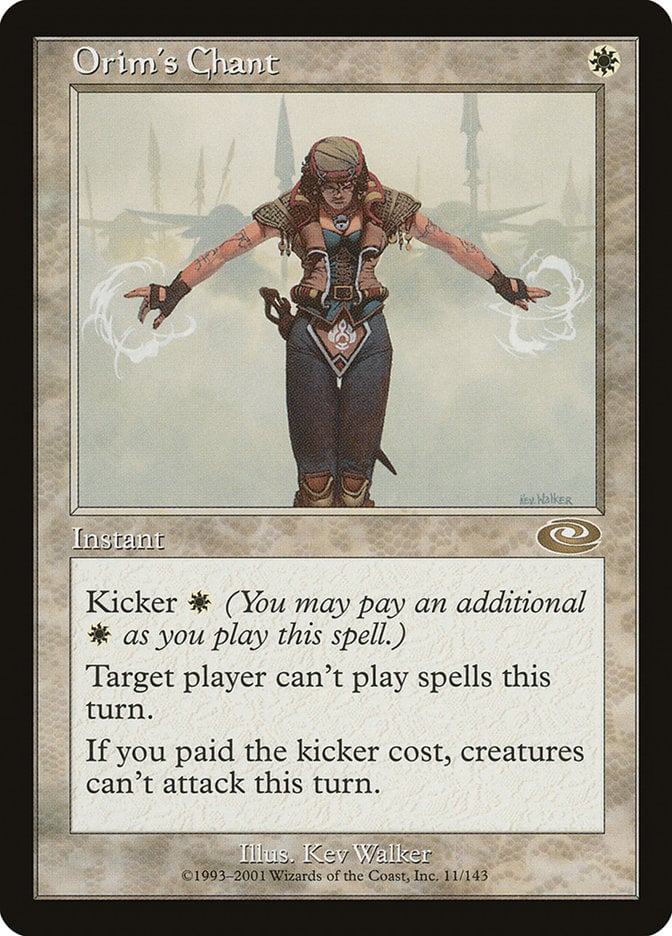
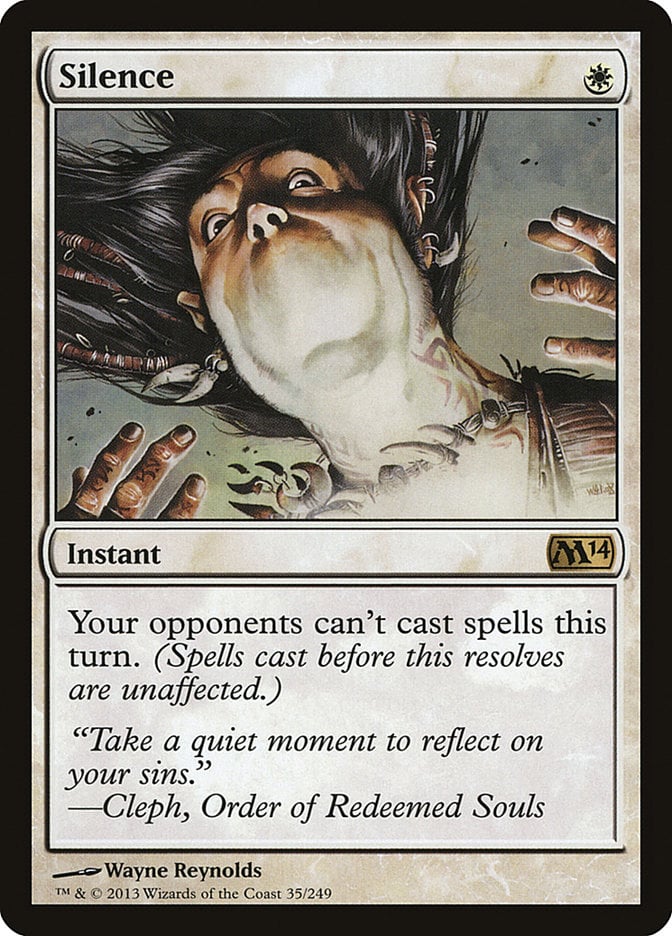
Orim's Chant and Silence aren’t removal in the traditional sense, but they effectively “remove” your opponents’ ability to interact for a turn, perfect for combo setups.
Win Condition
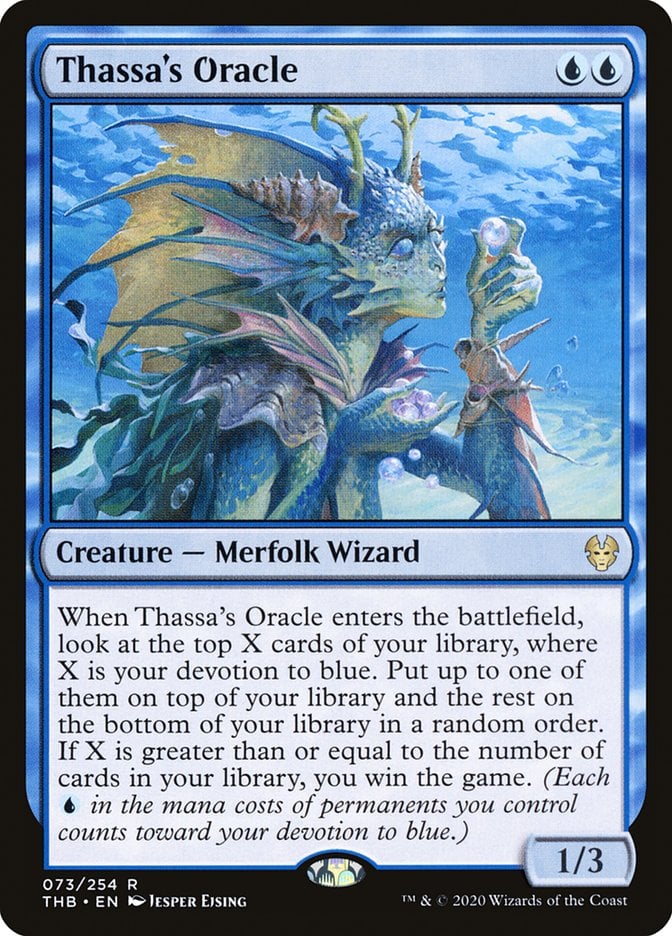
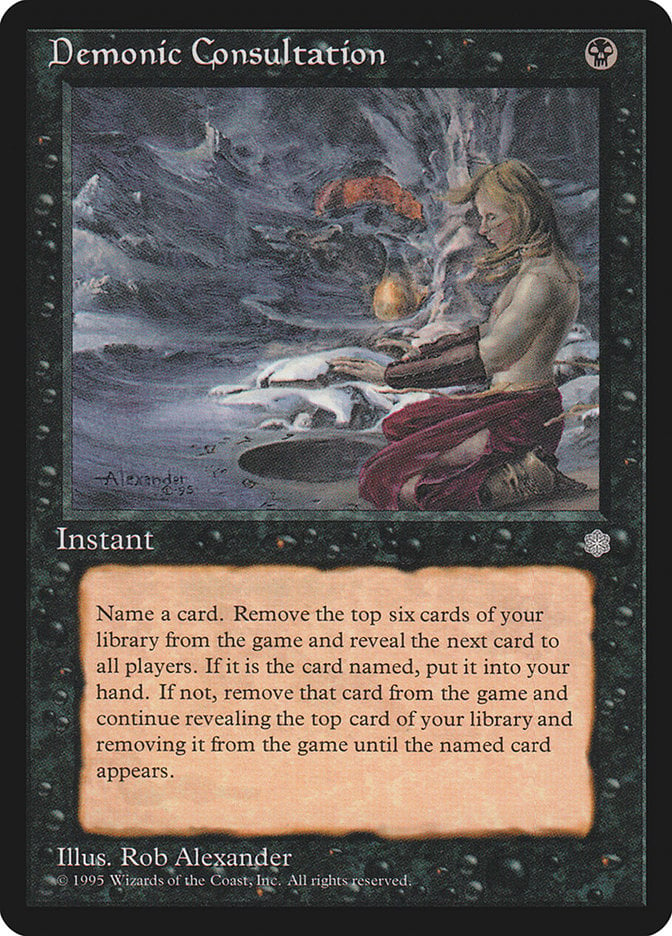
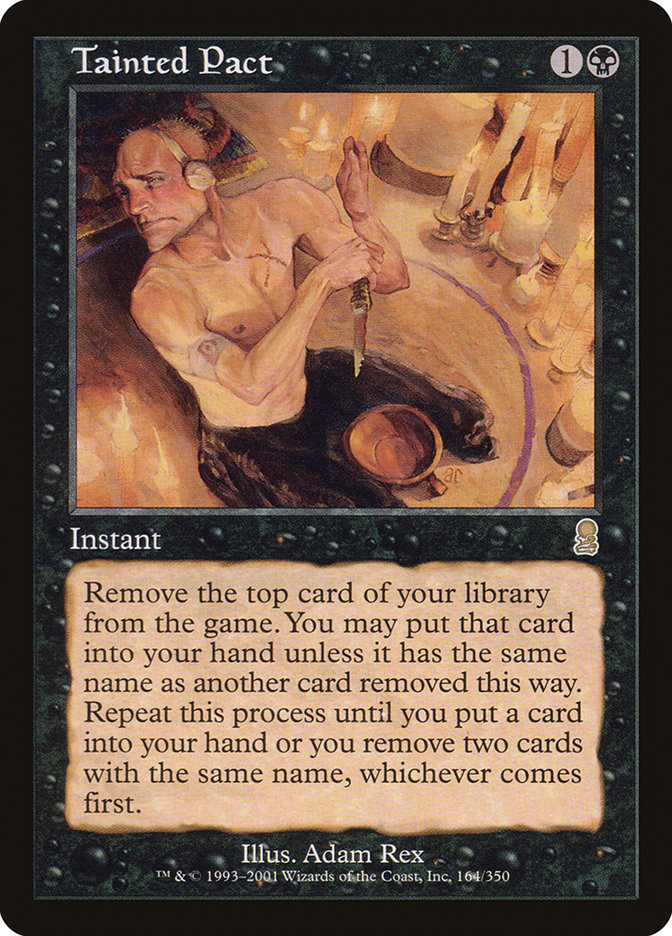
Blue Farm closes games with classic cEDH combos. The main wincon is Thassa's Oracle paired with either Demonic Consultation or Tainted Pact, exiling your deck for an instant win.
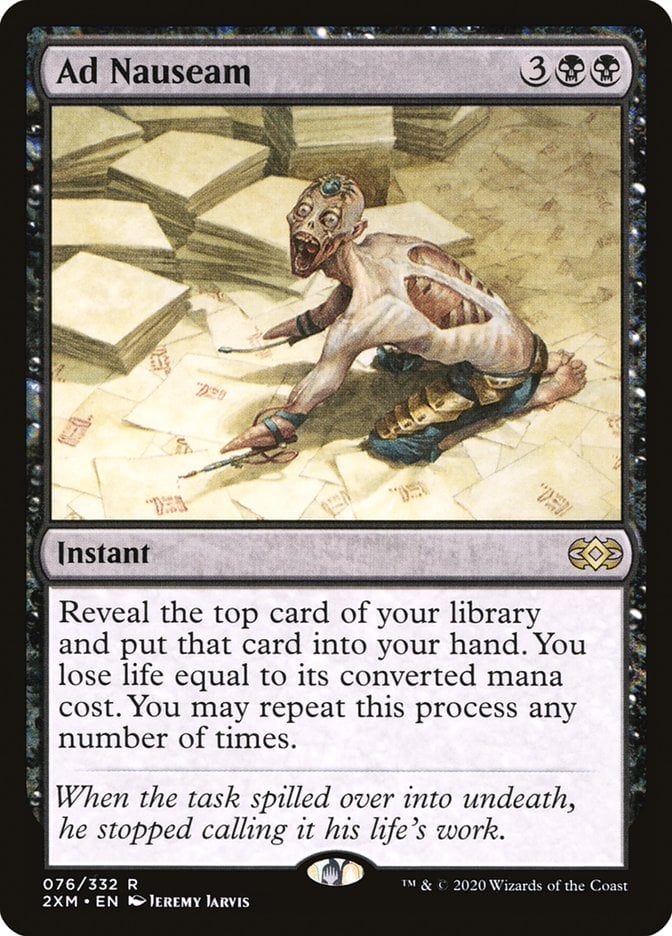
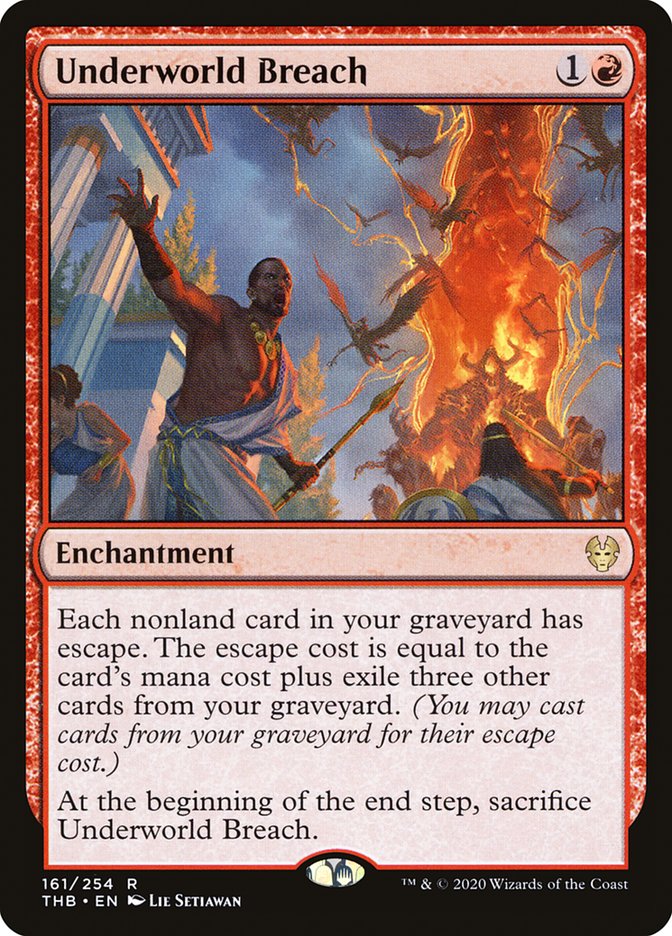
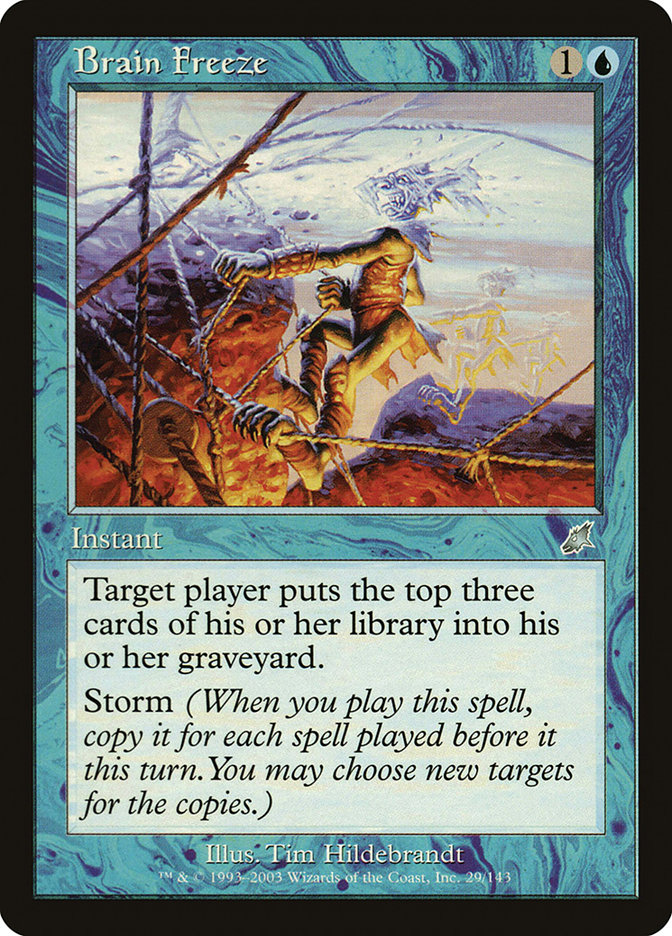
You’ve also got Ad Nauseam and Underworld Breach, both capable of chaining into massive spell turns and finishing with Brain Freeze or another Oracle win.
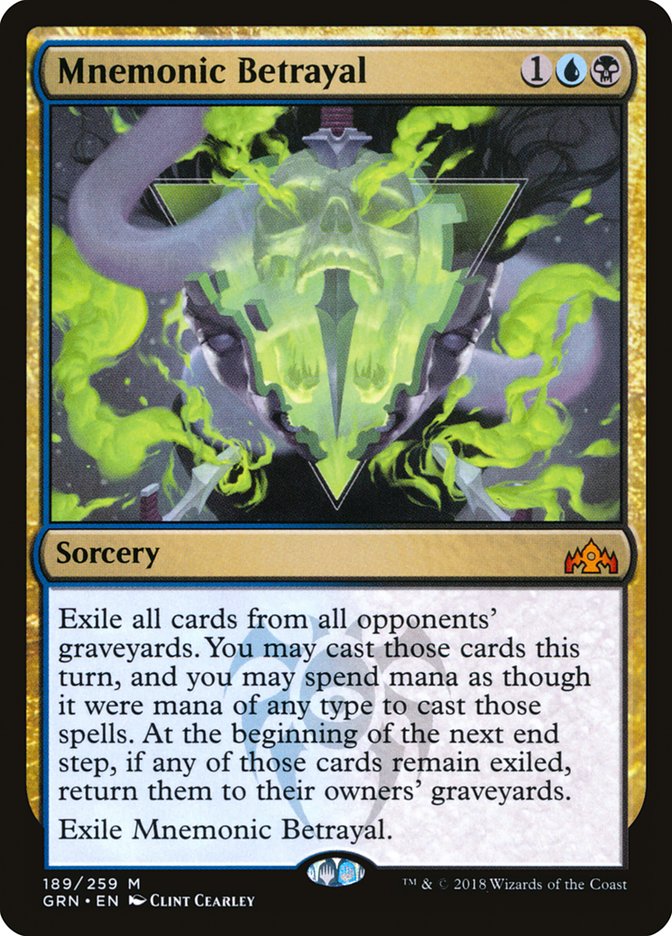

Mnemonic Betrayal lets you steal wins from opponents’ graveyards too, while Beseech the Mirror gives you a flexible, powerful tutor that can cast combo pieces for free.
The Mana Base
Blue Farm runs a tight, efficient mana base designed for speed and flexibility. Since the deck uses four colors, you’ll find a full set of fetch lands like Polluted Delta and Marsh Flats, paired with shock lands and original duals like Underground Sea and Volcanic Island to make color fixing easy.
You also get fast mana from lands like Ancient Tomb and City of Traitors, helping you power out early plays. Gemstone Caverns is great if you’re not going first, giving you a possible turn-0 land. Five-color lands like Command Tower, Mana Confluence, and Exotic Orchard round things out by tapping for any color. Altogether, the mana base helps you stay fast, consistent, and ready to combo off.
The Strategy
This deck plays a smart and flexible game plan that shifts depending on how the match is going. In the early turns, you want to ramp quickly with cards like Sol Ring, Lotus Petal, or Mox Amber, and start drawing cards with Tymna the Weaver, Esper Sentinel, or Ragavan, Nimble Pilferer. The goal isn’t to win right away—it’s to build a strong position while flying under the radar.
As you move into the midgame, this deck starts pulling ahead. Kraum, Ludevic's Opus keeps your hand full as your opponents cast multiple spells, and value engines like Rhystic Study and Smothering Tithe give you the resources you need to control the game. During this stage, you’ll start searching for your win pieces using tutors like Demonic Tutor or Mystical Tutor, all while holding up cheap permission like Flusterstorm and Fierce Guardianship.
Eventually, you’ll find the right moment to go off—usually with Thassa's Oracle and either Demonic Consultation or Tainted Pact. You can also win using Underworld Breach and Brain Freeze to loop your graveyard and finish the game. Cards like Silence, Orim's Chant, or Grand Abolisher help shut down opponents when you’re ready to combo. This deck rewards patience, timing, and knowing exactly when to make your move.
Combos and Interactions
Blue Farm is known for its flexible, compact combo wins. The most common is the classic Thassa's Oracle plus Demonic Consultation or Tainted Pact, which wins you the game by exiling your library and letting Oracle’s ability check an empty deck. It’s quick, efficient, and easy to protect with counterspells.
The deck also uses Underworld Breach to turn your graveyard into a resource. With cards like Lion's Eye Diamond, Brain Freeze, and cheap rituals, you can mill yourself, make mana, and loop spells until you win with Oracle again or mill your opponents out. If your Breach is under threat, there’s even a clever trick with An Offer You Can't Refuse. By casting Brain Freeze targeting yourself and letting most copies resolve, you can then use An Offer You Can't Refuse to counter the original spell. This gives you Treasure, puts Brain Freeze back into the graveyard, and lets you recast it again. Done right, it lets you mill your deck at instant speed while generating mana to keep going or respond to interaction.
On top of that, cards like Orim's Chant, Silence, and Grand Abolisher help shut down your opponents while you go off, and free counters like Force of Will or Fierce Guardianship make sure your combo lands safely. Whether you’re going for the win or playing the long game, Blue Farm always keeps its options open.
Budget Options
If you’re trying to build Blue Farm on a budget, the good news is that the core of the deck—Tymna the Weaver and Kraum, Ludevic's Opus—is still very playable without the super expensive pieces. But you’ll need to make a few key swaps to keep things affordable. Cards like Mana Crypt, Mox Diamond, and Chrome Mox are powerful, but they cost a fortune. You can replace them with cheaper options like Arcane Signet, Talisman of Progress, or even Mind Stone. They’re slower, but they still help you ramp into your plays.
Expensive card draw engines like Rhystic Study and Mystic Remora can also be swapped for more budget-friendly options. Ghostly Pilferer, card selection with Ledger Shredder, or even Deep Analysis can help you keep cards flowing without breaking the bank. The same goes for countermagic—while Force of Will and Fierce Guardianship are top-tier, cards like Negate, Delay, and Spell Pierce can hold the line just fine in casual or budget pods.
For mana fixing, instead of original dual lands or fetches, you can use pain lands like Shivan Reef or taplands and lesser duals like the Pathway cycle. They’re not perfect, but they keep the deck playable and your wallet intact. The combo pieces—like Thassa's Oracle, Demonic Consultation, and Underworld Breach—are thankfully still somewhat affordable and should stay in. So while budget Blue Farm isn’t as fast or resilient, you can still keep its core gameplay and playstyle intact with smart and budget-friendly substitutions.
Other Builds
One of the coolest things about the Blue Farm shell is how easy it is to swap out partners and still keep the core gameplan intact. While Tymna and Kraum are the classic pairing for value and pressure, players have started experimenting with alternate partners to open up new combo lines or shore up different angles. For example, pairing Tymna with Thrasios, Triton Hero leans harder into infinite mana combos—especially with rocks and Dramatic Reversal setups—giving the deck a cleaner win condition once you’re drawing your entire library.
Also, let’s remember that Blue has some of the more compact, flash-enabled combos that work beautifully with value-heavy decks. Valley Floodcaller is a great example—when you pair it with Retraction Helix or Banishing Knack and a mana-positive artifact like Sol Ring or Mox Amber, you can go infinite at instant speed. This loop gives you infinite mana, infinite ETBs, and sets you up for any number of finishers like Aetherflux Reservoir. And since all of the pieces are playable on their own, it’s a low-risk, high-reward inclusion in decks that can tutor well and protect their lines.
Then there’s Necropotence, which is still one of the scariest engines in the format. In Blue Farm, it becomes even more dangerous because of all the ways to take an extra turn or combo out before your end step hits. Cards like Final Fortune, Borne Upon a Wind, or even Floodcaller again let you pop off the moment you refill your hand. If you’re already holding protection or counterspells, it’s not uncommon to Necro for 20 and win right then and there.
All these pieces can be fit into the deck; is just a matter of choosing the right ones based on how your local meta looks.
Commanding Conclusion

Tainted Pact | Illustration by Benjamin Ee
As you can see, this deck isn’t built to play fair—it’s built to win. No matter which combo you lean into or how you tweak the list, Blue Farm is guaranteed to compete at the highest levels of cEDH. It’s fast, flexible, and full of powerful options that keep it at the top of the meta. So, what do you think? Which version of Blue Farm do you like the most? Let us know in the comments or on Discord!
Take care, and we will meet again in my next article.
Follow Draftsim for awesome articles and set updates:










Add Comment