

Phyrexian Altar | Illustration by Yigit Koroglu
Altars in MTG are top-down designs made to represent the ritual tables on which evil cultists sacrifices innocent victims to obtain benefits or summon demons. Black in MTG is the color of sacrificing for profit, and although many altars in MTG are colorless (colored artifacts are relatively new to the game), they end up in black decks or aristocrats decks most of the time. Some players already use the term altar, or mana altar, or even free sac altar, for cards like Phyrexian Altar and Ashnod's Altar.
MTG has many altar cards, and today we’re going to rank them. Some of them are pretty busted, so stay with me and let’s investigate the tools that evildoers have at their disposal.
What Are Altars in MTG?
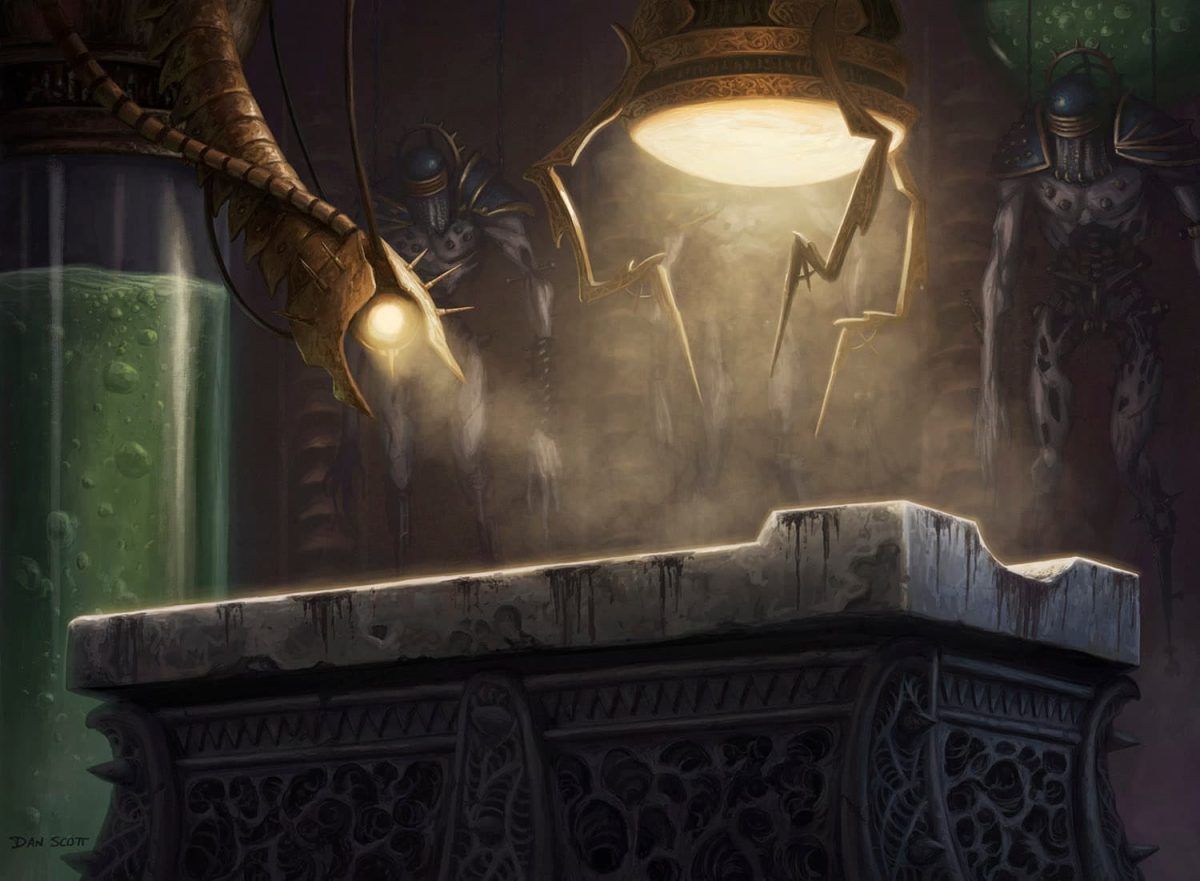
Transmogrant Altar | Illustration by Dan Scott
Altars in MTG are artifacts that are used, in most cases, to sacrifice creatures for profit. The only aspect these cards have in common is that they’re artifacts and they’re called altars. Not all of them are colorless, considering that sacrificing creatures for profit is black’s specialty in MTG, but black altars exist.
Since “altar” isn’t a rules terms or a card type, I’ve selected cards that you could consider altars based on the name, the artwork, and whether it’s an artifact or not.
Honorable Mentions
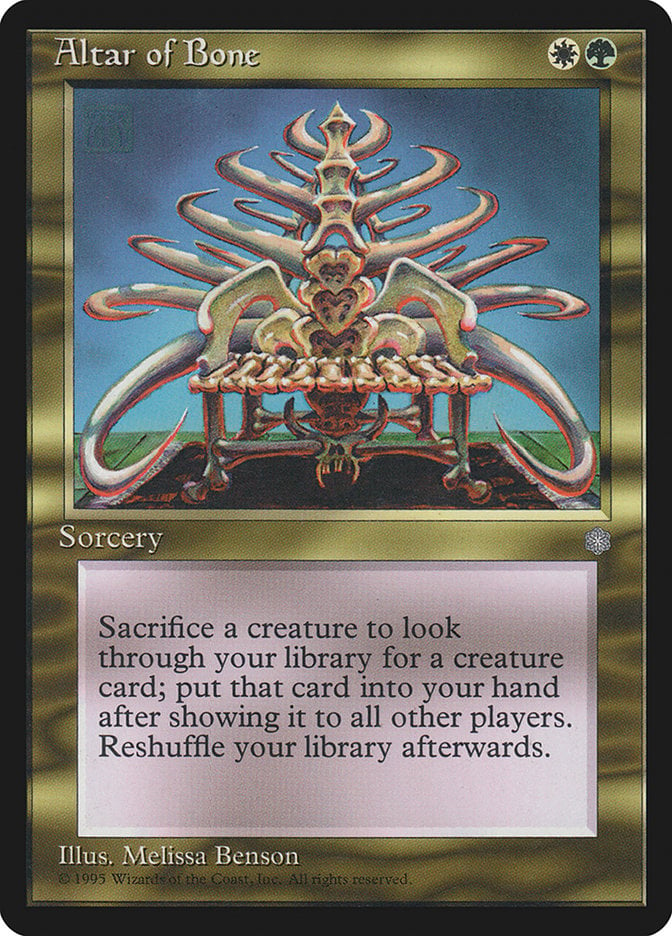
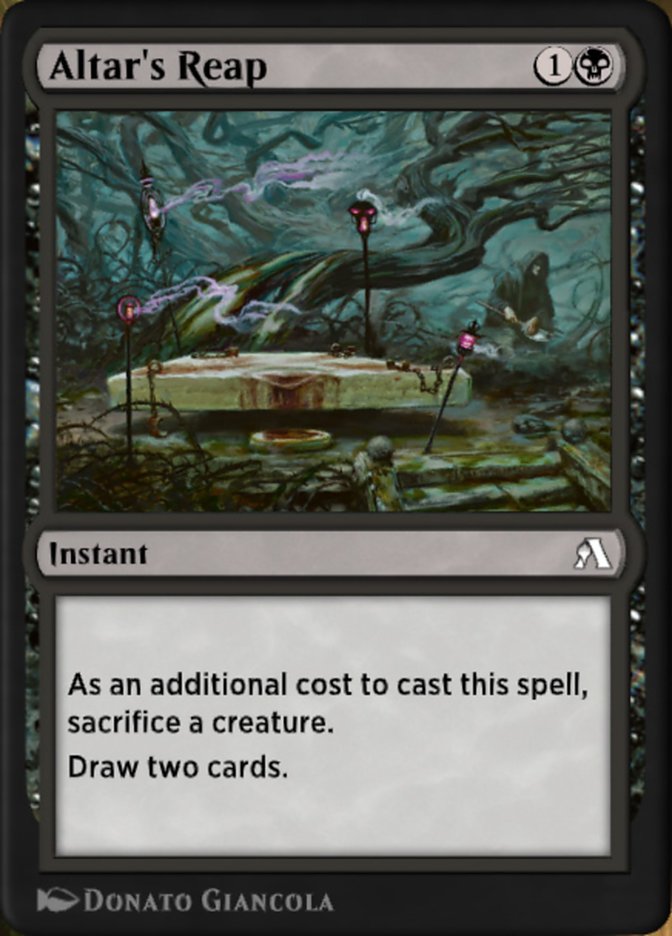
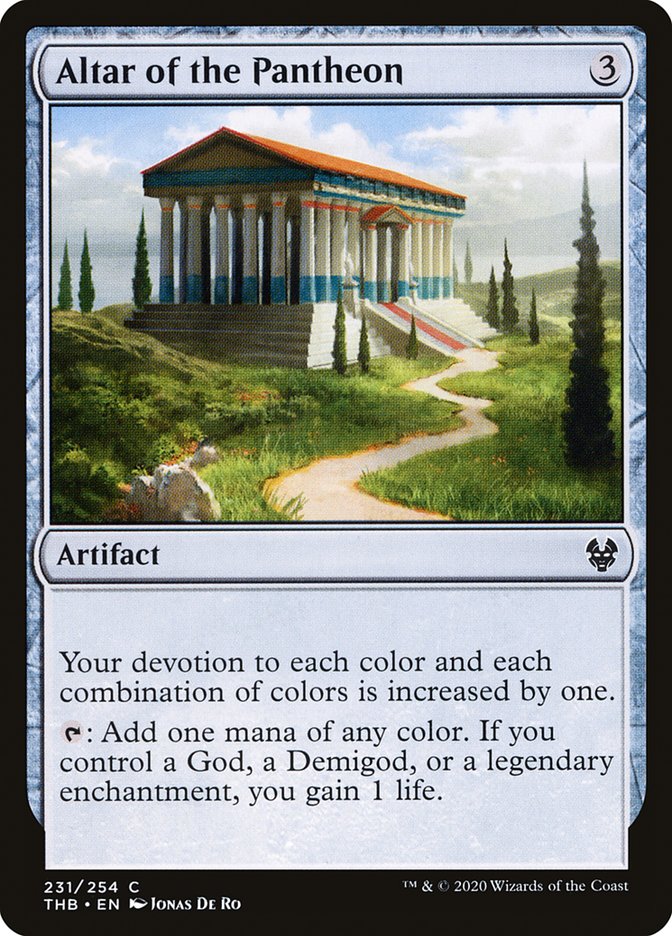
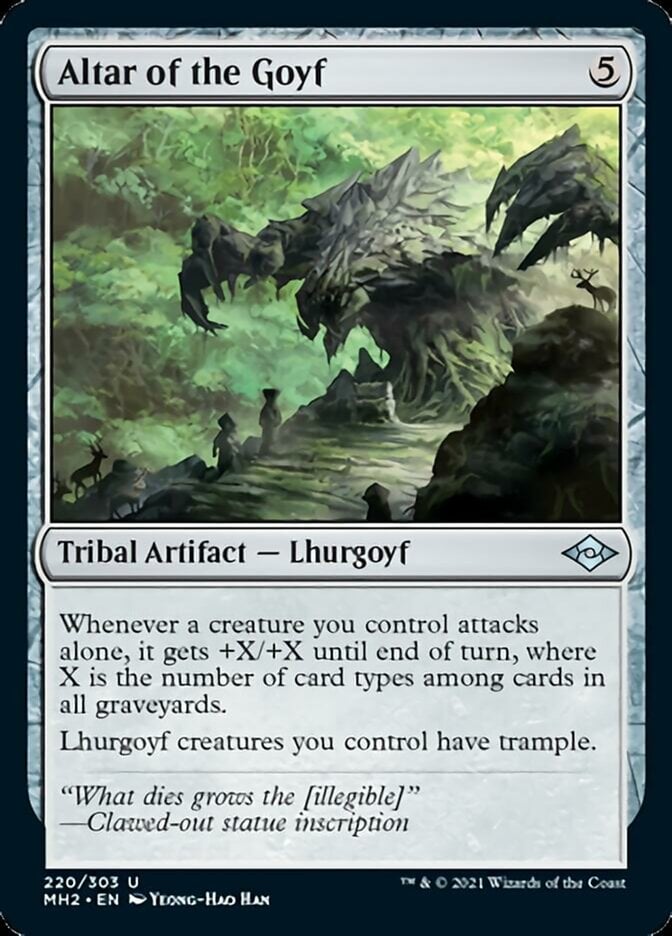

Cards like Altar of Bone and Altar's Reap fit thematically, but they’re sorceries. Meanwhile, cards like Altar of the Pantheon and Altar of the Goyf are a stretch to include. Susur Secundi, Void Altar is a card that can become a sacrifice altar after you station it enough, and a good one at that, but it’s a black land as a default.
#12. Altar of the Lost

Altar of the Lost is a big stretch for me to include because it doesn’t sacrifice creatures directly. But it’s at least an artifact that interacts with the graveyard somehow. You’ll only play this if your deck is heavy on flashback interactions. For me, it’s just a weird card to build around in Limited and in weird Cubes.
#11. Altar of Shadows

Another stretch; at least we have something related to death and a big altar in the art. Altar of Shadows is glacially slow and was designed for the slow Limited environment of Mirrodin. Each turn you can pay 7 mana to activate this card and destroy something, placing charge counters that add more mana each turn. To justify putting this card in a deck, you either need to have some heavy discount on artifact spells, some sort of proliferate engine, or cards like Trazyn the Infinite that can activate it from the graveyard.
#10. Carnage Altar
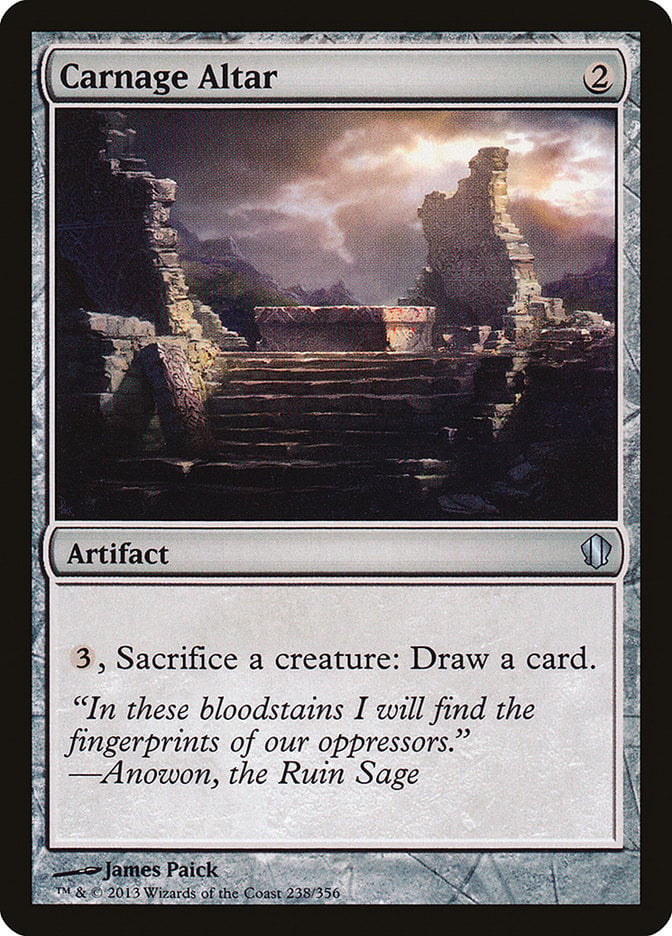
Carnage Altar’s best feature is that you don’t need to tap it to activate it. If you have mana, creatures are going down, and you’re drawing a card each time. If you have a way to make tokens each turn through planeswalkers or activated abilities, paying 3 mana to sac one of them and draw a card isn’t the worst.
#9. Bloodsoaked Altar
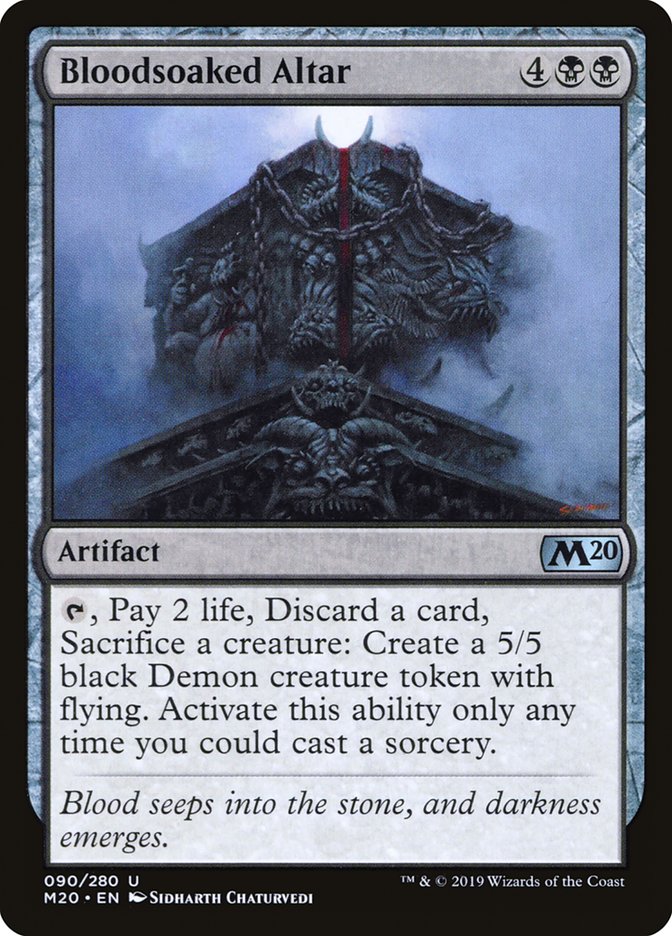
Bloodsoaked Altar pays you off by turning excess lands in your hand and an expendable creature into a mighty 5/5 flying demon. That’s the good part. The bad part is paying 6 mana for this package. You’ll play this card only in decks where having big tokens or demons is relevant somehow.
#8. Netherborn Altar
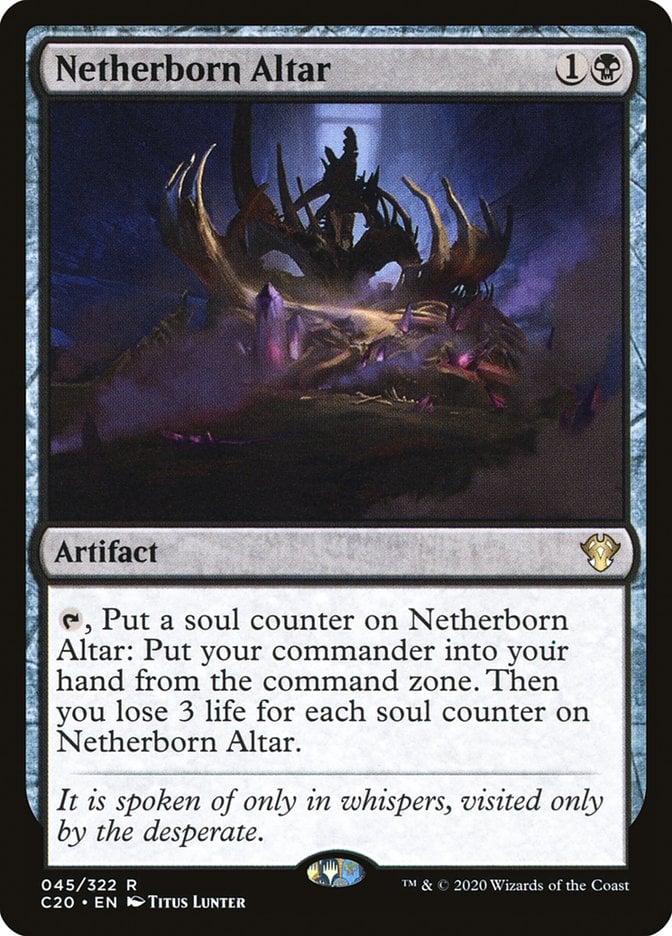
Netherborn Altar works in a slightly different way. You’ll return your commander from the command zone to your hand so you can cast it without paying commander tax, and you’ll lose 3 life each time you do that. It’s secret tech to make Phage the Untouchable work in Commander, and if you rely on other expensive commanders, it can be a tool for consistently replaying them.
#7. Altar of the Wretched / Wretched Bonemass
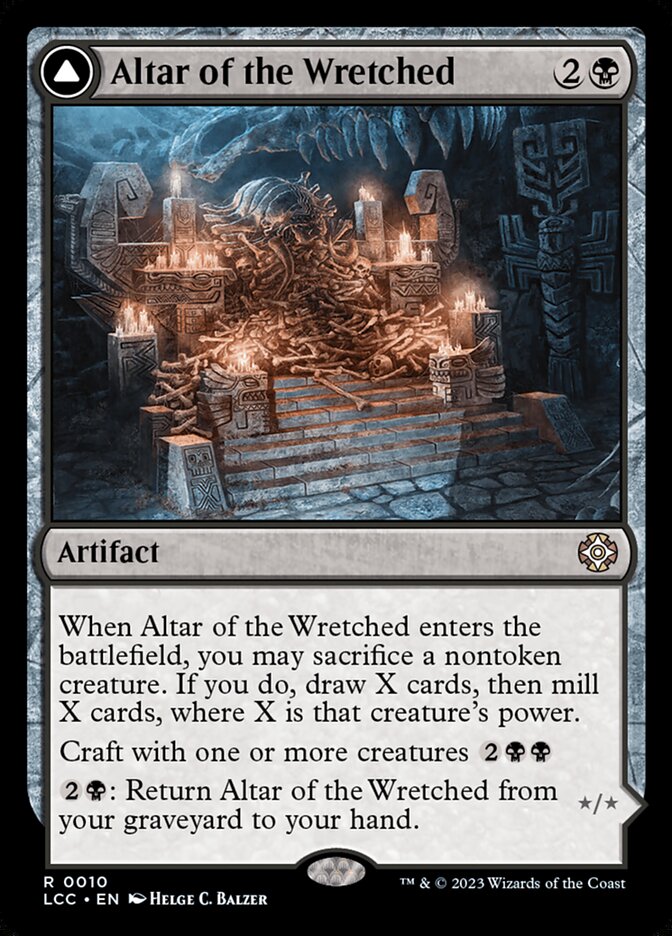
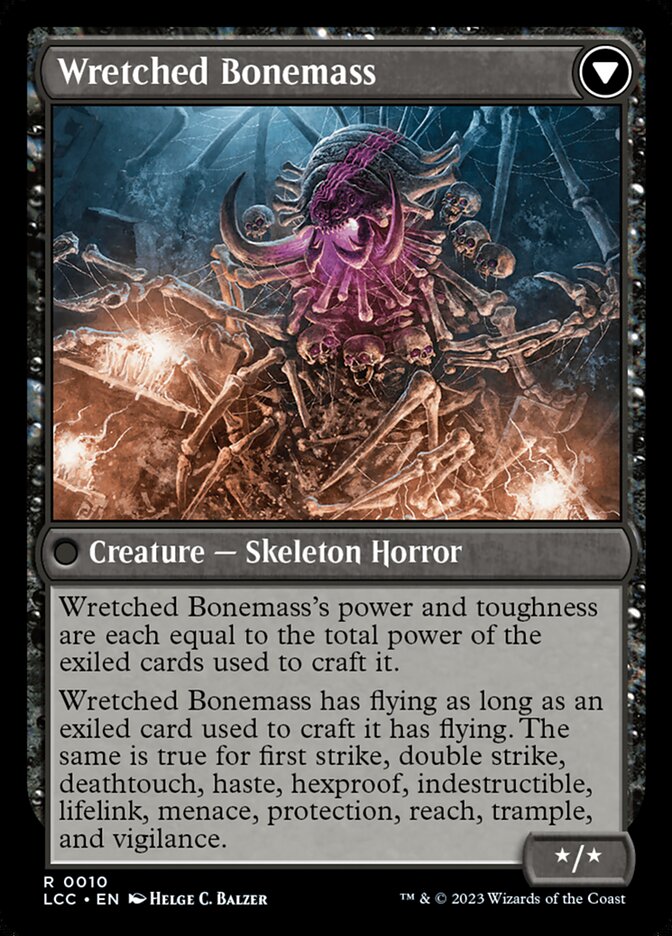
Altar of the Wretched wants you to have a creature with high power in play so that you can draw and mill a lot of cards. It works very well with cards that make large tokens, or mechanics like blitz and unearth, where the creature would die anyway. Later in the game, you can craft it with other sacrificed creatures to make a big Bonemass of creatures.
#6. Transmogrant Altar
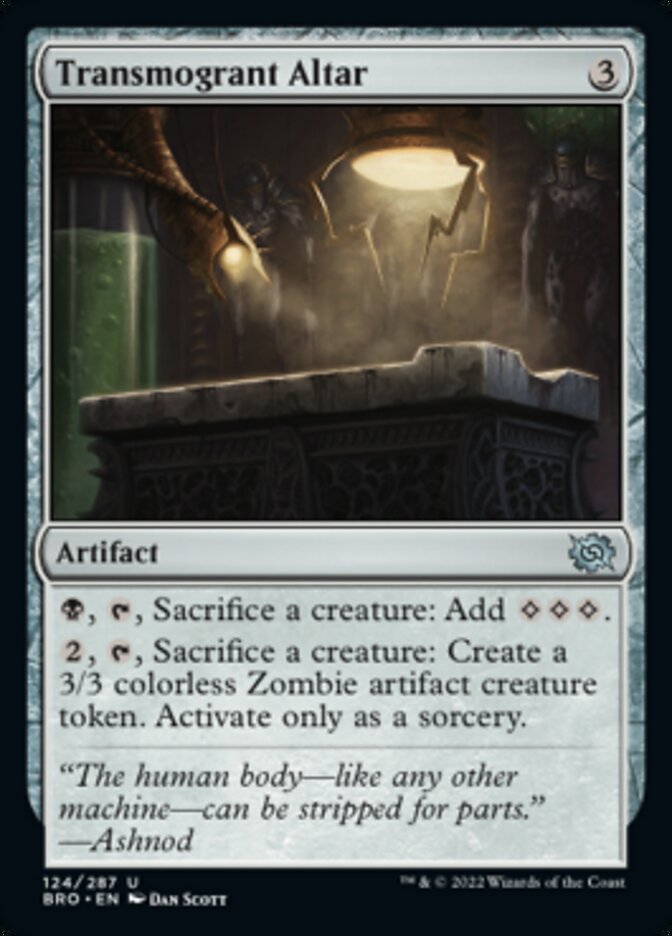
Transmogrant Altar has a lot of uses. You can turn a creature into a kind of Dark Ritual, or a 3/3 artifact zombie. Being tapped to use ensures that the card is “safe” until you have a way to untap it consistently. And it’s also interesting that the two types on the tokens matter, so now that 0/1 thrull token of yours is beefier and has more typal utility.
#5. Altar of Bhaal
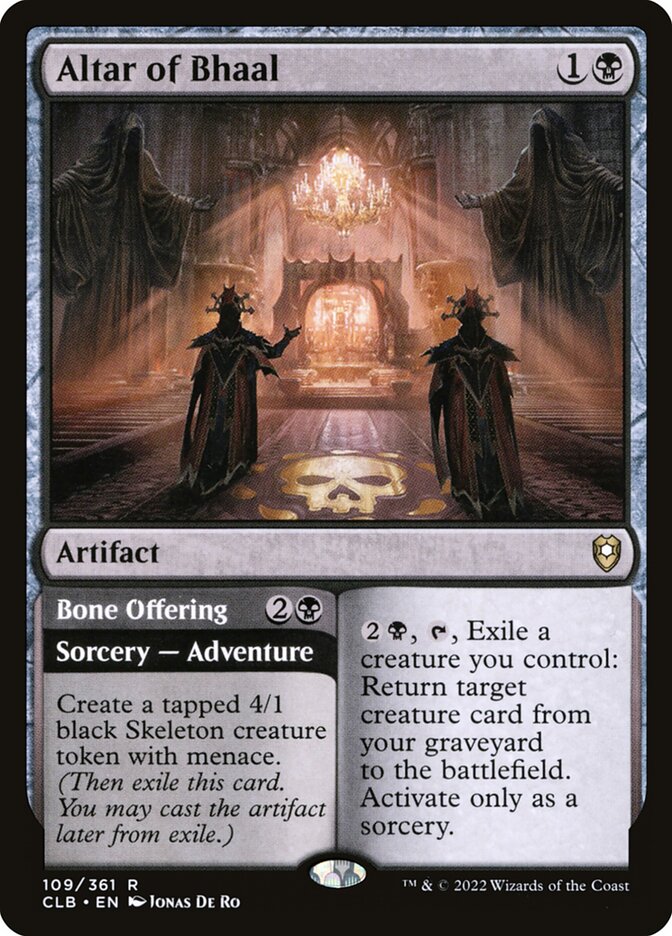
Altar of Bhaal is a nice enabler and payoff, considering that it makes a token and later offers the option to trade a token for a creature in your graveyard. It’s typically played in mill decks, which offer many juicy targets for the Altar to bring back like Sidisi, Brood Tyrant and The Necrobloom. Those commanders already naturally produce the tokens to be offered to the altar as well.
#4. Altar of the Brood
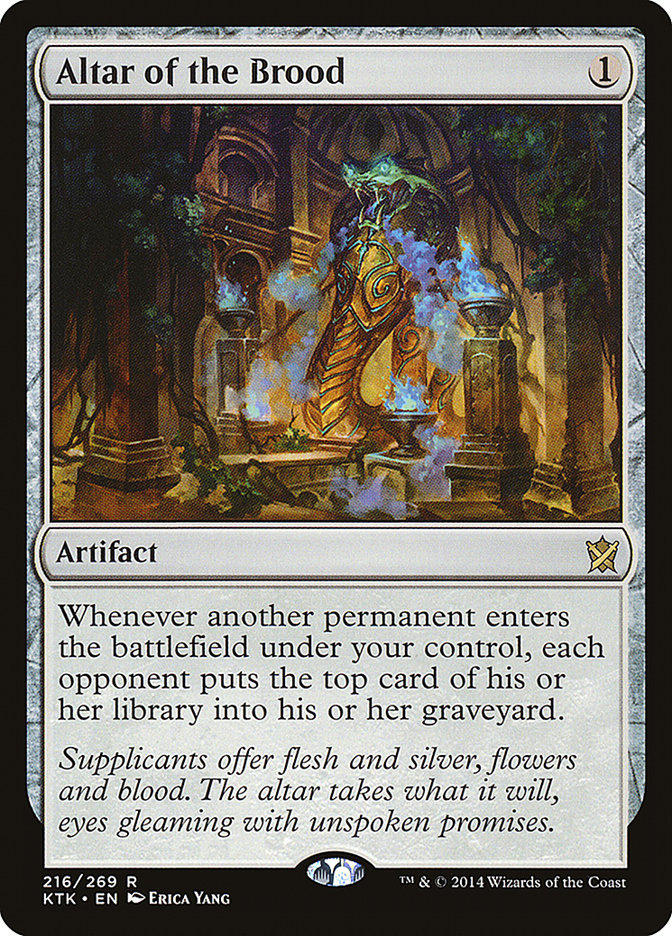
Altar of the Brood is very interesting if you’re running a deck that wants to mill all opponents. Good examples are The Wise Mothman or Bruvac the Grandiloquent. Of course, if you have an infinite permanent loop (like blink, or recasting the same creature), you’ll mill everybody and win. It’s nice that this card is easily tutorable as a win condition and that it has some utility during the game.
#3. Altar of Dementia
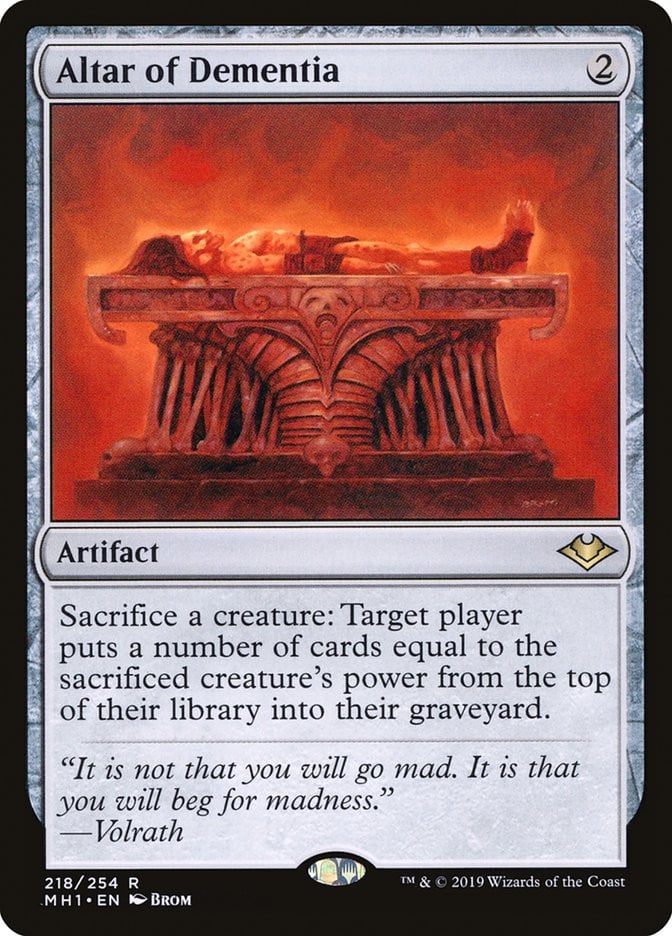
Altar of Dementia has a lot of uses, and it’s the “best” altar to use directly as your win condition. Granted, you’ll need a supporting crew to establish an infinite sacrifice loop before that happens. This card is also good when you have big creatures like a Rotting Regisaur or a Yargle, Glutton of Urborg, and you can use them to mill a good chunk of your library for value.
#2. Phyrexian Altar
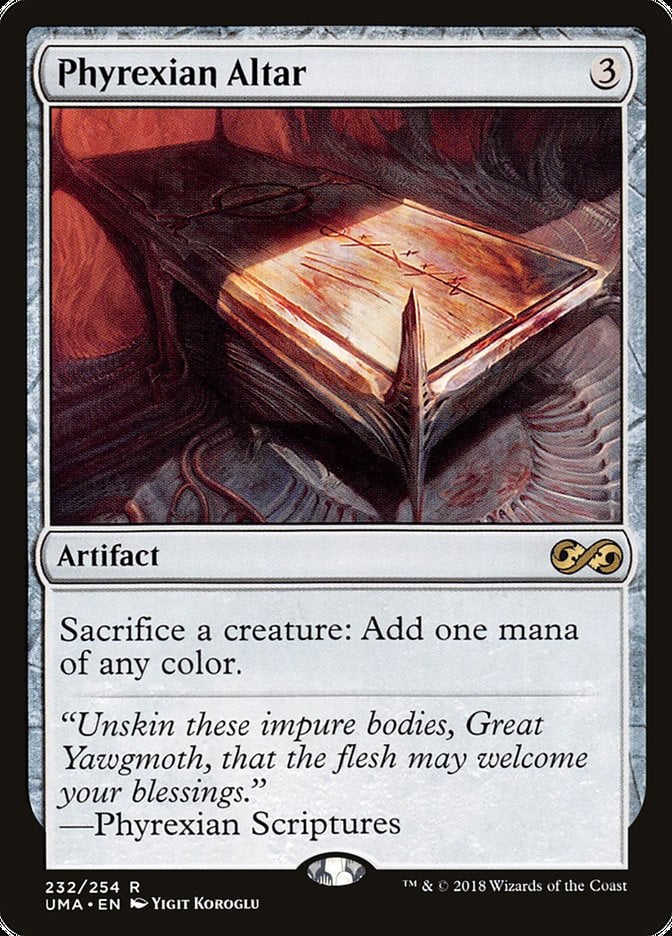
Phyrexian Altar is excellent because it adds a mana of any color while sacrificing a creature, which means it fixes your mana in a regular situation, and you go infinite with cards like Gravecrawler that require just 1 mana to cast again. It replaces or adds redundancy to Pitiless Plunderer in combos where you need to have a colored source of mana to go off.
#1. Ashnod’s Altar
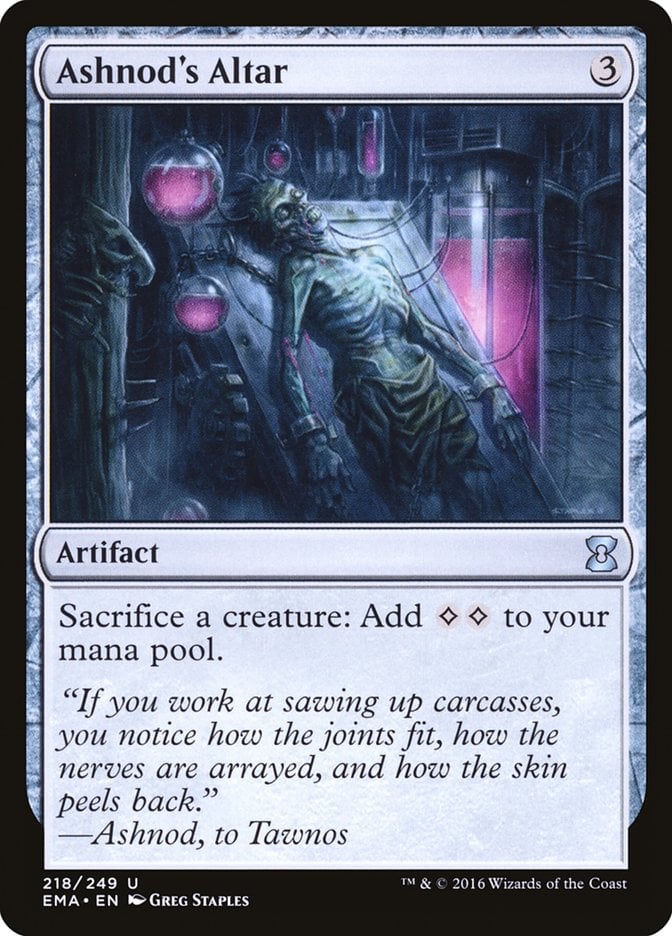
Ashnod's Altar is also a free sacrifice outlet that turns creatures into mana. That’s excellent with cards like Myr Retriever that only cost 2. It’s also a nice way to ramp if you’re sacrificing small tokens. Even Eldrazi Spawn and Scion tokens will give you 1 more mana than usual. Ashnod's Altar is a little better than Phyrexian Altar because it generates more mana, but in some situations, you’ll prefer the latter.
Best Altar Payoffs and Enablers
Many altar cards in MTG are the engines sacrifice decks need to go off. The altars that don’t require mana (free sac outlets) are often used in infinite combos. Cards like Ashnod's Altar and Phyrexian Altar go infinite if your combos require any mana payments, like casting a creature from your graveyard or from your hand again and again.
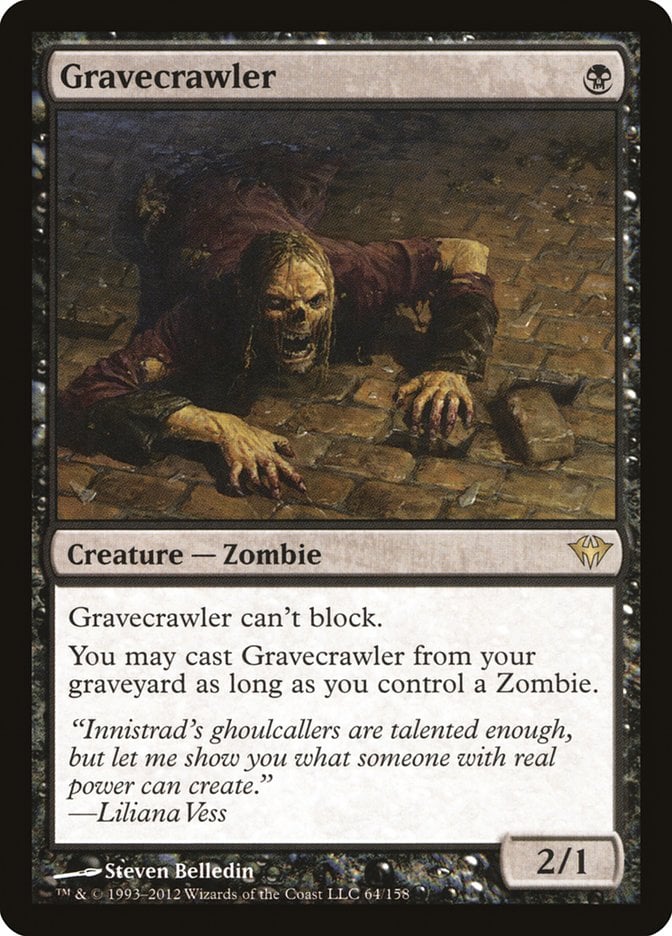
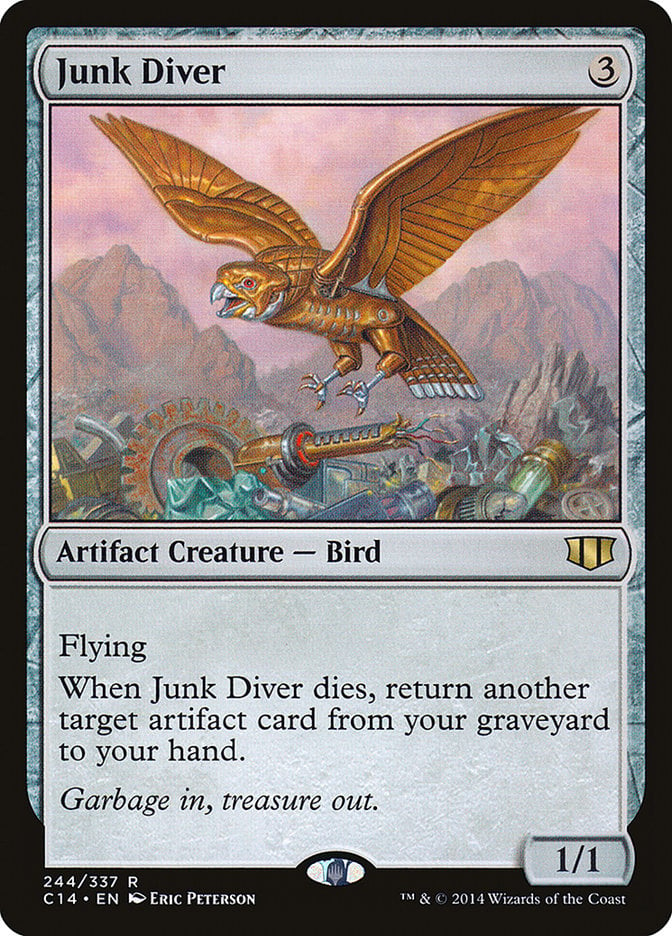
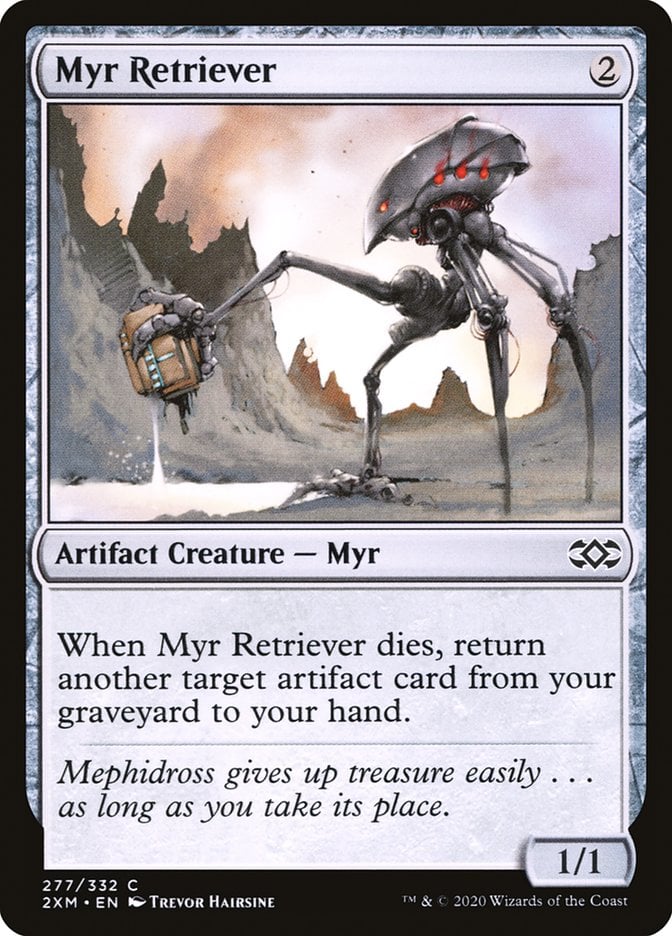
Altar of Dementia can be your win condition in an infinite sacrifice loop, while cards like Gravecrawler, Junk Diver, and Myr Retriever are excellent cards to sacrifice.
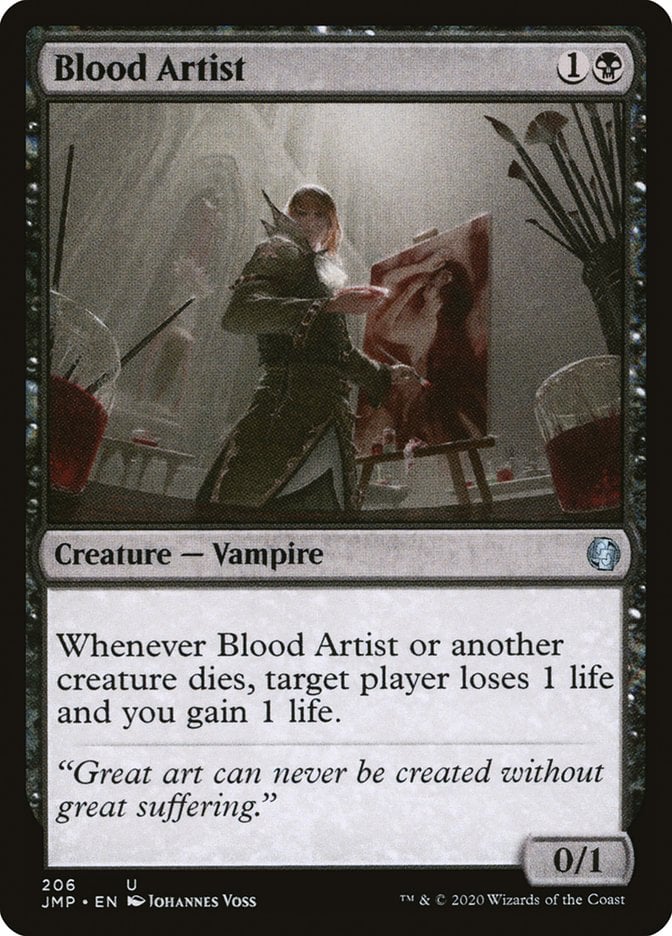
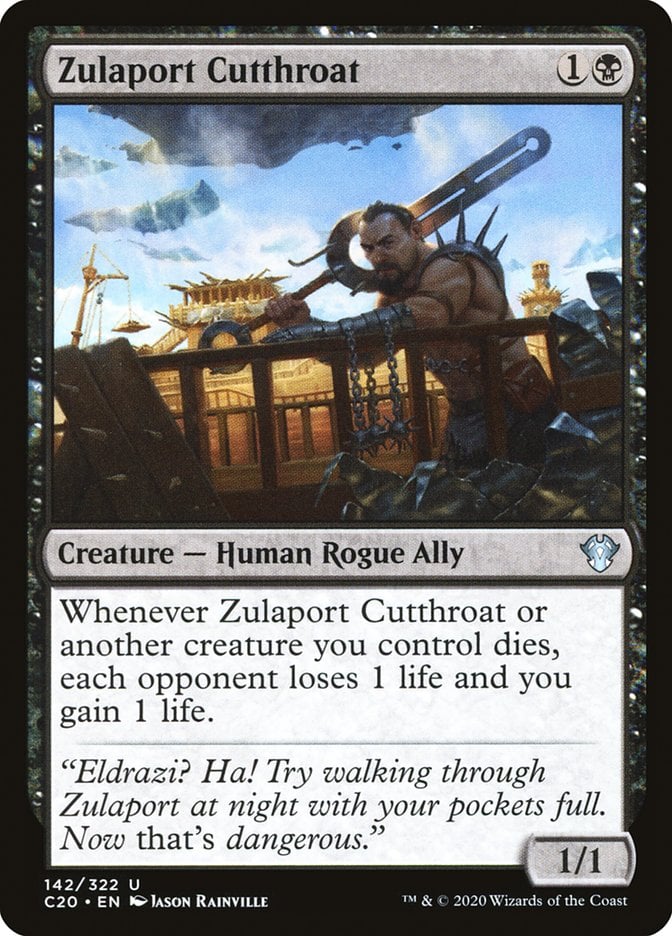
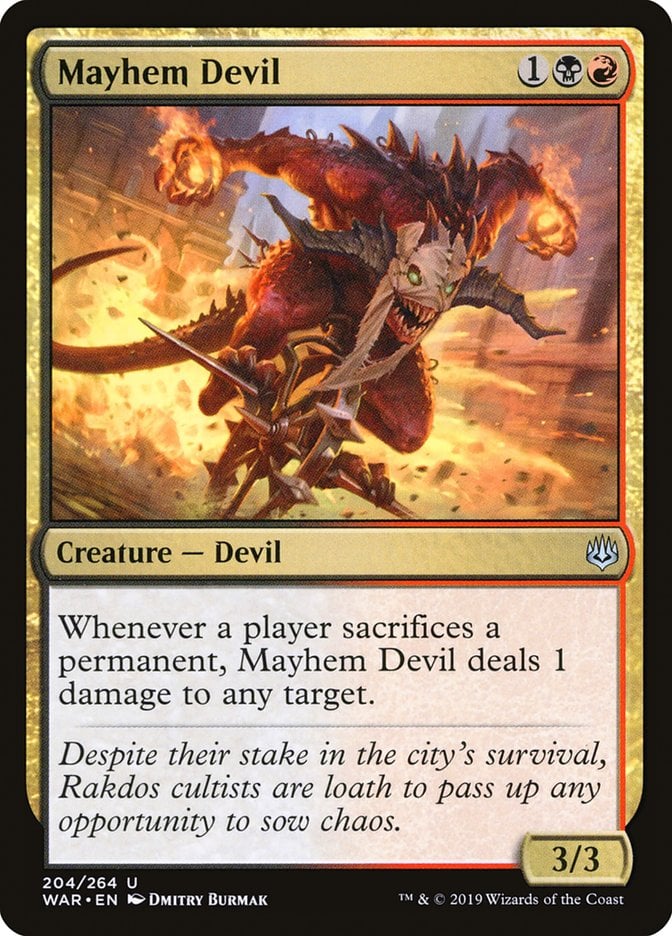
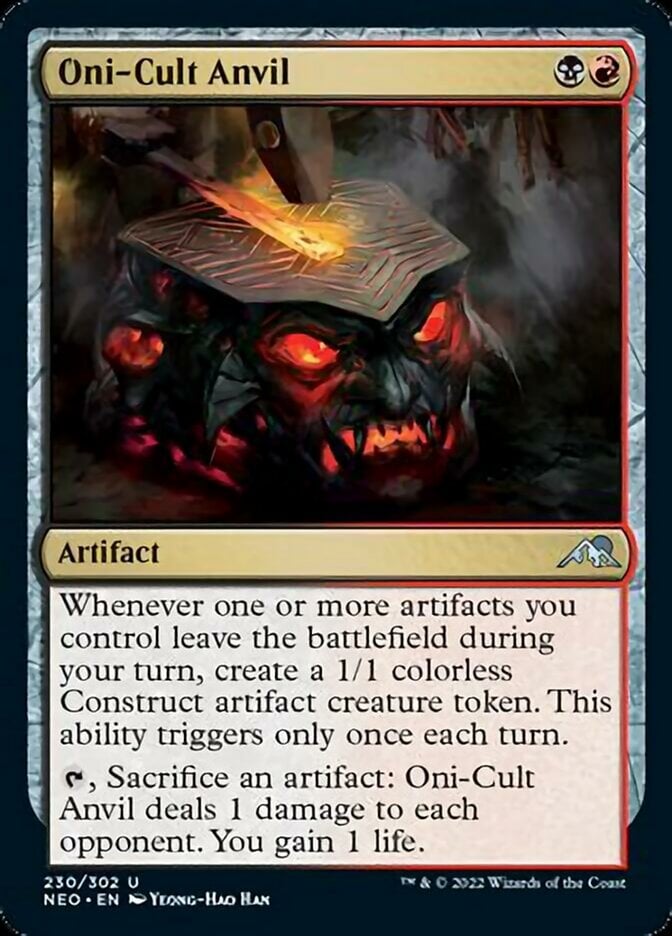
Blood Artist and Zulaport Cutthroat ensure everybody else is being damaged while you use your altars. Cards like Mayhem Devil and Oni-Cult Anvil work well in a red-black artifact sacrifice deck.

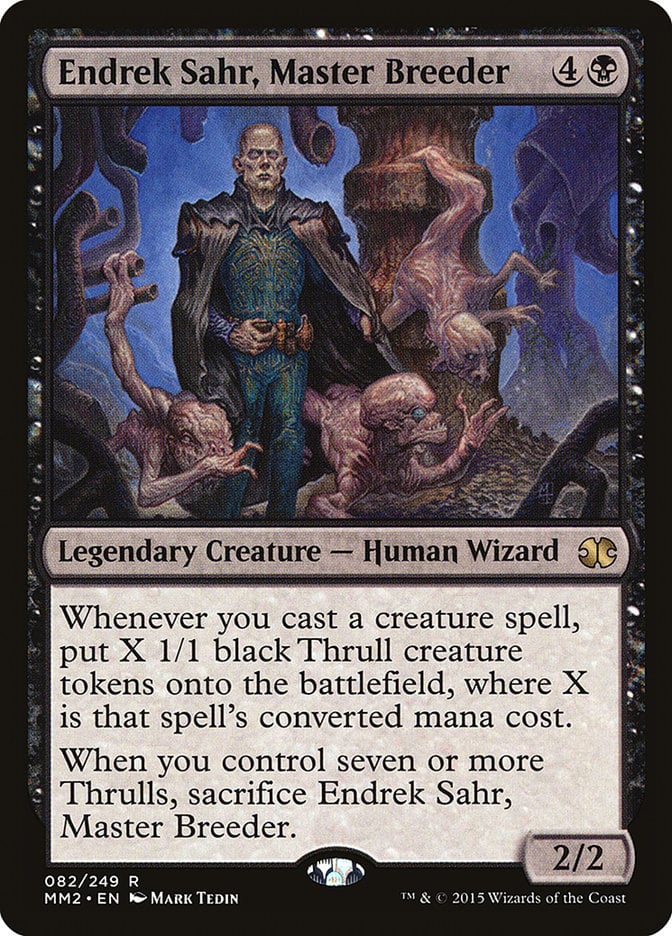
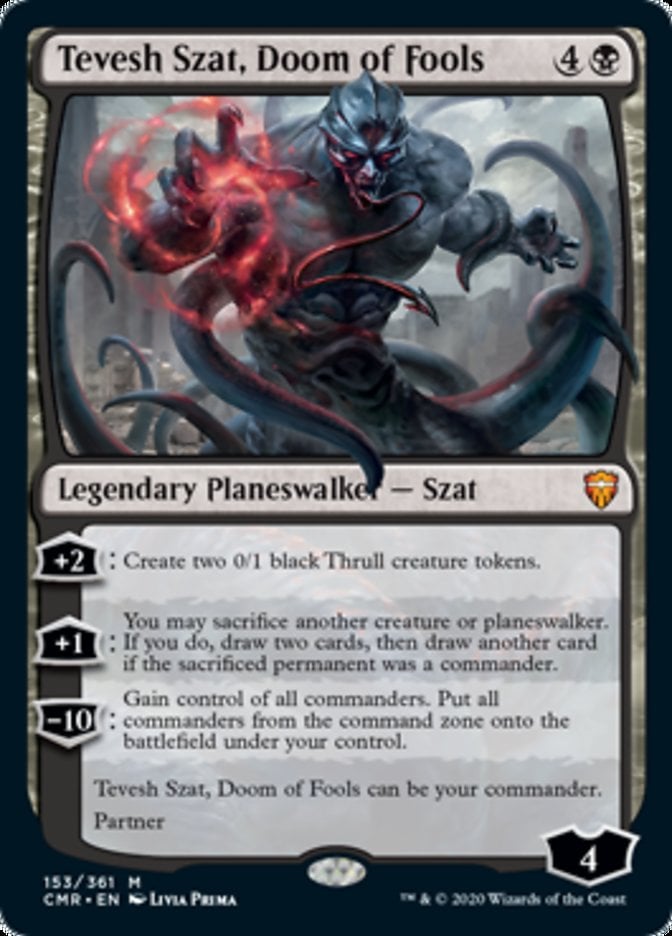
To sacrifice a bunch of creatures, you need token producers. Promise of Bunrei is excellent because it’s triggered by a death trigger (sacrifice), it’s also sacrificed, and it generates four bodies. Endrek Sahr, Master Breeder and Tevesh Szat, Doom of Fools are excellent token spammers.
MTG Alters vs Altars
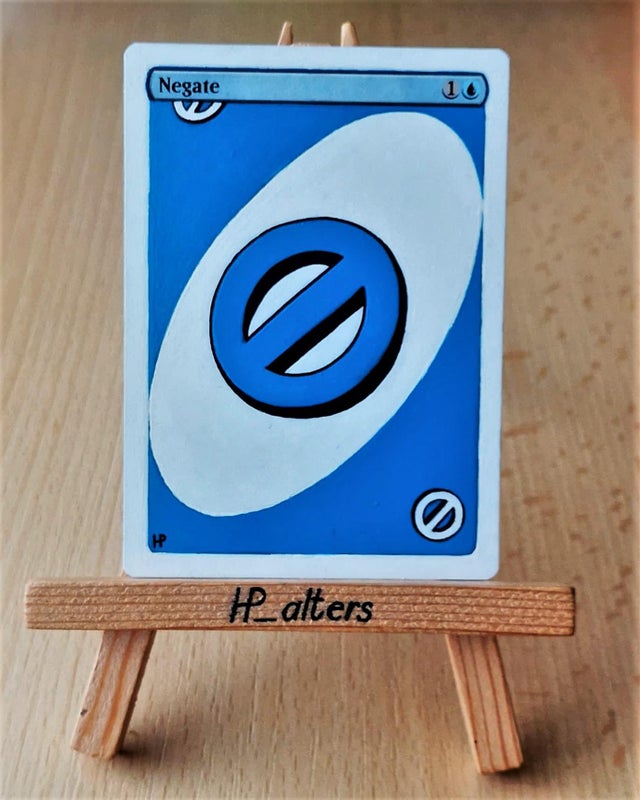
In MTG and other trading card games, alters refer to certain processes that alter a card’s art while maintaining the card’s legality. Talented artists often scrap the current art and frame from a regular card, adding art of their own design, frequently to turn it into a full-art card. Look for Erik Klug and his famous Klug alters to understand what I’m talking about; he’s been doing that for over a decade now.
Wrap Up
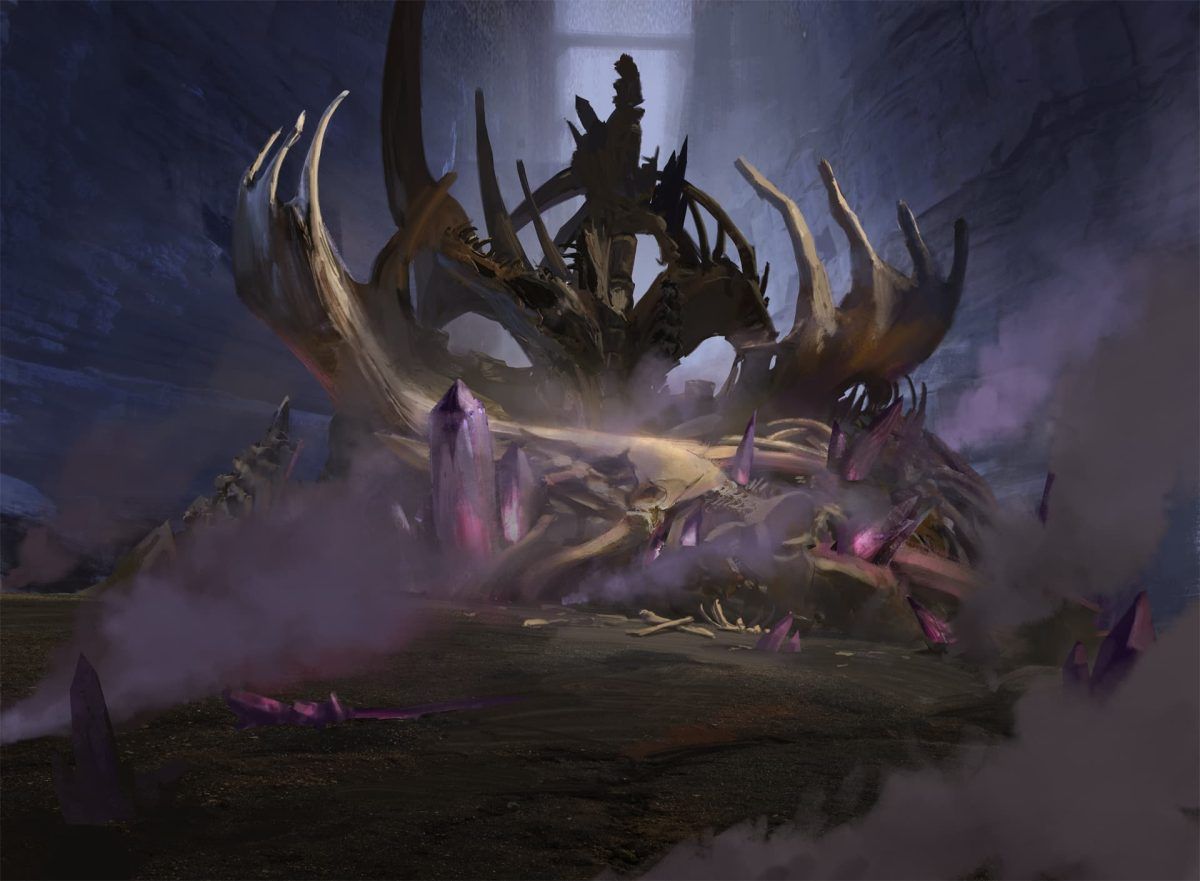
Netherborn Altar | Illustration by Titus Lunter
And that’s about it for altars in MTG, guys. Altars are printed in certain sets where they make sense, often in Core sets where creature sacrifice is a very resonant RPG trope. After the creation of the book artifact type, first seen on Diary of Dreams with a retcon to older tome-like cards, I could even see these cards gain “altar” as a subtype, but I don’t think it’s needed. Unless a future “altar commander” is designed, that is.
What do you think about altars, guys? Do you think it should be an artifact subtype? Let me know in the comments section below. And for more on MTG and Commander, please check out our YouTube channel, The Daily Upkeep.
Thanks for reading, and stay safe out there.
Follow Draftsim for awesome articles and set updates:










Add Comment