

Etherium Sculptor | Illustration by Steven Belledin
Artifacts are arguably Magic’s most busted card type; at the very least, exceptional ones migrate to Magic’s ban lists because they often slot into any deck due to their colorless nature. And plenty of busted decks revolve around artifacts, often featuring cards like Paradoxical Outcome and Krark-Clan Ironworks.
If you want to do some broken things with Magic’s most busted card type, you have plenty of resources; a critical one would be mana. You can, and probably will run your mundane mana rocks, but artifact decks have access to a host of powerful cost reducers that work exceptionally well with broken combo strategies.
Let’s get into it!
What Are Artifact Cost Reducers in MTG?

Mycosynth Golem | Illustration by Paolo Parente
Artifact cost reducers make your artifacts cost less mana. They function similarly to mana rocks, except they have a lower floor (they only work for artifacts) with a higher ceiling (you can “produce” more than one mana a turn).
While they’re useful to ramp out massive artifacts, they also work exceptional well in storm and similar archetypes that attempt to cast a flurry of artifacts by making 1- or 2-mana artifacts cost 0.
#7. Saheeli, Filigree Master
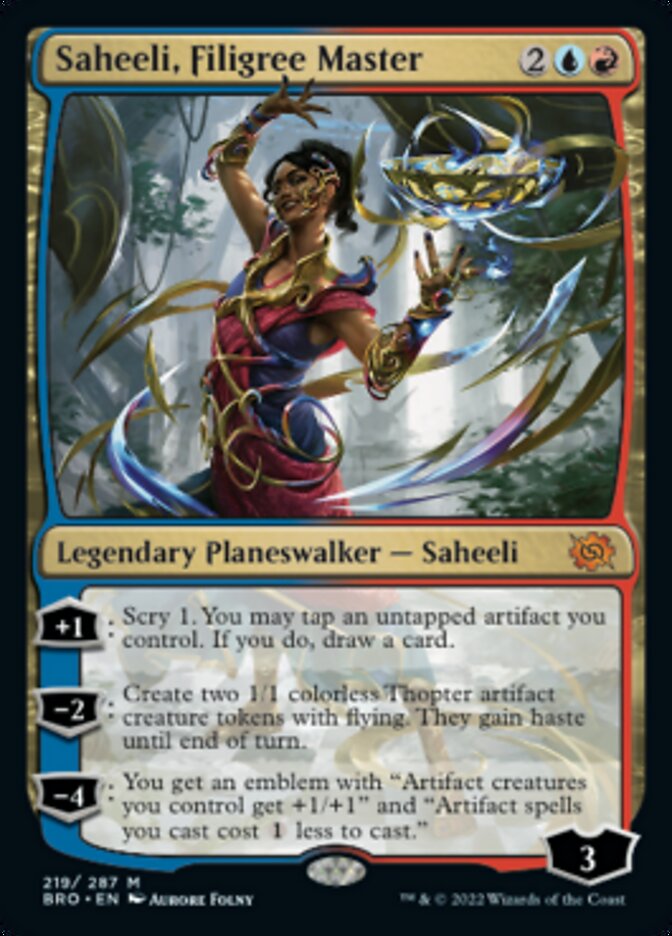
Locking the cost reduction on Saheeli, Filigree Master behind this planeswalker‘s ultimate makes achieving it rather dicey, but the low ultimate cost makes up for it; it only needs to last for a turn, assuming you uptick it.
The other modes are fine. The card draw’s nothing to sneeze at, and creating two free artifacts that can defend Saheeli or pressure thanks to haste gives this Izzet card () some nice utility.
#6. Mycosynth Golem
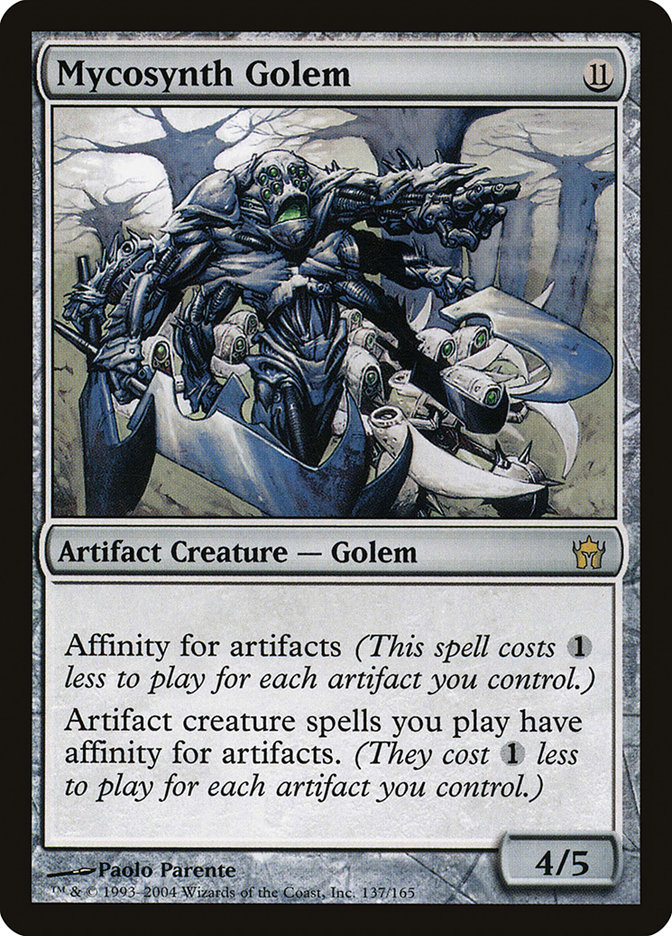
Mycosynth Golem’s one of the more restrictive cards here since it only affects artifact creatures, but I can get behind a free—or almost free—Cityscape Leveler or Phyrexian Triniform, especially considering how easily affinity powers this golem out.
#5. Urza, Lord Protector
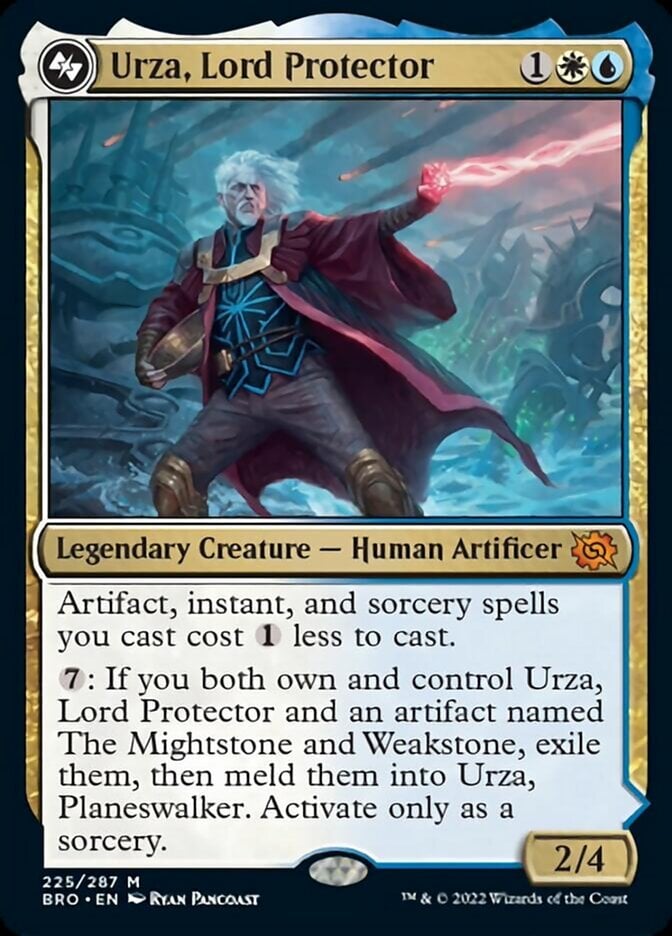
Urza, Lord Protector has some excellent utility since its cost reduction ability affects instants and sorceries. It encourages you to add The Mightstone and Weakstone, which is just good for artifact decks as a mana rock that impacts the board. Having a ramp piece that backdoors into a win condition—Urza, Planeswalker—works nicely.
#4. Foundry Inspector
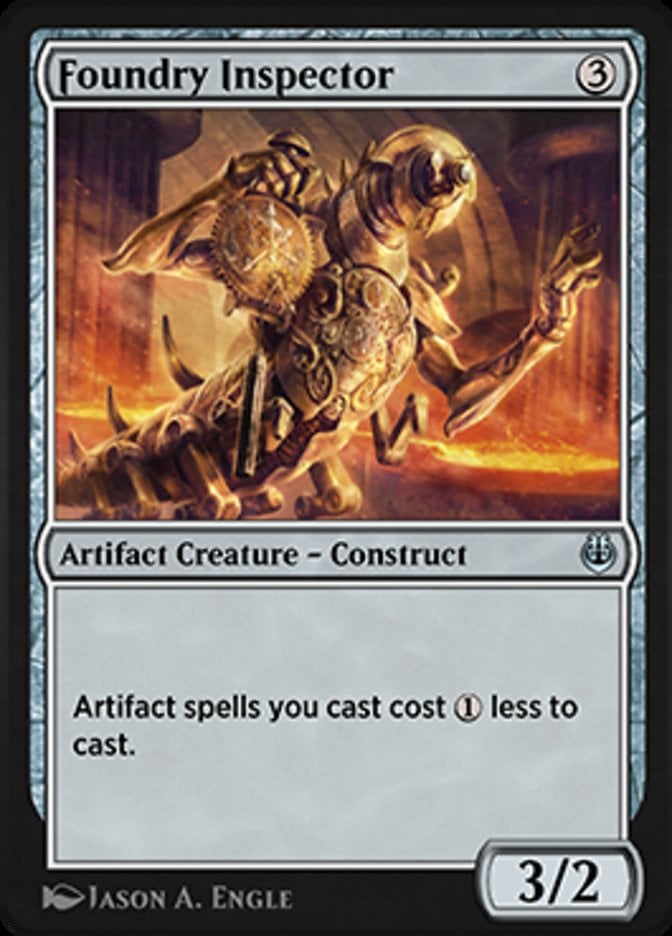
Foundry Inspector’s key appeal is its artifact typing. In addition to supporting your artifacts, this construct benefits from cards like Vedalken Archmage and other cost reducers for a more streamlined play experience.
#3. Cloud Key
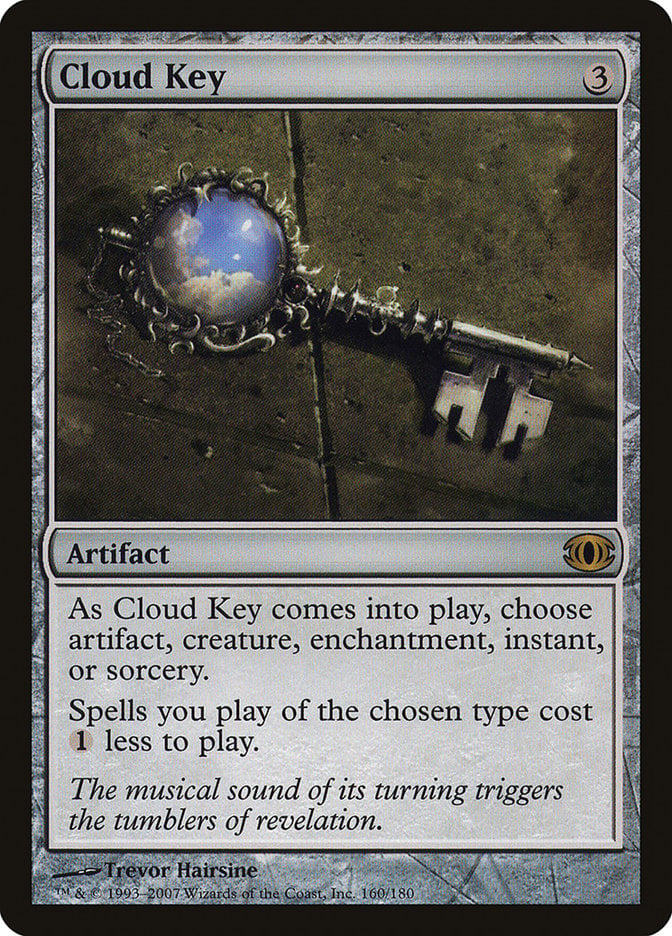
Cloud Key exists in a similar space to Foundry Inspector, though I like it more. To start, it has more cost reduction options (though I consider artifact the most useful). But it’s also marginally harder to remove an artifact than an artifact creature, so Cloud Key dodges random spells like Toxic Deluge and Swords to Plowshares.
#2. Artificer Class
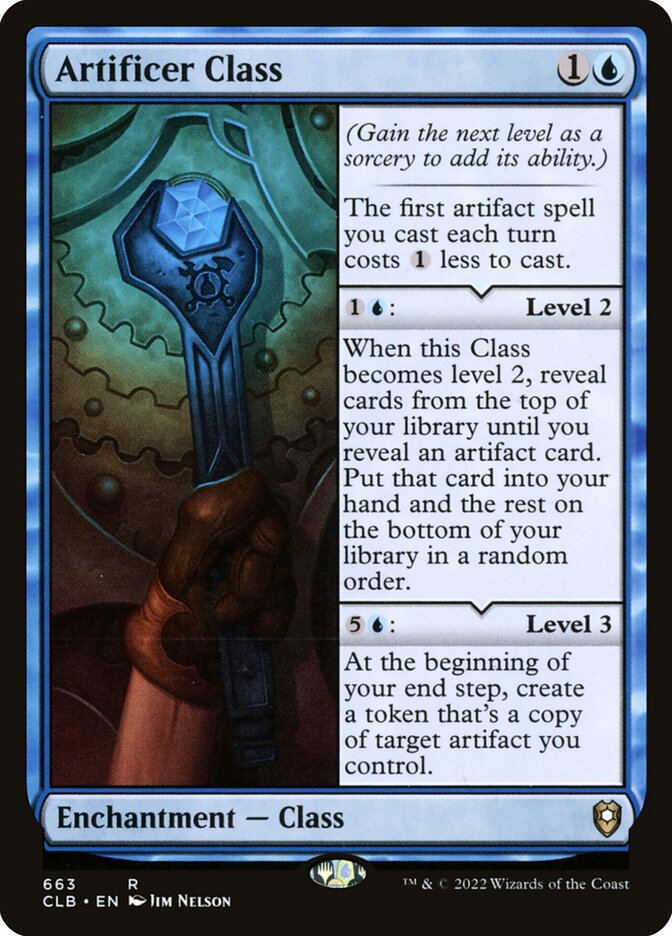
I quite like Artificer Class for its efficiency and how this blue enchantment combats the traditional weakness of a mana rock: late-game irrelevancy. Leveling this class enchantment up into an additional card plus an (admittedly slow) win condition gives it plenty of teeth, even when topdecked on turn 8.
This class won’t fly at high power levels where you can’t wait around for the final level to take effect, but it works well at the mid-to-low power levels of most Commander games, and non-powered Cubes.
#1. Etherium Sculptor + Enthusiastic Mechanaut
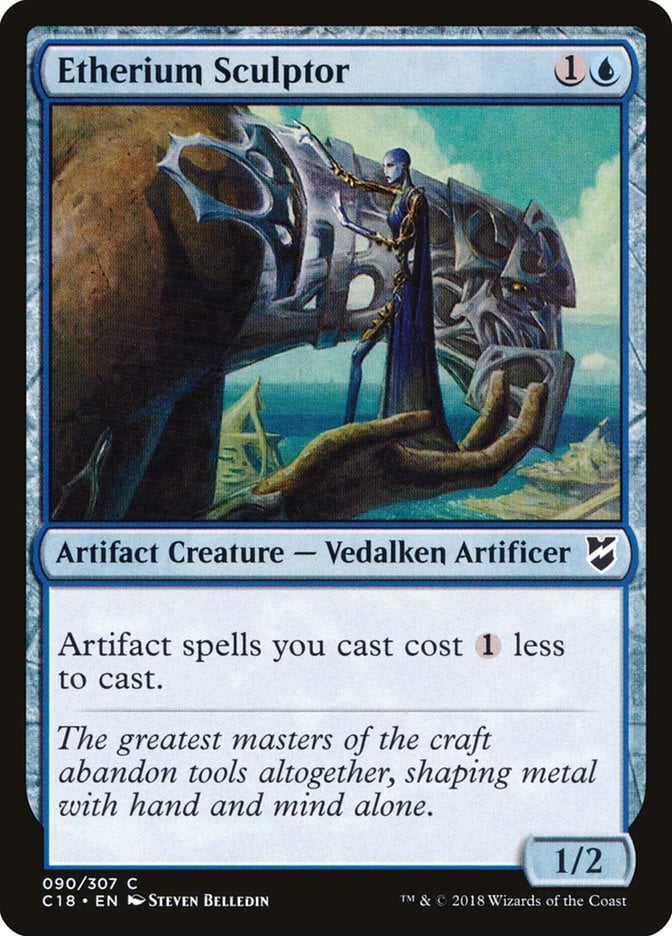
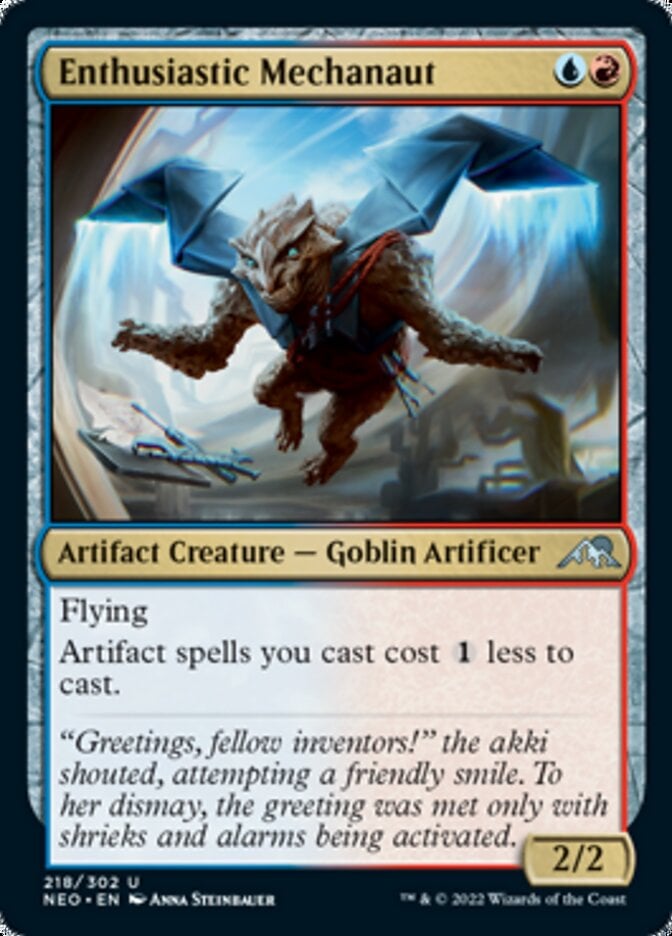
Etherium Sculptor and Enthusiastic Mechanaut are the ideal artifact cost reducers as artifacts themselves and the cheapest version of the effect you can get. Being creatures comes with downsides, but these pack your deck with enough explosive, synergistic potential to run anyway.
Colorless Cost Reducers
Colorless cost reducers overlap with artifact cost reducers given that most artifacts are colorless cards, though Wizards’ efforts over the past few years to print colored artifacts like The Great Henge and Bolas's Citadel make this a more tenuous synergy in certain decks.
Ugin, the Ineffable
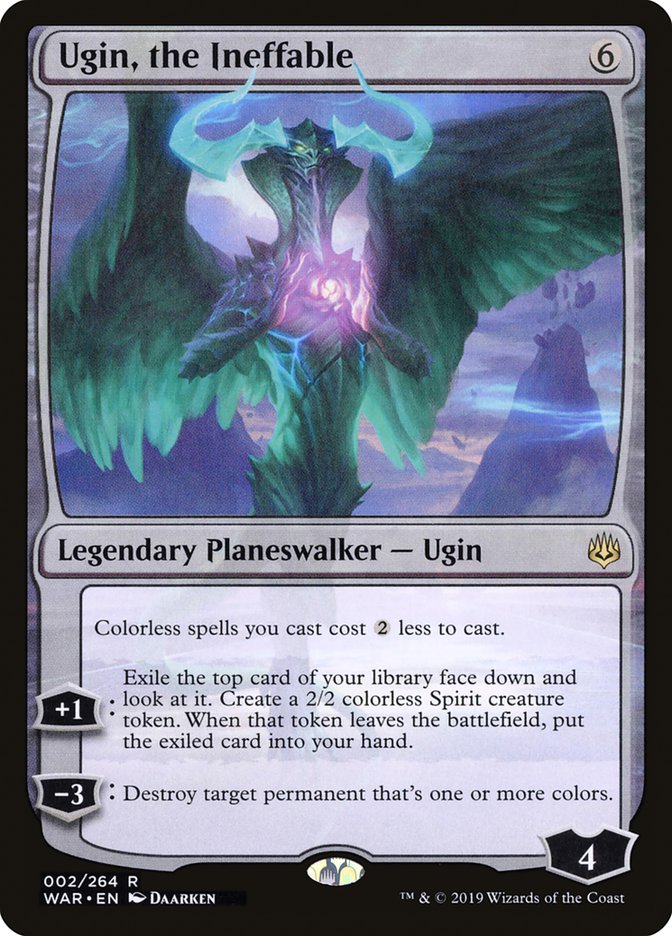
Ugin, the Ineffable boasts the highest colorless cost reduction ability, though that comes at the obvious cost of efficiency on the planeswalker. This is still worth playing as a great glue piece—Ugin rarely wins the game alone, but the removal and token generation are great at slowing the game down so you can exploit the immense cost reduction, enabling other cards to go the distance.
It That Heralds the End

It That Heralds the End has tons of potential, if you can manage the wonky mana cost. Artifact decks often rely on cards like Mind Stone and Ancient Tomb that produce colorless mana anyway, so it’s not a horrid challenge, but this still doesn’t work in every artifact deck given that it only cares about big artifacts. Still, I’ll use any tool to get my Portal to Phyrexia out sooner.
Best Artifact Cost Reducers Payoffs
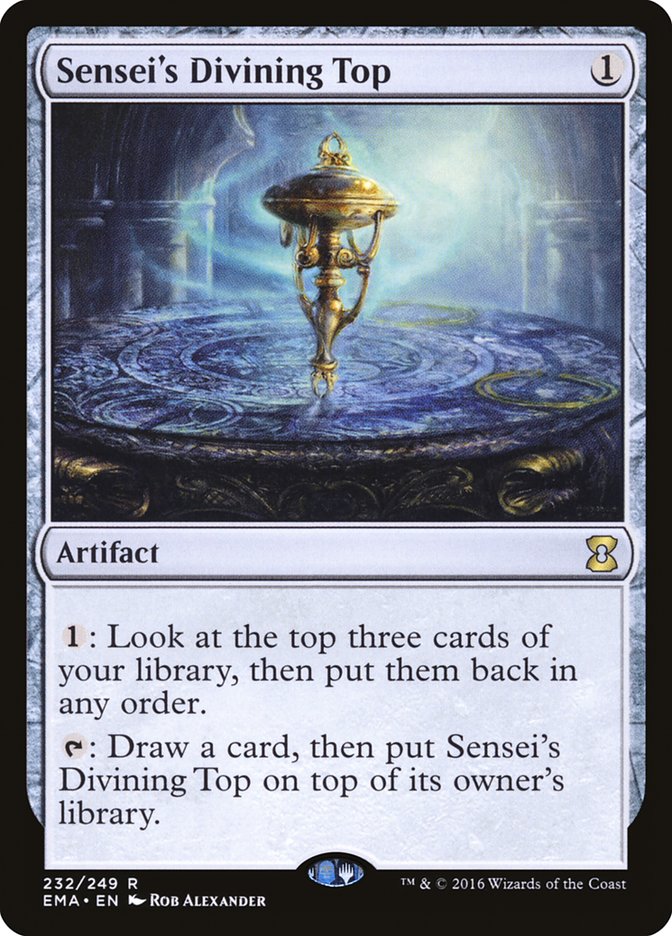
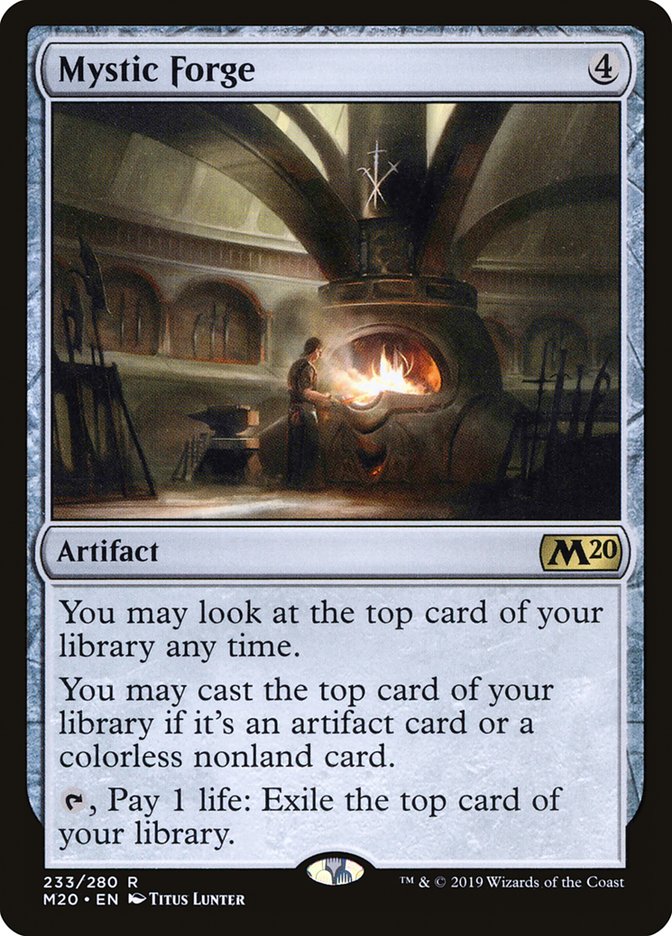
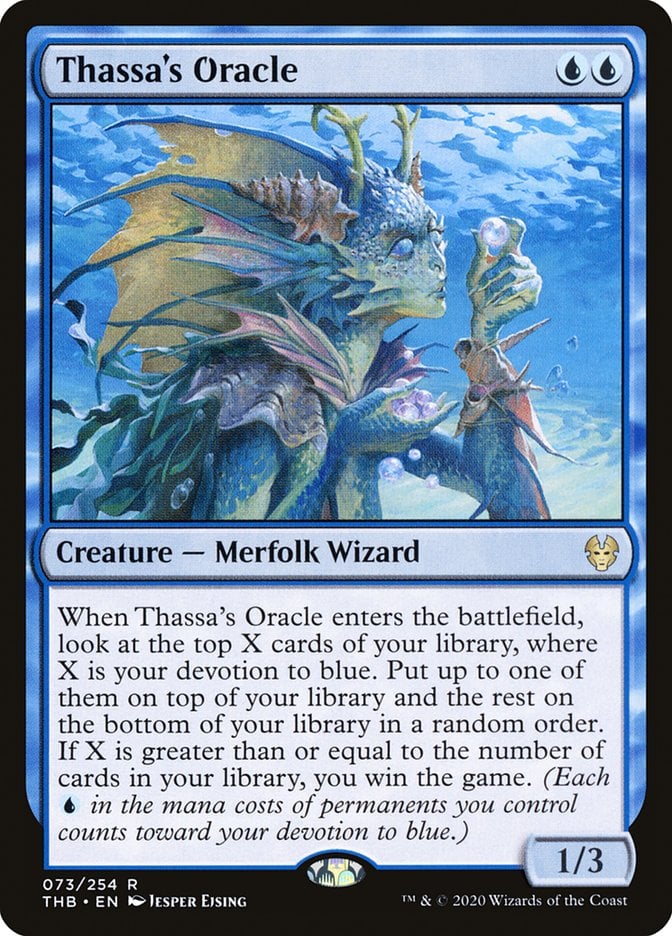
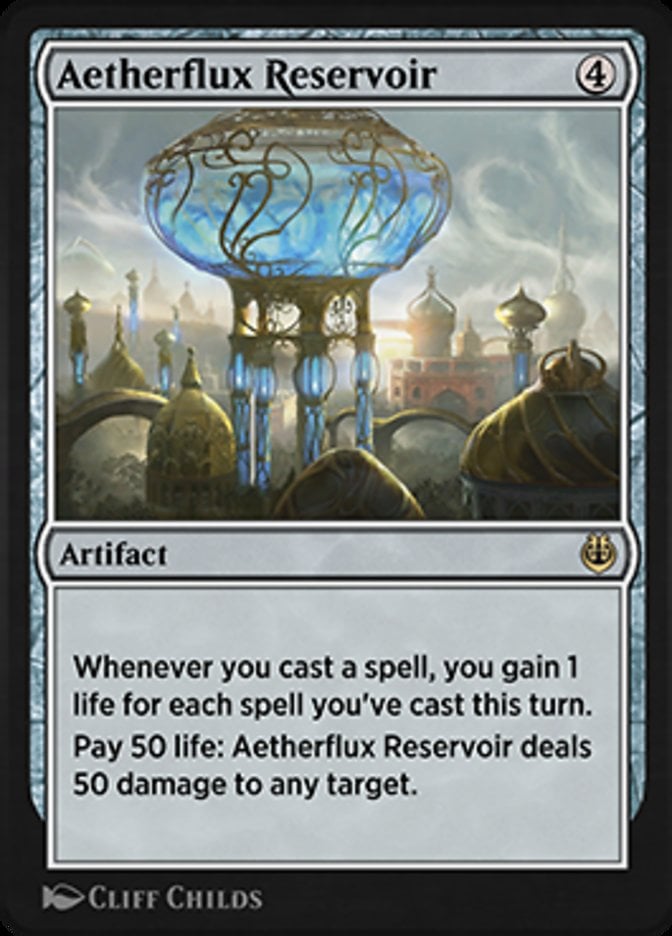
The best payoffs for these cards are typically combo-oriented and revolve around 1-mana artifacts that cost 0 because of cost reduction. The classic example of this would be Sensei's Divining Top with a Future Sight effect (Mystic Forge is a popular choice) to draw your deck and win with cards like Thassa's Oracle and Aetherflux Reservoir.
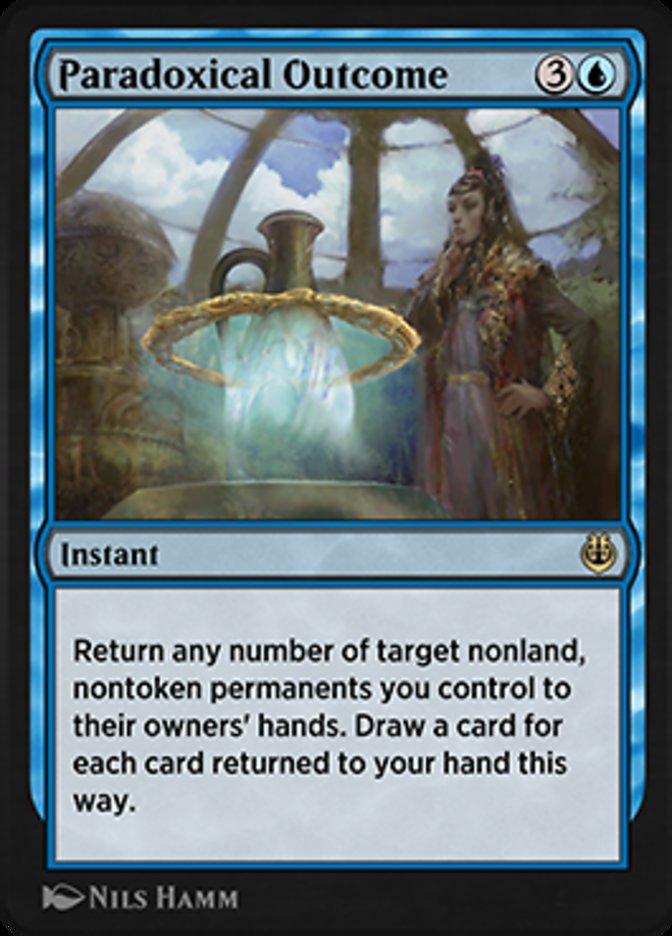
Paradoxical Outcome also benefits from cost reducers turning artifacts like Conjurer's Bauble and Springleaf Drum into 0-mana plays it can pick up and cycle through while boosting your storm count.
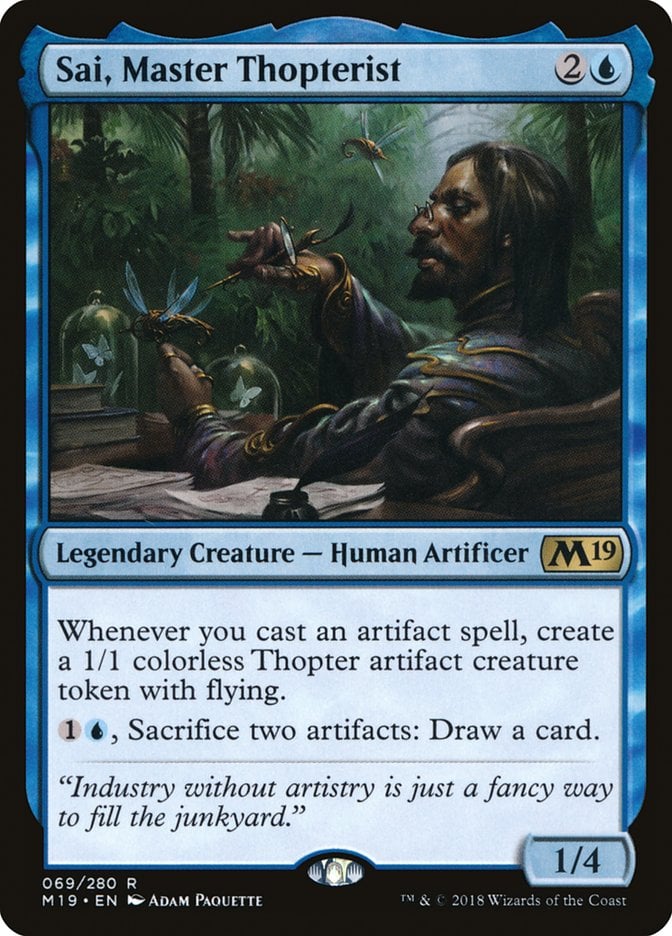
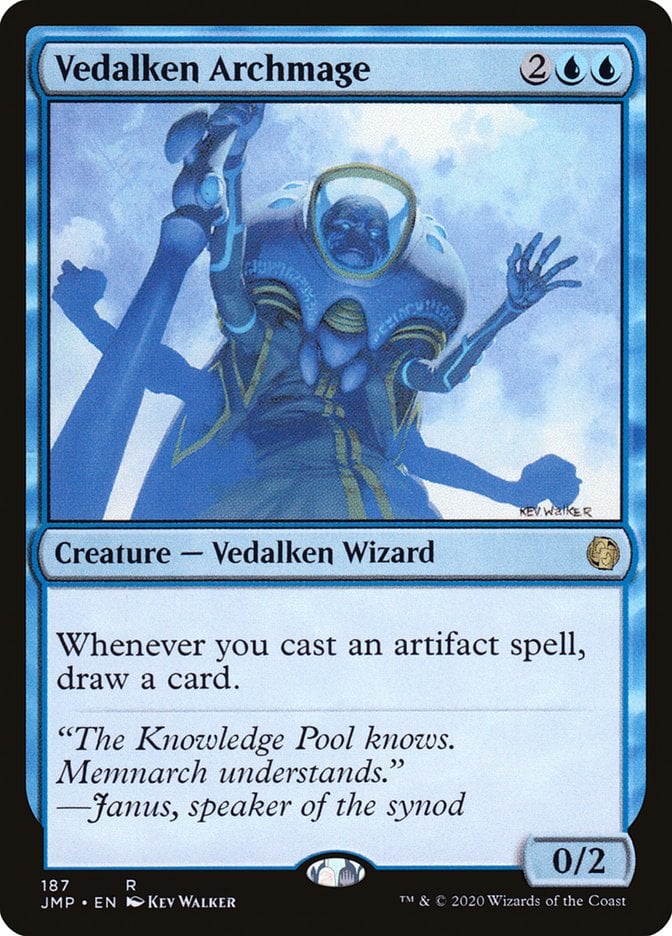
Outside of the combo realm, these are just generically good ramp pieces for an artifact-centric deck. I recommend balancing these effects with regular mana rocks to avoid spending mana on rocks that don’t help you play board wipes or instants or any of the other non-artifact cards that are essential for a functional Magic deck. Look for cards that reward you for casting a bunch of artifacts like Sai, Master Thopterist and Vedalken Archmage to complete the puzzle.
Can You Reduce the Cost of Artifacts to Zero?
Yes! Many combos utilizing these effects rely on them making 1-cost artifacts cost 0, particularly Sensei's Divining Top.
Do Artifact Cost Reducers Affect X?
They do! You add an additional to the cost of X for every mana reduced by your cost reducers.

In other words, if you want to cast a Stonecoil Serpent while controlling Etherium Sculptor, you can cast it for X=1 without paying any mana, X=2 by paying a single mana, etc.
What If There’s a Cost Increase in Play?
Cost increases are applied before cost reductions are calculated, so the reduction affects the increase.
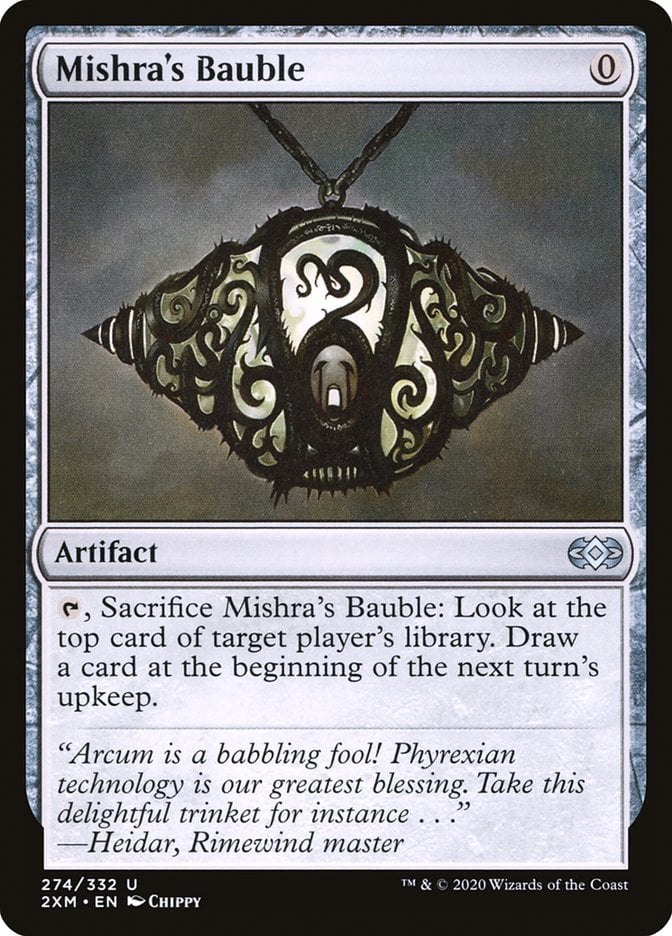
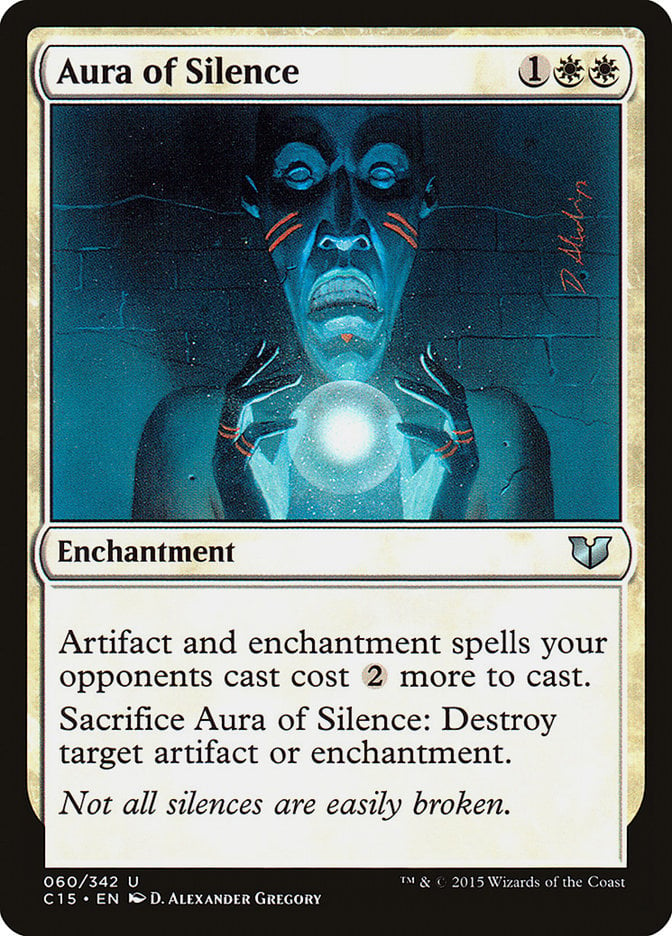
For a more specific example, let’s say you control an Etherium Sculptor and want to cast Mishra's Bauble, but your opponent controls Aura of Silence.
When calculating costs, begin with the mana cost of the Bauble: . Then add any cost increases—in this case, that’s from Aura of Silence, so Mishra's Bauble currently costs .
Finally, add any cost reduction abilities. Since you control Etherium Sculptor, remove from the total mana cost, allowing you to cast Mishra's Bauble for mana after the math’s done and the whiteboard’s empty.
Wrap Up

Foundry Inspector | Illustration by Jason A. Engle
Artifact cost reducers are narrower than your average mana rock but add incredible, explosive potential to any deck built around leveraging them. Though these often facilitate powerful combo decks, even fair, battlecruiser-style decks can get in on the action.
What’s your favorite artifact cost reducer? Do you prefer playing lots of small artifacts or letting a single Cityscape Leveler handle business for you? Let me know in the comments below or on the Draftsim Discord!
Stay safe, and thanks for reading!
Follow Draftsim for awesome articles and set updates:










Add Comment