

Hearthhull, the Worldseed | Illustration by Daniel Ljunggren
Lands are among the strongest cards in Magic. Playing a Forest might not win the game, but it’s necessary to participate, and some lands can win—Ancient Tomb, Dark Depths, and Strip Mine are some of Magic’s strongest cards.
Building decks around lands often means exploiting powerful combos and ramping faster than your opponents can keep up with. But this Commander deck goes further than a landscape—it takes in planetary views with Hearthhull, the Worldseed.
Let’s see how a spacecraft puts lands to use!
The Deck

Baloth Prime | Illustration by Joshua Raphael
Commander (1)
Planeswalker (2)
Creature (28)
Birds of Paradise
Elvish Reclaimer
Iridescent Vinelasher
Sylvan Safekeeper
Agate Instigator
Lotus Cobra
Springheart Nantuko
Wight of the Reliquary
Boggart Trawler
Braids, Arisen Nightmare
Evendo Brushrazer
Nissa, Resurgent Animist
Ramunap Excavator
Scouring Swarm
Scute Swarm
Tannuk, Memorial Ensign
Tireless Provisioner
Traveling Chocobo
Baloth Prime
Druid of Purification
Icetill Explorer
Soul of Windgrace
Sowing Mycospawn
Korvold, Fae-Cursed King
Szarel, Genesis Shepherd
The Gitrog Monster
Titania, Protector of Argoth
Titania, Nature's Force
Instant (6)
Crop Rotation
Chaos Warp
Entish Restoration
Harrow
Soul Shatter
Windgrace's Judgment
Sorcery (9)
Nature's Lore
Shatterskull Smashing
Sylvan Scrying
Three Visits
Agadeem's Awakening
Bridgeworks Battle
Toxic Deluge
Scapeshift
Will of the Abzan
Enchantment (5)
Exploration
Utopia Sprawl
Teval's Judgment
Valakut Exploration
Walk-In Closet // Forgotten Cellar
Artifact (9)
Zuran Orb
Expedition Map
Exploration Broodship
Ghost Vacuum
Sensei's Divining Top
World Map
Crucible of Worlds
Larval Scoutlander
Conduit of Worlds
Land (40)
Bayou
Blood Crypt
Bloodstained Mire
Bojuka Bog
Boseiju, Who Endures
Command Tower
Commercial District
Dark Depths
Demolition Field
Eumidian Hatchery
Field of the Dead
Forest x5
Horizon of Progress
Misty Rainforest
Mountain
Nurturing Peatland
Overgrown Tomb
Polluted Delta
Prismatic Vista
Riveteers Overlook
Shifting Woodland
Starting Town
Stomping Ground
Swamp
Taiga
Takenuma, Abandoned Mire
Talon Gates of Madara
Tectonic Edge
Thespian's Stage
Twisted Landscape
Underground Mortuary
Urza's Cave
Urza's Saga
Verdant Catacombs
Windswept Heath
Wooded Foothills
This lands deck sacrifices lands to the commander or other sacrifice outlets then recurs them to trigger landfall. The deck generates tokens and card draw as you move lands between zones both to create a mana advantage and to overwhelm your opponents. In addition to sacrificing your lands, fetch lands enable landfall. This deck capitalizes on the many Crucible of Worlds variants printed over the past few years to construct a consistent engine.
The Commander: Hearthhull, the Worldseed

Hearthhull, the Worldseed is one of the best spacecraft printed in Edge of Eternities for Commander. Format rules changed to allow legendary vehicles and spacecraft with a power/toughness box to be your commander, and Hearthhull was printed in the World Shaper precon to benefit from this change.
In this deck, it’s your primary card draw engine and a key sacrifice outlet since you draw it every game. It combos well with Crucible of Worlds variants since you get additional land drops, and it puts lands in the graveyard to replay.
The second ability provides a critical win condition. Cards like Scapeshift and Zuran Orb sacrifice all your lands at once as a finisher, or you can just crack two fetch lands a turn to ping the table away. Two damage may not sound like much, but it adds up fast.
Crucible of Worlds Effects
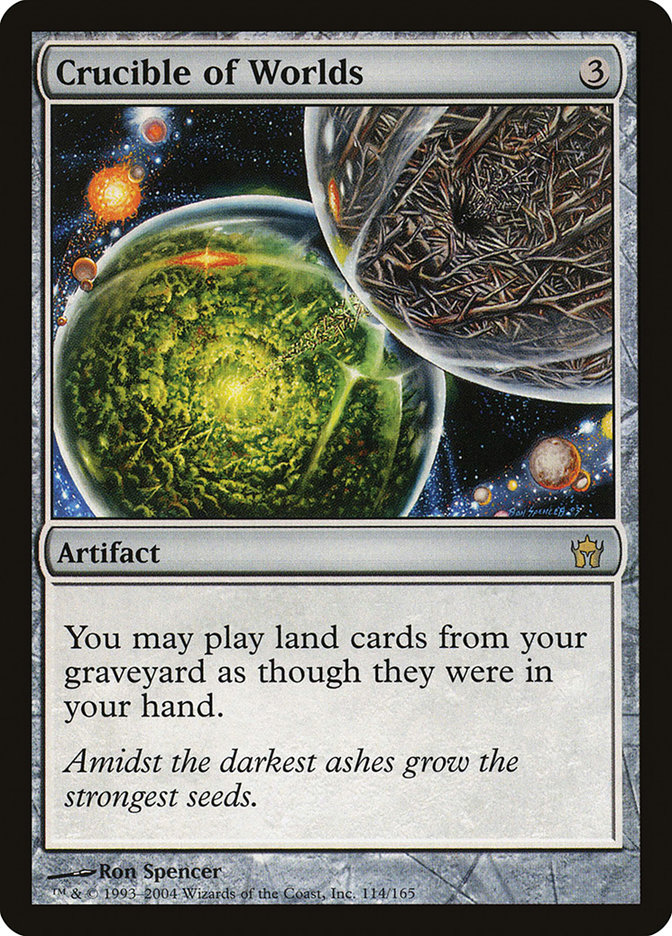
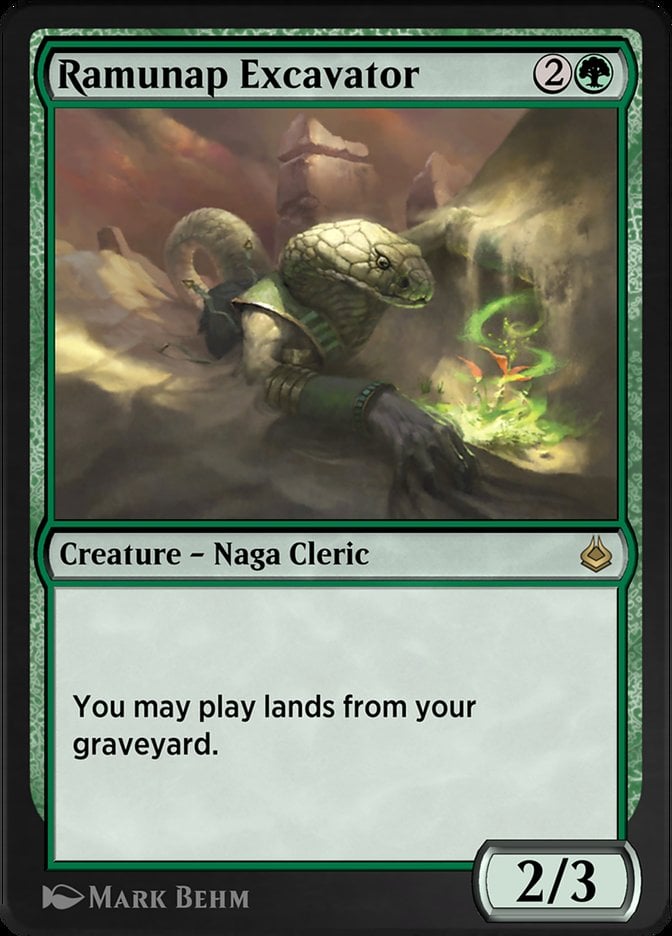
Crucible of Worlds was a very unique effect in Magic for a long time, but many variants exist today. Multiple copies of this effect make the deck much more consistent. While they stack poorly as (most) Crucible effects don’t allow you to play additional lands, modern versions have extra abilities to take the edge off; of the seven versions of the effect this deck runs, only Ramunap Excavator and Crucible of Worlds just play lands from the graveyard.
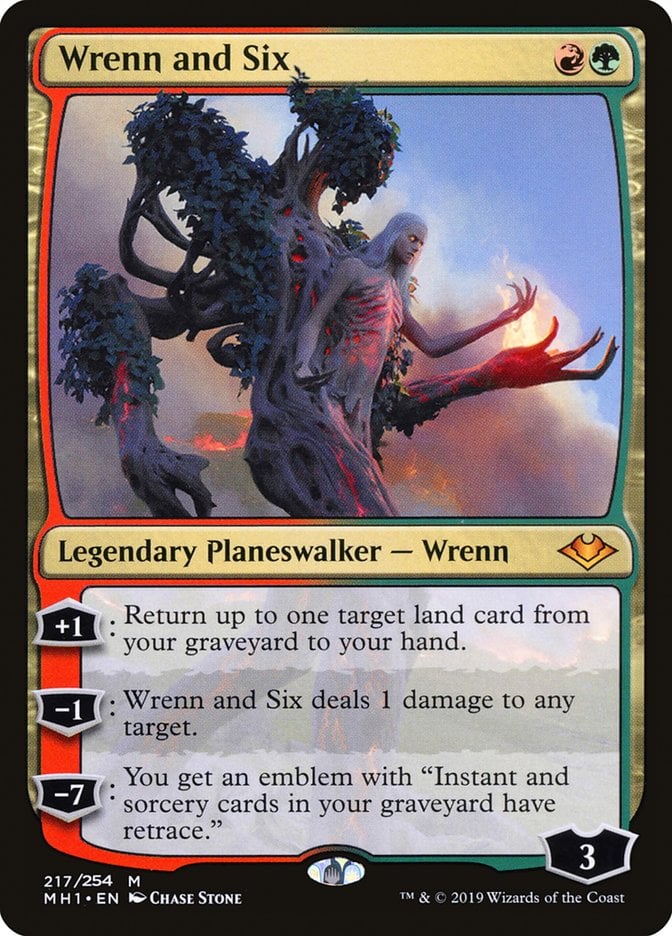
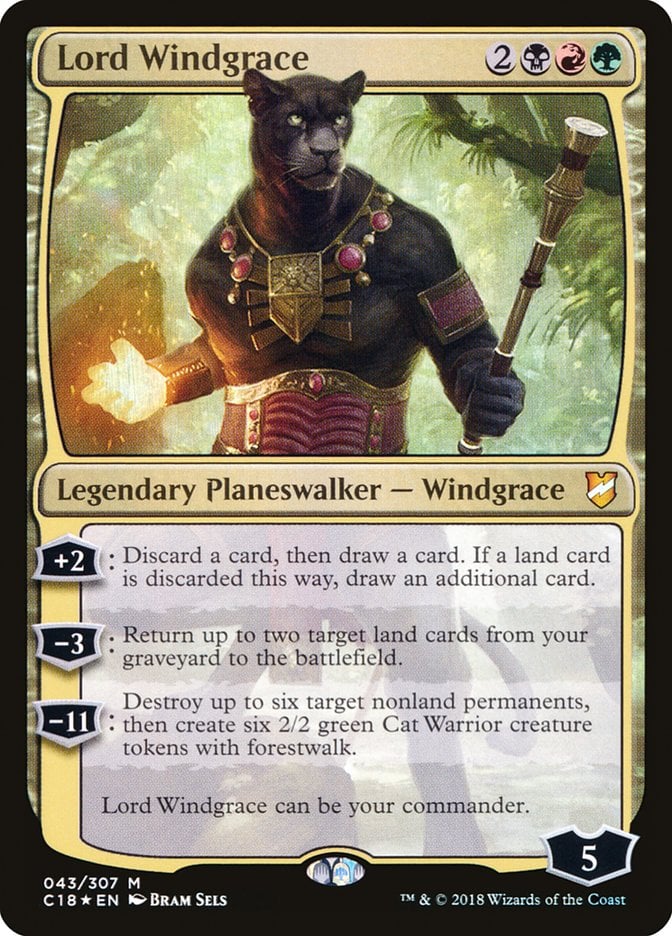
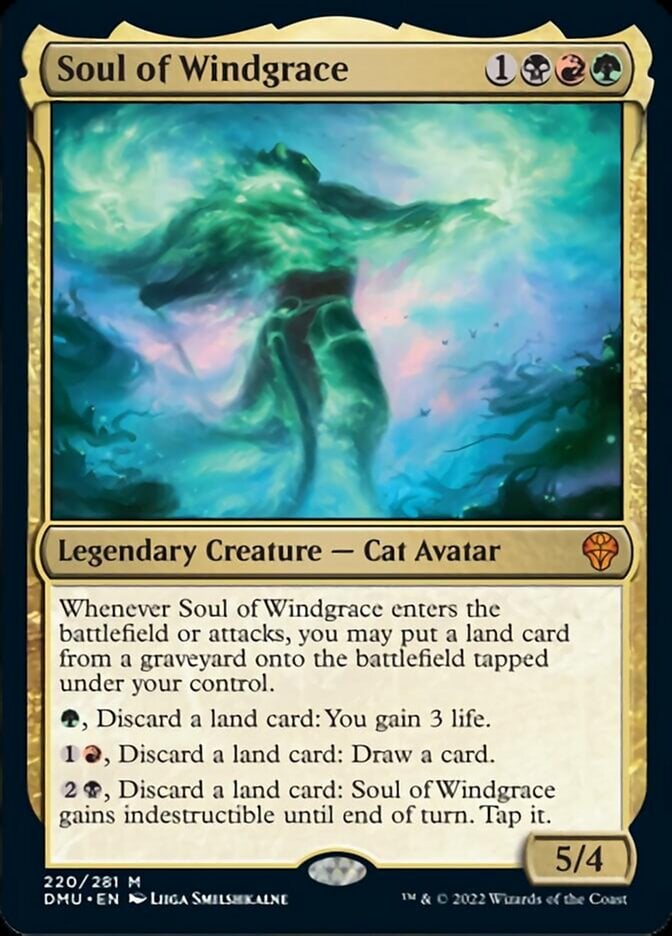
This category has honorable mentions: Wrenn and Six, Lord Windgrace, and Soul of Windgrace are all powerful land recursion tools that play nicely with your sacrifice effects. They don’t let you play lands from the graveyard, but they fill a similar role in the deck: to exploit fetch lands and other lands in the graveyard.
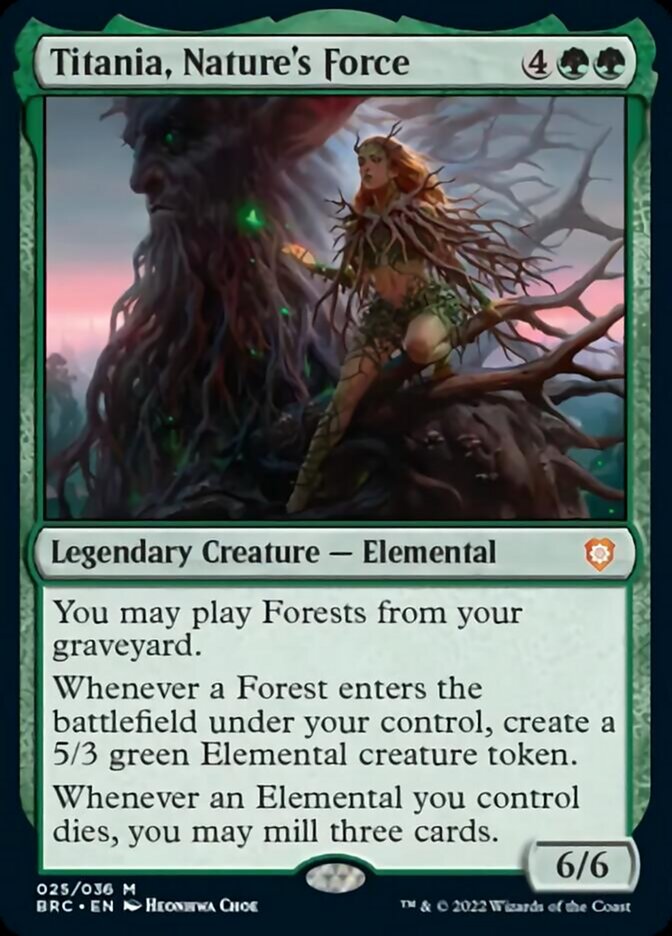
Titania, Nature's Force is the most restrictive version of the effect as it only cares about forests, but you have enough forests between the basics and typed duals to make it work.

Walk-In Closet starts as your typical Crucible, but you can unlock Forgotten Cellar for a burst of advantage. This deck produces plenty of mana to pay 5 for the Cellar and cast another spell or two.
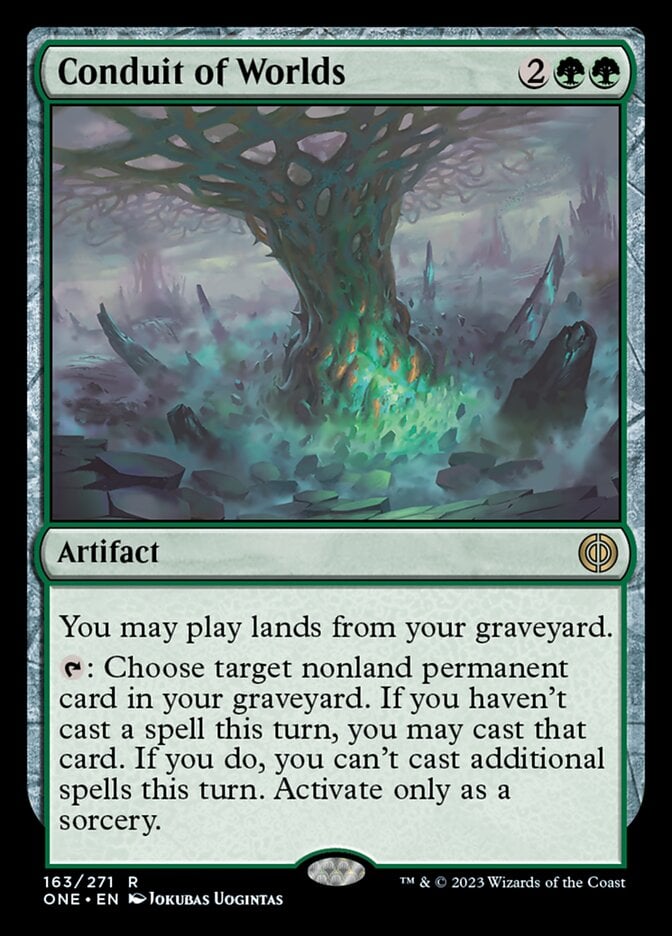
Conduit of Worlds adds card advantage with its tap ability. Limiting yourself to one spell cast the turn that you activate it sucks, but it’s worthwhile to bring back one of your best threats or to avoid doing nothing with a handful of lands.

Szarel, Genesis Shepherd is another legend from World Shaper that plays second fiddle to Hearthhull, filling out your Crucible slots with a sacrifice payoff. Since Szarel makes your creatures larger, Hearthhull becomes easier to station.

Icetill Explorer is easily the best Crucible effect in the deck—arguably even the game. If you have a fetch land, you get two land drops a turn and four landfall triggers. You don’t even need to start with the fetch land since the landfall ability fuels it. I don’t think Wizards can power creep Crucible further without printing a 1- or 2-mana variant.
Sacrifice Outlets
While Hearthhull is a fine sacrifice outlet, you can’t rely on your commander as the only version of any effect—what if an opponent removes it faster than you can pay the command tax, or you get locked behind Drannith Magistrate? It also only works once a turn; additional sacrifice outlets mean additional ways to trigger your payoffs. These cards just sacrifice permanents, while some sacrifice payoffs are outlets as well.
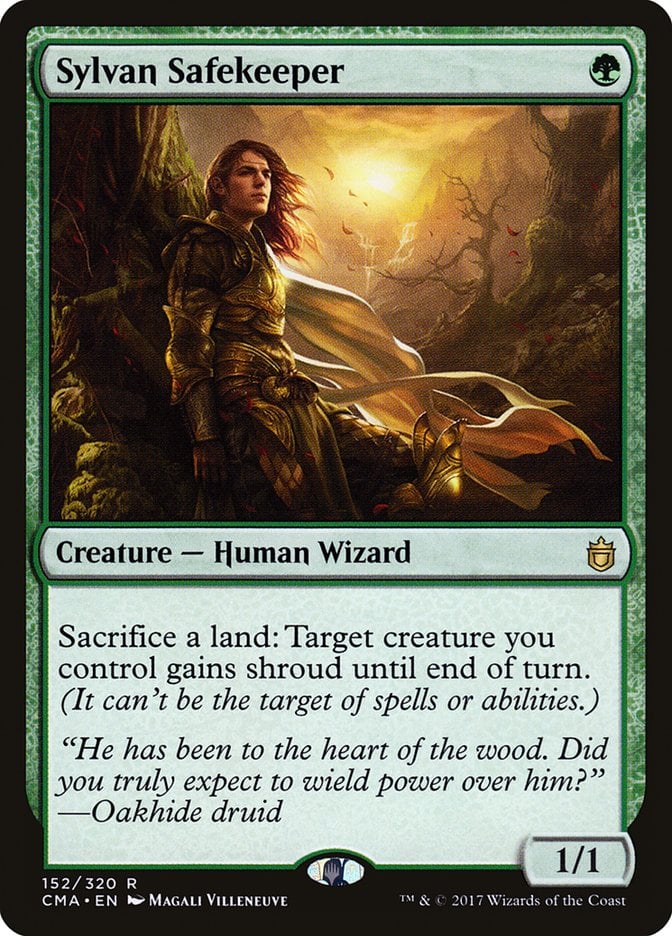
Sylvan Safekeeper provides incredibly efficient protection from spot removal and a manaless sacrifice outlet for as many of your lands as you please.
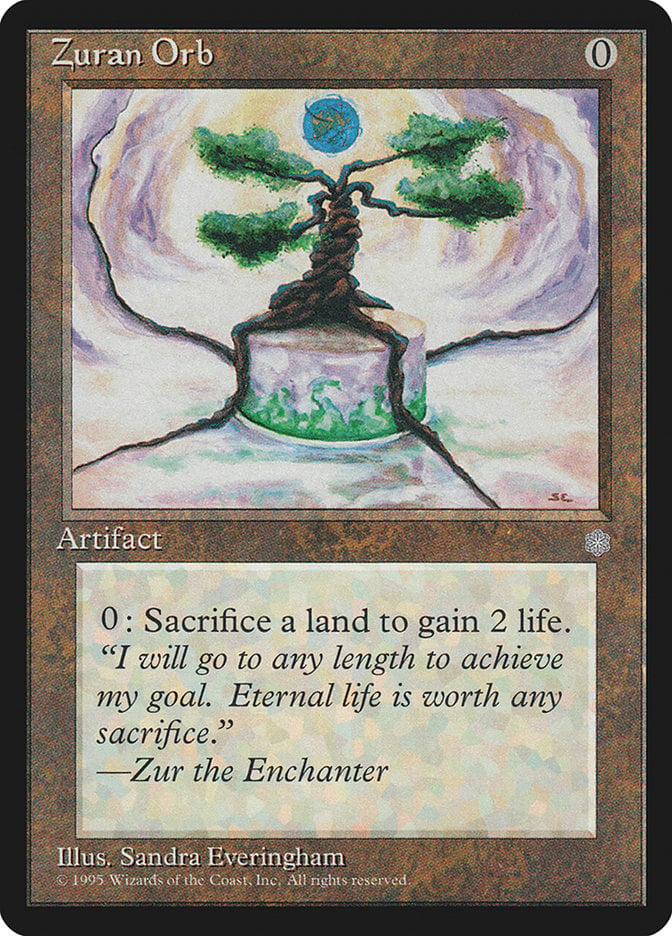
Zuran Orb is a 0-mana outlet to chew through your land base for the payoffs.
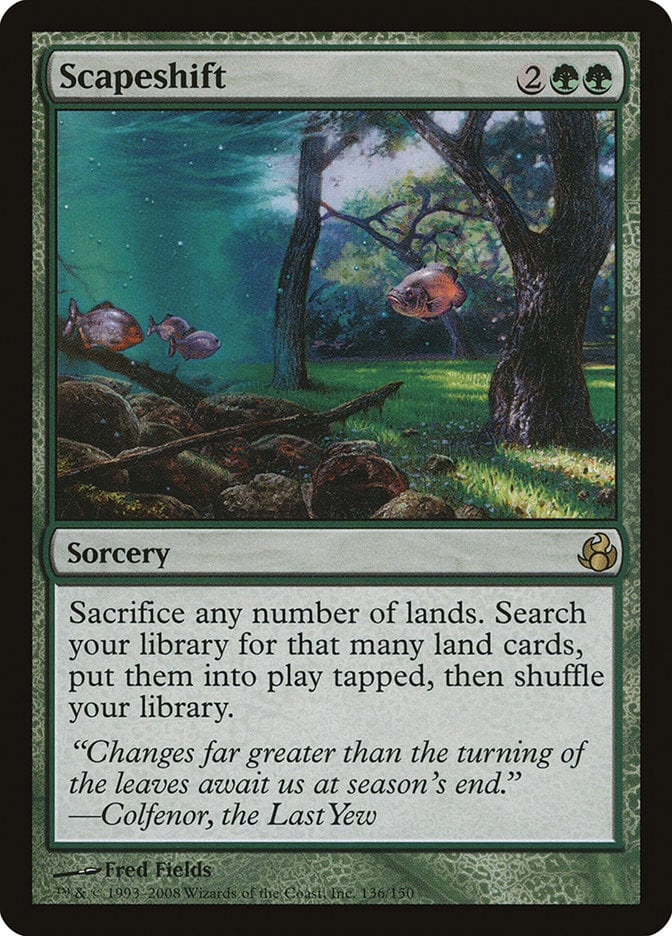
Scapeshift doubles as a land tutor that finds cards like Field of the Dead and the Dark Depths combo. It’s a potent finisher once Hearthhull has eight counters.
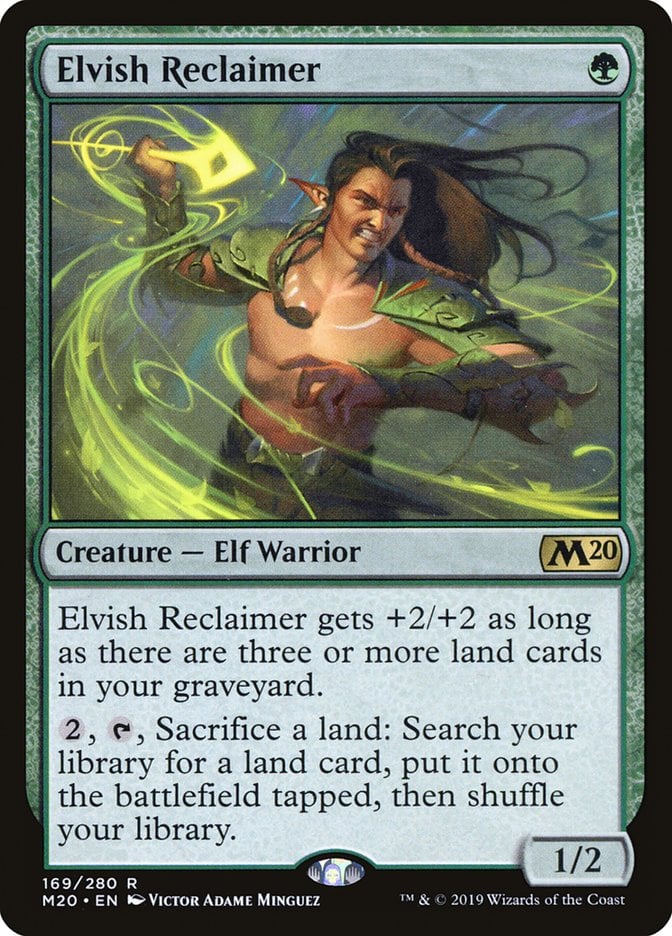
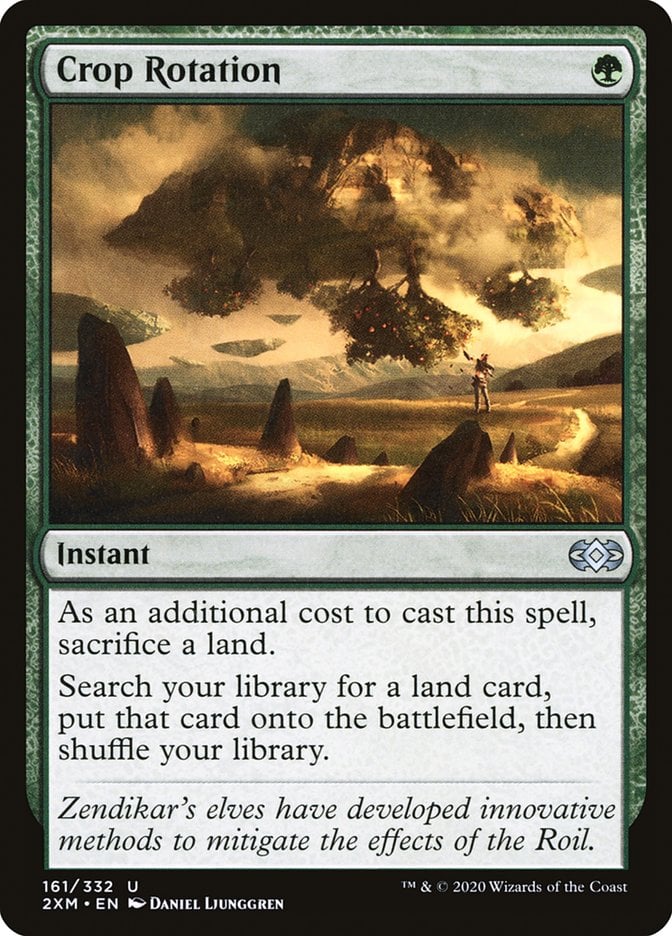
Elvish Reclaimer and Crop Rotation convert sacrificed lands into a fresh land. They can fix your mana, but they generally find your best utility lands.
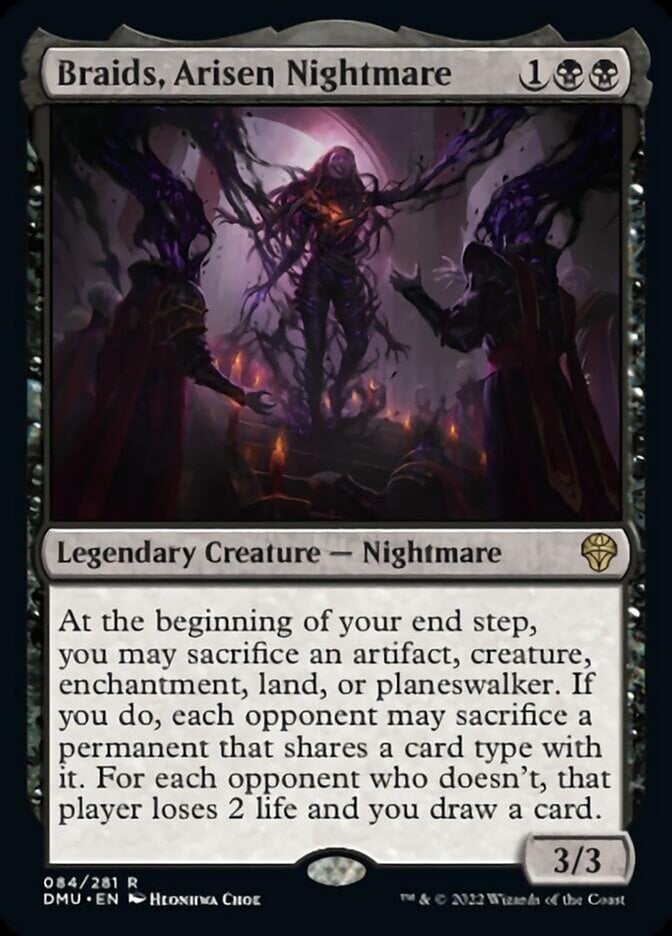
Braids, Arisen Nightmare enables all your payoffs and sneaks in extra card advantage. Sacrificing lands to Braids works incredibly well because your opponents rarely want to cull their mana base.

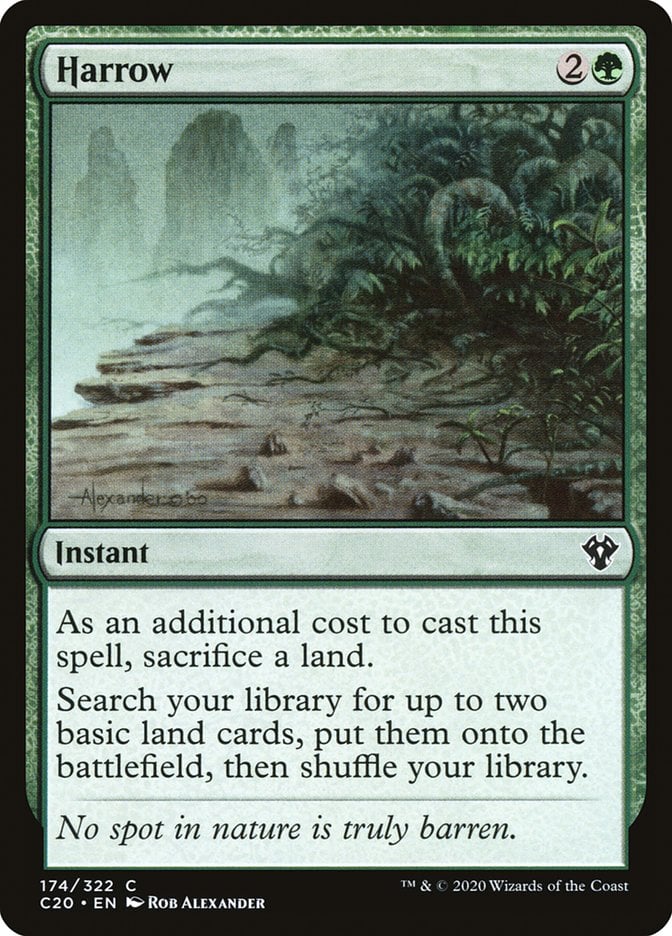
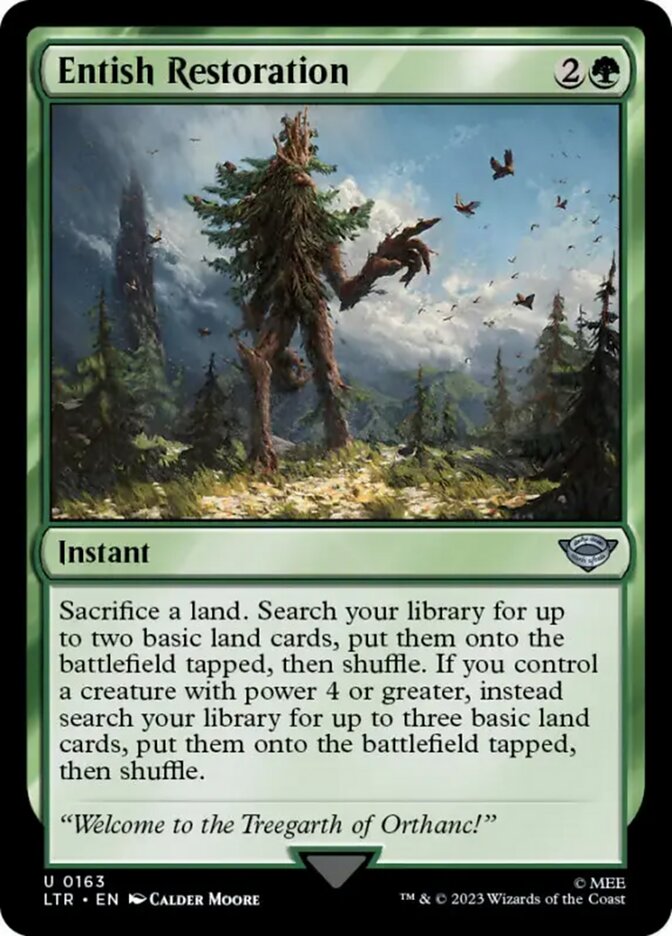
Larval Scoutlander, Harrow, and Entish Restoration merge ramp with land sacrifices. Putting two lands into play, even if you only go up 1 mana, works wonders with your landfall cards.
Sacrifice Payoffs
While the sacrifice outlets reward you for ditching lands in one way or another, that doesn’t mean you can’t run some payoffs to make the deck’s core game action even better. Many of these are sacrifice outlets themselves, so you don’t need to worry about drawing just payoffs and no outlets.

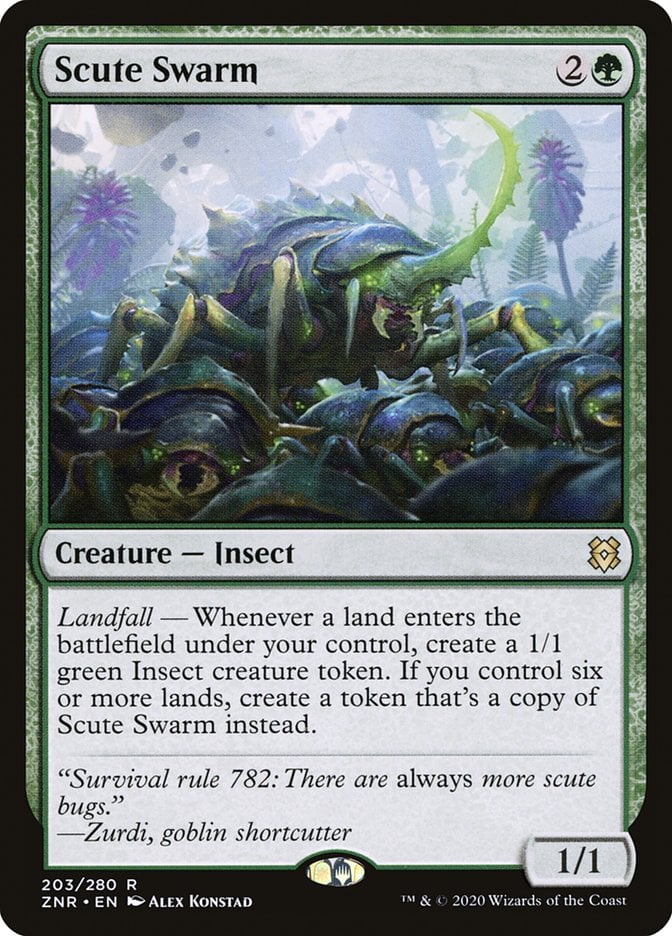
Scouring Swarm is a riff on Scute Swarm that generates tokens while you sacrifice lands. Because you sacrifice and replay the same lands, you won’t often reach the magical seven-land threshold to copy the Swarm itself, but an army of flying 1/1s that crop up as you draw cards sounds magnificent.

Evendo Brushrazer is a sacrifice outlet and payoff all in one, because every card printed in 2025 must do everything. Fetch lands fuel it perfectly, and its mana generation means you need not worry about casting the cards you draw.

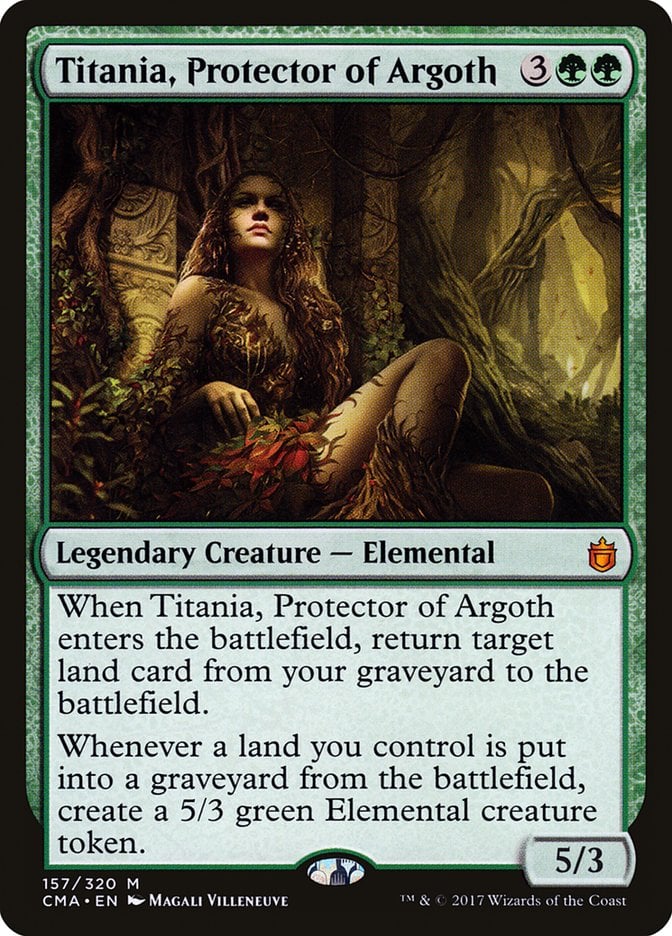
Baloth Prime and Titania, Protector of Argoth make far more substantial tokens when you sacrifice lands. Titania is an OG payoff for this strategy, while Baloth Prime is a relative newcomer. Both are among your best threats.
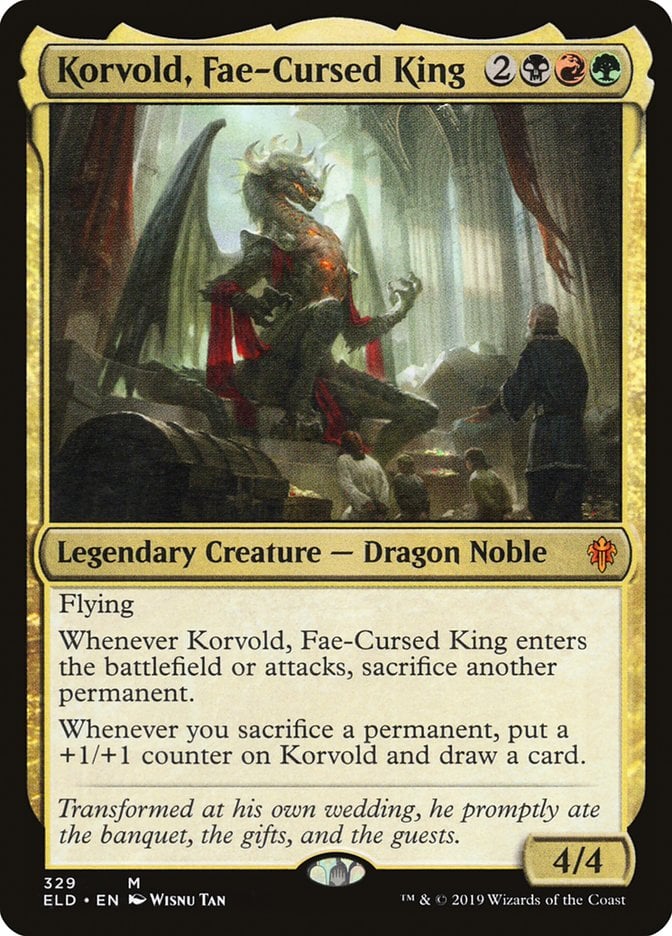
Korvold, Fae-Cursed King draws an absurd number of cards for taking complex game actions like cracking fetch lands and activating your commander. It’s expensive, but it draws enough cards to make up for it—and it smacks incredibly hard.
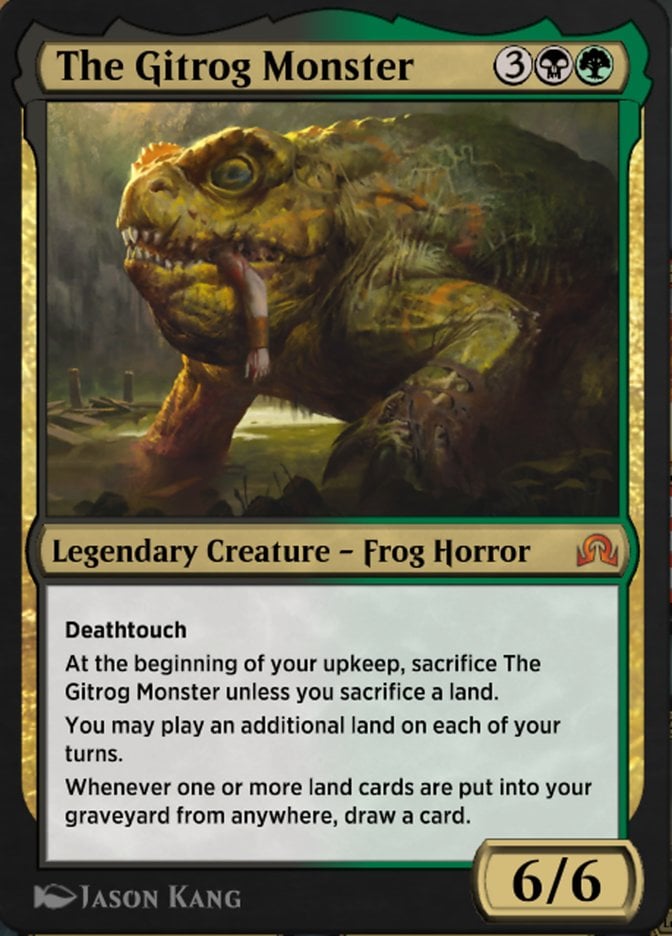
The Gitrog Monster is another of the greatest lands-matter cards. It plays beautifully with your Crucible effects since it lets you make an additional land drop and it draws cards every time you blink.
Landfall Cards
These are the deck’s bread and butter. Your core game actions are to sacrifice then replay lands, and these reward you for the replaying half, while the previous cards reward you for the sacrifice. Turning basic game actions into value engines is cracked, and these cards prove it.
Scute Swarm overwhelms the table, and it’s far easier to enable than Scouring Swarm.

You should almost always offspring Iridescent Vinelasher as a 3-mana spell. It adds up quickly, especially once you start to play two or three fetch lands a turn.

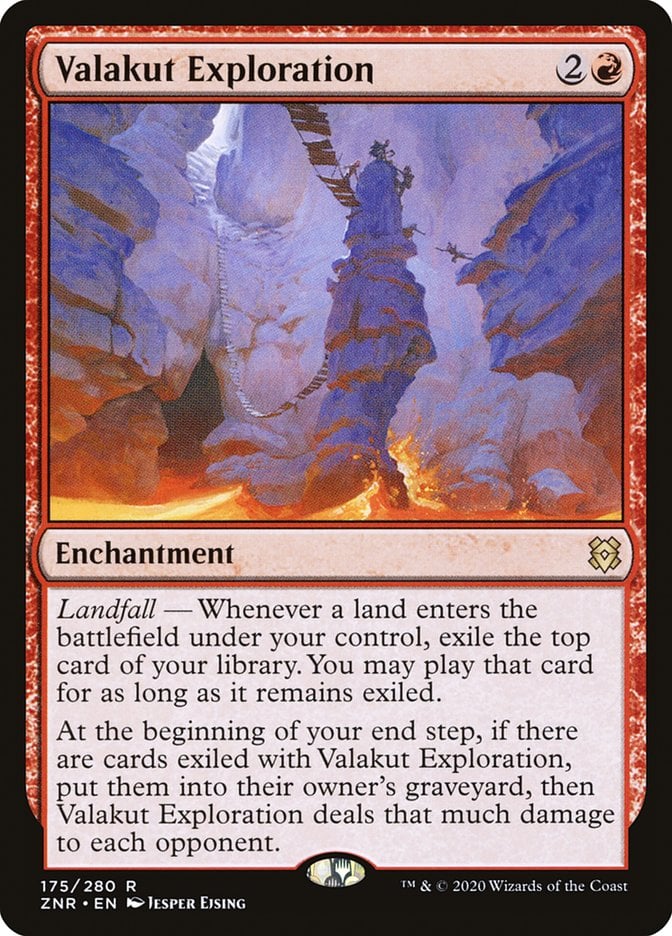
Tannuk, Memorial Ensign provides more burn, and it’s one of the few landfall cards in Jund () that draw cards on landfall—that’s mostly saved for the Simic cards (). Valakut Exploration also draws a couple cards and deals damage on a good day.

Springheart Nantuko works best when you bestow it. Your best targets include Iridescent Vinelasher, Agate Instigator, and Baloth Prime.
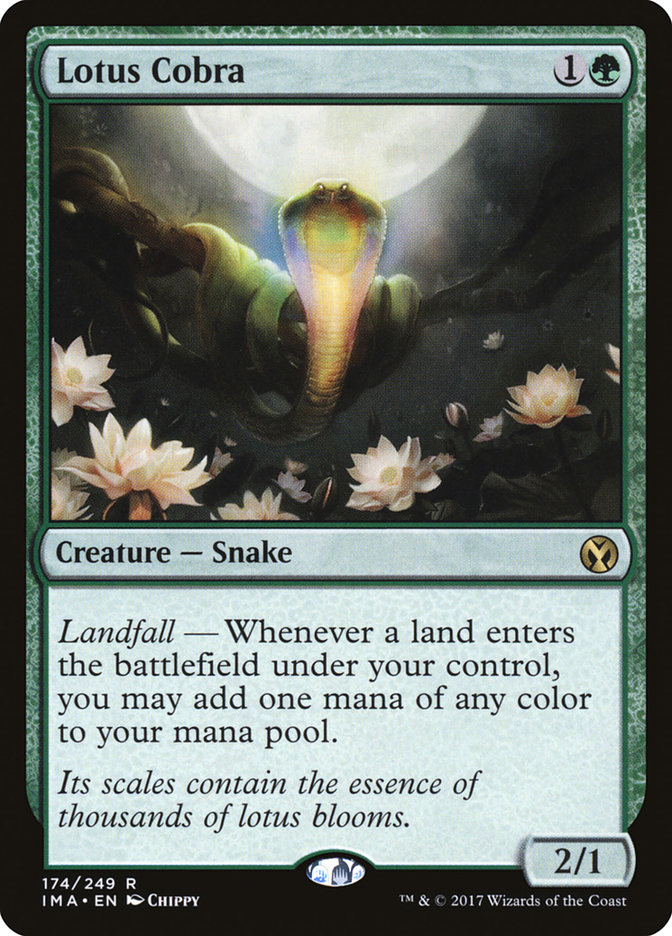
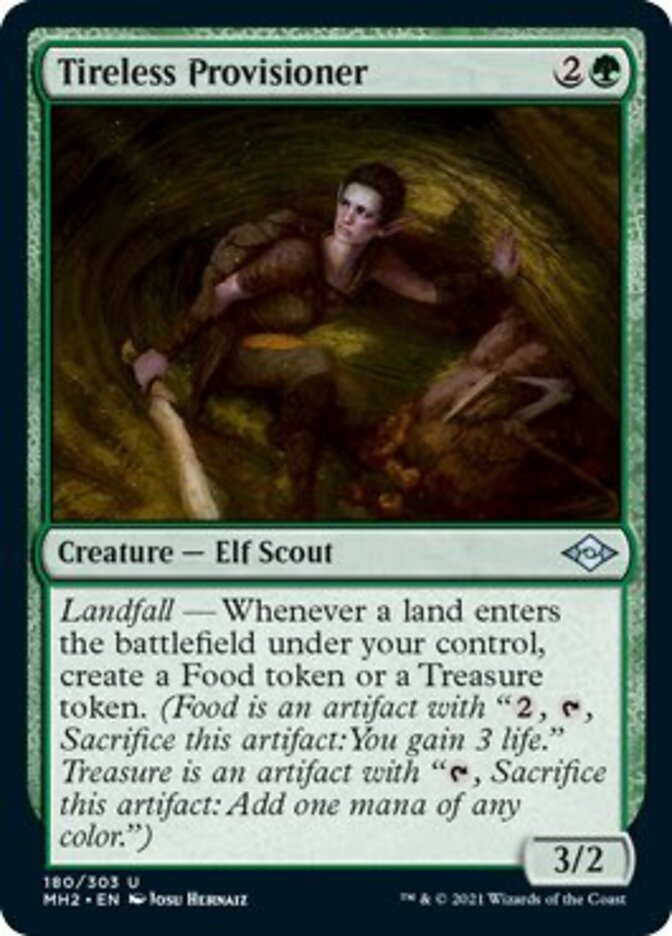
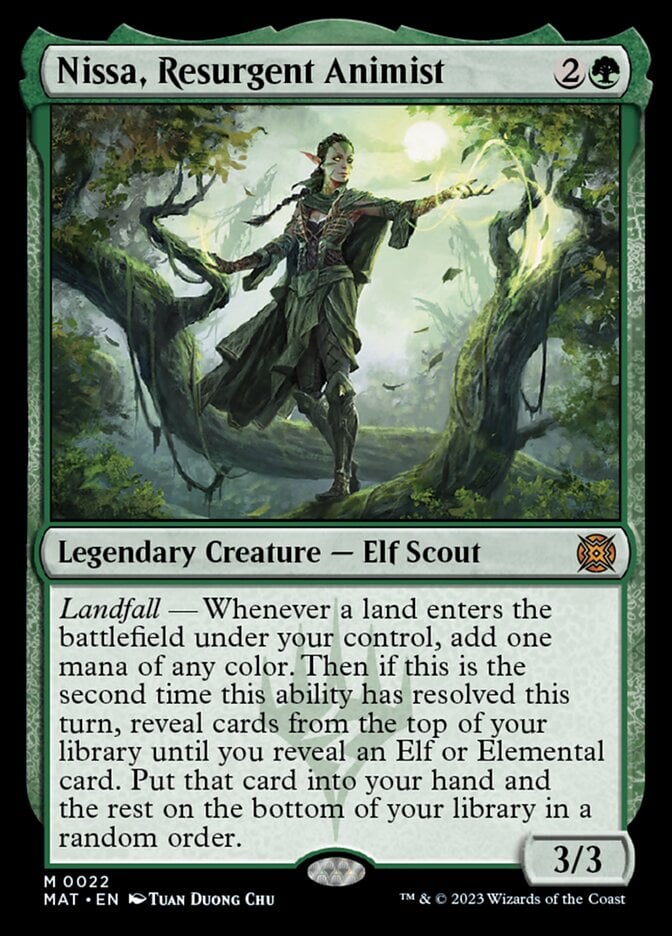
Your best landfall cards, perhaps unsurprisingly, are the ones that generate mana. Lotus Cobra is a classic card that breaks fetch lands in half—each fetch makes 3 mana if you fetch an untapped land. Tireless Provisioner comes in a little worse since it just makes Treasure tokens, but it does the job, and the odd Food stabilizes you. But the best is Nissa, Resurgent Animist because it draws cards! The two Titanias are the best hits, but I’m happy to draw any of the elves in the deck just because I cracked a fetch.
Odds and Ends
These are invaluable, powerful cards that don’t fit into other categories or crop up often enough to create their own sections, but worth highlighting for their role in the deck.


The deck’s primary output for sacrificing and playing lands are tokens, so Agate Instigator was a natural inclusion to turn those tokens into damage. Wight of the Reliquary similarly capitalizes on the tokens, but it converts them into more landfall triggers.

Teval's Judgment feels like an honorary landfall card since it triggers whenever you pull a land from the graveyard. You often want the card draw, but all three modes have merit.

Traveling Chocobo makes Courser of Kruphix obsolete. It’s easy to cast and it lets you play more cards off your library, and it’s better to double landfall triggers than gain a life. This bird does everything this deck could want, and then some.
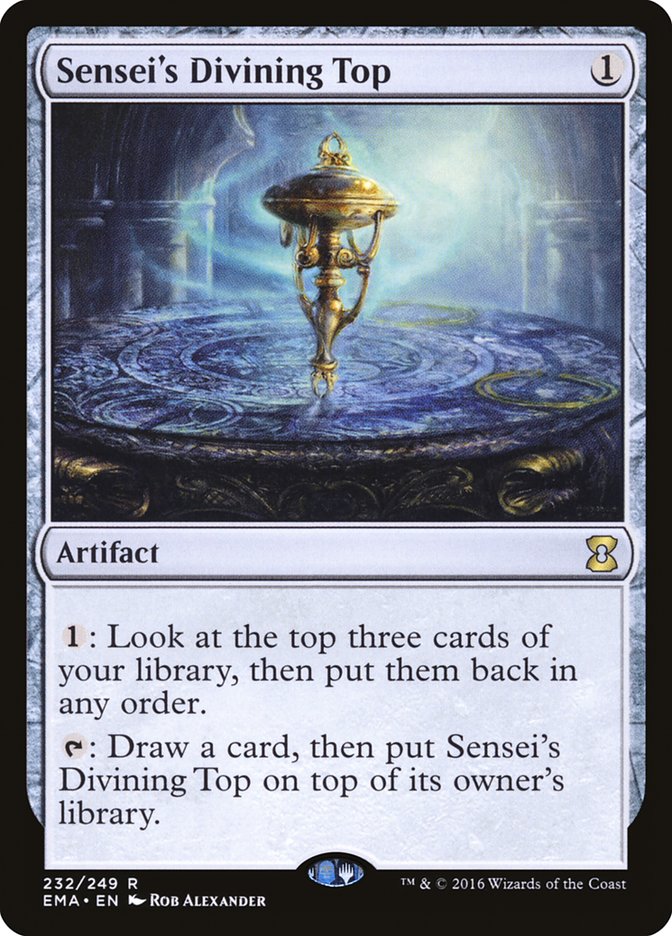
Sensei's Divining Top normally sees play in decks that use it as a combo engine, but this list pairs it with many fetch lands and ways to recur them to control the top of the deck.

This deck has many cards from the World Shaper precon, but Exploration Broodship might be my favorite. It trades the explosive potential of Exploration for a late-game value engine. This deck adds as much value to basic game actions as it can, so a card that sacrifices lands as you cast spells is perfect.
The Mana Base
This mana base is the heart and soul of the deck given how many of your cards care about lands. In addition to basic mana fixing, you have a host of powerful value lands.
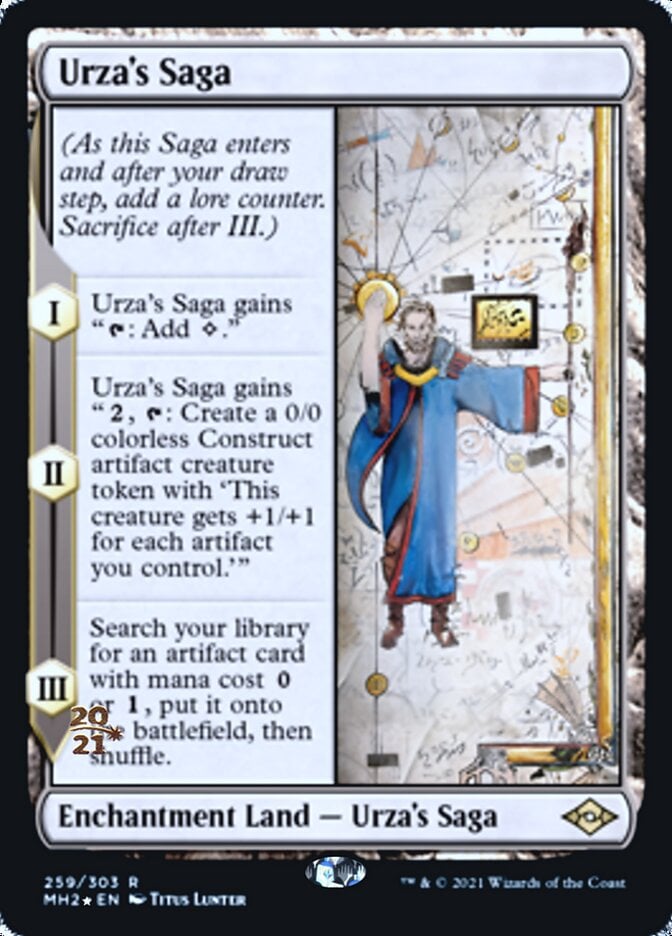
Urza's Saga sees plenty of play in many formats, and it’s great in this deck with the following hits:
The Maps make Urza’s Saga a roundabout land tutor, Zuran Orb can be a game-winning find with your commander, Ghost Vacuum provides decent graveyard hate, and Top is a generically good target you’re always happy to snag. That offers plenty of depth, and the land even sacrifices itself off the third chapter for other synergies!
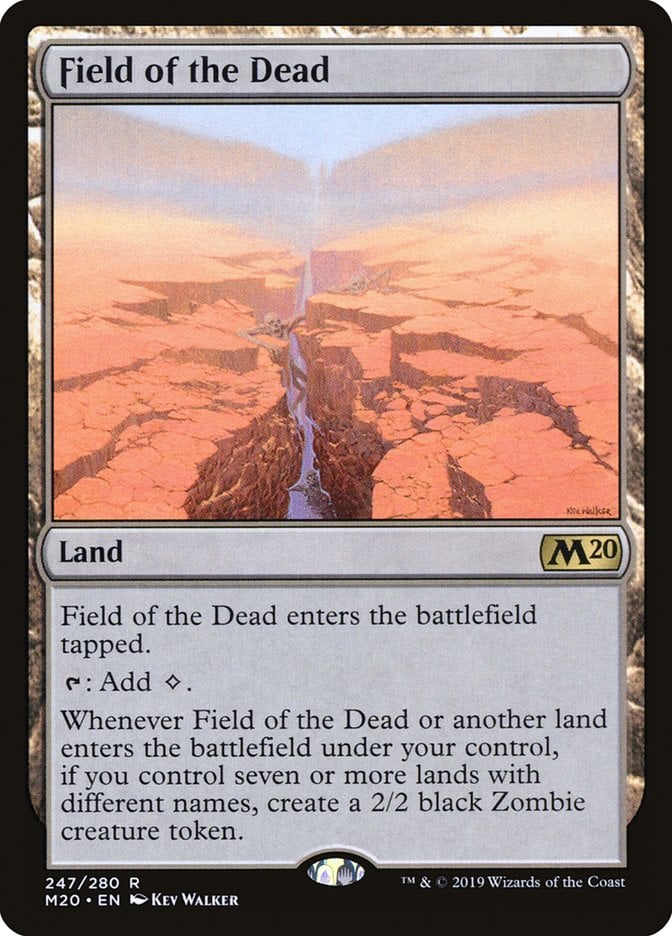
Field of the Dead is probably the best landfall card in the deck, maybe the game, because of how hard it is to interact with it and how easily you get it into play.

Eumidian Hatchery is a unique land that rewards you for sacrificing it after it sits in play for a while. The payoff, again, is more tokens.

Talon Gates of Madara acts like a protection/ramp spell since you can drop it into play straight from your hand or with tutors like Elvish Reclaimer and Crop Rotation.
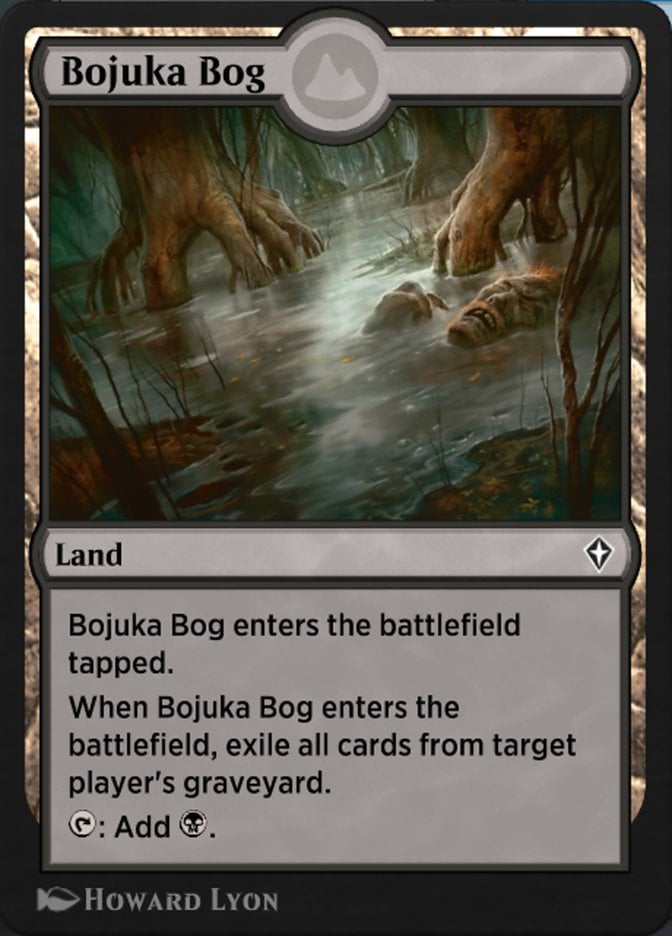
Bojuka Bog is a must-run in any Golgari () deck with Crop Rotation for instant-speed graveyard hate.
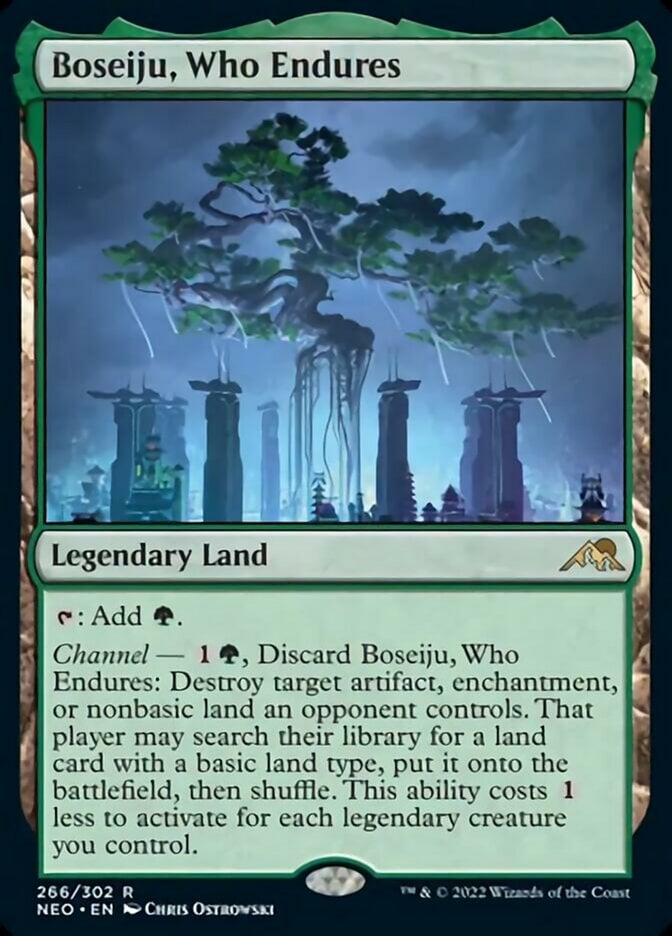
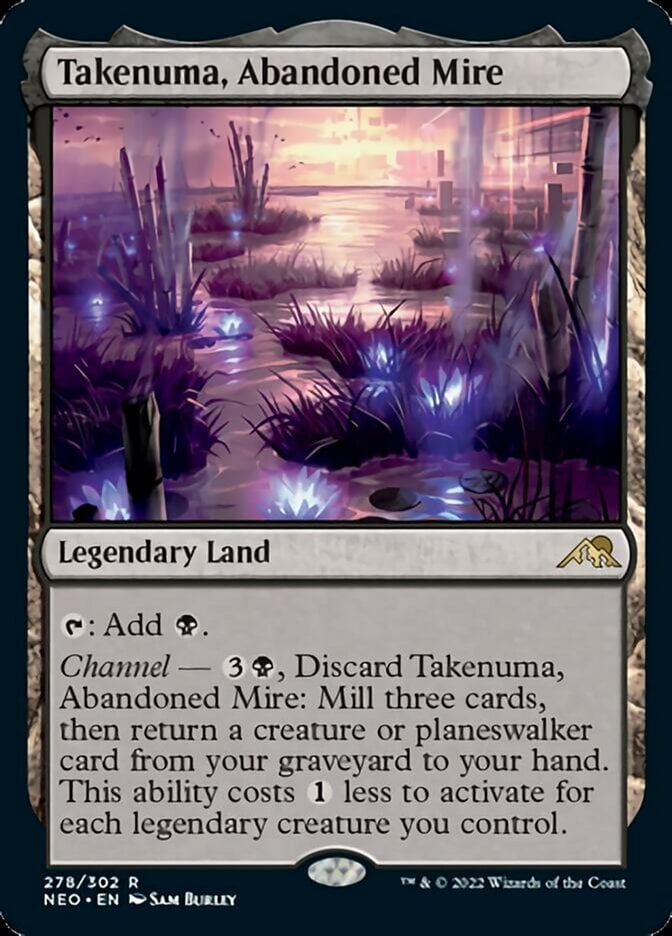
Boseiju, Who Endures and Takenuma, Abandoned Mire are key staples that pair quite well with Wrenn and Six to use them multiple times.

Urza's Cave finds all these great lands and triggers your sacrifice payoffs.
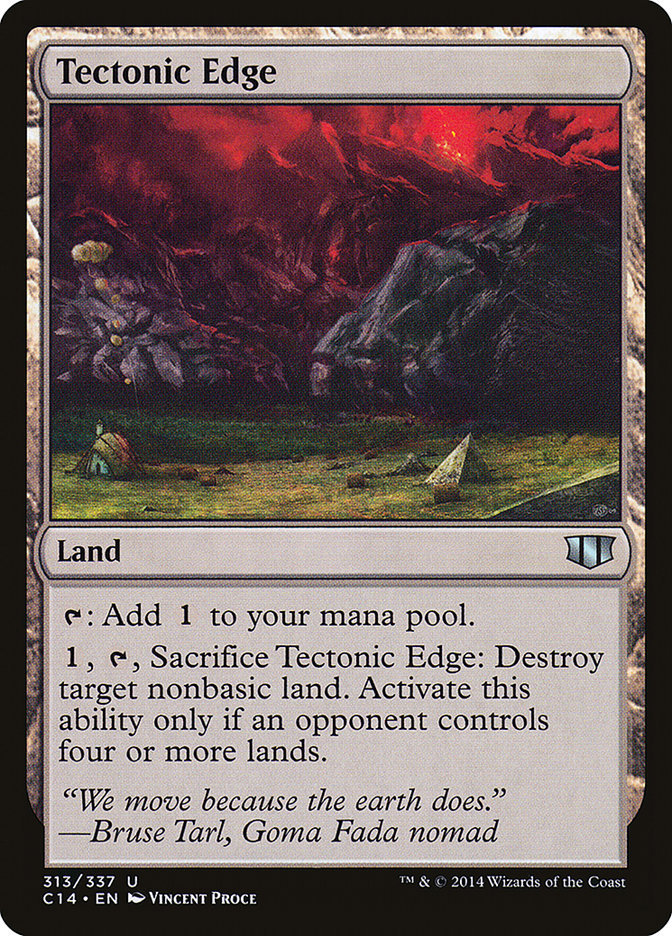
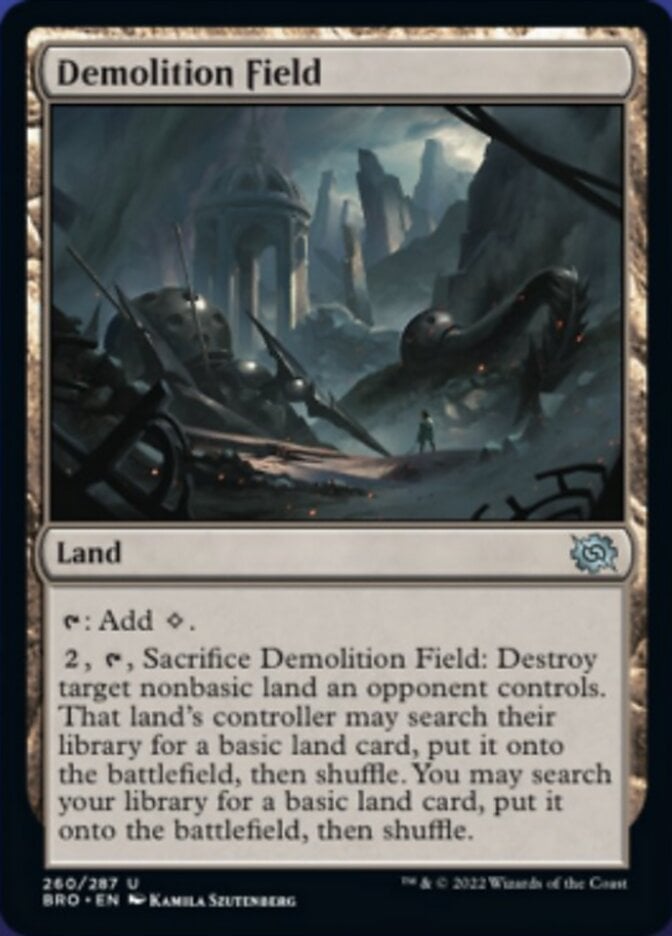
Tectonic Edge and Demolition Field hate out other land decks. These are much weaker than Strip Mine and Wasteland, but I chose them to prevent land denial lines that creep towards Bracket 4.

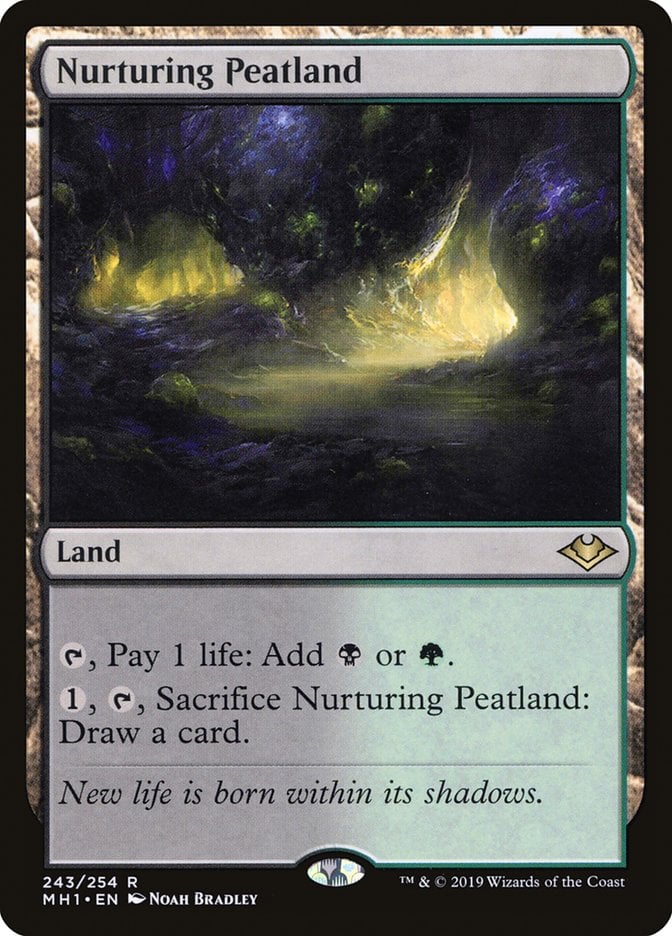
Horizon of Progress and Nurturing Peatland play well with your Crucible effects to draw cards if you don’t need mana.

Shifting Woodland rounds out the value lands with a versatile card that works like recursion if you squint. It can be a great tool to rebuild after a board wipe throws something like Titania or Korvold into the graveyard.
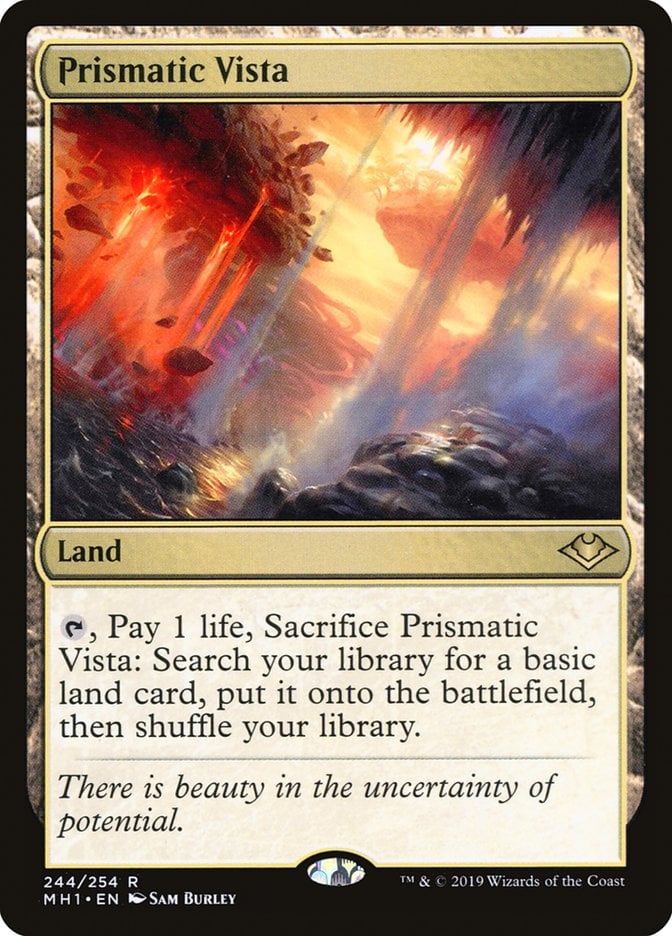


The main features of the mana base are the fetch lands; all the green ones are represented, as are quite a few others. You also have Prismatic Vista, Riveteers Overlook, and Twisted Landscape to max out on fetches. These are essential to the deck, as they work well with Crucible effects and landfall cards.


Beyond the fetches, you have some tri-lands in Command Tower and Starting Town alongside plenty of fetchables. These again bias towards green, in part because this is structured as a green deck splashing, and because Titania, Nature's Force only works with forests.
The Strategy
The deck benefits from a simple game plan: It just wants to play lands. Most of its cards reward you for doing so, and the sacrifice outlets fuel your Crucible effects so you can play more lands. You want to play games such that lands that enter or leave the battlefield fill the stack with triggers that draw cards or create tokens, then you’ll use those resources to overwhelm your opponents.
When evaluating your opening hand, sacrifice outlets are low on the list of priorities since Hearthhull, the Worldseed orbits the table. Ramp is far more important; the deck is rather mana hungry, with expensive top-end and a commander that requires a constant mana investment and chews through lands. The best hands have 3-4 lands alongside a ramp piece and a card or two that care about landfall or land sacrifices; Hearthhull’s card draw should carry from there.
This isn’t the most interactive deck in the world, so you should always look to push your advantage. You aren’t answering threats, you’re presenting a slew of questions to your opponents: Can you outdraw this card? Do you have enough blockers? What’s your long-term plan to outrace Hearthhull? Be proactive.
Combos and Interactions
The deck has a few key combos and interactions.
Hearthhull, the Worldseed and Scapeshift is a big one, because that probably ends the game with eight or more lands to sacrifice. You can configure it in many ways; Sylvan Safekeeper and Zuran Orb can replace Scapeshift, though they’re risky since they don’t replace the lands, and most of the landfall or land sacrifice payoffs are incredible with Scapeshift—it might be your strongest individual card.
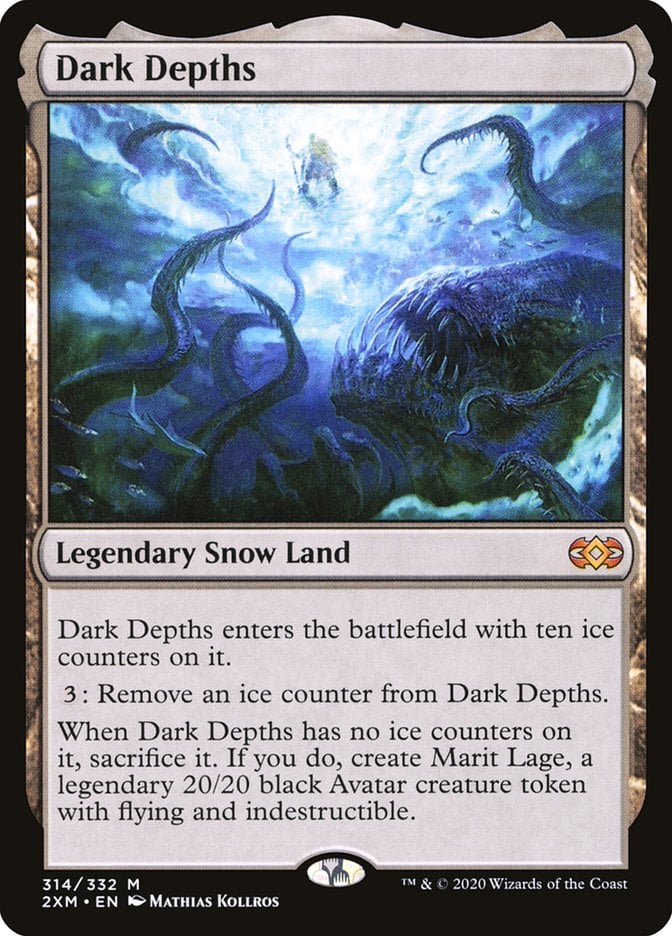
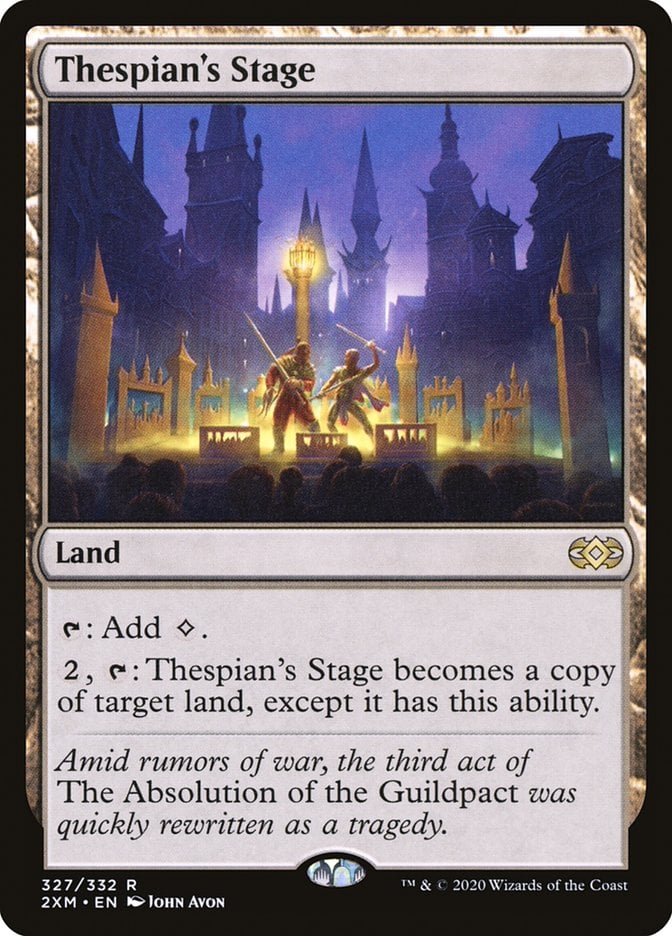
The classic Dark Depths combo crops up here, utilizing Dark Depths and Thespian's Stage. You need both permanents in play. Copy the Stage with Depths; this invokes the legend rule. Keep the Stage copy of Dark Depths, which has no counters since it never entered the battlefield, and you get Marit Lage. Should an opponent answer the indestructible token, the Crucible effects recur the combo to use over and over. If Dark Depths is in your graveyard, you can copy it with Shifting Woodland for the same result.
Korvold, Fae-Cursed King and Tireless Provisioner combine to practically say “landfall – draw a card”. The combination is hard to keep up with, and it makes Korvold into a dangerous threat.
Traveling Chocobo and Sensei's Divining Top offer a different avenue to card advantage: You can stack the top three cards of your deck so you always get to play lands with the chocobo‘s ability.
Rule 0 Violations Check
As long as you’re upfront about the high number of Game Changers, you should have no trouble; this is a solidly Bracket 3 deck, and probably needs only a few tweaks to break into Bracket 4. The deck has no early two-card combos that end the game, a reasonable number of Game Changers, and a strategy that most decks should be able to interact with. You also have no meaningful land hate or other taboo strategies.
Budget Options
Let’s look at that mana base first. Fetch lands are important, but you have lots of budget options in cards like Terramorphic Expanse and Evolving Wilds. Once you make those swaps, you need extra basics to keep up. When cutting the mana base, always remember bias towards green sources! As for the utility lands—namely expensive ones like Boseiju and Field of the Dead—you can swap them for basics as you see fit.
Traveling Chocobo can become the much weaker, sadder Courser of Kruphix.
You can replace Exploration with Dryad of the Ilysian Grove or any other permanent that lets you make additional land drops.
Sensei's Divining Top can swap out for simple card draw like Night's Whisper.
Scapeshift has no real alternatives, but Animist's Awakening could replace it for mass landfall triggers, or you could use God-Eternal Bontu for another mass-sacrifice effect.
Other Builds
Hearthhull, the Worldseed is an extremely restrictive commander because it only works with lands, but there are other paths you could take.
A more aggressive landfall deck exists, one that combines cards like Bristly Bill, Spine Sower, Scythecat Cub, and other landfalls cards that produce counters with green proliferate effects to race the table and lean on Hearthhull as a finisher.
You could also push the deck into Bracket 4 and go for a land destruction deck that utilizes Strip Mine and Wasteland, plus cards like Epicenter to wring a bunch of damage from Hearthhull and leave your opponents without the resources to race your 6/7 commander.
Commanding Conclusion
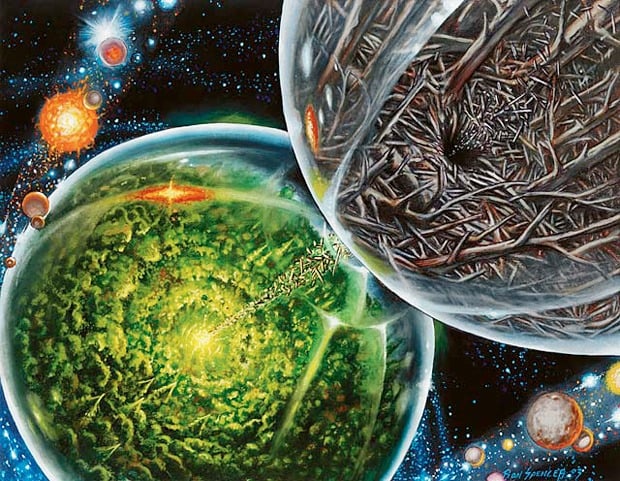
Crucible of Worlds | Illustration by Ron Spencer
I love to play with lands. It’s my favorite Cube archetype, and it translates incredibly well to Commander as the format’s slower pace and love of ramp gives you plenty of time to establish powerful engines with cards like Hearthhull or Titania, Protector of Argoth. This deck looks to the classic strategy of out-valuing your opponents with card draw and tokens.
What’s your favorite lands commander? Would you play this deck as-is, or would you take a different path? Let me know in the comments below or on the Draftsim Discord!
Stay safe, and thanks for reading!
Follow Draftsim for awesome articles and set updates:










Add Comment