

Urza's Tower | Illustration by Brian Snoddy
Modern is a very popular format in Magic: The Gathering, with many dominant decks switching back and forth depending on the sets released over the course of a year.
However, many archetypes are always prevalent in the meta, like Burn, Rakdos () Midrange, and today’s topic: Tron.
Let’s go over what’s new with the deck since Modern Horizons 3 and discuss why it’s one of Modern’s top archetypes.
Are you intrigued by what this deck has to offer? Let’s find out!
The Deck

Expedition Map | Illustration by Scott Murphy
Planeswalker (5)
Karn, the Great Creator x4
Ugin, the Spirit Dragon
Creature (7)
Devourer of Destiny x4
Emrakul, the World Anew x3
Instant (6)
Kozilek's Command x4
Warping Wail x2
Sorcery (4)
All Is Dust x4
Enchantment (1)
Artifact (15)
Chalice of the Void x2
Expedition Map x4
The Underworld Cookbook x2
Mind Stone x4
The One Ring x3
Land (22)
Eldrazi Temple x4
Swamp
Ugin's Labyrinth x4
Urza's Mine x4
Urza's Power Plant x4
Urza's Tower x4
Wastes
Sideboard (15)
Dismember x2
Cityscape Leveler
Sundering Titan
Tormod's Crypt
Chalice of the Void x2
Grafdigger's Cage
Pithing Needle
The Underworld Cookbook
Liquimetal Coating
The Filigree Sylex
The Stone Brain x2
The One Ring
While there are multiple versions of Tron, each of them has two key components to win games: taxing your opponents, and ramping your mana so you can play your big spells as early as turn 3 thanks to a natural Tron.
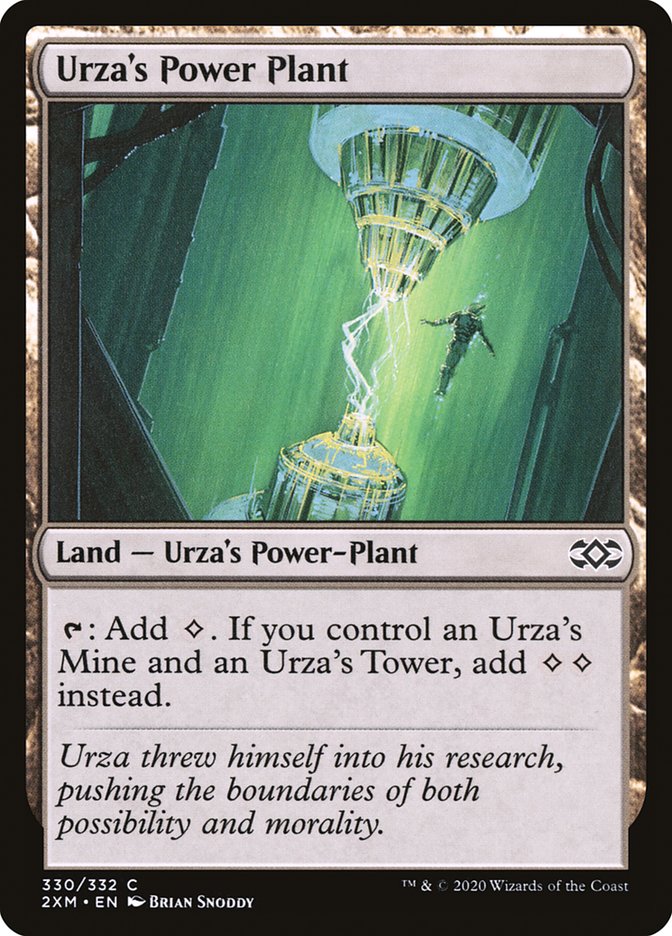
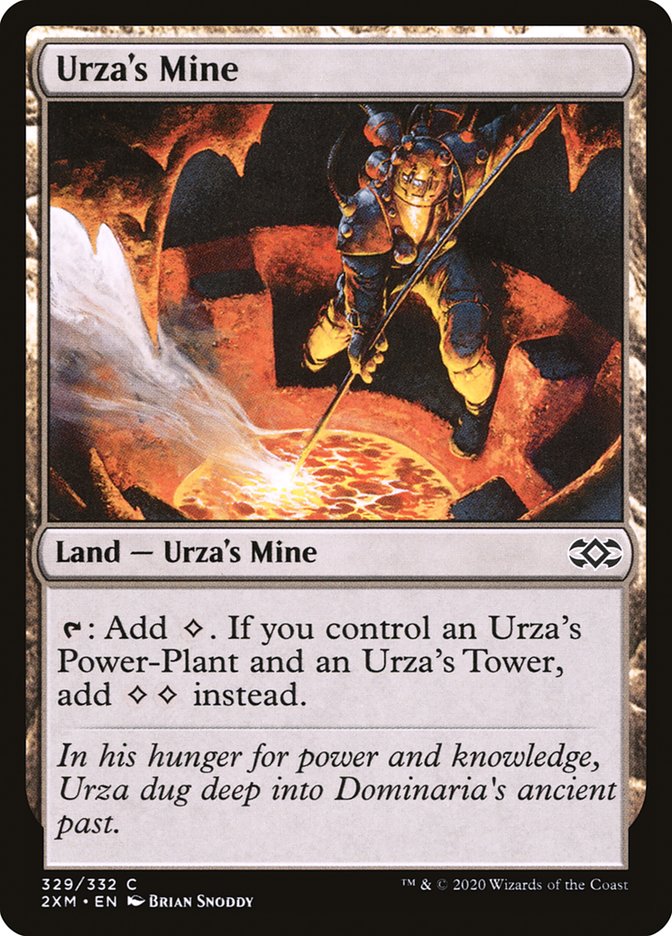
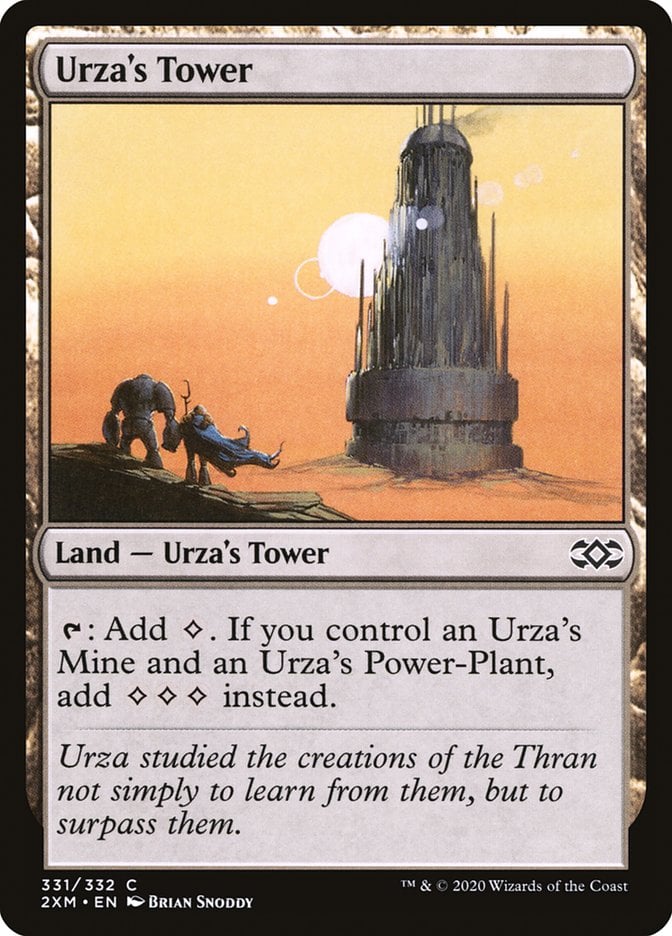
With Urza's Power Plant, Urza's Mine, and Urza's Tower on the field, you can generate 7 mana.
The Strategy

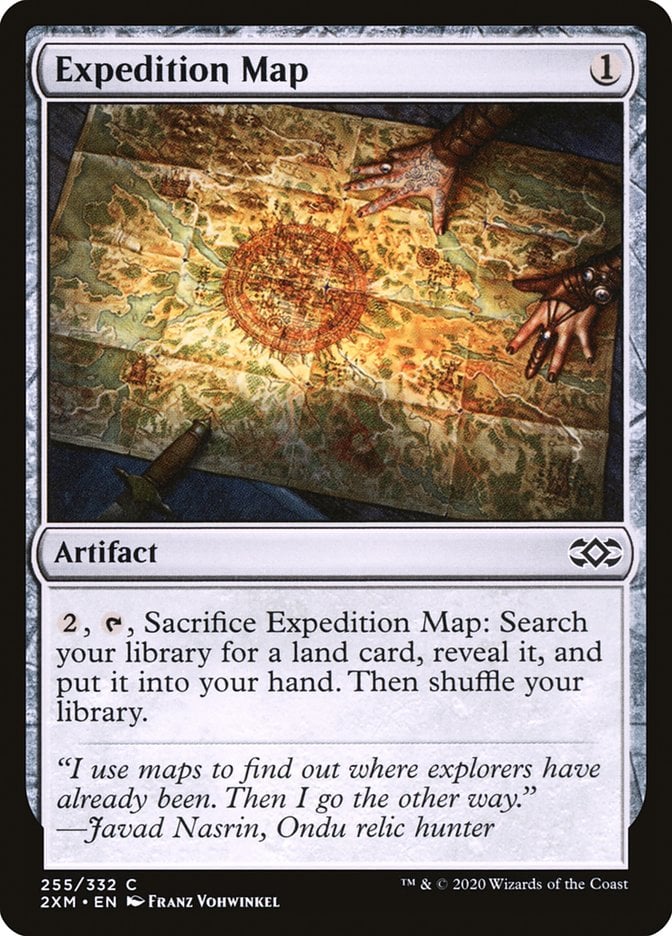
The ramp aspect of the deck is straightforward, with cards like Devourer of Destiny and Expedition Map making it much more consistent that you assemble your Tron lands. Pretty much everything you’ll ever do on turn 1 and 2 is dedicated to making sure you have three different Tron lands on the battlefield by turn 3. After that, you want to cast your gigantic creatures and use Kozilek's Commander to control the game a bit.
The basic strategy involves the same basic game actions 95% of the time, followed by casting whatever arbitrarily expensive colorless cards you happen to have in your hand after you’ve assembled Tron.
The Creatures
The primary role of Devourer of Destiny is to filter your draws and aim for a turn 3 Tron. That said, its second on-cast ability is also quite strong, as it allows you to exile a target permanent that’s one or more colors.

The other creature in the deck is Emrakul, the World Anew, which is notoriously difficult to deal with. Not only is it protected from spells the turn it’s cast, making it unremovable upon resolution, but even if countered, you still take control of all your opponent’s creatures due to its first ability.
Sure, it costs 12 mana, but that’s why the deck includes multiple ways to make it easier to cast. Additionally, it has a cool interaction that allows you to cast it for only 6 mana most of the time via madness.
The Removal
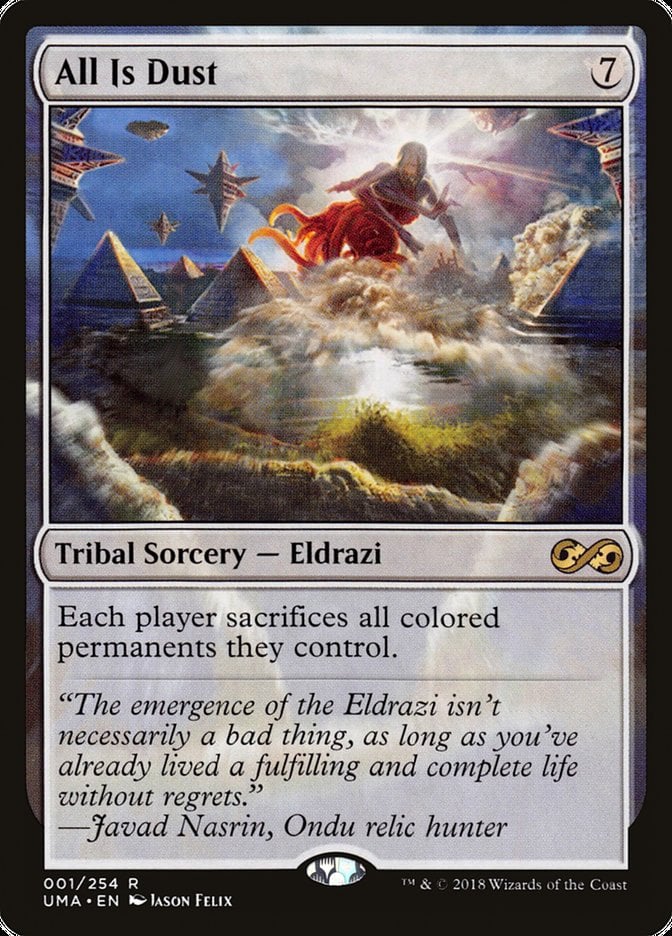
All Is Dust has been a staple in Eldrazi decks since it was introduced to Modern, and it’s the perfect colorless board wipe for this deck, so it’s no surprise to see it perform well.

Kozilek's Command offers multiple options, primarily creature removal and an additional benefit like drawing cards, exiling cards from graveyards, creating chump-blocking Eldrazi Spawn for fodder, or casting it for as little as 5 mana (low for this deck, of course), which is a big advantage for future turns.
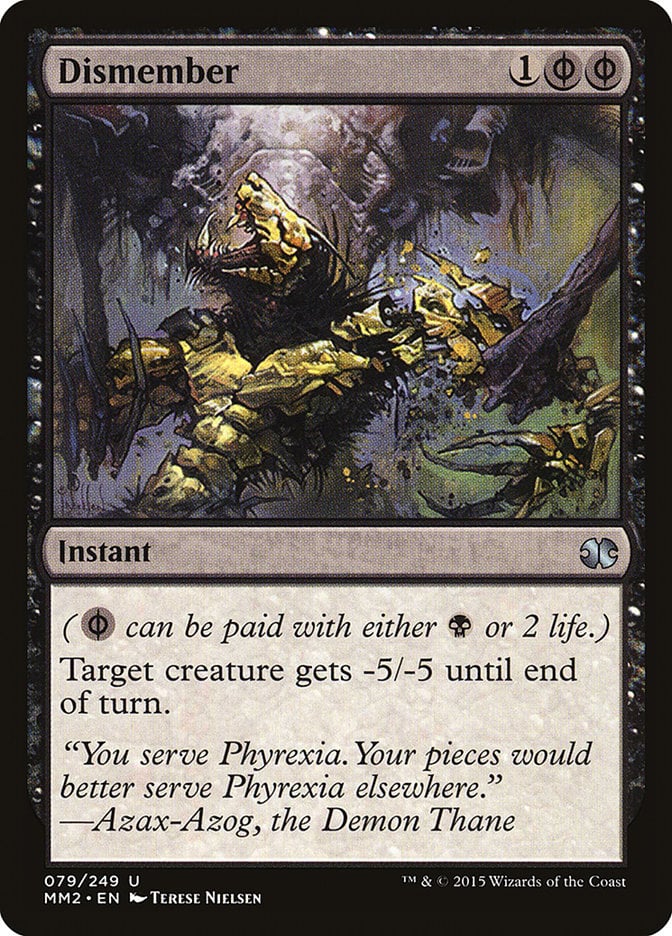
A single Dismember is a fast but painful removal spell that can be used in a tough spot. Note that the deck doesn’t run any colored lands except for a single Swamp, so you’ll want to run at most one or two copies of this card.
Key Artifacts
Expedition Map is critical for assembling perfect Tron on turn 3, with the plan being to cast it on turn 1 if you have at least two different Tron pieces in hand. This way, you can crack it on turn 2 and set yourself up to either cast a big creature or clear the board on turn 3, depending on the situation.
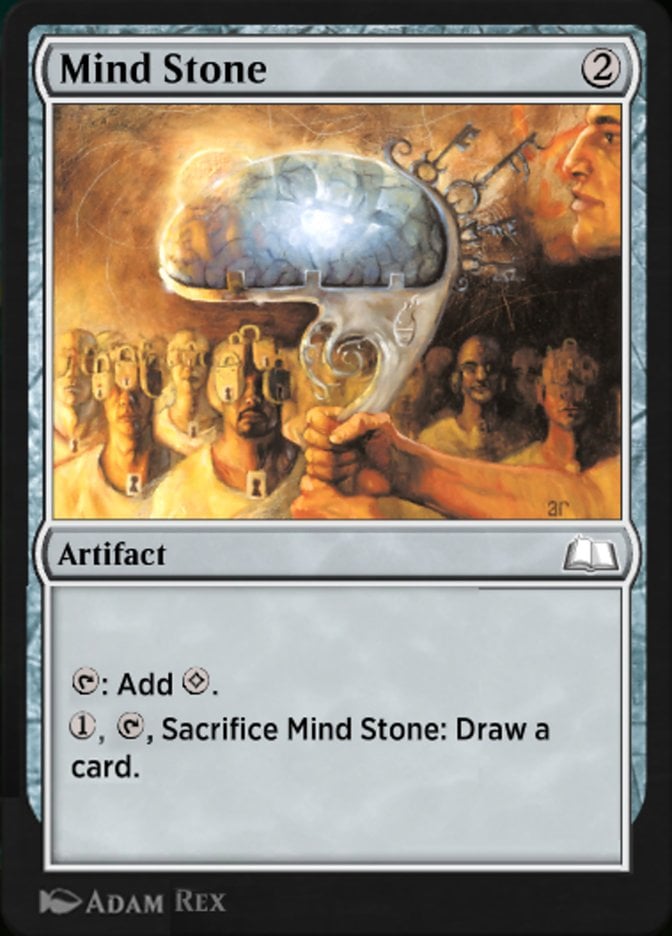
Mind Stone is a clever way to cast a recently drawn Expedition Map on turn 2 or to cast a turn 3 The One Ring or Karn, the Great Creator if you haven’t assembled your land combo yet. It can also be used to cast these cards on turn 2 if you had an Ugin's Labyrinth on turn 1 with an imprinted card.
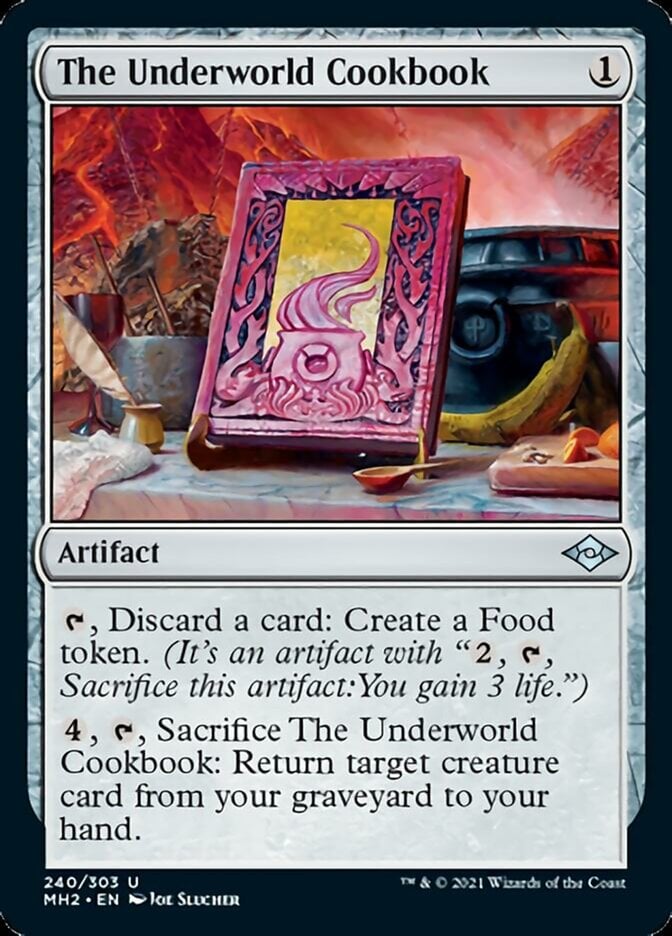
The Underworld Cookbook provides resilience by returning your creatures to your hand, while also generating Food that can be used for lifegain in the long run.
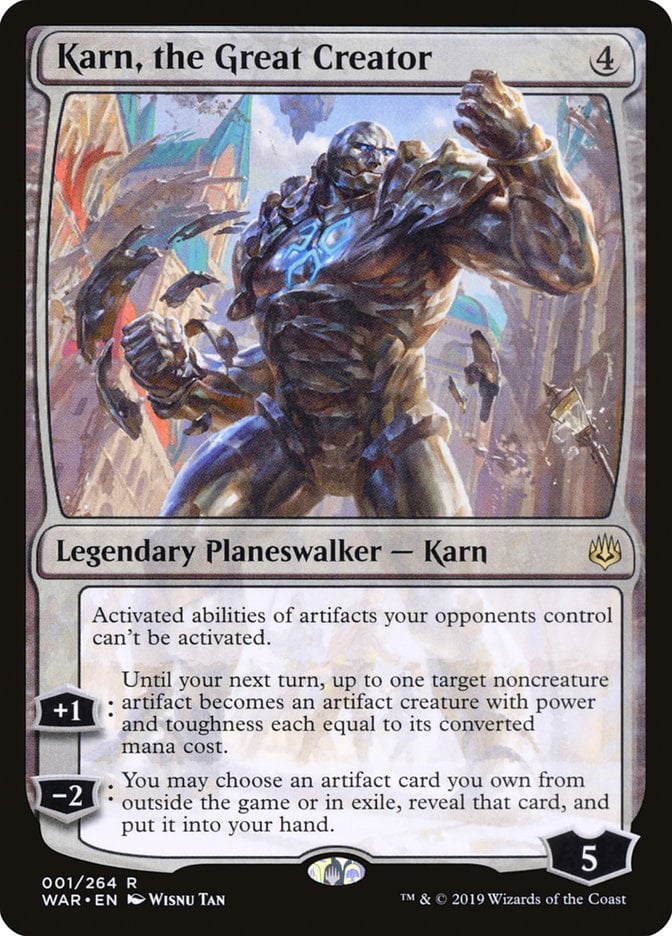
Honorable mention to Karn, the Great Creator as it isn’t technically an artifact, but it almost feels like one. Karn used to be key in stopping Shuko activations in the Nadu matchup, but the wish effect serves as a way to tutor the right artifact at the right time, whether you need an answer to a threat or want to get ahead and lock someone out of the game.
The Lands
Remember to sequence your cards correctly. A second Urza's Tower is better than your second copies of the other Tron pieces once you’ve assembled the combo, as it provides an extra mana.
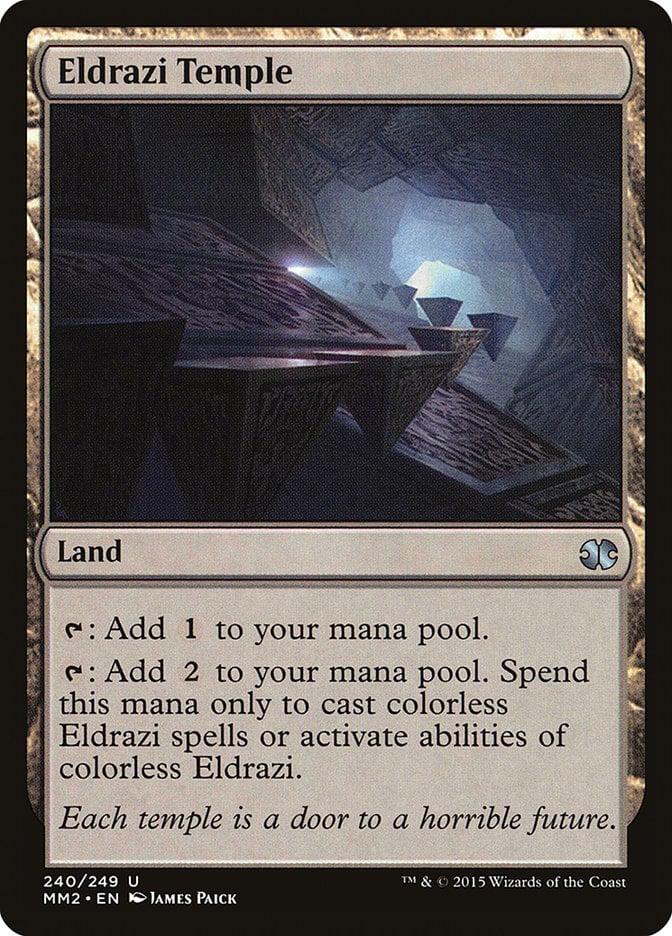

The deck also runs four copies of Eldrazi Temple, which adds 2 mana when casting Eldrazi spells and can act as a pseudo City of Traitors for most of the game. However, the card that truly resembles the latter is Ugin's Labyrinth, as it allows you to play a turn 1 Mind Stone for a potential turn 2 4-drop.
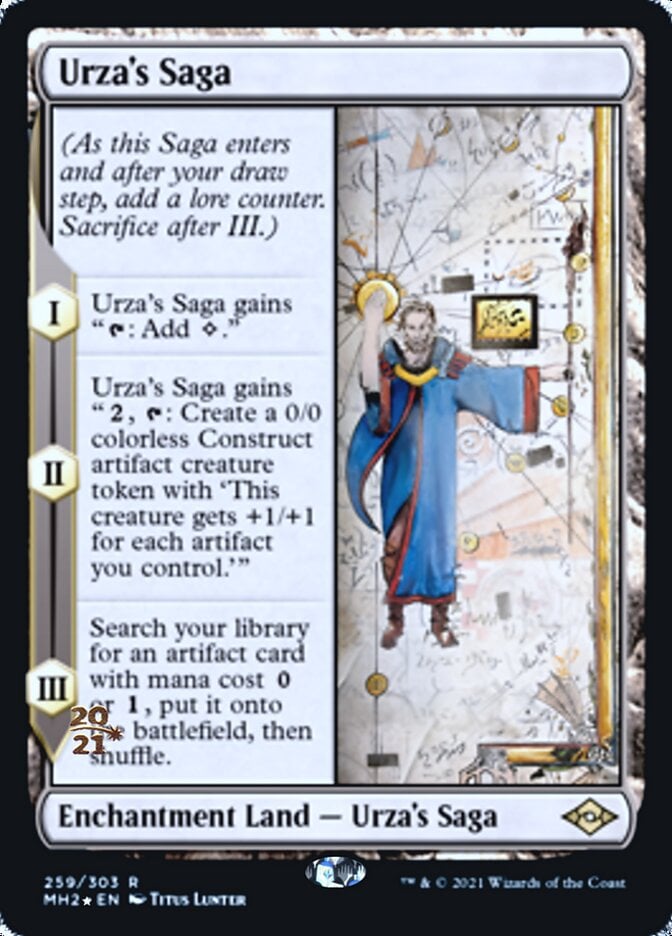
The other land to mention is the single copy of Urza's Saga, a staple of the format since its introduction. Its main purpose is to fetch an Expedition Map most of the time, but if you decide to run Chalice of the Void in the main deck, you can also grab it for a later turn. Depending on the matchup, getting a turn 1 Saga to fetch a Chalice as quickly as possible can be crucial.
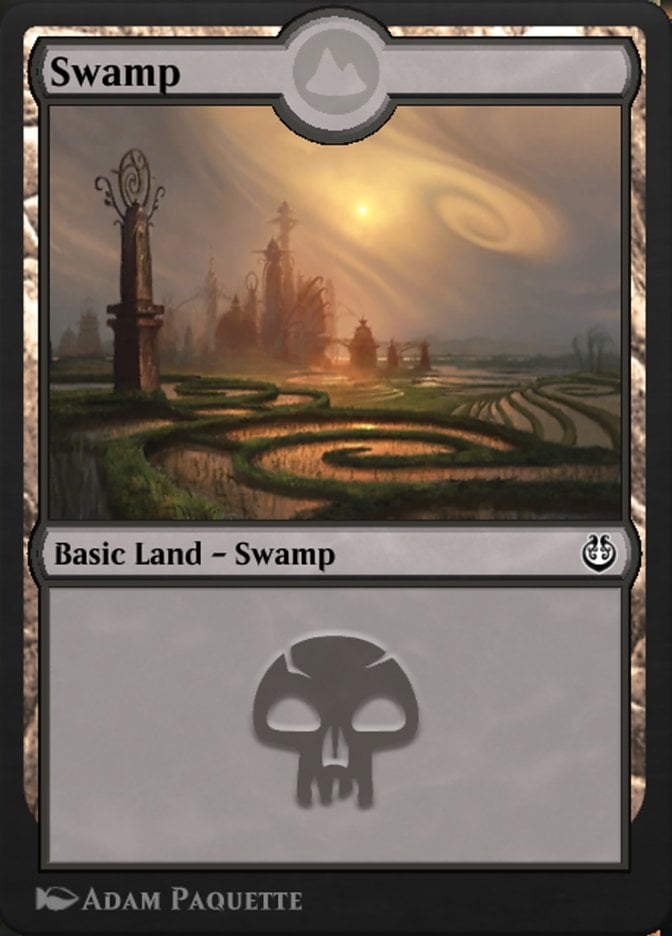
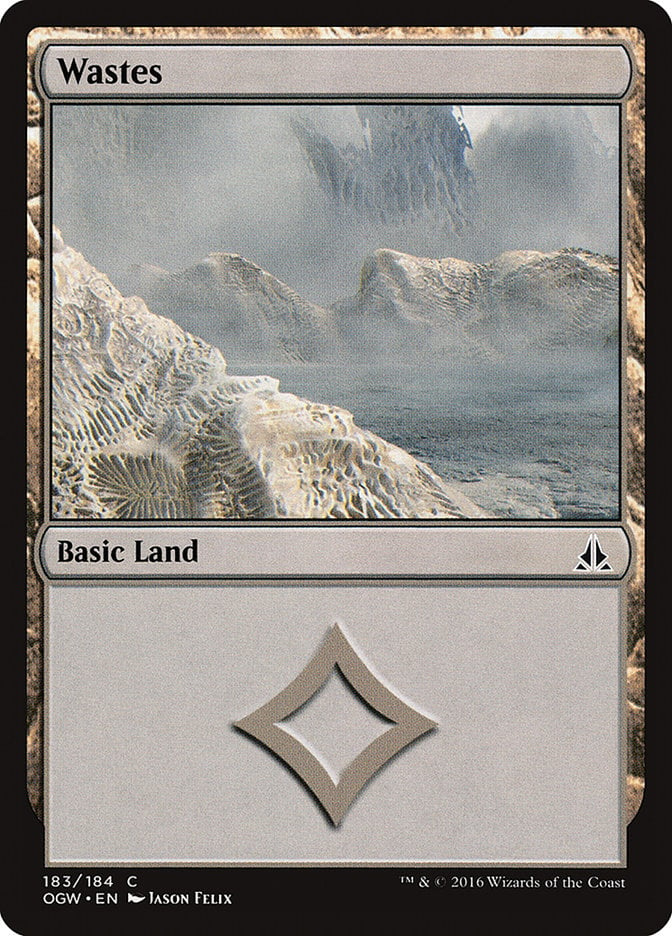
A single Swamp is included to prevent you from losing too much life when casting your only main deck Dismember, and a Wastes completes the land count. These are useful to have if you run up against Boseiju, Who Endures, Assassin's Trophy, or Demolition Field (note you can’t get Wastes against Boseiju).
Tips and Interactions
Every deck has subtle synergies that you might overlook on your first playthrough unless you’ve spent some time with it.
Thanks to Karn, the Great Creator‘s ability, you can fetch any artifact that was incidentally exiled with Devourer of Destiny, or artifacts that your opponent exiled.
You can discard Emrakul, the World Anew with The Underworld Cookbook, and still cast it using its madness ability for a reduced cost of 6 mana.
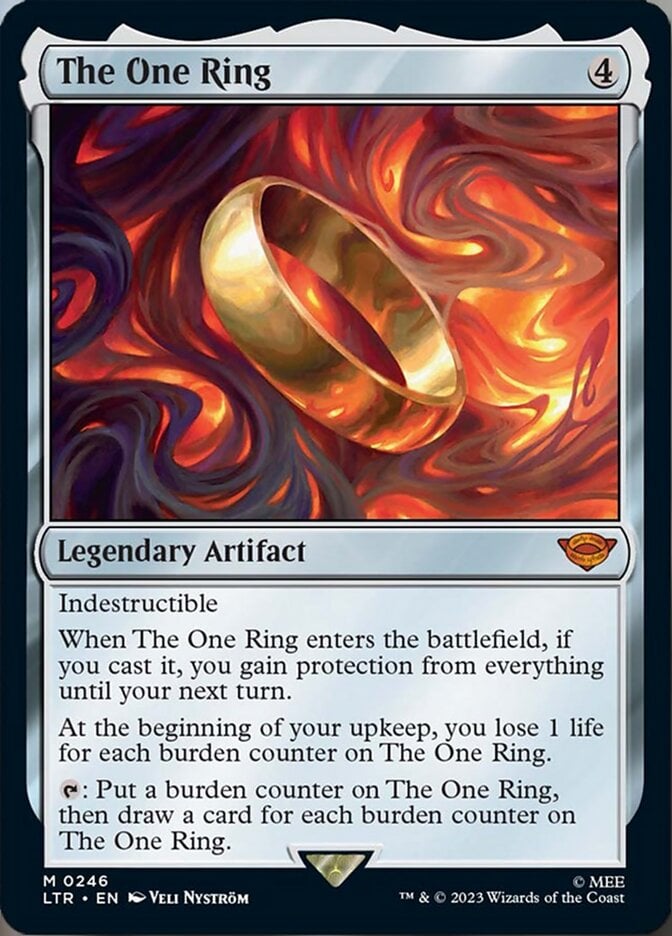
When all else fails, you can always swing with a 4/4 indestructible The One Ring, thanks to Karn, the Great Creator‘s first ability.
Remember that you can “reset” your The One Ring by simply putting another copy of it on the field. The legend rule forces you to lose one of them, which you’ll sometimes do to avoid paying the life tax at the beginning of your turn.
Mulligan Rules
If there’s a deck that truly maximizes the London Mulligan rule, it has to be Tron.
Simply put, this allows you to be aggressive when taking mulligans, aiming to get as many Tron pieces as you can with each iteration.
The typical keeps are:
- Having three Tron pieces already in hand.
- Having two Tron pieces and an Expedition Map, or a Devourer of Destiny.
- Having a Tron piece, an Expedition Map, and a Devourer of Destiny.
In the past, the only option was the first one, but this has broadened with the introduction of Modern Horizons 3.
You can also choose to keep hands with Ugin's Labyrinth and Mind Stone, but those likely depend on whether you have a 4-drop to play on turn 2. Ideally, you’ll want to assemble all three Urza lands, while this serves as a backup plan.
Sideboard Guide
Unlike other decks, making sideboard changes against other decks is relatively easy. In theory, you shouldn’t be making any changes at all between games.
This deck runs many good singleton copies of key cards that excel against certain matchups, and this is all thanks to Karn, the Great Creator.
With its second ability, you have access to all your sideboard at once. In essence, by running four copies of the planeswalker in your deck, you’re virtually running four copies of whatever artifacts you have sitting in your sideboard.
Besides that, the sideboard should be fairly straightforward, and you’ll pull cards from it depending on the match needs. Be careful not to over-sideboard with this deck. Your core gameplan will always involve assembling Tron, so you can’t cut too many consistency pieces. These are the cards I’ve sideboarded:
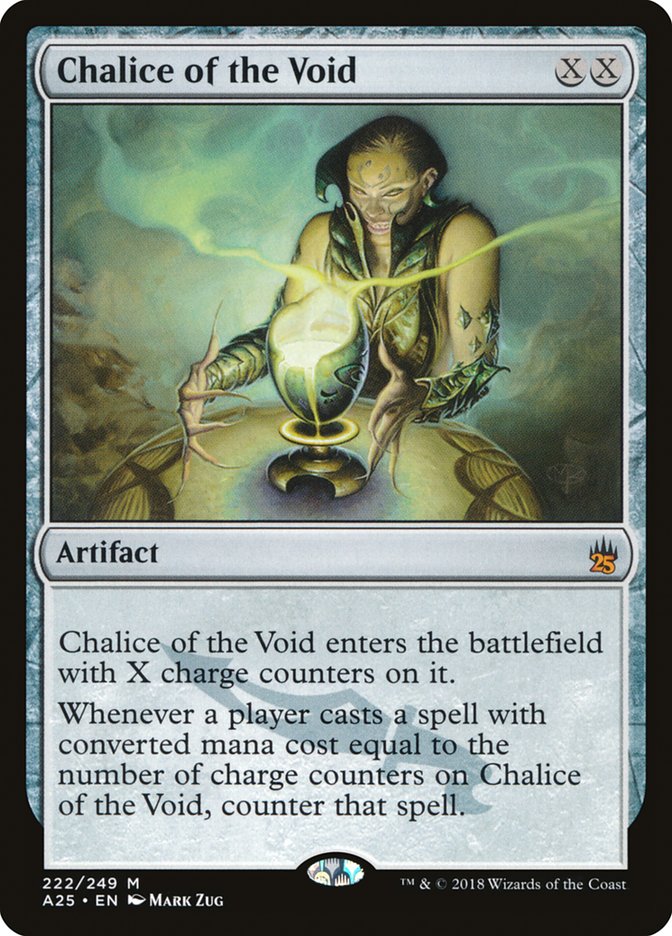
Chalice of the Void: Essential against decks that rely on cheap spells, like Burn, and useful when facing Cascade decks like Living End or Crashing Footfalls.
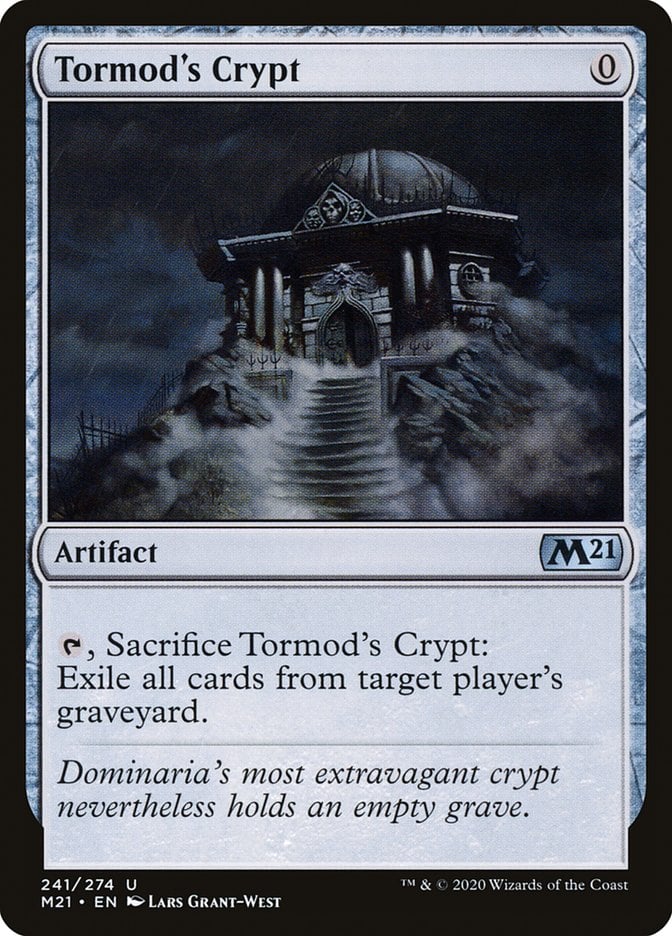
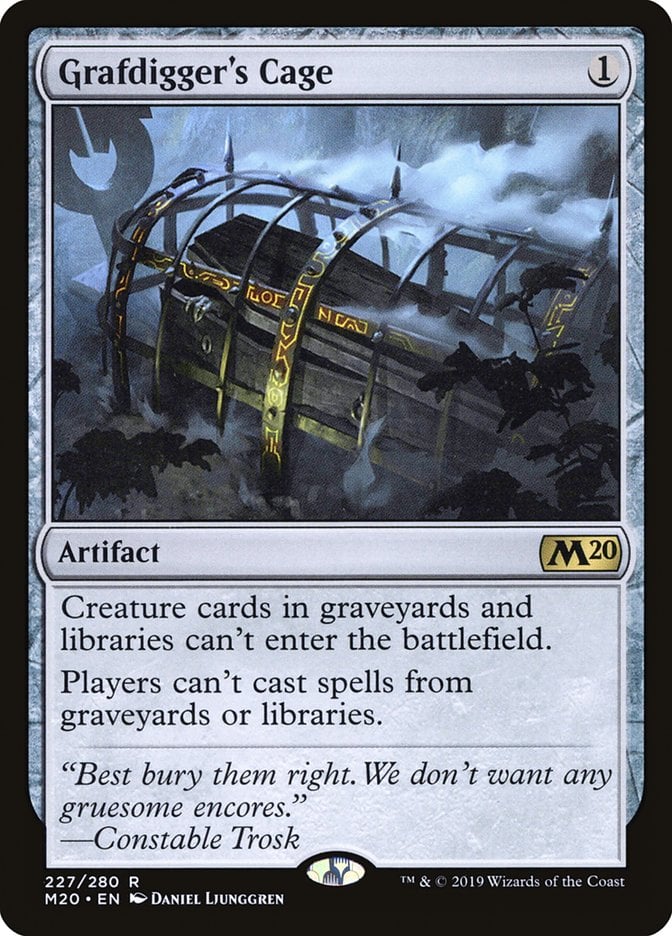
Tormod's Crypt and Grafdigger's Cage: Your main tools against graveyard strategies. Tormod's Crypt is particularly strong against Izzet () decks that depend on spells in the graveyard, while Grafdigger's Cage shines against creature-based combos like Yawgmoth, Thran Physician decks.
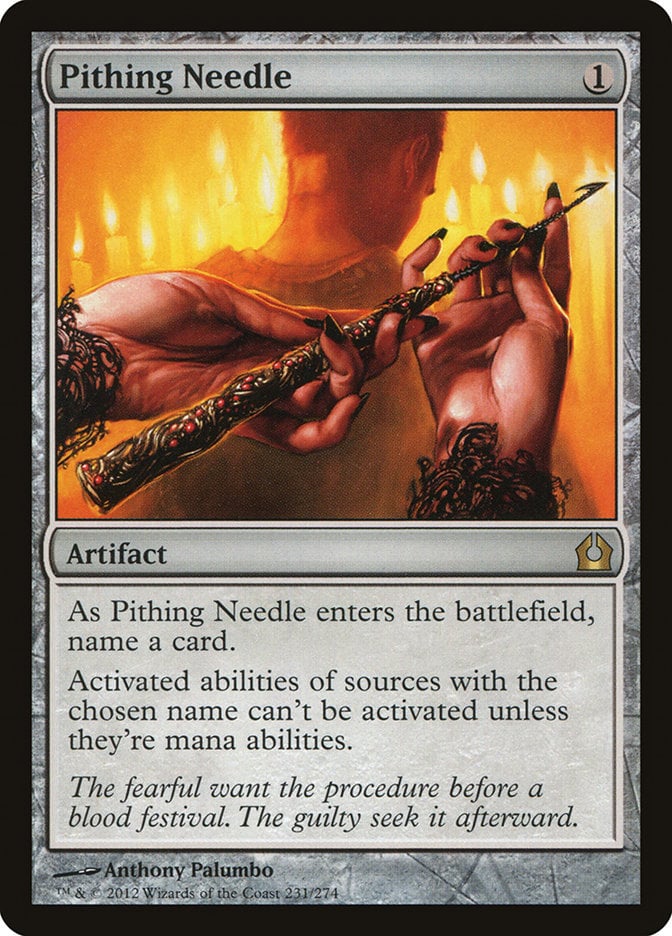
Pithing Needle: Great for shutting down planeswalkers and any creature with a powerful activated ability, like Yawgmoth, Thran Physician. It can also disable The One Ring, though you’ll likely avoid this interaction since you run it, too.
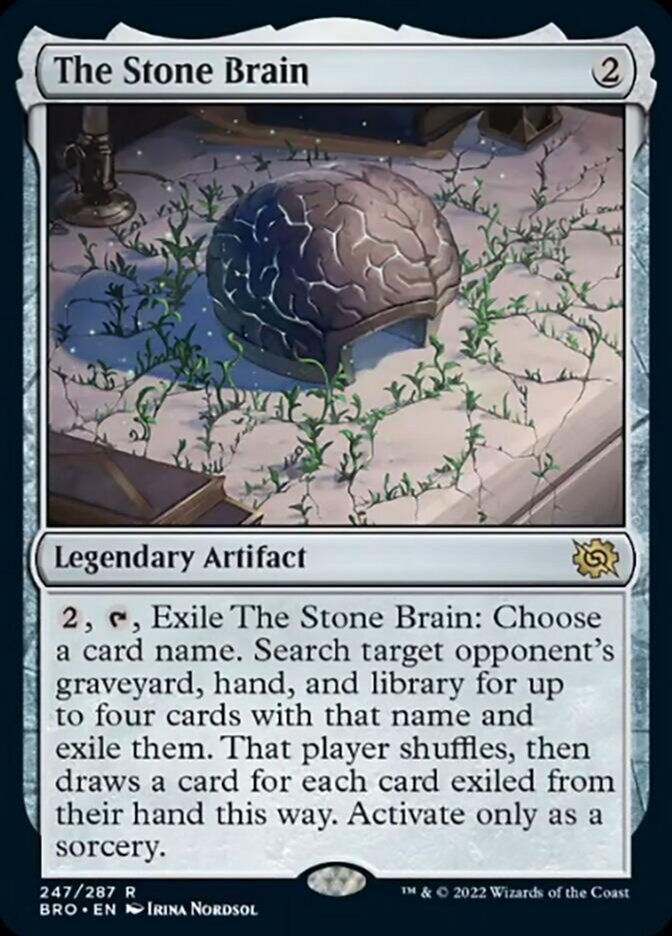
The Stone Brain: A solid choice against combo decks, allowing you to exile key pieces like Valakut, the Molten Pinnacle.
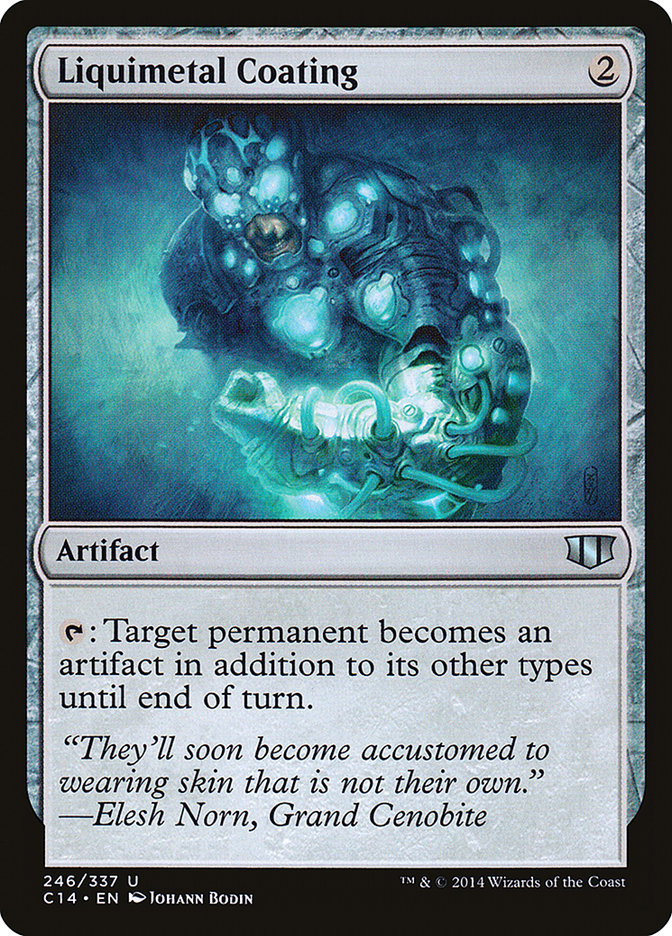
Liquimetal Coating: Strong against many decks and particularly powerful in mirror matches. When paired with Karn, you can use its +1 ability to destroy lands by turning them into artifacts first.
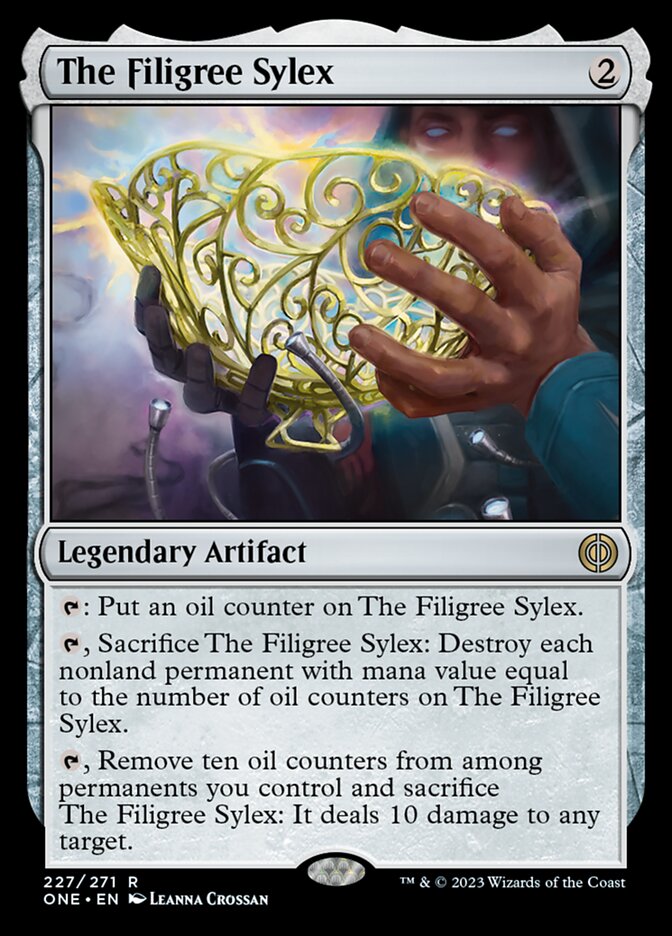
The Filigree Sylex: Mostly used to deal with tokens, providing a cheap and effective solution.
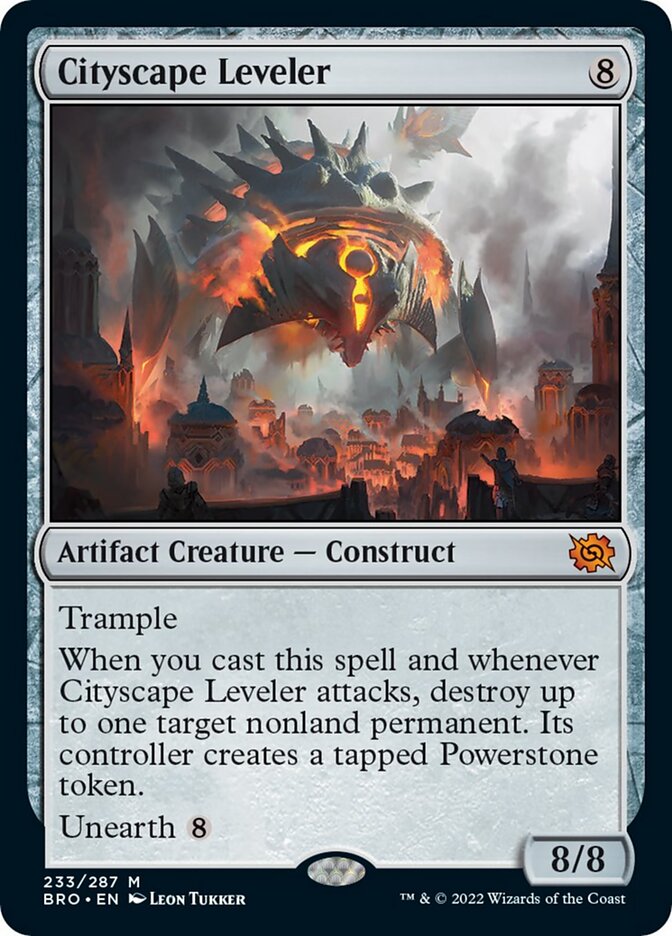
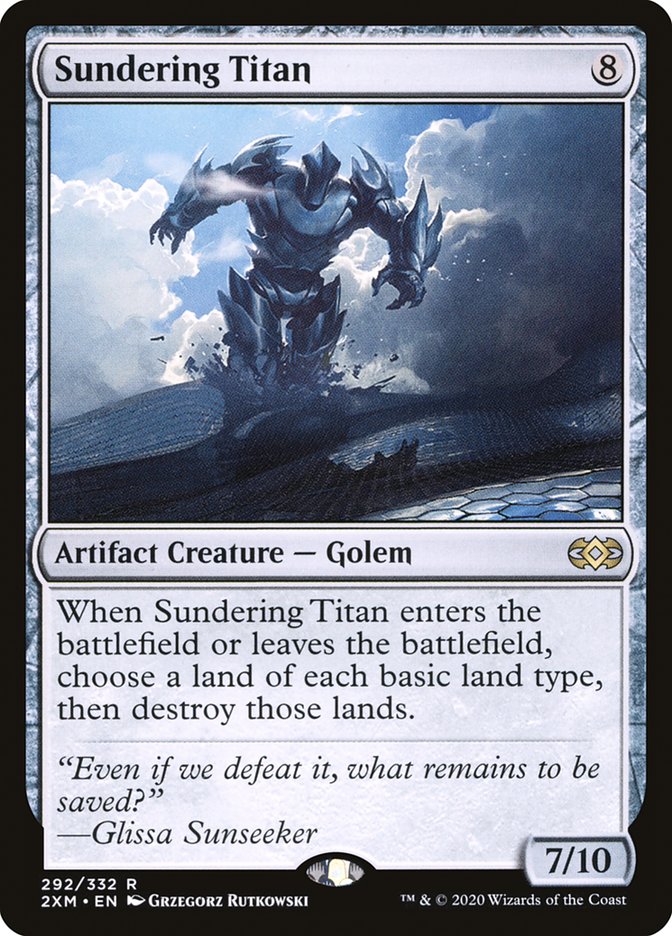
Cityscape Leveler and Sundering Titan: Fetch these when you need a finisher if you don’t already have a big creature in hand.
The One Ring and The Underworld Cookbook: Additional copies are kept in the sideboard for Karn to fetch, ensuring you can find these powerful cards when needed.
Dismember: Extra copies are included to handle early threats like Ragavan, Nimble Pilferer, especially when you’re on the draw.
One important thing to know is that while you really don’t need to sideboard against most decks, it’s wise to cut the “Dead” cards from the maindeck, even if the card you’re swapping in isn’t super necessary for the matchup.
For example, against Ruby Storm, you can side out all your All Is Dusts and replace them with a copy of The Stone Brain, The Filigree Sylex, and such.
How to Beat Tron
The most common strategy for beating a Tron deck in Modern is land destruction or nonbasic land hate, but to this point, there are very few, (if any) competitive Modern decks dedicated to destroying lands, also known as Ponza decks.
That said, it’s not uncommon to see Rakdos Midrange decks running Fulminator Mage in the sideboard as part of the “scam” package to return them to the field and kill multiple lands a turn.
Hand hate in the form of Thoughtseize is key at removing your opponents’ most significant threats before they cast them, which can be a reasonable choice considering the fact that Tron decks tend to mulligan really aggressively.
Aside from this, there are some dedicated cards to punish Tron decks, the most powerful ones being Blood Moon and Harbinger of the Seas, which can shut down the deck almost entirely.
Other options are trying to get under the deck by being faster or more aggressive or just trying to get the tempo advantage with a fair balance of cheap and powerful creatures and countermagic. These solutions are just gameplans that naturally apply to other meta decks rather than a dedicated plan against Tron.
Other Cards to Try
With the amount of good colorless cards printed over the years and MTG sets like Modern Horizons 3 to supporting Eldrazi, there are many ways to customize and build your Modern Tron decks and retain their central core.
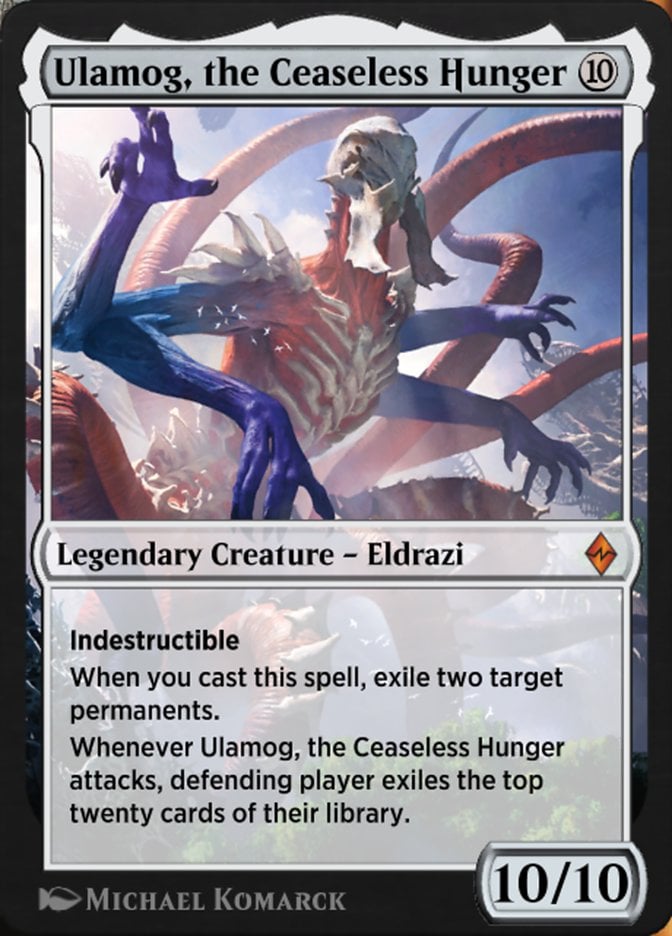
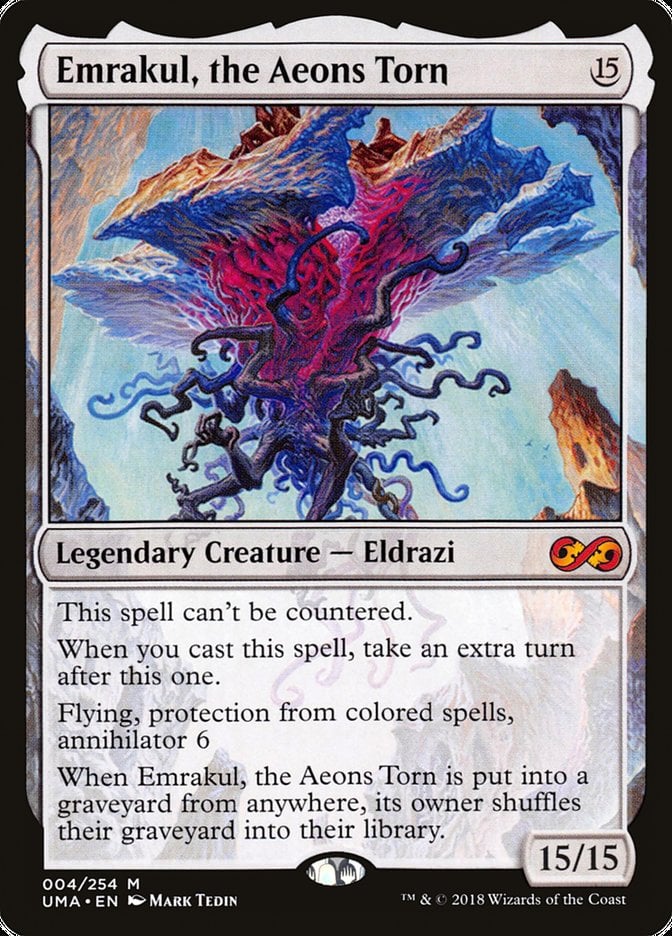
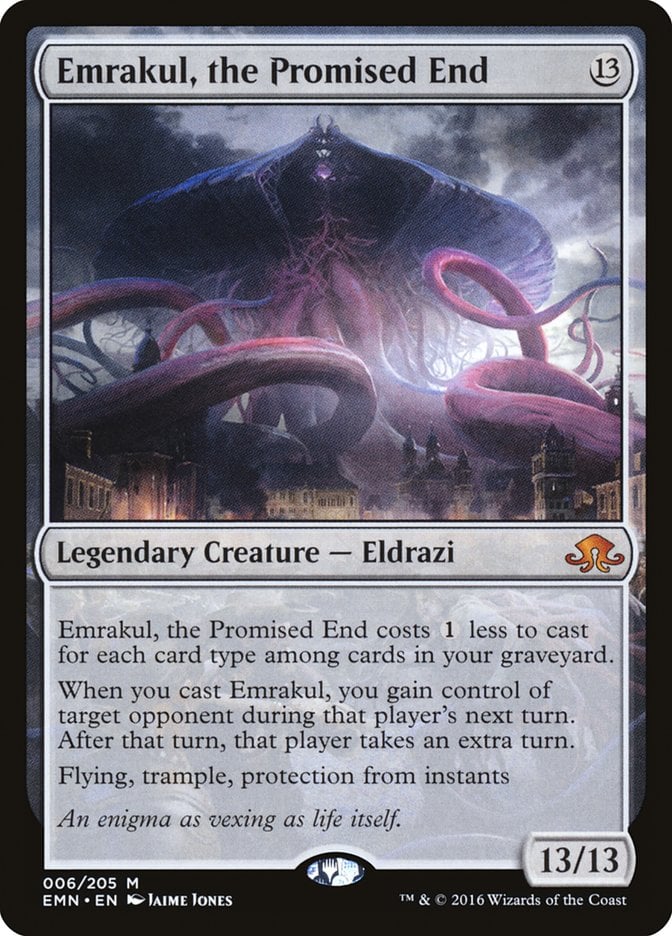
For example, if you want to have access to different classes of finishers, Ulamog, the Ceaseless Hunger, Emrakul, the Aeons Torn, and Emrakul, the Promised End are big Eldrazi to keep your eye on, each with their strengths and few weaknesses.
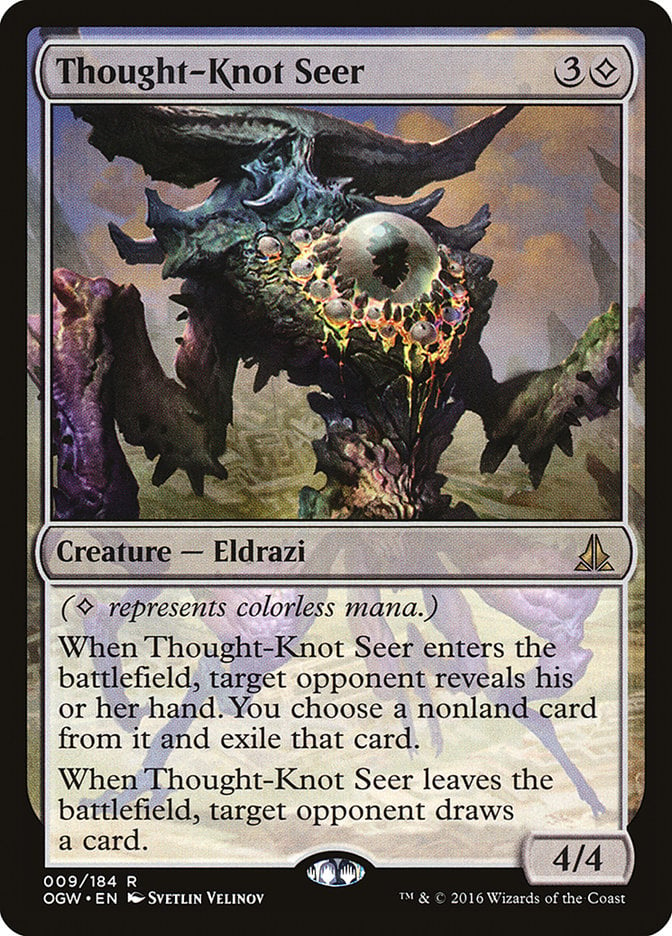
Another option is to have more hate pieces, and Thought-Knot Seer is the perfect card for the job, which can get down as early as turn 2.

A cool addition to the deck can be Breaker of Creation, as you’ll gain a bunch of life just from casting it. It can stabilize you against some of the most aggressive decks in the format while presenting pressure on offense.
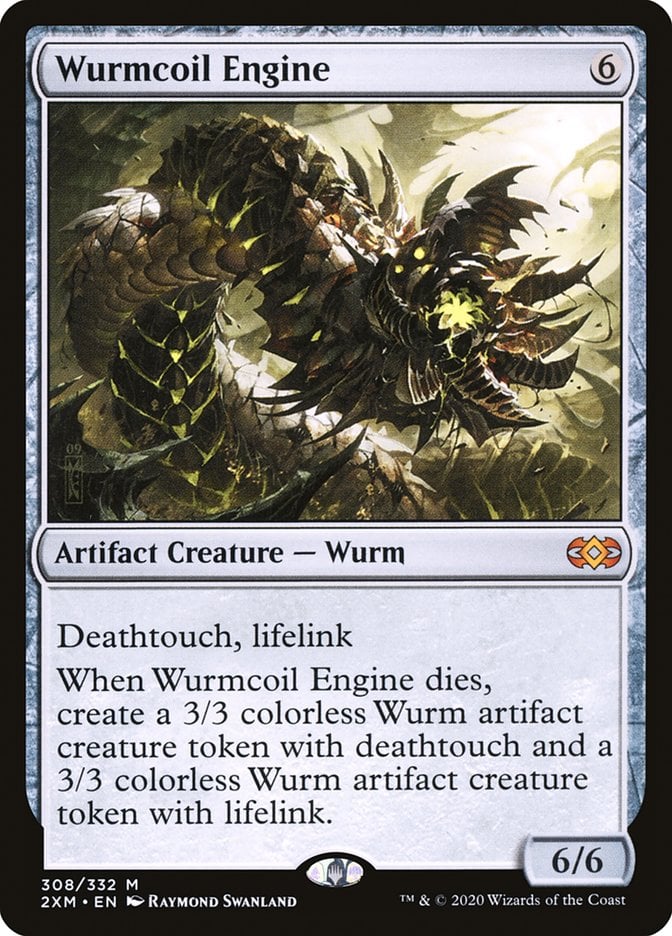
Of course, you can also rely on your trusty Wurmcoil Engine that has been taking names ever since it was printed and that most burn decks can’t deal with unless they’re running its big nemesis: Deflecting Palm.
Other useful artifacts to try as sideboard options are:
Wrap Up
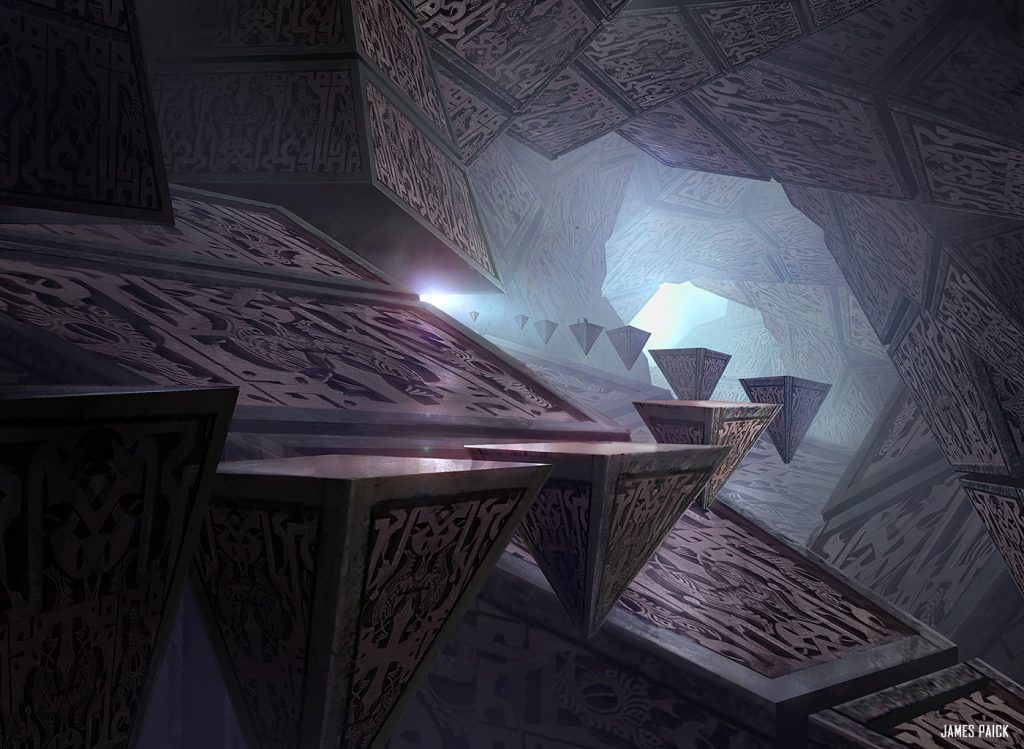
Eldrazi Temple | Illustration by James Paick
While there are many different cards you can add to a Tron deck, the core will always be the same and most of the changes you’ll make are meta-call options.
That said, I tried to put together the most stock version of the deck possible that can be tweaked depending on the situation.
What do you think? Is Modern Tron an archetype you have played before or is it relatively new to you? Do you like the overall gameplan of cheating big things into play?
Let us know in the comments or on Discord!
Thanks so much for reading and remember to follow us on social media to never miss an update or any Magic: The Gathering news.
Take care, and we will meet again in my next article!
Follow Draftsim for awesome articles and set updates:










Add Comment