
Last updated on March 23, 2026

Ancient Tomb | Illustration by Howard Lyon
Every Magic deck needs lands, with very few exceptions. Creating a good mana base can often determine how successful a deck is going to be. This gets even harder in a singleton format like Commander when you can’t just fill out your mana base with playsets of the most optimal lands.
Luckily, there are some lands that always seem to pop up in Commander, and for good reason. These lands are either just good in general, or particularly good in the format. For example, the Bond lands like Training Center are infinitely better in a multiplayer format since they’re otherwise just tap lands.
Let’s tap into the best lands for EDH. If there are any great lands that didn’t make the list, feel free to discuss those in the comments!
What Makes a Land Good in Commander?
Inventors' Fair | Illustration by Jonas De Ro
Good lands in Commander are often just good lands in general, but there are some lands that aren’t as good in other formats that shine here. For example, slow lands and check lands are typically a little slow or inconsistent for quicker formats, but they work a lot better in Commander when games go long.
Fetch lands, or other lands that allow you to search your deck, are also especially helpful since a 99-card deck needs to be thinned out a lot more than a 60-card one. While these lands are still great in other formats, they’re especially good in Commander.
#66. Temples
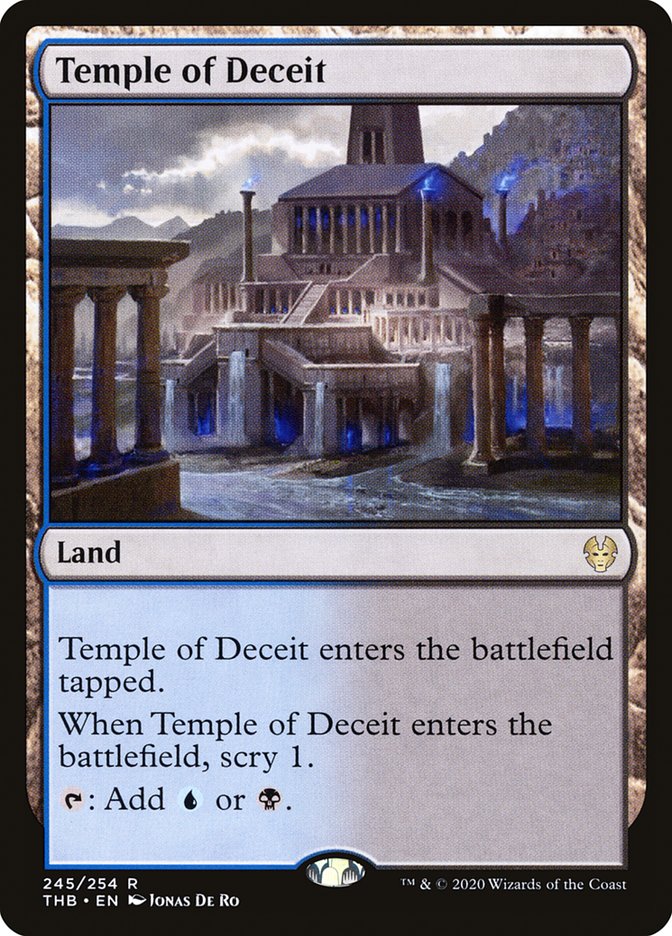
I won’t pretend tapped lands are great, but the Temple cycle of lands originating from Theros are some of the better ones. A scry feels inconsequential until it gets rid of your 13th land. I wouldn’t really play these unless I was building a budget mana base, but they’re excellent in that regard.
#65. Myriad Landscape
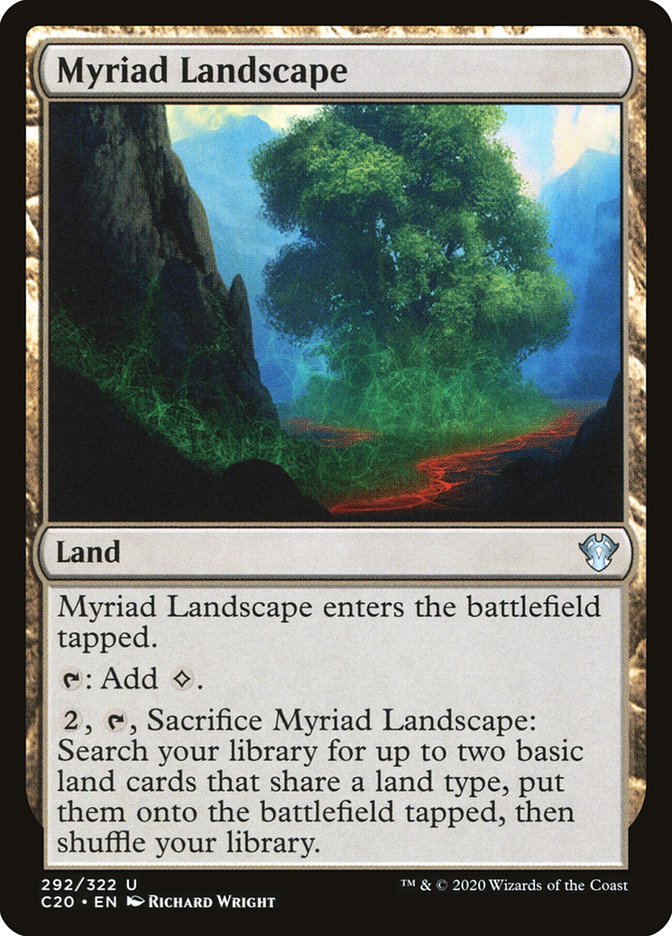
Not all colors in Magic have great ways to find lands, so having a colorless option like Myriad Landscape is a really nice addition for Commander. Ramp is also more important if you’re playing casual Commander because you’ll likely have big expensive spells you want to cast as opposed to faster formats where the mana curve tops off at a lower number.
#64. Vesuva
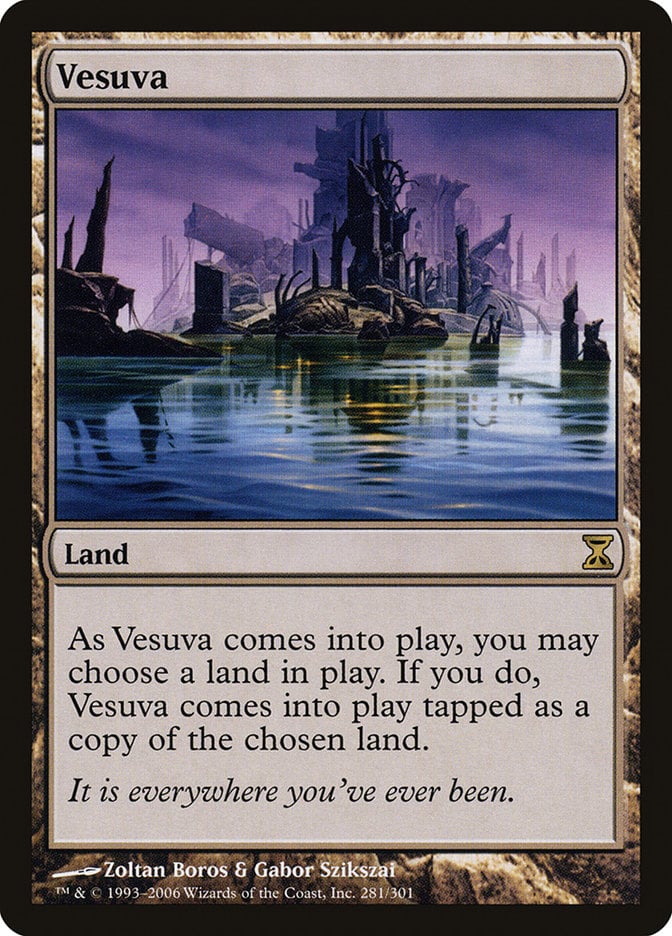
Vesuva can become a copy of any of the great lands on this list. That does make some of them a little worse since they’ll enter tapped, but it’s still nice to have a way to double up on one of your best lands or possibly one of your opponents’ best.
#63. Sunken Palace

Sunken Palace has some pretty steep costs—activating the ability puts you down a mana, and seven cards from your graveyard is quite a lot—but the cost’s worth the incredible value gained from copying a spell or ability. It’s like spending an extra mana to Time Warp twice and you have no restrictions on what you can copy. You need a means of filling your graveyard before you’re happy to play this cave, but it has a very high ceiling for the low opportunity cost of a tapped land.
#62. Edge of Eternities Planets


Edge of Eternities introduced the planet land type: Pretty bad lands in a vacuum (they enter tapped, have no basic types) that become powerful if stationed. Evendo, Waking Haven and Uthros, Titanic Godcore are the best of the cycle, generating tons of mana when you flood the board.
#61. Bojuka Bog
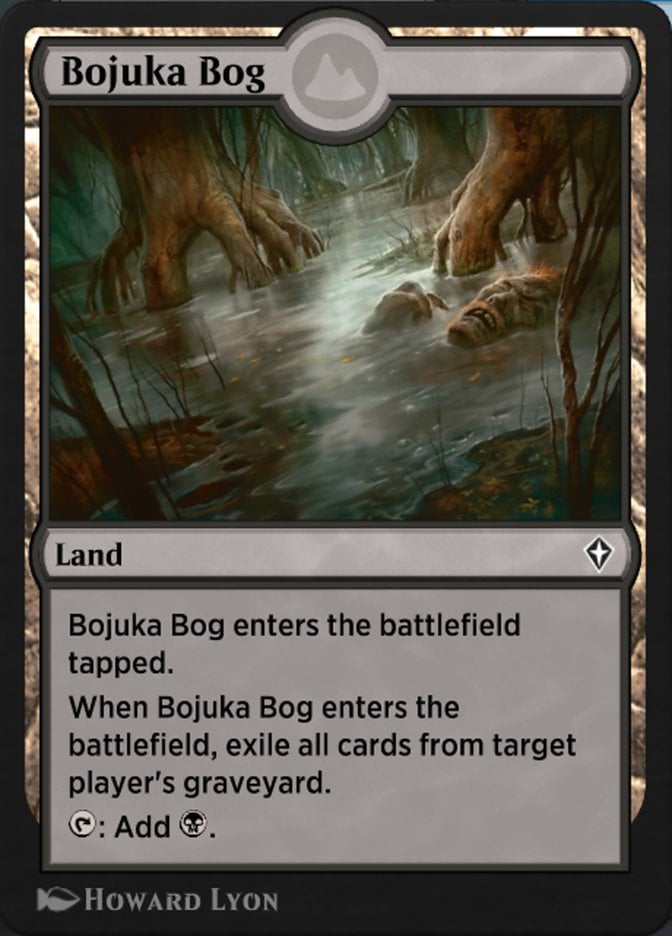
In a game of Commander, it’s pretty likely at least one of your opponents is using their graveyard as a resource. Bojuka Bog allows you to exile some dangerous threats from an opponent’s graveyard for free.
#60. Kessig Wolf Run
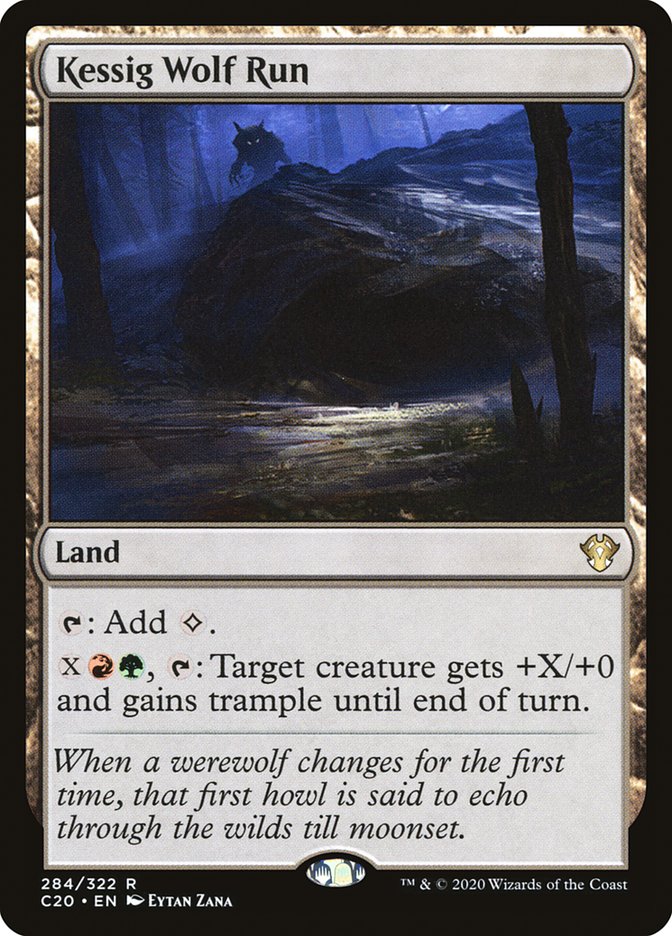
Kessig Wolf Run is a nice mana sink. Even if you end up flooded, you can still pump up any of your creatures to make them a decent threat.
#59. Echoing Deeps
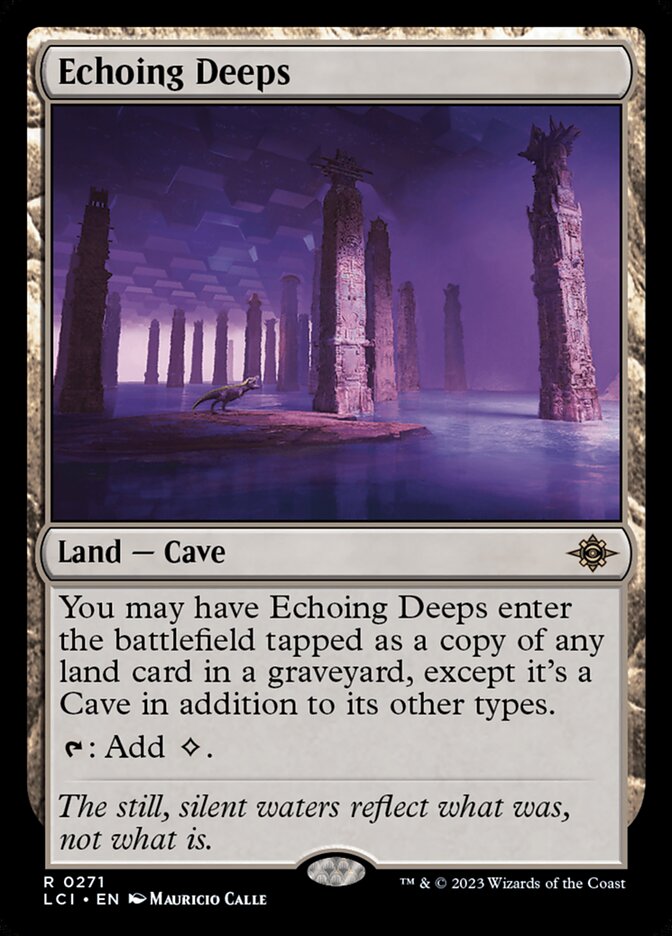
You need to be a lands-matter or self-mill deck to really leverage Echoing Deeps; playing this to copy a fetch land simply isn’t worth it. But doing shenanigans with Strip Mine or Cabal Coffers is far more interesting.
#58. Maze of Ith
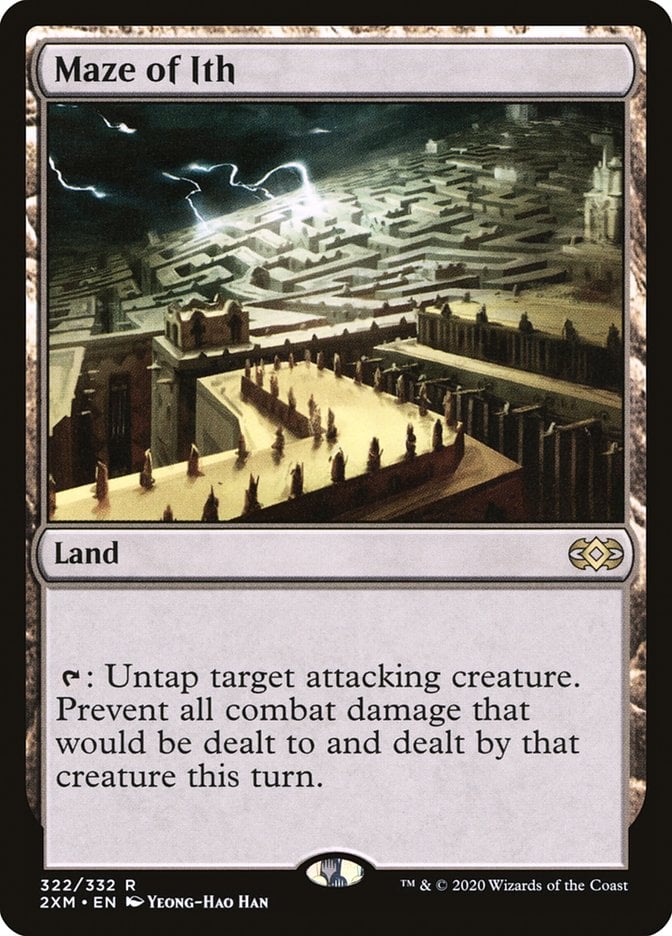
Maze of Ith has several good uses. If you need to hold off a particularly dangerous attacker, you can keep yourself safe with this land. Alternatively, if you want to get an attack trigger off something like Etali, Primal Storm but don’t want it to die in combat, you can use this on your own creature.
#57. Reflecting Pool
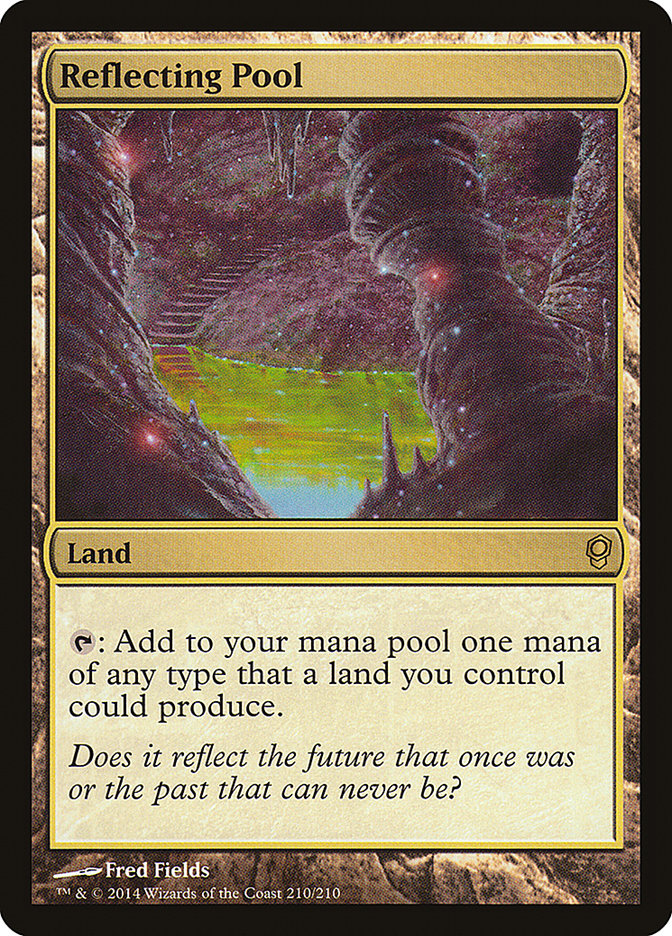
Reflecting Pool can be a helpful tool in any multicolor Commander deck. Later in the game, this can essentially be a land that enters untapped and can tap for any color you need. The one downside is that this can be “not great” as an early-game draw, but that’s not all that likely in a deck of 99 cards.
#56. Rogue’s Passage

Using Rogue's Passage to make one of your attackers unblockable can help you cash in on attack triggers, combat damage triggers, or just deal out a good amount of damage directly to your opponent. Using it with a creature like Blightsteel Colossus can even help win you the game.
#55. Mutavault
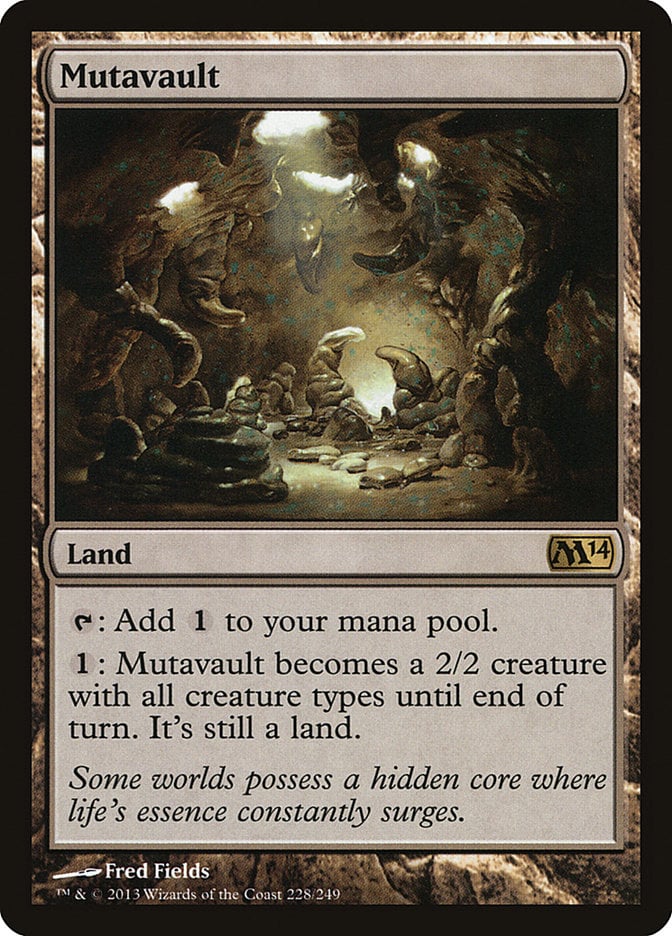
Having Mutavault become a changeling makes it a powerful addition to typal decks. You can get a real combo with The Book of Exalted Deeds or just sneak in one more creatures to trigger Kindred Discovery and Shared Animosity. Aggressive Duel Commander players can find value in a cheap creature land, too.
#54. Check Lands
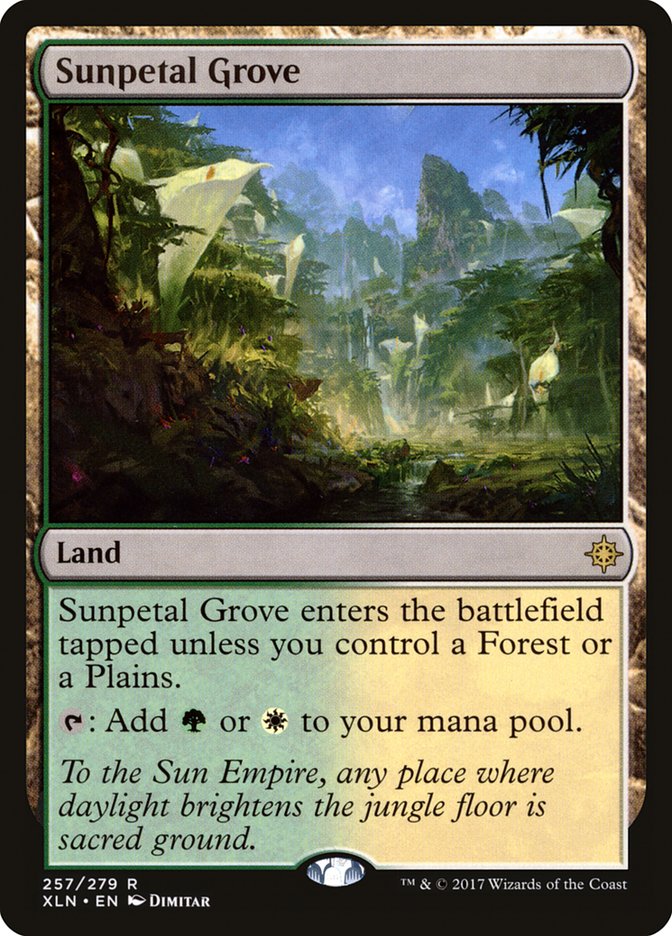
Any dual land that can enter untapped on a regular basis is a pretty good option for mana fixing in Commander. Check lands like Sunpetal Grove or Rootbound Crag have a decent chance of entering untapped, especially in 2-color decks.
#53. Lotus Field
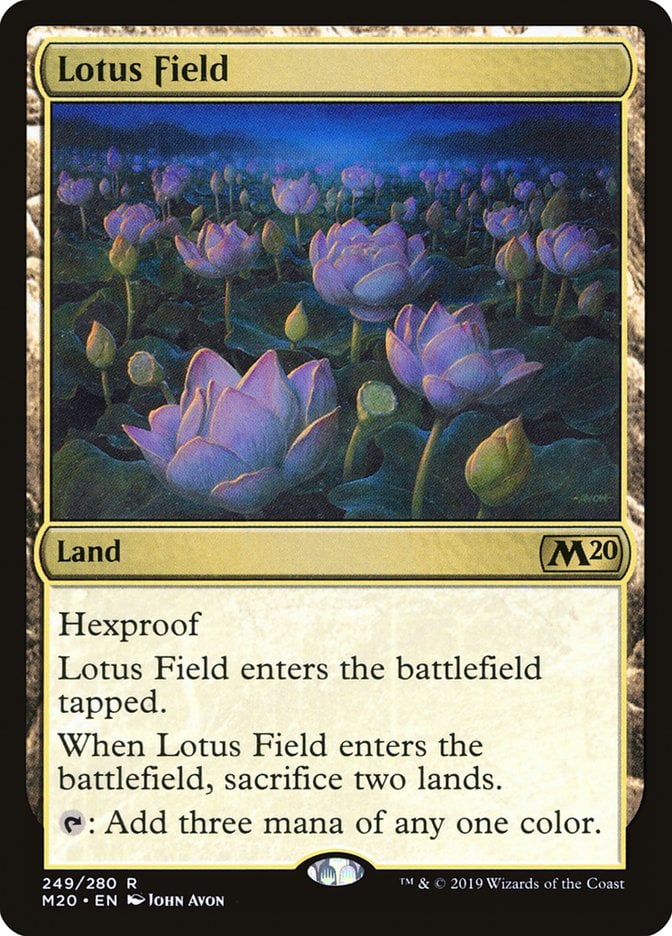
Lotus Field gives you a well-protected mana source, at a cost. This card can also be a good addition to decks that can make use of lands from the graveyards.
#52. Plaza of Heroes
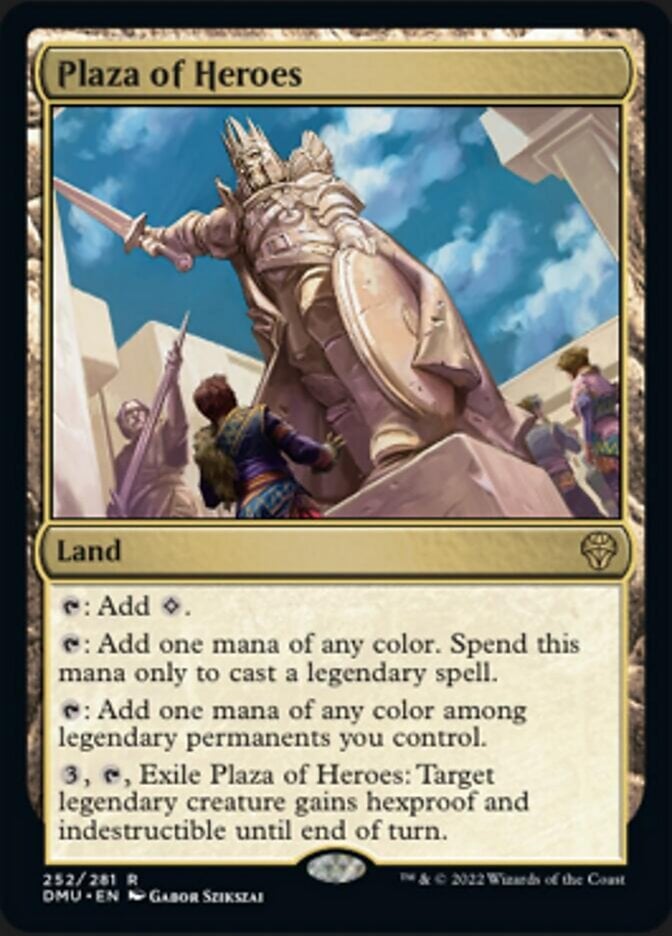
Plaza of Heroes is a great card for Commander since you always have a legendary spell to cast in your command zone. Once your commander is on the field, this land taps for any color in your deck. It’s also a good way to save your commander or another one of your creatures if need be.
#51. Fire Nation Palace

Fire Nation Palace is a solid red land that slots into many decks. For aggressive decks that are always ready to attack, this is basically converting mana (the you need to activate Fire Nation Palace, plus tapping it) into thanks to firebending.
Sort of the fire-haired child of Castle Garenbrig, if you will!
#50. Reliquary Tower

Plenty of Commander decks have powerful draw engines that frequently make you have to discard to hand size. Reliquary Tower is an easy way to let you keep all the cards you draw and is less likely to be removed than an artifact like Thought Vessel.
#49. Fountainport

I’m inclined to be a deck that cares about tokens before I run Bloomburrow‘s Fountainport—for example, it’s done great work in Standard alongside Caretaker's Talent. Even without other token producers, this is a highly flexible mana sink, creating blockers, drawing cards, and even storing mana for future turns in the form of Treasure tokens.
#48. Ba Sing Se

Ba Sing Se, from Avatar: The Last Airbender, is a green utility land that enters untapped if you control a basic land (something a budget mana base can usually accomplish) and has earthbend 2: You turn one of your lands into a hasty creature with two +1/+1 counters, and it returns tapped if it dies/exiled.
It’s extremely popular with Avatar commanders that care about lands and earthbending, like Toph, the First Metalbender and Avatar Aang. And it sees cEDH play when Lumra, Bellow of the Woods is in the command zone.
#47. Inventors’ Fair
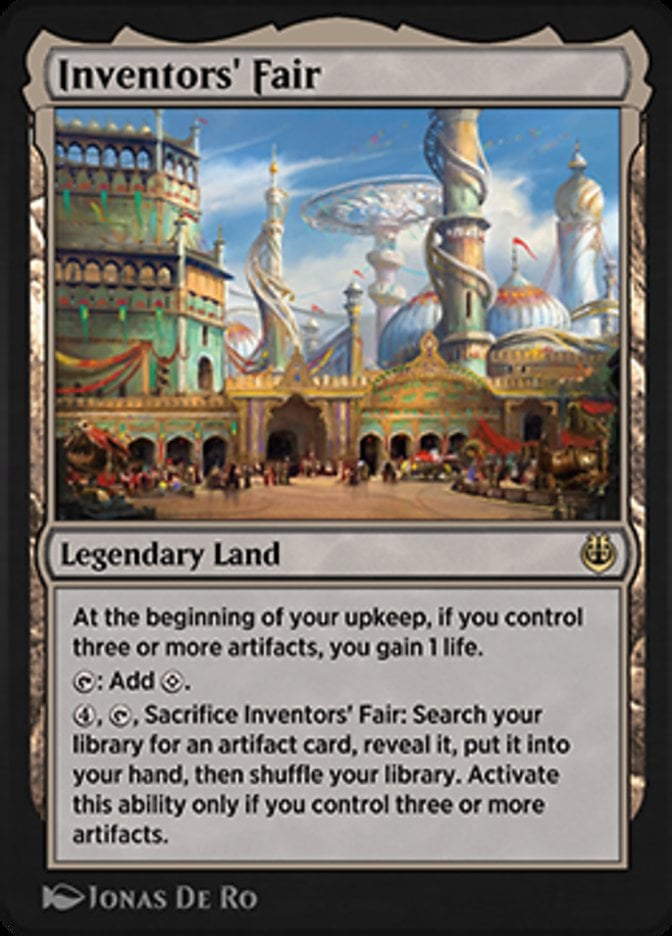
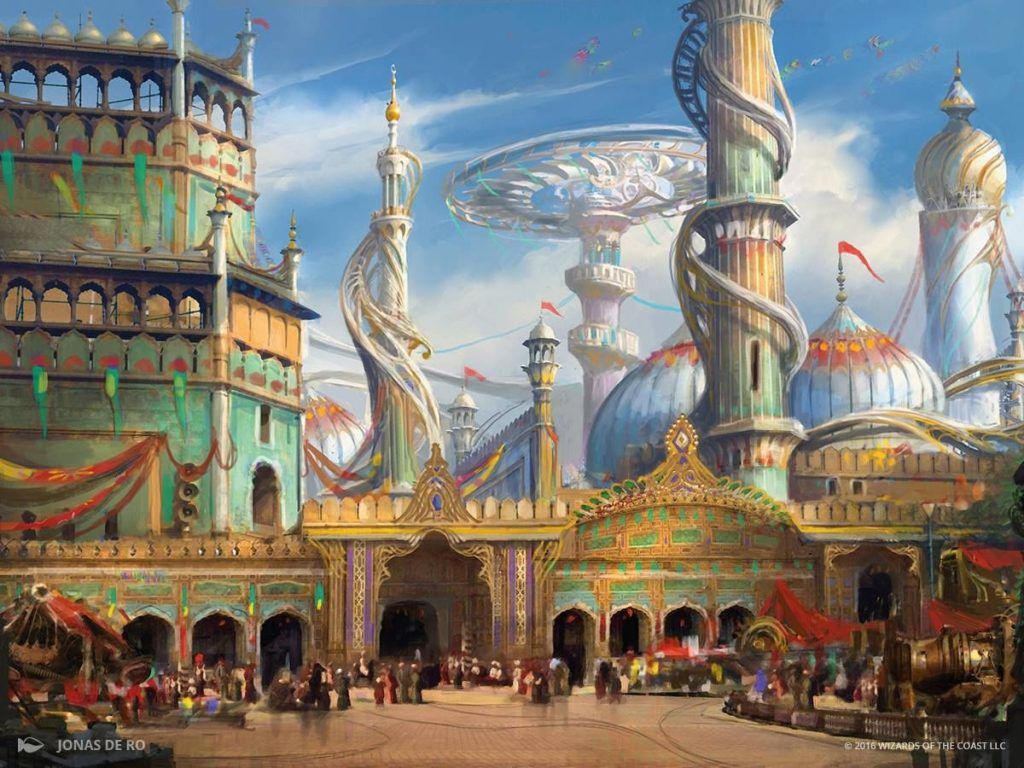
Inventors' Fair is a good tool for any artifact deck or a combo deck that uses an artifact as part of its combo. You also likely won’t need as much colored mana in an artifact-heavy deck so utility lands like this aren’t as big of a risk.
#46. Scorched Ruins
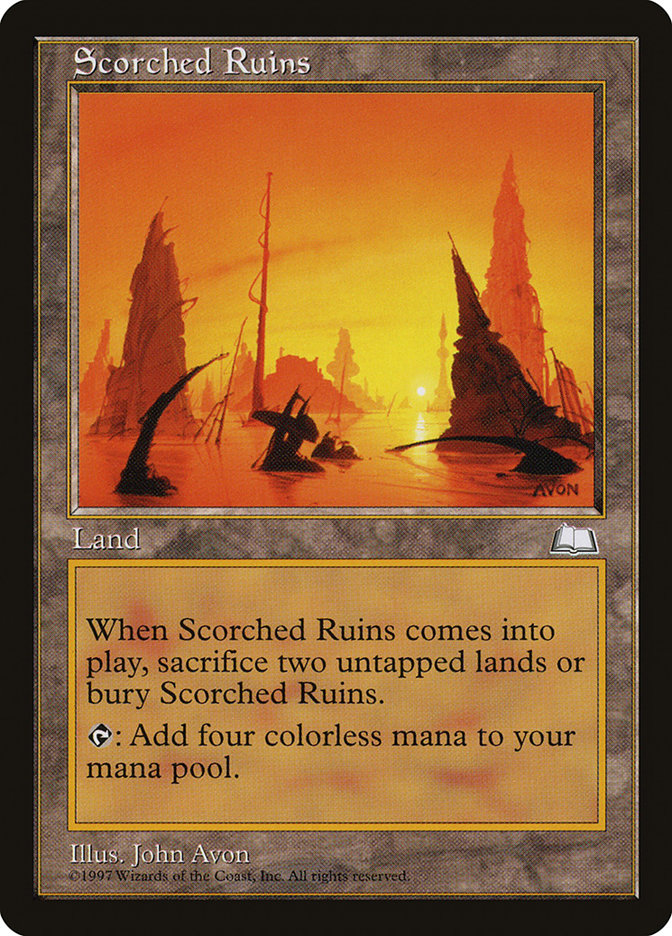
Even after sacrificing your two lands to Scorched Ruins, it’s still a positive mana trade playing this land. This works well in colorless decks and ones that don’t mind getting some lands in the graveyard.
#45. Verge Cycle

Duskmourn‘s/Aetherdrift’s verge cycle gives you a bunch of untapped dual lands, assuming you have some basic land types scattered among your mana base—which is a pretty small ask. These definitely work best when you’re in the “primary” color of the verge—for example, Floodfarm Verge plays best in a white-centric deck, that way the verge always taps for the mana you’re most likely to want.
#44. War Room
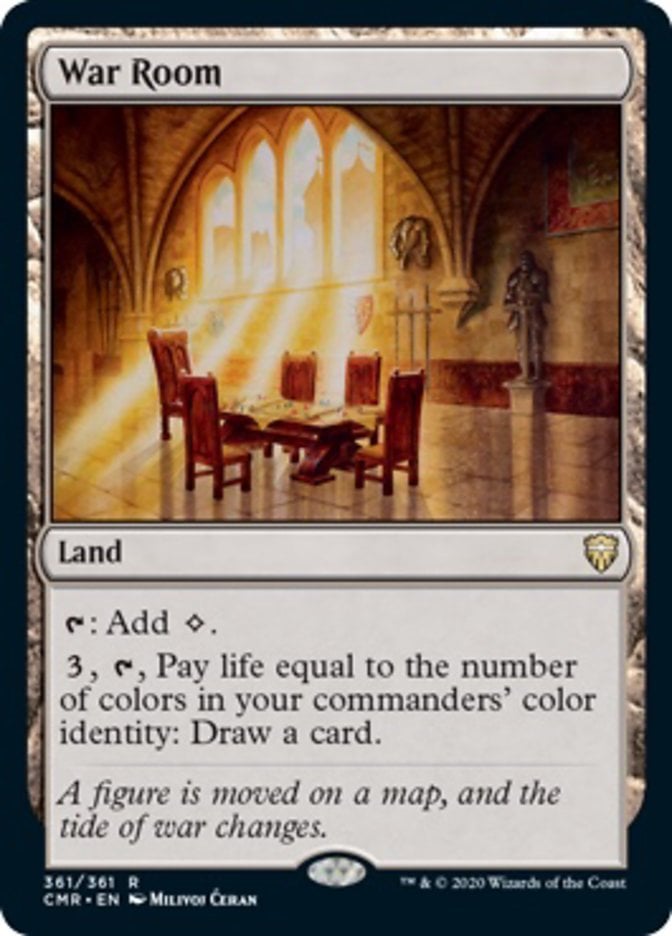
War Room is a good source of card draw for decks with colors that might not naturally have other good options. The fewer colors in your deck, the better this card ends up being because you won’t have to pay as much life.
#43. Ugin’s Labyrinth

You need to be a very specific deck to leverage Ugin's Labyrinth—that is, something resembling Modern Tron with expensive colorless cards—but decks that fit that description get an incredibly powerful Sol land. The imprint ability paired with the additional mana would be a perfectly playable card, but this takes it a step further by redrawing the imprinted card later!
#42. Slow Lands
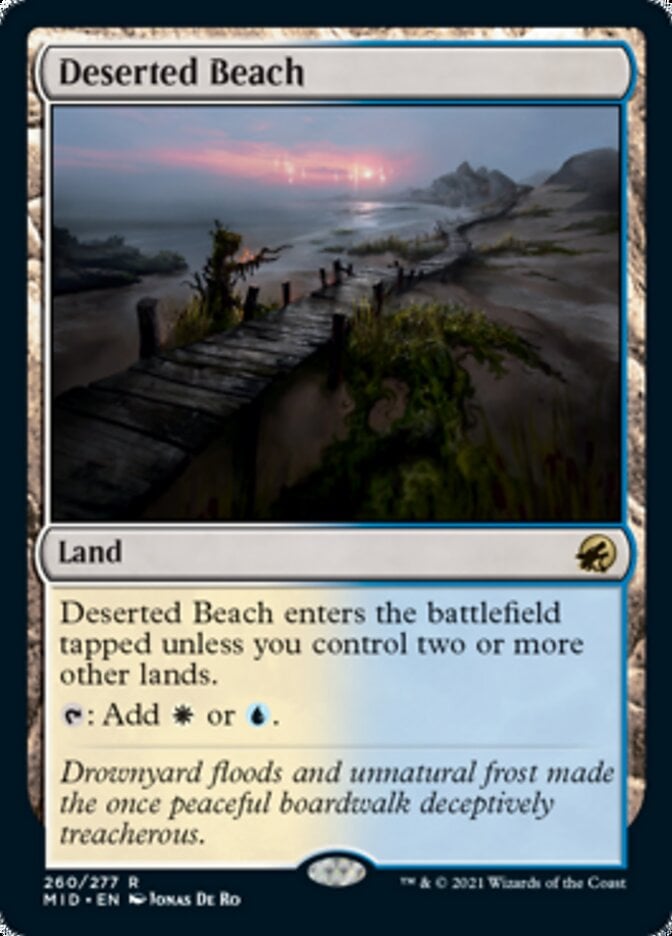
The Innistrad-themed slow lands like Deserted Beach and Overgrown Farmland are great for Commander because games usually go a bit longer than in other formats. That means you’ll usually get a chance to play your slow lands untapped.
#41. Field of the Dead
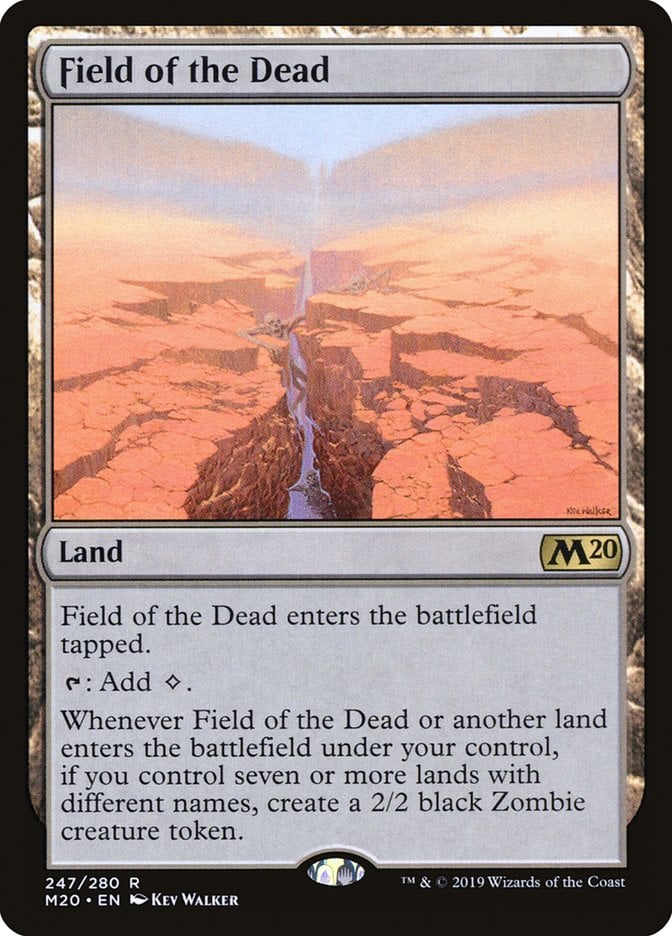
Field of the Dead can be a powerful tool for a landfall or lands deck, especially if you’re dropping multiple lands on each of your turns. You’re going to be playing lands anyway, so you might as well get something extra for doing it.
#40. Horizon of Progress

A land that ramps you then cashes itself in for a card once you have more mana than you know what to do with will rarely be the flashiest card in your deck, but Horizon of Progress does just enough to warrant slipping it into most undemanding mana bases.
#39. Urborg & Yavimaya
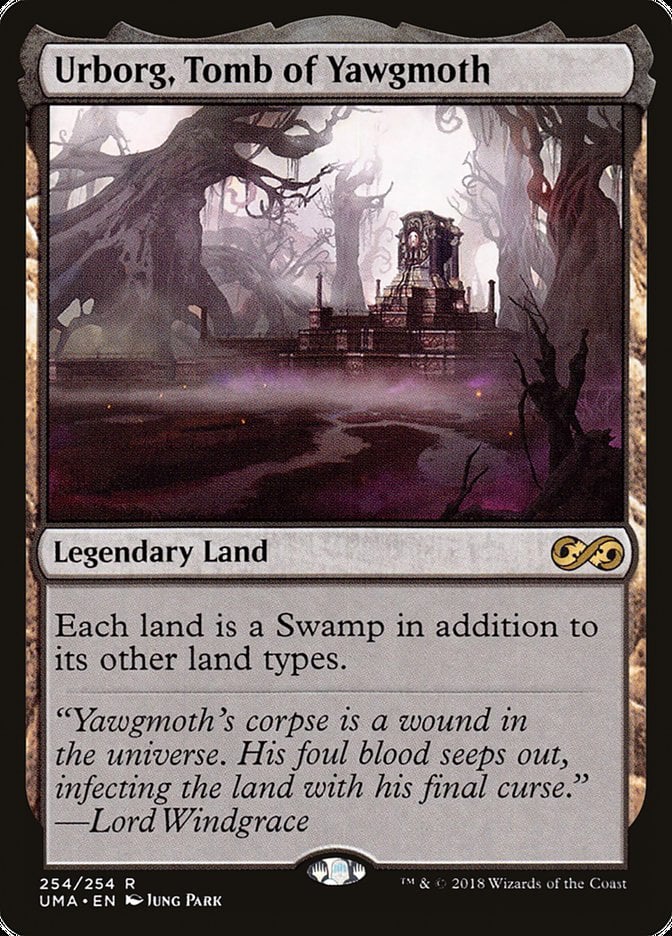
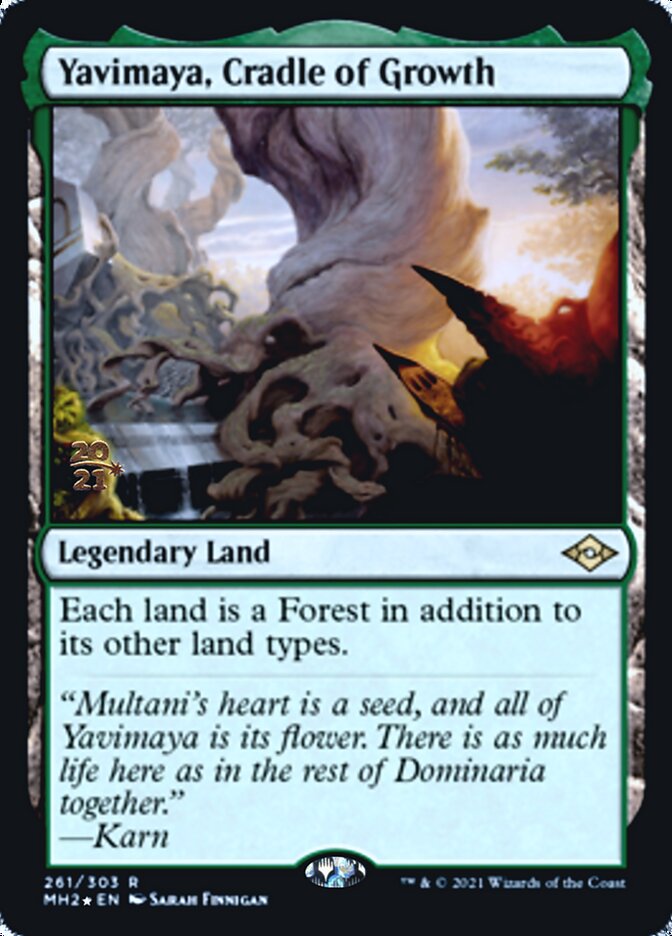
Urborg, Tomb of Yawgmoth and Yavimaya, Cradle of Growth are both very good for mana fixing in multicolor decks including either black or green. They’re also good for enabling landwalk abilities.
#38. Inkmoth Nexus
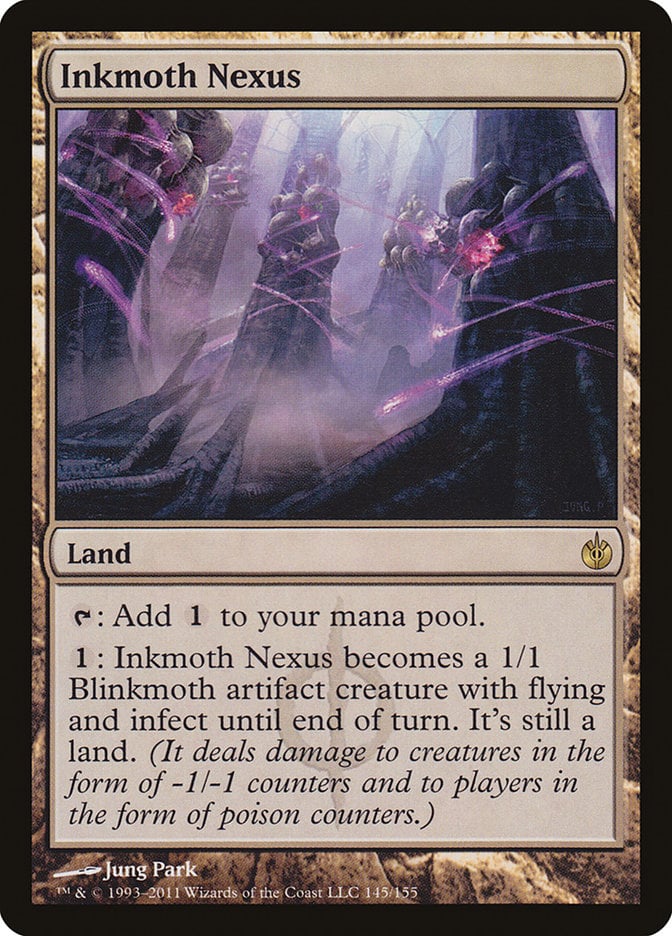
Inkmoth Nexus can be a nice addition to any infect deck, and it also works well in equipment or aura decks since you can pump it up and make it a pretty serious threat. It’s a bit harder to remove than a typical creature since opponents need to do so at instant speed while it’s still a creature.
#37. Bond Lands
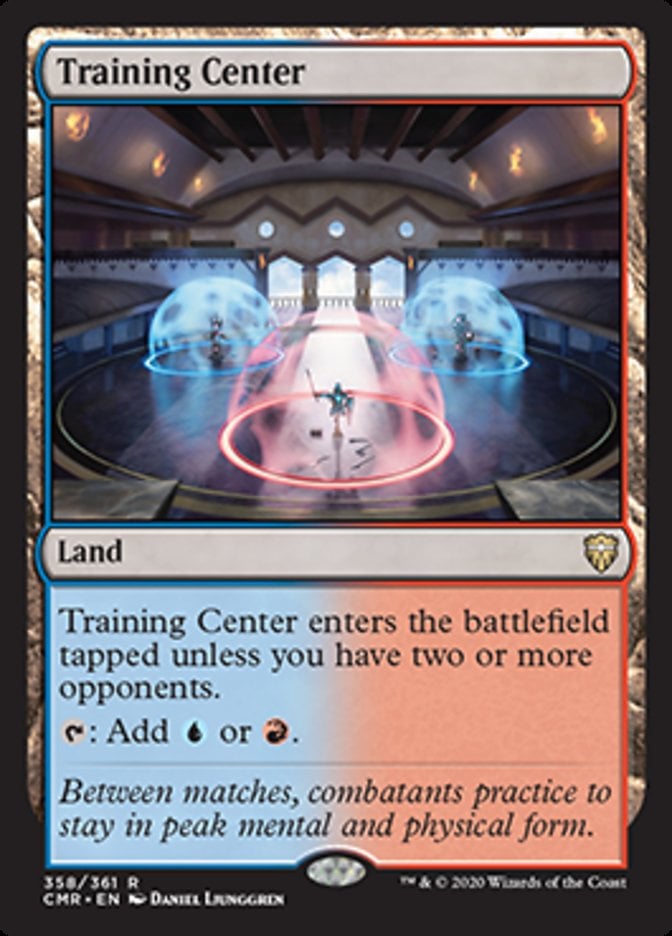
The bond land cycle (including Training Center) is handy for any multiplayer format since they will usually come in untapped. By the point in the game where it’s down to just you and one other opponent, you’ll likely already have enough mana so the only drawback to these lands won’t really affect you.
#36. Tango Lands

Tango lands (because “you need two to tango”) was a cycle started in Battle from Zendikar. Edge of Eternities Commander introduced two new tango lands (Radiant Summit and Vernal Fen), and Lorwyn Eclipsed Commander introduced a third (Sodden Verdure).
Tango lands don’t have much competitive punch, but are great budget lands in Commander: They’re fairly cheap, and a budget mana base usually depends on basics, so a tango land often enters untapped. They also have basic land types, which makes them fetchable.
#35. Valakut Awakening / Valakut Stoneforge
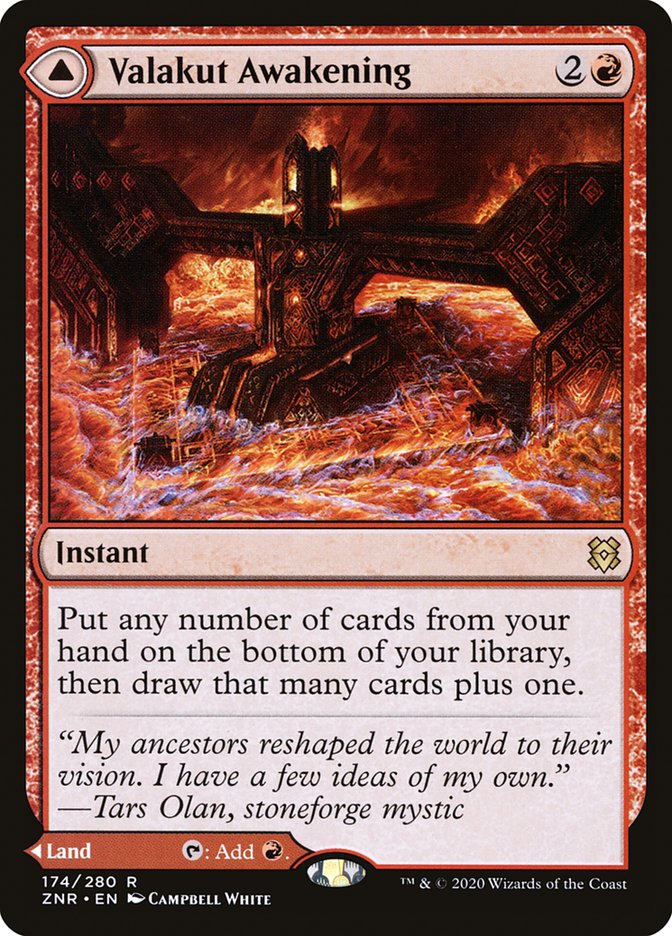
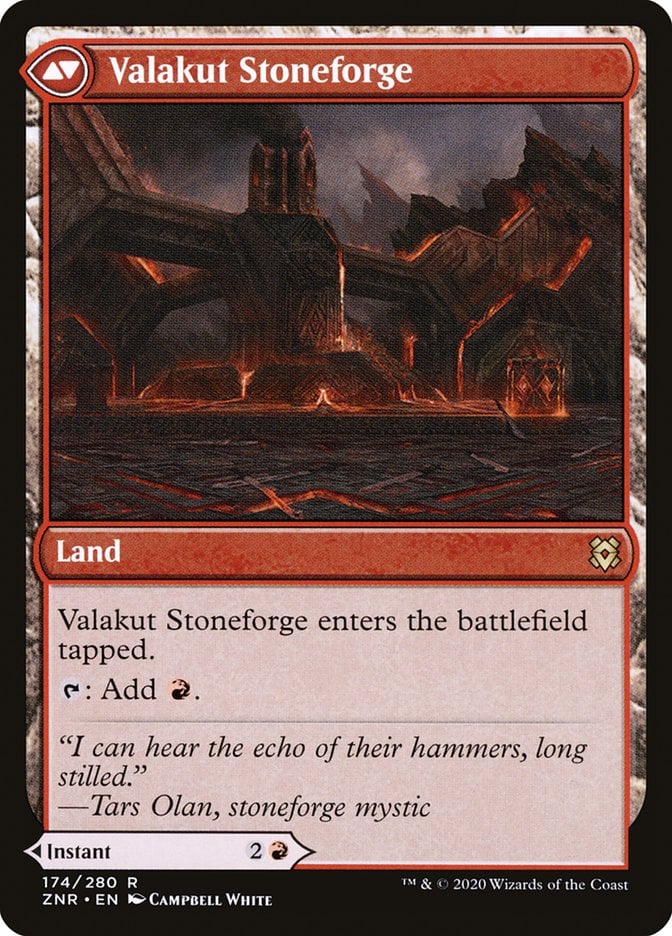
Valakut Awakening is an interesting draw spell. It’s not quite a wheel, with a much lower floor than, say, Wheel of Fortune’s guaranteed seven cards. But you get to select which cards you replace, so you can keep a key combo piece or essential piece of interaction in your hand while getting rid of the chaff. It’s great in decks that want a burst of card draw, like The Locust God and Niv-Mizzet, Parun, or simply any red deck interested in ditching a Mountain for some mana flood insurance.
#34. Thespian’s Stage
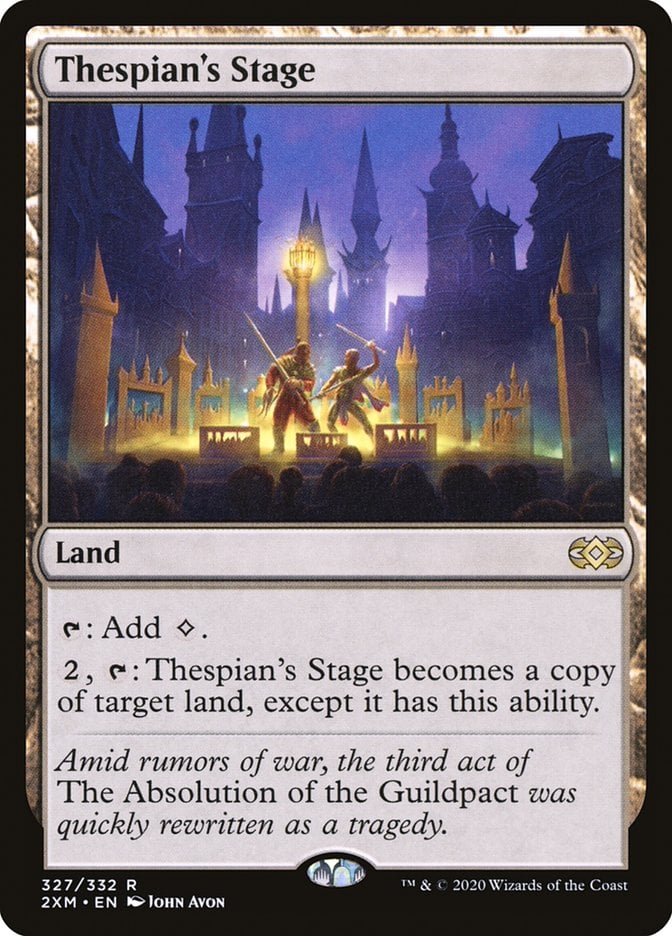
Thespian's Stage can become the best land you or any of your opponents have. It can also copy lands like Scorched Ruins without needing to deal with its sacrifice clause. There’s also the classic trick of using it to become Dark Depths and getting Marit Lage out quickly.
#33. Tarnation Vista
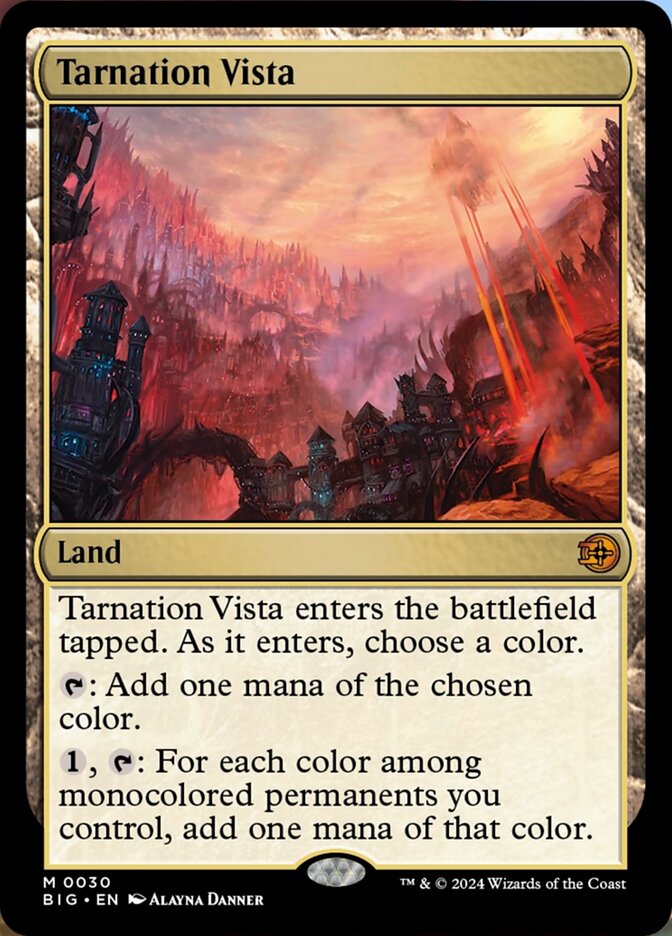
Tarnation Vista is kind of like a reverse Nykthos, Shrine to Nyx. Where Nykthos rewards you for going hard on one color, Tarnation Vista’s second ability wants you to lean into a multicolor deck to get up to 5 mana. It has a much lower ceiling, but critically counts tokens, which can be quite useful. You need to be in at least three colors for this to become mana-positive.
#32. Pain Lands
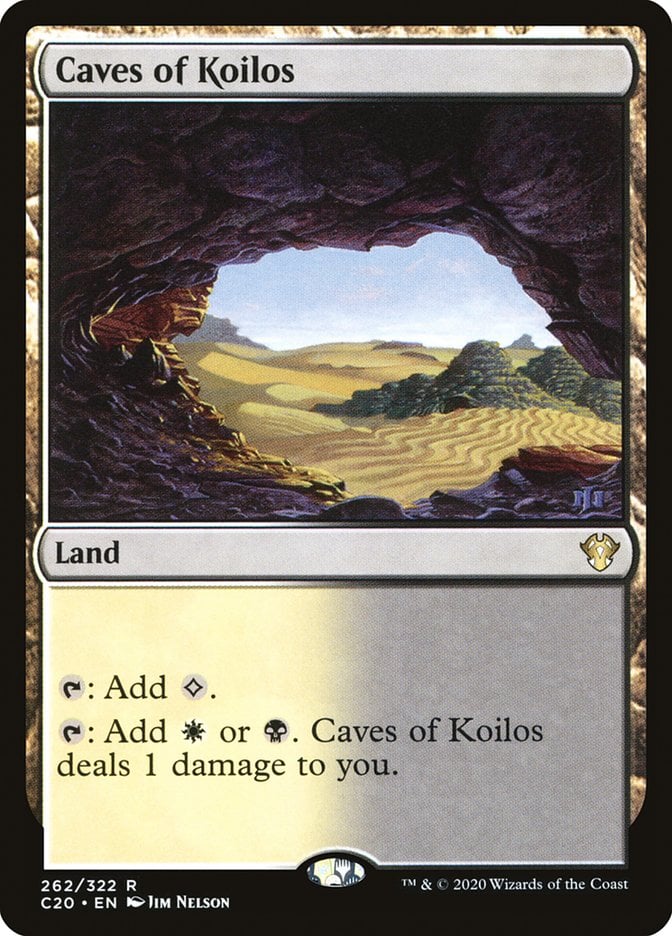
Pain lands like Caves of Koilos and Karplusan Forest are some of the stronger dual lands since they always enter untapped. In Commander, they’re even better because you have more life to use as a resource.
#31. Wasteland
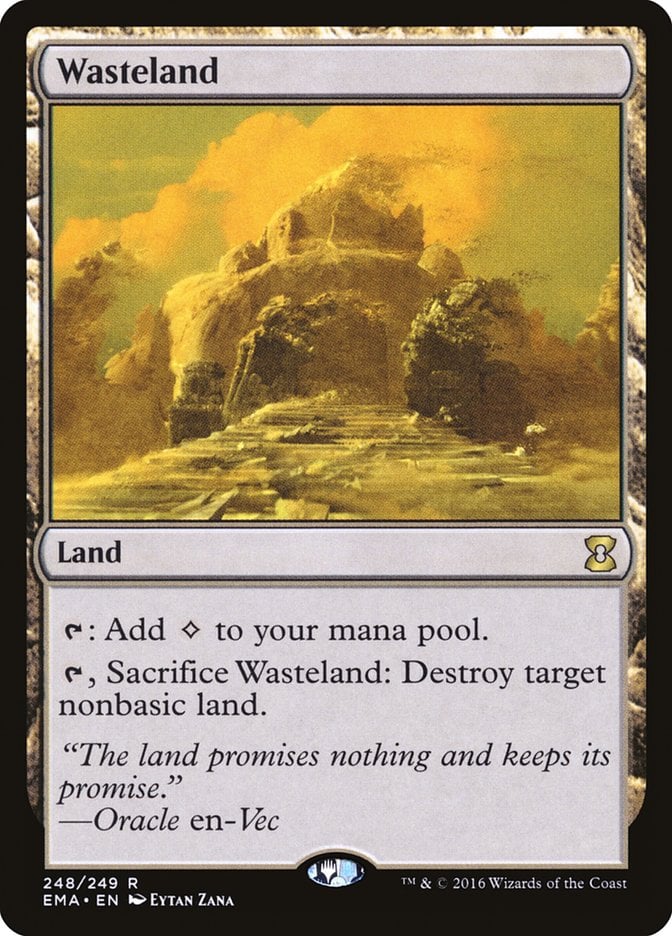
As you can tell from this list, all the best lands are non-basic ones. That means Wasteland can blow up some of your opponents’ best tools at no extra cost.
#30. Starting Town

Starting Town quickly became one of the most popular lands in Standard, and it’s also great in Commander. Five-color mana fixers are great early on, which is when this Final Fantasy town wants to be played. It’s basically Mana Confluence, and in many scenarios, it’s even better since you can generate colorless mana without pain.
It’s so good that it sees a 15% inclusion rate in cEDH decks. Not Game Changer strong, but still wild for a Standard-legal pain-ish land!
#29. Strip Mine
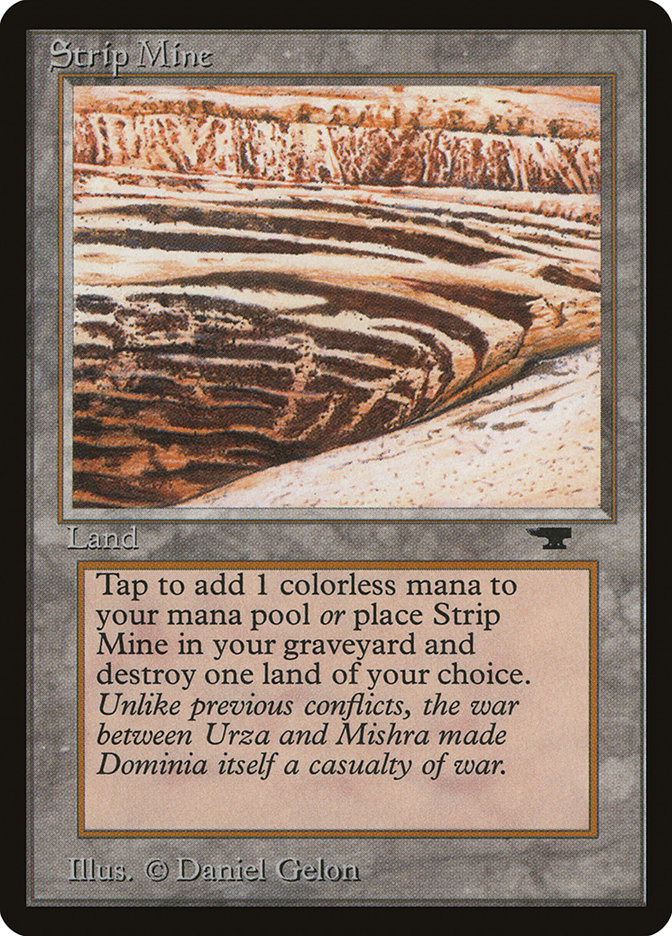
Strip Mine is just a strictly better Wasteland because it can also hit basic lands. If your opponent has only one source of a specific color and it happens to be a basic land, you can really slow them down. This isn’t the most likely scenario, but the possibility gives it a slight edge over Wasteland.
#28. Boseiju, Who Shelters All
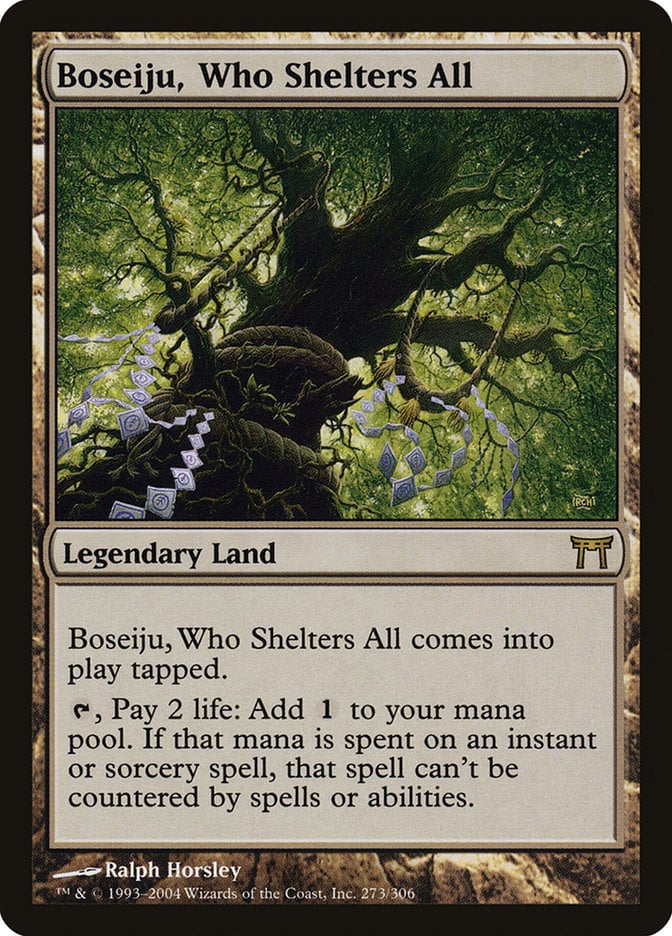
Boseiju, Who Shelters All allows you the peace of mind of knowing you’ll be able to cast an important spell without it being countered. If you’re about to pull off a combo or just cast a spell that’s important for your game, this can be the difference between a win and a loss.
#27. Shifting Woodland

Enabling delirium for Shifting Woodland can be pretty easy in drawn-out games, and the opportunity cost of a tapped Forest is relatively low compared to the value of transforming a land into the best permanent in your graveyard. That often ends up being a creature to get an extra attacker or blocker, but there’s plenty of value to be found from copying noncreature permanents like swords or a timely—and surprise—Ghostly Prison.
#26. Malakir Rebirth / Malakir Mire
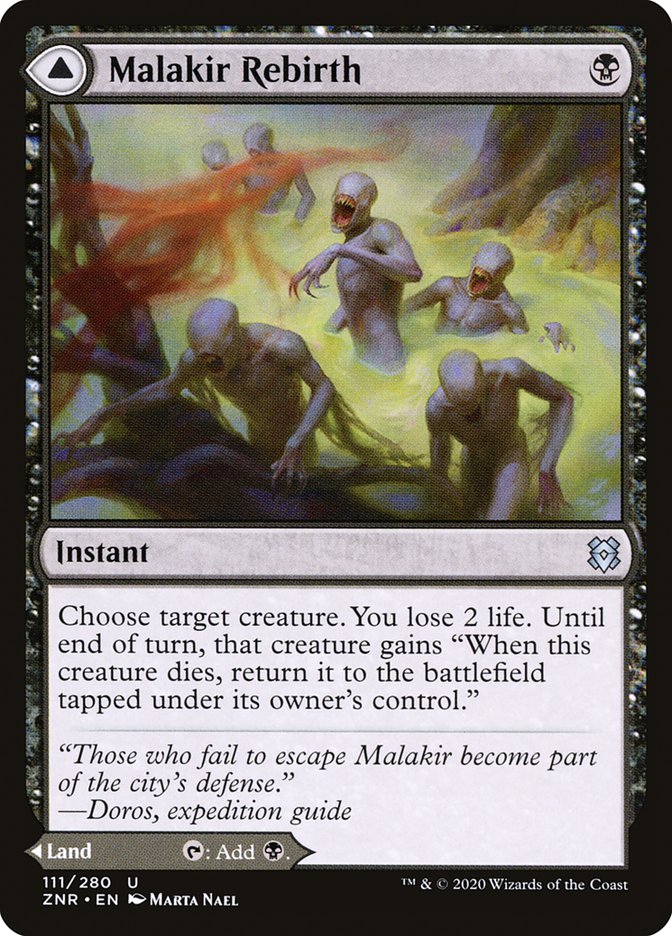
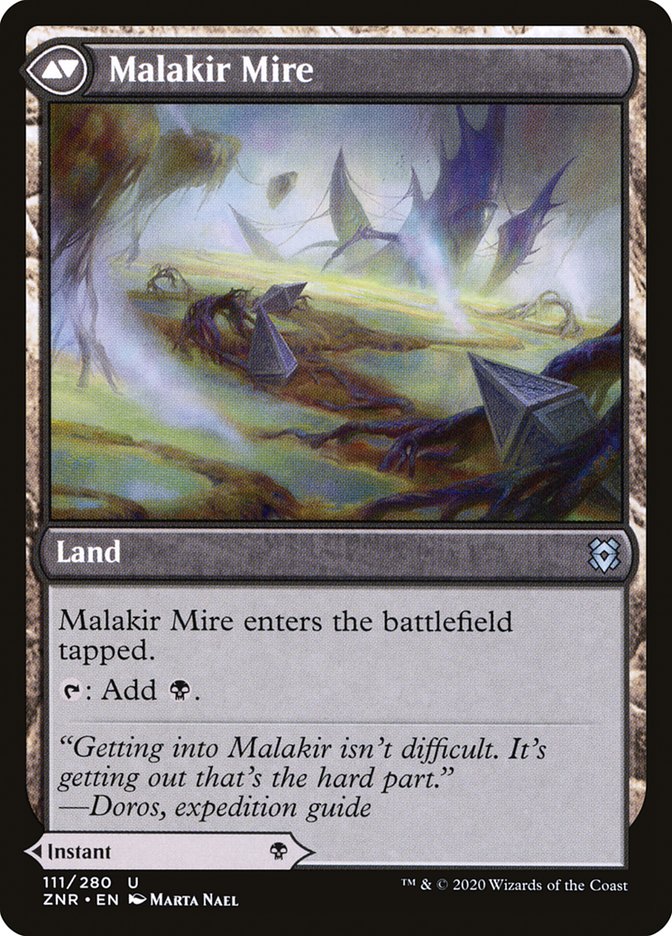
Malakir Rebirth is near the top of my black staple list in Commander. Having some protection in a format where most decks pack a bunch of board wipes is crucial, especially for decks that rely on their commander to function properly.
#25. Otawara, Soaring City
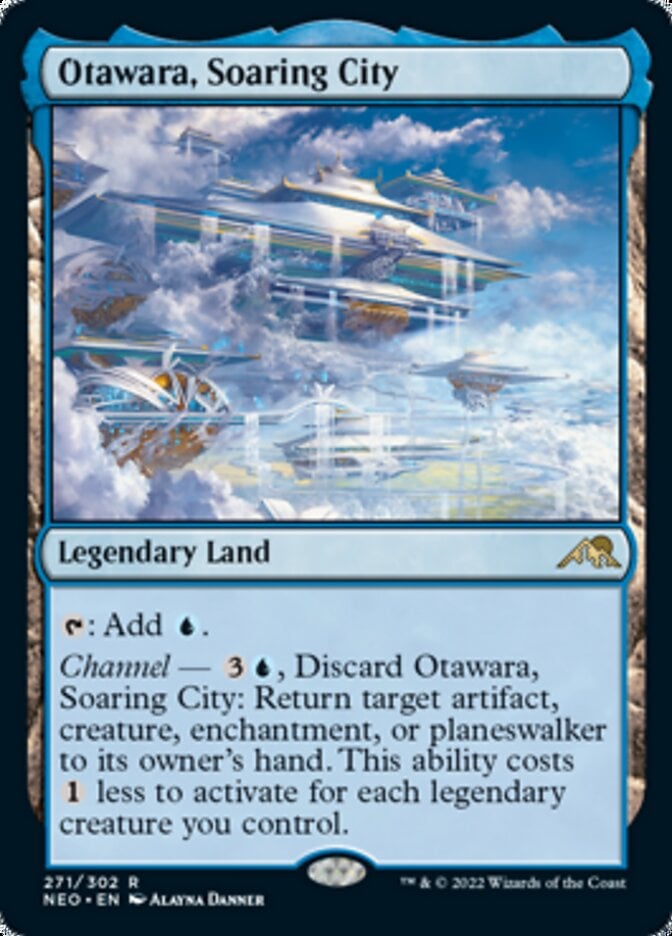
Otawara, Soaring City’s bounce ability can be nice for stalling opponents or putting one of your own cards back in your hand. If you have your commander on the field, it also helps to reduce the price of this card, making it a good pick for the format.
#24. Fell the Profane / Fell Mire


I’m a massive fan of all the MDFC lands that function as removal. Spot removal is one of the most painful but necessary inclusions in any Commander deck; swapping out a Swamp for Fell the Profane (or the moderately worse Hagra Mauling) makes those hard decisions just a little easier.
#23. Triomes
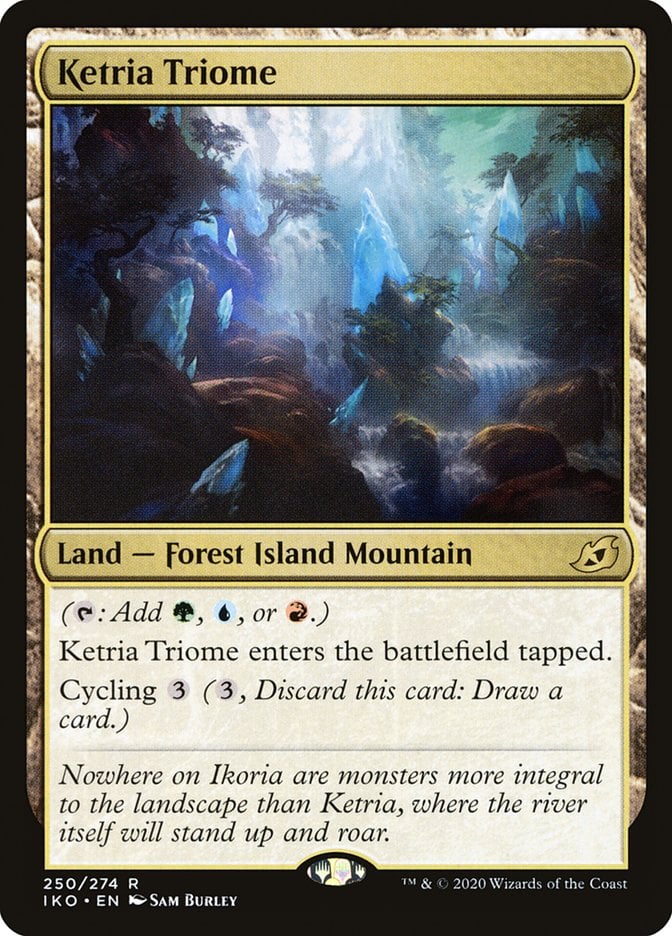
The Ikoria triomes, like Ketria Triome, and the completion of the cycle from Streets of New Capenna with a Triome for each SNC family like Xander's Lounge are a unique tri-land cycle that have all three basic land types for the colors they generate. This means they can be fetched, plus they have cycling so they aren’t a dead draw later in the game.
#22. Fabled Passage
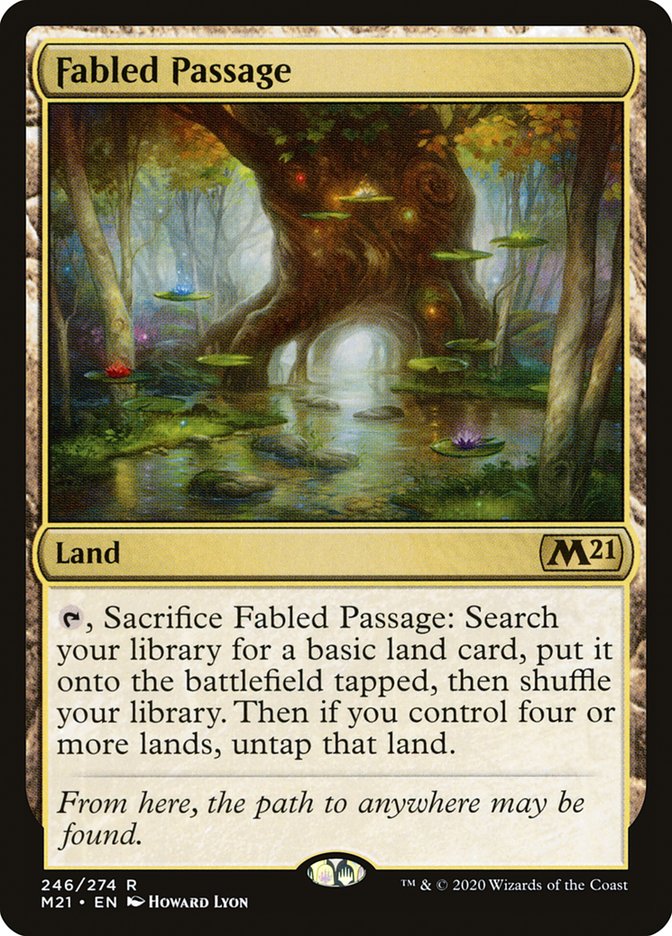
Fabled Passage bridges the gap between Evolving Wilds and Prismatic Vista for a basic land fetch that’s untapped most of the time. It’s a great mana-fixing tool, especially if you want shuffle effects or ways to get lands in the graveyard. It’s easier on the wallet than Vista while being far more powerful than Wilds.
#21. Phyrexian Tower
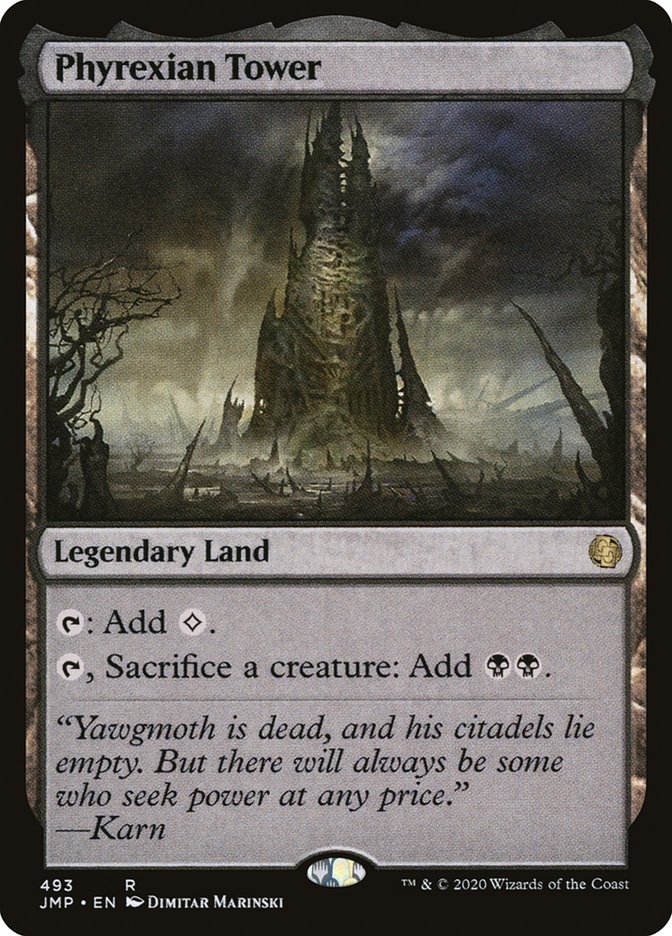
There are plenty of decks where sacrificing a creature to Phyrexian Tower benefits you both by giving you mana and by allowing you to cash in on death triggers. Having a sacrifice outlet that doesn’t cost mana is always a good addition for an aristocrats deck.
#20. Boseiju, Who Endures
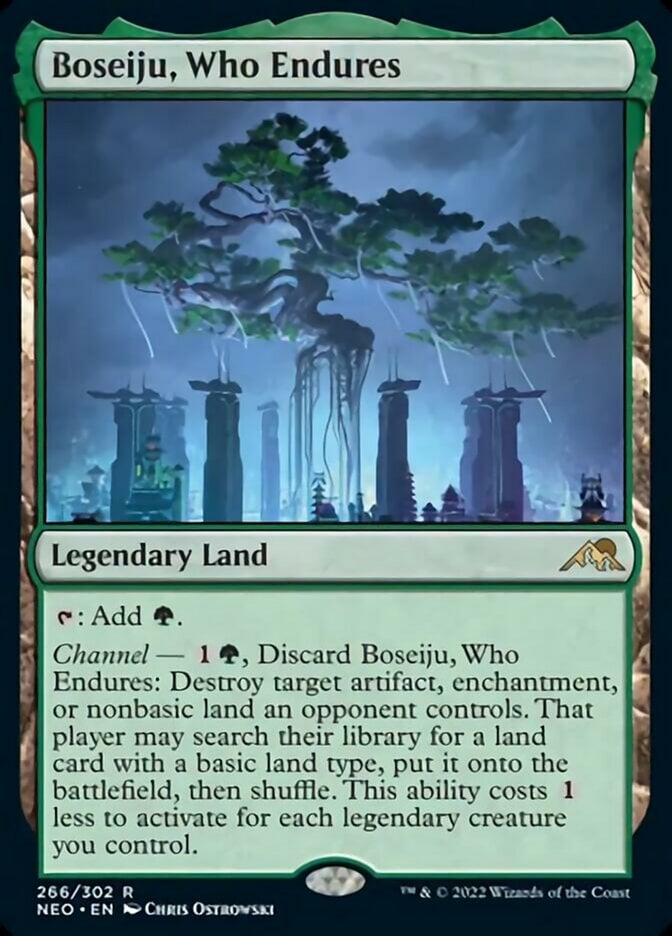
Boseiju, Who Endures is a pretty comprehensive form of removal, and it’s cheap to channel, even without the cost reduction. Being a legendary land isn’t as big of a drawback in Commander as in other Constructed formats because you can only have one of each card anyway.
#19. Talon Gates of Madara

Talon Gates of Madara looked intriguing when Modern Horizons 3 released and has proven to be powerful. Not only can it ramp, but it also serves as both protection and interaction thanks to the phasing ability that’s hard to interact with. It makes Crop Rotation an even more appealing card.
#18. Hall of Heliod’s Generosity + Volrath’s Stronghold + Academy Ruins
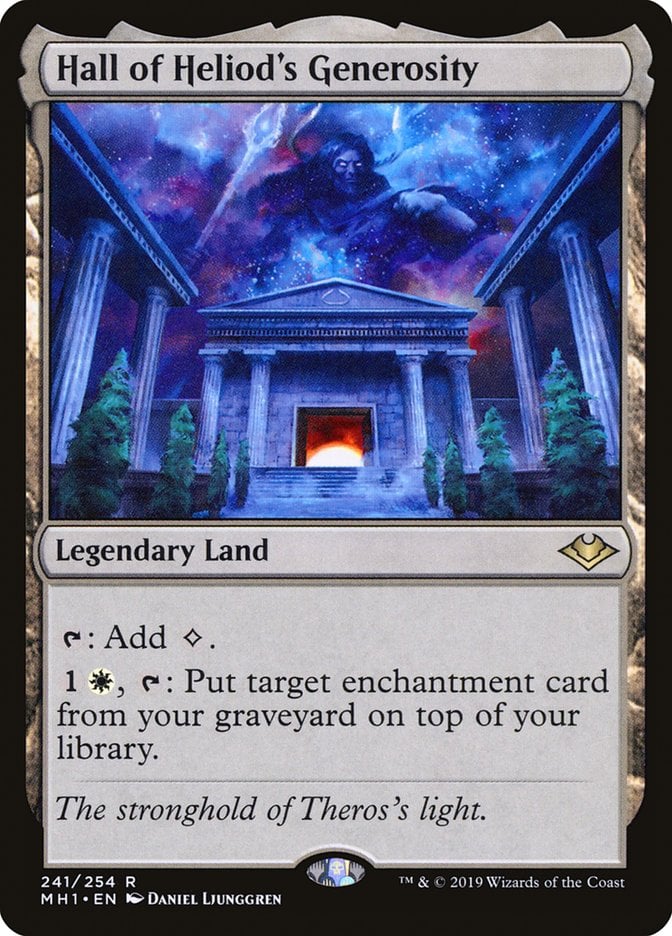
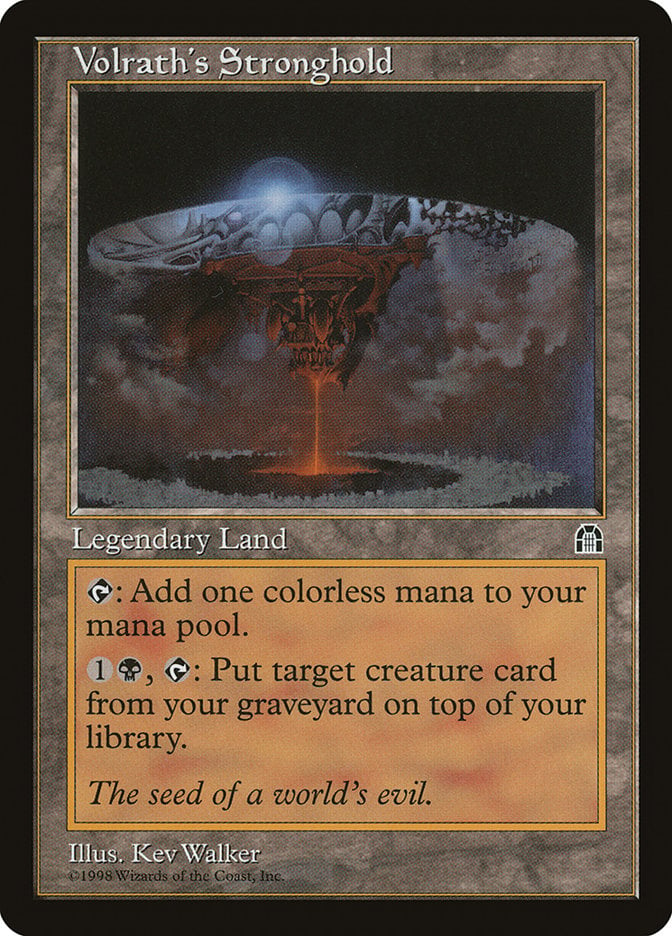
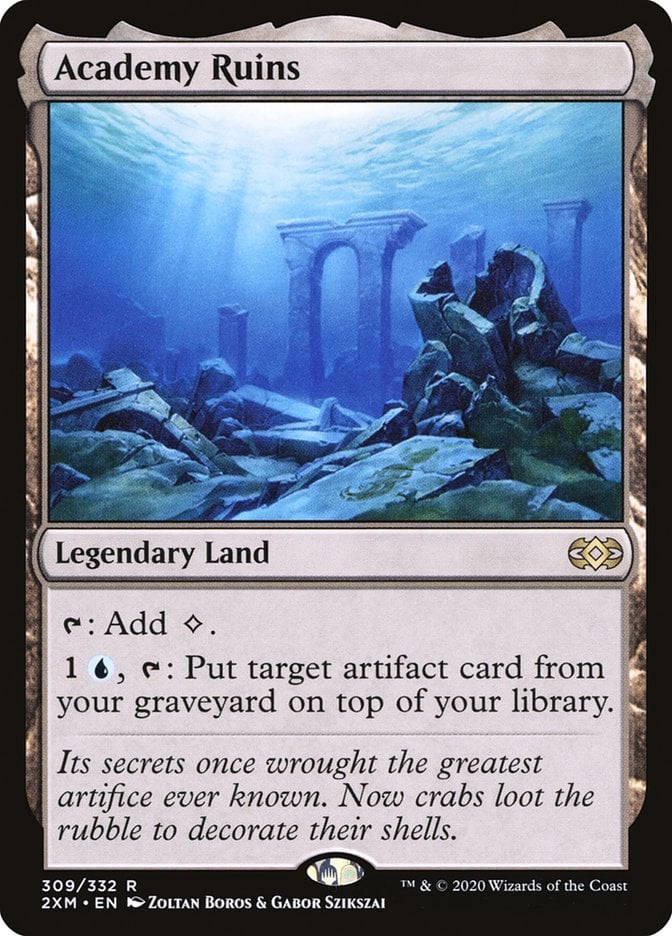
The incomplete cycle of recursion lands, Hall of Heliod's Generosity, Volrath's Stronghold, and Academy Ruins, are good in most decks that they can fit in. Wizards did a good job pairing colors with the type of cards that these lands can get out of your graveyard, making them an excellent fit for themed decks, and they’re just good in general.
#17. Arena of Glory

In a format filled with massive battlecruisers, giving creatures haste can be devastating. While the obvious targets for Arena of Glory’s exertion are creatures with powerful attack triggers like annihilator Eldrazi and Archon of Cruelty, anything with a ton of power looks much better when it speeds along like a Resilient Roadrunner.
#16. Three Tree City

Anything that modestly resembles Nykthos, Shrine to Nyx deserves some attention, and Three Tree City is a fantastic parallel to that card. This stands out as a fantastic addition to elf or goblin decks given how quickly those strategies amass a wide board state, but any typal deck would be happy to visit this prominent locale in the Valley.
#15. Nykthos, Shrine to Nyx
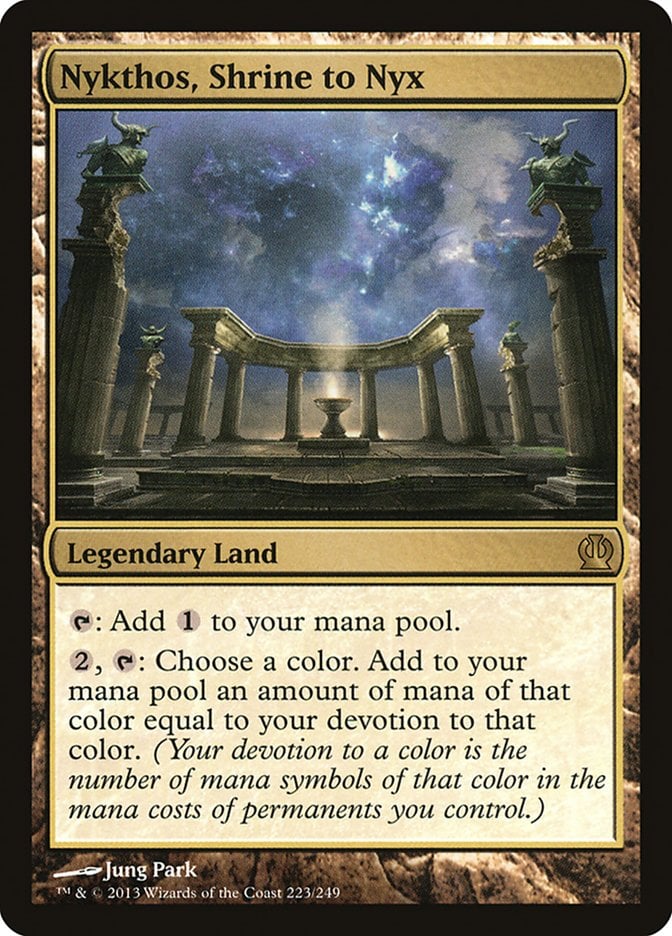
Nykthos, Shrine to Nyx works well in most mono-color decks, so long as you are running a lot of permanents. It won’t always be able to pay out big amounts of mana, but when you’re only running one color you can afford a land that just taps for colorless sometimes.
#14. Sink into Stupor / Soporific Springs


I’d be all over Sink into Stupor if it were just Unsummon or an untapped land. But this interacts with the stack, putting it in contention for the very best MDFCs, and certainly one of the best blue lands. I wouldn’t just run this over an Island; I’d make this the first card in any blue deck I touched.
#13. Shock Lands
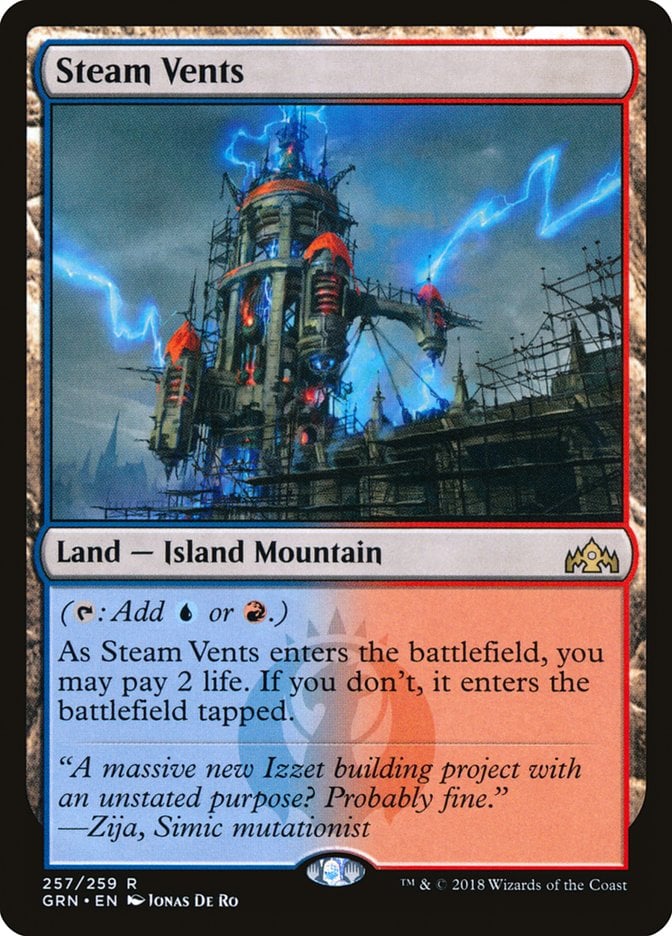
Aside from true duals, shock lands like Steam Vents or Godless Shrine are the best dual lands you can run. They have the basic land types so they can be fetched, and they can enter untapped basically any time you need. In Commander especially, losing 2 life really isn’t all that big a deal.
#12. Cavern of Souls
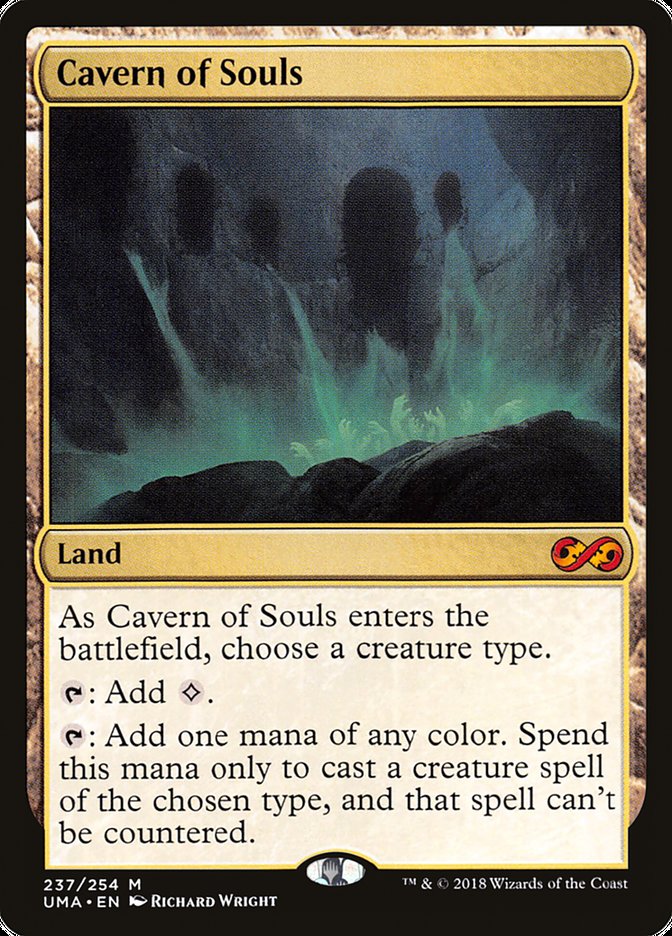
Cavern of Souls is basically an auto-include for any typal deck. It’s great for mana fixing, but it also allows you to cast big creatures and know they won’t be countered.
#11. Mana Confluence + City of Brass
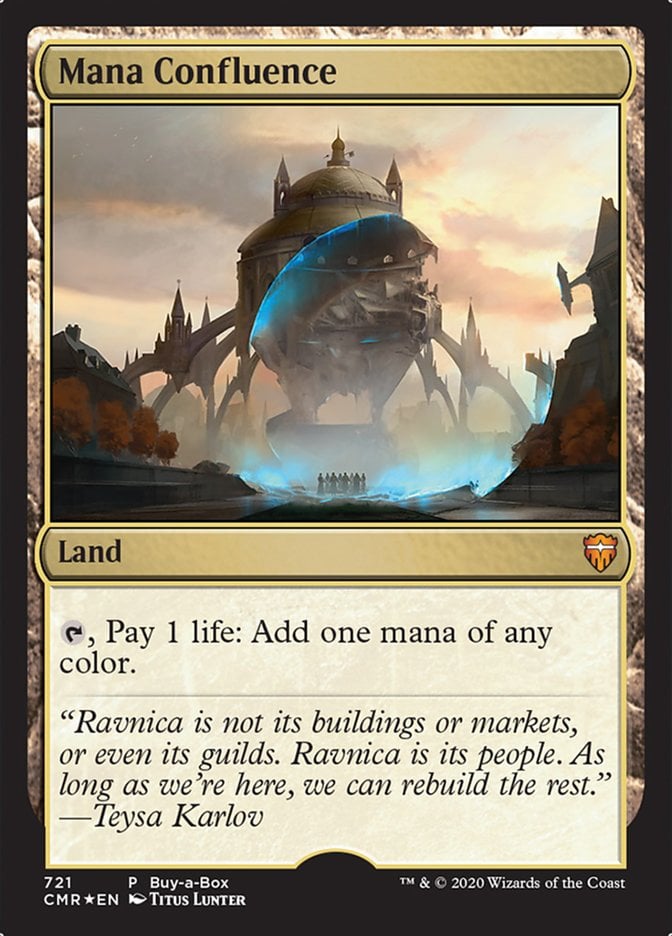
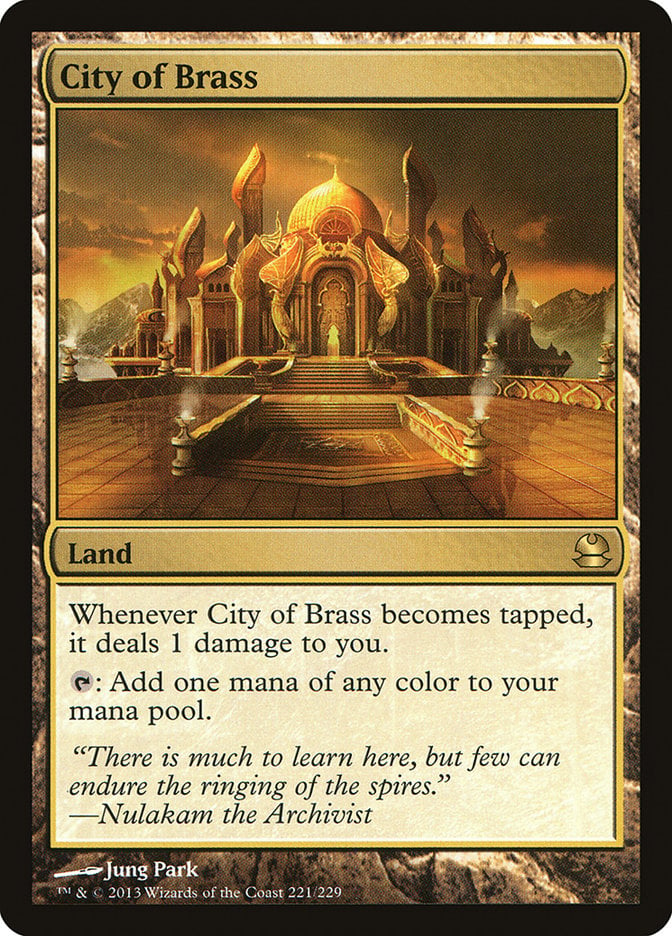
Mana Confluence and City of Brass aren’t flashy, but immediate mana of any color is always a very helpful thing to have in a land. One damage isn’t that bad of a price in a format where you start with 40 life.
#10. Command Tower

Everything good about Mana Confluence and City of Brass is the same about Command Tower, with the added benefit that it doesn’t cost you anything.
#9. Growing Rites of Itlimoc / Itlimoc, Cradle of the Sun
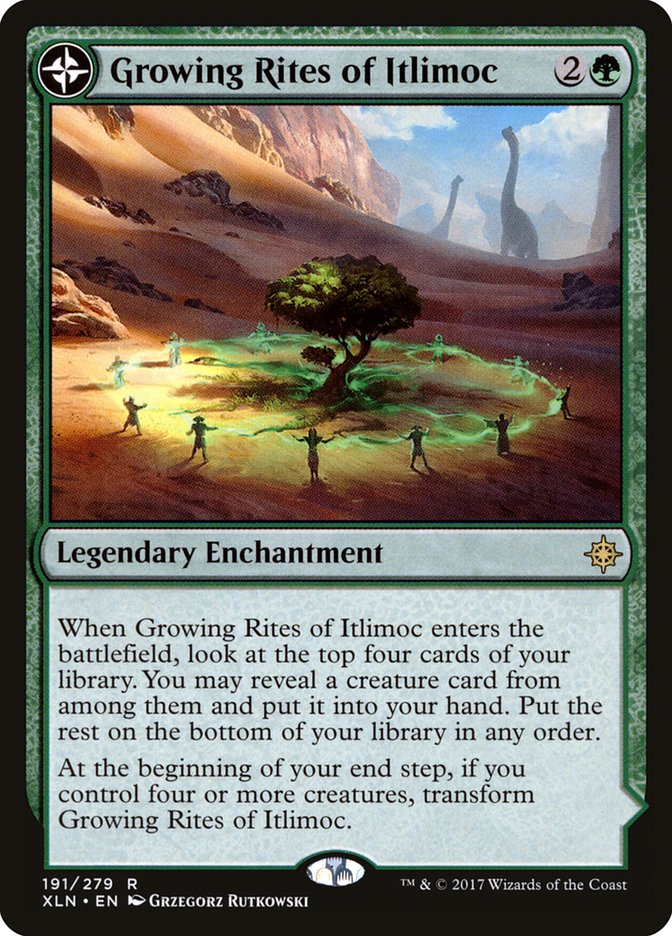
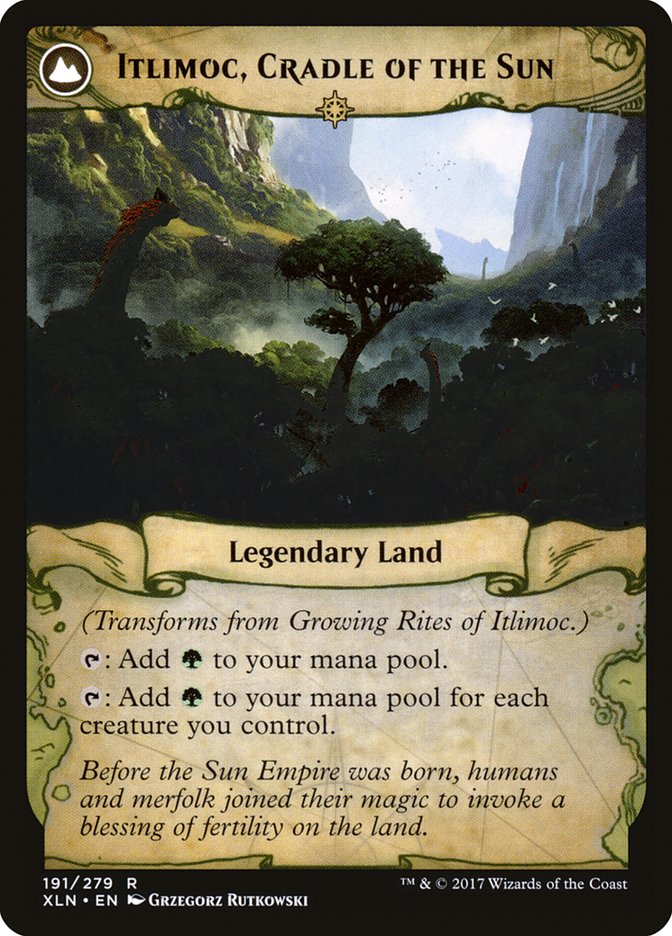
Growing Rites of Itlimoc isn’t technically a land, but the one it transforms into, Itlimoc, Cradle of the Sun, is arguably the best flip land in Magic, so I figured it deserved a spot on this list. It also isn’t too difficult to transform in creature-heavy builds, especially since it can help find you one.
#8. Surveil Lands
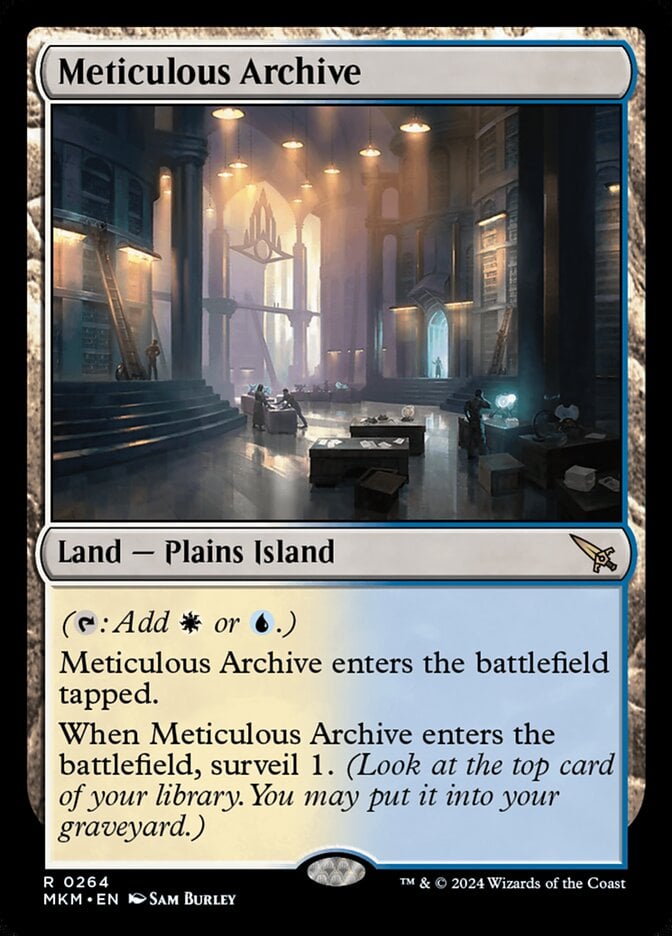
This might be a scalding hot take, but I think the surveil lands from Murders at Karlov Manor are the best dual land cycle printed since the shock lands. Sure, they don’t set up domain as easily as the Triomes, but a mixture of shock lands and surveil lands to find with fetch lands not only gives you access to mostly perfect mana, but control over the top of your deck.
#7. Mishra’s Workshop
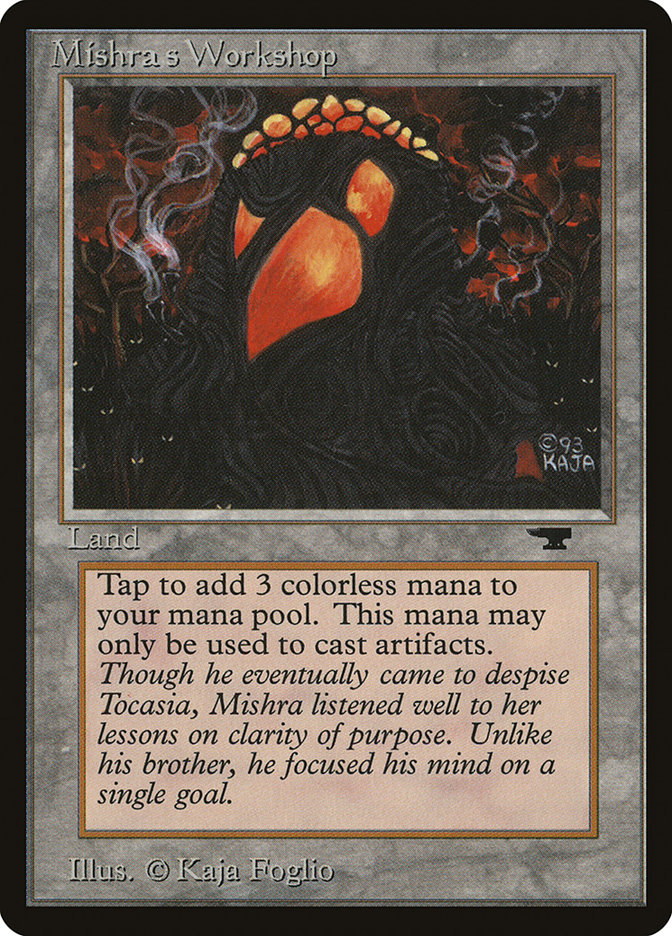
Mishra's Workshop is a very powerful addition to an artifact deck, but this card is also hard to get your hands on. If you don’t mind proxies or are playing on a free platform like Cockatrice, I’d stick this in pretty much any artifact build.
#6. Cabal Coffers
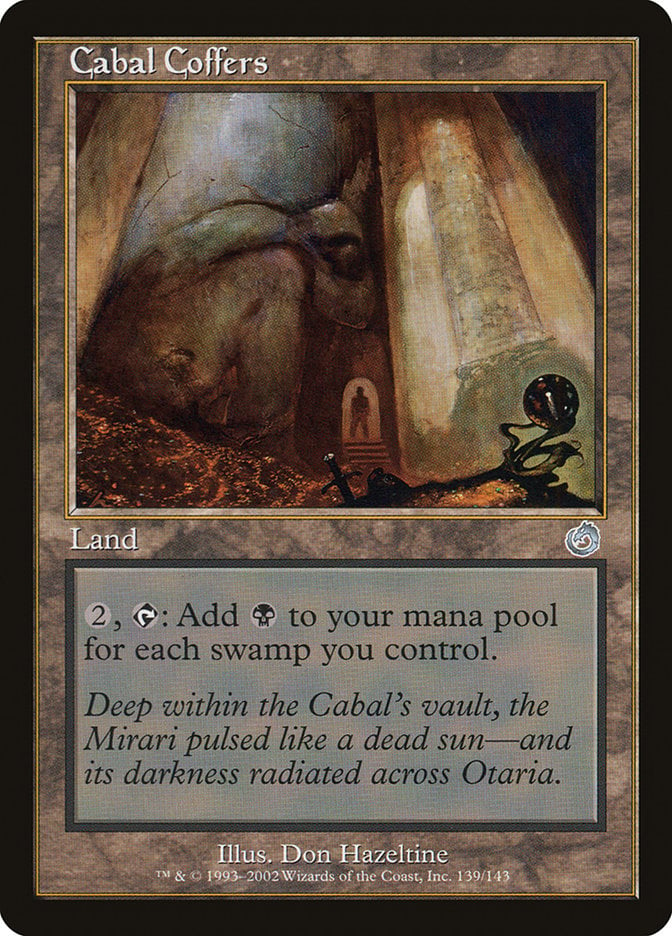
Cabal Coffers is one of the best lands to include in a mono-black deck. It won’t take long to start generating a ton of black mana, allowing you to keep up with or outpace your opponents in a color that struggles with playing extra lands on its own.
#5. Gaea’s Cradle + Serra’s Sanctum
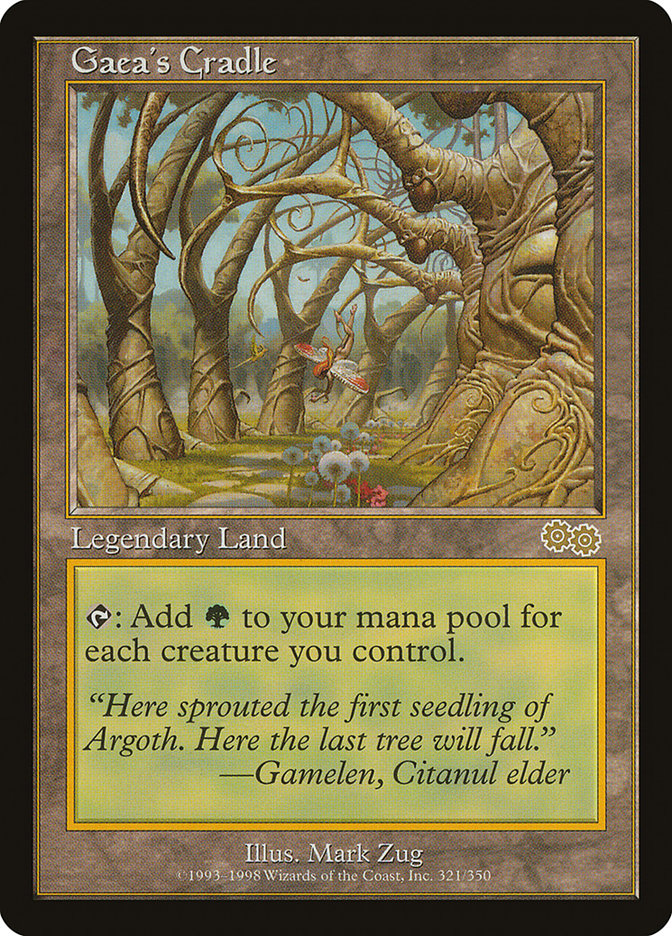
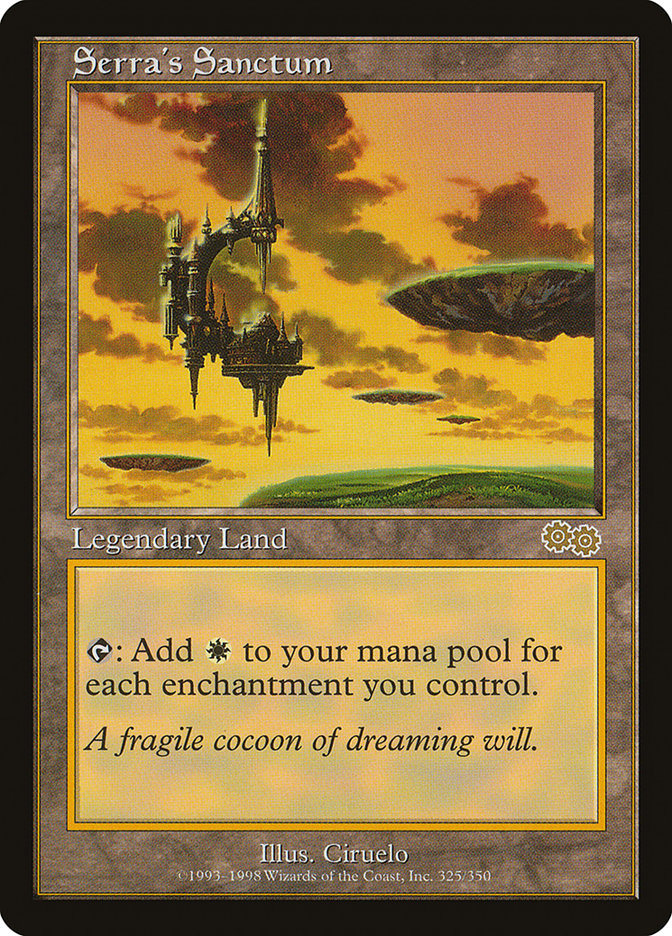
Gaea's Cradle and Serra's Sanctum are both incredibly powerful in the right decks. Green is a good color for creature-heavy decks, and white is pretty much always in enchantment decks, making this green land and white land auto includes in either one if you can afford it. Tolarian Academy is even better, but banned in Commander.
#4. Urza’s Saga
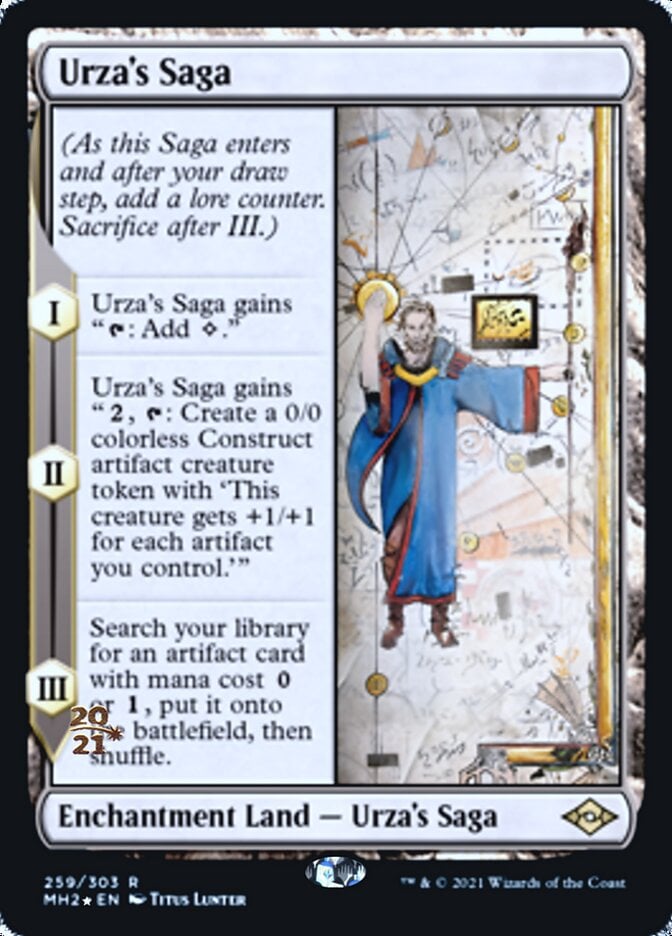
Urza's Saga has a lot of helpful qualities. The Constructs can be very powerful in artifact decks, and it can also fetch you a Sol Ring or another helpful artifact like Shadowspear. This is also a colorless enchantment you can play for free which can be good in enchantment-matters decks.
#3. Fetch Lands
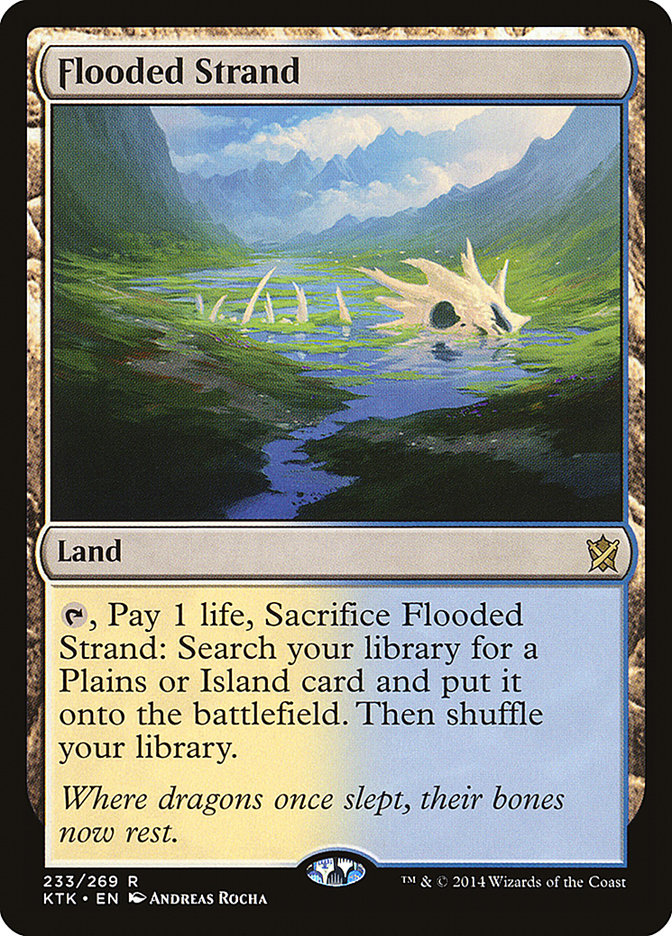
Fetch lands like Flooded Strand and Verdant Catacombs help you find the lands you need and help thin out your deck. In a singleton format, it can be very helpful to have ways to search through your deck and find the exact land you need when you need it.
#2. Ancient Tomb
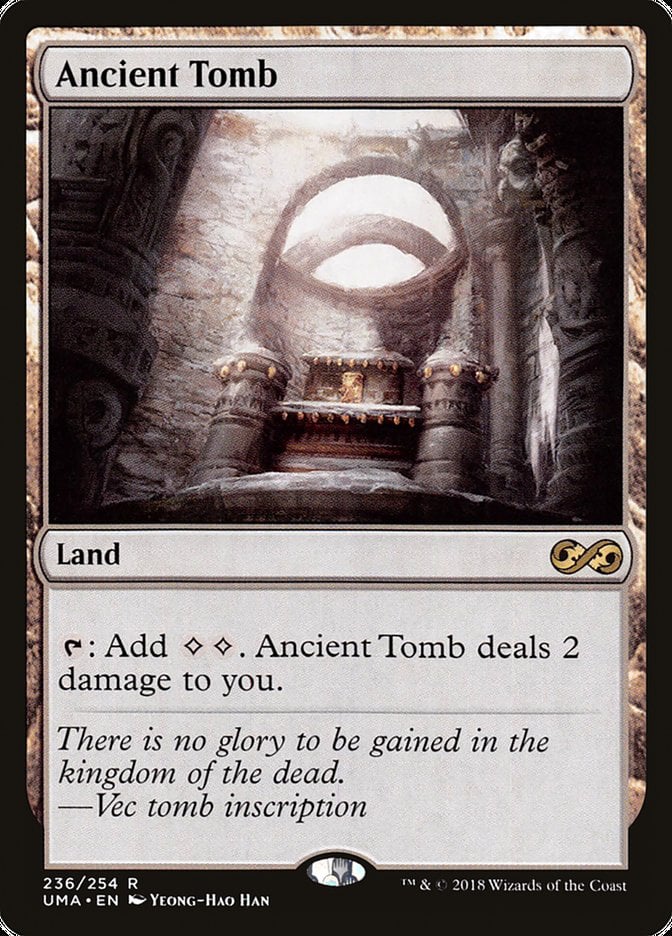
Ancient Tomb is basically like two land drops in one, giving you a good head start earlier in the game or helping you get to your bombs more quickly later on. Two damage isn’t too bad in Commander, so the benefits definitely outweigh the damage.
#1. True Dual Lands
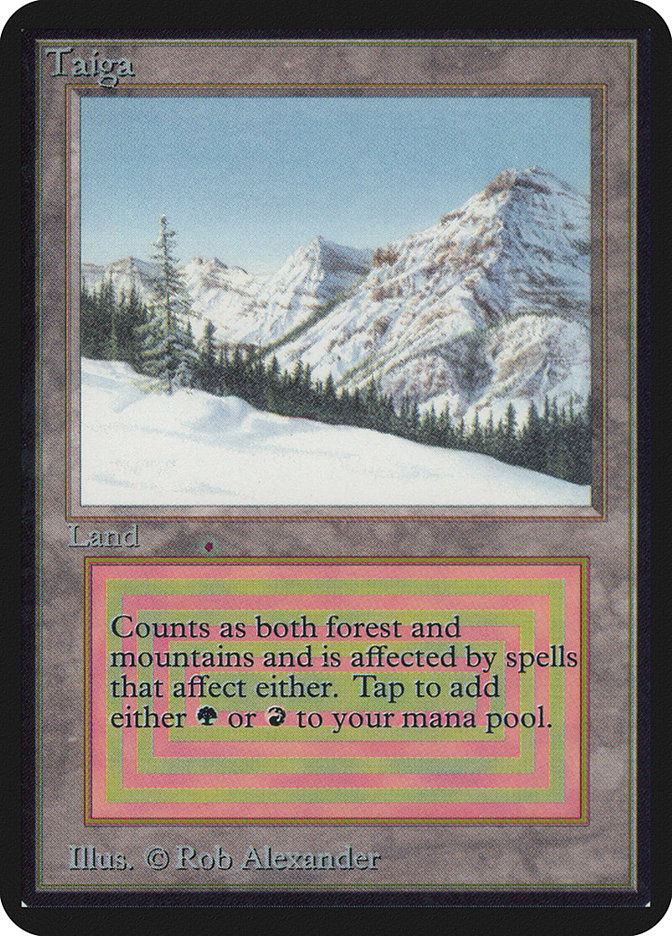
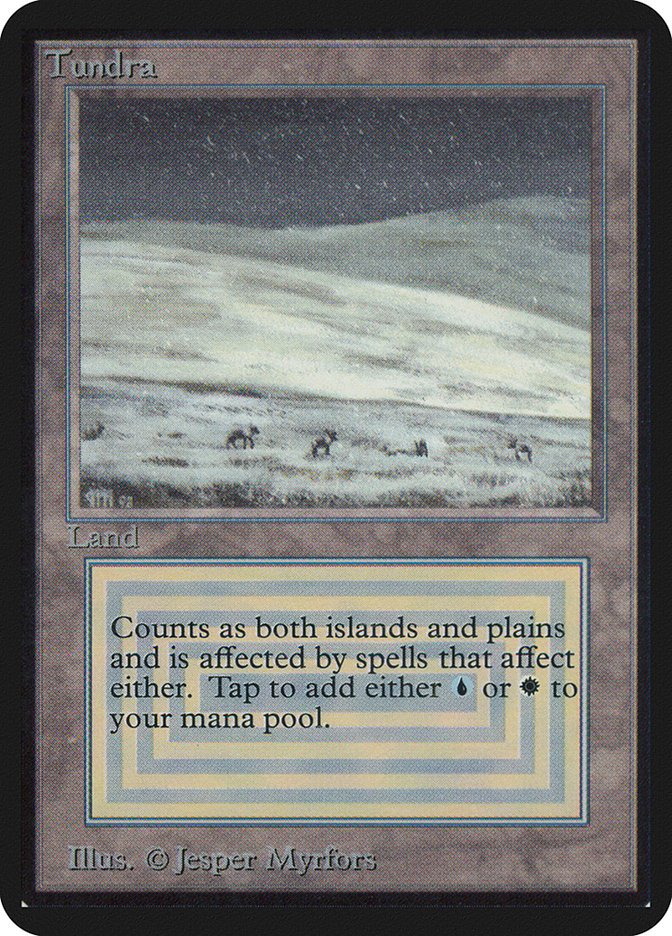
For multicolor decks, it’s hard to beat the original dual lands like Taiga or Tundra. They always come in untapped and they’re fetchable so they’re very efficient.
What Are Some Good Budget Lands?
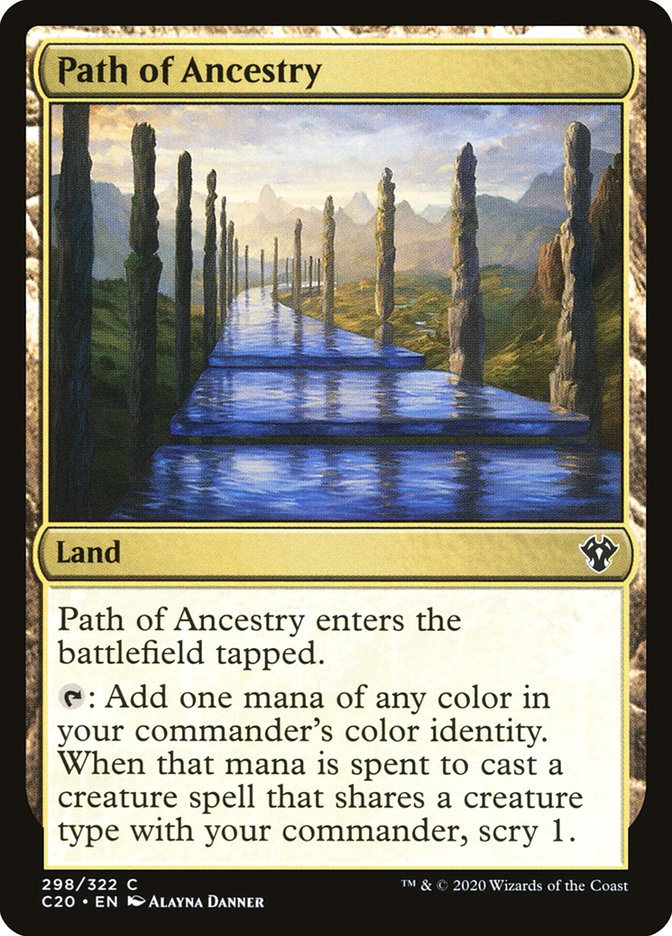
If you’re building on a budget, you don’t need to Revel in Riches to have a functional mana base. Start with a healthy number of basics (they enter untapped, they’re basically free, and they make your deck work)… and if you happen to be playing a mono-color commander, you’re basically golden!
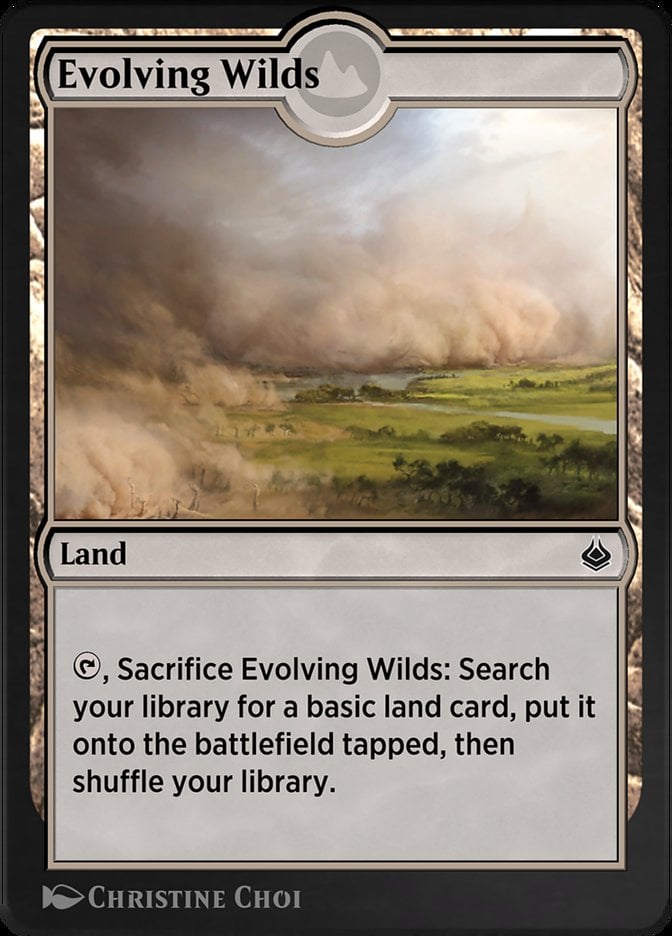
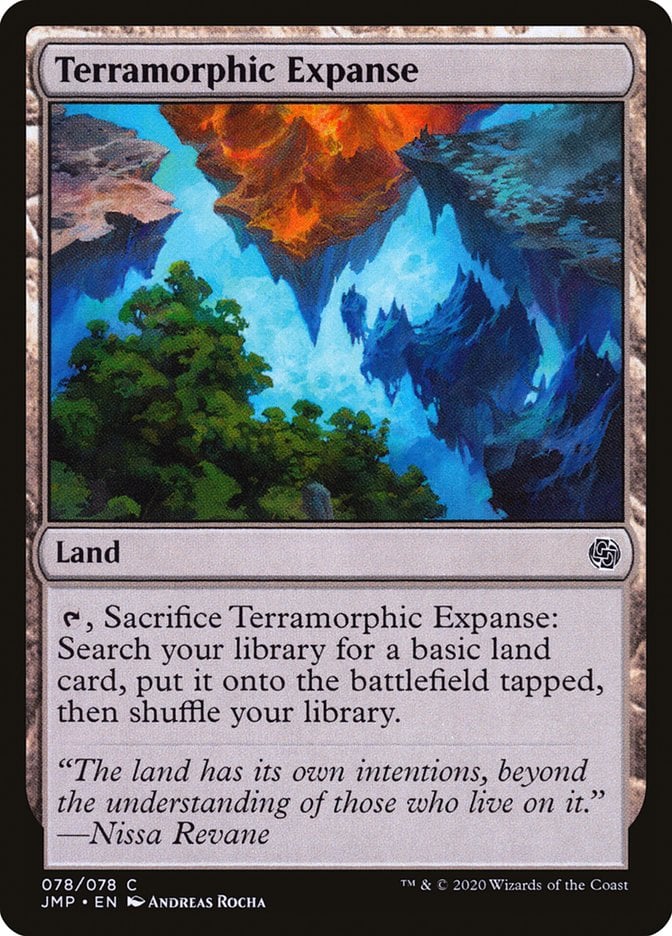
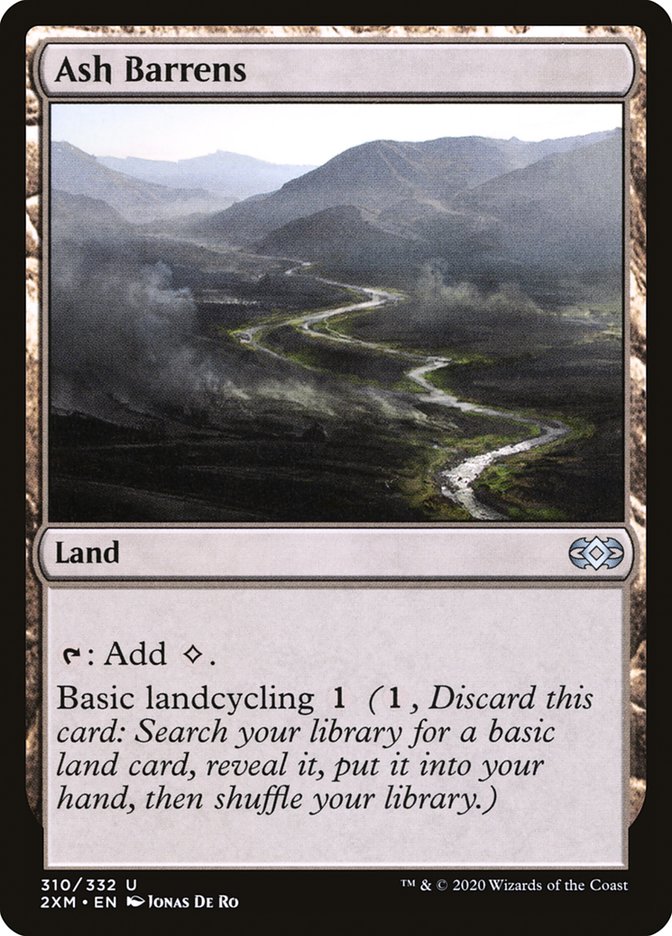
If you need more colors, then fill in with cheap “always solid” staples like Command Tower, Path of Ancestry, and Myriad Landscape. None of these are flashy, but they smooth your early turns. After that, budget fetches like Evolving Wilds, Terramorphic Expanse, and Ash Barrens help you hit colors without spending real money. All of the above work with pretty much any commander, which is another key aspect if you’re on a shoestring budget: A manabase you can use in multiple, different decks!
If you are set on a specific color identity, then you have a variety of budget lands in each dual combination, like pain lands and check lands.
How Many Lands? How Many Basics?
For most Commander decks, start with 36–38 lands and only move off that number if you have a very good reason. If your curve is chunky, your commander costs a lot (and you want it down ASAP), then go up to 38–40. If you’re low curve with a pile of cheap mana rocks like Sol Ring and Arcane Signet, you can shave down a bit… key words being “a bit”, as in one or two at most!
Basic counts depend on how many colors, your ramp package, and the bracket you’re playing. And your budget, of course! A mono-color commander can work perfectly well with just basics, even in Bracket 1 or 2, with a small pinch of utility lands that may fit your strategy (like Secret Tunnel to make sure you don’t get blocked).
Two-color decks can often support something like 8–12 basics; any more than that you risk getting color-screwed. And the more colors you have, and the higher your bracket, the more multi-color lands (and less basics) you need to make sure you can cast anything you draw.
How Does Color Identity Work With Lands?
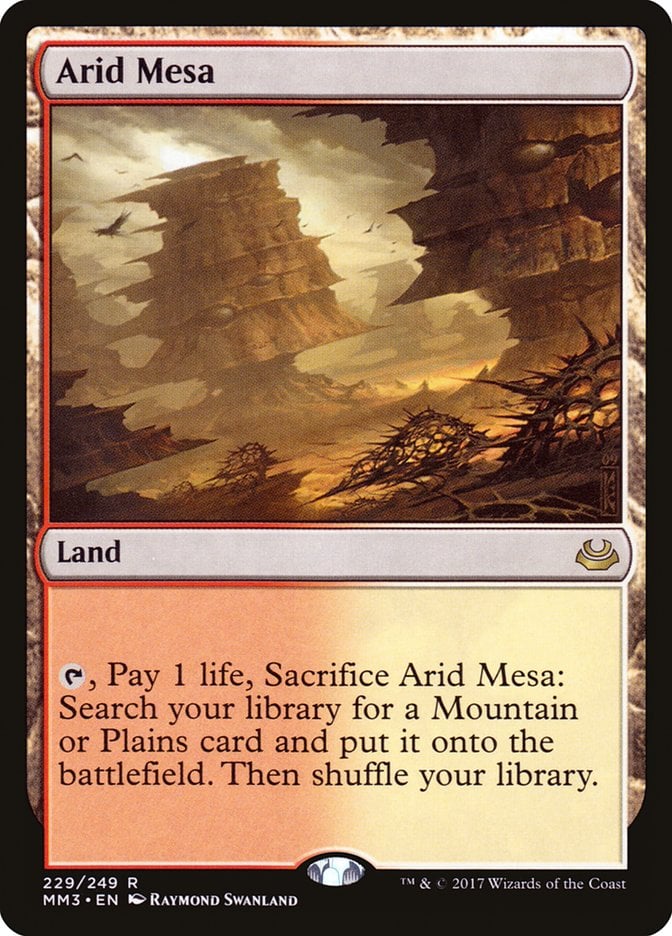
Color identity in Commander cares about mana symbols in the rules text and mana costs of card, not words like “color”, which is why lands feel weird at first. Command Tower is the classic example: It’s colorless from a deckbuilding standpoint because it doesn’t have colored mana symbols printed on it, but it still fixes you perfectly in-game because it only makes colors your commander actually has. Something similar happens with fetch lands: Arid Mesa is colorless because, although it mentions “mountain” and “plains”, it doesn’t have the or mana symbols in its cost or rules text.
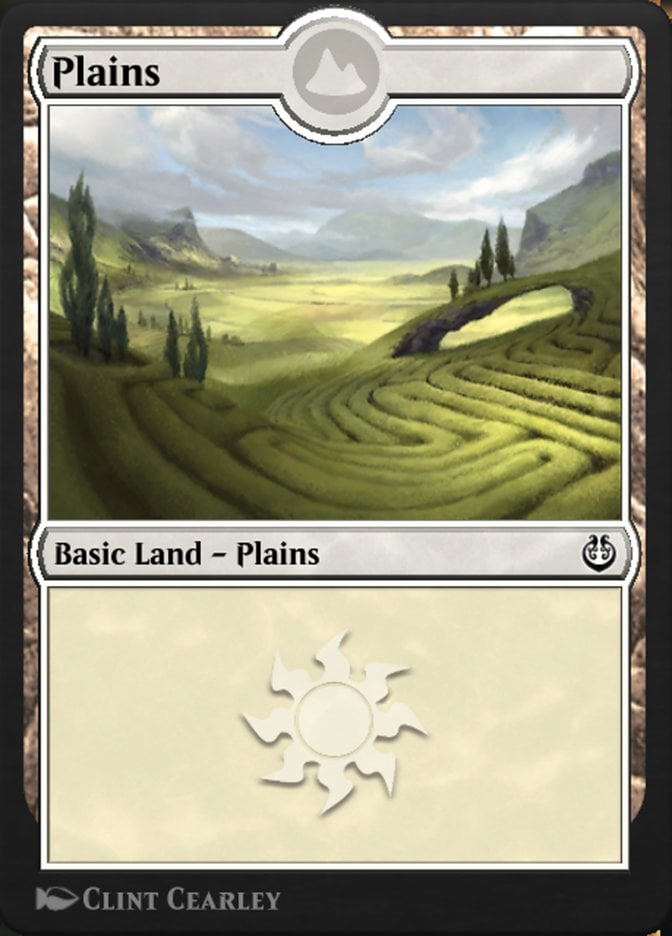
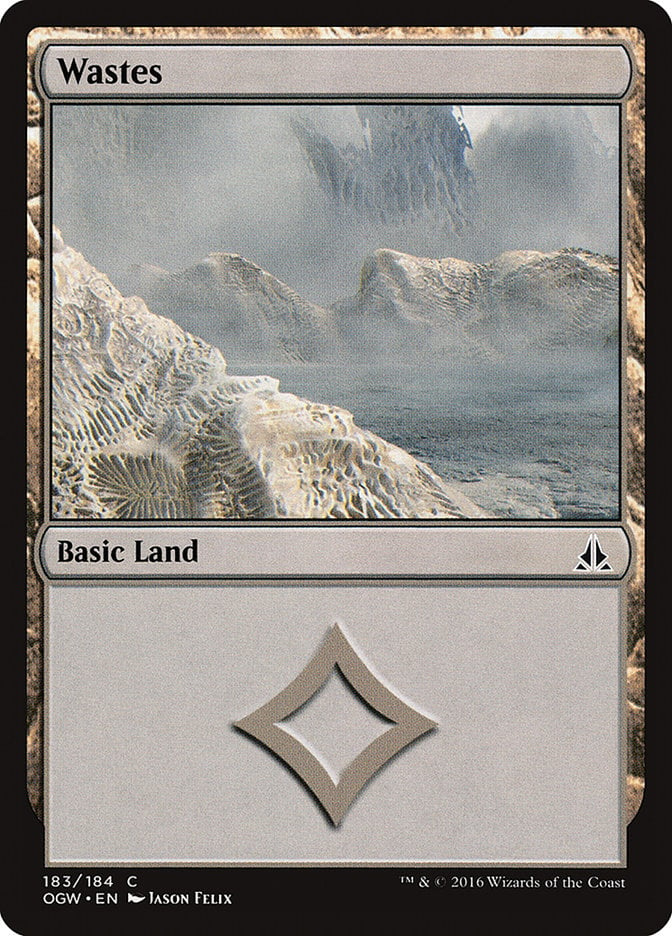
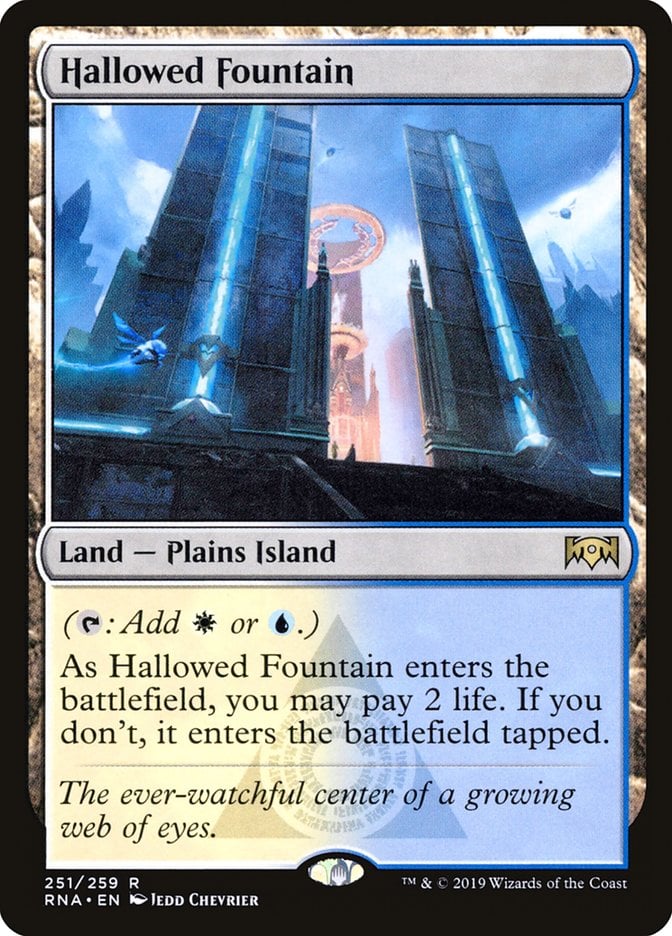
Basics are the easy part: Plains is white, Island is blue, Wastes is colorless, etc. Dual lands (like Hallowed Fountain) are tied to both colors they have mana symbols for, and are only legal if those colors are in your commander’s color identity.
Plenty of utility lands pick up extra colors in their identity because of activated abilities. Kessig Wolf Run, for example, has both red and green in its identity thanks to the activation.
Commanding Conclusion
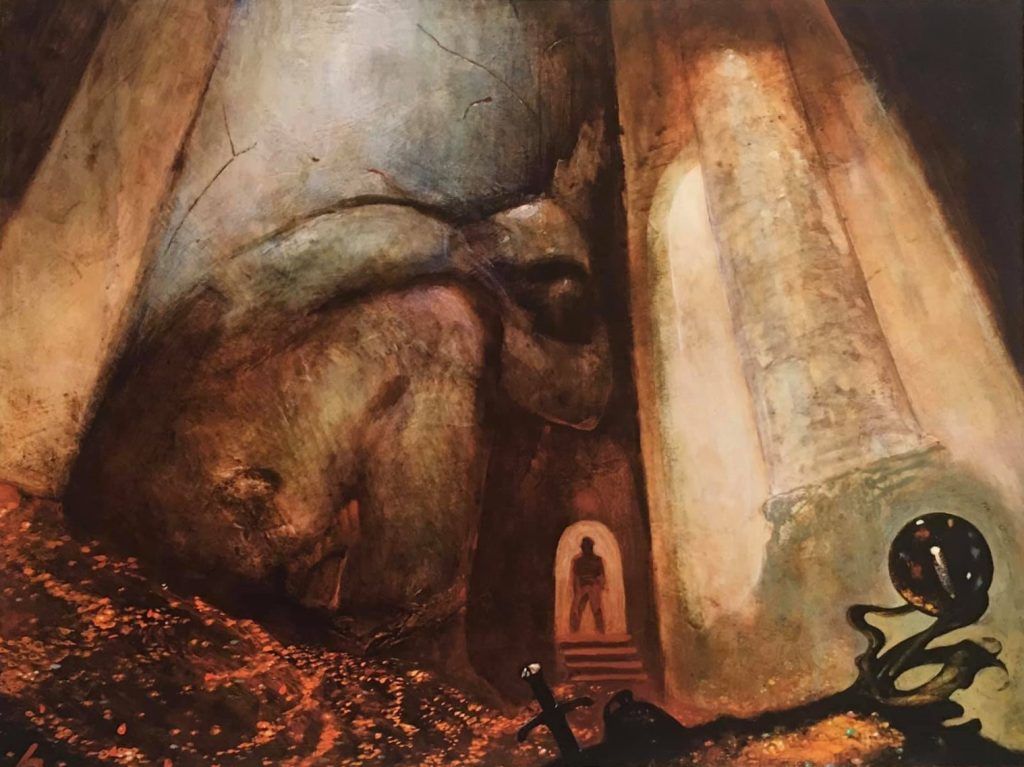
Cabal Coffers | Illustration by Don Hazeltine
There are hundreds of lands legal in Commander, so uncovering the best takes some work. Hopefully, this list has helped you suss out some of the best options for the format, and find ideas about the types of lands you want.
Did I miss any of your favorite Commander lands? Which of these lands do you usually run in your decks? Let me know in the comments or in Draftsim’s Discord.
Thank you for reading, I’ll see you later!
Follow Draftsim for awesome articles and set updates:










Add Comment