
Last updated on November 18, 2026
Tome Blast | Illustration by Filipe Pagliuso
I played a lot of Limited Magic in 2026. From participating in my very first Arena Directs for Reality Fracture to kicking up a brand new Limited Podcast, and even being one of the world’s greatest Teenage Mutant Ninja Turtles defenders, there was a lot of reason for me to be invested in Drafting this year. So it pains me to say: 2026 was one of the worst years for Limited Magic in quite a while.
This year just failed to produce that many truly great Limited sets. There were good ones, even a potential all-timer, but the story of the year was that these Limited sets mostly just fell flat. Partially due to having two small sets, seven sets total, and way too much Universes Beyond, but even stripping all that away and focusing solely on mechanics and the way each format played, this just wasn’t a banger year compared to 2024 or 2025. Let’s look at each set individually and see which ones would be worth revisiting in a flashback draft.
Unranked: Mystery Booster Commander Edition
I will not be mixing Mystery Booster Commander Edition into the ranking here. It’s hard to access (I’ve only played twice at MagicCon Atlanta), and it’s playing on a different axis than a normal Limited set anyway, so it has a lot of different factors involved that we wouldn’t consider for a normal retail Draft format. Cool product, but it doesn’t belong on the list.
#7. The Hobbit
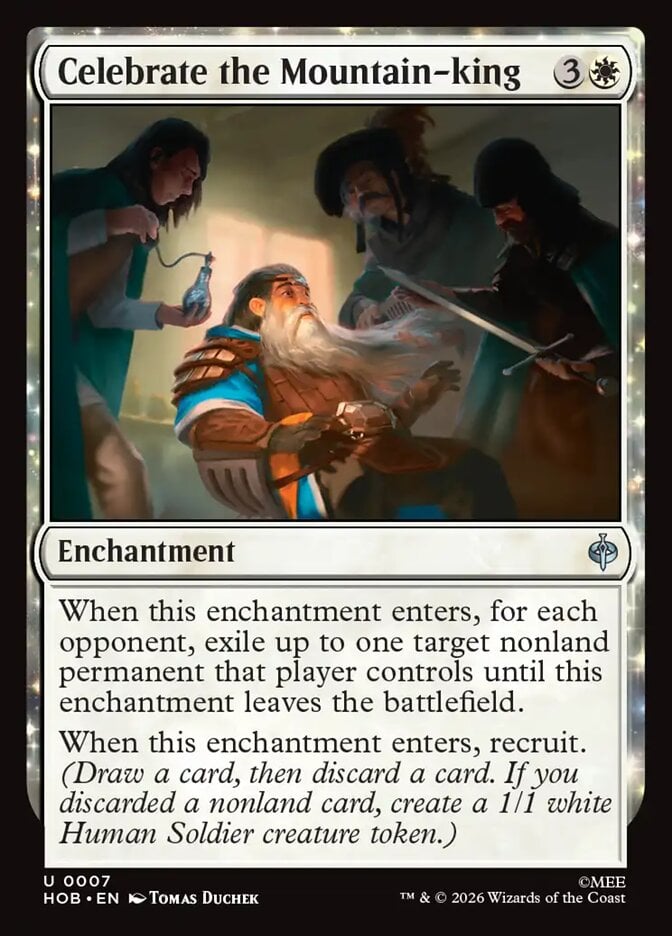
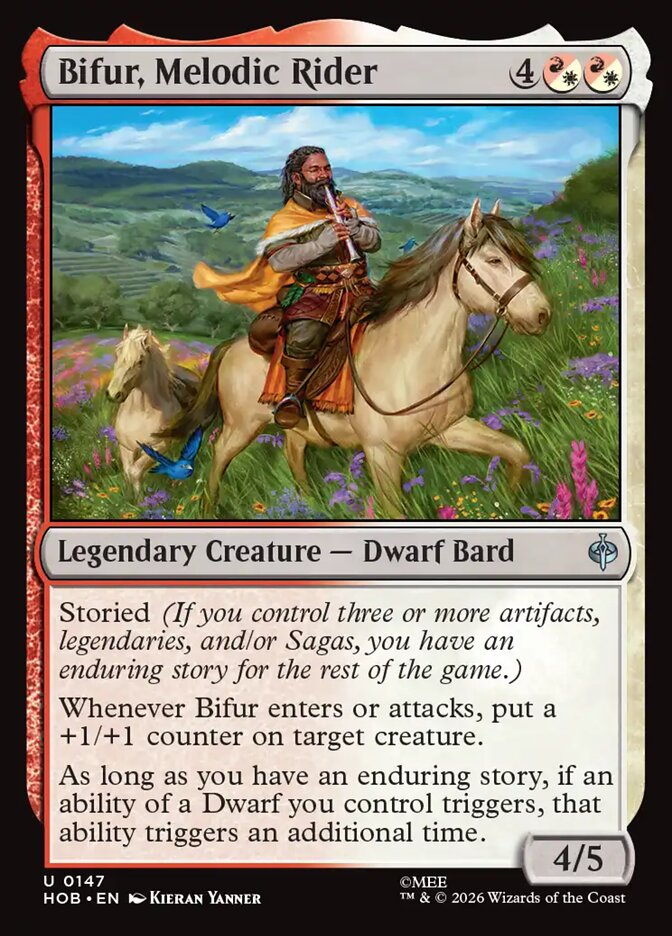
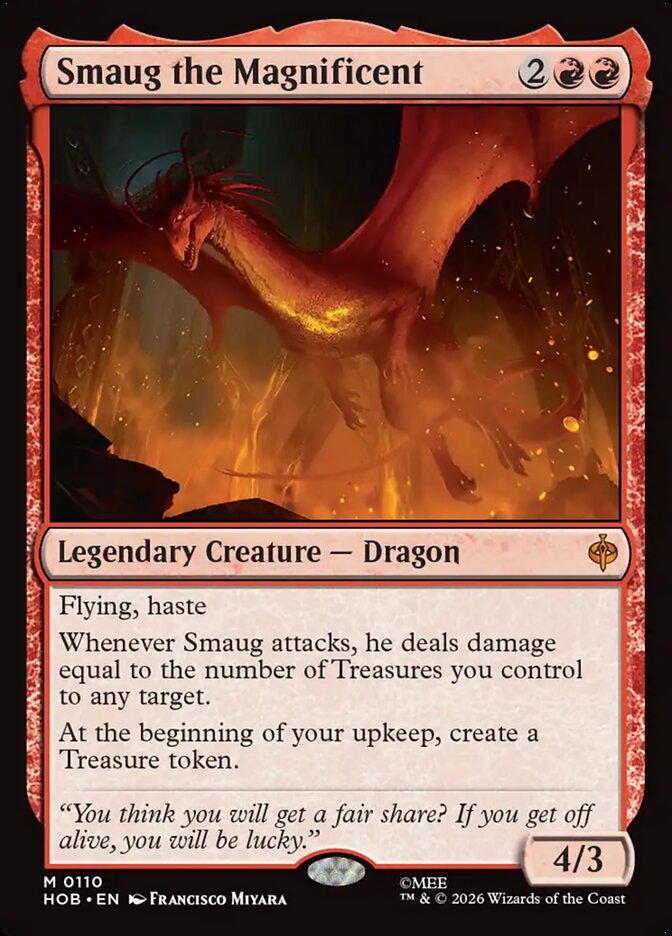
The Hobbit is just a dud of a Limited format. It encapsulates everything wrong with small sets, from a lack of replayability to how exacerbated color pair disparities get when you’re only supporting half the usual number of archetypes (something Magic did a lot of in 2026). The story of the format was red-black, and while other decks were viable, you’d see so much Rakdos and basically no Simic. And for some reason the set was swimming in totally unplayable rares?
The mechanics were fine here. Recruit was nice, and I’ll always welcome back amass, but storied was a big flop, where I had to “work for” a payoff that feels like it could’ve just been written on the dwarf cards to begin with.
There just wasn’t a lot to be excited about in HOB. It was solved within the first few days, and a shift towards blue-white being competitive only did so much. Pretty poor way to send off small sets, and good riddance to them.
Pros
- Amass is always fun (and strong).
- Good Universes Beyond fit for MTG.
Cons
- Small set with extreme color imbalance.
- Too many dud rares.
- Storied mechanic fell flat.
#6. Lorwyn Eclipsed
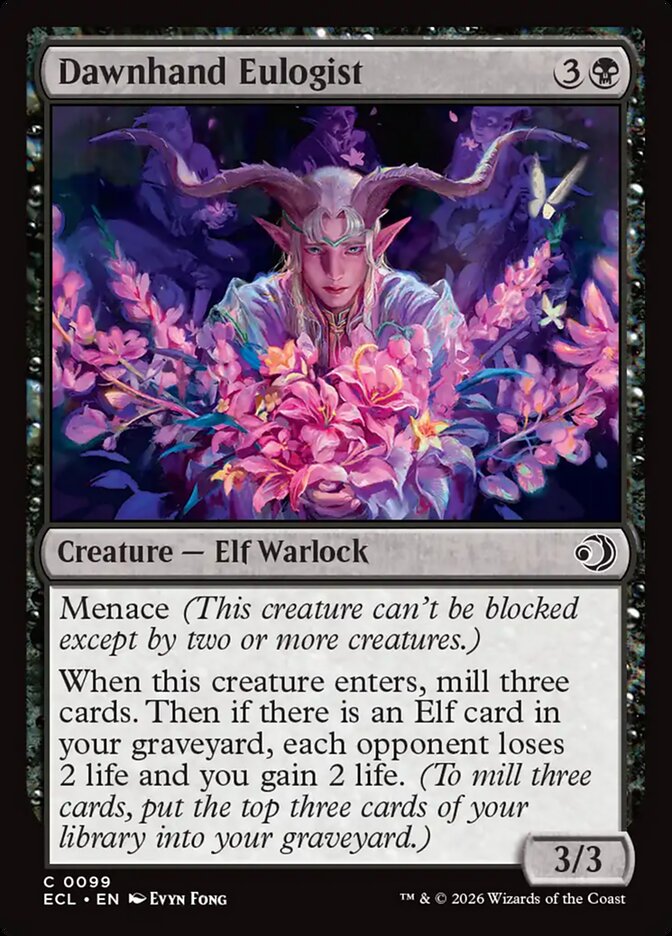
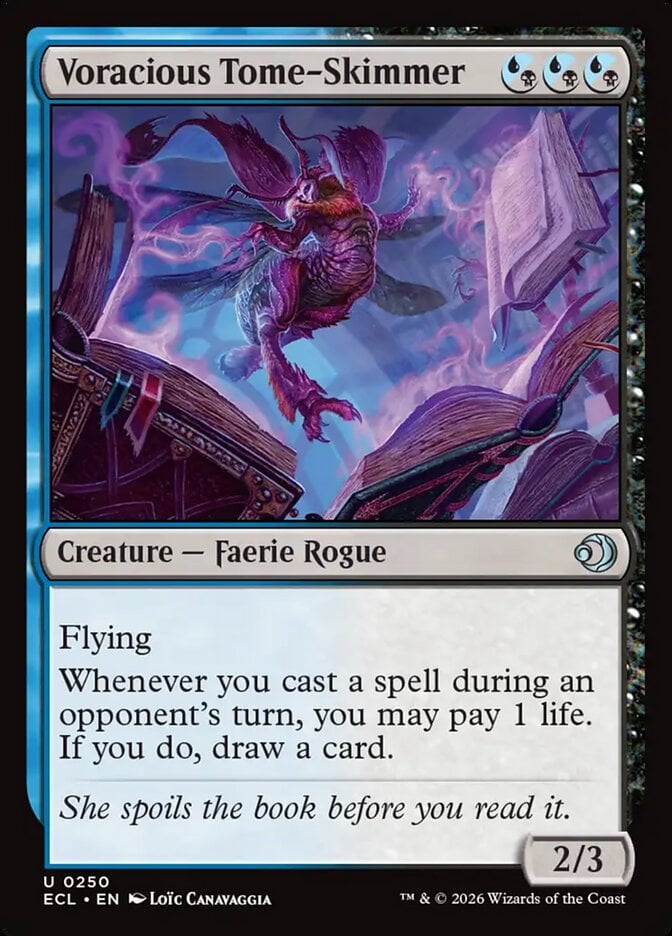
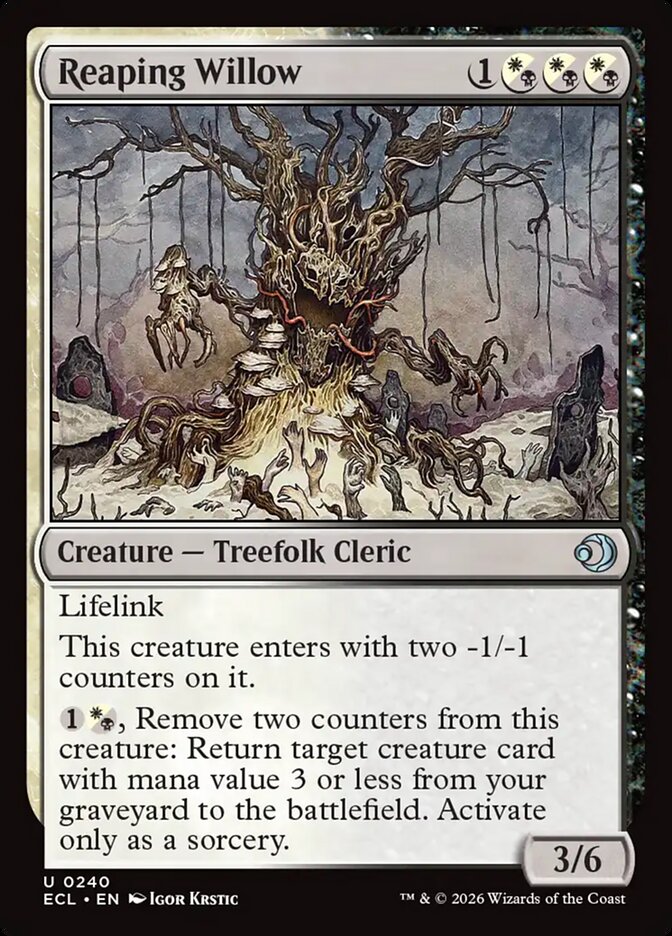
Lorwyn Eclipsed was palatable for about five or so drafts and that’s it. It grows stale very fast, both in the drafting portion and during gameplay. It’s the most “on-rails” set of the year, where you try to identify an open creature type and just stick to that, basically allowing the packs to draft themselves. Decks like elves and elementals could be fun to play, but there was this sense that you were either always competing against too many people in the draft, or something was wide open and you got a busted deck, no middle ground.
The inclusion of off-color “decks” was also baffling. There are some truthers who swear by UB flash faeries or BW blight, but to me, the decks that weren’t centered on the five main creature types were absolute traps, and should be heavily avoided. That makes it a hostile set for new players, and it was also a horrendous set for any sort of competitive play.
I’m really glad we got to see the world of Lorwyn/Shadowmoor again, and I’m not strictly opposed to typal sets, but ECL just didn’t deliver.
Pros
- Aesthetically and thematically pleasing, nice return to Lorwyn.
- Shots at highly synergistic typal decks.
Cons
- Risky, on-rails drafting.
- Very poor Sealed environment.
- Undersupported trap archetypes.
#5. Star Trek
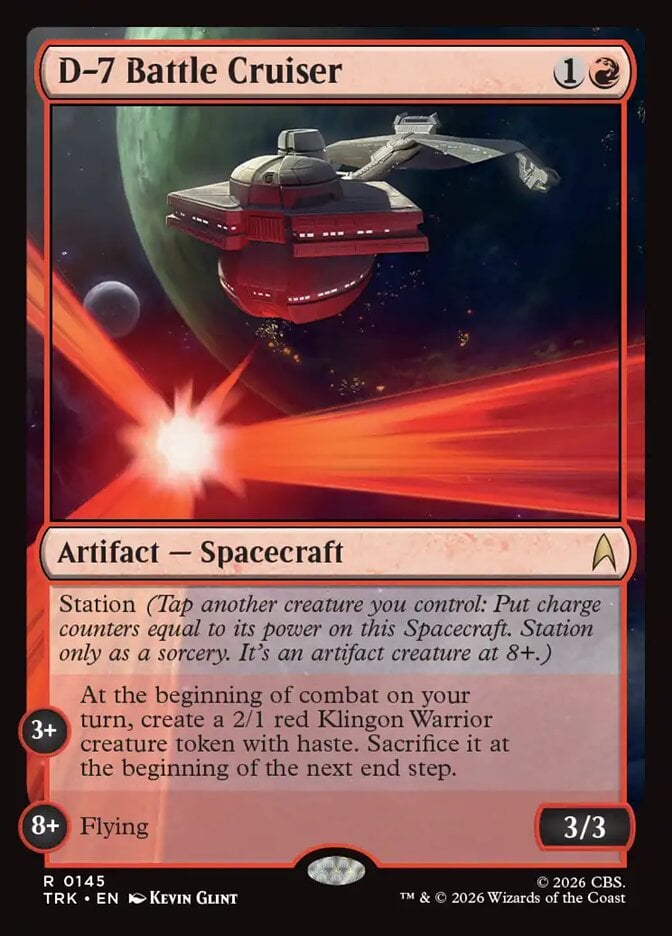
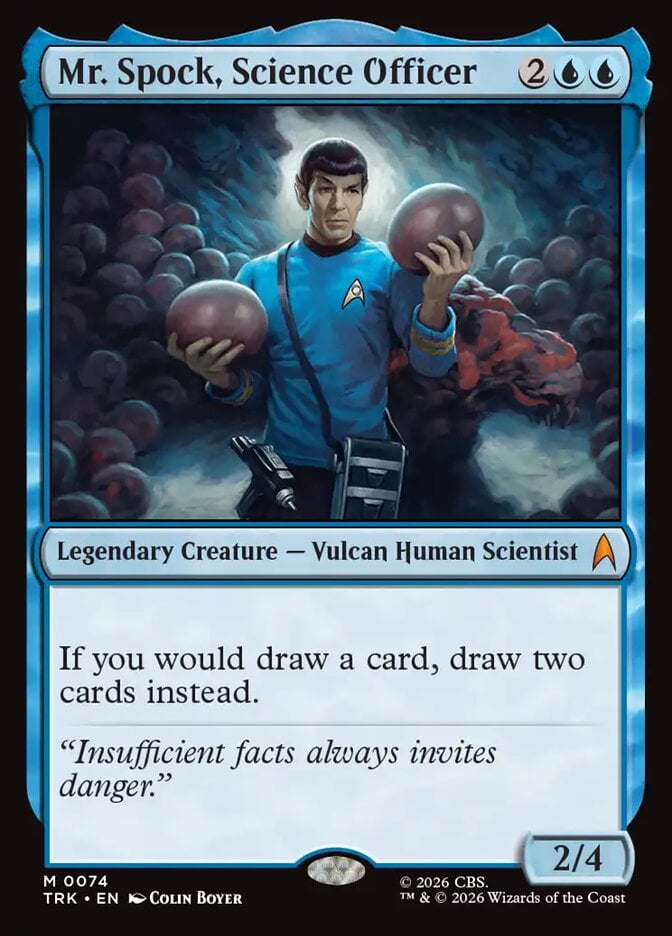
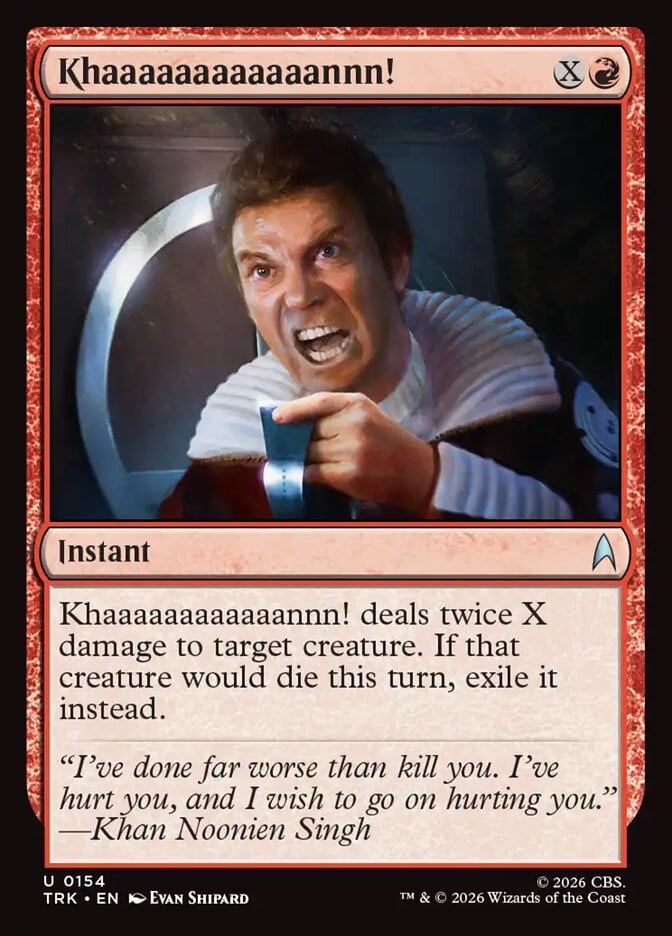
Star Trek is still very new at the time of writing. It feels like it has all the mechanical makings of a perfectly fine set, without the upper end to push it past the first handful of drafts. It’s got a bevy of new mechanics worth exploring, tough aggro is very good and fields out a lot of the cooler aspects of the set.
That all said, this is the biggest Universes Beyond knock we’ve ever had. Marvel’s Spider-Man is a worse set because it just plays so poorly, but Star Trek as a property just ain’t it for MTG, and that negatively impacts the experience. A lot of these cards are making obscure references that detract from the overall appeal of the set. I’m only going to dock so many points for the aesthetics of a Limited set, but I’d be lying if I said it didn’t affect my enjoyment of the set.
That all said, TRK is serviceable. Not much to blow us away in the end, but the gameplay and mechanics feel good enough without being truly stellar.
Pros
- Wide array of mechanics with Draft implications (strange new worlds, beam me up, spacecraft, etc.)
- Totally functional Core Set style gameplay with reasonable color balance.
- Awesome designs for Borg creatures.
Cons
- Fairly bland “play-to-the-board” gameplay.
- Uncanny and unpleasant art direction, terrible Universes Beyond fit for MTG.
#4. Marvel Super Heroes

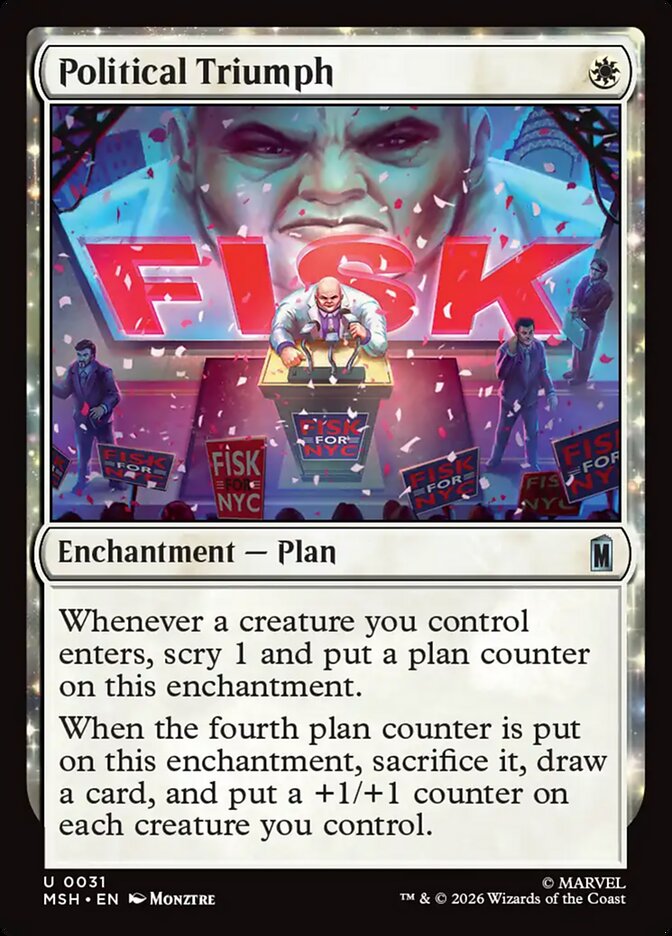
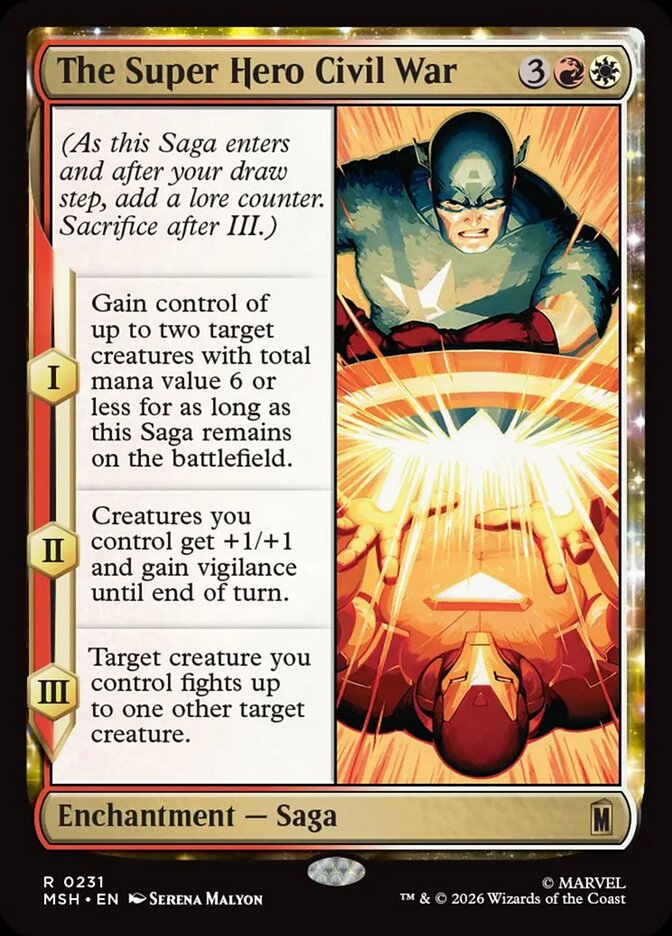
Marvel Super Heroes is a good Limited format. But that’s it. Merely good, not great. Color imbalance, turbo-busted rares, and another unappealing Universes Beyond crossover all detract from the set, but I played quite a bit of MSH in spite of all that. Strangely enough, I actually played more Pick-Two Draft for this set than I typically do, and I don’t have a great reason why. It just played well for Pick-Two for whatever reason. Maybe because you could just always grab Hero in Training and a busted rare and end up with an overpowered deck.
There weren’t any crazy memorable mechanics here, but power-up played well enough, teamwork was inoffensive, and the hero/villain themes made a lot of sense, even if the villains got absolutely pounded into the dirt. I wish the plans had been a bit more of a factor, but they ultimately floundered, save for the super busted Political Triumph.
I enjoyed this set well enough, and it was a refreshing return to a 10-color pair set after so many back-to-back 5-archetype sets. But I still wouldn’t highly recommend someone draft it if it popped back up on MTGA early next year.
Pros
- Move in the right direction for basic landcyclers.
- Return to 10 supported color pairs.
- Power-Up mechanic plays well.
Cons
- Rampant color imbalance.
- Loose archetypal identity + failed mini-themes (BW equipment).
- Plans as a card type fell flat.
- Egregious bombs (Photon, Living Light, The Super Hero Civil War, Captain Marvel, Earth's Protector, Leader, Super-Genius, etc.)
#3. Teenage Mutant Ninja Turtles

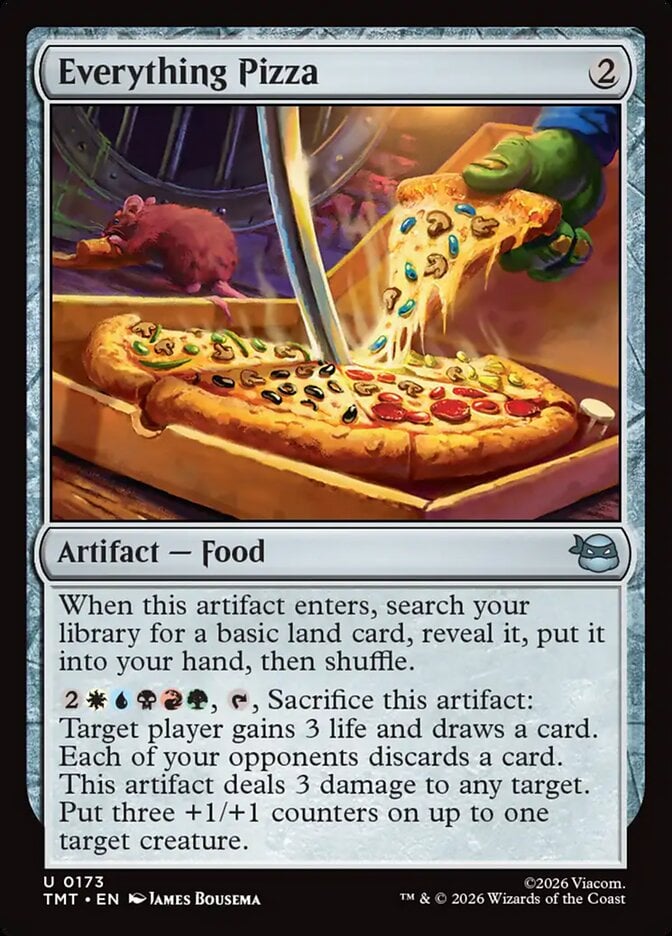
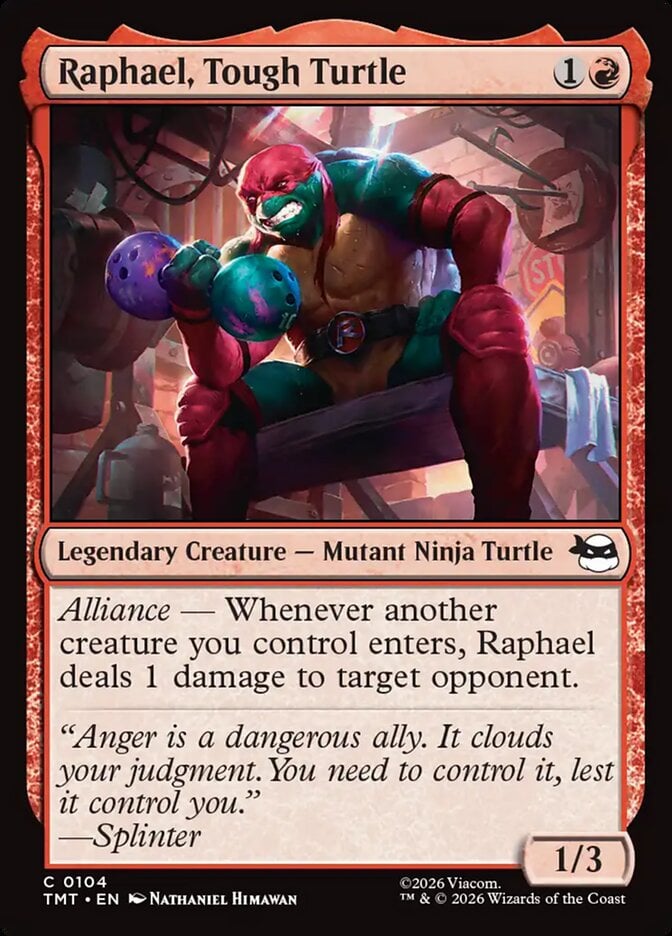
I don’t know if this is really a hot take or not, but I maintain that Teenage Mutant Ninja Turtles was actively fun and interesting. I think a lot of community members came around to that opinion eventually, but it was also panned by enough people that some regular drafters probably never touched the set, and I think they missed out. That’s the price WotC pays with Universes Beyond properties like this.
TMNT rehashed a lot of existing mechanics, but ninjutsu sneak is fun to play with, Mutagen tokens were a nice trinkety artifact, and Everything Pizza added a lot of longevity to the set.
My biggest complaint is that this was a small set. Not that I actually want a larger TMNT set, but there’s just a cap on how good and replayable a small set can be, so the shelf life was shorter than I would’ve liked. Small set size also clashes with the existence of common legendaries, which were a common feature of the set.
Pros
- Good mechanical overlap, lots of micro-synergies.
- Everything Pizza adding a 6th deck.
- Heavily-supported and very fun artifact decks.
Cons
- Common legendary creatures.
- Small set shelf life.
- Polarizing Universes Beyond property.
#2. Secrets of Strixhaven


Secrets of Strixhaven garnered mixed opinions from the community, but it’s one I highly recommend. It’ll probably be remembered as a “soup” format due to how strong the late-game converge cards were, but the best decks were honestly probably fast aggro decks like Lorehold and Silverquill. It harkened back to Tarkir: Dragonstorm a year before, another “soup” vs. aggro format. I generally like this dynamic in a Limited set, where 4-5 color lategame piles exist as a pillar of the format, but have to contend with the potential of running into an all-in aggro deck.


The return of The Mystical Archive was also refreshing to see, and was easily the best bonus sheet of the year. Magic’s unforunately moved away from the “bonus card in every pack” structure, so it was nice to see a return to form with a bonus sheet actually built for Limited. Also shoutout to prepared, which seems like a stroke of Magic design we should be expecting more of in future sets.
I can’t give this the #1 spot because there was a set that did everything SOS did but better (wonder what it could be??), and the schools were not all created equally. Witherbloom was behind the rest by a mile, and Quandrix basically didn’t exist (it was mostly consumed by multicolor piles).
Pros
- Excellent Mystical Archive bonus sheet.
- Aggro vs. multicolor dynamic.
- Return to well-liked Magic IP world.
- Introduction of awesome prepared spells.
Cons
- Samey “soup” feel to multicolor decks.
- Witherbloom got dumpstered.
#1. Reality Fracture
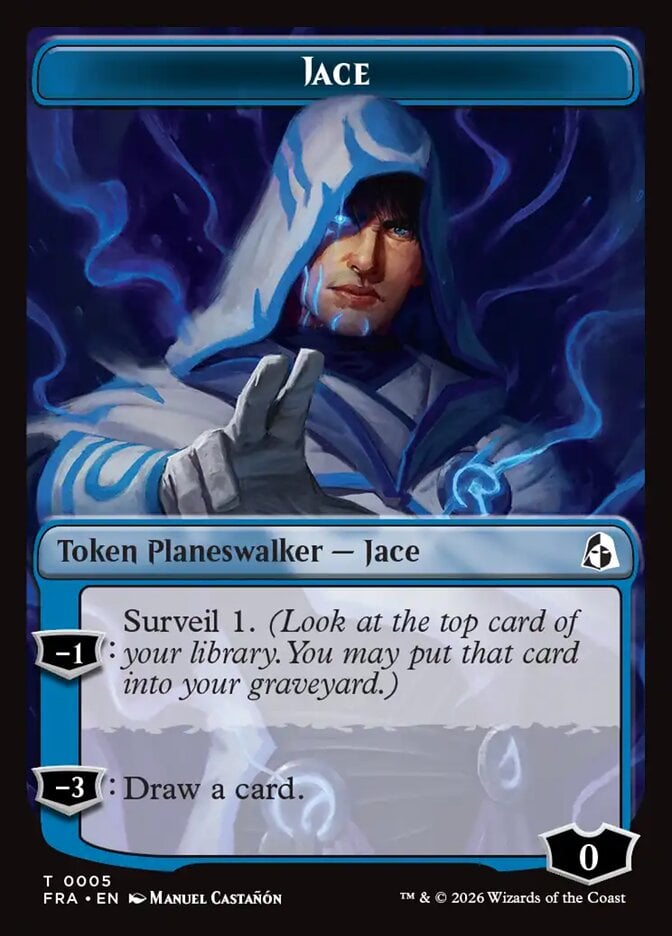
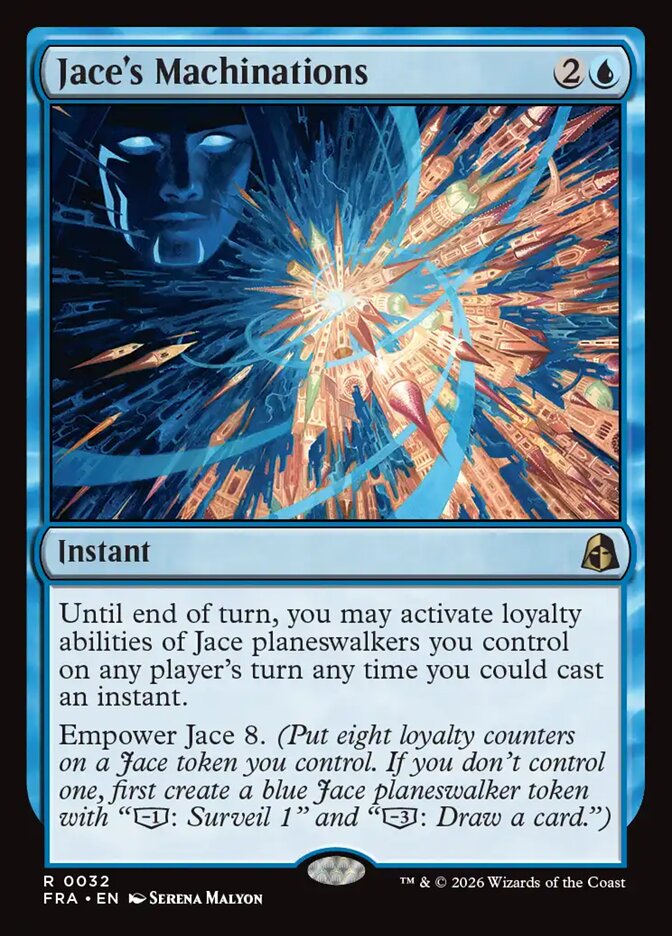
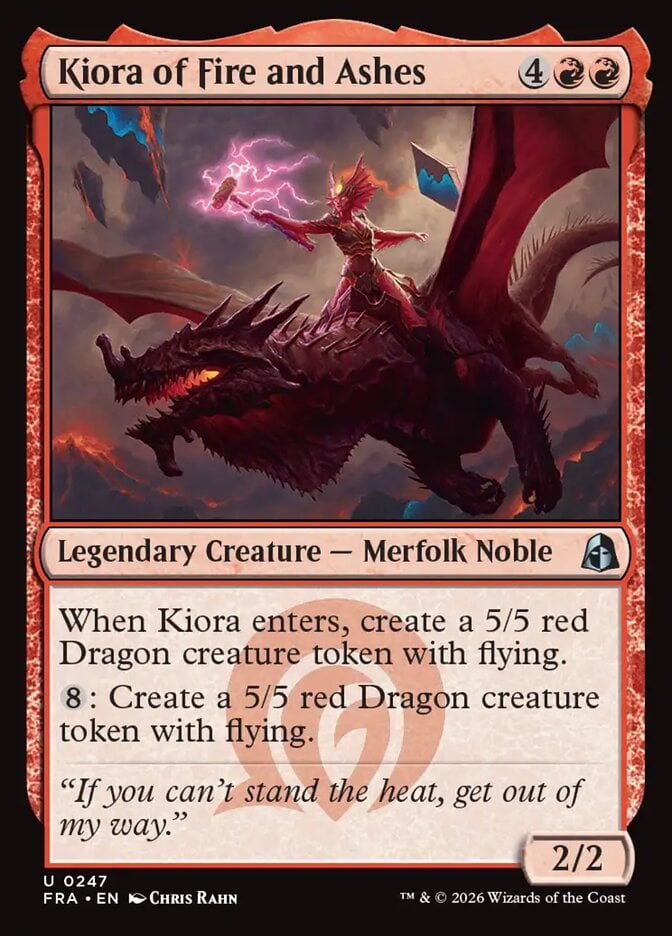
Reality Fracture is an easy winner for 2026, and there’s really no contest. Propped up against some of the other all-time great Limited sets and it becomes a bit more of a conversation, but next to all the offerings from 2026 it’s a clear first place.
FRA had cool worldbuilding, a neat but low-impact pack gimmick with Echoed Pairs, and an excellent Limited mechanic with empower Jace. Having one mainset mechanic and building the entire set around it was genius, and it let us play with planeswalkers in a way that wasn’t totally obstructive. I also really enjoyed the wrinkle on prepared here, using it as a way to flesh out the Hexhaven schools while also reducing complexity in a set with an otherwise highbrow mechanic.
My bias definitely shows here: I gravitate towards Limited formats with longer, drawn out gameplay, and the bombs, pumped up removal, and endless supply of mana fixing and card selection really allowed matches to reach the late late game. I would’ve preferred that aggro decks be a little better, but the gameplay was unmatched this year. Perfect combination of great Limited gameplay and excellent MTG worldbuilding/flavor.
Pros
- A+ defining mechanic in empower Jace.
- Good removal across all colors.
- Interesting innovation on prepared spells below rare.
- Hexhaven/Echoverse worldbuilding and flavor.
- Echoed Pairs pack structure (minor).
Cons
- Potential for elongated soup vs. soup matches.
- Aggro not well-represented.
- Underperforming decks like Stingerquill Burn or Vigorbloom Lifegain.
- All-timer bomb rares (Ajani Unrelenting, Uldaros Theorix, etc.).
Looking Ahead to 2027
2026 was a bit of an overall underperformer for Limited Magic. While I only have two of the seven Standard sets as total misses for me, a lot of people checked out this year on the more mid sets like Marvel Super Heroes and Star Trek, and the overrepresentation of small sets and Universes Beyond didn’t do this year any favors.
We’ll be diving back in with Nauctis: The Sunken Realm in early 2027, followed by Marvel: Darkhold Destiny. And we know all sets will be normal-sized moving forward, at least through next year, so that’s a breath of fresh air. I believe 2026 will go down as a bit of an anomoly for Limited Magic, but at the very least we got to walk away with a new all-timer in Reality Fracture!
Follow Draftsim for awesome articles and set updates:










Add Comment