
Last updated on September 30, 2025
Jodah, the Unifier | Illustration by Ryan Pancoast
I’ve often wondered at the challenges of designing 4-color commanders and 5-color commanders. Once you surpass three colors, many legendary creatures seem to latch onto a key idea, then provide generically powerful support for it; Jodah, the Unifier really feels like the posterchild for this problem.
The combination of free spells and an absurd power boost makes Jodah an incredible commander, and perhaps a great place to show off what you think the 30 or 40 best legends in Magic are. As for me? I wanted to do something a bit different.
Let’s build Jodah Shrines!
The Deck

Go-Shintai of Life's Origin | Illustration by Alexander Mokhov
Commander (1)
Creature (24)
Birds of Paradise
Delighted Halfling
Argothian Enchantress
Bloom Tender
Go-Shintai of Boundless Vigor
Go-Shintai of Lost Wisdom
Inquisitive Glimmer
Jukai Naturalist
Nashi, Searcher in the Dark
Sanctum Weaver
Sylvan Caryatid
Sythis, Harvest's Hand
Weaver of Harmony
Dryad of the Ilysian Grove
Go-Shintai of Ancient Wars
Reki, the History of Kamigawa
Sisay, Weatherlight Captain
Tuvasa the Sunlit
Go-Shintai of Hidden Cruelty
Go-Shintai of Life's Origin
Go-Shintai of Shared Purpose
Yenna, Redtooth Regent
Zur the Enchanter
Doomwake Giant
Instant (12)
An Offer You Can't Refuse
Path to Exile
Swan Song
Swords to Plowshares
Arcane Denial
Boros Charm
Cyclonic Rift
Dawn's Truce
Heroic Intervention
Teferi's Protection
Clever Concealment
Desynchronization
Sorcery (5)
Demonic Tutor
Nature's Lore
Three Visits
Toxic Deluge
Urza's Ruinous Blast
Enchantment (18)
Sanctum of Tranquil Light
Fertile Ground
Noble Heritage
Sanctum of Stone Fangs
Sterling Grove
Enchantress's Presence
Ghostly Prison
Honden of Infinite Rage
Propaganda
Sanctum of Fruitful Harvest
Sanctum of Shattered Heights
Honden of Cleansing Fire
Honden of Night's Reach
Sanctum of Calm Waters
Honden of Life's Web
Honden of Seeing Winds
Sanctum of All
Sphere of Safety
Artifact (1)
Land (39)
Boseiju, Who Endures
Bountiful Promenade
Breeding Pool
City of Brass
Command Tower
Eiganjo, Seat of the Empire
Flooded Strand
Forbidden Orchard
Forest x2
Godless Shrine
Hall of Heliod's Generosity
Hallowed Fountain
Island
Jetmir's Garden
Mana Confluence
Misty Rainforest
Otawara, Soaring City
Overgrown Tomb
Plains x2
Plaza of Heroes
Raffine's Tower
Raugrin Triome
Rejuvenating Springs
Sacred Foundry
Scalding Tarn
Sea of Clouds
Spara's Headquarters
Spectator Seating
Stomping Ground
Takenuma, Abandoned Mire
Temple Garden
Valgavoth's Lair
Vault of Champions
Verdant Catacombs
Windswept Heath
Wooded Foothills
Zagoth Triome
This is a 5-color enchantress deck built around shrines, a subtype of enchantments introduced in Champions of Kamigawa with the Honden cycle and later expanded with the Sanctum and Go-Shintai cycles from Core Set 2021 and Kamigawa: Neon Dynasty, respectively. All shrines are legendary and become stronger the more shrines you control, so they’re a perfect accompaniment to Jodah’s legendary cascade ability.
Being all five colors gives you plenty of enchantress support, including all the best pillowfort cards. This deck wants to take things nice and slow to make the best use of the gradual, snowballing effects that characterize the shrines. I’d definitely consider this a casual deck.
The Commander: Jodah, the Unifier
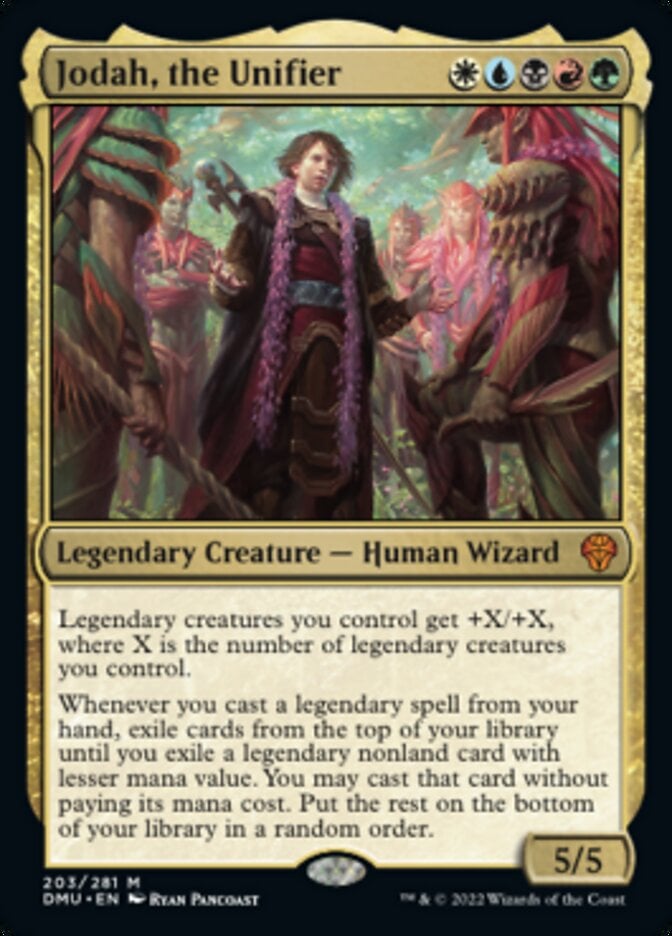
You might wonder why you’d use Jodah, the Unifier as a shrines commander when Go-Shintai of Life's Origin is right there, and that’s a reasonable question. I’ve found Go-Shintai a little dull and occasionally weak. The Kamigawa commander does a great job of maximizing the value of shrines you’ve already drawn, but it doesn’t actually help find them. I’ve had too many games stall out because I have Go-Shintai and another shrine and don’t find more.
But Jodah, the Unifier finds shrines and enchantment support cards. Every legendary cascade target is either a shrine or a card that rewards you for casting or controlling shrines. This gives the deck a lovely boost in consistency, plus a strong ability to rebuild if you catch a wrath since most of your spells become two.
The Shrines
These 17 cards form the core of the deck. Each one accrues different advantages that scale with the number of shrines you control, thus encouraging you to play all of them—even some of the weaker ones.
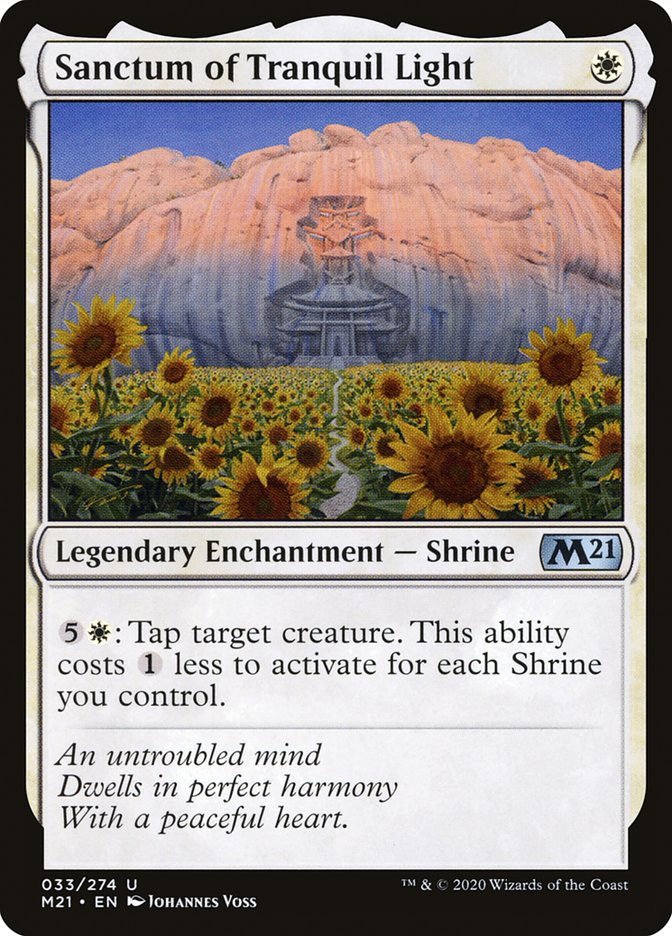
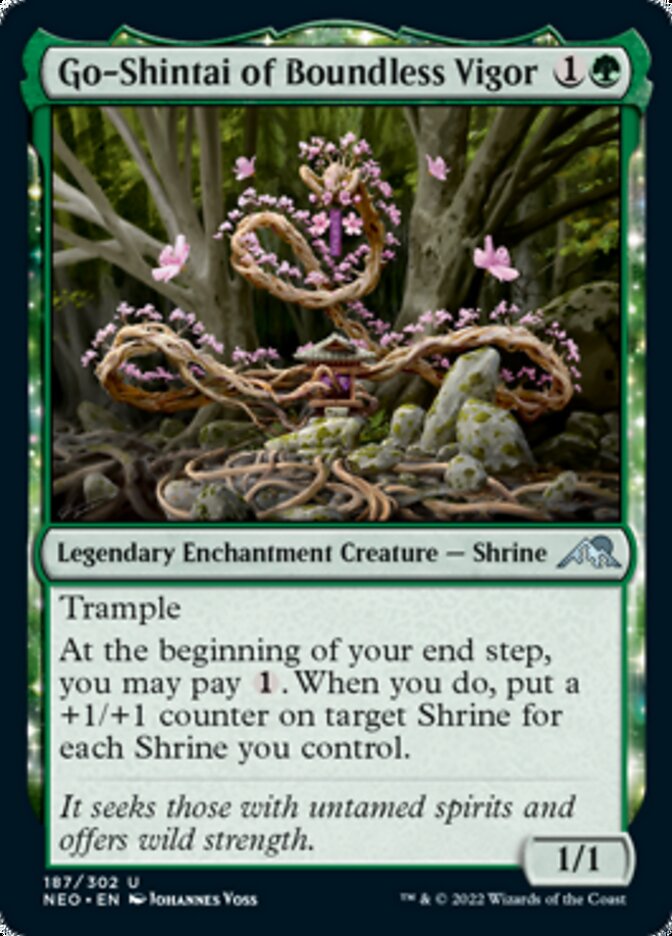
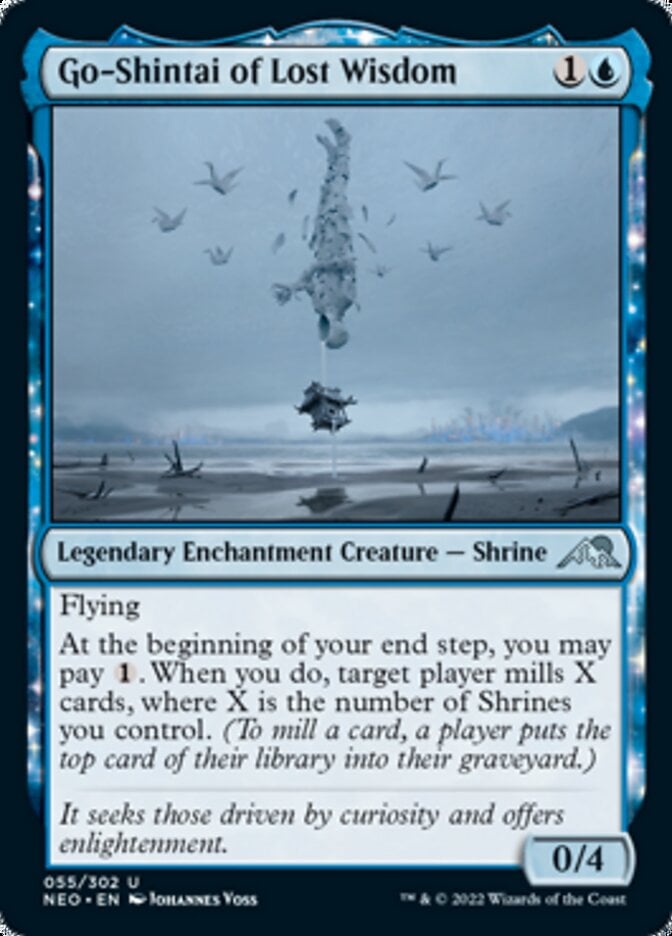
Those weaker ones are Sanctum of Tranquil Light, which can provide some useful control later in the game, and Go-Shintai of Boundless Vigor and Go-Shintai of Lost Wisdom, which make the cut to bolster the shrine count. Jodah’s buff makes these into real cards, which is another point in this commander’s favor.
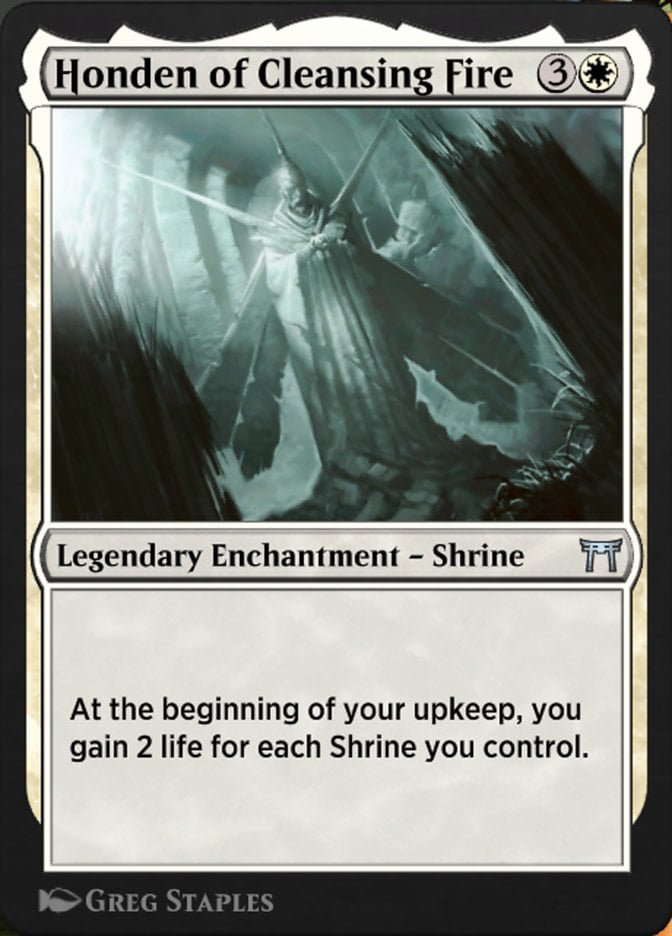
I’m typically unimpressed by lifegain cards, but Honden of Cleansing Fire gains life at a rapid enough pace that I begrudgingly accept it within the deck’s ranks.
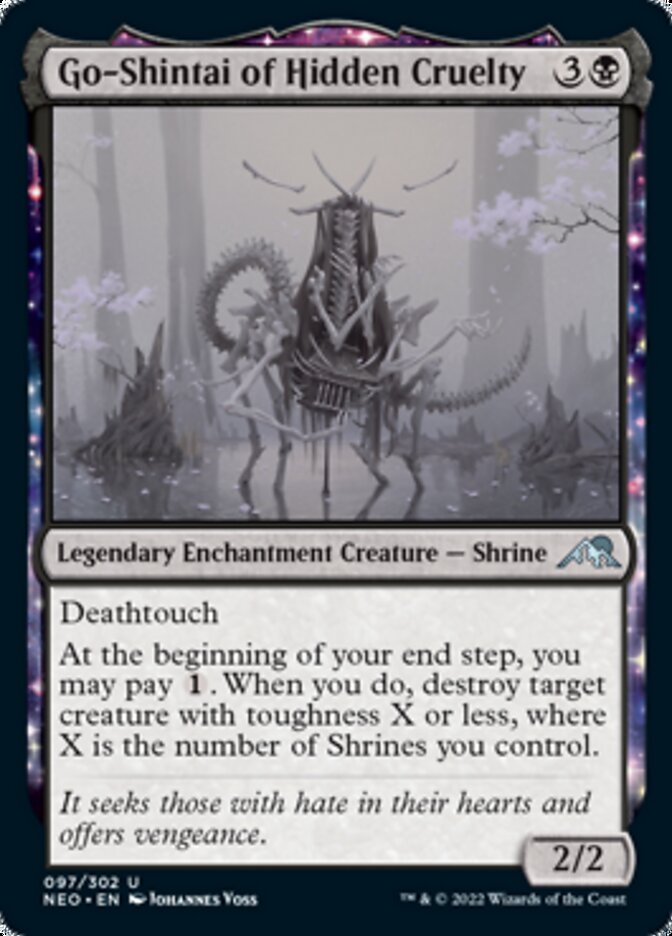
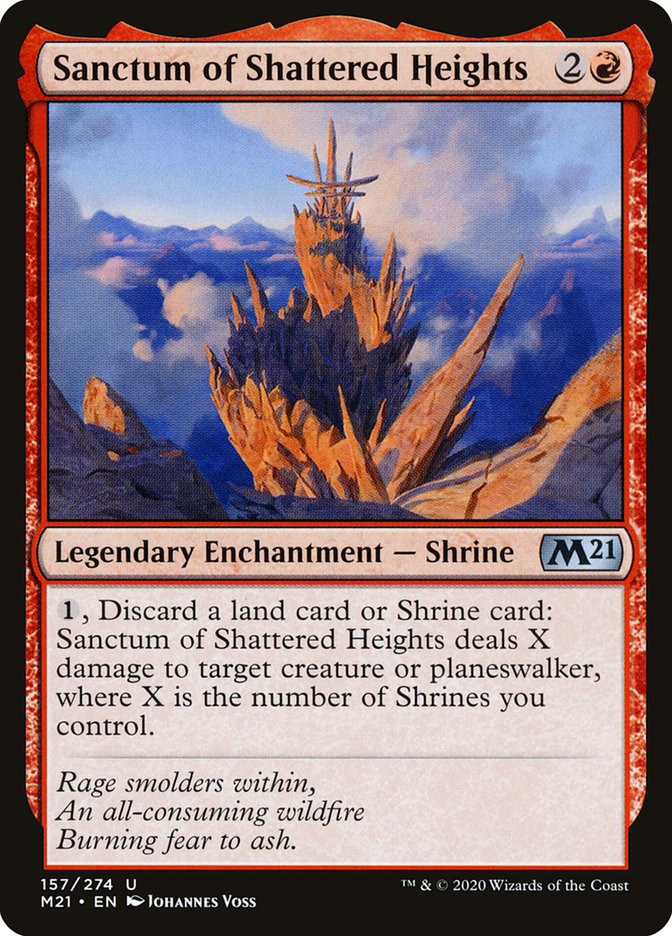
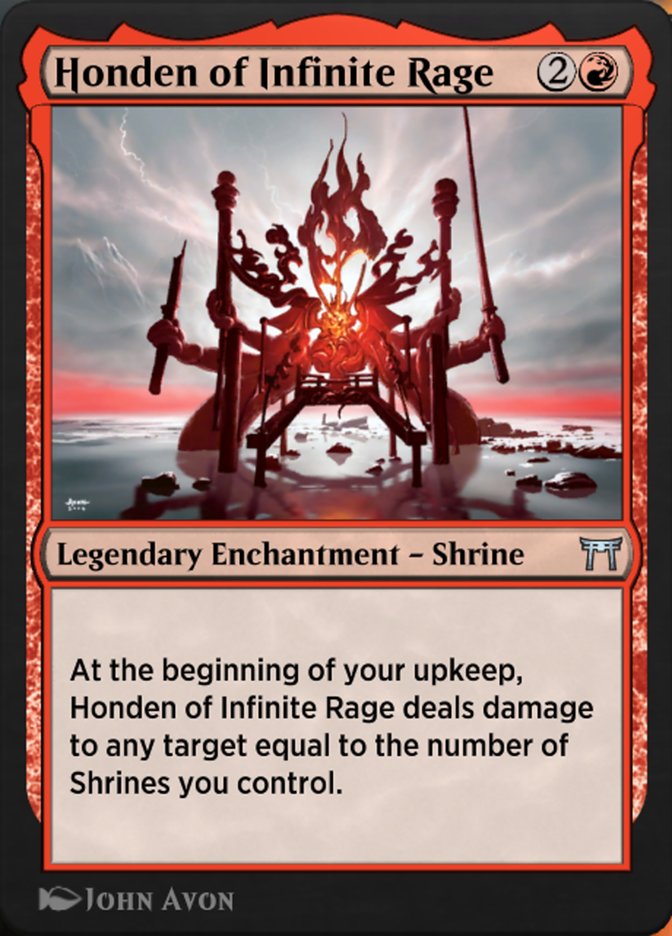
Go-Shintai of Hidden Cruelty and Sanctum of Shattered Heights provide very necessary board control. Honden of Infinite Rage does as well, while doubling as a win condition.
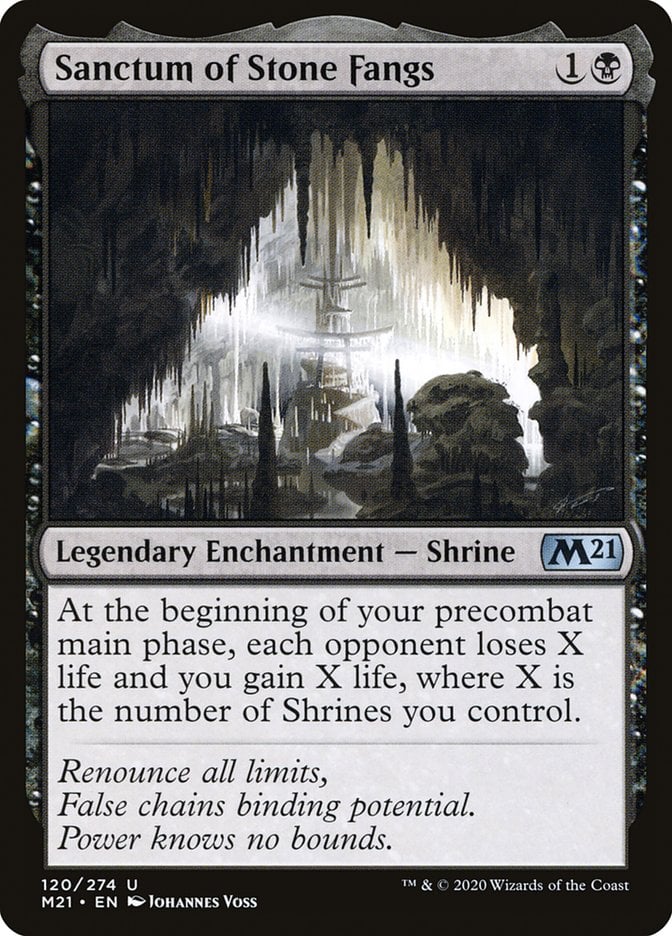
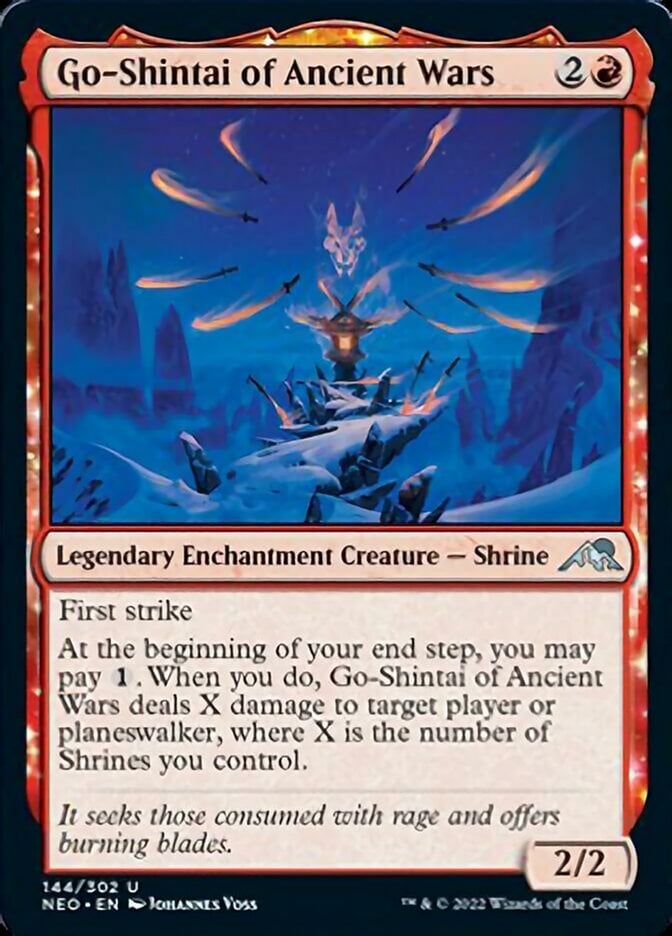
Sanctum of Stone Fangs and Go-Shintai of Ancient Wars attack opposing life totals quite efficiently and effectively. Stone Fangs stands out as one of the best shrines in general for its damage-to-cost ratio.
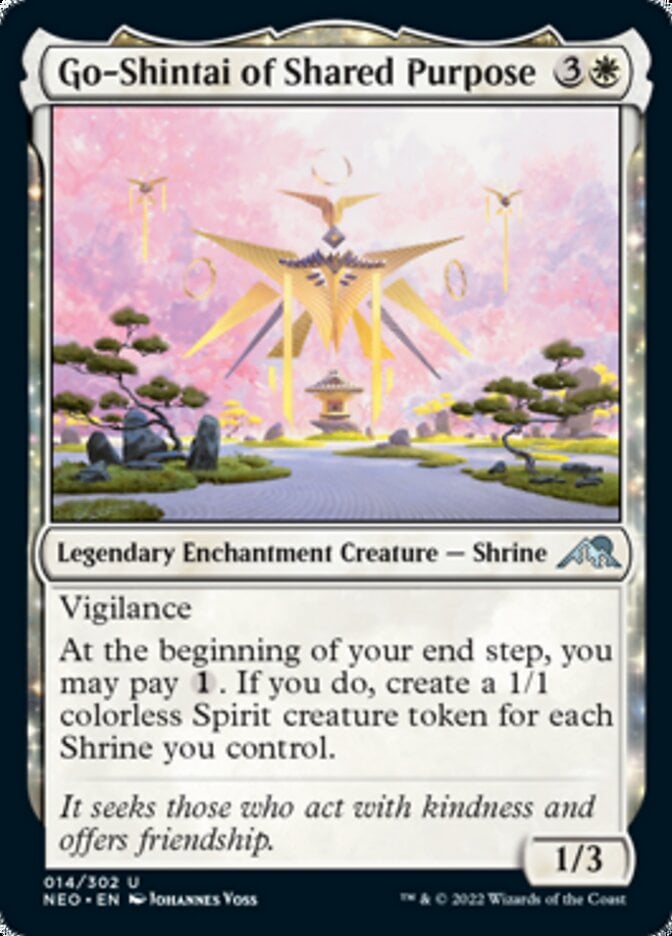
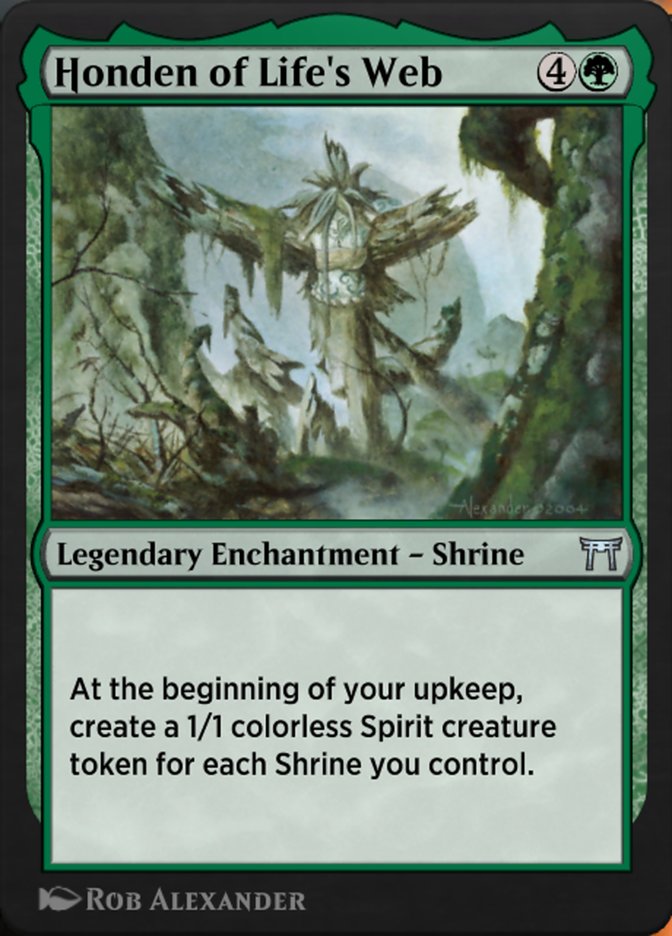
Go-Shintai of Shared Purpose and Honden of Life's Web are critical elements for control and aggression. You eventually win the game with enough Spirit tokens to overthrow Kamigawa, but those tides of colorless creatures also provide a near-endless source of chump blockers to defend you against most creatures.
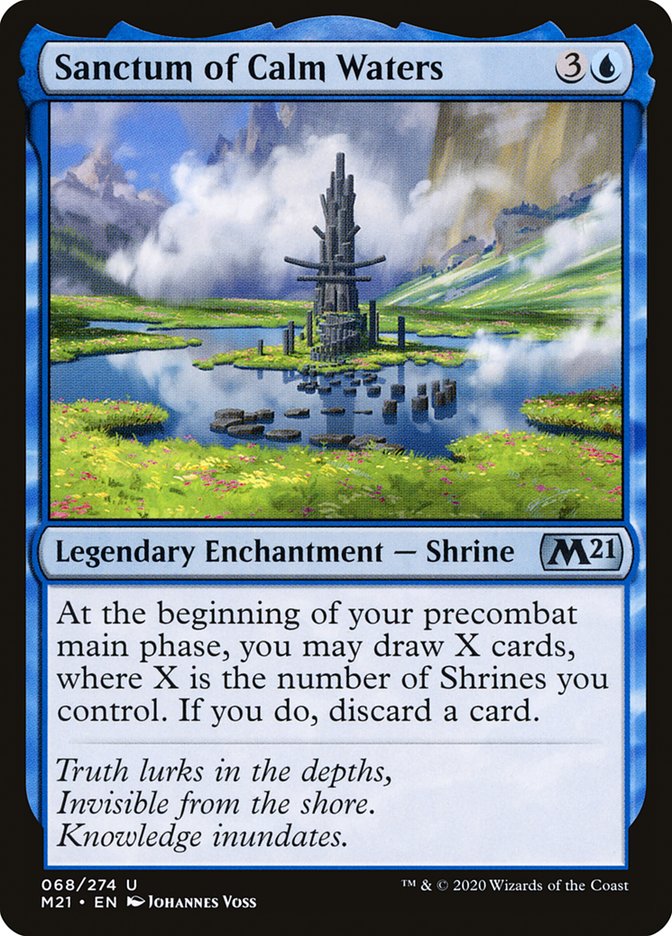
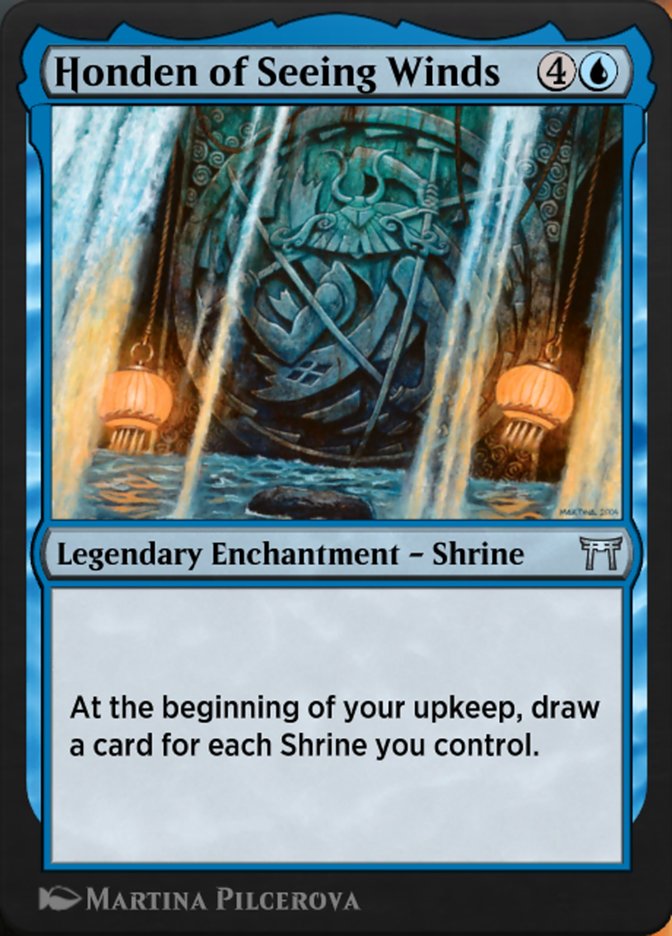

This deck’s card advantage largely comes from Sanctum of Calm Waters and the slightly superior Honden of Seeing Winds. You also have Honden of Night's Reach to find a crueler form of card advantage.
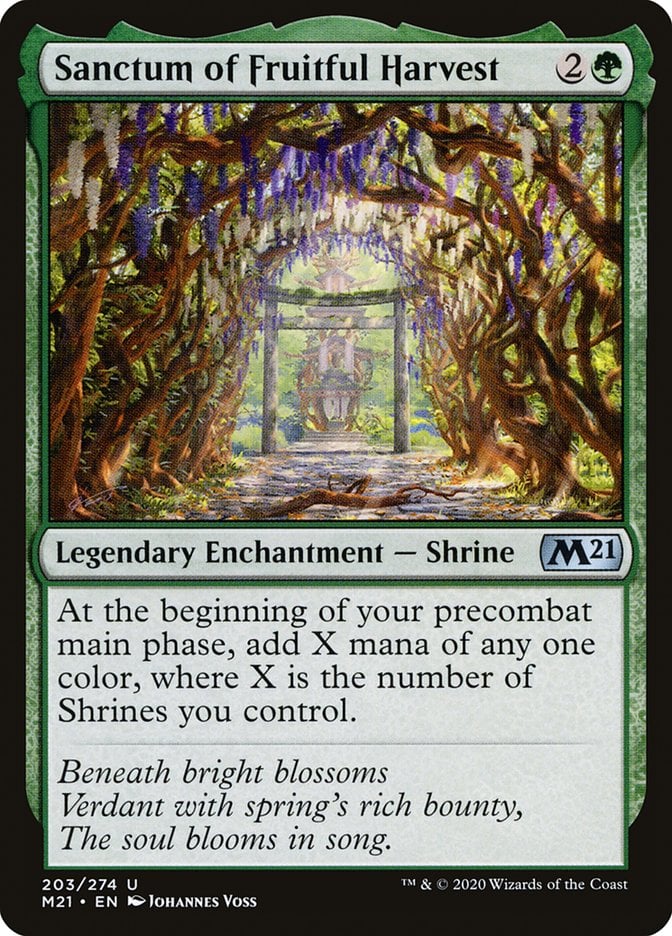
Sanctum of Fruitful Harvest is one of the deck’s most vital shrines; there’s no shortage of card advantage, so the bursts of mana this generates are critical to many of your most explosive starts. If I could start every game with just one shrine in hand, it’d be this one.
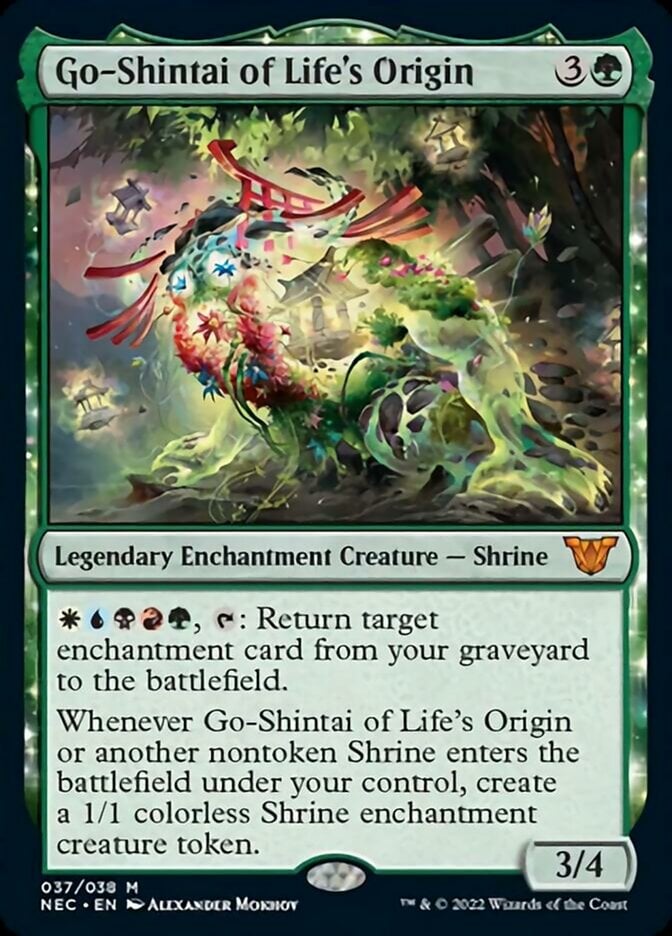
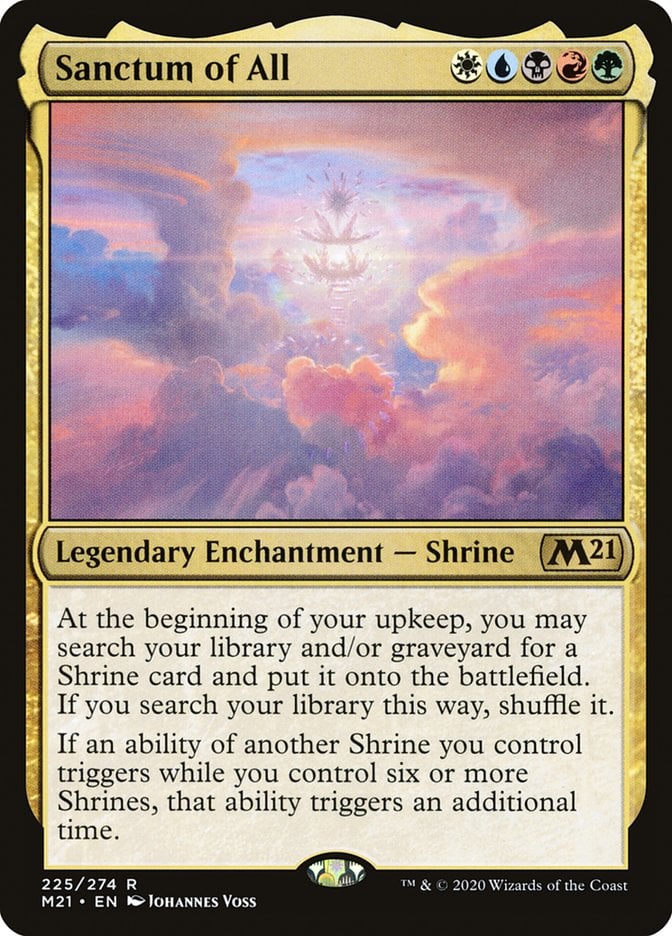
Go-Shintai of Life's Origin and Sanctum of All round out the shrines as payoffs. Though I talked bad about it when comparing it to Jodah, Go-Shintai of Life's Origin is a monumental payoff that swings games in your favor. I generally dislike Wizards’ inclination to reward players for building around a strategy by letting them do it again, but Sanctum of All’s trigger doubler makes short work of your opponents when you have cards like Honden of Infinite Rage around—which the first ability ensures you will.
Shrine Keepers
These legendary creatures support the shrine theme in one way or another… which is usually card draw because you need to find all those shrines, even if Jodah gets held up in court by Drannith Magistrate.
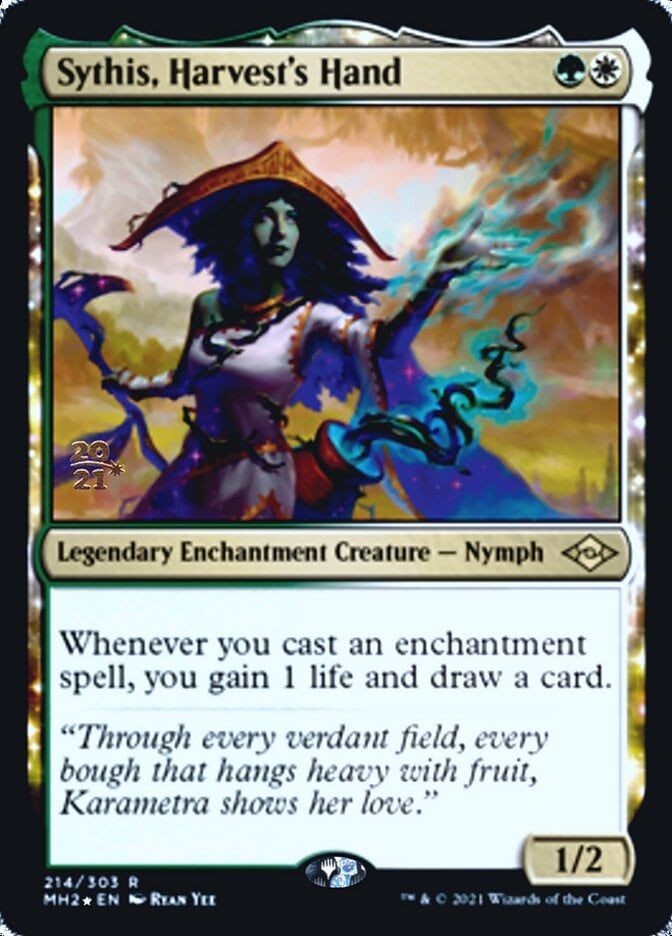
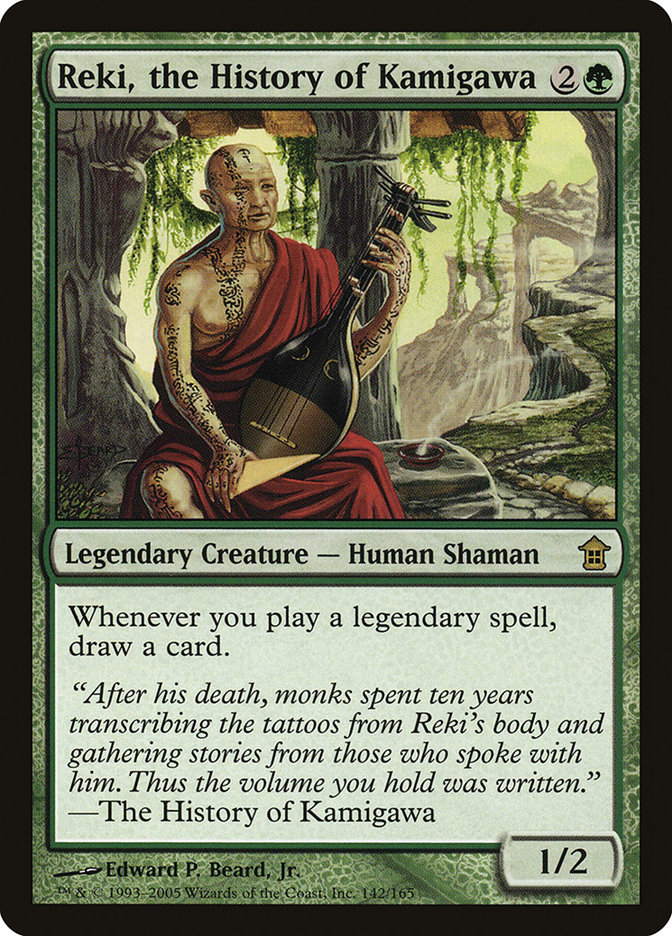
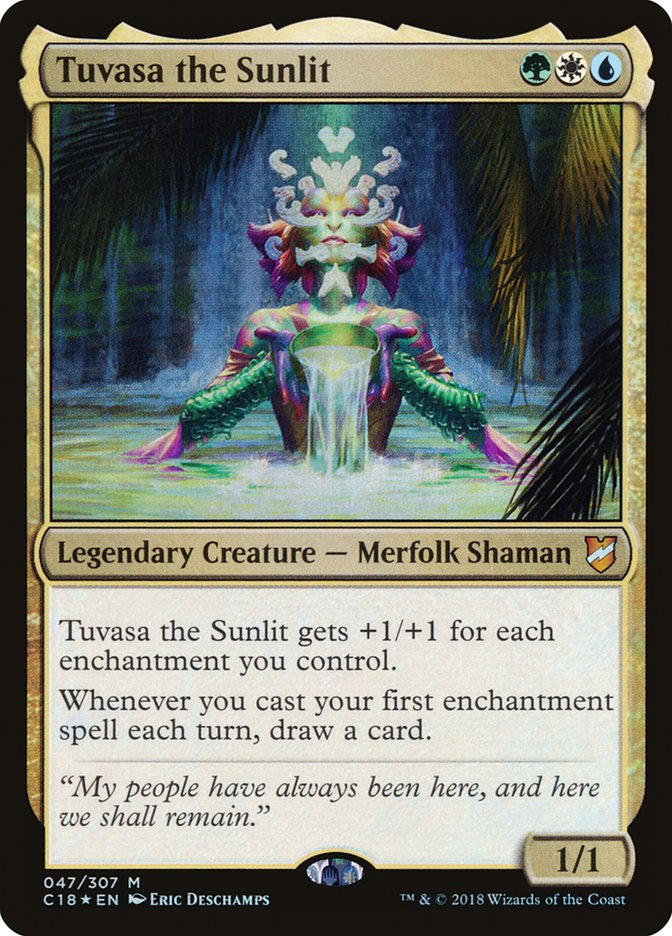
Sythis, Harvest's Hand is just Magic’s best enchantress; being a legendary creature is a happy little accident Bob Ross would be proud of. Reki, the History of Kamigawa fulfills a similar role by making all your legends cantrip. Tuvasa the Sunlit rounds out the legendary cantrips with a potent threat that grows out of control thanks to its innate buff stacked with Jodah’s.

Nashi, Searcher in the Dark leverages Jodah’s buff to become a nasty threat that your opponents will struggle to block down but hate to let live since it draws cards.
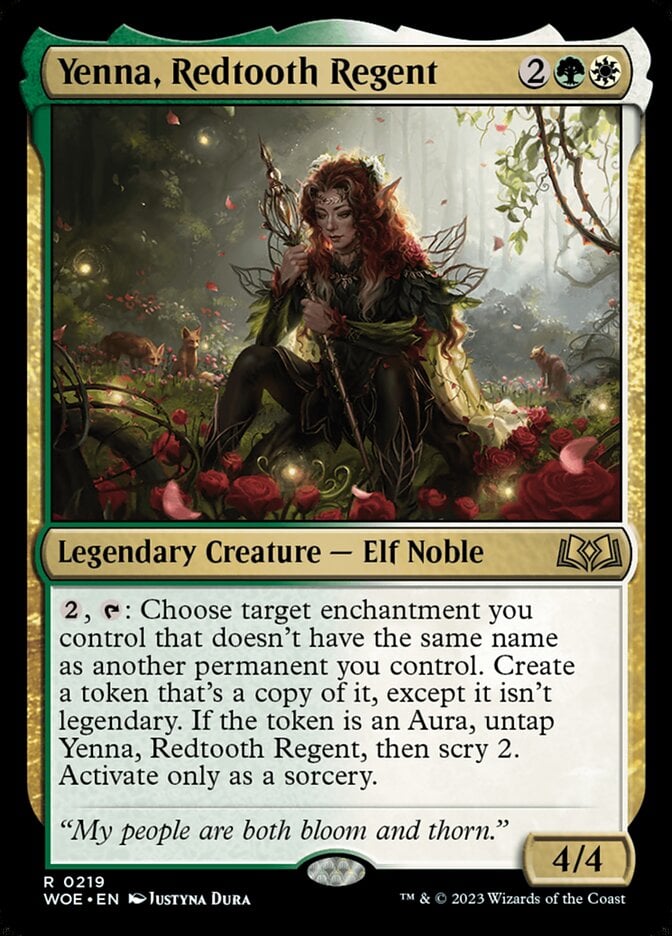
Yenna, Redtooth Regent doubles down on your best shrines. The shrines that create tokens or pressure opposing life totals are the highest-priority targets; copying the draw-shrines has been largely unnecessary.
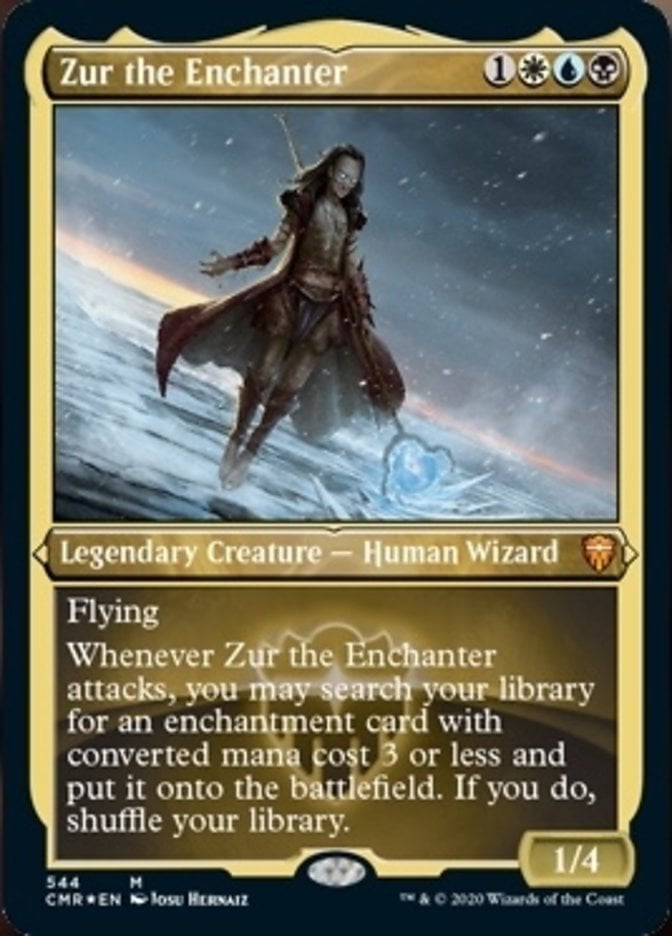
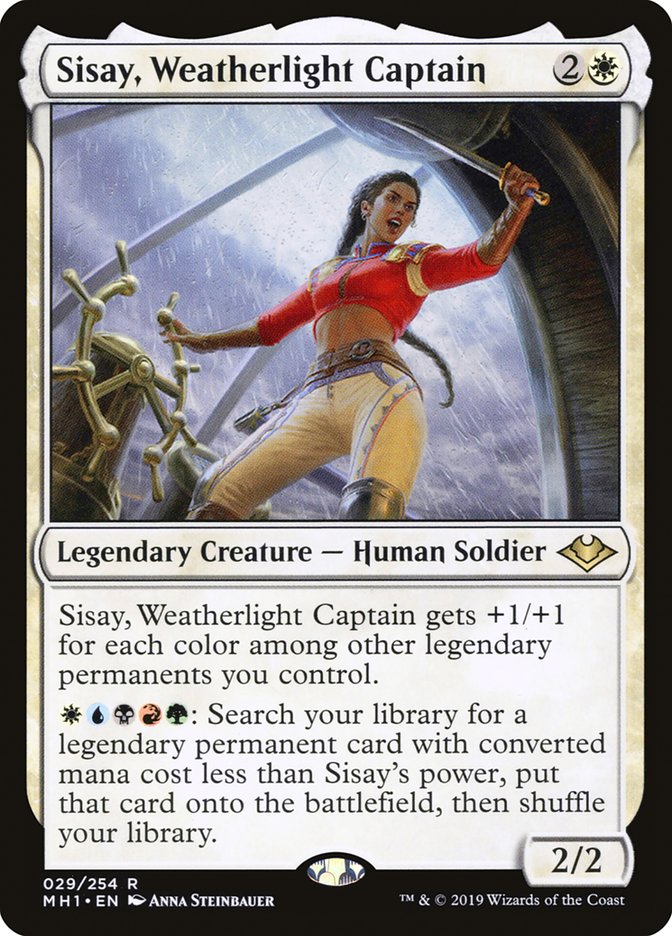
Zur the Enchanter and Sisay, Weatherlight Captain provide tutors to complement Sanctum of All and ensure you have the best shrine for any given situation. Zur doesn’t find everything, but it gets the most important shrines plus vital pillow fort cards while Sisay finds any shrine you deem necessary, plus a few support cards.
Shrine Relics
These cards support the enchantress themes and provide pillow fort elements that allow you to durdle about until Sanctum of Stone Fangs has dealt 20 damage and Jodah has made your board unreasonable.
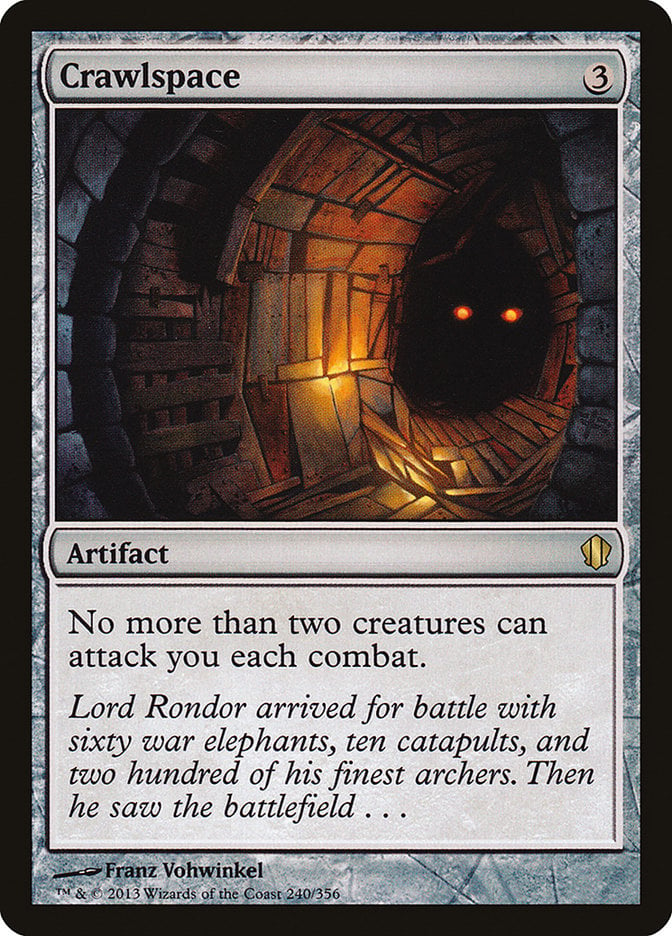
Crawlspace feels weird as the deck’s only artifact, but it so greatly restricts your opponents’ ability to attack you that I had to include it.
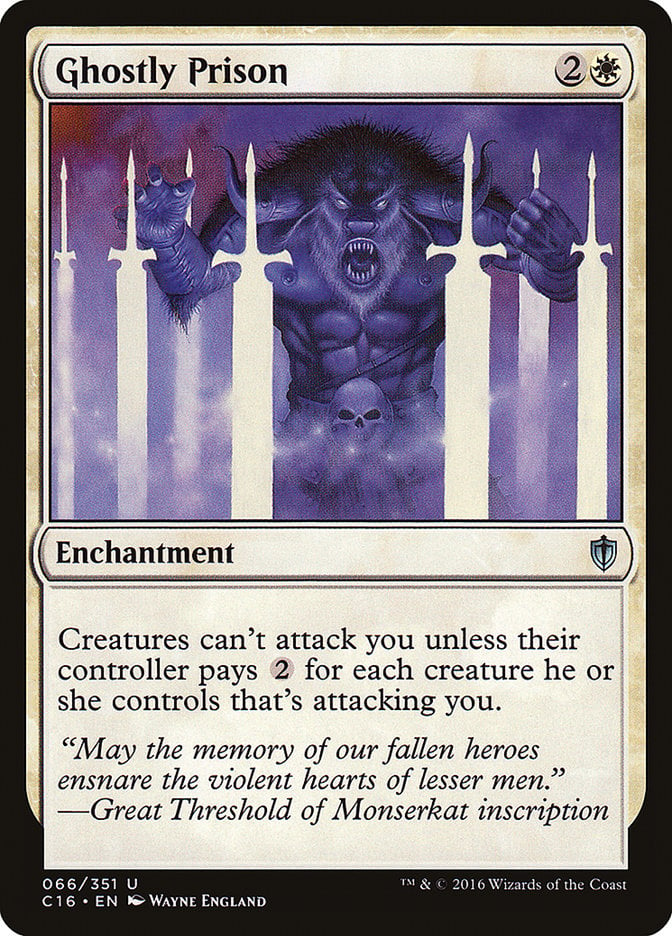
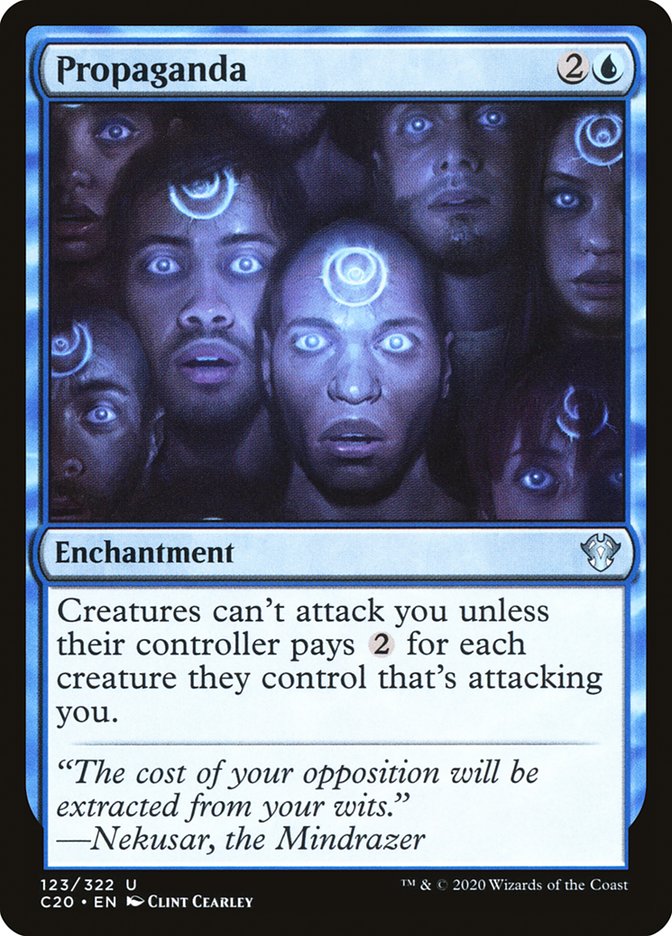
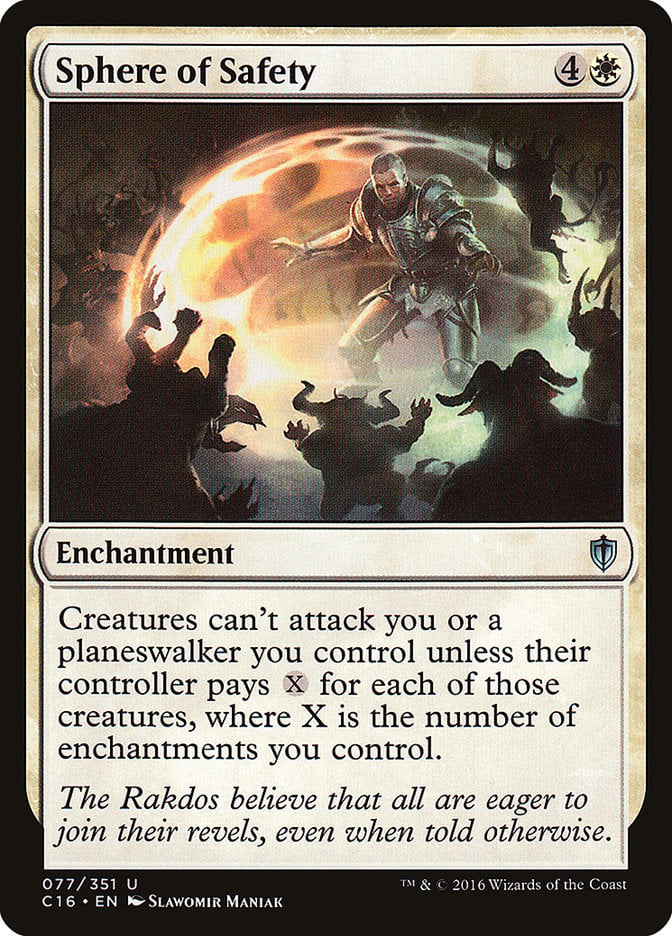
I’m not sure you can classify a deck as pillow fort without Ghostly Prison. Just to be safe, I added Propaganda and Sphere of Safety to encourage my opponents to attack anybody else.
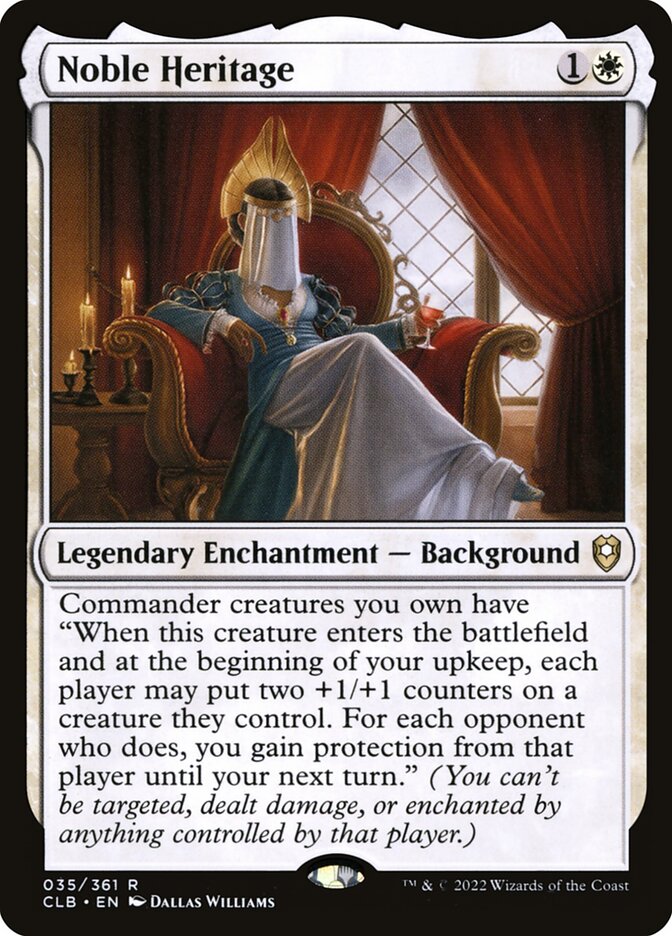
Noble Heritage is a personal favorite; players are surprisingly willing to give up their ability to attack you for a couple of +1/+1 counters. By the time they’ve turned their attention to you, you’ll have a better board thanks to Jodah and this card’s counters.
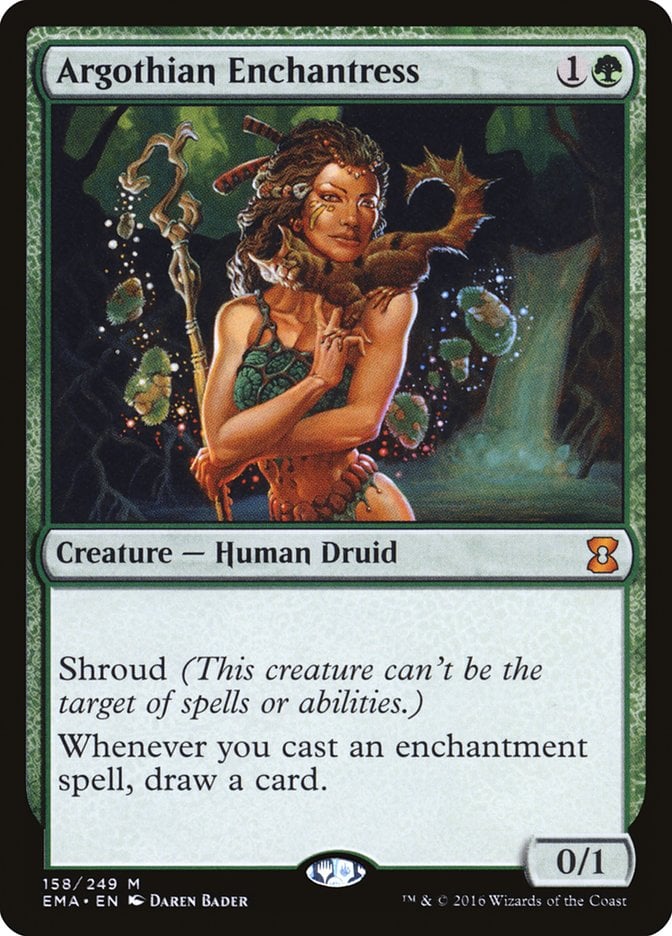
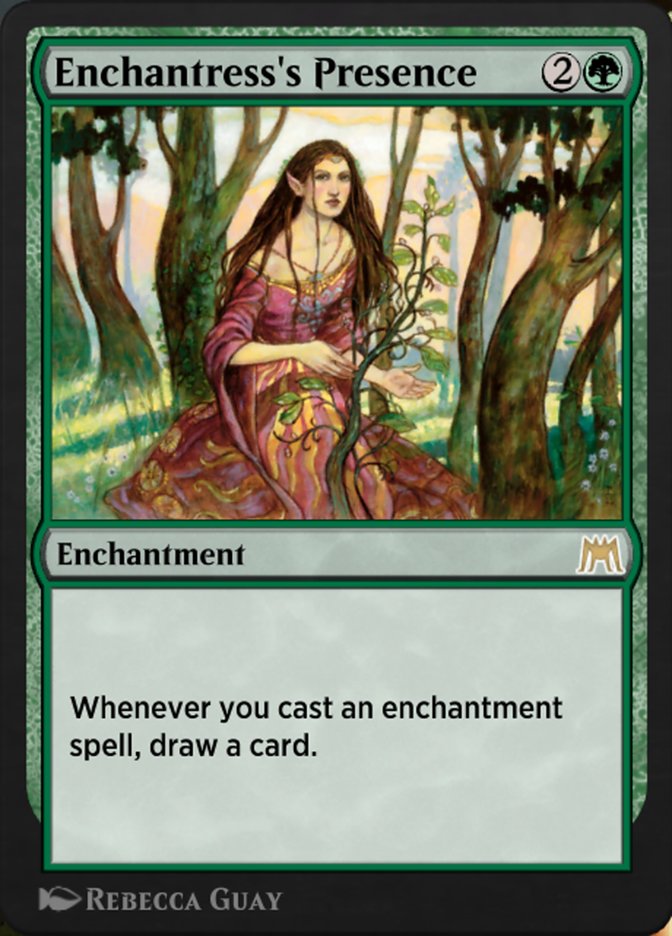
Argothian Enchantress and Enchantress's Presence are enchantresses powerful enough to make the cut despite not being legends.
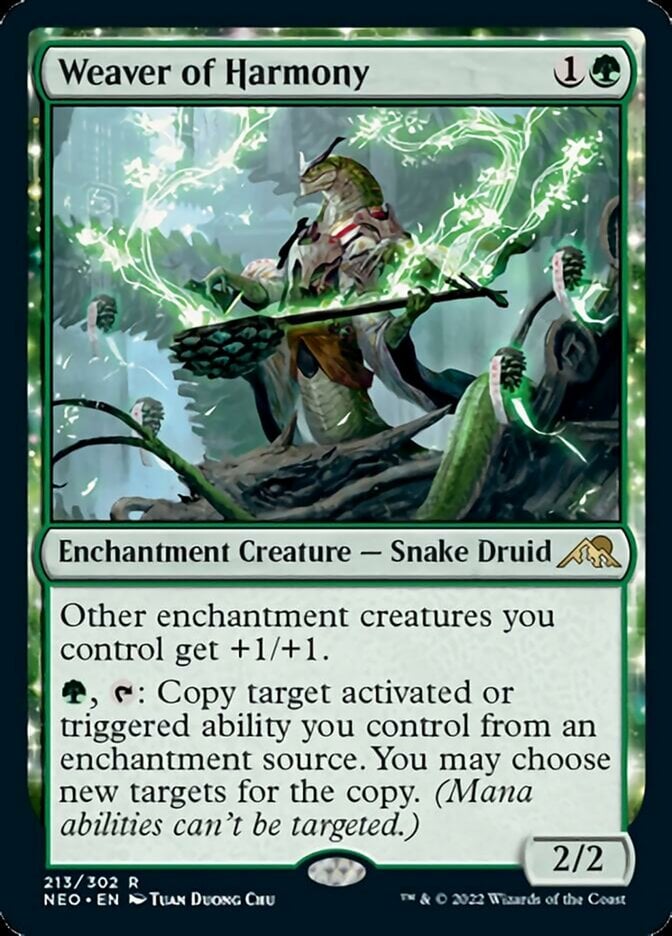
Weaver of Harmony gives you yet another way to squeeze more triggers from your best shrines. It can notably copy the trigger from Sanctum of Fruitful Harvest since it doesn’t count as a mana ability, it’s a triggered ability that makes mana.
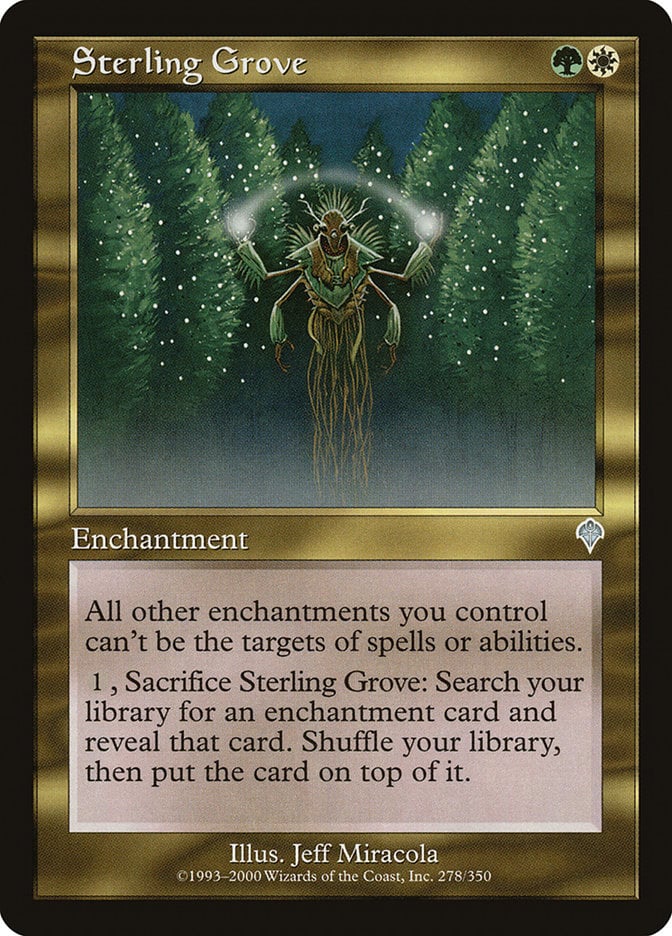
Sterling Grove’s a staple of enchantress decks. Protecting your enchantments from all forms of targeted interaction—which is a more common form of interaction for enchantments than sweepers—up until you need a card advantage engine or finisher or pillow fort card is incredibly value for a mere 2 mana.
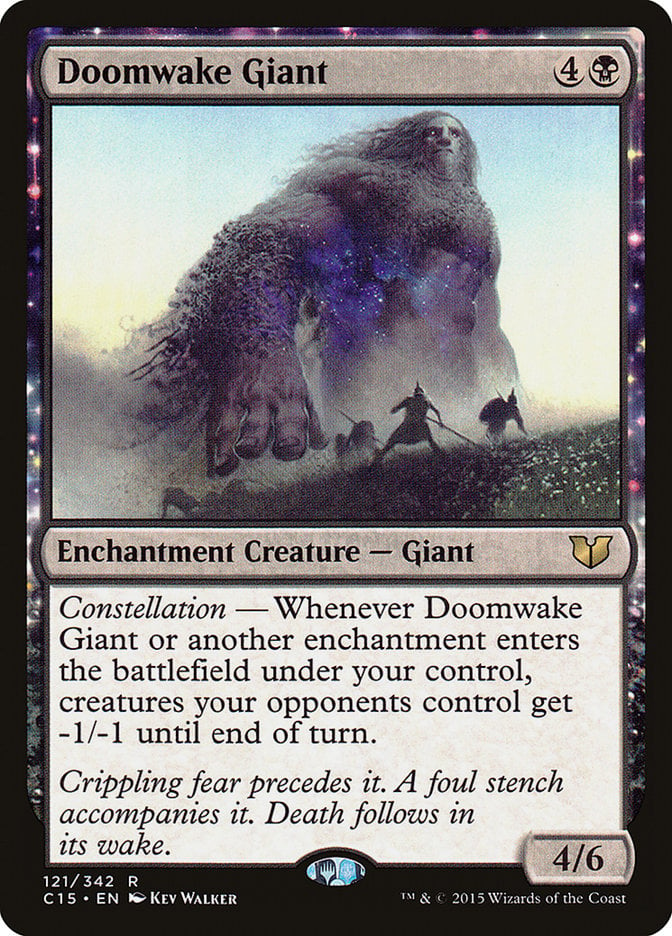
Doomwake Giant isn’t quite a pillow fort card, but it does a nice sweeper impression. It’s won’t deal with opposing 3-mana 5/4s or anything, but it handily keeps the board clear of lots of small threats and messes with decks focused on mana dorks quite nicely.
Protective Charms
These cards keep you safe without interacting with enchantments; that’s right, it’s the classic interaction section that nobody likes and everybody needs to compete in a game of Magic, of any format.

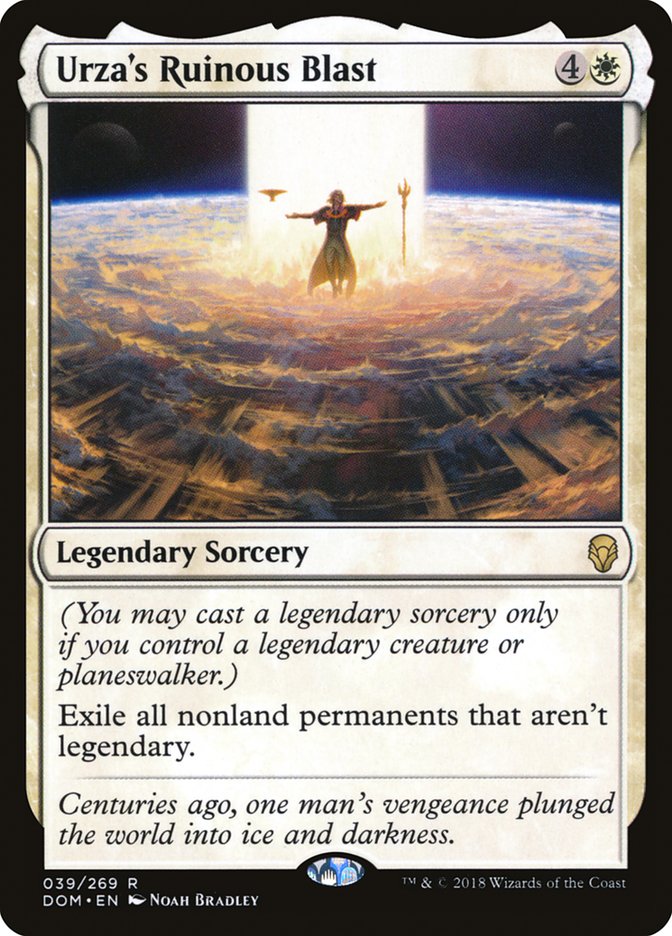
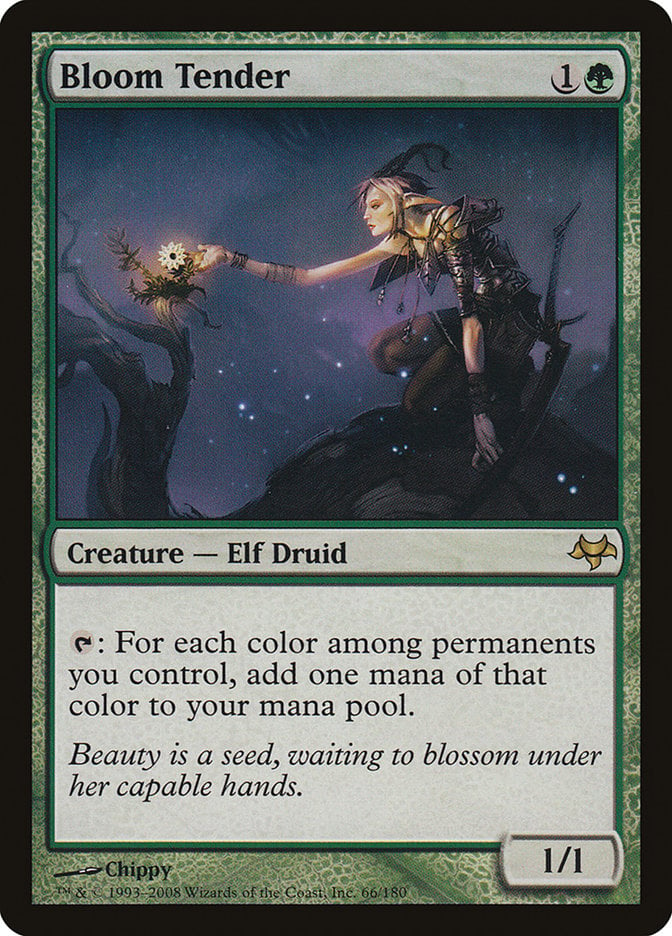
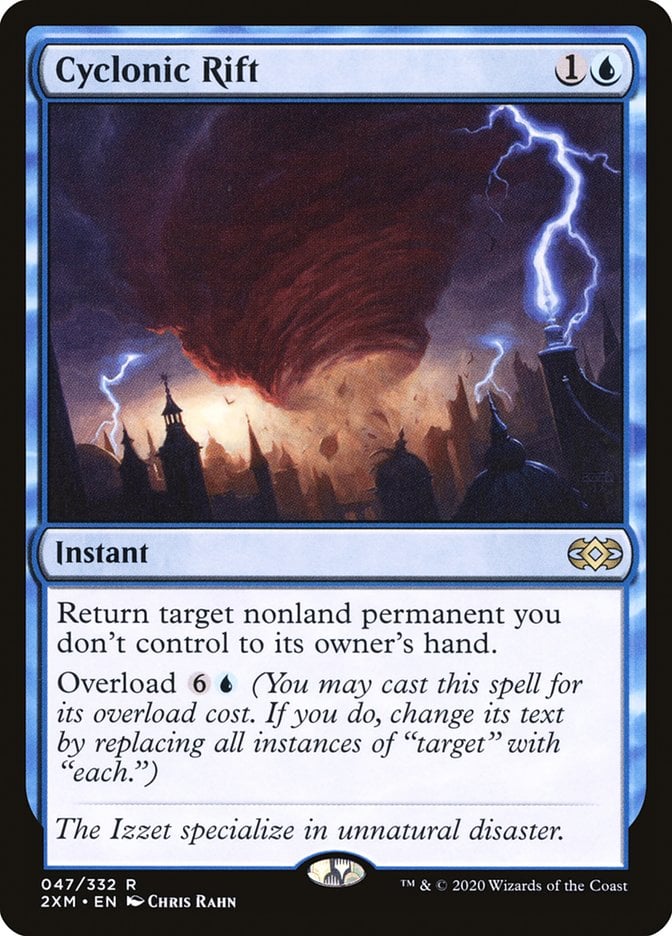
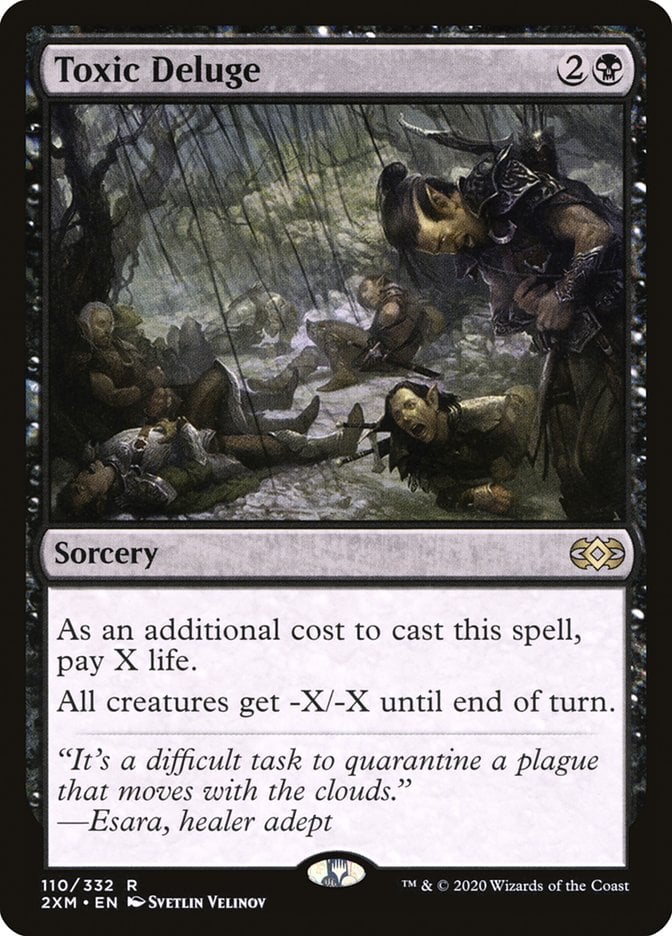
Desynchronization and Urza's Ruinous Blast are potent board wipes that work well in this legendary-heavy deck. They aren’t quite asymmetrical as your mana dorks and the like get caught up, but I don’t mind losing a Bloom Tender to stop the dinosaur player from going off too hard. You also have Cyclonic Rift for a properly asymmetrical wrath and Toxic Deluge, which often misses your legendary creatures thanks to Jodah’s buff.
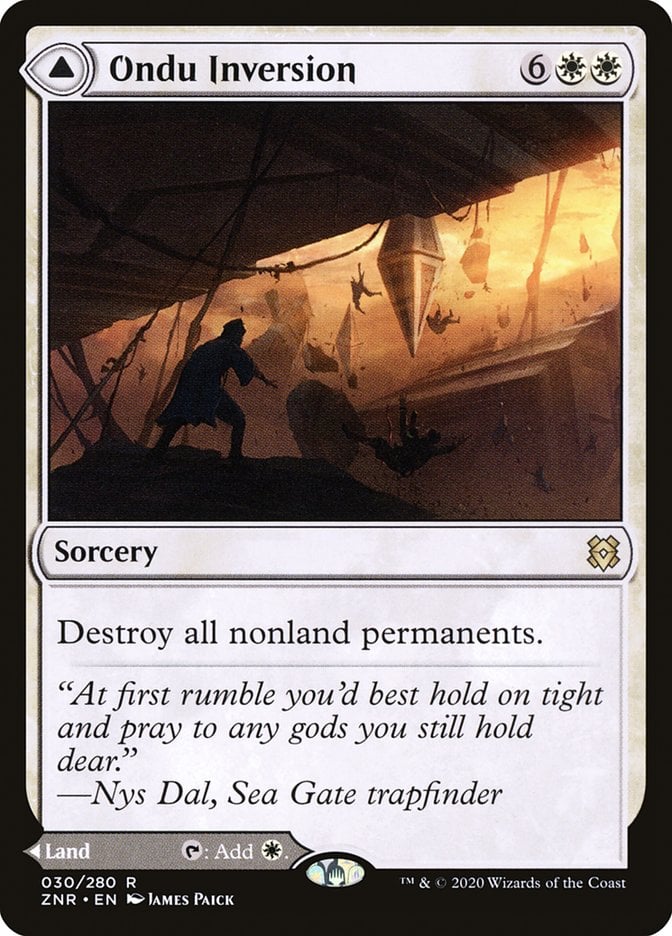
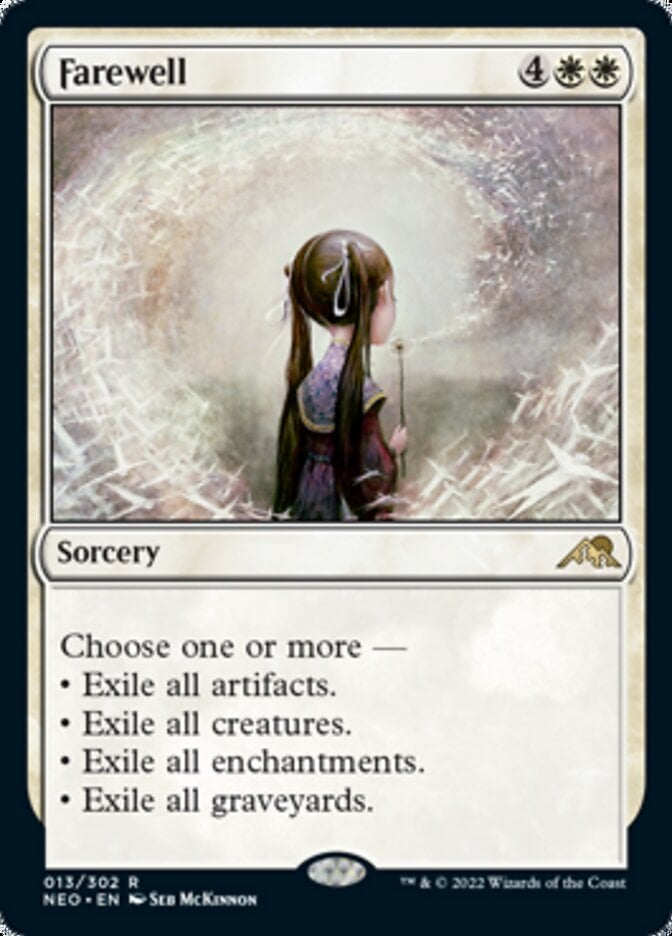
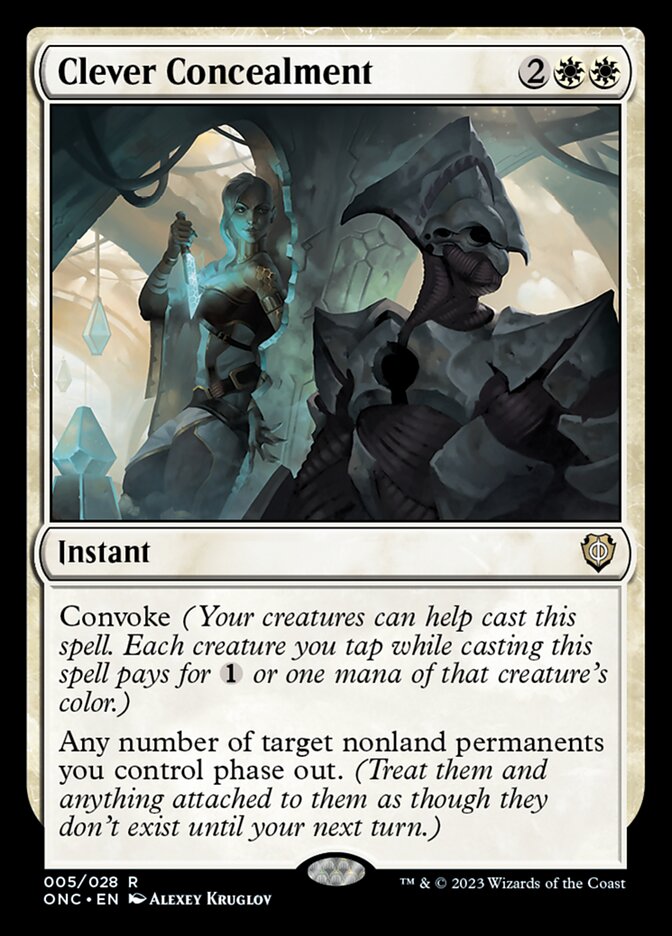
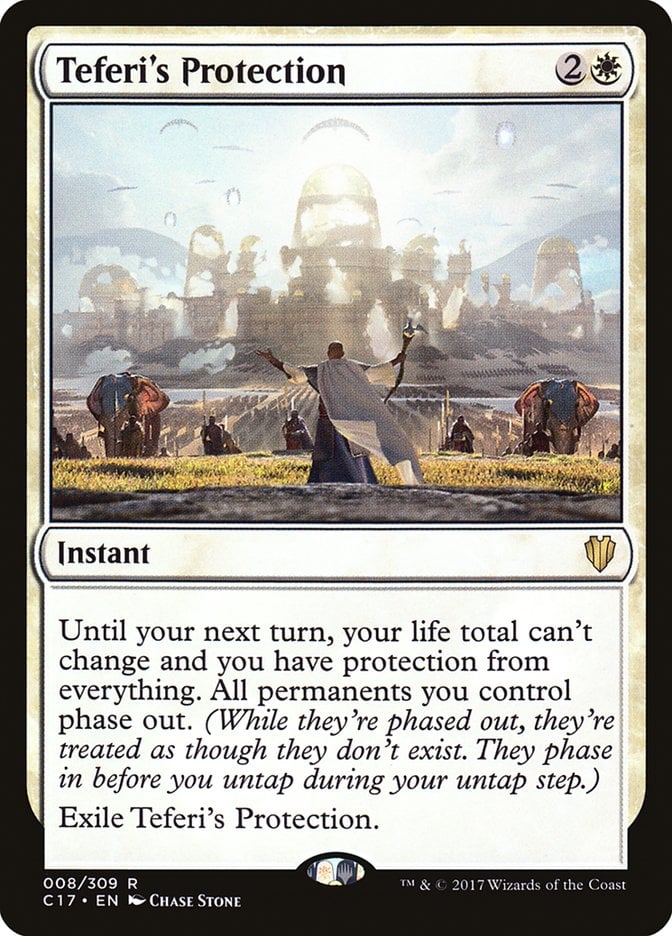

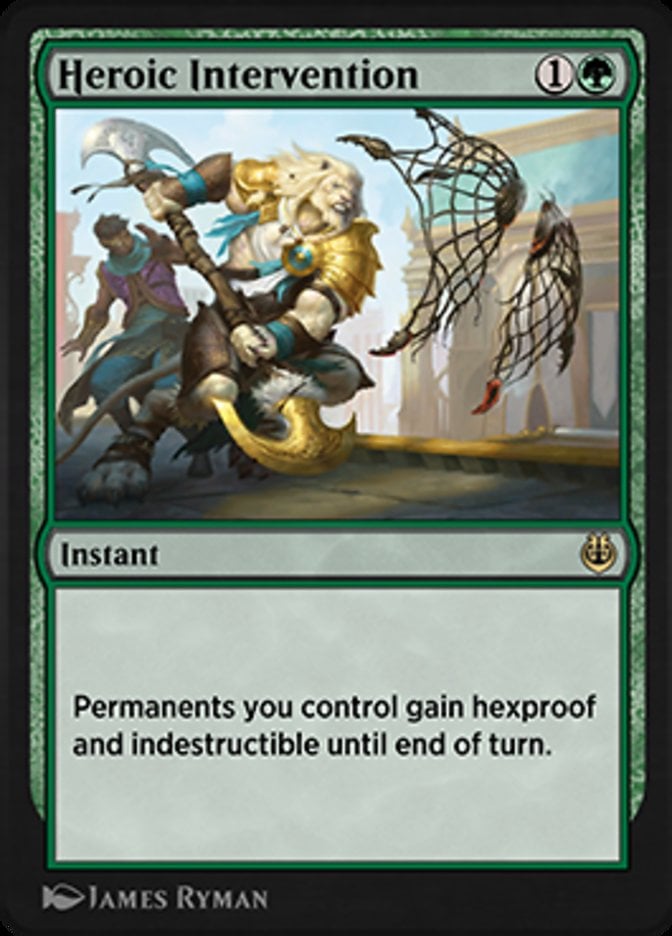
While this deck’s enchantments are resilient to most board wipes, cards like Ondu Inversion and Farewell exist, and you do build out a board of creatures, so protective spells are a must. Clever Concealment and Teferi's Protection provide absolute protection, while Dawn's Truce and Heroic Intervention provide almost absolute defense that notably affects your noncreature permanents.
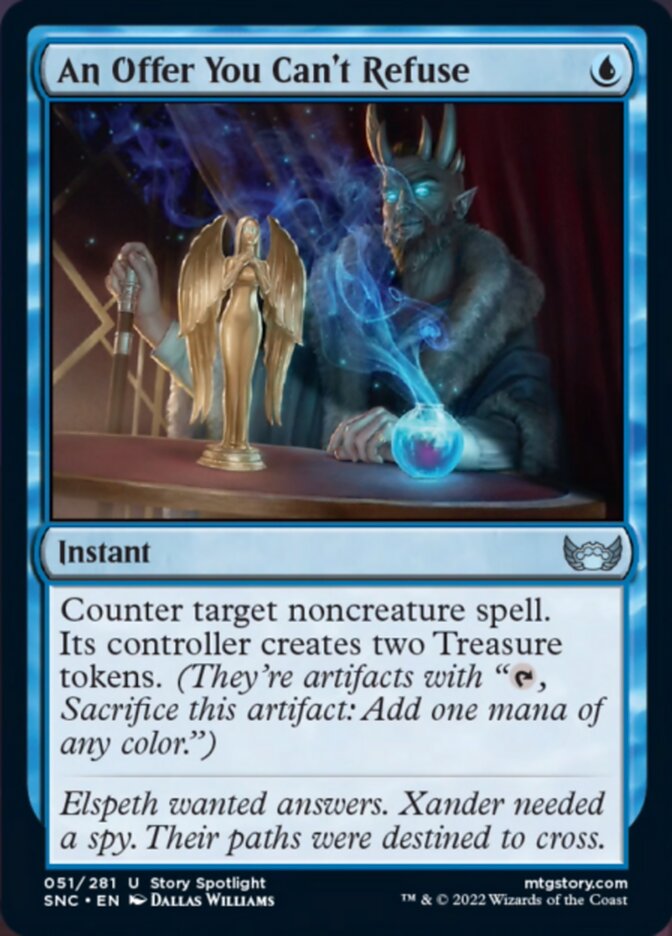
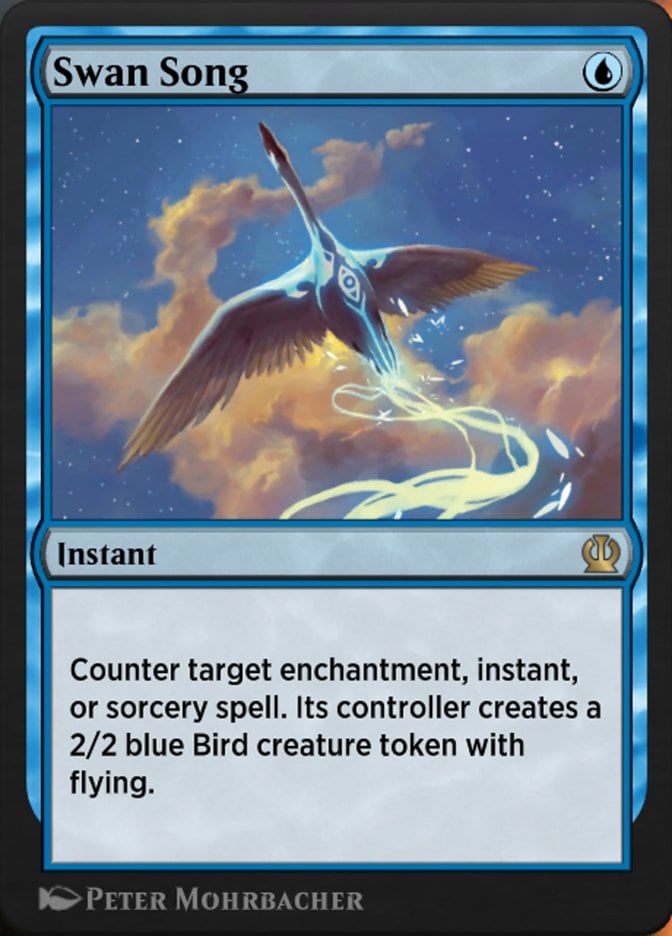
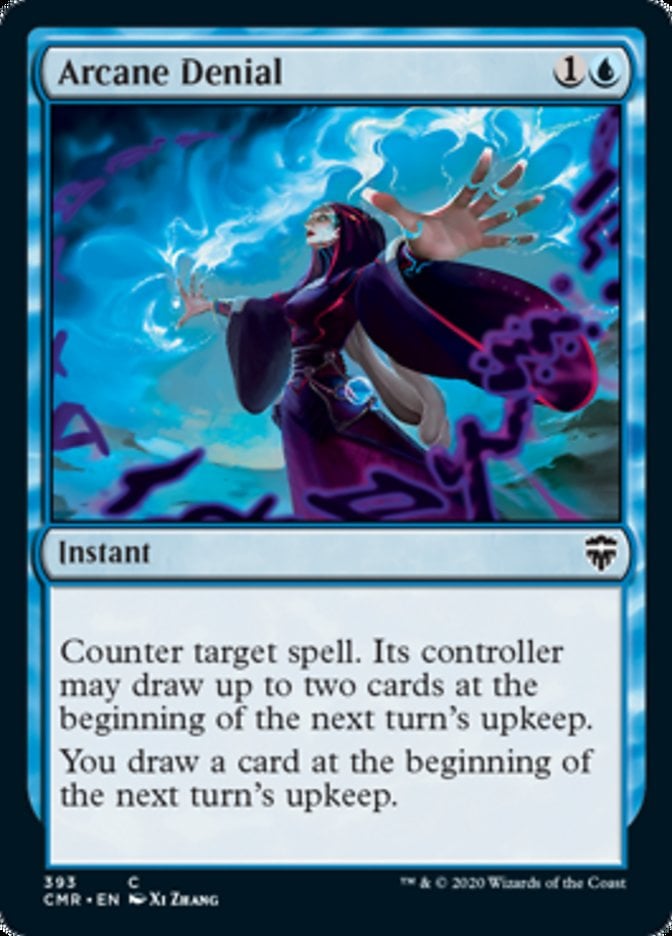
Of course, you don’t have to just take the board wipe; stopping it is an option, so you have a handful of counterspells in An Offer You Can't Refuse, Swan Song, and Arcane Denial to stop wraths and the like. This deck doesn’t have much countermagic simply because you’ll often tap out for enchantments.
The Mana Base
This is a pretty stout mana base, largely due to your color distribution. This is essentially a Bant () deck with a couple of black cards and red cards, and your cards are almost entire single-pipped, all of which makes managing the 5-color base easy.
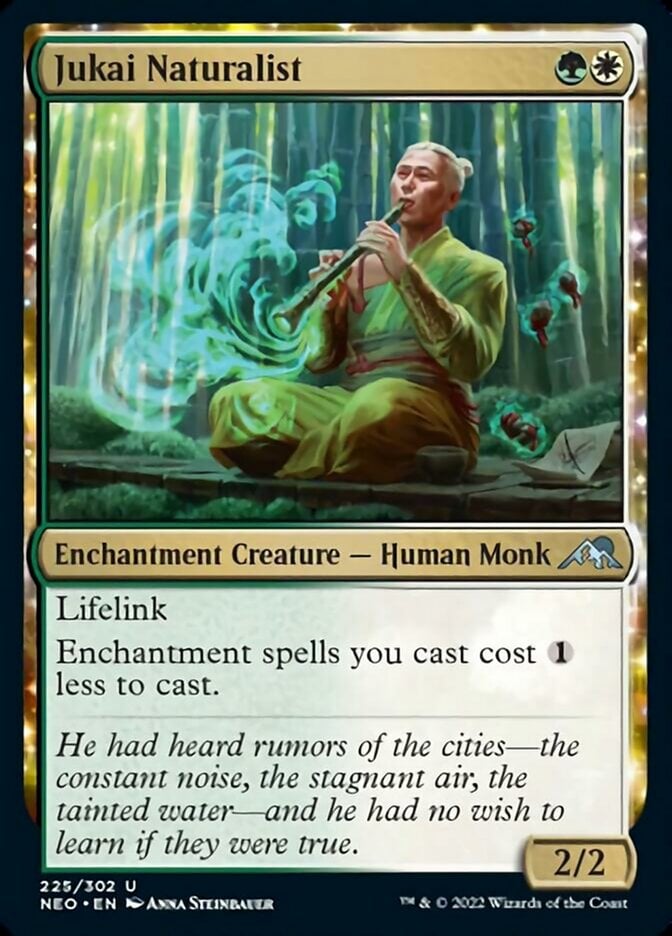

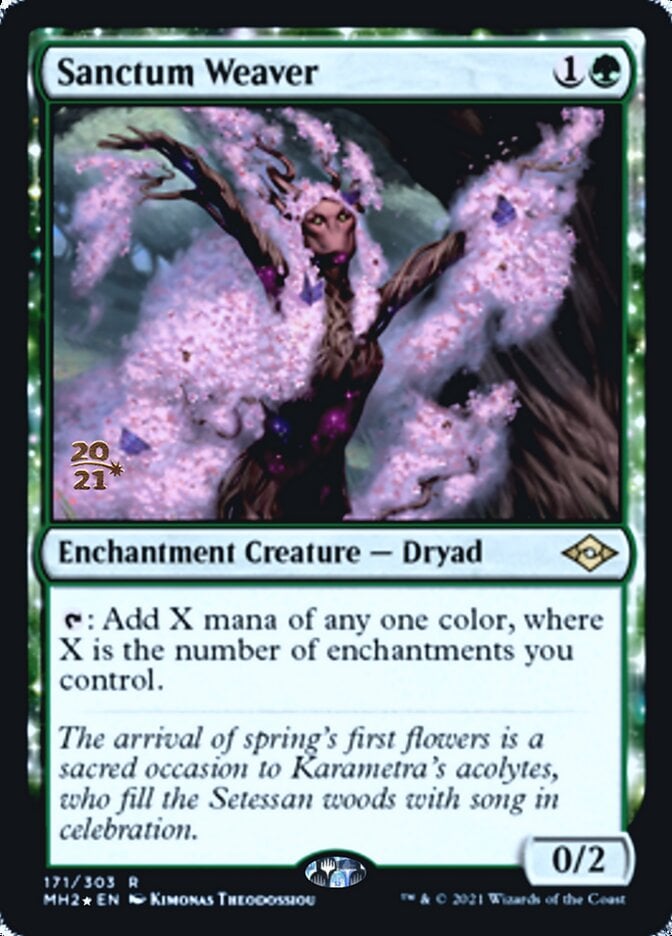
You have a nice selection of mana dorks. For enchantment-themed ramp, you have Jukai Naturalist and its close cousin Inquisitive Glimmer to directly reduce the cost of your enchantments while Sanctum Weaver (which, interestingly enough, has nothing to do with shrines) provides large bursts of mana.
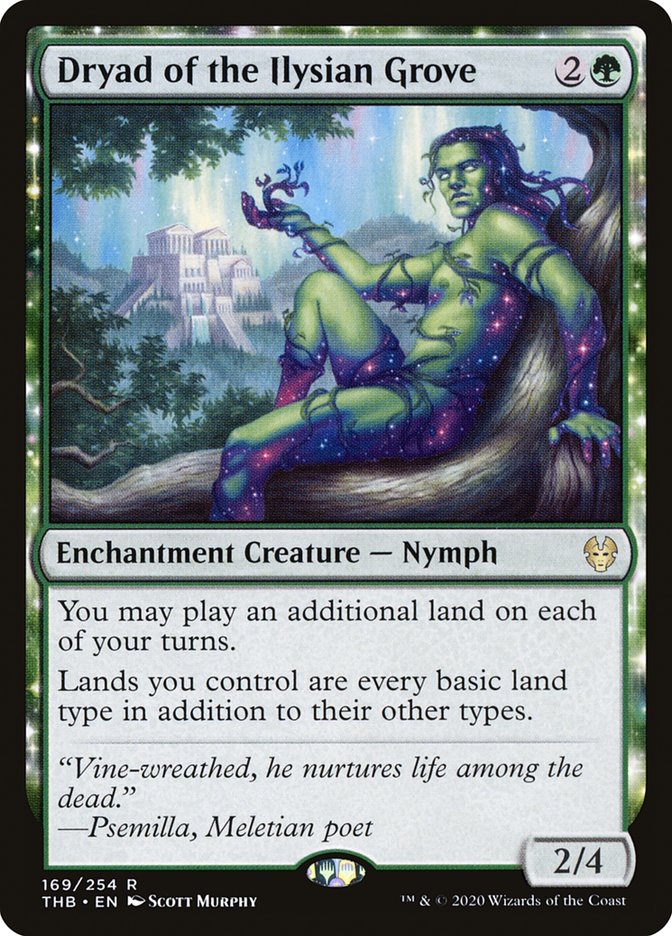
Dryad of the Ilysian Grove ramps you and provides perfect fixing while making all your enchantresses tick. It’s pretty perfect, honestly.
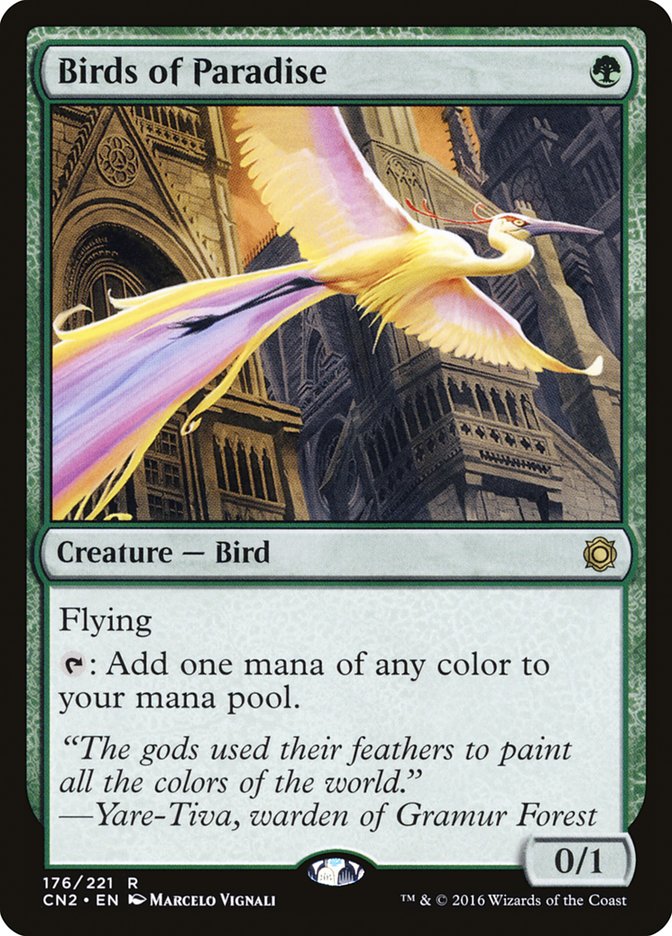
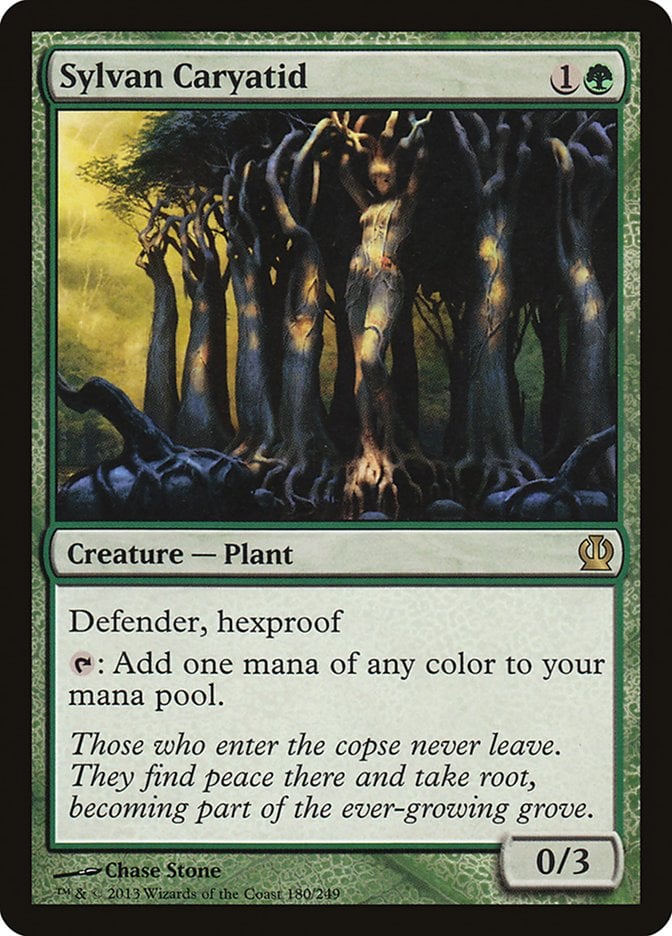
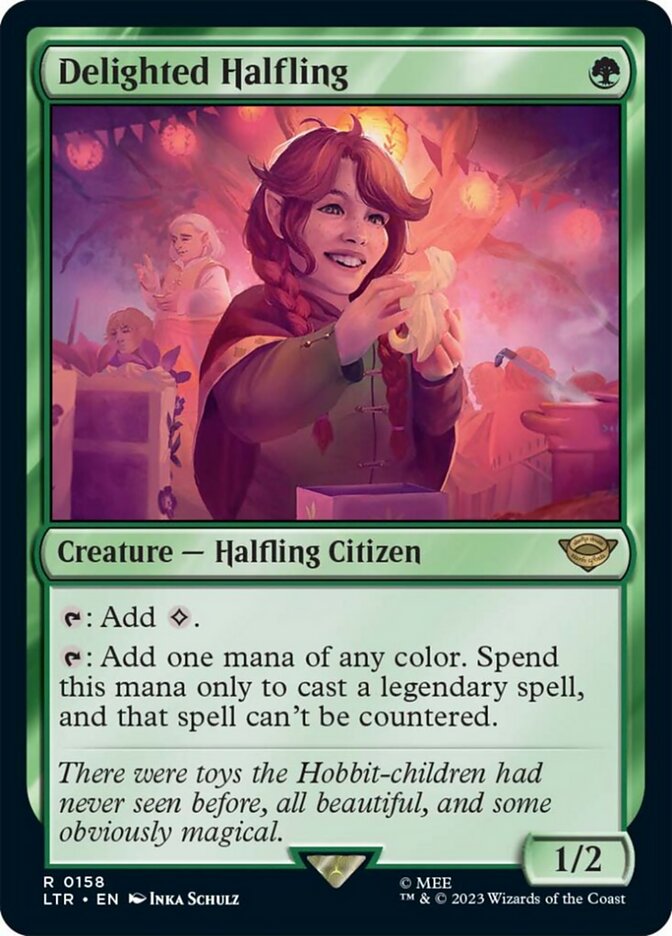
Birds of Paradise and Sylvan Caryatid are staples in my 5-color decks for their perfect fixing. You have a high enough legendary count for Delighted Halfling to count among them, with some bonus counterspell protection.
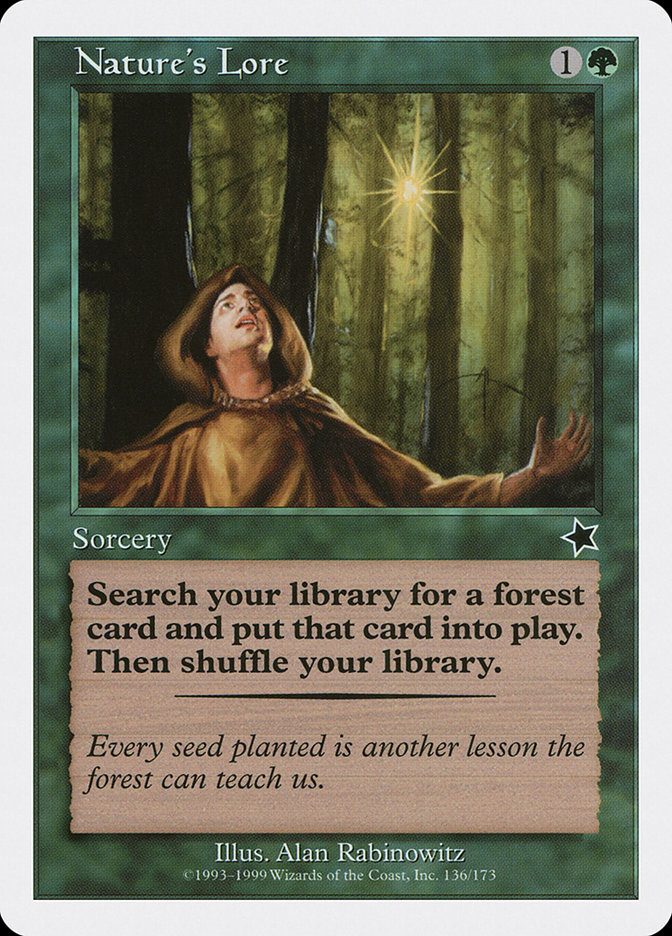
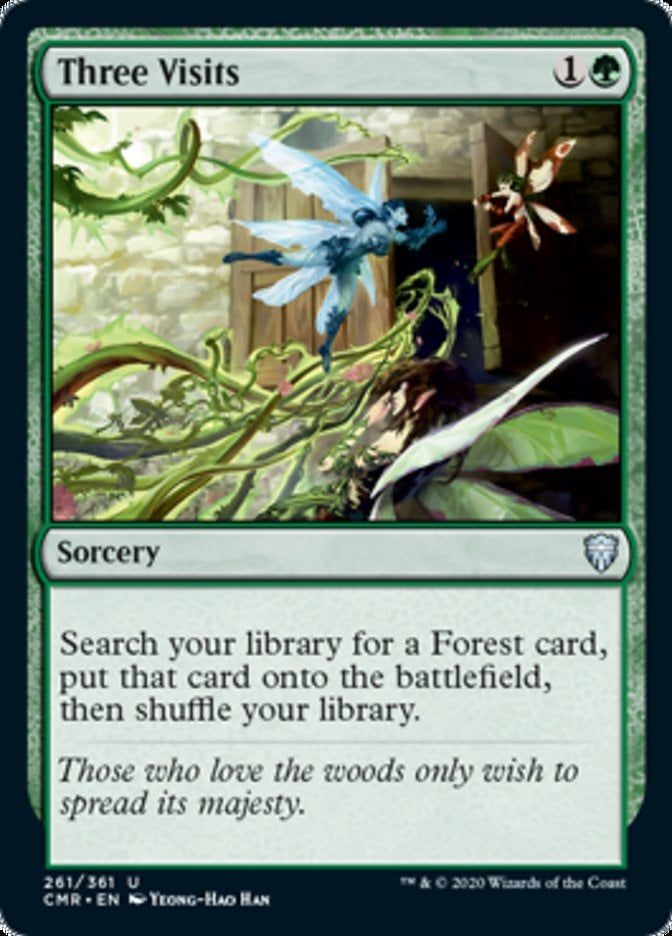
Nature's Lore and Three Visits replace mana rocks because tutoring triomes into play is a fantastic way to color fix; just one of these often ensures you have perfect mana.
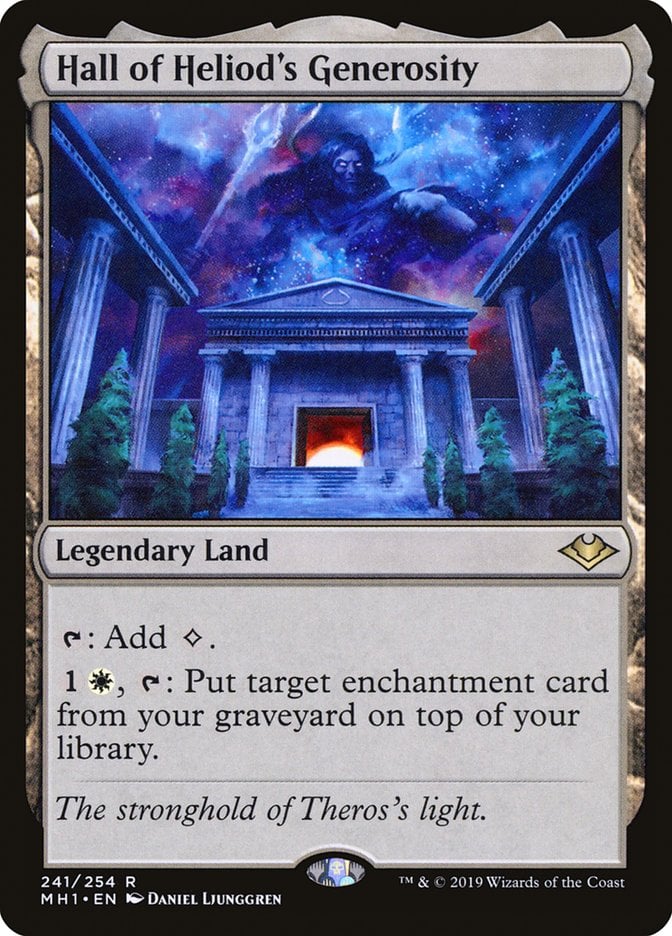
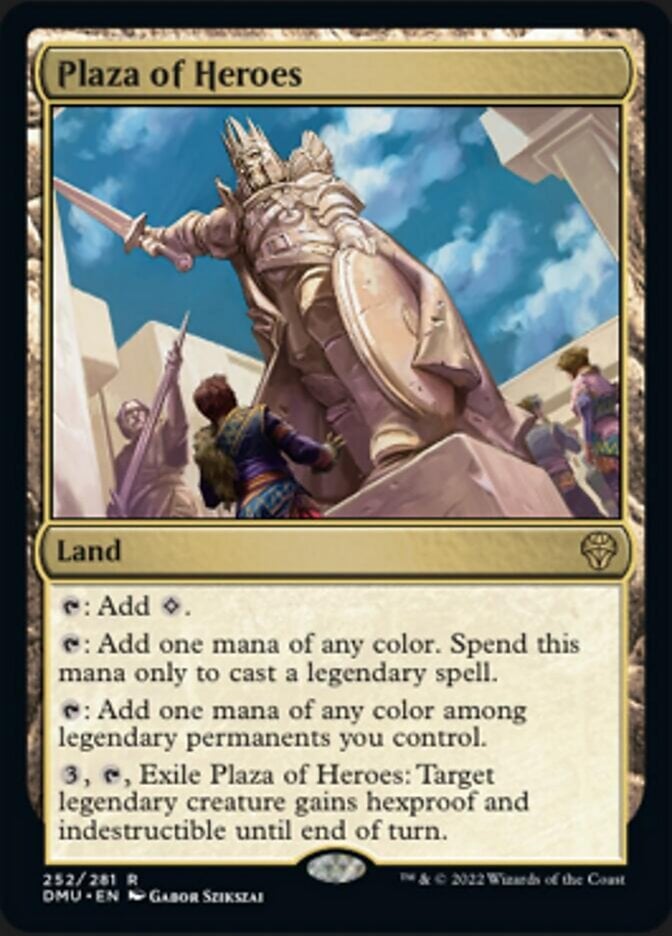
As for the lands, you have a couple of great value lands, namely the good channel lands from NEO and Hall of Heliod's Generosity. Plaza of Heroes gives you a 5-color land that occasionally protects Jodah or a Go-Shintai.

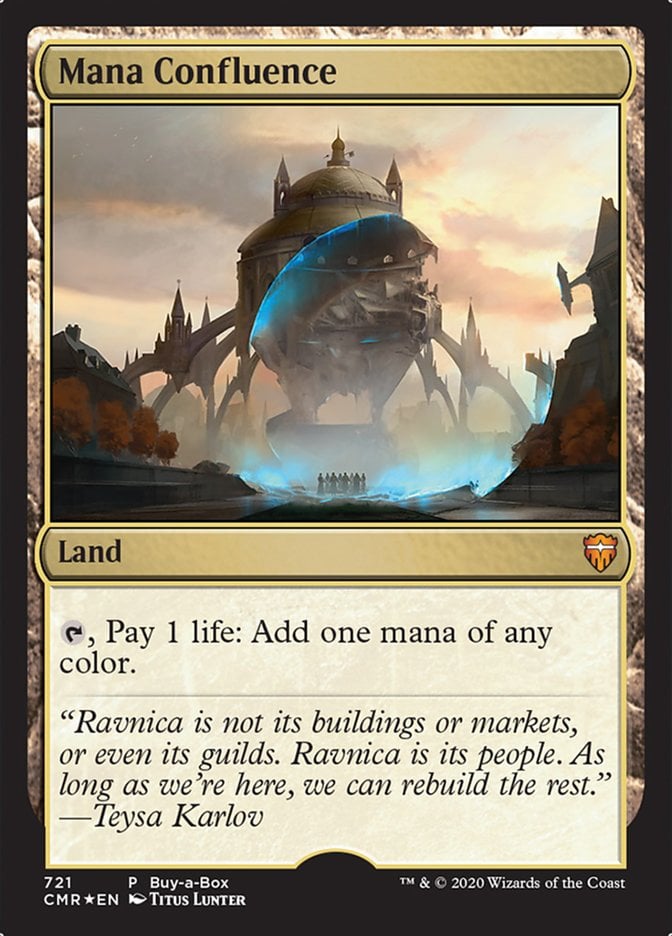
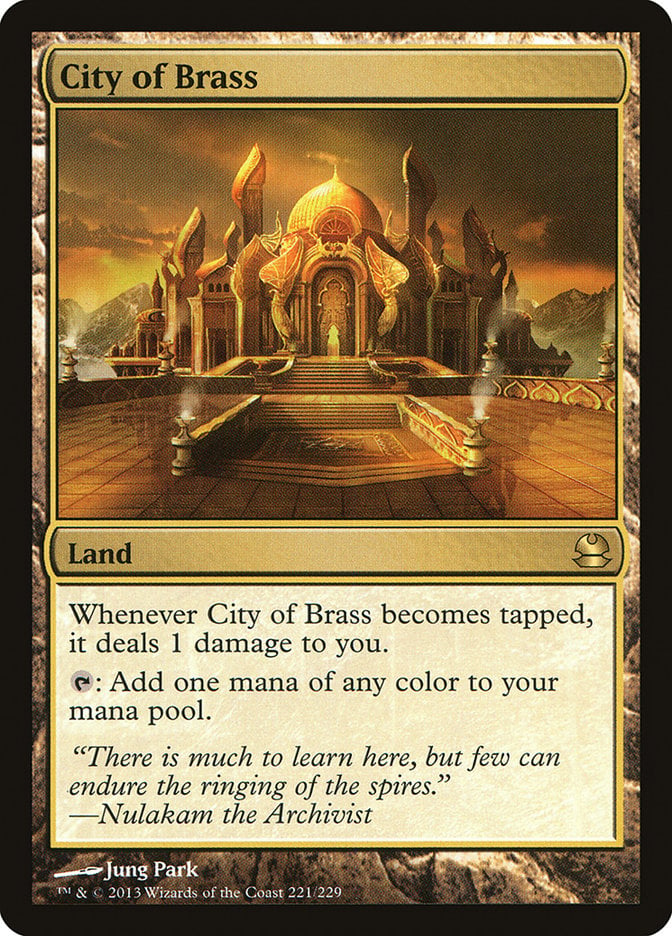
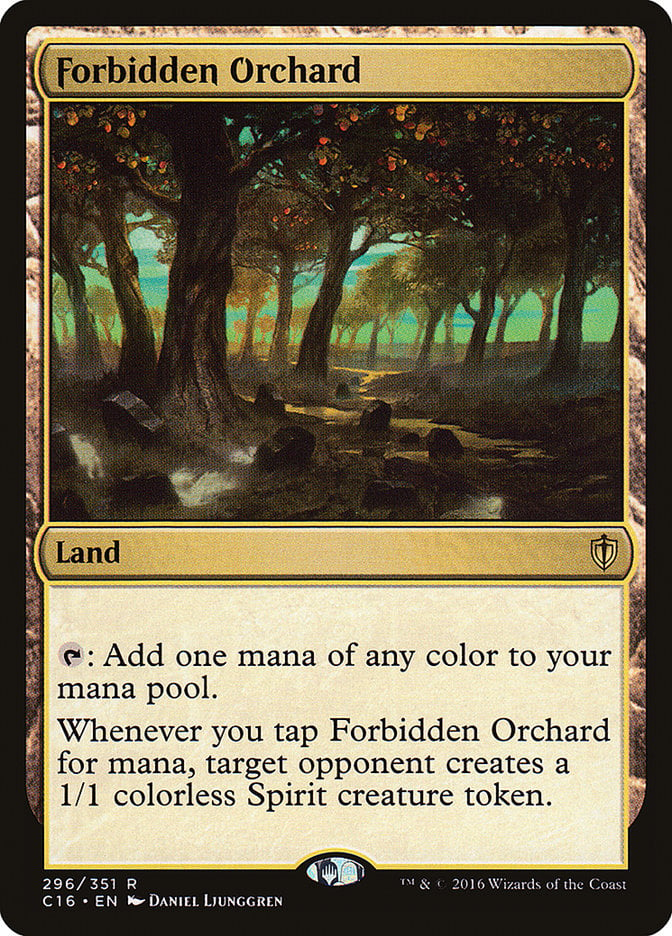
This list has a host of 5-color lands, including Command Tower, Mana Confluence, City of Brass, and even Forbidden Orchard, which you’ll go over the top of.
Beyond these lands, the mana base utilizes a combination of fetches, shock lands, and triomes to assemble a functional mana base, alongside various lands that enter untapped. It’s pricey, but it gets the job done.
The Strategy
Fetching lands can be tricky in a 5-color deck, but this deck’s Bant bias makes it easy; you can rarely go wrong when fetching Spara's Headquarters off your first fetch (which all of your fetches get, by design) or a Three Visits.
This deck has a very simple setup-payoff structure. Deploy cards like Sythis, Harvest's Hand, Jodah, the Unifier, and Reki, the History of Kamigawa to reward you for jamming shrines and other legendary permanents. That often leads to the enchantresses and ramp pieces being the most important elements of the deck. You can often get away without having a shrine in the opening hand if you have the proper set-up cards, especially since Jodah helps us find them.
You’ll play a slow game because that’s how the shrines function: They accrue value over the course of a long game, so you need to be prepared to instigate such a game. Your tutors should often find Ghostly Prison effects or sweepers to control the board. You even benefit from your opponents playing tons of board wipes themselves since your key cards are noncreature permanents that slip through most wraths.
Closing out the game leans on one of two effects: either Jodah’s massive legend buff or the direct damage from key shrines. They often work hand-in-hand; once Jodah’s thrown around a bunch of damage, Sanctum of Stone Fangs and Go-Shintai of Ancient Wars close the game in short order, especially with the 5-color shrine payoffs doubling down on the triggers. You can also sit behind these cards on a stalled board, relying on them to pressure opposing life totals while everybody else stares at each other over imposing boards.
Combos and Interactions
This is a casual deck, so I didn’t include any sort of infinite combos. But there are a couple of interactions worth knowing, and I wanted to spend a moment talking about what you should look to tutor with Sisay, Weatherlight Captain and Zur the Enchanter.
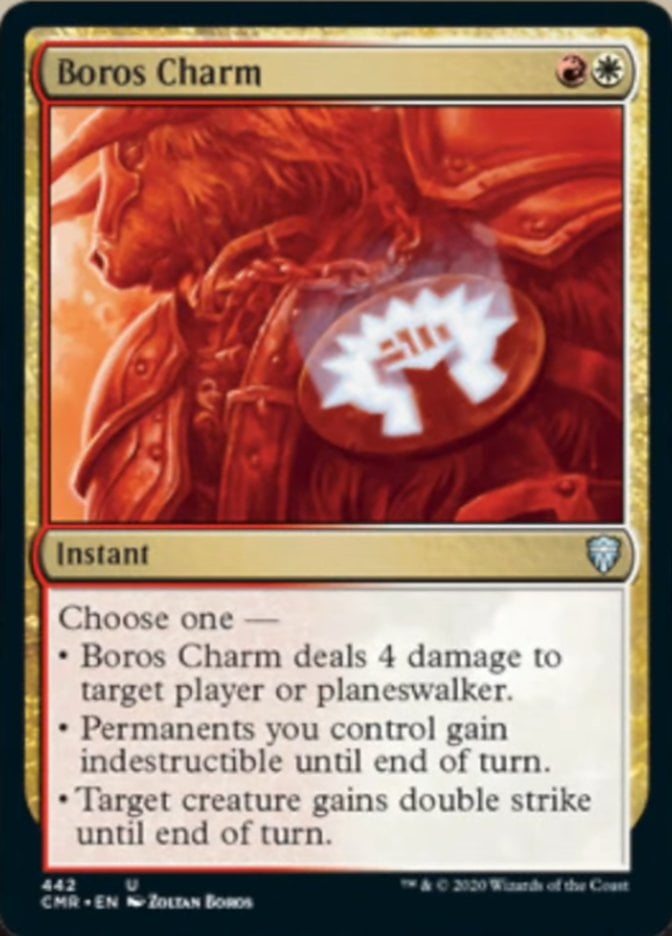
The first big interaction comes between Jodah, the Unifier and Boros Charm. Though the charm made the cut as a simple protection spell, its modality is handy; Jodah becomes so large and makes your other creatures so large that double strike can often be enough to remove a player in a single combat step.
When tutoring cards with Sisay, Weatherlight Captain, you need to consider which shrine you need for what situation. Though the high-impact cards are Sanctum of All and Go-Shintai of Life's Origin, it might be better to get Honden of Life's Web or Go-Shintai of Shared Purpose to clog up the board, or Honden of Seeing Winds to get through a bit of lands. Going straight for the big ones can be a bit of a trap.
You also need to be mindful of when you tutor; you can activate Sisay’s ability at any time, so be mindful of your timing to try and put a shrine into play the step or phase before you get the trigger to give your opponents as little time to respond as possible. Critically, Sisay doesn’t need to get shrines; you can get a ton of mileage from pulling Zur the Enchanter to tutor a nonlegendary enchantress, or Yenna, Redtooth Regent as a big, surprise blocker.
Zur the Enchanter doesn’t find all the shrines, but it does find nonlegendary enchantments. This gives it a ton of range, as it finds ramp (Jukai Naturalist, Sanctum Weaver), card draw (Sythis, Harvest's Hand, Enchantress's Presence) and pillow fort cards (Ghostly Prison). My general preference is to pick up a mana dork, then a Ghostly Prison, then Sanctum of Stone Fangs, though you can adapt to what’s in your opening hand and the most pressing threats on opposing battlefields.
Rule 0 Violations Check
I can’t see a world where this violates any reasonable Rule 0 conversation. Some players might scream stax when they see Ghostly Prison, but those players need to learn the value of Nature's Claim.
Budget Options
I’m normally flippant about telling players to switch out lands for a budget cut, but that’s tricky in a 5-color deck, so I want to give it a little more respect. The best thing to do is add a gates subtheme; cut fetches and shocks, though I’d recommend maintaining a triome or two for Three Visits if you can manage, get in all the guildgates but Rakdos Guildgate plus some support from Balder’s Gate, and make some cuts for Circuitous Route, Hour of Promise, and Open the Way to tutor gates into play.
Argothian Enchantress has a heavy price tag, but also so many variants. Eidolon of Blossoms is a little pricey, mana-wise, but it cantrips on ETB; Satyr Enchanter might be the most budget choice.
Delighted Halfling provides great mana fixing and counter protection for your legends, but you can replace it with any dork that taps for all five colors—I quite like Armored Scrapgorger for a bit of graveyard hate, but Sage of the Maze is a good choice if you made the gates swap.
Demonic Tutor is honestly unnecessary. You could go for Moon-Blessed Cleric if you want a cheap tutor, but this is truly a flex spot that you can fill with whatever you like if you cut it for budget constraints.
Teferi's Protection has the price tag you would expect for the best protective spell in the format, but you can run another counterspell or Flare of Fortitude, which is a little more expensive but protects all your permanents.
Cyclonic Rift holds a similarly high price for its high regard in the format; luckily, there’s no shortage of board wipes you can replace it with. I’m partial to Winds of Abandon for another completely asymmetrical wrath that often doubles as a finisher since it clears away blockers.
Other Builds
Perhaps the most typical build of Jodah, the Unifier focuses on a slew of high-impact legends to build a fierce, aggressive shell. You can do that quite easily by trimming all the enchantress and shrine things for cards like Adeline, Resplendent Cathar, Pippin, Guard of the Citadel, Lotho, Corrupt Shirriff… all these really cheap, efficient legends with powerful abilities that grow into meaningful bodies once Jodah hits the battlefield.
If you still want a theme beyond “legendary cards are strong,” Jodah Superfriends seems like an interesting angle that would get in a bunch of proliferate cards alongside powerful planeswalkers like Teferi, Hero of Dominaria, Nicol Bolas, God-Pharaoh, and Oko, Thief of Crowns.
Commanding Conclusion

Karn's Temporal Sundering | Illustration by Noah Bradley
Though I wish I didn’t feel like I needed to put additional restrictions on Jodah, the Unifier to make it interesting, this shrine-centric build gives it a distinct theme and utilizes the cascade ability to assemble its game plan.
How would you build Jodah? Do you think that 5-color legends are bland, or does WotC get it right? Let me know in the comments below or on the Draftsim Discord!
Stay safe, and thanks for reading!
Follow Draftsim for awesome articles and set updates:










Add Comment