
Last updated on February 12, 2026

Glarb, Calamity's Augur | Illustration by Bram Sels
For a long time, the go-to Sultai commander () in competitive play was Tasigur, the Golden Fang, largely because of how well it worked with graveyard-focused cards. That synergy was so strong that it even earned Tasigur a ban in Duel Commander.
But Magic never stands still. As Commander as a whole evolved, a new option has emerged that fits the modern cEDH landscape even better. Today, we break down Glarb, Calamity's Augur, a commander that brings consistency, flexibility, and raw power to the table. We’ll uncover how the deck works, why it excels in competitive pods, and how you can use it to take control of your next event.
Intrigued? Let’s dive in.
The Deck

Valley Floodcaller | Illustration by Victor Adame Minguez
Ccommander (1)
Creature (17)
Mockingbird
Deathrite Shaman
Birds of Paradise
Delighted Halfling
Elves of Deep Shadow
Wan Shi Tong, Librarian
Thassa's Oracle
Orcish Bowmasters
Bloom Tender
Valley Floodcaller
Opposition Agent
Elvish Spirit Guide
Phyrexian Metamorph
High Fae Trickster
Clever Impersonator
Notion Thief
Seedborn Muse
Instant (26)
Pact of Negation
Mental Misstep
An Offer You Can't Refuse
Flusterstorm
Into the Flood Maw
Mystical Tutor
Retraction Helix
Swan Song
Dark Ritual
Demonic Consultation
Vampiric Tutor
Noxious Revival
Legolas's Quick Reflexes
Veil of Summer
Worldly Tutor
Borne Upon a Wind
Cyclonic Rift
Lim-Dûl's Vault
Cabal Ritual
Tainted Pact
Abrupt Decay
Fierce Guardianship
Force of Negation
Mindbreak Trap
Deadly Rollick
Force of Will
Sorcery (8)
Imperial Seal
Reanimate
Scheming Symmetry
Finale of Devastation
Demonic Tutor
Mnemonic Betrayal
Beseech the Mirror
Culling Ritual
Artifact (13)
Chrome Mox
Lotus Petal
Mox Amber
Mox Diamond
Mana Vault
Sensei's Divining Top
Sol Ring
Arcane Signet
Fellwar Stone
Grim Monolith
Wishclaw Talisman
The One Ring
Bolas's Citadel
Enchantment (5)
Mystic Remora
Exploration
Counterbalance
Rhystic Study
Necropotence
Land (30)
Ancient Tomb
Bayou
Bloodstained Mire
Boseiju, Who Endures
Breeding Pool
Cavern of Souls
City of Brass
Command Tower
Exotic Orchard
Flooded Strand
Gemstone Caverns
Mana Confluence
Marsh Flats
Minamo, School at Water's Edge
Mistrise Village
Misty Rainforest
Morphic Pool
Otawara, Soaring City
Overgrown Tomb
Polluted Delta
Scalding Tarn
Shifting Woodland
Tropical Island
Undercity Sewers
Underground Sea
Urborg, Tomb of Yawgmoth
Verdant Catacombs
Watery Grave
Windswept Heath
Wooded Foothills
At its core, this is a Bracket 5 cEDH build of Glarb, Calamity's Augur, firmly positioned at the highest power level of Commander. The deck plays as a Sultai turbo control combo list that uses fast mana, efficient interaction, and top of library manipulation to assemble a clean and protected win. It’s designed to pivot smoothly between explosive combo turns and a slower control plan depending on the table, which is exactly what’s needed in competitive pods.
The Commander: Glarb, Calamity’s Augur

Glarb, Calamity's Augur is the piece that makes the entire deck flow naturally. Always knowing what’s on top of your library means your tutors and library manipulation never feel wasted, since you can immediately turn that information into action. The ability to cast expensive spells straight from the top effectively expands your hand, which lets you keep resources in reserve while you still advance your board. On top of that, the built-in surveil quietly does a lot of work and helps you assemble combo lines, enable threshold, and stock the graveyard for recursion, all while it smooths your draws and keeps the deck moving forward.
Key Creatures
The creatures in this deck are chosen to do three jobs: They accelerate your mana, disrupt opponents, and stay useful throughout the game.
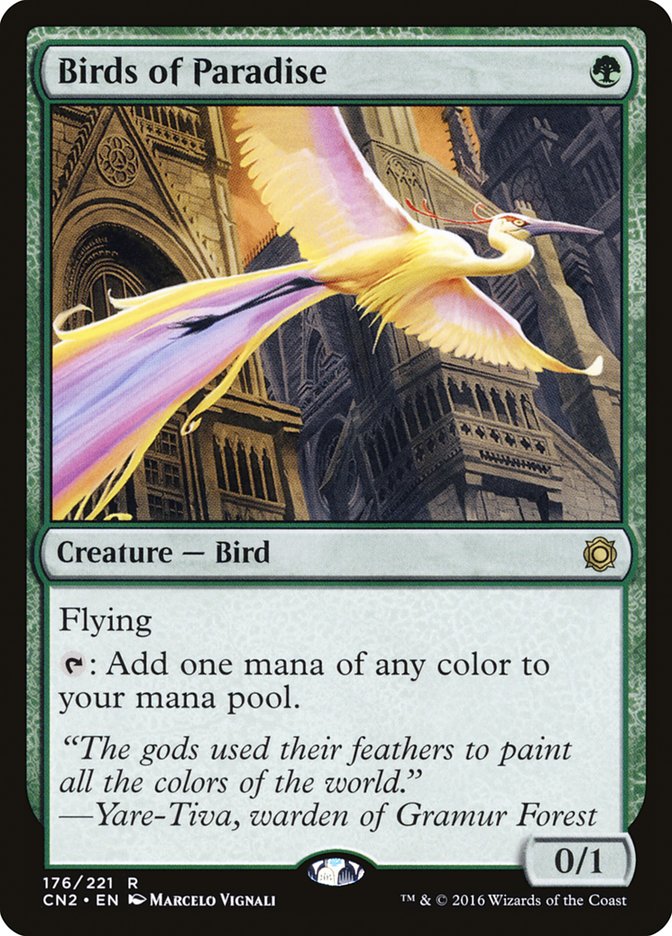
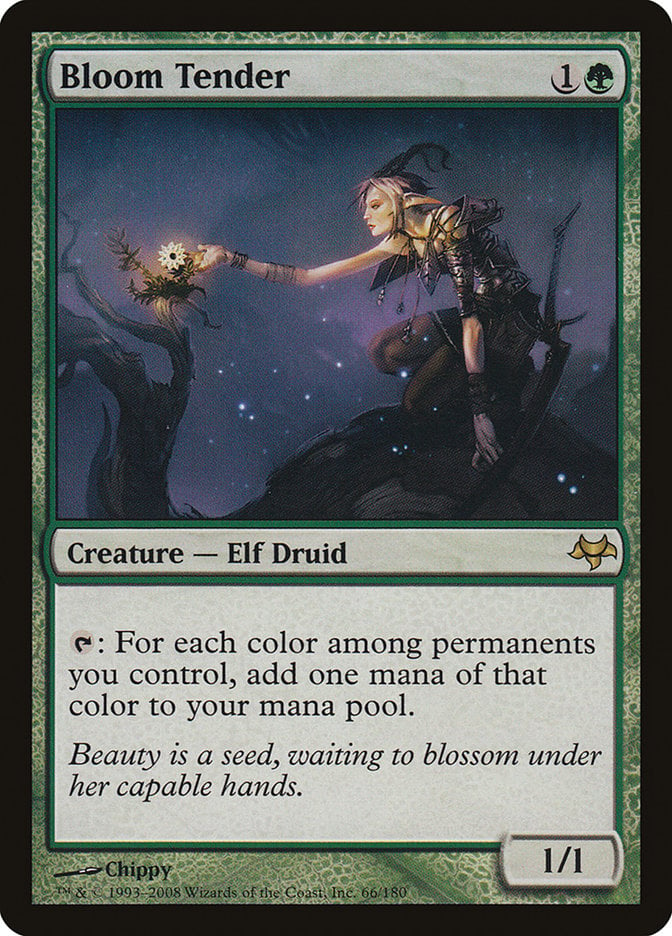
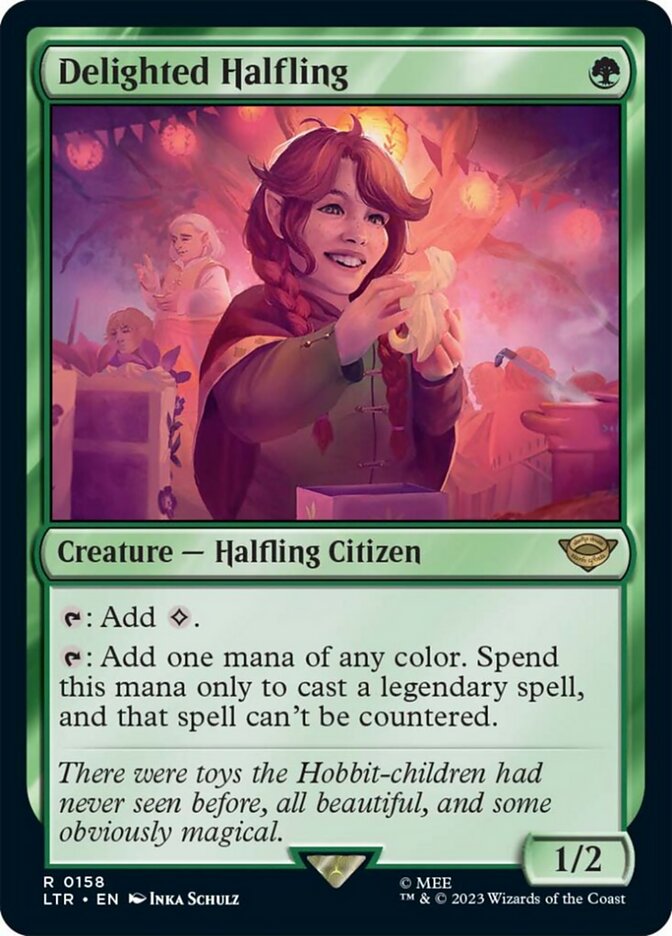
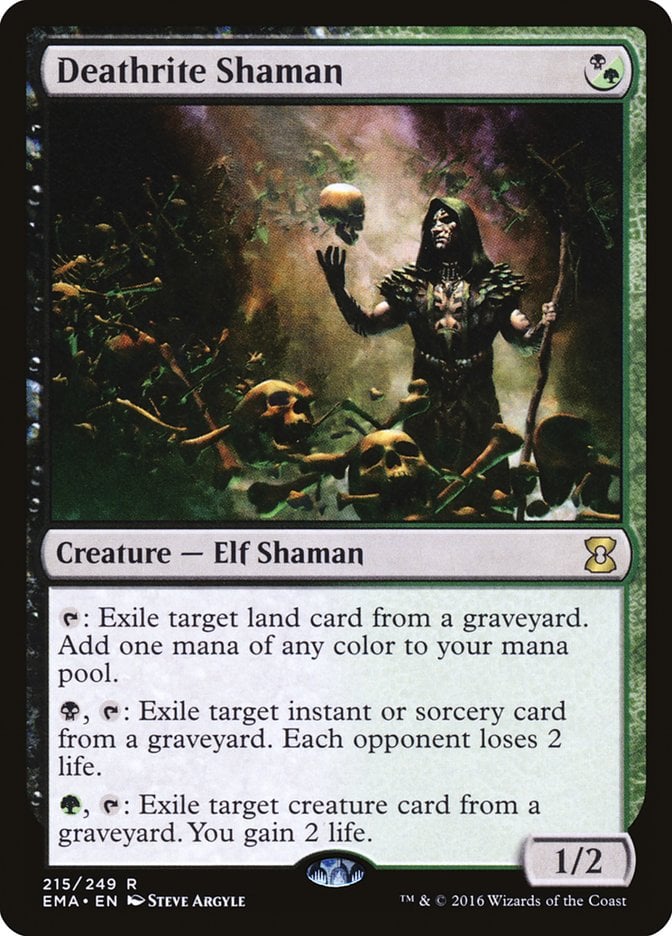
Mana creatures like Birds of Paradise, Bloom Tender, and Delighted Halfling help you to keep pace with fast cEDH tables while also supporting combo lines later on. Deathrite Shaman plays a key role because it fixes mana, applies pressure, disrupts graveyards, and gives you meaningful options with spare mana, which helps to tie the whole deck together.
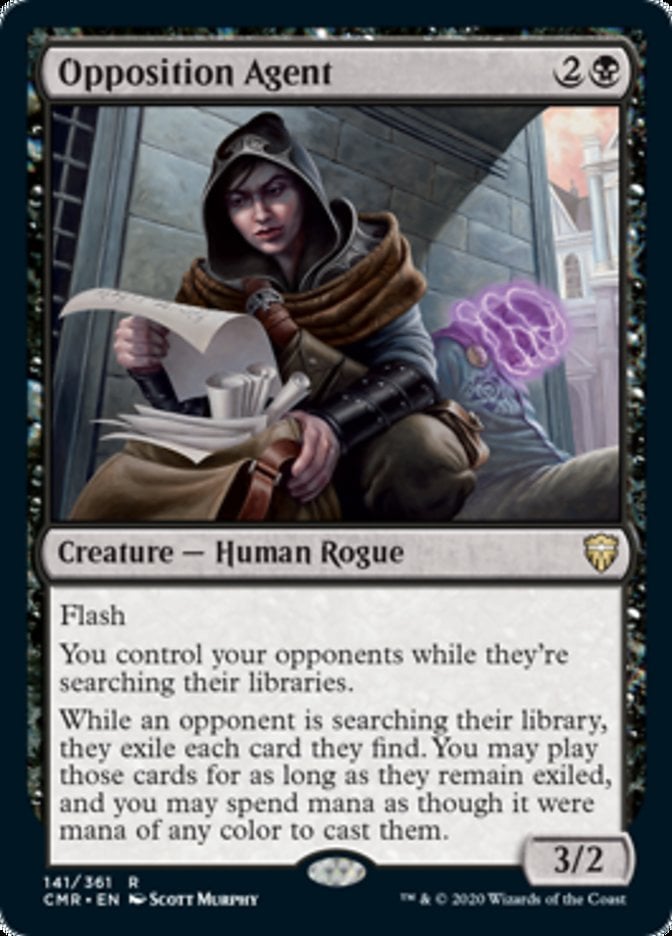
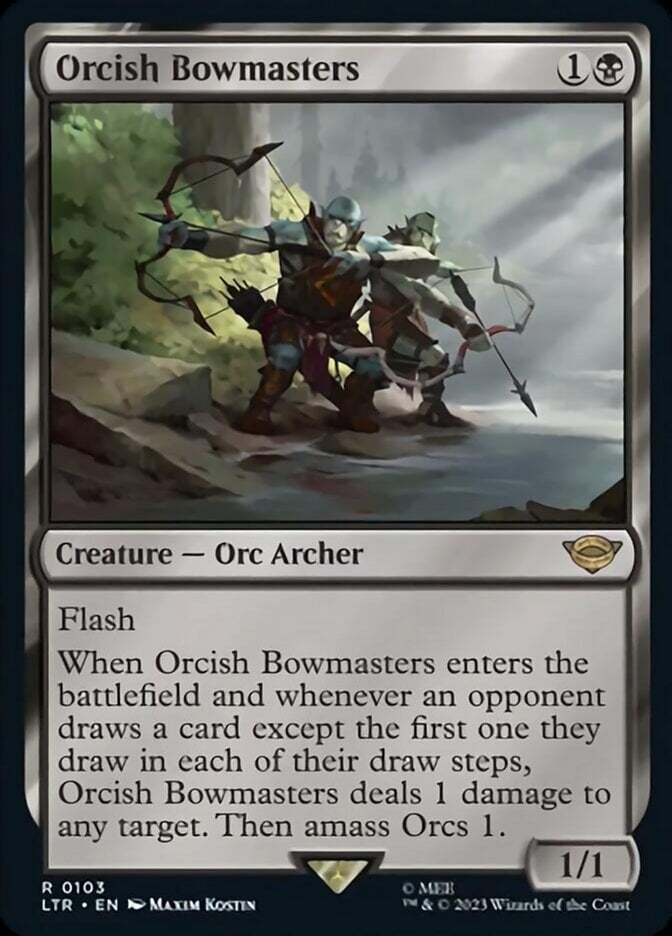
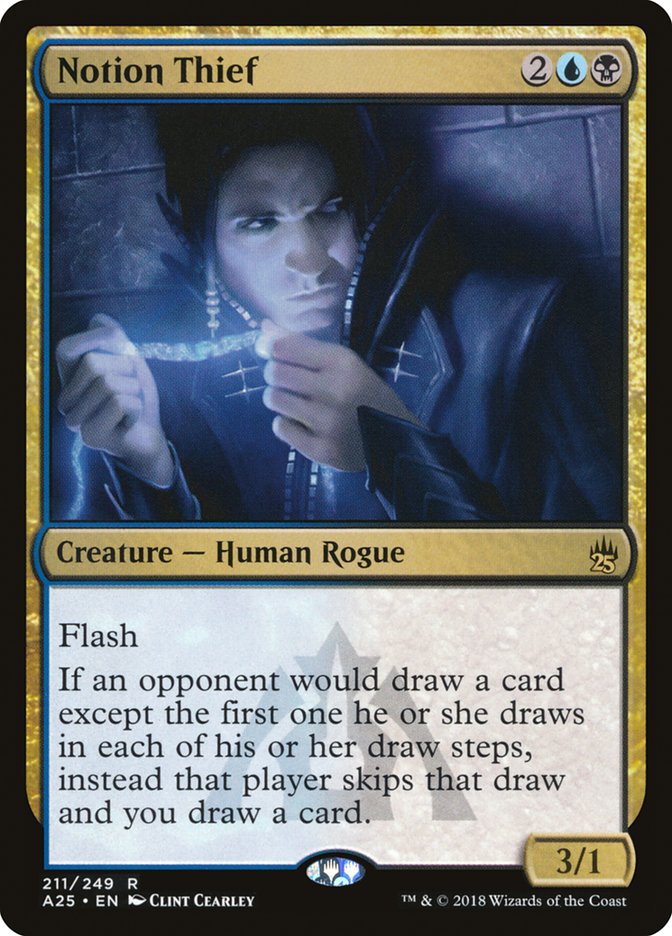
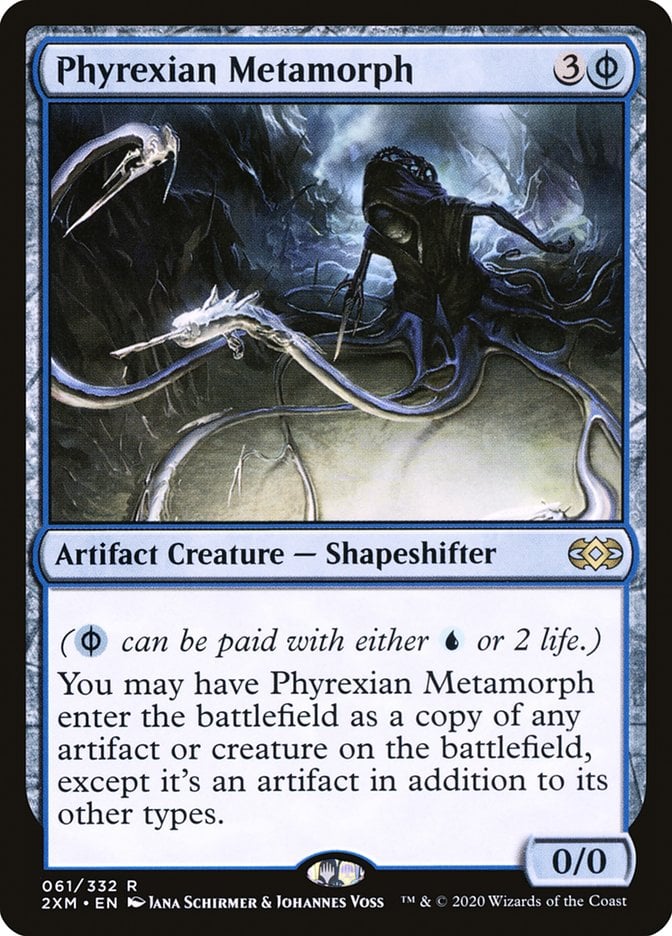
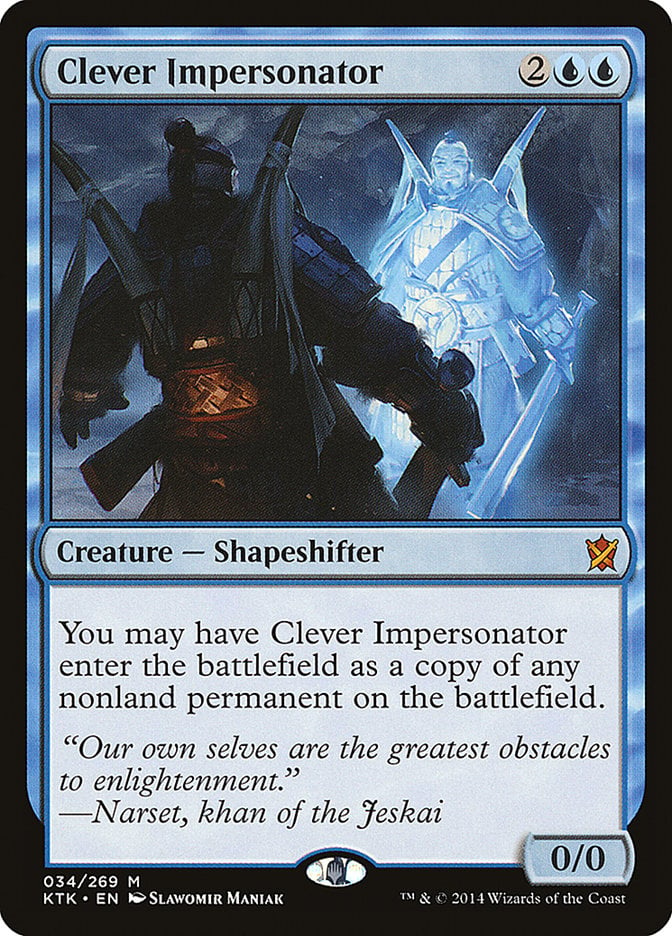

As the game progresses, disruptive and flexible creatures take over. Opposition Agent shuts down tutors and can steal win conditions outright, while Orcish Bowmasters and Notion Thief punish draw-heavy strategies and swing games in your favor. Clone effects like Phyrexian Metamorph, Clever Impersonator, and Mockingbird add resilience by copying the strongest permanents on the table, which ensures that your creature suite always scales with the game.
The Payoffs
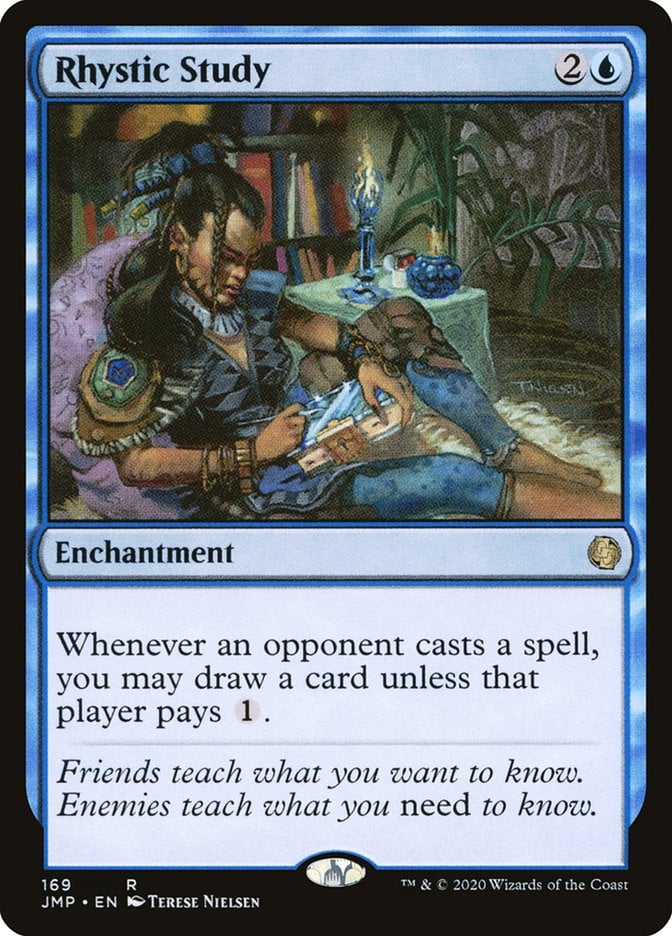
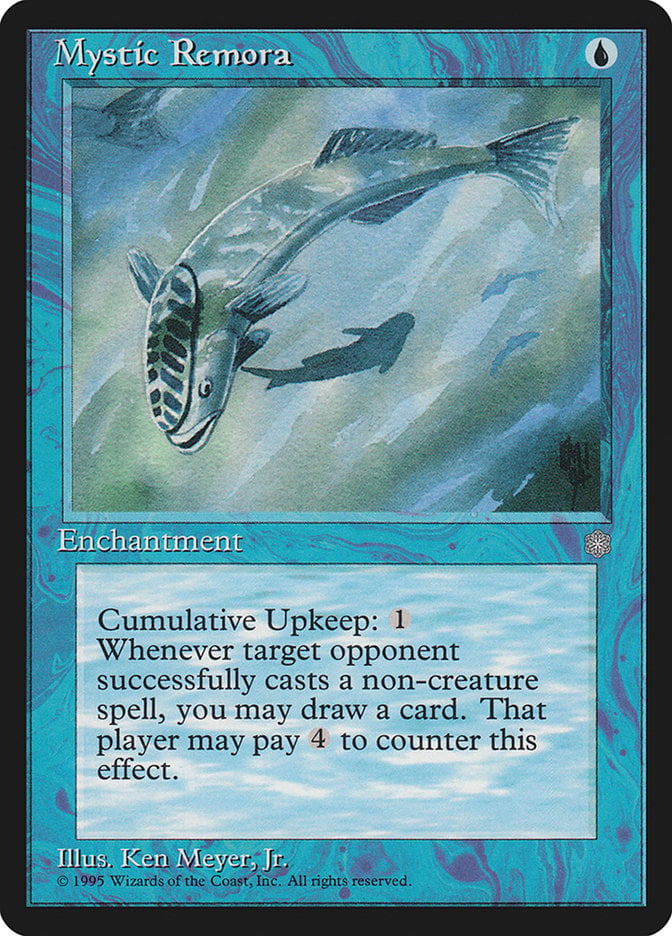
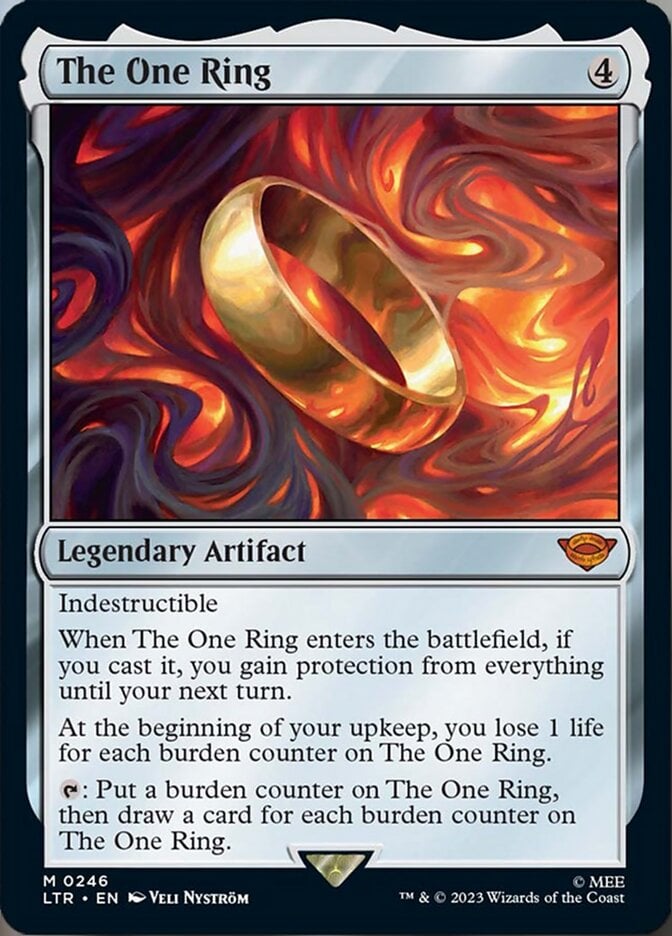
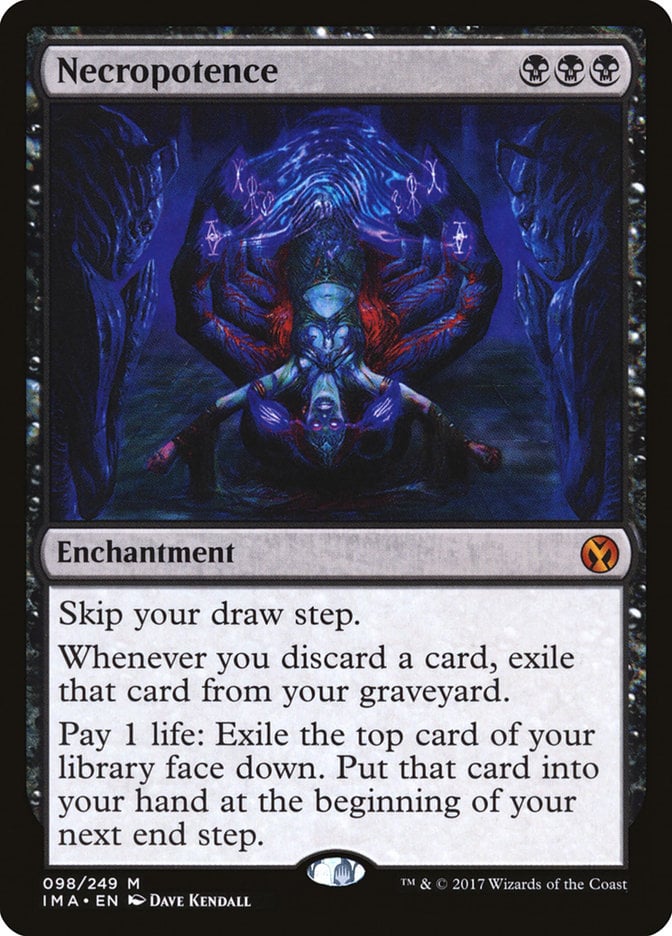
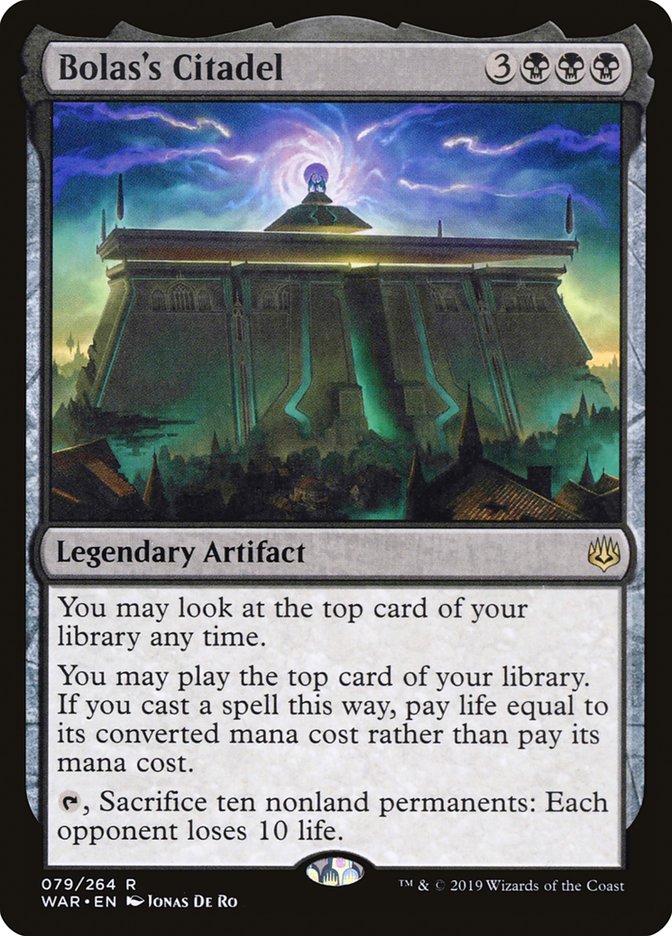
These are the cards that turn setup into inevitability. Rhystic Study and Mystic Remora overwhelm opponents with card advantage if unanswered. The One Ring provides protection and a scaling draw engine, while Necropotence trades life for overwhelming hand size. Bolas's Citadel is a true finisher that lets you chain spells off the top and convert board presence directly into a win.
The Enablers
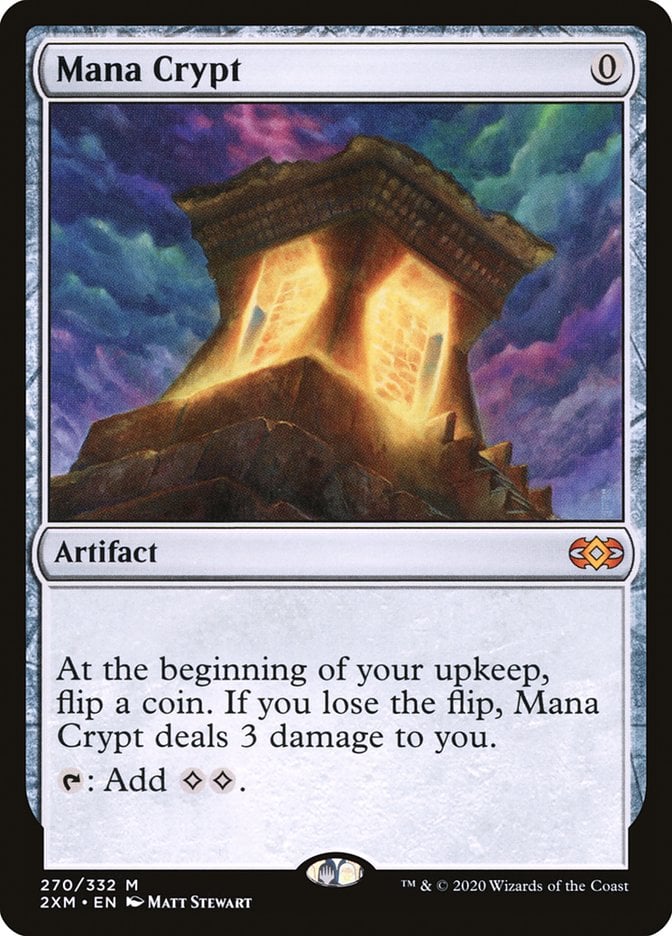
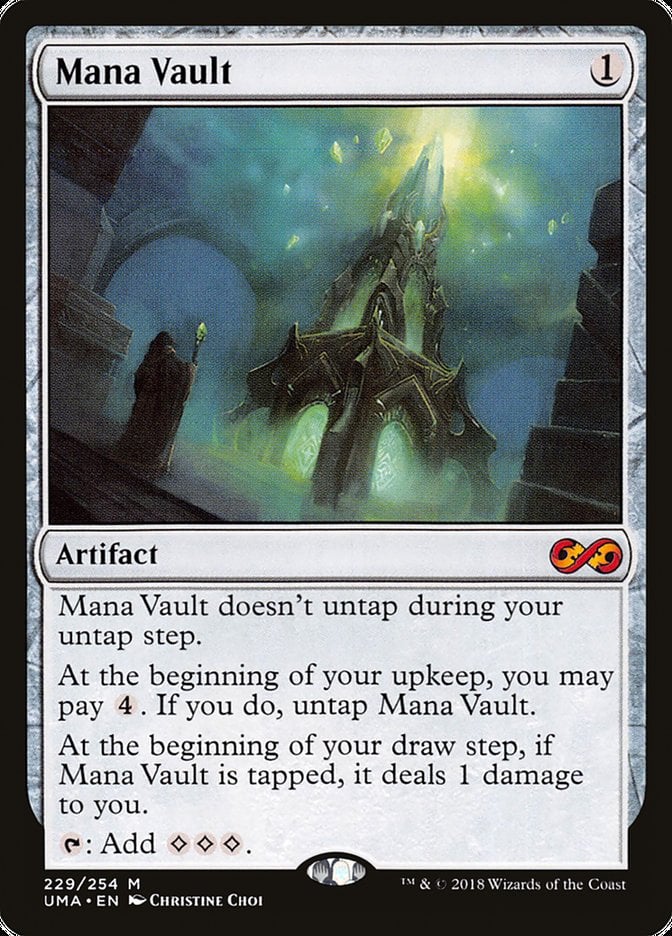
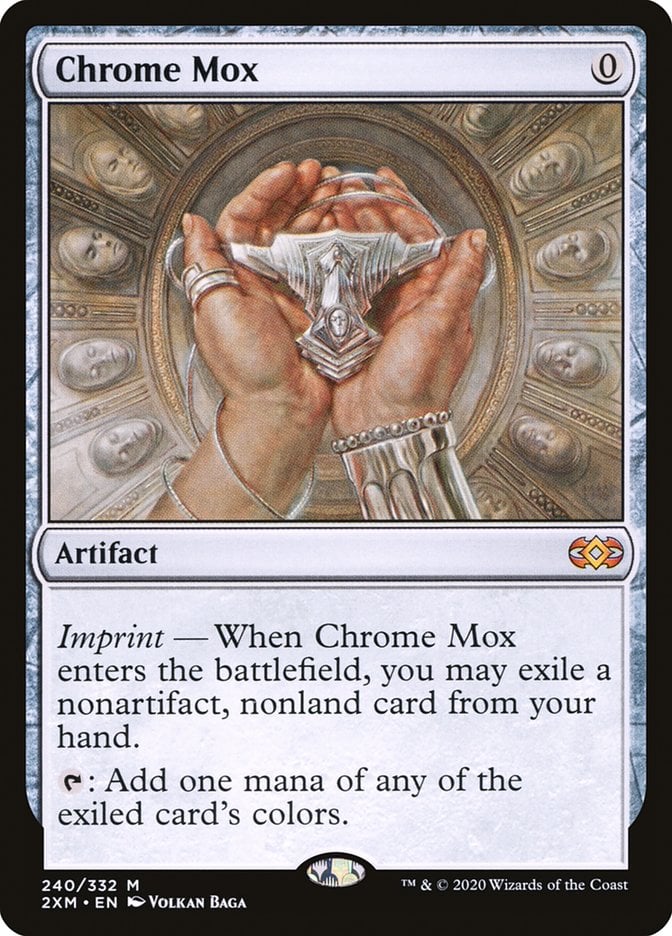
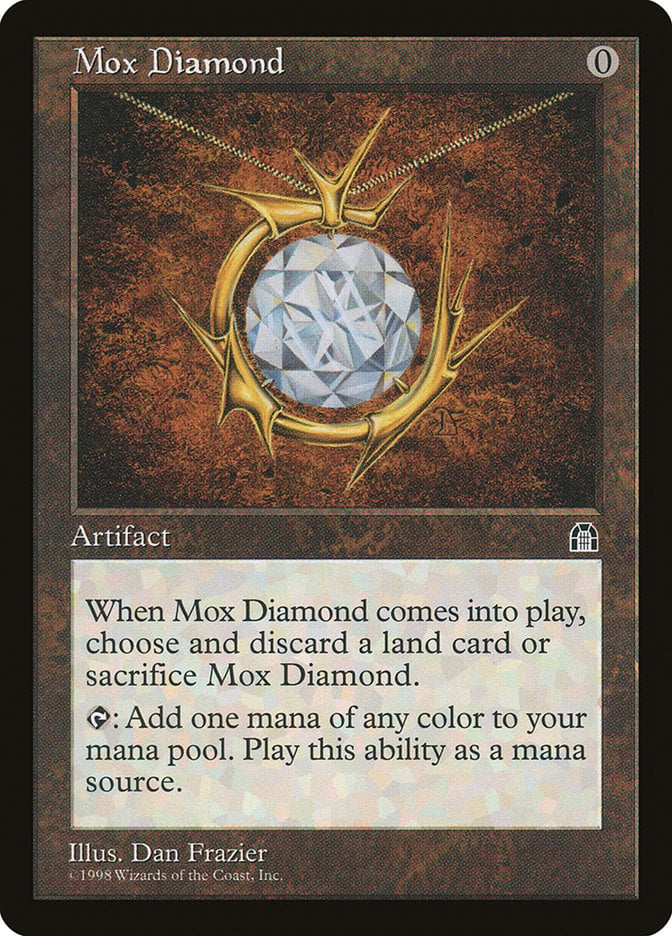
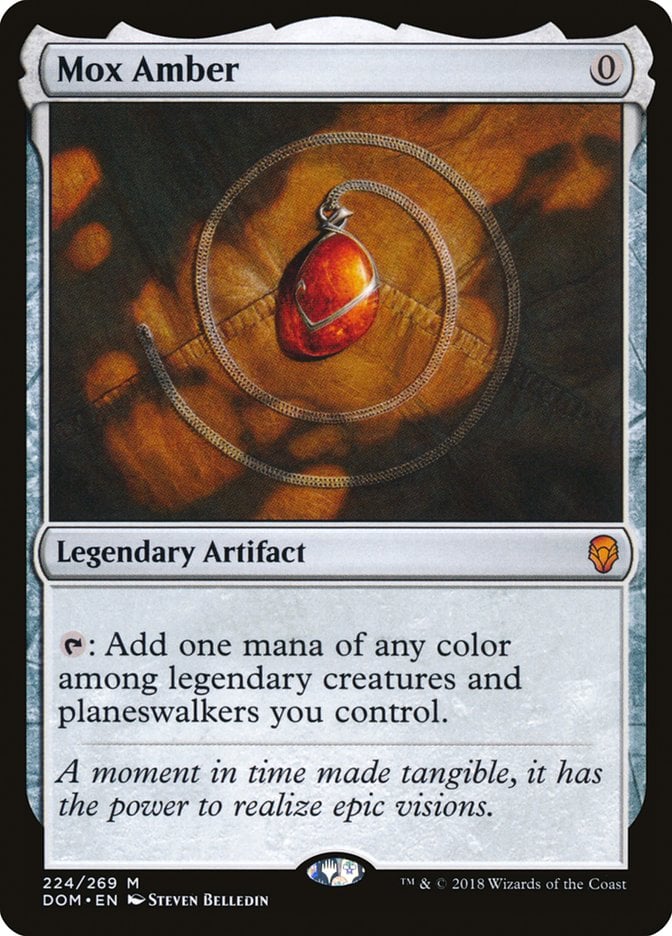
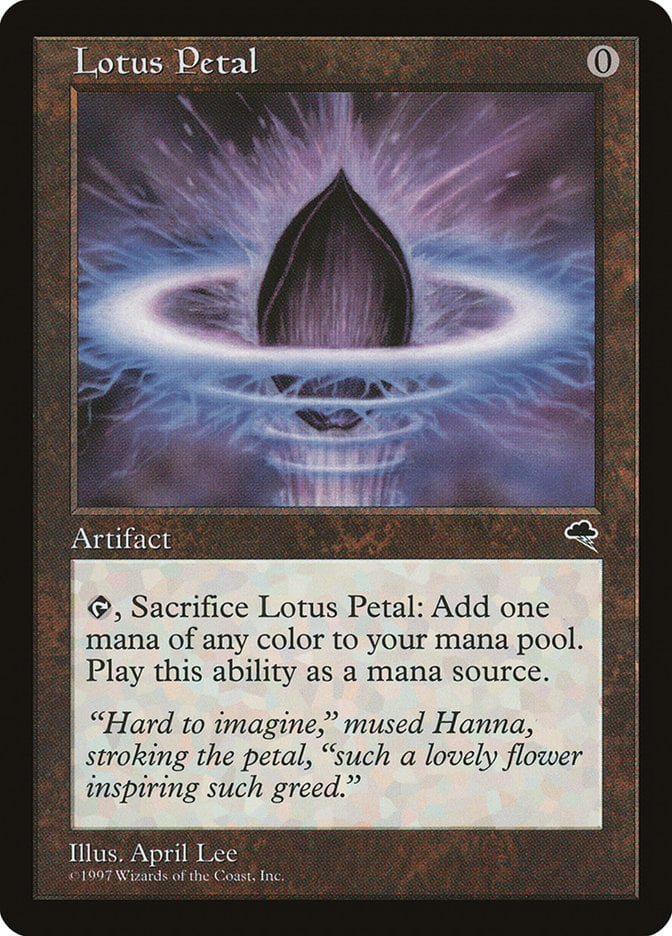
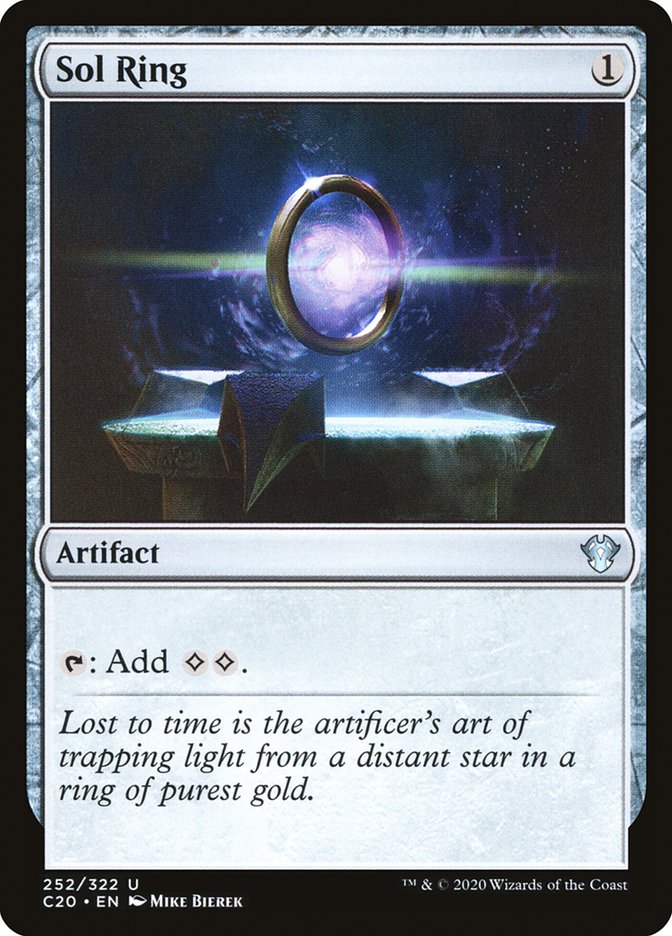
These enablers let this deck keep pace with the fastest tables and sometimes jump ahead of them entirely. Fast mana like Mana Crypt, Mana Vault, Chrome Mox, Mox Diamond, Mox Amber, Lotus Petal, and Sol Ring are what make explosive starts possible. These cards allow you to deploy Glarb early, land a payoff ahead of schedule, or hold up interaction while you still develop your board.
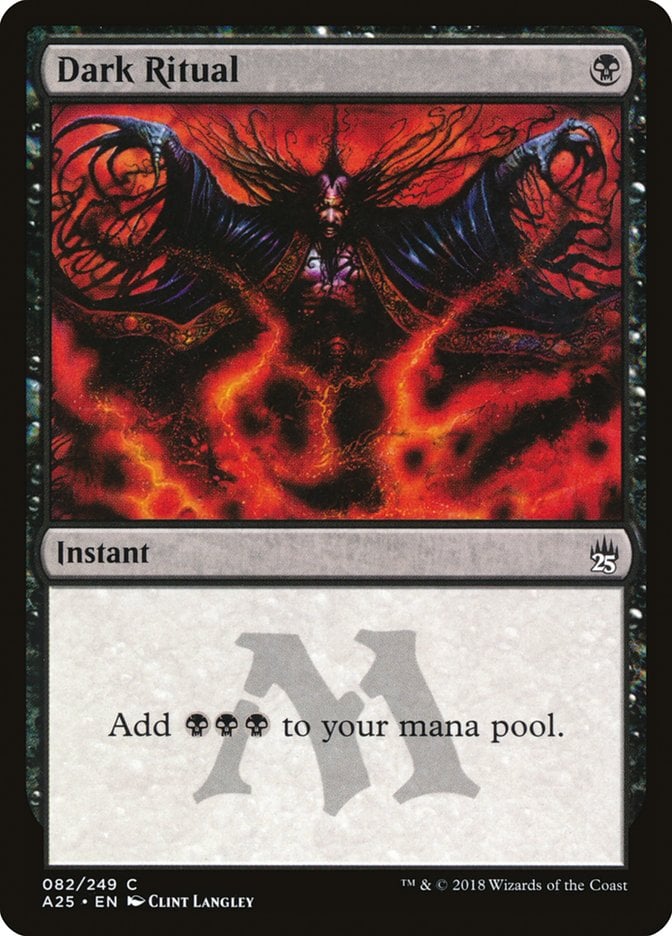
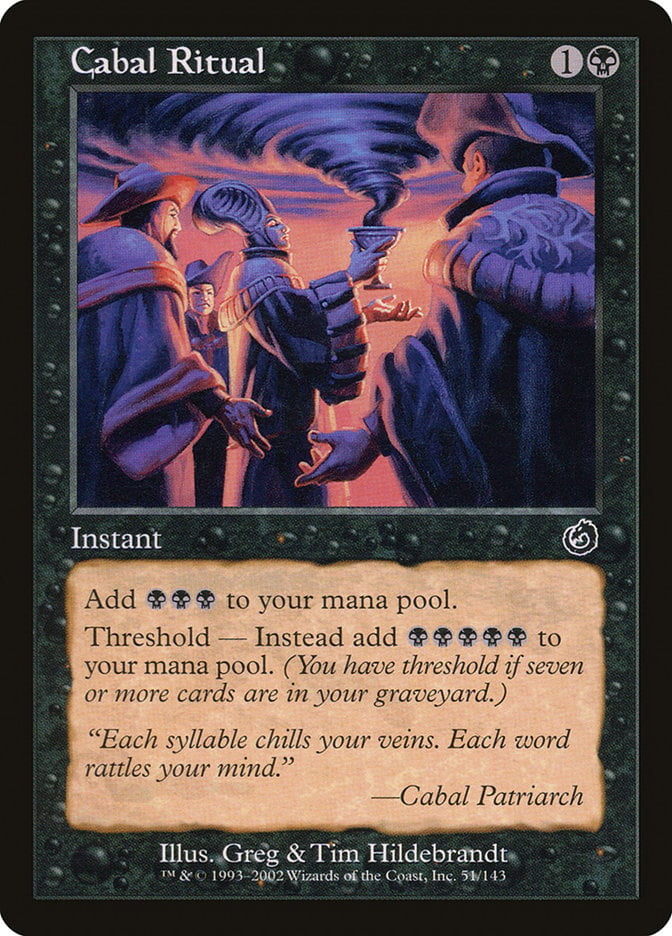
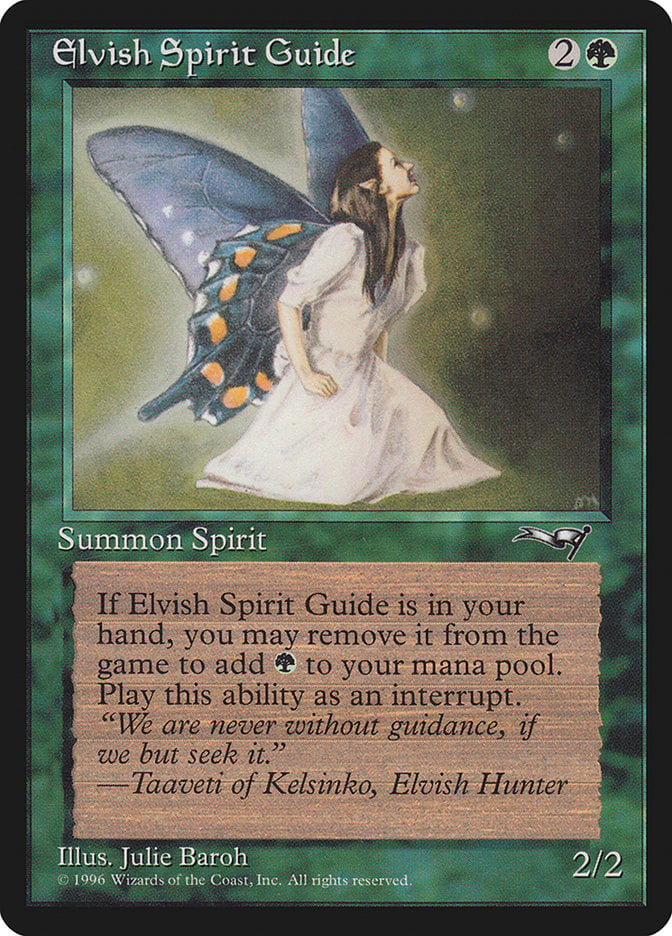
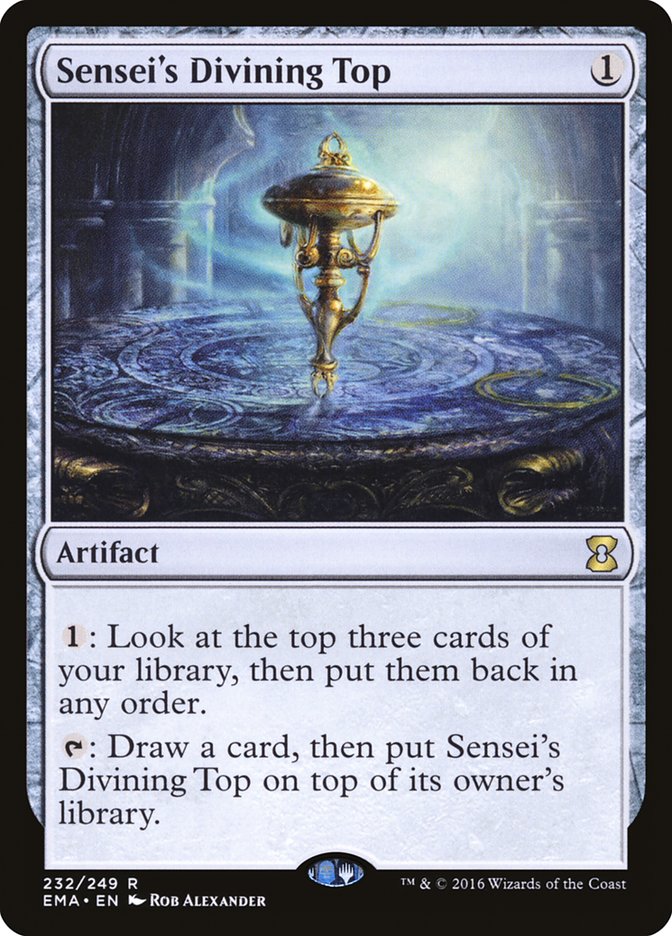
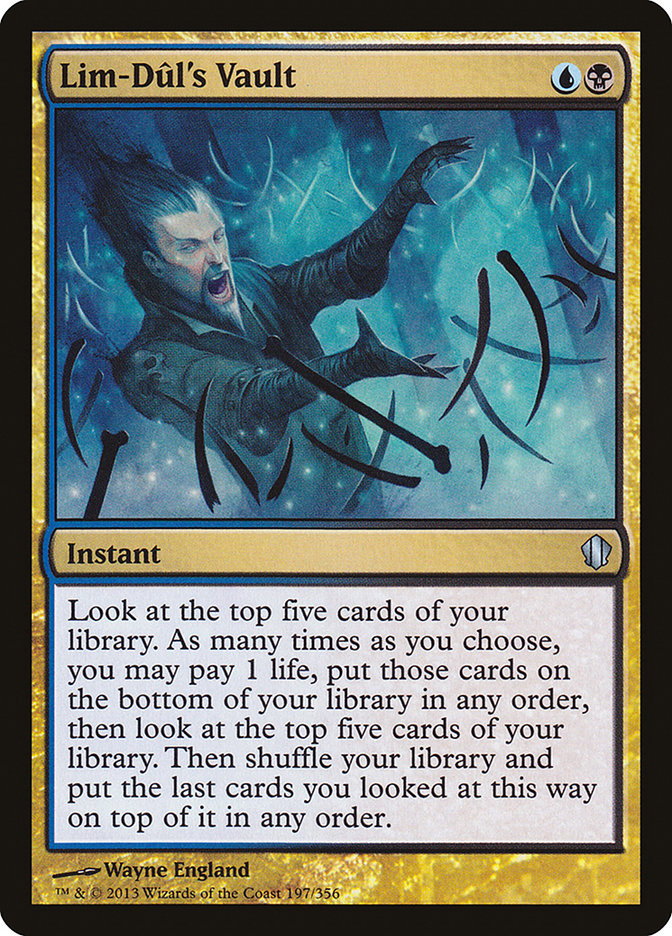
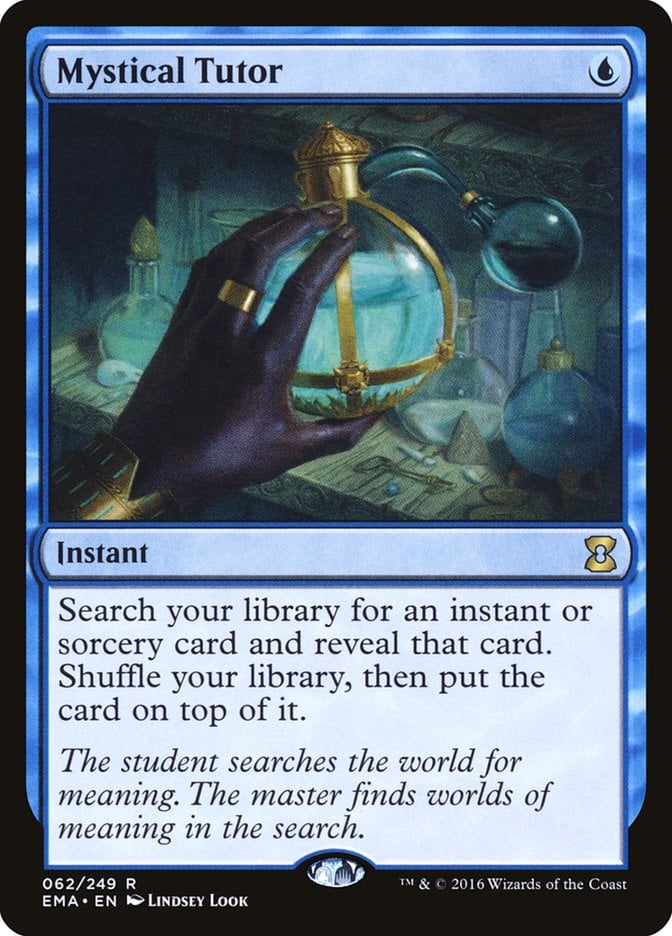
Rituals and library setup round out this package. Dark Ritual and Cabal Ritual let you convert a single card into a burst of mana, which is often all you need to force through a combo turn or resolve a key engine. Elvish Spirit Guide does the same thing from your hand and helps you win counter wars or surprise the table with an early play. On the setup side, Sensei's Divining Top, Lim-Dûl's Vault, and Mystical Tutor make sure Glarb always has something meaningful to work with on top of the library.
Interaction
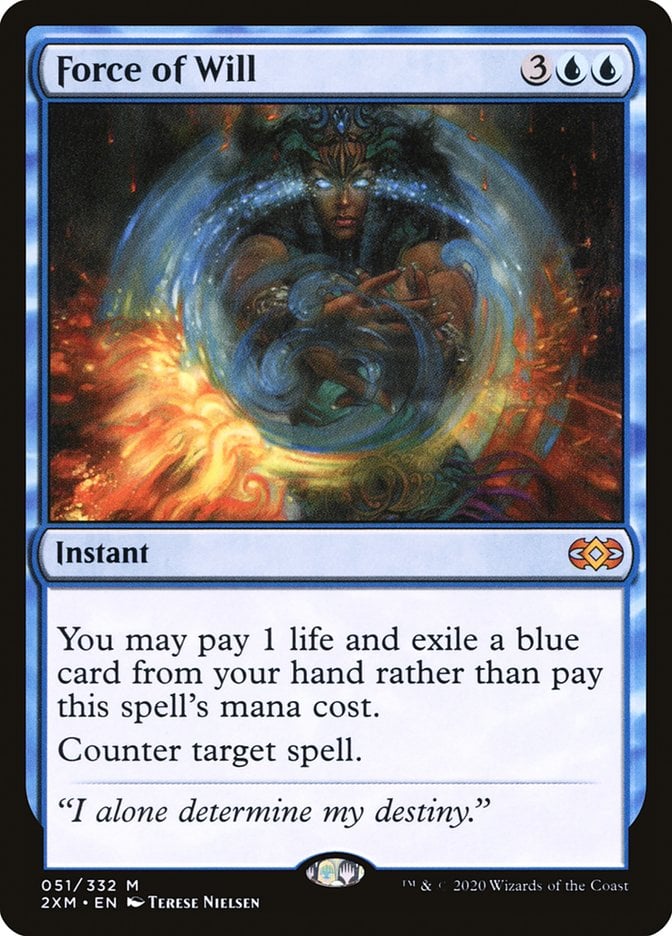
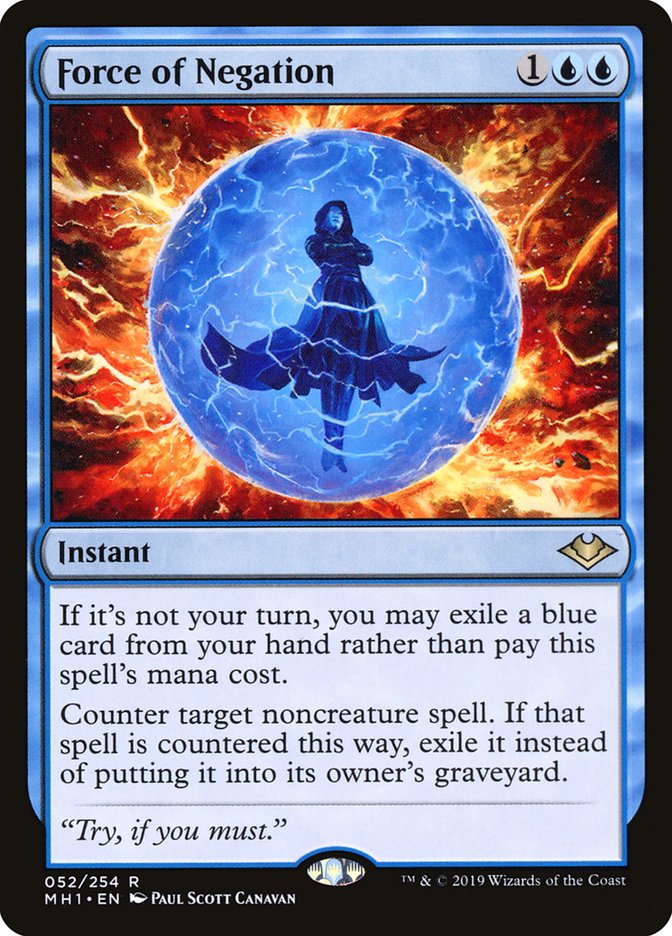
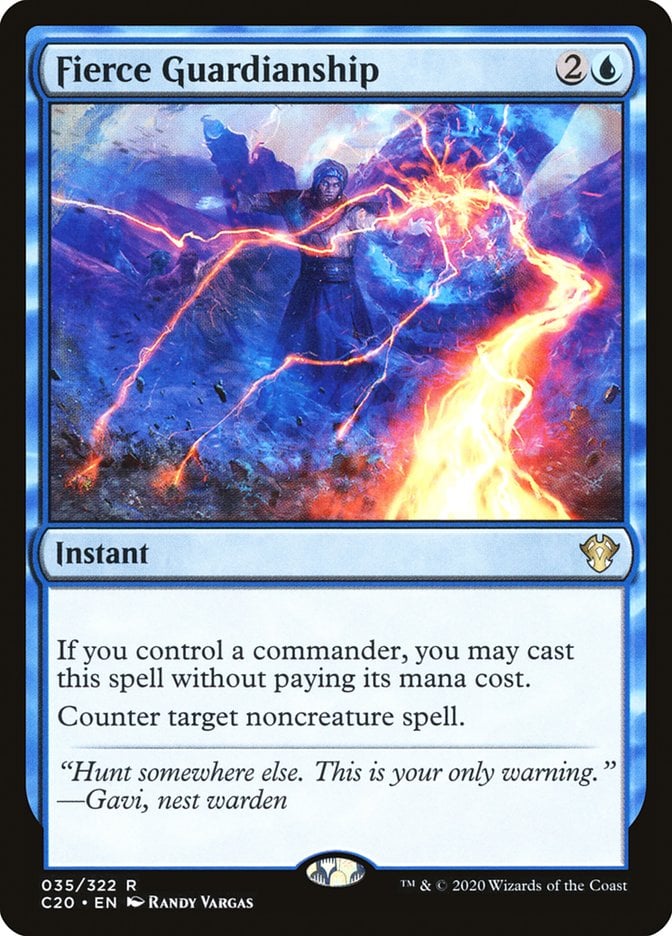
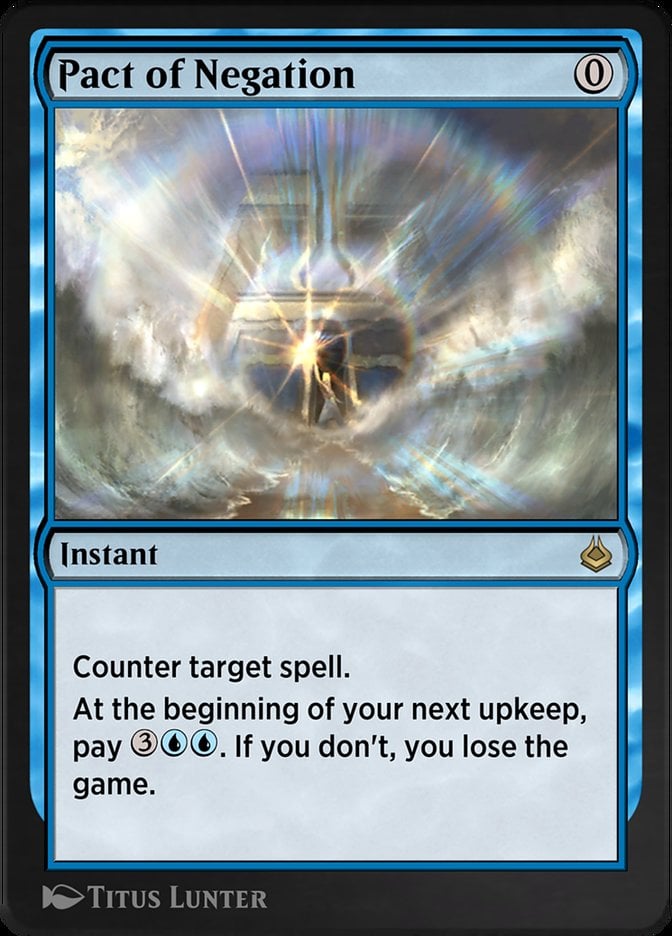
This deck is packed with efficient interaction because protecting your own win is just as important as stopping someone else’s. Free and low cost counters like Force of Will, Force of Negation, Fierce Guardianship, and Pact of Negation let you fight over critical spells without tapping out, which is crucial when you’re trying to advance your board and hold up answers at the same time. These cards shine in combo-heavy pods where a single unanswered spell can end the game.
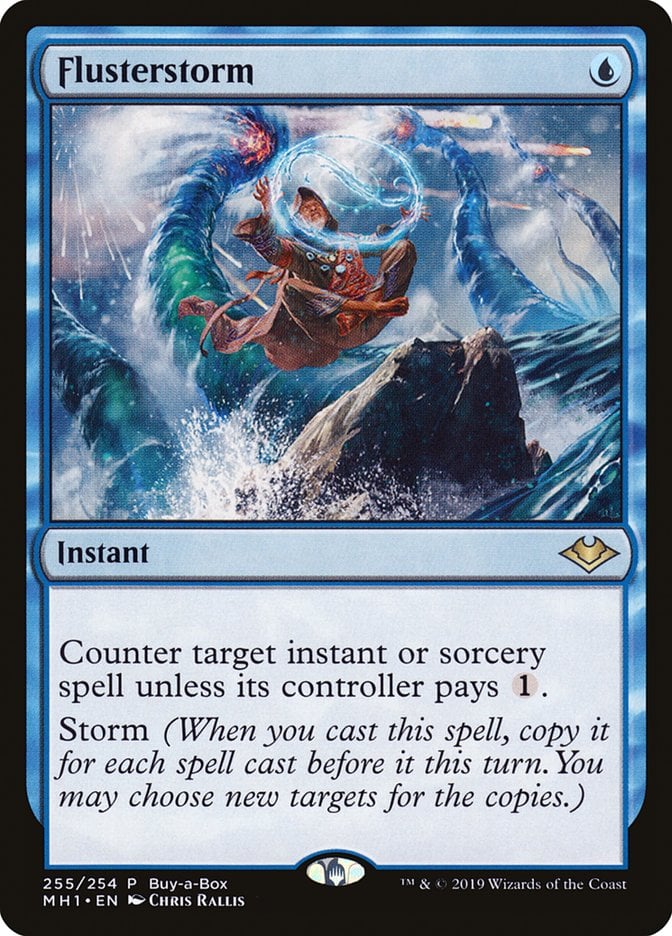
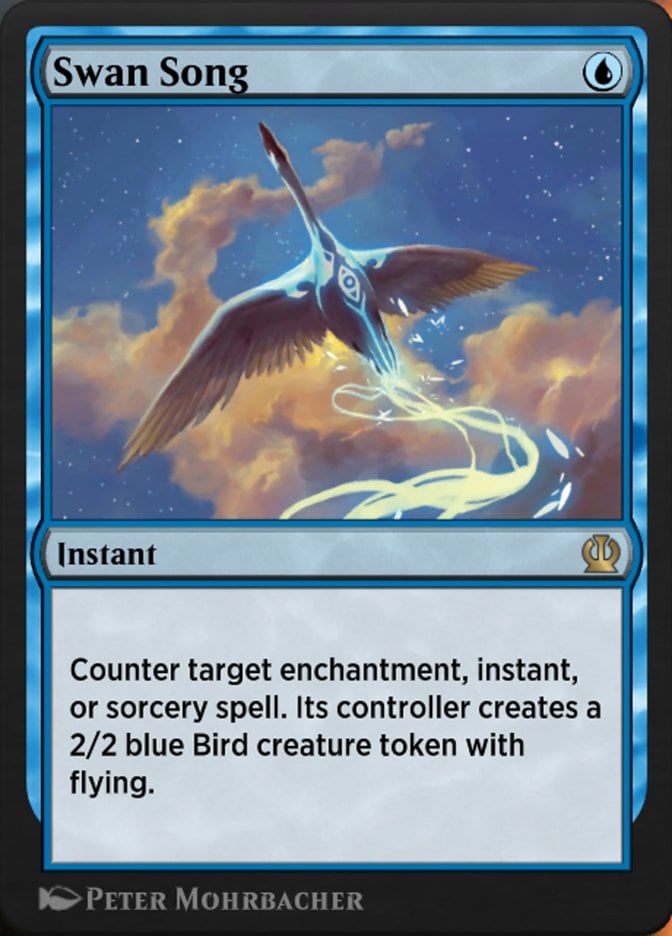
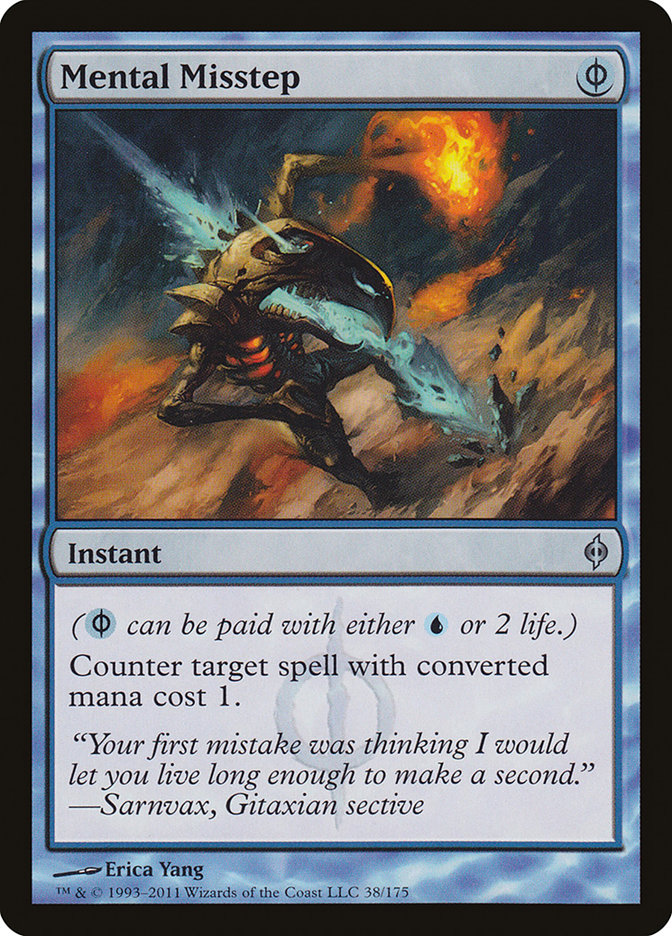
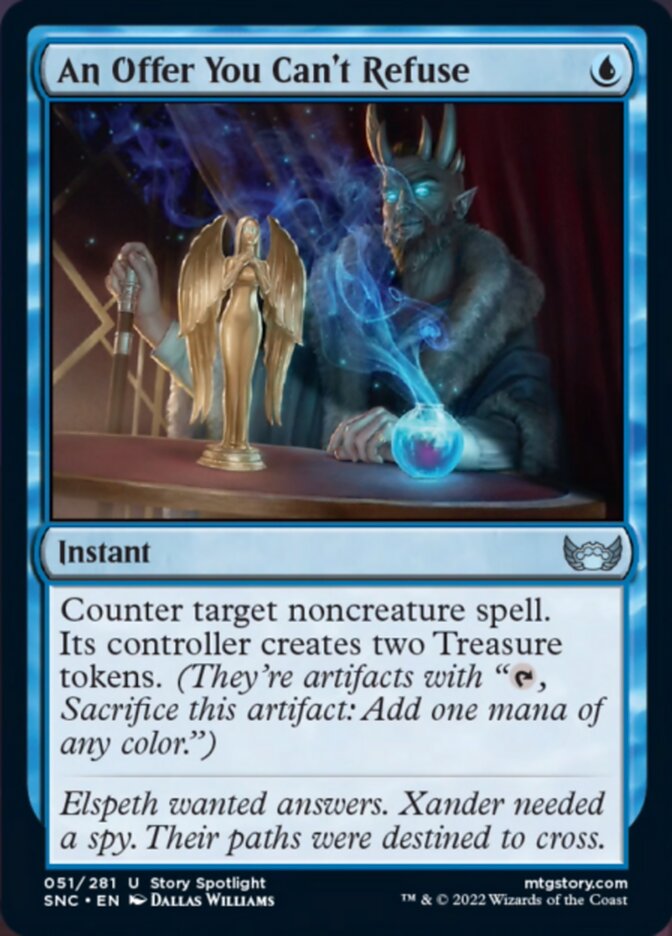
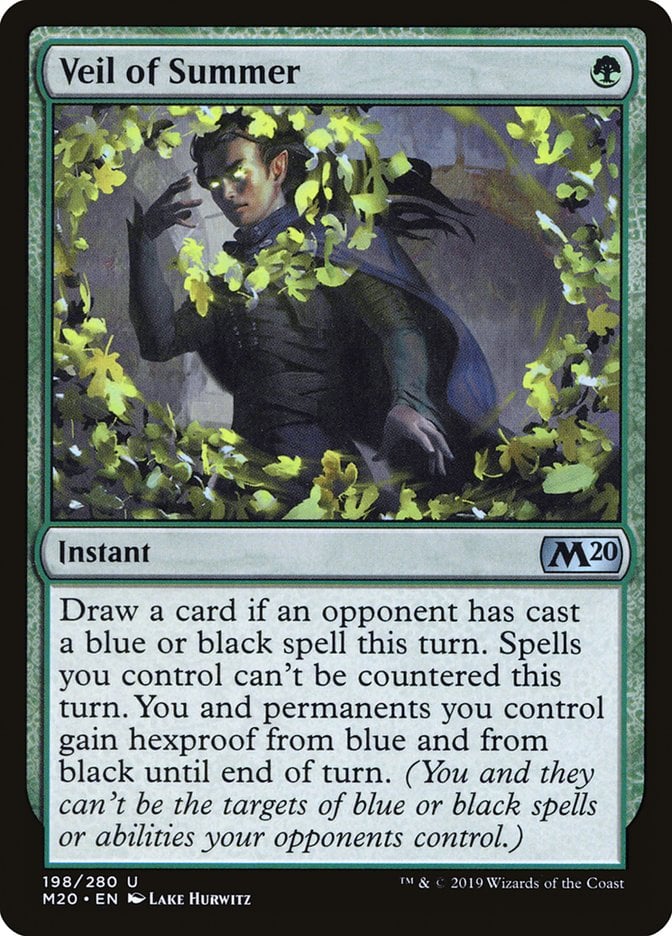
Cheaper interaction like Flusterstorm, Swan Song, Mental Misstep, and An Offer You Can't Refuse give you flexibility throughout the game. You can trade up on mana, disrupt early acceleration, or win stack battles during your own combo turns. Veil of Summer deserves special mention because it often does everything at once. It protects your spells, stops counter magic, and replaces itself, which makes it one of the most efficient ways to force a win through blue and black interaction.
Removal
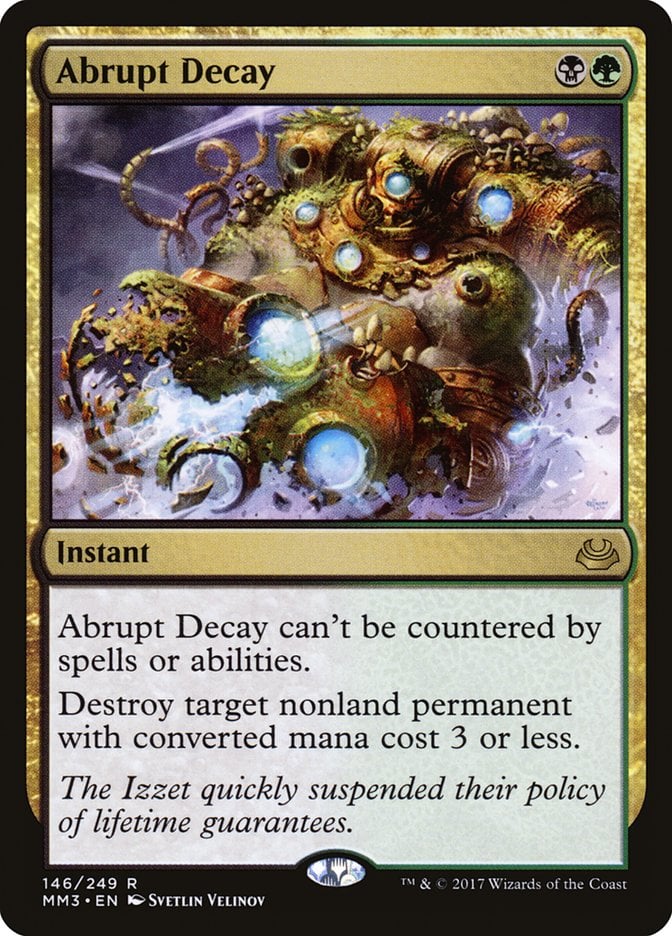
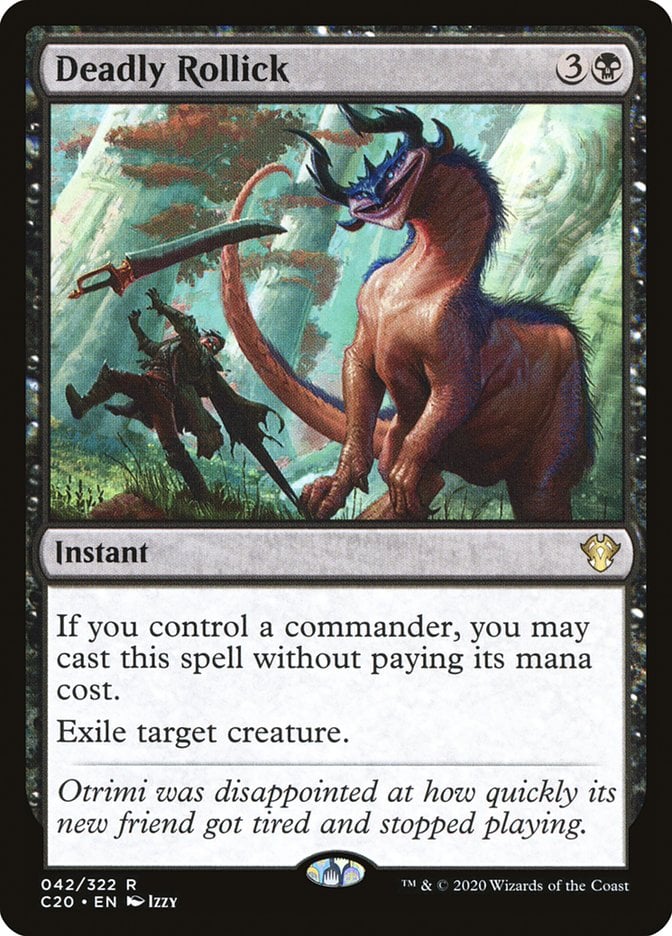
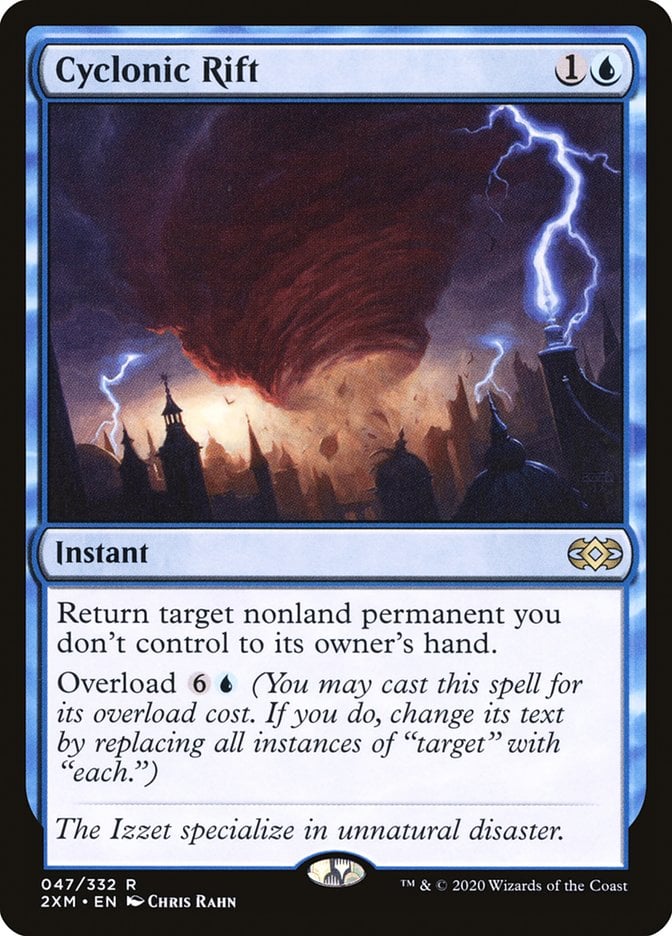
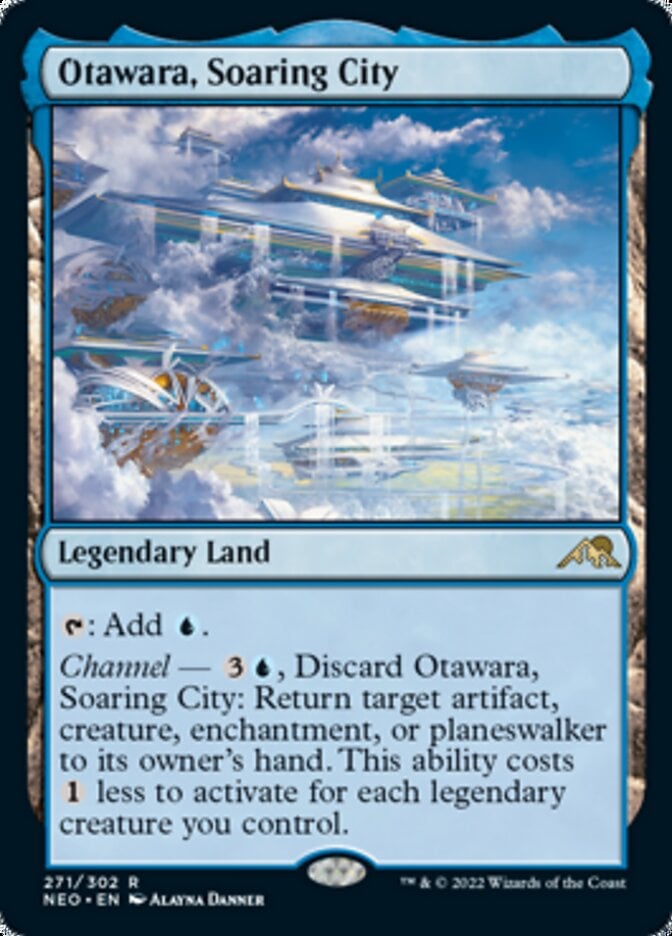

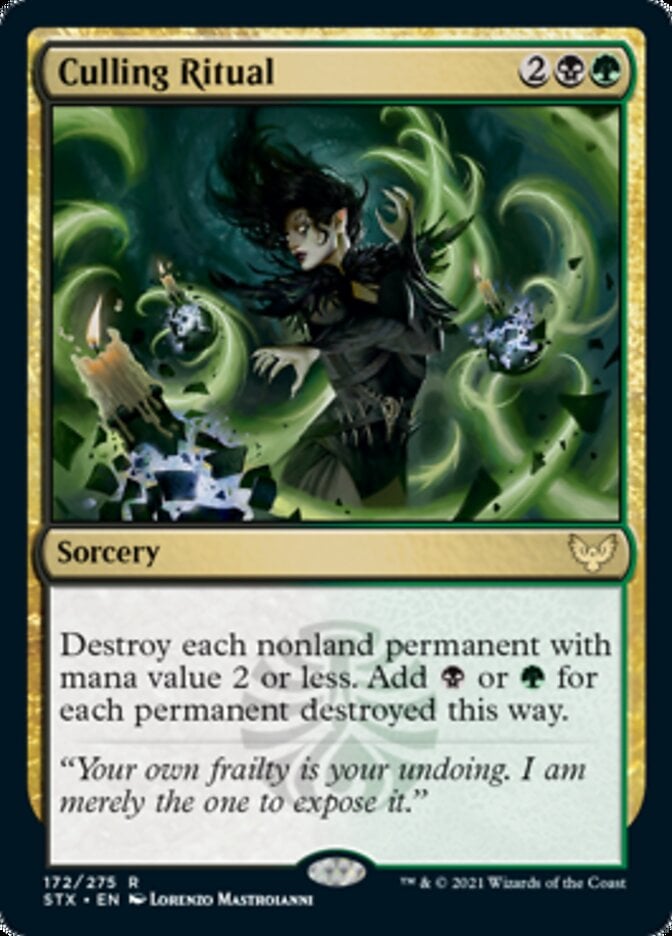
Removal is efficient and flexible, aimed at stopping problem permanents without slowing you down. Abrupt Decay cleanly answers hate pieces, while Deadly Rollick removes creatures for free when Glarb is in play. Bounce effects like Cyclonic Rift, Otawara, Soaring City, and Into the Flood Maw reset boards or clear the way for a win. Culling Ritual doubles as a wipe and a massive mana boost.
The Mana Base
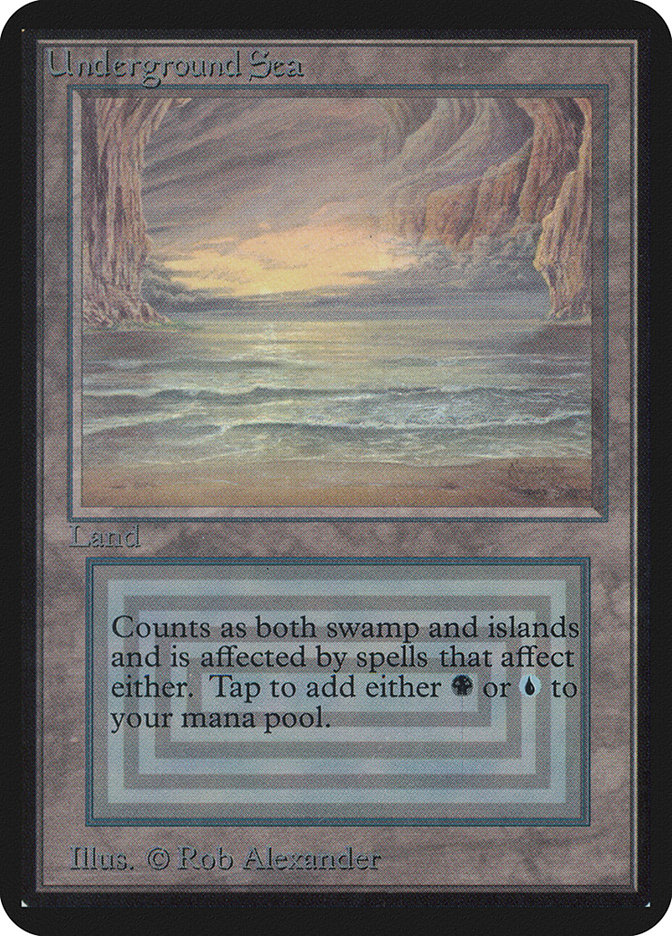
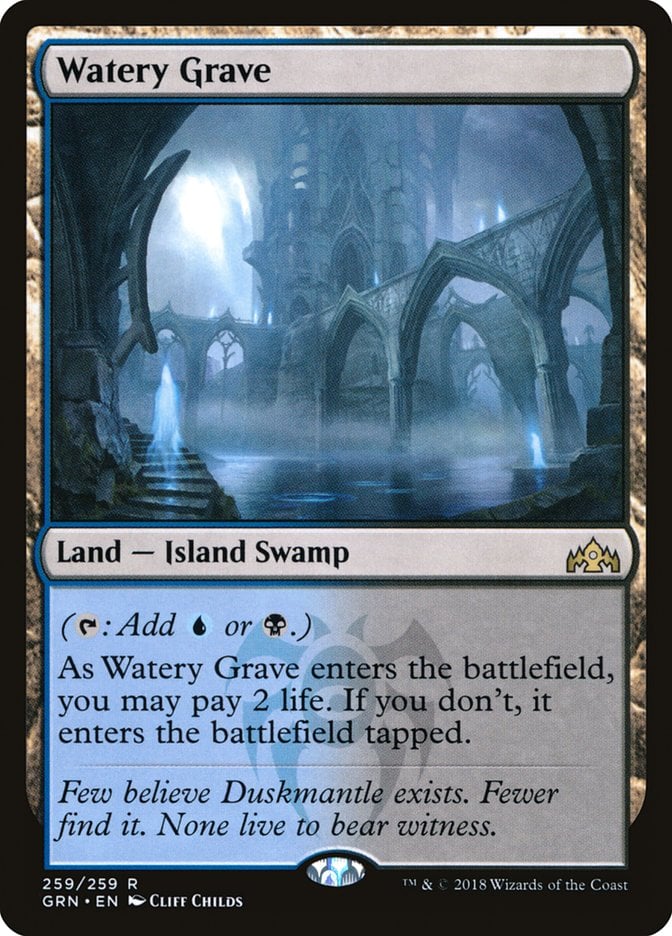
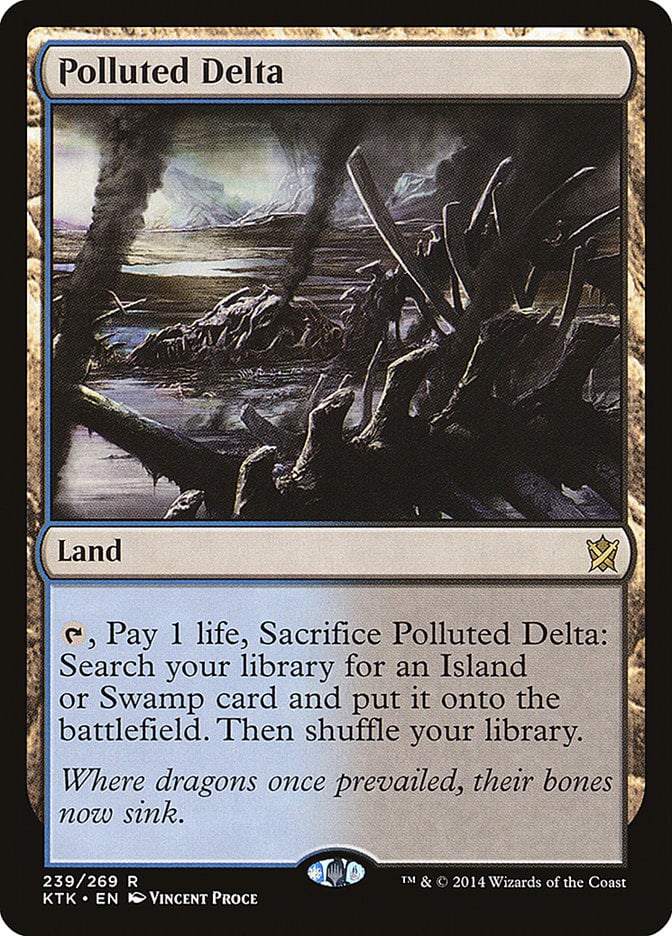
The mana base in this deck is built to be fast, flexible, and reliable above all else. Premium dual lands like Underground Sea, Tropical Island, and Bayou combined with shock lands like Watery Grave, Breeding Pool, and Overgrown Tomb ensure that your colors are almost always perfect. Fetch lands like Polluted Delta, Misty Rainforest, and Verdant Catacombs tie everything together, even if they cost a bit of life.
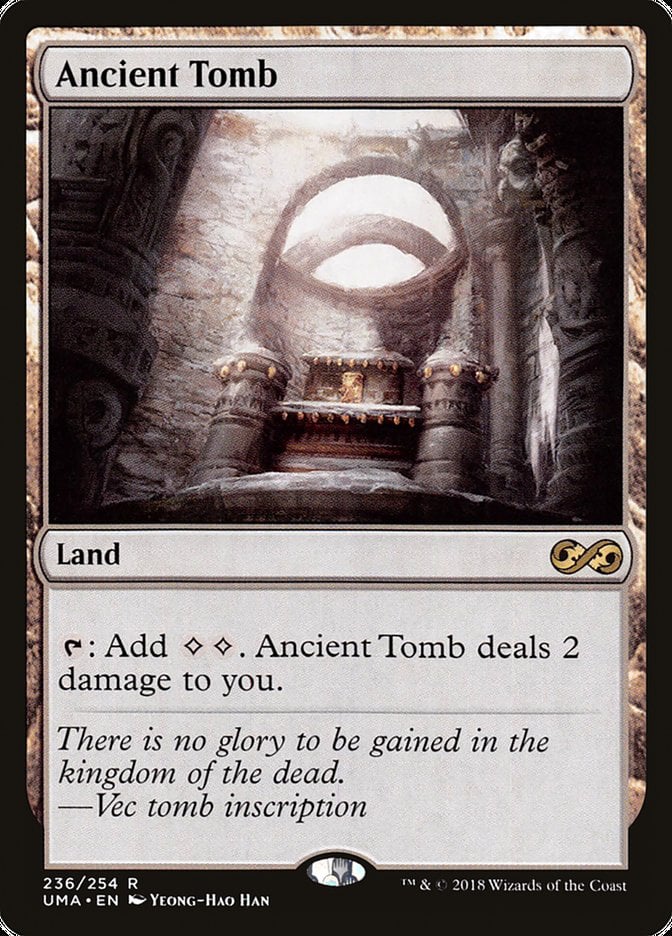
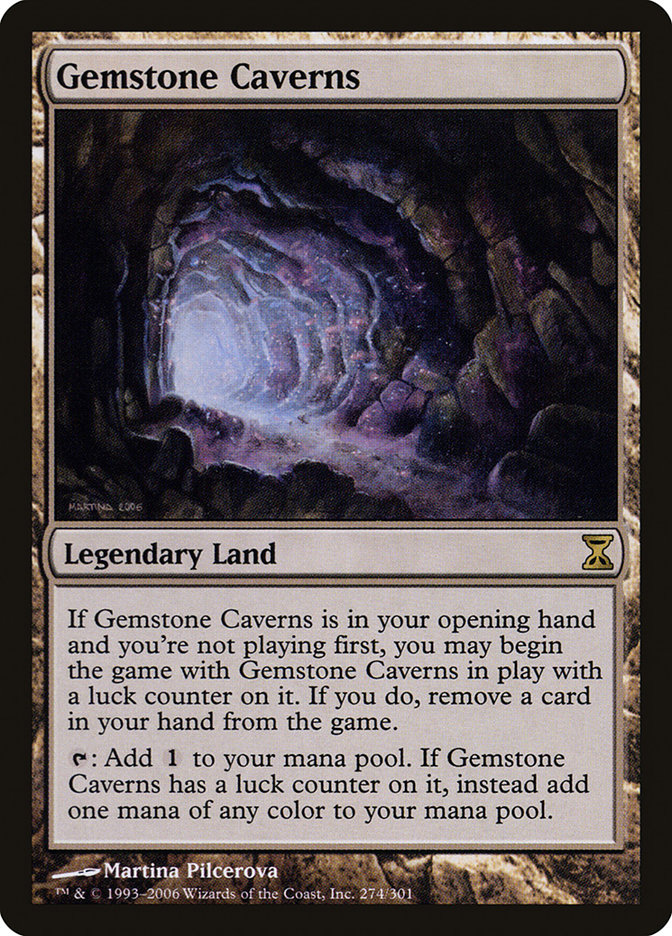
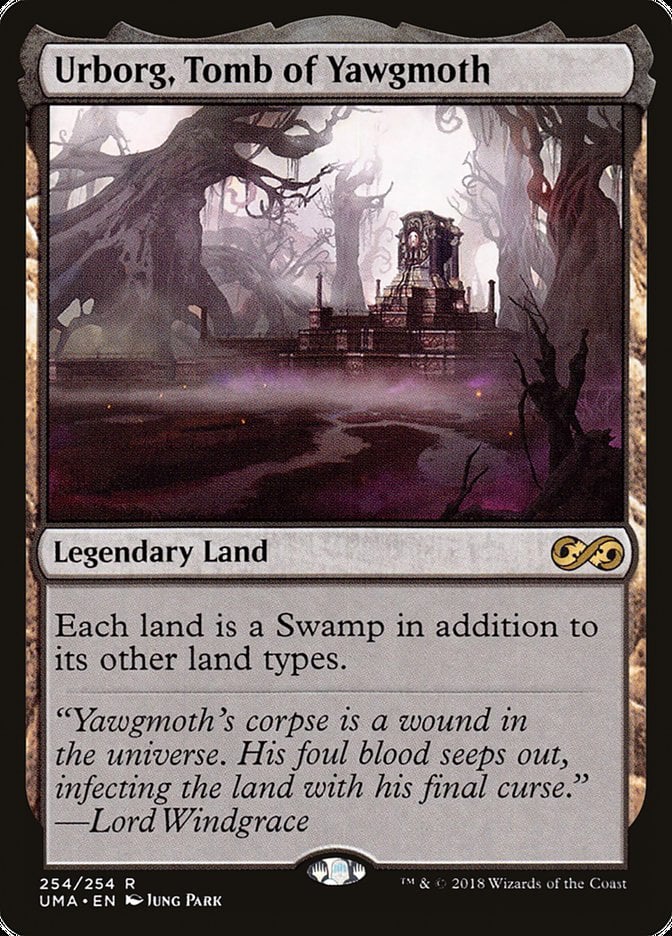
Utility lands add meaningful upside without slowing you down. Ancient Tomb enables explosive starts and early payoff turns, while Gemstone Caverns gives you free acceleration when you aren’t on the play. Urborg, Tomb of Yawgmoth smooths black mana requirements, which matters a lot for tutors, rituals, and Necropotence.
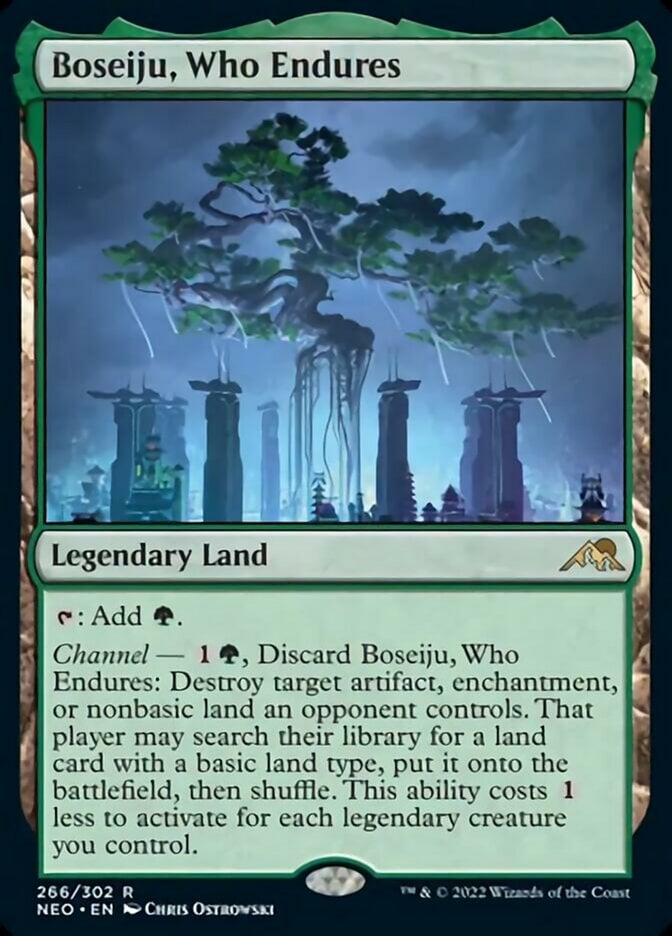
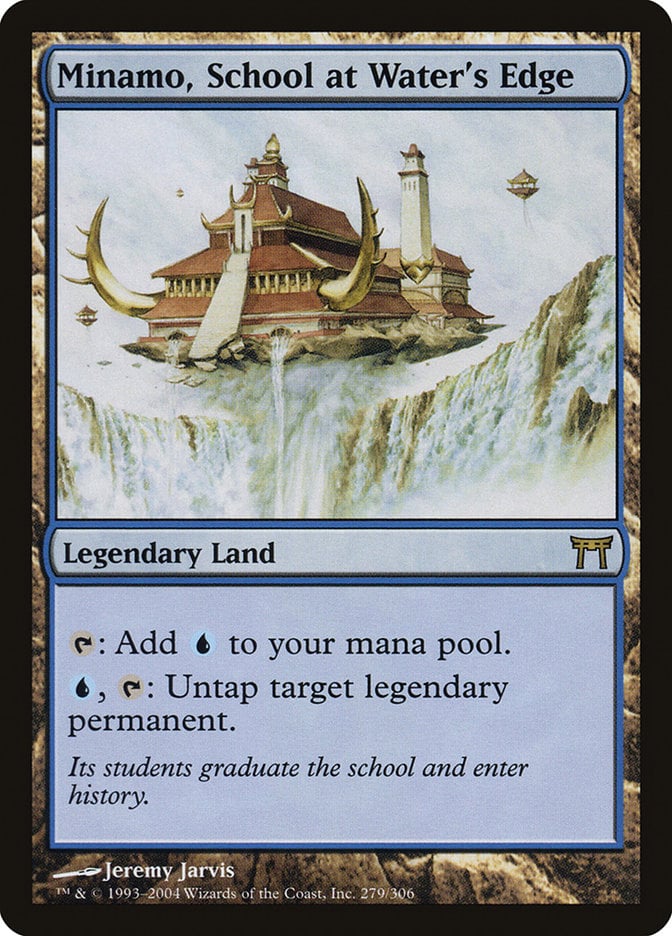

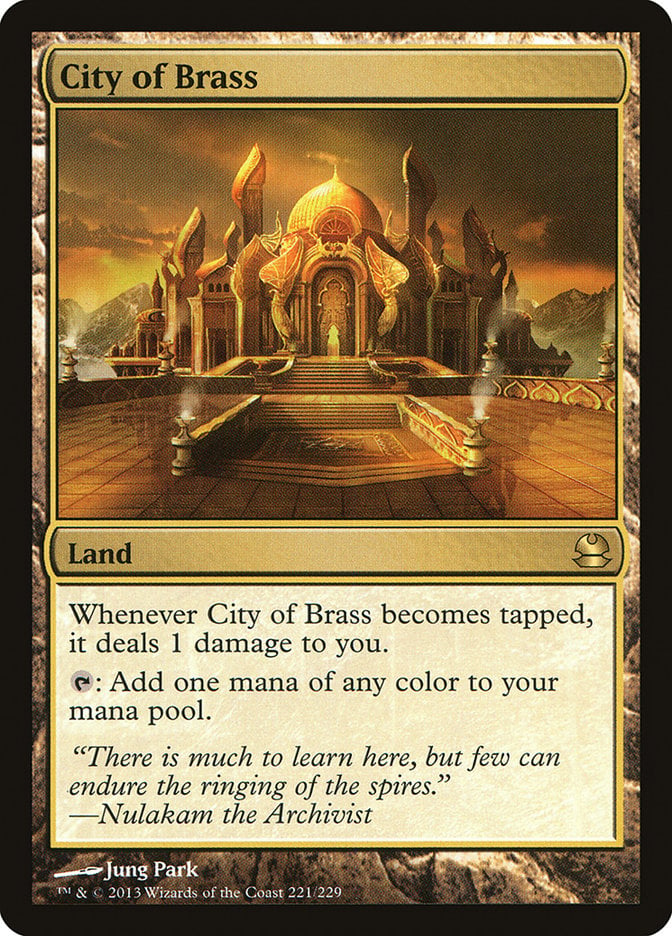
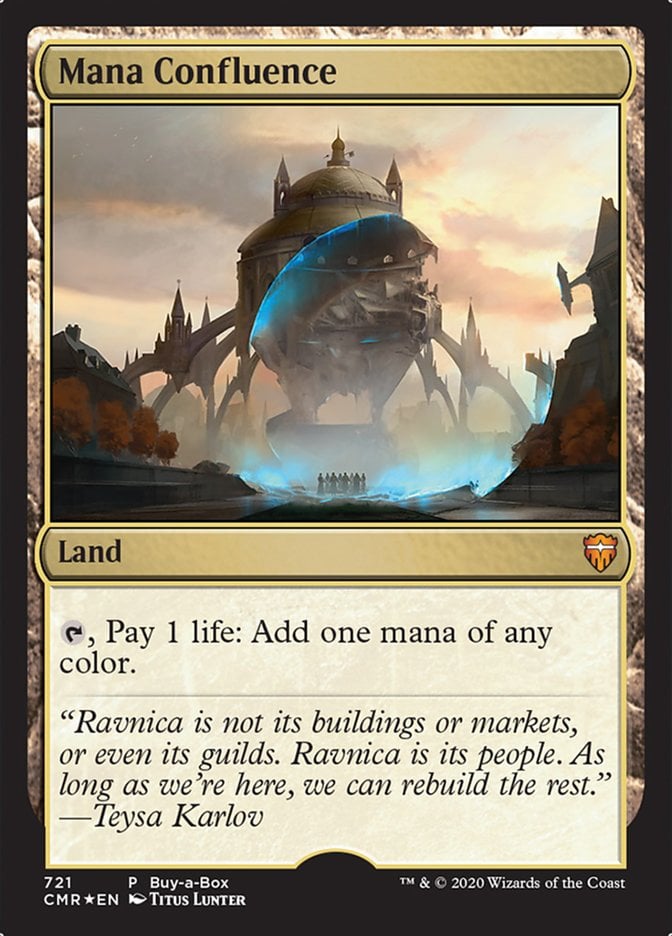
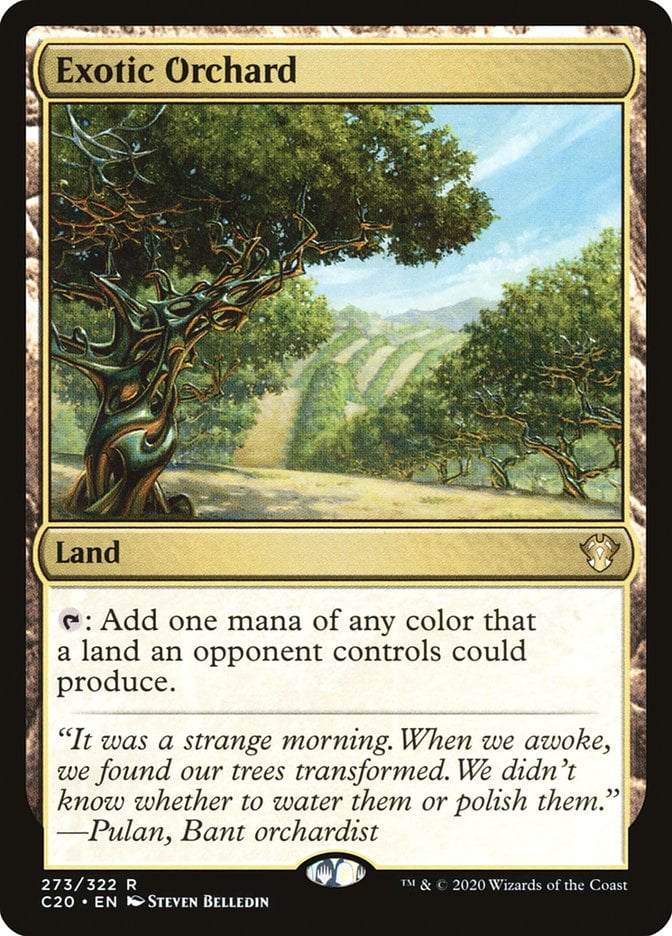
Channel lands like Boseiju, Who Endures and Otawara, Soaring City are especially valuable because they act as interaction without taking up spell slots. Minamo, School at Water's Edge provides extra value by untapping legendary permanents like Glarb or The One Ring. Alongside staples like Command Tower, City of Brass, Mana Confluence, and Exotic Orchard, the mana base supports the deck’s philosophy of trading life for speed and consistency so your game plan never stumbles.
The Strategy
This deck spends the early turns building mana and gathering information while you stay under the radar. Your main goal is to accelerate with mana creatures and rocks, then cast Glarb, Calamity's Augur when the table isn’t ready to punish you. You use light interaction to stop fast wins, but you mostly let the game develop while cards like Rhystic Study and Mystic Remora help you draw into more options.
In the mid game, Glarb becomes the center of your plan. By controlling the top of your library and using surveil, you improve the quality of your draws and set up powerful spells to cast directly from the top. This is when you want to land a major engine like The One Ring, Necropotence, or Bolas's Citadel while you keep mana open for interaction. Disruptive creatures like Opposition Agent and Orcish Bowmasters slow opponents down and give you the time you need to prepare a winning turn.
Once you’re ready to finish the game, the deck shifts into a focused combo plan. Most wins come from Thassa's Oracle backed by Demonic Consultation or Tainted Pact, though explosive turns with Bolas's Citadel or loops involving Valley Floodcaller can also end the game. At this point, your interaction is used to protect your combo, relying on free counters and spells like Veil of Summer to push the win through.
Combos and Interactions
Let’s start with the cleanest wins, because this deck absolutely has them.
Main Wincon for Glarb
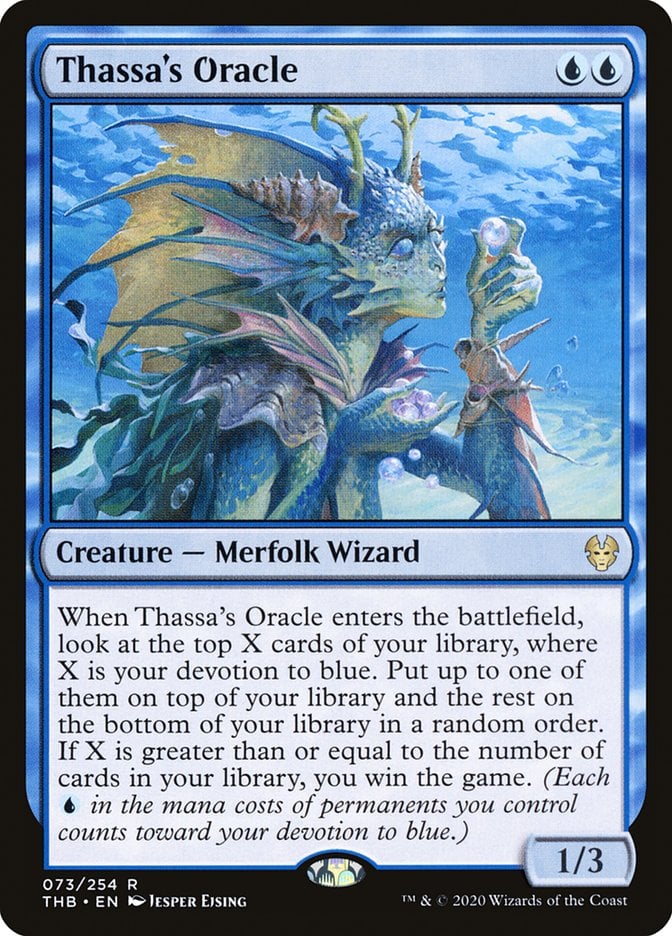
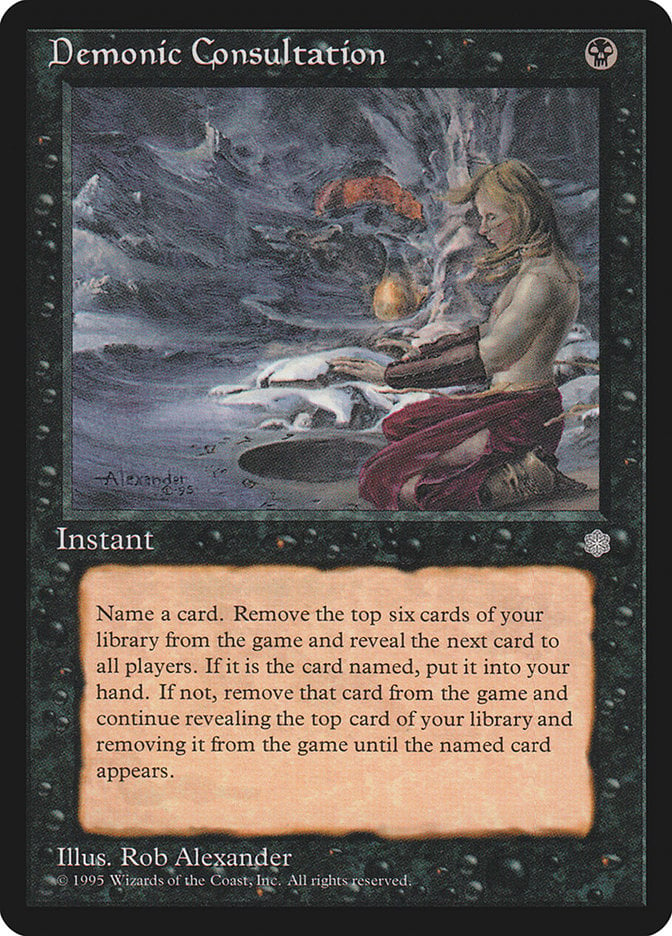
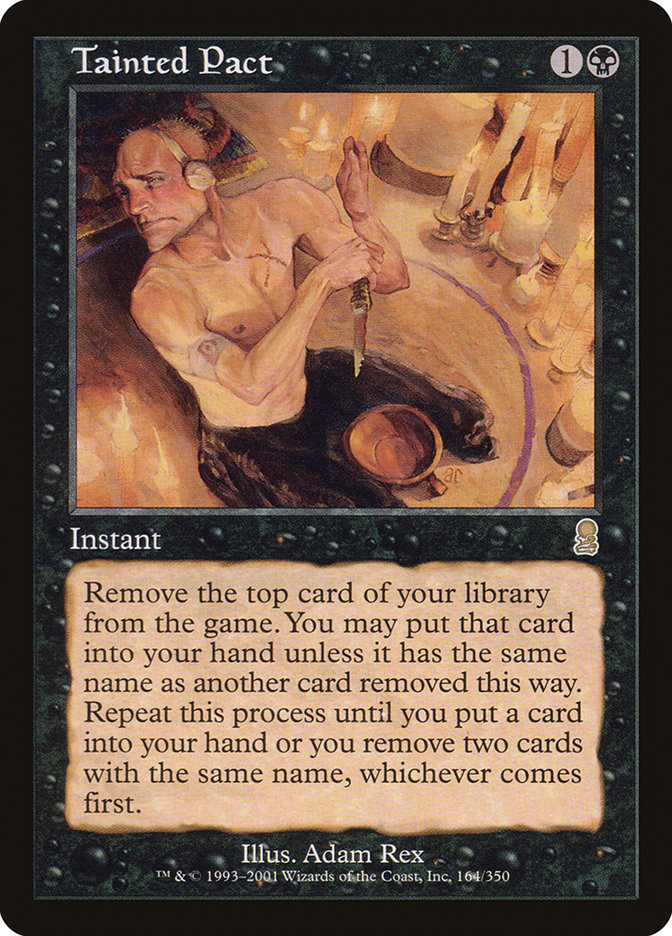
The main way you end games is still the classic Thassa's Oracle plus Demonic Consultation or Tainted Pact line. If you’ve played cEDH before, this will feel very familiar. You resolve Oracle, then with the trigger on the stack, you cast Consultation or Pact, exile your entire library, and when Oracle checks devotion, the game just ends.
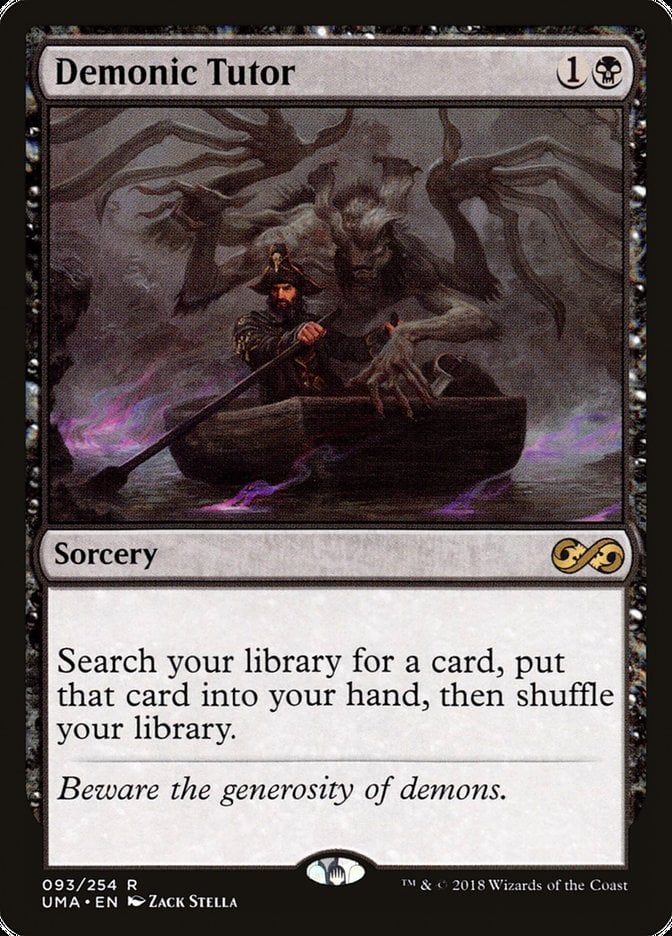
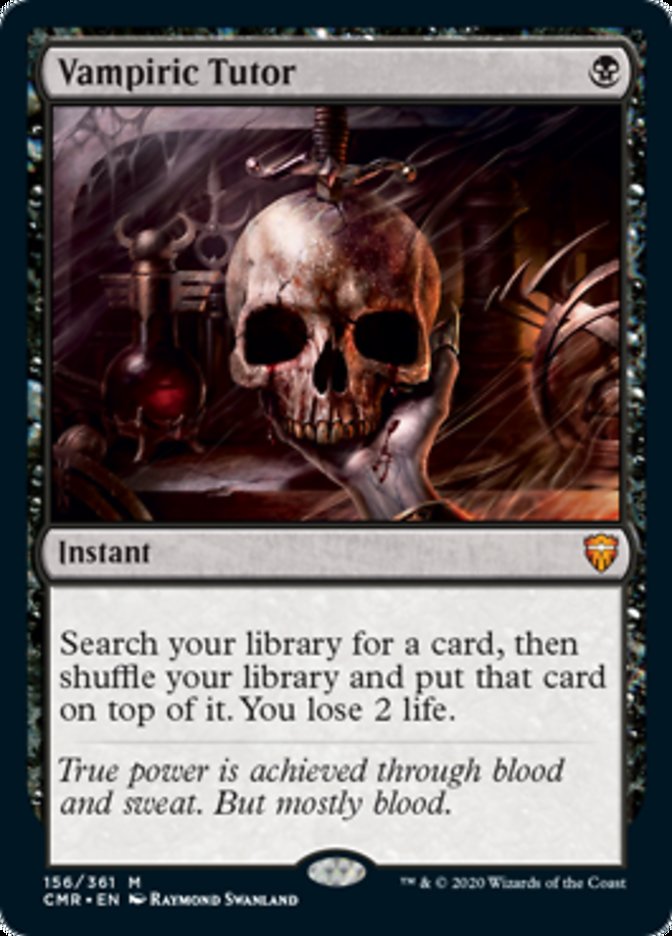
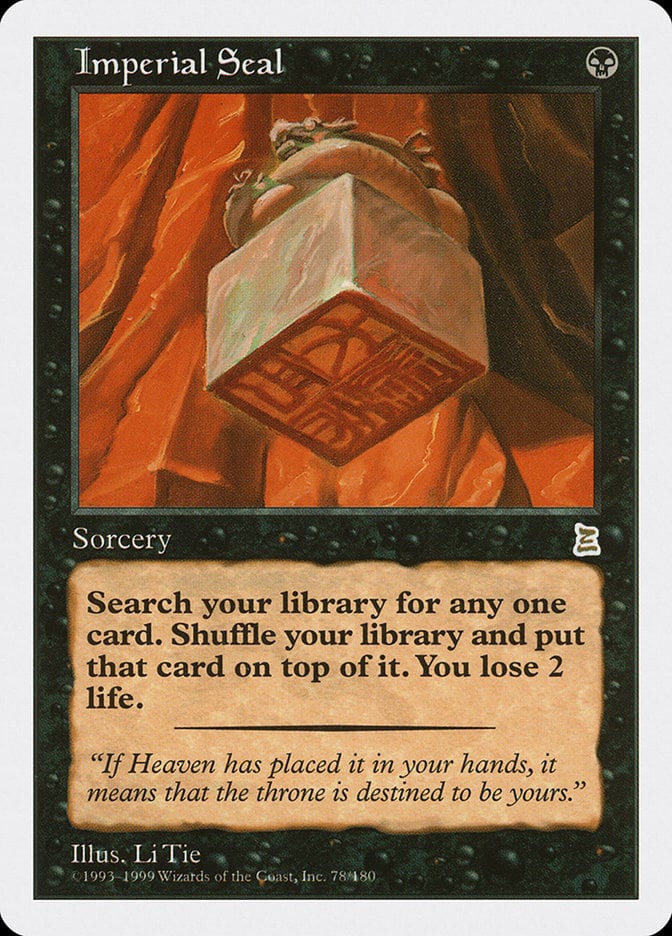
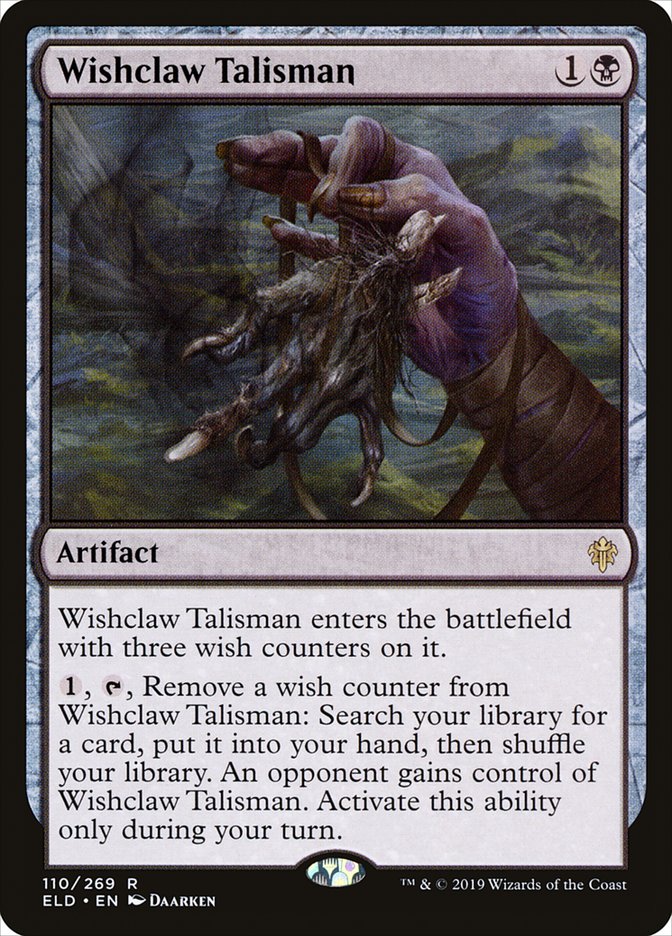
What makes this deck especially good at this line is how easily you find it. Between Demonic Tutor, Vampiric Tutor, Imperial Seal, Wishclaw Talisman, and even topdeck manipulation from Glarb, you’re almost never far from assembling it. The real skill is the ability to choose when to go for it and make sure you have protection.
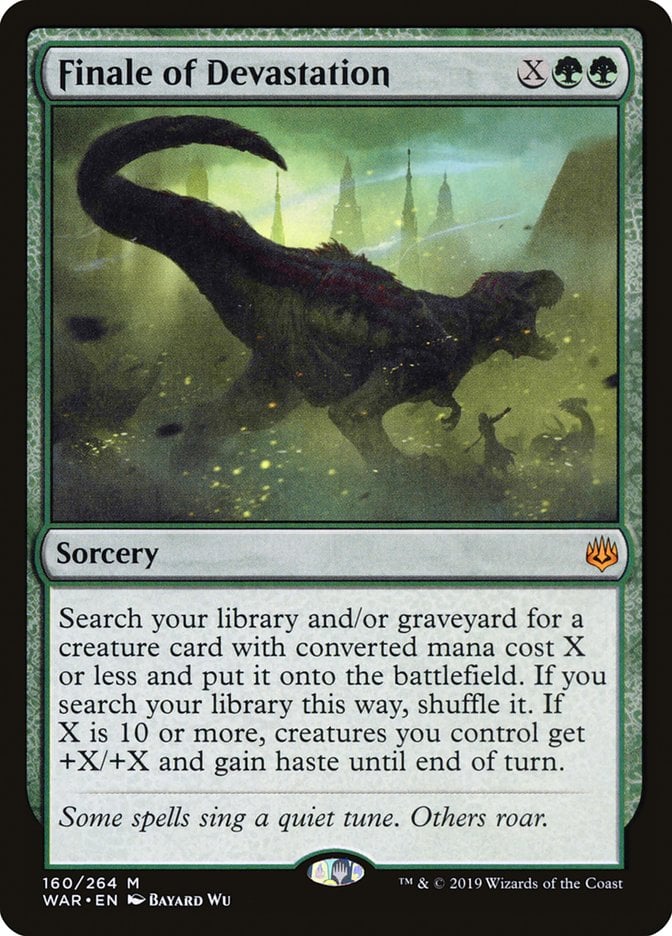
If for some reason Oracle isn’t the path you want to take, Finale of Devastation acts as a backup closer. Once you have absurd mana, casting Finale for X=10 or more usually just ends the game through combat. It’s not subtle, but it’s very effective when the table has exhausted interaction.
The “Oops, I Went Infinite” Lines

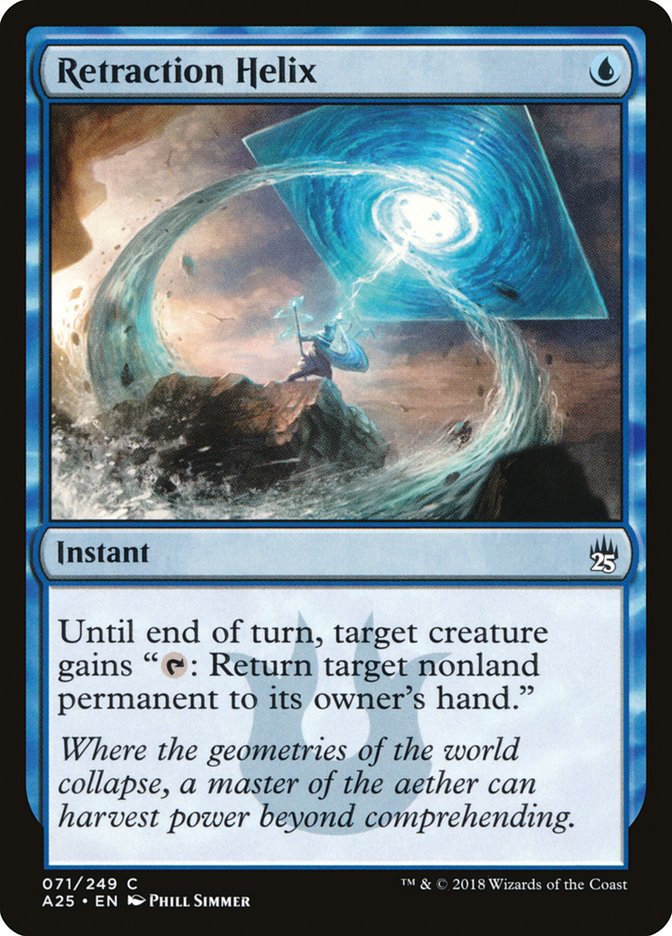
This deck also has lines where things snowball fast, especially once Valley Floodcaller gets involved. One of the strongest interactions here is Retraction Helix targeting a creature like Birds of Paradise or even Glarb. Once Floodcaller is on the battlefield, every non-creature spell you cast untaps your birds, frogs, and otters.
Here’s what that looks like in practice. You target your mana dork with Helix and give it the ability to tap and bounce a nonland permanent. Then you repeatedly cast a 0-cost artifact like Mox Amber. Each time you cast the artifact, Floodcaller untaps your creature. You tap it to bounce the artifact, replay it, untap again, and repeat.
If the artifact produces excess mana, like Sol Ring or Mana Vault, you’re now making infinite mana. Even when it doesn’t, you’re still generating infinite spell casts, infinite untaps, and infinite power boosts across your team thanks to Floodcaller. From there, it’s trivial to pivot into Oracle or Finale, or just to attack with an absurdly large board.
Grinding the Table into Dust
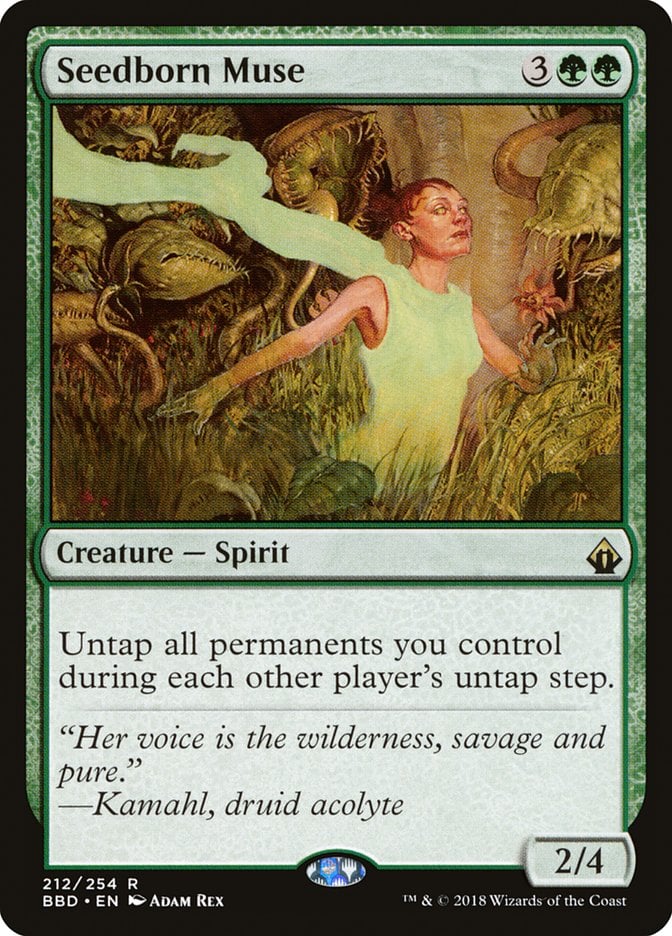

Not every game is about racing. Some games you just want to out-resource everyone, and this deck is excellent at that. Seedborn Muse is one of the most important cards here. Once it sticks, your mana never really taps out again. Combine it with High Fae Trickster or Valley Floodcaller, and suddenly you’re playing Magic on every turn cycle.
With Seedborn Muse and Glarb together, you surveil on each opponent’s turn, set up the top of your library, and cast spells at instant speed. It feels unfair very quickly. You effectively take turns for every one your opponents get, and in cEDH, that kind of advantage usually decides the game even without a formal combo.
Locking the Stack Without Spending Mana
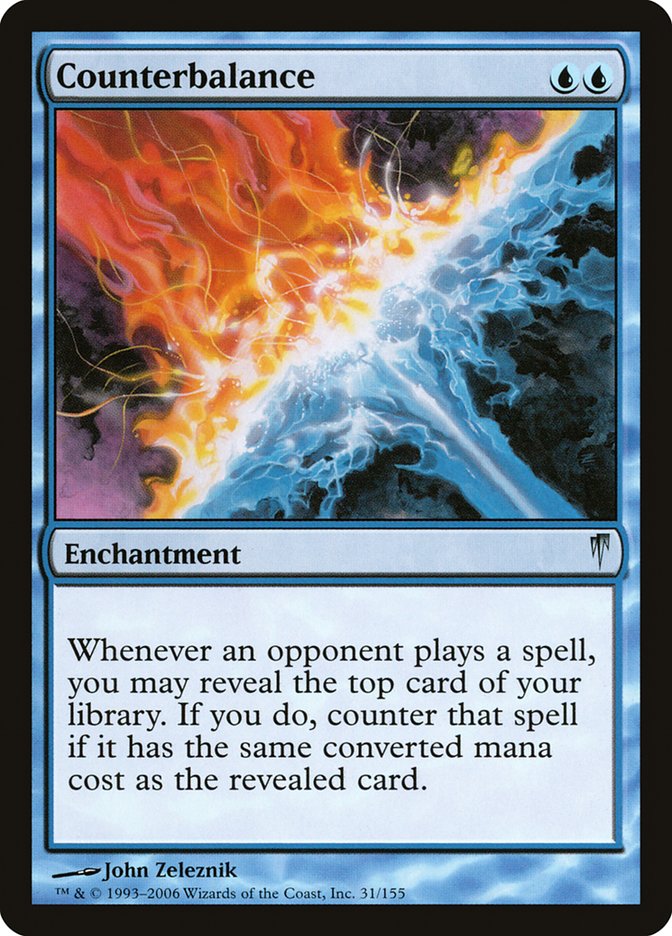
One of the nastier things this deck can do is to lean on Counterbalance plus Sensei's Divining Top. This isn’t a hard lock, but it’s close enough in practice. With Top, you always know what’s on top of your deck and can manipulate it at will. Counterbalance then turns that knowledge into free interaction.
The most common play pattern is keeping Sensei's Divining Top on top to counter 1-mana spells, which shuts off a huge portion of the format. When you need to counter something bigger, you spin Top or use Glarb’s surveil to line up the right mana value. It doesn’t stop everything, but it forces opponents to play awkwardly and makes it much easier for you to protect your win.
Turning Tutors Against the Table
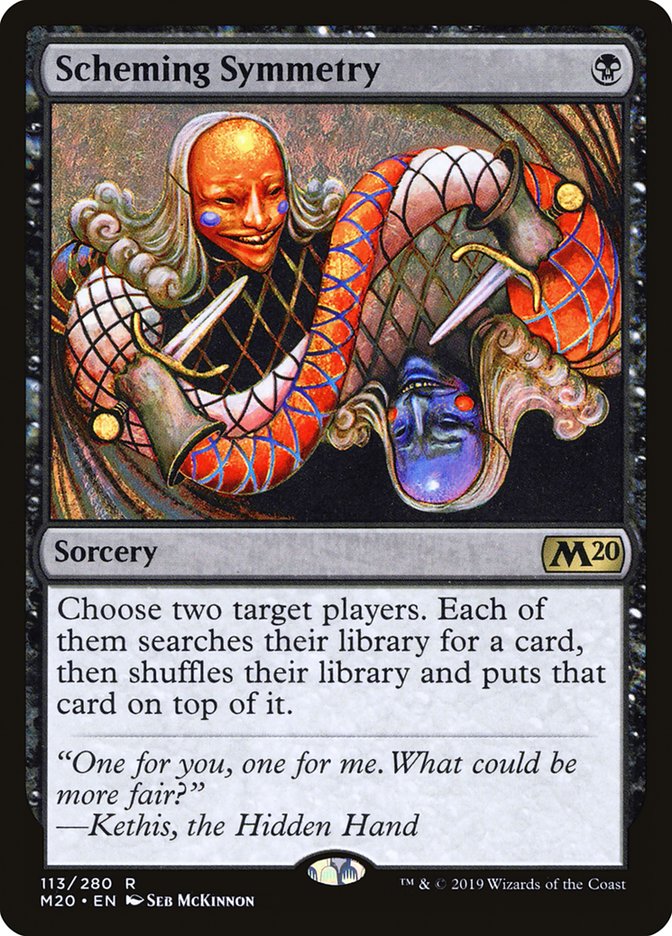
Few interactions feel as brutal as Opposition Agent paired with Scheming Symmetry. Normally, Symmetry gives everyone a tutor, which sounds dangerous. With Opposition Agent in play, though, you control your opponent’s search. That means you get both cards, and they get absolutely nothing. You can also check what they have in hand while controlling them.
Drawing Half Your Deck and Surviving It
The One Ring is already strong on its own, but it becomes ridiculous once you start untapping it. With Seedborn Muse, you can activate it on every turn cycle to stack burden counters and draw an absurd number of cards. With Minamo, School at Water's Edge, you get extra activations even without Muse.
Yes, the life loss adds up, but this deck is built to convert cards into wins quickly. Once you’ve drawn 15-20 extra cards, the game is usually over long before the burden counters matter.
Playing Your Deck Like It’s in Your Hand
Another engine that takes over games is Bolas's Citadel plus Sensei's Divining Top. Once Citadel is online, your life total becomes as much of a resource as your mana. You cast Top from the top of your library, pay 1 life, then tap Top to draw a card and put it back on top. Then you do it again.
This loop lets you churn through your deck incredibly fast to build storm count and find exactly what you need. Even if you don’t go infinite, you often see enough cards to assemble Oracle, protection, and backup interaction all in one turn. Glarb complements this perfectly by letting you cast expensive spells off the top without paying life, which smooths out awkward spots where Citadel alone would stall.
Stealing Everyone Else’s Game Plan
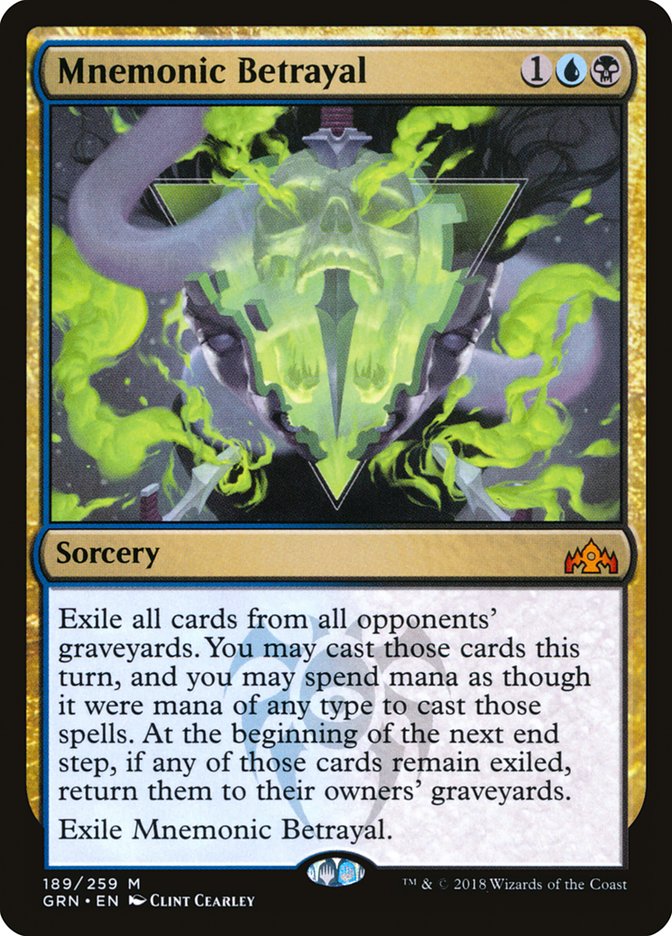
One of the most explosive midgame turns involves Culling Ritual followed by Mnemonic Betrayal. Ritual wipes all the cheap permanents that dominate cEDH boards and refunds you a huge amount of mana. Then Betrayal lets you cast spells from everyone else’s graveyard.
In practice, this often means you wipe mana rocks and dorks, generate 10+ mana, then immediately cast tutors, counters, or draw spells that your opponents already used earlier in the game.
Other Glarb Interactions
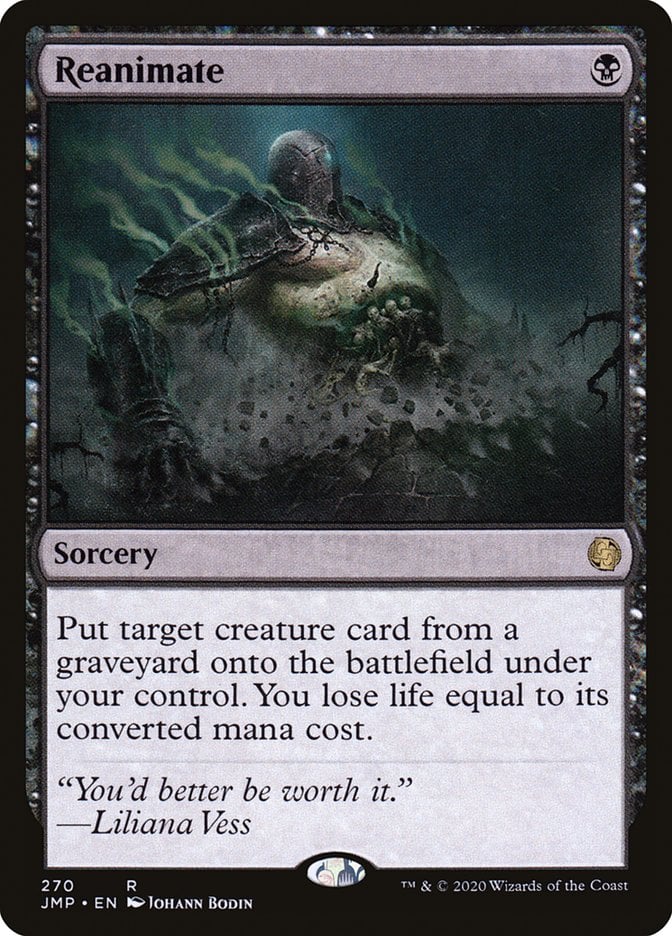
All these lines work better because of Glarb, Calamity's Augur. Surveil fuels Cabal Ritual by hitting threshold, sets up Reanimate, fixes awkward topdecks, and ensures your Counterbalance triggers are always live. Add untap effects like Seedborn Muse or Valley Floodcaller, and Glarb becomes a constant engine instead of a once-per-turn value piece.
Even small details matter. Because Glarb is legendary, Mox Amber is always on. Because it’s a frog, Floodcaller untaps it. Everything overlaps in a way that rewards tight sequencing and patience.
Budget Options

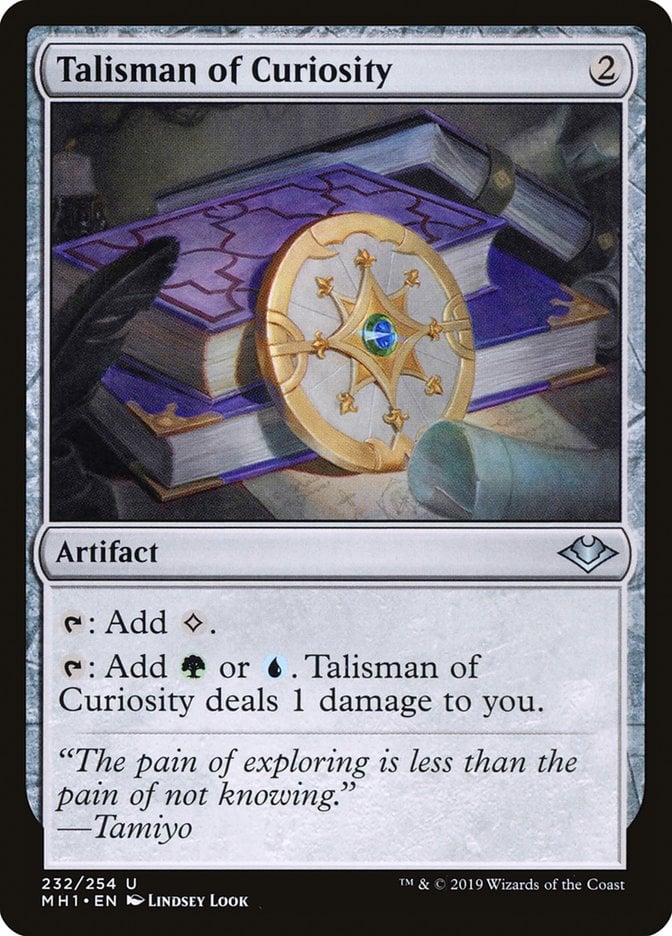
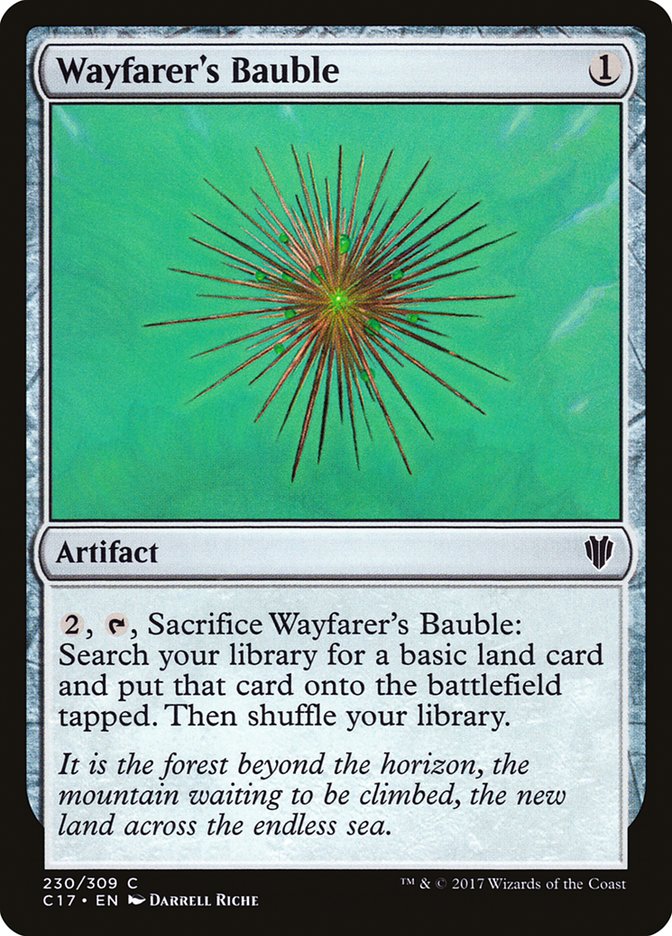
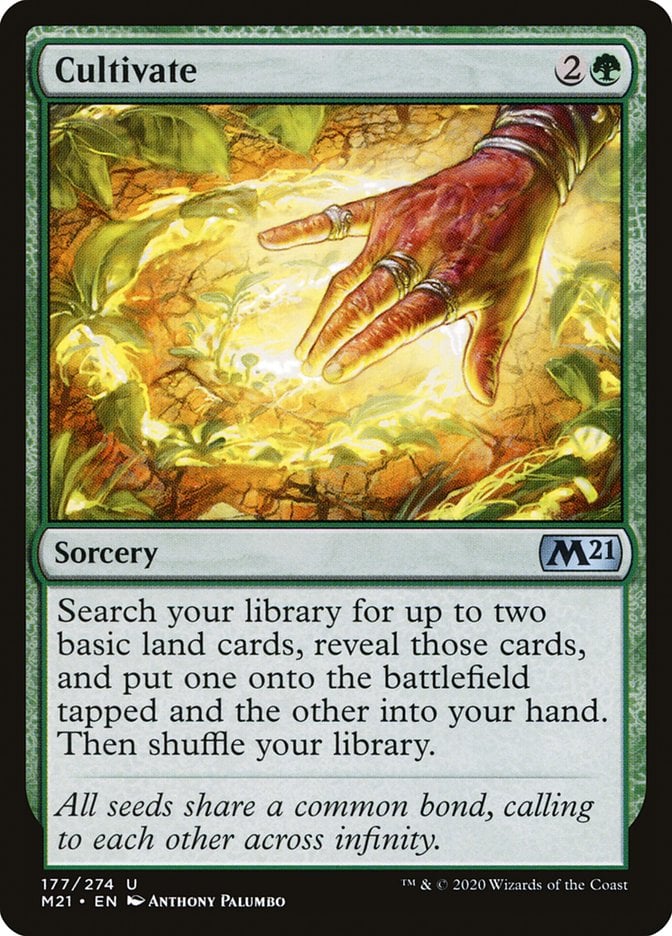
If you’re cutting down from cEDH power, the first place to save money is fast mana and premium interaction. You can replace cards like Mana Crypt, Mana Vault, and Chrome Mox with slower but reliable options like Arcane Signet, Talisman of Dominance, Talisman of Curiosity, and Talisman of Resilience. These still help you to curve into Glarb and your engines, just a turn later. Wayfarer's Bauble and Cultivate are also solid if your table is slower and more creature-focused.
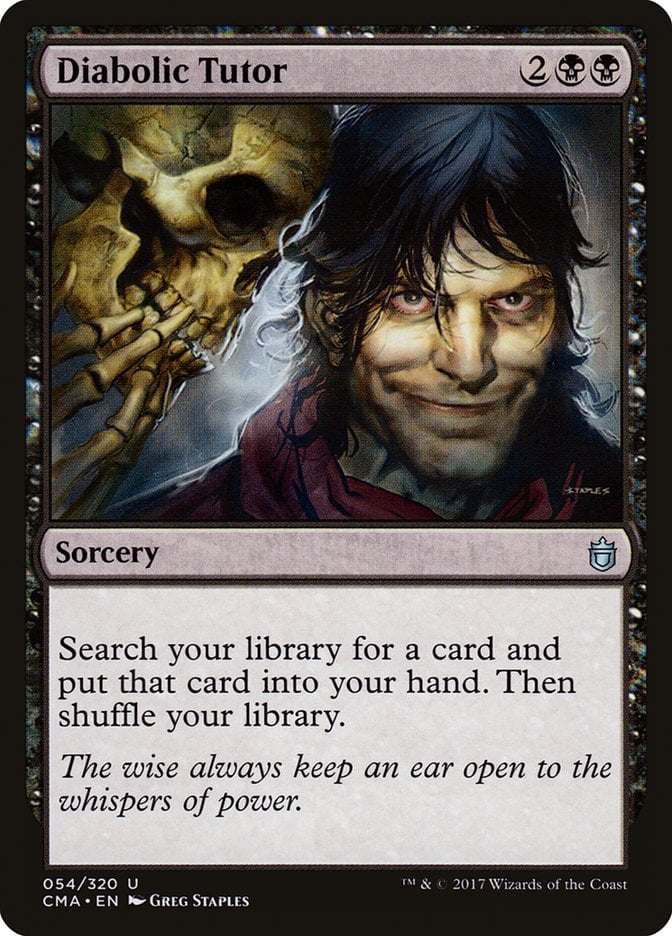
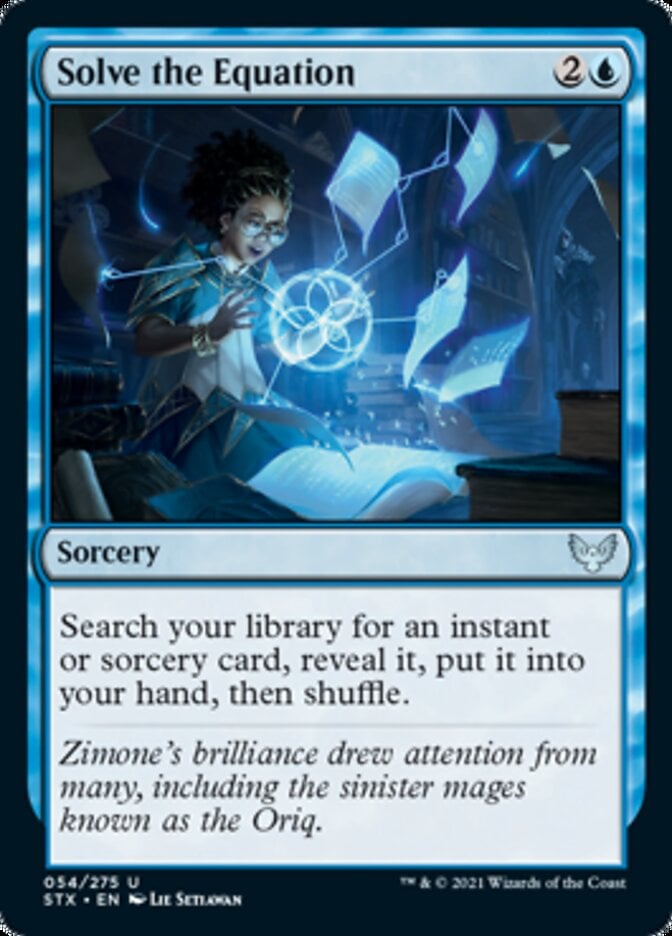

For tutors and setup, instead of Demonic Tutor and Vampiric Tutor, you can lean on cards like Diabolic Tutor, Solve the Equation, and Final Parting. These are slower, but it’s always nice to have some budget tutor options.

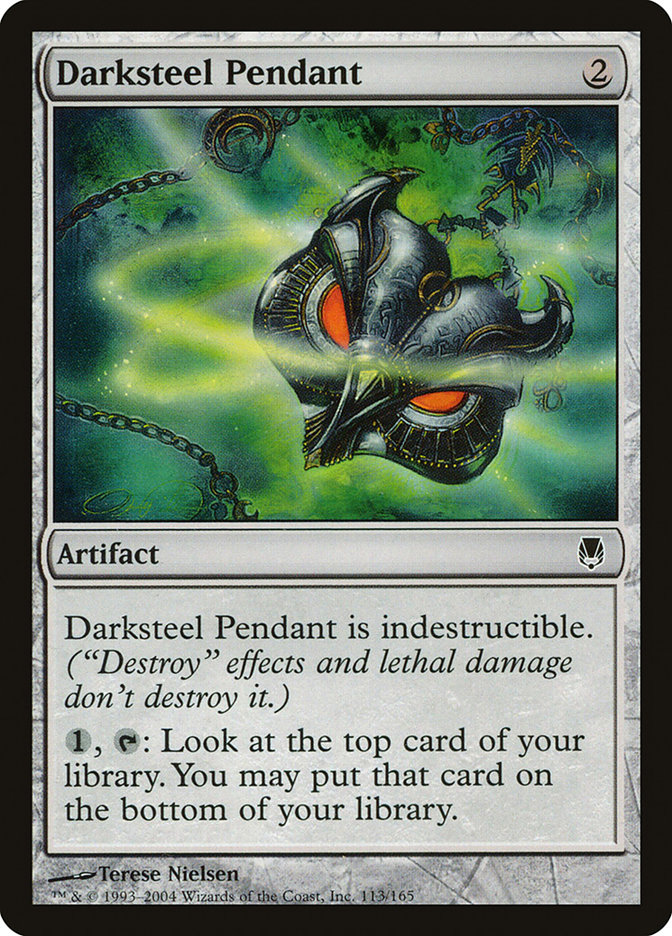
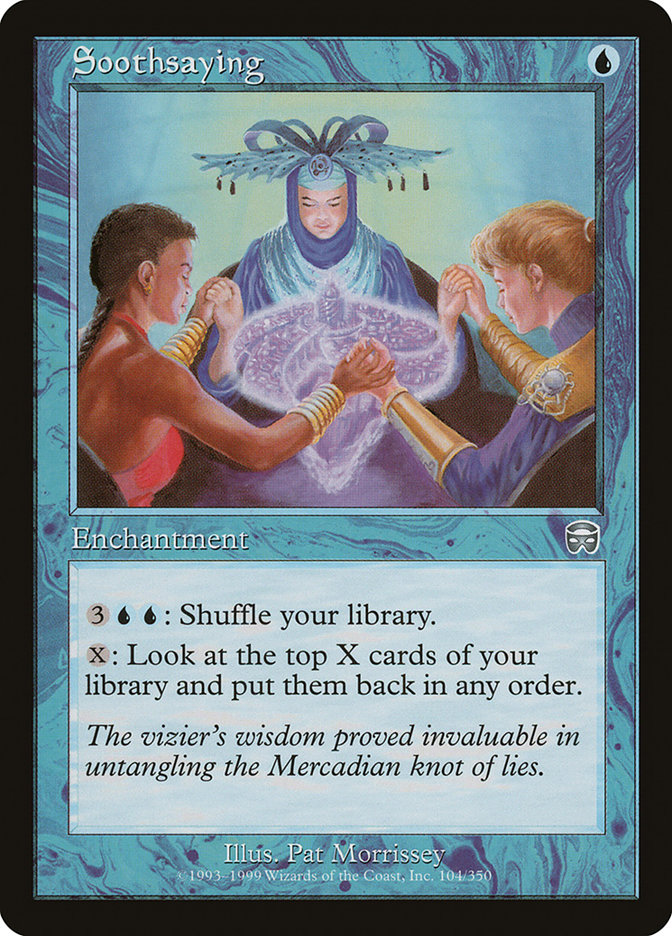
For topdeck manipulation, you can sub out Sensei's Divining Top in favor of Crystal Ball, Darksteel Pendant, or Soothsaying, all of which still help you to control your draws without the price tag.
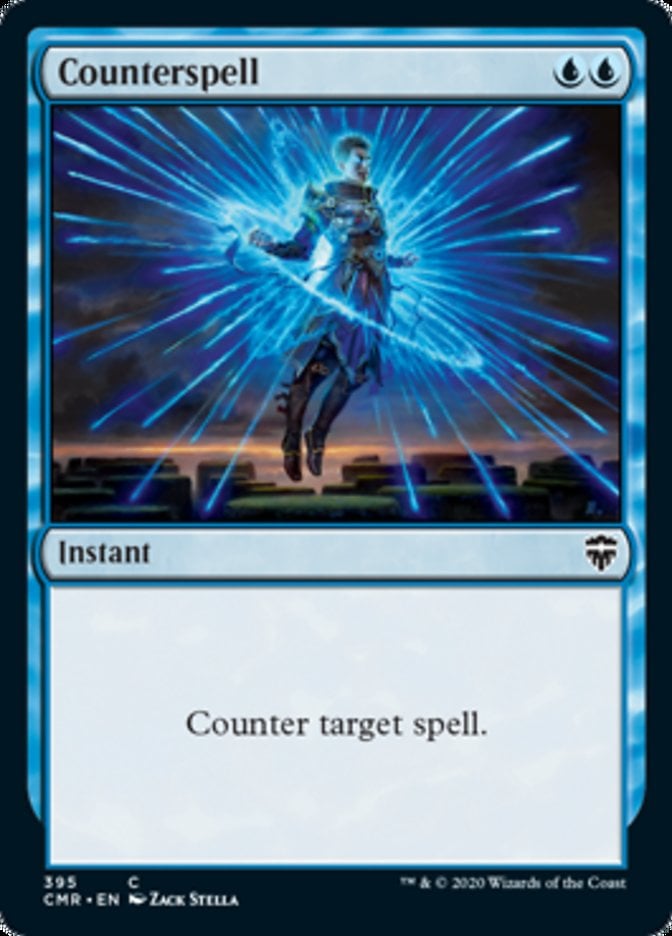
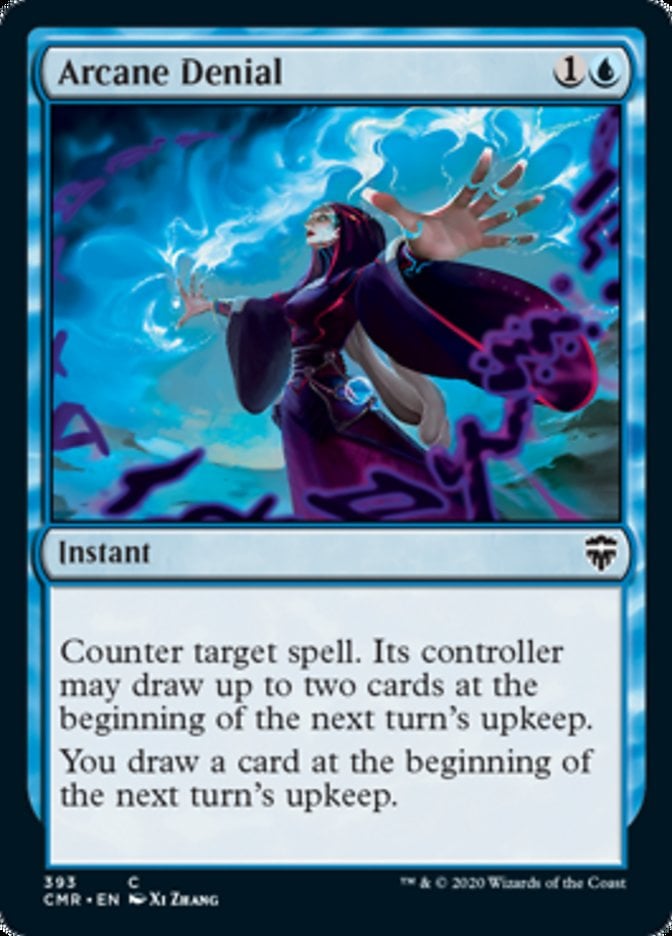
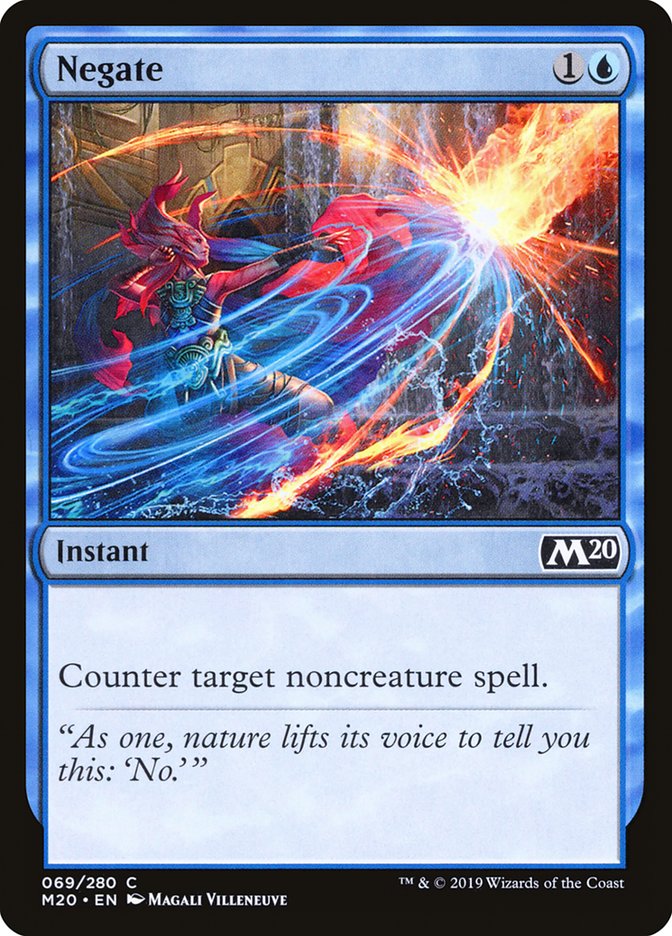
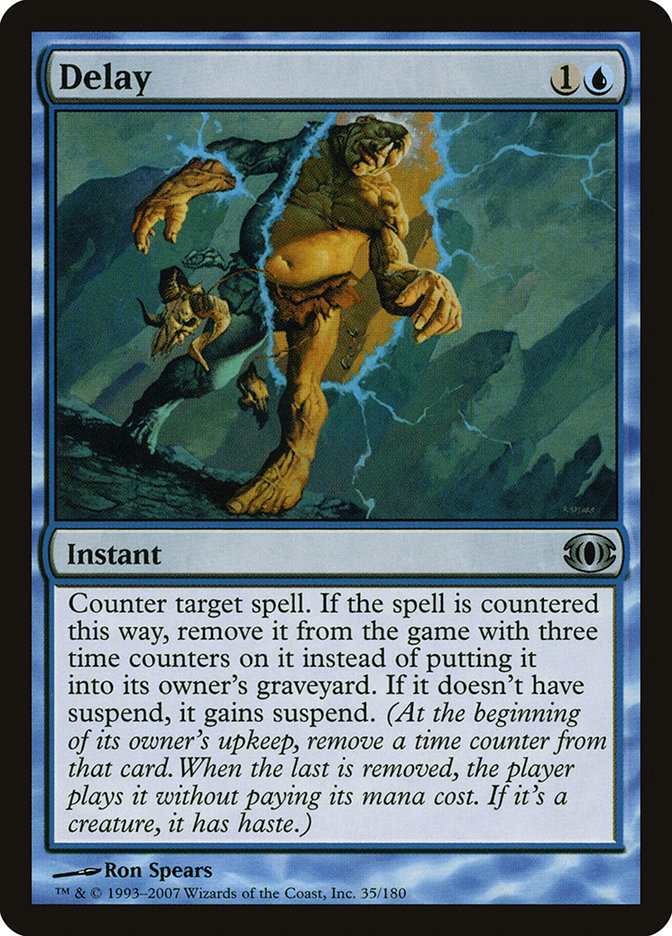
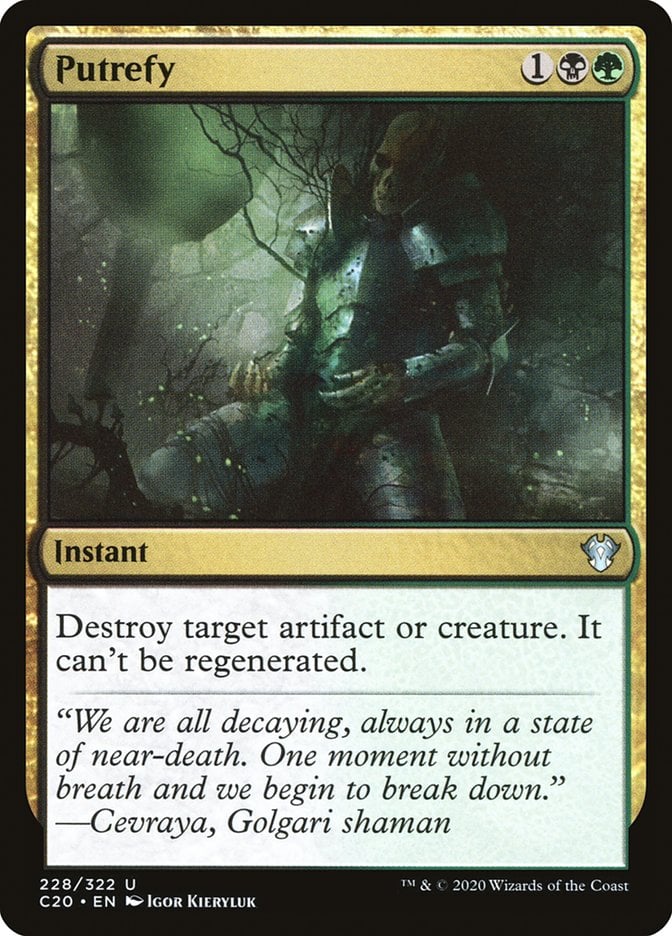
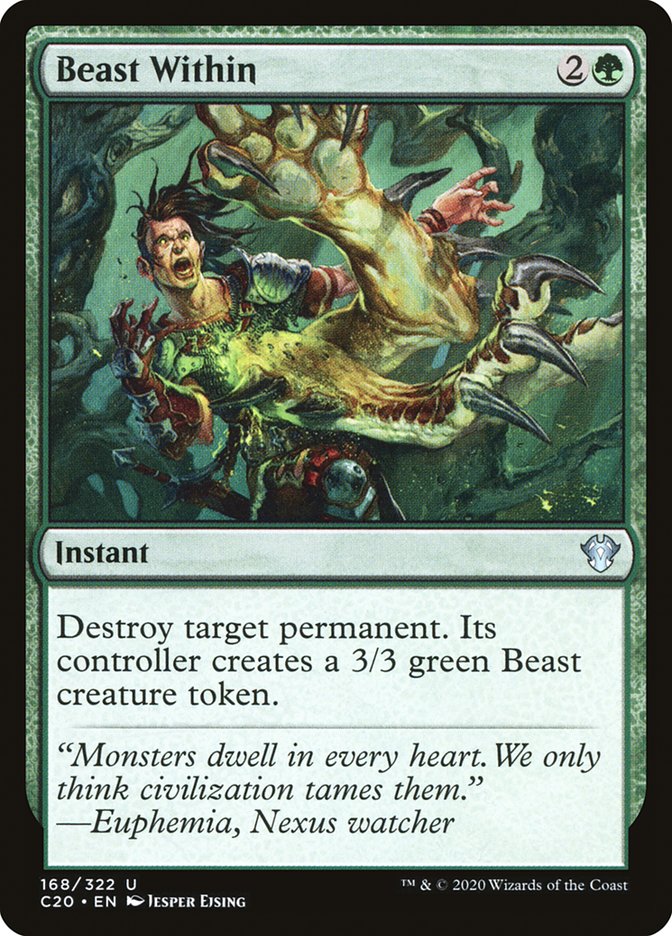
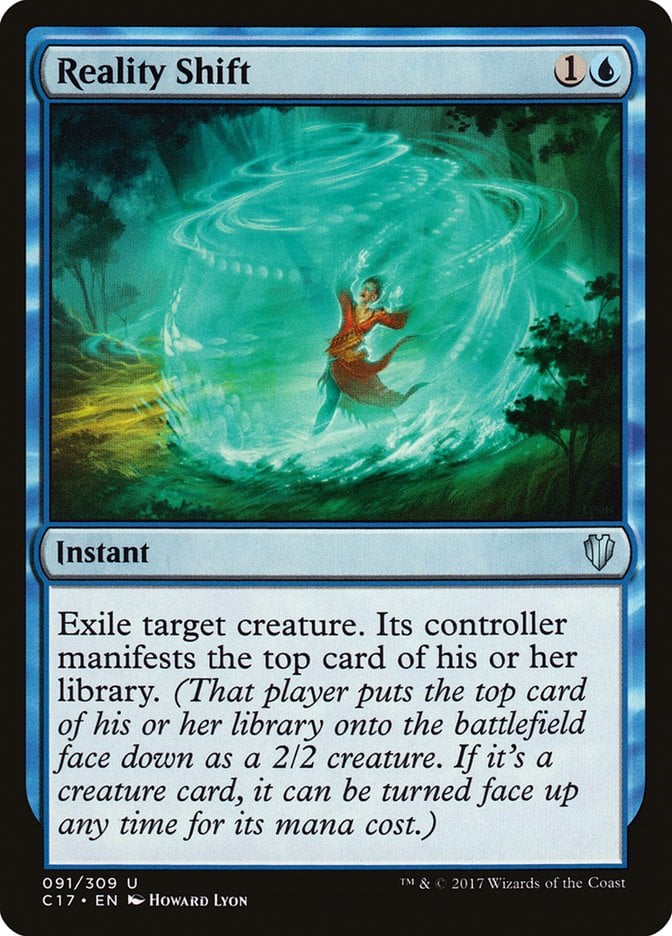
You can also make the interaction budget-friendly without losing its purpose. Instead of Force of Will or Fierce Guardianship, you can play Counterspell, Arcane Denial, Negate, and Delay. These still protect your game plan and stop wins; they just require you to keep mana open. For removal, you can swap out Abrupt Decay for Putrefy, Beast Within, or Reality Shift, which remain flexible and effective in most pods.
Other Builds
Outside of cEDH, one of the most popular ways to play Glarb, Calamity's Augur is as a value-focused midrange deck. Instead of rushing to combo, this version wins by drawing more cards and grinding the table down over time. Cards like Fact or Fiction, Mulldrifter, Tireless Tracker, and Baleful Strix make it feel like you’re never out of options. Glarb helps to make sure you always see useful cards, which helps the deck feel consistent without relying on fast wins.
Another common direction is a reanimator-style build that leans heavily on the graveyard. Glarb’s surveil naturally fills the ‘yard, which makes it easy to set up spells like Animate Dead, Reanimate, Victimize, and Living Death. This version focuses on cheating large creatures into play early, using threats like Sepulchral Primordial, Sheoldred, Whispering One, Jin-Gitaxias, Core Augur, or Vorinclex, Voice of Hunger depending on how powerful your playgroup wants the games to be.
If you want to lean fully into Glarb’s top deck play pattern, a big spell casual build is another fun option. This version cuts down on tutors and instead plays high-impact spells that feel amazing to cast from the top of the library, like Dig Through Time, Villainous Wealth, Time Warp, and Expropriate. Cards like Brainstorm and Scroll Rack help control the top of your deck, which creates a slower but very satisfying playstyle.
Commanding Conclusion
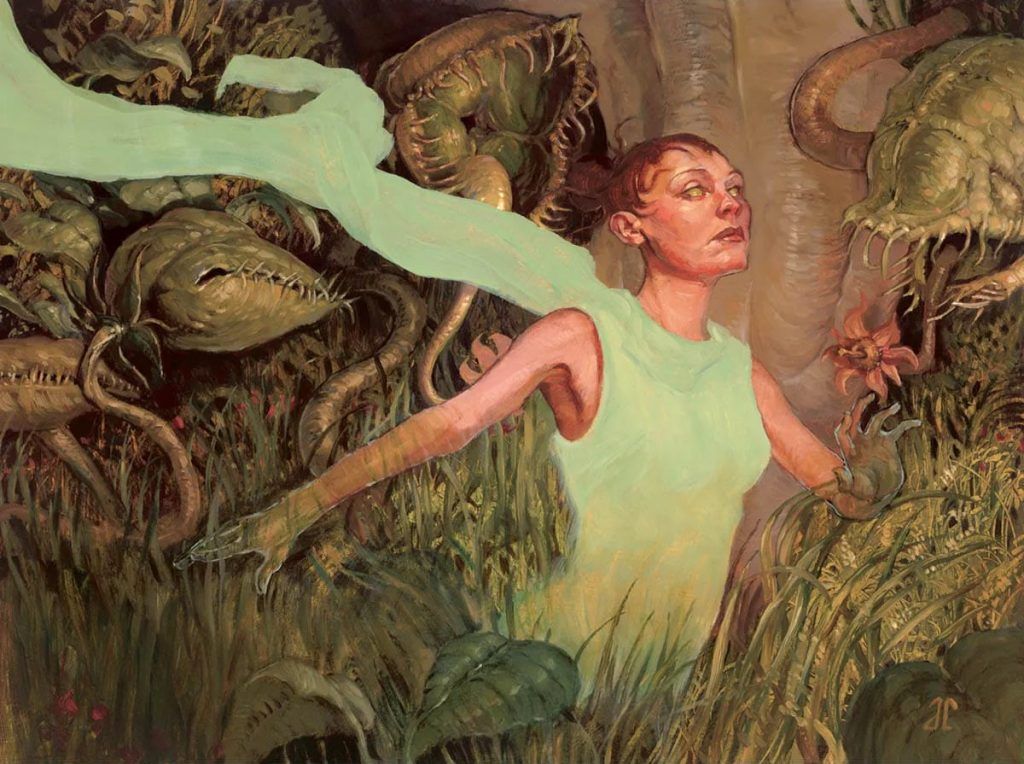
Seedborn Muse | Illustration by Adam Rex
I’ll be honest, I was hesitant to move on from Tasigur at first, but the more I played with Glarb, the clearer it became that outside of partner commanders, this is one of the strongest Sultai options available. The color combination already offers everything a true combo deck wants at the highest level, and Glarb brings the consistency and flexibility the modern cEDH meta demands.
What do you think? Do you have a preferred Sultai commander for regular Commander or cEDH? Let us know in the comments or on the Draftsim Discord.
Thanks for reading, and if you enjoyed the article, remember to follow us on social media so you never miss what’s next.
Take care, and see you next time.
Follow Draftsim for awesome articles and set updates:










Add Comment