

Lord of Atlantis | Illustration by Billy Christian
Stop what you’re doing right now! Yes, you with the booster pack in your hand. Put. It. Down. Next time you even think of opening a booster pack, shuffling to the back to find the rare, and discarding it after you hit bulk for the millionth time, at least consider squeezing more value from your pack-opening experience.
Pai Gow is the perfect way to do that. Similar to Pack Wars, it’s a way to gamify cracking packs, adding a little touch of extra flair to your boosters.
What Is Pai Gow Magic?

Make Your Move | Illustration by Xabi Gaztelua
Pai Gow is a micro-format intended to pit the cards from an opened booster pack against the cards in another. You could consider it a Limited format, since it uses sealed product, but it’s about as casual as a format can be, and was conceived to be something fun to do with booster packs while opening them.
Pai Gow can be either casual or “competitive”. Not competitive in the sense that you’ll find sanctioned Pai Gow tournaments anywhere, but rather, that you can play for stakes, or no stakes at all.
Essentially, you split the cards from a freshly opened booster pack into piles, and play a set of 1v1 mini-games against the piles someone else made with a separate booster pack. There’s a special rules set that accommodates “decks” of such small size, and the goal is to see not only who opened the better cards, but who found the most clever interactions given the few cards they opened.
Where Does the Name Pai Gow Come From?
The name “Pai Gow” translates to “Make Nine”, the goal of a Chinese tile game with the same name. It’s a Chinese variation of dominoes, and is often played as a gambling game, which has earned the MTG version a bit of skepticism. For this reason, some content creators have toyed around with the idea of renaming Pai Gow, though it’s still the most widely-recognized name for this particular variant of Magic.
Pai Gow MTG Rules
Pai Gow is played in 1v1 matches. Both players will open a sealed booster pack, separate the contents into 4-5 piles of equal size, then randomly select piles to play against one another, with some rules modifications:
- Players have 5 life, infinite mana of every color, and do not lose when drawing from an empty library.
- Players start with all cards from their selected pile in their opening hand.
- A single matchup of one pile vs. another is considered a single game, and play/draw alternates with each game.
- The current game is a draw if a stalemate ever occurs.
Some sources state that you can only use an activated ability once per turn, but I’ve never personally played using that rule. There are also plenty of adjustments you can make, and pile sizes will differ depending on the packs you’re using.
You used to split 15-card packs into five piles of three cards each, but Play Boosters typically have 14 cards, which can’t be split evenly across 4-5 piles. In this case, you often discard the token in each pack and create two piles with three cards, and two piles with four cards. You then make sure 3-card piles play against other 3-card piles, and 4-card piles pair up against each other as well.
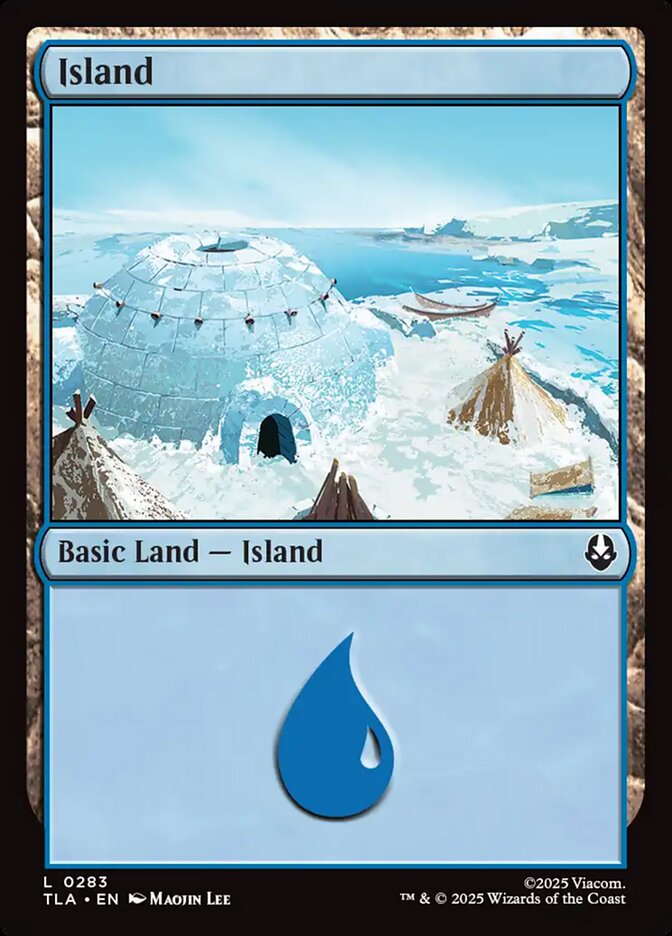
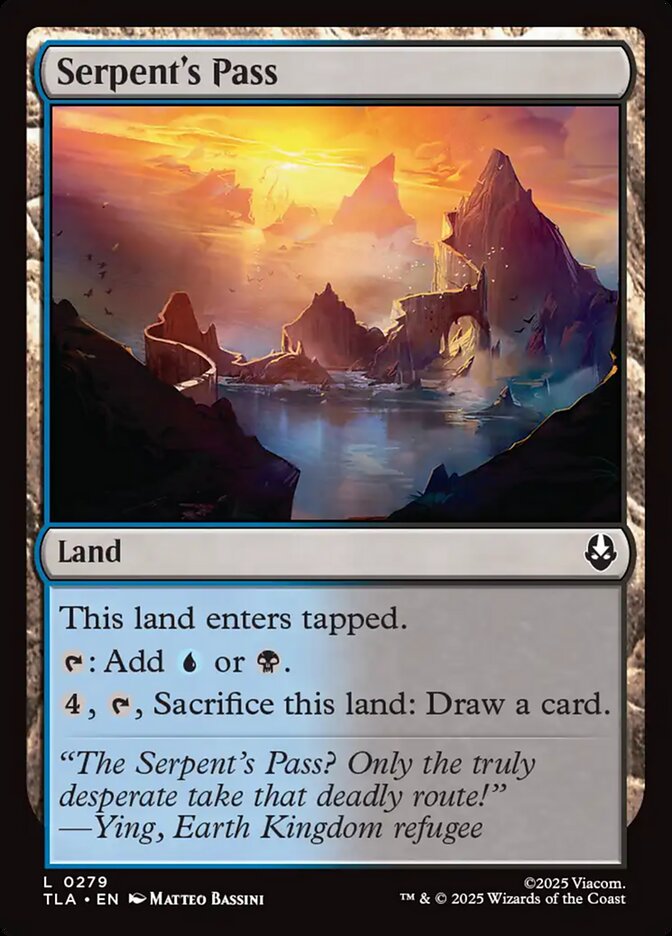
Note that you don’t typically put aside basic lands when playing Pai Gow. They’re usually throwaways, but some sets replace basics with other cards, so it keeps the distribution even for both players. If you’re playing a set that guarantees a basic per pack, you can remove those lands before making piles.
A player is considered the winner if they win the most individual games with their piles. If you’re playing with five piles, there will always be a decisive winner, and with four piles you’ll often end up with draws where each player won two games.
There’s also an additional “winner-takes-all” rule if you decide to play for stakes. If both players agree to this ahead of time, the player who wins the most games keeps the contents of both booster packs. You can obviously play just for fun though, with both players keeping their own boosters regardless of results.
What Is the Point of Pai Gow?

Evacuation | Illustration by Franz Vohwinkel
There are three main reasons to play Pai Gow. The most obvious is that it’s a fun way to get extra gameplay out of booster packs you planned on opening anyway. It adds a mini-game to cracking packs, which gives you extra value for your buck.
Second, it’s a fun Limited-lite variant that actually has some strategic elements to it. You have to figure out how to win with a narrow set of cards and a tight ruleset, and you also have to consider how you’ll stop your opponent from winning. Crafting piles often involves some amount of critical thinking, and it’s just overall fun to theorize and play.
Third is for spikes who are playing for stakes. If you and a partner agree on a winner-takes-all approach to Pai Gow, there’s something at stake, which not only makes the strategic decisions more important, but creates an incentive to build piles and play “correctly”, at least to the extent you can with the contents of a single booster pack.
Pai Gow Tips and Tricks
If you decide to jam some Pai Gow, here are some easy tips to give you an edge against someone who wasn’t smart enough to read this article first.
- Five damage is key: Look for 5/X creatures, burn spells, mana sinks, or whatever else can produce an easy win. Lava Axe and Charging Monstrosaur are quintessential “auto-wins” that you’ll want to look out for.
- Plan for turn 1: Chances are, you’ll have some ways to win immediately, and your opponent will also have some auto-wins. A hard counterspell can steal a pile from a potential turn-1 win, and flash creatures/instant-speed removal come in handy too.
- Spread out your best cards: You don’t want to put Ozai, the Phoenix King and Vindictive Warden in the same pile. They’re both capable of winning on their own, so surround them with support cards rather than lumping multiple “wincons” in the same pile.
- Know where to put “throwaways”: You’re going to have some number of virtually useless cards, like lands or defenders. If you have a strong enough overall pack, you can make a single pile of throwaways and lean on the strengths of your other piles. Alternatively, you can pair throwaways in with auto-wins and hope you actually win those packs while essentially culling the dead cards. For example, a pack with Lava Axe, Divination, and Plains can win immediately even with two dead cards.
Example Pack
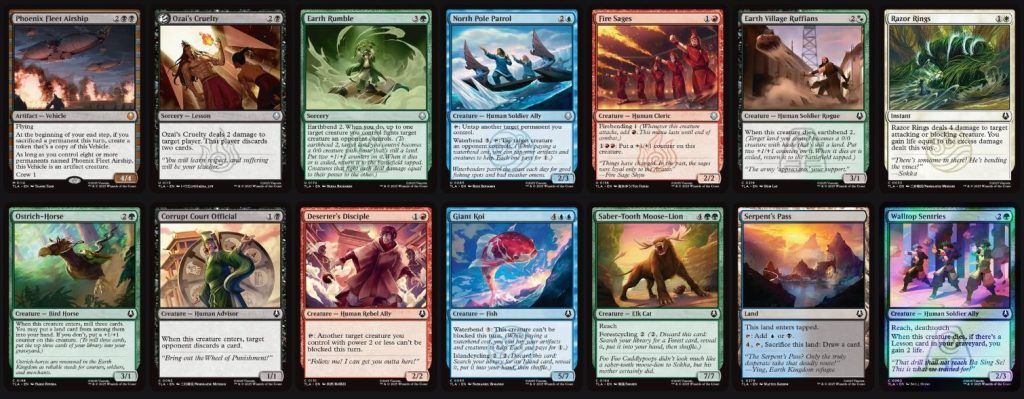
I’ve pulled a pack of Avatar: The Last Airbender from the Draftsim Draft Simulator, and I’ll explain how I’d divide it up for Pai Gow. I chose TLA because a lot of the cards in the format lend themselves well to this type of gameplay. Note that TLA has 14-card packs, so I’ll be making two packs of three and two packs of four.
Let me know in the comments below if you’d do anything differently.
Pack #1
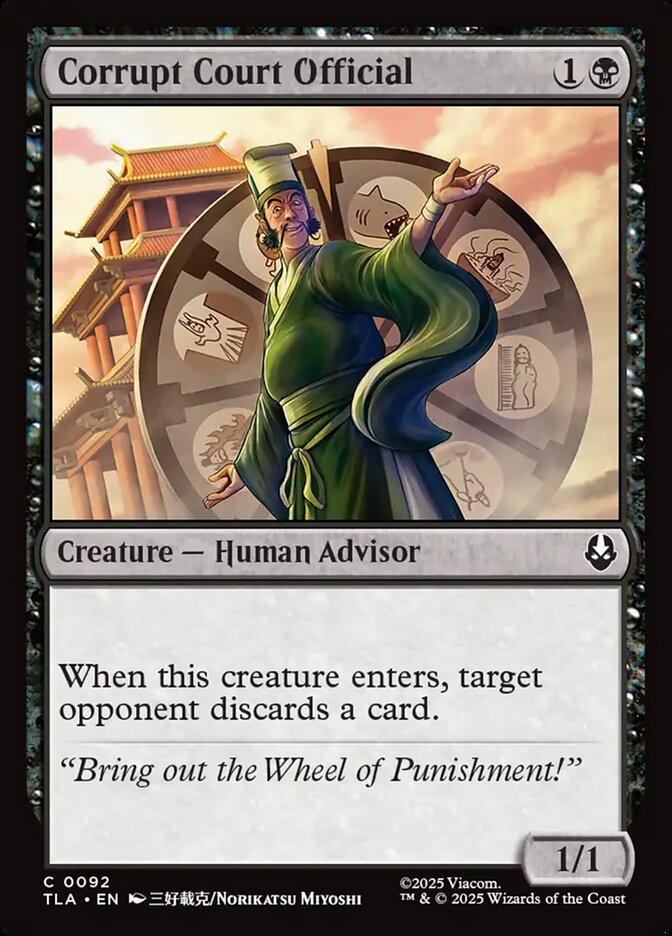
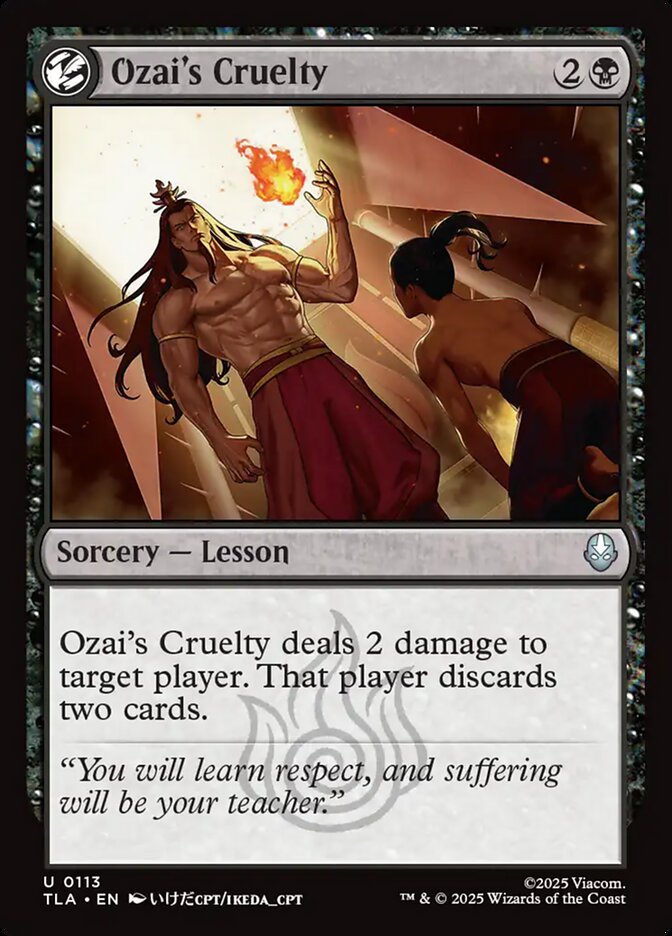
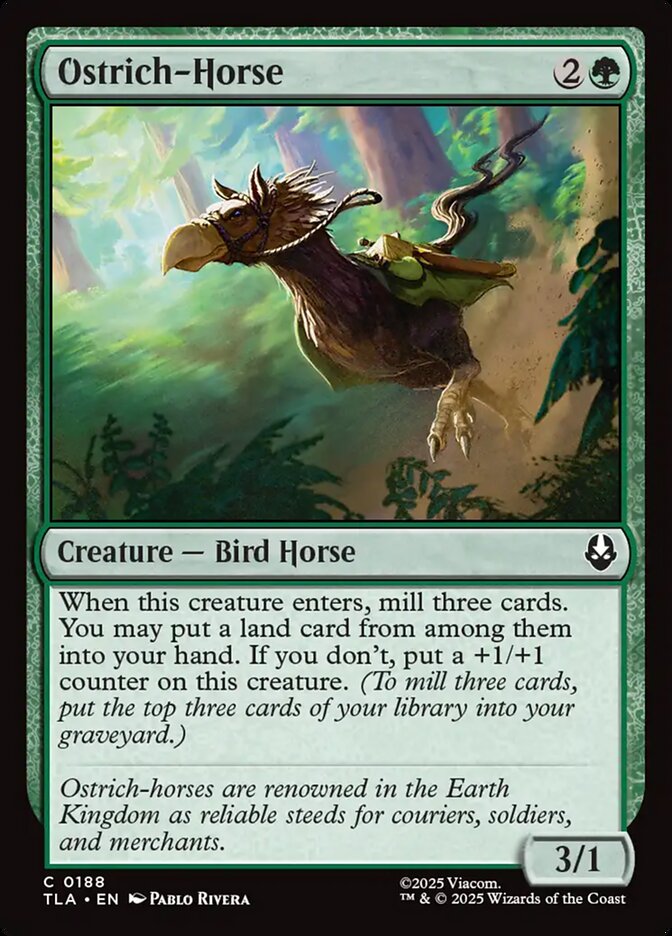
This pack really needs to be on the play, but if you win that 50/50 chance, Corrupt Court Official and Ozai's Cruelty can leave your opponent empty-handed right away. Ostrich-Horse is a back-up 4-power creature here that can win in one swing if your opponent doesn’t play to the board.
Pack #2
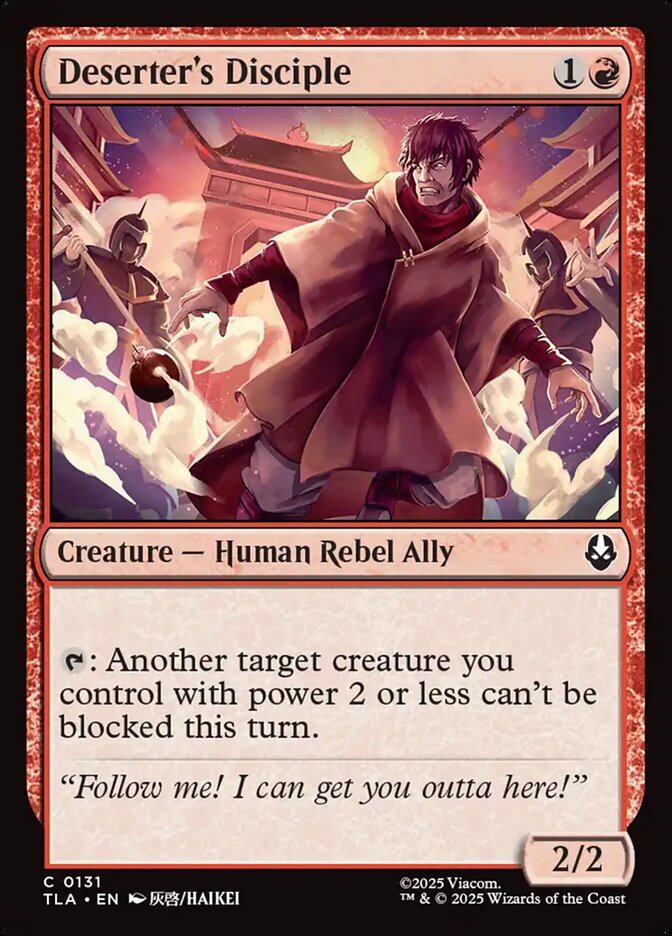


Fire Sages is an auto-win if you play by the infinite activations rule. If you limit yourself to one activation per turn, it’s still a creature that’ll become arbitrarily large over time. Deserter's Disciple can make it unblockable, after which you can just pump it into oblivion for a win. That 2-card combo is potent enough that I’ve also stuck Phoenix Fleet Airship in here. You can’t pull off the sacrifice synergies, but it can still kill in two swings if your opponent only has one removal spell.
Pack #3


Giant Koi is another auto-win, and an unblockable one at that. If that doesn’t pan out, I’ve got the package of the one land in the pack, plus the two earthbending cards that can clear a blocker and put three additional bodies into play.
Pack #4
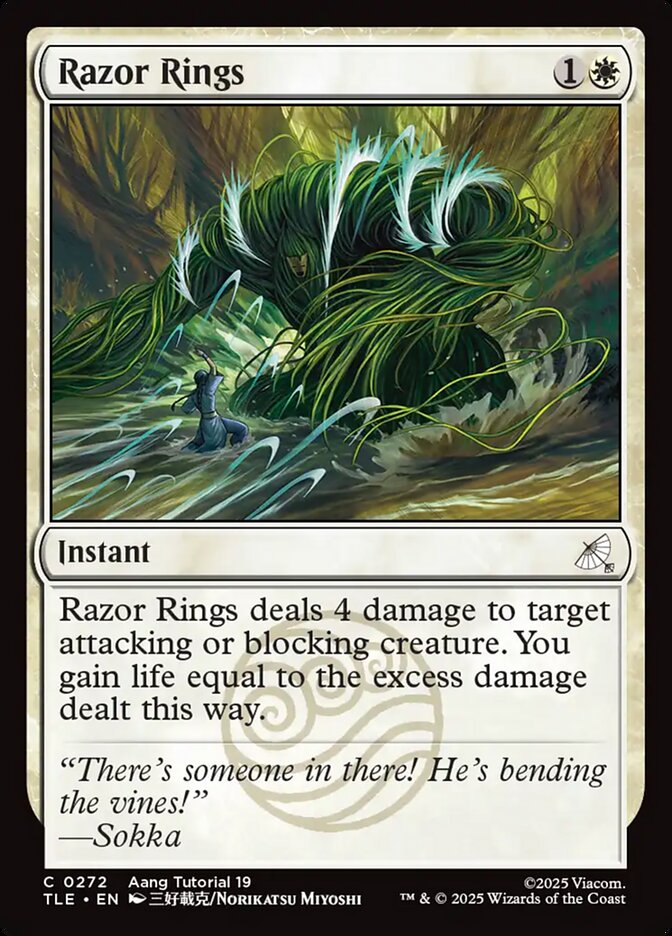
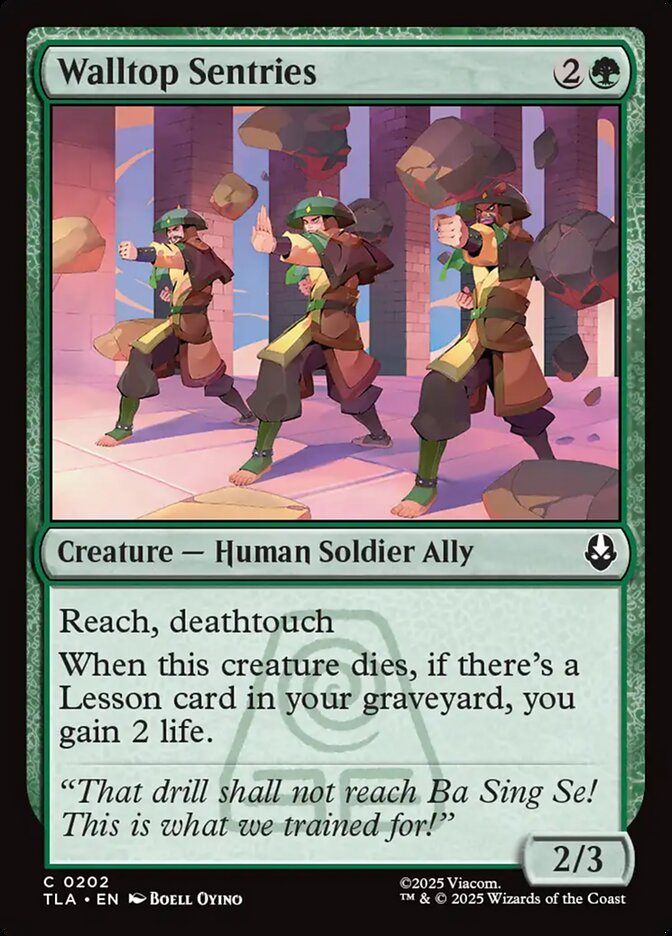
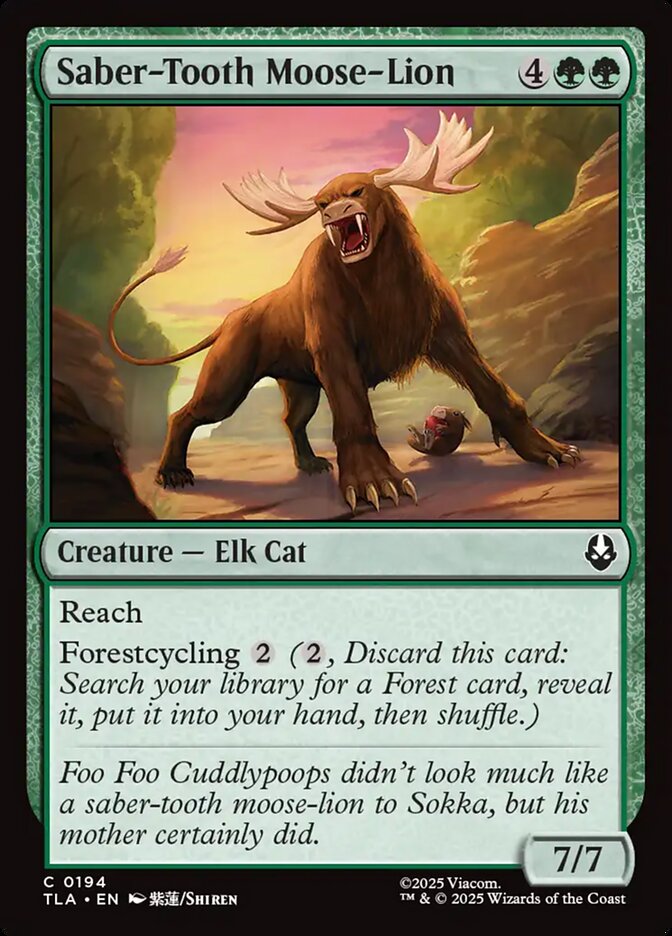
Saber-Tooth Moose-Lion one-shots someone if it gets in, and North Pole Patrol can move blockers out of the way, so they pair well together. This pack is also great at not dying on the draw, since it has two reach blockers and a combat-based removal spell.
Where to Play Pai Gow
Pai Gow isn’t a sanctioned format, so you won’t find places where it’s offered as a regular event, and it isn’t available on MTGO or Arena right now. However, the casual nature of the format makes it fun to play with friends, or to challenge someone at your local game store. If you see someone buying packs, buy a pack of your own and challenge them to a friendly game. Win-win for everyone involved.
Can You Use Collector Booster for Pai Gow?
You can use whatever booster packs you want for Pai Gow, including Collector boosters. You’d prefer to have a booster with enough cards to make four or more 3-card piles, but most Collector boosters fit that description.
You can watch Jimmy and Josh from The Command Zone duking it out with some Collector Booster Pai Gow in a short they created.
Does the Winner Keep the Packs?
Pai Gow does not have to be played for stakes, and the default is that there’s no “winner-takes-all” reward unless explicitly stated before playing. If you intend to play this way, you should present that as an option before playing Pai Gow with a stranger, and you should also ask their intentions if you don’t want to play for stakes.
If both players agree to play for stakes, the player who wins the most individual games with their piles keeps the contents of both booster packs. In the case of a draw, players keep their own individual boosters.
Wrap Up
Blood Hustler | Illustration Anna Pavleeva
Pai Gow’s a ton of fun for people who plan on opening packs and enjoy the intricacies between cards, especially lower-rarity cards. It adds a lot of value to the pack-opening experience by letting you use your boosters as the conduit for a fun mini-game, and if you’re not an avid Limited player, it’s a great way to experience the cards in a set you’d otherwise discard after checking your rare slot.
I’m a big fan of getting more for your buck, and Pai Gow’s a way to double up on pack opening, so I highly recommend it for any friend groups who are just going to be opening packs up anyway. You and a buddy both bought into a Play Booster box of the latest set? Get some Pai Gow matches in! It’s free extra upside on something you already paid for.
Have you ever played this mini-format? Do you play casual, or is winner-takes-all the way to go? Let me know in the comments down below or in the Draftsim Discord, and check out our Newsletter to stay up to date on the latest MTG news.
Thanks for making Draftsim your #1 stop for all things Magic!
Follow Draftsim for awesome articles and set updates:










Add Comment