

Assassin's Trophy | Illustration by Seb McKinnon
Removal is at the heart of most Magic formats; threats that are worth playing are defined by the cards that kill them as often as what they do. Seven-drops rarely see play because you can remove them for 1 or 2 mana.
Every color and color pair has access to removal tailored to their colors, but Golgari () is particularly renowned for flexible removal as the combination of colors lends itself well to blowing up pretty much anything. Formats have been defined by cards like Pernicious Deed and Abrupt Decay—here’s all the other great removal for your next deck.
What Is Golgari Removal in MTG?
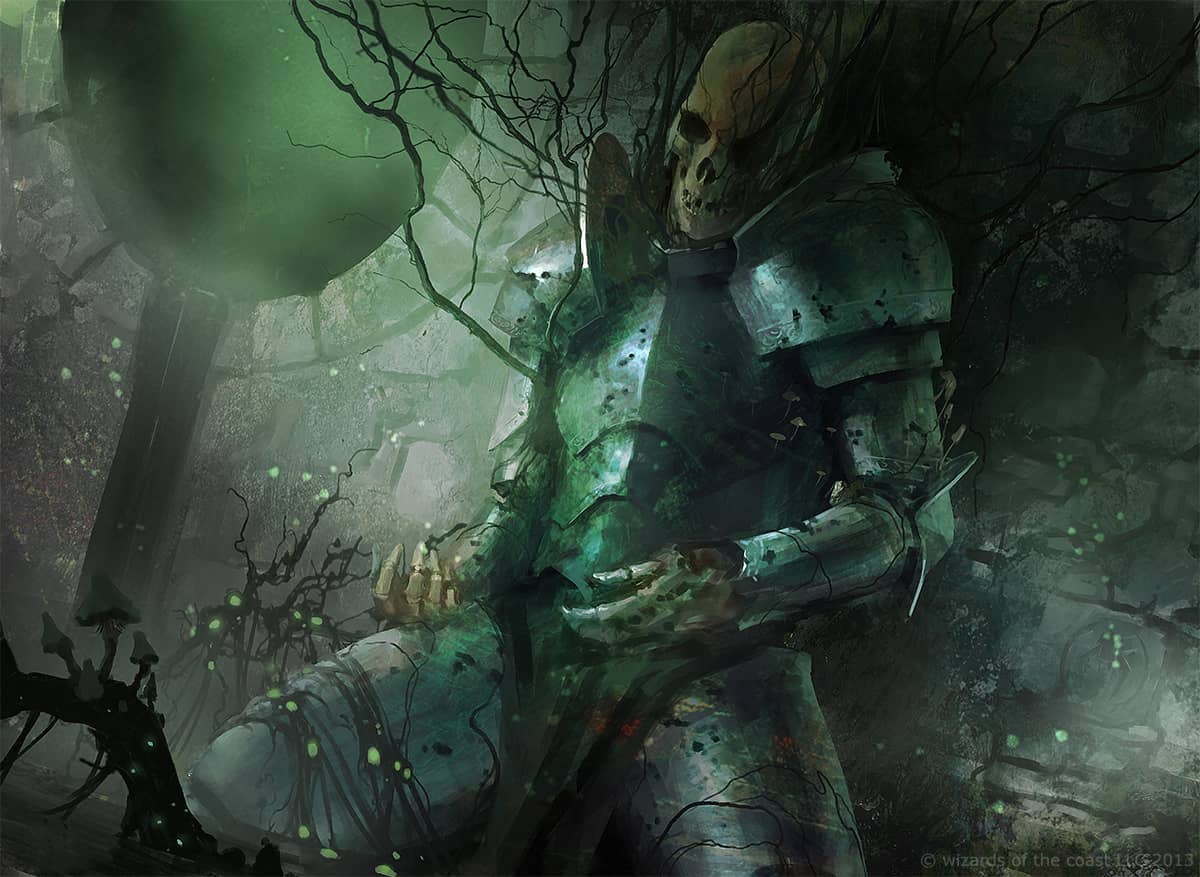
Putrefy | Illustration by Igor Kieryluk
Golgari removal covers cards with a Golgari, or black-green (), color identity that remove one or more permanents from the board. It doesn’t matter what kind of permanents they remove; cards that remove one permanent of any type and sweepers are equally applicable. However, I won’t consider cards that interact on an axis other than the board, like graveyard hate or discard effects.
What Kind of Removal Does Golgari Have?
Golgari gets some top-tier removal that’s known for hitting virtually anything; black has the best creature removal, green hits artifacts and enchantments, and their amalgam generally destroys permanents of any type. They might literally destroy a target (often nonland) permanent, or they may be cards that blow up multiple permanents of different types. These removal spells are generally instants and sorceries that destroy things, though more than a few planeswalkers sneak onto the list.
#33. Consume Strength
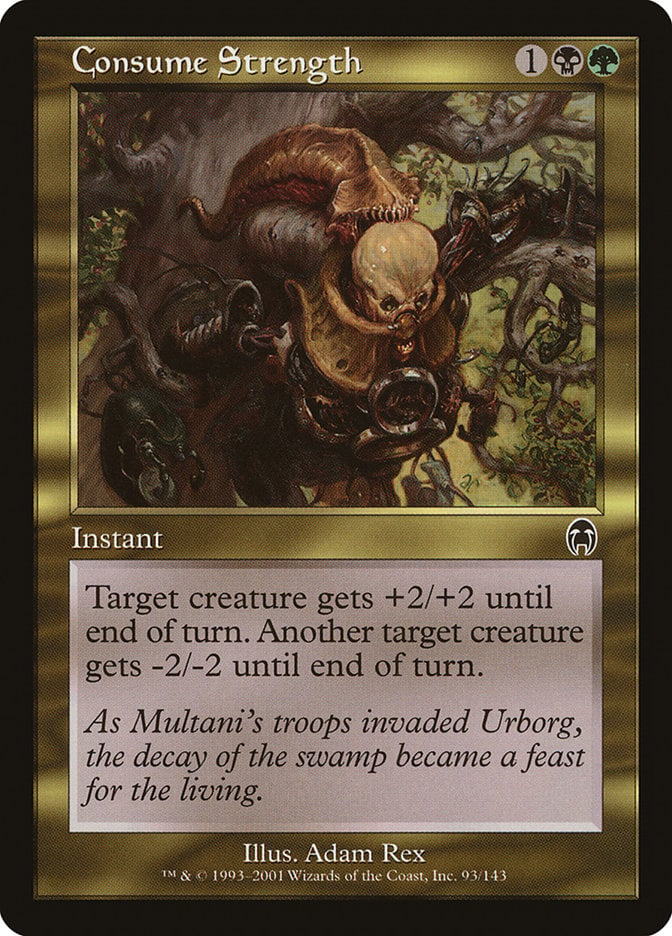
When I think of Consume Strength, it’s typically in the context of Pauper Cube or Chaos Draft. Though the power isn’t there for most modern Magic, this is a house when the format lines up: It’s very easy to turn this into a two-for-one by forcing two “trades” to swing in your favor.
#32. Garruk, Apex Predator
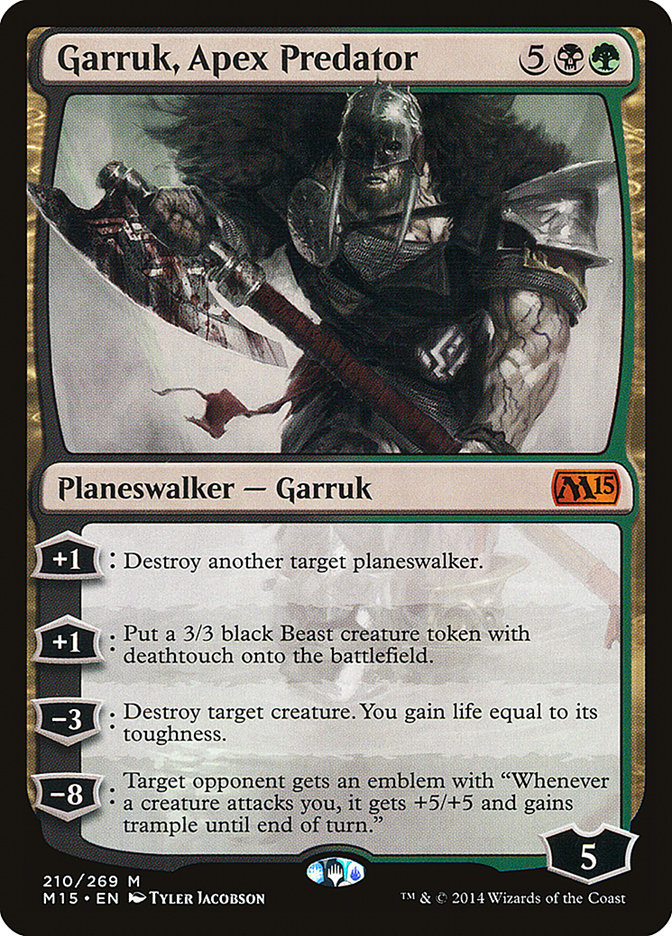
Garruk often dabbles with removal when in Golgari colors, and Garruk, Apex Predator has a pretty unique uptick that destroys planeswalkers. If you don’t need to worry about those, it still cleans up creatures on the downtick. Despite the unique planeswalker removal, 7 mana is extremely expensive; at that rate, you might as well play Final Act or something.
#31. Garruk Relentless / Garruk, the Veil-Cursed
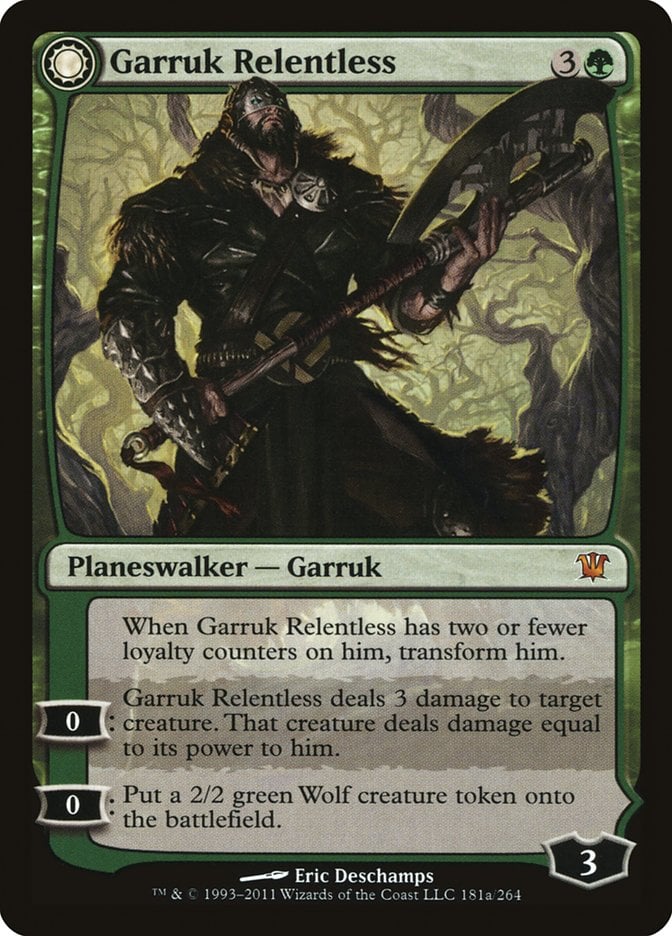
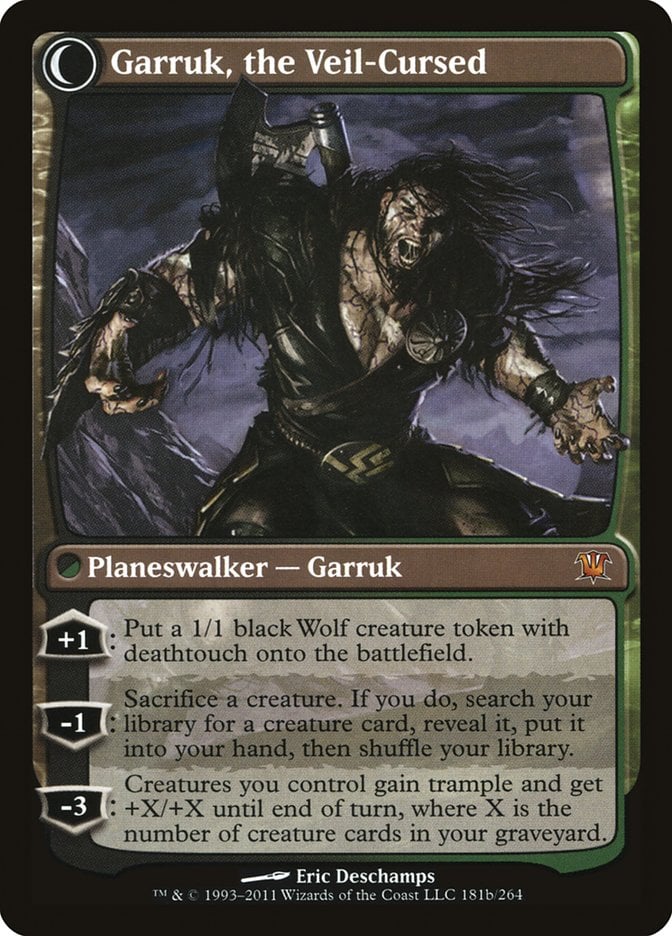
The stock of Garruk Relentless has plummeted as power creep makes efficient creatures more problematic; by the time you play this, you’re already dead to Ocelot Pride or Ragavan or whatever other 1- or 2-mana creature warped the game around itself. But I still enjoy it in Cube, and the flipside, Garruk, the Veil-Cursed, is a fantastic tutor.
#30. Deathsprout

Golgari gets some sick removal spells that are amazing in Limited but don’t always translate to other formats. Deathsprout is another removal spell I typically associate with low rarity or casual cubes, though I see the role in a casual landfall deck; killing a creature, then making an infestation of Scute Swarms works at the right table.
#29. Atomize
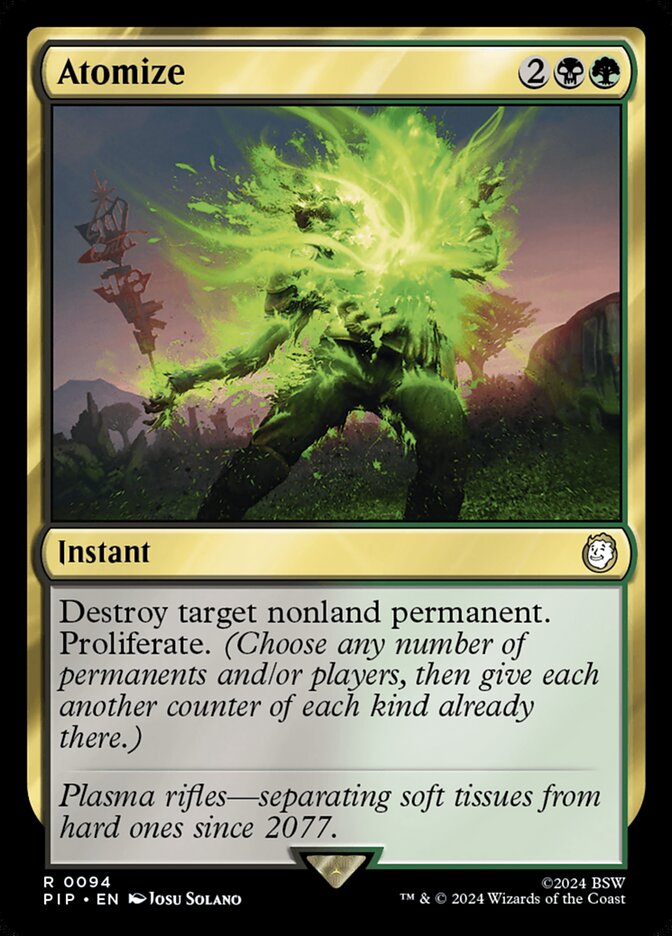
Atomize is a pretty narrow removal spell because it’s only worth running if you care about proliferate. Even then, 4 mana restricts it to pretty casual brews.
#28. Back for More
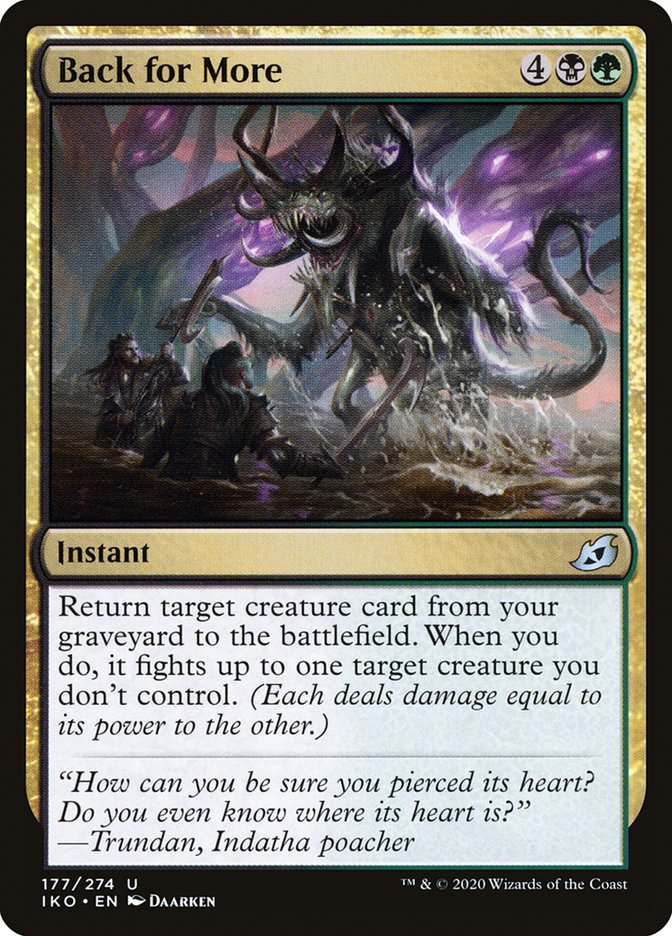
Back for More is a card I see most often in Peasant Cubes full of grindy cards, but there’s no reason it can’t slip into EDH decks. Reanimating a creature and fighting something is a solid two-for-one, especially if you care about one or more creatures dying.
#27. Deadly Brew

Deadly Brew rewards you for adding green to your edict with a Regrowth if you sacrifice a creature, which you often want to for sacrifice synergies. Edicts have limits, but this is a great one to run.
#26. Putrefy
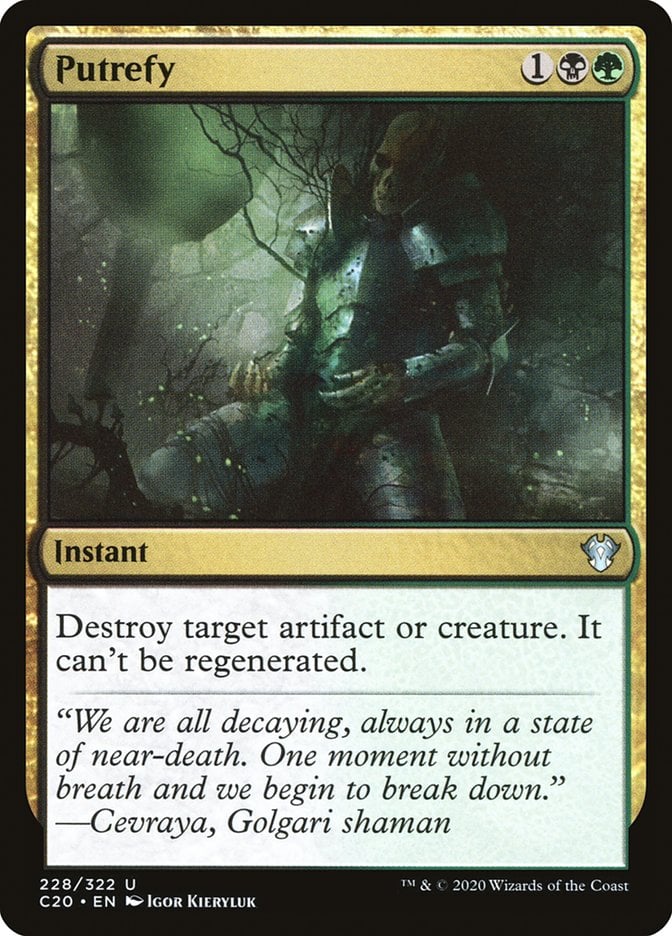
Putrefy is an oldie that left goodie territory a while ago as newer, sleeker removal spells encroach on its territory. Sure, you can get creatures or artifacts with this, but Beast Within, Assassin's Trophy, and Mythos of Nethroi are just a few examples of removals spells that outclass Putrefy at a similar mana cost.
#25. Golgari Charm
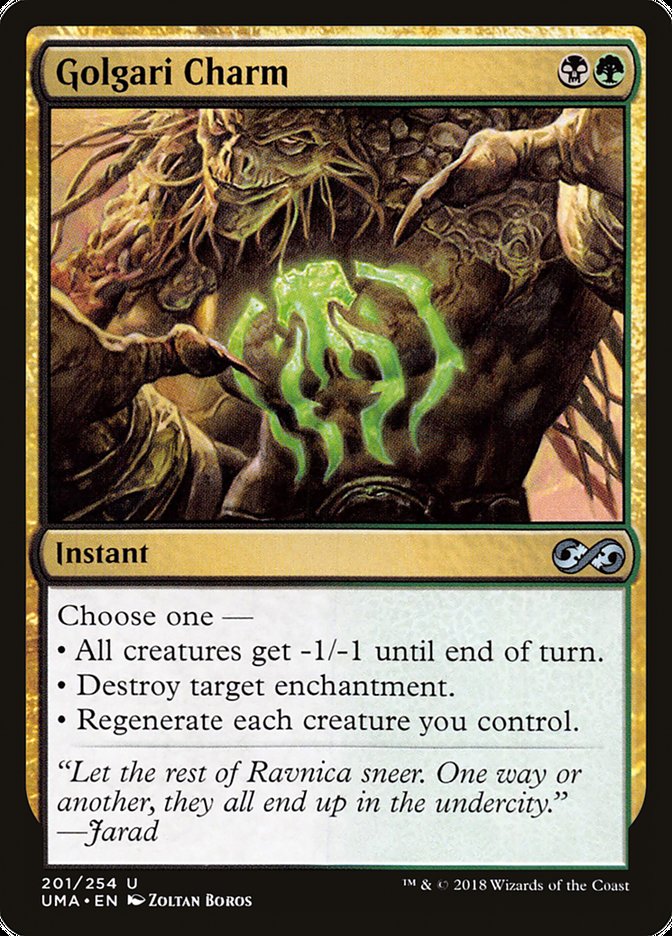
The -1/-1 sweeper on Golgari Charm is cute, but if you’re running this as interaction, it’s for the enchantment removal, which is much more applicable. It also isn’t bad: Enchantment removal that doubles as protection and a super niche sweeper are all bundled into a single card, which matters in EDH with so few slots available.
#24. Find // Finality
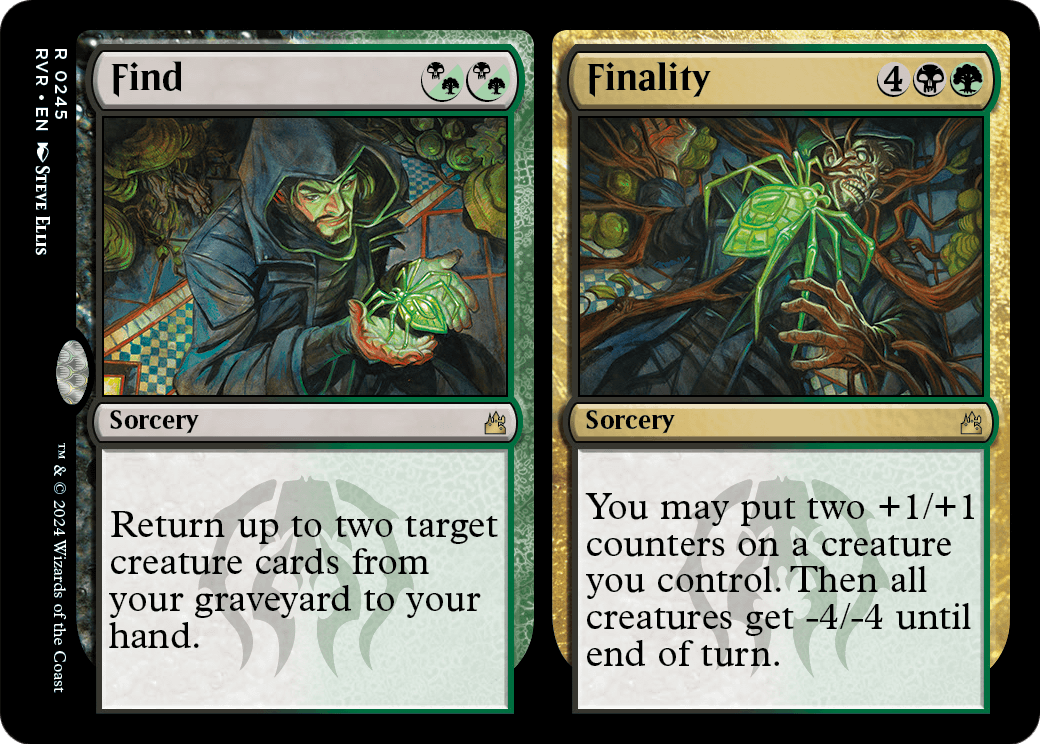
Find // Finality has limits as a sweeper since it only removes small creatures, not everything. But you can build around that pretty well by running primarily big creatures; imagine a battlecruiser deck with nothing smaller than a 5/5 because all the early ramp is land-based. There’s also a lot to be said about the flexibility of a sweeper that’s also a draw-two in a pinch.
#23. Gaze of Granite

Gaze of Granite isn’t alone in Golgari sweepers with variable targets but it’s a viable one. It looks especially good against token decks since you can cast it for X=0 to blow up tokens and often leave your board untouched.
#22. Garruk, Cursed Huntsman
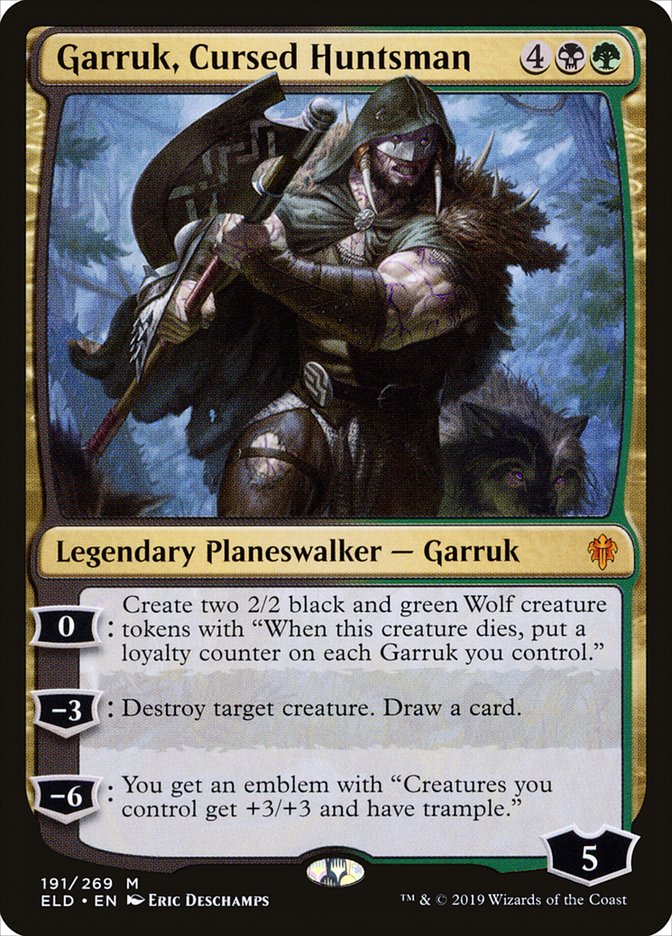
Garruk, Cursed Huntsman is a much more practical removal-based planeswalker, mostly because I appreciate the 0 ability. Whether your deck wants sacrifice fodder or to go wide, two tokens each turn is appreciated. Drawing a card after you kill a creature is also brutal; at worse, this is a two-for-one that gains life because your opponent attacks it to remove it before you get more. Additional effects are just extra.
#21. Rise of the Witch-king
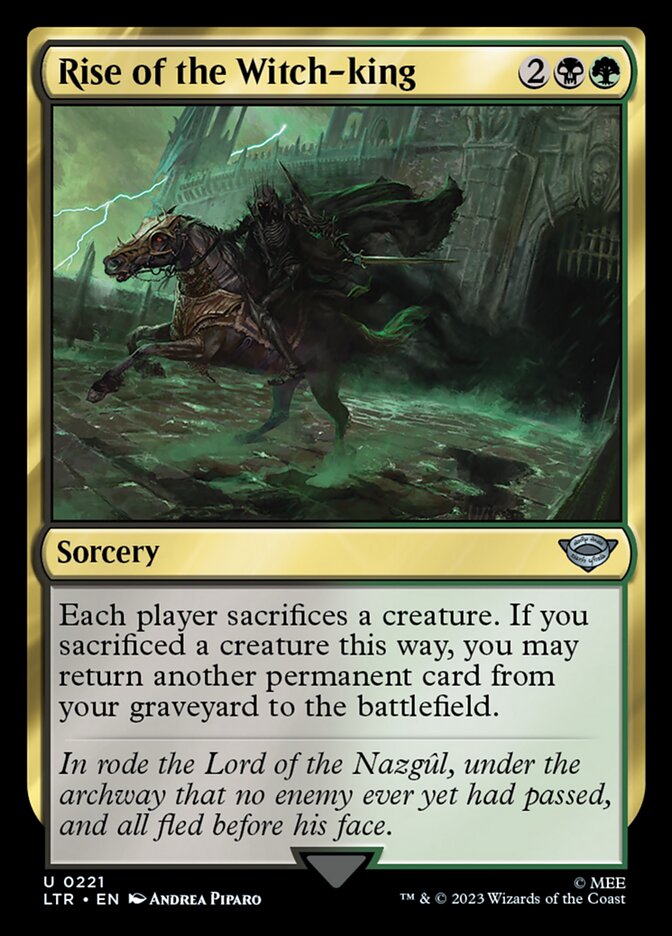
Rise of the Witch-king is pretty costly as edicts go, but think of it as a 4-mana removal spell that reanimates a creature and punishes your opponents to boot. An Archon of Cruelty or Colossal Grave-Reaver that comes with an additional edict puts your opponents in a rough spot.
#20. Vicious Rivalry

Vicious Rivalry is analogous to a Toxic Deluge that adds a mana (and color) to hit artifacts as well as creatures. It works best in battlecruiser decks where your threats are massive, so destroying everything with a low mana value leaves you untouched.
#19. Drag to the Roots

You should never run Drag to the Roots without a dedicated self-mill gameplan because you can do better for 4 mana when it comes to removal (like playing removal that doesn’t cost 4). But if you can reliably make this a 2-mana kill anything, it’s worth considering.
#18. Pernicious Deed
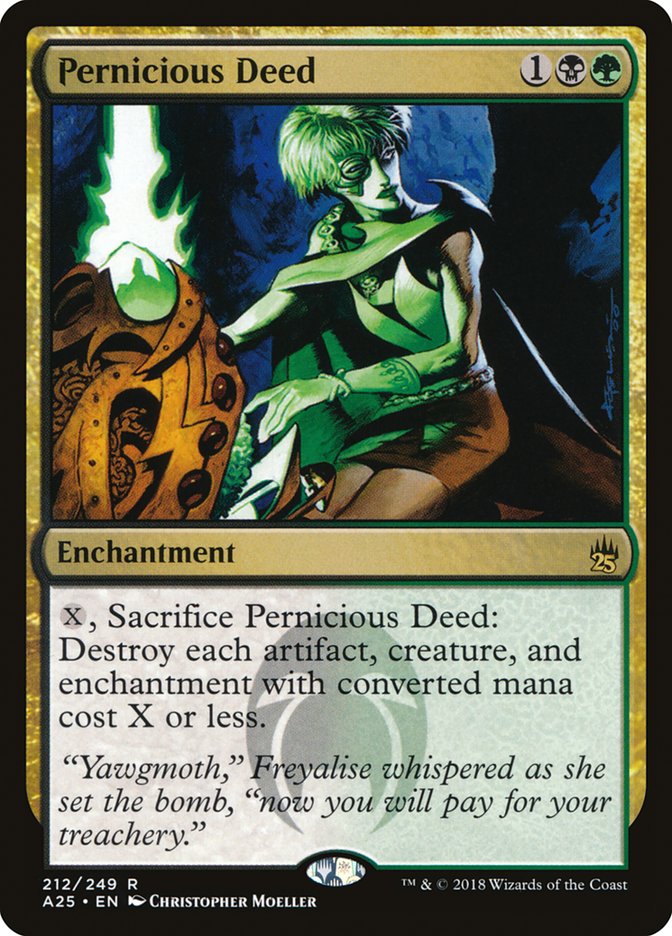
Pernicious Deed is an old classic that can be mana-intensive but a fun build-around. Green excels at getting permanents from the graveyard back to your hand or the battlefield, so the right deck could play this over and over with Regrowth effects.
#17. Professor Dellian Fel

Professor Dellian Fel sees a smattering of play in midrange decks interested in grinding their opponents out with a flexible tool that draws cards, stabilizes against aggro, or removes threats as needed. It’s also worth noting that the lifegain uptick is very relevant for decks interested in those synergies.
#16. Glissa Sunslayer
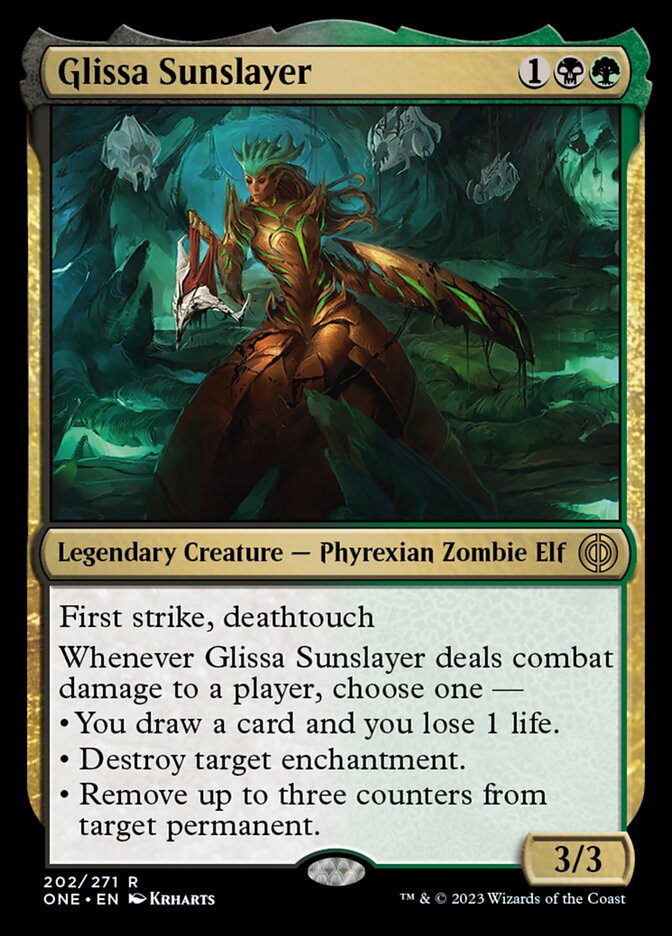
The enchantment destruction on Glissa Sunslayer might be the least of its abilities, but it’s still impactful—you’d be surprised how many shame scopes I get in Brawl because an opponent plays an enchantment into Glissa and doesn’t block. Not that blocking is an option with first strike and deathtouch. This has “midrange queen” written all over it.
#15. Chatterfang, Squirrel General
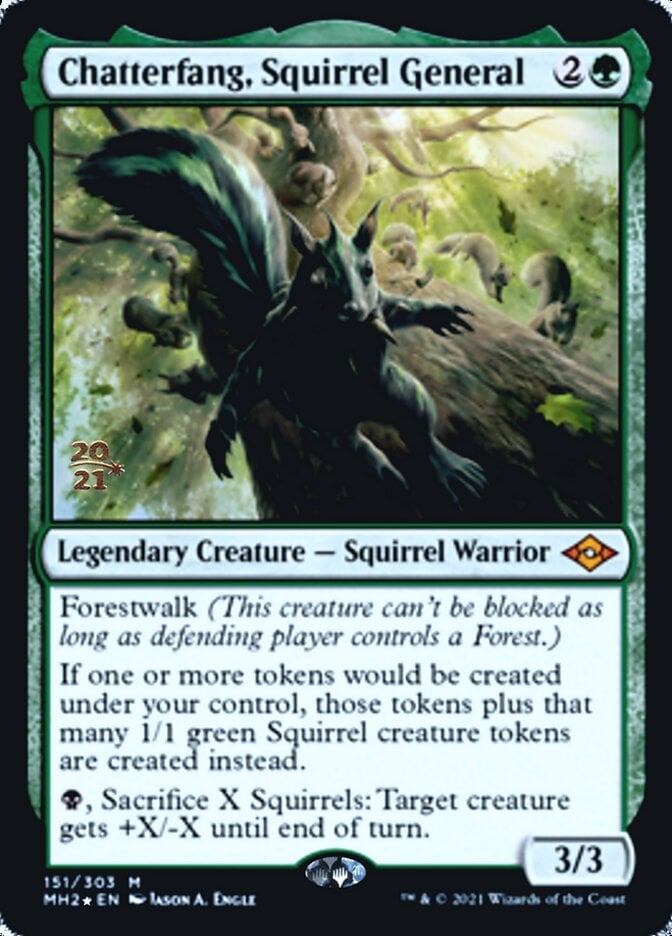
Being a removal spell is arguably the least practical use of Chatterfang, Squirrel General; it’s a renewed token doubler and combo commander. The removal aspect can be impactful, though; it requires an investment in squirrels, but the ability to kill creatures while triggering your sacrifice synergies is impactful.
#14. Windgrace’s Judgment

I enjoy Windgrace's Judgment in Commander because it meets the needs of the format. One-for-one removal can be disadvantageous against three players, removal spells that handle multiple threats are premium—hence the proliferation of board wipes. This card costs too much to be good at high levels, but I really like it in casual Commander to handle threats without too big a hit to card advantage.
#13. Immoral Bargain
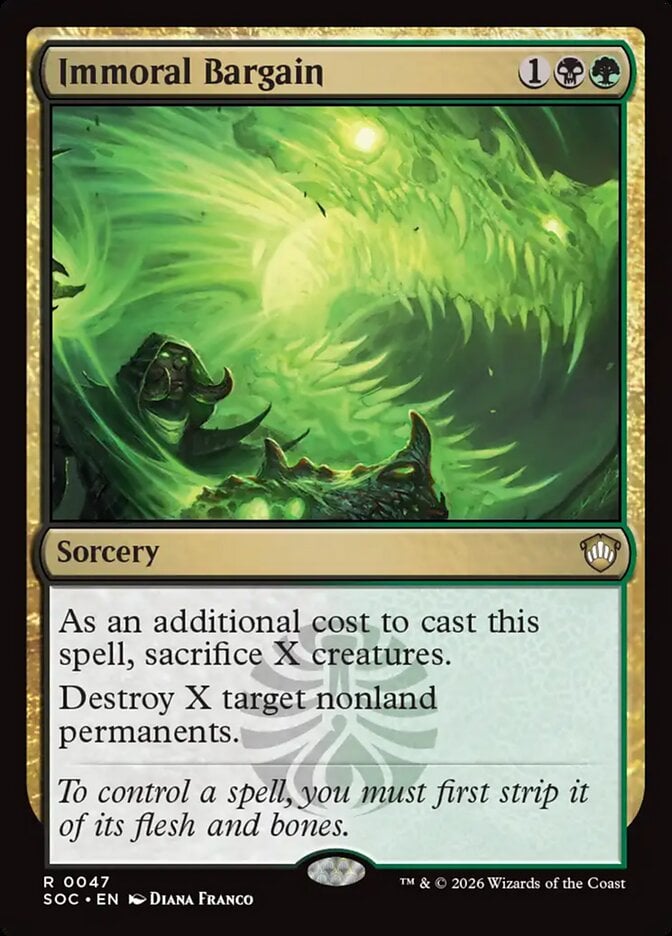
Immoral Bargain is, in my opinion, a heavily underrated card from Secrets of Strixhaven that sacrifice decks should run to nuke opposing board states while reaping the benefits of synergistic death payoffs like Blood Artist and Midnight Reaper. As long as I destroy two or three permanents, I’m cool with this; if I get a few more, that’s gravy.
#12. Vraska, Golgari Queen
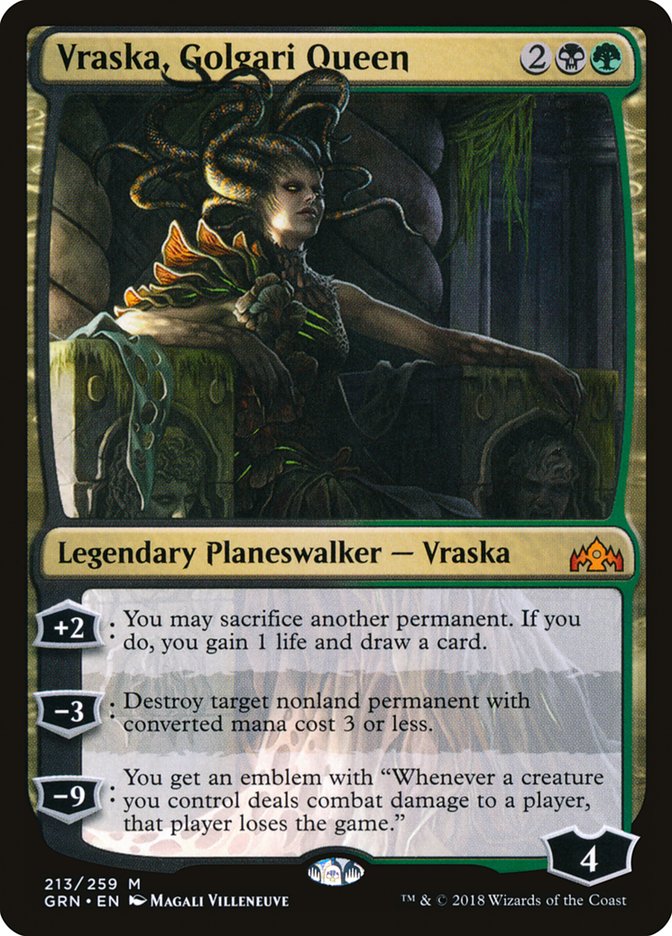
Vraska, Golgari Queen only works in decks with ample fodder to utilize the uptick as a sacrifice outlet. Importantly, Vraska has no permanent restrictions, so it sacrifices enchantments and lands as freely as creatures, a rarity on sacrifice outlets.
#11. Witherbloom Command
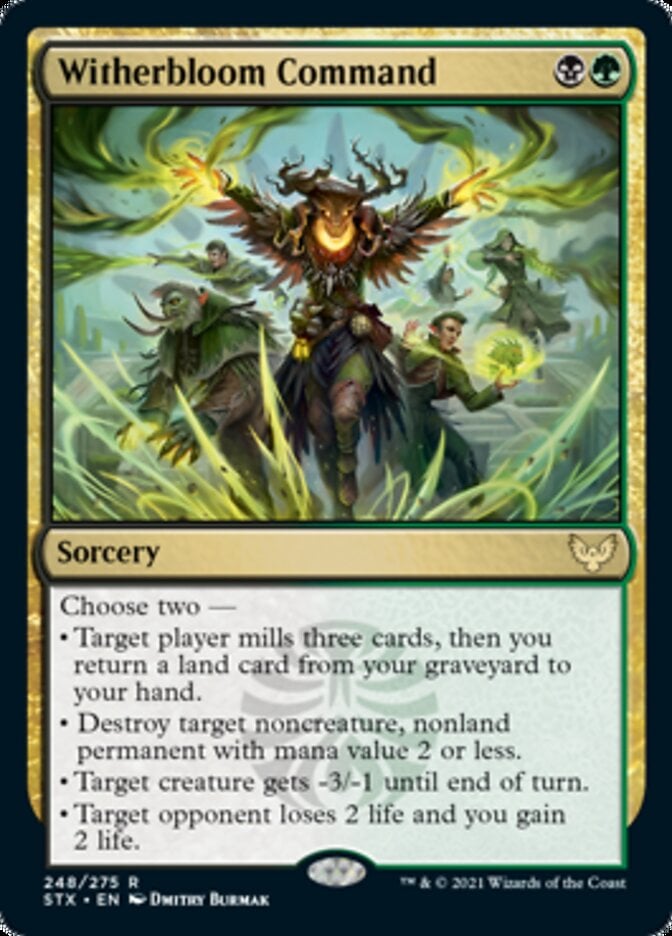
The removal on Witherbloom Command is pretty restrictive—small permanents only, either by mana value or toughness, depending on the mode. But the modes are the charm here; you want this for the flexibility to remove different types of threats, or to get some cards in your graveyard or drain your opponent.
#10. Casualties of War
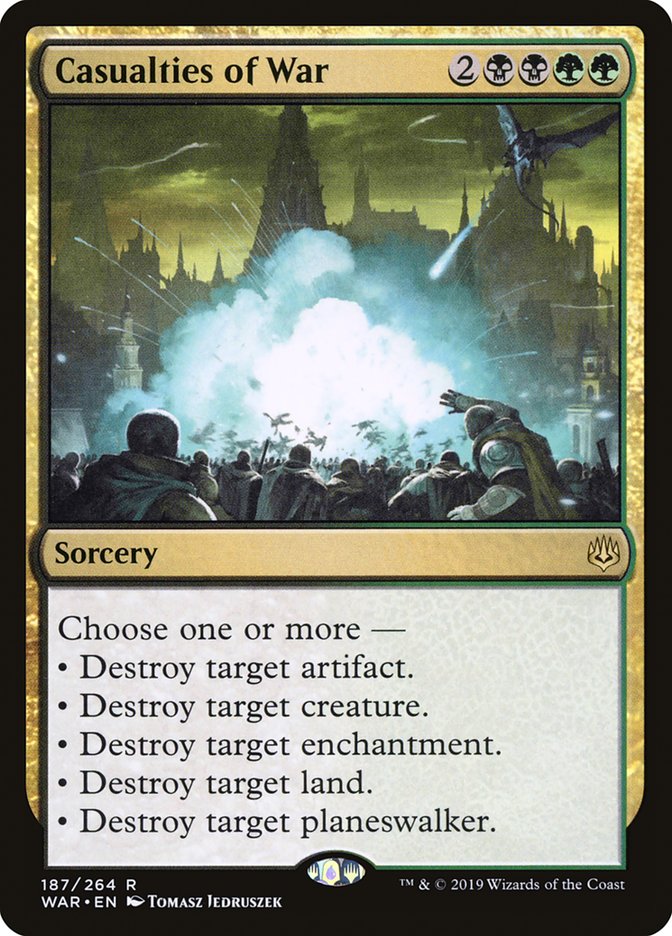
I love Casualties of War as top-end in grindy Commander decks. You rarely lack of targets, even when you ramp into it on turn 4 or 5, and it can be a great way to finish a game. Land a few battlecruisers, then blow up the few permanents that can stop you!
#9. Alpha Deathclaw
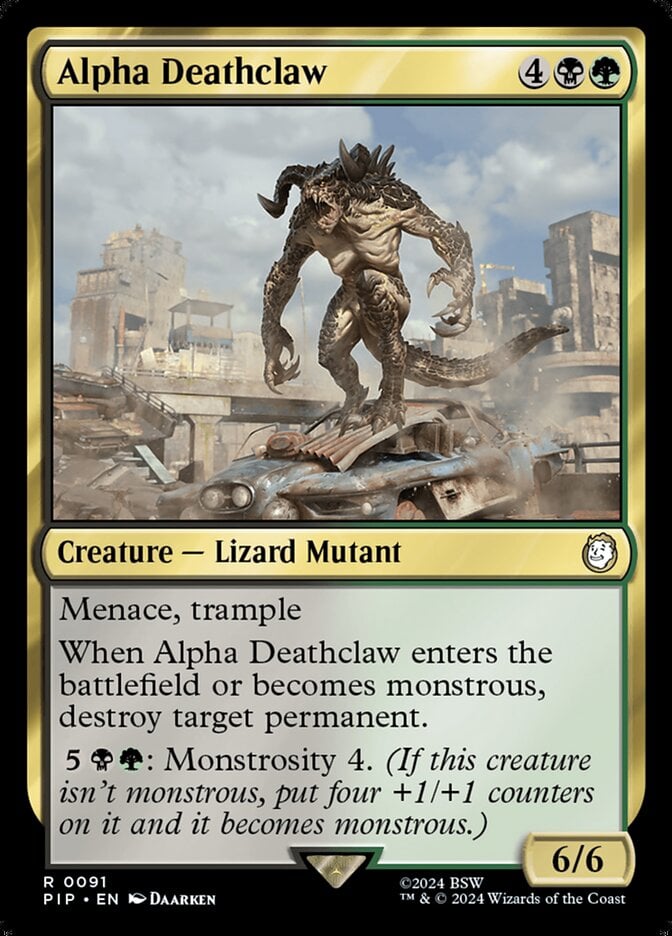
Alpha Deathclaw sizes removal up for a top-end threat that adds in a two-for-one, or three-for-one if you make it monstrous. It’s a great card to reanimate or cheat into play for an early advantage. The Deathclaw looks especially good in Golgari+ decks with white or blue so you can flicker it and make your opponents wish you had anything else in play.
#8. Urgent Necropsy
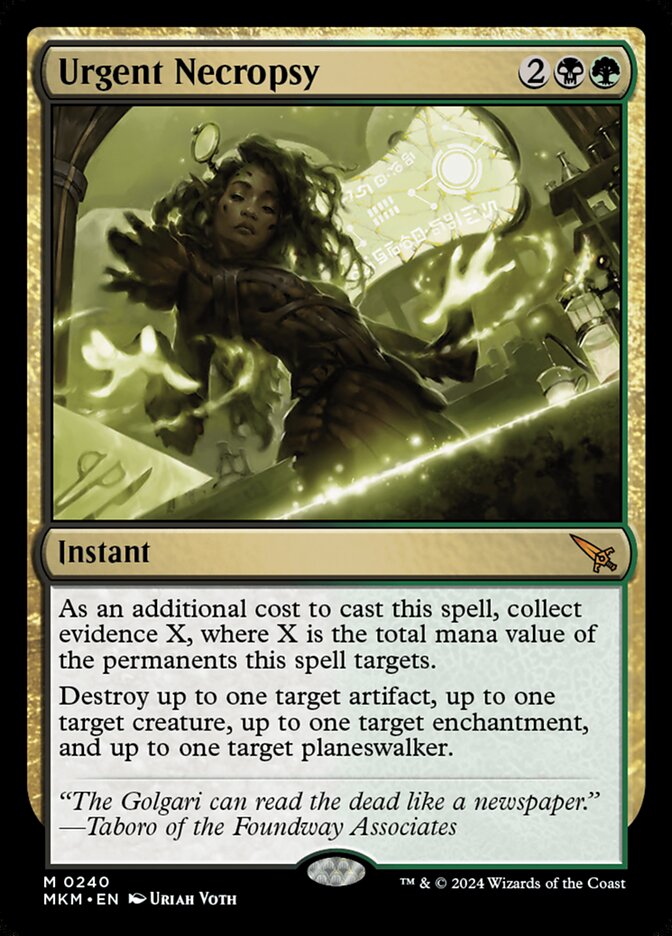
Flexible sweepers are great because sometimes you don’t want to remove the entire board, just one or two or four key threats. Urgent Necropsy is effectively the Golgari Fire Covenant, a sniper that handles key targets without impacting your board. You need to be deep in self-mill to fuel the collect evidence mechanic, but that’s hardly an ask in these colors.
#7. Maelstrom Pulse

Maelstrom Pulse is another removal spell whose glory days have faded as power creep forces both removal and threats to grow more efficient. But Commander often values flexibility over efficiency at the lower Brackets, and it can be a handy answer to token decks.
#6. Convert to Slime

Convert to Slime runs off a template similar to Decimate, but it’s less restrictive because you don’t need targets for every permanent type listed—though you often will. The delirium ability makes this desirable because the token turns a fine removal spell into a serious problem from your opponents.
#5. Culling Ritual
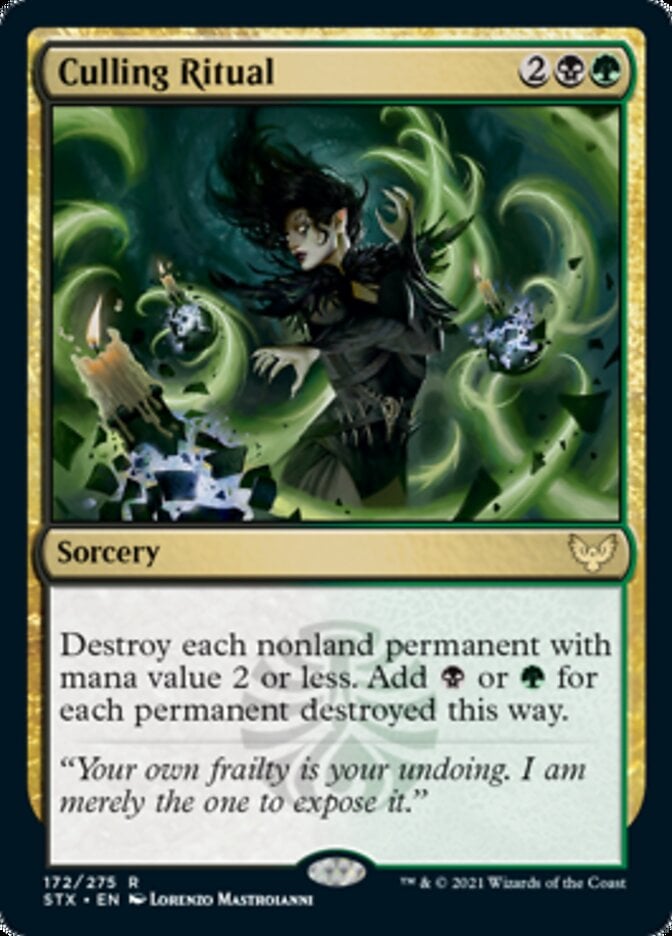
Culling Ritual works best in formats dominated by cheap, efficient permanents—perhaps that’s why it works so well in cEDH. It doesn’t just catch creatures but Moxen and Deafening Silence and all manner of small permanents. That would be a fine spell alone, but the surge of mana often puts you in a winning position as you remove most threatening things, then develop your board further.
#4. Grist, the Hunger Tide
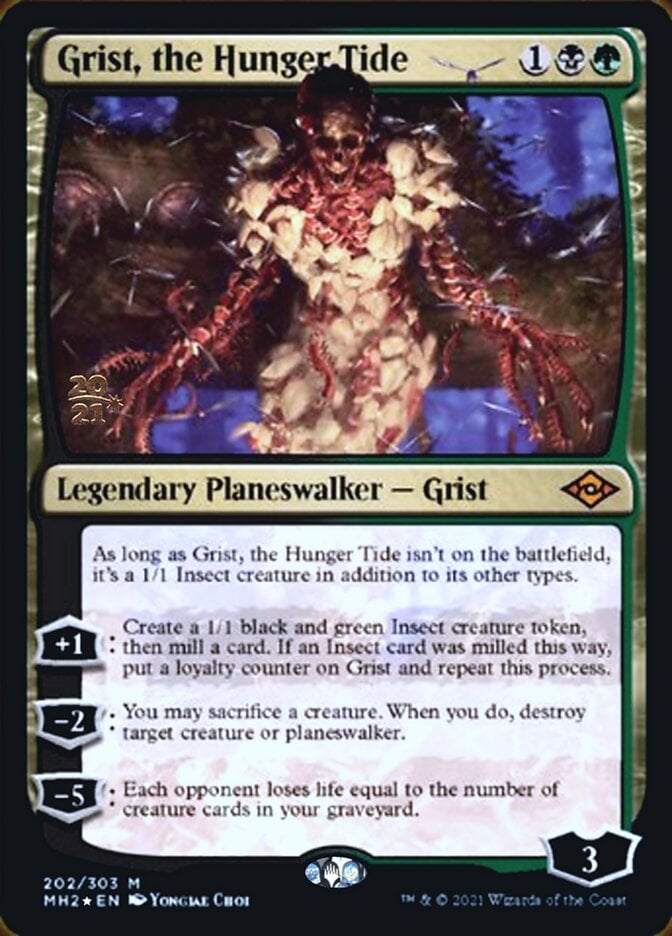
Grist, the Hunger Tide is one of the most unique planeswalkers in the game because it’s often a creature, and it’s quite strong. Bone Shards as a downtick offers a source of repeatable removal that’s even synergistic assuming your deck cares about creatures dying. It even provides its own sacrifice fodder with the uptick!
#3. Tear Asunder
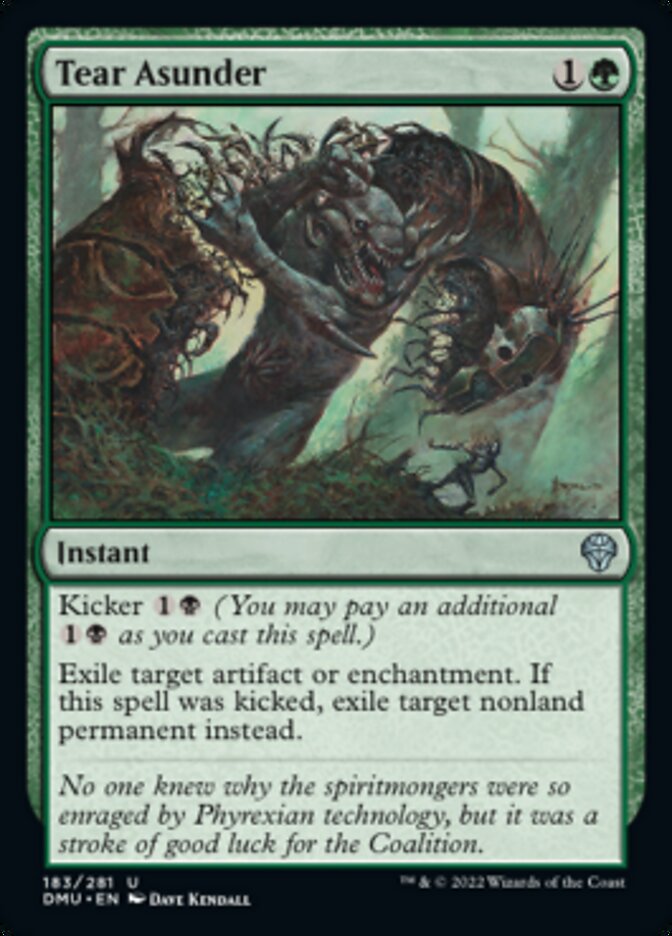
It’s hard to argue with the flexibility of Tear Asunder: Two mana to kill many things, 4 for anything. I wouldn’t normally advocate for 4-mana removal, but flexibility goes a long way towards making a card great despite its costs. I put this in most Golgari Commander decks.
#2. Abrupt Decay
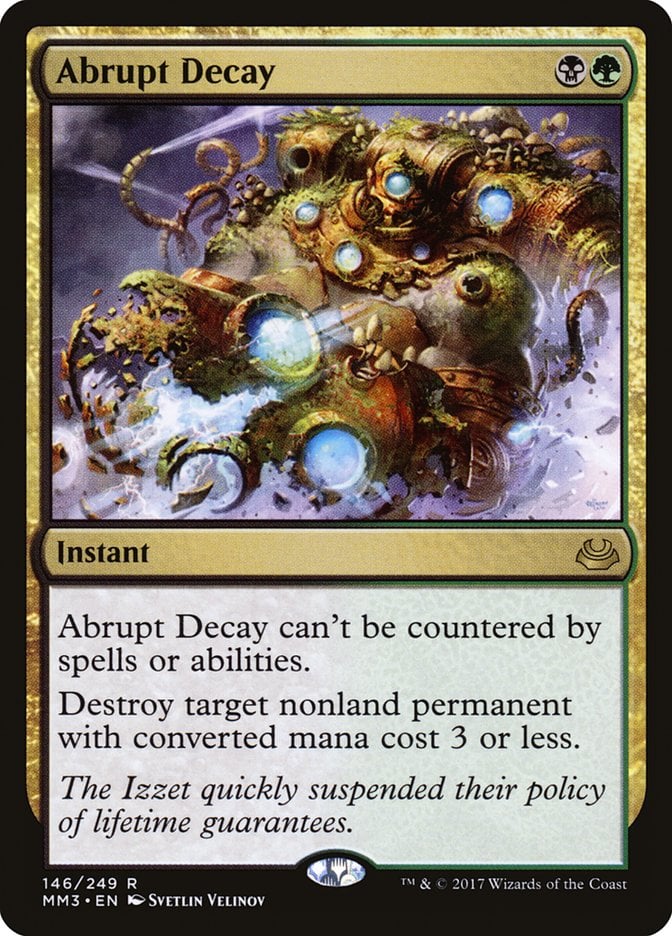
Being uncounterable has made Abrupt Decay a staple in Eternal formats where the threats are efficient and the interaction is required. It’s slightly past its prime, but it’s hard to go wrong with destroying anything small with nearly no recourse from your opponent.
#1. Assassin’s Trophy
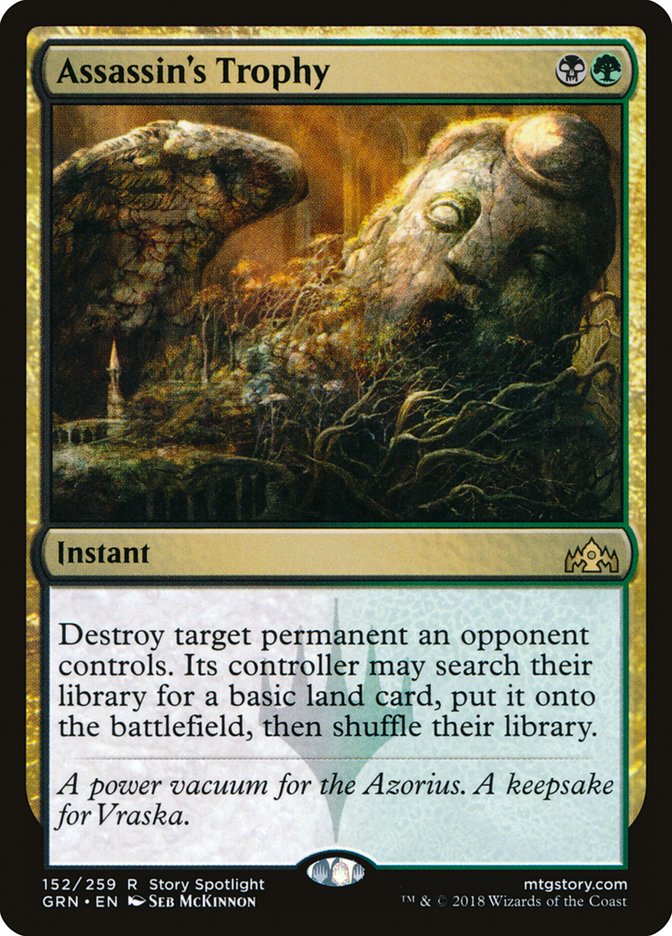
Assassin's Trophy sees widespread play across multiple formats, though it’s best home (at the moment) is EDH, where it destroys anything for 2 mana. The range of threats you can face in EDH is so wide that multi-purpose removal is key—this sees play for the same reasons as Beast Within or Generous Gift, except it’s cheaper.
Best Golgari Removal Payoffs
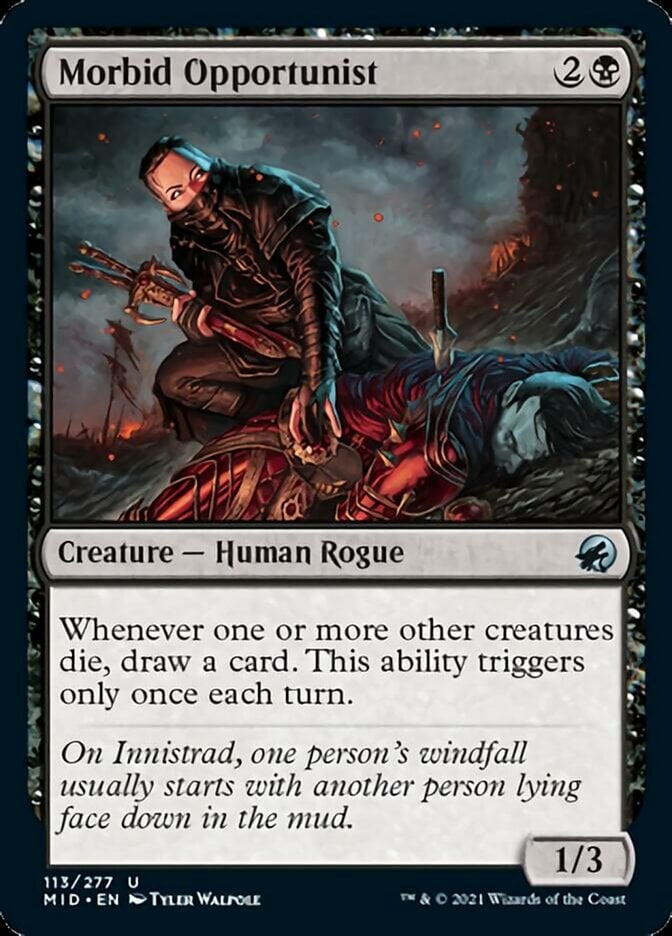
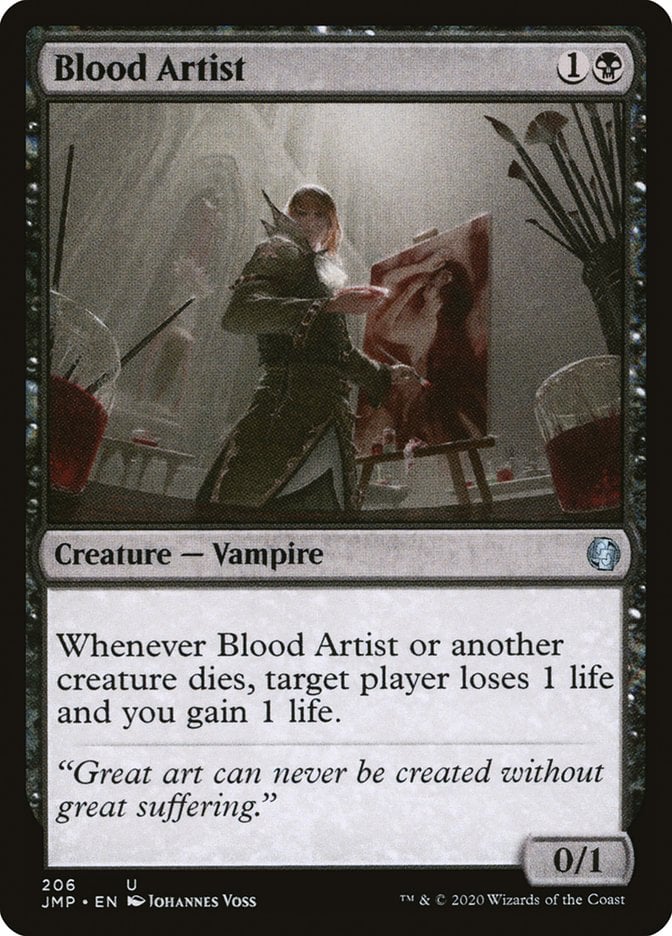
Death triggers are a great payoff for removal; cards like Morbid Opportunist and Blood Artist that care about opposing creatures dying make your removal spells just a little better.

High impact threats also go well with removal: If you can land something cheap but large like Nethergoyf or Glissa Sunslayer and follow it up with removal to keep your opponents off-kilter while you attack them, you can turn a single threat into a quick win. That’s basically the foundation of the midrange archetype.
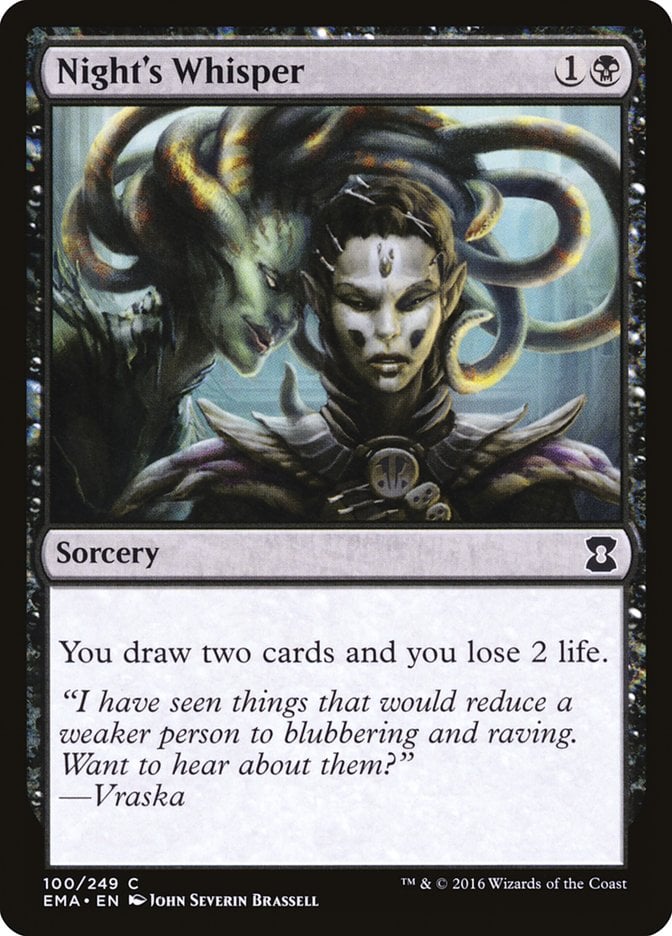
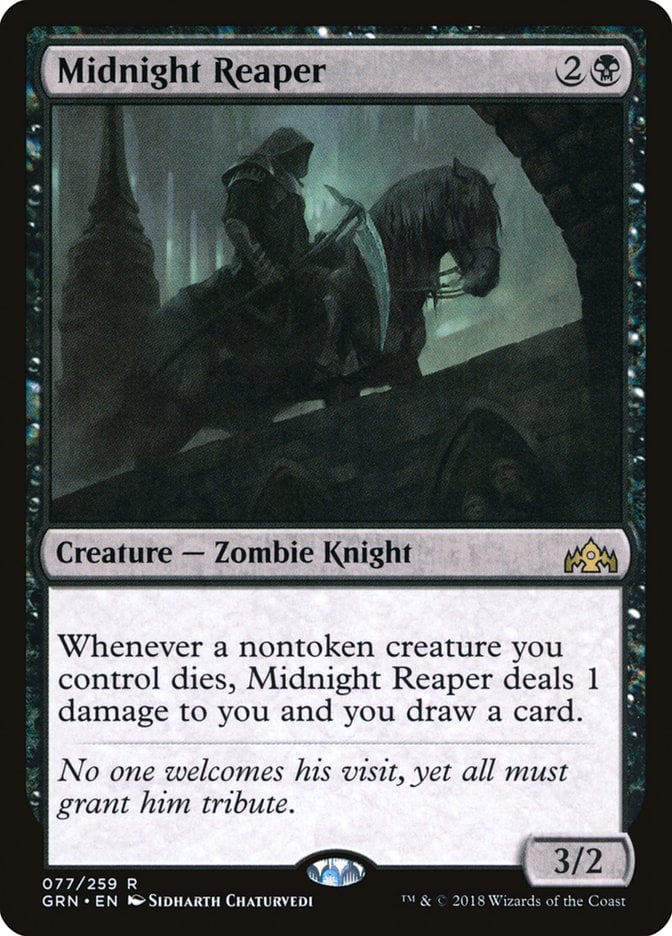

Black card draw also pairs well with removal. Cards like Night's Whisper, Midnight Reaper, and Unholy Annex are great with removal because you have access to more cards than your opponents, which makes it pretty easy to have a removal spell for every threat they play.
Wrap Up

Deathsprout | Illustration by Seb McKinnon
White generally has Magic’s best removal because exiling is amazing, but Golgari puts up a good fight with efficient removal that often handles most permanent types. Its best feature might be the sweepers and planeswalkers that handle quite a few threats at once.
Which Golgari removal spells do you run? Did I miss anything? Let me know in the comments below! If you want more Draftsim, check out our YouTube channel, The Daily Upkeep!
Stay safe, and thanks for reading!
Follow Draftsim for awesome articles and set updates:










Add Comment