
Last updated on June 19, 2025

Reliquary Tower | Illustration by Jesper Ejsing
It’s very easy to make mistakes in Commander, moreso than any other MTG format. We’ve all attacked our fliers into on-board reach creatures at some point, but Commander has so many variables, so much hidden information, and frankly, so much clutter on boards that it’s hard to truly account for everything.
Becoming a better player isn’t about never making mistakes, it’s about recognizing the mistakes you’re making and learning from them. You have to make mistakes to even recognize that there’s something you can improve at. I hope the readers out there walk away from this with a sort of level-up, and recognize at least one area of their Commander game that they can improve upon.
What Counts as a Mistake in Commander?

Stunning Reversal | Illustration by Zoltan Boros
To avoid making mistakes, you have to understand what qualifies in the first place, and they won’t always be obvious. Mistakes usually bare out over the course of multiple games, where falling into the same trap over and over clearly results in losses or gameplay issues that could otherwise be avoided.
There are two main categories of mistakes in Commander: those that take place during deck construction, and those that happen during gameplay.
Deckbuilding mistakes involve adding (or not adding) cards to your deck that actually make it harder to win. Deckbuilding issues usually revolve around mana in some way, and they tend to lead to patterns during gameplay, like consistent mana screw, color screw, or flooding.
Gameplay mistakes make up the larger category, and involve everything that takes place within a game of Commander. Deckbuilding mistakes can actually compound into gameplay mistakes, which is why deck construction is such a valuable skill to learn.
There’s infinite decision-making in Commander, and mistakes can be made at every juncture. Everything from attacking the wrong person, to tapping mana incorrectly, to unwise politicking all adds up, and too many mistakes make it difficult for you to come away the victor.
Deckbuilding Mistakes
Cutting Too Many Lands

Orcish Lumberjack | Illustration by Steve Prescott
This is probably the first mistake that every Commander player makes: Either cutting too many lands or creating a new deck with too few lands.
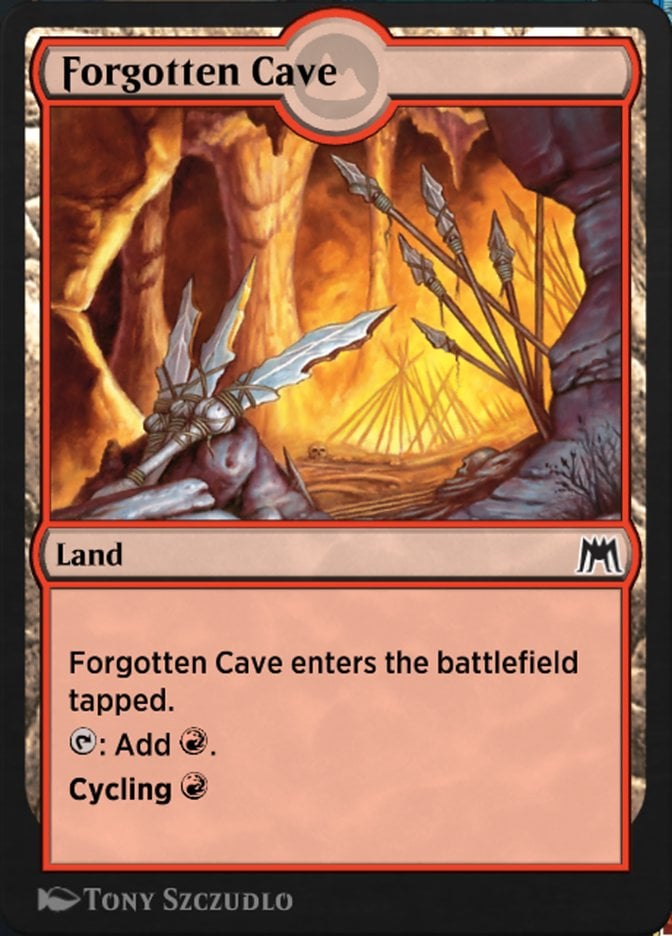
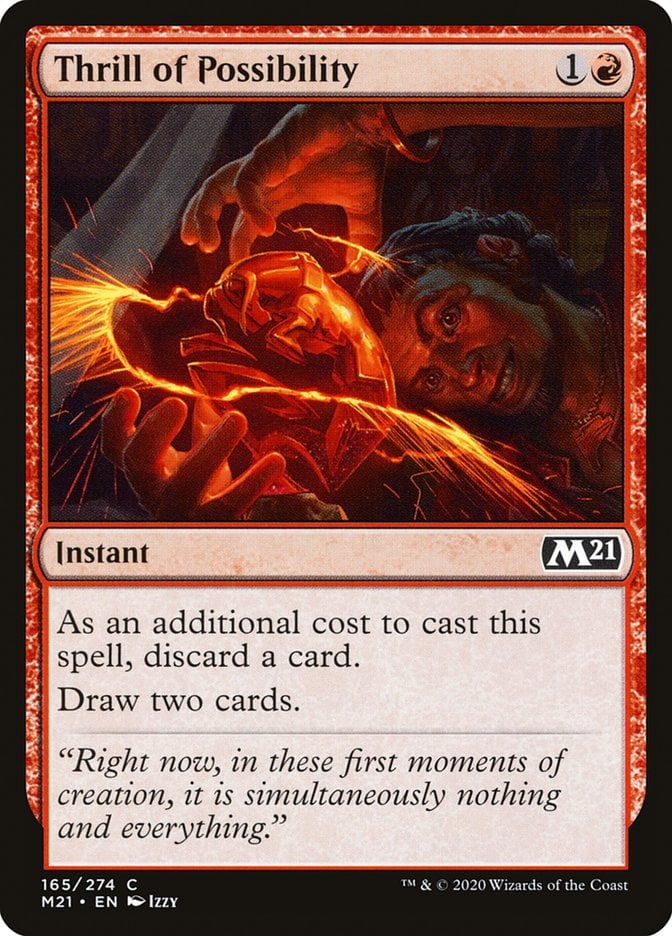
One huge tip helped me as a Magic player and I strongly urge novice deckbuilders to follow it: Look for reasons to play more lands in your deck, not less. People hate topdecking lands and getting flooded, but good deckbuilders work in tons of ways to circumvent flooding. That could be everything from more utility lands like cycling lands to more rummaging effects that turn excess lands into extra cards (think Thrill of Possibility). If you have enough ways to use mana or filter away excess lands, then a high land count won’t hurt you. Conversely, a low land count bites you way more often.
My primary goal in Commander is to hit my land drop every turn of the game, even late into the game. Missing an early land drop causes you to fall significantly behind while you flounder for more mana.
For this reason, most decks I build err towards a very high land count, usually around 38. Conventional wisdom is that Commander decks should have around 36 lands, and supplement the manabase with mana rocks and mana dorks. I run a higher land count on average and supplement that with plenty of sources of card advantage to make sure I hit land drops consistently while also fighting against mana flood. And you know what? I rarely miss my early land drops because of it, so I get to play more Magic.
The other angle here is the cardinal sin of cutting lands to make room for new cards. Just don’t do this. It’s easy to make this mistake a few times per year and start shipping a 33-land Commander deck without realizing you went so low on lands. Determine how many lands your deck wants (usually 36+) and stick to that number when making swaps. Oh, and MDFCs help out a lot!
Having Too High of a Curve
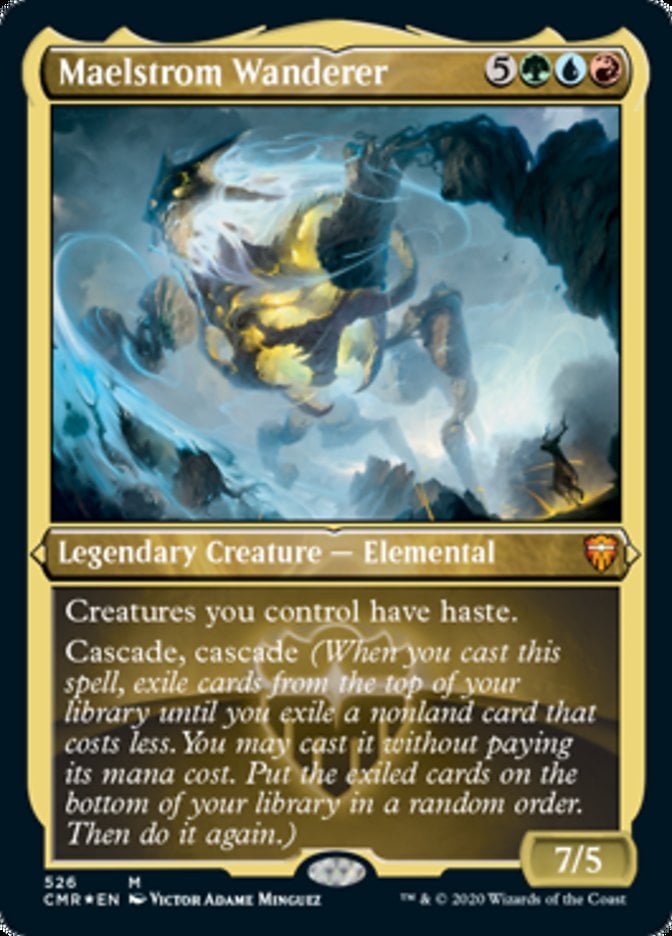
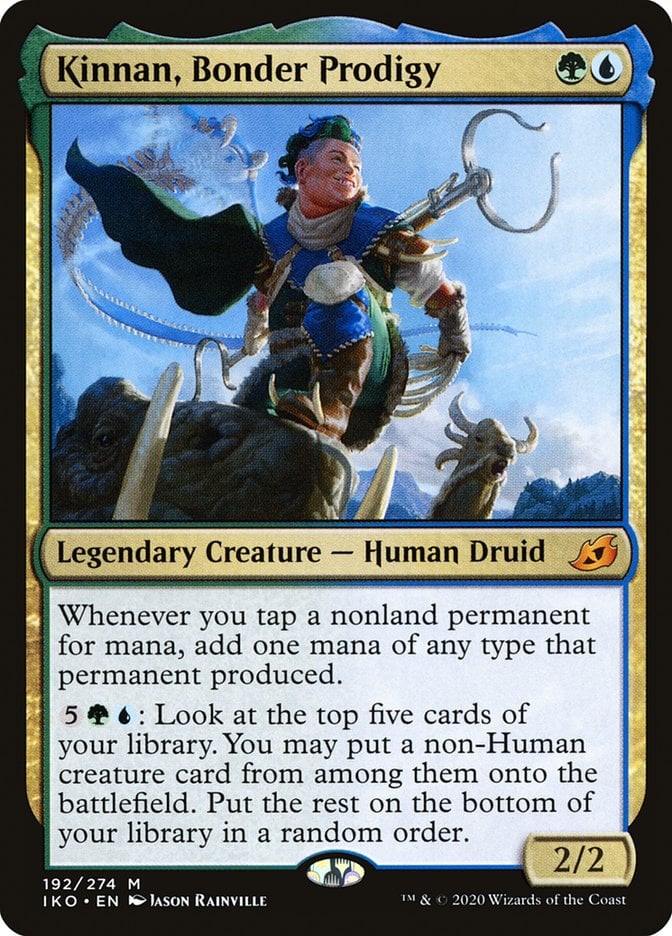
Unless you’re playing a commander that specifically wants expensive cards in your deck, like Maelstrom Wanderer or Kinnan, Bonder Prodigy, you should aim to keep your curve relatively low.
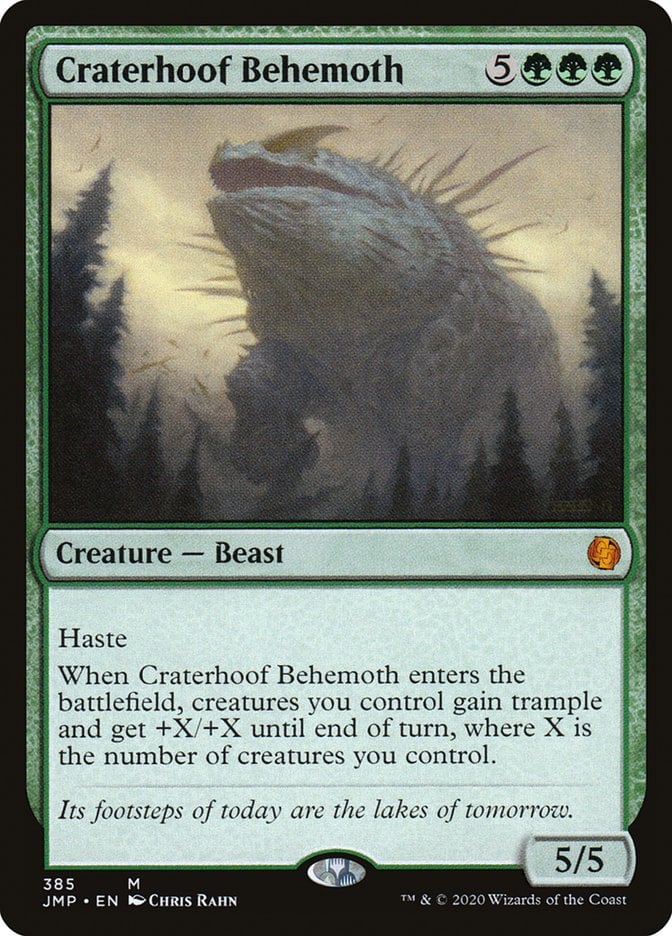
That doesn’t mean you can’t have a Craterhoof Behemoth at the top to close out games, or a few 5- and 6-drops, but overload on 4+ mana cards and you’ll find yourself glutted on plays too often.
Lower curves have two advantages: You’re more likely to have relevant plays early on, and you’re more likely to start double- or triple-spelling earlier. More expensive spells definitely have a place, but they need to be balanced out by cheap plays.
You should consider this when making new deck swaps too. Consider the mana value of a card you’re adding to your deck. If it’s expensive (say, 5+ mana), you should probably look for a card at the same general cost to replace it with. If it’s a cheap card and you’re unsure what to cut, default to trimming something expensive but non-essential.
Self-Hosers and Non-Bos
Avoid putting yourself in spots where your own cards actively work against you. Examples include playing excessive symmetrical wraths in your creature-heavy decks, or running universal non-basic land hate alongside your own greedy manabase. These types of interactions shut down your own strategy.
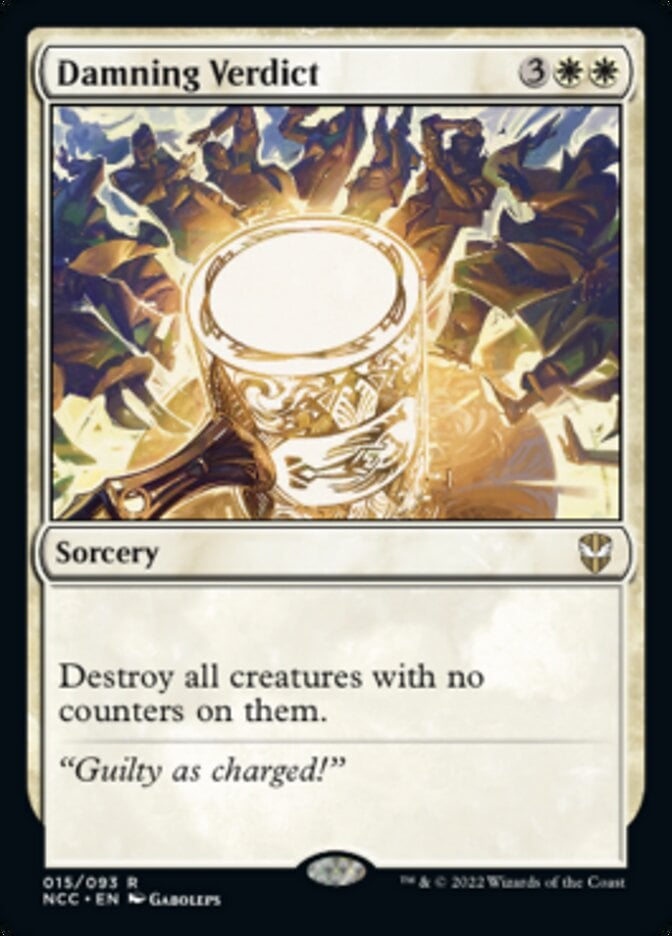
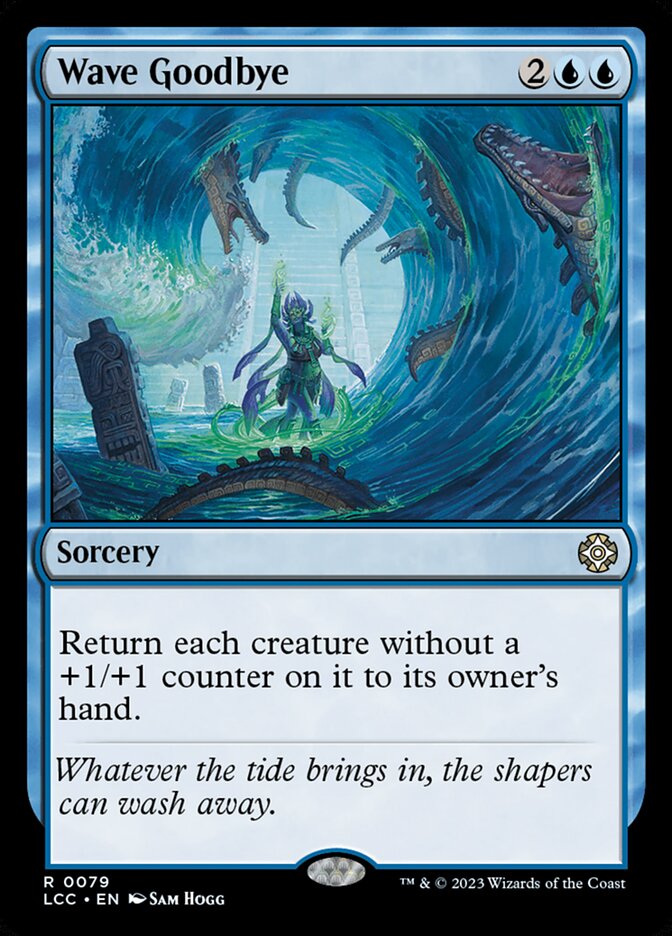
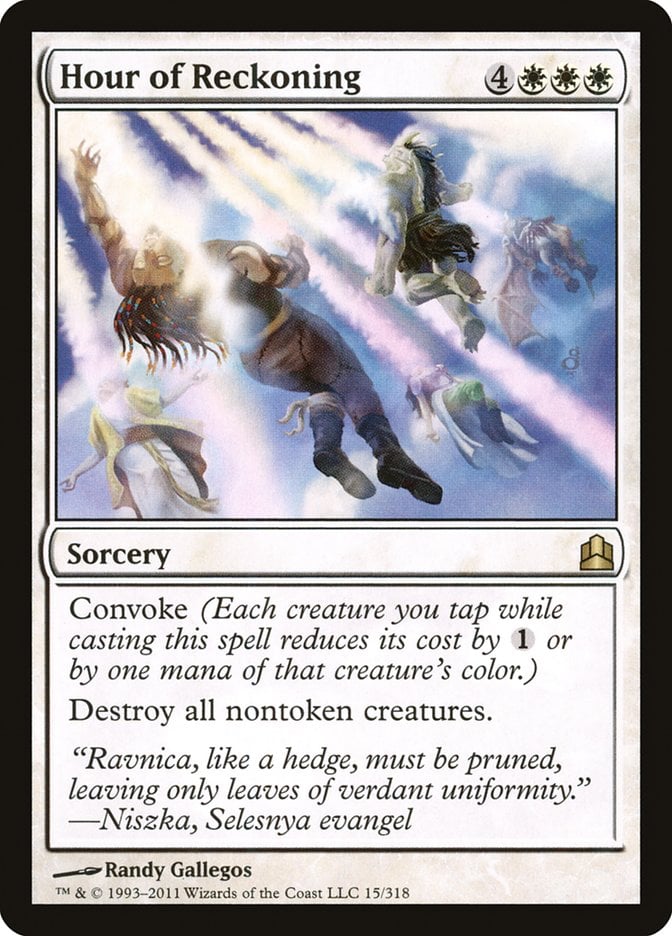
But you still need sweepers in your deck, right? Well, yes, but look for synergistic sweepers first. Every deck can use a Blasphemous Act as an emergency reset, but you can usually find board wipes that interact favorably with your own deck. Examples include cards like Damning Verdict or Wave Goodbye in your +1/+1 counter decks, or Hour of Reckoning instead of Wrath of God in a token deck.
Killing Your Darlings
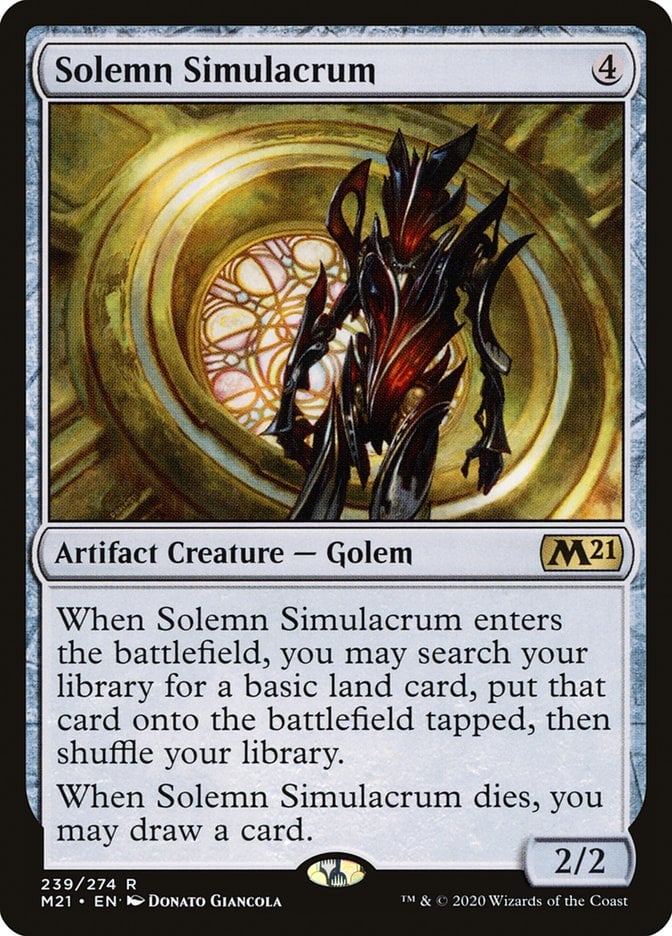
It’s time to let those Solemn Simulacrums go. 2025 Commander is fast, sleek, and unforgiving. It’s almost a different format than it was 10 years ago, with games ending entire turn cycles sooner.
People who have been playing for a while should check in on some “old staples” every now and then and scrutinize them under the lens of current-day Commander.
I recently penned an entire list of overrated Commander cards, many of which were staples in 2015 that are just too slow by today’s standards. Even in lower Brackets, decks are faster and more powerful, and you need to get your own engines online to be a part of most games. You can always hold on to your pet cards, but it’s time that veteran players started re-evaluating the staples of yesteryear, especially expensive cards that don’t affect the board at all.
Skimping on Interaction
You’ll sometimes hear a player at your LGS say something like: “I don’t play removal, I’m just trying to attack and win.” I guarantee that person doesn’t win very often. Efficient removal and interaction is mandatory, no matter what your strategy is. Regardless of your own plans, there are three other players trying to do something too, and you won’t win many games by ignoring them altogether. Remember, they’re going to be disrupting you, too.
There are certain forms of removal that every decks need:
- Creature removal
- Artifact/enchantment removal
- Graveyard hate
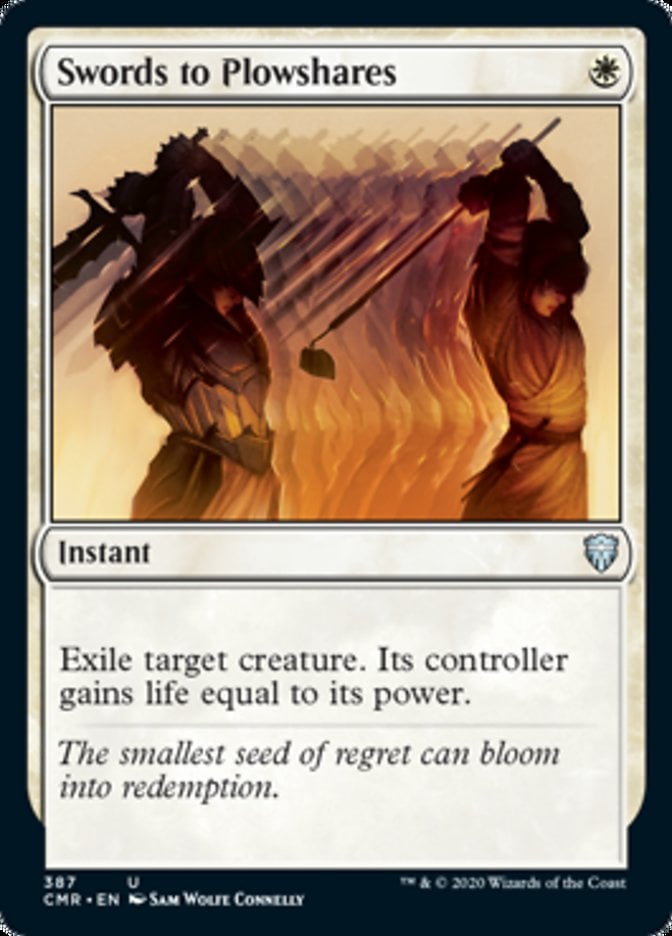
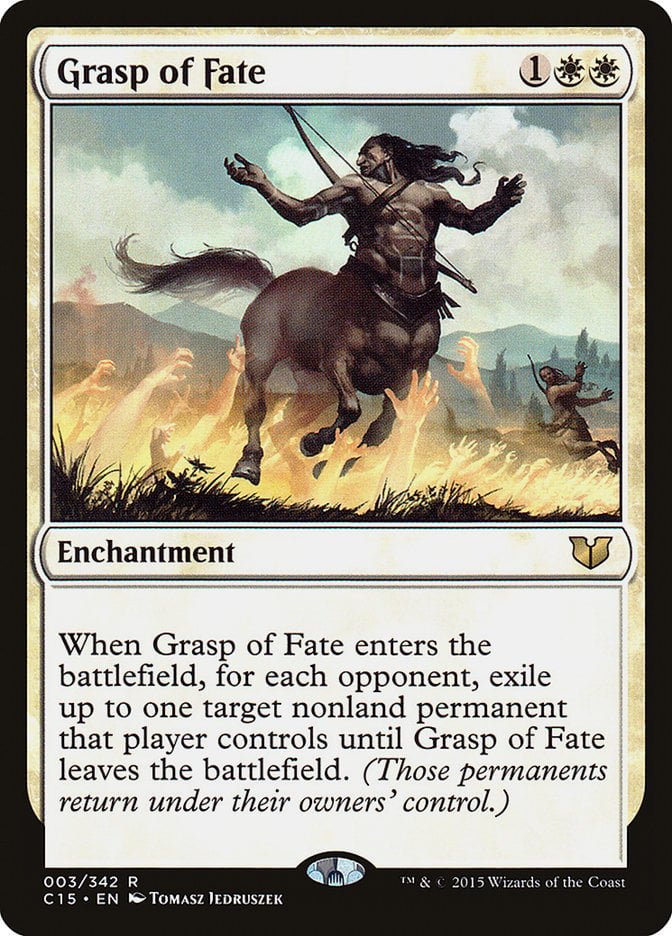

You shouldn’t ship a deck without checking off these boxes, unless you’re in a color that just doesn’t have access one of these (mono-red struggles with enchantment removal, for example). Removal should be either very efficient (Swords to Plowshares, Assassin's Trophy) or wide-reaching (Grasp of Fate, board wipes). Your Utter Ends and Putrefys don’t hold up these days. Cheap is the name of the game, and interaction that isn’t cheap should scale well to a multiplayer format (think Windgrace's Judgment).
Overloading on Colorless Utility Lands

There’s a time and place for Reliquary Tower, but it doesn’t belong in every deck, especially not at the expense of valuable sources of colored mana.
Every deck should run some number of utility lands; they’re great for mitigating flood by giving you mana sinks when you’re just drawing blank. But too many colorless lands can be a detriment to your deck’s consistency, and leave you stranded without an important color early on.
I don’t have an exact formula, but generally speaking, the more colors in your color identity, the less room you have for colorless lands. Mono-colored decks get away with them way more easily, and 2-/3-color decks can make use of them too. Four- or 5-color decks probably shouldn’t even bother and stick to lands that tap for multiple colors of mana.
If you’re playing a 2- or 3-color deck that keeps missing out on a color of mana, you could probably stand to nix a colorless land or two for a few extra dual lands.
Gameplay Mistakes
Playing Flash Cards/Instants at Sorcery Speed
Instant is a powerful card type, and flash is a powerful keyword. They add flexibility to your spells, so keep your mana open and use them reactively! The ideal time to cast an instant or spell with flash is on the end step before your turn begins since you’ll have the most information about what everyone else did during their turns. Running your cards out at sorcery speed just leaves you with fewer options.
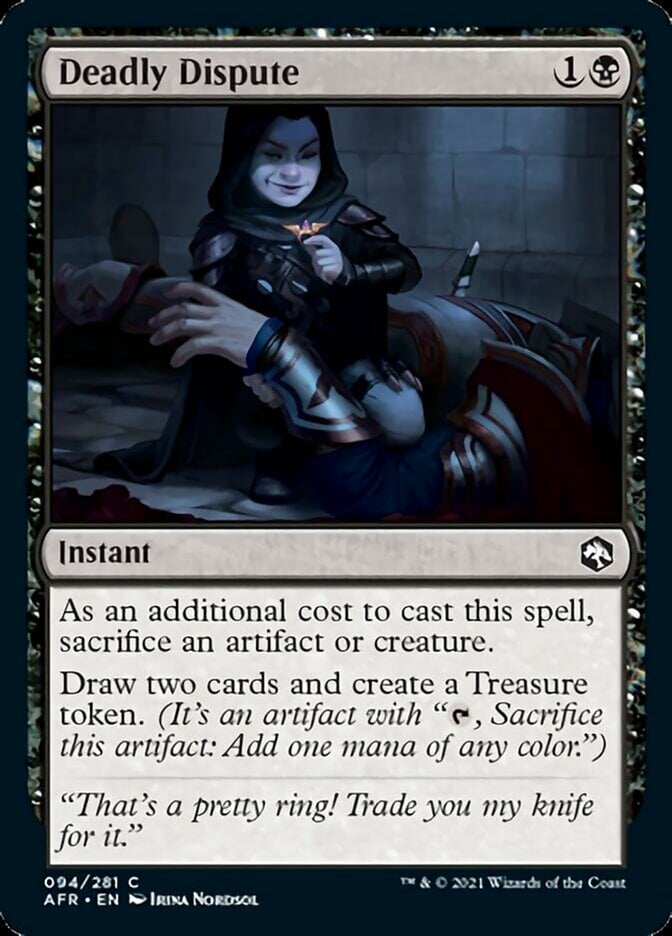
Part of the trickery here is knowing when it’s correct to run out instant-speed effects during your own turn. You’ll usually do this when it pushes some sort of advantage, or if you need to resolve a spell through countermagic while opponents are tapped out. Just because you can play a spell as an instant doesn’t mean you have to. If you desperately need to hit a land drop and you’ve got a Deadly Dispute in hand you plan on using, use it to hit that land drop! Finding the land on an opponent’s turn won’t do you any good.
Using Treasures Before Lands
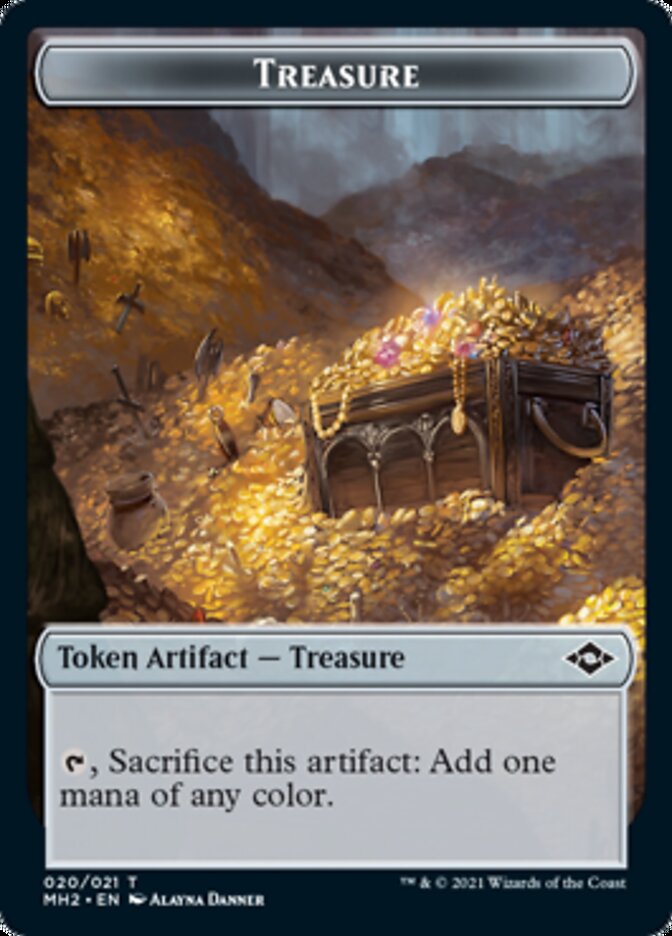
This is a short PSA to remind you to use your repeatable mana sources before your temporary ones. Which is shorthand for saving your Treasure tokens as the last source of mana that you use. Unless you have a specific reason for using Treasure mana first, like you expect an artifact board wipe or you’re stuck on a color, save up your Treasure for when you actually need it.
Not Reading Unfamiliar Cards
New players: Read the cards you don’t know about! Or at least ask the people playing them what they do. For one, it’ll help you familiarize yourself with cards, but also, you don’t want to “get got” by something that was sitting onboard that you just didn’t know about.
And for veteran players, it helps to explain things as they become relevant to the game. If you recognize that you’ve got a fairly new player in your pod, try walking them through the motions of what your more complicated cards do as you play them.
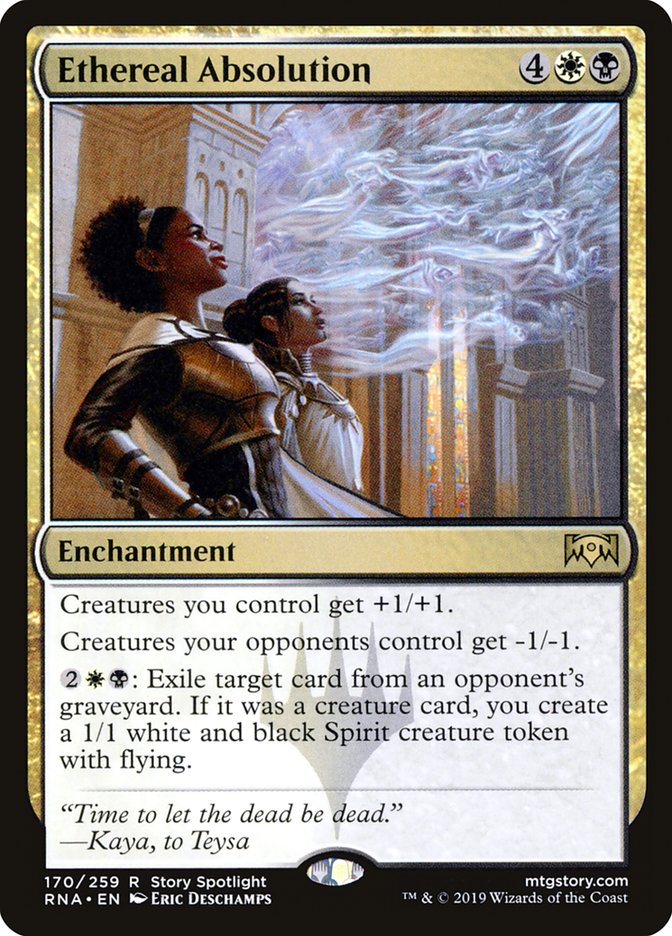
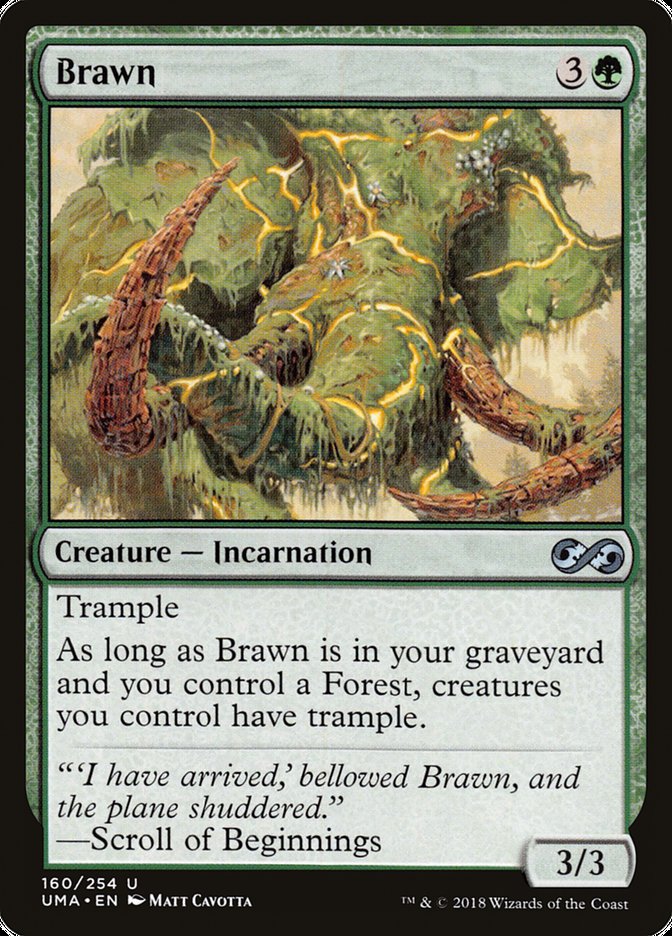
Imagine an opponent plays Ethereal Absolution and just says it pumps their creatures and shrinks yours. You’re potentially setting yourself up for a blowout if you just never know about the graveyard hate ability, so fully understanding the card as it comes down is very important. Same goes for an opponent casting something like Brawn. Knowing that the card has a relevant graveyard ability and isn’t “just” a 3/3 trampler will influence whether you actually want to interact with it or not.
Rolling a Die to Make Decisions
Players love to roll a die to decide who to attack, especially early on. I strongly dislike this for two reasons.
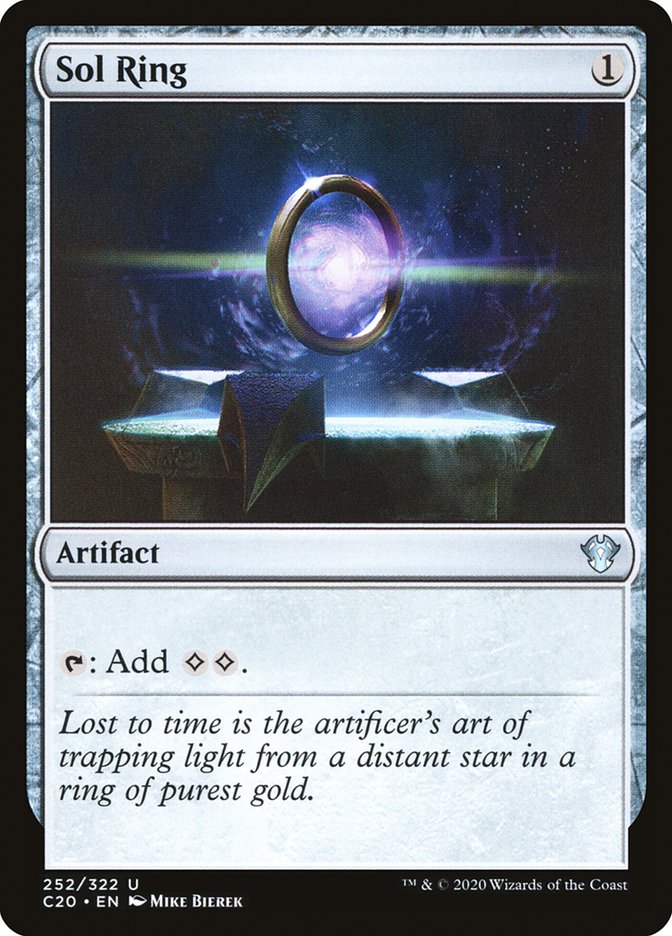
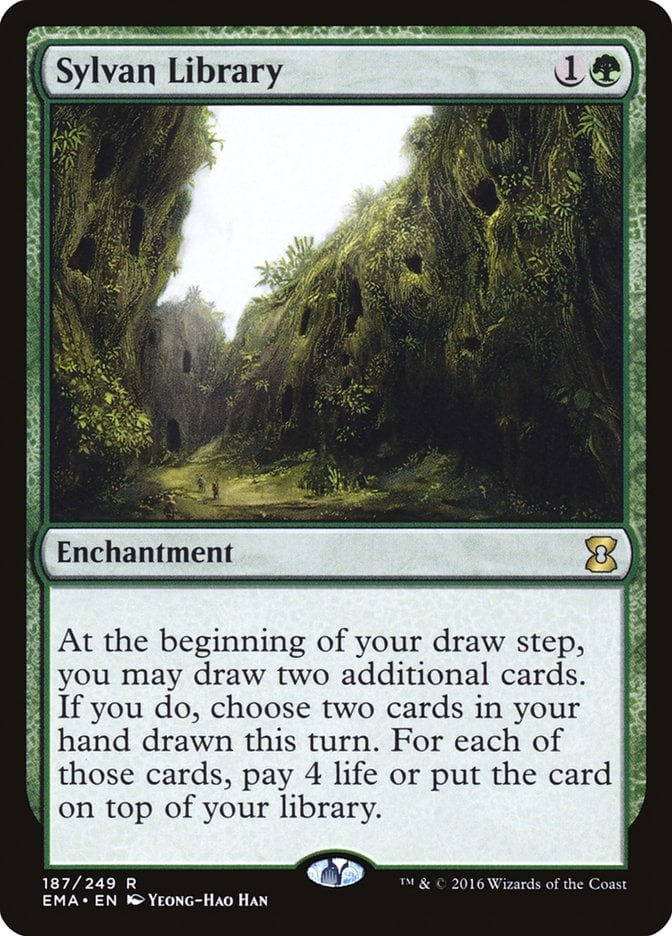
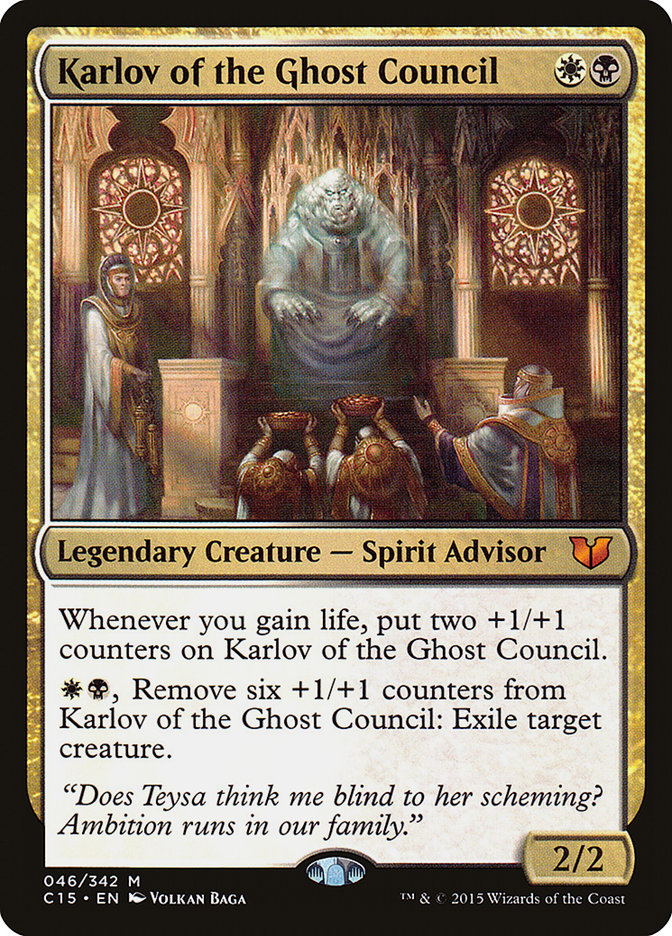
First, there’s usually enough information to make an informed decision about who to attack instead of leaving it up to chance, even within the first few turns. Did someone play a Sylvan Library? Pressure their life total. Did someone cast turn-1 Sol Ring? They’re ahead on mana, attack them. Okay, no one’s done anything yet, but what commanders did they present? Is someone on a Karlov of the Ghost Council lifegain deck? Or perhaps someone whipped out Urza, Lord High Artificer in the casual pod. Pressure the people with powerful commanders or lifegain/card advantage in their command zone.
There’s almost always something you can discern to make an educated decision on who to attack. And if there’s not, just attack the person who’s least likely to be able to attack you back any time soon.
The second reason I hate this is the psychological aspect behind it. People believe rolling the die absolves them of the damage they did to another player because “it was random chance.” But that shouldn’t matter from the perspective of the player being attacked. I still took damage whether you intentionally attacked me or rolled a die and attacked based on the result. Just because you didn’t make a firm declaration against someone doesn’t mean the person who took damage shouldn’t come right back at you, especially since you’re obviously in a position to be attacking already anyway.
Politicking With the Winning Player
Politics is too wide a subject to go into much detail on here. But people often mistakenly make deals with the person who’s clearly winning the game. Unless the deal you’re making somehow gives you a chance of taking that player down from the lead, there’s no reason to make deals with them. By doing so, you’re probably pushing their lead.
Not “Paying the 1”
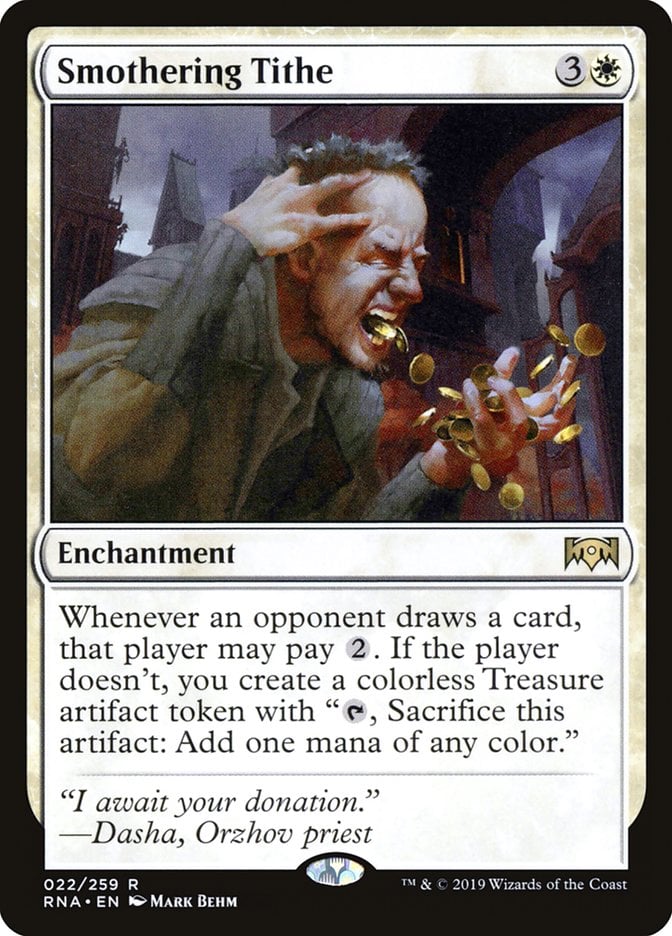
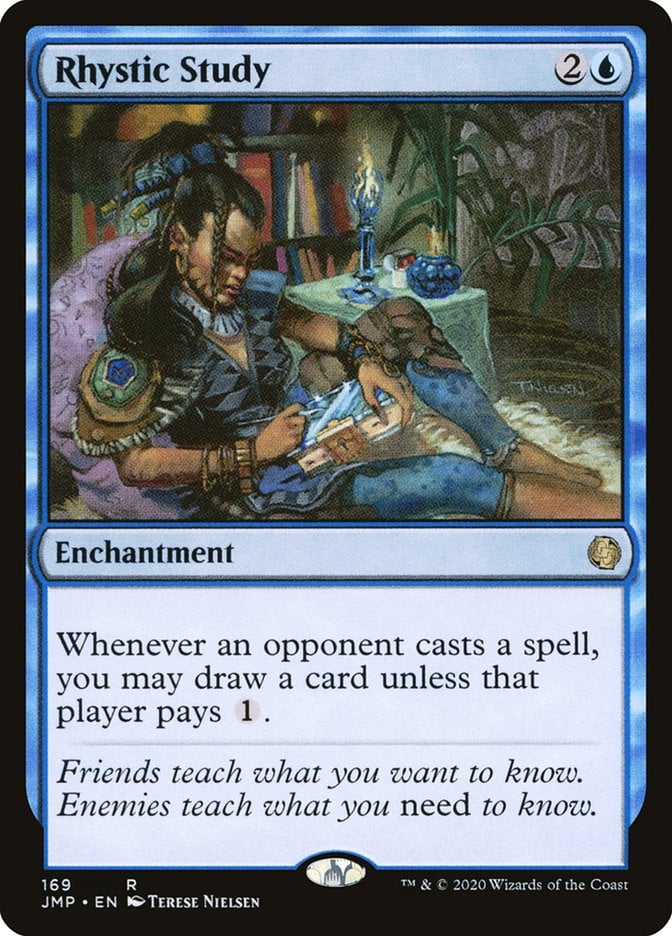
You know exactly what this is about. Smothering Tithe is a fundamentally messed up Commander card, because so many cards get drawn that it’s basically impossible to keep up with the triggers. But that’s less true of the equally-polarizing Rhystic Study, partially because people just don’t respect its power.
Here’s the issue with Study: If one player rattles off a bunch of spells and never pays for Study, the Study player gets so far ahead on cards that it no longer makes sense for anyone to pay for it, and they basically get a draw-20 for 3 mana. You can’t be the one caught holding the bag and paying for it if the other players won’t do the same.
Look, sometimes you have to run spells into Rhystic Study, but many times you don’t. You can play off-curve a bit, or bite the bullet right away and aim removal at it. What you can’t do is just play the game like it’s not there, because the Study player will run away with card advantage.
The best way to approach this is to map out your turns before doing anything (good advice in general, actually). Pick out the cards you plan on casting that turn cycle and see if you can account for some Study triggers along the way. It’s pure anguish when someone casts a spell, doesn’t pay for Study, and then ends up not using their mana for anything anyway. Don’t let mana go to waste while Study’s in play—use it to pay for those triggers!
Poor Threat Assessment
Fatal Grudge | Illustration by Cristi Balanescu
Threat analysis is a thesis-worthy topic, and way too expansive to dive into here. But the hard truth is that many Commander players could get better at assessing threats.
This usually comes into play when you’re deciding who to attack, or who to aim removal at. And it goes much deeper than life totals. That’s always a factor, but it’s actually one of the least relevant reasons to point your attention at someone. There are three major factors to look at when determining how much of a “threat” someone is:
- What does their boardstate look like?
- What access to card advantage do they have?
- What does their mana situation look like?
People with tons of mana and access to tons of cards are usually the biggest threats. They have the most options and the most mana to deploy them. A lethal boardstate obviously makes someone a clear threat, but even people with no real threats in play can be a problem!
It’s easy to gravitate attention towards the person with the most creatures on board, especially if they’re being the aggressor, but you have to weigh a dangerous boardstate against players with access to tons of mana and card draw. They could make a game-winning move at any point. This isn’t an easy or scientific skill to learn, but it’s common to make the mistake of interacting with the wrong person for the wrong reason, or not interacting with the right person because you didn’t correctly peg them as a threat.
Miscellaneous Mistakes
Coming Unprepared

Strong Back | Illustration by Elizabeth Peiró
This falls more into pet peeve territory, but Commander demands some level of preparedness these days. Board states get complicated, there are all sorts of different tokens, counters, and modifiers to keep track of, and the gamestate is constantly shifting.
At bare minimum you want to come to Commander night with an answer to these three questions:
- How are you representing tokens?
- How are you representing counters?
- How are you tracking your life total?
The answers don’t have to be complicated either. Use a mobile tracker or a few spindowns for life, use dice to track +1/+1 counters, etc. I also recommend investing in some dry-erase tokens (I personally like Infini-Tokens). “Complexity creep” is off the rails in Magic lately, and having the flexibility of tracking all your tokens goes a long way to making sure the boardstate’s properly represented.
I strongly dislike using dice to represent tokens, mostly because it’s easy to visually forget what the die was representing and just make a bad play because of it. You don’t need the official token for every token-maker you own, but having something on-hand to represent all your Treasure, Clues, Food, clone copies, and creature tokens helps a lot.
Blaming Bad Luck
The only way to get better at Magic (besides just jamming lots of games) is to recognize mistakes and iterate on the actions that caused them, hopefully to avoid making the same mistakes in the future.
Unfortunately, there’s a subset of Magic players who remain competitively stagnant because they dismiss their own mistakes as something lucky/unlucky happening in-game.
The tricky part is that Magic’s the type of game where you can play 100% correctly and still lose. It’s like driving a car: You can drive perfectly and still get sideswiped at no fault of your own. Be honest about mistakes when you make them and use them as learning experiences.
Putting Your Drink on the Table
Don’t do this. Don’t be that guy.
How Do You Know if You’re Making Mistakes in Commander?

Accident-Prone Apprentice | Illustration by Alexander Mokhov
Truthfully, some mistakes are hard to identify. Obviously if you lose constantly there’s room for growth, and some of that growth comes from identifying weaknesses, but it’s very easy for a mistake to go completely unnoticed for a long period of time.
One key way to identify mistakes is to talk with other players, especially right after a game ends. Ask them about the pivotal turns, about the key combat steps, or the targets that you chose to remove. This can apply to deckbuilding as well: Ask the players you trust to scope out your deck for any recommendations or room for improvements.
Consistent mana flood, mana screw, or mulligans are other tell-tale signs that something’s going wrong during deckbuilding. If you’re constantly mulliganing away 1-landers, your land count might be too low. If you’re always empty-handed on turn 6, you might not be running enough card draw. If you can’t draw enough action in the lategame, you might need to work more mana sinks and card selection tools into your deck.
Basically, if you ever hit that “why does X keep happening to me?” wall, there are probably some deckbuilding considerations you can make to fix that.
How Can You Avoid Making Mistakes in Commander?

Careful Study | Illustration by Scott M. Fischer
In order to avoid making mistakes, you have to identify them first. Take note of any clear mistakes and ask yourself: “How can I avoid this in future games?”
If it’s something as simple as attacking a creature into a first striker and just throwing it away, the solution is to be more observant and just… not do that. But for anything more nuanced, it takes more tact to right the wrong.
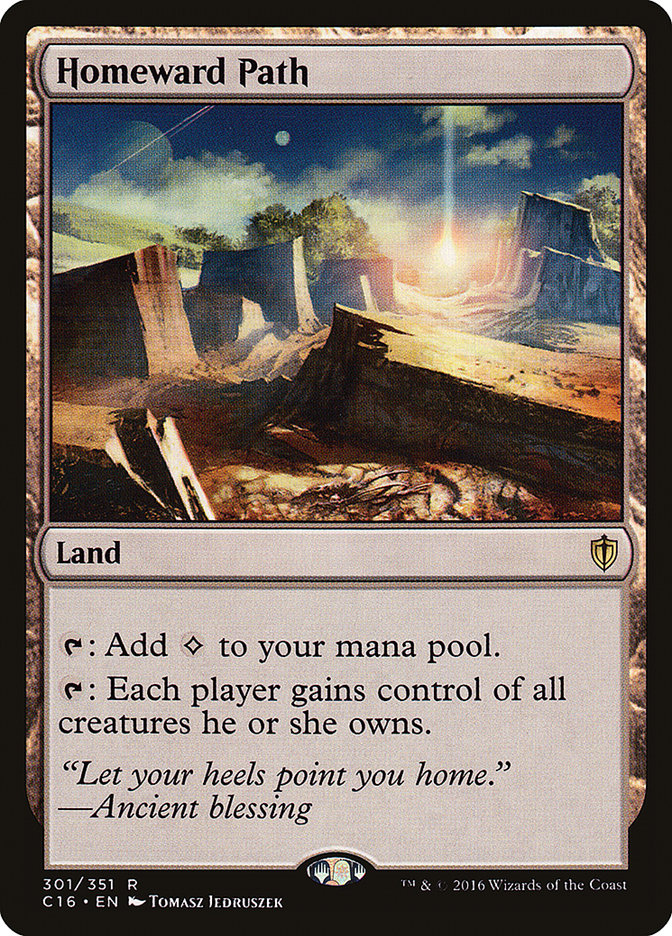
Go back to the example of overloading on colorless lands. If over multiple games you can’t get all your colors online, but you’re staring down at a field with Reliquary Tower and Homeward Path in play, it’s pretty clear that there’s a deckbuilding issue at hand, and the solution is fairly simple: Swap out some colorless lands for colored mana sources.
Concepts like politics and threat assessment are way harder to adjust to, but you can learn from what your opponents are doing. What types of cards are they using removal on? How are they sequencing their turns? Why is it they never seem to run out of cards to play? Learn from what others are doing, and chat with people post-game about the decisions they made and the cards they’re running.
And of course, accept when you made a mistake. It’s way too easy to blame a loss or a bad turn on luck, and while that’s sometimes true, dismissing all bad results as being unlucky never gives you an opportunity to grow as a player. Note your mistakes, and avoid them over time.
Commanding Conclusion

Rookie Mistake | Illustration by Zoltan Boros
There, now you’re on your way to never make another mistake in Commander ever again. Except… that’s not actually how this works. The best players in the world still make mistakes, and the landscape of Commander makes it impossible to play perfectly. The goal should never be to play a perfect game of Commander, but to play as well as possible and give yourself the best chances of winning.
Hopefully these categories can help you identify a leak in your Commander game, whether that’s during deckbuilding or during actual gameplay. Remember, there will never not be room for improvement as a Magic player, so try your best to identify mistakes when they happen, and avoid them as best as possible in the future.
Any big-time mistakes you see players making that weren’t addressed here? Have you ever had an a-ha moment when you identified a mistake you were making? Let me know in the comments below or over in the Draftsim Discord.
Thank you for making Draftsim your #1 stop for all things Magic!
Follow Draftsim for awesome articles and set updates:










Add Comment