

Ashling, the Limitless | Illustration by Kai Carpenter
When it comes to elemental decks, value usually comes from enters triggers, but Ashling, the Limitless takes that idea and pushes it much further. Today, we break down a Commander decklist built around a clear evoke theme that aims to exploit that engine while keeping the deck fairly casual.
Intrigued by what the end result looks like? Let’s dive in.
The Deck

Mass of Mysteries | Illustration by Jeff Miracola
Commander (1)
Creature (41)
Flamekin Harbinger
Birds of Paradise
Delighted Halfling
Ignoble Hierarch
Noble Hierarch
Brighthearth Banneret
Flamebraider
Smokebraider
Incandescent Soulstoke
Risen Reef
Animar, Soul of Elements
Endurance
Slithermuse
Foundation Breaker
Omnath, Locus of the Roil
Solitude
Cavalier of Dawn
Horde of Notions
Mass of Mysteries
Mulldrifter
Subterfuge
Shriekmaw
Yarok, the Desecrated
Ingot Chewer
Fury
Wistfulness
Cavalier of Thorns
Belonging
Roil Elemental
Lamentation
Muldrotha, the Gravetide
Jubilation
Vernal Sovereign
Greenwarden of Murasa
Nulldrifter
Impulsivity
Omnath, Locus of Rage
Avenger of Zendikar
Titan of Industry
Maelstrom Wanderer
Sunderflock
Sorcery (4)
Haunting Voyage
Eerie Ultimatum
Genesis Ultimatum
Blasphemous Act
Instant (5)
Path to Exile
Swords to Plowshares
Worldly Tutor
Eladamri's Call
Ashling's Command
Enchantment (4)
Garruk's Uprising
Descendants' Fury
Sneak Attack
Greater Good
Artifact (5)
Sol Ring
Arcane Signet
Fellwar Stone
Chromatic Lantern
Patchwork Banner
Land (40)
Arid Mesa
Blood Crypt
Bloodstained Mire
Boseiju, Who Endures
Breeding Pool
Command Tower
Commercial District
Flamekin Village
Flooded Strand
Forest
Godless Shrine
Hallowed Fountain
Island
Jetmir's Garden
Ketria Triome
Mana Confluence
Marsh Flats
Misty Rainforest
Mountain
Otawara, Soaring City
Overgrown Tomb
Plains
Polluted Delta
Raging Ravine
Reflecting Pool
Sacred Foundry
Scalding Tarn
Steam Vents
Stomping Ground
Swamp
Temple Garden
The World Tree
Three Tree City
Verdant Catacombs
Watery Grave
Windswept Heath
Wooded Foothills
Yavimaya, Cradle of Growth
Zagoth Triome
Ziatora's Proving Ground
At its core, this is a 5-color elemental value-combo deck masquerading as a creature pile. Cards like Risen Reef, Yarok, the Desecrated, Horde of Notions, and Omnath, Locus of the Roil define the shell: You want to chain elementals, trigger multiple ETBs, and convert those triggers into mana, cards, and board control. The deck leans heavily on synergy rather than raw tutors, which fits neatly into Bracket 3 expectations. It’s noteworthy, though, that this can safely be tuned down by cutting Worldly Tutor as it’s the only Game Changer in the deck.
The Commander: Ashling, the Limitless

At the center of the deck is Ashling, the Limitless, and everything else is built to maximize what this commander enables. Ashling gives your elemental permanent spells evoke, so they can enter and trigger their abilities before you sacrifice them. Once you sacrifice an elemental, Ashling turns that loss into upside by copying it, giving you the enters effect again plus a hasty body, which is where the deck’s core engine truly comes online.
Importantly, this ability was given a Day 0 errata to apply only to permanents, so you can’t evoke noncreature spells like Ashling's Command or any changeling instants and sorceries.
The Payoffs
The payoff package is built around turning repeated elemental ETBs and deaths into overwhelming advantage.
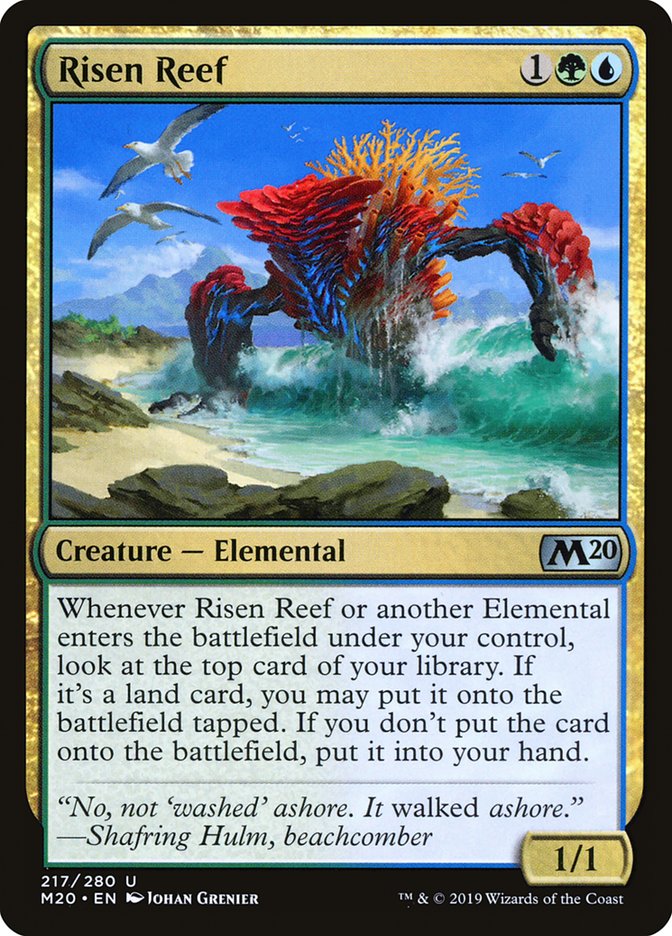
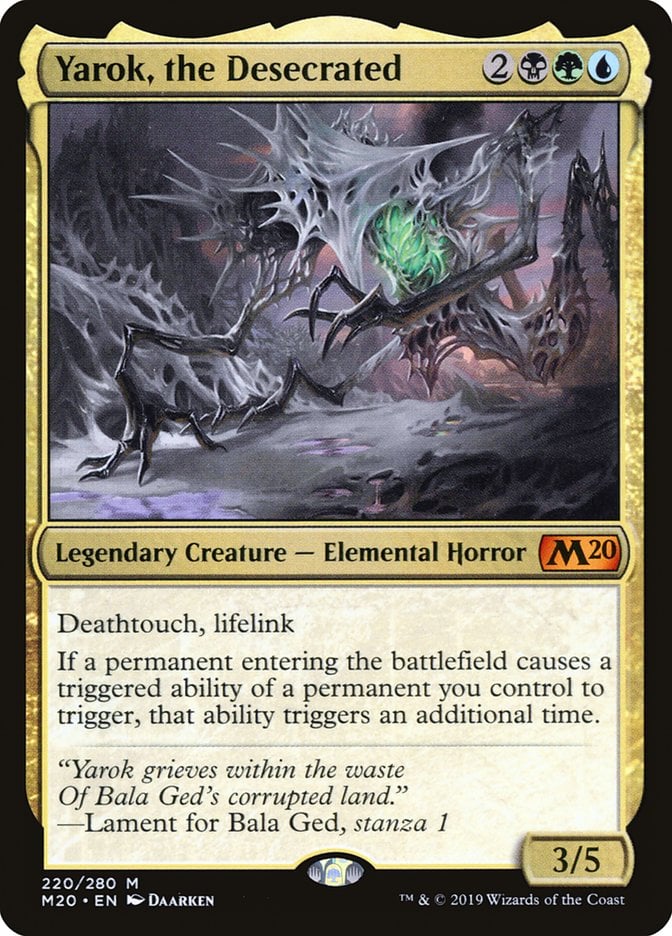
Cards like Risen Reef and Yarok, the Desecrated are the backbone here that convert every elemental into ramp, card draw, or both. Doubling those triggers pushes the deck into snowball mode very quickly.
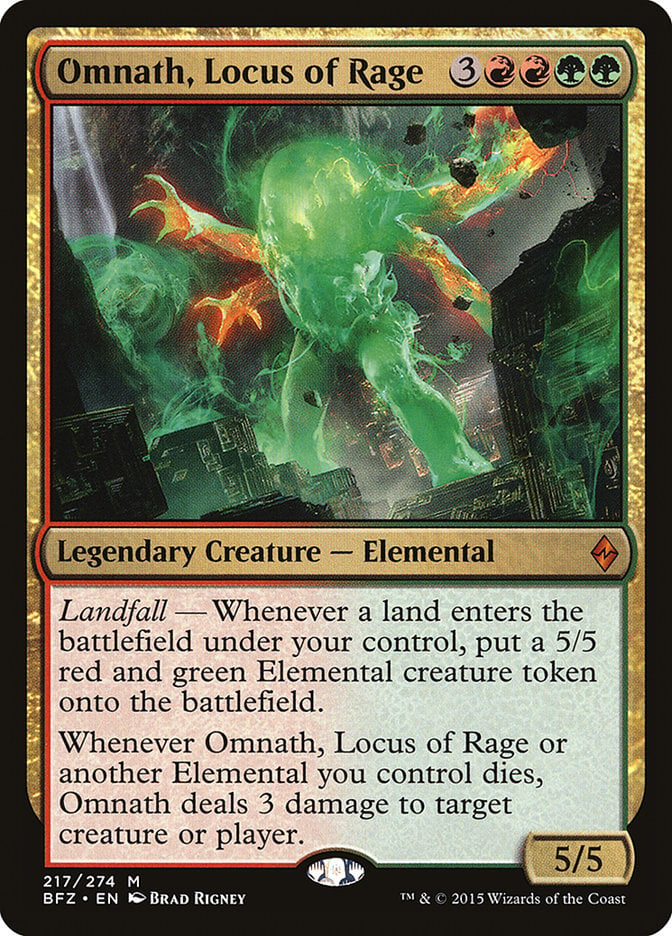
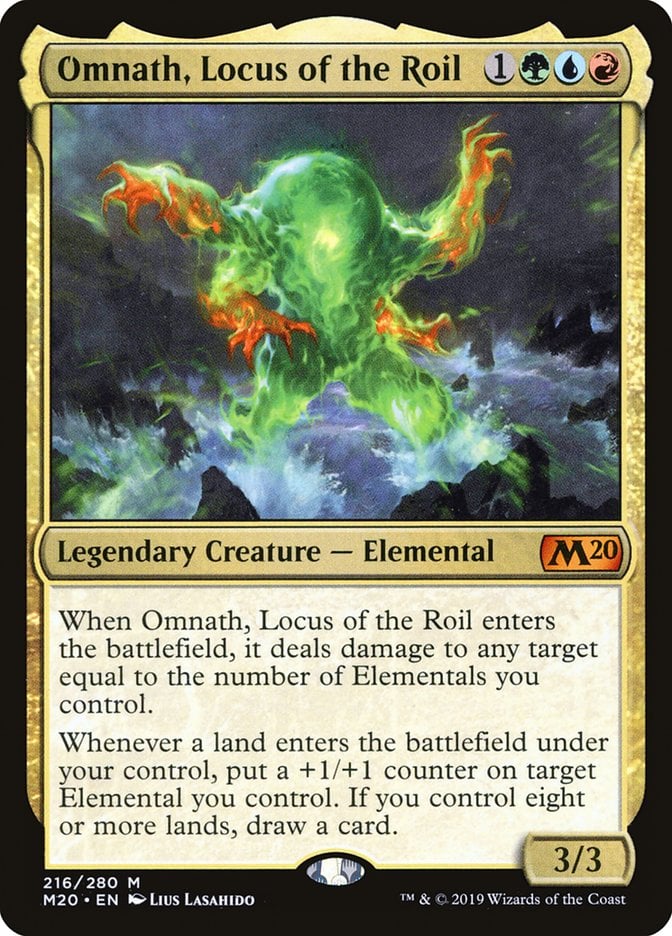
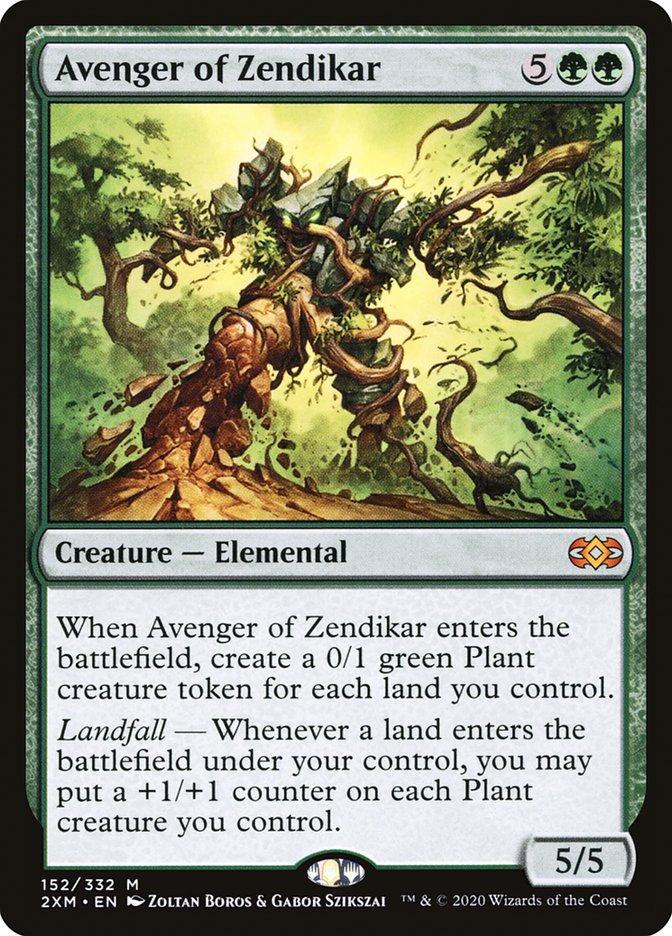
Land-focused payoffs like Omnath, Locus of Rage, Omnath, Locus of the Roil, and Avenger of Zendikar translate mana development into direct pressure, whether that’s through damage, growing boards, or card advantage once land thresholds are met.
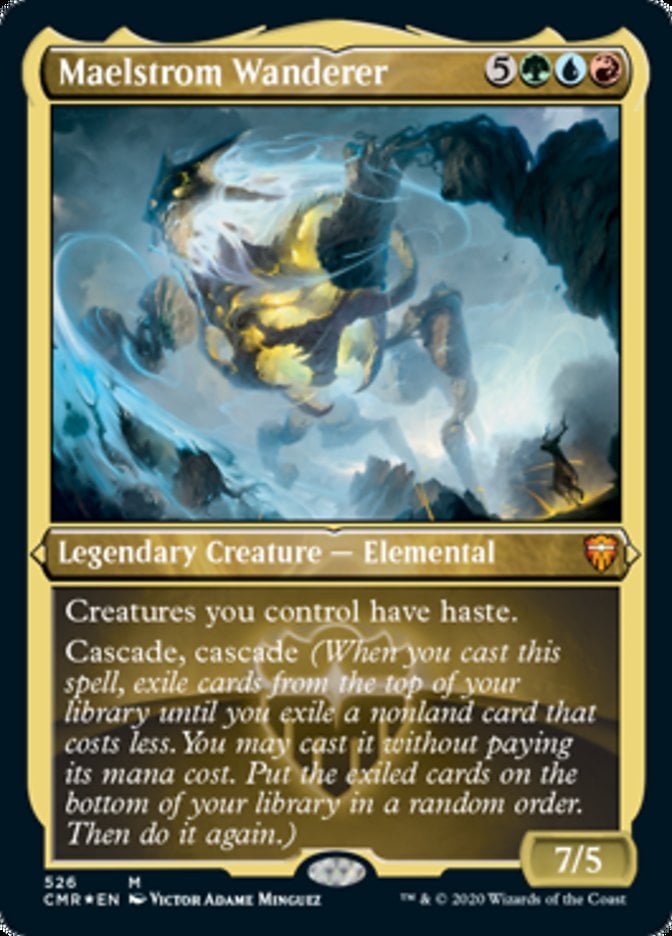
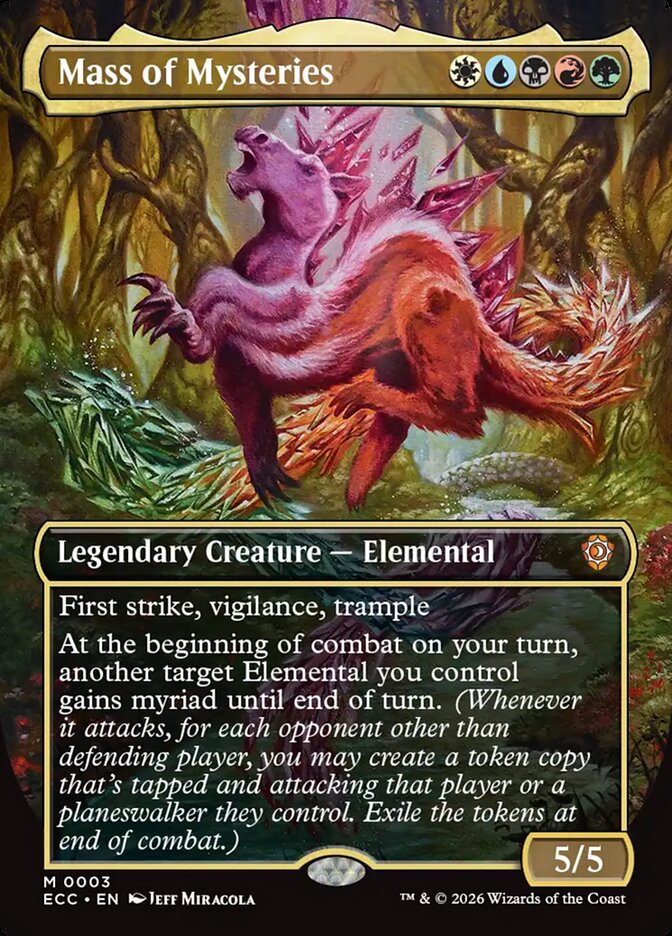
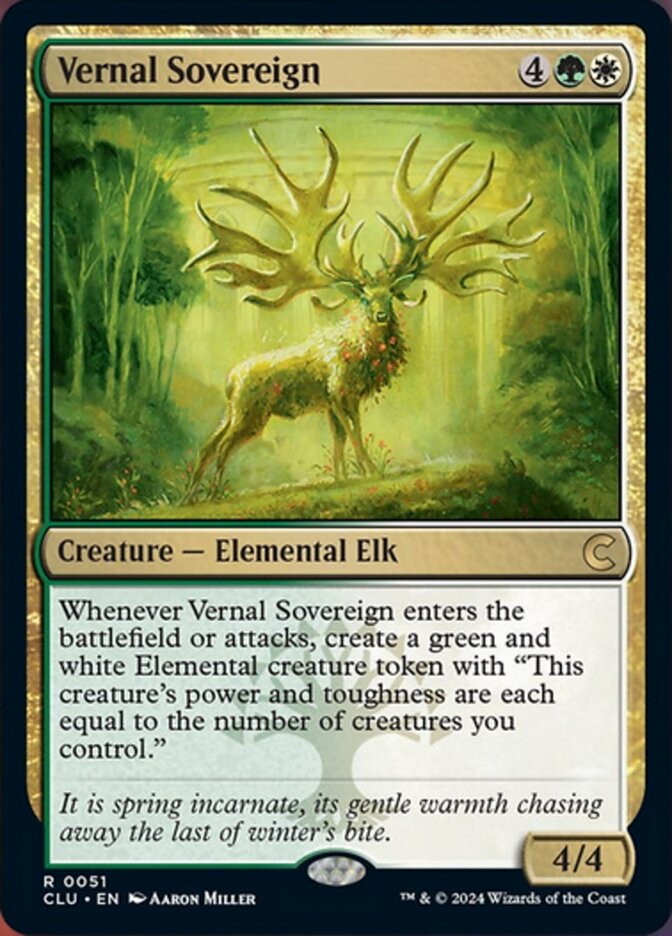
Larger finishers like Maelstrom Wanderer, Mass of Mysteries, and Vernal Sovereign help to convert a wide or tall board into lethal combat turns, especially when multiple copies or haste are involved.
The Enablers
The enablers exist to make Ashling’s engine fast, consistent, and difficult to disrupt.
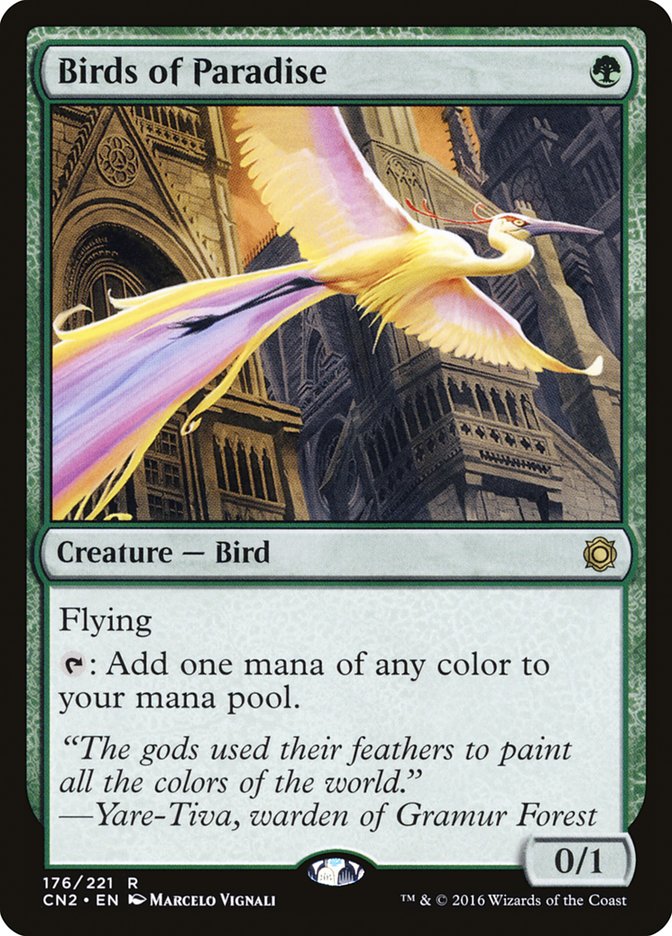
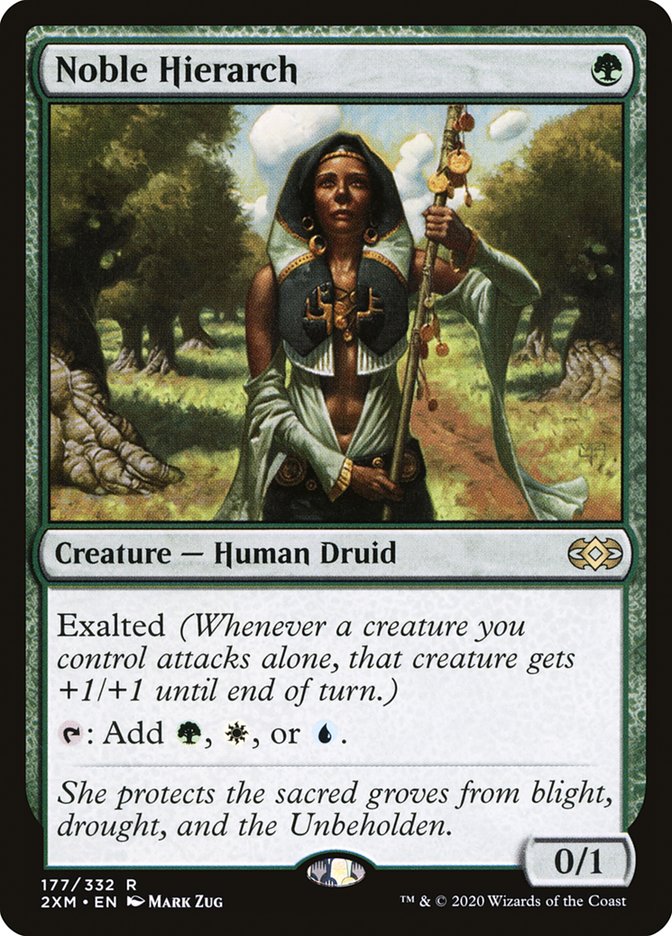
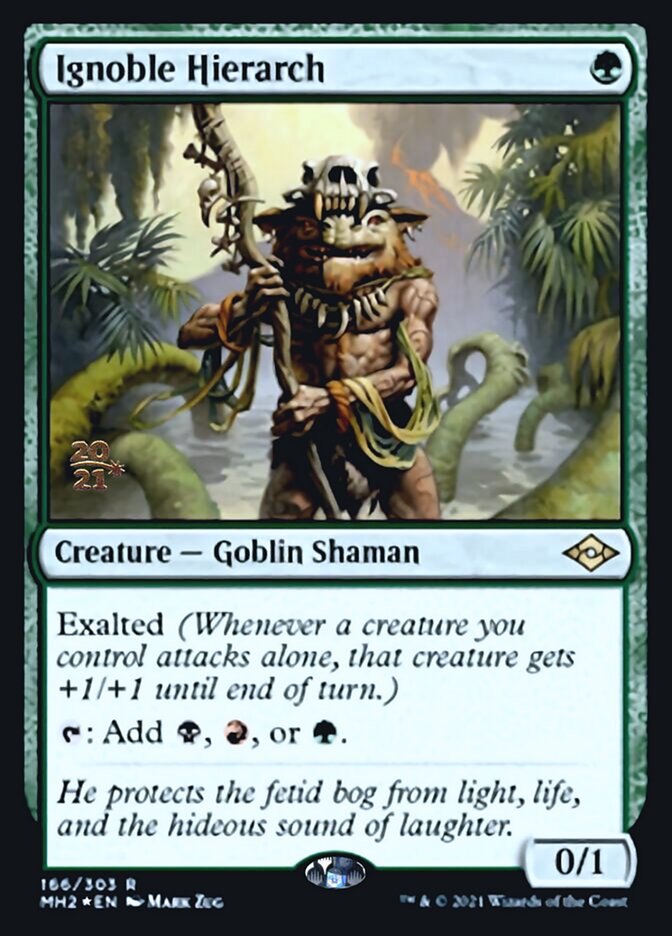
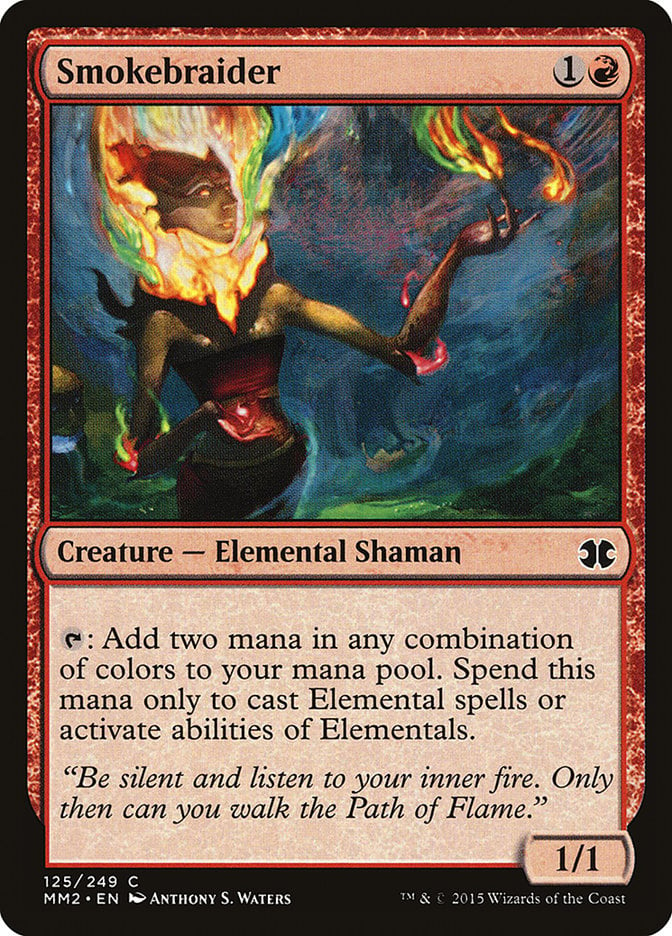
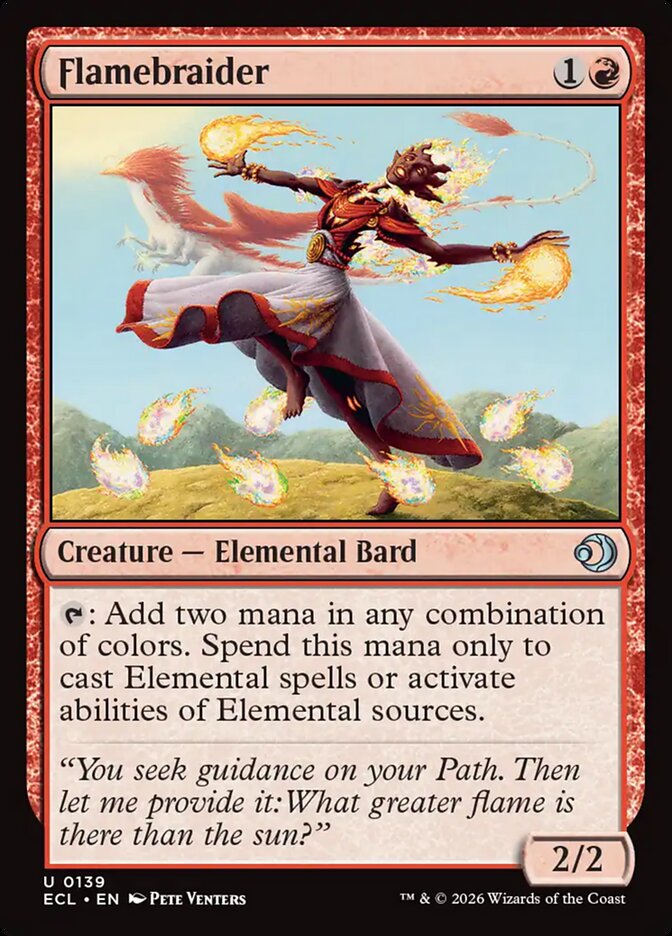
Early acceleration comes from mana creatures like Birds of Paradise, Noble Hierarch, Ignoble Hierarch, Smokebraider, and Flamebraider, all of which help fix colors while pushing Ashling out ahead of curve.
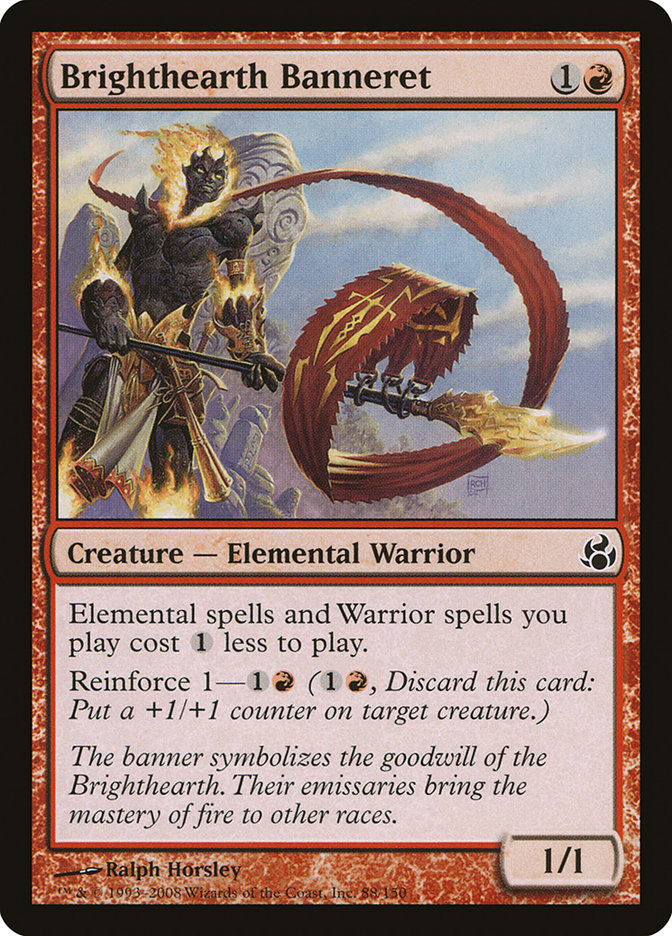
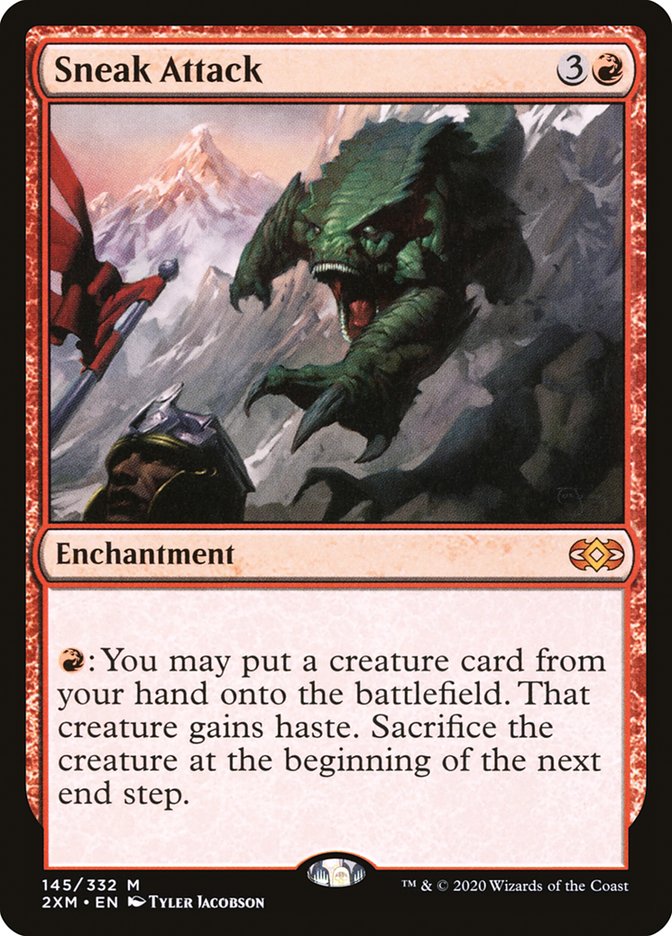

Cost reduction and cheat effects from Brighthearth Banneret, Sneak Attack, and Incandescent Soulstoke allow you to deploy expensive elementals without fully paying their mana costs, which is especially powerful when evoke and sacrifice triggers are already part of the plan.
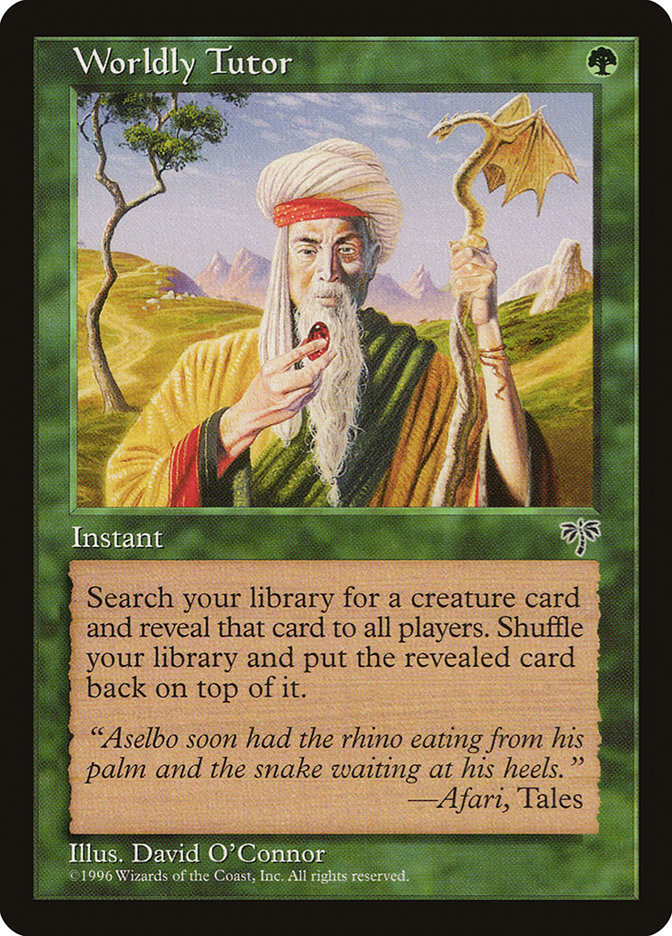
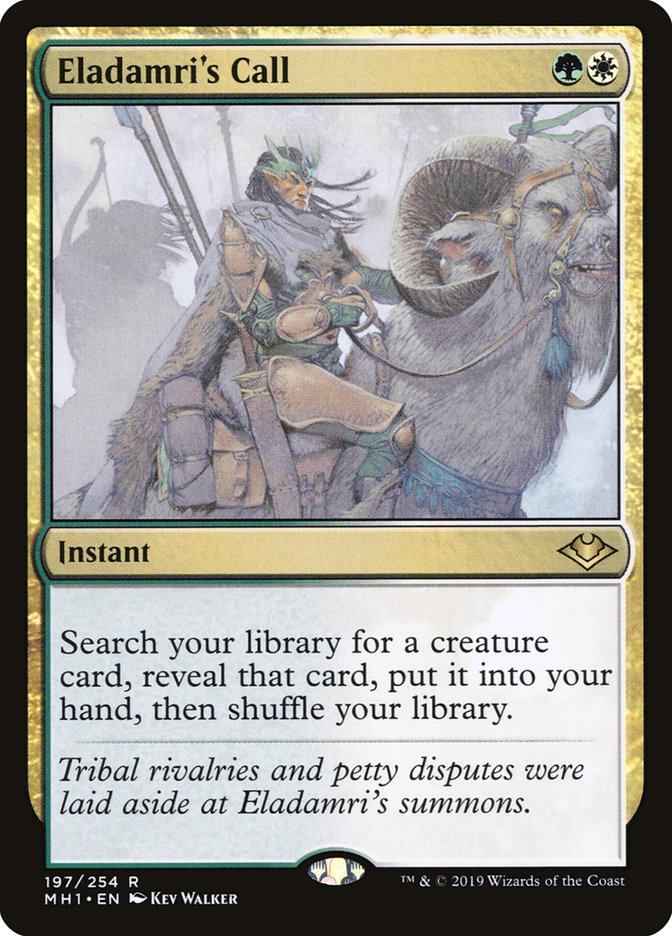
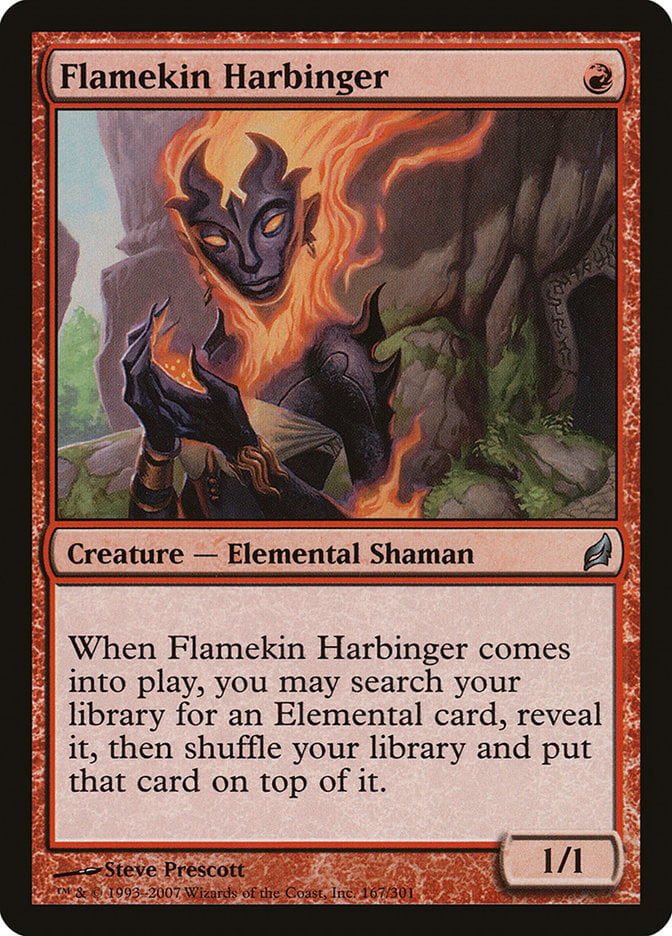
Creature tutors like Worldly Tutor, Eladamri's Call, and Flamekin Harbinger ensure the deck consistently finds the correct payoff or interaction piece for the current board state.
Interaction
Interaction in this deck is intentionally layered onto creatures and lands, so it never breaks synergy.
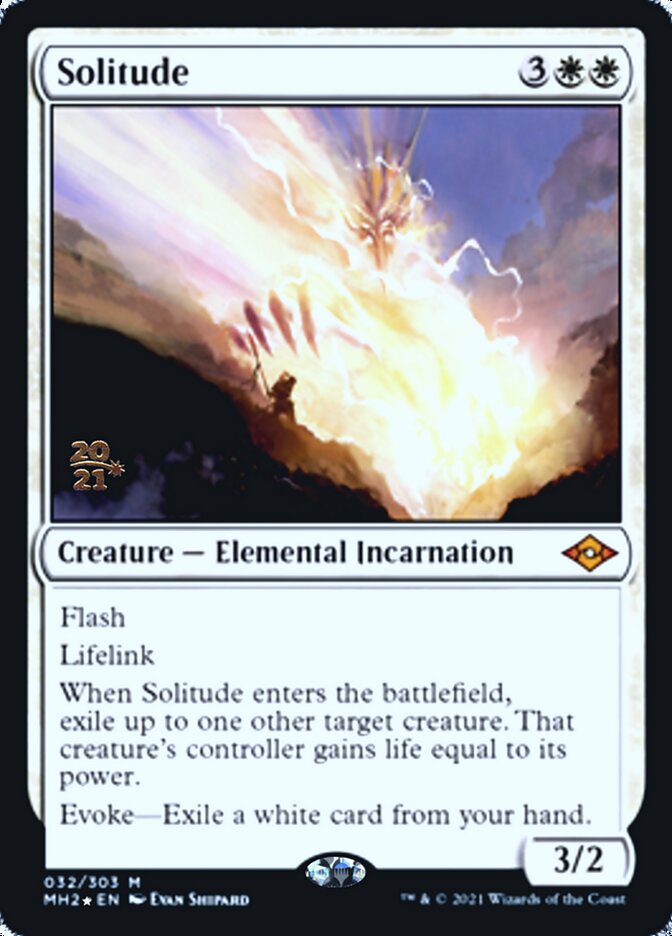
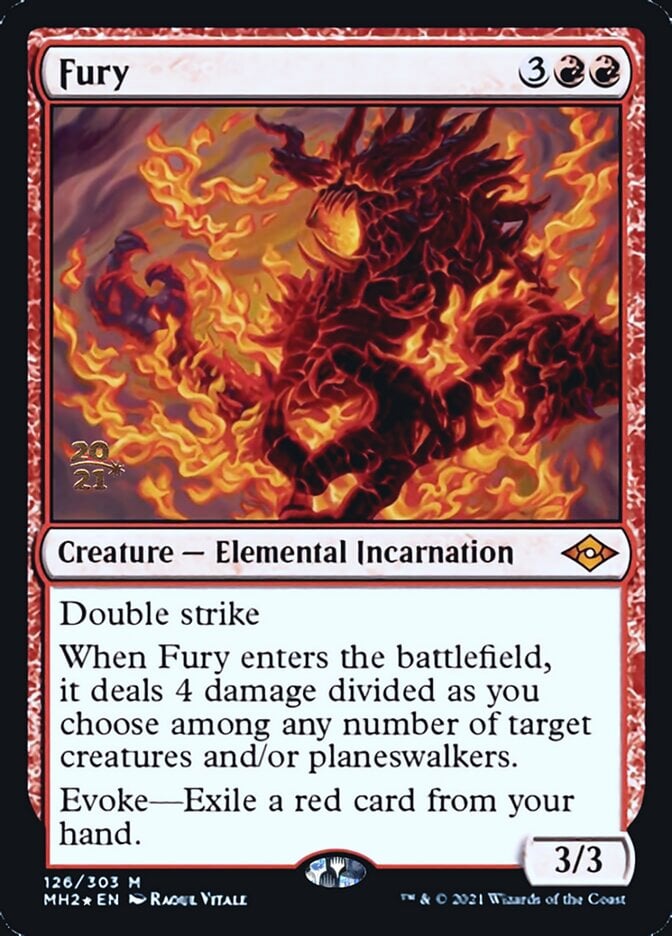
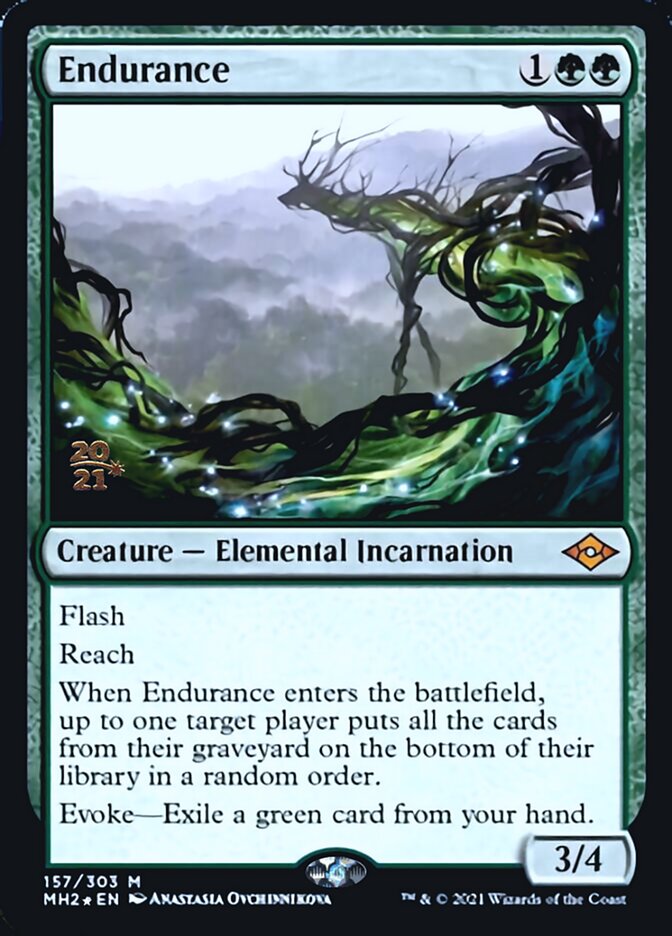
Free or low-cost elementals like Solitude, Fury, and Endurance let the deck answer threats at instant speed while still triggering Ashling and other elemental synergies.
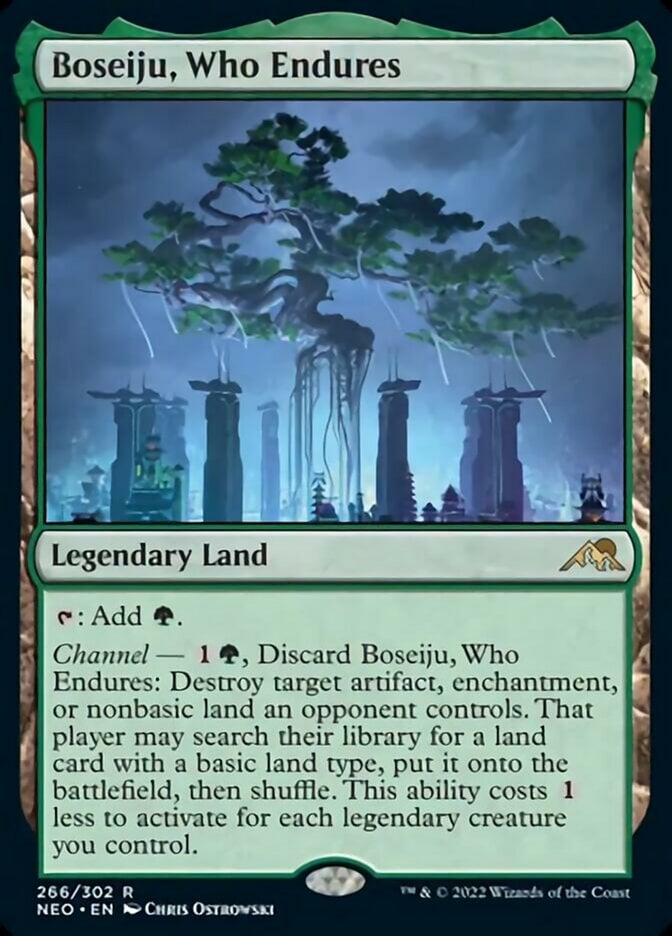
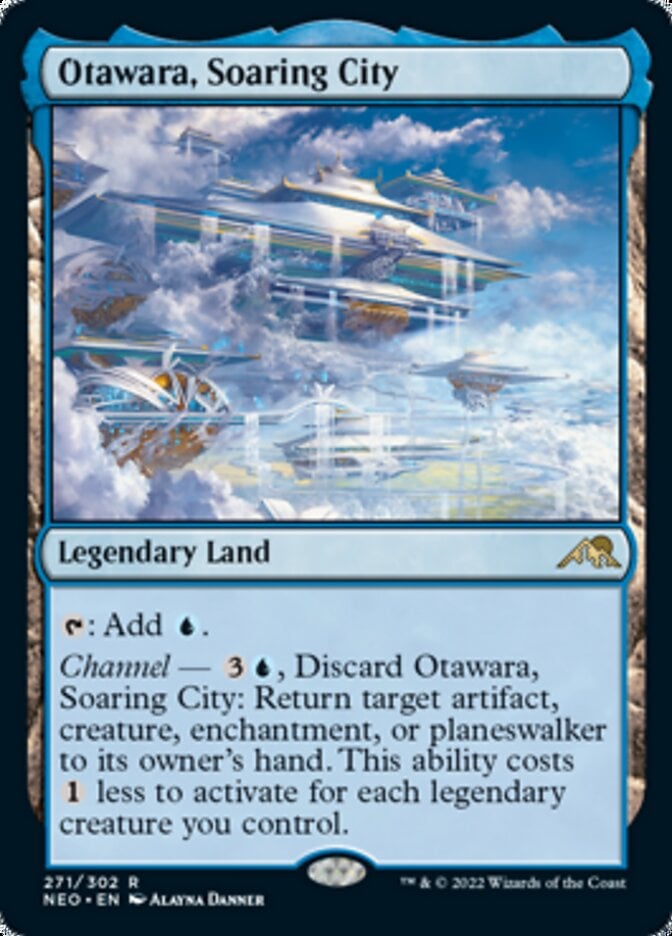
Land-based interaction from Boseiju, Who Endures and Otawara, Soaring City is especially valuable since it plays around countermagic and keeps your “spell” density high. This approach allows the deck to stay proactive while still respecting fast combo tables and graveyard-centric strategies.
Removal
Removal is spread across multiple angles, which gives the deck flexibility against different board states.
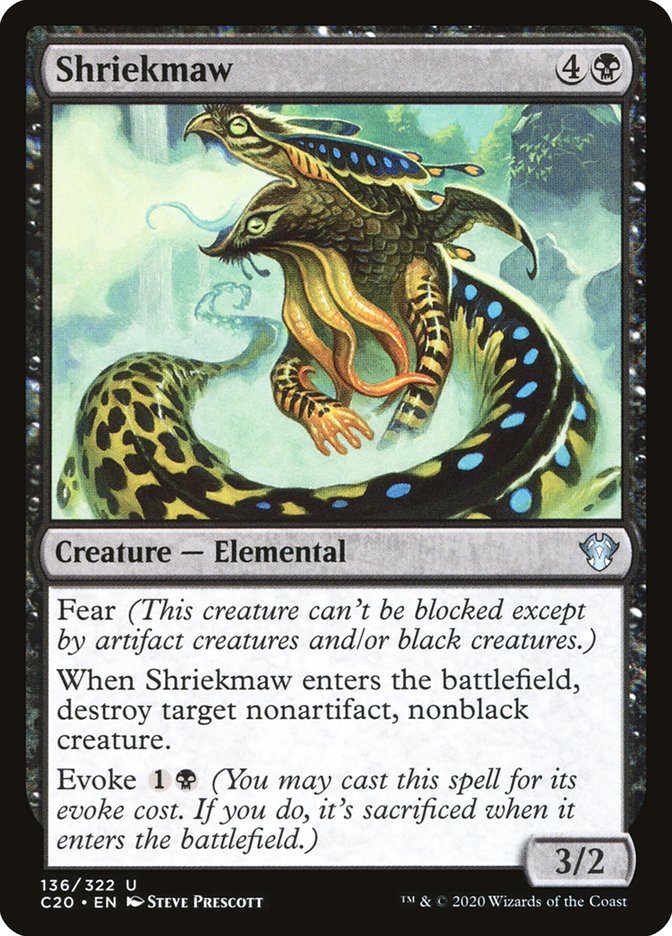
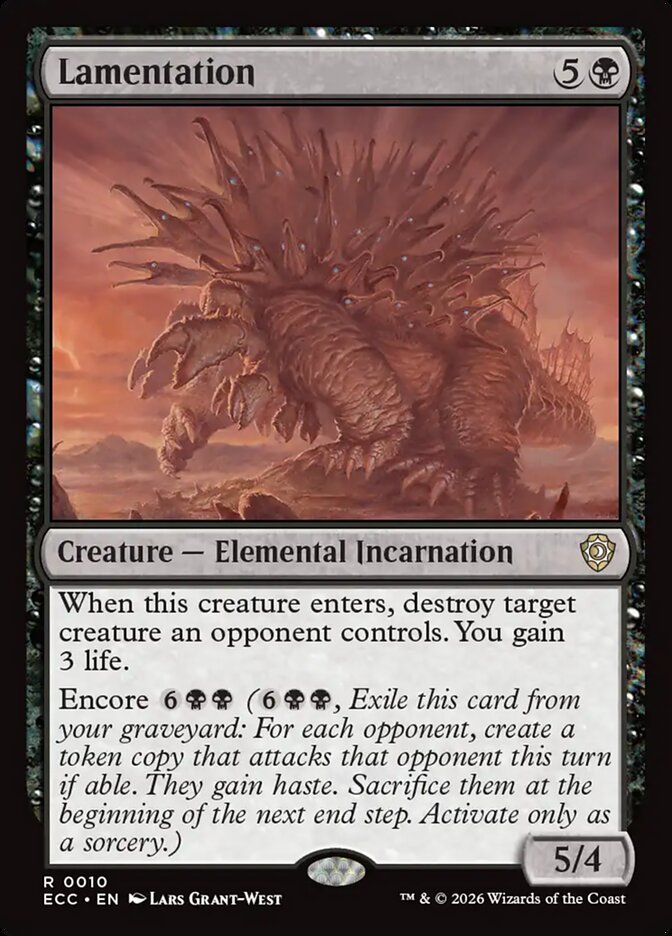
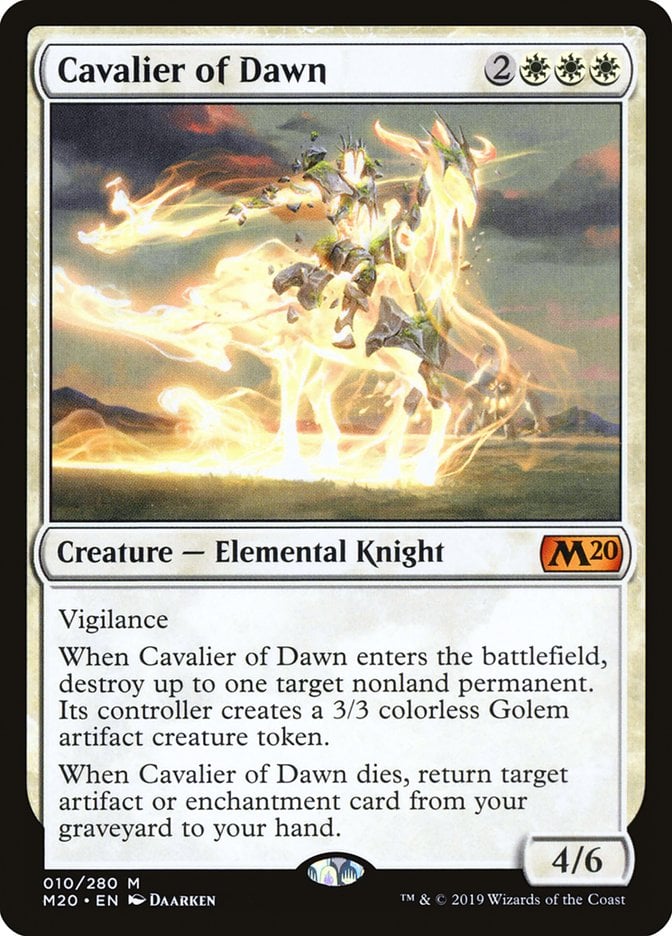
Creature-based removal like Shriekmaw, Lamentation, and Cavalier of Dawn cleanly answers problematic creatures or permanents while leaving behind bodies or recursion value.
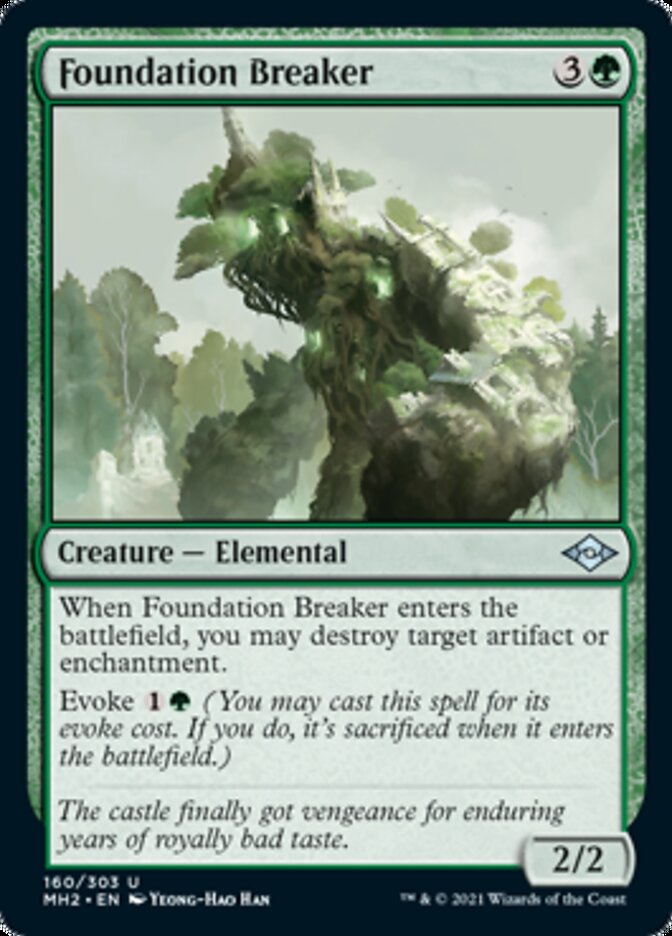
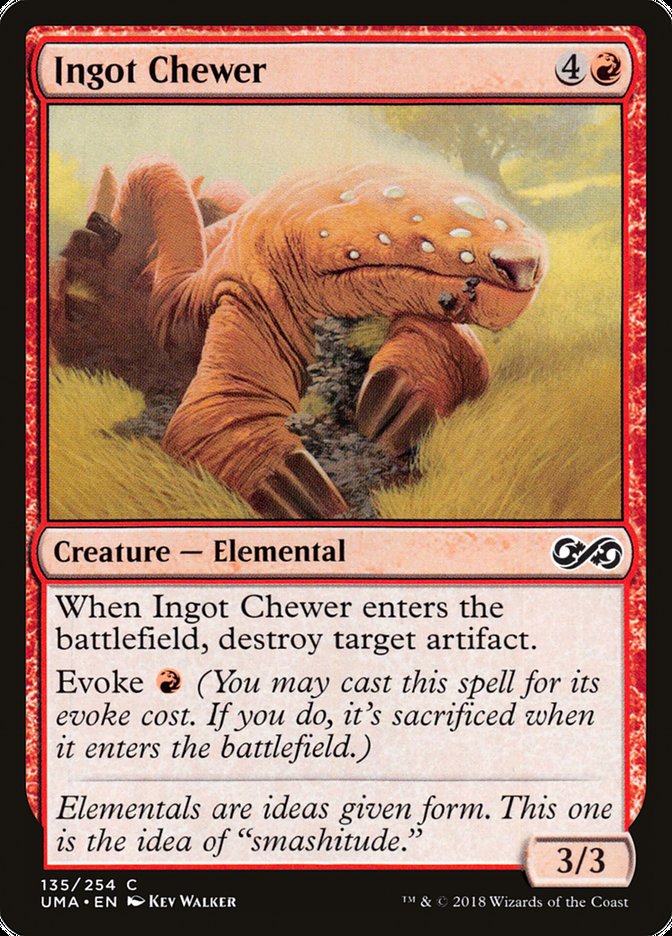
Artifact and enchantment removal is efficiently handled by evoke creatures like Foundation Breaker and Ingot Chewer, which are especially strong when copied by Ashling.
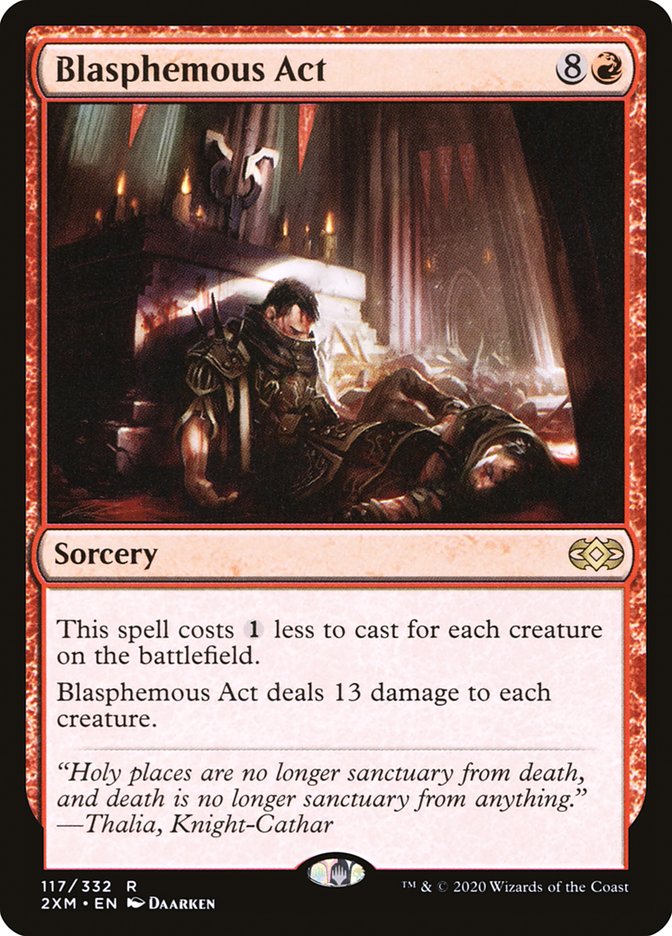
For wider resets, Blasphemous Act acts as a catch-up tool that often favors this deck thanks to death triggers, recursion, and the ability to rebuild faster than opponents.
Win Condition
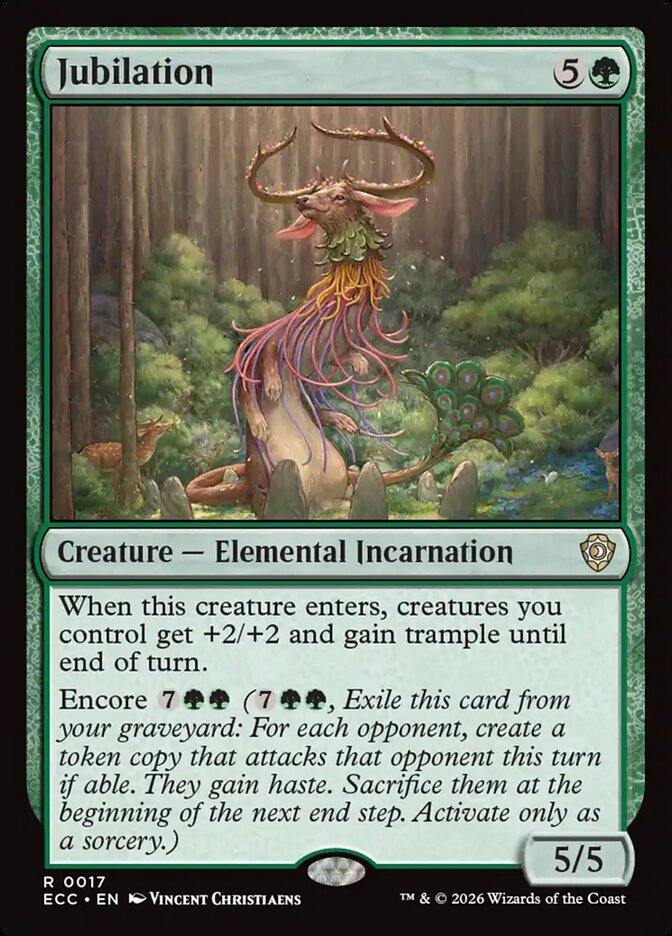
The primary win condition is board dominance, not a single deterministic combo. The deck overwhelms opponents by producing repeated elemental copies, massive token boards, and hasty attackers through cards like Avenger of Zendikar, Omnath, Locus of Rage, and Maelstrom Wanderer. Damage-based pressure from elemental death triggers and combat amplification from effects like Jubilation allow the deck to close games quickly once it establishes momentum. Rather than assemble a fragile combo, this deck wins by forcing opponents into unwinnable positions where every answer still leaves value behind.
The Mana Base
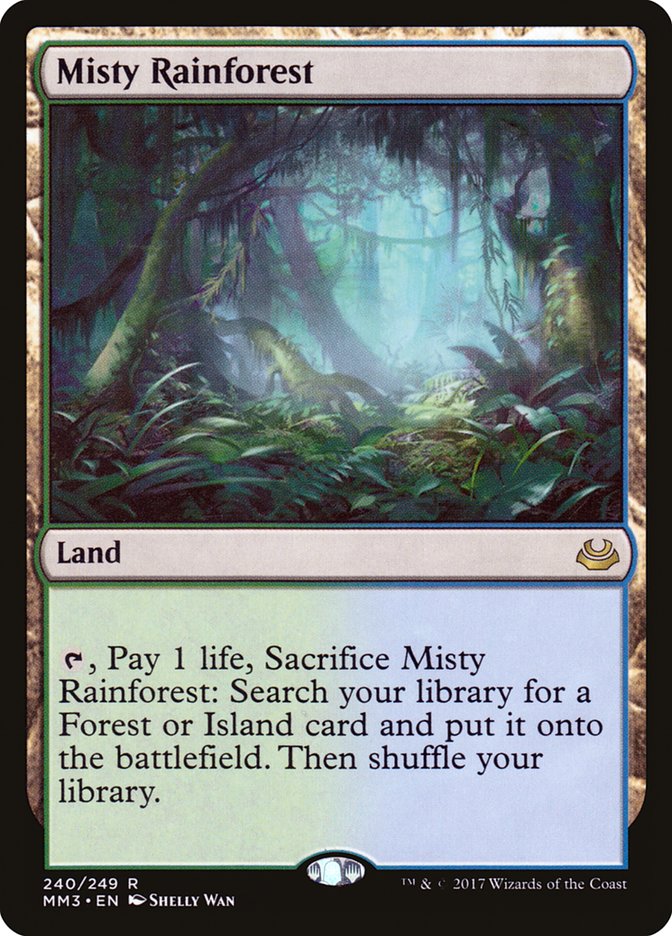
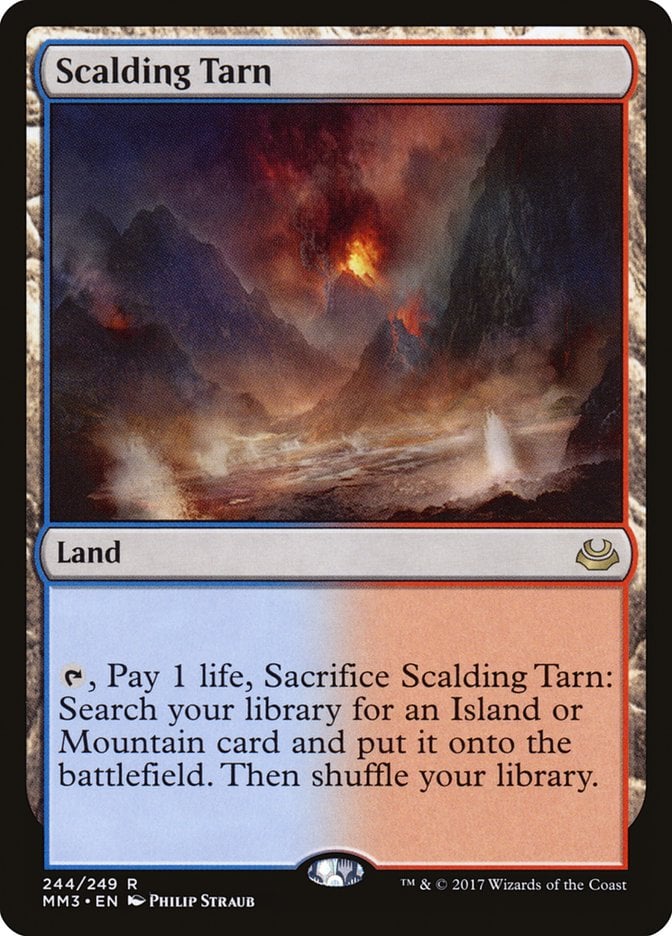
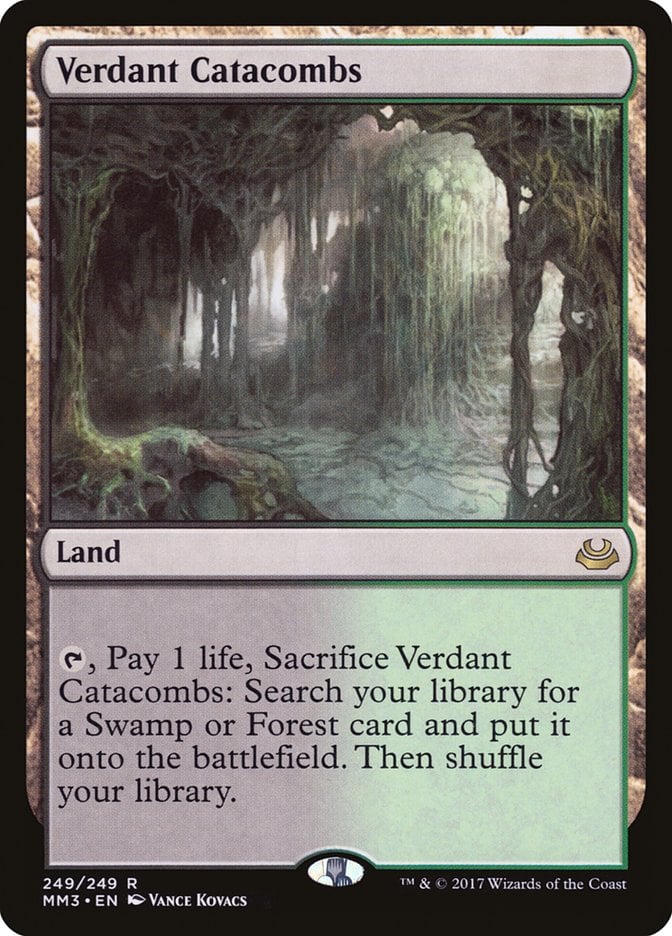
The mana base is tuned to support five colors with minimal friction. Fetch lands like Misty Rainforest, Scalding Tarn, Verdant Catacombs, and their counterparts ensure early color access while fueling landfall payoffs.
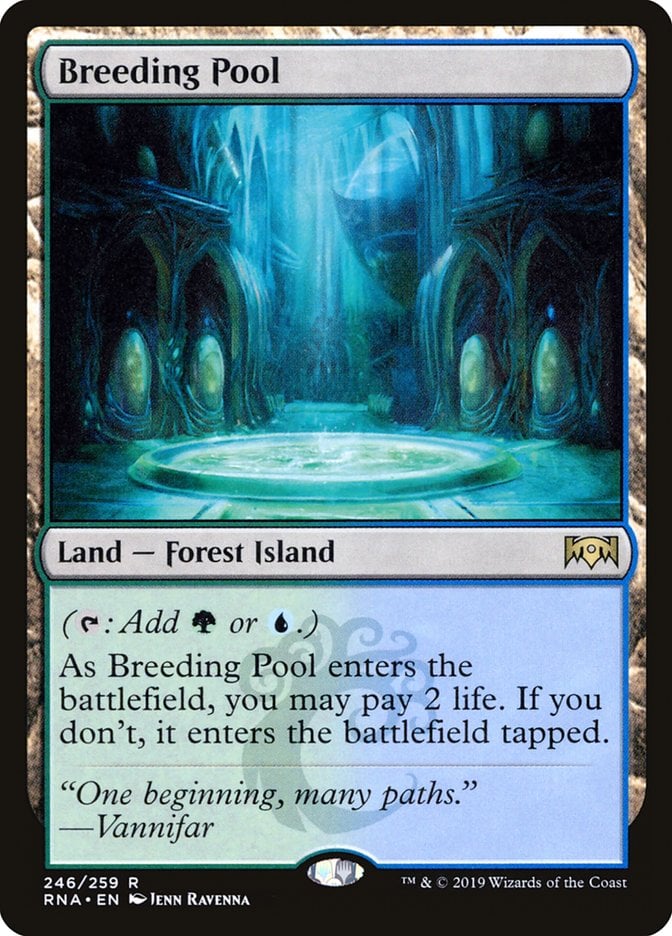
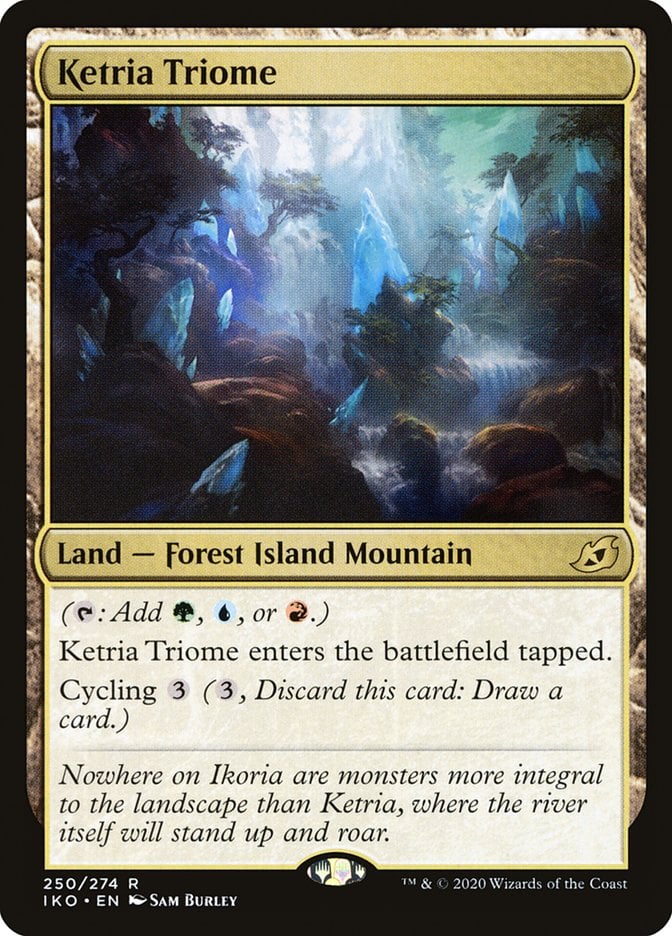
Shock lands like Breeding Pool, Steam Vents, Overgrown Tomb, and Temple Garden provide untapped sources when speed matters, while triomes like Ketria Triome, Zagoth Triome, and Ziatora's Proving Ground smooth longer games and offer cycling when you’re flooded.
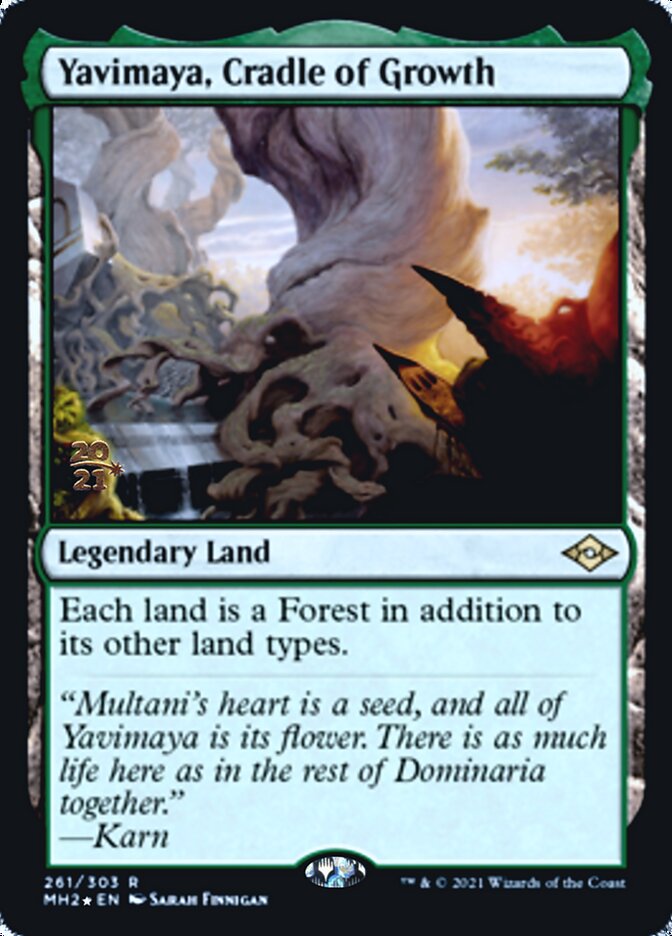
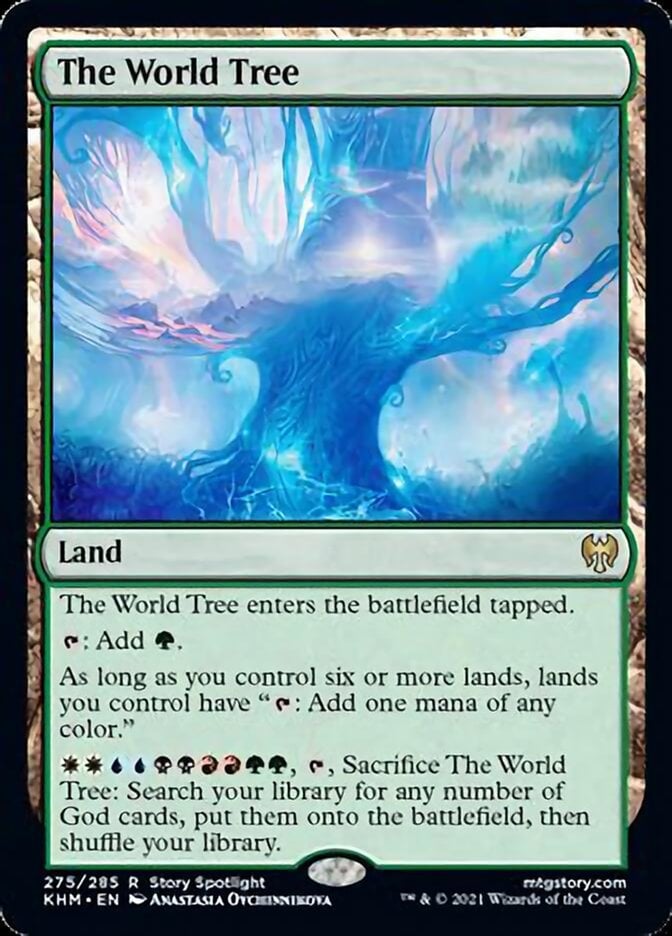

Other lands, including Yavimaya, Cradle of Growth, The World Tree, and Three Tree City, serve a distinct purpose. They support color fixing early, and some offer different forms of late-game payoff once the board is established.
The Strategy
Your first turns are spent developing mana with creatures like Birds of Paradise, Smokebraider, and the Hierarchs, supported by rocks like Sol Ring, Arcane Signet, and Fellwar Stone. Fetch lands like Misty Rainforest are sequenced to secure future colors rather than speed alone. Because you aren’t under immediate pressure to perform a combo, you can afford to sandbag payoff creatures and focus on landing Ashling, the Limitless with protection or follow-up value instead of forcing it out as fast as possible.
The mid-game is where this deck truly shines. With Ashling on the battlefield, elementals become repeatable value pieces rather than one-shot effects. Evoking creatures now gives you enters triggers, sacrifice value, and copied bodies all in one motion. Engines like Risen Reef ensure every elemental advances your mana or hand, while Yarok, the Desecrated dramatically amplifies that advantage. This phase is about chaining plays that leave you ahead even if opponents interact. Removal like Shriekmaw or Foundation Breaker doesn’t slow your plan; it is your plan. Over several turns, the deck naturally pulls ahead as opponents run out of clean answers.
Winning comes from overwhelming the table, not from a single turn explosion. Once you’ve built a deep resource pool, pivot into pressure using hasty threats from Maelstrom Wanderer, go-wide plays like Avenger of Zendikar and Vernal Sovereign, and damage-based punishment from Omnath, Locus of Rage. Cards like Sneak Attack and Incandescent Soulstoke let you convert excess mana and cards into immediate board presence, which forces opponents to react on your terms. At this point, interaction like Boseiju, Who Endures and Otawara, Soaring City is used to clear the last roadblocks, not to play defense.
As a backdoor plan, the deck can also pivot into massive recursion turns using Haunting Voyage and Eerie Ultimatum. Because evoke, sacrifice effects, and Ashling copies naturally fill the graveyard with elementals, these spells often return an overwhelming portion of your board all at once. Reanimating multiple value elementals immediately retriggers enters effects, refills your hand, rebuilds your mana, and reestablishes lethal pressure in a single sequence. In grindy games, this line punishes board wipes and interaction-heavy tables, turning what looked like a reset into a decisive advantage that often ends the game shortly after.
Combos and Interactions
This deck doesn’t rely on true infinite combos. Instead, it’s built around repeatable interactions that turn Ashling’s evoke ability into card advantage, board presence, and steady pressure over the course of the game.
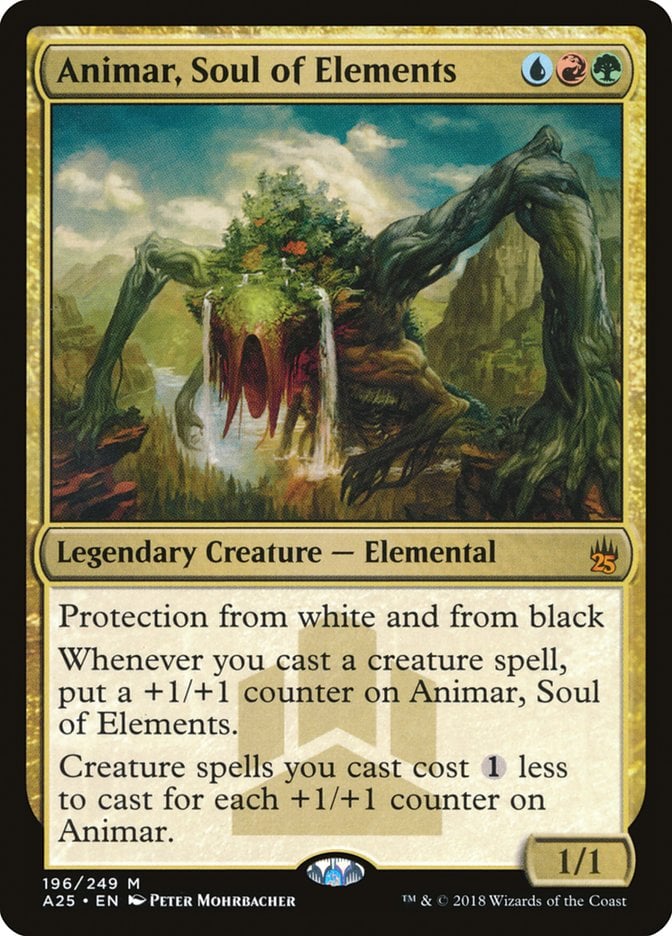
Ashling works especially well with Animar, Soul of Elements. As Animar gains +1/+1 counters, it reduces the cost of your elemental spells. With enough counters, that reduction can make Ashling’s evoke cost effectively free. At that point, you can cast multiple elementals in a single turn without spending mana, stacking enters triggers while you hold up interaction. This doesn’t end the game immediately, but it often leaves you far ahead on resources.
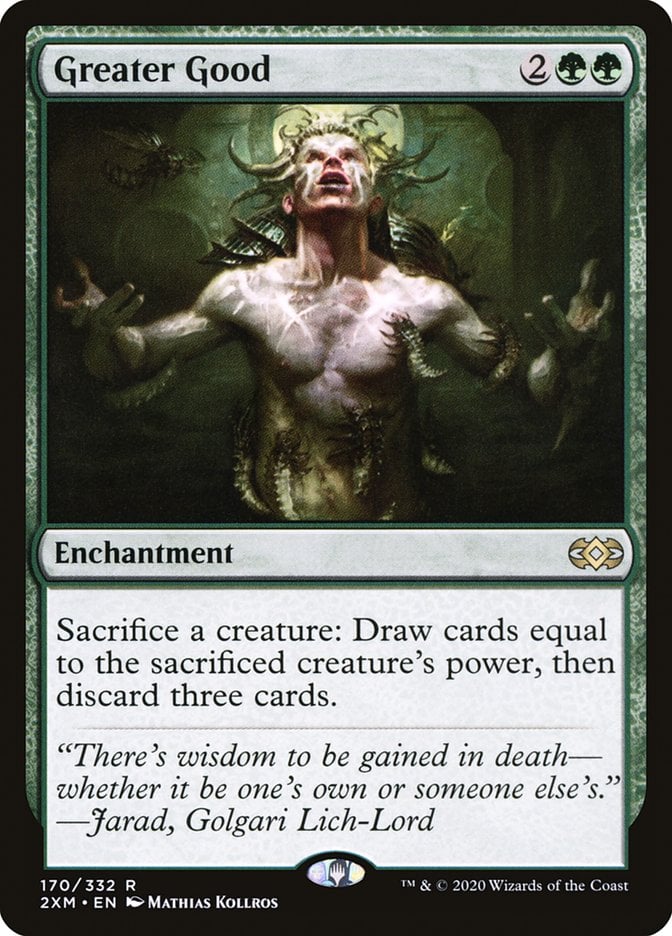
With Ashling, the Limitless and Greater Good on the battlefield, you gain full control over how your creatures die. When you evoke an elemental for , the sacrifice trigger goes on the stack. Before that resolves, you can sacrifice the creature to Greater Good instead. You draw cards equal to its power, discard three, and because the creature was a nontoken elemental, Ashling triggers and creates a token copy. You can later sacrifice that token for additional value.
The same sequencing applies to Sneak Attack. Normally, Sneak Attack sacrifices the creature at the end of the turn, but with Greater Good in play, you can sacrifice the creature first to draw cards before that trigger resolves. If Ashling, the Limitless is on the battlefield and the creature is a nontoken elemental, you also get a token copy when it dies, carrying value into the following turn. Even without Ashling, Sneak Attack and Greater Good function as a solid standalone draw engine.
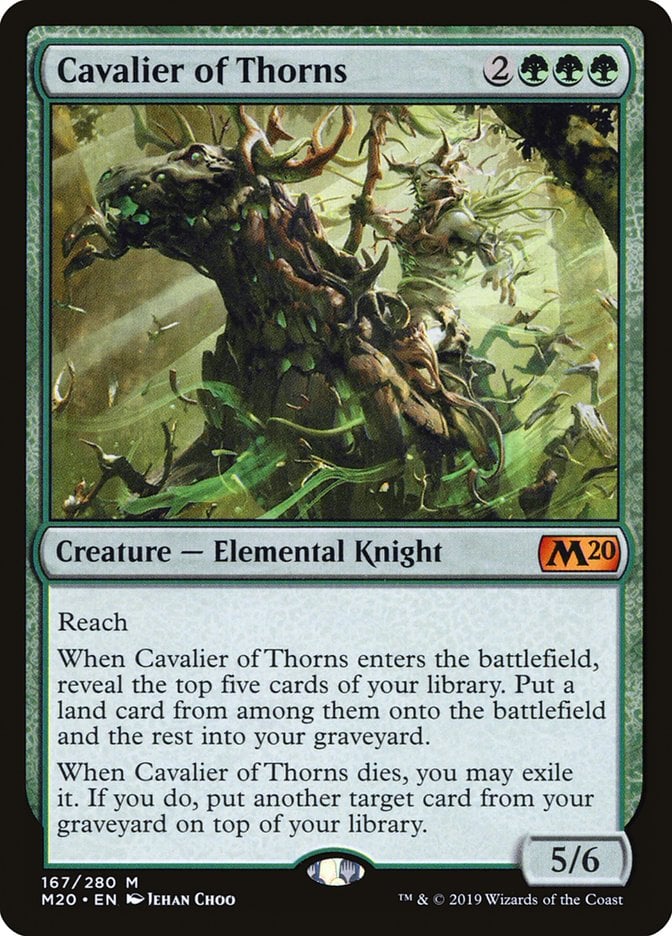
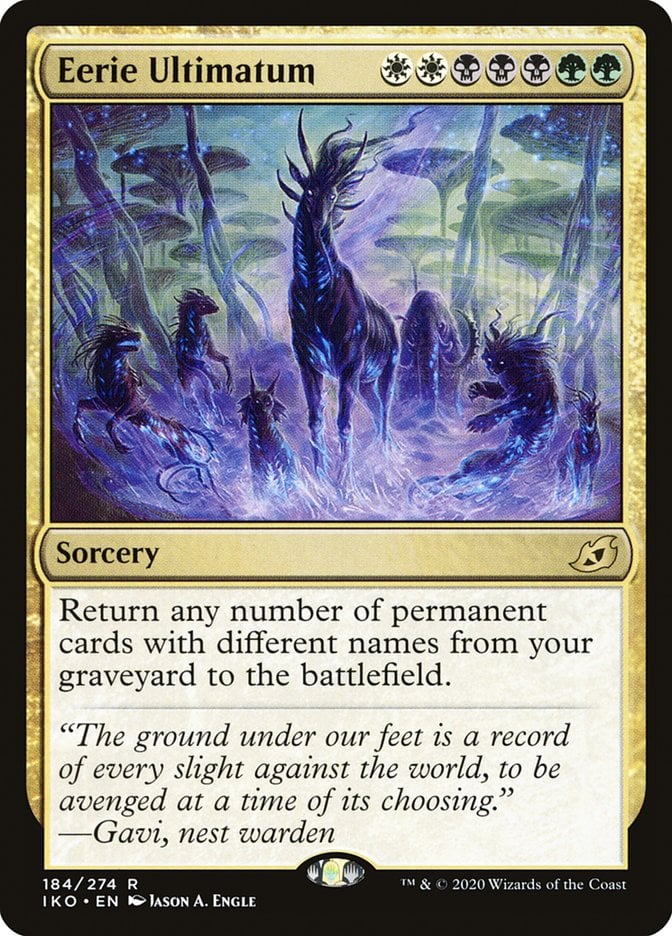
The Cavalier package fits naturally into this structure. Evoking Cavalier of Dawn or Cavalier of Thorns with Ashling gives you double enters effects and still triggers their death abilities when the original is sacrificed. Cavalier of Thorns helps stock the graveyard, while Cavalier of Dawn recovers important permanents, and both are excellent fodder for Greater Good. This often leads into lines where you discard aggressively and then rebuild with Eerie Ultimatum, swinging the game through a large wave of ETB triggers.
Lastly, Flamekin Harbinger and Worldly Tutor help set up the top of your library, which pairs especially well with Maelstrom Wanderer.
Budget Options
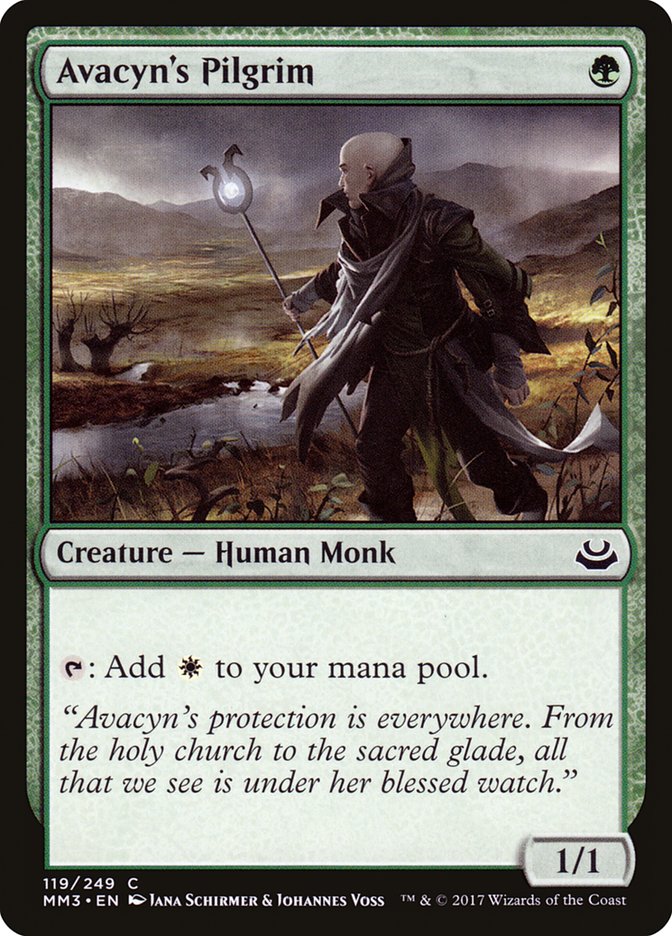
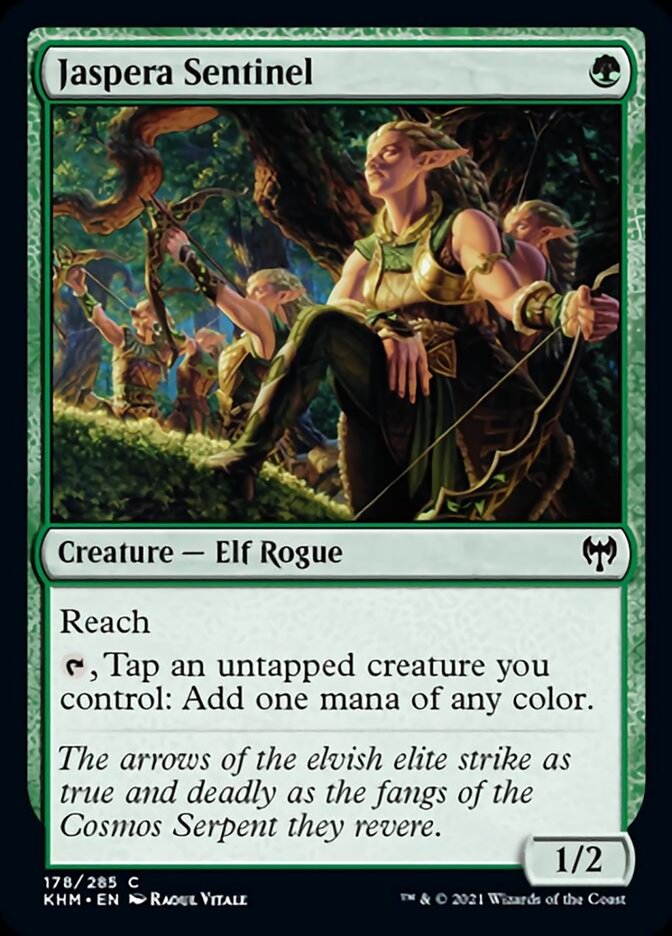
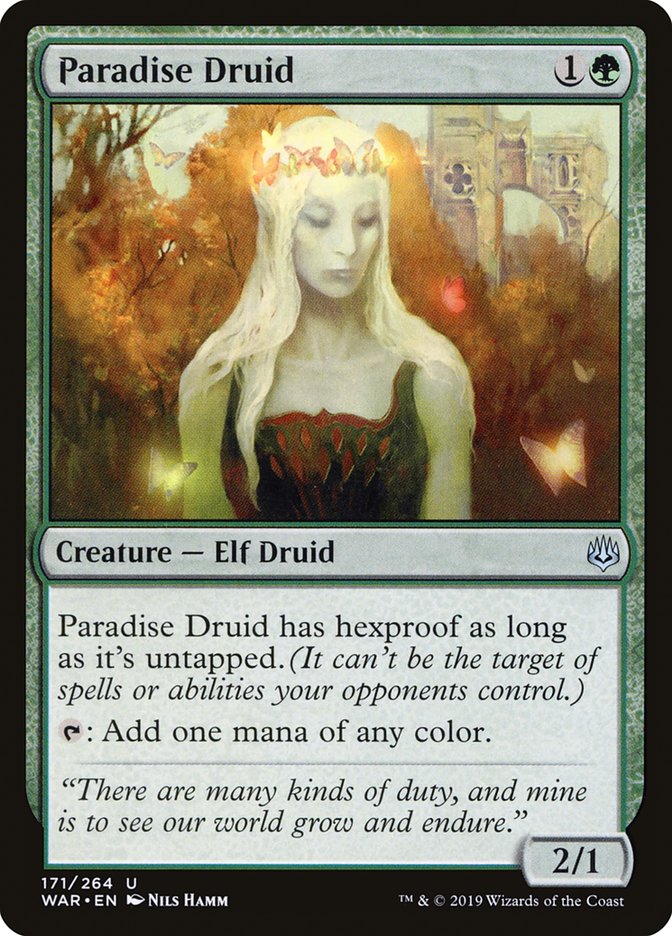

Cards like Birds of Paradise and Delighted Halfling are excellent, but most of their value comes from raw speed and perfect color fixing. If those are out of budget, you can step down to slower but still reliable options like Avacyn's Pilgrim or Jaspera Sentinel. Bloom Tender also tends to be on the expensive side, so replacements like Paradise Druid or Leafkin Druid make a lot of sense. Leafkin in particular fits naturally into this deck, since it scales with your elemental count and can generate multiple mana once your board is developed. You give up a bit of explosiveness, but you gain consistency and synergy.
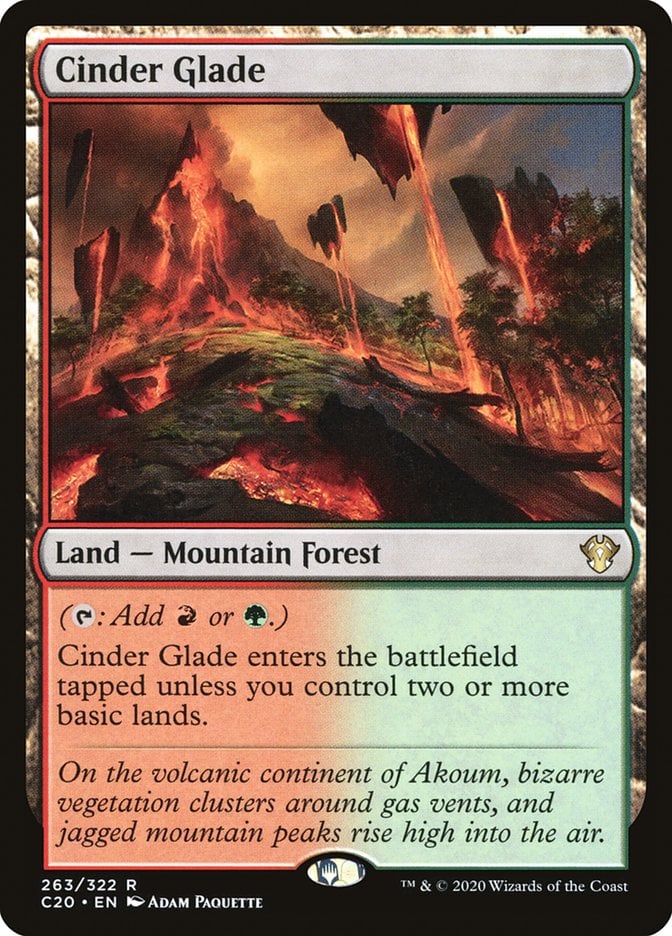
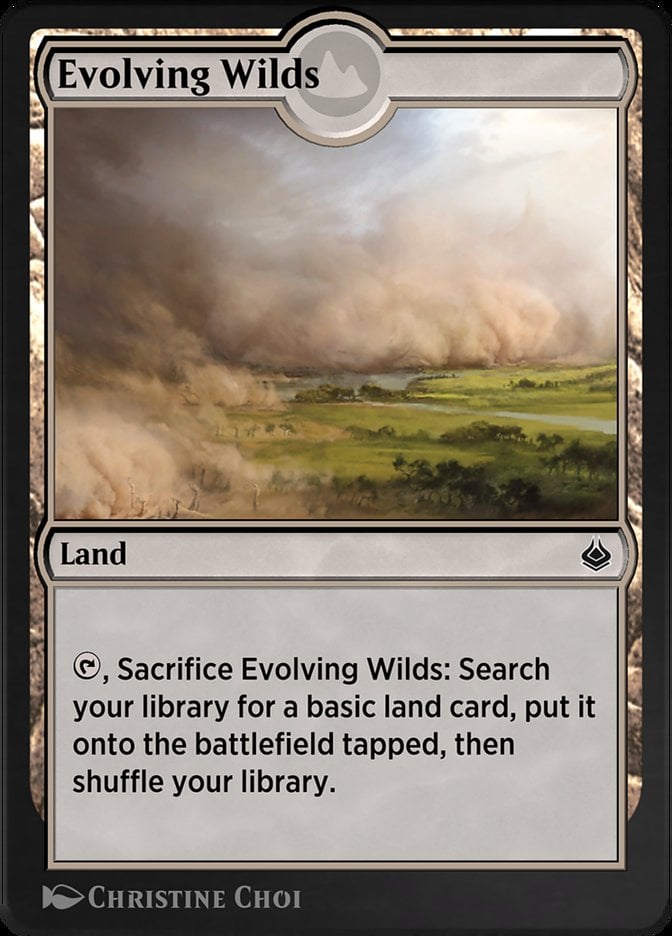
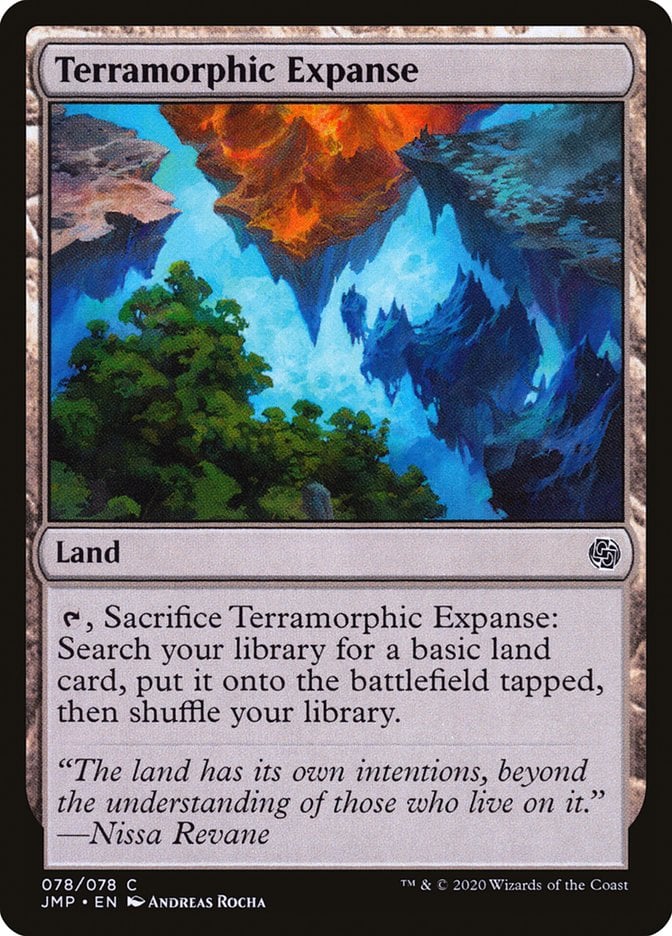
Fetch lands like Misty Rainforest are some of the biggest cost drivers in the list. On a budget, you can replace them with typed dual lands and slower fixing without hurting the deck’s core plan. Cards like Cinder Glade, Canopy Vista, and Prairie Stream pair well with basics and still support landfall synergies. You can also lean more heavily on Evolving Wilds and Terramorphic Expanse, which come in slower but still trigger payoffs like Omnath, Locus of Rage when it matters.
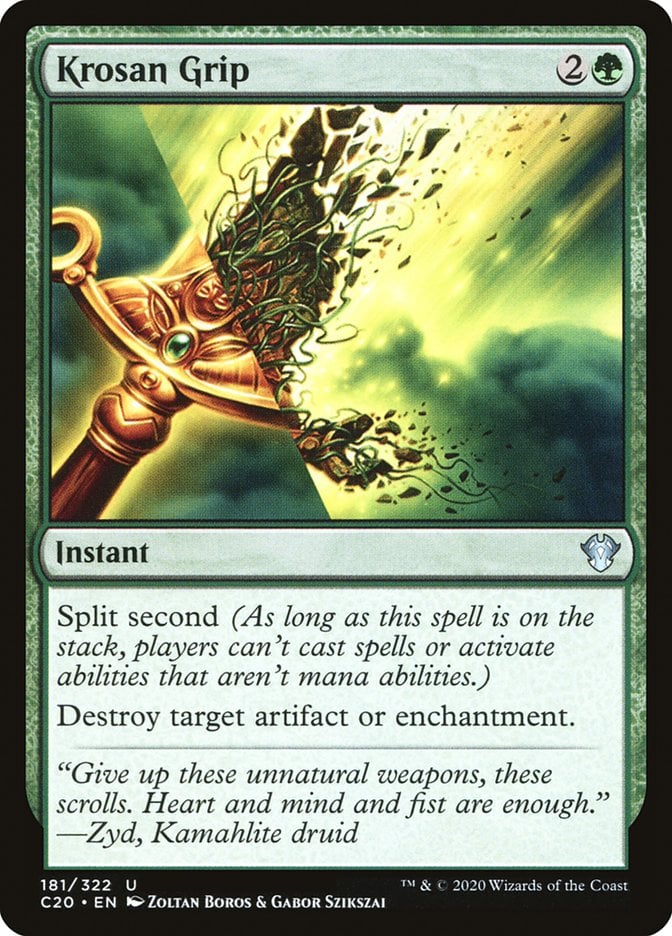
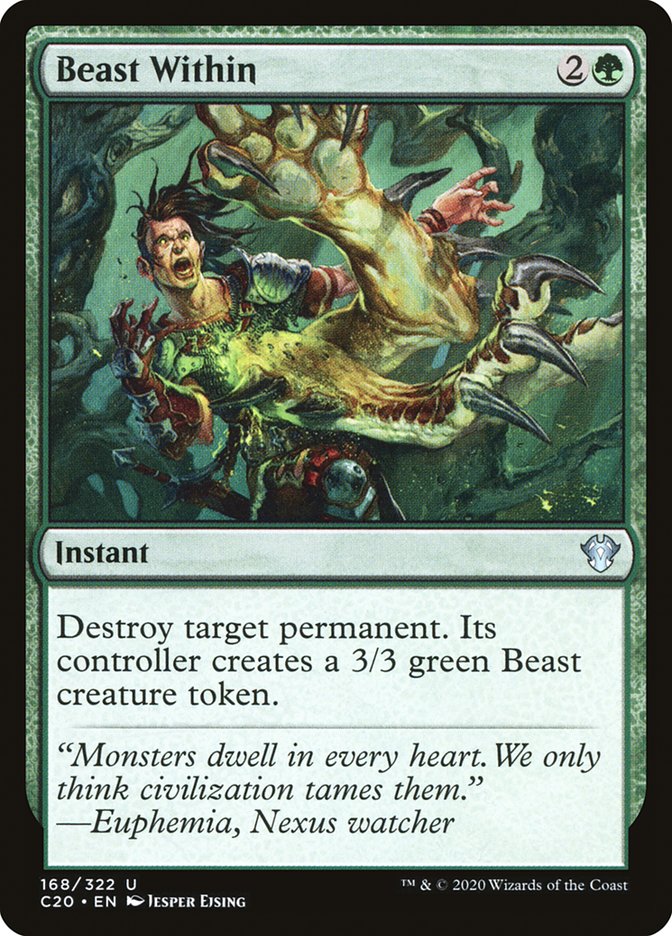
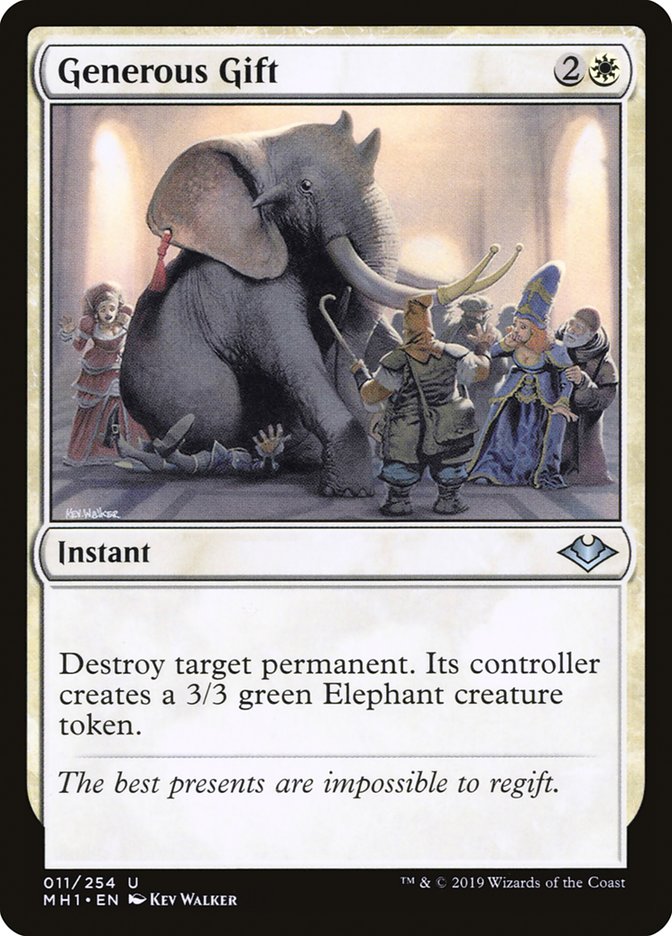
High-end utility lands like Boseiju, Who Endures and Otawara, Soaring City are undeniably strong, but they’re more luxury than necessity. Budget-friendly spells like Krosan Grip, Beast Within, or Generous Gift cover the same problem areas while staying flexible. They may not be elementals, but they answer almost anything and keep the rest of your game plan intact.
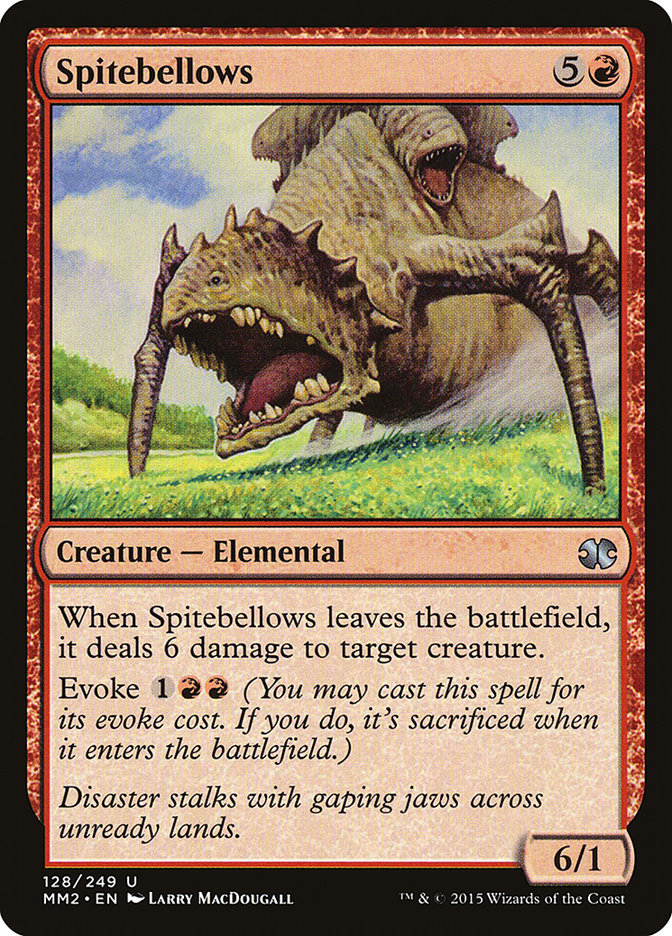
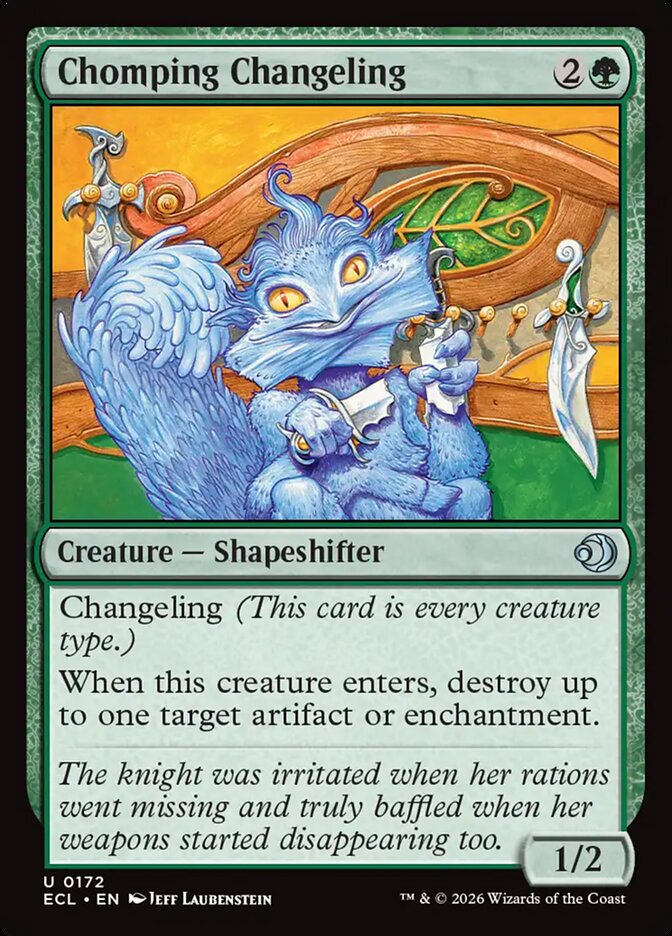
If cards like Solitude are outside your budget, there are still solid replacements that work well with Ashling’s sacrifice and copy loops. Spitebellows is a classic removal elemental that gets much better when you can copy and sacrifice it, while Chomping Changeling offers clean, repeatable artifact and enchantment removal. Neither is flashy, but both support the kind of steady, grindy gameplay this deck thrives on.

Some finishers, like Mass of Mysteries, also carry a high price tag but aren’t strictly necessary. Budget elementals like Doomgape still provide strong late-game value and play well with sacrifice and recursion, even if they close games a bit more slowly.
Other Builds
This current list for Ashling, the Limitless leans into a grindy value engine, but it’s far from the only direction Ashling can take.
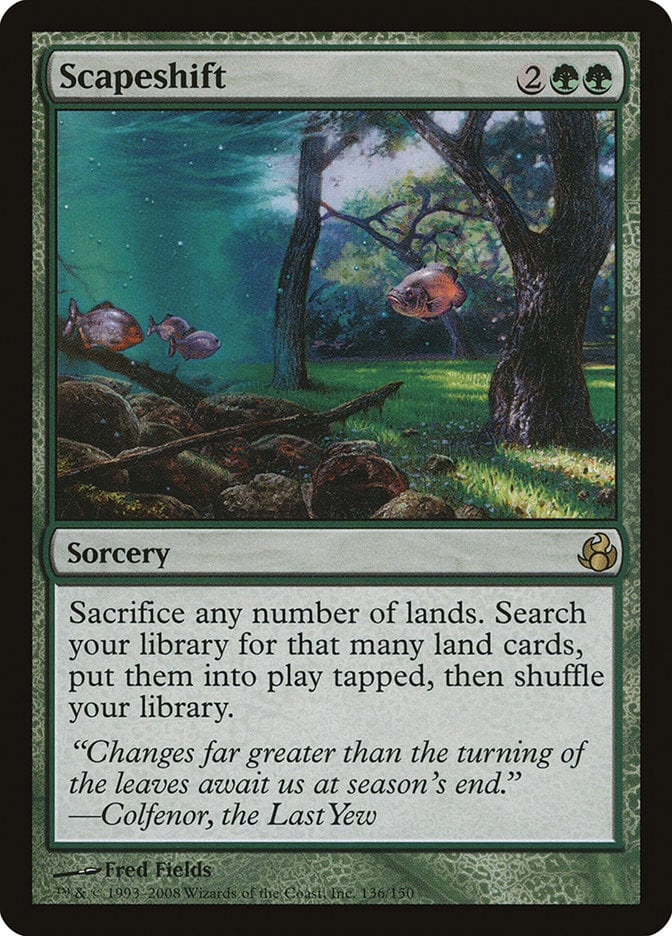
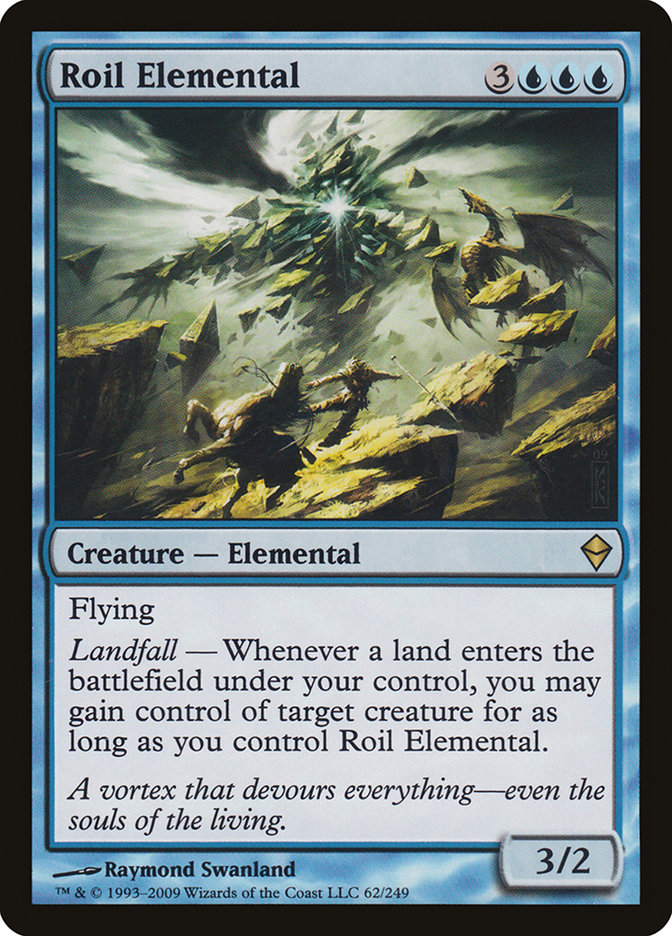
Landfall-based elemental builds are an easy projection. These versions would likely run higher land counts and rely more on ramp spells like Farseek and Cultivate instead of mana rocks, often backed by effects like Scapeshift. This approach naturally amplifies cards already present in the shell, including Roil Elemental and the various Omnath incarnations, turning land drops into direct board control and pressure.
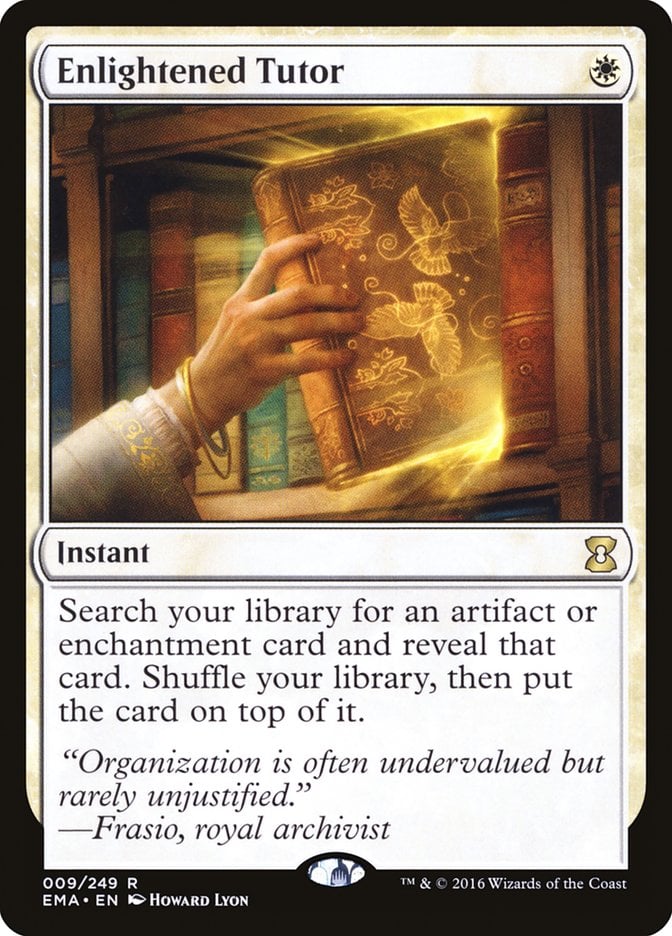
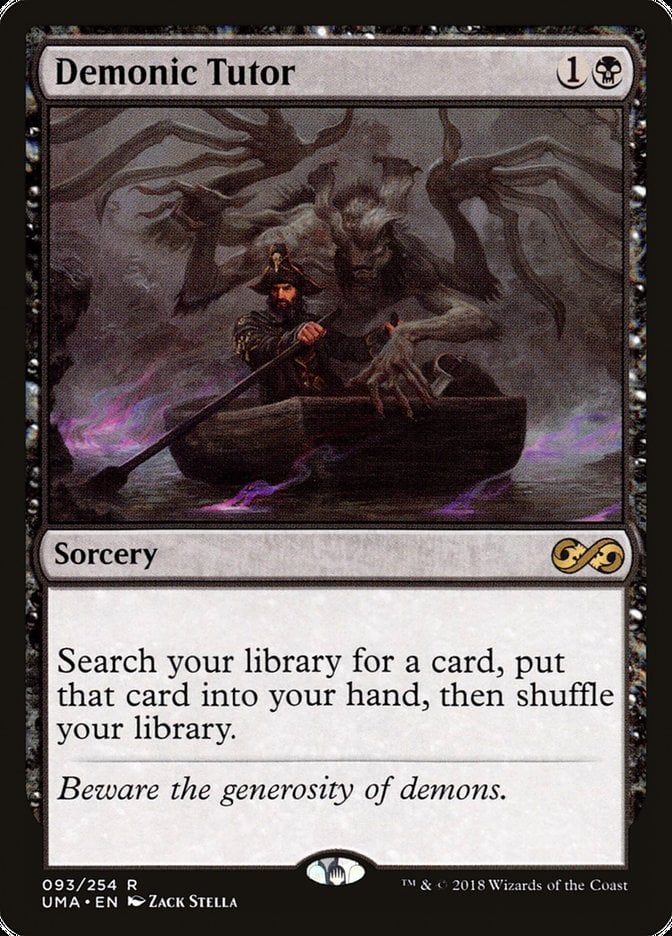
It’s also easy to imagine Ashling supporting a more toolbox-style midrange build. With access to all five colors, the deck can run a wide range of elementals that answer specific problems, using tutors to find the right piece at the right time. While premium options like Enlightened Tutor and Demonic Tutor come at a cost, they’re well within reach for this kind of shell and help reinforce a flexible, reactive game plan.
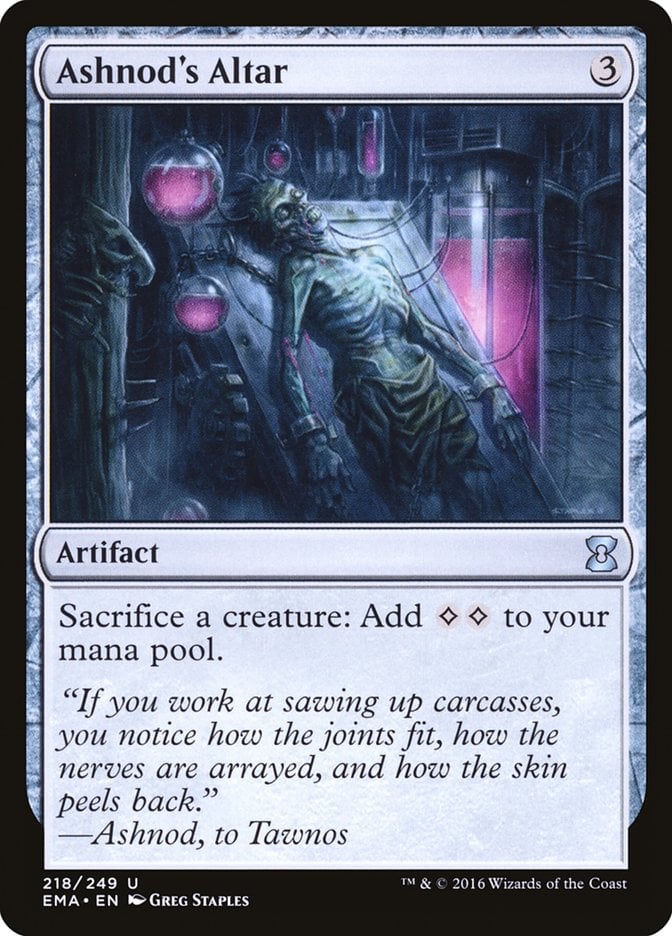
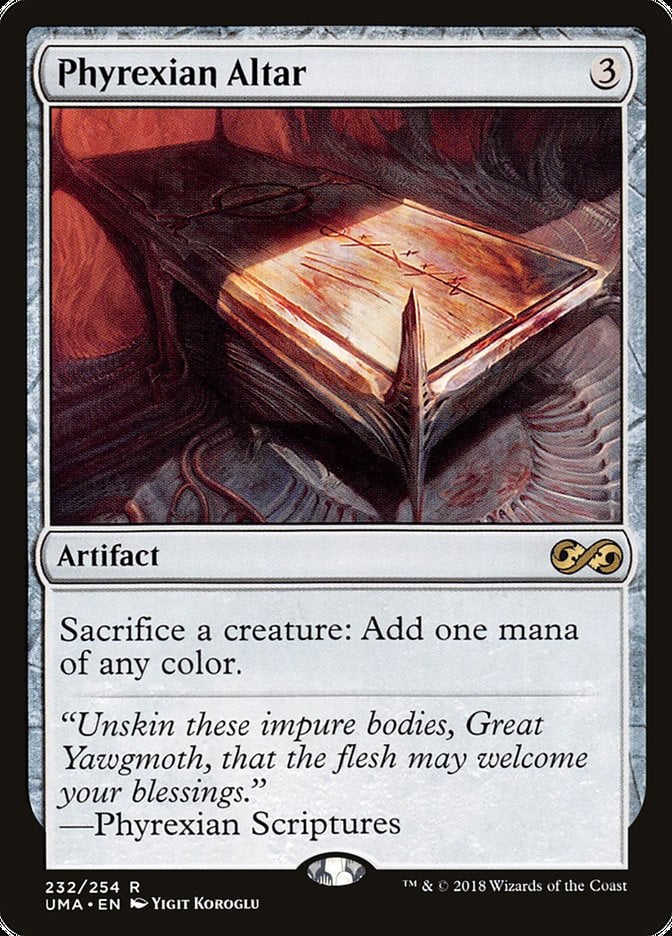
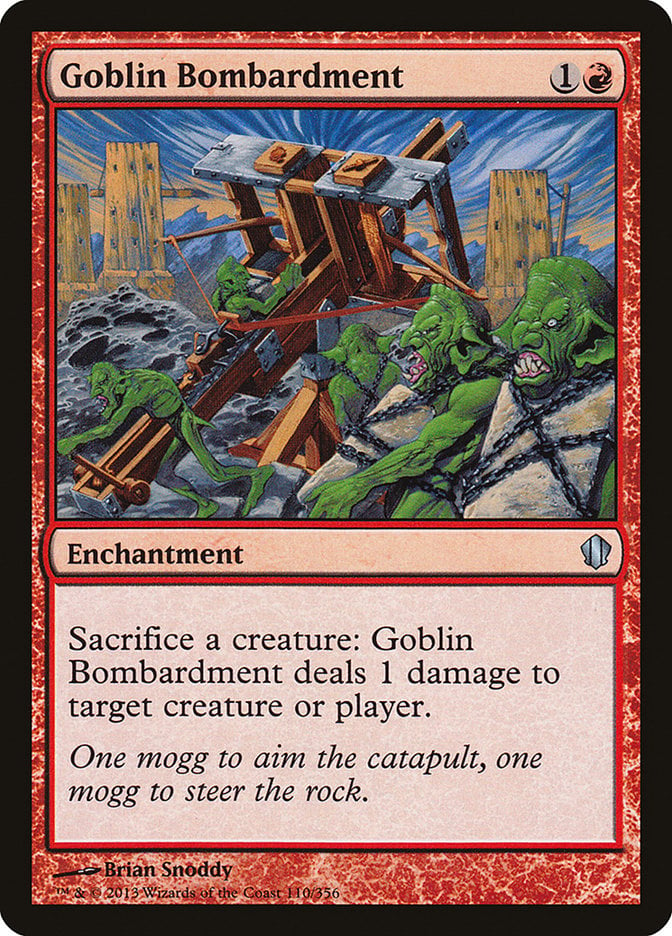
Mana engines like Ashnod's Altar and Phyrexian Altar also slot naturally into an evoke-focused deck. These cards allow sacrificed elementals to fuel further spells, pushing Ashling toward more combo-leaning lines without fully committing to a fast combo strategy. Pairing them with effects like Goblin Bombardment adds additional reach and alternative win paths through incremental damage.
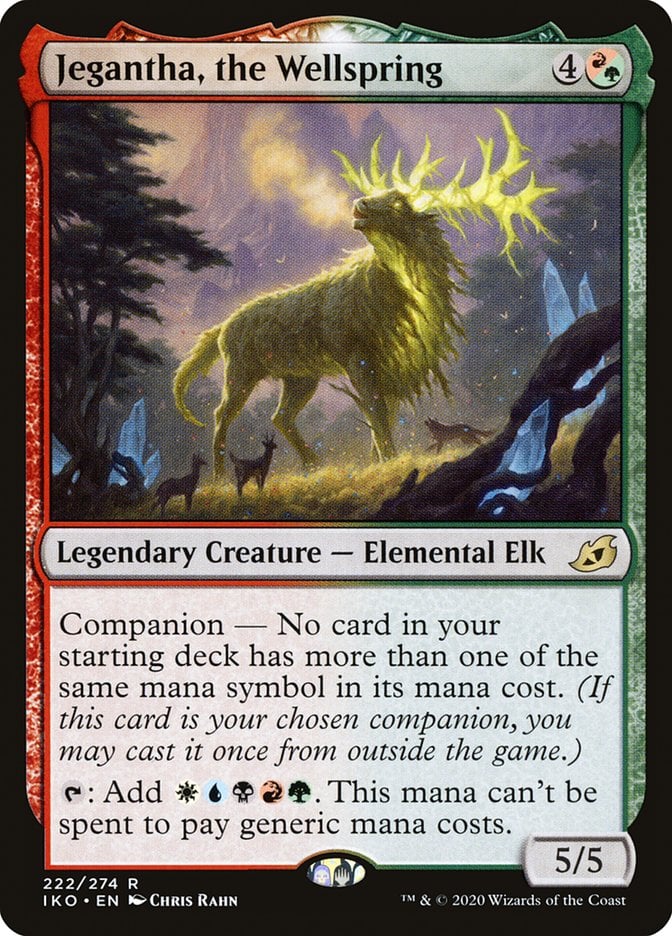
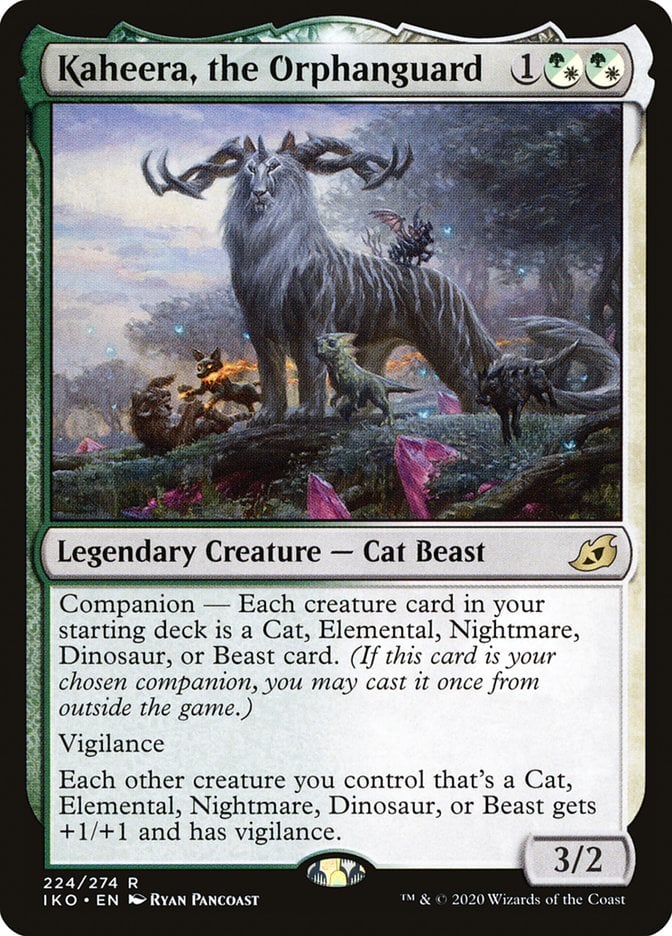
Ashling can be built to support Jegantha, the Wellspring as a companion by avoiding repeated mana symbols. This constraint slightly narrows card choices, but it offers consistent access to a powerful mana source and opens up yet another viable direction for players looking to experiment with the commander. You can also companion Kaheera, the Orphanguard with the Ashling precon if you just cut Faeburrow Elder.
Commanding Conclusion

Ashling's Command | Illustration by Iris Compiet
Ashling, the Limitless offers a flexible and rewarding take on elemental typal that moves beyond the more common landfall themes most elemental decks rely on. That said, the deck can still branch into other directions as long as you continue to exploit Ashling’s core ability to super-charge enter the battlefield effects.
What do you think? What changes would you make to the list, or which direction would you take Ashling in? Let us know in the comments or on the Draftsim Discord.
Thanks for reading, and if you enjoy the content, remember to follow us on social media so you never miss a thing.
Take care, and see you next time.
Follow Draftsim for awesome articles and set updates:










Add Comment