
Last updated on July 9, 2026
Treasure | Illustration by Andrew Mar
Care to guess what the first artifact token ever created for Magic was? Technically it’s the Wasp token created by The Hive, though it took some time before we got proper physical tokens to represent those artifact creatures.
But what about noncreatures? We got the Land Mine token created by Goblin Kaboomist, which was a cheeky flavor win, and Gold tokens in the Theros block, again created by great Vorthos cards.
But everything changed with Clue tokens. Not only were Clues a big hit, but it proved that Magic could handle an “evergreen” artifact token, and from then on we started seeing more and more of these trinkets in Magic.
Let’s look at the best, most prevalent artifact tokens in the game!
What Are Artifact Tokens in MTG?
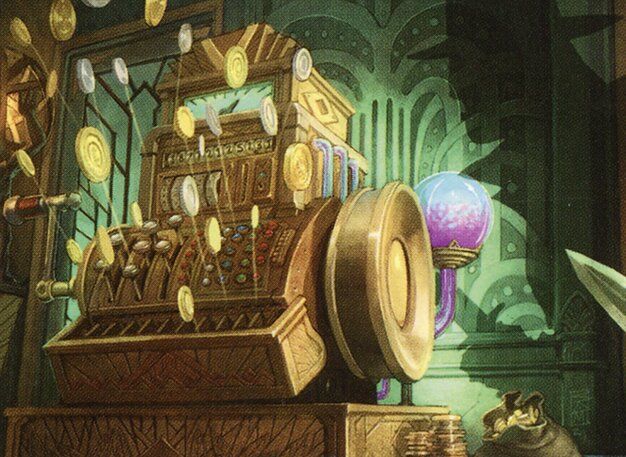
Currency Converter | Illustration by Sean Murray
Artifact tokens are tokens with the artifact card type that are created by other Magic cards. They’re not cards themselves, so they don’t appear in your library, but there are tons of cards in modern Magic that create artifact tokens.
Artifact tokens are a huge part of Magic and will likely continue to be moving forward. The proliferation of these trinket permanents is a huge contributor to power creep (cards make more objects now) and complexity creep (there are more objects and effects to track in a game), but they offer some major synergistic opportunities and are quite fun to play with.
Artifact Creature Tokens
This list will not be counting artifact creature tokens separately, but here's a list of all the qualifying tokens you can create, as of Marvel Super Heroes:
- Alien Angel (2/2 black)
- Assembly-Worker
- Beast (6/6)
- Clown Robot
- Construct (1/1, 1/1 defender, 2/1 Ballistic Boulder, 2/2, 3/1 haste, 4/4, 4/4 flying + haste, 6/12, Gemini Engine “Twin”, X/X)
- Dalek
- Djinn (5/5)
- Doombot
- Drone (1/1 flier, 2/2 deathtouch)
- Gargoyle
- Gnome
- Gnome Soldier
- Goblin Construct
- Golem (3/3, 3/3 enchantment creature, 3/3 flying, 3/3 trample, 3/3 vigilance, 4/4 colorless, 4/4 white and blue, 4/4 red and white, 9/9, X/X)
- Gremlin
- Homunculus
- Horror
- Insect (1/1, Hornet Cannon token)
- “Karnstruct”
- Laserbeak
- Mechtitan
- Metallic Sliver
- Myr
- Necron Warrior
- Pentavite
- Pest
- Phyrexian Golem
- Phyrexian Horror
- Phyrexian Mite
- Phyrexian Myr (1/1, 2/1 blue)
- Phyrexian Wurm (3/3 lifelink, 3/3 deathtouch, 2/1 lifelink, 1/2 deathtouch)
- Prism
- Ravage
- Robot (1/1, 1/1 flying, 2/2, 3/3, 4/4)
- Robot Hero (1/1 flying, 2/1 flying)
- Robot Villain (2/2, 3/3)
- Robot Warrior
- Scarecrow
- Sculpture
- Servo
- Snake
- Soldier (1/1)
- Spawn
- Tetravite
- The Hollow Sentinel
- Thopter (0/0, 1/1 colorless, 1/1 blue, 0/2 Ornithopter)
- Toy
- Triskelavite
- Tuktuk the Returned
- Wall (0/2, 0/4)
- Wirefly
- Zombie (3/3)
One-Off Tokens
Here we'll list all the other artifact tokens that only appear on one or two cards, and are therefore neither evergreen nor deciduous:
- Etherium Cell: Tezzeret the Schemer
- Scrap: Farid, Enterprising Salvager
- Rock: Toggo, Goblin Weaponsmith
- Munition: Weapons Manufacturing
- Cragflame: Mabel, Heir to Cragflame
- Feather: Everquill Phoenix
- Icingdeath, Frost Tongue: Icingdeath, Frost Tyrant
- Icy Manalith: Svella, Ice Shaper
- Land Mine: Goblin Kaboomist
- Meteorite: Roxanne, Starfall Savant
- Nalaar Aetherjet: Pia Nalaar, Chief Mechanic
- Replicated Ring: Replicating Ring
- Stoneforged Blade: Nahiri, the Lithomancer
- Sturdy Shield: U.S.Agent, John Walker + Origin of Captain America
- Sword: Blacksmith's Talent
- Tamiyo's Notebook: Tamiyo, Compleated Sage
- The Blackjack: Setzer, Wandering Gambler
- Volo's Journal: Volo, Itinerant Scholar
- Wasteland Survival Guide: Moira Brown, Guide Author
Evergreen and Returning Artifact Tokens
All other artifact tokens mentioned below have appeared on more than two cards, and while some are flavored around specific sets and settings, most of them could show back up in future sets. The order of the tokens below is arbitrary.
#13. Gold
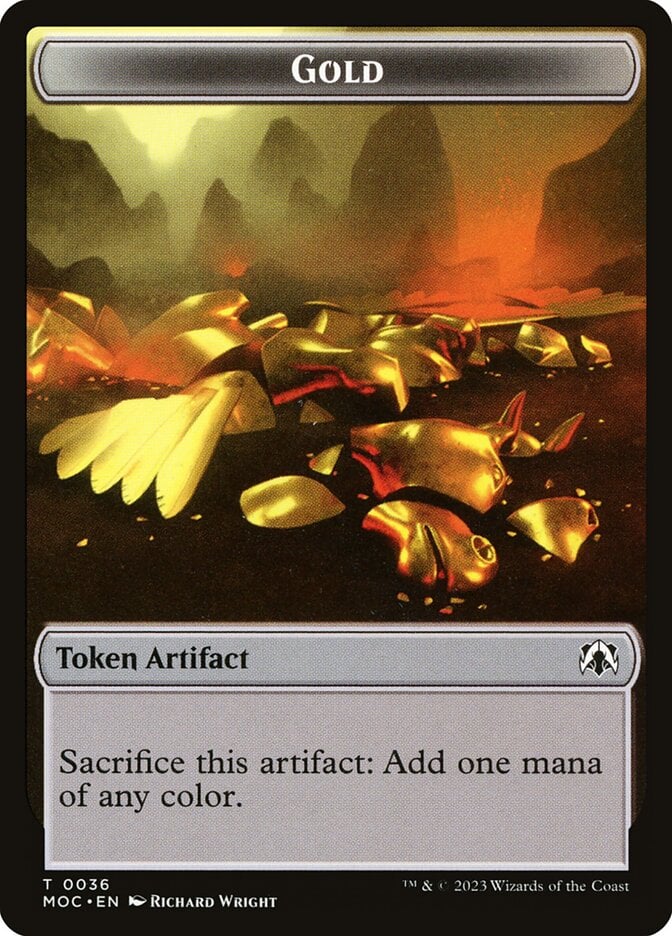
Gold is actually just a strictly better version of a Treasure token, since you don’t have to tap it to sacrifice this artifact for mana. However, Treasure is so much more prevalent that Gold might as well not even exist anymore. The few cards that create Gold almost all exist for flavor reasons, whereas Treasure is the de facto mana token of choice now.
#12. Vehicle (3/2)
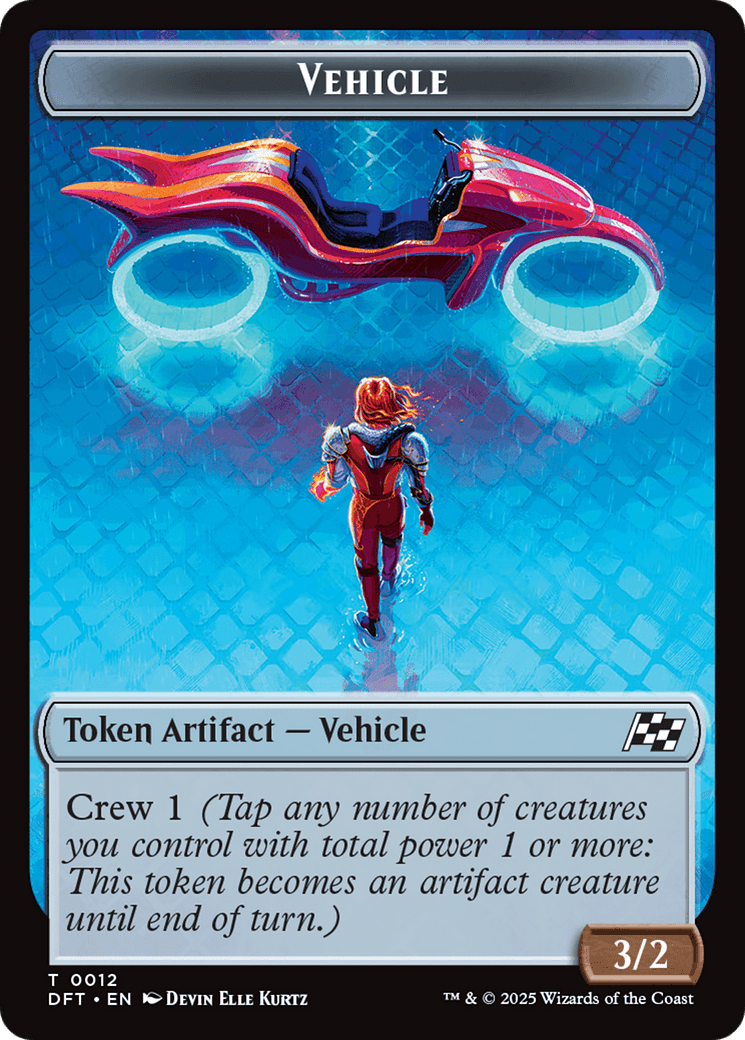
The 3/2, crew 1 Vehicle artifact token showed up in Aetherdrift, and is very close to being a “one-shot” token type, since it only appears on two physical cards (Chandra, Spark Hunter and Mu Yanling, Wind Rider), plus one digital-only card (Wish Good Luck). It feels locked to Aetherdrift, but there's always the chance we see another “vehicle set” in Magic's future.
#11. Powerstones
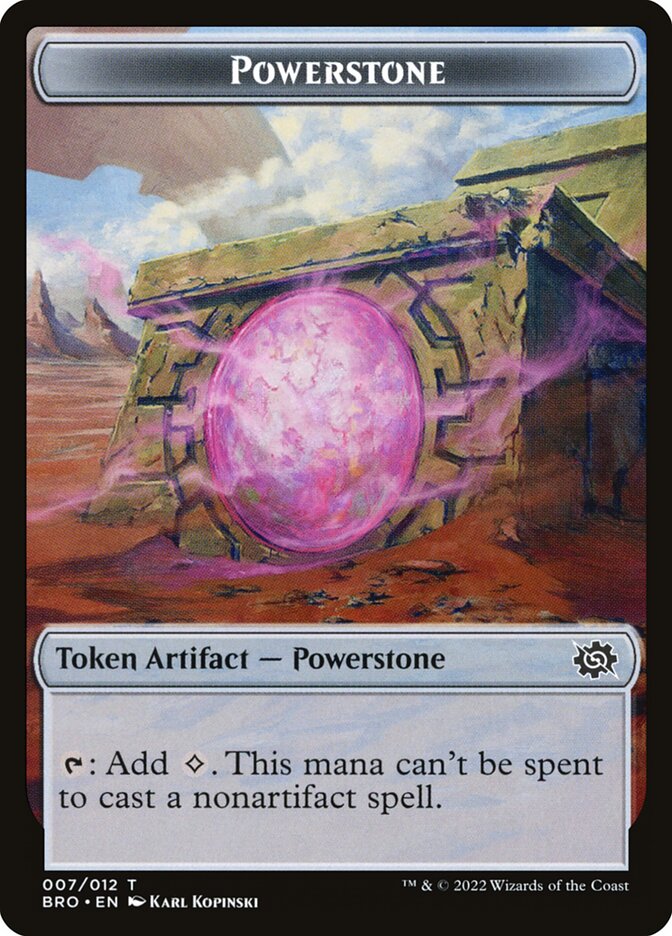
Powerstones came about in The Brothers’ War and gave us a first taste of a true token mana rock. They’re more restricted than Treasure, but they stick around. Like Vibranium, one common misconception is that these only work with artifacts. That’s not true; they just don’t cast non-artifacts. That means activated abilities and Rhystic Study payments are fair game.
The name links them to a particular setting/flavor that isn’t easy to replicate in most Magic sets, so it’s unclear when/if we’ll see Powerstones again. At the very least I’d expect a one-off card in a supplementary product someday. The Mightstone and Weakstone demonstrated that the “powerstone” artifact type can be used on non-tokens, too.
#10. Vibranium
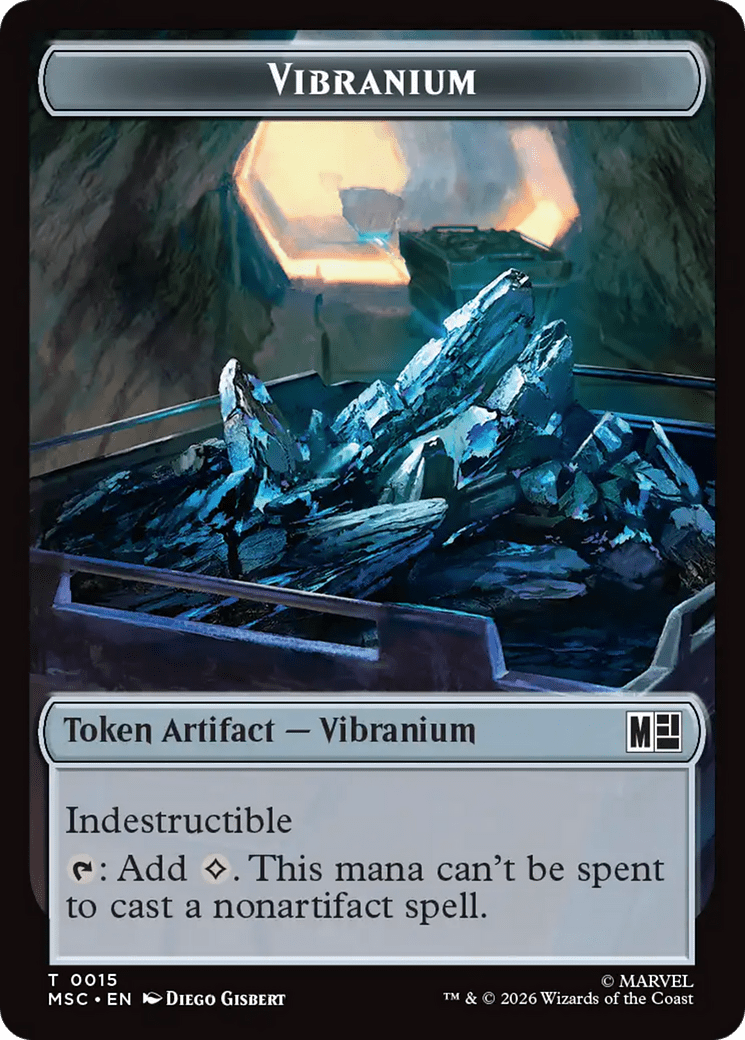
Vibranium is essentially an improved Powerstone token, adding indestructible to the rest of the text. These produce colorless mana that can't be used to cast a non-artifact spell, though the mana can be used on activated abilities, or to pay costs for abilities like ward. Note that all cards that currently create Vibranium make tapped tokens, though that's not an inherent part of the token.
Vibranium is the least likely of these tokens to show back up in Magic, though knowing that there are more Marvel sets in MTG's future means we'll maybe see a few more before that collaboration wraps up.
#9. Mutagen

A Mutagen token is simply a +1/+1 counter in artifact token form. For , you can tap and sacrifice it to put a +1/+1 counter on target creature, though only at sorcery speed. These were a large part of Teenage Mutant Ninja Turtles, but have a generic enough name that they could show up elsewhere.
#8. Maps
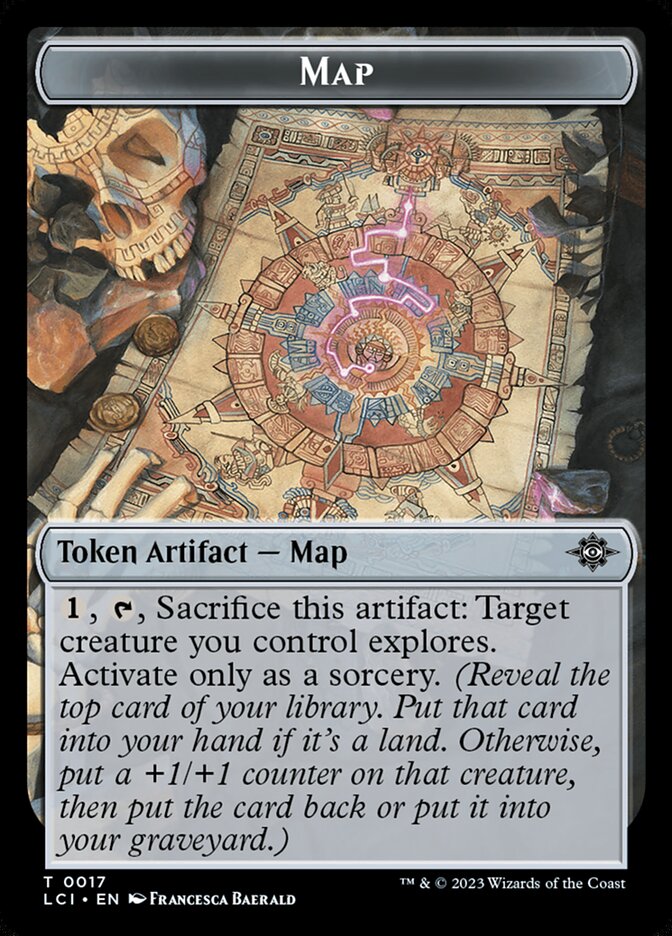
Not too unlike Mutagens, a Map token could very well be a +1/+1 counter in disguise. That's not guaranteed, though, since activating one causes a creature to explore. The creature might pick up a +1/+1 counter, or you might draw a land instead. They're one of the least reliable artifact tokens, since you're unsure what the result of using them will be when you activate them.
#7. Incubators
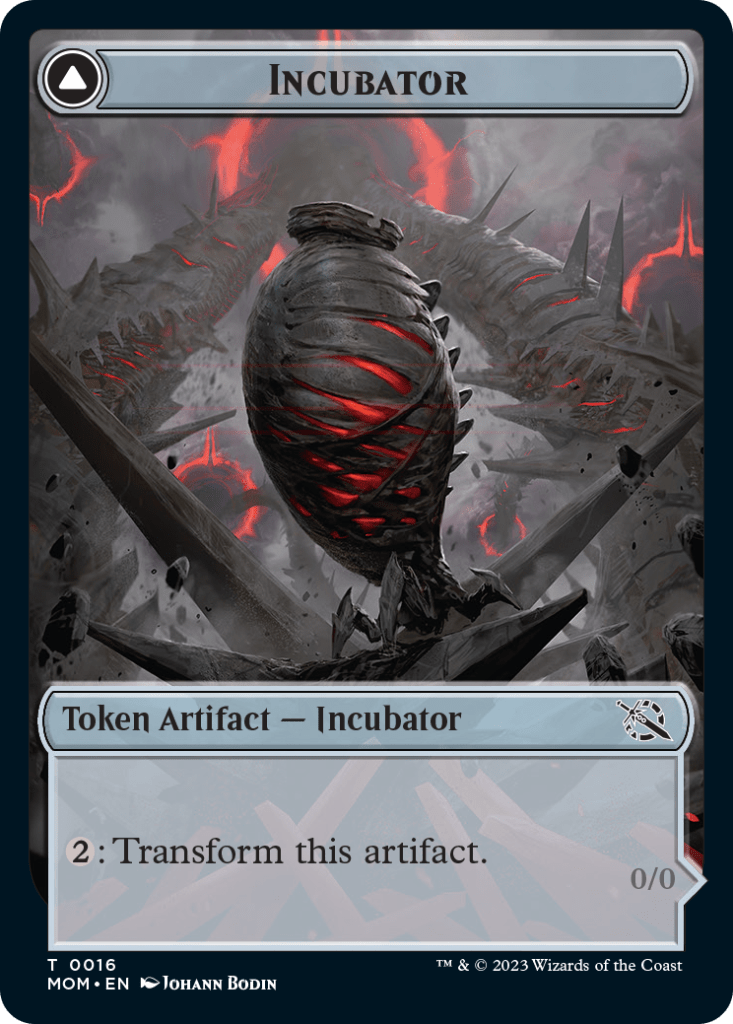

Incubator tokens from March of the Machine are super cool and introduced us to the first double-faced tokens, which in turn warranted a rules change on the way transforming permanents worked. Incubators are essentially blank artifacts with +1/+1 counters on them, but for 2 mana they transform into 0/0 Phyrexian creatures that retain those counters. Think of it like a Clue token that puts a creature into play instead of drawing a card.
They’re mechanically linked to Phyrexians, and given how the last encounter with the Phyrexians ended, I’m not expecting to see them again any time soon. No Phyrexians means no Incubators, so the fate of this token is up in the air.
Incubators could get the “amass” treatment and specify a creature type on the mechanic. The same way amass split off into “amass zombies”, “amass orcs”, etc., “Incubate N” could receive errata and become “incubate Phyrexian N”, which would leave the door open to using this mechanic in other settings. How cool does “incubate dinosaur” or “incubate insect” sound?
#6. Blood
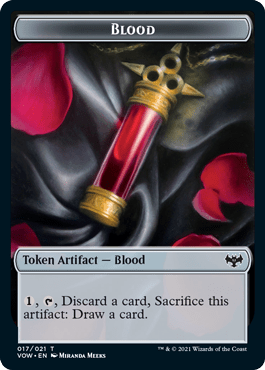
Blood is an awesome hand-smoothing tool from Crimson Vow and has resurfaced sparingly since then. A Blood token is a one-shot rummage effect, which helps you find the cards you need and ditches excess lands, but it also enables graveyard synergies and provides a discard outlet for madness and other discard payoffs like Containment Construct.
Blood also has the flavor issue of being thematically tied to the Innistrad set it originated in, but that’s not as much of an issue as Powerstones or Incubators. I mean, regardless of where you are in the multiverse, something’s gotta bleed, right?
#5. Food
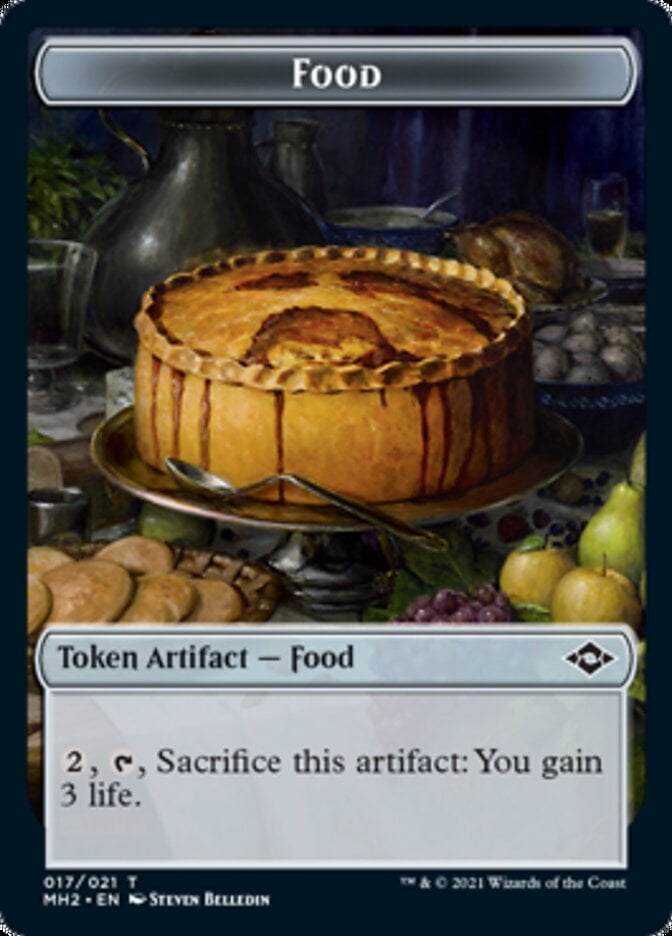
Food felt a little jokey when it debuted in Throne of Eldraine, but it fit the context of the fairy tale setting and played well enough there that it’s been experimented with a lot since then. Food was notably a core mechanic of Lord of the Rings and Bloomburrow, where the forage mechanic incorporated food artifacts into its rules.
Food allows you to pay , tap, and sacrifice the artifact to gain 3 life. It's also been used on non-tokens, though “food” remains an artifact subtype regardless of what other types accompany it. Gingerbread Brute, for example, only has one creature type (golem), and one artifact type (food).
#4. Lander

Lander tokens are Rampant Growth but without the green requirement. Four of the colors in Magic value these highly and it's not hard to see why. Mana fixing, ramp, and landfall all wrapped up into one artifact is solid, and you get all the artifact synergies you'd get from any other entry on this list.
As of mid-2026, these have only appeared in Edge of Eternities.
#3. Clues
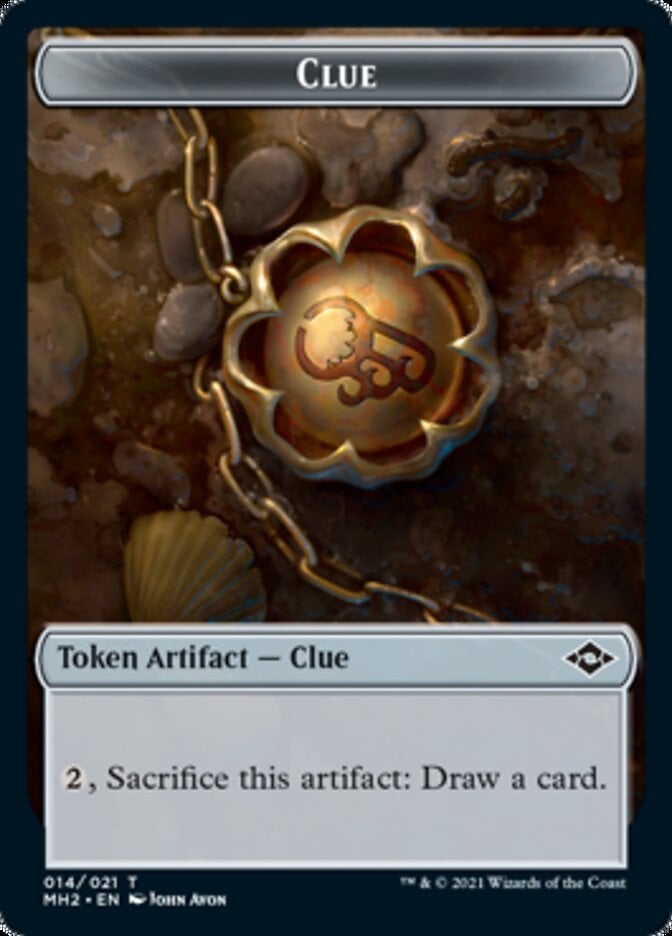
Clues are responsible for the burst in evergreen artifact tokens we’ve seen over the last 10 or so years. Cards like Thraben Inspector and Tireless Tracker were such hits that people couldn’t help but fall in love with Clues, and now we’ve expanded to the point where Draftsim even has an entire article dedicated entirely to Clue commanders!
The success of Clues wasn’t just that it gave players slow card draw, but that it could give any color card draw. It’s a huge contributor in the downfall of blue as the best card draw color. And of course, the idea of investigating and creating Clues leaves so many opportunities for flavor wins. A personal favorite is Cold Case Cracker, which tells the story of a spirit detective investigating their own death.
#2. Junk
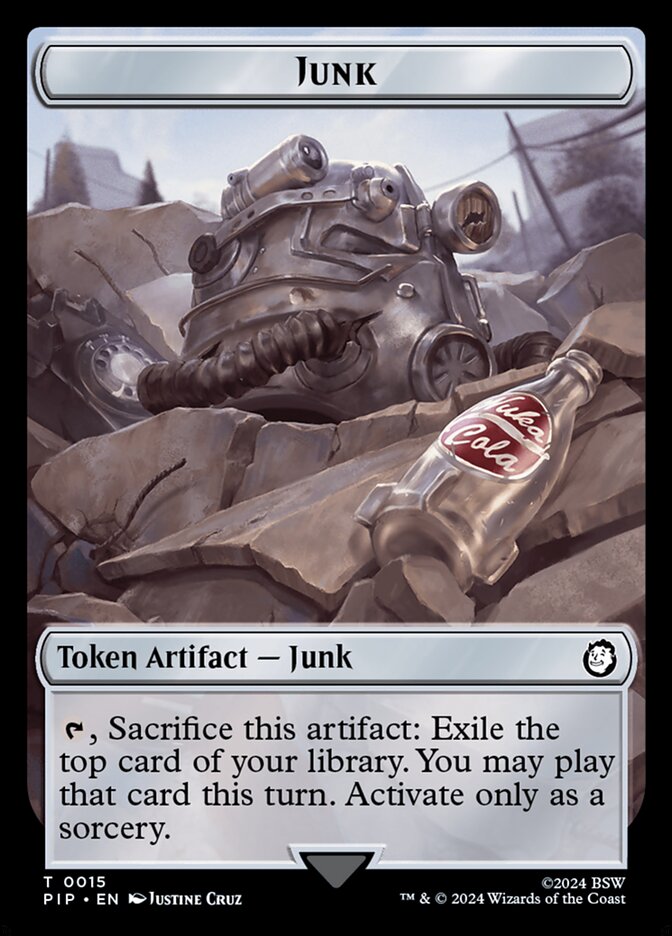
Junk is almost strictly better than a Clue token, but impulse drawing obviously has its downsides compared to actual card draw, even if it’s free. There are so many ways to benefit from casting cards from exile now that Junk has way more use than what’s written on the token. It’s essentially a temporary card draw, but all the better if you’re triggering Prosper, Tome-Bound when you crack it.
What interests me most is when and how Wizards will find a way to incorporate Junk outside of the Fallout Commander precons. It made perfect sense there, but we didn't see it in Aetherdrift, which felt like a good fit.
#1. Treasure
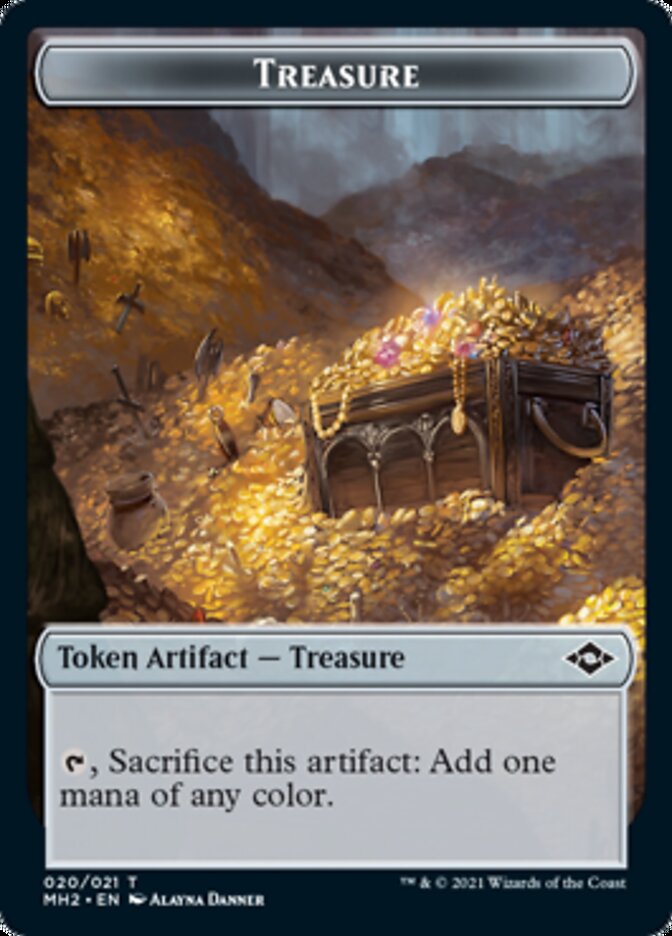
Treasure changed Magic. Commander, at least. What started off as a good, pirate-flavored idea in Ixalan got blown wildly out of proportion in later sets, Streets of New Capenna being another culprit in the Treasure extravaganza.
A single Treasure is a Lotus Petal you didn’t have to use a deck slot on, and even a lowly Lotus Petal can initiate very strong turns in Magic. Now create a bunch of cards like Smothering Tithe and Deadly Dispute and watch players go off the rails with mana generation. You know why Fable of the Mirror-Breaker is such a powerful card? It’s because the damn Goblin Shaman token makes Treasure, forcing you to deal with it on top of all the other powerful stuff that saga does.
Treasure is the most important artifact token in Magic as of right now, and we do get some sweet designs involving Treasure tokens and treasure commanders. We get things like Piggy Bank being cracked open for a Treasure when it dies, or Reckoner Bankbuster granting a Treasure when you’ve successfully robbed the bank. We also get stuff like Ragavan, Nimble Pilferer, Hullbreacher, and Smothering Tithe, which all feel like big offenders in this space.
Best Artifact Token Payoffs
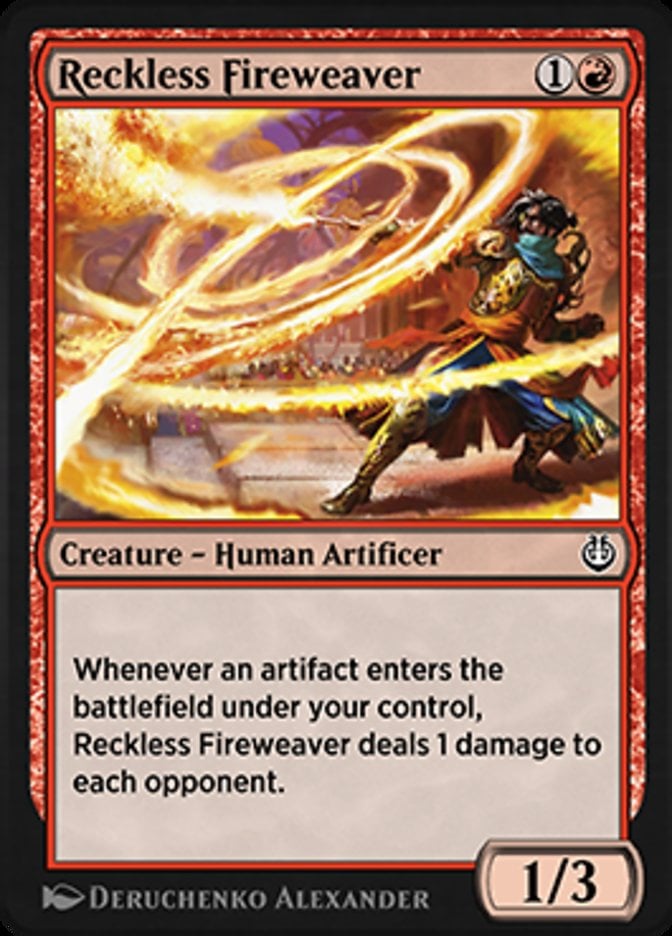
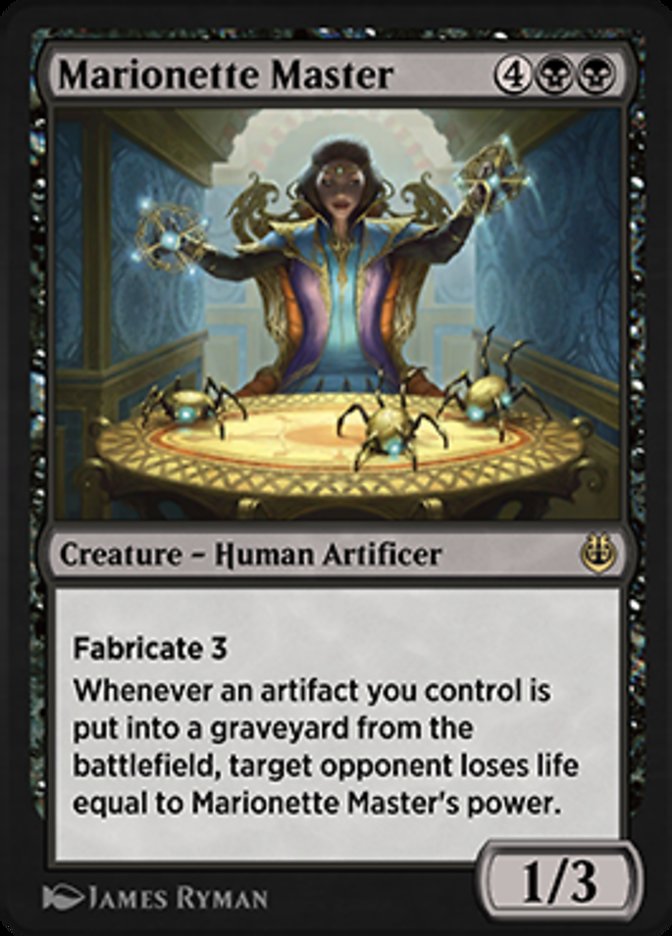
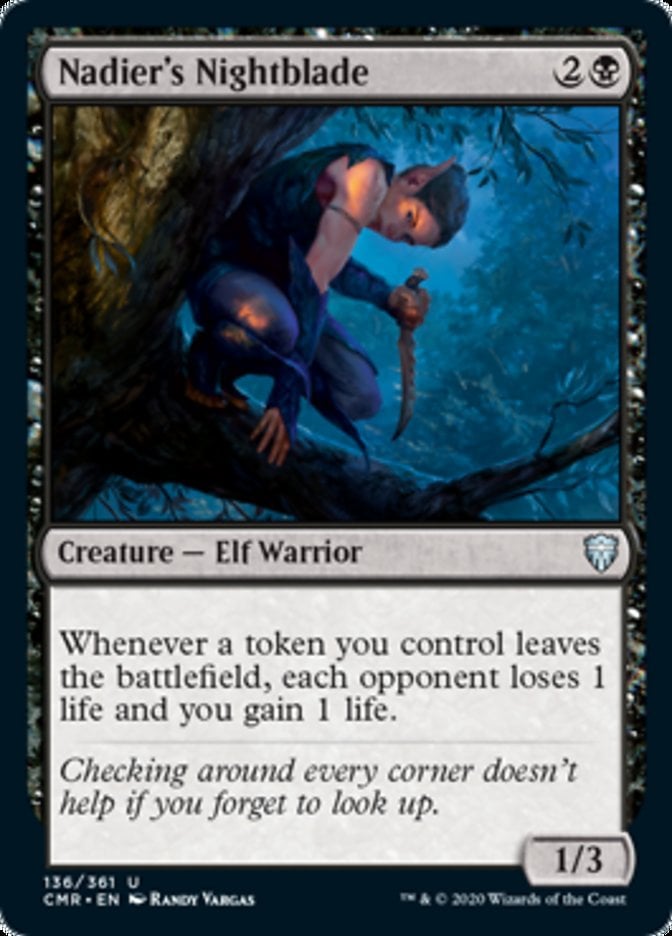
The typical payoffs for artifact tokens are cards that benefit from artifacts in general. Cards like Reckless Fireweaver, Marionette Master, or Nadier's Nightblade. The easy stuff.
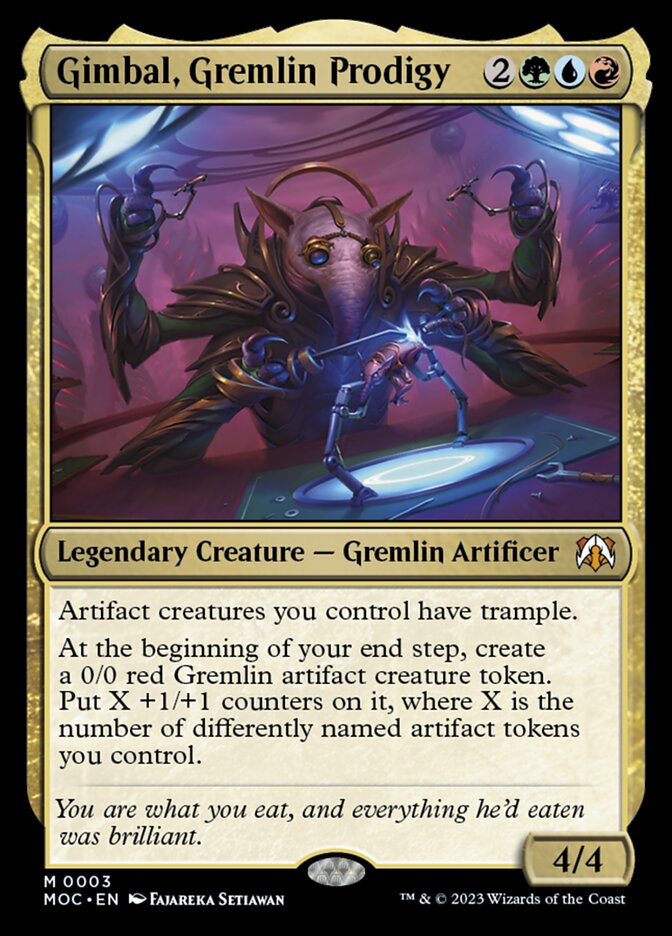

But there are some key cards that specifically interact with tokens. Gimbal, Gremlin Prodigy wants you to amass at least one of every token on this list. Sandsteppe War Riders has similar templating. Academy Manufactor creates absurd amounts of Treasure, Food, and Clues whenever you’d create just one of those.
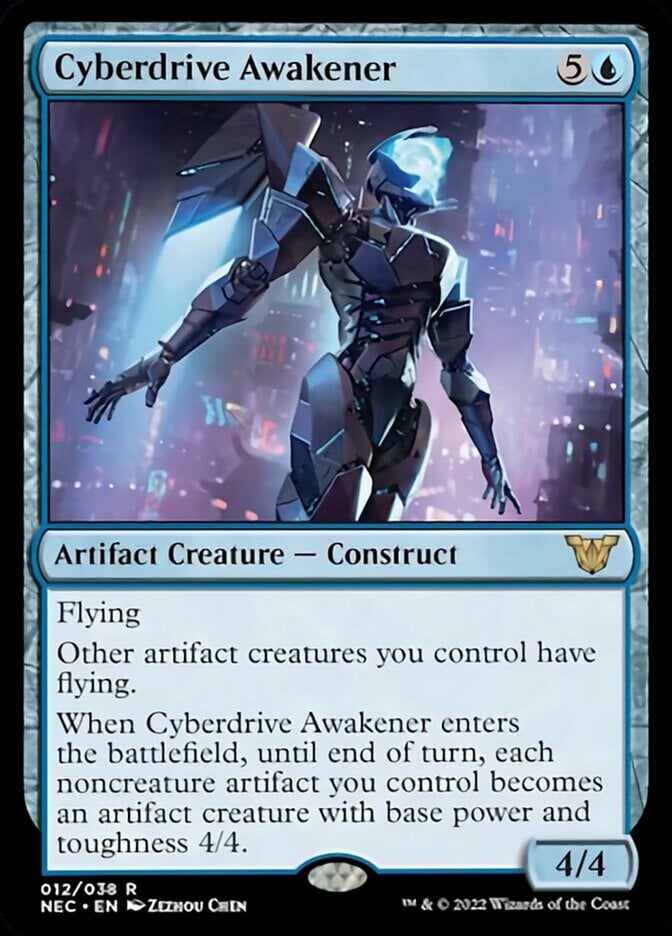
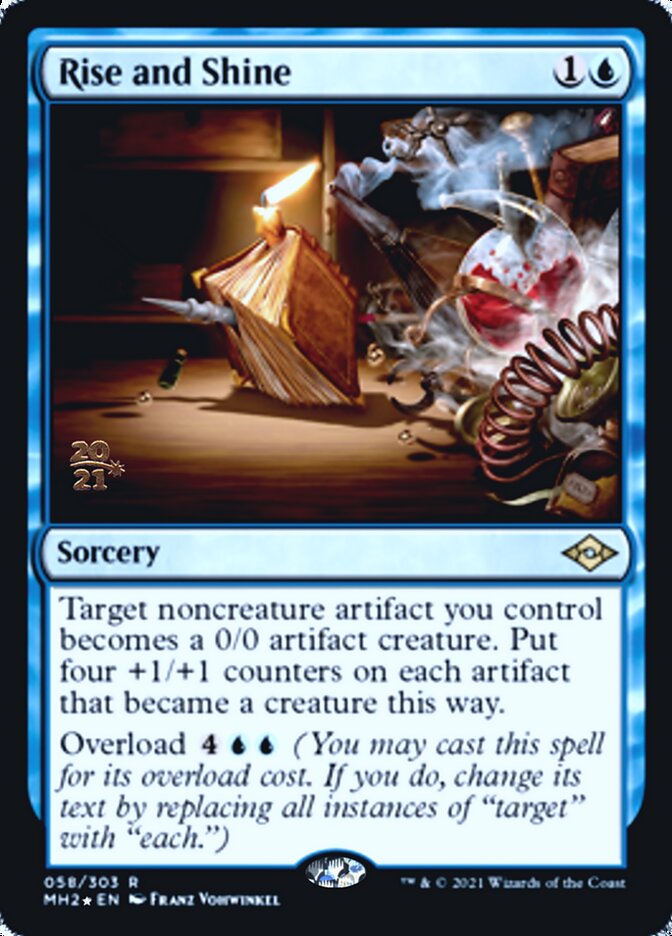
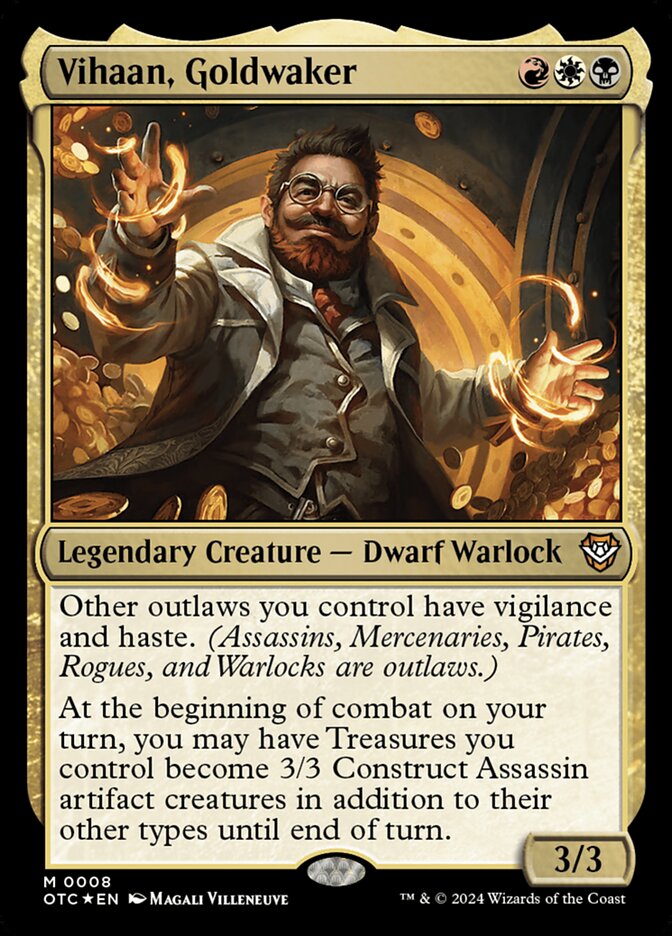
One way to exploit easy artifact token generation is through mass artifact animation via cards like Cyberdrive Awakener, Rise and Shine, and Vihaan, Goldwaker. It’s insult on injury when the Treasure’s the actual thing killing you!
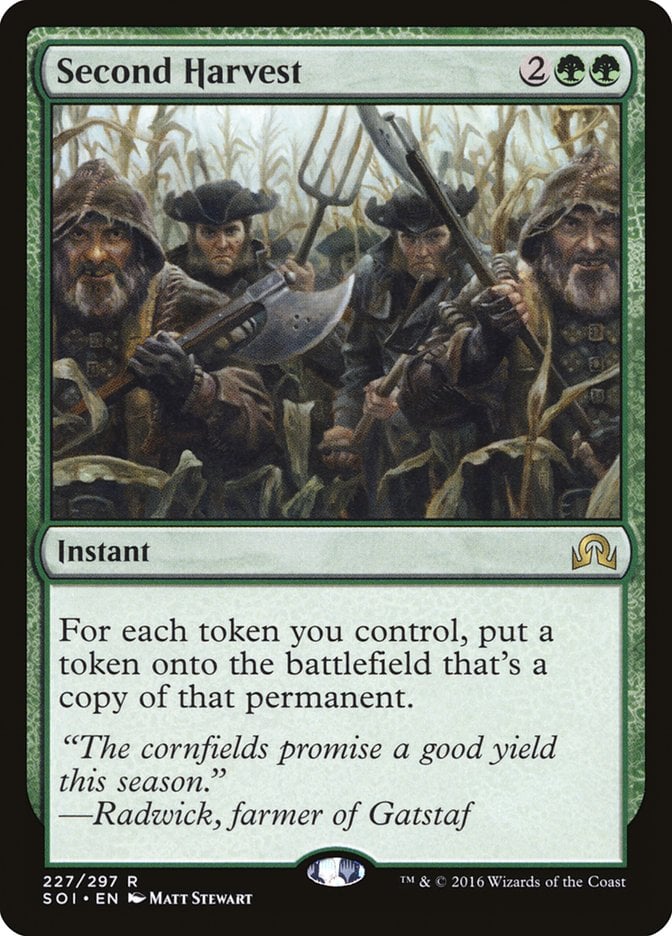
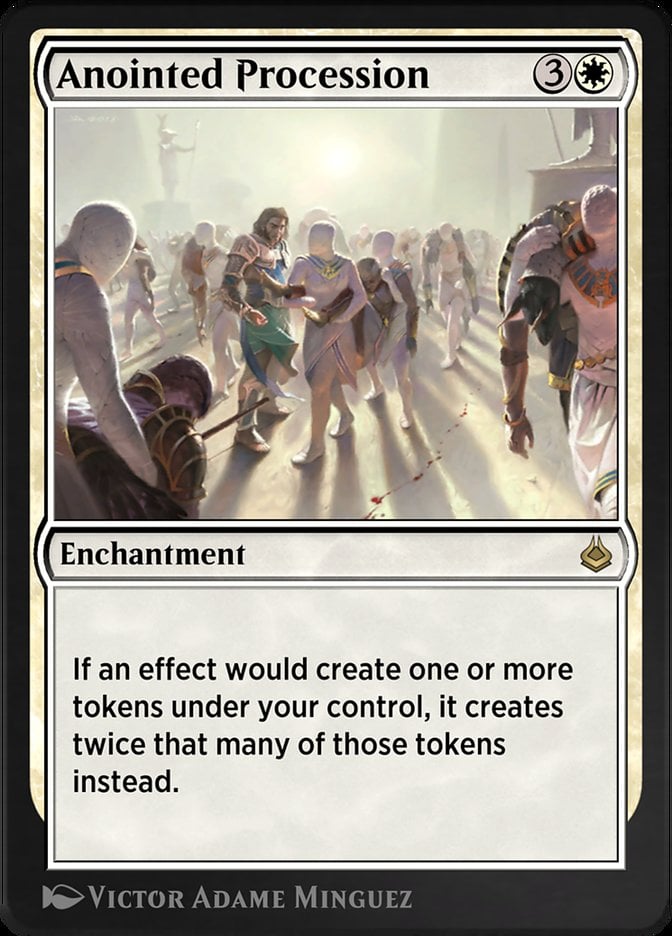

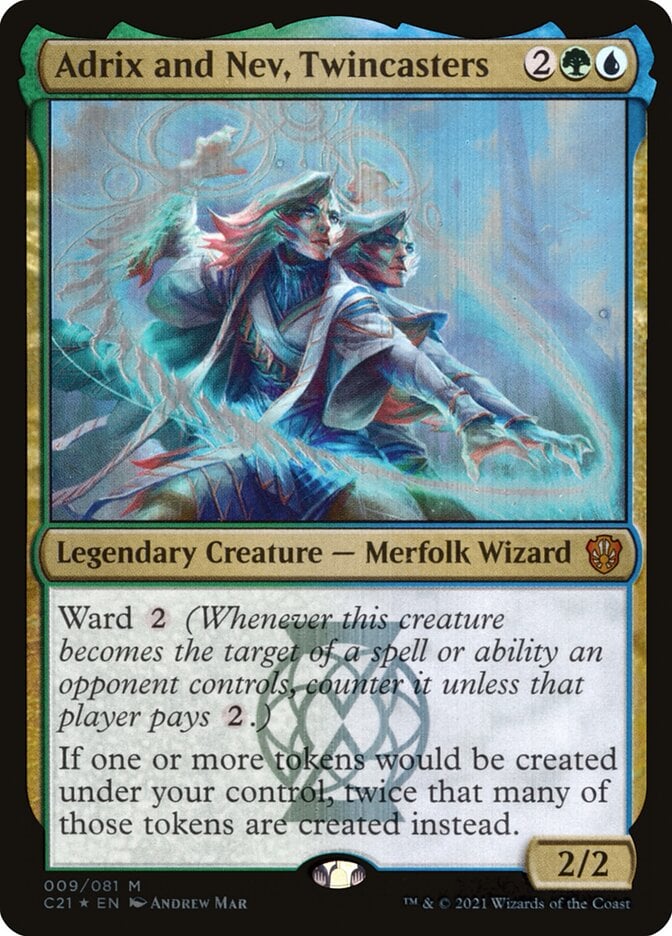


Token doublers always have their place, with cards like Second Harvest and Anointed Procession doubling your artifact token output. This is more effective with certain types of artifacts, making Karnstructs super lethal, or refunding the mana spent on the doubler with enough Treasure in play. Elspeth, Storm Slayer, Adrix and Nev, Twincasters, Donatello, the Brains, and Exalted Sunborn each give you massive benefits for creating tokens, so build them in if you can.
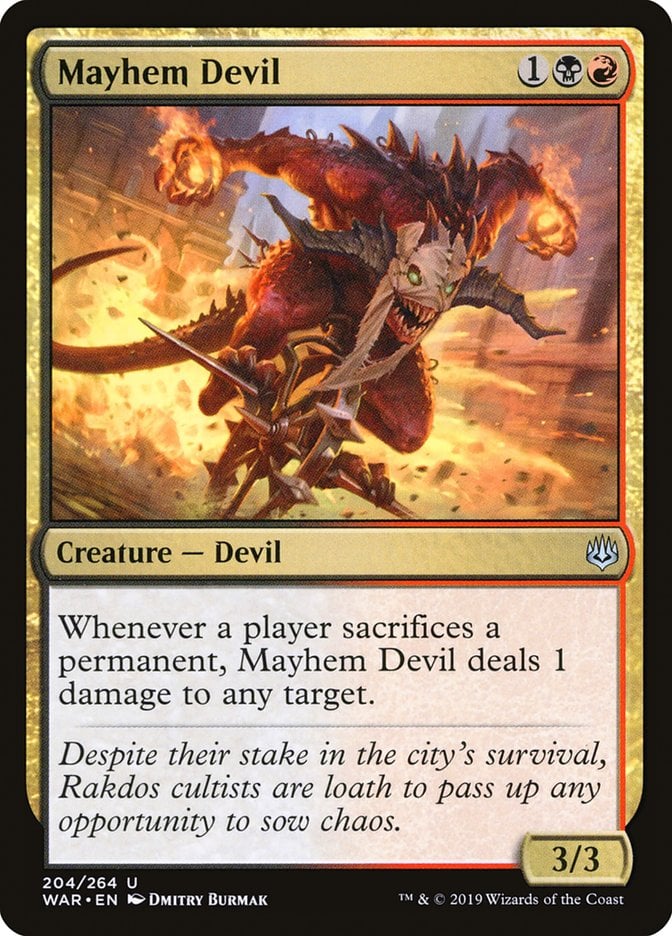

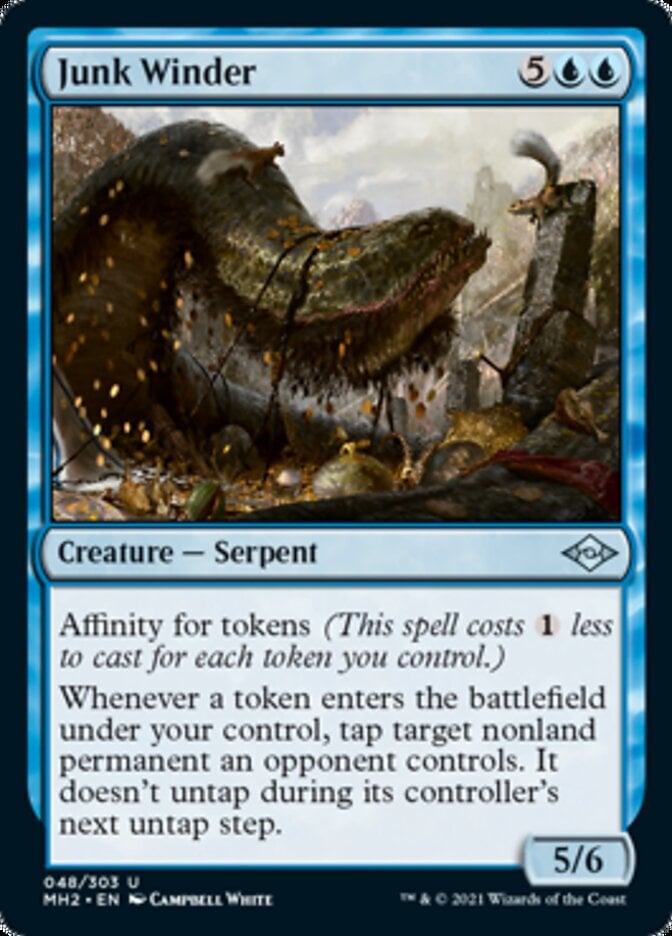
Improvise, metalcraft, and affinity for artifacts all benefit from stray trinkets you can toss out, and they make for some of the best sacrifice fodder in the game. Mayhem Devil and Marionette Apprentice love a good artifact sac outlet combined with some stray Food or Treasure. Junk Winder is a neat card that has affinity for tokens and has a great freezing effect to go along with your token-making.
Wrap Up
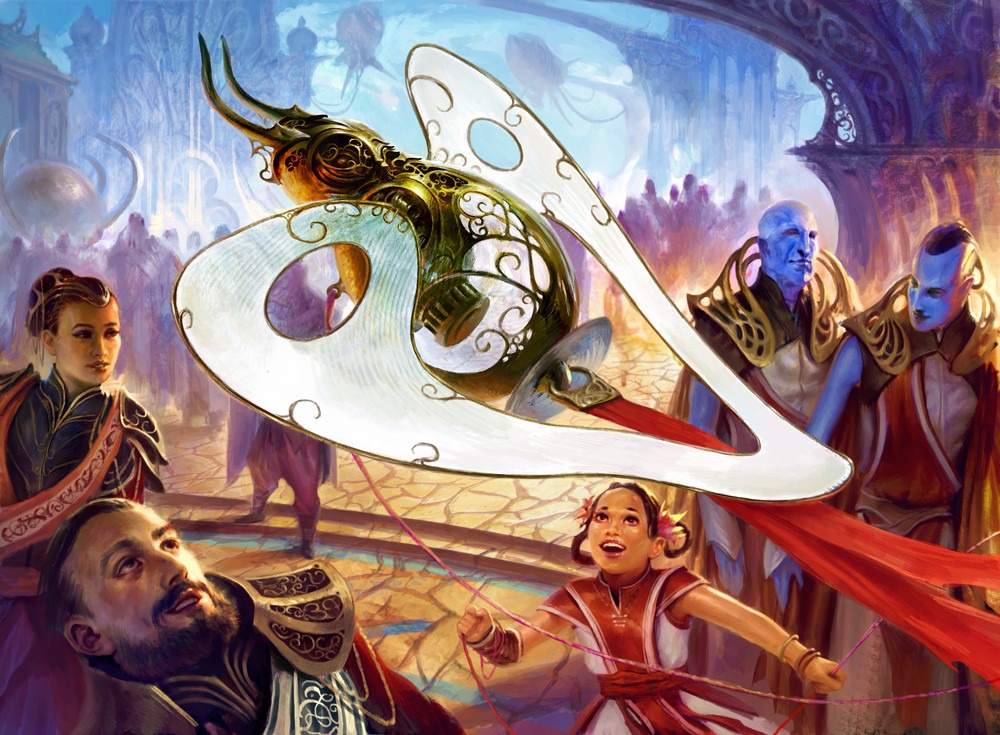
Ornithopter | Illustration by Mathias Kollros
Artifact tokens are exceptional design space. While they do add to the complexity of the game in a meaningful way, they also open up so many opportunities for interactions and strategic synergies. They also tend to be on the flavorful side, which is something all the Vorthos players out there can appreciate.
Now on to you, reader! Have a particular token you're fond of, or itching to talk about legendary artifact tokens? Let me know in the comments or over in the Draftsim Discord. And check out The Daily Upkeep newsletter to stay up to date on all the latest MTG news!
Thank you for making Draftsim your #1 stop for all things Magic!
Follow Draftsim for awesome articles and set updates:










Add Comment