
Last updated on February 12, 2026

Vorthos, Steward of Myth | Illustration by Caroline Gariba
Magic: The Gathering has a lot of nicknames for player types. Maybe you already know the big three: Timmy/Tammy, Johnny/Jenny, and Spike. But one of the friendliest labels we’ve got is Vorthos, the catch-all nickname for players who love Magic for its flavor, lore, art, and worldbuilding, not just for who can goldfish fastest.
You may have heard somebody say, “Oh, I’m such a Vorthos,” probably after bringing up some obscure bit of Magic lore.
So what does Vorthos actually mean, and where does it come from?
What Is a Vorthos Player in Magic?
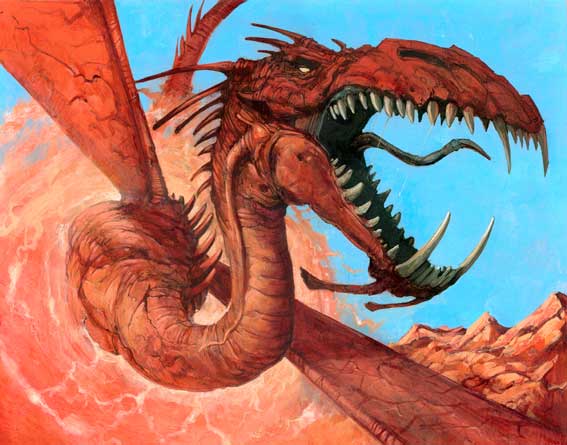
Form of the Dragon | Illustration by Carl Critchlow
By and large, Vorthos players care about Magic’s story and lore. Anything from stand-alone MTG novels, short stories, and flavor text, to wondering about the difference between a warlock and a druid, or discussing what it means for Magic’s biology that Rivaz of the Claw is no longer a viashino and is now a lizard.
Technically speaking, Vorthos is what Magic’s Head Designer Mark Rosewater calls an aesthetic profile. Specifically, Vorthos is about what you care about in Magic’s creative side.
This is in contrast with the original three player psychographics: Timmy/Tammy, Johnny/Jenny, and Spike. These describe motivation for playing; what drives you to shuffle up and play:
- Timmy/Tammy plays to have fun or feel something big.
- Johnny/Jenny plays to express themselves through clever ideas.
- Spike plays to prove something, usually by winning.
The most crucial difference between Vorthos and Timmy, Johnny, and Spike is that you don’t even have to be an active player to be Vorthos. Someone who reads Magic’s web fiction, collects cards with their favorite character, and never sleeves a deck is still very much Vorthos. That’s reflected in how players use the term: the r/mtgvorthos subreddit describes Vorthos as anyone who loves Magic’s art, worldbuilding, or stories, not just gameplay.
Of course, you can love the lore and play! In fact, according to Rosewater the original psychographics and the aesthetic profiles can overlap: Some players are Tammy Vorthos, some are Johnny Vorthos, and some are Spike Vorthos.
Another thing to consider is that Vorthos can mean slightly different things depending on who’s talking. Inside Wizards R&D, these terms started as design vocabulary; in the broader community, “Vorthos” often becomes shorthand for “the lore person”, even though lore is only one slice of the overall flavor/aesthetic umbrella.
Where Does the Name Vorthos Come From?
Food Token | Illustration by Steven Belledin
“Vorthos was first created in a flavor column written by Matt Cavotta back in 2005, ten years ago,” wrote Mark Rosewater in 2015 when he revisited the concept (which he had first written about in 2007). “At the time, I used the psychographics mostly to focus on gameplay, and Matt felt that there were many players who enjoyed flavor aspects that were not being represented. Thus, he created Vorthos.”
Back in the mid-2000s, artist and writer Matt Cavotta wrote an article called “Snack Time with Vorthos.” In it he introduced Vorthos as the name of a particular kind of Magic fan: someone who came in through the art and story rather than competitive play. The name itself was taken from his Dungeons & Dragons character; it just sounded right for this archetype.
Cavotta’s key point was that there was a whole slice of the audience that collected cards because of the art and flavor rather than competitive potential, read Magic novels and web fiction, or got excited when their favorite characters finally showed up on cards.
In Cavotta’s own words, as quoted by Rosewater in 2007, “There are a lot of Vorthoses out there. Some collect cards, but might not even play. Some have a hoot getting artists to sign their cards. Some don’t read flavor text ’til after they finish the novel in case it might spoil the ending. Vorthos understands that Magic can be fun even when you’re not playing the game.”
Mark Rosewater later picked up the term in his psychographics articles, and he clarified that Vorthos wasn’t really a “fourth psychographic” but worked on a different axis. Ever since, “Vorthos” has been a community shorthand for “the lore/art/story people”.
Vorthos vs. Mel
If Vorthos is one aesthetic profile, Mel (originally “Melvin”) is the other big one. While Mark Rosewater adopted Vorthos from Cavotta, Mel is something Rosewater came up with. He initially wrote about Mel and Vorthos in 2007, and then revisited (and largely updated!) both concepts in his 2015 follow-up.
If Vorthos is the flavor-aesthetic, Mel is the mechanics-aesthetic: They’re the player who finds beauty in structure, templating, the color pie, elegant interactions, and how a card is engineered as a game piece.
The example Rosewater uses in his original 2007 article is Form of the Dragon.

A Vorthos enjoys that you literally “become” a dragon: Your life total becomes 5, you fly over small creatures, and you breathe fire at the opponent. Whereas a Mel might admire how cleanly the rules text models that concept in red’s slice of the color pie.
Rosewater stresses quite a few times that these psychographics and aesthetic profiles are fluid and work in a spectrum. And I’m pretty sure they also depend on how a certain set resonates with you: If you love dragons, Form of the Dragon will hit you differently than if you just don’t care that much about fire-spewing lizards.
The big update that Rosewater makes in 2015 is that Vorthos and Mel aren’t opposite ends of one slider, as he envisioned them back in 2007. In Mark’s updated view, Mel and Vorthos are better understood as two different scales; that is to say, you can be high on both (you can be a Mel Tammy Vorthos, for example). A card can be a “home run” for Vorthos and for Mel when its flavor resonance and mechanical execution reinforce each other.
In other words:
- Vorthos cares about resonance. They want the name, art, type line, rules text, and flavor text to all tell the same story. They want everything to fit into Magic’s world.
- Mel cares about structure. They love when mechanics are elegant, symmetrical, and perfectly slotted into the color pie, regardless of whether the flavor is loud about it.
In a 2015 CoolStuff Inc. article that expands on the subject, Ant Tessitore summed it up as: Vorthos appreciates how things make them feel; Mel appreciates how things make them think.
Fitting Flavor Above All
Above all, a Vorthos cares whether the flavor fits together.
And “flavor” means the whole package:
- Name – Does it sound like the thing it represents?
- Art – Does the illustration actually show that moment, character, or spell?
- Types and subtypes that mesh well – Is this really a zombie knight, and not a shaggy human soldier with bad breath?
- Rules text – Does what the card does match what it’s supposed to be?
- Flavor text – Does it add to the story rather than just wink at the audience?
Even the mana cost (“Whoa, that’s a big spell!!”) and rules text can communicate flavor, so Vorthos players often care about the mechanics as storytelling.
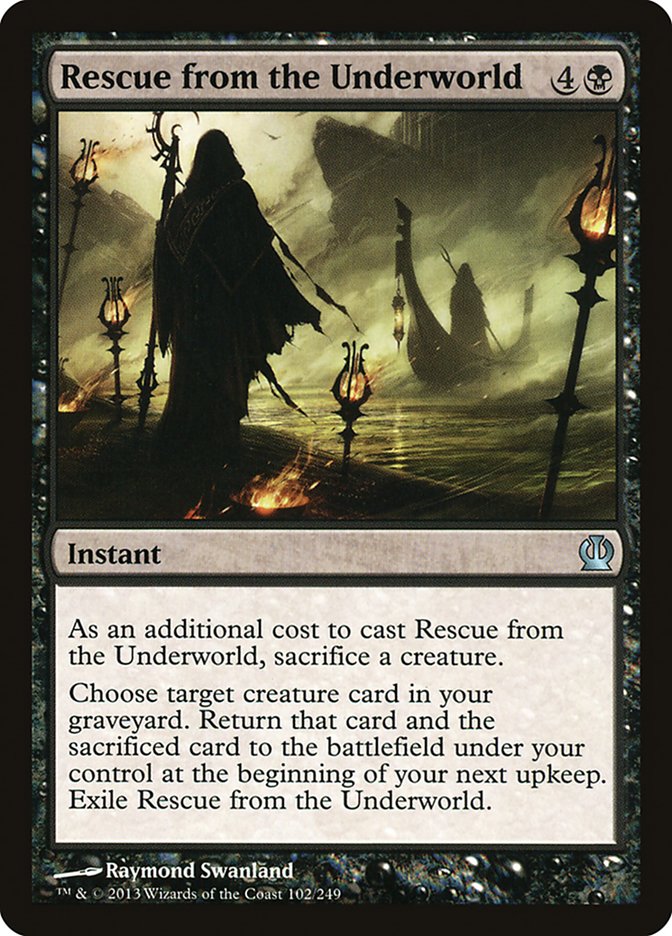
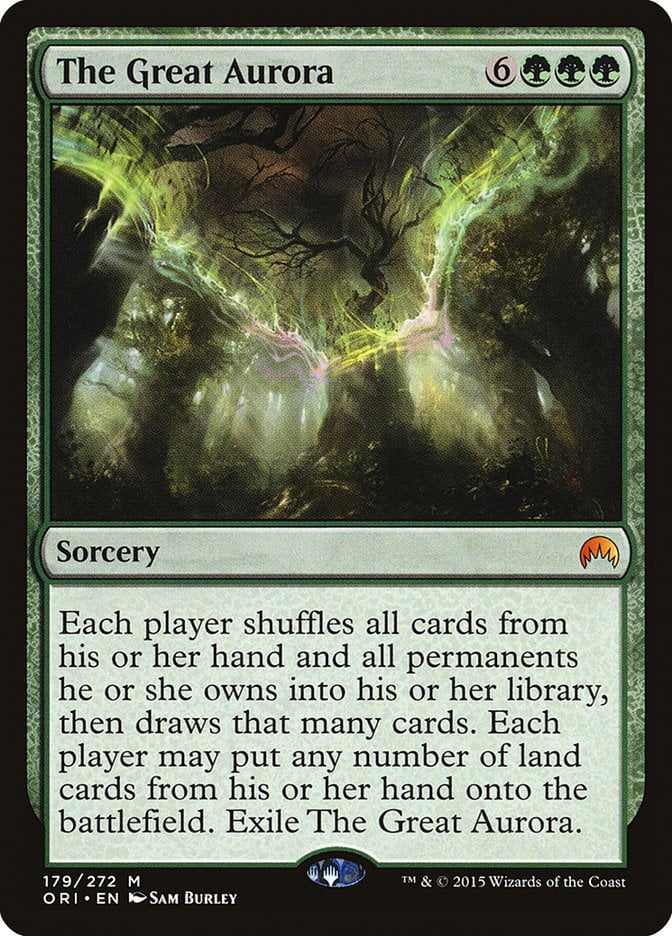
According to Mark Rosewater, Vorthos players tend to resonate with top-down designs that “feel right” even before you’ve read the rules box in detail. Among the examples he gives, Rescue from the Underworld isn’t just a reanimation spell; it’s a clear reference to Orpheus dragging Eurydice back from Hades. And The Great Aurora isn’t just a board wipe; it renews the Lorwyn plane in a way that mirrors what happens in the story.
This goes beyond individual cards. Vorthos cares whether a plane’s visual identity, mechanics, and story all reinforce each other. Innistrad plays like a horror movie. Khans of Tarkir uses mechanics and clan identities to express a world locked in conflict.
This doesn’t mean you need to read everything to be a Vorthos. The common thread is that you care that the lore exists, and above all you want the pieces to tell a cohesive story.
Scryfall for Vorthos 101: How to Search Cards by Flavor Text or Art Tags
If you’re building around a character, you eventually run into the same problem: “How do I find every card that depicts or references them?”
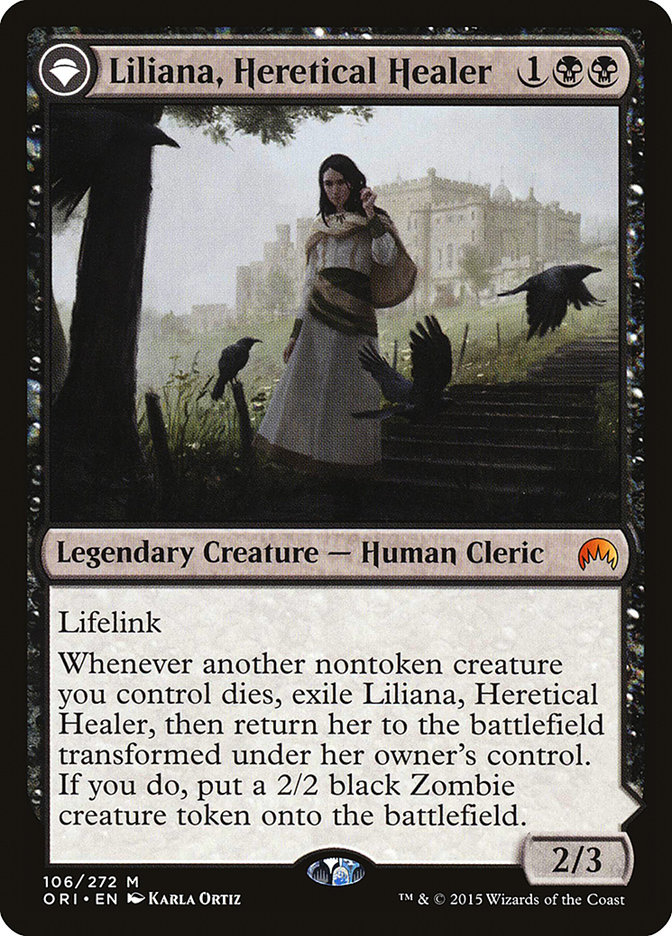
Scryfall has great tools that let you search for “Liliana” in the flavor text by using “flavor:liliana.” You probably want to also use “format:commander” to make sure it’s a card you can put in your Liliana, Heretical Healer deck. If you sort those cards by release date, you also get a quick overview of Liliana’s storyline!
One of the coolest things about Scryfall is the art tags. You can search with “art:liliana” for all the cards that have Liliana in the art.
And you can combine both searches in one list, for example: “format:commander (art:Liliana or flavor:Liliana)”. You get all the cards legal in Commander, with either an illustration or flavor text that references Liliana.
Vorthos Strives for Creative Deckbuilding
If you hang out on r/mtgvorthos or Commander forums long enough, you’ll see a pattern: Vorthos players love to build decks that tell a story. Sometimes with pretty hard constraints.
- A zombie deck that only uses creatures actually from Innistrad.
- Only a single creature type because “that’s who belongs here”.
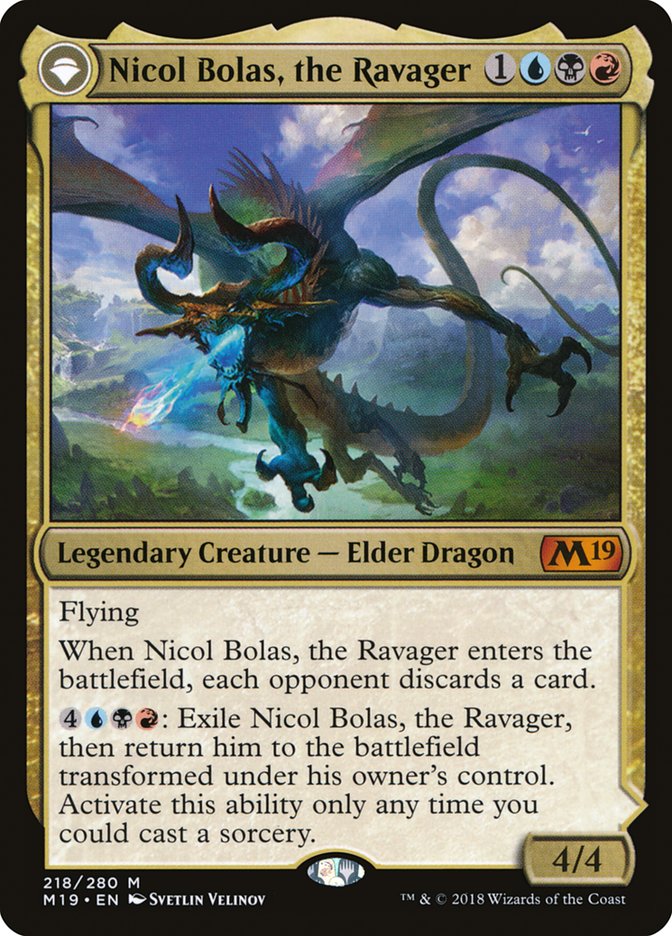
- A Nicol Bolas, the Ravager Commander deck built to reenact Bolas’s villain arc.
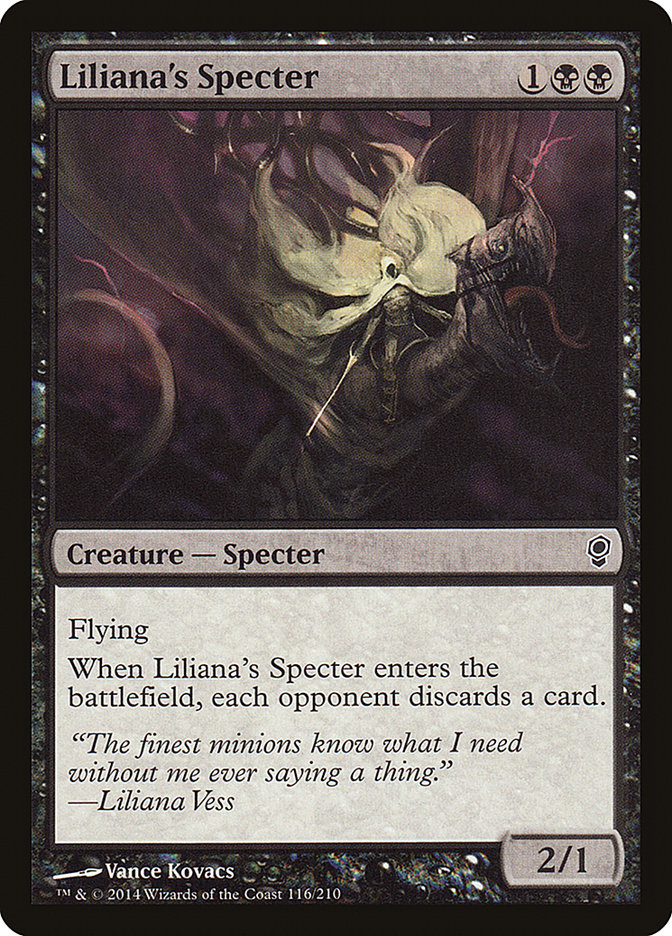
For a Vorthos, it’s more satisfying to play Liliana's Specter because it belongs in a Liliana deck than to jam some generically stronger black creature that has nothing to do with her.
Vorthos Loves Magic’s Art as a Storytelling Tool
Rosewater explicitly notes that not every Vorthos cares about every aspect of flavor: Some care most about art, others about story, others about how all parts of the card combine holistically.
Building on Rosewater’s ideas, Ant Tessitore’s “Vorthos 2015” article breaks down one of the five subtypes of Vorthos as the Artist: someone who primarily enjoys Magic through its visuals. They care about the artistic factors (composition, color, and mood in card art), but also if the art style matches the plane’s or set’s tone and mood.
In other words, Vorthos cares about art, but above all they care about the visual flavor of Magic.
Vorthos Cares About Consistency

Holy Cow | Illustration by Justyna Dura
Vorthos’s joy is often about consistency; feeling that everything fits just right. Which means Vorthos’s frustration is often about… inconsistency.
- A mechanic that technically works but doesn’t feel in-character.
- A name that’s too much of an on-the-nose pun (Holy Cow).
- An art direction choice that breaks the plane’s identity.
In a way, Vorthos players always ask themselves: “If the Magic planes were real, would this character or location look like this card says they look?” If the answer is “probably not”, then it’ll probably stick out like a sore thumb.
Vorthos Often Loves to Turn Magic into Real-World Stuff
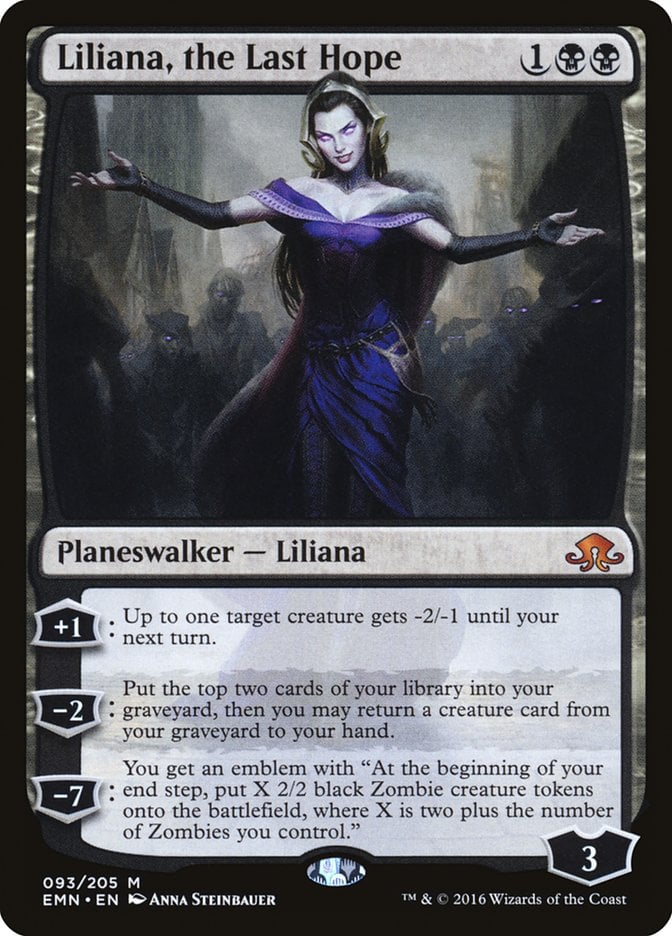
Some Vorthos players take their love for Magic’s lore very far away from their playmats.
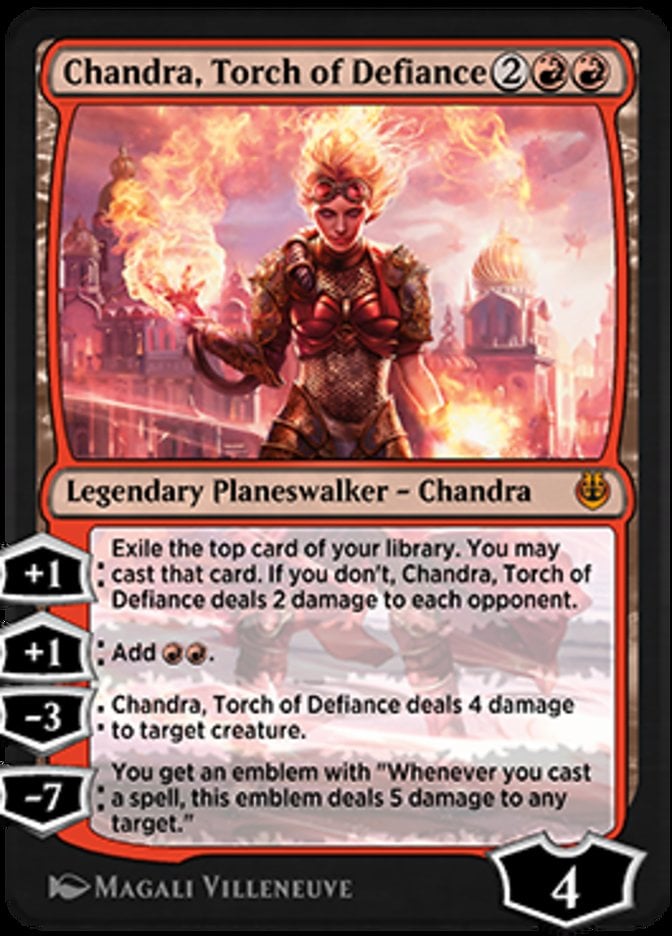
Some cosplay as Chandra, Torch of Defiance or Liliana, the Last Hope; some are into jewelry, or clothing, or even tattoos with guild symbols or set iconography; some are into music based on Magic’s multiverse.
Vorthos’ Feelings About Universes Beyond Are… Complicated

In Magic as a whole, and not just in the Vorthos community, few things are as divisive as the latest Universes Beyond trend. Even some players who would normally not consider themselves Vorthoses, and who just care about cards as gameplay pieces, may frown or snort at how The Office‘s Dwight Schrute is now playable in Magic thanks to Secret Lairs. And the topic is all the more divisive for players that do care deeply about Magic’s lore.
On one side, you have Vorthos who love other IPs. For them, the factors that make everything in a card also apply to UB cards. After all, heated discussions about which colors best fit Darth Vader, Superman, or any of our favorite movie or comic characters far predate Universes Beyond.
As a personal example, I’m a huge Lord of the Rings fan, and during the set’s reveals the character I was the most curious about was Saruman. It was clear as day, to everybody, that Sauron was going to be black, but where does Saruman fall in the color pie? He’s literally called “the White” in the books; his tower sits in a valley that you could rightly call a plain; he likes order, strict hierarchies, and huge, disciplined armies. He doesn’t feel white to me, with all his calculating trickery and mind games, but I could have given WotC the thumbs up if they wanted to match his Magic color with “the White” in his name.
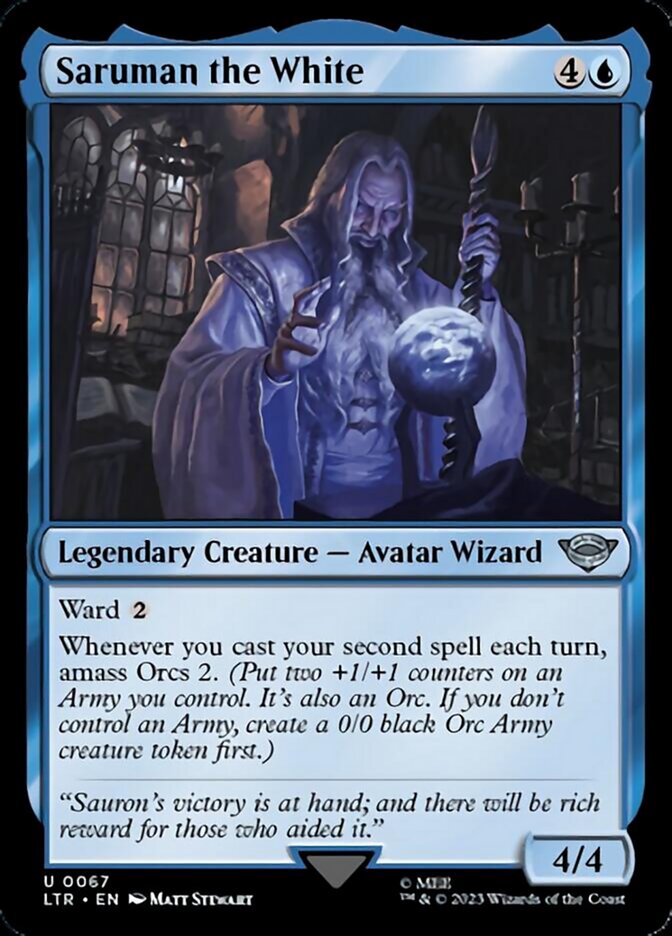
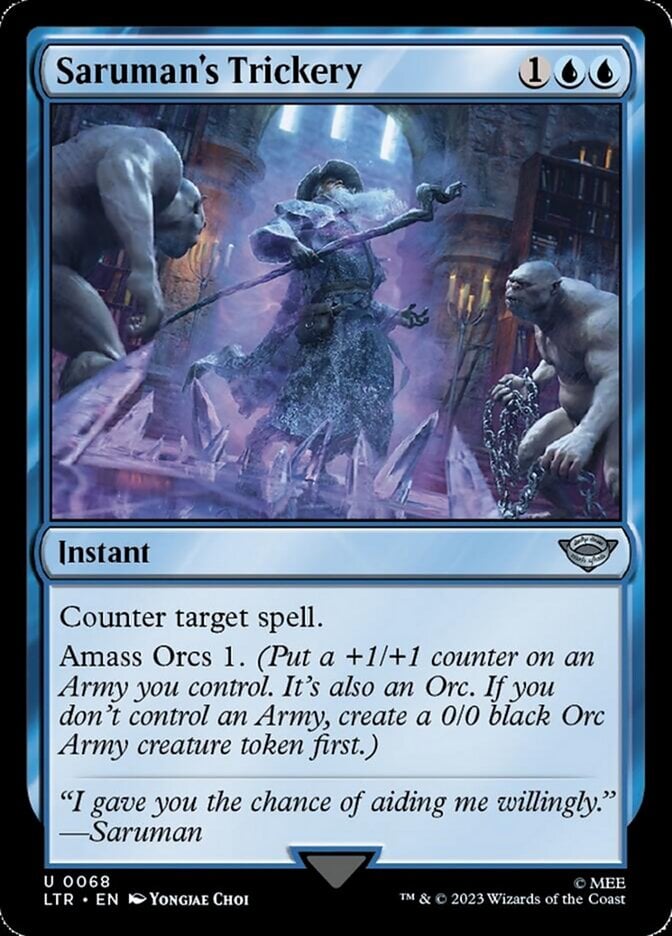
But when Wizards revealed Saruman the White as a blue card (and Saruman's Trickery as a blue instant), things just felt right to me, even when there’s a clear discrepancy between the card’s name and the card’s color.

On the other hand, some foreign IPs feel a lot less Magic-y than others. Lord of the Rings is the cornerstone of all Western fantasy, MTG included. Jodah, the Unifier kicking Nicol Bolas’s behind is 100% Magic. Gandalf doing the same is okay, since I can totally imagine Jodah and Gandalf grabbing a beer while they discuss the finer points of spellcasting. But SpongeBob SquarePants beating Bolas just feels… weird.
Even if, from the point of view of the rules, Jodah and SpongeBob are literally the same card. They just have different art. But that different art, for some players, breaks the immersion. When SpongeBob beats Bolas, you’re just playing a game. When Jodah wins the day, though, you get a bit more: You’re almost travelling to another plane.
While some Vorthos players are thrilled to build a perfectly on-theme Warhammer 40,000 Commander deck, others will have trouble accepting Spider-Man punching Elesh Norn in the face, no matter how carefully designed (and good!) the card is.
Yeah. It’s complicated.
Vorthos Is All-In on Magic’s Worldbuilding
Ant Tessitore proposes five broad sub-categories of Vorthoses, and the last is the Dreamer: the Vorthos who lives for the broader storyline. They read every web fiction, keep track of which planeswalkers are still alive, dead, or MIA, and argue about whether a given card contradicts established canon.
At the end of the day, this is probably what players at large mean when they refer to “Vorthos”, and it matches the description you see on the r/mtgvorthos subreddit:
Are you a Vorthos? Do you enjoy Magic’s art, worldbuilding, or stories? Do you like cosplays or music based on Magic’s multiverse? Do you want to play a D&D session on Ravnica? This is the place for you. Discuss the latest stories and get caught up on the relevant old ones. Wax fondly about your favourite new artist. Share your insights or ask your questions. Come join us!
Vorthos is somebody who can pretty much almost planeswalk using their imagination and love for Magic’s lore.
Example Vorthos Deck: All-In Liliana in Commander
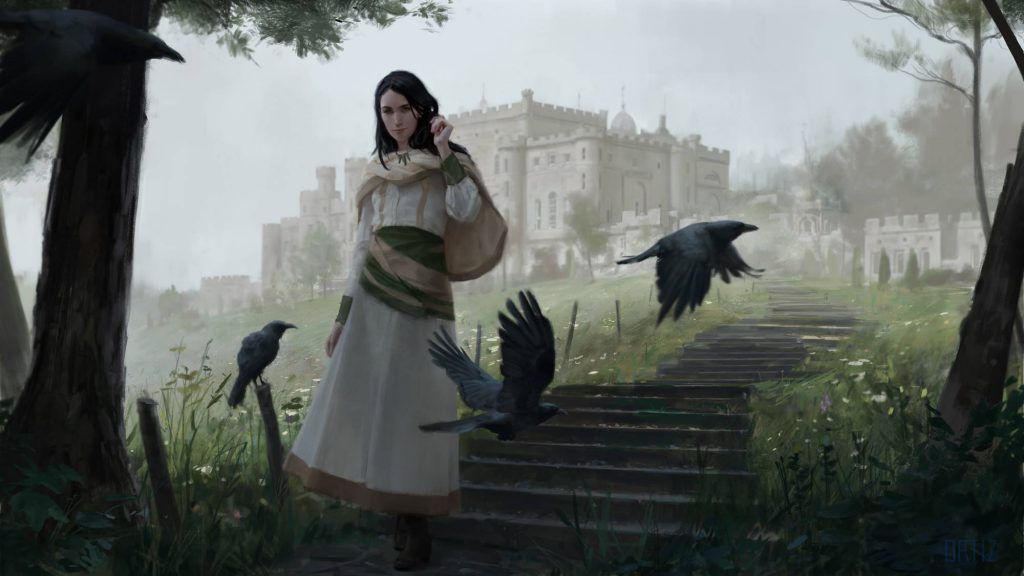
Liliana, Heretical Healer | Illustration by Karla Ortiz
Commander (1)
Planeswalkers (12)
Liliana of the Veil
Liliana, the Last Hope
Liliana of the Dark Realms
Liliana, Untouched by Death
Liliana, Waker of the Dead
Liliana Vess
Liliana, Death's Majesty
Liliana, the Necromancer
Liliana, Death Mage
Liliana, Dreadhorde General
Professor Onyx
Liliana, Death Wielder
Creatures (11)
Liliana's Steward
Desiccated Naga
Liliana's Devotee
Liliana's Elite
Liliana's Scrounger
Liliana's Standard Bearer
Arisen Gorgon
Liliana's Specter
Liliana's Reaver
Liliana's Shade
Young Necromancer
Instants (7)
Professor's Warning
Cast Down
Liliana's Triumph
Dark Dabbling
Snuff Out
Cruel Revival
Unholy Hunger
Sorceries (22)
Dark Salvation
Confront the Past
Killing Wave
Liliana's Indignation
Liliana's Defeat
Price of Betrayal
Finale of Eternity
Cemetery Recruitment
Demonic Tutor
Macabre Waltz
Liliana's Spoils
Diabolic Tutor
Settle the Score
Necromantic Summons
Rise from the Grave
Dark Petition
Final Parting
Liliana's Scorn
Command the Dreadhorde
Endless Obedience
Liliana's Influence
Rise of the Dark Realms
Enchantments (8)
Liliana's Caress
Liliana's Talent
Oath of Liliana
Tainted Remedy
Triumph of Cruelty
Demonic Pact
Liliana's Contract
Liliana's Mastery
Artifact (1)
Lands (38)
Swamp x38
Alright, enough about Vorthos. Let’s talk about Liliana!
Did you know you can build a perfectly functional mono-black Commander deck in which all cards are, or reference Liliana Vess? This masterpiece of an idea comes from u/Pokemon_Trainer_Joey, who shared it on Reddit: “Flavor text, obscure art, draft-chaff zombies — this deck has literally 100% flavor synergy.”
Liliana, Heretical Healer is the pretty obvious choice for your commander, since it’s the only Liliana card that can sit in the command zone.
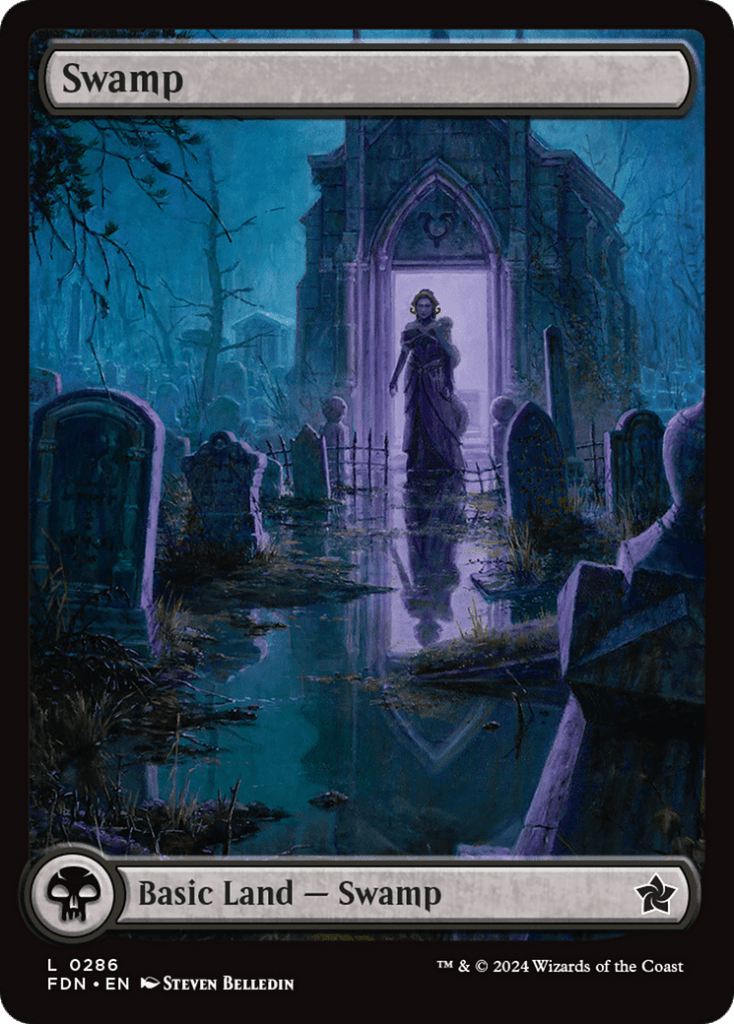
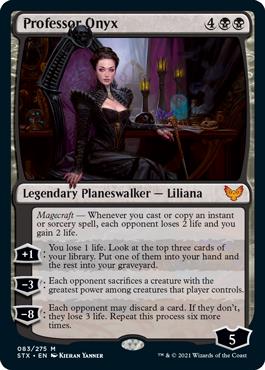
For lands, the obvious option is Liliana’s Swamp from Foundations. Then, we have all the Liliana planeswalkers, including Professor Onyx.
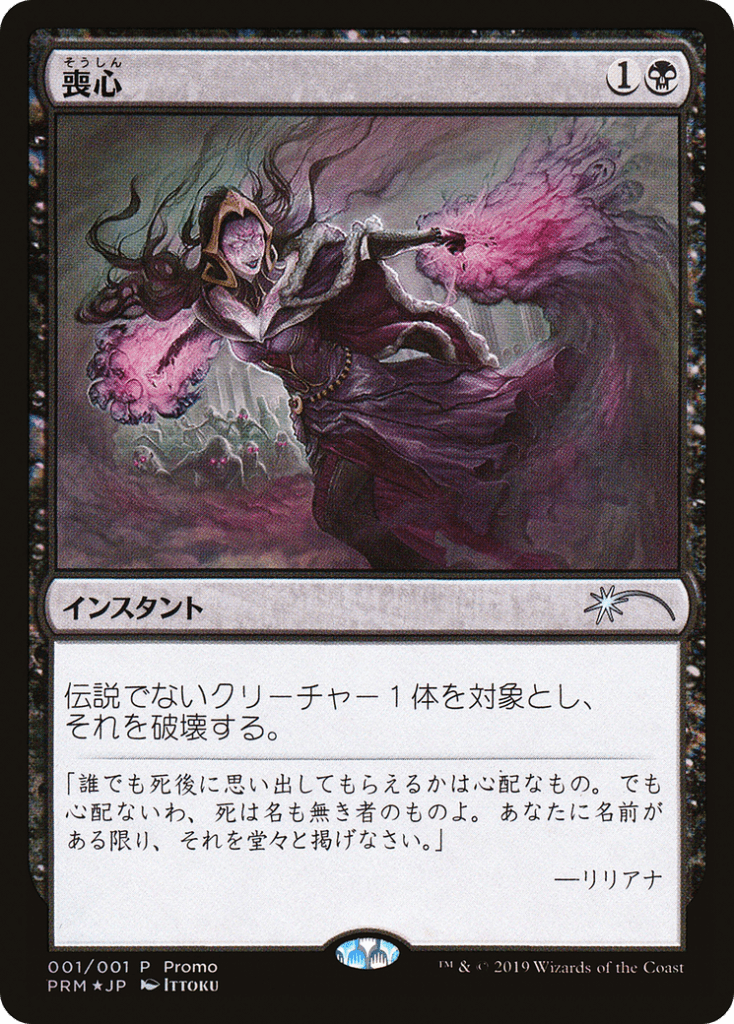
But the deck is still many cards short, so you need more cards that depict Liliana. Searching for cards with Liliana in their art requires looking at different versions of the cards… and some of them can be very hard to get. Cast Down, for example, has several reprints but only one depicts Liliana: a Japanese collaboration promo.
It goes without saying that I don’t recommend spending a fortune on exotic versions, so it’s up to you how far you want to go for the Black Mistress of Necromancy.
If you stick to cards that depict Liliana, you end up with a list of 60+ cards, swamps included. That deck pretty much builds itself. And surprisingly, it’s fairly well-balanced! It has card draw, interaction, direct damage, zombie/planeswalker synergies… I mean, there are much worse ways to build a Commander deck.
If you want to expand your options a bit, you can include cards with flavor text that references Liliana, and/or cards with Liliana in their name (like Liliana's Devotee who, let’s be real, totally deserves to be in a deck dedicated to the Mistress of Necromancy!).
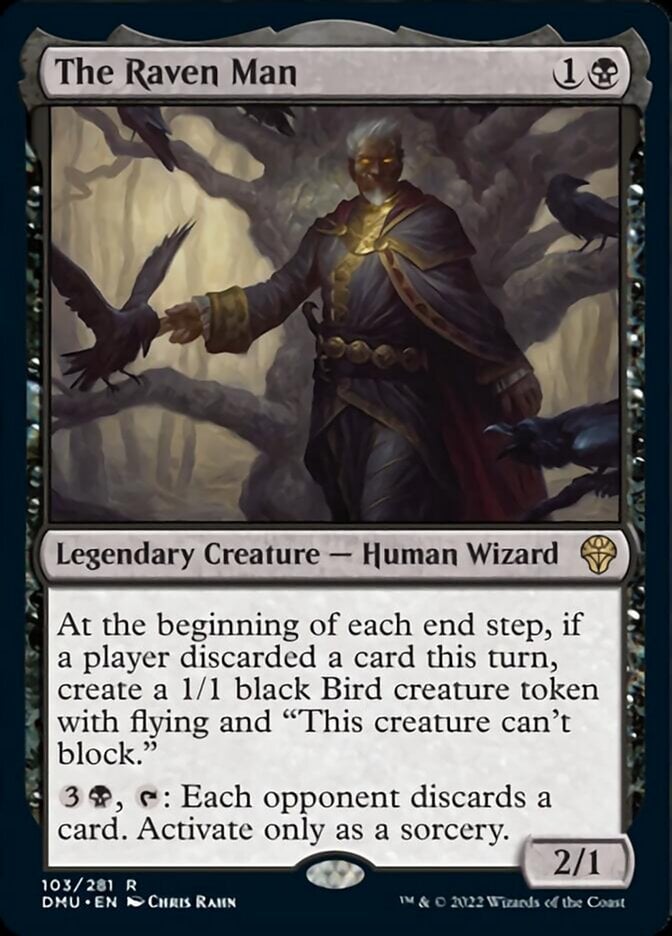
And you could even go for cards that are tied to the Liliana storyline, like The Raven Man, even if the card itself doesn’t refer to her directly in any way. This way you get several legendary creatures that can sit in your command zone. Up to you whether that “just fits”, but at the end of the day that’s the Way of the Vorthos: Only you can decide what’s consistent enough to tingle your Magic aesthetic sense.
Wrap Up
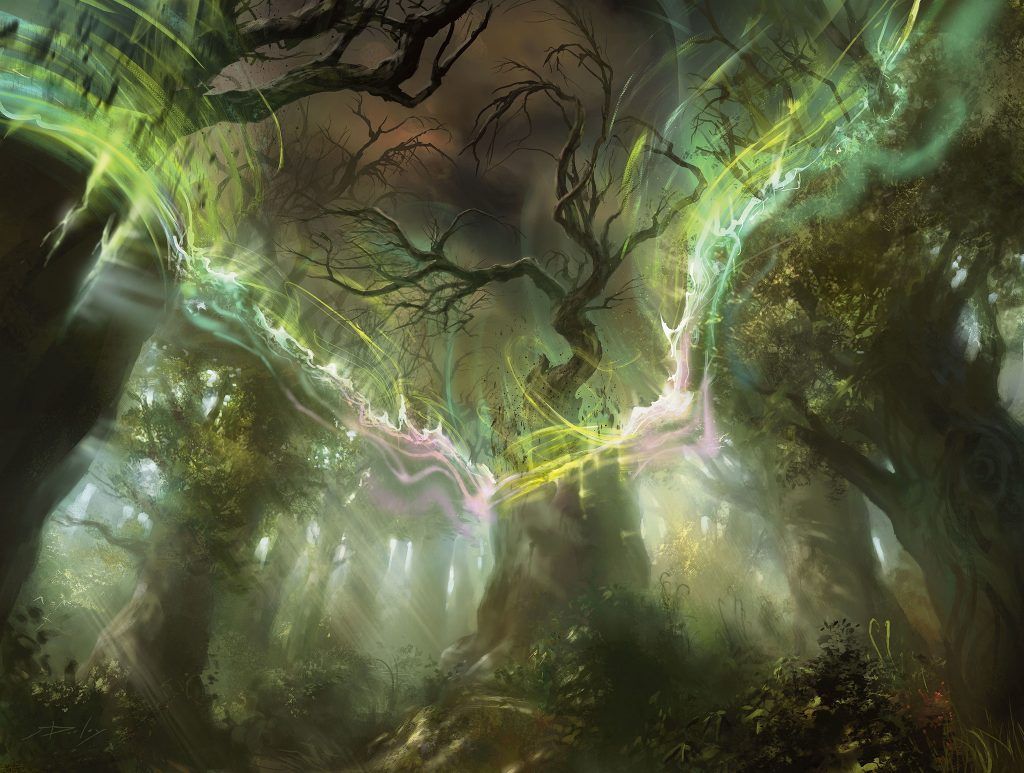
The Great Aurora | Illustration by Sam Burley
Vorthos cares whether the whole package clicks: the art direction, the card names, the worldbuilding, the vibe, and the way a card’s mechanics tell the story.
There’s no required reading list, there’s no requirement to even play the game, but above all there’s no right or wrong way to be a Vorthos player. Lore deep-dives, decks that tell a story, collecting art, cosplay… Vorthos is above all about caring enough to want Magic to feel like a world we could step into.
Are you a Vorthos player at heart? If so, which Magic characters are your favorite, and what are your pet decks? Let me know in the comments below or over in the Draftsim Discord.
Good luck out there!
Follow Draftsim for awesome articles and set updates:









Add Comment