
Last updated on September 14, 2026
Dreamtide Whale | Illustration by Ron Spears
One turn they’re here, and then poof, they’re gone!
Magic’s vanishing mechanic puts a time limit on your permanents and forces you to use time as a resource. But what makes vanishing unique, and how did it come about?
Let’s jump right in and find out before our time’s up!
How Does Vanishing Work?

Crack in Time | Illustration by Eliz Roxs
A permanent with vanishing enters the battlefield with a specified number of time counters on it. You remove a time counter on each of your upkeeps, and when the last counter is removed, you sacrifice the permanent. It’s often used as a means to give you a better-than-average card for its mana cost, but one that only sticks around temporarily.
Note that you sacrifice the permanent when you remove the last time counter, even if you didn’t remove it as a result of the vanishing trigger during your upkeep. You can expedite a permanent’s disappearance with counter-removal effects or keep them in play longer with proliferate effects.
The History of Vanishing in MTG
Vanishing appeared for the first time in Planar Chaos as a spiritual successor to the fading mechanic. Alongside suspend, it represented creatures pushing through the temporal fabric on Dominaria, time-traveling from the past of the future.
Vanishing was designed as a simpler version of fading that could interact with the broader time counter theme in the Time Spiral block. It was considered the opposite of suspend. While suspend featured cards pushing through the time-barriers on Dominaria, vanishing cards show creatures being sucked back into their own alternate reality.
Future Sight and Planar Chaos featured a collective 14 vanishing cards, mostly in blue and white. The mechanic hasn’t reappeared in a Standard-legal set since, though it has been used on various Modern Horizons cards, and it featured heavily in one of the Doctor Who Commander precons.
What Are Time Counters?
Time counters are just a way to represent a turn count in Magic. They don’t have any inherent ability, and in the case of vanishing, they’re just meant to show you how many turns are left until the permanent vanishes.
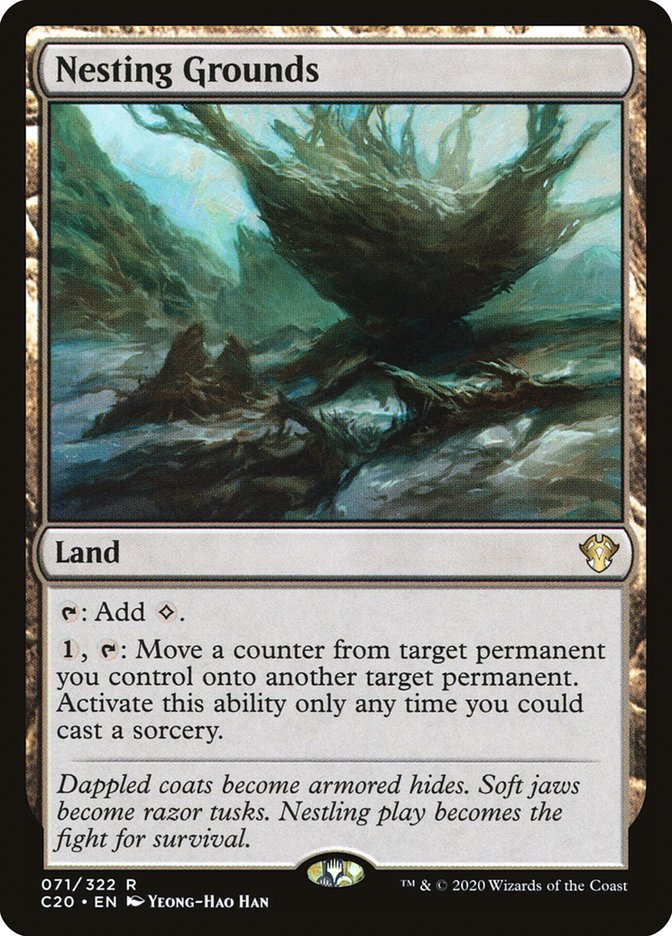
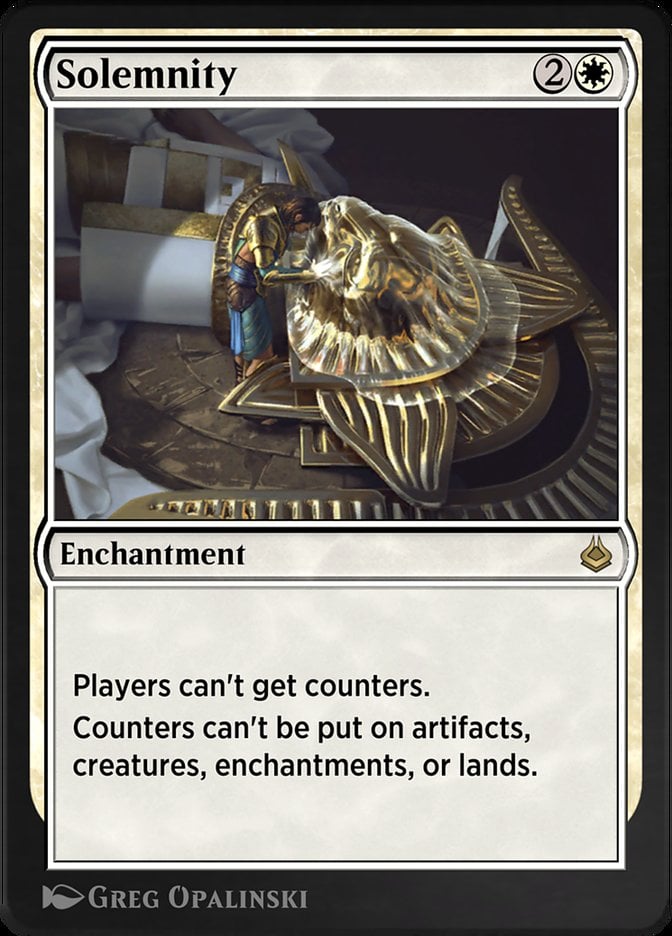
You can manipulate time counters like any other type of counter, either with counter movement effects like Nesting Grounds or proliferate effects. Cards like Solemnity might prevent you from putting time counters on a vanishing permanent at all, in which case the permanent just sticks around indefinitely since the “last counter” was never removed.
Time counters are also used for a number of other mechanics like suspend, as well as individual cards that use them to track turns. They’re not exclusive to vanishing.
Is Vanishing a Triggered Ability?
Two-thirds of the vanishing mechanic involves triggered abilities. The first part, entering with a number of time counters, is static. Once it’s on the battlefield, the second part triggers at the beginning of your upkeep, and the final effect triggers only when the last time counter is removed.
Is the Vanishing Sacrifice a Separate Triggered Ability?
Vanishing’s triggered sacrifice ability can be treated as a separate ability. It’s placed on the stack independently of the first triggered ability.
What Happens If You Counter the Sacrifice Ability?
You could counter either of the triggered abilities of a vanishing effect. Stifleing the sacrifice trigger stops the permanent from being sacrificed, keeping it on the battlefield indefinitely. The permanent won’t die since the sacrifice ability only triggers once when the last time counter is removed, and you can’t remove “the last” time counter from a permanent with no time counters.
Vanishing vs. Fading
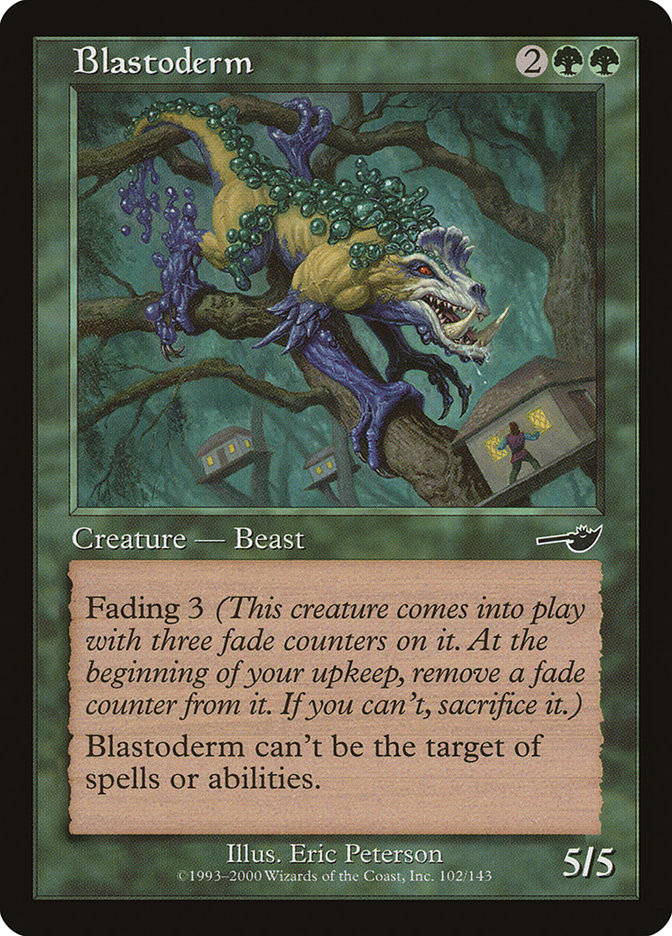
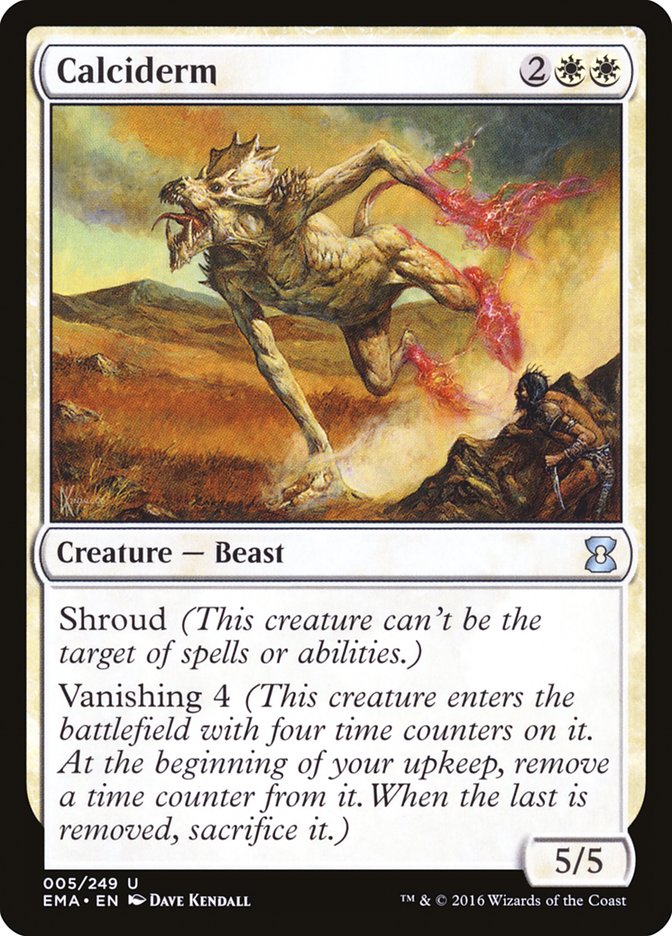
Vanishing works similarly to fading with some key differences. First and foremost, vanishing uses time counters as opposed to fade counters. This allows interaction with more counter-manipulation cards, as well as the time-specific cards from Time Spiral.
Second, fading cards are sacrificed differently, when you can’t remove a time counter from them instead of when the last one is removed on a card with vanishing. This means that the ability still triggers on your next upkeep, even if you counter the fading sacrifice ability, while vanishing only triggers once.
How Does Vanishing Work with Undying?
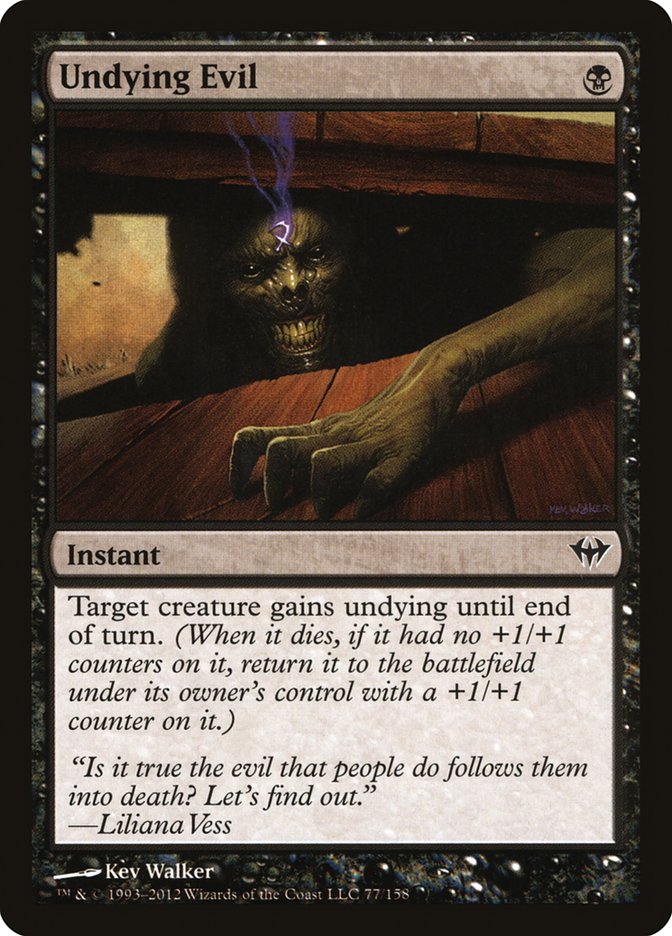
If a creature with vanishing gains undying (maybe via Undying Evil), then it returns to the battlefield with a full set of time counters and a +1/+1 counter when it dies. The vanishing ability doesn’t allow you to remove the +1/+1 counter, and the +1/+1 counter prevents it from making use of undying a second time.
What if Something has Vanishing More Than Once?
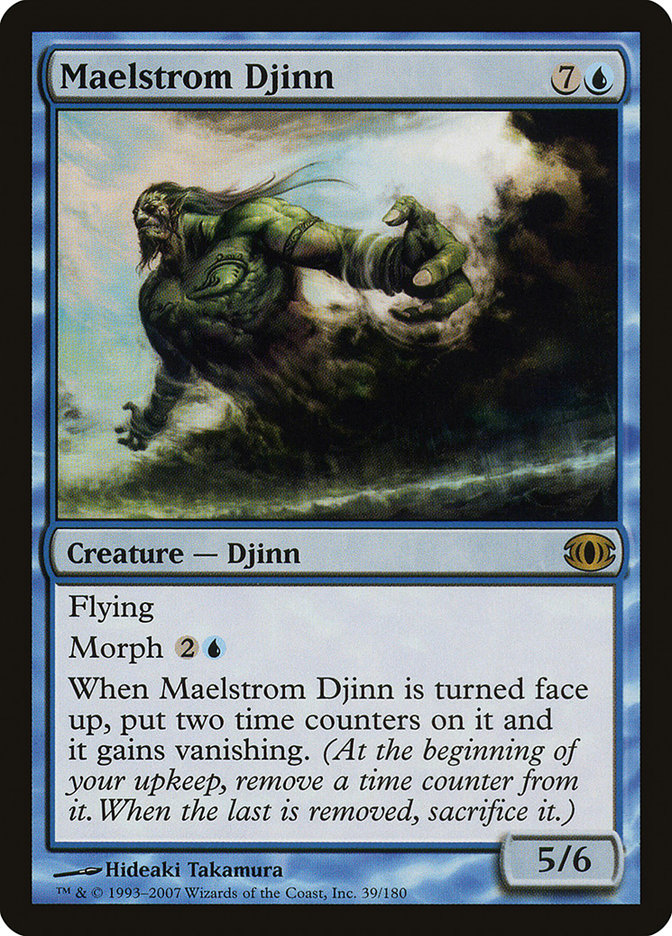
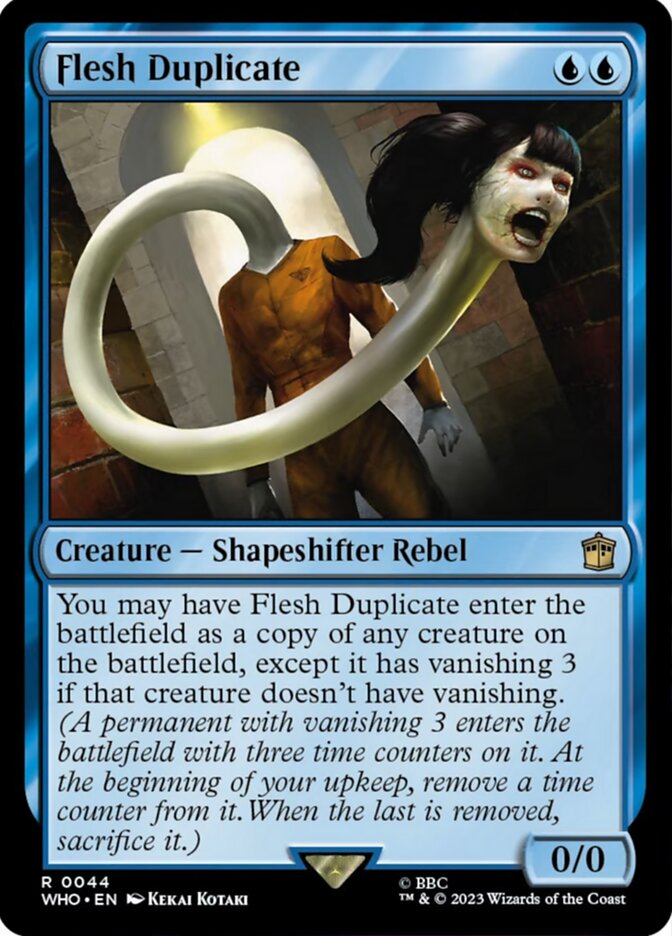
Multiple instances of vanishing trigger separately, and each resolution removes a time counter from the permanent in question. If either trigger results in the last time counter being removed, you sacrifice the permanent like normal.
This is only achievable with convoluted lines involving cards like Maelstrom Djinn and Flesh Duplicate, so it’s very rare that a permanent would end up with two instances of vanishing.
Is Vanishing an Aura?
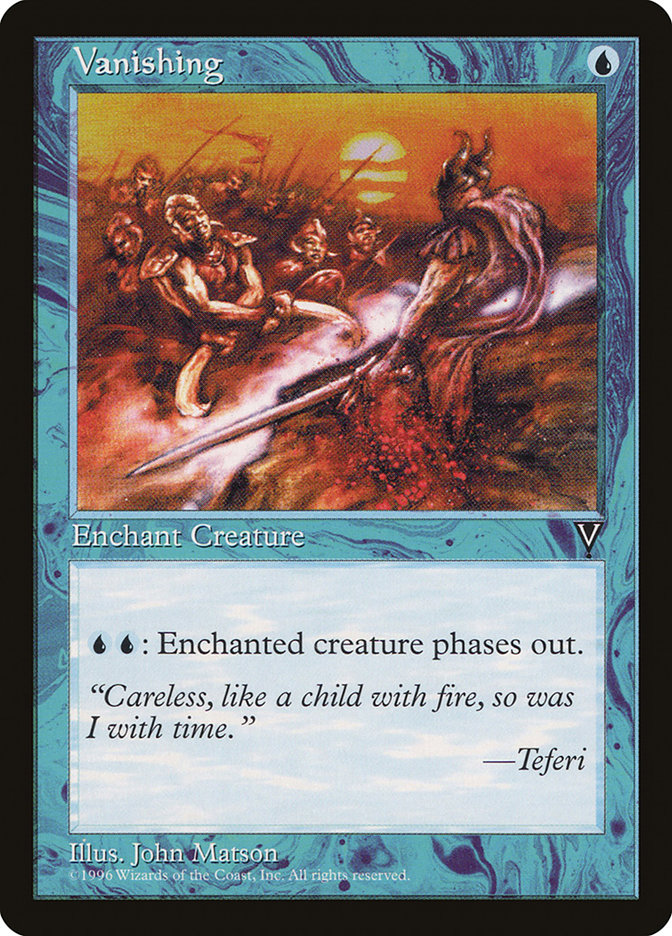
All right wise guy, technically, yes, Vanishing is an aura. It’s not related to the vanishing mechanic unless you plan on using the phase out ability to skip the sacrifice effect on your vanishing permanent.
Gallery and List of Vanishing Cards
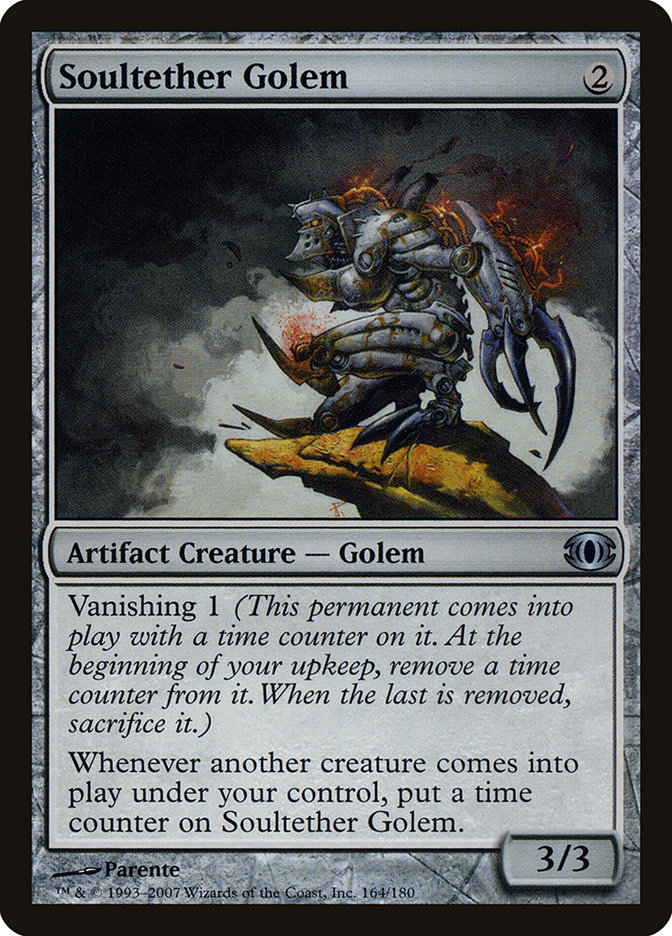

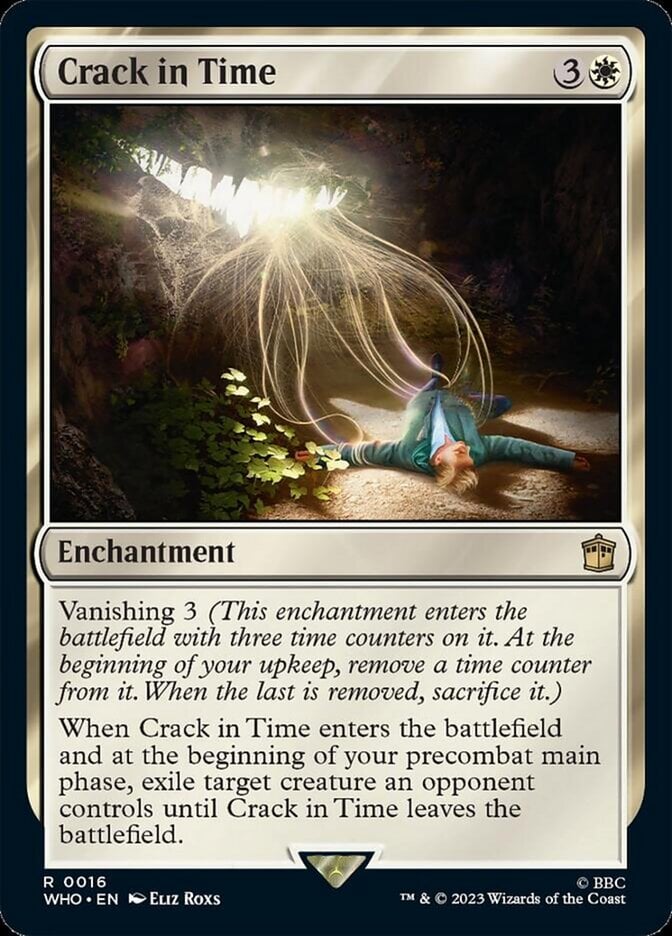
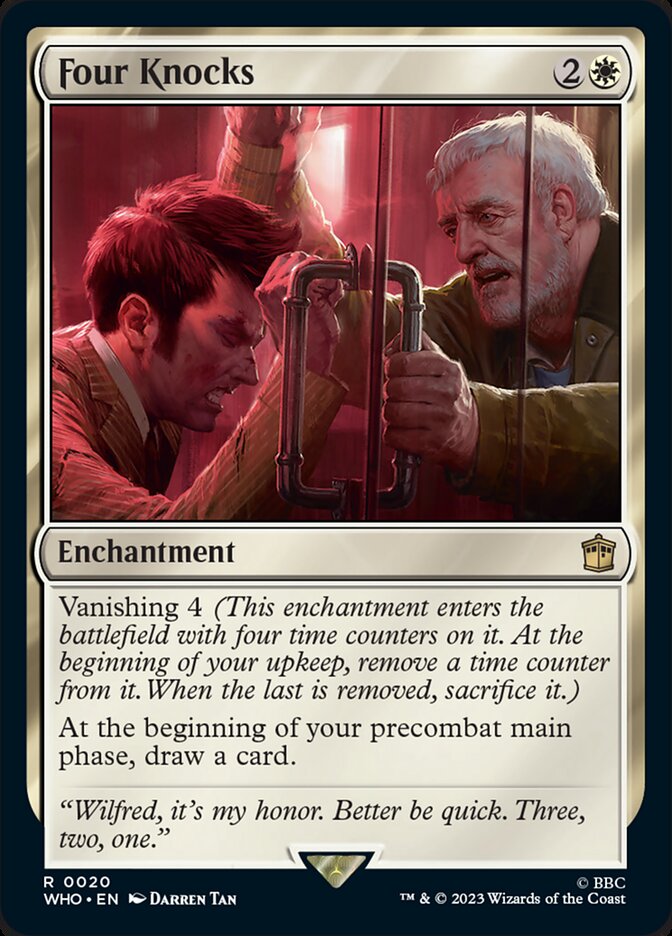
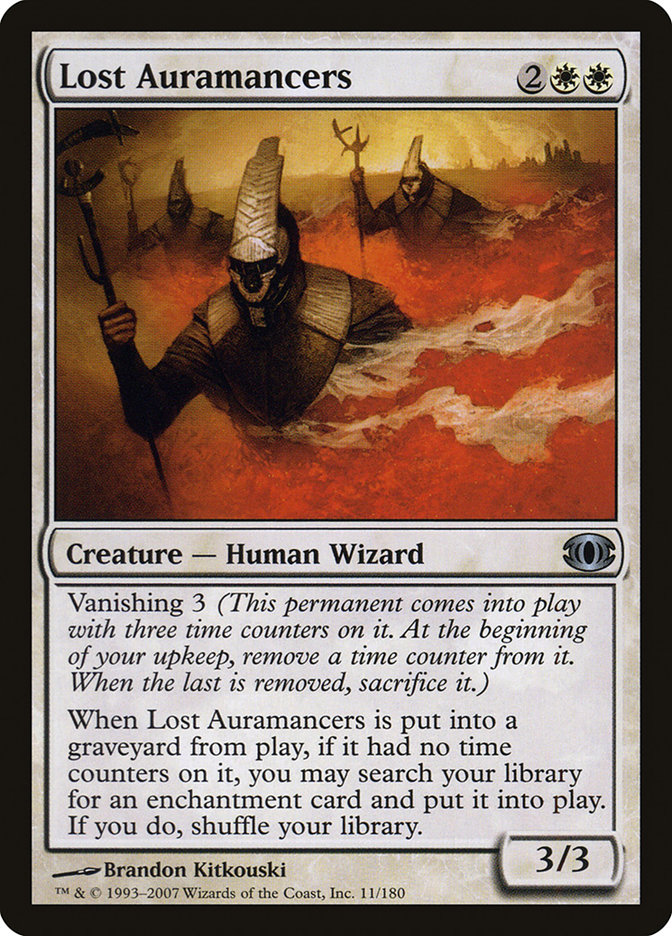
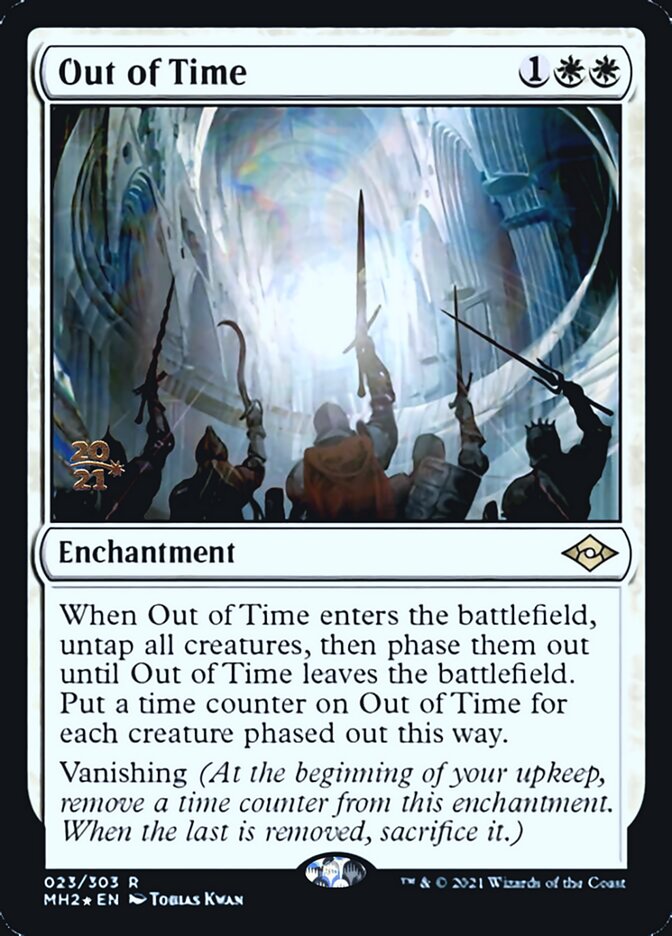
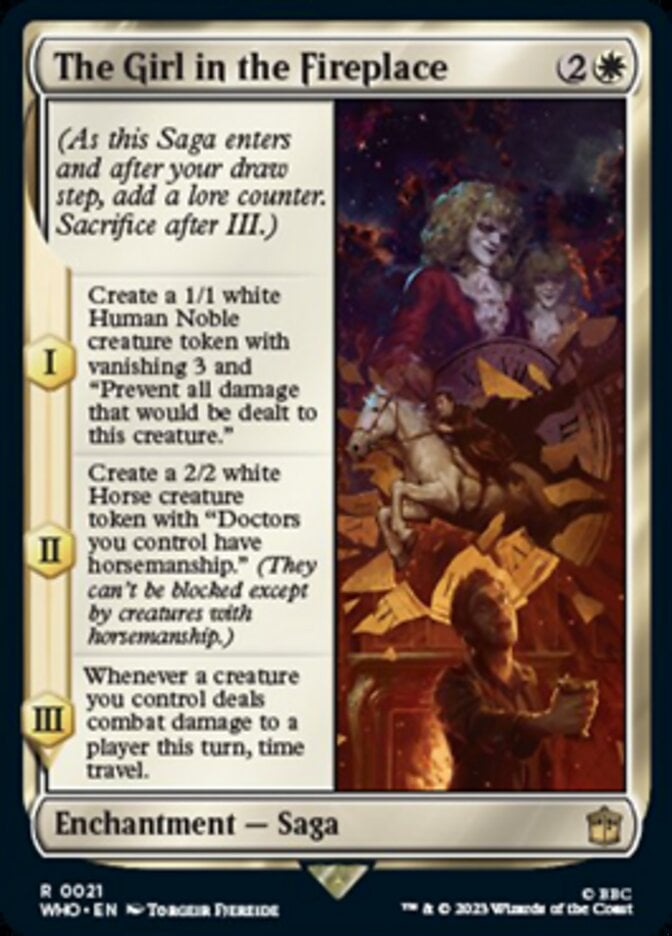
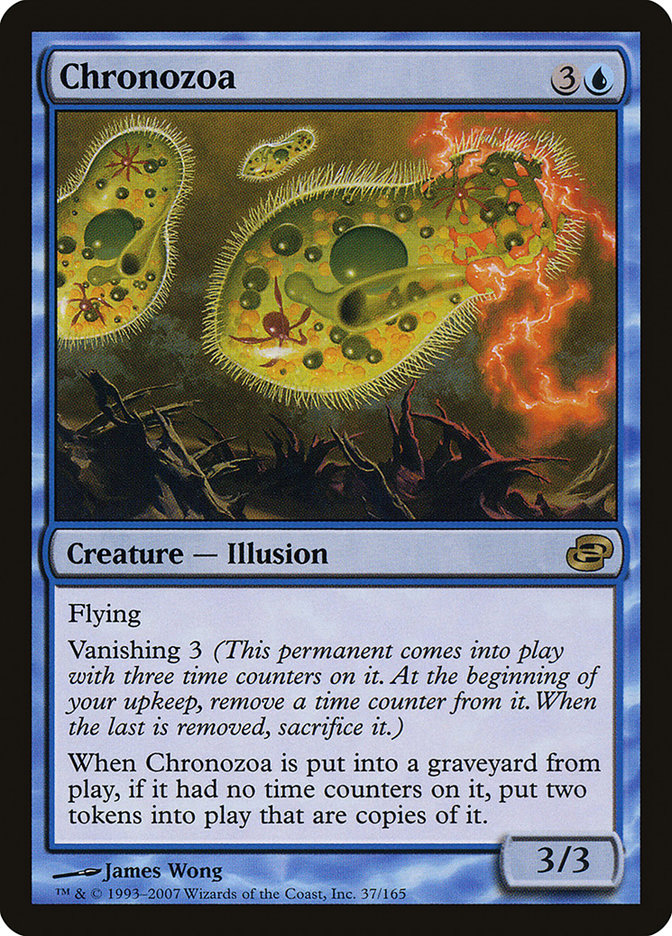

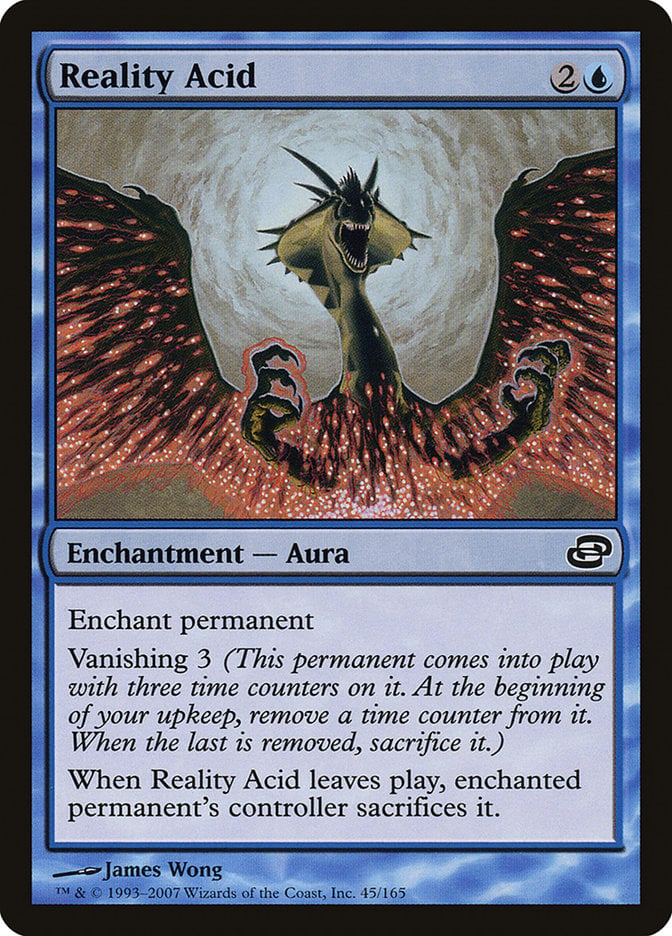
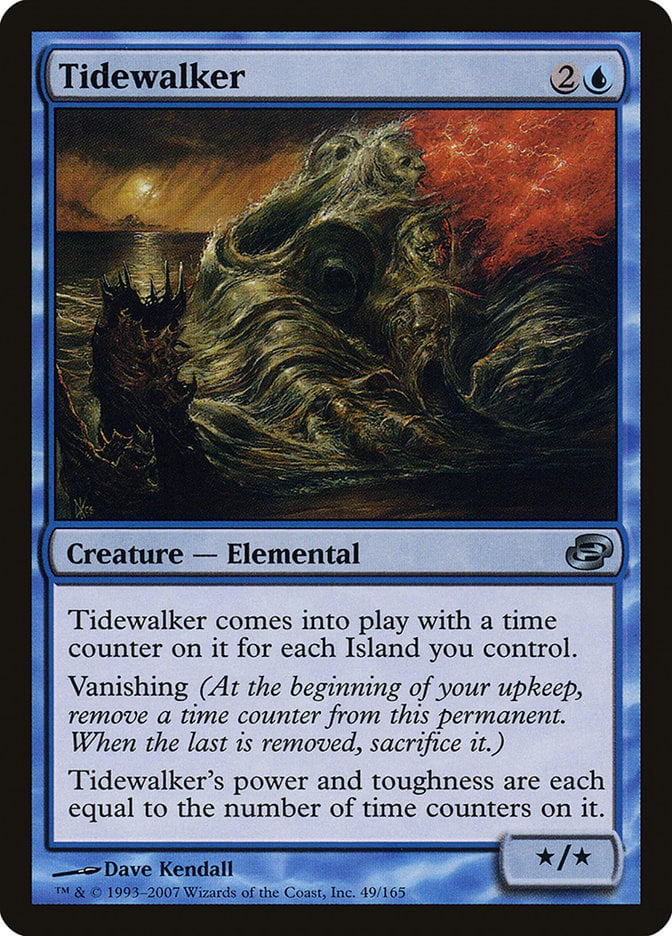
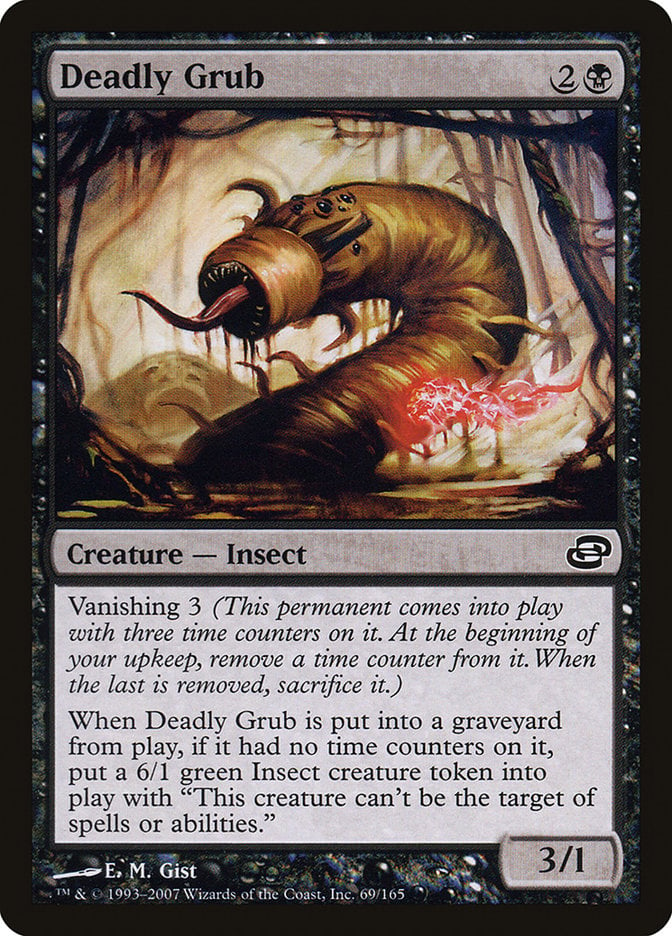
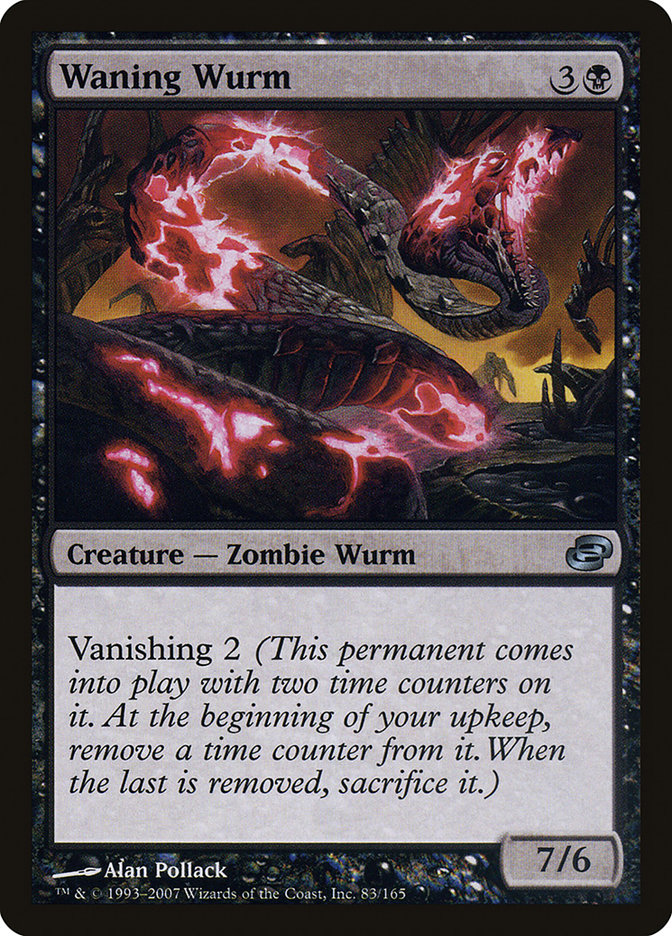
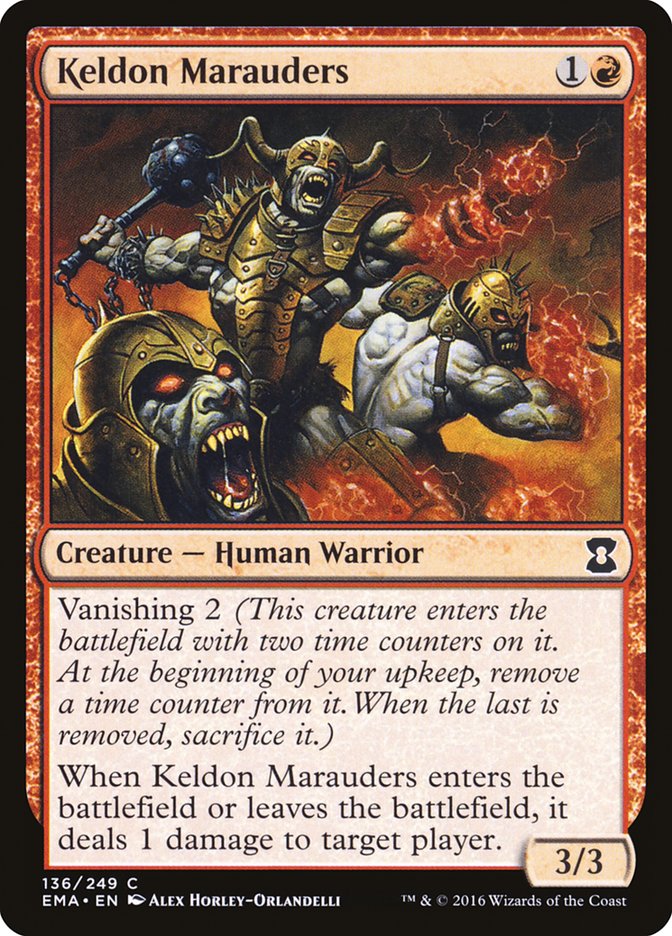
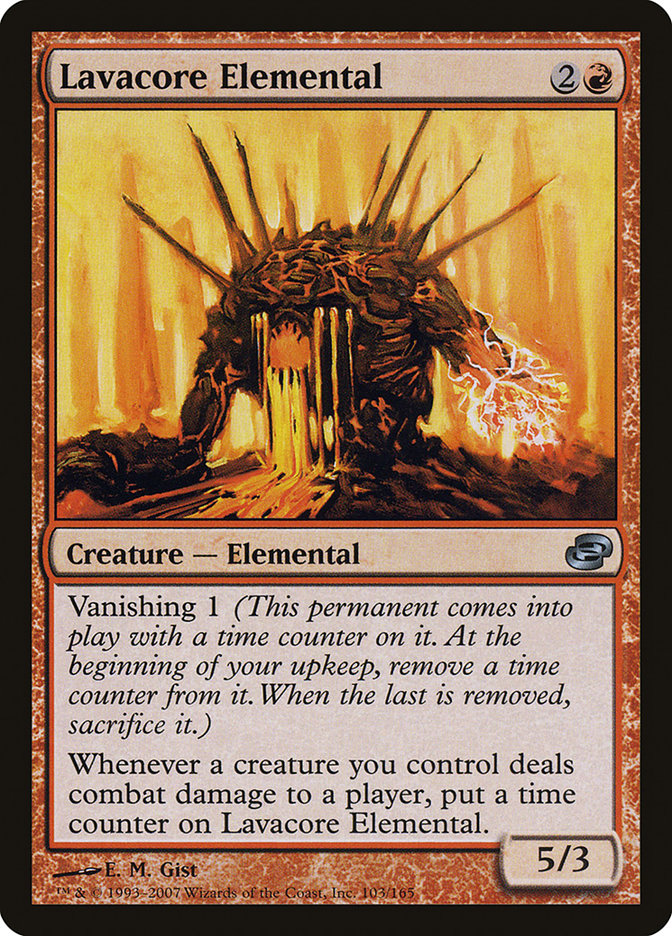
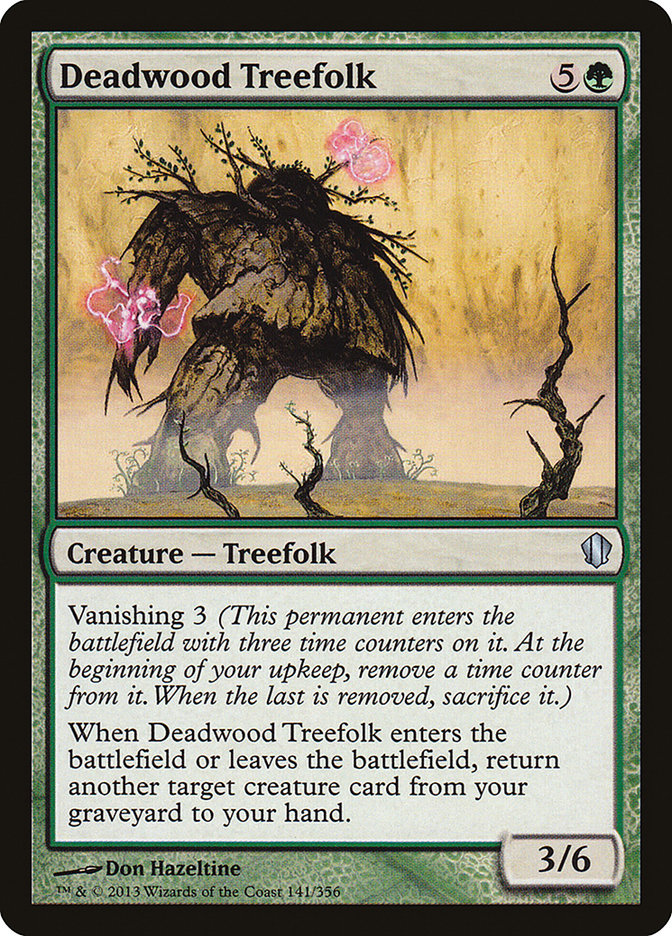
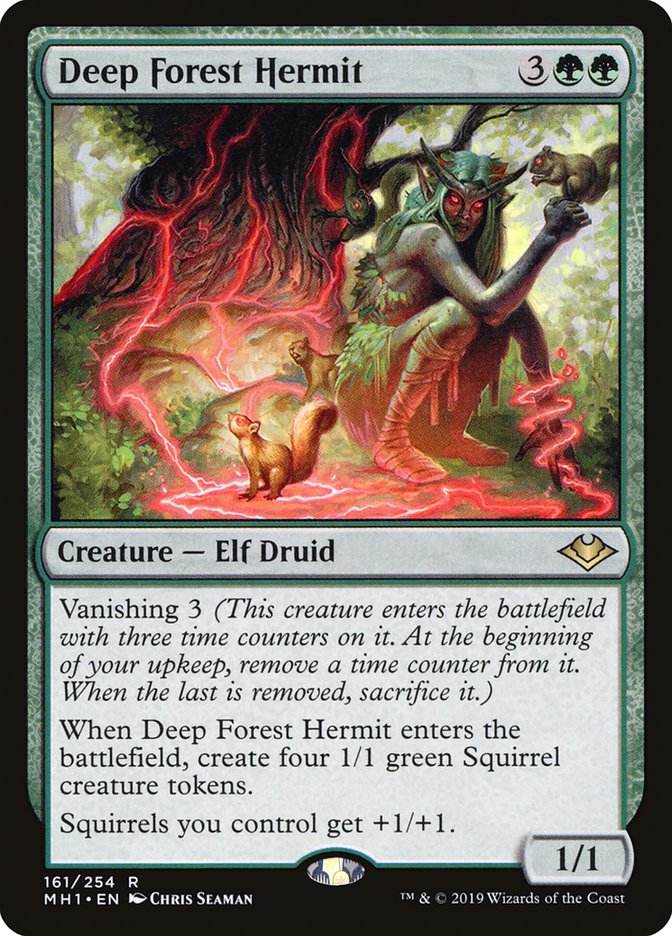
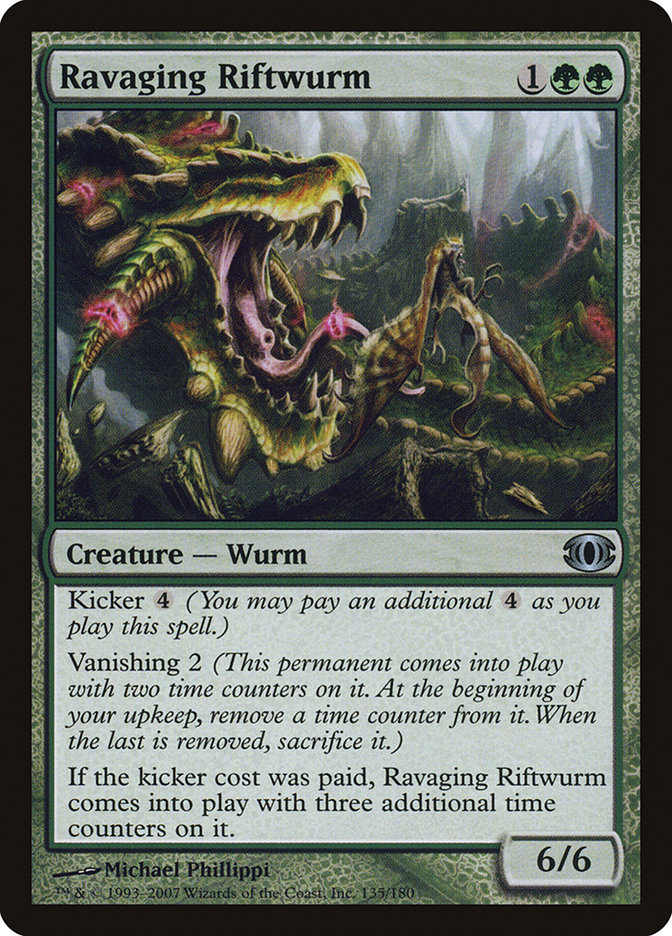
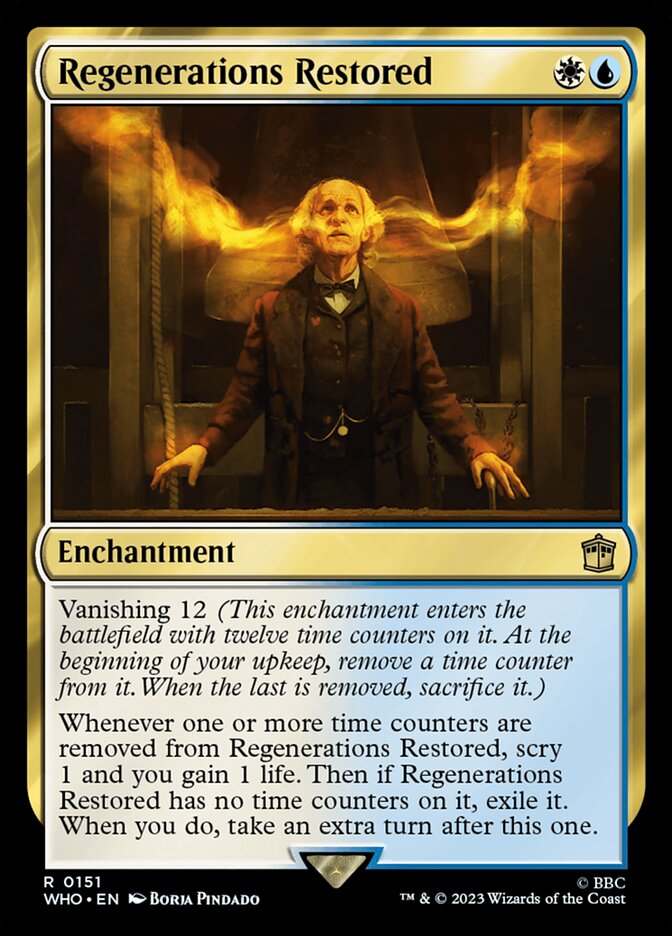
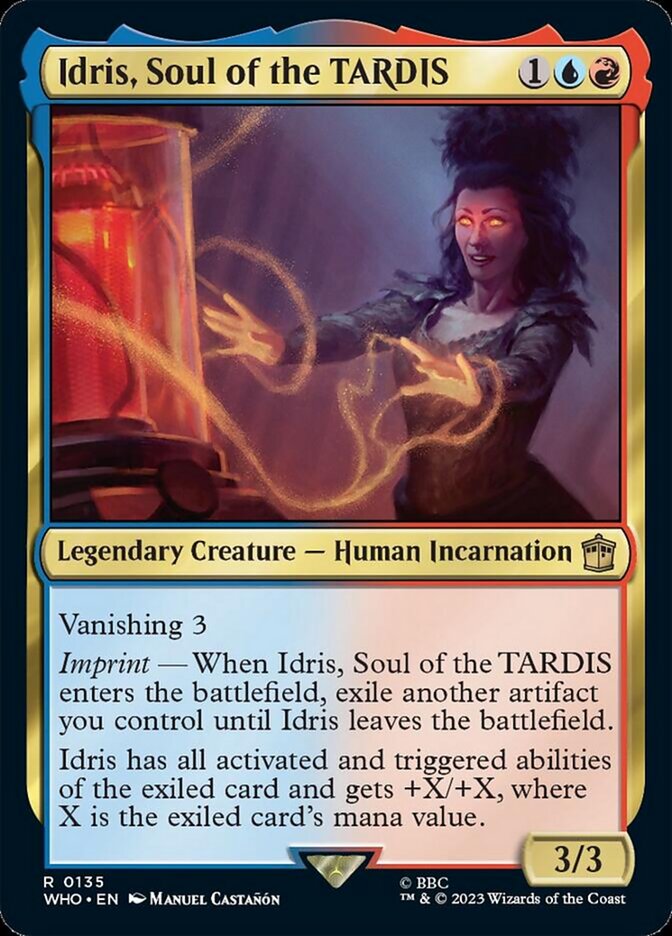
- Soultether Golem
- Aven Riftwatcher
- Calciderm
- Crack in Time
- Four Knocks
- Lost Auramancers
- Out of Time
- The Girl in the Fireplace
- Chronozoa
- Dreamtide Whale
- Flesh Duplicate
- Maelstrom Djinn
- Reality Acid
- Tidewalker
- Deadly Grub
- Waning Wurm
- Keldon Marauders
- Lavacore Elemental
- Deadwood Treefolk
- Deep Forest Hermit
- Ravaging Riftwurm
- Regenerations Restored
- Idris, Soul of the TARDIS
Best Vanishing Cards
Honorable Mention: Invisible Woman, Sue Storm
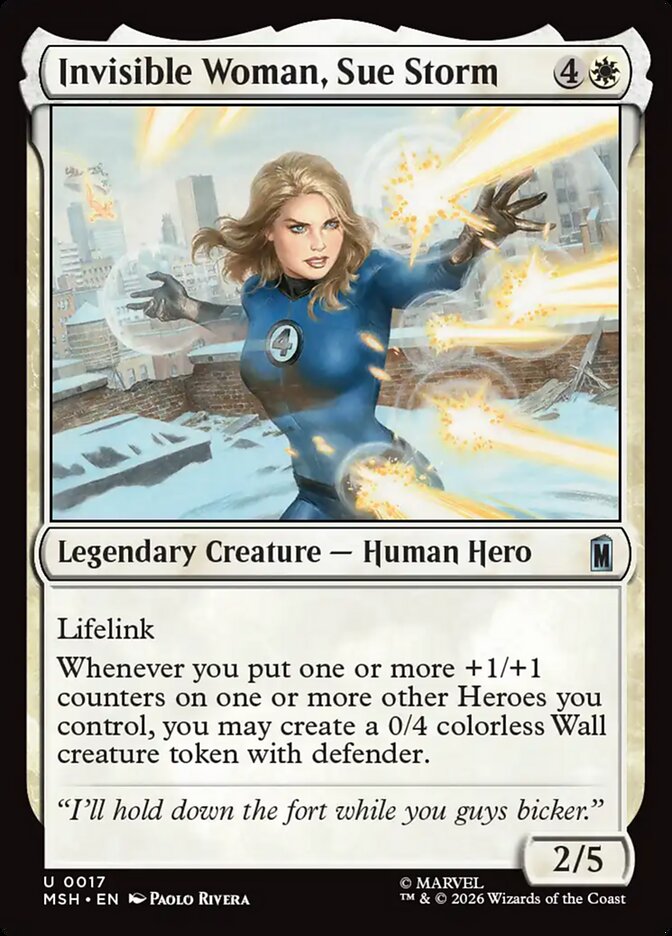
Invisible Woman, Sue Storm has to be great at vanishing, right? Right? Ahem… on to the real list.
#6. Reality Acid
Below you’ll see a Pauper decklist that puts Reality Acid to good use. With the right pick-up loops, you can put a huge damper on an opponent’s board state, and that includes their lands, too.
#5. Dreamtide Whale
It’s not too hard to keep Dreamtide Whale alive, and your opponents might end up doing the work for you. It’s also one of the highest-ceiling proliferators, comparable to mainstays like Flux Channeler and Evolution Sage.
#4. Deep Forest Hermit
This Modern Horizons homage to Deranged Hermit replaces echo with vanishing, though they’re comparable creatures. Squirrel decks love Deep Forest Hermit, but few other decks bother.
#3. Four Knocks
People who say white doesn’t have good card advantage have just not adjusted to the past 5+ years of Commander prints. Four Knocks is great card draw, worth four cards over four turns without counter manipulation. Think of it like white’s Phyrexian Arena, but easier to cast and without the life loss.
#2. Out of Time
Out of Time can be a brutal sweeper in Commander. Phasing creatures out doesn’t meet the requirements for putting a commander back in the command zone, and Out of Time can come in with a hefty number of time counters. If people aren’t prepared with proper enchantment removal, they might have to play without their commanders for the rest of the game.
#1. Flesh Duplicate
Flesh Duplicate is one of the cheapest clones in the game, though often overlooked by people who skipped out on Doctor Who. A Special Guests reprint in Reality Fracture might put it on the map, earning it a rightful spot next to the ever-popular Phantasmal Image.
Decklist: Acid Trip in Pauper
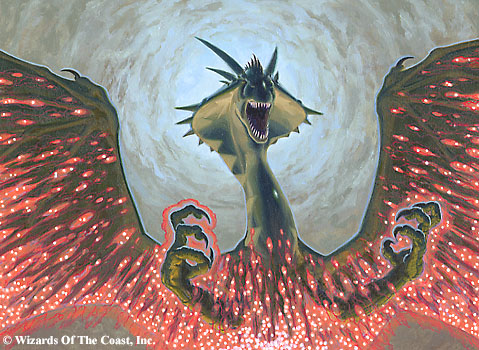
Reality Acid | Illustration by James Wong
Creatures (21)
Custodi Squire
Dawnbringer Cleric x2
Dream Stalker x4
Heliod's Pilgrim x2
Inspiring Overseer x2
Kor Skyfisher x4
Mulldrifter x3
Sea Gate Oracle x3
Instants (6)
Flicker of Fate x3
Teferi's Time Twist x3
Sorceries (3)
Preordain x3
Enchantments (9)
Journey to Nowhere x4
Reality Acid x3
Spreading Seas x2
Lands (21)
Island x9
Kabira Crossroads x2
Plains x4
Secluded Steppe x2
Thriving Isle x2
Tranquil Cove x2
Sideboard (15)
Circle of Protection: Red x2
Counterspell x2
Dispel x2
Faith's Fetters
Kor Sanctifiers x2
Relic of Progenitus x2
Serrated Arrows x2
Spreading Seas x2
Vanishing shines as a mechanic in Pauper, where so of the common designs still have a home in off-meta decks. This deck revolves around loops involving the card Reality Acid.
You effectively Vindicate your opponent’s board over and over by bouncing it to your hand or repeat blinking it. It synergizes well with Kor Skyfisher and Dream Stalker as well, turning their downsides into upsides.
Wrap Up

Calciderm | Illustration by Dave Kendall
Vanishing and its parallel ability, suspend, do a great job at capturing the time-warped setting of the Time Spiral block. Its subtle differences from fading make it a fun mechanic to build around, one that shouldn’t be underestimated. I’m hoping to see more vanishing cards in future Modern Horizons sets, and maybe even on a commander someday!
Do you run any vanishing permanents in your decks? Is it a mechanic you’d like to see more often, or do you prefer it in small numbers? Let us know in the comments or in the Draftsim Discord, and check out The Daily Upkeep newsletter to stay up to date on all the latest MTG news.
Thanks for reading, time to vanish!
Follow Draftsim for awesome articles and set updates:










Add Comment