
Last updated on June 27, 2025

Swords to Plowshares | Illustration by Riyou Kamei
One of the most challenging things when building an MTG deck is the ability to determine how many cards you have to run of a specific card type in your deck to be synergistic enough and make it functional. Of course, many questions arise based on this premise, and today, I hope to help answer one of them: How many instants should you play in your Commander deck?
We’ll start with what’s considered the standard, then move through which factors you should consider based on your deck.
Without further ado, let’s dive into it.
How Many Instants Should You Play In a Commander Deck?

Force of Will | Illustration by Donato Giancola
The number of instants in a Commander deck typically ranges from 10-20, depending on your deck’s strategy. This count isn’t random—it’s shaped by the structure and roles within a Commander deck. Let’s break it down step by step to understand how this number fits into the bigger picture of deck building.
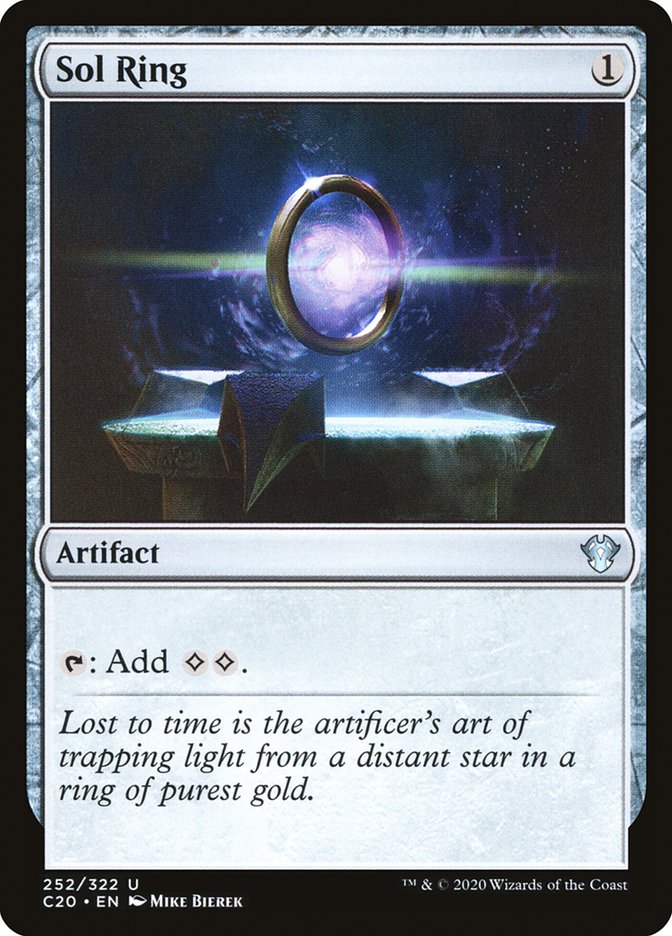

A regular Commander deck usually runs between 33-40 lands, averaging around 36 lands. Subtracting this from the 99 total cards in the deck leaves you with 63 slots to fill. Most decks include Commander staples like Sol Ring and Arcane Signet, which occupy two of those slots. Additionally, decks often run around five mana rocks, reducing the remaining slots to 58 cards.
From this point, the number of creatures you include depends on your deck’s strategy. A midrange deck typically runs 20-25 creatures, leaving you with approximately 33 cards for other non-creature spells and effects. If your deck is more creature-focused, like a typal or aggro deck, it might include closer to 30 creatures, leaving fewer slots for other cards. We’ll stick with the midrange assumption for our purposes, meaning we now have 33 cards left to divide among instants, sorceries, utility artifacts, and enchantments.
Within these remaining slots, utility artifacts and enchantments typically take up around 8-10 cards, leaving about 20-25 slots for instants and sorceries. Depending on your deck’s needs, this split often leans toward 10-20 instants, with the rest reserved for sorceries.
Of course, this number can change depending on the deck and synergies you’re trying to build, but it’s worth mentioning some things you should keep in mind.
Control decks, for example, or those built around flash mechanics lean toward running more instants than other decks, valuing the reactive power they offer along with the surprise factor they may pose. On the other hand, aggro or typal decks may run fewer instants, instead focusing on creatures or other permanent-based strategies.
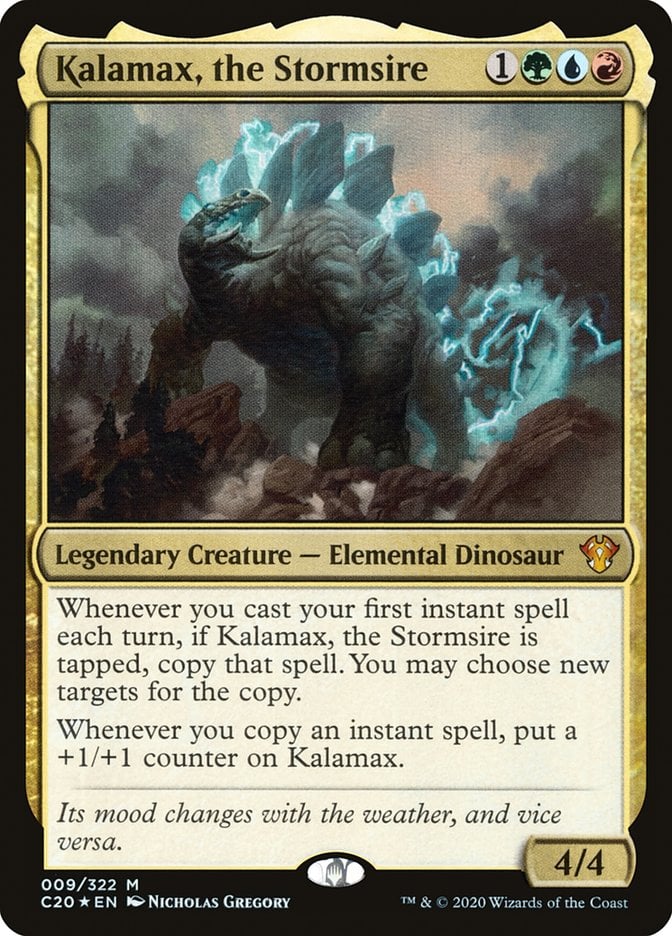
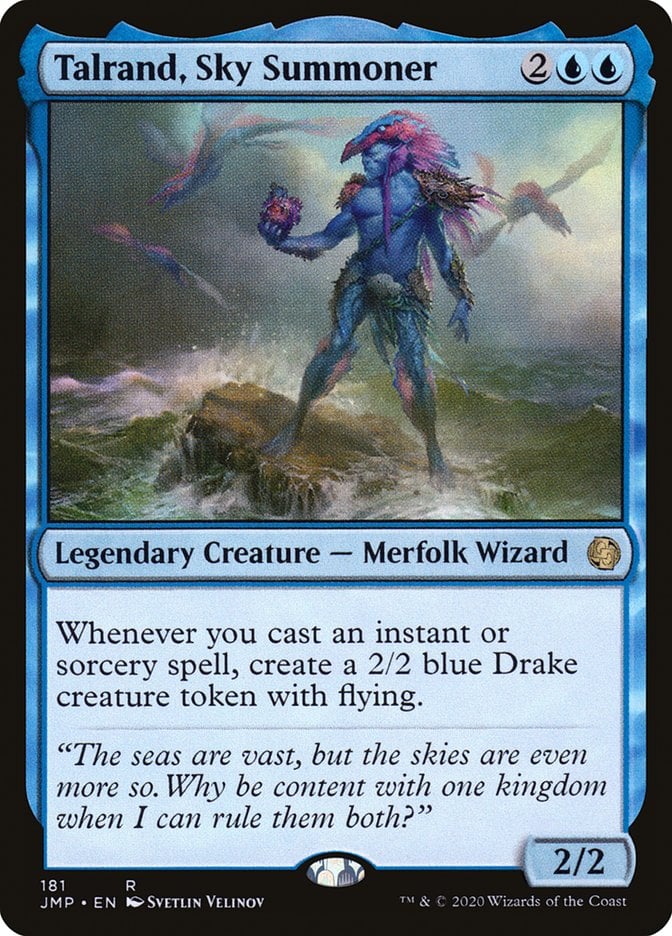
The number of instants you play also depends on your commander’s synergy and how your playgroup plays as a whole. For example, commanders like Kalamax, the Stormsire or Talrand, Sky Summoner benefit from having more instants to maximize their value.
As a rule of thumb, the balance of card types in your deck should align with your overall strategy.
What Can Affect How Many Instants You Want?
Instants are particularly valuable for interaction and as answers to threats your opponents may run, but their inclusion depends heavily on your deck’s main game plan. To better understand this, it’s helpful to explore how different archetypes utilize instants. Rather than listing each archetype individually, I’ve grouped them into four categories based on the typical number of instants they include and I’ll mention why they care about instants in the first place.
High Instant Count Archetypes (15–20 Instants)
If you’re playing a deck that emphasizes flexibility and responding to your opponents’ actions, you’ll probably want a lot of instants.
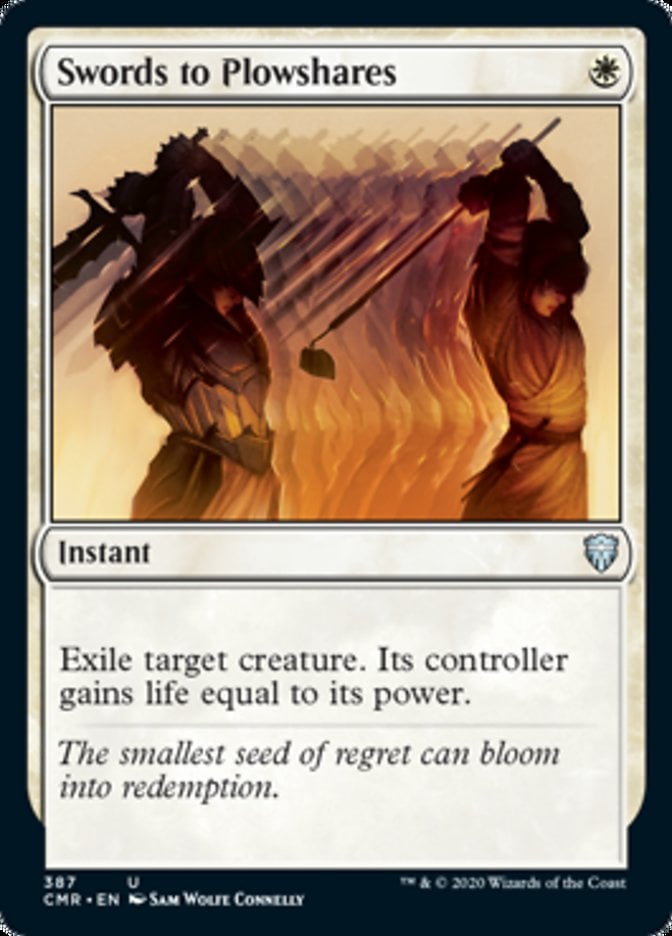
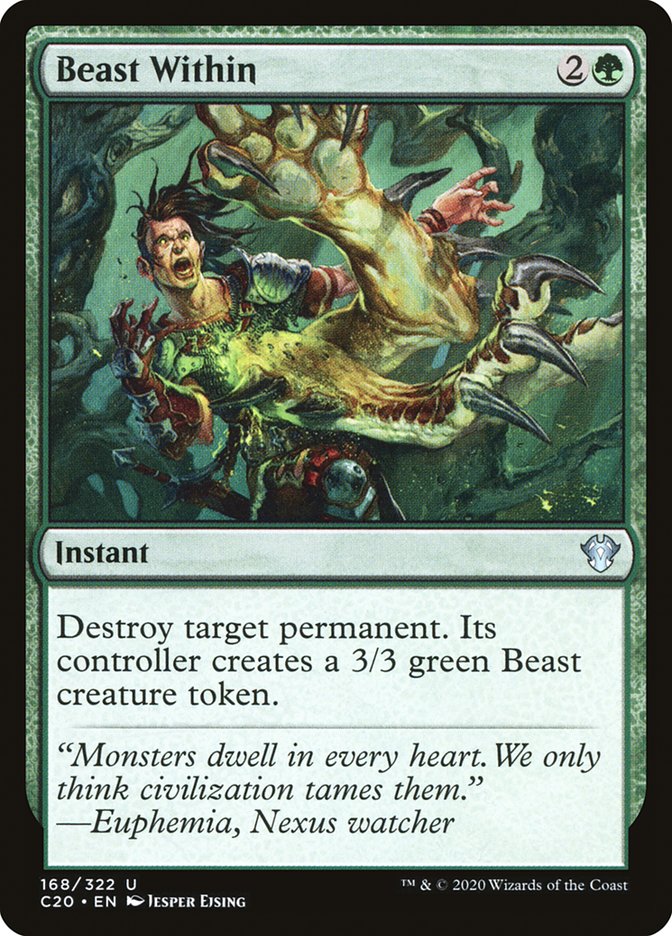
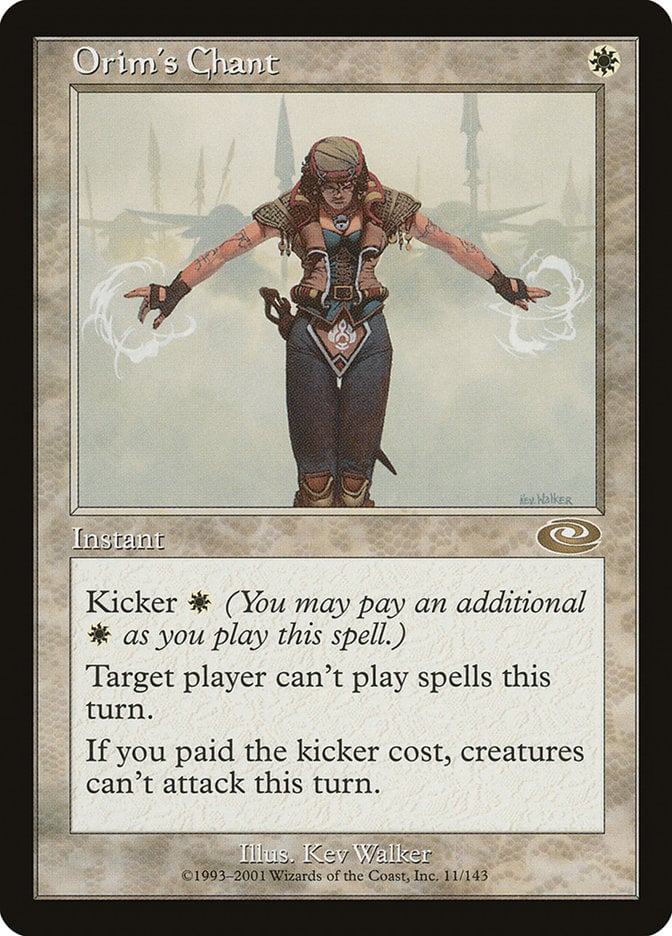
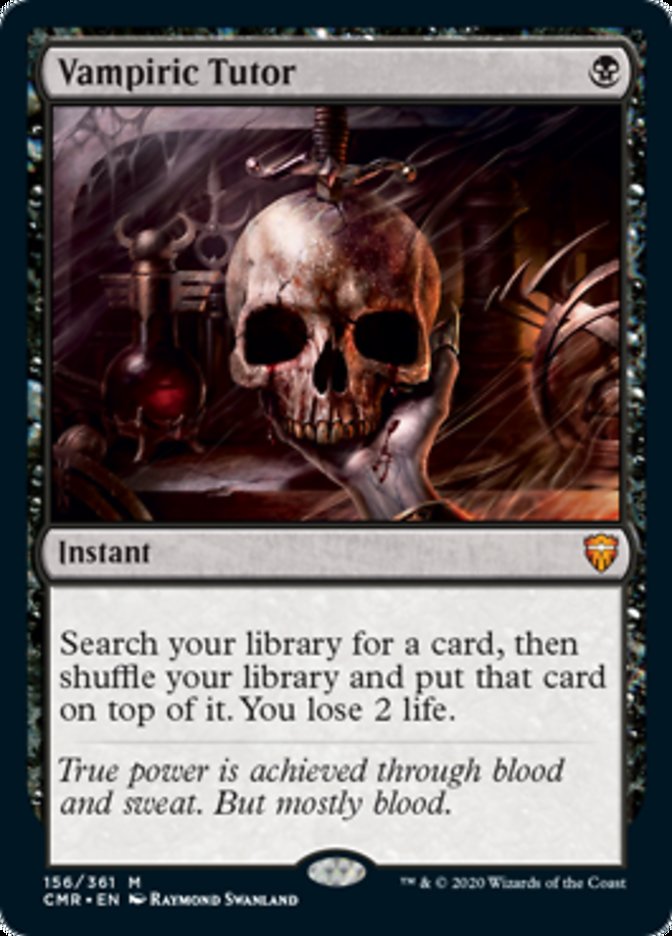
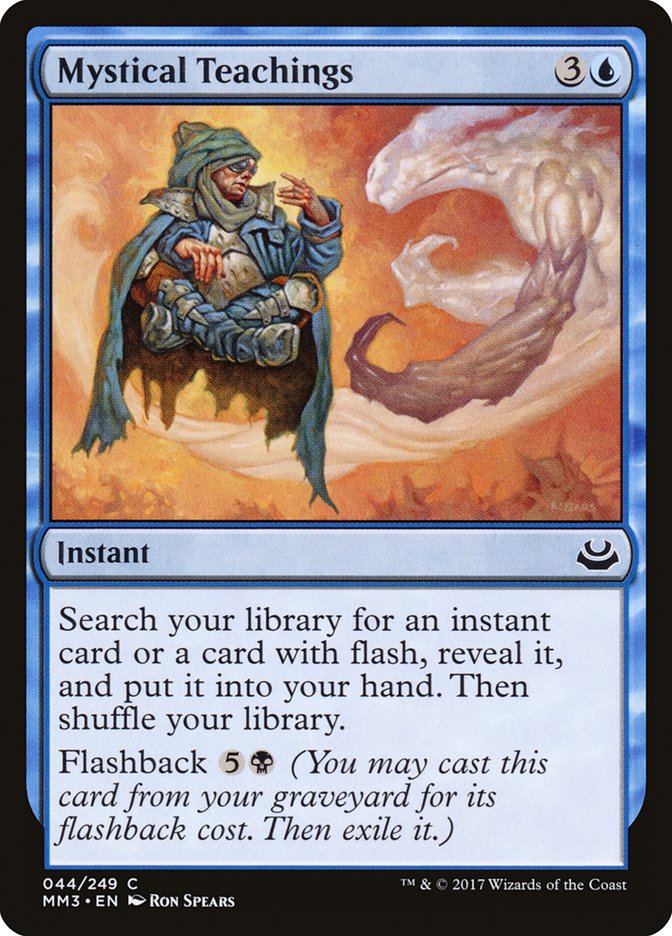
Control decks are a prime example—they rely on counterspells and efficient removal spells like Swords to Plowshares or Beast Within to keep the board in check and protect their own game plan. If you’re running a spellslinger deck like Nymris, Oona's Trickster, instants are your bread and butter to cast spells during your opponent’s turn and get value from it. Combo decks like the ones that use Thassa's Oracle as their main win condition also tend to include a decent number of instants since they help protect your win conditions. Here you’ll see Silence or Orim's Chant to shut off interaction and card draw/tutors like Vampiric Tutor or Mystical Teachings to find combo pieces.
Medium Instant Count Archetypes (10–15 Instants)
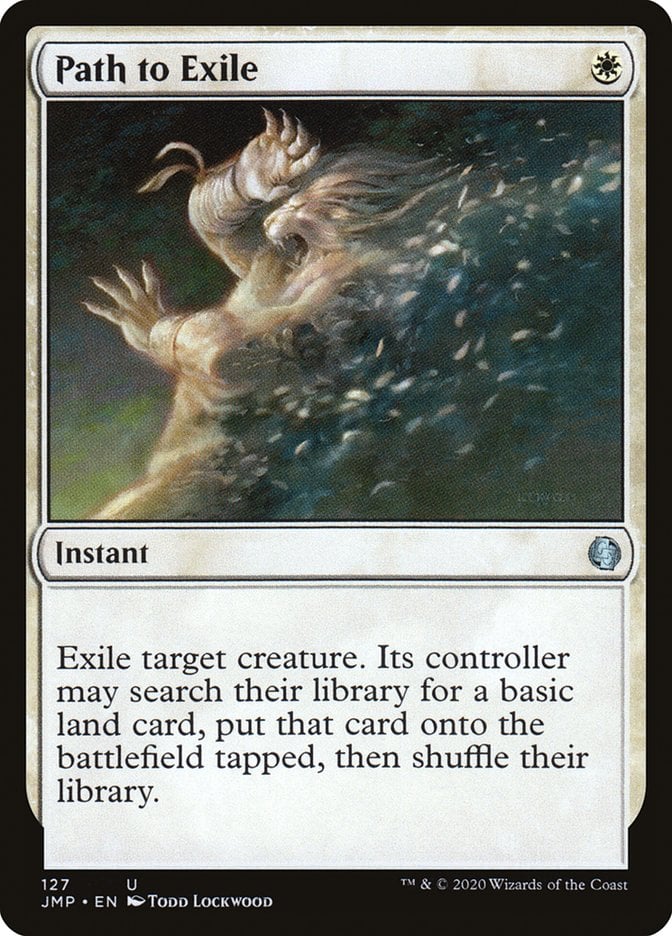
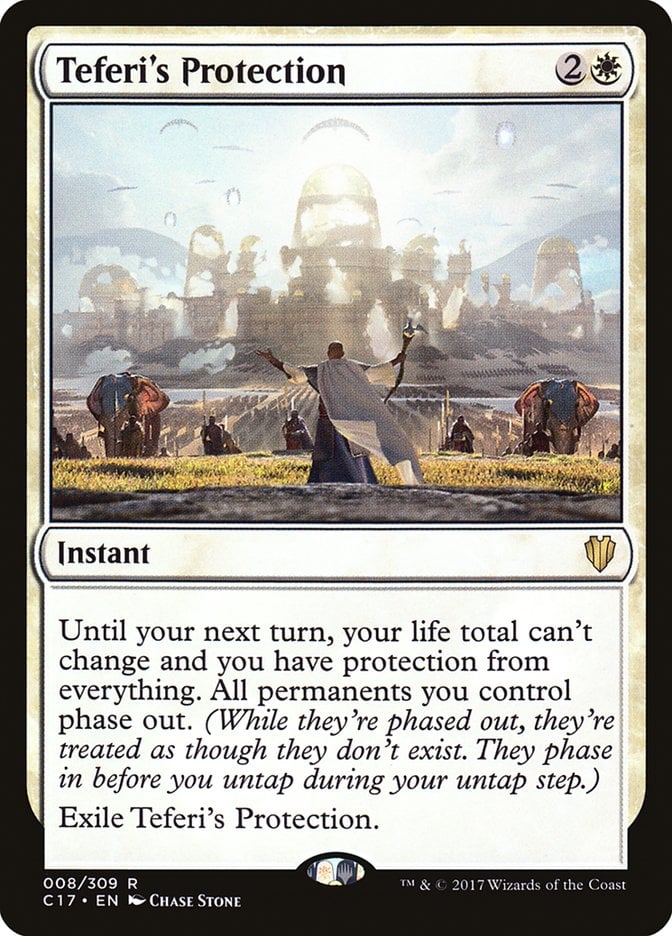
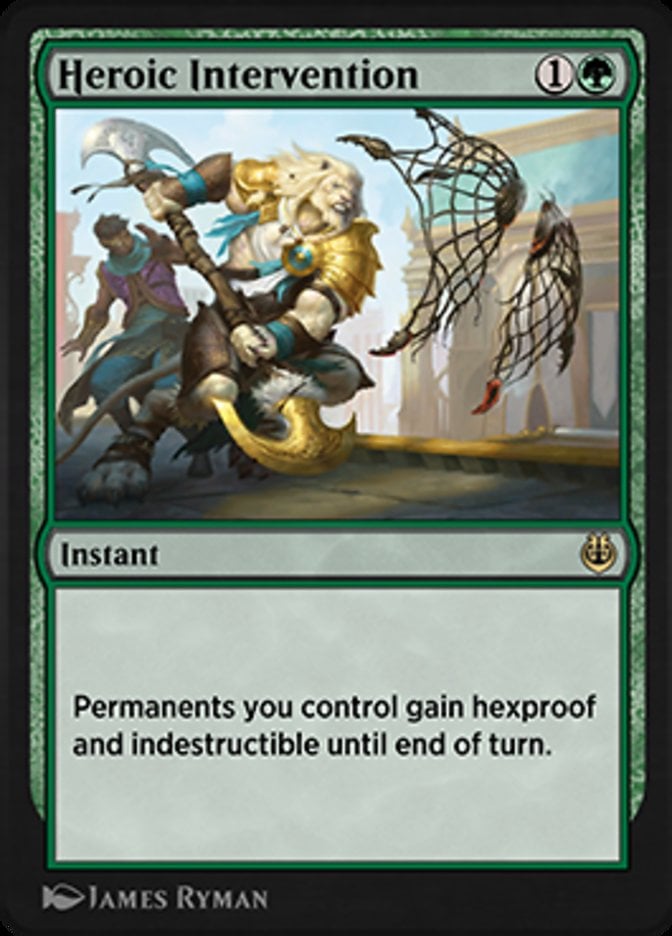
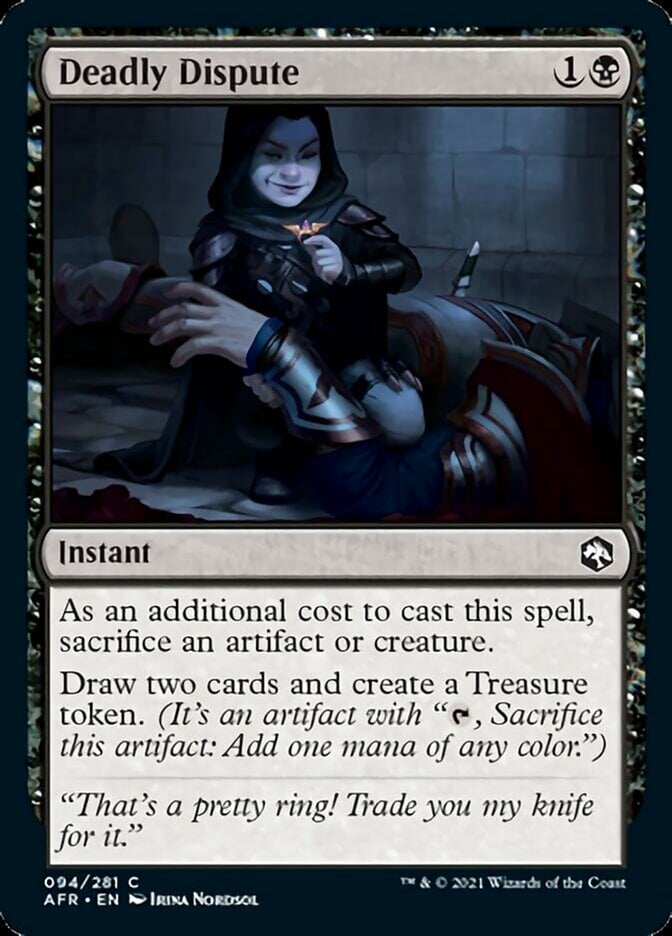
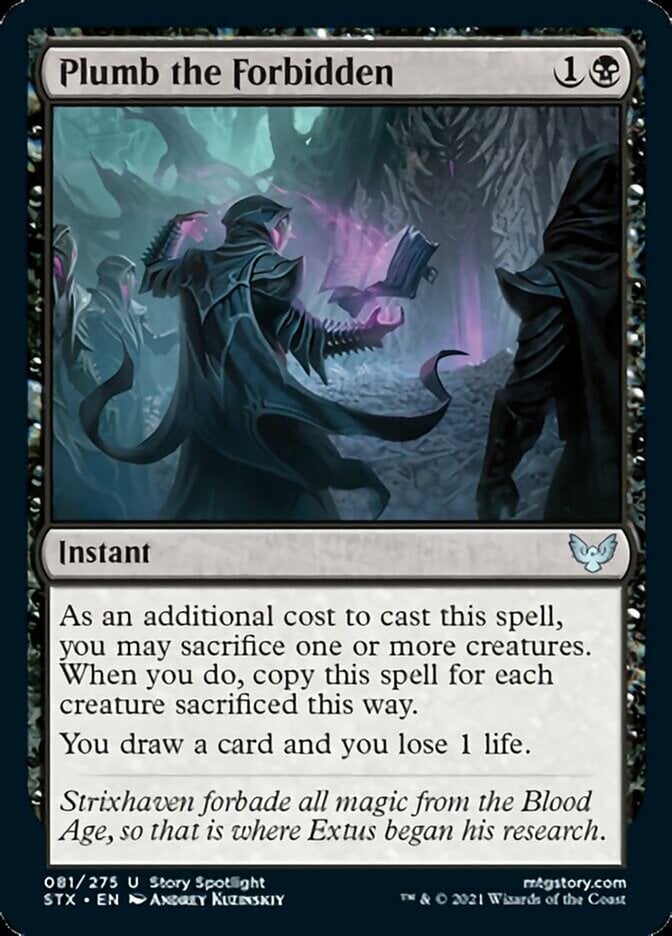
Decks with a more balanced strategy, like midrange or ramp, typically run somewhere in the middle when it comes to instants. You’ll find the ever-present pieces of removal like Path to Exile to clear the board from pesky threats and continue to apply pressure, as well as some percentage of protection spells like Teferi's Protection or Heroic Intervention to protect their board state against spot removal or board wipes. Aristocrats decks tend to fall into this category, too, as they use instants mainly to enable their sacrifice synergies with the likes of Deadly Dispute or Plumb the Forbidden.
Low Instant Count Archetypes (5–10 Instants)
Aggro decks, typal decks, and token decks all prefer creatures and synergy over reactive spells. You’ll likely only run instants for combat tricks or removal to deal with blockers and stop your opponents’ plans.
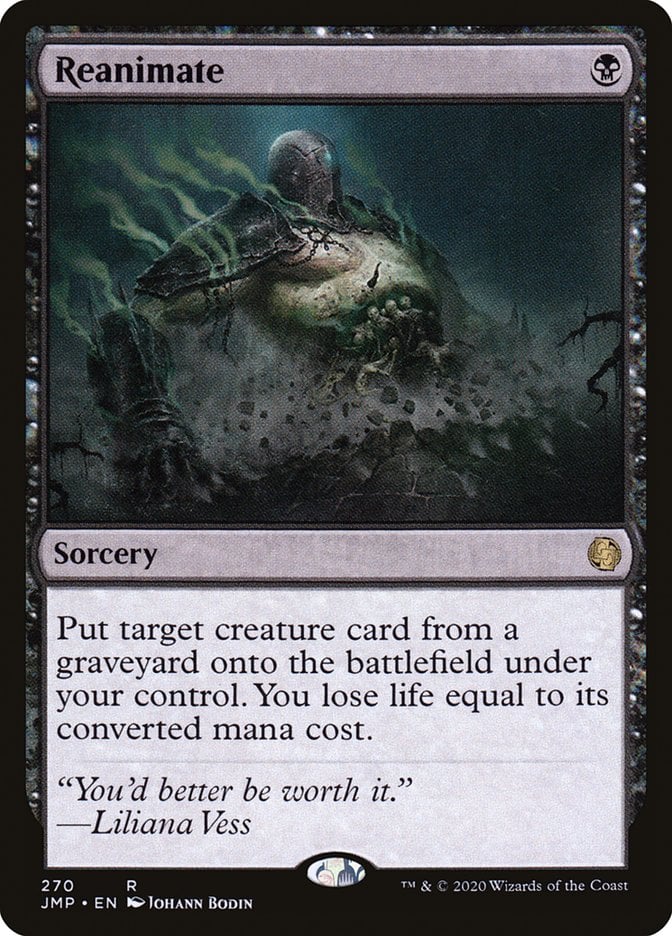
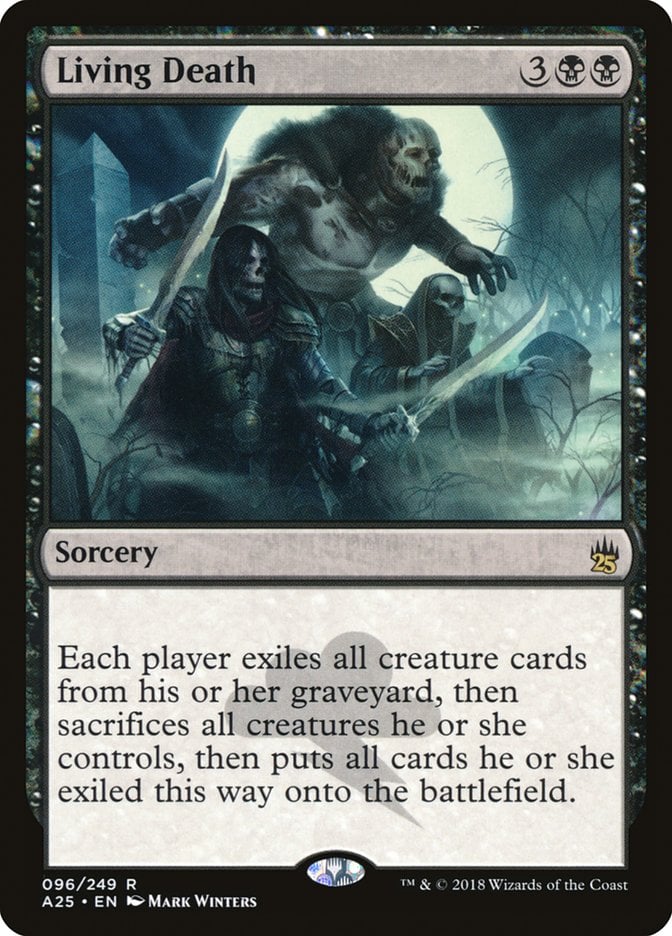
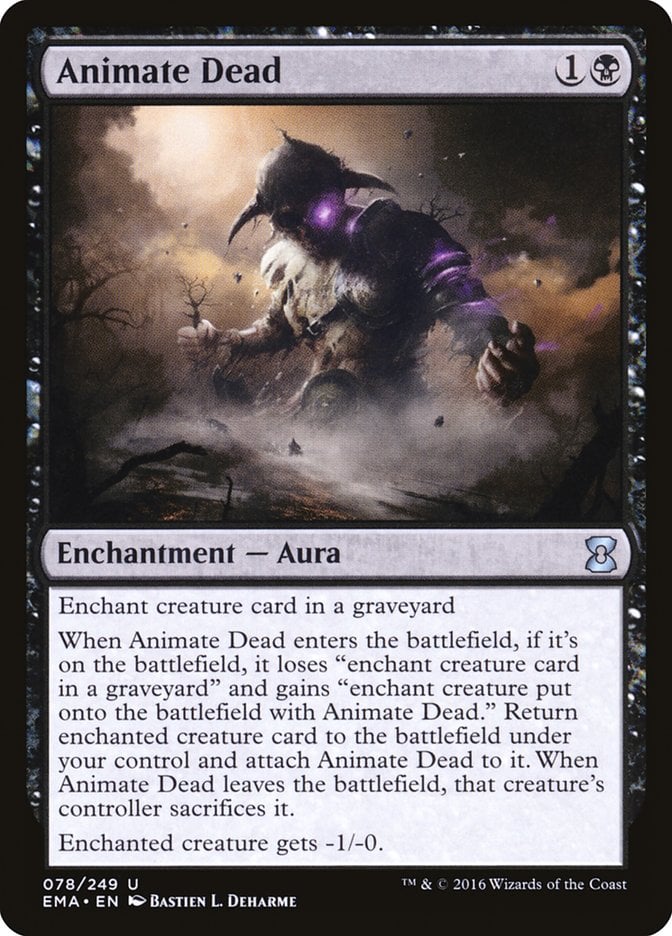
Graveyard decks tend to keep their instant count low too, since they’re usually looking for ways to reanimate their creatures or interact with the graveyard through permanents and sorceries like Reanimate, Living Death, and Animate Dead.
Minimal Instant Count Archetypes (0–5 Instants)
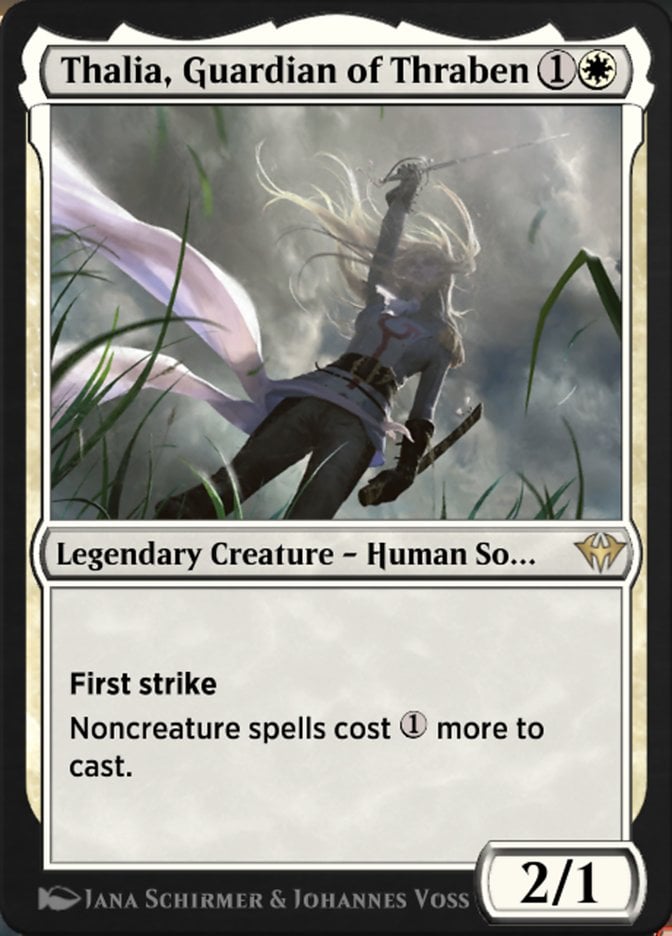
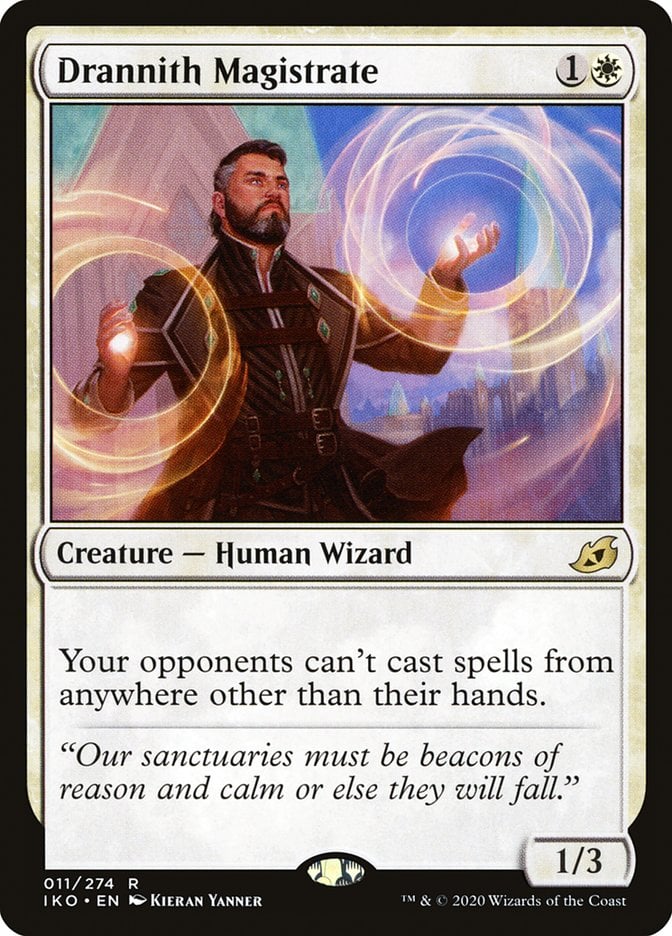
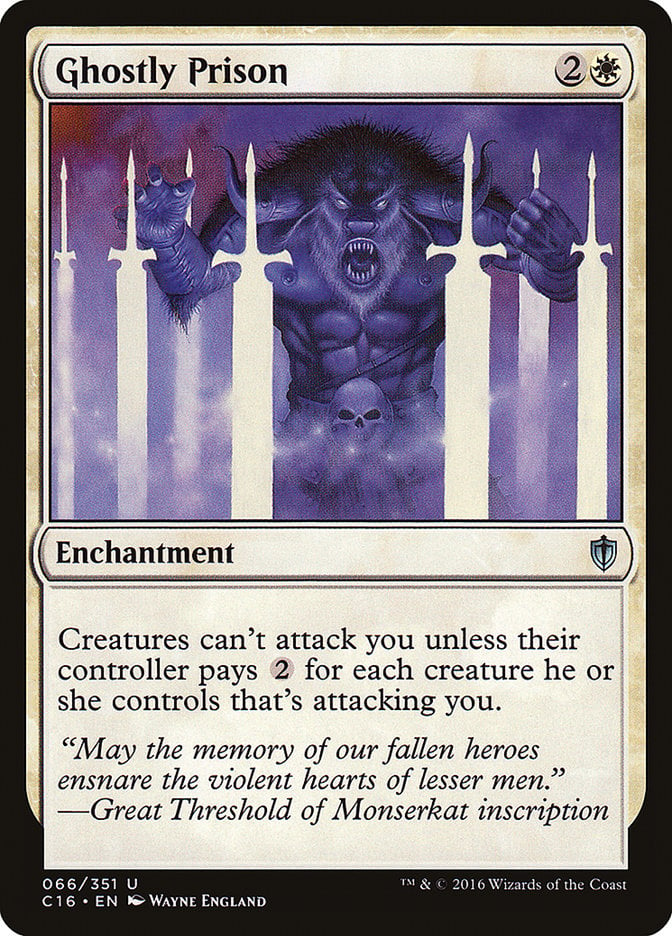
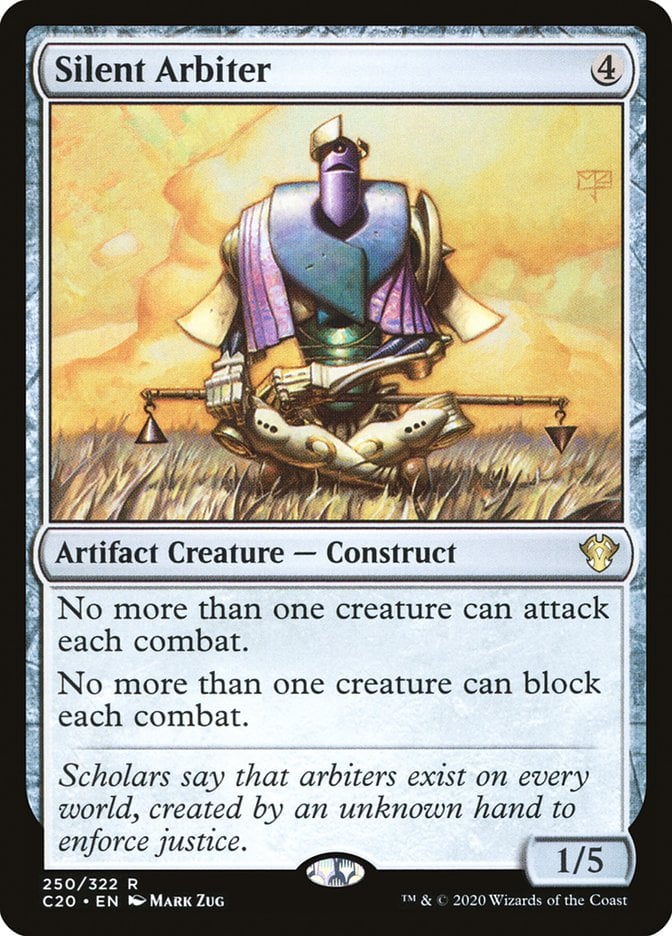

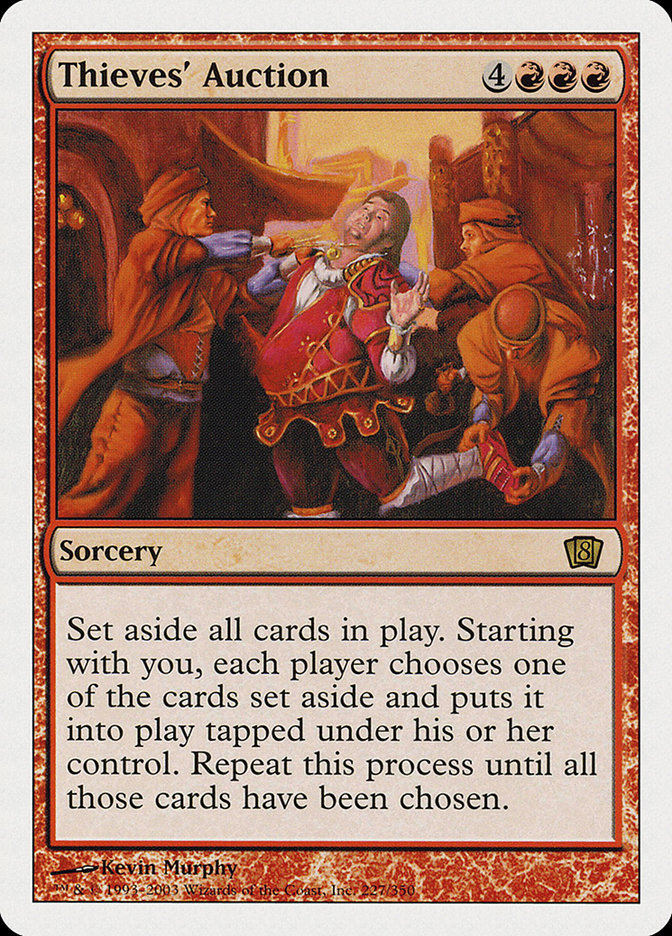
Some decks hardly run any instants at all. Stax decks are a prime example as they focus on locking down opponents with permanents like Thalia, Guardian of Thraben or Drannith Magistrate that prevent them from using their resources. Group hug and pillow fort decks also tend to avoid instants since they usually rely on enchantments like Ghostly Prison and artifacts like Silent Arbiter to achieve their goals. Chaos commanders and big mana commanders also don’t need many instants; they prefer to use powerful permanents like Knowledge Pool or sorceries like Thieves' Auction to make an impact on the game.
Anti-Instant Commanders
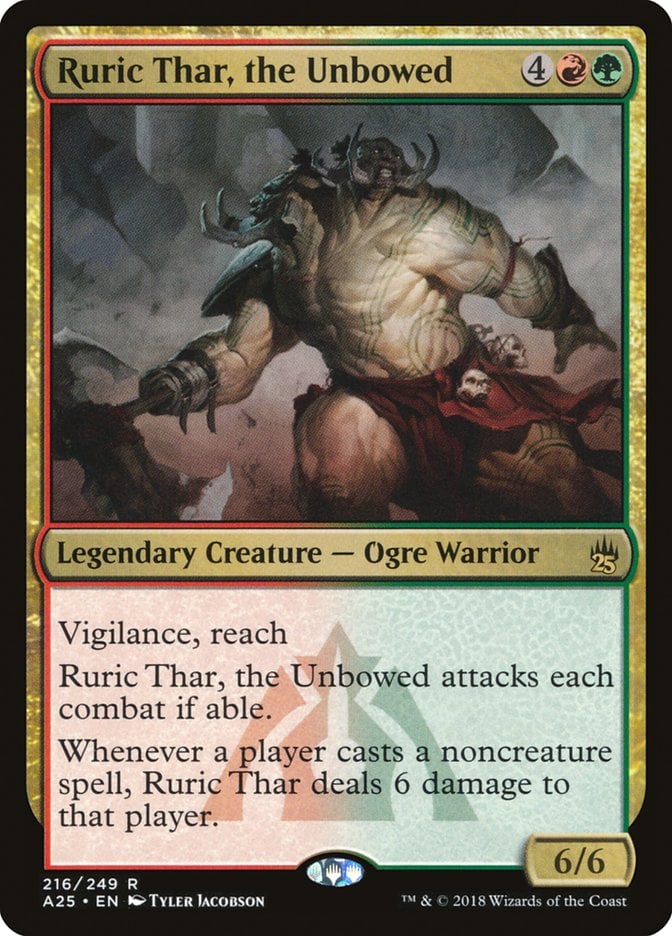
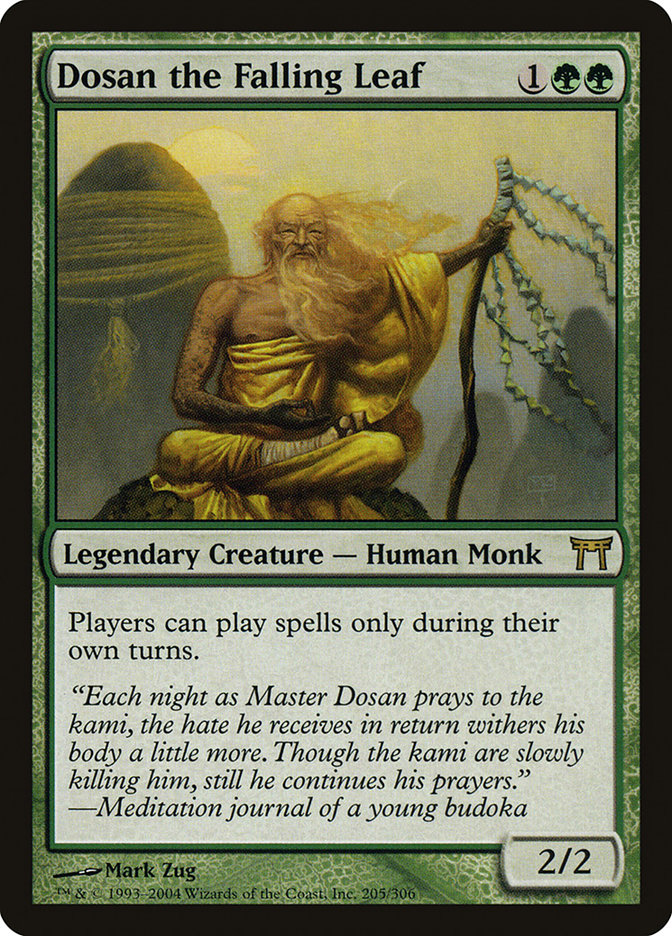
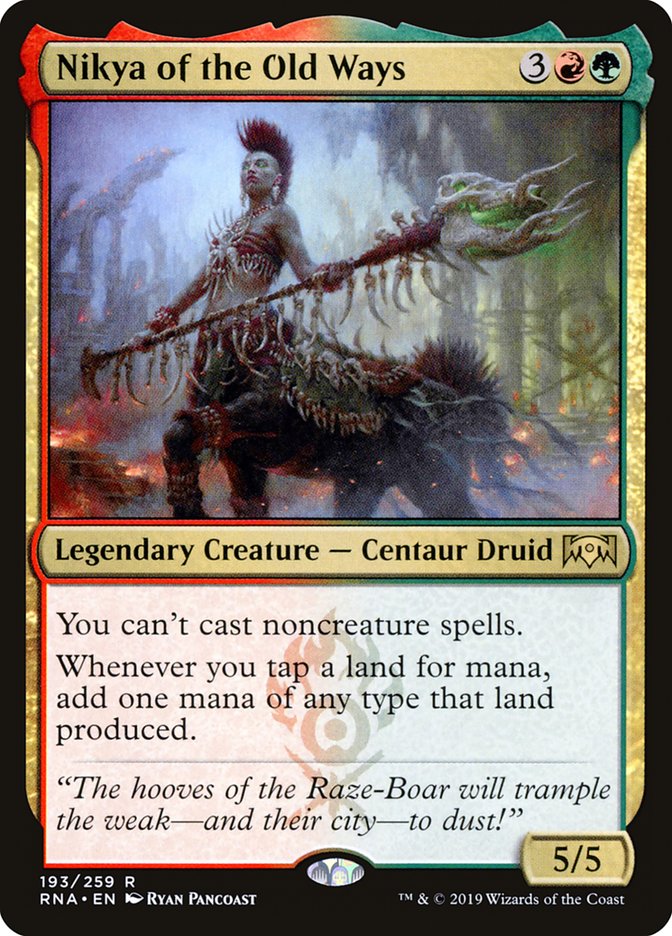
When deckbuilding, it’s also important to consider the impact of commanders that disable or punish the casting of instants. Commanders like Ruric Thar, the Unbowed punish players for casting non-creature spells altogether, so you’ll likely run fewer instants if you choose it as your commander. Others, like Dosan the Falling Leaf, can specifically shut down instants. Keep in mind that these types of legends don’t have to be your commander to affect your deck; they can also appear in other decks, like Nikya of the Old Ways, serving as tools to double down on anti-instant strategies.
Other Mechanics
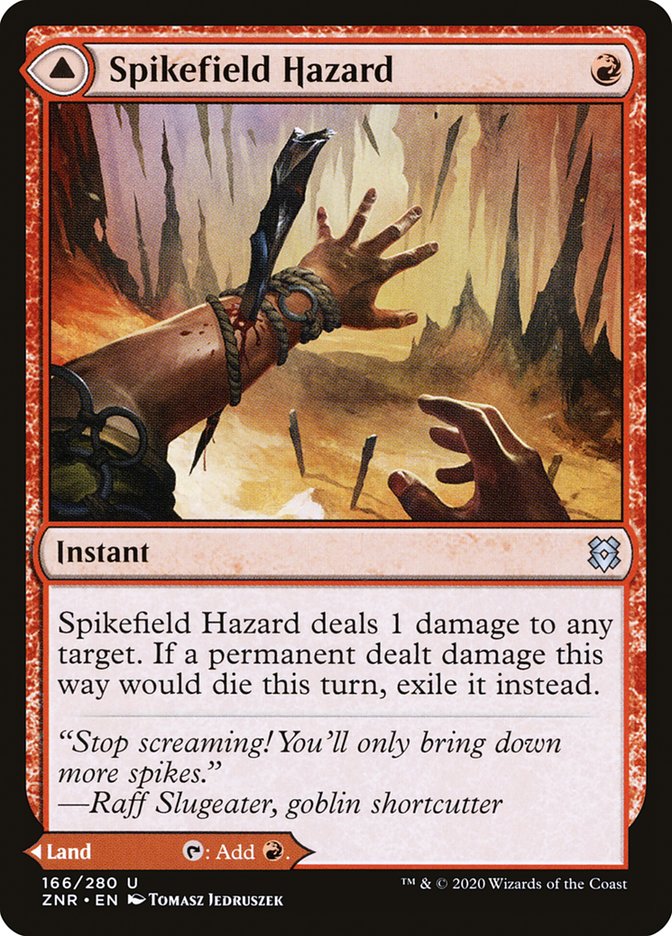
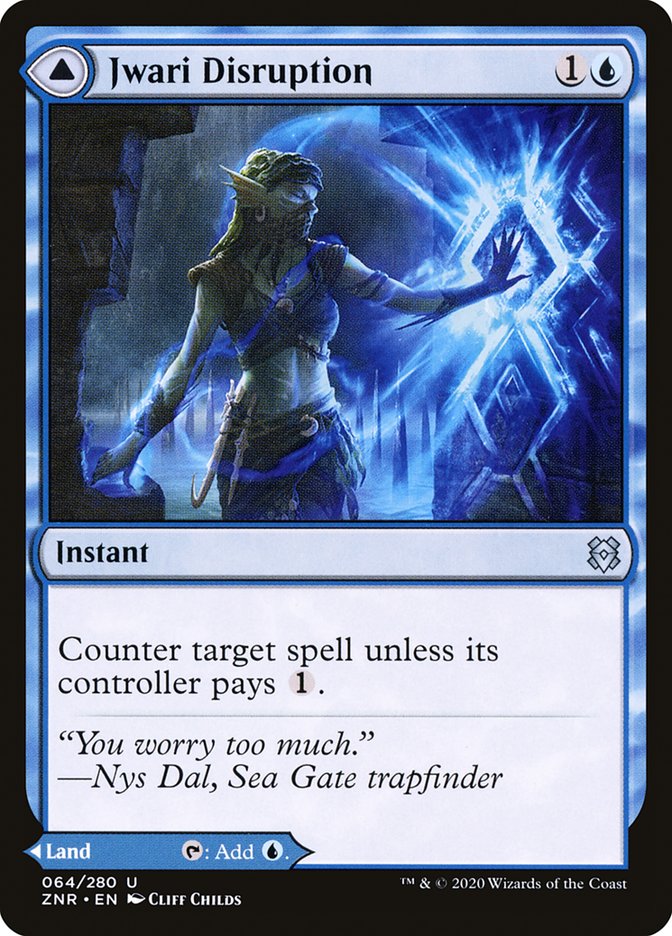
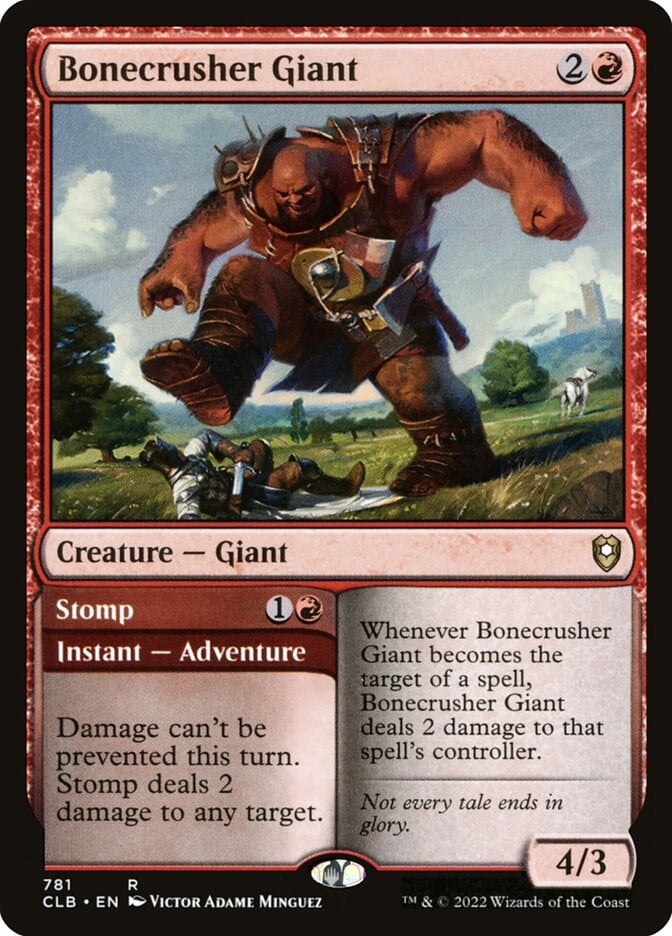

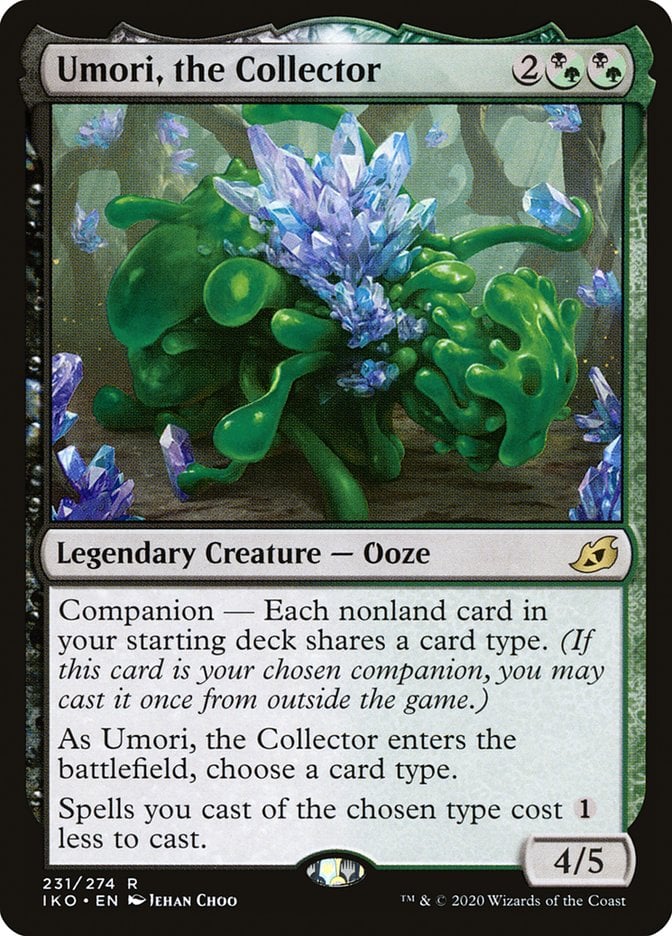
There are other mechanics worth considering that can effectively increase your instant count, especially if you treat them as a different kind of card. For example, MDFCs like Spikefield Hazard or Jwari Disruption can be viewed as lands most of the time, but they also function as instants when needed, allowing you to increase your instant count by replacing lands. Adventure cards like Bonecrusher Giant or Brazen Borrower can also be useful, as they let you include instants in your deck while still providing the flexibility of creatures. If you’re using a companion like Umori, the Collector, you can take advantage of these adventure cards to add instants without altering your overall deck structure too much.
Instants vs. Sorceries
Instants are generally considered better than sorceries because they can be played whenever you have priority. This ability to interact at instant speed is a significant advantage, especially in formats like Commander where timing and responding to other players’ actions is critical to maintaining your board state.
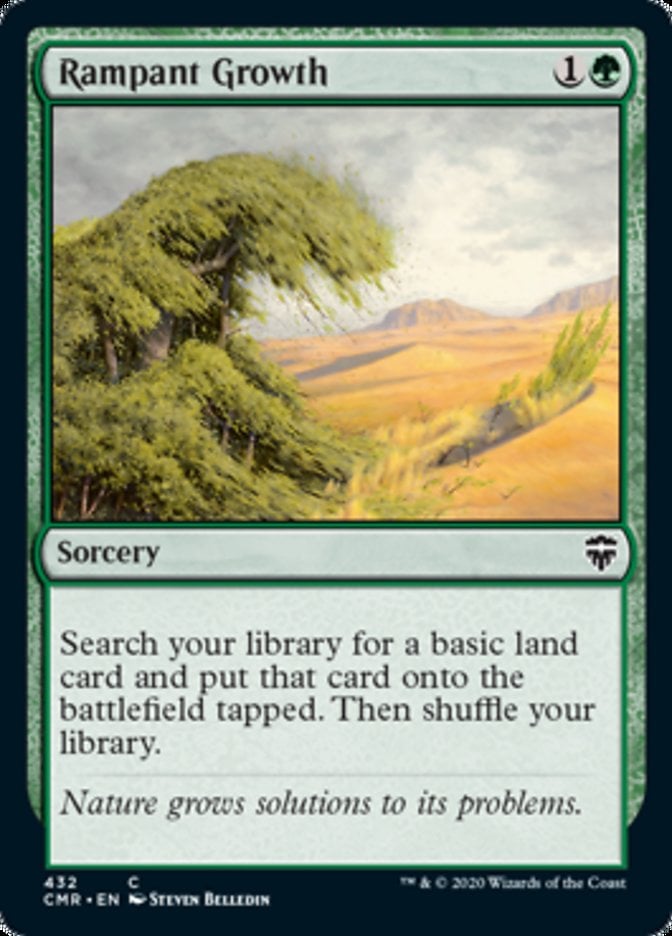
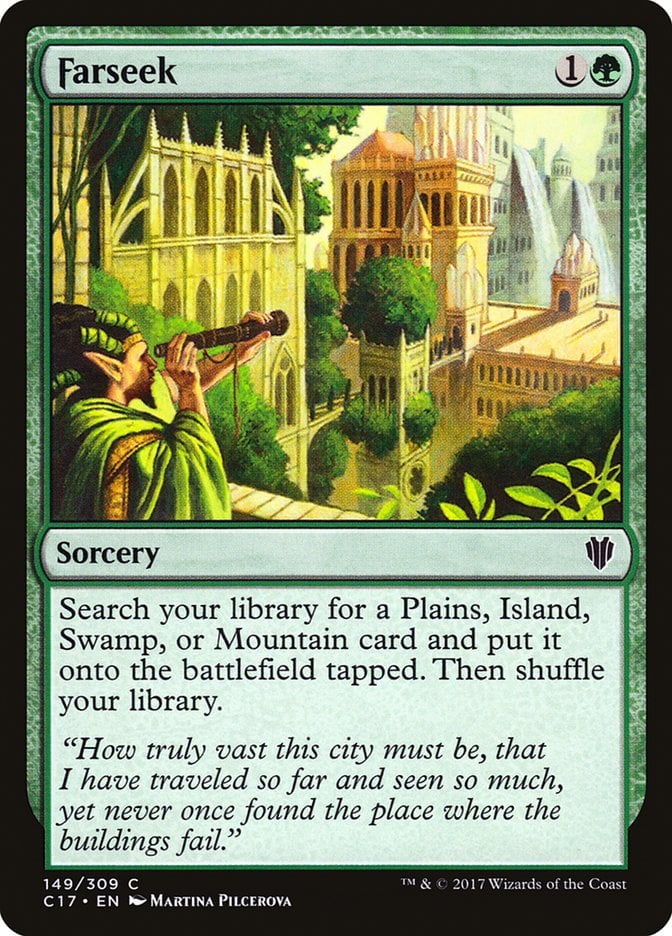
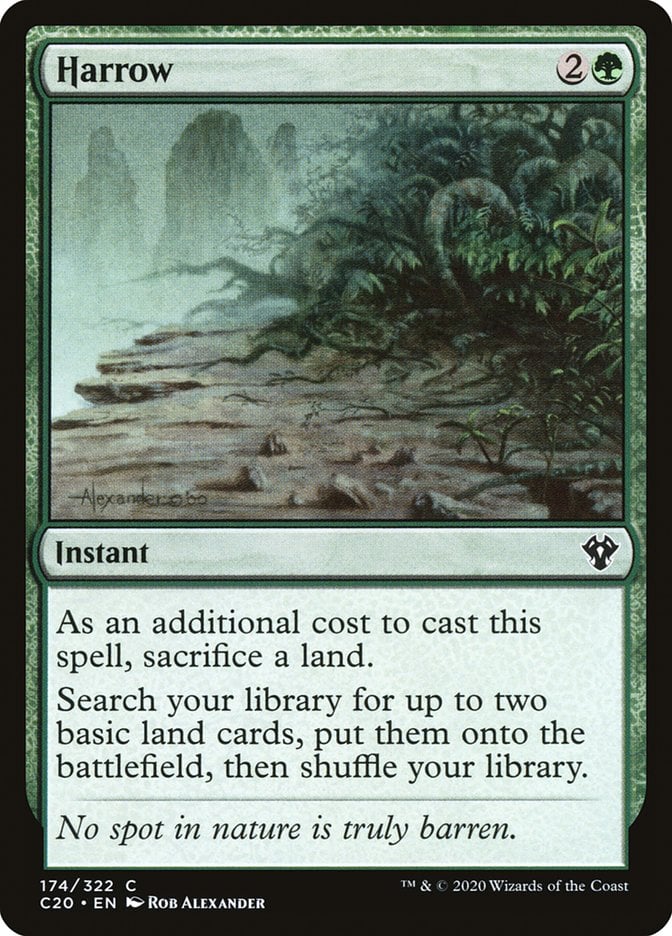
Given this, it’s common to run more instants than sorceries in your deck. However, there are some key things that instants usually can’t provide. For example, many low-cost ramp spells like Rampant Growth or Farseek aren’t available as instants and while there are other options like Harrow and Roiling Regrowth, these are more expensive to cast compared to their sorcery counterparts.

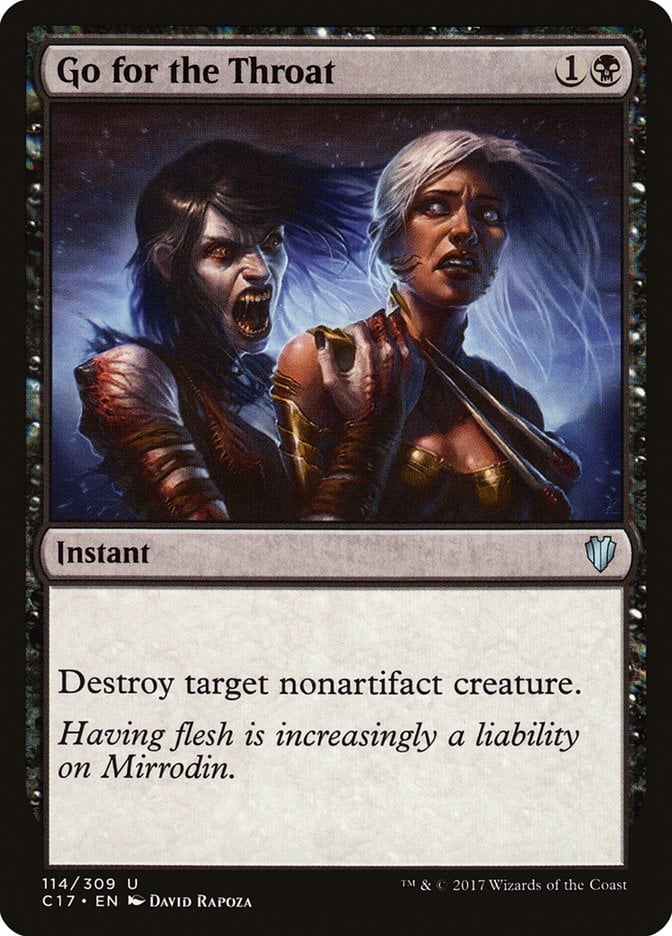
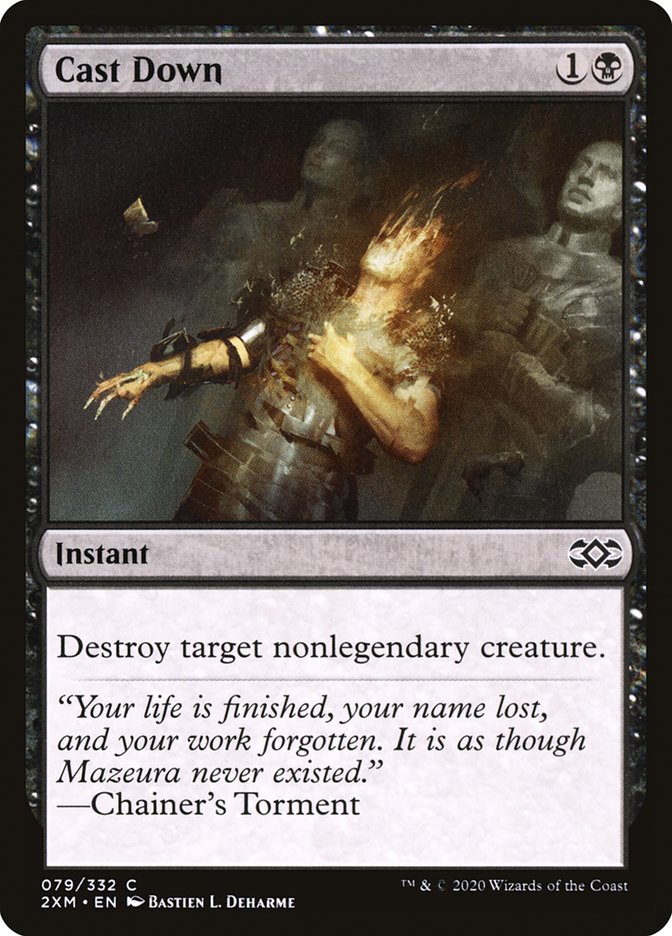
This difference also extends to removal spells. For instance, Fell is the only 2-mana unconditional mono-colored removal spell in the game, but it’s a sorcery. While other removal spells like Go for the Throat or Cast Down mimic this effect, they often have some limitation, which can sometimes make them less reliable.
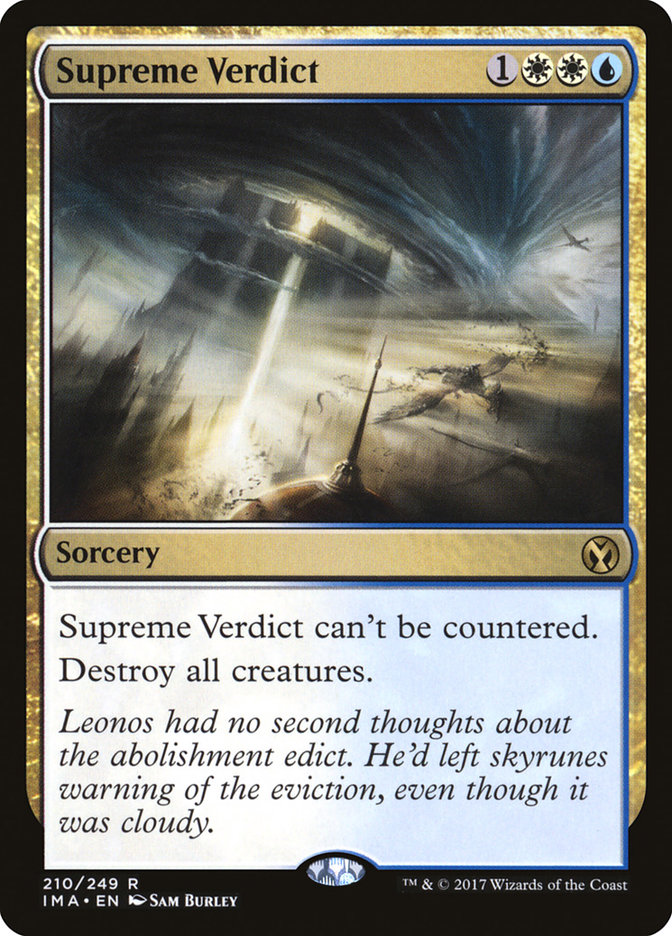
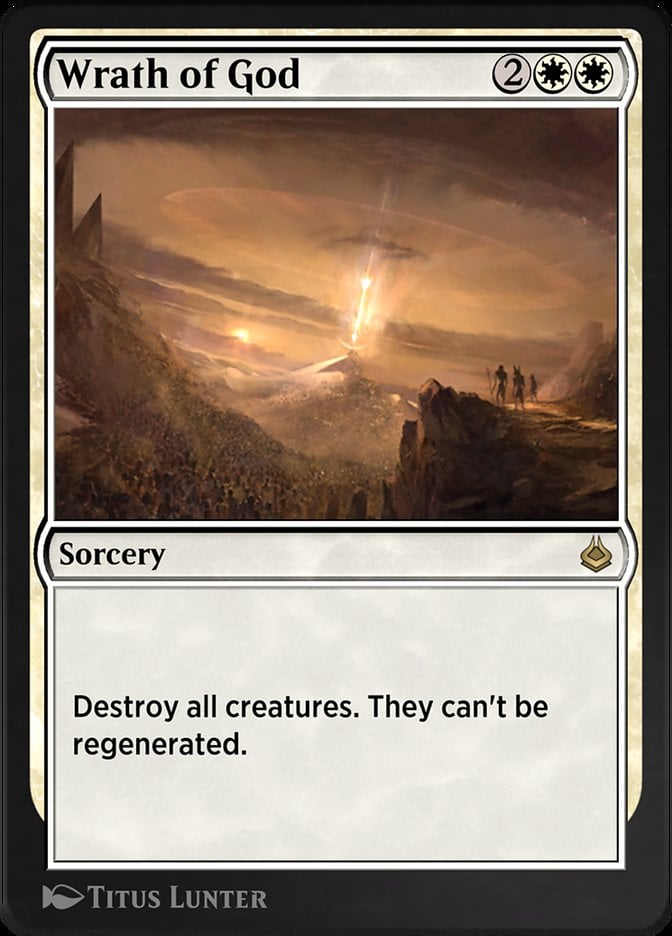
Additionally, many of the most efficient board wipes, like Wrath of God or Supreme Verdict, are only available as sorceries. If these were instants, they would be far too powerful, as they could be cast at any time. Imagine your opponent building a strong board and then you cast a board wipe during their end step. You could untap and immediately play a game-changing planeswalker like Teferi, Hero of Dominaria, which could completely shut down their strategy.
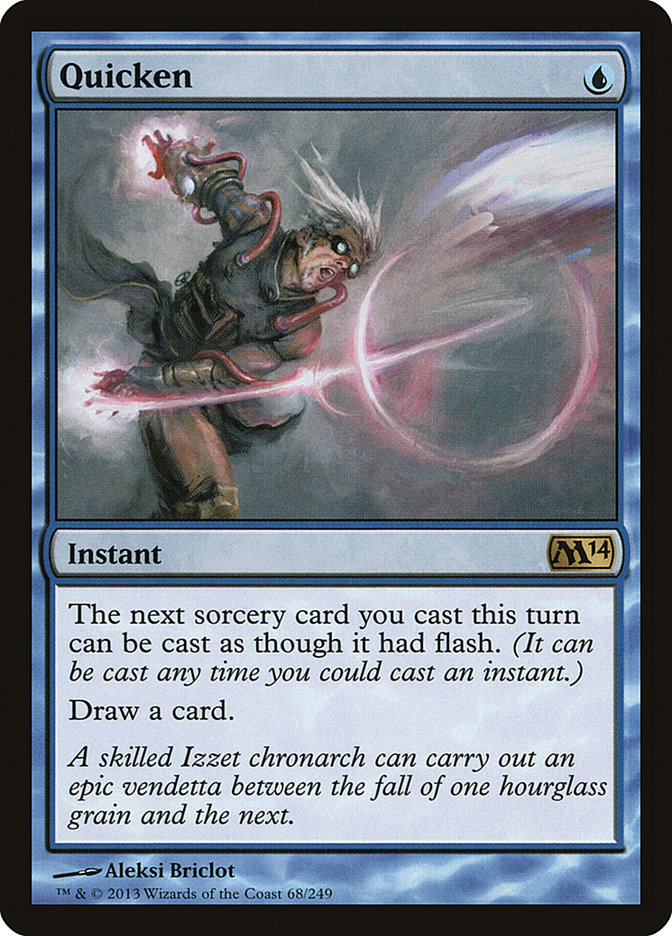
Some players try to surprise their opponents by running cards like Quicken, which allows them to cast sorceries at an instant speed. But that’s a topic for another time.
The main takeaway is that sorceries and instants are designed differently. While instants are often preferred in a deck for their versatility, sorceries have their own unique place due to the powerful effects they can offer.
Commanding Conclusion

Deflecting Swat | Illustration by Greg Staples
Without a doubt, instants are invaluable in Commander due to the format’s emphasis on staying alert to what your opponents may do. After all, it takes an entire round until your turn comes around again, and waiting until then to play your spells could be too late.
That said, you can’t completely overlook sorceries, as they often provide effects that are hard to find at instant speed for the same mana value or efficiency.
I hope this article helps you in building your next Commander deck. If you’d like to see more articles like this, don’t forget to follow us on social media and join our Discord server to stay up to date!
As always, take care, and see you next time.
Follow Draftsim for awesome articles and set updates:










Add Comment