

Spara's Headquarters | Illustration by Kieran Yanner
For a while in MTG’s history, WotC only cared about allied colors for flavor reasons. It seemed natural at the time, considering that enemy colors wouldn’t even collaborate to generate mana. Tri-color combinations like , , , and the like had many more tri-color gold cards or lands in the past. But it wasn’t until Shards of Alara in 2009 that these color combinations received an official name, or a denomination: shards.
Today, we’re covering the Bant shard and its tri-color lands. We’ll also see that tri-color mana fixing has evolved over a decade or so, and this list reflects that a lot.
What Are Bant Lands in MTG?
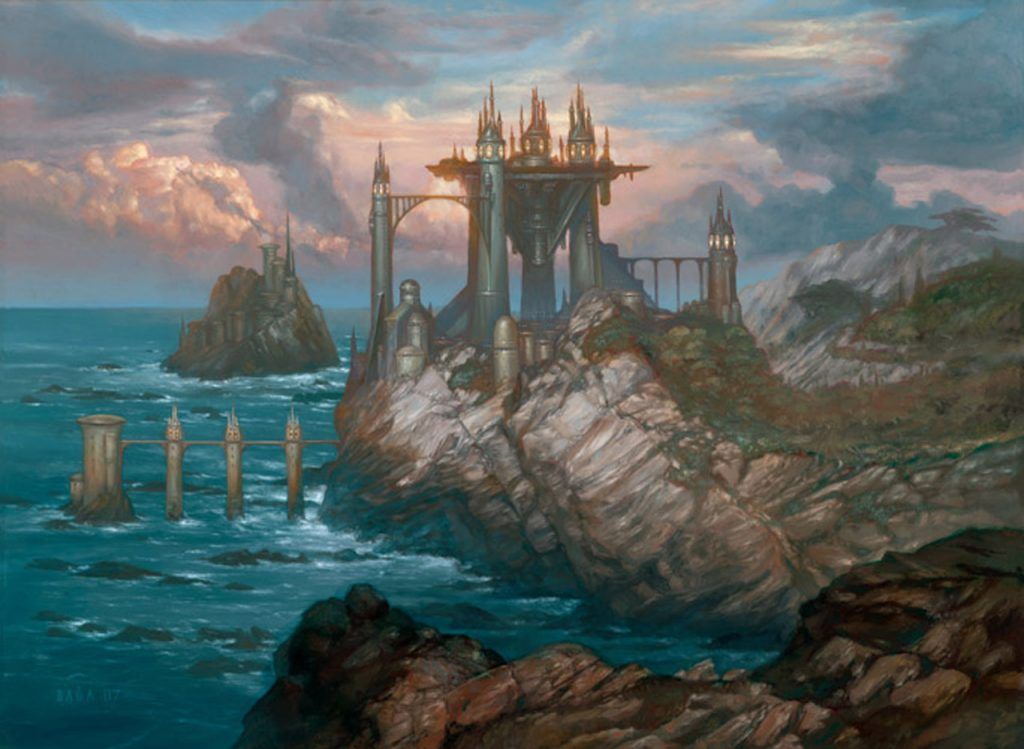
Seaside Citadel | Illustration by Volkan Baga
Bant lands are lands that can produce blue, green, and white mana. These lands have a Bant color identity for Commander, and sometimes they’ll have the basic land subtypes, including forest, island, and plains. I’ll also include fetch lands that can get these three land types. Dual lands, or lands that generate or filter all five colors of mana can’t be considered a Bant land.
#9. Aysen Abbey
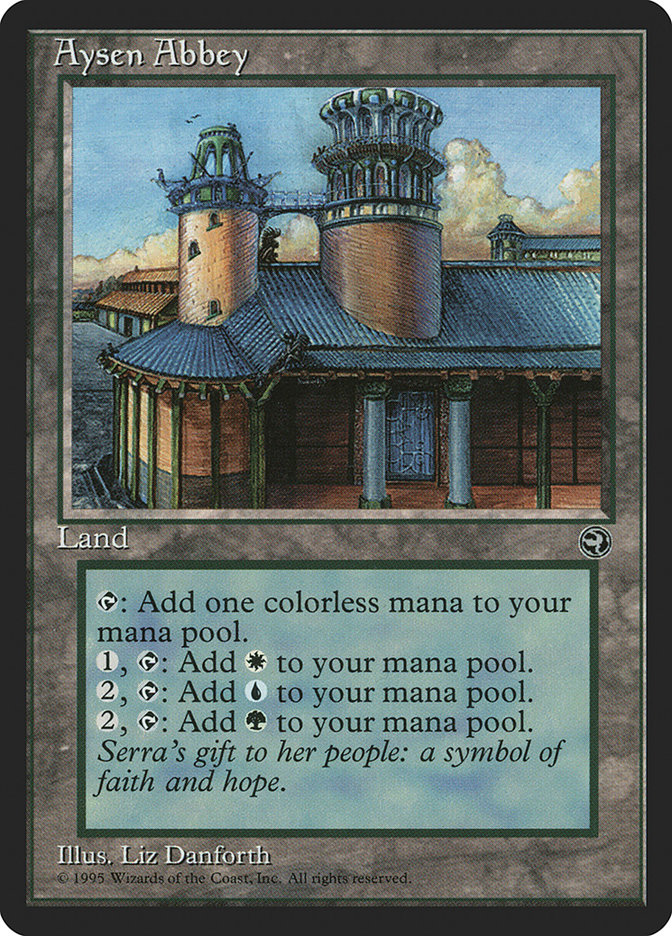
Starting with the worst entry in our list, Aysen Abbey is part of a Homelands cycle of non-basic tri-lands. It’s how tri-color fixing was done in the past, and it makes no sense to have a filter land that requires 2 mana to get blue or green mana. The only plus side is that it generates colorless mana when entering untapped.
#8. Irrigation Ditch
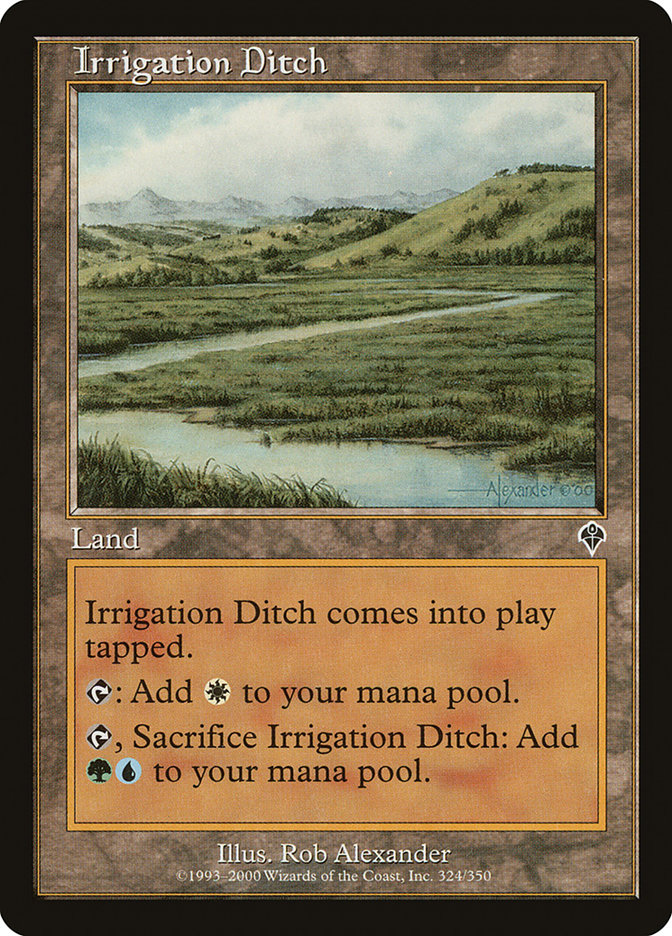
Irrigation Ditch is hardly better than Aysen Abbey. It’s a tap land that generates only white mana, and if you need blue or green, you can sacrifice it. The least bad aspect about this land is that you can get a one-shot boost of mana, so if you have a weird combo and play this land from your graveyard, that could be good.
#7. Bant Panorama
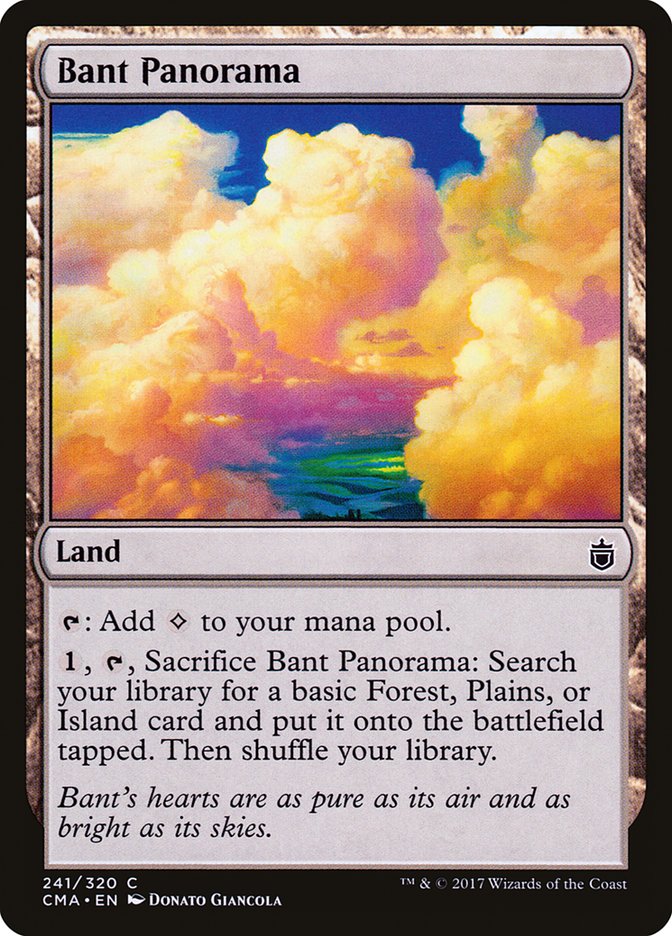
Bant Panorama is a fetch land for only three types of basics, so you can imagine these don’t see that much Constructed play unless you’re desperate for fetch lands. The worst aspect of the Panoramas is that you need to pay 1 mana to crack them, and the land still enters the battlefield tapped.
#6. Treva’s Ruins
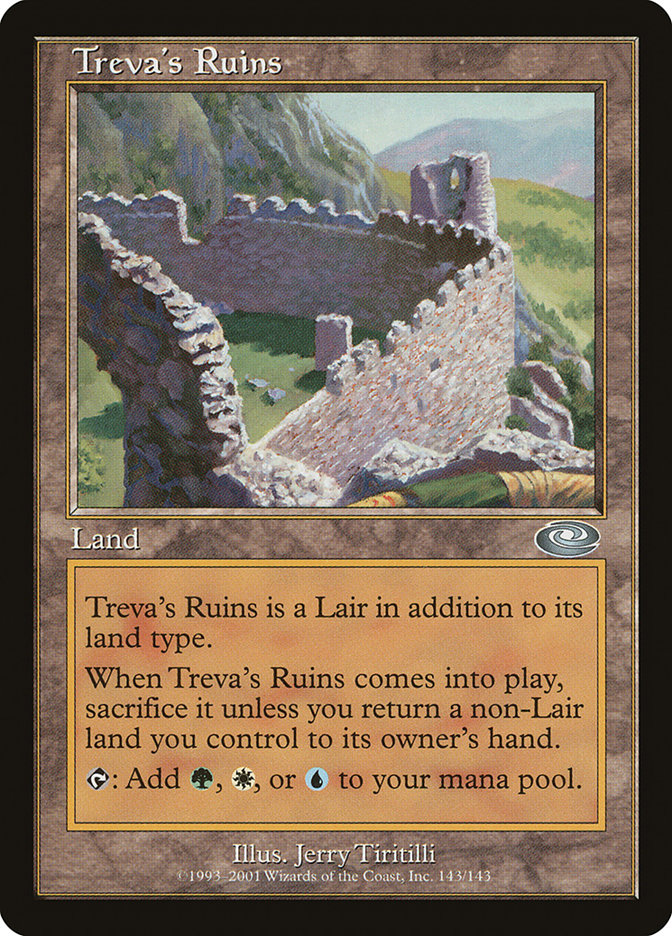
Treva's Ruins goes back to Planeshift, a set that had a strong 5-color focus, and a shard focus following Invasion. Probably the first Bant land ever printed to see Constructed play, at a time when fixing was really bad, this card is a mix between a tri-land and a Karoo land. But unlike Karoos or bounce lands, you don’t generate 2 mana with the land you’ve just played, so it’s a tempo disadvantage. You shouldn’t be playing this card without some synergies around returning utility lands to your hand, or a combo that needs this interaction.
#5. Brokers Hideout
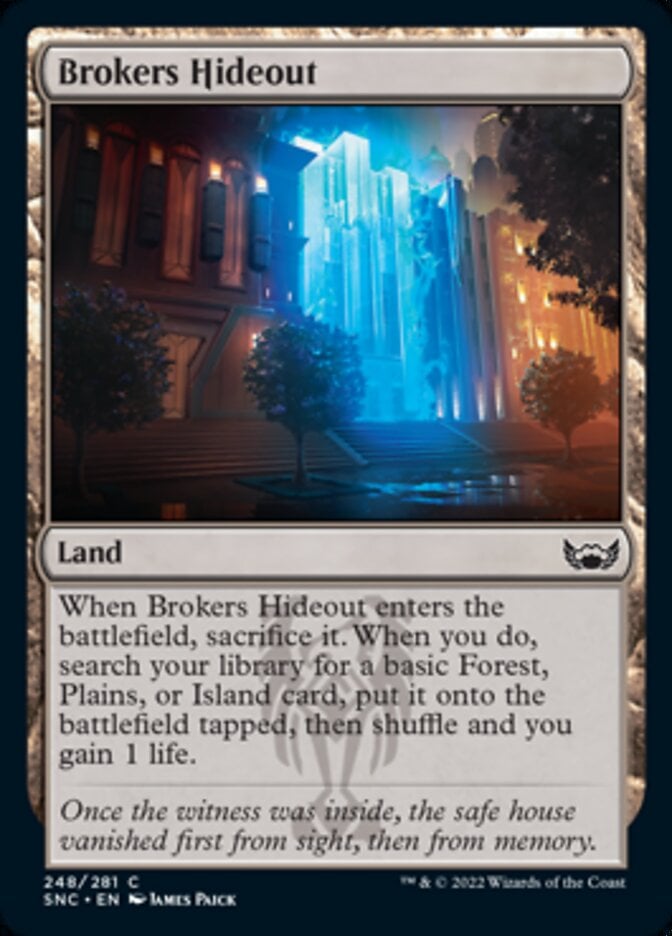
Probably inspired by Bant Panorama, Brokers Hideout has improved the design. You’ll crack it immediately without having to pay mana, and you even gain 1 life for your efforts. The worst part is that you don’t have any control over when you sacrifice this, so if you want to trigger landfall on specific occasions, this might not be the best land for you. But it was good enough to see some Standard play.
#4. Tranquil Landscape

Tranquil Landscape is proof that WotC can create amazing and budget-friendly fixing at common rarity for Limited and casual Constructed formats alike. Tranquil Landscape is basically Bant Panorama, only you don’t need to pay the extra mana to crack it. Plus, the cycling is extra nice once you already have mana. Play this card whenever you need an extra mana fixing option, or you need to replace that ultra-expensive fetch land in a more casual EDH deck.
#3. Seaside Citadel

We finally arrived at a Bant land that goes into every deck that needs these colors, no questions asked. Seaside Citadel is very basic: Generate three colors of mana, with a simple downside. Or you can think about this land as Treva's Ruins, but you don’t need to return any other lair to your hand.
#2. Spara’s Headquarters
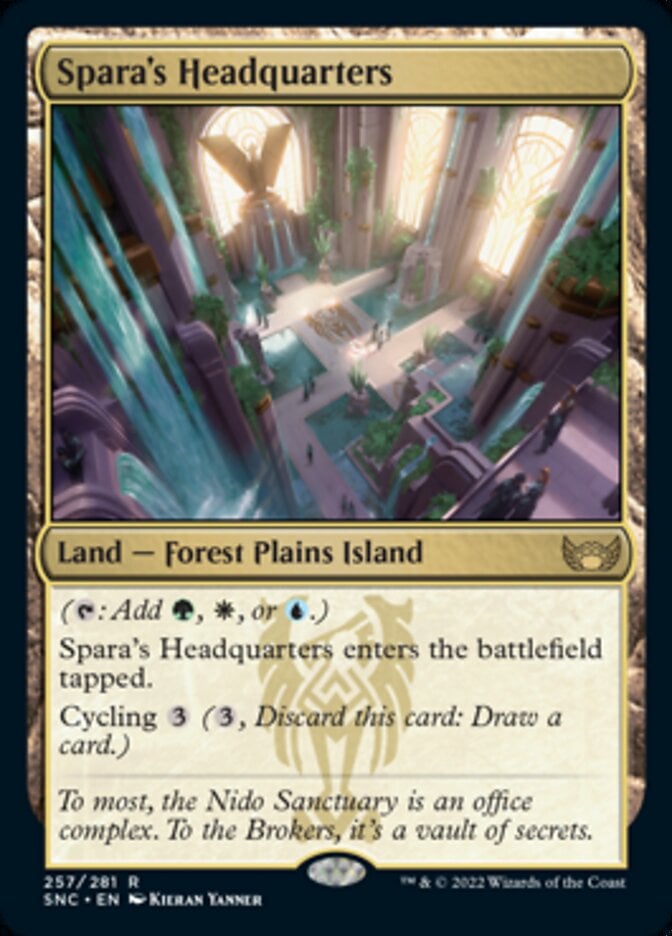
If not for the first place on this list, Spara's Headquarters would be the way to go for Bant lands and tric-olor lands in general. This card has three land types, so it’s fully fetchable, and it can be cycled later if lands and mana aren’t an issue. Also, having the land type forest is usually a plus, considering the many cards that interact with it, or that fetch exclusively forests (Krosan Verge, Binding the Old Gods, etc).
#1. Urban Retreat

Urban Retreat is one of the most unique lands ever printed. What makes this land unique is that you can put it into play if you pay and return a creature. Yes, it’s expensive, but it’s like having Explore on a land. If you return a tapped mana dork, this card only costs 1 to activate, and you can return creatures with strong enters abilities like Elvish Visionary or Mulldrifter to your hand. This card is good in the early game, and it has one of the best effects if you draw it late and you don’t need the extra land drop.
Wrap Up

Bant Panorama | Illustration by Donato Giancola
That’s it, folks, all the Bant lands in MTG. Allied tri-color combinations, or shards, have many options in comparison to enemy colors, but quantity doesn’t mean quality in this case. And we can also see that older tri-color lands were really bad, almost like they didn’t want tri-color decks to be viable. But Bant is slightly better than other color combinations because it has a unique land in Urban Retreat and access to non-land green mana fixing like Noble Hierarch and more.
What do you think about all these Bant offerings? Do you play old lands just for memes? Leave us a comment at Draftsim’s Twitter/X.
Thanks for reading, and keep making your land drops!
Follow Draftsim for awesome articles and set updates:










Add Comment