

High Perfect Morcant | Illustration by Victor Adame Minguez
Lorwyn is famous for many things, but one of its most memorable aspects is the focus on typal synergies. With support for elves, goblins, merfolk, faeries, and those other ones, Lorwyn introduced many staples that remain prominent in their respective strategies.
It’s no surprise that our next foray to the colorful, human-less plane would bring new typal commanders. One of the first Lorwyn Eclipsed previews was a powerful elf typal commander that shows off a new mechanic! Today, I’m building High Perfect Morcant to show off what elfball can do in Magic’s most popular format.
The Deck
Lathril, Blade of the Elves | Illustration by Caroline Gariba
Commander (1)
Planeswalker (3)
Freyalise, Llanowar's Fury
Tyvar, Jubilant Brawler
Tyvar Kell
Creature (44)
Allosaurus Shepherd
Badgermole Cub
Beast Whisperer
Birchlore Rangers
Birds of Paradise
Boggart Trawler
Circle of Dreams Druid
Craterhoof Behemoth
Deathrite Shaman
Delighted Halfling
Devoted Druid
Dionus, Elvish Archdruid
Dwynen's Elite
Eladamri, Korvecdal
Elves of Deep Shadow
Elvish Archdruid
Elvish Champion
Elvish Clancaller
Elvish Harbinger
Elvish Mystic
Elvish Visionary
Elvish Warmaster
Evolution Sage
Ezuri, Renegade Leader
Fauna Shaman
Formidable Speaker
Fyndhorn Elves
Galadhrim Brigade
Generous Patron
Harald, King of Skemfar
Heritage Druid
Imperious Perfect
Leaf-Crowned Visionary
Llanowar Elves
Lys Alana Huntmaster
Nettle Sentinel
Priest of Titania
Quirion Ranger
Realmwalker
Reclamation Sage
Shaman of the Pack
Skemfar Avenger
Tyvar, the Pummeler
Wirewood Symbiote
Instants (8)
Chord of Calling
Elven Ambush
Heroic Intervention
Kindred Summons
Legolas's Quick Reflexes
Malakir Rebirth
Revitalizing Repast
Veil of Summer
Sorcery (9)
Elvish Promenade
Finale of Devastation
Glimpse of Nature
Green Sun's Zenith
Kindred Dominance
Nature's Rhythm
Pact of the Serpent
Patriarch's Bidding
Shamanic Revelation
Enchantment (2)
Flourishing Defenses
Tale of Katara and Toph
Artifact (1)
Land (32)
Bayou
Boseiju, Who Endures
Cavern of Souls
City of Brass
Deathcap Glade
Dryad Arbor
Forest x8
Gilt-Leaf Palace
Llanowar Wastes
Mana Confluence
Multiversal Passage
Nurturing Peatland
Nykthos, Shrine to Nyx
Overgrown Tomb
Prismatic Vista
Shifting Woodland
Starting Town
Takenuma, Abandoned Mire
Three Tree City
Underground Mortuary
Undergrowth Stadium
Urza's Cave
Verdant Catacombs
Wastewood Verge
Wirewood Lodge
This deck is elfball, through and through. It showcases the ease with which elves produce mana to flood the board with bodies, then stomps the table into dust with lords and mass pump effects. Though it doesn’t have many high-cost cards, it’s a thoroughly green strategy.
Because elves are so intrinsically tied to green, the deck biases green. The few black cards are either elf-specific support or generic typal effects that enhance the core theme.
The Commander: High Perfect Morcant

High Perfect Morcant turns your elves into -1/-1 counters to send your opponent’s board spiraling to the graveyard. As if throwing multiple counters down a turn weren’t enough, you even get to proliferate! An effect like this that lets your opponent choose to put counters on their worst creature would typically come with big red flags since you might not kill the threat you want, but Morcant produces enough counters to set that worry aside.
One unique aspect of this deck that Morcant enables is a near-complete lack of interaction. It relies on Morcant to keep opposing boards in check, and it trusts in elfball’s wild ramp to get it down early enough to matter. It’s a high-risk strategy, but it leads to a very exciting deck that’s all gas, all the time.
You might notice a near-lack of -1/-1 counter payoffs, too. Part of this has to do with how blight interacts with, say, Hapatra, Vizier of Poisons: Since Hapatra cares about when you put -1/-1 counters on creatures, blight doesn’t trigger it because your opponent puts the counters from blight on their creatures. Proliferate still triggers Hapatra, but it isn’t nearly as good as it looks.
There was also a consistency issue. Cards like Maha, Its Feathers Night and Necroskitter make the deck inconsistent in two regards. The first is that they don’t interact with the core elfball gameplan; the second is their oft-color intensive mana costs. Double black is hard with such a green-centric game plan. Between those flaws, they were dead draws more often than not.
Typal Payoffs, Part One: Generic
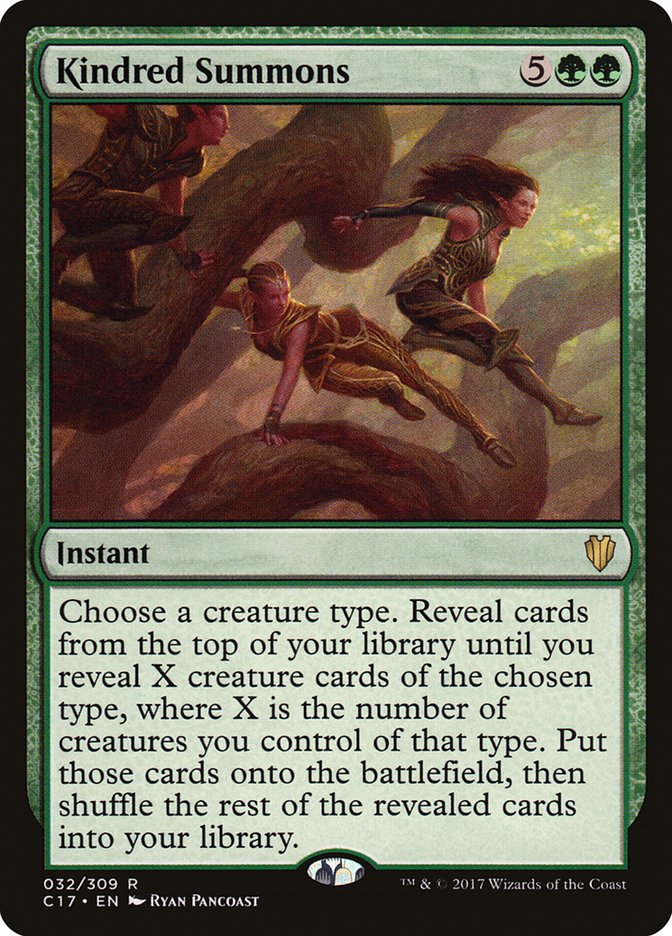
Kindred Summons provides an outlet for elf mana. It often feels like a pseudo board wipe since you rack up blight triggers plus bodies for proliferate.
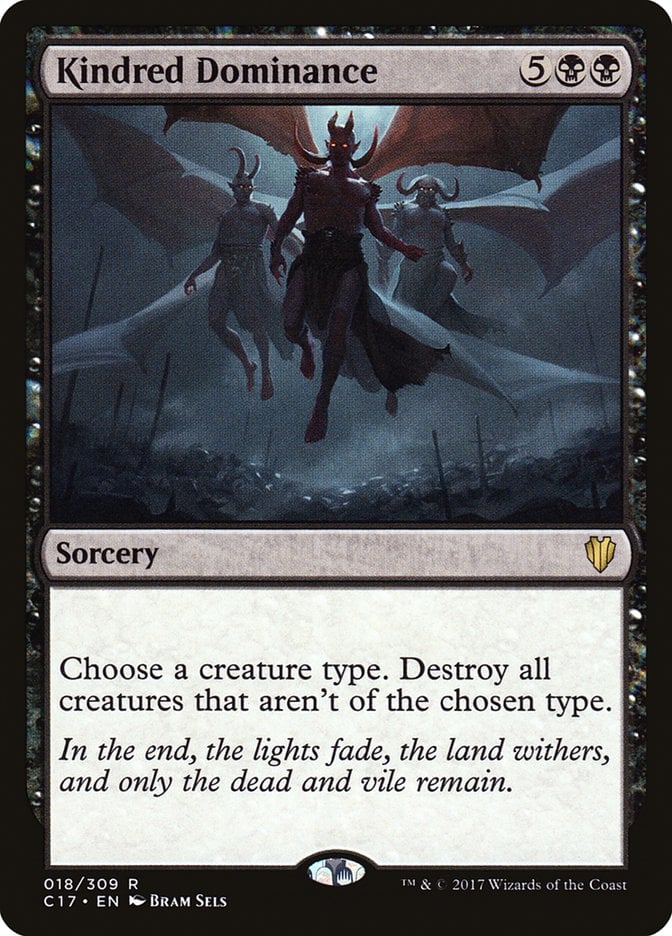
Kindred Dominance is one of the few non-Morcant removal spells in the deck, largely because it’s secretly modal: Cast it with enough elves in play, and your opponents won’t have the blockers to stop you from winning.
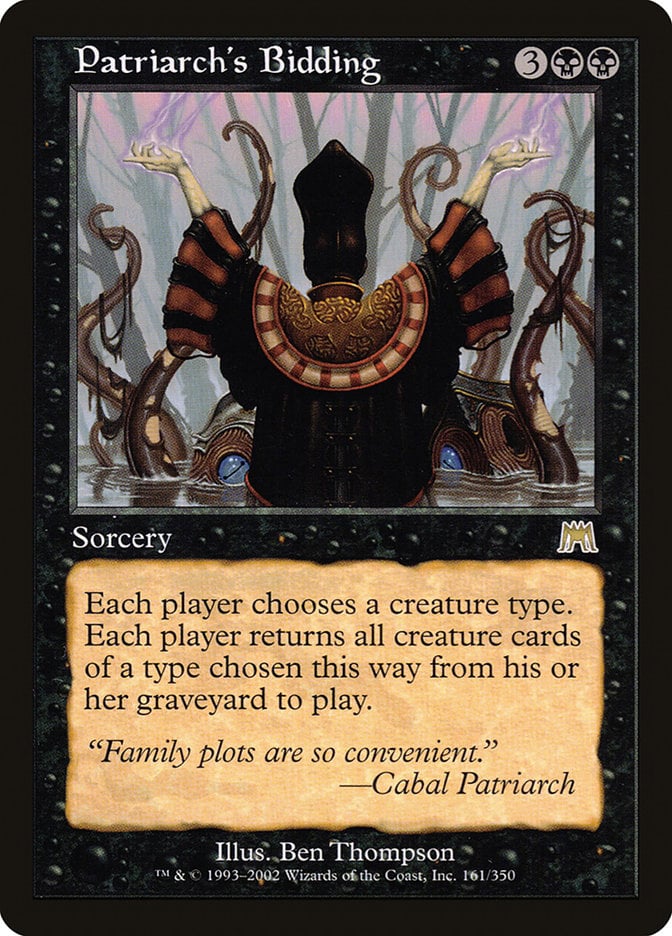
Patriarch's Bidding rebuilds after a wrath by reanimating all your elves. If you have this card, consider letting High Perfect Morcant hit the graveyard so you accumulate blight triggers in the mass reanimation.
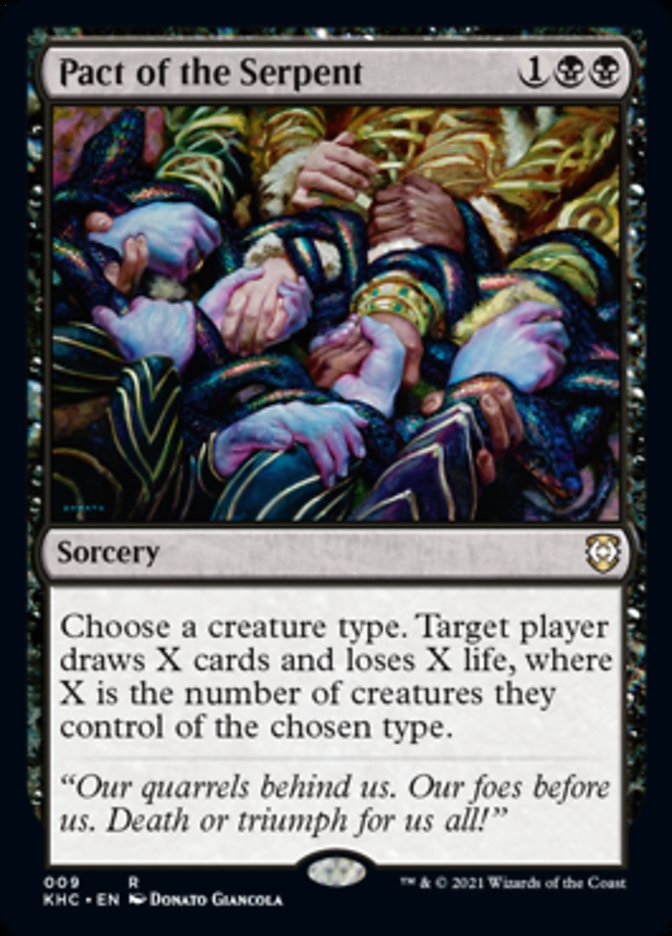
Pact of the Serpent rounds this section out as the single best black card in the deck. It refills your hand at a criminally low rate, even if it costs you life along the way. Drawing so many cards is worth the effort of finding 2 black mana, and it often signals a win on the horizon.
Typal Payoffs, Part Two: Elf-Specific
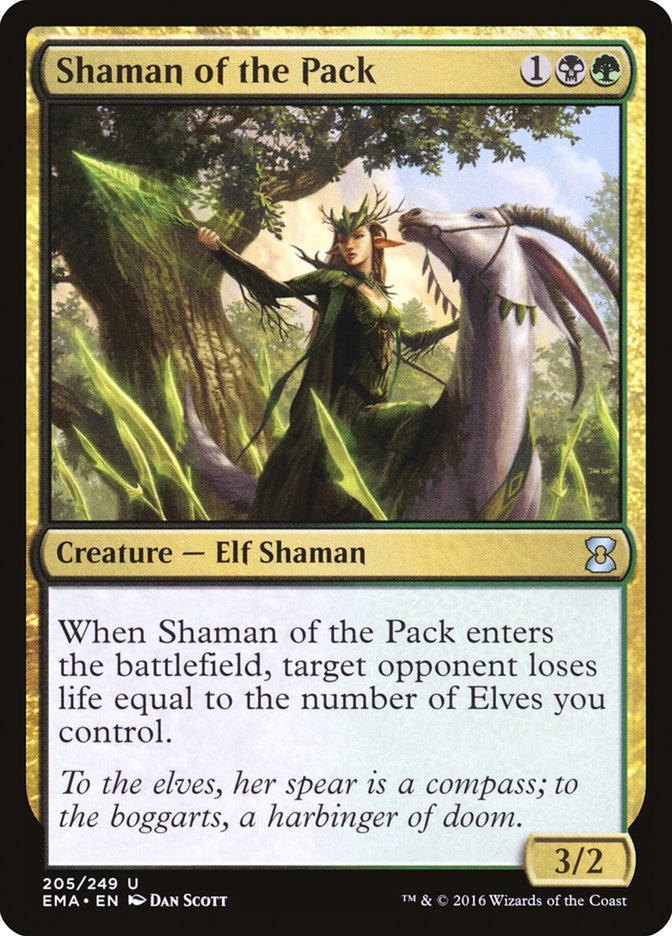
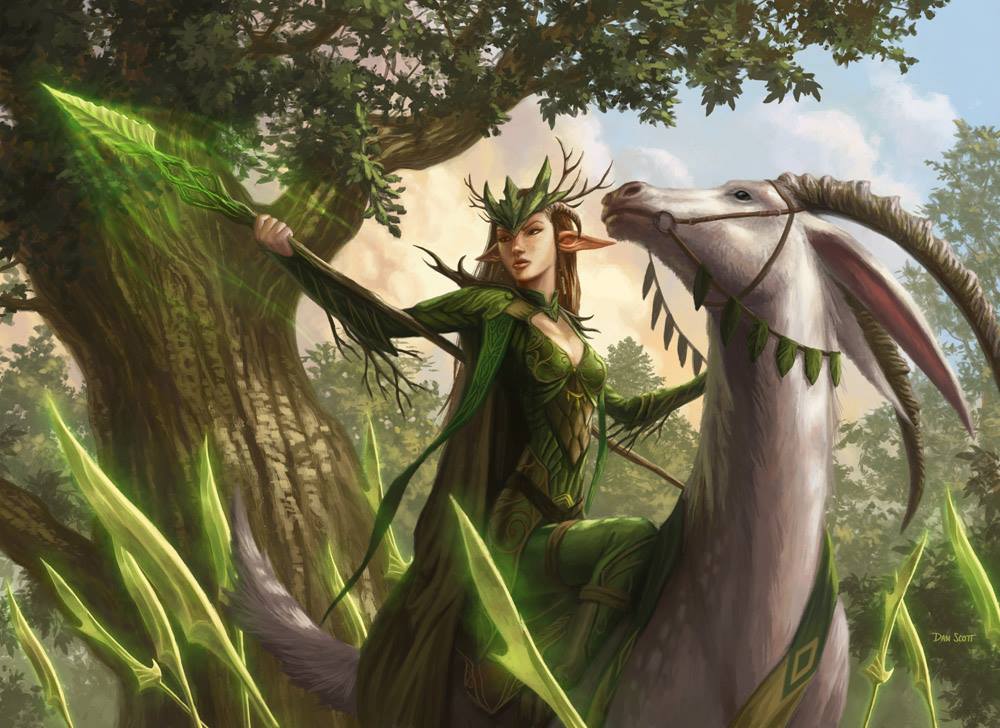
Shaman of the Pack is crucial to this deck for a few reasons. It can turn a wide board into a lethal strike force without a mass pump attack, and more importantly, it provides a win condition that doesn’t require that you attack into Sphere of Safety and similar effects.
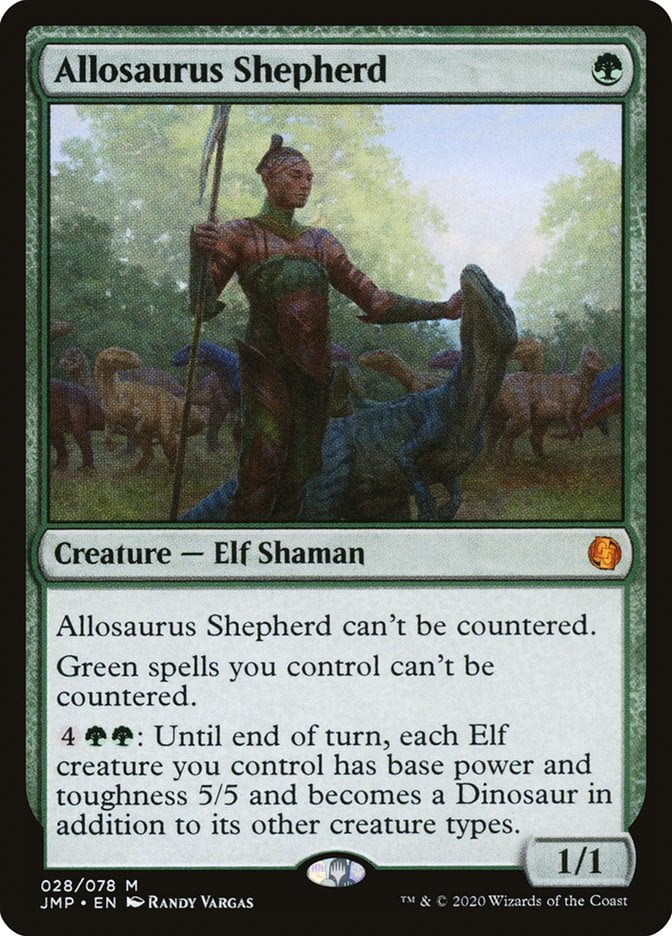
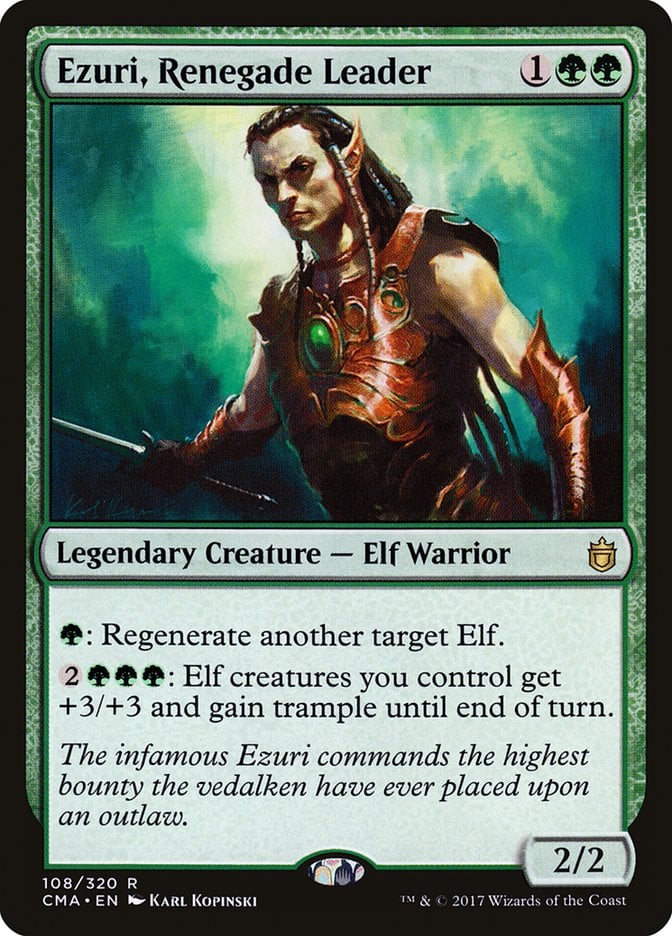
Allosaurus Shepherd and Ezuri, Renegade Leader pump a board of elves into something formidable. They also provide protection from opposing interaction by making spells uncounterable and providing regeneration shields, respectively. They go a long way towards smoothing out the deck.
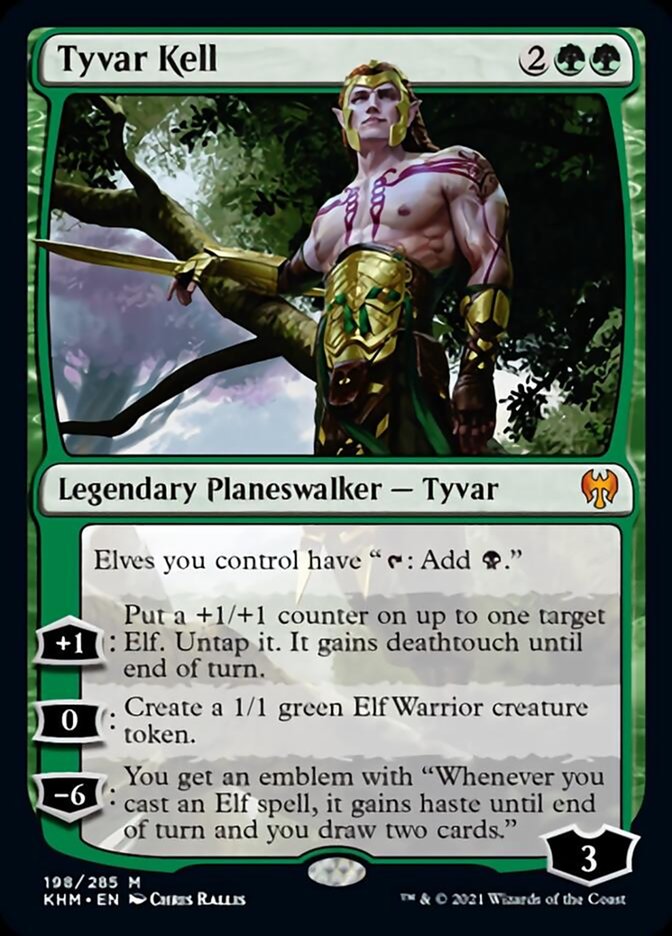
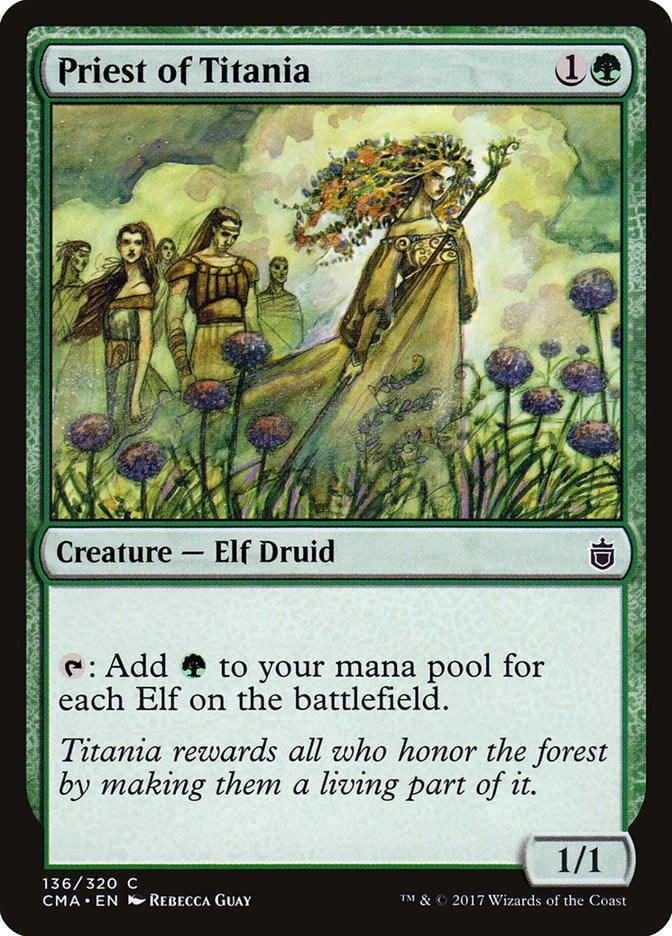
Tyvar Kell provides vital mana fixing since all your elves get to tap for black, and it untaps one. That seems underwhelming, until you consider that it means that five creatures can activate Morcant’s proliferate ability twice or that Priest of Titania makes 10 mana instead of 5.
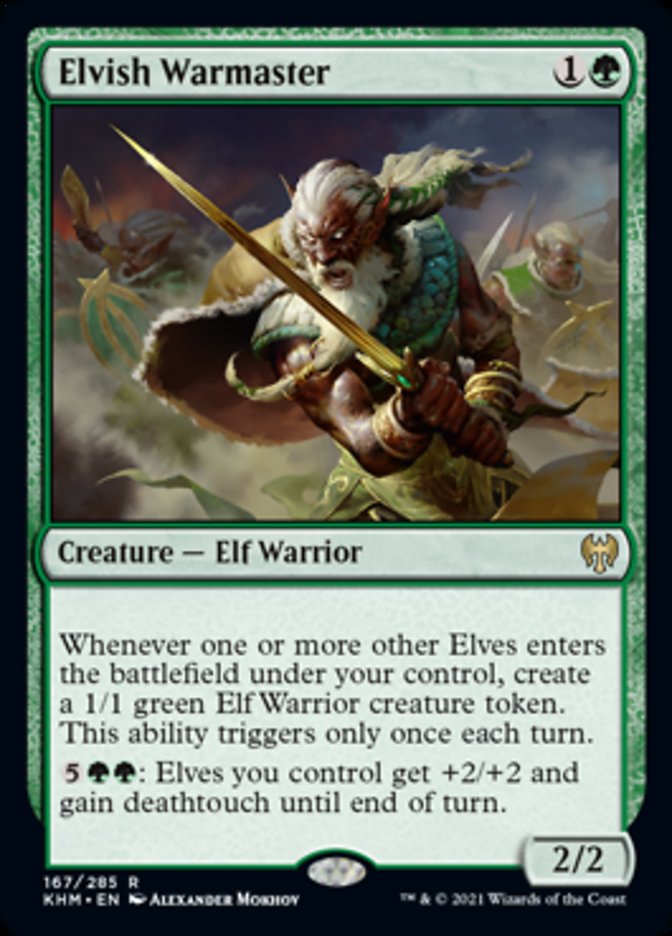
Elvish Warmaster also has a pump ability, but you want the triggered ability: Creating an Elf Warrior token whenever your first elf enters means your first elf comes with two blight triggers, two-thirds of a proliferate trigger, and two bodies to carry a pump spell—among other benefits.
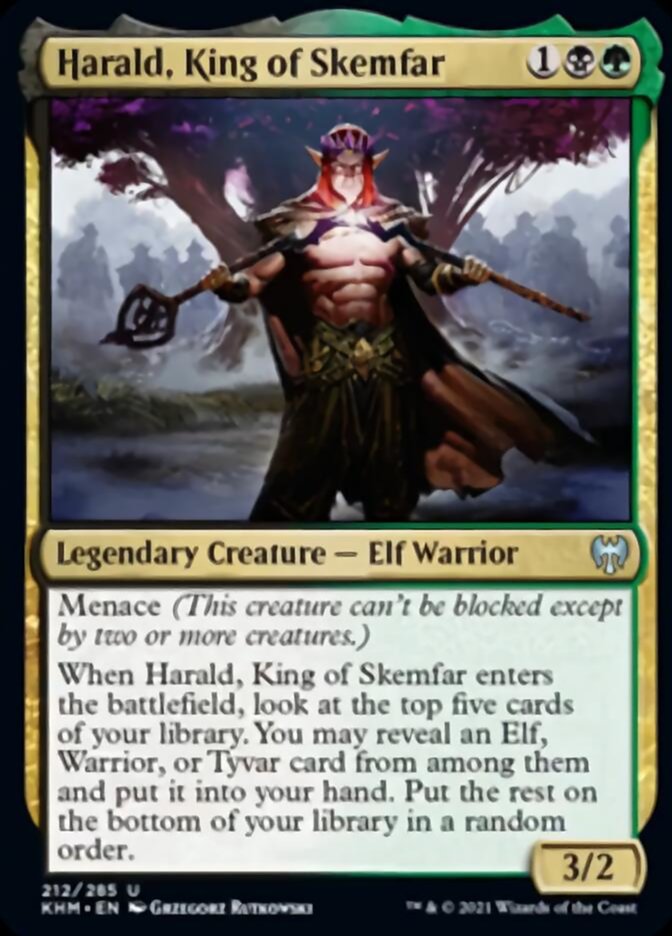
Harald, King of Skemfar simply cantrips when it enters. In addition to 40ish elves, the deck has two Tyvar planeswalkers for it to grab. It’s not flashy, but who hates more card advantage?
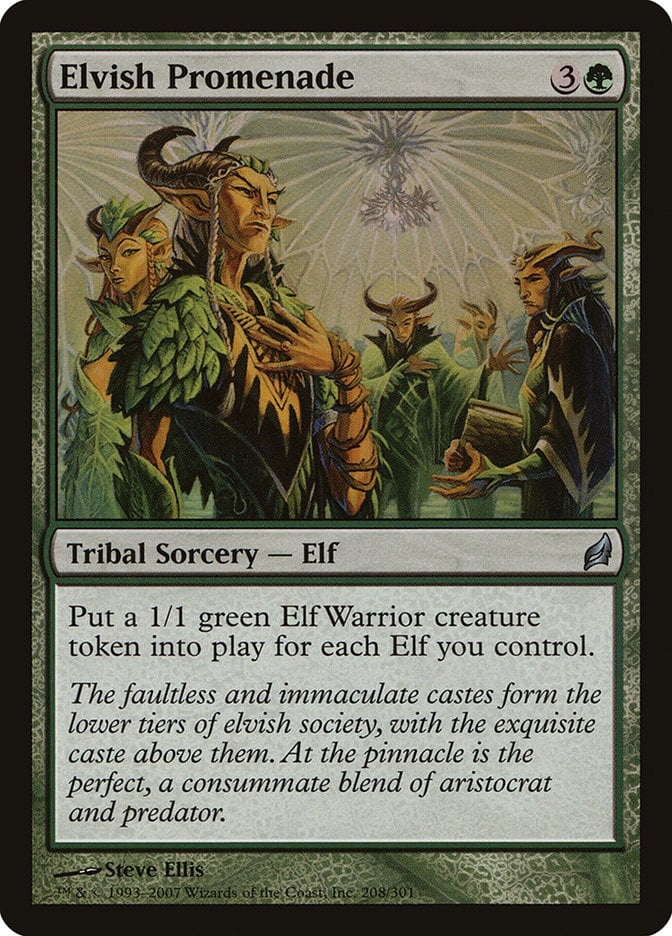
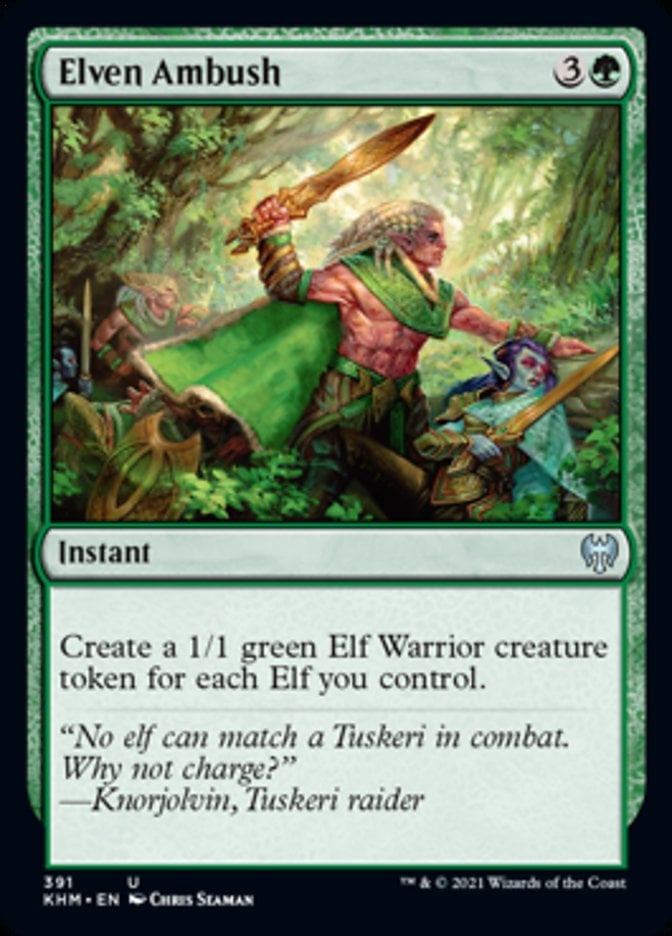
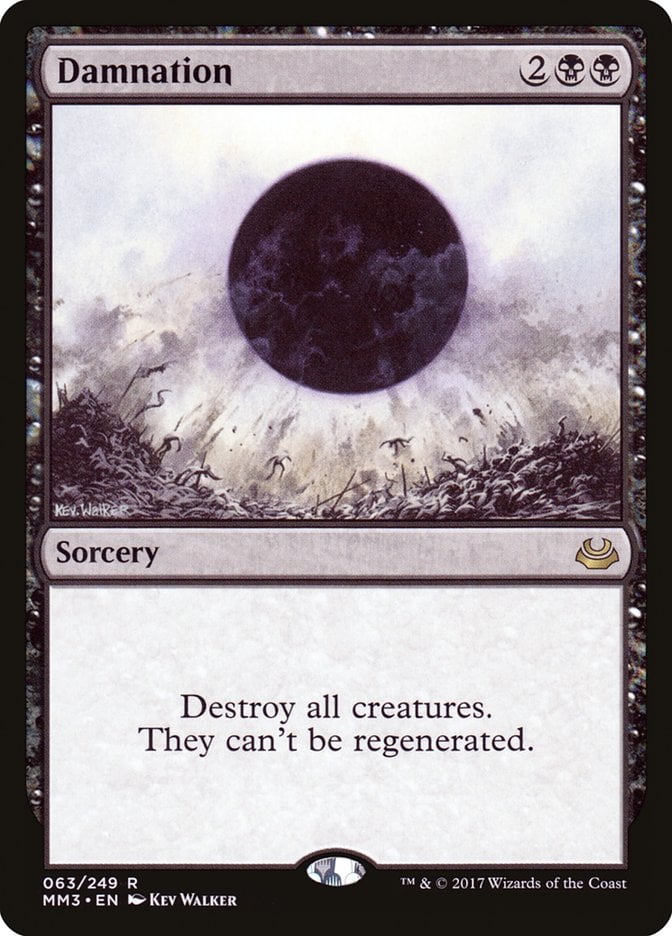
Elvish Promenade and Elven Ambush can be risky since they don’t work after Damnation, but they’re too juicy with this commander and cards that care about the number of elves you control to pass up.
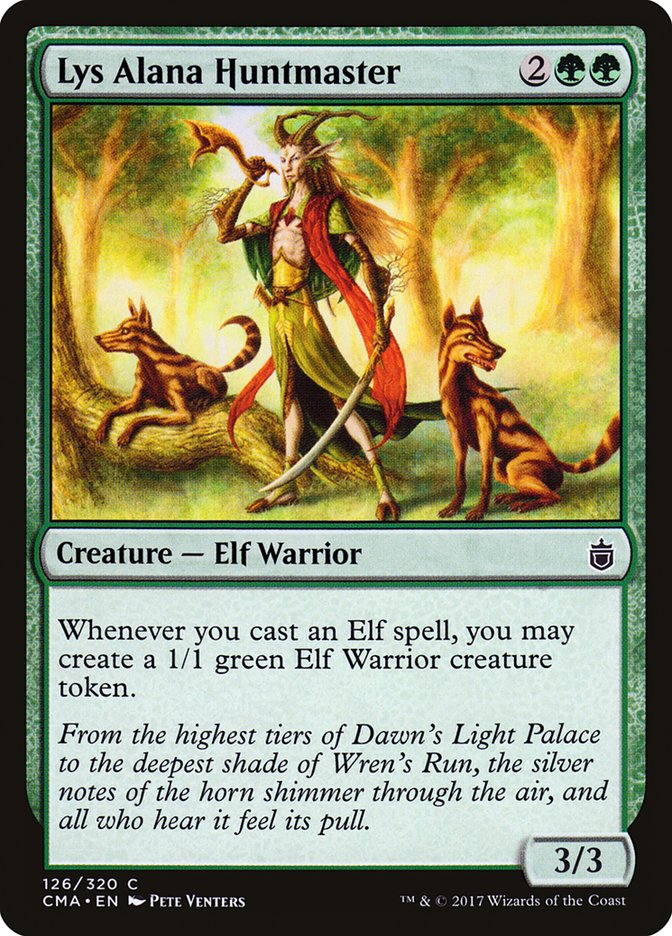
Lys Alana Huntmaster is the best token generator in the deck, bringing plenty of reinforcements as your turns get bigger and bigger. It’s especially useful post-wrath as it brings your board back into relevance with just a few triggers.
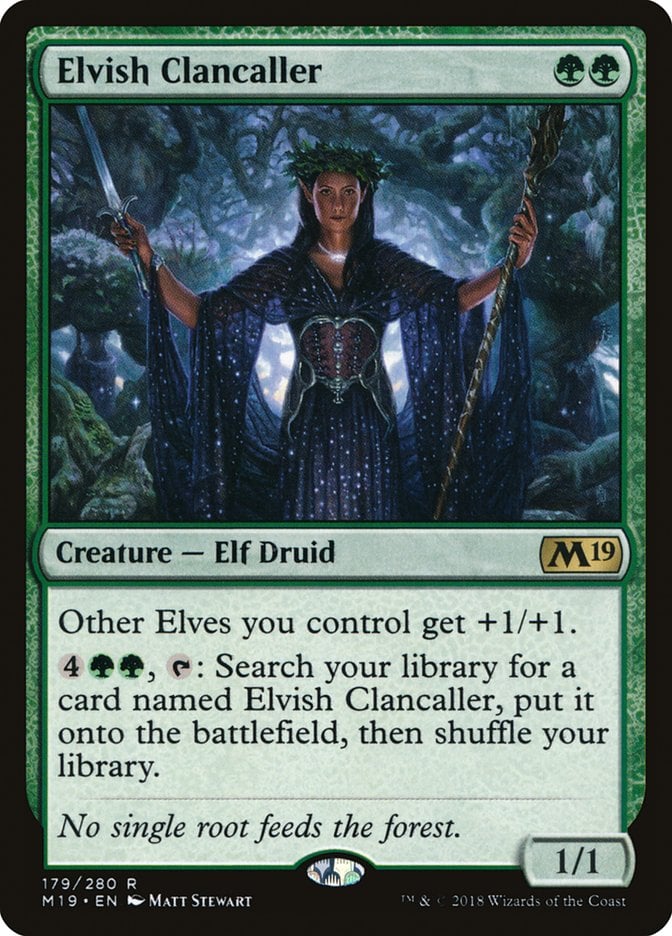
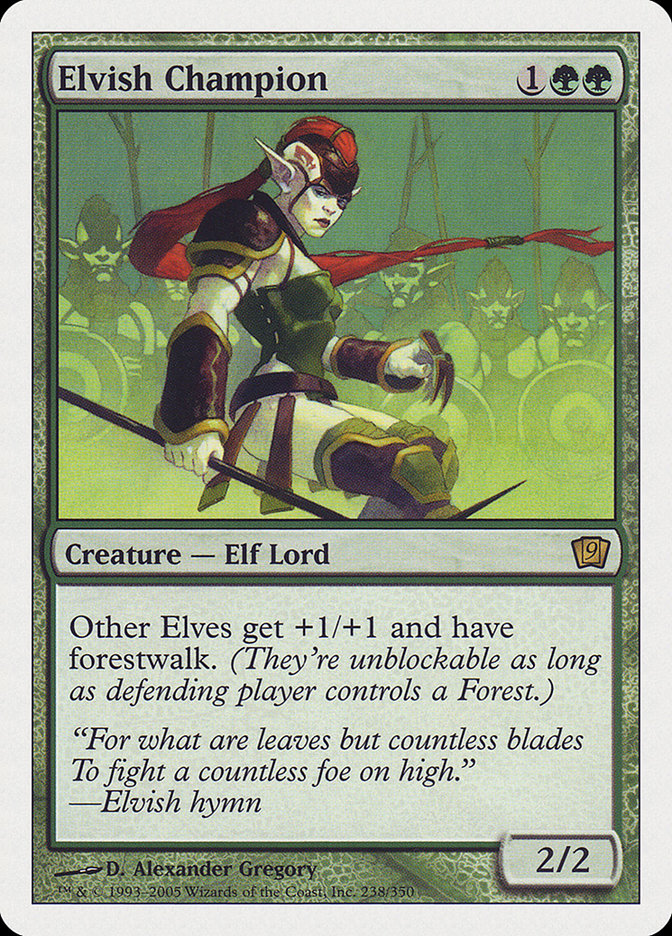
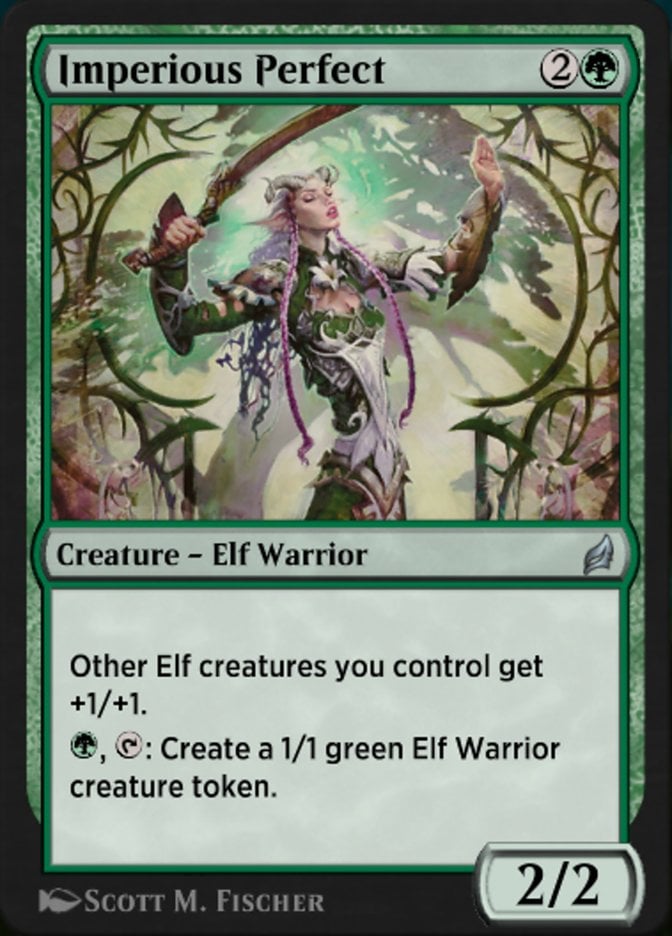

The deck summons lords from throughout Magic’s history to make your elves stronger. The least of these is Elvish Clancaller, with an activated ability that doesn’t mesh in singleton—but it’s still a cheap, relevant elf. Elvish Champion provides a simple anthem, but it can be a finisher in the right pod. Imperious Perfect is probably the best of these, as it brings elves to pump. Like the Huntmaster, it’s another great card to rebuild with. Galadhrim Brigade plays like a mass pump spell thanks to squad.

The best payoff is Dionus, Elvish Archdruid, with its lethal untap ability. Even ignoring the potential mana production from untapping dorks, it’s a perfect partner for Morcant. It puts +1/+1 counters on your elves so they benefit from the proliferate trigger, and it untaps them so you can use it multiple times a turn. Dionus elevates Morcant from a removal engine to a mass pump effect in its own right.
Typal Payoffs, Part Three: Mana Generation
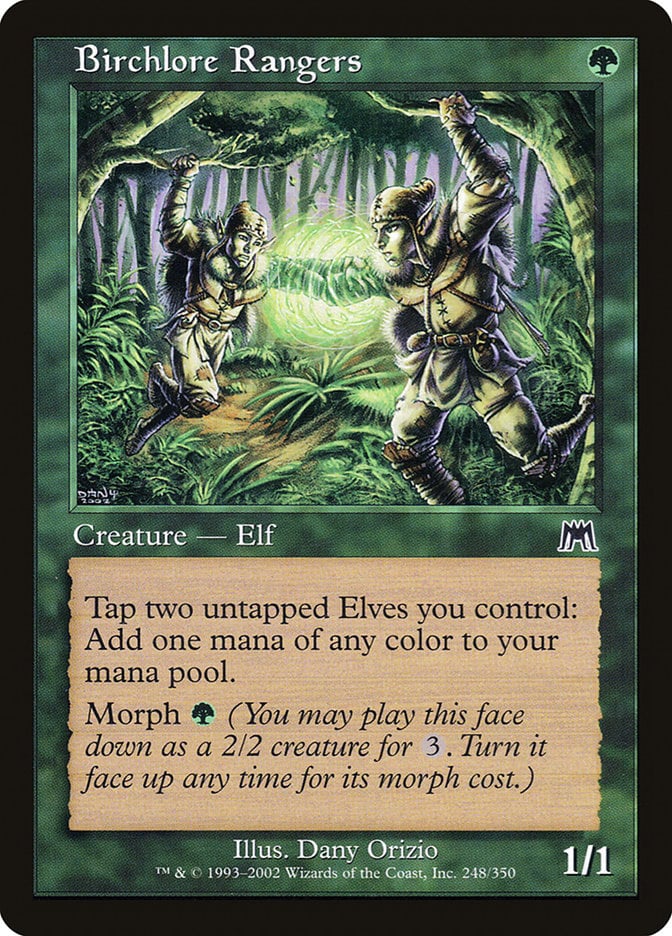
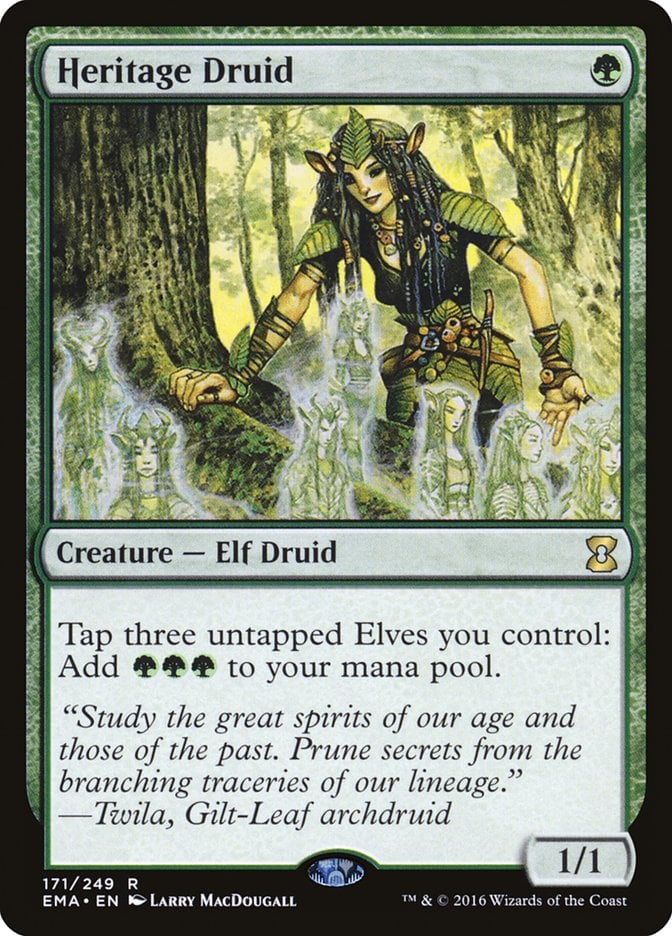
Birchlore Rangers looks strange as a dork that makes two elves tap for just one mana, but it doesn’t take long for it to become a serious problem. Elves tapping for half a mana each adds up fast when you have 10+ elves. Heritage Druid has a similar, though more potent ability that taps multiple elves for a single mana each. It isn’t strictly better, though, because Birchlore Rangers provides a better start and fixes mana for your black spells.
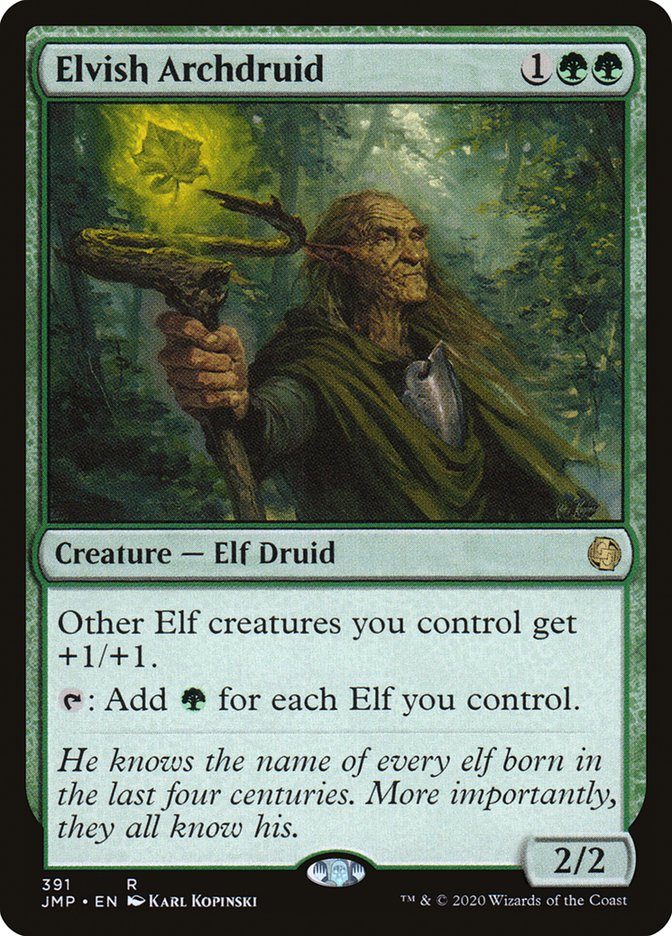
Elvish Archdruid tops all other elf lords because of its mana generation. In a dedicated elf deck, it functions like Gaea's Cradle that counts itself and buffs the board—what’s not to love?
Priest of Titania is the best of these elf-dorks. It taps for the most mana for the lowest cost. Most of the deck’s best draws revolve around this creature, so tutor for it often.
Tutors
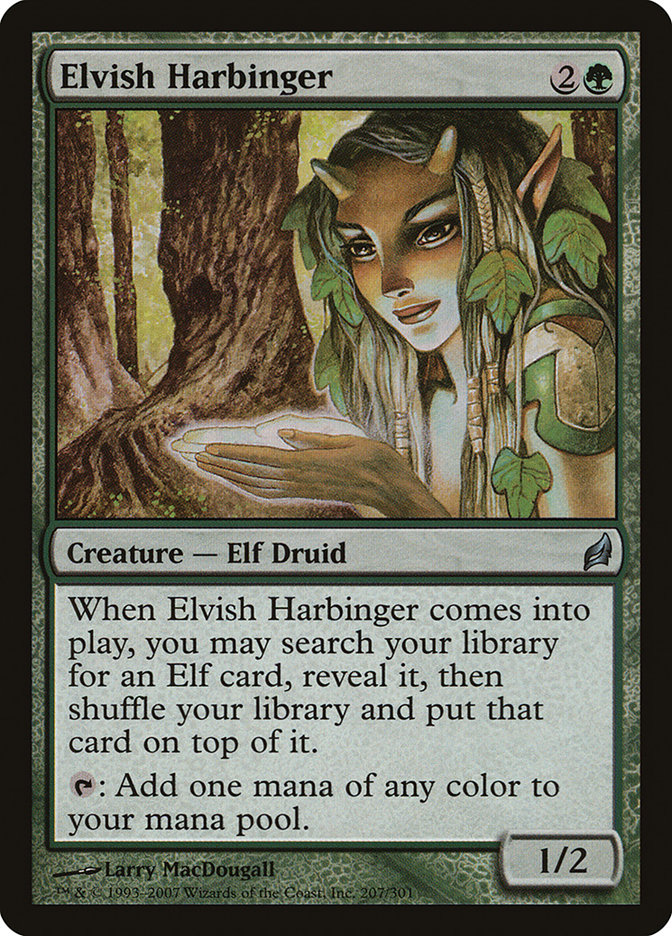
Elvish Harbinger is the weakest tutor because it puts the tutored creature on top of your library instead of in your hand or the battlefield, but it triggers your synergies and produces mana itself.
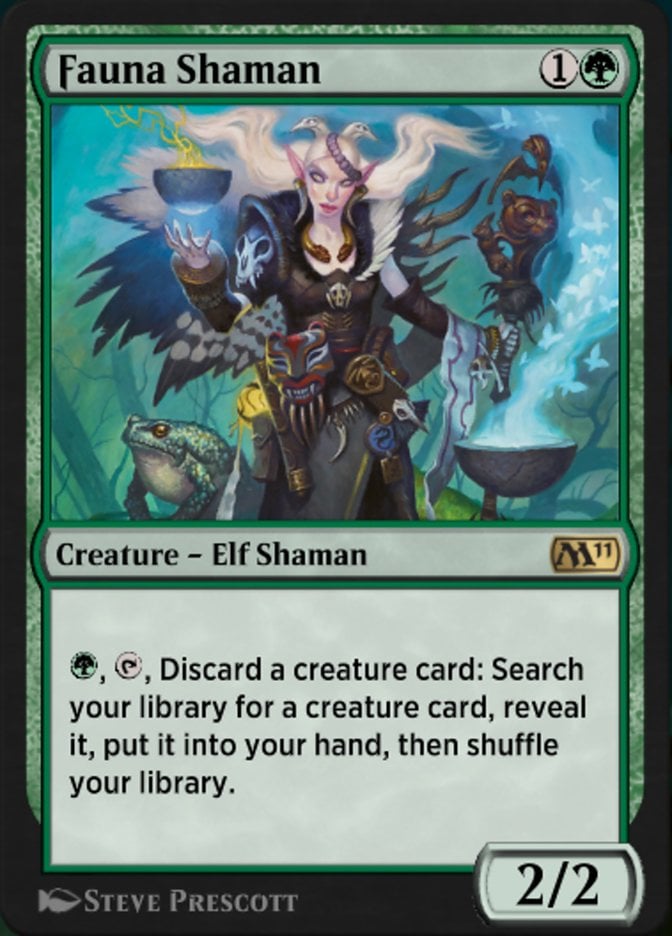


Fauna Shaman gets bonus points as a repeatable tutor, plus it isn’t restricted to only elves, which matters for cards like Boggart Trawler and Badgermole Cub.

Formidable Speaker lives up to the name. Cycling a land for a real card is beautiful, and the untap ability works wonders with Priest of Titania and similar cards.

Nature's Rhythm is a recent but welcome addition to green’s pool of tutors. Harmonize is amazing, even with the high cost; you can find a Priest of Titania or Heritage Druid to kick off the early game, then recast it to find Craterhoof.
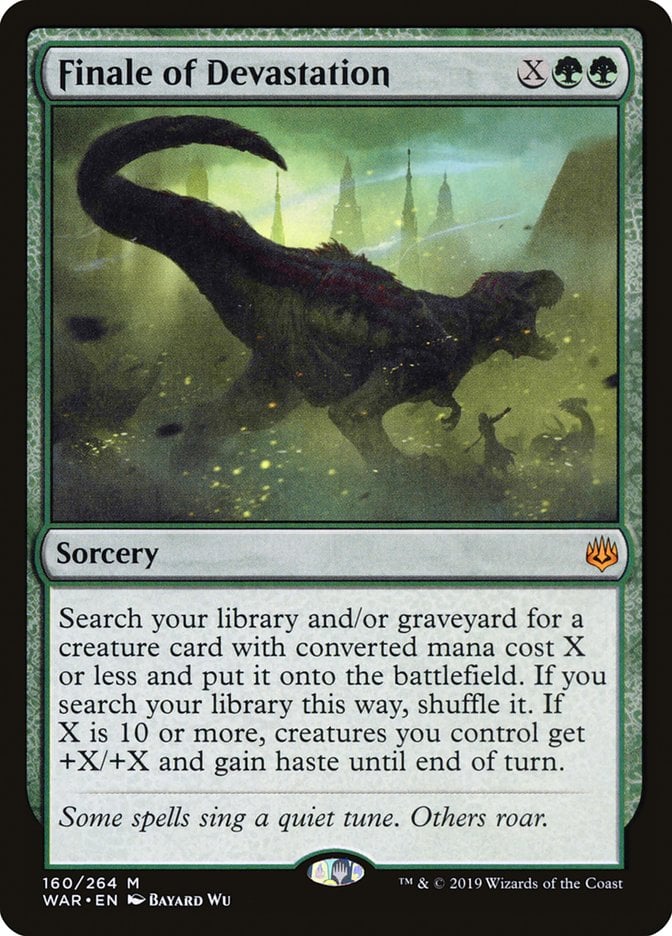
Finale of Devastation has a few handy uses. Since you can search your graveyard, it flexes between being a tutor or a recursion spell, and it serves as a mass pump effect to close the game.
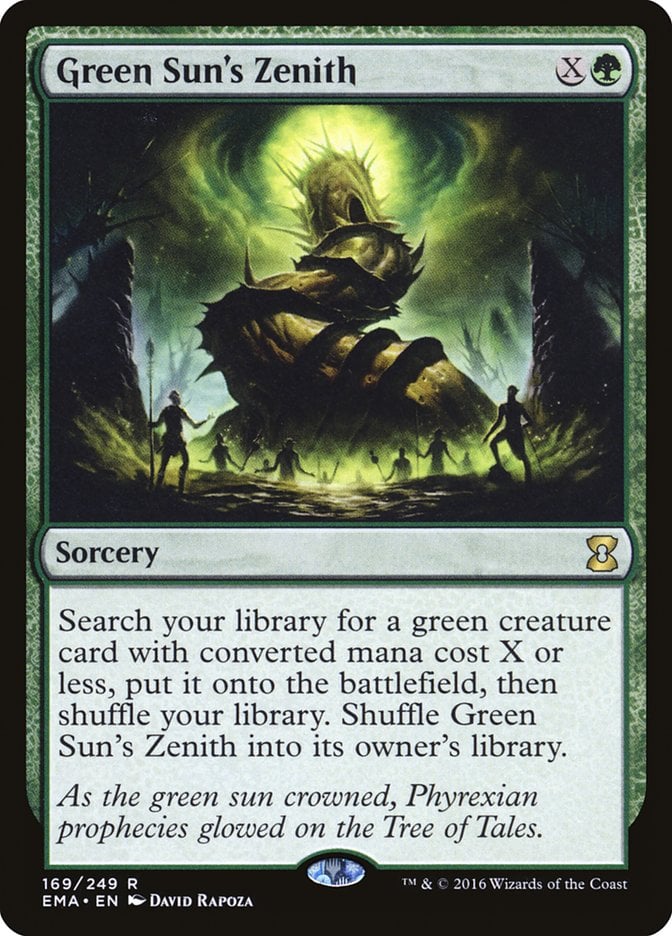
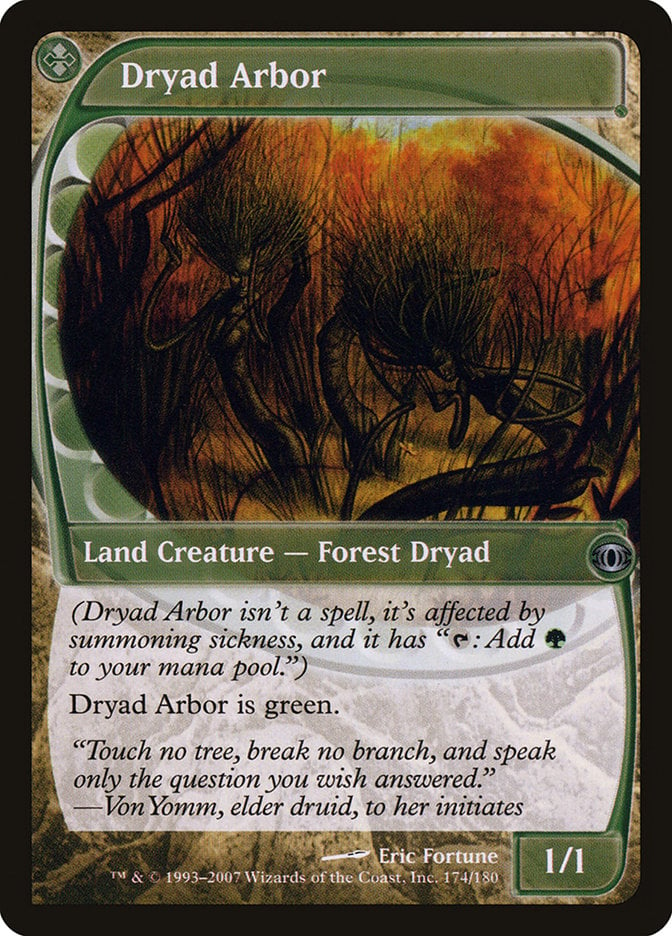
Green Sun's Zenith’s restriction doesn’t matter in this deck because the important pieces are green. If you get really lucky, you might get multiple tutors off it. It also has decent flexibility since this deck’s mana base includes Dryad Arbor, so GSZ functions as a 1-mana dork.
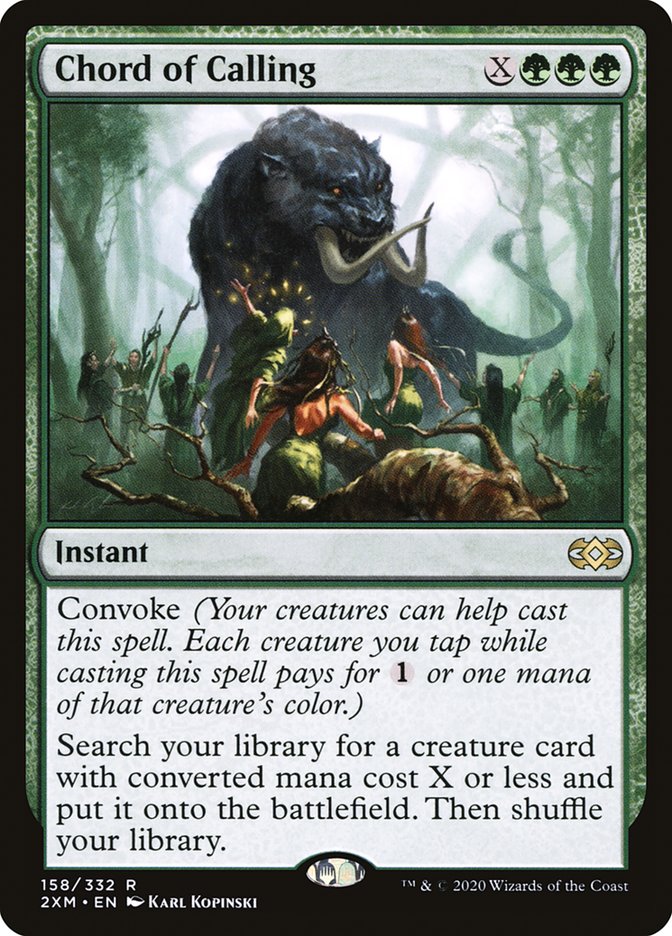
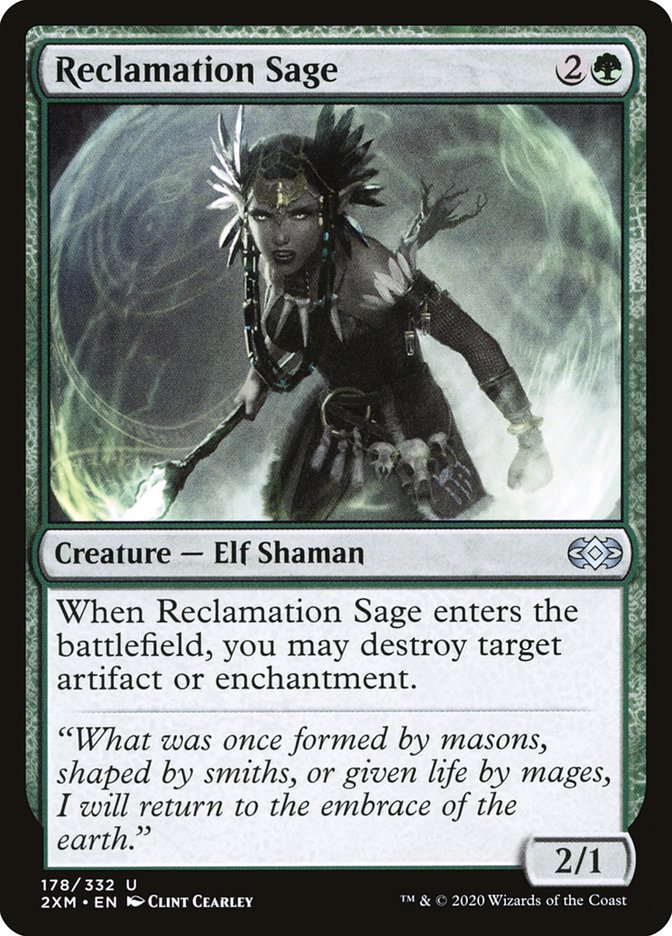
Chord of Calling is one of the older tutors, but still the best. You can cast it at instant speed for an emergency Reclamation Sage, bluff an interactive spell, or save mana next turn. It’s a little expensive, but convoke offsets that nicely. If you play only one tutor, make it this one.
Odds & Ends

Eladamri, Korvecdal lets you cast creatures from the top of your library for a simple yet honest source of card advantage. It can be dishonest when it comes to a 1-mana Craterhoof Behemoth, though.
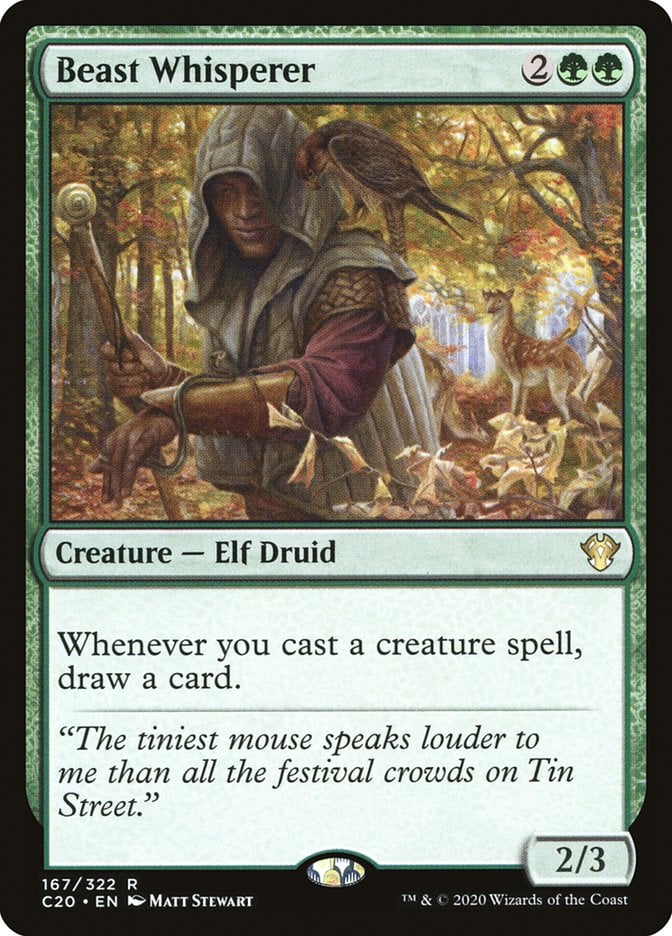
Beast Whisperer offers card draw so powerful you wouldn’t know it’s green. It’s expensive enough that you need to wait a turn for the full benefits unless your engines are roaring, but it provides enough card advantage to close a game itself.
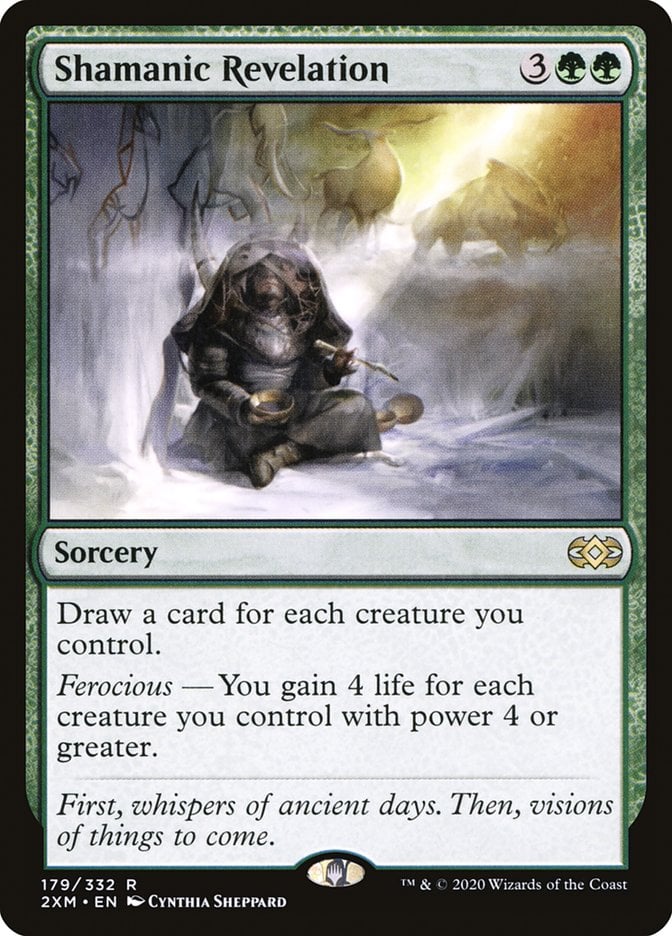
Shamanic Revelation turns a wide board into lots of cards, though it comes with the weakness that it does nothing if your opponent wraths your board. It’s worth the risk; huge bursts of card advantage are necessary to properly use the mana elves produce.
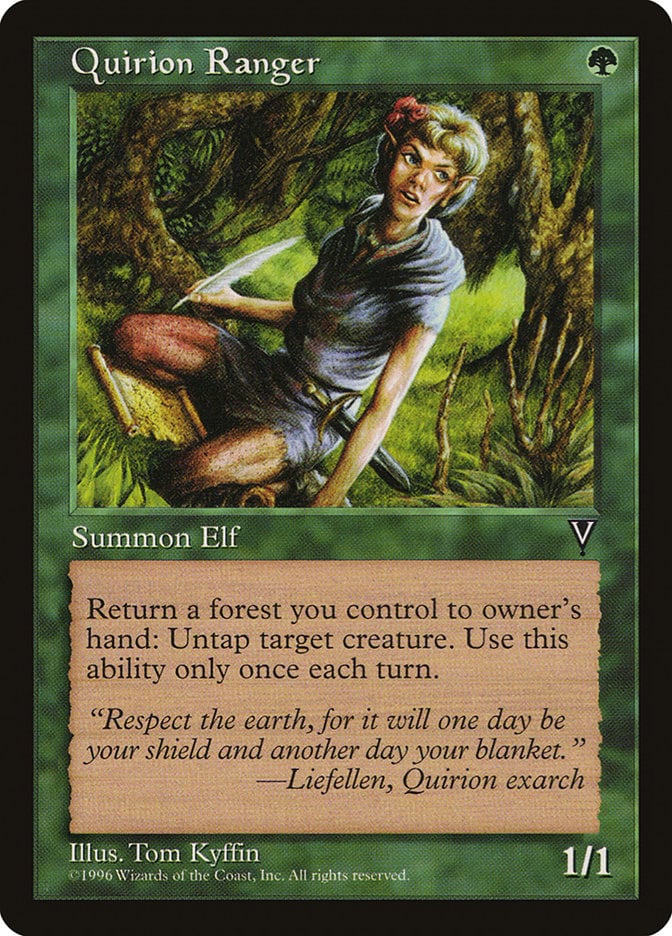
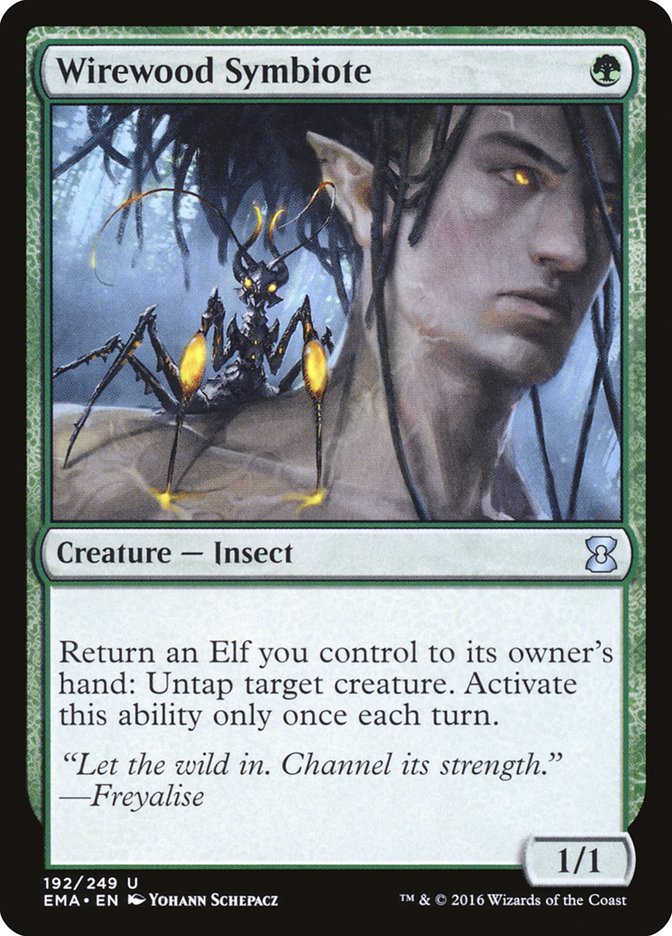
Quirion Ranger and Wirewood Symbiote are excellent support pieces played in most elf decks. Their primary purpose is to untap Priest of Titania and other dorks that tap for multiple mana, but they can fuel Morcant’s proliferate ability in a pinch.
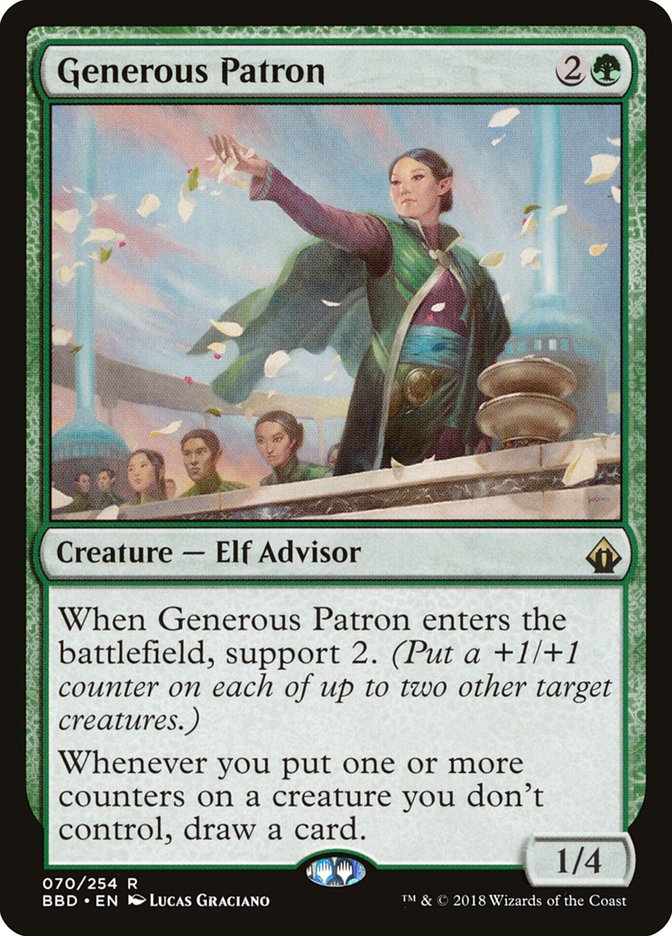
Generous Patron has the same non-interaction with blight that Hapatra does, which is to say they don’t work together. But it does work when you proliferate with Morcant, plus it’s playable as an elf-typed Divination.
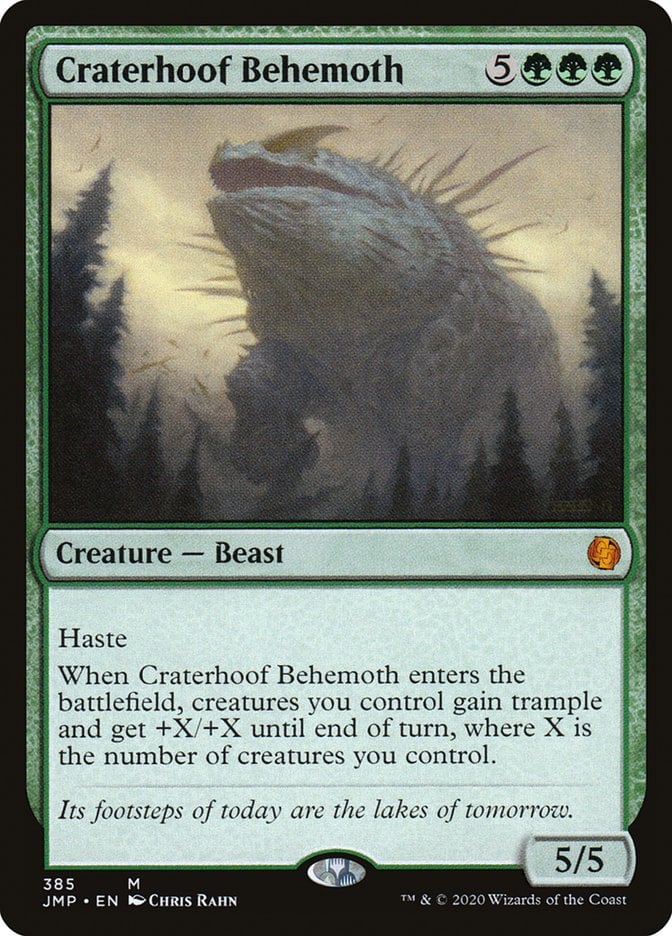
Craterhoof Behemoth is the best mass pump effect in the game and your most convincing finisher. Not everybody loves the ‘Hoof, but it’s the win condition in so many elfball decks in other formats that excluding it felt weird.
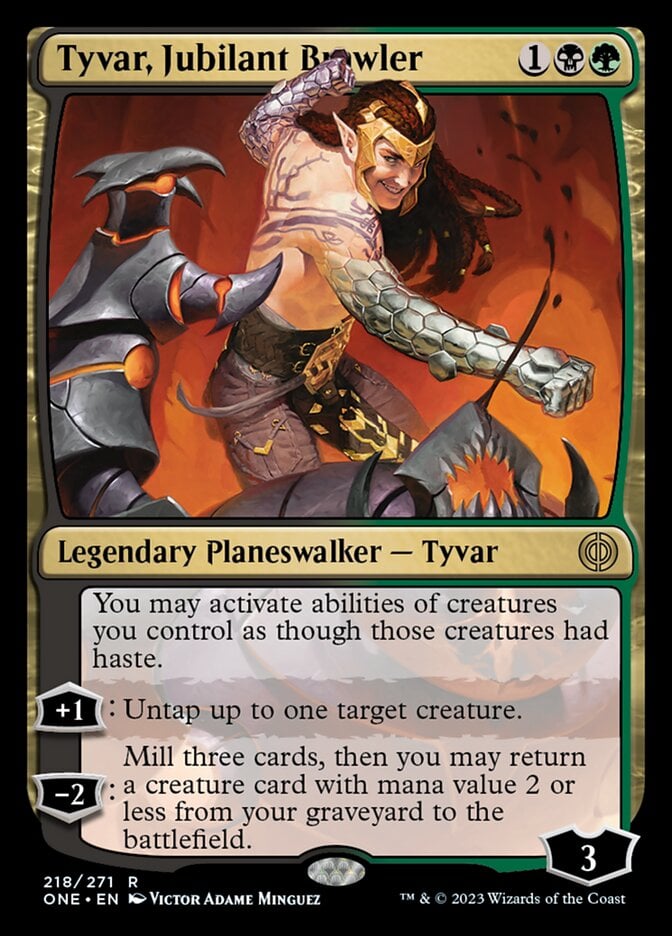
Some of the deck’s best draws include Tyvar, Jubilant Brawler because its static ability lets your dorks tap for mana the turn they enter and the untap ability lets them do it again. It’s a headache for your opponents when your Priest of Titania becomes a better Cabal Ritual.
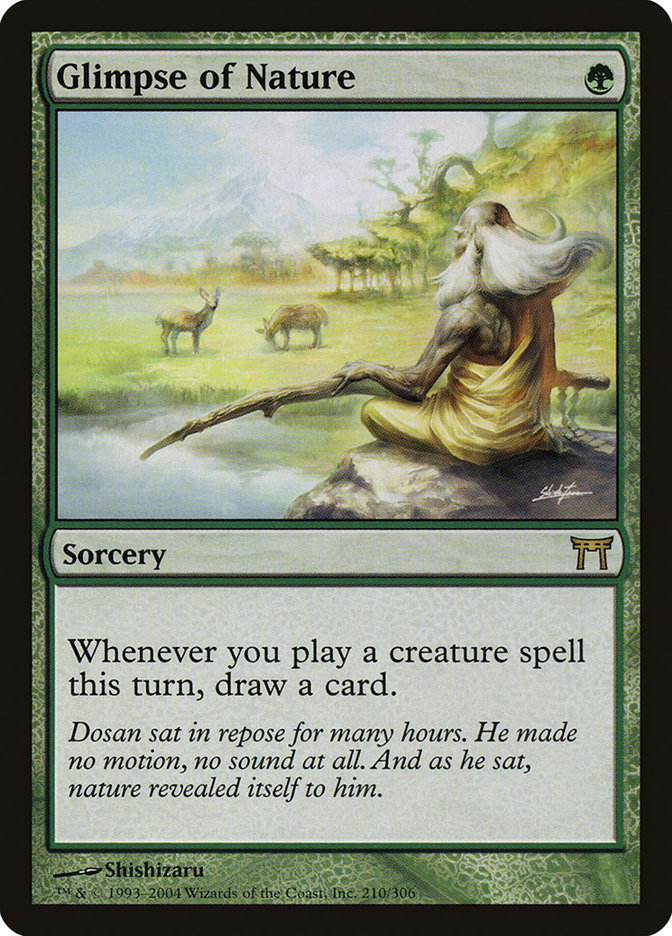
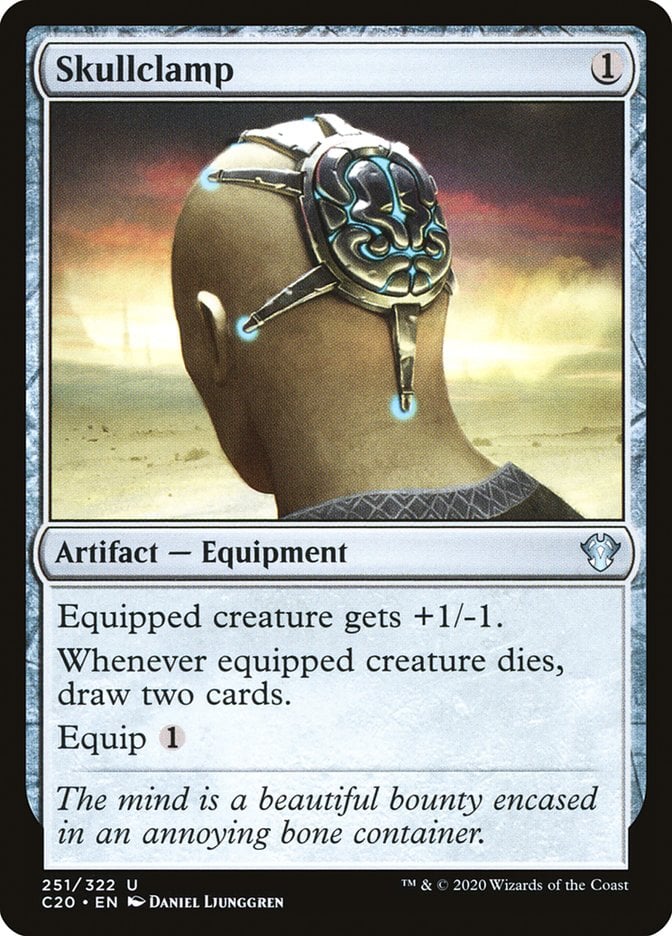
Glimpse of Nature and Skullclamp are two of the most broken card advantage engines in Magic, and they’re frequently associated with elves. Elves produce plenty of mana to capitalize on the card advantage, and they have lots of cheap, small bodies to enable these cheap spells.
The Mana Base
This mana base goes deep between dorks and value lands meant to keep things ticking!
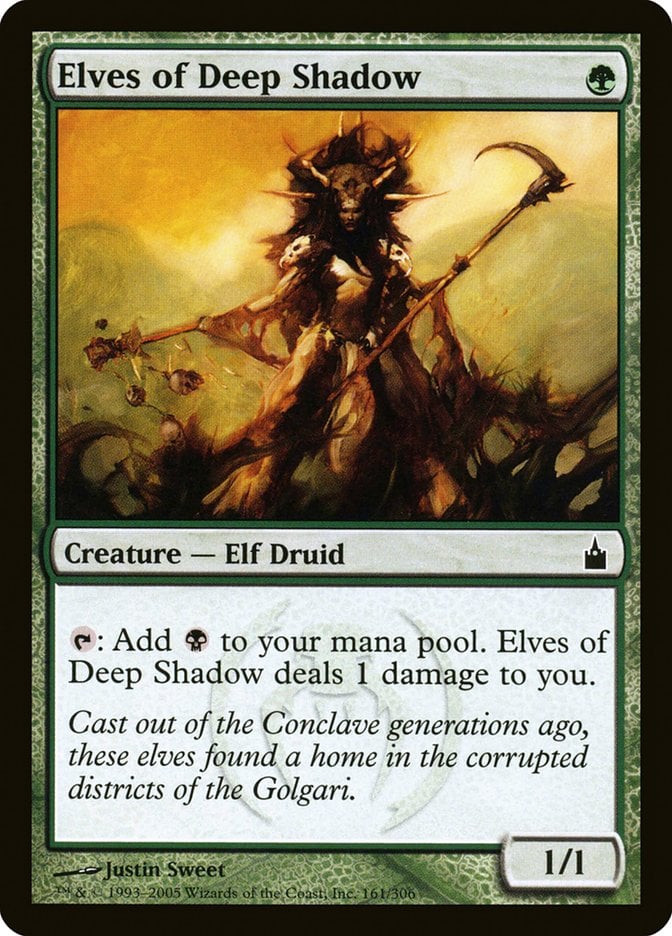
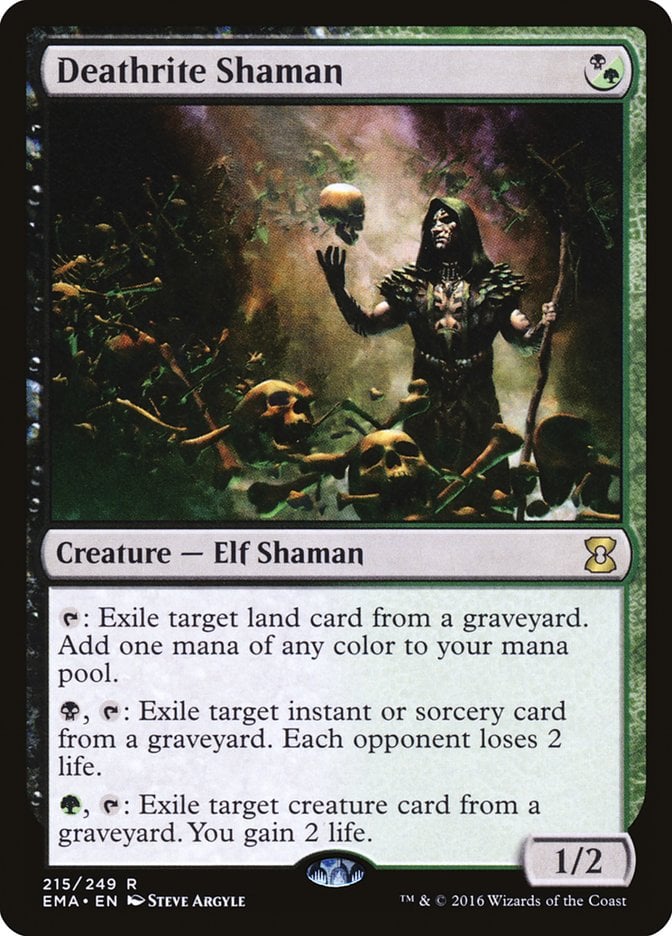
Starting with the dorks, there’s all the 1-mana elves you’d expect to see, except they’re at their strongest here since the typing matters. Since this is a Golgari () deck, you can play both Elves of Deep Shadow and Deathrite Shaman.
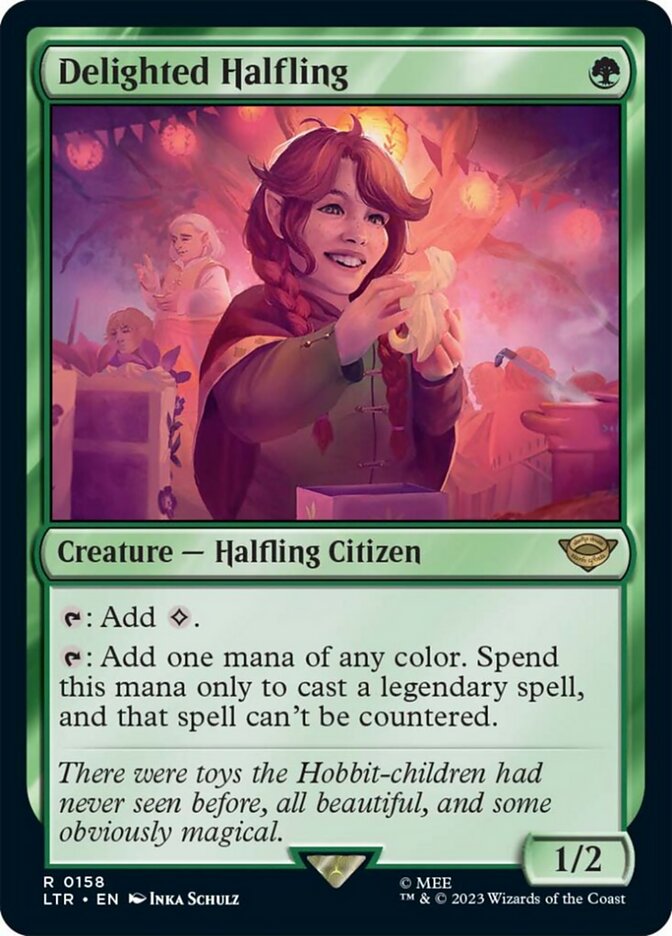
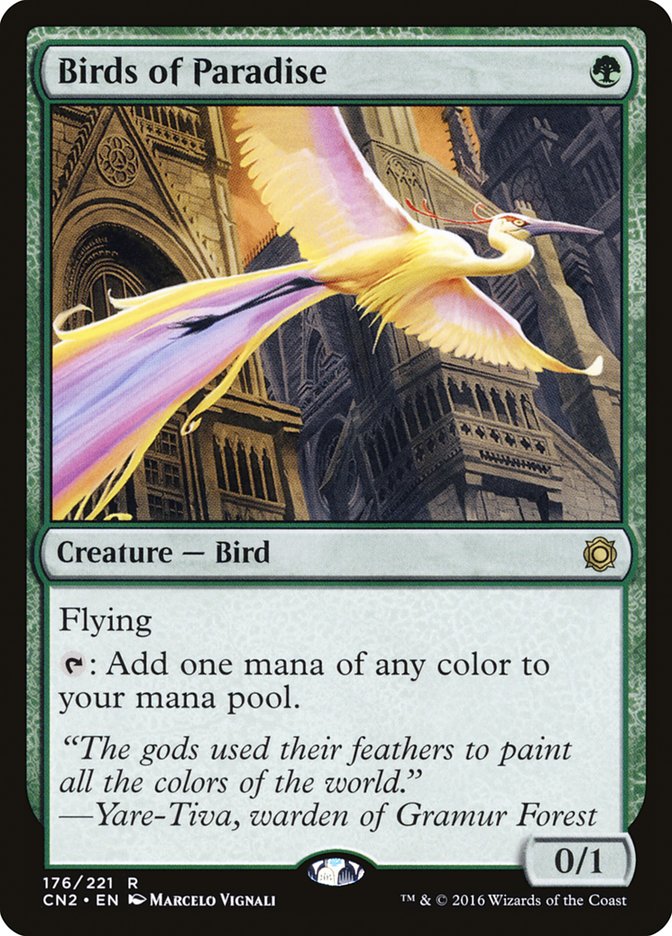
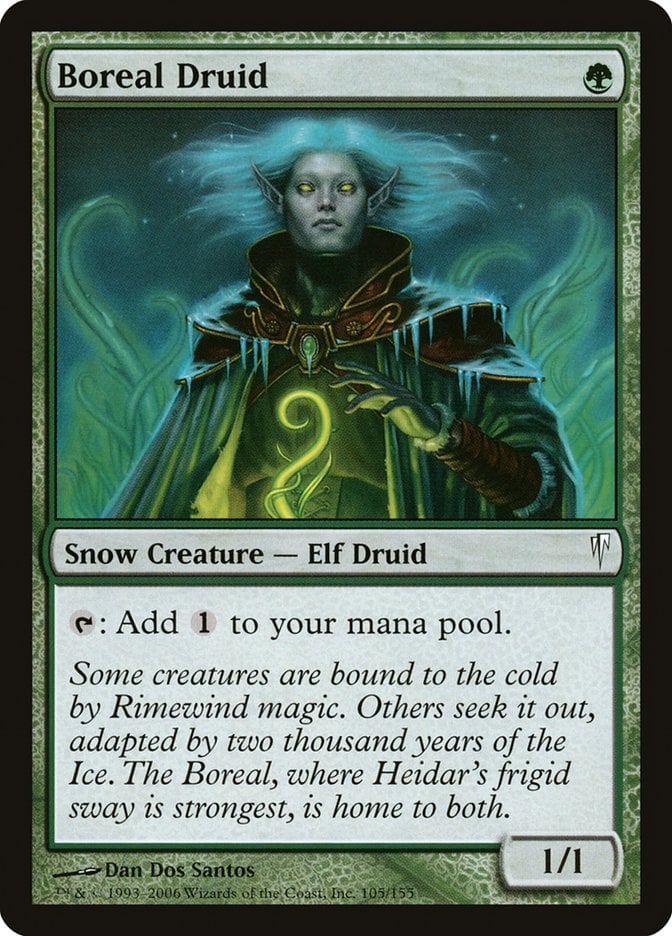
As for non-elf dorks, Delighted Halfling and Birds of Paradise slipped in. The Halfling’s uncounterable protection is key both for your commander and your stronger support cards. As for Birds, I’d have run Boreal Druid in mono-green, but the fixing is too good to pass up.
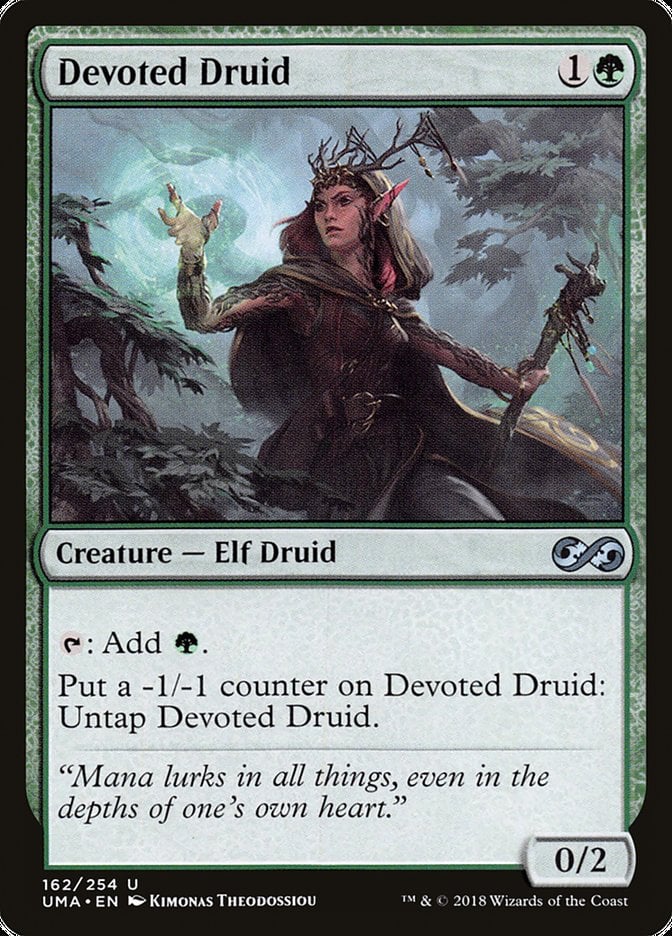
Devoted Druid makes a rare, completely fair appearance here—not an infinite combo in sight. A dork that taps for 2 mana, even once, offers a huge advantage, and this deck has a few ways to make it go even further.
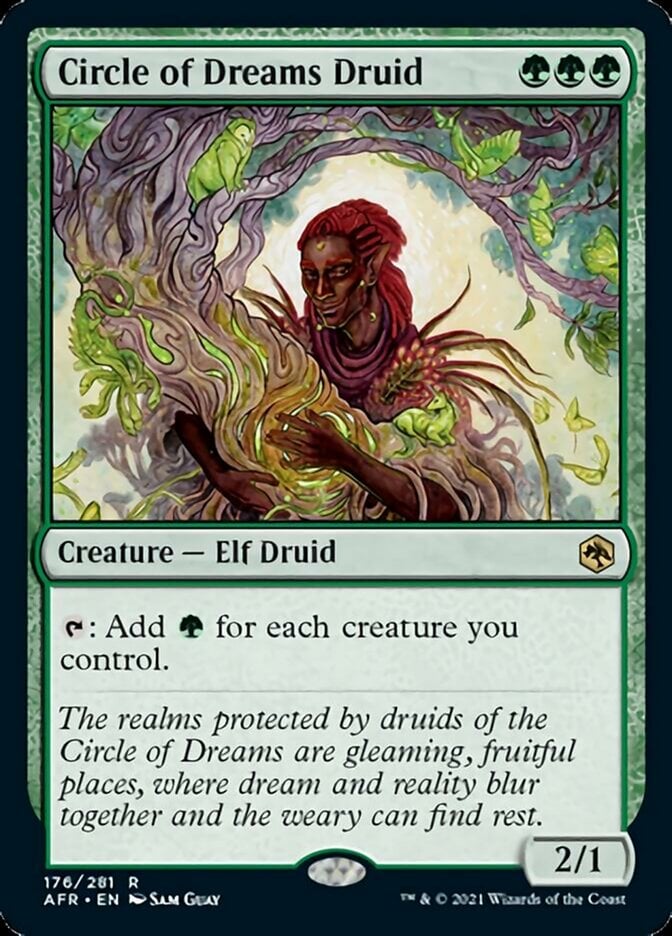
Circle of Dreams Druid is simply Gaea's Cradle on a stick, and it’s only not the best dork because Priest of Titania is basically the same at 2 mana.
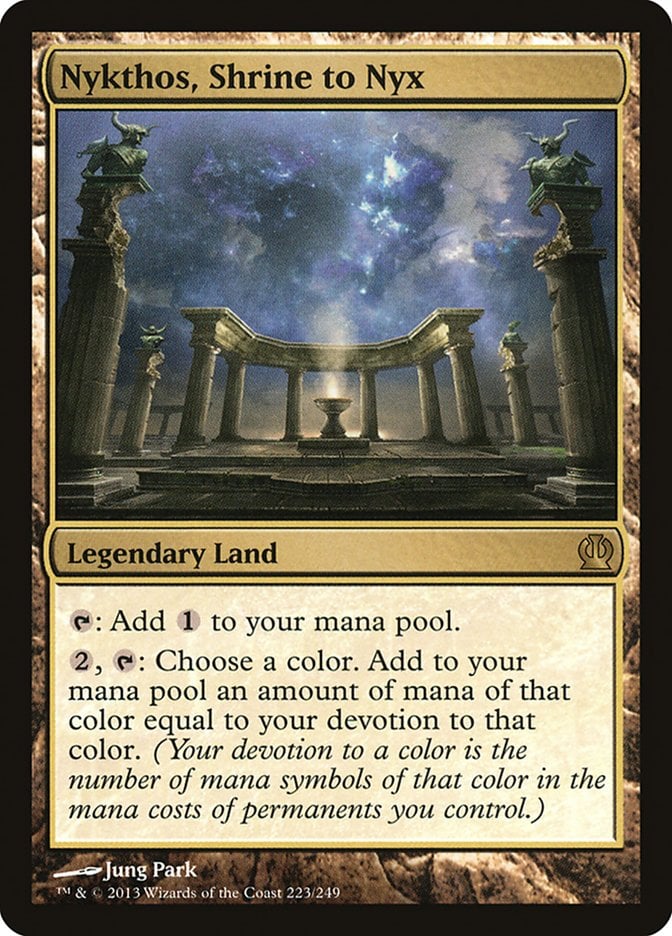

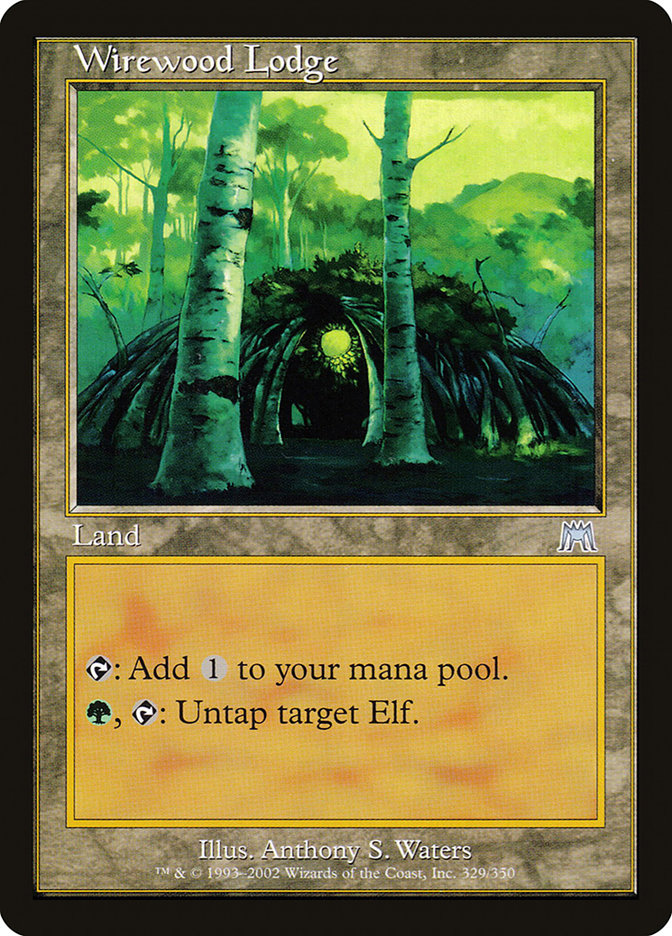
The deck’s value lands also capitalize on spewing elves nicely. Nykthos, Shrine to Nyx rarely makes it into 2-color decks, but this one’s nearly mono-green. Three Tree City counts elves instead of devotion, and it can produce black mana. Wirewood Lodge has a lower ceiling, but it works too well with dorks that tap for more than 2 mana.


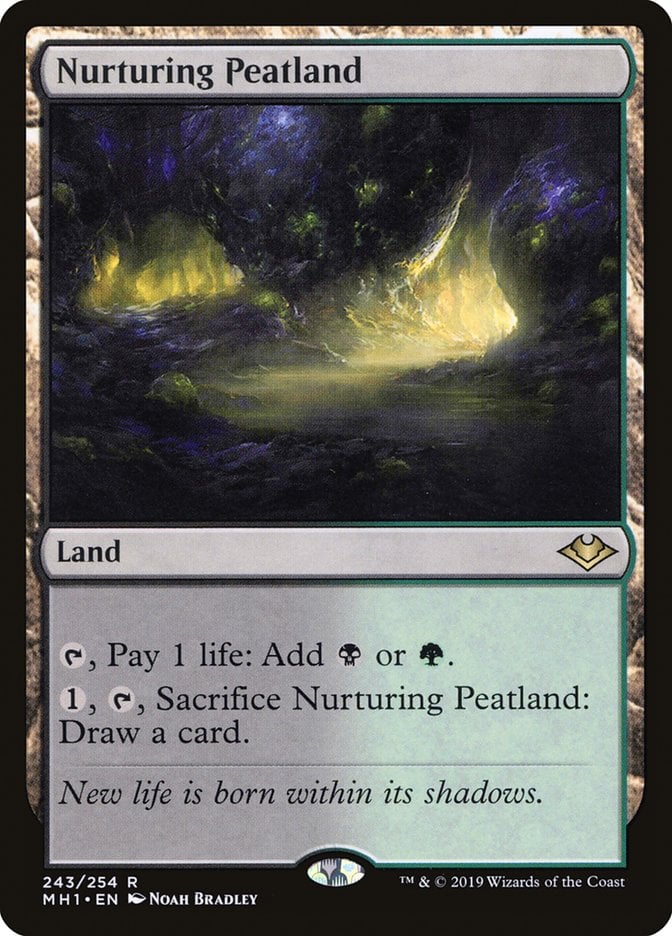
With all those support pieces, Urza's Cave felt like a necessary addition to find them. It can also snag Shifting Woodland or Nurturing Peatland in a pinch.
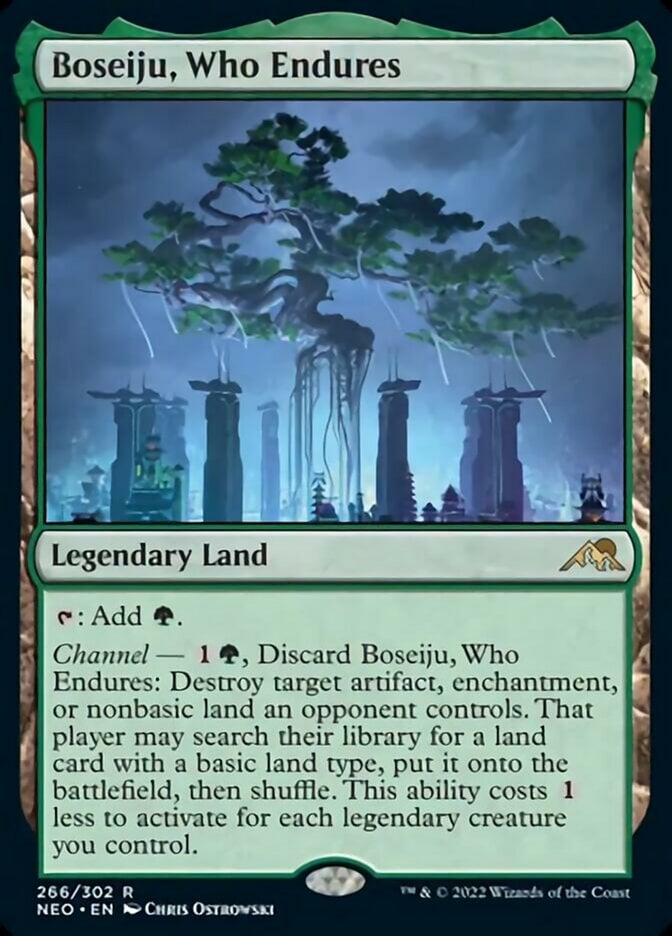
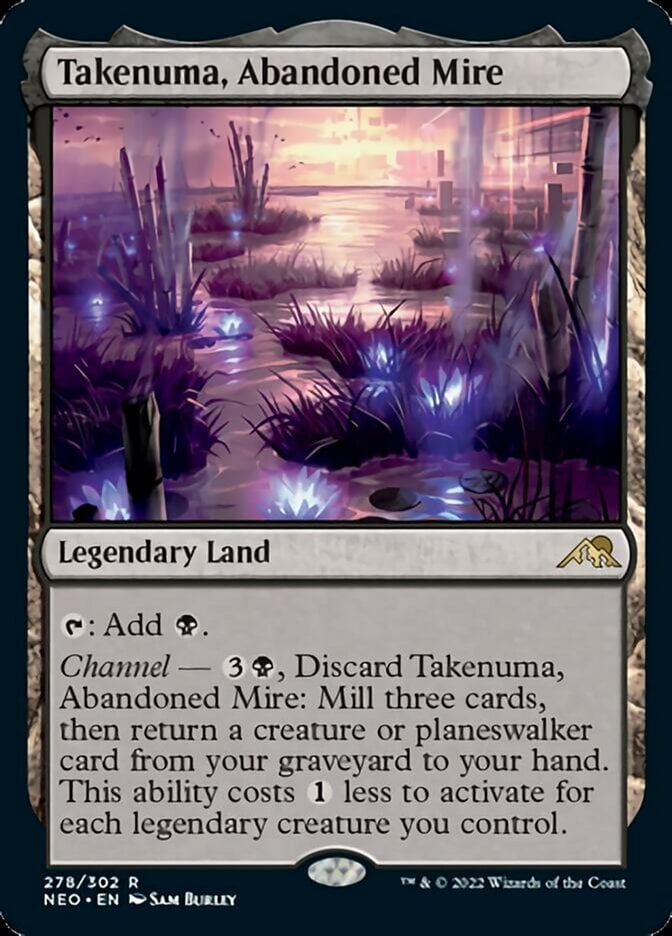
The last value lands are a trifecta of common utility lands: Boseiju, Who Endures handles problematic noncreature permanents in a pinch, Takenuma, Abandoned Mire cantrips in a tight spot, and Boggart Trawler provides a Swamp that you can tutor into play to mess with the Muldrotha player.
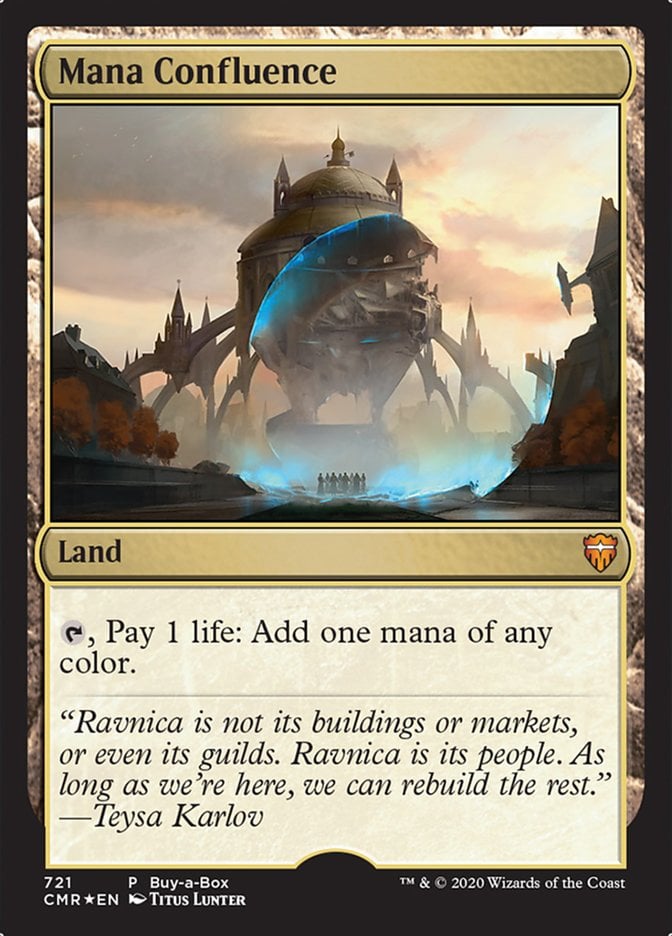
Beyond this, you have the expected color fixers, including all the Mana Confluence variants to maximize untapped sources of both colors.
The Strategy
On the surface, the deck plays simply: Play mana dorks, play big spells, profit. But it can be surprisingly complex, especially in sequencing. What you play and when you play it can drastically change how a turn pans out. Consider a scenario where you control Birchlore Rangers (untapped), you have Nettle Sentinel plus two other elves in your hand, and you have the mana to cast all three.
If you cast the two ambiguous elves first, then Nettle Sentinel, you can activate the Ranger twice.
But let’s say you cast Nettle Sentinel first. You can then tap it and the Ranger to produce a mana. Then you cast the next elf, and Sentinel untaps. You now tap it and the second elf, then cast the third elf. Sentinel untaps again, and you can activate Birchlore Rangers a third time—a full extra mana because you played your spells differently.
These kinds of situations occur frequently, especially when handling dorks that tap for mana equal to the number of elves/creatures you control. Should you activate Nykthos to play permanents, or play spells before you activate Nykthos? Which dork do you tap, and when? This deck rewards intentional play, running over several decision trees to see what puts the most into play.
Keep an eye out for dorks. A hand that doesn’t ramp by turn 2 is unplayable. Honestly, acceleration matters most: A perfect hand, without delving into magical seven-card specifics, has mana acceleration and a draw spell. The deck has enough card advantage to find a finisher. The lack of removal also necessitates ramp: Because you aren’t slowing your opponents, you need to be proactive.
Combos and Interactions

Flourishing Defenses saw a big spike when Morcant was previewed, with good reason. Since this card doesn’t care which player puts counters onto creatures, it interacts favorably with blight. If you trigger blight once while you control this, each opponent puts a -1/-1 counter on their creatures. That’s three creatures, each of which triggers blight again, and this loop continues until you’re the only player with a board. None of this targets, destroys, or deals damage, so it gets around indestructible, shroud, and protection.
Wirewood Symbiote has a very important ability. Untapping elves that tap for oodles of mana is nice, but it also works as a sneaky and effective protection spell. Since returning an elf to your hand is the cost to activate the ability, your opponents can’t respond to bouncing the elf, which makes it a great way to shelter an important piece from a board wipe or removal spell.
Budget Options
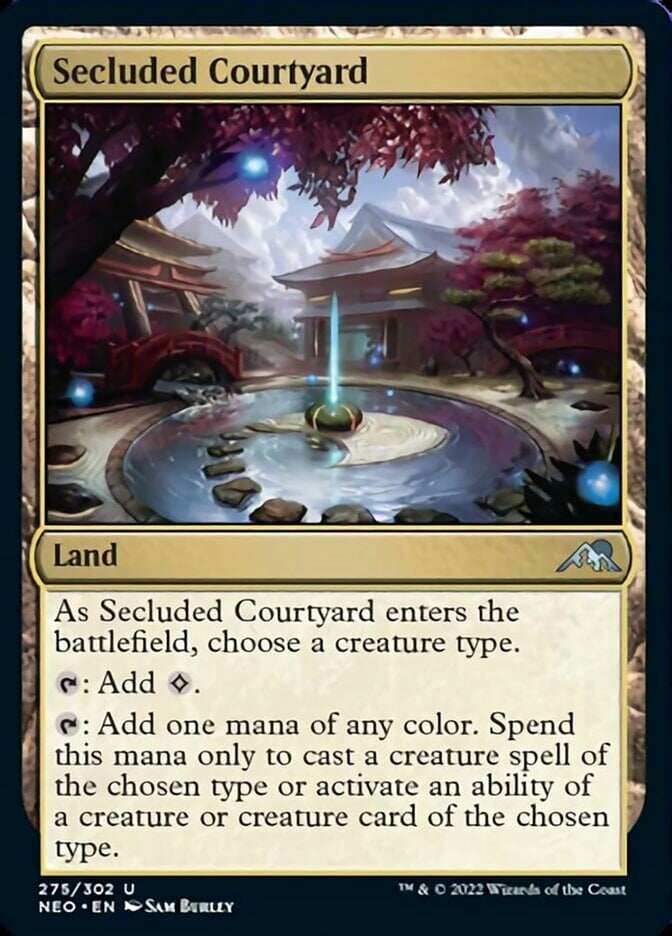
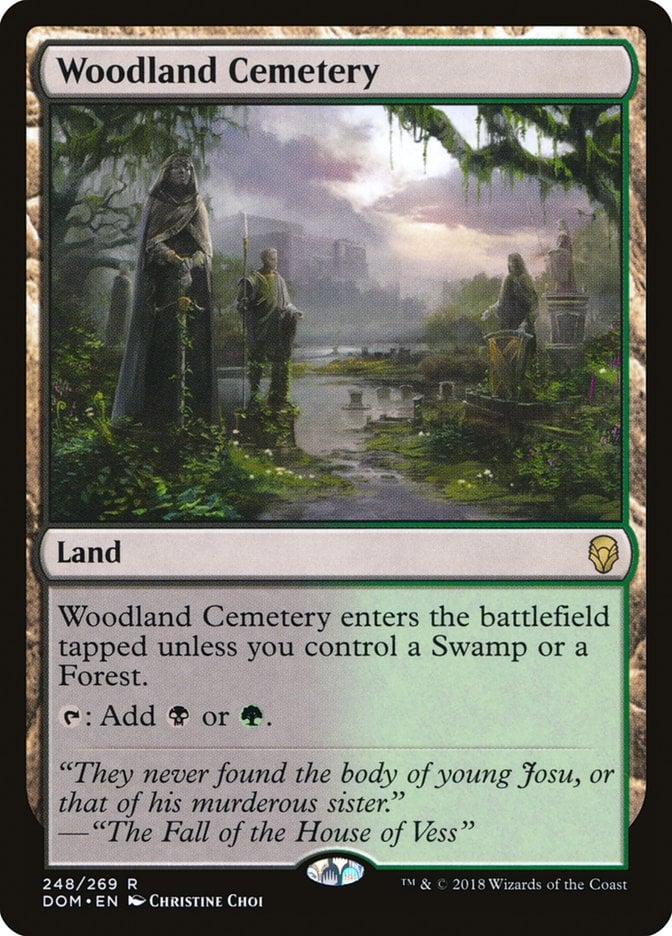
A significant portion of the deck’s cost rests in the mana base, but you can tidy that up nicely by swapping nonbasic lands for basics or more budget-friendly cards. For example, Secluded Courtyard over Cavern of Souls, Woodland Cemetery over Bayou, etc. Remember when you adds basics that you need to bias hard towards green, and avoid as many Swamps as possible since they cast so few spells.

Badgermole Cub can go in favor of another dork, like Druid of the Cowl.
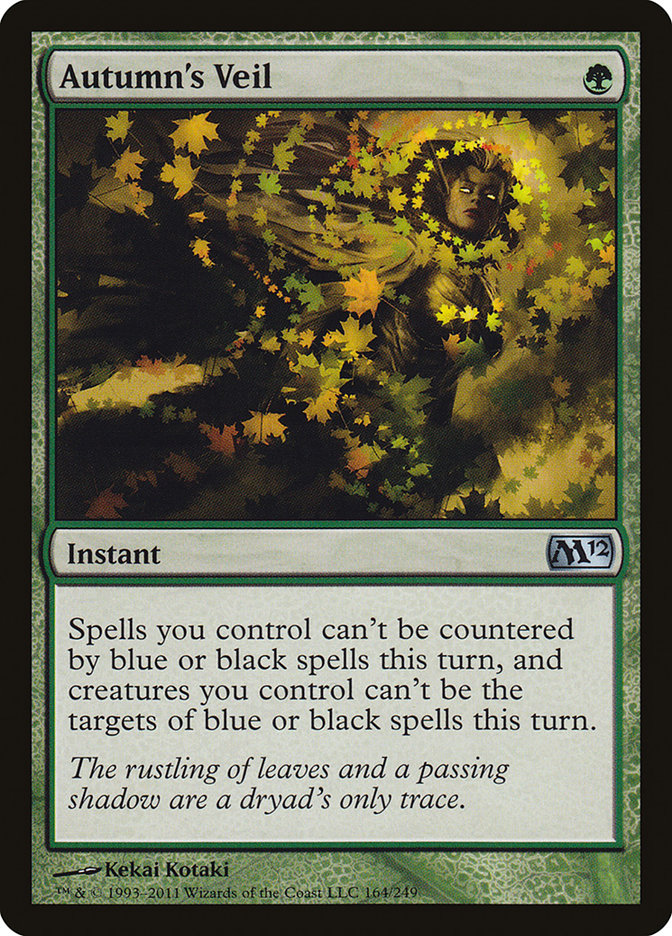

Allosaurus Shepherd and Delighted Halfling have hefty price tags due to their useful anti-counter measure; Autumn's Veil and/or Frenzied Baloth are useful alternatives.
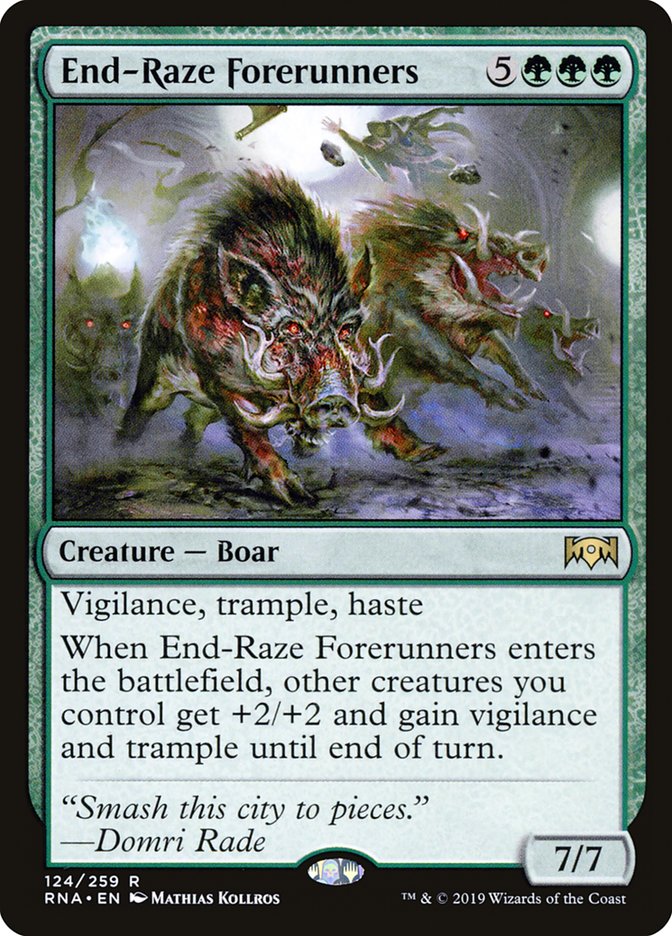
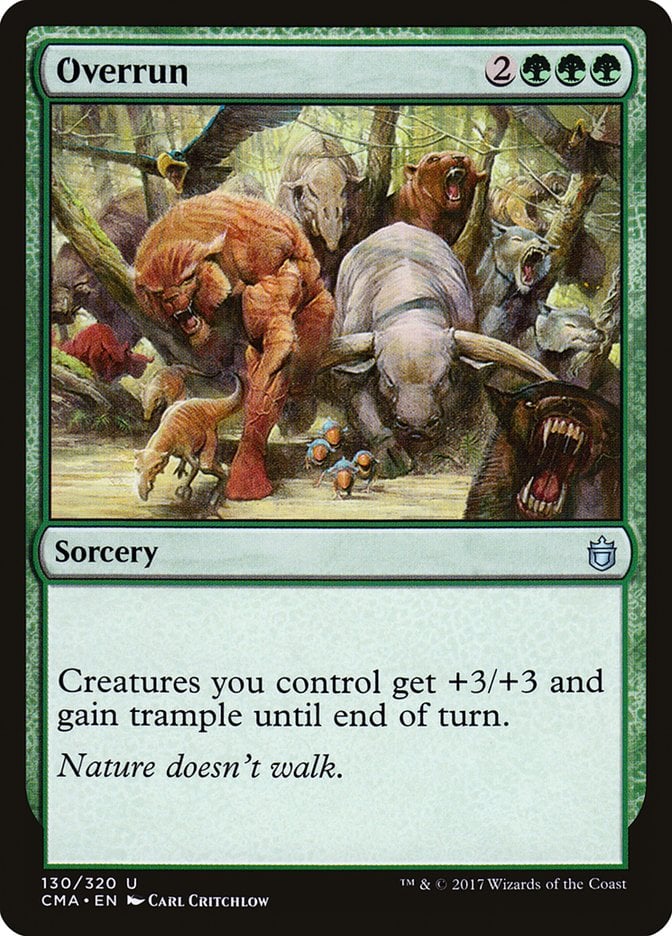
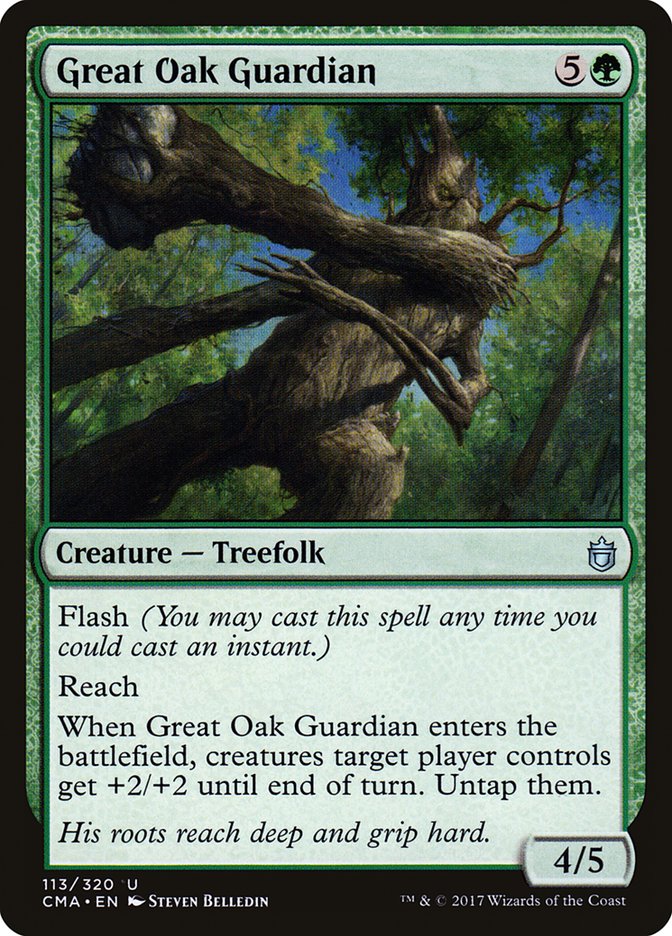
Craterhoof Behemoth has been knocked off more times than you can count. End-Raze Forerunners, Overrun, Great Oak Guardian… the budget alternatives are endless. These can also replace the pricey Finale of Devastation.
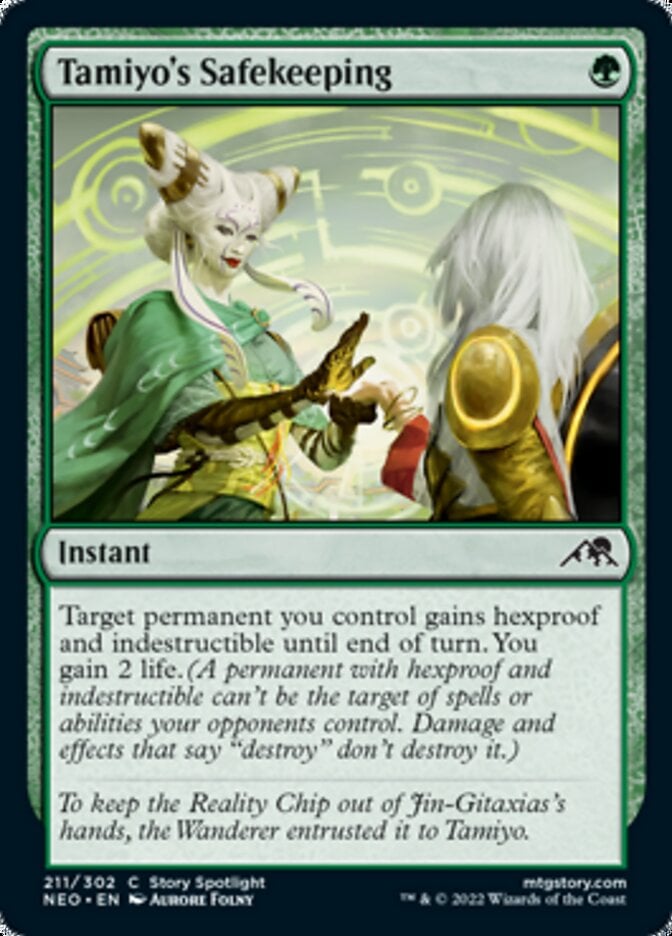
Legolas's Quick Reflexes is a very strong and appropriate protection spell, but Tamiyo's Safekeeping works.

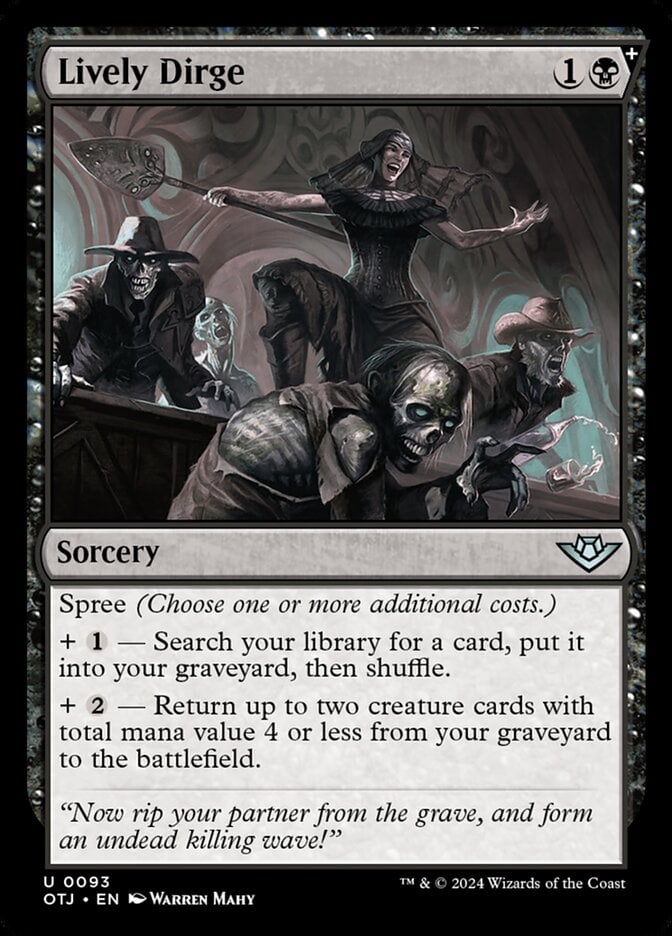
Green Sun's Zenith has no real replacement, but Shred Memory finds many key pieces, and Lively Dirge can be a tutor and recursion piece.
Other Builds
This deck dedicated itself to elfball, but High Perfect Morcant can be flexible. You could lean into blight and build around -1/-1 counter synergies with cards like Necroskitter and Maha, Its Feathers Night.
Alternatively, superfriends looks very strong. Elves provide the mana to churn out Ugin, Eye of the Storms, Liliana, Dreadhorde General, and other big planeswalkers, while Morcant protects your planeswalkers by proliferating their counters.
Commanding Conclusion
Shaman of the Pack | Illustration by Dan Scott
If High Perfect Morcant is anything to go by, Lorwyn Eclipsed promises to hold a slew of exciting typal commanders and intriguing new mechanics. The leaked precon face commanders seem to hold up that promise, so I can’t wait to see what the rest of the set holds!
Are you looking forward to ECL? Will you build Morcant, or are you waiting for a different typal commander? Let me know in the comments below or on the Draftsim Discord!
Stay safe, and thanks for reading!
Follow Draftsim for awesome articles and set updates:










Add Comment