
Last updated on June 25, 2026

Black Panther, Hope Enduring | Illustration by Eric Wilkerson
One of the defining features of Marvel Super Heroes is its transforming double-faced heroes with a hero’s true self on one side and their alter-ego on the other, ala Monica Rambeau / Photon, Living Light:
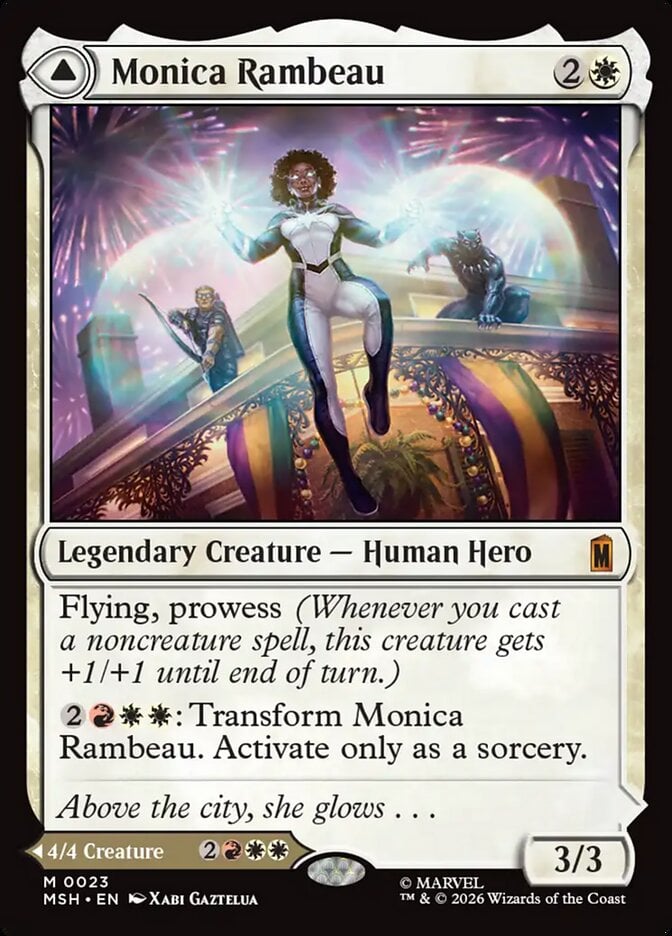
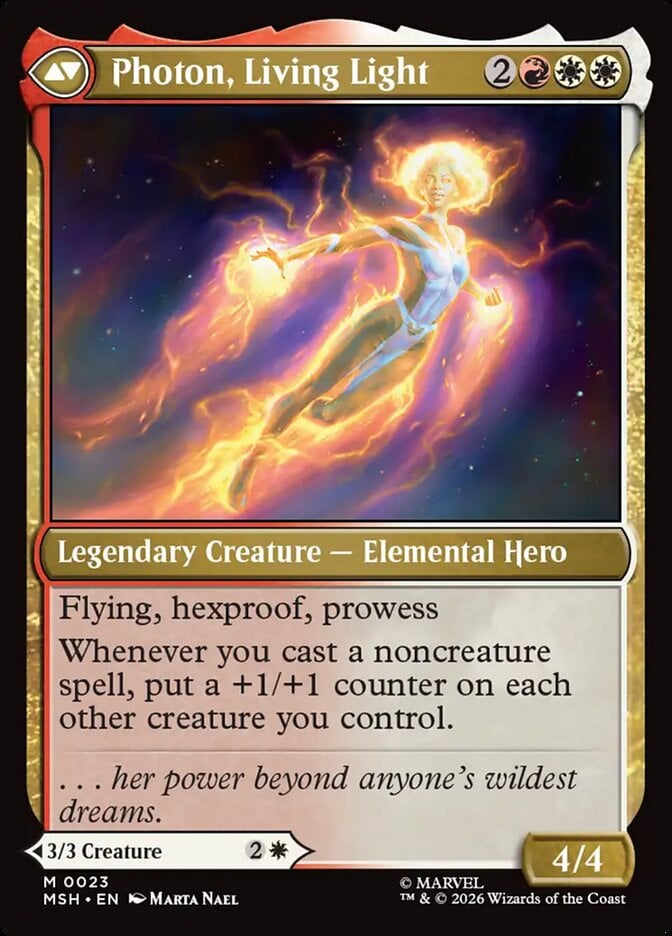
These have a unique synergy with airbending: If you airbend the cheap front side, you can cast the more powerful back half for . This also applies to the doubled-faced heroes from Marvel’s Spider-Man and more.
How Does This Work?
Black Panther, Hope Enduring | Illustration by Eric Wilkerson
Let’s begin by identifying which type of double-faced cards these legendary creatures are before getting into the nitty gritty rules that allow the interaction.
Magic classifies double-faced cards in two categories: nonmodal double-faced cards (formerly called transforming double-faced cards) and modal double-faced cards, commonly abbreviated to MDFC. Both cards have have a front face and a back face; the difference lies in which face you can legally play. Nonmodal double-faced cards can only be played as their front face while an MDFC can be played with either face.
Here’s an example:
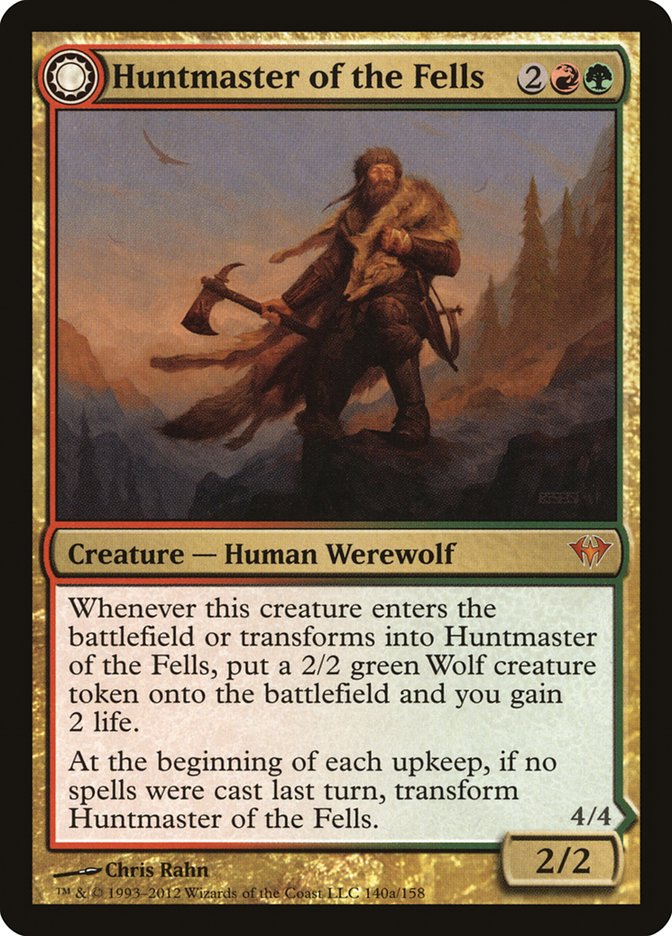

You can cast Huntmaster of the Fells from hand but you have no way to cast the backside. Only the front face is castable because it has a mana cost. If you want Ravager of the Fells, you need to get Huntmaster into play and transform the werewolf, either with its ability or another, like Moonmist.


On the other hand, Miles Morales // Ultimate Spider-Man can be cast as either face of the card because both have a mana cost. The physical distinction between these cards is the symbol at the bottom: MDFCs have a small bar that indicates what the back half is. Also, non-MDFCs can always transform into their back half from MDFCs don’t always transform (for example, no MDFC land can transform alone).
All the transforming heroes are modal double-faced cards, which enables the synergy. Rule 712.11b states that “A player casting a modal double-faced card or a copy of a modal double-faced card as a spell chooses which face they are casting before putting it onto the stack.” Basically, the two faces are considered one spell when getting cast, so either half can be cast. Because airbending allows you to cast the exiled spell from exile for , the alternative cost can be applied to either half of the spell.
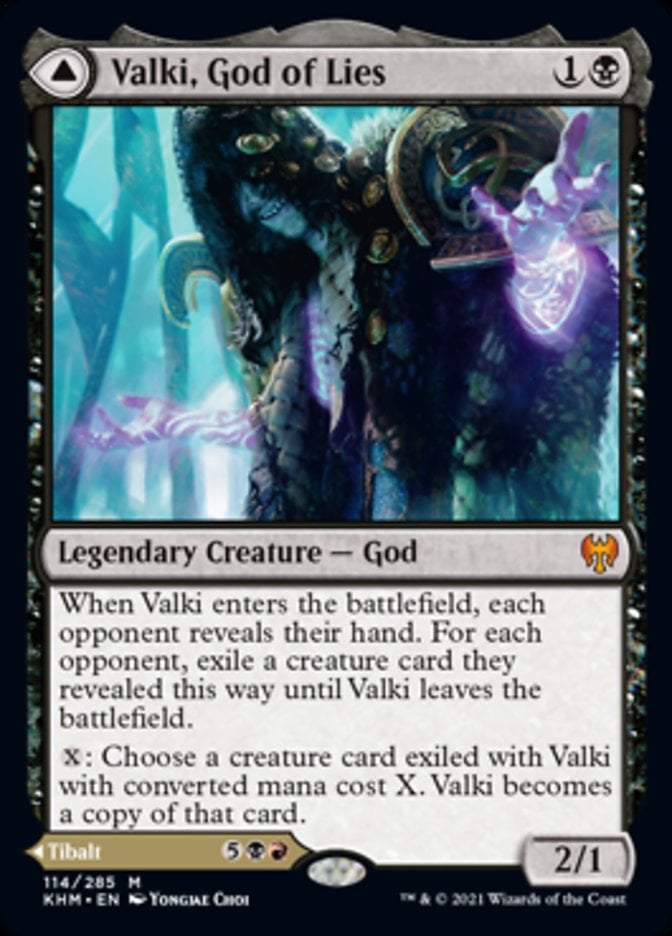
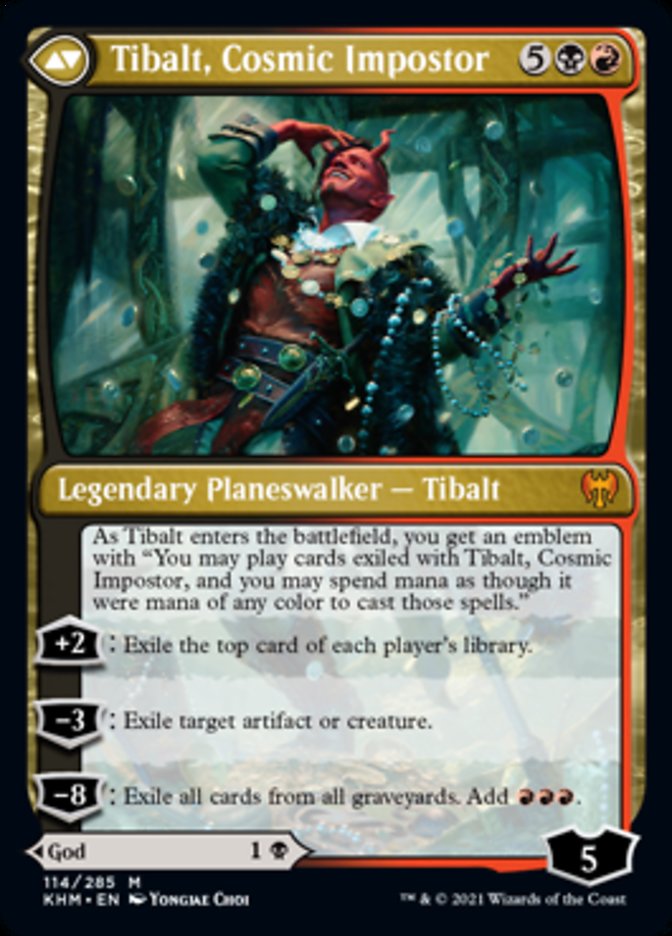
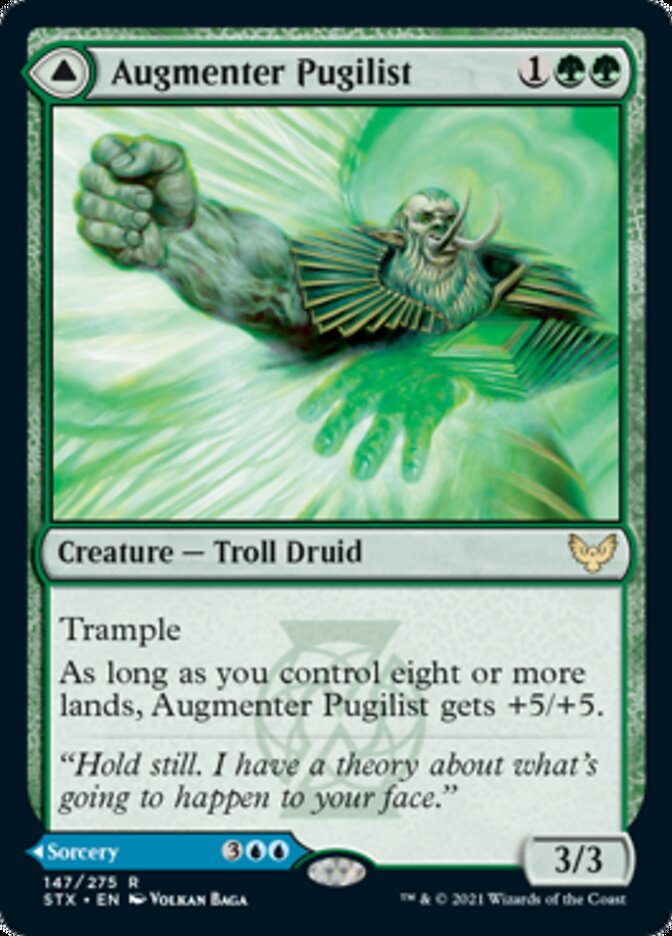
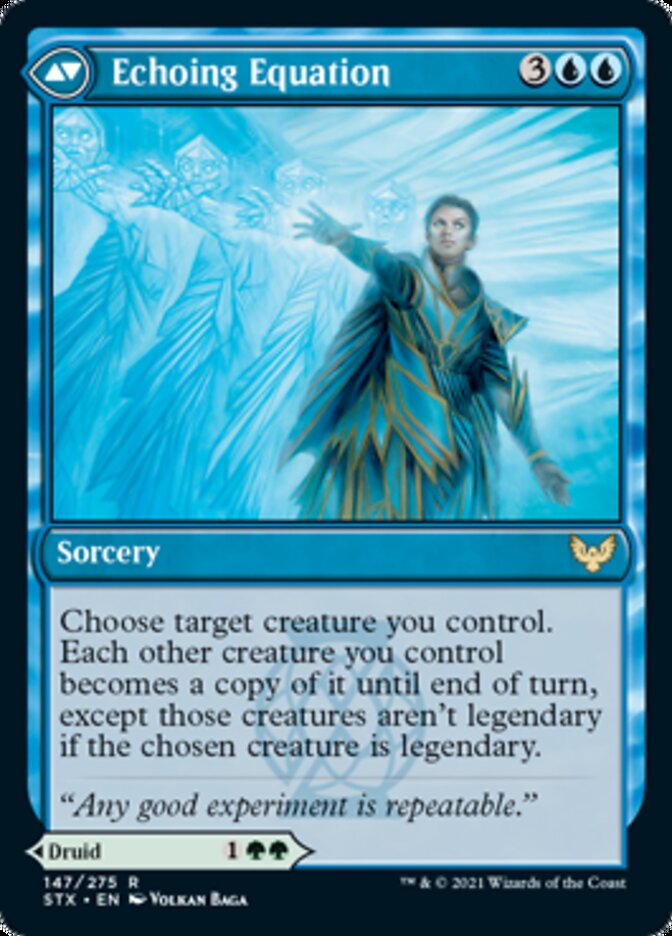
It’s worth noting this applies to any modal double-faced card, not these heroes: Valki, God of Lies is another great target, and it even works with cards like Augmenter Pugilist with a creature on the front and a nonpermanent spell on the back.
Does This Work With Other Cards or Mechanics?
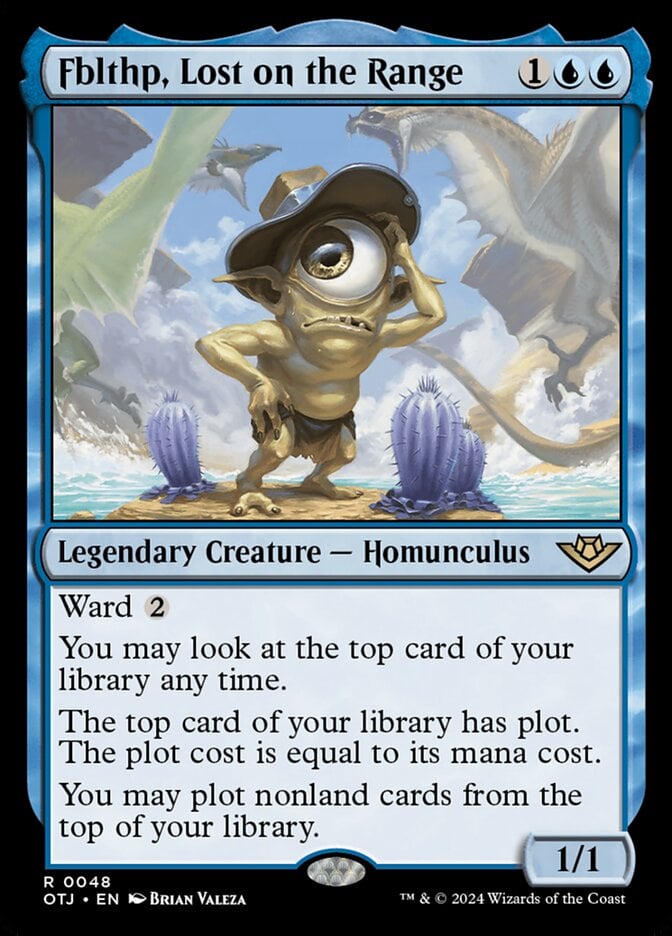
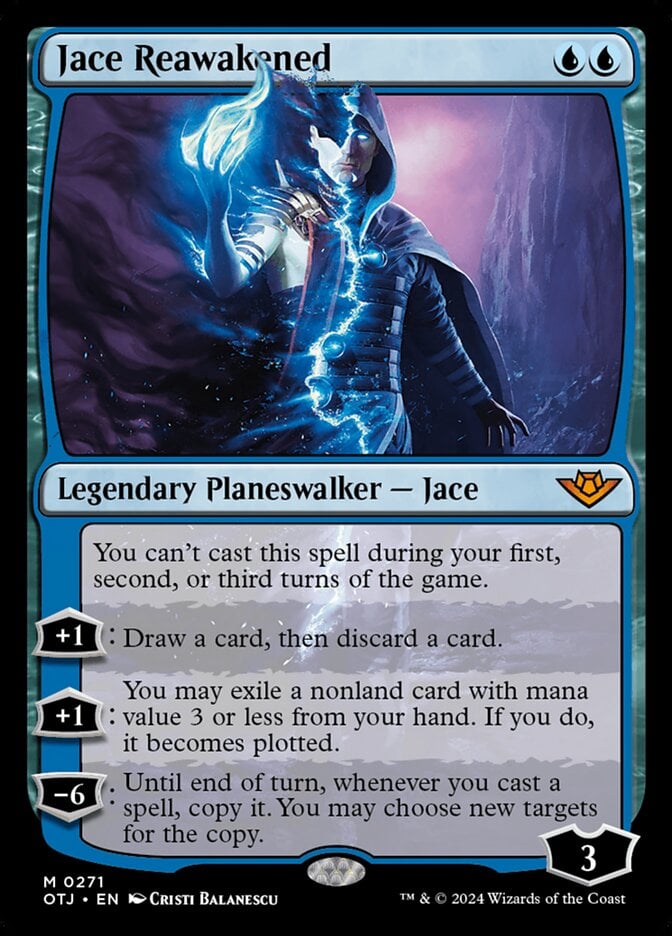
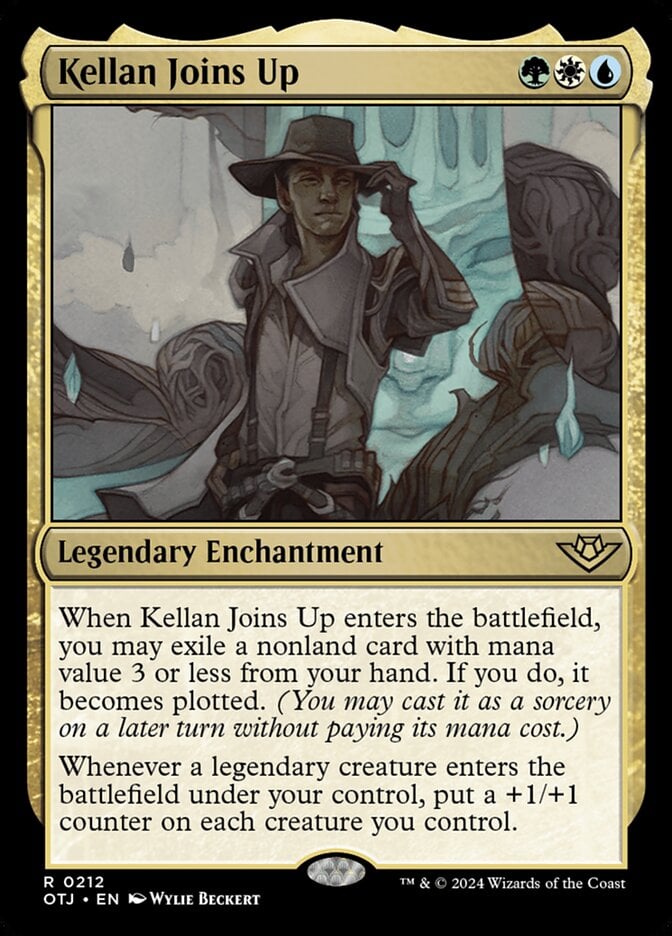
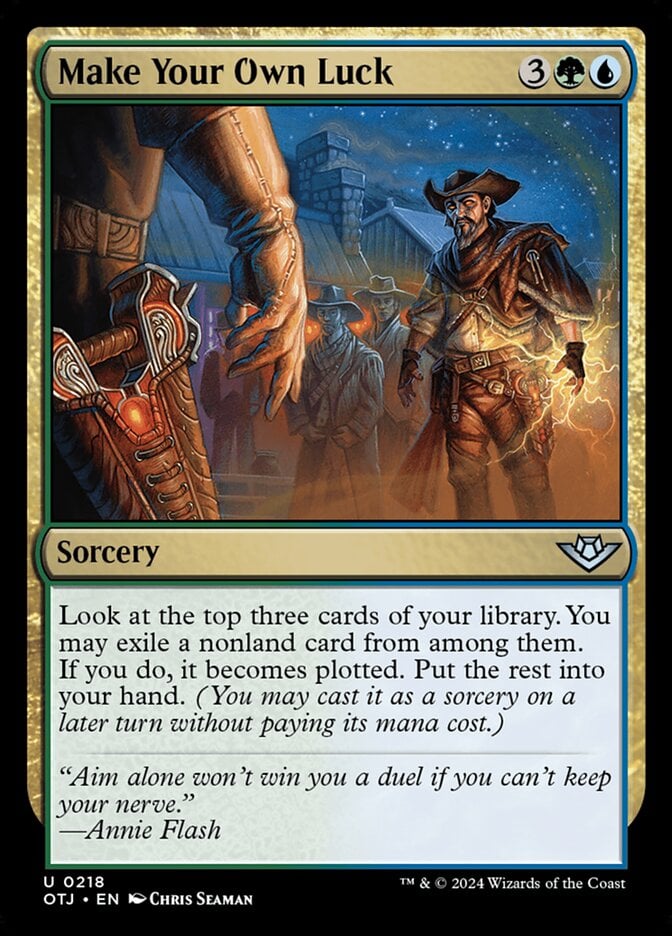
Plot works the same as airbend for our purposes: You’re exiling a spell, then casting it later for a different mana cast. Only four cards plot spells: Fblthp, Lost on the Range, Jace Reawakened, Kellan Joins Up, and Make Your Own Luck. Fblthp works well because you can get it down early, and Jace gives you the best long-term card advantage. The other two are only okay.

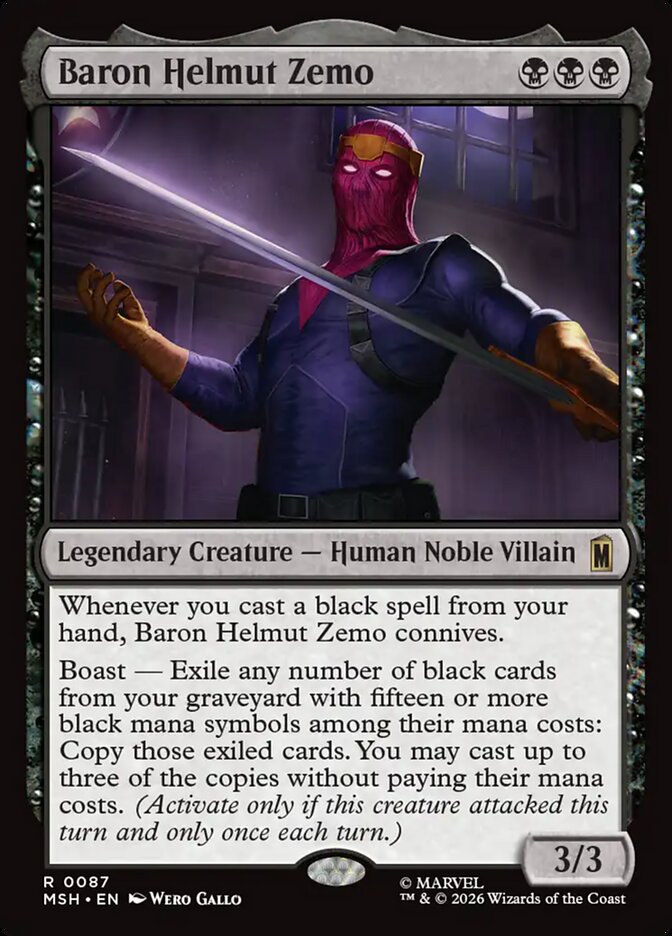
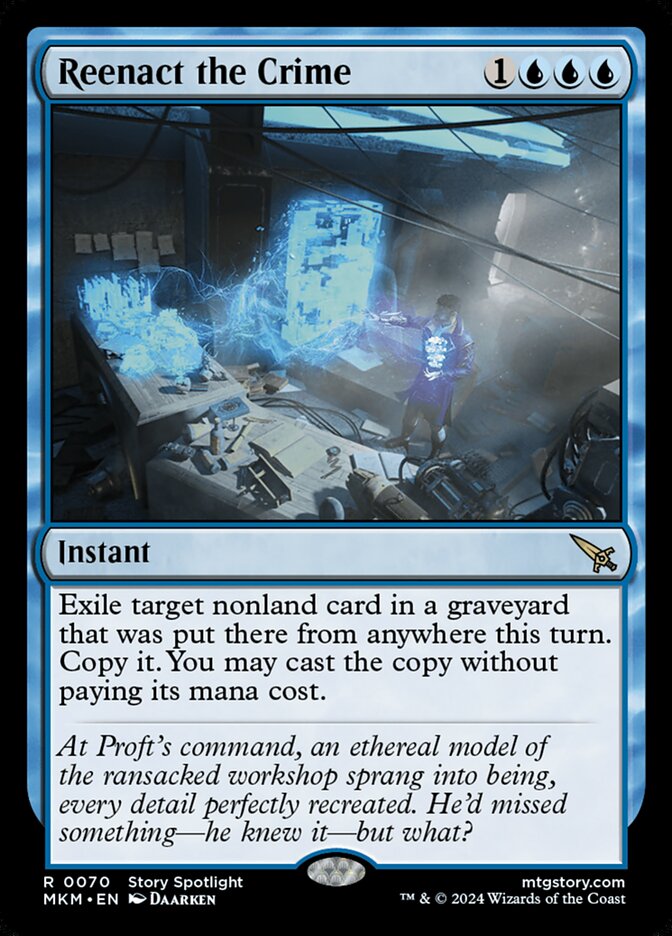
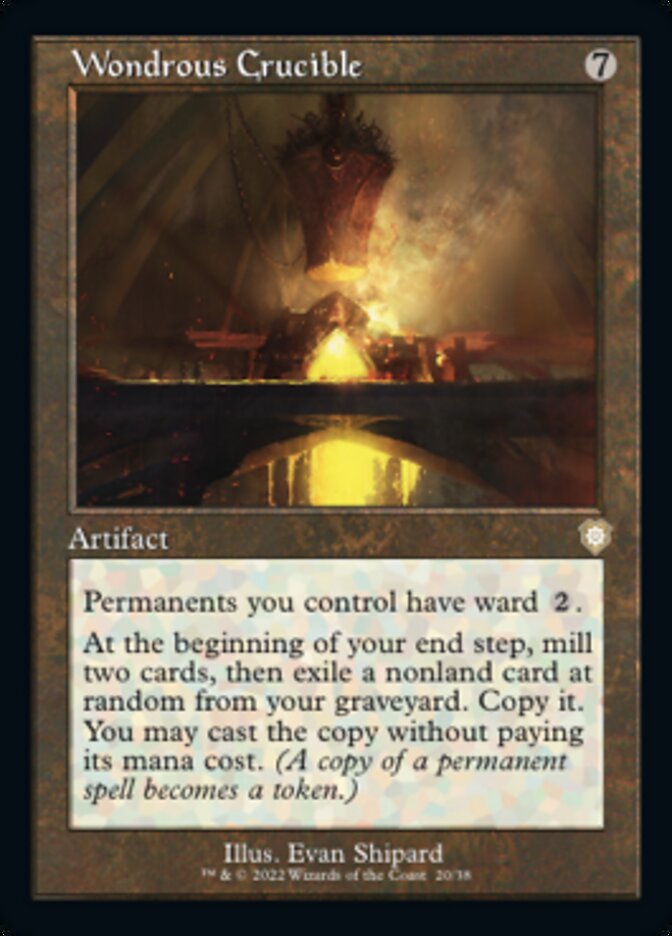
Notably, rule 712.11b applies to copies of MDFCs you cast, which enables other synergies, though scant. Shiko, Paragon of the Way, Baron Helmut Zemo, Reenact the Crime, and Wondrous Crucible all exile cards, then let you cast a copy without paying its mana cost. Same deal: you can exile the cheap face, then cast the big one.
Does This Break Any Formats?
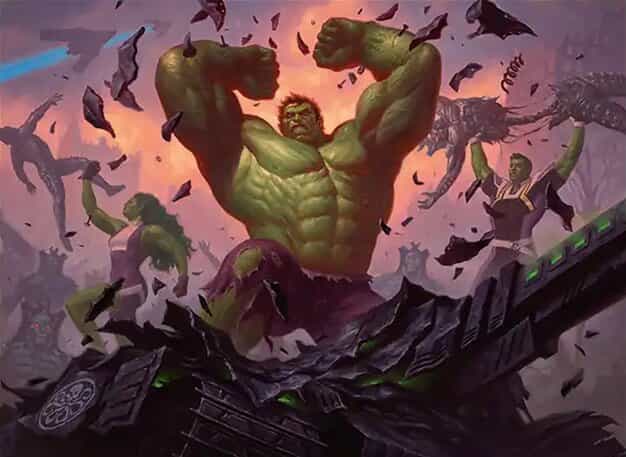
Hulk Smash | Illustration by Chris Rahn
Almost certainly not. While this is a cute interaction, it’s also clumsy and slow and requires casting multiple spells over multiple turns. Most of the cards I’ve mentioned are Standard legal, so you might see a deck built around these elements, but I doubt it be a game-breaker. Even the dream curve of Bruce Banner → Airbender Ascension → The Incredible Hulk seems worse than anything you can do with Badgermole Cub. It’s most useful for players who want to run an MDFC in the command zone as a way to cheat the commander tax.
Follow Draftsim for awesome articles and set updates:










Add Comment