

Kalain, Reclusive Painter | Illustration by Justine Cruz
The contents of Magic boosters have evolved over the years. We’ve seen the addition of foil treatments, and the introduction of the modern frame. We’ve seen radical new card types like planeswalkers that reimagined what a Magic card could be. We’ve seen new boosters to capture different buyers or distribute smaller sets. Remember Epilogue boosters? Beyond boosters?? Value boosters?!?
Tokens, punchouts, and placeholder cards have long added value and utility to the last, nonplayable slot in our booster packs, but about a quarter century into its history, Magic added something new: Art Series cards.
For some of us, they’re booster filler. For others, they’re a beautiful object to collect, especially for the set completionists out there. If you’ve ever wondered what’s up with that art card you found in a Play booster at your prerelease, I’ve got you covered.
What Are Art Series Cards in MTG?
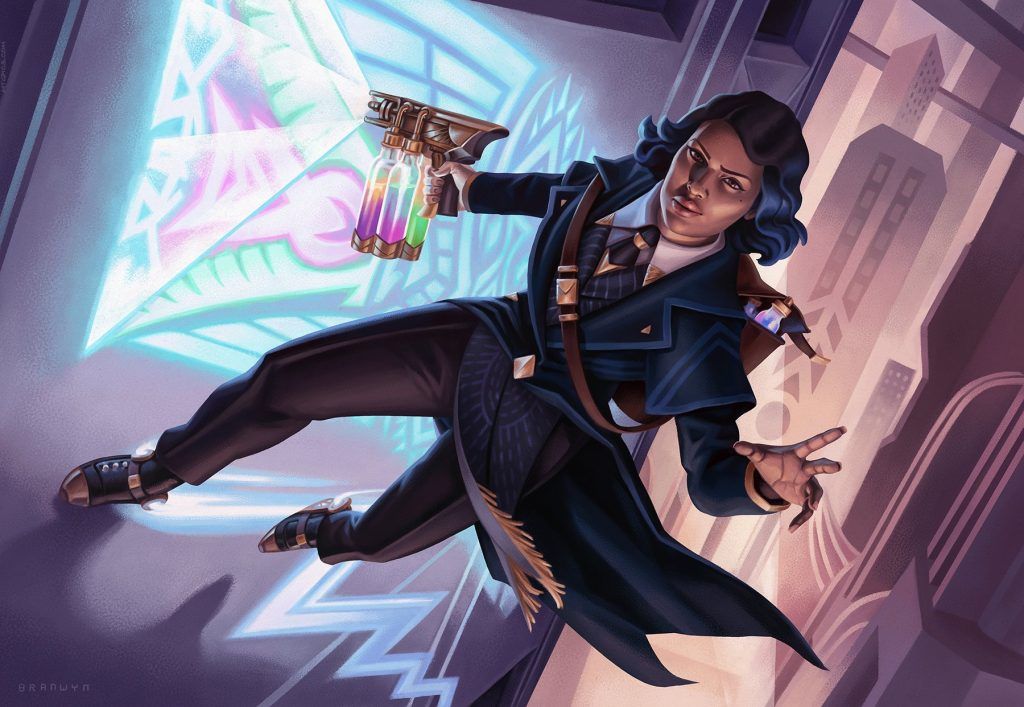
Errant, Street Artist | Illustration by Alix Branwyn
Art Series cards are prints of the art from a certain number of cards in a Magic set without the Magic frame. They’re similar to artist proofs, though they’re distributed to players in boosters. The first set with an Art Series set is Modern Horizons.
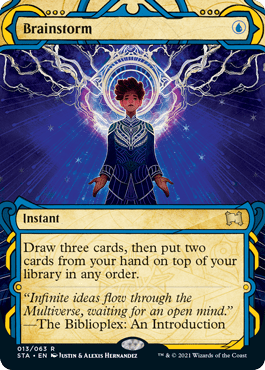
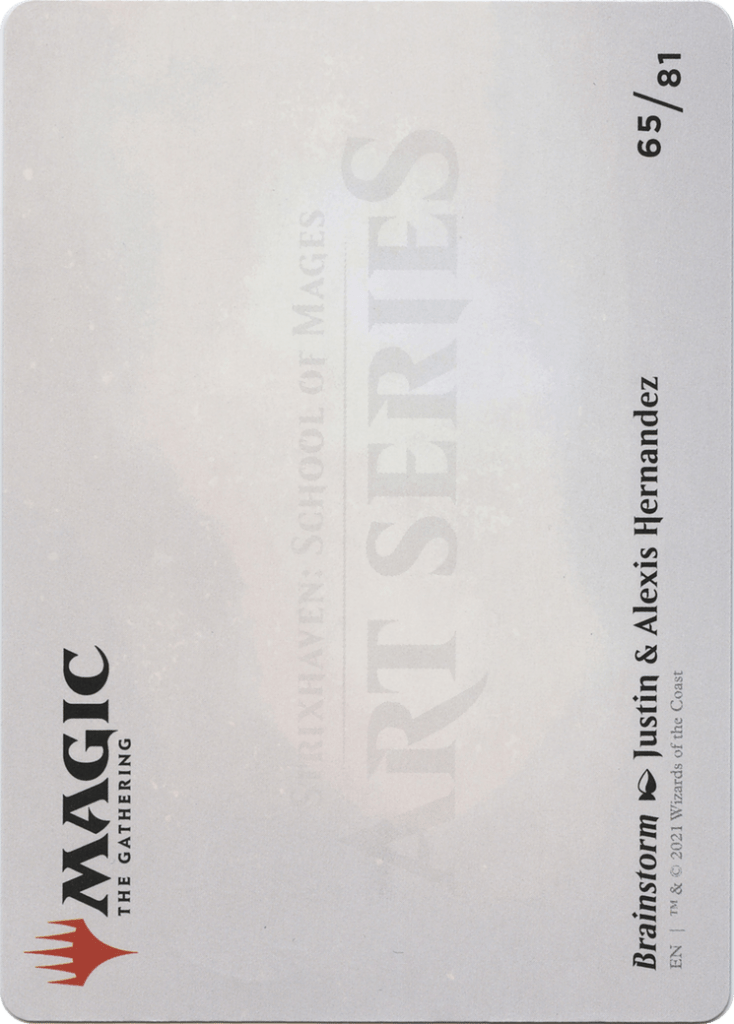
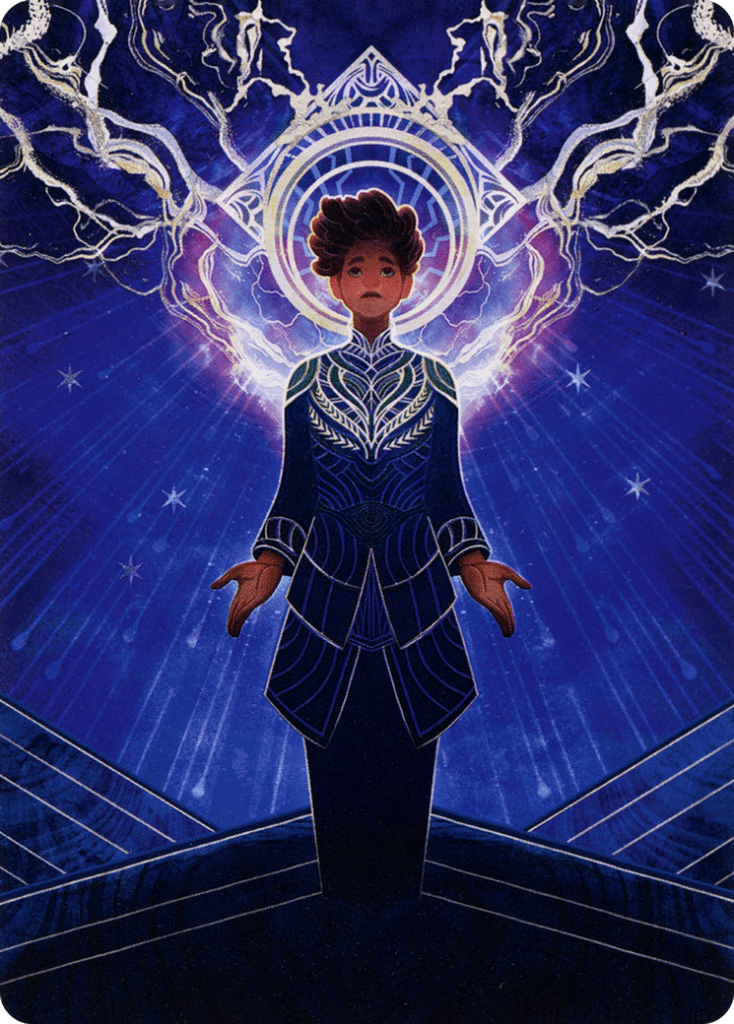
The back side of an art card identifies the set, the name of the card represented, the artist, and the art card’s number in the series.
Art Series cards are printed on a thinner, lighter card stock than typical Magic cards, and they have typically appeared in place of tokens or advertising cards. Art Series cards come in two versions: There’s a standard version, and there’s a gold-stamped version that either has the planeswalker symbol or the artist’s signature.
There are also art cards that come in Scene boxes, but those are made for display purposes and don’t come in gold-stamped versions.
What Kinds of Packs Have Art Cards?

Modern Horizons Draft boosters have a slot dedicated to art cards.
You can find art cards in Set boosters from sets starting with Zendikar Rising and Kaldheim until The Lost Caverns of Ixalan. Products from this time without Set boosters, like Dominaria Remastered or Ravnica Remastered, Warhammer 40,000, and Doctor Who, don’t have an Art Series.
In the beginning of the Play booster era (Murders at Karlov Manor to Final Fantasy), you can find art cards in Play boosters, though there isn’t a guaranteed slot. You can find Assassin’s Creed Art Series cards in ACR Beyond boosters, too. There are no Fallout art cards.
As of Edge of Eternities, Art Series cards only appear in Collector boosters, where they appear about 35% of the time in a slot they share with foil tokens.
How Rare Are Art Cards?
The rarity of art cards depends on the individual set you’re discussing.
Modern Horizons and sets with Set boosters had a lot of Art Series cards because it was a guaranteed slot in them.
In the beginning of the Play booster era, Art Series cards had a chance to appear in the token or play aid slot at the end of the pack, so they’re a bit rarer. Art cards tend to appear in about 35% of these Play boosters.
As of Edge of Eternities, Art Series cards only appear in Collector boosters, so they’re rarer still.
Are Art Cards Valuable?
Short answer: It depends, drastically. Art cards are a submarket of their own, with good sets and bad sets in terms of value.
Art cards from sets that had Set boosters are generally less valuable because the supply is just so high. Art cards from sets in which they only appear in Collector boosters are likely to be more valuable, at least for anything that’s particularly sought after.

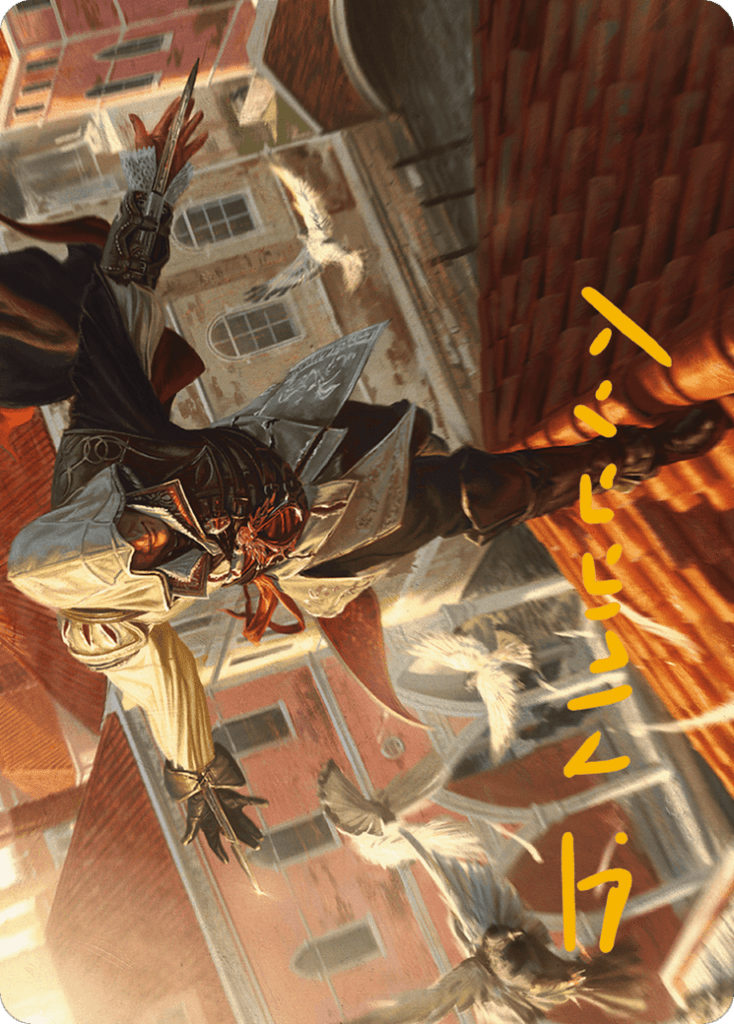
A few factors can affect the value of an art card, or your ability to trade it in. Art cards from Universes Beyond and Dungeons & Dragons sets are more collectible both to Magic players and non-Magic players, and those for popular player characters from the Assassin’s Creed games, especially Ezio, can sell for a couple of bucks or more.
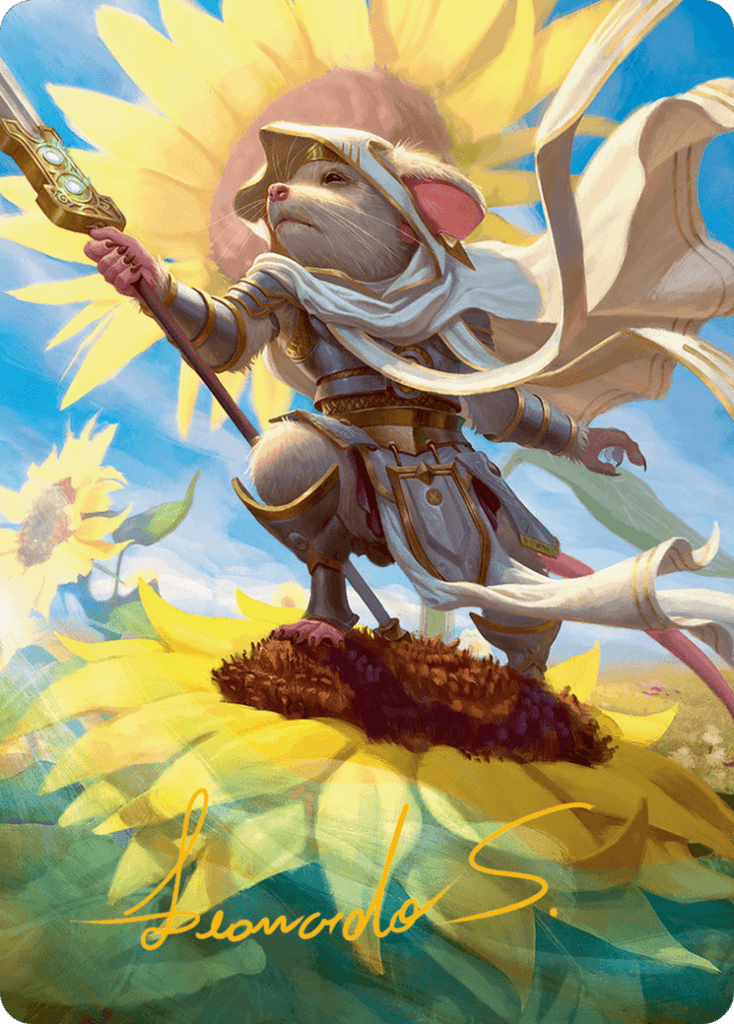
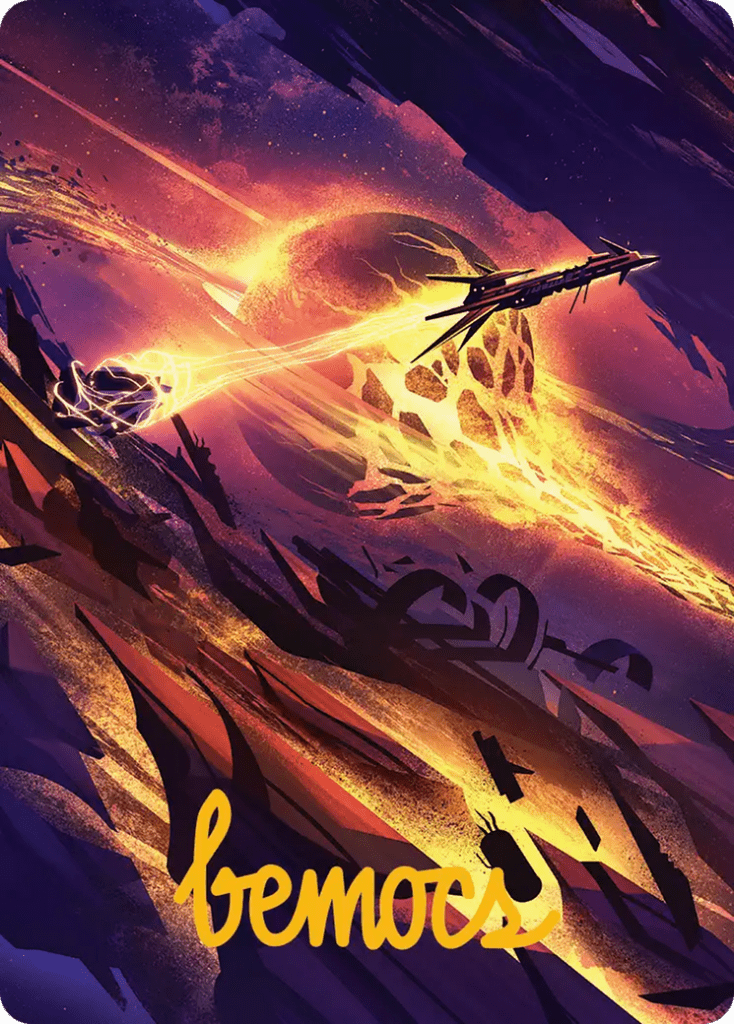
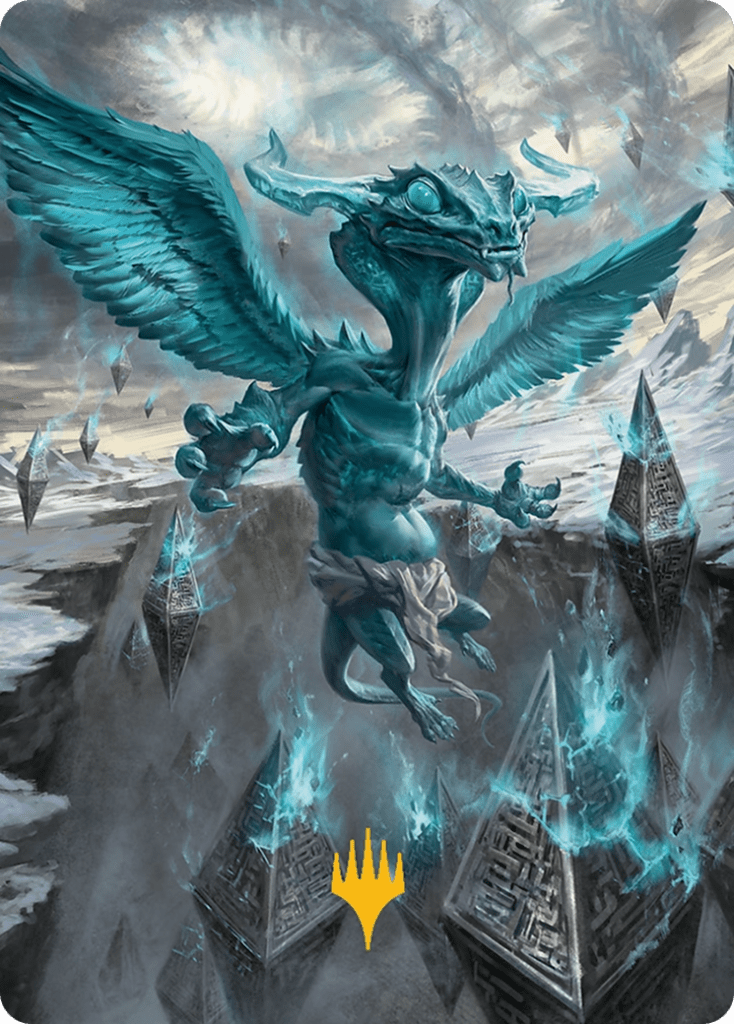
Art cards of popular characters like Elspeth also have a chance to be more valuable, as do cards with particularly striking or cute art.

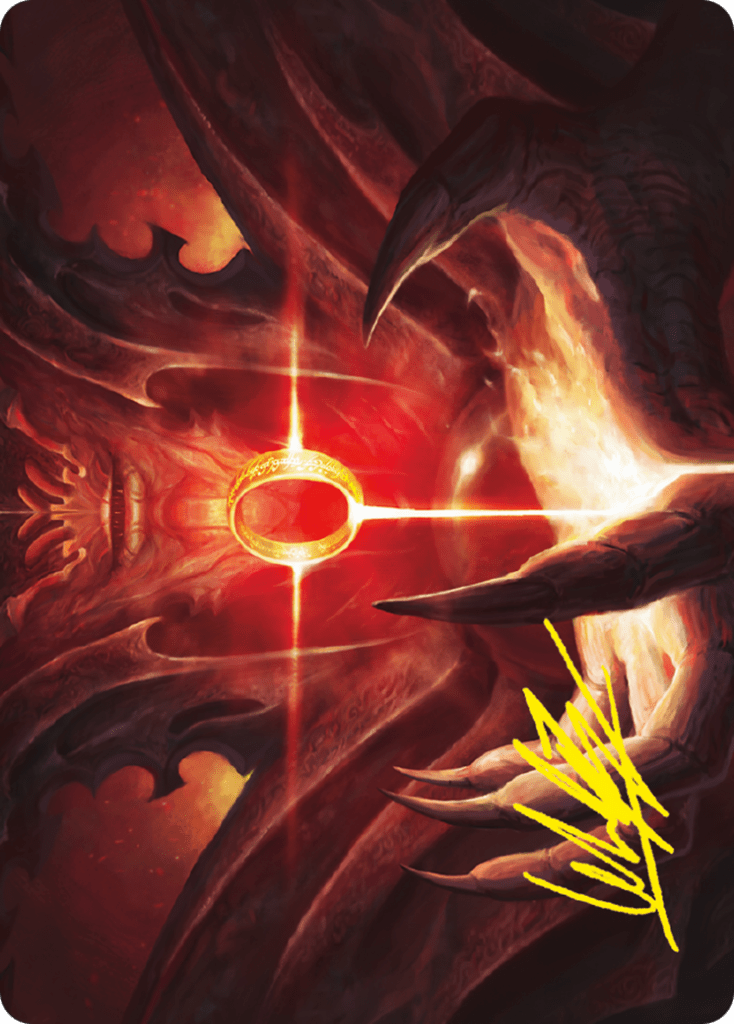
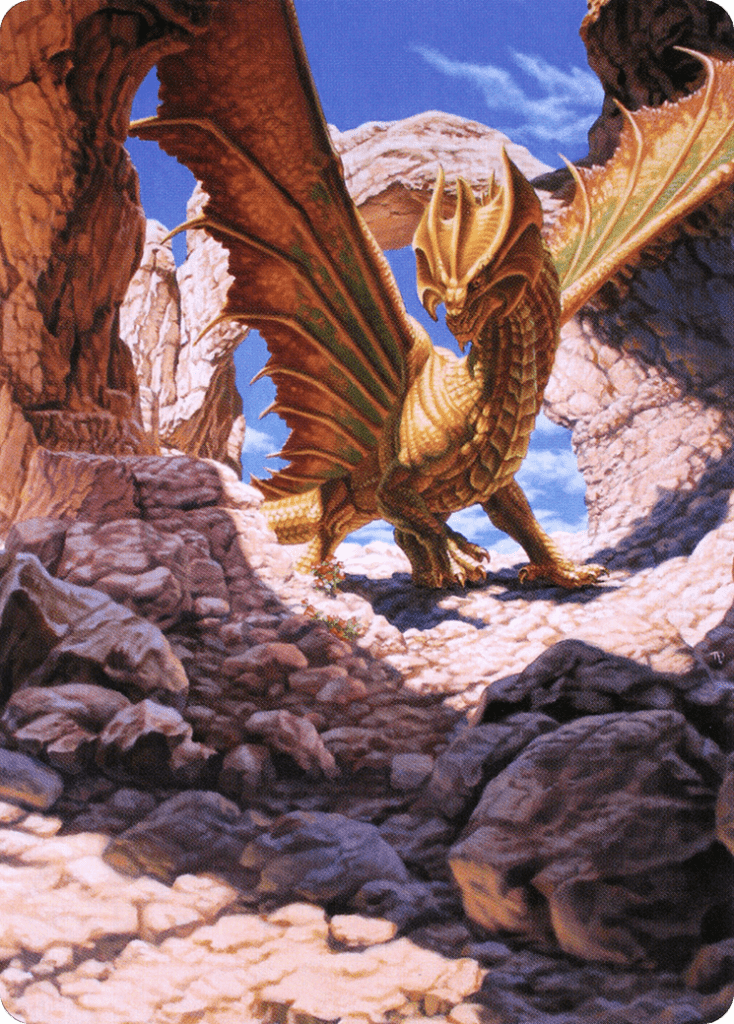
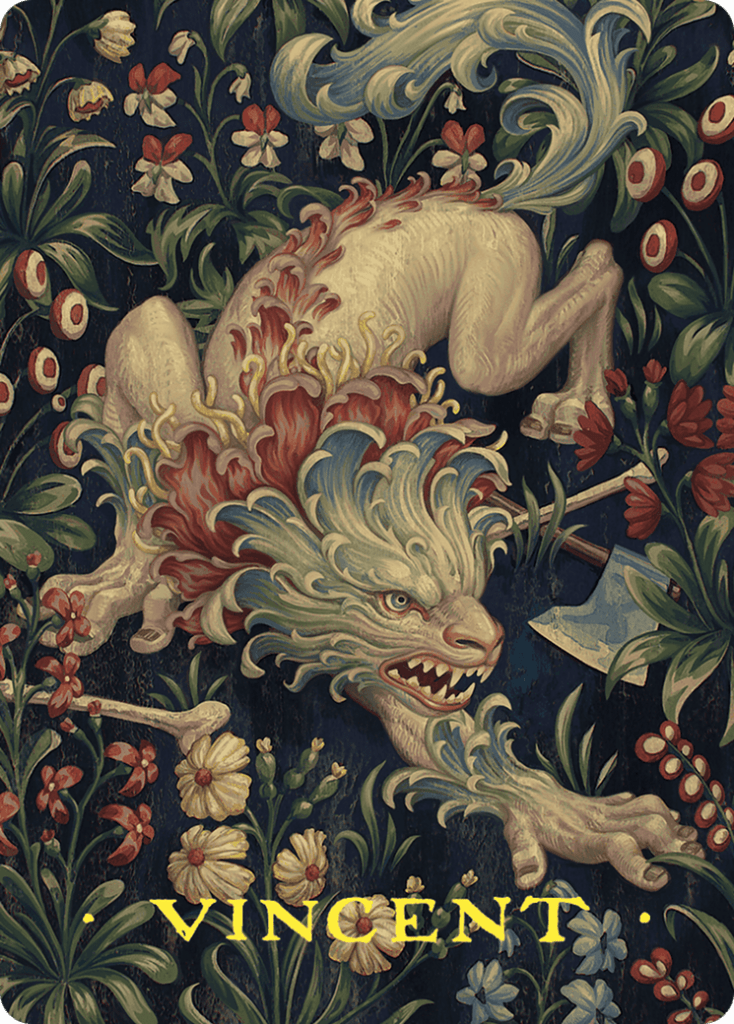
Anything that makes a decent proxy or casual replacement, whether it’s an expensive card like the CLB metallic dragons, a basic land, a Sol Ring, or even a beast token can have some trade value.
How About Art Cards with Gold Signatures?
Gold-stamped Art Series cards tend to be more valuable than normal art cards, and that’s especially true when the character or artist is very popular. But just like foils of bulk commons, the higher value doesn’t always translate to a consistent market.
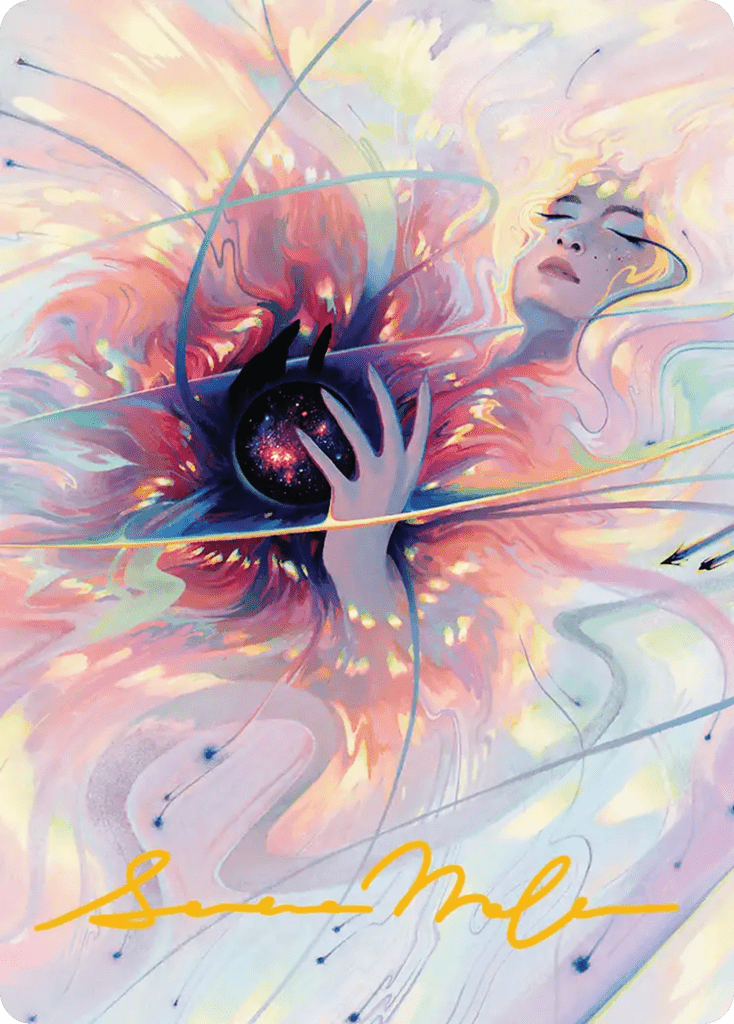

Just as a sampling, gold-stamped art cards from Edge of Eternities for Beyond the Quiet and Cascading Cataracts go for $15 and over $200 on April 26, but nothing from the Final Fantasy Art Series surpasses $15, and the most expensive gold-stamped card from the March of the Machine Art Series is Chandra, Hope's Beacon at an earth shattering… $1.30 (hat tip to MTGStocks for all the financial data).
Where Can You Buy Art Cards?
You can buy Art Series cards from online retailers and marketplaces like TCGplayer, and your local game store may stock them. I didn’t quickly find listings for them on CardKingdom, Star City Games, Cardhoarder, or Cardsphere, though, so not every platform that lets you buy or sell Magic cards will let you buy and sell art cards. Some lesser known (Canadian) places I found that sell art cards include 401Games and Wizard Tower.
Most online card retailers that stock art cards will let you filter your search results either under the set name, the card type, or the card’s rarity if you want to look specifically for art cards.
Are They Still Printing Art Cards?
Yes. Secrets of Strixhaven contains art cards, and the product information available on the WPN site for the Marvel Super Heroes Collector booster says that they have a chance to contain art cards or foil double-sided tokens, as expected.
There’s no official product information for other future sets as of the end of April, 2026, but I wouldn’t expect Wizards to eliminate them entirely. After all this messing around, Collector boosters are the correct home for them; can you really see Collector boosters of Star Trek or The Hobbit without art cards for people to trade at conventions and stuff?
Adventures in the Forgotten Realms Card Cards
Art Series cards from the Dungeons & Dragons sets (Dungeons & Dragons: Adventures in the Forgotten Realms and Commander Legends: Battle for Baldur’s Gate) that depict monsters have a unique back side. They feature the typical set and artist-identifying footer you’d expect at the bottom of a Magic card, but they show a monster manual entry for the creature.
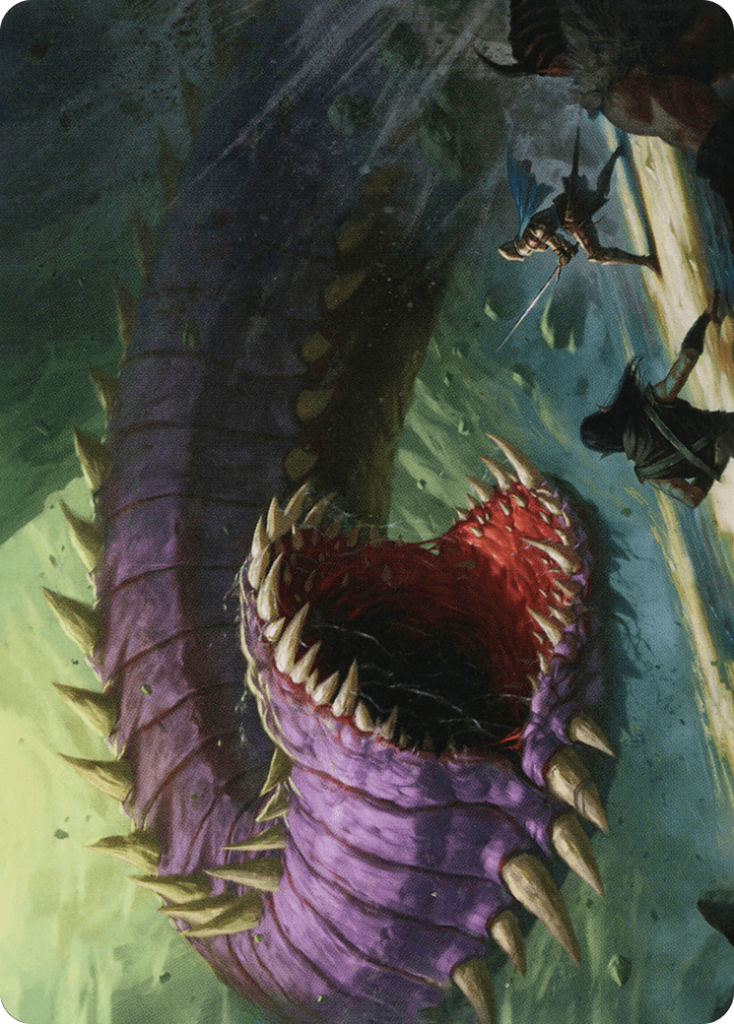
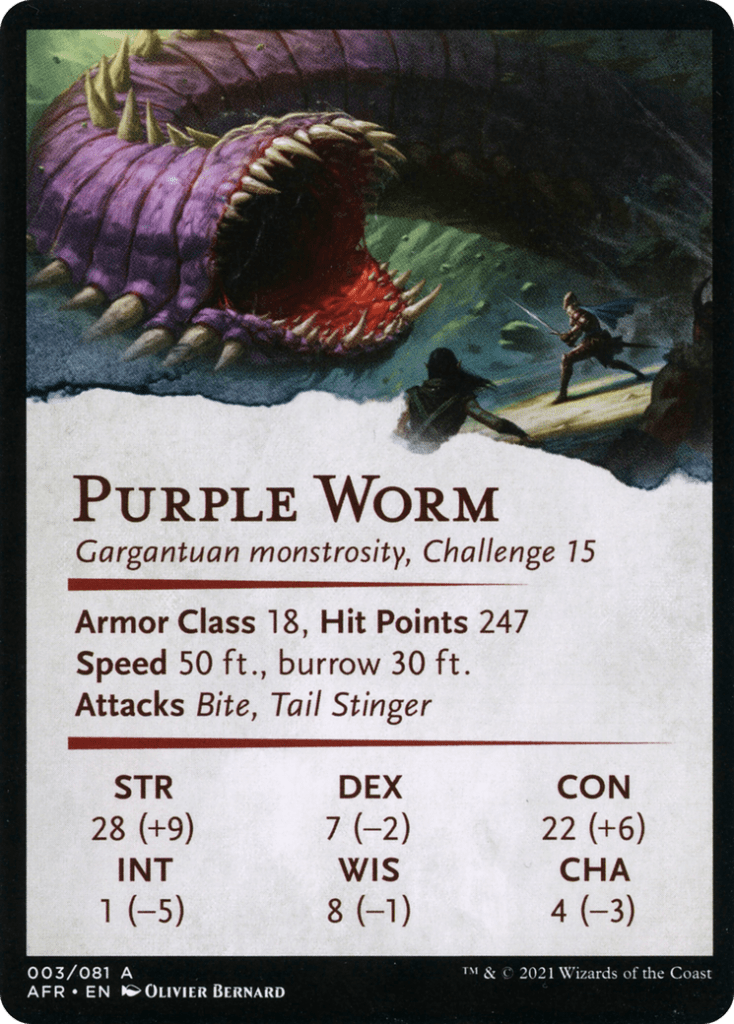
Let’s look at Purple Worm: The front side of the art card is a blown up version of the art on the card itself, while the back side shows a smaller version of the image and gives you information you’ll need to run an encounter as a game master: You’ve got its challenge level, armor class, hit points, speed, attacks, and basic stats: strength, dexterity, constitution, intelligence, wisdom, and charisma.
Are Art Cards Tournament Legal?
No, they aren’t. Unlike textless cards, art cards are made with a lighter and thinner card stock than tournament legal cards, which can lead to issues with marked cards.
Art cards make decent proxies, placeholders, or tokens (especially for copy abilities). You can use them to label zones or game pieces like a spindown that tracks your commander tax, experience counters, what have you. Even in your deck, the card stock issue can be marginal compared to something like extreme curling on foils at a casual table.
Wrap Up
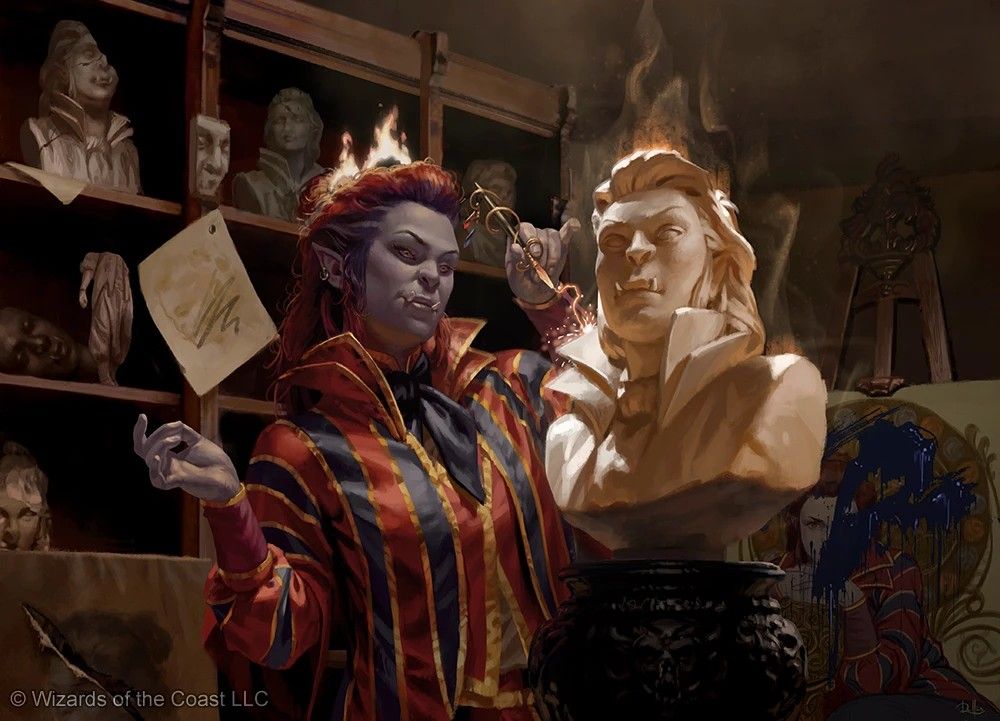
Determined Iteration | Illustration by Chris Rallis
Art cards are one of those problem children in Magic’s history. There’s a definite market for them; you and I both know some folks who bought or collected certain cards just for the art, and art cards provide them with a full-art collectible.
The team at Wizards definitely flooded our collections with these in the Set booster era, though, but I’m glad that they’ve finally restricted them to the booster that fits the exact market that they were made for.
Do you collect art cards, either generally or from specific sets? Have you used art cards as proxies or other game pieces before? Do you wish they were still in Play boosters? Let me know your thoughts on Magic’s art cards in the comments below or over on the Draftsim Discord. Subscribe to our newsletter for daily Magic straight to your inbox.
Until next time, happy hunting!
Note: This post contains affiliate links. If you use these links to make a purchase, you'll help Draftsim continue to provide awesome free articles and apps.
Follow Draftsim for awesome articles and set updates:










2 Comments
“I’m glad that they’ve finally restricted them to the booster that fits the exact market that they were made for.”
I’m afraid I disagree with that statement. I personally loved collecting the art cards, and my wife and I would compete to see who could find a stamped one first. Now, with them restricted to only collector boosters, they are out of my price range, and I will sadly never get the joy of opening a booster and possibly seeing a gold foil stamped or any other art card. I think it’s kind of crappy to take away from those who don’t have a ton of money to pump into the ridiculously expensive products. But, I’m also not part of a money hungry conglomerate, either…*lol*
Totally fair. TBF the items thelmselves are still dirt-cheap, so you should have no problem acquiring them. But if the idea is to open them for fun then yeah, restricting to Collector Boosters hurts that.
Add Comment