
Last updated on October 5, 2026

Elementalist’s Palette | Illustration by Alessandra Pisano
Magic stands out among card games in part because of how many ways you can engage with it. The card game is central to it all, but how do you play? Casually, at the Commander pods of your LGS? Or in high-stakes environments, pushing yourself to your limits? And the game isn’t even the only way to engage. You have the story, scattered across web fiction and novels and comics; the history of the game itself, of its players, of how decks develop.
Perhaps one of the most beautiful ways to engage with Magic beyond the game is the art. Over Magic’s 30+ years, it has collected lovely works of art that capture the essence of the cards and engage players like nothing else. You can find prints of your favorite art to hang on the wall, but perhaps you’d like something a little more personal. That’s where artist proofs come in, a unique type of Magic card that goes straight from Wizards to the artists who bring the game to life.
What Are Artist Proofs in Magic: The Gathering?

Kalain, Reclusive Painter | Illustration by Justine Cruz
Artist proofs are Magic: The Gathering cards with their regular front face, including art, but a blank back that Wizards of the Coast gives to artists as part of their compensation for creating the art that makes Magic such a spectacular game. They were originally distributed so artists could use them as business cards or pieces of their portfolio, though they’ve grown into a thriving subsection of the MTG collector’s market.
Artist proofs haven’t always been part of the game; they weren’t given out with Alpha, Beta, or Unlimited Edition. They were first printed alongside the Collectors’ Edition in 1993, with this first printing called Beta Artist Proofs. Since then, artists have received artist proofs as a standard for most sets, though there are exceptions, like Universes Beyond properties.
How Can You Tell if a Card Is an Artist Proof?
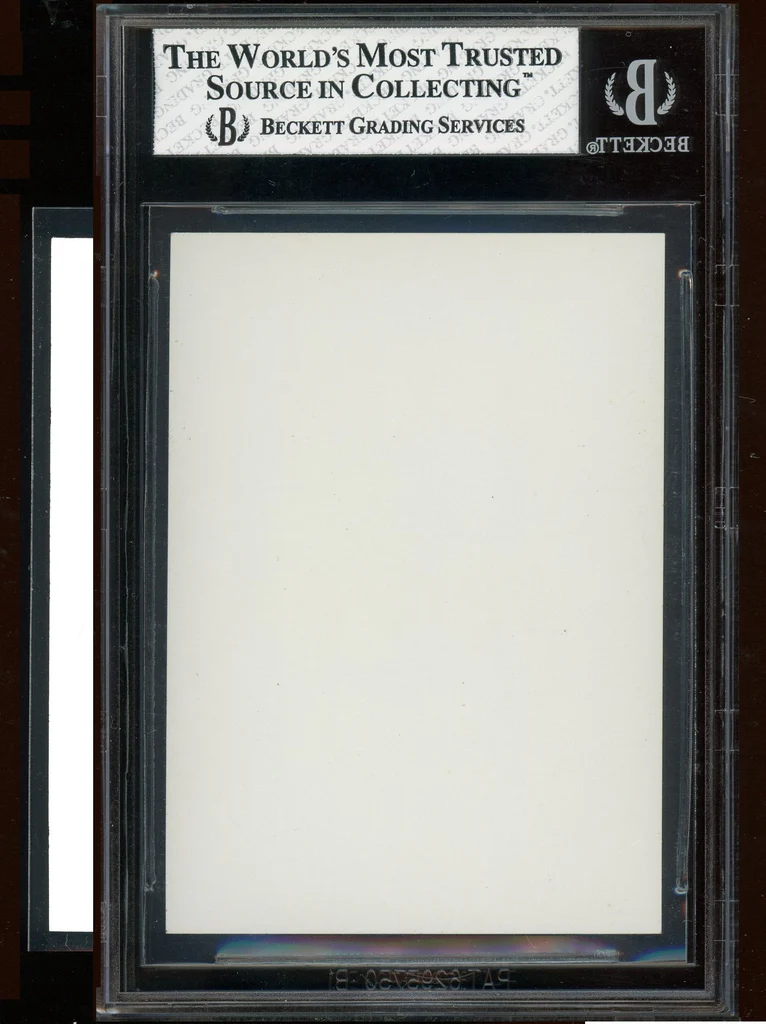
Source: AncestralMTG
You should always check the back, as artist proofs have blank backs. If you purchase them on the secondary market, you might find ones with sketches or drawings—still, the important thing is that theses illustrations don’t appear over the trademark Magic card back.
Signatures are an important thing to look out for, too. They’re a form of authentication for artist proofs; when they have the artist’s signature, you know they came from the artist.
What Are Beta Artist Proofs?
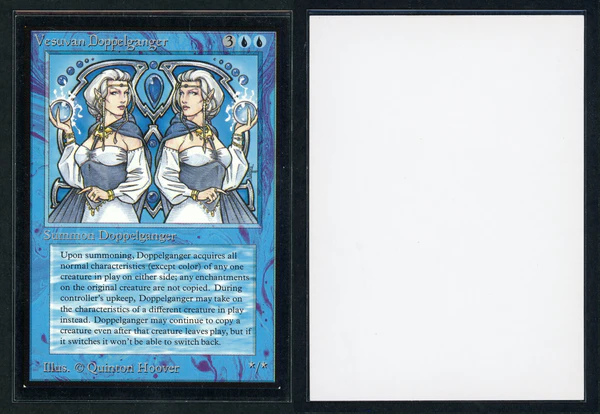
Beta artist proofs are the very first artist proofs ever printed—though they weren’t actually printed with Beta, or Alpha for that matter. The first artist proofs came out with Collectors’ Edition, though the art is identical to the Beta release. Due to their age, these are among the rarest and most expensive artist proofs you can find. Fifty proofs of each card were printed, though many were given away as business cards or even destroyed, which means some Beta artist proofs are rarer than that number suggests.
Are Artist Proofs Valuable?
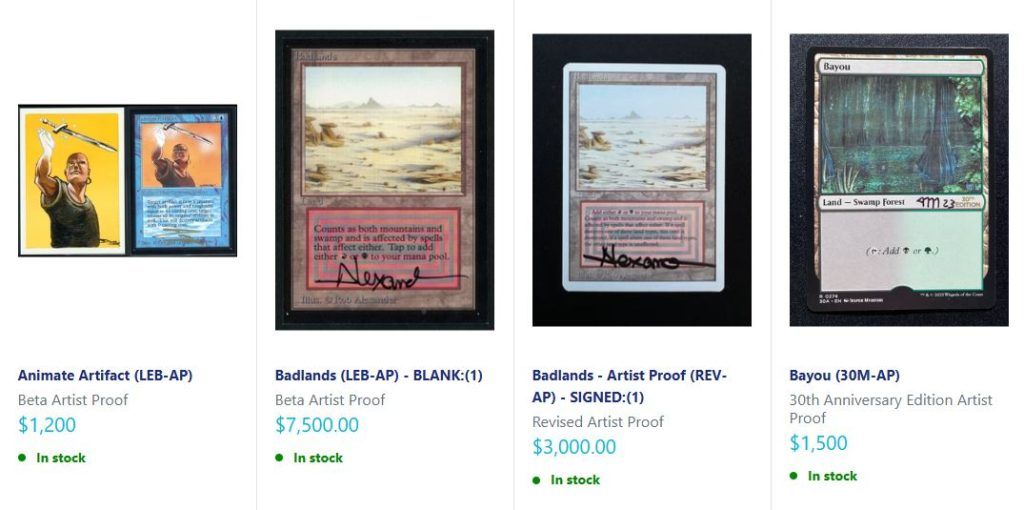
The value of an artist proof varies widely based on a couple of factors, including scarcity, treatment, and prestige.
Scarcity matters; artist proofs come in very limited runs; artists generally get 50 copies of a standard card and 20 foils, so there aren’t many of them. That’s amplified with older Magic cards, like the Beta artist proofs.
We also need to consider what’s on the card. The artist’s signature is pretty common, both as a keepsake and to authenticate the card. But the white backside is a perfect canvas, so you can find artist proofs with doodles, sketches, and even full-blown paintings. In general, the more intricate the back, the more value the card holds. It’s also worth noting that an unsigned and unverified artist proof might not have the same value as the signed one.
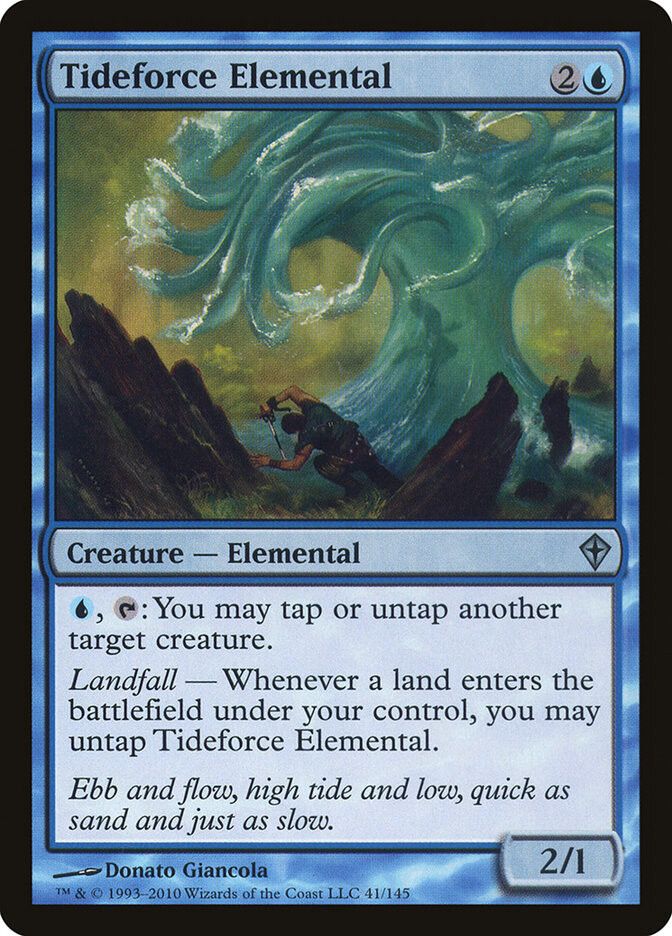

Prestige is a matter of both the artist and the card. Titanic MTG names like Rebecca Guay or Dan Frazier can ask for far more per artist proof than somebody who has just printed their first cards. The iconic nature of the card also impacts the price. For example, Magic artist Donato Giancola has done Magic art for decades, and sells proofs through his website. The proof of Tideforce Elemental, a thoroughly unremarkable uncommon from Zendikar, goes for $10 with a signature. But the proof of Giancola’s most iconic card, the Seventh Edition Shivan Dragon, goes for $1,000.
Why Do Artists Sign Their Artist Proofs?
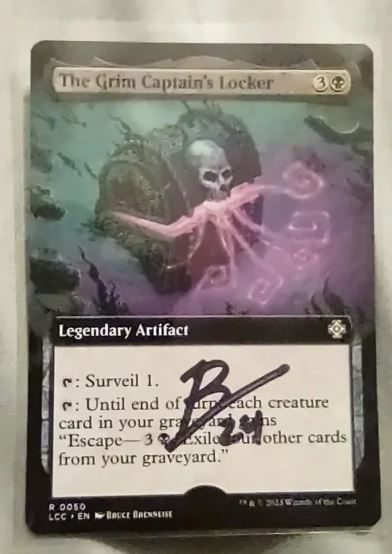
The primary reason artists sign their artist proofs is to verify their authenticity. Without the artist’s signature, it can be hard to tell whether you have a genuine artist proof or a counterfeit card. As you can see from the artist proof of The Grim Captain’s Locker above, artists will often mark each individual proof with its own verified number, or in some cases the year the card was printed.
Why Don’t Artists Get Artist Proofs for Universes Beyond Sets?
Magic artist Donato Giancola (known for works like the iconic Seventh Edition Shivan Dragon and Mirrodin‘s Chrome Mox) wrote on Muddy Colors about how Wizards of the Coast doesn’t provide artist proofs for Universes Beyond sets—in fact, Magic artists can’t use their UB art on the secondary market at all. Giancola provided no statement about why, and Wizards of the Coast hasn’t given an official statement about this, but a licensing/copyright issue is most likely. The companies who own the I.P. rights to franchises like Final Fantasy and Spider-Man likely don’t want artists to cash in on their property—something similar to the situation that brought about Through the Omenpaths.
Are Artist Proofs Tournament Legal?
No. Artist proofs aren’t tournament legal because they lack the traditional Magic: The Gathering card back.
Where Can You Buy MTG Artist Proofs?
AncestralMTG

AncestralMTG is a digital storefront filled with Magic: The Gathering collectables and memorabilia, including quite a few high-end artist proofs like Beta artist proofs. It’s a great place for the Magic whale to find unique, high-value artist proofs to expand their collection, and it’s home to many other unique pieces of Magic history.
Artist Websites
Many Magic artists sell artist proofs through their personal websites. They may even include options to commission sketches or drawings in addition to signing them. Not every artist sells their proofs online—some may save them for in-person events or simply hold onto them. What artists do with their prints is totally up to them, so I recommend that you find the website or social media of the artist who drew the card you want. From there, you should be able to locate the best way to get their artist proof. A few of these sites include:
The Secondary Market
There are two major secondary markets to purchase artist proofs. The first is the Facebook Group Magic: The Gathering artist proof cards sale trade display. The group includes people requesting particular artist proofs and sellers putting their wares on display. There’s also a Discord server called MTG Artist Proof that serves a similar function, and it includes information for upcoming, in-person events.
When purchasing from the secondary market, exercise the same caution you would when purchasing regular Magic cards, or anything on the internet, for that matter. If you find a deal that’s too good to be true for that Beta artist proof, it probably is.
Wrap Up
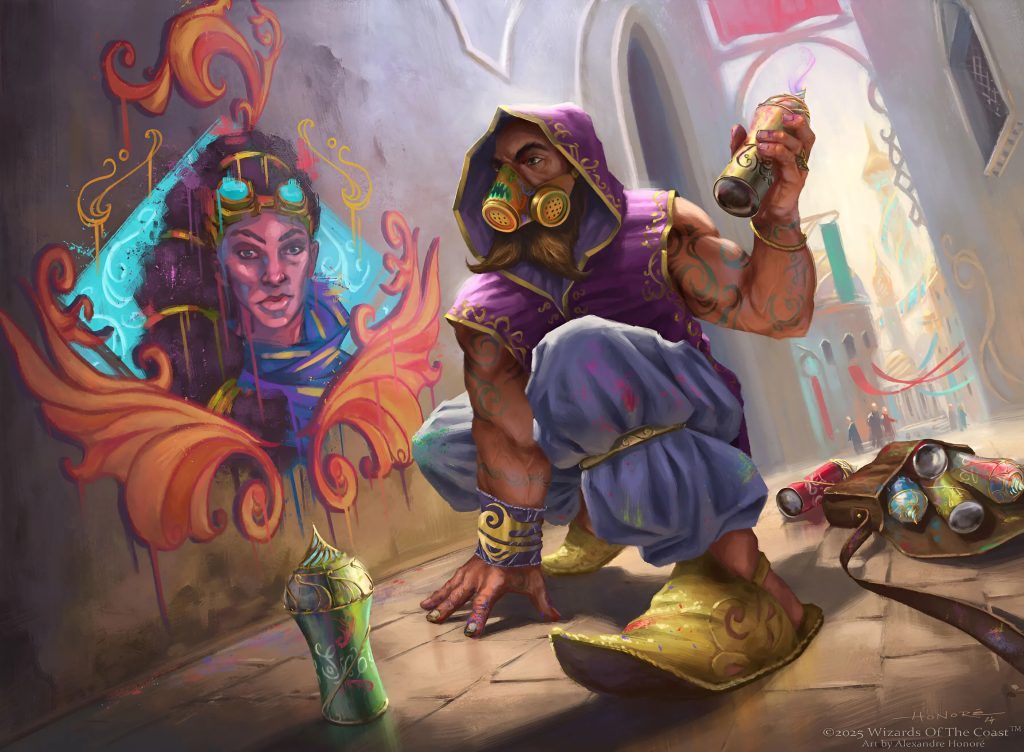
Motivated Muralist | Illustration by Alexandre Honoré
Artist proofs are rarely talked about, but they’re one of the game’s most personalizable collector’s items. They create a genuine connection between you, the player, and the artist who crafts the game, something you can’t quite get from a painting hung on the wall. It makes them wholly unique, and a treat for any collector.
Do you collect artist proofs? Do you have anything special in your collection? Let me know in the comments below or on the Draftsim Discord!
Stay safe, and thanks for reading!
Note: this post contains affiliate links. If you use these links to make a purchase, you’ll help Draftsim continue to provide awesome free articles and apps.
Follow Draftsim for awesome articles and set updates:










2 Comments
the number in bruce brenneise’s signatures is the year he signed it, not the number of the proof, for what it is worth. I do see that in the cited reddit post that it does in fact have 24/50 on the back, but that is purely coincidental. I got a EoE stomping ground proof in 2025 that is signed with the “B” and a 25 beneath it, but on the back it is 37/50, as well as a couple other non-proof cards with 23, 24, 25, etc. all underneath the “B”
Thanks for the context Jordan!
Add Comment