
Last updated on October 27, 2026
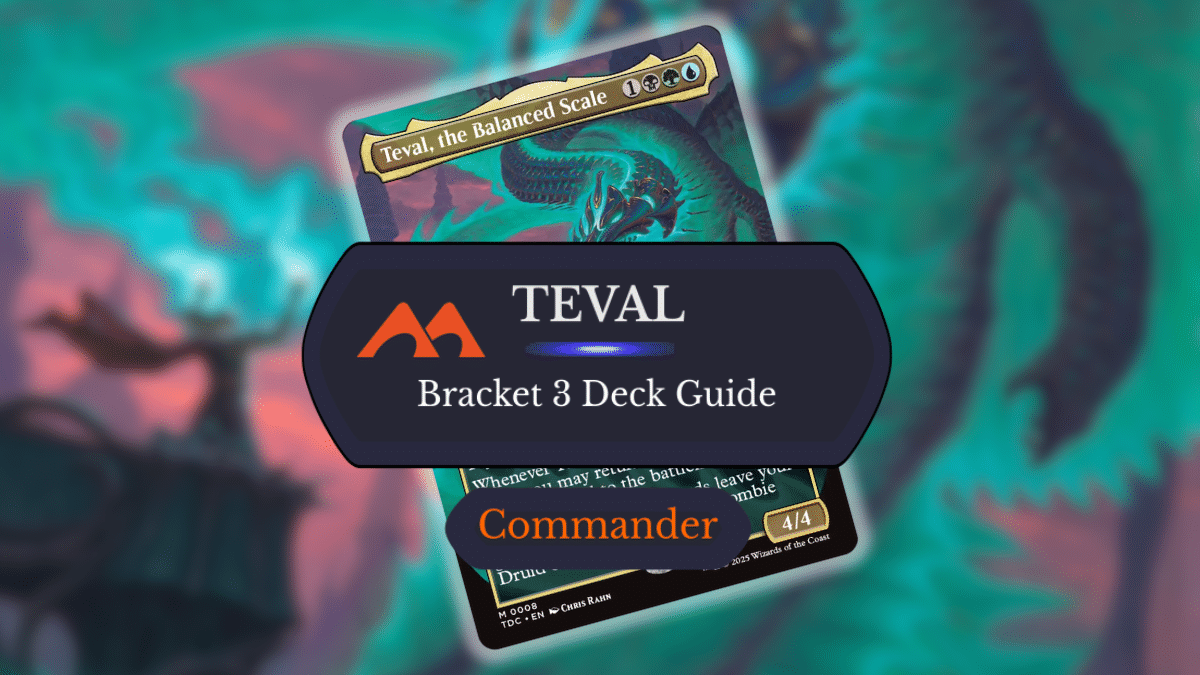
Teval, the Balanced Scale | Background Illustration by Chris Rahn
Teval, the Balanced Scale was an instant hit when Tarkir: Dragonstorm came out and it’s only risen in prominence since, breaking the top 10 most popular commanders on EDHREC within a year of release.
It’s the perfect Sultai () card; it interacts with the graveyard and ramps and builds a board state, all for an extremely low cost. Being a dragon with cool art doesn’t hurt, either. Let’s build this incredibly popular and powerful commander!
The Deck

Teval's Judgment | Illustration by Alix Branwyn
Commander (1)
Creature (23)
Aftermath Analyst
Amphin Mutineer
Boggart Trawler // Boggart Bog
Carnivorous Cultivator // Enroot
Deathrite Shaman
Eternal Witness
Fang, Fearless l'Cie
Gravecrawler
Hedron Crab
Icetill Explorer
Kishla Skimmer
Liliana the Repentant
Lost Monarch of Ifnir
Mole Man, Moloid Master
Pia, Aether Ascetic
River Kelpie
Six
Stitcher's Supplier
Syr Konrad, the Grim
Tasigur, the Golden Fang
Timeless Witness
Titania, Protector of Argoth
Vanille, Cheerful l'Cie
Instant (15)
An Offer You Can't Refuse
Assassin's Trophy
Auroral Procession
Bitter Triumph
Chord of Calling
Crop Rotation
Fell the Profane // Fell Mire
Lethal Scheme
Malakir Rebirth // Malakir Mire
Sink into Stupor // Soporific Springs
Soul Shatter
Strix Serenade
Stubborn Denial
Swan Song
Tear Asunder
Sorcery (10)
Afterlife from the Loam
Bridgeworks Battle // Tanglespan Bridgeworks
Dread Return
Life from the Loam
Raise the Palisade
Reanimate
Stock Up
Temporal Trespass
Welcome the Dead
Will of the Abzan
Enchantment (9)
Animate Dead
Awaken the Honored Dead
Chthonian Nightmare
Court of Cunning
Insidious Roots
Ripples of Undeath
Teval's Judgment
Tortured Existence
Walk-In Closet // Forgotten Cellar
Artifact (4)
Cursecloth Wrappings
Exploration Broodship
Lightning Greaves
Mesmeric Orb
Land (38)
Barren Moor
Bloodstained Mire
Boseiju, Who Endures
Breeding Pool
City of Brass
Command Beacon
Command Tower
Dakmor Salvage
Exotic Orchard
Field of the Dead
Forest x2
Island
Lazotep Quarry
Mana Confluence
Mistrise Village
Misty Rainforest
Morphic Pool
Otawara, Soaring City
Overgrown Tomb
Polluted Delta
Rejuvenating Springs
Scalding Tarn
Shifting Woodland
Swamp x2
Takenuma, Abandoned Mire
Talon Gates of Madara
Turbulent Fen
Turbulent Wetlands
Turbulent Wilderness
Underground Mortuary
Undergrowth Stadium
Urza's Cave
Verdant Catacombs
Watery Grave
Wooded Foothills
Yavimaya, Cradle of Growth
This is a Bracket 3 graveyard deck built around the idea of gravebreak, or making cards leave your graveyard for positive effects from permanents. It’s often tokens, but there are other payoffs. The deck is pretty streamlined, with ample interaction to mess with your opponents as you build up a powerful board, plus access to plenty of card advantage.
The Commander: Teval, the Balanced Scale

Teval, the Balanced Scale is perfect for the archetype because it’s both payoff and enabler. The attack trigger fills the graveyard and instantly removes a card, then you get zombie druids to beat your opponent. Importantly, it doesn’t trigger once per turn, so you can make multiple zombies each turn.
Part of Teval’s charm—and that of gravebreak more generally—is the flexibility. Because Teval only cares about cards leaving the graveyard, not where they go or what card types move around, you have so many avenues to trigger it. Returning cards to your hand, exiling spells to delve, playing lands from the graveyard, reanimating creatures… practically every game action the deck takes enables this commander.
Gravebreak Cards
As strong as Teval is, it cannot support a deck alone. Thus, other gravebreak/graveyard payoff cards further the deck’s power.
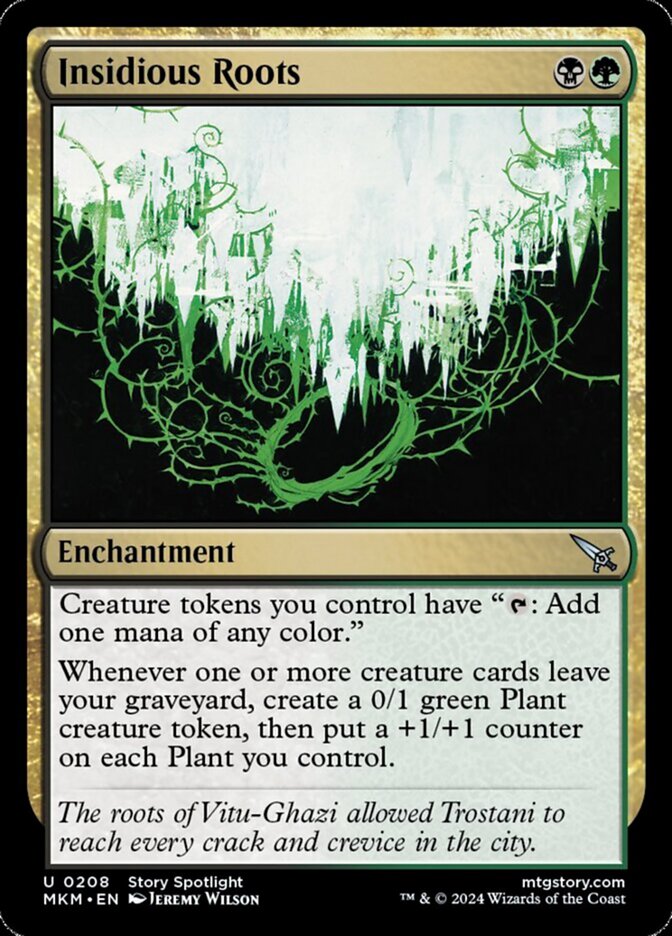
Insidious Roots was one of the first cards to kickstart this design trend and it’s one of the strongest. Though the 0/1s seem insignificant, the counters add up quickly and the ramp is nearly worth the card alone. Note that it gives a mana ability to all your tokens, not just plants, so your zombie druids tap for mana.


Kishla Skimmer and Fang, Fearless l'Cie provide that most essential of payoffs: Card draw! These get out of hand quickly as most of the gravebreak enablers also represent card advantage.

Teval's Judgment dabbles in everything. It makes the same tokens as Teval, draws cards, even ramps with Treasure. I typically find the card draw most valuable, but you’ll often get multiple triggers a turn anyway.
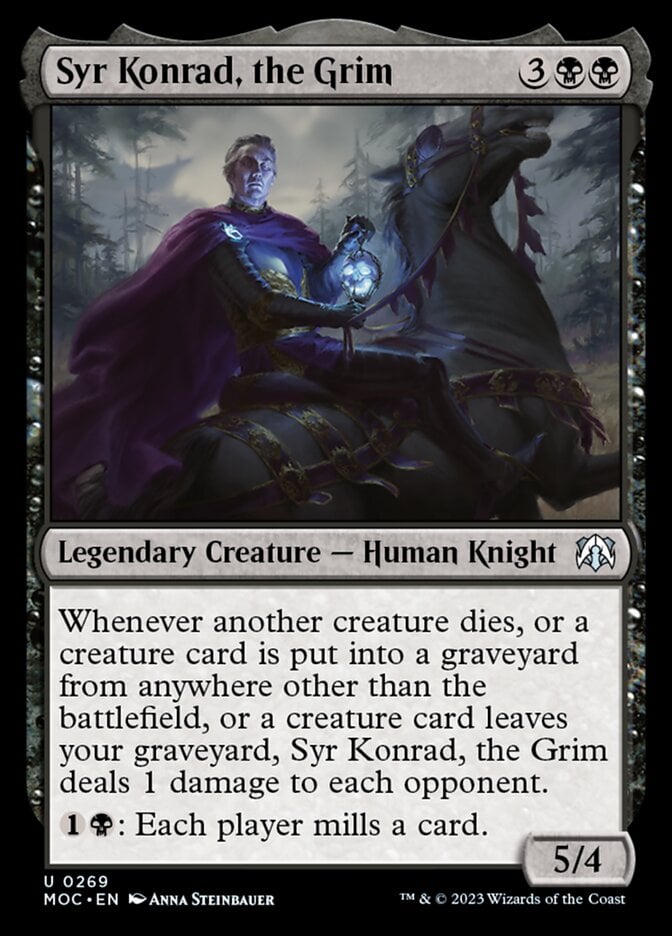
Syr Konrad, the Grim has a textbox that just keeps going for some reason. This would be strong if it triggered on gravebreak alone, but it also counts creatures being milled or dying from any player or leaving your graveyard. While many of the other options give you resources to grind out a long game in typical Sultai fashion, Konrad just ends it.
Mill
Mill is vital to the deck as cards can’t leave an empty graveyard. These cards set up all the other synergies. It’s worth noting that this section and the following about recursion share a fuzzy boundary as modern design emphasizes cards that enable themselves.
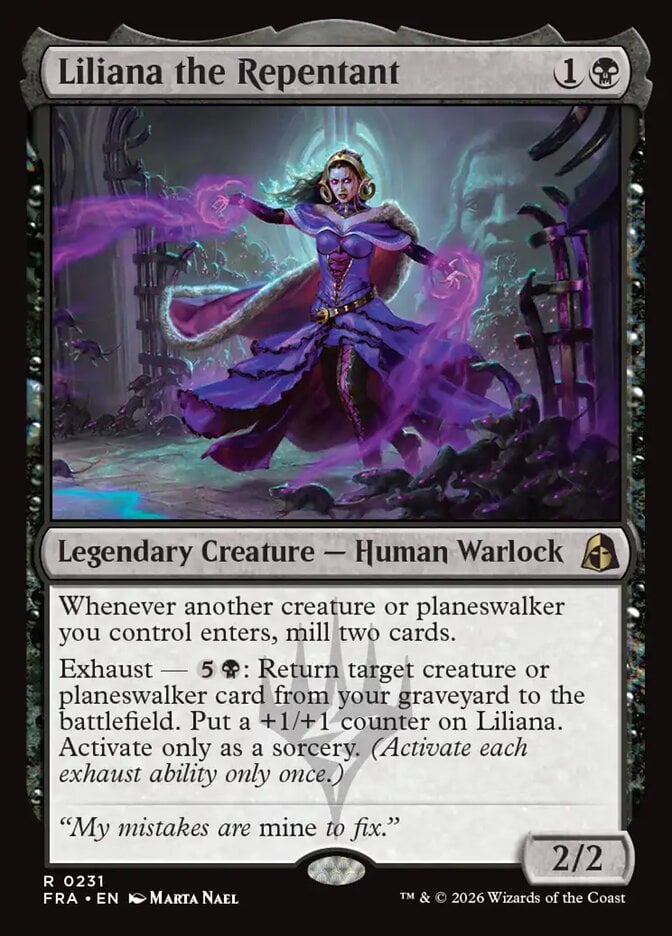
I’ve sung the praise of Liliana the Repentant since it was spoiled, and will continue doing so. It gets the engine running early and, later in the game, the exhaust ability gets back a key threat, so you aren’t afraid to draw it late. Oh, and that makes it a gravebreak enabler, too.
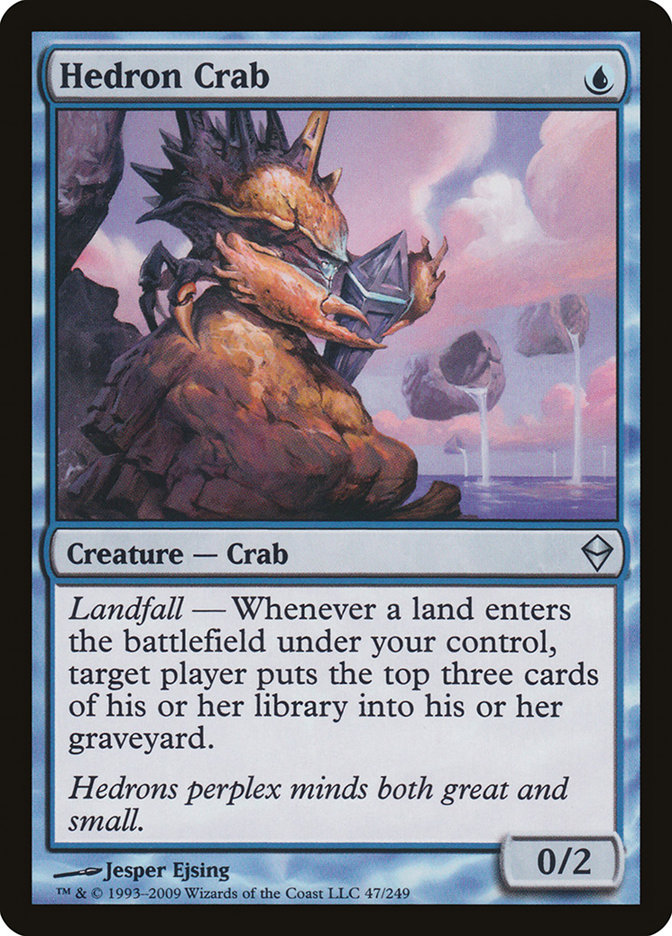
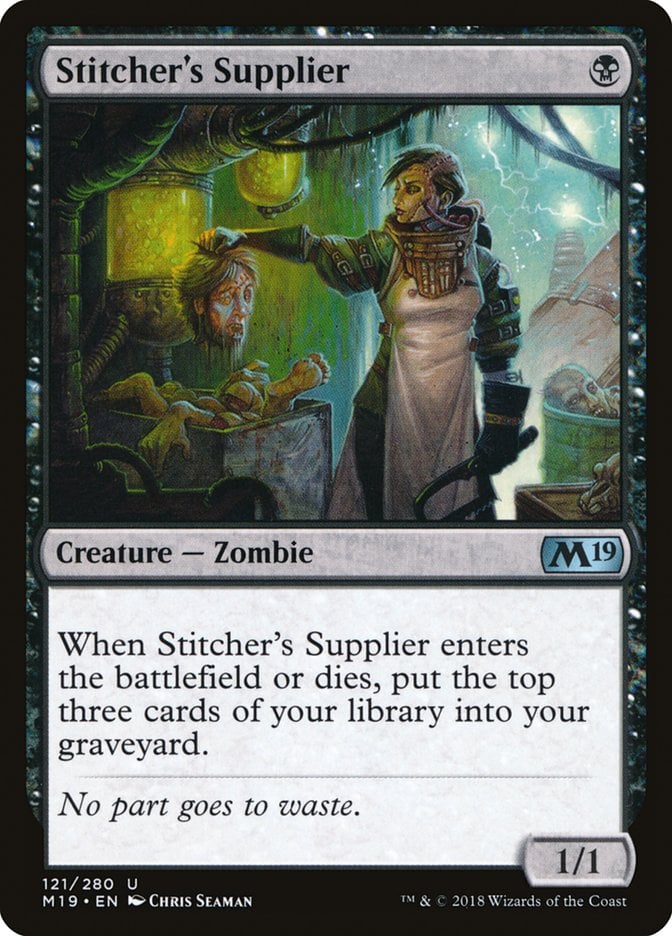
Hedron Crab and Stitcher's Supplier get the mill plan started from turn 1. Always target yourself with Hedron Crab.
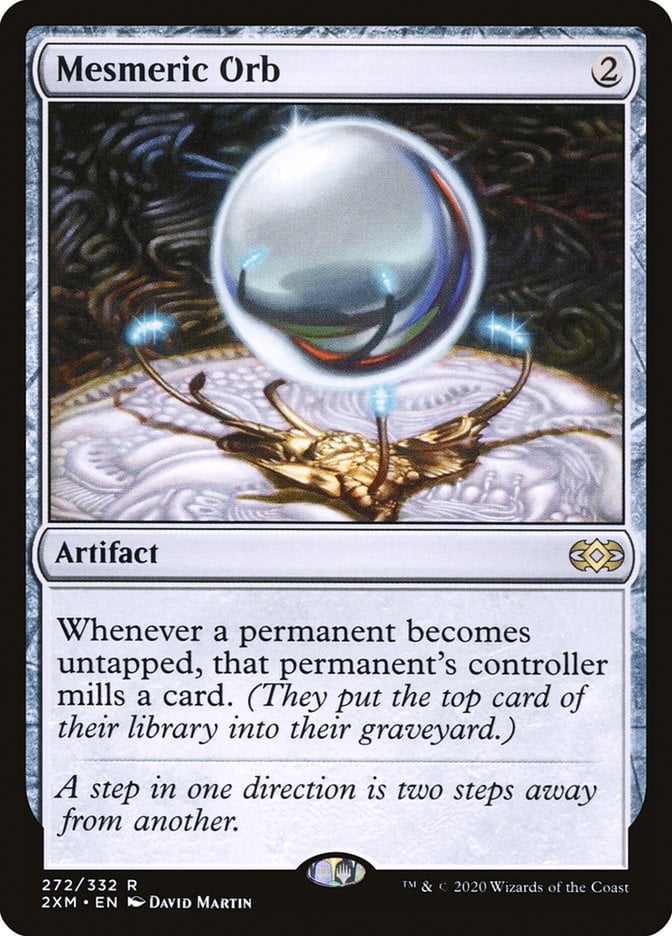
Mesmeric Orb might be the most cost-efficient mill engine in the game. You’ll have a full graveyard after two untap steps, assuming you tap your lands. However, your opponents won’t like this.

Court of Cunning meshes card draw with mill in a very intoxicating package. Thanks to Teval, the deck makes plenty of tokens to protect the crown. Even if your opponents steal it, a 4/4 flying dragon does a great job reclaiming it.

Ripples of Undeath is already an amazing card as a Phyrexian Arena variant that fills the graveyard, but it works best here, where drawing the card triggers all the gravebreak stuff. to draw a card and make a 2/2, is a killer option to get each turn.

Lost Monarch of Ifnir is one of the best zombie lords because afflict is such an ugly ability. It gives your opponents the illusion of choice because they can either take the combat damage or… block and take damage. The second ability is incredible here, drawing cards, filling the graveyard, triggering gravebreak.
Recursion
These cards enable the gravebreak cards, often with card advantage. As noted before, there’s overlap with recursion cards that also mill you.

The deck has a heavy focus on permanents, so it’s well-suited to using Six’s retrace ability. Six even gets cards into the graveyard to retrace and draws one of the milled cards, so practically every part of the card triggers Teval and friends.

Afterlife from the Loam triggers gravebreak twice as delving away cards and reanimating a creature are two separate instances of cards leaving the graveyard. It’s not an exaggeration to say that it adds a good six bodies to the board, often for as little as .
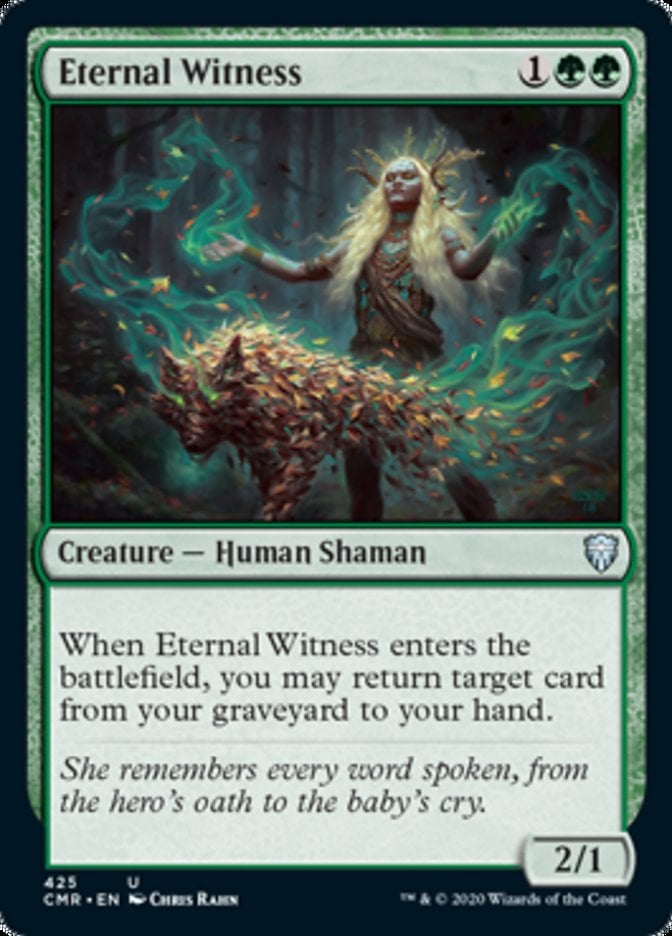


Eternal Witness is the classic recursion card; I can’t imagine not playing it. Timeless Witness has a similar effect with eternalize to reward you for milling it and Vanille, Cheerful l'Cie even mills a few cards. Also, don’t forget that the deck has Fang, so you can meld this into Ragnarok, Divine Deliverance.
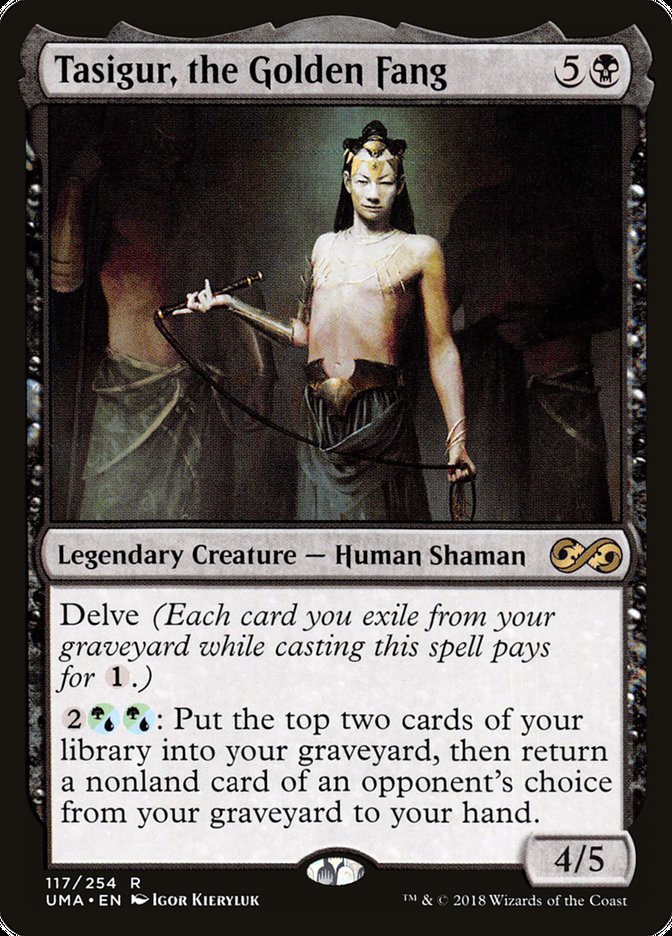
Tasigur, the Golden Fang provides a gravebreak engine since you can activate it to get some cards into and out of the graveyard each turn. Also, delve spells inherently trigger gravebreak, so just casting Tasigur advances your gameplan, even if it doesn’t resolve or survive to activate.

Cursecloth Wrappings makes Teval’s zombies much more useful while fueling the gravebreak synergies. Making zombies while buffing them is a pretty nasty engine.

Exploration Broodship lets you cast cards from the graveyard, though it takes a few turns to reach that value.
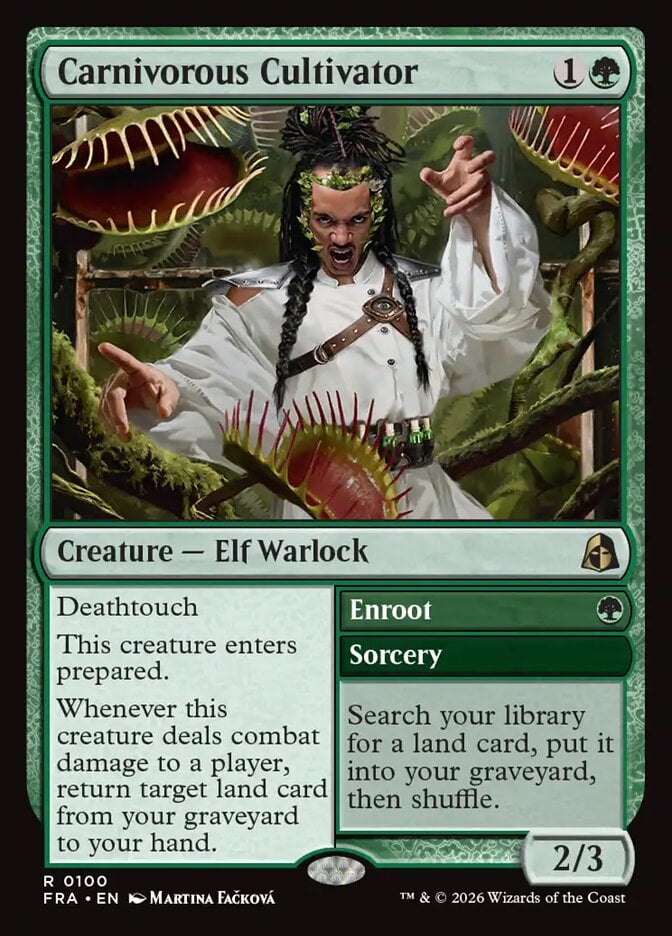
I’ve come to appreciate a solid deathtouch body in Commander, but Carnivorous Cultivator does more than dissuade your opponents from attacking. They’re unlikely to want to block it so you draw lands, plus there are great value lands to Enroot, then recur with this or Teval.
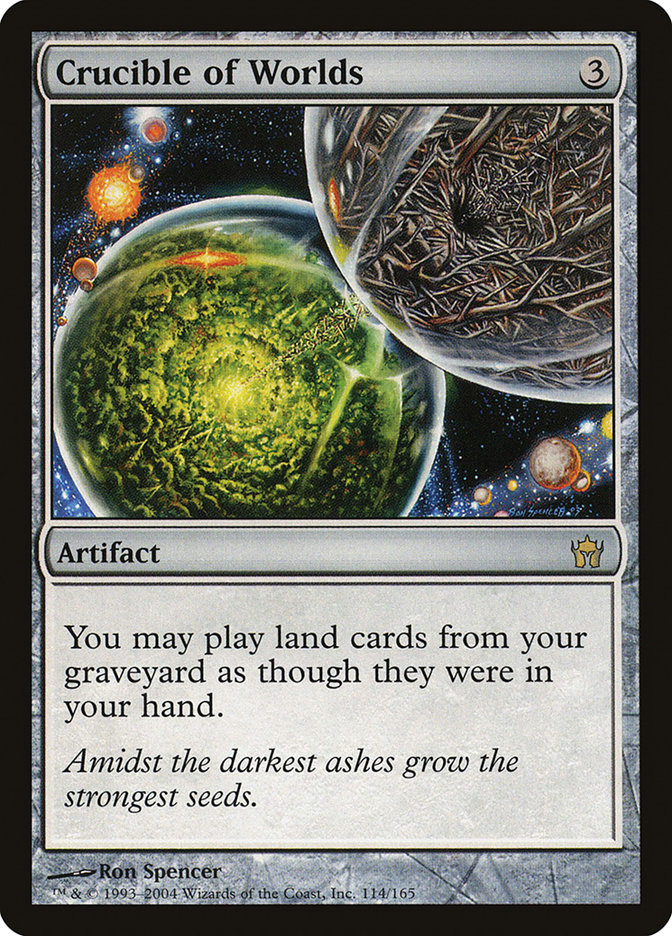
Crucible of Worlds effects are among the most important in the deck as they trigger gravebreak each turn without investing mana… except the original one isn’t in this deck. Power creep has put us in a post-Crucible world with enough versions of the effect that we don’t need the vanilla. This deck has three:
- Walk-In Closet // Forgotten Cellar also costs 3 mana, but the Cellar gives it additional flexibility and the enchantment type works with Pia, Aether Ascetic.
- Mole Man, Moloid Master rewards playing lands with additional tokens. The Moloid tokens also mill you so you get both parts of the engine.
- Icetill Explorer might be the strongest card in the deck. Playing up to two lands from the graveyard a turn means two gravebreak triggers plus a mana advantage and milling on landfall fills the graveyard quickly. It also means that a fetch land from hand might result in the second land coming for the graveyard.
The only card that rivals Icetill Explorer (in the context of this deck) is Tortured Existence. The rate on activating is just absurd. With Teval alone, it’s , make a zombie druid. Throw in other cards and you easily take over. It works particularly well with Konrad because one activation makes a creature enter and leave the graveyard, so you get 2 damage for .
Removal
While most of the deck’s card advantage is tied up in the cards outlined above, the interaction package is more standard, with a focus on efficiency.


That doesn’t mean that there’s no interaction that mingles with the strategy, however. Awaken the Honored Dead starts by destroying any permanent, then mills and provides a gravebreak trigger on the last chapter. Will of the Abzan often kills creatures and reanimates something, and Amphin Mutineer rewards you for milling it.
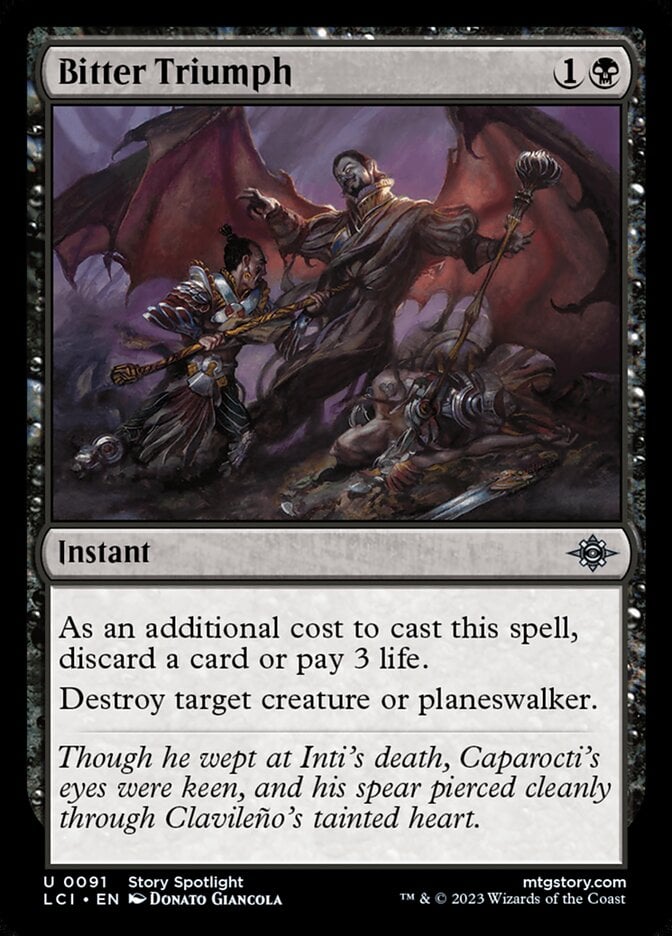
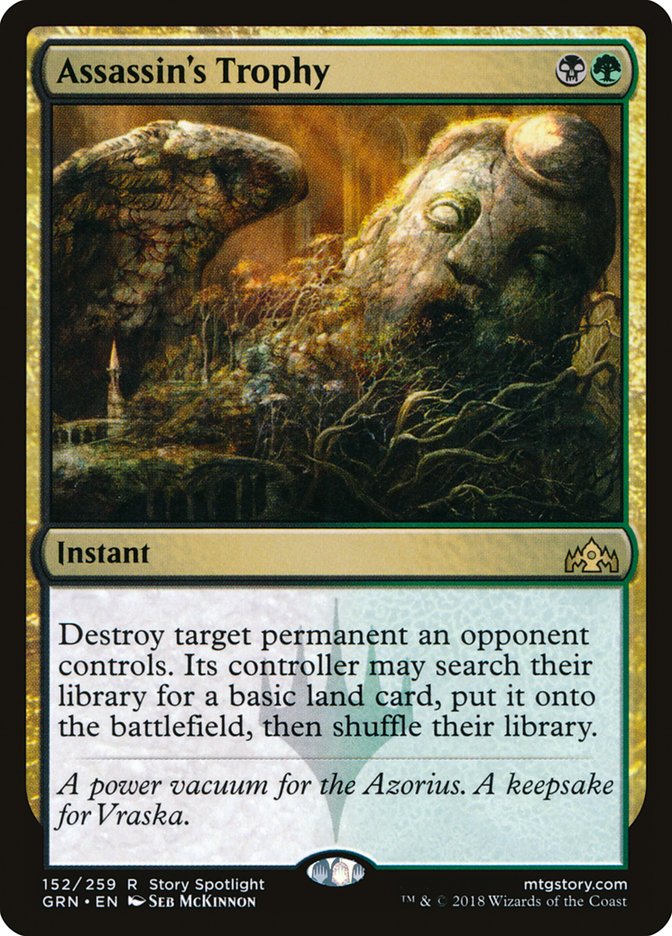
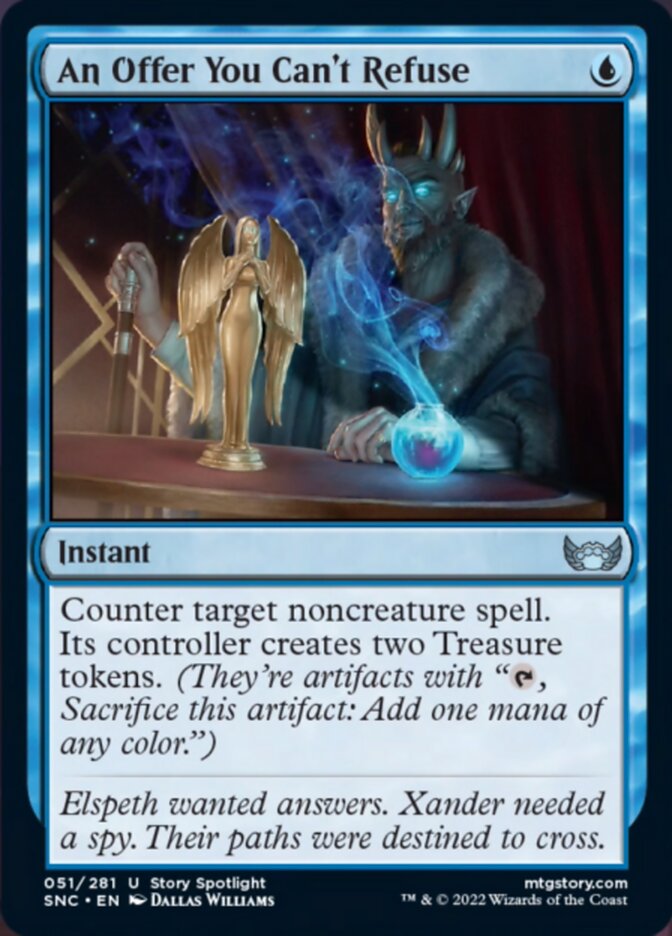

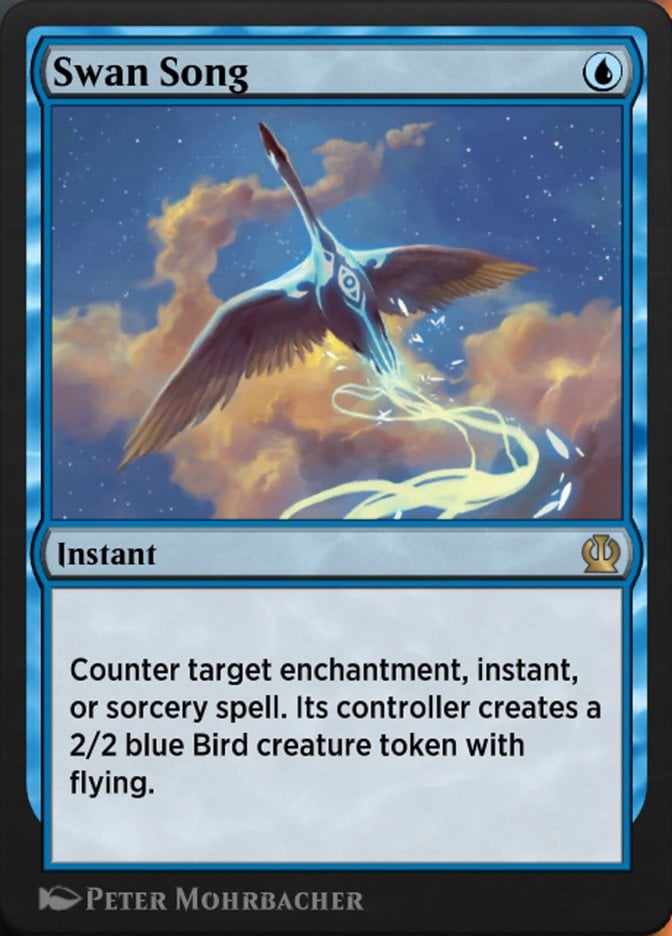
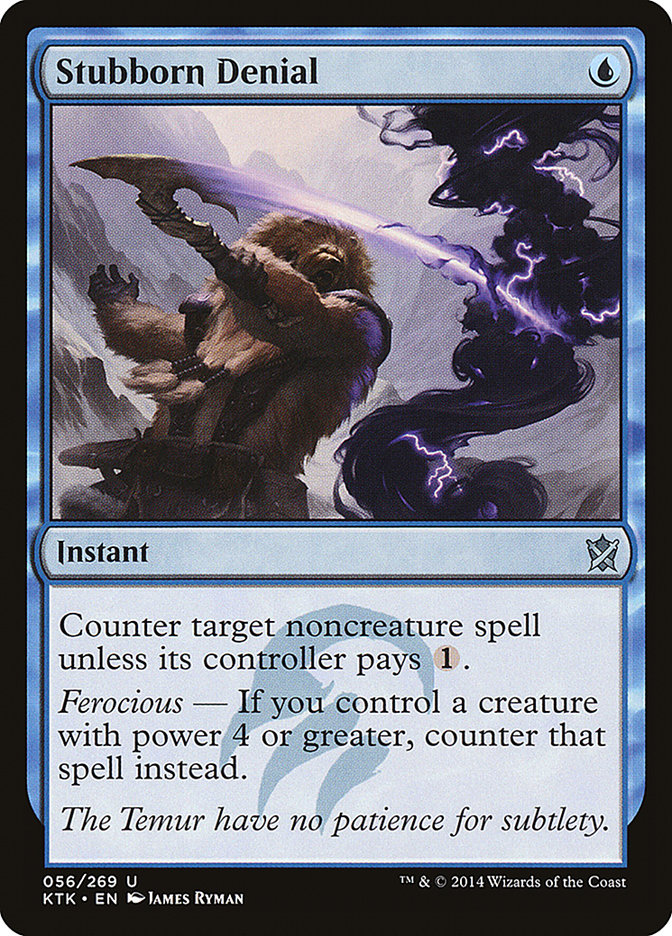
Bitter Triumph and Assassin's Trophy provide extremely efficient answers to resolved permanents while countermagic like An Offer You Can't Refuse, Strix Serenade, and Swan Song stop them from resolving. Stubborn Denial is sketchy, but generally works with a 4-power commander.
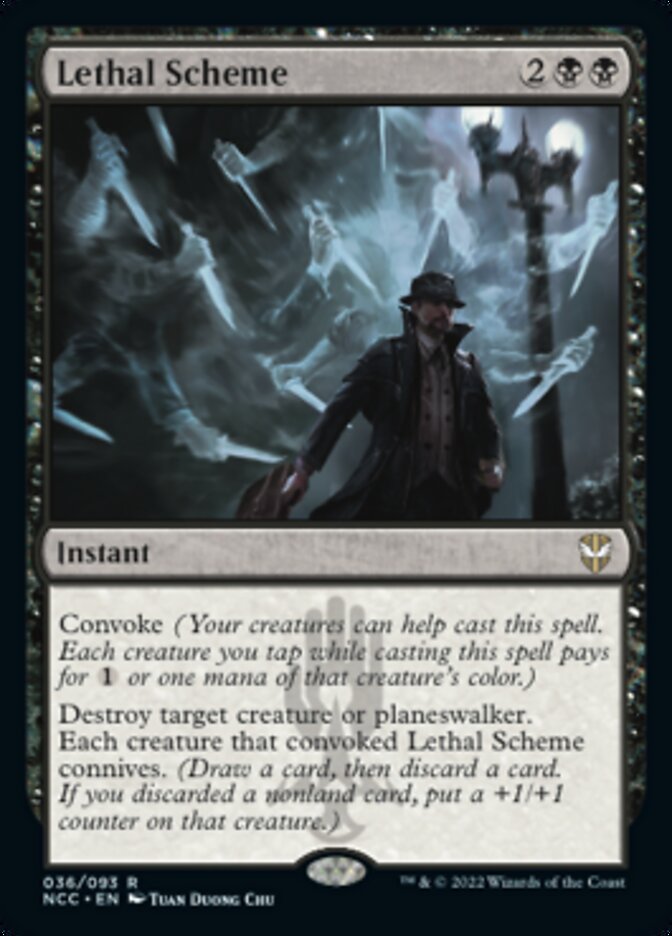
Lethal Scheme plays well with tokens because that gives you lots of bodies to convoke it, and graveyard synergies since convining fills the bin.
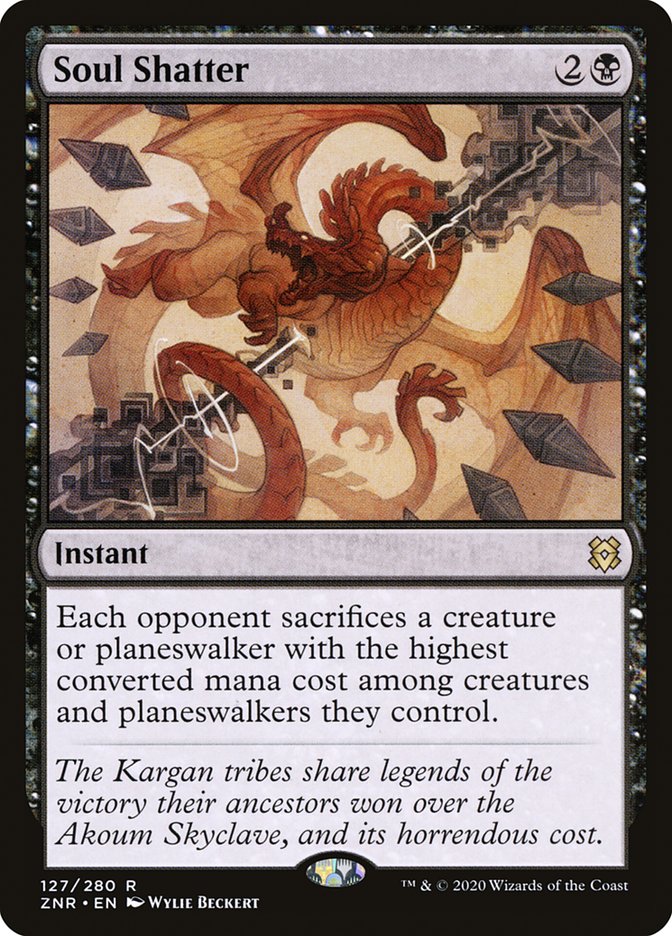
Soul Shatter works wonders in Commander as it hits all of your opponents and can get around tricky keywords like hexproof and indestructible as an edict.
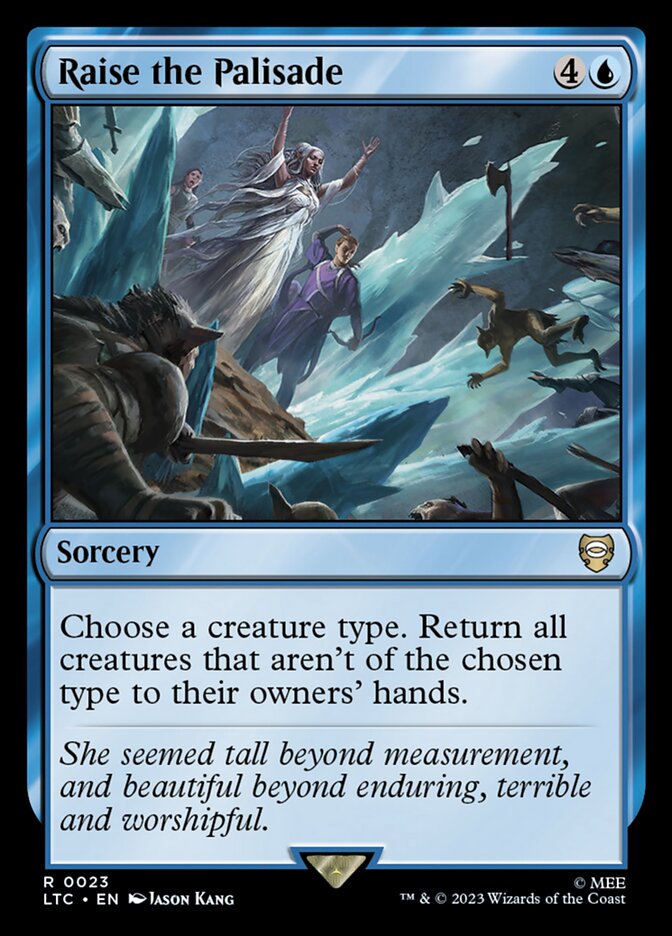
The deck’s only board wipe is Raise the Palisade. While I wouldn’t consider this a typal deck in the traditional sense, you’ll often be wining with Teval’s zombies; you’ll find many spots where using this makes sense.
The Mana Base
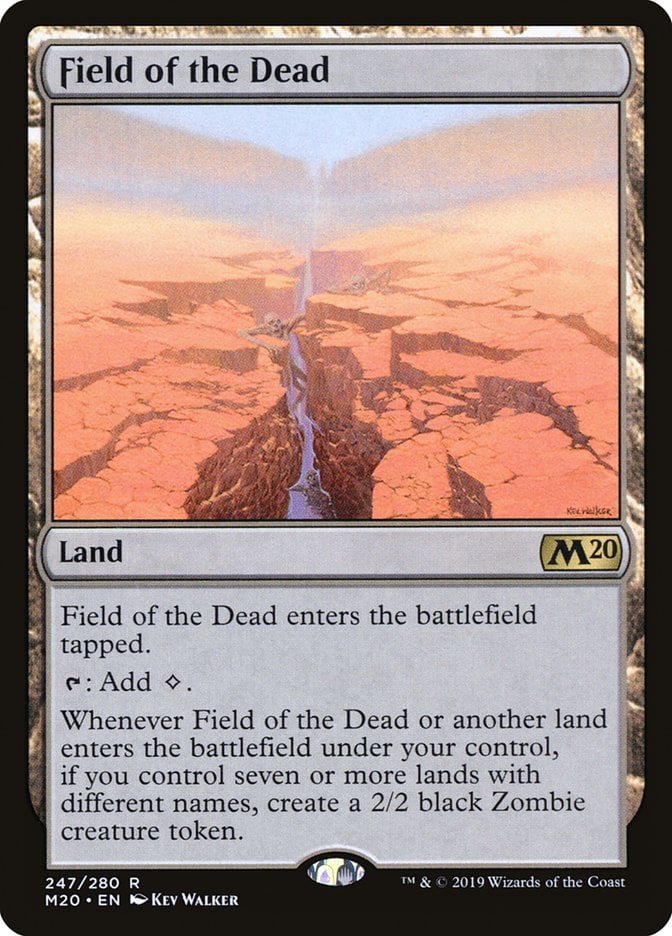
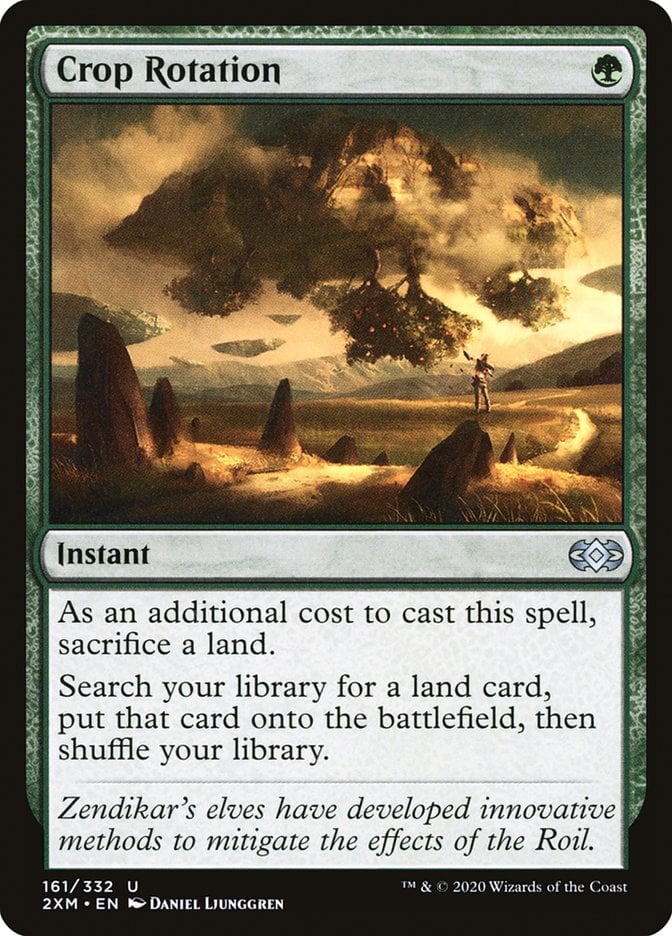
The mana base goes pretty deep as Teval interacts well with lands. The only Game Changers in the deck are Field of the Dead, an iconic landfall card that plays nicely with the land recursion elements of the gravebreak engines, and Crop Rotation, which primarily finds the Field.


Urza's Cave provides another land tutor and way to get a land into the graveyard. Field of the Dead is still a prime target, but Talon Gates of Madara shouldn’t be overlooked: Phasing a creature out at instant speed can be protection or interaction depending on the situation.
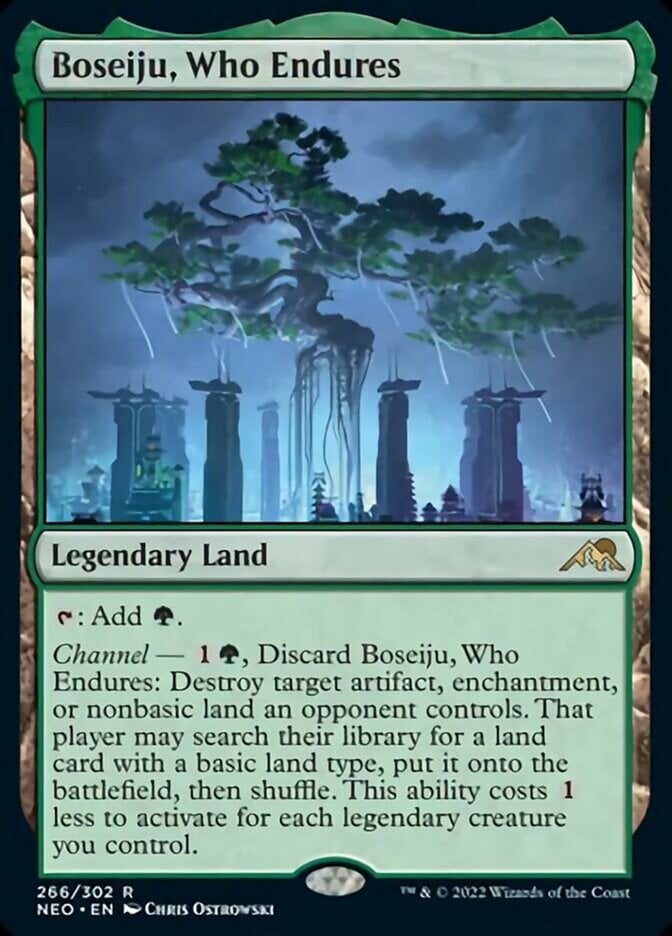
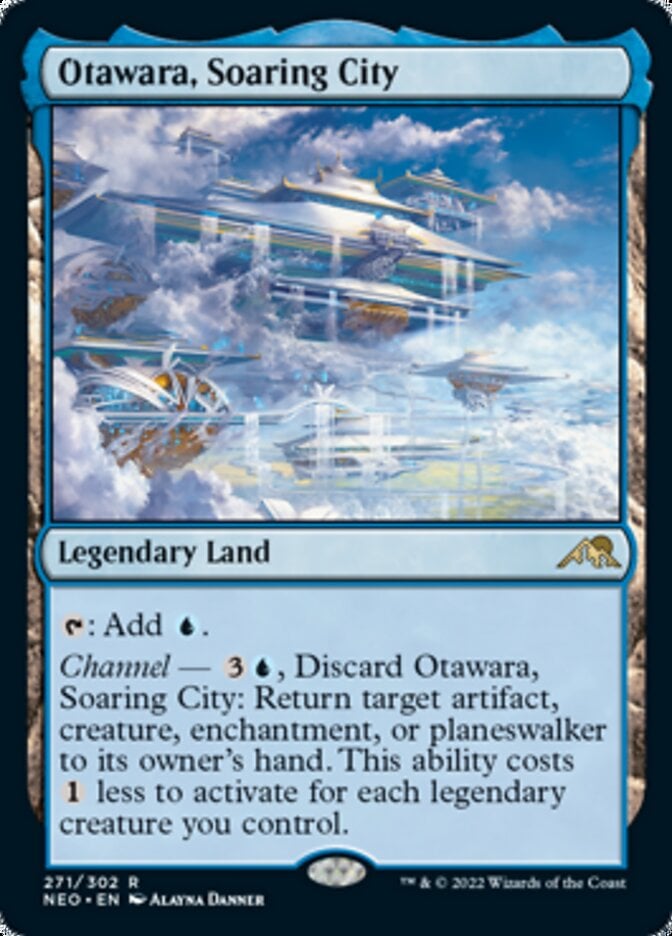
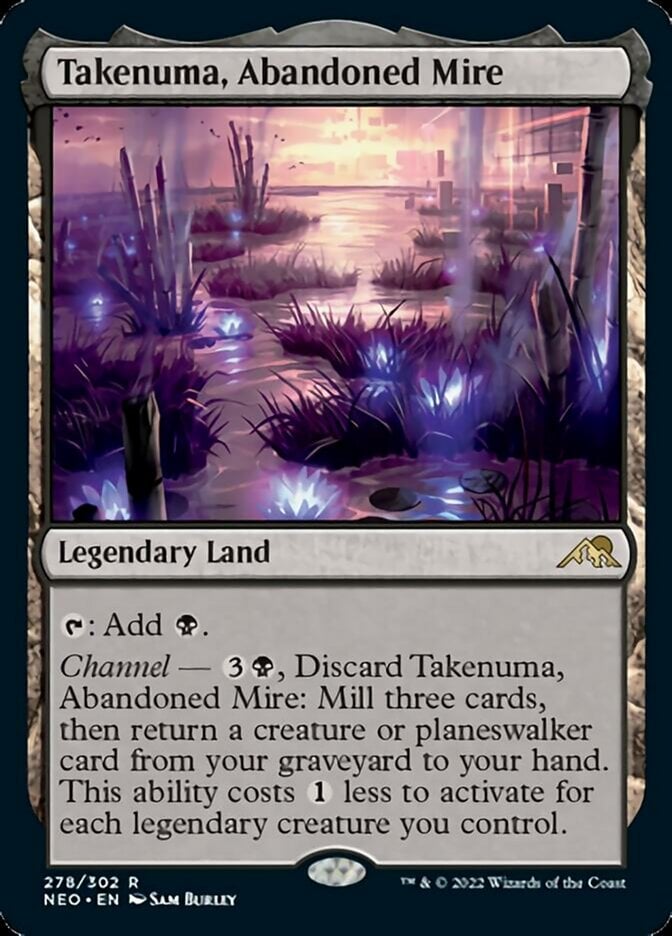


I never leave home without a few MDFCs, and often channel lands, if I can manage it. Both appear here, with the on-color channel lands (Boseiju, Who Endures, Otawara, Soaring City, and Takenuma, Abandoned Mire) plus MDFCs like Bridgeworks Battle and Sink into Stupor packing the deck with additional interaction and/or card draw.
The Strategy
Though this is an extremely synergistic deck, the strategy remains pretty straightforward: You want to put cards in the graveyard, then pull them out again.
An important feature to this deck is a relative lack of ramp. When it does make extra mana, it’s almost incidental as cards like Teval and Icetill Explorer play extra lands while enabling gravebreak. This is largely inspired by Sam Black, who’s advocated for low to the ground, synergy driven decks that spend the early turns developing an engine rather than ramping.
Because you aren’t ramping, the early turns are spent developing a mill engine. Look for how you can establish a board that means Teval comes down and at least has cards in the graveyard for when it attacks the following turn, though it would be better if you could sequence things to play Teval and immediately enable gravebreak.
This is very much a snowball deck, so it starts slow. You’ll play a creature here, an enchantment there, and all those synergies build to a point when Teval spits out three or four tokens a turn. The deck overwhelms your opponents because the token creation is almost incidental. Instead of spending cards to make tokens, you’re making tokens while Life from the Loam draws a couple lands, or Eternal Witness rebuys your Bitter Triumph, or Icetill Explorer ramps you. This is the quintessential “greater than the sum of its parts” deck.
Combos and Interactions
The deck has no infinite combos, but a handful of cards have important synergy packages that I want to cover.
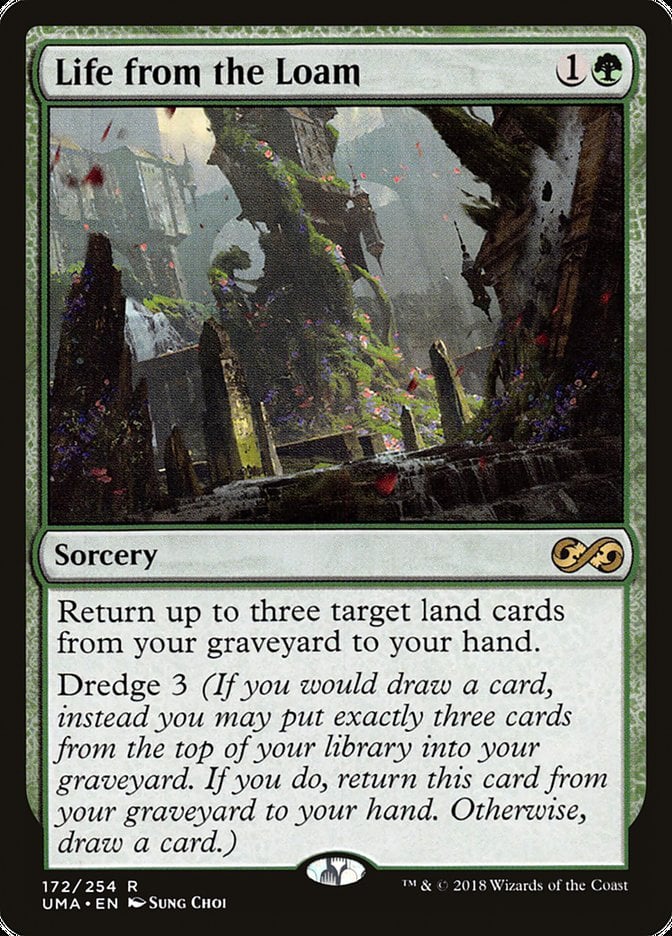
Life from the Loam is already great in the deck because you can dredge it, then cast it for two gravebreak triggers. But a few specific lands make it particularly good.
While cycling lands are generally too slow in modern Commander, this deck runs Barren Moor specifically for Loam. You can cycle it for , then use Loam to bring it back to your hand, which puts it back in the graveyard to cycle once more.
Life from the Loam also plays well with the channel lands: You can use Otawara, Soaring City to bounce a creature, then get it back. The synergy is perhaps more potent with Takenuma so you can keep a creature in play semi-perpetually. There are more than enough legends in the deck to count on these channeling for one colored pip, so it’s a pretty cost-effective engine.
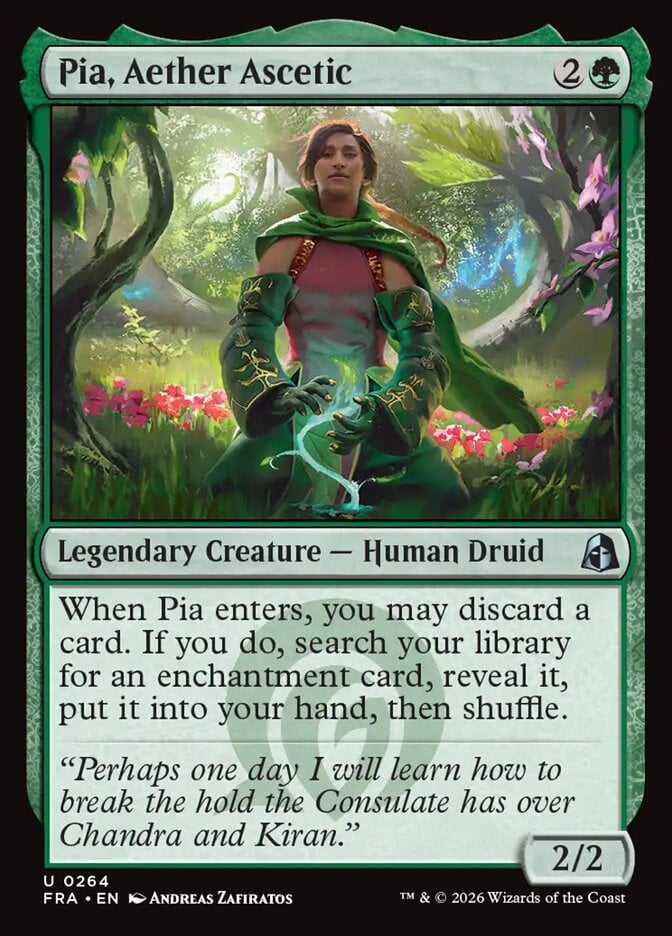
One of my favorite cards from Reality Fracture (really, 2026) is Pia, Aether Ascetic, green’s first enchantment tutor that doubles as a discard outlet for all our graveyard synergies. I just want to outline the common tutor targets.
- Animate Dead: One of the first cards that players thought of when Pia was spoiled since it can discard the reanimation target. This deck isn’t reanimating Archon of Cruelty and the like, but it’s still a solid recursion spell and can steal creatures from opposing graveyards.
- Awaken the Honored Dead: A sold removal spell with long-term card advantage. If you play Pia without a specific target, this is often a solid choice.
- Chthonian Nightmare: Another side effect to the deck mostly being cheap creatures is the ability to capitalize on Chthonian Nightmare; three energy is enough to reanimate almost anything in the deck. In addition to finding the Nightmare, Pia provides a body to sacrifice to it.
- Tortured Existence: In the running for best card. Having an additional copy is great, plus Pia gets a creature into the graveyard to kickstart the chain.
Rule 0 Violations Check
This deck has no Rule 0 violations. It’s straightforward, wins aren’t particularly fast, they’re well-telegraphed, the Game Changers are under the threshold… really, the only thing that comes to mind as a point of contention is Mesmeric Orb because some players have a deeply irrational hatred of mill.
Budget Options
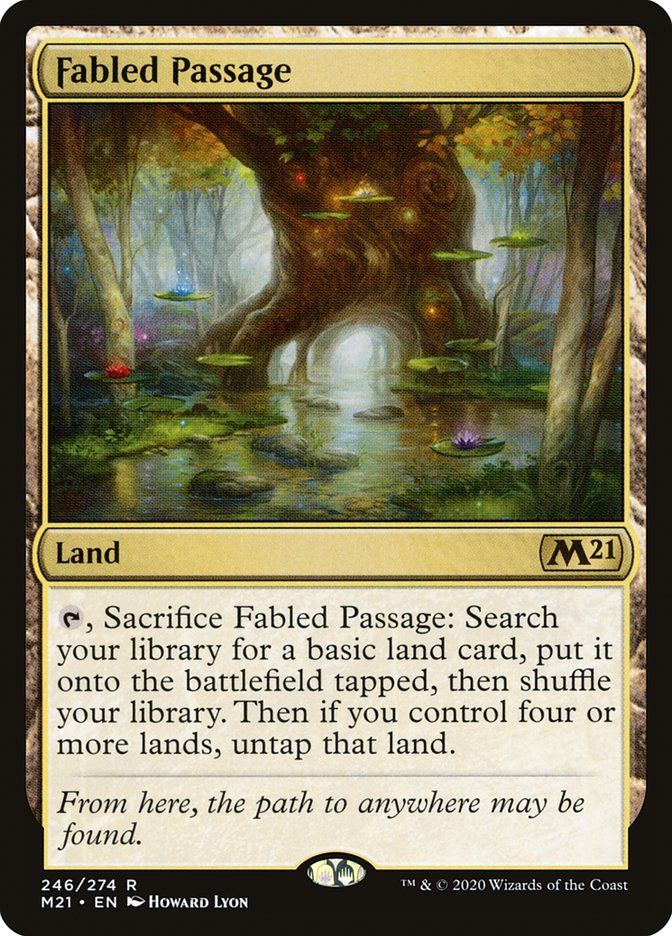

Budget cuts should always begin in the mana base. Trim those fetch lands and channel lands and the like to make your mana base suited to your needs. Try to find budget fetch lands like Fabled Passage and the gain lands from Streets of New Capenna so cards like Titania, Protector of Argoth and Mole Man, Moloid Master are still in top form.
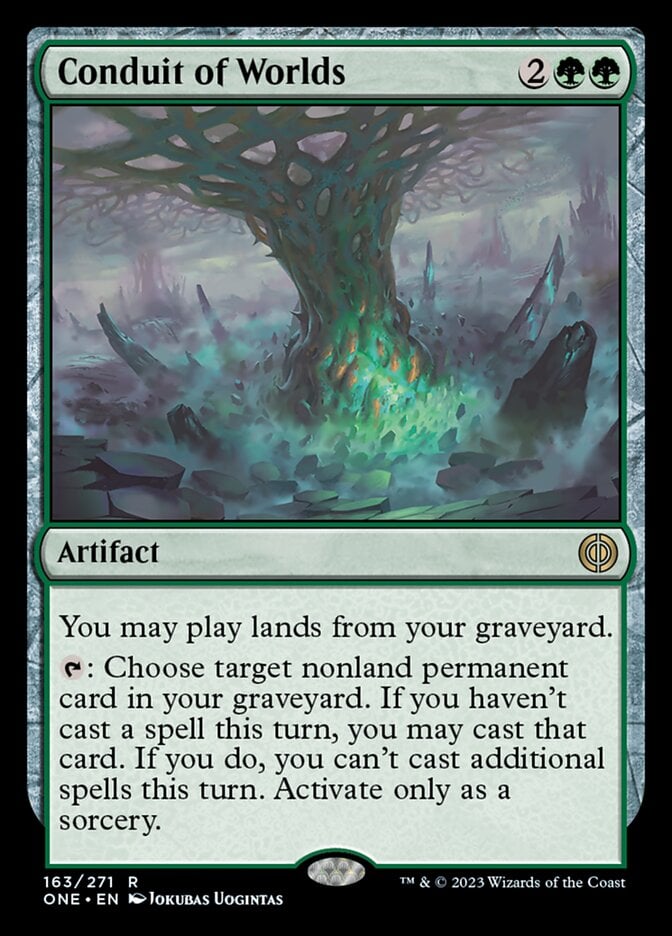
Icetill Explorer can be cut for Conduit of Worlds, a weaker but considerably cheaper Crucible variant that enablers the same synergies.

As efficient as Mesmeric Orb is, it’s also a pretty pricey card. Nyx Weaver also mills cards each turn (and doesn’t annoy the table).
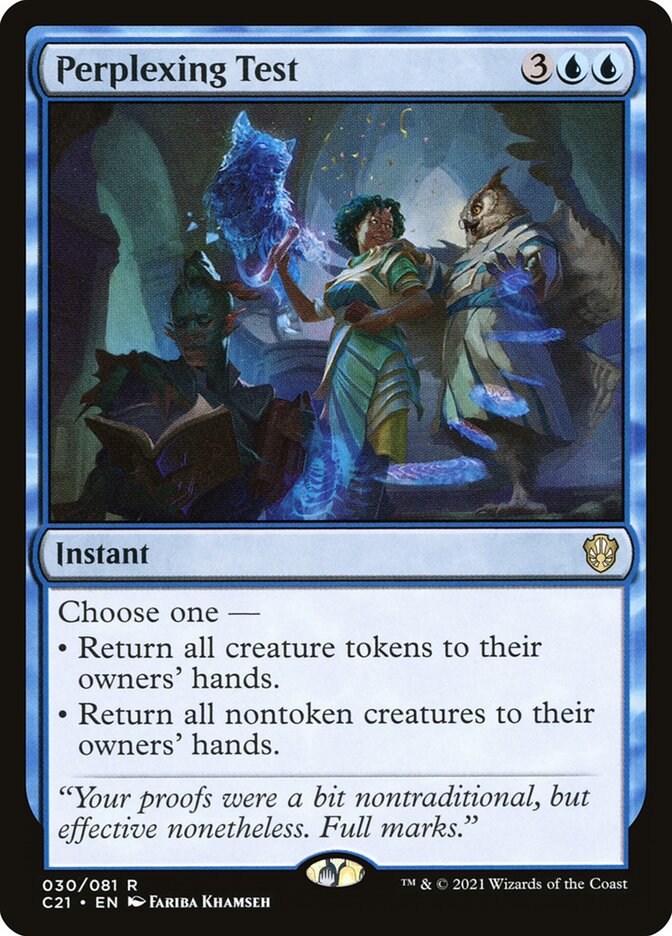
Raise the Palisade can be swapped for Perplexing Test, which has a similar bounce-everything-but-your-tokens effect, with less flexibility.
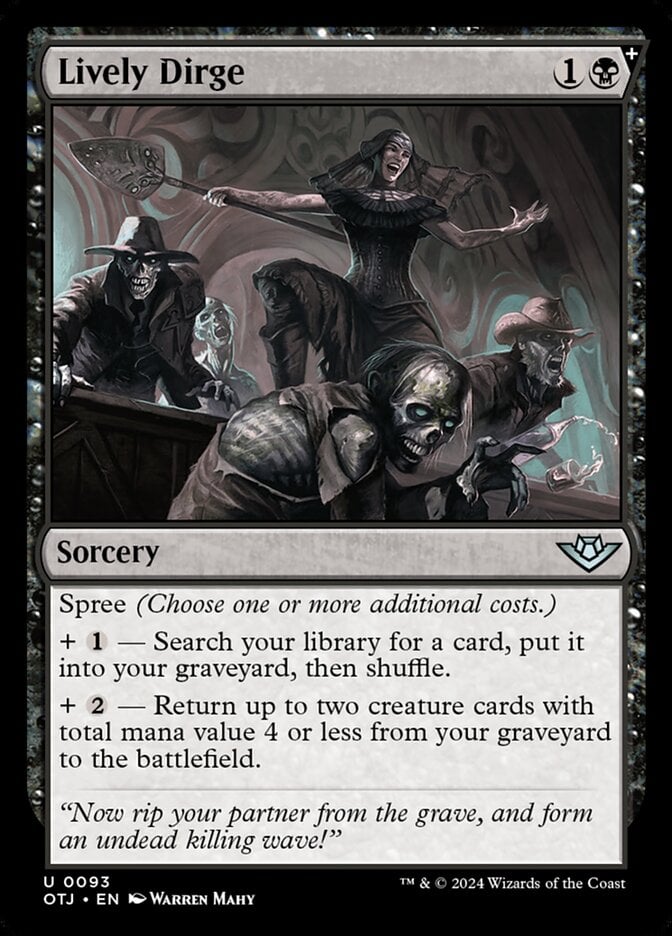
Reanimate is wholly unnecessary. Since the curve’s so low, Lively Dirge does a good impression.
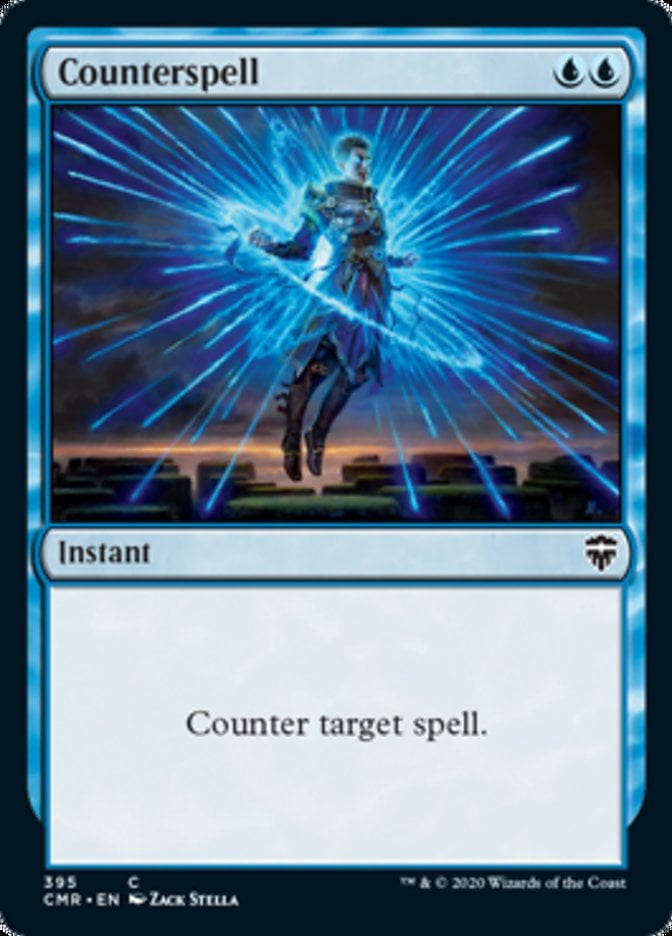
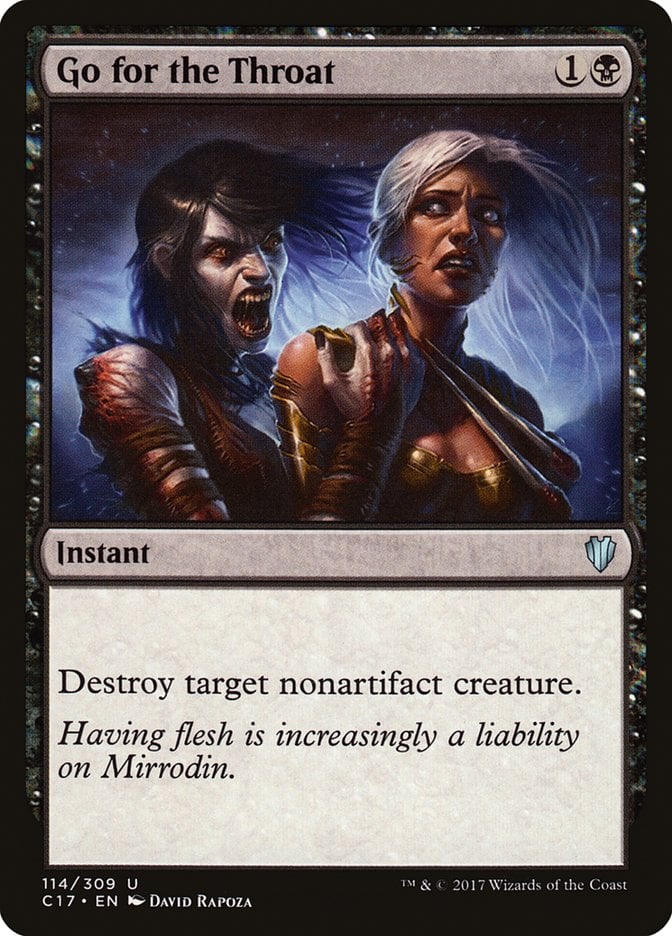
The more efficient counterspells like Swan Song and Strix Serenade can be swapped for more expensive spells like Counterspell or more traditional removal like Go for the Throat.

Chord of Calling is here because I like tutors, but you can replace it with virtually anything. Mirelurk Queen is a pretty cool draw engine, but don’t feel locked in to that choice.
Other Builds
Teval, the Balanced Scale plays extremely well with more dedicated lands strategies. The extra lands make Glacial Chasm more effective and you can combine Entomb effects with Teval’s attack trigger to assemble combos with cards like Dark Depths and Gaea's Cradle.
You could also build a much more dedicated zombie typal deck. Blue-black are the important colors for zombies and the archetype already plays with graveyard strategies. That version of Teval should trim generic graveyard stuff in favor of more zombie support and lords.
Lastly, you can easily power up this deck with infinite combos. Tortured Existence goes infinite with cards like Tyvar, Jubilant Brawler or Kheru Goldkeeper, Gravecrawler only needs a Phyrexian Altar, and Titania, Protector of Argoth can also do some stuff. It’s also pretty easy to accommodate cards like Lumra, Bellow of the Woods for other combo lines.
Commanding Conclusion

Zombie Druid | Illustration by Andrea Piparo
That’s a wrap on Teval. It’s one of the most popular commanders of all time, a spot earned by its combination of power and flexibility. If you want to play with the graveyard, this is a perfect reward with perfect colors.
How would you build Teval? Do you enjoy gravebreak synergies? Let me know in the comments below or on the Draftsim Discord! If you want more Draftsim, check out our YouTube channel and newsletter, both called the Daily Upkeep!
Stay safe, and thanks for reading!
Follow Draftsim for awesome articles and set updates:










Add Comment