

Delver of Secrets | Illustration by Nils Hamm
Blue can be your favorite color of MTG, or your worst nightmare, depending on the decks you play and the people you know. For a long time, blue decks were quite simply meta-defining, and in the last 10 years of MTG or so, the other four colors are catching up, if ever so slightly.
But blue still has some of the best archetypes and strategies in the game, across multiple formats. Today, we’re diving into the sea of blue strategies to understand what makes the color tick.
What Are Blue Archetypes in MTG?

Counterspell | Illustration by Zack Stella
Archetypes in MTG are a mix of synergies, themes, and the overall strategy your deck deploys. Is it aggro or control? Are you stalling for a combo finish or hitting with fliers? How does the deck end the game or establish a board? From these broad concepts, blue archetypes are simply archetypes the are primarily blue in their design. We can be talking about mono-blue, or something like blue-white control, or maybe blue-black mill. For example, blue decks are often tempo or control in nature, but the second color in the deck may vary, so we can have Azorius () and Dimir () control, or Izzet () and Azorius () tempo, and so on.
Tempo
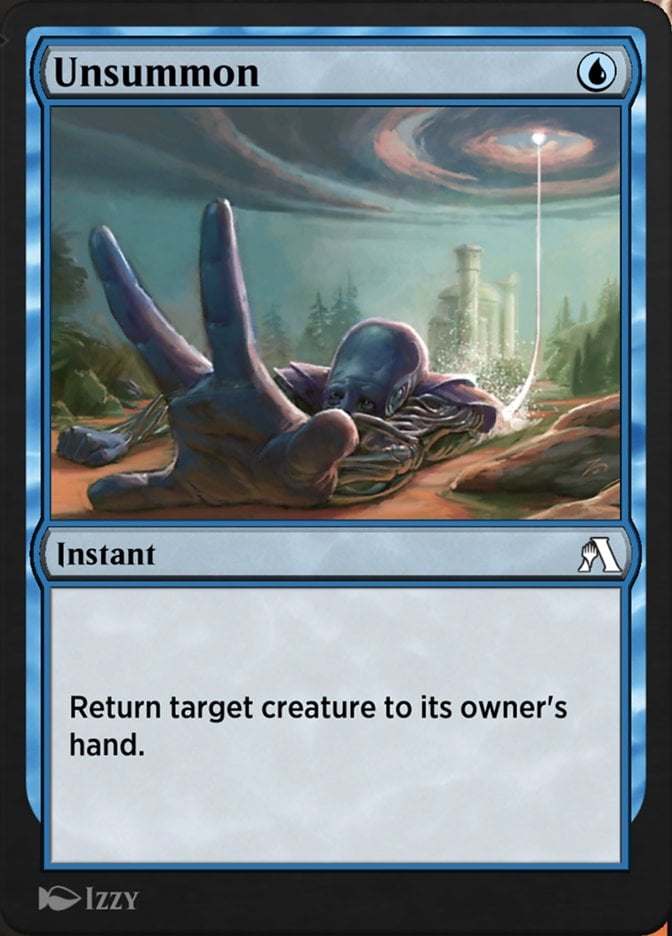
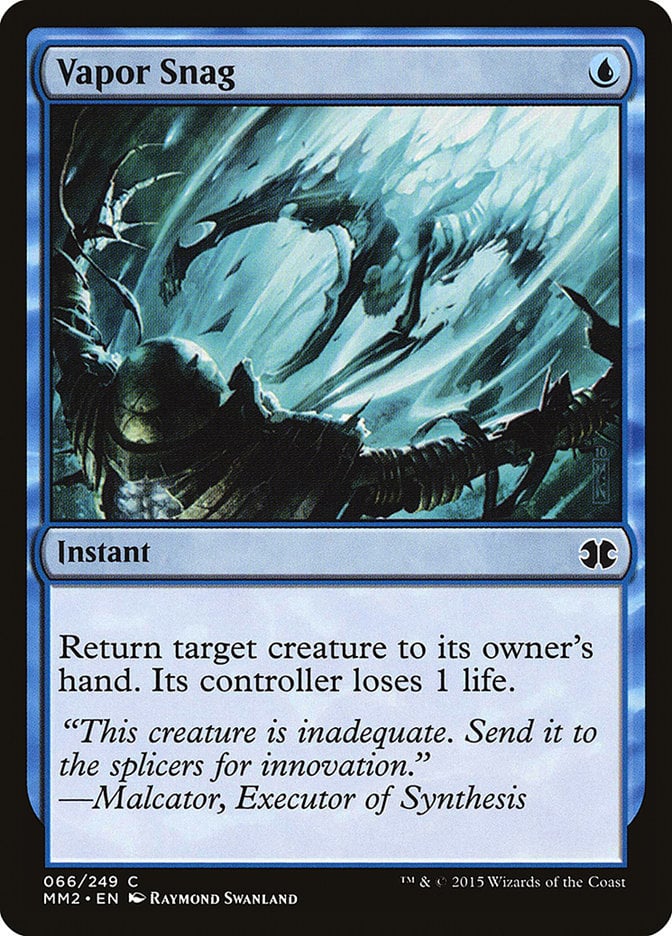
One of blue’s quintessential archetypes, tempo revolves around starting strong and keeping your lead. Counterspells, or permission spells, are crucial because they allow you to keep a lead and protect your early threats, or cancel whatever your opponent does when you’re behind. Cards that bounce creatures to their owner’s hand like Unsummon or Vapor Snag also play a key part.
Example Decklist: Blue Tempo in Pauper

Tolarian Terror | Illustration by Vincent Christiaens
Creature (12)
Delver of Secrets x4
Cryptic Serpent x4
Tolarian Terror x4
Instant (20)
Mental Note x4
Thought Scour x4
Brainstorm x4
Spell Pierce x2
Dispel x2
Counterspell x4
Sorcery (12)
Sleep of the Dead x2
Ponder x3
Deem Inferior x2
Deep Analysis
Lórien Revealed x4
Land (16)
Island x16
Sideboard (15)
Annul x4
Blue Elemental Blast x2
Hydroblast x4
Steel Sabotage
Gut Shot x2
Envelop x2
This deck has always been strong in Pauper. It’s win conditions are 12 creatures that, thanks to the huge amount of instants and sorceries, are bigger than they should be for what you end up paying. Cryptic Serpent and Tolarian Terror are huge 5/5 creatures for potentially 1 or 2 mana, while Delver of Secrets is the quintessential tempo creature. A 1/1 doesn’t make a splash in most decklists, but considering that it can almost always be a 3/2 flier, it’s really undercosted. This deck also plays many cards like Mental Note and Thought Scour to fill your graveyard with noncreature spells to fuel your big creatures.
Control

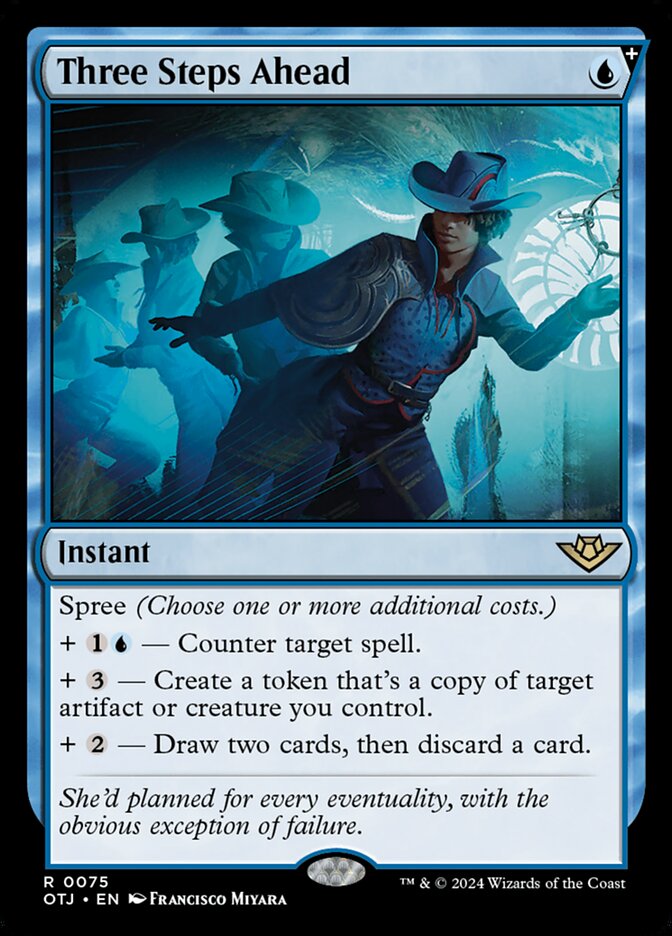

Besides tempo, control is what blue decks are most known for. Blue control decks combine counterspells and card draw, usually at instant speed, to slow your opponents down and trade resources favorably, often sweeping the board. Control decks rely on a few cards to win the game, be it a strong planeswalker, an uncounterable or hexproof threat, or in some cases, being the last player with cards on their library.
Example Decklist: White-Blue Control in Standard

No More Lies | Illustration by Liiga Smilshkalne
Planeswalker (2)
Creature (2)
Marang River Regent
Beza, the Bounding Spring
Enchantment (6)
Seam Rip x4
Rest in Peace x2
Instant (15)
Get Lost x3
No More Lies x4
Three Steps Ahead x4
Consult the Star Charts x4
Sorcery (8)
Stock Up x3
Beyond the Quiet
Day of Judgment x4
Land (27)
Plains x4
Island x6
Floodfarm Verge x4
Meticulous Archive x4
Restless Anchorage x3
Demolition Field x2
Fountainport x3
Sunken Citadel
This Azorius () control deck displays all the classic elements of blue control: Blue counters and card draw plus white kill spells. The deck operates at instant speed, and even a creature card like Marang River Regent has a secondary card draw mode. We have many counterspells like No More Lies and Three Steps Ahead. Elspeth, Storm Slayer serves as a win condition, pumping out tokens every turn, and offering defense against creatures. We also have many board wipes to stabilize a board with Day of Judgment and Beyond the Quiet.
Combo
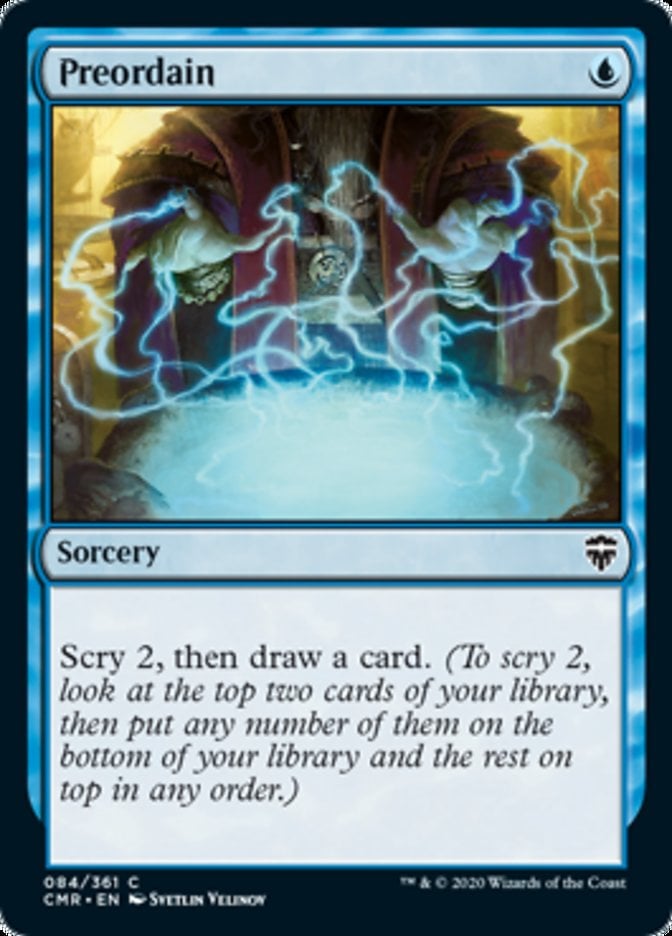
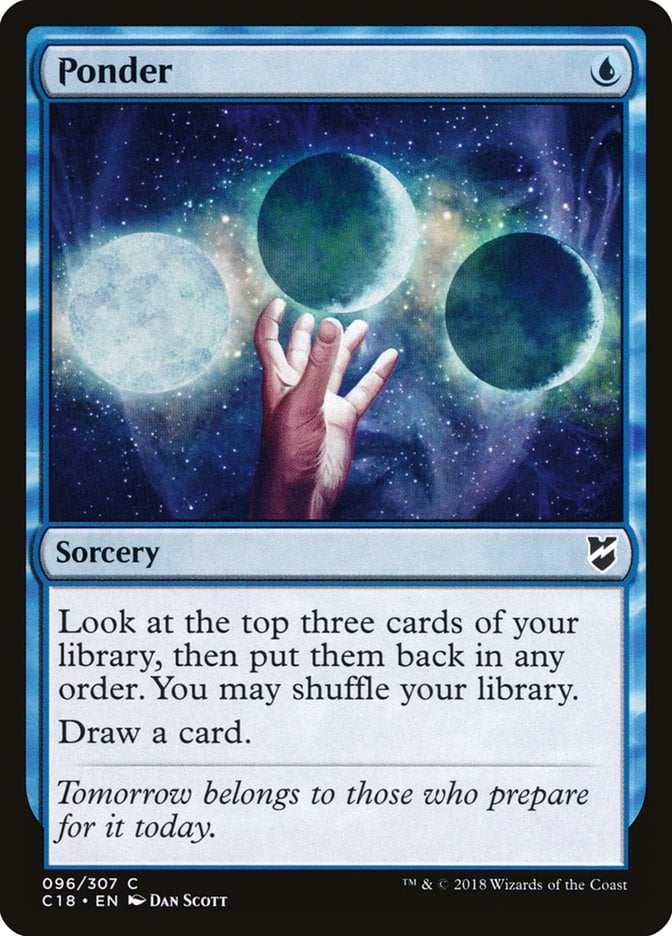
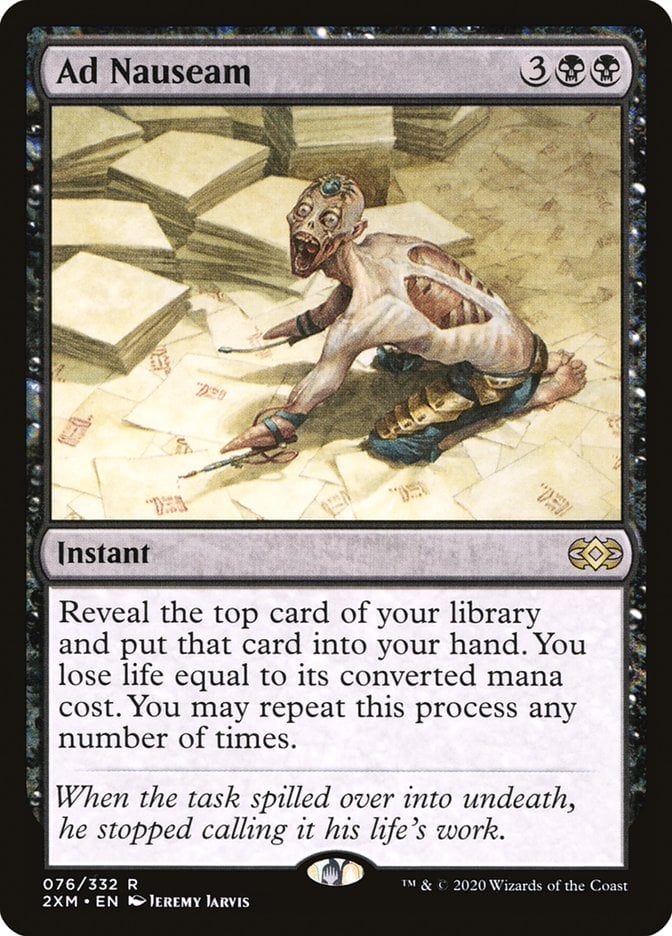
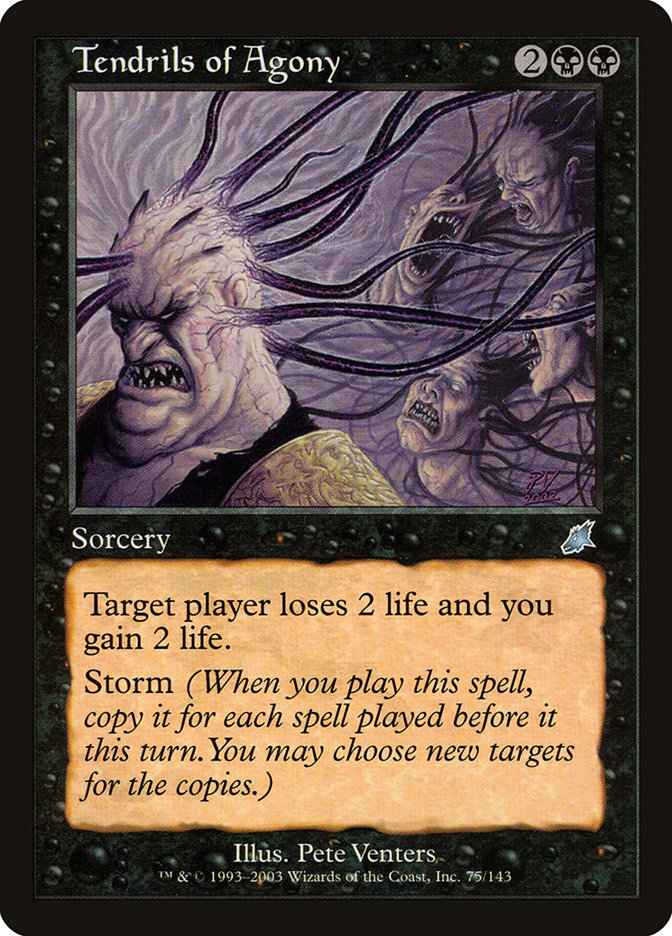
Blue is the king of card draw and card selection, so many combo decks rely heavily on cards like Preordain and Brainstorm to have great consistency and find the needed cards. Whether you’re playing Ad Nauseam, Tendrils of Agony storm, or Splinter Twin, blue is often to be the base for your deck. Adding blue counterspells gives your combo a greater chance of succeeding. To better show blue in combo, let’s look no further than Vintage, one of MTG’s most powerful formats.
Example Decklist: Blue-Black Tinker Combo in Vintage

Tinker | Illustration by Mike Raabe
Creature (2)
Hullbreacher x2
Enchantment (1)
Artifact (12)
Black Lotus
Bolas's Citadel
Sol Ring
Sensei's Divining Top
Mox Emerald
Mox Jet
Mox Pearl
Mox Ruby
Mox Sapphire
Lotus Petal
Mana Crypt
Vexing Bauble
Instant (13)
Ancestral Recall
Vampiric Tutor
Force of Will x4
Dark Ritual x4
Chain of Vapor
Brainstorm
Mystical Tutor
Sorcery (20)
Dark Petition x3
Demonic Tutor
Tinker
Ponder x3
Mind's Desire
Tendrils of Agony
Time Walk
Timetwister
Thoughtseize x2
Yawgmoth's Will
Duress x2
Gitaxian Probe
Stock Up x2
Land (12)
Scalding Tarn
Swamp
Urza's Saga
Polluted Delta x4
Island
Tolarian Academy
Underground Sea x3
Sideboard (15)
Soul-Guide Lantern
Flusterstorm
Pithing Needle
Leyline of the Void x3
Long Goodbye
Opposition Agent
Leyline of the Void
Snuff Out
Hurkyl's Recall x2
The Tabernacle at Pendrell Vale
Chain of Vapor
Toxic Deluge
The most prominent combo in this deck is to Tinker one of the deck’s many cheap artifacts into Bolas's Citadel. Once you have Citadel in play, you can cast most of your deck by paying life instead of mana. The main objective is to build a high storm count so Mind's Desire or Tendrils of Agony win. Power Nine cards like Time Walk, Ancestral Recall, and Timetwister contribute a lot to the deck’s power and combo potential. When you have so many cheap cards that end up in your graveyard, Yawgmoth's Will can give you huge card advantage, many times setting up a storm win on its own.
Theft
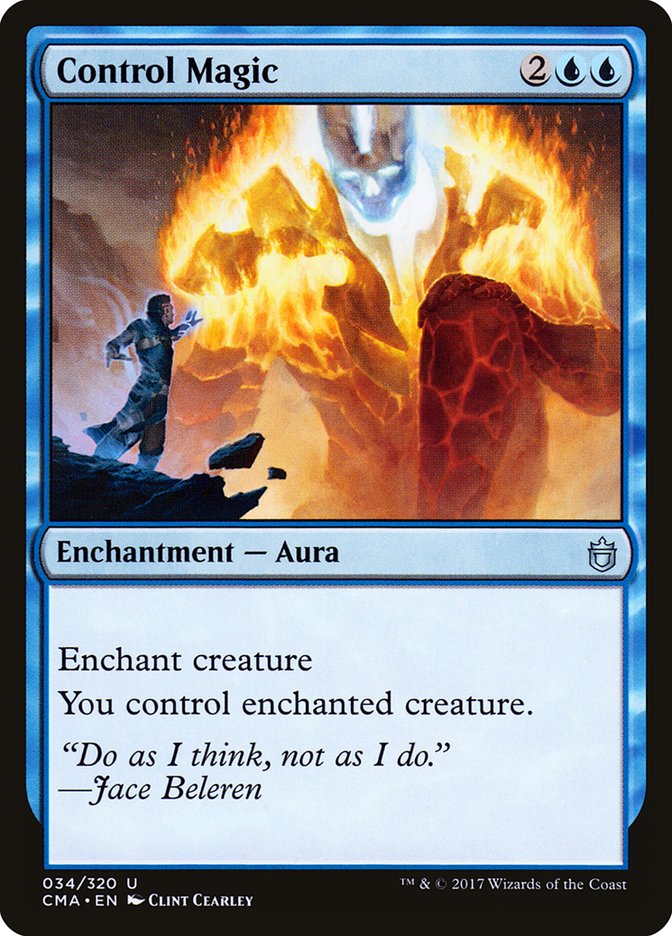
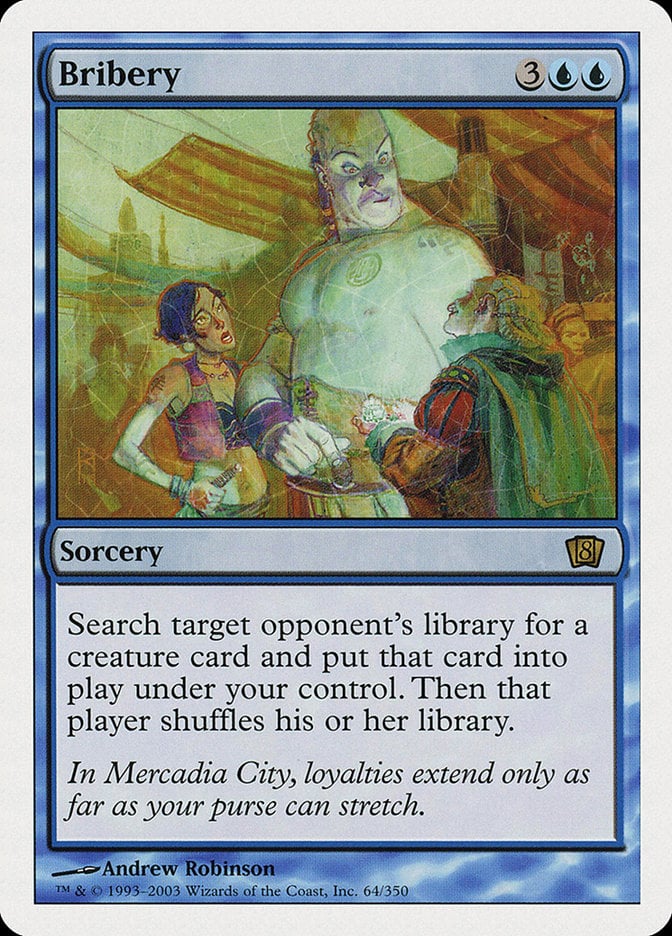
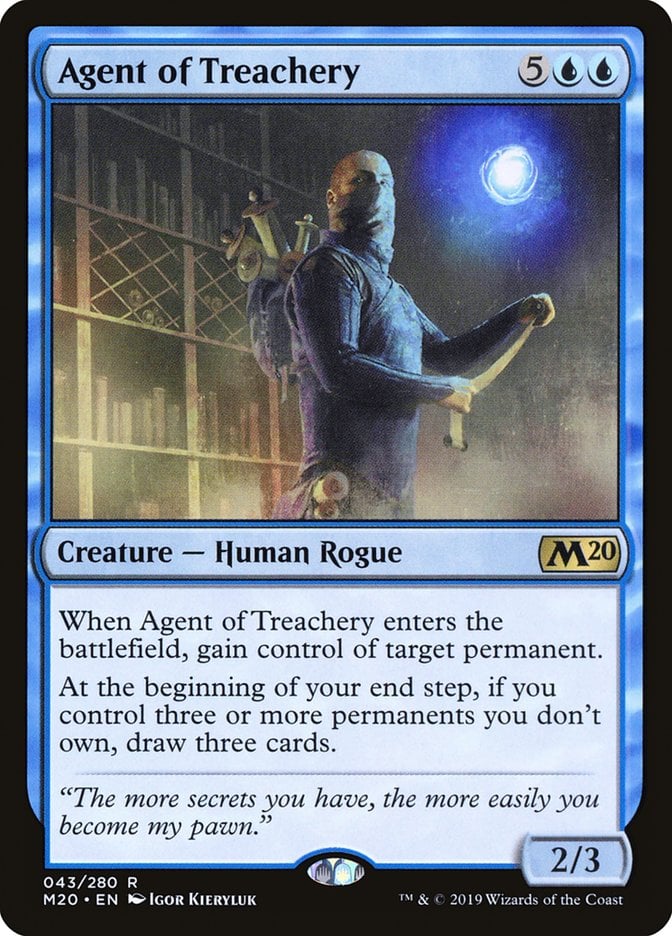
At this point, you’re reading this text and asking yourself: “Ok, but blue can do this too?” And yes, blue is the king of permanently gaining control of cards from our opponents. Control Magic is a classic blue card, and so is Mind Control and many others, like Bribery. Theft decks are usually blue and black, with cards that let you cast spells from your opponent’s library, and there are effects that synergize with cards from different owners, like Agent of Treachery. You need ways to constantly cast cards from their library, and ways to profit from this. You don’t even need a win condition of your own, you can simply rock whatever you can steal from your opponents.
Example Decklist: Xanathar, Guild Kingpin in EDH

Xanathar, Guild Kingpin | Illustration by Kieran Yanner
Commander (1)
Planeswalker (1)
Creature (20)
Agent of Treachery
Baleful Strix
Brainstealer Dragon
Dauthi Voidwalker
Elder Brain
Evil Twin
Gonti, Lord of Luxury
Gríma, Saruman's Footman
Hostage Taker
Intellect Devourer
Lazav, Dimir Mastermind
Mind Flayer
Nightveil Specter
Notion Thief
Opposition Agent
Scrib Nibblers
Sphinx of the Second Sun
Thief of Sanity
Thieving Skydiver
Wizened Snitches
Enchantment (6)
Cunning Rhetoric
Mind's Dilation
Paradox Haze
Propaganda
Rhystic Study
Telepathy
Artifact (14)
Arcane Signet
Codex Shredder
Dimir Signet
Fellwar Stone
Ghoulcaller's Bell
Lantern of Insight
Lightning Greaves
Mind Stone
Sol Ring
Strionic Resonator
Swiftfoot Boots
Talisman of Dominance
Thought Vessel
Thran Dynamo
Instant (13)
Brainstorm
Counterspell
Cyclonic Rift
Dark Ritual
Delay
Drown in the Loch
Hinder
Memory Lapse
Memory Plunder
Negate
Outrageous Robbery
Siphon Insight
Thought Scour
Sorcery (9)
Blood Money
Breach the Multiverse
Bribery
Cruelclaw's Heist
Feed the Swarm
Inevitable Betrayal
Portent
Scheming Symmetry
Toxic Deluge
Land (36)
Bojuka Bog
Choked Estuary
Command Tower
Darkwater Catacombs
Dimir Aqueduct
Drowned Catacomb
Duskmantle, House of Shadow
Exotic Orchard
Island x11
Morphic Pool
Myriad Landscape
Reliquary Tower
Shipwreck Marsh
Sunken Hollow
Swamp x10
Temple of Deceit
Watery Grave
This is Xanathar, Guild Kingpin’s average EDHREC deck. Xanathar, Guild Kingpin is a Dimir commander that allows us to cast cards from our opponent’s library at will to power up our synergies. Cards like Nightveil Specter lets us steal when we deal combat damage, while Siphon Insight is a more direct approach. Tasha, the Witch Queen is a huge payoff, allowing you to create 3/3 demons when casting stolen spells.
Fish
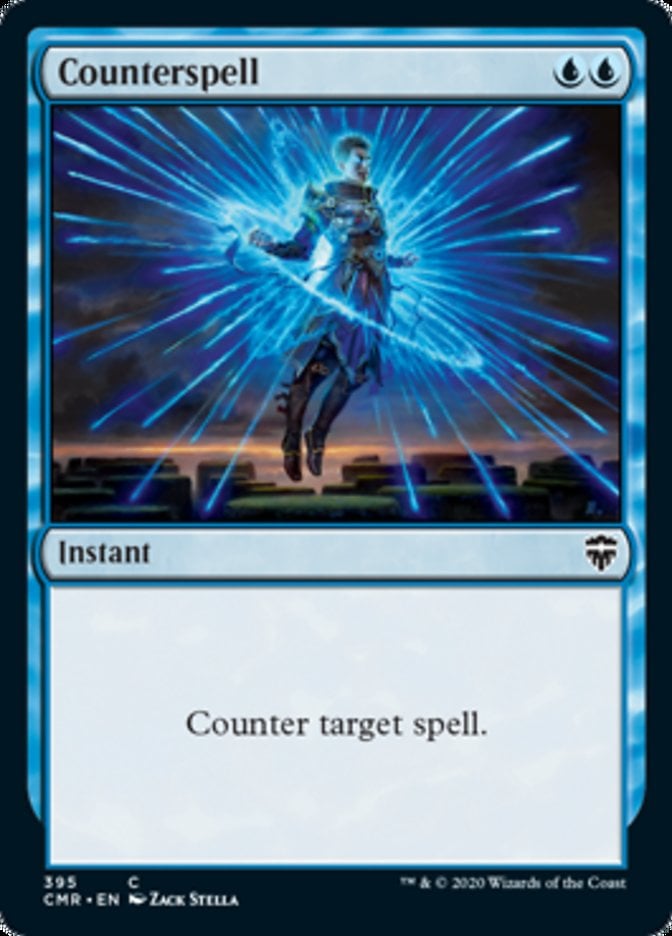
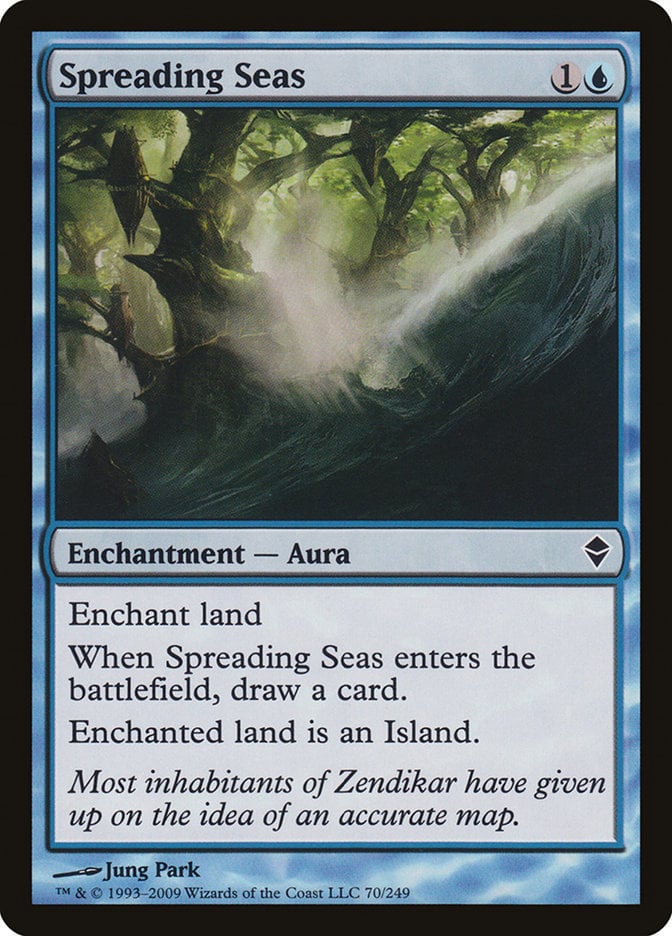
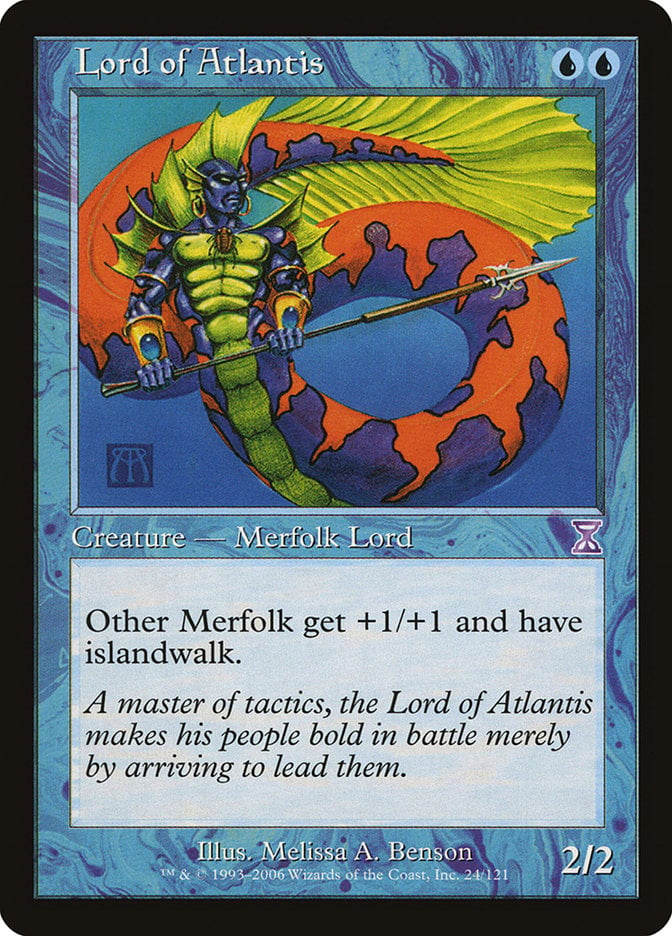
Fish, or merfolk typal, is one of blue’s best known typal archetypes. This deck tends to be mono-blue because good merfolk and merfolk lords often cost , and so do Counterspell or Mana Drain depending on which format we’re in. The deck plays some merfolk cards with a lord or two, then protects your gang with counterspells. Cards like Spreading Seas are interesting in this deck because Lord of Atlantis gives your merfolk islandwalk, so you can turn them into unblockable threats.
Example Decklist: Fish in Legacy
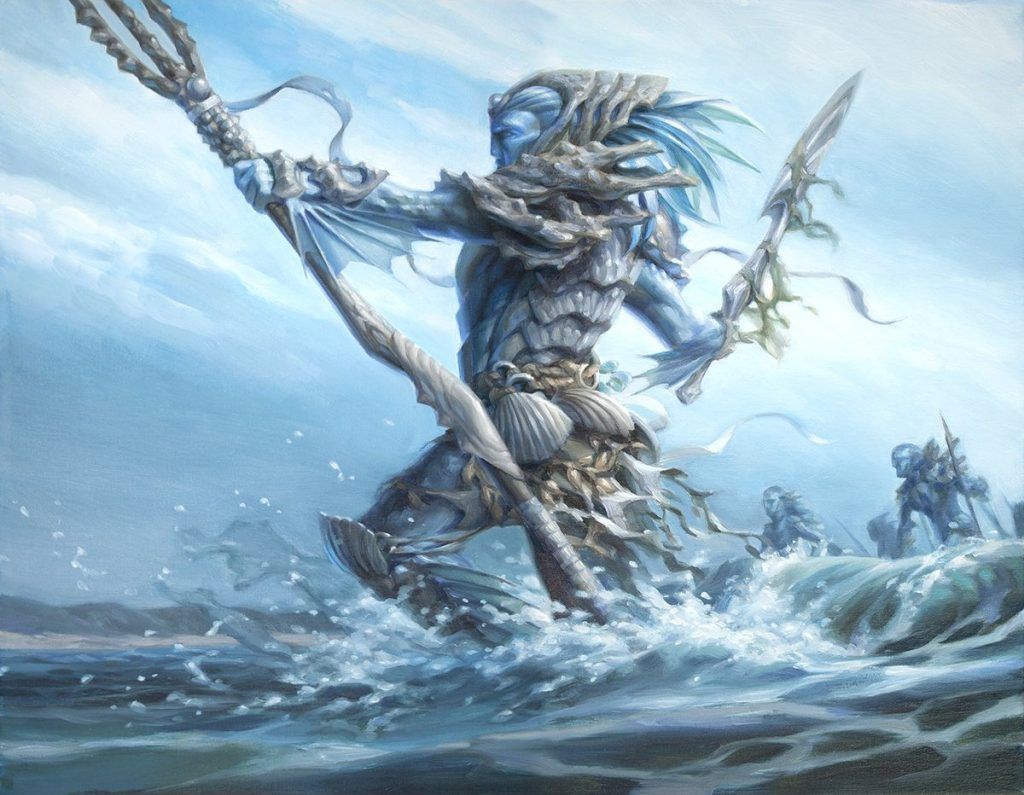
Master of the Pearl Trident | Illustration by Ryan Pancoast
Creature (30)
Silvergill Adept x4
Lord of Atlantis x4
Phantasmal Image x2
Master of the Pearl Trident x4
True-Name Nemesis x4
Tide Shaper x4
Vodalian Hexcatcher x4
Floodpits Drowner x4
Artifact (4)
Aether Vial x4
Instant (10)
Force of Will x4
Daze x3
Sink into Stupor x3
Land (16)
Island x10
Mutavault x2
Wasteland x4
Sideboard (15)
Hydroblast x3
Harbinger of the Tides x2
Surgical Extraction x2
Divert x2
Soul-Guide Lantern
Tishana's Tidebinder x2
Consign to Memory x3
This deck contains many merfolk lords. We have very few lands, and we also have Aether Vial to “flash” in merfolk lords and affect combat at instant speed, regardless of whether they have counterspells or not. This list replaces Spreading Seas with Tide Shaper instead. To protect our board, we have blue staples like Daze and Force of Will, two free counterspells, as well as Sink into Stupor, which doubles as an Island.
Artifacts and Affinity
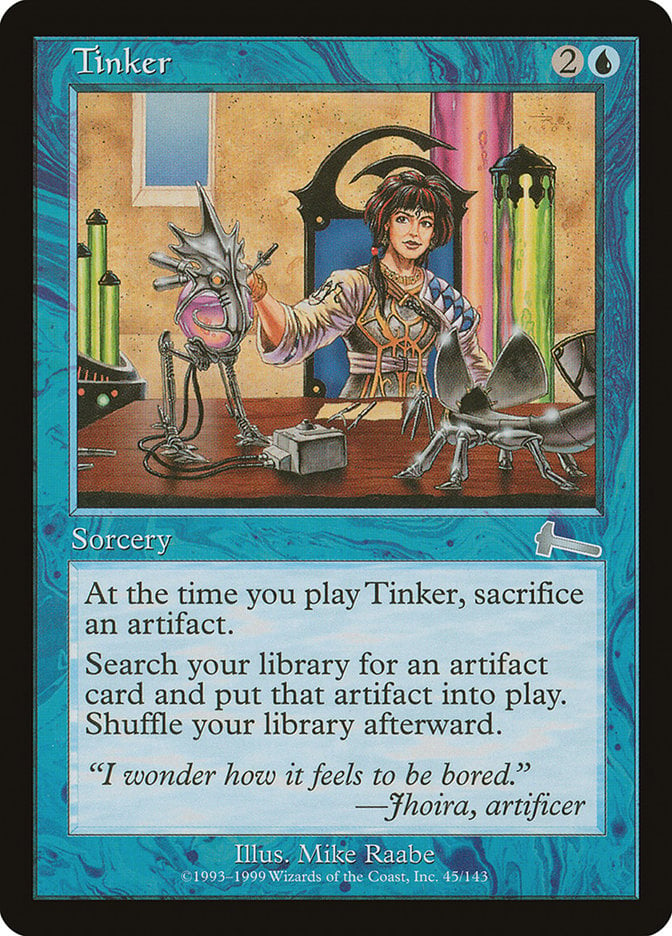
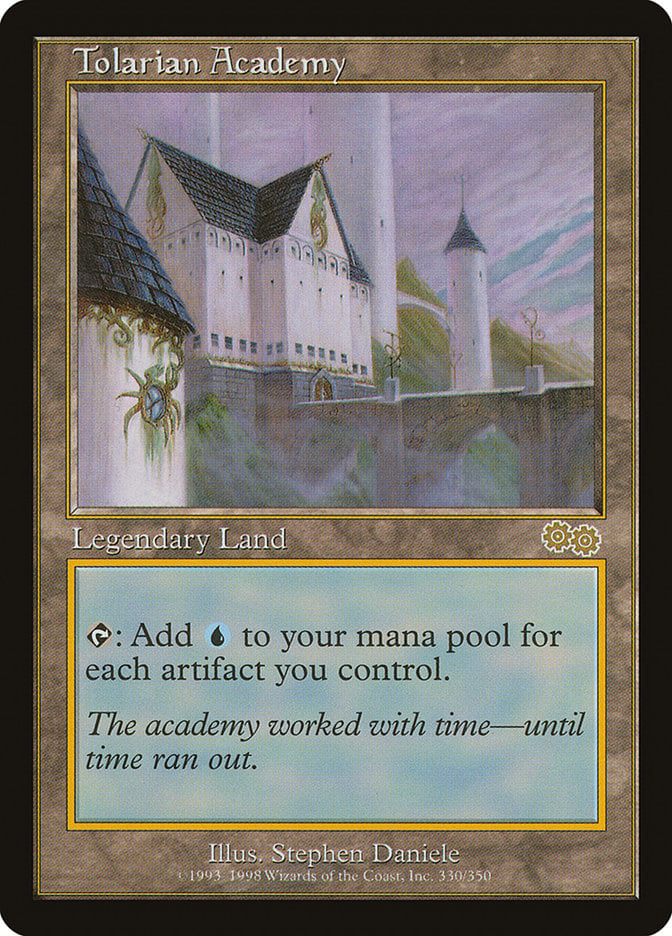
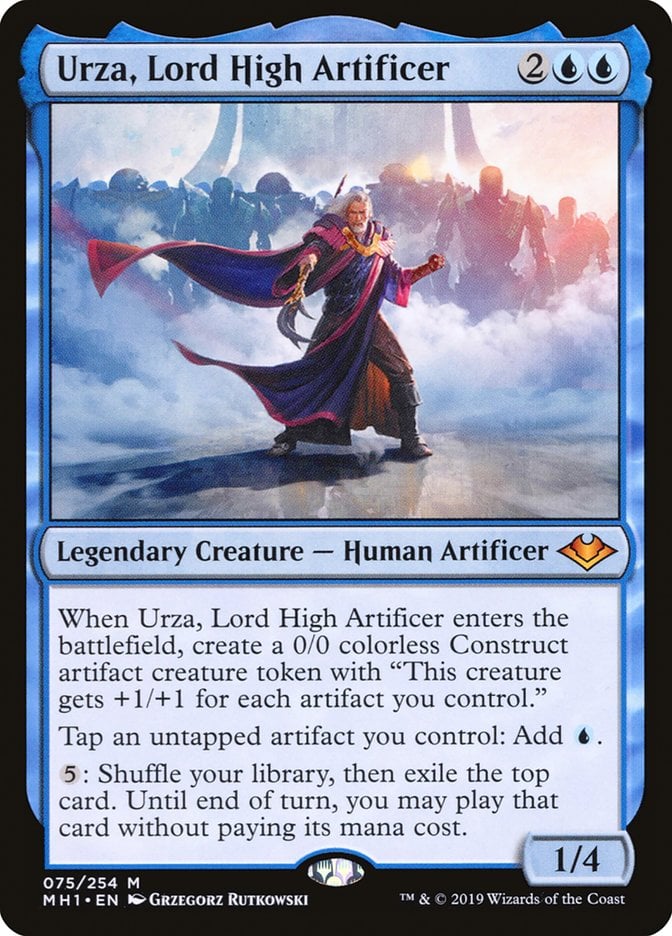
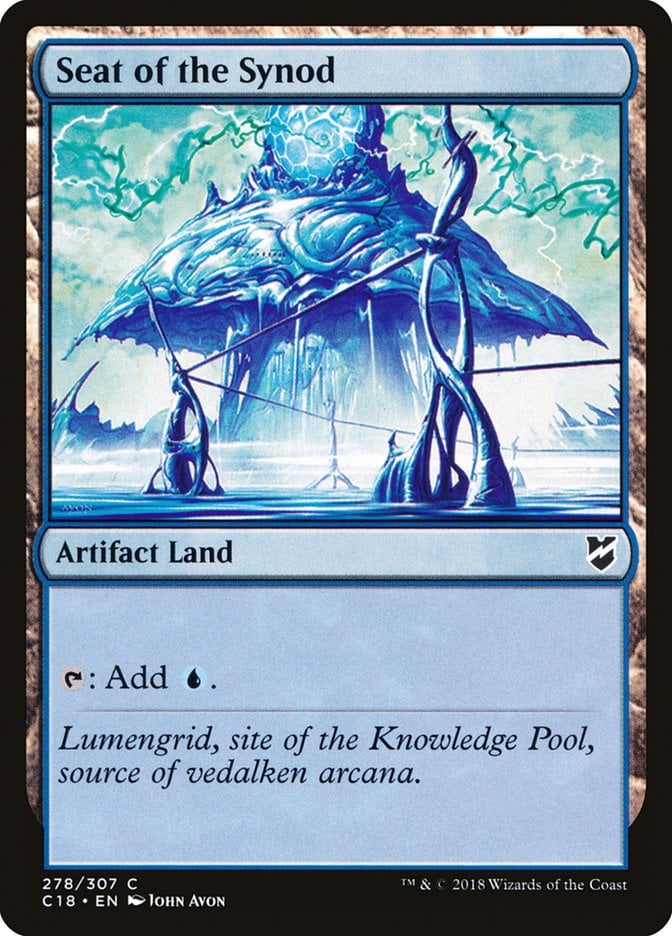
Blue is the color of reasoning and intellect, and the color of artificers and inventors, so it’s not a surprise that MTG tied artifacts mainly to blue, and it’s secondary on white and red. Tinker, Tolarian Academy, Urza, Lord High Artificer, or simply Seat of the Synod are strong blue cards.
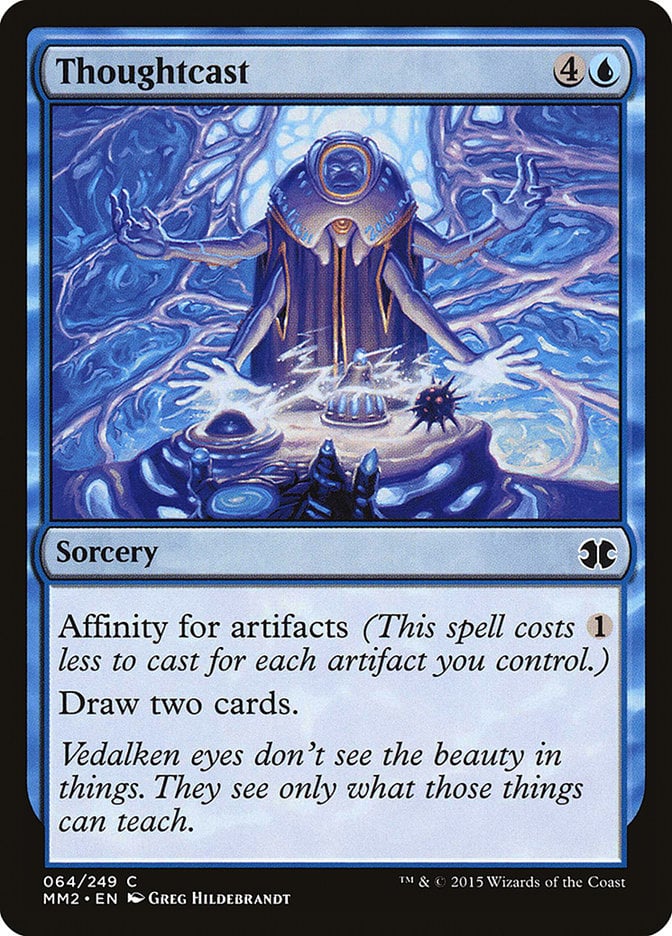
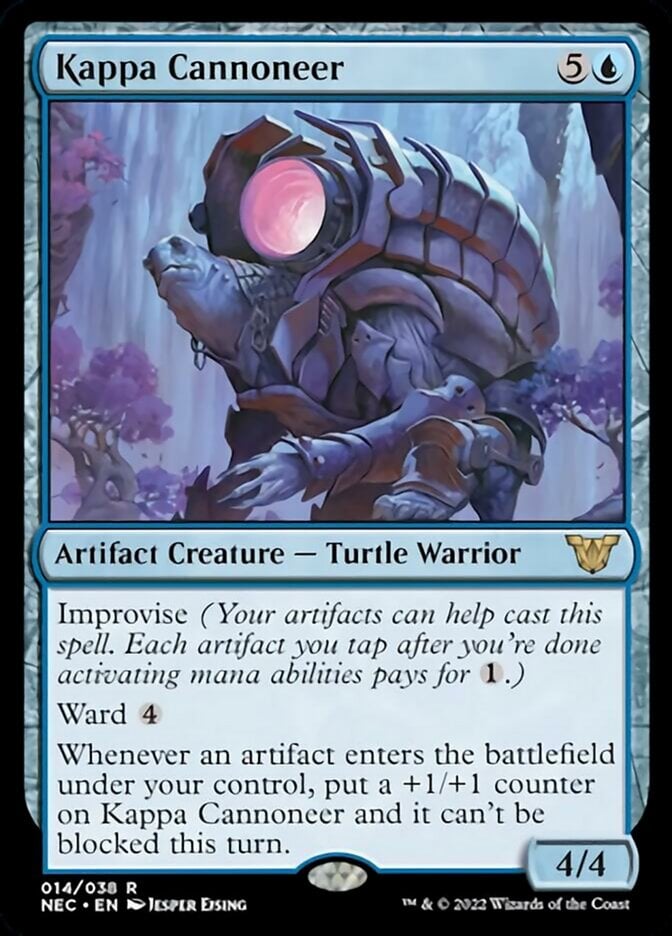
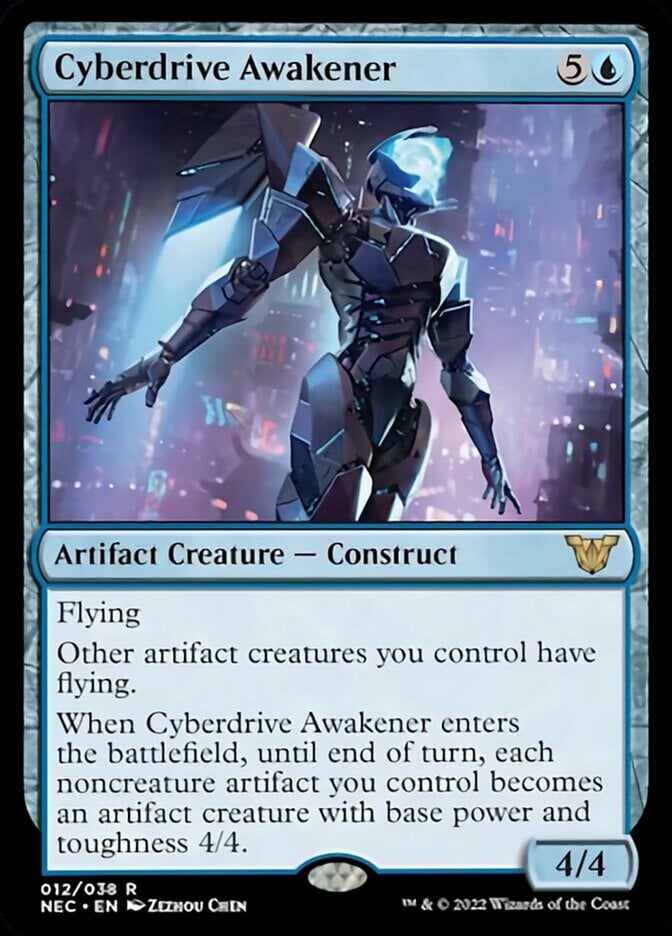
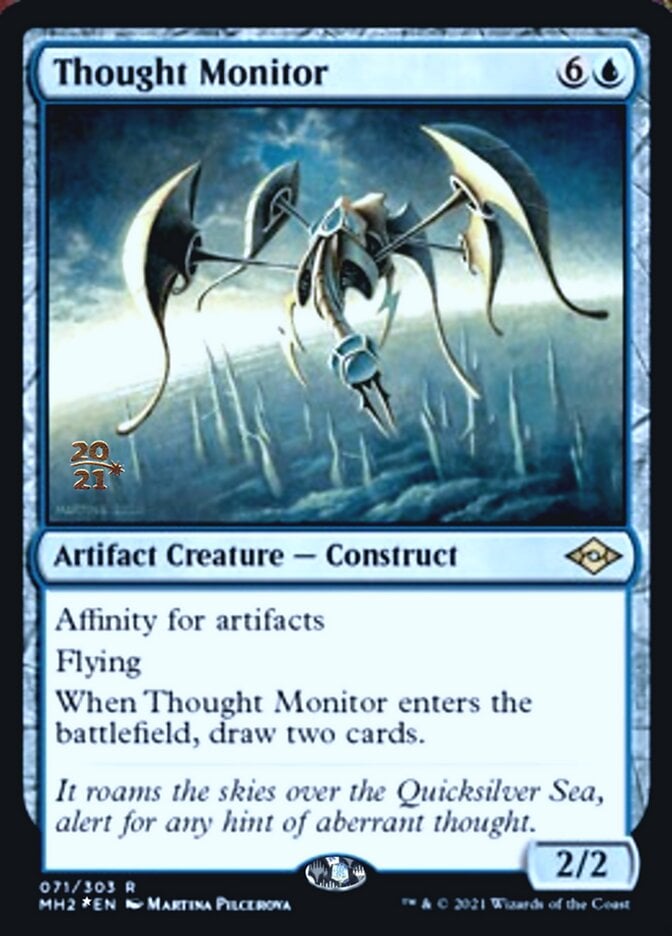
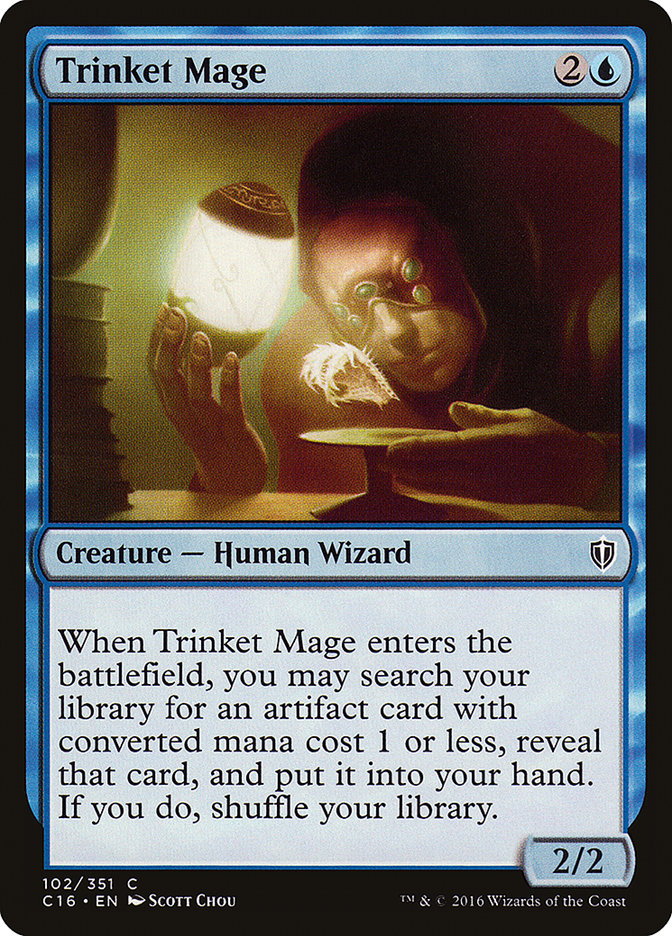
Many of the most played artifact-matter cards are blue. Thoughtcast, Kappa Cannoneer, Cyberdrive Awakener, or Thought Monitor are some highlights. Blue has tutors for artifacts like Fabricate, or tutors for small artifacts, like Trinket Mage.
Example Decklist: Affinity in Modern
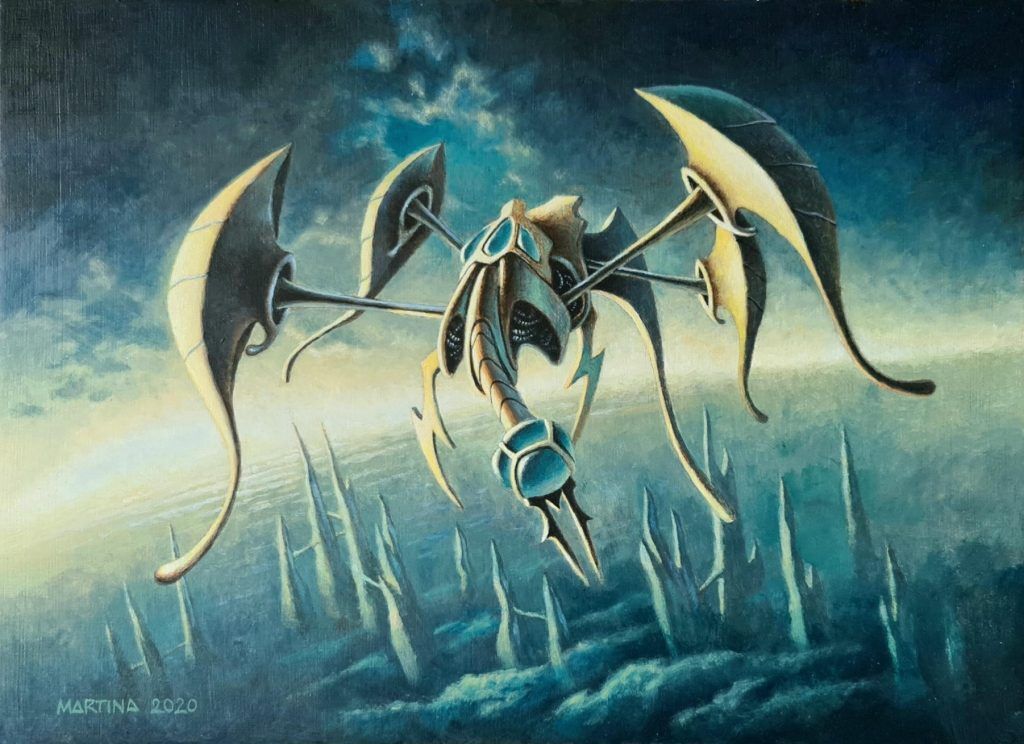
Thought Monitor | Illustration by Martina Pilcerova
Creature (20)
Ornithopter x4
Memnite x4
Kappa Cannoneer x4
Pinnacle Emissary x4
Thought Monitor x4
Artifact (18)
Mishra's Bauble x4
Mox Opal x4
Cranial Plating x2
Lavaspur Boots
Tormod's Crypt x2
Springleaf Drum x4
Shadowspear
Instant (2)
Sorcery (4)
Thoughtcast x4
Land (16)
Spirebluff Canal x4
Island
Darksteel Citadel x3
Shivan Reef x2
Steam Vents
Otawara, Soaring City
Urza's Saga x4
Sideboard (15)
Blood Moon x3
Consign to Memory x3
Whipflare x2
Force of Negation x3
Pithing Needle
Galvanic Blast x2
Tormod's Crypt
Here, the numbers matter. You want to cast those affinity cards for as little mana as possible. Drawing two cards for 1 mana is very strong with Thoughtcast, and having Mulldrifter cost 2-3 mana in Thought Monitor is also very good. Pinnacle Emissary can be a very explosive card, allowing you to dump artifacts onto the table and create a lot of 1/1 Thopter tokens for just 1 mana with warp. The fact that so many artifacts from this deck cost 0 mana is also a defining aspect of this deck, and when you have that many artifacts, a Cranial Plating turns any 1/1 creature into a game-winning threat.
Spellslinger
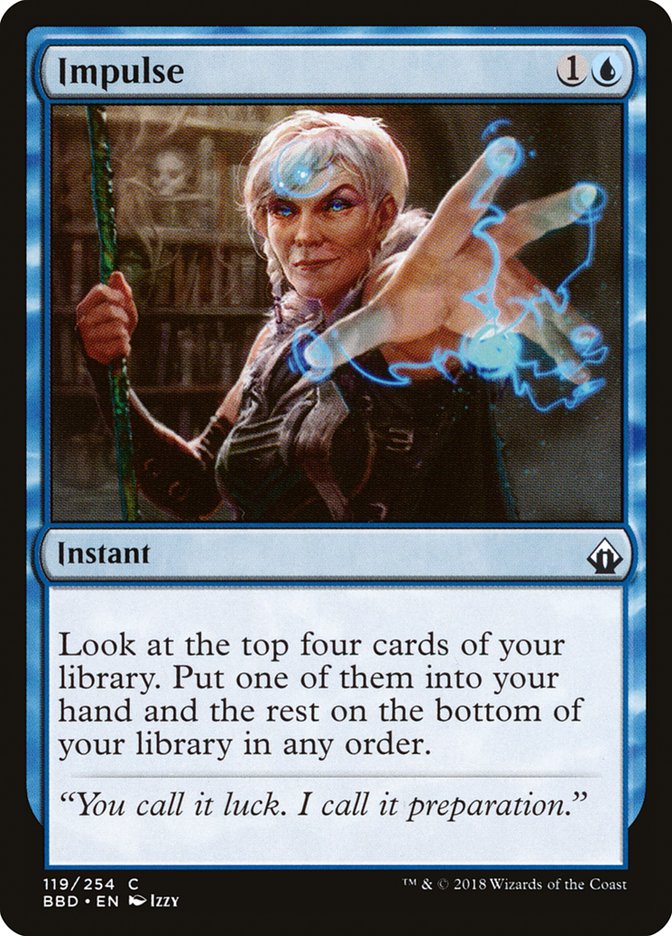
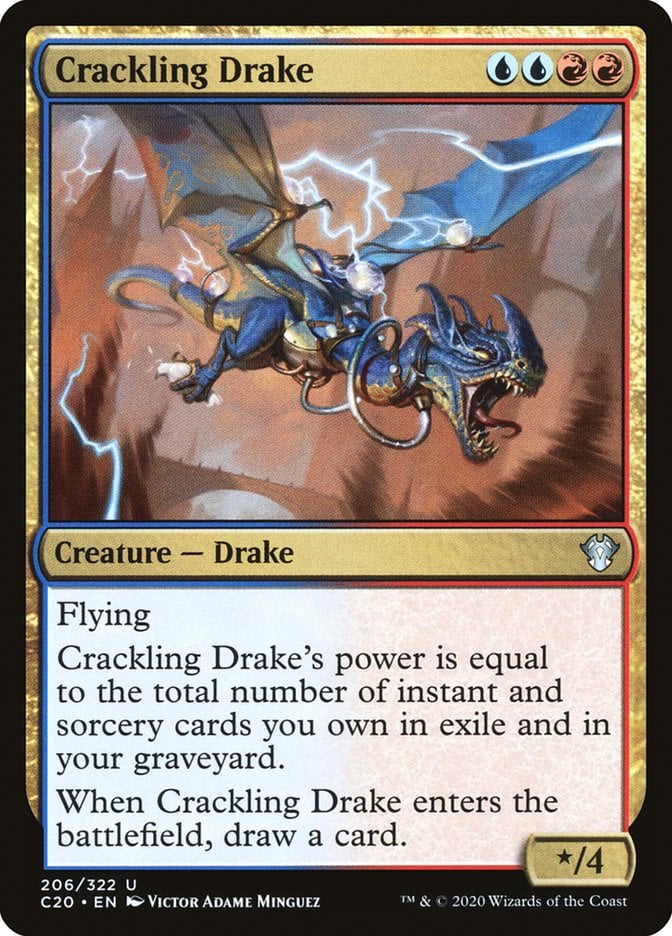
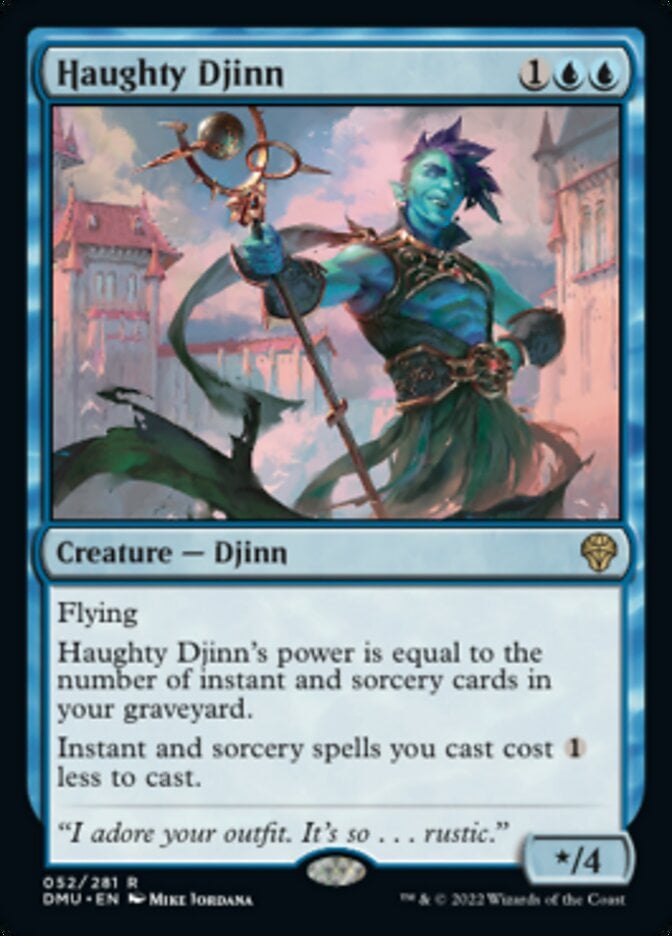
Spellslinger strategies in MTG reward you “whenever you cast an instant or sorcery”, or “whenever you cast a noncreature spell”. One of blue’s greatest strengths is chaining spell after spell. Casting Preordain, then Ponder, then Impulse feels great, and you get a lot of card selection this way. You can profit from casting these cards by having a prowess creature in play, which will hit for a bunch of damage. You can also have cards like Crackling Drake, Haughty Djinn, and the like for real win conditions. Mechanics like flurry and prowess help these cantrips thrive.
Example Decklist: Vivi Ornitier in EDH

Vivi Ornitier | Illustration by Toni Infante
Commander (1)
Creature (14)
Archmage Emeritus
Birgi, God of Storytelling
Coruscation Mage
Guttersnipe
Harmonic Prodigy
Hullbreaker Horror
Niv-Mizzet, Parun
Niv-Mizzet, Visionary
Pinnacle Monk
Quicksilver Elemental
Simian Spirit Guide
Storm-Kiln Artist
Tandem Lookout
Veyran, Voice of Duality
Enchantment (6)
Curiosity
Mystic Remora
Ophidian Eye
Rhystic Study
Sigil of Sleep
Underworld Breach
Artifact (10)
Arcane Signet
Chrome Mox
Fellwar Stone
Izzet Signet
Lotus Petal
Mox Amber
Sol Ring
Swiftfoot Boots
Talisman of Creativity
Thought Vessel
Instant (23)
An Offer You Can't Refuse
Arcane Denial
Brain Freeze
Brainstorm
Chaos Warp
Consider
Counterspell
Cyclonic Rift
Deflecting Swat
Fierce Guardianship
Fire Magic
Flame of Anor
Flusterstorm
Force of Will
Frantic Search
Lightning Bolt
Mystical Tutor
Opt
Pact of Negation
Pongify
Sink into Stupor
Snap
Swan Song
Sorcery (14)
Blasphemous Act
Expressive Iteration
Faithless Looting
Gamble
Gitaxian Probe
Grapeshot
Jeska's Will
Mizzix's Mastery
Ponder
Preordain
Rite of Flame
Serum Visions
Wild Ride
Windfall
Land (32)
Cascade Bluffs
Command Tower
Exotic Orchard
Fiery Islet
Frostboil Snarl
Island x8
Mistrise Village
Mountain x8
Otawara, Soaring City
Reliquary Tower
Riverpyre Verge
Scalding Tarn
Shivan Reef
Steam Vents
Stormcarved Coast
Sulfur Falls
Thundering Falls
Training Center
Vivi Ornitier is a commander with the famous “whenever you cast a noncreature spell” in its text box, and it uses it to damage your opponents and grow stronger. You can also generate mana equal to Vivi’s power. So the play pattern is cast a bunch of spells, buff Vivi, get more mana, cast more spells, and attack. Fifty-three of the 99 cards in the deck are noncreature spells, and the few creatures in it also care about noncreature spells. We can dish out heavy damage with cards like Guttersnipe, draw a bunch of cards with Niv-Mizzet, Parun, which, enchanted with Curiosity, also produces an infinite combo—classic spellslinging stuff.
Graveyard/Threshold
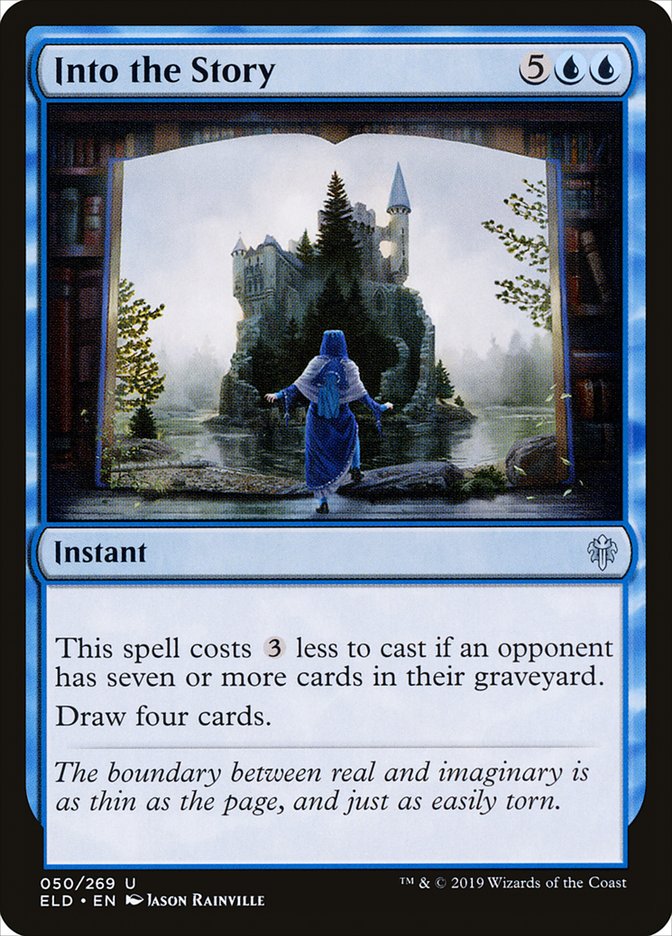
For my last blue archetype, I want to mention decks that want graveyards to have at least a fixed number of cards. This is usually 7-8, but some cards only need four. Regardless, you want cards that let you mill your opponents consistently, and cards that profit from a filled graveyard, like Into the Story. The rogue creature type usually benefits from this setup the most, and this archetype is very common in blue-black.
Example Decklist: Graveyard in Pioneer

Drown in the Loch | Illustration by John Stanko
Planeswalker (4)
Creature (25)
Mockingbird x4
Moon-Circuit Hacker x4
Soaring Thought-Thief x4
Thieves' Guild Enforcer x4
Floodpits Drowner x4
Enduring Curiosity
Faerie Miscreant x4
Instant (8)
Drown in the Loch x4
Fatal Push x4
Land (23)
Underground River x3
Urborg, Tomb of Yawgmoth
Watery Grave x4
Mutavault x4
Otawara, Soaring City
Clearwater Pathway x4
Darkslick Shores x4
Island
Gloomlake Verge
Sideboard (15)
Brazen Borrower x2
Cut Down
Enduring Curiosity
Extinction Event
Grafdigger's Cage x2
Sheoldred, the Apocalypse x2
Thoughtseize x4
Unlicensed Hearse x2
The main idea is to beat them down while milling them, and winning via damage or mill is possible (mostly damage). Soaring Thought-Thief is one of the key cards here. It has flash, so you can hold counterspells or removal in your hand, and if they don’t do anything, you fire it off. Moreover, it mills cards and gives your rogues a bonus when you fill your opponent’s graveyard. Drown in the Loch is another tailor-made card for this deck, as it counters a spell or kills a creature based on their graveyard state. Thieves' Guild Enforcer is very similar, acting as both an enabler and payoff to the strategy.
What Colors Pair Best with Blue?
Blue-White (Azorius)
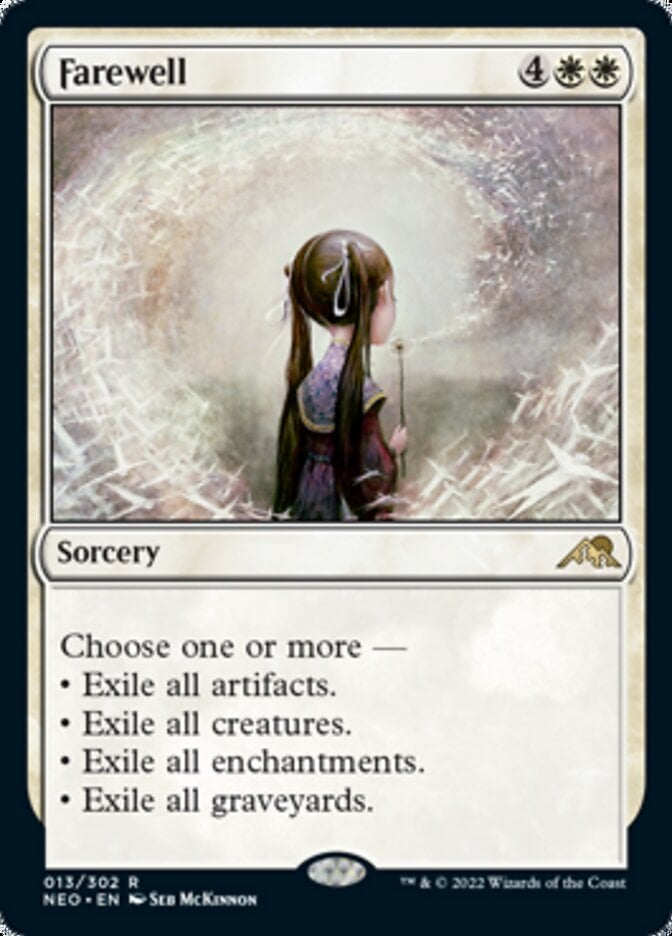
In the more aggressive and tempo blue decks, white helps with excellent cheap and effective low mana value creatures, cheap removal spells, or ways to tax our opponent’s spells. For a slower, more controlling deck, the best white additions are wrath spells, cards like Farewell, and even lifegain.
Blue-Black (Dimir)
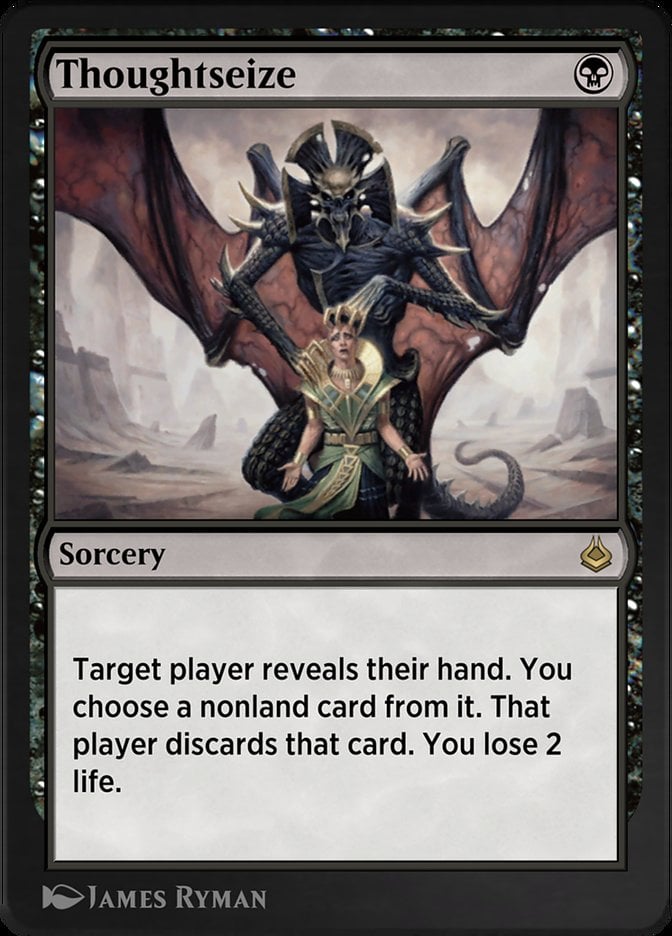
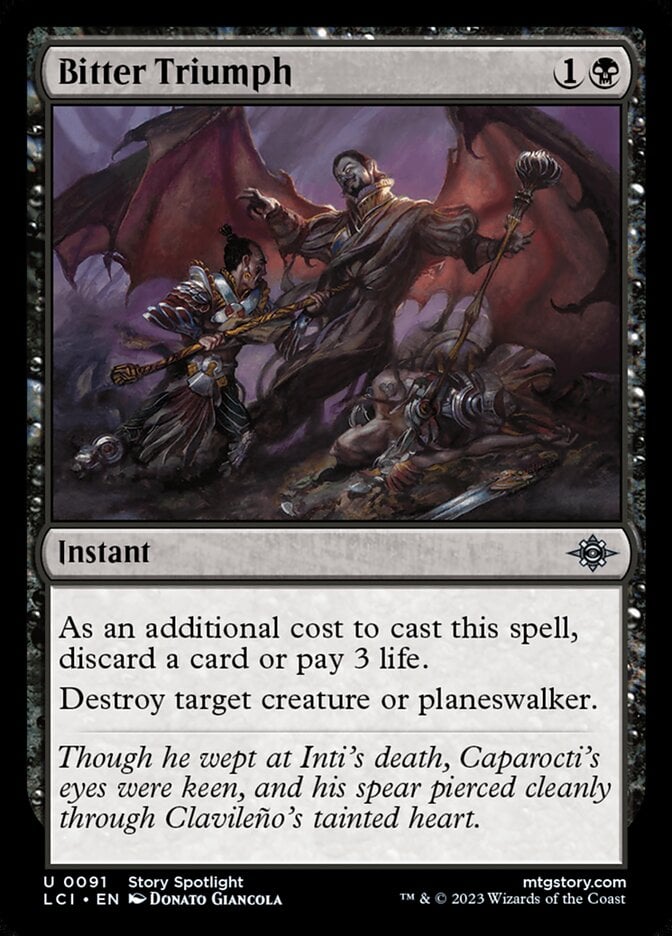
The best addition to blue decks that black can provide is removal spells, blue’s Achilles Heel. Black disrupts its opponents very well with discard and spot removal, and thus, this color pair is very competitive.
Blue-Red (Izzet)
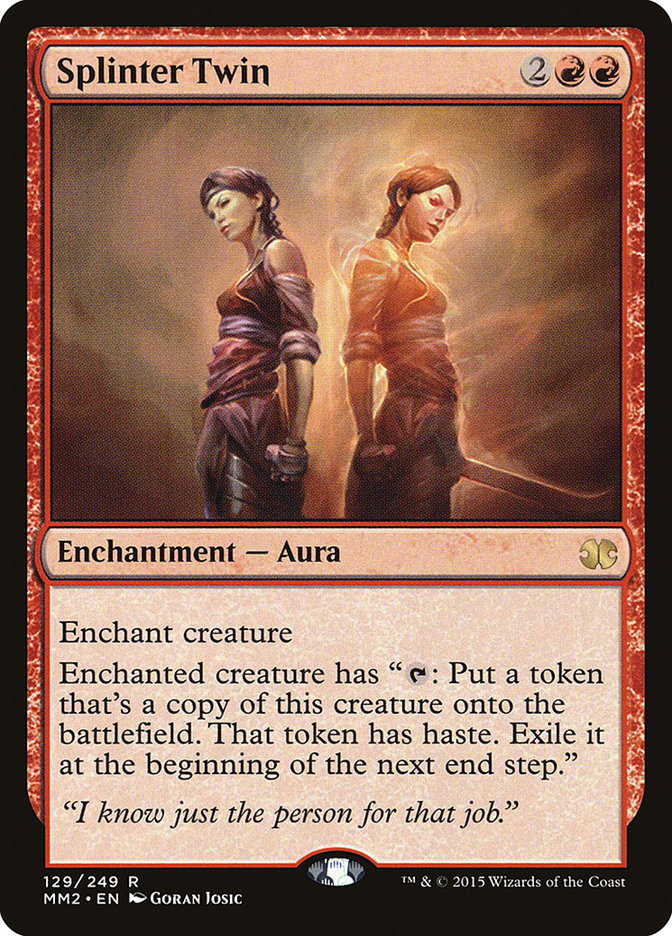
Spellslinging is the name of the game here. Blue and red both have lots of instants, sorceries, and benefit from prowess creatures. This color pair is also home to many combo decks, like Splinter Twin.
Blue-Green (Simic)
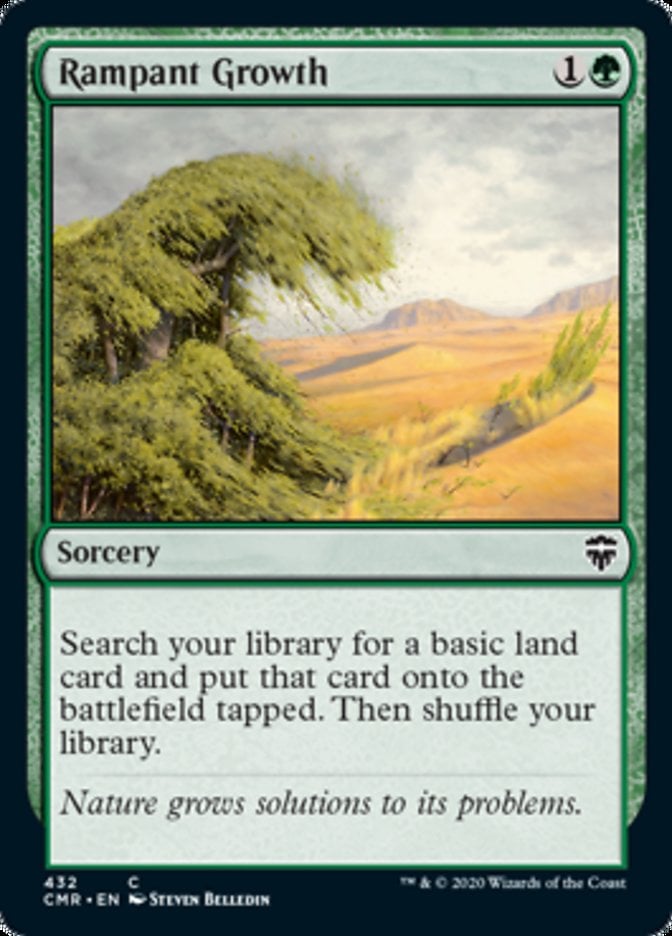

Blue-green is usually a very dysfunctional color pair because both excel in the late game and are poor in the early game. That said, this color pair thrives in Commander, a slower format. Blue benefits from green’s mana ramp while adding card advantage to the mix.
Blue-White-Black (Esper)
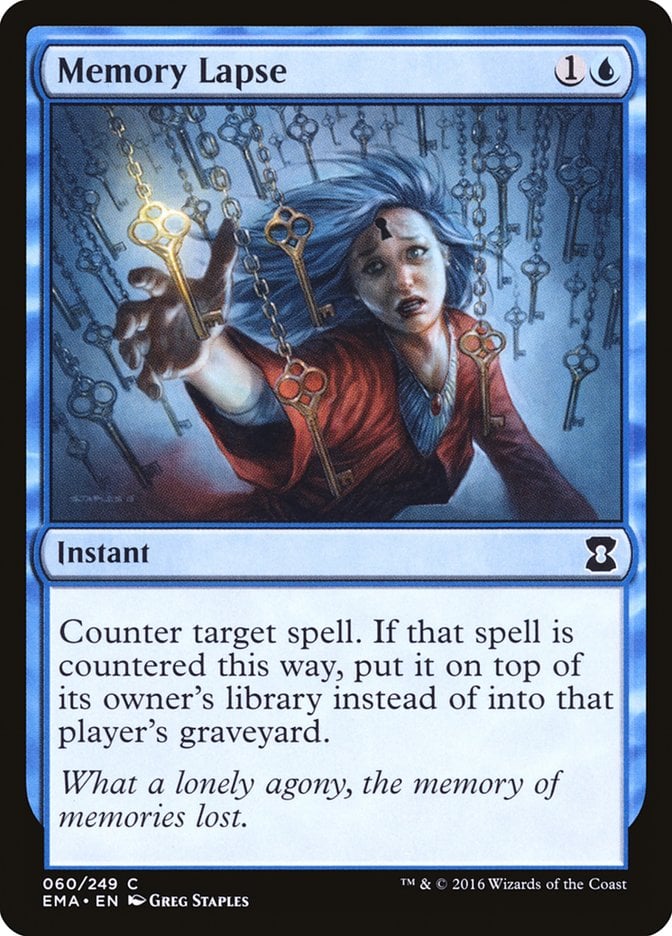
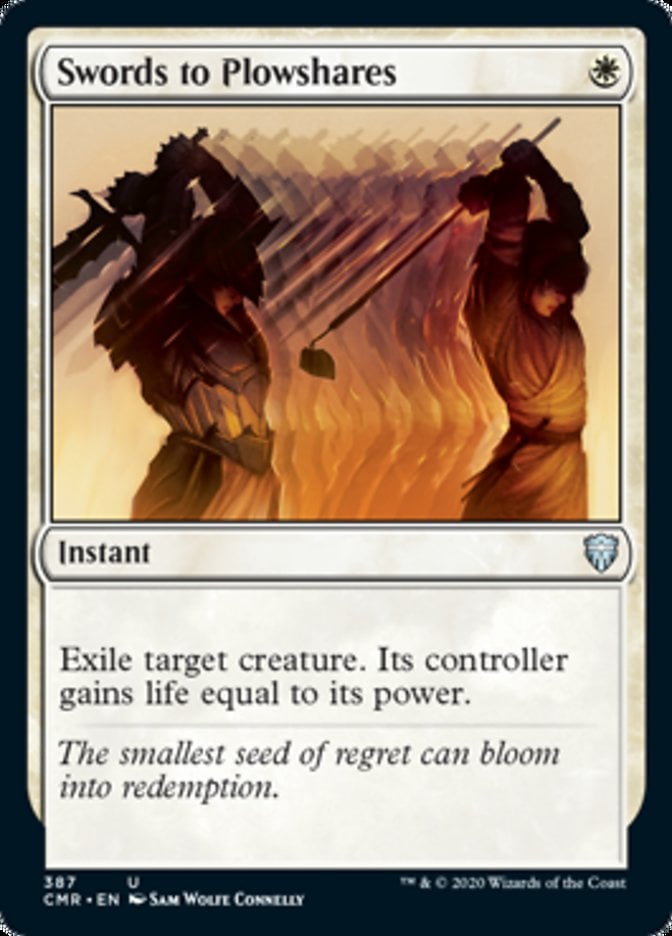
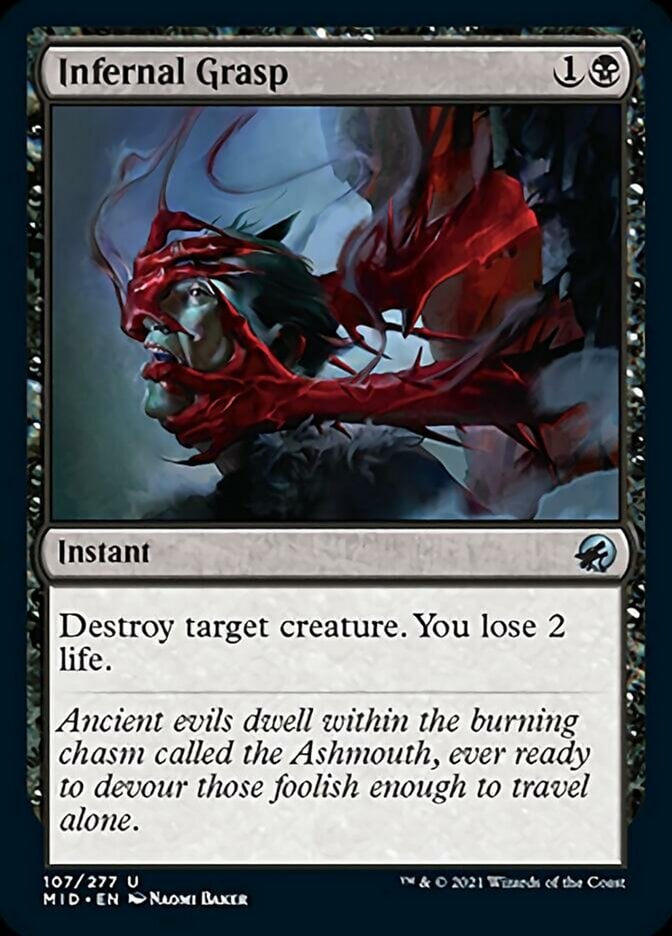
The combination of blue, white, and black, or Esper () control, usually centers around blue. This deck uses blue’s counterspells, blue’s win conditions, and blue’s card draw while taking advantage of white and black’s instant speed interaction.
Wrap Up
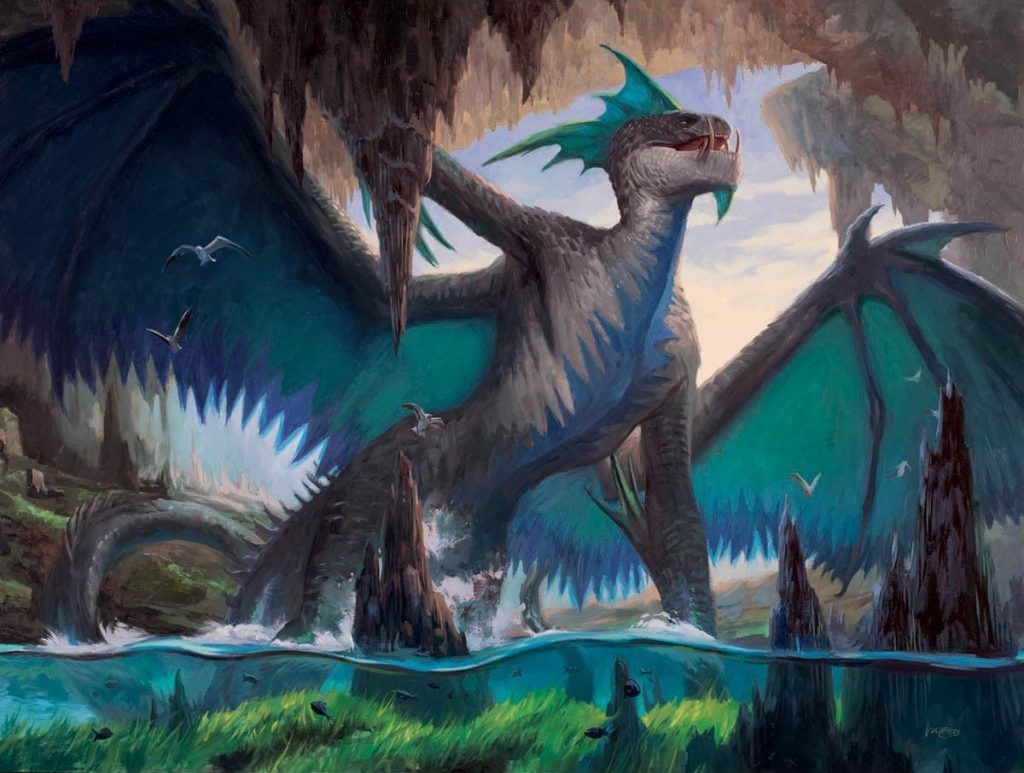
Murktide Regent | Illustration by Lucas Graciano
Blue has always been impactful in Constructed with its wide color pie and exclusive access to counterspells. Even blue’s creatures, which should be the weakest, end up seeing play, like Delver of Secrets. Many other archetypes like draw-two, mill, spirits, fliers, and flash weren’t mentioned due to a lack of space, so I hope you’ll understand if your favorite blue archetype wasn’t mentioned.
What blue decks do you usually play? Which ones do you think should have made the cut? Let me know in the comments section below, or over in our Draftsim Discord.
Thanks for reading, and stay safe out there.
Follow Draftsim for awesome articles and set updates:










Add Comment