
Last updated on August 10, 2026
Oath of Druids | Illustration by Daren Bader
Commander is Magic’s most popular format in large part because the multiplayer aspect makes it the perfect hangout format: You can gather a group of friends and all participate.
That said, multiplayer isn’t everybody’s cup of tea. If you enjoy the concept of Commander but prefer a 1v1 format with a more competitive edge, Duel Commander might interest you. But be warned: It has a very different banlist than Commander, which I’m breaking down for you here!
The Latest Duel Commander Banlist Announcement

Source: Duel Commander Website
The most recent Duel Commander banlist announcement was on July 27, 2026, and it banned three cards as commander only: Spider-Man 2099, Lumra, Bellow of the Woods, and The Fantasticar.


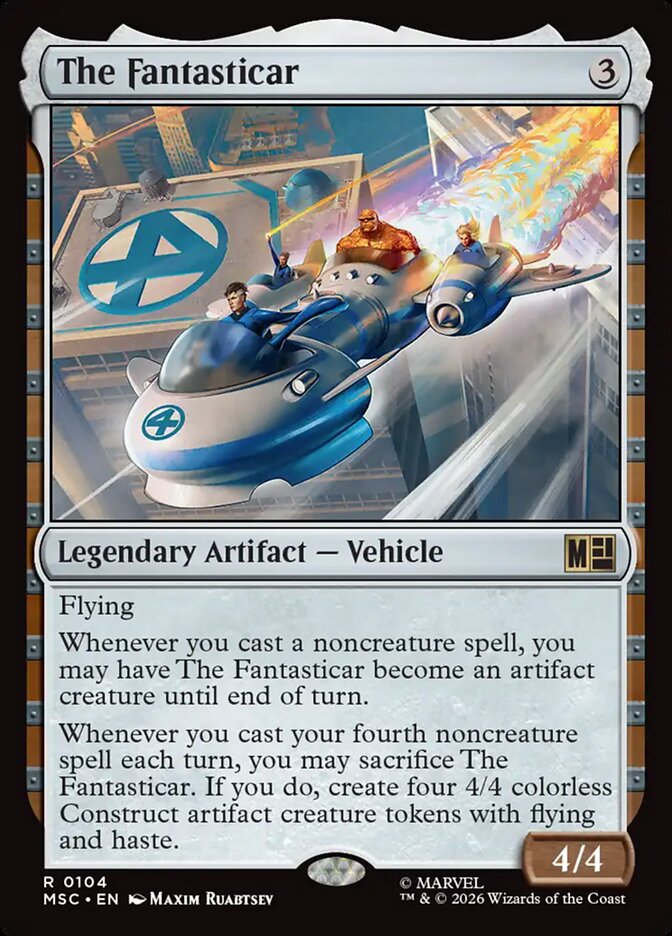
Spider-Man 2099 has been a boogieman of the format since Marvel’s Spider-Man dropped it: A 2-mana interaction spells that also serves as a combo threat with pump spells. Its deck have been at the top for too long and, while it was possible to attack it, the format was slowly warping into Spider-Man 2099 and decks that beat it. Lumra led an extremely powerful combo deck that was problematic in its speed and resilience, capable of trying to combo early and doing again later even if stopped. The Fantasticar is simply a busted artifact that presents 16 power as early as turn 2, a lightning-fast win condition good enough to get restricted in Vintage. Due to the respective power of each of these cards, all three were banned as commanders, though they can still be in the 99.
What Are Structurally Banned Cards?

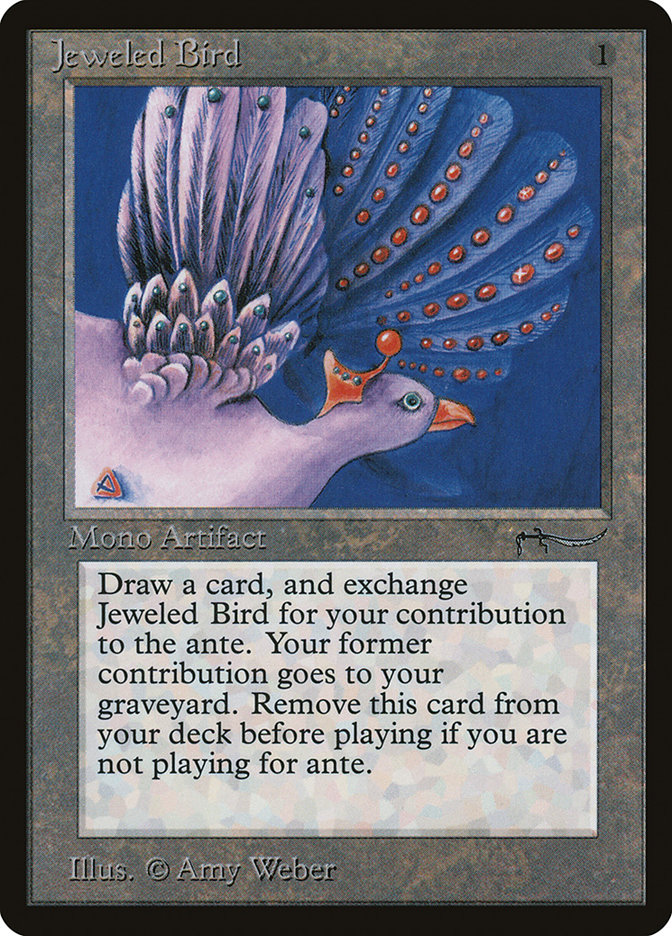
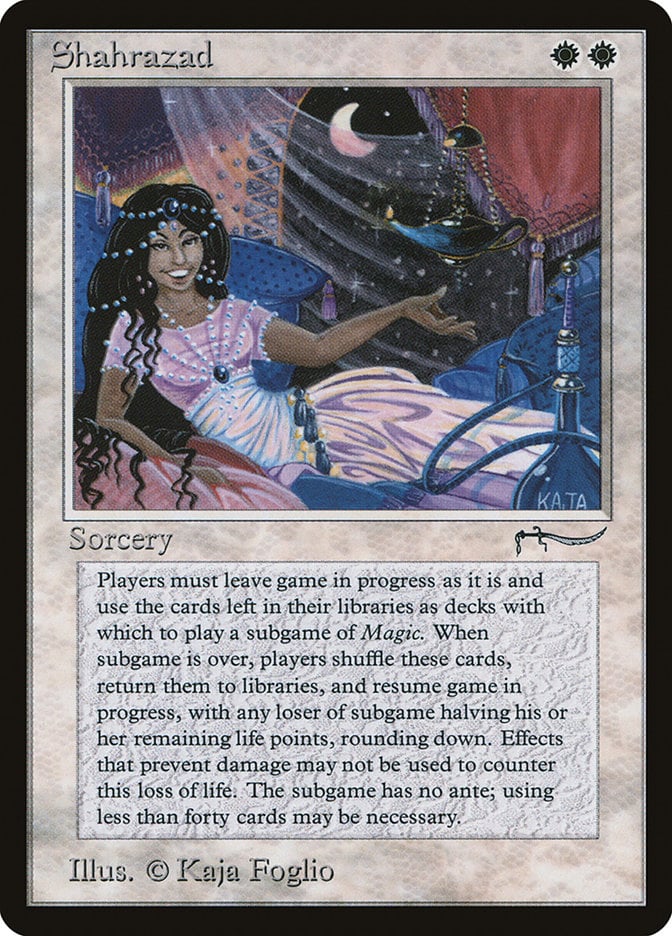
Structurally banned cards are cards that banned because they fall under specific categories that make them illegal in the format rather than because of any card’s individual power level.
These include cards that violate WOC’s content policy, cards with ante, dexterity cards that require you to manipulate the card, cards with silver- or gold-borders, cards with acorn stamps, and cards with special mechanics like stickers and attractions, digital-only cards, and Shahrazad. These cards are generally banned in most sanctioned formats.
Banned as a Commander
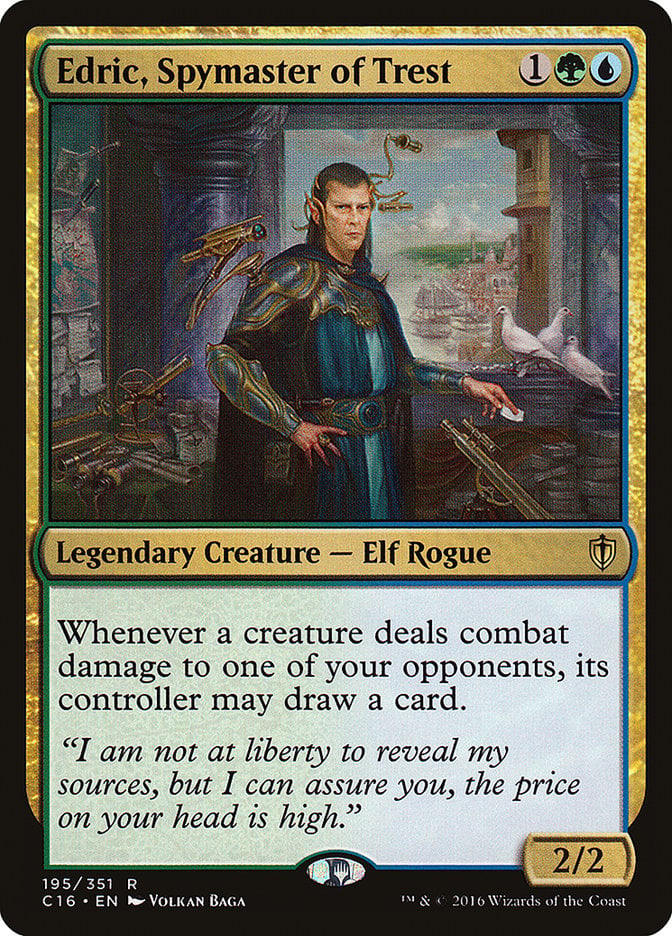
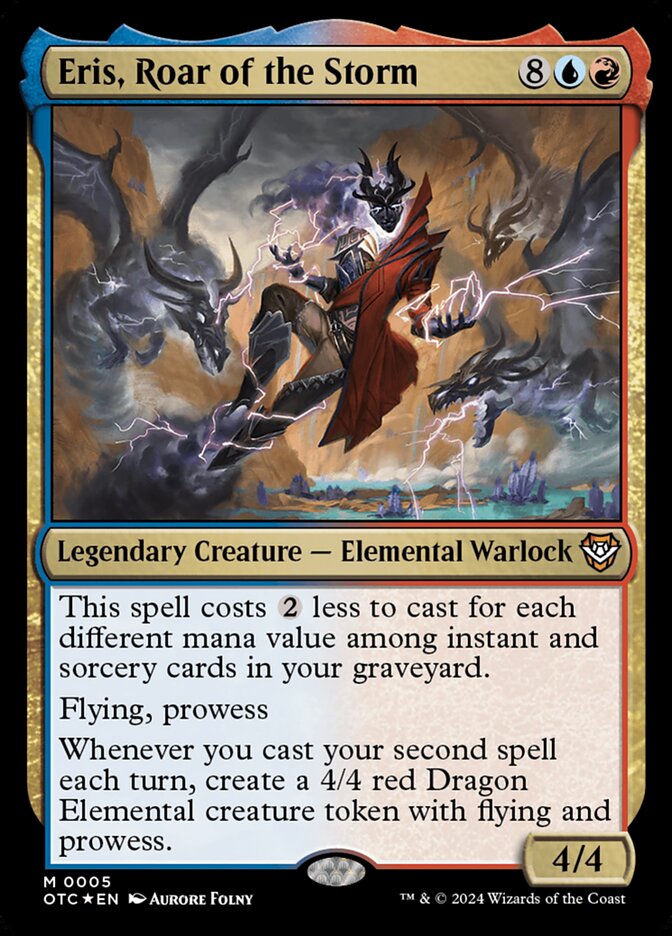
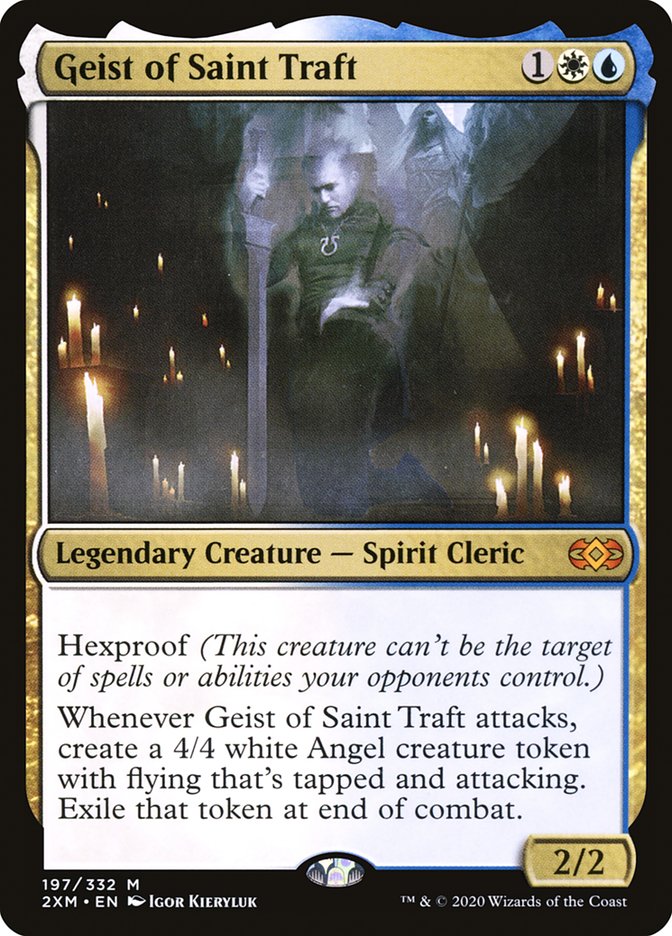
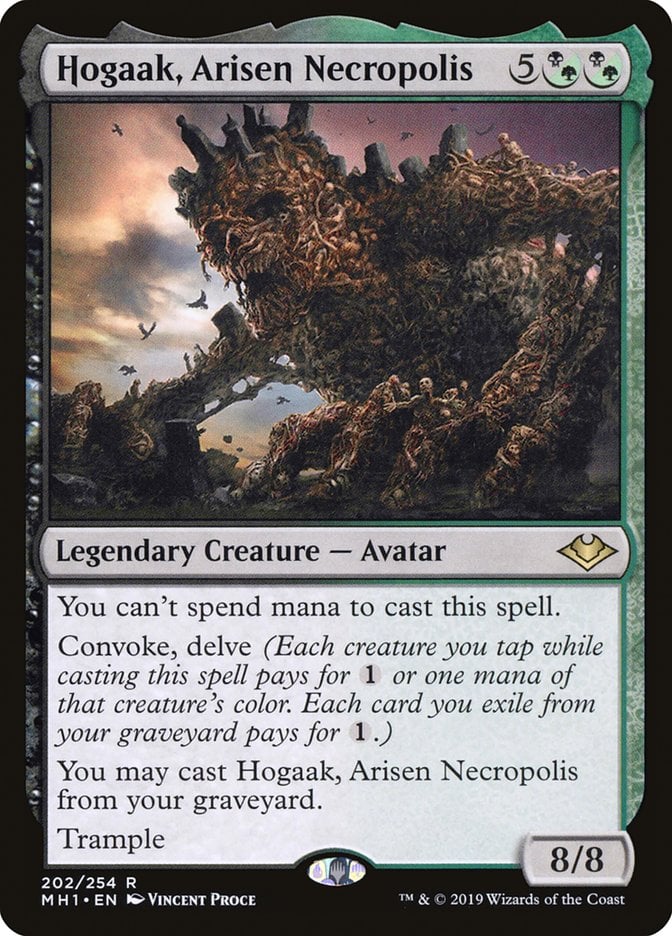
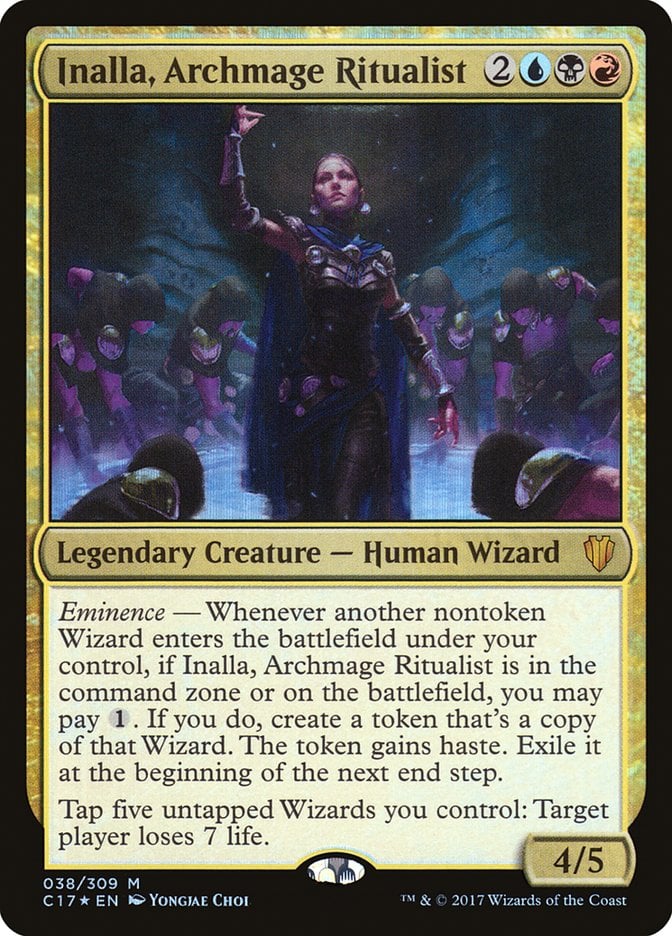
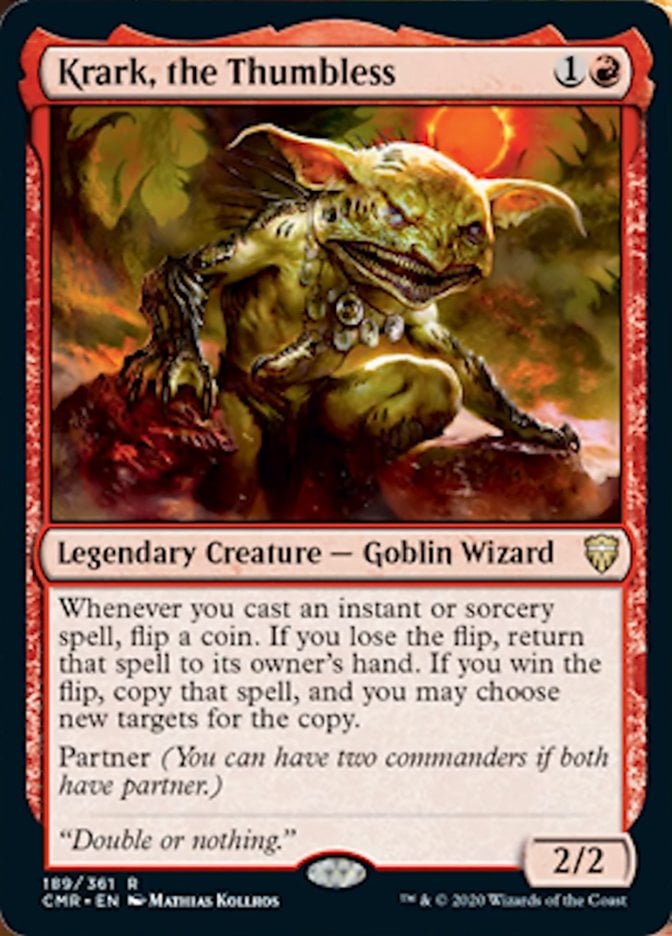
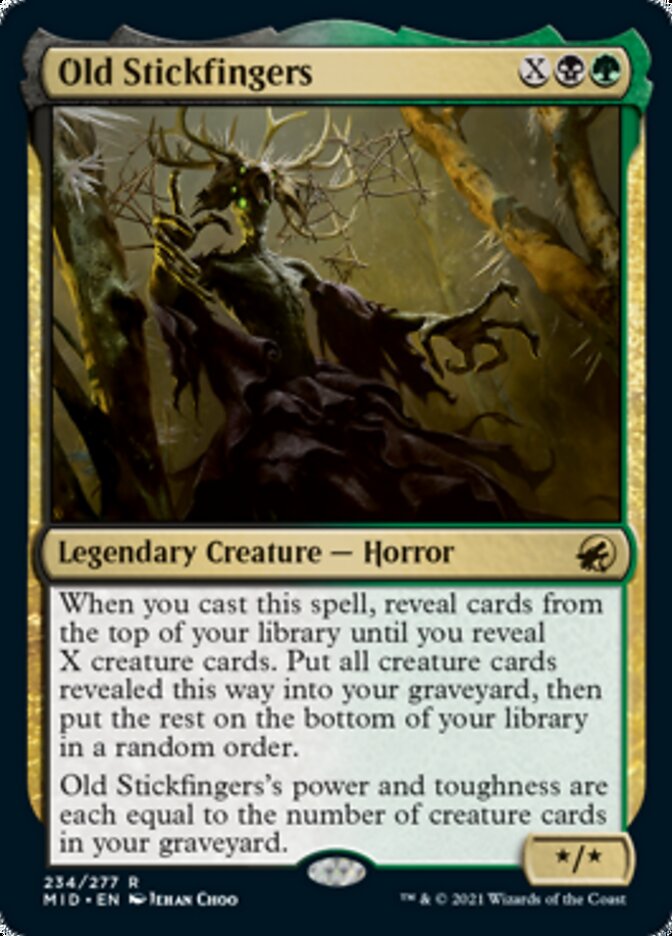
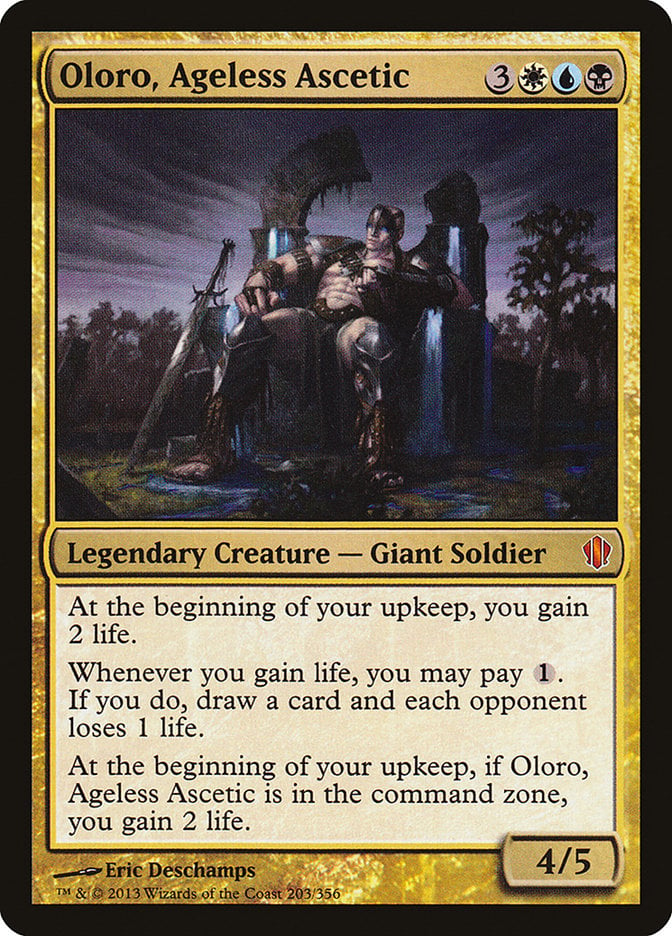
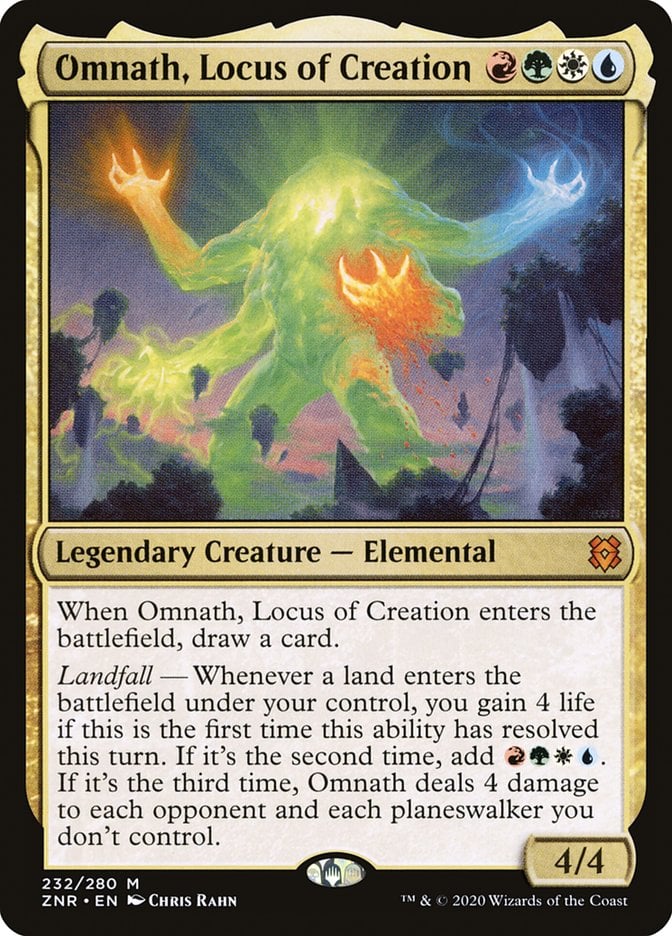
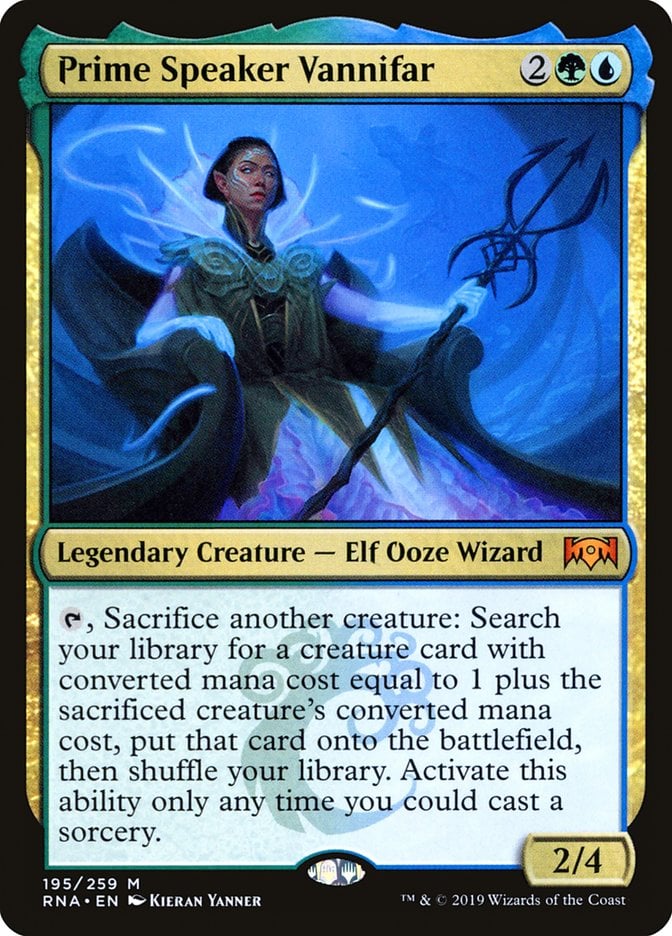
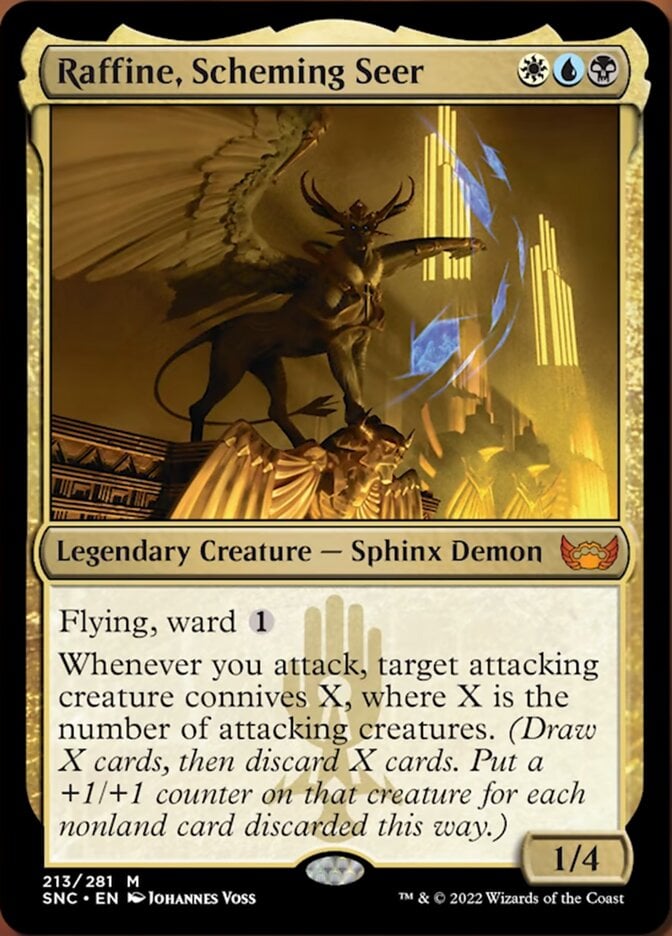
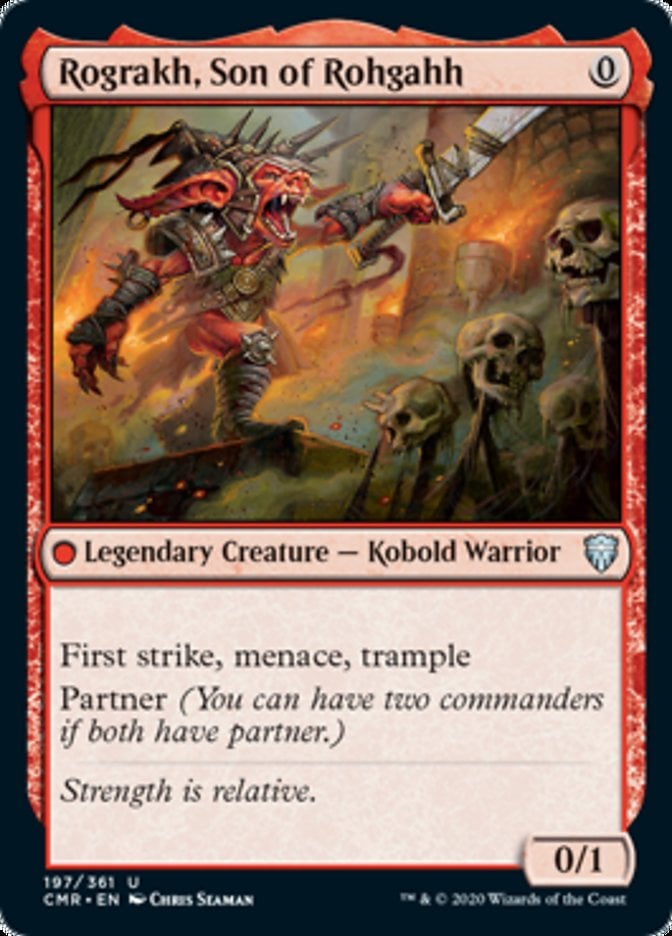
The following list of cards are legal in the 99 of your deck, but may not be in the command zone:


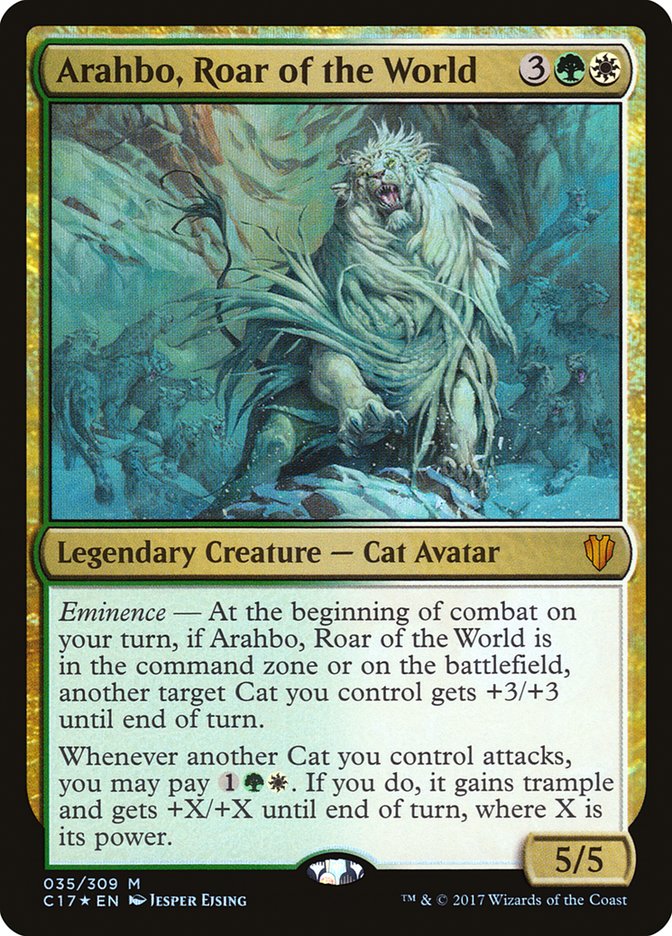
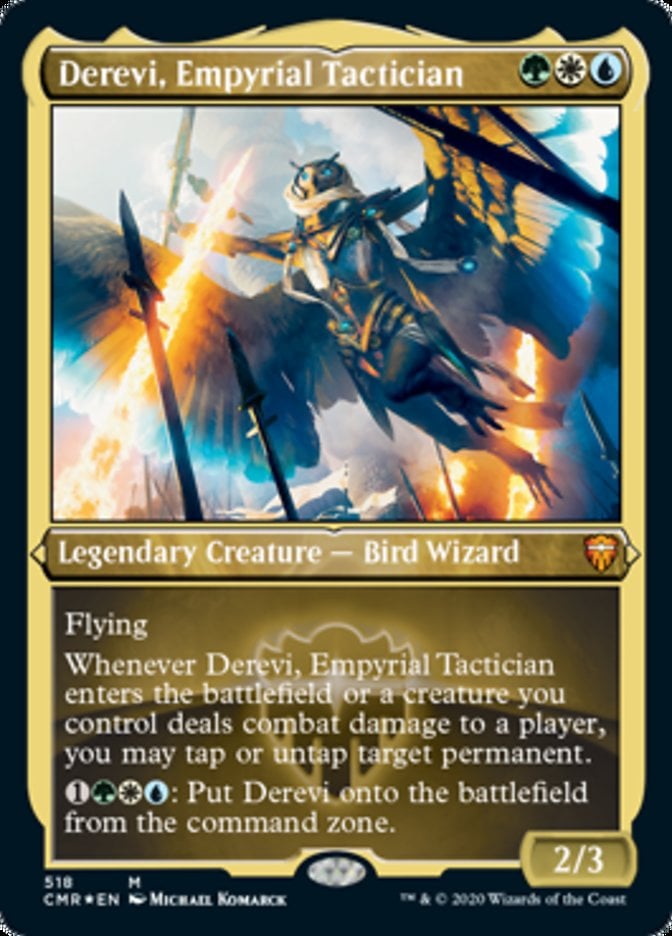
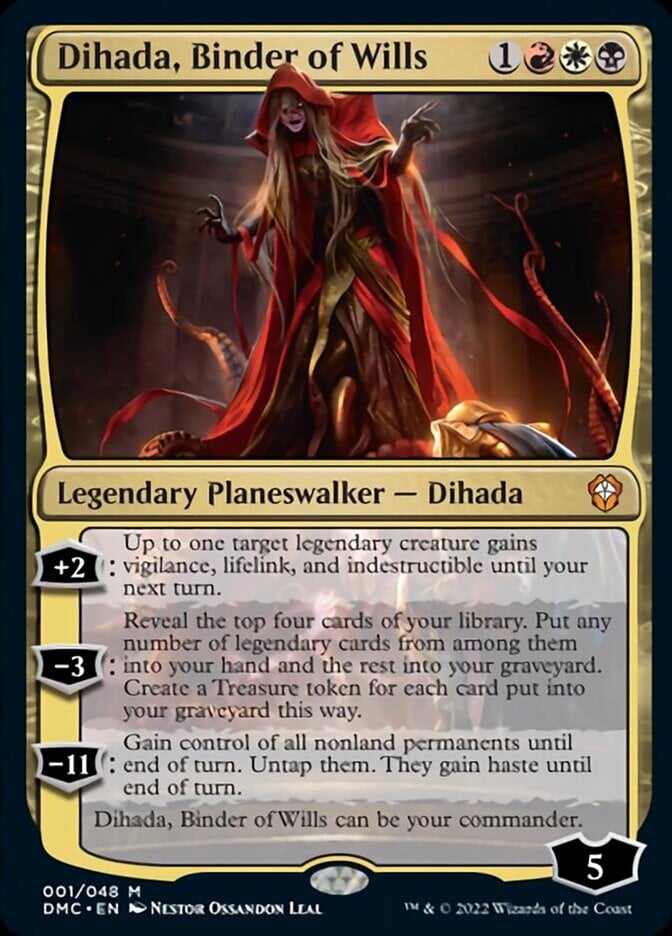
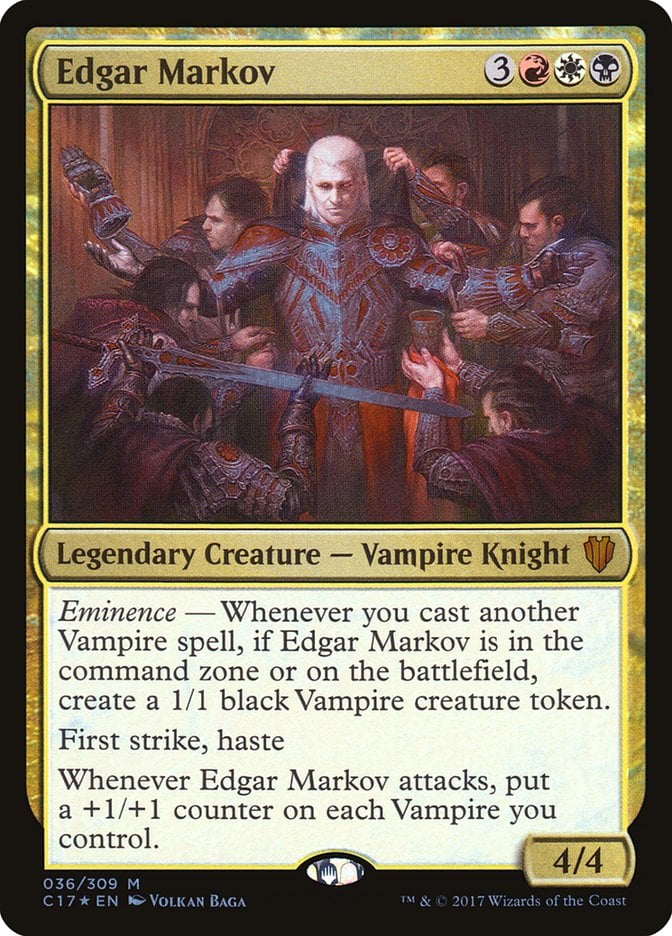


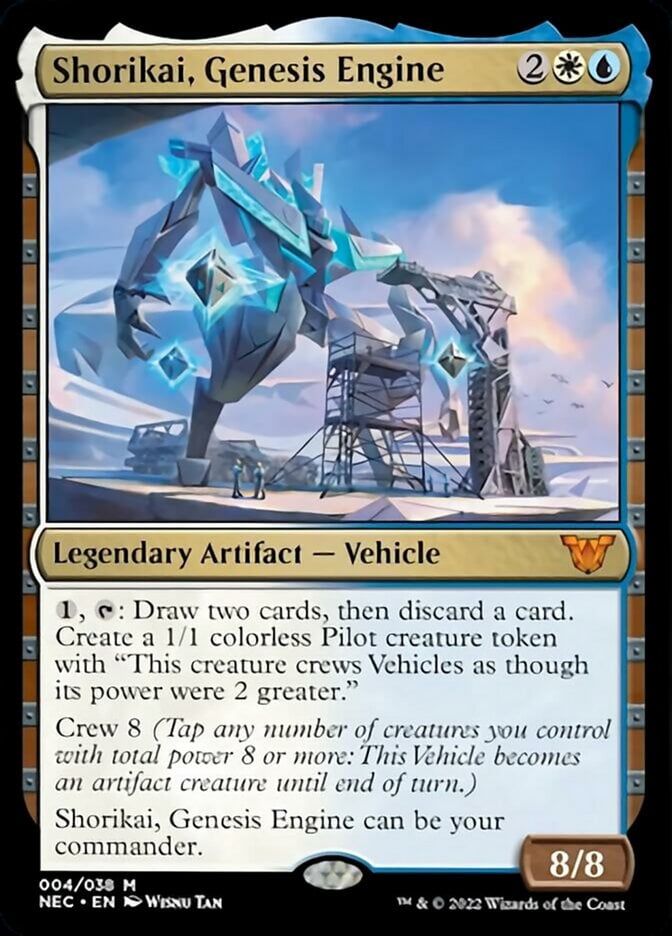


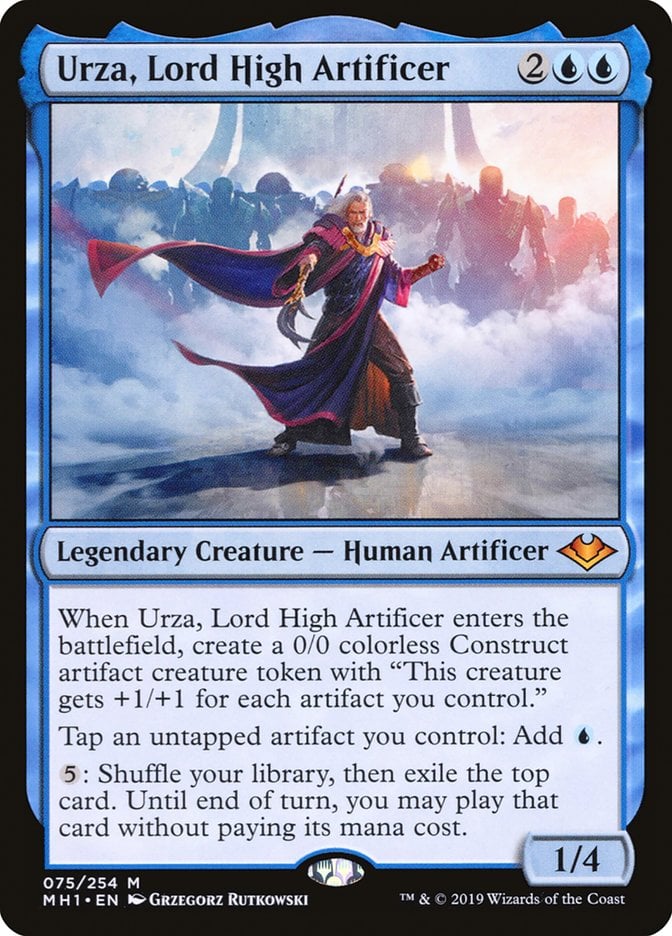
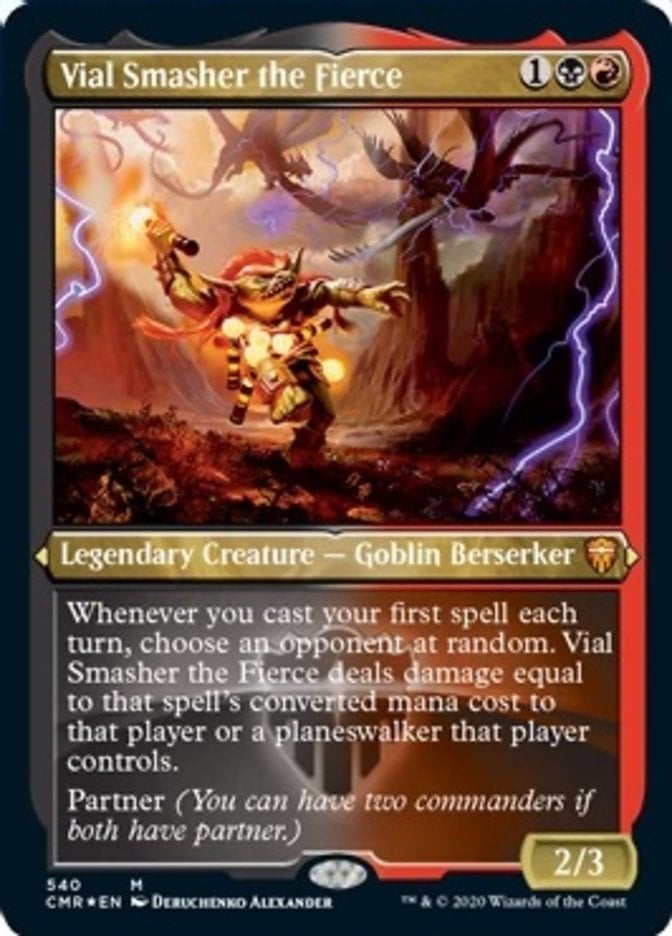
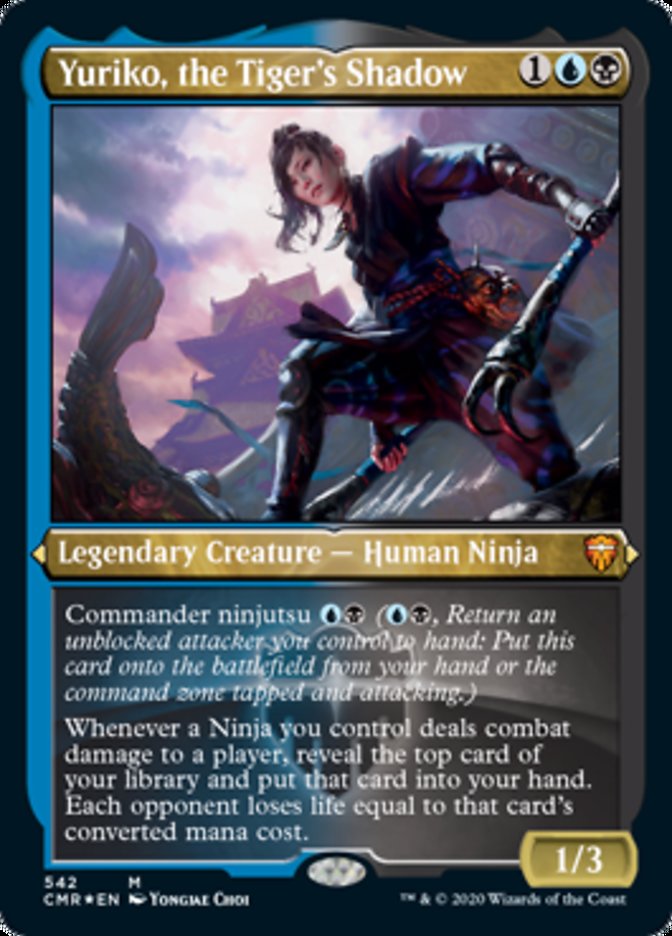
- Ajani, Nacatl Pariah / Ajani, Nacatl Avenger
- Arahbo, Roar of the World
- Derevi, Empyrial Tactician
- Dihada, Binder of Wills
- Edgar Markov
- Edric, Spymaster of Trest
- Eris, Roar of the Storm
- Ezio Auditore da Firenze
- Geist of Saint Traft
- Hogaak, Arisen Necropolis
- Inalla, Archmage Ritualist
- Krark, the Thumbless
- Lumra, Bellow of the Woods
- Minsc & Boo, Timeless Heroes
- Old Stickfingers
- Oloro, Ageless Ascetic
- Omnath, Locus of Creation
- Prime Speaker Vannifar
- Raffine, Scheming Seer
- Rograkh, Son of Rohgahh
- Shorikai, Genesis Engine
- Spider-Man 2099
- Tamiyo, Inquisitive Student / Tamiyo, Seasoned Scholar
- The Fantasticar
- Urza, Lord High Artificer
- Vial Smasher the Fierce
- Yuriko, the Tiger's Shadow
Banned in Deck
Fast Mana
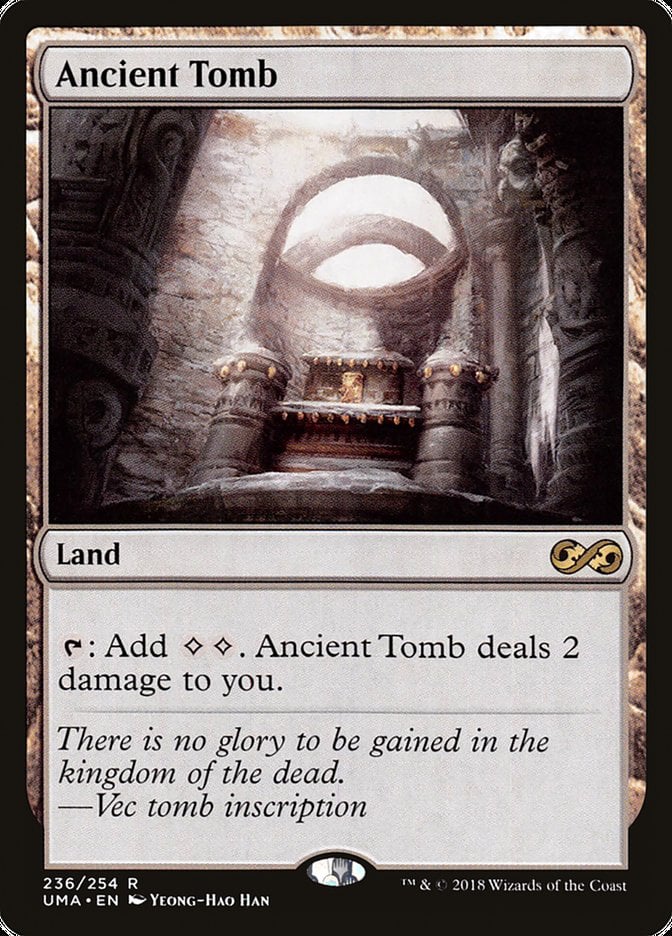
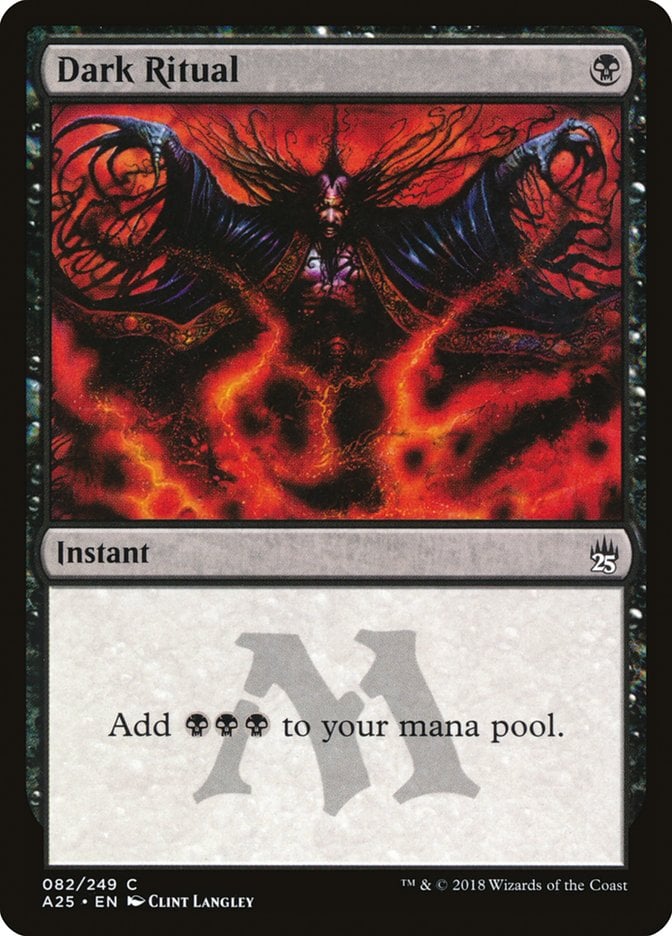
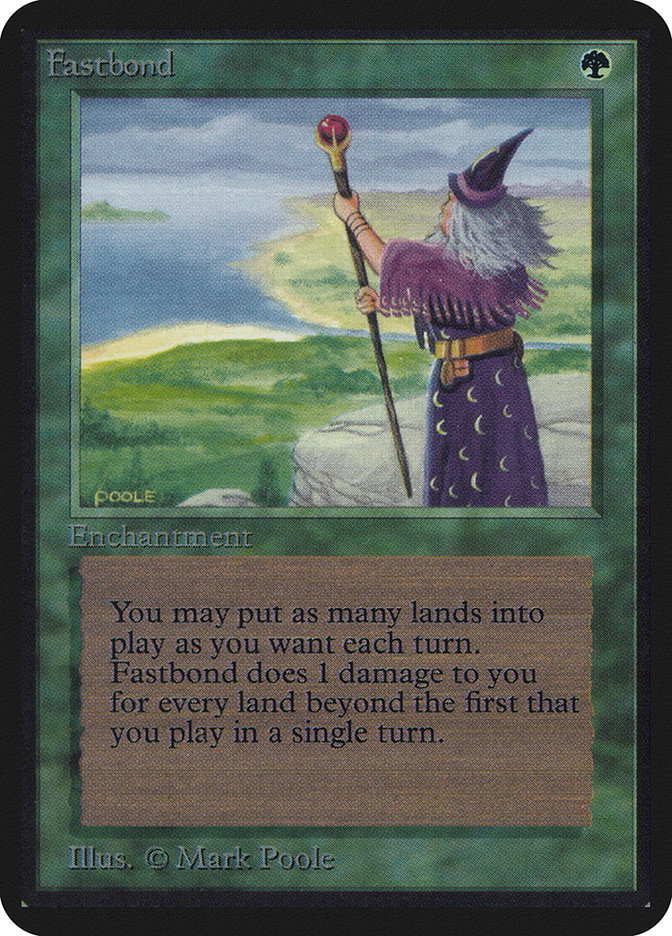
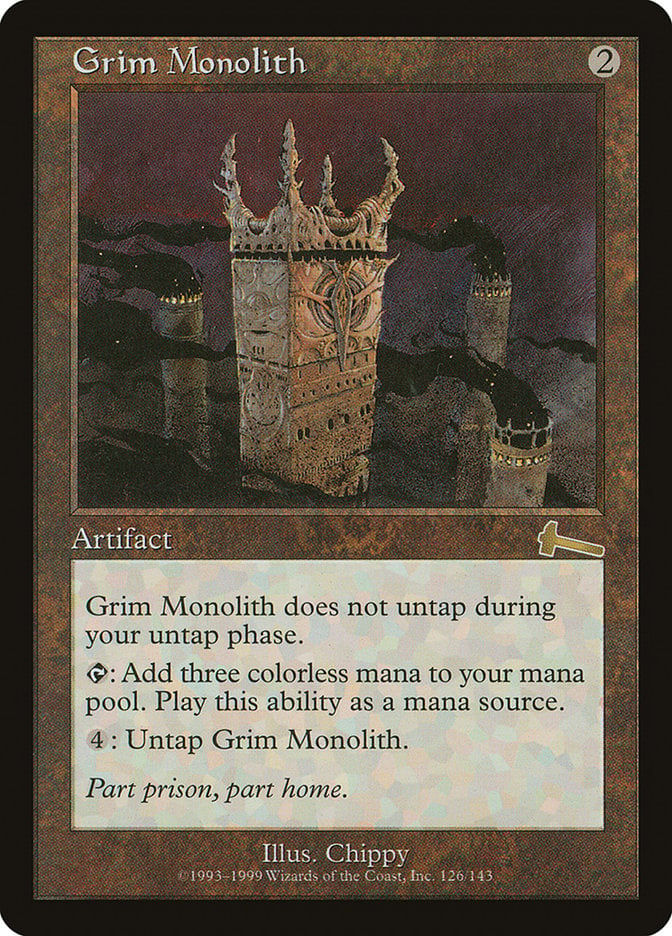
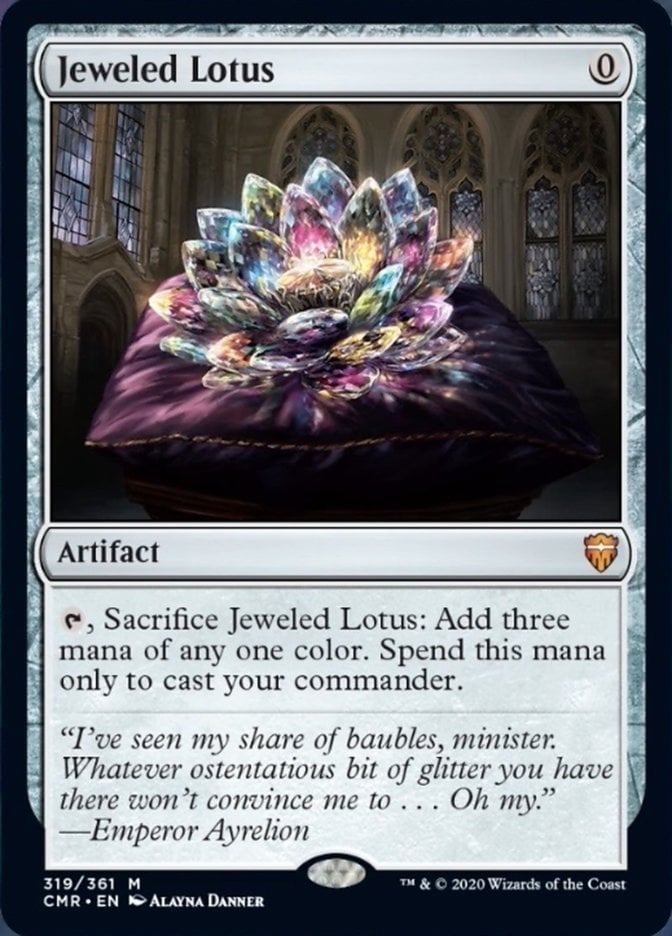
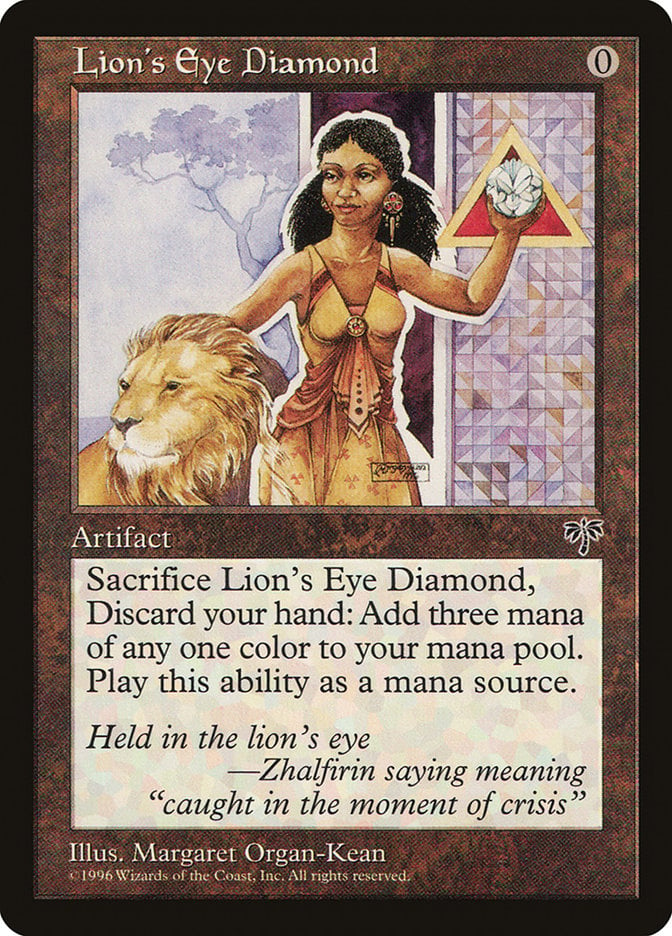
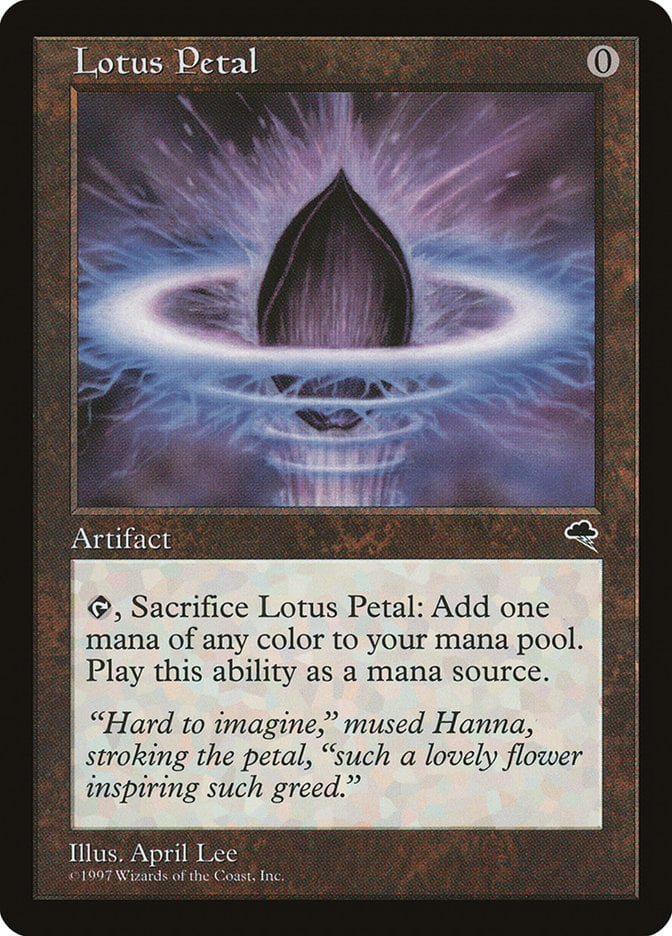
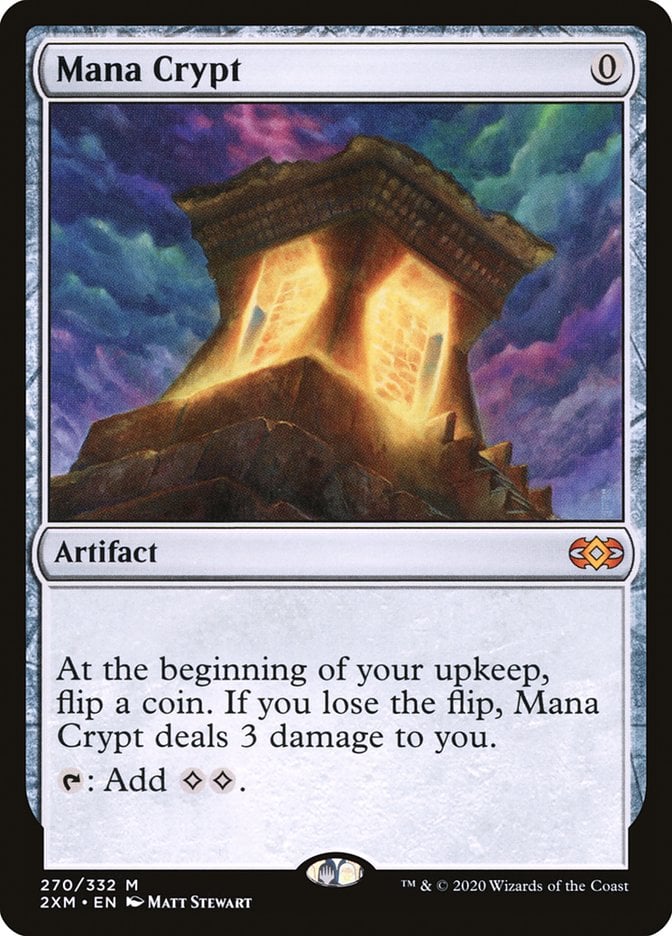
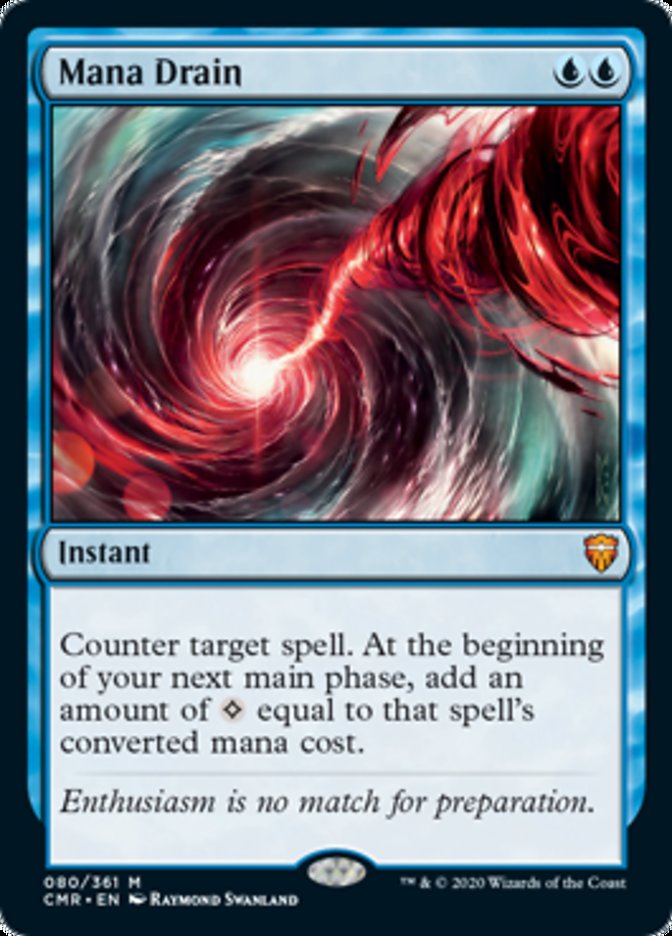
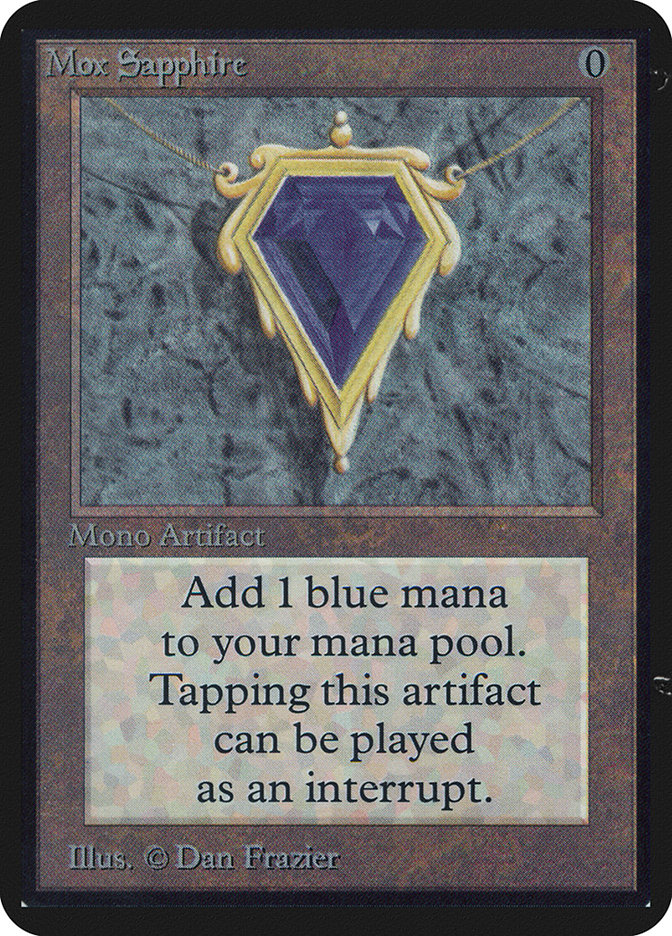
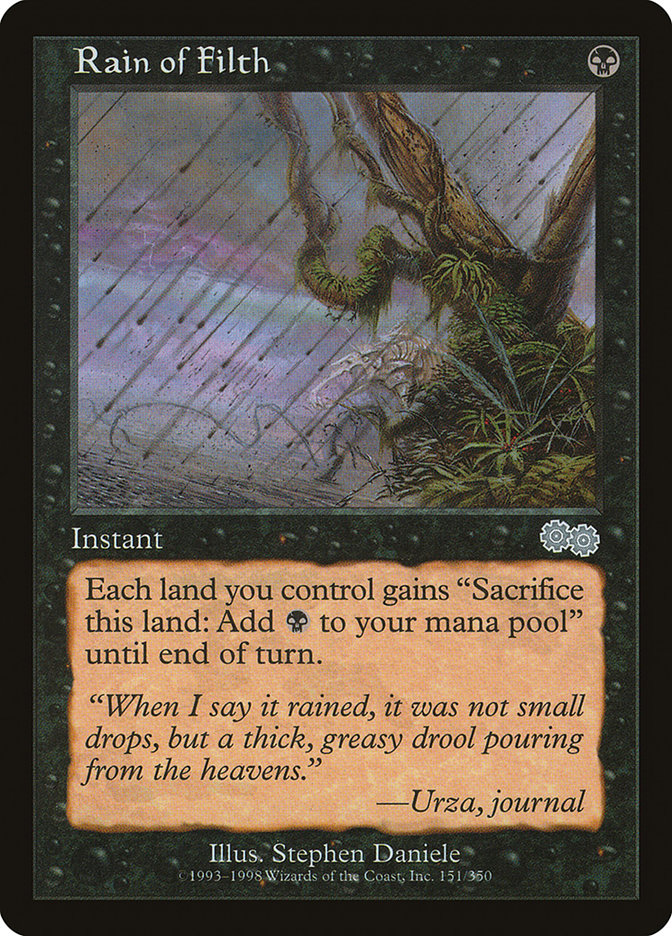
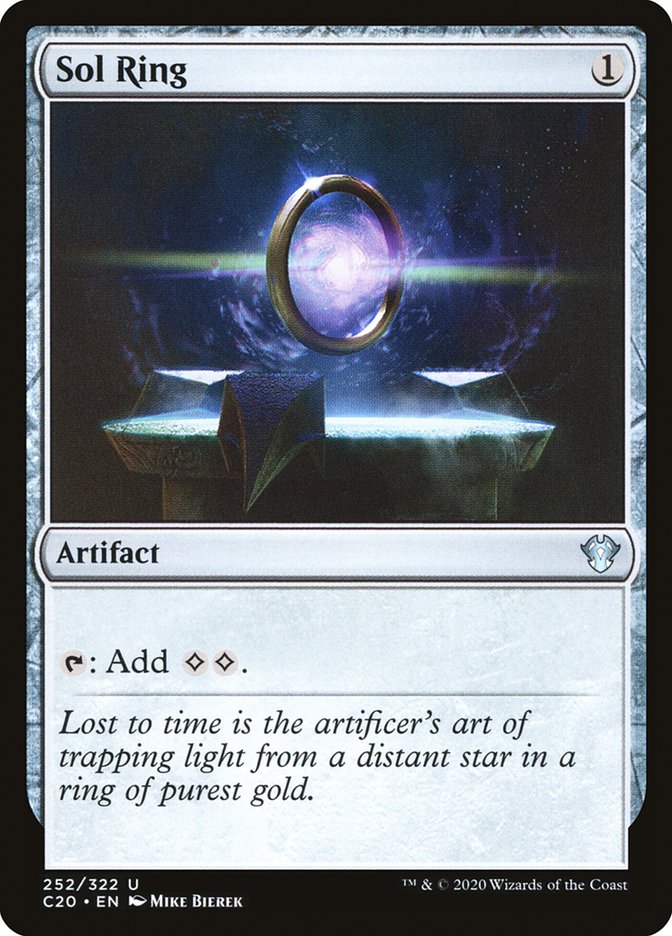
- Ancient Tomb
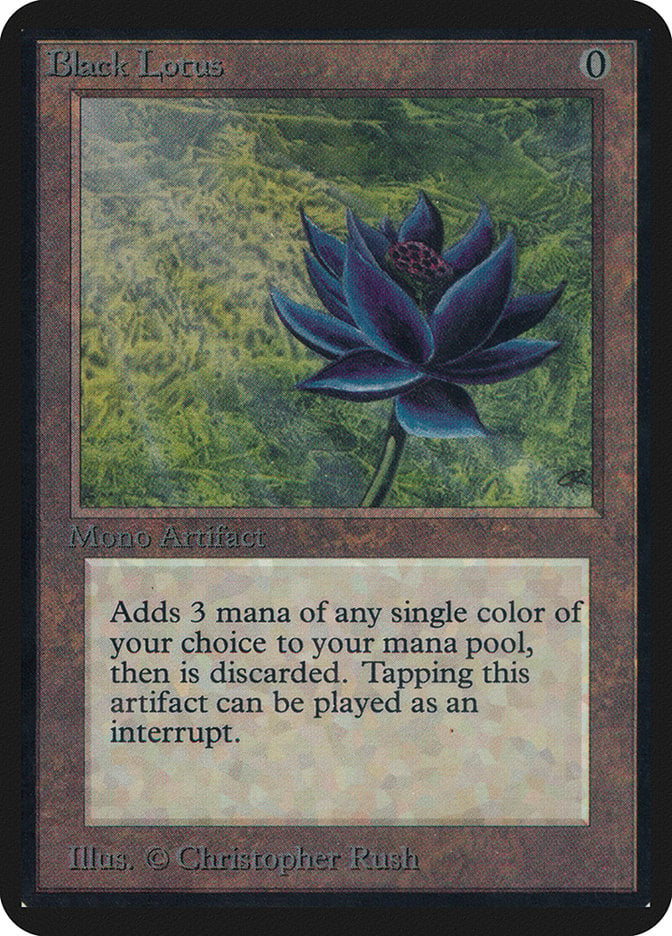
- Black Lotus
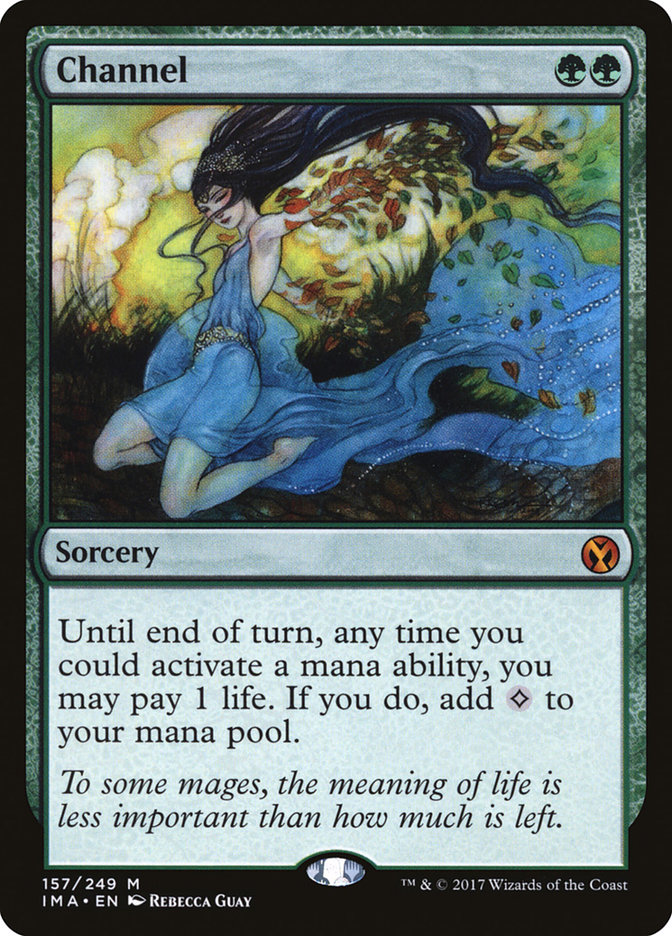
- Channel
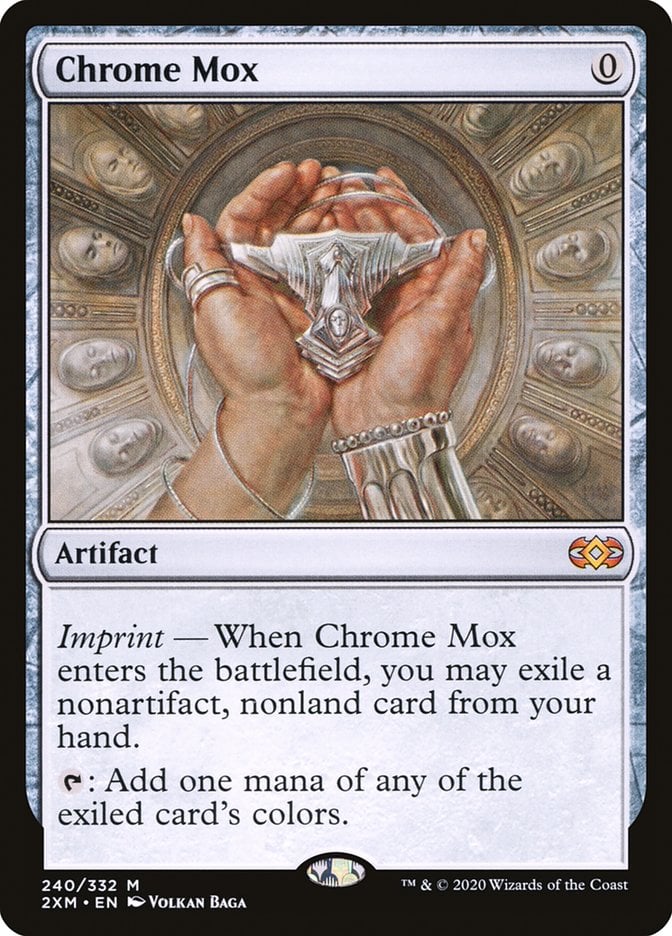
- Chrome Mox
- Dark Ritual
- Fastbond
- Grim Monolith
- Jeweled Lotus
- Lion's Eye Diamond
- Lotus Petal
- Mana Crypt
- Mana Drain
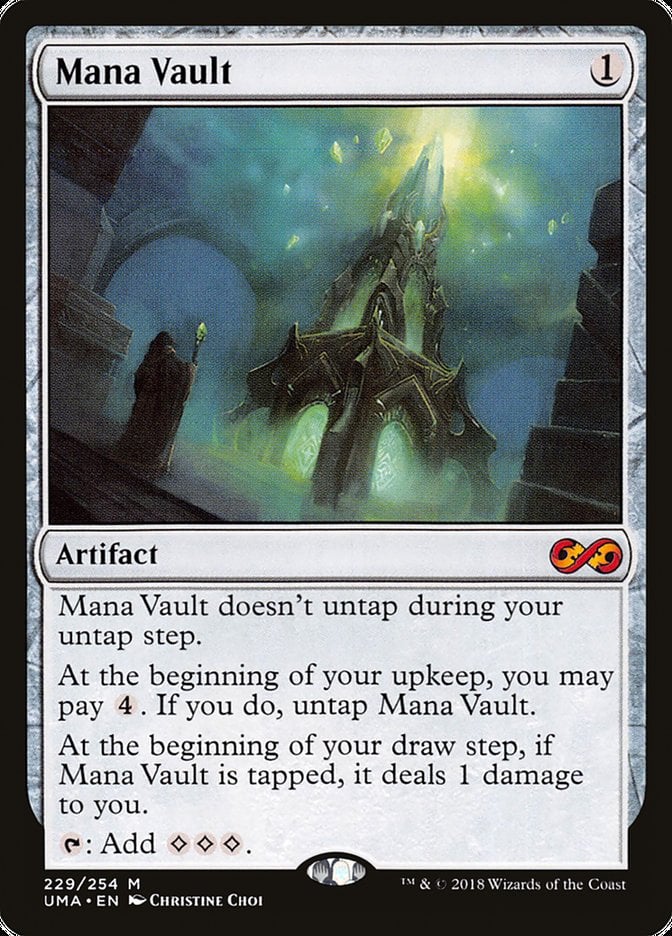
- Mana Vault
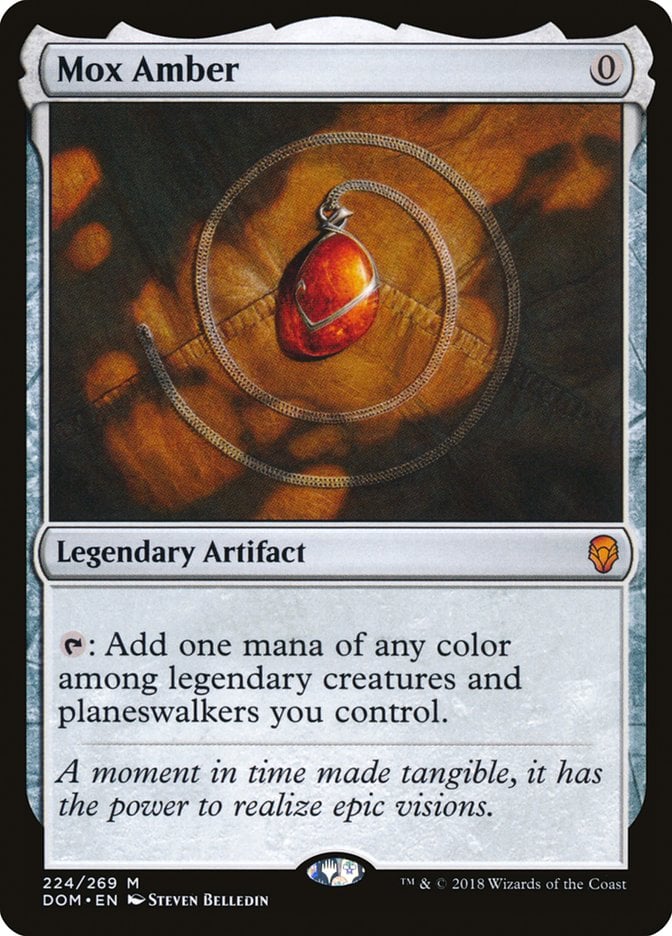
- Mox Amber
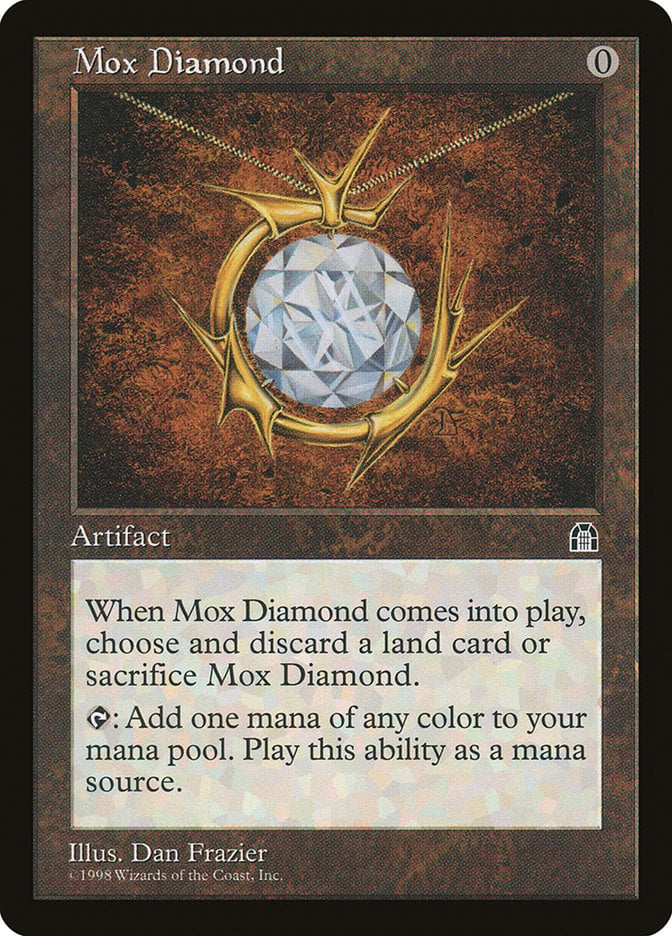
- Mox Diamond
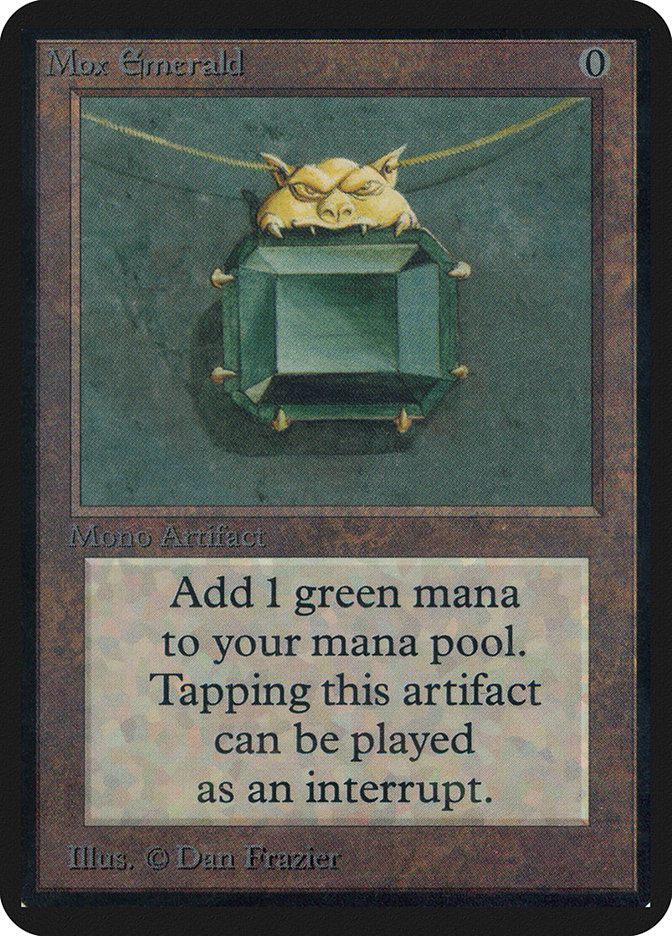
- Mox Emerald
- Mox Jet
- Mox Opal
- Mox Pearl
- Mox Ruby
- Mox Sapphire
- Rain of Filth
- Sol Ring
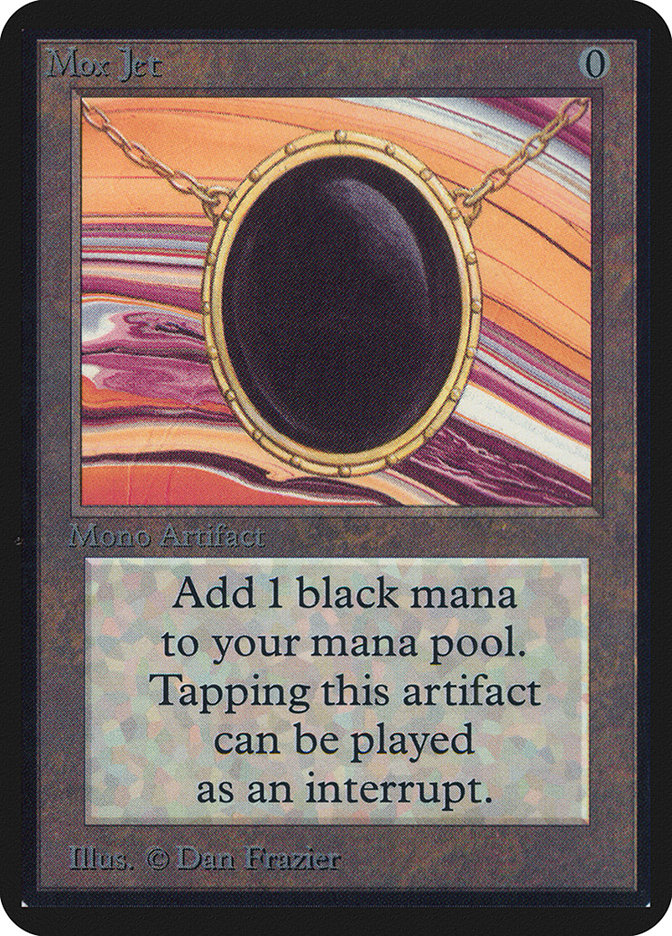
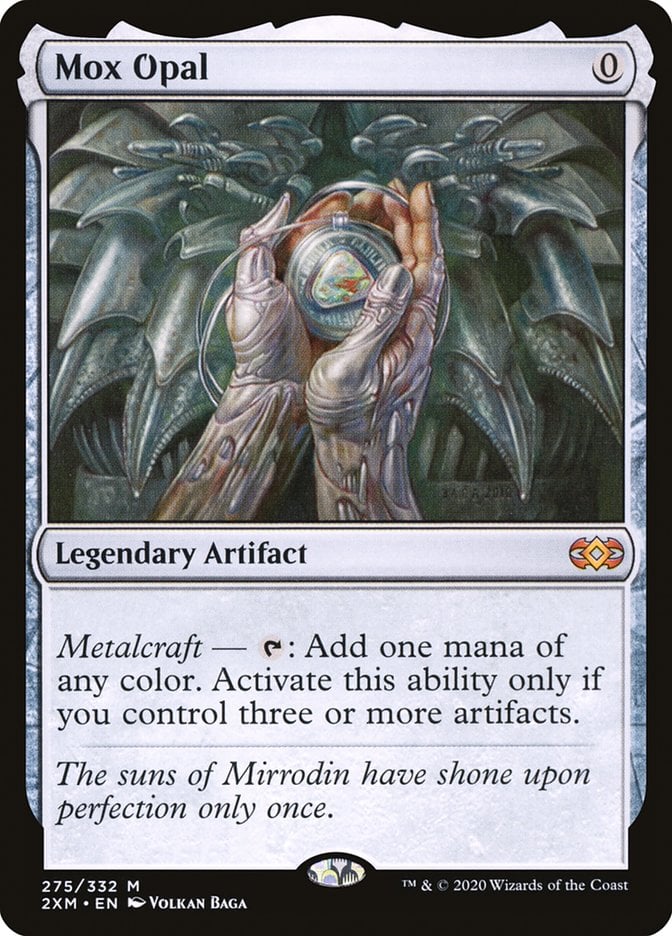
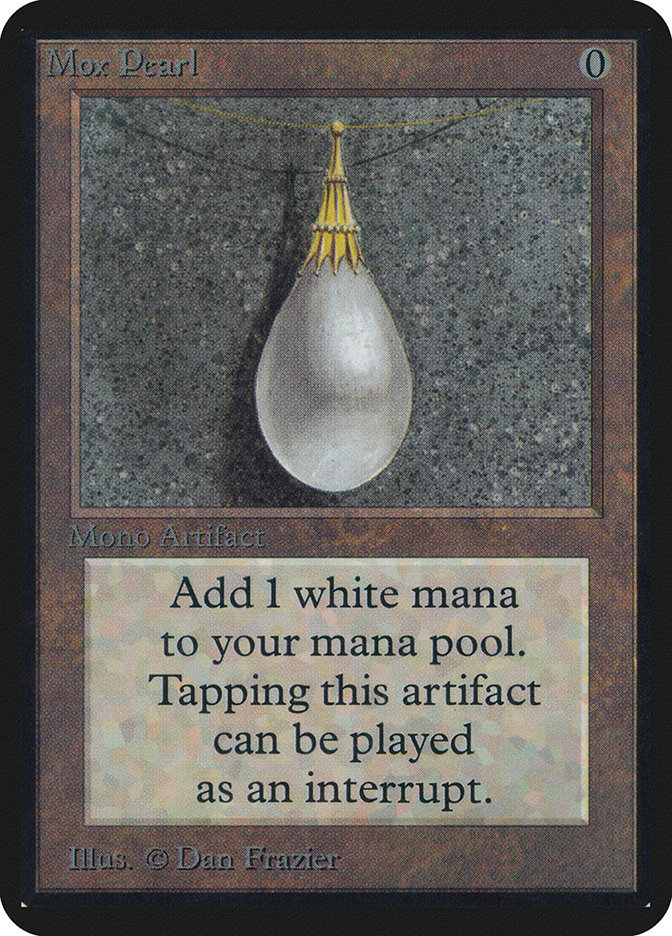
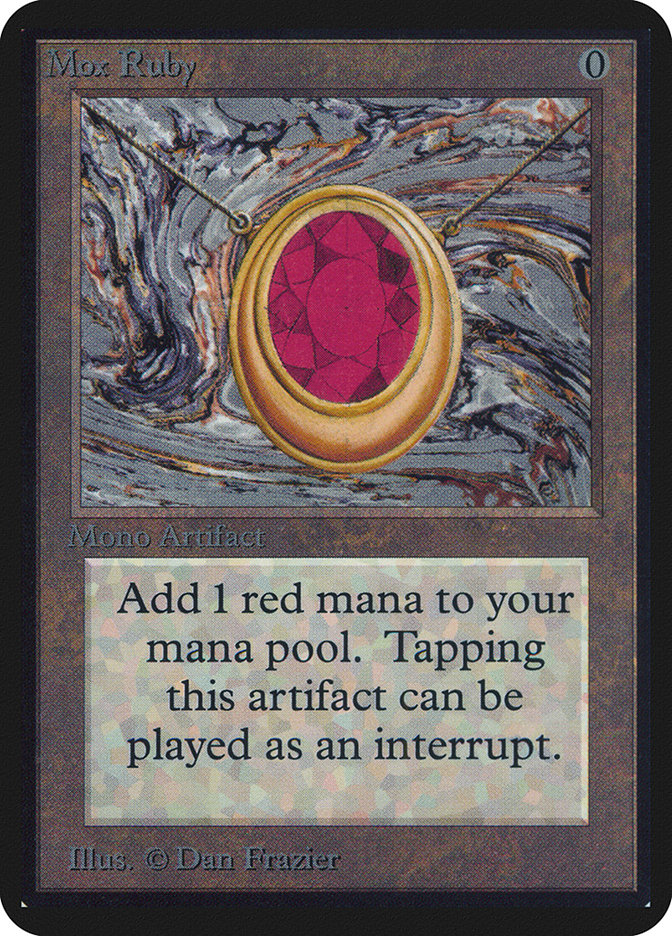
Duel Commander has a deep, dedicated banning of virtually every fast mana card in the format. This is one of the most distinct differences from regular EDH, because the EDH ban list allows certain fast mana cards like Sol Ring and Lion's Eye Diamond, but everything has been caught in Duel Commander.
Fast mana is so restricted because it introduces a ton of variance into the competitive format. A player who starts on Mana Crypt or Sol Ring is more likely to win the game by a huge margin for no reason beyond a lucky seven. At least in regular EDH three players can gang up on the one who’s super far ahead; Duel Commander lacks politics like that. As such, fast mana is banned to avoid non-games.
It’s also worth highlighting that some of these cards, including Lotus Petal, Lion's Eye Diamond, and Fastbond also enable incredibly powerful combos, which may be responsible for their bans.
Mana Disruption
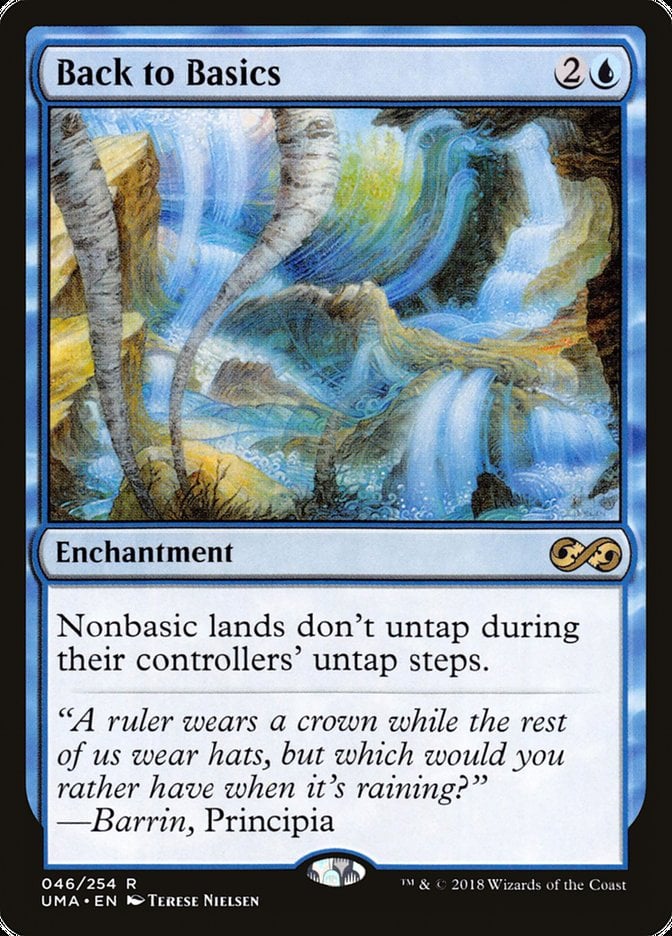
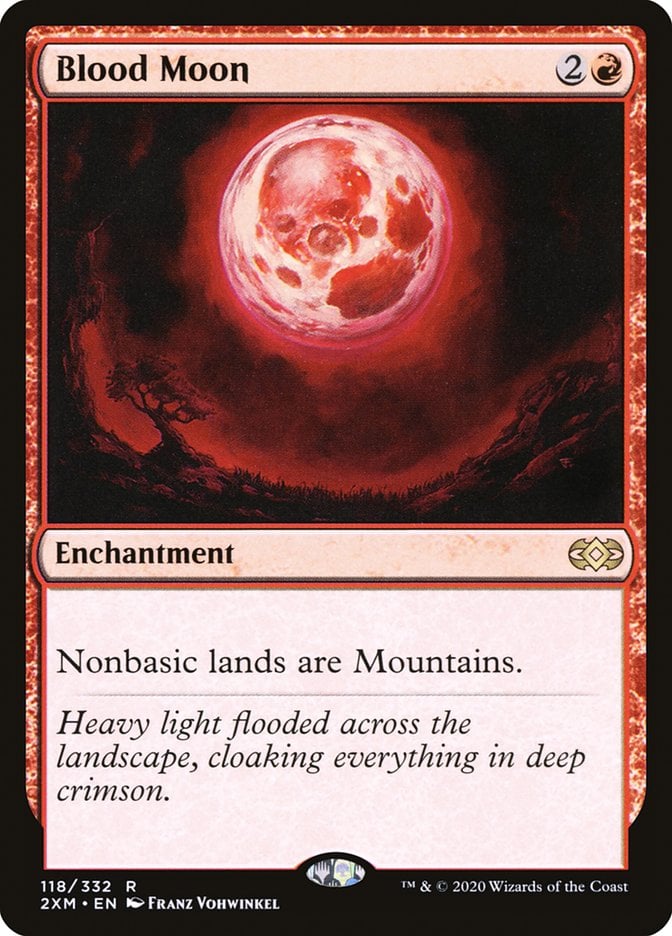
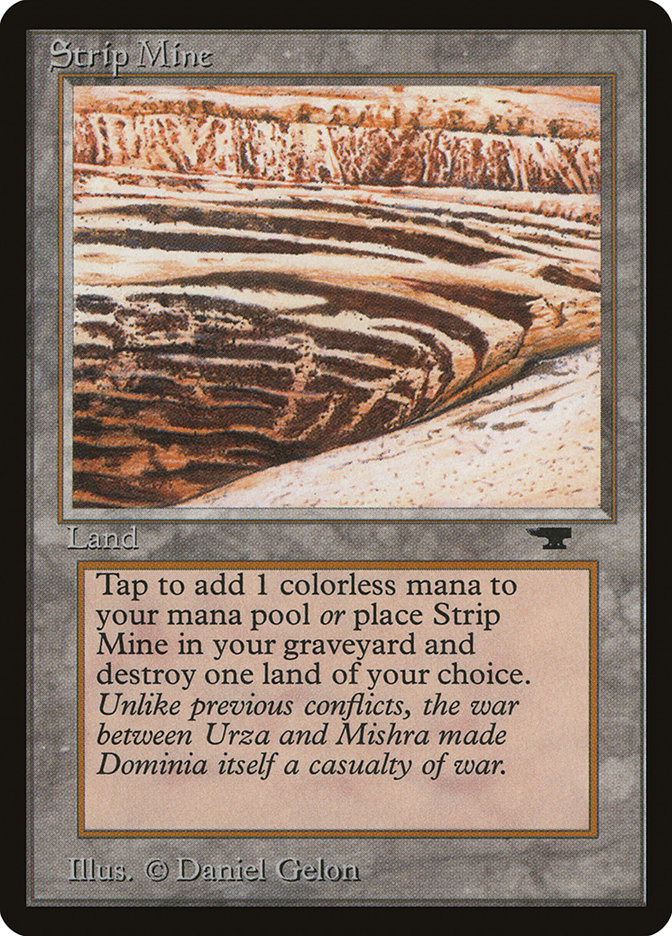
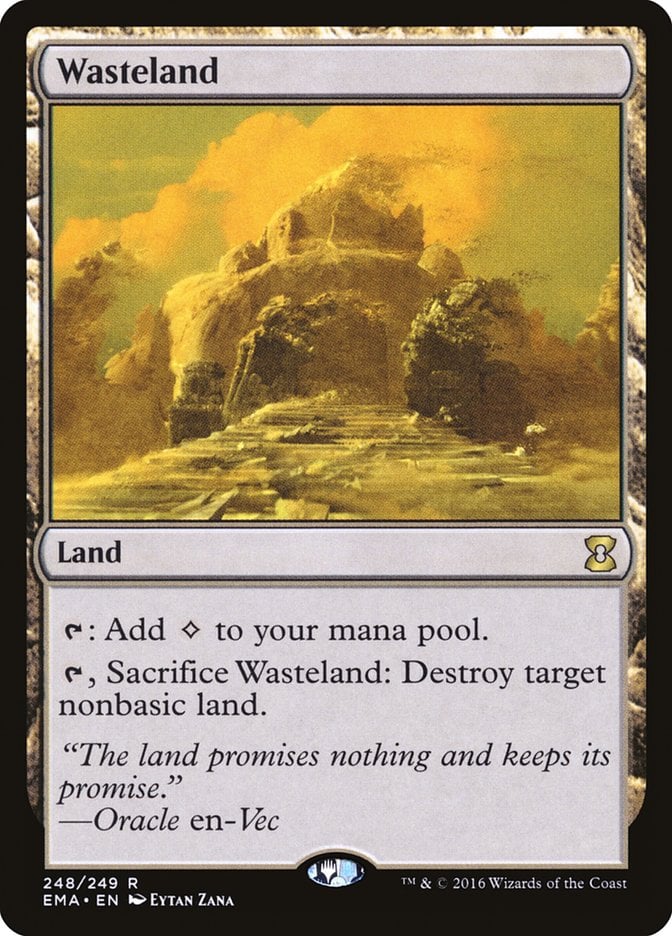
Many forms of mana disruption are banned in Duel Commander because they lead to uninteresting non-games: Landing a Blood Moon or drawing a timely Strip Mine makes it much harder for one player to participate in the game.
Notably, not every form of mana disruption is banned. Magus of the Moon and Harbinger of the Seas are legal, as it’s much easier to interact with a 2/2 creature than an enchantment. You can just tap your Hallowed Fountain for Swords to Plowshares while the creatures are on the stack.
Game-Warping Lands
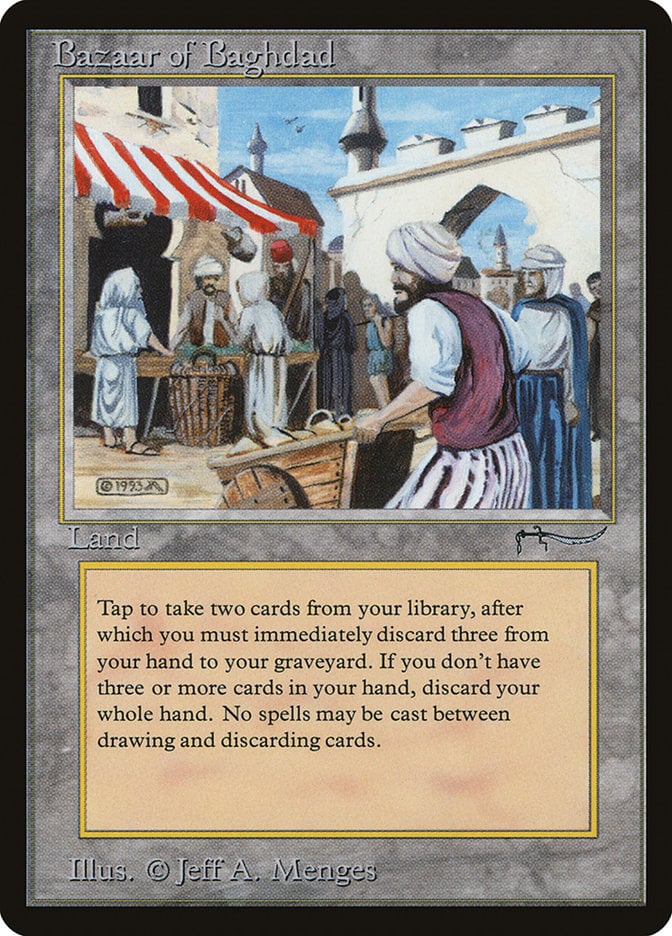
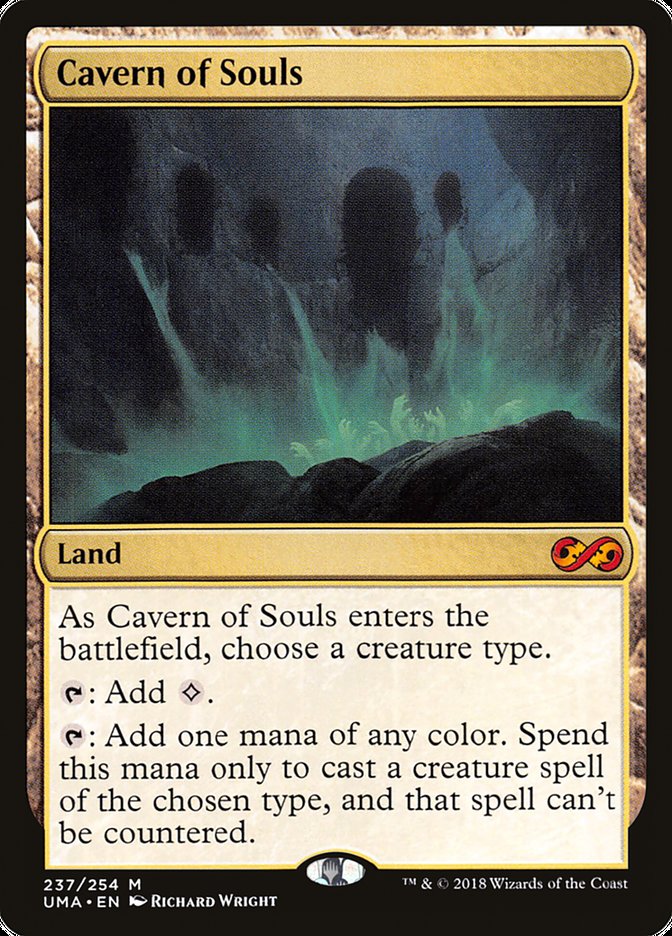
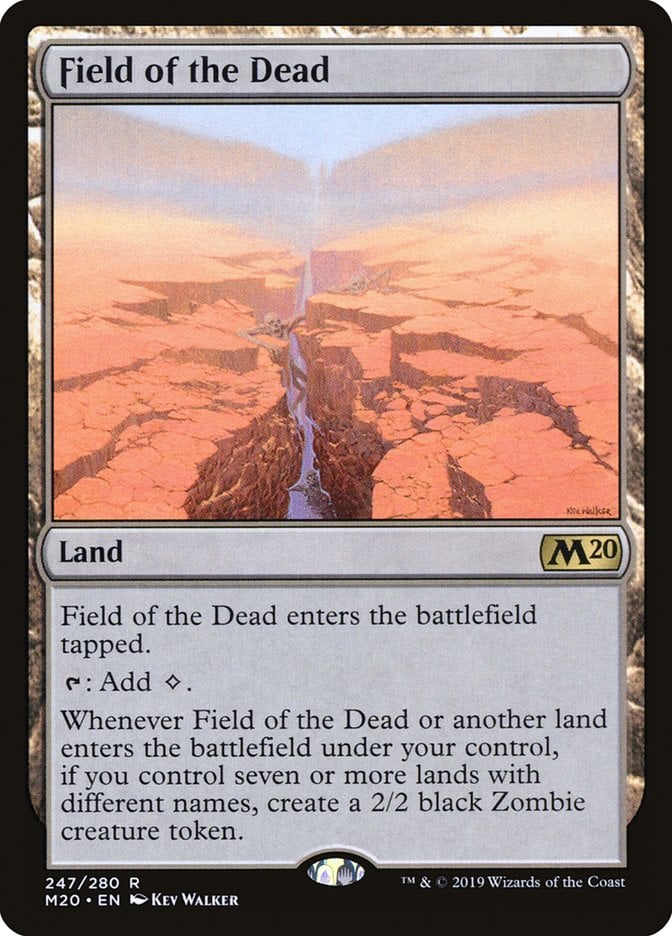
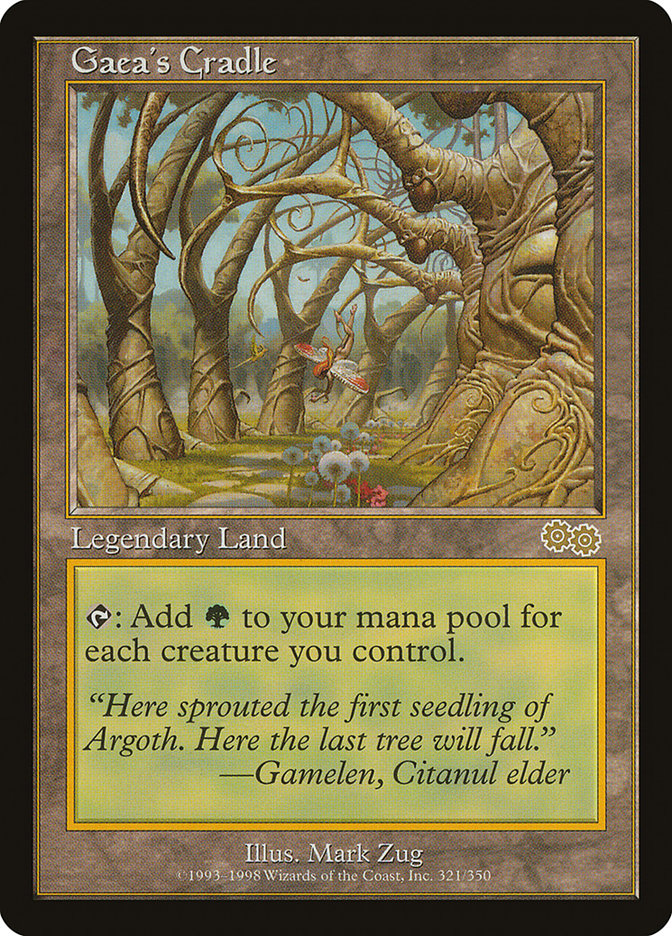
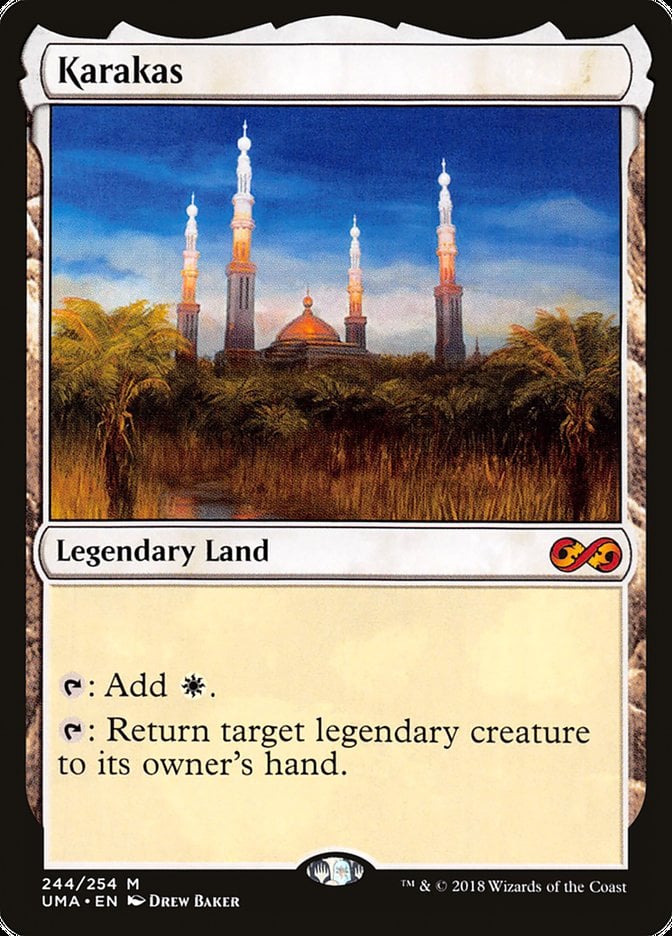
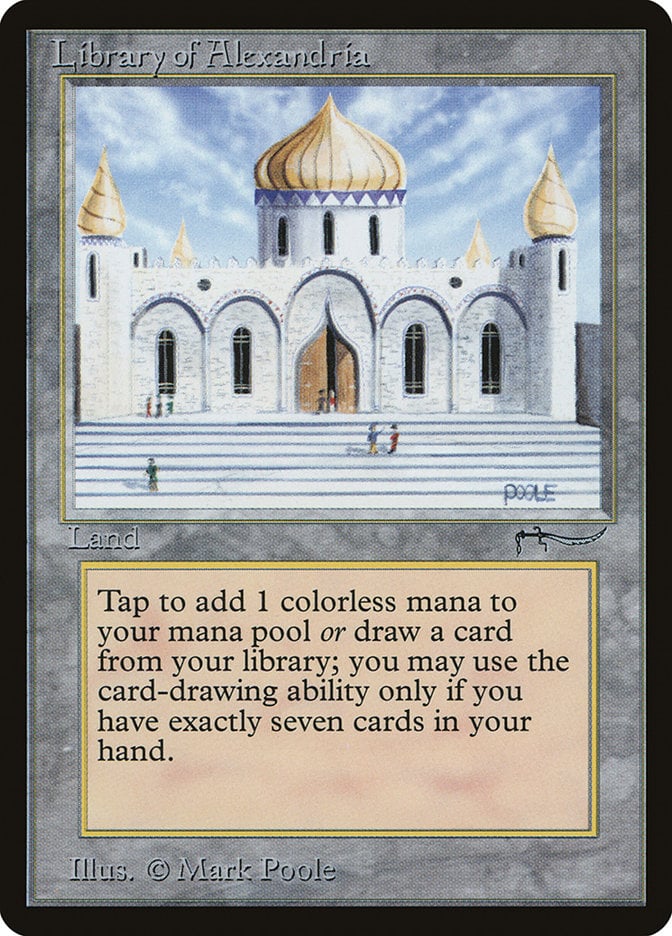
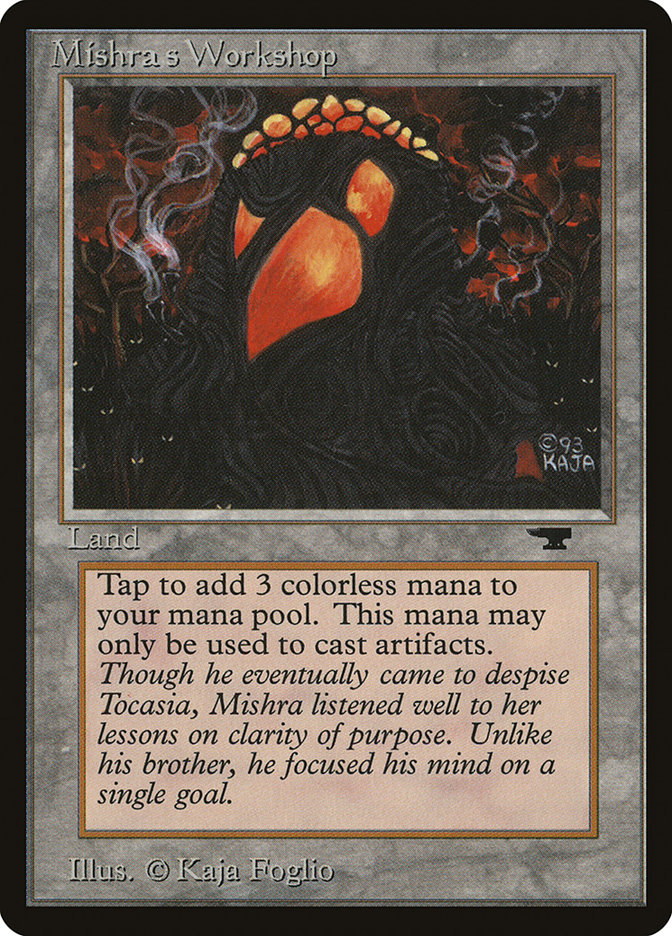
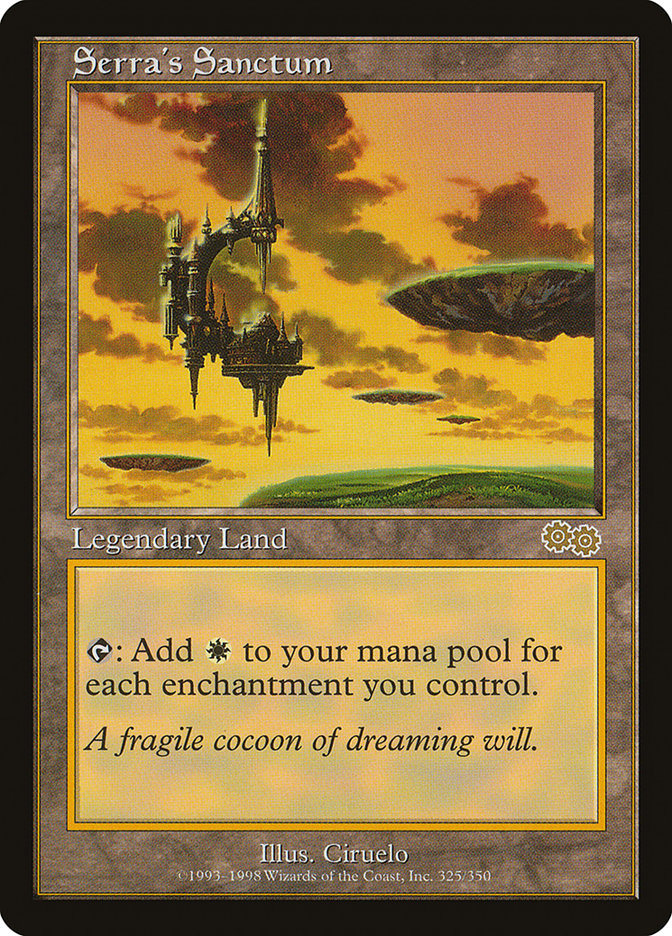
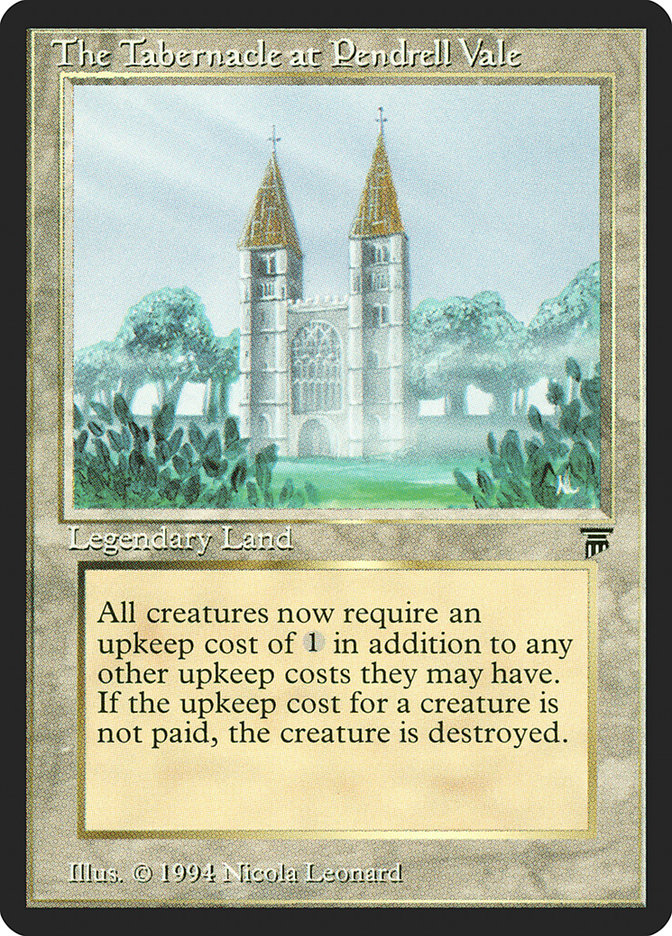
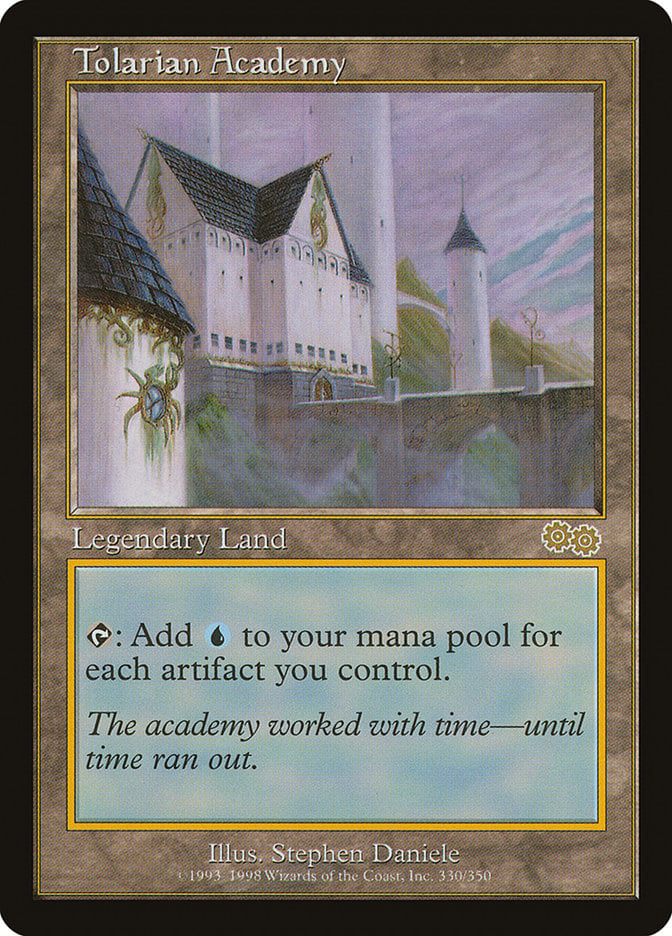
- Bazaar of Baghdad
- Cavern of Souls
- Field of the Dead
- Gaea's Cradle
- Karakas
- Library of Alexandria
- Mishra's Workshop
- Serra's Sanctum
- The Tabernacle at Pendrell Vale
- Tolarian Academy
Many of these cards are familiar flyers on many banned lists because they offer immense value at literally no cost because you can play them as lands. Playing any one of these provides an immense advantage, and tutors like Crop Rotation and Expedition Map ensure that you can find them with nearly no issue.
While many of these are almost universally banned, like Tolarian Academy and Library of Alexandria, Cavern of Souls is pretty unique to Duel Commander, but it makes sense. It echoes the idea of fast mana bans to prevent non-games because one player gets lucky enough to draw Sol Ring: Playing Cavern of Souls invalidates entire hands, creating a similar, though less common kind of non-game.
Cheap Extra Turn Spells
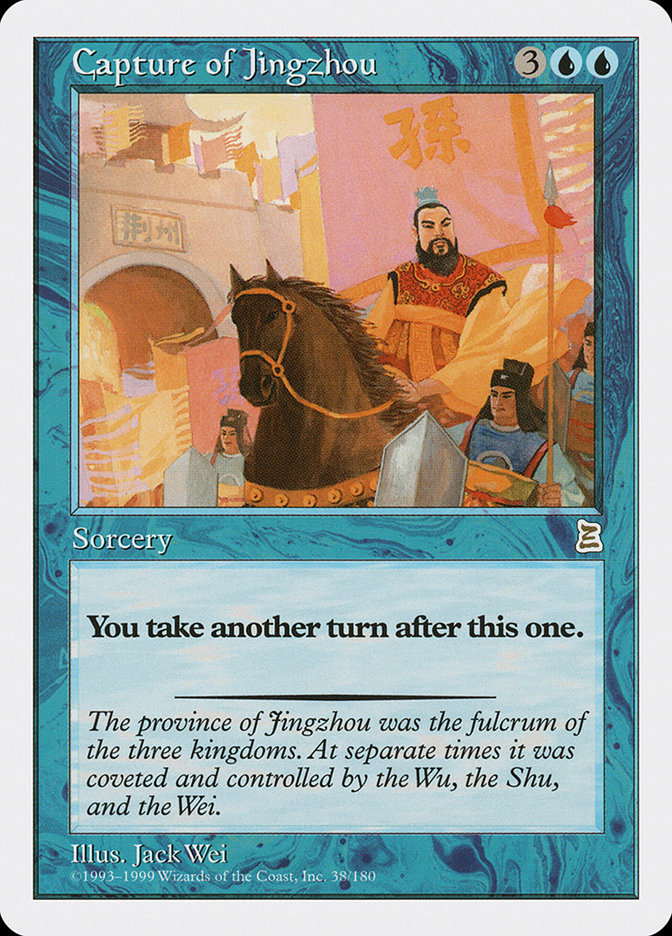
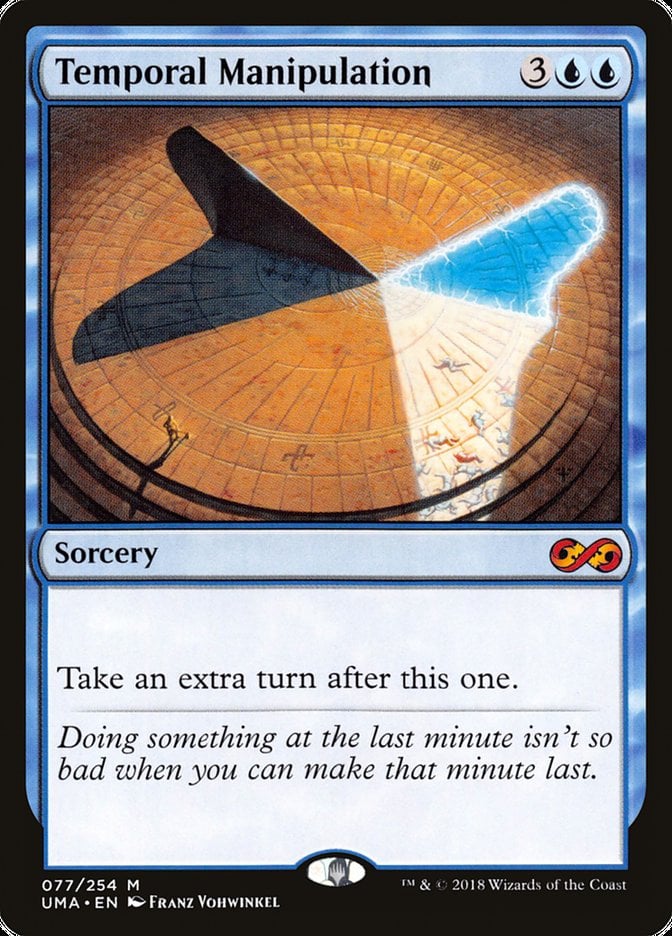
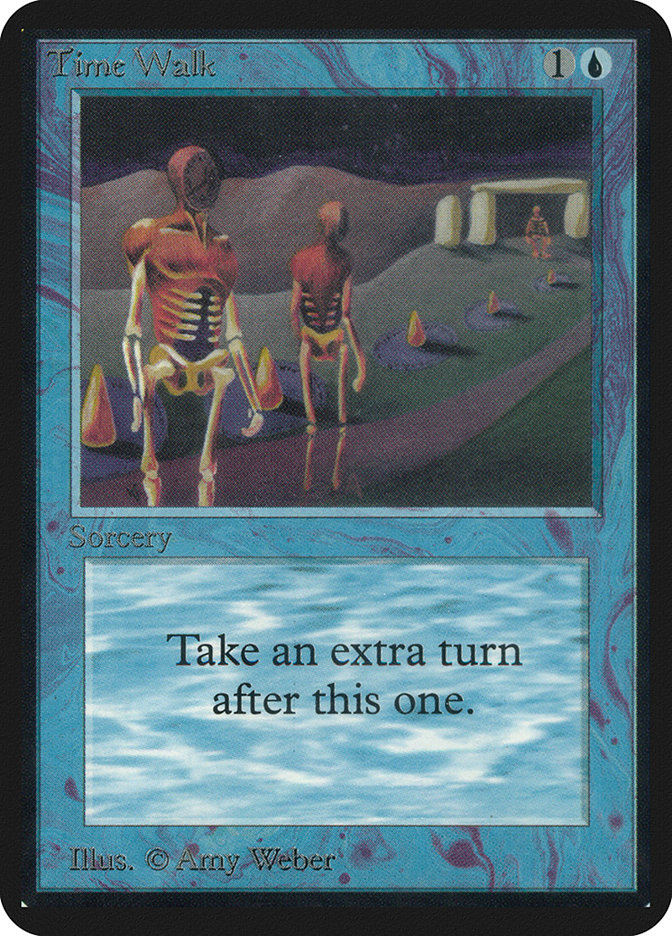
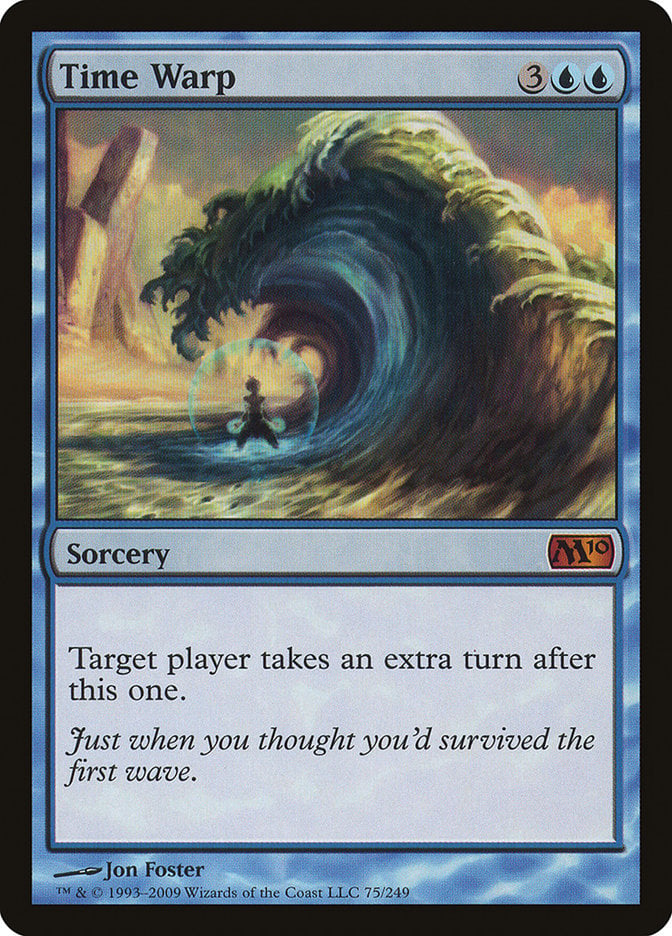
Time Walk is basically always banned, but the 5-mana editions rarely catch bans. The main reason they’re gone is for quality of life—it takes a very long time to resolve an extra turn, and these don’t exile themselves, so you can easily chain them.
Combo Cards
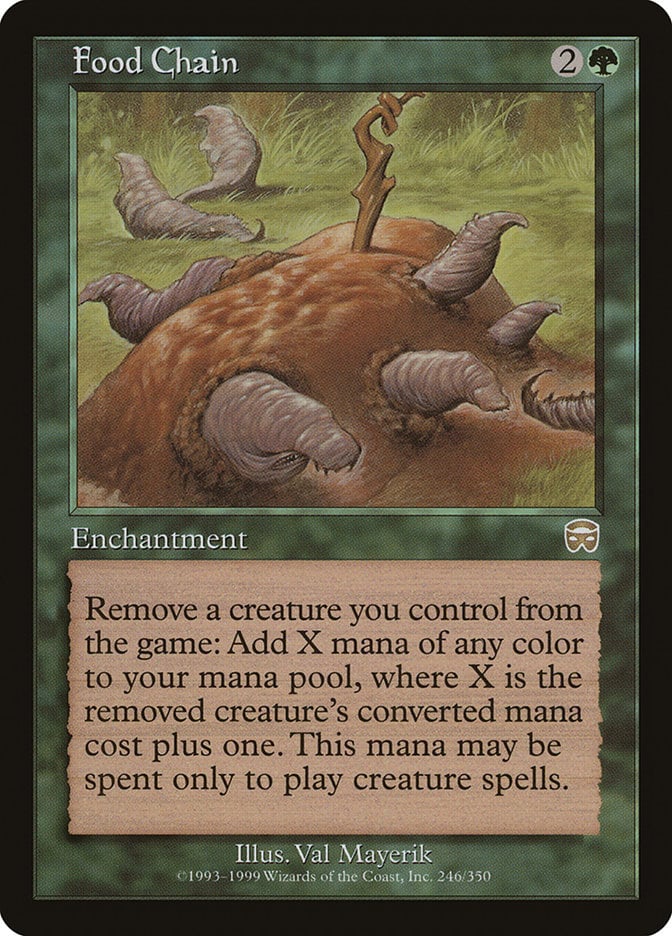

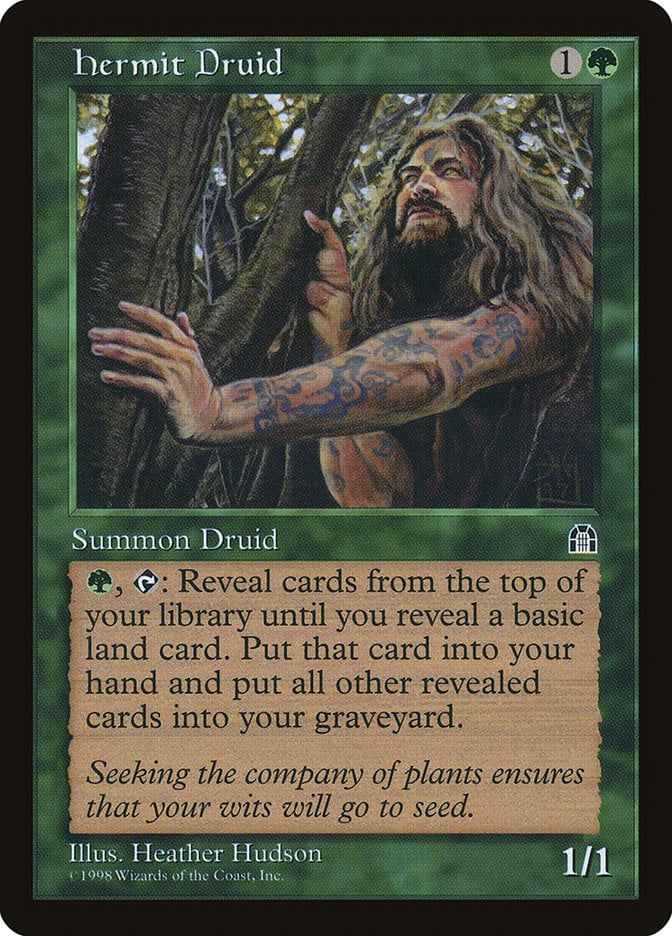
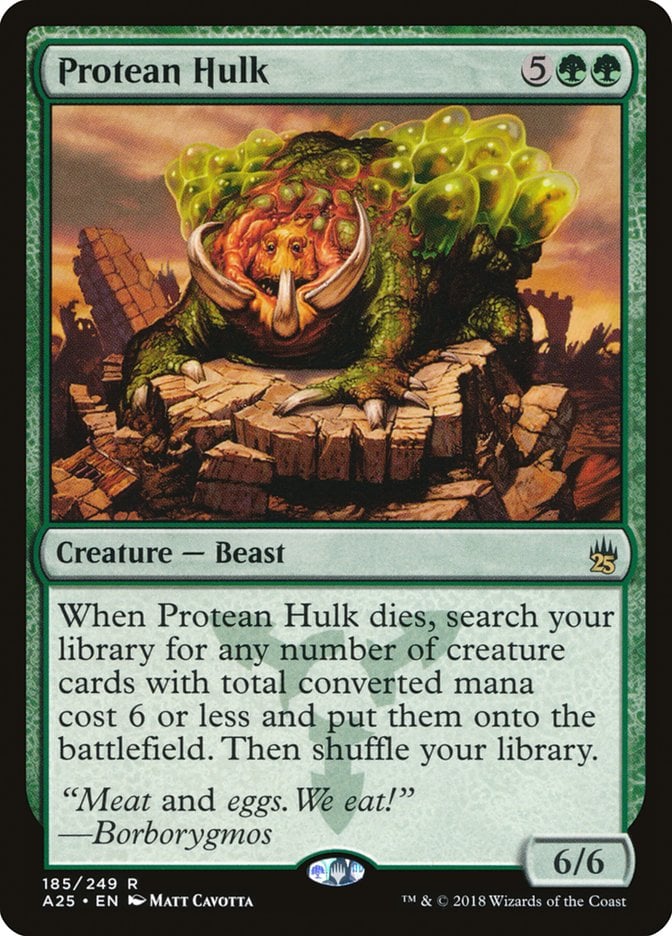
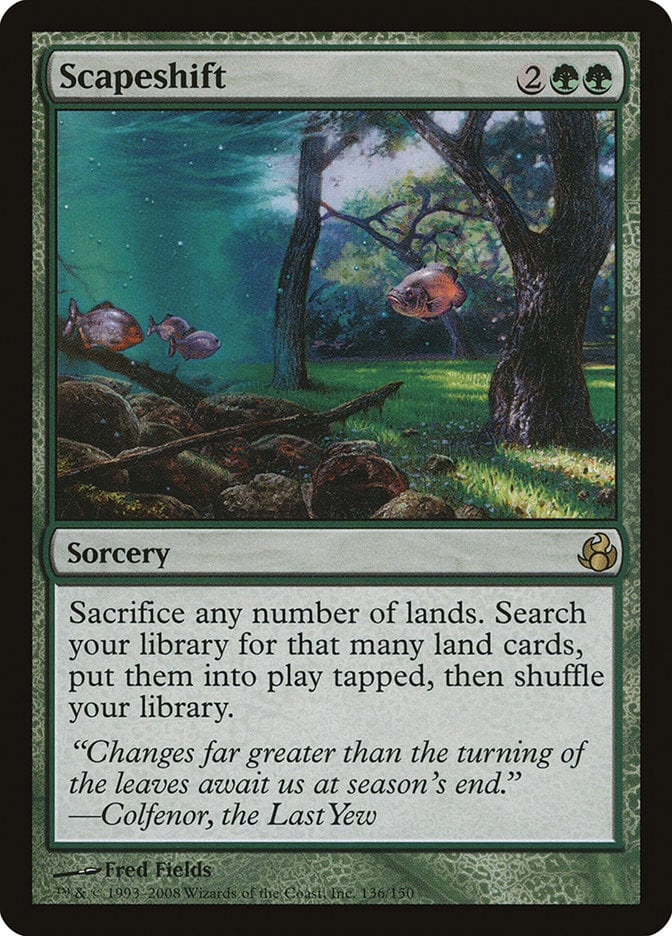
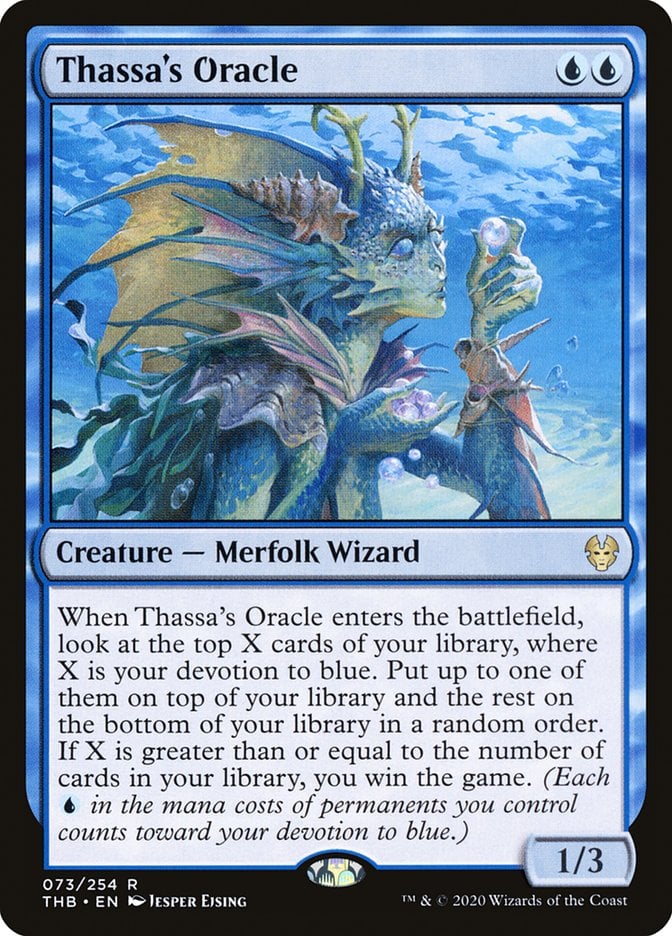
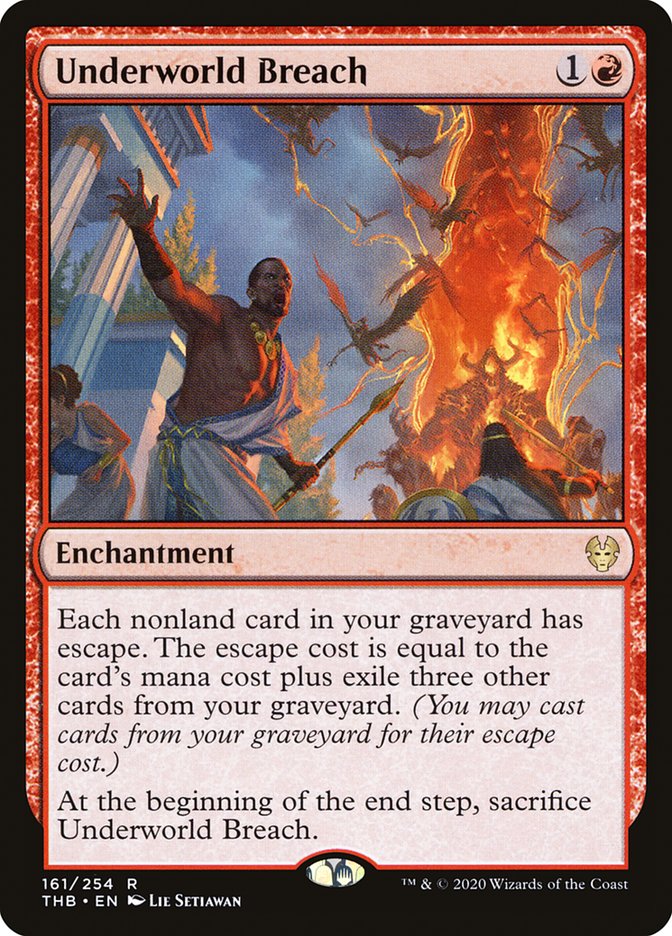
These cards don’t necessarily work together, but they’re all ban-worthy on the similar axis that they enable incredibly powerful combos, either by themselves, as part of an engine, or as a win condition. These bans keep the combo decks in check.
Power Outliers
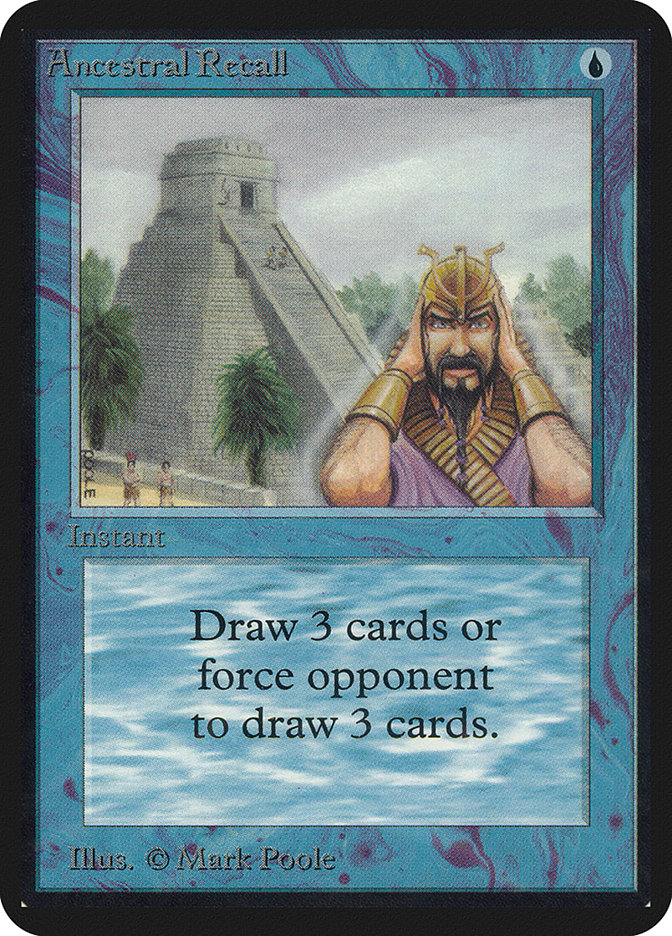


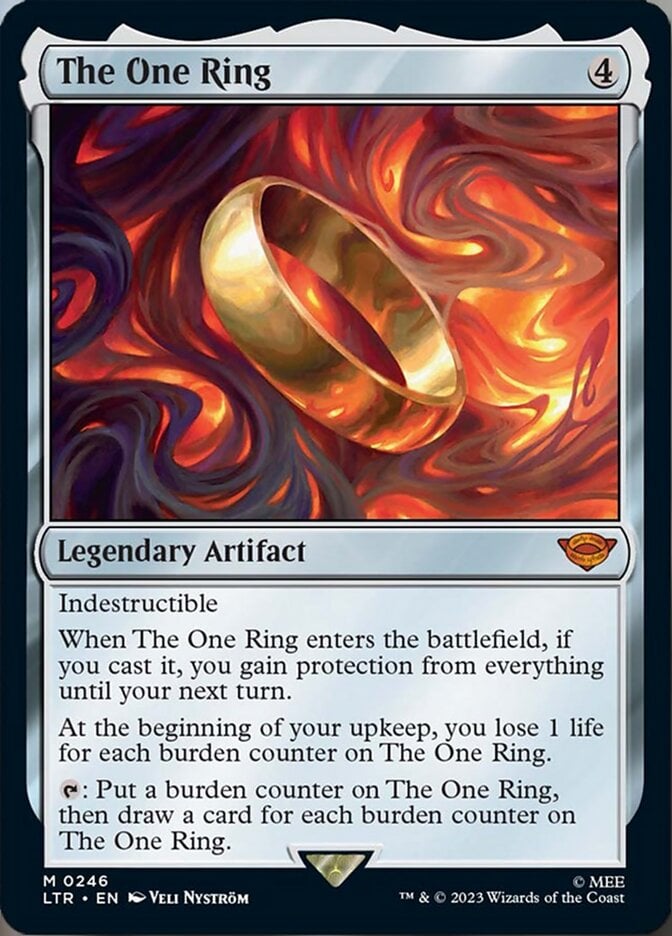
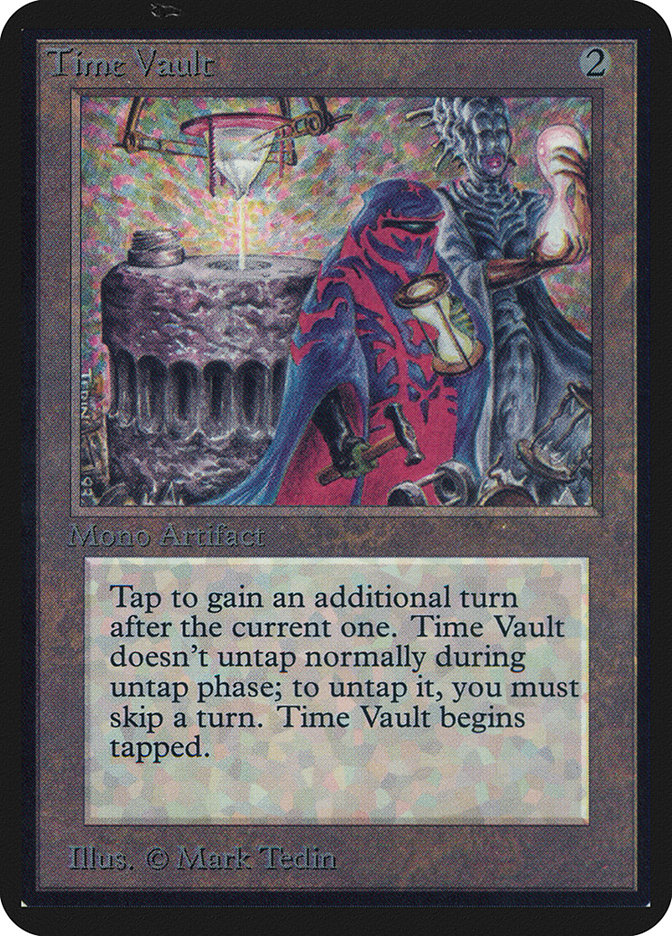
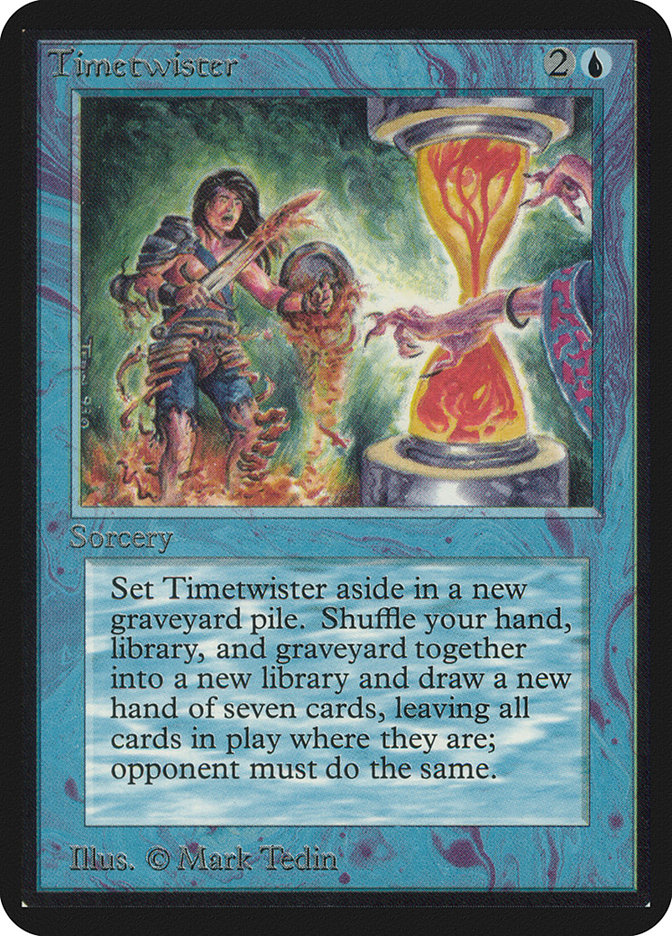
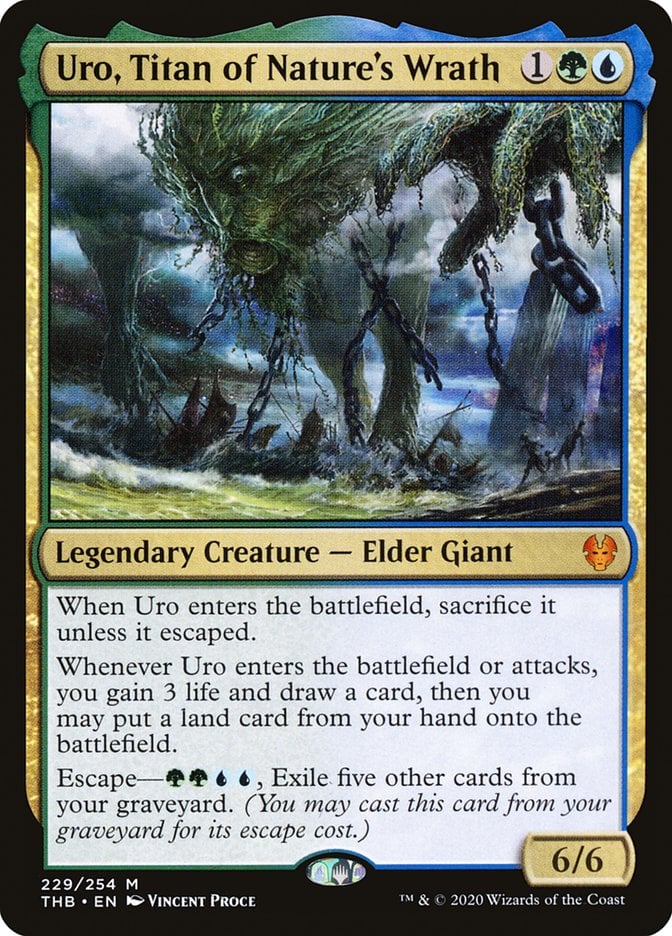
- Ancestral Recall
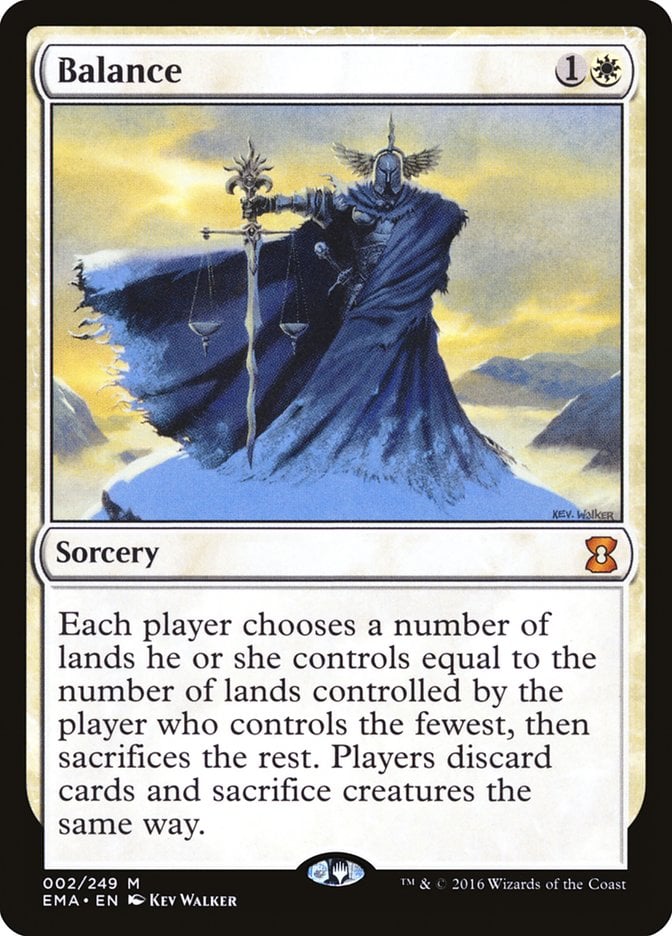
- Balance
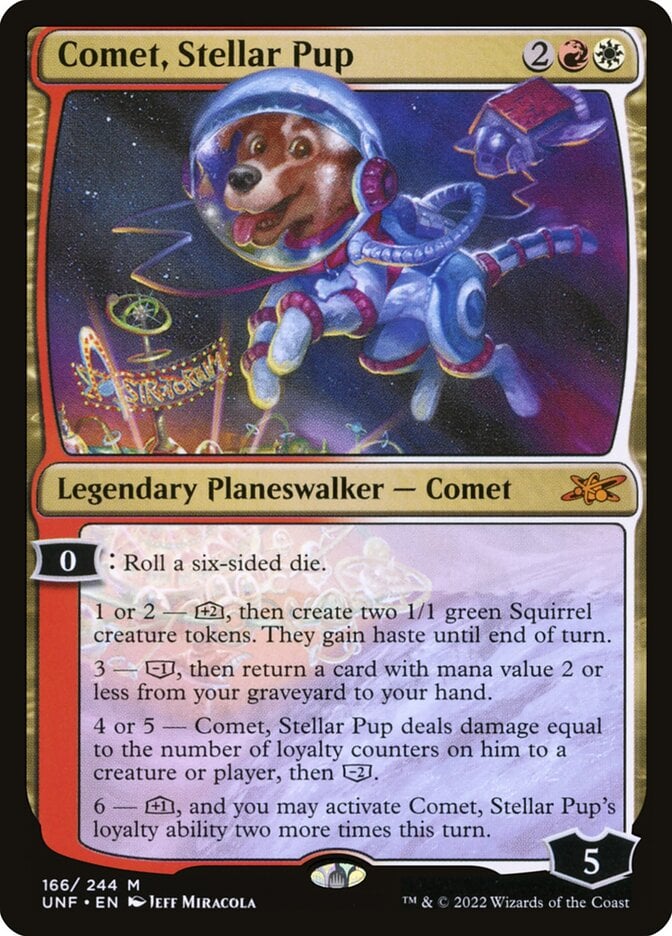
- Comet, Stellar Pup
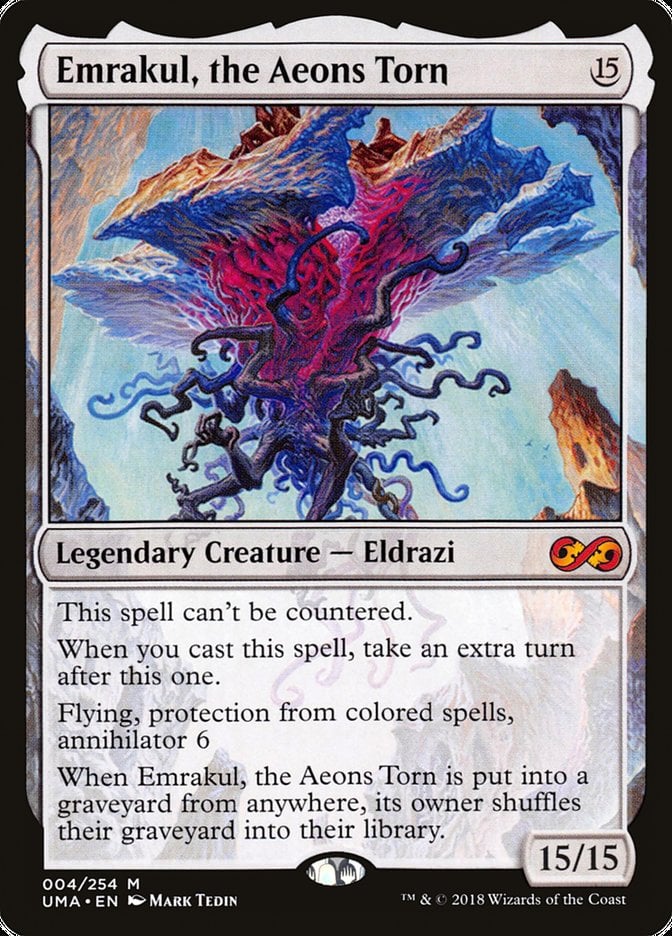
- Emrakul, the Aeons Torn
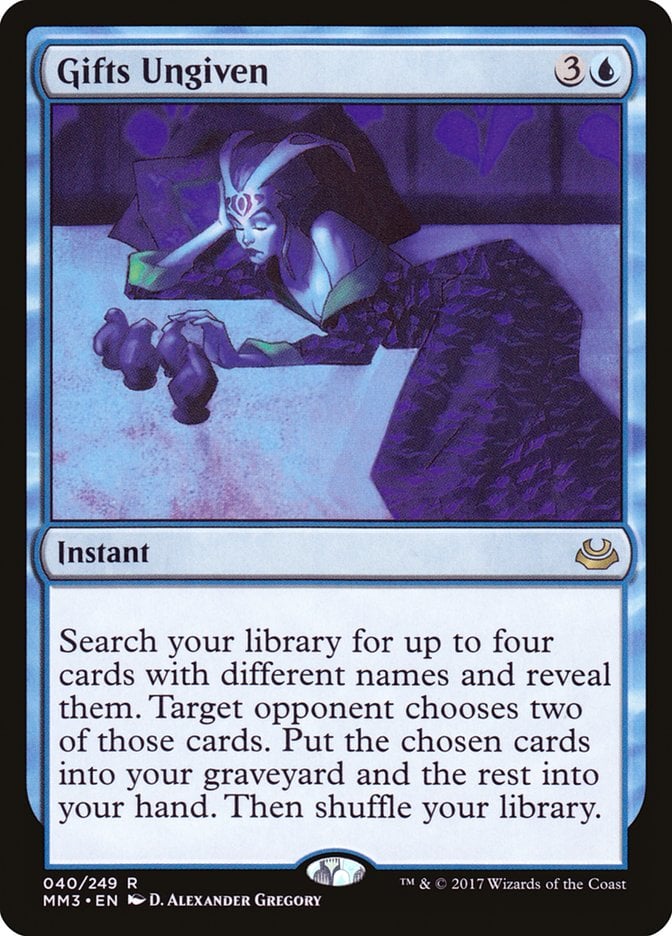
- Gifts Ungiven
- Humility
- Invert Polarity
- Maddening Hex
- Nadu, Winged Wisdom
- Ragavan, Nimble Pilferer
- Sensei's Divining Top
- The One Ring
- Time Vault
- Timetwister
- Uro, Titan of Nature's Wrath
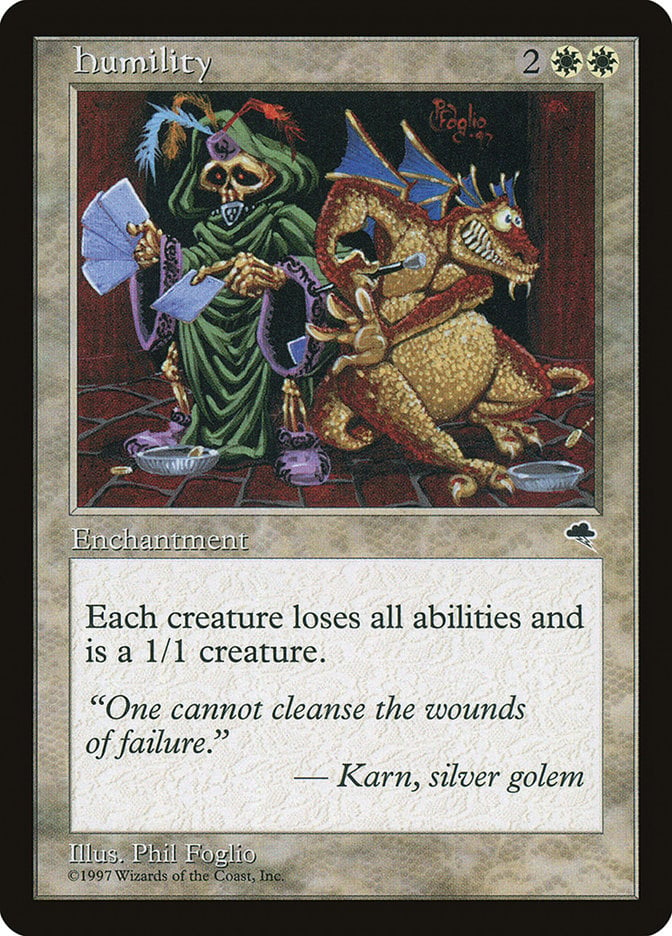
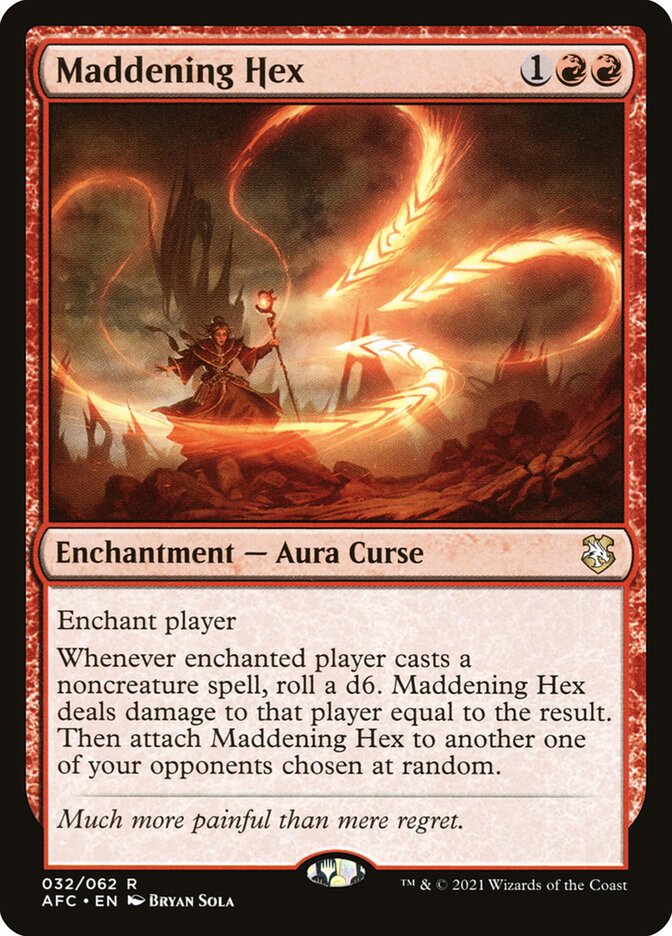
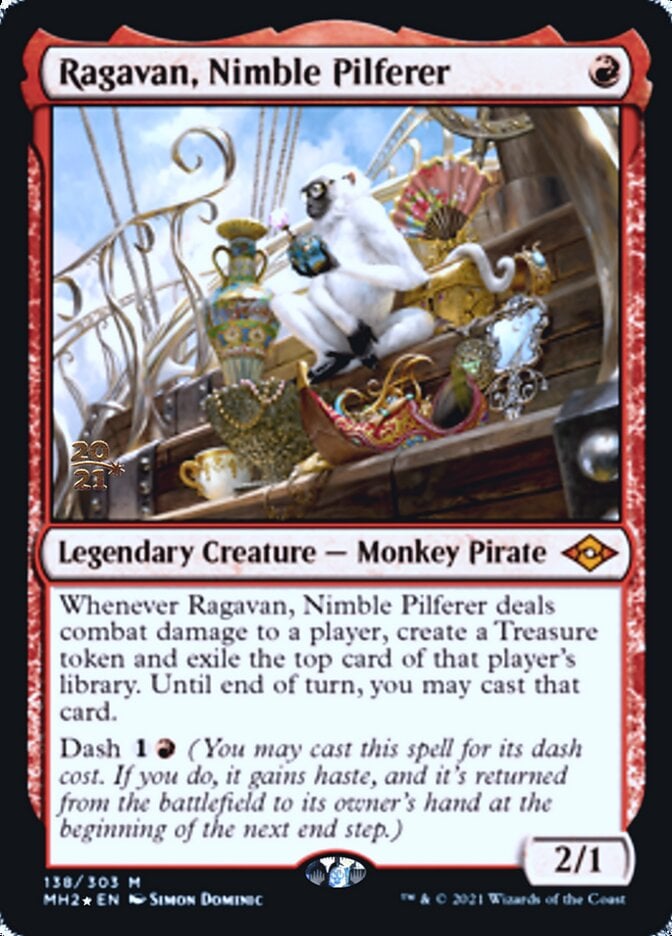
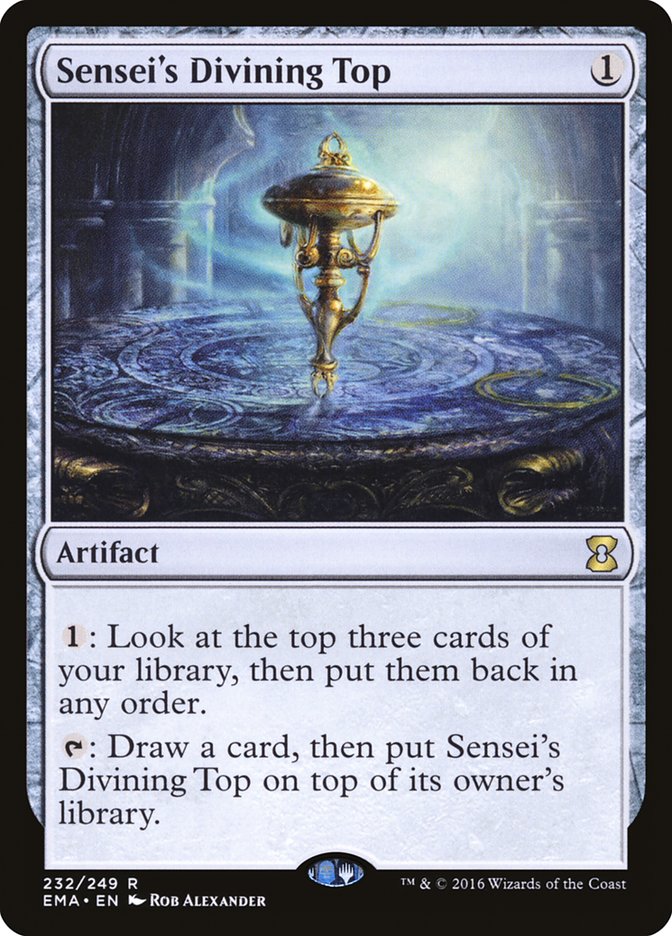
Some cards are banned because a format’s overseers have an idea of its flavor and they want to sculpt a certain gameplay experience. And some of them are just plain broken, which is where these cards come in. They aren’t all on quite the same power level, but they’re all similarly banned because they’re just very strong and very annoying to play against.
Hyper-Efficient Cards
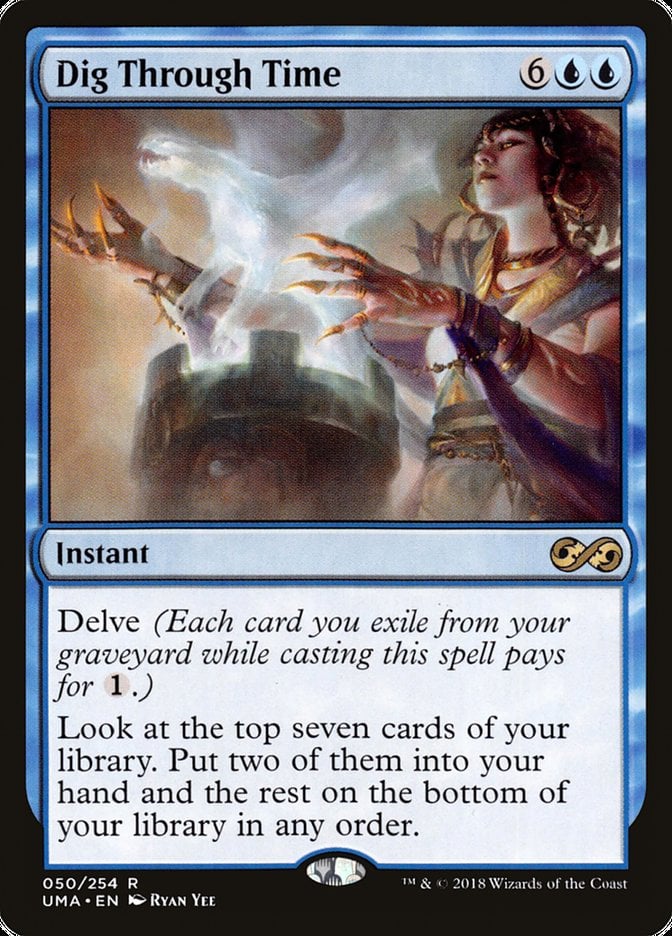
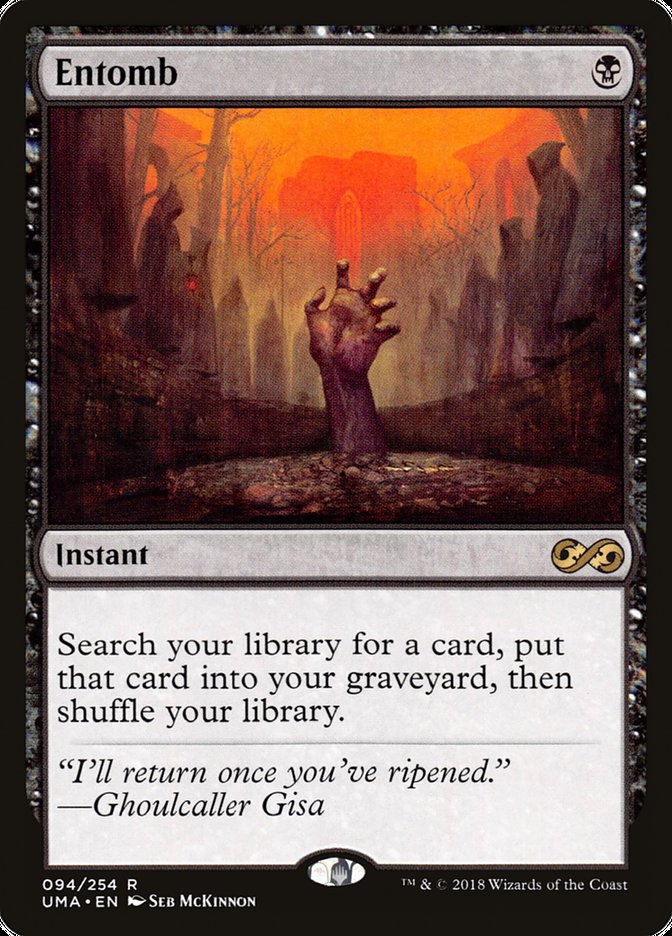
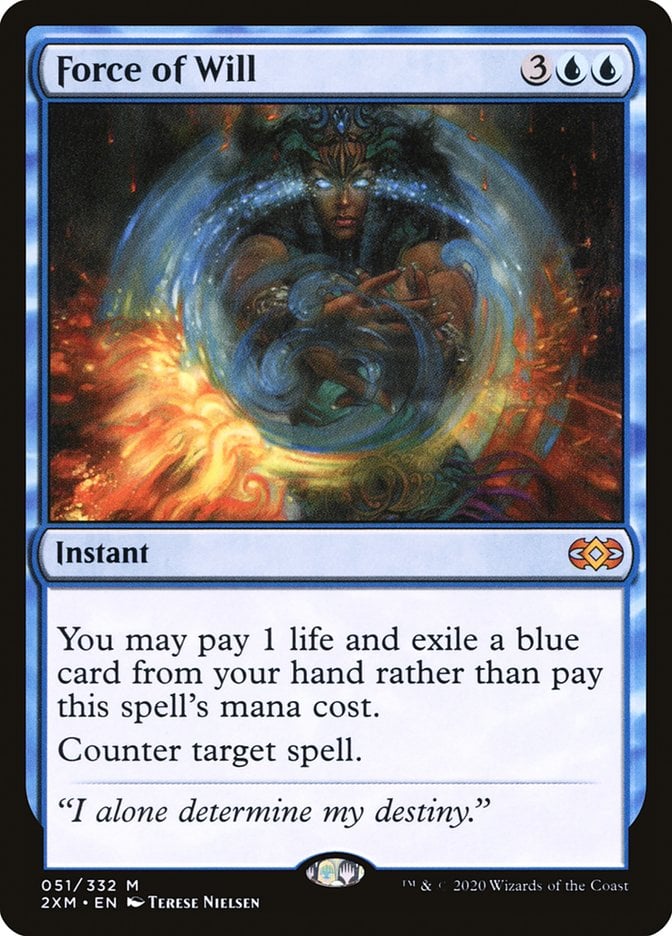
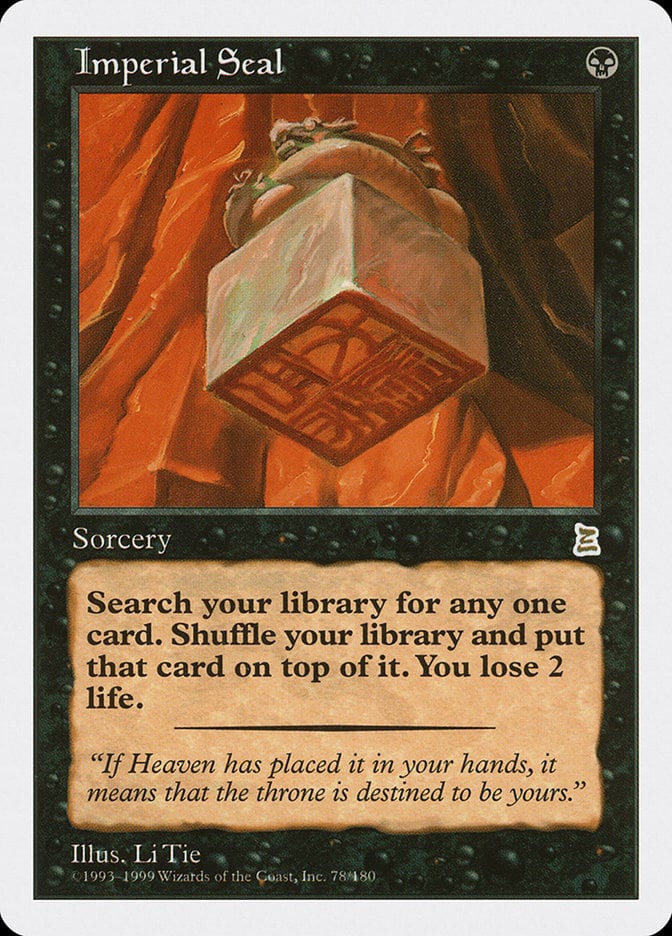
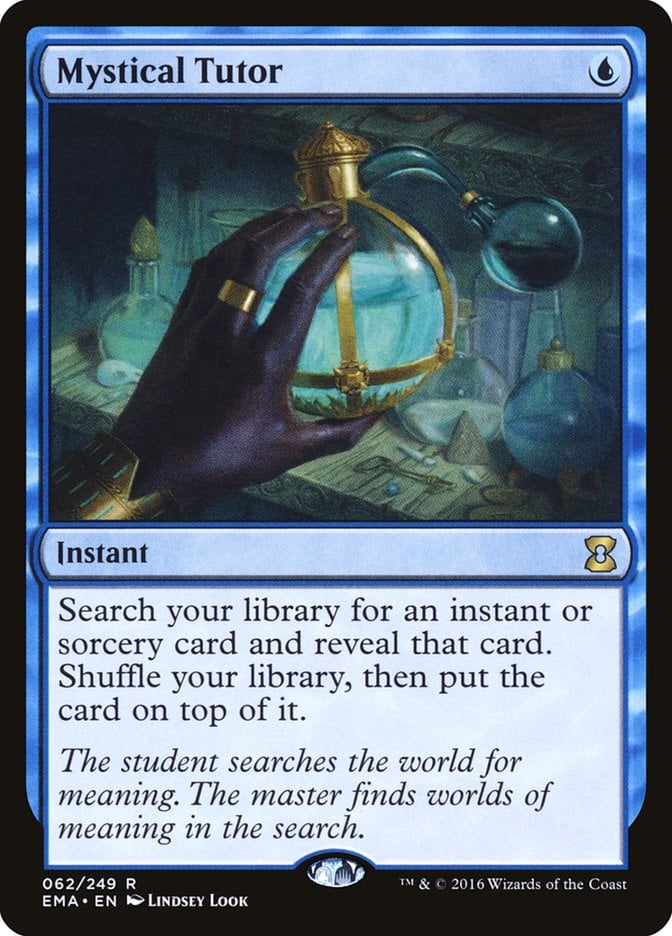
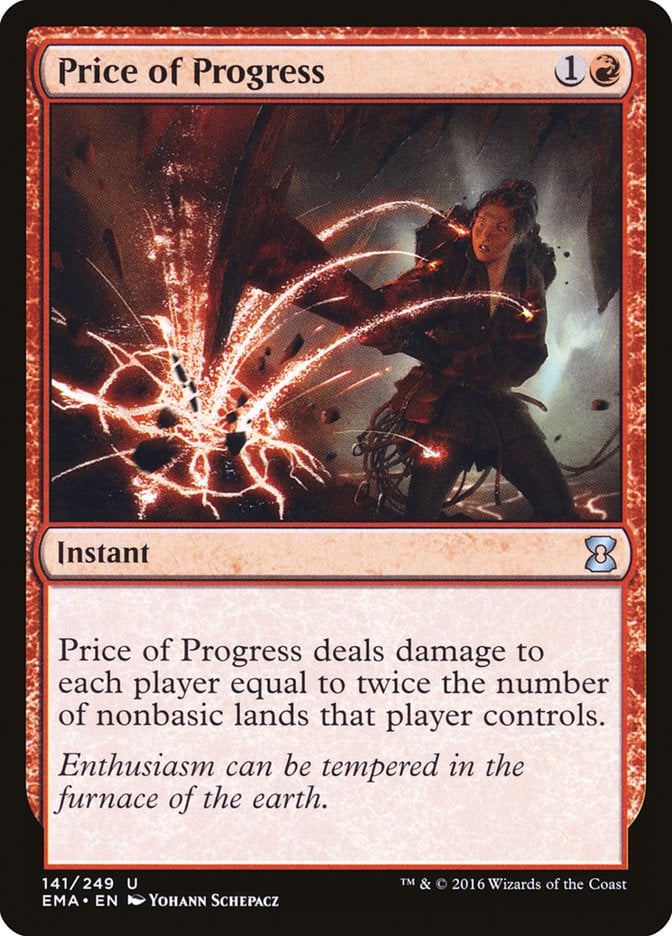
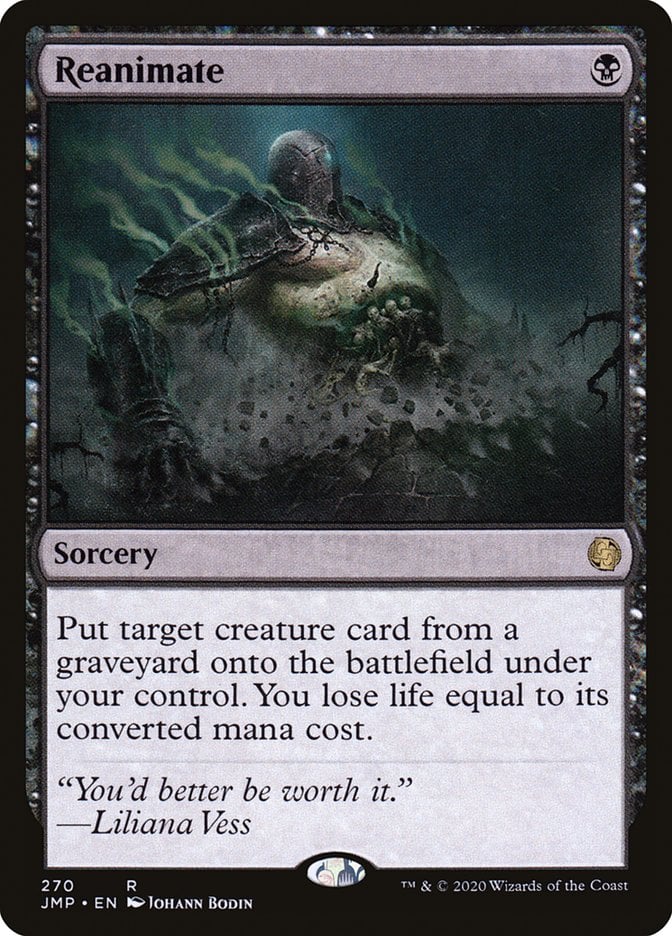
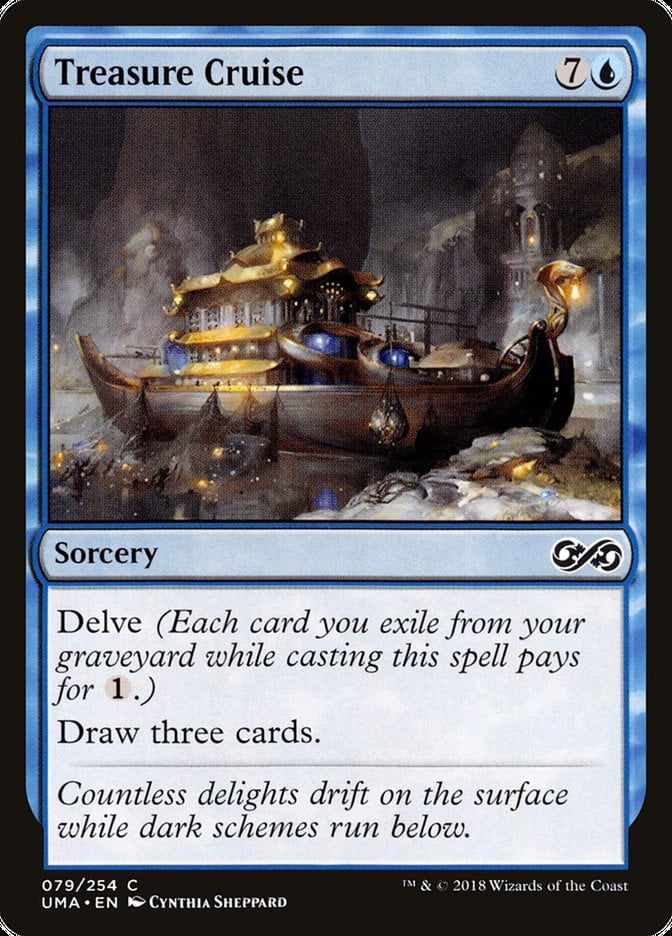
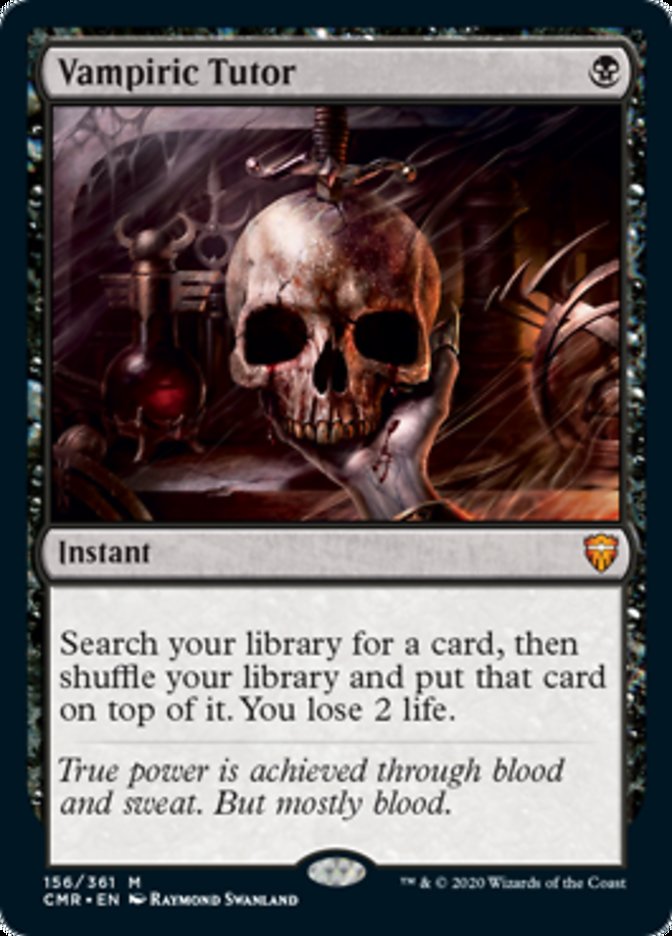
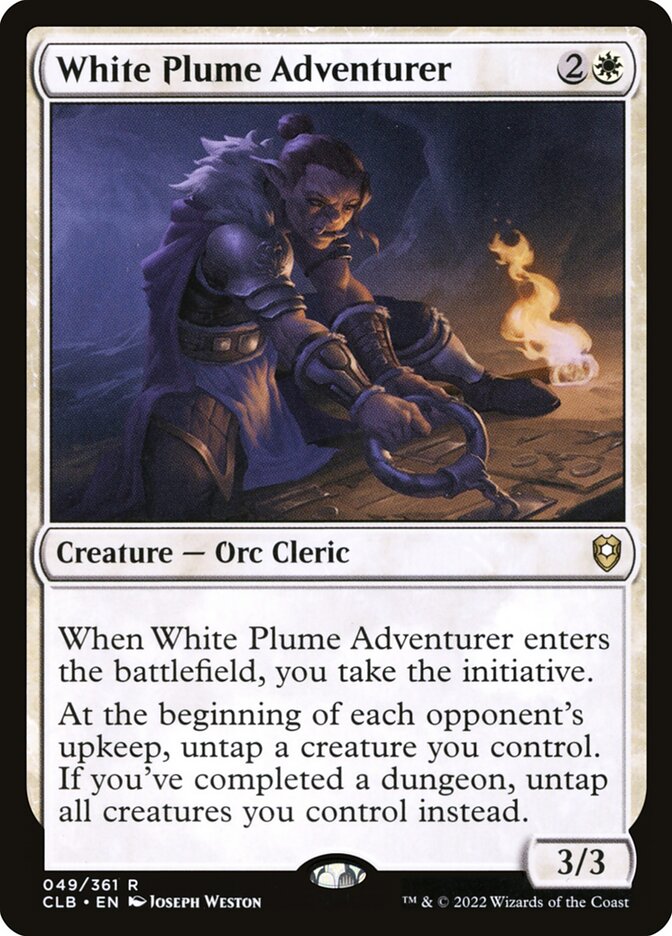
- Dig Through Time
- Entomb
- Force of Will
- Imperial Seal
- Mystical Tutor
- Price of Progress
- Reanimate
- Treasure Cruise
- Vampiric Tutor
- White Plume Adventurer
These cards all represent specific effects and archetypes like reanimation effects, tutors, and free counters that are broadly allowed in the format but are too efficient in these printings. For example, Animate Dead at 2 mana is an appropriate cost for reanimating a creature, not 1 like Reanimate. The hyper-efficiency of these cards earned them the axe.
Cheat Cards
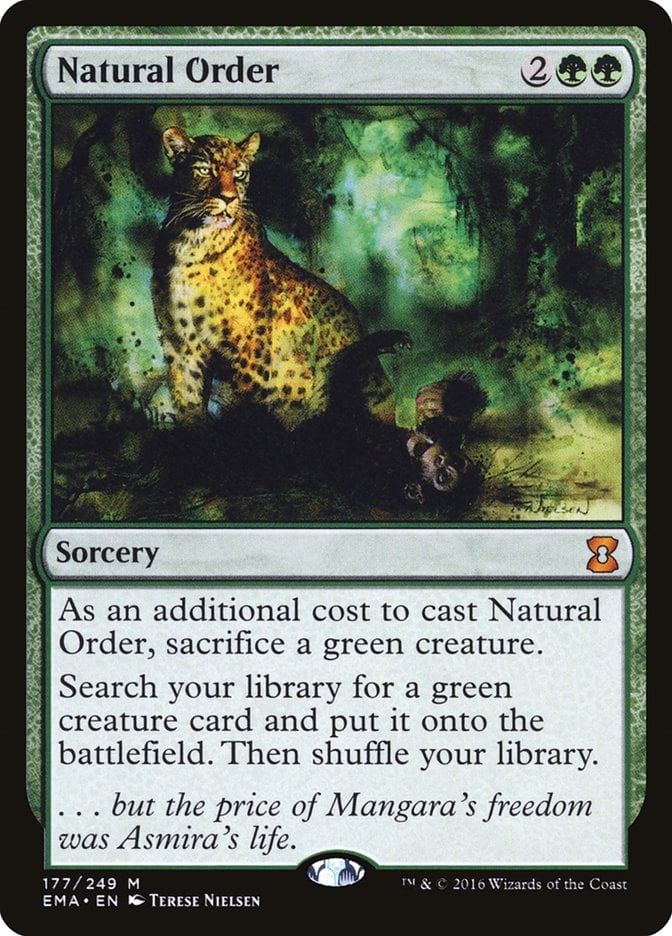

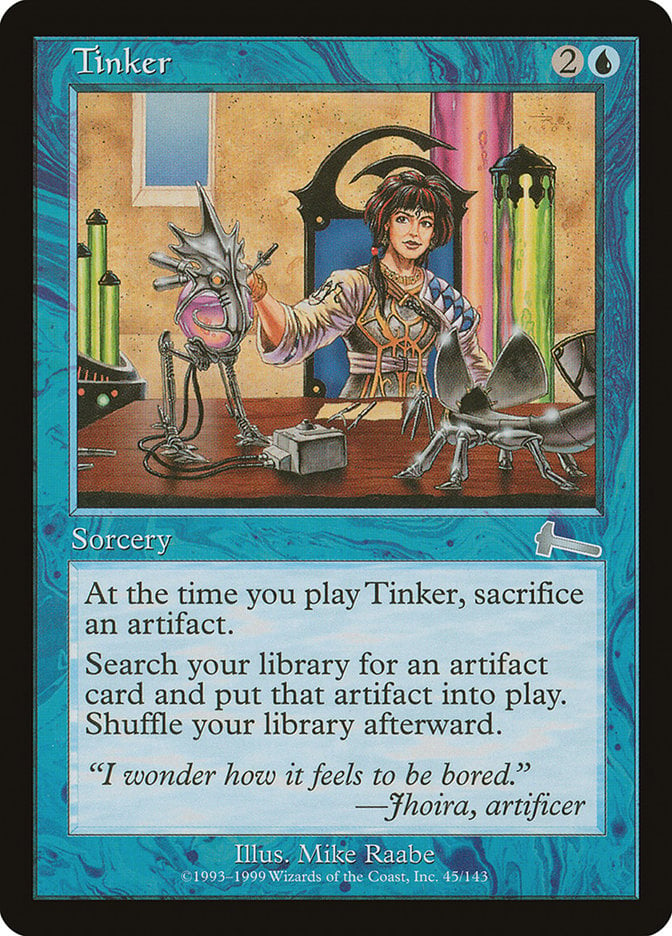
These last three cards excel at cheating creatures into play for a fraction of their mana value. Duel Commander emphasizes casting most spells, so it’s understandable why you don’t get a 4-mana Atraxa, Grand Unifier.
Commander Free Spells
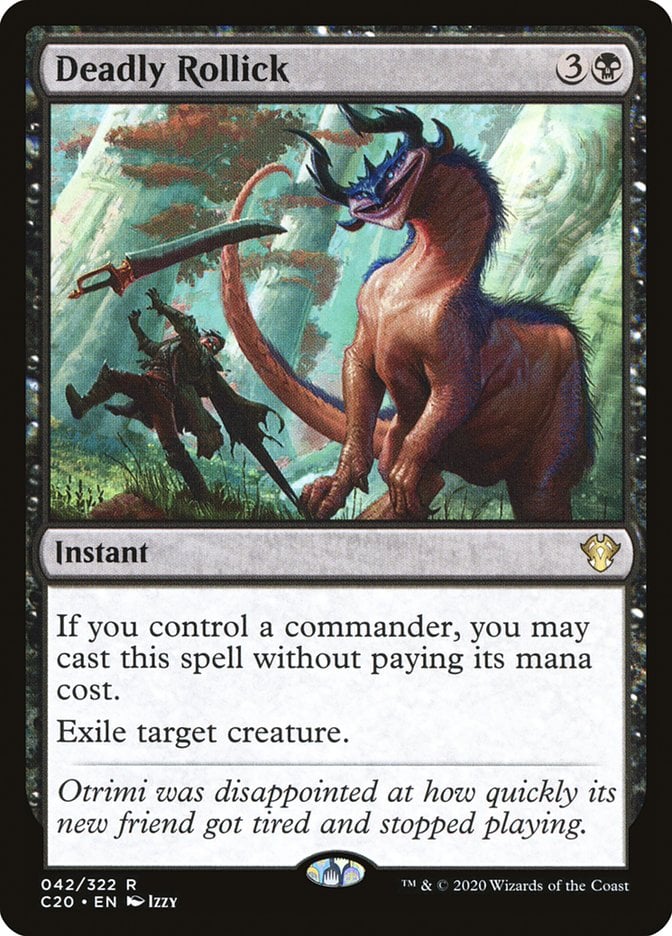
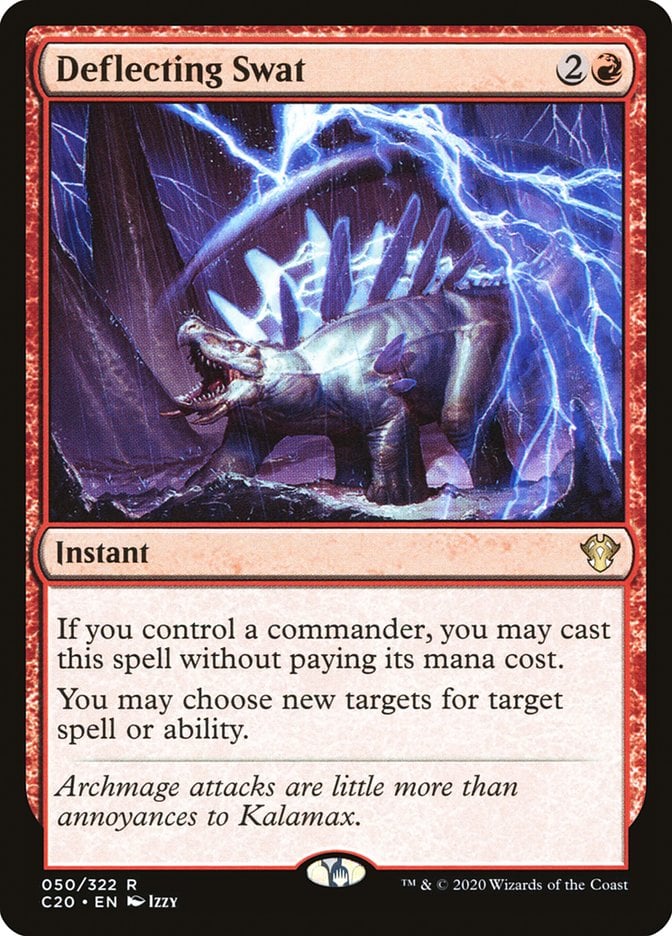
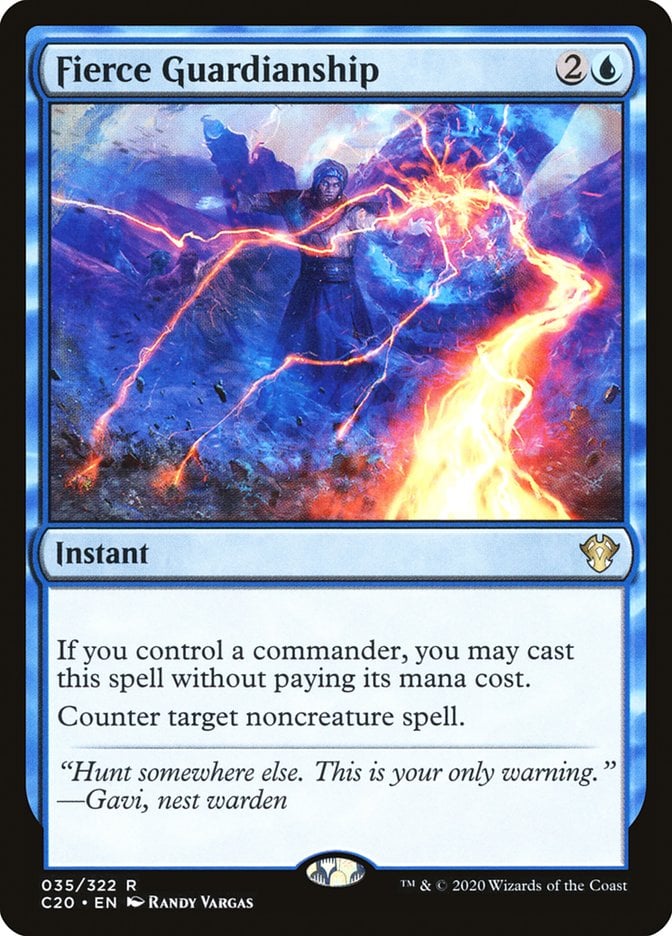
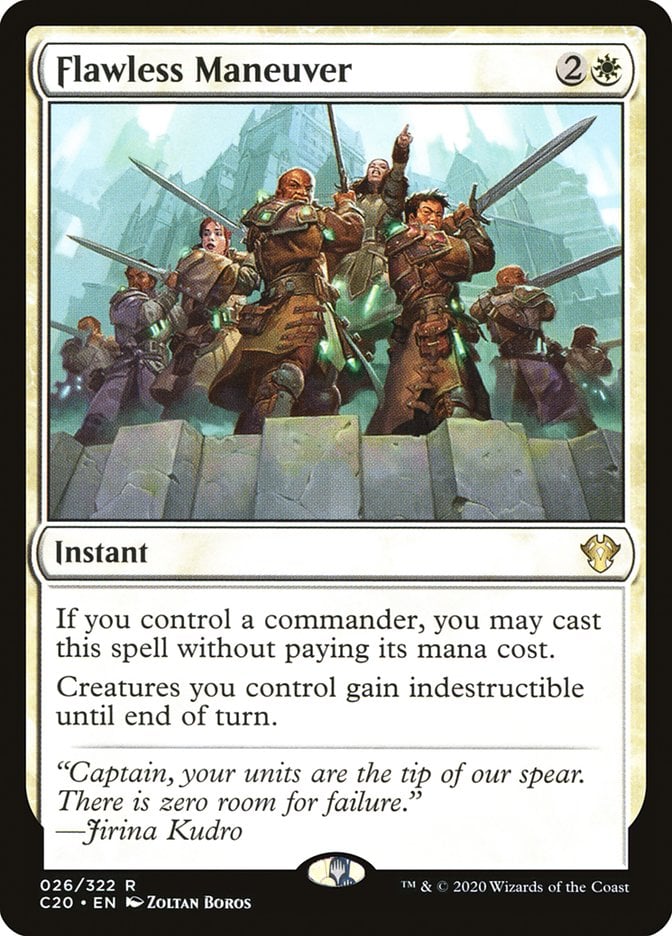
Four of the five commander free spells from Ikoria are banned—only Obscuring Haze escaped judgment, likely because it’s so unplayable that the committee forgot about it.
Banning these cards is perfectly reasonable and feels in line with the logic behind the fast mana ban: Games get a little less variable when one player comes out on top just because they draw the one card that let them tap out for their commander and then protect it at no cost.
Does Duel Commander Have “Banned as a Commander” Rules?
Yes! Twenty-four commanders are on the Banned as Commander list, which means they can be in the 99 of your deck but not in the command zone. It’s like a restricted list to keep certain cards in check.
Cards on the BaC list include hyper-aggressive threats, combo engines, and most commanders with eminence abilities.
Does Duel Commander Have the Same Ban List as Regular EDH?
No. Duel Commander has a distinct banlist from EDH. There’s some overlap—both formats have the same structural banlist, and some of the strongest cards like Ancestral Recall and Black Lotus are banned, but the Duel Commander banlist is more extensive and includes a banned-as-commander list.
It’s also worth noting both formats have different goals for the banlists. Regular EDH cultivates a banlist that encourages casual play and innovative deckbuilding while Duel Commander wants to create intriguing competitive games between two players.
How Often Do Cards Get Banned in Duel Commander?
The folks in change of Duel Commander make periodic announcements, but they aren’t on a set schedule. With a brief look at the 2025 announcements, they are often timed for not long after a new set is released.
Do Cards Ever Get Unbanned in Duel Commander?
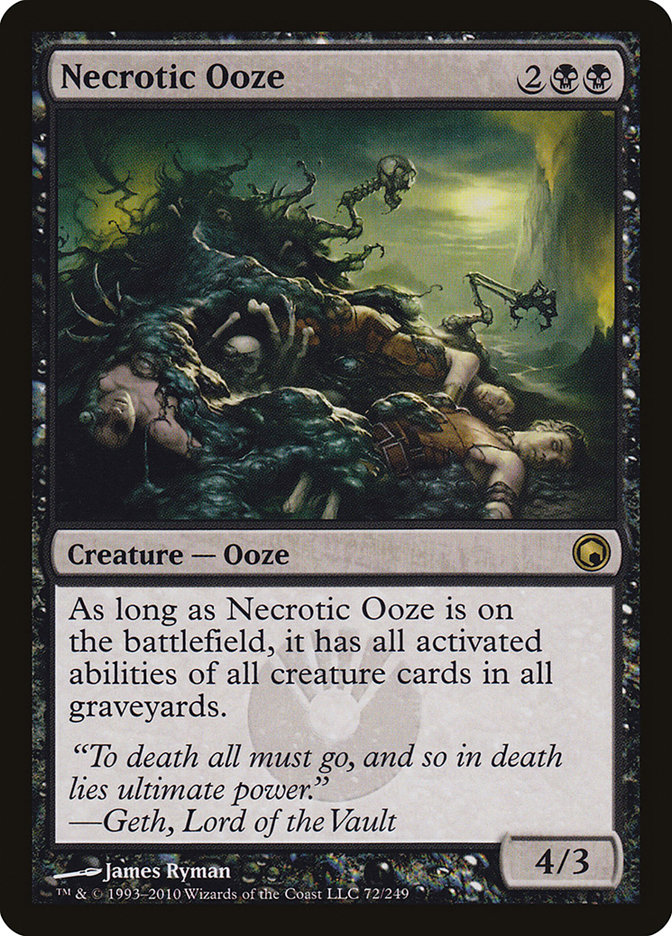
Yes! In fact, the most recent announcement brought several banned-as-commander cards off the banlist. Eight cards total have been unbanned since 2025, seven commanders and one Necrotic Ooze.
Who Decides What to Ban in Duel Commander?
Duel Commander has a dedicated rules committee who oversees the bans of the format and aren’t affiliated with Wizards of the Coast; they’re players who run the format on a volunteer basis. Here’s a link to the official page for the Duel Commander Rules Committee.
Of note, the committee saw a split last year, when the technical supervisor took control of all accounts. The end result is that they split from the above committee and made AeonShift, a unique and separate singleton format.
What Is AeonShift?
AeonShift is a format that branched off from Duel Commander, with a list of comprehensive rules. All cards are legal, and it uses a points system similar to Canadian Highlander to prevent players from just playing all the busted cards. The stronger the card, the more points it costs (most cost 0) and your “point budget” is determined by the commander you pick—the stronger the commander, the fewer points the rest of your deck gets.
Of note, AeonShift isn’t currently recognized by Wizards of the Coast while Duel Commander is. Duel Commander also has format support on MTGO.
Commanding Conclusion

Genesis Storm | Illustration by Mark Poole
Duel Commander is quite a bit different from Commander, in large part because of its more competitive nature compared to the casual sprawl of EDH. Its banlist has some odd cards but is generally well-defined and focuses on cultivating a specific play experience.
What do you think of Duel Commander? Would you ever try it instead of EDH? Let me know in the comments below or over on the Draftsim Discord! If you want more Draftsim content, check out our Newsletter and YouTube channel, both called The Daily Upkeep!
Stay safe, and thanks for reading!
Follow Draftsim for awesome articles and set updates:










1 Comment
Duel Commander is a major improvement over EDH in that it’s not controlled by Wizards. I would like to see a 6 – month temporary ban placed on new set releases to allow for the Duel Commander Committee to reflect on the new set and its impact on play in the Duel format.
Add Comment